EP1482035A1 - Process for producing physiologically active protein using genetically modified silkworm - Google Patents
Process for producing physiologically active protein using genetically modified silkworm Download PDFInfo
- Publication number
- EP1482035A1 EP1482035A1 EP03743628A EP03743628A EP1482035A1 EP 1482035 A1 EP1482035 A1 EP 1482035A1 EP 03743628 A EP03743628 A EP 03743628A EP 03743628 A EP03743628 A EP 03743628A EP 1482035 A1 EP1482035 A1 EP 1482035A1
- Authority
- EP
- European Patent Office
- Prior art keywords
- gene
- silkworm
- fibroin
- exogenous protein
- promoter
- Prior art date
- Legal status (The legal status is an assumption and is not a legal conclusion. Google has not performed a legal analysis and makes no representation as to the accuracy of the status listed.)
- Withdrawn
Links
Images










Classifications
-
- C—CHEMISTRY; METALLURGY
- C12—BIOCHEMISTRY; BEER; SPIRITS; WINE; VINEGAR; MICROBIOLOGY; ENZYMOLOGY; MUTATION OR GENETIC ENGINEERING
- C12N—MICROORGANISMS OR ENZYMES; COMPOSITIONS THEREOF; PROPAGATING, PRESERVING, OR MAINTAINING MICROORGANISMS; MUTATION OR GENETIC ENGINEERING; CULTURE MEDIA
- C12N15/00—Mutation or genetic engineering; DNA or RNA concerning genetic engineering, vectors, e.g. plasmids, or their isolation, preparation or purification; Use of hosts therefor
- C12N15/09—Recombinant DNA-technology
-
- C—CHEMISTRY; METALLURGY
- C12—BIOCHEMISTRY; BEER; SPIRITS; WINE; VINEGAR; MICROBIOLOGY; ENZYMOLOGY; MUTATION OR GENETIC ENGINEERING
- C12N—MICROORGANISMS OR ENZYMES; COMPOSITIONS THEREOF; PROPAGATING, PRESERVING, OR MAINTAINING MICROORGANISMS; MUTATION OR GENETIC ENGINEERING; CULTURE MEDIA
- C12N15/00—Mutation or genetic engineering; DNA or RNA concerning genetic engineering, vectors, e.g. plasmids, or their isolation, preparation or purification; Use of hosts therefor
- C12N15/09—Recombinant DNA-technology
- C12N15/63—Introduction of foreign genetic material using vectors; Vectors; Use of hosts therefor; Regulation of expression
- C12N15/79—Vectors or expression systems specially adapted for eukaryotic hosts
- C12N15/85—Vectors or expression systems specially adapted for eukaryotic hosts for animal cells
- C12N15/8509—Vectors or expression systems specially adapted for eukaryotic hosts for animal cells for producing genetically modified animals, e.g. transgenic
-
- A—HUMAN NECESSITIES
- A01—AGRICULTURE; FORESTRY; ANIMAL HUSBANDRY; HUNTING; TRAPPING; FISHING
- A01K—ANIMAL HUSBANDRY; AVICULTURE; APICULTURE; PISCICULTURE; FISHING; REARING OR BREEDING ANIMALS, NOT OTHERWISE PROVIDED FOR; NEW BREEDS OF ANIMALS
- A01K67/00—Rearing or breeding animals, not otherwise provided for; New or modified breeds of animals
- A01K67/60—New or modified breeds of invertebrates
- A01K67/61—Genetically modified invertebrates, e.g. transgenic or polyploid
- A01K67/63—Genetically modified worms
-
- A—HUMAN NECESSITIES
- A01—AGRICULTURE; FORESTRY; ANIMAL HUSBANDRY; HUNTING; TRAPPING; FISHING
- A01K—ANIMAL HUSBANDRY; AVICULTURE; APICULTURE; PISCICULTURE; FISHING; REARING OR BREEDING ANIMALS, NOT OTHERWISE PROVIDED FOR; NEW BREEDS OF ANIMALS
- A01K67/00—Rearing or breeding animals, not otherwise provided for; New or modified breeds of animals
- A01K67/60—New or modified breeds of invertebrates
- A01K67/61—Genetically modified invertebrates, e.g. transgenic or polyploid
- A01K67/65—Genetically modified arthropods
- A01K67/68—Genetically modified insects
-
- C—CHEMISTRY; METALLURGY
- C07—ORGANIC CHEMISTRY
- C07K—PEPTIDES
- C07K14/00—Peptides having more than 20 amino acids; Gastrins; Somatostatins; Melanotropins; Derivatives thereof
- C07K14/435—Peptides having more than 20 amino acids; Gastrins; Somatostatins; Melanotropins; Derivatives thereof from animals; from humans
- C07K14/52—Cytokines; Lymphokines; Interferons
-
- C—CHEMISTRY; METALLURGY
- C12—BIOCHEMISTRY; BEER; SPIRITS; WINE; VINEGAR; MICROBIOLOGY; ENZYMOLOGY; MUTATION OR GENETIC ENGINEERING
- C12N—MICROORGANISMS OR ENZYMES; COMPOSITIONS THEREOF; PROPAGATING, PRESERVING, OR MAINTAINING MICROORGANISMS; MUTATION OR GENETIC ENGINEERING; CULTURE MEDIA
- C12N15/00—Mutation or genetic engineering; DNA or RNA concerning genetic engineering, vectors, e.g. plasmids, or their isolation, preparation or purification; Use of hosts therefor
- C12N15/09—Recombinant DNA-technology
- C12N15/10—Processes for the isolation, preparation or purification of DNA or RNA
-
- C—CHEMISTRY; METALLURGY
- C12—BIOCHEMISTRY; BEER; SPIRITS; WINE; VINEGAR; MICROBIOLOGY; ENZYMOLOGY; MUTATION OR GENETIC ENGINEERING
- C12N—MICROORGANISMS OR ENZYMES; COMPOSITIONS THEREOF; PROPAGATING, PRESERVING, OR MAINTAINING MICROORGANISMS; MUTATION OR GENETIC ENGINEERING; CULTURE MEDIA
- C12N15/00—Mutation or genetic engineering; DNA or RNA concerning genetic engineering, vectors, e.g. plasmids, or their isolation, preparation or purification; Use of hosts therefor
- C12N15/09—Recombinant DNA-technology
- C12N15/63—Introduction of foreign genetic material using vectors; Vectors; Use of hosts therefor; Regulation of expression
-
- A—HUMAN NECESSITIES
- A01—AGRICULTURE; FORESTRY; ANIMAL HUSBANDRY; HUNTING; TRAPPING; FISHING
- A01K—ANIMAL HUSBANDRY; AVICULTURE; APICULTURE; PISCICULTURE; FISHING; REARING OR BREEDING ANIMALS, NOT OTHERWISE PROVIDED FOR; NEW BREEDS OF ANIMALS
- A01K2217/00—Genetically modified animals
- A01K2217/05—Animals comprising random inserted nucleic acids (transgenic)
-
- A—HUMAN NECESSITIES
- A01—AGRICULTURE; FORESTRY; ANIMAL HUSBANDRY; HUNTING; TRAPPING; FISHING
- A01K—ANIMAL HUSBANDRY; AVICULTURE; APICULTURE; PISCICULTURE; FISHING; REARING OR BREEDING ANIMALS, NOT OTHERWISE PROVIDED FOR; NEW BREEDS OF ANIMALS
- A01K2267/00—Animals characterised by purpose
- A01K2267/01—Animal expressing industrially exogenous proteins
Definitions
- the present invention relates to a process for producing a recombinant cytokine using a silkworm incorporating a cytokine gene in its chromosomes.
- the present invention relates to a gene recombinant silkworm having the property of producing a recombinant cytokine in a silk gland or cocoon and silk thread, and a vector for inserting an exogenous gene into silkworm chromosomes for producing the recombinant silkworm.
- the present invention also relates to a process for producing exogenous protein using insect cells, insect tissue or insects to which a gene has been inserted using the aforementioned vector.
- the present invention relates to silk thread containing an exogenous protein produced by a recombinant silkworm obtained in the present invention.
- the production of exogenous proteins using gene recombination technology is used in various industries.
- the hosts used for their production consist mainly of E. coli, yeast, animal cells, plant cells and insect cells.
- a host has yet to be developed that is capable of efficiently producing all kinds of exogenous proteins and, as it is necessary to construct a production system for each target protein, a technical breakthrough is being sought in technology for producing exogenous proteins in individual hosts.
- the object of the present invention is to provide a genetic engineering material for insects that does not require the use of recombinant baculovirus and enables a target protein having physiological activity to be purified easily, while simultaneously providing a process for producing exogenous protein using that genetic engineering material.
- the inventors of the present invention found that, by inserting a DNA sequence having a structure in which a gene that encodes a target protein is coupled downstream from a promoter specifically expressed in silkworm silk glands into silkworm chromosomes using DNA originating in a transposon, the target protein is produced in the silk glands, or the cocoon and the silk thread, in a form that retains physiological activity, thereby leading to completion of the present invention.
- the recombinant protein can be recovered from the silk glands or silk and cocoon thread without containing a large amount of contaminants, it offers the advantage of allowing the target protein to be purified easily.
- virus deactivation is not necessary thereby allowing the recombinant protein to be produced both easily and safely.
- the inventors of the present invention found that the amount of exogenous protein produced is increased considerably by inserting into silk gland cells a gene cassette in which the 5' terminal of an exogenous protein gene is coupled to the 3' terminal of a fibroin H chain gene 5' terminal portion containing a first intron of fibroin H chain gene downstream from a promoter expressed in the silk glands so that the amino acid frames are continuous.
- a recombinant silkworm produces a large amount of a target protein in its silk threads when a gene cassette was produced in which a DNA sequence of the 5' terminal portion containing a first intron of fibroin H chain gene on the 5' side of an exogenous protein gene, and a DNA sequence of the 3' terminal portion of fibroin H chain gene on the 3' side, were respectively designed so that their amino acid frames were continuous, followed by producing a recombinant silkworm in which that gene cassette was inserted into its chromosomes.
- the inventors of the present invention succeeded in producing a large amount of exogenous protein in silk gland cells, outside silk gland cells and in silk thread by inserting into silk gland cells and so forth an expression gene cassette in which the DNA sequence of the 5' terminal portion and the DNA sequence of the 3' portion of fibroin H chain gene were fused to an exogenous protein gene, and were able to establish an exogenous protein production technology that facilitates purification by producing an exogenous protein using silk glands instead of using a recombinant baculovirus.
- the present invention relates to a process for producing a recombinant cytokine comprising producing a gene recombinant silkworm that incorporates a cytokine gene in its chromosomes, and recovering the cytokine from the silk glands or cocoon and silk thread. Moreover, the present invention also relates to a gene recombinant silkworm in which a cytokine gene is incorporated, and a gene recombinant vector used to insert the cytokine gene into the silkworm.
- the present invention relates to a genetic engineering material, such as the gene cassette or vector described below, capable of being used for exogenous protein production in insects, a transformant, a process for producing exogenous protein using that transformant, and silk thread containing exogenous protein.
- a genetic engineering material such as the gene cassette or vector described below, capable of being used for exogenous protein production in insects, a transformant, a process for producing exogenous protein using that transformant, and silk thread containing exogenous protein.
- the present invention provides 1) a gene cassette for expressing an exogenous protein comprising (1) a promoter expressed in silk glands, and (2) a gene coupled downstream from (1) in which the 5' terminal portion of fibroin H chain gene is fused to the 5' side of an exogenous protein structural gene.
- the present invention provides 2) a gene cassette for expressing an exogenous protein comprising (1) a promoter expressed in silk glands, and (2) a gene coupled downstream from (1) in which the 3' terminal portion of fibroin H chain gene is fused to the 3' side of an exogenous protein structural gene not containing a stop codon.
- the present invention provides a gene cassette for expressing an exogenous protein comprising (1) a promoter expressed in silk glands, and (2) a gene coupled downstream from (1) in which an exogenous protein structural gene is fused to the 3' side of the 3' terminal portion of fibroin H chain gene.
- the present invention provides 3) a gene cassette for expressing an exogenous protein comprising (1) a promoter expressed in silk glands, and (2) a gene coupled downstream from (1) in which the 5' terminal portion of fibroin H chain gene is fused to the 5' side of an exogenous protein structural gene not containing a stop codon, and the 3' terminal portion of fibroin H chain gene is fused to the 3' side of the structural gene.
- the present invention provides 4) an expression vector for insect cells containing a gene cassette for expressing an exogenous protein according to any of the aforementioned 1) through 3).
- the present invention provides 5) a process for producing exogenous protein comprising inserting an expression vector for insect cells according to the aforementioned 4) into insect cells.
- the present invention provides 6) a process for producing exogenous protein comprising producing a recombinant silkworm in which a gene cassette for expressing an exogenous protein according to any of the aforementioned 1) through 3) is incorporated in its chromosomes, and after producing the exogenous protein in the silk glands or silk thread of the resulting recombinant silkworm, recovering the exogenous protein from the silk glands or silk thread.
- the present invention provides 7) a recombinant silkworm in which a gene cassette for expressing an exogenous protein according to any of the aforementioned 1) through 3) is incorporated in its chromosomes, and has the ability to produce exogenous protein in its silk glands or silk thread.
- the present invention provides 8) a silk thread containing an exogenous protein produced by the silkworm according to the aforementioned 7).
- Cytokines are proteins produced by various cells that have immunoregulatory activity, antiviral activity and blood cell growth activity on hematopoietic cells and immunocytes. Their activity is demonstrated as a result of forming a precise higher order structure and bonding to specific receptors on the cell membrane. They have previously been applied clinically to humans and animals based on the characteristics of their activity.
- cytokines of the present invention should be cytokines for which their physiological activity is maintained when expressed in silkworms, examples of which include physiologically active substances having immunoregulatory activity, antiviral activity or blood cell growth activity and so forth such as human interferon- ⁇ , ⁇ and ⁇ (J. Interferon Res. 5, 521-526, 1985; Nucleic Acids Res. 10, 2487-2501, 1982), human interleukin-12 (J. Immunol.
- human granulocyte colony stimulating factor (Nature, 319, 415-418, 1986), human erythropoietin (Nature, 313, 806-810, 1985), human thrombopoietin (Cell, 77, 1177-1124, 1994), feline interferon- ⁇ , (Biosci. Biotech. Biochem., 56, 211-214, 1992, GenBank database registration no. E04599), feline erythropoietin (GenBank database registration no. FDU00685), feline granulocyte colony stimulating factor (Gene, 274, 263-269, 2001), canine interferon- ⁇ (GenBank database registration no.
- cytokines include interferons and colony stimulating factors, and these preferably include interferon- ⁇ , ⁇ , ⁇ , ⁇ and ⁇ along with colony stimulating factor, erythropoietin and thrombopoietin. More preferable examples of cytokines include feline interferon- ⁇ , feline granulocyte colony stimulating factor and human interferon- ⁇ .
- Feline interferon- ⁇ gene is obtained by cutting out from a plasmid extracted from, for example, E. coli (pFeIFN1) (Patent Microorganism Depository No. 1633).
- this gene can also be obtained from rBNV100 produced by co-transfecting into established silkworm cells with a recombinant plasmid produced by ligating feline interferon-w gene to a silkworm cloning vector (T. Horiuchi, et al., Agric. Biol. Chem., 51, 1573-1580, 1987), and silkworm nuclear polyhedrosis virus.
- Feline granulocyte colony stimulating factor can be obtained by stimulating CRFK cells, which are cultured cells originating in feline kidney, with LPS followed by recovering mRNA from the cells and then carrying out PCR using the cDNA obtained by reverse transcription as a template and using primers established with reference to GenBank database registration no. AB042552.
- Human interferon- ⁇ gene can be acquired by cutting out from plasmid ORF-hIFN- ⁇ (Invitrogen) that encodes its cDNA.
- the method for inserting a gene into silkworm chromosomes used in the present invention should enable the gene to be stably incorporated and expressed in the chromosomes, and be stably propagated to offspring, as well, by mating.
- a method using micro-injection into silkworm eggs or a method using a gene gun can be used, a method that is used preferably consists of the micro-injection into silkworm eggs with a target gene containing vector for insertion of an exogenous gene into silkworm chromosomes and helper plasmid containing a transposon gene (Nature Biotechnology 18, 81-84, 2000) simultaneously.
- the target gene is inserted into reproductive cells in a recombinant silkworm that has been hatched and grown from the micro-injected silkworm eggs.
- Offspring of a recombinant silkworm obtained in this manner are able to stably retain the target gene in their chromosomes.
- the gene recombinant silkworm obtained in the present invention can be maintained in the same manner as ordinary silkworms. Namely, up to fifth instar silkworms can be raised by incubating the eggs under normal conditions, collecting the hatched larva to artificial feed and then raising under the same conditions as ordinary silkworms.
- Gene recombinant silkworms obtained in the present invention are able to pupate and produce a cocoon in the same manner as ordinary silkworms.
- Males and females are distinguished in the pupa stage, and after having transformed into moths, males and females mate and eggs are gathered on the following day.
- the eggs can be stored in the same manner as ordinary silkworm eggs.
- the gene recombinant silkworms of the present invention can be maintained on subsequent generations by repeating the breeding as described above, and can be increased to large numbers.
- the exogenous gene insertion vector used for the purpose of inserting a cytokine gene used in the present invention into silkworm chromosomes is not subject to any particular limitations provided it is designed so as to precisely control cytokine expression. Normally, it has a structure in which the cytokine gene is coupled to downstream from a promoter specifically expressed in the silk glands and upstream from an arbitrary poly A sequence, and has a pair of DNA sequences originating in a transposon outside these gene sequences. Moreover, a signal sequence originating in an arbitrary gene may be coupled between the cytokine gene and the promoter, and an arbitrary gene sequence may also be coupled between the cytokine gene and poly A. In addition, an artificially designed and synthesized gene sequence can also be coupled.
- a sequence for replication within a bacterial host antibiotic resistance gene, fluorescence protein gene or LacZ gene and so forth can also be coupled as necessary.
- the gene of green fluorescence protein GFP coupled downstream from a suitable promoter can be inserted at a suitable location between a pair of transposon DNA sequences.
- this vector may also contain all or a portion of pUC9, pUC19 or other plasmids originating in E. coli .
- any promoter originating in any organism can be used provided its acts effectively within silkworm cells, a promoter that has been designed to specifically induce protein in silkworm silk glands is preferable.
- silkworm silk gland protein promoters include fibroin H chain promoter, fibroin L chain promoter, p25 promoter and sericin promoter.
- Examples of other gene sequences used in addition to the promoter include signal sequences, poly A sequences and other sequences that control gene expression. These are not limited to specific gene sequences, but rather those which are suitable for expression of the target gene can be selected. Examples include sequences originating in the target protein such as signal sequences of cytokines such as feline interferon- ⁇ and poly A sequences, and signal sequences and poly A sequences of insect protein contained in the silkworm serving as the host. Alternatively, other examples include sequences that have been proven to be generally effective for expressing proteins such as SV40 poly A and bovine growth hormone poly A. By changing the gene sequence of the aforementioned promoters and the other sequences coupled with the cytokine genes, the locations where they are expressed and the amounts expressed can be controlled.
- a "gene cassette for expressing an exogenous protein” refers to a set of DNA required for a synthesis of protein encoded by the exogenous protein structural gene in the case of being inserted into insect cells.
- This gene cassette for expressing an exogenous protein contains an exogenous protein structural gene and a promoter that promotes expression of that gene. Normally, it also contains a terminator and poly A addition region, and preferably contains a promoter, exogenous protein structural gene, terminator and poly A addition region. Moreover, it may also contain a secretion signal gene coupled between the promoter and the exogenous protein structural gene. An arbitrary gene sequence may also be coupled between the poly A addition sequence and the exogenous protein structural gene. In addition, an artificially designed and synthesized gene sequence can also be coupled.
- a "gene cassette for inserting a gene” refers to a gene cassette for expressing an exogenous gene having an inverted repetitive sequence of a pair of piggyBac transposons on both sides, and consisting of a set of DNA inserted into insect cell chromosomes through the action of the piggyBac transposons.
- telomere sequence is amplified and acquired using a polymerase chain reaction (PCR) based on known genetic information
- PCR polymerase chain reaction
- these genes include variants resulting from genetic polymorphism and artificial mutation treatment using mutagens and so forth.
- Genetic polymorphism refers to that in which a portion of the base sequence of a gene is altered by a sudden spontaneous mutation in the gene.
- promoter in the gene cassette for expressing an exogenous protein that having a high level of activity that promotes expression of an exogenous protein gene is preferable.
- examples include the promoter of drosophila heat shock protein gene described in Japanese Unexamined Patent Publication No. 6-261770 and the promoter of silkworm actin gene (Nature Biotechnology 18, 81-84, 2000), promoters having a high level of promoting activity in silkworm silk gland cells are preferable, examples of which include the promoters of fibroin H chain gene (base numbers 255-574 of GenBank registration no. V00094), fibroin L chain gene (Gene, 100, 151-158; GenBank registration no. M76430) and sericin gene (base numbers 599-1656 of GenBank registration no. AB007831).
- Exogenous protein structural gene refers to a gene not possessed by host cells in which a gene is to be expressed, and which encodes a protein not inherently produced by the host cells.
- examples include genes of proteins that are produced by humans or mammals such as genes of growth hormones, cytokines, growth factors and cell structural proteins.
- genes of enzymes and various proteins produced by microbes, plants or insects are also included in the scope of the present invention.
- the 5' terminal portion of fibroin H chain gene is a DNA sequence having action that enhances expression of exogenous protein gene by a promoter, and contains a first exon of fibroin H chain gene, all or a portion of a first intron, and a portion of a second exon.
- the second exon portion have a suitable length according to the purpose.
- favorable results can be obtained by making the second exon portion to extend to immediately after or up to several amino acid residues from the secretion signal gene of fibroin H chain gene.
- the region upstream from the 5' side of fibroin H chain gene promoter namely a roughly 5.5 kbp upstream region, is considered to be the region that enhances promoter activity, adding this region can be expected to increase the amount of target protein expressed.
- the 3' terminal portion of fibroin H chain gene is a DNA sequence having the effect of causing secretion of a large amount of exogenous protein outside the silk gland cells.
- a recombinant silkworm in which a gene cassette for expressing an exogenous protein, in which the 3' terminal portion of fibroin H chain gene serving as the signal for secreting into silk thread is fused to the 3' side, is inserted into its chromosomes is able to produce exogenous protein in its silk thread.
- the 3' terminal portion of fibroin H chain gene may be present upstream or downstream from the exogenous protein gene or within the exogenous protein gene.
- cysteine residue is located at the 20th residue from the carboxyl terminal of the fibroin H chain gene.
- This cysteine fulfills the role of bonding to fibroin L chain by a disulfide bond.
- the length of the DNA sequence of the 3' terminal portion of fibroin H chain gene provided it does not inhibit formation of the disulfide bond with fibroin L chain.
- cleaving the DNA sequence of this upstream portion to an arbitrary length is difficult with a restriction endonuclease.
- poly A region a poly A region of a protein gene expressed in large amounts in silk glands, such as fibroin H chain, fibroin L chain or sericin, can be used preferably.
- a vector in the present invention refers to that having a cyclic or linear DNA structure.
- a vector capable of replicating in E. coli and having a cyclic DNA structure is particularly preferable.
- This vector can also incorporate a marker gene such as an antibiotic resistance gene or jellyfish green fluorescence protein gene for the purpose of facilitating selection of transformants.
- insect cells used in the present invention are preferably lepidopteron cells, more preferably Bombyx mori cells, and even more preferably silkworm silk gland cells or cells contained in Bombyx mori eggs.
- silk gland cells posterior silk gland cells of fifth instar silkworm larva are preferable because there is active synthesis of fibroin protein and they are easily handled.
- a gene cassette for expression of exogenous protein and a vector into the insect cells there are no particular limitations on the method used to incorporate a gene cassette for expression of exogenous protein and a vector into the insect cells.
- the calcium phosphate method, methods using electroporation, methods using liposomes, methods using a gene gun and methods using micro-injection can be used for incorporation into cultured insect cells, in the case of incorporating into silkworm silk gland cells, for example, a gene can be easily incorporated into posterior silk gland tissue removed from the body of a fifth instar silkworm larvae using a gene gun.
- Gene incorporation into the posterior silk gland using a gene gun can be carried out by, for example, bombarding gold particles coated with a vector containing a gene cassette for expressing exogenous protein into a posterior silk gland immobilized on an agar plate and so forth using a particle gun (Bio-Rad, Model No. PDS-1000/He) at an He gas pressure of 1,100 to 1,800 psi.
- a particle gun Bio-Rad, Model No. PDS-1000/He
- a method using micro-injection is preferable.
- a recombinant silkworm containing the "gene cassette for expressing an exogenous protein" of the present invention in its chromosomes can be acquired by micro-injecting a vector having a "gene cassette for inserting a gene" into the eggs of Bombyx mori.
- a first generation (G1) silkworm is obtained by simultaneously micro-injecting a vector having a "gene cassette for inserting a gene” and a plasmid in which a piggyBac transposase gene is arranged under the control of silkworm actin promoter into Bombyx mori eggs according to the method of Tamara, et al. (Nature Biotechnology 18, 81-84, 2000), followed by breeding the hatched larva and crossing the resulting adult insects (G0) within the same group.
- Recombinant silkworms normally appear at a frequency of 1 to 2% among this G1 generation.
- recombinant silkworms can be carried by PCR using primers designed based on the exogenous protein gene sequence after isolating DNA from the G1 generation silkworm tissue.
- recombinant silkworms can be easily selected by inserting a gene encoding green fluorescence protein coupled downstream from a promoter capable of being expressed in silkworm cells into a "gene cassette for inserting a gene" in advance, and then selecting those individuals that emit green fluorescence under ultraviolet light among G1 generation silkworms at first instar stage.
- recombinant silkworms can be acquired in the same manner as described above by simultaneously micro-injecting a piggyBac transposase protein.
- a piggyBac transposon refers to a transfer factor of DNA having an inverted sequences of 13 base pairs on both ends and an ORF inside of about 2.1k base pairs.
- examples of those that can be used include those originating in Trichoplusia ni cell line TN-368, Autographa californica NPV (AcNPV) and Galleria mellonea NPV (GmMNPV).
- a piggyBac transposon having gene and DNA transfer activity can be preferably prepared using plasmids pHA3PIG and pPIGA3GFP having a portion of a piggyBac originating in Trichoplusia ni cell line TN-368 (Nature Biotechnology 18, 81-84, 2000).
- the structure of the DNA sequence originating in a piggyBac is required to have a pair of inverted terminal sequences containing a TTAA sequence, and has an exogenous gene such as a cytokine gene inserted between those DNA sequences. It is more preferable to use a transposase in order to insert an exogenous gene into silkworm chromosomes using a DNA sequence originating in a transposon.
- the frequency at which a gene is inserted into silkworm chromosomes can be improved considerably by simultaneously inserting DNA capable of expressing a piggyBac transposase to enable the transposase transcribed and translated in the silkworm cells to recognize the two pairs of inverted terminal sequences, cut out the gene fragment between them, and transfer it to silkworm chromosomes.
- the gene recombinant silkworm used in the present invention refers to a silkworm which has had inserted into its chromosomes an exogenous protein gene, and after treating the silkworm chromosomal DNA with restriction endonuclease in accordance with ordinary methods, yields a positive signal when subjected to Southern blotting using the exogenous protein gene labeled in accordance with ordinary methods as a probe.
- the gene locus on the chromosome into which a cytokine gene has been inserted provided it is a site that does not inhibit silkworm development, differentiation and growth.
- the recombinant silkworm has the ability to produce exogenous protein in its silk gland cells, silk gland lumen and silk thread.
- the recombinant silkworm is able to develop and mate normally, stably retain the inserted exogenous protein gene, and transmit that gene to its offspring.
- the amount of exogenous protein produced can easily be increased by increasing the number of recombinant silkworms through crossing.
- Crossing between transgenic silkworm strain and non-transgenic strain can increase the amount of the produced exogenous protein. In this case, it is necessary to cross the silkworms while suitably selecting those silkworms into which the target exogenous protein gene has been inserted.
- offspring that have inherited the gene of the recombinant silkworm can be easily evaluated by analyzing a marker gene used to select the recombinant silkworms or the presence or structure of the exogenous protein gene by PCR or Southern blotting and so forth using cell DNA obtained from an arbitrary tissue.
- Insect cells and silkworm silk glands containing the gene cassette for expression of an exogenous protein of the present invention can produce exogenous protein in culture supernatant or their cells by respectively culturing in culture liquid suitable for their culturing.
- BmN cells which are silkworm ovary cells that have been inserted with the expression gene cassette of the present invention, produce a target exogenous protein after 3 or 4 days of culturing by culturing at 27°C in TC-100 medium (PharMingen).
- silkworm posterior silk gland produces exogenous protein by culturing at 25°C in Grace's insect medium after being excised aseptically from, for example, fifth instar larva.
- a silk gland inserted with an exogenous protein gene fused to the 3' terminal of fibroin H chain gene of the present invention is capable of producing a large amount of a target exogenous protein in culture supernatant. Since nearly all contaminating proteins in the silk gland culture supernatant are fibroin, the target protein can be easily purified from the silk gland culture supernatant, and as a result, a highly pure target protein can be obtained.
- the recombinant silkworm obtained in the present invention can be raised in the same manner as ordinary silkworms, and is able to produce exogenous protein by raising under ordinary conditions.
- the amount of exogenous protein produced can be improved by optimizing the temperature, humidity and feeding conditions, etc. during the fifth instar period in particular corresponding to the target exogenous protein.
- a recombinant silkworm inserted with an exogenous protein gene fused to the 3' terminal of fibroin H chain gene of the present invention is able to produce a large amount of a target exogenous protein in its cocoon.
- the target exogenous protein can also be easily purified and recovered from the resulting cocoon.
- silk thread containing the resulting exogenous protein can be used directly or in a partially processed form in various industrial applications.
- Exogenous protein can be obtained from the silk gland or cocoon and silk thread of a recombinant silkworm obtained in the present invention by a suitable extraction procedure.
- an aqueous solvent system is preferable in many cases.
- An aqueous solution used for extraction may contain a suitable solute for promoting extraction of the exogenous protein, examples of which include inorganic acids such as phosphoric acid, organic acids such as acetic acid, citric acid and malic acid, salts such as sodium chloride, urea, guanidine hydrochloride and calcium chloride, and polar organic solvents such as ethanol, methanol, acetonitrile and acetone.
- the pH of the extraction solution there are also no particular limitations on the pH of the extraction solution, and any arbitrary pH can be used provided it does not deactivate the function of the target exogenous protein.
- a target useful protein can be purified and isolated by combining chromatography using a silica gel carrier, ion exchange carrier, gel permeation carrier, chelating carrier or pigment-loaded carrier and so forth, ultrafiltration, gel permeation, dialysis, desalting by salting out or concentration and so forth using an inherently possessed function as an indicator.
- feline interferon- ⁇ can be recovered in the soluble fraction obtained by homogenizing silk glands or cocoon and silk thread of a silkworm into which has been inserted a feline interferon- ⁇ gene with 20 mM phosphate buffer (pH 7.0).
- the purity of the feline interferon- ⁇ can be increased by adsorbing the resulting extract liquid onto, for example, a Blue Sepharose carrier and eluting the resulting buffer solution containing the extract liquid after washing.
- Cytokines produced in this manner can be used in pharmaceutical applications as well as various measurement and diagnostic applications in the same manner as cytokines produced with other conventional production processes. In this case, they may also be used as a mixture to which various additives have been added.
- tissue or cocoon and silk thread of a silkworm in which cytokines have been expressed can also be used directly or after processing as fibers for medical or clothing use.
- tissue or silk thread of a recombinant silkworm in which enzymes have been expressed can be used directly in enzyme reactions.
- the physiological activity of interferon was measured according to the following method as antiviral activity.
- Antiviral activity was measured by the CPE method using vesicular stomatitis virus (VSV) for the virus, and using feline Fc9 cells (J.K. Yamamoto, et al.: Vet. Immunol. and Immunopathol., 11, 1-19, 1986) for the susceptive cells in the case of feline interferon- ⁇ , or human FL cells in the case of human interferon- ⁇ .
- VSV vesicular stomatitis virus
- feline Fc9 cells J.K. Yamamoto, et al.: Vet. Immunol. and Immunopathol., 11, 1-19, 1986
- a sample diluent was added to the uppermost row of 96-well microtiter plate in which susceptive cells cultured at 37°C to confluency, and then serially diluting in two-fold increments moving towards the lower end of the plate.
- VSV was added followed by additionally culturing for 16 to 20 hours at 37°C.
- Viable susceptive cells adhered to the microtiter plate were then stained with crystal-violet stain containing 20% formalin, and as a result of measuring the optical absorbance at 570 nm for the amount of crystal-violet remaining on the microplate, antiviral activity was determined by comparison with a standard.
- Intercat (Toray) adjusted to 1000 units/ml with cell culturing medium was used for the standard for feline interferon- ⁇
- Feron (Toray) prepared to 1000 units/ml with cell culturing medium was used for the standard for human interferon- ⁇ .
- samples were used for the measurement of antiviral activity after diluting 15-fold with cell culturing medium.
- the genes used were acquired by PCR by producing primers for the sequences on both ends using known sequences and using suitable DNA sources for the templates. Restriction sites were added to the ends of the primers for the subsequent gene construction procedure.
- Feline interferon- ⁇ gene (base numbers 9-593 of GenBank registration no. S62636) was acquired by PCR using two types of primers consisting of primer 3 (SEQ. ID No. 3) and primer 4 (SEQ. ID No. 4) and using baculovirus rBNV100 encoding feline interferon- ⁇ gene for the template.
- rBNV100 can be produced by, for example, cutting out FeIFN gene from a plasmid extracted from E. coli (pFeIFN1) (Patent Microorganism Depository No. 1633), coupling to a silkworm cloning vector (T. Horiuchi, et al., Agric. Biol. Chem., 51, 1573-1580, 1987), and co-transfecting silkworm established cells with the recombinant plasmid produced and silkworm nuclear polyhedrosis virus DNA.
- Sericin-1 gene promoter (base numbers 599-1656 of GenBank registration no. AB007831) was acquired by PCR using two types of primers consisting of primer 5 (SEQ. ID No. 5) and primer 6 (SEQ. ID No. 6) and using silkworm chromosomal DNA for the template.
- Fibroin H chain gene promoter (base numbers 255-574 of GenBank registration no. V00094) was acquired by PCR using two types of primers consisting of primer 7 (SEQ. ID No. 7) and primer 8 (SEQ. ID No. 8) and using silkworm chromosomal DNA for the template.
- Bovine growth hormone gene poly A (pcDNA3.1(+) sequence numbers 1011-1253) was acquired by PCR using two types of primers consisting of primer 9 (SEQ. ID No. 9) and primer 10 (SEQ. ID No. 10) and using plasmid pcDNA3.1(+) vector (Invitrogen) for the template.
- PCR was carried out in accordance with the accompanying protocol using KODplus (Toyobo). Namely, after adding 10 ng of each template in the case of a plasmid or 100 ng in the case of chromosomal DNA, 30 pmol of each primer and 10 ⁇ l of the 10xPCR buffer provided, each reagent was added to a concentration of 1 mM MgCl 2 , 0.2 mM dNTPs and 2 units of KODplus followed by bringing up to a final volume of 100 ⁇ l.
- KODplus Toyobo
- PCR components were then reacted for 30 cycles using a Perkin-Elmer DNA thermal cycler under DNA denaturation conditions of 94°C for 15 seconds, primer annealing conditions of 55°C for 30 seconds, and elongation conditions of 68°C for 30 to 60 seconds.
- reaction solutions were electrophoresed with 1 to 1.5% agarose gel, and DNA fragments consisting of a roughly 580 bp fragment in the case of feline interferon- ⁇ gene, a roughly 1 kbp fragment in the case of sericin-1 promoter, a roughly 320 bp fragment in the case of fibroin H chain promoter, and a roughly 230 bp fragment in the case of bovine growth hormone poly A were extracted and prepared in accordance with ordinary methods.
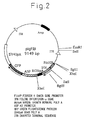
- vector pigA3GFP (Nature Biotechnology 18, 81-84, 2000) was used for the plasmid for gene insertion.
- vector pigA3GFP is a vector in which after removing a region encoding transposase from plasmid p3E1.2 disclosed in US Patent No. 6218185, an A3 promoter (base numbers 1764-2595 of GenBank registration no. U49854), GFP originating in pEGFP-N1 vector (Clontech) and poly A addition sequence originating in SV40 (base numbers 659-2578 of GenBank registration no. U55762) are inserted into that portion (Nature Biotechnology 18, 81-84, 2000).
- the expression unit of feline interferon- ⁇ gene was inserted at the XhoI site upstream from the A3 promoter.
- the expression units of the inserted genes consisted of a sericin-1 gene promoter-feline interferon- ⁇ -bovine growth hormone poly A addition sequence (SEQ. ID No. 1), or a fibroin H chain gene promoter-feline interferon- ⁇ -bovine growth hormone poly A addition sequence (SEQ. ID No. 2).
- SEQ. ID No. 1 sericin-1 gene promoter-feline interferon- ⁇ -bovine growth hormone poly A addition sequence
- SEQ. ID No. 2 a fibroin H chain gene promoter-feline interferon- ⁇ -bovine growth hormone poly A addition sequence
- fibroin H chain gene promoter fragment 100 ng of feline interferon- ⁇ gene fragment and 50 ng of bovine growth hormone poly A were mixed and reacted overnight at 16°C by adding an equal volume of DNA Ligation Kit Version 2 (Takara Shuzo).
- 0.5 ⁇ l of the reaction solution was subjected to PCR using primer 13 (SEQ. ID No. 13) and primer 12 (SEQ. ID No. 12) for 2 minutes of elongation under the same conditions as Example 1.
- primer 13 SEQ. ID No. 13
- primer 12 SEQ. ID No. 12
- the aforementioned pigFIB and helper plasmid pHA3PIG (Fig. 3, Nature Biotechnology 18, 81-84, 2000) were adjusted to a concentration of 200 ng/ml each in 0.5 mM phosphate buffer (pH 7.0) and 5 mM KCl, after which 15 to 20 nl were micro-injected into silkworm eggs within 4 hours after being laid.
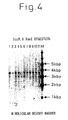
- the results of Southern blotting on the gene recombinant silkworms obtained from that moth group are shown in Fig. 4.
- the method employed for Southern blotting consisted of extracting chromosomal DNA from the G1 generation moths, electrophoresing restrictase-treated samples, and detecting a membrane to which the DNA was transferred by chemiluminescence using the AlkPhos Direct Labeling and Detection System (Amersham-Pharmacia) using a nucleic acid probe specific for feline interferon- ⁇ .
- feline interferon- ⁇ gene was confirmed to have been inserted into 10 of the silkworms.
- feline interferon- ⁇ Since feline interferon- ⁇ has antiviral activity, the presence of feline interferon- ⁇ can be determined according to its activity.
- Silkworms (G1) of the positive moth group obtained in Example 4 were mated with wild silkworms, and the middle and posterior silk glands excised from fifth instar larva of the resulting generation (G2) were confirmed to be inserted with feline interferon- ⁇ gene. These were then homogenized using 20 mM sodium phosphate buffer (pH 7.0), and the resulting extract was measured using an antiviral activity measuring system that used feline cells.
- Feline interferon- ⁇ is thought to mainly be expressed in posterior silk glands under the control of fibroin H chain promoter. It is believed to subsequently migrate into the middle and anterior silk glands in the same manner as fibroin, and the distribution of physiological activity is considered to coincide with this. On the other hand, there was no antiviral activity detected from silkworms into which the gene was not inserted. This clearly demonstrates that feline interferon- ⁇ protein is expressed while retaining its physiological activity in silkworms into which feline interferon- ⁇ gene has been inserted.
- Feline interferon was purified from the extract of posterior silk glands excised from G2 generation, fifth instar silkworms obtained in Example 5.
- 1 ml of extract was passed through a HiTrap Blue Sepharose column (Amersham-Pharmacia) followed by washing the column with 10 ml of 20 mM sodium phosphate buffer (pH 7.0).
- the column was eluted with 10 ml of 20 mM sodium phosphate buffer (pH 8.0)-0.5 M NaCl and then with 10 ml of 20 mM sodium phosphate buffer (pH 8.0)-1 M NaCl.
- the washing fraction, 0.5 M elution fraction and 1 M elution fraction were collected, desalted and concentrated to about 1 ml.
- antiviral activity namely feline interferon-w
- feline interferon-w could be recovered in the 1 M elution fraction, and its specific activity was roughly 10 times that of the extract.
- the aforementioned pigSIB and a helper plasmid were adjusted to a concentration of 200 ng/ml each in 0.5 mM phosphate buffer (pH 7.0) and 5 mM KCl, after which 15 to 20 nl were micro-injected into silkworm eggs within 4 hours after being laid. The larva that hatched from those silkworm eggs were raised, and the resulting adults (G0) were crossed within the same group. Insertion of feline interferon- ⁇ gene into the chromosomes was investigated by observing the fluorescence of green fluorescence protein from the resulting first-generation (G1) individuals.
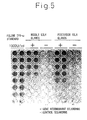
- One silkworm (G1) each that was confirmed to contain the gene was selected from 3 moths groups in the first experiment and 2 moth groups in the second experiment among the resulting positive moth groups, and genomic DNA was extracted from their silk glands. After treating with EcoRI or BglII, Southern blotting analysis was performed on the DNA using feline interferon-w gene as a probe. Those results are shown in Fig. 6. As a result, feline interferon- ⁇ gene was confirmed to be inserted in the genomes of all silkworms. In addition, the site at which the gene was inserted into the genome was determined to be different depending on the moth group due to differences in the detected signal size.
- feline interferon- ⁇ gene was investigated. Seven G1 silkworms confirmed to contain feline interferon-w gene by Southern blotting were randomly selected, their mRNA was extracted and the expression of feline interferon- ⁇ gene mRNA was investigated by RT-PCR. Isogen (Nippon Gene) and Oligodex dT-30 (Roche Diagnostics) were used for mRNA extraction and purification, the Ready-To-Go T-Primed First-Strand Kit (Amersham-Pharmacia) was used for cDNA synthesis, and the procedure was carried out according to the protocol provided with the kit. As a result of carrying out PCR under the same conditions as during the acquisition of feline interferon- ⁇ gene of Example 2, expression of feline interferon- ⁇ gene mRNA was confirmed for all of the silkworms (Fig. 7).
- the middle silk glands were excised from three gene recombinant silkworms obtained in Example 7 and one wild silkworm followed by homogenizing using 20 mM sodium phosphate buffer (pH 7.0) and centrifuging to prepare extracts.
- one cocoon each from the gene recombinant silkworms and wild silkworm were extracted in the same manner.
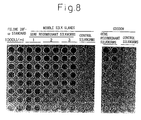
- antiviral activity was detected in the middle silk glands of all of the gene recombinant silkworms, but was not detected in the silk glands of the wild silkworm.
- antiviral activity was also detected in the cocoons of the gene recombinant silkworms (Fig. 8).
- feline interferon-w was determined to be expressed in gene recombinant silkworms while retaining its physiological activity, and that activity was determined to remain in the silk thread.
- PCR was carried out using primer 14 (SEQ. ID No. 14) and primer 15 (SEQ. ID No. 15) and using plasmid pORF-hIFN- ⁇ encoding human interferon- ⁇ gene as a template to obtain a human interferon- ⁇ gene fragment.
- a plasmid was constructed that contained a gene expression sequence in which fibroin H chain gene promoter was coupled to the 5' terminal or poly A signal originating in bovine growth hormone gene was coupled to the 3' terminal (fibroin H chain promoter-human interferon- ⁇ gene-bovine growth hormone gene poly A signal (FhIB): SEQ. ID No. 16, sericin gene promoter-human interferon- ⁇ -bovine growth hormone gene poly A signal (ShIB): SEQ. ID No. 17).
- the aforementioned FhIB and ShIB sequences for gene expression were then respectively cleaved from these plasmids by treating with XhoI, and coupled to pigA3GFP that had been subjected to dephosphorylation treatment after being cleaved with XhoI.
- the plasmid containing the FhIB fragment was designated as pigFhiB, while the plasmid that contained the ShIB fragment was designated as pigShIB.
- pigFhIB and pigShIB were respectively micro-injected into silkworm eggs together with helper plasmid pHA3PIG, and the resulting adults were crossed followed by screening of the next generation.
- helper plasmid pHA3PIG helper plasmid pHA3PIG
- silkworms positive for green fluorescence were obtained in 7 moth groups for silkworms containing pigFhIB and in 5 moth groups for silkworms containing pigShIB, and insertion of the genes into their chromosomes was confirmed by PCR.
- the silk glands and silk thread were harvested from these silkworms and their extracts were used to measure the physiological activity of human interferon- ⁇ in the form of their antiviral activity.
- Detection limit Approx. 1000 units/g protein
- Feline granulocyte colony stimulating factor gene was obtained in the form of a feline granulocyte colony stimulating factor gene fragment by carrying out PCR using primer 18 (SEQ. ID No. 18) and primer 19 (SEQ. ID No. 19) from cDNA obtained from CRFK cells stimulated for 24 hours with LPS at 10 ⁇ g/ml according to the report of Yamamoto, et al. (Gene, 274, 263-269, 2001).
- plasmids were constructed that contained a sequence for gene expression in which fibroin H chain gene promoter or sericin gene promoter was coupled to the 5' terminal or poly A signal originating in bovine growth hormone gene was coupled to the 3' terminal (fibroin H chain promoter-feline granulocyte colony stimulating factor gene-bovine growth hormone gene poly A signal (FGB): SEQ. ID No. 20, sericin gene promoter-feline granulocyte colony stimulating factor gene-bovine growth hormone gene poly A signal (SGB): SEQ. ID No. 21).
- FGB fibroin H chain promoter-feline granulocyte colony stimulating factor gene-bovine growth hormone gene poly A signal
- SGB sericin gene promoter-feline granulocyte colony stimulating factor gene-bovine growth hormone gene poly A signal
- the aforementioned FGB and SGB sequences for gene expression were then respectively cleaved from these plasmids by treating with XhoI, and coupled to pigA3GFP that had been subjected to dephosphorylation treatment after being cleaved with XhoI.
- the plasmid containing the FGB fragment was designated as pigFGB, while the plasmid that contained the SGB fragment was designated as pigSGB.
- Production of feline granulocyte colony stimulating factor gene recombinant silkworms was carried out according to the same method used to produce feline interferon- ⁇ gene recombinant silkworms indicated in Example 4 by using the gene insertion plasmids produced in Example 11.
- pigFhIB and pigShIB were respectively micro-injected into silkworm eggs together with helper plasmid pHA3PIG, and the resulting adults were crossed followed by screening of the next generation.
- helper plasmid pHA3PIG helper plasmid pHA3PIG
- silkworms positive for green fluorescence were obtained in 3 moth groups for silkworms containing pigFGB and in 7 moth groups for silkworms containing pigSGB, and insertion of the genes into their chromosomes was confirmed by PCR.
- the silk glands and silk thread were harvested from these silkworms and their extracts were used to measure the physiological activity of feline granulocyte colony stimulating factor in the form of growth promoting activity of NFS-60 cells (ATCC).
- NFS-60 cells were seeded in a 96-well plate in the absence of M-CSF at 2 x 10⁴ cells/well followed 30 minutes later by the addition of 10 ⁇ l of sample. After culturing for an additional 24 hours, cell growth activity was measured using the Cell Counting Kit-8 (Dojindo). The amount of sample that yielded 50% of the maximum growth promoting effect (ED50) was defined as 1 unit/ml, and the physiological activity in the sample was calculated by multiplying by the dilution factor. The values are shown in the table after having been corrected for total protein concentrations in the samples.
- the genes used were acquired by PCR by producing primers for the sequences on both ends using known sequences and using suitable DNA sources for the templates. Restrictase sites were added to the ends of the primers for subsequent gene manipulation.
- Fibroin H chain promoter (base numbers 62118-62437 of GenBank registration no. AF226688: to be referred to as the P region) was acquired by PCR using two types of primers consisting of primer 25 (SEQ. ID No. 25) and primer 26 (SEQ. ID No. 26) and using Bombyx mori genomic DNA for the template.
- Fibroin H chain promoter-fibroin H chain gene first exon-first intron-second exon region (base numbers 62118-63513 of GenBank registration no. AF226688: to be referred to as the HP region) was acquired by using two types of primers consisting of primer 25 (SEQ. ID No. 25) and primer 31 (SEQ. ID No. 31) and using Bombyx mori genomic DNA for the template.
- Fibroin H chain upstream promoter-fibroin H chain gene first exon-first intron region (base numbers 57444-62927 of GenBank registration no. AF226688: to be referred to as the HUP region) was acquired by PCR using two types of primers consisting of primer 33 (SEQ. ID No. 33) and primer 34 (SEQ. ID No. 34) and using Bombyx mori genomic DNA for the template.
- Feline interferon-w gene (base numbers 9-593 of GenBank registration no. S62636: to be referred to as the IC region) was acquired by PCR using two types of primers consisting of primer 27 (SEQ. ID No. 27) and primer 28 (SEQ. ID No. 28) and using baculovirus rBNV100, which encodes feline interferon- ⁇ gene, for the template.
- rBNV100 can be produced by, for example, cutting out feline interferon- ⁇ gene from a plasmid extracted from E. coli (pFeIFN1) (Patent Microorganism Depository No. 1633), coupling to a silkworm cloning vector (T. Horiuchi, et al., Agric. Biol. Chem., 51, 1573-1580, 1987), and co-transfecting silkworm established cells with the recombinant plasmid produced and silkworm nuclear polyhedrosis virus DNA.
- pFeIFN1 Patent Microorganis
- Fibroin H chain poly A signal region (base numbers 79201-79995 of GenBank registration no. AF226688: to be referred to as the A region) was acquired by PCR using two types of primers consisting of primer 29 (SEQ. ID No. 29) and primer 30 (SEQ. ID No. 30) and using Bombyx mori genomic DNA for the template.
- Fibroin H chain C terminal region gene-fibroin H chain poly A signal region (base numbers 79099-79995 of GenBank registration no. AF226688: to be referred to as the HA region) was acquired by PCR using two types of primers consisting of primer 32 (SEQ. ID No. 32) and primer 30 (SEQ. ID No. 30) and using Bombyx mori genomic DNA for the template.
- ⁇ -galactosidase ( ⁇ -gal) gene was acquired by PCR using two types of primers consisting of primer 37 (SEQ. ID No. 37) and primer 38 (SEQ. ID No. 38) and using p ⁇ gal-Basic vector (Clontech) for the template.
- PCR was carried out in accordance with the accompanying protocol using KODplus (Toyobo). Namely, after adding 100 ng of each template in the case of Bombyx mori genomic DNA or 10 ng in the case of Bombyx mori posterior silk gland cDNA and p ⁇ gal-Basic vector, 50 pmol of each primer and 10 ⁇ l of the 10xPCR buffer provided, each reagent was added to a concentration of 1 mM MgCl 2 , 0.2 mM dNTPs and 2 units of KODplus followed by bringing to a final volume of 100 ⁇ l.
- KODplus Toyobo
- PCR components were then reacted for 30 cycles using a Perkin-Elmer DNA thermal cycler under DNA denaturation conditions of 94°C for 15 seconds, primer annealing conditions of 55°C for 30 seconds, and elongation conditions of 68°C for 60 to 300 seconds.
- reaction solutions were electrophoresed with 1 to 1.5% agarose gel, and a DNA fragment of roughly 0.3 kbp in the P region, roughly 1.4 kbp in the HP region, roughly 5.5 kbp in the HUP region, roughly 580 bp in the IC region, roughly 0.8 bp in the A region, roughly 0.9 bp in the HA region and roughly 3.2 kbp in the ⁇ -gal gene were extracted and prepared in accordance with ordinary methods.
- the plasmid retaining ⁇ -gal gene prepared in Example 13 was cleaved with SalI and HindIII followed by insertion therein of a roughly 0.3 kbp fragment (P region) cleaved by SalI and HindIII from a plasmid retaining fibroin H chain promoter. Moreover, this was then cleaved with BamHI followed by insertion therein of a roughly 0.8 kbp region (A region) cleaved with BamHI from a plasmid having a fibroin H chain poly A signal region, and purifying the resulting plasmid retaining the ⁇ -gal gene using the Qiagen Plasmid Maxi Kit in accordance with the protocol provided. The resulting plasmid was named pPgalA, and it was confirmed to be the target plasmid by PCR and sequencing.
- the plasmid retaining the ⁇ -gal gene prepared in Example 13 was cleaved with SalI and HindIII followed by insertion therein of a roughly 1.4 kbp fragment (HP region) cleaved with SalI and HindIII from a plasmid retaining the fibroin H chain promoter-fibroin H chain gene first exon-first intron-second exon region.
- vector pigA3GFP (Nature Biotechnology 18, 81-84, 2000) was used for the plasmid for gene insertion.
- vector pigA3GFP is a vector in which after removing a region encoding transposase from plasmid p3E1.2 disclosed in US Patent No. 6218185, an A3 promoter (base numbers 1764-2595 of GenBank registration no. U49854), GFP originating in pEGFP-N1 vector (Clontech) and poly A addition sequence originating in SV40 (base numbers 659-2578 of GenBank registration no. U55762) are inserted into that portion.
- the XhoI site located upstream from the A3 promoter was blunt ended followed by insertion of an expression cassette of feline interferon- ⁇ gene.
- the constitution of the gene expression cassette used in the present example consisted of fibroin H chain promoter-feline interferon- ⁇ -fibroin H chain C terminal region-fibroin H chain poly A signal region (HP-IC-HA), or fibroin H chain upstream promoter-fibroin H chain gene first exon-first intron-second exon region-feline interferon- ⁇ -fibroin H chain C terminal region-fibroin H chain poly A signal region (HUP-IC-HA), or fibroin H chain promoter-fibroin H chain gene first exon-first intron-second exon region-feline interferon- ⁇ -fibroin H chain poly A signal region (HP-IC-A).
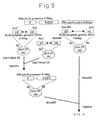
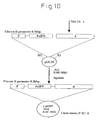
- the P-IC-A construct was produced according to the following procedure.
- the plasmid retaining feline interferon- ⁇ (IC region) prepared in Example 13 was cleaved with SalI and HindIII followed by insertion therein of a roughly 0.3 kbp fragment (P region) cleaved with SalI and HindIII from a plasmid retaining fibroin H chain promoter.
- P region cleaved with SalI and HindIII from a plasmid retaining fibroin H chain promoter.
- this was cleaved with BamHI followed by insertion therein of a roughly 0.8 kbp fragment (region A) cleaved with BamHI from a plasmid retaining fibroin H chain poly A signal region.
- This plasmid retaining P, IC and A was cleaved with AscI and the cleaved roughly 1.7 kbp fragment was blunt ended with T4 DNA Polymerase (Takara Shuzo) and coupled to blunt ended and dephosphorylated pigA3GFP XhoI site to produce a construct for gene insertion containing the P-IC-A gene cassette.
- the procedure is shown in Figs. 9 and 10.
- the HP-IC-HA construct was produced in the following manner.
- the plasmid retaining feline interferon-w (IC region) prepared in Example 13 was cleaved with SalI and HindIII followed by insertion therein of a roughly 1.4 kbp fragment (HP region) cleaved with SalI and HindIII from a plasmid retaining a fibroin H chain promoter-fibroin H chain gene first exon-first intron-second exon region.
- this was cleaved with BamHI followed by insertion therein of a roughly 0.9 kbp fragment (region HA) cleaved with BamHI from a plasmid retaining fibroin H chain C terminal region-fibroin H chain poly A signal region.
- This plasmid retaining HP, IC and HA was cleaved with AscI and the cleaved roughly 2.9 kbp fragment was blunt ended with T4 DNA Polymerase (Takara Shuzo) and coupled to blunt ended and dephosphorylated pigA3GFP XhoI site to produce a construct for gene insertion containing the HP-IC-HA gene cassette.
- T4 DNA Polymerase Takara Shuzo
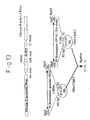
- the HUP-IC-HA construct was produced according to the following procedure.
- a signal region was acquired by PCR using two types of primers consisting of primer 35 (SEQ. ID No. 35) and primer 36 (SEQ. ID No. 36) and using 1 ng of HP-IC-HA construct for the template.
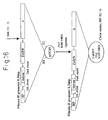
- the HP-IC-A construct was produced according to the procedure described below.
- the plasmid retaining feline interferon- ⁇ (IC region) prepared in Example 13 was cleaved with SalI and HindIII followed by insertion therein of a roughly 1.4 kbp fragment (HP region) cleaved with SalI and HindIII from a plasmid retaining fibroin H chain promoter-fibroin H chain first exon-first intron-second exon region.
- this was cleaved with BamHI followed by insertion therein of a roughly 0.8 kbp fragment (region A) cleaved with BamHI from a plasmid retaining fibroin H chain poly A signal region.
- This plasmid retaining HP, IC and A was cleaved with AscI and the cleaved roughly 2.8 kbp fragment was blunt ended with T4 DNA Polymerase (Takara Shuzo) and coupled to blunt ended and dephosphorylated pigA3GFP XhoI site to produce a construct for gene insertion containing the HP-IC-A gene cassette.
- the procedure is shown in Figs. 15 and 16.
- the P-IC-A gene insertion construct, HP-IC-HA gene insertion construct, HUP-IC-HA gene insertion construct and HP-IC-A gene insertion construct were purified using the Qiagen Plasmid Maxi Kit in accordance with the protocol provided.
- Gold particles having a diameter of 1.6 ⁇ m were washed and sterilized with 100% ethanol and then suspended in sterilized distilled water (60 mg/ml). Incorporation of ⁇ -gal gene expression cassettes into silkworm silk glands was carried out using a gene gun. Namely, 50 ⁇ l (0.3 mg) of gold particles, 10 ⁇ g of expression plasmid pPgalA or pHPgalHA obtained in Example 14, 50 ⁇ l of 2.5 M calcium chloride and 20 ⁇ l of 0.1 M spermidine were successively mixed and after allowing to stand for 30 minutes at room temperature, the mixture was centrifuged to recover the gold particles coated with pHgalC.
- the membrane was then washed twice with TPBS (0.1% Tween 20/PBS) and treated for 1 hour at room temperature with anti- ⁇ -gal protein antibody (Sigma) diluted 1000-fold with TPBS.
- the membrane was washed twice with TPBS and additionally washed three times with TPBS for 5 minutes each. After diluting 10000-fold with TPBS, the membrane was treated for 1 hour at room temperature with HRP-labeled anti-rabbit IgG antibody.
- the detection reagents of the ECL PlusTM Western Blotting Detection System (Amersham-Pharmacia) were added (Solution A + Solution B). Luminescence was then exposed onto HyperfilmTMECLTM and developed.
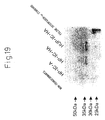
- fibroin H chain promoter namely fibroin H chain gene first exon-first intron-second exon region, plays an important role in protein synthesis or gene expression within the cells. In addition, secretion outside the cells was also confirmed. Those results are shown in Fig. 17.
- Each of the gene insertion plasmids described in Example 15 and DNA that produces piggyBac transposase protein (pHA3PIG) were adjusted to a concentration of 200 ⁇ g/ml each in 0.5 mM phosphate buffer (pH 7.0) and 5 mM KCl, after which 3 to 20 nl were micro-injected into silkworm eggs within 4 hours after being laid.
- feline interferon- ⁇ in tissue was investigated by Western analysis after recovering the posterior silk gland tissue from non-transformed silkworms and transformed silkworms (HP-IC-A transformed silkworms, HP-IC-HA transformed silkworms and HUP-IC-HA transformed silkworms).
- the silkworm posterior silk glands were homogenized in 100 mM sodium phosphate buffer (pH 7.0), and the supernatant was recovered following centrifugation for use as samples.
- Feline interferon was then detected using the ECL PlusTM Western Blotting Kit (Amersham-Pharmacia) in accordance with the protocol provided. Namely, the blotted membrane was blocked overnight at 4°C in blocking solution (5% skim milk, 0.1% Tween20/PBS).
- the membrane was then washed twice with TPBS (0.1% Tween 20/PBS) and treated for 1 hour at room temperature with anti-feline interferon antibody diluted 1000-fold with TPBS.
- the membrane was washed twice with TBPS and additionally washed three times with TPBS for 5 minutes each. After diluting 10000-fold with TPBS, the membrane was treated for 1 hour at room temperature with HRP-labeled anti-rabbit IgG antibody. After washing the membrane twice with TPBS and then three times with TPBS for 5 minutes each, the detection reagents of the ECL PlusTM Western Blotting Detection System (Amersham-Pharmacia) were added (Solution A + Solution B).
- Luminescence was then exposed onto HyperfilmTMECLTM and developed.
- signals were detected from the posterior silk gland tissue of transformed silkworms containing the HP-IC-A construct, HP-IC-HA construct and HUP-IC-HA construct.
- a region other than the fibroin H chain promoter namely the fibroin H chain gene first exon-first intron-second exon region, was reconfirmed to play an important role in drastically improving protein synthesis or gene expression within silkworm posterior silk gland cells.
- the accumulated amount of feline interferon in posterior silk gland tissue in the transformed silkworms containing the HUP-IC-HA gene cassette that contains the 5.5 kbp fibroin H chain 5' terminal region, feline interferon gene and fibroin H chain 3' terminal was higher than the accumulated amount of feline interferon in posterior silk gland tissue in transformed silkworms containing the HP-IC-HA gene cassette that contains the fibroin H chain 5' terminal promoter region, feline interferon gene and fibroin H chain 3' terminal.
- a gene region that improved the amount of protein produced is thought to be present in a region upstream from the H chain 5' terminal.
- feline interferon- ⁇ was not detected in silk thread in transformed silkworms containing HP-IC-A gene, but was detected at about 1.1 to 2.2% in transformed silkworms containing HP-IC-HA gene, and at about 1.0 to 4.9% in transformed silkworms containing HUP-IC-HA gene.
- a cytokine could be recovered in large volume while retaining its physiological activity from the silk glands or silk thread of gene recombinant silkworms obtained by producing a plasmid vector, in which a cytokine gene is coupled to a promoter that functions in silkworm silk glands, and then inserting those genes into silkworm chromosomes.
- the resulting cytokine extract has a low level of contaminating proteins, and can be purified easily as compared with methods of the prior art.
- exogenous protein could be produced within silk gland cells, outside silk gland cells and in silk thread by inserting an expression gene cassette, in which the DNA sequence of the 5' terminal portion and the DNA sequence of the 3' terminal portion of fibroin H chain gene were fused to an exogenous protein gene, into silk gland cells and so forth.
- the use of this novel technique led to the establishment of a technology for producing easily purified exogenous protein by producing exogenous protein using silk glands without the use of a recombinant baculovirus.
Landscapes
- Life Sciences & Earth Sciences (AREA)
- Health & Medical Sciences (AREA)
- Genetics & Genomics (AREA)
- Chemical & Material Sciences (AREA)
- Zoology (AREA)
- Engineering & Computer Science (AREA)
- Organic Chemistry (AREA)
- Biotechnology (AREA)
- General Engineering & Computer Science (AREA)
- Environmental Sciences (AREA)
- Bioinformatics & Cheminformatics (AREA)
- Wood Science & Technology (AREA)
- Biomedical Technology (AREA)
- Biochemistry (AREA)
- Molecular Biology (AREA)
- Biophysics (AREA)
- General Health & Medical Sciences (AREA)
- Biodiversity & Conservation Biology (AREA)
- Plant Pathology (AREA)
- Physics & Mathematics (AREA)
- Microbiology (AREA)
- Animal Husbandry (AREA)
- Animal Behavior & Ethology (AREA)
- Proteomics, Peptides & Aminoacids (AREA)
- Medicinal Chemistry (AREA)
- Gastroenterology & Hepatology (AREA)
- Toxicology (AREA)
- Veterinary Medicine (AREA)
- Crystallography & Structural Chemistry (AREA)
- Preparation Of Compounds By Using Micro-Organisms (AREA)
- Peptides Or Proteins (AREA)
- Micro-Organisms Or Cultivation Processes Thereof (AREA)
Abstract
The present invention provides a genetic engineering
material for insects that enables a target protein to be
purified easily, without requiring the use of recombinant
baculovirus, while simultaneously providing a process for
producing exogenous protein using that genetic
engineering material. A gene recombinant silkworm is
obtained by inserting an exogenous protein gene such as a
cytokine gene coupled to a promoter that functions in
silk glands into a silkworm chromosome. An exogenous
protein such as a cytokine is then extracted and purified
from the silk glands or cocoon of that silkworm or its
offspring. A large amount of exogenous protein can be
produced within silk gland cells, outside silk gland
cells or in silk thread or a cocoon by inserting an
expression gene cassette, in which the DNA sequence of
the 3' terminal portion and the DNA sequence of the 5'
terminal portion of fibroin H chain gene are fused to the
exogenous protein gene, into silk gland cells and so
forth.
Description
The present invention relates to a process for
producing a recombinant cytokine using a silkworm
incorporating a cytokine gene in its chromosomes. In
addition, the present invention relates to a gene
recombinant silkworm having the property of producing a
recombinant cytokine in a silk gland or cocoon and silk
thread, and a vector for inserting an exogenous gene into
silkworm chromosomes for producing the recombinant
silkworm. In addition, the present invention also
relates to a process for producing exogenous protein
using insect cells, insect tissue or insects to which a
gene has been inserted using the aforementioned vector.
Moreover, the present invention relates to silk thread
containing an exogenous protein produced by a recombinant
silkworm obtained in the present invention.
The production of exogenous proteins using gene
recombination technology is used in various industries.
The hosts used for their production consist mainly of E.
coli, yeast, animal cells, plant cells and insect cells.
However, a host has yet to be developed that is capable
of efficiently producing all kinds of exogenous proteins
and, as it is necessary to construct a production system
for each target protein, a technical breakthrough is
being sought in technology for producing exogenous
proteins in individual hosts.
Systems using bacteria like E. coli or yeast have
problems with posttranslational modification, and in some
cases these systems are unable to synthesize proteins in
a form that allows them to function adequately. In
addition, although animal cells allow proteins to be
synthesized in a functional form, it is typically
difficult to grow these cells and the production volume
is low thereby making this uneconomical.
On the other hand, in the production of gene
recombinant proteins using insects or insect cells,
useful proteins having enzymatic or physiological
activity can be produced comparatively inexpensively and
modifications can be obtained, following protein
translation, that resemble those in animals. More
specifically, a method in which a baculovirus
incorporated a recombinant exogenous gene is infected
into insects or insect cells allows the exogenous protein
to be produced comparatively inexpensively, and
physiologically active proteins are known that have been
commercialized as pharmaceuticals (Japanese Unexamined
Patent Publication Nos. 61-9288 and 61-9297).
In the case of the production of cytokines, which
are physiologically active substances having
immunoregulatory functions and which are attracting
attention in pharmaceutical applications, methods are
disclosed in Japanese Unexamined Patent Publication Nos.
3-139276 and 9-234085 in which silkworms are inoculated
with BmNPV containing a feline interferon-ω gene and a
canine interferon-γ gene, respectively. In addition, a
process for producing human collagen using insect cells
infected with baculovirus is known as an example of the
production of a protein other than interferon using
insects (Japanese Unexamined Patent Publication No. 8-23979).
However, as technologies for producing recombinant
proteins using insects or insect cells of the prior art
use a recombinant virus to incorporate an exogenous gene,
there is the problem of the need for deactivation or
containment of recombinant virus from the viewpoint of
safety. In addition, in methods in which a recombinant
virus is inoculated into a silkworm, as the inoculation
of the recombinant virus is troublesome task and the
target exogenous protein is produced in silkworm
hemolymph, it is necessary to purify the target
recombinant protein from the large amount of
contaminating proteins originating in the body fluids of
the silkworm. Consequently, there was the problem of it
being difficult to obtain a highly pure recombinant
protein.
On the other hand, attempts have been made in recent
years to recombine exogenous genes into insect
chromosomes, and a method has been developed that uses
homologous recombination to introduce and express in
silkworm chromosomes a fused gene in which jellyfish
green fluorescence protein gene was coupled to silkworm
fibroin L chain gene using DNA of Autographa californica
nuclear polyhedrosis virus (AcNPV), which is a type of
nuclear polyhedrosis virus (Genes Dev., 13, 511-516,
1999), and a silkworm containing human collagen gene and
a production process have been disclosed that utilize
this technology (Japanese Unexamined Patent Publication
No. 2001- 161214). Recently, research has been conducted
on a method for expressing a protein encoded by an
exogenous gene by stably introducing that exogenous gene
into silkworm chromosomes using piggyBac, which is a
transposon originating in a lepidopteron, using the
jellyfish green fluorescence protein as a model, and the
gene has been confirmed to be stably propagated to
offspring by mating (Nature Biotechnology, 18, 81-84,
2000).
However, in the aforementioned method for inserting
an exogenous protein gene into insect chromosomes using
AcNPV, as a recombinant baculovirus (AcNPV) is used,
there is still the problem of having to deactivate and
contain the recombinant virus. In the example that used
the piggyBac transposon, as the amount of green
fluorescence protein produced is inadequate and as it is
also produced throughout the silkworm, sophisticated
purification technology is required to recover the
expressed recombinant green fluorescence protein in a
highly pure form, thereby resulting in the method being
uneconomical. In addition, the amount of recombinant
protein produced is inadequate and extremely low.
Namely, in this technology for producing an
exogenous protein using insect cells as a host, there are
several problems such as the need to deactivate and
contain the recombinant baculovirus, the difficulty in
purifying the target protein from body fluid in which a
large amount of contaminating proteins are present, as in
the case of using silkworms, and the expressed amount of
the target protein being low.
There are no known examples, thus far, of expressing
a target protein by inserting a gene that encodes a
physiologically active protein such as a cytokine gene
into silkworm chromosomes. In addition, there are also
no examples of having recovered a recombinant cytokine
from a site, other than silkworm body fluid, such as a
silk gland or silk thread secreted by silkworms, and
confirming the physiological activity of the resulting
cytokine. In addition, there are also no precedents
regarding a silkworm capable of inheriting such
properties. In addition, there are no examples of having
produced a large amount of recombinant protein in silk
thread using a recombinant silkworm produced using a
transposon.
Although extensive research has been conducted on
technologies for producing recombinant proteins using
insects, there are problems such as the need to
deactivate and contain the recombinant baculovirus in
which the exogenous protein gene has been incorporated,
or the need to take a lot of time and labor associated
with inoculating the recombinant virus. In addition, the
production of exogenous protein in silkworms using
recombinant baculovirus had the problem of it being
difficult to extract and purify the target protein from
body fluid containing large amounts of contaminating
proteins.
Although studies have been conducted on
technologies, for producing recombinant proteins, in
which an exogenous protein gene has been inserted into
silkworm chromosomes, these have problems consisting of
the small amount of target exogenous protein produced and
the difficulty in purifying the target protein from
silkworm body fluid.
In consideration of these circumstances, the object
of the present invention is to provide a genetic
engineering material for insects that does not require
the use of recombinant baculovirus and enables a target
protein having physiological activity to be purified
easily, while simultaneously providing a process for
producing exogenous protein using that genetic
engineering material.
As a result of extensive studies, the inventors of
the present invention found that, by inserting a DNA
sequence having a structure in which a gene that encodes
a target protein is coupled downstream from a promoter
specifically expressed in silkworm silk glands into
silkworm chromosomes using DNA originating in a
transposon, the target protein is produced in the silk
glands, or the cocoon and the silk thread, in a form that
retains physiological activity, thereby leading to
completion of the present invention. In the present
invention, as the recombinant protein can be recovered
from the silk glands or silk and cocoon thread without
containing a large amount of contaminants, it offers the
advantage of allowing the target protein to be purified
easily. Moreover, as a virus like baculovirus is not
used, virus deactivation is not necessary thereby
allowing the recombinant protein to be produced both
easily and safely.
In addition, as a result of conducting extensive
studies focusing on the fact that the silkworm silk
glands, and particularly the posterior silk gland,
produces a large amount of fibroin that accounts for 70
to 80% of silk protein, and that the fibroin is secreted
by the silk gland cells, the inventors of the present
invention found that the amount of exogenous protein
produced is increased considerably by inserting into silk
gland cells a gene cassette in which the 5' terminal of
an exogenous protein gene is coupled to the 3' terminal
of a fibroin H chain gene 5' terminal portion containing
a first intron of fibroin H chain gene downstream from a
promoter expressed in the silk glands so that the amino
acid frames are continuous. In addition, it was also
found that a large amount of exogenous protein is
secreted and produced by silk gland cells when a fused
gene in which the 3' terminal portion of fibroin H chain
gene is coupled to the 3' side of an exogenous protein
gene, so that the amino acid frames are continuous, is
expressed under the control of a promoter expressed in
silk glands. In addition, it was also found that a
recombinant silkworm produces a large amount of a target
protein in its silk threads when a gene cassette was
produced in which a DNA sequence of the 5' terminal
portion containing a first intron of fibroin H chain gene
on the 5' side of an exogenous protein gene, and a DNA
sequence of the 3' terminal portion of fibroin H chain
gene on the 3' side, were respectively designed so that
their amino acid frames were continuous, followed by
producing a recombinant silkworm in which that gene
cassette was inserted into its chromosomes.
The inventors of the present invention succeeded in
producing a large amount of exogenous protein in silk
gland cells, outside silk gland cells and in silk thread
by inserting into silk gland cells and so forth an
expression gene cassette in which the DNA sequence of the
5' terminal portion and the DNA sequence of the 3'
portion of fibroin H chain gene were fused to an
exogenous protein gene, and were able to establish an
exogenous protein production technology that facilitates
purification by producing an exogenous protein using silk
glands instead of using a recombinant baculovirus.
Namely, the present invention relates to a process
for producing a recombinant cytokine comprising producing
a gene recombinant silkworm that incorporates a cytokine
gene in its chromosomes, and recovering the cytokine from
the silk glands or cocoon and silk thread. Moreover, the
present invention also relates to a gene recombinant
silkworm in which a cytokine gene is incorporated, and a
gene recombinant vector used to insert the cytokine gene
into the silkworm.
Moreover, the present invention relates to a genetic
engineering material, such as the gene cassette or vector
described below, capable of being used for exogenous
protein production in insects, a transformant, a process
for producing exogenous protein using that transformant,
and silk thread containing exogenous protein.
Thus, the present invention provides 1) a gene
cassette for expressing an exogenous protein comprising
(1) a promoter expressed in silk glands, and (2) a gene
coupled downstream from (1) in which the 5' terminal
portion of fibroin H chain gene is fused to the 5' side
of an exogenous protein structural gene.
Moreover, the present invention provides 2) a gene
cassette for expressing an exogenous protein comprising
(1) a promoter expressed in silk glands, and (2) a gene
coupled downstream from (1) in which the 3' terminal
portion of fibroin H chain gene is fused to the 3' side
of an exogenous protein structural gene not containing a
stop codon. Alternatively, the present invention
provides a gene cassette for expressing an exogenous
protein comprising (1) a promoter expressed in silk
glands, and (2) a gene coupled downstream from (1) in
which an exogenous protein structural gene is fused to
the 3' side of the 3' terminal portion of fibroin H chain
gene.
Moreover, the present invention provides 3) a gene
cassette for expressing an exogenous protein comprising
(1) a promoter expressed in silk glands, and (2) a gene
coupled downstream from (1) in which the 5' terminal
portion of fibroin H chain gene is fused to the 5' side
of an exogenous protein structural gene not containing a
stop codon, and the 3' terminal portion of fibroin H
chain gene is fused to the 3' side of the structural
gene.
In addition, the present invention provides 4) an
expression vector for insect cells containing a gene
cassette for expressing an exogenous protein according to
any of the aforementioned 1) through 3).
Moreover, the present invention provides 5) a
process for producing exogenous protein comprising
inserting an expression vector for insect cells according
to the aforementioned 4) into insect cells.
Moreover, the present invention provides 6) a
process for producing exogenous protein comprising
producing a recombinant silkworm in which a gene cassette
for expressing an exogenous protein according to any of
the aforementioned 1) through 3) is incorporated in its
chromosomes, and after producing the exogenous protein in
the silk glands or silk thread of the resulting
recombinant silkworm, recovering the exogenous protein
from the silk glands or silk thread.
In addition, the present invention provides 7) a
recombinant silkworm in which a gene cassette for
expressing an exogenous protein according to any of the
aforementioned 1) through 3) is incorporated in its
chromosomes, and has the ability to produce exogenous
protein in its silk glands or silk thread.
Moreover, the present invention provides 8) a silk
thread containing an exogenous protein produced by the
silkworm according to the aforementioned 7).
Cytokines are proteins produced by various cells
that have immunoregulatory activity, antiviral activity
and blood cell growth activity on hematopoietic cells and
immunocytes. Their activity is demonstrated as a result
of forming a precise higher order structure and bonding
to specific receptors on the cell membrane. They have
previously been applied clinically to humans and animals
based on the characteristics of their activity.
Although there are no particular limitations on the
cytokines of the present invention, they should be
cytokines for which their physiological activity is
maintained when expressed in silkworms, examples of which
include physiologically active substances having
immunoregulatory activity, antiviral activity or blood
cell growth activity and so forth such as human
interferon-α, β and γ (J. Interferon Res. 5, 521-526,
1985; Nucleic Acids Res. 10, 2487-2501, 1982), human
interleukin-12 (J. Immunol. 146, 3074-3081, 1991), human
granulocyte colony stimulating factor (Nature, 319, 415-418,
1986), human erythropoietin (Nature, 313, 806-810,
1985), human thrombopoietin (Cell, 77, 1177-1124, 1994),
feline interferon-ω, (Biosci. Biotech. Biochem., 56,
211-214, 1992, GenBank database registration no. E04599),
feline erythropoietin (GenBank database registration no.
FDU00685), feline granulocyte colony stimulating factor
(Gene, 274, 263-269, 2001), canine interferon-γ (GenBank
database registration no. S41201), canine interleukin-12
(Japanese Unexamined Patent Publication No. 10-36397) and
canine granulocyte colony stimulating factor (US Patent
No. 5606024). Preferable examples of cytokines include
interferons and colony stimulating factors, and these
preferably include interferon-α, β, γ, ω and τ along with
colony stimulating factor, erythropoietin and
thrombopoietin. More preferable examples of cytokines
include feline interferon-ω, feline granulocyte colony
stimulating factor and human interferon-β.
Feline interferon-ω gene is obtained by cutting out
from a plasmid extracted from, for example, E. coli
(pFeIFN1) (Patent Microorganism Depository No. 1633). In
addition, this gene can also be obtained from rBNV100
produced by co-transfecting into established silkworm
cells with a recombinant plasmid produced by ligating
feline interferon-w gene to a silkworm cloning vector
(T. Horiuchi, et al., Agric. Biol. Chem., 51, 1573-1580,
1987), and silkworm nuclear polyhedrosis virus.
Feline granulocyte colony stimulating factor can be
obtained by stimulating CRFK cells, which are cultured
cells originating in feline kidney, with LPS followed by
recovering mRNA from the cells and then carrying out PCR
using the cDNA obtained by reverse transcription as a
template and using primers established with reference to
GenBank database registration no. AB042552.
Human interferon-β gene can be acquired by cutting
out from plasmid ORF-hIFN-β (Invitrogen) that encodes its
cDNA.
The method for inserting a gene into silkworm
chromosomes used in the present invention should enable
the gene to be stably incorporated and expressed in the
chromosomes, and be stably propagated to offspring, as
well, by mating. Although a method using micro-injection
into silkworm eggs or a method using a gene gun can be
used, a method that is used preferably consists of the
micro-injection into silkworm eggs with a target gene
containing vector for insertion of an exogenous gene into
silkworm chromosomes and helper plasmid containing a
transposon gene (Nature Biotechnology 18, 81-84, 2000)
simultaneously.
The target gene is inserted into reproductive cells
in a recombinant silkworm that has been hatched and grown
from the micro-injected silkworm eggs. Offspring of a
recombinant silkworm obtained in this manner are able to
stably retain the target gene in their chromosomes. The
gene recombinant silkworm obtained in the present
invention can be maintained in the same manner as
ordinary silkworms. Namely, up to fifth instar silkworms
can be raised by incubating the eggs under normal
conditions, collecting the hatched larva to artificial
feed and then raising under the same conditions as
ordinary silkworms.
Gene recombinant silkworms obtained in the present
invention are able to pupate and produce a cocoon in the
same manner as ordinary silkworms. Males and females are
distinguished in the pupa stage, and after having
transformed into moths, males and females mate and eggs
are gathered on the following day. The eggs can be
stored in the same manner as ordinary silkworm eggs. The
gene recombinant silkworms of the present invention can
be maintained on subsequent generations by repeating the
breeding as described above, and can be increased to
large numbers.
The exogenous gene insertion vector used for the
purpose of inserting a cytokine gene used in the present
invention into silkworm chromosomes is not subject to any
particular limitations provided it is designed so as to
precisely control cytokine expression. Normally, it has
a structure in which the cytokine gene is coupled to
downstream from a promoter specifically expressed in the
silk glands and upstream from an arbitrary poly A
sequence, and has a pair of DNA sequences originating in
a transposon outside these gene sequences. Moreover, a
signal sequence originating in an arbitrary gene may be
coupled between the cytokine gene and the promoter, and
an arbitrary gene sequence may also be coupled between
the cytokine gene and poly A. In addition, an
artificially designed and synthesized gene sequence can
also be coupled. In addition, a sequence for replication
within a bacterial host, antibiotic resistance gene,
fluorescence protein gene or LacZ gene and so forth can
also be coupled as necessary. For example, the gene of
green fluorescence protein GFP coupled downstream from a
suitable promoter can be inserted at a suitable location
between a pair of transposon DNA sequences. As a result,
this facilitates screening for gene recombinant
silkworms. In addition, this vector may also contain all
or a portion of pUC9, pUC19 or other plasmids originating
in E. coli.
Moreover, although there are no particular
limitations on the promoter used here, and any promoter
originating in any organism can be used provided its acts
effectively within silkworm cells, a promoter that has
been designed to specifically induce protein in silkworm
silk glands is preferable. Examples of silkworm silk
gland protein promoters include fibroin H chain promoter,
fibroin L chain promoter, p25 promoter and sericin
promoter.
Examples of other gene sequences used in addition to
the promoter include signal sequences, poly A sequences
and other sequences that control gene expression. These
are not limited to specific gene sequences, but rather
those which are suitable for expression of the target
gene can be selected. Examples include sequences
originating in the target protein such as signal
sequences of cytokines such as feline interferon-ω and
poly A sequences, and signal sequences and poly A
sequences of insect protein contained in the silkworm
serving as the host. Alternatively, other examples
include sequences that have been proven to be generally
effective for expressing proteins such as SV40 poly A and
bovine growth hormone poly A. By changing the gene
sequence of the aforementioned promoters and the other
sequences coupled with the cytokine genes, the locations
where they are expressed and the amounts expressed can be
controlled.
In the present invention, a "gene cassette for
expressing an exogenous protein" refers to a set of DNA
required for a synthesis of protein encoded by the
exogenous protein structural gene in the case of being
inserted into insect cells. This gene cassette for
expressing an exogenous protein contains an exogenous
protein structural gene and a promoter that promotes
expression of that gene. Normally, it also contains a
terminator and poly A addition region, and preferably
contains a promoter, exogenous protein structural gene,
terminator and poly A addition region. Moreover, it may
also contain a secretion signal gene coupled between the
promoter and the exogenous protein structural gene. An
arbitrary gene sequence may also be coupled between the
poly A addition sequence and the exogenous protein
structural gene. In addition, an artificially designed
and synthesized gene sequence can also be coupled.
In addition, a "gene cassette for inserting a gene"
refers to a gene cassette for expressing an exogenous
gene having an inverted repetitive sequence of a pair of
piggyBac transposons on both sides, and consisting of a
set of DNA inserted into insect cell chromosomes through
the action of the piggyBac transposons.
There are no particular limitations on the method
used to acquire DNA used in the present invention.
Examples of such methods include a method in which a
required gene region is amplified and acquired using a
polymerase chain reaction (PCR) based on known genetic
information, and a method in which a genome library or
cDNA library is screened using homology as an indicator
based on known genetic information. In the present
invention, these genes include variants resulting from
genetic polymorphism and artificial mutation treatment
using mutagens and so forth. Genetic polymorphism refers
to that in which a portion of the base sequence of a gene
is altered by a sudden spontaneous mutation in the gene.
Although there are no particular limitations on the
promoter in the gene cassette for expressing an exogenous
protein, that having a high level of activity that
promotes expression of an exogenous protein gene is
preferable. Although examples include the promoter of
drosophila heat shock protein gene described in Japanese
Unexamined Patent Publication No. 6-261770 and the
promoter of silkworm actin gene (Nature Biotechnology 18,
81-84, 2000), promoters having a high level of promoting
activity in silkworm silk gland cells are preferable,
examples of which include the promoters of fibroin H
chain gene (base numbers 255-574 of GenBank registration
no. V00094), fibroin L chain gene (Gene, 100, 151-158;
GenBank registration no. M76430) and sericin gene (base
numbers 599-1656 of GenBank registration no. AB007831).
"Exogenous protein structural gene" refers to a gene
not possessed by host cells in which a gene is to be
expressed, and which encodes a protein not inherently
produced by the host cells. Although there are no
particular limitations thereon, in consideration of
industrial value, examples include genes of proteins that
are produced by humans or mammals such as genes of growth
hormones, cytokines, growth factors and cell structural
proteins. In addition, genes of enzymes and various
proteins produced by microbes, plants or insects are also
included in the scope of the present invention.
In the gene cassette for expressing an exogenous
protein in the present invention, the 5' terminal portion
of fibroin H chain gene is a DNA sequence having action
that enhances expression of exogenous protein gene by a
promoter, and contains a first exon of fibroin H chain
gene, all or a portion of a first intron, and a portion
of a second exon. By fusing the 5' side of an exogenous
protein structural gene to the 3' side of this second
exon so that the amino acid reading frame is contiguous,
the amount of exogenous protein produced can be improved.
However, since surplus amino acid residues are added to
the N terminal side of the target exogenous protein if
the second exon portion is too long, there are cases in
which the structure or activity of the target exogenous
protein is lost. Consequently, it is necessary that the
second exon portion have a suitable length according to
the purpose. In many cases, favorable results can be
obtained by making the second exon portion to extend to
immediately after or up to several amino acid residues
from the secretion signal gene of fibroin H chain gene.
In addition, as the region upstream from the 5' side of
fibroin H chain gene promoter, namely a roughly 5.5 kbp
upstream region, is considered to be the region that
enhances promoter activity, adding this region can be
expected to increase the amount of target protein
expressed.
In the case of producing an exogenous protein in
silkworm silk glands, the 3' terminal portion of fibroin
H chain gene is a DNA sequence having the effect of
causing secretion of a large amount of exogenous protein
outside the silk gland cells. A recombinant silkworm in
which a gene cassette for expressing an exogenous
protein, in which the 3' terminal portion of fibroin H
chain gene serving as the signal for secreting into silk
thread is fused to the 3' side, is inserted into its
chromosomes is able to produce exogenous protein in its
silk thread. In addition, the 3' terminal portion of
fibroin H chain gene may be present upstream or
downstream from the exogenous protein gene or within the
exogenous protein gene.
In the case at least one cysteine residue is present
in this portion and the 3' terminal of fibroin H chain
gene is used as is, the cysteine residue is located at
the 20th residue from the carboxyl terminal of the
fibroin H chain gene. This cysteine fulfills the role of
bonding to fibroin L chain by a disulfide bond. There
are no particular limitations on the length of the DNA
sequence of the 3' terminal portion of fibroin H chain
gene provided it does not inhibit formation of the
disulfide bond with fibroin L chain. As a repetitive DNA
sequence continues from about 100 or more bases upstream
from the 3' terminal of fibroin H chain, cleaving the DNA
sequence of this upstream portion to an arbitrary length
is difficult with a restriction endonuclease. Thus, in
consideration of the ease of genetic engineering
techniques, roughly 100 base pairs on the 3' portion
where the repetitive DNA sequence of fibroin H chain gene
ends can be preferably used for the 3' terminal portion
of fibroin H chain. In addition, as a large number of
amino acids originating in the carboxyl terminal of
fibroin H chain protein bond to the carboxyl terminal or
amino terminal of the exogenous protein if the 3'
terminal portion of fibroin H chain gene is excessively
long, there are cases in which the structure or activity
of the target exogenous protein is lost. Thus, there are
cases in which it is necessary to make the DNA sequence
of the 3' terminal portion of fibroin H chain gene as
short as possible depending on the target protein.
Although there are no particular limitations on the
poly A region, a poly A region of a protein gene
expressed in large amounts in silk glands, such as
fibroin H chain, fibroin L chain or sericin, can be used
preferably.
A vector in the present invention refers to that
having a cyclic or linear DNA structure. A vector
capable of replicating in E. coli and having a cyclic DNA
structure is particularly preferable. This vector can
also incorporate a marker gene such as an antibiotic
resistance gene or jellyfish green fluorescence protein
gene for the purpose of facilitating selection of
transformants.
Although there are no particular limitations on the
insect cells used in the present invention, they are
preferably lepidopteron cells, more preferably Bombyx
mori cells, and even more preferably silkworm silk gland
cells or cells contained in Bombyx mori eggs. In the
case of silk gland cells, posterior silk gland cells of
fifth instar silkworm larva are preferable because there
is active synthesis of fibroin protein and they are
easily handled.
There are no particular limitations on the method
used to incorporate a gene cassette for expression of
exogenous protein and a vector into the insect cells.
Although the calcium phosphate method, methods using
electroporation, methods using liposomes, methods using a
gene gun and methods using micro-injection can be used
for incorporation into cultured insect cells, in the case
of incorporating into silkworm silk gland cells, for
example, a gene can be easily incorporated into posterior
silk gland tissue removed from the body of a fifth instar
silkworm larvae using a gene gun.
Gene incorporation into the posterior silk gland
using a gene gun can be carried out by, for example,
bombarding gold particles coated with a vector containing
a gene cassette for expressing exogenous protein into a
posterior silk gland immobilized on an agar plate and so
forth using a particle gun (Bio-Rad, Model No. PDS-1000/He)
at an He gas pressure of 1,100 to 1,800 psi.
In the case of incorporating a gene into cells
contained in eggs of Bombyx mori, a method using micro-injection
is preferable. Here, in the case of performing
micro-injection into eggs, it is not necessary to micro-inject
into the cells of the eggs directly, but rather a
gene can be incorporated by simply micro-injecting into
the eggs.
A recombinant silkworm containing the "gene cassette
for expressing an exogenous protein" of the present
invention in its chromosomes can be acquired by micro-injecting
a vector having a "gene cassette for inserting
a gene" into the eggs of Bombyx mori. For example, a
first generation (G1) silkworm is obtained by
simultaneously micro-injecting a vector having a "gene
cassette for inserting a gene" and a plasmid in which a
piggyBac transposase gene is arranged under the control
of silkworm actin promoter into Bombyx mori eggs
according to the method of Tamara, et al. (Nature
Biotechnology 18, 81-84, 2000), followed by breeding the
hatched larva and crossing the resulting adult insects
(G0) within the same group. Recombinant silkworms
normally appear at a frequency of 1 to 2% among this G1
generation.
Selection of recombinant silkworms can be carried by
PCR using primers designed based on the exogenous protein
gene sequence after isolating DNA from the G1 generation
silkworm tissue. Alternatively, recombinant silkworms
can be easily selected by inserting a gene encoding green
fluorescence protein coupled downstream from a promoter
capable of being expressed in silkworm cells into a "gene
cassette for inserting a gene" in advance, and then
selecting those individuals that emit green fluorescence
under ultraviolet light among G1 generation silkworms at
first instar stage.
In addition, in the case of the micro-injection of a
vector having a "gene cassette for inserting a gene" into
Bombyx mori eggs for the purpose of acquiring recombinant
silkworms containing a "gene cassette for expressing an
exogenous protein" in their chromosomes, recombinant
silkworms can be acquired in the same manner as described
above by simultaneously micro-injecting a piggyBac
transposase protein.
A piggyBac transposon refers to a transfer factor of
DNA having an inverted sequences of 13 base pairs on both
ends and an ORF inside of about 2.1k base pairs.
Although there are no particular limitations on the
piggyBac transposon used in the present invention,
examples of those that can be used include those
originating in Trichoplusia ni cell line TN-368,
Autographa californica NPV (AcNPV) and Galleria mellonea
NPV (GmMNPV). A piggyBac transposon having gene and DNA
transfer activity can be preferably prepared using
plasmids pHA3PIG and pPIGA3GFP having a portion of a
piggyBac originating in Trichoplusia ni cell line TN-368
(Nature Biotechnology 18, 81-84, 2000).
The structure of the DNA sequence originating in a
piggyBac is required to have a pair of inverted terminal
sequences containing a TTAA sequence, and has an
exogenous gene such as a cytokine gene inserted between
those DNA sequences. It is more preferable to use a
transposase in order to insert an exogenous gene into
silkworm chromosomes using a DNA sequence originating in
a transposon. For example, the frequency at which a gene
is inserted into silkworm chromosomes can be improved
considerably by simultaneously inserting DNA capable of
expressing a piggyBac transposase to enable the
transposase transcribed and translated in the silkworm
cells to recognize the two pairs of inverted terminal
sequences, cut out the gene fragment between them, and
transfer it to silkworm chromosomes.
The gene recombinant silkworm used in the present
invention refers to a silkworm which has had inserted
into its chromosomes an exogenous protein gene, and after
treating the silkworm chromosomal DNA with restriction
endonuclease in accordance with ordinary methods, yields
a positive signal when subjected to Southern blotting
using the exogenous protein gene labeled in accordance
with ordinary methods as a probe. There are no
particular limitations on the gene locus on the
chromosome into which a cytokine gene has been inserted
provided it is a site that does not inhibit silkworm
development, differentiation and growth. The recombinant
silkworm has the ability to produce exogenous protein in
its silk gland cells, silk gland lumen and silk thread.
In addition, the recombinant silkworm is able to develop
and mate normally, stably retain the inserted exogenous
protein gene, and transmit that gene to its offspring.
Thus, the amount of exogenous protein produced can easily
be increased by increasing the number of recombinant
silkworms through crossing. Crossing between transgenic
silkworm strain and non-transgenic strain can increase
the amount of the produced exogenous protein. In this
case, it is necessary to cross the silkworms while
suitably selecting those silkworms into which the target
exogenous protein gene has been inserted. In this case,
offspring that have inherited the gene of the recombinant
silkworm can be easily evaluated by analyzing a marker
gene used to select the recombinant silkworms or the
presence or structure of the exogenous protein gene by
PCR or Southern blotting and so forth using cell DNA
obtained from an arbitrary tissue.
Insect cells and silkworm silk glands containing the
gene cassette for expression of an exogenous protein of
the present invention can produce exogenous protein in
culture supernatant or their cells by respectively
culturing in culture liquid suitable for their culturing.
For example, BmN cells, which are silkworm ovary cells
that have been inserted with the expression gene cassette
of the present invention, produce a target exogenous
protein after 3 or 4 days of culturing by culturing at
27°C in TC-100 medium (PharMingen). In addition,
silkworm posterior silk gland produces exogenous protein
by culturing at 25°C in Grace's insect medium after being
excised aseptically from, for example, fifth instar
larva. In the case of producing protein in silk glands,
it is preferable to maintain a high dissolved oxygen
concentration in the medium, and culture while removing
low molecular weight factors that inhibit protein
synthesis that accumulate in the medium by, for example,
an ultrafiltration membrane since this allows protein
synthesis to proceed for a long period of time.
A silk gland inserted with an exogenous protein gene
fused to the 3' terminal of fibroin H chain gene of the
present invention is capable of producing a large amount
of a target exogenous protein in culture supernatant.
Since nearly all contaminating proteins in the silk gland
culture supernatant are fibroin, the target protein can
be easily purified from the silk gland culture
supernatant, and as a result, a highly pure target
protein can be obtained.
The recombinant silkworm obtained in the present
invention can be raised in the same manner as ordinary
silkworms, and is able to produce exogenous protein by
raising under ordinary conditions. The amount of
exogenous protein produced can be improved by optimizing
the temperature, humidity and feeding conditions, etc.
during the fifth instar period in particular
corresponding to the target exogenous protein.
A recombinant silkworm inserted with an exogenous
protein gene fused to the 3' terminal of fibroin H chain
gene of the present invention is able to produce a large
amount of a target exogenous protein in its cocoon. The
target exogenous protein can also be easily purified and
recovered from the resulting cocoon. In addition,
depending on the function of the exogenous protein
produced, silk thread containing the resulting exogenous
protein can be used directly or in a partially processed
form in various industrial applications.
Exogenous protein can be obtained from the silk
gland or cocoon and silk thread of a recombinant silkworm
obtained in the present invention by a suitable
extraction procedure. Although there are no particular
limitations on the solvent used to extract exogenous
protein from silk glands or cocoon and silk thread, an
aqueous solvent system is preferable in many cases. An
aqueous solution used for extraction may contain a
suitable solute for promoting extraction of the exogenous
protein, examples of which include inorganic acids such
as phosphoric acid, organic acids such as acetic acid,
citric acid and malic acid, salts such as sodium
chloride, urea, guanidine hydrochloride and calcium
chloride, and polar organic solvents such as ethanol,
methanol, acetonitrile and acetone. In addition, there
are also no particular limitations on the pH of the
extraction solution, and any arbitrary pH can be used
provided it does not deactivate the function of the
target exogenous protein.
There are no particular limitations on the method
for isolating and purifying the extracted exogenous
protein, and ordinary protein purification methods can be
used. For example, a target useful protein can be
purified and isolated by combining chromatography using a
silica gel carrier, ion exchange carrier, gel permeation
carrier, chelating carrier or pigment-loaded carrier and
so forth, ultrafiltration, gel permeation, dialysis, desalting
by salting out or concentration and so forth
using an inherently possessed function as an indicator.
For example, feline interferon-ω can be recovered in the
soluble fraction obtained by homogenizing silk glands or
cocoon and silk thread of a silkworm into which has been
inserted a feline interferon-ω gene with 20 mM phosphate
buffer (pH 7.0). Moreover, the purity of the feline
interferon-ω can be increased by adsorbing the resulting
extract liquid onto, for example, a Blue Sepharose
carrier and eluting the resulting buffer solution
containing the extract liquid after washing.
Cytokines produced in this manner can be used in
pharmaceutical applications as well as various
measurement and diagnostic applications in the same
manner as cytokines produced with other conventional
production processes. In this case, they may also be
used as a mixture to which various additives have been
added. In addition, the tissue or cocoon and silk thread
of a silkworm in which cytokines have been expressed can
also be used directly or after processing as fibers for
medical or clothing use. In addition, the tissue or silk
thread of a recombinant silkworm in which enzymes have
been expressed can be used directly in enzyme reactions.
Although the following provides a more detailed
explanation of the present invention by indicating its
examples, the present invention is not limited to the
descriptions of these examples.
The physiological activity of interferon was
measured according to the following method as antiviral
activity.
Antiviral activity was measured by the CPE method
using vesicular stomatitis virus (VSV) for the virus, and
using feline Fc9 cells (J.K. Yamamoto, et al.: Vet.
Immunol. and Immunopathol., 11, 1-19, 1986) for the
susceptive cells in the case of feline interferon-ω, or
human FL cells in the case of human interferon-β.
Namely, a sample diluent was added to the uppermost row
of 96-well microtiter plate in which susceptive cells
cultured at 37°C to confluency, and then serially
diluting in two-fold increments moving towards the lower
end of the plate.
After culturing for 20 to 24 hours at 37°C, VSV was
added followed by additionally culturing for 16 to 20
hours at 37°C. Viable susceptive cells adhered to the
microtiter plate were then stained with crystal-violet
stain containing 20% formalin, and as a result of
measuring the optical absorbance at 570 nm for the amount
of crystal-violet remaining on the microplate, antiviral
activity was determined by comparison with a standard.
Intercat (Toray) adjusted to 1000 units/ml with cell
culturing medium was used for the standard for feline
interferon-ω, while Feron (Toray) prepared to 1000
units/ml with cell culturing medium was used for the
standard for human interferon-β. In addition, samples
were used for the measurement of antiviral activity after
diluting 15-fold with cell culturing medium.
Fifth instar third day silkworms were dissected to
remove posterior silk gland tissue. After washing with
1xSSC, 200 µl of DNA extraction buffer (50 mM Tris-HCl
(pH 8.0), 1 mM EDTA (pH 8.0), 100 mM NaCl) were added.
After adding Proteinase K (final concentration: 20 µg/ml)
and adequately grinding up the tissue with a grinder, 350
µl of DNA extraction buffer and 60 µl of 10% SDS were
added followed by incubating for 2 hours at 50°C. After
adding 500 µl of Tris-HCl-saturated phenol (pH 8.0) and
mixing for 10 minutes, the supernatant was recovered by
centrifuging for 5 minutes at 4°C and 10,000 rpm. After
adding an equal volume of phenol/chloroform/isoamyl
alcohol (25:24:1) to the supernatant and mixing, the
resulting mixture was centrifuged.
Phenol/chloroform/isoamyl alcohol was again added
followed by centrifuging and recovery of the supernatant.
After adding an equal volume of chloroform/isoamyl
alcohol (24:1) and mixing, the mixture was centrifuged.
Chloroform/isoamyl alcohol was again added to the
resulting supernatant followed by centrifuging and
recovery of the supernatant. 1/10 volume 3 M sodium
acetate (pH 5.2) was then added to the resulting
supernatant and mixed and, after additionally adding 2.5
volumes of cold ethanol and allowing it to stand
undisturbed for 30 minutes at -80°C, the mixture was
centrifuged for 10 minutes at 4°C and 15,000 rpm to
precipitate genomic DNA. After washing the DNA
precipitate with 70% ethanol, the precipitate was air-dried.
The precipitate was then dissolved in sterile
water containing RNase to 100 µg/ml to prepare a diluted
genomic DNA solution.
The genes used were acquired by PCR by producing
primers for the sequences on both ends using known
sequences and using suitable DNA sources for the
templates. Restriction sites were added to the ends of
the primers for the subsequent gene construction
procedure.
Feline interferon-ω gene (base numbers 9-593 of
GenBank registration no. S62636) was acquired by PCR
using two types of primers consisting of primer 3 (SEQ.
ID No. 3) and primer 4 (SEQ. ID No. 4) and using
baculovirus rBNV100 encoding feline interferon-ω gene
for the template. rBNV100 can be produced by, for
example, cutting out FeIFN gene from a plasmid extracted
from E. coli (pFeIFN1) (Patent Microorganism Depository
No. 1633), coupling to a silkworm cloning vector (T.
Horiuchi, et al., Agric. Biol. Chem., 51, 1573-1580,
1987), and co-transfecting silkworm established cells
with the recombinant plasmid produced and silkworm
nuclear polyhedrosis virus DNA.
Sericin-1 gene promoter (base numbers 599-1656 of
GenBank registration no. AB007831) was acquired by PCR
using two types of primers consisting of primer 5 (SEQ.
ID No. 5) and primer 6 (SEQ. ID No. 6) and using silkworm
chromosomal DNA for the template. Fibroin H chain gene
promoter (base numbers 255-574 of GenBank registration
no. V00094) was acquired by PCR using two types of
primers consisting of primer 7 (SEQ. ID No. 7) and primer
8 (SEQ. ID No. 8) and using silkworm chromosomal DNA for
the template. Bovine growth hormone gene poly A
(pcDNA3.1(+) sequence numbers 1011-1253) was acquired by
PCR using two types of primers consisting of primer 9
(SEQ. ID No. 9) and primer 10 (SEQ. ID No. 10) and using
plasmid pcDNA3.1(+) vector (Invitrogen) for the template.
PCR was carried out in accordance with the
accompanying protocol using KODplus (Toyobo). Namely,
after adding 10 ng of each template in the case of a
plasmid or 100 ng in the case of chromosomal DNA, 30 pmol
of each primer and 10 µl of the 10xPCR buffer provided,
each reagent was added to a concentration of 1 mM MgCl2,
0.2 mM dNTPs and 2 units of KODplus followed by bringing
up to a final volume of 100 µl. The PCR components were
then reacted for 30 cycles using a Perkin-Elmer DNA
thermal cycler under DNA denaturation conditions of 94°C
for 15 seconds, primer annealing conditions of 55°C for
30 seconds, and elongation conditions of 68°C for 30 to
60 seconds.
These reaction solutions were electrophoresed with 1
to 1.5% agarose gel, and DNA fragments consisting of a
roughly 580 bp fragment in the case of feline interferon-ω
gene, a roughly 1 kbp fragment in the case of sericin-1
promoter, a roughly 320 bp fragment in the case of
fibroin H chain promoter, and a roughly 230 bp fragment
in the case of bovine growth hormone poly A were
extracted and prepared in accordance with ordinary
methods. After phosphorylating these DNA fragments with
polynucleotide kinase (Takara Shuzo), they were ligated
to pUC19 vector subjected to dephosphorylation treatment
after being cleaved with HincII by reacting overnight at
16°C using DNA Ligation Kit Ver. 2 (Takara Shuzo). These
were then used to transform E. coli in accordance with
ordinary methods and the resulting transformants were
confirmed to contain the PCR fragments by performing PCR
on the resulting colonies under the same conditions as
previously described to prepare plasmids in which the PCR
fragments were inserted according to ordinary methods.
These plasmids were sequenced to confirm that the
resulting fragments consisted of the base sequences of
each gene.
pigA3GFP (Nature Biotechnology 18, 81-84, 2000) was
used for the plasmid for gene insertion. Namely, vector
pigA3GFP is a vector in which after removing a region
encoding transposase from plasmid p3E1.2 disclosed in US
Patent No. 6218185, an A3 promoter (base numbers 1764-2595
of GenBank registration no. U49854), GFP originating
in pEGFP-N1 vector (Clontech) and poly A addition
sequence originating in SV40 (base numbers 659-2578 of
GenBank registration no. U55762) are inserted into that
portion (Nature Biotechnology 18, 81-84, 2000). The
expression unit of feline interferon-ω gene was inserted
at the XhoI site upstream from the A3 promoter. The
expression units of the inserted genes consisted of a
sericin-1 gene promoter-feline interferon-ω-bovine
growth hormone poly A addition sequence (SEQ. ID No. 1),
or a fibroin H chain gene promoter-feline interferon-ω-bovine
growth hormone poly A addition sequence (SEQ. ID
No. 2). The following provides a detailed description of
the method.
Genes were cleaved from the plasmids prepared in
Example 2 using the restrictase sites preset in the
primers. Namely, insert fragments were cleaved using
EcoRI and SalI in the case of sericin-1 gene promoter and
fibroin H chain gene promoter, SalI and XbaI in the case
of feline interferon-ω, and XbaI and BamHI in the case
of bovine growth hormone poly A, followed by
electrophoresing with 1 to 1.5% agarose gel and
extracting and purifying the fragments in accordance with
ordinary methods.
200 ng of sericin-1 gene fragment, 100 ng of feline
interferon-w gene fragment, and 50 ng of bovine growth
hormone poly A were mixed and reacted overnight at 16°C
by adding an equal volume of DNA Ligation Kit Version 2
(Takara Shuzo). 0.5 µl of the reaction solution was
subjected to PCR using primer 11 (SEQ. ID No. 11) and
primer 12 (SEQ. ID No. 12) for 2 minutes of elongation
under the same conditions as Example 2. These reaction
solutions were electrophoresed with 1% agarose gel, and
the amplified, roughly 1.9 kb, DNA fragment (SIB
fragment) was extracted and purified in accordance with
ordinary methods.
Similarly, 70 ng of fibroin H chain gene promoter
fragment, 100 ng of feline interferon-ω gene fragment
and 50 ng of bovine growth hormone poly A were mixed and
reacted overnight at 16°C by adding an equal volume of
DNA Ligation Kit Version 2 (Takara Shuzo). 0.5 µl of the
reaction solution was subjected to PCR using primer 13
(SEQ. ID No. 13) and primer 12 (SEQ. ID No. 12) for 2
minutes of elongation under the same conditions as
Example 1. These reaction solutions were electrophoresed
with 1% agarose gel, and the amplified roughly 1.5 kb DNA
fragment (FIB fragment) was extracted and purified in
accordance with ordinary methods.
After digesting these fragments with XhoI, they were
ligated to pigA3GFP and subjected to XhoI treatment and
dephosphorylation treatment by reacting overnight at 16°C
using DNA Ligation Kit Ver. 2 (Takara Shuzo). The
plasmid containing the SIB fragment was designated as
pigSIB (Fig. 1), and the plasmid containing the FIB
fragment was designated as pigFIB (Fig. 2), and these
were purified by centrifuging twice using the cesium
chloride method and then used in a gene insertion
experiment.
The aforementioned pigFIB and helper plasmid pHA3PIG
(Fig. 3, Nature Biotechnology 18, 81-84, 2000) were
adjusted to a concentration of 200 ng/ml each in 0.5 mM
phosphate buffer (pH 7.0) and 5 mM KCl, after which 15 to
20 nl were micro-injected into silkworm eggs within 4
hours after being laid.
The larva that hatched from those silkworm eggs were
raised, and the resulting adults (G0) were crossed within
the same group. By observing the resulting first
generation (G1) individuals with fluorescence of green
fluorescence protein that had been simultaneously
inserted with feline interferon-ω gene, those silkworms
that contained the feline interferon-ω gene in their
chromosomes were screened. The ratios of the moth groups
in which silkworms containing the inserted gene were
obtained are shown in Table 1. The silkworm eggs were
injected twice, and gene recombinant silkworms were
obtained from one moth group by the second injection.
| Acquisition Status of Gene Recombinant Silkworms (Fibroin Heavy Chain Promoter) | |||||
| Experiment Group | No. of eggs injected | No. of eggs hatched | No. of adults | No. of sibling mated moths | No. of moth groups positive for feline interferon- |
| 1 | 1215 | 292 | 220 | 100 | 0 |
| 2 | 1326 | 374 | 250 | 123 | 1 |
The results of Southern blotting on the gene
recombinant silkworms obtained from that moth group are
shown in Fig. 4. The method employed for Southern
blotting consisted of extracting chromosomal DNA from the
G1 generation moths, electrophoresing restrictase-treated
samples, and detecting a membrane to which the DNA was
transferred by chemiluminescence using the AlkPhos Direct
Labeling and Detection System (Amersham-Pharmacia) using
a nucleic acid probe specific for feline interferon-ω.
When 11 G1 moths were investigated, feline
interferon-ω gene was confirmed to have been inserted
into 10 of the silkworms.
Since feline interferon-ω has antiviral activity,
the presence of feline interferon-ω can be determined
according to its activity. Silkworms (G1) of the
positive moth group obtained in Example 4 were mated with
wild silkworms, and the middle and posterior silk glands
excised from fifth instar larva of the resulting
generation (G2) were confirmed to be inserted with feline
interferon-ω gene. These were then homogenized using 20
mM sodium phosphate buffer (pH 7.0), and the resulting
extract was measured using an antiviral activity
measuring system that used feline cells. As a result,
although antiviral activity was detected for both middle
silk glands and posterior silk glands from the silk gland
extracts of gene-containing silkworms, activity was not
detected from the silk gland extracts of wild silkworms
used as the control. Those results are shown in Fig. 5.
Feline interferon-ω is thought to mainly be
expressed in posterior silk glands under the control of
fibroin H chain promoter. It is believed to subsequently
migrate into the middle and anterior silk glands in the
same manner as fibroin, and the distribution of
physiological activity is considered to coincide with
this. On the other hand, there was no antiviral activity
detected from silkworms into which the gene was not
inserted. This clearly demonstrates that feline
interferon-ω protein is expressed while retaining its
physiological activity in silkworms into which feline
interferon-ω gene has been inserted.
Feline interferon was purified from the extract of
posterior silk glands excised from G2 generation, fifth
instar silkworms obtained in Example 5. 1 ml of extract
was passed through a HiTrap Blue Sepharose column
(Amersham-Pharmacia) followed by washing the column with
10 ml of 20 mM sodium phosphate buffer (pH 7.0).
Continuing, the column was eluted with 10 ml of 20 mM
sodium phosphate buffer (pH 8.0)-0.5 M NaCl and then with
10 ml of 20 mM sodium phosphate buffer (pH 8.0)-1 M NaCl.
The washing fraction, 0.5 M elution fraction and 1 M
elution fraction were collected, desalted and
concentrated to about 1 ml. The results of determining
the antiviral activity and amount of protein of the
extract and each purified fraction are shown in Table 2.
| Purification of Feline Interferon-ω by Blue Sepharose Chromatography | |||
| Antiviral activity (U/ml) | Amt. of protein (mg/ml) | Specific activity (U/mg) | |
| Extracted sample | 523 | 0.37 | 1401 |
| Blank, washing fraction | 23 | 2.91 | 8 |
| 0.5 M NaCl elution fraction | 1494 | 0.85 | 1758 |
| 1 M NaCl elution fraction | >6270 | 0.41 | >15293 |
As a result of the purification procedure, antiviral
activity, namely feline interferon-w, could be recovered
in the 1 M elution fraction, and its specific activity
was roughly 10 times that of the extract.
The aforementioned pigSIB and a helper plasmid were
adjusted to a concentration of 200 ng/ml each in 0.5 mM
phosphate buffer (pH 7.0) and 5 mM KCl, after which 15 to
20 nl were micro-injected into silkworm eggs within 4
hours after being laid. The larva that hatched from
those silkworm eggs were raised, and the resulting adults
(G0) were crossed within the same group. Insertion of
feline interferon-ω gene into the chromosomes was
investigated by observing the fluorescence of green
fluorescence protein from the resulting first-generation
(G1) individuals. In two experiments, a gene recombinant
vector containing feline interferon-ω gene coupled to
sericin promoter was micro-injected into 1218 and 1375
eggs, respectively, and 12 positive moth groups each were
able to be obtained (Table 3).
| Acquisition Status of Gene Recombinant Silkworms (Sericin Promoter) | |||||
| Experiment Group | No. of eggs injected | No. of eggs hatched | No. of adults | No. of sibling mated moths | No. of moth groups positive for feline interferon- |
| 1 | 1218 | 500 | 320 | 158 | 12 |
| 2 | 1375 | 540 | 500 | 225 | 12 |
One silkworm (G1) each that was confirmed to contain
the gene was selected from 3 moths groups in the first
experiment and 2 moth groups in the second experiment
among the resulting positive moth groups, and genomic DNA
was extracted from their silk glands. After treating
with EcoRI or BglII, Southern blotting analysis was
performed on the DNA using feline interferon-w gene as a
probe. Those results are shown in Fig. 6. As a result,
feline interferon-ω gene was confirmed to be inserted in
the genomes of all silkworms. In addition, the site at
which the gene was inserted into the genome was
determined to be different depending on the moth group
due to differences in the detected signal size.
Next, mRNA expression of feline interferon-ω gene
was investigated. Seven G1 silkworms confirmed to
contain feline interferon-w gene by Southern blotting
were randomly selected, their mRNA was extracted and the
expression of feline interferon-ω gene mRNA was
investigated by RT-PCR. Isogen (Nippon Gene) and
Oligodex dT-30 (Roche Diagnostics) were used for mRNA
extraction and purification, the Ready-To-Go T-Primed
First-Strand Kit (Amersham-Pharmacia) was used for cDNA
synthesis, and the procedure was carried out according to
the protocol provided with the kit. As a result of
carrying out PCR under the same conditions as during the
acquisition of feline interferon-ω gene of Example 2,
expression of feline interferon-ω gene mRNA was
confirmed for all of the silkworms (Fig. 7).
The middle silk glands were excised from three gene
recombinant silkworms obtained in Example 7 and one wild
silkworm followed by homogenizing using 20 mM sodium
phosphate buffer (pH 7.0) and centrifuging to prepare
extracts. In addition, one cocoon each from the gene
recombinant silkworms and wild silkworm were extracted in
the same manner. When these extracts were measured for
their antiviral activity, antiviral activity was detected
in the middle silk glands of all of the gene recombinant
silkworms, but was not detected in the silk glands of the
wild silkworm. Moreover, antiviral activity was also
detected in the cocoons of the gene recombinant silkworms
(Fig. 8).
On the basis of these findings, feline interferon-w
was determined to be expressed in gene recombinant
silkworms while retaining its physiological activity, and
that activity was determined to remain in the silk
thread.
Production of plasmids for insertion of human
interferon-β gene was carried out according to the same
method as the case of feline interferon-w gene indicated
in Examples 2 through 4.
Namely, PCR was carried out using primer 14 (SEQ. ID
No. 14) and primer 15 (SEQ. ID No. 15) and using plasmid
pORF-hIFN-β encoding human interferon-β gene as a
template to obtain a human interferon-β gene fragment.
After treating this fragment with restriction
endonucleases SalI and XbaI, a plasmid was constructed
that contained a gene expression sequence in which
fibroin H chain gene promoter was coupled to the 5'
terminal or poly A signal originating in bovine growth
hormone gene was coupled to the 3' terminal (fibroin H
chain promoter-human interferon-β gene-bovine growth
hormone gene poly A signal (FhIB): SEQ. ID No. 16,
sericin gene promoter-human interferon-β-bovine growth
hormone gene poly A signal (ShIB): SEQ. ID No. 17).
The aforementioned FhIB and ShIB sequences for gene
expression were then respectively cleaved from these
plasmids by treating with XhoI, and coupled to pigA3GFP
that had been subjected to dephosphorylation treatment
after being cleaved with XhoI. The plasmid containing
the FhIB fragment was designated as pigFhiB, while the
plasmid that contained the ShIB fragment was designated
as pigShIB. These fragments were purified by
centrifuging twice according to the cesium chloride
method and then used in a gene insertion experiment.
Production of human interferon-β gene recombinant
silkworms was carried out according to the same method
used to produce feline interferon-w gene recombinant
silkworms indicated in Example 4 by using the gene
insertion plasmids produced in Example 9.
Namely, pigFhIB and pigShIB were respectively micro-injected
into silkworm eggs together with helper plasmid
pHA3PIG, and the resulting adults were crossed followed
by screening of the next generation. When each plasmid
was injected into 600 eggs, silkworms positive for green
fluorescence were obtained in 7 moth groups for silkworms
containing pigFhIB and in 5 moth groups for silkworms
containing pigShIB, and insertion of the genes into their
chromosomes was confirmed by PCR. The silk glands and
silk thread were harvested from these silkworms and their
extracts were used to measure the physiological activity
of human interferon-β in the form of their antiviral
activity. The values are shown in the table after having
been corrected for total protein concentrations in the
samples.
| Antiviral Activity in Tissue Extracts of Human Interferon-β Gene Recombinant Silkworms | ||||
| Promoter | Moth group no. - Individual no. | Antiviral activity (units/g protein) | ||
| Posterior silk glands | Middle silk glands | Silk thread | ||
| Fibroin H chain | 3-1 | 599723 | 82591 | Not tested |
| 3-2 | 656110 | 41545 | ||
| 11-1 | 502750 | 19859 | ||
| 11-2 | 115560 | 39130 | ||
| Sericin | 1-1 | Not tested | 53884 | 42187 |
| 1-2 | 648953 | 101713 | ||
| 5-1 | 437291 | 133288 | ||
| 5-2 | 541106 | 92749 | ||
| Normal silkworms | Not detected | Not detected | Not detected |
Detection limit: Approx. 1000 units/g protein
As a result, since antiviral activity was detected
from the posterior and middle silk glands of the
silkworms inserted with pigFhIB and antiviral activity
was detected from the middle silk glands and silk thread
of the silkworms inserted with pigShIB, interferon-β was
confirmed to be produced in the silk gland tissue of
these silkworms.
Production of plasmids for insertion of feline
granulocyte colony stimulating factor gene was carried
out according to the same method as the case of feline
interferon-ω gene indicated in Examples 2 through 4.
Feline granulocyte colony stimulating factor gene
was obtained in the form of a feline granulocyte colony
stimulating factor gene fragment by carrying out PCR
using primer 18 (SEQ. ID No. 18) and primer 19 (SEQ. ID
No. 19) from cDNA obtained from CRFK cells stimulated for
24 hours with LPS at 10 µg/ml according to the report of
Yamamoto, et al. (Gene, 274, 263-269, 2001). After
treating this fragment with SalI and XbaI, plasmids were
constructed that contained a sequence for gene expression
in which fibroin H chain gene promoter or sericin gene
promoter was coupled to the 5' terminal or poly A signal
originating in bovine growth hormone gene was coupled to
the 3' terminal (fibroin H chain promoter-feline
granulocyte colony stimulating factor gene-bovine growth
hormone gene poly A signal (FGB): SEQ. ID No. 20, sericin
gene promoter-feline granulocyte colony stimulating
factor gene-bovine growth hormone gene poly A signal
(SGB): SEQ. ID No. 21).
The aforementioned FGB and SGB sequences for gene
expression were then respectively cleaved from these
plasmids by treating with XhoI, and coupled to pigA3GFP
that had been subjected to dephosphorylation treatment
after being cleaved with XhoI. The plasmid containing
the FGB fragment was designated as pigFGB, while the
plasmid that contained the SGB fragment was designated as
pigSGB. These fragments were purified by centrifuging
twice according to the cesium chloride method and then
used in a gene insertion experiment.
Production of feline granulocyte colony stimulating
factor gene recombinant silkworms was carried out
according to the same method used to produce feline
interferon-ω gene recombinant silkworms indicated in
Example 4 by using the gene insertion plasmids produced
in Example 11.
Namely, pigFhIB and pigShIB were respectively micro-injected
into silkworm eggs together with helper plasmid
pHA3PIG, and the resulting adults were crossed followed
by screening of the next generation. When each plasmid
was injected into 600 eggs, silkworms positive for green
fluorescence were obtained in 3 moth groups for silkworms
containing pigFGB and in 7 moth groups for silkworms
containing pigSGB, and insertion of the genes into their
chromosomes was confirmed by PCR. The silk glands and
silk thread were harvested from these silkworms and their
extracts were used to measure the physiological activity
of feline granulocyte colony stimulating factor in the
form of growth promoting activity of NFS-60 cells (ATCC).
Measurement of growth promoting activity was carried
out in the manner described below. First, NFS-60 cells
were seeded in a 96-well plate in the absence of M-CSF at
2 x 10⁴ cells/well followed 30 minutes later by the
addition of 10 µl of sample. After culturing for an
additional 24 hours, cell growth activity was measured
using the Cell Counting Kit-8 (Dojindo). The amount of
sample that yielded 50% of the maximum growth promoting
effect (ED50) was defined as 1 unit/ml, and the
physiological activity in the sample was calculated by
multiplying by the dilution factor. The values are shown
in the table after having been corrected for total
protein concentrations in the samples.
| Growth Promoting Activity in Tissue Extracts of Feline Granulocyte Colony Stimulating Factor Gene Recombinant Silkworms | ||||
| Promoter | Moth group no. - Individual no. | Growth promoting activity (units/g protein) | ||
| Posterior silk glands | Middle silk glands | Silk thread | ||
| Fibroin H chain | 9-1 | 36 | Not | Not tested |
| 9-2 | 412 | detected | ||
| 16-1 | 326 | 113 | ||
| 16-2 | 4039 | 226 53 | ||
| Sericin | 3-1 | Not tested | 4330 | 590 |
| 3-2 | 2277 | 524 | ||
| 8-1 | 3966 | 846 | ||
| 8-2 | 2137 | 211 | ||
| Normal silkworms | Not detected | Not detected | Not detected |
Detection limit: Approx. 20 units/g protein
As a result, as growth promoting activity was
detected from the posterior and middle silk glands of the
silkworms inserted with pigFGB and growth promoting
activity was detected from the middle silk glands and
silk thread of the silkworms inserted with pigSGB, feline
granulocyte colony stimulating factor was confirmed to be
produced in the silk gland tissue of these silkworms.
A study was conducted on improving production
amounts in silk gland tissue and silk thread using feline
interferon-ω as a model of a physiologically active
protein.
The genes used were acquired by PCR by producing
primers for the sequences on both ends using known
sequences and using suitable DNA sources for the
templates. Restrictase sites were added to the ends of
the primers for subsequent gene manipulation.
Fibroin H chain promoter (base numbers 62118-62437
of GenBank registration no. AF226688: to be referred to
as the P region) was acquired by PCR using two types of
primers consisting of primer 25 (SEQ. ID No. 25) and
primer 26 (SEQ. ID No. 26) and using Bombyx mori genomic
DNA for the template.
Fibroin H chain promoter-fibroin H chain gene first
exon-first intron-second exon region (base numbers 62118-63513
of GenBank registration no. AF226688: to be
referred to as the HP region) was acquired by using two
types of primers consisting of primer 25 (SEQ. ID No. 25)
and primer 31 (SEQ. ID No. 31) and using Bombyx mori
genomic DNA for the template.
Fibroin H chain upstream promoter-fibroin H chain
gene first exon-first intron region (base numbers 57444-62927
of GenBank registration no. AF226688: to be
referred to as the HUP region) was acquired by PCR using
two types of primers consisting of primer 33 (SEQ. ID No.
33) and primer 34 (SEQ. ID No. 34) and using Bombyx mori
genomic DNA for the template.
Feline interferon-w gene (base numbers 9-593 of
GenBank registration no. S62636: to be referred to as the
IC region) was acquired by PCR using two types of primers
consisting of primer 27 (SEQ. ID No. 27) and primer 28
(SEQ. ID No. 28) and using baculovirus rBNV100, which
encodes feline interferon-ω gene, for the template.
rBNV100 can be produced by, for example, cutting out
feline interferon-ω gene from a plasmid extracted from
E. coli (pFeIFN1) (Patent Microorganism Depository No.
1633), coupling to a silkworm cloning vector (T.
Horiuchi, et al., Agric. Biol. Chem., 51, 1573-1580,
1987), and co-transfecting silkworm established cells
with the recombinant plasmid produced and silkworm
nuclear polyhedrosis virus DNA.
Fibroin H chain poly A signal region (base numbers
79201-79995 of GenBank registration no. AF226688: to be
referred to as the A region) was acquired by PCR using
two types of primers consisting of primer 29 (SEQ. ID No.
29) and primer 30 (SEQ. ID No. 30) and using Bombyx mori
genomic DNA for the template.
Fibroin H chain C terminal region gene-fibroin H
chain poly A signal region (base numbers 79099-79995 of
GenBank registration no. AF226688: to be referred to as
the HA region) was acquired by PCR using two types of
primers consisting of primer 32 (SEQ. ID No. 32) and
primer 30 (SEQ. ID No. 30) and using Bombyx mori genomic
DNA for the template.
β-galactosidase (β-gal) gene was acquired by PCR
using two types of primers consisting of primer 37 (SEQ.
ID No. 37) and primer 38 (SEQ. ID No. 38) and using
pβgal-Basic vector (Clontech) for the template.
PCR was carried out in accordance with the
accompanying protocol using KODplus (Toyobo). Namely,
after adding 100 ng of each template in the case of
Bombyx mori genomic DNA or 10 ng in the case of Bombyx
mori posterior silk gland cDNA and pβgal-Basic vector, 50
pmol of each primer and 10 µl of the 10xPCR buffer
provided, each reagent was added to a concentration of 1
mM MgCl2, 0.2 mM dNTPs and 2 units of KODplus followed by
bringing to a final volume of 100 µl. The PCR components
were then reacted for 30 cycles using a Perkin-Elmer DNA
thermal cycler under DNA denaturation conditions of 94°C
for 15 seconds, primer annealing conditions of 55°C for
30 seconds, and elongation conditions of 68°C for 60 to
300 seconds.
These reaction solutions were electrophoresed with 1
to 1.5% agarose gel, and a DNA fragment of roughly 0.3
kbp in the P region, roughly 1.4 kbp in the HP region,
roughly 5.5 kbp in the HUP region, roughly 580 bp in the
IC region, roughly 0.8 bp in the A region, roughly 0.9 bp
in the HA region and roughly 3.2 kbp in the β-gal gene
were extracted and prepared in accordance with ordinary
methods. After phosphorylating these DNA fragments with
polynucleotide kinase (Takara Shuzo), they were ligated
to pUC19 vector subjected to dephosphorylation treatment
after being cleaved with HincII by reacting overnight at
16°C using DNA Ligation Kit Ver. 2 (Takara Shuzo). These
were then used to transform E. coli in accordance with
ordinary methods and the resulting transformants were
confirmed to be inserted with PCR fragments by performing
PCR on the resulting colonies under the same conditions
as previously described to prepare plasmids in which the
PCR fragments were inserted according to ordinary
methods. These plasmids were sequenced to confirm that
the resulting fragments consisted of the base sequences
of each gene.
The plasmid retaining β-gal gene prepared in Example
13 was cleaved with SalI and HindIII followed by
insertion therein of a roughly 0.3 kbp fragment (P
region) cleaved by SalI and HindIII from a plasmid
retaining fibroin H chain promoter. Moreover, this was
then cleaved with BamHI followed by insertion therein of
a roughly 0.8 kbp region (A region) cleaved with BamHI
from a plasmid having a fibroin H chain poly A signal
region, and purifying the resulting plasmid retaining the
β-gal gene using the Qiagen Plasmid Maxi Kit in
accordance with the protocol provided. The resulting
plasmid was named pPgalA, and it was confirmed to be the
target plasmid by PCR and sequencing.
Similarly, the plasmid retaining the β-gal gene
prepared in Example 13 was cleaved with SalI and HindIII
followed by insertion therein of a roughly 1.4 kbp
fragment (HP region) cleaved with SalI and HindIII from a
plasmid retaining the fibroin H chain promoter-fibroin H
chain gene first exon-first intron-second exon region.
Moreover, this was then cleaved with BamHI followed by
insertion therein of a roughly 0.9 kbp fragment (HA
region) cleaved with BamHI from a plasmid retaining a
fibroin H chain C terminal region-fibroin H chain poly A
signal region, and purifying the resulting plasmid
retaining the β-gal gene using the Qiagen Plasmid Maxi
Kit in accordance with the protocol provided. The
resulting plasmid was named pHPgalHA, and it was
confirmed to be the target plasmid by PCR and sequencing.
pigA3GFP (Nature Biotechnology 18, 81-84, 2000) was
used for the plasmid for gene insertion. Namely, vector
pigA3GFP is a vector in which after removing a region
encoding transposase from plasmid p3E1.2 disclosed in US
Patent No. 6218185, an A3 promoter (base numbers 1764-2595
of GenBank registration no. U49854), GFP originating
in pEGFP-N1 vector (Clontech) and poly A addition
sequence originating in SV40 (base numbers 659-2578 of
GenBank registration no. U55762) are inserted into that
portion. The XhoI site located upstream from the A3
promoter was blunt ended followed by insertion of an
expression cassette of feline interferon-ω gene. The
constitution of the gene expression cassette used in the
present example consisted of fibroin H chain promoter-feline
interferon-ω-fibroin H chain C terminal region-fibroin
H chain poly A signal region (HP-IC-HA), or
fibroin H chain upstream promoter-fibroin H chain gene
first exon-first intron-second exon region-feline
interferon-ω-fibroin H chain C terminal region-fibroin H
chain poly A signal region (HUP-IC-HA), or fibroin H
chain promoter-fibroin H chain gene first exon-first
intron-second exon region-feline interferon-ω-fibroin H
chain poly A signal region (HP-IC-A).
The following indicates the specific method
employed.
The P-IC-A construct was produced according to the
following procedure. The plasmid retaining feline
interferon-ω (IC region) prepared in Example 13 was
cleaved with SalI and HindIII followed by insertion
therein of a roughly 0.3 kbp fragment (P region) cleaved
with SalI and HindIII from a plasmid retaining fibroin H
chain promoter. Moreover, this was cleaved with BamHI
followed by insertion therein of a roughly 0.8 kbp
fragment (region A) cleaved with BamHI from a plasmid
retaining fibroin H chain poly A signal region. This
plasmid retaining P, IC and A was cleaved with AscI and
the cleaved roughly 1.7 kbp fragment was blunt ended with
T4 DNA Polymerase (Takara Shuzo) and coupled to blunt
ended and dephosphorylated pigA3GFP XhoI site to produce
a construct for gene insertion containing the P-IC-A gene
cassette. The procedure is shown in Figs. 9 and 10.
The HP-IC-HA construct was produced in the following
manner. The plasmid retaining feline interferon-w (IC
region) prepared in Example 13 was cleaved with SalI and
HindIII followed by insertion therein of a roughly 1.4
kbp fragment (HP region) cleaved with SalI and HindIII
from a plasmid retaining a fibroin H chain promoter-fibroin
H chain gene first exon-first intron-second exon
region. Moreover, this was cleaved with BamHI followed
by insertion therein of a roughly 0.9 kbp fragment
(region HA) cleaved with BamHI from a plasmid retaining
fibroin H chain C terminal region-fibroin H chain poly A
signal region. This plasmid retaining HP, IC and HA was
cleaved with AscI and the cleaved roughly 2.9 kbp
fragment was blunt ended with T4 DNA Polymerase (Takara
Shuzo) and coupled to blunt ended and dephosphorylated
pigA3GFP XhoI site to produce a construct for gene
insertion containing the HP-IC-HA gene cassette. The
procedure is shown in Figs. 11 and 12.
The HUP-IC-HA construct was produced according to
the following procedure. A roughly 2.1 kbp fibroin H
chain first intron-second exon region-feline interferon-ω-fibroin
H chain C terminal region-fibroin H chain poly
A signal region was acquired by PCR using two types of
primers consisting of primer 35 (SEQ. ID No. 35) and
primer 36 (SEQ. ID No. 36) and using 1 ng of HP-IC-HA
construct for the template. This was then cleaved with
XhoI and SphI followed by insertion therein of a roughly
5.5 kbp fragment (HUP region) cleaved with XhoI and SphI
from a plasmid retaining fibroin H chain upstream
promoter-fibroin H chain gene first exon-first intron.
This plasmid retaining HUP, IC and HA was cleaved with
AscI and the cleaved roughly 7.6 kbp fragment was blunt
ended with T4 DNA Polymerase (Takara Shuzo) and coupled
to blunt ended and dephosphorylated pigA3GFP XhoI site to
produce a construct for gene insertion containing the
HUP-IC-HA gene cassette. The procedure is shown in Figs.
13 and 14.
The HP-IC-A construct was produced according to the
procedure described below. The plasmid retaining feline
interferon-ω (IC region) prepared in Example 13 was
cleaved with SalI and HindIII followed by insertion
therein of a roughly 1.4 kbp fragment (HP region) cleaved
with SalI and HindIII from a plasmid retaining fibroin H
chain promoter-fibroin H chain first exon-first intron-second
exon region. Moreover, this was cleaved with
BamHI followed by insertion therein of a roughly 0.8 kbp
fragment (region A) cleaved with BamHI from a plasmid
retaining fibroin H chain poly A signal region. This
plasmid retaining HP, IC and A was cleaved with AscI and
the cleaved roughly 2.8 kbp fragment was blunt ended with
T4 DNA Polymerase (Takara Shuzo) and coupled to blunt
ended and dephosphorylated pigA3GFP XhoI site to produce
a construct for gene insertion containing the HP-IC-A
gene cassette. The procedure is shown in Figs. 15 and
16.
The P-IC-A gene insertion construct, HP-IC-HA gene
insertion construct, HUP-IC-HA gene insertion construct
and HP-IC-A gene insertion construct were purified using
the Qiagen Plasmid Maxi Kit in accordance with the
protocol provided.
Gold particles having a diameter of 1.6 µm were
washed and sterilized with 100% ethanol and then
suspended in sterilized distilled water (60 mg/ml).
Incorporation of β-gal gene expression cassettes into
silkworm silk glands was carried out using a gene gun.
Namely, 50 µl (0.3 mg) of gold particles, 10 µg of
expression plasmid pPgalA or pHPgalHA obtained in Example
14, 50 µl of 2.5 M calcium chloride and 20 µl of 0.1 M
spermidine were successively mixed and after allowing to
stand for 30 minutes at room temperature, the mixture was
centrifuged to recover the gold particles coated with
pHgalC. After washing the resulting metal particles
twice with 70% ethanol, they were dispersed in 50 µl of
100% ethanol. 10 µl of the suspension of gold particles
were placed on a microcarrier and dried. The Model PDS-1000/He
(Bio-Rad) was used for the gene gun. The
posterior silk glands excised from fifth instar third day
silkworm larva were gently washed twice with PBS, placed
on a 1% agar plate and sprayed with gold particles coated
with DNA at a pressure of 1,100 psi. Following insertion
of DNA, the silk glands were transferred to 20 ml of
Grace's insect medium and cultured for 2 days at 25°C.
After culturing, the culture supernatant and silk gland
cells were recovered and confirmed for the expression of
β-gal.
Expression was confirmed by Western analysis. The
silk gland cells were homogenized in PBS to extract the
cell contents. The culture supernatant and cell extract
were both adjusted to a total protein concentration of
1.0 mg/ml, and these were then used as samples for SDS-PAGE.
After blotting onto a membrane, β-gal protein was
detected using the ECL PlusTM Western Blotting Kit
(Amersham-Pharmacia) in accordance with the protocol
provided. Namely, the blotted membrane was first blocked
overnight at 4°C in blocking solution (5% skim milk, 0.1%
Tween20/PBS). The membrane was then washed twice with
TPBS (0.1% Tween 20/PBS) and treated for 1 hour at room
temperature with anti-β-gal protein antibody (Sigma)
diluted 1000-fold with TPBS. The membrane was washed
twice with TPBS and additionally washed three times with
TPBS for 5 minutes each. After diluting 10000-fold with
TPBS, the membrane was treated for 1 hour at room
temperature with HRP-labeled anti-rabbit IgG antibody.
After washing the membrane twice with TPBS and then three
times with TPBS for 5 minutes each, the detection
reagents of the ECL PlusTM Western Blotting Detection
System (Amersham-Pharmacia) were added (Solution A +
Solution B). Luminescence was then exposed onto
HyperfilmTMECLTM and developed.
Since β-gal protein was only detected in the silk
gland cells and culture supernatant containing pHPgalHA,
it was clearly determined that a region other than
fibroin H chain promoter, namely fibroin H chain gene
first exon-first intron-second exon region, plays an
important role in protein synthesis or gene expression
within the cells. In addition, secretion outside the
cells was also confirmed. Those results are shown in
Fig. 17.
Each of the gene insertion plasmids described in
Example 15 and DNA that produces piggyBac transposase
protein (pHA3PIG) were adjusted to a concentration of 200
µg/ml each in 0.5 mM phosphate buffer (pH 7.0) and 5 mM
KCl, after which 3 to 20 nl were micro-injected into
silkworm eggs within 4 hours after being laid.
The larva that hatched from those silkworm eggs were
raised, and the resulting adults (G0) were crossed within
the same group. By observing the resulting first
generation (G1) individuals for fluorescence of jellyfish
green fluorescence protein, those silkworms that
contained the jellyfish green fluorescence protein gene
in their chromosomes were screened. As a result, gene
recombinant silkworms were obtained that emitted
fluorescent light due to the action of the jellyfish
green fluorescence protein.
The expression of feline interferon-ω in tissue was
investigated by Western analysis after recovering the
posterior silk gland tissue from non-transformed
silkworms and transformed silkworms (HP-IC-A transformed
silkworms, HP-IC-HA transformed silkworms and HUP-IC-HA
transformed silkworms). The silkworm posterior silk
glands were homogenized in 100 mM sodium phosphate buffer
(pH 7.0), and the supernatant was recovered following
centrifugation for use as samples. Feline interferon was
then detected using the ECL PlusTM Western Blotting Kit
(Amersham-Pharmacia) in accordance with the protocol
provided. Namely, the blotted membrane was blocked
overnight at 4°C in blocking solution (5% skim milk, 0.1%
Tween20/PBS). The membrane was then washed twice with
TPBS (0.1% Tween 20/PBS) and treated for 1 hour at room
temperature with anti-feline interferon antibody diluted
1000-fold with TPBS. The membrane was washed twice with
TBPS and additionally washed three times with TPBS for 5
minutes each. After diluting 10000-fold with TPBS, the
membrane was treated for 1 hour at room temperature with
HRP-labeled anti-rabbit IgG antibody. After washing the
membrane twice with TPBS and then three times with TPBS
for 5 minutes each, the detection reagents of the ECL
PlusTM Western Blotting Detection System (Amersham-Pharmacia)
were added (Solution A + Solution B).
Luminescence was then exposed onto HyperfilmTMECLTM and
developed. As a result, in contrast to signals not being
detected from posterior silk gland tissue of the non-transformed
silkworms and P-IC-A construct transformed
silkworms, signals were detected from the posterior silk
gland tissue of transformed silkworms containing the HP-IC-A
construct, HP-IC-HA construct and HUP-IC-HA
construct. Based on the results of this experiment, a
region other than the fibroin H chain promoter, namely
the fibroin H chain gene first exon-first intron-second
exon region, was reconfirmed to play an important role in
drastically improving protein synthesis or gene
expression within silkworm posterior silk gland cells.
These results are shown in Fig. 18. The accumulated
amount of feline interferon in posterior silk gland
tissue in the transformed silkworms containing the HUP-IC-HA
gene cassette that contains the 5.5 kbp fibroin H
chain 5' terminal region, feline interferon gene and
fibroin H chain 3' terminal was higher than the
accumulated amount of feline interferon in posterior silk
gland tissue in transformed silkworms containing the HP-IC-HA
gene cassette that contains the fibroin H chain 5'
terminal promoter region, feline interferon gene and
fibroin H chain 3' terminal. A gene region that improved
the amount of protein produced is thought to be present
in a region upstream from the H chain 5' terminal.
Next, the secretion of exogenous protein, namely
feline interferon-ω, in silk thread was investigated.
10 mg each of the cocoons from non-transformed
silkworms and transformed silkworms (transformed
silkworms containing the HP-IC-A gene, transformed
silkworms containing the HP-IC-HA gene, and transformed
silkworms containing the HUP-IC-HA gene) were weighed
out, and after adding 4 ml of 60% LiSCN and stirring, the
cocoons were dissolved by allowing to mix overnight at
room temperature. The dissolved cocoons were then
diluted 10-fold with 8 M urea, 2% SDS and 5% 2-mercaptoethanol
to prepare samples. The levels of feline
interferon in the samples were then detected using the
ECL PlusTM Western Blotting Kit (Amersham-Pharmacia) in
accordance with the protocol provided. Those results
were then measured for signal intensity using a Molecular
Imager (Bio-Rad) and the protein contents were measured
by comparing with the signal intensities of known
concentrations of feline interferon.
As a result, in contrast to signals not being
detected from the cocoons of the non-transformed
silkworms and transformed silkworms containing HP-IC-A
gene, signals were detected from the cocoons of
transformed silkworms containing HP-IC-HA gene and
transformed silkworms containing HUP-IC-HA gene, thereby
confirming that feline interferon protein is secreted
into silk thread. In addition, the content was about 0.8
to 2.0% in HP-IC-HA transformed silkworms, and about 1.8
to 5.4% in HUP-IC-HA transformed silkworms. This is
equivalent to 0.4 to 2 mg in terms of the weight per
silkworm.
On the basis of the results of this experiment, the
3' terminal portion of fibroin H chain gene was clearly
demonstrated to play an important role in the secretion
of protein synthesized in posterior silk gland cells into
silk thread. These results are shown in Fig. 19. The
amount of feline interferon produced in transformed
silkworms containing the HUP-IC-HA gene cassette that
contains a 5.5 kbp fibroin H chain 5' terminal promoter
region, feline interferon gene and fibroin H chain 3'
terminal was higher than the amount of feline interferon
produced in transformed silkworms containing the HP-IC-HA
gene cassette that contains fibroin H chain 5' terminal
promoter region, feline interferon gene and fibroin H
chain 3' terminal. A gene region that improves the
amount of protein produced is considered to be present in
a region upstream from the H chain 5' terminal.
Quantitative determination of feline interferon-ω
in silk thread was carried out.
10 µg each of the cocoons from non-transformed
silkworms and transformed silkworms (transformed
silkworms containing the HP-IC-A gene, transformed
silkworms containing the HP-IC-HA gene, and transformed
silkworms containing the HUP-IC-HA gene) were weighed
out, and after adding 4 ml of 60% LiSCN and stirring, the
cocoons were dissolved by allowing them to mix overnight
at room temperature. The dissolved cocoons were diluted
8-fold or 16-fold with PBS and applied to a microtiter
plate. Known concentrations of feline interferon
serially diluted with PBS were used for the standards.
As a result, feline interferon-ω was not detected
in silk thread in transformed silkworms containing HP-IC-A
gene, but was detected at about 1.1 to 2.2% in
transformed silkworms containing HP-IC-HA gene, and at
about 1.0 to 4.9% in transformed silkworms containing
HUP-IC-HA gene.
A cytokine could be recovered in large volume while
retaining its physiological activity from the silk glands
or silk thread of gene recombinant silkworms obtained by
producing a plasmid vector, in which a cytokine gene is
coupled to a promoter that functions in silkworm silk
glands, and then inserting those genes into silkworm
chromosomes. In addition, the resulting cytokine extract
has a low level of contaminating proteins, and can be
purified easily as compared with methods of the prior
art.
A large amount of exogenous protein could be
produced within silk gland cells, outside silk gland
cells and in silk thread by inserting an expression gene
cassette, in which the DNA sequence of the 5' terminal
portion and the DNA sequence of the 3' terminal portion
of fibroin H chain gene were fused to an exogenous
protein gene, into silk gland cells and so forth. The
use of this novel technique led to the establishment of a
technology for producing easily purified exogenous
protein by producing exogenous protein using silk glands
without the use of a recombinant baculovirus.

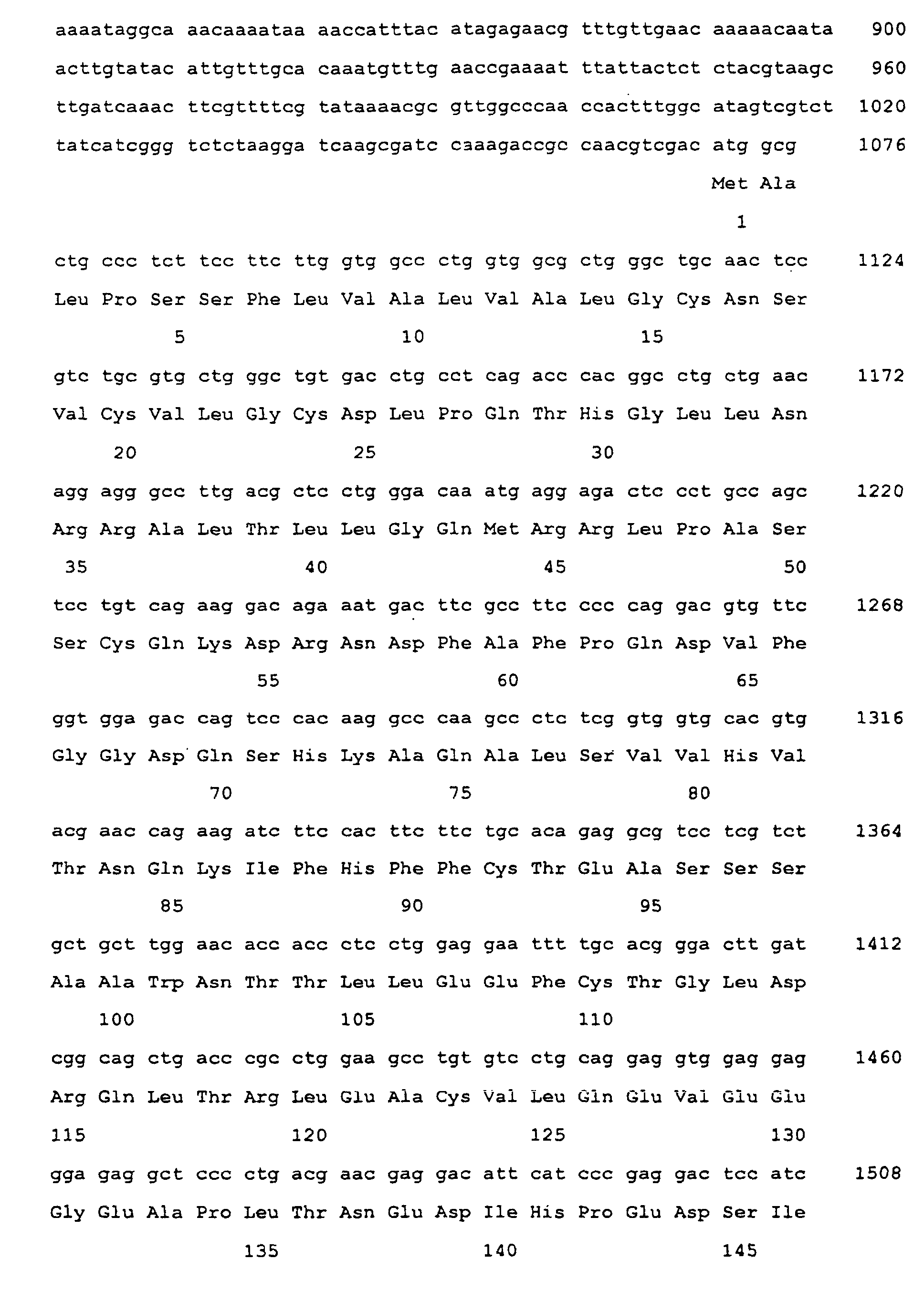


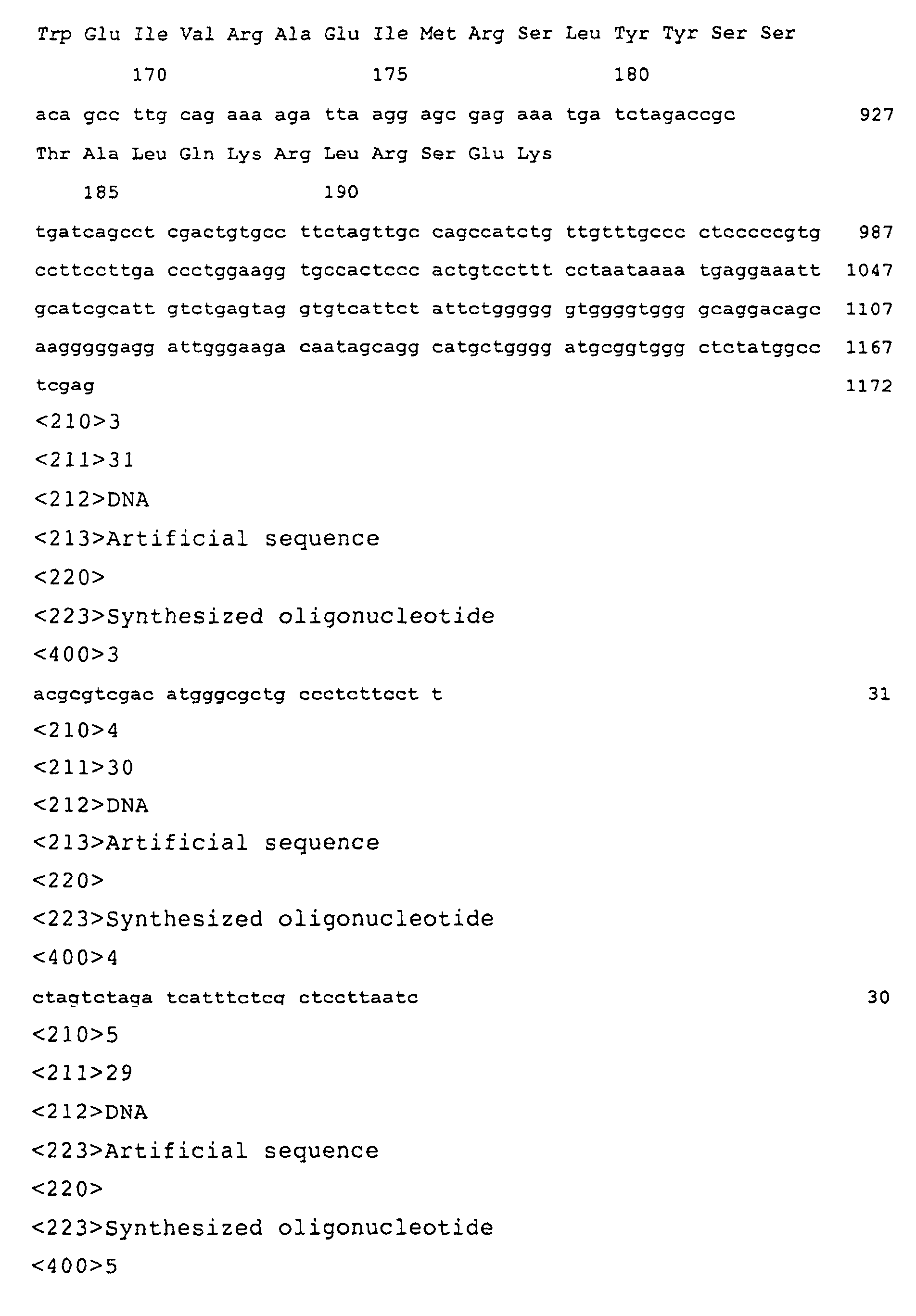
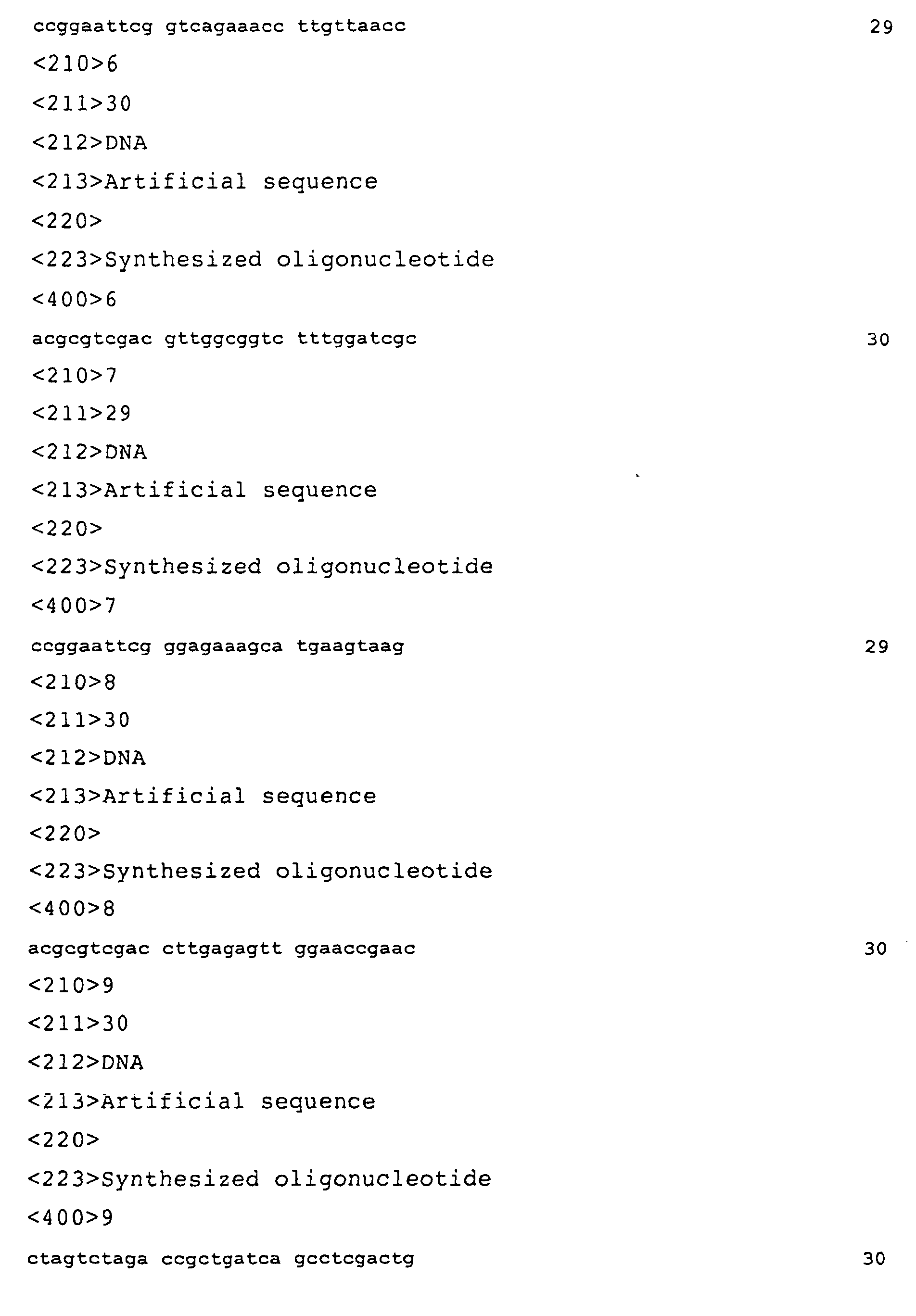
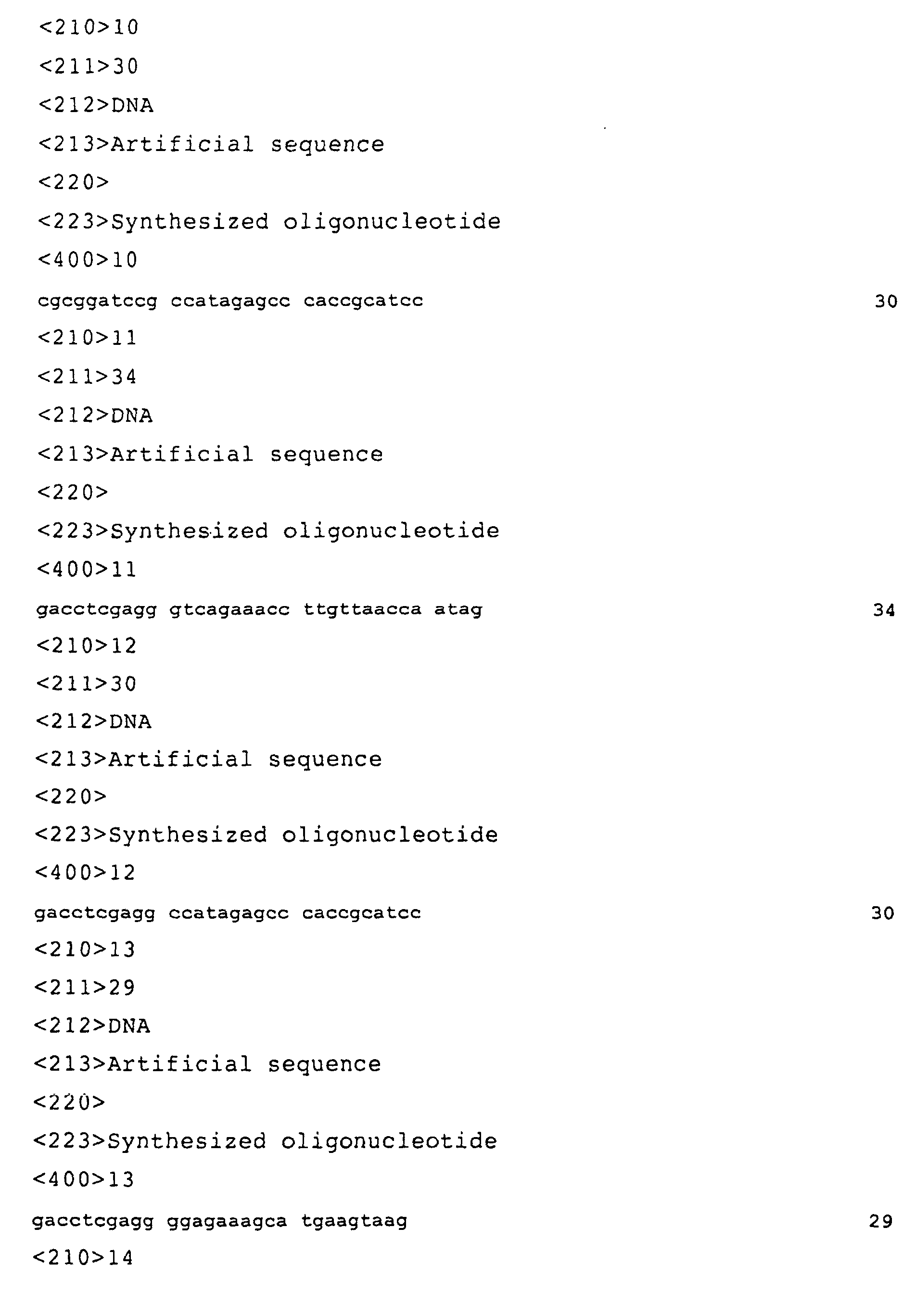

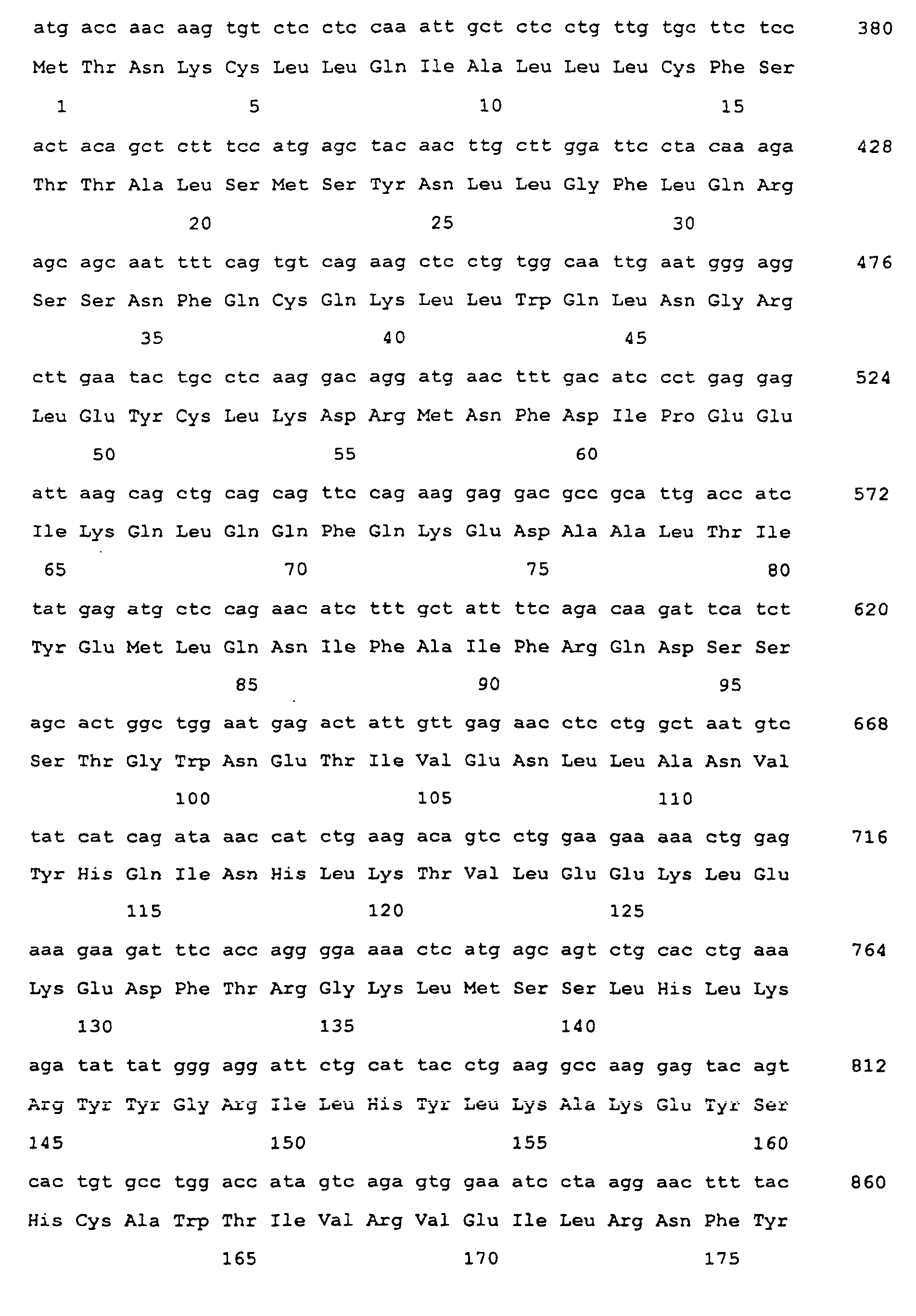
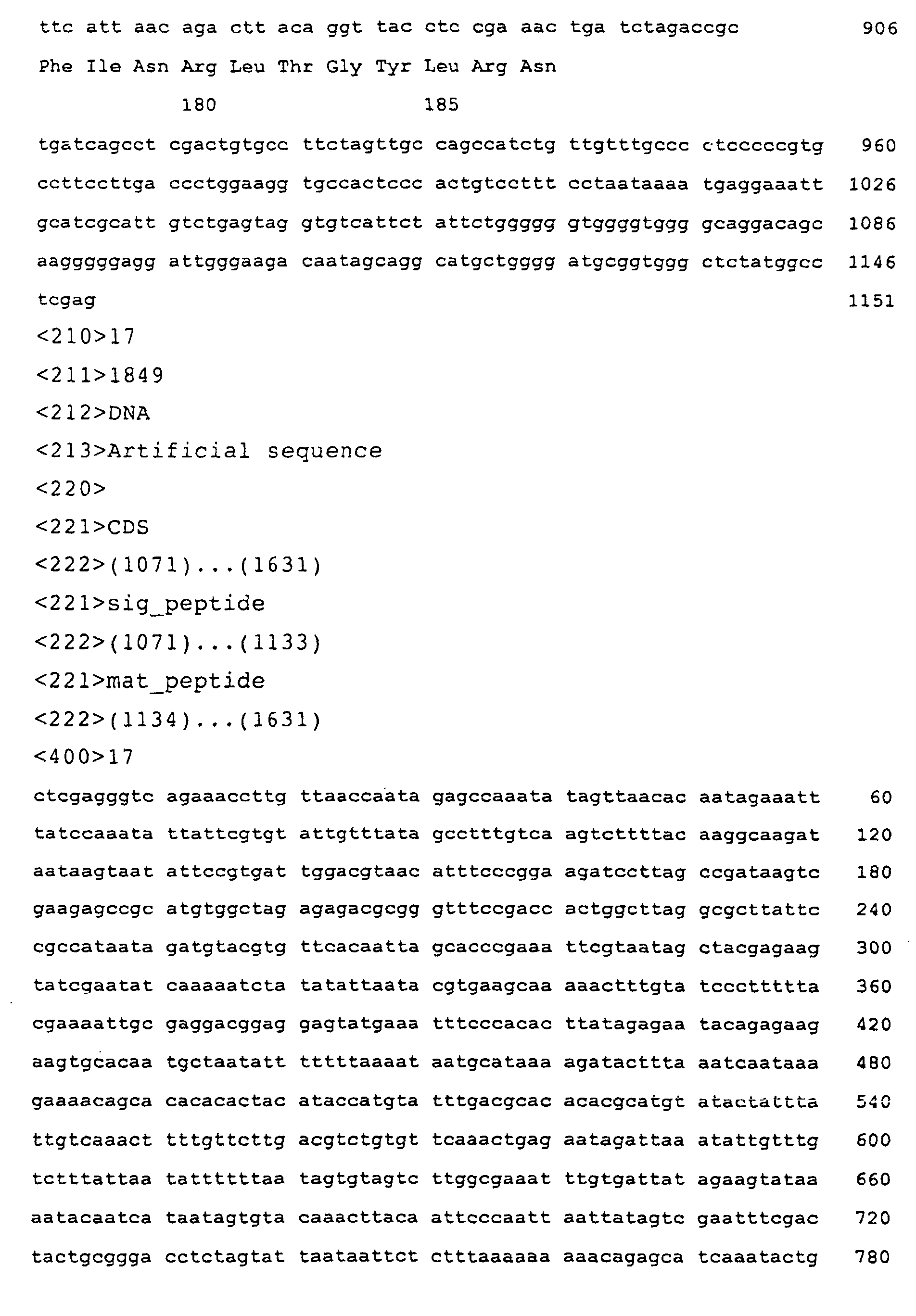
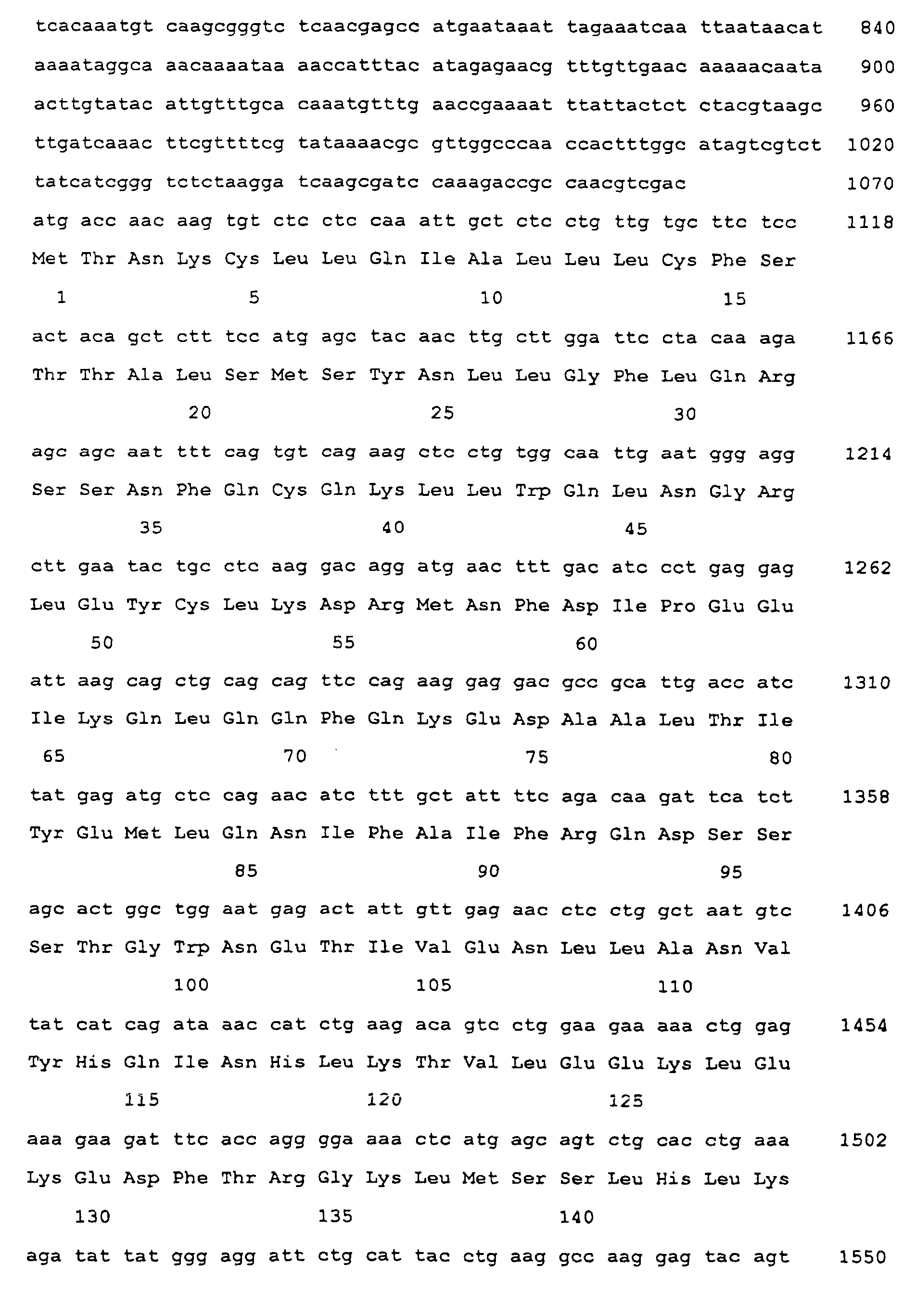


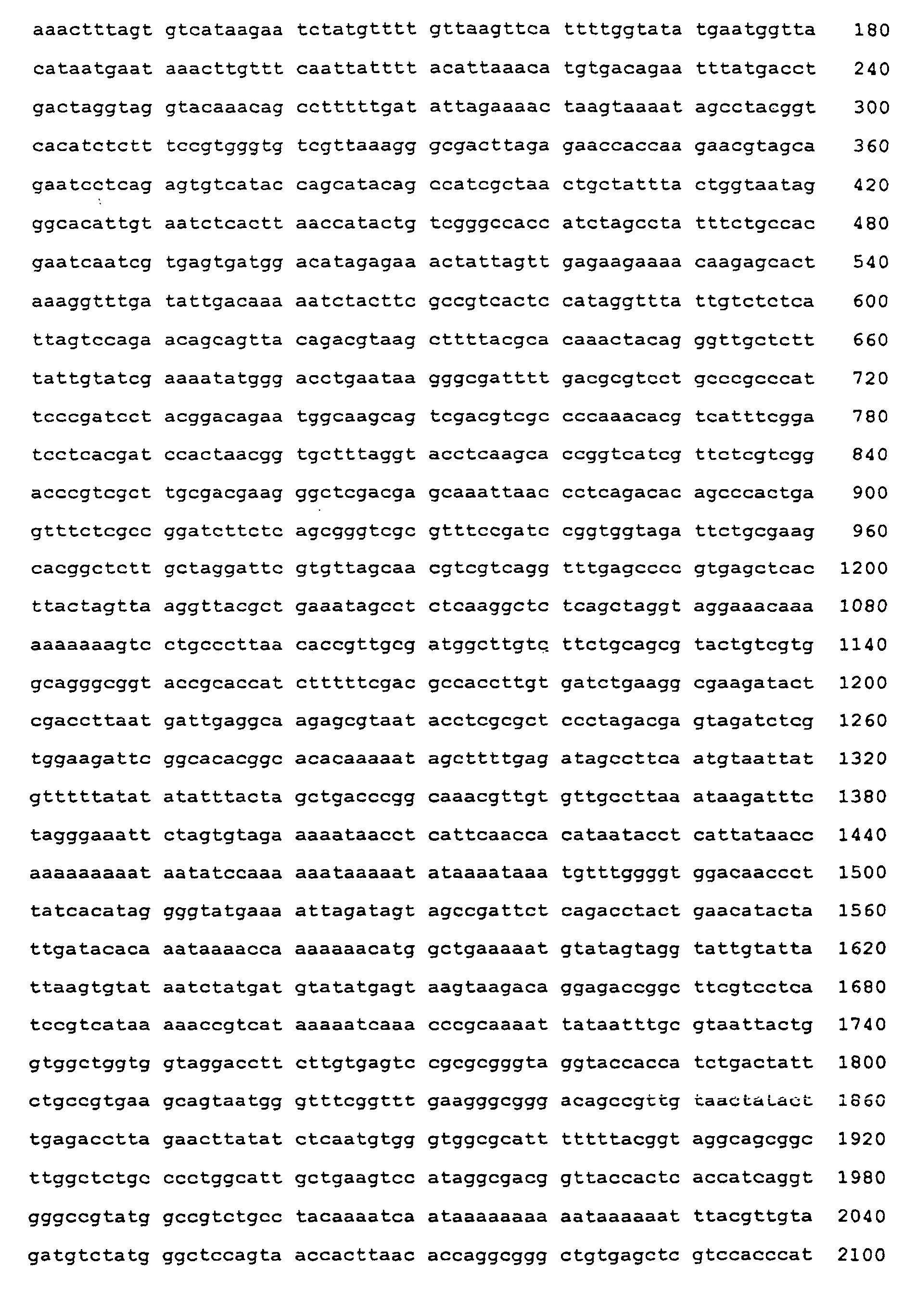


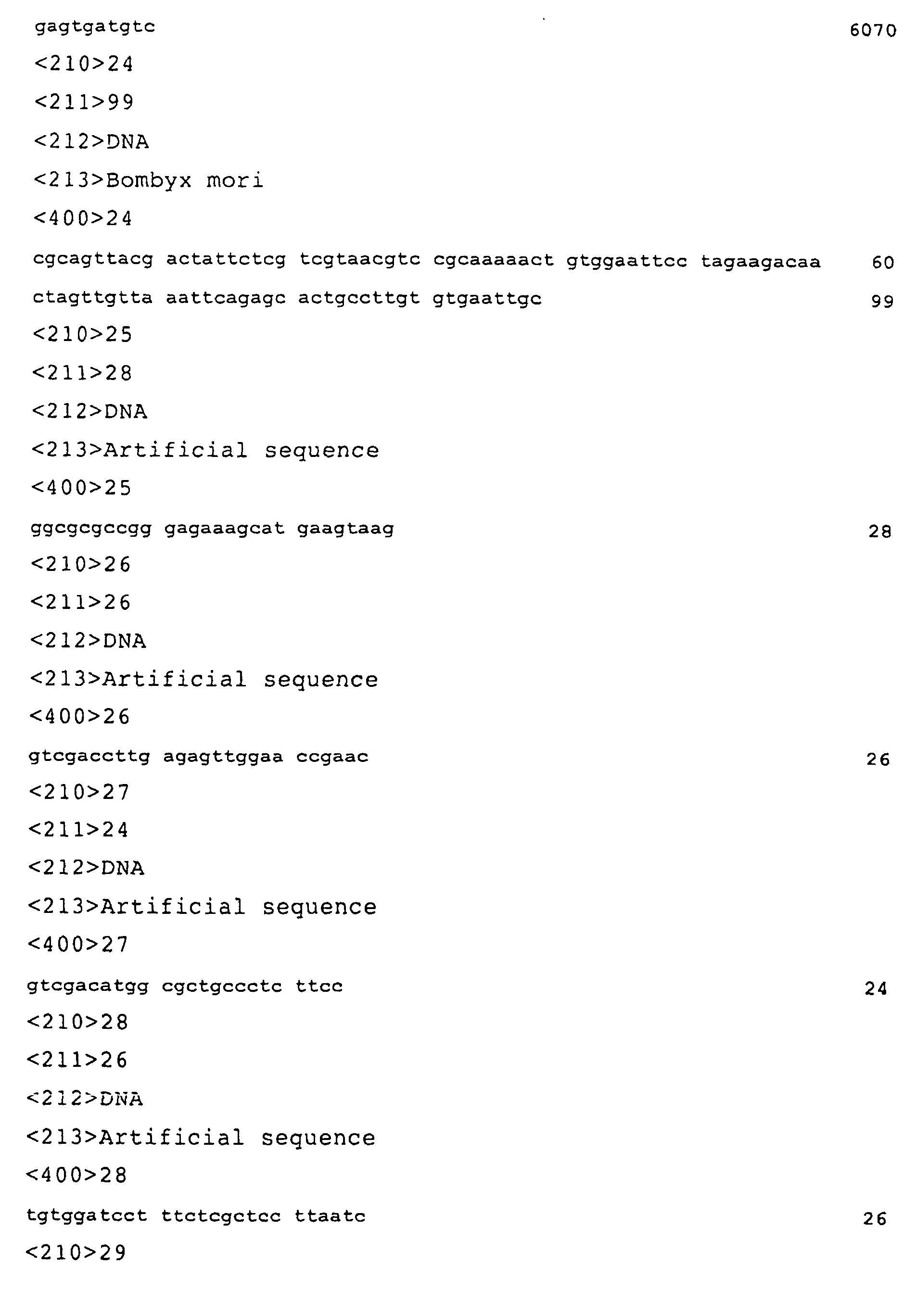


Claims (41)
- A process for producing recombinant cytokine comprising producing a gene recombinant silkworm that incorporates cytokine gene in its chromosomes, producing recombinant cytokine protein in the silk glands or cocoon and silk thread of the resulting gene recombinant silkworm, and recovering the cytokine from the silk glands or cocoon and silk thread.
- A process for producing recombinant cytokine according to claim 1 wherein a cytokine gene coupled downstream from a promoter specifically expressed in silk glands is incorporated in a chromosome.
- A process for producing recombinant cytokine according to claim 2 wherein the promoter specifically expressed in silk glands is a sericin gene promoter.
- A process for producing recombinant cytokine according to claim 2 wherein the promoter specifically expressed in silk glands is a fibroin H chain gene promoter.
- A process for producing recombinant cytokine according to any of claims 1 through 4 wherein cytokine gene is incorporated in silkworm chromosomes using DNA originating in a transposon.
- A process for producing recombinant cytokine according to claim 5 wherein the cytokine gene is located between a pair of inverted terminal sequences originating in a transposon.
- A process for producing recombinant cytokine according to claim 5 or 6 wherein the DNA originating in a transposon originates in an insect.
- A process for producing recombinant cytokine according to claim 7 wherein the transposon originates in piggyBac transposon originating in a lepidopteron.
- A process for producing recombinant cytokine according to any of claims 1 through 8 wherein the cytokine gene is interferon gene or colony stimulating factor gene.
- A process for producing recombinant cytokine according to claim 9 wherein the interferon gene or colony stimulating factor gene is feline interferon-ω gene, human interferon-β gene or feline granulocyte colony stimulating factor gene.
- A process for producing recombinant cytokine according to any of claims 1 through 3 wherein cytokine is extracted from cocoon and silk thread by using an aqueous solvent.
- A gene recombinant silkworm in which a cytokine gene has been inserted into a chromosome and cytokine is produced in silk glands or cocoon and silk thread.
- A gene recombinant silkworm according to claim 12 wherein the cytokine gene inserted into a chromosome is an interferon gene or colony stimulating factor gene.
- A gene recombinant silkworm according to claim 13 wherein the interferon gene or colony stimulating factor gene inserted into a chromosome is feline interferon-ω gene, human interferon-β gene or feline granulocyte colony stimulating factor gene.
- A vector for inserting an exogenous gene into silkworm chromosomes in which a cytokine gene is coupled downstream from a promoter that is specifically expressed in silk glands.
- A vector for inserting an exogenous gene into silkworm chromosomes according to claim 15 wherein the promoter is sericin gene promoter.
- A vector for inserting an exogenous gene into silkworm chromosomes according to claim 15 wherein the promoter is a fibroin H chain gene promoter.
- A vector for inserting an exogenous gene into silkworm chromosomes according to any of claims 15 through 17 wherein the cytokine gene is located between a pair of inverted terminal sequences originating in a transposon.
- A vector for inserting an exogenous gene into silkworm chromosomes according to any of claims 15 through 18 wherein the cytokine gene is an interferon gene or a colony stimulating factor gene.
- A vector for inserting an exogenous gene into silkworm chromosomes according to claim 19 wherein the interferon gene or colony stimulating factor gene is feline interferon-ω gene, human interferon-β gene or feline granulocyte colony stimulating factor gene.
- A gene cassette for expressing an exogenous protein comprising (1) a promoter expressed in silk glands, and (2) a gene coupled downstream from (1) in which the 5' terminal portion of fibroin H chain gene is fused to the 5' side of an exogenous protein structural gene.
- A gene cassette for expressing an exogenous protein comprising (1) a promoter expressed in silk glands, and (2) a gene coupled downstream from (1) in which the 3' terminal portion of fibroin H chain gene is fused to the 3' side of an exogenous protein structural gene not containing a stop codon, or a gene cassette for expressing an exogenous protein comprising (1) a promoter expressed in silk glands, and (2) a gene coupled downstream from (1) in which an exogenous protein structural gene is fused to the 3' side of the 3' terminal portion of fibroin H chain gene.
- A gene cassette for expressing an exogenous protein comprising (1) a promoter expressed in silk glands, and (2) a gene coupled downstream from (1) in which the 5' terminal portion of fibroin H chain gene is fused to the 5' side of an exogenous protein structural gene not containing a stop codon, and in which the 3' terminal portion of fibrin H chain gene is fused to the 3' side of the structural gene.
- A gene cassette according to claim 21 or 23 wherein the 5' terminal portion of the fibroin H chain gene contains a first exon, first intron and a portion of a second exon of fibroin H chain gene.
- A gene cassette according to claim 24 wherein the portion where the first exon and second exon of the fibroin H chain gene are joined is a secretion signal gene region of fibroin H chain gene.
- A gene cassette according to claim 25 wherein the promoter expressed in silk glands of (1) and the 5' terminal portion of fibroin H chain gene coupled downstream from (1) are the DNA shown in SEQ. ID No. 22 and SEQ. ID No. 23.
- A gene cassette according to claim 22 or 23 wherein the 3' terminal portion of the fibroin H chain gene contains at least one codon that encodes cysteine.
- A gene cassette according to claim 27 wherein the 3' terminal portion of the fibroin H chain gene is the DNA shown in SEQ. ID No. 24.
- A gene cassette according to any of claims 21 through 28 wherein the promoter expressed in silk glands is at least one promoter selected from fibroin H chain gene promoter, fibroin L chain gene promoter and sericin gene promoter.
- A gene cassette according to any of claims 21 through 29 wherein at least one poly A addition region selected from a poly A addition region of fibroin H chain gene, a poly A addition region of fibroin L chain gene and a poly A addition region of sericin gene is present downstream from a gene cassette for expressing an exogenous protein according to any of claims 21 through 29.
- A gene cassette for inserting a gene into chromosomes of insect cells comprising inverted repetitive sequences of a pair of piggyBac transposons present on both sides of a gene cassette for expressing an exogenous protein according to any of claims 21 through 30.
- An expression vector for insect cells that contains a gene cassette for expressing an exogenous protein according to any of claims 21 through 31.
- A gene insertion vector for insect cells that contains a gene cassette for inserting a gene into chromosomes of insect cells according to claim 31.
- A process for producing an exogenous protein comprising inserting a vector for insect cells according to claim 32 or 33 into insect cells.
- A process for producing an exogenous protein according to claim 34 wherein the insect cells originate in a lepidopteron.
- A process for producing an exogenous protein according to claim 35 wherein the insect cells originate in silkworm moths (Bombyx mori).
- A process for producing an exogenous protein according to claim 36 wherein the insect cells are silk gland cells of silkworm moths (Bombyx mori).
- A process for producing an exogenous protein comprising producing a recombinant silkworm in which a gene cassette for expressing an exogenous protein according to any of claims 21 through 31 is inserted into a chromosome using a gene insertion vector for insect cells according to claim 33 and the DNA transfer activity of piggyBac transposase, producing exogenous protein in the silk glands or cocoon and silk thread of the resulting recombinant silkworm, recovering the exogenous protein from the silk glands or silk and cocoon thread.
- A process for producing an exogenous protein according to claim 38 wherein the recombinant silkworm, in which the gene cassette for expressing an exogenous protein has been inserted into a chromosome, is produced by simultaneously micro-injecting the gene insertion vector for insect cells and DNA or RNA that produces the piggyBac transposase into silkworm eggs.
- A recombinant silkworm in which a gene cassette for expressing an exogenous protein according to any of claims 21 through 31 has been inserted into a chromosome, and which has the ability to produce the exogenous protein in silk glands or silk thread.
- Silk thread containing an exogenous protein produced by a recombinant silkworm according to claim 40.
Applications Claiming Priority (5)
| Application Number | Priority Date | Filing Date | Title |
|---|---|---|---|
| JP2002060374 | 2002-03-06 | ||
| JP2002060374 | 2002-03-06 | ||
| JP2002268726 | 2002-09-13 | ||
| JP2002268726 | 2002-09-13 | ||
| PCT/JP2003/002675 WO2003074699A1 (en) | 2002-03-06 | 2003-03-06 | Process for producing physiologically active protein using genetically modified silkworm |
Publications (2)
| Publication Number | Publication Date |
|---|---|
| EP1482035A1 true EP1482035A1 (en) | 2004-12-01 |
| EP1482035A4 EP1482035A4 (en) | 2005-11-09 |
Family
ID=27790985
Family Applications (1)
| Application Number | Title | Priority Date | Filing Date |
|---|---|---|---|
| EP03743628A Withdrawn EP1482035A4 (en) | 2002-03-06 | 2003-03-06 | PROCESS FOR PRODUCING PHYSIOLOGICALLY ACTIVE PROTEIN USING GENETICALLY MODIFIED SILKWORM |
Country Status (7)
| Country | Link |
|---|---|
| US (1) | US7659112B2 (en) |
| EP (1) | EP1482035A4 (en) |
| KR (2) | KR100689932B1 (en) |
| CN (2) | CN101712955B (en) |
| AU (1) | AU2003211765B2 (en) |
| CA (1) | CA2478205A1 (en) |
| WO (1) | WO2003074699A1 (en) |
Cited By (1)
| Publication number | Priority date | Publication date | Assignee | Title |
|---|---|---|---|---|
| CN113621619A (en) * | 2021-07-15 | 2021-11-09 | 西南大学 | Essential gene Bmpnd-2 for diapause of silkworm eggs and application thereof |
Families Citing this family (19)
| Publication number | Priority date | Publication date | Assignee | Title |
|---|---|---|---|---|
| EP1712561A4 (en) * | 2004-01-13 | 2008-09-03 | Toray Industries | SILK YARN CONTAINING PROTEIN FROM SPIDER YARN AND SILK REPRODUCING THIS SILK YARN |
| JP4271122B2 (en) * | 2004-10-15 | 2009-06-03 | 財団法人 ひろしま産業振興機構 | Polynucleotides for recombinant protein production in silkworm |
| US8578500B2 (en) * | 2005-05-31 | 2013-11-05 | Kurt James Long | System and method of fraud and misuse detection |
| KR101323563B1 (en) * | 2005-10-18 | 2013-10-29 | 니토 보세키 가부시기가이샤 | Antibody-producing transgenic silkworms and methods for producing the same |
| KR101443937B1 (en) | 2006-12-28 | 2014-09-23 | 니토 보세키 가부시기가이샤 | Production method of TRACP5b |
| US20110023154A1 (en) * | 2008-12-04 | 2011-01-27 | Sigma-Aldrich Co. | Silkworm genome editing with zinc finger nucleases |
| JP5691052B2 (en) * | 2010-09-10 | 2015-04-01 | 岡本株式会社 | Recombinant organisms and proteins made by recombinant organisms |
| CN107190017A (en) * | 2010-09-28 | 2017-09-22 | 圣母大学 | Chimeric spider silk and application thereof |
| CN102242147B (en) * | 2011-05-13 | 2012-11-21 | 浙江同点生物科技有限公司 | Method for synthesizing and secreting rabies virus nucleoprotein in middle silkworm silk-gland cells |
| KR101402272B1 (en) * | 2011-11-25 | 2014-06-11 | 동의대학교 산학협력단 | Novel G-CSF polynucleotide and use thereof |
| WO2015060159A1 (en) * | 2013-10-25 | 2015-04-30 | 独立行政法人農業生物資源研究所 | Exogenous gene expression enhancer |
| CN108276486B (en) * | 2015-04-23 | 2021-06-15 | 中国农业科学院生物技术研究所 | Cat ω2 interferon mutant and preparation method and application thereof |
| CN108543112B (en) * | 2018-03-30 | 2020-06-30 | 西南大学 | Preparation method of sericin-agarose composite gel with cell proliferation promoting activity and product thereof |
| CN108676083B (en) * | 2018-05-25 | 2022-01-28 | 浙江善测禾骑士生物科技有限公司 | Sheep gamma interferon mutant and preparation method and application thereof |
| WO2020158877A1 (en) * | 2019-01-31 | 2020-08-06 | Spiber株式会社 | Method for producing recombinant protein |
| CN111850039B (en) * | 2020-07-17 | 2023-10-20 | 西南大学 | Silkworm fibroin heavy chain expression system with expressed proteins distributed on silkworm silk glue layer, and preparation method and application thereof |
| CN112159819B (en) * | 2020-09-03 | 2022-03-18 | 浙江省农业科学院 | Method for constructing domestic silkworm strain of yellow croaker growth hormone bioreactor |
| CN113621650B (en) * | 2021-03-24 | 2023-05-26 | 西南大学 | Establishment and application of efficient silk fibroin heavy chain promoter secretion expression system |
| CN112852878A (en) * | 2021-04-14 | 2021-05-28 | 吉林省国大生物工程有限公司 | Method for producing recombinant humanized III-type collagen by transgenic silkworms |
Family Cites Families (6)
| Publication number | Priority date | Publication date | Assignee | Title |
|---|---|---|---|---|
| US6218185B1 (en) | 1996-04-19 | 2001-04-17 | The United States Of America As Represented By The Secretary Of Agriculture | Piggybac transposon-based genetic transformation system for insects |
| JP2001161214A (en) | 1999-12-13 | 2001-06-19 | Japan Science & Technology Corp | Transgenic silkworm |
| JP2002137211A (en) * | 2000-11-01 | 2002-05-14 | Tenryu Ind Co Ltd | Wood for wooden structures |
| JP2002306167A (en) | 2000-11-28 | 2002-10-22 | Japan Science & Technology Corp | Transgenic silkworm production vector |
| CN1362520A (en) * | 2001-01-02 | 2002-08-07 | 成都天友发展有限公司 | Constitution process of blank expression system for transferring spider's dragline protein gene into Bombyx mori |
| JP4701336B2 (en) | 2001-04-18 | 2011-06-15 | 独立行政法人農業生物資源研究所 | Transformed silkworm producing human collagen |
-
2003
- 2003-03-06 CA CA002478205A patent/CA2478205A1/en not_active Abandoned
- 2003-03-06 CN CN2009102211203A patent/CN101712955B/en not_active Expired - Fee Related
- 2003-03-06 AU AU2003211765A patent/AU2003211765B2/en not_active Ceased
- 2003-03-06 EP EP03743628A patent/EP1482035A4/en not_active Withdrawn
- 2003-03-06 KR KR1020067008102A patent/KR100689932B1/en not_active Expired - Fee Related
- 2003-03-06 WO PCT/JP2003/002675 patent/WO2003074699A1/en not_active Ceased
- 2003-03-06 KR KR1020047013761A patent/KR100723565B1/en not_active Expired - Fee Related
- 2003-03-06 US US10/506,327 patent/US7659112B2/en not_active Expired - Fee Related
- 2003-03-06 CN CNB038053527A patent/CN100572534C/en not_active Expired - Fee Related
Cited By (2)
| Publication number | Priority date | Publication date | Assignee | Title |
|---|---|---|---|---|
| CN113621619A (en) * | 2021-07-15 | 2021-11-09 | 西南大学 | Essential gene Bmpnd-2 for diapause of silkworm eggs and application thereof |
| CN113621619B (en) * | 2021-07-15 | 2023-09-12 | 西南大学 | Essential gene Bmpnd-2 for diapause of silkworm eggs and application thereof |
Also Published As
| Publication number | Publication date |
|---|---|
| US20050177877A1 (en) | 2005-08-11 |
| KR20040105745A (en) | 2004-12-16 |
| AU2003211765A1 (en) | 2003-09-16 |
| KR100689932B1 (en) | 2007-03-12 |
| EP1482035A4 (en) | 2005-11-09 |
| AU2003211765B2 (en) | 2007-11-01 |
| CA2478205A1 (en) | 2003-09-12 |
| CN1639333A (en) | 2005-07-13 |
| CN100572534C (en) | 2009-12-23 |
| KR20060054490A (en) | 2006-05-22 |
| US7659112B2 (en) | 2010-02-09 |
| WO2003074699A1 (en) | 2003-09-12 |
| KR100723565B1 (en) | 2007-06-04 |
| CN101712955A (en) | 2010-05-26 |
| CN101712955B (en) | 2013-06-05 |
Similar Documents
| Publication | Publication Date | Title |
|---|---|---|
| US7659112B2 (en) | Process for producing physiologically active protein using genetically modified silkworm | |
| US20070083940A1 (en) | Transformed silkworm producing human collagen | |
| EP2305814B1 (en) | Gene of porcine alpha-s1 casein, a promoter of the same and use thereof | |
| WO2006041225A1 (en) | Polynucleotide for production of recombinant protein by silkworm | |
| KR20170031843A (en) | Production of the melittin antimicrobial peptide in transgenic silkworm | |
| JP2004016144A (en) | Transgenic silkworm producing human collagen | |
| JP4353754B2 (en) | Gene transfer vector to insect and gene product production method | |
| JP2003325188A (en) | Cytokine transgenic silkworm and method for producing protein thereof | |
| Lee et al. | Gene Expression of Cotesiaplutellae Bracovlrus EP1-like Protein (CpBV-ELP1) in Parasitized Diamondback Moth, Plutellae xylostella | |
| JP6436908B2 (en) | Exogenous gene expression vector, transformant discrimination marker and transformant | |
| JP4431739B2 (en) | Use of DNA encoding the silkworm kynurenine oxidase gene | |
| KR100993162B1 (en) | Method for producing erythropoietin from erythropoietin transformed cocoon and transformed silkworm | |
| JP2007228814A (en) | Gene cassette for expression of foreign protein and method for producing foreign protein | |
| JP2007222106A (en) | Expression cassette used for recombinant protein production in silkworm | |
| Li et al. | Expression of the hGM-CSF in the silk glands of germline of gene-targeted silkworm | |
| JP6964843B2 (en) | Binary gene expression system | |
| KR102898506B1 (en) | Composition for preparing avian cells for preparing virus vaccine and composition for preparing virus-resistant avian | |
| JP2003339261A (en) | A plant expressing a cat-derived cytokine and a method for producing a cat-derived cytokine. | |
| KR101694829B1 (en) | Fibroin Heavy chain Core Promoter of Bombyx mori and the Vector Thereof | |
| KR101922424B1 (en) | Silkworms transformed with binary vector composition comprising Hac1 gene and Unfolded protein response element sequence or the same | |
| KR101791576B1 (en) | Binary vector composition comprising Hac1 gene and Unfolded protein response element sequence or cells transformed with the same | |
| JP2007176831A (en) | Manufacturing method of useful protein | |
| CN119453150A (en) | Application and method of increasing expression of silkworm peptidoglycan recognition protein BmPGRP-L1 in breeding silkworm varieties adaptable to artificial diet | |
| JP2023517779A (en) | Production of recombinant proteins in insects | |
| Chen et al. | Recent advances in transgenic fish technology |
Legal Events
| Date | Code | Title | Description |
|---|---|---|---|
| PUAI | Public reference made under article 153(3) epc to a published international application that has entered the european phase |
Free format text: ORIGINAL CODE: 0009012 |
|
| 17P | Request for examination filed |
Effective date: 20040927 |
|
| AK | Designated contracting states |
Kind code of ref document: A1 Designated state(s): AT BE BG CH CY CZ DE DK EE ES FI FR GB GR HU IE IT LI LU MC NL PT RO SE SI SK TR |
|
| A4 | Supplementary search report drawn up and despatched |
Effective date: 20050923 |
|
| 17Q | First examination report despatched |
Effective date: 20070321 |
|
| STAA | Information on the status of an ep patent application or granted ep patent |
Free format text: STATUS: THE APPLICATION IS DEEMED TO BE WITHDRAWN |
|
| 18D | Application deemed to be withdrawn |
Effective date: 20111001 |