EP1443326B1 - Method of diagnosing cerebral infarction - Google Patents
Method of diagnosing cerebral infarction Download PDFInfo
- Publication number
- EP1443326B1 EP1443326B1 EP02775332A EP02775332A EP1443326B1 EP 1443326 B1 EP1443326 B1 EP 1443326B1 EP 02775332 A EP02775332 A EP 02775332A EP 02775332 A EP02775332 A EP 02775332A EP 1443326 B1 EP1443326 B1 EP 1443326B1
- Authority
- EP
- European Patent Office
- Prior art keywords
- glycoprotein
- nicked
- cerebral infarction
- concentration
- monoclonal antibody
- Prior art date
- Legal status (The legal status is an assumption and is not a legal conclusion. Google has not performed a legal analysis and makes no representation as to the accuracy of the status listed.)
- Expired - Lifetime
Links
Images
Classifications
-
- G—PHYSICS
- G01—MEASURING; TESTING
- G01N—INVESTIGATING OR ANALYSING MATERIALS BY DETERMINING THEIR CHEMICAL OR PHYSICAL PROPERTIES
- G01N33/00—Investigating or analysing materials by specific methods not covered by groups G01N1/00 - G01N31/00
- G01N33/48—Biological material, e.g. blood, urine; Haemocytometers
- G01N33/50—Chemical analysis of biological material, e.g. blood, urine; Testing involving biospecific ligand binding methods; Immunological testing
- G01N33/68—Chemical analysis of biological material, e.g. blood, urine; Testing involving biospecific ligand binding methods; Immunological testing involving proteins, peptides or amino acids
- G01N33/6893—Chemical analysis of biological material, e.g. blood, urine; Testing involving biospecific ligand binding methods; Immunological testing involving proteins, peptides or amino acids related to diseases not provided for elsewhere
-
- G—PHYSICS
- G01—MEASURING; TESTING
- G01N—INVESTIGATING OR ANALYSING MATERIALS BY DETERMINING THEIR CHEMICAL OR PHYSICAL PROPERTIES
- G01N2400/00—Assays, e.g. immunoassays or enzyme assays, involving carbohydrates
- G01N2400/02—Assays, e.g. immunoassays or enzyme assays, involving carbohydrates involving antibodies to sugar part of glycoproteins
-
- G—PHYSICS
- G01—MEASURING; TESTING
- G01N—INVESTIGATING OR ANALYSING MATERIALS BY DETERMINING THEIR CHEMICAL OR PHYSICAL PROPERTIES
- G01N2800/00—Detection or diagnosis of diseases
- G01N2800/28—Neurological disorders
- G01N2800/2871—Cerebrovascular disorders, e.g. stroke, cerebral infarct, cerebral haemorrhage, transient ischemic event
Definitions
- the present invention relates to a method of diagnosing cerebral infarction.
- the present invention may be used for the diagnosis of patients suffering from cerebral infarction and the observation of prognosis after treatment.
- ⁇ 2 glycoprotein I as used herein means ⁇ 2 glycoprotein I, cleaved by a protease at the one peptide bond and converted into the two polypeptide chains linked to each other by disulfide bonds.
- ⁇ 2 glycoprotein I When ⁇ 2 glycoprotein I not cleaved by the protease is to be distinguished from the “nicked ⁇ 2 glycoprotein I", it is referred as “intact ⁇ 2 glycoprotein I".
- ⁇ 2 glycoprotein I as used herein means the “intact ⁇ 2 glycoprotein I”, unless otherwise specified.
- total ⁇ 2 glycoprotein I includes both the “nicked ⁇ 2 glycoprotein I” and the “intact ⁇ 2 glycoprotein I”
- ⁇ 2 glycoprotein I is a glycoprotein and its plasma concentration is approximately 200 ⁇ g/mL in healthy person. It is known to bind negatively charged phospholipids. For example, it is supposed to show anticoagulant activity by regulate the interaction between protein S and its binding protein, activated factor V, a phospholipid-dependent prothrombinase activity, platelet aggregation by ADP, and contact of intrinsic coagulation factors to phospholipid phase.
- Cerebral infarction is caused by an obstruction in cerebral arteries, which is caused by thrombi. It is the major type of cerebral apoplexy with a high mortality and the third frequent cause of death in Japan.
- Diagnostic imaging such as a CT examination has been used in the diagnosis of cerebral infarction so far. If a specific marker for cerebral infarction can be measured besides the CT examination, it would be very useful in the diagnosis or prognosis of cerebral infarction.
- Angiology 52 (2) 2001, pages 149-154 describes that anti-B2 glycoprotein can be used as marker for cerebral ischemia.
- the present inventors have intensively studied to develop of a method for diagnosing (i.e., detecting) cerebral infarction. As a result, they found that the amounts of nicked ⁇ 2 glycoprotein I in patients with cerebral infarction are significantly higher than those in healthy person, and that the ratios of the nicked ⁇ 2 glycoprotein I concentration to the total ⁇ 2 glycoprotein I concentration are useful for the diagnosis of cerebral infarction.
- the present invention is based on the above findings.
- the present invention relates to a method of diagnosing cerebral infarction, comprising the step of: measuring a concentration of nicked ⁇ 2 glycoprotein in a body fluid sample.
- the present invention also relates to a method of diagnosing cerebral infarction, comprising the steps of: measuring a nicked ⁇ 2 glycoprotein I concentration (N) and a total ⁇ 2 glycoprotein I concentration (T) in a body fluid sample, calculating a ratio (N/T) of the nicked ⁇ 2 glycoprotein I concentration (N) to the total ⁇ 2 glycoprotein I concentration (T), and using the ratio as an indicator.
- their concentrations are measured by immunological methods or biochemical methods.
- diagnosis of cerebral infarction mainly means the detection or prognosis of cerebral infarction, and, in a broad sense, includes the screening or monitoring of symptoms during or after treatment.
- ⁇ 2 glycoprotein I as used herein means ⁇ 2 glycoprotein I, which is cleaved by the protease at the one peptide bond and converted into two polypeptide chains linked to each other by disulfide bonds, as described above.
- nicked ⁇ 2 glycoprotein I includes, for example, (1) nicked ⁇ 2 glycoprotein I in which the domain V is cleaved by plasmin (human ⁇ 2 glycoprotein I is cleaved at the peptide bond between the 317th lysine and the 318th threonine) and (2) nicked ⁇ 2 glycoprotein I in which the domain V is cleaved by granulocyte elastase (human ⁇ 2 glycoprotein I is cleaved at the peptide bond between the 314th alanine residue and the 315th phenylalanine residue).
- cerebral infarction can be diagnosed with a high sensitivity.
- Cerebral infarction is caused by an obstruction in cerebral arteries, which is caused by thrombi.
- Cerebral circulation disorder is caused by constriction or obstruction in extracranial or intracranial cerebral arteries.
- the brain tissue is irreversibly damaged and shows a cerebral infarction.
- Various neurologic symptoms are observed from the damaged brain tissue.
- cerebral infarction is classified into embolic cardiogenic cerebral infarction or thrombotic lacunar infarction, or atherothrombotic cerebral infarction to which sharing stress is added.
- the diagnosis thereof is carried out by diagnostic imaging (Computed Tomography, Magnetic Resonance Angiography) findings and clinical findings (neurologic signs or the like) [ Higashi et al., Medical Technology, Vol. 29, No. 2, p. 138-146 (2001 )]. Further, as an auxiliary approach to the diagnosis of cerebral infarction (lacunar infarction), measurement of a TAT (thrombin-antithrombin III complex) value, a PIC (plasmin- ⁇ 2 plasmin inhibitor complex) value, or a DD (D-D dimer) value is carried out as a coagulation test [ Yamaguchi et al., "Kyou no Sindan-Shishin” the third edition, Igaku-Syoin, p. 499-500 (1992 )].
- TAT thrombin-antithrombin III complex
- PIC plasmin- ⁇ 2 plasmin inhibitor complex
- DD D-D dimer
- Cerebral infarction means diseases or symptoms diagnosed by the above-described diagnosis methods and includes diseases or symptoms during the observation period of treatment after cerebral infarction.
- any body fluid sample from any mammal is available.
- a body fluid sample for example, blood samples such as plasma or serum, plasma is preferred, especially.
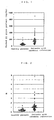
- the present inventors found that the concentrations of nicked ⁇ 2 glycoprotein I in body fluid samples from patients with cerebral infarction are significantly higher than those from healthy persons, as described in Examples.
- cerebral infarction can be diagnosed by measuring the concentration of nicked ⁇ 2 glycoprotein I in body fluid samples collected from subjects to be tested.
- the concentration of nicked ⁇ 2 glycoprotein I can be measured by, for example, an immunological method or a biochemical method.
- the present inventors found that the ratio (N/T, i.e., R value) of the nicked ⁇ 2 glycoprotein I concentration (N) to the total ⁇ 2 glycoprotein I concentration (T) in body fluid samples from patients with cerebral infarction is significantly higher than that from healthy persons, as described in Examples.
- cerebral infarction can be diagnosed by measuring the nicked ⁇ 2 glycoprotein I concentration (N) and the total ⁇ 2 glycoprotein I concentration (T) in body fluid samples collected from subjects to be tested, calculating the ratio (N/T, i.e., R value) of the nicked ⁇ 2 glycoprotein I concentration (N) to the total ⁇ 2 glycoprotein I concentration (T), and using the R value as an indicator.
- the concentration of nicked ⁇ 2 glycoprotein I can be measured by, for example, the above immunological method or biochemical method. Similarly, the concentration of total ⁇ 2 glycoprotein I can be measured by the immunological method or biochemical method.
- the immunological measurement of nicked ⁇ 2 glycoprotein I can be carried out by using, for example, a "monoclonal antibody which does not react to intact ⁇ 2 glycoprotein I but reacts to nicked ⁇ 2 glycoprotein I" (hereinafter sometimes referred to as an anti-nicked ⁇ 2 GPI monoclonal antibody) described in Japanese Unexamined Patent Publication (Kokai) No. 2000-28607 , or an antibody fragment thereof.
- an antibody which does not react to intact ⁇ 2 glycoprotein I but reacts to nicked ⁇ 2 glycoprotein I and the domain V of nicked ⁇ 2 glycoprotein I preferably (1) an antibody which does not react to intact ⁇ 2 glycoprotein I but reacts to nicked ⁇ 2 glycoprotein I and the domain V of nicked ⁇ 2 glycoprotein I [particularly an antibody in which the epitope is located in the region consisting of the 242nd to 326th amino acid residues (numbered from the amino-terminus) in human ⁇ 2 glycoprotein I] (more preferably, monoclonal antibody NGPI-59 secreted from hybridoma NGPI-59) or (2) an antibody which does not react to intact ⁇ 2 glycoprotein I but reacts to nicked ⁇ 2 glycoprotein I and a region consisting of the domains I to IV of nicked ⁇ 2 glycoprotein I [particularly an antibody in which the epitope is located in the region consisting of the 1st to 241st amino acid residues (numbered from the amino-terminus)
- the immunological measurement of total ⁇ 2 glycoprotein I can be carried out by using, for example, a "monoclonal antibody which reacts to intact ⁇ 2 glycoprotein I and nicked ⁇ 2 glycoprotein I" (hereinafter sometimes referred to as an anti-total ⁇ 2 GPI monoclonal antibody) described in Japanese Unexamined Patent Publication (Kokai) No. 2000-28607 , or an antibody fragment thereof.
- a "monoclonal antibody which reacts to intact ⁇ 2 glycoprotein I and nicked ⁇ 2 glycoprotein I” hereinafter sometimes referred to as an anti-total ⁇ 2 GPI monoclonal antibody
- hybridomas NGPI-23(FERM BP-8202), NGPI-59(FERM BP-8203), and NGPI-60(FERM BP-8204) were domestically deposited in the International Patent Organism Depositary National Institute of Advanced Industrial Science and Technology [(Former Name) National Institute of Bioscience and Human-Technology Agency of Industrial Science and Technology (Address: AIST Tsukuba Central 6, 1-1, Higashi 1-chome Tukuba-shi, Ibaraki-ken 305-8566 Japan)] on July 9, 1998, and transferred to an international deposit on October 11, 2002.
- the international deposit numbers are FERM BP-8202[FERM P-16891], FERM BP-8203[FERM P-16892], and FERM BP-8204[FERM P-16893], respectively.
- the antibody fragment of the anti-nicked ⁇ 2 GPI monoclonal antibody or the anti-total ⁇ 2 GPI monoclonal antibody a fragment of each monoclonal antibody with the same specificity as that of the original monoclonal antibody can be used.
- the antibody fragments include, or example, Fab, Fab', F(ab') 2 , or Fv.
- an amount of nicked ⁇ 2 glycoprotein I in a body fluid sample can be measured, for example, by immobilizing an anti-nicked ⁇ 2 GPI monoclonal antibody (or an antibody fragment thereof) on an insoluble carrier as a first antibody; bringing the immobilized first antibody into contact with the body fluid sample; bringing the resulting complex into contact with a labeled anti-nicked ⁇ 2 GPI monoclonal antibody (or a fragment thereof) different from the first antibody or a labeled anti-total ⁇ 2 GPI monoclonal antibody (or a fragment thereof), as a second antibody; and detecting a signal from the labeled second antibody which binds to the immobilized first antibody-nicked ⁇ 2 glycoprotein I complex, or a signal from the labeled second antibody which does not bind to the immobilized first antibody-nicked ⁇ 2 glycoprotein complex (sandwich method).
- an amount of nicked ⁇ 2 glycoprotein I in a body fluid sample can be measured, for example, by immobilizing at least an anti-nicked ⁇ 2 GPI monoclonal antibody (or an antibody fragment), and another anti-nicked ⁇ 2 GPI monoclonal antibody (or a fragment thereof) or a anti-total ⁇ 2 GPI monoclonal antibody (or a fragment thereof) on an insoluble carrier; and bringing the immobilized monoclonal antibody (or the antibody fragment thereof) into contact with the body fluid sample (aggregation method).
- an aggregation reaction with intact ⁇ 2 glycoprotein I in the body fluid sample does not occur, and only an aggregation reaction with nicked ⁇ 2 glycoprotein I occurs.
- an anti-nicked ⁇ 2 GPI monoclonal antibody such as the above-described monoclonal antibody NGPI-59 or NGPI-60
- an antibody fragment thereof is immobilized on an appropriate insoluble carrier (first antibody).
- the surface of the insoluble carrier is coated with an appropriate blocking agent, such as bovine serum albumin (BSA) or gelatin, to avoid a nonspecific binding of a body fluid sample to the insoluble carrier.
- BSA bovine serum albumin
- An undiluted body fluid sample is added and brought into contact with the insoluble carrier, and the reaction is carried out at a constant temperature (for example, 4-40°C, preferably around room temperature) for a fixed time (for example, 5 minutes to 3 hours) (first reaction).
- a labeled anti-nicked ⁇ 2 GPI monoclonal antibody (or a fragment thereof) different from the monoclonal antibody used as the first antibody, or a labeled anti-total ⁇ 2 GPI monoclonal antibody, such as monoclonal antibody NGPI-23, (or a fragment thereof), as the second antibody is added, and the reaction is carried out at a constant temperature (for example, 4-40°C, preferably around room temperature) for a fixed time(for example, 5 minutes to 3 hours) (second reaction).
- the resulting insoluble carrier is washed with an appropriate washing liquid, such as saline containing a detergent, and then an amount of the labeled antibody on the insoluble carrier is measured.
- An amount of nicked ⁇ 2 glycoprotein I in the body fluid sample can be calculated from the measured value.
- the first reaction and the second reaction can be carried out simultaneously.
- the immunological measurement of total ⁇ 2 glycoprotein I can be carried out in a manner similar to the immunological measurement of nicked ⁇ 2 glycoprotein I, except that the anti-total ⁇ 2GPI monoclonal antibody or an antibody fragment thereof is used instead of the anti-nicked ⁇ 2GPI monoclonal antibody or an antibody fragment thereof (sandwich method).
- the insoluble carrier which may be used in the immunological analysis utilizing the sandwich method is not particularly limited.
- the other insoluble carrier for example, polymers (such as polyethylene, polystyrene, polypropylene, polyvinylchloride, polyester, polyacrylonitrile, fluororesin, crosslinked dextran, or polysaccharide), nitrocellulose, paper, or agarose, or a combination thereof, are also available.
- polymers such as polyethylene, polystyrene, polypropylene, polyvinylchloride, polyester, polyacrylonitrile, fluororesin, crosslinked dextran, or polysaccharide), nitrocellulose, paper, or agarose, or a combination thereof.
- enzymes, fluorescent substances, or luminescent substances are preferred.
- an insoluble carrier commonly used in the immunological analysis utilizing the aggregation of an antigen-antibody reaction can be used.
- the insoluble carrier there may be mentioned, for example, latex particles (particularly polystyrene latex particles).
- known methods such as a chemically binding method, in which carbodiimide, glutaraldehyde, or the like is used as a crosslinking agent, or a physically adsorption method can be used.
- the concentrations of nicked ⁇ 2 glycoprotein I and total ⁇ 2 glycoprotein I can be measured by, for example, a biochemical method.
- a biochemical measurement of nicked ⁇ 2 glycoprotein I and intact ⁇ 2 glycoprotein I can be carried out by fractionating human plasma treated with perchloric acid by an affinity chromatography using a heparin column such as a HiTrap-Heparin column (Pharmacia) [ Ohkura et al., Blood, Vol. 91, p. 4173-4179 (1998 )].
- nicked ⁇ 2 glycoprotein I and intact ⁇ 2 glycoprotein I can be separated by the difference of the eluted position thereof (i.e., the difference of affinity for heparin).
- Each amount of nicked ⁇ 2 glycoprotein I and intact ⁇ 2 glycoprotein I can be measured by performing a determination of proteins in the eluted fractions.
- the concentrations of nicked ⁇ 2 glycoprotein I in the groups of patients with cerebral infarction and healthy persons were measured.
- the patients with cerebral infarction were those who had experienced cerebral infarction and were regularly followed up.
- Plasmas collected from the patients with cerebral infarction and from the healthy persons were used as samples, and nicked ⁇ 2 glycoprotein I was measured by the following procedures.
- Tris buffer A 50 mmole/L Tris-HCl, 0.15 mole/L NaCl(pH7.5)] containing 10 ⁇ g/mL of the fragment F(ab') 2 of the monoclonal antibody NGPI-60 was added and allowed to stand at 4°C for 18 hours.
- the plate was washed three times with a washing liquid W (0.05% Tween-20, 0.5 mole/L NaCl).
- the plate was washed three times with the washing liquid W (0.05% Tween-20, 0.5 mole/L NaCl), and then 100 ⁇ L of the Tris buffer B [20 mmol/L Tris-HCl, 0.5 mole/L NaCl, 0.05% Tween-20 (pH7.6)] containing 2 ⁇ g/mL of the fragment F(ab') 2 of the biotin-labeled monoclonal antibody NGPI-23 was added to each well, and reacted at 25°C for an hour.
- the washing liquid W 0.05% Tween-20, 0.5 mole/L NaCl
- Each well was washed three times with the washing liquid W (0.05% Tween-20, 0.5 mole/L NaCl), 100 ⁇ L of peroxidase-labeled avidin (DAKO) diluted 2000 times with the Tris buffer B was added to each well, and reacted at 25°C for an hour.
- Each well was washed three times with the washing liquid W, and 200 ⁇ L of an enzyme substrate liquid [10 mmole/L phenol/0.5 mmole/L 4-aminoantipyrine/0.005% hydrogen peroxide-containing 50 mmole/L Tris-HCl, 0.15 mole/L NaCl (pH7.5)] was added to each well.
- the absorbance at 492 nm of each well was measured by a microplate reader (MPR A4i type; Tosoh Corporation).
- a calibration curve was made from the absorbance in each concentration of the standard samples, and the concentrations of nicked ⁇ 2 glycoprotein I in the plasma samples were determined from the calibration curve.
- Plasmas used in Example 1 were used as samples, and total ⁇ 2 glycoprotein I was measured by the following procedures.
- Tris buffer A 50 mmole/L Tris-HCl, 0.15 mole/L NaCl(pH7.5)] containing 5 ⁇ g/mL of the monoclonal antibody NGPI-23 was added and allowed to stand at 4°C for 18 hours. The plate was washed three times with the washing liquid W (0.05% Tween-20, 0.5 mole/L NaCl).
- the plate was washed three times with the washing liquid W (0.05% Tween-20, 0.5 mole/L NaCl), and then 50 ⁇ L of the Tris buffer B [20 mmole/L Tris-HCl, 0.5 mole/L NaCl, 0.05% Tween-20 (pH7.6)] containing 2.5 ⁇ g/mL of a biotin-labeled anti-human ⁇ 2 glycoprotein I rabbit polyclonal antibody (CEDARLANE) was added to each well, and reacted at 25°C for an hour.
- the washing liquid W 0.05% Tween-20, 0.5 mole/L NaCl
- Each well was washed three times with the washing liquid W (0.05% Tween-20, 0.5 mole/L NaCl), 100 ⁇ L of peroxidase-labeled avidin (Dako) diluted 2000 times with the Tris buffer B was added to each well, and reacted at 25°C for an hour.
- Each well was washed three times with the washing liquid W, and 200 ⁇ L of an enzyme substrate solution [10 mmole/L phenol/0.5 mmole/L 4-aminoantipyrine/0.005% hydrogen peroxide-containing Tris buffer A [50 mmole/L Tris-HCl, 0.15 mole/L NaCl (pH7.5)]] was added to each well.
- the absorbance at 492 nm of each well was measured by a microplate reader (MPR A4i type; Tosoh Corporation).
- a calibration curve was made from the absorbance in each concentration of the standard samples, and the concentrations of total ⁇ 2 glycoprotein I in the plasma samples were determined from the calibration curve.
- the results are shown in Table 2 and Figure 2 .
- a significant difference (p ⁇ 0.001) of the group of patients with cerebral infarction to that of healthy persons was observed.
- Table 2 healthy person cerebral infarction patients R 0.44 ⁇ 0.22 1.30 ⁇ 1.15
- Example 3 Test for correlation between TAT, PIC, and DD measured values and nicked ⁇ 2 glycoprotein I value
- TAT thrombin-antithrombin III complex
- PIC plasmin- ⁇ 2 plasmin inhibitor complex
- DD D-D dimer
- the plasmas used in Examples 1 and 2 were used.
- the coagulation and fibrinolysis markers including TAT, PIC, and DD were measured by an aggregation method (Iatron Laboratories, Inc.).
- Example 4 Comparison of TAT, PIC, and DD values in the group of patients with cerebral infarction to normal standard values
- Table 3 standard values cerebral infarction patients TAT ⁇ 3 ng/mL 1.87 ⁇ 3.59 ng/mL DD ⁇ 1 ⁇ g/mL 0.84 ⁇ 1.34 ⁇ g/mL PPI ⁇ 0.8 ⁇ g/mL 1.36 ⁇ 1.02 ⁇ g/mL
- cerebral infarction can be diagnosed with a high sensitivity.
Landscapes
- Life Sciences & Earth Sciences (AREA)
- Health & Medical Sciences (AREA)
- Engineering & Computer Science (AREA)
- Molecular Biology (AREA)
- Chemical & Material Sciences (AREA)
- Biomedical Technology (AREA)
- Urology & Nephrology (AREA)
- Hematology (AREA)
- Immunology (AREA)
- Cell Biology (AREA)
- Analytical Chemistry (AREA)
- Biotechnology (AREA)
- Proteomics, Peptides & Aminoacids (AREA)
- Food Science & Technology (AREA)
- Medicinal Chemistry (AREA)
- Physics & Mathematics (AREA)
- Microbiology (AREA)
- Biochemistry (AREA)
- General Health & Medical Sciences (AREA)
- General Physics & Mathematics (AREA)
- Pathology (AREA)
- Investigating Or Analysing Biological Materials (AREA)
- Measuring And Recording Apparatus For Diagnosis (AREA)
- Apparatus For Radiation Diagnosis (AREA)
- Magnetic Resonance Imaging Apparatus (AREA)
Applications Claiming Priority (3)
| Application Number | Priority Date | Filing Date | Title |
|---|---|---|---|
| JP2001314357 | 2001-10-11 | ||
| JP2001314357A JP4070443B2 (ja) | 2001-10-11 | 2001-10-11 | 脳梗塞を検出する方法 |
| PCT/JP2002/010610 WO2003034066A1 (en) | 2001-10-11 | 2002-10-11 | Method of diagnosing cerebral infarction |
Publications (3)
| Publication Number | Publication Date |
|---|---|
| EP1443326A1 EP1443326A1 (en) | 2004-08-04 |
| EP1443326A4 EP1443326A4 (en) | 2007-08-01 |
| EP1443326B1 true EP1443326B1 (en) | 2011-02-23 |
Family
ID=19132685
Family Applications (1)
| Application Number | Title | Priority Date | Filing Date |
|---|---|---|---|
| EP02775332A Expired - Lifetime EP1443326B1 (en) | 2001-10-11 | 2002-10-11 | Method of diagnosing cerebral infarction |
Country Status (6)
| Country | Link |
|---|---|
| US (2) | US20040248200A1 (enExample) |
| EP (1) | EP1443326B1 (enExample) |
| JP (1) | JP4070443B2 (enExample) |
| AT (1) | ATE499608T1 (enExample) |
| DE (1) | DE60239281D1 (enExample) |
| WO (1) | WO2003034066A1 (enExample) |
Families Citing this family (3)
| Publication number | Priority date | Publication date | Assignee | Title |
|---|---|---|---|---|
| DK1853631T3 (en) * | 2005-01-24 | 2016-03-29 | Univ Texas | Fc-FUSION CONSTRUCTIONS BINDING TO PHOSPHATIDYLSERINE AND THERAPEUTIC APPLICATION THEREOF |
| JP6312302B2 (ja) * | 2014-01-06 | 2018-04-18 | 公益財団法人ヒューマンサイエンス振興財団 | 脳梗塞の診断マーカー |
| CN117568445B (zh) * | 2024-01-18 | 2024-04-09 | 西南交通大学 | 一种tat、pic复合质控品的制备方法及其应用 |
Family Cites Families (2)
| Publication number | Priority date | Publication date | Assignee | Title |
|---|---|---|---|---|
| CA2172247A1 (en) * | 1993-09-29 | 1995-04-06 | Eiji Matsuura | Method of assaying oxidized lipoprotein and application thereof |
| JP2000028607A (ja) * | 1998-07-10 | 2000-01-28 | Iatron Lab Inc | 新規なモノクローナル抗体及びニックβ2グリコプロテインIの免疫学的分析方法 |
-
2001
- 2001-10-11 JP JP2001314357A patent/JP4070443B2/ja not_active Expired - Fee Related
-
2002
- 2002-10-11 DE DE60239281T patent/DE60239281D1/de not_active Expired - Lifetime
- 2002-10-11 US US10/492,479 patent/US20040248200A1/en not_active Abandoned
- 2002-10-11 AT AT02775332T patent/ATE499608T1/de not_active IP Right Cessation
- 2002-10-11 EP EP02775332A patent/EP1443326B1/en not_active Expired - Lifetime
- 2002-10-11 WO PCT/JP2002/010610 patent/WO2003034066A1/ja not_active Ceased
-
2008
- 2008-08-25 US US12/197,730 patent/US20090004750A1/en not_active Abandoned
Also Published As
| Publication number | Publication date |
|---|---|
| JP2003121444A (ja) | 2003-04-23 |
| DE60239281D1 (de) | 2011-04-07 |
| EP1443326A4 (en) | 2007-08-01 |
| US20040248200A1 (en) | 2004-12-09 |
| EP1443326A1 (en) | 2004-08-04 |
| JP4070443B2 (ja) | 2008-04-02 |
| ATE499608T1 (de) | 2011-03-15 |
| WO2003034066A1 (en) | 2003-04-24 |
| US20090004750A1 (en) | 2009-01-01 |
Similar Documents
| Publication | Publication Date | Title |
|---|---|---|
| MXPA03009744A (es) | Proceso para el diagnostico diferencial de demencia de alzheimer, y dispositivo para este. | |
| EP1238284B1 (en) | Diagnostic assay for stroke | |
| EP1295127B1 (en) | Inter-alpha-trypsin as a marker for sepsis | |
| EP1190260B1 (en) | Detection of von-willebrand factor (vwf) activity | |
| Hedström et al. | Time-resolved immunofluorometric assay of trypsin-2 complexed with alpha 1-antitrypsin in serum | |
| US6242197B1 (en) | Use of urinary trypsin inhibitor for the diagnosis of the onset of AIDS | |
| US8088624B2 (en) | Method of detecting thrombosis by measuring von Willenbrand factor-cleaving protease | |
| US20090004750A1 (en) | Method of Diagnosing Cerebral Infarction | |
| EP1722226A1 (en) | Method of distinguishing type a and type b acute aortic dissection and acute myocardial infarction and kit for distinguishment | |
| US8609346B2 (en) | Method for diagnosing alzheimer's disease using serum glycoprotein as biomarker | |
| US6080554A (en) | Methods and compositions for use in characterizing multiple sclerosis disease activity in a subject | |
| JP4681175B2 (ja) | 播種性血管内凝固症候群及びその発症前段階を検出する方法 | |
| US20130012603A1 (en) | Methods for assessing the risk of cardiovascular disease | |
| EP1371986A1 (en) | Diagnosis of Alzheimer's disease based on the hAbeta42:hAbeta40 ratio | |
| EP0777860B1 (en) | Assay of free and complexed trypsinogen-2 | |
| EP1640719A1 (en) | Method of adjudicating on acute aortic dissection and reagent for adjudication | |
| US20120115171A1 (en) | Method For Diagnosing Thrombophilia | |
| US6451542B1 (en) | Methods and systems for diagnosing Kawasaki disease | |
| JP2003121444A5 (enExample) | ||
| Green | CK-MB Measurements by Immunoassay | |
| KR20140088996A (ko) | Des-R 프로트롬빈 활성 펩티드 단편 F2의 혈청 내 농도 측정을 통한 파종성혈관내응고의 진단 및 스크리닝 방법 |
Legal Events
| Date | Code | Title | Description |
|---|---|---|---|
| PUAI | Public reference made under article 153(3) epc to a published international application that has entered the european phase |
Free format text: ORIGINAL CODE: 0009012 |
|
| 17P | Request for examination filed |
Effective date: 20040504 |
|
| AK | Designated contracting states |
Kind code of ref document: A1 Designated state(s): AT BE BG CH CY CZ DE DK EE ES FI FR GB GR IE IT LI LU MC NL PT SE SK TR |
|
| RIN1 | Information on inventor provided before grant (corrected) |
Inventor name: TANAKA, HIDEYUKI,C/O MITSUBISHI KAGAKU IATRON Inventor name: KATO, HISAO Inventor name: ATSUMI, TATSUYA Inventor name: KOIKE, TAKAO |
|
| RAP1 | Party data changed (applicant data changed or rights of an application transferred) |
Owner name: MITSUBISHI KAGAKU IATRON, INC. |
|
| A4 | Supplementary search report drawn up and despatched |
Effective date: 20070704 |
|
| 17Q | First examination report despatched |
Effective date: 20080707 |
|
| GRAP | Despatch of communication of intention to grant a patent |
Free format text: ORIGINAL CODE: EPIDOSNIGR1 |
|
| RAP1 | Party data changed (applicant data changed or rights of an application transferred) |
Owner name: MITSUBISHI CHEMICAL MEDIENCE CORPORATION |
|
| GRAS | Grant fee paid |
Free format text: ORIGINAL CODE: EPIDOSNIGR3 |
|
| RIN1 | Information on inventor provided before grant (corrected) |
Inventor name: TANAKA, HIDEYUKI, Inventor name: KATO, HISAO Inventor name: KOIKE, TAKAO Inventor name: ATSUMI, TATSUYA |
|
| GRAA | (expected) grant |
Free format text: ORIGINAL CODE: 0009210 |
|
| AK | Designated contracting states |
Kind code of ref document: B1 Designated state(s): AT BE BG CH CY CZ DE DK EE ES FI FR GB GR IE IT LI LU MC NL PT SE SK TR |
|
| REG | Reference to a national code |
Ref country code: GB Ref legal event code: FG4D |
|
| REG | Reference to a national code |
Ref country code: CH Ref legal event code: EP |
|
| REG | Reference to a national code |
Ref country code: IE Ref legal event code: FG4D |
|
| REF | Corresponds to: |
Ref document number: 60239281 Country of ref document: DE Date of ref document: 20110407 Kind code of ref document: P |
|
| REG | Reference to a national code |
Ref country code: DE Ref legal event code: R096 Ref document number: 60239281 Country of ref document: DE Effective date: 20110407 |
|
| REG | Reference to a national code |
Ref country code: NL Ref legal event code: VDEP Effective date: 20110223 |
|
| PG25 | Lapsed in a contracting state [announced via postgrant information from national office to epo] |
Ref country code: GR Free format text: LAPSE BECAUSE OF FAILURE TO SUBMIT A TRANSLATION OF THE DESCRIPTION OR TO PAY THE FEE WITHIN THE PRESCRIBED TIME-LIMIT Effective date: 20110524 Ref country code: ES Free format text: LAPSE BECAUSE OF FAILURE TO SUBMIT A TRANSLATION OF THE DESCRIPTION OR TO PAY THE FEE WITHIN THE PRESCRIBED TIME-LIMIT Effective date: 20110603 Ref country code: PT Free format text: LAPSE BECAUSE OF FAILURE TO SUBMIT A TRANSLATION OF THE DESCRIPTION OR TO PAY THE FEE WITHIN THE PRESCRIBED TIME-LIMIT Effective date: 20110623 Ref country code: SE Free format text: LAPSE BECAUSE OF FAILURE TO SUBMIT A TRANSLATION OF THE DESCRIPTION OR TO PAY THE FEE WITHIN THE PRESCRIBED TIME-LIMIT Effective date: 20110223 |
|
| PG25 | Lapsed in a contracting state [announced via postgrant information from national office to epo] |
Ref country code: BE Free format text: LAPSE BECAUSE OF FAILURE TO SUBMIT A TRANSLATION OF THE DESCRIPTION OR TO PAY THE FEE WITHIN THE PRESCRIBED TIME-LIMIT Effective date: 20110223 Ref country code: FI Free format text: LAPSE BECAUSE OF FAILURE TO SUBMIT A TRANSLATION OF THE DESCRIPTION OR TO PAY THE FEE WITHIN THE PRESCRIBED TIME-LIMIT Effective date: 20110223 Ref country code: CY Free format text: LAPSE BECAUSE OF FAILURE TO SUBMIT A TRANSLATION OF THE DESCRIPTION OR TO PAY THE FEE WITHIN THE PRESCRIBED TIME-LIMIT Effective date: 20110223 Ref country code: BG Free format text: LAPSE BECAUSE OF FAILURE TO SUBMIT A TRANSLATION OF THE DESCRIPTION OR TO PAY THE FEE WITHIN THE PRESCRIBED TIME-LIMIT Effective date: 20110523 Ref country code: NL Free format text: LAPSE BECAUSE OF FAILURE TO SUBMIT A TRANSLATION OF THE DESCRIPTION OR TO PAY THE FEE WITHIN THE PRESCRIBED TIME-LIMIT Effective date: 20110223 Ref country code: AT Free format text: LAPSE BECAUSE OF FAILURE TO SUBMIT A TRANSLATION OF THE DESCRIPTION OR TO PAY THE FEE WITHIN THE PRESCRIBED TIME-LIMIT Effective date: 20110223 |
|
| PG25 | Lapsed in a contracting state [announced via postgrant information from national office to epo] |
Ref country code: DK Free format text: LAPSE BECAUSE OF FAILURE TO SUBMIT A TRANSLATION OF THE DESCRIPTION OR TO PAY THE FEE WITHIN THE PRESCRIBED TIME-LIMIT Effective date: 20110223 Ref country code: EE Free format text: LAPSE BECAUSE OF FAILURE TO SUBMIT A TRANSLATION OF THE DESCRIPTION OR TO PAY THE FEE WITHIN THE PRESCRIBED TIME-LIMIT Effective date: 20110223 |
|
| PG25 | Lapsed in a contracting state [announced via postgrant information from national office to epo] |
Ref country code: SK Free format text: LAPSE BECAUSE OF FAILURE TO SUBMIT A TRANSLATION OF THE DESCRIPTION OR TO PAY THE FEE WITHIN THE PRESCRIBED TIME-LIMIT Effective date: 20110223 Ref country code: CZ Free format text: LAPSE BECAUSE OF FAILURE TO SUBMIT A TRANSLATION OF THE DESCRIPTION OR TO PAY THE FEE WITHIN THE PRESCRIBED TIME-LIMIT Effective date: 20110223 |
|
| PLBE | No opposition filed within time limit |
Free format text: ORIGINAL CODE: 0009261 |
|
| STAA | Information on the status of an ep patent application or granted ep patent |
Free format text: STATUS: NO OPPOSITION FILED WITHIN TIME LIMIT |
|
| 26N | No opposition filed |
Effective date: 20111124 |
|
| REG | Reference to a national code |
Ref country code: DE Ref legal event code: R097 Ref document number: 60239281 Country of ref document: DE Effective date: 20111124 |
|
| PG25 | Lapsed in a contracting state [announced via postgrant information from national office to epo] |
Ref country code: IT Free format text: LAPSE BECAUSE OF FAILURE TO SUBMIT A TRANSLATION OF THE DESCRIPTION OR TO PAY THE FEE WITHIN THE PRESCRIBED TIME-LIMIT Effective date: 20110223 Ref country code: MC Free format text: LAPSE BECAUSE OF NON-PAYMENT OF DUE FEES Effective date: 20111031 |
|
| REG | Reference to a national code |
Ref country code: CH Ref legal event code: PL |
|
| GBPC | Gb: european patent ceased through non-payment of renewal fee |
Effective date: 20111011 |
|
| PG25 | Lapsed in a contracting state [announced via postgrant information from national office to epo] |
Ref country code: CH Free format text: LAPSE BECAUSE OF NON-PAYMENT OF DUE FEES Effective date: 20111031 Ref country code: LI Free format text: LAPSE BECAUSE OF NON-PAYMENT OF DUE FEES Effective date: 20111031 |
|
| REG | Reference to a national code |
Ref country code: IE Ref legal event code: MM4A |
|
| PG25 | Lapsed in a contracting state [announced via postgrant information from national office to epo] |
Ref country code: GB Free format text: LAPSE BECAUSE OF NON-PAYMENT OF DUE FEES Effective date: 20111011 |
|
| PG25 | Lapsed in a contracting state [announced via postgrant information from national office to epo] |
Ref country code: IE Free format text: LAPSE BECAUSE OF NON-PAYMENT OF DUE FEES Effective date: 20111011 |
|
| PG25 | Lapsed in a contracting state [announced via postgrant information from national office to epo] |
Ref country code: LU Free format text: LAPSE BECAUSE OF NON-PAYMENT OF DUE FEES Effective date: 20111011 |
|
| PG25 | Lapsed in a contracting state [announced via postgrant information from national office to epo] |
Ref country code: TR Free format text: LAPSE BECAUSE OF FAILURE TO SUBMIT A TRANSLATION OF THE DESCRIPTION OR TO PAY THE FEE WITHIN THE PRESCRIBED TIME-LIMIT Effective date: 20110223 |
|
| REG | Reference to a national code |
Ref country code: DE Ref legal event code: R082 Ref document number: 60239281 Country of ref document: DE Representative=s name: VOSSIUS & PARTNER PATENTANWAELTE RECHTSANWAELT, DE |
|
| REG | Reference to a national code |
Ref country code: DE Ref legal event code: R082 Ref document number: 60239281 Country of ref document: DE Representative=s name: VOSSIUS & PARTNER PATENTANWAELTE RECHTSANWAELT, DE Effective date: 20150310 Ref country code: DE Ref legal event code: R081 Ref document number: 60239281 Country of ref document: DE Owner name: LSI MEDIENCE CORPORATION, JP Free format text: FORMER OWNER: MITSUBISHI CHEMICAL MEDIENCE CORP., TOKYO, JP Effective date: 20150310 |
|
| REG | Reference to a national code |
Ref country code: FR Ref legal event code: CD Owner name: LSI MEDIENCE CORPORATION, JP Effective date: 20150519 Ref country code: FR Ref legal event code: CA Effective date: 20150519 |
|
| REG | Reference to a national code |
Ref country code: FR Ref legal event code: PLFP Year of fee payment: 14 |
|
| REG | Reference to a national code |
Ref country code: FR Ref legal event code: PLFP Year of fee payment: 15 |
|
| REG | Reference to a national code |
Ref country code: FR Ref legal event code: PLFP Year of fee payment: 16 |
|
| REG | Reference to a national code |
Ref country code: FR Ref legal event code: PLFP Year of fee payment: 17 |
|
| PGFP | Annual fee paid to national office [announced via postgrant information from national office to epo] |
Ref country code: FR Payment date: 20201021 Year of fee payment: 19 Ref country code: DE Payment date: 20201022 Year of fee payment: 19 |
|
| REG | Reference to a national code |
Ref country code: DE Ref legal event code: R119 Ref document number: 60239281 Country of ref document: DE |
|
| PG25 | Lapsed in a contracting state [announced via postgrant information from national office to epo] |
Ref country code: DE Free format text: LAPSE BECAUSE OF NON-PAYMENT OF DUE FEES Effective date: 20220503 |
|
| PG25 | Lapsed in a contracting state [announced via postgrant information from national office to epo] |
Ref country code: FR Free format text: LAPSE BECAUSE OF NON-PAYMENT OF DUE FEES Effective date: 20211031 |