EP1434603B1 - Methode de traitement utilisant des conjugues ligand-immunogene - Google Patents
Methode de traitement utilisant des conjugues ligand-immunogene Download PDFInfo
- Publication number
- EP1434603B1 EP1434603B1 EP02789173A EP02789173A EP1434603B1 EP 1434603 B1 EP1434603 B1 EP 1434603B1 EP 02789173 A EP02789173 A EP 02789173A EP 02789173 A EP02789173 A EP 02789173A EP 1434603 B1 EP1434603 B1 EP 1434603B1
- Authority
- EP
- European Patent Office
- Prior art keywords
- ligand
- immunogen
- cells
- ifn
- receptor
- Prior art date
- Legal status (The legal status is an assumption and is not a legal conclusion. Google has not performed a legal analysis and makes no representation as to the accuracy of the status listed.)
- Expired - Lifetime
Links
Images

Classifications
-
- A—HUMAN NECESSITIES
- A61—MEDICAL OR VETERINARY SCIENCE; HYGIENE
- A61K—PREPARATIONS FOR MEDICAL, DENTAL OR TOILETRY PURPOSES
- A61K39/00—Medicinal preparations containing antigens or antibodies
- A61K39/395—Antibodies; Immunoglobulins; Immune serum, e.g. antilymphocytic serum
-
- A—HUMAN NECESSITIES
- A61—MEDICAL OR VETERINARY SCIENCE; HYGIENE
- A61K—PREPARATIONS FOR MEDICAL, DENTAL OR TOILETRY PURPOSES
- A61K31/00—Medicinal preparations containing organic active ingredients
- A61K31/70—Carbohydrates; Sugars; Derivatives thereof
- A61K31/7088—Compounds having three or more nucleosides or nucleotides
- A61K31/711—Natural deoxyribonucleic acids, i.e. containing only 2'-deoxyriboses attached to adenine, guanine, cytosine or thymine and having 3'-5' phosphodiester links
-
- A—HUMAN NECESSITIES
- A61—MEDICAL OR VETERINARY SCIENCE; HYGIENE
- A61K—PREPARATIONS FOR MEDICAL, DENTAL OR TOILETRY PURPOSES
- A61K47/00—Medicinal preparations characterised by the non-active ingredients used, e.g. carriers or inert additives; Targeting or modifying agents chemically bound to the active ingredient
- A61K47/50—Medicinal preparations characterised by the non-active ingredients used, e.g. carriers or inert additives; Targeting or modifying agents chemically bound to the active ingredient the non-active ingredient being chemically bound to the active ingredient, e.g. polymer-drug conjugates
- A61K47/51—Medicinal preparations characterised by the non-active ingredients used, e.g. carriers or inert additives; Targeting or modifying agents chemically bound to the active ingredient the non-active ingredient being chemically bound to the active ingredient, e.g. polymer-drug conjugates the non-active ingredient being a modifying agent
- A61K47/54—Medicinal preparations characterised by the non-active ingredients used, e.g. carriers or inert additives; Targeting or modifying agents chemically bound to the active ingredient the non-active ingredient being chemically bound to the active ingredient, e.g. polymer-drug conjugates the non-active ingredient being a modifying agent the modifying agent being an organic compound
- A61K47/55—Medicinal preparations characterised by the non-active ingredients used, e.g. carriers or inert additives; Targeting or modifying agents chemically bound to the active ingredient the non-active ingredient being chemically bound to the active ingredient, e.g. polymer-drug conjugates the non-active ingredient being a modifying agent the modifying agent being an organic compound the modifying agent being also a pharmacologically or therapeutically active agent, i.e. the entire conjugate being a codrug
- A61K47/551—Medicinal preparations characterised by the non-active ingredients used, e.g. carriers or inert additives; Targeting or modifying agents chemically bound to the active ingredient the non-active ingredient being chemically bound to the active ingredient, e.g. polymer-drug conjugates the non-active ingredient being a modifying agent the modifying agent being an organic compound the modifying agent being also a pharmacologically or therapeutically active agent, i.e. the entire conjugate being a codrug one of the codrug's components being a vitamin, e.g. niacinamide, vitamin B3, cobalamin, vitamin B12, folate, vitamin A or retinoic acid
-
- A—HUMAN NECESSITIES
- A61—MEDICAL OR VETERINARY SCIENCE; HYGIENE
- A61K—PREPARATIONS FOR MEDICAL, DENTAL OR TOILETRY PURPOSES
- A61K47/00—Medicinal preparations characterised by the non-active ingredients used, e.g. carriers or inert additives; Targeting or modifying agents chemically bound to the active ingredient
- A61K47/50—Medicinal preparations characterised by the non-active ingredients used, e.g. carriers or inert additives; Targeting or modifying agents chemically bound to the active ingredient the non-active ingredient being chemically bound to the active ingredient, e.g. polymer-drug conjugates
- A61K47/51—Medicinal preparations characterised by the non-active ingredients used, e.g. carriers or inert additives; Targeting or modifying agents chemically bound to the active ingredient the non-active ingredient being chemically bound to the active ingredient, e.g. polymer-drug conjugates the non-active ingredient being a modifying agent
- A61K47/54—Medicinal preparations characterised by the non-active ingredients used, e.g. carriers or inert additives; Targeting or modifying agents chemically bound to the active ingredient the non-active ingredient being chemically bound to the active ingredient, e.g. polymer-drug conjugates the non-active ingredient being a modifying agent the modifying agent being an organic compound
- A61K47/555—Medicinal preparations characterised by the non-active ingredients used, e.g. carriers or inert additives; Targeting or modifying agents chemically bound to the active ingredient the non-active ingredient being chemically bound to the active ingredient, e.g. polymer-drug conjugates the non-active ingredient being a modifying agent the modifying agent being an organic compound pre-targeting systems involving an organic compound, other than a peptide, protein or antibody, for targeting specific cells
-
- A—HUMAN NECESSITIES
- A61—MEDICAL OR VETERINARY SCIENCE; HYGIENE
- A61P—SPECIFIC THERAPEUTIC ACTIVITY OF CHEMICAL COMPOUNDS OR MEDICINAL PREPARATIONS
- A61P31/00—Antiinfectives, i.e. antibiotics, antiseptics, chemotherapeutics
-
- A—HUMAN NECESSITIES
- A61—MEDICAL OR VETERINARY SCIENCE; HYGIENE
- A61P—SPECIFIC THERAPEUTIC ACTIVITY OF CHEMICAL COMPOUNDS OR MEDICINAL PREPARATIONS
- A61P35/00—Antineoplastic agents
-
- A—HUMAN NECESSITIES
- A61—MEDICAL OR VETERINARY SCIENCE; HYGIENE
- A61P—SPECIFIC THERAPEUTIC ACTIVITY OF CHEMICAL COMPOUNDS OR MEDICINAL PREPARATIONS
- A61P37/00—Drugs for immunological or allergic disorders
- A61P37/02—Immunomodulators
- A61P37/06—Immunosuppressants, e.g. drugs for graft rejection
-
- A—HUMAN NECESSITIES
- A61—MEDICAL OR VETERINARY SCIENCE; HYGIENE
- A61P—SPECIFIC THERAPEUTIC ACTIVITY OF CHEMICAL COMPOUNDS OR MEDICINAL PREPARATIONS
- A61P43/00—Drugs for specific purposes, not provided for in groups A61P1/00-A61P41/00
-
- Y—GENERAL TAGGING OF NEW TECHNOLOGICAL DEVELOPMENTS; GENERAL TAGGING OF CROSS-SECTIONAL TECHNOLOGIES SPANNING OVER SEVERAL SECTIONS OF THE IPC; TECHNICAL SUBJECTS COVERED BY FORMER USPC CROSS-REFERENCE ART COLLECTIONS [XRACs] AND DIGESTS
- Y02—TECHNOLOGIES OR APPLICATIONS FOR MITIGATION OR ADAPTATION AGAINST CLIMATE CHANGE
- Y02A—TECHNOLOGIES FOR ADAPTATION TO CLIMATE CHANGE
- Y02A50/00—TECHNOLOGIES FOR ADAPTATION TO CLIMATE CHANGE in human health protection, e.g. against extreme weather
- Y02A50/30—Against vector-borne diseases, e.g. mosquito-borne, fly-borne, tick-borne or waterborne diseases whose impact is exacerbated by climate change
Definitions
- Foreign pathogens can also proliferate in a host by evading a competent immune response or where the host immune system has been compromised by drug therapies or by other health problems. Although many therapeutic compounds have been developed, many pathogens are or have become resistant to such therapeutics. The capacity of cancer cells and infectious organisms to develop resistance to therapeutic agents, and the adverse side effects of the currently available anticancer drugs, highlight the need for the development of new therapies specific for pathogenic cell populations with reduced host toxicity.
- Another approach for killing unwanted cell populations utilizes IL-2 or Fab fragments of anti-thymocyte globulin linked to antigens to eliminate unwanted T cells; however, based on reported experimental data, the method appears to eliminate only 50% of the targeted cell population, and results in nonspecific cell killing in vivo (i.e., 50% of peripheral blood lymphocytes that are not T cells are also killed ( Pouletty, P., PCT Publication No. WO 97/37690, published October 16, 1997 )).
- therapies directed to treatment of disease states characterized by the existence of pathogenic cell populations in an affected host.
- cytokines that stimulate T H 1 responses stimulate T H 1 responses
- cytokines that stimulate T H 2 responses may also be used, such as IL-4, IL-10, IL-11, or any effective combination thereof.
- combinations of cytokines that stimulate T H 1 responses along with cytokines that stimulate T H 2 responses may be used.
- a pharmaceutical composition in another embodiment, comprises therapeutically effective amounts of a ligand-immunogen conjugate wherein the immunogen is capable of activating a toll-like receptor and wherein the ligand is folic acid or another folate receptor-binding ligand, and a pharmaceutically acceptable carrier therefor.
- a pharmaceutical composition comprising therapeutically effective amounts of a ligand-immunogen conjugate wherein the immunogen is capable of activating a toll-like receptor and wherein the ligand is folic acid or another folate receptor-binding ligand, a therapeutic factor wherein the therapeutic factor is a compound capable of stimulating an endogenous immune response wherein the compound does not bind to the ligand-immunogen conjugate, and a pharmaceutically acceptable carrier therefor.
- the pharmaceutical composition is in a parenteral prolonged release dosage form.
- the therapeutic factor is an immune stimulant comprising a compound selected from the group consisting of any interleukin including IL-2, IL-4, IL-10, IL-11, IL-12, IL-15, and IL-18, an IFN such as IFN- ⁇ IFN- ⁇ , or IFN- ⁇ , and GM-CSF, or combinations thereof.
- bacteria that are resistant to antibiotics such as antibiotic-resistant Streptococcus species and Staphlococcus species, or bacteria that are susceptible to antibiotics, but cause recurrent infections treated with antibiotics so that resistant organisms eventually develop.
- antibiotics such as antibiotic-resistant Streptococcus species and Staphlococcus species
- Such organisms can be treated with the ligand-immunogen conjugates of the present invention in combination with lower doses of antibiotics than would normally be administered to a patient to avoid the development of these antibiotic-resistant bacterial strains.
- the present invention is also applicable to any fungi, mycoplasma species, parasites, or other infectious organisms that cause disease in animals.
- the present invention can be utilized to treat parasitic infections including infections caused by somatic tapeworms, blood flukes, tissue roundworms, ameba, and Plasmodium, Trypanosoma, Leishmania , and Toxoplasma species.
- the population of pathogenic cells can be a population of activated macrophages that mediates a disease state.
- Activated macrophages often overexpress cell surface proteins such as the folate receptor.
- the activated macrophages may aggravate or cause such disease states as ulcerative colitis, Crohn's disease, rheumatoid arthritis, osteomyelitis, artherosclerosis, graft versus host disease, psoriasis, osteoporosis, sarcoidosis, multiple sclerosis, and other inflammatory and autoimmune diseases.
- the activated macrophage cell population can also be a population of activated macrophages infected with such pathogens as Salmonella, Shigella , and Tuberculosis species.
- the activated macrophages are targeted for elimination as a result of binding of the ligand-immunogen conjugates to the activated macrophage cell surface.
- composition of the present invention can be used for both human clinical medicine and veterinary applications.
- the host animals harboring the population of pathogenic organisms and treated with ligand-immunogen conjugates can be humans or, in the case of veterinary applications, can be laboratory, agricultural, domestic, or wild animals.
- the ligand-immunogen conjugate is preferably administered to the host animal parenterally, e.g., intradermally, subcutaneously, intramuscularly, intraperitoneally, or intravenously.
- the conjugate can be administered to the host animal by other medically useful processes, such as oral administration, and any effective dose and suitable therapeutic dosage form, including prolonged release dosage forms, can be used.
- the method of the present invention can be used in combination with surgical removal of a tumor, radiation therapy, chemotherapy, or biological therapies such as other immunotherapies including monoclonal antibody therapy, treatment with immunomodulatory agents, adoptive transfer of immune effector cells, treatment with hematopoietic growth factors, cytokines and vaccination.
- the ligand component of the ligand-immunogen conjugates is folic acid, and other folate receptor-binding molecules including folate receptor binding ligands unrelated to folate.
- the binding site for the ligand is the folate receptor.
- the invention further contemplates the use of combinations of ligand-immunogen conjugates to maximize targeting of the pathogenic cells for elimination by an innate immune response.
- Acceptable immunogens for use in the present invention are nucleotide immunogens capable of activating a member of the toll-like family of receptors (e.g., TLR2, TLR4, TLR5, TLR6, TLR9, or TLR10) and eliciting an innate immune response.
- Suitable immunogens for use in the invention include ligands capable of activating a toll-like receptor such as nucleotides, such as CpG nucleotides.
- pure ⁇ -conjugates can be prepared from intermediates wherein the ⁇ -carboxy group is selectively blocked, the ⁇ -conjugate is formed and the ⁇ -carboxy group is subsequently deblocked using art-recognized organic synthesis protocols and procedures.
- folate receptor blinding ligands unrelated to folate can be used.
- the ligand-immunogen conjugates of the invention enhance an endogenous immune response-mediated elimination of a population of pathogenic cells.
- the endogenous immune response includes a cell-mediated immune response, and any other immune response endogenous to the host animal.
- the endogenous immune response can involve toll-like receptor expressing immune cells such as macrophages and dendritic cells that play significant roles in the innate immune response by serving as antigen-presenting cells.
- the delivered ligand-immunogen conjugates function as cross-linking agents for recruitment of toll-like receptor expressing immune cells to pathogenic cells.
- the direct recognition of the delivered immunogen by toll-like receptors expressed on the surface of antigen-presenting cells can result in the production of cytokines such as IL-12 and IL-18, which induce naive T cells to differentiate into T H 1 cells.
- the immunogen can activate a toll-like receptor indirectly through interaction with an accessory protein, leading ultimately to an innate immune response involving differentiation of naive T cells into T H 1 cells. Therefore, activation of toll-like receptors provides an innate mechanism by which the ligand-immunogen conjugates preferentially activate cell-mediated immunity against the population of pathogenic cells.
- the immunogen may also be internalized by antigen-presenting cells through interaction with toll-like receptors or by phagocytosis or endocytosis resulting in the processing of the immunogen and presentation to naive T cells in the context of MHC or MHC-like antigens (e.g., CD1) on the surface of antigen-presenting cells.
- MHC or MHC-like antigens e.g., CD1
- antigen-presenting cells induce naive T cells to differentiate into T H 1 cells, but a T H 2 response can also be induced.
- the polarization of the immune response toward a T H 1 or T H 2 response depends on the cytokines released during the interaction of T cells with antigen-presenting cells.
- the T H 1 and T H 2 responses result from antigen presentation in combination with release of stimulatory cytokines from antigen-presenting cells (e.g., IL-12 and IL-18 to induce the T H 1 response and IL-4 to induce the T H 2 response). Effector cytokines can also be released from T H 1 cells (e.g., IFN- ⁇ ) and T H 2 cells (e.g., IL-4, IL-5, IL-10, and IL-13) to further promote T cell differentiation. It is also contemplated that the innate immune response will employ the secretion of cytokines that regulate such processes as the multiplication and migration of immune cells.
- Toll-like receptor ligands can induce an humoral response as a result of induction of innate immunity.
- toll-like receptor ligands can bind to toll-like receptors on dendritic cells (a type of antigen-presenting cell) promoting maturation of the dendritic cells. Mature dendritic cells then migrate to draining lymph nodes where they induce adaptive immunity (e.g., an humoral response) by stimulating T lymphocytes to secrete cytokines that promote humoral responses.
- adaptive immunity e.g., an humoral response
- adaptive immunity i.e., an humoral response
- antibodies would be directed to the tumor cells or infectious organisms by binding to ligand-immunogen conjugates which preferentially bind to these invading cells or organisms and that the pathogenic cells would be killed by complement-mediated lysis, ADCC, antibody-dependent phagocytosis, or antibody clustering of receptors.
- the cytotoxic process can also involve other types of immune responses, such as cell-mediated immunity, as well as secondary responses that arise when the attracted antigen-presenting cells phagocytose the unwanted cells and present natural tumor antigens or antigens of foreign pathogens to the immune system for elimination of the cells or organisms bearing the antigens.
- At least one additional composition comprising a therapeutic factor can be administered to the host in combination or as an adjuvant to the above-detailed methodology, to enhance the endogenous immune response-mediated elimination of the population of pathogenic cells, or more than one additional therapeutic factor can be administered.
- the therapeutic factor is a compound capable of stimulating an endogenous immune response or other therapeutic factor capable of complementing the efficacy of the administered ligand-immunogen complex.
- Therapeutically effective combinations of these cytokines may also be used.
- therapeutically effective amounts of IL-2 for example, in amounts ranging from 5000 IU/dose /day to 500,000 IU/dose/day in a multiple dose daily regimen
- IFN- ⁇ for example, in amounts ranging from 7500 IU/dose/day to 150,000 IU/dose/day in a multiple dose daily regimen
- ligand-immunogen conjugates to eliminate pathogenic cells in a host animal harboring such a population of cells.
- IL-12 and IFN- ⁇ are used in therapeutically effective amounts along with the ligand-immunogen conjugates
- IL-15 and IFN- ⁇ are used in therapeutically effective amounts along with the ligand-immunogen conjugates.
- IL-2, IFN- ⁇ or IFN- ⁇ , and GM-CSF are used in combination along with the ligand-immunogen conjugates.
- the therapeutic factor(s) used such as IL-2, IL-12, IL-15, IL-18, IFN- ⁇ IFN- ⁇ , and GM-CSF, including combinations thereof, activate(s) natural killer cells and/or T cells (i.e., T H 1 cells).
- the therapeutic factor or combinations thereof can activate other immune effector cells such as macrophages, B cells, neutrophils, LAK cells or the like, or the therapeutic factor can activate T H 2 cells (e.g., IL-4, IL-10, or IL-11).
- the invention also contemplates the use of any other effective combination of cytokines including combinations of other interleukins and interferons and colony stimulating factors.
- Chemotherapeutic agents which are cytotoxic themselves and can work to enhance tumor permeability, can be used in combination with the ligand-immunogen conjugates and cytokines in the method of the invention and such chemotherapeutic agents include adrenocorticoids, alkylating agents, antiandrogens, antiestrogens, androgens, estrogens, antimetabolites such as cytosine arabinoside, purine analogs, pyrimidine analogs, and methotrexate, busulfan, carboplatin, chlorambucil, cisplatin and other platinum compounds, tamoxiphen, taxol, cyclophosphamide, plant alkaloids, prednisone, hydroxyurea, teniposide, antibiotics such as mitomycin C and bleomycin, nitrogen mustards, nitrosureas, vincristine, vinblastine, inflammatory and proinflammatory agents, and any other art-recognized chemotherapeutic agent.
- therapeutic agents that can be administered adjuvant to the administration of the present conjugates, include penicillins, cephalosporins, vancomycin, erythromycin, clindamycin, rifampin, chloramphenicol, aminoglycosides, gentamicin, amphotericin B, acyclovir, trifluridine, ganciclovir, zidovudine, amantadine, ribavirin, and any other art-recognized antimicrobial compound.
- the elimination of the population of pathogenic cells will comprise a reduction or elimination of tumor mass or of pathogenic organisms or pathogenic cells resulting in a therapeutic response.
- the elimination can be an elimination of cells of the primary tumor or of cells that have metastasized or are in the process of dissociating from the primary tumor.
- a prophylactic treatment to prevent return of a tumor after its removal by any therapeutic approach including surgical removal of the tumor, radiation therapy, chemotherapy, or biological therapy is also contemplated in accordance with this invention.
- the prophylactic treatment can be an initial treatment with the ligand-immunogen conjugate, such as treatment in a multiple dose daily regimen, and/or can be an additional treatment or series of treatments after an interval of days or months following the initial treatments(s).
- the invention is also directed to pharmaceutical compositions comprising an amount of a ligand-immunogen conjugate effective to "label" a population of pathogenic cells in a host animal for specific elimination by an endogenous immune response.
- the composition further comprises an amount of a compound capable of stimulating an endogenous immune response wherein the compound does not bind to the ligand-immunogen conjugate.
- the compound is effective to enhance the elimination of the pathogenic cells.
- the pharmaceutical composition contains therapeutically effective amounts of the ligand-immunogen conjugate and the therapeutic factor and the factor may comprise a cytokine such as IL-2, IL-4, IL-10, IL-11, IL-12, IL-15, or IL-18 or combinations of cytokines, including IL-2, IL-4, IL-10, IL-11, IL-12, IL-15, or IL-18 and interferons such as IFN- ⁇ or IFN- ⁇ and combinations of interferons, interleukins, and colony stimulating factors, such as GM-CSF.
- a cytokine such as IL-2, IL-4, IL-10, IL-11, IL-12, IL-15, or IL-18 or combinations of cytokines, including IL-2, IL-4, IL-10, IL-11, IL-12, IL-15, or IL-18 and interferons such as IFN- ⁇ or IFN- ⁇ and combinations of interferons, interleukins, and colony stimulating factors
- the unitary daily dosage of the ligand-immunogen conjugate can vary significantly depending on the host condition, the disease state being treated, the molecular weight of the conjugate, its route of administration and tissue distribution, and the possibility of co-usage of other therapeutic treatments such as radiation therapy.
- the effective amount to be administered to a patient is based on body surface area, patient weight, and physician assessment of patient condition.
- An effective dose can range from 1 ng/kg to 1 mg/kg, more preferably from 1 ⁇ g/kg to 500 ⁇ g/kg, and most preferably from 1 ⁇ g/kg to 100 ⁇ g/kg.
- the host is injected multiple times (preferably 2 up to 50 times) with the ligand-immunogen conjugate, for example, at 12-72 hour intervals or at 48-72 hour intervals. Additional injections of the ligand-immunogen conjugate can be administered to the patient at an interval of days or months after the initial injections(s) and the additional injections prevent recurrence of disease. Alternatively, the initial injection(s) of the ligand-immunogen conjugate may prevent recurrence of disease.
- the therapeutic factor can be administered to the host animal prior to, after, or at the same time as the ligand-immunogen conjugate and the therapeutic factor may be administered as part of the same composition containing the conjugate or as part of a different composition than the ligand-immunogen conjugate. Any such therapeutic composition containing the therapeutic factor at a therapeutically effective dose can be used in the present invention. Additionally, more than one type of ligand-immunogen conjugate can be used. For example, the host animal can be treated with muramyl dipeptide and taxol or a CpG nucleotide linked to the same or different ligands in a co-dosing protocol.
- the therapeutic factor can be administered at a suboptimal dose along with the ligand-immunogen conjugate in a combination therapy to avoid development of resistance to the chemotherapeutic or antimicrobial agent by the host animal.
- the ligand-immunogen conjugate and the therapeutic factor are preferably injected parenterally and such injections can be intraperitoneally injections, subcutaneous injections, intramuscular injections, intravenous injections or intrathecal injections.
- the ligand-immunogen conjugate and the therapeutic factor can also be delivered using a slow pump.
- parenteral dosage forms include aqueous solutions of the active agent, in an isotonic saline, 5% glucose or other well-known pharmaceutically acceptable liquid carries such as liquid alcohols, glycols, esters, and asides.
- the parenteral dosage form in accordance with this invention can be in the forum of a reconstitutable lyophilazate comprising the dose of ligand-immunogen conjugate and therapeutic factor.
- any of a number of prolonged release dosage forms known in the art can be administered such as, for example, the biodegradable carbohydrate matrices described in U.S. Patents Nos. 4,713,249 ; 5,266,333 ; and 5,417,982 .
- Oral ingestion can also be used to administer the ligand-immunogen conjugates and therapeutic factor and such dosage forms include syrups, sprays, or other liquid dosage forms, a gol-seal, or a capsule or caplet.
- Buccal and sublingual administration comprises contacting the oral and pharyngeal mucosa of the patient with the dose of ligand-immunogen conjugate and therapeutic factor either in a pharmaceutically acceptable liquid dosage form, such as a syrup or a spray, or in a saliva-soluble dosage form which is held in the patient's mouth to form a saliva solution in contact with the oral and pharyngeal mucosa.
- a pharmaceutically acceptable liquid dosage form such as a syrup or a spray
- saliva-soluble dosage form which is held in the patient's mouth to form a saliva solution in contact with the oral and pharyngeal mucosa.
- saliva-soluble dosage forms are lozenges, tablets.
- the ligand-immunogen conjugates and therapeutic factor intended for buccal or sublingual administration in accordance with the present invention are administered to the patient in a dosage form adapted to promote contact with the patient's oral and pharyngeal mucosa.
- the dosage form can be in the form of a liquid solution such as a syrup, spray, or other liquid dosage form to be administered and used by the patient in a manner which promotes contact of the with oral mucosal tissues.
- the conjugates with therapeutic factor can be administered by oral ingestion wherein the compounds are formulated into a syrup to be swallowed by the patient and not hold in the mouth.
- Syrups for either use may be flavored or unflavored and may be formulated using a buffered aqueous solution as a base with added caloric or non-caloric sweeteners, flavor oils and pharmaceutically acceptable surfactant/dispersants.
- Other liquid dosage forms, including solutions or sprays can be prepared in a similar manner and can be administered buccally, sublingually, or by oral ingestion.
- the conjugates with therapeutic factor for buccal/sublingual administration in the present invention are formulated into a solid dosage form, such as a lozenge or a tablet.
- This formulation preferably contains a saliva-soluble carrier and can optionally contain desirable excipients, such as buffers, or tableting aids.
- Lozenges for use in accordance with this invention can be prepared, for example, by art-recognized techniques for forming compressed tablets where the conjugates and therapeutic factor are dispersed on a compressible solid carrier, optionally combined with any appropriate tableting aids such as a lubricant (e.g., magnesium-stearate) and is compressed into tablets.
- the solid carrier component for such tableting formulations can be a saliva-soluble solid, such as a cold water-soluble starch or a monosaccharide or disaccharide, so that the lozenge will readily dissolve in the mouth.
- the pH of the above-described formulations can range from 4 to 8.5.
- Lozenges for use in accordance with the present invention can also be prepared utilizing other art-recognized solid unitary dosage formulation techniques.
- Tablets for use in accordance with this invention can be prepared in a manner similar to that described for preparation of lozenges or by other art-recognized techniques for forming compressed tablets such as chewable vitamins.
- Suitable solid carrier components for tableting include mannitol, microcrystalline cellulose, carboxymethyl cellulose, and dibasic calcium phosphate.
- Solid dosage forms for oral ingestion administration include such dosage forms as caplets, capsules, and gel-seals. Such solid dosage forms can be prepared using standard tableting protocols and excipients to provide conjugate and therapeutic factor-containing capsules, caplets, or gel-seals. Any of the solid dosage forms for use in accordance with the invention, including lozenges and tablets, can be in a form adapted for sustained release.
- mice Female Balb/c mice were injected on day 0 with 5 x 10 5 M109 cells, a syngeneic lung cancer cell line that expresses high levels of the folate receptor. In an effort to reduce the time required to obtain long-term survival data, the tumor cells were implanted intraperitoneally close to the liver. Cancer loci were then allowed to attach and grow. The animals were then injected with PBS (control) or were coinjected with folate-muramyl dipeptide (MDP) (15 nmoles/kg), IL-2 (5,000 IU/dose), and IFN- ⁇ (25,000 U/dose) on days 7, 8, 9, 11, and 14 after tumor cell implantation. Folate was conjugated to MDP via a gamma carboxyl-linked ethylene diamine bridge.
- MDP folate-muramyl dipeptide
- mice were injected with 80 nmoles/kg MDP, 15 nmoles/kg folate-MDP, or 80 nmoles/kg MDP and IL-2 and IFN- ⁇ at the concentrations specified above.
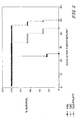
- the efficacy of this immunotherapy was evaluated by monitoring survival as a function of time of folate-MDP treated mice compared to control animals. As shown in Fig. 1 , control mice all died by day 21 whereas mice treated with MDP-folate + IL-2 + IFN- ⁇ survived to day 40.
- the capacity of folate-MDP in combination with IL-2 and IFN- ⁇ to promote long-term survival of tumor-bearing mice is strongly synergistic as the combination of IL-2 and IFN- ⁇ had little effect on long-term survival of mice and folate-MDP alone had a negligible effect on the survival of the mice.
- mice Female Balb/c mice were injected on day 0 with 5 x 10 5 M109 cells, a syngeneic lung cancer cell line that expresses high levels of the folate receptor. In an effort to reduce the time required to obtain long-term survival data, the tumor cells were implanted intraperitoneally close to the liver. Cancer loci were then allowed to attach and grow. The animals were then injected with PBS (control), CpG (1500 nmoles/kg) or were injected with folate-CpG (1500 nmoles/kg) on days 7 and 8 after tumor cell implantation. Folate was conjugated to 5'-amino CpG via a peptide bridge. The efficacy of this immunotherapy was evaluated by monitoring survival as a function of time. As shown in Fig. 2 , control mice all died by day 25 whereas mice treated with CpG survived to day 44 and mice treated with folate-CpG survived to day 50.
Landscapes
- Health & Medical Sciences (AREA)
- Life Sciences & Earth Sciences (AREA)
- Chemical & Material Sciences (AREA)
- Bioinformatics & Cheminformatics (AREA)
- Engineering & Computer Science (AREA)
- Medicinal Chemistry (AREA)
- Veterinary Medicine (AREA)
- Pharmacology & Pharmacy (AREA)
- Animal Behavior & Ethology (AREA)
- General Health & Medical Sciences (AREA)
- Public Health (AREA)
- Epidemiology (AREA)
- Immunology (AREA)
- Nuclear Medicine, Radiotherapy & Molecular Imaging (AREA)
- Molecular Biology (AREA)
- Organic Chemistry (AREA)
- Chemical Kinetics & Catalysis (AREA)
- General Chemical & Material Sciences (AREA)
- Biochemistry (AREA)
- Oncology (AREA)
- Communicable Diseases (AREA)
- Transplantation (AREA)
- Microbiology (AREA)
- Mycology (AREA)
- Medicines That Contain Protein Lipid Enzymes And Other Medicines (AREA)
- Medicines Containing Antibodies Or Antigens For Use As Internal Diagnostic Agents (AREA)
- Peptides Or Proteins (AREA)
- Pharmaceuticals Containing Other Organic And Inorganic Compounds (AREA)
- Medicinal Preparation (AREA)
Claims (13)
- Composition pharmaceutique dans une forme pharmaceutique parentérale comprenant des quantités thérapeutiquement efficaces d'un conjugué ligand-immunogène dans lequel l'immunogène active un récepteur de type Toll, dans lequel l'immunogène est un nucléotide et dans lequel le ligand est l'acide folique ou un autre ligand de liaison de récepteur d'acide folique et par conséquent un support pharmaceutiquement acceptable, caractérisée en ce que la composition comprend en outre IL-2, IL-4, IL-10, IL-11, IL-12, IL-15, IL-18, ou des combinaisons de celles-ci.
- Composition pharmaceutique selon la revendication 1, comprenant en outre IL-2, IL-4, IL-10, IL-11, IL-12, IL-15, IL-18, ou des combinaisons de celles-ci, en combinaison avec IFN-α ou IFN-γ.
- Composition pharmaceutique dans une forme pharmaceutique parentérale comprenant des quantités thérapeutiquement efficaces d'un conjugué ligand-immunogène dans lequel l'immunogène active un récepteur de type Toll, dans lequel l'immunogène est un nucléotide et dans lequel le ligand est l'acide folique ou un autre ligand de liaison de récepteur d'acide folique et par conséquent un support pharmaceutiquement acceptable, caractérisée en ce que la composition comprend en outre IL-2, IL-4, IL-10, IL-11, IL-12, IL-15, IL-18, IFN-α, IFN-γ, GM-CSF, ou des combinaisons de ceux-ci.
- Composition pharmaceutique selon les revendications 1 à 3, dans laquelle le ligand est conjugué avec l'immunogène par des liaisons comprenant des liaisons covalentes, ioniques ou hydrogène.
- Composition pharmaceutique selon l'une quelconque des revendications précédentes, dans laquelle l'immunogène est un nucléotide CpG.
- Composition pharmaceutique selon l'une quelconque des revendications précédentes dans une forme pharmaceutique à libération prolongée parentérale.
- Utilisation d'une composition pharmaceutique dans une forme pharmaceutique parentérale comprenant des quantités thérapeutiquement efficaces d'un conjugué ligand-immunogène dans lequel l'immunogène active un récepteur de type Toll et dans lequel l'immunogène est un nucléotide et dans lequel le ligand est l'acide folique ou un autre ligand de liaison de récepteur d'acide folique dans la préparation d'un médicament destiné à traiter le cancer, caractérisée en ce que le médicament comprend en outre IL-2, IL-4, IL-10, IL-11, IL-12, IL-15, IL-18, ou des combinaisons de celles-ci.
- Utilisation selon la revendication 6, dans laquelle le médicament comprend en outre IL-2, IL-4, IL-10, IL-11, IL-12, IL-15, IL-18, ou des combinaisons de celles-ci, en combinaison avec IFN-α ou IFN-γ.
- Utilisation d'une composition pharmaceutique dans une forme pharmaceutique parentérale comprenant des quantités thérapeutiquement efficaces d'un conjugué ligand-immunogène dans lequel l'immunogène active un récepteur de type Toll et dans lequel l'immunogène est un nucléotide et dans lequel le ligand est l'acide folique ou un autre ligand de liaison de récepteur d'acide folique dans la préparation d'un médicament destiné à traiter le cancer, caractérisée en ce que le médicament comprend en outre IL-2, IL-4, IL-10, IL-11, IL-12, IL-15, IL-18, IFN-α, IFN-γ, GM-CSF, ou des combinaisons de ceux-ci.
- Utilisation selon les revendications 7 à 9, dans laquelle le ligand est conjugué avec l'immunogène par des liaisons comprenant des liaisons covalentes, ioniques ou hydrogène.
- Utilisation selon les revendications 7 à 10, dans laquelle l'immunogène est un nucléotide CpG.
- Utilisation selon l'une quelconque des revendications précédentes 7 à 11, dans laquelle le médicament est dans une forme pharmaceutique à libération prolongée parentérale.
- Composition pharmaceutique selon les revendications 1 à 6 dans une forme pharmaceutique parentérale comprenant des quantités thérapeutiquement efficaces d'un conjugué ligand-immunogène pour une utilisation pour activer un récepteur de type Toll dans lequel l'immunogène est un nucléotide et dans lequel le ligand est l'acide folique ou un autre ligand de liaison de récepteur d'acide folique, et par conséquent un support pharmaceutiquement acceptable, en combinaison avec IL-2, IL-4, IL-10, IL-11, IL-12, IL-15, IL-18, IFN-α, IFN-γ, GM-CSF, ou des combinaisons de ceux-ci.
Priority Applications (1)
| Application Number | Priority Date | Filing Date | Title |
|---|---|---|---|
| EP09179343A EP2168598A1 (fr) | 2001-09-28 | 2002-09-26 | Procédé de traitement utilisant des conjugués ligand-immunogène |
Applications Claiming Priority (7)
| Application Number | Priority Date | Filing Date | Title |
|---|---|---|---|
| US32579301P | 2001-09-28 | 2001-09-28 | |
| US325793P | 2001-09-28 | ||
| US32633201P | 2001-10-01 | 2001-10-01 | |
| US326322P | 2001-10-01 | ||
| US39165402P | 2002-06-26 | 2002-06-26 | |
| US391654P | 2002-06-26 | ||
| PCT/US2002/030546 WO2003028634A2 (fr) | 2001-09-28 | 2002-09-26 | Methode de traitement utilisant des conjugues ligand-immunogene |
Publications (3)
| Publication Number | Publication Date |
|---|---|
| EP1434603A2 EP1434603A2 (fr) | 2004-07-07 |
| EP1434603A4 EP1434603A4 (fr) | 2005-11-30 |
| EP1434603B1 true EP1434603B1 (fr) | 2009-12-16 |
Family
ID=32738720
Family Applications (2)
| Application Number | Title | Priority Date | Filing Date |
|---|---|---|---|
| EP09179343A Withdrawn EP2168598A1 (fr) | 2001-09-28 | 2002-09-26 | Procédé de traitement utilisant des conjugués ligand-immunogène |
| EP02789173A Expired - Lifetime EP1434603B1 (fr) | 2001-09-28 | 2002-09-26 | Methode de traitement utilisant des conjugues ligand-immunogene |
Family Applications Before (1)
| Application Number | Title | Priority Date | Filing Date |
|---|---|---|---|
| EP09179343A Withdrawn EP2168598A1 (fr) | 2001-09-28 | 2002-09-26 | Procédé de traitement utilisant des conjugués ligand-immunogène |
Country Status (10)
| Country | Link |
|---|---|
| US (1) | US20030086900A1 (fr) |
| EP (2) | EP2168598A1 (fr) |
| JP (1) | JP2005523878A (fr) |
| KR (1) | KR20040053136A (fr) |
| AT (1) | ATE451935T1 (fr) |
| CA (1) | CA2461877A1 (fr) |
| DE (1) | DE60234782D1 (fr) |
| DK (1) | DK1434603T3 (fr) |
| ES (1) | ES2338305T3 (fr) |
| WO (1) | WO2003028634A2 (fr) |
Families Citing this family (49)
| Publication number | Priority date | Publication date | Assignee | Title |
|---|---|---|---|---|
| US6207646B1 (en) | 1994-07-15 | 2001-03-27 | University Of Iowa Research Foundation | Immunostimulatory nucleic acid molecules |
| US20030026782A1 (en) * | 1995-02-07 | 2003-02-06 | Arthur M. Krieg | Immunomodulatory oligonucleotides |
| US6693086B1 (en) * | 1998-06-25 | 2004-02-17 | National Jewish Medical And Research Center | Systemic immune activation method using nucleic acid-lipid complexes |
| US20030022854A1 (en) | 1998-06-25 | 2003-01-30 | Dow Steven W. | Vaccines using nucleic acid-lipid complexes |
| DZ3332A1 (fr) * | 2000-03-31 | 2001-10-11 | Purdue Research Foundation | Methode de traitement a l'aide de conjugues ligand-immunogene |
| EP1389209B1 (fr) * | 2001-04-24 | 2009-04-08 | Purdue Research Foundation | Mimetiques de folate et ses conjugues se liant au recepteur de folate |
| IL158532A0 (en) | 2001-05-02 | 2004-05-12 | Purdue Research Foundation | Treatment and diagnosis of macrophage mediated disease |
| WO2003012078A2 (fr) * | 2001-07-31 | 2003-02-13 | Francesca Granucci | Cellules dendritiques et utilisations pour le criblage de cibles cellulaires et de medicaments potentiels |
| WO2003089593A2 (fr) * | 2002-04-19 | 2003-10-30 | Endocyte, Inc. | Immunotherapie amelioree par adjuvant |
| KR20040106547A (ko) * | 2002-05-15 | 2004-12-17 | 엔도사이트, 인코포레이티드 | 비타민-마이토마이신 공액체 |
| US7601332B2 (en) | 2003-01-27 | 2009-10-13 | Endocyte, Inc. | Vitamin receptor binding drug delivery conjugates |
| EP1599170B1 (fr) * | 2003-02-21 | 2013-01-16 | Hasumi Llc (Dba Shukokai International) | Adjuvant de vaccin base de lymphocytes humains |
| EP1622646B1 (fr) * | 2003-05-06 | 2012-08-08 | Purdue Research Foundation | Traitement du lupus par ciblage des macrophages ou du recepteur de folate |
| JP4989225B2 (ja) * | 2003-09-25 | 2012-08-01 | コーリー ファーマシューティカル グループ,インコーポレイテッド | 核酸親油性接合体 |
| CA2551189A1 (fr) * | 2003-12-24 | 2005-07-07 | The Walter And Eliza Hall Institute Of Medical Research | Agents therapeutiques et utilisations |
| JP2007526253A (ja) * | 2004-02-19 | 2007-09-13 | コーリー ファーマシューティカル グループ,インコーポレイテッド | 免疫刺激性ウイルスrnaオリゴヌクレオチド |
| TWI235440B (en) * | 2004-03-31 | 2005-07-01 | Advanced Semiconductor Eng | Method for making leadless semiconductor package |
| WO2006080946A2 (fr) * | 2004-06-08 | 2006-08-03 | Coley Pharmaceutical Gmbh | Oligonucleotide abasique utilise en tant que plate-forme support pour un antigene ainsi qu'un agoniste et un antagoniste immunostimulatoire |
| CN101098854B (zh) | 2004-07-23 | 2012-12-05 | 恩多塞特公司 | 二价连接体及其轭合物 |
| CN101175757B (zh) * | 2005-03-16 | 2012-11-14 | 恩多塞特公司 | 蝶酸及其缀合物的合成和纯化 |
| DE602006012816D1 (de) * | 2005-03-30 | 2010-04-22 | Endocyte Inc | Tifizierung von zellulären folat vitamin rezeptoren |
| JP5175723B2 (ja) * | 2005-07-05 | 2013-04-03 | パーデュー・リサーチ・ファウンデーション | 単球介在性疾患を治療するための組成物の調製 |
| RU2470668C2 (ru) * | 2005-08-19 | 2012-12-27 | Эндосайт, Инк. | Конъюгаты лиганда с несколькими лекарственными средствами |
| JP2009504783A (ja) * | 2005-08-19 | 2009-02-05 | エンドサイト,インコーポレイテッド | ビンカアルカロイド、類似体および誘導体のリガンド結合体 |
| WO2007056525A2 (fr) | 2005-11-10 | 2007-05-18 | James Paulson | Ligands de siglec a haute affinite |
| US20070161546A1 (en) * | 2005-12-15 | 2007-07-12 | Colm King | Methods and compositions for treatment of cancer |
| WO2007092299A2 (fr) * | 2006-02-03 | 2007-08-16 | Purdue Research Foundation | Conjugués ciblés et radiation |
| WO2007095316A2 (fr) * | 2006-02-15 | 2007-08-23 | Coley Pharmaceutical Gmbh | Compositions et procédés pour formulations à base d'oligonucléotides |
| US8586595B2 (en) | 2007-02-07 | 2013-11-19 | Purdue Research Foundation | Positron emission tomography imaging method |
| US20100104626A1 (en) * | 2007-02-16 | 2010-04-29 | Endocyte, Inc. | Methods and compositions for treating and diagnosing kidney disease |
| CN104127878A (zh) * | 2007-03-14 | 2014-11-05 | 恩多塞特公司 | 结合配体连接的微管溶素递药缀合物 |
| WO2008148001A2 (fr) * | 2007-05-25 | 2008-12-04 | Purdue Research Foundation | Methode d'imagerie d'infections localisees |
| US9877965B2 (en) | 2007-06-25 | 2018-01-30 | Endocyte, Inc. | Vitamin receptor drug delivery conjugates for treating inflammation |
| BRPI0812970A2 (pt) * | 2007-06-25 | 2019-09-24 | Endocyte Inc | conjugados contendo espaçadores hidrofílicos |
| DK2187965T3 (da) | 2007-08-17 | 2020-01-20 | Purdue Research Foundation | Psma-bindingsligand-linker-konjugater og fremgangsmåder til anvendelse |
| EP2209374B1 (fr) | 2007-10-25 | 2014-12-03 | Endocyte, Inc. | Tubulysines et leurs procédés de préparation |
| US9951324B2 (en) | 2010-02-25 | 2018-04-24 | Purdue Research Foundation | PSMA binding ligand-linker conjugates and methods for using |
| WO2013126797A1 (fr) | 2012-02-24 | 2013-08-29 | Purdue Research Foundation | Ciblage du récepteur de la cholécystokinine de type b pour imagerie et thérapie |
| US9629918B2 (en) | 2012-02-29 | 2017-04-25 | Purdue Research Foundation | Folate receptor alpha binding ligands |
| US20140080175A1 (en) | 2012-03-29 | 2014-03-20 | Endocyte, Inc. | Processes for preparing tubulysin derivatives and conjugates thereof |
| EA201590622A1 (ru) | 2012-10-16 | 2015-10-30 | Эндосайт, Инк. | Конъюгаты для доставки лекарственного средства, содержащие не встречающиеся в природе аминокислоты, и способы применения |
| KR102318999B1 (ko) | 2012-11-15 | 2021-10-29 | 엔도사이트, 인코포레이티드 | Psma 발현 세포에 의해 야기되는 질병을 치료하기 위한 컨쥬게이트 |
| AU2014336638C1 (en) | 2013-10-18 | 2020-09-17 | Novartis Ag | Labeled inhibitors of prostate specific membrane antigen (PSMA), their use as imaging agents and pharmaceutical agents for the treatment of prostate cancer |
| WO2015073678A1 (fr) | 2013-11-14 | 2015-05-21 | Endocyte, Inc. | Composés pour la tomographie par émission de positrons |
| US10188759B2 (en) | 2015-01-07 | 2019-01-29 | Endocyte, Inc. | Conjugates for imaging |
| MX2020010813A (es) | 2018-04-17 | 2021-01-08 | Endocyte Inc | Metodos de tratamiento de cancer. |
| EP3972627A4 (fr) | 2019-05-20 | 2023-06-21 | Endocyte, Inc. | Procédés de préparation de conjugués psma |
| CN114269346A (zh) * | 2019-07-08 | 2022-04-01 | 普渡研究基金会 | 用于治疗和预防纤维化疾病状态和癌症的化合物和方法 |
| WO2022106629A1 (fr) | 2020-11-19 | 2022-05-27 | Novartis Ag | Synthèse de ligands de l'antigène membranaire spécifique de la prostate (psma) |
Citations (1)
| Publication number | Priority date | Publication date | Assignee | Title |
|---|---|---|---|---|
| EP0220030A2 (fr) * | 1985-10-10 | 1987-04-29 | Biotechnology Australia Pty. Ltd. | Système oral de distribution |
Family Cites Families (56)
| Publication number | Priority date | Publication date | Assignee | Title |
|---|---|---|---|---|
| US2816110A (en) * | 1956-11-23 | 1957-12-10 | Merck & Co Inc | Methods for the production of substituted pteridines |
| US4314988A (en) * | 1979-10-31 | 1982-02-09 | Baker Instruments Corp. | Folic acid derivatives and process for preparation |
| US4713249A (en) * | 1981-11-12 | 1987-12-15 | Schroeder Ulf | Crystallized carbohydrate matrix for biologically active substances, a process of preparing said matrix, and the use thereof |
| US4659655A (en) * | 1981-11-25 | 1987-04-21 | Bio-Response, Inc. | Method for isolating product-producing cells |
| US5140104A (en) * | 1982-03-09 | 1992-08-18 | Cytogen Corporation | Amine derivatives of folic acid analogs |
| ATE25197T1 (de) * | 1982-05-12 | 1987-02-15 | Harvard College | Hybridproteinekodierende fusionierte gene, sie enthaltende klonierungsvektoren und deren verwendung. |
| NL8401226A (nl) * | 1984-04-16 | 1985-11-18 | Univ Utrecht | Farmaceutisch produkt met anti-tumorwerking; gebruik van een farmaceutisch produkt of van farmaceutische samenstellingen in een anti-tumortherapie. |
| US5266333A (en) * | 1985-03-06 | 1993-11-30 | American Cyanamid Company | Water dispersible and water soluble carbohydrate polymer compositions for parenteral administration of growth hormone |
| US4681760A (en) * | 1985-04-17 | 1987-07-21 | The Board Of Trustees Of The Leland Stanford Junior University | Method of conferring immunotolerance to a specific antigen |
| US4676980A (en) * | 1985-09-23 | 1987-06-30 | The United States Of America As Represented By The Secretary Of The Department Of Health And Human Services | Target specific cross-linked heteroantibodies |
| US5117022A (en) * | 1985-10-18 | 1992-05-26 | The Board Of Regents, The University Of Texas System | Hydrophobic cis-platinum complexes efficiently incorporated into liposomes |
| JPS6479125A (en) * | 1986-08-13 | 1989-03-24 | Takeda Chemical Industries Ltd | Antitumor agent |
| US4971792A (en) * | 1987-03-27 | 1990-11-20 | The Wistar Institute | Monoclonal antibodies against glycolipid antigens |
| US5583112A (en) * | 1987-05-29 | 1996-12-10 | Cambridge Biotech Corporation | Saponin-antigen conjugates and the use thereof |
| US5057540A (en) * | 1987-05-29 | 1991-10-15 | Cambridge Biotech Corporation | Saponin adjuvant |
| US4946945A (en) * | 1987-06-23 | 1990-08-07 | Allergy Immuno Technologies, Inc. | Immunotherapy agents for treatment of IgE mediated allergies |
| GB8803365D0 (en) * | 1988-02-13 | 1988-03-16 | Ciba Geigy Ag | Antiviral combination |
| DE69023900D1 (de) * | 1989-02-24 | 1996-01-11 | Univ California | Gentechnologisch veränderte immunglobuline. |
| US5075287A (en) * | 1989-03-03 | 1991-12-24 | Nisshin Oil Mills, Inc. | Muramyl peptide derivatives and immunoregulating compositions containing them |
| US5688488A (en) * | 1989-04-03 | 1997-11-18 | Purdue Research Foundation | Composition and method for tumor imaging |
| US5108921A (en) * | 1989-04-03 | 1992-04-28 | Purdue Research Foundation | Method for enhanced transmembrane transport of exogenous molecules |
| US5217881A (en) * | 1989-04-25 | 1993-06-08 | Immunex Corporation | Hyperglycosylated cytokine conjugates |
| JPH0686375B2 (ja) * | 1989-09-25 | 1994-11-02 | 大塚製薬株式会社 | リポソーム製剤 |
| EP0547163B1 (fr) * | 1990-08-29 | 2002-02-06 | Centre Hospitalier Regional De Nantes | Polyligands de proteine joints a un noyau de proteine stable |
| US5159079A (en) * | 1991-12-20 | 1992-10-27 | Eli Lilly And Company | 2-piperidones as intermediates for 5-deaza-10-oxo- and 5-deaza-10-thio-5,6,7,8-tetrahydrofolic acids |
| US5273965A (en) * | 1992-07-02 | 1993-12-28 | Cambridge Biotech Corporation | Methods for enhancing drug delivery with modified saponins |
| US5650398A (en) * | 1992-07-02 | 1997-07-22 | Cambridge Biotech Corporation | Drug delivery enhancement via modified saponins |
| EP0609606B1 (fr) * | 1992-10-01 | 1996-12-11 | The Wellcome Foundation Limited | Tucaresol comme un agent immunopotentiatique |
| US5747024A (en) * | 1993-03-08 | 1998-05-05 | Immunex Corporation | Vaccine adjuvant comprising interleukin-15 |
| CA2157758A1 (fr) * | 1993-03-19 | 1994-09-29 | Louis Chedid | Compositions pour l'application en therapeutique humaine, caracterisees par l'association d'un muramyl-peptide a une cytokine |
| US5417982A (en) * | 1994-02-17 | 1995-05-23 | Modi; Pankaj | Controlled release of drugs or hormones in biodegradable polymer microspheres |
| US5547668A (en) * | 1995-05-05 | 1996-08-20 | The Board Of Trustees Of The University Of Illinois | Conjugates of folate anti-effector cell antibodies |
| US5602171A (en) * | 1995-06-07 | 1997-02-11 | Sugen Inc. | Methods of inhibiting phosphatase activity and treatment of disorders associated therewith using naphthopyrones and derivatives thereof |
| US6509313B1 (en) * | 1996-02-28 | 2003-01-21 | Cornell Research Foundation, Inc. | Stimulation of immune response with low doses of cytokines |
| DE69726674T2 (de) * | 1996-04-10 | 2004-10-21 | Sangstat Medical Corp | Zellmodulierende konjugate aus elementen aus spezifischen bindungspaaren |
| EP0896633A2 (fr) * | 1996-05-06 | 1999-02-17 | Brigham And Women's Hospital | Polymorphismes du gene de 5-lipoxygenase et leurs utilisations pour la classification des patients |
| US6231859B1 (en) * | 1996-12-02 | 2001-05-15 | Aquila Biopharmaceuticals, Inc. | Saponin adjuvant compositions |
| US6080725A (en) * | 1997-05-20 | 2000-06-27 | Galenica Pharmaceuticals, Inc. | Immunostimulating and vaccine compositions employing saponin analog adjuvants and uses thereof |
| NZ500779A (en) * | 1997-05-20 | 2001-06-29 | Galenica Pharmaceuticals Inc | Triterpene saponin analogs having adjuvant and immunostimulatory activity |
| US6291673B1 (en) * | 1997-10-17 | 2001-09-18 | Purdue Research Foundation | Folic acid derivatives |
| WO1999041613A1 (fr) * | 1998-02-12 | 1999-08-19 | Immunivest | Methodes et reactifs pour l'isolation rapide et efficace de cellules cancereuses circulantes |
| US6262029B1 (en) * | 1998-08-14 | 2001-07-17 | Galenica Pharmaceuticals, Inc. | Chemically modified saponins and the use thereof as adjuvants |
| US6960449B2 (en) * | 1999-02-10 | 2005-11-01 | Cell Works Diagnostics, Inc. | Class characterization of circulating cancer cells isolated from body fluids and methods of use |
| AUPQ014799A0 (en) * | 1999-05-04 | 1999-05-27 | Access Pharmaceuticals Australia Pty Limited | Amplification of folate-mediated targeting to tumor cells using polymers |
| AUPQ014699A0 (en) * | 1999-05-04 | 1999-05-27 | Access Pharmaceuticals Australia Pty Limited | Amplification of folate-mediated targeting to tumor cells using nanoparticles |
| AUPQ071299A0 (en) * | 1999-06-02 | 1999-06-24 | Access Pharmaceuticals Australia Pty Limited | Vitamin directed dual targeting therapy |
| EP2289940A3 (fr) * | 1999-08-17 | 2011-09-21 | Purdue Research Foundation | Traitement de maladie métastatique |
| WO2001012840A2 (fr) * | 1999-08-17 | 2001-02-22 | Purdue Research Foundation | Anticorps utilises dans le diagnostic du cancer |
| WO2001022972A2 (fr) * | 1999-09-25 | 2001-04-05 | University Of Iowa Research Foundation | Acides nucleiques immunostimulateurs |
| IL148844A0 (en) * | 1999-09-27 | 2002-09-12 | Coley Pharm Group Inc | Methods related to immunostimulatory nucleic acid-induced interferon |
| US20020039583A1 (en) * | 1999-09-30 | 2002-04-04 | Subjeck John R. | Stress protein compositions and methods for prevention and treatment of cancer and infectious disease |
| CA2397374A1 (fr) * | 2000-01-13 | 2001-07-19 | Antigenics Inc. | Compositions de stimulation de l'immunite naturelle a base de cpg et de saponine et procedes correspondants |
| DZ3332A1 (fr) * | 2000-03-31 | 2001-10-11 | Purdue Research Foundation | Methode de traitement a l'aide de conjugues ligand-immunogene |
| WO2003089593A2 (fr) * | 2002-04-19 | 2003-10-30 | Endocyte, Inc. | Immunotherapie amelioree par adjuvant |
| US7601332B2 (en) * | 2003-01-27 | 2009-10-13 | Endocyte, Inc. | Vitamin receptor binding drug delivery conjugates |
| US20050222068A1 (en) * | 2003-10-23 | 2005-10-06 | Mourich Dan V | Method and antisense composition for selective inhibition of HIV infection in hematopoietic cells |
-
2002
- 2002-09-26 DE DE60234782T patent/DE60234782D1/de not_active Expired - Lifetime
- 2002-09-26 WO PCT/US2002/030546 patent/WO2003028634A2/fr not_active Ceased
- 2002-09-26 AT AT02789173T patent/ATE451935T1/de not_active IP Right Cessation
- 2002-09-26 EP EP09179343A patent/EP2168598A1/fr not_active Withdrawn
- 2002-09-26 ES ES02789173T patent/ES2338305T3/es not_active Expired - Lifetime
- 2002-09-26 JP JP2003531970A patent/JP2005523878A/ja active Pending
- 2002-09-26 CA CA002461877A patent/CA2461877A1/fr not_active Abandoned
- 2002-09-26 KR KR10-2004-7004233A patent/KR20040053136A/ko not_active Withdrawn
- 2002-09-26 DK DK02789173.8T patent/DK1434603T3/da active
- 2002-09-26 EP EP02789173A patent/EP1434603B1/fr not_active Expired - Lifetime
- 2002-09-27 US US10/259,006 patent/US20030086900A1/en not_active Abandoned
Patent Citations (1)
| Publication number | Priority date | Publication date | Assignee | Title |
|---|---|---|---|---|
| EP0220030A2 (fr) * | 1985-10-10 | 1987-04-29 | Biotechnology Australia Pty. Ltd. | Système oral de distribution |
Non-Patent Citations (3)
| Title |
|---|
| BRIGHTBILL H.D. ET AL: "Host defence mechanisms triggered by microbial lipoproteins through toll-like receptors", SCIENCE, vol. 285, 30 July 1999 (1999-07-30), pages 732 - 736, XP002317651 * |
| CITRO G. ET AL: "Inhibition of leukaemia cell proliferation by folic acid-polylysine-mediated introduction of c-myb antisense oligodeoxynucleotides into HL-60 cells", BRITISH JOURNAL OF CANCER, vol. 69, 1994, pages 463 - 467, XP001095764 * |
| SONG L. ET AL: "Folate-mediated targeting of antisense oligodeoxynucleotides to ovarian cancer cells", PHARMACEUTICAL RESEARCH, vol. 15, no. 10, 1998, pages 1540 - 1545 * |
Also Published As
| Publication number | Publication date |
|---|---|
| ES2338305T3 (es) | 2010-05-06 |
| US20030086900A1 (en) | 2003-05-08 |
| JP2005523878A (ja) | 2005-08-11 |
| ATE451935T1 (de) | 2010-01-15 |
| WO2003028634A3 (fr) | 2003-10-16 |
| DE60234782D1 (de) | 2010-01-28 |
| KR20040053136A (ko) | 2004-06-23 |
| EP1434603A4 (fr) | 2005-11-30 |
| CA2461877A1 (fr) | 2003-04-10 |
| EP2168598A1 (fr) | 2010-03-31 |
| WO2003028634A8 (fr) | 2004-07-29 |
| WO2003028634A2 (fr) | 2003-04-10 |
| EP1434603A2 (fr) | 2004-07-07 |
| DK1434603T3 (da) | 2010-04-26 |
Similar Documents
| Publication | Publication Date | Title |
|---|---|---|
| EP2168598A1 (fr) | Procédé de traitement utilisant des conjugués ligand-immunogène | |
| AU2001256970C1 (en) | Method of treatment using ligand-immunogen conjugates | |
| AU2003224989B2 (en) | Adjuvant enhanced immunotherapy | |
| AU2001256970A1 (en) | Method of treatment using ligand-immunogen conjugates | |
| AU2002353785A1 (en) | Method of Treatment Using Ligand-Immunogen Conjugates | |
| ZA200207768B (en) | Method of treatment using ligand-immunogen conjugates. | |
| HK1179518A (en) | Method of treatment using ligand-immunogen conjugates | |
| KR20050016350A (ko) | 어쥬번트 보강된 면역요법 |
Legal Events
| Date | Code | Title | Description |
|---|---|---|---|
| PUAI | Public reference made under article 153(3) epc to a published international application that has entered the european phase |
Free format text: ORIGINAL CODE: 0009012 |
|
| 17P | Request for examination filed |
Effective date: 20040326 |
|
| AK | Designated contracting states |
Kind code of ref document: A2 Designated state(s): AT BE BG CH CY CZ DE DK EE ES FI FR GB GR IE IT LI LU MC NL PT SE SK TR |
|
| AX | Request for extension of the european patent |
Extension state: AL LT LV MK RO SI |
|
| RIC1 | Information provided on ipc code assigned before grant |
Ipc: 7A 61P 31/00 B Ipc: 7A 61K 48/00 B Ipc: 7A 61K 31/00 B Ipc: 7A 61K 39/395 A Ipc: 7A 61K 39/40 B Ipc: 7A 61K 39/00 B Ipc: 7A 61K 47/48 B Ipc: 7A 61K 39/42 B |
|
| A4 | Supplementary search report drawn up and despatched |
Effective date: 20051018 |
|
| 17Q | First examination report despatched |
Effective date: 20060925 |
|
| GRAP | Despatch of communication of intention to grant a patent |
Free format text: ORIGINAL CODE: EPIDOSNIGR1 |
|
| RIC1 | Information provided on ipc code assigned before grant |
Ipc: A61P 35/00 20060101ALI20090617BHEP Ipc: A61K 47/48 20060101AFI20090617BHEP |
|
| GRAS | Grant fee paid |
Free format text: ORIGINAL CODE: EPIDOSNIGR3 |
|
| GRAA | (expected) grant |
Free format text: ORIGINAL CODE: 0009210 |
|
| AK | Designated contracting states |
Kind code of ref document: B1 Designated state(s): AT BE BG CH CY CZ DE DK EE ES FI FR GB GR IE IT LI LU MC NL PT SE SK TR |
|
| REG | Reference to a national code |
Ref country code: GB Ref legal event code: FG4D |
|
| REG | Reference to a national code |
Ref country code: CH Ref legal event code: EP |
|
| REG | Reference to a national code |
Ref country code: IE Ref legal event code: FG4D |
|
| REF | Corresponds to: |
Ref document number: 60234782 Country of ref document: DE Date of ref document: 20100128 Kind code of ref document: P |
|
| REG | Reference to a national code |
Ref country code: CH Ref legal event code: NV Representative=s name: AMMANN PATENTANWAELTE AG BERN |
|
| REG | Reference to a national code |
Ref country code: NL Ref legal event code: T3 |
|
| REG | Reference to a national code |
Ref country code: DK Ref legal event code: T3 |
|
| PG25 | Lapsed in a contracting state [announced via postgrant information from national office to epo] |
Ref country code: SE Free format text: LAPSE BECAUSE OF FAILURE TO SUBMIT A TRANSLATION OF THE DESCRIPTION OR TO PAY THE FEE WITHIN THE PRESCRIBED TIME-LIMIT Effective date: 20091216 Ref country code: FI Free format text: LAPSE BECAUSE OF FAILURE TO SUBMIT A TRANSLATION OF THE DESCRIPTION OR TO PAY THE FEE WITHIN THE PRESCRIBED TIME-LIMIT Effective date: 20091216 |
|
| REG | Reference to a national code |
Ref country code: ES Ref legal event code: FG2A Ref document number: 2338305 Country of ref document: ES Kind code of ref document: T3 |
|
| PG25 | Lapsed in a contracting state [announced via postgrant information from national office to epo] |
Ref country code: AT Free format text: LAPSE BECAUSE OF FAILURE TO SUBMIT A TRANSLATION OF THE DESCRIPTION OR TO PAY THE FEE WITHIN THE PRESCRIBED TIME-LIMIT Effective date: 20091216 |
|
| PG25 | Lapsed in a contracting state [announced via postgrant information from national office to epo] |
Ref country code: BG Free format text: LAPSE BECAUSE OF FAILURE TO SUBMIT A TRANSLATION OF THE DESCRIPTION OR TO PAY THE FEE WITHIN THE PRESCRIBED TIME-LIMIT Effective date: 20100316 Ref country code: PT Free format text: LAPSE BECAUSE OF FAILURE TO SUBMIT A TRANSLATION OF THE DESCRIPTION OR TO PAY THE FEE WITHIN THE PRESCRIBED TIME-LIMIT Effective date: 20100416 Ref country code: EE Free format text: LAPSE BECAUSE OF FAILURE TO SUBMIT A TRANSLATION OF THE DESCRIPTION OR TO PAY THE FEE WITHIN THE PRESCRIBED TIME-LIMIT Effective date: 20091216 |
|
| PG25 | Lapsed in a contracting state [announced via postgrant information from national office to epo] |
Ref country code: SK Free format text: LAPSE BECAUSE OF FAILURE TO SUBMIT A TRANSLATION OF THE DESCRIPTION OR TO PAY THE FEE WITHIN THE PRESCRIBED TIME-LIMIT Effective date: 20091216 Ref country code: CZ Free format text: LAPSE BECAUSE OF FAILURE TO SUBMIT A TRANSLATION OF THE DESCRIPTION OR TO PAY THE FEE WITHIN THE PRESCRIBED TIME-LIMIT Effective date: 20091216 Ref country code: BE Free format text: LAPSE BECAUSE OF FAILURE TO SUBMIT A TRANSLATION OF THE DESCRIPTION OR TO PAY THE FEE WITHIN THE PRESCRIBED TIME-LIMIT Effective date: 20091216 |
|
| PLBE | No opposition filed within time limit |
Free format text: ORIGINAL CODE: 0009261 |
|
| STAA | Information on the status of an ep patent application or granted ep patent |
Free format text: STATUS: NO OPPOSITION FILED WITHIN TIME LIMIT |
|
| PG25 | Lapsed in a contracting state [announced via postgrant information from national office to epo] |
Ref country code: GR Free format text: LAPSE BECAUSE OF FAILURE TO SUBMIT A TRANSLATION OF THE DESCRIPTION OR TO PAY THE FEE WITHIN THE PRESCRIBED TIME-LIMIT Effective date: 20100317 Ref country code: CY Free format text: LAPSE BECAUSE OF FAILURE TO SUBMIT A TRANSLATION OF THE DESCRIPTION OR TO PAY THE FEE WITHIN THE PRESCRIBED TIME-LIMIT Effective date: 20091216 |
|
| 26N | No opposition filed |
Effective date: 20100917 |
|
| REG | Reference to a national code |
Ref country code: NL Ref legal event code: V1 Effective date: 20110401 |
|
| PG25 | Lapsed in a contracting state [announced via postgrant information from national office to epo] |
Ref country code: MC Free format text: LAPSE BECAUSE OF NON-PAYMENT OF DUE FEES Effective date: 20100930 |
|
| REG | Reference to a national code |
Ref country code: CH Ref legal event code: PL |
|
| GBPC | Gb: european patent ceased through non-payment of renewal fee |
Effective date: 20100926 |
|
| REG | Reference to a national code |
Ref country code: DK Ref legal event code: EBP |
|
| PG25 | Lapsed in a contracting state [announced via postgrant information from national office to epo] |
Ref country code: IT Free format text: LAPSE BECAUSE OF NON-PAYMENT OF DUE FEES Effective date: 20100926 |
|
| REG | Reference to a national code |
Ref country code: FR Ref legal event code: ST Effective date: 20110531 |
|
| REG | Reference to a national code |
Ref country code: DE Ref legal event code: R119 Ref document number: 60234782 Country of ref document: DE Effective date: 20110401 |
|
| PG25 | Lapsed in a contracting state [announced via postgrant information from national office to epo] |
Ref country code: DE Free format text: LAPSE BECAUSE OF NON-PAYMENT OF DUE FEES Effective date: 20110401 Ref country code: CH Free format text: LAPSE BECAUSE OF NON-PAYMENT OF DUE FEES Effective date: 20100930 Ref country code: LI Free format text: LAPSE BECAUSE OF NON-PAYMENT OF DUE FEES Effective date: 20100930 Ref country code: FR Free format text: LAPSE BECAUSE OF NON-PAYMENT OF DUE FEES Effective date: 20100930 Ref country code: IE Free format text: LAPSE BECAUSE OF NON-PAYMENT OF DUE FEES Effective date: 20100926 |
|
| PG25 | Lapsed in a contracting state [announced via postgrant information from national office to epo] |
Ref country code: NL Free format text: LAPSE BECAUSE OF NON-PAYMENT OF DUE FEES Effective date: 20110401 Ref country code: GB Free format text: LAPSE BECAUSE OF NON-PAYMENT OF DUE FEES Effective date: 20100926 |
|
| REG | Reference to a national code |
Ref country code: ES Ref legal event code: FD2A Effective date: 20111019 |
|
| PG25 | Lapsed in a contracting state [announced via postgrant information from national office to epo] |
Ref country code: DK Free format text: LAPSE BECAUSE OF NON-PAYMENT OF DUE FEES Effective date: 20100930 |
|
| PG25 | Lapsed in a contracting state [announced via postgrant information from national office to epo] |
Ref country code: ES Free format text: LAPSE BECAUSE OF NON-PAYMENT OF DUE FEES Effective date: 20100927 |
|
| PG25 | Lapsed in a contracting state [announced via postgrant information from national office to epo] |
Ref country code: LU Free format text: LAPSE BECAUSE OF NON-PAYMENT OF DUE FEES Effective date: 20100926 |
|
| PG25 | Lapsed in a contracting state [announced via postgrant information from national office to epo] |
Ref country code: TR Free format text: LAPSE BECAUSE OF FAILURE TO SUBMIT A TRANSLATION OF THE DESCRIPTION OR TO PAY THE FEE WITHIN THE PRESCRIBED TIME-LIMIT Effective date: 20091216 |