EP1419129B1 - Use of branched-chain fatty acids and derivatives thereof for the treatment of pain - Google Patents
Use of branched-chain fatty acids and derivatives thereof for the treatment of pain Download PDFInfo
- Publication number
- EP1419129B1 EP1419129B1 EP02741140A EP02741140A EP1419129B1 EP 1419129 B1 EP1419129 B1 EP 1419129B1 EP 02741140 A EP02741140 A EP 02741140A EP 02741140 A EP02741140 A EP 02741140A EP 1419129 B1 EP1419129 B1 EP 1419129B1
- Authority
- EP
- European Patent Office
- Prior art keywords
- pain
- acid
- group
- phosphocholine
- compound
- Prior art date
- Legal status (The legal status is an assumption and is not a legal conclusion. Google has not performed a legal analysis and makes no representation as to the accuracy of the status listed.)
- Expired - Lifetime
Links
Images

Classifications
-
- C—CHEMISTRY; METALLURGY
- C07—ORGANIC CHEMISTRY
- C07F—ACYCLIC, CARBOCYCLIC OR HETEROCYCLIC COMPOUNDS CONTAINING ELEMENTS OTHER THAN CARBON, HYDROGEN, HALOGEN, OXYGEN, NITROGEN, SULFUR, SELENIUM OR TELLURIUM
- C07F9/00—Compounds containing elements of Groups 5 or 15 of the Periodic Table
- C07F9/02—Phosphorus compounds
- C07F9/06—Phosphorus compounds without P—C bonds
- C07F9/08—Esters of oxyacids of phosphorus
- C07F9/09—Esters of phosphoric acids
- C07F9/11—Esters of phosphoric acids with hydroxyalkyl compounds without further substituents on alkyl
-
- A—HUMAN NECESSITIES
- A61—MEDICAL OR VETERINARY SCIENCE; HYGIENE
- A61K—PREPARATIONS FOR MEDICAL, DENTAL OR TOILETRY PURPOSES
- A61K31/00—Medicinal preparations containing organic active ingredients
- A61K31/16—Amides, e.g. hydroxamic acids
-
- A—HUMAN NECESSITIES
- A61—MEDICAL OR VETERINARY SCIENCE; HYGIENE
- A61K—PREPARATIONS FOR MEDICAL, DENTAL OR TOILETRY PURPOSES
- A61K31/00—Medicinal preparations containing organic active ingredients
- A61K31/185—Acids; Anhydrides, halides or salts thereof, e.g. sulfur acids, imidic, hydrazonic or hydroximic acids
- A61K31/19—Carboxylic acids, e.g. valproic acid
- A61K31/20—Carboxylic acids, e.g. valproic acid having a carboxyl group bound to a chain of seven or more carbon atoms, e.g. stearic, palmitic, arachidic acids
-
- A—HUMAN NECESSITIES
- A61—MEDICAL OR VETERINARY SCIENCE; HYGIENE
- A61K—PREPARATIONS FOR MEDICAL, DENTAL OR TOILETRY PURPOSES
- A61K31/00—Medicinal preparations containing organic active ingredients
- A61K31/21—Esters, e.g. nitroglycerine, selenocyanates
- A61K31/215—Esters, e.g. nitroglycerine, selenocyanates of carboxylic acids
- A61K31/22—Esters, e.g. nitroglycerine, selenocyanates of carboxylic acids of acyclic acids, e.g. pravastatin
-
- A—HUMAN NECESSITIES
- A61—MEDICAL OR VETERINARY SCIENCE; HYGIENE
- A61K—PREPARATIONS FOR MEDICAL, DENTAL OR TOILETRY PURPOSES
- A61K31/00—Medicinal preparations containing organic active ingredients
- A61K31/66—Phosphorus compounds
-
- A—HUMAN NECESSITIES
- A61—MEDICAL OR VETERINARY SCIENCE; HYGIENE
- A61P—SPECIFIC THERAPEUTIC ACTIVITY OF CHEMICAL COMPOUNDS OR MEDICINAL PREPARATIONS
- A61P25/00—Drugs for disorders of the nervous system
- A61P25/04—Centrally acting analgesics, e.g. opioids
-
- A—HUMAN NECESSITIES
- A61—MEDICAL OR VETERINARY SCIENCE; HYGIENE
- A61P—SPECIFIC THERAPEUTIC ACTIVITY OF CHEMICAL COMPOUNDS OR MEDICINAL PREPARATIONS
- A61P29/00—Non-central analgesic, antipyretic or antiinflammatory agents, e.g. antirheumatic agents; Non-steroidal antiinflammatory drugs [NSAID]
-
- C—CHEMISTRY; METALLURGY
- C07—ORGANIC CHEMISTRY
- C07C—ACYCLIC OR CARBOCYCLIC COMPOUNDS
- C07C233/00—Carboxylic acid amides
- C07C233/01—Carboxylic acid amides having carbon atoms of carboxamide groups bound to hydrogen atoms or to acyclic carbon atoms
- C07C233/02—Carboxylic acid amides having carbon atoms of carboxamide groups bound to hydrogen atoms or to acyclic carbon atoms having nitrogen atoms of carboxamide groups bound to hydrogen atoms or to carbon atoms of unsubstituted hydrocarbon radicals
- C07C233/04—Carboxylic acid amides having carbon atoms of carboxamide groups bound to hydrogen atoms or to acyclic carbon atoms having nitrogen atoms of carboxamide groups bound to hydrogen atoms or to carbon atoms of unsubstituted hydrocarbon radicals with carbon atoms of carboxamide groups bound to acyclic carbon atoms of an acyclic saturated carbon skeleton
- C07C233/05—Carboxylic acid amides having carbon atoms of carboxamide groups bound to hydrogen atoms or to acyclic carbon atoms having nitrogen atoms of carboxamide groups bound to hydrogen atoms or to carbon atoms of unsubstituted hydrocarbon radicals with carbon atoms of carboxamide groups bound to acyclic carbon atoms of an acyclic saturated carbon skeleton having the nitrogen atoms of the carboxamide groups bound to hydrogen atoms or to acyclic carbon atoms
-
- C—CHEMISTRY; METALLURGY
- C07—ORGANIC CHEMISTRY
- C07C—ACYCLIC OR CARBOCYCLIC COMPOUNDS
- C07C53/00—Saturated compounds having only one carboxyl group bound to an acyclic carbon atom or hydrogen
- C07C53/126—Acids containing more than four carbon atoms
- C07C53/128—Acids containing more than four carbon atoms the carboxylic group being bound to a carbon atom bound to at least two other carbon atoms, e.g. neo-acids
-
- C—CHEMISTRY; METALLURGY
- C07—ORGANIC CHEMISTRY
- C07C—ACYCLIC OR CARBOCYCLIC COMPOUNDS
- C07C69/00—Esters of carboxylic acids; Esters of carbonic or haloformic acids
- C07C69/02—Esters of acyclic saturated monocarboxylic acids having the carboxyl group bound to an acyclic carbon atom or to hydrogen
- C07C69/22—Esters of acyclic saturated monocarboxylic acids having the carboxyl group bound to an acyclic carbon atom or to hydrogen having three or more carbon atoms in the acid moiety
- C07C69/30—Esters of acyclic saturated monocarboxylic acids having the carboxyl group bound to an acyclic carbon atom or to hydrogen having three or more carbon atoms in the acid moiety esterified with trihydroxylic compounds
-
- C—CHEMISTRY; METALLURGY
- C07—ORGANIC CHEMISTRY
- C07F—ACYCLIC, CARBOCYCLIC OR HETEROCYCLIC COMPOUNDS CONTAINING ELEMENTS OTHER THAN CARBON, HYDROGEN, HALOGEN, OXYGEN, NITROGEN, SULFUR, SELENIUM OR TELLURIUM
- C07F9/00—Compounds containing elements of Groups 5 or 15 of the Periodic Table
- C07F9/02—Phosphorus compounds
- C07F9/06—Phosphorus compounds without P—C bonds
- C07F9/08—Esters of oxyacids of phosphorus
- C07F9/09—Esters of phosphoric acids
- C07F9/10—Phosphatides, e.g. lecithin
-
- C—CHEMISTRY; METALLURGY
- C07—ORGANIC CHEMISTRY
- C07F—ACYCLIC, CARBOCYCLIC OR HETEROCYCLIC COMPOUNDS CONTAINING ELEMENTS OTHER THAN CARBON, HYDROGEN, HALOGEN, OXYGEN, NITROGEN, SULFUR, SELENIUM OR TELLURIUM
- C07F9/00—Compounds containing elements of Groups 5 or 15 of the Periodic Table
- C07F9/02—Phosphorus compounds
- C07F9/06—Phosphorus compounds without P—C bonds
- C07F9/08—Esters of oxyacids of phosphorus
- C07F9/09—Esters of phosphoric acids
- C07F9/12—Esters of phosphoric acids with hydroxyaryl compounds
Definitions
- the present invention relates to methods for the treatment of pain. More particularly, the invention relates to the use of certain branched-chain fatty acids (BFAs) and derivatives thereof in the treatment of pain in mammals and in particular in humans.
- BFAs branched-chain fatty acids
- Pain is a complex sensation and is the most common symptom of disease. Pain which is classified as somatogenic may be nociceptive pain which is due to a noxious stimulus (chemical, thermal, mechanical etc.) that activates pain receptors , or neuropathic pain which results from dysfunction of the central or peripheral nervous system and is often poorly localized. Pain may also be classified as being acute or chronic in nature. Acute pain is usually a result of injury (e.g. trauma or disease), it lasts a short time and is typically resolves as the injured tissue heals or soon after.
- injury e.g. trauma or disease
- Chronic pain is usually defined broadly and arbitrarily as a pain persisting for over one month beyond the resolution of an acute tissue injury, pain persisting or recurring for more than 3 months, or pain associated with tissue injury that is continued or progressed [The Merck Manual, 1999].
- Several pain syndromes are difficult to classify according to these criteria. These include, for example, chronic headache and continuous acute pain produced by the invasion of body tissues in malignant diseases.
- Neuropathic pain is a common type of pain which can develop after injury to the nervous system and is usually a chronic pain. Neuropathic pain may result by trauma, central nervous system (CNS) pathology (e.g. stroke, spinal cord injury), by diseases such as diabetes, herpes zoster, HIV infections or late stage of cancer, or by chemical injury. It may also develop after amputation.
- CNS central nervous system
- analgesic agents have been demonstrated as useful in the treatment of pain symptoms. Yet so far, the majority of available analgesics possess undesirable side effects.
- Opioids are substances that act as agonists of opioid receptors in the CNS, and are considered as the most potent analgesic agents. Agents such as morphine and related opioid compounds, are often required for relief of severe pain. However, these narcotic drugs have the severe drawback of leading to dependence and addiction. In addition, patients treated with opioids tend to develop tolerance to the drug, which leads to increasing dosage of the drug needed for exerting the analgesic effect and to subsequent withdrawal symptoms. Further side effects associated with opioid drugs include nausea, sedation and respiratory depression.
- Anti-inflammatory agents of the NSAID class such as acetylsalicylic acid (aspirin), indomethacin, diclofenac and benzydamine have been used as analgesics in pain associated with trauma and inflammation. Nevertheless, clinical trials are still inconclusive.
- Common side effects of the NSAID class of drugs include: gastrointestinal irritation and ulceration, blockade of platelet aggregation, renal dysfunction and hepatic damage.
- lidocaine Another major class of analgesics is the local anaesthetics that block sodium channels.
- Compounds of this class e.g. lidocaine, when topically applied to the spine, have been found effective for control of pain after surgery or trauma, but require expertise and infrastructure to administer and monitor properly. Systemic infusion of lidocaine can reduce acute pain, but requires continuous monitoring so that resuscitation from seizures or apnea can be performed immediately.
- N-methyl-D-aspartate (NMDA) receptor antagonists are useful in treating neuropathic pain. It has been found that several sites on the NMDA receptor complex, activated by the excitatory amino acid glutamate, are analgesic targets. For example, Ketamine, which blocks the open calcium channel within this complex, has been suggested for use preoperatively or in neuropathic pain. Clinical studies conform ketamine's merit as an analgesic or co-analgesic (e.g. with morphine). Nevertheless, psychotomimetic and other side effects such as salivation or cardiac stimulation restrict the applicability of standard doses of ketamine [ Martindale: The Extra Pharmacopeia. 31st Edition. London: Pharmaceutical Press, (Editor Reynolds) 1996, pg. 1258-9 ].
- Antidepressants e.g. the tricyclic antidepressants amitriptyline and imipramine, and the serotonin re-uptake inhibitor paroxetine, have also been proven beneficial as analgesics. Tricyclic antidepressants can be helpful in several chronic pain states, especially in patients with head pain (including headache), central pain, and neuropathic pain. However, these drugs have the potential for adverse side effects, including anticholinergic effects and life-threatening cardiovascular effects.
- Anticonvulsants have also been found to have useful analgesic effects.
- Gabapentin has shown promise for the treatment of chronic pain [ Rowbotham et al. (1998) JAMA 280: 1837-42 ] and carbamazepine and phenytoin, can be effective in the treatment of a range of neuropathic pain states.
- trigeminal neuralgia responds well to carbamazepine [ Green and Selman (1991) Headache 31: 588-592 ].
- Sodium valproate has been reported as being effective in the prophylactic treatment of migraine [Hering & Kuritzky (1992) Cephalalgia 12: 81-84 ].
- WO 99 02485 discloses the use of branched chain fally acids and their derivatives to treat epilepsy, migraine, chronic pain and bipolar disorders.
- the aim of the present invention is to provide methods for the treatment and/or prophylaxis of pain in mammals, in particular acute and neuropathic pain in humans.
- the present invention relates, in one aspect, to methods of treating or alleviating pain in mammals, comprising administering to a mammal suffering from pain, a pain-alleviating amount of a compound of the general formula (I) or (II) or pharmaceutically acceptable salts thereof.
- the useful compounds according to the invention are of the general formula (I): and pharmaceutically acceptable salts thereof, wherein:
- the methods encompassed by the invention include methods for treatment and/or prophylaxis of pain in mammals, and in particular in humans.
- Said pain may be acute, or neuropathic pain.
- the acute pain is selected from, post-operative pain, labor pain, toothache, pain induced by burns, muscle pain and pain accompanying myocardial infraction.
- the neuropathic pain is selected from, post-herpetic neuralgia, diabetic neuropathy, trigeminal neuralgia and pain due to neural ischemic injuries, neural compression, demyelination and amputation.
- the treated pain is associated with a pathological condition or disease state which may be selected from, the group consisting of stroke, spinal cord injury and peripheral nerve injury, inflammation condition, cancer; trigeminal neuralgia, arthritis, sickle cell disease, hemophilia, diabetes, herpes zoster, HIV infections and headache including cluster headache.
- a pathological condition or disease state which may be selected from, the group consisting of stroke, spinal cord injury and peripheral nerve injury, inflammation condition, cancer; trigeminal neuralgia, arthritis, sickle cell disease, hemophilia, diabetes, herpes zoster, HIV infections and headache including cluster headache.
- the useful compounds are selected from the group consisting of:
- the present invention relates to compounds of the formula wherein:
- the compounds of the invention are those including a phospholipid moiety at position A. More preferred are compounds having a lyso-phosphatidylcholine moity at position A.
- most preferred useful phospholipid compound in accordance with the invention is 1-O-stearoyl-2-pentylheptanoyl-sn-glycero-3-phosphatidylcholine [DP-M (5,5)].
- the preferred compounds of the invention include a phosphate or a phosphocholine at position A.
- a phosphate or a phosphocholine at position A is 8-Pentadecanyl phosphocholine [(7,7)-P-choline].
- the present invention relates to pharmaceutical compositions for treating pain, comprising a pain-alleviating amount of a compound of the formula mentioned above and at least one pharmaceutically acceptable carrier.
- a desirable analgesic agent is a compound capable of exerting its favorable analgesic effect by effectively reducing or alleviating pain sensations, while having reduced or no side effects.
- a long-lasting analgesic effect of the drug may also be beneficial in some cases of pain treatment.
- compounds of the general formulas I and II and pharmaceutically acceptable salts thereof are useful for treatment of pain, that includes acute pain.
- BFAs branched-chain fatty acid compounds of the general formula I, or pharmaceutical acceptable salts thereof, will be collectively referred to as "BFAs".
- BFAs will be referred to, hereinafter, according to the number of carbons in their particular R1 and R2 alkyl chains.
- valproic acid which has propyl groups at both R1 and R2 positions, is defined as M(3,3).
- 2-propylnonanoic acid is defined as M(3,7)
- 2-heptylnonanoic acid is defined as M(7,7) etc.
- R1 and R2 alkyl chains of BFAs may be straight or branched chains, saturated or unsaturated chains having one or more double and/or triple bonds.
- Suitable salts of the compounds of the general formula I include any pharmaceutically acceptable counter ion.
- the counter ion is selected from, but not limited to, Na + , Li + , K + , NH 4 + , Ca ++ and mixtures of these ions.
- Derivatives of branched-chain fatty acids of the general formula II and pharmaceutically acceptable salts thereof are also useful analgesic compounds in accordance with the invention.
- These compounds in which the hydrogen atom of the carboxyl group of the branched fatty acid is replaced by a lipid moiety (ester derivatives of BFAs), or the hydroxyl group of the carboxyl group is replaced by a phosphate or a phosphocholine (ether derivatives of BFAs) or by an amine group (amide derivatives of BFAs), will hereinafter be collectively referred to as "DP-BFAs".
- the BFAs and DP-BFAs compounds can be prepared essentially by the processes described in U.S. application no.
- the branched-chain lipophilic molecules may be used as free acids, their physiologically acceptable salts or mixtures thereof, esters, ethers and amides.
- presently preferred useful compounds in accordance with the invention include the fatty acid residues 2-Pentylheptanoic acid [M(5,5)], 2-Propyldodecanoic acid [M(3,10)], 2-Propylnonanoic acid [M(3,7)] and 2-Heptylnonanoic acid [M(7,7)]. Both the free acid and salt forms of the compounds are useful analgesics in accordance with the invention.
- DP-BFAs derivatives ofBFAs
- DP-BFAs derivatives ofBFAs
- lipid moiety preferably a polar lipid and more preferably a phospholipid.
- preferred embodiments of the invention encompass the use of the following DP-BFA compounds:
- DP-BFA phospho derivatives 8-Pentadecanyl Phosphate [(7,7)-PO 4 ] and 8-Pentadecanyl phosphocholine [(7,7)-P-choline].
- the currently most preferred compounds are 2-Pentylheptanoic acid [M(5,5)], 1-O-stearoyl-2-pentylheptanoyl-sn-glycero-3-phosphatidylcholine [DP-M (5,5)] and 8-Pentadecanyl phosphocholine [(7,7)-P-choline].
- a DP-BFA molecule of the general formula II includes a glycerol based moiety at position A
- the branched fatty moiety may be linked to the glycerol-based moiety at any one of positions sn-1, sn-2 or sn-3.
- Linkage at position sn-2 of a phospholipid, namely BFA linked to a lyso-phospholipid moiety, is preferred in accordance with the invention.
- the DP-BFAs may be active per se or as prodrugs, which may be cleaved by an enzymatic or non-enzymatic reaction, preferably at the target site.
- prodrugs which may be cleaved by an enzymatic or non-enzymatic reaction, preferably at the target site.
- increase of phospholipase A 2 activity is associated with inflammation and neuropathic pain [ Kawakami (1998) Clin Orthop. 351:241-51 ; Saal et al. (1990) Spine 15:674-8 ].
- BFAs which are bound, for example, to a phospholipid at the sn-2 position, may be released by these enzymes whose activity is elevated at the site of pain.
- the preferred type of lipid moiety selected for the generation of a DP-BFA compound may depend on the specific disorder or pathology associated with the pain and its location.
- sphingolipids which are found especially in nervous tissue and cell membranes may be preferred lipids in the case where the analgesic compound is to be targeted to the brain or other CNS tissues.
- the DP-BFAs compounds may penetrate biological membranes and barriers, thus facilitating the transport of the drug into privileged tissues and organs.
- the DP-BFA drugs having the BFAs covalently linked to a lipophilic moiety, may exhibit favorable therapeutic activity e.g. improved pharmacokinetic properties and potency.
- the DP-BFA derivatives are more advantageous drugs in at least two aspects: (i) they are more potent as having increased analgesic effect on a molar basis in comparison to the corresponding branched-chain fatty acids, and (ii) their effect generally lasts for longer time, thus making them effective drugs for the treatment of chronic pain.
- at least some of the DP-BFAs were found to be much less sedating compared to their branched-chain fatty acids counterparts, therefore DP-BFAs are expected to exhibit reduced side effects and toxicity.
- Any suitable route of administration is encompassed by the invention including, oral, intravenous, intramuscular, subcutaneous, inhalation, intranasal, topical, rectal, epidural, intrathecal, systemic transdermal application or other known routes.
- the useful pharmaceutical compositions of the invention are administered orally or intravenously.
- the route of administration is by topical or local application.
- Preferred embodiments of the topical application include nasal and ocular applications.
- compositions may be in a liquid, aerosol or solid dosage form, and may be formulated into any suitable formulation including, but not limited to, solutions, suspensions, micelles, emulsions, microemulsions, ointments, gels, patches, suppositories, capsules, tablets, and the like, as will be required for the appropriate route of administration.
- Compositions for oral administration may include, powders or granules, suspensions or solutions in water or non-aqueous media, sachets, capsules or tablets. Thickeners, diluents, flavorings, dispersing aids, preservatives, emulsifiers or binders may be desirable.
- Formulations for topical administration may include, lotions, ointments, gels, creams, suppositories, drops, liquids, sprays and powders. Conventional pharmaceutical carriers, aqueous, powder or oily bases, thickeners and the like may be added.
- the composition including a pain-alleviating amount of a compound of the general formula I or II is preferably applied on or in close proximity to the tissue associated with the pain.
- Administration may follow the injury that induces the pain sensation, or alternatively may precede the insult or stimuli that are likely to provoke pain.
- medicaments including the analgesic compounds of the general formula I or II will be useful as prophylactic medicaments that may prevent, delay or alleviate the progression of pain symptoms.
- the useful compounds, in accordance with the invention may be administered to a patient before going through a surgical procedure, a painful dental treatment, entering the final stages of labor contractions etc., thus resulting in prevention, amelioration or reduction in the levels of post-operative or other pain.
- the dose ranges for the administration of the compositions of the invention are those large enough to produce the desired analgesic effect.
- the compounds of the general formula I or II may be employed at a daily dosage in the range of from about 0.01 gram to about 10 grams.
- the dosing range of the medicament varies with the route of administration and the condition of the patient suffering from pain.
- the dosage administered will also be dependent upon the age, sex, health, weight of the recipient, concurrent treatment, if any, frequency of treatment, severity of the symptoms and the specific nature of the pain to be treated.
- dosage should be modified according to the patient response, as it is common in the practice that the tolerance thresholds of patients and their perception of painful sensation may be quite different. Dosage regimen and means of administration will be determined by the attending physician or other person skilled in the art.
- the useful compounds in accordance with the invention can be prepared by processes as described below in Examples 1 to 5, or by any alternative processes as they are known in the art. It should be appreciated that while, for the sake of clarity, the following discussion and synthesis examples relate to straight-chain saturated members of the BFAs and DP-BFAs families, also branched and unsaturated BFAs and DP-BFAs, are included within the useful compounds in accordance with the disclosure of the present invention.
- Various pharmaceutically acceptable salts of the BFA and DP-BFA molecules could also be obtained including, sodium, potassium, ammonium and alkyl-ammonium salts and salts with divalent counter-ions.
- Anhydrous tetrahydrofuran (THF, 900 ml) and diisopropylamine (121.97g, 1.208 mol) were added to a dry argon flushed flask under an atmosphere of argon.
- n-Butyllithium in hexane (740 ml of 1.6 M, 1.184ml) was added to the magnetically stirred solution at such a rate as to maintain the temperature below 0°C.
- n-Heptanoic acid (80.81g, 0.62mol) was then added to the cold basic solution and again the temperature was kept below 0°C.
- the synthesis of 1-O-stearoyl-2-O-propylnonanoyl-sn-glycero-3-phosphatidylcholine [DP-M (3,7)] is a two-stage process.
- the first stage is the preparation of 2-propylnonanoic anhydride.
- the second stage includes binding of the BFA to the lipid moiety, in this case a lyso-lecithin, and isolation of the final product.
- Lyso-lecithin (1-stearoyl-sn-glycero-phosphatidylcholine; 2g, 3.82mM), sodium salt of valproic acid (0.7g, 4.2mM) and 2-propyl-nonanoic anhydride (20 ml) were introduced under argon into a round-bottom single-neck flask (500 ml), equipped with a reverse condenser (water cooling) and magnetic stirrer. The reaction mixture was heated in oil bath (80-100°C) until disappearance of the lyso-lecithin (TLC monitoring) in the solution (about 3 hours of heating).
- the unreacted valproic anhydride was then distilled from the reaction flask by heating (110-120°C) in vacuum (about 0.1 mm Hg).
- the residue was dissolved in chloroform and the precipitate of sodium salt of valproic acid was separated from the solution by centrifugation.
- the obtained solution was concentrated by heating in an evaporator.
- the chloroform solution of the reaction product was filtered on a chromatography column composed of Silica gel 60 (70-230 mesh). For purification of 1 gr. of raw reaction product 30 gr. of Silica gel are used.
- the synthesis of the amide derivatives of BFAs compounds is a two-step procedure.
- the chloride derivative of the branched chain fatty acid is prepared at the first stage, followed by the addition of the amide itself at the second stage.
- the other DP-amides are prepared according to an analogous procedure to the synthesis of 2-propyloctadecanamide described below.
- the product was a white powder.
- the yield was 80%.
- the product was a white powder with a yield of 80%.
- R represents a branched-chain alkyl moiety of the R 1 (R 2 )-CH structure where R 1 indicates the number of carbons in the side alkyl chain and R 2 indicates the number of carbons in the main alkyl chain.
- RO-P(O)(OH) 2 molecules The synthesis of RO-P(O)(OH) 2 molecules is a three-stage procedure.
- Diphenyl phosphorochloridate (4.0 g, 0.015 mole) was added slowly while shaking to a solution of pentadecane-8-ol (2.28 g, 0.01 mole) in dry pyridine (5 ml) at room temperature.
- the flask was stoppered and set aside for 48 hr.; then the contents were poured into ice-cold 1N hydrochloric acid (100 ml).
- the heavy oil, which separated was extracted with ether.
- the ethereal layer was washed with 1N hydrochloric acid (3 times), 5% sodium hydrogen carbonate (5 times), and water (5 times).
- Phosphocholine compounds of the formula RO-PO - (O)-O-CH 2 CH 2 N + (CH 3 ) 3 were prepared by the following procedure as described below for 8-Pentadecanyl phosphocholine [(7, 7)-P-Choline], while using the corresponding R-OH alcohol in the initial step.
- R represents branched chain alkyls of the R 1 (R 2 )-CH type.
- the pressure bottle was kept for 48 hrs in an oil bath at 60-65 °C. The bottle was then cooled and opened. The solvent was removed, and the residue was purified by column chromatography (CHCl 3 : CH 3 OH : H 2 O, 1 : 9 : 1). The oil obtained after evaporation of the solvent was lyophilized during 72 hrs at 65 °C. 13 g of light yellow wax was obtained. Yield 75%.
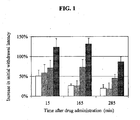
- the tail-flick test is a heat nociception test initially employed by D'Amour and Smith [ D'Amour and Smith (1941) J. Pharmacol. Exp Ther. 72:74-79 ] and is a widely used animal model system for quantitative measurements of acute pain threshold.
- This model uses radiated infrared (IR) heat source that is directed to the tail of a restrained mouse.
- IR radiated infrared
- the threshold of tolerance for heat is indicated by a time-meter, which is stopped instantaneously when the tail flicks. This time is defined as 'withdrawal latency.
- mice Male CD-1 mice weighing around 25-30 grams (4-8 animals per each dose of the tested compound) were used. The animals were put in clear plastic cages above an IR source (7371- Plantar TM Analgesia Instrument, UGO Basile), where the IR generator is placed directly underneath the tail of the mouse and the light beam is focused on the proximal third of the tail.
- an IR source 7371- Plantar TM Analgesia Instrument, UGO Basile
- the withdrawal latency namely the time interval from the starting of the infrared radiation until the animal feels pain and flicks its tail is determined.
- the drug (10 to 200 mg/ kg body weight) was administered to mice either orally (p.o.) or by intraperitoneal (i.p.) or subcutaneous (s.c.) injection.
- Withdrawal latency was determined at different time points post-administration of the drug as indicated. Each reading was performed 2-3 times and the mean value was calculated.
- Withdrawal latencies of the treated animals expressed as percentage of the withdrawal latency of the control group of animals treated with vehicle alone, are shown in Table 1.
- the analgesic effects of BFAs were evaluated in an animal model system for peripheral acute pain, the writhing model system.
- the writhing model represents a chemical nociceptive test, based on the induction of a peritonitis-like condition in the animals by injecting irritant substances intraperitoneally (i.p.).
- the writhing test is a simple and reproducible assay, which is characterized by repeated contractions of the abdominal muscles accompanied by extension of the hindlimbs of the animal ( Jaques, Arzneistoffforschung, 27, 1698-70, 1977 : Siegmund et al, Proc. Soc. Exp. Biol. 95:729-731, 1957 ).
- Evaluation of pain is based on the observed behavior of the animals after the formalin injection. Many features of behavior are expressed, amongst which are licking of the paw, flinching, lifting the leg off the ground, limping or general observed irritation in the injected foot.
- Formalin stock (Frutarom Ltd., Israel; cat. # 5551830; 3.4-3.8% formaldehyde content) was diluted into 2.5% formalin solution in saline. 25 ⁇ l of the 2.5% formalin solution was injected into the plantar surface of CD-1 mice foot using a syringe with a 29G needle. The animals' reaction, apparent as licking and lifting the paw off the ground, is noticed immediately after injection. Each of the treated animals and control naive animals injected only with formalin was monitored for a period of 40 min, through 5 minutes time segments (4-6 animals in a group). Evaluation of pain was performed by recording the time the animal spent licking its paw. A computerized program was used for timing the total number of seconds each animal spent licking its paw during the preset period of 5 min. This step was repeated for up to 40 min (8 intervals of 5 min).
- the reduction in the animal response to formalin induced pain after treatment with the drug is an indication of the analgesic action of the drug.
- the chronic constriction injury is an animal model system developed by Bennet and Xie [(1988) Pain 33: 87-107 ] for producing a chronic peripheral mononeuropathy in rodents.
- Neuropathic pain is induced by loose ligation of the sciatic nerve and is characterized by hyperalgesia (increased sensitivity to painful stimuli) and allodynia (the sensitivity in response to normally innocuous stimuli).
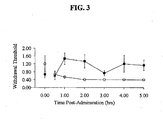
- the mechanical sensitivity of the animal foot is measured using the von Frey test [ Kim and Chung (1992) Pain 50: 355-63 ].
- An automated von Frey test was employed, in which a von Frey filament is applied to the plantar surface of the animal foot and the filament is pushed automatically at a preset rate of force/time increments into the plantar. Each measurement was repeated 2-3 times in each epsilateral and contralateral foot of the tested animals. The time lapsed from applying of pressure until withdrawal of the foot from the innocuous stimulus was measured in the treated animals and compared to the baseline values obtained for each animal prior to treatment.
- the treatment with (7,7)-P-choline significantly increased withdrawal threshold for at least 5 hours following administration of the drug.
- the cold sensitivity is quantified by monitoring brisk foot withdrawal in response to acetone. Acetone is applied to the plantar surface of the animal foot and the frequency of foot withdrawal is measured as described by Choi et al. [(1994) Pain 59:369-376 ].
- Another method of testing cold allodynia is by placing the animal on metal platform immersed 1-3mm in ice cold water (2-4 C°). The animals are allowed to walk around on the platform for 2 minutes during which the numbers of foot lifting are recorded. These numbers (score) of withdrawals/lifting are compared to the pre-treatment scores of the same animals and were used to evaluate the analgesic effect of the applied treatment.
- hyperalgesia to noxious pain is quantified by using radiated infrared (IR) heat as the pain stimulus similarly to the procedure described above in Example 6 for the tail flick assay, except that in this case the IR is focused on the plantar hind paw of a rat.
- IR radiated infrared
- the withdrawal latency of the hind paw is recorded in animals pre-treated with various dosages of BFAs / DP-BFAs (10 - 200 mg/kg body weight) or vehicle only (control). The withdrawal latency is recorded at 15, 45, 75, 105 and 145 minutes following s.c. injection of the tested drug or vehicle solution.
- the analgesic effect of BFAs and DP-BFAs is tested by recording increase in the withdrawal latency measured for the injured foot in the animals treated with these drugs.
- the analgesic effect is also assessed by the von Frey and cold sensitivity tests.
- EXAMPLE 10 Hemisection injury of spinal chord (central neuropathic pain)
- Spinal cord hemisection is an acceptable model system for inducting central chronic neuropathic pain.
- Male Sprague-Dawley (SD) rats weighing around 200-250 grams are deeply anesthetized with ketamine (50 mg/kg) and xylazine (10 mg/kg).
- the spinal cord is hemi-sectioned at the level of T9 to T12 with a scalpel blade without damage to the surrounding vasculature. Then the incision is closed. Sham operated animals serve as a control group.
- Behavioral tests representing mechanical and thermal allodynia as described above in Example 9 are performed pre-operatively and post-operatively for both hind limbs. The preoperative testing is performed one day prior to surgery and serves to establish both individual and group baseline behaviors.
- the analgesic effect of the BFAs and DP-BFAs compounds is tested.
- a decrease in the number of paw withdrawals in response to stimuli by von Frey filaments is an indication for analgesia.
- the beneficial effects are also assessed in the thermal tests where increase in the withdrawal latency for the ipsilateral foot of the injured animals treated with the drugs is an indication for analgesic activity.
Landscapes
- Chemical & Material Sciences (AREA)
- Health & Medical Sciences (AREA)
- Organic Chemistry (AREA)
- Life Sciences & Earth Sciences (AREA)
- General Health & Medical Sciences (AREA)
- Medicinal Chemistry (AREA)
- Pharmacology & Pharmacy (AREA)
- Animal Behavior & Ethology (AREA)
- Public Health (AREA)
- Veterinary Medicine (AREA)
- Epidemiology (AREA)
- Biochemistry (AREA)
- Molecular Biology (AREA)
- General Chemical & Material Sciences (AREA)
- Emergency Medicine (AREA)
- Pain & Pain Management (AREA)
- Nuclear Medicine, Radiotherapy & Molecular Imaging (AREA)
- Chemical Kinetics & Catalysis (AREA)
- Neurosurgery (AREA)
- Engineering & Computer Science (AREA)
- Neurology (AREA)
- Biomedical Technology (AREA)
- Bioinformatics & Cheminformatics (AREA)
- Rheumatology (AREA)
- Pharmaceuticals Containing Other Organic And Inorganic Compounds (AREA)
- Acyclic And Carbocyclic Compounds In Medicinal Compositions (AREA)
- Organic Low-Molecular-Weight Compounds And Preparation Thereof (AREA)
- Medicines That Contain Protein Lipid Enzymes And Other Medicines (AREA)
Applications Claiming Priority (3)
| Application Number | Priority Date | Filing Date | Title |
|---|---|---|---|
| US888958 | 1997-07-07 | ||
| US09/888,958 US6518311B2 (en) | 1997-07-09 | 2001-06-25 | Use of branched-chain fatty acids and derivatives thereof for the treatment of pain |
| PCT/IL2002/000502 WO2003000173A2 (en) | 2001-06-25 | 2002-06-24 | Use of branched-chain fatty acids and derivatives thereof for the treatment of pain |
Publications (3)
| Publication Number | Publication Date |
|---|---|
| EP1419129A2 EP1419129A2 (en) | 2004-05-19 |
| EP1419129A4 EP1419129A4 (en) | 2006-05-10 |
| EP1419129B1 true EP1419129B1 (en) | 2008-12-03 |
Family
ID=25394247
Family Applications (1)
| Application Number | Title | Priority Date | Filing Date |
|---|---|---|---|
| EP02741140A Expired - Lifetime EP1419129B1 (en) | 2001-06-25 | 2002-06-24 | Use of branched-chain fatty acids and derivatives thereof for the treatment of pain |
Country Status (9)
| Country | Link |
|---|---|
| US (1) | US6518311B2 (cg-RX-API-DMAC7.html) |
| EP (1) | EP1419129B1 (cg-RX-API-DMAC7.html) |
| JP (1) | JP4272052B2 (cg-RX-API-DMAC7.html) |
| AT (1) | ATE415965T1 (cg-RX-API-DMAC7.html) |
| AU (1) | AU2002314503C1 (cg-RX-API-DMAC7.html) |
| CA (1) | CA2450946C (cg-RX-API-DMAC7.html) |
| DE (1) | DE60230155D1 (cg-RX-API-DMAC7.html) |
| IL (1) | IL159241A0 (cg-RX-API-DMAC7.html) |
| WO (1) | WO2003000173A2 (cg-RX-API-DMAC7.html) |
Families Citing this family (13)
| Publication number | Priority date | Publication date | Assignee | Title |
|---|---|---|---|---|
| US6518311B2 (en) * | 1997-07-09 | 2003-02-11 | D-Pharm Ltd. | Use of branched-chain fatty acids and derivatives thereof for the treatment of pain |
| US7582678B2 (en) * | 1997-07-09 | 2009-09-01 | D-Pharm Limited | Use of branched-chain fatty acids and derivatives thereof for the treatment of pain |
| EP1485107A1 (en) | 2002-02-11 | 2004-12-15 | Vertex Pharmaceuticals Incorporated | Phospholipids as caspase inhibitor prodrugs |
| US20040265364A1 (en) * | 2003-06-25 | 2004-12-30 | Binnur Ozturk | Neuropathy cream |
| US20050095277A1 (en) * | 2003-06-25 | 2005-05-05 | Binnur Ozturk | Neuropathy cream |
| DE10332486A1 (de) * | 2003-07-16 | 2005-02-10 | Boehringer Ingelheim Pharma Gmbh & Co. Kg | Ambroxol für die Behandlung akuter Schmerzen |
| EP2465499A3 (en) * | 2005-06-27 | 2013-02-13 | Ono Pharmaceutical Co., Ltd. | Therapeutic agent for treating pain |
| JP4587961B2 (ja) * | 2006-01-16 | 2010-11-24 | 独立行政法人科学技術振興機構 | 神経因性疼痛治療剤 |
| CN101801200B (zh) | 2007-09-17 | 2014-10-29 | 康奈尔大学 | 用于预防或治疗胃肠病症的支链脂肪酸 |
| EP2381940A4 (en) * | 2008-11-26 | 2012-12-05 | Univ Texas | NOVEL FAMILY OF PAIN PRODUCING SUBSTANCES AND METHODS OF PRODUCING NEW ANALGESIC MEDICINES |
| GB0910781D0 (en) | 2009-06-23 | 2009-08-05 | Croda Int Plc | Slip and antiblocking agent |
| WO2012105477A1 (ja) * | 2011-01-31 | 2012-08-09 | 日本臓器製薬株式会社 | 鎮痛剤 |
| US9029342B2 (en) | 2012-09-17 | 2015-05-12 | Board Of Regents Of The University Of Texas System | Compositions of matter that reduce pain, shock, and inflammation by blocking linoleic acid metabolites and uses thereof |
Family Cites Families (7)
| Publication number | Priority date | Publication date | Assignee | Title |
|---|---|---|---|---|
| JPH0625090B2 (ja) | 1987-02-12 | 1994-04-06 | 花王株式会社 | 毛髪化粧料 |
| CA2059272A1 (en) | 1990-04-12 | 1991-10-13 | Akira Hasegawa | 4,6-0-hydroxyphosphoryl-glucosamine derivatives |
| EP0632008B1 (en) | 1993-06-01 | 1998-02-04 | Ono Pharmaceutical Co., Ltd. | Pentanoic acid derivatives |
| US6313106B1 (en) * | 1995-06-07 | 2001-11-06 | D-Pharm Ltd. | Phospholipid derivatives of valproic acid and mixtures thereof |
| IL121268A0 (en) * | 1997-07-09 | 1998-01-04 | Dpharm Ltd | Branched chain fatty acids their derivatives and use in the treatment of central nervous system disorders |
| US6518311B2 (en) * | 1997-07-09 | 2003-02-11 | D-Pharm Ltd. | Use of branched-chain fatty acids and derivatives thereof for the treatment of pain |
| IL137672A0 (en) * | 2000-08-03 | 2001-10-31 | Dpharm Ltd | Derivatives of branched-chain lipophilic molecules and uses thereof |
-
2001
- 2001-06-25 US US09/888,958 patent/US6518311B2/en not_active Expired - Fee Related
-
2002
- 2002-06-24 JP JP2003506619A patent/JP4272052B2/ja not_active Expired - Lifetime
- 2002-06-24 CA CA2450946A patent/CA2450946C/en not_active Expired - Fee Related
- 2002-06-24 DE DE60230155T patent/DE60230155D1/de not_active Expired - Lifetime
- 2002-06-24 IL IL15924102A patent/IL159241A0/xx active IP Right Grant
- 2002-06-24 EP EP02741140A patent/EP1419129B1/en not_active Expired - Lifetime
- 2002-06-24 AT AT02741140T patent/ATE415965T1/de not_active IP Right Cessation
- 2002-06-24 WO PCT/IL2002/000502 patent/WO2003000173A2/en not_active Ceased
- 2002-06-24 AU AU2002314503A patent/AU2002314503C1/en not_active Ceased
Also Published As
| Publication number | Publication date |
|---|---|
| WO2003000173A2 (en) | 2003-01-03 |
| ATE415965T1 (de) | 2008-12-15 |
| JP2005500305A (ja) | 2005-01-06 |
| CA2450946A1 (en) | 2003-01-03 |
| WO2003000173A3 (en) | 2004-03-04 |
| DE60230155D1 (de) | 2009-01-15 |
| AU2002314503A2 (en) | 2003-01-08 |
| IL159241A0 (en) | 2004-06-01 |
| CA2450946C (en) | 2011-04-19 |
| JP4272052B2 (ja) | 2009-06-03 |
| US6518311B2 (en) | 2003-02-11 |
| US20020042445A1 (en) | 2002-04-11 |
| EP1419129A2 (en) | 2004-05-19 |
| AU2002314503C1 (en) | 2006-12-14 |
| EP1419129A4 (en) | 2006-05-10 |
| AU2002314503B2 (en) | 2006-05-18 |
Similar Documents
| Publication | Publication Date | Title |
|---|---|---|
| DE69910560T2 (de) | Wasserlöslische prodrugs von 2,6-diisopropylphenol-analoga | |
| EP1140745B1 (en) | Colchinol derivatives as vascular damaging agents | |
| AU2002314503C1 (en) | Use of branched-chain fatty acids and derivatives thereof for the treatment of pain | |
| AU2002314503A1 (en) | Use of branched-chain fatty acids and derivatives thereof for the treatment of pain | |
| EP0132346A1 (en) | Novel compounds and compositions useful for producing analgesia | |
| KR20020072296A (ko) | 특이 구조를 가진 일 군의 항암 화합물 및 그 제조방법 | |
| KR20010021635A (ko) | 측쇄 지방산, 그것의 유도체 그리고 중추신경계 장애의치료에의 사용 | |
| JP3801225B2 (ja) | アミノアルコール類の塩およびこれを含有する医薬処方物 | |
| US5202313A (en) | Bilobalide derivatives, their applications and formulations containing them | |
| EP0282127B1 (en) | Beta-aminoethyl-substituted phenyl compounds, and anti-inflammatory or analgesic compositions containing them | |
| US7582678B2 (en) | Use of branched-chain fatty acids and derivatives thereof for the treatment of pain | |
| CA1273360A (en) | Substituted phenylacetic acid amides and compositions thereof having anti-inflammatory and analgesic activity | |
| JPH03209377A (ja) | Nmda遮断薬剤組成物 | |
| IL159241A (en) | Use of branched-chain fatty acids and derivatives thereof in the manufacture of a medicament for the treatment of pain | |
| TWI730039B (zh) | 新穎雙膦酸化合物 | |
| US5804569A (en) | Exocylic-phosphoethanolamines | |
| US11292759B2 (en) | Hydroxycitric acid metal heterocyclic compounds with covalent characteristics | |
| WO2005005433A1 (ja) | 高カルシウム血症および骨疾患治療剤 | |
| EP1896031B1 (en) | Thiazolopyrimidines for use in therapy | |
| WO2020262317A1 (ja) | 認知症の治療及び予防薬 | |
| WO2000013690A1 (en) | Exocyclic-phosphoethanolamines |
Legal Events
| Date | Code | Title | Description |
|---|---|---|---|
| PUAI | Public reference made under article 153(3) epc to a published international application that has entered the european phase |
Free format text: ORIGINAL CODE: 0009012 |
|
| 17P | Request for examination filed |
Effective date: 20040119 |
|
| AK | Designated contracting states |
Kind code of ref document: A2 Designated state(s): AT BE CH CY DE DK ES FI FR GB GR IE IT LI LU MC NL PT SE TR |
|
| AX | Request for extension of the european patent |
Extension state: AL LT LV MK RO SI |
|
| RIC1 | Information provided on ipc code assigned before grant |
Ipc: C07C 55/00 20060101ALI20060228BHEP Ipc: A61K 31/20 20060101AFI20060228BHEP |
|
| A4 | Supplementary search report drawn up and despatched |
Effective date: 20060324 |
|
| 17Q | First examination report despatched |
Effective date: 20061031 |
|
| RIC1 | Information provided on ipc code assigned before grant |
Ipc: A61P 29/00 20060101ALI20070612BHEP Ipc: A61K 31/20 20060101AFI20070612BHEP |
|
| GRAP | Despatch of communication of intention to grant a patent |
Free format text: ORIGINAL CODE: EPIDOSNIGR1 |
|
| GRAS | Grant fee paid |
Free format text: ORIGINAL CODE: EPIDOSNIGR3 |
|
| GRAA | (expected) grant |
Free format text: ORIGINAL CODE: 0009210 |
|
| AK | Designated contracting states |
Kind code of ref document: B1 Designated state(s): AT BE CH CY DE DK ES FI FR GB GR IE IT LI LU MC NL PT SE TR |
|
| REG | Reference to a national code |
Ref country code: GB Ref legal event code: FG4D |
|
| REG | Reference to a national code |
Ref country code: CH Ref legal event code: EP |
|
| REG | Reference to a national code |
Ref country code: IE Ref legal event code: FG4D |
|
| REF | Corresponds to: |
Ref document number: 60230155 Country of ref document: DE Date of ref document: 20090115 Kind code of ref document: P |
|
| PG25 | Lapsed in a contracting state [announced via postgrant information from national office to epo] |
Ref country code: ES Free format text: LAPSE BECAUSE OF FAILURE TO SUBMIT A TRANSLATION OF THE DESCRIPTION OR TO PAY THE FEE WITHIN THE PRESCRIBED TIME-LIMIT Effective date: 20090314 |
|
| NLV1 | Nl: lapsed or annulled due to failure to fulfill the requirements of art. 29p and 29m of the patents act | ||
| REG | Reference to a national code |
Ref country code: CH Ref legal event code: NV Representative=s name: VOSSIUS & PARTNER |
|
| PG25 | Lapsed in a contracting state [announced via postgrant information from national office to epo] |
Ref country code: FI Free format text: LAPSE BECAUSE OF FAILURE TO SUBMIT A TRANSLATION OF THE DESCRIPTION OR TO PAY THE FEE WITHIN THE PRESCRIBED TIME-LIMIT Effective date: 20081203 Ref country code: NL Free format text: LAPSE BECAUSE OF FAILURE TO SUBMIT A TRANSLATION OF THE DESCRIPTION OR TO PAY THE FEE WITHIN THE PRESCRIBED TIME-LIMIT Effective date: 20081203 |
|
| PG25 | Lapsed in a contracting state [announced via postgrant information from national office to epo] |
Ref country code: BE Free format text: LAPSE BECAUSE OF FAILURE TO SUBMIT A TRANSLATION OF THE DESCRIPTION OR TO PAY THE FEE WITHIN THE PRESCRIBED TIME-LIMIT Effective date: 20081203 |
|
| PG25 | Lapsed in a contracting state [announced via postgrant information from national office to epo] |
Ref country code: SE Free format text: LAPSE BECAUSE OF FAILURE TO SUBMIT A TRANSLATION OF THE DESCRIPTION OR TO PAY THE FEE WITHIN THE PRESCRIBED TIME-LIMIT Effective date: 20090303 Ref country code: AT Free format text: LAPSE BECAUSE OF FAILURE TO SUBMIT A TRANSLATION OF THE DESCRIPTION OR TO PAY THE FEE WITHIN THE PRESCRIBED TIME-LIMIT Effective date: 20081203 Ref country code: PT Free format text: LAPSE BECAUSE OF FAILURE TO SUBMIT A TRANSLATION OF THE DESCRIPTION OR TO PAY THE FEE WITHIN THE PRESCRIBED TIME-LIMIT Effective date: 20090504 |
|
| PLBE | No opposition filed within time limit |
Free format text: ORIGINAL CODE: 0009261 |
|
| STAA | Information on the status of an ep patent application or granted ep patent |
Free format text: STATUS: NO OPPOSITION FILED WITHIN TIME LIMIT |
|
| PG25 | Lapsed in a contracting state [announced via postgrant information from national office to epo] |
Ref country code: DK Free format text: LAPSE BECAUSE OF FAILURE TO SUBMIT A TRANSLATION OF THE DESCRIPTION OR TO PAY THE FEE WITHIN THE PRESCRIBED TIME-LIMIT Effective date: 20081203 |
|
| 26N | No opposition filed |
Effective date: 20090904 |
|
| PG25 | Lapsed in a contracting state [announced via postgrant information from national office to epo] |
Ref country code: MC Free format text: LAPSE BECAUSE OF NON-PAYMENT OF DUE FEES Effective date: 20090630 |
|
| REG | Reference to a national code |
Ref country code: IE Ref legal event code: MM4A |
|
| PG25 | Lapsed in a contracting state [announced via postgrant information from national office to epo] |
Ref country code: IE Free format text: LAPSE BECAUSE OF NON-PAYMENT OF DUE FEES Effective date: 20090624 |
|
| PG25 | Lapsed in a contracting state [announced via postgrant information from national office to epo] |
Ref country code: GR Free format text: LAPSE BECAUSE OF FAILURE TO SUBMIT A TRANSLATION OF THE DESCRIPTION OR TO PAY THE FEE WITHIN THE PRESCRIBED TIME-LIMIT Effective date: 20090304 |
|
| PG25 | Lapsed in a contracting state [announced via postgrant information from national office to epo] |
Ref country code: IT Free format text: LAPSE BECAUSE OF FAILURE TO SUBMIT A TRANSLATION OF THE DESCRIPTION OR TO PAY THE FEE WITHIN THE PRESCRIBED TIME-LIMIT Effective date: 20081203 |
|
| PG25 | Lapsed in a contracting state [announced via postgrant information from national office to epo] |
Ref country code: LU Free format text: LAPSE BECAUSE OF NON-PAYMENT OF DUE FEES Effective date: 20090624 |
|
| PG25 | Lapsed in a contracting state [announced via postgrant information from national office to epo] |
Ref country code: TR Free format text: LAPSE BECAUSE OF FAILURE TO SUBMIT A TRANSLATION OF THE DESCRIPTION OR TO PAY THE FEE WITHIN THE PRESCRIBED TIME-LIMIT Effective date: 20081203 |
|
| PGFP | Annual fee paid to national office [announced via postgrant information from national office to epo] |
Ref country code: GB Payment date: 20110622 Year of fee payment: 10 |
|
| PG25 | Lapsed in a contracting state [announced via postgrant information from national office to epo] |
Ref country code: CY Free format text: LAPSE BECAUSE OF FAILURE TO SUBMIT A TRANSLATION OF THE DESCRIPTION OR TO PAY THE FEE WITHIN THE PRESCRIBED TIME-LIMIT Effective date: 20081203 |
|
| PGFP | Annual fee paid to national office [announced via postgrant information from national office to epo] |
Ref country code: DE Payment date: 20110622 Year of fee payment: 10 |
|
| PGFP | Annual fee paid to national office [announced via postgrant information from national office to epo] |
Ref country code: CH Payment date: 20120612 Year of fee payment: 11 |
|
| PGFP | Annual fee paid to national office [announced via postgrant information from national office to epo] |
Ref country code: FR Payment date: 20120619 Year of fee payment: 11 |
|
| GBPC | Gb: european patent ceased through non-payment of renewal fee |
Effective date: 20120624 |
|
| PG25 | Lapsed in a contracting state [announced via postgrant information from national office to epo] |
Ref country code: GB Free format text: LAPSE BECAUSE OF NON-PAYMENT OF DUE FEES Effective date: 20120624 Ref country code: DE Free format text: LAPSE BECAUSE OF NON-PAYMENT OF DUE FEES Effective date: 20130101 |
|
| REG | Reference to a national code |
Ref country code: DE Ref legal event code: R119 Ref document number: 60230155 Country of ref document: DE Effective date: 20130101 |
|
| REG | Reference to a national code |
Ref country code: CH Ref legal event code: PL |
|
| REG | Reference to a national code |
Ref country code: FR Ref legal event code: ST Effective date: 20140228 |
|
| PG25 | Lapsed in a contracting state [announced via postgrant information from national office to epo] |
Ref country code: LI Free format text: LAPSE BECAUSE OF NON-PAYMENT OF DUE FEES Effective date: 20130630 Ref country code: CH Free format text: LAPSE BECAUSE OF NON-PAYMENT OF DUE FEES Effective date: 20130630 |
|
| PG25 | Lapsed in a contracting state [announced via postgrant information from national office to epo] |
Ref country code: FR Free format text: LAPSE BECAUSE OF NON-PAYMENT OF DUE FEES Effective date: 20130701 |