EP1367036A2 - Piezoelectric ceramic production method and piezoelectric element production method - Google Patents
Piezoelectric ceramic production method and piezoelectric element production method Download PDFInfo
- Publication number
- EP1367036A2 EP1367036A2 EP20030012426 EP03012426A EP1367036A2 EP 1367036 A2 EP1367036 A2 EP 1367036A2 EP 20030012426 EP20030012426 EP 20030012426 EP 03012426 A EP03012426 A EP 03012426A EP 1367036 A2 EP1367036 A2 EP 1367036A2
- Authority
- EP
- European Patent Office
- Prior art keywords
- piezoelectric
- zirconium
- titanium
- lead
- ceramic
- Prior art date
- Legal status (The legal status is an assumption and is not a legal conclusion. Google has not performed a legal analysis and makes no representation as to the accuracy of the status listed.)
- Withdrawn
Links
- 239000000919 ceramic Substances 0.000 title claims abstract description 287
- 238000004519 manufacturing process Methods 0.000 title claims description 82
- 150000001875 compounds Chemical class 0.000 claims abstract description 243
- 239000010936 titanium Substances 0.000 claims abstract description 155
- 239000000203 mixture Substances 0.000 claims abstract description 153
- 229910052719 titanium Inorganic materials 0.000 claims abstract description 132
- 229910052726 zirconium Inorganic materials 0.000 claims abstract description 129
- 238000010304 firing Methods 0.000 claims abstract description 123
- RTAQQCXQSZGOHL-UHFFFAOYSA-N Titanium Chemical compound [Ti] RTAQQCXQSZGOHL-UHFFFAOYSA-N 0.000 claims abstract description 120
- QCWXUUIWCKQGHC-UHFFFAOYSA-N Zirconium Chemical compound [Zr] QCWXUUIWCKQGHC-UHFFFAOYSA-N 0.000 claims abstract description 117
- 239000002245 particle Substances 0.000 claims abstract description 84
- 239000002243 precursor Substances 0.000 claims abstract description 33
- 239000010955 niobium Substances 0.000 claims description 123
- 239000011701 zinc Substances 0.000 claims description 103
- 229910052758 niobium Inorganic materials 0.000 claims description 84
- 229910052725 zinc Inorganic materials 0.000 claims description 79
- GUCVJGMIXFAOAE-UHFFFAOYSA-N niobium atom Chemical compound [Nb] GUCVJGMIXFAOAE-UHFFFAOYSA-N 0.000 claims description 76
- 239000011777 magnesium Substances 0.000 claims description 75
- HCHKCACWOHOZIP-UHFFFAOYSA-N Zinc Chemical compound [Zn] HCHKCACWOHOZIP-UHFFFAOYSA-N 0.000 claims description 71
- 239000000463 material Substances 0.000 claims description 70
- 239000000843 powder Substances 0.000 claims description 57
- 239000011575 calcium Substances 0.000 claims description 53
- 229910052788 barium Inorganic materials 0.000 claims description 52
- 229910052712 strontium Inorganic materials 0.000 claims description 52
- 229910052791 calcium Inorganic materials 0.000 claims description 51
- 229910052749 magnesium Inorganic materials 0.000 claims description 42
- PXHVJJICTQNCMI-UHFFFAOYSA-N Nickel Chemical compound [Ni] PXHVJJICTQNCMI-UHFFFAOYSA-N 0.000 claims description 40
- DSAJWYNOEDNPEQ-UHFFFAOYSA-N barium atom Chemical compound [Ba] DSAJWYNOEDNPEQ-UHFFFAOYSA-N 0.000 claims description 40
- CIOAGBVUUVVLOB-UHFFFAOYSA-N strontium atom Chemical compound [Sr] CIOAGBVUUVVLOB-UHFFFAOYSA-N 0.000 claims description 40
- OYPRJOBELJOOCE-UHFFFAOYSA-N Calcium Chemical compound [Ca] OYPRJOBELJOOCE-UHFFFAOYSA-N 0.000 claims description 39
- FYYHWMGAXLPEAU-UHFFFAOYSA-N Magnesium Chemical compound [Mg] FYYHWMGAXLPEAU-UHFFFAOYSA-N 0.000 claims description 39
- GWEVSGVZZGPLCZ-UHFFFAOYSA-N Titan oxide Chemical compound O=[Ti]=O GWEVSGVZZGPLCZ-UHFFFAOYSA-N 0.000 claims description 29
- 239000010949 copper Substances 0.000 claims description 22
- 238000001354 calcination Methods 0.000 claims description 21
- 229910017052 cobalt Inorganic materials 0.000 claims description 20
- 239000010941 cobalt Substances 0.000 claims description 20
- GUTLYIVDDKVIGB-UHFFFAOYSA-N cobalt atom Chemical compound [Co] GUTLYIVDDKVIGB-UHFFFAOYSA-N 0.000 claims description 20
- 229910052802 copper Inorganic materials 0.000 claims description 20
- RYGMFSIKBFXOCR-UHFFFAOYSA-N Copper Chemical compound [Cu] RYGMFSIKBFXOCR-UHFFFAOYSA-N 0.000 claims description 19
- 229910052759 nickel Inorganic materials 0.000 claims description 19
- 229910000831 Steel Inorganic materials 0.000 claims description 17
- 239000010959 steel Substances 0.000 claims description 17
- RVTZCBVAJQQJTK-UHFFFAOYSA-N oxygen(2-);zirconium(4+) Chemical compound [O-2].[O-2].[Zr+4] RVTZCBVAJQQJTK-UHFFFAOYSA-N 0.000 claims description 15
- 229910001928 zirconium oxide Inorganic materials 0.000 claims description 15
- 238000006243 chemical reaction Methods 0.000 claims description 14
- OGIDPMRJRNCKJF-UHFFFAOYSA-N titanium oxide Inorganic materials [Ti]=O OGIDPMRJRNCKJF-UHFFFAOYSA-N 0.000 claims description 14
- 229910000464 lead oxide Inorganic materials 0.000 claims description 13
- 238000011049 filling Methods 0.000 claims description 12
- XMFOQHDPRMAJNU-UHFFFAOYSA-N lead(II,IV) oxide Inorganic materials O1[Pb]O[Pb]11O[Pb]O1 XMFOQHDPRMAJNU-UHFFFAOYSA-N 0.000 claims description 12
- JEIPFZHSYJVQDO-UHFFFAOYSA-N iron(III) oxide Inorganic materials O=[Fe]O[Fe]=O JEIPFZHSYJVQDO-UHFFFAOYSA-N 0.000 claims description 11
- YOCUPQPZWBBYIX-UHFFFAOYSA-N copper nickel Chemical compound [Ni].[Cu] YOCUPQPZWBBYIX-UHFFFAOYSA-N 0.000 claims description 2
- YEXPOXQUZXUXJW-UHFFFAOYSA-N oxolead Chemical compound [Pb]=O YEXPOXQUZXUXJW-UHFFFAOYSA-N 0.000 claims 1
- 238000000034 method Methods 0.000 abstract description 22
- 229910052751 metal Inorganic materials 0.000 abstract description 8
- 239000002184 metal Substances 0.000 abstract description 8
- 239000010410 layer Substances 0.000 description 156
- 239000011133 lead Substances 0.000 description 111
- 230000000052 comparative effect Effects 0.000 description 45
- KDLHZDBZIXYQEI-UHFFFAOYSA-N Palladium Chemical compound [Pd] KDLHZDBZIXYQEI-UHFFFAOYSA-N 0.000 description 26
- HTUMBQDCCIXGCV-UHFFFAOYSA-N lead oxide Chemical compound [O-2].[Pb+2] HTUMBQDCCIXGCV-UHFFFAOYSA-N 0.000 description 25
- 238000002156 mixing Methods 0.000 description 17
- 239000011230 binding agent Substances 0.000 description 16
- 239000011229 interlayer Substances 0.000 description 16
- 239000004020 conductor Substances 0.000 description 14
- QPLDLSVMHZLSFG-UHFFFAOYSA-N Copper oxide Chemical compound [Cu]=O QPLDLSVMHZLSFG-UHFFFAOYSA-N 0.000 description 13
- 229910052763 palladium Inorganic materials 0.000 description 11
- QVGXLLKOCUKJST-UHFFFAOYSA-N atomic oxygen Chemical compound [O] QVGXLLKOCUKJST-UHFFFAOYSA-N 0.000 description 9
- XEEYBQQBJWHFJM-UHFFFAOYSA-N iron Substances [Fe] XEEYBQQBJWHFJM-UHFFFAOYSA-N 0.000 description 9
- 229910052760 oxygen Inorganic materials 0.000 description 9
- 239000001301 oxygen Substances 0.000 description 9
- 229910052709 silver Inorganic materials 0.000 description 9
- BQCADISMDOOEFD-UHFFFAOYSA-N Silver Chemical compound [Ag] BQCADISMDOOEFD-UHFFFAOYSA-N 0.000 description 8
- 229910052745 lead Inorganic materials 0.000 description 8
- 229910000480 nickel oxide Inorganic materials 0.000 description 8
- BASFCYQUMIYNBI-UHFFFAOYSA-N platinum Chemical compound [Pt] BASFCYQUMIYNBI-UHFFFAOYSA-N 0.000 description 8
- 238000012545 processing Methods 0.000 description 8
- 239000004332 silver Substances 0.000 description 8
- 239000007858 starting material Substances 0.000 description 8
- 229910001252 Pd alloy Inorganic materials 0.000 description 7
- 239000007772 electrode material Substances 0.000 description 7
- 229910052737 gold Inorganic materials 0.000 description 7
- 239000010931 gold Substances 0.000 description 7
- VZSRBBMJRBPUNF-UHFFFAOYSA-N 2-(2,3-dihydro-1H-inden-2-ylamino)-N-[3-oxo-3-(2,4,6,7-tetrahydrotriazolo[4,5-c]pyridin-5-yl)propyl]pyrimidine-5-carboxamide Chemical compound C1C(CC2=CC=CC=C12)NC1=NC=C(C=N1)C(=O)NCCC(N1CC2=C(CC1)NN=N2)=O VZSRBBMJRBPUNF-UHFFFAOYSA-N 0.000 description 6
- NIPNSKYNPDTRPC-UHFFFAOYSA-N N-[2-oxo-2-(2,4,6,7-tetrahydrotriazolo[4,5-c]pyridin-5-yl)ethyl]-2-[[3-(trifluoromethoxy)phenyl]methylamino]pyrimidine-5-carboxamide Chemical compound O=C(CNC(=O)C=1C=NC(=NC=1)NCC1=CC(=CC=C1)OC(F)(F)F)N1CC2=C(CC1)NN=N2 NIPNSKYNPDTRPC-UHFFFAOYSA-N 0.000 description 6
- VYPSYNLAJGMNEJ-UHFFFAOYSA-N Silicium dioxide Chemical compound O=[Si]=O VYPSYNLAJGMNEJ-UHFFFAOYSA-N 0.000 description 6
- 229910000428 cobalt oxide Inorganic materials 0.000 description 6
- 238000005245 sintering Methods 0.000 description 6
- 239000000758 substrate Substances 0.000 description 6
- 238000012360 testing method Methods 0.000 description 6
- LFQSCWFLJHTTHZ-UHFFFAOYSA-N Ethanol Chemical compound CCO LFQSCWFLJHTTHZ-UHFFFAOYSA-N 0.000 description 5
- 229910045601 alloy Inorganic materials 0.000 description 5
- 239000000956 alloy Substances 0.000 description 5
- 238000009826 distribution Methods 0.000 description 5
- 230000000694 effects Effects 0.000 description 5
- 238000000465 moulding Methods 0.000 description 5
- 229910052697 platinum Inorganic materials 0.000 description 5
- 239000000126 substance Substances 0.000 description 5
- YJLUBHOZZTYQIP-UHFFFAOYSA-N 2-[5-[2-(2,3-dihydro-1H-inden-2-ylamino)pyrimidin-5-yl]-1,3,4-oxadiazol-2-yl]-1-(2,4,6,7-tetrahydrotriazolo[4,5-c]pyridin-5-yl)ethanone Chemical compound C1C(CC2=CC=CC=C12)NC1=NC=C(C=N1)C1=NN=C(O1)CC(=O)N1CC2=C(CC1)NN=N2 YJLUBHOZZTYQIP-UHFFFAOYSA-N 0.000 description 4
- CONKBQPVFMXDOV-QHCPKHFHSA-N 6-[(5S)-5-[[4-[2-(2,3-dihydro-1H-inden-2-ylamino)pyrimidin-5-yl]piperazin-1-yl]methyl]-2-oxo-1,3-oxazolidin-3-yl]-3H-1,3-benzoxazol-2-one Chemical compound C1C(CC2=CC=CC=C12)NC1=NC=C(C=N1)N1CCN(CC1)C[C@H]1CN(C(O1)=O)C1=CC2=C(NC(O2)=O)C=C1 CONKBQPVFMXDOV-QHCPKHFHSA-N 0.000 description 4
- DEXFNLNNUZKHNO-UHFFFAOYSA-N 6-[3-[4-[2-(2,3-dihydro-1H-inden-2-ylamino)pyrimidin-5-yl]piperidin-1-yl]-3-oxopropyl]-3H-1,3-benzoxazol-2-one Chemical compound C1C(CC2=CC=CC=C12)NC1=NC=C(C=N1)C1CCN(CC1)C(CCC1=CC2=C(NC(O2)=O)C=C1)=O DEXFNLNNUZKHNO-UHFFFAOYSA-N 0.000 description 4
- VTYYLEPIZMXCLO-UHFFFAOYSA-L Calcium carbonate Chemical compound [Ca+2].[O-]C([O-])=O VTYYLEPIZMXCLO-UHFFFAOYSA-L 0.000 description 4
- 230000007423 decrease Effects 0.000 description 4
- 230000002950 deficient Effects 0.000 description 4
- PCHJSUWPFVWCPO-UHFFFAOYSA-N gold Chemical compound [Au] PCHJSUWPFVWCPO-UHFFFAOYSA-N 0.000 description 4
- 238000007639 printing Methods 0.000 description 4
- 230000009257 reactivity Effects 0.000 description 4
- 239000010944 silver (metal) Substances 0.000 description 4
- 238000003746 solid phase reaction Methods 0.000 description 4
- SXAMGRAIZSSWIH-UHFFFAOYSA-N 2-[3-[2-(2,3-dihydro-1H-inden-2-ylamino)pyrimidin-5-yl]-1,2,4-oxadiazol-5-yl]-1-(2,4,6,7-tetrahydrotriazolo[4,5-c]pyridin-5-yl)ethanone Chemical compound C1C(CC2=CC=CC=C12)NC1=NC=C(C=N1)C1=NOC(=N1)CC(=O)N1CC2=C(CC1)NN=N2 SXAMGRAIZSSWIH-UHFFFAOYSA-N 0.000 description 3
- ZRPAUEVGEGEPFQ-UHFFFAOYSA-N 2-[4-[2-(2,3-dihydro-1H-inden-2-ylamino)pyrimidin-5-yl]pyrazol-1-yl]-1-(2,4,6,7-tetrahydrotriazolo[4,5-c]pyridin-5-yl)ethanone Chemical compound C1C(CC2=CC=CC=C12)NC1=NC=C(C=N1)C=1C=NN(C=1)CC(=O)N1CC2=C(CC1)NN=N2 ZRPAUEVGEGEPFQ-UHFFFAOYSA-N 0.000 description 3
- MYMOFIZGZYHOMD-UHFFFAOYSA-N Dioxygen Chemical compound O=O MYMOFIZGZYHOMD-UHFFFAOYSA-N 0.000 description 3
- 238000006073 displacement reaction Methods 0.000 description 3
- 230000005684 electric field Effects 0.000 description 3
- 238000000227 grinding Methods 0.000 description 3
- 229910052742 iron Inorganic materials 0.000 description 3
- HFGPZNIAWCZYJU-UHFFFAOYSA-N lead zirconate titanate Chemical compound [O-2].[O-2].[O-2].[O-2].[O-2].[Ti+4].[Zr+4].[Pb+2] HFGPZNIAWCZYJU-UHFFFAOYSA-N 0.000 description 3
- 229910052451 lead zirconate titanate Inorganic materials 0.000 description 3
- 230000010355 oscillation Effects 0.000 description 3
- 239000012071 phase Substances 0.000 description 3
- YIWGJFPJRAEKMK-UHFFFAOYSA-N 1-(2H-benzotriazol-5-yl)-3-methyl-8-[2-[[3-(trifluoromethoxy)phenyl]methylamino]pyrimidine-5-carbonyl]-1,3,8-triazaspiro[4.5]decane-2,4-dione Chemical compound CN1C(=O)N(c2ccc3n[nH]nc3c2)C2(CCN(CC2)C(=O)c2cnc(NCc3cccc(OC(F)(F)F)c3)nc2)C1=O YIWGJFPJRAEKMK-UHFFFAOYSA-N 0.000 description 2
- -1 Cu Ni Substances 0.000 description 2
- UQSXHKLRYXJYBZ-UHFFFAOYSA-N Iron oxide Chemical compound [Fe]=O UQSXHKLRYXJYBZ-UHFFFAOYSA-N 0.000 description 2
- MKYBYDHXWVHEJW-UHFFFAOYSA-N N-[1-oxo-1-(2,4,6,7-tetrahydrotriazolo[4,5-c]pyridin-5-yl)propan-2-yl]-2-[[3-(trifluoromethoxy)phenyl]methylamino]pyrimidine-5-carboxamide Chemical compound O=C(C(C)NC(=O)C=1C=NC(=NC=1)NCC1=CC(=CC=C1)OC(F)(F)F)N1CC2=C(CC1)NN=N2 MKYBYDHXWVHEJW-UHFFFAOYSA-N 0.000 description 2
- VCUFZILGIRCDQQ-KRWDZBQOSA-N N-[[(5S)-2-oxo-3-(2-oxo-3H-1,3-benzoxazol-6-yl)-1,3-oxazolidin-5-yl]methyl]-2-[[3-(trifluoromethoxy)phenyl]methylamino]pyrimidine-5-carboxamide Chemical compound O=C1O[C@H](CN1C1=CC2=C(NC(O2)=O)C=C1)CNC(=O)C=1C=NC(=NC=1)NCC1=CC(=CC=C1)OC(F)(F)F VCUFZILGIRCDQQ-KRWDZBQOSA-N 0.000 description 2
- 229910020698 PbZrO3 Inorganic materials 0.000 description 2
- 239000004372 Polyvinyl alcohol Substances 0.000 description 2
- FHKPLLOSJHHKNU-INIZCTEOSA-N [(3S)-3-[8-(1-ethyl-5-methylpyrazol-4-yl)-9-methylpurin-6-yl]oxypyrrolidin-1-yl]-(oxan-4-yl)methanone Chemical compound C(C)N1N=CC(=C1C)C=1N(C2=NC=NC(=C2N=1)O[C@@H]1CN(CC1)C(=O)C1CCOCC1)C FHKPLLOSJHHKNU-INIZCTEOSA-N 0.000 description 2
- JAWMENYCRQKKJY-UHFFFAOYSA-N [3-(2,4,6,7-tetrahydrotriazolo[4,5-c]pyridin-5-ylmethyl)-1-oxa-2,8-diazaspiro[4.5]dec-2-en-8-yl]-[2-[[3-(trifluoromethoxy)phenyl]methylamino]pyrimidin-5-yl]methanone Chemical compound N1N=NC=2CN(CCC=21)CC1=NOC2(C1)CCN(CC2)C(=O)C=1C=NC(=NC=1)NCC1=CC(=CC=C1)OC(F)(F)F JAWMENYCRQKKJY-UHFFFAOYSA-N 0.000 description 2
- 229910000019 calcium carbonate Inorganic materials 0.000 description 2
- 239000002270 dispersing agent Substances 0.000 description 2
- BDAGIHXWWSANSR-NJFSPNSNSA-N hydroxyformaldehyde Chemical compound O[14CH]=O BDAGIHXWWSANSR-NJFSPNSNSA-N 0.000 description 2
- 238000009413 insulation Methods 0.000 description 2
- 150000002739 metals Chemical class 0.000 description 2
- 238000013508 migration Methods 0.000 description 2
- 230000005012 migration Effects 0.000 description 2
- URLJKFSTXLNXLG-UHFFFAOYSA-N niobium(5+);oxygen(2-) Chemical compound [O-2].[O-2].[O-2].[O-2].[O-2].[Nb+5].[Nb+5] URLJKFSTXLNXLG-UHFFFAOYSA-N 0.000 description 2
- 239000003921 oil Substances 0.000 description 2
- SWELZOZIOHGSPA-UHFFFAOYSA-N palladium silver Chemical compound [Pd].[Ag] SWELZOZIOHGSPA-UHFFFAOYSA-N 0.000 description 2
- 238000005498 polishing Methods 0.000 description 2
- 229920002451 polyvinyl alcohol Polymers 0.000 description 2
- VSZWPYCFIRKVQL-UHFFFAOYSA-N selanylidenegallium;selenium Chemical compound [Se].[Se]=[Ga].[Se]=[Ga] VSZWPYCFIRKVQL-UHFFFAOYSA-N 0.000 description 2
- 239000000377 silicon dioxide Substances 0.000 description 2
- 239000002002 slurry Substances 0.000 description 2
- 229910000018 strontium carbonate Inorganic materials 0.000 description 2
- JBQYATWDVHIOAR-UHFFFAOYSA-N tellanylidenegermanium Chemical compound [Te]=[Ge] JBQYATWDVHIOAR-UHFFFAOYSA-N 0.000 description 2
- XLYOFNOQVPJJNP-UHFFFAOYSA-N water Substances O XLYOFNOQVPJJNP-UHFFFAOYSA-N 0.000 description 2
- OHVLMTFVQDZYHP-UHFFFAOYSA-N 1-(2,4,6,7-tetrahydrotriazolo[4,5-c]pyridin-5-yl)-2-[4-[2-[[3-(trifluoromethoxy)phenyl]methylamino]pyrimidin-5-yl]piperazin-1-yl]ethanone Chemical compound N1N=NC=2CN(CCC=21)C(CN1CCN(CC1)C=1C=NC(=NC=1)NCC1=CC(=CC=C1)OC(F)(F)F)=O OHVLMTFVQDZYHP-UHFFFAOYSA-N 0.000 description 1
- HMUNWXXNJPVALC-UHFFFAOYSA-N 1-[4-[2-(2,3-dihydro-1H-inden-2-ylamino)pyrimidin-5-yl]piperazin-1-yl]-2-(2,4,6,7-tetrahydrotriazolo[4,5-c]pyridin-5-yl)ethanone Chemical compound C1C(CC2=CC=CC=C12)NC1=NC=C(C=N1)N1CCN(CC1)C(CN1CC2=C(CC1)NN=N2)=O HMUNWXXNJPVALC-UHFFFAOYSA-N 0.000 description 1
- LDXJRKWFNNFDSA-UHFFFAOYSA-N 2-(2,4,6,7-tetrahydrotriazolo[4,5-c]pyridin-5-yl)-1-[4-[2-[[3-(trifluoromethoxy)phenyl]methylamino]pyrimidin-5-yl]piperazin-1-yl]ethanone Chemical compound C1CN(CC2=NNN=C21)CC(=O)N3CCN(CC3)C4=CN=C(N=C4)NCC5=CC(=CC=C5)OC(F)(F)F LDXJRKWFNNFDSA-UHFFFAOYSA-N 0.000 description 1
- WZFUQSJFWNHZHM-UHFFFAOYSA-N 2-[4-[2-(2,3-dihydro-1H-inden-2-ylamino)pyrimidin-5-yl]piperazin-1-yl]-1-(2,4,6,7-tetrahydrotriazolo[4,5-c]pyridin-5-yl)ethanone Chemical compound C1C(CC2=CC=CC=C12)NC1=NC=C(C=N1)N1CCN(CC1)CC(=O)N1CC2=C(CC1)NN=N2 WZFUQSJFWNHZHM-UHFFFAOYSA-N 0.000 description 1
- IHCCLXNEEPMSIO-UHFFFAOYSA-N 2-[4-[2-(2,3-dihydro-1H-inden-2-ylamino)pyrimidin-5-yl]piperidin-1-yl]-1-(2,4,6,7-tetrahydrotriazolo[4,5-c]pyridin-5-yl)ethanone Chemical compound C1C(CC2=CC=CC=C12)NC1=NC=C(C=N1)C1CCN(CC1)CC(=O)N1CC2=C(CC1)NN=N2 IHCCLXNEEPMSIO-UHFFFAOYSA-N 0.000 description 1
- YLZOPXRUQYQQID-UHFFFAOYSA-N 3-(2,4,6,7-tetrahydrotriazolo[4,5-c]pyridin-5-yl)-1-[4-[2-[[3-(trifluoromethoxy)phenyl]methylamino]pyrimidin-5-yl]piperazin-1-yl]propan-1-one Chemical compound N1N=NC=2CN(CCC=21)CCC(=O)N1CCN(CC1)C=1C=NC(=NC=1)NCC1=CC(=CC=C1)OC(F)(F)F YLZOPXRUQYQQID-UHFFFAOYSA-N 0.000 description 1
- NIXOWILDQLNWCW-UHFFFAOYSA-N Acrylic acid Chemical compound OC(=O)C=C NIXOWILDQLNWCW-UHFFFAOYSA-N 0.000 description 1
- 239000004925 Acrylic resin Substances 0.000 description 1
- 229910001316 Ag alloy Inorganic materials 0.000 description 1
- 238000007088 Archimedes method Methods 0.000 description 1
- BVKZGUZCCUSVTD-UHFFFAOYSA-L Carbonate Chemical compound [O-]C([O-])=O BVKZGUZCCUSVTD-UHFFFAOYSA-L 0.000 description 1
- AFCARXCZXQIEQB-UHFFFAOYSA-N N-[3-oxo-3-(2,4,6,7-tetrahydrotriazolo[4,5-c]pyridin-5-yl)propyl]-2-[[3-(trifluoromethoxy)phenyl]methylamino]pyrimidine-5-carboxamide Chemical compound O=C(CCNC(=O)C=1C=NC(=NC=1)NCC1=CC(=CC=C1)OC(F)(F)F)N1CC2=C(CC1)NN=N2 AFCARXCZXQIEQB-UHFFFAOYSA-N 0.000 description 1
- 229910002651 NO3 Inorganic materials 0.000 description 1
- NHNBFGGVMKEFGY-UHFFFAOYSA-N Nitrate Chemical compound [O-][N+]([O-])=O NHNBFGGVMKEFGY-UHFFFAOYSA-N 0.000 description 1
- MUBZPKHOEPUJKR-UHFFFAOYSA-N Oxalic acid Chemical compound OC(=O)C(O)=O MUBZPKHOEPUJKR-UHFFFAOYSA-N 0.000 description 1
- XLOMVQKBTHCTTD-UHFFFAOYSA-N Zinc monoxide Chemical compound [Zn]=O XLOMVQKBTHCTTD-UHFFFAOYSA-N 0.000 description 1
- 230000002159 abnormal effect Effects 0.000 description 1
- 239000000654 additive Substances 0.000 description 1
- AYJRCSIUFZENHW-UHFFFAOYSA-L barium carbonate Chemical compound [Ba+2].[O-]C([O-])=O AYJRCSIUFZENHW-UHFFFAOYSA-L 0.000 description 1
- 230000015572 biosynthetic process Effects 0.000 description 1
- IVMYJDGYRUAWML-UHFFFAOYSA-N cobalt(ii) oxide Chemical compound [Co]=O IVMYJDGYRUAWML-UHFFFAOYSA-N 0.000 description 1
- 239000002131 composite material Substances 0.000 description 1
- 238000001816 cooling Methods 0.000 description 1
- 230000001186 cumulative effect Effects 0.000 description 1
- 238000000280 densification Methods 0.000 description 1
- 230000002542 deteriorative effect Effects 0.000 description 1
- 239000003989 dielectric material Substances 0.000 description 1
- 239000011521 glass Substances 0.000 description 1
- BHEPBYXIRTUNPN-UHFFFAOYSA-N hydridophosphorus(.) (triplet) Chemical compound [PH] BHEPBYXIRTUNPN-UHFFFAOYSA-N 0.000 description 1
- 230000002706 hydrostatic effect Effects 0.000 description 1
- 239000012774 insulation material Substances 0.000 description 1
- ZLNQQNXFFQJAID-UHFFFAOYSA-L magnesium carbonate Chemical compound [Mg+2].[O-]C([O-])=O ZLNQQNXFFQJAID-UHFFFAOYSA-L 0.000 description 1
- 238000012423 maintenance Methods 0.000 description 1
- 238000005259 measurement Methods 0.000 description 1
- 239000012046 mixed solvent Substances 0.000 description 1
- SFMJNHNUOVADRW-UHFFFAOYSA-N n-[5-[9-[4-(methanesulfonamido)phenyl]-2-oxobenzo[h][1,6]naphthyridin-1-yl]-2-methylphenyl]prop-2-enamide Chemical compound C1=C(NC(=O)C=C)C(C)=CC=C1N1C(=O)C=CC2=C1C1=CC(C=3C=CC(NS(C)(=O)=O)=CC=3)=CC=C1N=C2 SFMJNHNUOVADRW-UHFFFAOYSA-N 0.000 description 1
- 229910000484 niobium oxide Inorganic materials 0.000 description 1
- GNRSAWUEBMWBQH-UHFFFAOYSA-N oxonickel Chemical compound [Ni]=O GNRSAWUEBMWBQH-UHFFFAOYSA-N 0.000 description 1
- 238000010587 phase diagram Methods 0.000 description 1
- 239000010970 precious metal Substances 0.000 description 1
- 238000005488 sandblasting Methods 0.000 description 1
- 238000007650 screen-printing Methods 0.000 description 1
- 235000012239 silicon dioxide Nutrition 0.000 description 1
- 239000002356 single layer Substances 0.000 description 1
- 239000002904 solvent Substances 0.000 description 1
- 230000000087 stabilizing effect Effects 0.000 description 1
- 238000003786 synthesis reaction Methods 0.000 description 1
- 238000004017 vitrification Methods 0.000 description 1
Images



Classifications
-
- B—PERFORMING OPERATIONS; TRANSPORTING
- B32—LAYERED PRODUCTS
- B32B—LAYERED PRODUCTS, i.e. PRODUCTS BUILT-UP OF STRATA OF FLAT OR NON-FLAT, e.g. CELLULAR OR HONEYCOMB, FORM
- B32B18/00—Layered products essentially comprising ceramics, e.g. refractory products
-
- H—ELECTRICITY
- H10—SEMICONDUCTOR DEVICES; ELECTRIC SOLID-STATE DEVICES NOT OTHERWISE PROVIDED FOR
- H10N—ELECTRIC SOLID-STATE DEVICES NOT OTHERWISE PROVIDED FOR
- H10N30/00—Piezoelectric or electrostrictive devices
- H10N30/80—Constructional details
- H10N30/85—Piezoelectric or electrostrictive active materials
- H10N30/853—Ceramic compositions
-
- C—CHEMISTRY; METALLURGY
- C04—CEMENTS; CONCRETE; ARTIFICIAL STONE; CERAMICS; REFRACTORIES
- C04B—LIME, MAGNESIA; SLAG; CEMENTS; COMPOSITIONS THEREOF, e.g. MORTARS, CONCRETE OR LIKE BUILDING MATERIALS; ARTIFICIAL STONE; CERAMICS; REFRACTORIES; TREATMENT OF NATURAL STONE
- C04B35/00—Shaped ceramic products characterised by their composition; Ceramics compositions; Processing powders of inorganic compounds preparatory to the manufacturing of ceramic products
- C04B35/01—Shaped ceramic products characterised by their composition; Ceramics compositions; Processing powders of inorganic compounds preparatory to the manufacturing of ceramic products based on oxide ceramics
- C04B35/48—Shaped ceramic products characterised by their composition; Ceramics compositions; Processing powders of inorganic compounds preparatory to the manufacturing of ceramic products based on oxide ceramics based on zirconium or hafnium oxides, zirconates, zircon or hafnates
- C04B35/49—Shaped ceramic products characterised by their composition; Ceramics compositions; Processing powders of inorganic compounds preparatory to the manufacturing of ceramic products based on oxide ceramics based on zirconium or hafnium oxides, zirconates, zircon or hafnates containing also titanium oxides or titanates
- C04B35/491—Shaped ceramic products characterised by their composition; Ceramics compositions; Processing powders of inorganic compounds preparatory to the manufacturing of ceramic products based on oxide ceramics based on zirconium or hafnium oxides, zirconates, zircon or hafnates containing also titanium oxides or titanates based on lead zirconates and lead titanates, e.g. PZT
-
- C—CHEMISTRY; METALLURGY
- C04—CEMENTS; CONCRETE; ARTIFICIAL STONE; CERAMICS; REFRACTORIES
- C04B—LIME, MAGNESIA; SLAG; CEMENTS; COMPOSITIONS THEREOF, e.g. MORTARS, CONCRETE OR LIKE BUILDING MATERIALS; ARTIFICIAL STONE; CERAMICS; REFRACTORIES; TREATMENT OF NATURAL STONE
- C04B35/00—Shaped ceramic products characterised by their composition; Ceramics compositions; Processing powders of inorganic compounds preparatory to the manufacturing of ceramic products
- C04B35/01—Shaped ceramic products characterised by their composition; Ceramics compositions; Processing powders of inorganic compounds preparatory to the manufacturing of ceramic products based on oxide ceramics
- C04B35/48—Shaped ceramic products characterised by their composition; Ceramics compositions; Processing powders of inorganic compounds preparatory to the manufacturing of ceramic products based on oxide ceramics based on zirconium or hafnium oxides, zirconates, zircon or hafnates
- C04B35/49—Shaped ceramic products characterised by their composition; Ceramics compositions; Processing powders of inorganic compounds preparatory to the manufacturing of ceramic products based on oxide ceramics based on zirconium or hafnium oxides, zirconates, zircon or hafnates containing also titanium oxides or titanates
- C04B35/491—Shaped ceramic products characterised by their composition; Ceramics compositions; Processing powders of inorganic compounds preparatory to the manufacturing of ceramic products based on oxide ceramics based on zirconium or hafnium oxides, zirconates, zircon or hafnates containing also titanium oxides or titanates based on lead zirconates and lead titanates, e.g. PZT
- C04B35/493—Shaped ceramic products characterised by their composition; Ceramics compositions; Processing powders of inorganic compounds preparatory to the manufacturing of ceramic products based on oxide ceramics based on zirconium or hafnium oxides, zirconates, zircon or hafnates containing also titanium oxides or titanates based on lead zirconates and lead titanates, e.g. PZT containing also other lead compounds
-
- C—CHEMISTRY; METALLURGY
- C04—CEMENTS; CONCRETE; ARTIFICIAL STONE; CERAMICS; REFRACTORIES
- C04B—LIME, MAGNESIA; SLAG; CEMENTS; COMPOSITIONS THEREOF, e.g. MORTARS, CONCRETE OR LIKE BUILDING MATERIALS; ARTIFICIAL STONE; CERAMICS; REFRACTORIES; TREATMENT OF NATURAL STONE
- C04B35/00—Shaped ceramic products characterised by their composition; Ceramics compositions; Processing powders of inorganic compounds preparatory to the manufacturing of ceramic products
- C04B35/622—Forming processes; Processing powders of inorganic compounds preparatory to the manufacturing of ceramic products
- C04B35/626—Preparing or treating the powders individually or as batches ; preparing or treating macroscopic reinforcing agents for ceramic products, e.g. fibres; mechanical aspects section B
- C04B35/62605—Treating the starting powders individually or as mixtures
- C04B35/6261—Milling
- C04B35/6262—Milling of calcined, sintered clinker or ceramics
-
- C—CHEMISTRY; METALLURGY
- C04—CEMENTS; CONCRETE; ARTIFICIAL STONE; CERAMICS; REFRACTORIES
- C04B—LIME, MAGNESIA; SLAG; CEMENTS; COMPOSITIONS THEREOF, e.g. MORTARS, CONCRETE OR LIKE BUILDING MATERIALS; ARTIFICIAL STONE; CERAMICS; REFRACTORIES; TREATMENT OF NATURAL STONE
- C04B35/00—Shaped ceramic products characterised by their composition; Ceramics compositions; Processing powders of inorganic compounds preparatory to the manufacturing of ceramic products
- C04B35/622—Forming processes; Processing powders of inorganic compounds preparatory to the manufacturing of ceramic products
- C04B35/626—Preparing or treating the powders individually or as batches ; preparing or treating macroscopic reinforcing agents for ceramic products, e.g. fibres; mechanical aspects section B
- C04B35/62605—Treating the starting powders individually or as mixtures
- C04B35/62645—Thermal treatment of powders or mixtures thereof other than sintering
- C04B35/62665—Flame, plasma or melting treatment
-
- C—CHEMISTRY; METALLURGY
- C04—CEMENTS; CONCRETE; ARTIFICIAL STONE; CERAMICS; REFRACTORIES
- C04B—LIME, MAGNESIA; SLAG; CEMENTS; COMPOSITIONS THEREOF, e.g. MORTARS, CONCRETE OR LIKE BUILDING MATERIALS; ARTIFICIAL STONE; CERAMICS; REFRACTORIES; TREATMENT OF NATURAL STONE
- C04B35/00—Shaped ceramic products characterised by their composition; Ceramics compositions; Processing powders of inorganic compounds preparatory to the manufacturing of ceramic products
- C04B35/622—Forming processes; Processing powders of inorganic compounds preparatory to the manufacturing of ceramic products
- C04B35/626—Preparing or treating the powders individually or as batches ; preparing or treating macroscopic reinforcing agents for ceramic products, e.g. fibres; mechanical aspects section B
- C04B35/63—Preparing or treating the powders individually or as batches ; preparing or treating macroscopic reinforcing agents for ceramic products, e.g. fibres; mechanical aspects section B using additives specially adapted for forming the products, e.g.. binder binders
-
- H—ELECTRICITY
- H10—SEMICONDUCTOR DEVICES; ELECTRIC SOLID-STATE DEVICES NOT OTHERWISE PROVIDED FOR
- H10N—ELECTRIC SOLID-STATE DEVICES NOT OTHERWISE PROVIDED FOR
- H10N30/00—Piezoelectric or electrostrictive devices
- H10N30/01—Manufacture or treatment
- H10N30/05—Manufacture of multilayered piezoelectric or electrostrictive devices, or parts thereof, e.g. by stacking piezoelectric bodies and electrodes
- H10N30/053—Manufacture of multilayered piezoelectric or electrostrictive devices, or parts thereof, e.g. by stacking piezoelectric bodies and electrodes by integrally sintering piezoelectric or electrostrictive bodies and electrodes
-
- H—ELECTRICITY
- H10—SEMICONDUCTOR DEVICES; ELECTRIC SOLID-STATE DEVICES NOT OTHERWISE PROVIDED FOR
- H10N—ELECTRIC SOLID-STATE DEVICES NOT OTHERWISE PROVIDED FOR
- H10N30/00—Piezoelectric or electrostrictive devices
- H10N30/01—Manufacture or treatment
- H10N30/06—Forming electrodes or interconnections, e.g. leads or terminals
- H10N30/063—Forming interconnections, e.g. connection electrodes of multilayered piezoelectric or electrostrictive parts
-
- H—ELECTRICITY
- H10—SEMICONDUCTOR DEVICES; ELECTRIC SOLID-STATE DEVICES NOT OTHERWISE PROVIDED FOR
- H10N—ELECTRIC SOLID-STATE DEVICES NOT OTHERWISE PROVIDED FOR
- H10N30/00—Piezoelectric or electrostrictive devices
- H10N30/01—Manufacture or treatment
- H10N30/09—Forming piezoelectric or electrostrictive materials
- H10N30/093—Forming inorganic materials
- H10N30/097—Forming inorganic materials by sintering
-
- H—ELECTRICITY
- H10—SEMICONDUCTOR DEVICES; ELECTRIC SOLID-STATE DEVICES NOT OTHERWISE PROVIDED FOR
- H10N—ELECTRIC SOLID-STATE DEVICES NOT OTHERWISE PROVIDED FOR
- H10N30/00—Piezoelectric or electrostrictive devices
- H10N30/80—Constructional details
- H10N30/85—Piezoelectric or electrostrictive active materials
- H10N30/853—Ceramic compositions
- H10N30/8548—Lead-based oxides
- H10N30/8554—Lead-zirconium titanate [PZT] based
-
- B—PERFORMING OPERATIONS; TRANSPORTING
- B32—LAYERED PRODUCTS
- B32B—LAYERED PRODUCTS, i.e. PRODUCTS BUILT-UP OF STRATA OF FLAT OR NON-FLAT, e.g. CELLULAR OR HONEYCOMB, FORM
- B32B2311/00—Metals, their alloys or their compounds
- B32B2311/02—Noble metals
- B32B2311/08—Silver
-
- C—CHEMISTRY; METALLURGY
- C04—CEMENTS; CONCRETE; ARTIFICIAL STONE; CERAMICS; REFRACTORIES
- C04B—LIME, MAGNESIA; SLAG; CEMENTS; COMPOSITIONS THEREOF, e.g. MORTARS, CONCRETE OR LIKE BUILDING MATERIALS; ARTIFICIAL STONE; CERAMICS; REFRACTORIES; TREATMENT OF NATURAL STONE
- C04B2235/00—Aspects relating to ceramic starting mixtures or sintered ceramic products
- C04B2235/02—Composition of constituents of the starting material or of secondary phases of the final product
- C04B2235/30—Constituents and secondary phases not being of a fibrous nature
- C04B2235/32—Metal oxides, mixed metal oxides, or oxide-forming salts thereof, e.g. carbonates, nitrates, (oxy)hydroxides, chlorides
- C04B2235/3205—Alkaline earth oxides or oxide forming salts thereof, e.g. beryllium oxide
- C04B2235/3206—Magnesium oxides or oxide-forming salts thereof
-
- C—CHEMISTRY; METALLURGY
- C04—CEMENTS; CONCRETE; ARTIFICIAL STONE; CERAMICS; REFRACTORIES
- C04B—LIME, MAGNESIA; SLAG; CEMENTS; COMPOSITIONS THEREOF, e.g. MORTARS, CONCRETE OR LIKE BUILDING MATERIALS; ARTIFICIAL STONE; CERAMICS; REFRACTORIES; TREATMENT OF NATURAL STONE
- C04B2235/00—Aspects relating to ceramic starting mixtures or sintered ceramic products
- C04B2235/02—Composition of constituents of the starting material or of secondary phases of the final product
- C04B2235/30—Constituents and secondary phases not being of a fibrous nature
- C04B2235/32—Metal oxides, mixed metal oxides, or oxide-forming salts thereof, e.g. carbonates, nitrates, (oxy)hydroxides, chlorides
- C04B2235/3205—Alkaline earth oxides or oxide forming salts thereof, e.g. beryllium oxide
- C04B2235/3208—Calcium oxide or oxide-forming salts thereof, e.g. lime
-
- C—CHEMISTRY; METALLURGY
- C04—CEMENTS; CONCRETE; ARTIFICIAL STONE; CERAMICS; REFRACTORIES
- C04B—LIME, MAGNESIA; SLAG; CEMENTS; COMPOSITIONS THEREOF, e.g. MORTARS, CONCRETE OR LIKE BUILDING MATERIALS; ARTIFICIAL STONE; CERAMICS; REFRACTORIES; TREATMENT OF NATURAL STONE
- C04B2235/00—Aspects relating to ceramic starting mixtures or sintered ceramic products
- C04B2235/02—Composition of constituents of the starting material or of secondary phases of the final product
- C04B2235/30—Constituents and secondary phases not being of a fibrous nature
- C04B2235/32—Metal oxides, mixed metal oxides, or oxide-forming salts thereof, e.g. carbonates, nitrates, (oxy)hydroxides, chlorides
- C04B2235/3205—Alkaline earth oxides or oxide forming salts thereof, e.g. beryllium oxide
- C04B2235/3213—Strontium oxides or oxide-forming salts thereof
-
- C—CHEMISTRY; METALLURGY
- C04—CEMENTS; CONCRETE; ARTIFICIAL STONE; CERAMICS; REFRACTORIES
- C04B—LIME, MAGNESIA; SLAG; CEMENTS; COMPOSITIONS THEREOF, e.g. MORTARS, CONCRETE OR LIKE BUILDING MATERIALS; ARTIFICIAL STONE; CERAMICS; REFRACTORIES; TREATMENT OF NATURAL STONE
- C04B2235/00—Aspects relating to ceramic starting mixtures or sintered ceramic products
- C04B2235/02—Composition of constituents of the starting material or of secondary phases of the final product
- C04B2235/30—Constituents and secondary phases not being of a fibrous nature
- C04B2235/32—Metal oxides, mixed metal oxides, or oxide-forming salts thereof, e.g. carbonates, nitrates, (oxy)hydroxides, chlorides
- C04B2235/3205—Alkaline earth oxides or oxide forming salts thereof, e.g. beryllium oxide
- C04B2235/3215—Barium oxides or oxide-forming salts thereof
-
- C—CHEMISTRY; METALLURGY
- C04—CEMENTS; CONCRETE; ARTIFICIAL STONE; CERAMICS; REFRACTORIES
- C04B—LIME, MAGNESIA; SLAG; CEMENTS; COMPOSITIONS THEREOF, e.g. MORTARS, CONCRETE OR LIKE BUILDING MATERIALS; ARTIFICIAL STONE; CERAMICS; REFRACTORIES; TREATMENT OF NATURAL STONE
- C04B2235/00—Aspects relating to ceramic starting mixtures or sintered ceramic products
- C04B2235/02—Composition of constituents of the starting material or of secondary phases of the final product
- C04B2235/30—Constituents and secondary phases not being of a fibrous nature
- C04B2235/32—Metal oxides, mixed metal oxides, or oxide-forming salts thereof, e.g. carbonates, nitrates, (oxy)hydroxides, chlorides
- C04B2235/3231—Refractory metal oxides, their mixed metal oxides, or oxide-forming salts thereof
- C04B2235/3232—Titanium oxides or titanates, e.g. rutile or anatase
-
- C—CHEMISTRY; METALLURGY
- C04—CEMENTS; CONCRETE; ARTIFICIAL STONE; CERAMICS; REFRACTORIES
- C04B—LIME, MAGNESIA; SLAG; CEMENTS; COMPOSITIONS THEREOF, e.g. MORTARS, CONCRETE OR LIKE BUILDING MATERIALS; ARTIFICIAL STONE; CERAMICS; REFRACTORIES; TREATMENT OF NATURAL STONE
- C04B2235/00—Aspects relating to ceramic starting mixtures or sintered ceramic products
- C04B2235/02—Composition of constituents of the starting material or of secondary phases of the final product
- C04B2235/30—Constituents and secondary phases not being of a fibrous nature
- C04B2235/32—Metal oxides, mixed metal oxides, or oxide-forming salts thereof, e.g. carbonates, nitrates, (oxy)hydroxides, chlorides
- C04B2235/3231—Refractory metal oxides, their mixed metal oxides, or oxide-forming salts thereof
- C04B2235/3244—Zirconium oxides, zirconates, hafnium oxides, hafnates, or oxide-forming salts thereof
-
- C—CHEMISTRY; METALLURGY
- C04—CEMENTS; CONCRETE; ARTIFICIAL STONE; CERAMICS; REFRACTORIES
- C04B—LIME, MAGNESIA; SLAG; CEMENTS; COMPOSITIONS THEREOF, e.g. MORTARS, CONCRETE OR LIKE BUILDING MATERIALS; ARTIFICIAL STONE; CERAMICS; REFRACTORIES; TREATMENT OF NATURAL STONE
- C04B2235/00—Aspects relating to ceramic starting mixtures or sintered ceramic products
- C04B2235/02—Composition of constituents of the starting material or of secondary phases of the final product
- C04B2235/30—Constituents and secondary phases not being of a fibrous nature
- C04B2235/32—Metal oxides, mixed metal oxides, or oxide-forming salts thereof, e.g. carbonates, nitrates, (oxy)hydroxides, chlorides
- C04B2235/3231—Refractory metal oxides, their mixed metal oxides, or oxide-forming salts thereof
- C04B2235/3244—Zirconium oxides, zirconates, hafnium oxides, hafnates, or oxide-forming salts thereof
- C04B2235/3248—Zirconates or hafnates, e.g. zircon
- C04B2235/3249—Zirconates or hafnates, e.g. zircon containing also titanium oxide or titanates, e.g. lead zirconate titanate (PZT)
-
- C—CHEMISTRY; METALLURGY
- C04—CEMENTS; CONCRETE; ARTIFICIAL STONE; CERAMICS; REFRACTORIES
- C04B—LIME, MAGNESIA; SLAG; CEMENTS; COMPOSITIONS THEREOF, e.g. MORTARS, CONCRETE OR LIKE BUILDING MATERIALS; ARTIFICIAL STONE; CERAMICS; REFRACTORIES; TREATMENT OF NATURAL STONE
- C04B2235/00—Aspects relating to ceramic starting mixtures or sintered ceramic products
- C04B2235/02—Composition of constituents of the starting material or of secondary phases of the final product
- C04B2235/30—Constituents and secondary phases not being of a fibrous nature
- C04B2235/32—Metal oxides, mixed metal oxides, or oxide-forming salts thereof, e.g. carbonates, nitrates, (oxy)hydroxides, chlorides
- C04B2235/3231—Refractory metal oxides, their mixed metal oxides, or oxide-forming salts thereof
- C04B2235/3251—Niobium oxides, niobates, tantalum oxides, tantalates, or oxide-forming salts thereof
-
- C—CHEMISTRY; METALLURGY
- C04—CEMENTS; CONCRETE; ARTIFICIAL STONE; CERAMICS; REFRACTORIES
- C04B—LIME, MAGNESIA; SLAG; CEMENTS; COMPOSITIONS THEREOF, e.g. MORTARS, CONCRETE OR LIKE BUILDING MATERIALS; ARTIFICIAL STONE; CERAMICS; REFRACTORIES; TREATMENT OF NATURAL STONE
- C04B2235/00—Aspects relating to ceramic starting mixtures or sintered ceramic products
- C04B2235/02—Composition of constituents of the starting material or of secondary phases of the final product
- C04B2235/30—Constituents and secondary phases not being of a fibrous nature
- C04B2235/32—Metal oxides, mixed metal oxides, or oxide-forming salts thereof, e.g. carbonates, nitrates, (oxy)hydroxides, chlorides
- C04B2235/327—Iron group oxides, their mixed metal oxides, or oxide-forming salts thereof
- C04B2235/3272—Iron oxides or oxide forming salts thereof, e.g. hematite, magnetite
-
- C—CHEMISTRY; METALLURGY
- C04—CEMENTS; CONCRETE; ARTIFICIAL STONE; CERAMICS; REFRACTORIES
- C04B—LIME, MAGNESIA; SLAG; CEMENTS; COMPOSITIONS THEREOF, e.g. MORTARS, CONCRETE OR LIKE BUILDING MATERIALS; ARTIFICIAL STONE; CERAMICS; REFRACTORIES; TREATMENT OF NATURAL STONE
- C04B2235/00—Aspects relating to ceramic starting mixtures or sintered ceramic products
- C04B2235/02—Composition of constituents of the starting material or of secondary phases of the final product
- C04B2235/30—Constituents and secondary phases not being of a fibrous nature
- C04B2235/32—Metal oxides, mixed metal oxides, or oxide-forming salts thereof, e.g. carbonates, nitrates, (oxy)hydroxides, chlorides
- C04B2235/327—Iron group oxides, their mixed metal oxides, or oxide-forming salts thereof
- C04B2235/3275—Cobalt oxides, cobaltates or cobaltites or oxide forming salts thereof, e.g. bismuth cobaltate, zinc cobaltite
-
- C—CHEMISTRY; METALLURGY
- C04—CEMENTS; CONCRETE; ARTIFICIAL STONE; CERAMICS; REFRACTORIES
- C04B—LIME, MAGNESIA; SLAG; CEMENTS; COMPOSITIONS THEREOF, e.g. MORTARS, CONCRETE OR LIKE BUILDING MATERIALS; ARTIFICIAL STONE; CERAMICS; REFRACTORIES; TREATMENT OF NATURAL STONE
- C04B2235/00—Aspects relating to ceramic starting mixtures or sintered ceramic products
- C04B2235/02—Composition of constituents of the starting material or of secondary phases of the final product
- C04B2235/30—Constituents and secondary phases not being of a fibrous nature
- C04B2235/32—Metal oxides, mixed metal oxides, or oxide-forming salts thereof, e.g. carbonates, nitrates, (oxy)hydroxides, chlorides
- C04B2235/327—Iron group oxides, their mixed metal oxides, or oxide-forming salts thereof
- C04B2235/3279—Nickel oxides, nickalates, or oxide-forming salts thereof
-
- C—CHEMISTRY; METALLURGY
- C04—CEMENTS; CONCRETE; ARTIFICIAL STONE; CERAMICS; REFRACTORIES
- C04B—LIME, MAGNESIA; SLAG; CEMENTS; COMPOSITIONS THEREOF, e.g. MORTARS, CONCRETE OR LIKE BUILDING MATERIALS; ARTIFICIAL STONE; CERAMICS; REFRACTORIES; TREATMENT OF NATURAL STONE
- C04B2235/00—Aspects relating to ceramic starting mixtures or sintered ceramic products
- C04B2235/02—Composition of constituents of the starting material or of secondary phases of the final product
- C04B2235/30—Constituents and secondary phases not being of a fibrous nature
- C04B2235/32—Metal oxides, mixed metal oxides, or oxide-forming salts thereof, e.g. carbonates, nitrates, (oxy)hydroxides, chlorides
- C04B2235/3281—Copper oxides, cuprates or oxide-forming salts thereof, e.g. CuO or Cu2O
-
- C—CHEMISTRY; METALLURGY
- C04—CEMENTS; CONCRETE; ARTIFICIAL STONE; CERAMICS; REFRACTORIES
- C04B—LIME, MAGNESIA; SLAG; CEMENTS; COMPOSITIONS THEREOF, e.g. MORTARS, CONCRETE OR LIKE BUILDING MATERIALS; ARTIFICIAL STONE; CERAMICS; REFRACTORIES; TREATMENT OF NATURAL STONE
- C04B2235/00—Aspects relating to ceramic starting mixtures or sintered ceramic products
- C04B2235/02—Composition of constituents of the starting material or of secondary phases of the final product
- C04B2235/30—Constituents and secondary phases not being of a fibrous nature
- C04B2235/32—Metal oxides, mixed metal oxides, or oxide-forming salts thereof, e.g. carbonates, nitrates, (oxy)hydroxides, chlorides
- C04B2235/3284—Zinc oxides, zincates, cadmium oxides, cadmiates, mercury oxides, mercurates or oxide forming salts thereof
-
- C—CHEMISTRY; METALLURGY
- C04—CEMENTS; CONCRETE; ARTIFICIAL STONE; CERAMICS; REFRACTORIES
- C04B—LIME, MAGNESIA; SLAG; CEMENTS; COMPOSITIONS THEREOF, e.g. MORTARS, CONCRETE OR LIKE BUILDING MATERIALS; ARTIFICIAL STONE; CERAMICS; REFRACTORIES; TREATMENT OF NATURAL STONE
- C04B2235/00—Aspects relating to ceramic starting mixtures or sintered ceramic products
- C04B2235/02—Composition of constituents of the starting material or of secondary phases of the final product
- C04B2235/30—Constituents and secondary phases not being of a fibrous nature
- C04B2235/32—Metal oxides, mixed metal oxides, or oxide-forming salts thereof, e.g. carbonates, nitrates, (oxy)hydroxides, chlorides
- C04B2235/3296—Lead oxides, plumbates or oxide forming salts thereof, e.g. silver plumbate
-
- C—CHEMISTRY; METALLURGY
- C04—CEMENTS; CONCRETE; ARTIFICIAL STONE; CERAMICS; REFRACTORIES
- C04B—LIME, MAGNESIA; SLAG; CEMENTS; COMPOSITIONS THEREOF, e.g. MORTARS, CONCRETE OR LIKE BUILDING MATERIALS; ARTIFICIAL STONE; CERAMICS; REFRACTORIES; TREATMENT OF NATURAL STONE
- C04B2235/00—Aspects relating to ceramic starting mixtures or sintered ceramic products
- C04B2235/02—Composition of constituents of the starting material or of secondary phases of the final product
- C04B2235/50—Constituents or additives of the starting mixture chosen for their shape or used because of their shape or their physical appearance
- C04B2235/54—Particle size related information
- C04B2235/5409—Particle size related information expressed by specific surface values
-
- C—CHEMISTRY; METALLURGY
- C04—CEMENTS; CONCRETE; ARTIFICIAL STONE; CERAMICS; REFRACTORIES
- C04B—LIME, MAGNESIA; SLAG; CEMENTS; COMPOSITIONS THEREOF, e.g. MORTARS, CONCRETE OR LIKE BUILDING MATERIALS; ARTIFICIAL STONE; CERAMICS; REFRACTORIES; TREATMENT OF NATURAL STONE
- C04B2235/00—Aspects relating to ceramic starting mixtures or sintered ceramic products
- C04B2235/02—Composition of constituents of the starting material or of secondary phases of the final product
- C04B2235/50—Constituents or additives of the starting mixture chosen for their shape or used because of their shape or their physical appearance
- C04B2235/54—Particle size related information
- C04B2235/5418—Particle size related information expressed by the size of the particles or aggregates thereof
- C04B2235/5445—Particle size related information expressed by the size of the particles or aggregates thereof submicron sized, i.e. from 0,1 to 1 micron
-
- C—CHEMISTRY; METALLURGY
- C04—CEMENTS; CONCRETE; ARTIFICIAL STONE; CERAMICS; REFRACTORIES
- C04B—LIME, MAGNESIA; SLAG; CEMENTS; COMPOSITIONS THEREOF, e.g. MORTARS, CONCRETE OR LIKE BUILDING MATERIALS; ARTIFICIAL STONE; CERAMICS; REFRACTORIES; TREATMENT OF NATURAL STONE
- C04B2235/00—Aspects relating to ceramic starting mixtures or sintered ceramic products
- C04B2235/02—Composition of constituents of the starting material or of secondary phases of the final product
- C04B2235/50—Constituents or additives of the starting mixture chosen for their shape or used because of their shape or their physical appearance
- C04B2235/54—Particle size related information
- C04B2235/5463—Particle size distributions
- C04B2235/5481—Monomodal
-
- C—CHEMISTRY; METALLURGY
- C04—CEMENTS; CONCRETE; ARTIFICIAL STONE; CERAMICS; REFRACTORIES
- C04B—LIME, MAGNESIA; SLAG; CEMENTS; COMPOSITIONS THEREOF, e.g. MORTARS, CONCRETE OR LIKE BUILDING MATERIALS; ARTIFICIAL STONE; CERAMICS; REFRACTORIES; TREATMENT OF NATURAL STONE
- C04B2235/00—Aspects relating to ceramic starting mixtures or sintered ceramic products
- C04B2235/65—Aspects relating to heat treatments of ceramic bodies such as green ceramics or pre-sintered ceramics, e.g. burning, sintering or melting processes
- C04B2235/656—Aspects relating to heat treatments of ceramic bodies such as green ceramics or pre-sintered ceramics, e.g. burning, sintering or melting processes characterised by specific heating conditions during heat treatment
-
- C—CHEMISTRY; METALLURGY
- C04—CEMENTS; CONCRETE; ARTIFICIAL STONE; CERAMICS; REFRACTORIES
- C04B—LIME, MAGNESIA; SLAG; CEMENTS; COMPOSITIONS THEREOF, e.g. MORTARS, CONCRETE OR LIKE BUILDING MATERIALS; ARTIFICIAL STONE; CERAMICS; REFRACTORIES; TREATMENT OF NATURAL STONE
- C04B2235/00—Aspects relating to ceramic starting mixtures or sintered ceramic products
- C04B2235/70—Aspects relating to sintered or melt-casted ceramic products
- C04B2235/74—Physical characteristics
- C04B2235/77—Density
-
- C—CHEMISTRY; METALLURGY
- C04—CEMENTS; CONCRETE; ARTIFICIAL STONE; CERAMICS; REFRACTORIES
- C04B—LIME, MAGNESIA; SLAG; CEMENTS; COMPOSITIONS THEREOF, e.g. MORTARS, CONCRETE OR LIKE BUILDING MATERIALS; ARTIFICIAL STONE; CERAMICS; REFRACTORIES; TREATMENT OF NATURAL STONE
- C04B2237/00—Aspects relating to ceramic laminates or to joining of ceramic articles with other articles by heating
- C04B2237/30—Composition of layers of ceramic laminates or of ceramic or metallic articles to be joined by heating, e.g. Si substrates
- C04B2237/32—Ceramic
- C04B2237/34—Oxidic
- C04B2237/345—Refractory metal oxides
- C04B2237/346—Titania or titanates
-
- C—CHEMISTRY; METALLURGY
- C04—CEMENTS; CONCRETE; ARTIFICIAL STONE; CERAMICS; REFRACTORIES
- C04B—LIME, MAGNESIA; SLAG; CEMENTS; COMPOSITIONS THEREOF, e.g. MORTARS, CONCRETE OR LIKE BUILDING MATERIALS; ARTIFICIAL STONE; CERAMICS; REFRACTORIES; TREATMENT OF NATURAL STONE
- C04B2237/00—Aspects relating to ceramic laminates or to joining of ceramic articles with other articles by heating
- C04B2237/30—Composition of layers of ceramic laminates or of ceramic or metallic articles to be joined by heating, e.g. Si substrates
- C04B2237/32—Ceramic
- C04B2237/34—Oxidic
- C04B2237/345—Refractory metal oxides
- C04B2237/348—Zirconia, hafnia, zirconates or hafnates
-
- C—CHEMISTRY; METALLURGY
- C04—CEMENTS; CONCRETE; ARTIFICIAL STONE; CERAMICS; REFRACTORIES
- C04B—LIME, MAGNESIA; SLAG; CEMENTS; COMPOSITIONS THEREOF, e.g. MORTARS, CONCRETE OR LIKE BUILDING MATERIALS; ARTIFICIAL STONE; CERAMICS; REFRACTORIES; TREATMENT OF NATURAL STONE
- C04B2237/00—Aspects relating to ceramic laminates or to joining of ceramic articles with other articles by heating
- C04B2237/30—Composition of layers of ceramic laminates or of ceramic or metallic articles to be joined by heating, e.g. Si substrates
- C04B2237/40—Metallic
-
- C—CHEMISTRY; METALLURGY
- C04—CEMENTS; CONCRETE; ARTIFICIAL STONE; CERAMICS; REFRACTORIES
- C04B—LIME, MAGNESIA; SLAG; CEMENTS; COMPOSITIONS THEREOF, e.g. MORTARS, CONCRETE OR LIKE BUILDING MATERIALS; ARTIFICIAL STONE; CERAMICS; REFRACTORIES; TREATMENT OF NATURAL STONE
- C04B2237/00—Aspects relating to ceramic laminates or to joining of ceramic articles with other articles by heating
- C04B2237/30—Composition of layers of ceramic laminates or of ceramic or metallic articles to be joined by heating, e.g. Si substrates
- C04B2237/40—Metallic
- C04B2237/408—Noble metals, e.g. palladium, platina or silver
-
- C—CHEMISTRY; METALLURGY
- C04—CEMENTS; CONCRETE; ARTIFICIAL STONE; CERAMICS; REFRACTORIES
- C04B—LIME, MAGNESIA; SLAG; CEMENTS; COMPOSITIONS THEREOF, e.g. MORTARS, CONCRETE OR LIKE BUILDING MATERIALS; ARTIFICIAL STONE; CERAMICS; REFRACTORIES; TREATMENT OF NATURAL STONE
- C04B2237/00—Aspects relating to ceramic laminates or to joining of ceramic articles with other articles by heating
- C04B2237/50—Processing aspects relating to ceramic laminates or to the joining of ceramic articles with other articles by heating
- C04B2237/62—Forming laminates or joined articles comprising holes, channels or other types of openings
-
- C—CHEMISTRY; METALLURGY
- C04—CEMENTS; CONCRETE; ARTIFICIAL STONE; CERAMICS; REFRACTORIES
- C04B—LIME, MAGNESIA; SLAG; CEMENTS; COMPOSITIONS THEREOF, e.g. MORTARS, CONCRETE OR LIKE BUILDING MATERIALS; ARTIFICIAL STONE; CERAMICS; REFRACTORIES; TREATMENT OF NATURAL STONE
- C04B2237/00—Aspects relating to ceramic laminates or to joining of ceramic articles with other articles by heating
- C04B2237/50—Processing aspects relating to ceramic laminates or to the joining of ceramic articles with other articles by heating
- C04B2237/70—Forming laminates or joined articles comprising layers of a specific, unusual thickness
- C04B2237/704—Forming laminates or joined articles comprising layers of a specific, unusual thickness of one or more of the ceramic layers or articles
-
- C—CHEMISTRY; METALLURGY
- C04—CEMENTS; CONCRETE; ARTIFICIAL STONE; CERAMICS; REFRACTORIES
- C04B—LIME, MAGNESIA; SLAG; CEMENTS; COMPOSITIONS THEREOF, e.g. MORTARS, CONCRETE OR LIKE BUILDING MATERIALS; ARTIFICIAL STONE; CERAMICS; REFRACTORIES; TREATMENT OF NATURAL STONE
- C04B2237/00—Aspects relating to ceramic laminates or to joining of ceramic articles with other articles by heating
- C04B2237/50—Processing aspects relating to ceramic laminates or to the joining of ceramic articles with other articles by heating
- C04B2237/70—Forming laminates or joined articles comprising layers of a specific, unusual thickness
- C04B2237/706—Forming laminates or joined articles comprising layers of a specific, unusual thickness of one or more of the metallic layers or articles
-
- H—ELECTRICITY
- H10—SEMICONDUCTOR DEVICES; ELECTRIC SOLID-STATE DEVICES NOT OTHERWISE PROVIDED FOR
- H10N—ELECTRIC SOLID-STATE DEVICES NOT OTHERWISE PROVIDED FOR
- H10N30/00—Piezoelectric or electrostrictive devices
- H10N30/80—Constructional details
- H10N30/87—Electrodes or interconnections, e.g. leads or terminals
- H10N30/872—Interconnections, e.g. connection electrodes of multilayer piezoelectric or electrostrictive devices
- H10N30/874—Interconnections, e.g. connection electrodes of multilayer piezoelectric or electrostrictive devices embedded within piezoelectric or electrostrictive material, e.g. via connections
-
- Y—GENERAL TAGGING OF NEW TECHNOLOGICAL DEVELOPMENTS; GENERAL TAGGING OF CROSS-SECTIONAL TECHNOLOGIES SPANNING OVER SEVERAL SECTIONS OF THE IPC; TECHNICAL SUBJECTS COVERED BY FORMER USPC CROSS-REFERENCE ART COLLECTIONS [XRACs] AND DIGESTS
- Y10—TECHNICAL SUBJECTS COVERED BY FORMER USPC
- Y10T—TECHNICAL SUBJECTS COVERED BY FORMER US CLASSIFICATION
- Y10T29/00—Metal working
- Y10T29/42—Piezoelectric device making
Definitions
- the present invention relates to a production method of a piezoelectric ceramic suitable to be used for a piezoelectric layer of a variety of piezoelectric elements, for example, a piezoelectric actuator, a piezoelectric buzzer, a sounding body and a sensor, and a production method of a piezoelectric element having a piezoelectric layer composed of the piezoelectric ceramic.
- a piezoelectric ceramic mainly containing lead (Pb), zirconium (Zr), titanium (Ti), zinc (Zn) and niobium (Nb), a ternary piezoelectric ceramic expressed by a general formula: Pb (Zn 1/3 Nb 2/3 ) O 3 -PbTiO 3 -PbZrO 3 , those obtained by replacing a part of lead atoms by barium (Ba) and strontium (Sr) and those added with a variety of trace of oxides thereto have been conventionally used.
- a piezoelectric ceramic mainly containing lead, zirconium, titanium, zinc, magnesium (Mg) and niobium
- a quaternary piezoelectric ceramic expressed by a general formula: Pb(Zn 1/3 Nb 2/3 )O 3 -Pb(Mg 1/3 Nb 2/3 ) O 3 -PbTiO 3 -PbZrO 3 and those added with a variety of trace of oxides thereto are used.
- the piezoelectric ceramics are widely applied to a piezoelectric actuator, a piezoelectric buzzer, a sounding body and a sensor, etc. for being excellent in piezoelectric characteristics, workability and mass productivity as disclosed in the Japanese Examined Patent Publication No. 44-17344, the Japanese Examined Patent Publication No. 45-39977, the Japanese Unexamined Patent Publication No.61-129888, the Japanese Unexamined Patent Publication No. 3-256379, the Japanese Unexamined Patent Publication No.8-151264, the Japanese Unexamined Patent Publication No. 2001-181035, the Japanese Unexamined Patent Publication No. 2001-181036, etc.
- a multilayer piezoelectric actuator In recent years, for devices to which a piezoelectric element is applied, those using a multilayer element wherein piezoelectric layers composed of a piezoelectric ceramic and internal electrode layers are alternately stacked, such as a multilayer piezoelectric actuator, have been actively developped. Such a multilayer actuator has advantages of being compact and able to obtain a large displacement in a small electric field.
- thermoduric expensive precious metals such as platinum (Pt) and palladium (Pd)
- Pt platinum
- Pd palladium
- As a more inexpensive internal electrodes material silver and palladium alloy (Ag-Pd alloy) is known.
- Au-Pd alloy silver and palladium alloy
- palladium causes a reducing reaction during firing which leads to arising of a crack in a piezoelectric element body or peeling of electrodes and other defaults.
- the content of palladium in the alloy is preferably 30 wt% or less.
- a firing temperature has to be 1150°C or lower, preferably 1120°C or lower based on a silver-palladium system phase diagram.
- the content of palladium has to be small to reduce the production cost, thus, the firing temperature is required to be as low as possible.
- the firing temperature has to be 1100°C or lower, preferably 1000°C or lower.
- the conventionally known piezoelectric ceramics of this kind are produced by performing main firing at a high temperature of 1200°C or so, thus, to attain complete sintering even at a low temperature, troublesome handling was necessary such that starting materials of the piezoelectric ceramic is once subjected to temporary firing, then grinded to obtain powder having a large specific surface area, or pressed during main firing. Also, to lower the main firing temperature, methods of adding a glass component, such as silicon dioxide (SiO 2 ) , or adding excessive lead oxide (PbO) have been proposed. In the method, however, property of the piezoelectric ceramic is deteriorated so it is not preferable.
- a glass component such as silicon dioxide (SiO 2 )
- PbO excessive lead oxide
- An object of the present invention is to provide a method of producing a piezoelectric ceramic capable of using inexpensive metals as internal electrodes and hardly deteriorating piezoelectric properties, as a piezoelectric ceramic suitable to piezoelectric layers of a multilayer piezoelectric element, such as a multilayer actuator element, and a method of producing a single-plate type and multilayer type piezoelectric elements having piezoelectric layers composed of the piezoelectric ceramic.
- a piezoelectric ceramic production method for producing a piezoelectric ceramic including a compound oxide having a perovakite structure, wherein the compound oxide contains at least lead(Pb), zirconium(Zr) and titanium(Ti), wherein the piezoelectric ceramic is produced by using a material mixture of a 90%-cummulated particle diameter of 1 ⁇ m or less, containing compounds of at least lead, zirconium and titanium.
- the compound oxide mainly contains lead, zirconium, titanium, zinc (Zn) and niobium (Nb) (a second aspect), mainly contains lead, zirconium, titanium, zinc, magnesium (Mg) and niobium (a third aspect), mainly contains lead, zirconium, titanium, zinc and niobium, and at least one kind selected from barium (Ba), strontium (Sr) and calcium (Ca) (a fourth aspect), or mainly contains lead, zirconium, titanium, zinc, magnesium and niobium, and at least one kind selected from barium, strontium and calcium (a fifth aspect).
- a piezoelectric ceramic production method for producing a piezoelectric ceramic including a compound oxide having a perovskite structure, wherein the compound oxide mainly contains lead, zirconium, titanium, zinc and niobium, wherein the piezoelectric ceramic is produced by using a material mixture of a 90%-cummulated particle diameter of 1 ⁇ m or less, containing compounds of lead, zirconium, titanium, zinc and niobium.
- a piezoelectric ceramic production method for producing a piezoelectric ceramic including a compound oxide having a perovskite structure, wherein the compound oxide mainly contains lead, zirconium, titanium, zinc, magnesium and niobium, wherein the piezoelectric ceramic is produced by using a material mixture of a 90%-cummulated particle diameter of 1 ⁇ m or less, containing compounds of lead, zirconium, titanium, zinc, magnesium and niobium.
- a piezoelectric ceramic production method for producing a piezoelectric ceramic including a compound oxide having a perovskite structure, wherein the compound oxide mainly contains lead, zirconium, titanium, zinc and niobium, and at least one kind selected from barium, strontium and calcium wherein the piezoelectric ceramic is produced by using a material mixture of a 90%-cummulated particle diameter of 1 ⁇ m or less, containing compounds of lead, zirconium, titanium, zinc and niobium and at least one kind of compound selected from barium, strontium and calcium.
- a piezoelectric ceramic production method for producing a piezoelectric ceramic including a compound oxide having a perovskite structure, wherein the compound oxide mainly contains lead, zirconium, titanium, zinc, magnesium and niobium, and at least one kind selected from barium, strontium and calcium, wherein the piezoelectric ceramic is produced by using a material mixture of a 90%-cummulated particle diameter of 1 ⁇ m or less, containing compounds of lead, zirconium, titanium, zinc, magnesium and niobium and at least one kind of compound selected from barium, strontium and calcium.
- a material mixture wherein a 90%-cummulated particle diameter is controlled to be not more than a predetermined value in producing a so-called PZT (lead zirconate titanate) base piezoelectric ceramic. Since a mixing degree of the material mixture is heightened, a solid-phase reaction at the time of temporary firing becomes preferable, as a result, the firing temperature at the time of main firing can be made as low as for example 1100°C or lower.
- the PZT base piezoelectric ceramic generally means that a total content of Pb, Zr and Ti as three main elements in a composite oxide composing the piezoelectric ceramic is 90 wt% or more.
- the piezoelectric ceramic may include a subcomponent other than a main component including the above compound oxide as explained in the sixth aspect.
- a piezoelectric ceramic production method for producing a piezoelectric ceramic including a compound oxide having a perovskite structure, wherein the compound oxide includes a main component containing at least lead, zirconium and titanium, and a subcomponent containing at least one kind of oxide selected from steel (Fe), nickel (Ni), copper (Cu) and cobalt (Co), and a content of the subcomponent is 0.01 to 0.8 wt% in a conversion of oxides (Fe 2 O 3 , CoO, NiO and CuO) with respect to a weight of 1 mol of the main component; wherein the piezoelectric ceramic is produced by using a material mixture of a 90%-cummulated particle diameter of 1 ⁇ m or less, including main component materials containing compounds of at least lead, zirconium and titanium.
- sinterability can be furthermore improved and the main firing temperature can be made as low as for example 1050°C or lower.
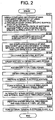
- a main firing is performed for example after performing temporary firing (calcining).
- a subcomponent material including at least one kind of compound selected from iron, nickel, copper and cobalt corresponding to at least one kind of oxide selected from iron, nickel, copper and cobalt may be contained before or after the temporary firing. Note that it is preferable to contain before the calcining.
- a material mixture including a subcomponent materials containing at least one kind of compound selected from steel, nickel, copper and cobalt corresponding to the oxides to be contained in the subcomponent other than the main component materials containing compounds of at least lead, ziroonium and titanium
- a material mixture including a subcomponent materials containing at least one kind of compound selected from steel, nickel, copper and cobalt corresponding to the oxides to be contained in the subcomponent other than the main component materials containing compounds of at least lead, ziroonium and titanium
- the piezoelectric ceramic produced by the respective methods as explained above is used as a material of piezoelectric elements, such as an actuator, a piezoelectric buzzer and a sounding body and sensor, and particularly preferably used as a material of an actuator.
- a piezoelectric element to be produced is not particularly limited as far as it is a piezoelectric element having a piezoelectric layer, and, for example, a multilayer piezoelectric element having an element body wherein, for example, piezoelectric layers and internal electrode layers are alternately stacked.
- the piezoelectric layers are composed of a piezoelectric ceramic produced by any one of the above methods.
- a conductive material included in the internal electrode layers is not particularly limited and, for example, at least one kind of Ag, Au, Pt and Pb or an alloy thereof. A particularly preferable production method of a piezoelectric element is described below.
- apiezoelectric element production method for producing a piezoelectric element comprising a piezoelectric layer, wherein the piezoelectric layer is composed of a piezoelectric ceramic, wherein the piezoelectric ceramic includes a compound oxide having the perovskite structure, wherein the compound oxide contains at least lead, zirconium and titanium, wherein the piezoelectric ceramic is produced by using a material mixture of a 90%-cummulated particle diameter of 1 ⁇ m or less, including compounds of at least lead, zirconium and titanium.
- a piezoelectric element production method for producing a piezoelectric element comprising a piezoelectric layer, wherein the piezoelectric layer is composed of a piezoelectric ceramic, wherein the piezoelectric ceramic includes a compound oxide having the perovskite structure, wherein the compound oxide mainly contains lead, zirconium, titanium, zinc and niobium, wherein the piezoelectric ceramic is produced by using a material mixture of a 90%-cummulated particle diameter of 1 ⁇ m or less, including compounds of lead, zirconium, titanium, zinc and niobium.
- apiezoelectric element production method for producing a piezoelectric element comprising a piezoelectric layer, wherein the piezoelectric layer is composed of a piezoelectric ceramic, wherein the piezoelectric ceramic includes a compound oxide having the perovskite structure, wherein the compound oxide mainly contains lead, zirconium, titanium, zinc, magnesium and niobium, wherein the piezoelectric ceramic is produced by using a material mixture of a 90%-cummulated particle diameter of 1 ⁇ m or less, including compounds of lead, zirconium, titanium, zinc, magnesium and niobium.
- a piezoelectric element production method for producing a piezoelectric element comprising a piezoelectric layer, wherein the piezoelectric layer is composed of a piezoelectric ceramic, wherein the piezoelectric ceramic includes a compound oxide having the perovskite structure, wherein the compound oxide mainly contains lead, zirconium, titanium, zinc and niobium and at least one kind selected from barium, strontium and calcium, wherein the piezoelectric ceramic is produced by using a material mixture of a 90%-cummulated particle diameter of 1 ⁇ m or less, including compounds of lead, zirconium, titanium, zinc and niobium and at least one kind of compound selected from barium, strontium and calcium.
- a piezoelectric element production method for producing a piezoelectric element comprising a piezoelectric layer, wherein the piezoelectric layer is composed of a piezoelectric ceramic, wherein the piezoelectric ceramic includes a compound oxide having the perovskite structure, wherein the compound oxide mainly contains lead, zirconium, titanium, zinc, magnesium and niobium and at least one kind selected from barium, strontium and calcium, wherein the piezoelectric ceramic is produced by using a material mixture of a 90%-cummulated particle diameter of 1 ⁇ m or less, including compounds of lead, zirconium, titanium, zinc, magnesium and niobium and at least one kind of compound selected from barium, strontium and calcium.
- a piezoelectric element production method for producing a piezoelectric element comprising a piezoelectric layer, wherein the piezoelectric layer is composed of a piezoelectric ceramic, wherein the piezoelectric ceramic includes a main component and a subcomponent, wherein the main component includes a compound oxide having the perovskite structure, wherein the compound oxide contains at least lead, zirconium and titanium, and the subcomponent contains at least one kind of oxide selected from steel, nickel copper and cobalt, wherein a content of the subcomponent is 0.01 to 0.8 wt% in a conversion of oxides (Fe 2 O 3 , CoO, NiO and CuO) with respect to a weight of 1 mol of the main component, wherein the piezoelectric ceramic is produced by using a material mixture of a 90%-cummulated particle diameter of 1 ⁇ m or less, including compounds of at least lead, zirconium and titanium.
- the electrodes are formed on the surface of the piezoelectric layers.
- a lead oxide in a form of Pb 3 O 4 is used as a compound of lead.
- a zirconium oxide having a specific surface area of 20 to 50 m 2 /g is used as a compound of zirconium.
- a titanium oxide having a rate of becoming an anatase type of 80% or more and a specific surface area of 10 to 50 m 2 /g is used as a compound of titanium.
- reactivity at the time of calcining improves.
- grinding and mixing of material powders can be efficiently performed, reactivity at the time of calcining can be improved and a main firing temperature can be lowered.
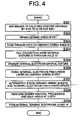
- apiezoelectric element production method for producing a multilayer piezoelectric element comprising an element body wherein piezoelectric layers and internal electrode layers are alternately stacked, wherein the piezoelectric layer is composed of a piezoelectric ceramic, wherein the piezoelectric ceramic includes a compound oxide having a perovskite structure, wherein the compound oxide contains at least lead, zirconium and titanium, including the steps of:
- a multilayer piezoelectric element production method for producing a multilayer piezoelectric element comprising an element body wherein piezoelectric layers and internal electrode layers are alternately stacked, wherein the piezoelectric layer is composed of a piezoelectric ceramic, wherein the piezoelectric ceramic includes a compound oxide having the perovskite structure, wherein the compound oxide mainly contains lead, zirconium, titanium, zinc and niobium, including the steps of:
- a multilayer piezoelectric element production method for producing a multilayer piezoelectric element comprising an element body wherein piezoelectric layers and internal electrode layers are alternately stacked, wherein the piezoelectric layer is composed of a piezoelectric ceramic, wherein the piezoelectric ceramic includes a compound oxide having the perovskite structure, wherein the compound oxide mainly contains lead, zirconium, titanium, zinc, magnesium and niobium, including the steps of:
- amultilayer piezoelectric element production method for producing a multilayer piezoelectric element comprising an element body wherein piezoelectric layers and internal electrode layers are alternately stacked, wherein the piezoelectric layer is composed of a piezoelectric ceramic, wherein the piezoelectric ceramic includes a compound oxide having the perovskite structure, wherein the compound oxide mainly contains lead, zirconium, titanium, zinc and niobium and at least one kind selected from barium, strontium and calcium, including the steps of:
- a multilayer piezoelectric element production method for producing a multilayer piezoelectric element comprising an element body wherein piezoelectric layers and internal electrode layers are alternately stacked, wherein the piezoelectric layer is composed of a piezoelectric ceramic, wherein the piezoelectric ceramic includes a compound oxide having the perovskite structure, wherein the compound oxide mainly contains lead, zirconium, titanium, zinc, magnesium and niobium and at least one kind selected from barium, strontium and calcium, including the steps of:
- a multilayer piezoelectric element production method for producing a multilayer piezoelectric element comprising an element body wherein piezoelectric layers and internal electrode layers are alternately stacked, wherein the piezoelectric layer is composed of a piezoelectric ceramic, wherein the piezoelectric ceramic includes a main component and a subcomponent, wherein the main component includes a compound oxide having the perovskite structure, wherein the compound oxide contains at least lead, zirconium and titanium, and the subcomponent includes at least one kind of oxide selected from steel, nickel, copper and cobalt, and a content of the subcomponent is 0.01 to 0.8 wt% in a conversion of oxides (Fe 2 O 3 , NiO, CuO and CoO) with respect to a weight of 1 mol of the main component, including the steps of:
- a multilayer piezoelectric element production method for producing a multilayer piezoelectric element comprising an element body wherein piezoelectric layers and internal electrode layers are alternately stacked, wherein the piezoelectric layer is composed of a piezoelectric ceramic, wherein the piezoelectric ceramic includes a compound oxide having the perovskite structure, wherein the compound oxide contains at least lead, zirconium and titanium, including the steps of:
- a multilayer piezoelectria element production method for producing a multilayer piezoelectric element comprising an element body wherein piezoelectric layers and internal electrode layers are alternately stacked, wherein the piezoelectric layer is composed of a piezoelectric ceramic, wherein the piezoelectric ceramic includes a compound oxide having the perovskite structure, wherein the compound oxide mainly contains lead, zirconium, titanium, zinc and niobium, including the steps of:
- a multilayer piezoelectric element production method for producing a multilayer piezoelectric element comprising an element body wherein piezoelectric layers and internal electrode layers are alternately stacked, wherein the piezoelectric layer is composed of a piezoelectric ceramic, wherein the piezoelectric ceramic includes a compound oxide having the perovskite structure, wherein the compound oxide mainly contains lead, zirconium, titanium, zinc, magnesium and niobium, including the steps of:
- a multilayer piezoelectric element production method for producing a multilayer piezoelectric element comprising an element body wherein piezoelectric layers and internal electrode layers are alternately stacked, wherein the piezoelectric layer is composed of a piezoelectric ceramic, wherein the piezoelectric ceramic includes a main component and a subcomponent, wherein the main component includes a compound oxide having the perovskite structure, wherein the compound oxide contains at least lead, zirconium and titanium, and the subcomponent includes at least one kind of oxide selected from steel, nickel, copper and cobalt, and a content of the subcomponent is 0.01 to 0,8 wt% in a conversion of oxides (Fe 2 O 3 , CoO, NiO and CuO) with respect to a weight of 1 mol of the main component, including the steps of:
- a material mixture including subcomponent materials containing at least one kind of compound selected from steel, nickel, copper and cobalt corresponding to the oxides to be contained in the subcomponent other than main component materials containing compounds of at least lead, zirconium and titanium.
- the firing temperature at the time of main firing can be set low because the production methods of the piezoelectric ceramic of the present invention are used.
- a piezoelectric element produced by the respective methods as explained above while it is not particularly limited, an actuator, a piezoelectric buzzer, a sounding body, a sensor, etc. can be mentioned. It is particularly preferable to be applied to an actuator.
- the used vibration mode is not particularly limited and any of the vibration modes, for example, vertical oscillation (d33) and longitudinally stretching oscillation (d31), etc. can be used.
- a multilayer piezoelectric element 2 shown in FIG. 1 is used by being arranged, for example, on the side of an object to be moved 20.
- the multilayer piezoelectric element 2 has an element body 10.
- the element body 10 has the configuration wherein internal electrode layers 4 and 6 and interlayer piezoelectric layers B are stacked, furthermore, on both outer sides thereof in the stacking direction of the internal electrode layers 4 and 6 and the interlayer piezoelectric electrode layers 8 are arranged outer piezoelectric electrode layers 8 are arranged outer piezoelectric layers 8a.
- a shape of the element body 10 is not particularly limited, but normally is rectangle. Also a size thereof is not particularly limited and may be a suitable size in accordance with use.
- the internal electrode layers 4 and 6 stretch alternately in the opposite directions inside the element body 10, and the respective end surfaces are exposed to end portions of the element body 10. At the end portions of the element body 10 where the end surfaces of the internal electrode layers 4 and 6 are exposed are provided with a pair of external terminal electrodes 12 and 14.
- the external terminal electrode 12 is electrically connected to the internal electrode layers 4 and the other outer terminal electrode 14 is electrically connected to the other internal electrode layers 6. Also, the external terminal electrode 14 is partially extended toward the external terminal electrode 12 facing along the end surface of the interlayer piezoelectric layer 8 in the stacking direction.
- a shown lead line it is possible for a shown lead line to be connected to one side surface on the fixed side when used by fixing one surface of the stretching directions of the internal electrode layers 4 and 6.
- the external terminal electrodes 12 and 14 are, for example, electrically connected to a not shown external power source via the not shown lead line.
- the element 2 is displaced or oscillated in the horizontal or vertical direction with respect to a forming surface of the electrodes.
- the element 2 is displaced or oscillated in the horizontal or vertical direction with respect to the polarizing direction of the interlayer piezoelectric layer 8.
- the element 2 is displaced in the vertical direction (in the right and left direction with respect to a paper surface of FIG. 1) with respect to the polarizing direction (in the up and down direction with respect to the paper surface).
- the internal electrode layers 4 and 6 include a conductive material.
- the conductive material is not particularly limited but it is preferably composed of, for example, at least one kind of metal selected from Ag, Au, Pt and Pd or an alloy of two kinds thereof.
- a relatively inexpensive material such as Ag-Pd alloy having a small Pd content, can be used as the conductive material.
- the internal electrode layers 4 and 6 may contain a variety of trace of components, such as phosphorous (P), at a ratio of about 0.1 wt% or less.
- the thickness of the internal electrode layers 4 and 6 may be suitably determined in accordance with use, but it is preferably 0.5 to 3 ⁇ m or so. When the thickness of the internal electrode layers 4 and 6 is too thin, it is liable to break in the middle, consequently, a sufficient piezoelectric property cannot be obtained, while it is too thick, it is liable that warps of the element body 10 after firing become large.
- the conductive material contained in the external terminal electrode 12 and 14 is not particularly limited, and may be composed of at least one kind of metal selected from Ag, Au, Cu Ni, Pd and Pt or an alloy of two or more kinds thereof.
- the thickness of the external terminal electrodes 12 and 14 may be suitably determined in accordance with use, but is normally 10 to 50 ⁇ m or so.
- the interlayer piezoelectric layers 8 and the external piezoelectric layer 8a contain the piezoelectric ceramic obtained from the production methods of the present invention.
- the piezoelectric ceramic according to the first aspect has a main component including a compound oxide containing at least Pb, Zr and Ti.
- the compound oxide of the first aspect has the perovskite structure, wherein Pb positions at a so-called A site and Ti and Zr position at a so-called B site.
- the piezoelectric ceramic according to the first aspect preferably has configurations according to the second to sixth aspects.
- the piezoelectric ceramic according to the second aspect has a main component including a compound oxide mainly including Pb, Zr, Ti, Zn and Nb.
- the compound oxide of the second aspect has the perovskite structure, wherein Pb positions at a so-called A site and Zn, Nb, Ti and Zr position at a so-called B site.
- the compound oxide of the second aspect is preferably those expressed by a general formula (1) below.
- an amount of oxygen (O) may be a little different from the stoichiometric composition of the above formula.
- the mark A1 indicates the composition mol ratio of an element positioned at the A site, that is Pb.
- the value of the mark A1 tends to affect the sinterability.
- the mark A1 is 1 in the stoichiometric composition but it may not be the stoichiometric composition.
- the mark A1 is 0.99 ⁇ A1 ⁇ 1.01, preferably 0.99 ⁇ A1 ⁇ 1.005.
- the mark a1 indicates the composition mol ratio of (Zn 1/3 Nb 2/3 ) in the B site.
- the value of the mark a1 tends to affect the firing temperature.
- the mark a1 is 0.05 ⁇ a1 ⁇ 0.25, preferably 0.07 ⁇ a1 ⁇ 0.20.
- the marks b1 and c1 in the above formula (1) indicate respective composition mol ratios of Ti and Zr in the B site.
- the values of the marks b1 and c1 tend to affect the piezoelectric property.
- the mark b1 is 0.35 ⁇ b1 ⁇ 0.5, preferably 0.37 ⁇ b1 ⁇ 0.48.
- the mark c1 is 0.38 ⁇ c1 ⁇ 0.48, preferably 0.39 ⁇ c1 ⁇ 0.48.
- the composition of zinc and niobium in the above (Zn 1/3 Mb 2/3 ) and the composition of oxygen are stoichiometrically obtained and may be deviated from the stoichiometric composition.
- the piezoelectric ceramic according to the third aspect has a main component including a compound oxide mainly containing Pb, Zr, Ti, Zn, Mg and Nb.
- the compound oxide of the third aspect has the perovskite structure, wherein Pb positions at a so-called A site and Zn, Nb, Mg, Ti and Zr position at a so-called B site.
- the compound oxide of the third aspect is preferably those expressed by a general formula (2) below.
- Pb A2 [(Zn 1/3 Nb 2/3 ) a2 (Mg 1/3 Nb 2/3 ) d2 Ti b2 Zr c2 ]O 3
- an amount of oxygen (O) may be a little different from the stoichiometric composition of the above formula.
- the mark A2 indicates the composition mol ratio of an element positioned at the A site, that is Pb.
- the value of the mark A2 tends to affect the sinterability.
- the mark A2 is the same as the mark A1 in the case of the second aspect explained above.
- the mark a2 indicates the composition mol ratio of (Zn 1 / 3 Nb 2 / 3 ) in the B site. The value of the mark a2 tends to affect a firing temperature.
- the mark a2 is 0.05 ⁇ a ⁇ 0.25, preferably 0.07 ⁇ a ⁇ 0.20.
- the mark a2 is too small, an effect of lowering the firing temperature is not obtained, inversely, when the value of the mark a2 is too large, sinterability is affected, consequently, a piezoelectric strain constant becomes small and mechanical strength is liable to decline.
- the mark d2 indicates the composition mol ratio of (Mg 1/3 Nb 2/3 ) in the site B.
- the value of the mark d2 tends to affect the piezoelectric property.
- the mark d2 is 0.05 ⁇ d2 ⁇ 0.45, preferably 0.07 ⁇ d2 ⁇ 0.35.
- a total of the marks a2 and d2 is 0.15 ⁇ (a2+d2) ⁇ 0.5, preferably 0.15 ⁇ (a2+d2) ⁇ 0.4.
- the marks b2 and c2 are the same as the marks b1 and c1 in the case of the second aspect explained above.
- composition of zinc and niobium in the (Zn 1/3 Nb 2/3 ), the composition of magnesium and niobium in (Mg 1/3 Nb 2/3 ) and the composition of oxygen explained above are stoichiometrically obtained and may be deviated from the stoichiometric composition.
- the piezoelectric ceramic in the fourth aspect has a main component including a compound oxide mainly containing Pb, Zr, Ti, Zn and Nb, and at least one kind selected from Ba, Sr and Ca.
- the compound oxide of the fourth aspect has the perovskite structure, wherein Pb and at least one kind selected from Ba, Sr and Ca positions at a so-called A site and Zn, Nb, Ti and Zr position at a so-called B site.
- the compound oxide of the fourth aspect is preferably those expressed by a general formula (3) below.
- the mark Me indicates at least one kind selected from Ba, Sr and Ca.
- the composition mol ratio of the element ((Pb A1-B1 Me B1 )) positioned at the A site with respect to the element ([(Zn 1/3 Nb 2/3 ) a1 Ti b1 Zr c1 ]) positioned at the B site is set to be 1.
- the composition mol ratio positioned at the A site is 1 in the stoichiometric composition, but it may not be the stoichiometric composition.
- the mark A1 is 1 in the stoichiometric composition, but it may not be the stoichiometric composition.
- the value of the mark A1 tends to affect sinterability.
- the mark A1 is 0.99 ⁇ A1 ⁇ 1.01, preferably 0.99 ⁇ A1 ⁇ 1.005.
- firing at a relatively low temperature is difficult and, for example, sintering at a low temperature of 1100°C or lower becomes difficult.
- the value of the mark A1 is too large, the ceramic density declines, consequently, a sufficient piezoelectric property cannot be obtained and the mechanical strength is liable to decline.
- the mark B1 indicates the number of atoms of at least one kind of element selected from Ba, Sr and Ca in the A site.
- the mark B1 is 0 ⁇ B1 ⁇ 0.1, preferably 0.005 ⁇ B1 ⁇ 0.1
- the piezoelectric strain constant can be made large and the piezoelectric property can be improved.
- the piezoelectric strain constant (d31) of a rectangular stretching oscillation mode can be made 200pC/N or more.
- the piezoelectric ceramic in the fifth aspect has a main component including a compound oxide mainly including Pb, Zr, Ti, Zn, Mg and Nb and at least one kind selected from Ba, Sr and Ca.
- the compound oxide of the fifth aspect has the perovskite structure, wherein Pb and at least one kind selected from Ba, Sr and Ca position at a so-called A site and Zn, Nb, Ti and Zr position at a so-called B site.
- the compound oxide of the fifth aspect is preferably those expressed by a general formula (4) below.
- the mark Me indicates at least one kind selected from Ba, Sr and Ca.
- the composition mol ratio of the element (Pb A2-B2 Mesa) positioned at the A site to the element [(Zn 1/3 Nb 2/3 ) a2 (Mg 1/3 Nb 2/3)d2 Ti b2 Zr c2 ] positioned at the B site is set to be 1.
- the composition mol ratio positioned at the A site is 1 in the stoichiometric composition, but it may not be the stoichiometric composition.
- the mark A2 is the same as the mark A1 in the case of the fourth aspect explained above.
- the mark B2 is the same as the B1 in the case of the fourth aspect explained above.
- the marks a2, b2, c2 and d2 are the same as those in the case of the third aspect explained above.
- the piezoelectric ceramic according to the sixth aspect further has a subcomponent including at least one kind of oxide selected from Fe, N1, Cu and Co other than any one of the main components of the above second to fifth aspects.
- the subcomponent acts as a substance capable of lowering the firing temperature by heightening the sinterability.
- a content of the above subcomponent is preferably 0.01 to 0.8 wt%, more preferably 0.05 to 0.6 wt% in a conversion of oxides ⁇ Fe 2 O 3 , CoO, NiO, CuO) with respect to a weight of 1 mol of the above main component.
- the ratio of the subcomponent is too small, sinterability cannot be improved, while when too large, the sinterability tends to decline (that is, unable to be sintered).
- the subcomponent is considered to be dissolved in the above oxide included in the main component and positioned at the B site:
- the thickness of the interlayer piezoelectric layer 8 is for example 1 to 100 ⁇ m or so.
- the number of layers of the interlayer piezoelectric layer 8 is determined in accordance with an amount of displacement.
- the thickness of the outer piezoelectric layer 8a is for example 10 to 500 ⁇ m or so.
- the multilayer piezoelectric element 2 is produced by preparing green chips by a normal printing method or a sheet molding method using a paste, firing the same, and printing or transferring thereon external terminal electrodes and firing the result.
- a case of using the sheet molding method will be explained as an example.
- step S101 materials composing a main component are prepared in accordance with a composition of the above compound oxide and weighed.
- materials composing a subcomponent are prepared and weighed (step S102).
- compounds of Pb, compounds of Sr, compounds of Ca, compounds of Ba, compounds of Zn, compounds of Mg, compounds of Nb, compounds of Ti and compounds of Zr are used.
- a compound of Pb it is preferable to use a lead oxide in a form of Pb 3 O 4 .
- the Pb 3 O 4 normally has a specific surface area of 0.5 to 3 m 2 /g.
- the compounds of Pb also include PbO but the specific surface area thereof is normally 0.1 to 1.5 m 2 /g, which is smaller comparing with that of Pb 3 O 4 .
- zirconium oxide having a specific surface area of 20 to 50 m 2 /g.
- titanium oxide having a rate of becoming an anatase type of 80% and a specific surface area of 10 to 50 m 2 /g is preferably used.
- materials composing the subcomponent compounds of Fe, compounds of Ni, compounds of Cu and compounds of Co are used. By adding the materials composing the subcomponent, sinterability can be improved and the main firing temperature can be made lower.
- oxides and/or compounds which become oxides by being fired can be mentioned.
- compounds which become oxides by being fired for example, carbonate, nitrate, oxalate, organic metallic compounds, etc. can be mentioned. These may be naturally used together with the compounds which become oxides by being fired.
- the blending ratio of the above compounds may be determined so as to obtain the above composition of the piezoelectric ceramic after firing.
- the respective compounds hereinafter, also referred to as material powders having an average particle diameter of 0.5 to 10 ⁇ m or so are normally used.
- step S103 material powders of the main component and the subcomponent are mixed to obtain a material mixture wherein a 90%-cumulated particle diameter in the particle size distribution is 1 ⁇ m or less.
- a method of making the 90%-cumulated particle diamater of the material mixture 1 ⁇ m or less is not particularly limited and can be attained by optimizing a medium, slurry concentration, dispersant, grinding time, etc. by performing wet crushing and mixing using, for example, a ball-mill or bead-mill. Note that it may be attained by using a jet pulverizer.
- the "90%-cumulated particle diameter” means a particle diameter at which the cumulative frequency in the particle size distribution reaches 90%.
- the reason for adjusting the 90%-cumulated particle diameter as such is to lower the main firing temperature by improving the mixing degree of the material mixture by grinding and dispersing the material powders and making a solid phase reaction preferable in the calcining step (refer to the step S104).
- the solid-phase reaction in the calcining (refer to the step S104) becomes more preferable.
- the 90%-cumulated particle diameter in the particle size distribution in the material mixture is preferably 0.2 ⁇ m or more. When it is smaller than that, a cohesion force of the material mixture becomes strong, so dispensability of the material declines and calcining reaction becomes not preferable.
- the material powders of the subcomponent may be added before or after the calcining (step S104). Note that it is preferable to add before the calcining since more homogenous piezoelectric ceramic can be produced. When adding after the calcining, it is preferable that an oxide is used as the material powders of the subcomponent.
- step S104 the obtained material mixture is dried and subjected to calcining at the temperature of 750°C to 950°C for 2 to 6 hours.
- the calcining may be performed in the air, in an atmosphere having a high oxygen partial pressure than the air or in a pure oxygen atmosphere.
- step S105 the obtained calcined result is subjected to wet crushing/mixing by using a ball-mill to obtain calcined powder including the main component and, in accordance with need, subcomponents.
- Fine crushing, such as wet crushing, is preferably performed until an average particle diameter of the calcined result becomes 0.5 to 2.0 ⁇ m or so.
- step S201 Next, by adding for example an acrylic acid resin base binder, etc. to the calcined powder, a calcined powder binder mixture is obtained (step S201).
- the calcined powder binder mixture is molded to be a ceramic green sheet (step S202).
- the internal electrode material mixture may be added additives, such as a dispersant, plasticizar, dielectric material and insulation material in accordance with need.
- an internal electrode precursor layer is formed, for example, by screen printing the internal electrode material mixture on the ceramic green sheet (step S204).
- a green chip as a precursor of the element body 10 is formed (step S205).
- the binder removal processing of the green chip may be performed under normal conditions and may be suitably determined in accordance with a kind of the conductive material in the internal electrode precursor layer.
- the binder removal processing may be performed in the air, in an atmosphere having a high oxygen partial pressure than the air or in a pure oxygen atmosphere.
- conditions of the binder removal processing other than that are preferably a holding temperature of 300 to 500°C and a temperature holding time of 0.5 to 2 hours.
- the main firing of the green chip is suitably determined in accordance with a kind of the conductive material in the internal electrode precursor layer, but when using an Ag-Pd alloy including a small content of Pd as the conductive material, the firing may be performed in the air, in an atmosphere having a high oxygen partial pressure than the air or in a pure oxygen atmosphere.
- the main firing temperature of the green chip is suitably determined in a range that the green chip can be made sufficiently dense, a break of electrodes due to abnormal sintering of the internal electrode layers is not caused and a piezoelectric ceramic having the sufficient property can be obtained. It is because when the firing temperature is too low, the green chip cannot be made dense, while when too high, the internal electrodes break and a piezoelectric body having a sufficient piezoelectric property cannot be obtained.
- the main firing can be performed for example at 1100°C or lower, more preferably 1050 °C or lower, further preferably 1000 °C or lower since a specific material mixture is used.
- an inexpensive silver-palladium alloy, etc. can be used as the internal electrode layers 4 and 6.
- damages of a firing furnace can be prevented and costs of maintenance, management and energy can be sufficiently suppressed.
- the lower limit of the main firing temperature is preferably 850 °C or so.
- Main firing conditions other than that are preferably a temperature raising rate of 50 to 300°C/hour, a temperature holding time of 1 to 4 hours and a temperature cooling rate of 200 to 400°C/hour. Note that the binder removal processing and the main firing are preferably performed separately but they may be performed successively.
- the thus obtained sintered body (element body 10) is subjected to end surface polishing, such as barrel polishing and sandblasting, and spattering of a metal, such as gold, so as to form the external terminal electrodes 12 and 14.
- end surface polishing such as barrel polishing and sandblasting
- a metal such as gold
- step S207 Firing conditions of the terminal electrode material mixture are preferably, for example in case of silver, at 600 to 800°C for 10 to 30 minutes or so in the air.
- the thus produced multilayer piezoelectric element 2 shown in FIG. 1 is used by being arranged, for example, on the side of an object to be moved 20.
- the mixing degree of the material mixture can be improved, a solid phase reaction at the time of calcining becomes preferable and the main firing temperature can be lowered, for example, to 1100°C or less.
- lead oxide in a form of Pb 3 O 4 is used as a material powder of lead
- zirconium oxide having a specific surface area of 20 to 50 m 2 /g as material powder of zirconium or when using titanium oxide having a rate of becoming an anatase type of 80% and a specific surface area of 10 to 50 m 2 /g as material powder of titanium, crushing and mixing of the material powders can be effectively performed, reactivity at the time of calcining can be improved and the main firing temperature can be made lower.
- sinterability can be improved and the main firing temperature can be lowered, for example, to 1050°C or lower.
- the multilayer piezoelectric element 2 obtained by the present embodiment has a large piezoelectric strain constant, a sufficient density in spite of the low firing temperature, and strong mechanical strength.
- a relatively inexpensive material such as an Ag-Pd alloy including a small content of Pd, can be used for the internal electrode layers 4 and 6 and productivity of the piezoelectric element is improved comparing with the conventional cases.
- a thickness of each interlayer piezoelectric layer 8 can be made thinner, which is advantageous to make the element 2 compact.
- a multilayer piezoelectric element 2a according to the present embodiment has the same configuration with that of the multilayer piezoelectric element 2 according to the first embodiment except that a connection method of the internal electrode layers 4 and 6 and the external terminal electrodes 12 and 14 is different. Accordingly, the same reference numbers are given to the same components and a detailed explanation will be omitted for the same portions here.
- a through hole (via hole) 13 is formed on the interlayer piezoelectric layers 8 and the external piezoelectric layers 8a so as to penetrate in the stacking direction.
- a connection wire 15 is provided in the through hole 13 and the internal electrodes 4 and 6 and the external terminal electrodes 12 and 14 are electrically connected via the connection wire 15.
- the connection wire 15 is composed, for example, of the same material as the internal electrode layers 4 and 6. The internal electrode layers 4 and 6 are not exposed to the end portion of the element body 10 and even if silver is contained therein, migration of silver can be suppressed.
- the external terminal electrodes 12 and 14 are provided so that one surface in the stacking direction is connected to the connection wire 15. Namely, comparing with the multilayer piezoelectric element 2 according to the first embodiment shown in FIG. 1, an area that the external terminal electrodes 12 and 14 cover the element body 10 is small, so even when arranging the element 2a on a not shown metal plate, its attachment is easy.
- an example of a method of producing the multilayer piezoelectric element 2a according to the present embodiment will be explained. In the present embodiment, a case of producing a green chip by a sheet molding method will be explained as an example.
- a single plate type piezoelectric element shown in FIG. 5 will be taken as an example of a piezoelectric element.
- the single plate type piezoelectric element 2b shown in FIG. 5 comprises a piezoelectric substrate 31, a pair of electrodes 32 and 33 respectively provided on a pair of facing surfaces 31a and 31b of the piezoelectric substrate 31.
- the piezoelectric substrate 31 includes any one of the piezoelectric ceramics of the first embodiment.
- the electrodes 32 and 33 are respectively composed of gold and other metals and provided respectively on allover the facing surfaces 31a and 31b of the piezoelectric substrate 31.
- the electrodes 32 and 33 are electrically connected to a not shown external power source, for example, via a not shown lead line, etc.
- a chemically pure lead oxide (PbO), titanium oxide (TiO 2 ), zirconium oxide (ZrO 2 ) , zinc oxide (ZnO), niobium oxide (Nb 2 O 5 ), barium carbonate (BaCO 3 ) , strontium carbonate (SrCO 3 ), calcium carbonate (CaCO 3 ), iron oxide (Fe 2 O 3 ), cobalt oxide (CoO), nickel oxide (NiO) and copper oxide (CuO) are prepared and weighed (refer to the steps S101 and S102 in FIG. 2).
- the examples 1-1 to 1-8 correspond to the cases of mainly including the compound oxide expressed by the chemical formula (1) in the above embodiment
- the examples 1-9 to 1-14 correspond to the cases of mainly including the compound oxide expressed by the above chemical formula (2).
- a lead oxide in a form of PbO as explained above was used as a material powder of lead
- titanium oxide having a rate of becoming an anatase type of 99% and a specific surface area of 10 m 2 /g was used as material powder of titanium
- zirconium oxide having a specific surface area of 20 m 2 /g was used as material powder of zirconium.
- the obtained calcined powder was added a polyvinyl alcohol base binder and granulated, and molded with a pressure of about 196 MPa to be a box shape having a side length of about 20mm and a thickness of about 1.5mm (refer to the step S106 in FIG. 6).
- the molded body was subjected to main firing at 1050°C or 1100°C as shown in Table 1 for 2 to 6 hours in the air (refer to the step S107 in FIG. 6).
- the obtained sintered body was processed to have a height of 1mm, being formed silver printing electrodes, processed to be 12mm ⁇ 3mm, and subjected to poling processing under conditions of a voltage of 2 to 3kV/mm for 30 minutes in an insulation oil at 120°C (refer to the step S10B in FIG. 6).
- piezoelectric ceramics of the examples 1-1 to 1-14 were obtained.
- the ceramic density p8 of the obtained piezoelectric ceramics of the examples 1-1 to 1-14 was obtained by the Archimedes method.
- an element electrostatic capacity c, resonance frequency fr and antiresonance frequency fa were measured by an impedance analyzer and a piezoelectric strain constant d 31 was obtained from the results. The results are shown in Table 1.
- piezoelectric ceramics were produced in the same way as in the present examples except that the material powder was mixed only to an extent that the 90%-cummulated particle diameter of the material mixture is more than 1 ⁇ m and that the main firing temperature was 1100°C as shown in Table 1. Note that the comparative examples 1-1 to 1-14 were made to have the same composition as that of the examples having respectively corresponding numbers. The ceramic density ⁇ S and the piezoelectric strain constant d 31 were measured also on the comparative examples 1-1 to 1-14 in the same way as in the present examples. The results are also shown in Table 1.
- the piezoelectric strain constant d 31 was able to be made large even when performing the main firing at a temperature of lower than 1050°C.
- a larger piezoelectric strain constant d 31 was obtained when replacing a part of lead by other element in a range of 0.1 mol or less (excepting 0). Namely, it was found that when replacing a part of lead by at least one kind of element among a group of barium, strontium and calcium in a range of 0.1 mol or less (excepting 0), the piezoelectric strain constant d 31 was able to be made larger even when performing the main firing at a low temperature of 1100°C or lower.
- the main firing temperature was 1050°C or 1100°C as shown in Table 2, and except for that, piezoelectric ceramics were produced in the same way as in the examples 1-1 to 1-14.
- a lead oxide in a form of PbO was used as a material powder of lead
- titanium oxide having a rate of becoming an anatase type of 99% and a specific surface area of 10 m 2 /g was used as material powder of titanium
- zirconium oxide having a specific surface area of 20 m 2 /g was used as material powder of zirconium
- the 90%-cummuluted particle diameter of the material mixture was made to be 0.9 to 1 ⁇ m.
- comparative examples 2-1 to 2-14 piezoelectric ceramics were produced in the same way as in the present examples except that the starting materials were mixed only to an extent that the 90%-cummulated particle diameter of the material mixture became over 1 ⁇ m or so and the main firing temperature was 1100°C as shown in Table 2.
- the comparative examples 2-1 to 2-14 have the same composition as those of the examples having the respectively corresponding numbers.
- the ceramic density ⁇ S and the piezoelectric strain constant d 31 were measured also on the examples 2-1 to 2-14 and comparative examples 2-1 to 2-14 in the same way as in the examples 1-1 to 1-14. The results are shown together in Table 2.
- the piazoelectric strain constant d 31 was able to be made large even when performing the main firing at a temperature of lower than 1050°C.
- a larger piezoelectric strain constant d 31 was obtained when replacing a part of lead by other element in a range of 0.1 mol or less (excepting 0). Namely, it was found that when replacing a part of lead by at least one kind of element among a group of barium, strontium and calcium in a range of 0.1 mol or less (excepting 0), the piezoelectric strain constant d 31 was able to be made larger even when performing the main firing at a low temperature of 1100°C or lower.
- piezoelectric ceramics were produced in the same way as in the example 1-3 except that the rate of becoming an anatase type and the specific surface area of the material powder TiO 2 of titanium were changed as shown in Table 3 and the main firing temperature was 1050°C or 1100°C as shown in Table 3.
- piezoelectric ceramics were produced in the same way as in the example 2-3 except that the rate of becoming an anatase type and the specific surface area of the material powder TiO 2 of titanium were changed as shown in Table 4 and the main firing temperature was 1050°C or 1100°C as shown in Table 4.
- a lead oxide in a form of PbO was used as a material powder of lead
- zirconium oxide having a specific surface area of 20 m 2 /g was used as material powder of zirconium
- the 90%-cummulated particle diameter of the material mixture was made to be 0.9 to 1 ⁇ m.
- the ceramic density ⁇ S and the piezoelectric strain constant d 31 were respectively measured in the same way as in the examples 1-3 and 2-3. The results are shown in Table 3 and 4 together with the results of the examples 1-3 and 2-3.
- piezoelectric ceramics were produced in the same way as in the example 1-3 except that the specific surface area of the material powder ZrO 2 of zirconium was made to be 15 m 2 /g and the main firing temperature was made to be 1100°C. Also, as an example 6-1, piezoelectric ceramics were produced in the same way as in the example 2-3 except that the specific surface area of the material powder ZrO 2 of zirconium was made to be 15 m 2 /g and the main firing temperature was made to be 1100°C.
- a lead oxide in a form of PbO was used as a material powder of lead, titanium oxide having a rate of becoming an anatase type of 99% and a specific surface area of 10 m 2 /g was used as material powder of titanium, and the 90%-cummulated particle diameter of the material mixture was made to be 0.9 to 1 ⁇ m.
- the ceramic density ⁇ S and the piezoelectric strain constant d 31 were respectively measured on the example 5-1 and the example 6-1 in the same way as in the examples 1-3 and 2-3. The results are shown in Table 5 and Table 6 together with the results of the examples 1-3 and 2-3.
- piezoelectric ceramics were produced in the same way as in the example 1-5 except that lead oxide (Pb 3 O 4 : the particle diameter distribution was 0.2 to 5 ⁇ m, an average particle diameter was 0.8 ⁇ m, the specific surface area was 1.1 m 2 /g) was used as a material powder of lead and the main firing temperature was made to be 900°C.
- lead oxide (Pb 3 O 4 ) the particle diameter distribution was 0.2 to 5 ⁇ m, an average particle diameter was 0.8 ⁇ m, the specific surface area was 1.1 m 2 /g) was used as a material powder of lead and the main firing temperature was made to be 900°C.
- a titanium oxide having a rate of becoming an anatase type of 99% and a specific surface area of 10 m 2 /g was used as material powder of titanium
- zirconium oxide having the specific surface area of 20 m 2 /g was used as a material powder of zirconium
- the 90%-cummulated particle diameter of the material mixture was made to be 0.9 to 1 ⁇ m.
- piezoelectric ceramics were produced in the same way as in the examples 7-1 and 8-1 except that a lead oxide (PbO: the particle diameter distribution was 0.8 to 15 ⁇ m, an average particle diameter was 5 ⁇ m, the specific surface area was 0.3 m 2 /g) was used as a material powder of lead.
- the ceramic density ⁇ S and the piezoelectric strain constant d 31 were respectively measured on the examples 7-1 and B-1 and the reference examples 7-1 and 8-1 in the same way as in the examples 1-5 and 2-5. The results are shown in Table 7 and Table 8 together with the results of the examples 1-5 and 2-5.
- Multilayer piezoelectric elements as shown in FIG. 1 (the example 9-1) and FIG. 3 (the example 9-2) were produced as explained in the above examples by using the same material mixture as in the example 2-3. Below, an explanation will be made by giving the same reference numbers to the corresponding components with reference to FIG. 1 and FIG. 3.
- An outer shape of the element was length 30mm ⁇ width 6mm ⁇ thickness 0.36mm or so, a thickness of one interlayer piezoelectric layer 8 was 30 ⁇ m, a thickness of one of internal electrode layers 4 and 6 was 1 ⁇ m to 2 ⁇ m, and the number of layers of the internal electrode layers 4 and 6 was 10.
- the external terminal electrodes 12 and 14 were formed by spattering gold. In the example 9-1, as shown in FIG. 1, the external terminal electrodes 12 and 14 and the internal electrode layers 4 and 6 were directly connected, while in the example 9-2, as shown in FIG. 3, the external terminal electrodes 12 and 14 and the internal electrode layers 4 and 6 were connected via the connection wire 15 provided inside the through hole 13.
- a comparative example 9-1 of the present example multilayer piezoelectric elements as shown in FIG. 1 were produced in the same way as in the example 9-1 except for using the same material mixture as that in the comparative example 2-3. Namely, conditions of the comparative example 9-1 is the same as those of the example 9-1 except for mixing the starting materials only to an extent that the 90%-cummulated particle diameter of the material mixture became over 1 ⁇ m.
- Credibility test was conducted on the obtained examples 9-1 and 9-2 and the comparative examples 9-1 and 9-2.
- a moisture resistant load test was conducted by measuring a resistance value of the element over time for 500 hours by applying a DC electric field of 1000kv/m per a thickness of the interlayer piezoelectric layer 8 under a circumstance of a temperature at 60°C and humidity of 90%RH.
- Ten piezoelectric ceramics having an initial resistant value of 1 ⁇ 10 10 ⁇ or more were prepared for each of the examples 9-1 and 9-2 and the comparative example 9-1, and those having the resistant value of 1 ⁇ 10 6 ⁇ or less after the test were judged to be defective and those having more than 1 ⁇ 10 6 ⁇ after the test were judged to be good. The results are shown in FIG. 7.
Landscapes
- Engineering & Computer Science (AREA)
- Chemical & Material Sciences (AREA)
- Ceramic Engineering (AREA)
- Manufacturing & Machinery (AREA)
- Structural Engineering (AREA)
- Materials Engineering (AREA)
- Organic Chemistry (AREA)
- Inorganic Chemistry (AREA)
- Composite Materials (AREA)
- Physics & Mathematics (AREA)
- Plasma & Fusion (AREA)
- Thermal Sciences (AREA)
- Compositions Of Oxide Ceramics (AREA)
Abstract
Description
- The present invention relates to a production method of a piezoelectric ceramic suitable to be used for a piezoelectric layer of a variety of piezoelectric elements, for example, a piezoelectric actuator, a piezoelectric buzzer, a sounding body and a sensor, and a production method of a piezoelectric element having a piezoelectric layer composed of the piezoelectric ceramic.
- As a piezoelectric ceramic mainly containing lead (Pb), zirconium (Zr), titanium (Ti), zinc (Zn) and niobium (Nb), a ternary piezoelectric ceramic expressed by a general formula: Pb (Zn1/3 Nb2/3) O3-PbTiO3-PbZrO3, those obtained by replacing a part of lead atoms by barium (Ba) and strontium (Sr) and those added with a variety of trace of oxides thereto have been conventionally used.
Also, as a piezoelectric ceramic mainly containing lead, zirconium, titanium, zinc, magnesium (Mg) and niobium, a quaternary piezoelectric ceramic expressed by a general formula: Pb(Zn1/3 Nb2/3)O3-Pb(Mg1/3 Nb2/3) O3-PbTiO3-PbZrO3 and those added with a variety of trace of oxides thereto are used. - The piezoelectric ceramics are widely applied to a piezoelectric actuator, a piezoelectric buzzer, a sounding body and a sensor, etc. for being excellent in piezoelectric characteristics, workability and mass productivity as disclosed in the Japanese Examined Patent Publication No. 44-17344, the Japanese Examined Patent Publication No. 45-39977, the Japanese Unexamined Patent Publication No.61-129888, the Japanese Unexamined Patent Publication No. 3-256379, the Japanese Unexamined Patent Publication No.8-151264, the Japanese Unexamined Patent Publication No. 2001-181035, the Japanese Unexamined Patent Publication No. 2001-181036, etc.
In recent years, for devices to which a piezoelectric element is applied, those using a multilayer element wherein piezoelectric layers composed of a piezoelectric ceramic and internal electrode layers are alternately stacked, such as a multilayer piezoelectric actuator, have been actively developped. Such a multilayer actuator has advantages of being compact and able to obtain a large displacement in a small electric field. - However, when producing the multilayer actuator, the normal method is to fire after forming internal electrodes. Therefore, in a conventionally known piezoelectric ceramic fired at 1200°C or higher, thermoduric expensive precious metals, such as platinum (Pt) and palladium (Pd), have to be used as the internal electrodes and there has been a disadvantage in production costs.
As a more inexpensive internal electrodes material, silver and palladium alloy (Ag-Pd alloy) is known. However, when a content of palladium exceeds 30 wt%, palladium causes a reducing reaction during firing which leads to arising of a crack in a piezoelectric element body or peeling of electrodes and other defaults. Thus, the content of palladium in the alloy is preferably 30 wt% or less. To make the content of palladium in the alloy 30 wt% or less, a firing temperature has to be 1150°C or lower, preferably 1120°C or lower based on a silver-palladium system phase diagram. Furthermore, the content of palladium has to be small to reduce the production cost, thus, the firing temperature is required to be as low as possible. For example, to make the content ofpalladium 20 wt% or less, the firing temperature has to be 1100°C or lower, preferably 1000°C or lower. - On the other hand, when the firing temperature is too low, densification for vitrification cannot be attained and a piezoelectric ceramic having a sufficient property cannot be obtained. The conventionally known piezoelectric ceramics of this kind are produced by performing main firing at a high temperature of 1200°C or so, thus, to attain complete sintering even at a low temperature, troublesome handling was necessary such that starting materials of the piezoelectric ceramic is once subjected to temporary firing, then grinded to obtain powder having a large specific surface area, or pressed during main firing.
Also, to lower the main firing temperature, methods of adding a glass component, such as silicon dioxide (SiO2) , or adding excessive lead oxide (PbO) have been proposed. In the method, however, property of the piezoelectric ceramic is deteriorated so it is not preferable. - An object of the present invention is to provide a method of producing a piezoelectric ceramic capable of using inexpensive metals as internal electrodes and hardly deteriorating piezoelectric properties, as a piezoelectric ceramic suitable to piezoelectric layers of a multilayer piezoelectric element, such as a multilayer actuator element, and a method of producing a single-plate type and multilayer type piezoelectric elements having piezoelectric layers composed of the piezoelectric ceramic.
- To attain the above object, according to the first aspect of the present invention, there is provided a piezoelectric ceramic production method for producing a piezoelectric ceramic including a compound oxide having a perovakite structure, wherein the compound oxide contains at least lead(Pb), zirconium(Zr) and titanium(Ti), wherein
the piezoelectric ceramic is produced by using a material mixture of a 90%-cummulated particle diameter of 1µm or less, containing compounds of at least lead, zirconium and titanium.
In the first aspect, the compound oxide mainly contains lead, zirconium, titanium, zinc (Zn) and niobium (Nb) (a second aspect), mainly contains lead, zirconium, titanium, zinc, magnesium (Mg) and niobium (a third aspect), mainly contains lead, zirconium, titanium, zinc and niobium, and at least one kind selected from barium (Ba), strontium (Sr) and calcium (Ca) (a fourth aspect), or mainly contains lead, zirconium, titanium, zinc, magnesium and niobium, and at least one kind selected from barium, strontium and calcium (a fifth aspect). - According to a second aspect of the present invention, there is provided a piezoelectric ceramic production method for producing a piezoelectric ceramic including a compound oxide having a perovskite structure, wherein the compound oxide mainly contains lead, zirconium, titanium, zinc and niobium, wherein
the piezoelectric ceramic is produced by using a material mixture of a 90%-cummulated particle diameter of 1µm or less, containing compounds of lead, zirconium, titanium, zinc and niobium.
In the second aspect, preferably, the compound oxide is expressed by a general formula PbA1(Zn1/3 Nb2/3)a1 Tib1 Zrc1]O3 and respective mol fractions in the formula are 0. 99≤A1≤1.01, 0.05≤a1≤0.25, 0.2≤b1≤0.5 and a1+b1+c1=1. - According to a third aspect of the present invention, there is provided a piezoelectric ceramic production method for producing a piezoelectric ceramic including a compound oxide having a perovskite structure, wherein the compound oxide mainly contains lead, zirconium, titanium, zinc, magnesium and niobium, wherein
the piezoelectric ceramic is produced by using a material mixture of a 90%-cummulated particle diameter of 1µm or less, containing compounds of lead, zirconium, titanium, zinc, magnesium and niobium.
In the third aspect, preferably, the compound oxide is expressed by a general formula PbA2 [(Zn1/3 Nb2/3)a2 (Mg1/3 Nb2/3)d2 Tib2 Zrc2]O3 and respective mol fractions in the formula are 0.99≤A2≤10.0, 0.05≤a2≤0.25, 0.2≤b2≤0.5, 0.15≤(a2+d2)≤0.5 and a2+b2+c2+d2=1. - According to a fourth aspect of the present invention, there is provided a piezoelectric ceramic production method for producing a piezoelectric ceramic including a compound oxide having a perovskite structure, wherein the compound oxide mainly contains lead, zirconium, titanium, zinc and niobium, and at least one kind selected from barium, strontium and calcium wherein
the piezoelectric ceramic is produced by using a material mixture of a 90%-cummulated particle diameter of 1µm or less, containing compounds of lead, zirconium, titanium, zinc and niobium and at least one kind of compound selected from barium, strontium and calcium.
In the fourth aspect, preferably, the compound oxide is expressed by a general formula (PbA1-B1 MeB1) [(Zn1/3 Nb2/3)a1 Tib1 Zrc1]O3 and elements and respective mol fractions in the formula are Me = at least one kind of element selected from a group composed of Ba, Sr and Ca, 0.99≤A1≤1.01, 0<B1≤0.1, 0.05≤a1≤0.25, 0.25≤b1≤0.5, and a1+b1+c1=1. - According to a fifth aspect of the present invention, there is provided a piezoelectric ceramic production method for producing a piezoelectric ceramic including a compound oxide having a perovskite structure, wherein the compound oxide mainly contains lead, zirconium, titanium, zinc, magnesium and niobium, and at least one kind selected from barium, strontium and calcium, wherein
the piezoelectric ceramic is produced by using a material mixture of a 90%-cummulated particle diameter of 1µm or less, containing compounds of lead, zirconium, titanium, zinc, magnesium and niobium and at least one kind of compound selected from barium, strontium and calcium.
In this fifth aspect, preferably, the compound oxide is expressed by a general formula (PbA2-B2 MeB2) [(Zn1/3 Nb2/3)a2 (Mg1/3 Nb2/3)d2 Tib2 Zrc2]O3 and elements and respective mol fractions in the formula are Me = at least one kind of element selected from a group composed of Ba, Sr and Ca, 0.99≤A2≤1.01, 0<B2≤0.1, 0,05≤a2≤0.25, 0.2≤b2≤0.5, 0.15≤(a2+d2) ≤0.5 and a2+b2+c2+d2=1. - According to the above first to fifth aspects, a material mixture wherein a 90%-cummulated particle diameter is controlled to be not more than a predetermined value in producing a so-called PZT (lead zirconate titanate) base piezoelectric ceramic. Since a mixing degree of the material mixture is heightened, a solid-phase reaction at the time of temporary firing becomes preferable, as a result, the firing temperature at the time of main firing can be made as low as for example 1100°C or lower.
Note that the PZT base piezoelectric ceramic generally means that a total content of Pb, Zr and Ti as three main elements in a composite oxide composing the piezoelectric ceramic is 90 wt% or more.
In the first to fifth aspects, the piezoelectric ceramic may include a subcomponent other than a main component including the above compound oxide as explained in the sixth aspect. - According to a sixth aspect of the present invention, there is provided a piezoelectric ceramic production method for producing a piezoelectric ceramic including a compound oxide having a perovskite structure, wherein the compound oxide includes a main component containing at least lead, zirconium and titanium, and
a subcomponent containing at least one kind of oxide selected from steel (Fe), nickel (Ni), copper (Cu) and cobalt (Co), and
a content of the subcomponent is 0.01 to 0.8 wt% in a conversion of oxides (Fe2O3, CoO, NiO and CuO) with respect to a weight of 1 mol of the main component;
wherein the piezoelectric ceramic is produced by using a material mixture of a 90%-cummulated particle diameter of 1µm or less, including main component materials containing compounds of at least lead, zirconium and titanium.
According to the sixth aspect, by adding subcomponent materials including at least one kind of compound selected from iron, nickel, copper and cobalt at the time of producing the piezoelectric ceramic, sinterability can be furthermore improved and the main firing temperature can be made as low as for example 1050°C or lower. - In any of the above first to sixth aspects, a main firing is performed for example after performing temporary firing (calcining). In the sixth aspect, a subcomponent material including at least one kind of compound selected from iron, nickel, copper and cobalt corresponding to at least one kind of oxide selected from iron, nickel, copper and cobalt may be contained before or after the temporary firing. Note that it is preferable to contain before the calcining.
- Namely, in the sixth aspect, it is preferable to use a material mixture including a subcomponent materials containing at least one kind of compound selected from steel, nickel, copper and cobalt corresponding to the oxides to be contained in the subcomponent other than the main component materials containing compounds of at least lead, ziroonium and titanium By containing the same before the calcining, more homogeneous piezoelectric ceramic can be obtained. It is preferable to use an oxide as the compound when containing the same after the calcining.
- The piezoelectric ceramic produced by the respective methods as explained above is used as a material of piezoelectric elements, such as an actuator, a piezoelectric buzzer and a sounding body and sensor, and particularly preferably used as a material of an actuator.
- The above explained production methods of piezoelectric ceramic according to the respective aspects can be applied to a production method of a piezoelectric element.
A piezoelectric element to be produced is not particularly limited as far as it is a piezoelectric element having a piezoelectric layer, and, for example, a multilayer piezoelectric element having an element body wherein, for example, piezoelectric layers and internal electrode layers are alternately stacked. In the present invention, the piezoelectric layers are composed of a piezoelectric ceramic produced by any one of the above methods. A conductive material included in the internal electrode layers is not particularly limited and, for example, at least one kind of Ag, Au, Pt and Pb or an alloy thereof.
A particularly preferable production method of a piezoelectric element is described below. - According to a first aspect of the present invention, there is provided apiezoelectric element production method for producing a piezoelectric element comprising a piezoelectric layer, wherein the piezoelectric layer is composed of a piezoelectric ceramic, wherein the piezoelectric ceramic includes a compound oxide having the perovskite structure, wherein the compound oxide contains at least lead, zirconium and titanium, wherein
the piezoelectric ceramic is produced by using a material mixture of a 90%-cummulated particle diameter of 1µm or less, including compounds of at least lead, zirconium and titanium. - According to a second aspect of the present invention, there is provided a piezoelectric element production method for producing a piezoelectric element comprising a piezoelectric layer, wherein the piezoelectric layer is composed of a piezoelectric ceramic, wherein the piezoelectric ceramic includes a compound oxide having the perovskite structure, wherein the compound oxide mainly contains lead, zirconium, titanium, zinc and niobium, wherein
the piezoelectric ceramic is produced by using a material mixture of a 90%-cummulated particle diameter of 1µm or less, including compounds of lead, zirconium, titanium, zinc and niobium. - According to a third aspect of the present invention, there is provided apiezoelectric element production method for producing a piezoelectric element comprising a piezoelectric layer, wherein the piezoelectric layer is composed of a piezoelectric ceramic, wherein the piezoelectric ceramic includes a compound oxide having the perovskite structure, wherein the compound oxide mainly contains lead, zirconium, titanium, zinc, magnesium and niobium, wherein
the piezoelectric ceramic is produced by using a material mixture of a 90%-cummulated particle diameter of 1µm or less, including compounds of lead, zirconium, titanium, zinc, magnesium and niobium. - According to a fourth aspect of the present invention there is provided a piezoelectric element invention, there is provided a piezoelectric element production method for producing a piezoelectric element comprising a piezoelectric layer, wherein the piezoelectric layer is composed of a piezoelectric ceramic, wherein the piezoelectric ceramic includes a compound oxide having the perovskite structure, wherein the compound oxide mainly contains lead, zirconium, titanium, zinc and niobium and at least one kind selected from barium, strontium and calcium, wherein
the piezoelectric ceramic is produced by using a material mixture of a 90%-cummulated particle diameter of 1µm or less, including compounds of lead, zirconium, titanium, zinc and niobium and at least one kind of compound selected from barium, strontium and calcium. - According to a fifth aspect of the present invention, there is provided a piezoelectric element production method for producing a piezoelectric element comprising a piezoelectric layer, wherein the piezoelectric layer is composed of a piezoelectric ceramic, wherein the piezoelectric ceramic includes a compound oxide having the perovskite structure, wherein the compound oxide mainly contains lead, zirconium, titanium, zinc, magnesium and niobium and at least one kind selected from barium, strontium and calcium, wherein
the piezoelectric ceramic is produced by using a material mixture of a 90%-cummulated particle diameter of 1µm or less, including compounds of lead, zirconium, titanium, zinc, magnesium and niobium and at least one kind of compound selected from barium, strontium and calcium. - According to a sixth aspect of the present invention, there is provided a piezoelectric element production method for producing a piezoelectric element comprising a piezoelectric layer, wherein the piezoelectric layer is composed of a piezoelectric ceramic, wherein the piezoelectric ceramic includes a main component and a subcomponent, wherein
the main component includes a compound oxide having the perovskite structure, wherein the compound oxide contains at least lead, zirconium and titanium, and
the subcomponent contains at least one kind of oxide selected from steel, nickel copper and cobalt,
wherein a content of the subcomponent is 0.01 to 0.8 wt% in a conversion of oxides (Fe2O3, CoO, NiO and CuO) with respect to a weight of 1 mol of the main component, wherein
the piezoelectric ceramic is produced by using a material mixture of a 90%-cummulated particle diameter of 1µm or less, including compounds of at least lead, zirconium and titanium. - In the first to sixth aspects of the present invention, it is preferable that after the piezoelectric ceramic is produced and the piezoelectric layers are formed, the electrodes are formed on the surface of the piezoelectric layers.
In the present invention, preferably, a lead oxide in a form of Pb3O4 is used as a compound of lead. Preferably, a zirconium oxide having a specific surface area of 20 to 50 m2/g is used as a compound of zirconium. Preferably, a titanium oxide having a rate of becoming an anatase type of 80% or more and a specific surface area of 10 to 50 m2/g is used as a compound of titanium. The higher the rate of becoming an anatase type, reactivity at the time of calcining improves. By using specific materials as such, grinding and mixing of material powders can be efficiently performed, reactivity at the time of calcining can be improved and a main firing temperature can be lowered.
In the present invention, it is preferable to include the steps of calcining the material mixture to obtain a calcined result, cruching the calcined result to obtain calcined powder, and performing main firing on the calcined powder to obtain the piezoelectric ceramic composed of a sintered body. - According to a first aspect of the present invention, there is provided apiezoelectric element production method for producing a multilayer piezoelectric element comprising an element body wherein piezoelectric layers and internal electrode layers are alternately stacked, wherein the piezoelectric layer is composed of a piezoelectric ceramic, wherein the piezoelectric ceramic includes a compound oxide having a perovskite structure, wherein the compound oxide contains at least lead, zirconium and titanium, including the steps of:
- producing a piezoelectric layer ceramic green sheet by using a material mixture of a 90%-cummulated particle diameter of 1µm or less, containing compounds of at least lead, zirconium and titanium;
- forming a pre-fired element body by alternately stacking the produced piezoelectric layer ceramic green sheets and internal electrode precursor layers; and
- forming the element body by performing main firing on the pre-fired element body at a temperature of 1100°C or lower.
-
- According to a second aspect of the present invention, there is provided a multilayer piezoelectric element production method for producing a multilayer piezoelectric element comprising an element body wherein piezoelectric layers and internal electrode layers are alternately stacked, wherein the piezoelectric layer is composed of a piezoelectric ceramic, wherein the piezoelectric ceramic includes a compound oxide having the perovskite structure, wherein the compound oxide mainly contains lead, zirconium, titanium, zinc and niobium, including the steps of:
- producing a piezoelectric layer ceramic green sheet by using a material mixture of a 90%-cummulated particle diameter of 1µm or less, containing compounds of lead, zirconium, titanium, zinc and niobium;
- forming a pre-fired element body by alternately stacking the produced piezoelectric layer ceramic green sheets and internal electrode precursor layers; and
- forming the element body by performing main firing on the pre-fired element body at a temperature of 1100°C or lower.
-
- According to a third aspect of the present invention, there is provided a multilayer piezoelectric element production method for producing a multilayer piezoelectric element comprising an element body wherein piezoelectric layers and internal electrode layers are alternately stacked, wherein the piezoelectric layer is composed of a piezoelectric ceramic, wherein the piezoelectric ceramic includes a compound oxide having the perovskite structure, wherein the compound oxide mainly contains lead, zirconium, titanium, zinc, magnesium and niobium, including the steps of:
- producing a piezoelectric layer ceramic green sheet by using a material mixture of a 90%-cunanulated particle diameter of 1µm or less, containing compounds of lead, zirconium, titanium, zinc, magnesium and niobium;
- forming a pre-fired element body by alternately stacking the produced piezoelectric layer ceramic green sheets and internal electrode precursor layers; and
- forming the element body by performing main firing on the pre-fired element body at a temperature of 1100°C or lower.
-
- According to a fourth aspect of the present invention, there is provided amultilayer piezoelectric element production method for producing a multilayer piezoelectric element comprising an element body wherein piezoelectric layers and internal electrode layers are alternately stacked, wherein the piezoelectric layer is composed of a piezoelectric ceramic, wherein the piezoelectric ceramic includes a compound oxide having the perovskite structure, wherein the compound oxide mainly contains lead, zirconium, titanium, zinc and niobium and at least one kind selected from barium, strontium and calcium, including the steps of:
- producing a piezoelectric layer ceramic green sheet by using a material mixture of a 90%-cummulated particle diameter of 1µm or less, containing compounds of lead, zirconium, titanium, zinc and niobium and at least one kind of compound selected from barium, strontium and calcium;
- forming a pre-fired element body by alternately stacking the produced piezoelectric layer ceramic green sheets and internal electrode precursor layers; and
- forming the element body by performing main firing on the pre-fired element body at a temperature of 1100°C or lower.
-
- According to a fifth aspect of the present invention, there is provided a multilayer piezoelectric element production method for producing a multilayer piezoelectric element comprising an element body wherein piezoelectric layers and internal electrode layers are alternately stacked, wherein the piezoelectric layer is composed of a piezoelectric ceramic, wherein the piezoelectric ceramic includes a compound oxide having the perovskite structure, wherein the compound oxide mainly contains lead, zirconium, titanium, zinc, magnesium and niobium and at least one kind selected from barium, strontium and calcium, including the steps of:
- producing a piezoelectric layer ceramic green sheet by using a material mixture of a 90%-cummulated particle diameter of 1µm or less, containing compounds of lead, zirconium, titanium, zinc, magnesium and niobium and at least one kind of compound selected from barium, strontium and calcium;
- forming a pre-fired element body by alternately stacking the produced piezoelectric layer ceramic green sheets and internal electrode precursor layers; and
- forming the element body by performing main firing on the pre-fired element body at a temperature of 1100°C or lower.
-
- According to a sixth aspect of the present invention, there is provided a multilayer piezoelectric element production method for producing a multilayer piezoelectric element comprising an element body wherein piezoelectric layers and internal electrode layers are alternately stacked, wherein the piezoelectric layer is composed of a piezoelectric ceramic, wherein the piezoelectric ceramic includes a main component and a subcomponent, wherein the main component includes a compound oxide having the perovskite structure, wherein the compound oxide contains at least lead, zirconium and titanium, and the subcomponent includes at least one kind of oxide selected from steel, nickel, copper and cobalt, and a content of the subcomponent is 0.01 to 0.8 wt% in a conversion of oxides (Fe2O3, NiO, CuO and CoO) with respect to a weight of 1 mol of the main component, including the steps of:
- producing a piezoelectric layer ceramic green sheet by using a material mixture of a 90%-cummulated particle diameter of 1µm or less, containing compounds of at least lead, zirconium and titanium;
- forming a pre-fired element body by alternately stacking the produced piezoelectric layer ceramic green sheets and internal electrode precursor layers; and
- forming the element body by performing main firing on the pre-fired element body at a temperature of 1100°C or lower.
-
- According to a seventh aspect of the present invention, there is provided a multilayer piezoelectric element production method for producing a multilayer piezoelectric element comprising an element body wherein piezoelectric layers and internal electrode layers are alternately stacked, wherein the piezoelectric layer is composed of a piezoelectric ceramic, wherein the piezoelectric ceramic includes a compound oxide having the perovskite structure, wherein the compound oxide contains at least lead, zirconium and titanium, including the steps of:
- producing a piezoelectric layer ceramic green sheet by using a material mixture of a 90%-cummulated particle diameter of 1µm or less, containing compounds of at least lead, zirconium and titanium;
- forming a through hole on the produced piezoelectric layer ceramic green sheets and filling a connection wire material mixture in the through hole;
- forming a pre-fired element body by alternately stacking the filled ceramic green sheets and internal electrode precursor layers; and
- forming the element body by performing main firing on the pre-fired element body at a temperature of 1100°C or lower.
-
- According to an eighth aspect of the present invention, there is provided a multilayer piezoelectria element production method for producing a multilayer piezoelectric element comprising an element body wherein piezoelectric layers and internal electrode layers are alternately stacked, wherein the piezoelectric layer is composed of a piezoelectric ceramic, wherein the piezoelectric ceramic includes a compound oxide having the perovskite structure, wherein the compound oxide mainly contains lead, zirconium, titanium, zinc and niobium, including the steps of:
- producing a piezoelectric layer ceramic green sheet by using a material mixture of a 90%-cummulated particle diamater of 1µm or less, containing compounds of lead, zirconium, titanium, zinc and niobium;
- forming a through hole on the produced piezoelectric layer ceramic green sheets and filling a connection wire material mixture in the through hole;
- forming a pre-fired element body by alternately stacking the filled ceramic green sheets and internal electrode precursor layers; and
- forming the element body by performing main firing on the pre-fired element body at a temperature of 1100°c or lower.
-
- According to a ninth aspect of the present invention, there is provided a multilayer piezoelectric element production method for producing a multilayer piezoelectric element comprising an element body wherein piezoelectric layers and internal electrode layers are alternately stacked, wherein the piezoelectric layer is composed of a piezoelectric ceramic, wherein the piezoelectric ceramic includes a compound oxide having the perovskite structure, wherein the compound oxide mainly contains lead, zirconium, titanium, zinc, magnesium and niobium, including the steps of:
- producing a piezoelectric layer ceramic green sheet by using a material mixture of a 90%-cummulated particle diameter of 1µm or less, containing compounds of lead, zirconium, titanium, zinc, magnesium and niobium;
- forming a through hole on the produced piezoelectric layer ceramic green sheets and filling a connection wire material mixture in the through hole;
- forming a pre-fired element body by alternately stacking the filled ceramic green sheets and internal electrode precursor layers; and
- forming the element body by performing main firing on the pre-fired element body at a temperature of 1100°C or lower. According to a tenth aspect of the present invention, there is provided a multilayer piezoelectric element production method for producing a multilayer piezoelectric element comprising an element body wherein piezoelectric layers and internal electrode layers are alternately stacked, wherein the piezoelectric layer is composed of a piezoelectric ceramic, wherein the piezoelectric ceramic includes a compound oxide having the perovskite structure, wherein the compound oxide mainly contains lead, zirconium, titanium, zinc and niobium and at least one kind selected from barium, strontium and calcium, including the steps of:
- producing a piezoelectric layer ceramic green sheet by using a material mixture of a 908-cummulated particle diameter of 1µm or less, containing compounds of lead, zirconium, titanium, zinc and niobium and at least one kind of compound selected from barium, strontium and calcium;
- forming a through hole on the produced piezoelectric layer ceramic green sheets and filling a connection wire material mixture in the through hole;
- forming a pre-fired element body by alternately stacking the filled ceramic green sheets and internal electrode precursor layers; and
- forming the element body by performing main firing on the pre-fired element body at a temperature of 1100°C or lower.
- producing a piezoelectric layer ceramic green sheet by using a material mixture of a 90%-cummulated particle diameter of 1µm or less, containing compounds of lead, zirconium, titanium, zinc, magnesium and niobium and at least one kind of compound selected from barium, strontium and calcium;
- forming a through hole on the produced piezoelectric layer ceramic green sheets and filling a connection wire material mixture in the through hole;
- forming a pre-fired element body by alternately stacking the filled ceramic green sheets and internal electrode precursor layers; and
- forming the element body by performing main firing on the pre-fired element body at a temperature of 1100°C or lower.
-
- According to a twelfth aspect of the present invention, there is provided a multilayer piezoelectric element production method for producing a multilayer piezoelectric element comprising an element body wherein piezoelectric layers and internal electrode layers are alternately stacked, wherein the piezoelectric layer is composed of a piezoelectric ceramic, wherein the piezoelectric ceramic includes a main component and a subcomponent, wherein the main component includes a compound oxide having the perovskite structure, wherein the compound oxide contains at least lead, zirconium and titanium, and the subcomponent includes at least one kind of oxide selected from steel, nickel, copper and cobalt, and a content of the subcomponent is 0.01 to 0,8 wt% in a conversion of oxides (Fe2O3, CoO, NiO and CuO) with respect to a weight of 1 mol of the main component, including the steps of:
- producing a piezoelectric layer ceramic green sheet by using a material mixture of a 90%-cummulated particle diameter of 1µm or less, containing compounds of at least lead, zirconium and titanium;
- forming a through hole on the produced piezoelectric layer ceramic green sheets and filling a connection wire material mixture in the through hole;
- forming a pre-fired element body by alternately stacking the filled piezoelectric layer ceramic green sheets and internal electrode precursor layers; and
- forming the element body by performing main firing on the pre-fired element body at a temperature of 1100°C or lower.
-
- In the sixth and twelfth aspects of the present invention, it is preferable to use a material mixture including subcomponent materials containing at least one kind of compound selected from steel, nickel, copper and cobalt corresponding to the oxides to be contained in the subcomponent other than main component materials containing compounds of at least lead, zirconium and titanium.
In the first to twelfth aspects, it is preferable to further include the step of forming an electrode on a surface of the element body. - According to the production methods of the piezoelectric element and multilayer piezoelectric element of the present invention, the firing temperature at the time of main firing can be set low because the production methods of the piezoelectric ceramic of the present invention are used.
As a piezoelectric element produced by the respective methods as explained above, while it is not particularly limited, an actuator, a piezoelectric buzzer, a sounding body, a sensor, etc. can be mentioned. It is particularly preferable to be applied to an actuator. The used vibration mode is not particularly limited and any of the vibration modes, for example, vertical oscillation (d33) and longitudinally stretching oscillation (d31), etc. can be used. - FIG. 1 is a cross-sectional view of a multilayer piezoelectric element according to a first embodiment of the present invention;
- FIG. 2 is a flowchart of a flow of a method of producing the multilayer piezoelectric element in FIG. 1;
- FIG. 3 is a cross-sectional view of a multilayer piezoelectric element according to a second embodiment of the present invention;
- FIG. 4 is a flowchart of a flow of a method of producing the multilayer piezoelectric element in FIG. 3;
- FIG. 5 is a cross-seational view of a single-plate type piezoelectric element according to a third embodiment of the present invention;
- FIG. 6 is a flowchart of a flow of a method of producing the single layer piezoelectric element in FIG. 5; and
- FIG. 7 is a view of characteristics of results of a credibility test in examples 9-1 and 9-2.
-
- Below, the present invention will be explained based on embodiments shown in drawings.
- In the present embodiment, as an example of a piezoelectric element, a multilayer piezoelectric element (for example, a multilayer actuator element) shown in FIG. 1 will be explained.
A multilayer piezoelectric element 2 shown in FIG. 1 is used by being arranged, for example, on the side of an object to be moved 20. The multilayer piezoelectric element 2 has anelement body 10.
Theelement body 10 has the configuration whereininternal electrode layers internal electrode layers piezoelectric electrode layers 8 are arranged outerpiezoelectric electrode layers 8 are arranged outerpiezoelectric layers 8a. By arranging the outerpiezoelectric layers 8a on both outer end portions in the stacking direction, inside of theelement body 10 is protected. - A shape of the
element body 10 is not particularly limited, but normally is rectangle. Also a size thereof is not particularly limited and may be a suitable size in accordance with use.
Theinternal electrode layers element body 10, and the respective end surfaces are exposed to end portions of theelement body 10. At the end portions of theelement body 10 where the end surfaces of theinternal electrode layers terminal electrodes terminal electrode 12 is electrically connected to theinternal electrode layers 4 and the other outerterminal electrode 14 is electrically connected to the other internal electrode layers 6. Also, the externalterminal electrode 14 is partially extended toward the externalterminal electrode 12 facing along the end surface of theinterlayer piezoelectric layer 8 in the stacking direction. Namely, it is possible for a shown lead line to be connected to one side surface on the fixed side when used by fixing one surface of the stretching directions of theinternal electrode layers terminal electrodes - By applying a DC voltage or AC voltage to the external
terminal electrodes piezoelectric layers 8 positioned between theinternal electrode layers
In actual, the element 2 is displaced or oscillated in the horizontal or vertical direction with respect to the polarizing direction of theinterlayer piezoelectric layer 8. In the present embodiment, the element 2 is displaced in the vertical direction (in the right and left direction with respect to a paper surface of FIG. 1) with respect to the polarizing direction (in the up and down direction with respect to the paper surface). - The
internal electrode layers interlayer piezoelectric layer 8 or the externalpiezoelectric layers 8a can be subjected to main firing at a low temperature of, for example, 1100°C or lower, a relatively inexpensive material, such as Ag-Pd alloy having a small Pd content, can be used as the conductive material. Theinternal electrode layers internal electrode layers internal electrode layers element body 10 after firing become large. - The conductive material contained in the external
terminal electrode terminal electrodes - The interlayer
piezoelectric layers 8 and the externalpiezoelectric layer 8a contain the piezoelectric ceramic obtained from the production methods of the present invention. - The piezoelectric ceramic according to the first aspect has a main component including a compound oxide containing at least Pb, Zr and Ti. The compound oxide of the first aspect has the perovskite structure, wherein Pb positions at a so-called A site and Ti and Zr position at a so-called B site. The piezoelectric ceramic according to the first aspect preferably has configurations according to the second to sixth aspects.
- The piezoelectric ceramic according to the second aspect has a main component including a compound oxide mainly including Pb, Zr, Ti, Zn and Nb. The compound oxide of the second aspect has the perovskite structure, wherein Pb positions at a so-called A site and Zn, Nb, Ti and Zr position at a so-called B site.
The compound oxide of the second aspect is preferably those expressed by a general formula (1) below. - In the above formula (1), when assuming that the composition mol ratio of an element positioned at the B site, that is [ (Zn1/3 Nb2/3)a1 Tib1 Zrc1], is 1, the mark A1 indicates the composition mol ratio of an element positioned at the A site, that is Pb. The value of the mark A1 tends to affect the sinterability. The mark A1 is 1 in the stoichiometric composition but it may not be the stoichiometric composition. In the present invention, the mark A1 is 0.99≤A1≤1.01, preferably 0.99≤A1≤1.005. It is because when the value of the mark A1 is too small, firing at a relatively low temperature is difficult and sintering at a low temperature of, for example, 1100°C or lower becomes difficult. Inversely, when the value of the mark A1 is too large, the ceramic density declines, consequently, a sufficient piezoelectric property cannot be obtained.
- In the above formula (1), the mark a1 indicates the composition mol ratio of (Zn1/3 Nb2/3) in the B site. The value of the mark a1 tends to affect the firing temperature. In the present invention, the mark a1 is 0.05≤a1≤0.25, preferably 0.07≤a1≤0.20. When the value of the mark a1 is too small, an effect of lowering the firing temperature is not obtained, while when the value of the mark a1 is too large, sinterability is affected, consequently, a piezoelectric strain constant becomes small and mechanical strength is liable to decline.
- The marks b1 and c1 in the above formula (1) indicate respective composition mol ratios of Ti and Zr in the B site. The values of the marks b1 and c1 tend to affect the piezoelectric property. In the present invention, the mark b1 is 0.35≤b1≤0.5, preferably 0.37≤b1≤0.48. The mark c1 is 0.38≤c1≤0.48, preferably 0.39≤c1≤0.48. By setting the values of the marks b1 and c1 within the ranges, a large piezoelectric strain constant can be obtained near the molphotropic phase boundary (MPB).
- In the above formula (1), a total of the marks a1, b1 and c1 is a1+b1+c1=1.
Note that the composition of zinc and niobium in the above (Zn1/3 Mb2/3) and the composition of oxygen are stoichiometrically obtained and may be deviated from the stoichiometric composition. - The piezoelectric ceramic according to the third aspect has a main component including a compound oxide mainly containing Pb, Zr, Ti, Zn, Mg and Nb. The compound oxide of the third aspect has the perovskite structure, wherein Pb positions at a so-called A site and Zn, Nb, Mg, Ti and Zr position at a so-called B site.
The compound oxide of the third aspect is preferably those expressed by a general formula (2) below. - In the above formula (2), when assuming that the composition mol ratio of an element positioned at the B site, that is [(Zn1/3 Nb2/3)a2 (Mg1/3 Nb2/3)d2 Tib2 Zrc2], is 1, the mark A2 indicates the composition mol ratio of an element positioned at the A site, that is Pb. The value of the mark A2 tends to affect the sinterability. The mark A2 is the same as the mark A1 in the case of the second aspect explained above.
In the above formula (2), the mark a2 indicates the composition mol ratio of (Zn1/3 Nb2/3) in the B site. The value of the mark a2 tends to affect a firing temperature. In the present invention, the mark a2 is 0.05≤a≤0.25, preferably 0.07≤a≤0.20. When the mark a2 is too small, an effect of lowering the firing temperature is not obtained, inversely, when the value of the mark a2 is too large, sinterability is affected, consequently, a piezoelectric strain constant becomes small and mechanical strength is liable to decline. - In the above formula (2), the mark d2 indicates the composition mol ratio of (Mg1/3 Nb2/3) in the site B. The value of the mark d2 tends to affect the piezoelectric property. In the present invention, the mark d2 is 0.05≤d2≤0.45, preferably 0.07≤d2≤0.35.
In the above formula (2), a total of the marks a2 and d2 is 0.15≤(a2+d2)≤0.5, preferably 0.15≤(a2+d2)≤0.4. When the mark d2 and (a2+d2) are too small, effects of lowering the firing temperature and improving the piezoelectric property cannot be sufficiently obtained, while when the mark d2 and (a2+d2) are too large, a large amount of expensive niobium oxide is required, so the production costs become high, a pyrochlore phase which is a different phase is easy to be generated and synthesis tends to be difficult. - In the above formula (2), the marks b2 and c2 are the same as the marks b1 and c1 in the case of the second aspect explained above.
In the above formula (2), a total of the marks a2, b2, c2 and d2 is a2+b2+c2+d2=1. - Note that the composition of zinc and niobium in the (Zn1/3 Nb2/3), the composition of magnesium and niobium in (Mg1/3 Nb2/3) and the composition of oxygen explained above are stoichiometrically obtained and may be deviated from the stoichiometric composition.
- The piezoelectric ceramic in the fourth aspect has a main component including a compound oxide mainly containing Pb, Zr, Ti, Zn and Nb, and at least one kind selected from Ba, Sr and Ca. The compound oxide of the fourth aspect has the perovskite structure, wherein Pb and at least one kind selected from Ba, Sr and Ca positions at a so-called A site and Zn, Nb, Ti and Zr position at a so-called B site.
The compound oxide of the fourth aspect is preferably those expressed by a general formula (3) below. - In the above formula (3), the mark Me indicates at least one kind selected from Ba, Sr and Ca.
In the above formula (3), the composition mol ratio of the element ((PbA1-B1 MeB1)) positioned at the A site with respect to the element ([(Zn1/3 Nb2/3)a1 Tib1 Zrc1]) positioned at the B site is set to be 1. The composition mol ratio positioned at the A site is 1 in the stoichiometric composition, but it may not be the stoichiometric composition. - In the above formula (3), the mark A1 is 1 in the stoichiometric composition, but it may not be the stoichiometric composition. The value of the mark A1 tends to affect sinterability. In the present invention, the mark A1 is 0.99≤A1≤1.01, preferably 0.99≤A1≤1.005. When the value of the mark A1 is too small, firing at a relatively low temperature is difficult and, for example, sintering at a low temperature of 1100°C or lower becomes difficult. Inversely, when the value of the mark A1 is too large, the ceramic density declines, consequently, a sufficient piezoelectric property cannot be obtained and the mechanical strength is liable to decline.
- In the above formula (3), the mark B1 indicates the number of atoms of at least one kind of element selected from Ba, Sr and Ca in the A site. In the present invention, the mark B1 is 0≤B1≤0.1, preferably 0.005≤B1≤0.1 By making the value of the mark B1 larger than 0 and replacing a part of Pb by at least one element selected from Ca, Sr and Ba, the piezoelectric strain constant can be made large and the piezoelectric property can be improved. Specifically, for example, the piezoelectric strain constant (d31) of a rectangular stretching oscillation mode can be made 200pC/N or more. Inversely, when the value of the mark B1 is too large, sinterability declines, as a result, it is liable that the piezoelectric strain constant becomes small, the mechanical strength declines and the Curie temperature lowers as the replacing amount increases.
- In the above formula (3), the marks a1, b1 and c1 are the same as those in the case of the second aspect explained above.
- The piezoelectric ceramic in the fifth aspect has a main component including a compound oxide mainly including Pb, Zr, Ti, Zn, Mg and Nb and at least one kind selected from Ba, Sr and Ca. The compound oxide of the fifth aspect has the perovskite structure, wherein Pb and at least one kind selected from Ba, Sr and Ca position at a so-called A site and Zn, Nb, Ti and Zr position at a so-called B site.
The compound oxide of the fifth aspect is preferably those expressed by a general formula (4) below. - In the above formula (4), the mark Me indicates at least one kind selected from Ba, Sr and Ca.
In the above formula (4), the composition mol ratio of the element (PbA2-B2 Mesa) positioned at the A site to the element [(Zn1/3 Nb2/3)a2 (Mg1/3 Nb2/3)d2 Tib2 Zrc2] positioned at the B site is set to be 1. The composition mol ratio positioned at the A site is 1 in the stoichiometric composition, but it may not be the stoichiometric composition. - In the above formula (4), the mark A2 is the same as the mark A1 in the case of the fourth aspect explained above. In the above formula (4), the mark B2 is the same as the B1 in the case of the fourth aspect explained above. In the above formula (4), the marks a2, b2, c2 and d2 are the same as those in the case of the third aspect explained above.
- The piezoelectric ceramic according to the sixth aspect further has a subcomponent including at least one kind of oxide selected from Fe, N1, Cu and Co other than any one of the main components of the above second to fifth aspects. The subcomponent acts as a substance capable of lowering the firing temperature by heightening the sinterability.
- In this case, a content of the above subcomponent is preferably 0.01 to 0.8 wt%, more preferably 0.05 to 0.6 wt% in a conversion of oxides <Fe2O3, CoO, NiO, CuO) with respect to a weight of 1 mol of the above main component. When the ratio of the subcomponent is too small, sinterability cannot be improved, while when too large, the sinterability tends to decline (that is, unable to be sintered). Note that the subcomponent is considered to be dissolved in the above oxide included in the main component and positioned at the B site:
- Note that the number of layers, the thickness and other conditions of the interlayer
piezoelectric layers 8 may be suitably determined in accordance with an object and use. In the present embodiment, the thickness of theinterlayer piezoelectric layer 8 is for example 1 to 100µm or so. The number of layers of theinterlayer piezoelectric layer 8 is determined in accordance with an amount of displacement. The thickness of the outerpiezoelectric layer 8a is for example 10 to 500µm or so. - Next, an example of a method of producing a multilayer piezoelectric element 2 according to the present embodiment will be explained.
The multilayer piezoelectric element 2 is produced by preparing green chips by a normal printing method or a sheet molding method using a paste, firing the same, and printing or transferring thereon external terminal electrodes and firing the result. Below, a case of using the sheet molding method will be explained as an example. - (1) As shown in FIG. 2, first, materials composing a main component are prepared in accordance with a composition of the above compound oxide and weighed (step S101). Next, in accordance with need, materials composing a subcomponent are prepared and weighed (step S102).
- As materials composing the main component, compounds of Pb, compounds of Sr, compounds of Ca, compounds of Ba, compounds of Zn, compounds of Mg, compounds of Nb, compounds of Ti and compounds of Zr are used.
Among these, as a compound of Pb, it is preferable to use a lead oxide in a form of Pb3O4. The Pb3O4 normally has a specific surface area of 0.5 to 3 m2/g. Note that the compounds of Pb also include PbO but the specific surface area thereof is normally 0.1 to 1.5 m2/g, which is smaller comparing with that of Pb3O4. As a compound of Zr, it is preferable to use zirconium oxide having a specific surface area of 20 to 50 m2/g. As a compound of Ti, titanium oxide having a rate of becoming an anatase type of 80% and a specific surface area of 10 to 50 m2/g is preferably used. By using these materials, in the later explained mixing step (refer to the step S103), the powders can be efficiently mixed, reactivity in the later explained calcining step (refer to step S104) becomes preferable and an main firing temperature can be made lower. Also, when the specific surface is too large, a cohesive force of the powders becomes strong, so that it becomes difficult to be dispersed in the mixing step, moreover, the volume becomes large and hard to be handled, and the material costs becomes expensive, which is not practical. - As materials composing the subcomponent, compounds of Fe, compounds of Ni, compounds of Cu and compounds of Co are used. By adding the materials composing the subcomponent, sinterability can be improved and the main firing temperature can be made lower.
- Note that as the above compounds, oxides and/or compounds which become oxides by being fired can be mentioned. Also, as the compounds which become oxides by being fired, for example, carbonate, nitrate, oxalate, organic metallic compounds, etc. can be mentioned. These may be naturally used together with the compounds which become oxides by being fired.
The blending ratio of the above compounds may be determined so as to obtain the above composition of the piezoelectric ceramic after firing. The respective compounds (hereinafter, also referred to as material powders) having an average particle diameter of 0.5 to 10µm or so are normally used. - (2) Next, material powders of the main component and the subcomponent are mixed to obtain a material mixture wherein a 90%-cumulated particle diameter in the particle size distribution is 1µm or less (step S103).
A method of making the 90%-cumulated particle diamater of the material mixture 1µm or less is not particularly limited and can be attained by optimizing a medium, slurry concentration, dispersant, grinding time, etc. by performing wet crushing and mixing using, for example, a ball-mill or bead-mill. Note that it may be attained by using a jet pulverizer. - Here, the "90%-cumulated particle diameter" means a particle diameter at which the cumulative frequency in the particle size distribution reaches 90%. The reason for adjusting the 90%-cumulated particle diameter as such is to lower the main firing temperature by improving the mixing degree of the material mixture by grinding and dispersing the material powders and making a solid phase reaction preferable in the calcining step (refer to the step S104). At this time, as far as those having the above specific surface areas are used as material powders of Zr and Ti, the solid-phase reaction in the calcining (refer to the step S104) becomes more preferable. Also, the 90%-cumulated particle diameter in the particle size distribution in the material mixture is preferably 0.2µm or more. When it is smaller than that, a cohesion force of the material mixture becomes strong, so dispensability of the material declines and calcining reaction becomes not preferable.
- Note that the material powders of the subcomponent may be added before or after the calcining (step S104). Note that it is preferable to add before the calcining since more homogenous piezoelectric ceramic can be produced. When adding after the calcining, it is preferable that an oxide is used as the material powders of the subcomponent.
- (3) Next, the obtained material mixture is dried and subjected to calcining at the temperature of 750°C to 950°C for 2 to 6 hours (step S104). The calcining may be performed in the air, in an atmosphere having a high oxygen partial pressure than the air or in a pure oxygen atmosphere.
- (4) Next, the obtained calcined result is subjected to wet crushing/mixing by using a ball-mill to obtain calcined powder including the main component and, in accordance with need, subcomponents (step S105). At this time, it is preferable to use water, ethanol or other alcohol, or mixed solvent of water and ethanol as a solvent of slurry. Fine crushing, such as wet crushing, is preferably performed until an average particle diameter of the calcined result becomes 0.5 to 2.0µm or so.
- (5) Next, by adding for example an acrylic acid resin base binder, etc. to the calcined powder, a calcined powder binder mixture is obtained (step S201).
- (6) Next, the calcined powder binder mixture is molded to be a ceramic green sheet (step S202).
Preparing the above conductive materials or a variety of oxides, organic metallic compounds or resonates, etc. which become the above conductive materials after being fired, on which theinternal electrode layers - (7) Next, an internal electrode precursor layer is formed, for example, by screen printing the internal electrode material mixture on the ceramic green sheet (step S204).
(8) Next, by alternately stacking the ceramic green sheets being formed the internal electrode precursor layer and the internal electrode precursor layers, a green chip as a precursor of theelement body 10 is formed (step S205). - (9) Next, performing binder removal processing and main firing on the green chip to produce a sintered body (element body 10) (step S206).
The binder removal processing of the green chip may be performed under normal conditions and may be suitably determined in accordance with a kind of the conductive material in the internal electrode precursor layer. When using an Ag-Pd alloy including a small content of Pd as the conductive material, the binder removal processing may be performed in the air, in an atmosphere having a high oxygen partial pressure than the air or in a pure oxygen atmosphere. Furthermore, conditions of the binder removal processing other than that are preferably a holding temperature of 300 to 500°C and a temperature holding time of 0.5 to 2 hours. - The main firing of the green chip is suitably determined in accordance with a kind of the conductive material in the internal electrode precursor layer, but when using an Ag-Pd alloy including a small content of Pd as the conductive material, the firing may be performed in the air, in an atmosphere having a high oxygen partial pressure than the air or in a pure oxygen atmosphere.
The main firing temperature of the green chip is suitably determined in a range that the green chip can be made sufficiently dense, a break of electrodes due to abnormal sintering of the internal electrode layers is not caused and a piezoelectric ceramic having the sufficient property can be obtained. It is because when the firing temperature is too low, the green chip cannot be made dense, while when too high, the internal electrodes break and a piezoelectric body having a sufficient piezoelectric property cannot be obtained. - Conventionally, firing at a relatively high temperature of over 1100°C has been necessary to make the green chip sufficiently dense, but in the present embodiment, the main firing can be performed for example at 1100°C or lower, more preferably 1050 °C or lower, further preferably 1000 °C or lower since a specific material mixture is used. By performing firing at such a low temperature, an inexpensive silver-palladium alloy, etc. can be used as the
internal electrode layers - Main firing conditions other than that are preferably a temperature raising rate of 50 to 300°C/hour, a temperature holding time of 1 to 4 hours and a temperature cooling rate of 200 to 400°C/hour.
Note that the binder removal processing and the main firing are preferably performed separately but they may be performed successively. - The thus obtained sintered body (element body 10) is subjected to end surface polishing, such as barrel polishing and sandblasting, and spattering of a metal, such as gold, so as to form the external
terminal electrodes terminal electrodes - The thus produced multilayer piezoelectric element 2 shown in FIG. 1 is used by being arranged, for example, on the side of an object to be moved 20.
- In the present embodiment, since a material mixture having a 90%-cummulated particle diameter of 1µm or less is used to produce the interlayer
piezoelectric layers 8 of the multilayer piezoelectric element 2, the mixing degree of the material mixture can be improved, a solid phase reaction at the time of calcining becomes preferable and the main firing temperature can be lowered, for example, to 1100°C or less.
Particularly, when lead oxide in a form of Pb3O4 is used as a material powder of lead, when using zirconium oxide having a specific surface area of 20 to 50 m2/g as material powder of zirconium, or when using titanium oxide having a rate of becoming an anatase type of 80% and a specific surface area of 10 to 50 m2/g as material powder of titanium, crushing and mixing of the material powders can be effectively performed, reactivity at the time of calcining can be improved and the main firing temperature can be made lower. - Furthermore, by adding as a subcomponent at least one kind of element selected from a group of steel, nickel, copper and cobalt, in a range of 0.01 to 0.8 wt% in a conversion of oxides (Fe2O3, CoO, NiO, CuO) with respect to a weight of 1 mol of the main component, sinterability can be improved and the main firing temperature can be lowered, for example, to 1050°C or lower.
- The multilayer piezoelectric element 2 obtained by the present embodiment has a large piezoelectric strain constant, a sufficient density in spite of the low firing temperature, and strong mechanical strength. As a result, a relatively inexpensive material, such as an Ag-Pd alloy including a small content of Pd, can be used for the
internal electrode layers piezoelectric layer 8 can be made thinner, which is advantageous to make the element 2 compact. - As shown in FIG. 3, a multilayer
piezoelectric element 2a according to the present embodiment has the same configuration with that of the multilayer piezoelectric element 2 according to the first embodiment except that a connection method of theinternal electrode layers terminal electrodes - In the multilayer
piezoelectric element 2a shown in Fig. 3, a through hole (via hole) 13 is formed on the interlayerpiezoelectric layers 8 and the externalpiezoelectric layers 8a so as to penetrate in the stacking direction. Aconnection wire 15 is provided in the throughhole 13 and theinternal electrodes terminal electrodes connection wire 15. Theconnection wire 15 is composed, for example, of the same material as theinternal electrode layers
Theinternal electrode layers element body 10 and even if silver is contained therein, migration of silver can be suppressed. - Also, the external
terminal electrodes connection wire 15. Namely, comparing with the multilayer piezoelectric element 2 according to the first embodiment shown in FIG. 1, an area that the externalterminal electrodes element body 10 is small, so even when arranging theelement 2a on a not shown metal plate, its attachment is easy.
Next, an example of a method of producing the multilayerpiezoelectric element 2a according to the present embodiment will be explained. In the present embodiment, a case of producing a green chip by a sheet molding method will be explained as an example. - (1) As shown in FIG. 4, calcined powder is formed by following the steps S101 to S105 and S201 in the first embodiment, and a binder is added thereto to obtain a calcined powder binder mixture (step S301).
- (2) Next, the calcined powder binder mixture is molded to obtain a ceramic green sheet (step S302).
- (3) Next, a through
hole 13 is formed on the ceramic green sheet (step S303). - (4) Next, a connection wire material mixture prepared in the same way as in the internal electrode material mixture of the first embodiment is filled in the through hole 13 (step 8304).
- (5) Next, the same internal electrode material mixture as that in the first embodiment is prepared (step S305), an internal electrode precursor layer is formed on the ceramic green sheets filled with the connection wire material mixture (step S306), the ceramic green sheets and the internal electrode precursor layers are alternately stacked (step S307), binder removal processing is performed and an main firing is performed to form a sintered body (element body 10) (step S308) (refer to the steps S203 to S206 in FIG. 2). The firing temperature is preferably low as, for example, 1100°C or lower in the same way as in the first embodiment. lower in the same way as in the first embodiment.
- (6) Next, the external
terminal electrodes element body 10 in the same way as in the first embodiment (step S309; refer to the step 8207). As a result, the multilayerpiezoelectric element 2a shown in FIG. 3 can be obtained.
According to the present embodiment, in the same
way as in the first embodiment, a material mixture having
a 90%-cummulated particle diameter of 1µm or less is used
for producing the -
- In the present embodiment, a single plate type piezoelectric element shown in FIG. 5 will be taken as an example of a piezoelectric element. The single plate type
piezoelectric element 2b shown in FIG. 5 comprises apiezoelectric substrate 31, a pair ofelectrodes surfaces piezoelectric substrate 31. Thepiezoelectric substrate 31 includes any one of the piezoelectric ceramics of the first embodiment. Theelectrodes surfaces piezoelectric substrate 31. Theelectrodes - Next, an example of a production method of the single plate type
piezoelectric element 2b according to the present embodiment will be explained. - (1) As shown in FIG. 6, first, a calcined powder is formed by following the steps S101 to S105 (step S105a).
- (2) Next, the obtained calcined powder is dried, granulating by being added, for example, a polyvinyl alcohol base binder, and molded by using a uni-axial press machine or hydrostatic press molding machine (CIP) (step S106).
- (3) Next, the obtained molded body is subjected to main firing for 2 to 6 hours in the air to obtain a sintered body (step S107). At this time, the main firing temperature is preferably low, for example, as 1100°C or lower. It is because production equipments and production costs can be suppressed low.
- (4) Next, the sintered body obtained by the main
firing (the piezoelectric substrate 31) is polished in
accordance with need, provided with the
electrodes piezoelectric element 2b shown in FIG. 5 can be obtained. -
- According to the present embodiment, since a material mixture having a 90%-cummulated particle diameter of 1µm or less is used to produce the
piezoelectric substrate 31 of the singleplate piezoelectric element 2b, the same effects as those in the first embodiment can be obtained. - An explanation was made on the embodiments of the present invention above, but the present invention is not limited to the embodiments and may be embodied in a variety of modes within the scope of the present invention.
For example, in the above embodiments, cases of producing piezoelectric ceramics mainly including the compound oxides expressed by the formulas (1) to (4) were explained, but the present invention can be also applied in the same way to the cases of producing piezoelectric ceramics mainly including compound oxides having the perovskite structure including elements other than those of lead, zirconium, titanium, zinc and niobium and, in accordance with need, magnesium, barium, strontium and calcium.
Also, in the above embodiments, the case of adding as subcomponent at least one kind of element selected from steel, nickel, copper and cobalt was explained, but other subcomponent may be included. - Below, the present invention will be explained based on further detailed examples, but the present invention is not limited to these.
- First, as starting materials, a chemically pure lead oxide (PbO), titanium oxide (TiO2), zirconium oxide (ZrO2) , zinc oxide (ZnO), niobium oxide (Nb2O5), barium carbonate (BaCO3) , strontium carbonate (SrCO3), calcium carbonate (CaCO3), iron oxide (Fe2O3), cobalt oxide (CoO), nickel oxide (NiO) and copper oxide (CuO) are prepared and weighed (refer to the steps S101 and S102 in FIG. 2).
- At this time, the blending ratios of the starting materials were adjusted so that the perovskite type compound oxide of the main component became the composition expressed in the formula (5) below. Note that coefficients in the formula (5) are mol fractions.
- Also, an amount of adding the subcomponent was changed so that "r", "s", "t" and "u" shown in the formula (6) below became values shown in Table 1 in the examples 1-1 to 1-14. Note that the coefficients "r", "s", "t" and "u" in the formula (6) indicate weight % (indicated by "wt%" in Table 1) with respect to 1 mol of the main component.
- Furthermore, in the examples 1-9 to 1-14, a part of the perovskite type compound oxide of the main component was made replaceable by barium, strontium or calcium and changed, so that "x", "y" and "z" expressed in the formula (7) below became values shown in Table 1. Note that the coefficients "x", "y" and "z" in the formula (7) are mol fractions.
- Namely, the examples 1-1 to 1-8 correspond to the cases of mainly including the compound oxide expressed by the chemical formula (1) in the above embodiment, and the examples 1-9 to 1-14 correspond to the cases of mainly including the compound oxide expressed by the above chemical formula (2).
Also, a lead oxide in a form of PbO as explained above was used as a material powder of lead, titanium oxide having a rate of becoming an anatase type of 99% and a specific surface area of 10 m2/g was used as material powder of titanium, and zirconium oxide having a specific surface area of 20 m2/g was used as material powder of zirconium. - Successively, weighed starting materials were subjected to wet crushing and mixing by using a ball mill and a material mixture having a 90%-cummulated particle diameter of 0.9 to 1µm was obtained (refer to the step S103 in FIG. 2). Note that the particle size (fineness) of the material mixture was measured by using a laser diffractive type microtrack. Then, the material mixture was dried and subjected to calcining at 750 to 950°C for 2 to 6 hours (refer to the step S104 in FIG. 2).
After the calcining, the calcined result was subjected to wet crushing and mixing by using a ball mill (refer to the step S105 in FIG. 2), the obtained calcined powder was added a polyvinyl alcohol base binder and granulated, and molded with a pressure of about 196 MPa to be a box shape having a side length of about 20mm and a thickness of about 1.5mm (refer to the step S106 in FIG. 6). After the molding, the molded body was subjected to main firing at 1050°C or 1100°C as shown in Table 1 for 2 to 6 hours in the air (refer to the step S107 in FIG. 6). - After that, the obtained sintered body was processed to have a height of 1mm, being formed silver printing electrodes, processed to be 12mm × 3mm, and subjected to poling processing under conditions of a voltage of 2 to 3kV/mm for 30 minutes in an insulation oil at 120°C (refer to the step S10B in FIG. 6). As a result, piezoelectric ceramics of the examples 1-1 to 1-14 were obtained.
The ceramic density p8 of the obtained piezoelectric ceramics of the examples 1-1 to 1-14 was obtained by the Archimedes method. Also, an element electrostatic capacity c, resonance frequency fr and antiresonance frequency fa were measured by an impedance analyzer and a piezoelectric strain constant d31 was obtained from the results. The results are shown in Table 1. - As comparative examples 1-1 to 1-14 for the present examples, piezoelectric ceramics were produced in the same way as in the present examples except that the material powder was mixed only to an extent that the 90%-cummulated particle diameter of the material mixture is more than 1µm and that the main firing temperature was 1100°C as shown in Table 1.
Note that the comparative examples 1-1 to 1-14 were made to have the same composition as that of the examples having respectively corresponding numbers. The ceramic density ρS and the piezoelectric strain constant d31 were measured also on the comparative examples 1-1 to 1-14 in the same way as in the present examples. The results are also shown in Table 1.Composition Main Firing Tenperature
°CCeramic Density ρs Mg/m3 Piezoelectric Strain Constant d31
pC/Nr
wt%s
Wt%t
Wt%u
Wt%x
moly
molz
molexample 1-1 0 0 0 0 0 0 0 1100 7.83 200 comparative example 1-1 1100 6.98 - example 1-2 0 0 0 0.01 0 0 0 1050 7.89 205 comparative example 1-2 1100 7.55 145 example 1-3 0.2 0 0 0 0 0 0 1050 7.90 210 comparative example 1-3 1100 7.57 150 example 1-4 0 0 0.2 0 0 0 0 0 1050 7.85 200 comparative example 1-4 1100 7.46 140 example 1-5 0 0 0.4 0 0 0 0 1050 7.91 210 comparative example 1-5 1100 7.55 150 example 1-6 0.2 0 0.2 0 0 0 0 1050 7.88 205 comparative example 1-6 1100 7.50 145 example 1-7 0 0.1 0 0.1 0 0 0 1050 7.88 205 comparative example 1-7 1100 7.52 145 example 1-8 0.5 0 0.5 0 0 0 0 1100 7.53 150 comparative example 1-8 1100 7.30 7 135 example 1-9 0.2 0 0 0 0.07 0 0 1050 7.87 220 comparative example 1-9 1100 7.50 150 example 1-10 0.2 0 0 0 0 0.05 0 1050 7.89 230 comparative example 1-10 1100 7.55 7 155 example 1-11 0.2 0 0 0 0 0 0.02 1050 7.88 220 comparative example 1-11 1100 7.51 150 example 1-12 0 0 0.4 0 0.03 0.02 0 1050 7.83 230 comparative example 1-12 1100 7.52 150 example 1-13 0 0 0.4 0 0.12 0 0 1100 7.49 140 comparative example 1-13 1100 6.85 - example 1-14 0 0 0.4 0 0 0 0.005 1050 7.81 215 comparative example 1-14 1100 7.45 145 - As shown in Table 1, according to the example 1-1 which was mixed until the 90%-cummulated particle diameter of the material mixture became 0.9 to 1µm, sufficient values, such as the ceramic density ρS of 7.8 Mg/m3 or more and the piezoelectric strain constant d31 of 200 pC/N or more, could be obtained even performing the main firing at 1100°C. Comparing with this, in the comparative example 1-1 which was mixed only to an extent that the 90%-cummulated particle diameter of the material mixture became over 1µm or so, the ceramic density ρS was smaller than 7.8 Mg/m3 and the piezoelectric strain constant d31 was unmeasurable. It is because the ceramic density ρS was low and poling was impossible. Namely, it was found that when the 90%-cummulated particle diameter of the material mixture was made to be 1µm or less, the sufficient property could be obtained even if the main firing temperature was 1100°C or lower.
- Also, in the examples 1-2 to 1-8 being added a subcomponent, larger values were obtained in the ceramic density ρS and in the piezoelectric strain constant d31 comparing with those in the respectively corresponding comparative examples 1-2 to 1-8. Furthermore, according to the examples 1-2 to 1-7, larger values were obtained in the ceramic density ρS and in the piezoelectric strain constant d31 comparing with those in the example 1-1 not added with the subcomponent. Namely, it was found that when being added at least one kind of element among a group of steel, nickel, copper and cobalt in a range of 0.01 wt% or more and 0.8 wt% or less in a conversion of oxides with respect to a weight of 1 mol of the main component, the piezoelectric strain constant d31 was able to be made large even when performing the main firing at a temperature of lower than 1050°C.
- In addition to the above, as known by comparing the examples 1-3 with 1-9 to 1-11 or the examples 1-5 with 1-12 to 1-14, a larger piezoelectric strain constant d31 was obtained when replacing a part of lead by other element in a range of 0.1 mol or less (excepting 0). Namely, it was found that when replacing a part of lead by at least one kind of element among a group of barium, strontium and calcium in a range of 0.1 mol or less (excepting 0), the piezoelectric strain constant d31 was able to be made larger even when performing the main firing at a low temperature of 1100°C or lower.
- In addition to the same starting materials as in the examples 1-1 to 1-14, chemically pure magnesium carbonate (MgCO3) was prepared. The blending ratio of the starting materials was adjusted so that the perovskite type compound oxide of the main component became the composition expressed in the formula (8) below. Note that coefficients in the formula (8) are mol fractions.
- An amount of adding the subcomponent was changed so that "r", "s", "t" and "u" shown in the above formula (6) became the values shown in Table 2 in the examples 2-1 to 2-14. Furthermore, in the examples 2-9 to 2-14, a part of lead in the perovskite type compound oxide of the main component was made to be replaced by barium, strontium or calcium and changed so that "x", "y" and "z" in the formula (7) became the values shown in Table 2.
Namely, the examples 2-1 to 2-8 correspond to the cases of mainly including the compound oxide expressed by the chemical formula (3), and the examples 2-9 to 2-14 correspond to the cases of mainly including the compound oxide expressed by the chemical formula (4). - The main firing temperature was 1050°C or 1100°C as shown in Table 2, and except for that, piezoelectric ceramics were produced in the same way as in the examples 1-1 to 1-14.
Note that a lead oxide in a form of PbO was used as a material powder of lead, titanium oxide having a rate of becoming an anatase type of 99% and a specific surface area of 10 m2/g was used as material powder of titanium, zirconium oxide having a specific surface area of 20 m2/g was used as material powder of zirconium, and the 90%-cummuluted particle diameter of the material mixture was made to be 0.9 to 1µm. - Also, as comparative examples 2-1 to 2-14, piezoelectric ceramics were produced in the same way as in the present examples except that the starting materials were mixed only to an extent that the 90%-cummulated particle diameter of the material mixture became over 1µm or so and the main firing temperature was 1100°C as shown in Table 2. Note that the comparative examples 2-1 to 2-14 have the same composition as those of the examples having the respectively corresponding numbers.
The ceramic density ρS and the piezoelectric strain constant d31 were measured also on the examples 2-1 to 2-14 and comparative examples 2-1 to 2-14 in the same way as in the examples 1-1 to 1-14. The results are shown together in Table 2.Composition Main Firing Temperature
°CCeramic Ddensity ρ3 Mg/m3 Piezoelectric Strain Constant d31
pc/Nr
Wt%s
Wt%t
Wt%u
Wt%x
moly
molz
molexample 2-1 0 0 0 0 0 0 0 1100 7.80 230 comparative example 2-1 1100 6.70 - example 2-2 0 0 0 0.01 0 0 0 1050 7.85 230 comparative example 2-2 1100 7.50 150 example 2-3 0.2 0 0 0 0 0 0 1050 7.85 240 comparative example 2-3 1100 7.52 155 example 2-4 0 0.2 0 0 0 0 0 1050 7.81 225 comparative example 2-4 1100 7.44 145 example 2-5 0 0 0.4 0 0 0 0 1050 7.88 245 comparative example 2-5 1100 7.51 155 example 2-6 0.2 0.1 0 0 0 0 0 1050 7.86 235 comparative example 2-6 1100 7.49 150 example 2-7 0 0 0.2 0.1 0 0 0 1050 7.87 235 comparative example 2-7 1100 7.50 150 example 2-8 0.5 0 0.5 0 0 0 0 1100 7.50 160 comparative example 2-8 1100 7.28 140 example 2-9 0 0 0.4 0 0.07 0 0 1050 7.82 265 comparative example 2-9 1100 7.48 155 example 2-10 0 0 0.4 0 0 0.05 0 1050 7.87 270 comparative example 2-10 1100 7.48 160 example 2-11 0 0 0.4 0 0 0 0.02 1050 7.81 265 Comparative example 2-11 1100 7.49 155 example 2-12 0.2 0 0 0 0.03 0.02 0 1050 7.80 270 comparative example 2-12 1100 7.50 160 example 2-13 0.2 0 0 0 0.12 0 0 1100 7.50 145 comparative example 2-13 1100 6.80 - example 2-14 0.2 0 0 0 0 0.005 1050 7.88 245 comparative example 2-14 1100 7.45 150 - As shown in Table 2, according to the example 2-1 which was mixed until the 90%-cummulated particle diameter of the material mixture became 0.9 to 1µm, sufficient values could be obtained, such as the ceramic density ρS of 7.8 Mg/m3 or more and the piezoelectric strain constant d31 of 200 pC/N or more, even performing the main firing at 1100°C as same as in the example 1-1. Comparing with this, in the comparative example 2-1 which was mixed only to an extent that the 90%-cummulated particle diameter of the material mixture became over 1µm or so, the ceramic density ρS was smaller than 7.8 Mg/m3 and the piezoelectric strain constant d31 was unmeasurable because poling was impossible. Namely, it was found also in the present examples that when the 90%-cummulated particle diameter of the material mixture was made to be 1µm or less, the sufficient property could be obtained even if the main firing temperature was 1100°C or lower.
- Also, in the examples 2-2 to 2-8 to which a subcomponent was added, larger values were obtained in ceramic density ρS and in the piezoelectric strain constant d31 comparing with those in the respectively corresponding comparative examples 2-2 to 2-8. Furthermore, according to the examples 2-2 to 2-7, even if the firing temperature was set as low as 1050 °C, larger values were obtained in the ceramic density ρS and in the piezoelectric strain constant d31 comparing with those in the example 2-1 not added with the subcomponent. Namely, also in the present examples, it was found that when being added at least one kind of element among a group of steel, nickel, copper and cobalt in a range of 0.01 wt% or more and 0.8 wt% or less in a conversion of oxides with respect to a weight of 1 mol of the main component, the piazoelectric strain constant d31 was able to be made large even when performing the main firing at a temperature of lower than 1050°C.
- In addition to the above, as known by comparing the examples 2-5 and 2-9 to 2-11 with the examples 2-3 and 2-12 to 2-14, a larger piezoelectric strain constant d31 was obtained when replacing a part of lead by other element in a range of 0.1 mol or less (excepting 0). Namely, it was found that when replacing a part of lead by at least one kind of element among a group of barium, strontium and calcium in a range of 0.1 mol or less (excepting 0), the piezoelectric strain constant d31 was able to be made larger even when performing the main firing at a low temperature of 1100°C or lower.
- Furthermore, as known by comparing the examples 2-1 to 2-5 with the examples 1-1 to 1-5 in Table 1, a larger piezoelectric strain constant d31 was obtained in the examples 2-1 to 2-5 in which magnesium and niobium (Mg1/3 Nb2/3) was blended. Namely, it was found that when magnesium and niobium (Mg1/3 Nb2/3) were blended therein, a larger piezoelectric strain constant d31 was obtained.
- As examples 3-1 to 3-3, piezoelectric ceramics were produced in the same way as in the example 1-3 except that the rate of becoming an anatase type and the specific surface area of the material powder TiO2 of titanium were changed as shown in Table 3 and the main firing temperature was 1050°C or 1100°C as shown in Table 3. Also, as examples 4-1 to 4-3, piezoelectric ceramics were produced in the same way as in the example 2-3 except that the rate of becoming an anatase type and the specific surface area of the material powder TiO2 of titanium were changed as shown in Table 4 and the main firing temperature was 1050°C or 1100°C as shown in Table 4. Note that a lead oxide in a form of PbO was used as a material powder of lead, zirconium oxide having a specific surface area of 20 m2/g was used as material powder of zirconium, and the 90%-cummulated particle diameter of the material mixture was made to be 0.9 to 1µm.
- As to the examples 3-1 to 3-3 and examples 4-1 to 4-3, the ceramic density ρS and the piezoelectric strain constant d31 were respectively measured in the same way as in the examples 1-3 and 2-3. The results are shown in Table 3 and 4 together with the results of the examples 1-3 and 2-3.
Material Powder of Ti (TiO2) Main Firing Temperature
°CCeramic Density ρs
Mg/m3Piezoelectric Strain Constant d31
pC/NRate of Becoming Anatase % Specific Surface Area m2/g example 1-3 99 10 1050 7.90 210 example 3-1 80 15 1050 7.85 205 example 3-2 70 15 1100 7.60 170 example 3-3 99 8 1100 7.45 145 Material Powder of Ti (TiO2) Main Firing Temperature
°CCeramic Density ρs
Mg/m3Piezoelectric Strain Constant d31
pC/NRate of Becoming Anatase % Specific Surface area m2/g example 2-3 99 10 1050 7.85 240 example 4-1 80 15 1050 7.82 235 example 4-2 70 15 1100 7.61 180 example 4-3 99 8 1100 7.43 160 - As shown in Table 3 and 4, in the examples 3-2 and 4-2 wherein the rate of becoming an anatase type was made smaller than 80% and in the examples 3-3 and 4-3 wherein the specific surface area was made smaller than 10 m2/g, only insufficient values were obtained, such as the ceramic density ρS of less than 7.8 Mg/m3 and the piezoelectric strain constant d31 of less than 200 pC/N, even when the main firing temperature was 1100°C. Namely, by using titanium oxide wherein the rate of becoming an anatase type is 80% or more and the specific surface area is 10 m2/g or more as the material powder of titanium, the main firing temperature can be made lower.
- As an example 5-1, piezoelectric ceramics were produced in the same way as in the example 1-3 except that the specific surface area of the material powder ZrO2 of zirconium was made to be 15 m2/g and the main firing temperature was made to be 1100°C.
Also, as an example 6-1, piezoelectric ceramics were produced in the same way as in the example 2-3 except that the specific surface area of the material powder ZrO2 of zirconium was made to be 15 m2/g and the main firing temperature was made to be 1100°C. Note that a lead oxide in a form of PbO was used as a material powder of lead, titanium oxide having a rate of becoming an anatase type of 99% and a specific surface area of 10 m2/g was used as material powder of titanium, and the 90%-cummulated particle diameter of the material mixture was made to be 0.9 to 1µm. - The ceramic density ρS and the piezoelectric strain constant d31 were respectively measured on the example 5-1 and the example 6-1 in the same way as in the examples 1-3 and 2-3. The results are shown in Table 5 and Table 6 together with the results of the examples 1-3 and 2-3.
Material Powder of Zr (ZrO2) Specific Surface Area m2/g Main Firing Temperature
°CCeramic Density ρs
Mg/m3piezoelectric Strain Constant d31
pC/Nexample 1-3 20 1050 7.90 210 example 5-1 15 1100 7.50 150 Material Powder of Zr (ZrO2) Specific Surface Area m2/g Main Firing Temperature °C Ceramic Density ρs Mg/m3 Piezoelectric Strain Constant d31 pC/N example 2-3 20 1050 7.85 240 example 6-1 15 1100 7.43 165 - As shown in Table 5 and Table 6, in the examples 5-1 and 6-1 wherein the specific surface area was made smaller than 20 m2/g, only insufficient values were obtained, such as the ceramic density ρS of less than 7.8 Mg/m3 and the piezoelectric strain constant d31 of less than 200 pC/N, even when the main firing temperature was 1100°C. Namely, it was found that by using zirconium oxide wherein the specific surface area is 20 m2/g or more as the material powder of zirconium, the main firing temperature can be made lower.
- As an example 7-1, piezoelectric ceramics were produced in the same way as in the example 1-5 except that lead oxide (Pb3O4: the particle diameter distribution was 0.2 to 5µm, an average particle diameter was 0.8µm, the specific surface area was 1.1 m2/g) was used as a material powder of lead and the main firing temperature was made to be 900°C.
Also, as an example 8-1, piezoelectric ceramics were produced in the same way as in the example 2-5 except that lead oxide (Pb3O4) was used as a material powder of lead and the main firing temperature was made to be 900°C. Note that a titanium oxide having a rate of becoming an anatase type of 99% and a specific surface area of 10 m2/g was used as material powder of titanium, zirconium oxide having the specific surface area of 20 m2/g was used as a material powder of zirconium, and the 90%-cummulated particle diameter of the material mixture was made to be 0.9 to 1µm. - Also, as reference examples 7-1 and 8-1 of the examples 7-1 and 8-1, piezoelectric ceramics were produced in the same way as in the examples 7-1 and 8-1 except that a lead oxide (PbO: the particle diameter distribution was 0.8 to 15µm, an average particle diameter was 5µm, the specific surface area was 0.3 m2/g) was used as a material powder of lead.
The ceramic density ρS and the piezoelectric strain constant d31 were respectively measured on the examples 7-1 and B-1 and the reference examples 7-1 and 8-1 in the same way as in the examples 1-5 and 2-5. The results are shown in Table 7 and Table 8 together with the results of the examples 1-5 and 2-5.Form of Lead Oxide as Material Powder of Pb Main Firing Temperature
°CCeramic Density ρs
Mg/m3Piezoelectric Strain Constant d31
PC/Nexample 1-5 PbO 1050 7.91 210 example 7-1 Pb3O4 900 7.80 200 reference 7-1 example PbO 900 6.11 - Form of Lead Oxide as Material Powder of Pb Main Firing Temperature
°CCeramic Density ρs
Mg/m3Piezoelectric Strain Constant d31
pC/Nexample 2-5 PbO 1050 7.88 245 example 8-1 Pb3O4 950 7.81 230 reference 8-1 example PbO 950 6.02 - - As shown in Table 7 and Table 8, according to the examples 7-1 and 8-1 using a lead oxide (Pb3O4), sufficient values were obtained, such as the ceramic density ρS of 7.8 Mg/m3 or more and the piezoelectric strain constant d31 of 200 pC/N or more, even when the main firing temperature was as low as 900°C. Comparing with that, in the reference examples 7-1 and 8-1 using a lead oxide (PbO), the ceramic density ρS was less than 7.8 Mg/m3 and the piezoelectric strain constant d31 was unable to be measured because poling was impossible when the main firing temperature was made low as 900°C or 950°C. Namely, it was found that when lead oxide in a form of Pb3O4 as a material powder of lead, the main firing temperature was made low as 900°c.
- Multilayer piezoelectric elements as shown in FIG. 1 (the example 9-1) and FIG. 3 (the example 9-2) were produced as explained in the above examples by using the same material mixture as in the example 2-3. Below, an explanation will be made by giving the same reference numbers to the corresponding components with reference to FIG. 1 and FIG. 3.
- An outer shape of the element was length 30mm × width 6mm × thickness 0.36mm or so, a thickness of one
interlayer piezoelectric layer 8 was 30µm, a thickness of one ofinternal electrode layers internal electrode layers internal electrode layers terminal electrodes terminal electrodes internal electrode layers terminal electrodes internal electrode layers connection wire 15 provided inside the throughhole 13. - Also, as a comparative example 9-1 of the present example, multilayer piezoelectric elements as shown in FIG. 1 were produced in the same way as in the example 9-1 except for using the same material mixture as that in the comparative example 2-3. Namely, conditions of the comparative example 9-1 is the same as those of the example 9-1 except for mixing the starting materials only to an extent that the 90%-cummulated particle diameter of the material mixture became over 1µm.
- Credibility test was conducted on the obtained examples 9-1 and 9-2 and the comparative examples 9-1 and 9-2. As the credibility test, a moisture resistant load test was conducted by measuring a resistance value of the element over time for 500 hours by applying a DC electric field of 1000kv/m per a thickness of the
interlayer piezoelectric layer 8 under a circumstance of a temperature at 60°C and humidity of 90%RH. Ten piezoelectric ceramics having an initial resistant value of 1×10¹⁰Ω or more were prepared for each of the examples 9-1 and 9-2 and the comparative example 9-1, and those having the resistant value of 1×10⁶Ω or less after the test were judged to be defective and those having more than 1×10⁶Ω after the test were judged to be good. The results are shown in FIG. 7. - As shown in FIG. 7, in the examples 9-1 and 9-2, no defectives arose until 100 hours, and still no defectives arose after 500 hours in the example 9-2. On the contrary, in the comparative example 9-1, although it was possible to produce multilayer piezoelectric elements as shown in FIG. 1 on the outside, all elements became defective within 5 hours and the required property could not be obtained. The reason thereof is considered that sufficient sintering is possible even with the main firing temperature of 1050°C in the examples 9-1 and 9-2, while sufficient sintering could not be obtained in the comparative example 9-1. Also, it is considered that the reason why the example 9-2 exhibited better results was because the internal electrodes were not exposed and migration of silver was hard to be caused.
- Furthermore, when performing a displacement measurement of the elements by a laser Doppler type vibration meter on the piezoelectric elements of the examples 9-1 and 9-2, a piezoelectric strain constant d31 equivalent to that of the example 2-3 shown in Table 2 was obtained in both cases.
Namely, it was found that when making the 90%-cummulated particle diameter of the material mixture is made to be 1µm or lass, sufficient properties were obtained even when the main firing temperature is 1050°C or less. - Also, it was found that by connecting the
internal electrode layers terminal electrodes hole 13 as shown in FIG. 3, higher credibility could be obtained.
Claims (37)
- A piezoelectric ceramic production method for producing a piezoelectric ceramic including a compound oxide having a perovskite structure, wherein the compound oxide contains at least lead, zirconium and titanium, wherein
said piezoelectric ceramic is produced by using a material mixture of a 90%-cummulated particle diameter of 1µm or less, containing compounds of at least lead, zirconium and titanium. - A piezoelectric ceramic production method for producing a piezoelectric ceramic including a compound oxide having a perovskite structure, wherein the compound oxide mainly contains lead, zirconium, titanium, zinc and niobium, wherein
said piezoelectric caramic is produced by using a material mixture of a 90%-cummulated particle diameter of 1µm or less, containing compounds of lead, zirconium, titanium, zinc and niobium. - A piezoelectric ceramic production method for producing a piezoelectric ceramic including a compound oxide having a perovskite structure, wherein the compound oxide mainly contains lead, zirconium, titanium, zinc, magnesium and niobium, wherein
said piezoelectric ceramic is produced by using a material mixture of a 90%-cummulated particle diameter of 1µm or less, containing compounds of lead, zirconium, titanium, zinc, magnesium and niobium. - A piezoelectric ceramic production method for producing a piezoelectric ceramic including a compound oxide having a perovskite structure, wherein the compound oxide mainly contains lead, zirconium, titanium, zinc and niobium, and at least one kind selected from barium, strontium and calcium wherein
said piezoelectric ceramic is produced by using a material mixture of a 90%-cummulated particle diameter of 1µm or less, containing compounds of lead, zirconium, titanium, zinc and niobium and at least one kind of compound selected from barium, strontium and calcium. - A piezoelectric ceramic production method for producing a piezoelectric ceramic including a compound oxide having a perovskite structure, wherein the compound oxide mainly contains lead, zirconium, titanium, zinc, magnesium and niobium, and at least one kind selected from barium, strontium and calcium, wherein
said piezoelectric ceramic is produced by using a material mixture of a 90%-cummulated particle diameter of 1µm or less, containing compounds of lead, zirconium, titanium, zinc, magnesium and niobium and at least one kind of compound selected from barium, strontium and calcium. - The piezoelectric ceramic production method as set forth in claim 2, wherein said compound oxide is expressed by a general formula PbA1 [(Zn1/3 Nb2/3)a1 Tib1 Zrc1]O3 and respective mol fractions in the formula are 0.99≤A1≤1.01, 0.05≤a1≤0.25, 0.2≤b1≤0.5 and a1+b1+c1=1.
- The piezoelectric ceramic production method as set forth in claim 3, wherein said compound oxide is expressed by a general formula PbA2 [(Zn1/3 Nb2/3)a2 (Mg1/3 Mb2/3)d2 Tib2 Zrc2]O3 and respective mol fractions in the formula are 0.99≤A2≤1.01, 0.05≤a2≤0.25, 0.2≤b2≤0.5, 0.15≤(a2+d2)≤0.5 and a2+b2+c2+d2=1.
- The piezoelectric ceramic production method as set forth in claim 4, wherein said compound oxide is expressed by a general formula (PbA1-B1 MeB1) [(Zn1/3 Nb2/3)a1 Tib1 Zrc1]O3 and elements and respective mol fractions in the formula are Me = at least one kind of element selected from a group composed of Ba, Sr and Ca, 0.99≤A1≤1.01, 0<B1≤0.1, 0.05≤a1≤0.25, 0.2≤b1≤0.5, and a1+b1+c1=1.
- The piezoelectric ceramic production method as set forth in claim 5, wherein said compound oxide is expressed by a general formula (PbA2-B2 MeB2) [(Zn1/3 Nb2/3)a2 (Mg1/3 Nb2/3)d2 Tib2 Zrc2]O3 and elements and respective mol fractions in the formula are Me = at least one kind of element selected from a group composed of Ba, Sr and Ca, 0.99≤A2≤1.01, 0<B2≤0.1, 0.05≤a2≤0.25, 0.2≤b2≤0.5, 0.15≤(a2+d2) ≤0.5 and a2+b2+c2+d2=1.
- A piezoelectric ceramic production method for producing a piezoelectric ceramic including a compound oxide having a perovskite structure, wherein the compound oxide includes
a main component containing at least lead, zirconium and titanium, and
a subcomponent containing at least one kind of oxide selected from steel, nickel, copper and cobalt, and
a content of said subcomponent is 0.01 to 0.8 wt% in a conversion of oxides (Fe2O3, CoO, NiO and CuO) with respect to a weight of 1 mol of said main component;
wherein said piezoelectric ceramic is produced by using a material mixture of a 90%-cummulated particle diameter of 1µm or less, including main component materials containing compounds of at least lead, zirconium and titanium. - The piezoelectric ceramic production method as set forth in claim 10, using the material mixture including a subcomponent materials containing at least one kind of compound selected from steel, nickel, copper and cobalt corresponding to said oxides to be contained in said subcomponent other than the main component materials containing compounds of at least lead, zirconium and titanium.
- The piezoelectric ceramic production method as set forth in any one of claims 1 to 5 and 10, wherein a lead oxide in a form of Pb3O4 is used as a compound of lead.
- The piezoelectric ceramic production method as set forth in any one of claims 1 to 5 and 10, wherein a zirconium oxide having a specific surface area of 20 to 50 m2/g is used as a compound of zirconium.
- The piezoelectric ceramic production method as set forth in any one of claims 1 to 5 and 10, wherein a titanium oxide having a rate of becoming an anatase type of 80% or more and a specific surface area of 10 to 50 m2/g is used as a compound of titanium.
- The piezoelectric ceramic production method as set forth in any one of claims 1 to 5 and 10, including the steps of:calcining said material mixture to obtain a calcined result;crashing said calcined result to obtain temporarily fired powder; andperforming main firing on said calcined powder to obtain said piezoelectric caramic composed of a sintered body.
- A piezoelectric element production method for producing a piezoelectric element comprising a piezoelectric layer, wherein the piezoelectric layer is composed of a piezoelectric ceramic, the piezoelectric ceramic includes a compound oxide having a perovskite structure, and the compound oxide contains at least lead, zirconium and titanium, wherein
said piezoelectric ceramic is produced by using a material mixture of a 90%-cummulated particle diameter of 1µm or less, including compounds of at least lead, zirconium and titanium. - A piezoelectric element production method for producing a piezoelectric element comprising a piezoelectric layer, wherein the piezoelectric layer is composed of a piezoelectric ceramic, the piezoelectric ceramic includes a compound oxide having a perovskite structure, and the compound oxide mainly contains lead, zirconium, titanium, zinc and niobium, wherein
said piezoelectric ceramic is produced by using a material mixture of a 90%-cummulated particle diamater of 1µm or less, including compounds of lead, zirconium, titanium, zinc and niobium. - A piezoelectric element production method for producing a piezoelectric element comprising a piezoelectric layer, wherein the piezoelectric layer is composed of a piezoelectric ceramic, the piezoelectric ceramic includes a compound oxide having a perovskite structure, and the compound oxide mainly contains lead, zirconium, titanium, zinc, magnesium and niobium, wherein
said piezoelectric ceramic is produced by using a material mixture of a 90%-cummulated particle diameter of 1µm or less, including compounds of lead, zirconium, titanium, zinc, magnesium and niobium. - A piezoelectric element production method for producing a piezoelectric element comprising a piezoelectric layer, wherein the piezoelectric layer is composed of a piezoelectric ceramic, the piezoelectric ceramic includes a compound oxide having a perovskite structure, and the compound oxide mainly contains lead, zirconium, titanium, zinc and niobium and at least one kind selected from barium, strontium and calcium, wherein
said piezoelectric ceramic is produced by using a material mixture of a 90%-cummulated particle diameter of 1µm or less, including compounds of lead, zirconium, titanium, zinc and niobium and at least one kind of compound selected from barium, strontium and calcium. - A piezoelectric element production method for producing a piezoelectric element comprising a piezoelectric layer, wherein the piezoelectric layer is composed of a piezoelectric ceramic, the piezoelectric ceramic includes a compound oxide having a perovskite structure, and the compound oxide mainly contains lead, zirconium, titanium, zinc, magnesium and niobium and at least one kind selected from barium, strontium and calcium, wherein
said piezoelectric ceramic is produced by using a material mixture of a 90%-cummulated particle diameter of 1µm or less, including compounds of lead, zirconium, titanium, zinc, magnesium and niobium and at least one kind of compound selected from barium, strontium and calcium. - A piezoelectric element production method for producing a piezoelectric element comprising a piezoelectric layer, the piezoelectric layer is composed of a piezoelectric ceramic, and the piezoelectric ceramic includes a main component and a subcomponent, wherein
the main component includes a compound oxide having a perovskite structure, wherein the compound oxide contains at least lead, zirconium and titanium, and
said subcomponent contains at least one kind of oxide selected from steel, nickel copper and cobalt,
wherein a content of said subcomponent is 0.01 to 0.8 wt% in a conversion of oxides (Fe2O3, NiO, CuO and CoO) with respect to a weight of 1 mol of said main component, and
said piezoelectric ceramic is produced by using a material mixture of a 90%-cummulated particle diameter of 1µm or less, including compounds of at least lead, zirconium and titanium. - The piezoelectric element production method as set forth in claim 21, using the material mixture including subcomponent materials containing at least one kind of compound selected from steel, nickel, copper and cobalt corresponding to said oxides to be contained in said subcomponent other than the main component materials containing compounds of at least lead, zirconium and titanium.
- The piezoelectric element production method as set forth in any one of claims 16 to 22, wherein after producing said piezoelectric ceramic and forming a piezoelectric layer, an electrode is formed on a surface of the piezoelectric layer.
- A piezoelectric element production method for producing a multilayer piezoelectria element comprising an element body wherein piezoelectric layers and internal electrode layers are alternately stacked, wherein
said piezoelectric layer is composed of a piezoelectric ceramic, and
the piezoelectric ceramic includes a compound oxide having a perovskite structure, wherein the compound oxide contains at least lead, zirconium and titanium,
including the steps of:producing a piezoelectric layer ceramic green sheet by using a material mixture of a 90%-cummulated particle diameter of 1µm or less, containing compounds of at least lead, zirconium and titanium;forming a pre-fired element body by alternately stacking the produced piezoelectric layer ceramic green sheets and internal electrode precursor layers; andforming said element body by performing main firing on said pre-fired element body at a temperature of 1100°C or lower. - A multilayer piezoelectric element production method for producing a multilayer piezoelectric element comprising an element body wherein piezoelectric layers and internal electrode layers are alternately stacked,
wherein
said piezoelectric layer is composed of a piezoelectric ceramic, and
the piezoelectric ceramic includes a compound oxide having a perovskite structure, wherein the compound oxide mainly contains lead, zirconium, titanium, zinc and niobium,
including the steps of:producing a piezoelectric layer ceramic green sheet by using a material mixture of a 90%-cummulated particle diameter of 1µm or less, containing compounds of lead, zirconium, titanium, zinc and niobium;
forming a pre-fired element body by alternately stacking the produced piezoelectric layer ceramic green sheets and internal electrode precursor layers; andforming said element body by performing main firing on said pre-fired element body at a temperature of 1100°C or lower. - A multilayer piezoelectric element production method for producing a multilayer piezoelectric element comprising an element body wherein piezoelectric layers and internal electrode layers are alternately stacked,
wherein
said piezoelectric layer is composed of a piezoelectric ceramic, and
the piezoelectric ceramic includes a compound oxide having a perovskite structure, wherein the compound oxide mainly contains lead, zirconium, titanium, zinc, magnesium and niobium,
including the steps of:producing a piezoelectric layer ceramic green sheet by using a material mixture of a 90%-cummulated particle diameter of 1µm or less, containing compounds of lead, zirconium, titanium, zinc, magnesium and niobium;forming a pre-fired element body by alternately stacking the produced piezoelectric layer ceramic green sheets and internal electrode precursor layers; andforming said element body by performing main firing on said pre-fired element body at a temperature of 1100°C or lower. - A multilayer piezoelectric element production method for producing a multilayer piezoelectric element comprising an element body wherein piezoelectric layers and internal electrode layers are alternately stacked,
wherein
said piezoelectric layer is composed of a piezoelectric ceramic, and
the piezoelectric ceramic includes a compound oxide having a perovskite structure, wherein the compound oxide mainly contains lead, zirconium, titanium, zinc and niobium and at least one kind selected from barium, strontium and calcium,
including the steps of:producing a piezoelectric layer ceramic green sheet by using a material mixture of a 90%-cummulated particle diameter of 1µm or less, containing compounds of lead, zirconium, titanium, zinc and niobium and at least one kind of compound selected from barium, strontium and calcium;forming a pre-fired element body by alternately stacking the produced piezoelectric layer ceramic green sheets and internal electrode precursor layers; andforming said element body by performing main firing on said pre-fired element body at a temperature of 1100°C or lower. - A multilayer piezoelectric element production method for producing a multilayer piezoelectric element comprising an element body wherein piezoelectric layers and internal electrode layers are alternately stacked,
wherein
said piezoelectric layer is composed of a piezoelectric ceramic, and
the piezoelectric ceramic includes a compound oxide having a perovskite structure, wherein the compound oxide mainly contains lead, zirconium, titanium, zinc, magnesium and niobium and at least one kind selected from barium, strontium and calcium,
including the steps of:producing a piezoelectric layer ceramic green sheet by using a material mixture of a 90%-cummulated particle diameter of 1µm or less, containing compounds of lead, zirconium, titanium, zinc, magnesium and niobium and at least one kind of compound selected from barium, strontium and calcium;forming a pre-fired element body by alternately stacking the produced piezoelectric layer ceramic green sheets and internal electrode precursor layers; andforming said element body by performing main firing on said pre-fired element body at a temperature of 1100°C or lower. - A multilayer piezoelectric element production method for producing a multilayer piezoelectric element comprising an element body wherein piezoelectric layers and internal electrode layers are alternately stacked,
wherein
said piezoelectric layer is composed of a piezoelectric ceramic,
the piezoelectric ceramic includes a main component and a subcomponent, and
said main component includes a compound oxide having a perovakite structure, wherein the compound oxide contains at least lead, zirconium and titanium, and
said subcomponent includes at least one kind of oxide selected from steel, nickel, copper and cobalt, and
a content of said subcomponent is 0.01 to 0.8 wt% in a conversion of oxides (Fe2O3, CoO, NiO and Cuo) with respect to a weight of 1 mol of said main component,
including the steps of:producing a piezoelectric layer ceramic green sheet by using a material mixture of a 90%-cummulated particle diameter of 1µm or less, containing compounds of at least lead, zirconium and titanium;forming a pre-fired element body by alternately stacking the produced piezoelectric layer ceramic green sheets and internal electrode precursor layers; andforming said element body by performing main firing on said pre-fired element body at a temperature of 1100°C or lower. - A multilayer piezoelectric element production method for producing a multilayer piezoelectric element comprising an element body wherein piezoelectric layers and internal electrode layers are alternately stacked,
wherein
said piezoelectric layer is composed of a piezoelectric ceramic, and
the piezoelectric ceramic includes a compound oxide having a perovskite structure, wherein the compound oxide contains at least lead, zirconium and titanium,
including the steps of:producing a piezoelectric layer ceramic green sheet by using a material mixture of a 90%-cummulated particle diameter of 1µm or less, containing compounds of at least lead, zirconium and titanium;forming a through hole on the produced piezoelectric layer ceramic green sheets and filling a connection wire material mixture in the through hole;forming a pre-fired element body by alternately stacking the filled ceramic green sheets and internal electrode precursor layers; andforming said element body by performing main firing on said pre-fired element body at a temperature of 1100°C or lower. - A multilayer piezoelectric element production method for producing a multilayer piezoelectric element comprising an element body wherein piezoelectric layers and internal electrode layers are alternately stacked,
wherein
said piezoelectric layer is composed of a piezoelectric ceramic, and
the piezoelectric ceramic includes a compound oxide having a perovskite structure, wherein the compound oxide mainly contains lead, zirconium, titanium, zinc and niobium,
including the steps of:producing a piezoelectric layer ceramic green sheet by using a material mixture of a 90%-cummulated particle diameter of 1µm or less, containing compounds of lead, zirconium, titanium, zinc and niobium;forming a through hole on the produced piezoelectric layer ceramic green sheets and filling a connection wire material mixture in the through hole;forming a pre-fired element body by alternately stacking the filled ceramic green sheets and internal electrode precursor layers; andforming said element body by performing main firing on said pre-fired element body at a temperature of 1100°c or lower. - A multilayer piezoelectric element production method for producing a multilayer piezoelectric element comprising an element body wherein piezoelectric layers and internal electrode layers are alternately stacked,
wherein
said piezoelectric layer is composed of a piezoelectric ceramic, and
the piezoelectric ceramic includes a compound oxide having a perovskite structure, wherein the compound oxide mainly contains lead, zirconium, titanium, zinc, magnesium and niobium,
including the steps of:producing a piezoelectric layer ceramic green sheet by using a material mixture of a 90%-cummulated particle diameter of 1µm or less, containing compounds of lead, zirconium, titanium, zinc, magnesium and niobium;forming a through hole on the produced piezoelectric layer ceramic green sheets and filling a connection wire material mixture in the through hole;forming a pre-fired element body by alternately stacking the filled ceramic green sheets and internal electrode precursor layers; andforming said element body by performing main firing on said pre-fired element body at a temperature of 1100°C or lower. - A multilayer piezoelectric element production method for producing a multilayer piezoelectric element comprising an element body wherein piezoelectric layers and internal electrode layers are alternately stacked,
wherein
said piezoelectric layer is composed of a piezoelectric ceramic, and
the piezoelectric ceramic includes a compound oxide having a perovskite structure, wherein the compound oxide mainly contains lead, zirconium, titanium, zinc and niobium and at least one kind selected from barium, strontium and calcium,
including the steps of:producing a piezoelectric layer ceramic green sheet by using a material mixture of a 90%-cummulated particle diameter of 1µm or less, containing compounds of lead, zirconium, titanium, zinc and niobium and at least one kind of compound selected from barium, strontium and calcium;forming a through hole on the produced piezoelectric layer ceramic green sheets and filling a connection wire material mixture in the through hole;forming a pro-fired element body by alternately stacking the filled ceramic green sheets and internal electrode precursor layers; andforming said element body by performing main firing on said pre-fired element body at a temperature of 1100°C or lower. - A multilayer piezoelectric element production method for producing a multilayer piezoelectric element comprising an element body wherein piezoelectric layers and internal electrode layers are alternately stacked,
wherein
said piezoelectric layer is composed of a piezoelectric ceramic, and
the piezoelectric ceramic includes a compound oxide having a perovskite structure, wherein the compound oxide mainly contains lead, zirconium, titanium, zinc, magnesium and niobium and at least one kind selected from barium, strontium and calcium,
including the steps of:producing a piezoelectric layer ceramic green sheet by using a material mixture of a 90%-cummulated particle diameter of 1µm or less, containing compounds of lead, zirconium, titanium, zinc, magnesium and niobium and at least one kind of compound selected from barium, strontium and calcium;forming a through hole on the produced piezoelectric layer ceramic green sheets and filling a connection wire material mixture in the through hole;forming a pre-fired element body by alternately stacking the filled ceramic green sheets and internal electrode precursor layers; andforming said element body by performing main firing on said pre-fired element body at a temperature of 1100°C or lower. - A multilayer piezoelectric element production method for producing a multilayer piezoelectric element comprising an element body wherein piezoelectric layers and internal electrode layers are alternately stacked,
wherein
said piezoelectric layer is composed of a piezoelectric ceramic, wherein
the piezoelectric ceramic includes a main component and a subcomponent, wherein
said main component includes a compound oxide having a perovskite structure, wherein the compound oxide contains at least lead, zirconium and titanium, and
said subcomponent includes at least one kind of oxide selected from steel, nickel, copper and cobalt, and
a content of said subcomponent is 0.01 to 0.8 wt% in a conversion of oxides (Fe2O3, CoO, NiO and CuO) with respect to a weight of 1 mol of said main component,
including the steps of:producing a piezoelectric layer ceramic green sheet by using a material mixture of a 90%-cummulated particle diameter of 1µm or less, containing compounds of at least lead, zirconium and titanium;forming a through hole on the produced piezoelectric layer ceramic green sheets and filling a connection wire material mixture in the through hole;forming a pre-fired element body by alternately stacking the filled piezoelectric layer ceramic green sheets and internal electrode precursor layers; andforming said element body by performing main firing on said pre-fired element body at a temperature of 1100°C or lower. - The multilayer piezoelectric element production method as set forth in claim 29 or 35, using the material mixture including subcomponent materials containing at least one kind of compound selected from steel, nickel, copper and cobalt corresponding to said oxides to be contained in said subcomponent other than the main component materials containing compounds of at least lead, zirconium and titanium.
- The multilayer piezoelectric element production method as set forth in any one of claims 24 to 35, further including the step of forming an electrode on a surface of said element body.
Applications Claiming Priority (2)
| Application Number | Priority Date | Filing Date | Title |
|---|---|---|---|
| JP2002156676 | 2002-05-30 | ||
| JP2002156676A JP2004002069A (en) | 2002-05-30 | 2002-05-30 | Processes for manufacturing piezoelectric ceramic and piezoelectric element |
Publications (2)
| Publication Number | Publication Date |
|---|---|
| EP1367036A2 true EP1367036A2 (en) | 2003-12-03 |
| EP1367036A3 EP1367036A3 (en) | 2006-09-27 |
Family
ID=29417217
Family Applications (1)
| Application Number | Title | Priority Date | Filing Date |
|---|---|---|---|
| EP20030012426 Withdrawn EP1367036A3 (en) | 2002-05-30 | 2003-05-30 | Piezoelectric ceramic production method and piezoelectric element production method |
Country Status (6)
| Country | Link |
|---|---|
| US (1) | US7056443B2 (en) |
| EP (1) | EP1367036A3 (en) |
| JP (1) | JP2004002069A (en) |
| KR (1) | KR100594859B1 (en) |
| CN (1) | CN1260174C (en) |
| TW (1) | TWI237627B (en) |
Cited By (9)
| Publication number | Priority date | Publication date | Assignee | Title |
|---|---|---|---|---|
| WO2005069393A1 (en) * | 2004-01-15 | 2005-07-28 | Robert Bosch Gmbh | Piezo actuator and method for the production thereof |
| EP1580180A1 (en) * | 2004-03-26 | 2005-09-28 | TDK Corporation | Piezoelectric ceramic and piezoelectric device |
| WO2006000491A1 (en) * | 2004-06-29 | 2006-01-05 | Robert Bosch Gmbh | Method for producing pzt-based high-performance piezoceramics |
| EP1702905A1 (en) * | 2005-03-09 | 2006-09-20 | TDK Corporation | Piezoelectric ceramic composition, production method thereof, piezoelectric element and fabrication method thereof |
| EP1772442A1 (en) * | 2005-10-04 | 2007-04-11 | TDK Corporation | Piezoelectric ceramic composition and laminated piezoelectric element |
| CN101383394B (en) * | 2008-09-26 | 2010-06-02 | 瑞声声学科技(常州)有限公司 | New Piezoelectric Ceramic Sensor and Its Fabrication Method |
| WO2010108988A1 (en) * | 2009-03-25 | 2010-09-30 | Tronox Pigments Gmbh | Lead zirconate titanates and method for the production thereof |
| RU2673444C1 (en) * | 2017-12-19 | 2018-11-26 | Акционерное общество "Научно-исследовательский институт "Элпа" с опытным производством" | Method for obtaining porous piezoceramics with anisotropy of dielectric permittivity and number of other parameters |
| US11515463B1 (en) * | 2019-08-29 | 2022-11-29 | Meta Platforms Technologies, Llc | Transparent electrostrictive actuators |
Families Citing this family (41)
| Publication number | Priority date | Publication date | Assignee | Title |
|---|---|---|---|---|
| US20030020377A1 (en) * | 2001-07-30 | 2003-01-30 | Ngk Insulators, Ltd. | Piezoelectric/electrostrictive element and piezoelectric/electrostrictive device and production method thereof |
| WO2004057683A1 (en) * | 2002-12-19 | 2004-07-08 | National Institute Of Advanced Industrial Science And Technology | Piezoelectric transducing sheet |
| WO2004063689A1 (en) * | 2003-01-16 | 2004-07-29 | Matsushita Electric Industrial Co., Ltd. | Pressure-sensitive sensor and object detector |
| EP2012374B1 (en) | 2003-09-24 | 2012-04-25 | Kyocera Corporation | Multi-layer piezoelectric element |
| JP2005294761A (en) * | 2004-04-05 | 2005-10-20 | Tdk Corp | Multilayer piezoelectric element |
| JP2006096626A (en) * | 2004-09-30 | 2006-04-13 | Tdk Corp | Method of manufacturing piezoelectric ceramic, method of manufacturing piezoelectric element, and piezoelectric element |
| JP2006193412A (en) * | 2004-12-17 | 2006-07-27 | Tdk Corp | Piezoelectric ceramic and piezoelectric element |
| JP2006193414A (en) * | 2004-12-17 | 2006-07-27 | Tdk Corp | Method for producing piezoelectric ceramic and method for producing piezoelectric element |
| JP4537212B2 (en) * | 2005-01-11 | 2010-09-01 | 日本碍子株式会社 | Method for manufacturing piezoelectric / electrostrictive element |
| JP2006245123A (en) * | 2005-03-01 | 2006-09-14 | Ibiden Co Ltd | Piezoelectric element |
| JP3923064B2 (en) * | 2005-03-25 | 2007-05-30 | Tdk株式会社 | Multilayer piezoelectric element and method for manufacturing the same |
| US7682000B2 (en) * | 2005-03-24 | 2010-03-23 | Brother Kogyo Kabushiki Kaisha | Piezoelectric actuator, liquid transporting apparatus and method of producing piezoelectric actuator |
| JP4945801B2 (en) * | 2005-03-24 | 2012-06-06 | 株式会社村田製作所 | Piezoelectric element and method for manufacturing piezoelectric element |
| JP5196091B2 (en) * | 2005-03-31 | 2013-05-15 | Tdk株式会社 | Piezoelectric ceramic composition and piezoelectric element |
| JP5043311B2 (en) * | 2005-05-19 | 2012-10-10 | 太陽誘電株式会社 | Piezoelectric laminate and manufacturing method thereof, piezoelectric speaker, electronic device |
| KR100676220B1 (en) | 2005-08-22 | 2007-01-30 | 주식회사 이노칩테크놀로지 | Piezoelectric Vibration Element and Manufacturing Method Thereof |
| JP4901165B2 (en) * | 2005-09-20 | 2012-03-21 | 京セラ株式会社 | Multilayer piezoelectric body |
| JP2007258301A (en) * | 2006-03-22 | 2007-10-04 | Tdk Corp | Laminated piezoelectric element, and its manufacturing method |
| KR100846052B1 (en) * | 2006-06-26 | 2008-07-11 | 재단법인서울대학교산학협력재단 | 2-2 Piezoelectric Composite Ultrasonic Oscillator and Manufacturing Method |
| DE102007045089A1 (en) * | 2007-09-07 | 2009-03-12 | Epcos Ag | Ceramic material, method for producing the same and electroceramic component comprising the ceramic material |
| US8816570B1 (en) * | 2010-08-31 | 2014-08-26 | Applied Physical Sciences Corp. | Dual cantilever beam relaxor-based piezoelectric single crystal accelerometer |
| KR101326308B1 (en) * | 2011-02-11 | 2013-11-11 | 삼성전자주식회사 | Ultrasound Probe |
| JP5786224B2 (en) * | 2011-03-10 | 2015-09-30 | キヤノン株式会社 | Piezoelectric element, piezoelectric actuator having piezoelectric element, and vibration wave motor |
| BR112014000104B1 (en) * | 2011-07-05 | 2021-08-03 | Canon Kabushiki Kaisha | PIEZOELECTRIC ELEMENT, MULTI-LAYER PIEZOELECTRIC ELEMENT, LIQUID DISCHARGE HEAD, LIQUID DISCHARGE APPLIANCE, ULTRASONIC MOTOR, OPTICAL APPLIANCE, AND ELECTRONIC APPLIANCE |
| KR101299677B1 (en) | 2012-02-06 | 2013-08-27 | 경원산업 주식회사 | PZN-PZT Piezoelectric Ceramic and Method for manufactruing the Same |
| CN102584230B (en) * | 2012-03-01 | 2014-11-05 | 中国科学院上海硅酸盐研究所 | Piezoceramic material with high piezoelectric modulus and high electrostriction under low temperature sintering and preparation method thereof |
| KR20150019586A (en) * | 2013-08-14 | 2015-02-25 | 삼성전기주식회사 | Piezoelectric actuator module and method of manufacturing the same |
| KR20150032132A (en) * | 2013-09-17 | 2015-03-25 | 삼성전기주식회사 | Multilayer Piezoelectric Element |
| RU2532440C1 (en) * | 2013-09-20 | 2014-11-10 | Федеральное государственное автономное образовательное учреждение высшего профессионального образования "ЮЖНЫЙ ФЕДЕРАЛЬНЫЙ УНИВЕРСИТЕТ" | Method of preparing charge for obtaining piezoceramic material |
| JP6156434B2 (en) * | 2015-04-10 | 2017-07-05 | Tdk株式会社 | Piezoelectric ceramic and piezoelectric element |
| CN105374929B (en) * | 2015-11-20 | 2018-10-30 | 中国科学院上海硅酸盐研究所 | A kind of texturing leadless piezoelectric ceramics multilayer driver and preparation method thereof |
| JP6659450B2 (en) * | 2016-05-09 | 2020-03-04 | 株式会社シマノ | Piezoelectric element and method of manufacturing piezoelectric element |
| JP6717222B2 (en) * | 2016-09-01 | 2020-07-01 | Tdk株式会社 | Vibrating device |
| US10707832B2 (en) | 2016-09-01 | 2020-07-07 | Tdk Corporation | Vibrating device |
| JP6828331B2 (en) | 2016-09-09 | 2021-02-10 | Tdk株式会社 | Piezoelectric drive |
| KR102432777B1 (en) * | 2017-06-20 | 2022-08-16 | 임정택 | Ultrasonic sensor and method of manufacturing the same |
| KR102092040B1 (en) * | 2017-12-28 | 2020-03-23 | 한국세라믹기술원 | Piezoelectric ceramic Fabrication for Piezoceramic sintered body |
| EP4487665A1 (en) * | 2022-03-01 | 2025-01-08 | TDK Electronics AG | Piezoelectric component |
| CN114656256B (en) * | 2022-03-25 | 2023-06-23 | 安徽工业大学 | Piezoelectric composite material prepared from titanium-containing ore and method thereof |
| CN115321978B (en) * | 2022-08-01 | 2023-08-25 | 苏州思若梅克电子科技有限公司 | Multilayer lead-based piezoelectric ceramic and preparation method thereof |
| KR20240079443A (en) * | 2022-11-29 | 2024-06-05 | 삼성전기주식회사 | Multi-layer ceramic capacitor and method of manufacturing the same |
Citations (1)
| Publication number | Priority date | Publication date | Assignee | Title |
|---|---|---|---|---|
| US4812426A (en) * | 1984-08-21 | 1989-03-14 | Denki Kagaku Kogyo Kabushiki Kaisha | Lead-containing oxide powder |
Family Cites Families (23)
| Publication number | Priority date | Publication date | Assignee | Title |
|---|---|---|---|---|
| JPH0788252B2 (en) | 1984-11-29 | 1995-09-27 | 株式会社東芝 | Oxide piezoelectric material |
| JPH0688788B2 (en) | 1986-02-08 | 1994-11-09 | 科学技術庁無機材質研究所長 | Method for producing low temperature sinterable PZT-based piezoelectric ceramic powder |
| US4990324A (en) * | 1986-12-17 | 1991-02-05 | Nippondenso Co., Ltd. | Method for producing two-component or three-component lead zirconate-titanate |
| JPH0651570B2 (en) | 1987-10-02 | 1994-07-06 | 宇部興産株式会社 | Method for manufacturing piezoelectric ceramic raw material powder |
| JPH0269352A (en) * | 1988-09-05 | 1990-03-08 | Toto Ltd | Piezoelectric ceramics |
| US5112433A (en) * | 1988-12-09 | 1992-05-12 | Battelle Memorial Institute | Process for producing sub-micron ceramic powders of perovskite compounds with controlled stoichiometry and particle size |
| DE68926166T2 (en) * | 1989-11-14 | 1996-12-12 | Battelle Memorial Institute | Method of making a piezoelectric stack drive device |
| JPH0517216A (en) * | 1991-07-08 | 1993-01-26 | Murata Mfg Co Ltd | Piezoelectric ceramics |
| JP3236641B2 (en) * | 1991-10-24 | 2001-12-10 | 松下電器産業株式会社 | Manufacturing method of composite ferroelectric ceramics |
| JP2682357B2 (en) * | 1992-08-12 | 1997-11-26 | 株式会社大真空 | Piezoelectric ceramics, method of manufacturing piezoelectric ceramics, ceramics vibrator, and piezoelectric transformer |
| US5378382A (en) * | 1993-12-09 | 1995-01-03 | Mitsubishi Kasei Corporation | Piezoelectric ceramic composition for actuator |
| JPH07267733A (en) * | 1994-03-28 | 1995-10-17 | Daishinku Co | Piezoelectric porcelain composition |
| JPH08151264A (en) * | 1994-09-29 | 1996-06-11 | Toto Ltd | Porcelain composition |
| JPH09278535A (en) * | 1996-04-11 | 1997-10-28 | Matsushita Electric Ind Co Ltd | Manufacturing method of ceramics |
| JPH11274595A (en) * | 1998-03-23 | 1999-10-08 | Hitachi Metals Ltd | Piezoelectric ceramics, lamination type piezoelectric ceramics vibrator and its manufacture |
| JP2000154059A (en) | 1998-11-19 | 2000-06-06 | Ngk Spark Plug Co Ltd | Manufacturing method of piezoelectric ceramics |
| JP4582835B2 (en) * | 1999-08-30 | 2010-11-17 | 京セラ株式会社 | Method for manufacturing piezoelectric member for actuator |
| JP4496579B2 (en) | 1999-12-28 | 2010-07-07 | Tdk株式会社 | Piezoelectric ceramic composition |
| JP3468461B2 (en) | 1999-12-28 | 2003-11-17 | Tdk株式会社 | Piezoelectric ceramic composition |
| WO2001093345A1 (en) * | 2000-05-26 | 2001-12-06 | Ceramtec Ag | Internal electrode material for piezoceramic multilayer actuators |
| JP3868285B2 (en) * | 2001-12-20 | 2007-01-17 | 日本碍子株式会社 | Piezoelectric element and manufacturing method thereof |
| JP4120210B2 (en) | 2001-02-08 | 2008-07-16 | 株式会社村田製作所 | Method for manufacturing piezoelectric ceramic |
| DE10205928A1 (en) * | 2001-02-21 | 2002-08-22 | Ceramtec Ag | Process for the production of piezoceramic multilayer actuators |
-
2002
- 2002-05-30 JP JP2002156676A patent/JP2004002069A/en active Pending
-
2003
- 2003-05-29 TW TW92114544A patent/TWI237627B/en not_active IP Right Cessation
- 2003-05-30 CN CNB031786111A patent/CN1260174C/en not_active Expired - Lifetime
- 2003-05-30 EP EP20030012426 patent/EP1367036A3/en not_active Withdrawn
- 2003-05-30 KR KR20030034868A patent/KR100594859B1/en not_active Expired - Fee Related
- 2003-05-30 US US10/448,212 patent/US7056443B2/en not_active Expired - Lifetime
Patent Citations (1)
| Publication number | Priority date | Publication date | Assignee | Title |
|---|---|---|---|---|
| US4812426A (en) * | 1984-08-21 | 1989-03-14 | Denki Kagaku Kogyo Kabushiki Kaisha | Lead-containing oxide powder |
Cited By (11)
| Publication number | Priority date | Publication date | Assignee | Title |
|---|---|---|---|---|
| WO2005069393A1 (en) * | 2004-01-15 | 2005-07-28 | Robert Bosch Gmbh | Piezo actuator and method for the production thereof |
| EP1580180A1 (en) * | 2004-03-26 | 2005-09-28 | TDK Corporation | Piezoelectric ceramic and piezoelectric device |
| US7264744B2 (en) | 2004-03-26 | 2007-09-04 | Tdk Corporation | Piezoelectric ceramic and piezoelectric device |
| WO2006000491A1 (en) * | 2004-06-29 | 2006-01-05 | Robert Bosch Gmbh | Method for producing pzt-based high-performance piezoceramics |
| EP1702905A1 (en) * | 2005-03-09 | 2006-09-20 | TDK Corporation | Piezoelectric ceramic composition, production method thereof, piezoelectric element and fabrication method thereof |
| EP1772442A1 (en) * | 2005-10-04 | 2007-04-11 | TDK Corporation | Piezoelectric ceramic composition and laminated piezoelectric element |
| EP2181976A1 (en) | 2005-10-04 | 2010-05-05 | TDK Corporation | Piezoelectric ceramic composition and laminated piezoelectric element |
| CN101383394B (en) * | 2008-09-26 | 2010-06-02 | 瑞声声学科技(常州)有限公司 | New Piezoelectric Ceramic Sensor and Its Fabrication Method |
| WO2010108988A1 (en) * | 2009-03-25 | 2010-09-30 | Tronox Pigments Gmbh | Lead zirconate titanates and method for the production thereof |
| RU2673444C1 (en) * | 2017-12-19 | 2018-11-26 | Акционерное общество "Научно-исследовательский институт "Элпа" с опытным производством" | Method for obtaining porous piezoceramics with anisotropy of dielectric permittivity and number of other parameters |
| US11515463B1 (en) * | 2019-08-29 | 2022-11-29 | Meta Platforms Technologies, Llc | Transparent electrostrictive actuators |
Also Published As
| Publication number | Publication date |
|---|---|
| CN1260174C (en) | 2006-06-21 |
| CN1475457A (en) | 2004-02-18 |
| KR100594859B1 (en) | 2006-07-03 |
| KR20030094066A (en) | 2003-12-11 |
| US7056443B2 (en) | 2006-06-06 |
| TW200409740A (en) | 2004-06-16 |
| US20030222240A1 (en) | 2003-12-04 |
| JP2004002069A (en) | 2004-01-08 |
| TWI237627B (en) | 2005-08-11 |
| EP1367036A3 (en) | 2006-09-27 |
Similar Documents
| Publication | Publication Date | Title |
|---|---|---|
| US7056443B2 (en) | Piezoelectric ceramic production method and piezoelectric element production method | |
| US7754095B2 (en) | Piezoelectric ceramic composition and piezoelectric ceramic electronic component | |
| EP1382587B1 (en) | Piezoelectric porcelain and method for preparation thereof, and piezoelectric element | |
| EP2431343A1 (en) | Piezoelectric ceramic, method for producing same, and piezoelectric device | |
| US7498725B2 (en) | Piezoelectric ceramic composition and laminated piezoelectric element | |
| EP1387417A2 (en) | Manufacturing method for monolithic piezoelectric part, and monolithic piezoelectric part | |
| KR20150106971A (en) | Piezoelectric material | |
| US7507347B2 (en) | Piezoelectric ceramic composition and laminated piezoelectric element | |
| WO2006095716A1 (en) | Piezoelectric ceramic composition and method for producing same | |
| JP2004059335A (en) | Piezoelectric ceramic composition and piezoelectric element | |
| EP2261191A1 (en) | Piezoelectric ceramic, and piezoelectric elementing using the same | |
| JPWO2006067924A1 (en) | Piezoelectric ceramic composition and piezoelectric actuator | |
| EP2181976B1 (en) | Piezoelectric ceramic composition and laminated piezoelectric element | |
| EP1630149A1 (en) | Piezoelectric ceramic composition and piezoelectric element including the same | |
| JP4945352B2 (en) | Piezoelectric / electrostrictive porcelain composition, piezoelectric / electrostrictive element and method for producing the same | |
| KR102840608B1 (en) | Multilayer ceramic capacitor | |
| JP4537212B2 (en) | Method for manufacturing piezoelectric / electrostrictive element | |
| JP2005170693A (en) | Piezoelectric/electrostrictive ceramic composition, piezoelectric/electrostrictive material, and piezoelectric/electrostrictive film element | |
| US7309949B2 (en) | Piezoelectric/electrostrictive porcelain composition, piezoelectric/electrostrictive ceramic and piezoelectric/electrostrictive film type device | |
| JP2007001838A (en) | Piezoelectric/electrostrictive ceramic composition, piezoelectric/electrostrictive material, and piezoelectric/electrostrictive membrane type element | |
| US12633460B2 (en) | Multilayer ceramic capacitor including dielectric ceramic layers including crystal grains | |
| US20240274357A1 (en) | Multilayer ceramic capacitor | |
| TW202602819A (en) | Multilayer piezoelectric ceramic components and devices | |
| JP2005035843A (en) | Piezoelectric ceramics, sintering aid, and laminated piezoelectric element | |
| JP6434335B2 (en) | Piezoelectric ceramic and piezoelectric element using the same |
Legal Events
| Date | Code | Title | Description |
|---|---|---|---|
| PUAI | Public reference made under article 153(3) epc to a published international application that has entered the european phase |
Free format text: ORIGINAL CODE: 0009012 |
|
| 17P | Request for examination filed |
Effective date: 20030626 |
|
| AK | Designated contracting states |
Kind code of ref document: A2 Designated state(s): AT BE BG CH CY CZ DE DK EE ES FI FR GB GR HU IE IT LI LU MC NL PT RO SE SI SK TR |
|
| AX | Request for extension of the european patent |
Extension state: AL LT LV MK |
|
| PUAL | Search report despatched |
Free format text: ORIGINAL CODE: 0009013 |
|
| AK | Designated contracting states |
Kind code of ref document: A3 Designated state(s): AT BE BG CH CY CZ DE DK EE ES FI FR GB GR HU IE IT LI LU MC NL PT RO SE SI SK TR |
|
| AX | Request for extension of the european patent |
Extension state: AL LT LV MK |
|
| PUAF | Information related to the publication of a search report (a3 document) modified or deleted |
Free format text: ORIGINAL CODE: 0009199SEPU |
|
| D17D | Deferred search report published (deleted) | ||
| PUAL | Search report despatched |
Free format text: ORIGINAL CODE: 0009013 |
|
| AK | Designated contracting states |
Kind code of ref document: A3 Designated state(s): AT BE BG CH CY CZ DE DK EE ES FI FR GB GR HU IE IT LI LU MC NL PT RO SE SI SK TR |
|
| AX | Request for extension of the european patent |
Extension state: AL LT LV MK |
|
| AKX | Designation fees paid |
Designated state(s): DE FR GB |
|
| 17Q | First examination report despatched |
Effective date: 20090408 |
|
| RAP1 | Party data changed (applicant data changed or rights of an application transferred) |
Owner name: TDK CORPORATION |
|
| STAA | Information on the status of an ep patent application or granted ep patent |
Free format text: STATUS: THE APPLICATION HAS BEEN WITHDRAWN |
|
| 18W | Application withdrawn |
Effective date: 20150505 |