EP1361794B1 - Pro-apoptotische bakterielle impfstoffe zur verbesserung der zellulären immunantwort - Google Patents
Pro-apoptotische bakterielle impfstoffe zur verbesserung der zellulären immunantwort Download PDFInfo
- Publication number
- EP1361794B1 EP1361794B1 EP02706163A EP02706163A EP1361794B1 EP 1361794 B1 EP1361794 B1 EP 1361794B1 EP 02706163 A EP02706163 A EP 02706163A EP 02706163 A EP02706163 A EP 02706163A EP 1361794 B1 EP1361794 B1 EP 1361794B1
- Authority
- EP
- European Patent Office
- Prior art keywords
- bacterium
- enzyme
- tuberculosis
- sod
- activity
- Prior art date
- Legal status (The legal status is an assumption and is not a legal conclusion. Google has not performed a legal analysis and makes no representation as to the accuracy of the status listed.)
- Expired - Lifetime
Links
- 230000000861 pro-apoptotic effect Effects 0.000 title description 33
- 230000024932 T cell mediated immunity Effects 0.000 title description 20
- 229960001212 bacterial vaccine Drugs 0.000 title description 2
- 102000004190 Enzymes Human genes 0.000 claims abstract description 375
- 108090000790 Enzymes Proteins 0.000 claims abstract description 375
- 230000000694 effects Effects 0.000 claims abstract description 152
- 238000000034 method Methods 0.000 claims abstract description 151
- 241000894006 Bacteria Species 0.000 claims abstract description 147
- 229960005486 vaccine Drugs 0.000 claims abstract description 134
- 230000002238 attenuated effect Effects 0.000 claims abstract description 112
- 230000002424 anti-apoptotic effect Effects 0.000 claims abstract description 84
- 230000005847 immunogenicity Effects 0.000 claims abstract description 63
- 230000002829 reductive effect Effects 0.000 claims abstract description 53
- 230000003834 intracellular effect Effects 0.000 claims abstract description 41
- 230000028993 immune response Effects 0.000 claims abstract description 33
- 230000001681 protective effect Effects 0.000 claims abstract description 20
- 230000002708 enhancing effect Effects 0.000 claims abstract description 14
- 201000008827 tuberculosis Diseases 0.000 claims description 214
- 241001467552 Mycobacterium bovis BCG Species 0.000 claims description 135
- 108090000623 proteins and genes Proteins 0.000 claims description 124
- 239000000427 antigen Substances 0.000 claims description 93
- 108091007433 antigens Proteins 0.000 claims description 93
- 102000036639 antigens Human genes 0.000 claims description 93
- 238000001727 in vivo Methods 0.000 claims description 84
- 150000007523 nucleic acids Chemical class 0.000 claims description 69
- 102000039446 nucleic acids Human genes 0.000 claims description 67
- 108020004707 nucleic acids Proteins 0.000 claims description 67
- 208000015181 infectious disease Diseases 0.000 claims description 62
- 108060008226 thioredoxin Proteins 0.000 claims description 53
- 230000000692 anti-sense effect Effects 0.000 claims description 51
- 229940094937 thioredoxin Drugs 0.000 claims description 51
- 238000004519 manufacturing process Methods 0.000 claims description 50
- 230000014509 gene expression Effects 0.000 claims description 49
- 102000019197 Superoxide Dismutase Human genes 0.000 claims description 46
- 108010012715 Superoxide dismutase Proteins 0.000 claims description 46
- 238000012217 deletion Methods 0.000 claims description 40
- 230000037430 deletion Effects 0.000 claims description 39
- 241000894007 species Species 0.000 claims description 39
- 230000001580 bacterial effect Effects 0.000 claims description 36
- 102000004169 proteins and genes Human genes 0.000 claims description 30
- 235000018102 proteins Nutrition 0.000 claims description 27
- 239000000203 mixture Substances 0.000 claims description 25
- 230000007918 pathogenicity Effects 0.000 claims description 25
- 238000006467 substitution reaction Methods 0.000 claims description 25
- 108020004705 Codon Proteins 0.000 claims description 22
- 102000004316 Oxidoreductases Human genes 0.000 claims description 22
- 108090000854 Oxidoreductases Proteins 0.000 claims description 22
- 241000607142 Salmonella Species 0.000 claims description 21
- DHMQDGOQFOQNFH-UHFFFAOYSA-N Glycine Chemical compound NCC(O)=O DHMQDGOQFOQNFH-UHFFFAOYSA-N 0.000 claims description 16
- 241000186366 Mycobacterium bovis Species 0.000 claims description 16
- 108020002326 glutamine synthetase Proteins 0.000 claims description 16
- 102000005396 glutamine synthetase Human genes 0.000 claims description 16
- 102000013090 Thioredoxin-Disulfide Reductase Human genes 0.000 claims description 14
- 108010079911 Thioredoxin-disulfide reductase Proteins 0.000 claims description 14
- 238000013519 translation Methods 0.000 claims description 14
- 230000035899 viability Effects 0.000 claims description 14
- 108010063907 Glutathione Reductase Proteins 0.000 claims description 13
- 102100036442 Glutathione reductase, mitochondrial Human genes 0.000 claims description 13
- 230000036039 immunity Effects 0.000 claims description 13
- DALUDRGQOYMVLD-UHFFFAOYSA-N iron manganese Chemical compound [Mn].[Fe] DALUDRGQOYMVLD-UHFFFAOYSA-N 0.000 claims description 13
- 230000004807 localization Effects 0.000 claims description 13
- 102000017278 Glutaredoxin Human genes 0.000 claims description 12
- 108050005205 Glutaredoxin Proteins 0.000 claims description 12
- 241000282414 Homo sapiens Species 0.000 claims description 11
- 201000010099 disease Diseases 0.000 claims description 11
- 208000037265 diseases, disorders, signs and symptoms Diseases 0.000 claims description 11
- KDXKERNSBIXSRK-UHFFFAOYSA-N Lysine Natural products NCCCCC(N)C(O)=O KDXKERNSBIXSRK-UHFFFAOYSA-N 0.000 claims description 10
- 239000004472 Lysine Substances 0.000 claims description 10
- 230000007423 decrease Effects 0.000 claims description 10
- 125000000487 histidyl group Chemical group [H]N([H])C(C(=O)O*)C([H])([H])C1=C([H])N([H])C([H])=N1 0.000 claims description 10
- HNDVDQJCIGZPNO-UHFFFAOYSA-N histidine Natural products OC(=O)C(N)CC1=CN=CN1 HNDVDQJCIGZPNO-UHFFFAOYSA-N 0.000 claims description 9
- 239000004471 Glycine Substances 0.000 claims description 8
- 241000124008 Mammalia Species 0.000 claims description 8
- 108091007187 Reductases Proteins 0.000 claims description 8
- 150000003573 thiols Chemical class 0.000 claims description 8
- 208000035473 Communicable disease Diseases 0.000 claims description 7
- 241000187479 Mycobacterium tuberculosis Species 0.000 claims description 6
- 210000002865 immune cell Anatomy 0.000 claims description 6
- 238000003780 insertion Methods 0.000 claims description 6
- 230000037431 insertion Effects 0.000 claims description 6
- 108010076504 Protein Sorting Signals Proteins 0.000 claims description 5
- 239000003937 drug carrier Substances 0.000 claims description 5
- 230000001131 transforming effect Effects 0.000 claims description 4
- WHUUTDBJXJRKMK-UHFFFAOYSA-N Glutamic acid Natural products OC(=O)C(N)CCC(O)=O WHUUTDBJXJRKMK-UHFFFAOYSA-N 0.000 claims description 2
- KZSNJWFQEVHDMF-BYPYZUCNSA-N L-valine Chemical compound CC(C)[C@H](N)C(O)=O KZSNJWFQEVHDMF-BYPYZUCNSA-N 0.000 claims description 2
- ONIBWKKTOPOVIA-UHFFFAOYSA-N Proline Natural products OC(=O)C1CCCN1 ONIBWKKTOPOVIA-UHFFFAOYSA-N 0.000 claims description 2
- KZSNJWFQEVHDMF-UHFFFAOYSA-N Valine Natural products CC(C)C(N)C(O)=O KZSNJWFQEVHDMF-UHFFFAOYSA-N 0.000 claims description 2
- 235000013922 glutamic acid Nutrition 0.000 claims description 2
- 239000004220 glutamic acid Substances 0.000 claims description 2
- 239000004474 valine Substances 0.000 claims description 2
- 102000002933 Thioredoxin Human genes 0.000 claims 6
- 239000003814 drug Substances 0.000 claims 1
- 244000052616 bacterial pathogen Species 0.000 abstract description 43
- 230000030741 antigen processing and presentation Effects 0.000 abstract description 27
- 229940125575 vaccine candidate Drugs 0.000 abstract description 18
- 229940030156 cell vaccine Drugs 0.000 abstract description 3
- 241000251539 Vertebrata <Metazoa> Species 0.000 abstract 1
- 229940088598 enzyme Drugs 0.000 description 326
- CDBYLPFSWZWCQE-UHFFFAOYSA-L Sodium Carbonate Chemical compound [Na+].[Na+].[O-]C([O-])=O CDBYLPFSWZWCQE-UHFFFAOYSA-L 0.000 description 237
- 241000699670 Mus sp. Species 0.000 description 161
- 229960000190 bacillus calmette–guérin vaccine Drugs 0.000 description 138
- 210000004027 cell Anatomy 0.000 description 122
- 210000004072 lung Anatomy 0.000 description 117
- 101150017120 sod gene Proteins 0.000 description 101
- 101150087539 sodA gene Proteins 0.000 description 92
- 101150018269 sodB gene Proteins 0.000 description 90
- 230000006907 apoptotic process Effects 0.000 description 85
- 210000001151 cytotoxic T lymphocyte Anatomy 0.000 description 76
- 238000002255 vaccination Methods 0.000 description 68
- 230000008595 infiltration Effects 0.000 description 54
- 238000001764 infiltration Methods 0.000 description 54
- 150000001413 amino acids Chemical class 0.000 description 51
- 230000000813 microbial effect Effects 0.000 description 50
- 102100036407 Thioredoxin Human genes 0.000 description 47
- 235000001014 amino acid Nutrition 0.000 description 47
- 210000002540 macrophage Anatomy 0.000 description 47
- 230000012010 growth Effects 0.000 description 38
- 230000009467 reduction Effects 0.000 description 37
- 241000699666 Mus <mouse, genus> Species 0.000 description 36
- 230000005867 T cell response Effects 0.000 description 36
- 210000005087 mononuclear cell Anatomy 0.000 description 35
- 230000002779 inactivation Effects 0.000 description 34
- 230000003292 diminished effect Effects 0.000 description 33
- 230000004044 response Effects 0.000 description 33
- 108700028369 Alleles Proteins 0.000 description 31
- MHAJPDPJQMAIIY-UHFFFAOYSA-N Hydrogen peroxide Chemical compound OO MHAJPDPJQMAIIY-UHFFFAOYSA-N 0.000 description 31
- 210000004698 lymphocyte Anatomy 0.000 description 29
- 244000052769 pathogen Species 0.000 description 29
- 108020004414 DNA Proteins 0.000 description 28
- XEEYBQQBJWHFJM-UHFFFAOYSA-N Iron Chemical compound [Fe] XEEYBQQBJWHFJM-UHFFFAOYSA-N 0.000 description 28
- 230000035772 mutation Effects 0.000 description 27
- 239000013598 vector Substances 0.000 description 27
- 241000588724 Escherichia coli Species 0.000 description 23
- 210000004443 dendritic cell Anatomy 0.000 description 23
- 238000011161 development Methods 0.000 description 23
- 230000018109 developmental process Effects 0.000 description 23
- 230000004083 survival effect Effects 0.000 description 23
- 210000001744 T-lymphocyte Anatomy 0.000 description 22
- 238000002474 experimental method Methods 0.000 description 22
- 238000000338 in vitro Methods 0.000 description 22
- 230000001717 pathogenic effect Effects 0.000 description 22
- 239000012634 fragment Substances 0.000 description 21
- 239000013612 plasmid Substances 0.000 description 21
- 230000008901 benefit Effects 0.000 description 20
- 230000007246 mechanism Effects 0.000 description 20
- 230000037361 pathway Effects 0.000 description 19
- 230000015572 biosynthetic process Effects 0.000 description 18
- 230000001965 increasing effect Effects 0.000 description 18
- 239000000543 intermediate Substances 0.000 description 18
- 125000003275 alpha amino acid group Chemical group 0.000 description 17
- 238000001943 fluorescence-activated cell sorting Methods 0.000 description 17
- 230000001640 apoptogenic effect Effects 0.000 description 16
- PEDCQBHIVMGVHV-UHFFFAOYSA-N Glycerine Chemical compound OCC(O)CO PEDCQBHIVMGVHV-UHFFFAOYSA-N 0.000 description 15
- 241001465754 Metazoa Species 0.000 description 15
- 241000187480 Mycobacterium smegmatis Species 0.000 description 15
- 230000002255 enzymatic effect Effects 0.000 description 15
- 230000003118 histopathologic effect Effects 0.000 description 15
- 108091054437 MHC class I family Proteins 0.000 description 13
- 239000013078 crystal Substances 0.000 description 13
- 229910052742 iron Inorganic materials 0.000 description 13
- 230000002147 killing effect Effects 0.000 description 13
- 230000014102 antigen processing and presentation of exogenous peptide antigen via MHC class I Effects 0.000 description 12
- 238000010276 construction Methods 0.000 description 12
- 230000015788 innate immune response Effects 0.000 description 12
- 239000002054 inoculum Substances 0.000 description 12
- 239000006151 minimal media Substances 0.000 description 12
- 230000004048 modification Effects 0.000 description 12
- 238000012986 modification Methods 0.000 description 12
- 210000003462 vein Anatomy 0.000 description 12
- 241000233866 Fungi Species 0.000 description 11
- 102000043129 MHC class I family Human genes 0.000 description 11
- MWUXSHHQAYIFBG-UHFFFAOYSA-N Nitric oxide Chemical compound O=[N] MWUXSHHQAYIFBG-UHFFFAOYSA-N 0.000 description 11
- 238000004458 analytical method Methods 0.000 description 11
- 238000003556 assay Methods 0.000 description 11
- 230000001747 exhibiting effect Effects 0.000 description 10
- 230000006870 function Effects 0.000 description 10
- 238000009396 hybridization Methods 0.000 description 10
- 210000000987 immune system Anatomy 0.000 description 10
- 230000001939 inductive effect Effects 0.000 description 10
- 239000012528 membrane Substances 0.000 description 10
- 210000001616 monocyte Anatomy 0.000 description 10
- 229910052760 oxygen Inorganic materials 0.000 description 10
- 239000001301 oxygen Substances 0.000 description 10
- 230000001018 virulence Effects 0.000 description 10
- 108091032973 (ribonucleotides)n+m Proteins 0.000 description 9
- 229920001817 Agar Polymers 0.000 description 9
- 210000004366 CD4-positive T-lymphocyte Anatomy 0.000 description 9
- 102000016938 Catalase Human genes 0.000 description 9
- 108010053835 Catalase Proteins 0.000 description 9
- 201000005505 Measles Diseases 0.000 description 9
- 206010028851 Necrosis Diseases 0.000 description 9
- 108700026244 Open Reading Frames Proteins 0.000 description 9
- 239000008272 agar Substances 0.000 description 9
- QVGXLLKOCUKJST-UHFFFAOYSA-N atomic oxygen Chemical compound [O] QVGXLLKOCUKJST-UHFFFAOYSA-N 0.000 description 9
- 230000006698 induction Effects 0.000 description 9
- 210000004969 inflammatory cell Anatomy 0.000 description 9
- 238000011081 inoculation Methods 0.000 description 9
- 229930027917 kanamycin Natural products 0.000 description 9
- 229960000318 kanamycin Drugs 0.000 description 9
- SBUJHOSQTJFQJX-NOAMYHISSA-N kanamycin Chemical compound O[C@@H]1[C@@H](O)[C@H](O)[C@@H](CN)O[C@@H]1O[C@H]1[C@H](O)[C@@H](O[C@@H]2[C@@H]([C@@H](N)[C@H](O)[C@@H](CO)O2)O)[C@H](N)C[C@@H]1N SBUJHOSQTJFQJX-NOAMYHISSA-N 0.000 description 9
- 229930182823 kanamycin A Natural products 0.000 description 9
- 229940124590 live attenuated vaccine Drugs 0.000 description 9
- 229940023012 live-attenuated vaccine Drugs 0.000 description 9
- 244000005700 microbiome Species 0.000 description 9
- 230000017074 necrotic cell death Effects 0.000 description 9
- 230000034190 positive regulation of NF-kappaB transcription factor activity Effects 0.000 description 9
- 230000008569 process Effects 0.000 description 9
- 238000012360 testing method Methods 0.000 description 9
- IJGRMHOSHXDMSA-UHFFFAOYSA-N Atomic nitrogen Chemical compound N#N IJGRMHOSHXDMSA-UHFFFAOYSA-N 0.000 description 8
- 101710104159 Chaperonin GroEL Proteins 0.000 description 8
- 108010077716 Fas-Associated Death Domain Protein Proteins 0.000 description 8
- 102000010579 Fas-Associated Death Domain Protein Human genes 0.000 description 8
- 102000043131 MHC class II family Human genes 0.000 description 8
- 108091054438 MHC class II family Proteins 0.000 description 8
- 230000033289 adaptive immune response Effects 0.000 description 8
- RWSXRVCMGQZWBV-WDSKDSINSA-N glutathione Chemical compound OC(=O)[C@@H](N)CCC(=O)N[C@@H](CS)C(=O)NCC(O)=O RWSXRVCMGQZWBV-WDSKDSINSA-N 0.000 description 8
- 230000007440 host cell apoptosis Effects 0.000 description 8
- 230000005745 host immune response Effects 0.000 description 8
- 108020004999 messenger RNA Proteins 0.000 description 8
- 210000000056 organ Anatomy 0.000 description 8
- 210000000680 phagosome Anatomy 0.000 description 8
- 210000000952 spleen Anatomy 0.000 description 8
- 238000010186 staining Methods 0.000 description 8
- 230000035882 stress Effects 0.000 description 8
- 210000001519 tissue Anatomy 0.000 description 8
- 108010074328 Interferon-gamma Proteins 0.000 description 7
- 241001646725 Mycobacterium tuberculosis H37Rv Species 0.000 description 7
- 241000187644 Mycobacterium vaccae Species 0.000 description 7
- 206010028980 Neoplasm Diseases 0.000 description 7
- 102000002689 Toll-like receptor Human genes 0.000 description 7
- 108020000411 Toll-like receptor Proteins 0.000 description 7
- 230000004913 activation Effects 0.000 description 7
- 201000011510 cancer Diseases 0.000 description 7
- TVZPLCNGKSPOJA-UHFFFAOYSA-N copper zinc Chemical compound [Cu].[Zn] TVZPLCNGKSPOJA-UHFFFAOYSA-N 0.000 description 7
- 230000000875 corresponding effect Effects 0.000 description 7
- 230000002068 genetic effect Effects 0.000 description 7
- 230000013227 macrophage apoptotic process Effects 0.000 description 7
- 230000001404 mediated effect Effects 0.000 description 7
- 239000002773 nucleotide Substances 0.000 description 7
- 125000003729 nucleotide group Chemical group 0.000 description 7
- 239000013600 plasmid vector Substances 0.000 description 7
- 239000000126 substance Substances 0.000 description 7
- KDCGOANMDULRCW-UHFFFAOYSA-N 7H-purine Chemical compound N1=CNC2=NC=NC2=C1 KDCGOANMDULRCW-UHFFFAOYSA-N 0.000 description 6
- 238000011740 C57BL/6 mouse Methods 0.000 description 6
- 102100036242 HLA class II histocompatibility antigen, DQ alpha 2 chain Human genes 0.000 description 6
- 101000930801 Homo sapiens HLA class II histocompatibility antigen, DQ alpha 2 chain Proteins 0.000 description 6
- 108010001336 Horseradish Peroxidase Proteins 0.000 description 6
- 244000124853 Perilla frutescens Species 0.000 description 6
- 235000004348 Perilla frutescens Nutrition 0.000 description 6
- OUUQCZGPVNCOIJ-UHFFFAOYSA-M Superoxide Chemical compound [O-][O] OUUQCZGPVNCOIJ-UHFFFAOYSA-M 0.000 description 6
- 108700040800 TNF Receptor-Associated Death Domain Proteins 0.000 description 6
- 241000700605 Viruses Species 0.000 description 6
- 230000003197 catalytic effect Effects 0.000 description 6
- 239000006285 cell suspension Substances 0.000 description 6
- 230000001413 cellular effect Effects 0.000 description 6
- 230000000295 complement effect Effects 0.000 description 6
- 230000002950 deficient Effects 0.000 description 6
- 230000003467 diminishing effect Effects 0.000 description 6
- 238000005516 engineering process Methods 0.000 description 6
- MHMNJMPURVTYEJ-UHFFFAOYSA-N fluorescein-5-isothiocyanate Chemical compound O1C(=O)C2=CC(N=C=S)=CC=C2C21C1=CC=C(O)C=C1OC1=CC(O)=CC=C21 MHMNJMPURVTYEJ-UHFFFAOYSA-N 0.000 description 6
- 210000003714 granulocyte Anatomy 0.000 description 6
- 230000028709 inflammatory response Effects 0.000 description 6
- 230000005764 inhibitory process Effects 0.000 description 6
- 238000001990 intravenous administration Methods 0.000 description 6
- 230000036961 partial effect Effects 0.000 description 6
- 239000000523 sample Substances 0.000 description 6
- 238000003786 synthesis reaction Methods 0.000 description 6
- 238000013518 transcription Methods 0.000 description 6
- 230000035897 transcription Effects 0.000 description 6
- 229960002109 tuberculosis vaccine Drugs 0.000 description 6
- 230000003612 virological effect Effects 0.000 description 6
- 239000002023 wood Substances 0.000 description 6
- 102100033215 DNA nucleotidylexotransferase Human genes 0.000 description 5
- ROHFNLRQFUQHCH-YFKPBYRVSA-N L-leucine Chemical compound CC(C)C[C@H](N)C(O)=O ROHFNLRQFUQHCH-YFKPBYRVSA-N 0.000 description 5
- 108060001084 Luciferase Proteins 0.000 description 5
- 241000186367 Mycobacterium avium Species 0.000 description 5
- 108010057466 NF-kappa B Proteins 0.000 description 5
- 102000003945 NF-kappa B Human genes 0.000 description 5
- 108020004511 Recombinant DNA Proteins 0.000 description 5
- 101150031494 blaZ gene Proteins 0.000 description 5
- 230000002759 chromosomal effect Effects 0.000 description 5
- 210000000349 chromosome Anatomy 0.000 description 5
- 238000003776 cleavage reaction Methods 0.000 description 5
- 230000001332 colony forming effect Effects 0.000 description 5
- 238000007596 consolidation process Methods 0.000 description 5
- 230000003247 decreasing effect Effects 0.000 description 5
- 238000010790 dilution Methods 0.000 description 5
- 239000012895 dilution Substances 0.000 description 5
- 238000004520 electroporation Methods 0.000 description 5
- WSFSSNUMVMOOMR-UHFFFAOYSA-N formaldehyde Substances O=C WSFSSNUMVMOOMR-UHFFFAOYSA-N 0.000 description 5
- 238000013467 fragmentation Methods 0.000 description 5
- 238000006062 fragmentation reaction Methods 0.000 description 5
- 230000004941 influx Effects 0.000 description 5
- 230000002401 inhibitory effect Effects 0.000 description 5
- 239000000463 material Substances 0.000 description 5
- 238000012809 post-inoculation Methods 0.000 description 5
- 102000005962 receptors Human genes 0.000 description 5
- 108020003175 receptors Proteins 0.000 description 5
- 230000010076 replication Effects 0.000 description 5
- 230000007017 scission Effects 0.000 description 5
- 238000012216 screening Methods 0.000 description 5
- 239000013605 shuttle vector Substances 0.000 description 5
- 101150078614 sodC gene Proteins 0.000 description 5
- 101150087149 sodC1 gene Proteins 0.000 description 5
- 241000193830 Bacillus <bacterium> Species 0.000 description 4
- 108091003079 Bovine Serum Albumin Proteins 0.000 description 4
- 238000001712 DNA sequencing Methods 0.000 description 4
- 108700039887 Essential Genes Proteins 0.000 description 4
- 101710104222 Glutaredoxin-like protein Proteins 0.000 description 4
- 108010024636 Glutathione Proteins 0.000 description 4
- WZUVPPKBWHMQCE-UHFFFAOYSA-N Haematoxylin Chemical compound C12=CC(O)=C(O)C=C2CC2(O)C1C1=CC=C(O)C(O)=C1OC2 WZUVPPKBWHMQCE-UHFFFAOYSA-N 0.000 description 4
- 102100037850 Interferon gamma Human genes 0.000 description 4
- 241000589242 Legionella pneumophila Species 0.000 description 4
- ROHFNLRQFUQHCH-UHFFFAOYSA-N Leucine Natural products CC(C)CC(N)C(O)=O ROHFNLRQFUQHCH-UHFFFAOYSA-N 0.000 description 4
- 108700005443 Microbial Genes Proteins 0.000 description 4
- 241001302239 Mycobacterium tuberculosis complex Species 0.000 description 4
- 108091028043 Nucleic acid sequence Proteins 0.000 description 4
- 241000283973 Oryctolagus cuniculus Species 0.000 description 4
- 101710140323 Probable Thioredoxin Proteins 0.000 description 4
- 241000293871 Salmonella enterica subsp. enterica serovar Typhi Species 0.000 description 4
- 241000607768 Shigella Species 0.000 description 4
- 101710159478 Thioredoxin-like protein Proteins 0.000 description 4
- 108060008682 Tumor Necrosis Factor Proteins 0.000 description 4
- 102100040247 Tumor necrosis factor Human genes 0.000 description 4
- 230000003213 activating effect Effects 0.000 description 4
- 230000004075 alteration Effects 0.000 description 4
- 238000010171 animal model Methods 0.000 description 4
- 210000000612 antigen-presenting cell Anatomy 0.000 description 4
- 238000013459 approach Methods 0.000 description 4
- 230000001447 compensatory effect Effects 0.000 description 4
- 230000001276 controlling effect Effects 0.000 description 4
- 230000002596 correlated effect Effects 0.000 description 4
- 230000016396 cytokine production Effects 0.000 description 4
- 238000001514 detection method Methods 0.000 description 4
- 238000011156 evaluation Methods 0.000 description 4
- 239000012894 fetal calf serum Substances 0.000 description 4
- 239000000499 gel Substances 0.000 description 4
- 238000010353 genetic engineering Methods 0.000 description 4
- ZDXPYRJPNDTMRX-UHFFFAOYSA-N glutamine Natural products OC(=O)C(N)CCC(N)=O ZDXPYRJPNDTMRX-UHFFFAOYSA-N 0.000 description 4
- 229960003180 glutathione Drugs 0.000 description 4
- 235000003642 hunger Nutrition 0.000 description 4
- 230000002163 immunogen Effects 0.000 description 4
- 230000006882 induction of apoptosis Effects 0.000 description 4
- 230000003993 interaction Effects 0.000 description 4
- 229940115932 legionella pneumophila Drugs 0.000 description 4
- 239000007788 liquid Substances 0.000 description 4
- 229910052751 metal Inorganic materials 0.000 description 4
- 239000002184 metal Substances 0.000 description 4
- 238000002703 mutagenesis Methods 0.000 description 4
- 231100000350 mutagenesis Toxicity 0.000 description 4
- 229910052757 nitrogen Inorganic materials 0.000 description 4
- 210000004940 nucleus Anatomy 0.000 description 4
- 230000008506 pathogenesis Effects 0.000 description 4
- 210000004180 plasmocyte Anatomy 0.000 description 4
- 125000002924 primary amino group Chemical group [H]N([H])* 0.000 description 4
- 230000007115 recruitment Effects 0.000 description 4
- 238000009877 rendering Methods 0.000 description 4
- 239000000243 solution Substances 0.000 description 4
- 230000037351 starvation Effects 0.000 description 4
- 230000009897 systematic effect Effects 0.000 description 4
- 108020004491 Antisense DNA Proteins 0.000 description 3
- 108020005544 Antisense RNA Proteins 0.000 description 3
- 241000589562 Brucella Species 0.000 description 3
- 241000589567 Brucella abortus Species 0.000 description 3
- 108700010070 Codon Usage Proteins 0.000 description 3
- 102000004127 Cytokines Human genes 0.000 description 3
- 108090000695 Cytokines Proteins 0.000 description 3
- 108010008286 DNA nucleotidylexotransferase Proteins 0.000 description 3
- 238000011238 DNA vaccination Methods 0.000 description 3
- 102000009058 Death Domain Receptors Human genes 0.000 description 3
- 108010049207 Death Domain Receptors Proteins 0.000 description 3
- 101100410642 Dictyostelium discoideum purC/E gene Proteins 0.000 description 3
- 239000006144 Dulbecco’s modified Eagle's medium Substances 0.000 description 3
- 241000606675 Ehrlichia ruminantium Species 0.000 description 3
- LFQSCWFLJHTTHZ-UHFFFAOYSA-N Ethanol Chemical compound CCO LFQSCWFLJHTTHZ-UHFFFAOYSA-N 0.000 description 3
- PLUBXMRUUVWRLT-UHFFFAOYSA-N Ethyl methanesulfonate Chemical compound CCOS(C)(=O)=O PLUBXMRUUVWRLT-UHFFFAOYSA-N 0.000 description 3
- -1 Fas Proteins 0.000 description 3
- 108090000331 Firefly luciferases Proteins 0.000 description 3
- 108700039691 Genetic Promoter Regions Proteins 0.000 description 3
- 102000001398 Granzyme Human genes 0.000 description 3
- 108060005986 Granzyme Proteins 0.000 description 3
- 102100022297 Integrin alpha-X Human genes 0.000 description 3
- 102000008070 Interferon-gamma Human genes 0.000 description 3
- 241000589248 Legionella Species 0.000 description 3
- 241000222722 Leishmania <genus> Species 0.000 description 3
- 206010025102 Lung infiltration Diseases 0.000 description 3
- 239000001971 Middlebrook 7H10 Agar Substances 0.000 description 3
- 241001529936 Murinae Species 0.000 description 3
- 241000186359 Mycobacterium Species 0.000 description 3
- 108010077432 Myeloid Differentiation Factor 88 Proteins 0.000 description 3
- 102000010168 Myeloid Differentiation Factor 88 Human genes 0.000 description 3
- 241000187654 Nocardia Species 0.000 description 3
- 108091005804 Peptidases Proteins 0.000 description 3
- KHGNFPUMBJSZSM-UHFFFAOYSA-N Perforine Natural products COC1=C2CCC(O)C(CCC(C)(C)O)(OC)C2=NC2=C1C=CO2 KHGNFPUMBJSZSM-UHFFFAOYSA-N 0.000 description 3
- 239000004365 Protease Substances 0.000 description 3
- 241000223997 Toxoplasma gondii Species 0.000 description 3
- 239000003816 antisense DNA Substances 0.000 description 3
- 210000000621 bronchi Anatomy 0.000 description 3
- 229940056450 brucella abortus Drugs 0.000 description 3
- 238000004113 cell culture Methods 0.000 description 3
- 239000013611 chromosomal DNA Substances 0.000 description 3
- 238000010367 cloning Methods 0.000 description 3
- 230000000052 comparative effect Effects 0.000 description 3
- 230000034994 death Effects 0.000 description 3
- 231100000517 death Toxicity 0.000 description 3
- 230000007547 defect Effects 0.000 description 3
- 231100000673 dose–response relationship Toxicity 0.000 description 3
- 230000002538 fungal effect Effects 0.000 description 3
- 230000003053 immunization Effects 0.000 description 3
- 238000003364 immunohistochemistry Methods 0.000 description 3
- 230000001976 improved effect Effects 0.000 description 3
- 238000000099 in vitro assay Methods 0.000 description 3
- 238000011534 incubation Methods 0.000 description 3
- 230000002757 inflammatory effect Effects 0.000 description 3
- 238000002347 injection Methods 0.000 description 3
- 239000007924 injection Substances 0.000 description 3
- 230000010354 integration Effects 0.000 description 3
- 229960003130 interferon gamma Drugs 0.000 description 3
- 230000004068 intracellular signaling Effects 0.000 description 3
- 238000011835 investigation Methods 0.000 description 3
- 238000002372 labelling Methods 0.000 description 3
- 230000037353 metabolic pathway Effects 0.000 description 3
- 238000000386 microscopy Methods 0.000 description 3
- 239000000178 monomer Substances 0.000 description 3
- 210000000440 neutrophil Anatomy 0.000 description 3
- 235000015097 nutrients Nutrition 0.000 description 3
- 230000002018 overexpression Effects 0.000 description 3
- 238000007911 parenteral administration Methods 0.000 description 3
- 229930192851 perforin Natural products 0.000 description 3
- 238000002360 preparation method Methods 0.000 description 3
- 239000013615 primer Substances 0.000 description 3
- 230000002685 pulmonary effect Effects 0.000 description 3
- 101150028995 purC gene Proteins 0.000 description 3
- 101150105087 purC1 gene Proteins 0.000 description 3
- 238000011160 research Methods 0.000 description 3
- 230000002441 reversible effect Effects 0.000 description 3
- 238000012552 review Methods 0.000 description 3
- 210000003705 ribosome Anatomy 0.000 description 3
- 230000002000 scavenging effect Effects 0.000 description 3
- 238000010561 standard procedure Methods 0.000 description 3
- 239000000725 suspension Substances 0.000 description 3
- 230000009466 transformation Effects 0.000 description 3
- 230000001960 triggered effect Effects 0.000 description 3
- 238000011144 upstream manufacturing Methods 0.000 description 3
- 238000012795 verification Methods 0.000 description 3
- 229910052725 zinc Inorganic materials 0.000 description 3
- 239000011701 zinc Substances 0.000 description 3
- MZOFCQQQCNRIBI-VMXHOPILSA-N (3s)-4-[[(2s)-1-[[(2s)-1-[[(1s)-1-carboxy-2-hydroxyethyl]amino]-4-methyl-1-oxopentan-2-yl]amino]-5-(diaminomethylideneamino)-1-oxopentan-2-yl]amino]-3-[[2-[[(2s)-2,6-diaminohexanoyl]amino]acetyl]amino]-4-oxobutanoic acid Chemical compound OC[C@@H](C(O)=O)NC(=O)[C@H](CC(C)C)NC(=O)[C@H](CCCN=C(N)N)NC(=O)[C@H](CC(O)=O)NC(=O)CNC(=O)[C@@H](N)CCCCN MZOFCQQQCNRIBI-VMXHOPILSA-N 0.000 description 2
- VWHRYODZTDMVSS-UHFFFAOYSA-N 2-azaniumyl-3-(3-fluorophenyl)propanoate Chemical compound OC(=O)C(N)CC1=CC=CC(F)=C1 VWHRYODZTDMVSS-UHFFFAOYSA-N 0.000 description 2
- QGZKDVFQNNGYKY-UHFFFAOYSA-N Ammonia Chemical compound N QGZKDVFQNNGYKY-UHFFFAOYSA-N 0.000 description 2
- 101000836247 Aquifex pyrophilus Superoxide dismutase [Fe] Proteins 0.000 description 2
- 241000283707 Capra Species 0.000 description 2
- 108010058432 Chaperonin 60 Proteins 0.000 description 2
- HEDRZPFGACZZDS-UHFFFAOYSA-N Chloroform Chemical compound ClC(Cl)Cl HEDRZPFGACZZDS-UHFFFAOYSA-N 0.000 description 2
- 102000029816 Collagenase Human genes 0.000 description 2
- 108060005980 Collagenase Proteins 0.000 description 2
- 239000003155 DNA primer Substances 0.000 description 2
- 239000003298 DNA probe Substances 0.000 description 2
- AHCYMLUZIRLXAA-SHYZEUOFSA-N Deoxyuridine 5'-triphosphate Chemical compound O1[C@H](COP(O)(=O)OP(O)(=O)OP(O)(O)=O)[C@@H](O)C[C@@H]1N1C(=O)NC(=O)C=C1 AHCYMLUZIRLXAA-SHYZEUOFSA-N 0.000 description 2
- 241000605314 Ehrlichia Species 0.000 description 2
- YQYJSBFKSSDGFO-UHFFFAOYSA-N Epihygromycin Natural products OC1C(O)C(C(=O)C)OC1OC(C(=C1)O)=CC=C1C=C(C)C(=O)NC1C(O)C(O)C2OCOC2C1O YQYJSBFKSSDGFO-UHFFFAOYSA-N 0.000 description 2
- 241000206602 Eukaryota Species 0.000 description 2
- 206010015548 Euthanasia Diseases 0.000 description 2
- NYHBQMYGNKIUIF-UUOKFMHZSA-N Guanosine Chemical compound C1=NC=2C(=O)NC(N)=NC=2N1[C@@H]1O[C@H](CO)[C@@H](O)[C@H]1O NYHBQMYGNKIUIF-UUOKFMHZSA-N 0.000 description 2
- 101001056976 Halobacterium salinarum (strain ATCC 700922 / JCM 11081 / NRC-1) Catalase-peroxidase Proteins 0.000 description 2
- 108010004889 Heat-Shock Proteins Proteins 0.000 description 2
- 102000002812 Heat-Shock Proteins Human genes 0.000 description 2
- 102000008949 Histocompatibility Antigens Class I Human genes 0.000 description 2
- 101000914484 Homo sapiens T-lymphocyte activation antigen CD80 Proteins 0.000 description 2
- 241000725303 Human immunodeficiency virus Species 0.000 description 2
- 102000006940 Interleukin-1 Receptor-Associated Kinases Human genes 0.000 description 2
- 108010072621 Interleukin-1 Receptor-Associated Kinases Proteins 0.000 description 2
- WHUUTDBJXJRKMK-VKHMYHEASA-N L-glutamic acid Chemical compound OC(=O)[C@@H](N)CCC(O)=O WHUUTDBJXJRKMK-VKHMYHEASA-N 0.000 description 2
- 241000186780 Listeria ivanovii Species 0.000 description 2
- 241000186779 Listeria monocytogenes Species 0.000 description 2
- 239000005089 Luciferase Substances 0.000 description 2
- 101100366137 Mesembryanthemum crystallinum SODCC.1 gene Proteins 0.000 description 2
- 241001467553 Mycobacterium africanum Species 0.000 description 2
- 241000187482 Mycobacterium avium subsp. paratuberculosis Species 0.000 description 2
- 241000186365 Mycobacterium fortuitum Species 0.000 description 2
- 241000186364 Mycobacterium intracellulare Species 0.000 description 2
- 241000186363 Mycobacterium kansasii Species 0.000 description 2
- 241000186362 Mycobacterium leprae Species 0.000 description 2
- 241000187492 Mycobacterium marinum Species 0.000 description 2
- 241001049988 Mycobacterium tuberculosis H37Ra Species 0.000 description 2
- 241000187917 Mycobacterium ulcerans Species 0.000 description 2
- PXHVJJICTQNCMI-UHFFFAOYSA-N Nickel Chemical compound [Ni] PXHVJJICTQNCMI-UHFFFAOYSA-N 0.000 description 2
- 239000000020 Nitrocellulose Substances 0.000 description 2
- 241000187678 Nocardia asteroides Species 0.000 description 2
- 101100096142 Panax ginseng SODCC gene Proteins 0.000 description 2
- URLKBWYHVLBVBO-UHFFFAOYSA-N Para-Xylene Chemical group CC1=CC=C(C)C=C1 URLKBWYHVLBVBO-UHFFFAOYSA-N 0.000 description 2
- 102000003992 Peroxidases Human genes 0.000 description 2
- 208000037581 Persistent Infection Diseases 0.000 description 2
- ISWSIDIOOBJBQZ-UHFFFAOYSA-N Phenol Chemical compound OC1=CC=CC=C1 ISWSIDIOOBJBQZ-UHFFFAOYSA-N 0.000 description 2
- 102100027330 Phosphoribosylaminoimidazole carboxylase Human genes 0.000 description 2
- 108090000434 Phosphoribosylaminoimidazolesuccinocarboxamide synthases Proteins 0.000 description 2
- 241000233872 Pneumocystis carinii Species 0.000 description 2
- 102100037486 Reverse transcriptase/ribonuclease H Human genes 0.000 description 2
- 108010083644 Ribonucleases Proteins 0.000 description 2
- 102000006382 Ribonucleases Human genes 0.000 description 2
- 240000004808 Saccharomyces cerevisiae Species 0.000 description 2
- 241001138501 Salmonella enterica Species 0.000 description 2
- PXIPVTKHYLBLMZ-UHFFFAOYSA-N Sodium azide Chemical compound [Na+].[N-]=[N+]=[N-] PXIPVTKHYLBLMZ-UHFFFAOYSA-N 0.000 description 2
- 101100309436 Streptococcus mutans serotype c (strain ATCC 700610 / UA159) ftf gene Proteins 0.000 description 2
- 229930006000 Sucrose Natural products 0.000 description 2
- CZMRCDWAGMRECN-UGDNZRGBSA-N Sucrose Chemical compound O[C@H]1[C@H](O)[C@@H](CO)O[C@@]1(CO)O[C@@H]1[C@H](O)[C@@H](O)[C@H](O)[C@@H](CO)O1 CZMRCDWAGMRECN-UGDNZRGBSA-N 0.000 description 2
- 241000282887 Suidae Species 0.000 description 2
- 102100027222 T-lymphocyte activation antigen CD80 Human genes 0.000 description 2
- 102000003425 Tyrosinase Human genes 0.000 description 2
- 108060008724 Tyrosinase Proteins 0.000 description 2
- 241000607626 Vibrio cholerae Species 0.000 description 2
- 238000002835 absorbance Methods 0.000 description 2
- 230000003044 adaptive effect Effects 0.000 description 2
- 239000002671 adjuvant Substances 0.000 description 2
- 230000002411 adverse Effects 0.000 description 2
- 239000000443 aerosol Substances 0.000 description 2
- 230000005875 antibody response Effects 0.000 description 2
- 230000004071 biological effect Effects 0.000 description 2
- 230000001851 biosynthetic effect Effects 0.000 description 2
- 230000000903 blocking effect Effects 0.000 description 2
- 210000001185 bone marrow Anatomy 0.000 description 2
- 238000006243 chemical reaction Methods 0.000 description 2
- KRKNYBCHXYNGOX-UHFFFAOYSA-N citric acid Natural products OC(=O)CC(O)(C(O)=O)CC(O)=O KRKNYBCHXYNGOX-UHFFFAOYSA-N 0.000 description 2
- 230000008045 co-localization Effects 0.000 description 2
- 229960002424 collagenase Drugs 0.000 description 2
- 239000003184 complementary RNA Substances 0.000 description 2
- 150000001875 compounds Chemical class 0.000 description 2
- 239000010949 copper Substances 0.000 description 2
- 230000009089 cytolysis Effects 0.000 description 2
- 210000000805 cytoplasm Anatomy 0.000 description 2
- OPTASPLRGRRNAP-UHFFFAOYSA-N cytosine Chemical compound NC=1C=CNC(=O)N=1 OPTASPLRGRRNAP-UHFFFAOYSA-N 0.000 description 2
- 238000009795 derivation Methods 0.000 description 2
- 238000007323 disproportionation reaction Methods 0.000 description 2
- 230000009977 dual effect Effects 0.000 description 2
- YQGOJNYOYNNSMM-UHFFFAOYSA-N eosin Chemical compound [Na+].OC(=O)C1=CC=CC=C1C1=C2C=C(Br)C(=O)C(Br)=C2OC2=C(Br)C(O)=C(Br)C=C21 YQGOJNYOYNNSMM-UHFFFAOYSA-N 0.000 description 2
- 230000008029 eradication Effects 0.000 description 2
- 239000013604 expression vector Substances 0.000 description 2
- 108020001507 fusion proteins Proteins 0.000 description 2
- 102000037865 fusion proteins Human genes 0.000 description 2
- 239000001963 growth medium Substances 0.000 description 2
- 238000003306 harvesting Methods 0.000 description 2
- FDGQSTZJBFJUBT-UHFFFAOYSA-N hypoxanthine Chemical compound O=C1NC=NC2=C1NC=N2 FDGQSTZJBFJUBT-UHFFFAOYSA-N 0.000 description 2
- 238000007654 immersion Methods 0.000 description 2
- 230000008076 immune mechanism Effects 0.000 description 2
- 238000002649 immunization Methods 0.000 description 2
- 230000006872 improvement Effects 0.000 description 2
- 230000002458 infectious effect Effects 0.000 description 2
- 230000004054 inflammatory process Effects 0.000 description 2
- 238000007689 inspection Methods 0.000 description 2
- 101150066555 lacZ gene Proteins 0.000 description 2
- 244000144972 livestock Species 0.000 description 2
- 230000007774 longterm Effects 0.000 description 2
- 201000004792 malaria Diseases 0.000 description 2
- 230000008774 maternal effect Effects 0.000 description 2
- 230000004060 metabolic process Effects 0.000 description 2
- 238000012544 monitoring process Methods 0.000 description 2
- 238000010172 mouse model Methods 0.000 description 2
- 229940031348 multivalent vaccine Drugs 0.000 description 2
- 210000000822 natural killer cell Anatomy 0.000 description 2
- 229920001220 nitrocellulos Polymers 0.000 description 2
- 238000012261 overproduction Methods 0.000 description 2
- 230000033116 oxidation-reduction process Effects 0.000 description 2
- 108040007629 peroxidase activity proteins Proteins 0.000 description 2
- 230000003389 potentiating effect Effects 0.000 description 2
- 238000001556 precipitation Methods 0.000 description 2
- 238000012545 processing Methods 0.000 description 2
- 230000000750 progressive effect Effects 0.000 description 2
- 230000002035 prolonged effect Effects 0.000 description 2
- 238000002731 protein assay Methods 0.000 description 2
- 230000007076 release of cytoplasmic sequestered NF-kappaB Effects 0.000 description 2
- 101150025220 sacB gene Proteins 0.000 description 2
- 230000003248 secreting effect Effects 0.000 description 2
- 230000028327 secretion Effects 0.000 description 2
- 230000035945 sensitivity Effects 0.000 description 2
- 238000013207 serial dilution Methods 0.000 description 2
- 230000019491 signal transduction Effects 0.000 description 2
- 230000011664 signaling Effects 0.000 description 2
- 239000007787 solid Substances 0.000 description 2
- 238000000547 structure data Methods 0.000 description 2
- 239000005720 sucrose Substances 0.000 description 2
- 230000009469 supplementation Effects 0.000 description 2
- 230000001225 therapeutic effect Effects 0.000 description 2
- 230000008719 thickening Effects 0.000 description 2
- 231100000331 toxic Toxicity 0.000 description 2
- 230000002588 toxic effect Effects 0.000 description 2
- 239000003981 vehicle Substances 0.000 description 2
- 229940118696 vibrio cholerae Drugs 0.000 description 2
- 239000011534 wash buffer Substances 0.000 description 2
- XLYOFNOQVPJJNP-UHFFFAOYSA-N water Substances O XLYOFNOQVPJJNP-UHFFFAOYSA-N 0.000 description 2
- 239000012130 whole-cell lysate Substances 0.000 description 2
- WRIDQFICGBMAFQ-UHFFFAOYSA-N (E)-8-Octadecenoic acid Natural products CCCCCCCCCC=CCCCCCCC(O)=O WRIDQFICGBMAFQ-UHFFFAOYSA-N 0.000 description 1
- 101710097567 12 kDa protein Proteins 0.000 description 1
- LQJBNNIYVWPHFW-UHFFFAOYSA-N 20:1omega9c fatty acid Natural products CCCCCCCCCCC=CCCCCCCCC(O)=O LQJBNNIYVWPHFW-UHFFFAOYSA-N 0.000 description 1
- 101710175998 3-isopropylmalate dehydratase small subunit Proteins 0.000 description 1
- KYLHYNQIIKZDNT-LEEWHFILSA-N 5-[(3as,4s,6ar)-2-oxo-1,3,3a,4,6,6a-hexahydrothieno[3,4-d]imidazol-4-yl]pentanoic acid;[[(2r,3s,5r)-5-(2,4-dioxopyrimidin-1-yl)-3-hydroxyoxolan-2-yl]methoxy-hydroxyphosphoryl] phosphono hydrogen phosphate Chemical compound N1C(=O)N[C@@H]2[C@H](CCCCC(=O)O)SC[C@@H]21.O1[C@H](COP(O)(=O)OP(O)(=O)OP(O)(O)=O)[C@@H](O)C[C@@H]1N1C(=O)NC(=O)C=C1 KYLHYNQIIKZDNT-LEEWHFILSA-N 0.000 description 1
- PXRKCOCTEMYUEG-UHFFFAOYSA-N 5-aminoisoindole-1,3-dione Chemical compound NC1=CC=C2C(=O)NC(=O)C2=C1 PXRKCOCTEMYUEG-UHFFFAOYSA-N 0.000 description 1
- 102100038222 60 kDa heat shock protein, mitochondrial Human genes 0.000 description 1
- QSBYPNXLFMSGKH-UHFFFAOYSA-N 9-Heptadecensaeure Natural products CCCCCCCC=CCCCCCCCC(O)=O QSBYPNXLFMSGKH-UHFFFAOYSA-N 0.000 description 1
- 208000030507 AIDS Diseases 0.000 description 1
- RZVAJINKPMORJF-UHFFFAOYSA-N Acetaminophen Chemical compound CC(=O)NC1=CC=C(O)C=C1 RZVAJINKPMORJF-UHFFFAOYSA-N 0.000 description 1
- 108010006229 Acetyl-CoA C-acetyltransferase Proteins 0.000 description 1
- 102000005345 Acetyl-CoA C-acetyltransferase Human genes 0.000 description 1
- 241000606750 Actinobacillus Species 0.000 description 1
- 241000606748 Actinobacillus pleuropneumoniae Species 0.000 description 1
- 108010001058 Acyl-CoA Dehydrogenase Proteins 0.000 description 1
- 102000002296 Acyl-CoA Dehydrogenases Human genes 0.000 description 1
- ZKHQWZAMYRWXGA-KQYNXXCUSA-N Adenosine triphosphate Chemical compound C1=NC=2C(N)=NC=NC=2N1[C@@H]1O[C@H](COP(O)(=O)OP(O)(=O)OP(O)(O)=O)[C@@H](O)[C@H]1O ZKHQWZAMYRWXGA-KQYNXXCUSA-N 0.000 description 1
- ZKHQWZAMYRWXGA-UHFFFAOYSA-N Adenosine triphosphate Natural products C1=NC=2C(N)=NC=NC=2N1C1OC(COP(O)(=O)OP(O)(=O)OP(O)(O)=O)C(O)C1O ZKHQWZAMYRWXGA-UHFFFAOYSA-N 0.000 description 1
- KHOITXIGCFIULA-UHFFFAOYSA-N Alophen Chemical compound C1=CC(OC(=O)C)=CC=C1C(C=1N=CC=CC=1)C1=CC=C(OC(C)=O)C=C1 KHOITXIGCFIULA-UHFFFAOYSA-N 0.000 description 1
- 108700042778 Antimicrobial Peptides Proteins 0.000 description 1
- 102000044503 Antimicrobial Peptides Human genes 0.000 description 1
- 239000004475 Arginine Substances 0.000 description 1
- 208000035404 Autolysis Diseases 0.000 description 1
- 241000271566 Aves Species 0.000 description 1
- 102100035526 B melanoma antigen 1 Human genes 0.000 description 1
- 241000193738 Bacillus anthracis Species 0.000 description 1
- 208000035143 Bacterial infection Diseases 0.000 description 1
- 241000606125 Bacteroides Species 0.000 description 1
- 241000606124 Bacteroides fragilis Species 0.000 description 1
- 108060000903 Beta-catenin Proteins 0.000 description 1
- 102000015735 Beta-catenin Human genes 0.000 description 1
- 108020004256 Beta-lactamase Proteins 0.000 description 1
- 241000228405 Blastomyces dermatitidis Species 0.000 description 1
- 241000283690 Bos taurus Species 0.000 description 1
- 210000001266 CD8-positive T-lymphocyte Anatomy 0.000 description 1
- 101100005789 Caenorhabditis elegans cdk-4 gene Proteins 0.000 description 1
- 101100314454 Caenorhabditis elegans tra-1 gene Proteins 0.000 description 1
- 241000589876 Campylobacter Species 0.000 description 1
- 241000222120 Candida <Saccharomycetales> Species 0.000 description 1
- 241000282472 Canis lupus familiaris Species 0.000 description 1
- 108010022366 Carcinoembryonic Antigen Proteins 0.000 description 1
- 102100025475 Carcinoembryonic antigen-related cell adhesion molecule 5 Human genes 0.000 description 1
- 102000011727 Caspases Human genes 0.000 description 1
- 108010076667 Caspases Proteins 0.000 description 1
- 241000700198 Cavia Species 0.000 description 1
- 241000700199 Cavia porcellus Species 0.000 description 1
- 206010057248 Cell death Diseases 0.000 description 1
- 102000006303 Chaperonin 60 Human genes 0.000 description 1
- 102000019034 Chemokines Human genes 0.000 description 1
- 108010012236 Chemokines Proteins 0.000 description 1
- 241000606161 Chlamydia Species 0.000 description 1
- 241001647372 Chlamydia pneumoniae Species 0.000 description 1
- 241001647378 Chlamydia psittaci Species 0.000 description 1
- 241000606153 Chlamydia trachomatis Species 0.000 description 1
- 241000223205 Coccidioides immitis Species 0.000 description 1
- 108091026890 Coding region Proteins 0.000 description 1
- 108091033380 Coding strand Proteins 0.000 description 1
- ACTIUHUUMQJHFO-UHFFFAOYSA-N Coenzym Q10 Natural products COC1=C(OC)C(=O)C(CC=C(C)CCC=C(C)CCC=C(C)CCC=C(C)CCC=C(C)CCC=C(C)CCC=C(C)CCC=C(C)CCC=C(C)CCC=C(C)C)=C(C)C1=O ACTIUHUUMQJHFO-UHFFFAOYSA-N 0.000 description 1
- 108091035707 Consensus sequence Proteins 0.000 description 1
- 241000606678 Coxiella burnetii Species 0.000 description 1
- MIKUYHXYGGJMLM-GIMIYPNGSA-N Crotonoside Natural products C1=NC2=C(N)NC(=O)N=C2N1[C@H]1O[C@@H](CO)[C@H](O)[C@@H]1O MIKUYHXYGGJMLM-GIMIYPNGSA-N 0.000 description 1
- 201000007336 Cryptococcosis Diseases 0.000 description 1
- 241000221204 Cryptococcus neoformans Species 0.000 description 1
- 102100025287 Cytochrome b Human genes 0.000 description 1
- 102000000634 Cytochrome c oxidase subunit IV Human genes 0.000 description 1
- 108090000365 Cytochrome-c oxidases Proteins 0.000 description 1
- 108010052832 Cytochromes Proteins 0.000 description 1
- 102000018832 Cytochromes Human genes 0.000 description 1
- 108010075028 Cytochromes b Proteins 0.000 description 1
- NYHBQMYGNKIUIF-UHFFFAOYSA-N D-guanosine Natural products C1=2NC(N)=NC(=O)C=2N=CN1C1OC(CO)C(O)C1O NYHBQMYGNKIUIF-UHFFFAOYSA-N 0.000 description 1
- 108010041986 DNA Vaccines Proteins 0.000 description 1
- 229940021995 DNA vaccine Drugs 0.000 description 1
- 102000016928 DNA-directed DNA polymerase Human genes 0.000 description 1
- 108010014303 DNA-directed DNA polymerase Proteins 0.000 description 1
- 102000004163 DNA-directed RNA polymerases Human genes 0.000 description 1
- 108090000626 DNA-directed RNA polymerases Proteins 0.000 description 1
- 102000010170 Death domains Human genes 0.000 description 1
- 108050001718 Death domains Proteins 0.000 description 1
- 108020005199 Dehydrogenases Proteins 0.000 description 1
- MYMOFIZGZYHOMD-UHFFFAOYSA-N Dioxygen Chemical compound O=O MYMOFIZGZYHOMD-UHFFFAOYSA-N 0.000 description 1
- 241000223924 Eimeria Species 0.000 description 1
- 241000223932 Eimeria tenella Species 0.000 description 1
- 102000010911 Enzyme Precursors Human genes 0.000 description 1
- 108010062466 Enzyme Precursors Proteins 0.000 description 1
- 241000283086 Equidae Species 0.000 description 1
- 241000620209 Escherichia coli DH5[alpha] Species 0.000 description 1
- 108090000371 Esterases Proteins 0.000 description 1
- 108091029865 Exogenous DNA Proteins 0.000 description 1
- 108050001049 Extracellular proteins Proteins 0.000 description 1
- 241000282326 Felis catus Species 0.000 description 1
- 108700007698 Genetic Terminator Regions Proteins 0.000 description 1
- 206010018612 Gonorrhoea Diseases 0.000 description 1
- 102100021186 Granulysin Human genes 0.000 description 1
- 101710168479 Granulysin Proteins 0.000 description 1
- 101150007028 HTRA1 gene Proteins 0.000 description 1
- 108010072039 Histidine kinase Proteins 0.000 description 1
- 241000228404 Histoplasma capsulatum Species 0.000 description 1
- 241000282412 Homo Species 0.000 description 1
- 101000874316 Homo sapiens B melanoma antigen 1 Proteins 0.000 description 1
- 101000721661 Homo sapiens Cellular tumor antigen p53 Proteins 0.000 description 1
- 101000578784 Homo sapiens Melanoma antigen recognized by T-cells 1 Proteins 0.000 description 1
- 101000831567 Homo sapiens Toll-like receptor 2 Proteins 0.000 description 1
- 101000669447 Homo sapiens Toll-like receptor 4 Proteins 0.000 description 1
- UGQMRVRMYYASKQ-UHFFFAOYSA-N Hypoxanthine nucleoside Natural products OC1C(O)C(CO)OC1N1C(NC=NC2=O)=C2N=C1 UGQMRVRMYYASKQ-UHFFFAOYSA-N 0.000 description 1
- 101000668058 Infectious salmon anemia virus (isolate Atlantic salmon/Norway/810/9/99) RNA-directed RNA polymerase catalytic subunit Proteins 0.000 description 1
- 206010061218 Inflammation Diseases 0.000 description 1
- XUJNEKJLAYXESH-REOHCLBHSA-N L-Cysteine Chemical compound SC[C@H](N)C(O)=O XUJNEKJLAYXESH-REOHCLBHSA-N 0.000 description 1
- ZDXPYRJPNDTMRX-VKHMYHEASA-N L-glutamine Chemical compound OC(=O)[C@@H](N)CCC(N)=O ZDXPYRJPNDTMRX-VKHMYHEASA-N 0.000 description 1
- FFEARJCKVFRZRR-BYPYZUCNSA-N L-methionine Chemical compound CSCC[C@H](N)C(O)=O FFEARJCKVFRZRR-BYPYZUCNSA-N 0.000 description 1
- 206010065048 Latent tuberculosis Diseases 0.000 description 1
- 241000222727 Leishmania donovani Species 0.000 description 1
- 108090001060 Lipase Proteins 0.000 description 1
- 102000004882 Lipase Human genes 0.000 description 1
- 239000004367 Lipase Substances 0.000 description 1
- 241000186781 Listeria Species 0.000 description 1
- 108700027766 Listeria monocytogenes hlyA Proteins 0.000 description 1
- 206010025080 Lung consolidation Diseases 0.000 description 1
- 208000032376 Lung infection Diseases 0.000 description 1
- 239000006137 Luria-Bertani broth Substances 0.000 description 1
- 102100037611 Lysophospholipase Human genes 0.000 description 1
- PWHULOQIROXLJO-UHFFFAOYSA-N Manganese Chemical compound [Mn] PWHULOQIROXLJO-UHFFFAOYSA-N 0.000 description 1
- 241001293418 Mannheimia haemolytica Species 0.000 description 1
- 241000712079 Measles morbillivirus Species 0.000 description 1
- 102100022430 Melanocyte protein PMEL Human genes 0.000 description 1
- 102100028389 Melanoma antigen recognized by T-cells 1 Human genes 0.000 description 1
- 206010054949 Metaplasia Diseases 0.000 description 1
- 101710164418 Movement protein TGB2 Proteins 0.000 description 1
- 102100034256 Mucin-1 Human genes 0.000 description 1
- 108010008707 Mucin-1 Proteins 0.000 description 1
- 206010062207 Mycobacterial infection Diseases 0.000 description 1
- 101100167442 Mycobacterium tuberculosis (strain ATCC 25618 / H37Rv) clpC1 gene Proteins 0.000 description 1
- 229930183781 Mycobactin Natural products 0.000 description 1
- 101100509674 Mycolicibacterium smegmatis (strain ATCC 700084 / mc(2)155) katG3 gene Proteins 0.000 description 1
- ACFIXJIJDZMPPO-NNYOXOHSSA-N NADPH Chemical compound C1=CCC(C(=O)N)=CN1[C@H]1[C@H](O)[C@H](O)[C@@H](COP(O)(=O)OP(O)(=O)OC[C@@H]2[C@H]([C@@H](OP(O)(O)=O)[C@@H](O2)N2C3=NC=NC(N)=C3N=C2)O)O1 ACFIXJIJDZMPPO-NNYOXOHSSA-N 0.000 description 1
- 108090000913 Nitrate Reductases Proteins 0.000 description 1
- 241001503673 Nocardia farcinica Species 0.000 description 1
- 101100006766 Nostoc sp. (strain PCC 7120 / SAG 25.82 / UTEX 2576) clpX gene Proteins 0.000 description 1
- 239000004677 Nylon Substances 0.000 description 1
- 239000005642 Oleic acid Substances 0.000 description 1
- ZQPPMHVWECSIRJ-UHFFFAOYSA-N Oleic acid Natural products CCCCCCCCC=CCCCCCCCC(O)=O ZQPPMHVWECSIRJ-UHFFFAOYSA-N 0.000 description 1
- 102000004020 Oxygenases Human genes 0.000 description 1
- 108090000417 Oxygenases Proteins 0.000 description 1
- 102100034640 PWWP domain-containing DNA repair factor 3A Human genes 0.000 description 1
- 108050007154 PWWP domain-containing DNA repair factor 3A Proteins 0.000 description 1
- 241000526686 Paracoccidioides brasiliensis Species 0.000 description 1
- 229930040373 Paraformaldehyde Natural products 0.000 description 1
- 208000026681 Paratuberculosis Diseases 0.000 description 1
- 241000606860 Pasteurella Species 0.000 description 1
- 241000606856 Pasteurella multocida Species 0.000 description 1
- 241001494479 Pecora Species 0.000 description 1
- 102000035195 Peptidases Human genes 0.000 description 1
- 206010057249 Phagocytosis Diseases 0.000 description 1
- 108010064785 Phospholipases Proteins 0.000 description 1
- 102000015439 Phospholipases Human genes 0.000 description 1
- 108010058864 Phospholipases A2 Proteins 0.000 description 1
- 108091000080 Phosphotransferase Proteins 0.000 description 1
- 241000224016 Plasmodium Species 0.000 description 1
- 241000223960 Plasmodium falciparum Species 0.000 description 1
- 206010035664 Pneumonia Diseases 0.000 description 1
- 208000000474 Poliomyelitis Diseases 0.000 description 1
- 241000288906 Primates Species 0.000 description 1
- 241000589516 Pseudomonas Species 0.000 description 1
- 108020005067 RNA Splice Sites Proteins 0.000 description 1
- 241000700159 Rattus Species 0.000 description 1
- 208000035415 Reinfection Diseases 0.000 description 1
- 241000606701 Rickettsia Species 0.000 description 1
- 241000606651 Rickettsiales Species 0.000 description 1
- 238000010632 SOD assay Methods 0.000 description 1
- 206010039438 Salmonella Infections Diseases 0.000 description 1
- 241000522522 Salmonella enterica subsp. enterica serovar Abortusovis Species 0.000 description 1
- 241000293869 Salmonella enterica subsp. enterica serovar Typhimurium Species 0.000 description 1
- 229940124842 Salmonella vaccine Drugs 0.000 description 1
- 239000000589 Siderophore Substances 0.000 description 1
- FAPWRFPIFSIZLT-UHFFFAOYSA-M Sodium chloride Chemical compound [Na+].[Cl-] FAPWRFPIFSIZLT-UHFFFAOYSA-M 0.000 description 1
- 241000191967 Staphylococcus aureus Species 0.000 description 1
- 241000191963 Staphylococcus epidermidis Species 0.000 description 1
- 108091081024 Start codon Proteins 0.000 description 1
- 241000193985 Streptococcus agalactiae Species 0.000 description 1
- 241000193998 Streptococcus pneumoniae Species 0.000 description 1
- 241000193996 Streptococcus pyogenes Species 0.000 description 1
- 101800001271 Surface protein Proteins 0.000 description 1
- 108010008038 Synthetic Vaccines Proteins 0.000 description 1
- 230000006044 T cell activation Effects 0.000 description 1
- 241001523006 Talaromyces marneffei Species 0.000 description 1
- 108010017842 Telomerase Proteins 0.000 description 1
- 241000223777 Theileria Species 0.000 description 1
- 241000223778 Theileria annulata Species 0.000 description 1
- 102100024333 Toll-like receptor 2 Human genes 0.000 description 1
- 102100039360 Toll-like receptor 4 Human genes 0.000 description 1
- GLNADSQYFUSGOU-GPTZEZBUSA-J Trypan blue Chemical compound [Na+].[Na+].[Na+].[Na+].C1=C(S([O-])(=O)=O)C=C2C=C(S([O-])(=O)=O)C(/N=N/C3=CC=C(C=C3C)C=3C=C(C(=CC=3)\N=N\C=3C(=CC4=CC(=CC(N)=C4C=3O)S([O-])(=O)=O)S([O-])(=O)=O)C)=C(O)C2=C1N GLNADSQYFUSGOU-GPTZEZBUSA-J 0.000 description 1
- 241000223104 Trypanosoma Species 0.000 description 1
- 241000223109 Trypanosoma cruzi Species 0.000 description 1
- 208000025865 Ulcer Diseases 0.000 description 1
- 238000002441 X-ray diffraction Methods 0.000 description 1
- 241000607447 Yersinia enterocolitica Species 0.000 description 1
- 241000607479 Yersinia pestis Species 0.000 description 1
- 238000007401 Ziehl–Neelsen staining Methods 0.000 description 1
- HQYXQBFMMYIDEA-UHFFFAOYSA-N [3-[(1-hydroxy-2-oxoazepan-3-yl)amino]-3-oxopropyl] 7-[formyl(hydroxy)amino]-2-[[2-(2-hydroxyphenyl)-4,5-dihydro-1,3-oxazole-4-carbonyl]amino]heptanoate Chemical compound ON(CCCCCC(NC(=O)C1COC(=N1)c1ccccc1O)C(=O)OCCC(=O)NC1CCCCN(O)C1=O)C=O HQYXQBFMMYIDEA-UHFFFAOYSA-N 0.000 description 1
- 239000002253 acid Substances 0.000 description 1
- 239000011149 active material Substances 0.000 description 1
- 230000001154 acute effect Effects 0.000 description 1
- 238000001042 affinity chromatography Methods 0.000 description 1
- 239000011543 agarose gel Substances 0.000 description 1
- 238000013019 agitation Methods 0.000 description 1
- 101150024831 ahpC gene Proteins 0.000 description 1
- 125000000217 alkyl group Chemical group 0.000 description 1
- 108010026331 alpha-Fetoproteins Proteins 0.000 description 1
- 102000013529 alpha-Fetoproteins Human genes 0.000 description 1
- 125000000539 amino acid group Chemical group 0.000 description 1
- 229910021529 ammonia Inorganic materials 0.000 description 1
- BFNBIHQBYMNNAN-UHFFFAOYSA-N ammonium sulfate Chemical compound N.N.OS(O)(=O)=O BFNBIHQBYMNNAN-UHFFFAOYSA-N 0.000 description 1
- 229910052921 ammonium sulfate Inorganic materials 0.000 description 1
- 239000001166 ammonium sulphate Substances 0.000 description 1
- 235000011130 ammonium sulphate Nutrition 0.000 description 1
- 238000005571 anion exchange chromatography Methods 0.000 description 1
- 230000003466 anti-cipated effect Effects 0.000 description 1
- 230000003110 anti-inflammatory effect Effects 0.000 description 1
- 230000000845 anti-microbial effect Effects 0.000 description 1
- 230000002180 anti-stress Effects 0.000 description 1
- 230000007503 antigenic stimulation Effects 0.000 description 1
- 239000004599 antimicrobial Substances 0.000 description 1
- 239000003963 antioxidant agent Substances 0.000 description 1
- 230000003078 antioxidant effect Effects 0.000 description 1
- 235000006708 antioxidants Nutrition 0.000 description 1
- 229940114079 arachidonic acid Drugs 0.000 description 1
- ODKSFYDXXFIFQN-UHFFFAOYSA-N arginine Natural products OC(=O)C(N)CCCNC(N)=N ODKSFYDXXFIFQN-UHFFFAOYSA-N 0.000 description 1
- 229940065181 bacillus anthracis Drugs 0.000 description 1
- 210000003578 bacterial chromosome Anatomy 0.000 description 1
- 230000007940 bacterial gene expression Effects 0.000 description 1
- 239000011324 bead Substances 0.000 description 1
- 230000009286 beneficial effect Effects 0.000 description 1
- 230000003115 biocidal effect Effects 0.000 description 1
- 230000006696 biosynthetic metabolic pathway Effects 0.000 description 1
- 201000009267 bronchiectasis Diseases 0.000 description 1
- 239000000872 buffer Substances 0.000 description 1
- 239000008366 buffered solution Substances 0.000 description 1
- 230000000981 bystander Effects 0.000 description 1
- 238000004364 calculation method Methods 0.000 description 1
- 229910052799 carbon Inorganic materials 0.000 description 1
- 230000015556 catabolic process Effects 0.000 description 1
- 239000003054 catalyst Substances 0.000 description 1
- 230000006037 cell lysis Effects 0.000 description 1
- 239000008004 cell lysis buffer Substances 0.000 description 1
- 230000006041 cell recruitment Effects 0.000 description 1
- 108091092328 cellular RNA Proteins 0.000 description 1
- 230000007969 cellular immunity Effects 0.000 description 1
- 230000019522 cellular metabolic process Effects 0.000 description 1
- 230000036755 cellular response Effects 0.000 description 1
- 238000005119 centrifugation Methods 0.000 description 1
- 239000003153 chemical reaction reagent Substances 0.000 description 1
- 239000003638 chemical reducing agent Substances 0.000 description 1
- 229940038705 chlamydia trachomatis Drugs 0.000 description 1
- 229960005091 chloramphenicol Drugs 0.000 description 1
- WIIZWVCIJKGZOK-RKDXNWHRSA-N chloramphenicol Chemical compound ClC(Cl)C(=O)N[C@H](CO)[C@H](O)C1=CC=C([N+]([O-])=O)C=C1 WIIZWVCIJKGZOK-RKDXNWHRSA-N 0.000 description 1
- 238000004587 chromatography analysis Methods 0.000 description 1
- 230000001684 chronic effect Effects 0.000 description 1
- 101150113622 clpC gene Proteins 0.000 description 1
- 235000017471 coenzyme Q10 Nutrition 0.000 description 1
- ACTIUHUUMQJHFO-UPTCCGCDSA-N coenzyme Q10 Chemical compound COC1=C(OC)C(=O)C(C\C=C(/C)CC\C=C(/C)CC\C=C(/C)CC\C=C(/C)CC\C=C(/C)CC\C=C(/C)CC\C=C(/C)CC\C=C(/C)CC\C=C(/C)CCC=C(C)C)=C(C)C1=O ACTIUHUUMQJHFO-UPTCCGCDSA-N 0.000 description 1
- 239000002131 composite material Substances 0.000 description 1
- 238000012790 confirmation Methods 0.000 description 1
- 238000012258 culturing Methods 0.000 description 1
- XUJNEKJLAYXESH-UHFFFAOYSA-N cysteine Natural products SCC(N)C(O)=O XUJNEKJLAYXESH-UHFFFAOYSA-N 0.000 description 1
- 235000018417 cysteine Nutrition 0.000 description 1
- 229940104302 cytosine Drugs 0.000 description 1
- 210000000172 cytosol Anatomy 0.000 description 1
- 230000007402 cytotoxic response Effects 0.000 description 1
- 230000006378 damage Effects 0.000 description 1
- 230000007123 defense Effects 0.000 description 1
- 238000006731 degradation reaction Methods 0.000 description 1
- 230000002939 deleterious effect Effects 0.000 description 1
- 238000013461 design Methods 0.000 description 1
- 239000008121 dextrose Substances 0.000 description 1
- 229910003460 diamond Inorganic materials 0.000 description 1
- 239000010432 diamond Substances 0.000 description 1
- 230000004069 differentiation Effects 0.000 description 1
- 239000003085 diluting agent Substances 0.000 description 1
- 239000000539 dimer Substances 0.000 description 1
- 238000006471 dimerization reaction Methods 0.000 description 1
- 229910001882 dioxygen Inorganic materials 0.000 description 1
- BFMYDTVEBKDAKJ-UHFFFAOYSA-L disodium;(2',7'-dibromo-3',6'-dioxido-3-oxospiro[2-benzofuran-1,9'-xanthene]-4'-yl)mercury;hydrate Chemical compound O.[Na+].[Na+].O1C(=O)C2=CC=CC=C2C21C1=CC(Br)=C([O-])C([Hg])=C1OC1=C2C=C(Br)C([O-])=C1 BFMYDTVEBKDAKJ-UHFFFAOYSA-L 0.000 description 1
- 230000003828 downregulation Effects 0.000 description 1
- 230000027721 electron transport chain Effects 0.000 description 1
- 239000000839 emulsion Substances 0.000 description 1
- 108010030074 endodeoxyribonuclease MluI Proteins 0.000 description 1
- 239000012645 endogenous antigen Substances 0.000 description 1
- 239000003623 enhancer Substances 0.000 description 1
- 230000009088 enzymatic function Effects 0.000 description 1
- 210000003743 erythrocyte Anatomy 0.000 description 1
- 229940023064 escherichia coli Drugs 0.000 description 1
- 235000020774 essential nutrients Nutrition 0.000 description 1
- ZMMJGEGLRURXTF-UHFFFAOYSA-N ethidium bromide Chemical compound [Br-].C12=CC(N)=CC=C2C2=CC=C(N)C=C2[N+](CC)=C1C1=CC=CC=C1 ZMMJGEGLRURXTF-UHFFFAOYSA-N 0.000 description 1
- 229960005542 ethidium bromide Drugs 0.000 description 1
- 210000003527 eukaryotic cell Anatomy 0.000 description 1
- 230000007717 exclusion Effects 0.000 description 1
- 108010013932 exochelins Proteins 0.000 description 1
- 239000013613 expression plasmid Substances 0.000 description 1
- 238000000605 extraction Methods 0.000 description 1
- 210000000416 exudates and transudate Anatomy 0.000 description 1
- 238000005206 flow analysis Methods 0.000 description 1
- 230000037406 food intake Effects 0.000 description 1
- 238000009472 formulation Methods 0.000 description 1
- 244000053095 fungal pathogen Species 0.000 description 1
- 230000004927 fusion Effects 0.000 description 1
- 238000003209 gene knockout Methods 0.000 description 1
- 239000011521 glass Substances 0.000 description 1
- 229930195712 glutamate Natural products 0.000 description 1
- 230000034659 glycolysis Effects 0.000 description 1
- HHLFWLYXYJOTON-UHFFFAOYSA-N glyoxylic acid Chemical compound OC(=O)C=O HHLFWLYXYJOTON-UHFFFAOYSA-N 0.000 description 1
- 208000001786 gonorrhea Diseases 0.000 description 1
- 238000000227 grinding Methods 0.000 description 1
- 229940029575 guanosine Drugs 0.000 description 1
- VKYKSIONXSXAKP-UHFFFAOYSA-N hexamethylenetetramine Chemical compound C1N(C2)CN3CN1CN2C3 VKYKSIONXSXAKP-UHFFFAOYSA-N 0.000 description 1
- 238000002744 homologous recombination Methods 0.000 description 1
- 230000006801 homologous recombination Effects 0.000 description 1
- 230000009215 host defense mechanism Effects 0.000 description 1
- 230000007236 host immunity Effects 0.000 description 1
- 229910052739 hydrogen Inorganic materials 0.000 description 1
- XLYOFNOQVPJJNP-UHFFFAOYSA-M hydroxide Chemical compound [OH-] XLYOFNOQVPJJNP-UHFFFAOYSA-M 0.000 description 1
- 125000002887 hydroxy group Chemical group [H]O* 0.000 description 1
- 230000001900 immune effect Effects 0.000 description 1
- 230000008073 immune recognition Effects 0.000 description 1
- 230000006058 immune tolerance Effects 0.000 description 1
- 238000003119 immunoblot Methods 0.000 description 1
- 238000011532 immunohistochemical staining Methods 0.000 description 1
- 238000009169 immunotherapy Methods 0.000 description 1
- 230000001771 impaired effect Effects 0.000 description 1
- 238000005462 in vivo assay Methods 0.000 description 1
- 230000000415 inactivating effect Effects 0.000 description 1
- 230000010365 information processing Effects 0.000 description 1
- 238000013383 initial experiment Methods 0.000 description 1
- 238000013101 initial test Methods 0.000 description 1
- 230000000977 initiatory effect Effects 0.000 description 1
- 238000002743 insertional mutagenesis Methods 0.000 description 1
- 230000014828 interferon-gamma production Effects 0.000 description 1
- 230000006525 intracellular process Effects 0.000 description 1
- 238000007918 intramuscular administration Methods 0.000 description 1
- 238000007912 intraperitoneal administration Methods 0.000 description 1
- 150000002500 ions Chemical class 0.000 description 1
- 230000002427 irreversible effect Effects 0.000 description 1
- 238000002955 isolation Methods 0.000 description 1
- QXJSBBXBKPUZAA-UHFFFAOYSA-N isooleic acid Natural products CCCCCCCC=CCCCCCCCCC(O)=O QXJSBBXBKPUZAA-UHFFFAOYSA-N 0.000 description 1
- 101150013110 katG gene Proteins 0.000 description 1
- 230000003780 keratinization Effects 0.000 description 1
- 238000003367 kinetic assay Methods 0.000 description 1
- 208000033353 latent tuberculosis infection Diseases 0.000 description 1
- 230000003902 lesion Effects 0.000 description 1
- 210000000265 leukocyte Anatomy 0.000 description 1
- 235000019421 lipase Nutrition 0.000 description 1
- 150000002632 lipids Chemical class 0.000 description 1
- 239000006193 liquid solution Substances 0.000 description 1
- 239000006194 liquid suspension Substances 0.000 description 1
- 229960003213 live attenuated measles Drugs 0.000 description 1
- 229960004968 live attenuated tuberculosis Drugs 0.000 description 1
- 230000004726 long-term protective immunity Effects 0.000 description 1
- 231100000516 lung damage Toxicity 0.000 description 1
- 210000001165 lymph node Anatomy 0.000 description 1
- 125000003588 lysine group Chemical group [H]N([H])C([H])([H])C([H])([H])C([H])([H])C([H])([H])C([H])(N([H])[H])C(*)=O 0.000 description 1
- 238000012423 maintenance Methods 0.000 description 1
- 229940107698 malachite green Drugs 0.000 description 1
- FDZZZRQASAIRJF-UHFFFAOYSA-M malachite green Chemical compound [Cl-].C1=CC(N(C)C)=CC=C1C(C=1C=CC=CC=1)=C1C=CC(=[N+](C)C)C=C1 FDZZZRQASAIRJF-UHFFFAOYSA-M 0.000 description 1
- 210000004962 mammalian cell Anatomy 0.000 description 1
- 229910052748 manganese Inorganic materials 0.000 description 1
- 239000011572 manganese Substances 0.000 description 1
- 239000003550 marker Substances 0.000 description 1
- 238000005259 measurement Methods 0.000 description 1
- 201000001441 melanoma Diseases 0.000 description 1
- 210000003936 merozoite Anatomy 0.000 description 1
- 230000002503 metabolic effect Effects 0.000 description 1
- 230000015689 metaplastic ossification Effects 0.000 description 1
- 229930182817 methionine Natural products 0.000 description 1
- 238000002493 microarray Methods 0.000 description 1
- 238000010369 molecular cloning Methods 0.000 description 1
- 210000004980 monocyte derived macrophage Anatomy 0.000 description 1
- 208000027531 mycobacterial infectious disease Diseases 0.000 description 1
- 230000002956 necrotizing effect Effects 0.000 description 1
- 229910052759 nickel Inorganic materials 0.000 description 1
- 229930027945 nicotinamide-adenine dinucleotide Natural products 0.000 description 1
- 108010028128 nitric-oxide reductase Proteins 0.000 description 1
- 238000001668 nucleic acid synthesis Methods 0.000 description 1
- 239000006916 nutrient agar Substances 0.000 description 1
- 229920001778 nylon Polymers 0.000 description 1
- ZQPPMHVWECSIRJ-KTKRTIGZSA-N oleic acid Chemical compound CCCCCCCC\C=C/CCCCCCCC(O)=O ZQPPMHVWECSIRJ-KTKRTIGZSA-N 0.000 description 1
- 238000006384 oligomerization reaction Methods 0.000 description 1
- 230000008816 organ damage Effects 0.000 description 1
- 230000036542 oxidative stress Effects 0.000 description 1
- 229920002866 paraformaldehyde Polymers 0.000 description 1
- 229940051027 pasteurella multocida Drugs 0.000 description 1
- 230000004108 pentose phosphate pathway Effects 0.000 description 1
- 210000005259 peripheral blood Anatomy 0.000 description 1
- 239000011886 peripheral blood Substances 0.000 description 1
- 210000001322 periplasm Anatomy 0.000 description 1
- 150000002978 peroxides Chemical class 0.000 description 1
- CMFNMSMUKZHDEY-UHFFFAOYSA-M peroxynitrite Chemical compound [O-]ON=O CMFNMSMUKZHDEY-UHFFFAOYSA-M 0.000 description 1
- 108010085630 peroxynitrite reductase Proteins 0.000 description 1
- 230000002085 persistent effect Effects 0.000 description 1
- 230000008782 phagocytosis Effects 0.000 description 1
- 239000008194 pharmaceutical composition Substances 0.000 description 1
- 230000000865 phosphorylative effect Effects 0.000 description 1
- 102000020233 phosphotransferase Human genes 0.000 description 1
- 229930001119 polyketide Natural products 0.000 description 1
- 150000003881 polyketide derivatives Chemical class 0.000 description 1
- 239000003910 polypeptide antibiotic agent Substances 0.000 description 1
- 238000012808 pre-inoculation Methods 0.000 description 1
- 102000004196 processed proteins & peptides Human genes 0.000 description 1
- 108090000765 processed proteins & peptides Proteins 0.000 description 1
- 230000005180 public health Effects 0.000 description 1
- 210000001147 pulmonary artery Anatomy 0.000 description 1
- 238000000746 purification Methods 0.000 description 1
- 150000003212 purines Chemical class 0.000 description 1
- 239000007845 reactive nitrogen species Substances 0.000 description 1
- 239000003642 reactive oxygen metabolite Substances 0.000 description 1
- 229940124551 recombinant vaccine Drugs 0.000 description 1
- 230000006798 recombination Effects 0.000 description 1
- 238000005215 recombination Methods 0.000 description 1
- 238000011084 recovery Methods 0.000 description 1
- NPCOQXAVBJJZBQ-UHFFFAOYSA-N reduced coenzyme Q9 Natural products COC1=C(O)C(C)=C(CC=C(C)CCC=C(C)CCC=C(C)CCC=C(C)CCC=C(C)CCC=C(C)CCC=C(C)CCC=C(C)CCC=C(C)C)C(O)=C1OC NPCOQXAVBJJZBQ-UHFFFAOYSA-N 0.000 description 1
- 230000001105 regulatory effect Effects 0.000 description 1
- 238000007634 remodeling Methods 0.000 description 1
- 230000008439 repair process Effects 0.000 description 1
- 230000003362 replicative effect Effects 0.000 description 1
- 230000029058 respiratory gaseous exchange Effects 0.000 description 1
- 108091008020 response regulators Proteins 0.000 description 1
- 108091008146 restriction endonucleases Proteins 0.000 description 1
- 230000000979 retarding effect Effects 0.000 description 1
- 206010039447 salmonellosis Diseases 0.000 description 1
- 238000005070 sampling Methods 0.000 description 1
- 230000028043 self proteolysis Effects 0.000 description 1
- 238000002864 sequence alignment Methods 0.000 description 1
- 210000002966 serum Anatomy 0.000 description 1
- 239000011780 sodium chloride Substances 0.000 description 1
- 239000001509 sodium citrate Substances 0.000 description 1
- NLJMYIDDQXHKNR-UHFFFAOYSA-K sodium citrate Chemical compound O.O.[Na+].[Na+].[Na+].[O-]C(=O)CC(O)(CC([O-])=O)C([O-])=O NLJMYIDDQXHKNR-UHFFFAOYSA-K 0.000 description 1
- 238000000527 sonication Methods 0.000 description 1
- 238000002943 spectrophotometric absorbance Methods 0.000 description 1
- 210000003046 sporozoite Anatomy 0.000 description 1
- 230000004936 stimulating effect Effects 0.000 description 1
- 230000000638 stimulation Effects 0.000 description 1
- 229940030998 streptococcus agalactiae Drugs 0.000 description 1
- 229940031000 streptococcus pneumoniae Drugs 0.000 description 1
- 238000007920 subcutaneous administration Methods 0.000 description 1
- 230000001502 supplementing effect Effects 0.000 description 1
- 230000008093 supporting effect Effects 0.000 description 1
- 208000032922 susceptibility to mycobacterium tuberculosis Diseases 0.000 description 1
- 230000002459 sustained effect Effects 0.000 description 1
- 230000002194 synthesizing effect Effects 0.000 description 1
- 230000008685 targeting Effects 0.000 description 1
- 238000004448 titration Methods 0.000 description 1
- 230000002103 transcriptional effect Effects 0.000 description 1
- 238000001890 transfection Methods 0.000 description 1
- 230000005945 translocation Effects 0.000 description 1
- 230000032258 transport Effects 0.000 description 1
- 238000011269 treatment regimen Methods 0.000 description 1
- XETCRXVKJHBPMK-MJSODCSWSA-N trehalose 6,6'-dimycolate Chemical compound C([C@@H]1[C@H]([C@H](O)[C@@H](O)[C@@H](O[C@@H]2[C@@H]([C@@H](O)[C@H](O)[C@@H](COC(=O)C(CCCCCCCCCCC3C(C3)CCCCCCCCCCCCCCCCCC)C(O)CCCCCCCCCCCCCCCCCCCCCCCCC)O2)O)O1)O)OC(=O)C(C(O)CCCCCCCCCCCCCCCCCCCCCCCCC)CCCCCCCCCCC1CC1CCCCCCCCCCCCCCCCCC XETCRXVKJHBPMK-MJSODCSWSA-N 0.000 description 1
- 230000004102 tricarboxylic acid cycle Effects 0.000 description 1
- 229940035936 ubiquinone Drugs 0.000 description 1
- 241000712461 unidentified influenza virus Species 0.000 description 1
- 230000029812 viral genome replication Effects 0.000 description 1
- 244000052613 viral pathogen Species 0.000 description 1
- 239000000304 virulence factor Substances 0.000 description 1
- 230000007923 virulence factor Effects 0.000 description 1
- 238000003260 vortexing Methods 0.000 description 1
- 230000003442 weekly effect Effects 0.000 description 1
- 238000005303 weighing Methods 0.000 description 1
- 230000004584 weight gain Effects 0.000 description 1
- 235000019786 weight gain Nutrition 0.000 description 1
- 238000001262 western blot Methods 0.000 description 1
- 238000002424 x-ray crystallography Methods 0.000 description 1
- 229940098232 yersinia enterocolitica Drugs 0.000 description 1
Images


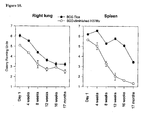


Classifications
-
- A—HUMAN NECESSITIES
- A61—MEDICAL OR VETERINARY SCIENCE; HYGIENE
- A61K—PREPARATIONS FOR MEDICAL, DENTAL OR TOILETRY PURPOSES
- A61K39/00—Medicinal preparations containing antigens or antibodies
- A61K39/02—Bacterial antigens
- A61K39/04—Mycobacterium, e.g. Mycobacterium tuberculosis
-
- A—HUMAN NECESSITIES
- A61—MEDICAL OR VETERINARY SCIENCE; HYGIENE
- A61P—SPECIFIC THERAPEUTIC ACTIVITY OF CHEMICAL COMPOUNDS OR MEDICINAL PREPARATIONS
- A61P31/00—Antiinfectives, i.e. antibiotics, antiseptics, chemotherapeutics
- A61P31/04—Antibacterial agents
-
- A—HUMAN NECESSITIES
- A61—MEDICAL OR VETERINARY SCIENCE; HYGIENE
- A61P—SPECIFIC THERAPEUTIC ACTIVITY OF CHEMICAL COMPOUNDS OR MEDICINAL PREPARATIONS
- A61P31/00—Antiinfectives, i.e. antibiotics, antiseptics, chemotherapeutics
- A61P31/04—Antibacterial agents
- A61P31/06—Antibacterial agents for tuberculosis
-
- A—HUMAN NECESSITIES
- A61—MEDICAL OR VETERINARY SCIENCE; HYGIENE
- A61P—SPECIFIC THERAPEUTIC ACTIVITY OF CHEMICAL COMPOUNDS OR MEDICINAL PREPARATIONS
- A61P31/00—Antiinfectives, i.e. antibiotics, antiseptics, chemotherapeutics
- A61P31/10—Antimycotics
-
- A—HUMAN NECESSITIES
- A61—MEDICAL OR VETERINARY SCIENCE; HYGIENE
- A61P—SPECIFIC THERAPEUTIC ACTIVITY OF CHEMICAL COMPOUNDS OR MEDICINAL PREPARATIONS
- A61P37/00—Drugs for immunological or allergic disorders
- A61P37/02—Immunomodulators
-
- C—CHEMISTRY; METALLURGY
- C12—BIOCHEMISTRY; BEER; SPIRITS; WINE; VINEGAR; MICROBIOLOGY; ENZYMOLOGY; MUTATION OR GENETIC ENGINEERING
- C12N—MICROORGANISMS OR ENZYMES; COMPOSITIONS THEREOF; PROPAGATING, PRESERVING, OR MAINTAINING MICROORGANISMS; MUTATION OR GENETIC ENGINEERING; CULTURE MEDIA
- C12N15/00—Mutation or genetic engineering; DNA or RNA concerning genetic engineering, vectors, e.g. plasmids, or their isolation, preparation or purification; Use of hosts therefor
- C12N15/09—Recombinant DNA-technology
- C12N15/87—Introduction of foreign genetic material using processes not otherwise provided for, e.g. co-transformation
- C12N15/90—Stable introduction of foreign DNA into chromosome
- C12N15/902—Stable introduction of foreign DNA into chromosome using homologous recombination
-
- A—HUMAN NECESSITIES
- A61—MEDICAL OR VETERINARY SCIENCE; HYGIENE
- A61K—PREPARATIONS FOR MEDICAL, DENTAL OR TOILETRY PURPOSES
- A61K39/00—Medicinal preparations containing antigens or antibodies
- A61K2039/51—Medicinal preparations containing antigens or antibodies comprising whole cells, viruses or DNA/RNA
- A61K2039/52—Bacterial cells; Fungal cells; Protozoal cells
- A61K2039/522—Bacterial cells; Fungal cells; Protozoal cells avirulent or attenuated
Definitions
- the present invention relates to the field of vaccine production and preventing or treating infectious diseases. Specifically, the present invention relates to methods for producing a safe and effective vaccine and methods for enhancing an effective immune response in a host animals subsequently exposed to infection by bacterial pathogens, for example, Mycobacterium tuberculosis.
- Vaccination prepares an animal to respond to antigens of pathogenic microbes. Vaccination is more complex than immune recognition in that only some types of immune responses will be correlated with protective immunity and the responses that are important vary with different pathogens. For example, antibody responses are critical in conferring protective immunity against polio but have minimal importance in immune protection against tuberculosis.
- a cellular immune response is more important than an antibody response.
- Cellular immune responses are primarily mediated by CD4+ T-lymphocytes, which secrete interferon-gamma and activate macrophages to kill intracellular microbes, and by CD8+ T-lymphocytes, which induce cytotoxic responses via death receptors (e . g., Fas, TNF-alpha receptor) or granular enzymes (i.e., perforin/granzyme), in addition to secreting interferon-gamma.
- death receptors e . g., Fas, TNF-alpha receptor
- granular enzymes i.e., perforin/granzyme
- CD4+ lymphocytes and CD8+ lymphocytes are primed for an immune response using different antigen presentation pathways.
- CD4+ T-cells exogenous foreign antigens are taken up or recovered from ingested microbes within the phagosome of antigen presenting cells, degraded into fragments, and bound on the surface of these cells to MHC Class II molecules for presentation to the CD4+ T-cells.
- MHC Class II molecules are restricted primarily to some few types of lymphoid cells.
- CD8+ T-cell activation is achieved via a different mechanism that involves MHC Class I molecules, which are found on essentially all nucleated cells.
- MHC Class I antigen presentation is generally referred to as the "endogenous antigen” pathway to differentiate it from the "exogenous antigen” pathway for presenting antigens via MHC Class II receptors to CD4+ T-lymphocytes.
- Dendritic cells are specialized lymphoid cells that are especially efficient in presenting antigens. They have the capability of internalizing apoptotic macrophages or their fragments and presenting antigens from within the apoptotic macrophage via both MHC Class I and MHC Class II pathways (Albert, Sauter, and Bhardwaj, 1998; Yrlid and Wick, 2000;Wick and Ljunggren, 1999).
- CD8+ T-cells With many infectious diseases CD8+ T-cells appear to be the major determinant of prolonged immunity against re-infection that does not depend upon persistent antigenic stimulation (Lau et al., 1994). This has made the generation of strong CD8+ responses a critical factor for new vaccines.
- Some strategies such as DNA vaccination ( Felgner et al., US Patent # 5,589,466 ) appear to produce relatively good CD8+ responses compared to other methods of vaccination.
- DNA vaccination Felgner et al., US Patent # 5,589,466
- a method for delivering a larger repertoire of microbial antigens to dendritic cells would be useful, including techniques for directing whole-cell live-attenuated vaccines to associate with dendritic cells so that all microbial antigens could be processed.
- allelic inactivation to construct new live-attenuated vaccines.
- a second major problem with current attempts to create new vaccines using recombinant DNA technology has been the difficulty in finding the right balance between attenuation and immunogenicity.
- a mutant is either still too virulent to be used as a vaccine or is cleared too rapidly by the host to engender protective immunity.
- new auxotrophic tuberculosis vaccine candidates exemplify this problem all too well. If the strain can scavenge too much of the essential nutrient in vivo, it may be able to assume the virulent phenotype.
- BCG Bacillus Calmette-Guerin
- auxotroph In contrast, if growth is restricted too severely the auxotroph might not persist long enough or make enough of the immunodominant antigens needed to drive a protective immune response. This has been observed with a lysine auxotroph, which when given as a single-dose immunization had no efficacy, but conferred some protective immunity when given as a 3-dose regimen (Collins et al., 2000). The leucine and purine auxotrophs have shown some vaccine efficacy but appear less protective than immunization with BCG (Hondalus et al., 2000;Jackson et al., 1999).
- allelic inactivation is an unpredictable tool for fine-tuning the level of attenuation.
- achieving the right balance between attenuation and immunogenicity is recognized as being critical to the development of a new live-attenuated tuberculosis vaccine, and strategies that enable incremental adjustments of vaccine candidates are needed.
- tuberculosis Historically one of centuries's most important infections, tuberculosis remains a major public health problem and cause of human illness. Morbidity and mortality remain high with predictions of 225 million new cases and 79 million deaths from tuberculosis between 1998 and 2030 (Murray and Salomon, 1998). This is despite the availability of effective treatment regimens and the widespread use of a live attenuated strain of Mycobacterium bovis, Bacillus Calmette-Guérin (BCG), as a vaccine. Furthermore, there is an enormous reservoir of persons latently infected with Mycobacterium tuberculosis estimated to comprise approximately one-third of the world's population (Snider, Jr. and La Montagne, 1994).
- MHC Class I pathways and CD8+ T-cells are important in the normal host containment of virulent M. tuberculosis, as mice with defects in MHC Class I antigen presentation succumb rapidly to tuberculosis (Flynn et al., 1992;Sousa et al., 2000). MHC Class I pathways and CD8+ T-cells may be particularly important in preventing latent tuberculosis infection from developing into active disease, as exposed healthy household contacts of TB cases and individuals with inactive self-healed TB exhibit vigorous CD8+ responses ⁇ Lalvani, Brookes, et al.
- CD8+ cells appear to exert their protective effect against tuberculosis in several ways including cytotoxic T-lymphocyte (CTL) activity resulting in lysis of host macrophages infected with M. tuberculosis, by killing intracellular bacilli via the release of the antimicrobial peptide granulysin, and by IFN-gamma production (Cho et al., 2000;Serbina and Flynn, 1999;Silva et al., 1999;Serbina et al., 2000).
- CTL cytotoxic T-lymphocyte
- Devising strategies to induce greater CD8+ responses than BCG is a major focus of tuberculosis vaccine research (Cho, Mehra, Thoma-Uszynski, Stenger, Serbina, Mazzaccaro, Flynn, Barnes, Southwood, Celis, Bloom, Modlin, and Sette, 2000;Kaufmann, 2000).
- DNA vaccination results in greater populations of CD8+/CD44 hi T-cells that produce IFN-gamma than is achieved with BCG vaccination (Silva, Bonato, Lima, Faccioli, and Leao, 1999).
- the T-cell responses are restricted to the antigen or antigens produced by the specific gene or genes expressed by the DNA vaccine.
- the present invention provides a solution to this problem by providing a method of vaccine development, wherein the pathogen is engineered so that antigen presentation is enhanced.
- the present invention provides the solution to this problem by providing a method of vaccine development, wherein the pathogen is engineered so that an enzyme essential for the full expression of survival in vivo is produced at reduced levels or is a less-efficient form of the enzyme, yet the live-attenuated microbe is sufficiently immunogenic.
- the invention specifically solves the problems with M . tuberculosis vaccines by providing an effective vaccine against tuberculosis.
- the present invention involves a method of enhancing antigen presentation by intracellular bacteria in a manner that improves vaccine efficacy.
- an enzyme of an intracellular bacterium is reduced that normally inhibits apoptosis of the host cell, a pro-apoptotic effect is rendered upon the host cell.
- This has the advantage of diminishing intracellular survival of the microbe, thereby contributing to the in vivo attenuation of the vaccine strain. It also increases antigen processing by dendritic cells, including increasing MHC Class I antigen presentation to CD8+ T-lymphocytes, substantially altering the manner of antigen presentation so as to enhance vaccine efficacy.
- Another aspect of the invention deals with circumstances in which the anti-apoptotic microbial factor is essential for viability of the bacterium.
- a method is described for incrementally attenuating virulent strains or partially-attenuated strains of bacteria by replacing a gene encoding an essential bacterial enzyme with a mutant form of the gene or analogous gene from another species, thereby resulting in diminished enzymatic activity, thereby producing mutant bacteria with diminished disease-causing potential yet capable of inducing a protective immune response.
- This method can also be applied to bacterial factors that do not have an anti-apoptotic function to create attenuated strains.
- the present modified microbes provide a surprisingly effective way to access this arm of the immune system.
- the the microbe can be further altered by adding exogenous DNA encoding immunodominant antigens from other pathogenic microbes including viruses, bacteria, protozoa, and fungi or with DNA encoding cancer antigens, and then used to vaccinate a host animal. Therefore, the present attenuated bacterium can be used as a vaccine delivery vehicle to present antigens for processing by MHC Class I and MHC Class II pathways. And because of strong co-stimulatory signals induced by microbial antigens in the vaccine vector, this directs the host immune system to react against the exogenous antigen rather than develop immune tolerance.
- the invention also describes a method for creating mutants of microbes when the anti-apoptotic factor is an essential microbial enzyme such that allelic inactivation would not permit in vitro cultivation of the microbe, or the mutant would be cleared too rapidly in vivo to be sufficiently immunogenic.
- enzyme activity is diminished by replacing the wild-type gene encoding the enzyme with mutant alleles encoding incrementally less efficient forms of the enzyme, then incrementally attenuated mutant bacterial strains are produced which facilitate the identification of one or more mutant strains that is not sufficiently pathogenic to cause disease but persists long enough in vivo to induce a protective immune response in the host. Incremental attenuation can be applied to any microbial species.
- the present strategy of making mutants with incremental reductions in their capacity to survive in vivo and selecting the mutant that possesses the requisite immunogenicity and attenuation has clear advantages over the hit-and-miss strategy exemplified by current allelic inactivation techniques.
- One advantage is the time savings and increased efficiency achieved by making multiple vaccine candidates with defects in a single enzyme as opposed to targeting multiple genes but producing only a single mutant in each.
- a further advantage is the ability to tailor the vaccine to match heterogeneity in host immunity among potential vaccinees, by producing a group of mutants with incremental attenuation. For example, persons with HIV/AIDS could receive a more attenuated mutant than the strain that achieves the right balance of attenuation and immunogenicity in persons with normal immunity.
- This approach now enables a single-dose vaccine for the vast majority of recipients, because the ability to generate incremental attenuation alleviates the need for the vaccine to be attenuated to the level needed for the most immunosuppressed persons likely to receive it. Rather, a more attenuated version of the vaccine can easily be made for an immunosuppressed population.
- the invention thus, enables the level of attenuation in vaccines to be refined and tailored to match the immune system of vaccinees.
- auxotrophy is a popular way for constructing novel vaccine candidates, there are potential problems involving gene induction in auxotrophs that might lessen their potential as useful vaccines.
- starvation and nutrient limitation are potent stimuli for specialized gene induction in bacteria. Accordingly, even if the duration of in vivo growth of an auxotroph can be optimized such that the quantity of antigen presented to the host is not a problem, in vivo nutrient limitation can force the bacteria to produce primarily the microbial factors that help it adapt to the stress of deprivation, at the expense of producing key antigens.
- the types of antigen available to the immune system are not the factors needed to induce a protective immune response.
- the present method can attenuate the vaccine strain by making it more susceptible to host defenses, and when used with certain enzymes, does not create a situation where starvation gene induction can have a substantial impact.
- the stresses the microbe encounters are an exaggeration of what it normally encounters during infection, rather than a qualitatively different type of stress.
- the present invention provides a method of modifying a microbe, whereby the microbe increases immunogenicity in a subject, comprising reducing the activity of an anti-apoptotic enzyme produced by the microbe, whereby reducing the activity of the enzyme attenuates the microbe and enhances its antigen presentation.
- the present invention also provides a method of attenuating a microbe, whereby the microbe retains or increases immunogenicity but has reduced pathogenicity in a subject, comprising reducing the activity of an essential enzyme produced by the microbe, whereby reducing the activity of the enzyme attenuates the microbe.
- the present invention also provides a microbe attenuated according to a method whereby the microbe retains or increases immunogenicity but has reduced pathogenicity in a subject, comprising reducing the activity of an essential enzyme produced by the microbe.
- the present invention also provides a microbe modified according to a method whereby the microbe increases immunogenicity but has reduced pathogenicity in a subject, comprising reducing the activity of an anti-apoptotic enzyme produced by the microbe.
- the present invention further provides a composition comprising a microbe attenuated according to the methods of the present invention and a pharmaceutically acceptable carrier.
- the present invention provides a method of producing an immune response by an immune cell of a subject, comprising contacting the cell with a composition of the present invention.
- the present invention also provides a method of producing an immune response in a subject, comprising administering to the subject an effective amount of a composition of the present invention.
- the present invention provides a method of preventing or diminishing the severity of an infectious disease in a subject, comprising administering to the subject an effective amount of a composition of the present invention.
- Figure 1 Flowsheet outlining the key steps in developing new live-attenuated vaccines and comparing the strengths and weaknesses of the various genetic techniques that can be used to modify microbes and reduce the activity of essential and anti-apoptotic enzymes.
- the key features of the current paradigm (Allelic Inactivation, also called “Gene Knockout") are contrasted with Antisense (AS) RNA expression and a new strategy (Targeted Incremental Attenuation, or "TIA”).
- AS techniques and TIA have an advantage over allelic inactivation in that they can be used to construct mutants with a partial phenotype, thereby allowing microbial genes that are essential for in vitro growth to be targeted.
- TIA can be used to generate mutant enzymes covering a range of enzymatic activity, and the allele encoding the wild-type enzyme can be replaced by mutant alleles to yield incrementally attenuated mutants.
- Both allelic inactivation mutants and TIA mutants have stability advantages over AS mutants.
- the most time-efficient method (as indicated by bold lines and arrows) for using recombinant DNA technology to make novel live-attenuated microbes for use as vaccines involves using AS to identify the important genes for mediating microbial survival in vivo and determining whether mutants with reduced expression of that gene are effective as a vaccine (through step #3). Then, TIA can be used to build a more stable version of the vaccine.
- the AS/TIA strategy offers advantages over the traditional allelic inactivation strategy and over AS techniques alone, permitting fine-tuning of the vaccine to achieve the right balance between attenuation and immunogenicity while still producing a stable vaccine with minimal risk for reverting back to the original phenotype.
- TIA can be practiced on a microbe that has already been attenuated by other means to reduce the activity of an anti-apoptotic microbial factor, and render a pro-apoptotic effect upon the microbe that enhances its immunogenicity and efficacy as a vaccine.
- FIG. 2 Map and features of the antisense expression and shuttle vector pHV202.
- the E. coli origin of replication and mycobacterial origin of replication enable the plasmid to replicate both in E. coli and mycobacterial species, including M . tuberculosis.
- the chloramphenicol and kanamycin resistance genes are used as selectable markers to identify transformants.
- Antisense DNA fragments are cloned into restriction sites in the multi-cloning site (MCS) behind the promoter of the 65-kDa heat-shock protein (Pr-HSP).
- MCS multi-cloning site
- the MCS includes the following unique sites: XbaI, SpeI, MluI, and BamHI. Genetic manipulations to construct the antisense plasmids are performed in E . coli with subsequent electroporation into M. tuberculosis strains.
- FIG. 3 Expression of antisense sodA mRNA.
- a 300-bp fragment of AT-rich S . aureus blaZ DNA was placed into pHV202-AS-SOD in the multicloning site downstream of the antisense- sodA insert for use as a probe target.
- pLUC10-AS-SOD a portion of the luciferase gene was used as the target.
- Northern hybridization was performed using probes for: (A) the kanamycin-resistance gene, aph , contained on both plasmid vectors; (B) a fragment of blaZ, present in pHV202-AS-SOD; and (C) the firefly luciferase gene, present in pLUC10-AS-SOD.
- FIG. 4 Western hybridization of iron-cofactored superoxide dismutase (SOD) produced by M. tuberculosis strain H37Rv and derivatives. Lane 1, H37Rv; Lane 2, H37Rv(pLUC10); Lane 3, H37Rv(pLUC10-AS-SOD), Lane 4, recombinant M . tuberculosis SOD produced in E . coli. Samples consisting of lysed bacterial cells were adjusted to have the same total protein concentration before PAGE.
- SOD superoxide dismutase
- Membranes were hybridized with a 1:24,000 dilution of polyclonal antisera against H37Rv whole cell lysate (E-293 antisera) obtained from Colorado State University under NIH, NIAID Contract N01 AI-75320 (Tuberculosis Research Materials and Vaccine Testing).
- An arrow designates the SOD band, as determined by stripping the membrane and restaining using polyclonal antisera against recombinant SOD.
- Recombinant SOD was purified by chromatography on a nickel-affinity column. The recombinant SOD is 3 kDa larger than SOD produced by M. tuberculosis because of the histidine tag fusion.
- H37Rv(pLUC10-AS-SOD) produced only 13% of the amount of SOD produced by control strains.
- FIG. 5 Killing of SOD-diminished H37Rv by hydrogen peroxide.
- Inocula of approximately 2 x 10 6 cfu of H37Rv(pLUC10) (white bars) and H37Rv(pLUC10-AS-SOD) (gray bars) were incubated in PBS alone or PBS containing two concentrations of hydrogen peroxide (H 2 O 2 ) for 6 hours and plated on 7H10 agar. The number of surviving bacilli (mean values from triplicate determinations) are displayed.
- the antisense-SOD mutant was much more susceptible than the control strain to killing by hydrogen peroxide, exhibiting about a two log-fold greater reduction in viability to both concentrations.
- FIG. 6 In vivo survival of H37Rv and its transformants in a C57BL/6 mouse model. Dark symbols represent the parent and control strains; white symbols represent strains in which the activity of an enzyme has been diminished by using antisense techniques as described above. Inocula were adjusted spectrophotometrically to a standard absorbance value and administered intravenously via the lateral tail vein.
- FIG. 7 Infiltration of inflammatory cells over time in mouse lungs infected with two SOD-diminished strains, H37Rv(pLUC10-AS-SOD) and H37Rv(pHV203-AS-SOD), compared to a virulent control strain, H37Rv(pLUC10).
- Representative H&E-stained sections at day 1, day 7, day 14, and day 28 were photographed using the 10X objective of an Olympus BX40 microscope with DP10 Microscope Digital Camera System. Mice infected with H37Rv(pLUC10) did not survive to day 28.
- the panels show marked early interstitial mononuclear cell infiltration of the lung of mice infected with the SOD-diminished strains, which improved by day 14 but had increased again by day 28, probably due to the development of acquired immune responses during the 3 rd and 4 th weeks following infection.
- the virulent strain caused relatively less early cellular response at day 1, but by day 14 there was marked alveolar and interstitial infiltration.
- FIG 8 Apoptosis in mouse lungs infected with the SOD-diminished strain H37Rv(pLUC10-AS-SOD) and its virulent control, H37Rv(pLUC10). Representative TUNEL-stained views were photographed using the 40X microscope objective for enlargement. Nuclei of cells undergoing apoptosis stain dark blue with TUNEL, whereas light-blue staining of extracellular amorphous material represents background ( e. g ., day 14 panel with H37Rv(pLUC10)).
- the graph plots the percent of cells that appear apoptotic over time as determined from review of multiple 40X magnification fields, H37Rv(pLUC10) (white bars) and H37Rv(pLUC10-AS-SOD) (gray bars). Mice infected with H37Rv(pLUC10) did not survive to day 28 (*). Although the percent of cells exhibiting apoptosis was comparable in the two groups of mice at day 1, there was greater interstitial infiltration with mononuclear cells and apoptosis of these cells in mice infected with H37Rv(pLUC10-AS-SOD) than in mice infected with H37Rv(pLUC10).
- FIG. 9 Weight of mice inoculated with BCG versus SOD-diminished H37Rv. Each mouse was inoculated with 3.8 x 10 6 cfu of BCG or SOD-diminished H37Rv via a lateral tail vein on Day 0. The groups of mice were weighed at the indicated time points. Data points represent the mean value ⁇ std. error of weights from six to twelve mice, except for the day 0 value, which is a mean value from the whole group pre-inoculation.
- mice inoculated with BCG weighed about 6 gm less than mice inoculated with SOD-diminished H37Rv (34.1 ⁇ 4.6 gm versus 27.8 ⁇ 4.9 gm, P ⁇ .01, two-sample Students' T-test).
- FIG. 10 Clearance of BCG versus SOD-diminished H37Rv from the spleens and right lungs of C57BL/6 mice. Each data point represents mean values ⁇ std. error from six mice, except for the 17-month values, which are from 11 mice (BCG) or 12 mice (SOD-diminished H37Rv).
- Initial inocula were 3.8 x 10 6 cfu given via a lateral tail vein on Day 0.
- the rates of decline in counts of viable bacilli in the lungs were comparable for the two groups of mice so that approximately a 10-fold difference between strains was maintained over the 17 months of observation.
- FIG 11 Gross appearance of the left lungs of C57BL/6 mice 17 months following intravenous inoculation with attenuated strains. Upper panel, mice that received BCG; lower panel, mice that received SOD-diminished H37Rv. The white areas in the apices of the lungs of some BCG-vaccinated mice correspond to areas of alveolar consolidation with foamy macrophages by microscopy [see Figure 12A-C, H-J ]. Letters A-F indicate the lungs from which enlargement of longitudinal cross-sections are displayed in Figure 12 .
- FIG 12 Histopathologic features of mouse lungs infected with BCG and SOD-diminished H37Rv at 17 months following inoculation.
- Panels A-C show hematoxylin & eosin (H&E)-stained longitudinal cross-sections of three lungs from mice infected with BCG and panels D-F show lungs from mice infected with SOD-diminished H37Rv [see Figure 11 ]. These were enlarged and photographed using the 4X microscope objective to display an area corresponding to about 30 to 40% of the length of the lung.
- H&E hematoxylin & eosin
- mice that had received SOD-diminished H37Rv had less alveolar infiltration and greater perivascular infiltration of lymphocytes, macrophages, and plasma cells [compare the large perivascular collections of cells in Panels D & F to minimal collections in Panels A-C].
- Some of these perivascular infiltrates involved the mural wall of the vessel [panels K & L, H&E stain] in a pattern suggesting lymphocyte trafficking through the vessel wall.
- FIG. 13 Number of tubercle bacilli in the lungs of mice vaccinated with BCG (Tice) or SOD-diminished H37Rv, expressed at time points following challenge with the virulent M. tuberculosis Erdman strain.
- C57BL6 mice were immunized with either BCG (Tice) or SOD-diminished H37Rv by injecting 3.8 x 10 6 cfu into a lateral tail vein. After 6 weeks, the mice were challenged (on Day 0) with an intranasal inoculum of 1 x 10 5 cfu of strain Erdman.
- mice were euthanized at selected time points and the right lungs homogenized, with bacilli enumerated on Middlebrook 7H10 agar. Values up to 10 weeks from a control group that received Erdman without prior vaccination are also shown. Each data point represents mean values ⁇ std. error from six mice, excepting the control group which comprised one to four mice for each data point, and the 15-month values which are derived from the few surviving mice at this time point. At ten weeks, there was a 40-fold difference between the numbers of bacilli recovered from mice vaccinated with BCG Tice versus SOD-diminished H37Rv (log 5.8 versus log 4.2, respectively, P ⁇ .05). An even greater difference (3 log-fold) in counts of bacilli was noted in surviving mice at 15 months post-challenge.
- FIG 14 Gross appearance of the lungs of vaccinated mice 15 months after an aerogenic (intranasal) challenge with the virulent M. tuberculosis strain Erdman.
- Left panel left lung from a mouse vaccinated with BCG Tice.
- Right panel left lung from a mouse vaccinated with SOD-diminished H37Rv.
- lungs were placed side-by-side and enlarged to the same degree.
- the lung from the mouse vaccinated with the SOD-diminished H37Rv is about the same size as the lungs of mice that were vaccinated but not challenged [ Figure 11 ], whereas the lung of the mouse vaccinated with BCG is much larger.
- FIG 15 Histopathologic appearance of lungs of vaccinated mice 15 months after intranasal challenge with the virulent M. tuberculosis strain Erdman. Key histopathologic features of the lungs in Figure 14 are displayed after staining with H&E and enlargement by microscopy.
- the panels on the left show longitudinal cross-sections spanning about 20-40% of the lungs of mice that had been vaccinated with BCG Tice [Panel A] or SOD-diminished H37Rv [Panel B], and were enlarged using the 4x microscope objective.
- Panels C-E show enlargements (25x or 40x microscope objective) of features in the lung of the BCG-vaccinated mouse.
- the lung of the mouse vaccinated with SOD-diminished H37Rv strain showed some regions with moderate interstitial infiltration but otherwise looked relatively healthy with prominent hilar lymph nodes, normal bronchi, and in most regions only minimal alveolar infiltration [Panel B].
- the lung from the mouse vaccinated with BCG exhibited diffuse alveolar infiltration including areas of intense necrosis within bronchi with numerous neutrophils that filled the bronchi [Panels A and C], and ulcerative bronchiectasis [Panel D].
- Some regions showed squamous metaplasia of the alveolar spaces with keratinization and intraalveolar exudates [Panel E].
- FIG. 16 Development of CD4+ and CD8+ T-lymphocyte responses following vaccination with BCG Tice versus SOD-diminished H37Rv, hereafter also referred to as Bacillus Vanderbilt-VA, or "BW”.
- BW Bacillus Vanderbilt-VA
- the figure shows FACS of lymphocytes recovered from lungs of vaccinated mice 16-weeks post-challenge with M. tuberculosis strain Erdman. Results are grouped according to whether the mouse had been vaccinated with BCG Tice or BW, and vaccinations occurred six weeks prior to the Erdman challenge. The control mouse had not been vaccinated or challenged. Percentages of CD4+ and CD8+ T-cells are shown in the Figure and are reported as a percent of the total lymphocyte gate.
- FIG 17 Interstitial infiltration in the lungs of mice 24 hours following intravenous administration of BCG Tice and BW. H&E-stained views of approximately 40% of a longitudinal cross-section of the left lung were photographed using the 4X microscope objective for enlargement. BCG-infected lungs showed minimal interstitial mononuclear cell infiltration, in a pattern more similar to virulent H37Rv than BW. Photographs of H&E-stained tissue were taken using the 4x microscope objective.
- FIG 18 Proposed models of antigen presentation and immune responses following phagocytosis of (A) typical M. tuberculosis and BCG strains versus (B) BW.
- CD4+ T-cells activated in this fashion are now capable of secreting IFN-gamma upon interaction with other macrophages presenting tubercular antigens, thereby activating the macrophages to produce nitric oxide and reactive oxygen intermediates.
- This gives the host has some capacity to control infection, however the predominant reliance on nitric oxide and reactive oxygen intermediates to kill bacilli also harms other cells, causing necrosis of lung tissue.
- Dendritic cells are also very effective in presenting antigens to CD4+ T-cells. Therefore, host containment of infection is achieved by a combination of CD4+ and CD8+ responses [as shown in Figure 16 , Tables 4-6], achieving greater control with minimal necrosis [as shown in Figure 14 and Figure 15 ].
- FIG 19 Possible early mechanisms of apoptotic and cytokine signaling within the macrophage induced by intracellular tubercle bacilli and how they are inhibited by SOD.
- A Cartoon showing how SOD produced by virulent H37Rv and BCG might inhibit NF- ⁇ B activation and apoptosis. In this model, both apoptosis and the early inflammatory response are triggered by an interaction between microbial factors and Toll-like receptors (TLR). It has been shown that TLR2 and TLR4 are involved with responses to mycobacteria (Means et al., 1999;Means et al., 2001;Flynn and Chan, 2001).
- TLR Toll-like receptors
- MyD88 myeloid differentiation factor 88
- FADD fas-associated death domain
- IR immune response
- TNF- ⁇ binds to receptors and mediates pro-apoptotic effects via BID and the increased generation of reactive oxygen intermediates (ROIs).
- ROIs reactive oxygen intermediates
- tuberculosis to block both an early cellular infiltrate and apoptosis is likely central to its ability to establish chronic infection, effectively blocking the MHC Class I - CD8+ arm of the immune response by preventing at the onset of infection the recruitment of cells and presentation of microbial antigens needed to induce that response.
- Homologs of other prominent extracellular factors of M . tuberculosis including thioredoxin and glutamine synthetase have anti-apoptotic effects (Powis, Briehl, and Oblong, 1995;Saitoh et al., 1998;Tumani et al., 2000), suggesting that these M.
- tuberculosis enzymes may similarly serve to blunt the effect of intracellular signaling processes initiated by Toll-like receptors.
- B Apoptosis gene expression in cultured mouse macrophages infected with BVV versus H37Rv.
- RNAse protection assays show that both BVV and H37Rv induce greater early activation of FADD and TRADD (TNF receptor-associated death domain) than in uninfected control macrophages.
- FADD and TRADD expression falls in H37Rv-infected macrophages, remains strong in BVV-infected macrophages, and increases in uninfected macrophages.
- Figure 20 Summary of the key observations, mechanisms, hypotheses, and implications associated with the vaccine efficacy exhibited by BVV.
- Figure 21 Ribbon figure of SOD monomer showing positions of deleted and substituted amino acids in the present SOD mutants.
- FIG 22 Bacterial density versus time plots, used to estimate the enzymatic activity of M. tuberculosis SOD mutants, as determined by their ability to complement the growth of SOD-deficient E . coli in minimal media. Mutants were created by deleting amino acids in inter-domain regions of SOD or by substituting critical histidine residues associated with binding of the metal co-factor by lysine [see Table 11]. SOD-deficient E. coli cannot grow in minimal media due to the sensitivity of some metabolic pathways to an adverse intracellular redox environment, but growth is restored in the presence of SOD. (A) Growth curve of the SOD double-negative E.
- coli strain CK9C1891 in minimal media as reflected by bacterial density (absorbance at 600 nanometers [A600]) over time of incubation in minimal media.
- the inoculum was made by transferring colonies from nutrient agar to minimal media, so the fall in A600 value reflects autolysis induced by abrupt cessation of growth in a strain that previously was growing vigorously.
- B Growth curve of CK9C1891 complemented with the wild-type M. tuberculosis sodA allele, showing restored growth and a doubling rate of every 155 minutes.
- C Growth curve of CK9C1891 complemented with a mutant M .
- tuberculosis sodA allele in which G134 has been deleted showing slow growth and a calculated doubling time of 1,360 minutes. Therefore, the G134 mutant grows at 13% the rate of CK9C1891 containing the wild-type sodA allele, suggesting that the mutant SOD has about 13% of the activity of the wild-type M. tuberculosis SOD [ Figure 10 ].
- FIG 23 Lung inflammation induced by a TRX-diminished mutant of M . tuberculosis.
- Panels A and B show rapid interstitial infiltration of the lungs of two mice with mononuclear cells at 24 hours post infection with H37Rv(pHV203-AS-TRX). This was in contrast to less interstitial infiltration induced by H37Rv(pHV203-AS-ClpC Atpase) (Panel C), although both mutant strains had comparable bacillary counts in the lung [ Figure 6 ].
- H37Rv(pHV203-AS-TRX) and H37Rv(pHV203-AS-ClpC Atpase) were attenuated relative to virulent H37Rv [ Figure 6 ], however the TRX-diminished strain exhibited histopathologic findings similar to those exhibited by the SOD-diminished strain at both day 1 and day 28, suggesting that both innate and adaptive immune responses were enhanced by reduction of an anti-apoptotic and anti-inflammatory microbial factor.
- FIG. 24 CD8+ T-cells in lungs at 17 months following vaccination with BVV versus BCG. Tissue sections were incubated with anti-CD8 antisera and reactive cells were identified with horseradish peroxidase (HRP). CD8+ T-cells stain brown with dense blue nuclei, whereas other cell types are clear to gray/blue with dense blue nuclei. Both photomicrographs are representative of what was observed throughout the lung, and were enlarged with the 20x microscopic objective. Panel A shows numerous CD8+ T-cells in a BVV-vaccinated mouse in the interstitial spaces of the lung. Panel B shows relatively few CD8+ T-cells in a BCG-vaccinated mouse.
- HRP horseradish peroxidase
- FIG. 25 CD8+ T-cells in the interstitial spaces and within peribronchovascular lymphoid aggregates of lungs of mice vaccinated with BVV.
- Panel A shows an H&E-stained section of lung that includes a typical peribronchovascular lymphoid aggregate. The portion of Panel A within the box is enlarged in Panel B and staining with anti-CD8 antisera and horseradish peroxidase (HRP) shows multiple CD8+ T-cells within the lymphoid aggregrate.
- Panel C is stained with H&E and shows a large vein, a large perivascular lymphoid aggregate and areas of interstitial infiltration.
- the portion within the box is enlarged in Panels D and E (x40 and x100, respectively) and stained with anti-CD8 antisera and HRP. It shows numerous CD8+ T-cells in the perivascular infiltrate and in the lung interstitium.
- the present invention teaches that reducing an anti-apoptotic enzyme produced by M. tuberculosis results in profoundly greater vaccine efficacy.
- the invention provides a method for facilitating antigen presentation via construction of pro-apoptotic vaccines made by reducing the production of microbial anti-apoptotic enzymes including SOD, thioredoxin, thioredoxin reductase, glutamine synthetase, and possibly other redox related enzymes such as glutathione reductase (glutaredoxin), other thioredoxin-like proteins, other thioredoxin reductase-like proteins, other glutaredoxin-like proteins, other thiol reductases, and other protein disulphide oxidoreductases.
- pro-apoptotic vaccines relates to the capability of the enzyme from the intracellular pathogen to block apoptosis when the pathogen is within the host cell, as is the case with virulent strains of M. tuberculosis. Accordingly, by reducing the activity of these specific enzymes it is possible to simultaneously attenuate the microbe and enhance the presentation of its antigens, as dendritic and other immune cells process the apoptotic macrophages containing microbial antigens.
- the iron-cofactored superoxide dismutase (SOD) of M. tuberculosis inhibits host cell apoptosis as well as the recruitment of mononuclear cells to the site of infection.
- SOD superoxide dismutase
- tuberculosis than after vaccination with BCG.
- the greater CD8+ T-cell response occurs because by reducing SOD production by M. tuberculosis, innate immune responses were facilitated which achieved the co-localization of apoptotic macrophages with antigen-presenting cells, effectively creating the conditions for apoptosis-associated antigen cross-presentation in vivo.
- M. tuberculosis inhibits the development of conditions conducive to the development of strong acquired immune responses. This is advantageous to M.
- tuberculosis in that blunting apoptosis-associated antigen cross-presentation (by preventing the in vivo conditions needed to achieve it) enables chronic infection to become established by inhibiting the full development of acquired host immune responses.
- SOD SOD
- M. tuberculosis mutants By reducing SOD, not only did our M. tuberculosis mutants become markedly attenuated and more susceptible to innate immunity, but also the "cross-talk" between the innate and acquired immune responses was allowed to proceed such that strong acquired cellular immune responses developed.
- the present invention involves a whole-cell vaccine for tuberculosis made by diminishing the activity of iron-manganese superoxide dismutase in a strain of M. tuberculosis or M. bovis, including M. bovis BCG and other strains that have been already attenuated using physical, chemical, or molecular genetic methods.
- the invention teaches how vaccines of other intracellular pathogens can be developed by reducing or eliminating the production of anti-apoptotic bacterial factors, as well as bacterial factors that inhibit the activation of host intracellular processes involved in the rapid recruitment of inflammatory cells.
- Some anti-apoptotic microbial enzymes can be eliminated without adversely affecting the ability to cultivate the microbe as a vaccine strain.
- traditional molecular genetic techniques including allelic inactivation can be used to construct the modified microbe.
- allelic inactivation can be used to construct the modified microbe.
- some enzymes are absolutely essential for the viability of the microbe, such that they cannot be eliminated entirely.
- methods are needed to construct mutants with a partial rather than complete reduction in the activity of the anti-apoptotic enzyme.
- Anti-sense RNA overexpression (Coleman, Green, and Inouye, 1984) is one such strategy for constructing mutant strains with partial phenotypes, and is particularly useful as a tool to screen and identify which essential enzymes can be reduced to render a pro-apoptotic phenotype.
- the present invention provides a method of stably modifying a microbe, whereby the microbe retains or increases immunogenicity but loses or reduces pathogenicity in a subject, comprising reducing but not eliminating an activity of an enzyme produced by the microbe, whereby reducing the activity of the enzyme attenuates the microbe or further attenuates the microbe.
- One way of accomplishing the modifications of the invention involves the application of a process of targeted incremental attenuation, hereafter referred to as "TIA.”
- This method includes the following steps: a) identifying an enzyme that is essential for the full expression of in vivo survival of the microbe, b) mutating a gene encoding the essential microbial enzyme or obtaining from another species a homologous gene, c) replacing in a microbe the gene encoding the essential microbial enzyme with one or more of the mutated genes or homologous genes from step b), thereby reducing but not eliminating in the microbe the activity of the essential enzyme identified in step a), and d) identifying an attenuated microbe of step c) that survives to confer protective immunity in vivo.
- TIA As TIA is described and exemplified below, it will be apparent that each of the steps of the process may be practiced independently of the other steps to accomplish the goal of that step. For example, the step of replacing or mutating a pro-apoptotice enzyme can be practiced independent of the TIA process.
- mutants with greater than 30% SOD activity may be fully virulent in vivo
- mutants with 10% to 30% SOD activity will exhibit growth rates and disease-causing capability in vivo that ranges from minimal to almost full virulence
- mutants with less than 10% SOD activity are expected to be completely avirulent.
- a person of skill can identify an enzyme that is essential for the full expression of microbial survival in vivo and/or confers an anti-apoptotic effect upon the host cell.
- Guidance as to how to identify essential and anti-apoptotic enzymes for use in TIA, is provided below and in Examples 1 and 13.
- the essential enzyme can be an enzyme involved in an essential metabolic pathway of the microbe.
- it can be an enzyme involved in basic cell metabolism and respiration including enzymes necessary for glycolysis, the pentose phosphate pathway, the tricarboxylic acid cycle, or glyoxylate cycle.
- It can be an enzyme involved in amino acid biosynthesis, or nucleic acid biosynthesis including those that synthesize purines.
- It can be an enzyme involved in the replication of nucleic acids, including DNA and RNA polymerases, and nucleic acid repair enzymes.
- It can be an enzyme involved in lipid biosynthesis including acyl-CoA synthases, acyl-CoA dehydrogenases, acetyl-CoA C-acetyltransferases and synthetic carboxylases.
- microbes have unique essential enzymes such as those involved in mycobacterial mycolic acid synthesis and polyketide synthesis.
- Some microbes including M. tuberculosis require iron and have special enzymes for the production of iron-scavenging siderophores, the mycobactins and the exochelins.
- Other microbes produce specialized enzymes that act as virulence factors due to their effect on host cell structures.
- phospholipases include phospholipases, lipases and esterases, which might attack cellular or vacuolar membranes, as well as proteases.
- enzymes involved in signal transduction including sensor histidine kinases and response regulators are potential targets for TIA.
- the essential enzyme targeted in the present method can be an enzyme that helps protect the microbe against the normal host immune response, such that when less enzymatic activity is present, the host's immune system becomes more efficient in controlling and eradicating the pathogen.
- microbial enzymes that detoxify the reactive oxygen intermediates (ROIs) and reactive nitrogen intermediates (RNIs) that neutrophils and macrophages make to mediate killing of the microbe are essential for the full survival of certain microbes.
- ROIs reactive oxygen intermediates
- RNIs reactive nitrogen intermediates
- Other types of enzymes that might be expected to specifically affect the ability of the microbe to survive in vivo are those normally induced under conditions of stress, including heat-shock stress-regulatory enzymes. Thus, they are good targets for modification by the methods of the present invention.
- An enzyme of an intracellular bacterium that normally has an anti-apoptotic effect upon the host cell can be targeted in the present method. Reducing the activity of an anti-apoptotic enzyme increases apoptosis of macrophages and other cells in which an intracellular bacterium resides, thereby resulting in increased host cell apoptosis with concomitant killing of the microbe. This has the advantage of enhancing innate immune responses and fundamentally altering antigen presentation pathways in a manner than improves vaccine efficacy.
- SOD iron-manganese superoxide dismutases
- ZD zinc-copper superoxide dismutases
- catalases catalases
- nitrate reductases and other microbial enzymes that affect the intracellular redox environment including the thioredoxin system, glutathione reductases (glutaredoxin), other thioredoxin-like proteins, other thioredoxin reductase-like proteins, other glutaredoxin-like proteins, other thiol reductases, and other protein disulphide oxidoreductase.
- ClpC Atpases are natural targets as they are stress-induced enzymes that are involved in the induction of microbial redox-related enzymes. Specific approaches to developing mutants of these enzymes are discussed below.
- Essential enzymes for in vivo growth can be identified by making mutants with reduced enzyme activity and determining that they survive less well than the parent strain in vivo .
- a variety of techniques can be used to directly identify essential enzymes including allelic inactivation, antisense techniques, or the creation of enzyme mutants with reduced enzymatic activity [ Figure 1 ].
- Anti-apoptotic enzymes can be identified by making mutants of an intracellular pathogen with reduced enzyme activity and determining that there is increased apoptosis of the host cells either in vivo [Example 4] or in cell culture.
- Some enzymes will be both essential and anti-apoptotic in nature and it is with these enzymes that the dual aspects of the invention are needed, teaching how to construct stable pro-apoptotic mutants for use as vaccines.
- an enzyme is essential for in vivo survival based on the vital role of an homologous or analogous enzyme in other microbial species or in eukaryotic species.
- antisense techniques offer the most time-efficient way to identify an essential in vivo gene, including genes that render anti-apoptotic effects upon their host cell.
- the amount of enzyme produced by the microbe can be reduced by transforming the microbe, for example a bacterium or fungus with an anti-sense nucleic acid that reduces the efficiency of translation of the nucleic acid.
- the antisense nucleic acids can be complementary to a region of messenger RNA transcribed from the coding sequence of the gene for the enzyme.
- a person of skill in the art can produce and use an antisense nucleic acid, as described in Example 1 below.
- Antisense methods Cold, Green, and Inouye, 1984 have been shown to be useful in attenuating virulent strains of bacteria and assessing the importance of specific microbial genes for in vivo pathogenicity (Kernodle et al., 1997;Wilson et al., 1998). They can also be used to assess the potential of an enzyme-diminished mutant as a vaccine candidate before using TIA to make a single safe, non-reverting form of the vaccine, or to construct multiple vaccine candidates covering a range of attenuation.
- the most time-efficient way to practice the TIA invention for enzymes for which there is no prior evidence to demonstrate that they are essential in vivo is to use antisense techniques to demonstrate attenuation of the enzyme-diminished mutant or possibly even to show preliminary evidence of vaccine efficacy before practicing TIA to make the final vaccine candidate [ Figure 1 ].
- pHV202 and pHV203 were derived from pHV202 by repairing a mutation in the promoter region of the 65 kDa heat-shock protein that drives expression of the antisense fragment.
- Strains and plasmids are summarized in Table 1].
- Both pHV202 and pLUC10 are E . coli -Mycobacterial shuttle vectors that can replicate in E.
- coli and as well as Mycobacterial species including M. tuberculosis.
- a 150- to 300-bp DNA fragment of the gene encoding the protein to be suppressed is taken and cloned into either the multicloning site of pHV202 or a Hind III site upstream of the luciferase gene in pLUC10 (Cooksey, Crawford, Jacobs, Jr., and Shinnick, 1993).
- the Hind III site in pLUC10 is not unique; therefore, some additional manipulations and verification were needed with this vector to confirm that the ligation product had the correct orientation and reassembly of the various DNA fragments.
- the DNA fragment is oriented behind the promoter of the 65 kDa heat-shock protein (Pr-HSP) in a direction antisense to its orientation behind its endogenous promoter on the M. tuberculosis chromosome. Therefore, expression of Pr-HSP on the plasmid generates an antisense mRNA transcript that anneals with the mRNA transcript of the chromosomal gene, stimulating degradation by RNase and causing diminished translation with reduced synthesis of the gene product.
- Pr-HSP 65 kDa heat-shock protein
- DNA fragments in the mid-region of the open reading frame are selected to enhance the specificity of the effect because although fragments closer to the 5' end of the ORF likely would yield stronger inhibition, in some proteins, such regions might be more apt to be similar to unrelated proteins ( e . g ., because of similar leader peptide regions).
- M. tuberculosis genes SOD ( sodA ), thioredoxin ( trx ), and a ClpC Atpase (gene Rv3596c).
- SOD sodA
- thioredoxin trx
- ClpC Atpase gene Rv3596c
- tuberculosis more susceptible to reactive oxygen intermediates (ROIs) but does not reduce virulence in guinea pigs (Dussurget et al., 2001).
- ROIs reactive oxygen intermediates
- the authors also reported that they were unable to inactivate sodA and suggested that it might be essential for viability, supporting the value of the present strategy of using anti-sense techniques to determine its importance in vivo.
- iron co-factored SOD is essential for viability and allelic inactivation of the chromosomal gene is not possible unless a second episomal copy of the allele is present (Sadosky et al., 1994).
- TRX Thioredoxin
- the antisense element is expected to reduce the expression of both thioredoxin and thioredoxin reductase.
- ClpC Atpase was selected on the basis on its importance in the pathogenesis of infections caused by other intracellular pathogens (Rouquette et al., 1998;Nair, Milohanic, and Berche, 2000). The SOD-diminished mutants grow slowly, taking 4 weeks or more to produce pinpoint colonies and 7 to 8 weeks to reach the size of a 3-week colony of the parent M. tuberculosis strain.
- mice infected with virulent H37Rv control strains showed minimal interstitial infiltration at 24 hours with a modest increase in septal thickening by day 7.
- day 14 there was marked interstitial mononuclear cell infiltration as well as alveolar polymorphonuclear and mononuclear cell infiltration with prominent necrosis. If the mouse survived, the infiltration and necrosis were even more intense at day 28.
- TUNNEL TdT [terminal deoxynucleotidyltransferase]-mediated dUTP nick end labeling
- tuberculosis tuberculosis, it appeared to primarily involve cells lining the alveolar spaces and only rare apoptotic mononuclear cells were observed in the interstitial space.
- mice infected with virulent bacilli exhibited minimal apoptosis ( ⁇ 5 percent), despite the development of marked interstitial and alveolar infiltration.
- Apoptosis of mononuclear cells in the interstitial inflammatory infiltrate occurred almost exclusively in the lungs of mice infected with SOD-attenuated H37Rv.
- mice receiving the SOD-diminished H37Rv strain gained 6.3 gm more weight over 17 months [ Figure 9 ] and exhibited better eradication of bacilli from the spleen [ Figure 10 ].
- mice receiving the SOD-diminished H37Rv strain gained 6.3 gm more weight over 17 months [ Figure 9 ] and exhibited better eradication of bacilli from the spleen [ Figure 10 ].
- mice infected with BVV exhibit rapid mononuclear cell infiltration into the lung [ Figure 7 ] and apoptosis of these cells [ Figure 8 ], whereas the host response to infection with virulent H37Rv develops more slowly.
- H37Rv BCG also produces abundant amounts of SOD (Florio et al., 1997) and is attenuated by other means (Behr et al., 1999).
- mice were inoculated intravenously with either BCG or SOD-diminished H37Rv, and lungs were harvested at 24 hours and examined microscopically.
- H37Rv mice infected with BCG exhibited minimal early mononuclear cell infiltration of the lungs, in sharp contrast to the early interstitial inflammation present in the lungs of BVV-infected mice [ Figure 17 ].
- the invention provides a highly effective tuberculosis vaccine that owes its efficacy to the presence of a greater initial innate host response ( i . e ., greater rapid infiltration of inflammatory cells with apoptosis of host cells) when SOD production by M. tuberculosis is reduced.
- the greater innate host response establishes the conditions ( i .
- TIA can be applied to this essential enzyme to construct additional stable, non-reverting vaccine candidates covering a range of attenuation.
- attempts to make M. tuberculosis deficient in the production of iron co-factored SOD using allelic inactivation have been described to be unsuccessful (Dussurget, Stewart, Neyrolles, Pescher, Young, and Marchal, 2001), because iron co-factored SOD is either absolutely essential for the growth of M. tuberculosis or because iron co-factored SOD-inactivated mutants grew too slowly to be identified and cultivated.
- the antisense nucleic acids of this invention can be useful directly as a means of further attenuating a partially attenuated bacterium or to reduce the production of microbial anti-apoptotic enzymes, thereby modifying antigen presentation in vivo in a manner that improves immunogenicity. For example, reduction of SOD production in BCG improves its immunogenicity as demonstrated herein [see Example 10].
- Identification of an enzyme produced by an intracellular bacterium that exerts an anti-apoptotic effect upon the host cell when the bacterium is inside of the host cell can be performed by making mutants of the microbe with reduced production of one or more enzymes that have biological activity related to the oxidation-reduction (redox) status of a cell or which interact directly with apoptosis signaling within the cell.
- redox oxidation-reduction
- Preferred enzymes that are involved in cellular redox status or interact directly with apoptosis signaling within a host cell can be taken from a list including iron-manganese SOD, zinc-copper SOD, thioredoxin, thioredoxin reductase, glutathione reductase (glutaredoxin), glutamine synthetase, other thioredoxin-like proteins, other thioredoxin reductase-like proteins, other glutaredoxin-like proteins, other thiol reductases, and other protein disulphide oxidoreductases.
- Mutants with diminished enzyme activity can be made by using TIA, or well known molecular protocols, including, allelic inactivation, antisense techniques. Then the mutant can be compared to the parent strain for its ability to induce apoptosis of a macrophage or other eukaryotic cell in which the microbe exists intracellularly, using in vitro and in vivo assays that are well-known to a person of skill in the art.
- the parent bacterium and modified bacterium can be used to infect macrophage cell cultures derived from mice, other mammals, or a human host, using monocyte-derived macrophages from the bone marrow or peripheral blood.
- Apoptosis can be identified using DNA fragmentation assays (for species such as mice in which DNA fragmentation can be readily identified) or specific stains for apoptosis.
- Apoptosis stains include TUNEL (TdT [terminal deoxynucleotidyltransferase]-mediated dUTP nick end labeling) and can be used to assess and compare the amount of DNA fragmentation found in cells infected by the parent versus modified bacterium.
- RNAse protection assays as illustrated in Example 9 [see Figure 19B ], RNA hybridization membranes, microarray gene chips, or other technologies known to those skilled in the art.
- In vivo models can also be used to determine whether reducing the production of a microbial enzyme increases host cell apoptosis. For example, microscopic examination of lung tissue stained by TUNEL showed that SOD-diminished H37Rv induced much greater apoptosis of mononuclear cells in the interstitium of the lung compared to infection with a virulent H37Rv control [ Figure 8 ].
- iron-cofactored SOD The secretion of iron-cofactored SOD suggested that this enzyme was important to mycobacterial survival and we found its effect to be mediated primarily by inhibition of host cell apoptosis and the infiltration of mononuclear cells to the site of infection.
- Pathogenic mycobacteria also produce extracellular thioredoxin and extracellular glutamine synthetase (synthase), which are also believed to exert an anti-apoptotic effect [see below]. This illustrates that there may be more than one anti-apoptotic enzyme produced by a bacterium that can be altered to render a pro-apoptotic effect. In contrast, some of the enzymes listed above may not render a pro-apoptotic phenotype for specific bacterial species.
- the zinc-copper superoxide dismutase of M. tuberculosis is not extracellular and its inactivation did not affect the pathogenicity of M. tuberculosis when null mutants were created and tested (Dussurget et al., 2001).
- Anti-apoptotic enzymes of bacteria do not have to exhibit a direct anti-apoptotic effect upon their host cell, but may instead be involved in either the synthesis or maintenance of a anti-apoptotic factor that is not an enzyme but that is secreted by the microbe.
- Salmonella species secrete large amounts of extracellular glutathione, which is a reducing agent that affects the redox status of a cell and is composed of the three amino acids glycine, glutamine, and cysteine.
- glutathione reductase glutathione reductase
- glutamine synthetase glutamine synthetase
- a person of skill can then make mutants of the essential enzyme by altering its primary structure or by modifying the nucleotides that encode it or regulate its transcription and translation. These mutations should produce a reduction in enzymatic activity by incremental reduction in enzymatic efficiency, reductions in enzyme production, or in some circumstances, changes in enzyme localization. In some circumstances the virulent microbe's enzyme can be replaced by a less efficient enzyme from another species, rather than by introducing mutations into the enzyme of the virulent microbe.
- mutants can exhibit enzymatic activity that is only, for example, 95%, 90%, 85%, 80%, 75%, 70%, 65%, 60%, 55%, 50%, 45%, 40%, 35%, 30%, 25%, 20%,15%, 10%, 5%, 2%, etc. of the activity of the parent, natural enzyme.
- a series of mutant enzymes can be produced that have activities that fall within this range of reduction in activity.
- the activity of the enzyme can be reduced by reducing the amount of the enzyme produced by the microbe.
- the amount of enzyme produced by the microbe is reduced by altering a promoter in the microbe to decrease expression of a nucleic acid that encodes the enzyme, thereby reducing the amount of enzyme produced by the microbe.
- Mutations can be introduced into a naturally occurring promoter to make it less efficient. For example, one skilled in the art will appreciate that mutations that affect the -35 or -10 ribosomal binding sites, such that ribosomal binding and transcription of the gene is diminished relative to that exhibited with the normal promoter can be introduced into the promoter that will diminish bacterial enzyme production.
- the naturally occurring promoter can be replaced with a weaker promoter from the same microbe, or from a different microbial species or with a promoter for another microbial factor that is not as well expressed.
- a weaker promoter from the same microbe, or from a different microbial species or with a promoter for another microbial factor that is not as well expressed.
- altering the sodA promoter can cause less expression of the enzyme, SOD.
- Weaker promoters from M. tuberculosis and other Mycobacterial species can be used to replace the natural SOD promoter.
- altering a promoter can cause decreased expression of SOD in a bacterium, thereby producing a modified bacterium with less likelihood of full survival in vivo.
- the amount of enzyme produced by the microbe can be reduced by replacing codons in a naturally occurring nucleic acid that encodes the enzyme, with codons that reduce the efficiency of translation of mRNA for the enzyme. It is well known that bacterial species use some codons more efficiently than others. Thus, a person of skill in the art can replace the efficiently used codons with less efficiently used codons so that translation of an altered mRNA for an essential enzyme becomes less efficient. Thus, by reducing the efficiency of translation of the mRNA, less enzyme is produced, without altering the amino acid sequence of the enzyme.
- leucine the UUG, CUC, and CUG codons are used relatively frequently whereas the UUA, CUC, and CUA codons are used infrequently.
- Leu leucine
- the efficiency of translation can be reduced and thereby the quantitative production of M. tuberculosis SOD will be diminished, without changing the primary structure of SOD.
- Codon usage tables are available for M . tuberculosis and other microbes to help guide codon substitutions. Similar substitutions could be made for other amino acids.
- Another strategy to reduce translation is to put several low-usage codons in a row within the open reading frame.
- tuberculosis SOD tetramers on agarose gel assays This should provide a comparative ranking of the expression of the various mutant SOD alleles and the amount of translated SOD that can be used to select which mutant alleles to use for allelic replacement in M . tuberculosis.
- the activity of an enzyme can be reduced by reducing the efficiency of the enzyme.
- the efficiency of the enzyme can be reduced by altering a naturally occurring nucleic acid that encodes the enzyme, comprising deleting, inserting and/or substituting codons in the naturally occurring nucleic acid, wherein the nucleic acid with the deletion, insertion or substitution encodes an enzyme with reduced efficiency.
- PCR-based methods known to a person of skill in the art for rapidly making deletion, insertion and substitution mutants of an enzyme (Ho et al., 1989).
- Other genetic strategies for remodeling of enzymes involving internal deletions of portions of the enzyme have been described (Ostermeier, Nixon, and Benkovic, 1999).
- X-ray crystallographic data either directly determined from M. tuberculosis, enzymes, or from highly homologous enzymes (as determined by amino acid sequence alignment with the M. tuberculosis enzyme) from other species are available for many of these enzymes.
- Such data can be an invaluable guide for guiding mutations to introduce during TIA.
- Knowledge of the crystal structure enables amino acid deletions, insertions, and substitutions to be targeted to regions away from the active site where it is less likely that the alteration will completely inactivate the enzyme.
- deleting amino acids in inter-domain regions is expected to be less likely to severely alter the enzyme structure than making changes within a domain.
- the substitution of an amino acid or amino acids of an enzyme to produce a modified enzyme in a microbe having immunogenicity and decreased pathogenicity can be carried out by a systematic approach comprising replacement of each of the amino acids in the enzyme sequentially, starting from the amino terminus of the enzyme.
- a microbe having an enzyme having a single amino acid substitution and which shows immunogenicity and decreased pathogenicity can be identified, and a second amino acid substitution can be introduced into the amino acid sequence of the singly-substituted enzyme sequentially, starting from the amino terminus of the singly-substituted enzyme.
- a microbe comprising a doubly-substituted enzyme can then be tested for immunogenicity and attenuated pathogenicity, and those bacteria which show such immunogenicity and attenuated pathogenicity can have further amino acid substitutions made by the systematic, sequential method described herein.
- a plurality of bacterial strains can be produced with varying levels of pathogenicity. See Examples 11 & 12, below.
- a similar systematic approach comprising deletion of one or more amino acids in the enzyme sequentially, starting from the amino terminus of the enzyme can be utilized to construct deletion mutants.
- a microbe having an enzyme having a single amino acid deletion and which shows immunogenicity and decreased pathogenicity can be identified, and a second amino acid deletion can be made in the amino acid sequence of the singly-deleted enzyme sequentially, starting from the amino terminus of the singly-deleted enzyme.
- a microbe comprising a doubly-deleted enzyme can then be tested for immunogenicity and attenuated pathogenicity, and those bacteria which show such immunogenicity and attenuated pathogenicity can have further amino acid deletions made by the systematic, sequential method described herein.
- a plurality of bacterial strains can be produced with varying levels of attenuation [see Examples 11 & 12, Table 11, and Figure 22 ].
- the activity of the enzyme can be reduced by altering the localization of the enzyme, whereby altering the localization of the enzyme reduces activity of the enzyme.
- export from the cell is mediated by a leader peptide, which if altered, may interfere with the export of the enzyme from the microbe to the extracellular environment.
- altering a leader peptide in an enzyme can alter the localization of the enzyme, thereby reducing the activity of the enzyme. For example, substituting one or more amino acids close to the cleavage site in the pro-enzyme, and in particular the two amino acids that comprise the cleavage site, can alter the localization of the enzyme.
- a microbial protease normally acts on the cleavage site to release the mature form of the enzyme.
- substituting the amino acids alters the cleavage site so that it is not recognized by the protease; therefore, cleavage does not occur; and the mature enzyme is produced but cannot be released to its proper location.
- the efficiency of the enzyme can be reduced by substituting from another bacterial species a nucleic acid that encodes a less efficient version of the enzyme for a naturally occurring nucleic acid.
- SOD is a ubiquitous enzyme produced by a large number of prokaryotes and eukaryotes.
- the iron-manganese SOD gene from several Mycobacterial species including M . avium (Escuyer et al., 1996), M. smegmatis (Harth and Horwitz, 1999), and M. fortuitum (Menendez et al., 1995) along with the allele from unrelated bacterial species including E . coli and S . aureus can be cloned directly or amplified by PCR to provide DNA for allelic replacement. The latter two differ markedly in G&C % (guanosine & cytosine) from M.
- tuberculosis (about 50%, 28%, and 65% respectively) as well as codon usage, whereas the former three are highly homologous to M . tuberculosis SOD except they each use manganese as the metal co-factor rather than iron. Only one of these, the SOD of M . avium, is secreted to any significant degree (Escuyer, Haddad, Frehel, and Berche, 1996), whereas the others are intracellular or membrane-associated. The differences between these enzymes in metal cofactor, translational efficiency secondary to codon usage, and localization produce the differences in the activity of the respective enzymes. These differences in activity are used to advantage in the present method.
- STEP 3 REPLACING THE NATIVE ENZYME WITH A MUTANT ALLELE
- nucleic acid refers to single- or double-stranded molecules which may be DNA, comprised of the nucleotide bases A, T, C and G, or RNA, comprised of the bases A, U (substitutes for T) , C, and G.
- the nucleic acid may represent a coding strand or its complement.
- Nucleic acids may be identical in sequence to the sequence which is naturally occurring or may include alternative codons which encode the same amino acid as that which is found in the naturally occurring sequence.
- nucleic acids may include codons which represent conservative substitutions of amino acids as are well known in the art.
- a nucleic acid can be an antisense nucleic acid.
- isolated nucleic acid means a nucleic acid separated or substantially free from at least some of the other components of the naturally occurring organism, for example, the cell structural components commonly found associated with nucleic acids in a cellular environment and/or other nucleic acids.
- a "cell” can be a cell from any organism including, but not limited to, a bacterium. The isolation of nucleic acids can therefore be accomplished by techniques such as cell lysis followed by phenol plus chloroform extraction, followed by ethànol precipitation of the nucleic acids.
- the nucleic acids of this invention can be isolated from cells according to methods well known in the art for isolating nucleic acids.
- nucleic acids of the present invention can be synthesized according to standard protocols well described in the literature for synthesizing nucleic acids. Modifications to the nucleic acids of the invention are also contemplated, provided that the essential structure and function of the enzyme encoded by the nucleic acid are maintained. However, it is contemplated that modifications of the nucleic acid encoding an enzyme of the present invention will decrease the activity of the enzyme.
- the nucleic acid containing a promoter or other regulatory sequence and/or encoding an enzyme of this invention can be part of a recombinant nucleic acid construct comprising any combination of restriction sites and/or functional elements as are well known in the art which facilitate molecular cloning and other recombinant DNA manipulations.
- the present invention further provides a recombinant nucleic acid construct comprising a nucleic acid encoding an enzyme to be modified by this invention.
- nucleic acid sequences can be expressed in hosts after the sequences have been positioned to ensure the functioning of an expression control sequence.
- allelic replacement vectors will be used to replace the gene encoding the native enzyme on the bacterial chromosome with the mutant form of the gene.
- the appropriate vectors and techniques to use with specific bacterial species are known to one skilled in the art. For example, in M. tuberculosis, a system for rendering unmarked replacement of alleles that does not leave antibiotic resistance genes in the final strain has been described (Parish and Stoker, 2000).
- the mutant gene can be inserted into the chromosome via a phage integration site and then the gene encoding the native form of the enzyme inactivated using allelic inactivation techniques, such that only the mutant gene is expressed in the final strain.
- the gene encoding the native form of the enzyme can first be inactivated using allelic inactivation techniques and then the mutant gene introduced back into the microbe on a plasmid vector.
- the nucleic acid of this invention can be in a cell, which can be a cell expressing the nucleic acid whereby an enzyme of this invention is produced in the cell.
- the vector of this invention can be in a cell, which can be a cell expressing the nucleic acid of the vector whereby an enzyme of this invention is produced in the cell.
- a nucleic acid encoding an enzyme of this invention can be any nucleic acid that functionally encodes an enzyme of this invention.
- a nucleic acid of this invention can include, for example, expression control sequences, such as an origin of replication, a promoter, an enhancer and necessary information processing sites, such as ribosome binding sites, RNA splice sites, and transcriptional terminator sequences.
- a nucleic acid encoding a selected enzyme can readily be determined based upon the genetic code for the amino acid sequence of the selected enzyme and many nucleic acids will encode any selected enzyme. Modifications in the nucleic acid sequence encoding the enzyme are also contemplated. Such methods are standard in the art.
- the nucleic acid of this invention can be generated by means standard in the art, such as by recombinant nucleic acid techniques and by synthetic nucleic acid synthesis or in vitro enzymatic synthesis.
- the gene encoding the naturally occurring enzyme in a virulent microbe is replaced with one or more of the mutated genes or homologous genes to produce a microbe with attenuated virulence.
- a mutant that achieves the right balance between attenuation of the microbe's pathogenicity and its immunogenicity for use as a vaccine strain can then be identified.
- Attenuated means having a reduced ability to cause disease.
- attenuation refers to any reduction in the ability of the mutant strain constructed using TIA to cause disease compared to the parent microbe from which the mutant was derived. Attenuation of a microbe is generally evidenced by one or more of three characteristics.
- Attenuation will usually be reflected in a more rapid fall in the number of mutant microbes surviving over time when organs from infected animals are homogenized and the microbes enumerated compared to the kinetics of survival of the parent strain [for example, Figure 6 ].
- the fall in the number of viable organisms of the mutant strain compared to the parent strain may be exhibited early or not become apparent until a host immune response has developed.
- reducing the activity of an essential biosynthetic enzyme might have an immediate impact on the ability of the microbe to replicate in vivo, such that microbial counts of the mutant are less than those of the parent strain almost immediately after inoculation and progressively fall over time.
- altering the expression of an enzyme associated with protection against a host immune response may not cause a progressive reduction in counts of some microbial species from the onset, but will become evident only after a strong host immune response has developed.
- an enzyme associated with protection against a host immune response such as SOD
- the SOD-diminished strains exhibited some growth in vivo between day 1 and day 14 but uniformly had fallen to lower organ counts by day 28, and in Figure 10 that the number of viable SOD-diminished bacilli continued to fall for at least 17 months post-infection.
- Attenuation achieved by TIA may result in the complete eradication of the microbe; however, this is not necessary and in some circumstances the mutant strain will persist indefinitely.
- viable SOD-diminished H37Rv could still be detected 17 months after infection, however it survived in lower numbers than the current vaccine strain for tuberculosis, BCG [see Figure 10 ], which has a well-established record of safety.
- Attenuation of the mutant strain will also generally be manifested by a reduced inflammatory response over time and/or less damage to the host organs that the microbe normally infects. Gross and histopathologic examination of organs from animals infected with the mutant and parent strains will generally be useful in making these determinations [see Figures 11 and 12 ]. Differences in organ damage may not be evident initially, as an initial host inflammatory response may be needed to limit in vivo growth of the attenuated microbe.
- Additional indicators can be used to verify that attenuated microbes have pro-apoptotic qualities that enhance cellular immune responses.
- An early clue is the observation that a greater proportion of the host cells in which the vaccine strain typically reside (e. g., macrophages) undergo apoptosis in the first few days post-infection. If the mechanism of rendering a vaccine strain pro-apoptotic also alters the host cell redox status, the vaccine strain may also induce the rapid infiltration of mononuclear cells, including monocytes and dendritic cells, to an organ or tissue where the vaccine strain was delivered [see Figure 7 and Figure 23 ]. In these circumstances, some of the infiltrating cells may undergo apoptosis.
- mutants that induce both cell infiltration and apoptosis are likely to be the most effective in inducing strong cellular immune responses, and the construction of mutants that alter host cell redox status to favor both NF-kappaB activation and apoptosis are especially preferred.
- CD8+ cytotoxic T-lymphocytes generally work by inducing apoptosis, killing the infected cell as a means to control the pathogen within them.
- An enhancement of apoptosis was evident by four weeks post-vaccination with the present SOD-diminished vaccine strain and coincided with increased infiltration of inflammatory cells into the lung interstitium [ Figure 8 ], and large numbers of CD8+ T-cells have been observed in the interstium of lungs of mice vaccinated with BVV [ Figure 24 and Figure 25 ]. This shows that vaccination had produced enhanced cytotoxic T-lymphocyte activity, a highly desired response.
- immunogenicity means the ability of an attenuated microbe to generate an immune response in a host, for example, an immune response that reduces the severity of illness when the host is subsequently challenged with a virulent microbe of the same or closely related species.
- tuberculosis in vitro assays comparing the magnitude of interferon gamma production after exposure to M. tuberculosis -specific antigens along with determinations of the number of T-lympocytes capable of reacting with M . tuberculosis -specific antigens (by Elispot or FACS assessment of interferon-gamma expression) may correlate with vaccine efficacy and can help determine whether vaccination with a specific vaccine candidate induces beneficial T-cell responses. Also as exemplified in Figures 16 , 24 , 25 , as well as Tables 4-6 and 10, FACS and tissue immunohistochemistry can be used to demonstrate CD8+ T-cell responses post-vaccination.
- the invention provides guidance as to the selection of attenuated microbes with the right balance of attenuation and immunogenicity, and which induce the desired cellular immune responses. This selection can be tailored to the particular patient population as needed.
- the microbe attenuated by the present methods can be a bacterium, protozoan, virus, or fungus.
- the bacterium can be, but is not limited to, for example, a Mycobacterium species.
- species of Mycobacterium include, but are not limited to, M. tuberculosis, M. bovis, M. bovis strain BCG including BCG substrains, M. avium, M. intracellulare, M. africanum, M. kansasii, M. marinum, M. ulcerans and M. paratuberculosis. It could also be a Nocardia species, including Nocardia asteroides or Nocardia farcinica.
- SOD-diminished mutants of these species can achieve both attenuation and confer the pro-apoptotic quality that enhances the development of strong cellular immune responses in a manner analogous to the present SOD-diminished M. tuberculosis vaccine and the present SOD-diminished BCG vaccine, as secretion of iron-manganese SOD is a common and distinctive attribute of many of the pathogenic species of mycobacteria (Raynaud et al., 1998) and Nocardia. Accordingly, SOD-diminished vaccines of these other mycobacterial species and Nocardia are expected to also be highly effective vaccine strains.
- Examples of other obligate and facultative intracellular bacterial species contemplated within the present invention include, but are not limited to, Legionella pneumophila, other Legionella species, Salmonella typhi, other Salmonella species, Shigella species, Listeria monocytogenes, Staphylococcus aureus, Staphylococcus epidermidis, Bacteroides fragilis, other Bacteroides species, Chlamydia pneumoniae, Chlamydia trachomatis, Chlamydia psittaci, Coxiella burnetii, other Rickettsial species, and Ehrlichia species.
- bacteria that cause diseases in livestock, animals and pets can be the targets of the methods of the present invention.
- veterinary bacterial pathogens include, but are not limited to, Brucella abortus and other Brucella species, Yersinia pestis, Pasteurella haemolytica, Pasteurella multocida and other Pasteurella species, Actinobacillus pleuropneumomia, Cowdria ruminantium, Mycobacterium avium subspecies paratuberculosis, and Listeria ivanovii.
- intracellular microbes such as protozoa and fungi that exert an anti-apoptotic effect upon their host cell are likely to become both attenuated and pro-apototic, and therefore useful as vaccine strains, when the activity of a microbial enzyme that primarily mediates the anti-apoptotic effect is reduced.
- the invention provides a method of modifying a protozoan to enhance the immunogenicity of the protozoan, comprising reducing the activity of an anti-apoptotic enzyme produced by the protozoan, whereby the protozoan has enhanced immunogenicity in a subject and a method of modifying a fungus to enhance the immunogenicity of the fungus, comprising reducing the activity of an anti-apoptotic enzyme produced by the fungus, whereby the fungus has enhanced immunogenicity in a subject.
- protozoan and fungal species contemplated within the present invention include, but are not limited to, Plasmodium falciparum, other Plasmodium species, Toxoplasma gondii, Pneumocystis carinii, Trypanosoma cruzi, other trypanosomal species, Leishmania donovani, other Leishmania species, Theileria annulata, other Theileria species, Eimeria tenella, other Eimeria species, Histoplasma capsulatum, Cryptococcus neoformans, Blastomyces dermatitidis, Coccidioides immitis, Paracoccidioides brasiliensis, Pneumocystis carinii, Penicillium marneffei, and Candida species.
- Trypanosoma and Leishmania species are susceptible to transformation and chromosomal integration of DNA (Brooks et al., 2000;Dumas et al., 1997), thereby enabling similar manipulations.
- Methods for performing genetic manipulations in fungal pathogens have also become recently available (Retallack et al., 1999;Woods, Heinecke, and Goldman, 1998;Varma and Kwon-Chung, 2000;Enloe, Diamond, and Mitchell, 2000;Wilson et al., 2000).
- a protozoan made in accordance with the method of the invention is provided, as is a fungus made in accordance with the method of invention.
- Viral pathogens might also be modified to become pro-apoptotic, yet viruses differ from most of the microbes cited above in that viral replication in the cytoplasm of their host cells already provides a mechanism for viral antigens to be presented via MHC Class I pathways to induce strong CD8+ T-cell responses. Accordingly, whereas reduction in the activity of a viral anti-apopototic enzyme might be expected to enhance CD8+ T-cell responses, the effect may not be as profound as that exhibited by SOD-diminished M. tuberculosis.
- TIA can be employed to introduce mutations in essential enzymes resulting in incremental differences in pathogenicity, thereby facilitating the creation of an appropriately attenuated mutant that achieves the right balance between attenuation and immunogenicity.
- bacteria including chlamydia, rickettsia, and ehrlichia
- protozoa and fungi identified above are either obligate or facultative intracellular pathogens or reside within the phagolysosome and do not have access to the cytoplasm of the cell for MHC Class I antigen presentation.
- apoptosis-associated cross-presentation might provide the only mechanism for inducing strong CD8+ T-cell responses.
- TIA can be used with extracellular bacteria to fine-tune their level of attenuation and construct novel live-attenuated vaccines.
- bacterial species upon which TIA can be practiced that are contemplated within the present invention include, but are not limited to, all of the bacteria listed above, Streptococcus pyogenes, Streptococcus pneumoniae, Streptococcus agalactiae, Bacillus anthracis, Escherichia coli, Vibrio cholerae, Campylobacter species, Neiserria meningitidis, Neiserria gonorrhea, Pseudomonas species, and Haentophilus influenzae.
- TIA can also be used to fine-tune the level of attenuation of viruses.
- the present invention thus provides a method of attenuating a microbe, whereby the microbe retains the full repertoire of antigens that stimulate a host immune response, but loses pathogenicity in a subject, comprising reducing the activity of an enzyme produced by the microbe.
- the present invention provides a microbe attenuated according to the methods described in this application. Specifically, the present invention provides a microbe which retains or increases immunogenicity but loses or reduces pathogenicity in a subject, wherein the microbe has a modified enzyme with reduced activity, compared to the level of activity of a naturally occurring enzyme.
- the microbe can be a bacterium, protozoan, virus, or fungus.
- a method of modifying a microbe to enhance the immunogenicity of the microbe comprising reducing the activity of an anti-apoptotic enzyme produced by the microbe, whereby the bacterium has enhanced immunogenicity in a subject.
- an intracellular microbe modified to reduce the activity of an anti-apoptotic enzyme of the microbe.
- the invention also provides a method of modifying an attenuated microbe to enhance the immunogenicity of the attenuated microbe, comprising reducing the activity of an anti-apoptotic enzyme produced by the attenuated microbe, whereby the attenuated bacterium has enhanced immunogenicity in a subject.
- an attenuated intracellular microbe further modified to reduce the activity of an anti-apoptotic enzyme of the microbe.
- the microbe can be any microbe described herein.
- the microbe can be an intracellular pathogen or an obligate intracellular pathogen.
- the invention also contemplates an embodiment of the method and the microbe in which the bacterium in not Yersinia enterocolitica.
- a specific embodiment of the invention provides a live vaccine against tuberculosis, derived by diminishing the activity of iron-manganese superoxide dismutase (SOD) in a strain of M. tuberculosis. Reducing SOD produces a mutant mycobacterium that grows slowly, is highly susceptible to killing by hydrogen peroxide, and is attenuated in its pathogenicity in mammalian hosts. SOD-diminished M . tuberculosis complex strains can be produced by using antisense techniques or targeted incremental attenuation as described herein.
- This invention anticipates the possibility that it may eventually be feasible to produce SOD-deficient mutants of M. tuberculosis complex strains by allelic inactivation if an exogenous SOD-mimetic or anti-oxidant that permits in vitro growth of the SOD-deficient mutant is identified.
- microbes made by deletion mutation include, but are not limited to the following: a mutant M. tuberculosis in which glutamic acid is deleted at position 54 of superoxide dismutase; a mutant M. tuberculosis in which glycine is deleted at position 88 of superoxide dismutase; a mutant M. tuberculosis in which glycine is deleted at positions 87 and 88 of superoxide dismutase; a mutant M. tuberculosis in which glycine is deleted at position 134 of superoxide dismutase; a mutant M . tuberculosis in which proline is deleted at position 150 of superoxide dismutase; and a mutant M. tuberculosis in which valine is deleted at position 184 of superoxide dismutase.
- microbes made by substitution mutation include, but are not limited to the following: a mutant M. tuberculosis in which lysine is substituted for histidine at position 28 of superoxide dismutase; a mutant M. tuberculosis in which lysine is substituted for histidine at position 76 of superoxide dismutase; a mutant M . tuberculosis in which lysine is substituted for histidine at position 145 of superoxide dismutase; and a mutant M. tuberculosis in which lysine is substituted for histidine at position 164 of superoxide dismutase.
- the present invention also provides mutants of M. tuberculosis complex strains in which antisense techniques have been used to diminish the production of SOD, thioredoxin, and CIpC Atpase, thereby attenuating the strain.
- the invention also provides for these or similar antisense plasmid constructs to be introduced into strains of M. tuberculosis and M. bovis which are already attenuated, including BCG. Therefore, a further example of a bacterium of the invention is a BCG strain that also expresses antisense-SOD (AS-SOD). This has the advantage over SOD-diminished M .
- AS-SOD antisense-SOD
- tuberculosis in that BCG is already sufficiently safe to administer to man, while the AS-SOD construct confers advantages in antigen processing.
- Other methods of reducing the activity of SOD or other enzymes involved in protection against reactive oxygen species or reactive nitrogen species can be used in the already attenuated strains.
- the present invention further provides the attenuated microbes of the invention, further expressing a heterologous antigen.
- the pro-apoptotic, attenuated bacteria of the present invention are optionally capable of expressing one or more heterologous antigens.
- heterologous antigens are expressed in SOD-diminished BCG bacterium of the invention.
- Live-attenuated vaccines have the potential to serve as vectors for the expression of heterologous antigens from other pathogenic species ( Dougan et al, US Patent # 5,980,907 ; Bloom et al, US Patent 5,504,005 ).
- the microbes of the present invention having a reduction in the expression or activity of an anti-apoptotic or essential enzyme can further be modified to express an antigen from a different microbe.
- antigens may be from viral, bacterial, protozoal or fungal microorganisms.
- the recombinant pro-apoptotic microorganisms then form the basis of a bi- or multivalent vaccine. In this manner, multiple pathogens can be targeted by a single vaccine strain.
- the invention provides a method of making a multivalent vaccine comprising transforming the pro-apoptotic microbe of the invention a nucleic acid encoding a heterologous antigen.
- antigens of measles virus containing immunodominant CD4+ and CD8+ epitopes could be expressed in SOD-diminished BCG, with expression achieved by stably integrating DNA encoding the measles antigen of interest into genomic DNA of the pro-apoptotic BCG of the invention using techniques taught by Bloom et al (US Patent 5,504,005 , which is hereby incorporated by reference in its entirety).
- the gene encoding the antigen could be expressed on a plasmid vector, for example, behind the promoter of the 65 kDa heat-shock protein of pHV203 using standard techniques for expressing recombinant antigens that are well-known to those skilled in the art.
- a recombinant pro-apoptotic BCG vaccine expressing measles antigens could replace regular BCG as a vaccine for administration at birth in developing countries with a high incidence of infant mortality from measles.
- the recombinant vaccine stimulates cellular immune responses to measles antigens that would protect the infant in the first few months of life when mortality from measles is the greatest.
- Recombinant pro-apoptotic BCG expressing measles antigens have advantages over the current live-attenuated measles vaccines, as the presence of maternal antibodies interferes with vaccination before 6 months of age, leaving the infant susceptible to measles during a period of life when they are at high risk of dying from measles.
- recombinant pro-apoptotic BCG expressing measles antigens will not be inactivated by maternal antibodies, and can induce protective cellular immune responses at an earlier point in life.
- Other heterologous antigens of infectious pathogens contemplated by this invention include, but are not limited to, antigens of malaria sporozoites, antigens of malaria merozoites, human immunodeficiency virus antigens, influenza virus antigens, and leishmania antigens.
- the microbes of the present invention can further be modified to express cancer antigens for use as immunotherapy against malignant neoplasms.
- Heterologous cancer antigens contemplated by this invention include, but are not limited to, melanoma-melanocyte differentiation antigens (MART-1, gp100, tyrosinase and tyrosinase related proteins-1 and -2), cancer-testes antigens (MAGE-1, - 2, -3, -12, BAGE, GAGE), ⁇ -catenin, MUM-1, CDK-4, ⁇ -fetoprotein, telomerase, G-250, MUC-1, p53, Her-2/neu, and carcinoembryonic antigen.
- MART-1 melanoma-melanocyte differentiation antigens
- gp100 gp100
- cancer-testes antigens MAGE-1, - 2, -3, -12, BAGE, GAGE
- ⁇ -catenin MUM-1
- CDK-4 ⁇ -fe
- the present invention also provides a method for producing the enzyme of this invention, comprising producing the cells of this invention which contain the nucleic acids or vectors of this invention as exogenous nucleic acid, culturing the cells under conditions whereby the exogenous nucleic acid in the cell can be expressed and the encoded enzyme can be produced, and isolating the enzyme from the cell.
- a person of skill in the art can measure the amount of an enzyme produced by a cell modified by the methods of the present invention and compare it to the amount of an enzyme produced by a naturally occurring cell and detect a reduction in the amount of enzyme produced by the modified cell.
- the invention provides a method of making a microbial vaccine, comprising reducing the activity of an anti-apoptotic enzyme produced by the microbe, wherein the reduction in the activity of the anti-apoptotic enzyme attenuates the mcrobe, whereby a microbial vaccine is produced.
- the invention provides a method of making a microbial vaccine, comprising reducing in an attenuated microbe the activity of an anti-apoptotic enzyme produced by the microbe, whereby a microbial vaccine is produced.
- the present invention provides a composition comprising a microbe comprising an enzyme modified by the methods of the present invention.
- the composition can further comprise a pharmaceutically acceptable carrier or a suitable adjuvant.
- Such a composition can be used as a vaccine.
- the present invention additionally provides a method of producing an immune response in a subject by administering to the subject any of the compositions of this invention, including a composition comprising a pharmaceutically acceptable carrier and a microbe comprising an enzyme necessary for in vivo viability that has been modified according to the methods taught herein.
- the composition can further comprise a suitable adjuvant, as set forth herein.
- the subject can be a mammal and is preferably a human.
- the present invention provides a method of preventing an infectious disease in a subject, comprising administering to the subject an effective amount of a composition of the present invention.
- a composition of the present invention can prevent infectious diseases of fungal, viral and protozoal etiology.
- the subject can be a mammal and preferably human.
- compositions of this invention can be administered to a subject or to a cell of a subject to impart a therapeutic benefit or immunity to prevent infection.
- the present invention further provides a method of producing an immune response in an immune cell of a subject, comprising contacting the cell with a composition of the present invention, comprising a microbe in which an enzyme necessary for in vivo viability has been modified by any of the methods taught herein.
- the cell can be in vivo or ex vivo and can be, but is not limited to, an MHC I-expressing antigen presenting cell, such as a dendritic cell, a macrophage or a monocyte.
- an individual is meant an individual.
- the "subject” can include domesticated animals, such as cats, dogs, etc., livestock (e.g., cattle, horses, pigs, sheep, goats, etc.), laboratory animals (e.g. , mouse, rabbit, rat, guinea pig, etc.) and birds.
- livestock e.g., cattle, horses, pigs, sheep, goats, etc.
- laboratory animals e.g. , mouse, rabbit, rat, guinea pig, etc.
- the subject is a mammal such as a primate, and, more preferably, a human.
- the invention therefore, provides a method of enhancing the immunogenicity of an attenuated bacterium, comprising reducing the activity of an anti-apoptotic enzyme produced by the bacterium, whereby the bacterium has enhanced immunogenicity in a subject.
- the bacterium modified by reducing the activity of an anti-apoptotic enzyme can be selected from the group consisting of M. tuberculosis, M. bovis, M. avium, M. intracellulare, M. africanum, M. kansasii, M. marinum, M. ulcerans, M.
- Salmonella typhi paratuberculosis, Legionella pneumophila, other Legionella species, Salmonella typhi, other Salmonella species, Shigella species, Listeria monocytogenes, Nocardia asteroides, Listeria ivanovii, Brucella abortus, other Brucella species, and Cowdria ruminantium.
- live-attenuated strains of Salmonella could be further modified using this invention to enhance their immunogenicity and increase their usefulness as vaccines against Salmonella infection and to enhance their ability to induce protective cellular immune responses to heterologous antigens, including antigens from other infectious organisms and cancer antigens. Examples of attenuated Salmonella that can be improved by the present pro-apoptotic modification are listed in the following table.
- the enzyme targeted for this modification can be iron-manganese superoxide dismutase, zinc-copper superoxide dismutase, thioredoxin, thioredoxin reductase, glutathione reductase (glutaredoxin), glutamine synthetase, other thioredoxin-like proteins, other thioredoxin reductase-like proteins, other glutaredoxin-like proteins, other thiol reductases, and other protein disulphide oxidoreductases.
- Other anti-apoptotic enzymes now known or later identified as anti-apoptotic can also be targeted for reduction in activity according the the methods described herein.
- the step of reducing the activity of the anti-apoptotic enzyme can comprise transforming the microbe with an anti-sense nucleic acid that reduces the efficiency of translation of the nucleic acid encoding the anti-apoptotic enzyme.
- the TIA method described herein can be used to reduce activity of the anti-apoptotic enzyme, as can allelic inactivation, which is well known in the art.
- the step of reducing the activity of an anti-apoptotic enzyme can occur either before or after the bacterium is attenuated by other means. In some cases, reducing the activity of an anti-apoptotic enzyme alone will simultaneously achieve both enhanced antigen presentation and sufficient attenuation, such that additional measures to attenuate the bacterium are not needed.
- Apoptosis is under the control of multiple intracellular factors that either inhibit or activate apoptosis.
- cytokine production that leads to the influx of mononuclear cells is under the control of signaling pathways that cause the activation of NF-kappa B.
- One skilled in art can create recombinant intracellular bacteria that dually stimulate apoptosis and NF-kappa B activation.
- recombinant vectors that overexpress the genes encoding bax and IL-1-receptor-associated kinase (IRAK) have been reported to induce apoptosis and the activation of NF-kappa B, respectively (Arafat et al., 2000;Maschera et al., 1999). It is within the teaching of the invention to construct recombinant intracellular bacteria producing one or both factors, thereby achieving the same effect that occurs when the activity of a microbial enzyme is reduced that affects the redox status of the host cell.
- IRAK IL-1-receptor-associated kinase
- the invention provides intracellular microbes modified to contain an expression construct that reduces expression of an anti-apoptotic enzyme and an expression construct that increases expression levels of NF-kappaB and/or a pro-apoptotic factor.
- the present invention also provides for a microbe having both a reduction in activity of a native anti-apoptotic enzyme and overexpression of a pro-apoptotic factor and/or an NF-kappaB activating factor.
- M. tuberculosis and SOD-diminished BCG vaccines will give the subject greater immunity to tuberculosis than the currently available BCG vaccine.
- Both M. tuberculosis and BCG secrete large amounts of SOD which blocks macrophage apoptosis, thereby allowing the bacillus to grow and divide intracellularly.
- Mycobacterial antigens in phagosomes are usually presented via MHC Class II pathways to CD4+ T cells, which secrete IFN-gamma, thereby activating CD4+ T cells to produce nitric oxide (NO).
- NO nitric oxide
- the host has some capacity to control infection, but the predominant reliance on NO to kill the bacilli also induces necrosis in bystander cells.
- SOD-diminished M. tuberculosis and SOD-diminished BCG do not make enough SOD to block macrophage apoptosis.
- the apoptotic bodies containing mycobacterial antigens are endocytosed by dendritic cells and subsequently presented to CD8+ T-cells via MHC Class I pathways.
- host containment of M . tuberculosis is achieved by a combination of CD4+ and CD8+ responses, achieving greater control with minimal necrosis.
- This improved antigen processing is illustrated in Figure 18 . The improvement is taken advantage of in the present SOD-diminished BCG strain described in Example 10.
- the bacterium is a partially- or fully-attenuated strain of M. tuberculosis or M. bovis, for example BCG, which has been transformed, electroporated, or transduced with an AS-SOD construct, for example, the pHV203-AS-SOD constructs described in Example 1.
- a modified attenuated intracellular bacterium wherein the activity of an anti-apoptotic enzyme of the pathogen is reduced.
- the bacterium so modified can be selected from the group consisting of Mycobacteria species, BCG, Legionella species, Salmonella species, Shigella species, Listeria species, Brucella species, and Cowdria ruminantium.
- the targeted enzymes are those described above.
- the bacterium is a partially- or fully-attenuated strain of M. tuberculosis or M. bovis, for example BCG, which has been tranduced with an AS-SOD construct, for example, the pHV203-AS-SOD constructs described in Example 1.
- compositions of the present invention can be administered in vivo to a subject in need thereof by commonly employed methods for administering compositions in such a way to bring the composition in contact with the population of cells.
- the compositions of the present invention can be administered orally, parenterally, intramuscularly, transdermally, percutaneously, subcutaneously, extracorporeally, topically or the like, although oral or parenteral administration are typically preferred. It can also be delivered by introduction into the circulation or into body cavities, by ingestion, or by inhalation.
- the vaccine strain is injected or otherwise delivered to the animal with a pharmaceutically acceptable liquid carrier, that is aqueous or partly aqueous, comprising pyrogen-free water, saline, or buffered solution.
- a pharmaceutically acceptable liquid carrier that is aqueous or partly aqueous, comprising pyrogen-free water, saline, or buffered solution.
- an M. tuberculosis vaccine would most likely be administered similar to methods used with US BCG Tice
- Parenteral administration of the compositions of the present invention is generally characterized by injection.
- Injectables can be prepared in conventional forms, either as liquid solutions or suspensions, solid forms suitable for solution of suspension in liquid prior to injection, or as emulsions.
- parenteral administration includes intradermal, subcutaneous, intramuscular, intraperitoneal, intravenous, intra-articular and intratracheal routes.
- the dosage of the composition varies depending on the weight, age, sex, and method of administration.
- the dosage of the compound is from .5 x 10 2 colony-forming units to 5 x 10 8 colony-forming units of the viable live-attenuated microbial strain. More preferably, the compound is administered in vivo in an amount of about 1 x 10 6 colony-forming units to 5 x 10 7 colony-forming units of the viable live-attenuated microbial strain.
- the dosage can also be adjusted by the individual physician as called for based on the particular circumstances.
- compositions can be administered conventionally as vaccines containing the active composition as a predetermined quantity of active material calculated to produce the desired therapeutic or immunologic effect in association with the required pharmaceutically acceptable carrier or diluent (i.e. , carrier or vehicle).
- pharmaceutically acceptable is meant a material that is not biologically or otherwise undesirable, i.e. , the material may be administered to an individual along with the selected composition without causing any undesirable biological effects or interacting in a deleterious manner with any of the other components of the pharmaceutical composition in which it is contained.
- nitric oxide reductases peroxynitrite reductases including alkylhydroperoxidase C
- other denitrification enzymes are good examples of enzymes to target using TIA.
- Microbes use such enzymes to control the redox status of their host cells, thereby inhibiting both apoptosis and the rapid influx of mononuclear cells to the site of infection, as multiple intracellular signaling processes are influenced by the cell's redox status.
- X-ray crystal structure from an enzyme produced by one microbial species can be used not only to help guide deletion and replacement mutations for the specific microbe but also for the homologous enzyme in another species.
- the enzyme is so highly conserved among all life forms that X-ray crystal structure data from eukaryotes can be used.
- One skilled in the art should be able to make enzymatically less efficient forms of any of these enzymes using X-ray crystal data and the amino acid deletion strategy outlined above and further exemplified in Example 11.
- Specific sources of information that be used to help guide the generation of less efficient mutants of the various enzymes include:
- Example 11 The use of TIA to make incremental mutants of SOD is described in Example 11.
- the amino acid sequence and crystal structure of iron-manganese superoxide dismutase is highly conserved among microbial species such that the deletions and substitutions that are listed for M. tuberculosis SOD in Example 11, or near approximations of these changes, can also be used to construct incremental mutants of Fe,Mn SODs from other bacterial species. Alignment of the amino acid sequences of multiple Fe,Mn superoxide dismutases and correlation with the structural features of the enzyme have been reported by Lah (Lah et al., 1995) and Ursby (Ursby et al., 1999).
- Cu,Zn superoxide dismutases also catalyze the dismutation of superoxide. Alignment of the amino acid sequence of multiple Cu,Zn superoxide dismutases and correlation with the structural features of the enzyme have been reported by Pesce (Pesce et al., 2000)and Forest (Forest et al., 2000).
- Catalase is present in most eukaryotic and aerobic prokaryotic organisms. It can utilize hydrogen peroxide both as an electron donor and receptor in a dismutation reaction that yields water and molecular oxygen.
- Several catalases have been analyzed by X-ray crystallography and all possess a core structure of about 470 residues with closely related conformation (Bravo et al., 1999). Alignment of the amino acid sequences of multiple catalases and correlation with the structural features of the enzyme has been reported by Gouet (Gouet, Jouve, and Dideberg, 1995).
- TRX Thioredoxin
- TR thioredoxin reductase
- NADPH thioredoxin reductase
- TRX also functions as a general protein disulphide reductase. Therefore, the activities of these enzymes are important in maintaining an optimal intracellular redox environment for the microbe.
- TRX In addition to a general anti-apoptotic effect rendered by its effect on the redox status of the host cell, TRX also directly inhibits apoptosis by binding to and inhibiting apoptosis signal-regulating kinase (ASK-1) (Saitoh, Nishitoh, Fujii, Takeda, Tobiume, Sawada, Kawabata, Miyazono, and Ichijo, 1998).
- ASK-1 apoptosis signal-regulating kinase
- a mutant of M. tuberculosis with diminished thioredoxin production was constructed by using antisense techniques and demonstrated that it is attenuated in vivo [ Figure 6 ].
- Glutathione reductases and glutaredoxin are important in maintaining the intracellular redox environment, and although they emerged evolutionarily distinct from the thioredoxin system, they perform many of the same functions for the cell. Alignment of the amino acid sequences of multiple glutathione reductases (glutaredoxin) and correlation with the structural features of the enzyme has been reported by Mittl (Mittl and Schulz, 1994).
- Glutamine synthetase is a key enzyme in nitrogen metabolism and catalyzes the formation of glutamine from ammonia, glutamate, and ATP. Glutamine starvation selectively activates specific caspases, which leads to the induction of apoptosis (Papaconstantinou et al., 2000). Furthermore, the inhibition of a eukaryotic glutamine synthetase has been associated with apoptosis (Tumani, Smirnov, Barchfeld, Olgemoller, Maier, Lange, Bruck, and Nau, 2000). M.
- tuberculosis secretes glutamine synthetase in large quantities with a membrane-permeable form similar to SOD and it appears to be essential for infection, raising the possibility that, as with SOD, it functions as an anti-apoptotic enzyme in M. tuberculosis -infected macrophages.
- the glutamine synthetase of M. tuberculosis has been crystallized by Gill (Gill, Pfluegl, and Eisenberg, 1999). Alignment of the amino acid sequences of multiple glutamine synthetases and correlation with the structural features of the enzyme has been reported by Liaw (Liaw and Eisenberg, 1994).
- CIpC Atpase is a member of the Clp 100-kDa heat-shock protein family, a class of highly conserved proteins implicated in the stress tolerance of many prokaryotic and eukaryotic organisms.
- mutants of M. tuberculosis with diminished CIpC Atpase activity also are attenuated in vivo [ Figure 6 ]. Having enabled a CIpC Atpase-diminished M. tuberculosis mutant, the activity of this enzyme could be diminished in a mutant already partially attenuated by either allelic inactivation or TIA of another enzyme to permit fine-tuning to improve the balance between attenuation and immunogenicity.
- TIA could still be used to improve efficacy of some of the auxotrophic vaccine candidates that have been constructed for tuberculosis and other infectious diseases.
- genes involved in amino acid leuD, encoding 3-Isopropylmalate dehydratase small subunit
- purine purine
- purC encoding phosphoribosylaminoimidazolesuccinocarboxamide synthase
- tuberculosis strain cause the mutant to be cleared rapidly from animal models (Hondalus, Bardarov, Russell, Chan, Jacobs, Jr., and Bloom, 2000;Jackson, Phalen, Lagranderie, Ensergueix, Chavarot, Marchal, McMurray, Gicquel, and Guilhot, 1999). Although some level of protective immunity is conferred by vaccination with these strains, it has generally been less than that exhibited following vaccination with BCG. The rapid clearance of these strains from the organs of animals in vivo has been viewed as not enabling sufficient interaction between key microbial antigens and the host immune to generate an optimal immune response. Therefore, it is likely that less severe reductions in the activity of these enzymes generated by using TIA might enable such M.
- tuberculosis mutants to survive longer than the allelic knockout mutant, thereby lengthening the time for interaction with the host immune system and inducing a stronger protective immune response. Furthermore, by using TIA to make a range of mutants of leuD and purC that exhibit diminished enzymatic activity (50%, 45%, 40%, 35%, 30%, 25%, 20%, 15%, 10%, 5%, 2%, 1%, etc.) compared to the wild-type enzyme, and using these mutants to replace the wild-type alleles, M. tuberculosis mutants exhibiting a range of survival times in vivo should be observed.
- one or more mutants could be selected that is clearly sufficiently attenuated not to cause disease yet that persists long enough to generate an immune response superior to that exhibited following vaccination with an allelic knockout mutant involving the same gene.
- the X-ray crystal structure of a phosphoribosylaminoimidazolesuccino-carboxamide synthase (purC) enzyme from yeast with strong identity with the M. tuberculosis enzyme has been determined (Levdikov et al., 1998), and can be used to help guide specific amino acid deletions and replacements to yield mutants with diminished activity.
- EXAMPLE 1 Construction of SOD-diminished M. tuberculosis (hereafter called “Bacillus Vanderbilt-VA”, or “BVV”) and documentation of its attenuation in vivo Methods.
- Bacillus Vanderbilt-VA Vanderbilt-VA
- Bacterial isolates, plasmids, chemicals, and culture media Bacterial isolates and plasmids used are shown in Table 1.
- E. coli strain DH5 ⁇ was used as the host for molecular genetic manipulations unless otherwise indicated and was grown in LB media (Gibco/BRL, Gaithersburg, Maryland).
- tuberculosis H37Rv were grown in Middlebrook 7H9 liquid media (Difco Laboratories, Detroit, Michigan) supplemented with 0.2% glycerol and 10% Middlebrook OADC enrichment (Becton Dickinson & Co., Cockeysville, Maryland) or plated on Middlebrook 7H10 agar (Difco) supplemented with glycerol and OADC. Kanamycin at a concentration of 50 ⁇ g/ml or 25 ⁇ g/ml, respectively, was used to select for transformants containing pHV202, pLUC10, or their derivative plasmids in E . coli DH5 ⁇ or M. tuberculosis H37Rv.
- the origin of replication of the M. fortuitum plasmid pAL5000 was recovered as a 2.6-kb DNA fragment from pBAK14 (Zhang et al., 1991).
- the gene encoding resistance to kanamycin (aph) was recovered as a 1.2-kb DNA fragment from pY6002 (Aldovini, Husson, and Young, 1993).
- the promoter of the 65-kDa heat-shock protein (Pr-HSP) was PCR-amplified from the chromosomal DNA of M.
- tuberculosis strain H37Ra using published DNA sequence data (Shinnick, 1987) to guide the construction of two oligonucleotide primers.
- the sequences of the forward and reverse primers were, respectively, 5' AGGCGGCCGCTCGAACGAGGGGCGTGACCCG and 5' CAGTCTAGAGACGGGCCTCTTCGTCGTACG.
- Chromosomal DNA from M . tuberculosis isolate H37Ra was used as the template for PCR and was obtained by using methods described by van Soolingen et al (van Soolingen et al., 1991).
- ORI myc, aph, and Pr-HSP were ligated into pBCSK+ to make pHV202 [ Figure 2 ].
- Another mycobacterial- E . coli shuttle plasmid, pLUC10 was used as a second vector for antisense DNA.
- accession number X52861 from GenBank (Zhang et al., 1991) was used to design and construct forward and reverse oligonucleotide primers for PCR with the sequences: 5'-CAGATCGATACGCGTGCTAGCATTCCAGGTTTACGACCACC and 5'-CAGACTAGTATCGGCCCAGTTCACGACGTT, respectively.
- the PCR product was ligated into pHV202 using pBCSK+ (Stratagene, La Jolla, California) as an intermediate vector and using restriction enzymes which forced a reverse orientation of the sodA fragment behind Pr-HSP compared to the sodA open reading frame on the M. tuberculosis chromosome.
- a second antisense- sodA plasmid was made using pLUC10.
- the sodA fragment cloned in pBCSK+ was PCR-amplified with HindIII and BamHI restriction sites.
- the HindIII fragment from pLUC10 that contains the firefly luciferase gene was PCR-amplified, except for the proximal 75 bp, using a primer containing a BamHI restriction site at the 5' end of the luciferase gene and preserving the distal HindIII restriction site.
- Plasmids pHV202, pLUC10, pHV202-AS-SOD, and pLUC10-AS-SOD were electroporated into M. tuberculosis H37Rv using standard methods (Hondalus et al., 2000) except that when the A 600 of the mycobacterial cultures reached 0.6, they were incubated in 37°C and 5% CO 2 with 1.5% glycine and 50 ug/ml m-fluoro-DL-phenylalanine (MFP) for 48 hrs to enhance electroporation efficiency. The mycobacteria were washed twice and resuspended in ice-cold 10% glycerol.
- MFP m-fluoro-DL-phenylalanine
- the Gene Pulser apparatus with the Pulse Controller accessory (Bio-Rad Laboratories, Hercules, California) was used for all electroporations at 25F and 2.5 kV with the pulse controller set at 1000 ohms. After electroporation, 1 ml of Middlebrook 7H9 media was added to the samples, and the transformants were allowed to incubate in 37 C and 5% CO 2 for 24 hrs. Transformants were plated on Middlebrook 7H10 agar containing 25 ⁇ g/ml of kanamycin, and successful transformation was confirmed by PCR of DNA unique to the plasmid construct.
- DNA probes were constructed for the luciferase gene and blaZ gene fragment to use as surrogate genes for monitoring expression of the antisense M. tuberculosis sodA fragment in pLUC10-AS-SOD and pHV202-AS-SOD, respectively. It was assumed that since the antisense sodA fragment is between the promoter and the surrogate gene, that there would be a direct correlation between the expression of the sodA fragment and the probed transcript.
- Membranes containing proteins from H37Rv-derived transformants were hybridized with a 1:24,000 dilution of polyclonal antisera against H37Rv whole cell lysate (E-293 antisera) obtained from Colorado State University under NIH, NIAID Contract N01 AI-75320 (Tuberculosis Research Materials and Vaccine Testing).
- E-293 antisera polyclonal antisera against H37Rv whole cell lysate
- they were also stripped and hybridized with polyclonal rabbit antisera at a dilution of 1:100 made by immunizing a rabbit with recombinant M. tuberculosis SOD produced in E . coli JM109 bearing sodA behind a T7 promoter (Lakey et al., 2000).
- Recombinant SOD was purified by nickel affinity column chromatography.
- the nitrocellulose membranes were incubated first with antisera at the dilutions noted above followed by incubation with a 1:1000 dilution of horseradish peroxidase-conjugated goat anti-rabbit antibodies (Boehringer Mannheim, Indianapolis, Indiana).
- the immunoblots were developed with ECL Western blot detection reagents (Amersham Pharmacia, Arlington Heights, Illinois).
- Kill-Kinetic Assays H37Rv transformants were exposed for 6 hours to two concentrations of hydrogen peroxide (Sigma Chemicals, St. Louis, Missouri) in Middlebrook 7H9 broth containing 10% albumin-dextrose and 0.2% glycerol but lacking oleic acid and catalase. After exposure, serial dilutions were performed in broth and 50 ⁇ l aliquots were plated on 4 quadrant plates containing 7H10 agar with OADC. After 6 weeks, colonies were counted. The average values of triplicate determinations are reported.
- mice Female C57BL/6 mice aged 5-6 weeks were purchased from Jackson Laboratories, Bar Harbor, Maine. Infected and uninfected control mice were maintained in a pathogen-free Biosafety Level-3 facility at the Syracuse VA Medical Center. Animal experiments were approved by the Syracuse VAMC Subcommittee on Animal Studies and performed in an AALAC-approved facility.
- mice received approximately 1 x 10 7 cfu (as estimated by the spectrophotometric absorbance of the sample) of one of the six isolates via a lateral tail vein.
- a total of eight experimental arms involving seven strains were evaluated, with H37Rv(pLUC10-AS-SOD) being used in both experiments.
- Each arm included 24 mice, which were divided into 4 groups of 6 mice each and segregated by caging based on whether the group was to be sacrificed on day 1, day 7, day 14, or day 28 post-inoculation. Euthanasia was achieved by CO 2 inhalation. Spleens and right lungs were removed aseptically, tissues were placed in a sealed grinding assembly (IdeaWorks! Laboratory Products, Syracuse, NY) attached to a Glas-Col Homogenizer (Terre Haute, IN) and homogenized. Viable cell counts were determined by titration on 7H10 agar plates containing 10% OADC.
- SOD-diminished mutants of H37Rv and control strains To construct SOD-diminished mutants of H37Rv, a 151-bp portion of the M. tuberculosis gene encoding superoxide dismutase (sodA) was ligated into mycobacterial- E . coli shuttle vectors pHV202 [ Figure 2 ] and pLUC10 to yield pHV202-AS-SOD and pLUC10-AS-SOD, respectively. The ligation site was immediately behind the ATG initiation codon of the 65-kDa heat-shock protein and the sodA fragment was inserted in a direction antisense to its normal orientation behind the sodA promoter on the chromosome.
- sodA superoxide dismutase
- Pr-HSP heat-shock protein
- M. smegmatis was used as a mycobacterial host to monitor expression of the antisense sodA transcripts behind Pr-HSP. Expression of antisense sodA in the M . smegmatis transformant containing pLUC10-AS-SOD was verified by Northern hybridization [ Figure 3 ], however the transformant containing pHV202-AS-SOD did not produce much transcript, raising questions about promoter integrity. DNA sequencing of the promoter through the antisense sodA fragment identified a four-base alteration in the nucleotide sequence in the -10 ribosome-binding site of the heat-shock promoter. This was repaired to yield pHV203-AS-SOD.
- EXAMPLE 2 Comparison of the attenuation of BVV to that of the current vaccine for tuberculosis, BCG (Bacillus Calmette-Guerin)
- mice A pathologist who was unaware of which strain each mouse had received scored various histopathologic features based on microscopic examination of each lung. There was mild interstitial and peribronchiolar infiltration that was similar for the two groups of mice [Table 2, Figure 12 ]. Lungs from BCG-infected mice exhibited greater alveolar infiltration, corresponding to the areas of consolidation and nodules observed upon gross inspection. Foamy macrophages were prominent within the areas of alveolar consolidation, occasionally with AFB visible by Ziehl-Neelsen stain. The lungs from mice infected with SOD-diminished H37Rv showed larger perivenous collections of lymphocytes, macrophages, and plasma cells.
- BVV and BCG Tice were compared as vaccines.
- C57B1/6 mice were challenged with an intranasal inoculum of the virulent Erdman strain of M. tuberculosis, delivering an inoculum of 10 4 to 10 5 cfu to the lungs as assessed by enumeration of bacilli in the lungs of mice sacrificed on Day 1 post-challenge.
- EXAMPLE 4 Demonstration that BVV induces rapid mononuclear cell infiltration at the site of infection with apoptosis of these cells
- mice infected with virulent M . tuberculosis did not have apoptosis at day 1 and day 7 in mice infected with virulent M . tuberculosis, it appeared to primarily involve cells lining the alveolar spaces and there were fewer apoptotic mononuclear cells in the interstitial space.
- mice infected with virulent bacilli exhibited minimal apoptosis among the interstitial and alveolar infiltrates. So in summary, there was a marked quantitative difference in the percent of apoptotic cells observed by day 14 for the virulent and SOD-diminished strains.
- Example 5 Demonstration that vaccination with BVV induces greater early interstitial mononuclear cell infiltration in the lung than vaccination with BCG
- BCG is an attenuated bacterium that is useful as a vaccine, it does not induce the same type of early inflammatory response as BVV. Instead, it is attenuated by other means that involve the deletion of certain chromosomal genomic elements (Behr, Wilson, Gill, Salamon, Schoolnik, Rane, and Small, 1999;Kaufmann, 2000) but do not result in a reduction in SOD production. BCG does not enhance the innate immune response the way that BVV does.
- EXAMPLE 6 Demonstration that vaccination with BVV induces stronger CD8+ T-cell responses than vaccination with BCG
- Samples for FACS fluorescence activated cell sorting were prepared in the following manner: Individual lungs were harvested from experimental and control mice. Each lung was then perfused with DMEM + 10% FCS (fetal calf serum) via pulmonary artery cannulation. Lungs were then placed in ice cold DMEM and diced in a sterile fashion into 1mm cubes using a surgical scalpel and passed through a wire mesh to obtain a single cell suspension (SCS), and RBC lysis was performed. The SCS was then layered onto Lympholyte-M (Cedarlane Labs, Ontario, CA) and the interface was isolated after centrifugation per manufacturer's specifications.
- DMEM + 10% FCS fetal calf serum
- mice were vaccinated via a lateral tail vein with inocula of BVV or BCG that had been adjusted spectrophotometrically to yield a bacterial density corresponding to 1.4 x 10 7 cfu.
- the mice received 5 x 10 4 cfu of the virulent Erdman strain of M. tuberculosis via intranasal administration.
- mice from each group were harvested and SCS prepared for FACS as described above. Analysis of cell populations showed that both vaccines induced strong CD4+ T-cells responses [ Figure 16 ].
- BCG induced only weak CD8+ T-cell responses, confirming the observations of other investigators regarding the poor capability of BCG to stimulate this arm of the immune response (Silva, Bonato, Lima, Faccioli, and Leao, 1999;Hess, Miko, Catic, Lehmensiek, Russell, and Kaufmann, 1998;Kaufmann, 2000).
- BVV-induced very strong CD8+ T-cell responses such that at 16-weeks post-challenge with virulent M. tuberculosis, 38.4% of lymphocytes from mice vaccinated with BVV were CD8+ T-cells, compared to 18% of lymphocytes from BCG-vaccinated mice.
- mice were vaccinated with a smaller number of BCG or BVV, approximating 5 x 10 5 cfu administered via a lateral tailvein.
- two different BVV constructs were evaluated to demonstrate that the CD8+ T-cell responses observed above were reproducible when a different antisense-SOD plasmid was used to confer the SOD-diminished phenotype.
- Table 4 shows cells in lungs of mice at 24 hours after challenge with virulent M. tuberculosis, grouped according to the vaccine strain they had received nine weeks earlier.
- mice were inoculated with 5 x 10 7 cfu of BVV or BCG via a lateral tailvein. Mice were harvested at one month post-vaccination and SCS were prepared and analyzed by FACS as described above. Results again showed a greater CD8+ T-cell response to vaccination with BVV than vaccination with BCG [Table 5].
- these results document the strong CD8+ T-cell responses induced by BVV. Furthermore, the CD4+ T-cell responses appear at least as strong as those generated following vaccination with BCG.
- the results of Examples 4-6 indicate that apoptosis of macrophages infected with BVV leads to enhanced MHC Class I antigen presentation, probably via apoptosis-associated cross-presentation of mycobacterial antigens to CD8+ T-cells.
- mice were vaccinated with two different preparations of BVV, i.e. , H37Rv(pLUC10-AS-SOD) and H37Rv(pHV203-AS-SOD).
- BCG Tice and H37Rv(pLUC10-AS-SOD) were administered at doses of 5 x 10 5 cfu via a lateral tail vein, whereas H37Rv(pHV203-AS-SOD) was given at different doses approximating 5 x 10 4 cfu, 5 x 10 5 cfu, and 5 x 10 6 cfu.
- mice were challenged with 5 x 10 4 cfu of the virulent Erdman strain of M. tuberculosis. Mice were harvested at 14 months post-challenge and T-cell populations enumerated by FACS as described above. Although the percent CD8+ values achieved following vaccination/infection were not as high in this experiment as shown in the previous experiments, there was evidence of a dose-response in both CD4+ and CD8+ T-cell responses [Table 6].
- EXAMPLE 8 Demonstration that BVV induces early infiltration of the lung by monocytes and dendritic cells
- C57B1/6 mice were inoculated with 5 x 10 7 cfu of either BVV or BCG via a lateral tailvein. Mice were sacrificed at 67 hours post-infection. Single cell suspensions were prepared as described above for the lymphocyte studies, except that suspension was then incubated with collagenase D as described above. The reaction was then stopped with DMEM + 10% FCS. FACS was performed using methods outlined above and antibodies and conditions outlined in Table 4 to enumerate cell populations including monocytes/macrophages, granulocytes, and NK cells.
- EXAMPLE 9 BVV influences the expression of apoptosis-associated genes in mouse macrophages
- the mechanism of achieving the co-localization of apoptotic macrophages with dendritic cells in vivo might involve the rapid induction of both NF- ⁇ B activation and apoptosis by BVV [ Figure 19a ].
- tuberculosis infection upon macrophage apoptosis in vitro (Durrbaum-Landmann et al., 1996).
- BVV a higher level of expression of these genes was maintained in cells infected with BVV (Oddo, Renno, Attinger, Bakker, MacDonald, and Meylan, 1998).
- TIA therapeutically active antigen
- a key feature of the TIA strategy is that it produces vaccine strains without the risk of reversion.
- the specific methods include standard molecular genetic strategies and produce strains for in vivo testing and for human trials.
- Targeted incremental attenuation (TIA) represents a new paradigm for developing live-attenuated vaccines for pathogenic microbes. Generally, the four steps involved are summarized and described below in detail.
- AS Antisense
- the AS/TIA strategy will work best when applied to enzymes that are essential for virulence but are not components of central metabolic pathways that cause nutrient deprivation and possibly alter bacterial gene expression in response to the stress of starvation (i.e., auxotrophs).
- the SOD of M. tuberculosis is an example of an essential enzyme, and is the target enzyme described in this Example. However it is understood that the methods described can be routinely applied to other enzymes in other pathogens.
- Attenuated microbes are identified as incrementally attenuated mutants by assessing in vivo attenuation. Depending upon the enzyme, it might also be possible to measure in vitro difference such as stair-step differences in their susceptibility to hydrogen peroxide or superoxide anion for mutants with diminished SOD activity. For example, mutations in the SOD gene of M.
- tuberculosis are generated to produce microbes with stair-step reductions in SOD activity that exhibit stair-step reductions in pathogenicity in vivo are generated using the molecular methods described herein.
- the activity of the SOD is reduced to 35%, 25%, 15%, 10%, 5%, etc. of the activity of the wild-type enzyme by any of the described techniques for targeted incremental attenuation.
- the wild-type M. tuberculosis SOD gene has been cloned into E. coli vectors.
- Two versions of the SOD gene have been cloned: one with the native sodA promoter in pNBV-1 ⁇ Howard, Gomez, et al. 1995 370 /id ⁇ and the other a promoterless sodA in the expression plasmid pKK233-2 (Pharmacia) that has a restriction site at the initiation ATG codon, such that the mature SOD product is made without being a fusion protein (Harth and Horwitz, 1999).
- PCR-based mutagenesis (Ho, Hunt, Horton, Pullen, and Pease, 1989) or other mutagenesis techniques is used to alter the nucleotide sequence of the cloned SOD gene to produce amino acid (AA) deletions and substitutions, which are confirmed by DNA sequencing.
- mutants that have a combination of the deletions noted in Table 11 as well as two- to three-AA deletions in the inter-domain regions can be generated.
- mutants include an E54-D55 deletion mutant, a K53-E54-D55 deletion mutant, a G87-G88-D89 deletion mutant, a N86-G87-G88-D89 deletion mutant, a L133-G134 deletion mutant, a L133-G134-N135 deletion mutant, a F149-P150 deletion mutant, a F149-P150-L151 deletion mutant, a V184-V185 deletion mutant, and a N183-V184-V185 deletion mutant [see Figure 21 to identify the positions of these deletions within SOD].
- Other deletions and substitutions could also be introduced to achieve further reductions in SOD activity, or if needed, to identify mutants with greater SOD activity ( e.g. , 35%, 40%, 45%, 50%) than the mutants listed in Table 11.
- substitutions there are four histidine residues in SOD that coordinate the catalytic iron co-factor, either directly or via a hydroxyl group (Cooper, McIntyre, Badasso, Wood, Zhang, Garbe, and Young, 1995). These have been individually converted to lysine residues and found to have diminished activity compared to wild-type SOD [Table 11]. Other basic amino acids such as arginine can also be used. All replacement mutations involve ⁇ 2 nucleotide substitutions so as to diminish the likelihood of a single point mutation reversion back to the wild-type enzyme.
- mutant sodA genes are cloned into pKK233-2 and pNBV-1.
- pKK233-2 containing a wild-type or mutant sodA alleles is transformed into a SOD double-negative ( sodA-, sodB -) E. coli strain CK9C1891 (Danielle Touati, Institut Jacques Monod, Paris) (Carlioz and Touati, 1986).
- Recombinant M. tuberculosis SOD has previously been shown to enable SOD-deficient E . coli to grow in minimal media (Harth and Horwitz, 1999), and the present data confirm this observation [Table 11].
- hydrogen peroxide susceptibility is more sensitive for detecting differences between SOD+ and SOD-negative strains than susceptibility to paraquat-generated superoxide (Harth and Horwitz, 1999) and is therefore more suitable as a screening test. This may be due, in part, to the irreversible inactivation of the iron SOD of M. tuberculosis by hydrogen peroxide (Bunting et al., 1998).
- coli shuttle vector for example, pHV202
- pHV202 pHV202
- modifications of the Kusunose purification procedure that was developed to prepare SOD crystals is used.
- the protocol involves sonication of the M. vaccae cells, ammonium sulphate precipitation, and anion exchange chromatography in which the M. tuberculosis SOD tetramer elutes prior to 3:1, 2:2, 1:3 hybrids or the M. vaccae SOD tetramer. Yield is typically 1.5-2 mg per liter of M. vaccae.
- SOD assays are performed by monitoring inhibition of the reduction of cytochrome C with a recording spectrophotometer (Beyer, Jr. and Fridovich, 1987) and protein concentrations determined using a BioRad protein assay kit. The specific activity of the purified recombinant mutant SOD enzymes is compared to that of wild-type SOD. Eight to ten SOD mutants that exhibit a range of activities (e. g., from 1% to 35% of parent SOD activity) are identified.
- ion content will be determined by using a peroxide inhibition assay which irreversibly inhibits Fe-SOD but not Mn-SOD (Bunting, Cooper, Badasso, Tickle, Newton, Wood, Zhang, and Young, 1998).
- mutants of iron-cofactored SOD that exhibit from 1% to 36% of the activity of wild-type SOD (based on their ability to complement the growth rate of SOD-negative E . coli in minimal media) have been constructed.
- the mutant sodA alleles can be used to replace the wild-type sodA in virulent M. tuberculosis to achieve attenuation while retaining/enhancing immunogenicity. They also could be placed into strains of M. tuberculosis or M. bovis that have been attenuated by other means, e.g. , BCG, to enhance vaccine efficacy by increasing immunogenicity.
- EXAMPLE 12 Construction of stable SOD-attenuated mutants of M. tuberculosis, and BCG
- the full-length mutant sodA allele including the promoter region with 541-bp upstream and 155-bp downstream of the open reading frame (ORF) has been cloned into the multicloning site (MCS) on p2NIL, which also contains a gene for kanamycin resistance (kan R ).
- MCS multicloning site
- kan R kanamycin resistance
- tuberculosis protein tuberculosis protein
- sacB resulting in killing by sucrose
- the promoter for heat-shock protein 60 hyg, P Ag85 -lacZ, P hsp60 -sacB
- Plasmid DNA is pretreated with 100 mJ UV light/cm 2 to stimulate homologous recombination and diminish illegitimate recombination (Parish and Stoker, 2000) and electroporated into H37Rv.
- Transformants with the hyg R kan R phenotype have been selected on 7H10 agar plates supplemented with 10% (w/v) OADC containing kanamycin (20 ⁇ g/ml) and hygromycin (100 ⁇ g/ml) and represent single-crossover recombinants.
- Colonies are plated on non-selective 7H10 media and after 3-4 weeks a loopful of cells is resuspended in 7H9 broth and dispersed to generate single cells with vortexing and 1 mm glass beads. Serial dilutions are plated onto sucrose plates and incubated for 6-8 weeks. Use of both lacZ and sacB reduces the number of colonies to be tested while enriching for double-crossover recombinants. White colonies (suc R ) are streaked on plates with and without kanamycin to identify kan s colonies, verifying loss of the kan R gene.
- kan s colonies have progressed from a single- to a double-crossover with allelic replacement, while others have eliminated the construct altogether and maintained the wild-type sodA allele.
- Small colonies are a reliable phenotypic characteristic of M. tuberculosis with diminished SOD activity. Accordingly, the smaller colonies are preferentially tested.
- PCR using a primer specific for the mutant sodA allele is used to document the suspected genotype, and DNA sequencing is performed on the PCR product of the complete SOD gene for additional verification.
- An alternative strategy involves a two-step replacement in which the mutant SOD is first cloned into an attB phage integration site on the M. tuberculosis chromosome using the integration-proficient plasmid pMH94 (Lee et al., 1991) or similar vector. This is a high-efficiency manipulation. Then the normal SOD gene is targeted and inactivated using a modification of the phasmid-based transposon inactivation system described by Bardarov et al. (Bardarov et al., 1997) that enables allelic inactivation to be achieved with high efficiency.
- the knockout vector based on upstream/downstream DNA unique to the normal chromosomal sodA so as to not target the mutant sodA in the attB site.
- the temperature-sensitive plasmid vectors described by Pelicic et al. (Pelicic et al., 1997) can be used.
- the H37Rv mutants are evaluated by Western hybridization and their susceptibility to hydrogen peroxide assessed as described with the AS-SOD strains [Example 1].
- the mutant M . tuberculosis strains are assayed for SOD activity directly using the nondenaturing PAGE gel method of Beauchamp and Fridovich (Beauchamp and Fridovich, 1971).
- a gel technique in which the activity can be correlated with a specific protein band will be preferable to an SOD activity assay in liquid media due to the possibility that other mycobacterial products such as lipoarabinomannan, etc. can confound results by scavenging and detoxifying superoxide.
- sodA mutants in pKK233-2 transformed into E . coli strain CK9C1891 are exposed to chemical mutagenesis with ethyl methane sulfonate (EMS) and serially subcultured in M63 minimal media. Because mutations to an enzymatically more efficient SOD should enhance the growth rate relative to the original sodA variant, a mutant with enhanced SOD activity should eventually overgrow the original and become the predominant isolate. After exposure to EMS, the mutant is serially passaged for ten 2-day cultures in M63 media, at which time an aliquot is serially-diluted and plated on solid media. Individual colonies are compared to the original mutant for growth rate in minimal media and susceptibility to hydrogen peroxide as described above. Colonies that perform better than the original defined mutant on these assays will have their complete sodA sequence determined to identify DNA sequence changes associated with enhanced activity.
- EMS ethyl methane sulfonate
- reversion analysis is performed directly with the H37Rv mutant.
- the goal is to monitor the in vivo phenotype in a manner that permits detection of any enhanced fitness of the H37Rv strain bearing a sodA mutant, including any compensatory changes in the production of other enzymes.
- some catalase ( katG ) negative mutants of M. tuberculosis exhibit increased production of alkyl hydroperoxidase C ( ahpC ) resulting in some restoration of in vivo pathogenicity (Wilson, de Lisle, Marcinkeviciene, Blanchard, and Collins, 1998).
- sodC zinc-copper SOD encoded by sodC that might partially restore virulence. Because of the unique secreted nature of the Fe-SOD, it is possible that even high-level non-secreted sodC overproduction might not completely complement the sodA mutants.
- This process can determine whether some mutants are more likely to revert to a virulent phenotype than others. It should identify the mutants within the range of attenuation that produces a useful vaccine candidate that is most likely to maintain a stable SOD-diminished phenotype.
- Selected mutant SOD strains are evaluated in vivo for attenuation as described herein and [ Figure 6 ].
- each of five H37Rv strains containing mutant SOD enzymes with in vitro activities approximately 35%, 25%, 15%, 10 %, and 5% that of normal SOD are given by tail vein as an inoculum of 10 7 cfu into 24 C57B1/6 mice.
- Controls include normal H37Rv and AS-SOD-diminished H37Rv strains.
- Mice are weighed weekly and six from each group are harvested at day 1, 2 weeks, 4 weeks, and 12 weeks for enumeration and histopathologic comparisons.
- mutant sodA alleles to replace wild-type sodA in virulent M . tuberculosis will achieve attenuation while retaining/enhancing immunogenicity.
- Mutant sodA alleles also can be placed into strains of M. tuberculosis or M. bovis that have been attenuated by other means, e.g. , BCG, to enhance vaccine efficacy by increasing immunogenicity.
- TRX Thioredoxin
- M. tuberculosis a prominent extracellular protein produced by M. tuberculosis.
- antisense RNA expression to make a mutant of H37Rv with diminished TRX production as outlined in Example 1, calling it H37Rv(pHV203-AS-TRX). Because TRX and TRX reductase are on a polycistronic genetic element, the mutant has diminished production of both factors.
- H37Rv(pHV203-AS-SOD) When evaluated in an intravascular infection model, H37Rv(pHV203-AS-SOD) exhibited diminished virulence compared to the H37Rv parent and control strains but was more virulent than the antisense-SOD strains [ Figure 6 ]. It was comparable in attenuation to the antisense-ClpC mutant.
- H37Rv(pHV203-AS-TRX) induced early interstitial infiltration in manner similar to SOD-diminished H37Rv [ Figure 23 ].
- TRX also inhibits the early innate immune response to infection with M. tuberculosis.
- the renewed interstitial infiltration by day 28 might reflect acquired immune responses, possibly including CD8+ T-cell responses such as those induced by BVV.
- TRX reductase has been modified in a similar fashion by eliminating the four amino acids comprising the active site (C-A-T-C; amino acids 135 through 138 as numbered in Dai et al [Dai et al., 1996]).
- C-A-T-C amino acids 135 through 138 as numbered in Dai et al [Dai et al., 1996].
- TRX 4-codon deletion and the TRX reductase 4-codon deletion have been constructed. Each of these mutant genes has been electroporated into BCG to replace the wild-type genes with the mutant alleles.
- CD8+ T-cells are commonly associated with cytotoxic T-lymphocyte (CTL) responses that cause apoptosis via death receptors or perforin/granzyme-based mechanisms, the marked increase in apoptosis in the lung by day 28 post-vaccination [ Figure 8 ] suggests that these CD8+ T-cells might be involved in the induction of apoptosis.
- CTL cytotoxic T-lymphocyte
- mice vaccinated with BVV respond to infection by M . tuberculosis with vigorous responses involving both CD4+ and CD8+ T-cells, whereas mice vaccinated with BCG lack a strong CD8+ response.
- mice Single cell suspensions (SCS) were harvested at 9 week post-vaccination, and mice had been challenged with 5 x 10 4 of the virulent Erdman strain of M. tuberculosis via intranasal administration 24 hours before cells were harvested. FACS was performed using a lymphocyte gate. Table 5. T-lymphocyte populations in lungs harvested from mice vaccinated with BCG Tice versus BVV at one month post-vaccination Vaccination Group CD4% CD8% H37Rv (pLUC10-AS-SOD) 33 28.5 BCG Tice 31 19.5 Unvaccinated/Unchallenged Control 15 9
- mice were evaluated in each group and the mean of the two values are displayed. Table 6. T-lymphocyte populations in lungs harvested from mice vaccinated with BCG Tice versus different amounts of BVV at 14 weeks post-challenge, 23 weeks post-vaccination Vaccination Group Vaccination Dose Log No.
- T-cell results are displayed as the percent of cells comprising the lymphocyte gate. Two mice were evaluated in each group and the mean of the two values are displayed. Table 7. Monocyte and Granulocyte populations in lungs harvested from mice vaccinated with BVV versus control strains at 67 hours post-vaccination Vaccination Group Monocyte % Granulocyte % H37Rv(pLUC10-AS-SOD) 40 26 BCG Tice 32.5 30 H37Rv 18 41.5 Unvaccinated 19 72
- Results are displayed as the percent of cells expressing F4/80 antigens in the monocyte gate and the percent of cells expressing Ly6 antigens in the granulocyte gate. Two mice were evaluated in each study group and the mean of the two values are displayed. Results from a single mouse are shown for the unvaccinated group. Table 8. Lymphocyte populations in lungs harvested from mice vaccinated with BVV versus control strains at 67 hours post-vaccination 8a. Vaccination Group B220 % CD3% H37Rv(pLUC10-AS-SOD) 45.5 20.5 BCG Tice 44.5 17.5 H37Rv 54.5 19 Unvaccinated 48 8 8b. Vaccination Group CD4% CD8% NK1.1% H37Rv(pLUC10-AS-SOD) 26 5 21 BCG Tice 27 6 16 H37Rv 26 5 27
- Results are displayed as the percent of cells comprising the lymphocyte gate.
- Subtables 8a and 8b represent FACS involving different samples. For B220 cells and CD3+ cells, two mice were evaluated in each study group and the mean of the two values are displayed, except for the unvaccinated group which involved a single mouse. CD4%, CD8%, and NK1.1% values are determined from a single mouse in each group. Table 9.
- Results are displayed as the percent of cells comprising a dendritic cell gate.
- Table 10 T-lymphocyte populations in lungs harvested from mice vaccinated with BCG Tice versus BCG(pHV203-AS-SOD) at one month post-vaccination Vaccination Group CD4% CD8% H37Rv 34.4 28.3 BCG 48.7 24.0 BCG(pHV203-AS-SOD) 38.9 39.3 Unvaccinated/Unchallenged Control 17 10.3
- Results are displayed as the percent of cells comprising the lymphocyte gate. Mean values from two mice in the H37Rv and BCG groups, and absolute values from a single mouse in the BCG(pHV203-AS-SOD) and Unvaccinated groups are displayed. Table 11. Mutants of M.
Landscapes
- Health & Medical Sciences (AREA)
- Life Sciences & Earth Sciences (AREA)
- Genetics & Genomics (AREA)
- Chemical & Material Sciences (AREA)
- General Health & Medical Sciences (AREA)
- Organic Chemistry (AREA)
- Engineering & Computer Science (AREA)
- Veterinary Medicine (AREA)
- Medicinal Chemistry (AREA)
- Public Health (AREA)
- Pharmacology & Pharmacy (AREA)
- Animal Behavior & Ethology (AREA)
- Communicable Diseases (AREA)
- Bioinformatics & Cheminformatics (AREA)
- Nuclear Medicine, Radiotherapy & Molecular Imaging (AREA)
- Biomedical Technology (AREA)
- Chemical Kinetics & Catalysis (AREA)
- Zoology (AREA)
- Wood Science & Technology (AREA)
- Microbiology (AREA)
- Mycology (AREA)
- General Engineering & Computer Science (AREA)
- Immunology (AREA)
- Molecular Biology (AREA)
- Biotechnology (AREA)
- General Chemical & Material Sciences (AREA)
- Pulmonology (AREA)
- Oncology (AREA)
- Biophysics (AREA)
- Physics & Mathematics (AREA)
- Epidemiology (AREA)
- Plant Pathology (AREA)
- Biochemistry (AREA)
- Medicines Containing Antibodies Or Antigens For Use As Internal Diagnostic Agents (AREA)
- Micro-Organisms Or Cultivation Processes Thereof (AREA)
Claims (50)
- Verfahren zur Modifizierung eines Bakteriums um die Immunogenizität des Bakteriums zu verbessern, welches umfasst, dass die Aktivität eines antiapoptotischen Enzyms, welches von dem Bakterium hergestellt wird, reduziert wird, wobei, falls das Enzym essenziell für die Lebensfähigkeit des Bakteriums ist, seine Aktivität reduziert, aber nicht eliminiert wird, wodurch das Bakterium eine verbesserte Immunogenizität in einem Wesen hat, wobei das antiapoptotische Enzym aus der Gruppe, welche aus Eisen-Mangan-Superoxiddismutase, Thioredoxin, Thioredoxinreduktase, Glutathionreduktase (Glutaredoxin), Glutaminsynthetase, Thiolreduktasen und Proteindisulfidoxidoreduktasen besteht, ausgewählt wird, und wobei das Bakterium ein intrazelluläres Bakterium ist, welches aus der Gruppe, welche aus M. tuberculosis, M. bovis, M. bovis-Stamm BCG, BCG-Unterstämmen besteht, ausgewählt wird.
- Verfahren nach Anspruch 1, wobei das Bakterium ein Stamm von M. tuberculosis oder M. bovis ist.
- Verfahren nach Anspruch 1, wobei die Enzymaktivität reduziert, aber noch vorhanden ist.
- Bakterium, welches gemäß dem Verfahren nach einem der Ansprüche 1, 2 oder 3 modifiziert wurde, zur Verwendung in einem Impfstoff oder in einer Zusammensetzung zur Verbesserung einer Immunantwort.
- Verfahren nach Anspruch 1, welches umfasst, dass ein bereits abgeschwächtes Bakterium modifiziert wird, um die Immunogenizität des abgeschwächten Bakteriums zu verbessern, welches umfasst, dass die Aktivität eines antiapoptotischen Enzyms, welches von dem abgeschwächten Bakterium hergestellt wird, reduziert wird, wodurch das abgeschwächte Bakterium eine verbesserte Immunogenizität in einem Wesen hat.
- Verfahren nach Anspruch 5, wobei das Bakterium BCG ist.
- Verfahren nach Anspruch 5, wobei der Schritt des Reduzierens der Aktivität des antiapoptotischen Enzyms umfasst, dass das Bakterium mit einer Antisense-Nukleinsäure transformiert wird, welche die Herstellung des antiapoptotischen Enzyms reduziert.
- Bereits abgeschwächtes intrazelluläres Bakterium, wobei das Bakterium weiter modifiziert ist, um die Aktivität eines antiapoptotischen Enzyms des Bakteriums zu reduzieren, wobei, falls das Enzym essenziell für die Lebensfähigkeit des Bakteriums ist, seine Aktivität reduziert, aber nicht eliminiert ist, wobei das Bakterium aus der Gruppe, welche aus M. tuberculosis und M. bovis besteht, ausgewählt ist, und wobei das antiapoptotische Enzym aus der Gruppe, welche aus Eisen-Mangan-Superoxiddismutase, Thioredoxin, Thioredoxinreduktase, Glutathionreduktase (Glutaredoxin), Glutaminsynthetase, Thiolreduktasen und Proteindisulfidoxidoreduktasen besteht, ausgewählt ist, zur Verwendung in einem Impfstoff oder zur Verwendung zur Verbesserung einer Immunantwort.
- Bakterium nach Anspruch 8 zur Verwendung nach Anspruch 8, wobei das Bakterium BGC ist.
- Bakterium nach Anspruch 9 zur Verwendung nach Anspruch 8, wobei das Enzym Superoxiddismutase ist.
- Bakterium nach Anspruch 9 zur Verwendung nach Anspruch 8, wobei das Enzym Thioredoxin ist.
- Bakterium nach Anspruch 9 zur Verwendung nach Anspruch 8, wobei das Enzym Thioredoxinreduktase ist.
- Bakterium nach Anspruch 9 zur Verwendung nach Anspruch 8, wobei die Aktivität von sowohl Thioredoxin als auch Thioredoxinreduktase reduziert wurde.
- Verfahren zur Modifizierung eines Bakteriums, wodurch das Bakterium in einem Wesen Immunogenizität behält oder erhöht, aber Pathogenizität verliert oder verringert, welches umfasst, dass eine Aktivität eines antiapoptotischen Enzyms, welches von dem Bakterium hergestellt wird, reduziert wird, wobei, falls das Enzym essenziell für die Lebensfähigkeit des Bakteriums ist, seine Aktivität reduziert, aber nicht eliminiert wird, wobei die Reduzierung der antiapoptotischen Aktivität des Enzyms das Bakterium abschwächt, wobei das Verfahren die folgenden Schritte umfasst:a) dass ein Enzym, welches essenziell für die in-vivo-antiapoptotische Aktivität des Bakteriums ist, identifiziert wird,b) dass ein Gen, welches das essenzielle bakterielle Enzym codiert, mutiert wird, oder dass ein homologes Gen von einer anderen Spezies erhalten wird,c) dass in dem Bakterium das Gen, welches das essenzielle bakterielle Enzym codiert, mit einem oder mehreren der mutierten Gene oder homologen Gene aus Schritt b) ersetzt wird, wodurch in dem Bakterium die Aktivität des essenziellen Enzyms, welches in Schritt a) identifiziert wurde, reduziert, aber nicht eliminiert wird, undd) dass ein abgeschwächtes Bakterium aus Schritt c) identifiziert wird, welches überlebt, um schützende Immunität in vivo zu verleihen.
- Verfahren nach Anspruch 14, wobei das Bakterium, welches modifiziert wird, bereits abgeschwächt ist.
- Verfahren nach Anspruch 14, wobei das Bakterium, welches modifiziert wird, virulent ist.
- Verfahren nach Anspruch 14, wobei die Aktivität des Enzyms reduziert wird durch Reduzierung der Menge an Enzym, welches vom Bakterium hergestellt wird.
- Verfahren nach Anspruch 17, wobei die Menge an Enzym, welches von dem Bakterium hergestellt wird, reduziert wird indem ein Promoter in dem Bakterium verändert wird, um die Expression der Nukleinsäure, welche das Enzym codiert, zu senken, wodurch die Menge an Enzym, welche von dem Bakterium hergestellt wird, reduziert wird.
- Verfahren nach Anspruch 17, wobei die Menge an Enzym, welche von dem Bakterium hergestellt wird, reduziert wird indem Codons in einer natürlich vorkommenden Nukleinsäure, welche das Enzym codiert, durch Codons ersetzt werden, welche die Effizienz der Translation der Nukleinsäure reduzieren, wodurch die Menge an Enzym, welche von dem Bakterium hergestellt wird, reduziert wird.
- Verfahren nach Anspruch 14, wobei die Aktivität des Enzyms durch Reduzierung der Effizienz des Enzyms reduziert wird.
- Verfahren nach Anspruch 20, wobei die Effizienz des Enzyms reduziert wird indem eine natürlich vorkommenden Nukleinsäure, welche das Enzym codiert, verändert wird, was umfasst, dass Codons in der natürlich vorkommenden Nukleinsäure deletiert, insertiert und/oder substituiert werden, wobei die Nukleinsäure mit der Deletion, Insertion oder Substitution ein Enzym mit reduzierter Effizienz codiert.
- Verfahren nach Anspruch 20, wobei die Effizienz des Enzyms reduziert wird, indem eine natürlich vorkommende Nukleinsäure durch eine Nukleinsäure aus einer anderen Bakterienart, welche ein weniger effizientes Analog oder Homolog des Enzyms codiert, ersetzt wird, wodurch die Effizienz des Enzyms reduziert wird.
- Verfahren nach Anspruch 14, wobei die Aktivität des Enzyms reduziert wird, indem die Lokalisierung des Enzyms geändert wird, wobei die Änderung der Lokalisierung des Enzyms die Aktivität des Enzyms reduziert.
- Verfahren nach Anspruch 23, wobei die Änderung der Lokalisierung des Enzyms umfasst, dass ein Leader-Peptide geändert wird, wobei die Änderung des Leader-Peptides die Lokalisierung des Enzyms verändert.
- Bakterium, welches durch ein Verfahren nach einem der Ansprüche 14 bis 24 modifiziert wurde, zur Verwendung in einem Impfstoff oder zur Verwendung zur Verbesserung einer Immunantwort.
- Bakterium nach Anspruch 25 zur Verwendung nach Anspruch 25, wobei das Bakterium eine M. tuberculosis-Mutante ist, in welcher Glutaminsäure an Position 54 von Superoxiddismutase deletiert ist.
- Bakterium nach Anspruch 25 zur Verwendung nach Anspruch 25, wobei das Bakterium eine M. tuberculosis-Mutante ist, in welcher Glycin an Position 88 von Superoxiddismutase deletiert ist.
- Bakterium nach Anspruch 25 zur Verwendung nach Anspruch 25, wobei das Bakterium eine M. tuberculosis-Mutante ist, in welcher Glycin an Position 87 und 88 von Superoxiddismutase deletiert ist.
- Bakterium nach Anspruch 25 zur Verwendung nach Anspruch 25, wobei das Bakterium eine M. tuberculosis-Mutante ist, in welcher Glycin an Position 134 von Superoxiddismutase deletiert ist.
- Bakterium nach Anspruch 25 zur Verwendung nach Anspruch 25, wobei das Bakterium eine M. tuberculosis-Mutante ist, in welcher Prolin an Position 150 von Superoxiddismutase deletiert ist.
- Bakterium nach Anspruch 25 zur Verwendung nach Anspruch 25, wobei das Bakterium eine M. tuberculosis-Mutante ist, in welcher Valin an Position 184 von Superoxiddismutase deletiert ist.
- Bakterium nach Anspruch 25 zur Verwendung nach Anspruch 25, wobei das Bakterium eine Mycobacterium tuberculosis-Mutante ist, in welcher Histidin an Stelle 28 von Superoxiddismutase durch Lysin substituiert ist.
- Bakterium nach Anspruch 25 zur Verwendung nach Anspruch 25, wobei das Bakterium eine Mycobacterium tuberculosis-Mutante ist, in welcher Histidin an Stelle 76 von Superoxiddismutase durch Lysin substituiert ist.
- Bakterium nach Anspruch 25 zur Verwendung nach Anspruch 25, wobei das Bakterium eine Mycobacterium tuberculosis-Mutante ist, in welcher Histidin an Stelle 145 von Superoxiddismutase durch Lysin substituiert ist.
- Bakterium nach Anspruch 25 zur Verwendung nach Anspruch 25, wobei das Bakterium eine Mycobacterium tuberculosis-Mutante ist, in welcher Histidin an Stelle 164 von Superoxiddismutase durch Lysin substituiert ist.
- Bakterium nach den Ansprüchen 8 bis 13 oder 25 bis 35 zur Verwendung wie in Ansprüchen 8 oder 25 definiert, in einer Zusammensetzung, welche das Bakterium und einen pharmazeutisch verträglichen Träger aufweist.
- Verwendung eines Bakteriums nach einem der Ansprüche 8 bis 13, oder 25 bis 35 zur Herstellung eines Impfstoffs zur Erzeugung einer Immunantwort einer Immunzelle eines Wesens.
- Verwendung eines Bakteriums nach einem der Ansprüche 8 bis 13, oder 25 bis 35 zur Herstellung eines Impfstoffs zur Erzeugung einer Immunantwort in einem Wesen.
- Verwendung nach Anspruch 37 oder 38, wobei das Wesen ein Säugetier ist.
- Verwendung nach Anspruch 39, wobei das Säugetier ein Mensch ist.
- Verwendung eines Bakteriums nach einem der Ansprüche 8 bis 13, oder 25 bis 35 zur Herstellung eines Medikaments zur Vorbeugung einer Infektionskrankheit in einem Wesen.
- Verwendung nach Anspruch 41, wobei die Krankheit bakteriell ist.
- Verwendung nach Anspruch 42, wobei die Krankheit Tuberkulose ist.
- Verwendung nach Anspruch 43, wobei das Wesen ein Säugetier ist.
- Verwendung nach Anspruch 44, wobei das Säugetier ein Mensch ist.
- Bakterium nach einem der Ansprüche 8 bis 13, oder 25 bis 35 zur Verwendung wie in Ansprüchen 8 oder 25 definiert, wobei das Bakterium eine Nukleinsäure aufweist, welche ein heterologes Antigen codiert.
- Modifiziertes abgeschwächtes intrazelluläres Bakterium, welches eine reduzierte Aktivität eines antiapoptotischen Enzyms, welches durch das Bakterium hergestellt wird, hat, wobei das antiapoptotische Enzym aus der Gruppe, welche aus Eisen-Mangan-Superoxiddismutase, Thioredoxin, Thioredoxinreduktase, Glutathionreduktase (Glutaredoxin), Glutaminsynthetase, Thiolreduktasen und Proteindisulfidoxidoreduktasen besteht, ausgewählt ist, wobei, falls das Enzym essenziell für die Lebensfähigkeit des Bakteriums ist, seine Aktivität reduziert, aber nicht eliminiert ist, wobei, falls das Bakterium Salmonella ist, das antiapoptotische Enzym aus der Gruppe, welche aus Thioredoxin, Thioredoxinreduktase, Glutathionreduktase (Glutaredoxin), Thiolreduktasen und Proteindisulfidoxidoreduktasen besteht, ausgewählt ist, zur Verwendung in einem Impfstoff oder zur Verwendung zur Verbesserung einer Immunantwort.
- Bakterium nach Anspruch 47 zur Verwendung von Anspruch 47, wobei das Bakterium ein Stamm von M. tuberculosis oder M. bovis ist.
- Bakterium nach Anspruch 48 zur Verwendung von Anspruch 47, wobei das Bakterium ein bereits abgeschwächter Stamm von M. tuberculosis oder M. bovis ist.
- Bakterium nach Anspruch 49 zur Verwendung nach Anspruch 47, wobei das Bakterium M. bovis BCG ist.
Applications Claiming Priority (5)
| Application Number | Priority Date | Filing Date | Title |
|---|---|---|---|
| US26732801P | 2001-02-07 | 2001-02-07 | |
| US267328P | 2001-02-07 | ||
| US32298901P | 2001-09-18 | 2001-09-18 | |
| US322989P | 2001-09-18 | ||
| PCT/US2002/003451 WO2002062298A2 (en) | 2001-02-07 | 2002-02-07 | Pro-apoptotic bacterial vaccines to enhance cellular immune responses |
Publications (3)
| Publication Number | Publication Date |
|---|---|
| EP1361794A2 EP1361794A2 (de) | 2003-11-19 |
| EP1361794A4 EP1361794A4 (de) | 2006-07-05 |
| EP1361794B1 true EP1361794B1 (de) | 2012-01-25 |
Family
ID=26952372
Family Applications (1)
| Application Number | Title | Priority Date | Filing Date |
|---|---|---|---|
| EP02706163A Expired - Lifetime EP1361794B1 (de) | 2001-02-07 | 2002-02-07 | Pro-apoptotische bakterielle impfstoffe zur verbesserung der zellulären immunantwort |
Country Status (7)
| Country | Link |
|---|---|
| US (2) | US8021671B2 (de) |
| EP (1) | EP1361794B1 (de) |
| JP (1) | JP4197614B2 (de) |
| AT (1) | ATE542544T1 (de) |
| AU (1) | AU2002240269B2 (de) |
| CA (1) | CA2437596A1 (de) |
| WO (1) | WO2002062298A2 (de) |
Families Citing this family (11)
| Publication number | Priority date | Publication date | Assignee | Title |
|---|---|---|---|---|
| US8021671B2 (en) * | 2001-02-07 | 2011-09-20 | Vanderbilt University | Pro-apoptotic bacterial vaccines to enhance cellular immune responses |
| US20050058663A1 (en) * | 2003-09-17 | 2005-03-17 | Monif Gilles R. G. | Mycobacterium avium subspecies paratuberculosis oral vaccine and methods |
| EP1830877A2 (de) * | 2004-12-01 | 2007-09-12 | Aeras Global TB Vaccine Foundation | Rekombinante bcg-stämme mit abgeschwächten immunsuppressiven eigenschaften |
| US20090325298A1 (en) * | 2005-11-15 | 2009-12-31 | Kernodle Douglas S | Pro-Apoptotic Bacteria and Compositions for Delivery and Expression of Antigens |
| US10314594B2 (en) | 2012-12-14 | 2019-06-11 | Corquest Medical, Inc. | Assembly and method for left atrial appendage occlusion |
| US10813630B2 (en) | 2011-08-09 | 2020-10-27 | Corquest Medical, Inc. | Closure system for atrial wall |
| US10307167B2 (en) | 2012-12-14 | 2019-06-04 | Corquest Medical, Inc. | Assembly and method for left atrial appendage occlusion |
| US9128098B2 (en) | 2012-10-31 | 2015-09-08 | Gilles R. G. Monif | Fuidi herd management and risk stratification methods |
| US20140142689A1 (en) | 2012-11-21 | 2014-05-22 | Didier De Canniere | Device and method of treating heart valve malfunction |
| US9566443B2 (en) | 2013-11-26 | 2017-02-14 | Corquest Medical, Inc. | System for treating heart valve malfunction including mitral regurgitation |
| US10842626B2 (en) | 2014-12-09 | 2020-11-24 | Didier De Canniere | Intracardiac device to correct mitral regurgitation |
Family Cites Families (8)
| Publication number | Priority date | Publication date | Assignee | Title |
|---|---|---|---|---|
| AU9123898A (en) | 1997-08-27 | 1999-03-16 | Government Of The United States Of America, As Represented By The Secretary Of The Department Of Health And Human Services, The | Attenuated and dominant negative variant cdnas of stat6: stat6b and stat6c |
| JP2002504322A (ja) | 1998-02-20 | 2002-02-12 | ザ ロックフェラー ユニバーシティー | 樹状細胞に対するアポトーシス細胞介在抗原提示 |
| US6303652B1 (en) * | 1998-08-21 | 2001-10-16 | Hughes Institute | BTK inhibitors and methods for their identification and use |
| US6423545B1 (en) * | 1999-07-08 | 2002-07-23 | Albert Einstein College Of Medicine Of Yeshiva University | Unmarked deletion mutants of mycobacteria and methods of using same |
| WO2001018173A2 (en) | 1999-09-10 | 2001-03-15 | The Trustees Of The University Of Pennsylvania | Dominant negative neuropilin-1 |
| ATE423574T1 (de) | 2000-09-11 | 2009-03-15 | Univ California | Dominant-negativer plb mutant zur behandlung der herzerkrankungen |
| US8021671B2 (en) * | 2001-02-07 | 2011-09-20 | Vanderbilt University | Pro-apoptotic bacterial vaccines to enhance cellular immune responses |
| ZA200306058B (en) | 2001-02-07 | 2004-06-02 | Vanderbilt University The Us G | Pro-apoptotic bacterial vaccines to enhance cellular responses. |
-
2002
- 2002-02-07 US US10/467,644 patent/US8021671B2/en not_active Expired - Fee Related
- 2002-02-07 EP EP02706163A patent/EP1361794B1/de not_active Expired - Lifetime
- 2002-02-07 WO PCT/US2002/003451 patent/WO2002062298A2/en not_active Ceased
- 2002-02-07 CA CA002437596A patent/CA2437596A1/en not_active Abandoned
- 2002-02-07 AU AU2002240269A patent/AU2002240269B2/en not_active Ceased
- 2002-02-07 AT AT02706163T patent/ATE542544T1/de active
- 2002-02-07 JP JP2002562306A patent/JP4197614B2/ja not_active Expired - Fee Related
-
2011
- 2011-09-19 US US13/236,325 patent/US8481056B2/en not_active Expired - Fee Related
Non-Patent Citations (3)
| Title |
|---|
| CHEN L ET AL: "Alkyl hydroperoxide reductase subunit C (AhpC) protects bacterial and human cells against reactive nitrogen intermediates", MOLECULAR CELL, CELL PRESS, CAMBRIDGE, MA, US, vol. 1, no. 6, 1 May 1998 (1998-05-01), pages 795 - 805, XP002116693, ISSN: 1097-2765, DOI: 10.1016/S1097-2765(00)80079-9 * |
| NAVARRE W W ET AL: "Pathogen-induced apoptosis of macrophages: a common end for different pathogenic strategies.", CELLULAR MICROBIOLOGY AUG 2000 LNKD- PUBMED:11207583, vol. 2, no. 4, August 2000 (2000-08-01), pages 265 - 273, ISSN: 1462-5814 * |
| ZHANG Y ET AL: "Genetic analysis of superoxide dismutase, the 23 kilodalton antigen of Mycobacterium tuberculosis.", MOLECULAR MICROBIOLOGY FEB 1991 LNKD- PUBMED:1904126, vol. 5, no. 2, February 1991 (1991-02-01), pages 381 - 391, ISSN: 0950-382X * |
Also Published As
| Publication number | Publication date |
|---|---|
| JP2005504502A (ja) | 2005-02-17 |
| EP1361794A4 (de) | 2006-07-05 |
| EP1361794A2 (de) | 2003-11-19 |
| CA2437596A1 (en) | 2002-08-15 |
| WO2002062298A2 (en) | 2002-08-15 |
| ATE542544T1 (de) | 2012-02-15 |
| AU2002240269B2 (en) | 2007-06-21 |
| US20120276144A1 (en) | 2012-11-01 |
| US20040109875A1 (en) | 2004-06-10 |
| JP4197614B2 (ja) | 2008-12-17 |
| WO2002062298A3 (en) | 2003-02-20 |
| US8481056B2 (en) | 2013-07-09 |
| US8021671B2 (en) | 2011-09-20 |
Similar Documents
| Publication | Publication Date | Title |
|---|---|---|
| US8481056B2 (en) | Pro-apoptotic bacterial vaccines to enhance cellular immune responses | |
| Saikolappan et al. | The fbpA/sapM double knock out strain of Mycobacterium tuberculosis is highly attenuated and immunogenic in macrophages | |
| Edwards et al. | Iron-cofactored superoxide dismutase inhibits host responses to Mycobacterium tuberculosis | |
| Bold et al. | Suboptimal activation of antigen-specific CD4+ effector cells enables persistence of M. tuberculosis in vivo | |
| Tullius et al. | High extracellular levels of Mycobacterium tuberculosis glutamine synthetase and superoxide dismutase in actively growing cultures are due to high expression and extracellular stability rather than to a protein-specific export mechanism | |
| US8124068B2 (en) | Recombinant intracellular pathogen immunogenic compositions and methods of use | |
| US20110243992A1 (en) | Methods of enhancing the immunogenicity of mycobacteria and compositions for the treatment of cancer, tuberculosis, and fibrosing lung diseases | |
| US7829104B2 (en) | Electroporation of Mycobacterium and overexpression of antigens in mycobacteria | |
| US6261568B1 (en) | Attenuated recombinant mycobacteria useful as immunogens or as vaccine components | |
| AU2002240269A1 (en) | Pro-apoptotic bacterial vaccines to enhance cellular immune responses | |
| JP5461776B2 (ja) | マイコバクテリウムのエレクトロポレーションおよびマイコバクテリア中における抗原類の過剰発現 | |
| EP1981964B1 (de) | Mykobakterielle seca2-mutanten | |
| EP1556081B1 (de) | Rekombinante intrazellulärepathogen-immunogene zusammensetzungen und anwendungsverfahren | |
| ZA200306058B (en) | Pro-apoptotic bacterial vaccines to enhance cellular responses. | |
| AU2006204907B2 (en) | Mycobacterial mutants affecting host apoptosis | |
| US6562348B2 (en) | Recombinant M. tuberculosis auxotrophic for leucine and vaccines using same | |
| Duncan | Tuberculosis: annual update | |
| Gramling | Study On Brucella Abortus'S Trpe Gene | |
| Larsen et al. | Pathogenesis of Mycobacterium tuberculosis | |
| Mercante | In-vitro gene disruption using Tn7-based transposition: evaluation of its utility and efficiency in generating a Brucella virB1 knockout |
Legal Events
| Date | Code | Title | Description |
|---|---|---|---|
| PUAI | Public reference made under article 153(3) epc to a published international application that has entered the european phase |
Free format text: ORIGINAL CODE: 0009012 |
|
| 17P | Request for examination filed |
Effective date: 20030908 |
|
| AK | Designated contracting states |
Kind code of ref document: A2 Designated state(s): AT BE CH CY DE DK ES FI FR GB GR IE IT LI LU MC NL PT SE TR |
|
| AX | Request for extension of the european patent |
Extension state: AL LT LV MK RO SI |
|
| RIC1 | Information provided on ipc code assigned before grant |
Ipc: A61K 39/02 20060101ALI20060516BHEP Ipc: A61P 31/06 20060101ALI20060516BHEP Ipc: C12N 1/21 20060101ALI20060516BHEP Ipc: A61K 39/04 20060101AFI20060516BHEP Ipc: C12N 15/90 20060101ALI20060516BHEP Ipc: C12N 15/09 20060101ALI20060516BHEP |
|
| A4 | Supplementary search report drawn up and despatched |
Effective date: 20060601 |
|
| 17Q | First examination report despatched |
Effective date: 20060919 |
|
| GRAP | Despatch of communication of intention to grant a patent |
Free format text: ORIGINAL CODE: EPIDOSNIGR1 |
|
| GRAS | Grant fee paid |
Free format text: ORIGINAL CODE: EPIDOSNIGR3 |
|
| GRAA | (expected) grant |
Free format text: ORIGINAL CODE: 0009210 |
|
| AK | Designated contracting states |
Kind code of ref document: B1 Designated state(s): AT BE CH CY DE DK ES FI FR GB GR IE IT LI LU MC NL PT SE TR |
|
| REG | Reference to a national code |
Ref country code: GB Ref legal event code: FG4D |
|
| REG | Reference to a national code |
Ref country code: CH Ref legal event code: EP |
|
| REG | Reference to a national code |
Ref country code: AT Ref legal event code: REF Ref document number: 542544 Country of ref document: AT Kind code of ref document: T Effective date: 20120215 |
|
| REG | Reference to a national code |
Ref country code: IE Ref legal event code: FG4D |
|
| REG | Reference to a national code |
Ref country code: DE Ref legal event code: R096 Ref document number: 60242068 Country of ref document: DE Effective date: 20120329 |
|
| REG | Reference to a national code |
Ref country code: NL Ref legal event code: VDEP Effective date: 20120125 |
|
| PG25 | Lapsed in a contracting state [announced via postgrant information from national office to epo] |
Ref country code: NL Free format text: LAPSE BECAUSE OF FAILURE TO SUBMIT A TRANSLATION OF THE DESCRIPTION OR TO PAY THE FEE WITHIN THE PRESCRIBED TIME-LIMIT Effective date: 20120125 Ref country code: BE Free format text: LAPSE BECAUSE OF FAILURE TO SUBMIT A TRANSLATION OF THE DESCRIPTION OR TO PAY THE FEE WITHIN THE PRESCRIBED TIME-LIMIT Effective date: 20120125 |
|
| PG25 | Lapsed in a contracting state [announced via postgrant information from national office to epo] |
Ref country code: GR Free format text: LAPSE BECAUSE OF FAILURE TO SUBMIT A TRANSLATION OF THE DESCRIPTION OR TO PAY THE FEE WITHIN THE PRESCRIBED TIME-LIMIT Effective date: 20120426 Ref country code: PT Free format text: LAPSE BECAUSE OF FAILURE TO SUBMIT A TRANSLATION OF THE DESCRIPTION OR TO PAY THE FEE WITHIN THE PRESCRIBED TIME-LIMIT Effective date: 20120525 Ref country code: FI Free format text: LAPSE BECAUSE OF FAILURE TO SUBMIT A TRANSLATION OF THE DESCRIPTION OR TO PAY THE FEE WITHIN THE PRESCRIBED TIME-LIMIT Effective date: 20120125 |
|
| REG | Reference to a national code |
Ref country code: AT Ref legal event code: MK05 Ref document number: 542544 Country of ref document: AT Kind code of ref document: T Effective date: 20120125 |
|
| PG25 | Lapsed in a contracting state [announced via postgrant information from national office to epo] |
Ref country code: MC Free format text: LAPSE BECAUSE OF NON-PAYMENT OF DUE FEES Effective date: 20120229 Ref country code: CY Free format text: LAPSE BECAUSE OF FAILURE TO SUBMIT A TRANSLATION OF THE DESCRIPTION OR TO PAY THE FEE WITHIN THE PRESCRIBED TIME-LIMIT Effective date: 20120125 |
|
| REG | Reference to a national code |
Ref country code: CH Ref legal event code: PL |
|
| PG25 | Lapsed in a contracting state [announced via postgrant information from national office to epo] |
Ref country code: DK Free format text: LAPSE BECAUSE OF FAILURE TO SUBMIT A TRANSLATION OF THE DESCRIPTION OR TO PAY THE FEE WITHIN THE PRESCRIBED TIME-LIMIT Effective date: 20120125 Ref country code: LI Free format text: LAPSE BECAUSE OF NON-PAYMENT OF DUE FEES Effective date: 20120229 Ref country code: CH Free format text: LAPSE BECAUSE OF NON-PAYMENT OF DUE FEES Effective date: 20120229 Ref country code: SE Free format text: LAPSE BECAUSE OF FAILURE TO SUBMIT A TRANSLATION OF THE DESCRIPTION OR TO PAY THE FEE WITHIN THE PRESCRIBED TIME-LIMIT Effective date: 20120125 |
|
| REG | Reference to a national code |
Ref country code: IE Ref legal event code: MM4A |
|
| PG25 | Lapsed in a contracting state [announced via postgrant information from national office to epo] |
Ref country code: IT Free format text: LAPSE BECAUSE OF FAILURE TO SUBMIT A TRANSLATION OF THE DESCRIPTION OR TO PAY THE FEE WITHIN THE PRESCRIBED TIME-LIMIT Effective date: 20120125 |
|
| PLBE | No opposition filed within time limit |
Free format text: ORIGINAL CODE: 0009261 |
|
| STAA | Information on the status of an ep patent application or granted ep patent |
Free format text: STATUS: NO OPPOSITION FILED WITHIN TIME LIMIT |
|
| 26N | No opposition filed |
Effective date: 20121026 |
|
| PG25 | Lapsed in a contracting state [announced via postgrant information from national office to epo] |
Ref country code: IE Free format text: LAPSE BECAUSE OF NON-PAYMENT OF DUE FEES Effective date: 20120207 Ref country code: AT Free format text: LAPSE BECAUSE OF FAILURE TO SUBMIT A TRANSLATION OF THE DESCRIPTION OR TO PAY THE FEE WITHIN THE PRESCRIBED TIME-LIMIT Effective date: 20120125 |
|
| REG | Reference to a national code |
Ref country code: DE Ref legal event code: R097 Ref document number: 60242068 Country of ref document: DE Effective date: 20121026 |
|
| PGFP | Annual fee paid to national office [announced via postgrant information from national office to epo] |
Ref country code: GB Payment date: 20121228 Year of fee payment: 12 |
|
| PG25 | Lapsed in a contracting state [announced via postgrant information from national office to epo] |
Ref country code: ES Free format text: LAPSE BECAUSE OF FAILURE TO SUBMIT A TRANSLATION OF THE DESCRIPTION OR TO PAY THE FEE WITHIN THE PRESCRIBED TIME-LIMIT Effective date: 20120506 |
|
| PGFP | Annual fee paid to national office [announced via postgrant information from national office to epo] |
Ref country code: DE Payment date: 20121227 Year of fee payment: 12 Ref country code: FR Payment date: 20130128 Year of fee payment: 12 |
|
| PG25 | Lapsed in a contracting state [announced via postgrant information from national office to epo] |
Ref country code: TR Free format text: LAPSE BECAUSE OF FAILURE TO SUBMIT A TRANSLATION OF THE DESCRIPTION OR TO PAY THE FEE WITHIN THE PRESCRIBED TIME-LIMIT Effective date: 20120125 |
|
| PG25 | Lapsed in a contracting state [announced via postgrant information from national office to epo] |
Ref country code: LU Free format text: LAPSE BECAUSE OF NON-PAYMENT OF DUE FEES Effective date: 20120207 |
|
| REG | Reference to a national code |
Ref country code: DE Ref legal event code: R119 Ref document number: 60242068 Country of ref document: DE |
|
| GBPC | Gb: european patent ceased through non-payment of renewal fee |
Effective date: 20140207 |
|
| REG | Reference to a national code |
Ref country code: FR Ref legal event code: ST Effective date: 20141031 |
|
| REG | Reference to a national code |
Ref country code: DE Ref legal event code: R119 Ref document number: 60242068 Country of ref document: DE Effective date: 20140902 |
|
| PG25 | Lapsed in a contracting state [announced via postgrant information from national office to epo] |
Ref country code: FR Free format text: LAPSE BECAUSE OF NON-PAYMENT OF DUE FEES Effective date: 20140228 Ref country code: DE Free format text: LAPSE BECAUSE OF NON-PAYMENT OF DUE FEES Effective date: 20140902 Ref country code: GB Free format text: LAPSE BECAUSE OF NON-PAYMENT OF DUE FEES Effective date: 20140207 |