EP1344528A1 - External skin preparations and process for producing the same - Google Patents
External skin preparations and process for producing the same Download PDFInfo
- Publication number
- EP1344528A1 EP1344528A1 EP01271222A EP01271222A EP1344528A1 EP 1344528 A1 EP1344528 A1 EP 1344528A1 EP 01271222 A EP01271222 A EP 01271222A EP 01271222 A EP01271222 A EP 01271222A EP 1344528 A1 EP1344528 A1 EP 1344528A1
- Authority
- EP
- European Patent Office
- Prior art keywords
- acid
- skin preparation
- fermented product
- skin
- preparation according
- Prior art date
- Legal status (The legal status is an assumption and is not a legal conclusion. Google has not performed a legal analysis and makes no representation as to the accuracy of the status listed.)
- Granted
Links
Images



Classifications
-
- C—CHEMISTRY; METALLURGY
- C12—BIOCHEMISTRY; BEER; SPIRITS; WINE; VINEGAR; MICROBIOLOGY; ENZYMOLOGY; MUTATION OR GENETIC ENGINEERING
- C12P—FERMENTATION OR ENZYME-USING PROCESSES TO SYNTHESISE A DESIRED CHEMICAL COMPOUND OR COMPOSITION OR TO SEPARATE OPTICAL ISOMERS FROM A RACEMIC MIXTURE
- C12P1/00—Preparation of compounds or compositions, not provided for in groups C12P3/00 - C12P39/00, by using microorganisms or enzymes
- C12P1/04—Preparation of compounds or compositions, not provided for in groups C12P3/00 - C12P39/00, by using microorganisms or enzymes by using bacteria
-
- A—HUMAN NECESSITIES
- A61—MEDICAL OR VETERINARY SCIENCE; HYGIENE
- A61K—PREPARATIONS FOR MEDICAL, DENTAL OR TOILETRY PURPOSES
- A61K31/00—Medicinal preparations containing organic active ingredients
- A61K31/045—Hydroxy compounds, e.g. alcohols; Salts thereof, e.g. alcoholates
- A61K31/07—Retinol compounds, e.g. vitamin A
-
- A—HUMAN NECESSITIES
- A61—MEDICAL OR VETERINARY SCIENCE; HYGIENE
- A61K—PREPARATIONS FOR MEDICAL, DENTAL OR TOILETRY PURPOSES
- A61K31/00—Medicinal preparations containing organic active ingredients
- A61K31/185—Acids; Anhydrides, halides or salts thereof, e.g. sulfur acids, imidic, hydrazonic or hydroximic acids
- A61K31/19—Carboxylic acids, e.g. valproic acid
- A61K31/20—Carboxylic acids, e.g. valproic acid having a carboxyl group bound to a chain of seven or more carbon atoms, e.g. stearic, palmitic, arachidic acids
- A61K31/203—Retinoic acids ; Salts thereof
-
- A—HUMAN NECESSITIES
- A61—MEDICAL OR VETERINARY SCIENCE; HYGIENE
- A61K—PREPARATIONS FOR MEDICAL, DENTAL OR TOILETRY PURPOSES
- A61K36/00—Medicinal preparations of undetermined constitution containing material from algae, lichens, fungi or plants, or derivatives thereof, e.g. traditional herbal medicines
- A61K36/06—Fungi, e.g. yeasts
- A61K36/062—Ascomycota
-
- A—HUMAN NECESSITIES
- A61—MEDICAL OR VETERINARY SCIENCE; HYGIENE
- A61K—PREPARATIONS FOR MEDICAL, DENTAL OR TOILETRY PURPOSES
- A61K36/00—Medicinal preparations of undetermined constitution containing material from algae, lichens, fungi or plants, or derivatives thereof, e.g. traditional herbal medicines
- A61K36/18—Magnoliophyta (angiosperms)
- A61K36/185—Magnoliopsida (dicotyledons)
- A61K36/48—Fabaceae or Leguminosae (Pea or Legume family); Caesalpiniaceae; Mimosaceae; Papilionaceae
-
- A—HUMAN NECESSITIES
- A61—MEDICAL OR VETERINARY SCIENCE; HYGIENE
- A61K—PREPARATIONS FOR MEDICAL, DENTAL OR TOILETRY PURPOSES
- A61K8/00—Cosmetics or similar toiletry preparations
- A61K8/02—Cosmetics or similar toiletry preparations characterised by special physical form
- A61K8/0212—Face masks
-
- A—HUMAN NECESSITIES
- A61—MEDICAL OR VETERINARY SCIENCE; HYGIENE
- A61K—PREPARATIONS FOR MEDICAL, DENTAL OR TOILETRY PURPOSES
- A61K8/00—Cosmetics or similar toiletry preparations
- A61K8/18—Cosmetics or similar toiletry preparations characterised by the composition
- A61K8/30—Cosmetics or similar toiletry preparations characterised by the composition containing organic compounds
- A61K8/64—Proteins; Peptides; Derivatives or degradation products thereof
- A61K8/645—Proteins of vegetable origin; Derivatives or degradation products thereof
-
- A—HUMAN NECESSITIES
- A61—MEDICAL OR VETERINARY SCIENCE; HYGIENE
- A61K—PREPARATIONS FOR MEDICAL, DENTAL OR TOILETRY PURPOSES
- A61K8/00—Cosmetics or similar toiletry preparations
- A61K8/18—Cosmetics or similar toiletry preparations characterised by the composition
- A61K8/30—Cosmetics or similar toiletry preparations characterised by the composition containing organic compounds
- A61K8/67—Vitamins
- A61K8/671—Vitamin A; Derivatives thereof, e.g. ester of vitamin A acid, ester of retinol, retinol, retinal
-
- A—HUMAN NECESSITIES
- A61—MEDICAL OR VETERINARY SCIENCE; HYGIENE
- A61K—PREPARATIONS FOR MEDICAL, DENTAL OR TOILETRY PURPOSES
- A61K8/00—Cosmetics or similar toiletry preparations
- A61K8/18—Cosmetics or similar toiletry preparations characterised by the composition
- A61K8/96—Cosmetics or similar toiletry preparations characterised by the composition containing materials, or derivatives thereof of undetermined constitution
- A61K8/97—Cosmetics or similar toiletry preparations characterised by the composition containing materials, or derivatives thereof of undetermined constitution from algae, fungi, lichens or plants; from derivatives thereof
- A61K8/9783—Angiosperms [Magnoliophyta]
- A61K8/9789—Magnoliopsida [dicotyledons]
-
- A—HUMAN NECESSITIES
- A61—MEDICAL OR VETERINARY SCIENCE; HYGIENE
- A61P—SPECIFIC THERAPEUTIC ACTIVITY OF CHEMICAL COMPOUNDS OR MEDICINAL PREPARATIONS
- A61P17/00—Drugs for dermatological disorders
-
- A—HUMAN NECESSITIES
- A61—MEDICAL OR VETERINARY SCIENCE; HYGIENE
- A61P—SPECIFIC THERAPEUTIC ACTIVITY OF CHEMICAL COMPOUNDS OR MEDICINAL PREPARATIONS
- A61P43/00—Drugs for specific purposes, not provided for in groups A61P1/00-A61P41/00
-
- A—HUMAN NECESSITIES
- A61—MEDICAL OR VETERINARY SCIENCE; HYGIENE
- A61Q—SPECIFIC USE OF COSMETICS OR SIMILAR TOILETRY PREPARATIONS
- A61Q19/00—Preparations for care of the skin
-
- A—HUMAN NECESSITIES
- A61—MEDICAL OR VETERINARY SCIENCE; HYGIENE
- A61Q—SPECIFIC USE OF COSMETICS OR SIMILAR TOILETRY PREPARATIONS
- A61Q19/00—Preparations for care of the skin
- A61Q19/08—Anti-ageing preparations
-
- A—HUMAN NECESSITIES
- A61—MEDICAL OR VETERINARY SCIENCE; HYGIENE
- A61Q—SPECIFIC USE OF COSMETICS OR SIMILAR TOILETRY PREPARATIONS
- A61Q19/00—Preparations for care of the skin
- A61Q19/10—Washing or bathing preparations
-
- A—HUMAN NECESSITIES
- A61—MEDICAL OR VETERINARY SCIENCE; HYGIENE
- A61K—PREPARATIONS FOR MEDICAL, DENTAL OR TOILETRY PURPOSES
- A61K2800/00—Properties of cosmetic compositions or active ingredients thereof or formulation aids used therein and process related aspects
- A61K2800/80—Process related aspects concerning the preparation of the cosmetic composition or the storage or application thereof
- A61K2800/85—Products or compounds obtained by fermentation, e.g. yoghurt, beer, wine
Definitions
- the present invention relates to a skin preparation for external application and, more particularly, to a skin preparation for external application exhibiting an effect of preventing and relieving skin roughness, thereby retarding skin aging.
- the present invention also relates to a process for producing the skin preparation.
- the aged skin Due to a low turnover rate of the horny cell layer and a decrease in the hyaluronic acid content, the aged skin is known to dry easily, to become easily roughened, dried, wrinkled, or loosened, and to decrease in thickness, resulting in impaired elasticity.
- the above phenomena are considered to be caused by external factors such as exposure to ultraviolet rays, drying, and oxidation which cause a decrease in the function of epidermic cells and dermal fibroblasts, and decomposition of hyaluronic acid.
- Cosmetics containing raw materials extracted from naturally occurring materials such as galenicals and chemically synthesized raw materials have been used to improve such aged skin. These cosmetics have been known to provide the skin with moisture and flexibility due to a moisturizing effect and a physicochemical effect of film formation and the like (Japanese Patent Applications Laid-open No. 6-279227 and No. 8-310934). Although the cosmetics are effective in improving a dry skin surface, the effect is temporary and the improvement is not essential.
- Retinoic acid for example, which is a metabolite of vitamin A and one of the bioactive isomers of vitamin A, is known to exhibit a variety of effects on the physiological activity of skin, such as an effect of promoting the growth of epidermic cells and fibroblasts (Tong PS et al., J. Invest. Dermatol. 94, 126-131, 1990, Varani J et al., J. Investig. Dermatol. Symp. Proc. 3, 57-60,1998), an effect of promoting hyaluronic acid production (Tammi Ret al., J. Invest. Dermatol.
- the conventional preparations containing vitamin A such as retinol, retinoic acid, or their derivatives cannot necessarily bring about a sufficient effect of activating epidermic cells or increasing hyaluronic acid production.
- cosmetic compositions containing a bean extract such as soybean milk have been known and reported as having a moisture retention effect and a detergent effect (Japanese Patent Application Laid-open No. 62-36304 etc.).
- fermented bean products in cosmetic compositions and the like for example, products obtained by fermenting soybean milk with microorganisms of genus Rhizopus (Japanese Patent Application Laid-open No. 1-102011), genus Lactobacillus (Japanese Patent Application Laid-open No. 3-127713), or genus Bifidobacterium (Japanese Patent Application Laid-open No. 10-287540) have been known.
- the cosmetic compositions and the like containing fermented bean products may have a soybean odor, fermented odor, or irritating odor.
- the odor may be associated with a negative image of a rotted product and impart the user an unpleasant feeling.
- no effective method of decreasing the odor of fermented soybean products has been known.
- An object of the present invention is to provide a skin preparation for external application exhibiting an effect of preventing and relieving skin roughness, a cornification improving effect, a moisturizing effect, and an effect of preventing and improving wrinkled or loosened skin by activating dermal cells and promoting production of hyaluronic acid, and therefore effective for retarding skin aging.
- the present invention also provides a process for producing the skin preparation.
- the inventors of the present invention have conducted extensive studies on the effect of activating epidermic cells or increasing hyaluronic acid production possessed by vitamin A and derivatives thereof.
- the inventors have found that if vitamin A and the derivatives thereof are combined with a fermented product obtained by reacting microorganisms with a bean extract, not only the cell activation effect of vitamin A and the derivatives thereof can be promoted, but also production of hyaluronic acid in the skin tissue can be remarkably promoted.
- the inventors have further found that a skin preparation obtained by combining these components can improve dry, roughened, wrinkled, or loosened skin and prevent the skin from aging.
- a skin preparation for external application having a favorable taste imparting a decreased odor originating from the fermented product such as a soybean odor or a fermented or irritating odor can be obtained by using a deodorized fermented product which can be produced by a process comprising an additional step of causing the fermented product to contact with one or more members selected from the group consisting of a carbonate and talc.
- the present invention provides a skin preparation for external application comprising a fermented product obtained by causing a microorganism to react with a bean extract and vitamin A and/or a derivative thereof.
- the present invention further provides the above skin preparation for external application, wherein the fermented product is a deodorized fermented product obtained by a process comprising the following steps (a) and (b):
- the present invention further provides the skin preparation for external application defined above, wherein the following step (c) is added after the step (a):
- the present invention further provides the skin preparation for external application defined above, wherein the following step (d) is added after the step (b):
- the present invention provides a process of the skin preparation for external application comprising the following steps (e) and (f):
- the fermented product obtained by causing a microorganism to react with a bean extract (hereinafter referred to simply as “fermented product”) is generally called fermented soybean milk and is used as a raw material for foods.
- microorganisms used for manufacturing the fermented product there are no specific limitations to the microorganisms used for manufacturing the fermented product.
- a microorganism capable of producing an acetic acid concentration of 70 mM or less in a bean extract medium when at least 1 ⁇ 10 7 cells/ml of the microorganism is cultured in the bean extract medium is preferably used.
- lactic acid-producing microorganisms such as microorganisms of the genera Lactobacillus, Streptococcus, Lactococcus, Pediococcus , and Leuconostoc, and microorganisms belonging to the genus Bifidobacterium are preferable, with microorganisms belonging to the genus Bifidobacterium being particular preferable.
- Bifldobacterium ⁇ breve, Bifldobacterium-longum, Bifidobacterium ⁇ infantis, Bifidobacterium ⁇ adolescentis, Bifidobacterium ⁇ bifidum, Bifidobacterium ⁇ Anglatum , and Bifidobacterlum ⁇ Catenulatum can be given as specific examples of the above-mentioned microorganisms.
- Bean extracts may be fermented by mixed fermentation using several kinds of strains in combination or by continuous fermentation using several kinds of strains in combination.
- Microorganisms which can be used other than those mentioned above include bacteria belonging to Genus Bacillus , Genus Acetobacter , Genus Gluconobacter, and the like; yeasts belonging to Genus Saccharomyces, Genus Candida, Genus Rhodotorula, Genus Pichia, Genus Schizosaccharomyces , Genus Torula, Genus Zygosaccharomyces, and the like; and molds belonging to Genus Aspergillus, Genus Eurotium , Genus Monascus , Genus Mucor, Genus Neurospora, Genus Penicillium, Genus Rhizopus, and the like.
- bean extracts used to obtain the above fermented products can react with the above microorganisms.
- bean extracts obtained from soybean, black bean, broad bean, azuki bean, green bean, green pea, garbonzo bean, and the like can be used.
- the extract obtained from soybean is particular preferable.
- Any form of bean can be used for producing the bean extracts without specific limitations.
- Preferable forms are whole beans containing oils and fats, threshed beans, bean groats, bean flakes, and the like, with threshed beans being particularly preferable. Bean extracts produced by any process can be used.
- An example of the bean extract producing process comprises steps of immersing raw beans in water, adding hot water containing or not containing 0.5-1.0 wt% sodium carbonate, pulverizing the beans, removing bean curd refuse, and sterilizing the resulting product.
- bean extracts with a solid component of about 10 wt% are used.
- nutritive substances necessary for the growth of microorganisms such as saccharides used for food products, such as sucrose, glucose, fructose, and invert sugar, meat extracts, peptones, yeast extracts, and peptides may be added to the bean extracts prior to fermentation.
- Edible acids such as citric acid, malic acid, ascorbic acid, lactic acid, and acetic acid may be added to maintain the bean extract in a pH optimal to the growth of microorganisms.
- a fluid of previously cultured microorganisms is inoculated in the bean extract and the mixture is stirred at a temperature for a period of time appropriate for growth of the microorganisms under suitable conditions for the microorganisms, for example, under anaerobic conditions, if the microorganism is anaerobic.
- Fermenting conditions suitable for incubation such as stationary culture, stirring culture, shaking culture, and aerobic culture can be employed.
- the fermented product obtained in this manner is mixed with a lower alcohol such as ethanol or a polyhydric alcohol such as 1,3-butylene glycol, a pentylene glycol (e.g. 1,2-pentanediol), propylene glycol, glycerol, and isoprene glycol to remove high molecular weight substances by centrifuge, filtration, or other means.
- a lower alcohol such as ethanol or a polyhydric alcohol
- 1,3-butylene glycol such as 1,3-butylene glycol, a pentylene glycol (e.g. 1,2-pentanediol), propylene glycol, glycerol, and isoprene glycol
- the fermented product may be combined with vitamin A and/or a derivative thereof as is for use as a skin preparation for external application.
- the fermented product obtained by the subsequent deodorizing step to decrease the odor can also be used (such a fermented product is hereinafter referred to as "deodorized fermented product").
- the deodorized fermented product can be obtained by adding to the fermented product one or more members selected from the group consisting of a carbonate such as magnesium carbonate, calcium carbonate, zinc carbonate, nickel carbonate, barium carbonate, praseodymium carbonate, beryllium carbonate, magnesium calcium carbonate, radium carbonate, yttrium carbonate, cadmium carbonate, silver carbonate, chromium carbonate, cobalt carbonate, dysprosium carbonate, mercury carbonate, cerium carbonate, iron carbonate, copper carbonate, strontium carbonate, manganese carbonate, and lead carbonate and talc.
- the amount of carbonate and talc added to the fermented product can be appropriately determined in the range of 0.005-10 wt%, preferably 0.1-2.0 wt%, and more preferably 0.4-1.2 wt% of the fermented product.
- a high deodorizing effect can be obtained if the product is allowed to stand for a prescribed period of time after completion of the deodorizing step.
- the period of time for which the product is allowed to stand is appropriately determined according to the degree of odor possessed by the fermented product, such a period of time is usually 5 hours or more, preferably 10-100 hours, more preferably 15-80 hours, and particular preferably 50-70 hours. Stirring the product during standing is a more preferable way of deodorization.
- a fermented product with a reduced fermented odor and irritating odor in particular, a product with a reduced soybean odor can be prepared by terminating production of acetic acid at an allowable level during the step of reacting microorganisms with a bean extract at a time sufficient for the product to have an adequate flavor and by adjusting the pH using an organic acid.
- the allowable acetic acid concentration can be appropriately determined taking into consideration other flavoring additives to be added to the final product
- the acetic acid concentration in the fermented product is 70 mM or less, preferably 50 mM or-less, and more preferably 30 mM or less.
- Such an allowable acetic acid concentration can be judged by a pH of 4.5 or more, preferably 4.5-6.0, and still more preferably 5.0-6.0.
- the organic acid used for the pH adjustment there are no specific limitations to the organic acid used for the pH adjustment inasmuch as the acid is an organic acid other than acetic acid that can be incorporated in a skin preparation for external application.
- Preferable organic acids are citric acid, lactic acid, malic acid, ascorbic acid, tartaric acid, gluconic acid, succinic acid, glutamic acid, and the like with lactic acid being particularly preferable.
- the target pH to be adjusted can be determined in a range in which the microorganism is stable. Usually, the pH is lowered as much as 0.1-2.5, and preferably as much as about 1.0, from the pH at which the fermentation was terminated. The pH is preferably adjusted so that the skin preparation for external application of the present invention ultimately has a pH in the range of 3.5-5.0.
- a fermented product with a reduced soybean odor, fermented odor, and irritating odor can also be obtained by performing the process steps such as the step of causing the microorganisms to contact with the bean extract and/or the deodorizing step in a nitrogen atmosphere.
- the amount of the fermented product or deodorized fermented product in the skin preparation of the present invention is not specifically limited.
- An amount usually added to a skin preparation for external application may be used.
- 0.0001-50%, preferably 0.01-20%, and particularly preferably 0.5-10% of the fermented product may be added.
- Vitamin A derivatives are compounds derived from the vitamin A. Both vitamin A and the derivatives are added to food and are highly stable compounds.
- Vitamin A and derivatives of Vitamin A used in the present invention include, but are not limited to, ⁇ -carotene and/or derivatives thereof, retinol, various fatty acid esters such as retinyl palmitate, retinyl stearate, and retinyl acetate, various organic acid esters of retinol such as retinyl lactate and retinyl glycolate, various inorganic acid diester composites of retinal such as inorganic acid diester of phosphoric acid, pyrophosphoric acid, or sulfuric acid.
- All-trans-retinol and isomers thereof, all-trans-retinoic acid and isomers thereof, all-trans-retinal and isomers thereof, as well as 3-dehydro isomers and 3,4-didehydro isomers of these vitamin A derivatives are preferable.
- retinyl palmitate which is readily available on the market and comparatively stable, is particularly preferably.
- Either synthesized or naturally occurring Vitamin A and/or the derivatives of Vitamin A may be used in the present invention. In the case of a naturally occurring Vitamin A or the derivatives, the material may be either crude or refined.
- Vitamin A and/or derivatives thereof may be used in a commonly used amount in the present invention without any specific limitation.
- retinol is used in the range of about 0.0001-10%
- retinoic acid is used in the range of about 0.0001-10%
- retinyl palmitate is used in the range of about 0.0001-10%.
- the use of retinyl palmitate in the range of 0.01-1% is particularly preferable.
- materials commonly used in preparing pharmaceuticals, quasi-drugs, cosmetics, bathing agents, food and beverages, and the like can be added in preparing the skin preparation for external use of the present invention.
- commonly used materials include surfactants, oils, alcohols, humectants, thickeners, water-soluble polymers, antiseptics, antioxidants, chelating agents, pH regulators, foaming agents, perfumes, coloring matters, pigments, UV absorbers and dispersants, fine particles, vitamins, amino acids, antibacterial agents, plant extracts, animal origin components, seaweed extracts, various chemicals, additives, and water.
- nonionic surfactants such as sorbitan monolaurate, sorbitan monopalmitate, sorbitan sesquioleate, sorbitan trioleate, polyoxyethylene sorbitan monolaurate, polyoxyethylene sorbitan monostearate, polyethylene glycol monooleate, polyethylene glycol alkylate, polyoxyethylene alkyl ether, polyglycol diether, lauroyl diethanolamide, fatty acid iso-propanolamide, maltitol hydroxy fatty acid ether, alkylated polysaccharide, alkyl glucoside, sugar ester, oleophillic glycerol monostearate, self-emulsifiable glycerol monostearate, polyglycerol monostearate, polyglycerol alkylate, sorbitan monooleate, polyethylene glycol monostearate, polyoxyethylene sorbitan monooleate, polyoxyethylene
- oils vegetable oils and fats such as macadamia nut oil, castor oil, olive oil, cacao oil, camellia oil, coconut oil, Japan wax, jojoba oil, grape seed oil, and avocado oil; animal oils and fats such as mink oil and egg yolk oil; waxes such as beeswax, whale wax, lanolin, carnauba wax, and candelila wax; hydrocarbons such as liquid paraffin, squalane, micro-crystallinwax, ceresinwax, paraffin wax, and Petrolatum jelly; natural and synthetic fatty acids such as lauric acid, myristic acid, stearic acid, oleic acid, iso-stearic acid, behenic acid, palmitic acid, capric acid, lanolin fatty acid, linolic acid, and linolenic acid; natural and synthetic higher alcohols such as cetyl alcohol, stearyl alcohol, hexyl decanol,
- pentylene glycols such as glycerol, erythritol, xylytol, maltitol, propylene glycol, 1,3-butylene glycol, sorbitol, polyglycerol, polyethylene glycol, dipropylene glycol, and 1,2-pentane diol; polyhydric alcohols such as isoprene glycol; natural moisture factors (NMF) such as amino acids, sodium lactate, and sodium pyrrolidone carboxylate; and water-soluble high molecular weight compounds such as xyloglucan, queenseed, carageenan, pectin, mannan, curdlan, galactan, dermatan sulfate, glycogen, keratan sulfate, chondroitin, mucoitin sulfate, kerato sulfate, locust bean gum, succinoglucan, charonin acid, heparan sulfate
- thickeners naturally occurring polymers such as sodium alginate, xanthan gum, aluminum silicate, quince extract, traganth gum, starch, gum arabic, hydroxyethyl guar gum, carboxymethyl guar gum, guar gum, dextran, chitin, chitosan, carboxymethyl chitin, and agar; half-synthetic polymers such as methylcellulose, hydroxyethylcellulose, carboxymethylcellulose, soluble starch, and cationized cellulose; synthetic polymers such as carboxy vinyl polymer, polyvinyl alcohol, and acrylic acid-alkyl methacrylate copolymer; and the like can be given.
- naturally occurring polymers such as sodium alginate, xanthan gum, aluminum silicate, quince extract, traganth gum, starch, gum arabic, hydroxyethyl guar gum, carboxymethyl guar gum, guar gum, dextran, chitin, chitosan, carboxy
- benzoate As the antiseptics, benzoate, salicylate, sorbate, dehydroacetate, p-oxybenzoate, 2,4,4'-trichloro-2'-hydroxydiphenyl ether, 3,4,4'-trichlorocarboanilide, benzalkonium chloride, hinokitiol, resorcin, ethanol, and the like can be given.
- antioxidants dibutylhydroxytoluene, butylhydroxyanisole, propyl gallate, and ascorbic acid can be given.
- chelating agents edetate, pyrophosphate, hexametaphosphate, citrate, tartarate, and gluconate can be given.
- pH regulators sodium hydroxide, triethanolamine, citric acid, sodium citrate, boric acid, borax, and potassium hydrogen phosphate can be given.
- UV absorbers and dispersants examples include p-aminobenzoic acid UV absorbers, anthranilic acid UV absorbers, salicylic acid UV absorbers, cinnamic acid UV absorbers, benzophenone UV absorbers, sugar UV absorbers, 3-(4'-methylbenzylidene)-d-camphor, 3-benzylidene-d,1-camphor, uroxanic acid, ethyl uroxanate, 2-phenyl-5-methylbenzoxazol, 2-(2'-hydroxy-5'-t-octylphenyl)benzotriazol, 2-(2'-hydroxy-5'-methylphenyl)benzotriazole, dibenzaladine, dianisoyl methane, 4-methoxy-4'-t-butyldibenzoylmethane, 5-(3,3-dimethyl-2-norbornyliden)-3-pentan-2-on, 2-hydroxy-4-methoxybenzophenone, o
- vitamin Bs such as vitamin B 6 hydrochloride, vitamin B 6 tripalmitate, vitamin B 6 dioctanoate, vitamin B 2 and the derivatives thereof, vitamin B 12 , and vitamin B 15 and the derivatives
- vitamin Cs such as ascorbic acid, ascorbic sulfate and the salt thereof, ascorbic phosphate and the salt thereof, ascorbic acid dipalmitate, ascorbic acid glucoside, acyl ascorbic acid glucoside, and ascorbic acid tetraisopalmitate
- vitamin D vitamin Es such as ⁇ -tocopherol, ⁇ -tocopherol, ⁇ -tocopherol, and vitamin E acetate
- vitamin F vitamin K, pantothenic acid, pantethine, vitamin H, vitamin P, vitamin U, carnitine, ferulic acid, ⁇ -oryzanol, ⁇ -lipoic acid, orotic acid, and derivatives of these vitamin compounds.
- amino acids As amino acids, glycine, alanine, valine, leucine, isoleucine, serine, threonine, phenylalanine, thyrosin, asparagine, glutamine, taurine, tryptophan, cystine, cysteine, methionine, proline, hydroxyproline, aspartic acid, glutamic acid, arginine, histidine, lysine, derivatives of these amino acids, and the like can be given.
- benzoic acid salicylic acid
- sorbic acid p-oxybenzoate
- hexachlorophen examples of the antibacterial agents.
- curcuma, gride, clara, spatterdock, orange, sage, milfoil, malva sylvestris, sialid, thyme, angelica, spruce, birch, horsetail, loofah, horse chestnut, meadow saxifrage, arnica, lily, felon herb, peony root, aloe, gardenia, chamaecyparis pisifera, hoelen, gardeniae fructus, scutellaria, liquorice, artemisia capillaris, sophorae radix, cocis semen, lonicera periclymenum, peony root, mori cortex, hawthorn, moutan cortex, and cepharanthin can be given.
- brown alga such as sea tangle, Laminaria japonica, Underaia pinnatifida, Sargassum fusiforme Setchell, Ascophyllum nodosum, Fucales, Nemacystus decipiens Kuckuck, Cladosiphon okamuranus Tokida, and Himanthalia elongata; red algae such as Gelidiaceae, Corallinaceae, Palmaria, Chondrus ocellatus, and Laver can be given.
- nicotinamide As various chemicals which can be added to the skin preparation of the present invention, nicotinamide, benzyl nicotinate, ⁇ -oryzanol, allantoin, glycyrrhizic acid and salts thereof, glycyrrhetinic acid and derivatives thereof, hinokitiol, bisabolol, eucalyptol, timor, and inositol; saponins such as saikosaponin, carrot saponin, loofah saponin, and Sapindaceae saponin; pantothenyl ethyl ether, ethynyl estradiol, tranexamic acid, arbutin, placenta extract, and the like can be given.
- the skin preparation for external application of the present invention may have various forms such as a cosmetic preparation, medicinal preparation, and quasi-drug preparation. These preparations are manufactured according to conventional methods. Specific products include face lotion, milky lotion, moisture retention cream, cleansing cream, massage cream, medicated patch, facial washing cream, pack, essence, and ointment; finishing cosmetics such as foundation, lipstick, mascara, and eye shadow; hair cosmetics such as shampoo, rinse, treatment, hair tonic, hair liquid, hair cream, and hair milk; after-shave lotion, body soap, and bath agent; and the like.
- Soybeans were washed with water and soaked in water overnight to sufficiently absorb water. After adding water in an amount of four times that of the soybeans, the soybeans were crushed into a paste using a mixer. The paste was heated at 100°C for 30 minutes, cooled, and filtered. The filtrate was sterilized with steam at 100°C for 90 minutes to obtain soybean milk with a solid content of about 10 wt%.
- a previously cultured broth of Bifidobacterium breve YIT 4065 (FERM BP-6223) was inoculated in soybean milk prepared in the same manner as in Preparation Example 1 to make the concentration of the cultured broth in the soybean milk 1.0%.
- the mixture was incubated at 30°C in a nitrogen atmosphere until the culture broth became pH 5.5. After adjusting to pH 4.5, the culture broth was incubated for a further 26 hours at 37°C.
- the number of live microorganisms in the resulting fermented soybean milk was 4.2 ⁇ 10 8 cells/ml. 1,3-butylene glycol in an amount of three times that of the fermented soybean milk was added and the mixture was filtered to obtain a fermented product 2.
- the cells were disseminated in a 96 well plate (4 ⁇ 10 3 cells/0.1 ml/well) and cultured in a serum-free liquid medium for proliferation (HuMedia-KG 2: Kurabo Industries, Ltd.) under the conditions of 37°C and a CO 2 concentration of 5%.
- the culture medium was replaced with a medium to which the fermented product 1 prepared in the Preparation Example 1 and all-trans-retinol (manufactured by Sigma Co., hereinafter abbreviated from time to time as "ROH") as a vitamin A and/or derivative thereof were added, followed by culturing for a further two days.
- ROH time to time
- the cells were also cultured in media to which the above components were individually added as Comparative Examples, and in a medium to which none of these components were added as a control.
- a reducing-type coloring reagent (WST-1, manufactured by Dojindo Co.) was added in an amount of 10 ⁇ l/well, followed by incubation for 2 hours under the conditions of 37°C and a CO 2 concentration of 5%. Then, absorption at 450-660 nm was measured. Metabolic activity of the cells was calculated from the resulting absorbance. The cell activation effect was evaluated from the rate of increase in the metabolic activity in comparison with the control sample . The results are shown in Fig. 1.
- Fig. 3 shows the synergistic effect of the fermented product 1 and the all-trans-retinol on hyaluronic acid production by human epidermic cells.
- Fig. 4 shows the synergistic effect of the fermented product 1 and the all-trans-retinoic acid on hyaluronic acid production by human epidermic cells.
- Fig. 5 shows that the maximum depth of wrinkles of the human face has decreased about 35% during the external application of the sample composition for 3 months, indicating the wrinkle improving effect of the essence comprising the fermented product and retinal palmitate.
- a previously cultured broth of Bifidobacterium breve YIT 4065 (FERM BP-6223) was inoculated in soybean milk prepared in the same manner as in Preparation Example 1 to make the concentration of the cultured broth in the soybean milk 0.5%.
- the mixture was incubated stationarily at 37°C for 24 hours to obtain a fermented soybean milk.
- the number of live cells in the resulting fermented soybean milk was 1.3 ⁇ 10 9 cells/ml. 1,3-butylene glycol in an amount of three times that of the fermented soybean milk was added and the mixture was stirred. After one day, the mixture was filtered to obtain a fermented product 3.
- a previously cultured broth of Bifidobacterium breve YIT 4065 (FERM BP-6223) was inoculated in soybean milk prepared in the same manner as in Preparation Example 1 to make the concentration of the cultured broth in the soybean milk 1.0%.
- the mixture was stationarily incubated at 34°C for 23 hours.
- lactic acid was added to make pH 4.4, followed by stationary incubation at 34°C for a further 22 hours.
- the number of live cells was 7.3 ⁇ 10 8 cell/ml.
- 1,3-butylene glycol in an amount of three times that of the fermented soybean milk was added and the mixture was stirred. After one day, the mixture was filtered to obtain a fermented product 4.
- Samples were prepared by adding magnesium carbonate, calcium carbonate, talc, activated carbon, or diatomaceous earth to the fermented product 2 prepared in the Preparation Example 2, each to a concentration of 0.8%, stirring the mixture for 68 hours at room temperature, allowing the mixture to stand, and filtering. The contents of lactic acid, acetic acid, sucrose, and isoflavone were determined. The results were indicated as the ratio (in percentage) of these components in each sample to the amount in the additive-free sample. For the determination of pH, each sample was mixed with water to make a 10% aqueous solution.
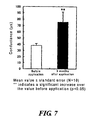
- each sample was applied to the inside of the forearm of 20 male and female adult panelists. The sensation was scored according to the standard in Table 1. The average of scores was determined. The skin moisturizing effect on the human skin of each sample was also examined. To evaluate the moisturizing effect, a 10% aqueous solution of each sample was applied to the inside of the cleaned forearm of five panelists to measure the amount of water after 30 minutes using a conductance meter (SKICON 200, manufactured by IBS Corp.). Average of the water content was determined for comparison. The results are shown in Table 2.
- Magnesium carbonate was added to the fermented product 2 prepared in the Preparation Example 2 to a final concentration of 0, 0.005, 0.01, 0.1, 0.4, 0.8, 1.2, 2.0, or 10.0%, the mixture was stirred for 24 hours at room temperature, allowed to stand, and filtered to obtain samples. The lactic acid, acetic acid, sucrose, and isoflavone content and pH of each sample were determined. Each sample was applied to the inside of the forearm of 20 male and female adult panelists to examine the deodorizing effect and the water content in the horny cell layer in the same manner as in Test Example 8. The results are shown in Table 3.
- Magnesium carbonate was added to the fermented products 2-4 prepared in the Preparation Examples 2-4 to a final concentration of 0% or 0.6%. The mixture was stirred for 68 hours at 18°C or less, allowed to stand, and filtered. The contents of lactic acid, acetic acid, sucrose, and isoflavone of each sample thus obtained were determined. The deodorizing effects were evaluated in the same manner as in Test Example 8. The results are shown in Table 4.
- a previously cultured broth of Bifidobacterium breve YIT 4065 (FERM BP-6223) was inoculated in soybean milk prepared in the same manner as in Preparation Example 1 to make the concentration of the cultured broth in the soybean milk 0.5%.
- the mixture was stationarily incubated at 37°C for 24 hours to obtain a fermented soybean milk.
- the number of live cells in the resulting fermented soybean milk was 1.3 ⁇ 10 9 cells/ml. Ethanol in the amount of three times the amount of the fermented soybean milk was added.
- the mixture was stirred and filtered.
- Fermented product 5 was prepared by adding magnesium carbonate to a concentration of 0.6%, stirring the mixture, allowing the mixture to stand for 24 hours at room temperature, and filtering.
- Fig. 8 shows the synergistic effect of the fermented product and the all-trans-retinol on hyaluronic acid production by human epidermic cells.
- a lotion of the following composition was prepared.
- Component (wt%) Fermented product 1 10.0 Retinyl palmitate 0.01 Ethanol 5.0 1,3-Butylene glycol 2.0
- Polyoxyethylene (50 E.O.) hydrogenated castor oil 0.05 Methyl paraoxybenzoate 0.1 Perfume 0.1 Purified water Balance
- the lotion obtained was excellent in preventing and improving skin roughness and imparted a refreshing sensation upon use. Storage stability was also excellent.
- a milky lotion of the following composition was prepared.
- Component (wt%) Fermented product 2 10.0 Retinyl palmitate 0.02 Stearic acid 2.0 Liquid paraffin 6.0 Squalane 2.0 Sorbitan monostearate 1.5 Polyoxyethylene (20 E.O.) sorbitan monostearate 2.0 Methyl paraoxybenzoate 0.05 Glycerol 1.0 Perfume 0.15 Purified water Balance
- the milky lotion obtained was excellent in the cornification improving effect, skin elasticity improving effect, and moisturizing effect and imparted a moist sensation upon use. Storage stability was also excellent.
- a cream of the following composition was prepared.
- Component (wt%) Fermented product 2 10.0 Retinyl palmitate 0.05 Liquid paraffin 23.0 Petroleum jelly 7.0
- Behenyl alcohol 1.0 Stearic acid 2.0 Bees wax 2.0 Sorbitan monostearate 1.5
- Polyoxyethylene (20 E.O.) sorbitan monostearate 2.5
- Butyl paraoxybenzoate 0.05
- Glycerol 2.0 Methyl paraoxybenzoate 0.1 Perfume 0.15 Purified water Balance
- the cream obtained was excellent in preventing and improving skin roughness and improving wrinkles, and imparted a comfortable sensation upon use. Storage stability was also excellent.
- the ointment was applied to the skin (5 mg/cm 2 ) twice a day to confirm excellent effect of preventing and improving skin roughness and excellent wrinkle improving effect.
- the storage stability was also excellent.
- a lotion of the following composition was prepared.
- Component (wt%) Fermented product 5 10.0 Retinyl palmitate 0.01 Ethanol 5.0 1,3-Butylene glycol 2.0
- Polyoxyethylene (50 E.O.) hydrogenated castor oil 0.05 Methyl paraoxybenzoate 0.1 Perfume 0.1 Purified water Balance
- the lotion obtained was excellent in preventing and improving skin roughness and imparted a refreshing sensation upon use. Storage stability and fragrance was also excellent.
- a lotion of the following composition was prepared.
- a lotion of the following composition was prepared.
- Component (wt%) Lactobacillus culture broth 30 Fermented product 1 Sodium hydroxide Appropriate amount Ethanol 8 Perfume 0.1 Purified water Balance Talk 0.1 Polyoxyethylene (24) cholesteryl ether 0.1 Acetic acid-dl- ⁇ -tocopherol 0.1 Pentylene glycol 30 Methyl parabene 0.1 EDTA-2Na 0.1 Glycerol 5 Mori cortex extract 0.1 Dipotassium glycyrrhizate 0.1 Glycolic acid 3 Lactic acid 3 Sodium hyaluronate 0.1 dl -malic acid 0.1
- a milky lotion of the following composition was prepared.
- Component (wt%) Stearic acid 2 Cetanol 1 Octyldodecyl myristate 5 Liquid paraffin 10 Acrylic acid-alkyl methacrylate copolymer 0.5 Polyoxyethylene monostearate 0.5 Butyl parabene 0.1 1,3-Butylene glycol 5 Carboxymethylcellulose 0.1 Sodium hydroxide Appropriate amount Methyl parabene 0.1 Fermented product 1 Perfume 0.05 Purified water Balance
- a milky lotion of the following composition was prepared.
- Component (wt%) Squalane 10 Jojoba oil 2 Beef tallow 1 Cholesteryl hydroxystearate 0.1 Batyl stearate 1 Stearic acid 1 Luric acid 1 Hydrophobic glycerol monostearate 2 Polyethylene glycol monostearate 2 Methylpolysiloxane 0.1 Acetic acid-dl- ⁇ -tocopherol 0.1 Natural vitamin E 0.001 Stearyl glycyrrhetinate 0.1 Butyl parabene 0.1 Purified water Balance Lactobacillus culture broth 10 Fermented product 20 EDTA-2Na 0.1 Potassium hydroxide Appropriate amount 1,3-Butylene glycol 5 Carageenan 0.1 Glycolic acid 5 Lactic acid 3 Glycerol 3 Methyl parabene 0.1 Sodium hyaluronate 0.5 Perfume 0.05 Mori cortex extract 0.1 Chlorohexidine gluconate 0.01
- a moisturizing cream of the following composition was prepared.
- Component (wt%) Stearic acid 4 Cetanol 2 Jojoba oil 5 Squalane 10 Polyoxyethylene sorbitan monostearate 2 Sorbitan monostearate 3 Butyl parabene 0.1 1,2-Pentane diol 2 Sodium hydroxide 0.05 Fermented product 0.01 Sodium hyaluronate 0.1 Perfume 0.05 Purified water Balance
- a moisturizing cream of the following composition was prepared.
- a cleansing cream of the following composition was prepared.
- a washing cream of the following composition was prepared.
- Amassage cream of the following composition was prepared.
- Component (wt%) Liquid paraffin 30 Liquid isoparaffin 5 Octyldodecyl myristate 1.0 Petroleum jelly 10 Beef tallow 1 Cholesteryl hydroxystearate 1 Bees wax 2 Behenyl alcohol 1 Batyl alcohol 1 Hydrophobic glycol monostearate 4 Methylpolysiloxane 0.1 Acetic acid-dl- ⁇ -tocopherol 0.1 Natural vitamin E 0.001 Stearyl glycyrrhetinate 0.1 Butyl parabene 0.1 Polyoxyethylene sorbitan monostearate 4 Sodium hydroxide Appropriate amount Purified water Balance Fermented product 10 Lactobacillus culture broth 5 Polyethylene glycol monostearate 0.1 Glycerol 4 Methyl parabene 0.1 1,3-Butylene glycol 5 Sodium hyaluronate 0.1 Glycolic acid 1 Lactic acid 1 Perfume 0.1 Mori cortex extract 0.1 Ch
- a pack of the following composition was prepared.
- Component (wt%) Lactobacillus culture broth 10 Purified water Balance Fermented product 20 dl -malic acid 0.1 Sodium hydroxide Appropriate amount Glycerol 5 Glycolic acid 5 Polyvinyl alcohol 15 Ethanol 5 Methyl parabene 0.1 Sodium hyaluronate 0.5 Polyoxyethylene polyoxypropylene glycol 1 Stearyl glycyrrhetinate 0.1 Acetic acid-dl-tocopherol 0.1 Natural vitamin E 0.1 Mori cortex extract 0.1 Chlorohexidine gluconate 0.01 Perfume 0.1
- the effect of epidermic cell activation possessed by vitamin A and the derivatives thereof is synergistically promoted by a fermented product.
- the effect of promoting hyaluronic acid production possessed by the vitamin A and derivatives thereof are supplemented by the same effect exhibited by the fermented product, resulting in the skin preparation excelling in a roughness preventing and improving effect, a cornification improving effect, a moisturizing effect, and an effect of preventing and improving wrinkled or loosened skin.
- the skin preparation is effective in preventing skin aging as a skin preparation for external application such as a cosmetic composition and a quasi-drug composition.
- the skin preparation for external application of the present invention can also be used as a medicine, for example, as an ache suppressor or improver for diseases induced by a decrease in the amount of hyaluronic acid in tissues such as rheumatoid arthritis and traumatic arthritis, a curing agent for promoting growth of granulation tissues in the initial stage of thermal burn treatment, an acne treatment drug, a psoriasis treating agent, a wrinkle treating agent, and an optically aged skin treating agent.,
Landscapes
- Health & Medical Sciences (AREA)
- Life Sciences & Earth Sciences (AREA)
- General Health & Medical Sciences (AREA)
- Public Health (AREA)
- Veterinary Medicine (AREA)
- Animal Behavior & Ethology (AREA)
- Chemical & Material Sciences (AREA)
- Epidemiology (AREA)
- Natural Medicines & Medicinal Plants (AREA)
- Engineering & Computer Science (AREA)
- Medicinal Chemistry (AREA)
- Pharmacology & Pharmacy (AREA)
- Mycology (AREA)
- Biotechnology (AREA)
- Birds (AREA)
- Organic Chemistry (AREA)
- Microbiology (AREA)
- Dermatology (AREA)
- Botany (AREA)
- Bioinformatics & Cheminformatics (AREA)
- Wood Science & Technology (AREA)
- Chemical Kinetics & Catalysis (AREA)
- Zoology (AREA)
- Alternative & Traditional Medicine (AREA)
- Medical Informatics (AREA)
- General Chemical & Material Sciences (AREA)
- Gerontology & Geriatric Medicine (AREA)
- Nuclear Medicine, Radiotherapy & Molecular Imaging (AREA)
- Biochemistry (AREA)
- General Engineering & Computer Science (AREA)
- Genetics & Genomics (AREA)
- Cosmetics (AREA)
- Medicines Containing Plant Substances (AREA)
Abstract
Description
2,4,4'-trichloro-2'-hydroxydiphenyl ether,
3,4,4'-trichlorocarboanilide, benzalkonium chloride, hinokitiol, resorcin, ethanol, and the like can be given.
3-(4'-methylbenzylidene)-d-camphor,
3-benzylidene-d,1-camphor, uroxanic acid, ethyl uroxanate, 2-phenyl-5-methylbenzoxazol,
2-(2'-hydroxy-5'-t-octylphenyl)benzotriazol,
2-(2'-hydroxy-5'-methylphenyl)benzotriazole, dibenzaladine, dianisoyl methane, 4-methoxy-4'-t-butyldibenzoylmethane,
5-(3,3-dimethyl-2-norbornyliden)-3-pentan-2-on,
2-hydroxy-4-methoxybenzophenone, octyldimethyl p-aminobenzoate, ethylhexyl p-methoxycinnamate, titanium oxide, kaolin, and talc.
| Component | (wt%) |
| Ethanol | 10.0 |
| | 5.0 |
| 1, 3-Butylene glycol | 3.0 |
| Trimethyl glycine | 1.0 |
| Purified water | Balance |
| Carboxy vinyl polymer | 0.1 |
| Carageenan | 0.1 |
| Glycerol | 5.0 |
| Squalane | 1.0 |
| Methylphenyl polysiloxane | 1.0 |
| Polymethacryloyloxyethyl phosphoryl choline solution | 2.0 |
| Behenyl alcohol | 0.1 |
| Polyoxyethylene sorbitan monostearate | 0.2 |
| Glycerol monostearate | 0.1 |
| Retinyl palmitate | 0.01 |
| Stearyl glycyrrhizinate | 0.1 |
| Methyl parabene | 0.1 |
| Perfume | 0.1 |
| Sodium hydroxide | Appropriate amount |
| Sensation | Score |
| Excellent (no irritating odor) | ±0 |
| Good (irritating odor is not unpleasant) | -1 |
| Slightly unpleasant odor | -2 |
| Unpleasant odor (irritating odor) | -3 |
| Significantly unpleasant odor (strong irritating odor) | -4 |


| Component | (wt%) |
| | 10.0 |
| Retinyl palmitate | 0.01 |
| Ethanol | 5.0 |
| 1,3-Butylene glycol | 2.0 |
| Polyoxyethylene (50 E.O.) hydrogenated castor oil | 0.05 |
| Methyl paraoxybenzoate | 0.1 |
| Perfume | 0.1 |
| Purified water | Balance |
| Component | (wt%) |
| | 10.0 |
| Retinyl palmitate | 0.02 |
| Stearic acid | 2.0 |
| Liquid paraffin | 6.0 |
| Squalane | 2.0 |
| Sorbitan monostearate | 1.5 |
| Polyoxyethylene (20 E.O.) sorbitan monostearate | 2.0 |
| Methyl paraoxybenzoate | 0.05 |
| Glycerol | 1.0 |
| Perfume | 0.15 |
| Purified water | Balance |
| Component | (wt%) |
| | 10.0 |
| Retinyl palmitate | 0.05 |
| Liquid paraffin | 23.0 |
| Petroleum jelly | 7.0 |
| Behenyl alcohol | 1.0 |
| Stearic acid | 2.0 |
| Bees wax | 2.0 |
| Sorbitan monostearate | 1.5 |
| Polyoxyethylene (20 E.O.) sorbitan monostearate | 2.5 |
| Butyl paraoxybenzoate | 0.05 |
| Glycerol | 2.0 |
| Methyl paraoxybenzoate | 0.1 |
| Perfume | 0.15 |
| Purified water | Balance |
| Component | (wt%) |
| | 10.0 |
| Retinyl palmitate | 0.05 |
| Hydrophilic ointment of Japanese Pharmacopoeia | 89.95 |
| Component | (wt%) |
| Fermented product 5 | 10.0 |
| Retinyl palmitate | 0.01 |
| Ethanol | 5.0 |
| 1,3-Butylene glycol | 2.0 |
| Polyoxyethylene (50 E.O.) hydrogenated castor oil | 0.05 |
| Methyl paraoxybenzoate | 0.1 |
| Perfume | 0.1 |
| Purified water | Balance |
| Component | (wt%) |
| Fermented product | 10.0 |
| Ethanol | 8 |
| | 2 |
| Methyl parabene | 0.05 |
| Polyoxyethylene hydrogenated castor oil | 0.5 |
| Carboxyvinyl polymer | 0.1 |
| Perfume | 0.05 |
| Purified water | Balance |
| Component | (wt%) |
| | 30 |
| | 1 |
| Sodium hydroxide | Appropriate amount |
| Ethanol | 8 |
| Perfume | 0.1 |
| Purified water | Balance |
| Talk | 0.1 |
| Polyoxyethylene (24) cholesteryl ether | 0.1 |
| Acetic acid-dl-α-tocopherol | 0.1 |
| | 30 |
| Methyl parabene | 0.1 |
| EDTA-2Na | 0.1 |
| Glycerol | 5 |
| Mori cortex extract | 0.1 |
| Dipotassium glycyrrhizate | 0.1 |
| | 3 |
| | 3 |
| Sodium hyaluronate | 0.1 |
| dl-malic acid | 0.1 |
| Component | (wt%) |
| | 2 |
| | 1 |
| Octyldodecyl myristate | 5 |
| | 10 |
| Acrylic acid-alkyl methacrylate copolymer | 0.5 |
| Polyoxyethylene monostearate | 0.5 |
| Butyl parabene | 0.1 |
| 1,3-Butylene glycol | 5 |
| Carboxymethylcellulose | 0.1 |
| Sodium hydroxide | Appropriate amount |
| Methyl parabene | 0.1 |
| | 1 |
| Perfume | 0.05 |
| Purified water | Balance |
| Component | (wt%) | |
| Squalane | 10 | |
| | 2 | |
| | 1 | |
| Cholesteryl hydroxystearate | 0.1 | |
| | 1 | |
| | 1 | |
| | 1 | |
| | 2 | |
| | 2 | |
| Methylpolysiloxane | 0.1 | |
| Acetic acid-dl-α-tocopherol | 0.1 | |
| Natural vitamin E | 0.001 | |
| Stearyl glycyrrhetinate | 0.1 | |
| Butyl parabene | 0.1 | |
| Purified water | Balance | |
| | 10 | |
| | 20 | |
| EDTA-2Na | 0.1 | |
| Potassium | Appropriate amount | |
| 1,3-Butylene glycol | 5 | |
| Carageenan | 0.1 | |
| Glycolic acid | 5 | |
| | 3 | |
| | 3 | |
| Methyl parabene | 0.1 | |
| Sodium hyaluronate | 0.5 | |
| Perfume | 0.05 | |
| Mori cortex extract | 0.1 | |
| Chlorohexidine gluconate | 0.01 |
| Component | (wt%) |
| Stearic acid | 4 |
| | 2 |
| Jojoba oil | 5 |
| | 10 |
| | 2 |
| | 3 |
| Butyl parabene | 0.1 |
| 1,2- | 2 |
| Sodium hydroxide | 0.05 |
| Fermented product | 0.01 |
| Sodium hyaluronate | 0.1 |
| Perfume | 0.05 |
| Purified water | Balance |
| Component | (wt%) |
| Squalane | 10 |
| Jojoba oil | 5 |
| Cetyl 2-ethylhexanoate | 5 |
| | 1 |
| | 1 |
| | 1 |
| | 2 |
| | 1 |
| Stearic acid | 0.3 |
| Behenic acid | 0.2 |
| Acrylic acid-alkyl methacrylate copolymer | 0.3 |
| Methylpolysiloxane | 0.1 |
| Acetic acid-dl-α-tocopherol | 0.1 |
| Natural vitamin E | 0.001 |
| Stearyl glycyrrhetinate | 0.1 |
| Polyoxyethylene monostearate | 0.5 |
| Purified water | Balance |
| | 10 |
| Fermented product | 15 |
| Sodium hydroxide | |
| Glycerol | |
| 10 | |
| 1,2-Pentane diol | 5 |
| Carageenan | 0.1 |
| Sodium hyaluronate | 0.2 |
| | 2 |
| | 1 |
| Perfume | 0.1 |
| Mori cortex extract | 0.1 |
| Component | (wt%) |
| | 3 |
| Lactobacillus culture broth | 5 |
| | 1 |
| Purified water | Balance |
| Carboxyvinyl polymer | 0.1 |
| Moutan cortex extract | 0.1 |
| Seaweed extract | 0.1 |
| Horse chestnut extract | 0.1 |
| Carageenan | 0.1 |
| Sodium hyaluronate | 0.1 |
| Glycerol | 5 |
| | 1 |
| | 1 |
| Polymethacryloyloxyethyl | |
| 2 | |
| Behenyl alcohol | 0.1 |
| Polyoxyethylene sorbitan monostearate | 0.2 |
| Glycerol monostearate | 0.1 |
| Retinyl palmitate | 0.1 |
| Stearyl glycyrrhizinate | 0.1 |
| Fermented product | 5 |
| Perfume | 0.1 |
| Sodium hydroxide | Appropriate amount |
| Component | (wt%) |
| | 40 |
| | 10 |
| | 1 |
| | 10 |
| | 1 |
| | 1 |
| | 2 |
| | 1 |
| Acrylic acid-alkyl methacrylate copolymer | 0.5 |
| Polyoxyethylene monostearate | 0.5 |
| Natural vitamin E | 0.001 |
| Butyl parabene | 0.1 |
| Stearyl glycyrrhetinate | 0.1 |
| Purified water | Balance |
| Fermented product | 5 |
| 1,3-Butylene glycol | 5 |
| Methyl parabene | 0.1 |
| | 10 |
| Sodium hyaluronate | 0.1 |
| Glycolic acid | 0.1 |
| Lactic acid | 0.1 |
| Perfume | 0.1 |
| Triethanolamine | Appropriate amount |
| Mori cortex extract | 0.1 |
| Component | (wt%) |
| | 1 |
| Luric acid | 5 |
| | 10 |
| Stearic acid | 5 |
| Palmitic acid | 5 |
| | 20 |
| Purified water | |
| Fermented product | |
| 1 | |
| EDTA-2Na | 0.1 |
| Sodium benzoate | 0.1 |
| Potassium hydroxide | Appropriate amount |
| Diethanol amide luric acid | 0.1 |
| Polyethylene glycol distearate | 0.1 |
| Polyoxyethylene (20) coconut oil | |
| sorbitan | |
| 2 | |
| | 1 |
| Stearyl glycyrrhetinate | 0.1 |
| Natural vitamin E | 0.001 |
| | 1 |
| | 1 |
| Sodium hyaluronate | 0.1 |
| Lactobacillus culture broth | 5 |
| Perfume | 0.1 |
| Mori cortex extract | 0.1 |
| Component | (wt%) |
| | 30 |
| Liquid isoparaffin | 5 |
| Octyldodecyl myristate | 1.0 |
| | 10 |
| | 1 |
| | 1 |
| | 2 |
| | 1 |
| | 1 |
| Hydrophobic glycol monostearate | 4 |
| Methylpolysiloxane | 0.1 |
| Acetic acid-dl-α-tocopherol | 0.1 |
| Natural vitamin E | 0.001 |
| Stearyl glycyrrhetinate | 0.1 |
| Butyl parabene | 0.1 |
| Polyoxyethylene sorbitan monostearate | 4 |
| Sodium hydroxide | Appropriate amount |
| Purified water | |
| Fermented product | |
| 10 | |
| Lactobacillus culture broth | 5 |
| Polyethylene glycol monostearate | 0.1 |
| Glycerol | 4 |
| Methyl parabene | 0.1 |
| 1,3-Butylene glycol | 5 |
| Sodium hyaluronate | 0.1 |
| | 1 |
| | 1 |
| Perfume | 0.1 |
| Mori cortex extract | 0.1 |
| Chlorohexidine gluconate | 0.01 |
| Component | (wt%) |
| | 10 |
| Purified water | |
| Fermented product | |
| 20 | |
| dl-malic acid | 0.1 |
| Sodium hydroxide | Appropriate amount |
| Glycerol | 5 |
| Glycolic acid | 5 |
| Polyvinyl alcohol | 15 |
| Ethanol | 5 |
| Methyl parabene | 0.1 |
| Sodium hyaluronate | 0.5 |
| | 1 |
| Stearyl glycyrrhetinate | 0.1 |
| Acetic acid-dl-tocopherol | 0.1 |
| Natural vitamin E | 0.1 |
| Mori cortex extract | 0.1 |
| Chlorohexidine gluconate | 0.01 |
| Perfume | 0.1 |
Claims (15)
- A skin preparation for external application comprising a fermented product obtained by treating a bean extract with a microorganism and one or more members selected from the group consisting of vitamin A and derivatives of vitamin A.
- The skin preparation according to claim 1, wherein the microorganism is Lactobacillus or Bifidobacterium.
- The skin preparation according to claim 1 or claim 2, wherein the microorganism belongs to the genera Lactobacillus, Lactococcus, Pediococcus, Streptococcus, Leuconostoc, or Bifidobacterium.
- The skin preparation according to any one of claims 1 to 3, wherein the bean extract is soybean milk.
- The skin preparation according to claim 1, wherein the fermented product obtained by treating a bean extract with a microorganism is a deodorized fermented product produced by the following steps (a) and (b):(a) a step of causing one or more kinds of microorganisms to react with a bean extract and(b) a step of causing the fermented product obtained in (a) to contact with one or more members selected from the group consisting of a carbonate and talc.
- The skin preparation according to claim 5, wherein the step (a) and/or step (b) is carried out in a nitrogen atmosphere.
- The skin preparation according to claim 5 or claim 6, wherein the carbonate used in the step (b) is magnesium carbonate or calcium carbonate.
- The skin preparation according to any one of claims 5 to 7, wherein the following step (c) is added after the step (a):(c) a step of adjusting the pH with an organic acid.
- The skin preparation according to any one of claims 5 to 8, wherein the following step (d) is added after the step (b):(d) a step of leaving the product while stirring at a temperature of 20°C or less, and preferably at 5°C or less.
- The skin preparation according to any one of claims 1 to 9, wherein the vitamin A and/or derivative thereof is one or more compounds selected from the group consisting of retinol, retinoic acid, and retinyl palmitate.
- The skin preparation according to any one of claims 1 to 10, having a cell activation effect.
- The skin preparation according to any one of claims 1 to 11, having an effect of promoting hyaluronic acid production.
- The skin preparation according to any one of claims 1 to 12, which is an agent for preventing and improving skin roughness.
- The skin preparation according to any one of claims 1 to 13, which is a cosmetic.
- Aprocess for producing a skin preparation for external application comprising:(e) a step of causing one or more kinds of microorganisms to react with a bean extract and(f) a step of causing the fermented product obtained in (a) to contact with one or more members selected from the group consisting of a carbonate and talc.
Applications Claiming Priority (5)
| Application Number | Priority Date | Filing Date | Title |
|---|---|---|---|
| JP2000385794A JP4612180B2 (en) | 2000-12-19 | 2000-12-19 | Skin preparation |
| JP2000385794 | 2000-12-19 | ||
| JP2000398891 | 2000-12-27 | ||
| JP2000398891A JP4612183B2 (en) | 2000-12-27 | 2000-12-27 | External composition for skin and method for producing the same |
| PCT/JP2001/010698 WO2002049656A1 (en) | 2000-12-19 | 2001-12-06 | External skin preparations and process for producing the same |
Publications (3)
| Publication Number | Publication Date |
|---|---|
| EP1344528A1 true EP1344528A1 (en) | 2003-09-17 |
| EP1344528A4 EP1344528A4 (en) | 2005-05-04 |
| EP1344528B1 EP1344528B1 (en) | 2008-10-08 |
Family
ID=26606122
Family Applications (1)
| Application Number | Title | Priority Date | Filing Date |
|---|---|---|---|
| EP01271222A Expired - Lifetime EP1344528B1 (en) | 2000-12-19 | 2001-12-06 | External skin preparations and process for producing the same |
Country Status (6)
| Country | Link |
|---|---|
| US (1) | US7090875B2 (en) |
| EP (1) | EP1344528B1 (en) |
| KR (1) | KR100858575B1 (en) |
| BR (1) | BR0116679A (en) |
| DE (1) | DE60136096D1 (en) |
| WO (1) | WO2002049656A1 (en) |
Cited By (16)
| Publication number | Priority date | Publication date | Assignee | Title |
|---|---|---|---|---|
| EP1527770A3 (en) * | 2004-04-08 | 2005-09-07 | Mauro Castiglioni | A cosmetic mask composition |
| US7381428B2 (en) | 2003-08-26 | 2008-06-03 | Shire International Licensing B.V. | Stabilized lanthanum carbonate compositions |
| FR2909554A1 (en) * | 2006-12-08 | 2008-06-13 | Biorecept Sarl Lab | Cosmetic composition, useful to treat fine lines and wrinkles of the skin, comprises hyaluronic acid, a pH adjuster and excipient, where the pH adjuster is an alpha-hydroxy acid and the composition has an acid pH |
| US7465465B2 (en) | 2003-08-26 | 2008-12-16 | Shire Biochem Inc. | Pharmaceutical formulation comprising lanthanum compounds |
| FR2920304A1 (en) * | 2007-09-04 | 2009-03-06 | Oreal | COSMETIC USE OF LYSAT BIFIDOBACTERIUM SPECIES FOR THE TREATMENT OF DROUGHT. |
| FR2937534A1 (en) * | 2008-10-29 | 2010-04-30 | Oreal | ASSOCIATION OF ORCHID EXTRACT AND BIOTIN |
| FR2937533A1 (en) * | 2008-10-29 | 2010-04-30 | Oreal | ASSOCIATION OF ORCHID EXTRACT AND SOY PROTEIN EXTRACT |
| FR2937535A1 (en) * | 2008-10-29 | 2010-04-30 | Oreal | COSMETIC USE OF A MALE ORCHID EXTRACT |
| FR2937548A1 (en) * | 2008-10-28 | 2010-04-30 | Oreal | Cosmetic use of a lysate of Bifidobacterium species or one of its fractions for preparing the skin for surface treatment comprising chemical peeling and laser treatments |
| FR2953407A1 (en) * | 2009-12-08 | 2011-06-10 | Oreal | PROBIOTIC MICROORGANISMS AS ACTIVE AGAINST THE ALTERATIONS OF MICRORELIEF |
| BE1020210A3 (en) * | 2011-09-06 | 2013-06-04 | Auriga Internat | DERMATOLOGICAL COMPOSITION BASED ON FRAGMENTS OF HYALURONATE OR HYALURONIC ACID. |
| US8481299B2 (en) | 2009-03-04 | 2013-07-09 | L'oreal | Use of probiotic microorganisms to limit skin irritation |
| US9393260B2 (en) | 2012-03-22 | 2016-07-19 | Lubrizol Advanced Materials, Inc. | Exopolysaccharide for the treatment and/or care of the skin, mucous membranes and/or nails |
| WO2017063748A1 (en) * | 2015-10-16 | 2017-04-20 | Bernd Kuhs | Composition and method for producing dermatological and cosmetic preparations having pronounced lamellar structures using phosphatidycholine and fermentation by microorganisms |
| US10238897B2 (en) | 2007-09-04 | 2019-03-26 | L'oreal | Use of a lysate of bifidobacterium species for treating sensitive skin |
| EP4700131A1 (en) | 2024-08-20 | 2026-02-25 | Biorealis, S.r.o. | Process of preparing cosmetic ingredients containing cosmetically or dermatologically active components from plant or algae |
Families Citing this family (31)
| Publication number | Priority date | Publication date | Assignee | Title |
|---|---|---|---|---|
| US8093293B2 (en) * | 1998-07-06 | 2012-01-10 | Johnson & Johnson Consumer Companies, Inc. | Methods for treating skin conditions |
| FR2834718B1 (en) * | 2002-01-15 | 2004-12-24 | Cognis France Sa | COSMETIC AND / OR PHARMACEUTICAL ACTIVE SUBSTANCES |
| CA2545788A1 (en) * | 2003-11-13 | 2005-06-02 | Galileo Pharmaceuticals, Inc. | Plant-derived protein extract compositions and methods |
| AU2005291098B2 (en) * | 2004-10-04 | 2011-11-24 | L'oreal | Cosmetic and/or dermatological composition for sensitive skins |
| GB0513193D0 (en) * | 2005-06-29 | 2005-08-03 | Quest Int Serv Bv | Improvements in skin and hair care |
| FR2889057B1 (en) * | 2005-08-01 | 2008-07-18 | Oreal | COSMETIC AND / OR DERMATOLOGICAL COMPOSITION FOR THE PREVENTION AND / OR TREATMENT OF SENSITIVE OR DRY SKINS |
| WO2007148804A1 (en) * | 2006-06-23 | 2007-12-27 | Rohto Pharmaceutical Co., Ltd. | Composition capable of promoting the production of hyaluronic acid |
| JP4950571B2 (en) * | 2006-06-23 | 2012-06-13 | ロート製薬株式会社 | Composition having ability to promote collagen production |
| WO2008014518A2 (en) * | 2006-07-28 | 2008-01-31 | Dixon David M | Composition and method to treat wounds |
| KR101437939B1 (en) * | 2007-04-20 | 2014-11-03 | 주식회사 엘지생활건강 | Cosmetic composition for improving wrinkles |
| FR2919501B1 (en) * | 2007-08-02 | 2010-12-31 | Oreal | USE OF HESPERIDINE OR ONE OF ITS DERIVATIVES FOR THE PREVENTION AND / OR TREATMENT OF RELEASED SKINS |
| WO2009031106A2 (en) * | 2007-09-04 | 2009-03-12 | L'oreal | Use of a combination of hesperidin and of a microorganism for influencing the barrier function of the skin |
| US20090088360A1 (en) * | 2007-09-28 | 2009-04-02 | Kimberly-Clark Worldwide | Bath Treatment Compositions and Methods |
| KR101199209B1 (en) | 2008-08-01 | 2012-11-07 | (주)아모레퍼시픽 | Cosmetic composition containing fermented extracts with salt of natural materials |
| WO2010013885A1 (en) * | 2008-08-01 | 2010-02-04 | Amorepacific Corporation | Cosmetic composition containing salt-fermented extract of natural materials |
| KR100898311B1 (en) * | 2008-10-23 | 2009-05-19 | 주식회사 더멋진 바이오텍 | Cosmetic composition containing soy milk complex fermented extract as an active ingredient |
| KR101045310B1 (en) | 2009-07-31 | 2011-06-29 | (주)에이씨티 | Manufacturing method of cosmetic composition containing lactic acid bacteria fermented coffee extract |
| KR101325671B1 (en) * | 2010-12-06 | 2013-11-06 | 주식회사 세바바이오텍 | Skin massage composition with high antioxidant activity and the mask pack comprising the same |
| WO2013025986A2 (en) | 2011-08-17 | 2013-02-21 | Basf Corporation | Marine based cosmetic active ingredients and use thereof |
| WO2015029895A1 (en) * | 2013-08-29 | 2015-03-05 | 株式会社ヤクルト本社 | Bindability enhancer for collagen fibers |
| WO2017044367A1 (en) * | 2015-09-11 | 2017-03-16 | Dow Global Technologies Llc | A composition comprising a protein and a polyalkoxy fatty compound |
| JP2019510036A (en) | 2016-03-31 | 2019-04-11 | ゴジョ・インダストリーズ・インコーポレイテッド | A detergent composition comprising probiotic / prebiotic active ingredients |
| US10806769B2 (en) | 2016-03-31 | 2020-10-20 | Gojo Industries, Inc. | Antimicrobial peptide stimulating cleansing composition |
| EP3435765A1 (en) | 2016-03-31 | 2019-02-06 | Gojo Industries, Inc. | Antimicrobial peptide stimulating sanitizing composition |
| US11564879B2 (en) | 2016-11-23 | 2023-01-31 | Gojo Industries, Inc. | Sanitizer composition with probiotic/prebiotic active ingredient |
| CN108265023B (en) * | 2016-12-30 | 2021-12-03 | 深圳华大生命科学研究院 | Proliferation promoter and application thereof |
| IT201700104536A1 (en) * | 2017-09-19 | 2019-03-19 | Cmed Aesthetics Srl | Topical products with two-phase system |
| WO2023230216A1 (en) * | 2022-05-26 | 2023-11-30 | Lonza Greenwood Llc | Lipid microcapsules for viable and stable probiotics |
| KR102523776B1 (en) * | 2022-09-27 | 2023-04-21 | 일동바이오사이언스(주) | Composition and health functional food containing Bifidobacterium lactis IDCC 4301 having vitamin A production ability |
| WO2026003253A1 (en) * | 2024-06-28 | 2026-01-02 | Unilever Ip Holdings B.V. | Skin care benefits from cosmetic compositions |
| WO2026003274A1 (en) * | 2024-06-28 | 2026-01-02 | Unilever Ip Holdings B.V. | Skin care benefit cosmetic compositions |
Family Cites Families (40)
| Publication number | Priority date | Publication date | Assignee | Title |
|---|---|---|---|---|
| US60A (en) * | 1836-10-20 | Ptjllinq ttp hope yaons | ||
| US6A (en) * | 1836-08-10 | Thomas Blanchard | Machine for forming end pieces of plank blocks for ships | |
| US10A (en) * | 1836-08-10 | Bariah Swift | Dye-wood and dye-stuff cutting and shaving machine | |
| US21501A (en) * | 1858-09-14 | johnson | ||
| US57A (en) * | 1836-10-19 | Hemp ant | ||
| US62A (en) * | 1836-10-20 | Cooking-stove | ||
| US8A (en) * | 1836-08-10 | T Blanchard | Machine for cutting scores around ships' tackle blocks and dead eyes | |
| US9A (en) * | 1836-08-10 | Thomas Blanchard | Method of riveting plank or made blocks | |
| US2000A (en) * | 1841-03-12 | Improvement in the manufacture of starch | ||
| US1A (en) * | 1836-07-13 | John Ruggles | Locomotive steam-engine for rail and other roads | |
| US3A (en) * | 1836-08-01 | 1836-08-11 | Thomas Blanchard | Machine for turning and wooden sheaves and pins for ships' tackle blocks and pulleys |
| GB1438315A (en) * | 1972-12-04 | 1976-06-03 | ||
| NL7506053A (en) * | 1974-05-25 | 1975-11-27 | Suedoldenburger Tierfrischmehl | METHOD AND EQUIPMENT FOR DRYING ORGANIC FRAGRANCES. |
| JPS5564754A (en) * | 1978-11-13 | 1980-05-15 | Yaesu Giken Kk | Production soybeam milk beverage |
| JPS5794264A (en) | 1980-12-04 | 1982-06-11 | Meiji Milk Prod Co Ltd | Preparation of deodorized soybean milk |
| JPS5843757A (en) * | 1981-09-08 | 1983-03-14 | T Hasegawa Co Ltd | Vanilla flavor and its manufacturing method |
| JPS6075264A (en) * | 1983-09-29 | 1985-04-27 | Shiyooman:Kk | Instant miso (fermented soybean paste) soup enriched with vitamin and its preparation |
| JPS60199349A (en) | 1984-03-21 | 1985-10-08 | Fuji Oil Co Ltd | Preparation of protein |
| JPS6236304A (en) | 1985-06-05 | 1987-02-17 | Kashiwa Kagaku Kogyo:Kk | Cosmetic |
| JP2618658B2 (en) * | 1987-10-15 | 1997-06-11 | 株式会社三光生物科学研究所 | Skin cosmetics |
| JP2804312B2 (en) * | 1989-10-09 | 1998-09-24 | 三省製薬株式会社 | Cosmetics |
| JPH03126163A (en) * | 1989-10-11 | 1991-05-29 | Ricoh Co Ltd | Document editing method |
| JPH03216163A (en) * | 1990-01-18 | 1991-09-24 | Izumi Enterp:Kk | Production of liquid fermented soybean |
| US5705205A (en) * | 1991-09-03 | 1998-01-06 | Pernod Richard | Process for the production of natural vanilla extract by enzymatic processing of green vanilla pods, and extract thereby obtained |
| JPH06279227A (en) | 1993-02-01 | 1994-10-04 | Ichimaru Pharcos Co Ltd | Dermatic external preparation and cosmetic |
| JP3625501B2 (en) | 1994-10-06 | 2005-03-02 | 御木本製薬株式会社 | Method for producing raw material for skin-applied skin and cell-applied skin external agent |
| US5599548A (en) | 1995-05-08 | 1997-02-04 | Elizabeth Arden Co., Division Of Conopco, Inc. | Skin care compositions containing fatty acid amides and retinol or retinyl ester |
| JPH08310934A (en) | 1995-05-17 | 1996-11-26 | Kao Corp | Cosmetics |
| US5536740A (en) | 1995-06-01 | 1996-07-16 | Elizabeth Arden Company, Division Of Conopco, Inc. | Skin care compositions containing dimethyl imidazolidinone and retinol or retinyl ester |
| JP3852713B2 (en) | 1995-12-29 | 2006-12-06 | サンスター株式会社 | Hot miso compress |
| CN1166960A (en) * | 1996-06-04 | 1997-12-10 | 金建文 | Composite beauty masque powder containing spirulina |
| US6338855B1 (en) * | 1996-10-25 | 2002-01-15 | The Procter & Gamble Company | Cleansing articles for skin and/or hair which also deposit skin care actives |
| JPH10175815A (en) * | 1996-12-17 | 1998-06-30 | Shiga Yoko | Enzymic cosmetic |
| KR100454760B1 (en) * | 1997-01-22 | 2005-01-13 | 후지 세이유 가부시키가이샤 | Fermented Soymilk Manufacturing Method |
| JP3184114B2 (en) | 1997-04-10 | 2001-07-09 | 株式会社ヤクルト本社 | Moisturizer |
| JP2000072616A (en) | 1998-08-28 | 2000-03-07 | Manda Hakko Kk | Humectant for external use |
| FR2784029B1 (en) | 1998-10-05 | 2001-01-05 | Pharmascience Lab | METHOD FOR THE PREVENTION AND / OR COSMETIC TREATMENT OF STRETCH MARKS AND USE IN DERMATOLOGY |
| EP1120108B1 (en) * | 1998-10-09 | 2006-08-02 | Kabushiki Kaisha Yakult Honsha | Skin care preparations for external use |
| KR100289501B1 (en) * | 1999-05-14 | 2001-05-02 | 윤덕용 | Method for Manufacturing Lactic Acid Using Soybean Component |
| KR20030092986A (en) * | 2002-05-31 | 2003-12-06 | 강상모 | Compositions for elimination or reduction of isoflavone trouble |
-
2001
- 2001-12-06 US US10/450,453 patent/US7090875B2/en not_active Expired - Fee Related
- 2001-12-06 BR BR0116679-4A patent/BR0116679A/en not_active IP Right Cessation
- 2001-12-06 DE DE60136096T patent/DE60136096D1/en not_active Expired - Lifetime
- 2001-12-06 EP EP01271222A patent/EP1344528B1/en not_active Expired - Lifetime
- 2001-12-06 KR KR1020037008034A patent/KR100858575B1/en not_active Expired - Fee Related
- 2001-12-06 WO PCT/JP2001/010698 patent/WO2002049656A1/en not_active Ceased
Cited By (21)
| Publication number | Priority date | Publication date | Assignee | Title |
|---|---|---|---|---|
| US7381428B2 (en) | 2003-08-26 | 2008-06-03 | Shire International Licensing B.V. | Stabilized lanthanum carbonate compositions |
| US7465465B2 (en) | 2003-08-26 | 2008-12-16 | Shire Biochem Inc. | Pharmaceutical formulation comprising lanthanum compounds |
| EP1527770A3 (en) * | 2004-04-08 | 2005-09-07 | Mauro Castiglioni | A cosmetic mask composition |
| FR2909554A1 (en) * | 2006-12-08 | 2008-06-13 | Biorecept Sarl Lab | Cosmetic composition, useful to treat fine lines and wrinkles of the skin, comprises hyaluronic acid, a pH adjuster and excipient, where the pH adjuster is an alpha-hydroxy acid and the composition has an acid pH |
| EP2033628A3 (en) * | 2007-09-04 | 2012-03-28 | L'Oréal | Cosmetic use of a Bifidobacterium species lysate for treating dry skin |
| FR2920304A1 (en) * | 2007-09-04 | 2009-03-06 | Oreal | COSMETIC USE OF LYSAT BIFIDOBACTERIUM SPECIES FOR THE TREATMENT OF DROUGHT. |
| US11154731B2 (en) | 2007-09-04 | 2021-10-26 | L'oreal | Cosmetic use of Bifidobacterium species lysate for the treatment of dryness |
| US10238897B2 (en) | 2007-09-04 | 2019-03-26 | L'oreal | Use of a lysate of bifidobacterium species for treating sensitive skin |
| FR2937548A1 (en) * | 2008-10-28 | 2010-04-30 | Oreal | Cosmetic use of a lysate of Bifidobacterium species or one of its fractions for preparing the skin for surface treatment comprising chemical peeling and laser treatments |
| FR2937534A1 (en) * | 2008-10-29 | 2010-04-30 | Oreal | ASSOCIATION OF ORCHID EXTRACT AND BIOTIN |
| FR2937533A1 (en) * | 2008-10-29 | 2010-04-30 | Oreal | ASSOCIATION OF ORCHID EXTRACT AND SOY PROTEIN EXTRACT |
| FR2937535A1 (en) * | 2008-10-29 | 2010-04-30 | Oreal | COSMETIC USE OF A MALE ORCHID EXTRACT |
| US8481299B2 (en) | 2009-03-04 | 2013-07-09 | L'oreal | Use of probiotic microorganisms to limit skin irritation |
| CN102762194A (en) * | 2009-12-08 | 2012-10-31 | 欧莱雅 | Probiotic microorganisms as active agents against changes in the skin's microrelief |
| WO2011070509A1 (en) * | 2009-12-08 | 2011-06-16 | L'oreal | Probiotic microorganisms as active agents against changes in the skin's microrelief |
| EP2332521A1 (en) * | 2009-12-08 | 2011-06-15 | L'Oréal | Probiotic microorganisms as actives against changes in the skin's microrelief |
| FR2953407A1 (en) * | 2009-12-08 | 2011-06-10 | Oreal | PROBIOTIC MICROORGANISMS AS ACTIVE AGAINST THE ALTERATIONS OF MICRORELIEF |
| BE1020210A3 (en) * | 2011-09-06 | 2013-06-04 | Auriga Internat | DERMATOLOGICAL COMPOSITION BASED ON FRAGMENTS OF HYALURONATE OR HYALURONIC ACID. |
| US9393260B2 (en) | 2012-03-22 | 2016-07-19 | Lubrizol Advanced Materials, Inc. | Exopolysaccharide for the treatment and/or care of the skin, mucous membranes and/or nails |
| WO2017063748A1 (en) * | 2015-10-16 | 2017-04-20 | Bernd Kuhs | Composition and method for producing dermatological and cosmetic preparations having pronounced lamellar structures using phosphatidycholine and fermentation by microorganisms |
| EP4700131A1 (en) | 2024-08-20 | 2026-02-25 | Biorealis, S.r.o. | Process of preparing cosmetic ingredients containing cosmetically or dermatologically active components from plant or algae |
Also Published As
| Publication number | Publication date |
|---|---|
| WO2002049656A1 (en) | 2002-06-27 |
| EP1344528B1 (en) | 2008-10-08 |
| KR100858575B1 (en) | 2008-09-17 |
| EP1344528A4 (en) | 2005-05-04 |
| US7090875B2 (en) | 2006-08-15 |
| KR20030061447A (en) | 2003-07-18 |
| BR0116679A (en) | 2004-01-13 |
| US20040029829A1 (en) | 2004-02-12 |
| DE60136096D1 (en) | 2008-11-20 |
Similar Documents
| Publication | Publication Date | Title |
|---|---|---|
| EP1344528B1 (en) | External skin preparations and process for producing the same | |
| JP4612180B2 (en) | Skin preparation | |
| CN1761450B (en) | Skin external preparation characterized by containing saccharide derivative of alpha, alpha-trehalose | |
| KR101492003B1 (en) | Probiotics of Lactobacillus plantarum HY7714 for skin wrinkle inhibitory and moisurizing effects and use of thereof as skin anti-wrinkle or moisturizing products | |
| KR102139472B1 (en) | Anti-aging composition comprising functional peptides and fermented products | |
| JP4813690B2 (en) | Filaggrin synthesis promoter, stratum corneum moisturizing function improving / enhancing agent and stratum corneum free amino acid content increasing agent | |
| KR20140016461A (en) | Fermented sea cucumber extract and its cosmetic usage | |
| JP4612183B2 (en) | External composition for skin and method for producing the same | |
| KR100727743B1 (en) | Skin moisturizing composition containing camphorol as an active ingredient, skin barrier function enhancement, and skin external cosmetic composition for inducing differentiation of keratinocytes | |
| JP2002212087A (en) | External preparation for skin | |
| JP4512265B2 (en) | Lactic acid bacteria culture supernatant, method for producing the same, and external preparation for skin using the supernatant | |
| EP4445894A1 (en) | Collagen production promoter, hyaluronic acid production promoter, and epidermal keratinocyte activator | |
| JP6234465B2 (en) | Collagen fiber bundling ability enhancer | |
| KR102759649B1 (en) | A cosmetic composition comprising exosomes from lactic acid bacteria derived from camellia flower, and method for manufacturing the same | |
| WO2006101119A1 (en) | Collagen synthesis promoter | |
| JP2009234976A (en) | Cell activator and external preparation for skin for antiaging | |
| CN114250156A (en) | Yeast culture solution, method for producing the same, external preparation for skin, and skin cosmetic | |
| KR102791277B1 (en) | Porous silica impregnated with Epidermidibacterium keratini extract and its use for improving skin conditions | |
| KR101814537B1 (en) | A skin topical composition comprising the bio-cellulose powder for reducing and preventing cellulite | |
| KR101814538B1 (en) | A cosmentic composition comprising the bio-cellulose powder for reducing and preventing cellulite | |
| KR100706285B1 (en) | External skin composition containing platinum extract having anti-wrinkle and improving activity | |
| KR102443181B1 (en) | High-functional, weakly acidic cleansing composition containing natural complex extracts | |
| KR20170114741A (en) | Composition for improving skin conditions | |
| KR101906559B1 (en) | Cosmetic Composition containing Fermentation Broth of Marine Macroalgal Polysaccharides | |
| JP2024110598A (en) | Skin preparations |
Legal Events
| Date | Code | Title | Description |
|---|---|---|---|
| PUAI | Public reference made under article 153(3) epc to a published international application that has entered the european phase |
Free format text: ORIGINAL CODE: 0009012 |
|
| 17P | Request for examination filed |
Effective date: 20030617 |
|
| AK | Designated contracting states |
Kind code of ref document: A1 Designated state(s): AT BE CH CY DE DK ES FI FR GB GR IE IT LI LU MC NL PT SE TR |
|
| RBV | Designated contracting states (corrected) |
Designated state(s): AT BE CH CY DE FR GB LI NL |
|
| A4 | Supplementary search report drawn up and despatched |
Effective date: 20050323 |
|
| 17Q | First examination report despatched |
Effective date: 20060427 |
|
| GRAP | Despatch of communication of intention to grant a patent |
Free format text: ORIGINAL CODE: EPIDOSNIGR1 |
|
| RBV | Designated contracting states (corrected) |
Designated state(s): BE DE FR GB NL |
|
| RIC1 | Information provided on ipc code assigned before grant |
Ipc: A61Q 19/00 20060101AFI20080414BHEP Ipc: A61K 8/67 20060101ALI20080414BHEP Ipc: A61K 8/98 20060101ALI20080414BHEP |
|
| GRAS | Grant fee paid |
Free format text: ORIGINAL CODE: EPIDOSNIGR3 |
|
| GRAA | (expected) grant |
Free format text: ORIGINAL CODE: 0009210 |
|
| AK | Designated contracting states |
Kind code of ref document: B1 Designated state(s): BE DE FR GB NL |
|
| REG | Reference to a national code |
Ref country code: GB Ref legal event code: FG4D |
|
| REF | Corresponds to: |
Ref document number: 60136096 Country of ref document: DE Date of ref document: 20081120 Kind code of ref document: P |
|
| PLBE | No opposition filed within time limit |
Free format text: ORIGINAL CODE: 0009261 |
|
| STAA | Information on the status of an ep patent application or granted ep patent |
Free format text: STATUS: NO OPPOSITION FILED WITHIN TIME LIMIT |
|
| 26N | No opposition filed |
Effective date: 20090709 |
|
| PGFP | Annual fee paid to national office [announced via postgrant information from national office to epo] |
Ref country code: DE Payment date: 20131204 Year of fee payment: 13 Ref country code: GB Payment date: 20131204 Year of fee payment: 13 |
|
| PGFP | Annual fee paid to national office [announced via postgrant information from national office to epo] |
Ref country code: NL Payment date: 20131109 Year of fee payment: 13 Ref country code: FR Payment date: 20131209 Year of fee payment: 13 |
|
| PGFP | Annual fee paid to national office [announced via postgrant information from national office to epo] |
Ref country code: BE Payment date: 20131217 Year of fee payment: 13 |
|
| PG25 | Lapsed in a contracting state [announced via postgrant information from national office to epo] |
Ref country code: BE Free format text: LAPSE BECAUSE OF NON-PAYMENT OF DUE FEES Effective date: 20141231 |
|
| REG | Reference to a national code |
Ref country code: DE Ref legal event code: R119 Ref document number: 60136096 Country of ref document: DE |
|
| REG | Reference to a national code |
Ref country code: NL Ref legal event code: V1 Effective date: 20150701 |
|
| REG | Reference to a national code |
Ref country code: NL Ref legal event code: V1 Effective date: 20150701 |
|
| GBPC | Gb: european patent ceased through non-payment of renewal fee |
Effective date: 20141206 |
|
| REG | Reference to a national code |
Ref country code: FR Ref legal event code: ST Effective date: 20150831 |
|
| PG25 | Lapsed in a contracting state [announced via postgrant information from national office to epo] |
Ref country code: NL Free format text: LAPSE BECAUSE OF NON-PAYMENT OF DUE FEES Effective date: 20150701 |
|
| PG25 | Lapsed in a contracting state [announced via postgrant information from national office to epo] |
Ref country code: DE Free format text: LAPSE BECAUSE OF NON-PAYMENT OF DUE FEES Effective date: 20150701 Ref country code: GB Free format text: LAPSE BECAUSE OF NON-PAYMENT OF DUE FEES Effective date: 20141206 |
|
| PG25 | Lapsed in a contracting state [announced via postgrant information from national office to epo] |
Ref country code: FR Free format text: LAPSE BECAUSE OF NON-PAYMENT OF DUE FEES Effective date: 20141231 |