EP1307474B1 - Protonen-translozierende retinalproteine mit konstantem all-trans-retinal-gehalt und verlangsamten photozyklus - Google Patents
Protonen-translozierende retinalproteine mit konstantem all-trans-retinal-gehalt und verlangsamten photozyklus Download PDFInfo
- Publication number
- EP1307474B1 EP1307474B1 EP01960574A EP01960574A EP1307474B1 EP 1307474 B1 EP1307474 B1 EP 1307474B1 EP 01960574 A EP01960574 A EP 01960574A EP 01960574 A EP01960574 A EP 01960574A EP 1307474 B1 EP1307474 B1 EP 1307474B1
- Authority
- EP
- European Patent Office
- Prior art keywords
- retinal
- amino acid
- proton
- mutation
- photochromic composition
- Prior art date
- Legal status (The legal status is an assumption and is not a legal conclusion. Google has not performed a legal analysis and makes no representation as to the accuracy of the status listed.)
- Expired - Lifetime
Links
- 108090000623 proteins and genes Proteins 0.000 title claims description 82
- 102000004169 proteins and genes Human genes 0.000 title claims description 80
- 230000002207 retinal effect Effects 0.000 title claims description 80
- NCYCYZXNIZJOKI-OVSJKPMPSA-N retinal group Chemical group C\C(=C/C=O)\C=C\C=C(\C=C\C1=C(CCCC1(C)C)C)/C NCYCYZXNIZJOKI-OVSJKPMPSA-N 0.000 claims description 110
- NCYCYZXNIZJOKI-UHFFFAOYSA-N vitamin A aldehyde Natural products O=CC=C(C)C=CC=C(C)C=CC1=C(C)CCCC1(C)C NCYCYZXNIZJOKI-UHFFFAOYSA-N 0.000 claims description 104
- 230000035772 mutation Effects 0.000 claims description 48
- 239000000203 mixture Substances 0.000 claims description 47
- 125000003275 alpha amino acid group Chemical group 0.000 claims description 37
- 238000000034 method Methods 0.000 claims description 25
- 210000004676 purple membrane Anatomy 0.000 claims description 17
- 241000203069 Archaea Species 0.000 claims description 14
- NCYCYZXNIZJOKI-IOUUIBBYSA-N 11-cis-retinal Chemical compound O=C/C=C(\C)/C=C\C=C(/C)\C=C\C1=C(C)CCCC1(C)C NCYCYZXNIZJOKI-IOUUIBBYSA-N 0.000 claims description 13
- 108090000820 Rhodopsin Proteins 0.000 claims description 13
- 150000001413 amino acids Chemical class 0.000 claims description 13
- 239000012788 optical film Substances 0.000 claims description 11
- 238000006467 substitution reaction Methods 0.000 claims description 11
- 125000000539 amino acid group Chemical group 0.000 claims description 10
- 241001074968 Halobacteria Species 0.000 claims description 8
- 230000003287 optical effect Effects 0.000 claims description 8
- 230000003197 catalytic effect Effects 0.000 claims description 7
- PEDCQBHIVMGVHV-UHFFFAOYSA-N Glycerine Chemical compound OCC(O)CO PEDCQBHIVMGVHV-UHFFFAOYSA-N 0.000 claims description 6
- 238000004519 manufacturing process Methods 0.000 claims description 6
- 239000000654 additive Substances 0.000 claims description 5
- 230000008878 coupling Effects 0.000 claims description 2
- 238000010168 coupling process Methods 0.000 claims description 2
- 238000005859 coupling reaction Methods 0.000 claims description 2
- 238000013500 data storage Methods 0.000 claims description 2
- 238000005305 interferometry Methods 0.000 claims description 2
- 229920000620 organic polymer Polymers 0.000 claims description 2
- 239000003960 organic solvent Substances 0.000 claims description 2
- 238000003909 pattern recognition Methods 0.000 claims description 2
- 239000003381 stabilizer Substances 0.000 claims description 2
- 102000004330 Rhodopsin Human genes 0.000 claims 12
- 101900031333 Halobacterium salinarum Bacteriorhodopsin Proteins 0.000 claims 6
- 230000000996 additive effect Effects 0.000 claims 1
- 239000006172 buffering agent Substances 0.000 claims 1
- 239000006260 foam Substances 0.000 claims 1
- 235000020945 retinal Nutrition 0.000 description 53
- 239000011604 retinal Substances 0.000 description 53
- 108010082845 Bacteriorhodopsins Proteins 0.000 description 23
- 238000010521 absorption reaction Methods 0.000 description 14
- 241000204946 Halobacterium salinarum Species 0.000 description 10
- 239000000543 intermediate Substances 0.000 description 9
- 102000039446 nucleic acids Human genes 0.000 description 7
- 108020004707 nucleic acids Proteins 0.000 description 7
- 150000007523 nucleic acids Chemical class 0.000 description 7
- 102200016471 rs104894280 Human genes 0.000 description 6
- 239000013598 vector Substances 0.000 description 6
- 102220465425 Protein arginine N-methyltransferase 1_L93A_mutation Human genes 0.000 description 5
- 230000008859 change Effects 0.000 description 5
- 210000004027 cell Anatomy 0.000 description 4
- 238000007650 screen-printing Methods 0.000 description 4
- 239000000126 substance Substances 0.000 description 4
- 241000206602 Eukaryota Species 0.000 description 3
- 238000000862 absorption spectrum Methods 0.000 description 3
- 239000000976 ink Substances 0.000 description 3
- 239000012528 membrane Substances 0.000 description 3
- 238000002360 preparation method Methods 0.000 description 3
- 238000007639 printing Methods 0.000 description 3
- 102000004196 processed proteins & peptides Human genes 0.000 description 3
- 108090000765 processed proteins & peptides Proteins 0.000 description 3
- 230000004224 protection Effects 0.000 description 3
- 102220072336 rs794728989 Human genes 0.000 description 3
- 150000003839 salts Chemical class 0.000 description 3
- IJGRMHOSHXDMSA-UHFFFAOYSA-N Atomic nitrogen Chemical compound N#N IJGRMHOSHXDMSA-UHFFFAOYSA-N 0.000 description 2
- 241000894006 Bacteria Species 0.000 description 2
- 241000196324 Embryophyta Species 0.000 description 2
- 241000588724 Escherichia coli Species 0.000 description 2
- 239000002262 Schiff base Substances 0.000 description 2
- 150000004753 Schiff bases Chemical class 0.000 description 2
- 230000006750 UV protection Effects 0.000 description 2
- 238000005299 abrasion Methods 0.000 description 2
- 239000006096 absorbing agent Substances 0.000 description 2
- 230000009286 beneficial effect Effects 0.000 description 2
- 238000006243 chemical reaction Methods 0.000 description 2
- 238000004590 computer program Methods 0.000 description 2
- 239000013078 crystal Substances 0.000 description 2
- 230000001419 dependent effect Effects 0.000 description 2
- 230000000694 effects Effects 0.000 description 2
- 102000037865 fusion proteins Human genes 0.000 description 2
- 108020001507 fusion proteins Proteins 0.000 description 2
- 230000004301 light adaptation Effects 0.000 description 2
- 239000011159 matrix material Substances 0.000 description 2
- 229910052757 nitrogen Inorganic materials 0.000 description 2
- 230000029553 photosynthesis Effects 0.000 description 2
- 238000010672 photosynthesis Methods 0.000 description 2
- 229920001184 polypeptide Polymers 0.000 description 2
- 229920002451 polyvinyl alcohol Polymers 0.000 description 2
- 230000009466 transformation Effects 0.000 description 2
- 239000003643 water by type Substances 0.000 description 2
- FIISKTXZUZBTRC-UHFFFAOYSA-N 2-phenyl-1,3-benzoxazole Chemical compound C1=CC=CC=C1C1=NC2=CC=CC=C2O1 FIISKTXZUZBTRC-UHFFFAOYSA-N 0.000 description 1
- 241000193830 Bacillus <bacterium> Species 0.000 description 1
- 241000195628 Chlorophyta Species 0.000 description 1
- 241000581364 Clinitrachus argentatus Species 0.000 description 1
- 108700010070 Codon Usage Proteins 0.000 description 1
- 102000053602 DNA Human genes 0.000 description 1
- 108020004414 DNA Proteins 0.000 description 1
- 102000004190 Enzymes Human genes 0.000 description 1
- 108090000790 Enzymes Proteins 0.000 description 1
- 244000290594 Ficus sycomorus Species 0.000 description 1
- 241000205038 Halobacteriales Species 0.000 description 1
- 241000205062 Halobacterium Species 0.000 description 1
- 241000204991 Haloferax Species 0.000 description 1
- 241000238631 Hexapoda Species 0.000 description 1
- 241000588748 Klebsiella Species 0.000 description 1
- KDXKERNSBIXSRK-UHFFFAOYSA-N Lysine Natural products NCCCCC(N)C(O)=O KDXKERNSBIXSRK-UHFFFAOYSA-N 0.000 description 1
- 239000004472 Lysine Substances 0.000 description 1
- 102000018697 Membrane Proteins Human genes 0.000 description 1
- 108010052285 Membrane Proteins Proteins 0.000 description 1
- 241000894753 Natronomonas Species 0.000 description 1
- 241000589516 Pseudomonas Species 0.000 description 1
- 102100040756 Rhodopsin Human genes 0.000 description 1
- 240000004808 Saccharomyces cerevisiae Species 0.000 description 1
- 101100208780 Saccharomyces cerevisiae (strain ATCC 204508 / S288c) UFO1 gene Proteins 0.000 description 1
- FAPWRFPIFSIZLT-UHFFFAOYSA-M Sodium chloride Chemical compound [Na+].[Cl-] FAPWRFPIFSIZLT-UHFFFAOYSA-M 0.000 description 1
- 230000004103 aerobic respiration Effects 0.000 description 1
- 150000005415 aminobenzoic acids Chemical class 0.000 description 1
- 230000004099 anaerobic respiration Effects 0.000 description 1
- 210000004102 animal cell Anatomy 0.000 description 1
- 230000001580 bacterial effect Effects 0.000 description 1
- 230000004888 barrier function Effects 0.000 description 1
- 239000002585 base Substances 0.000 description 1
- 238000002869 basic local alignment search tool Methods 0.000 description 1
- RWCCWEUUXYIKHB-UHFFFAOYSA-N benzophenone Chemical compound C=1C=CC=CC=1C(=O)C1=CC=CC=C1 RWCCWEUUXYIKHB-UHFFFAOYSA-N 0.000 description 1
- 239000012965 benzophenone Substances 0.000 description 1
- 102200046790 c.145G>T Human genes 0.000 description 1
- 102220351514 c.146T>G Human genes 0.000 description 1
- 235000021466 carotenoid Nutrition 0.000 description 1
- 150000001747 carotenoids Chemical class 0.000 description 1
- 238000004113 cell culture Methods 0.000 description 1
- 229930002875 chlorophyll Natural products 0.000 description 1
- 235000019804 chlorophyll Nutrition 0.000 description 1
- ATNHDLDRLWWWCB-AENOIHSZSA-M chlorophyll a Chemical compound C1([C@@H](C(=O)OC)C(=O)C2=C3C)=C2N2C3=CC(C(CC)=C3C)=[N+]4C3=CC3=C(C=C)C(C)=C5N3[Mg-2]42[N+]2=C1[C@@H](CCC(=O)OC\C=C(/C)CCC[C@H](C)CCC[C@H](C)CCCC(C)C)[C@H](C)C2=C5 ATNHDLDRLWWWCB-AENOIHSZSA-M 0.000 description 1
- 150000001851 cinnamic acid derivatives Chemical class 0.000 description 1
- 239000003086 colorant Substances 0.000 description 1
- 230000004300 dark adaptation Effects 0.000 description 1
- 238000000354 decomposition reaction Methods 0.000 description 1
- 238000012217 deletion Methods 0.000 description 1
- 230000037430 deletion Effects 0.000 description 1
- 238000005516 engineering process Methods 0.000 description 1
- 210000003527 eukaryotic cell Anatomy 0.000 description 1
- 239000004744 fabric Substances 0.000 description 1
- 238000000855 fermentation Methods 0.000 description 1
- 230000004151 fermentation Effects 0.000 description 1
- 239000010408 film Substances 0.000 description 1
- 230000002068 genetic effect Effects 0.000 description 1
- 125000001475 halogen functional group Chemical group 0.000 description 1
- CSFWPUWCSPOLJW-UHFFFAOYSA-N hydroxynaphthoquinone Natural products C1=CC=C2C(=O)C(O)=CC(=O)C2=C1 CSFWPUWCSPOLJW-UHFFFAOYSA-N 0.000 description 1
- 150000004340 hydroxynaphthoquinones Chemical class 0.000 description 1
- 230000006872 improvement Effects 0.000 description 1
- 238000003780 insertion Methods 0.000 description 1
- 230000037431 insertion Effects 0.000 description 1
- 238000005259 measurement Methods 0.000 description 1
- 230000015654 memory Effects 0.000 description 1
- MYWUZJCMWCOHBA-VIFPVBQESA-N methamphetamine Chemical compound CN[C@@H](C)CC1=CC=CC=C1 MYWUZJCMWCOHBA-VIFPVBQESA-N 0.000 description 1
- 230000008520 organization Effects 0.000 description 1
- 239000003973 paint Substances 0.000 description 1
- 239000002245 particle Substances 0.000 description 1
- 230000000704 physical effect Effects 0.000 description 1
- 230000035790 physiological processes and functions Effects 0.000 description 1
- 239000000049 pigment Substances 0.000 description 1
- 229920003023 plastic Polymers 0.000 description 1
- 239000004033 plastic Substances 0.000 description 1
- 238000009790 rate-determining step (RDS) Methods 0.000 description 1
- 238000011160 research Methods 0.000 description 1
- 229920002477 rna polymer Polymers 0.000 description 1
- 238000002741 site-directed mutagenesis Methods 0.000 description 1
- 239000011780 sodium chloride Substances 0.000 description 1
- 238000001228 spectrum Methods 0.000 description 1
- 238000003860 storage Methods 0.000 description 1
- 239000000758 substrate Substances 0.000 description 1
- 229940124530 sulfonamide Drugs 0.000 description 1
- 150000003456 sulfonamides Chemical class 0.000 description 1
- 230000001131 transforming effect Effects 0.000 description 1
- 230000005945 translocation Effects 0.000 description 1
Images


Classifications
-
- C—CHEMISTRY; METALLURGY
- C07—ORGANIC CHEMISTRY
- C07K—PEPTIDES
- C07K14/00—Peptides having more than 20 amino acids; Gastrins; Somatostatins; Melanotropins; Derivatives thereof
- C07K14/195—Peptides having more than 20 amino acids; Gastrins; Somatostatins; Melanotropins; Derivatives thereof from bacteria
- C07K14/215—Peptides having more than 20 amino acids; Gastrins; Somatostatins; Melanotropins; Derivatives thereof from bacteria from Halobacteriaceae (F)
-
- G—PHYSICS
- G03—PHOTOGRAPHY; CINEMATOGRAPHY; ANALOGOUS TECHNIQUES USING WAVES OTHER THAN OPTICAL WAVES; ELECTROGRAPHY; HOLOGRAPHY
- G03C—PHOTOSENSITIVE MATERIALS FOR PHOTOGRAPHIC PURPOSES; PHOTOGRAPHIC PROCESSES, e.g. CINE, X-RAY, COLOUR, STEREO-PHOTOGRAPHIC PROCESSES; AUXILIARY PROCESSES IN PHOTOGRAPHY
- G03C1/00—Photosensitive materials
- G03C1/72—Photosensitive compositions not covered by the groups G03C1/005 - G03C1/705
- G03C1/73—Photosensitive compositions not covered by the groups G03C1/005 - G03C1/705 containing organic compounds
- G03C1/731—Biological compounds
Definitions
- the invention relates to a proton-translocating retinal protein, a photochromic composition containing the proton-translocating retinal protein and the use of the proton-translocating retinal protein and the composition.
- Halobacteria are archaea, which together with the bacteria and eukarya form a third domain of life. Archaea owes their name to the unusual biotopes in which they occur. They often live under "archaic" conditions, i. at extreme temperatures, salt concentrations, or pH levels that might have prevailed on the early Earth's surface.
- halophilic archaea comprise 9 genera (eg Halobacterium, Haloferax, Natronomonas, etc.) and are extremely extremophilic, ie they live in saline solutions whose concentration ranges from 2 molar to saturation and sometimes even alkaline pH values up to pH 11 exhibit.
- halobacteria are part of a complex ecosystem.
- the growing with permanent sunlight salinity in salt works or the conditions in the Dead Sea permit and other natural hypersaline waters after the annual rains first the photolitotrophe growth of halo-tolerant green algae Duniella parva up to a salt content of about 12%. After exceeding optimal conditions Duniella dies and allows the massive growth of halophilic archaea, which often lead to a red coloration of these waters due to their carotenoid content .
- the halophilic archaea In addition to fermentation, aerobic and anaerobic respiration, the halophilic archaea have an additional possibility of energy conversion, which is unique among the archaea: they can absorb and convert energy by means of retinal-dependent photosynthesis. In contrast to the green, chlorophyll-dependent photosynthesis is here only a single Protein involved in the energy uptake and conversion, namely a light-driven proton-translocating retinal protein.
- BR archaebacterial proton pump bacteriorhodopsin
- Bacteriorhodopsin is an intrinsic membrane protein with a molecular weight of approximately 26 kDa. The polypeptide chain traverses the membrane seven times, forming a secondary structure of seven helical transmembrane regions.
- a retinal vitamin A aldehyde
- SB Schiff base
- SBH is initially protonated on nitrogen
- the chromophore of the BR absorbs yellow-green light at 570 nm, so that BR appears purple to the human eye.
- the protein Upon absorption of a photon, the protein undergoes chemical and structural changes that result in distinct, spectroscopically measurable intermediates. They are denoted by the letters K, L, M, N and O and indexed at the wavelength of maximum absorption, respectively.
- the cycle can be simplified as follows: BR 570 ⁇ 590 ⁇ K ⁇ L 550 M 410 N ⁇ 560 ⁇ 640 ⁇ O BR 570
- Bacteriorhodopsin is so far the only retinal protein that occurs in nature in the form of a two-dimensional crystal. In the bacterium, the crystals are localized in the so-called purple membrane. The organization in the purple membrane stabilizes the protein to such an extent that it has been proposed for a number of technical applications (summarized in US Pat Oesterhelt et al., Quarterly Rev. Biophysics 24, 425-478, 1991 ). The changes in the pH of the solution, the electrical voltage and the color occurring during exposure can be used.
- the change in color of violet of bacteriorhodopsin in the starting state BR 570 to yellow in the intermediate M 410 is the basis for applications in optical information technology.
- the decomposition of the intermediate M 410 which has a lifetime of a few milliseconds, is the rate-limiting step in this cycle.
- the light intensity and the thermal decay constant of the M-intermediate determine the ratio of the colors violet and yellow in the photocycle.
- the retinylidene part of the bacteriorhodopsin is in the dark as a mixture of all- trans , 15- anti and 13- cis , 15- syn configuration in the ratio of about 60:40. It is exclusively the all-trans form of the chromophore, which mediates the physiological process of the proton and the yellow intermediate M 410 passes through ( "trans cycle"). Although the absorption of photons in the 13- cis configuration leads to a cycle of color changes, the " cis " cycle, this differs from the trans cycle in that no yellow M-like intermediate is formed. cis cycle "jumps the molecule on exposure with a very small probability in the trans- cycle" over.
- a mutein is understood to mean a substitution, deletion or insertion of modified proton-translocating retinal proteins.
- Muteins may have one or more mutations.
- Type 1 mutations are mutations that lead to a slowdown of the photo cycle in comparison to the natural retinal protein derived from Halobacterium salinarum (SEQ ID No.1). The measurement of the photocycle is carried out such as from Miller & Oesterhelt, Biochem. Biophys. Acta 1020, 57-64, 1990 , described.
- Type 2 mutations lead to an increased stability of the all- trans- retinal content in the light- and dark-adapted protein compared to the natural retinal protein from Halobacterium salinarum (SEQ ID No.1).
- the all- trans retinal content is determined as from Tittor et al., Biophys. J. 67, 1682-1690, 1994 , described. The percentage refers to the total content of retinal isomers determinable by the mentioned method. Normally, type 1 mutations and type 2 mutations will affect different amino acids. However, it is also possible that a single mutation has both desired effects and therefore should be classified simultaneously as type 1 and type 2 mutations.
- archaebacterial proton-translocating retinal proteins are compared to the best known proton-translocating retinal protein, ie Bacteriorhodopsin from Halobacterium salinarum (SEQ ID No.1), have a slower photocycle and their all- trans- retinal content in the light and in the dark adapted state by not more than 10% from each other, they are within the scope of the present invention also as muteins.
- homologue refers to a relationship between two or more peptides, polypeptides or proteins which is determined by the match between the sequences by known methods, e.g.
- the computer-aided sequence comparisons (Basic local alignment search tool, SF Altschul et al., J. Mol. Biol. 215 (1990), 403-410 ), can be determined. Percent identity results from the percentage of identical regions in two or more sequences, taking into account gaps or other sequence peculiarities. As a rule, special computer programs are used with algorithms which take into account the special requirements.
- Preferred methods for determining homology first produce the closest match between the sequences examined.
- Computer programs for determining identity between two sequences include but are not limited to the GCG program package, including GAP ( Devereux, J., et al., Nucleic Acids Research 12 (12): 387 (1984 ); Genetics Computer Group University of Wisconsin, Madison, (WI)); BLASTP, BLASTN, and FASTA ( Altschul, S. et al., J. Mol. Biol. 215: 403-410) (1999 )).
- the BLASTX program is available from the National Center for Biotechnology Information (NCBI) and other sources ( BLAST Handbook, Altschul S., et al., NCB NLM NIH Bethesda MD 20894 ; Altschul, S., et al., Mol. Biol. 215: 403-410 (1990 )).
- NCBI National Center for Biotechnology Information
- the well-known Smith Waterman algorithm can also be used to determine the percentage of identity.
- Preferred parameters for the amino acid sequence comparison include the following: Algorithm: Needleman and Wunsch, J. Mol. Biol 48: 443-453 (1970 ) Comparison matrix: BLOSUM 62 off Henikoff and Henikoff, PNAS USA 89 (1992), 10915-10919 Gap Penalty: 12 Gap Length Penalty: 4 Homology Threshold: (Threshold of Similarity): 0
- the GAP program is also suitable for use with the above parameters.
- the above parameters are the default parameters for amino acid sequence comparisons, with gaps at the ends not changing value.
- the invention therefore also encompasses fusion proteins, i. Proton-translocating retinal proteins with a fusion protein portion. For very short sequences compared to the reference sequence, it may further be necessary to increase the expectation value up to 100,000 (expectation value) and, if necessary, to reduce the word size to up to 2.
- gap opening penalties may be used.
- the selection will depend on the comparison to be made and will continue to be based on whether the comparison between sequence pairs, with GAP or Best Fit being preferred, or between a sequence and a large sequence database, with FASTA or BLAST being preferred.
- the all- trans retinal content of the dark-adapted form of the proton-translocating retinal protein according to the invention generally does not differ from that of the light-adapted form by more than 10%. In preferred embodiments, the differences are even lower and are at most 8 or even a maximum of 5%.
- muteins are provided which have a constant all- trans retinal content in the range of at least 60 to 100%, preferably 62% or 65% to 100%. While most retinal proteins have an all- trans retinal content in the range of 60 or 65% to 85%, particularly preferred embodiments have an all- trans retinal content of at least 70% or 75%, and more preferably 80% to 100% before.
- the natural proton-translocating retinal protein whose mutein (s) have the abovementioned properties is an archaebacterial bacteriorhodopsin, for example a halobacterial rhodopsin, preferably bacteriorhodopsin (SEQ ID No.1) from Halobacterium salinarum.
- an archaebacterial bacteriorhodopsin for example a halobacterial rhodopsin, preferably bacteriorhodopsin (SEQ ID No.1) from Halobacterium salinarum.
- the proton-translocating retinal protein according to the invention comprises muteins with a type 1 and a type 2 mutation whose amino acid sequence having the amino acid sequence SEQ ID No.1 has an identity of at least 40%.
- the identity is at least 50, 60 or 70%.
- the identity is at least 80, 90 or 95%.
- the proton-translocating retinal protein is a homolog having an amino acid sequence which, in the region of the C helix and / or the F helix, has an identity of at least 60% with the corresponding amino acid sequences of the mature bacteriorhodopsin from SEQ ID No.1.
- the percentage of identity for the C-helix and / or the F-helix is at least 70, 80 or 90%, preferably at least 95%.
- the degree of identity for the C and F helix may be the same or different.
- the photocycle of the proton-translocating retinal protein according to the invention is slowed down by the type 1 mutation.
- the thermal cycle time is in any case more than 10 ms, preferably more than 1 s or even more than 10 s. In particularly preferred embodiments, the thermal cycle time is in the minute range, i. it is more than 1 minute, in further preferred embodiments even more than 5 or 10 minutes.
- the thermal cycle time can be up to 2 hours in extreme cases, but usually not more than 90 or 60 minutes.
- the type 1 mutation of the proton-translocating retinal protein may be an amino acid substitution at one or more of the amino acid positions involved in the natural protein in the catalytic cycle.
- the present invention therefore comprises retinal proteins in which e.g. one or more of the positions of the amino acids involved in the proton translocation from the group of amino acid residues D38, R82, D85, D96, D102, D104, E194 and / or E204 according to SEQ ID No.1 or their corresponding amino acid residues in homologous proteins is changed.
- a preferred amino acid substitution is D96N, i. the amino acid D at position 96 of SEQ ID No.1 or the corresponding amino acid in a homologous protein is replaced by N. More preferred amino acid substitutions are D38R and D102R and / or D104R.
- the type 2 mutation of the retinal proteins of the retinal proteins of the present invention results in an amino acid substitution at one or more of the amino acid positions that make up the retinal binding pocket and / or immediately adjacent positions.
- the retinal binding pocket is understood to mean the sum of the amino acids, that of Schiff's base give the retinal its characteristic chemical and physical properties.
- the amino acids forming the retinal binding pocket or directly adjacent amino acids are selected from the group of the amino acid residues Val49, Ala53, L93, Met118, Gly122, S141 and Met145 according to SEQ ID No.1 or their corresponding amino acid residues in homologous proteins.
- the type 2 mutation is V49A, V49G, V49F, L93A, G122K, G122C, G122M, S141A, S141M, M1451, M145F, M145W, M145C or M145K.
- This type 2 mutations produce, surprisingly, a constancy of the all-trans proportion in retinylidene moiety of the bacteriorhodopsin in the light and in the dark-adapted state.
- type 1 and type 2 mutations are, for example, V49A-D96N, L93A-D96N and M145F-D96N (s. FIG. 1 ).
- the retinal proteins according to the invention are present in membrane-bound form, wherein the membrane has a density between 1.10 and 1.20 g / cm 3 .
- the density is between 1.175 and 1.185 g / cm 3 .
- Particularly preferred is the shape of a purple membrane having a density of 1.18 g / cm 3 .
- nucleic acids are also provided which code for the retinal proteins described above.
- These nucleic acids can be generated once by mutations of already known genes for proton-translocating retinal proteins, for example of the gene coding for the bacteriorhodopsin from Halobacterium salinarum ( Dunn et al., Proc. Natl. Acad. Sci. USA 78, 6744-6748, 1981 ), On the other hand be prepared fully synthetic by known methods. Since the genetic code of the archaea does not differ from that of the prokarya and eukarya, it is also possible to produce nucleic acids intended for transformation into halobacteria according to the known rules. However, the person skilled in the art will endeavor to take account of a codon usage which is coordinated with the intended host organism.
- the nucleic acids according to the invention may be ribonucleic acids and / or deoxyribonucleic acids.
- vectors are also provided which comprise the nucleic acids coding for the proton-translocating retinal proteins.
- prokarya E. coli, Bacillus, Pseudomonas, Klebsiella etc.
- eukarya yeast, animal cell cultures (CHO, HeLa, COS etc.), Plants or plant cells, insect cells.
- a host cell is furthermore provided which contains a nucleic acid coding for a proton-translocating retinal protein according to the invention or a vector according to the invention.
- the host cells are, for example, archaea, preferably halobacteria, particularly preferably Halobacterium salinarum, the transformation of which is described ( Cline et al., Can. J. Microbiol. 35, 148-152, 1989 ).
- alternative Vectors of the invention can also be in E. coli or other prokaryotic hosts, if desired also expressed in the eukaryotic cells mentioned above.
- a photochromic composition which, in addition to a proton-translocating retinal protein according to the invention, may contain stabilizers which contain foam-reducing and / or UV-light-absorbing additives and / or buffer substances.
- the photochromic composition according to the invention may e.g. Glycerol, organic polymers and / or organic solvents.
- the proton-translocating retinal proteins of the present invention or the photochromic compositions containing them can be used to prepare optical films.
- the production of optical films from bacteriorhodopsins is already known and, for example, in Hampp et al., SPIE 3623, 243, 1999 described in detail.
- An optical film prepared by using the proton-translocating retinal proteins of the present invention is suitable for optical recordings.
- Another use of such optical films is with interferometry or holographic pattern recognition.
- the use of optical films as optical light modulator is also possible.
- the production of voluminous memories for optical data storage is conceivable ( Birge, Scientific American, 1995, 66 ).
- the present invention further provides the use of a proton-translocating retinal protein and / or a photochromic composition as a security dye.
- the retinal protein and / or the photochromic composition is applied to a document or article requiring protection.
- the photochromic composition (or retinal protein) of the invention applied to the document or article requiring protection may be fixed to the document or article.
- the fixation according to the present invention can be effected by physical inclusion or covalent coupling to the document.
- the document requiring security is, for example, a security paper, a passport or a banknote.
- any further document may apply, for which there is a need for backup.
- the present invention provides a method for producing documents with security feature, which is characterized in that before, during or after the preparation of a document in a conventional manner a proton-translocating retinal protein or a photochromic composition according to the invention is applied and optionally fixed.
- the photochromic composition of the invention may be physically entrapped in a matrix material.
- a matrix material e.g. 10 mg of purple membrane containing bacteriorhodopsin D96N / M145F in 4 ml of a UV-curable ink (IFS 3000, Schmitt) uniformly suspended and applied to the document requiring protection. After UV exposure (according to the manufacturer) of the thus marked document, the purple membrane particles are in the cured plastic.
- the principle of screen printing is throughprint, similar to a stencil technique.
- the printing form consists of a screen fabric, which is provided with a color-impermeable barrier layer. The print motif remains open. Printing is done by peeling off the paint-filled wire with a squeegee. The color is transferred to the underlying substrate.
- 100 mg / ml of purple membrane are stirred into a 7.2% PVA solution (Mowiol type 56-98) overnight. If the rheological properties agree with a standard sample, the resulting mixture can be printed with a conventional screen printing machine.
- Abrasion resistance of the photochromic composition can be achieved by using e.g. coated with proton-translocating retinal protein documents by means of a H exertlaminier mars (GPM, Mylam 9) in a film bag type GHQ-120TR at a temperature of 90 to 140 ° C.
- GPM H exertlaminier mar 9
- the photochromic composition is admixed with a UV absorber or a derivative thereof in a concentration of 1 to 30%, preferably 3 to 10% w / w.
- a UV absorber or a derivative thereof in a concentration of 1 to 30%, preferably 3 to 10% w / w.
- Preferred UV absorbers are benzophenone, hydroxynaphthoquinone, phenylbenzoxazole, cinnamic acid esters, sulfonamide and aminobenzoic acid esters.
Landscapes
- Chemical & Material Sciences (AREA)
- Health & Medical Sciences (AREA)
- Molecular Biology (AREA)
- Engineering & Computer Science (AREA)
- Life Sciences & Earth Sciences (AREA)
- Organic Chemistry (AREA)
- General Health & Medical Sciences (AREA)
- Proteomics, Peptides & Aminoacids (AREA)
- Biomedical Technology (AREA)
- Genetics & Genomics (AREA)
- Biophysics (AREA)
- Biochemistry (AREA)
- Gastroenterology & Hepatology (AREA)
- Biodiversity & Conservation Biology (AREA)
- Medicinal Chemistry (AREA)
- Materials Engineering (AREA)
- Physics & Mathematics (AREA)
- General Physics & Mathematics (AREA)
- Peptides Or Proteins (AREA)
- Medicines That Contain Protein Lipid Enzymes And Other Medicines (AREA)
- Medicines Containing Antibodies Or Antigens For Use As Internal Diagnostic Agents (AREA)
Description
- Die Erfindung betrifft ein Protonen-translozierendes Retinalprotein, eine das Protonen-translozierende Retinalprotein enthaltende photochrome Zusammensetzung und die Verwendung des Protonen-translozierendes Retinalproteins und der Zusammensetzung.
- Halobakterien sind Archaea, die neben den Bacteria und Eukarya eine dritte Domäne des Lebens bilden. Archaea verdanken ihren Namen den ungewöhnlichen Biotopen, in denen sie vorkommen. Sie leben häufig unter "archaischen" Bedingungen, d.h. bei extremen Temperaturen, Salzkonzentrationen oder pH-Werten, wie sie auf der frühen Erdoberfläche geherrscht haben könnten.
- Die halophilen Archaea umfassen 9 Genera (z.B. Halobacterium, Haloferax, Natronomonas, etc.) und sind durchwegs extremophil, d.h. sie leben in Salzlösungen, deren Konzentration von 2 molar bis zur Sättigung reicht und die manchmal noch zusätzlich alkalische pH-Werte bis zu pH 11 aufweisen. In der Natur sind die Halobakterien Teil eines komplexen Ökosystems. Die bei permanenter Sonneneinstrahlung wachsende Salinität in Salzgewinnungsanlagen oder die Bedingungen im Toten Meer und anderen natürlichen hypersalinen Gewässern erlauben nach den jährlichen Regengüssen zunächst das photolitotrophe Wachstum der halotoleranten Grünalge Duniella parva bis zu einem Salzgehalt von etwa 12%. Nach Überschreiten der für sie optimalen Bedingungen stirbt Duniella ab und ermöglicht das massive Wachstum von halophilen Archaea, die auf Grund ihres Carotinoidgehalts oft zu einer Rotfärbung dieser Gewässer führen.
- Die halophilen Archaea besitzen neben Fermentation, aerober und anaerober Atmung eine zusätzliche Möglichkeit der Energieumwandlung, die unter den Archaea einmalig ist: sie können mittels Retinal-abhängiger Photosynthese Energie aufnehmen und umwandeln. Im Gegensatz zu der grünen, Chlorophyll-abhängigen Photosynthese ist hier nur ein einziges Protein an der Energieaufnahme und -umwandlung beteiligt, nämlich ein lichtgetriebenes Protonen-translozierendes Retinalprotein.
- Das bekannteste Beispiel eines solchen Protonen-translozierenden Retinalproteins ist die archaebakterielle Protonenpumpe Bakteriorhodopsin (BR), die die Lichtenergie direkt zur Erzeugung eines elektrochemischen Protonengradienten, der in chemische Energie gewandelt wird, ausnutzt. Bakteriorhodopsin ist ein intrinsisches Membranprotein mit einem Molekulargewicht von ca. 26 kDa. Die Polypeptidkette durchquert die Membran siebenmal und bildet so eine Sekundärstruktur von sieben helikalen Transmembranbereichen. An die Seitenkette eines Lysins der siebenten Helix im Inneren des Proteins ist kovalent ein Retinal (Vitamin A Aldehyd) gebunden. Die entstandene CH=N-Gruppe wird Schiff'sche Base (SB) genannt und ist im Ausgangszustand am Stickstoff protoniert (SBH). Einen Überblick über das Bakteriorhodopsin gibt die Arbeit von Haupts et al. (Annu. Rev. Biophys. Biomol. Struct. 28, 367-99, 1999).
- Der Chromophor des BR absorbiert gelbgrünes Licht maximal bei 570 nm, so dass BR dem menschlichen Auge violett erscheint. Nach Absorption eines Photons erfährt das Protein chemische und strukturelle Änderungen, die zu unterscheidbaren, spektroskopisch messbaren Intermediaten führen. Sie werden mit den Buchstaben K, L, M, N und O bezeichnet und jeweils mit der Wellenlänge der maximalen Absorption indiziert. Der Zyklus kann vereinfacht folgendermaßen beschrieben werden:
BR570→ K590→ L550→ M410→ N560→ O640→ BR570
- Bakteriorhodopsin ist das bisher einzige Retinalprotein, das in der Natur in Form eines zweidimensionalen Kristalles vorkommt. Im Bakterium sind die Kristalle in der sogenannten Purpurmembran lokalisiert. Die Organisation in der Purpurmembran stabilisiert das Protein in einem solchen Maße, dass es für eine Reihe technischer Anwendungen vorgeschlagen worden ist (zusammengefaßt in Oesterhelt et al., Quarterly Rev. Biophysics 24, 425-478, 1991). Dabei können die bei Belichtung auftretenden Änderungen des pH-Wertes der Lösung, der elektrischen Spannung und der Farbe genutzt werden.
- So ist der Farbwechsel vom Violett des Bakteriorhodopsins im Ausgangszustand BR570 zum Gelb im Intermediat M410 die Basis für Anwendungen in der optischen Informationstechnologie. Der Zerfall des Intermediates M410, das eine Lebensdauer von wenigen Millisekunden hat, ist der geschwindigkeitsbestimmende Schritt in diesem Zyklus. Die Lichtintensität und die thermische Zerfallskonstante des M-Intermediats bestimmen im Photozyklus das Verhältnis der Farben Violett und Gelb.
- Der Retinylidenteil des Bakteriorhodopsins liegt im Dunkeln als eine Mischung von all-trans, 15-anti und 13-cis, 15-syn Konfiguration im Verhältnis von etwa 60:40 vor. Es ist ausschließlich die all-trans Form des Chromophors, die den physiologischen Prozeß der Protonentranslokation vermittelt und das gelbe Intermediat M410 durchläuft ("trans-Zyklus"). Zwar führt auch die Absorption von Photonen in der 13-cis Konfiguration zu einem Zyklus von Farbänderungen, dem "cis-Zyklus", dieser unterscheidet sich jedoch vom trans-Zyklus" darin, dass kein gelbes M-ähnliches Intermediat gebildet wird. Aus dem "cis-Zyklus" springt das Molekül bei Belichtung mit einer sehr kleinen Wahrscheinlichkeit in den trans-Zyklus" hinüber. Dieser Wechsel vom "cis-" in den "trans-Zyklus" wird als Helladaptation der Dunkel-adaptierten Form bezeichnet. In der Praxis bedeutet das, dass nach Dunkelaufbewahrung einer Probe (Dunkeladaptation) eine anfängliche Belichtung nur zu etwa 60% des theoretisch möglichen M-Intermediats führt. Durch weitere Belichtung adaptiert die Probe nach und nach (Helladaptation), so dass schließlich alle Moleküle in den "trans-Zyklus" überführt sind und das M-Intermediat durchlaufen.
- Der Wechsel der Moleküle vom "cis-" in den "trans-Zyklus" führt zu einer Verschiebung des Absorptionsmaximums um mehrere nm und bedeutet einen erheblichen Nachteil für die Verwendung von Bakteriorhodopsinen bei der Herstellung photochromer Erzeugnisse, z.B. optischer Filme oder Druckfarben.
- Es wäre deshalb wünschenswert, Protonen-translozierende Retinalproteine herzustellen, deren Absorptionsmaximum im Dunkel-adaptierten Zustand dem im Hell-adaptierten Zustand möglichst genau entspricht. Darüberhinaus wäre es von Vorteil, wenn die Stabilität des M-Intermediates erhöht werden könnte, um den Farbwechsel der im "trans-Zyklus" vorliegenden Moleküle von Violett nach Gelb möglichst genau beobachten zu können.
- Erfindungsgemäß wird nunmehr ein Protonen-translozierendes Retinalprotein bereitgestellt, das aus der Gruppe von:
- (i) Muteinen eines natürlichen Protonen-translozierenden Retinalproteins aus halophilen Archaebakterien, die einen verlangsamten Photozyklus aufweisen (Typ 1-Mutation) und deren all-trans Retinal-Gehalt im Hell- und Dunkel-adaptierten Zustand um nicht mehr als 10% voneinander abweicht (Typ 2-Mutation) und/oder
- (ii) Homologen der Muteine (i) mit verlangsamten Photozyklus, deren Retinalisomeren-Zusammensetzung im Hell- und Dunkel-adaptierten Zustand um nicht mehr als 10% voneinander abweicht
- Unter einem Mutein werden durch eine Substitution, Deletion oder Insertion modifizierte Protonen-translozierende Retinalproteine verstanden. Muteine können ein oder mehrere Mutationen aufweisen. Typ 1-Mutationen sind dabei Mutationen, die zu einer Verlangsamung des Photozyklus im Vergleich zum natürlichen Retinalprotein aus Halobacterium salinarum (SEQ ID No.1) führen. Die Messung des Photozyklus erfolgt dabei wie z.B. von Miller & Oesterhelt, Biochem. Biophys. Acta 1020, 57-64, 1990, beschrieben. Typ 2-Mutationen führen zu einer im Vergleich zum natürlichen Retinalprotein aus Halobacterium salinarum (SEQ ID No.1) erhöhten Konstanz des all-trans-Retinal-Gehalts im Hell- und im Dunkel-adaptierten Protein. Der all-trans-Retinal-Gehalt wird dabei bestimmt, wie von Tittor et al., Biophys. J. 67,'1682-1690, 1994, beschrieben. Die Prozentangabe bezieht sich auf den Gesamtgehalt der mittels des erwähnten Verfahrens bestimmbaren Retinalisomere. Normalerweise werden Typ 1-Mutationen und Typ 2-Mutationen verschiedene Aminosäuren betreffen. Es ist jedoch auch möglich, dass eine einzelne Mutation beide gewünschten Wirkungen aufweist und daher gleichzeitig als Typ 1- und als Typ 2-Mutation zu klassifizieren ist. Soweit natürlich auftretende, archaebakterielle Protonen-translozierende Retinalproteine im Vergleich zu dem bekanntesten Protonen-translozierenden Retinalprotein, d.h., Bakteriorhodopsin aus Halobacterium salinarum (SEQ ID No.1), einen verlangsamten Photozyklus aufweisen und ihr all-trans-Retinal-Gehalt im Hell- und im Dunkel-adaptierten Zustand um nicht mehr als 10% voneinander abweicht, gelten sie im Rahmen der vorliegenden Erfindung ebenfalls als Muteine.
- Der dem Fachmann bekannte Ausdruck "Homolog" bezeichnet eine Verwandtschaft zwischen zwei oder mehr Peptiden, Polypeptiden oder Proteinen, der durch die Obereinstimmung zwischen den Sequenzen mittels bekannter Verfahren, z. B. der computergestützten Sequenzvergleiche (Basic local alignment search tool, S.F. Altschul et al., J. Mol. Biol. 215 (1990), 403-410), bestimmt werden kann. Der Prozentsatz der Identität ergibt sich aus dem Prozentsatz identischer Bereiche in zwei oder mehr Sequenzen unter Berücksichtigung von Lücken oder anderen Sequenzbesonderheiten. In der Regel werden spezielle Computerprogramme mit Algorithmen eingesetzt, die den besonderen Anforderungen Rechnung tragen.
- Bevorzugte Verfahren zur Bestimmung der Homologie erzeugen zunächst die größte Übereinstimmung zwischen den untersuchten Sequenzen. Computerprogramme zur Bestimmung der Identität zwischen zwei Sequenzen umfassen, sind jedoch nicht eingeschränkt auf das GCG Programmpaket, einschließlich GAP (Devereux, J., et al., Nucleic Acids Research 12 (12):387 (1984); Genetics Computer Group University of Wisconsin, Madison, (WI)); BLASTP, BLASTN, und FASTA (Altschul, S. et al., J. Mol. Biol. 215:403-410) (1999)). Das BLASTX Programm kann vom National Centre for Biotechnology Information (NCBI) und aus weiteren Quellen bezogen werden (BLAST Handbuch, Altschul S., et al., NCB NLM NIH Bethesda MD 20894; Altschul, S., et al., Mol. Biol. 215:403-410 (1990)). Auch der bekannte Smith Waterman-Algorithmus kann zur Bestimmung des Prozentsatzes der Identität verwendet werden.
- Bevorzugte Parameter für den Aminosäuresequenz-Vergleich umfassen die nachstehenden:
Algorithmus: Needleman und Wunsch, J. Mol. Biol 48:443-453 (1970) Vergleichsmatrix: BLOSUM 62 aus Henikoff und Henikoff, PNAS USA 89 (1992), 10915-10919 Lücken-Wert (Gap Penalty): 12 Lückenlängen-Wert: (Gap Length Penalty): 4 Homologie-Schwellenwert: (Threshold of Similarity): 0 - Das GAP-Programm ist auch zur Verwendung mit den vorstehenden Parametern geeignet. Die vorstehenden Parameter sind die Fehler-Parameter (default parameters) für Aminosäuresequenz-Vergleiche, wobei Lücken an den Enden den Wert nicht verändern. Die Erfindung umfasst daher auch Fusionsproteine, d.h. Protonen-translozierende Retinalproteine mit einem Fusionsproteinanteil. Bei sehr kurzen Sequenzen im Vergleich zur Referenz-Sequenz kann es weiterhin notwendig sein, den Erwartungswert auf bis zu 100.000 (expectation value) zu erhöhen und gegebenenfalls die Wortlänge (word size) auf bis zu 2 zu verkleinern.
- Weitere beispielhafte Algorithmen, Lücken-Öffnungs-Werte (gap opening penalties), Lükkenausdehnungs-Werte (gap extension penalties), Vergleichsmatrizen einschließlich der im Programm-Handbuch, Wisconsin-Paket, Version 9, September 1997, genannten können verwendet werden. Die Auswahl wird von dem durchzuführenden Vergleich abhängen und weiterhin davon, ob der Vergleich zwischen Sequenzpaaren, wobei GAP oder Best Fit bevorzugt sind, oder zwischen einer Sequenz und einer umfangreichen Sequenz-Datenbank, wobei FASTA oder BLAST bevorzugt sind, durchgeführt wird.
- Eine mit dem oben genannten Algorithmus ermittelte Übereinstimmung von 40% wird im Rahmen dieser Anmeldung als 40% Identität bezeichnet. Entsprechendes gilt für höhere Prozentsätze.
- Überraschenderweise hat sich nunmehr gezeigt, dass die Kombination einer Typ 1-Mutation und einer Typ 2-Mutation im erfindungsgemäßen Protonen-translozierenden Retinalprotein zu einer weitgehenden Konstanz des all-trans-Retinal-Gehaltes sowie zu einer Verlangsamung des Photozyklus führen kann. Der all-trans-Retinal-Gehalt der Dunkel-adaptierten Form des erfindungsgemäßen Protonen-translozierenden Retinalproteins unterscheidet sich von dem der Hell-adaptierten Form in der Regel um nicht mehr als 10%. In bevorzugten Ausführungsformen sind die Unterschiede sogar geringer und liegen bei maximal 8 oder sogar maximal 5%. Überraschenderweise hat sich weiterhin gezeigt, dass gerade Muteine, deren all-trans-Retinal-Gehalt sich im Hell- und im Dunkel-adaptierten Zustand nicht wesentlich, d.h., um nicht mehr als 10% unterscheidet, einen all-trans-Retinal-Gehalt von mindestens 60% in Hell- wie im Dunkel-adaptierten Zustand aufweisen. Dieser unerwartete Nebeneffekt ist äußerst vorteilhaft, da jede Erhöhung des Anteils der Moleküle, die am "trans-Zyklus" teilnehmen, bei Belichtung zu einem deutlicheren Farbwechsel und damit zu einer Verbesserung der optischen Eigenschaften führt.
- Erfindungsgemäß werden Muteine bereitgestellt, die einen konstanten all-trans-Retinal-Gehalt im Bereich von mindestens 60 bis 100%, bevorzugt 62% oder 65% bis 100% aufweisen. Während die meisten Retinalproteine einen all-trans-Retinal-Gehalt im Bereich von 60 oder 65% bis 85% aufweisen, sehen besonders bevorzugte Ausführungsformen einen all-trans-Retinal-Gehalt von mindestens 70% oder 75%, am besten sogar 80% bis 100% vor.
- In einer bevorzugten Ausführungsform ist das natürliche Protonen-translozierende Retinalprotein, dessen Mutein(e) die oben erwähnten Eigenschaften aufweisen, ein archaebakterielles Bakteriorhodopsin, z.B. ein halobakterielles Rhodopsin, bevorzugt Bakteriorhodopsin (SEQ ID No.1) aus Halobacterium salinarum.
- Das erfindungsgemäße Protonen-translozierende Retinalprotein umfasst Muteine mit einer Typ 1- und einer Typ 2-Mutation, deren Aminosäuresequenz mit der Aminosäuresequenz SEQ ID No.1 eine Identität von mindestens 40% aufweist. In weiteren Ausführungsformen beträgt die Identität mindestens 50, 60 oder 70%. In besonders bevorzugten Ausführungsformen beträgt die Identität mindestens 80, 90 oder 95%.
- In einer weiteren bevorzugten Ausführungsform handelt es sich bei dem Protonen-translozierenden Retinalprotein um ein Homolog mit einer Aminosäuresequenz, das im Bereich der C-Helix und/oder der F-Helix eine Identität von mindestens 60% mit den entsprechenden Aminosäuresequenzen des reifen Bakteriorhodopsins aus SEQ ID No.1 aufweist. In weiter bevorzugten Ausführungsformen liegt der Prozentsatz der Identität für die C-Helix und/oder die F-Helix bei mindestens 70, 80 oder 90%, bevorzugt bei mindestens 95%. Der Identitätsgrad für die C- und die F-Helix kann dabei gleich oder verschieden sein.
- Der Photozyklus des erfindungsgemäßen Protonen-translozierenden Retinalproteins wird durch die Typ 1-Mutation verlangsamt. Die thermische Zykluszeit beträgt in jedem Fall mehr als 10 ms, bevorzugt mehr als 1 s oder gar mehr als 10 s. In besonders bevorzugten Ausführungsformen liegt die thermische Zykluszeit im Minutenbereich, d.h. sie beträgt mehr als 1 min, in weiteren bevorzugten Ausführungsformen sogar mehr als 5 oder 10 min. Die thermische Zykluszeit kann im Extremfall bis zu 2 Stunden betragen, in der Regel jedoch nicht mehr als 90 oder 60 min.
- Die Typ 1-Mutation des Protonen-translozierenden Retinalproteins kann in einem Aminosäureaustausch an einer oder mehreren der Aminosäurepositionen bestehen, die im natürlichen Protein am katalytischen Zyklus beteiligt sind. Die vorliegende Erfindung umfaßt daher Retinalproteine, bei denen z.B. eine oder mehrere der Positionen der an der Protonen-Translokation beteiligten Aminosäuren aus der Gruppe der Aminosäurereste D38, R82, D85, D96, D102, D104, E194 und/oder E204 gemäß SEQ ID No.1 bzw. der ihnen entsprechenden Aminosäurereste in homologen Proteinen verändert ist. Ein bevorzugter Aminosäureaustausch ist D96N, d.h. die Aminosäure D an Position 96 von SEQ ID No.1 bzw. die entsprechenden Aminosäure in einem homologen Protein wird durch N ersetzt. Weiter bevorzugte Aminosäureaustausche sind D38R und D102R und/oder D104R.
- Die Typ 2-Mutation der Retinalproteine der erfindungsgemäßen Retinalproteine führt zu einem Aminosäureaustausch an einer oder mehrerer der Aminosäurepositionen, die die Retinalbindungstasche bilden, und/oder unmittelbar benachbarter Positionen. Unter der Retinalbindungstasche wird die Summe der Aminosäuren verstanden, die der Schiff'schen Base des Retinals ihre charakteristischen chemischen und physikalischen Eigenschaften verleihen. Die die Retinalbindungstasche bildenden Aminosäuren bzw. unmittelbar benachbarte Aminosäuren sind ausgewählt aus der Gruppe der Aminosäurereste Val49, Ala53, L93, Met118, Gly122, S141 und Met145 gemäß SEQ ID No.1 bzw. der ihnen entsprechenden Aminosäurereste in homologen Proteinen. In bevorzugten Ausführungsformen ist die Typ 2-Mutation V49A, V49G, V49F, L93A, G122K, G122C, G122M, S141A, S141M, M1451, M145F, M145W, M145C oder M145K. Diese Typ 2-Mutationen bewirken überraschenderweise eine Konstanz des all-trans Anteils im Retinylidenteil des Bakteriorhodopsins im Hell- und im Dunkel-adaptierten Zustand.
- Absorptionsmaxima und Retinalisomerenverhältnisse des Halobacterium salinarum Wildtyps (WT), der reinen Typ 1-Mutante D96N, der reinen Typ 2-Mutanten M145F und L93A sowie der erfindungsgemäßen Retinalproteine D96N-M145F und D96N-L93A sind in der nachfolgenden Tabelle gezeigt:
Stamm λmax in nm Isomere DA HA DA HA all-trans 13-cis all-trans 13-cis WT 560 568 60 40 98 2 D96N 560 569 54 46 96 4 M145F 558 559 72 28 86 14 D96N-M145F 560 560 66 34 67 33 L93A 541 541 80 20 82 18 D96N-L93A 544 544 80 20 81 19 Anm.: "DA" bedeutet "Dunkel-adaptiert"
"HA" bedeutet "Hell-adaptiert" - Besonders bevorzugte Kombinationen von Typ 1- und Typ 2-Mutationen sind beispielsweise V49A-D96N, L93A-D96N und M145F-D96N (s.
Figur 1 ). - In einer weiteren Ausführungsform liegen die erfindungsgemäßen Retinalproteine in membrangebundener Form vor, wobei die Membran eine Dichte zwischen 1,10 und 1,20 g/cm3 aufweist. In einer bevorzugten Ausführungsform beträgt die Dichte zwischen 1,175 und 1,185 g/cm3. Besonders bevorzugt ist die Form einer Purpurmembran mit einer Dichte von 1,18 g/cm3 .
- Erfindungsgemäß werden weiterhin Nukleinsäuren bereitgestellt, die für die oben beschriebenen Retinalproteine kodieren. Diese Nukleinsäuren können einmal durch Mutationen bereits bekannter Gene für Protonen-translozierende Retinalproteine, z.B. des für das Bakteriorhodopsin aus Halobacterium salinarum kodierenden Genes erzeugt werden (Dunn et al., Proc. Natl. Acad. Sci. USA 78, 6744-6748, 1981), zum anderen nach bekannten Verfahren vollsynthetisch hergestellt werden. Da der genetische Code der Archaea sich von dem der Prokarya und Eukarya nicht unterscheidet, können auch zur Transformation in Halobakterien vorgesehene Nukleinsäuren nach den bekannten Regeln hergestellt werden. Der Fachmann wird sich allerdings bemühen, eine auf den jeweils vorgesehenen Wirtsorganismus abgestimmte Codon-Usage zu berücksichtigen. Bei den erfindungsgemäßen Nukleinsäuren kann es sich um Ribonukleinsäuren und/oder Desoxyribonukleinsäuren handeln.
- Erfindungsgemäß werden weiterhin Vektoren zur Verfügung gestellt, die die für die Protonen-translozierenden Retinalproteine kodierenden Nukleinsäuren umfassen. Je nach dem für diesen Vektor vorgesehenen Wirtsorganismus wird der Fachmann zwischen archaebakteriellen Vektoren, Vektoren für die Expression in Prokarya (E. coli, Bacillus, Pseudomonas, Klebsiella etc.) oder Eukarya (Hefe, Tierzellkulturen (CHO, HeLa, COS etc.), Pflanzen oder Pflanzenzellen, Insektenzellen) auswählen.
- Erfindungsgemäß wird weiterhin eine Wirtszelle bereitgestellt, die eine für ein erfindungsgemäßes Protonen-translozierendes Retinalprotein kodierende Nukleinsäure oder einen erfindungsgemäßen Vektor enthält. Bei den Wirtszellen handelt es sich z.B. um Archaea, bevorzugt Halobakterien, besonders bevorzugt Halobacterium salinarum, dessen Transformation beschrieben ist (Cline et al., Can. J. Microbiol. 35, 148-152, 1989). Alternativ können erfindungsgemäße Vektoren auch in E. coli oder anderen prokaryontischen Wirten, bei Bedarf auch in den oben erwähnten eukaryontischen Zellen exprimiert werden.
- Erfindungsgemäß wird weiterhin eine photochrome Zusammensetzung bereitgestellt, die zusätzlich zu einem erfindungsgemäßen Protonen-translozierenden Retinalprotein Stabilisatoren, die Schaumbildung vermindernde und/oder UV-Licht absorbierende Zusatzstoffe und/oder Puffersubstanzen enthalten kann.
- Die erfindungsgemäße photochrome Zusammensetzung kann z.B. Glycerin, organische Polymere und/oder organische Lösungsmittel enthalten.
- Die erfindungsgemäßen Protonen-translozierenden Retinalproteine oder die sie enthaltenen photochromen Zusammensetzungen können zum Herstellen von optischen Filmen verwendet werden. Die Herstellung optischer Filme aus Bakteriorhodopsinen ist bereits bekannt und z.B. in Hampp et al., SPIE 3623, 243, 1999 ausführlich beschrieben. Ein unter Verwendung der erfindungsgemäßen Protonen-translozierenden Retinalproteine hergestellter optischer Film ist für optische Aufzeichnungen geeignet. Eine weitere Verwendungmöglichkeit solcher optischen Filme ist mit der Interferometrie oder bei der holographischen Mustererkennung gegeben. Auch die Verwendung optischer Filme als optischer Lichtmodulator ist möglich. Darüberhinaus ist die Herstellung volumenhafter Speicher zur optischen Datenspeicherung denkbar (Birge, Scientific American, 1995, 66).
- Die vorliegende Erfindung stellt des Weiteren die Verwendung eines Protonen-translozierenden Retinalproteins und/oder einer photochrome Zusammensetzung als Sicherheitsfarbstoff bereit. In einer ersten Ausführungsform wird das Retinalprotein und/oder die photochrome Zusammensetzung auf ein sicherungsbedürftiges Dokument oder einen sicherungsbedürftigen Gegenstand aufgetragen. In einer weiteren Ausführungsform kann die auf das sicherungsbedürftige Dokument oder den sicherungsbedürftigen Gegenstand aufgetragene erfindungsgemäße photochrome Zusammensetzung (bzw. das Retinalprotein) auf dem Dokument oder Gegenstand fixiert werden.
- Dabei kann die Fixierung gemäß der vorliegenden Erfindung durch physikalischen Einschluß oder kovalente Kopplung an das Dokument bewirkt werden. Erfindungsgemäß ist das sicherungsbedürftige Dokument beispielsweise ein Sicherheitspapier, ein Ausweis oder eine Banknote. Als Dokument kann jedoch erfindungsgemäß auch jedes weitere Dokument gelten, für das ein Sicherungsbedarf besteht.
- Schließlich stellt die vorliegende Erfindung ein Verfahren zum Herstellen von Dokumenten mit Sicherheitsmerkmal bereit, das dadurch gekennzeichnet ist, dass vor, während oder nach der Herstellung eines Dokumentes in üblicher Weise ein erfindungsgemäßes Protonen-translozierendes Retinalprotein oder eine erfindungsgemäße photochrome Zusammensetzung aufgetragen und gegebenenfalls fixiert wird.
- Die folgenden Figuren und Beispiele erläutern die Erfindung.
-
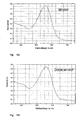
Figur 1 zeigt die Absorptionsspektren verschiedener erfindungsgemäßer Protonentranslozierender Retinalproteine im Vergleich zu dem Spektrum des Wildtyps bzw. von Muteinen mit nur einer Mutation. Die durchgezogenen Linien zeigen jeweils das Absorptionsspektrum im Hell-adaptierten Zustand, die gepunkteten Linien im Dunkel-adaptierten Zustand. Im Einzelnen zeigen: - Figur 1A
- Wildtyp Halobacterium salinarum mit der Aminosäuresequenz von SEQ ID No.1. Das Absorptionsmaximum im Hell-adaptierten Zustand liegt bei 568 nm, im Dunkel-adaptierten Zustand bei 560 nm.
- Figur 1B
- Absorptionsspektrum der Typ 1-Mutante D96N. Das Absorptionsmaximum verschiebt sich von 569 nm im Hell-adaptierten Zustand nach 560 nm im Dunkel-adaptierten Zustand.
- Figur 1C
- Typ 2-Mutante V49A. Das Absorptionsmaximum liegt im Hell-adaptierten wie im Dunkel-adaptierten Zustand bei 549 nm.
- Figur 1D
- Erfindungsgemäßes Retinalprotein mit der Doppelmutation V49A-D96N. Das Absorptionsmaximum von 559 nm im Hell-adaptierten Zustand wird um 2 nm nach 557 nm im Dunkel-adaptierten Zustand verschoben.
- Figur 1 E
- Typ 1-Mutation L93A. Das Absorptionsmaximum liegt im Hell-adaptierten wie im Dunkel-adaptierten Zustand bei 541 nm.
- Figur 1 F
- Erfindungsgemäßes Retinalprotein mit der Doppelmutation L93A-D96N. Das Absorptionsmaximum liegt im Hell-adaptierten wie im Dunkel-adaptierten Zustand bei 544 nm. Diese Doppelmutante erreicht im Dunkel-adaptierten Zustand einen all-trans Anteil von mehr als 80%.
- Figur 1G
- Typ 2-Mutation M145F. Das Absorptionsmaximum liegt im Hell-adaptierten Zustand bei 559 nm, im Dunkel-adaptierten Zustand bei 558 nm.
- Figur 1H
- Erfindungsgemäßes Retinalprotein mit der Doppelmutation D96N-M145F. Diese Doppelmutante erreicht im Dunkel-adaptierten Zustand einen all-trans Anteil von 66%; das Absorptionsmaximum liegt für das Hell-adaptierte wie für das Dunkel-adaptierte Retinalprotein bei 560 nm.
- Für die Herstellung einer photochromen Zusammensetzung werden zunächst die einzelnen Protonen-translozierenden Retinalproteine entweder aus natürlichen Halobakterienpopulationen oder rekombinant durch Transformation von Halobacterium salinarum (Cline & Doolittle, J. Bact. 169, 1341-1344, 1987) nach stellenspezifischer Mutagenese des Bakteriorhodopsingenes (Dunn et al., Proc. Natl. Acad. Sc., USA 78, 6744-6748) gewonnen. Die Purpurmembran der transformierten Halobakterien wird mittels bekannter Verfahren isoliert und gereinigt (Oesterhelt & Stoeckenius, Meth. Enzym. 31, 667-678, 1974). Für die Gewinnung von Bakteriorhodopsin in großem Maßstab kann das in der deutschen Patentanmeldung
199 45 798.0 beschriebene Verfahren eingesetzt werden. - Die erfindungsgemäße photochrome Zusammensetzung kann beispielsweise physikalisch in ein Matrixmaterial eingeschlossen werden. Konkret werden z.B. 10 mg Purpurmembran, enthaltend Bakteriorhodopsin-D96N/M145F in 4 ml einer UV-härtenden Farbe (IFS 3000, Firma Schmitt) gleichmäßig suspendiert und auf das sicherungsbedürftige Dokument aufgetragen. Nach UV-Belichtung (nach Angaben des Herstellers) des solcherart markierten Dokumentes befinden sich die Purpurmembranpartikel im ausgehärteten Kunststoff.
- Das Prinzip des Siebdrucks ist Durchdruck, ähnlich einer Schabloniertechnik. Die Druckform besteht aus einem Siebgewebe, welches mit einer farbundurchlässigen Sperrschicht versehen wird. Das Druckmotiv bleibt offen. Der Druck erfolgt durch das Abziehen des mit Farbe gefüllten Siebes mit einer Rakel. Die Farbe wird dabei auf das darunterliegende Substrat übertragen. Zur Herstellung einer Siebdruckfarbe wird in eine 7,2% PVA-Lösung (Mowiol Typ 56-98) 100 mg/ml Purpurmembran über Nacht eingerührt. Bei Übereinstimmung der rheologischen Eigenschaften mit einer Standardprobe kann die erhaltene Mischung mit einer herkömmlichen Siebdruckmaschine verdruckt werden.
- In 5 ml einer Farbe ohne Pigment (Fa. Schmitt, UFO1) werden bei 50 °C 1g Purpurmembran eingerührt. Die so erhaltene Mischung kann mittels gängiger Offset-Technik verdruckt werden.
- Eine Abriebbeständigkeit der photochromen Zusammensetzung kann erzielt werden, in dem z.B. die mit Protonen-translozierendem Retinalprotein beschichteten Dokumente mittels eines Heißlaminiergerätes (GPM, Mylam 9) in einer Folientasche vom Typ GHQ-120TR bei einer Temperatur von 90 bis 140 °C einlaminiert werden.
- Um die UV-Beständigkeit des erfindungsgemäßen Sicherheitsmerkmals zu erhöhen, wird die photochrome Zusammensetzung mit einem UV-Absorber oder einem Derivat davon in einer Konzentration von 1 bis 30%, bevorzugt 3 bis 10% w/w versetzt. Bevorzugte UV-Absorber sind Benzophenon, Hydroxynaphthochinon, Phenylbenzoxazol, Zimtsäureester, Sulfonamid und Aminobenzoesäureester.
-
- <110> Max-Planck-Gesellschaft
- <120> Photochrome Zusammensetzung
- <130> p31928
- <140>
<141> - <150> 1
- <170> Patent In Ver. 2.1
- <210> 1
<211> 248
<212> PRT
<213> Malobacterium salinarum - <400> 1


Claims (62)
- Photochrome Zusammensetzung, enthaltend mindestens ein Protonen-translozierendes Retinalprotein, ausgewählt aus der Gruppe von:(i) Muteinen eines natürlichen Protonen-translozierenden Retinalproteins aus halophilen Archaebakterien, die einen verlangsamten Photozyklus autweisen (Typ 1-Mutation) und deren all-trans-Retinal-Gehalt im Hell- und im Dunkel-adaptierten Zustand um nicht mehr als 10% voneinander abweicht (Typ 2-Mutation) und/oder(ii) Homologen der Muteine (i) mit verlangsamten Photozyklus, deren all-trans-Retinal-Gehalt im Hell- und im Dunkel-adaptierten Zustand um nicht mehr als 10% voneinander abweicht,weiter enthaltend ein oder mehrere Zusatzstoffe, ausgewählt aus Stabilisatoren, die Schaumbildung verringernden Zusatzstoffen und UV-Licht absorbierenden Zusatzstoffen.
- Photochrome Zusammensetzung nach Anspruch 1, dadurch gekennzeichnet, dass das Protonen-translozierende Retinalprotein eine Retinalisomeren-Zusammensetzung im Hell- und im Dunkel-adaptierten Zustand von mindestens 60% all-trans-Retinal aufweist.
- Photochrome Zusammensetzung nach Anspruch 1 oder 2, dadurch gekennzeichnet, dass das natürliche Protonen-translozierende Retinalprotein ein archaebakterielles Rhodopsin ist.
- Photochrome Zusammensetzung nach einem der Ansprüche 1 bis 3, dadurch gekennzeichnet, dass das archaebakterielle Rhodopsin ein Rhodopsin aus Halobakterien ist.
- Photochrome Zusammensetzung nach einem der Ansprüche 1 bis 4, dadurch gekennzeichnet, dass das archaebakterielle Rhodopsin Bakteriorhodopsin (SEQ ID No.1) aus Halobacterium salinarum ist.
- Photochrome Zusammensetzung nach einem der Ansprüche 1 bis 5, dadurch gekennzeichnet, dass das Homolog eine Aminosauresequenz aufweist, die mit der Aminosäuresequenz SEQ ID No.1 mindestens 40% Identität aufweist.
- Photochrome Zusammensetzung nach einem der Ansprüche 1 bis 6, dadurch gekennzeichnet, dass das Homolog eine Aminosäuresequenz aufweist, die im Bereich der C- und/oder F-Helix mindestens 60% Identität mit der Aminosäuresequenz SEQ ID No.1 aufweist.
- Photochrome Zusammensetzung nach mindestens einem der Ansprüche 1 bis 7, dadurch gekennzeichnet, dass der Photozyklus der Muteine mit einer Typ 1-Mutation eine thermische Zykluszeit von mehr als 10 ms aufweist.
- Photochrome Zusammensetzung nach mindestens einem der Ansprüche 1 bis 8, dadurch gekennzeichnet, dass die Typ 1-Mutation ein Aminosäureaustausch an einer oder mehreren der Aminosäurepositionen ist, die im natürlichen Protein am katalytischen Zyklus beteiligt sind.
- Photochrome Zusammensetzung nach Anspruch 9, dadurch gekennzeichnet, dass die am katalytischen Zyklus beteiligten Aminosäuren aus der die Aminosäurereste D38, R82, D85, D96, D102, D104, E194 und/oder E204 umfassenden Gruppe ausgewählt sind.
- Photochrome Zusammensetzung nach mindestens einem der Ansprüche 1 bis 10, dadurch gekennzeichnet, dass die Typ 2-Mutation ein Aminosäureaustausch an einer oder mehrerer der Aminosäurepositionen ist, die die Retinalbindungstasche bilden.
- Photochrome Zusammensetzung nach Anspruch 11, dadurch gekennzeichnet, dass die die Retinalbindungstaschen bildenden Aminosäuren aus der die Aminosäurereste Val49, Ala53, L93, Met118, Gly122, S141 und Met145 umfassenden Gruppe ausgewählt sind.
- Photochrome Zusammensetzung nach einem der Ansprüche 1 bis 12, dadurch gekennzeichnet, dass es ein Mutein des Bakteriorhodopsins aus Halobacterium salinarum (SEQ 1 D No.1) mit aus der folgenden Gruppe ausgewählten Mutationen:
V49A-D96N; L93A-D96N; M145F-D96N
oder ein Homolog eines solchen Muteins ist. - Photochrome Zusammensetzung nach mindestens einem der Ansprüche 1 bis 13, dadurch gekennzeichnet, dass das Retinalprotein in Form einer Purpurmembran vorliegt.
- Photochrome Zusammensetzung nach Anspruch 14, dadurch gekennzeichnet, dass die Dichte der Purpurmembran zwischen 1,10 und 1,20 g/cm3 beträgt
- Photochrome Zusammensetzung nach Anspruch 15, dadurch gekennzeichnet, dass die Dichte der Purpurmembran 1,175 bis 1,185 g/cm3 beträgt.
- Photochrome Zusammensetzung nach einem der Ansprüche 1-16, dadurch gekennzeichnet, dass Glycerin, organische Polymere und/oder organische Lösungsmittel enthalten sind.
- Verwendung eines Protonen-translozierendes Retinalproteins, ausgewählt aus der Gruppe von:(i) Muteinen eines natürlichen Protonen-translozierenden Retinalproteins aus halophilen Archaebakterien, die einen verlangsamten Photozyklus autweisen (Typ 1-Mutation) und deren all-trans-Retinal-Gehalt im Hell- und im Dunkel-adaptierten Zustand um nicht mehr als 10% voneinander abweicht (Typ 2-Mutation) und/oder(iii) Homologen der Muteine (i) mit verlangsamten Photozyklus, deren all-trans-Retinal-Gehalt im Hell- und im Dunkel-adaptierten Zustand um nicht mehr als 10% voneinander abweicht,und/oder einer photochromen Zusammensetzung nach einem der Ansprüche 1-17 zum Herstellen von optischen Filmen.
- Verwendung nach Anspruch 18, dadurch gekennzeichnet, dass der optische Film für die optische Aufzeichnung geeignet ist.
- Verwendung nach Anspruch 18, dadurch gekennzeichnet, dass der optische Film für die Interferometrie geeignet ist.
- Verwendung nach Anspruch 18, dadurch gekennzeichnet, dass der optische Film für die holographische Mustererkennung geeignet ist.
- Verwendung nach Anspruch 18, dadurch gekennzeichnet, dass der optische Film als optischer Lichtmodulator geeignet ist.
- Verwendung eines Protonen-translozierendes Retinalproteins, ausgewählt aus der Gruppe von:(i) Muteinen eines natürlichen Protonen-translozierenden Retinalproteins aus halophilen Archaebakterien, die einen verlangsamten Photozyklus aufweisen (Typ 1-Mutation) und deren all-trans-Retinal-Gehalt im Hell- und im Dunkel-adaptierten Zustand um nicht mehr als 10% voneinander abweicht (Typ 2-Mutation) und/oder(iv) Homologen der Muteine (i) mit verlangsamten Photozyklus, deren all-trans-Retinal-Gehalt im Hell- und im Dunkel-adaptierten Zustand um nicht mehr als 10% voneinander abweicht,zum Herstellen volumenhafter Speicher zur optischen Datenspeicherung.
- Verwendung eines Protonen-translozierendes Retinalproteins, ausgewählt aus der Gruppe von:(i) Muteinen eines natürlichen Protonen-translozierenden Retinalproteins aus halophilen Archaebakterien, die einen verlangsamten Photozyklus aufweisen (Typ 1-Mutation) und deren all-trans-Retinal-Gehalt im Hell- und im Dunkel-adaptierten Zustand um nicht mehr als 10% voneinander abweicht (Typ 2-Mutation) und/oder(ii) Homologen der Muteine (i) mit verlangsamten Photozyklus, deren all-trans-Retinal-Gehalt im Hell- und im Dunkel-adaptierten Zustand um nicht mehr als 10% voneinander abweicht,oder einer photochromen Zusammensetzung nach mindestens einem der Ansprüche 1-20 als Sicherheitsfarbstoff.
- Verwendung nach Anspruch 24, dadurch gekennzeichnet, dass das Protonen-translozierende Retinalprotein und/oder die photochrome Zusammensetzung auf ein sicherungsbedürftiges Dokument oder einen sicherungsbedürftigen Gegenstand aufgetragen wird.
- Verwendung nach Anspruch 25, dadurch gekennzeichnet, dass das auf das sicherungsbedürftige Dokument oder den Gegenstand aufgetragene Protonen-translozierende Retinalprotein und/oder die photochrome Zusammensetzung auf dem Dokument oder den Gegenstand fixiert wird.
- Verwendung nach Anspruch 26, dadurch gekennzeichnet, dass die Fixierung durch physikalischen Einschluß oder kovalente Kopplung an das Dokument oder den Gegenstand bewirkt ist.
- Verwendung nach einem der Anspruche 25-27, dadurch gekennzeichnet, dass das sicherungsbedürftige Dokument ein Sicherheitspapier ist.
- Verwendung nach einem der Ansprüche 25-27, dadurch gekennzeichnet, dass das sicherungsbedürftige Dokument ein Ausweis ist.
- Verwendung nach einem der Ansprüche 25-27, dadurch gekennzeichnet, dass das sicherungsbedürftige Dokument eine Banknote ist.
- Verwendung nach einem der Ansprüche 18-30, dadurch gekennzeichnet, dass das Protonen-translozierende Retinalprotein eine Retinalisomeren-Zusammensetzung im Hell- und im Dunkel-adaptierten Zustand von mindestens 60% all-trans-Retinal aufweist.
- Verwendung nach einem der Ansprüche 18-31, dadurch gekennzeichnet, dass das natürliche Protonen-translozierende Retinalprotein ein archaebakterielles Rhodopsin ist.
- Verwendung nach einem der Ansprüche 18-32, dadurch gekennzeichnet, dass das archaebakterielle Rhodopsin ein Rhodopsin aus Halobakterien ist.
- Verwendung nach einem der Ansprüche 18-33, dadurch gekennzeichnet, dass das archaebakterielle Rhodopsin Bakteriorhodopsin (SEQ ID No.1) aus Halobacterium salinarum ist.
- Verwendung nach einem der Ansprüche 18-34, dadurch gekennzeichnet, dass das Homolog eine Aminosäuresequenz aufweist, die mit der Aminosäuresequenz SEQ ID No.1 mindestens 40% Identität aufweist.
- Verwendung nach einem der Ansprüche 18-35, dadurch gekennzeichnet, dass das Homolog eine Aminosäuresequenz aufweist, die im Bereich der C- und/oder F-Helix mindestens 60% Identität mit der Aminosäuresequenz SEQ ID No.1 aufweist.
- Verwendung nach einem der Ansprüche 18-36, dadurch gekennzeichnet, dass der Photozyklus der Muteine mit einer Typ 1-Mutation eine thermische Zykluszeit von mehr als 10 ms aufweist.
- Verwendung nach einem der Ansprüche 18-37, dadurch gekennzeichnet, dass die Typ 1-Mutation ein Aminosäureaustausch an einer oder mehreren der Aminosäurepositionen ist, die im natürlichen Protein am katalytischen Zyklus beteiligt sind.
- Verwendung nach Anspruch 38, dadurch gekennzeichnet, dass die am katalytischen Zyklus beteiligten Aminosäuren aus der die Aminosäurereste D38, R82, D85, D96, D102, D104, E194 und/oder E204 umfassenden Gruppe ausgewählt sind.
- Verwendung nach einem der Ansprüche 18-39, dadurch gekennzeichnet, dass die Typ 2-Mutation ein Aminosäureaustausch an einer oder mehrerer der Aminosäurepositionen ist, die die Retinalbindungstasche bilden.
- Verwendung nach Anspruch 40, dadurch gekennzeichnet, dass die die Retinalbindungstaschen bildenden Aminosäuren aus der die Aminosäurereste Val49, Ala53, L93, Met118, Gly122, S141 und Met145 umfassenden Gruppe ausgewählt sind.
- Verwendung nach einem der Ansprüche 18-41, dadurch gekennzeichnet, dass es ein Mutein des Bakteriorhodopsins aus Hatobacterium salinarum (SEQ 1 D No.1) mit aus der folgenden Gruppe ausgewählten Mutationen:
V49A-D96N; L93A-D96N; M145F-D96N
oder ein Homolog eines solchen Muteins ist. - Verwendung nach mindestens einem der Ansprüche 18-42, dadurch gekennzeichnet, dass das Retinalprotein in Form einer Purpurmembran vorliegt.
- Verwendung nach Anspruch 43, dadurch gekennzeichnet, dass die Dichte der Purpurmembran zwischen 1,10 und 1,20 g/cm3 beträgt
- Verwendung nach Anspruch 44, dadurch gekennzeichnet, dass die Dichte der Purpurmembran 1,175 bis 1,185 g/cm3 beträgt.
- Verfahren zum Herstellen von Dokumenten mit Sicherheitsmerkmal, dadurch gekennzeichnet, dass vor, während oder nach der Herstellung eines Dokumentes in üblicher Weise ein Protonen-translozierendes Retinalprotein, ausgewählt aus der Gruppe von:(i) Muteinen eines natürlichen Protonen-translozierenden Retinalproteins aus halophilen Archaebakterien, die einen verlangsamten Photozyklus autweisen (Typ 1-Mutation) und deren all-trans-Retinal-Gehalt im Hell- und im Dunkel-adaptierten Zustand um nicht mehr als 10% voneinander abweicht (Typ 2-Mutation) und/oder(ii) Homologen der Muteine (i) mit verlangsamten Photozyklus, deren all-trans-Retinal-Gehalt im Hell- und im Dunkel-adaptierten Zustand um nicht mehr als 10% voneinander abweicht,oder eine photochrome Zusammensetzung gemäß einem der Ansprüche 1-17 aufgetragen' und gegebenenfalls fixiert wird.
- Verfahren nach Anspruch 46, dadurch gekennzeichnet, dass das Protonen-translozierende Retinalprotein eine Retinalisomeren-Zusammensetzung im Hell- und im Dunkel-adaptierten Zustand von mindestens 60% all-trans-Retinal aufweist.
- Verfahren nach Anspruch 46 oder 47, dadurch gekennzeichnet, dass das natürliche Protonen-translozierende Retinalprotein ein archaebakterielles Rhodopsin ist.
- Verfahren nach einem der Ansprüche 46-48, dadurch gekennzeichnet, dass das archaebakterielle Rhodopsin ein Rhodopsin aus Halobakterien ist.
- Verfahren nach einem der Ansprüche 46-49, dadurch gekennzeichnet, dass das archaebakterielle Rhodopsin Bakteriorhodopsin (SEQ ID No.1) aus Halobacterium salinarum ist.
- Verfahren nach einem der Ansprüche 46-50, dadurch gekennzeichnet, dass das Homolog eine Aminosauresequenz aufweist, die mit der Aminosäuresequenz SEQ ID No.1 mindestens 40% Identität aufweist.
- Verfahren nach einem der Ansprüche 46-51, dadurch gekennzeichnet, dass das Homolog eine Aminosäuresequenz aufweist, die im Bereich der C- und/oder F-Helix mindestens 60% Identität mit der Aminosäuresequenz SEQ ID No.1 aufweist.
- Verfahren nach einem der Ansprüche 46-52, dadurch gekennzeichnet, dass der Photozyklus der Muteine mit einer Typ 1-Mutation eine thermische Zykluszeit von mehr als 10 ms aufweist.
- Verfahren nach einem der Ansprüche 46-53, dadurch gekennzeichnet, dass die Typ 1-Mutation ein Aminosäureaustausch an einer oder mehreren der Aminosäurepositionen ist, die im natürlichen Protein am katalytischen Zyklus beteiligt sind.
- Verfahren nach Anspruch 54, dadurch gekennzeichnet, dass die am katalytischen Zyklus beteiligten Aminosäuren aus der die Aminosäurereste D38, R82, D85, D96, D102, D104, E194 und/oder E204 umfassenden Gruppe ausgewählt sind.
- Verfahren nach einem der Ansprüche 46-55, dadurch gekennzeichnet, dass die Typ 2-Mutation ein Aminosäureaustausch an einer oder mehrerer der Aminosäurepositionen ist, die die Retinalbindungstasche bilden.
- Verfahren nach Anspruch 56, dadurch gekennzeichnet, dass die die Retinalbindungstaschen bildenden Aminosäuren aus der die Aminosäurereste Val49, Ala53, L93, Met118, Gly122, S141 und Met145 umfassenden Gruppe ausgewählt sind.
- Verfahren nach einem der Ansprüche 46-57, dadurch gekennzeichnet, dass es ein Mutein des Bakteriorhodopsins aus Ha/obacterium salinarum (SEQ 1 D No.1) mit aus der folgenden Gruppe ausgewählten Mutationen:
V49A-D96N; L93A-D96N; M145F-D96N
oder ein Homolog eines solchen Muteins ist. - Verfahren nach einem der Ansprüche 46-58, dadurch gekennzeichnet, dass das Retinalprotein in Form einer Purpurmembran vorliegt.
- Verfahren nach Anspruch 59, dadurch gekennzeichnet, dass die Dichte der Purpurmembran zwischen 1,10 und 1,20 g/cm3 beträgt
- Verfahren nach Anspruch 60, dadurch gekennzeichnet, dass die Dichte der Purpurmembran 1,175 bis 1,185 g/cm3 beträgt.
- Photochrome Zusammensetzung gemäß irgend einem der Ansprüche 1- 17, wobei als weiterer Zusatzstoff Puffersubstanzen enthalten sind.
Applications Claiming Priority (5)
| Application Number | Priority Date | Filing Date | Title |
|---|---|---|---|
| DE10036745 | 2000-07-27 | ||
| DE10036745 | 2000-07-27 | ||
| DE10048383A DE10048383A1 (de) | 2000-07-27 | 2000-09-29 | Protonen-translozierendes Retinalprotein |
| DE10048383 | 2000-09-29 | ||
| PCT/EP2001/008715 WO2002010207A2 (de) | 2000-07-27 | 2001-07-27 | Protonen-translozierendes retinalprotein |
Publications (2)
| Publication Number | Publication Date |
|---|---|
| EP1307474A2 EP1307474A2 (de) | 2003-05-07 |
| EP1307474B1 true EP1307474B1 (de) | 2010-03-03 |
Family
ID=26006535
Family Applications (1)
| Application Number | Title | Priority Date | Filing Date |
|---|---|---|---|
| EP01960574A Expired - Lifetime EP1307474B1 (de) | 2000-07-27 | 2001-07-27 | Protonen-translozierende retinalproteine mit konstantem all-trans-retinal-gehalt und verlangsamten photozyklus |
Country Status (4)
| Country | Link |
|---|---|
| US (1) | US7939220B2 (de) |
| EP (1) | EP1307474B1 (de) |
| AU (1) | AU2001282037A1 (de) |
| WO (1) | WO2002010207A2 (de) |
Cited By (1)
| Publication number | Priority date | Publication date | Assignee | Title |
|---|---|---|---|---|
| DE102015004874A1 (de) | 2014-12-16 | 2016-06-16 | Giesecke & Devrient Gmbh | Wahlfreie Muster zur visuellen Authentisierung |
Families Citing this family (10)
| Publication number | Priority date | Publication date | Assignee | Title |
|---|---|---|---|---|
| NZ540563A (en) | 2002-11-26 | 2008-03-28 | Genencor Int | Proteorhodopsin mutant comprising a mutation in a conserved histidine that gives the mutant improved optical characteristics |
| EP1767988A1 (de) * | 2005-03-31 | 2007-03-28 | AgfaPhoto GmbH | Sicherheitsmaterial mit reversiblen und irreversiblen photochemischen Funktionskomponenten und Beschichtungsverfahren |
| US8883719B2 (en) * | 2008-01-16 | 2014-11-11 | University Of Connecticut | Bacteriorhodopsin protein variants and methods of use for long term data storage |
| US9023989B2 (en) * | 2008-02-19 | 2015-05-05 | University Of Connecticut | Protein-based photovoltaics and methods of use |
| US8563026B2 (en) * | 2009-03-05 | 2013-10-22 | University Of Connecticut | Protein-based artificial retinas |
| DE102011010127A1 (de) | 2011-02-02 | 2012-08-02 | Giesecke & Devrient Gmbh | Authentizitätssicherung von Wertdokumenten mittels photochromer Farbstoffe |
| WO2013071231A1 (en) | 2011-11-12 | 2013-05-16 | Massachusetts Institute Of Technology | Channelrhodopsins for optical control of cells |
| EP3102290A1 (de) | 2014-02-07 | 2016-12-14 | Massachusetts Institute Of Technology | Blaulichtaktivierte ionenkanalmoleküle und verwendungen davon |
| US10882892B2 (en) | 2014-08-05 | 2021-01-05 | Massachusetts Institute Of Technology | Channelrhodopsin variants and uses thereof |
| DE102014011692A1 (de) | 2014-08-07 | 2016-02-11 | Giesecke & Devrient Gmbh | Sicherheitselement mit photochromem Farbstoff |
Family Cites Families (1)
| Publication number | Priority date | Publication date | Assignee | Title |
|---|---|---|---|---|
| DE4226868A1 (de) * | 1992-08-13 | 1994-02-17 | Consortium Elektrochem Ind | Zubereitungen von Bakteriorhodopsin-Varianten mit erhöhter Speicherzeit und deren Verwendung |
-
2001
- 2001-07-27 US US10/343,318 patent/US7939220B2/en not_active Expired - Fee Related
- 2001-07-27 AU AU2001282037A patent/AU2001282037A1/en not_active Abandoned
- 2001-07-27 WO PCT/EP2001/008715 patent/WO2002010207A2/de not_active Ceased
- 2001-07-27 EP EP01960574A patent/EP1307474B1/de not_active Expired - Lifetime
Cited By (1)
| Publication number | Priority date | Publication date | Assignee | Title |
|---|---|---|---|---|
| DE102015004874A1 (de) | 2014-12-16 | 2016-06-16 | Giesecke & Devrient Gmbh | Wahlfreie Muster zur visuellen Authentisierung |
Also Published As
| Publication number | Publication date |
|---|---|
| EP1307474A2 (de) | 2003-05-07 |
| US7939220B2 (en) | 2011-05-10 |
| AU2001282037A1 (en) | 2002-02-13 |
| WO2002010207A2 (de) | 2002-02-07 |
| WO2002010207A3 (de) | 2002-04-18 |
| US20040054141A1 (en) | 2004-03-18 |
Similar Documents
| Publication | Publication Date | Title |
|---|---|---|
| EP1307474B1 (de) | Protonen-translozierende retinalproteine mit konstantem all-trans-retinal-gehalt und verlangsamten photozyklus | |
| EP2055714B1 (de) | Biologische Photorezeptoren als direkt lichtgesteuerte Ionenkanäle und deren Verwendung | |
| DE69726006T2 (de) | S-triazinverbindungen und ihre verwendung als uv-filter | |
| EP1171309B1 (de) | Verfahren und zubereitung zur photochromen markierung und/oder sicherung der authentizität von gegenständen | |
| DE69905739T2 (de) | Naphthopyrane die in c5-c6 anneliert sind, ihre herstellung sowie sie enthaltende zubereitungen und (co)polymermatrizen | |
| DE2759053A1 (de) | Verfahren zum herstellen von genprodukten von plasmid-dns | |
| EP0655162B1 (de) | Zubereitungen von bakteriorhodopsin-varianten mit erhöhter speicherzeit und deren verwendung | |
| EP0278035B1 (de) | Sporenlose Mutanten des Bacillus thuringiensis serovar. israelensis und Toxine daraus | |
| Knobloch et al. | Seasonal and tidal controls of the quantity and quality of dissolved organic matter at the marsh creek-estuarine interface | |
| EP0487099A2 (de) | Bakteriorhodopsin-Doppelmutanten | |
| EP2311858A1 (de) | Verbesserte Fluoreszenzproteine, deren Herstellung und Verwendung | |
| EP0532029A1 (de) | Purpurmembran-Zubereitungen mit erhöhter holographischer Beugungseffizienz | |
| DE2417337A1 (de) | Verfahren zur biotechnischen herstellung von l-lysin und mutante zur durchfuehrung des verfahrens | |
| DE10048383A1 (de) | Protonen-translozierendes Retinalprotein | |
| DE102005048828B4 (de) | Fluoreszenzmarker und dessen Verwendung | |
| DE69022509T2 (de) | Bacillus thuringiensis var. donegani und seine Erzeugung oder Toxine davon, mit einer insektiziden Wirkung gegen Käfer. | |
| Druzhko et al. | Phototransformation and proton pumping activity of the 14-fluoro bacteriorhodopsin derivatives | |
| EP4198137A1 (de) | Mischungen von glucose und xylose zur fermentativen herstellung von ortho-aminobenzoesäure | |
| EP0306985B1 (de) | Bakteriorhodopsin-Modifikationen und Herstellungsverfahren | |
| CH664767A5 (de) | Verfahren zur herstellung von 2-(substituiertphenyl)-propionsaeure durch mikroorganismen. | |
| Chizhik | Physikalische und chemische Strukturänderungen in Purpurmembranvarianten | |
| Schranz | Orientierung und Analyse der Morphologie von Purpurmembran Monolagen–Wege zur Membranfusion | |
| DE10124057A1 (de) | UV-Schutz in transgenen Nutzpflanzen | |
| EP0211014B1 (de) | Verfahren zur submersen züchtung von pseudomonas aeruginosa-bakterienstämmen | |
| Leppanen et al. | Photocycle of the 4-keto bacteriorhodopsin |
Legal Events
| Date | Code | Title | Description |
|---|---|---|---|
| PUAI | Public reference made under article 153(3) epc to a published international application that has entered the european phase |
Free format text: ORIGINAL CODE: 0009012 |
|
| 17P | Request for examination filed |
Effective date: 20030130 |
|
| AK | Designated contracting states |
Designated state(s): AT BE CH CY DE DK ES FI FR GB GR IE IT LI LU MC NL PT SE TR |
|
| AX | Request for extension of the european patent |
Extension state: AL LT LV MK RO SI |
|
| 17Q | First examination report despatched |
Effective date: 20040217 |
|
| 17Q | First examination report despatched |
Effective date: 20040217 |
|
| GRAP | Despatch of communication of intention to grant a patent |
Free format text: ORIGINAL CODE: EPIDOSNIGR1 |
|
| GRAS | Grant fee paid |
Free format text: ORIGINAL CODE: EPIDOSNIGR3 |
|
| GRAA | (expected) grant |
Free format text: ORIGINAL CODE: 0009210 |
|
| AK | Designated contracting states |
Kind code of ref document: B1 Designated state(s): AT BE CH CY DE DK ES FI FR GB GR IE IT LI LU MC NL PT SE TR |
|
| REG | Reference to a national code |
Ref country code: GB Ref legal event code: FG4D Free format text: NOT ENGLISH |
|
| REG | Reference to a national code |
Ref country code: CH Ref legal event code: EP |
|
| REG | Reference to a national code |
Ref country code: IE Ref legal event code: FG4D |
|
| REF | Corresponds to: |
Ref document number: 50115374 Country of ref document: DE Date of ref document: 20100415 Kind code of ref document: P |
|
| REG | Reference to a national code |
Ref country code: CH Ref legal event code: NV Representative=s name: ISLER & PEDRAZZINI AG |
|
| RAP2 | Party data changed (patent owner data changed or rights of a patent transferred) |
Owner name: ACTILOR GMBH |
|
| REG | Reference to a national code |
Ref country code: NL Ref legal event code: T3 |
|
| REG | Reference to a national code |
Ref country code: ES Ref legal event code: FG2A Ref document number: 2340983 Country of ref document: ES Kind code of ref document: T3 |
|
| REG | Reference to a national code |
Ref country code: NL Ref legal event code: SD Effective date: 20100528 |
|
| PG25 | Lapsed in a contracting state [announced via postgrant information from national office to epo] |
Ref country code: FI Free format text: LAPSE BECAUSE OF FAILURE TO SUBMIT A TRANSLATION OF THE DESCRIPTION OR TO PAY THE FEE WITHIN THE PRESCRIBED TIME-LIMIT Effective date: 20100303 |
|
| REG | Reference to a national code |
Ref country code: IE Ref legal event code: FD4D |
|
| REG | Reference to a national code |
Ref country code: GB Ref legal event code: 732E Free format text: REGISTERED BETWEEN 20100909 AND 20100915 |
|
| PG25 | Lapsed in a contracting state [announced via postgrant information from national office to epo] |
Ref country code: CY Free format text: LAPSE BECAUSE OF FAILURE TO SUBMIT A TRANSLATION OF THE DESCRIPTION OR TO PAY THE FEE WITHIN THE PRESCRIBED TIME-LIMIT Effective date: 20100303 Ref country code: IE Free format text: LAPSE BECAUSE OF FAILURE TO SUBMIT A TRANSLATION OF THE DESCRIPTION OR TO PAY THE FEE WITHIN THE PRESCRIBED TIME-LIMIT Effective date: 20100303 Ref country code: SE Free format text: LAPSE BECAUSE OF FAILURE TO SUBMIT A TRANSLATION OF THE DESCRIPTION OR TO PAY THE FEE WITHIN THE PRESCRIBED TIME-LIMIT Effective date: 20100303 Ref country code: GR Free format text: LAPSE BECAUSE OF FAILURE TO SUBMIT A TRANSLATION OF THE DESCRIPTION OR TO PAY THE FEE WITHIN THE PRESCRIBED TIME-LIMIT Effective date: 20100604 |
|
| PLBE | No opposition filed within time limit |
Free format text: ORIGINAL CODE: 0009261 |
|
| STAA | Information on the status of an ep patent application or granted ep patent |
Free format text: STATUS: NO OPPOSITION FILED WITHIN TIME LIMIT |
|
| BERE | Be: lapsed |
Owner name: MIB - MUNICH INNOVATIVE BIOMATERIALS G.M.B.H. Effective date: 20100731 |
|
| PG25 | Lapsed in a contracting state [announced via postgrant information from national office to epo] |
Ref country code: DK Free format text: LAPSE BECAUSE OF FAILURE TO SUBMIT A TRANSLATION OF THE DESCRIPTION OR TO PAY THE FEE WITHIN THE PRESCRIBED TIME-LIMIT Effective date: 20100303 Ref country code: PT Free format text: LAPSE BECAUSE OF FAILURE TO SUBMIT A TRANSLATION OF THE DESCRIPTION OR TO PAY THE FEE WITHIN THE PRESCRIBED TIME-LIMIT Effective date: 20100705 |
|
| 26N | No opposition filed |
Effective date: 20101206 |
|
| PG25 | Lapsed in a contracting state [announced via postgrant information from national office to epo] |
Ref country code: MC Free format text: LAPSE BECAUSE OF NON-PAYMENT OF DUE FEES Effective date: 20100731 |
|
| PG25 | Lapsed in a contracting state [announced via postgrant information from national office to epo] |
Ref country code: BE Free format text: LAPSE BECAUSE OF NON-PAYMENT OF DUE FEES Effective date: 20100731 |
|
| PG25 | Lapsed in a contracting state [announced via postgrant information from national office to epo] |
Ref country code: LU Free format text: LAPSE BECAUSE OF NON-PAYMENT OF DUE FEES Effective date: 20100727 |
|
| PG25 | Lapsed in a contracting state [announced via postgrant information from national office to epo] |
Ref country code: TR Free format text: LAPSE BECAUSE OF FAILURE TO SUBMIT A TRANSLATION OF THE DESCRIPTION OR TO PAY THE FEE WITHIN THE PRESCRIBED TIME-LIMIT Effective date: 20100303 |
|
| REG | Reference to a national code |
Ref country code: FR Ref legal event code: PLFP Year of fee payment: 15 |
|
| REG | Reference to a national code |
Ref country code: FR Ref legal event code: TP Owner name: ACTILOR GMBH, DE Effective date: 20150828 Ref country code: FR Ref legal event code: CA Effective date: 20150828 Ref country code: FR Ref legal event code: CD Owner name: ACTILOR GMBH, DE Effective date: 20150828 |
|
| REG | Reference to a national code |
Ref country code: FR Ref legal event code: PLFP Year of fee payment: 16 |
|
| PGFP | Annual fee paid to national office [announced via postgrant information from national office to epo] |
Ref country code: NL Payment date: 20160720 Year of fee payment: 16 |
|
| PGFP | Annual fee paid to national office [announced via postgrant information from national office to epo] |
Ref country code: IT Payment date: 20160727 Year of fee payment: 16 |
|
| PGFP | Annual fee paid to national office [announced via postgrant information from national office to epo] |
Ref country code: AT Payment date: 20160721 Year of fee payment: 16 |
|
| PGFP | Annual fee paid to national office [announced via postgrant information from national office to epo] |
Ref country code: ES Payment date: 20160715 Year of fee payment: 16 |
|
| REG | Reference to a national code |
Ref country code: FR Ref legal event code: PLFP Year of fee payment: 17 |
|
| REG | Reference to a national code |
Ref country code: NL Ref legal event code: MM Effective date: 20170801 |
|
| REG | Reference to a national code |
Ref country code: AT Ref legal event code: MM01 Ref document number: 459641 Country of ref document: AT Kind code of ref document: T Effective date: 20170727 |
|
| PG25 | Lapsed in a contracting state [announced via postgrant information from national office to epo] |
Ref country code: NL Free format text: LAPSE BECAUSE OF NON-PAYMENT OF DUE FEES Effective date: 20170801 |
|
| PG25 | Lapsed in a contracting state [announced via postgrant information from national office to epo] |
Ref country code: AT Free format text: LAPSE BECAUSE OF NON-PAYMENT OF DUE FEES Effective date: 20170727 |
|
| REG | Reference to a national code |
Ref country code: FR Ref legal event code: PLFP Year of fee payment: 18 |
|
| PG25 | Lapsed in a contracting state [announced via postgrant information from national office to epo] |
Ref country code: IT Free format text: LAPSE BECAUSE OF NON-PAYMENT OF DUE FEES Effective date: 20170727 |
|
| REG | Reference to a national code |
Ref country code: DE Ref legal event code: R082 Ref document number: 50115374 Country of ref document: DE Representative=s name: TERGAU & WALKENHORST PATENTANWAELTE PARTGMBB, DE Ref country code: DE Ref legal event code: R081 Ref document number: 50115374 Country of ref document: DE Owner name: WEILBURGER GRAPHICS GMBH, DE Free format text: FORMER OWNER: ACTILOR GMBH, 06237 LEUNA, DE |
|
| REG | Reference to a national code |
Ref country code: CH Ref legal event code: PUE Owner name: WEILBURGER GRAPHICS GMBH, DE Free format text: FORMER OWNER: PROF. DR. NORBERT HAMPP, DE Ref country code: CH Ref legal event code: PUE Owner name: PROF. DR. NORBERT HAMPP, DE Free format text: FORMER OWNER: ACTILOR GMBH, DE |
|
| REG | Reference to a national code |
Ref country code: ES Ref legal event code: FD2A Effective date: 20181029 |
|
| PGFP | Annual fee paid to national office [announced via postgrant information from national office to epo] |
Ref country code: FR Payment date: 20180723 Year of fee payment: 18 Ref country code: DE Payment date: 20180710 Year of fee payment: 18 |
|
| PGFP | Annual fee paid to national office [announced via postgrant information from national office to epo] |
Ref country code: GB Payment date: 20180725 Year of fee payment: 18 Ref country code: CH Payment date: 20180725 Year of fee payment: 18 |
|
| REG | Reference to a national code |
Ref country code: GB Ref legal event code: 732E Free format text: REGISTERED BETWEEN 20181220 AND 20181224 |
|
| PG25 | Lapsed in a contracting state [announced via postgrant information from national office to epo] |
Ref country code: ES Free format text: LAPSE BECAUSE OF NON-PAYMENT OF DUE FEES Effective date: 20170728 |
|
| REG | Reference to a national code |
Ref country code: DE Ref legal event code: R119 Ref document number: 50115374 Country of ref document: DE |
|
| REG | Reference to a national code |
Ref country code: CH Ref legal event code: PL |
|
| GBPC | Gb: european patent ceased through non-payment of renewal fee |
Effective date: 20190727 |
|
| PG25 | Lapsed in a contracting state [announced via postgrant information from national office to epo] |
Ref country code: DE Free format text: LAPSE BECAUSE OF NON-PAYMENT OF DUE FEES Effective date: 20200201 Ref country code: GB Free format text: LAPSE BECAUSE OF NON-PAYMENT OF DUE FEES Effective date: 20190727 |
|
| PG25 | Lapsed in a contracting state [announced via postgrant information from national office to epo] |
Ref country code: LI Free format text: LAPSE BECAUSE OF NON-PAYMENT OF DUE FEES Effective date: 20190731 Ref country code: CH Free format text: LAPSE BECAUSE OF NON-PAYMENT OF DUE FEES Effective date: 20190731 |
|
| PG25 | Lapsed in a contracting state [announced via postgrant information from national office to epo] |
Ref country code: FR Free format text: LAPSE BECAUSE OF NON-PAYMENT OF DUE FEES Effective date: 20190731 |