EP1246640B1 - Methode und zusammensetzung zur behandlung und/oder prophylaxe von antibiotikum-resistenten-mikroorganismus infektionen - Google Patents
Methode und zusammensetzung zur behandlung und/oder prophylaxe von antibiotikum-resistenten-mikroorganismus infektionen Download PDFInfo
- Publication number
- EP1246640B1 EP1246640B1 EP00986923A EP00986923A EP1246640B1 EP 1246640 B1 EP1246640 B1 EP 1246640B1 EP 00986923 A EP00986923 A EP 00986923A EP 00986923 A EP00986923 A EP 00986923A EP 1246640 B1 EP1246640 B1 EP 1246640B1
- Authority
- EP
- European Patent Office
- Prior art keywords
- antibiotic
- microorganism
- lfc
- penicillin
- lactoferrin
- Prior art date
- Legal status (The legal status is an assumption and is not a legal conclusion. Google has not performed a legal analysis and makes no representation as to the accuracy of the status listed.)
- Expired - Lifetime
Links
Images







Classifications
-
- A—HUMAN NECESSITIES
- A61—MEDICAL OR VETERINARY SCIENCE; HYGIENE
- A61K—PREPARATIONS FOR MEDICAL, DENTAL OR TOILETRY PURPOSES
- A61K38/00—Medicinal preparations containing peptides
- A61K38/16—Peptides having more than 20 amino acids; Gastrins; Somatostatins; Melanotropins; Derivatives thereof
- A61K38/17—Peptides having more than 20 amino acids; Gastrins; Somatostatins; Melanotropins; Derivatives thereof from animals; from humans
- A61K38/40—Transferrins, e.g. lactoferrins, ovotransferrins
-
- A—HUMAN NECESSITIES
- A61—MEDICAL OR VETERINARY SCIENCE; HYGIENE
- A61P—SPECIFIC THERAPEUTIC ACTIVITY OF CHEMICAL COMPOUNDS OR MEDICINAL PREPARATIONS
- A61P31/00—Antiinfectives, i.e. antibiotics, antiseptics, chemotherapeutics
-
- A—HUMAN NECESSITIES
- A61—MEDICAL OR VETERINARY SCIENCE; HYGIENE
- A61P—SPECIFIC THERAPEUTIC ACTIVITY OF CHEMICAL COMPOUNDS OR MEDICINAL PREPARATIONS
- A61P31/00—Antiinfectives, i.e. antibiotics, antiseptics, chemotherapeutics
- A61P31/04—Antibacterial agents
-
- A—HUMAN NECESSITIES
- A61—MEDICAL OR VETERINARY SCIENCE; HYGIENE
- A61P—SPECIFIC THERAPEUTIC ACTIVITY OF CHEMICAL COMPOUNDS OR MEDICINAL PREPARATIONS
- A61P43/00—Drugs for specific purposes, not provided for in groups A61P1/00-A61P41/00
-
- Y—GENERAL TAGGING OF NEW TECHNOLOGICAL DEVELOPMENTS; GENERAL TAGGING OF CROSS-SECTIONAL TECHNOLOGIES SPANNING OVER SEVERAL SECTIONS OF THE IPC; TECHNICAL SUBJECTS COVERED BY FORMER USPC CROSS-REFERENCE ART COLLECTIONS [XRACs] AND DIGESTS
- Y02—TECHNOLOGIES OR APPLICATIONS FOR MITIGATION OR ADAPTATION AGAINST CLIMATE CHANGE
- Y02A—TECHNOLOGIES FOR ADAPTATION TO CLIMATE CHANGE
- Y02A50/00—TECHNOLOGIES FOR ADAPTATION TO CLIMATE CHANGE in human health protection, e.g. against extreme weather
- Y02A50/30—Against vector-borne diseases, e.g. mosquito-borne, fly-borne, tick-borne or waterborne diseases whose impact is exacerbated by climate change
Definitions
- the present invention relates to composition and uses for treating antibiotic-resistant microbial infections by administration of bovine lactoferrin or its metabolized form, the lactoferricin, alone or in combination with antibiotics or other families of antimicrobial products.
- antimicrobials have been used as growth promoters, especially in pig and poultry farming.
- the use of growth promoters leads to 4 - 5 % more body weight for animals receiving them as compared to controls.
- Much larger amounts of antibiotics are used in this manner than are used in medical applications: In Denmark in 1994, 24 kg of the glycopeptide vancomycin were used for human therapy, whereas 24,000 kg of a similar glycopeptide avoparcin were used in animal feed. From 1992 to 1996, Australia imported an average of 582 kg of vancomycin per year for medical purposes and 62,642 kg of avoparcin per year for animal husbandry. Vancomycin and avoparcin have the same mode of action; resistance to one can confer resistance to the other.
- the biological bases of the growth promoting effects are far from being understood; according to data from Sweden, this effect can be mainly demonstrated under sub-optimal conditions of animal performance.
- enterococci colonize the guts of humans and other animals, and easily acquire antibiotic resistance genes and transfer them.
- enterococci have been recorded among the top five of microbial nosocomial pathogens.
- E. faecalis Although less pathogenic than E. faecalis, E. faecium has drawn increased attention because of its development of resistance to glycopeptides.
- enterococci there are three known genotypes of transferable glycopeptide resistance with the vanA gene cluster the most widely disseminated one. Studies demonstrating selection of transferable, vanA-mediated glycopeptide resistance in E.
- Glycopeptide resistant E. faecium can easily reach humans via meat products and consequently GREF have been isolated from stool specimens from nonhospitalized humans.
- a common structure of the vanA gene cluster has been found in a number of GREF of different ecological origin (human, food, and animals), indicating a frequent dissemination of vanA among different strains and also among different conjugative plasmids.
- streptogramins Until last year, there was no medical use of streptogramins in German hospitals. However streptogramine resistance has been found in GREF from both patients and animals. The resistance is mediated by the satA gene coding for a streptogramin acetyltransferase. The dissemination of satA was probably driven by use of the streptogramin antibiotic virginiamycin as growth promoter for more than 20 years.
- Veterinary fluoroquinolone use a decrease in fluoroquinolone sensitivity in Salmonella typhimurium has been described which parallels the time of fluoroquinolone use in veterinary medicine. This was especially observed in the United Kingdom for S. typhimurium strain DT 104. Although the MIC's of ciprofloxacin for these isolates (0.25 - 1.0 mg/1) are still below clinical breakpoints for fluoroquinolones for ciprofloxacin resistance (4 mg/1), the clinical failure of ciprofloxacin for treating infections with S. typhimurium exhibiting elevated MIC's raises concern with regard to enteric Salmonella spp.
- Fluoroquinolone resistance in microorganism is mainly due to mutations in the target enzymes (DNA gyrase, topoisomerase IV) and therefore spreads in a clonal way with particular microbial strains affected. Enterics develop quinolone resistance by stepwise acquisition of mutations at certain positions in the active center of the target enzymes. Further accumulation of these mutations by enteric Salmonella spp. will very probably lead to high-level quinolone resistance.
- Campylobacter spp Fluroquinolone resistant Campylobacter can be isolated from human infections; from fecal samples of chickens and from chicken meat. Different frequencies of quinolone resistant Campylobacter isolates from human cases of diarrhea have been reported from several parts of the world.
- the Campylobacter spp. are obviously polyclonal (several strains harbored in the gut flora of man and animals), comparable to E. coli.
- molecular typing techniques are available to Campylobacter most probably because of polyclonality quinolone resistant Campylobacter strains have not been traced back to animal flocks.
- the upper respiratory tract including the nose, oral cavity, nasopharynx, and pharynx harbors a wide range of Gram-positive, Gram-negative cell-wall-free aerobic and anaerobic microorganism.
- Oral microflora populations are not static. They change in response to the age, hormonal status, diet, and overall health of an individual. In addition, new and different microbes are ingested or inhaled daily. The exact composition of species will vary among individuals and, over time, in the same individual. An estimated 300 or more different species may be cultured from periodontal pockets alone, and up to 100 species may be recovered from a single site.
- Such microbial microcosms provide an excellent opportunity for the transfer of antibiotic resistance genes.
- the normal microbial flora of the human body acts as a reservoir for such resistance traits.
- Gene exchange has been demonstrated among oral and urogenital species of microorganism, and between divergent oral microorganism under laboratory conditions.
- Prophylactic use of antibiotics before many dental procedures and for periodontal disease or oral abscess-infections that have not been shown to require antibiotic therapy contribute to the resistance reservoir.
- the ⁇ -lactams, tetracyclines, and metronidazole are the most commonly recommended and prescribed antibiotics. Macrolides, clindamycin, and fluoroquinolones are rarely used, while aminoglycosides are normally not recommended.
- Beta-lactamase hydrolyses amides, amidines, and other carbon and nitrogen bonds, inactivating the antibiotic. More than 190 unique beta-lactamases have been identified in Gram-positive and Gram-negative microorganism from the oral tract.
- the first beta-lactamase in common oral microorganism was described on a plasmid in Haemophilus influenzae in the early 1970's. It carried the TEM-1 beta-lactamase first described in E. coli .
- the TEM-1 enzyme has been found in H. parainfluenzae and H. paraphrohaemolyticus and may be found in commensal Haemophilus species.
- the TEM-1 beta-lactamase is usually associated with large conjugative plasmids that are specific for the genus Haemophilus, which can also carry other genes for resistance to chloramphenicol, aminoglycosides and tetracycline.
- Neisseria gonorrhoeae acquired TEM-1 beta-lactamase on small plasmids that can be mobilized to other strains by transfer plasmids in the strains. They are closely related to a susceptible H. parainfluenzae plasmid and small TEM beta-lactamase plasmids from H. ducreyi and H. parainfluenzae. Some have hypothesized that H. parainfluenzae may be the most likely ancestral source for these related TEM beta-lactamase plasmids. Plasmids from this group have been reported periodically in Neisseria meningitidis although no natural isolates have survived for independent testing. However, the small N. gonorrhoeae beta-lactamase plasmids can be transferred and maintained in N. meningitidis by conjugation under laboratory conditions.
- TEM beta-lactamase has also been reported in a variety of commensal Neisseria species, usually found on small plasmids genetically related to the E. coli RSF1010 plasmid rather than the gonococcal plasmid. Similar plasmids have been found in Eikenella corrodens. These RSF1010-like plasmids may carry genes conferring resistance to sulfonamide or streptomycin singly or in combination. Larger plasmids from multi-resistant N. sicca have also been described, coding for resistance to tetracycline, a variety of aminoglycosides, and to the TEM beta-lactamases. Isolates of multi-resistant Moraxella (Branhamella) catarrhalis, initially reported to CDC for confirmation, were later identified as commensal Neisseria species.
- a second beta-lactamase ROB has been described in H. influenzae on a small plasmid that is virtually identical to ROB-bearing plasmids found in a number of strictly animal microbial pathogens, including Actinobacillus and Pasteurella species.
- Non-enzymatic resistance to penicillin in naturally transformable microorganism can be due to replacement of parts of the genes encoding for penicillin-binding proteins (PBP), the targets of penicillin, with corresponding regions from more resistant species.
- PBP penicillin-binding proteins
- This mechanism of resistance is less common than is resistance caused by beta-lactamases.
- N. meningitidis these more resistant regions of the PBP genes are closely related to the genes of commensal N. flavescens and N. cinera.
- penA has been shown to be very diverse, with 30 different mosaic genes found among 78 different isolates examined. The mosaics PBPs in S. pneumoniae have regions from S. mitis as well as from unknown streptococcal species.
- mecA gene Another non-enzymatic resistance mechanism, found in methicillin-resistant S. aureus, is the mecA gene, a genetic determinant which codes for an additional low-affinity penicillin-binding protein, PBP2a, and lies on a 30 to 40 kb DNA element that confers an intrinsic resistance to beta-lactams.
- PBP2a additional low-affinity penicillin-binding protein
- PBP2a additional low-affinity penicillin-binding protein
- Staph. sciuri hybridized to the gene. Because not all Staph. sciuri are penicillin resistant, the Staph. sciuri mecA homologue may perform a normal physiological function in its natural host unrelated to beta-lactam resistance.
- TetB determinants Eighteen distinguishable determinants for tetracycline resistance have been described that specify primarily two mechanisms of resistance: efflux and protection of ribosomes.
- the distribution of the different Tet determinants varies widely, related in part to the ease of transfer of particular Tet determinants between various isolates and genera.
- the Tet B gene has the widest host range among the Gram-negative efflux genes and has been identified in a number of oral species. Both Actinomyces actinomycetemcomitans and Treponema denticola have been associated with periodontal disease.
- the TetB determinant is found on conjugative plasmids in Actinobacillus and Haemophilus species.
- the plasmid carrying tet (B) from A. actinomycetemcomitans was transferable to H. influenzae.
- the TetB determinant was not mobile in the small number of Moraxella and Treponema isolates examined.
- Tet (U), tet (S) and tet (T) have been found in enterococci.
- Tet (S) has been found in Streptococcus milleri and tetracycline-resistant streptococci have been isolated that do not carry any of the known tet genes.
- Tet (M) which produces a ribosome-associated protein, is widely distributed in both Gram-positive and Gram-negative genera.
- tet (Q) ribosomal protection gene was first found in colonic Bacteroides and has usually been found in Gram-negative anaerobic species that are related to Bacteroides, such as Prevotella. A few isolates of V. parvula have been found to carry tet (Q); however, most of the isolates characterized carry tet (M). Oral Mitsuokella and Capnocytophaga also carry tet (Q).
- Metronidazole resistance has been reported in oral microorganism, but the genetic basis is not known.
- colonic Bacteroides four genes, nimA, nimB, nimC and nimD, have been described and sequenced. They are located on either the chromosome or a variety of plasmids, confering a range of resistance.
- the nim genes likely code for a 5-nitroimidazole reductase that enzymatically reduces 5-nitroimidazole to a 5-amino derivative.
- Enzymes that acetylate, phosphorylate, or adenylate aminoglycosides have been characterized in S. pneumoniae, other streptococci, staphylococci, and, more recently, commensal Neisseria and Haemophilus species.
- An isolate of Campylobacter ochraceus has been found that is resistant to aminoglycosides, chloramphenicol, and tetracycline.
- rRNA methylases Early isolates of erythromycin-resistant S. pneumoniae carried the Erm B class of rRNA methylases, which modifies a single adenine residue in the 23S RNA conferring resistance to macrolides, lincosamides and streptogramin B.
- rRNA methylases have been identified in A. actinomycetemcomitans and Campylobacter rectus. In both species, the rRNA methylases are associated with conjugative elements that can be transferred to Enterococcus faecalis and from A. actinomycetemcomitans to H. influenzae. Many other oral microorganism have been reported to be resistant to erythromycin or clindamycin.
- Microorganism making up the oral flora are reservoirs of important antibiotic resistance traits. Their emergence reflects the overuse and misuse of antibiotics and their potential for transfer of these traits to other more pathogenic species.
- Streptomycin resistance occurs in plant pathogens.
- streptomycin resistance Two genetically distinct types of streptomycin resistance have been described: a point mutation in the chromosomal gene rpsL which prevents streptomycin from binding to its ribosomal target (MIC >1,000 mg/ml); or inactivation of streptomycin by phosphotransferase, an enzyme encoded by strA and strB (MIC 500-750 mg/ml).
- the genes strA and strB usually reside on mobile genetic elements and have been identified in at least 17 environmental and clinical microorganism populating diverse niches.
- antibiotics are among the most expensive pesticides used by fruit and vegetable growers, and their biological efficacy is limited, many growers use weather-based disease prediction systems to ensure that antibiotics are applied only when they are likely to be most effective. Growers can also limit antibiotic use by planting disease resistant varieties and, in some cases, using biological control (applying saprophytic microorganism that are antagonistic to pathogenic microorganism). Despite these efforts to reduce grower's dependency on antibiotics, these chemicals remain an integral part of disease management, especially for apple, pear, nectarine and peach production.
- antibiotics create concentration gradients, resulting from pharmacokinetic factors such as the elimination rate of the tissue distribution. Most probably, the microbial populations are facing a wide range of antibiotic concentrations after each administration of the drug. On the other hand, the spontaneous variability of microbial populations may provide a wide possibility of potentially selectable resistant variants. Which is the antibiotic concentration able to select one of these resistant variants?
- any antibiotic concentration is potentially selective of a resistant variant if it is able to inhibit the susceptible population but not the variant harboring a mechanism of resistance.
- a selective antibiotic concentration is such if exceed the minimal inhibitory concentration (MIC) of the susceptible population, but not that corresponding (even if it is very close) to the variant population. If the MICs of both the susceptible and the variant populations is surpassed, no selection takes place; and the same is true if the antibiotic concentration is below the MICs of both populations. Therefore, the selection of a particular variant may occur in a very narrow range of concentrations.
- the continuous variation of antibiotic concentrations may resemble a tuning device which 'selects' at a particular radio frequency a particular emission. Under or over such a frequency the emission is lost.
- the 'valley' between the MICs of the susceptible and the resistant variant populations is the 'frequency signal' recognized by the SAC.
- the fit mutant shows an intensive, distinctive reproduction rate at the expense of the more susceptible population, leading to a quantum modification of the culture, as could be predicted by the periodic selection.
- TEM-12 was only selected within a narrow concentration range. Therefore, low antibiotic concentrations efficiently select low-level resistant mutants.
- this population may serve as a new source of secondary genetic variants (for instance TEM-10 can give rise to TEM-12), which were subsequently selected against the predominant population in new (higher) concentration intervals.
- secondary genetic variants for instance TEM-10 can give rise to TEM-12
- Similar results were obtained when mixed susceptible and resistant Streptococcus pneumoniae populations were challenged with different low beta-lactam concentrations: intermediate resistant strains were selected over the predominant susceptible population only at discrete low-level concentrations.
- Microbiology has been more concerned about the mechanisms of resistance than for population genetics or the evolutionary processes leading to the appearance and spread of antimicrobial resistance.
- the time is arrived to propose evolutionary products, serving the scientifically support measures against the environmental health damage produced by antibiotics.
- the resistant population (R) will be efficiently selected over the susceptible one (S) in a short range of selective concentrations (in this case, 0.1-0.2 ⁇ g/ml). Concentrations below or over this range are non-selective. A low concentration (0.01 ⁇ g/ml) will "select” both S and R populations; a higher concentration (2 ⁇ g/ml) will "counterselect” both S and R. In both cases, the selective power for R populations is very low. Selection takes place at particular concentrations (selective antibiotic concentrations or SACs).
- Staphylococcus aureus is an important human and animal pathogen that causes superficial, deep-skin, soft-tissue infection, endocarditis, and bacteremia with metastatic abscess formation and a variety of toxin-mediated diseases including gastroenteritis, scalded-skin syndrome and toxic shock syndrome.
- This microorganism is also the most common cause of bovine mastitis which is a disease that causes important losses in milk production.
- Coliforms Escherichia coli, Klebsiella spp. Enterobacter spp citrobacter spp
- streptococci S. agalactiae, S. dysgalactia, S.
- S. aureus is able to produce a range of toxins and hemolysins.
- S. aureus adhere to the glandular epithelium that is followed by erosion, local invasion, and a diffuse exudative inflammatory reaction accompanied by systemic symptoms.
- ⁇ -lactams antibiotics are the best weapons against staphylococci.
- the widespread use of ⁇ -lactam antibiotics has lead to a dramatic increase of ⁇ -lactamase producing strains of S. aureus.
- this bacterium is able to produce four types (A, B, C and D) of ⁇ -lactam hydrolytic enzymes ( ⁇ -lactamase) which allow it to be resistant to ⁇ -lactam antibiotics.
- A, B, C and D ⁇ -lactam hydrolytic enzymes
- This enzyme contributes to the pathogenesis of S. aureus infection and reduces the efficacy of antibiotic prophylaxis.
- staphylococcal mastitis bovine demonstrates poor clinical and bacteriologic response to standard antibiotic.
- acute infection seems to respond to antibiotherapy, chronic relapsing disease characterized by long periods of quiescence between episodes of acute illness may occur. This phenomenon makes control of S. aureus infections difficult and there is limited information on the possible host defense against this pathogen during infection.
- Products and methods of the present invention involve substantially non-toxic compounds available in large quantities by means of synthetic or recombinant methods.
- LF and LFC have microbicidal or bacteriostatic activity when administered or applied as the sole antimicrobial agent. Such compounds ideally are useful in combinative therapies with other antimicrobial agents, particularly where potentiating effects are provided.
- Lactoferrin is a 80-kDa and lactoferricin (LFC) a pepsin hydrolysat of LF.
- Lactoferrin is an iron-binding glycoprotein found in milk of many species including human and cow. It is also present in exocrine fluids such as bile, saliva and tear. Both mammary epithelial and polymorphonulear cells can release this protein. Migration of leukocytes into milk during infection is accompanied by a spectacular increase of LF concentration in milk. The presence of LF in specific granules of neutrophils and its release in inflammatory reaction has been considered to play a role in immunomodulation. LF has also been shown to bound DNA, which can lead to the transcriptional activation of diverse molecules.
- LF-mediated bacteriostasis of Gram-negative microorganism may also involve its interaction with lipid A of lipopolysaccharide (LPS), and with pore forming proteins (porins) of the outer membrane altering integrity and permeability of microbial wall.
- LPS lipopolysaccharide
- WO98/40401 claims compositions for treating infections and overcoming resistance using cationic peptides such as lactoferricin B, alone or in combination with antibiotics.
- EP 629347 discloses the use of lactoferrin hydrolysate and at least an antibiotic for treatment against bacteria, yeast, and fungi.
- microorganism The relationship between microorganism, host and antibiotic can be very complex.
- An antibiotic should combine good antimicrobial activity and the capacity to work in association with the host defense systems. Nevertheless, the in vitro determination of susceptibility of microorganism to an antibiotic does not account for its interactions with the host defenses and its pharmacodynamic parameters such as post antibiotic effect on microorganism.
- the purpose of the present work was to investigate the physiological effects of bovine apo-lactoferrin or its pepsine hydrolysat (lactoferricin) alone or in combination with traditional antibiotics on both Gram positives ( S. aureus ) and Gram negatives ( E . coli and K. pneumioniae ) microbial strains isolate from bovine mammary gland. Results indicate that lactoferrin can affect to staphylococcal cells, and increase the inhibitory activity of usual antibiotic at varying degrees.
- One aim of the present invention is to provide means to counteract the development of and to reverse the resistance to antibiotic of antibiotic-resistant microorganism in the treatment and/or prevention of infection caused by these microorganisms.
- One aim of the present invention is to provide efficient drug formulations in order to treat and prevent infectious diseases caused by pathogenic antibiotic-resistant microorganism in animals, including human being. Another object is to provide a new use to treat and prevent microbial diseases and to potentiate the efficacy of antibiotics, including conditions associated therewith or resulting therefrom, in a subject by using the LF or LFC alone, or in combination with an antibiotic.
- the invention is based upon the discovery that LF and LFC have direct microbicidal and growth inhibitory effects on some antibiotic-resistant microorganisms, and that LF and LFC unexpectedly have the ability to reverse the antibiotic resistance of antibiotic-resistant microorganism.
- the invention is also based upon the finding that LF and LFC in combination with antibiotics provide additive and synergistic microbicidal/growth inhibitory effects when used concurrently.
- a use is provided of treating an antibiotic-resistant microbial infection comprising the step of administration to a subject suffering from an antibiotic-resistant microbial infection of the LF or LFC in an amount sufficient for therapeutic effectiveness. This may be practiced when any LF or LFC susceptible antibiotic-resistant microbial species is involved in the infection.
- a second aspect of the invention provides a treatment of antibiotic-resistant microbial infection by concurrently administration to a subject suffering from an antibiotic-resistant microbial infection of the LF or LFC in an amount sufficient for combinative therapeutic effectiveness and one or more antibiotics in antibiotic-resistant microorganisms that are not susceptible to the direct microbicidal/growth inhibitory effects of LF or LFC.
- the LF or LFC is to be administered in an amount effective to increase the antibiotic susceptibility of an antibiotic-resistant microbial species involved in the infection, or to potentiate the effects of the antibiotic.
- the LF or LFC is also to be administered in an amount affective to reverse the antibiotic resistance to antibiotic-resistant microbial species involved in the infection.
- the LF or LFC and the antibiotics each is to be administered in amounts that would be sufficient for therapeutic effectiveness upon administration alone or is to be administered in less than therapeutic amounts.
- Another aspect of the invention provides a treatment of antibiotic-resistant microbial infections with LF or LFC and one or more antibiotic, in synergistically amounts.
- the invention provides a method of killing or inhibiting growth of antibiotic-resistant microorganism comprising contacting the microorganism with the LF or LFC alone, or in combination with another antimicrobial agent.
- This method can be practiced in a variety of in vitro uses such as use in food preparation, to decontaminate fluids and surfaces or to sterilize surgical and other medical equipment and implantable devices, including prosthetic joints. These methods can correspondingly be used for in situ sterilization of indwelling invasive devices such as intravenous lines and catheters, which are often foci of infection, or for sterilization of in vitro tissue culture media.
- a method for the prevention and/or treatment of infections caused by antibiotic-resistant microorganisms or a surface comprising treating a surface with a efficient amount of LF or LFC alone or in combination with an antibiotic, wherein the amount of LF or LFC is effective to substantially reverse resistance of the antibiotic-resistant microorganisms.
- One aspect of the invention provides a method of treating antibiotic-resistant bacteria by affecting directly exoprotein gene expression and secretion by the LF or LFC alone or in combination with one or more antibiotic.
- Another aspect of the invention is to provide a method for the desinfection and/or prevention of infection caused by antibiotic-resistanc microorganisms.
- compositions for the prevention and/or treatment of infections caused by antibiotic-resistant microorganisms of a surface or a subject comprising an efficient amount of LF or LFC in combination with an antibiotic, selected from ampicillin, cefazolin, neomycin, and novobiocin and penicillin in association with a acceptable carrier, wherein the amount of LF or LFC is effective to substantially reverse resistance of the antibiotic-resistant microorganisms.
- LF or LFC ar a composition as defined above for treating, desinfecting and/or preventing infections caused by antibiotic-resistant microorganisms, or for the manufacture of medicament for the previously cited use.
- the antibiotic-resistant microorganism may be selected from the group consisting of Staphylococcus, Streptococcus, Micrococcus, Peptococcus, Peptostreptococcus, Enterococcus, Bacillus, Clostridium, Lactobacillus, Listeria, Erysipelothrix, Propionibacterium, Eubacterium, Corynobacterium, Mycoplasma, Ureaplasma, Streptomyces, Haemophilus, Neisseria, Eikenella, Moraxellus, Actinobacillus, Pasteurella, Bacteroides, Fusomicroorganism, Prevotella, Porphyromonas, Veillonella , Treponema, Mitsuokella, Capnocytophaga , Campylobacter, Klebsiella, Shigella, Proteus , and Vibriae.
- the antibiotics may be selected from the group consisting of aminoglycosides, vancomycin, rifampin, lincomycin, chloramphenicol, and the fluoroquinol, penicillin, beta-lactams, amoxicillin, ampicillin, azlocillin, carbenicillin, mezlocillin, nafcillin, oxacillin, piperacillin, ticarcillin, ceftazidime, ceftizoxime, ceftriaxone, cefuroxime, cephalexin, cephalothin, imipenen, aztreonam, gentamicin, netilmicin, tobramycin, tetracyclines, sulfonamides, macrolides, erythromycin, clarithromycin, azithromycin, polymyxin B, ceftiofure, cefazolin, cephapirin, and clindamycin.
- surface is intended to mean any surfaces including, without limitation, a wall, a floor, a ceiling, a medical device, a medical furniture, a surgical device, a prosthesis, an orthesis, a biological fluid delivery container, (e.g. blood bag, ophtalmic drops bottle), a food processing device, a food collecting device and a tube.
- a biological fluid delivery container e.g. blood bag, ophtalmic drops bottle
- subject is intended to mean a human, an animal, or a plant.
- an amount effective to increase the susceptibility of the microorganism to the antibiotic and/or the antimicrobial agent, and with respect to an antibiotic or an other antimicrobial agent means at least an amount of the antibiotic or the antimicrobial agent that produces microbicidal or growth inhibitory effects when administrated in conjunction with that amount of lactoferrin or lactoferricin.
- Either the lactoferrin or lactoferricin or the antibiotic or other antimicrobial agents, or both may be administered in an amount below the level required for monotherapeutic effectiveness against an antibiotic-resistant microorganisms.
- the term "Pharmaceutically acceptable carrier” is intended to mean any carrier suitable for administration to a subject by any routes of administration, such as intravenous, intramammary, subcutaneous, intraperitoneal, topical, intraocular, intratracheal, transpulmonary, or transdermal route.
- Such carriers include, without limitation, an aqueous medium, a lipidic medium, an aerosolized solution, a nebulized drugs, an irrigation fluid, a washing solution (for, e.g. washing or wounds), a physiological solution (e.g. 0.9 % saline solution, ear drops, ophtalmic drops, citrate buffered saline, phosphate buffered saline), a long lasting delivery system (e.g. liposomes), a biologic fluid (e.g. blood, serum, plasma), a food mixture, a food liquid (e.g. milk, water, mineral water, gazeified water), a pharmaceutical acceptable diluent, or adjuvent.
- antimicrobial agent is intended to mean any agent including, without limitation, an antibiotic, a bacteriocin, a lantibiotic, a disinfectant, a non-antibiotic growth inhibitory acceptable substance.
- the present invention relates to the uses of lactoferrin (LF) or lactoferricin (LFC) as antimicrobial agents alone or in combination with antibiotic to treat infections caused by antibiotic-resistant microorganism.
- lactoferrin LF
- lactoferricin LFC
- the methods and materials described in the invention are new and were not known from those working in the art.
- the method and materials are used to treat subjects suffering from antibiotic-resistant microbial infections.
- the present invention relates to products for potentiation of the clinical efficacy of antibiotics, both to treat and prevent infectious diseases caused by pathogenic antibiotic-resistant microorganisms.
- the products of the present invention contain lactoferrin and its metabolized form the lactoferricin, and show remarkable potentiating effect on the efficacy of antibiotics.
- the present invention also relates to methods for the prevention and treatment of microbial diseases in mammals, including human being, and plant, and disinfecting of surgical devices, prosthesis, or food processing apparatus.
- Antibiotic-resistant microbial infection encompasses conditions associated with or resulting from antibiotic-resistant microbial infections. These conditions include antibiotic-resistant sepsis and one or more of the conditions associated therewith, including bacteremia, fever, hypertension, shock, metabolic acidosis, disseminated intravascular coagulation and related clotting disorders, anemia, thrombocytopenia, leukopenia, adult respiratory distress and related pulmonary disorders, renal failure and related renal disorders, hepatobiliary disease and central nervous system disorders, and mastitis.
- Antibiotic-resistant microorganism from the following species: Staphylococcus, Streptococcus, Micrococcus, Peptococcus, Peptostreptococcus, Enterococcus, Bacillus, Clostridium, Lactobacillus, Listeria, Erysipelothrix, Propionibacterium, Eubacterium, Corynobacterium, Mycoplasma, Ureaplasma, Streptomyces, Haemophilus, Neisseria, Eikenella, Moraxellus, Actinobacillus, Pasteurella, Bacteroides, Fusomicroorganism, Prevotella, Poxphyromonas, Veillonella, Treponema, Mitsuokella, Capnocytophaga, Campylobacter, Klebsiella, Shigella, Proteus, Vibriae.
- antibiotic-resistant microorganism the most important microbial species involved in sepsis are Staphylococci, Streptococci, and Enterococci, but any antibiotic-resistant microorganism can be involved.
- LF or LFC alone in an amount sufficient for therapeutic efficiency, can be administered to a subject suffering from infection involving LF- or LFC-susceptible microorganism, or used as disinfectant of surgical and food processing devices.
- the term "amount sufficient for therapeutic effectiveness" means an amount of LF or LFC that provides microbicidal or growth inhibitory effects when administered as a therapeutic dose.
- the invention utilized any of forms of LF or LFC known of the art including purified from neutrophil, or milk, recombinant LF or LFC, fragments of LF or LFC, LF or LFC variants, and LF or LFC derived-peptides.
- LF or LFC have direct microbicidal or growth inhibitory activity against some antibiotic-resistant microorganisms.
- LF or LFC are also shown herein to have direct microbicidal or growth inhibitory effects on different growth phases of different antibiotic-resistant microorganisms. Growth phases are the L-phase (Latent growth phase) and the S-phase (Exponential growth phase).
- LF or LFC are also expected to exert direct microbicidal/growth inhibitory effects on the cell wall-less Mycoplasma and Ureaplasma, miscroorganisms involved clinically in respiratory and urogenital infections.
- more than 100 subspecies of Mycoplasma constitute major contaminant of in vitro tissue cultures.
- LF or LFC can act through different mechanisms on microorganisms, as on the cell wall of both gram-positive and gram-negative microorganism.
- LF or LFC can bind surface receptors (e.g. heparin-binding like receptors, fibronectin-binding like receptors, protein A binding like receptors, or antibody binding like receptors, lipopolysaccharide-binding proteins) on the cell wall than inhibits attachment to mammalian cells. If LF or LFC are allowed to reach inside the inner cytoplasmic membrane, the amphipathic nature of LF or LFC may allow it to penetrate the cytoplasmic membrane and exert a microbicidal effect.
- surface receptors e.g. heparin-binding like receptors, fibronectin-binding like receptors, protein A binding like receptors, or antibody binding like receptors, lipopolysaccharide-binding proteins
- agents that act on or disrupt the cell walls of microorganism such as antibiotics, detergents or surfactants, anti-peptidoglycan antibodies, anti-lipoteichoic acid antibodies and lysosyme, may potentiate the activity LF or LFC by allowing access to the inner cytoplasmic membrane. If LF or LFC enter further inside the cells, the mechanism of action of LF or LFC may be by inhibition of transcription of plasmid or gene responsible of the resistance carried by antibiotic-resistant microorganism.
- LF or LFC can be used also to treat or prevent microbial infections caused by antibiotic-resistant microorganisms by concurrent administration of LF or LFC in an amount sufficient for combinative therapeutic effectiveness and one or more antibiotics in amounts sufficient for combinative therapeutic effectiveness.
- This aspect of the invention contemplate concurrent administration of LF or LFC with any antibiotic or combinations of antibiotics, including beta-lactam antibiotics, with or without beta-lactamase inhibitors, aminoglycosides, tetracyclines, sulfonamides and trimethoprim, vancomycin, macrolides, fluoroquinolones and quinolones, polymyxins and other antibiotics.
- This characteristic of the invention is based on the discovery that administration of LF or LFC improves the therapeutic effectiveness of antibiotics, e.g. by providing benefits in reduction of cost of antibiotic therapy and/or reduction of risk of toxic responses to antibiotics.
- LF or LFC are shown herein to lower the minimum concentration of antibiotics needed to inhibit in vitro growth of antibiotic-resistant microorganisms from 0 to 24 hours of culture.
- the microbicidal or growth inhibitory effect of LF or LFC can be direct or indirect.
- This aspect of the invention is directly linked to the additional discovery that administration of LF or LFC can reverse the antibiotic resistance of antibiotic-resistant microorganism.
- LF or LFC shown herein to reduce the minimum inhibitory concentration of antibiotics from a level within the clinically resistant range to a level within the clinically susceptible range. LF or LFC have then proved to convert normally antibiotic-resistant microorganism into antibiotic-susceptible microorganism.
- LF or LFC are found in a large part of human nutriments without triggering immune response after oral absorption
- the products of the invention can be used as food preservatives.
- LF or LFC can be utilized when mixed with foods, e.g., supplemented with milk, yogurt, skim milk powder, lactic acid microorganism fermented milk, chocolates, tablet sweets, powdered beverages, and any other food in which LF or LFC can be added to aliments as preservative.
- LF or LFC can be used also in combination with other food preservatives, colorants, and excipients.
- the invention include dilution of LF or LFC in water or other aqueous solution, natural or synthetic lipidic media, each one containing different concentration and combination of salts or glucidic products.
- Such combination of LF. or LFC alone or with other preservatives contain an effective amount of the active compound together with a suitable amount of carrier so as to provide the form for proper administration to the host.
- minimal inhibitory concentrations is 1 mg/ml for LF and 12.5 ⁇ g/ml for LFC.
- LF or LFC is the oral one.
- the administration of LF or LFC is preferably accomplished with a pharmaceutical composition comprising the LF or LFC and a pharmaceutical acceptable diluent, adjuvant, or carrier.
- the LF or LFC may be administered without or in conjunction with known surfactants, other chemotherapeutic agents or additional known antimicrobial agents.
- LF or LFC may convert antibiotic-resistant microorganisms into antibiotic-susceptible microorganisms or otherwise improve the antibiotic susceptibility of those microorganisms.
- LF or LFC can potentiate antibiotics such as an antibiotic that acts on the cell wall or cell membrane of microorganism may convert LF-or LFC-resistant microorganisms into LF- or LFC-susceptible microorganisms.
- LF or LFC and antibiotic may both co-potentiate the other agent's activity.
- the LF or LFC and antibiotic may have a therapeutic effect when both are given in doses below the amounts sufficient for therapeutic effectiveness.
- Either- LF or LFC, or the antibiotics may be administered systemically or topically.
- Systemic routes of administration include oral, intravenous, intramuscular or subcutaneous injection, intraocular or retrobulbar, intrathecal, intraperitoneal, intrapulmonary by using aerosolized or nebulized drug, or transfermal.
- Topical route includes administration in the form of salves, ophthalmic drops, eardrops, or irrigation fluids.
- LF or LFC alone or in combination with antibiotics can be delivered also in different delivery systems, long lasting or rapidly degraded.
- An advantage provided by the present invention is the ability to provide effective treatment of antibiotic-resistant microorganism by improving the therapeutic effectiveness of antibiotics against these microorganism. Because their systemic toxicity or prohibitive cost limits the use of some antibiotics, lowering the concentration of antibiotic required for therapeutic effectiveness reduces toxicity and/or cost of treatment, and thus allows wider use of antibiotic.
- antibiotics that can be used alone or in different combination with other antibiotics and/or with LF or LFC are vancomycin, rifampin, lincomycin, chloramphenicol, and the fluoroquinol, penicillin, beta-lactams, amoxicillin, ampicillin, azlocillin, carbenicillin, mezlocillin, nafcillin, oxacillin, piperacillin, ticarcillin, ceftazidime, ceftizoxime, ceftriaxone, cefuroxime, cephalexin, cephalothin, imipenen, aztreonam, aminoglycosides, gentamicin, netilmicin, tobramycin, neomycin, tetracyclines, sulfonamides, macrolides, erythromycin, clarithromycin, azithromycin, polymyxin B, and clindamycin.
- Biologically active fragments of LF or LFC include biologically active molecules that have the same or similar amino acid sequences as a natural human or bovine LF or LFC.
- Biologically active variants of LF or LFC include also but are not limited to recombinant hybrid fusion proteins, comprising LF or LFC analogs or biologically active fragments thereof and at least a portion of at least one other polypeptide, and polymeric forms of LF or LFC variants. Fusion protein forms can be designed in manner to facilitate purification processes.
- Biologically active analogs of LF or LFC include but are not limited to LF or LFC wherein one or more amino acid residues have been replaced by a different amino acid.
- the invention also provides improved method of in vitro treatment of devices, work places, rooms, and liquids contaminated with antibiotic-resistant microorganism by contacting the microorganism with LF or LFC alone, or in combination with one or more antimicrobial products (e.g. antibiotics, detergents).
- the quantities of LF or LFC and antimicrobial products used are quantities that are separately sufficient for microbicidal/growth inhibitory effects, or quantities sufficient to have additive or synergistic microbicidal/growth inhibitory effects.
- These methods can be used in a variety of in vitro applications including sterilization of surgical and other medical equipment and implantable devices, including prosthetic joints. These methods can also be used for in situ sterilization of indwelling invasive devices such as intravenous lines and catheters, which are often foci of infection.
- the present invention concerns particularly treatment and prevention of human and animal microbial infections by antibiotic-resistant microorganisms.
- Therapeutic effectiveness is based on a successful clinical outcome, and does not require that the antimicrobial agent or agents kill 100% of the organisms involved in the infection. Success depends on achieving a level of antimicrobial activity at the site of infection that is sufficient to inhibit the microorganism in a manner that tips the balance in favor of the host. When host defenses are maximally effective, the antimicrobial effect required may be minimal. Reducing organism load by even one loge (a factor of 10) may permit the host's own defenses to control the infection. In addition, augmenting an early microbial/bacteriostatic effect can be more important than long-term microbicidal/bacteriostatic effect. These early events are a significant and critical part of therapeutic success, because they allow time for host defense mechanisms to activate. Increasing the microbial rate may be particularly important for infections such as meningitis, bone or joint infections.
- Bovine apo-lactoferrin, novobiocin (quinolone-like antibiotic) and the macrolide erythromycin were purchased from Sigma Chemicals (St-Louis, Mo.). Penicillin G, ampicillin, cefazolin and neomycin were purchased from Novopharm Limited (Toronto, ON, Canada).
- Bovine LF (Besnier, California USA) was stored at -20°C at a concentration of 100 mg/ml in water. Lactoferricin was isolated from bovine LF (Besnier, California USA) according to the procedure described by Dionysius. and Milne (1997, J. Dairy Sci. 80 :667-674)) and it was kept at -20°C until use.
- the isolated peptide was sent at the Biotechnology Research Institute (Montreal, QC, Canada) for amino acids sequencing which confirmed that it was LFC.
- Antibiotics stocks were always freshly prepared and diluted to the desired concentration in Mueller Hinton agar plates (MHA) or broth (MHB).
- a panel of discs of antibiotics (Becton Dickinson Microbiology Systems, Cockeysville MD), including ampicillin (10 ⁇ g), penicillin (10 u), cephalotin (30 ⁇ g), neomycin (30 ⁇ g), tetracyclin (30 ⁇ g), oxacillin (1 ⁇ g), erythromycin (15 ⁇ g), sulfamethoxazol (23.7 ⁇ g) / trimethoprim (1.25 ⁇ g), novobiocin (30 ⁇ g), penicillin (10 u) / novobiocin (30 ⁇ g), pirlimycin (2 ⁇ g), gentamycin (10 ⁇ g), spectinomycin (100 ⁇ g) was used in quality control assays.
- Staphylococcus aureus strains ATCC 25923 and 6538 and Escherichia coli ATCC 25922 were obtained from the American Type Culture Collection. Eight bovine mastitis clinical isolates of S. aureus (SHY97-3906, -3923, -4085 -4242, -4320 and -4343, RFT-1 and RFT-5) and one isolate of E. coli SHY97-3923-2 and one isolate of Klebsiella pneumoniae SHY99-723-1 were kindly provided by the Laboratoire Provincial de Pathologie Animale of St-Hyacinthe and of Rock-Forest (Quebec, Canada), respectively. Nine ⁇ -lactam antibiotics resistant S.
- aureus strains (PC-1, NCTC 9789, 2076, 22260, ST79/741, 3804, RN9, FAR8, and FAR10) were obtained from Vanderbilt University School of Medicine (Nashville, Tennessee, USA). All the culture media were from Difco Laboratories (Detroit, MI). Bacteria from frozen stock at -80°C were streaked onto tryptic soy agar plates suplemented with 5% of defibrinated sheep blood (Quelab, Montreal, QC, Canada) or Brain Heart infusion agar plates. Plates were then incubated for 16 to 24 h at 37°C.
- strains were subcultured onto Mueller Hinton agar plates (MHA) or broth (MHB) for an additional 16-20 h.
- Aqueous solutions of the tested products were added by filtration through a sterile filter assembly (pore size 0.2 ⁇ m, Fisher, Ottawa, Ontario).
- the MICs were determined by both macrodilution (1 ml/tube) and microdilution (100 ⁇ l/well) in sterile 96 well microtiter plates (International Nunc, Napierville, Il) techniques in three separate experiments according to the National Committee for Clinical Laboratory Standards (1992 and 1999) in three separate experiments.
- Serial 2-fold dilutions in MHB of LF, LFC, antibiotic or combination of LF or LFC with antibiotic were inoculated with an overnight culture at a final inoculum of 10 6 cfu/ml in MHB. Effect of LF combination with antibiotic on MICs were determined by adding 0.5 mg or 1 mg/ml of LF to each antibiotic dilution.
- the MIC was defined as the lowest concentration of drug (highest dilution) that caused a complete inhibition of bacterial growth after an incubation of 18 h. Effect of LF or LFC combination with antibiotic on MIC was also determined by checkerboard method using 96 well microtiter plates. Each antibiotic dilution (50 ⁇ l) was serially added to the wells in vertical rows starting from the top (lower dilution) to the bottom. Lactoferrin or LFC (50 ⁇ l) were added to 50 ⁇ l of each antibiotic dilution and serially diluted starting at the left (lower dilution) to the right.
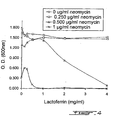
- the final concentration of antibiotic from top to bottom were 32 to 8, 2 to 0.5, 0.5 to 0.125 ⁇ g/ml for penicillin, cefazolin and neomycin, respectively.
- the concentration of LF or LFC were 25 to 0.0244 mg/ml or 256 to 0.5 ⁇ g/ml respectively in a final volume of 100 ⁇ l/well.
- the microplates were incubated at 37°C for 24 h. Bacterial growth was measured optically at 540 nm using Spectra Max 250 Microplate Spectrophotometer System of Molecular Device (Fisher Scientific, Ottawa, Canada).
- FIC antibiotic A MIC antibiotic A ( in the presense of antibiotic B ) / MIC antibiotic A alone .
- FIC Index FIC antibiotic A + FIC antibiotic B
- the MICs of penicillin G alone or in combinations with 0.5 or 1 mg/ml LF obtained for several S. aureus strains are given in Table 1. Except for strain ATCC 25923 and the field isolate strain SHY97-3923, all the other strains including the two clinical mastitis strains (SHY97-3906 and SHY97-4320) were resistant to penicillin G with MICs of 0.5 to > 128 ⁇ g/ml. Standard disk diffusion and a cefinase test confirmed the resistance to penicillin and ampicillin and the production of ⁇ -lactamase in these strains. Lactoferrin alone demonstrated weak inhibitory activity against these strains with MICs greater than 25 mg/ml.
- the MICs of LFC were 128 ⁇ g/ml for ATCC 25923 and 256 ⁇ g/ml for the others strains. Combination of 0.5 mg/ml of LF to penicillin increased the inhibitory activity of penicillin by two-fold in all tested strains except for ATCC 25923 and SHY97-3906 which needed a LF concentration of 1 mg/ml (Table 1).
- FIC index indicate synergistic effects between LF and penicillin, novobiocin and erythromycin.
- Combination of LF to penicillin increased the inhibitory activity of penicillin by 2 and ⁇ 2-fold in strain ATCC 25923 and PC-1, respectively. This increase was four fold in strains SHY97-4320 and SHY97-3906 (Table 2).
- the inhibitory activity of LF was increased by 16 to 64 folds by penicillin G (Table 2).
- Combination of LF to novobiocin increased the inhibitory activity of penicillin by 2 to 4 fold in 7/10 (70%) of S. aureus strains tested whereas activity of erythromycin was increased in the presence of LF by 2 to 16 fold in the same percentage of S. aureus.
- Lactoferrin is an important iron-chelator protein.
- LF has a low antibacterial activity against S. aureus .
- This bacteria is able to grow in the presence of extremely low (0.04 ⁇ M) iron concentration.
- bovine LF saturated to 16.2% of iron also demonstrated a growth inhibitory activity. Accordingly, addition of 5 ⁇ M of FeCl 3 did not affect LF growth inhibitory activity. Therefore, it appears that the antibacterial activity of LF against S. aureus is not only due to its iron chelating property.
- Combination of antibiotics are used in the treatment of infectious diseases to provide a broad spectrum of coverage, to reduce the emergence of resistant strains and drug toxicity and finally to produce synergistic or additive effects between antibiotics.
- penicillin G, novobiocin or erythromycin with relatively low concentration of bovine LF lead to the increase of antibacterial activity of these antibiotics against most tested strains.
- bovine LF in the presence of relative low concentration of bovine LF in the media, the growth of Staphylococci strains isolated from bovine clinical mastitis is inhibited by penicillin G to a greater extend. This finding indicated that combination of penicillin and LF act synergistically against these strains.
- the FIC Index of penicillin and erythromycin in the presence of LF were lower in ⁇ -lactamase producing strains than in non-producing ⁇ -lactamase strains. This suggest that LF can reduce antibiotic resistance.
- penicillin G also reduced the growth of these strains (P ⁇ 0.001).
- the growth inhibitory activity of penicillin was enhanced by the presence of L F (P ⁇ 0.01). Addition of iron to the media did not affect the growth inhibition induced by combination of penicillin to LF.
- Bacterial cells were grown overnight on MHA or MHB containing sub-MICs of penicillin G with or without LF or LFC. Microorganisms were prepared for transmission electron microscopy by fixation with glutaraldehyde followed by ferritin labelling. This method allows good preservation of capsular material. Briefly, bacterial cells grown in the presence or absence of antibiotics were fixed in cacodylate buffer (0.1 M, pH 7.0) containing 5% (v/v) glutaraldehyde, for 2 h at 20°C. Fixed microorganims were suspended in cacodylate buffer and allowed to react with the polycationic ferritin (Sigma Chemicals, St-Louis, Mo; final concentration 1.0 mg/ml) for 30 min at 20°C.
- the polycationic ferritin Sigma Chemicals, St-Louis, Mo; final concentration 1.0 mg/ml
- the reaction was slowed down by 10-fold dilution with buffer, and the microorganisms were centrifuged and washed three times in cacodylate buffer. Bacterial cells were then immobilized in 4% (w/v) agar, washed 5 times in cacodylate buffer and post-fixed with 2% (w/v) osmium tetroxide for 2 h. Washings were repeated as above, and the samples dehydrated in a graded series of acetone washes. Samples were then washed twice in propylene oxide and embedded in Spurr low-viscosity resin. Thin sections were post-stained with uranyl acetate and lead citrate and examined with an electron microscope (Philips 201) at an accelerating voltage of 60 kV.
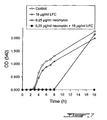
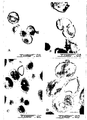
- PC-1 Bacterial cells of PC-1 (a constitutively high producing ⁇ -lactamase strain) were grown overnight in MHB containing 8 ⁇ g/ml of penicillin G, 16 ⁇ g/ml of LFC alone or in combination for 4-h at 37°C with agitation at 150 rpm. Bacteria cell morphology was evaluated by transmission electron microscopy after fixation and ferritin labelling method as previously described. Penicillin alone had no effects on morphology. Exposure to LF or LFC affected the shape and the size of S. aureus . A large percentage of lysed bacteria was observed with LFC which was enhanced in the presence of penicillin G (Fig. 10C and 10D, see arrows). In addition, LFC induced formation of mesosome structures arising from the septa and cell wall in S. aureus (Fig. 11). Again, this suggests that LF can restore susceptibility of resistant strains to penicillin.
- the pellets were suspended in 10 mM HEPES buffer (pH 7.4) to an OD 415 nm of 1 for PC-1 and 2 for SHY97-4320. Nitrocefin (100 ⁇ M) was added to 100 ⁇ l of cells in a final volume of 1 ml. Hydrolysis was measured at 486 nm on spectrophotometer. ⁇ -lactamase activity was expressed as ⁇ O.D.486nm/min and corrected for bacterial OD.
- Penicillin G was purchased from Novopharm Limited (Toronto, Ontario, Canada). Human LF (Sigma) was stored at -20°C at a concentration of 100 mg/ml in water. Antibiotic stock solutions were always freshly prepared and diluted to the desired concentration in Mueller Hinton broth (MHB) medium (Difco Laboratories, Detroit, MI). ⁇ -Lactamase activity was measured using a quantitative spectrophotometric assay with the chromogenic cephalosporin nitrocefin. Bacterial cells were first exposed to penicillin and/or LF during 4 and 22-h in broth. At each time point, the number of cfu/ml were determined and cells aliquots were centrifuged.
- MLB Mueller Hinton broth
- the pellets were suspended in 10 mM HEPES buffer (pH 7.4) to an OD 415 nm of 0.4 for PC-1 and 4 for strain SHY97-4320. Nitrocefin (100 ⁇ M) was added to 20 ⁇ l of cells in a final volume of 200 ⁇ l. Hydrolysis was measured at 486 nm on a Spectra Max 250 Microplate Spectrophotometer System of Molecular Device (Fisher Scientific, Ottawa, Canada). ⁇ -Lactamase activity was expressed as ⁇ O.D.486nm/min and corrected for bacterial OD.
- Staphylococcus aureus SHY97-4320 cells growth in MHB containing test compounds were suspended in electrophoresis sample buffer containing 2% sodium dodecyl sulfate (SDS) and 5% 2-mercaptoethanol to a final concentration of 0.1 g per ml.
- SDS sodium dodecyl sulfate
- 2-mercaptoethanol 2-mercaptoethanol
- the samples were heated to 100°C for 5 min before being loaded for electrophoresis on a discontinuous 0.1% SDS-polyacrylamide gel (SDS PAGE) with 6% polyacrylamide stacking gel and 10 or 12% polyacrylamide running gel. Gels were run on a Mini-Protean® II apparatus (Bio Rad laboratories, Richmond, CA). Protein profiles were visualised by staining with coomassie brilliant blue R-250 or by silver staining.
- ⁇ -lactamase system is the best-known signal transduction system in S. aureus.
- S. aureus SHY97-4320 which is an inducible beta-lactamase producing strain.
- Bacterial cells were first exposed during 30 or 60 min to LF in broth and were further treated with 8 ⁇ g/ml of penicillin G for an additional 4 h. The cfu/ml were determined, cells aliquots were centrifuged and pellets were suspended in 10 mM HEPES buffer (pH 7.4) as mentioned above. Nitrocefin (100 ⁇ M) was added to 20 ⁇ l of cells in a final volume of 200 ⁇ l.
- ⁇ -lactamase In S. aureus, the synthesis of ⁇ -lactamase is organised in a operon comprised of a repressor gene (blaI) and an antirepressor ( blaR1 ) which regulate the ⁇ -lactamase gene (blaZ). Proteolysis of BlaI by BlaR1 was shown to allow the synthesis of ⁇ -lactamase. Lactoferrin completely block induction of ⁇ -lactamase when it was added 30 or 60 min before penicillin G (Fig 16).
- a ⁇ -lactam resistant clinical isolate strain ( S. aureus SHY97-4320) was used to study the effect of LF and/or penicillin G on gene expression.
- the strain was kept frozen at -80°C in MHB containing 7% of DMSO until used. All culture media were from Difco (Detroit, MI, USA). Bacteria from frozen stock were cultured in Mueller Hinton media for 16 to 18-h and subcultured onto Mueller Hinton broth (MHB). Aqueous solutions of the tested products were added by filtration through a sterile filter assembly (pore size 0.2 ⁇ m, Fisher, Ottawa, Ontario).
- Penicillin G was purchased from Novopharm Limited (Toronto, Ontario, Canada).
- Bovine LF Besnier, San Juan Capistrano, CA USA
- Antibiotic stock solutions were always freshly prepared and diluted to the desired concentration in MHB medium (Difco Laboratories, Detroit, MI).
- Standard powder of nitrocefin was used to evaluate ⁇ -lactamase activity.
- Restriction endonucleases were purchased from Amersham Pharmacia Biotech.
- Fresh MHB containing or not 8 ⁇ g/ml of penicillin G and/or 1 mg/ml of bovine LF (2 x 2 factorial design) was adjusted to an optical density at 540 nm of 0.04 with an overnight culture of S. aureus and then incubated at 37°C with agitation (150 rpm). After 4 and 22-h of incubation, aliquots were removed to determine bacterial growth by viable count (colony forming unit per ml, cfu/ml), measuring the culture turbidity (OD 540nm ) with a spectrophotometer Philips PU and to measure ⁇ -lactamase activity in bacterial cells. Following culture under the same condition, bacterial cells were collected for RNA extraction.
- the pellets were suspended in 10 mM HEPES buffer (pH 7.4) to an OD 415 nm of 4. Nitrocefin (100 ⁇ M) was added to 100 ⁇ l of cells in a final volume of 1 ml. Hydrolysis was measured at 486 nm on a Spectra Max 250 Microplate Spectrophotometer System of Molecular Device (Fisher Scientific, Ottawa, Canada). ⁇ -lactamase activity was expressed as ⁇ O.D.486nm/min and corrected for bacterial OD.
- the Oligonucleotides primers were synthesised by PE Applied Biosystem (Foster City, CA USA) for real time RT-PCR.
- Target DNA for amplification for real-time PCR was from the published sequence of the BlaZ gene.
- Total bacterial RNA was prepared using the RNeasy minikit (Qiagen, Mississauga, ON, Canada). Washed bacteria were first treated with 50 ⁇ g/ml of lysostaphin (GramCracker, Ambion, Austin, TX) for 10 min at 37°C and RNA was purified according to the manufacturer's protocol. Contaminating DNA was removed from total RNA by using 1 U of Rnase-free Dnase I (Gibco Life Technologies, Grand Island, NY) in a 10 ⁇ l reaction mixture containing approximately 50 ng of total RNA per ⁇ l and 20mM Tris-HCl (pH 8.4), 2mM MgCl2 and 50mM KCl.
- the reaction mixture was incubated for 15 min at room temperature, and the Dnase I was inactivated by adding 1 ⁇ l of 25mM EDTA to the mixture and incubating for 10 min at 65°C before assessing quantity and purity. Amount of cellular RNA was then determined by measuring the OD 260 nm and OD 280 nm .
- a 600 bp PCR fragment of the BlaZ gene of S. aureus PC-1 was purified using the QIAQUICK PCR Purification Kit and was cloned in a pGEM-T easy vector (Promega, Madison, WI) with a Rapid DNA Ligation Kit (Roche, Laval, QC, Canada) after amplification by RT-PCR.
- RT-PCR was performed with the Ready-To-Go RT-PCR Beads (Amersham Pharmacia Biotech), resuspended in 45 ⁇ l Rnase-free water (Qiagen), with 1 ⁇ l of the reverse primer (10 ⁇ M 5'-TAGTCTTTTGGAACACCGTC-3', SEQ ID NO:1) and 2 ⁇ l of total RNA (25 ng/ ⁇ l). Reverse transcription was conducted for 30 min at 42°C. Afterward, 1 ⁇ l of forward primer (10 ⁇ M, 5'-ACAGTTCACATGCCAAAGAG-3', SEQ ID NO:2) and 1 ⁇ l of reverse primer (10 ⁇ M) were added.
- PCR was performed at 94°C for 2 min followed by 30 cycles at 94°C for 30 s, 60°C for 30 s and 72°C for 45 s.
- the amplicon was quantified by spectrophotometry and on a 1.5% agarose gel.
- Ligation of the BLAZ amplicon with the pGem-T easy vector system was done as follow: 2 ⁇ l of buffer 2 (5x) was mixed with 1.5 ⁇ l of pGem-T easy vector (8 ng/ ⁇ l) and 2.5 ⁇ l of BlaZ amplicon (10 ng/ ⁇ l). The reaction volume was completed to 10 ⁇ l with Rnase-free water (Qiagen) before adding 10 ⁇ l of buffer 1 (2x) and 1 ⁇ l of T4 ligase (5 U/ml). The mixture was incubated 20 min at room temperature. A 2 ⁇ l aliquot was then used to transform E. coli HB101 competent cells (Gibco Life Technologies).
- plasmidic DNA was extracted from positive colonies, quantified by spectrophotometry and on a 0.8% agarose gel and used for in vitro transcription.
- the BLAZ amplicon portion of the new clones was also sequenced to confirm the BLAZ insert.
- the clone pGemT easy-BLAZ was first linearized with Sal I upstream of the T7 promoter before in vitro transcription of mRNA. Briefly, 600 ng of linear DNA was mixed with 1 ⁇ l of each dNTP (10 mM) and 2 ⁇ l of RNA T7 polymerase (15 U/ ⁇ l), in a 20 ⁇ l reaction. The mixture was incubated at 37°C for 1 h before Dnase I treatment. mRNA was purified with a RNAeasy column (Qiagen) and quantified by spectrophotometry. The mRNA of BLAZ was then used for a standard curve in the Real-Time RT-PCR analysis.
- Real-Time fluorescence-based 5' nuclease PCR which is a widely accepted method for measuring gene expression levels was used to quantify ⁇ -lactamase BlaZ RNA by RT-PCR on ABI PrismTM 7700 (TaqMan®) sequence detector (PE Applied Biosystem, Foster City, CA).
- the forward primer, reverse.primer, and TaqMan probe for Real-Time RT-PCR amplification were designed with the PrimerExpress software (PE Applied Biosystem) to specifically amplify the. S. aureus BLAZ gene.
- RNA 50 ng was added to a 50 ⁇ l reaction mixture containing 25 ⁇ l of 2x RT-PCR One-Step Universal Master Mix, 1.25 ⁇ l of 40x MultiScribe and Rnase Inhibitor Mix, 4.5 ⁇ l of the forward primer (10 ⁇ M, 5'-AATTAAATTACTATTCGCCAAAGAGCA-3', SEQ ID NO:3), 4.5 ⁇ l of the reverse primer (10 ⁇ M, 5'-TGCTTAATTTTCCATTTGCGATAA-3', SEQ ID NO:4), and 1.25 ⁇ l of TaqMan probe (10 ⁇ M, 6FAM-ACGCCTGCTGCTTTCGGCAAGA-TANIRA, SEQ ID NO:5).
- Reverse transcription with the recombinant Moloney Murine Leukemia Virus (M-MuLV) Reverse Transcriptase (0.25 U/ ⁇ l) was conducted at 48°C for 30 min. After initial activation of AmpliTaq Gold DNA polymerase (1.25 U/ ⁇ l) at 95°C for 10 min, 40 PCR cycles of 95°C for 15 s and 60°C for 1 min were performed.
- the cycle threshold value (C T ) indicative of the quantity of target gene at which the fluorescence exceeds a pre-set threshold, was determined and compared to the C T of a standard curve containing known amounts of mRNA (1.1 x 10 2 to 1.1 ⁇ 10 9 ) from the BLAZ gene of S. aureus obtained by in vitro transcription.
- C T cycle threshold value
- Lactoferrin reduced (P ⁇ 0.001) by 35% the mRNA level in bacteria (Table 4).
- Additon of penicillin G to the growth medium induced a 28 fold increase (P ⁇ 0.01) in the number of copies of the BlaZ mRNA per ml of culture. This increase was completely prevented by simultaneous addition of 1 mg/ml of LF (Table 4).
- LF reduces ⁇ -lactamase activity by inhibiting the expression BlaZ gene.
- Our data on protein profile of bacteria shows that the level of several proteins (especially secreted proteins) was reduced by LF.
- LF results not only in a large decrease in BlaZ mRNA but also in a general reduction of RNA level indicating a general inhibition of gene expression.
- LF can counteract all antibiotic resistance mechanisms that involve expression of genes.
- Table 1 Minimal inhibitory concentrations (MICs) of penicillin G alone or in combination with 0.5 mg/ml or 1 mg/ml of bovine lactoferrin (LF) as determined by macrodillution method against 13 S. aureus strains S.
- LF bovine lactoferrin
- the FIC index was calculated as described in the text, and its interpretation in the parentheses was: S, synergy ( ⁇ 1). Table 3 Numbers of WGA-gold particles per ⁇ m of bacterial cell wall. S.
- aureus SHY97-4320 was treated with 8 ⁇ g/ml of penicillin G (PG), 1 mg/ml of lactoferrin (LF) alone or in combination Treatment Mean number of WG-gold particles ⁇ SME Control 43.22 ⁇ 4.14 PG 26.50 ⁇ 5.29 LF 24.41 ⁇ 3.20 PG-LF 26.09 ⁇ 1.59 SME, standard error of means.
- Table 4 Effects of lactoferrin (1 mg/ml) and/or penicillin G on ⁇ -lactamase (BlaZ) gene expression in S.
Landscapes
- Health & Medical Sciences (AREA)
- Life Sciences & Earth Sciences (AREA)
- Pharmacology & Pharmacy (AREA)
- Veterinary Medicine (AREA)
- Public Health (AREA)
- Chemical & Material Sciences (AREA)
- General Health & Medical Sciences (AREA)
- Animal Behavior & Ethology (AREA)
- Medicinal Chemistry (AREA)
- Nuclear Medicine, Radiotherapy & Molecular Imaging (AREA)
- Engineering & Computer Science (AREA)
- General Chemical & Material Sciences (AREA)
- Chemical Kinetics & Catalysis (AREA)
- Organic Chemistry (AREA)
- Bioinformatics & Cheminformatics (AREA)
- Proteomics, Peptides & Aminoacids (AREA)
- Communicable Diseases (AREA)
- Zoology (AREA)
- Gastroenterology & Hepatology (AREA)
- Immunology (AREA)
- Oncology (AREA)
- Epidemiology (AREA)
- Pharmaceuticals Containing Other Organic And Inorganic Compounds (AREA)
- Medicines That Contain Protein Lipid Enzymes And Other Medicines (AREA)
- Saccharide Compounds (AREA)
- Measuring Or Testing Involving Enzymes Or Micro-Organisms (AREA)
- Medicinal Preparation (AREA)
- Apparatus For Disinfection Or Sterilisation (AREA)
- Agricultural Chemicals And Associated Chemicals (AREA)
- Medicines Containing Material From Animals Or Micro-Organisms (AREA)
Claims (14)
- Zusammensetzung zur Hemmung von β-Lactamase in einem Mikroorganismus, umfassend Ampicillin, wobei das Ampicillin in einer Konzentration von etwa 4 µg/ml vorliegt, und ein Protein, das aus der Gruppe ausgewählt ist, die aus einem Lactoferrin, einem Lactoferricin oder einem Fragment davon besteht, in Verbindung mit einem annehmbaren Träger.
- Zusammensetzung zur Hemmung von β-Lactamase in einem Mikroorganismus, umfassend Cefazolln, wobei das Cefazolin in einer Konzentration von etwa 0,5 µg/ml vorliegt, und ein Protein, das aus der Gruppe ausgewählt ist, die aus einem Lactoferrin, einem Lactoferricin oder einem Fragment davon besteht, In Verbindung mit einem annehmbaren Träger.
- Zusammensetzung zur Hemmung von β-Lactamase in einem Mikroorgunlsmus, umfassend Neomycln, wobei das Neomycin in einer Konzentration von 0,125 µg/ml bis 1 µg/ml vorliegt, und eln Protein, das aus der Gruppe ausgewählt Ist, die aus einem Lactoferrin, einem Lactoferricin oder einem Fragment davon besteht, in Verbindung mit einem annehmbaren Träger.
- Zusammensetzung zur Hemmung von β-Lactamase In einem Mikroorganismus, umfassend Novobiocin, Penicillin und ein Protein, das aus der Gruppe ausgewählt ist, die aus einem Lactoferrin, einem Lactoferricin oder einem Fragment davon besteht, in Verbindung mit einem annehmbaren Träger.
- In-vitro-Verfahren zum Desinfizieren und/oder Verhindern der Infektion einer oberfläche durch einen β-Lactamase erzeugenden Mikroorganismus, wobei das Verfahren die Behandlung der Oberfläche mit einer wirksamen Menge Lactoferrin oder Lactoferricin umfasst.
- Verfahren gemäß Anspruch 5, das weiterhin die Behandlung mit wenigstens einem Antibiotikum umfasst.
- Verfahren gemäß Anspruch 5, wobei der Mikroorganismus aus der Gruppe ausgewählt ist, die aus Staphyloccccus, Streptococcus, Micrococcus, Pertococcus, Peptostreptococcus, Enterococcus, Bacillus, Clostridium, Lactobacillus, Listeria, Erysipelothrix, Propionibacterium, Eubacterium, Corynobacterium, Mycoplasma, Ureaplasma, Streptomyces, Haemophilus, Nasseria, Elkenella, Moraxellus, Actinobacillus, Pasteurella, Bacteroides,Fuscbacterium, Prevotella, Porphyromonas, Veillonella, Treponema, Mitsuokela, Capnocytophage, Campylobacter, Klebslella, Shigella, Proteus und Vibriae besteht.
- Verfahren gemäß Anspruch 6, wobei das Antibiotikum aus der Gruppe ausgewählt Ist, die aus Aminoglycosiden, Vancomycin, Rifampin, Lincomycin, Chloramphenicol und Fluorochlnol, Penicillin, beta-Lactamen, Amoxcillin, Ampicillin, Azlocillin, Carbenicillin, Mezlocillin, Nafcillin, Oxacillin, P-paraclilin, Ticarcillin, Ceftazidim, Cefticoxim, Ceftriaxon, Cefuroxim, Cephalexin, Cephalothin, Imipenen, Aztreonam, Gentamicin, Nedimicin, Tobramycin, Tetracyclinen, Sulfonamiden, Mecrollden, Erythromycin, Clarithromycin, Azithramycin, Polymyxin B, Ceftiofur, Cefazolin, Cephapirin und Clindamycin besteht.
- Verfahren gemäß Anspruch 5, wobei die Oberfläche aus der Gruppe ausgewählt ist, die aus einer Wand, einem Boden, einer Decke, einer medizinischen Vorrichtung, einem medizinischen Möbel, einer chirurgischen Vorrichtung, einer Prothese, einer Orthese, einem Behälter zur Abgabe einer biologischen Flüssigkeit (z.B. Blutbeutel, Augentropfenflasche), einer Lebensmlttel-Verarbeitungsvorrichtung, einer Lebensmittel-Sammelvorichtung und einer Sonde besteht.
- Verwendung von Lactoferrin und/oder Lactoferricin bel der Herstellung eines Medikaments zur Prävention und/oder Behandlung von Infektionen, die durch einen β-Lactamase erzeugenden Mikroorganismus verursacht werden.
- Verwendung gemäß Anspruch 10, wobei das Lactoferrin und/oder Lactoferricin in Kombination mit wenigstens einem Antibiotikum vorliegt.
- Verwendung gemäß Anspruch 10, wobei der Mikroorganismus aus der Gruppe ausgewählt ist, die aus Staphylococcus, Streptococcus, Micrococcus, Peptococcus, Peptostreptococcus, Enterococcus, Bacillus, Clorstridium, Lactobacillus, Listeria, Erysipelothrix, Propionibacterium, Eubacterium, Corynobacterium, Mycoplasma, Ureaplasma, Streptomyces, Haemophilus, Nesseria, Eikenella, Moraxellus, Actinobacillus, Pasteurella, Bacteroides, Fusobacterium, Prevotella, Porphyromonas, Veillonella, Treponema, Mitsuokella, Capnocytophaga, Campylobacter, Klebsiella, Shigella, Proteus und Vibriae besteht.
- Verwendung gemäß Anspruch 11, wobei das Antibiotikum aus der Gruppe ausgewählt ist, die aus Aminoglycosiden, Vancomycin, Rifampin, Lincom /cln, Chloramphenicol und Fluorochinol, Penicillin, beta-Lactamen, Amoxicillin, Ampicillin, Aziocillin, Carbenicillin, Mezlocillin, Nafcillin, Oxacillin, Piperacillin, Ticarcillin, Ceftazidim, Ceftizoxim, Ceftriaxon, Cefuroxirn, Cephalexin, Cephalothln, Imipenen, Aztreonam, Gentamicin, Netilmicin, Tobramycin, Tetracyclinen, Sulfonamiden, Macrollden, Erythromycin, Clarithromycin, Azithromycin, Polymyxin B, Ceftlofur, Cefazolln, Cephapirin und Clindamycin besteht.
- Verwendung gemäß Anspruch 10 zum Desinfizieren einer Oberfläche, die aus der Gruppe ausgewählt ist, die aus einer Wand, einem Boden, einer Decke, einer medizinischen Vorrichtung, einem medizinischen Möbel, einer chirurgischen Vorrichtung, einer Prothese, einer Orthese, einem Behälten zur Abgabe einer biologischen Flüsslgkelt (z.B. Blutbeutel, Augentropferflasche), einer Lebensmittel-Verarbeitungsvorrichtung, einer Lebensmitte-Sammelvorrichtung und einer Sonde besteht.
Applications Claiming Priority (3)
| Application Number | Priority Date | Filing Date | Title |
|---|---|---|---|
| US17257799P | 1999-12-20 | 1999-12-20 | |
| US172577P | 1999-12-20 | ||
| PCT/CA2000/001517 WO2001045732A2 (en) | 1999-12-20 | 2000-12-19 | Method and composition for treatment and/or prevention of antibiotic-resistant microorganism infections |
Publications (2)
| Publication Number | Publication Date |
|---|---|
| EP1246640A2 EP1246640A2 (de) | 2002-10-09 |
| EP1246640B1 true EP1246640B1 (de) | 2006-04-19 |
Family
ID=22628296
Family Applications (1)
| Application Number | Title | Priority Date | Filing Date |
|---|---|---|---|
| EP00986923A Expired - Lifetime EP1246640B1 (de) | 1999-12-20 | 2000-12-19 | Methode und zusammensetzung zur behandlung und/oder prophylaxe von antibiotikum-resistenten-mikroorganismus infektionen |
Country Status (15)
| Country | Link |
|---|---|
| US (3) | US20030134779A1 (de) |
| EP (1) | EP1246640B1 (de) |
| JP (1) | JP2003518072A (de) |
| AT (1) | ATE323506T1 (de) |
| AU (1) | AU782915B2 (de) |
| BR (1) | BR0016554A (de) |
| CA (1) | CA2394997A1 (de) |
| DE (1) | DE60027472T2 (de) |
| DK (1) | DK1246640T3 (de) |
| ES (1) | ES2262555T3 (de) |
| HK (1) | HK1050628B (de) |
| IL (2) | IL150361A0 (de) |
| MX (1) | MXPA02006143A (de) |
| PT (1) | PT1246640E (de) |
| WO (1) | WO2001045732A2 (de) |
Families Citing this family (17)
| Publication number | Priority date | Publication date | Assignee | Title |
|---|---|---|---|---|
| FR2786787B1 (fr) * | 1998-12-08 | 2002-04-19 | Proteus | Methode d'analyse in vitro d'un phenotype connu a partir d'un echantillon d'acides nucleiques |
| CA2411944C (en) * | 2000-06-09 | 2010-12-14 | Baylor College Of Medicine | The combination of antimicrobial agents and bacterial interference to coat medical devices |
| DE202004006282U1 (de) * | 2004-04-19 | 2004-07-01 | Lohmann Animal Health Gmbh & Co. Kg | Vorrichtung für die Empfindlichkeitsprüfung bakterieller Infektionserreger und Impfstämme des Geflügels |
| JP5274248B2 (ja) | 2005-05-27 | 2013-08-28 | ザ ユニバーシティ オブ ノース カロライナ アット チャペル ヒル | 酸化窒素治療及び医生物的応用のための酸化窒素放出粒子 |
| JP5087297B2 (ja) * | 2007-03-05 | 2012-12-05 | 森永乳業株式会社 | インターロイキン−11産生促進剤 |
| NZ600269A (en) | 2009-05-20 | 2014-02-28 | Dec Int Nz Ltd | Delivery device for treatment of mastitis |
| JP5756096B2 (ja) * | 2009-06-12 | 2015-07-29 | ソックプラ−シアンセ エ ジェニー エス.ウ.セ. | グアニンリボスイッチ結合化合物及び抗生物質としてのその使用 |
| CN102695528B (zh) | 2009-08-21 | 2016-07-13 | 诺万公司 | 创伤敷料、其使用方法及其形成方法 |
| CA3062005C (en) | 2009-08-21 | 2022-02-15 | Novan, Inc. | Topical gels comprising nitric oxide-releasing polysiloxane macromolecules and uses thereof |
| US10273294B2 (en) | 2010-10-11 | 2019-04-30 | University Of Southern California | Compositions and methods for treating HIF-1α over-expressing cancers |
| US8591876B2 (en) | 2010-12-15 | 2013-11-26 | Novan, Inc. | Methods of decreasing sebum production in the skin |
| EP2670417A4 (de) | 2011-01-31 | 2014-07-09 | Us Army | Verfahren und zusammensetzungen zur behandlung bakterieller infektionen mit eisenchelatoren |
| EP2681286B1 (de) | 2011-02-28 | 2018-08-15 | Novan, Inc. | Stickoxid-freisetzende s-nitrosothiol-modifizierte kieselsäureteilchen und verfahren zu ihrer herstellung |
| US20170296629A1 (en) * | 2014-10-08 | 2017-10-19 | Keio University | Inhibitor of extracellular trap formation in leukocyte |
| US12447166B2 (en) | 2016-02-25 | 2025-10-21 | Applied Biological Laboratories, Inc. | Compositions and methods for protecting against airborne pathogens and irritants |
| AU2017224113B2 (en) | 2016-02-25 | 2022-04-21 | Applied Biological Laboratories, Inc. | Compositions and methods for protecting against airborne pathogens and irritants |
| JP7458622B2 (ja) * | 2019-09-18 | 2024-04-01 | 学校法人東京農業大学 | 抗生物質耐性微生物の耐性を低下させる物質及び抗生物質耐性微生物の耐性を低下させる方法 |
Family Cites Families (8)
| Publication number | Priority date | Publication date | Assignee | Title |
|---|---|---|---|---|
| US4304855A (en) * | 1977-05-05 | 1981-12-08 | The Upjohn Company | Allylic methyl-hydroxylated novobiocins |
| US5198419A (en) * | 1989-12-08 | 1993-03-30 | Immuno Japan Inc. | Formulated medicines for enhancing the efficacy of beta-lactam antibiotics in prophylaxis and treatment against infectious disease due to pathogenic bacteria |
| JPH0748274A (ja) * | 1991-06-26 | 1995-02-21 | Immuno Japan:Kk | 養殖漁業における病原微生物感染症の予防並びに治療用飼料の製法 |
| WO1993014640A1 (fr) * | 1992-01-23 | 1993-08-05 | Morinaga Milk Industry Co., Ltd. | Agent antibacterien et traitement d'articles au moyen de cet agent |
| FR2713240B1 (fr) * | 1993-12-02 | 1996-03-01 | Bio Merieux | Milieu nutritif pour la culture de microorganismes. |
| US5834424A (en) * | 1995-07-12 | 1998-11-10 | Gambit International Limited | Use of lactoferrin for therapy of acute of chronic infectious diseases by the intracellular gram-positive pathogens streptococcus pyogenes and staphylococcus aureus |
| US6503881B2 (en) * | 1996-08-21 | 2003-01-07 | Micrologix Biotech Inc. | Compositions and methods for treating infections using cationic peptides alone or in combination with antibiotics |
| US6407091B1 (en) * | 1999-04-15 | 2002-06-18 | Research Corporation Technologies, Inc. | β-lactamase inhibiting compounds |
-
2000
- 2000-12-19 AU AU23349/01A patent/AU782915B2/en not_active Ceased
- 2000-12-19 CA CA002394997A patent/CA2394997A1/en not_active Abandoned
- 2000-12-19 PT PT00986923T patent/PT1246640E/pt unknown
- 2000-12-19 US US10/168,257 patent/US20030134779A1/en not_active Abandoned
- 2000-12-19 HK HK03101482.0A patent/HK1050628B/en not_active IP Right Cessation
- 2000-12-19 IL IL15036100A patent/IL150361A0/xx active IP Right Grant
- 2000-12-19 BR BR0016554-9A patent/BR0016554A/pt not_active Application Discontinuation
- 2000-12-19 JP JP2001546671A patent/JP2003518072A/ja active Pending
- 2000-12-19 DE DE60027472T patent/DE60027472T2/de not_active Expired - Lifetime
- 2000-12-19 WO PCT/CA2000/001517 patent/WO2001045732A2/en not_active Ceased
- 2000-12-19 ES ES00986923T patent/ES2262555T3/es not_active Expired - Lifetime
- 2000-12-19 DK DK00986923T patent/DK1246640T3/da active
- 2000-12-19 MX MXPA02006143A patent/MXPA02006143A/es active IP Right Grant
- 2000-12-19 AT AT00986923T patent/ATE323506T1/de not_active IP Right Cessation
- 2000-12-19 EP EP00986923A patent/EP1246640B1/de not_active Expired - Lifetime
-
2002
- 2002-06-20 IL IL150361A patent/IL150361A/en not_active IP Right Cessation
-
2005
- 2005-11-23 US US11/287,026 patent/US20060142183A1/en not_active Abandoned
-
2007
- 2007-10-31 US US11/981,316 patent/US20080207491A1/en not_active Abandoned
Also Published As
| Publication number | Publication date |
|---|---|
| DE60027472T2 (de) | 2006-12-07 |
| MXPA02006143A (es) | 2004-08-23 |
| AU2334901A (en) | 2001-07-03 |
| DK1246640T3 (da) | 2006-08-21 |
| IL150361A (en) | 2008-04-13 |
| ES2262555T3 (es) | 2006-12-01 |
| WO2001045732A3 (en) | 2001-12-06 |
| IL150361A0 (en) | 2002-12-01 |
| US20080207491A1 (en) | 2008-08-28 |
| PT1246640E (pt) | 2006-07-31 |
| ATE323506T1 (de) | 2006-05-15 |
| AU782915B2 (en) | 2005-09-08 |
| EP1246640A2 (de) | 2002-10-09 |
| CA2394997A1 (en) | 2001-06-28 |
| HK1050628A1 (en) | 2003-07-04 |
| JP2003518072A (ja) | 2003-06-03 |
| WO2001045732A2 (en) | 2001-06-28 |
| HK1050628B (en) | 2006-10-20 |
| US20060142183A1 (en) | 2006-06-29 |
| BR0016554A (pt) | 2003-02-11 |
| DE60027472D1 (de) | 2006-05-24 |
| US20030134779A1 (en) | 2003-07-17 |
Similar Documents
| Publication | Publication Date | Title |
|---|---|---|
| US20080207491A1 (en) | Method and composition for treatment and/or prevention of antibiotic-resistant microorganism infections | |
| Rice | Emergence of vancomycin-resistant enterococci | |
| Candiani et al. | In-vitro and in-vivo antibacterial activity of BI 397, a new semi-synthetic glycopeptide antibiotic | |
| Biavasco et al. | Glycopeptide resistance in coagulase-negative staphylococci | |
| KR102624665B1 (ko) | 항균 요법 | |
| Hammami et al. | Anti-infective properties of bacteriocins: an update | |
| US7713726B2 (en) | Inhibition of pathogens by probiotic bacteria | |
| US8821862B2 (en) | Soluble β-N-acetylglucosaminidase based antibiofilm compositions and uses thereof | |
| JP2014001245A (ja) | Bacilluscoagulansによる病原体の阻害 | |
| KR20010022237A (ko) | 리소스타핀을 단독 또는 항생제와의 조합으로 포함하는포도상구균 감염 치료용 약제학적 조성물 | |
| Knudtson et al. | Antibiotic resistance among enterococcal isolates from environmental and clinical sources | |
| PT1249640E (pt) | Transmissão hidráulica do tipo prato oscilante | |
| Frei et al. | Antimicrobial susceptibility of intestinal bacteria from Swiss poultry flocks before the ban of antimicrobial growth promoters | |
| Safarpour-Dehkordi et al. | A comprehensive investigation of the medicinal efficacy of antimicrobial fusion peptides expressed in probiotic bacteria for the treatment of pan drug-resistant (PDR) infections | |
| EP1521770B1 (de) | Methode für die herstellung von protamin | |
| WO2002015896A2 (en) | Methods and compositions for potentiating antibiotic action against persistent/tolerant pathogenic microorganisms | |
| Arduino et al. | Vancomycin resistance in gram-positive organisms | |
| Bonhi et al. | A comparative profile of bactericidal action of a partially purified bacteriocin from lactic acid bacteria with antibiotics. | |
| Hines et al. | Pseudomembranous enteritis associated with ciprofloxacin and Clostridium difficile in a penguin (Eudyptes chrysolophus) | |
| Roshanak et al. | Antibacterial activity of cLFchimera and its synergistic potential with antibiotics against some foodborne pathogens bacteria | |
| Vaillancourt et al. | Identification and Characterization of a Two-Peptide Class IIb Bacteriocin in Streptococcus pluranimalium Isolated from the Nasal Cavity of a Healthy Pig | |
| Newsome et al. | Identification and antibiotic resistance of staphylococci and Enterobacteriaceae isolated from restructured and conventional steaks | |
| Lauková et al. | Methicilin-resistant Staphylococcus xylosus isolated from horses and their sensitivity to enterocins and herbal substances | |
| CN113398128A (zh) | 截短侧耳素类化合物在治疗万古霉素耐药屎肠球菌感染性疾病中的应用 | |
| Pieterse | Control of bacterial pathogens associated with mastitis in dairy cows with natural antimicrobial peptides produced by lactic acid bacteria |
Legal Events
| Date | Code | Title | Description |
|---|---|---|---|
| PUAI | Public reference made under article 153(3) epc to a published international application that has entered the european phase |
Free format text: ORIGINAL CODE: 0009012 |
|
| 17P | Request for examination filed |
Effective date: 20020719 |
|
| AK | Designated contracting states |
Kind code of ref document: A2 Designated state(s): AT BE CH CY DE DK ES FI FR GB GR IE IT LI LU MC NL PT SE TR |
|
| AX | Request for extension of the european patent |
Free format text: AL PAYMENT 20020719;LT PAYMENT 20020719;LV PAYMENT 20020719;MK PAYMENT 20020719;RO PAYMENT 20020719;SI PAYMENT 20020719 |
|
| 17Q | First examination report despatched |
Effective date: 20030704 |
|
| GRAP | Despatch of communication of intention to grant a patent |
Free format text: ORIGINAL CODE: EPIDOSNIGR1 |
|
| RIC1 | Information provided on ipc code assigned before grant |
Ipc: 7A 61L 2/16 B Ipc: 7A 61K 38/01 B Ipc: 7A 61K 45/00 B Ipc: 7A 61K 38/40 A Ipc: 7A 01N 63/02 B Ipc: 7A 61P 31/04 B |
|
| RIC1 | Information provided on ipc code assigned before grant |
Ipc: 7A 01N 63/02 B Ipc: 7A 61K 38/01 B Ipc: 7A 61P 31/04 B Ipc: 7A 61K 38/40 A Ipc: 7A 61K 45/00 B Ipc: 7A 61L 2/16 B |
|
| GRAS | Grant fee paid |
Free format text: ORIGINAL CODE: EPIDOSNIGR3 |
|
| GRAA | (expected) grant |
Free format text: ORIGINAL CODE: 0009210 |
|
| AK | Designated contracting states |
Kind code of ref document: B1 Designated state(s): AT BE CH CY DE DK ES FI FR GB GR IE IT LI LU MC NL PT SE TR |
|
| AX | Request for extension of the european patent |
Extension state: AL LT LV MK RO SI |
|
| PG25 | Lapsed in a contracting state [announced via postgrant information from national office to epo] |
Ref country code: FI Free format text: LAPSE BECAUSE OF FAILURE TO SUBMIT A TRANSLATION OF THE DESCRIPTION OR TO PAY THE FEE WITHIN THE PRESCRIBED TIME-LIMIT Effective date: 20060419 |
|
| REG | Reference to a national code |
Ref country code: GB Ref legal event code: FG4D |
|
| REF | Corresponds to: |
Ref document number: 60027472 Country of ref document: DE Date of ref document: 20060524 Kind code of ref document: P |
|
| REG | Reference to a national code |
Ref country code: IE Ref legal event code: FG4D |
|
| PG25 | Lapsed in a contracting state [announced via postgrant information from national office to epo] |
Ref country code: SE Free format text: LAPSE BECAUSE OF FAILURE TO SUBMIT A TRANSLATION OF THE DESCRIPTION OR TO PAY THE FEE WITHIN THE PRESCRIBED TIME-LIMIT Effective date: 20060719 |
|
| REG | Reference to a national code |
Ref country code: PT Ref legal event code: SC4A Effective date: 20060608 |
|
| REG | Reference to a national code |
Ref country code: CH Ref legal event code: NV Representative=s name: BRAUNPAT BRAUN EDER AG |
|
| REG | Reference to a national code |
Ref country code: DK Ref legal event code: T3 |
|
| LTIE | Lt: invalidation of european patent or patent extension |
Effective date: 20060419 |
|
| REG | Reference to a national code |
Ref country code: HK Ref legal event code: GR Ref document number: 1050628 Country of ref document: HK |
|
| RAP2 | Party data changed (patent owner data changed or rights of a patent transferred) |
Owner name: SA MAJESTE LA REINE DU CHEF DU CANADA AGRICULTURE |
|
| REG | Reference to a national code |
Ref country code: ES Ref legal event code: FG2A Ref document number: 2262555 Country of ref document: ES Kind code of ref document: T3 |
|
| ET | Fr: translation filed | ||
| PGFP | Annual fee paid to national office [announced via postgrant information from national office to epo] |
Ref country code: PT Payment date: 20061219 Year of fee payment: 7 |
|
| PGFP | Annual fee paid to national office [announced via postgrant information from national office to epo] |
Ref country code: IE Payment date: 20061221 Year of fee payment: 7 Ref country code: CH Payment date: 20061221 Year of fee payment: 7 |
|
| PGFP | Annual fee paid to national office [announced via postgrant information from national office to epo] |
Ref country code: AT Payment date: 20061222 Year of fee payment: 7 |
|
| PG25 | Lapsed in a contracting state [announced via postgrant information from national office to epo] |
Ref country code: MC Free format text: LAPSE BECAUSE OF NON-PAYMENT OF DUE FEES Effective date: 20061231 |
|
| PGFP | Annual fee paid to national office [announced via postgrant information from national office to epo] |
Ref country code: IT Payment date: 20061231 Year of fee payment: 7 |
|
| NLT2 | Nl: modifications (of names), taken from the european patent patent bulletin |
Owner name: SA MAJESTE LA REINE DU CHEF DU CANADA AGRICULTURE Effective date: 20061108 |
|
| PLBE | No opposition filed within time limit |
Free format text: ORIGINAL CODE: 0009261 |
|
| STAA | Information on the status of an ep patent application or granted ep patent |
Free format text: STATUS: NO OPPOSITION FILED WITHIN TIME LIMIT |
|
| 26N | No opposition filed |
Effective date: 20070122 |
|
| NLT1 | Nl: modifications of names registered in virtue of documents presented to the patent office pursuant to art. 16 a, paragraph 1 |
Owner name: SA MAJESTE LA REINE DU CHEF DU CANADA AGRICULTURE |
|
| REG | Reference to a national code |
Ref country code: CH Ref legal event code: PFA |
|
| BECA | Be: change of holder's address |
Owner name: SA MAJESTE LA REINE DU CHEF DU CANADA AGRICULTURE Effective date: 20060419 |
|
| PG25 | Lapsed in a contracting state [announced via postgrant information from national office to epo] |
Ref country code: GR Free format text: LAPSE BECAUSE OF FAILURE TO SUBMIT A TRANSLATION OF THE DESCRIPTION OR TO PAY THE FEE WITHIN THE PRESCRIBED TIME-LIMIT Effective date: 20060720 |
|
| REG | Reference to a national code |
Ref country code: PT Ref legal event code: MM4A Free format text: LAPSE DUE TO NON-PAYMENT OF FEES Effective date: 20080619 |
|
| PG25 | Lapsed in a contracting state [announced via postgrant information from national office to epo] |
Ref country code: LU Free format text: LAPSE BECAUSE OF NON-PAYMENT OF DUE FEES Effective date: 20061219 Ref country code: TR Free format text: LAPSE BECAUSE OF FAILURE TO SUBMIT A TRANSLATION OF THE DESCRIPTION OR TO PAY THE FEE WITHIN THE PRESCRIBED TIME-LIMIT Effective date: 20060419 |
|
| REG | Reference to a national code |
Ref country code: CH Ref legal event code: PL |
|
| PG25 | Lapsed in a contracting state [announced via postgrant information from national office to epo] |
Ref country code: AT Free format text: LAPSE BECAUSE OF NON-PAYMENT OF DUE FEES Effective date: 20071219 |
|
| PG25 | Lapsed in a contracting state [announced via postgrant information from national office to epo] |
Ref country code: PT Free format text: LAPSE BECAUSE OF NON-PAYMENT OF DUE FEES Effective date: 20080619 |
|
| PG25 | Lapsed in a contracting state [announced via postgrant information from national office to epo] |
Ref country code: CH Free format text: LAPSE BECAUSE OF NON-PAYMENT OF DUE FEES Effective date: 20071231 Ref country code: LI Free format text: LAPSE BECAUSE OF NON-PAYMENT OF DUE FEES Effective date: 20071231 Ref country code: IE Free format text: LAPSE BECAUSE OF NON-PAYMENT OF DUE FEES Effective date: 20071219 |
|
| PG25 | Lapsed in a contracting state [announced via postgrant information from national office to epo] |
Ref country code: CY Free format text: LAPSE BECAUSE OF FAILURE TO SUBMIT A TRANSLATION OF THE DESCRIPTION OR TO PAY THE FEE WITHIN THE PRESCRIBED TIME-LIMIT Effective date: 20060419 |
|
| PG25 | Lapsed in a contracting state [announced via postgrant information from national office to epo] |
Ref country code: IT Free format text: LAPSE BECAUSE OF NON-PAYMENT OF DUE FEES Effective date: 20071219 |
|
| PGFP | Annual fee paid to national office [announced via postgrant information from national office to epo] |
Ref country code: ES Payment date: 20091118 Year of fee payment: 10 Ref country code: DK Payment date: 20091215 Year of fee payment: 10 |
|
| PGFP | Annual fee paid to national office [announced via postgrant information from national office to epo] |
Ref country code: NL Payment date: 20091126 Year of fee payment: 10 |
|
| PGFP | Annual fee paid to national office [announced via postgrant information from national office to epo] |
Ref country code: FR Payment date: 20091202 Year of fee payment: 10 Ref country code: GB Payment date: 20091125 Year of fee payment: 10 |
|
| PGFP | Annual fee paid to national office [announced via postgrant information from national office to epo] |
Ref country code: DE Payment date: 20091127 Year of fee payment: 10 Ref country code: BE Payment date: 20100104 Year of fee payment: 10 |
|
| BERE | Be: lapsed |
Owner name: SA MAJESTE LA REINE DU CHEF DU CANADA AGRICULTURE Effective date: 20101231 |
|
| REG | Reference to a national code |
Ref country code: NL Ref legal event code: V1 Effective date: 20110701 |
|
| REG | Reference to a national code |
Ref country code: DK Ref legal event code: EBP |
|
| GBPC | Gb: european patent ceased through non-payment of renewal fee |
Effective date: 20101219 |
|
| REG | Reference to a national code |
Ref country code: FR Ref legal event code: ST Effective date: 20110831 |
|
| PG25 | Lapsed in a contracting state [announced via postgrant information from national office to epo] |
Ref country code: BE Free format text: LAPSE BECAUSE OF NON-PAYMENT OF DUE FEES Effective date: 20101231 |
|
| PG25 | Lapsed in a contracting state [announced via postgrant information from national office to epo] |
Ref country code: FR Free format text: LAPSE BECAUSE OF NON-PAYMENT OF DUE FEES Effective date: 20110103 |
|
| REG | Reference to a national code |
Ref country code: DE Ref legal event code: R119 Ref document number: 60027472 Country of ref document: DE Effective date: 20110701 |
|
| PG25 | Lapsed in a contracting state [announced via postgrant information from national office to epo] |
Ref country code: GB Free format text: LAPSE BECAUSE OF NON-PAYMENT OF DUE FEES Effective date: 20101219 Ref country code: DE Free format text: LAPSE BECAUSE OF NON-PAYMENT OF DUE FEES Effective date: 20110701 |
|
| PG25 | Lapsed in a contracting state [announced via postgrant information from national office to epo] |
Ref country code: NL Free format text: LAPSE BECAUSE OF NON-PAYMENT OF DUE FEES Effective date: 20110701 |
|
| REG | Reference to a national code |
Ref country code: ES Ref legal event code: FD2A Effective date: 20120206 |
|
| PG25 | Lapsed in a contracting state [announced via postgrant information from national office to epo] |
Ref country code: ES Free format text: LAPSE BECAUSE OF NON-PAYMENT OF DUE FEES Effective date: 20101220 |