EP1246617B1 - Use of taurolidine or taurultam for the manufacture of a medicament for the treatment of ovarian cancer - Google Patents
Use of taurolidine or taurultam for the manufacture of a medicament for the treatment of ovarian cancer Download PDFInfo
- Publication number
- EP1246617B1 EP1246617B1 EP00983965A EP00983965A EP1246617B1 EP 1246617 B1 EP1246617 B1 EP 1246617B1 EP 00983965 A EP00983965 A EP 00983965A EP 00983965 A EP00983965 A EP 00983965A EP 1246617 B1 EP1246617 B1 EP 1246617B1
- Authority
- EP
- European Patent Office
- Prior art keywords
- taurolidine
- cells
- tumor
- cell
- medicament
- Prior art date
- Legal status (The legal status is an assumption and is not a legal conclusion. Google has not performed a legal analysis and makes no representation as to the accuracy of the status listed.)
- Expired - Lifetime
Links
Images




Classifications
-
- A—HUMAN NECESSITIES
- A61—MEDICAL OR VETERINARY SCIENCE; HYGIENE
- A61K—PREPARATIONS FOR MEDICAL, DENTAL OR TOILETRY PURPOSES
- A61K45/00—Medicinal preparations containing active ingredients not provided for in groups A61K31/00 - A61K41/00
- A61K45/06—Mixtures of active ingredients without chemical characterisation, e.g. antiphlogistics and cardiaca
-
- A—HUMAN NECESSITIES
- A61—MEDICAL OR VETERINARY SCIENCE; HYGIENE
- A61K—PREPARATIONS FOR MEDICAL, DENTAL OR TOILETRY PURPOSES
- A61K31/00—Medicinal preparations containing organic active ingredients
- A61K31/33—Heterocyclic compounds
- A61K31/395—Heterocyclic compounds having nitrogen as a ring hetero atom, e.g. guanethidine or rifamycins
- A61K31/495—Heterocyclic compounds having nitrogen as a ring hetero atom, e.g. guanethidine or rifamycins having six-membered rings with two or more nitrogen atoms as the only ring heteroatoms, e.g. piperazine or tetrazines
- A61K31/505—Pyrimidines; Hydrogenated pyrimidines, e.g. trimethoprim
-
- A—HUMAN NECESSITIES
- A61—MEDICAL OR VETERINARY SCIENCE; HYGIENE
- A61K—PREPARATIONS FOR MEDICAL, DENTAL OR TOILETRY PURPOSES
- A61K31/00—Medicinal preparations containing organic active ingredients
- A61K31/33—Heterocyclic compounds
- A61K31/395—Heterocyclic compounds having nitrogen as a ring hetero atom, e.g. guanethidine or rifamycins
- A61K31/54—Heterocyclic compounds having nitrogen as a ring hetero atom, e.g. guanethidine or rifamycins having six-membered rings with at least one nitrogen and one sulfur as the ring hetero atoms, e.g. sulthiame
-
- A—HUMAN NECESSITIES
- A61—MEDICAL OR VETERINARY SCIENCE; HYGIENE
- A61K—PREPARATIONS FOR MEDICAL, DENTAL OR TOILETRY PURPOSES
- A61K31/00—Medicinal preparations containing organic active ingredients
- A61K31/33—Heterocyclic compounds
- A61K31/395—Heterocyclic compounds having nitrogen as a ring hetero atom, e.g. guanethidine or rifamycins
- A61K31/54—Heterocyclic compounds having nitrogen as a ring hetero atom, e.g. guanethidine or rifamycins having six-membered rings with at least one nitrogen and one sulfur as the ring hetero atoms, e.g. sulthiame
- A61K31/541—Non-condensed thiazines containing further heterocyclic rings
-
- A—HUMAN NECESSITIES
- A61—MEDICAL OR VETERINARY SCIENCE; HYGIENE
- A61K—PREPARATIONS FOR MEDICAL, DENTAL OR TOILETRY PURPOSES
- A61K31/00—Medicinal preparations containing organic active ingredients
- A61K31/33—Heterocyclic compounds
- A61K31/395—Heterocyclic compounds having nitrogen as a ring hetero atom, e.g. guanethidine or rifamycins
- A61K31/54—Heterocyclic compounds having nitrogen as a ring hetero atom, e.g. guanethidine or rifamycins having six-membered rings with at least one nitrogen and one sulfur as the ring hetero atoms, e.g. sulthiame
- A61K31/549—Heterocyclic compounds having nitrogen as a ring hetero atom, e.g. guanethidine or rifamycins having six-membered rings with at least one nitrogen and one sulfur as the ring hetero atoms, e.g. sulthiame having two or more nitrogen atoms in the same ring, e.g. hydrochlorothiazide
-
- A—HUMAN NECESSITIES
- A61—MEDICAL OR VETERINARY SCIENCE; HYGIENE
- A61P—SPECIFIC THERAPEUTIC ACTIVITY OF CHEMICAL COMPOUNDS OR MEDICINAL PREPARATIONS
- A61P1/00—Drugs for disorders of the alimentary tract or the digestive system
- A61P1/04—Drugs for disorders of the alimentary tract or the digestive system for ulcers, gastritis or reflux esophagitis, e.g. antacids, inhibitors of acid secretion, mucosal protectants
-
- A—HUMAN NECESSITIES
- A61—MEDICAL OR VETERINARY SCIENCE; HYGIENE
- A61P—SPECIFIC THERAPEUTIC ACTIVITY OF CHEMICAL COMPOUNDS OR MEDICINAL PREPARATIONS
- A61P1/00—Drugs for disorders of the alimentary tract or the digestive system
- A61P1/16—Drugs for disorders of the alimentary tract or the digestive system for liver or gallbladder disorders, e.g. hepatoprotective agents, cholagogues, litholytics
-
- A—HUMAN NECESSITIES
- A61—MEDICAL OR VETERINARY SCIENCE; HYGIENE
- A61P—SPECIFIC THERAPEUTIC ACTIVITY OF CHEMICAL COMPOUNDS OR MEDICINAL PREPARATIONS
- A61P1/00—Drugs for disorders of the alimentary tract or the digestive system
- A61P1/18—Drugs for disorders of the alimentary tract or the digestive system for pancreatic disorders, e.g. pancreatic enzymes
-
- A—HUMAN NECESSITIES
- A61—MEDICAL OR VETERINARY SCIENCE; HYGIENE
- A61P—SPECIFIC THERAPEUTIC ACTIVITY OF CHEMICAL COMPOUNDS OR MEDICINAL PREPARATIONS
- A61P11/00—Drugs for disorders of the respiratory system
-
- A—HUMAN NECESSITIES
- A61—MEDICAL OR VETERINARY SCIENCE; HYGIENE
- A61P—SPECIFIC THERAPEUTIC ACTIVITY OF CHEMICAL COMPOUNDS OR MEDICINAL PREPARATIONS
- A61P13/00—Drugs for disorders of the urinary system
- A61P13/08—Drugs for disorders of the urinary system of the prostate
-
- A—HUMAN NECESSITIES
- A61—MEDICAL OR VETERINARY SCIENCE; HYGIENE
- A61P—SPECIFIC THERAPEUTIC ACTIVITY OF CHEMICAL COMPOUNDS OR MEDICINAL PREPARATIONS
- A61P13/00—Drugs for disorders of the urinary system
- A61P13/10—Drugs for disorders of the urinary system of the bladder
-
- A—HUMAN NECESSITIES
- A61—MEDICAL OR VETERINARY SCIENCE; HYGIENE
- A61P—SPECIFIC THERAPEUTIC ACTIVITY OF CHEMICAL COMPOUNDS OR MEDICINAL PREPARATIONS
- A61P15/00—Drugs for genital or sexual disorders; Contraceptives
-
- A—HUMAN NECESSITIES
- A61—MEDICAL OR VETERINARY SCIENCE; HYGIENE
- A61P—SPECIFIC THERAPEUTIC ACTIVITY OF CHEMICAL COMPOUNDS OR MEDICINAL PREPARATIONS
- A61P17/00—Drugs for dermatological disorders
-
- A—HUMAN NECESSITIES
- A61—MEDICAL OR VETERINARY SCIENCE; HYGIENE
- A61P—SPECIFIC THERAPEUTIC ACTIVITY OF CHEMICAL COMPOUNDS OR MEDICINAL PREPARATIONS
- A61P25/00—Drugs for disorders of the nervous system
-
- A—HUMAN NECESSITIES
- A61—MEDICAL OR VETERINARY SCIENCE; HYGIENE
- A61P—SPECIFIC THERAPEUTIC ACTIVITY OF CHEMICAL COMPOUNDS OR MEDICINAL PREPARATIONS
- A61P35/00—Antineoplastic agents
-
- A—HUMAN NECESSITIES
- A61—MEDICAL OR VETERINARY SCIENCE; HYGIENE
- A61P—SPECIFIC THERAPEUTIC ACTIVITY OF CHEMICAL COMPOUNDS OR MEDICINAL PREPARATIONS
- A61P35/00—Antineoplastic agents
- A61P35/02—Antineoplastic agents specific for leukemia
-
- A—HUMAN NECESSITIES
- A61—MEDICAL OR VETERINARY SCIENCE; HYGIENE
- A61P—SPECIFIC THERAPEUTIC ACTIVITY OF CHEMICAL COMPOUNDS OR MEDICINAL PREPARATIONS
- A61P35/00—Antineoplastic agents
- A61P35/04—Antineoplastic agents specific for metastasis
-
- A—HUMAN NECESSITIES
- A61—MEDICAL OR VETERINARY SCIENCE; HYGIENE
- A61P—SPECIFIC THERAPEUTIC ACTIVITY OF CHEMICAL COMPOUNDS OR MEDICINAL PREPARATIONS
- A61P43/00—Drugs for specific purposes, not provided for in groups A61P1/00-A61P41/00
Definitions
- the invention relates to ovarian cancer therapy.
- the present invention relates to the use of taurolidine or taurultam for the manufacture of a medicament for the treatment or prophylaxis of ovarian cancer.
- chemotherapeutic agents for inhibiting the growth of cancer cell
- cancer remains a formidable disease with a high mortality rate.
- a significant problem of chemotherapeutic agents is low specificity. Many anticancer agents do not adequately distinguish normal cells from cancer cells. As a result, they often carry undesirable serious side effects.
- WO 92/00743 relates to the use of taurolidine and/or taurultam for the treatment of tumours in general.
- WO 98/52572 relates to the use of taurolidine for the treatment of leukemias.
- taurolidine or taurultam to the manufacture of a medicament for the treatment or prophylaxis of ovarian cancer as claimed in claim 1 below.
- the invention provides inhibition of tumor growth in a mammal with few or no deleterious side effects, by administering to the mammal composition containing an active taurolidine or taurultam compound.
- the compound may be administered to directly contact a tumor cell at a dose sufficient to induce cell death by apoptosis.
- the compound may be administered in a manner and at a dose which preferentially induces apoptotic death compared to necrotic death.
- the compound to be administered is taurolidine or taurultam:
- the compounds may be administered alone or in combination with another antineoplastic agent.
- the coadministered agent kills tumors cells by a mechanism other than apoptosis.
- an antimetabolite, a purine or pyrimidine analogue, an alkylating agent, crosslinking agent (e.g., a platinum compound), and intercalating agent, and/or an antibiotic is administered in a combination therapy regimen.
- the coadministered drug may be given before, after, or simultaneously with a taurolidine or taurultam compound.
- the tumour may be a drug resistant tumor, e.g., a multiple drug resistant (MDR) tumor, in a mammal by administering to the mammal a taurolidine or taurultam compound.
- the tumor to be treated may be a carcinoma.
- the drug resistant tumor may be a solid tumor.
- the compound i.e., taurolidine or taurultam
- the compound may be administered in a manner which allows direct contact of the surface of the tumor cell.
- the compound binds to a component, e.g., a cell surface polypeptide ligand or other cell surface moiety to initiate an intracellular signal transduction cascade culminating with cell death by apoptosis.
- slow release of the compound to any tissue is accomplished by implanting a drug loaded matrix in direct contact or adjacent to the tumor site.
- the compounds may be formulated for administration to directly contact cancer cells, e.g., in the form of an aqueous solution.
- Taurolidine and taurultam were found to be safe and effective antineoplastic agents which preferentially induce apoptotic death in cancer cells.
- the compounds induce apoptotic death of tumor cells.
- Taurolidine was found to be selectively toxic to cancer cells without killing normal (i.e., noncancerous) cells. Taurolidine, taurultam, or derivatives or metabolites thereof have high affinity for and binds selectively to a moiety on the surface of a cancer cell (e.g., a phosphatidyl serine receptor) and induce apoptosis in that cell, which in turn leads to cytotoxicity. Cellular internalization of the compound may not be necessary for induction of apoptotic death of a cancer cell.
- a cancer cell e.g., a phosphatidyl serine receptor
- Cytotoxicity or cell death may occur by either necrosis or apoptosis.
- Necrosis which is not genetically controlled, is usually the result of physical or chemical injury.
- Apoptosis is genetically controlled and is a cellular response to a specific stimuli, e.g., a cell surface-generated signal.
- Necrosis involves the destruction of cytoplasmic organelles and a loss of plasma membrane integrity, whereas cells undergoing apoptosis exhibit cell shrinkage, membrane blebbing, chromatin condensation and fragmentation.
- necrosis and apoptosis in vivo A major difference between necrosis and apoptosis in vivo is the elimination of the apoptotic cell before an inflammatory response is mounted. In contrast to apoptosis of cells, necrosis of cells causes inflammation. Thus, induction of cytotoxicity of cancer cells by apoptosis offers considerable advantages over induction of cell death by convention chemotherapeutic agents because apoptotic death is associated with minimal damage to surrounding cells or tissue.
- taurolidine or taurultam compounds administered according to the invention are cytotoxic agents which induce apoptosis of cancer cells (but not normal noncancerous cells) to safely reduce the tumor burden in a mammal suffering from cancer.
- Taurolidine (Taurolin TM ) is chemically identified as Bis-(1,1-dioxoperhydro-1,2,4-thiadiazinyl-4)methane (Fig. 1). It is a relatively small dimeric molecule with a molecular weight of 284 (Knight et al., 1983, J. Pharm. Sci 72:705-707)). Early assessment of its antibiotic activity revealed that it possessed bactericidal activity against a broad spectrum of aerobic and anaerobic bacterial strains. The minimum concentration required to inhibit bacterial cell growth (MIC) ranged from 0.01 to 1mg/ml, depending on the bacterial strain evaluated. Early studies also revealed that Taurolidine possessed activity against clinically relevant fungi. The concentration required to exert antifungal activity is approximately equivalent to that required to produce its antibacterial activity.
- MIC minimum concentration required to inhibit bacterial cell growth
- the antibiotic activity of Taurolidine depends upon a chemical reaction secondary to the generation of active methylol groups formed upon the decomposition of the parent Taurolidine molecule (Fig. 1).
- Biochemical and morphological studies revealed that Taurolidine-derived methylol group containing moieties appeared to react with bacterial cell wall components.
- the result of this chemical reaction is that exposure to this agent significantly inhibits the ability of microorganisms to adhere to biological surfaces, such as epithelial cells.
- Exposure to Taurolidine disrupted the structure, and reduced the number, of bacterial cell fimbriae, apparently a reflection of the agglutination of these structures. Modification of these surface structures is thought to be responsible for the ability of Taurolidine to disrupt bacterial cell adhesion.
- Taurolidine In addition to this direct effect on bacterial cell wall components, Taurolidine also possesses anti-endotoxin activity by reducing tumor necrosis factor alpha (TNF- ⁇ ) synthesis and activity. Taurolidine also reduces the extent and severity of postoperative peritoneal adhesions and has been administered clinically, by lavage, after abdominal surgery to reduce post-operative infections and adhesions as well as to treat peritonitis.
- TNF- ⁇ tumor necrosis factor alpha
- Taurolidine is a synthetic broad-spectrum antibiotic that also possesses antifungal activity. Mechanistically, it reacts with bacterial cell membrane components to prevent the adhesion of bacterial cells to epithelial cell surfaces. Reflecting the key role of cell adhesion in the growth and development of human solid tumors, studies were initiated to assess the cytotoxic activity of this agent against the growth of a panel consisting of 12 selected human and murine tumor cell lines. Assessment of the growth inhibitory activity of a 3d Taurolidine exposure revealed that this agent inhibited the growth of all cell lines evaluated with IC 50 s ranging from 9.6-34.2 ⁇ M.
- the 20mg/inj dose produced ⁇ 10% mortality and was identified as the MTD in this model.
- Administration of this Taurolidine regimen to nude mice bearing i.p. human ovarian tumor xenografts resulted in a significant inhibition of both tumor formation and growth.
- the invention is based on the discovery that, in addition to the activities discussed above, taurolidine selectively and reliably inhibits tumor cell growth and selectively kills tumor cells by inducing apoptosis.
- Taurolidine has now been found to kill at least 28 different human tumor cell lines including ovarian, breast, brain, colon, prostate, urinary bladder and lung tumors, as well as melanomas, mesotheliomas, laryngeal carcinomas, leukemias, and lymphomas.
- multiple-drug resistant glioma clls and myelodysplastic syndrome cells were killed by taurolidine.
- taurolidine is administered at a dose that is at least 10% less, preferably at least 20% less, more preferably at least 50% less, and up to one log unit less than the dose required for antibacterial or antiadhesive activity.
- Taurolidine is toxic to tumor cells (but not normal non-tumor cells) regardless of the tumor origin. Apoptosis of tumor cells s induced after an incubation with Taurolidine for as little as one hour in culture.
- Taurolidine is also useful in combination therapy.
- the data indicate that taurolidine is useful to enhance the cytotoxicity of other chemotherapeutic agents and/or radiation therapy by inducing certain types of cancer cells to enter "S" phase.
- taurolidine as an anti-angiogenesis agent.
- TNF tissue necrosis factor
- VEGF vascular endothelial growth factor
- TGF tumor growth factor- ⁇
- An effective amount of a therapeutic compound is preferably from about 0.1 mg/kg to about 150 mg/kg.
- a dose effective to induce apoptosis of cancer cells is an order of magnitude less than doses administered for antiseptic, antibacterial, antitoxic, or anti-adhesion purposes.
- An apoptotic dose of taurolidine or taurultam effective to induce apoptosis is also significantly less than doses previously suggested (e.g., 150-450 mg/kg) as potentially being useful in the treatment of certain cancers.
- Effective doses vary, as recognized by those skilled in the art, depending on route of administration, excipient usage, and coadministration with other therapeutic treatments including use of other antitumor agents (e.g., an antimetabolite, a purine or pyrimidine analogue, an alkylating agent crosslinking agent, intercalating agent, or an antibiotic.) and radiation therapy.
- other antitumor agents e.g., an antimetabolite, a purine or pyrimidine analogue, an alkylating agent crosslinking agent, intercalating agent, or an antibiotic.
- a therapeutic regimen is carried out by identifying a mammal, e.g., a human patient suffering from (or at risk of developing) a cancer or metastases, using standard methods.
- taurolidine or taurultam is administered to an individual diagnosed with a cancer or an individual diagnosed with a precancerous condition.
- the pharmaceutical compound may be administered to such an individual using methods known in the art.
- the compound may be administered orally, topically or parenterally, e.g., subcutaneously, intraperitoneally, intramuscularly and intravenously.
- Ovarian cancer may be treated by intraperitoneal lavage using a pharmaceutically-acceptable solution of taurolidine or taurultam.
- the compound may be administered prophylactically, after the detection of a recurring tumor, or at the time of surgery.
- the compound may be formulated as a component of a cocktail of chemotherapeutic drugs) to treat a primary ovarian cancer or to prevent recurring tumors.
- formulations suitable for parenteral administration include aqueous solutions of the active agent in an isotonic saline solution, a 5% glucose solution, or another standard pharmaceutically acceptable excipient.
- Standard solubilizing agents such as PVP or cyclodextrins are also utilized as pharmaceutical excipients for delivery of the therapeutic compounds.
- compositions for other routes of administration utilizing conventional methods.
- taurolidine or taurultam can be formulated in a capsule or a tablet for oral administration.
- Capsules may contain any standard pharmaceutically acceptable materials such as gelatin or cellulose.
- Tablets may be formulated in accordance with conventional procedures by compressing mixtures of a therapeutic compound with a solid carrier and a lubricant. Examples of solid carriers include starch and sugar bentonite.
- the compound is administered in the form of a hard shell tablet or a capsule containing a binder, e.g., lactose or mannitol, a conventional filler, and a tableting agent.
- Other formulations include an ointment, paste, spray, patch, cream, gel, resorbable sponge, or foam. Such formulations are produced using methods well known in the art.
- Taurolidine or taurultam compounds are effective upon direct contact of the compound with the cancer cell. Accordingly, the compound may be administered topically.
- the compounds may be administered by implanting a solid or resorbable matrix which slowly releases the compound into adjacent and surrounding tissues of the subject.
- the cytotoxic activity of taurolidine was evaluated in vitro against the growth of a variety of human cancer cell lines as well as "normal" NIH 3T3 fibroblasts and found to induce apoptotic cytotoxicity.
- the neoplastic cell lines used in the survey were standard tumor cell lines, e.g., PA1 human ovarian cell line, SKOV3 human ovarian cell line, HT29 human colon tumor cell line, DU145 human prostate tumor cell line, U251 human glioblastoma cell line, U251-MDR human glioblastoma cell line transfected with DNA encoding MDR, T98G human glioblastoma cell line, SP-1 human leukemia cell line, and Daudi human leukemia cell line.
- taurolidine inhibited human cancer cell growth.
- the concentration of taurolidine required to inhibit tumor cell growth after a 3-day exposure to the compound (IC 50 ) was approximately 12.5 ⁇ M - 50 ⁇ M. This concentration is at least 1000-fold lower than concentrations used to inhibit bacterial cell growth.
- Taurolidine and cancer cells were added to flasks simultaneously, and cell growth was assessed 3 days later. Parallel studies were carried out to assess whether disruption of cell adhesion played a role in the cytotoxic activity. Assays were carried out to assess the ability of taurolidine to inhibit the growth of human ovarian tumor cells after they were established and growing in vitro as discrete colonies. The data revealed that a 24-hour exposure to 50 ⁇ M taurolidine produced a significant cytotoxic effect against the growth of established tumor cells. The data indicated that the cytotoxic/cytostatic activity of taurolidine is not due to inhibition of tumor cell adhesion.
- taurolidine produces cytoxicity.
- Cell cycle kinetics and cell cycle distribution of tumor cells were examined after a 24-hour exposure to taurolidine.
- Exposure of PA1 human ovarian cells to this regimen of taurolidine also induced a high degree of DNA fragmentation indicating the induction of apoptosis. This DNA fragmentation was not observed in normal 3T3 cells.
- the cytotoxic activity of taurultam was evaluated in vitro using the same human cancer cell lines as described above. The data indicated that taurultam induced apoptotic death of cancer cells but not normal control cells in the same manner as taurolidine. The cytotoxic activity of taurultam was approximately 75% of the activity observed with taurolidine.
- Apoptotic death is distinguished from death by other mechanisms using methods known in the art.
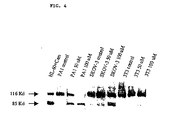
- Another early reflection of the induction of apoptosis is the cleavage of the protein poly (ADP-ribose) polymerase (PARP) by cellular caspases.
- PARP protein poly
- Western-blot based studies were carried out to determine if exposure to taurolidine resulted in PARP cleavage. The results revealed that PARP cleavage was not evident in 3T3 cells when exposure to the same taurolidine regimen.
- Apoptosis is also detected using known methods such as determination of caspase activation, bax/bc112 ratios and fas and fas-1 interactions.
- the antitumor activity of a compound is also evaluated using a standard MTS colorimetric assay.
- Results obtained with various types of tumor cells are compared with those obtained by using normal cells. Viability of the cells in each cell line is estimated by measuring the cellular conversion of a tetrazolium salt after incubating the cells in a solution containing a test compound in a 96 well plate.
- IC 50 values obtained using the identical test compound on normal cells and cells of a particular tumor cell line are compared and their ratio (IC 50 normal cell/IC 50 cancer cell) indicates the cancer selectivity of the test compound.
- An increase in the IC 50 normal cell/IC 50 cancer cell ratio reflects a higher selectivity of the test compound to kill the cancer cell.
- Antitumor activity of a compound is also evaluated in vivo using, e.g., a tumor xenograft regression assay.
- a tumor xenograft regression assay For example, animals bearing established tumors are treated with a test compound for a three-week period. The growth of the tumors and the general health of the animal are monitored during the three-week treatment and for two more weeks after treatment to determine if tumor regrowth occurs.
- the antineoplastic activity of taurolidine is determined in athymic (nude) mice bearing advanced and/or metastatic xenografts. Single and multiple dose regimens of taurolidine are evaluated in athymic (nude) mice. Upon identification of dose regiments, antineoplastic activity is assessed in athymic (nude) mice bearing xenografts of human cancer cells, e.g. ovarian tumors.
- a 5% response rate e.g., a 5% reduction in tumor growth
- Response rate is defined as a reduction in tumor size or in the number of metastatic foci.
- a reduction in tumor size is determined by detecting a decrease in the size of the largest neoplastic lesion, e.g., by sonogram or by measurement using a caliper.
- a standard mouse model of ovarian cancer was used to study the effect of taurolidine on recurrent ovarian cancer.
- Holland Sprague-Dawley mice were injected with 5 ⁇ 10 6 tumor cells (e.g., SKOV3 human ovarian tumor cell line) to mimic a condition of advanced ovarian cancer.
- Taurolidine was administered by intraperitoneal lavage 5 days later. Taurolidine was administered 3 times a day for 4 days at a dose of 30 mg/day. At least a 75-80% reduction in tumor foci was observed.
- Taurolidine was found to be particularly effective in killing tumor cells which are refractory to cytotoxicity by other known chemotherapeutic agents.
- Glioblastoma cells were transfected with a gene encoding multiple drug resistance (MDR). The transfected cells were 100-1000 times resistant to standard chemotherapeutic agents, e.g., adriamycin. Untransfected glioblastoma cells cultured with a standard dose (e.g., 1 ⁇ M) of adriamycin were killed, but MDR-transfected glioblastoma cells contacted with 1 ⁇ M of the drug were resistant.
- MDR multiple drug resistance
- combination therapy in which a taurolidine or taurultam compound is administered before, after, or together with another chemotherapeutic agent (e.g., an antimetabolite, a tumor-specific monoclonal antibody, or anti-angiogenic agent) results in improved clinical outcome of patients suffering from a malignant condition characterized by a mixed population of tumor cells (e.g., those which are killed by standard chemotherapeutic agents and those which are MDR).
- chemotherapeutic agent e.g., an antimetabolite, a tumor-specific monoclonal antibody, or anti-angiogenic agent
- Taurolidine was found to be active at inhibiting the growth of a variety of human tumor cell lines in vitro. PA-1 and SKOV-3 human ovarian tumor cell lines and NIH-3T3 murine fibroblasts were used to determine the mechanism of antitumor activity. The studies revealed that this effect was associated with alterations in DNA structure, cell membrane components, and protein cleavage that were consistent with the induction of apoptosis specifically in tumor cells. Antineoplastic evaluation of Taurolidine in nude mice bearing intraperitoneal xenografts of human ovarian tumors demonstrated that this agent significantly inhibited tumor development and growth in vivo.
- Standard cell culture growth media e.g., High glucose DMEM, RPMI 1640, McCoy's 5A, and F12K
- trypsin fetal bovine serum
- FBS fetal bovine serum
- Phosphotidylserine externalization by cells was evaluated using the ApoAlert® Annexin-V/FITC assay kit was purchased from Clontech (Palo Alto, CA). Reagents for SDS-PAGE were purchased from BioRad Laboratories (Richmond, CA).
- a murine monoclonal antibody (clone C-2-10) to human PARP was purchased from Zymed Laboratories (San Francisco, CA). All other chemicals were purchased from Sigma (St. Louis, MO).
- ovarian tumor cells PA-1 and SKOV-3
- colon tumor cells HCT-8, HCT-15 and HT-29
- lung tumor cells H-157, A-549 and H-596
- prostate tumor cells DU-145
- glioma cells U-251
- melanoma MNT-1
- the murine melanoma B16F10 cell line was also tested.
- ATCC American Type Culture Collection
- the cells then were stained for 30min at room temperature in the dark with a solution of 0.05 mg/ml propidium iodide, 0.6% Igepal, and 1% sodium citrate.
- Flow cytometry was performed by FACScan (Becton Dickinson, Plymouth, England) using the ModFit LT program (Becton Dickinson).
- Statistical analysis was performed with the Kruskal Wallis non-parametric ANOVA test followed by Dunn's multiple comparisons test using Instat.
- Cell membrane phosphotidylserine externalization was assessed by flow cytometry methods using the ApoAlert® Annexin-V/FITC assay kit. Briefly, 1 x 10 6 cells were incubated for 24h in tissue culture medium containing serum. Thereafter, Taurolidine was added to achieve a final concentration of 25, 50, or 100 ⁇ M. Control cultures received 5% Kollidon 17PF alone. Twenty-four hours later, all cells were harvested by trypsinization. The harvested cells were resuspended in 200 ⁇ l of binding buffer and then incubated for 5-15min in a solution containing 1 ⁇ g/ml Annexin-V FITC at room temperature in the dark. The cells were then analyzed to quantitate Annexin-V binding by cytofluorometric techniques that utilized FACScan using the ModFit LT program with statistical analysis as described above.
- mice were divided into groups of 5-8 animals. Thereafter, all mice were weighed and therapy, consisting of a single i.p. bolus injection of Taurolidine on 3 consecutive days, was initiated.
- the Taurolidine doses evaluated were 5, 10, 15, 20, 25, and 30 mg/mouse/injection and, except for the 25 (1.25ml) and 30 mg/mouse (1.5ml) injections, were administered in a volume of 1ml.
- Taurolidine for injection was diluted from the 2% Taurolidine solution by the addition of 5% Kollidon 17PF. Control animals received 1ml injections of 5% Kollidon 17PF alone. Animals were examined daily and body weight recorded twice weekly. A reduction in body weight of greater than 10% was considered significant.
- the maximally tolerated dose (MTD) was considered to be the dose which produced ⁇ 10% mortality.
- mice received a single intraperitoneal injection of 5 x 10 6 SKOV-3 cells in a volume of 0.5ml. Immediately thereafter, mice were randomly divided into treatment groups of 7 animals. Taurolidine therapy, consisting of a single i.p. bolus injection of 20 mg of Taurolidine on 3 consecutive days, was initiated either immediately following tumor cell inoculation or at selected time intervals after tumor cell inoculation ( ⁇ 5d). Control animals received 1ml injections of 5% Kollidon 17PF alone. Animals were examined daily and body weight recorded twice weekly. Fourteen days following the last Taurolidine injection, mice in all groups were sacrificed by CO 2 asphyxiation, all i.p. tumor foci removed and tumor weighed determined. The mean tumor weight for each treatment group was calculated and statistical analysis of differences in the mean tumor weight between treatment groups employed the Student's t -test. p -values of ⁇ 0.05 were considered significant.
- Taurolidine inhibits tumor cell growth
- the IC 50 of Taurolidine against the growth a selected human and murine neoplastic cell lines was evaluated as follows. Cells were seeded at a density of 1-5 x 10 4 cells in each well of a 6 well tissue culture flask. Twenty-four hours later, Taurolidine was added at concentrations ranging from 1-100 ⁇ M. After three days, cells were harvested by trypsinization and cell number determined electronically. Cell growth inhibition was determined by comparison to non-Taurolidine exposed control cultures. The IC 50 was calculated as the concentration required to inhibit cell number by 50%. Each IC 50 value represents the mean ⁇ SE of 4-8 determinations.
- the effect of a 48h exposure to selected concentrations of Taurolidine on cell cycle distribution in human ovarian tumor cells (PA-1 and SKOV-3) and murine fibroblasts (NIH-3T3) was carried out as follows. Three x 10 5 cells were seeded in plastic tissue culture flasks. Twenty-four hours later, Taurolidine was added to achieve final concentrations of 25 ⁇ M, 50 ⁇ M or 100 ⁇ M. Control cultures received an appropriate volume of Kollidine-17P. After an additional 48h, cells were harvested, stained with propidium iodide, and cell cycle distribution assessed using cytofluorometric techniques. Each value represents the percentage of cells in the noted cell cycle phases and is the mean ⁇ SEM of three determinations.
- exposing NIH-3T3 cells to Taurolidine decreased the percentage of cells in G 0 /G 1 and increased the percentage of cells in S in a concentration-dependent manner.
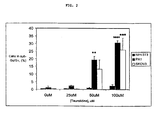
- Taurolidine exposure in NIH-3T3 cells did not significantly affect the appearance of DNA debris in the sub-G 0 G 1 region (Fig. 2).
- PARP is a nuclear protein that plays a key role in the recognition and repair of both single and double strand DNA breaks.
- a key event in the apoptotic process is the cleavage, mediated by caspase 3 and caspase 9, and consequent catalytic deactivation of this protein.
- Western-blot analysis was carried out on whole cell extracts of PA-1, SKOV-3 and NIH-3T3 cells following a 24h exposure to either 50 or 100 ⁇ M Taurolidine.
- Taurolidine was administered to tumor-bearing animals to further evaluate antineoplastic activity.
- Daily 1ml injections delivered doses that ranged from 5mg/mouse/day - 30mg/mouse/day. The results of these studies revealed that at daily doses below 15 mg/mouse (- 650mg/kg) Taurolidine were well-tolerated (Table 7).
- Taurolidine-induced toxicity in athymic (nude) female mice was evaluated as follows. Groups of 5-10 mice were injected with Taurolidine on three consecutive days. Taurolidine doses evaluated ranged from 5-30 mg/mouse/injection and were delivered intraperitoneally in a volume of 1ml (with the exception of the 25 and 30mg doses, which, due to limited solubility, were delivered in a volume of 1.25 and 1.5ml, respectively). During the injection regimen, and daily thereafter for 30d, mice were weighed and examined. Experiments were repeated a minimum of three times and mortality and weight loss data pooled.
- a 3 daily 1ml i.p. injection of Taurolidine at a dose of 20mg/mouse, was chosen to be the MTD.
- Taurolidine therapy employing the 3d 20mg/mouse dose regimen, was initiated up to 5d after tumor cell injection.
- Fourteen days following the termination of Taurolidine therapy mice were sacrificed and all i.p. tumors removed and weighed.
- Taurolidine The ability of Taurolidine to induce apoptosis was found to be specific for tumor cells. This observation was confirmed using normal (non-tumor) primary cells derived from animals, which are known to be free of tumors. The cytotoxic and apoptotic activity of Taurolidine in normal murine bone marrow cultures as well as in activated human T-cell cultures was evaluated. In both normal cell models, Taurolidine was not cytotoxic in the high ⁇ M range and did not produce cellular changes consistent with the induction of apoptosis. In normal murine bone marrow, concentrations in the mM range were required to inhibit cell proliferation. These findings indicate that Taurolidine (or one of its metabolites) access a tumor-cell specific target capable of inducing tumor cell apoptosis.
- Taurolidine was administered by i.p. lavage immediately following surgery for removal of recurrent ovarian tumors. To date, Taurolidine has been well tolerated in these patients.
- taurolidine and derivatives or metabolites thereof are useful to inhibit or halt tumor growth and to extend the life expectancy of tumor patients.
Landscapes
- Health & Medical Sciences (AREA)
- Veterinary Medicine (AREA)
- Chemical & Material Sciences (AREA)
- Medicinal Chemistry (AREA)
- Pharmacology & Pharmacy (AREA)
- Life Sciences & Earth Sciences (AREA)
- Animal Behavior & Ethology (AREA)
- General Health & Medical Sciences (AREA)
- Public Health (AREA)
- Chemical Kinetics & Catalysis (AREA)
- General Chemical & Material Sciences (AREA)
- Nuclear Medicine, Radiotherapy & Molecular Imaging (AREA)
- Organic Chemistry (AREA)
- Engineering & Computer Science (AREA)
- Bioinformatics & Cheminformatics (AREA)
- Epidemiology (AREA)
- Urology & Nephrology (AREA)
- Oncology (AREA)
- Gastroenterology & Hepatology (AREA)
- Hematology (AREA)
- Reproductive Health (AREA)
- Dermatology (AREA)
- Biomedical Technology (AREA)
- Neurology (AREA)
- Neurosurgery (AREA)
- Endocrinology (AREA)
- Pulmonology (AREA)
- Pharmaceuticals Containing Other Organic And Inorganic Compounds (AREA)
- Medicines That Contain Protein Lipid Enzymes And Other Medicines (AREA)
- Medicinal Preparation (AREA)
- Nitrogen- Or Sulfur-Containing Heterocyclic Ring Compounds With Rings Of Six Or More Members (AREA)
- Acyclic And Carbocyclic Compounds In Medicinal Compositions (AREA)
- Medicines Containing Material From Animals Or Micro-Organisms (AREA)
Priority Applications (1)
| Application Number | Priority Date | Filing Date | Title |
|---|---|---|---|
| EP06019082.4A EP1797884B1 (en) | 1999-12-06 | 2000-12-06 | Taurolidine or taurultam for use in the treatment of tumors of the prostate, colon, lung and for the treatment of recurrent glioblastoma multiforme |
Applications Claiming Priority (7)
| Application Number | Priority Date | Filing Date | Title |
|---|---|---|---|
| US16912299P | 1999-12-06 | 1999-12-06 | |
| US16912899P | 1999-12-06 | 1999-12-06 | |
| US16912799P | 1999-12-06 | 1999-12-06 | |
| US169127P | 1999-12-06 | ||
| US169128P | 1999-12-06 | ||
| US169122P | 1999-12-06 | ||
| PCT/US2000/033103 WO2001039762A2 (en) | 1999-12-06 | 2000-12-06 | Use of taurolidine or taurultam for the manufacture of a medicament for the treatment of tumors of the central nervous system |
Related Child Applications (1)
| Application Number | Title | Priority Date | Filing Date |
|---|---|---|---|
| EP06019082.4A Division EP1797884B1 (en) | 1999-12-06 | 2000-12-06 | Taurolidine or taurultam for use in the treatment of tumors of the prostate, colon, lung and for the treatment of recurrent glioblastoma multiforme |
Publications (2)
| Publication Number | Publication Date |
|---|---|
| EP1246617A2 EP1246617A2 (en) | 2002-10-09 |
| EP1246617B1 true EP1246617B1 (en) | 2006-09-13 |
Family
ID=27389609
Family Applications (3)
| Application Number | Title | Priority Date | Filing Date |
|---|---|---|---|
| EP00983965A Expired - Lifetime EP1246617B1 (en) | 1999-12-06 | 2000-12-06 | Use of taurolidine or taurultam for the manufacture of a medicament for the treatment of ovarian cancer |
| EP00983966A Withdrawn EP1248625A2 (en) | 1999-12-06 | 2000-12-06 | Use of methylol-containing compounds for the manufacture of a medicament for the treatment of tumors |
| EP10012266.2A Expired - Lifetime EP2332542B1 (en) | 1999-12-06 | 2000-12-06 | Use of taurolidine or taurultam for the manufacture of a medicament for the treatment of tumors |
Family Applications After (2)
| Application Number | Title | Priority Date | Filing Date |
|---|---|---|---|
| EP00983966A Withdrawn EP1248625A2 (en) | 1999-12-06 | 2000-12-06 | Use of methylol-containing compounds for the manufacture of a medicament for the treatment of tumors |
| EP10012266.2A Expired - Lifetime EP2332542B1 (en) | 1999-12-06 | 2000-12-06 | Use of taurolidine or taurultam for the manufacture of a medicament for the treatment of tumors |
Country Status (9)
| Country | Link |
|---|---|
| US (6) | US6429224B1 (enExample) |
| EP (3) | EP1246617B1 (enExample) |
| JP (5) | JP5027369B2 (enExample) |
| AT (1) | ATE339207T1 (enExample) |
| AU (2) | AU784539B2 (enExample) |
| CA (3) | CA2393252A1 (enExample) |
| DE (1) | DE60030770T2 (enExample) |
| ES (2) | ES2438535T3 (enExample) |
| WO (2) | WO2001039763A2 (enExample) |
Families Citing this family (53)
| Publication number | Priority date | Publication date | Assignee | Title |
|---|---|---|---|---|
| US20050124608A1 (en) * | 2001-04-03 | 2005-06-09 | Redmond H. P. | Treatment of cancers |
| US8304390B2 (en) | 1997-07-31 | 2012-11-06 | Ed. Geistlich Soehne Ag Fuer Chemische Industrie | Method of treatment for preventing or reducing tumor growth in the liver of patient |
| US20070275955A1 (en) * | 1997-07-31 | 2007-11-29 | Ed. Geistlich Soehne Ag | Method of treating tumors |
| US20060199811A1 (en) * | 1997-07-31 | 2006-09-07 | Pfirrmann Rolf W | Method of treatment for preventing or reducing tumor growth in the liver of patient |
| US20030027818A1 (en) | 2001-04-03 | 2003-02-06 | Redmond H. Paul | Treatment of cancers |
| US6479481B1 (en) * | 1999-06-04 | 2002-11-12 | Ed. Geistlich Soehne Ag Fur Chemische Industrie | Methods and compositions for treating primary and secondary tumors of the central nervous system (CNS) |
| US7892530B2 (en) * | 1999-06-04 | 2011-02-22 | Ed. Geistlich Soehne Ag Fuer Chemische Industrie | Treatment of tumor metastases and cancer |
| US8030301B2 (en) | 1999-06-04 | 2011-10-04 | Ed. Geistlich Soehne Ag Fuer Chemische Industrie | Treatment of cancers with methylol-containing compounds and at least one electrolyte |
| US7345039B2 (en) * | 1999-06-04 | 2008-03-18 | Ed. Geistlich Soehne Ag Fuer Chemische Industrie | Enhancement of effectiveness of 5-fluorouracil in treatment of tumor metastases and cancer |
| US20030225067A1 (en) * | 1999-06-04 | 2003-12-04 | Ruediger Stendel | Microdialysis methods and applications for treatment and/or prophylaxis of tumors and/or infections in the central nervous system (CNS) and/or in other parenchymal organs |
| CN100519525C (zh) * | 1999-12-06 | 2009-07-29 | 葛兰素集团有限公司 | 芳香砜类及其医疗用途 |
| EP1797884B1 (en) * | 1999-12-06 | 2013-09-11 | Geistlich Pharma AG | Taurolidine or taurultam for use in the treatment of tumors of the prostate, colon, lung and for the treatment of recurrent glioblastoma multiforme |
| EP1246617B1 (en) * | 1999-12-06 | 2006-09-13 | Rhode Island Hospital | Use of taurolidine or taurultam for the manufacture of a medicament for the treatment of ovarian cancer |
| US6608026B1 (en) * | 2000-08-23 | 2003-08-19 | Board Of Regents, The University Of Texas System | Apoptotic compounds |
| AU779362B2 (en) | 2000-10-27 | 2005-01-20 | Ed. Geistlich Soehne Ag Fuer Chemische Industrie | Treatment of tumor metastases and cancer |
| US20020081339A1 (en) * | 2000-12-22 | 2002-06-27 | Philippe Menei | Treatment of inoperable tumors by stereotactic injection of microspheres |
| GB0104383D0 (en) * | 2001-02-22 | 2001-04-11 | Psimedica Ltd | Cancer Treatment |
| WO2002074294A1 (en) * | 2001-03-15 | 2002-09-26 | Rhode Island Hospital, A Lifespan Partner | Taurine compounds |
| US20080171738A1 (en) * | 2001-04-03 | 2008-07-17 | Ed. Geistlich Soehne Ag Fuer Chemische Industrie | Treatment of Breast Cancer |
| US20030092707A1 (en) * | 2001-10-19 | 2003-05-15 | Redmond H. Paul | Treatment of breast cancer |
| EP1450814B1 (en) * | 2001-10-01 | 2016-11-30 | Geistlich Pharma AG | Methods of inhibiting metastases |
| CA2412012C (en) | 2001-11-20 | 2011-08-02 | Ed. Geistlich Soehne Ag Fuer Chemische Industrie | Resorbable extracellular matrix containing collagen i and collagen ii for reconstruction of cartilage |
| CA2422623A1 (en) * | 2002-03-21 | 2003-09-21 | Ed. Geistlich Soehne Ag Fuer Chemische Industrie | Microdialysis methods and applications for treatment and/or prophylaxis of tumors and/or infections in the central nervous system (cns) and/or in other parenchymal organs |
| CN100372535C (zh) * | 2002-09-24 | 2008-03-05 | 诺瓦提斯公司 | 4-吡啶基甲基-酞嗪衍生物在制备治疗骨髓增生异常综合征的药物中的用途 |
| US7444183B2 (en) * | 2003-02-03 | 2008-10-28 | Enteromedics, Inc. | Intraluminal electrode apparatus and method |
| JP5346148B2 (ja) * | 2003-03-28 | 2013-11-20 | エー・デー・ガイストリヒ・ゾーネ・アクチェンゲゼルシャフト・フュール・ヒェーミシェ・インダストリー | 抗新生物性組成物および治療方法 |
| US20050008684A1 (en) * | 2003-07-10 | 2005-01-13 | Claus Herdeis | Method of treatment for acne, rosacea and ulcers with taurolidine and/or taurultam in a pharmaceutical composition |
| US8236794B2 (en) | 2003-09-29 | 2012-08-07 | Ed. Geistlich Soehne Ag Fuer Chemische Industrie | Treatment of mesothelioma |
| JP2007537200A (ja) * | 2004-05-14 | 2007-12-20 | ハンス−ディートリヒ・ポラシェグ | タウロリジン製剤及び投与:細菌マイクロフィルム形成に対する治療処置及び抗菌保護 |
| CA2570501A1 (en) * | 2004-06-18 | 2006-01-26 | Gergely Szakacs | Methods for the identification and use of compounds suitable for the treatment of drug resistant cancer cells |
| DK3117833T3 (en) * | 2005-07-19 | 2019-03-18 | Stemgen S P A | Inhibition of Tumor-rich Potential of Tumor Stem Cells with LIF |
| WO2007020509A1 (en) * | 2005-08-15 | 2007-02-22 | Ed. Geistlich Soehne Ag Fuer Chemische Industrie | Combination of methylol transfer agents with tumour-inhibiting proteins or peptides and the use thereof for the treatment of cancer or tumor growth |
| EP1976531B1 (en) | 2006-01-06 | 2011-11-09 | Ed. Geistlich Söhne AG für Chemische Industrie | Irradiated compositions and treatment of cancers with radiation in combination with taurolidine and/or taurultam |
| US20100291173A1 (en) * | 2006-09-05 | 2010-11-18 | Ed. Geistlich Soehne Ag Fuer Chemische Industrie | Method of improving renal function |
| RU2468796C2 (ru) * | 2006-09-07 | 2012-12-10 | Эд. Гайстлих Зёне Аг Фюр Хемише Индустри | Способ лечения рака костей |
| CA2713288A1 (en) * | 2008-02-11 | 2009-08-20 | The Government Of The United States Of America As Represented By The Sec Retary Of Department Of Health And Human Services | Compounds with mdr1-inverse activity |
| DE102010010360A1 (de) * | 2010-03-05 | 2011-09-08 | Gamptec Gmbh | Formulierungen von Taurolidin und Verfahren zu seiner Herstellung |
| ES2614878T3 (es) * | 2010-06-01 | 2017-06-02 | Geistlich Pharma Ag | Métodos y composiciones para terapia farmacéutica oral |
| WO2012042349A1 (en) | 2010-09-27 | 2012-04-05 | Geistlich Pharma Ag | Antimicrobial dental care preparation |
| US9241943B2 (en) | 2012-06-18 | 2016-01-26 | Geistlich Pharma Ag | Oxathiazine derivatives as antibacterial and anticancer agents |
| DK3076969T3 (da) * | 2013-12-06 | 2021-11-22 | Novartis Ag | Doseringsregime for en alfa-isoform-selektiv phosphatidylinositol-3-kinase-hæmmer |
| EP3377067A4 (en) * | 2015-10-07 | 2019-07-31 | Cormedix Inc. | SKIN-PENETRATING FORMULATION OF TAUROLIDINE |
| US20190381058A1 (en) * | 2016-01-11 | 2019-12-19 | Cormedix Inc. | Methods and compositions for treating neuroblastoma in a juvenile mammalian body |
| US11541061B2 (en) * | 2016-01-11 | 2023-01-03 | Cormedix Inc. | Neuroblastoma treatment with taurolidine hydrolysis products |
| US20190381060A1 (en) | 2016-01-11 | 2019-12-19 | Cormedix Inc. | Taurolidine treatment for myc-expressing tumors in mammalian bodies |
| CA3010981C (en) * | 2016-01-11 | 2024-09-17 | Cormedix Inc. | Therapeutic nanoparticles for the treatment of neuroblastoma and other cancers |
| WO2018126133A1 (en) * | 2016-12-29 | 2018-07-05 | Cormedix Inc. | Skin-penetrating formulation of taurolidine |
| CN109929804B (zh) * | 2017-12-15 | 2020-10-16 | 天津医科大学肿瘤医院 | 一种人卵巢癌细胞系及其制备方法和应用 |
| EP3843745A4 (en) * | 2018-08-28 | 2022-06-15 | CorMedix Inc. | METHODS AND COMPOSITIONS FOR THE TREATMENT OF NEUROBLASTOMA IN A JUVENILE MAMMALIAN BODY |
| CN113347976A (zh) * | 2018-08-28 | 2021-09-03 | 科医公司 | 用牛磺罗定水解产物进行的神经母细胞瘤治疗 |
| WO2020047530A1 (en) * | 2018-08-31 | 2020-03-05 | Cormedix Inc. | Taurolidine treatment for myc-expressing tumors in mammalian bodies |
| US20220323452A1 (en) | 2019-05-22 | 2022-10-13 | Geistlich Pharma Ag | Methods and compositions for inhibiting gapdh |
| WO2020234833A1 (en) | 2019-05-22 | 2020-11-26 | Geistlich Pharma Ag | Method for treating, preventing, inhibiting or reducing cytokine release |
Family Cites Families (39)
| Publication number | Priority date | Publication date | Assignee | Title |
|---|---|---|---|---|
| GB1124285A (en) | 1964-10-06 | 1968-08-21 | Geistlich Soehne Ag | Novel perhydro-1,2,4-thiadiazine dioxides-(1,1), their preparation and compositionscontaining them |
| GB1408010A (en) | 1972-11-20 | 1975-10-01 | Geistlich Soehne Ag | Sulphamoylphenyl-imidazolidinones |
| GB1557163A (en) | 1975-06-24 | 1979-12-05 | Geistlich Soehne Ag | Dental care preparations |
| US4107305A (en) | 1975-08-04 | 1978-08-15 | Ed. Geistlich Sohne A.G. Fur Chemische Industrie | Treatment of endotoxaemia |
| GB1588110A (en) | 1978-05-31 | 1981-04-15 | Geistlich Soehne Ag | Pharmaceutical compositions for the treatment of scars |
| US4192302A (en) * | 1978-09-12 | 1980-03-11 | Boddie Arthur W | Hepatic isolation and perfusion circuit assembly |
| JPS5598170A (en) * | 1979-01-18 | 1980-07-25 | Mitsui Toatsu Chem Inc | 5-fluorouracil derivative and its preparation |
| US4337251A (en) * | 1979-05-09 | 1982-06-29 | Ed. Geistlich Sohne Ag Fur Chemische Industrie | Method of avoiding and removing adhesions |
| CA1190855A (en) | 1980-09-03 | 1985-07-23 | Rolf W. Pfirrmann | Treatment of osteitis |
| GB8328074D0 (en) * | 1983-10-20 | 1983-11-23 | Geistlich Soehne Ag | Chemical compositions |
| GB8328111D0 (en) | 1983-10-20 | 1983-11-23 | Geistlich Soehne Ag | Chemical compounds |
| GB8328073D0 (en) | 1983-10-20 | 1983-11-23 | Geistlich Soehne Ag | Chemical compounds |
| US5206352A (en) * | 1986-03-28 | 1993-04-27 | Board Of Trustees Of The University Of Illinois | Compositions for clones containing DNA sequences associated with multidrug resistance in human cells |
| GB8617482D0 (en) | 1986-07-17 | 1986-08-28 | Geistlich Soehne Ag | Pharmaceutical composition |
| US5210083A (en) * | 1986-07-17 | 1993-05-11 | Ed. Geistlich Sohne A.G. Fur Chemische Industrie | Pharmaceutical compositions |
| US5573771A (en) | 1988-08-19 | 1996-11-12 | Osteomedical Limited | Medicinal bone mineral products |
| US5819748A (en) | 1988-11-30 | 1998-10-13 | Ed Geistlich Sohne Ag Fur Chemische Industrie | Implant for use in bone surgery |
| GB8827986D0 (en) * | 1988-11-30 | 1989-01-05 | Geistlich Soehne Ag | Chemical product |
| US5399493A (en) * | 1989-06-15 | 1995-03-21 | The Regents Of The University Of Michigan | Methods and compositions for the optimization of human hematopoietic progenitor cell cultures |
| GB9005856D0 (en) * | 1990-03-15 | 1990-05-09 | Geistlich Soehne Ag | Compositions |
| GB9015108D0 (en) | 1990-07-09 | 1990-08-29 | Geistlich Soehne Ag | Chemical compositions |
| DE69104608T2 (de) * | 1991-07-04 | 1995-02-16 | Weissenfluh Hawe Neos | Pharmazeutische Zubereitungen, Clavulansäure enthaltend, für die Behandlung der Periodontitis. |
| US5635532A (en) * | 1991-10-21 | 1997-06-03 | The United States Of America As Represented By The Secretary Of The Department Of Health And Human Services | Compositions and methods for therapy and prevention of pathologies including cancer, AIDS and anemia |
| GB9216155D0 (en) * | 1992-07-30 | 1992-09-09 | Geistlich Soehne Ag | Treatment of dentoalveolar infections |
| FR2728790B1 (fr) * | 1994-12-29 | 1997-01-24 | Cird Galderma | Composition modulant l'apoptose comprenant du methonial ou tout facteur influencant le taux intracellulaire de methonial |
| US5954687A (en) * | 1995-04-28 | 1999-09-21 | Medtronic, Inc. | Burr hole ring with catheter for use as an injection port |
| US5976822A (en) * | 1995-05-18 | 1999-11-02 | Coulter International Corp. | Method and reagent for monitoring apoptosis and distinguishing apoptosis from necrosis |
| GB9600426D0 (en) | 1996-01-10 | 1996-03-13 | Ed Geistlich Sohne A G | Compositions |
| DE19606897C2 (de) * | 1996-02-13 | 2002-08-29 | Geistlich Soehne Ag | Mittel zur Verhinderung der Tumorzellverschleppung und der Entstehung von Trokarmetastasen in der offenen und laparoskopischen Chirurgie maligner Tumoren |
| US6303596B1 (en) * | 1997-05-22 | 2001-10-16 | Oklahoma Medical Research Foundation | Use of taurolidine for treatment of leukemias |
| US6479481B1 (en) * | 1999-06-04 | 2002-11-12 | Ed. Geistlich Soehne Ag Fur Chemische Industrie | Methods and compositions for treating primary and secondary tumors of the central nervous system (CNS) |
| GB9716219D0 (en) * | 1997-07-31 | 1997-10-08 | Geistlich Soehne Ag | Prevention of metastases |
| US6011030A (en) | 1997-09-22 | 2000-01-04 | Ed. Geistlich Sohne Ag Fur Chemische Industrie | Method of treating symptoms of microbial infection or sepsis |
| US5972933A (en) | 1998-01-08 | 1999-10-26 | Ed. Geistlich Sohne Ag Fur Chemische Industrie | Method of treating microbial infections |
| US6117868A (en) * | 1998-09-16 | 2000-09-12 | Ed. Geistlich Sohne Ag Fur Chemische Industrie | Treatment of gastrointestinal ulcers or gastritis caused by microbial infection |
| US6465448B1 (en) * | 1999-08-13 | 2002-10-15 | Case Western Reserve University | Methoxyamine potentiation of temozolomide anti-cancer activity |
| EP1246617B1 (en) * | 1999-12-06 | 2006-09-13 | Rhode Island Hospital | Use of taurolidine or taurultam for the manufacture of a medicament for the treatment of ovarian cancer |
| US6448030B1 (en) * | 2000-02-18 | 2002-09-10 | University Of Nevada-Las Vegas | Method for predicting the efficacy of anti-cancer drugs |
| US6670330B1 (en) * | 2000-05-01 | 2003-12-30 | Theodore J. Lampidis | Cancer chemotherapy with 2-deoxy-D-glucose |
-
2000
- 2000-12-06 EP EP00983965A patent/EP1246617B1/en not_active Expired - Lifetime
- 2000-12-06 AU AU20649/01A patent/AU784539B2/en not_active Ceased
- 2000-12-06 EP EP00983966A patent/EP1248625A2/en not_active Withdrawn
- 2000-12-06 DE DE60030770T patent/DE60030770T2/de not_active Expired - Lifetime
- 2000-12-06 EP EP10012266.2A patent/EP2332542B1/en not_active Expired - Lifetime
- 2000-12-06 ES ES06019082.4T patent/ES2438535T3/es not_active Expired - Lifetime
- 2000-12-06 US US09/730,923 patent/US6429224B1/en not_active Expired - Lifetime
- 2000-12-06 AU AU20650/01A patent/AU784538B2/en not_active Ceased
- 2000-12-06 AT AT00983965T patent/ATE339207T1/de active
- 2000-12-06 CA CA002393252A patent/CA2393252A1/en not_active Abandoned
- 2000-12-06 JP JP2001541495A patent/JP5027369B2/ja not_active Expired - Fee Related
- 2000-12-06 US US09/731,214 patent/US6964959B2/en not_active Expired - Lifetime
- 2000-12-06 JP JP2001541496A patent/JP2003515558A/ja not_active Withdrawn
- 2000-12-06 CA CA2696185A patent/CA2696185C/en not_active Expired - Lifetime
- 2000-12-06 ES ES10012266.2T patent/ES2531547T3/es not_active Expired - Lifetime
- 2000-12-06 CA CA2393159A patent/CA2393159C/en not_active Expired - Lifetime
- 2000-12-06 WO PCT/US2000/033104 patent/WO2001039763A2/en not_active Ceased
- 2000-12-06 US US09/730,666 patent/US6521616B2/en not_active Expired - Lifetime
- 2000-12-06 WO PCT/US2000/033103 patent/WO2001039762A2/en not_active Ceased
-
2002
- 2002-08-05 US US10/212,401 patent/US6703413B2/en not_active Expired - Lifetime
- 2002-11-21 US US10/301,263 patent/US6995164B2/en not_active Expired - Lifetime
-
2006
- 2006-02-07 US US11/350,313 patent/US20060135513A1/en not_active Abandoned
-
2012
- 2012-02-24 JP JP2012038079A patent/JP5829948B2/ja not_active Expired - Fee Related
-
2014
- 2014-07-29 JP JP2014153442A patent/JP6234340B2/ja not_active Expired - Fee Related
-
2016
- 2016-07-29 JP JP2016149539A patent/JP2016188244A/ja active Pending
Also Published As
Similar Documents
| Publication | Publication Date | Title |
|---|---|---|
| EP2332542B1 (en) | Use of taurolidine or taurultam for the manufacture of a medicament for the treatment of tumors | |
| US20090163479A1 (en) | Use of taurolidine to treat tumors | |
| US6812251B2 (en) | Taurine compounds | |
| AU2002252338A1 (en) | Taurine compounds | |
| EP1797884B1 (en) | Taurolidine or taurultam for use in the treatment of tumors of the prostate, colon, lung and for the treatment of recurrent glioblastoma multiforme | |
| WO2007020509A1 (en) | Combination of methylol transfer agents with tumour-inhibiting proteins or peptides and the use thereof for the treatment of cancer or tumor growth |
Legal Events
| Date | Code | Title | Description |
|---|---|---|---|
| PUAI | Public reference made under article 153(3) epc to a published international application that has entered the european phase |
Free format text: ORIGINAL CODE: 0009012 |
|
| 17P | Request for examination filed |
Effective date: 20020705 |
|
| AK | Designated contracting states |
Kind code of ref document: A2 Designated state(s): AT BE CH CY DE DK ES FI FR GB GR IE IT LI LU MC NL PT SE TR |
|
| AX | Request for extension of the european patent |
Free format text: AL;LT;LV;MK;RO;SI |
|
| RIC1 | Information provided on ipc code assigned before grant |
Free format text: 7A 61K 31/541 A |
|
| 17Q | First examination report despatched |
Effective date: 20030120 |
|
| RAP1 | Party data changed (applicant data changed or rights of an application transferred) |
Owner name: RHODE ISLAND HOSPITAL |
|
| GRAP | Despatch of communication of intention to grant a patent |
Free format text: ORIGINAL CODE: EPIDOSNIGR1 |
|
| RIC1 | Information provided on ipc code assigned before grant |
Ipc: A61K 31/549 20060101AFI20060216BHEP |
|
| RTI1 | Title (correction) |
Free format text: USE OF TAUROLIDINE OR TAURULTAM FOR THE MANUFACTURE OF A MEDICAMENT FOR THE TREATMENT OF OVARIAN CANCER |
|
| RIC1 | Information provided on ipc code assigned before grant |
Ipc: A61P 35/00 20060101ALI20060401BHEP Ipc: A61K 31/549 20060101AFI20060401BHEP |
|
| GRAS | Grant fee paid |
Free format text: ORIGINAL CODE: EPIDOSNIGR3 |
|
| GRAA | (expected) grant |
Free format text: ORIGINAL CODE: 0009210 |
|
| AK | Designated contracting states |
Kind code of ref document: B1 Designated state(s): AT BE CH CY DE DK ES FI FR GB GR IE IT LI LU MC NL PT SE TR |
|
| PG25 | Lapsed in a contracting state [announced via postgrant information from national office to epo] |
Ref country code: IT Free format text: LAPSE BECAUSE OF FAILURE TO SUBMIT A TRANSLATION OF THE DESCRIPTION OR TO PAY THE FEE WITHIN THE PRE;WARNING: LAPSES OF ITALIAN PATENTS WITH EFFECTIVE DATE BEFORE 2007 MAY HAVE OCCURRED AT ANY TIME BEFORE 2007. THE CORRECT EFFECTIVE DATE MAY BE DIFFERENT FROM THE ONE RECORDED.SCRIBED TIME-LIMIT Effective date: 20060913 Ref country code: FI Free format text: LAPSE BECAUSE OF FAILURE TO SUBMIT A TRANSLATION OF THE DESCRIPTION OR TO PAY THE FEE WITHIN THE PRESCRIBED TIME-LIMIT Effective date: 20060913 Ref country code: NL Free format text: LAPSE BECAUSE OF FAILURE TO SUBMIT A TRANSLATION OF THE DESCRIPTION OR TO PAY THE FEE WITHIN THE PRESCRIBED TIME-LIMIT Effective date: 20060913 |
|
| REG | Reference to a national code |
Ref country code: GB Ref legal event code: FG4D |
|
| REG | Reference to a national code |
Ref country code: CH Ref legal event code: EP |
|
| REG | Reference to a national code |
Ref country code: IE Ref legal event code: FG4D |
|
| REF | Corresponds to: |
Ref document number: 60030770 Country of ref document: DE Date of ref document: 20061026 Kind code of ref document: P |
|
| PG25 | Lapsed in a contracting state [announced via postgrant information from national office to epo] |
Ref country code: IE Free format text: LAPSE BECAUSE OF NON-PAYMENT OF DUE FEES Effective date: 20061206 |
|
| PG25 | Lapsed in a contracting state [announced via postgrant information from national office to epo] |
Ref country code: DK Free format text: LAPSE BECAUSE OF FAILURE TO SUBMIT A TRANSLATION OF THE DESCRIPTION OR TO PAY THE FEE WITHIN THE PRESCRIBED TIME-LIMIT Effective date: 20061213 Ref country code: SE Free format text: LAPSE BECAUSE OF FAILURE TO SUBMIT A TRANSLATION OF THE DESCRIPTION OR TO PAY THE FEE WITHIN THE PRESCRIBED TIME-LIMIT Effective date: 20061213 |
|
| PG25 | Lapsed in a contracting state [announced via postgrant information from national office to epo] |
Ref country code: ES Free format text: LAPSE BECAUSE OF FAILURE TO SUBMIT A TRANSLATION OF THE DESCRIPTION OR TO PAY THE FEE WITHIN THE PRESCRIBED TIME-LIMIT Effective date: 20061224 |
|
| PG25 | Lapsed in a contracting state [announced via postgrant information from national office to epo] |
Ref country code: MC Free format text: LAPSE BECAUSE OF NON-PAYMENT OF DUE FEES Effective date: 20061231 |
|
| PG25 | Lapsed in a contracting state [announced via postgrant information from national office to epo] |
Ref country code: PT Free format text: LAPSE BECAUSE OF FAILURE TO SUBMIT A TRANSLATION OF THE DESCRIPTION OR TO PAY THE FEE WITHIN THE PRESCRIBED TIME-LIMIT Effective date: 20070226 |
|
| NLV1 | Nl: lapsed or annulled due to failure to fulfill the requirements of art. 29p and 29m of the patents act | ||
| REG | Reference to a national code |
Ref country code: CH Ref legal event code: NV Representative=s name: A. BRAUN, BRAUN, HERITIER, ESCHMANN AG PATENTANWAE |
|
| EN | Fr: translation not filed | ||
| PLBE | No opposition filed within time limit |
Free format text: ORIGINAL CODE: 0009261 |
|
| STAA | Information on the status of an ep patent application or granted ep patent |
Free format text: STATUS: NO OPPOSITION FILED WITHIN TIME LIMIT |
|
| REG | Reference to a national code |
Ref country code: CH Ref legal event code: PL |
|
| 26N | No opposition filed |
Effective date: 20070614 |
|
| GBPC | Gb: european patent ceased through non-payment of renewal fee |
Effective date: 20061213 |
|
| REG | Reference to a national code |
Ref country code: CH Ref legal event code: AEN Free format text: DAS PATENT IST AUFGRUND DES WEITERBEHANDLUNGSANTRAGS VOM 26.09.2007 REAKTIVIERT WORDEN. |
|
| PG25 | Lapsed in a contracting state [announced via postgrant information from national office to epo] |
Ref country code: GB Free format text: LAPSE BECAUSE OF NON-PAYMENT OF DUE FEES Effective date: 20061213 |
|
| PG25 | Lapsed in a contracting state [announced via postgrant information from national office to epo] |
Ref country code: GR Free format text: LAPSE BECAUSE OF FAILURE TO SUBMIT A TRANSLATION OF THE DESCRIPTION OR TO PAY THE FEE WITHIN THE PRESCRIBED TIME-LIMIT Effective date: 20061214 Ref country code: FR Free format text: LAPSE BECAUSE OF FAILURE TO SUBMIT A TRANSLATION OF THE DESCRIPTION OR TO PAY THE FEE WITHIN THE PRESCRIBED TIME-LIMIT Effective date: 20070518 |
|
| REG | Reference to a national code |
Ref country code: CH Ref legal event code: PFA Owner name: RHODE ISLAND HOSPITAL Free format text: RHODE ISLAND HOSPITAL#593 EDDY STREET#PROVIDENCE, RI 02903 (US) -TRANSFER TO- RHODE ISLAND HOSPITAL#593 EDDY STREET#PROVIDENCE, RI 02903 (US) |
|
| PG25 | Lapsed in a contracting state [announced via postgrant information from national office to epo] |
Ref country code: TR Free format text: LAPSE BECAUSE OF FAILURE TO SUBMIT A TRANSLATION OF THE DESCRIPTION OR TO PAY THE FEE WITHIN THE PRESCRIBED TIME-LIMIT Effective date: 20060913 |
|
| REG | Reference to a national code |
Ref country code: GB Ref legal event code: S28 |
|
| REG | Reference to a national code |
Ref country code: GB Ref legal event code: 732E |
|
| PG25 | Lapsed in a contracting state [announced via postgrant information from national office to epo] |
Ref country code: CY Free format text: LAPSE BECAUSE OF FAILURE TO SUBMIT A TRANSLATION OF THE DESCRIPTION OR TO PAY THE FEE WITHIN THE PRESCRIBED TIME-LIMIT Effective date: 20060913 Ref country code: FR Free format text: LAPSE BECAUSE OF FAILURE TO SUBMIT A TRANSLATION OF THE DESCRIPTION OR TO PAY THE FEE WITHIN THE PRESCRIBED TIME-LIMIT Effective date: 20060913 |
|
| REG | Reference to a national code |
Ref country code: GB Ref legal event code: S28 Effective date: 20081118 |
|
| REG | Reference to a national code |
Ref country code: CH Ref legal event code: PUE Owner name: GEISTLICH PHARMA AG Free format text: RHODE ISLAND HOSPITAL#593 EDDY STREET#PROVIDENCE, RI 02903 (US) -TRANSFER TO- GEISTLICH PHARMA AG#BAHNHOFSTRASSE 40#6110 WOLHUSEN (CH) |
|
| REG | Reference to a national code |
Ref country code: CH Ref legal event code: PCAR Free format text: NEW ADDRESS: HOLBEINSTRASSE 36-38, 4051 BASEL (CH) |
|
| REG | Reference to a national code |
Ref country code: DE Ref legal event code: R082 Ref document number: 60030770 Country of ref document: DE Representative=s name: SCHMITT-NILSON SCHRAUD WAIBEL WOHLFROM PATENTA, DE |
|
| REG | Reference to a national code |
Ref country code: AT Ref legal event code: PC Ref document number: 339207 Country of ref document: AT Kind code of ref document: T Owner name: GEISTLICH PHARMA AG, CH Effective date: 20180529 |
|
| PGFP | Annual fee paid to national office [announced via postgrant information from national office to epo] |
Ref country code: DE Payment date: 20181210 Year of fee payment: 19 Ref country code: LU Payment date: 20181219 Year of fee payment: 19 Ref country code: AT Payment date: 20181220 Year of fee payment: 19 |
|
| PGFP | Annual fee paid to national office [announced via postgrant information from national office to epo] |
Ref country code: CH Payment date: 20181218 Year of fee payment: 19 Ref country code: GB Payment date: 20181218 Year of fee payment: 19 Ref country code: BE Payment date: 20181217 Year of fee payment: 19 |
|
| REG | Reference to a national code |
Ref country code: DE Ref legal event code: R119 Ref document number: 60030770 Country of ref document: DE |
|
| REG | Reference to a national code |
Ref country code: CH Ref legal event code: PL |
|
| REG | Reference to a national code |
Ref country code: AT Ref legal event code: MM01 Ref document number: 339207 Country of ref document: AT Kind code of ref document: T Effective date: 20191206 |
|
| REG | Reference to a national code |
Ref country code: BE Ref legal event code: MM Effective date: 20191231 |
|
| GBPC | Gb: european patent ceased through non-payment of renewal fee |
Effective date: 20191206 |
|
| PG25 | Lapsed in a contracting state [announced via postgrant information from national office to epo] |
Ref country code: DE Free format text: LAPSE BECAUSE OF NON-PAYMENT OF DUE FEES Effective date: 20200701 Ref country code: LU Free format text: LAPSE BECAUSE OF NON-PAYMENT OF DUE FEES Effective date: 20191206 Ref country code: GB Free format text: LAPSE BECAUSE OF NON-PAYMENT OF DUE FEES Effective date: 20191206 |
|
| PG25 | Lapsed in a contracting state [announced via postgrant information from national office to epo] |
Ref country code: LI Free format text: LAPSE BECAUSE OF NON-PAYMENT OF DUE FEES Effective date: 20191231 Ref country code: AT Free format text: LAPSE BECAUSE OF NON-PAYMENT OF DUE FEES Effective date: 20191206 Ref country code: CH Free format text: LAPSE BECAUSE OF NON-PAYMENT OF DUE FEES Effective date: 20191231 Ref country code: BE Free format text: LAPSE BECAUSE OF NON-PAYMENT OF DUE FEES Effective date: 20191231 |