EP1088065B1 - Antisense oligonukleotide zur behandlung von atopischen krankheiten und neoplastischer zellvermehrung - Google Patents
Antisense oligonukleotide zur behandlung von atopischen krankheiten und neoplastischer zellvermehrung Download PDFInfo
- Publication number
- EP1088065B1 EP1088065B1 EP99927615A EP99927615A EP1088065B1 EP 1088065 B1 EP1088065 B1 EP 1088065B1 EP 99927615 A EP99927615 A EP 99927615A EP 99927615 A EP99927615 A EP 99927615A EP 1088065 B1 EP1088065 B1 EP 1088065B1
- Authority
- EP
- European Patent Office
- Prior art keywords
- seq
- cells
- directed against
- receptor
- antisense
- Prior art date
- Legal status (The legal status is an assumption and is not a legal conclusion. Google has not performed a legal analysis and makes no representation as to the accuracy of the status listed.)
- Expired - Lifetime
Links
- 239000000074 antisense oligonucleotide Substances 0.000 title claims abstract description 118
- 238000012230 antisense oligonucleotides Methods 0.000 title claims abstract description 118
- 108020000948 Antisense Oligonucleotides Proteins 0.000 title abstract description 63
- 230000004663 cell proliferation Effects 0.000 title abstract description 11
- 210000005170 neoplastic cell Anatomy 0.000 title abstract description 9
- 208000012657 Atopic disease Diseases 0.000 title description 3
- 108091034117 Oligonucleotide Proteins 0.000 claims abstract description 143
- 208000006673 asthma Diseases 0.000 claims abstract description 77
- 102000004499 CCR3 Receptors Human genes 0.000 claims abstract description 43
- 108010017316 CCR3 Receptors Proteins 0.000 claims abstract description 40
- JLCPHMBAVCMARE-UHFFFAOYSA-N [3-[[3-[[3-[[3-[[3-[[3-[[3-[[3-[[3-[[3-[[3-[[5-(2-amino-6-oxo-1H-purin-9-yl)-3-[[3-[[3-[[3-[[3-[[3-[[5-(2-amino-6-oxo-1H-purin-9-yl)-3-[[5-(2-amino-6-oxo-1H-purin-9-yl)-3-hydroxyoxolan-2-yl]methoxy-hydroxyphosphoryl]oxyoxolan-2-yl]methoxy-hydroxyphosphoryl]oxy-5-(5-methyl-2,4-dioxopyrimidin-1-yl)oxolan-2-yl]methoxy-hydroxyphosphoryl]oxy-5-(6-aminopurin-9-yl)oxolan-2-yl]methoxy-hydroxyphosphoryl]oxy-5-(6-aminopurin-9-yl)oxolan-2-yl]methoxy-hydroxyphosphoryl]oxy-5-(6-aminopurin-9-yl)oxolan-2-yl]methoxy-hydroxyphosphoryl]oxy-5-(6-aminopurin-9-yl)oxolan-2-yl]methoxy-hydroxyphosphoryl]oxyoxolan-2-yl]methoxy-hydroxyphosphoryl]oxy-5-(5-methyl-2,4-dioxopyrimidin-1-yl)oxolan-2-yl]methoxy-hydroxyphosphoryl]oxy-5-(4-amino-2-oxopyrimidin-1-yl)oxolan-2-yl]methoxy-hydroxyphosphoryl]oxy-5-(5-methyl-2,4-dioxopyrimidin-1-yl)oxolan-2-yl]methoxy-hydroxyphosphoryl]oxy-5-(5-methyl-2,4-dioxopyrimidin-1-yl)oxolan-2-yl]methoxy-hydroxyphosphoryl]oxy-5-(6-aminopurin-9-yl)oxolan-2-yl]methoxy-hydroxyphosphoryl]oxy-5-(6-aminopurin-9-yl)oxolan-2-yl]methoxy-hydroxyphosphoryl]oxy-5-(4-amino-2-oxopyrimidin-1-yl)oxolan-2-yl]methoxy-hydroxyphosphoryl]oxy-5-(4-amino-2-oxopyrimidin-1-yl)oxolan-2-yl]methoxy-hydroxyphosphoryl]oxy-5-(4-amino-2-oxopyrimidin-1-yl)oxolan-2-yl]methoxy-hydroxyphosphoryl]oxy-5-(6-aminopurin-9-yl)oxolan-2-yl]methoxy-hydroxyphosphoryl]oxy-5-(4-amino-2-oxopyrimidin-1-yl)oxolan-2-yl]methyl [5-(6-aminopurin-9-yl)-2-(hydroxymethyl)oxolan-3-yl] hydrogen phosphate Polymers Cc1cn(C2CC(OP(O)(=O)OCC3OC(CC3OP(O)(=O)OCC3OC(CC3O)n3cnc4c3nc(N)[nH]c4=O)n3cnc4c3nc(N)[nH]c4=O)C(COP(O)(=O)OC3CC(OC3COP(O)(=O)OC3CC(OC3COP(O)(=O)OC3CC(OC3COP(O)(=O)OC3CC(OC3COP(O)(=O)OC3CC(OC3COP(O)(=O)OC3CC(OC3COP(O)(=O)OC3CC(OC3COP(O)(=O)OC3CC(OC3COP(O)(=O)OC3CC(OC3COP(O)(=O)OC3CC(OC3COP(O)(=O)OC3CC(OC3COP(O)(=O)OC3CC(OC3COP(O)(=O)OC3CC(OC3COP(O)(=O)OC3CC(OC3COP(O)(=O)OC3CC(OC3COP(O)(=O)OC3CC(OC3COP(O)(=O)OC3CC(OC3CO)n3cnc4c(N)ncnc34)n3ccc(N)nc3=O)n3cnc4c(N)ncnc34)n3ccc(N)nc3=O)n3ccc(N)nc3=O)n3ccc(N)nc3=O)n3cnc4c(N)ncnc34)n3cnc4c(N)ncnc34)n3cc(C)c(=O)[nH]c3=O)n3cc(C)c(=O)[nH]c3=O)n3ccc(N)nc3=O)n3cc(C)c(=O)[nH]c3=O)n3cnc4c3nc(N)[nH]c4=O)n3cnc4c(N)ncnc34)n3cnc4c(N)ncnc34)n3cnc4c(N)ncnc34)n3cnc4c(N)ncnc34)O2)c(=O)[nH]c1=O JLCPHMBAVCMARE-UHFFFAOYSA-N 0.000 claims abstract description 36
- 208000026935 allergic disease Diseases 0.000 claims abstract description 31
- 206010020751 Hypersensitivity Diseases 0.000 claims abstract description 30
- 230000007815 allergy Effects 0.000 claims abstract description 30
- 108010038486 Interleukin-4 Receptors Proteins 0.000 claims abstract description 29
- 102000010786 Interleukin-5 Receptors Human genes 0.000 claims abstract description 26
- 108010038484 Interleukin-5 Receptors Proteins 0.000 claims abstract description 26
- 102000016355 Granulocyte-Macrophage Colony-Stimulating Factor Receptors Human genes 0.000 claims abstract description 25
- 108010092372 Granulocyte-Macrophage Colony-Stimulating Factor Receptors Proteins 0.000 claims abstract description 25
- 108010038452 Interleukin-3 Receptors Proteins 0.000 claims abstract description 24
- 150000007523 nucleic acids Chemical group 0.000 claims abstract description 23
- 206010061218 Inflammation Diseases 0.000 claims abstract description 21
- 102000004559 Interleukin-13 Receptors Human genes 0.000 claims abstract description 21
- 108010017511 Interleukin-13 Receptors Proteins 0.000 claims abstract description 21
- 230000004054 inflammatory process Effects 0.000 claims abstract description 21
- 102000010787 Interleukin-4 Receptors Human genes 0.000 claims abstract description 17
- 206010028980 Neoplasm Diseases 0.000 claims abstract description 15
- 201000011510 cancer Diseases 0.000 claims abstract description 14
- 206010014950 Eosinophilia Diseases 0.000 claims abstract description 10
- 102000010790 Interleukin-3 Receptors Human genes 0.000 claims abstract 6
- 238000004519 manufacturing process Methods 0.000 claims description 28
- 108020004707 nucleic acids Proteins 0.000 claims description 17
- 102000039446 nucleic acids Human genes 0.000 claims description 17
- 239000003102 growth factor Substances 0.000 claims description 12
- 239000003814 drug Substances 0.000 claims description 10
- 108091028043 Nucleic acid sequence Proteins 0.000 claims description 3
- 239000000203 mixture Substances 0.000 claims description 2
- 239000008194 pharmaceutical composition Substances 0.000 claims 11
- FWMNVWWHGCHHJJ-SKKKGAJSSA-N 4-amino-1-[(2r)-6-amino-2-[[(2r)-2-[[(2r)-2-[[(2r)-2-amino-3-phenylpropanoyl]amino]-3-phenylpropanoyl]amino]-4-methylpentanoyl]amino]hexanoyl]piperidine-4-carboxylic acid Chemical compound C([C@H](C(=O)N[C@H](CC(C)C)C(=O)N[C@H](CCCCN)C(=O)N1CCC(N)(CC1)C(O)=O)NC(=O)[C@H](N)CC=1C=CC=CC=1)C1=CC=CC=C1 FWMNVWWHGCHHJJ-SKKKGAJSSA-N 0.000 claims 1
- 239000003937 drug carrier Substances 0.000 claims 1
- 102000005962 receptors Human genes 0.000 abstract description 68
- 108020003175 receptors Proteins 0.000 abstract description 68
- 206010003645 Atopy Diseases 0.000 abstract description 8
- 210000004027 cell Anatomy 0.000 description 115
- 230000014509 gene expression Effects 0.000 description 50
- 230000002401 inhibitory effect Effects 0.000 description 50
- 102000004388 Interleukin-4 Human genes 0.000 description 49
- 230000000692 anti-sense effect Effects 0.000 description 49
- 210000003979 eosinophil Anatomy 0.000 description 45
- 108090000978 Interleukin-4 Proteins 0.000 description 37
- 102000000646 Interleukin-3 Human genes 0.000 description 34
- 108020004999 messenger RNA Proteins 0.000 description 32
- 230000000694 effects Effects 0.000 description 31
- 210000004072 lung Anatomy 0.000 description 29
- 101710139422 Eotaxin Proteins 0.000 description 28
- 102100023688 Eotaxin Human genes 0.000 description 28
- 108010017213 Granulocyte-Macrophage Colony-Stimulating Factor Proteins 0.000 description 26
- 102100039620 Granulocyte-macrophage colony-stimulating factor Human genes 0.000 description 26
- 108020004414 DNA Proteins 0.000 description 25
- 239000002609 medium Substances 0.000 description 25
- 241000700159 Rattus Species 0.000 description 24
- 238000002474 experimental method Methods 0.000 description 24
- RYYWUUFWQRZTIU-UHFFFAOYSA-K thiophosphate Chemical compound [O-]P([O-])([O-])=S RYYWUUFWQRZTIU-UHFFFAOYSA-K 0.000 description 24
- 102000004127 Cytokines Human genes 0.000 description 20
- 108090000695 Cytokines Proteins 0.000 description 20
- 206010006448 Bronchiolitis Diseases 0.000 description 18
- 102100024167 C-C chemokine receptor type 3 Human genes 0.000 description 18
- 108010002386 Interleukin-3 Proteins 0.000 description 16
- 108010058846 Ovalbumin Proteins 0.000 description 16
- 229940092253 ovalbumin Drugs 0.000 description 16
- 101710149862 C-C chemokine receptor type 3 Proteins 0.000 description 15
- 108090000623 proteins and genes Proteins 0.000 description 14
- 239000012980 RPMI-1640 medium Substances 0.000 description 13
- 108010012236 Chemokines Proteins 0.000 description 12
- 102000019034 Chemokines Human genes 0.000 description 12
- FAPWRFPIFSIZLT-UHFFFAOYSA-M Sodium chloride Chemical compound [Na+].[Cl-] FAPWRFPIFSIZLT-UHFFFAOYSA-M 0.000 description 12
- 210000004969 inflammatory cell Anatomy 0.000 description 12
- 230000004941 influx Effects 0.000 description 12
- NTYJJOPFIAHURM-UHFFFAOYSA-N Histamine Chemical compound NCCC1=CN=CN1 NTYJJOPFIAHURM-UHFFFAOYSA-N 0.000 description 11
- 230000035605 chemotaxis Effects 0.000 description 11
- 102000004169 proteins and genes Human genes 0.000 description 11
- 208000037265 diseases, disorders, signs and symptoms Diseases 0.000 description 10
- UCSJYZPVAKXKNQ-HZYVHMACSA-N streptomycin Chemical compound CN[C@H]1[C@H](O)[C@@H](O)[C@H](CO)O[C@H]1O[C@@H]1[C@](C=O)(O)[C@H](C)O[C@H]1O[C@@H]1[C@@H](NC(N)=N)[C@H](O)[C@@H](NC(N)=N)[C@H](O)[C@H]1O UCSJYZPVAKXKNQ-HZYVHMACSA-N 0.000 description 10
- 201000010099 disease Diseases 0.000 description 9
- 108091003079 Bovine Serum Albumin Proteins 0.000 description 8
- 238000011161 development Methods 0.000 description 8
- MHMNJMPURVTYEJ-UHFFFAOYSA-N fluorescein-5-isothiocyanate Chemical compound O1C(=O)C2=CC(N=C=S)=CC=C2C21C1=CC=C(O)C=C1OC1=CC(O)=CC=C21 MHMNJMPURVTYEJ-UHFFFAOYSA-N 0.000 description 8
- 239000000499 gel Substances 0.000 description 8
- 230000005764 inhibitory process Effects 0.000 description 8
- 230000004083 survival effect Effects 0.000 description 8
- 238000002560 therapeutic procedure Methods 0.000 description 8
- 101150112014 Gapdh gene Proteins 0.000 description 7
- IUJDSEJGGMCXSG-UHFFFAOYSA-N Thiopental Chemical compound CCCC(C)C1(CC)C(=O)NC(=S)NC1=O IUJDSEJGGMCXSG-UHFFFAOYSA-N 0.000 description 7
- 206010047924 Wheezing Diseases 0.000 description 7
- 238000011685 brown norway rat Methods 0.000 description 7
- 239000012894 fetal calf serum Substances 0.000 description 7
- 238000002695 general anesthesia Methods 0.000 description 7
- 229940043200 pentothal Drugs 0.000 description 7
- 230000002265 prevention Effects 0.000 description 7
- 230000035755 proliferation Effects 0.000 description 7
- 238000003757 reverse transcription PCR Methods 0.000 description 7
- 239000006228 supernatant Substances 0.000 description 7
- 102100023702 C-C motif chemokine 13 Human genes 0.000 description 6
- 101710112613 C-C motif chemokine 13 Proteins 0.000 description 6
- LFQSCWFLJHTTHZ-UHFFFAOYSA-N Ethanol Chemical compound CCO LFQSCWFLJHTTHZ-UHFFFAOYSA-N 0.000 description 6
- 108010074328 Interferon-gamma Proteins 0.000 description 6
- 102000000588 Interleukin-2 Human genes 0.000 description 6
- 108010002350 Interleukin-2 Proteins 0.000 description 6
- 210000003719 b-lymphocyte Anatomy 0.000 description 6
- 210000004369 blood Anatomy 0.000 description 6
- 239000008280 blood Substances 0.000 description 6
- 230000002757 inflammatory effect Effects 0.000 description 6
- 210000004698 lymphocyte Anatomy 0.000 description 6
- 210000005087 mononuclear cell Anatomy 0.000 description 6
- 238000011533 pre-incubation Methods 0.000 description 6
- 230000004044 response Effects 0.000 description 6
- 229930182555 Penicillin Natural products 0.000 description 5
- JGSARLDLIJGVTE-MBNYWOFBSA-N Penicillin G Chemical compound N([C@H]1[C@H]2SC([C@@H](N2C1=O)C(O)=O)(C)C)C(=O)CC1=CC=CC=C1 JGSARLDLIJGVTE-MBNYWOFBSA-N 0.000 description 5
- 208000037656 Respiratory Sounds Diseases 0.000 description 5
- 230000002159 abnormal effect Effects 0.000 description 5
- 239000000427 antigen Substances 0.000 description 5
- 108091007433 antigens Proteins 0.000 description 5
- 102000036639 antigens Human genes 0.000 description 5
- 230000010261 cell growth Effects 0.000 description 5
- 231100000673 dose–response relationship Toxicity 0.000 description 5
- 230000006870 function Effects 0.000 description 5
- 229960001340 histamine Drugs 0.000 description 5
- 238000001114 immunoprecipitation Methods 0.000 description 5
- 230000017307 interleukin-4 production Effects 0.000 description 5
- 229940049954 penicillin Drugs 0.000 description 5
- 230000037452 priming Effects 0.000 description 5
- 229960005322 streptomycin Drugs 0.000 description 5
- 238000002965 ELISA Methods 0.000 description 4
- -1 IL-5 Proteins 0.000 description 4
- 102100037850 Interferon gamma Human genes 0.000 description 4
- 101000980728 Rattus norvegicus C-C chemokine receptor type 3 Proteins 0.000 description 4
- 230000000172 allergic effect Effects 0.000 description 4
- WNROFYMDJYEPJX-UHFFFAOYSA-K aluminium hydroxide Chemical compound [OH-].[OH-].[OH-].[Al+3] WNROFYMDJYEPJX-UHFFFAOYSA-K 0.000 description 4
- 208000010668 atopic eczema Diseases 0.000 description 4
- 230000008901 benefit Effects 0.000 description 4
- 238000001574 biopsy Methods 0.000 description 4
- 230000000903 blocking effect Effects 0.000 description 4
- 210000000988 bone and bone Anatomy 0.000 description 4
- 230000001413 cellular effect Effects 0.000 description 4
- 238000005119 centrifugation Methods 0.000 description 4
- 210000002919 epithelial cell Anatomy 0.000 description 4
- 210000004700 fetal blood Anatomy 0.000 description 4
- 239000012530 fluid Substances 0.000 description 4
- 238000011534 incubation Methods 0.000 description 4
- 210000002540 macrophage Anatomy 0.000 description 4
- 238000000034 method Methods 0.000 description 4
- 210000003200 peritoneal cavity Anatomy 0.000 description 4
- 230000002688 persistence Effects 0.000 description 4
- 230000003389 potentiating effect Effects 0.000 description 4
- 230000007115 recruitment Effects 0.000 description 4
- 230000004936 stimulating effect Effects 0.000 description 4
- 230000002195 synergetic effect Effects 0.000 description 4
- 238000012360 testing method Methods 0.000 description 4
- QTBSBXVTEAMEQO-UHFFFAOYSA-N Acetic acid Chemical compound CC(O)=O QTBSBXVTEAMEQO-UHFFFAOYSA-N 0.000 description 3
- 102100032367 C-C motif chemokine 5 Human genes 0.000 description 3
- 108010055166 Chemokine CCL5 Proteins 0.000 description 3
- 101000980744 Homo sapiens C-C chemokine receptor type 3 Proteins 0.000 description 3
- 241000283973 Oryctolagus cuniculus Species 0.000 description 3
- 238000003556 assay Methods 0.000 description 3
- 239000003246 corticosteroid Substances 0.000 description 3
- 229960001334 corticosteroids Drugs 0.000 description 3
- 230000016396 cytokine production Effects 0.000 description 3
- 238000009826 distribution Methods 0.000 description 3
- 229940079593 drug Drugs 0.000 description 3
- 238000012744 immunostaining Methods 0.000 description 3
- 238000000338 in vitro Methods 0.000 description 3
- 238000001727 in vivo Methods 0.000 description 3
- 108700025647 major vault Proteins 0.000 description 3
- 230000005012 migration Effects 0.000 description 3
- 238000013508 migration Methods 0.000 description 3
- 210000001616 monocyte Anatomy 0.000 description 3
- 238000002663 nebulization Methods 0.000 description 3
- 229940046166 oligodeoxynucleotide Drugs 0.000 description 3
- 239000000523 sample Substances 0.000 description 3
- 230000000638 stimulation Effects 0.000 description 3
- 210000001519 tissue Anatomy 0.000 description 3
- 238000002627 tracheal intubation Methods 0.000 description 3
- 238000011282 treatment Methods 0.000 description 3
- 102000002260 Alkaline Phosphatase Human genes 0.000 description 2
- 108020004774 Alkaline Phosphatase Proteins 0.000 description 2
- OYPRJOBELJOOCE-UHFFFAOYSA-N Calcium Chemical compound [Ca] OYPRJOBELJOOCE-UHFFFAOYSA-N 0.000 description 2
- 102000009410 Chemokine receptor Human genes 0.000 description 2
- 108050000299 Chemokine receptor Proteins 0.000 description 2
- 108700039887 Essential Genes Proteins 0.000 description 2
- NYHBQMYGNKIUIF-UUOKFMHZSA-N Guanosine Chemical compound C1=NC=2C(=O)NC(N)=NC=2N1[C@@H]1O[C@H](CO)[C@@H](O)[C@H]1O NYHBQMYGNKIUIF-UUOKFMHZSA-N 0.000 description 2
- 241000282412 Homo Species 0.000 description 2
- 101000960969 Homo sapiens Interleukin-5 Proteins 0.000 description 2
- 102000015696 Interleukins Human genes 0.000 description 2
- 108010063738 Interleukins Proteins 0.000 description 2
- ZDXPYRJPNDTMRX-VKHMYHEASA-N L-glutamine Chemical compound OC(=O)[C@@H](N)CCC(N)=O ZDXPYRJPNDTMRX-VKHMYHEASA-N 0.000 description 2
- 238000000585 Mann–Whitney U test Methods 0.000 description 2
- 229920005372 Plexiglas® Polymers 0.000 description 2
- 239000004698 Polyethylene Substances 0.000 description 2
- 206010039085 Rhinitis allergic Diseases 0.000 description 2
- 210000001744 T-lymphocyte Anatomy 0.000 description 2
- IQFYYKKMVGJFEH-XLPZGREQSA-N Thymidine Chemical compound O=C1NC(=O)C(C)=CN1[C@@H]1O[C@H](CO)[C@@H](O)C1 IQFYYKKMVGJFEH-XLPZGREQSA-N 0.000 description 2
- 208000036142 Viral infection Diseases 0.000 description 2
- 238000002835 absorbance Methods 0.000 description 2
- OIRDTQYFTABQOQ-KQYNXXCUSA-N adenosine Chemical compound C1=NC=2C(N)=NC=NC=2N1[C@@H]1O[C@H](CO)[C@@H](O)[C@H]1O OIRDTQYFTABQOQ-KQYNXXCUSA-N 0.000 description 2
- 239000013566 allergen Substances 0.000 description 2
- 201000010105 allergic rhinitis Diseases 0.000 description 2
- WLDHEUZGFKACJH-UHFFFAOYSA-K amaranth Chemical compound [Na+].[Na+].[Na+].C12=CC=C(S([O-])(=O)=O)C=C2C=C(S([O-])(=O)=O)C(O)=C1N=NC1=CC=C(S([O-])(=O)=O)C2=CC=CC=C12 WLDHEUZGFKACJH-UHFFFAOYSA-K 0.000 description 2
- 238000004458 analytical method Methods 0.000 description 2
- 230000002590 anti-leukotriene effect Effects 0.000 description 2
- 239000011324 bead Substances 0.000 description 2
- 210000001185 bone marrow Anatomy 0.000 description 2
- 210000002798 bone marrow cell Anatomy 0.000 description 2
- 239000000872 buffer Substances 0.000 description 2
- 239000011575 calcium Substances 0.000 description 2
- 229910052791 calcium Inorganic materials 0.000 description 2
- 230000003399 chemotactic effect Effects 0.000 description 2
- 210000000805 cytoplasm Anatomy 0.000 description 2
- 230000007547 defect Effects 0.000 description 2
- 230000001419 dependent effect Effects 0.000 description 2
- 210000003743 erythrocyte Anatomy 0.000 description 2
- 210000003414 extremity Anatomy 0.000 description 2
- 238000000684 flow cytometry Methods 0.000 description 2
- 210000003714 granulocyte Anatomy 0.000 description 2
- 102000055228 human IL5 Human genes 0.000 description 2
- 238000002347 injection Methods 0.000 description 2
- 239000007924 injection Substances 0.000 description 2
- 210000003141 lower extremity Anatomy 0.000 description 2
- 238000005259 measurement Methods 0.000 description 2
- 210000004379 membrane Anatomy 0.000 description 2
- 239000012528 membrane Substances 0.000 description 2
- VMGAPWLDMVPYIA-HIDZBRGKSA-N n'-amino-n-iminomethanimidamide Chemical compound N\N=C\N=N VMGAPWLDMVPYIA-HIDZBRGKSA-N 0.000 description 2
- 230000001613 neoplastic effect Effects 0.000 description 2
- 230000003472 neutralizing effect Effects 0.000 description 2
- 230000037361 pathway Effects 0.000 description 2
- 239000004033 plastic Substances 0.000 description 2
- 229920003023 plastic Polymers 0.000 description 2
- 239000004417 polycarbonate Substances 0.000 description 2
- 229920000515 polycarbonate Polymers 0.000 description 2
- 229920000573 polyethylene Polymers 0.000 description 2
- 238000002360 preparation method Methods 0.000 description 2
- 230000009325 pulmonary function Effects 0.000 description 2
- 230000001105 regulatory effect Effects 0.000 description 2
- 230000027425 release of sequestered calcium ion into cytosol Effects 0.000 description 2
- BOLDJAUMGUJJKM-LSDHHAIUSA-N renifolin D Natural products CC(=C)[C@@H]1Cc2c(O)c(O)ccc2[C@H]1CC(=O)c3ccc(O)cc3O BOLDJAUMGUJJKM-LSDHHAIUSA-N 0.000 description 2
- 210000002966 serum Anatomy 0.000 description 2
- 230000019491 signal transduction Effects 0.000 description 2
- 239000011780 sodium chloride Substances 0.000 description 2
- 239000000243 solution Substances 0.000 description 2
- 238000010186 staining Methods 0.000 description 2
- 230000008685 targeting Effects 0.000 description 2
- 210000000689 upper leg Anatomy 0.000 description 2
- 230000009385 viral infection Effects 0.000 description 2
- 238000001262 western blot Methods 0.000 description 2
- WZUVPPKBWHMQCE-XJKSGUPXSA-N (+)-haematoxylin Chemical compound C12=CC(O)=C(O)C=C2C[C@]2(O)[C@H]1C1=CC=C(O)C(O)=C1OC2 WZUVPPKBWHMQCE-XJKSGUPXSA-N 0.000 description 1
- 108091032973 (ribonucleotides)n+m Proteins 0.000 description 1
- UHDGCWIWMRVCDJ-UHFFFAOYSA-N 1-beta-D-Xylofuranosyl-NH-Cytosine Natural products O=C1N=C(N)C=CN1C1C(O)C(O)C(CO)O1 UHDGCWIWMRVCDJ-UHFFFAOYSA-N 0.000 description 1
- JKMHFZQWWAIEOD-UHFFFAOYSA-N 2-[4-(2-hydroxyethyl)piperazin-1-yl]ethanesulfonic acid Chemical compound OCC[NH+]1CCN(CCS([O-])(=O)=O)CC1 JKMHFZQWWAIEOD-UHFFFAOYSA-N 0.000 description 1
- 102000007469 Actins Human genes 0.000 description 1
- 108010085238 Actins Proteins 0.000 description 1
- DWRXFEITVBNRMK-UHFFFAOYSA-N Beta-D-1-Arabinofuranosylthymine Natural products O=C1NC(=O)C(C)=CN1C1C(O)C(O)C(CO)O1 DWRXFEITVBNRMK-UHFFFAOYSA-N 0.000 description 1
- 239000002126 C01EB10 - Adenosine Substances 0.000 description 1
- 108010040471 CC Chemokines Proteins 0.000 description 1
- 102000001902 CC Chemokines Human genes 0.000 description 1
- 101150019010 CCR3 gene Proteins 0.000 description 1
- 241000283707 Capra Species 0.000 description 1
- 102000000844 Cell Surface Receptors Human genes 0.000 description 1
- 108010001857 Cell Surface Receptors Proteins 0.000 description 1
- 206010009137 Chronic sinusitis Diseases 0.000 description 1
- MIKUYHXYGGJMLM-GIMIYPNGSA-N Crotonoside Natural products C1=NC2=C(N)NC(=O)N=C2N1[C@H]1O[C@@H](CO)[C@H](O)[C@@H]1O MIKUYHXYGGJMLM-GIMIYPNGSA-N 0.000 description 1
- UHDGCWIWMRVCDJ-PSQAKQOGSA-N Cytidine Natural products O=C1N=C(N)C=CN1[C@@H]1[C@@H](O)[C@@H](O)[C@H](CO)O1 UHDGCWIWMRVCDJ-PSQAKQOGSA-N 0.000 description 1
- NYHBQMYGNKIUIF-UHFFFAOYSA-N D-guanosine Natural products C1=2NC(N)=NC(=O)C=2N=CN1C1OC(CO)C(O)C1O NYHBQMYGNKIUIF-UHFFFAOYSA-N 0.000 description 1
- 102000053602 DNA Human genes 0.000 description 1
- 229920002307 Dextran Polymers 0.000 description 1
- JOYRKODLDBILNP-UHFFFAOYSA-N Ethyl urethane Chemical compound CCOC(N)=O JOYRKODLDBILNP-UHFFFAOYSA-N 0.000 description 1
- 206010015719 Exsanguination Diseases 0.000 description 1
- 229920001917 Ficoll Polymers 0.000 description 1
- 239000007995 HEPES buffer Substances 0.000 description 1
- WZUVPPKBWHMQCE-UHFFFAOYSA-N Haematoxylin Natural products C12=CC(O)=C(O)C=C2CC2(O)C1C1=CC=C(O)C(O)=C1OC2 WZUVPPKBWHMQCE-UHFFFAOYSA-N 0.000 description 1
- 101000978392 Homo sapiens Eotaxin Proteins 0.000 description 1
- 108060003951 Immunoglobulin Proteins 0.000 description 1
- 102000008070 Interferon-gamma Human genes 0.000 description 1
- 102000000743 Interleukin-5 Human genes 0.000 description 1
- 108010002616 Interleukin-5 Proteins 0.000 description 1
- 102000004889 Interleukin-6 Human genes 0.000 description 1
- 108090001005 Interleukin-6 Proteins 0.000 description 1
- 229930182816 L-glutamine Natural products 0.000 description 1
- 241001465754 Metazoa Species 0.000 description 1
- 102000005348 Neuraminidase Human genes 0.000 description 1
- 108010006232 Neuraminidase Proteins 0.000 description 1
- 229930040373 Paraformaldehyde Natural products 0.000 description 1
- 241001494479 Pecora Species 0.000 description 1
- 239000012979 RPMI medium Substances 0.000 description 1
- 101000746366 Rattus norvegicus Granulocyte-macrophage colony-stimulating factor Proteins 0.000 description 1
- 206010038997 Retroviral infections Diseases 0.000 description 1
- 239000006146 Roswell Park Memorial Institute medium Substances 0.000 description 1
- 108020004682 Single-Stranded DNA Proteins 0.000 description 1
- 241000700605 Viruses Species 0.000 description 1
- 210000001015 abdomen Anatomy 0.000 description 1
- 210000000683 abdominal cavity Anatomy 0.000 description 1
- 238000009825 accumulation Methods 0.000 description 1
- 230000009471 action Effects 0.000 description 1
- 230000001154 acute effect Effects 0.000 description 1
- 230000006978 adaptation Effects 0.000 description 1
- 229960005305 adenosine Drugs 0.000 description 1
- 239000000443 aerosol Substances 0.000 description 1
- 239000011543 agarose gel Substances 0.000 description 1
- 230000008371 airway function Effects 0.000 description 1
- 201000009961 allergic asthma Diseases 0.000 description 1
- 230000009285 allergic inflammation Effects 0.000 description 1
- 230000003110 anti-inflammatory effect Effects 0.000 description 1
- 210000003567 ascitic fluid Anatomy 0.000 description 1
- QVGXLLKOCUKJST-UHFFFAOYSA-N atomic oxygen Chemical compound [O] QVGXLLKOCUKJST-UHFFFAOYSA-N 0.000 description 1
- 102000012740 beta Adrenergic Receptors Human genes 0.000 description 1
- 108010079452 beta Adrenergic Receptors Proteins 0.000 description 1
- 108010070955 beta C receptor Proteins 0.000 description 1
- IQFYYKKMVGJFEH-UHFFFAOYSA-N beta-L-thymidine Natural products O=C1NC(=O)C(C)=CN1C1OC(CO)C(O)C1 IQFYYKKMVGJFEH-UHFFFAOYSA-N 0.000 description 1
- 230000000975 bioactive effect Effects 0.000 description 1
- 230000036760 body temperature Effects 0.000 description 1
- 230000037396 body weight Effects 0.000 description 1
- 230000020411 cell activation Effects 0.000 description 1
- 230000006037 cell lysis Effects 0.000 description 1
- 239000006285 cell suspension Substances 0.000 description 1
- 108091092328 cellular RNA Proteins 0.000 description 1
- 230000008859 change Effects 0.000 description 1
- 238000012512 characterization method Methods 0.000 description 1
- 239000003795 chemical substances by application Substances 0.000 description 1
- 230000014564 chemokine production Effects 0.000 description 1
- 210000000038 chest Anatomy 0.000 description 1
- RNFNDJAIBTYOQL-UHFFFAOYSA-N chloral hydrate Chemical compound OC(O)C(Cl)(Cl)Cl RNFNDJAIBTYOQL-UHFFFAOYSA-N 0.000 description 1
- 229960002327 chloral hydrate Drugs 0.000 description 1
- 208000027157 chronic rhinosinusitis Diseases 0.000 description 1
- 230000008045 co-localization Effects 0.000 description 1
- 230000000295 complement effect Effects 0.000 description 1
- 239000002299 complementary DNA Substances 0.000 description 1
- 230000006835 compression Effects 0.000 description 1
- 238000007906 compression Methods 0.000 description 1
- 239000000470 constituent Substances 0.000 description 1
- UHDGCWIWMRVCDJ-ZAKLUEHWSA-N cytidine Chemical compound O=C1N=C(N)C=CN1[C@H]1[C@H](O)[C@@H](O)[C@H](CO)O1 UHDGCWIWMRVCDJ-ZAKLUEHWSA-N 0.000 description 1
- 230000034994 death Effects 0.000 description 1
- 238000013461 design Methods 0.000 description 1
- 238000009792 diffusion process Methods 0.000 description 1
- 238000010790 dilution Methods 0.000 description 1
- 239000012895 dilution Substances 0.000 description 1
- 230000000491 effect on chemotaxis Effects 0.000 description 1
- 239000012636 effector Substances 0.000 description 1
- 238000001962 electrophoresis Methods 0.000 description 1
- 210000002889 endothelial cell Anatomy 0.000 description 1
- 210000003238 esophagus Anatomy 0.000 description 1
- 230000005284 excitation Effects 0.000 description 1
- 239000000284 extract Substances 0.000 description 1
- 239000012091 fetal bovine serum Substances 0.000 description 1
- 239000012997 ficoll-paque Substances 0.000 description 1
- 238000009093 first-line therapy Methods 0.000 description 1
- 229940029575 guanosine Drugs 0.000 description 1
- 238000010438 heat treatment Methods 0.000 description 1
- 210000003630 histaminocyte Anatomy 0.000 description 1
- 210000005260 human cell Anatomy 0.000 description 1
- 238000009396 hybridization Methods 0.000 description 1
- 239000001257 hydrogen Substances 0.000 description 1
- 229910052739 hydrogen Inorganic materials 0.000 description 1
- 238000003125 immunofluorescent labeling Methods 0.000 description 1
- 102000018358 immunoglobulin Human genes 0.000 description 1
- 230000016784 immunoglobulin production Effects 0.000 description 1
- 238000013115 immunohistochemical detection Methods 0.000 description 1
- 238000003364 immunohistochemistry Methods 0.000 description 1
- 230000001506 immunosuppresive effect Effects 0.000 description 1
- 230000006872 improvement Effects 0.000 description 1
- 238000007901 in situ hybridization Methods 0.000 description 1
- 230000006698 induction Effects 0.000 description 1
- 208000015181 infectious disease Diseases 0.000 description 1
- 230000002458 infectious effect Effects 0.000 description 1
- 230000003960 inflammatory cascade Effects 0.000 description 1
- 230000003993 interaction Effects 0.000 description 1
- 229960003130 interferon gamma Drugs 0.000 description 1
- 230000014828 interferon-gamma production Effects 0.000 description 1
- 229940076264 interleukin-3 Drugs 0.000 description 1
- 229940028885 interleukin-4 Drugs 0.000 description 1
- 229940100602 interleukin-5 Drugs 0.000 description 1
- 229940100601 interleukin-6 Drugs 0.000 description 1
- PGHMRUGBZOYCAA-UHFFFAOYSA-N ionomycin Natural products O1C(CC(O)C(C)C(O)C(C)C=CCC(C)CC(C)C(O)=CC(=O)C(C)CC(C)CC(CCC(O)=O)C)CCC1(C)C1OC(C)(C(C)O)CC1 PGHMRUGBZOYCAA-UHFFFAOYSA-N 0.000 description 1
- PGHMRUGBZOYCAA-ADZNBVRBSA-N ionomycin Chemical compound O1[C@H](C[C@H](O)[C@H](C)[C@H](O)[C@H](C)/C=C/C[C@@H](C)C[C@@H](C)C(/O)=C/C(=O)[C@@H](C)C[C@@H](C)C[C@@H](CCC(O)=O)C)CC[C@@]1(C)[C@@H]1O[C@](C)([C@@H](C)O)CC1 PGHMRUGBZOYCAA-ADZNBVRBSA-N 0.000 description 1
- 238000012417 linear regression Methods 0.000 description 1
- 230000033001 locomotion Effects 0.000 description 1
- 230000007774 longterm Effects 0.000 description 1
- 238000007898 magnetic cell sorting Methods 0.000 description 1
- 238000002826 magnetic-activated cell sorting Methods 0.000 description 1
- 230000007246 mechanism Effects 0.000 description 1
- 230000001404 mediated effect Effects 0.000 description 1
- MIKKOBKEXMRYFQ-WZTVWXICSA-N meglumine amidotrizoate Chemical compound C[NH2+]C[C@H](O)[C@@H](O)[C@H](O)[C@H](O)CO.CC(=O)NC1=C(I)C(NC(C)=O)=C(I)C(C([O-])=O)=C1I MIKKOBKEXMRYFQ-WZTVWXICSA-N 0.000 description 1
- NIQQIJXGUZVEBB-UHFFFAOYSA-N methanol;propan-2-one Chemical compound OC.CC(C)=O NIQQIJXGUZVEBB-UHFFFAOYSA-N 0.000 description 1
- 239000011325 microbead Substances 0.000 description 1
- 238000000386 microscopy Methods 0.000 description 1
- 238000012986 modification Methods 0.000 description 1
- 230000004048 modification Effects 0.000 description 1
- 238000010369 molecular cloning Methods 0.000 description 1
- 239000006199 nebulizer Substances 0.000 description 1
- 230000028570 negative regulation of locomotion Effects 0.000 description 1
- 238000012141 orotracheal intubation Methods 0.000 description 1
- 230000002018 overexpression Effects 0.000 description 1
- 239000001301 oxygen Substances 0.000 description 1
- 229910052760 oxygen Inorganic materials 0.000 description 1
- 210000002741 palatine tonsil Anatomy 0.000 description 1
- 229920002866 paraformaldehyde Polymers 0.000 description 1
- 210000005259 peripheral blood Anatomy 0.000 description 1
- 239000011886 peripheral blood Substances 0.000 description 1
- 210000003819 peripheral blood mononuclear cell Anatomy 0.000 description 1
- 230000035479 physiological effects, processes and functions Effects 0.000 description 1
- 229920002401 polyacrylamide Polymers 0.000 description 1
- 239000004926 polymethyl methacrylate Substances 0.000 description 1
- 108091033319 polynucleotide Proteins 0.000 description 1
- 102000040430 polynucleotide Human genes 0.000 description 1
- 239000002157 polynucleotide Substances 0.000 description 1
- 208000015768 polyposis Diseases 0.000 description 1
- 239000011148 porous material Substances 0.000 description 1
- 239000000047 product Substances 0.000 description 1
- 230000000750 progressive effect Effects 0.000 description 1
- 230000002685 pulmonary effect Effects 0.000 description 1
- 238000009613 pulmonary function test Methods 0.000 description 1
- 230000009257 reactivity Effects 0.000 description 1
- 230000029058 respiratory gaseous exchange Effects 0.000 description 1
- 230000004043 responsiveness Effects 0.000 description 1
- 238000012216 screening Methods 0.000 description 1
- 238000004062 sedimentation Methods 0.000 description 1
- 239000012679 serum free medium Substances 0.000 description 1
- 230000000391 smoking effect Effects 0.000 description 1
- 210000000329 smooth muscle myocyte Anatomy 0.000 description 1
- 230000002269 spontaneous effect Effects 0.000 description 1
- 210000000130 stem cell Anatomy 0.000 description 1
- 239000000126 substance Substances 0.000 description 1
- 229940124597 therapeutic agent Drugs 0.000 description 1
- 230000001225 therapeutic effect Effects 0.000 description 1
- 210000000115 thoracic cavity Anatomy 0.000 description 1
- 229940104230 thymidine Drugs 0.000 description 1
- 230000001988 toxicity Effects 0.000 description 1
- 231100000419 toxicity Toxicity 0.000 description 1
- 239000003656 tris buffered saline Substances 0.000 description 1
- 210000004881 tumor cell Anatomy 0.000 description 1
- 230000003612 virological effect Effects 0.000 description 1
- 238000005406 washing Methods 0.000 description 1
- XLYOFNOQVPJJNP-UHFFFAOYSA-N water Substances O XLYOFNOQVPJJNP-UHFFFAOYSA-N 0.000 description 1
Images










Classifications
-
- C—CHEMISTRY; METALLURGY
- C12—BIOCHEMISTRY; BEER; SPIRITS; WINE; VINEGAR; MICROBIOLOGY; ENZYMOLOGY; MUTATION OR GENETIC ENGINEERING
- C12N—MICROORGANISMS OR ENZYMES; COMPOSITIONS THEREOF; PROPAGATING, PRESERVING, OR MAINTAINING MICROORGANISMS; MUTATION OR GENETIC ENGINEERING; CULTURE MEDIA
- C12N15/00—Mutation or genetic engineering; DNA or RNA concerning genetic engineering, vectors, e.g. plasmids, or their isolation, preparation or purification; Use of hosts therefor
- C12N15/09—Recombinant DNA-technology
- C12N15/11—DNA or RNA fragments; Modified forms thereof; Non-coding nucleic acids having a biological activity
- C12N15/113—Non-coding nucleic acids modulating the expression of genes, e.g. antisense oligonucleotides; Antisense DNA or RNA; Triplex- forming oligonucleotides; Catalytic nucleic acids, e.g. ribozymes; Nucleic acids used in co-suppression or gene silencing
- C12N15/1138—Non-coding nucleic acids modulating the expression of genes, e.g. antisense oligonucleotides; Antisense DNA or RNA; Triplex- forming oligonucleotides; Catalytic nucleic acids, e.g. ribozymes; Nucleic acids used in co-suppression or gene silencing against receptors or cell surface proteins
-
- A—HUMAN NECESSITIES
- A61—MEDICAL OR VETERINARY SCIENCE; HYGIENE
- A61P—SPECIFIC THERAPEUTIC ACTIVITY OF CHEMICAL COMPOUNDS OR MEDICINAL PREPARATIONS
- A61P11/00—Drugs for disorders of the respiratory system
- A61P11/06—Antiasthmatics
-
- A—HUMAN NECESSITIES
- A61—MEDICAL OR VETERINARY SCIENCE; HYGIENE
- A61P—SPECIFIC THERAPEUTIC ACTIVITY OF CHEMICAL COMPOUNDS OR MEDICINAL PREPARATIONS
- A61P29/00—Non-central analgesic, antipyretic or antiinflammatory agents, e.g. antirheumatic agents; Non-steroidal antiinflammatory drugs [NSAID]
-
- A—HUMAN NECESSITIES
- A61—MEDICAL OR VETERINARY SCIENCE; HYGIENE
- A61P—SPECIFIC THERAPEUTIC ACTIVITY OF CHEMICAL COMPOUNDS OR MEDICINAL PREPARATIONS
- A61P35/00—Antineoplastic agents
-
- A—HUMAN NECESSITIES
- A61—MEDICAL OR VETERINARY SCIENCE; HYGIENE
- A61P—SPECIFIC THERAPEUTIC ACTIVITY OF CHEMICAL COMPOUNDS OR MEDICINAL PREPARATIONS
- A61P37/00—Drugs for immunological or allergic disorders
- A61P37/08—Antiallergic agents
-
- A—HUMAN NECESSITIES
- A61—MEDICAL OR VETERINARY SCIENCE; HYGIENE
- A61K—PREPARATIONS FOR MEDICAL, DENTAL OR TOILETRY PURPOSES
- A61K38/00—Medicinal preparations containing peptides
-
- C—CHEMISTRY; METALLURGY
- C12—BIOCHEMISTRY; BEER; SPIRITS; WINE; VINEGAR; MICROBIOLOGY; ENZYMOLOGY; MUTATION OR GENETIC ENGINEERING
- C12N—MICROORGANISMS OR ENZYMES; COMPOSITIONS THEREOF; PROPAGATING, PRESERVING, OR MAINTAINING MICROORGANISMS; MUTATION OR GENETIC ENGINEERING; CULTURE MEDIA
- C12N2310/00—Structure or type of the nucleic acid
- C12N2310/30—Chemical structure
- C12N2310/31—Chemical structure of the backbone
- C12N2310/315—Phosphorothioates
Definitions
- the invention relates to the use of antisense oligonucleotides directed against specific cellular receptors, alone or in combination, in order to inhibit the inflammatory reaction that is present in asthma, hypereosinophilia or atopic diseases and to inhibit neoplastic cell proliferation.
- Antisense oligonucleotides are a new class of pharmaceuticals.
- antisense refers to the use of small, synthetic oligonucleotides, with the same constituents as that found in our own DNA and which resemble single stranded DNA.
- the antisense oligonucleotides are designed as a mirror sequence of a part of a gene they are targeting in order to be able to adhere to this sequence and inhibit gene expression. Gene expression is inhibited through hybridization of sense oligonucleotide to a specific messenger RNA (mRNA) sense target according to the Watson-Crick base pairing in which adenosine and thymidine or guanosine and cytidine interact through hydrogen bonding.
- mRNA messenger RNA
- Antisense oligonucleotides can be used to inhibit interleukin (IL)-6 receptor expression and thus the effects of the acute inflammatory mediator interleukin-6 on cells. No studies have been conducted to assess whether antisense oligonucleotides can be employed to inhibit receptors on cells that are involved in asthmatic inflammation or on cancerous cells.
- IL interleukin
- ODNs are provided which are targeted to the nucleic acid encoding receptor negative regulatory domains. They are targeting genes that encode negative regulatory domains. They are looking at EPO.
- Asthma is a disease that affects 5 to 10% of the population which has doubled in prevalence in the last 25 years. This increase has been noted especially in infants after a viral infection of the airways (bronchiolitis), in children and in occupational induced asthma. The exact cause of asthma is not yet known. However, it is believed that agents such as viruses are involved in the perpetuation of the abnormal inflammation that is found in the airways of patients with asthma and thus the persistence of the disease.
- Antileukotrienes have some effect in allergy and asthma but are not as effective as corticosteroids.
- mediators play a role in the appearance and perpetuation of inflammation in the airways of patients with asthma.
- Some mediators attract the inflammatory cells into the airways either through chemotaxis of eosinophils (the chemokines: RANTES, eotaxin 1,2, MCP-3,4 that act mostly in asthmatic inflammation through a receptor called CCR3) or through endothelial cell activation (IL-4,13).
- Other mediators cause the priming and increased survival of inflammatory cells in the airways (IL-3,5, GM-CSF, IL-4).
- These mediators thus consist of either specific chemokines for eosinophils or of cytokines of the T helper lymphocyte type 2 phenotype (Th2: IL-3,4,5,13 and GM-CSF).
- Allergy is a disease that is extremely prevalent, for example atopic rhinitis affects around 30% of the population. Allergy is characterized by abnormal IgE production and inflammation to an allergen. In the presence of IgE and allergen, effector cells such as the mast cells degranulate and release inflammatory mediators leading to the recruitment of the same inflammatory cells that are found in asthma. In atopic rhinitis, nasal polyposis and chronic sinusitis one finds the same excess in inflammatory mediators as those present in asthma. IL-4 and IL-13 are necessary for the production of IgE and the induction of the cells with a Th2 phenotype.
- Cancer is the second cause of death in humans and is characterized by abnormal proliferation of immortalized cells.
- One of the mechanisms that is involved in the persistence and increase in these cells is by the release of growth factors that act through receptors and lead to cellular proliferation.
- growth factors that act through receptors and lead to cellular proliferation.
- GM-CSF has been shown to be an important growth factor for several tumor cells.
- the inhibition of proliferation of cancerous cells by blocking the receptors for growth factors could be important in the therapy of certain cancers.
- antisense oligonucleotides directed against at least one specific common receptor for either Th2 cytokines or receptor for mediators that attract cells that respond to Th2 cytokines, in order to inhibit the inflammatory reaction that is present in asthma or atopy and to inhibit neoplastic cell proliferation.
- antisense oligonucleotides directed against a nucleic acid sequence coding for receptors so that by inhibiting these receptors these oligonucleotides could be employed in the therapy and/or prevention of asthma, allergy, general inflammation and cancer.
- One aim of the present invention is to provide the use of antisense oligonucleotides directed against at least one common subunit of a cellular receptor, such as the common beta subunit for IL-3, IL-5, and GM-CSF, in order to inhibit the inflammatory reaction that is present in asthma or atopy and to inhibit neoplastic cell proliferation.
- a cellular receptor such as the common beta subunit for IL-3, IL-5, and GM-CSF
- Another aim of the present invention is to provide antisense oligonucleotides directed against a nucleic acid sequence coding for the common beta subunit of the IL-3, IL-5 and GM-CSF receptors so that by inhibiting these receptors they may be employed in the treatment and prevention of asthma, allergy, hypereosinophilia, general inflammation or cancer.
- Another aim of the present invention is to provide a therapeutically effective composition comprising at least one antisense oligonucleotide directed against nucleic acid sequences coding for the common beta subunit of IL-3, IL-5, and GM-CSF, for a potent effect in the treatment and/or prevention of asthma, allergy, general inflammation or cancer.
- Bronchiolitis is a viral infection of the airways of infants that predisposes to the development of asthma. This condition was studied since it is the earliest one can get in humans prior to the development of asthma, atopy, and allergic inflammation. As is shown hereinafter, an imbalance in the Th1 to Th2 cytokine ratio, favoring Th2 cytokines, is present prior to developing asthma. In one embodiment, the present invention is aimed at restoring this imbalance and thus at preventing or treating asthma and allergies.
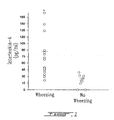
- Fig. 1 shows that lymphocytes from infants who wheeze after bronchiolitis have an increased production of IL-4 (a Th2 cytokine) after exposure to the house dust-mite antigen.
- lymphocytes were isolated, from the blood of infants 5 months after bronchiolitis and cultured in the presence of the house dust-mite antigen.
- IL-4 was measured in the supernatant collected 3 days after culture.
- Results are presented for the subjects who wheezed for at least one of the last 90 days and those who did not wheeze at all within the first 5 months after bronchiolitis.
- Asterisk indicates subject who had an IL-4 level of 535 pg/ml.
- IFN interferon gamma
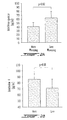
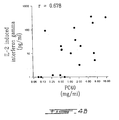
- IL-4 production did not differ between groups. Significant positive correlations were found between IFN production at the time of bronchiolitis and markers of abnormal airway function (Vmax of functional residual capacity (FRC), Fig. 4A)) or of increased airway responsiveness (PC40 histamine, Fig. 4B)), 4.9 months after bronchiolitis.
- Vmax of functional residual capacity FRC
- Fig. 4A functional residual capacity
- PC40 histamine Fig. 4B
- cytokine production was measured at the time of bronchiolitis and pulmonary function was measured 4.9 months later.
- Pulmonary function was evaluated with methods recommended by the American Thoracic Society. Maximal expiratory flow at functional residual capacity (Vmax FRC) was assessed by the rapid thoracoabdominal compression technique (RTC) using the following procedure. Patients previously sedated with chloral hydrate 100 mg/Kg body weight (maximal dose 1000 mg) were placed supine with the neck slightly extended in an inflatable jacket covering the abdomen and thorax and connected to a pressure reservoir. Starting from a pressure of 30 cm H2O and using increments of 5 cm H2O, measurements of expiratory flow at FRC were obtained until Vmax FRC was achieved.
- Bronchial reactivity to histamine was assessed by using a Hudson updraft #2 nebuliser driven at 8 liters/min. to administer doubling concentrations of histamine starting at 0.0625 mg/ml to a maximum of 8.0 mg/ml for 1 minute at 5 minute intervals.
- Vmax FRC was determined after each nebulization. The challenge test ended when a decrease in Vmax FRC of at least 40% from baseline value had been reached, or the maximum concentration of histamine had been given.
- Heart rate and oxygen saturation were continuously monitored throughout the study with an Ohmeda BIOX 3740 pulse oximeter.
- Th2 IL-4, IL-13, IL-5, etc.
- IFN Th1
- Th2 cytokines In order to treat or prevent the development of allergy, asthma or neoplastic cell proliferation that is dependent on an abnormal increase in the production or the effects of Th2 cytokines, it was thus found desirable to decrease the effects of the Th2 cytokines.
- antisense oligonucleotides according to one embodiment of the present invention which are breathed into the lungs, are deposited therein, and enter cells where they are active and remain in a non-degraded and thus potent state for at least 24 hours (See Fig. 5 and Example I).
- Antisense oligonucleotides according to a preferred embodiment of the present invention are directed against at least one common sub-unit of the IL-4 and IL-13 receptors. These antisense oligonucleotides are effective at inhibiting the functional sub-units of these receptors, as illustrated in Example II.
- Antisense oligonucleotides in accordance with another embodiment of the present invention are directed against the common beta sub-unit of the IL-3,5 and GM-CSF receptors. These antisense oligonucleotides are effective at inhibiting these receptors and thus at preventing the proliferation or function of cancerous or inflammatory cells that depend on these growth factors for survival (See Example III).
- Antisense oligonucleotides in accordance with another embodiment of the present invention are directed against the CCR3 receptor of chemokines. These antisense oligonucleotides are effective at inhibiting this receptor and thus at preventing the influx, survival and proliferation or function of inflammatory cells and cancerous cells or infectious organisms that depend on this receptor (See Example IV).
- the administered substance In order for any therapy to be effective, the administered substance must first find it's way into the lungs and to the cells where it is to have its effects and second, to remain intact without having any side effects.
- Antisense oligonucleotides breathed into the lungs are deposited in the lungs and airways to enter the cells where they have their effects and remain in a non-degraded state for at least 24 hours without affecting lung physiology.
- One microgram (1 ⁇ g) of antisense phosphorothioate oligonucleotide of the present invention that had previously been tagged with FITC was administered by nebulization into the lungs of rats. Rats were anesthetized with urethane (1 g/kg, i.p.).
- a heating pad was used to maintain body temperature constant during the experiment and rectal temperature was monitored continuously with an electronic thermometer.
- pulmonary resistance was measured during spontaneous tidal breathing with the animals in the supine position.
- Flow was measured by placing the tip of the tracheal tube inside a small Plexiglas® box (265 ml in volume).
- a Fleisch no. O pneumotachograph coupled to a piezoresistive differential pressure transducer (MicroSwitch 163PCOID36, Honeywell, Scarborough Ont. Canada) was attached to the other end of the box to measure airflow.
- Transpulmonary pressure was measured using a water-filled catheter placed in the lower third of the esophagus connected to one port of a differential pressure transducer (Transpac II, Abbott, Illinois), the other port being connected to the Plexiglas box.
- the esophageal catheter consisted of a polyethylene tube (PE-240, 10 cm long) with a terminal tip (6 cm) of a smaller bore tube (PE-160).
- the pressure and flow signals were amplified, passed through eight-pole Bessel filters (9 model 902LPF, Frequency Devices, Haverhill, MA) with their cut off frequencies set at 100 Hz.
- the data were stored on a computer. Lung resistance was calculated by multiple linear regression by fitting the equation of motion as performed with commercial software (RHT Infodat Inc. Montreal, PQ).
- an aerosol of saline containing 1 ⁇ g of the tagged phosphorothioate oligonucleotide was administered for five minutes. This was generated using a Hudson nebulizer with an output of 0.18 ml/min. connected to one side port of the box. The box was flushed with a stream of fresh air between measurements in order to prevent the accumulation of CO 2 . Lung resistance was measured 5, 10, 15, 20 and 30 minutes after challenge and subsequently every 15 minutes for a total time of 8 hours. Lung resistance did not change over this time period. The rats were then killed by exsanguination and the lungs retrieved to determine whether the oligonucleotide was still present.
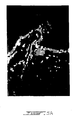
- oligonucleotides in red
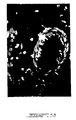
- Fig. 5A the oligonucleotides (in red) are present diffusely in all cell types.
- the oligonucleotides have penetrated the cytoplasm of the cells (5B) and are also found in an inflammatory cell (macrophage, in the middle of 5C).
- mice were anesthetized with pentothal and awakened after antisense nebulization.
- Bronchoalveolar lung lavage (BAL) was performed 24 hours later after general anesthesia by administration of 5 ml of saline and gentle aspiration.
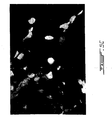
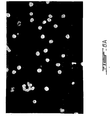
- the BAL was centrifuged at 400xg for 10 minutes, the supernatant frozen and the cells centrifuged onto slides for analysis. It is to be noted in Fig. 6A that macrophages are the predominant cell type.
- the FITC-labeled oligonucleotide (green fluorescence) in Pig. 6B is present in the cytoplasm of the cells.
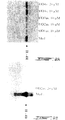
- the FITC-labeled oligonucleotide was either extracted from the lavage or the lungs of the rats 24 hours after antigen challenge. It is to be noted in Fig. 7 that the antisense oligonucleotide is also intact 24 hours after administration in the BAL (lane 1), lung (lane 2) when compared to it's own control (lane 3) or another oligonucleotide that is tagged with FITC (eotaxin, lane 4).
- the antisense oligonucleotides of the present invention are breathed into the lungs, to penetrate the cells, remaining intact for more than 24 hours.
- Interleukin-4 is involved in IgE production, the development and persistence of asthma and atopy. Although therapies directed against the effects of IL-4 may be effective in the prevention of asthma, allergy or neoplastic cell proliferation (that depends on this mediator), it has recently been shown that another Th2 cytokine (IL-13) has the same effects as IL-4. Interestingly IL-4 and IL-13 share at least two common sub-units which are necessary for signal transduction of the message to occur.
- RAJI cells express high levels of IL-4 and IL-13 receptors. These cells were cultured in RPMI 1640 supplemented with 10% heat-inactivated fetal calf serum, penicillin, streptomycin and 1-glutamine at 37°C in 5% CO 2 . For 12 hours the cells were either cultured in medium alone or medium with sense or antisense oligonucleotides to the common sub-unit of IL-4/IL-13.
- the cells were retrieved, washed 3 times and then stained with an anti-human IL-4 receptor antibody (R and D systems, catalog number MAB230), which has been shown to block the human cell surface receptor-mediated bioactivities caused by IL-4 or IL-13. It is to be noted in Fig.
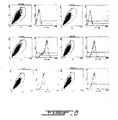
- the antisense oligonucleotide OD1: 5'-agaccttcat gttcccagag-3' (SEQ ID NO:1), OD2: 5'-gttcccagag cttgccacct-3' (SEQ ID NO:2) or OD3: 5'-cctgcaagac cttcatgtt-3' (SEQ ID NO:3) inhibits the expression of the bioactive form of the IL-4 receptor when assessed by flow cytometry.
- the first line shows the absence of fluorescence in cells that were either unstained (left) or exposed to a non-specific monoclonal antibody (right).
- the second line shows that RAJI cells express the IL-4 receptor (92%) and that the fluorescence intensity is very high (many receptors).
- the RAJI cells were incubated for 12 hours with 10 ⁇ Mol of the antisense oligonucleotide OD1 showing that only 66% of the cells express this receptor and that the fluorescence intensity is very low (few receptors on each cell).
- the third line shows the same results after 12 hours of incubation with the antisense oligonucleotides OD2 (52%) and OD3 (58%).
- the total protein was extracted and incubated with 2 ⁇ g of IL-4 overnight.
- Ten (10) ⁇ g/ml of anti-IL-4 antibody (R and D systems) coupled to 50 ⁇ l of protein A and Protein G-SepharoseTM was then added for two (2) hours at 20°C.
- the SepharoseTM beads were washed ten times and an agarose gel was used to separate remaining proteins.
- the remaining proteins were then transferred onto an Immobilon-P-milliporeTM membrane and the Western revealed by a rabbit polyclonal anti-IL-4-R-alpha antibody (Santa Cruz biotechnology, Inc., cat# sc-684).
- antisense oligonucleotides directed against the alpha' chain of the IL-13 receptor would also inhibit IL-4/13 receptor expression on RAJI cells. It is to be noted in Fig. 10 that the antisense oligonucleotide A1.3: 5'-CGCCCACAGC CCGCAGAGCC-3' (SEQ ID NO:4) inhibited alpha' receptor expression in RAJI cells. RAJI cells were incubated for 3 hours in medium containing antisense (10 or 20 ⁇ M) or sense oligonucleotides (10 ⁇ M) and then for 9 hours in complete medium.
- results are presented from left to right for peripheral blood mononuclear cells untreated (PBMNC, lane 2), RAJI cells in complete medium (lanes 3, 4), RAJI cells with 10 ⁇ M of A1.3 (lane 5), RAJI cells with 10 ⁇ M of A1.3 and its sense counterpart (S1.3, lane 6), RAJI cells with 20 ⁇ M of A1.3 (lane 7), and no cDNA (lane 8).
- Sequences of other antisense oligonucleotides that were also effective in vitro include: A1.1: 5'-CTCCATGCAG CCTCTCGCCT-3' (SEQ ID NO:5); A1.4: 5'-CCGCCGGCGC AGAGCAGCAG-3' (SEQ ID NO:6); and A1.5: 5'-CGCCCCCGCC CCCGCCCCCG-3' (SEQ ID NO:7).
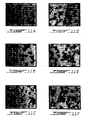
- Fig. 10 shows immunostaining experiments that OD2 also inhibited receptor expression when assessed by immunostaining studies.
- RAJI cells were cultured for 12 hours in complete medium containing 5 ⁇ M OD2 (upper left), 10 ⁇ M OD2 (middle left), 20 ⁇ M OD2 (lower left), no oligonucleotide (upper right), 10 ⁇ M of the sense oligonucleotide for the same sequence as OD2 (middle right) or 20 ⁇ M of the sense oligonucleotide for the same sequence as OD2 (lower right). Slides were fixed in methanol-acetone at -20°C for 10 min.
- IgE antibody production is an important component of allergy, asthma and certain neoplastic conditions.
- Experiments were performed to assess the effect of antisense phosphorothioate oligonucleotides directed against the alpha (OD2) and alpha' (A1.3) common sub-units of the IL-4 and IL-13 receptors on IgE production.
- Human B lymphocytes were isolated from tonsils surgically removed for a variety of indications. Mononuclear cells were purified by Ficoll-HypaqueTM (Pharmacia) density centrifugation. B lymphocytes were separated from T cells by E-rosetting with neuraminidase treated (Calbiochem. La Jolla, Calif.) sheep red blood cells.
- B cells Monocytes were adherence depleted on plastic petri dishes for 2 hours. B lymphocytes purity was routinely 98%. B cells (2 x 10⁵/200 ⁇ l/well) were cultured in complete medium consisting of RPMI 1640, supplemented with 10% FCS, 10 mg/ml L-glutamine, 50 U/ml penicillin, and 50 ng/ml streptomycin. The cells were stimulated with a combination of 200 U/ml of IL-4 (R&D System) and 0.1 ⁇ g/ml of anti-CD40 mAb (Pharmingen) in the presence or absence of antisense or sense oligonucleotides at 10 ⁇ M for 14 days.
- IL-4 R&D System
- Th-2 cytokine interleukin-4 As mentioned previously, an imbalance between production of the Th-2 cytokine interleukin-4. and the Th-1 cytokine IFN- ⁇ has been described in allergy and asthma.
- Experiments were performed to assess the effect of antisense phosphorothioate oligonucleotides directed against the alpha (OD2) and alpha' (A1.3) common sub-units of the IL-4 and IL-13 receptors on IL-4 and IFN- ⁇ production.
- Human mononuclear cell suspensions were obtained from umbilical cord blood (UCB) by centrifugation over Ficoll-HypaqueTM gradient at 400g for 30 minutes.
- Monocytes were depleted by adherence to plastic flasks during 2 hours at 37°C in RPMI 1640 supplemented with 7.5% fetal calf serum (FCS) in a 5% CO 2 incubator.
- Cord blood T cells were stimulated with PHA (1 ⁇ g/ml) under TH1 polarizing conditions [human rIL-12 (2 ng/ml; R&D Systems) plus neutralizing mAb to IL-4 (200 ng/ml; R&D Systems)] or TH2 polarizing conditions [human recombinant IL-4 (200 U/ml) plus neutralizing mAb to human IL-12 (2 ⁇ g/ml; R&D Systems)] in the presence or absence of 10 ⁇ M of antisense or sense oligonucleotides.
- oligonucleotide was added to the culture 3 hours before the addition of the cytokines.
- IL-2 was added at day 3.
- the cultures were restimulated in the same polarizing conditions in the presence or absence of oligonucleotides and analyzed after 10 days of culture.
- Cells were harvested, washed three times and restimulated with PMA (50 ng/ml) plus ionomycin (500 ng/ml) for 48h at 37°C, for analysis of IL-4 and IFN- ⁇ production in supernatants by ELISA (R&D Systems) according to the manufacturer's instructions. It is to be noted in Fig.
- Th-2 stimulating conditions in the presence of the sense oligonucleotide for OD2; Th-2 stimulating conditions in the presence of the antisense oligonucleotide OD2 and Th-2 stimulating conditions in the presence of the antisense oligonucleotide A1.3.
- the antisense oligonucleotides in accordance with one embodiment of the present invention directed against the common sub-units alpha and alpha' of the IL-4/IL-13 receptor are effective at inhibiting IL-4/13 receptor expression, their functional component, IgE production and the switching of progenitors to Th-2 type cells.
- Interleukin-3, 5 and GM-CSF are important cytokines that are involved in eosinophil proliferation and survival. These cytokines are increased in asthma and atopic diseases and are also involved in the indefinite proliferation of certain neoplastic diseases. Interestingly, IL-3, IL-5 and GM-CSF share a common beta sub-unit that is involved in signal transduction.
- TF-1 and U937 cells express high levels of GM-CSF receptors.
- TF-1 cells are dependent on GM-CSF for survival. These cells were cultured in RPMI 1640 supplemented with 10% heat-inactivated fetal calf serum, penicillin, streptomycin and 1-glutamine at 37°C in 5% CO 2 (the TF-1 cells were supplemented with GM-CSF).
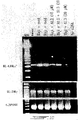
- oligonucleotides For 12 hours they were either cultured in medium alone or medium with sense (107S: 5'-ACCATCCCGC TGCAGACCC-3' (SEQ ID NO:8)) or antisense (107A: 5'-GGGTCTGCAG CGGGATGGT-3' (SEQ ID NO:9)) oligonucleotides to the common beta sub-unit of the IL-3, IL-5 and GM-CSF receptor. The cells were retrieved and washed 3 times. RNA was then retrieved and the presence of the beta chain of the receptor was assessed by semi-quantitative RT-PCR. It is to be noted in Fig.
- Fig. 13 that the antisense oligonucleotides inhibit the expression of mRNA for the common beta receptor in TF1 cells (13A) and U937 cells (13B).
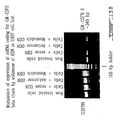
- Fig. 13A read from left to right, mRNA expression for Beta actin is shown in control, sense, and antisense treated cells (lanes 2,3,4); mRNA expression for the common receptor is shown in control, sense and antisense treated cells (lanes 5,6,7).
- the absence of a band in lane 7 is indicative of the effectiveness of the antisense oligonucleotide at inhibiting mRNA expression of the common Beta sub-unit in TF1 cells.
- mRNA expression for the common beta sub-unit is shown in mismatch, antisense, sense and control (non treated) cells (lanes 1,2,3,4); mRNA expression for G3PDH is shown in mismatch, antisense, sense and control (non treated) cells (lanes 6,7,8,9).
- the absence of a band in lane 2 is indicative of the effectiveness of the antisense oligonucleotide at inhibiting mRNA expression of the common Beta sub-unit in U937 cells.
- the extracts were then transferred onto an Immobilon-P-millipore membrane after electrophoresis on a polyacrylamide gel, and the GM-CSF beta chain of the receptor was then revealed by a rabbit polyclonal anti-GM-CSF-R-Beta antibody.
- the results show that, at the same concentration (10 ⁇ M), sense oligonucleotides do not affect the common beta chain expression, while the antisense oligonucleotides of the present invention inhibit the common beta sub-unit of IL-3, IL-5 and GM-CSF receptors.
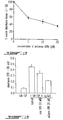
- TF1 cells were cultured in the presence of increasing concentrations of the oligonucleotides in serum free medium for 2 hours and then fetal bovine serum and GM-CSF were added to a final concentration of 10% and 1 ng/ml, respectively.
- the culture was performed for an additional 2 days and then cells were assayed for their capacity to reduce MTT dye over a four (4) hour period to a colored formazan product as an index of cell survival and proliferation.
- the antisense oligonucleotide 107A can significantly inhibit cell growth when compared to the sense probe or a control without antisense oligonucleotides.
- TF1 cells were cultured in the presence of the antisense oligonucleotide. (first from right), the sense oligonucleotide (2nd from right), control medium (including GM-CSF, 3rd right) or medium without GM-CSF 4th from right) for 2 days and then cells were assayed for their capacity to reduce MTT dye as described above.
- antisense oligonucleotides in accordance with the present invention have shown effectiveness at a concentration of 20 ⁇ mol.
- These antisense oligonucleotides are for example, but without limitation, the oligonucleotides 106: 5'-ggtctgcagc gggatggtt-3' (SEQ ID NO:10); 108: 5'-agggtctgca gcgggatgg-3' (SEQ ID NO:11); 110: 5'-gcagggtctg cagcgggat-3' (SEQ ID NO:12); 101: 5'-gcagcgggat ggttcttc-3' (SEQ ID NO:13); 100: 5'-cagcgggatg gttcttct-3'(SEQ ID NO:14); and 105: 5'-gtctgcagcg ggatggttt-3' (SEQ ID NO:15).
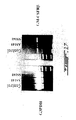
- lane 2 shows the inhibition of gene expression with RB141A (AS 141). Brown Norway rats were anesthetized with pentothal (65 mg/Kg i.p.). They were then killed, lower extremities retrieved and femurs isolated. The bones were incubated in 70% ethanol for 10 minutes. The two extremities of the bones were sectioned and bone marrow obtained by injection and aspiration of 15 ml of RPMI 1640.
- the cells were washed twice and incubated for 6 hours in RPMI 1640 at 37°C in 5% CO 2 with medium alone, 10 ⁇ M RB141A or 10 ⁇ M of the sense oligonucleotide RB141S: 5'-CAGCCACCTA AAGTGCCA-3' (SEQ ID NO:17).
- Brown Norway rats were actively sensitized to ovalbumin by injecting 1.25 mg ovalbumin mixed with 200 mg aluminum hydroxide sub-cutaneously.
- rats received 500 ⁇ g of RB141A in 500 ⁇ l of 0.9%NaCl intra-peritoneally.
- 200 ⁇ g of the antisense is administered either, intra-tracheally or intra-peritoneally in 50 ⁇ l of 0.9%NaCl.
- Twenty minutes later ovalbumin challenge is performed by injecting 200 micrograms of ovalbumin in 50 ⁇ l either intra-tracheally or intra-peritoneally.
- Fig. A the antisense oligonucleotide RB141A directed against the common beta chain of the GM-CSF, IL-3 and IL-5 receptors inhibits eosinophil influx into the lungs or the peritoneal cavity by approximately 50%.
- Fig. 18A are the results obtained from peritoneal fluid showing the effects of RB141 (AS141).
- Fig. 18B are the results from lung BAL showing the effects of RB141 (AS141) .
- antisense oligonucleotides directed against the common beta chain of the GM-CSF, IL-3 and IL-5 receptors are important in the prevention of the eosinophil influx and/or survival that occurs in different allergic diseases.
- the antisense oligonucleotides of the present invention directed against the common beta sub-unit of the IL-3, IL-5 and GM-CSF receptors are effective at inhibiting receptor expression, cell growth, eosinophil recruitment and survival.
- the CCR3 receptor is important for the recruitment of eosinophils into the sites of allergic or asthmatic inflammation.
- the chemokines Eotaxin, MCP-4 and RANTES mediate most of their effects through the CCR3 receptor. These chemokines are present and increased in the lungs of patients with allergy and asthma (Lamkhioued et al., Journal of Immunology, 159:4593-4601, 1997).
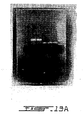
- Fig. 19 shows that eotaxin is increased in epithelial cells and inflammatory cells in the lungs of patients with allergy and asthma.
- eotaxin mRNA (19A to 19D) and protein (19E to 19H) in airways (19A, 19B, 19E) and BAL cells (19C, 19D, 19F to 19H) of asthmatic patients and normal controls have been assessed.
- Eotaxin mRNA expression is increased in asthmatic (19A) compared with normal (19B) airways.
- Prominent staining is observed in epithelial cells (Ep) and in many inflammatory cells (arrowheads) of the allergic asthmatic airway.
- Figs. 19C and 19D are representative examples of in situ hybridization of cytospin preparations of BAL cells obtained from an asthmatic patient and a normal control, respectively.
- Fig. 19E shows immunohistochemical detection of eotaxin in a representative biopsy section of an asthmatic patient. Eotaxin immunoreactivity was visualized with the fast red chromogen and localized to the epithelial and inflammatory cells (arrowheads).
- Fig. 19F is a colocalization of eotaxin immunoreactivity (red) to CD-68 positive macrophages (brown) in BAL cells from an asthmatic patient by double immunohistochemistry.
- Figs. 19G and 19H show eotaxin immunofluorescent staining of BAL cells obtained from an asthmatic patient and a normal control, respectively. Note the eotaxin immunostaining in eosinophils (arrowheads).
- counts-test sample represents the number of migrated cells toward BAL or eotaxin
- counts-control is the mean migration of cells in response to RPMI.
- the percentage of inhibition of locomotion and the confidence interval are presented for experiments performed on eosinophils obtained from 3 individuals. Percentage of inhibition was calculated by the formula: 100 - ⁇ (mean no. of migrated cells in Ab-treated fluids)/(mean number of migrated cells in untreated fluid) ⁇ x 100.
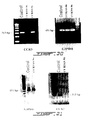
- the gel on the left shows that when compared to the sense oligonucleotide (CCR3SS 86: 5'-CAGAGCACTG ATGGCCCAG-3'; SEQ ID NO:19), RC86A inhibits mRNA for CCR3 (middle lane).
- HL60 cells (clone 15) were differentiated into eosinophil like cells by incubation for 10 days in RPMI 1640 supplemented with 10% heat-inactivated fetal calf serum, penicillin, streptomycin, 1-glutamine and 0.5 molar acetic acid at 37°C in 5% CO 2 with medium alone, 10 ⁇ M CCCR3AS1 or 10 ⁇ M CCR3Ss for 6 hours.
- mRNA was isolated with trizol and after standardization of the amount of mRNA with G3PDH, the expression of mRNA for CCR3 was assessed in mRNA obtained from cells cultured in medium (control), with CCR3AS 86 (middle lane) or with CCR3SS 86 (right lane).
- eosinophils were then washed and incubated with recombinant human IL-5 (1.6 ng/ml) in RPMI 1640 supplemented with 10% heat-inactivated fetal calf serum, penicillin, streptomycin, and l-glutamine at 37°C in 5% CO 2 overnight.
- the cells were washed and then incubated in RPMI 1640 during 4 hours in the presence or absence of 10 ⁇ M RC269AS or 10 ⁇ M RC269S 5'-GATCCACTAT GTCAGGG-3' (SEQ ID NO:21) washed and resuspended at 2.5x10 6 cells/ml in RPMI 1640 and incubated with Pura-2M at a concentration of 3 ⁇ M for 45 minutes.
- the cells were washed twice with PBS and resuspended in calcium buffer (PBS, 1mM HEPES, 1mM Ca++). Calcium efflux after immediate stimulation with eotaxin was measured with a Perkin Elmer L50B Spectrophotometer (excitation at 340nm, slit 5 nm and emission at 492nm, slit 5nm).
- the bones were incubated in 70% ethanol for 10 minutes.
- the two extremities of the bones were sectioned and bone marrow obtained by injection and aspiration of 15 ml of RPMI 1640.
- the cells were washed twice and incubated for 6 hours in RPMI 1640 at 37°C in 5% CO 2 with medium alone, medium with 10 ⁇ M of RC3A2 or with 10 ⁇ M RCC3A4.
- the washing solution is retrieved, cells are washed, counted and centrifuged onto slides in a Cytospin III. A differential cell count is performed. It is to be noted in Fig. 18A that the antisense oligonucleotide RCC3A4 directed against the CCR3 receptor inhibits eosinophil influx into the peritoneal cavity by approximately 60%.
- Brown Norway rats were actively sensitized to ovalbumin by injecting 1.25 mg ovalbumin mixed with 200 mg aluminum hydroxide sub-cutaneously.
- rats received 500 ⁇ g of RCC3A4 in 500 ⁇ l of 0.9%NaCl or 0.9%NaCl intra-peritoneally.
- 200 ⁇ g of the antisense is administered intra-tracheally in 50 ⁇ l of 0.9%NaCl.
- Twenty minutes later ovalbumin challenge is performed by injecting 200 micrograms of ovalbumin in 50 ⁇ l intra-tracheally.
- priming with the cytokine IL-5 can either increase the chemotaxis of cells or the release of chemokines when the cells are stimulated.
- Fig. 24 shows that priming of eosinophils with IL-5 increases the chemotaxis of eosinophils when they are stimulated with eotaxin.
- Preincubation of eosinophils with IL-5 increases the chemotaxis induced by eotaxin at every dose tested.
- the peak of chemotaxis is higher with priming which suggests a synergistic effect of IL-5 on the effects of eotaxin.
- Dose-response curves show the chemotactic activity of purified human eosinophils to eotaxin (filled squares) and transmigration through a polycarbonate filter after preincubation with IL-5 (closed circles).
- Mononuclear cells and granulocytes were purified from peripheral blood by Ficoll-Paque (Pharmacia) density centrifugation. Granulocytes were obtained by dextran sedimentation.
- Human eosinophils were further purified by negative selection with anti-CD16 and anti-CD3-coated immunomagnetic microbeads using a Magnetic Cell Sorting System (Miltenyi Biotec) at 4°C.
- Figs. 25a to 251 show that priming of eosinophils with IL-5 increases the amount of chemokines in the cells and increases their release after stimulation with immunoglobulin.
- Preincubation of eosinophils with IL-5 overnight increased the expression of eotaxin (Fig. 25A) and MCP-4 (Fig. 25B) when compared to controls (Fig. 25F).
- eosinophils When eosinophils are stimulated with IgE-anti-IgE they will also release eotaxin (Fig. 25C, 25D, 25E) or MCP-4 (Fig. 25G, 25H, 25I).
- Eosinophils were purified as described above and incubated overnight with recombinant human IL-5 (1 ng/ml). This incubation increased eotaxin (Fig. 25A) and MCP-4 (Fig. 25B) in cells when compared to control cells incubated in medium alone (Fig. 25F). Stimulation of the eosinophils by a preincubation with IgE for 15 minutes then exposure to anti-IgE lead to a progressive release eotaxin (Figs. 25C, 25D, 25E) or MCP-4 (Figs. 25G, 25H, 25I) at 15 minutes (Figs. 25C, 25G), 2 hours (Figs. 25D, 25H) or 12 hours (Figs. 25E, 25I).
- the combination of antisense oligonucleotides in accordance with one embodiment of the present invention, that are directed against different receptors have a synergistic effect in the therapy of allergy, asthma or neoplastic cell proliferation.
- Brown Norway rats were actively sensitized to ovalbumin by injecting 1.25 mg ovalbumin mixed with 200 mg aluminum hydroxide sub-cutaneously.
- the antisense oligonucleotides in accordance with one embodiment of the present invention when compared to the use of soluble IL-4 receptors in allergy and asthma has the following advantages: a) as shown in example 1, the much smaller size of these molecules permits them to diffuse into the tissues and penetrate the cells that are expressing the receptors (epithelial cells, smooth muscle cells); b) the use of an antisense oligonucleotide against the common sub-unit of the IL-4 and IL-13 receptor permits a broader effect by blocking the effects of IL-13 that are similar to those of IL-4 in many respects on IgE production, as IL-13 is also increased in allergy and asthma; and c) the combination of anti-receptor oligonucleotides against receptors for many cytokines (IL-3, IL-5 and GM-CSF or IL-4 and IL-13 or CCR3 (eotaxin, RANTES and MCP-4)) will permit broader effects in a disease where a certain individual's hetero
- the antisense oligonucleotides of the present invention have the following advantages: a) the antisense anti-receptor oligonucleotides will act directly on tissue or inflammatory cells that are present at the site of administration and not indirectly by potentially blocking the release of mediators (if directed against the cytokines themselves); b) the antisense anti-receptor oligonucleotides will not be affected by diffusion of cytokines that are produced and increased in the blood of patients with allergy and asthma; and c) one antisense anti-receptor oligonucleotide of the present invention blocks the effects of 2 or 3 mediators which have been shown to be increased in allergy or asthma, thus having a broader effect than one antisense oligonucleotide directed only against one mediator or receptor and therefore being an advantage.
Landscapes
- Health & Medical Sciences (AREA)
- Life Sciences & Earth Sciences (AREA)
- Engineering & Computer Science (AREA)
- Chemical & Material Sciences (AREA)
- Genetics & Genomics (AREA)
- Organic Chemistry (AREA)
- General Health & Medical Sciences (AREA)
- Biomedical Technology (AREA)
- Bioinformatics & Cheminformatics (AREA)
- Biotechnology (AREA)
- General Chemical & Material Sciences (AREA)
- Public Health (AREA)
- Veterinary Medicine (AREA)
- Zoology (AREA)
- Pharmacology & Pharmacy (AREA)
- Nuclear Medicine, Radiotherapy & Molecular Imaging (AREA)
- Wood Science & Technology (AREA)
- General Engineering & Computer Science (AREA)
- Chemical Kinetics & Catalysis (AREA)
- Medicinal Chemistry (AREA)
- Animal Behavior & Ethology (AREA)
- Molecular Biology (AREA)
- Pulmonology (AREA)
- Physics & Mathematics (AREA)
- Biophysics (AREA)
- Plant Pathology (AREA)
- Microbiology (AREA)
- Biochemistry (AREA)
- Rheumatology (AREA)
- Pain & Pain Management (AREA)
- Immunology (AREA)
- Pharmaceuticals Containing Other Organic And Inorganic Compounds (AREA)
- Medicines That Contain Protein Lipid Enzymes And Other Medicines (AREA)
Claims (18)
- Antisense-Oligonukleotid zum Behandeln und/oder zum Verhindern von Asthma, Allergien, Hypereosinophilie, Entzündungen oder einem Wachstumsfaktor-empfindlichen Krebs, wobei das Oligonukleotid gegen eine Nukleinsäuresequenz gerichtet ist, die für eine gemeinsame Untereinheit der IL-3, IL-5 und GM-CSF-Rezeptoren codiert, wobei das Oligonukleotid eine Sequenz aufweist, die aus der Gruppe gewählt ist, welche besteht aus SEQ ID Nr:9, SEQ ID Nr:10, SEQ ID Nr:11, SEQ ID NR:12, SEQ ID Nr:13, SEQ ID Nr:14, SEQ ID Nr:15, SEQ ID Nr:16.
- Pharmazeutische Zusammensetzung zum Behandeln und/oder Verhindern von Asthma, Allergien, Hypereosinophilie, Entzündungen oder einem Wachstumsfaktor-empfindlichen Krebs, wobei die Zusammensetzung mindestens ein Antisense-Oligonukleotid wie definiert in Anspruch 1 beinhaltet, in Verbindung mit einem pharmazeutisch akzeptablen Träger.
- Verwendung eines Oligonukleotids wie definiert in Anspruch 1 zur Herstellung eines Medikamentes zum Behandeln und/oder Verhindern von Asthma, Allergien, Hypereosinophilie, Entzündungen oder einem Wachstumsfaktor-empfindlichen Krebs.
- Verwendung einer pharmazeutischen Zusammensetzung wie definiert in Anspruch 2 zur Herstellung eines Medikamentes zum Behandeln und/oder Verhindern von Asthma, Allergien, Hypereosinophilie, Entzündungen oder einem Wachstumsfaktor-empfindlichen Krebs.
- Pharmazeutische Zusammensetzung, die mindestens ein Oligonukleotid beinhaltet, das gegen eine Nukleinsäure gerichtet ist, die eine gemeinsame Untereinheit der IL-3, IL-5 und GM-CSF-Rezeptoren codiert, und mindestens ein Oligonukleotid, das gegen eine Nukleinsäure gerichtet ist, die eine gemeinsame Untereinheit der IL-4 und IL-13-Rezeptoren codiert,
wobei mindestens ein Oligonukleotid, das gegen eine Nukleinsäure gerichtet ist, die eine gemeinsame Untereinheit der IL-3, IL-5 und GM-CSF-Rezeptoren codiert, aus der Gruppe gewählt ist, die aus den Oligonukleotiden besteht, die in den Sequenzlisten aufgelistet sind als SEQ ID Nr:9, SEQ ID Nr:10, SEQ ID Nr:11, SEQ ID NR:12, SEQ ID Nr:13, SEQ ID Nr:14, SEQ ID Nr:15, SEQ ID Nr:16. - Pharmazeutische Zusammensetzung nach Anspruch 5, bei der mindestens ein Oligonukleotid, das gegen eine Nukleinsäure gerichtet ist, die eine gemeinsame Untereinheit der IL-4 und IL-13-Rezeptoren codiert, aus der Gruppe gewählt ist, die aus den Oligonukleotiden besteht, die in den Sequenzlisten aufgelistet sind als SEQ ID Nr:1, SEQ ID Nr:2, SEQ ID Nr:3, SEQ ID NR:4, SEQ ID Nr:5, SEQ ID Nr:6, SEQ ID Nr:7.
- Pharmazeutische Zusammensetzung nach Anspruch 5, die weiter mindestens ein Oligonukleotid aufweist, das gegen eine Nukleinsäure gerichtet ist, die einen CCR3-Rezeptor codiert.
- Pharmazeutische Zusammensetzung nach Anspruch 7, bei der mindestens ein Oligonukleotid, das gegen eine Nukleinsäure gerichtet ist, die einen CCR3-Rezeptor codiert, aus der Gruppe gewählt ist, die aus den Oligonukleotiden besteht, die in den Sequenzlisten aufgelistet sind als SEQ ID Nr:18, SEQ ID Nr:20, SEQ ID Nr:22 und SEQ ID Nr:23.
- Pharmazeutische Zusammensetzung, die mindestens ein Oligonukleotid beinhaltet, das gegen eine Nukleinsäure gerichtet ist, die eine gemeinsame Untereinheit der IL-3, IL-5 und GM-CSF-Rezeptoren codiert, und mindestens ein Oligonukleotid, das gegen eine Nukleinsäure gerichtet ist, die einen CCR3-Rezeptor codiert,
wobei mindestens ein Oligonukleotid, das gegen eine Nukleinsäure gerichtet ist, die eine gemeinsame Untereinheit der IL-3, IL-5 und GM-CSF-Rezeptoren codiert, aus der Gruppe gewählt ist, die aus den Oligonukleotiden besteht, die in den Sequenzlisten aufgelistet sind als SEQ ID Nr:9, SEQ ID Nr:10, SEQ ID Nr: 11, SEQ ID NR:12, SEQ ID Nr:13, SEQ ID Nr:14, SEQ ID Nr: 15, SEQ ID Nr: 16. - Pharmazeutische Zusammensetzung nach Anspruch 9, bei der mindestens ein Oligonukleotid, das gegen eine Nukleinsäure gerichtet ist, die einen CCR3-Rezeptor codiert, aus der Gruppe gewählt ist, die aus den Oligonukleotiden besteht, die in den Sequenzlisten aufgelistet sind als SEQ ID Nr:18, SEQ ID Nr:20, SEQ ID Nr:22 und SEQ ID Nr:23.
- Verwendung einer pharmazeutischen Zusammensetzung wie definiert in Anspruch 5 zur Herstellung eines Medikamentes zum Behandeln und/oder Verhindern von Asthma, Allergien, Hypereosinophilie, Entzündungen oder einem Wachstumsfaktor-empfindlichen Krebs.
- Verwendung nach Anspruch 11, bei der mindestens ein Oligonukleotid, das gegen eine Nukleinsäure gerichtet ist, die eine gemeinsame Untereinheit der IL-4 und IL-13-Rezeptoren codiert, aus der Gruppe gewählt ist, die aus den Oligonukleotiden besteht, die in den Sequenzlisten aufgelistet sind als SEQ ID Nr:1, SEQ ID Nr:2, SEQ ID Nr:3, SEQ ID NR:4, SEQ ID Nr:5, SEQ ID Nr:6, SEQ ID Nr:7.
- Verwendung einer pharmazeutischen Zusammensetzung wie definiert in Anspruch 7 zur Herstellung eines Medikamentes zum Behandeln und/oder Verhindern von Asthma, Allergien, Hypereosinophilie, Entzündungen oder einem Wachstumsfaktor-empfindlichen Krebs.
- Verwendung nach Anspruch 13, bei der mindestens ein Oligonukleotid, das gegen eine Nukleinsäure gerichtet ist, die eine gemeinsame Untereinheit der IL-4 und IL-13 Rezeptoren codiert, aus der Gruppe gewählt ist, die aus den Oligonukleotiden besteht, die in den Sequenzlisten aufgelistet sind als SEQ ID Nr:1, SEQ ID Nr:2, SEQ ID Nr:3, SEQ ID NR:4, SEQ ID Nr:5, SEQ ID Nr:6, SEQ ID Nr:7.
- Verwendung nach Anspruch 13, bei der mindestens ein Oligonukleotid, das gegen eine Nukleinsäure gerichtet ist, die einen CCR3-Rezeptor codiert, aus der Gruppe gewählt ist, die aus den Oligonukleotiden besteht, die in den Sequenzlisten aufgelistet sind als SEQ ID Nr: 18, SEQ ID Nr:20, SEQ ID Nr:22 und SEQ ID Nr:23.
- Verwendung nach Anspruch 13, bei der mindestens ein Oligonukleotid, das gegen eine Nukleinsäure gerichtet ist, die eine gemeinsame Untereinheit der IL-4 und IL-13 Rezeptoren codiert, aus der Gruppe gewählt ist, die aus den Oligonukleotiden besteht, die in den Sequenzlisten aufgelistet sind als SEQ ID Nr:1, SEQ ID Nr:2, SEQ ID Nr:3, SEQ ID NR:4, SEQ ID Nr:5, SEQ ID Nr:6, SEQ ID Nr:7; und mindestens ein Oligonukleotid, das gegen eine Nukleinsäure gerichtet ist, die einen CCR3-Rezeptor codiert, aus der Gruppe gewählt ist, die aus den Oligonukleotiden besteht, die in den Sequenzlisten aufgelistet sind als SEQ ID Nr: 18, SEQ ID Nr:20, SEQ ID Nr:22 und SEQ ID Nr:23.
- Verwendung einer pharmazeutischen Zusammensetzung wie definiert in Anspruch 9 zur Herstellung eines Medikamentes zum Behandeln und/oder Verhindern von Asthma, Allergien, Hypereosinophilie, Entzündungen oder einem Wachstumsfaktor-empfindlichen Krebs.
- Verwendung nach Anspruch 17, bei der mindestens ein Oligonukleotid, das gegen eine Nukleinsäure gerichtet ist, die einen CCR3-Rezeptor codiert, aus der Gruppe gewählt ist, die aus den Oligonukleotiden besteht, die in den Sequenzlisten aufgelistet sind als SEQ ID Nr:18, SEQ ID Nr:20, SEQ ID Nr:22 und SEQ ID Nr:23.
Applications Claiming Priority (3)
| Application Number | Priority Date | Filing Date | Title |
|---|---|---|---|
| CA002235420A CA2235420A1 (en) | 1998-06-17 | 1998-06-17 | Antisense oligonucleotides for treating or preventing atopic diseases and neoplastic cell proliferation |
| CA2235420 | 1998-06-17 | ||
| PCT/CA1999/000572 WO1999066037A2 (en) | 1998-06-17 | 1999-06-17 | Antisense oligonucleotides for treating or preventing atopic diseases and neoplastic cell proliferation |
Publications (2)
| Publication Number | Publication Date |
|---|---|
| EP1088065A2 EP1088065A2 (de) | 2001-04-04 |
| EP1088065B1 true EP1088065B1 (de) | 2005-12-14 |
Family
ID=4162352
Family Applications (1)
| Application Number | Title | Priority Date | Filing Date |
|---|---|---|---|
| EP99927615A Expired - Lifetime EP1088065B1 (de) | 1998-06-17 | 1999-06-17 | Antisense oligonukleotide zur behandlung von atopischen krankheiten und neoplastischer zellvermehrung |
Country Status (10)
| Country | Link |
|---|---|
| US (3) | US6822087B1 (de) |
| EP (1) | EP1088065B1 (de) |
| JP (1) | JP4612188B2 (de) |
| AT (1) | ATE312911T1 (de) |
| AU (1) | AU758447B2 (de) |
| CA (1) | CA2235420A1 (de) |
| DE (1) | DE69928932T2 (de) |
| MX (1) | MXPA00012703A (de) |
| NZ (1) | NZ509308A (de) |
| WO (1) | WO1999066037A2 (de) |
Families Citing this family (18)
| Publication number | Priority date | Publication date | Assignee | Title |
|---|---|---|---|---|
| CA2235420A1 (en) * | 1998-06-17 | 1999-12-17 | Paolo Renzi | Antisense oligonucleotides for treating or preventing atopic diseases and neoplastic cell proliferation |
| US6566132B1 (en) * | 2001-04-26 | 2003-05-20 | Isis Pharmaceuticals, Inc. | Antisense modulation of Interferon gamma receptor 1 expression |
| US7745420B2 (en) * | 2001-07-06 | 2010-06-29 | Topigen Pharmaceutique, Inc. | Methods for increasing in vivo efficacy of oligonucleotides and inhibiting inflammation in mammals |
| AU2003268032A1 (en) * | 2002-07-29 | 2004-02-16 | Epigenesis Pharmaceuticals, Inc. | Composition and methods for treatment and screening |
| CN1918175A (zh) | 2003-09-29 | 2007-02-21 | 托皮根药品公司 | 治疗包括炎症状况的疾病的寡核苷酸组合物和方法 |
| TW200526777A (en) * | 2003-11-12 | 2005-08-16 | Combinatorx Inc | Combinations for the treatment of proliferative diseases |
| ATE512223T1 (de) * | 2004-04-29 | 2011-06-15 | Univ Yale | Nukleaseresistente externe führungssequenzen zur behandlung von entzündlichen und virusbedingten atemwegserkrankungen |
| MX2007005083A (es) * | 2004-10-29 | 2007-10-03 | Topigen Pharmaceuticals Inc | Oligonucleotidos antisentido para tratar alergias y proliferacion celular neoplastica. |
| JP2008544742A (ja) * | 2005-02-25 | 2008-12-11 | アイシス ファーマシューティカルズ, インコーポレーテッド | IL4R−αに対する組成物およびその使用 |
| EP1931804A4 (de) * | 2005-10-03 | 2009-01-21 | Isis Pharmaceuticals Inc | Kombinationstherapie mit budesonid und auf il4-rezeptor-alpha gerichtetem antisense-oligonukleotid |
| US20070270366A1 (en) * | 2005-12-20 | 2007-11-22 | Karras James G | Double stranded nucleic acid molecules targeted to il-4 receptor alpha |
| AU2007252192B2 (en) | 2006-05-19 | 2013-10-17 | Topigen Pharmaceuticals Inc. | Oligonucleotides affecting expression of phosphodiesterases |
| CN102099474B (zh) * | 2008-05-15 | 2014-05-28 | 托皮根药品公司 | 用于治疗炎症和赘生性细胞增殖的寡核苷酸 |
| US8341614B2 (en) * | 2008-06-06 | 2012-12-25 | Apple Inc. | Memory management for closures |
| JP2014502953A (ja) | 2010-08-16 | 2014-02-06 | ザ トラスティース オブ コロンビア ユニバーシティ イン ザ シティ オブ ニューヨーク | 細胞透過性治療薬の鼻腔内送達 |
| DK3050574T3 (da) | 2015-01-28 | 2020-01-20 | Univ Bordeaux | Anvendelse af plerixafor til behandling og/eller forebyggelse af akutte forværringer af kronisk obstruktiv lungesygdom |
| EP3606525B1 (de) | 2017-04-05 | 2025-12-10 | Alkahest, Inc. | Zusammensetzungen zur behandlung von alterungsassoziierten störungen unter verwendung von ccr3-inhibitoren |
| US12221463B2 (en) | 2020-08-07 | 2025-02-11 | The Board Of Regents Of The University Of Oklahoma | Method of promoting wound healing by inhibiting CCR3 |
Family Cites Families (12)
| Publication number | Priority date | Publication date | Assignee | Title |
|---|---|---|---|---|
| US6806061B1 (en) * | 1995-01-19 | 2004-10-19 | Children's Medical Center Corporation | G protein-coupled receptor gene and methods of use therefor |
| US5874211A (en) | 1995-04-13 | 1999-02-23 | Incyte Pharmaceuticals, Inc. | Chemokine expressed in eosinophils |
| FR2734147B1 (fr) | 1995-05-19 | 1997-10-10 | Klein Jean Michel | Dispositif d'osteosynthese implantable |
| FR2735984B1 (fr) | 1995-06-30 | 1997-09-19 | Inst Nat Sante Rech Med | Vaccin contre des agents infectieux ayant une phase intracellulaire, composition pour le traitement et la prevention des infections a hiv, anticorps et procede de diagnostic |
| FR2742156A1 (fr) | 1995-12-06 | 1997-06-13 | Sanofi Sa | Polypeptide recepteur de l'il-13 |
| US6265184B1 (en) | 1995-12-20 | 2001-07-24 | Icos Corporation | Polynucleotides encoding chemokine receptor 88C |
| US6229006B1 (en) | 1995-12-22 | 2001-05-08 | Smithkline Beecham Corporation | Use of antisense oligodeoxynucleotides to produce truncated proteins |
| AUPN780096A0 (en) | 1996-01-30 | 1996-02-22 | Medvet Science Pty. Ltd. | Cytokine antagonists and agonists |
| JP3689118B2 (ja) | 1996-04-26 | 2005-08-31 | メルク エンド カンパニー インコーポレーテッド | 好酸球エオタキシンレセプター |
| EP0906424A2 (de) | 1996-04-26 | 1999-04-07 | Incyte Pharmaceuticals, Inc. | Kombinierte lymphozytrezeptoren (mmlr-ccr), von der chemokin rezeptoren familie |
| KR20010030622A (ko) * | 1997-09-17 | 2001-04-16 | 리차드 알. 이킨 | 다중 표적 하이브리드형성 핵산과 그들의 제조, 구성,제제, 키트 및 응용 |
| CA2235420A1 (en) * | 1998-06-17 | 1999-12-17 | Paolo Renzi | Antisense oligonucleotides for treating or preventing atopic diseases and neoplastic cell proliferation |
-
1998
- 1998-06-17 CA CA002235420A patent/CA2235420A1/en not_active Abandoned
-
1999
- 1999-06-17 JP JP2000554846A patent/JP4612188B2/ja not_active Expired - Fee Related
- 1999-06-17 MX MXPA00012703A patent/MXPA00012703A/es not_active IP Right Cessation
- 1999-06-17 DE DE69928932T patent/DE69928932T2/de not_active Expired - Lifetime
- 1999-06-17 AT AT99927615T patent/ATE312911T1/de not_active IP Right Cessation
- 1999-06-17 US US09/719,737 patent/US6822087B1/en not_active Expired - Lifetime
- 1999-06-17 EP EP99927615A patent/EP1088065B1/de not_active Expired - Lifetime
- 1999-06-17 WO PCT/CA1999/000572 patent/WO1999066037A2/en not_active Ceased
- 1999-06-17 NZ NZ509308A patent/NZ509308A/en not_active IP Right Cessation
- 1999-06-17 AU AU44932/99A patent/AU758447B2/en not_active Ceased
-
2004
- 2004-10-04 US US10/958,204 patent/US7629324B2/en not_active Expired - Fee Related
-
2009
- 2009-10-26 US US12/605,737 patent/US20100286239A1/en not_active Abandoned
Also Published As
| Publication number | Publication date |
|---|---|
| EP1088065A2 (de) | 2001-04-04 |
| JP4612188B2 (ja) | 2011-01-12 |
| AU4493299A (en) | 2000-01-05 |
| ATE312911T1 (de) | 2005-12-15 |
| NZ509308A (en) | 2003-05-30 |
| AU758447B2 (en) | 2003-03-20 |
| CA2235420A1 (en) | 1999-12-17 |
| DE69928932D1 (de) | 2006-01-19 |
| MXPA00012703A (es) | 2003-07-14 |
| US7629324B2 (en) | 2009-12-08 |
| JP2002518007A (ja) | 2002-06-25 |
| US20100286239A1 (en) | 2010-11-11 |
| WO1999066037A3 (en) | 2000-04-20 |
| DE69928932T2 (de) | 2006-09-07 |
| WO1999066037A2 (en) | 1999-12-23 |
| US20050282762A1 (en) | 2005-12-22 |
| US6822087B1 (en) | 2004-11-23 |
Similar Documents
| Publication | Publication Date | Title |
|---|---|---|
| US20100286239A1 (en) | Antisense oligonucleotides for treating atopic diseases and neoplastic cell proliferation | |
| Finotto et al. | Treatment of allergic airway inflammation and hyperresponsiveness by antisense-induced local blockade of GATA-3 expression | |
| US5994315A (en) | Low adenosine agent, composition, kit and method for treatment of airway disease | |
| Allakhverdi et al. | Inhibition of antigen-induced eosinophilia and airway hyperresponsiveness by antisense oligonucleotides directed against the common β chain of IL-3, IL-5, GM-CSF receptors in a rat model of allergic asthma | |
| Yang et al. | Inhibition of arginase I activity by RNA interference attenuates IL-13-induced airways hyperresponsiveness | |
| Shanley et al. | Regulation of chemokine expression by IL-10 in lung inflammation | |
| US6811780B2 (en) | Methods of using cytokine antagonists to treat HIV infection and AIDS | |
| Hofstra et al. | Differential effects of endogenous and exogenous interferon-γ on immunoglobulin E, cellular infiltration, and airway responsiveness in a murine model of allergic asthma | |
| WO2009026412A1 (en) | Treatment of airway hyperreactivity | |
| JP2001507677A (ja) | 呼吸器疾患および肺の炎症に関連する疾患および状態のための薬剤ならびに治療法 | |
| WO2006015872A1 (en) | Immune modulating oligonucleotides in connection with chemotherapeutic measures | |
| CA2451738C (en) | Methods for increasing in vivo efficacy of oligonucleotides and inhibiting inflammation in mammals using 2-amino-2'-deoxyadenosine | |
| CA3000195A1 (en) | Tlr modulators and methods of use | |
| CN111526894B (zh) | 将chi3l1抑制剂作为有效成分的用于预防或治疗癌症的肺转移的药物组合物 | |
| CA2599524C (en) | Materials and methods for treatment of allergic disease | |
| US20220372492A1 (en) | Compounds for modulating fc-epsilon-ri-beta expression and uses thereof | |
| CA2330545C (en) | Antisense oligonucleotides for treating or preventing atopic diseases and neoplastic cell proliferation | |
| Lan et al. | Toll-like receptor 7 selective synthetic oligoribonucleotide agonists: Synthesis and structure− activity relationship studies | |
| US6479465B2 (en) | Methods of treating colitis using STAT-4 anti-sense oligonucleotides | |
| TW202342746A (zh) | 反義寡核苷酸及其用途 | |
| Hofstra et al. | Vβ8+ T lymphocytes are essential in the regulation of airway hyperresponsiveness and bronchoalveolar eosinophilia but not in allergen‐specific IgE in a murine model of allergic asthma | |
| US20110196018A1 (en) | Nuclease resistant external guide sequences for treating inflammatory and viral related respiratory diseases | |
| Hartwig et al. | Regulation of Hematopoietic Growth Factor Production by Genetically Modified Human Bone Marrow Stromal Cells Expressing Interleukin-1 β Antisense RNA | |
| Hyperresponsiveness | Inhibition of Arginase I Activity by RNA | |
| Minh | Immunostimulatory DNA Sequences Inhibit IL5, Eosinophilic Inflammation, and Airway Hyperresponsiveness in Mice 1 |
Legal Events
| Date | Code | Title | Description |
|---|---|---|---|
| PUAI | Public reference made under article 153(3) epc to a published international application that has entered the european phase |
Free format text: ORIGINAL CODE: 0009012 |
|
| 17P | Request for examination filed |
Effective date: 20010117 |
|
| AK | Designated contracting states |
Kind code of ref document: A2 Designated state(s): AT BE CH CY DE DK ES FI FR GB GR IE IT LI LU MC NL PT SE |
|
| 17Q | First examination report despatched |
Effective date: 20020328 |
|
| RAP1 | Party data changed (applicant data changed or rights of an application transferred) |
Owner name: TOPIGEN PHARMACEUTIQUES INC |
|
| GRAP | Despatch of communication of intention to grant a patent |
Free format text: ORIGINAL CODE: EPIDOSNIGR1 |
|
| GRAS | Grant fee paid |
Free format text: ORIGINAL CODE: EPIDOSNIGR3 |
|
| GRAA | (expected) grant |
Free format text: ORIGINAL CODE: 0009210 |
|
| AK | Designated contracting states |
Kind code of ref document: B1 Designated state(s): AT BE CH CY DE DK ES FI FR GB GR IE IT LI LU MC NL PT SE |
|
| PG25 | Lapsed in a contracting state [announced via postgrant information from national office to epo] |
Ref country code: NL Free format text: LAPSE BECAUSE OF FAILURE TO SUBMIT A TRANSLATION OF THE DESCRIPTION OR TO PAY THE FEE WITHIN THE PRESCRIBED TIME-LIMIT Effective date: 20051214 Ref country code: LI Free format text: LAPSE BECAUSE OF FAILURE TO SUBMIT A TRANSLATION OF THE DESCRIPTION OR TO PAY THE FEE WITHIN THE PRESCRIBED TIME-LIMIT Effective date: 20051214 Ref country code: FI Free format text: LAPSE BECAUSE OF FAILURE TO SUBMIT A TRANSLATION OF THE DESCRIPTION OR TO PAY THE FEE WITHIN THE PRESCRIBED TIME-LIMIT Effective date: 20051214 Ref country code: CH Free format text: LAPSE BECAUSE OF FAILURE TO SUBMIT A TRANSLATION OF THE DESCRIPTION OR TO PAY THE FEE WITHIN THE PRESCRIBED TIME-LIMIT Effective date: 20051214 Ref country code: BE Free format text: LAPSE BECAUSE OF FAILURE TO SUBMIT A TRANSLATION OF THE DESCRIPTION OR TO PAY THE FEE WITHIN THE PRESCRIBED TIME-LIMIT Effective date: 20051214 Ref country code: AT Free format text: LAPSE BECAUSE OF FAILURE TO SUBMIT A TRANSLATION OF THE DESCRIPTION OR TO PAY THE FEE WITHIN THE PRESCRIBED TIME-LIMIT Effective date: 20051214 |
|
| REG | Reference to a national code |
Ref country code: GB Ref legal event code: FG4D |
|
| REG | Reference to a national code |
Ref country code: CH Ref legal event code: EP |
|
| REG | Reference to a national code |
Ref country code: IE Ref legal event code: FG4D |
|
| REF | Corresponds to: |
Ref document number: 69928932 Country of ref document: DE Date of ref document: 20060119 Kind code of ref document: P |
|
| PG25 | Lapsed in a contracting state [announced via postgrant information from national office to epo] |
Ref country code: GR Free format text: LAPSE BECAUSE OF FAILURE TO SUBMIT A TRANSLATION OF THE DESCRIPTION OR TO PAY THE FEE WITHIN THE PRESCRIBED TIME-LIMIT Effective date: 20060314 Ref country code: DK Free format text: LAPSE BECAUSE OF FAILURE TO SUBMIT A TRANSLATION OF THE DESCRIPTION OR TO PAY THE FEE WITHIN THE PRESCRIBED TIME-LIMIT Effective date: 20060314 |
|
| PG25 | Lapsed in a contracting state [announced via postgrant information from national office to epo] |
Ref country code: ES Free format text: LAPSE BECAUSE OF FAILURE TO SUBMIT A TRANSLATION OF THE DESCRIPTION OR TO PAY THE FEE WITHIN THE PRESCRIBED TIME-LIMIT Effective date: 20060325 |
|
| REG | Reference to a national code |
Ref country code: SE Ref legal event code: TRGR |
|
| RAP2 | Party data changed (patent owner data changed or rights of a patent transferred) |
Owner name: TOPIGEN PHARMACEUTICALS INC. |
|
| PG25 | Lapsed in a contracting state [announced via postgrant information from national office to epo] |
Ref country code: PT Free format text: LAPSE BECAUSE OF FAILURE TO SUBMIT A TRANSLATION OF THE DESCRIPTION OR TO PAY THE FEE WITHIN THE PRESCRIBED TIME-LIMIT Effective date: 20060515 |
|
| NLV1 | Nl: lapsed or annulled due to failure to fulfill the requirements of art. 29p and 29m of the patents act | ||
| PG25 | Lapsed in a contracting state [announced via postgrant information from national office to epo] |
Ref country code: IE Free format text: LAPSE BECAUSE OF NON-PAYMENT OF DUE FEES Effective date: 20060619 |
|
| PG25 | Lapsed in a contracting state [announced via postgrant information from national office to epo] |
Ref country code: MC Free format text: LAPSE BECAUSE OF NON-PAYMENT OF DUE FEES Effective date: 20060630 |
|
| REG | Reference to a national code |
Ref country code: CH Ref legal event code: PL Ref country code: FR Ref legal event code: CD Ref country code: FR Ref legal event code: CA |
|
| ET | Fr: translation filed | ||
| PLBE | No opposition filed within time limit |
Free format text: ORIGINAL CODE: 0009261 |
|
| STAA | Information on the status of an ep patent application or granted ep patent |
Free format text: STATUS: NO OPPOSITION FILED WITHIN TIME LIMIT |
|
| 26N | No opposition filed |
Effective date: 20060915 |
|
| REG | Reference to a national code |
Ref country code: IE Ref legal event code: MM4A |
|
| PG25 | Lapsed in a contracting state [announced via postgrant information from national office to epo] |
Ref country code: LU Free format text: LAPSE BECAUSE OF NON-PAYMENT OF DUE FEES Effective date: 20060617 |
|
| PG25 | Lapsed in a contracting state [announced via postgrant information from national office to epo] |
Ref country code: CY Free format text: LAPSE BECAUSE OF FAILURE TO SUBMIT A TRANSLATION OF THE DESCRIPTION OR TO PAY THE FEE WITHIN THE PRESCRIBED TIME-LIMIT Effective date: 20051214 |
|
| PGFP | Annual fee paid to national office [announced via postgrant information from national office to epo] |
Ref country code: SE Payment date: 20140616 Year of fee payment: 16 |
|
| REG | Reference to a national code |
Ref country code: FR Ref legal event code: PLFP Year of fee payment: 17 |
|
| REG | Reference to a national code |
Ref country code: SE Ref legal event code: EUG |
|
| PG25 | Lapsed in a contracting state [announced via postgrant information from national office to epo] |
Ref country code: SE Free format text: LAPSE BECAUSE OF NON-PAYMENT OF DUE FEES Effective date: 20150618 |
|
| REG | Reference to a national code |
Ref country code: FR Ref legal event code: PLFP Year of fee payment: 18 |
|
| REG | Reference to a national code |
Ref country code: DE Ref legal event code: R082 Ref document number: 69928932 Country of ref document: DE Representative=s name: GROSSE, SCHUMACHER, KNAUER, VON HIRSCHHAUSEN, DE Ref country code: DE Ref legal event code: R081 Ref document number: 69928932 Country of ref document: DE Owner name: PHARMAXIS LTD, FRENCHS FOREST, AU Free format text: FORMER OWNER: TOPIGEN PHARMACEUTIQUE INC., MONTREAL, QUEBEC, CA |
|
| REG | Reference to a national code |
Ref country code: FR Ref legal event code: TP Owner name: PHARMAXIS LTD, AU Effective date: 20160726 |
|
| REG | Reference to a national code |
Ref country code: GB Ref legal event code: 732E Free format text: REGISTERED BETWEEN 20170119 AND 20170125 |
|
| REG | Reference to a national code |
Ref country code: FR Ref legal event code: PLFP Year of fee payment: 19 |
|
| PGFP | Annual fee paid to national office [announced via postgrant information from national office to epo] |
Ref country code: FR Payment date: 20170530 Year of fee payment: 19 Ref country code: DE Payment date: 20170613 Year of fee payment: 19 Ref country code: GB Payment date: 20170614 Year of fee payment: 19 |
|
| PGFP | Annual fee paid to national office [announced via postgrant information from national office to epo] |
Ref country code: IT Payment date: 20170619 Year of fee payment: 19 |
|
| REG | Reference to a national code |
Ref country code: DE Ref legal event code: R119 Ref document number: 69928932 Country of ref document: DE |
|
| GBPC | Gb: european patent ceased through non-payment of renewal fee |
Effective date: 20180617 |
|
| PG25 | Lapsed in a contracting state [announced via postgrant information from national office to epo] |
Ref country code: DE Free format text: LAPSE BECAUSE OF NON-PAYMENT OF DUE FEES Effective date: 20190101 Ref country code: IT Free format text: LAPSE BECAUSE OF NON-PAYMENT OF DUE FEES Effective date: 20180617 Ref country code: FR Free format text: LAPSE BECAUSE OF NON-PAYMENT OF DUE FEES Effective date: 20180630 Ref country code: GB Free format text: LAPSE BECAUSE OF NON-PAYMENT OF DUE FEES Effective date: 20180617 |