EP1078003B1 - Plasmin inhibitors from the australian brown snake, pseudonaja textilis textilis - Google Patents
Plasmin inhibitors from the australian brown snake, pseudonaja textilis textilis Download PDFInfo
- Publication number
- EP1078003B1 EP1078003B1 EP99918966A EP99918966A EP1078003B1 EP 1078003 B1 EP1078003 B1 EP 1078003B1 EP 99918966 A EP99918966 A EP 99918966A EP 99918966 A EP99918966 A EP 99918966A EP 1078003 B1 EP1078003 B1 EP 1078003B1
- Authority
- EP
- European Patent Office
- Prior art keywords
- plasmin
- plasmin inhibitor
- inhibitor
- txln
- seq
- Prior art date
- Legal status (The legal status is an assumption and is not a legal conclusion. Google has not performed a legal analysis and makes no representation as to the accuracy of the status listed.)
- Expired - Lifetime
Links
Images





Classifications
-
- C—CHEMISTRY; METALLURGY
- C07—ORGANIC CHEMISTRY
- C07K—PEPTIDES
- C07K14/00—Peptides having more than 20 amino acids; Gastrins; Somatostatins; Melanotropins; Derivatives thereof
- C07K14/435—Peptides having more than 20 amino acids; Gastrins; Somatostatins; Melanotropins; Derivatives thereof from animals; from humans
- C07K14/46—Peptides having more than 20 amino acids; Gastrins; Somatostatins; Melanotropins; Derivatives thereof from animals; from humans from vertebrates
-
- A—HUMAN NECESSITIES
- A61—MEDICAL OR VETERINARY SCIENCE; HYGIENE
- A61K—PREPARATIONS FOR MEDICAL, DENTAL OR TOILETRY PURPOSES
- A61K47/00—Medicinal preparations characterised by the non-active ingredients used, e.g. carriers or inert additives; Targeting or modifying agents chemically bound to the active ingredient
- A61K47/50—Medicinal preparations characterised by the non-active ingredients used, e.g. carriers or inert additives; Targeting or modifying agents chemically bound to the active ingredient the non-active ingredient being chemically bound to the active ingredient, e.g. polymer-drug conjugates
- A61K47/51—Medicinal preparations characterised by the non-active ingredients used, e.g. carriers or inert additives; Targeting or modifying agents chemically bound to the active ingredient the non-active ingredient being chemically bound to the active ingredient, e.g. polymer-drug conjugates the non-active ingredient being a modifying agent
- A61K47/68—Medicinal preparations characterised by the non-active ingredients used, e.g. carriers or inert additives; Targeting or modifying agents chemically bound to the active ingredient the non-active ingredient being chemically bound to the active ingredient, e.g. polymer-drug conjugates the non-active ingredient being a modifying agent the modifying agent being an antibody, an immunoglobulin or a fragment thereof, e.g. an Fc-fragment
- A61K47/6801—Drug-antibody or immunoglobulin conjugates defined by the pharmacologically or therapeutically active agent
- A61K47/6803—Drugs conjugated to an antibody or immunoglobulin, e.g. cisplatin-antibody conjugates
- A61K47/6811—Drugs conjugated to an antibody or immunoglobulin, e.g. cisplatin-antibody conjugates the drug being a protein or peptide, e.g. transferrin or bleomycin
-
- A—HUMAN NECESSITIES
- A61—MEDICAL OR VETERINARY SCIENCE; HYGIENE
- A61K—PREPARATIONS FOR MEDICAL, DENTAL OR TOILETRY PURPOSES
- A61K47/00—Medicinal preparations characterised by the non-active ingredients used, e.g. carriers or inert additives; Targeting or modifying agents chemically bound to the active ingredient
- A61K47/50—Medicinal preparations characterised by the non-active ingredients used, e.g. carriers or inert additives; Targeting or modifying agents chemically bound to the active ingredient the non-active ingredient being chemically bound to the active ingredient, e.g. polymer-drug conjugates
- A61K47/51—Medicinal preparations characterised by the non-active ingredients used, e.g. carriers or inert additives; Targeting or modifying agents chemically bound to the active ingredient the non-active ingredient being chemically bound to the active ingredient, e.g. polymer-drug conjugates the non-active ingredient being a modifying agent
- A61K47/68—Medicinal preparations characterised by the non-active ingredients used, e.g. carriers or inert additives; Targeting or modifying agents chemically bound to the active ingredient the non-active ingredient being chemically bound to the active ingredient, e.g. polymer-drug conjugates the non-active ingredient being a modifying agent the modifying agent being an antibody, an immunoglobulin or a fragment thereof, e.g. an Fc-fragment
- A61K47/6835—Medicinal preparations characterised by the non-active ingredients used, e.g. carriers or inert additives; Targeting or modifying agents chemically bound to the active ingredient the non-active ingredient being chemically bound to the active ingredient, e.g. polymer-drug conjugates the non-active ingredient being a modifying agent the modifying agent being an antibody, an immunoglobulin or a fragment thereof, e.g. an Fc-fragment the modifying agent being an antibody or an immunoglobulin bearing at least one antigen-binding site
- A61K47/6843—Medicinal preparations characterised by the non-active ingredients used, e.g. carriers or inert additives; Targeting or modifying agents chemically bound to the active ingredient the non-active ingredient being chemically bound to the active ingredient, e.g. polymer-drug conjugates the non-active ingredient being a modifying agent the modifying agent being an antibody, an immunoglobulin or a fragment thereof, e.g. an Fc-fragment the modifying agent being an antibody or an immunoglobulin bearing at least one antigen-binding site the antibody targeting a material from animals or humans
-
- A—HUMAN NECESSITIES
- A61—MEDICAL OR VETERINARY SCIENCE; HYGIENE
- A61P—SPECIFIC THERAPEUTIC ACTIVITY OF CHEMICAL COMPOUNDS OR MEDICINAL PREPARATIONS
- A61P35/00—Antineoplastic agents
-
- A—HUMAN NECESSITIES
- A61—MEDICAL OR VETERINARY SCIENCE; HYGIENE
- A61P—SPECIFIC THERAPEUTIC ACTIVITY OF CHEMICAL COMPOUNDS OR MEDICINAL PREPARATIONS
- A61P43/00—Drugs for specific purposes, not provided for in groups A61P1/00-A61P41/00
-
- A—HUMAN NECESSITIES
- A61—MEDICAL OR VETERINARY SCIENCE; HYGIENE
- A61P—SPECIFIC THERAPEUTIC ACTIVITY OF CHEMICAL COMPOUNDS OR MEDICINAL PREPARATIONS
- A61P7/00—Drugs for disorders of the blood or the extracellular fluid
- A61P7/04—Antihaemorrhagics; Procoagulants; Haemostatic agents; Antifibrinolytic agents
Definitions
- THIS INVENTION relates to anti-fibrinolytic agents and in particular, novel plasmin inhibitors having reduced propensity for causation of rebound thrombosis.
- the present invention also relates to amino acid sequences and nucleotide sequences encoding the novel plasmin inhibitors as well as to methods of producing these inhibitors and pharmaceutical compositions containing same.
- aprotininin during cardiopulmonary bypass (CPB) surgery is now commonplace (Royston, 1990, supra; Orchard et al, 1993, supra ).
- Orchard et al (1993, supra ) have demonstrated that the bovine source inhibitor aprotinin, as the active substance in the medicament TrasylolTM, reduces blood loss in CPB patients by neutralisation of plasmin activity and does not affect platelet activity. This latter finding has been confirmed by other investigators ( Ray and March, 1997, Thromb. Haemost. 78:1021-1026 ).
- Aprotinin is a well-investigated serine protease inhibitor, or ' serpin ' . It comprises 58 amino acids and acts to inhibit trypsin, ⁇ -chymotrypsin, plasmin as well as tissue and plasma kallikrein ( Fritz and Wunderer, 1983, Drug Res. 33:479-494 ; Gebhard et al, 1986 In "Proteinase Inhibitors", Barrett and Salvesen (eds.), Elsevier Science Publications BV pp 374-387 ). Aprotinin has also been found to react with thrombin and the plasminogen activators (tPA and uPA) (Willmott et al, 1995, Fibrinolysis 9 :1-8).
- tPA and uPA plasminogen activators
- aprotinin homologues with arginine at position 15, alanine at position 17, and serine at position 42, are characterised by an inhibitory action which is distinctly greater than that of aprotinin on plasma kallikrein ( cf . WO 89/10374 ).
- aprotinin has a nephrotoxic effect when administered in relatively high doses ( Bayer, Trasylol, Inhibitor of proteinase; Glaser et al, In “Verschen der Deutchen Weg Weg Innere Medizin, 78. Kongress”, Bergmann, Ober, 1972, pp 1612-1614 ).
- This nephrotoxicity is considered to be a consequence of the strongly net positive charge of aprotinin that causes it to bind to the negatively charged surfaces of kidney tubuli.
- aprotinin has a somewhat broad specificity and slow tight-binding kinetic action on plasmin (Willmott et al, 1995, supra ) . Accordingly, the increased incidence of rebound thrombosis may be a consequence of the tight binding of aprotinin to plasmin and concomitant irreversible neutralisation of the fibrinolytic system.
- Txln This isolated preparation of plasmin inhibitor, termed Textilinin (Txln), was found to consist of a single approximately 7 kDa protein, as assessed by sodium dodecyl sulphate (SDS) polyacrylamide gel electrophoresis (PAGE) and Coomassie blue staining. In contrast to the many serine protease enzymes inhibited by aprotinin, Txln was only shown to inhibit plasmin and trypsin. It was also shown to conform to a single stage competitive reversible mechanism for the binding of plasmin.
- SDS sodium dodecyl sulphate
- PAGE polyacrylamide gel electrophoresis
- Coomassie blue staining In contrast to the many serine protease enzymes inhibited by aprotinin, Txln was only shown to inhibit plasmin and trypsin. It was also shown to conform to a single stage competitive reversible mechanism for the binding of plasmin.
- aprotinin conforms to a two stage reversible mechanism wherein enzyme and virgin inhibitor react to initially produce a loose non-covalent complex followed by a tightly bound, stable complex in which enzyme and inhibitor remain largely unchanged ( Laskowski and Kato, 1980, Annu. Rev. Biochem. 49:593-626 ; Travis and Salvesen, 1983, Annu. Rev. Biochem. 52:655-709 ; Longstaff and Gaffney, 1991, Biochemistry 30:979-986 ).
- the present invention results from the unexpected discovery of two different plasmin inhibitors in the plasmin inhibitor preparation of Willmott et al (1995, supra ) which was considered initially to be substantially homogeneous.
- these plasmin inhibitors termed Textilinin 1 (Txln 1) and Textilinin 2 (Txln 2) co-migrate with a molecular mass of about 7 kDa, as assessed by SDS-PAGE, and constitute only about 50% of the total protein (by weight) in the parent plasmin inhibitor preparation used by Willmott and colleagues.
- This together with the fact that Txln 1 and Txln 2 each have a different kinetic profile compared to the parent preparation, suggests that the parent preparation contains other compounds which may interfere with plasmin inhibition.
- Txln 1 and Txln 2 react only with plasmin and trypsin and therefore have high enzyme specificity compared to aprotinin.
- Txln 1 and Txln 2 are between 10-fold and 100-fold less efficient than aprotinin in inhibiting plasmin. It has also been found that Txlnl and Txln 2 dissociate from plasmin between 10-fold and 100-fold more rapidly than aprotinin. Due to their high specificity for plasmin and low inhibitory efficiency, Txln 1 and Txln 2 may therefore have a therapeutic advantage, compared to aprotinin, to transiently affect the delicate balance between enzymes and inhibitors of the fibrinolytic system controlling the fluidity of blood.
- the Australian brown snake not only expresses transcripts encoding Txln 1 and Txln 2, but expresses transcripts encoding four additional plasmin inhibitors designated Textilirtin 3, 4, 5 and 6 (ie ., Txln 3, Txln 4, Txln 5 and Txln 6). Although these latter transcripts appear to be expressed at significantly lower levels compared to those encoding Txtn 1 and Txln 2, they are highly homologous to Txln 1 and Txln 2 both at the nucleotide level and the deduced amino acid level
- a substantially pure preparation of a plamin inhibitor characterised in that it is a single stage competitive inhibitor of plasmin, and comprises the amino acid sequence ECESTCAA, wherein the plasmin inhibitor has the general formula: KDZPZYCZLBBZBGXCZXXXBXRVRFPSFAYXBZZZZCBZFBYGGCXBNANNPXTX EECESTCAA (I), wherein: -
- the plasmin inhibitor further comprises the amino acid sequence NANNF.
- the plasmin inhibitor further comprises the amino acid sequence YGGC.
- the plasmin inhibitor preparation is further characterized in that at least 60%, preferably at least 75%, more preferably at least 90%, most preferably at least 95%, of the total material in the preparation is the plasmin inhibitor.
- said single-stage competitive inhibitor has a dissociation constant for plasmin in the range of from 1x10 -8 M -1 to 1x10 -10 M -2 , more preferably from 5X10 -8 M -1 to 8x10 -9 M -1 , most preferably from 1x10 -9 M -1 to 5x10 -9 M -1 .
- the single-stage competitive inhibitor may have a dissociation rate constant for plasmin in the range of from 4x10 -5 sec -1 M -1 to 5x10 -7 sec -1 M -1 , more preferably from 1x10 -6 sec -1 M -1 to 1x10 -7 sec -1 M -1 , most preferably from 2X10 -6 sec -1 M -1 to 9x10 -6 sec -1 M -1 .
- the single-stage competitive inhibitor comprises a polypeptide.
- the polypeptide is selected from the group consisting of:
- the Z at position 3 is H or R
- the Z at position 5 is K, N, E or D.
- the Y at position 6 is F or L.
- the Z at position 8 may be E or K.
- the B at position 10 is P or L.
- the B at position 11 is P or A.
- the Z at position 12 is preferably E or D.
- the B at position 13 is T or I.
- the X at position 15 may be P, S or R.
- the Z at position 17 is suitably K, N, E, D or R.
- the X at position 18 is D, G, A or V.
- the X at position 19 is F, N, K or R.
- the X at position 20 is preferably T, P, F or I.
- the B at position 21 may be G, V or P.
- the X at position 22 is A, S or R.
- the ⁇ at position 24 is Y or H.
- the X at position 26 is suitably S or N.
- the B at position 27 is preferably P, A or T.
- the Z at position 28 may be D or R
- the Z at position 29 is E, D, H or Q.
- the Z at position 30 is H, K, R or Q.
- the Z at position 31 may be K, Q or E.
- the B at position 33 is preferably L or I.
- the Z at position 34 is suitably E or K.
- the B at position 36 is L or I.
- the X at position 41 is E, G or K.
- the B at position 42 may be C, but is preferably G.
- the X at position 48 is K, N or I.
- the X at position 50 is K, Q or I.
- the polypeptide may comprise a leader peptide.
- the leader peptide comprises the sequence of amino acids:- or a biologically-active fragment thereof, which comprises at least 15 contiguous amino acids and which retains single stage competitive inhibition of plasmin.
- Exemplary polypeptides which includes the leader peptide may be selected from the group consisting of:-
- the invention provides an isolated polynucleotide encoding a polypeptide or biologically active fragment thereof, according to the first-mentioned aspect.
- said polynucleotide is selected from, the group consisting of:
- the polynucleotide preferably comprises a nucleotide sequence encoding a leader peptide.
- said nucleotide sequence comprises the sequence of nucleotides:- or a polynuleotide that hybridises under stringent conditions to the foregoing sequence and which encodes a polypeptide with single stage competitive inhibition of plasmin.
- Exemplary polynucleotides comprising said nucleotide sequence may be selected from the group consisting of:
- the invention provides a pharmaceutical composition for alleviating blood loss in a patient, said composition comprising a polypeptide of any of the above (" therapeutic agents ") and a pharmaceutically acceptable carrier.
- the invention further relates to the use of polypeptide of above, optionally formulated with a pharmaceutically acceptable carrier, in the manufacture of a medicament for alleviating blood loss.
- the invention resides in an anti-tumour agents comprising a polypeptide, or polypeptide fragment, according to the invention conjugated with an anti-fibrin antibody.
- biologically-active fragment means a fragment of a substantially full-length parent polypeptide wherein the fragment retains the activity of the parent polypeptide.
- the polypeptide fragment must retain the single stage competitive inhibition properties of the parent polypeptide with respect to plasmin.
- biological sample refers to a sample that may be untreated, treated, diluted or concentrated from a patient.
- the biological sample is selected from foetal cells, and tissue samples including tissue from the caudate and/or putamen regions of the brain, and the like.
- derivative is meant a polypeptide that has been derived from the basic sequence by modification, for example by conjugation or complexing with other chemical moieties or by post-translational modification techniques as would be understood in the art.
- derivative also includes within its scope alterations that have been made to a parent sequence including additions, or deletions that provide for functional equivalent molecules.
- Homology refers to the percentage number of amino acids that are identical or constitute conservative substitutions as defined in Table 1 below. Homology may be determined using sequence comparison programs such as GAP ( Deveraux et al. 1984, Nucleic Acids Research 12, 387-395 ) which is incorporated herein by reference. In this way sequences of a similar or substantially different length to those cited herein might be compared by insertion of gaps into the alignment, such gaps being determined, for example, by the comparison algorithm used by GAP.
- Hybridisation is used herein to denote the pairing of complementary nucleotide sequences to produce a DNA-DNA hybrid or a DNARNA hybrid.
- Complementary base sequences are those sequences that are related by the base-pairing rules.
- match and mismatch refer to the hybridisation potential of paired nucleotides in complementary nucleic acid strands. Matched nucleotides hybridize efficiently, such as the classical A-T and G-C base pair mentioned above. Mismatches are other combinations of nucleotides that do not hybridise efficiently.
- isolated is meant material that is substantially or essentially free from components that normally accompany it in its native state.
- an "isolated polynucleotide”, as used herein, refers to a polynucleotide, which has been purified from the sequences which flank it in a naturally occurring state, e.g ., a DNA fragment which has been removed from the sequences which are normally adjacent to the fragment.
- nucleic acid extract obtained from a sample such as, for example, a nucleic acid extract is isolated from, or derived from, a particular source of the host.
- the nucleic acid extract may be obtained from tissue isolated directly from the host.
- oligonucleotide refers to a polymer composed of a multiplicity of nucleotide units (deoxyribonucleotides or ribonucleotides, or related structural variants or synthetic analogues thereof) linked via phosphodiester bonds (or related structural variants or synthetic analogues thereof).
- oligonucleotide typically refers to a nucleotide polymer in which the nucleotides and linkages between them are naturally occurring, it will be understood that the term also includes within its scope various analogues including, but not restricted to, peptide nucleic acids (PNAs), phosphoramidates, phosphorothioates, methyl phosphonates, 2-O-methyl ribonucleic acids, and the like. The exact size of the molecule may vary depending on the particular application.
- PNAs peptide nucleic acids
- phosphoramidates phosphoramidates
- phosphorothioates phosphorothioates
- methyl phosphonates 2-O-methyl ribonucleic acids
- oligonucleotide is typically rather short in length, generally from about 10 to 30 nucleotides, but the term can refer to molecules of any length, although the term “polynucleotide” or “nucleic acid” is typically used for large oligonucleotides.
- operably linked is meant that transcriptional and translational regulatory nucleic acids are positioned relative to a nucleotide sequence encoding a polypeptide or fragment thereof in such a manner that transcription of said nucleotide sequence is initiatable and terminatable, respectively.
- patient refers to patients of human or other animal origin and includes any individual it is desired to examine or treat using the methods of the invention. However, it will be understood that “patient” does not imply that symptoms are present.
- polynucleotide or "nucleic acid' as used herein designates mRNA, RNA, cRNA, cDNA or DNA.
- the term typically refers to oligonucleotides greater than 30 nucleotides in length.
- pharmaceutically-acceptable carrier is meant a solid or liquid filler, diluent or encapsulating substance that may be safely used in systemic administration.
- polynucleotide homologues generally refers to polynucleotides that hybridise with a reference polynucleotide under substantially stringent conditions.
- Polypeptide , "peptide” and “protein” are used interchangeably herein to refer to a polymer of amino acid residues and to variants and synthetic analogues of the same. Thus, these terms apply to amino acid polymers in which one or more amino acid residues is a synthetic non-naturally occurring amino acid, such as a chemical analogue of a corresponding naturally occurring amino acid, as well as to naturally-occurring amino acid polymers.
- primer an oligonucleotide which, when paired with a strand of DNA, is capable of initiating the synthesis of a primer extension product in the presence of a suitable polymerising agent.
- the primer is preferably single-stranded for maximum efficiency in amplification but may alternatively be double-stranded.
- a primer must be sufficiently long to prime the synthesis of extension products in the presence of the polymerisation agent. The length of the primer depends on many factors, including application, temperature to be employed, template reaction conditions,, other reagents, and source of primers. For example, depending on the complexity of the target sequence, the oligonucleotide primer typically contains 15 to 35 or more nucleotides, although it may contain fewer nucleotides.
- Primers can be large polynucleotides, such as from about 200 nucleotides to several kilobases or more. Primers may be selected to be “substantially complementary” to the sequence on the template to which it is designed to hybridise and serve as a site for the initiation of synthesis. By “substantially complementary”, it is meant that the primer is sufficiently complementary to hybridize with a target nucleotide sequence. Preferably, the primer contains no mismatches with the template to which it is designed to hybridize but this is not essential. For example, non-complementary nucleotides may be attached to the 5'-end of the primer, with the remainder of the primer sequence being complementary to the template.
- non-complementary nucleotides or a stretch of non-complementary nucleotides can be interspersed into a primer, provided that the primer sequence has sufficient complementarity with the sequence of the template to hybridize therewith and thereby form a template for synthesis of the extension product of the primer.
- Probe refers to a molecule that binds to a specific sequence or sub-sequence or other moiety of another molecule. Unless otherwise indicated, the term “probe” typically refers to an oligonucleotide probe that binds to another nucleic acid, often called the "target nucleic acid”, through complementary base pairing. Probes may bind target nucleic acids lacking complete sequence complementarity with the probe, depending on the stringency of the hybridisation conditions. Probes can be directly or indirectly labelled.
- recombinant polynucleotides refers to a polynucleotide formed in vitro by the manipulation of nucleic acid into a form not normally found in nature.
- the recombinant polynucleotide may be in the form of an expression vector.
- expression vectors include transcriptional and translational regulatory nucleic acid operably linked to the a nucleotide sequence.
- recombinant polypeptide is meant a polypeptide made using recombinant techniques, i.e ., through the expression of a recombinant polynucleotide.
- references to describe sequence relationships between two or more polynucleotides or polypeptides include “reference sequence”, “comparison window”, “sequence identity”, percentage of sequence identity” and “substantial identity”.
- a “reference sequence” is at least 12 but frequently 15 to 18 and often at least 25 monomer units, inclusive of nucleotides and amino acid residues, in length.
- two polynucleotides may each comprise (1) a sequence ( i.e., only a portion of the complete polynucleotide sequence) that is similar between the two polynucleotides, and (2) a sequence that is divergent between the two polynucleotides
- sequence comparisons between two (or more) polynucleotides are typically performed by comparing sequences of the two polynucleotides over a "comparison window" to identify and compare local regions of sequence similarity.
- a “comparison window” refers to a conceptual segment of typically 12 contiguous residues that is compared to a reference sequence.
- the comparison window may comprise additions or deletions (i.e ., gaps) of about 20% or less as compared to the reference sequence (which does not comprise additions or deletions) for optimal alignment of the two sequences.
- Optimal alignment of sequences for aligning a comparison window may be conducted by computerised implementations of algorithms (GAP, BESTFIT, FASTA, and TFASTA in the Wisconsin Genetics Software Package Release 7.0, Genetics Computer Group, 575 Science Dr. Madison, WI, USA) or by inspection and the best alignment (i.e ., resulting in the highest percentage homology over the comparison window) generated by any of the various methods selected.
- Sequence identity refers to sequences that are identical (i.e ., on a nucleotide-by-nucleotide or amino acid-by-amino acid basis) over the window of comparison.
- the term “percentage of sequence identity” is calculated by comparing two optimally aligned sequences over the window of comparison, determining the number of positions at which the identical nucleic acid base (e.g ., A, T, C, G, I) occurs in both sequences to yield the number of matched positions, dividing the number of matched positions by the total number of positions in the window of comparison ( i.e., the window size), and multiplying the result by 100 to yield the percentage of sequence similarity.
- Stringency refers to the temperature and ionic strength conditions, and presence or absence of certain organic solvents, during hybridisation. The higher the stringency, the higher will be the degree of complementarity between immobilised nucleotide sequences and the labelled polynucleotide sequence.
- Stringent conditions refers to temperature and ionic conditions under which only nucleotide sequences having a high frequency of complementary bases will hybridize. The stringency required is nucleotide sequence dependent and also depends upon the various components present during hybridisation. Generally, stringent conditions are selected to be about 10 to 20°C lower than the thermal melting point (T m ) for the specific sequence at a defined ionic strength and pH. The T m is the temperature (under defined ionic strength and pH) at which 50% of a target sequence hybridises to a complementary probe.
- substantially pure describes a compound, eg., a peptide which has been separated from components that naturally accompany it.
- a compound is substantially pure when at least 60%, more preferably at least 75%, more preferably at least 90%, and most preferably at least 99% of the total material (by volume, by wet or dry weight, or by mole percent or mole fraction) in a sample is the compound of interest. Purity can be measured by any appropriate method, eg., in the case of peptides by chromatography, gel electrophoresis or HPLC analysis.
- a compound, eg., a peptide is also substantially purified when it is essentially free of naturally associated components when it is separated from the native contaminants which accompany it in its natural state.
- variant refers to polypeptides in which one or more amino acids have been replaced by different amino acids. It is well understood in the art that some amino acids may be changed to others with broadly similar properties without changing the nature of the activity of the polypeptide (conservative substitutions).
- vector is meant a nucleic acid molecule, preferably a DNA molecule derived, for example, from a plasmid, bacteriophage, or plant virus, into which a synthetic nucleic acid sequence may be inserted or cloned.
- a vector preferably contains one or more unique restriction sites and may be capable of autonomous replication in a defined host cell including a target cell or tissue or a progenitor cell or tissue thereof or be integratable with the genome of the defined host such that the cloned sequence is reproducible.
- expression vector is meant any autonomous element capable of directing the synthesis of a protein. Such expression vectors are well known by practitioners in the art, The vector may also include a selection marker such as an antibiotic resistance gene that can be used for selection of suitable transformants. Examples of such resistance genes are well known to those of skill in the art.
- underscoring or italicising the name of a gene shall indicate the gene, in contrast to its protein product, which is indicated by the name of the gene in the absence of any underscoring or italicising.
- Txln 1 shall mean the Txln 1 gene
- Txln 1 shall indicate the protein product of the "Txln 1 " gene.
- the present invention provides a substantially pure preparation of a plasmin inhibitor characterised in that it is a single stage competitive inhibitor of plasmin and comprises the amino acid sequence ECESTCAA, wherein the plasmin inhibitor has the general formula: wherein: -
- the plasmin inhibitor further comprises the amino acid sequence NANNF.
- the plasmin inhibitor further comprises the amino acid sequence YGGC..
- the plasmin inhibitor preparation is further characterized in that at least 60%, preferably at least 75%, more preferably at least 90%, most preferably at least 95%, of the total material in the preparation is the plasmin inhibitor.
- the single-stage competitive inhibitor has dissociation constant for plasmin in the range of from 1x10 -8 M -1 to 1x10 -10 M -1 , more preferably from 5x10 -6 M -1 to 8x10 -9 M -1 , most preferably from 1x10 -9 M -1 to 5x10 -9 M -1 .
- the single-stage competitive inhibitor preferably has a dissociation rate constant for plasmin.
- the plasmin inhibitor is preferably a Textilinin polypeptide.
- the present invention provides an isolated polypeptide according to SEQ ID NOS 2, and 4, or biologically active fragment respectively thereof.
- SEQ ID NO:2 and [SEQ ID NO:4 correspond respectively to the novel about 7 kDa Textilinin 1 (Txln 1) and Textilinin 2 (Txln 2) polypeptides obtained from Pseudonaja textilis textilis, as described more fully hereinafter.
- the isolated polypeptide may comprise a leader peptide according to SEQ ID NO:14 or biologically active fragment thereof.
- the invention also provides an isolated polypeptide according to SEQ ID NO:16, and 18,
- the invention contemplates biologically active fragments of a Textilinin polypeptide according to the Invention.
- Exemplary fragments of this type include deletion mutants and small peptides, of at least 15, preferably at least 20 and more preferably at least 30 contiguous amino acids of a polypeptide according to SEQ ID NO:2, 4, 16, and 18, which fragment retains single stage competitve inhibition of plasmin.
- variant polypeptides of the invention should retain single stage competitive inhibition of plasmin of the parent or reference polypeptide.
- Exemplary conservative substitutions in a parent polypeptides may be made according to Table 1: TABLE 1 Original Residue Exemplary Substitutions Ala Ser Arg Lys Asn Gln, His Asp Glu Cys Ser Gln Asn Glu Asp Gly Pro His Asn, Gln Ile Leu, Val Leu Ile, Val Lys Arg, Gln, Glu Met Leu, Ile, Phe Met, Leu, Tyr Ser Thr Thr Ser Trp Tyr Tyr Trp, Phe Val Ile, Leu
- substitutions which are likely to produce the greatest changes in a polypeptide's properties are those in which: (a) a hydrophilic residue (e.g., Ser or Thr) is substituted for, or by, a hydrophobic residue (e.g., Ala, Leu, Ile, Phe or Val); (b) a cysteine or proline is substituted for, or by, any other residue; (c) a residue having an electropositive side chain (e.g., Arg, His or Lys) is substituted for, or by, an electronegative residue (e.g., Glu or Asp); or (d) a residue having a bulky side chain (e.g., Phe or Trp) is substituted for, or by, one having a smaller side chain ( e.g., Ala, Ser)
- a hydrophilic residue e.g.
- variants comprise regions that are at least 75% homologous, more suitably at least 80%, preferably at least 85%, and most preferably at least 90% homologous to the basic sequences as for example shown in SEQ ID NO:2, 4, 6, 8, 10 and 12.
- variants comprise regions that have at least 70%, more suitably at least 80%, preferably at least 90%, and most preferably at least 95% identity over a parent amino acid sequence of identical size ( "comparison window” ) or when compared to an aligned sequence in which the alignment is performed by a computer homology program known in the art. What constitutes suitable variants may be determined by conventional techniques.
- nucleic acids encoding polypeptides according to SEQ ID NO: 2, 4, 6, 8, 10 and 12 can be mutated using either random mutagenesis for example using transposon mutagenesis, or site-directed mutagenesis.
- the resultant DNA fragments are then cloned into suitable expression hosts such as E. coli using conventional technology and clones that retain the desired activity are detected.
- the desired activity will include single stage competitive inhibition of plasmin of the parent or reference polypeptide.
- positive clones would have to be sequenced in order to detect the mutation.
- variant also includes naturally occurring allelic variants.
- the variant has the general formula: wherein: -
- such derivatives include amino acid deletions and/or additions to a Textilinin polypeptide according to the invention such as, for example, SEQ ID NO:2, and 4, or variants thereof, wherein said derivatives retain single stage competitive inhibition of plamin.
- "Additions" of amino acids may includes fusion of the polypeptide, fragments thereof or variants of these with other polypeptides or proteins.
- the polypeptides, polypeptide fragments or variants of the invention may be incorporated into larger polypeptides, and such larger polypeptides may also be expected to retain the single stage competitve inhibition of plasmin mentioned above.
- the Textilinin polypeptides of the invention, fragments thereof or variants of these may be fused to a further protein for example, which is not derived from the original host.
- the other protein may, by way of example, assist in the purification of the protein.
- a polyhistidine tag, or a maltose binding protein may be used in this respect as described in more detail below.
- it may produce an antigenic response or immunogenic response that is effective against the polypeptide or fragment thereof.
- Other possible fusion proteins are those which produce an immunomodulatory response. Particular examples of such proteins include Protein A or glutathione S-transferase (GST).
- derivatives contemplated by the invention include, but are not limited to, modification to side chains, incorporation of unnatural amino acids and/or their derivatives during peptide, polypeptide or protein synthesis and the use of crosslinkers and other methods which impose conformational constraints on the polypeptides, fragments and variants of the invention.
- side chain modifications contemplated by the present invention include modifications of amino groups such as by acylation with acetic anhydride; acylation of amino groups with succinic anhydride and tetrahydrophthalic anhydride; amidination with methylacetimidate; carbamoylation of amino groups with cyanate; pyridoxylation of lysine with pyridoxal-5-phosphate followed by reduction with NaBH 4 ; reductive alkylation by reaction with an aldehyde followed by reduction with NaBH 4 ; and trinitrobenzylation of amino groups with 2, 4, 6-trinitrobenzene sulphonic acid (TNBS).
- modifications of amino groups such as by acylation with acetic anhydride; acylation of amino groups with succinic anhydride and tetrahydrophthalic anhydride; amidination with methylacetimidate; carbamoylation of amino groups with cyanate; pyridoxylation of lysine with pyridoxal-5-phosphate followed by reduction
- the carboxyl group may be modified by carbodiimide activation via O-acylisourea formation followed by subsequent derivitization, by way of example, to a corresponding amide.
- the guanidine group of arginine residues may be modified by formation of heterocyclic condensation products with reagents such as 2,3-butanedione, phenylglyoxal and glyoxal.
- Sulphydryl groups may be modified by methods such as performic acid oxidation to cysteic acid; formation of mercurial derivatives using 4-chloromercuriphenylsulphonic acid, 4-chloromercuribenzoate;2-chloromercuri-4-nitrophenol, phenylmercury chloride, and other mercurials; formation of a mixed disulphides with other thiol compounds; reaction with maleimide, maleic anhydride or other substituted maleimide; carboxymethylation with iodoacetic acid or iodoacetamide; and carbamoylation with cyanate at alkaline pH.
- Tryptophan residues may be modified, for example, by alkylation of the indole ring with 2-hydroxy-5-nitrobenzyl bromide or sulphonyl halides or by oxidation with N-bromosuccinimide.
- Tyrosine residues may be modified by nitration with tetranitromethane to form a 3-nitrotyrosine derivative.
- the imidazole ring of a histidine residue may be modified by N-carbethoxylation with diethylpyrocarbonate or by alkylation with iodoacetic acid derivatives.
- Examples of incorporating unnatural amino acids and derivatives during peptide synthesis include but are not limited to, use of 4-amino butyric acid, 6-aminohexanoic acid, 4-amino-3-hydroxy-5-phenylpentanoic acid, 4-amino-3-hydroxy-6-methylheptanoic acid, t-butylglycine, norleucine, norvaline, phenylglycine, ornithine, sarcosine, 2-thienyl alanine and/or D-isomers of amino acids.
- a list of unnatural amino acids contemplated by the present invention is shown in TABLE 2.
- Non-conventional amino acid non-conventional amino acid non-conventional amino acid ⁇ -aminobutyric acid L-N-methylalanine ⁇ -amino- ⁇ -methylbutyrate L-N-methylarginine aminocyclopropane-carboxylate L-N-methylasparagine aminoisobutyric acid L-N-methylaspartic acid aminonorbornyl-carboxylate L-N-methylcysteine cyclohexylalanine L-N-methylglutamine cyclopentylalanine L-N-methylglutamic acid L-N-methylisoleucine L-N-methylhistidine D-alanine L-N-methylleucine D-arginine L-N-methyllysine D-aspartic acid L-N-methylmethionine D-cysteine L-N-methylnorleucine D-glutamate L-N-methylnorvaline D-glutamic acid L-N-methylomit
- peptides can be conformationally constrained, for example, by introduction of double bonds between C ⁇ and C ⁇ atoms of amino acids, by incorporation of C ⁇ and N ⁇ -methylamino acids, and by formation of cyclic peptides or analogues by introducing covalent bonds such as forming an amide bond between the N and C termini between two side chains or between a side chain and the N or C terminus of the peptides or analogues.
- the invention also contemplates Textilinin polypeptides or biologically active fragments thereof that have been modified using ordinary molecular biological techniques so as to improve their resistance to proteolytic degradation or to optimize solubility properties or to render them more suitable as a therapeutic agent.
- the present invention further encompasses chemical analogues of Textilinin polypeptides or biologically active fragments thereof which analogues act as functional analogues of said polypeptides or fragments.
- chemical analogues may not necessarily be derived from said polypeptides or fragments but may share certain conformational similarities.
- chemical analogues may be specifically designed to mimic certain physical properties of said polypeptides or fragments.
- Chemical analogues may be chemically synthesized or may be detected following, for example, natural product screening.
- Textilinin polypeptides may be prepared by any suitable procedure known to those of skill in the art.
- such polypeptides may be prepared by a procedure including the steps of:
- such polynucleotide may be selected from any one of SEQ ID NO. 1, 3, 15, 17, and 43.
- the recombinant polynucleotide preferably comprises an expression sector that may be either a self replicating extra-chromosomal vector such as a plasmid, or a vector that integrates into a host genome.
- the transcriptional and translational regulatory nucleic acid will generally be appropriate for the host cell used for expression. Numerous types of appropriate expression vectors and suitable regulatory sequences are known in the art for a variety of host cells.
- the transcriptional and translational regulatory nucleic acid may include, but is not limited to, promoter sequences, leader or signal sequences, ribosomal binding sites, transcriptional start and stop sequences, translational start and stop sequences, and enhancer or activator sequences.
- promoters may be either naturally occurring promoters, or hybrid promoters that combine elements of more than one promoter.
- the expression vector contains a selectable marker gene to allow the selection of transformed host cells.
- Selection genes are well known in the art and will vary with the host cell used.
- the expression vector may also include a fusion partner (typically provided by the expression vector) so that the recombinant polypeptide of the invention is expressed as a fusion polypeptide with said fusion partner.
- a fusion partner typically provided by the expression vector
- the main advantage of fusion partners is that they assist identification and/or purification of said fusion polypeptide.
- fusion partners include, but are not limited to, glutathione-S-transferase (GST), Fc potion of human IgG, maltose binding protein (MBP) and hexahistidine (HIS 6 ), which are particularly useful for isolation of the fusion polypeptide by affinity chromatography.
- GST glutathione-S-transferase
- MBP maltose binding protein
- HIS 6 hexahistidine
- relevant matrices for affinity chromatography are glutathione-, amylose-, and nickel- or cobalt-conjugated resins respectively.
- Many such matrices are available in "kit” form, such as the QIAexpressTM system (Qiagen) useful with (HIS 6 ) fusion partners and the Pharmacia GST purification system.
- GFP green fluorescent protein
- This fusion partner serves as a fluorescent "tag" which allows the fusion polypeptide of the invention to be identified by fluorescence microscopy or by flow cytometry.
- the GFP tag is useful when assessing subcellular localization of the fusion polypeptide of the invention, or for isolating cells which express the fusion polypeptide of the invention.
- Flow cytometric methods such as fluorescence activated cell sorting (FACS) are particularly useful in this latter application.
- the fusion partners also have protease cleavage sites, such as for Factor X a or Thrombin, which allow the relevant protease to partially digest the fusion polypeptide of the invention and thereby liberate the recombinant polypeptide of the invention therefrom.
- the liberated polypeptide can then be isolated from the fusion partner by subsequent chromatographic separation.
- Fusion partners according to the invention also include within their scope "epitope tags", which are usually short peptide sequences for which a specific antibody is available.
- epitope tags for which specific monoclonal antibodies are readily available include c-Myc, influenza virus, haemagglutinin and FLAG tags.
- the step of introducing into the host cell the recombinant polynucleotide may be effected by any suitable method including transfection, and transformation, the choice of which will be dependent on the host cell employed. Such methods are well known to those of skill in the art.
- Recombinant polypeptides of the invention may be produced by culturing a host cell transformed with an expression vector containing nucleic acid encoding a Textilinin polypeptide, fragment, variant or derivative according to the invention.
- the conditions appropriate for protein expression will vary with the choice of expression vector and the host cell. This is easily ascertained by one skilled in the art through routine experimentation.
- Suitable host cells for expression may be prokaryotic or eukaryotic.
- One preferred host cell for expression of a polypeptide according to the invention is a bacterium.
- the bacterium used may be Escherichia coli.
- the host cell may be an insect cell such as, for example, SF9 cells that may be utilised with a baculovirus expression system.
- the recombinant protein may be conveniently prepared by a person skilled in the art using standard protocols as for example described in Sambrook, et al., MOLECULAR CLONING. A LABORATORY MANUAL (Cold Spring Harbor Press, 1989), in particular Sections 16 and 17 ; Ausubel et al., CURRENT PROTOCOLS IN MOLECULAR BIOLOGY (John Wiley & Sons, Inc. 1994-1998), in particular Chapters 10 and 16 ; and Coligan et al., CURRENT PROTOCOLS IN PROTEIN SCIENCE (John Wiley & Sons, Inc. 1995-1997), in particular Chapters 1, 5 and 6 .
- the recombinant polypeptide may require refolding.
- exemplary methods of refolding polypeptides include those as for example described by Bieri et al. (1995, Biochemistry, 34:13059-13065 ) and Norris et al, (1994, US. Patent 5,373,090 to Novo Nordisk).
- Textilin polypeptides, polypeptide fragments, or variants or derivatives of these may be synthesized using solution synthesis or solid phase synthesis as described, for example, in Chapter 9 entitled “Peptide Synthesis” by Atherton and Shephard which is included in a publication entitled “Synthetic Vaccines edited by Nicholson and published by Blackwell Scientific Publications .
- the invention further provides a polynucleotide that encodes a Textilinin polypeptide, fragment, variant or derivative as defined above.
- said polynucleotide is selected from the group consisting of.- SEQ NO: 1, 3, 15, 17, and 43; a polynucleotide fragment of any one of SEQ ID NO: 1, 3, 15, 17, or 43; and a polynucleotide homologue of the foregoing sequences.
- these sequences encode a product displaying single stage competitive inhibition of plasmin as defined above.
- Txln Texilinin
- SEQ ID NO:1 corresponds to a portion of the Txln 1 gene that encodes the mature Txln 1 polypeptide of about 7 kDa as defined in SEQ ID NO:2.
- SEQ ID NO:3 corresponds to a portion of the Txln 2 gene that encodes the mature Txln 2 polypeptide of about 7 kDa as defined in SEQ ID NO:4.
- SEQ ID NO:5, 7, 9 and 11 correspond respectively to portions of the Txln 3, Txln 4, Txln 5 and Txln 6 genes. These portions encode mature Txln 3, 4, 5 and 6 polypepides, respectively.
- the invention also provides full-length open reading frame (ORF) polynucleotides in relation to Txln 1, and Txln 2, Each said full-length polynucleotides comprises a first sequence encoding a 24-residue leader peptide, and a second sequence encoding a mature Txln polypeptide.
- the first sequence preferably comprises SEQ ID NO:15.
- SEQ ID NO: 17, 19, 21, 23, and 25 correspond respectively to full-length ORF polyucleotides for Txln 1, Txln 2 , Txln 3, Txln 4, Txln 5 and Txln 6.
- SEQ ID NO:43 corresponds to the largest cDNA sequence obtained for Txln 1 , comprising 5' UTR and a 3'UTR sequences in addition to the ORF sequence.
- a polynucleotide sequence encoding the Textilinin polypeptides or polypeptide fragments of the invention may be conveniently prepared by taking advantage of the genetic code and synthesising, for example, by use of an oligonucleotide sequencer, a sequence of nucleotides which when translated by a host cell results in the production of a polypeptide according to SEQ ID NO:2, 4, 16, or 18, polypeptide fragments thereof.
- Suitable polynucleotide homologues of the invention may be prepared according to the following procedure:
- the host from which a nucleic acid extract is obtained is preferably a snake.
- Suitable snakes may be selected from the group consisting of the family Elapidae, and the family Viperae.
- the primers are selected from the group consisting of:-
- a polynucleotide homologue of the invention may be obtained from a polynucleotide library derived from a tissue of a snake.
- a library may be a snake cDNA library or snake genomic DNA library.
- Suitable nucleic acid amplification techniques are well known to the skilled addressee, and include polymerase chain reaction (PCR) as for example described in Ausubel et al. (1994-1998, supra, Chapter 15); strand displacement amplification (SDA) as for example described in U.S. Patent No 5,422,252 ; rolling circle replication (RCR) as for example described in Liu et al., (1996, J. Am. Chem. Soc.
- PCR polymerase chain reaction
- SDA strand displacement amplification
- RCR rolling circle replication
- NASBA nucleic acid sequence-based amplification
- Q- ⁇ replicase amplification as for example described by Tyagi et al., (1996, Proc. Natl. Acad. Sci. USA 93:5395-5400 ).
- polynucleotide homologues that are substantially complementary to a reference polynucleotide are identified by blotting techniques that include a step whereby nucleic acids are immobilized on a matrix (preferably a synthetic membrane such as nitrocellulose), followed by a hybridisation step, and a detection step.
- Southern blotting is used to identify a complementary DNA sequence
- northern blotting is used to identify a complementary RNA sequence.
- Dot blotting and slot blotting can be used to identify complementary DNA/DNA, DNA/RNA or RNA/RNA polynucleotide sequences.
- Such techniques are well known by those skilled in the art, and have been described in Ausubel et al. (1994-1998, supra) at pages 2.9.1 through 2.9.20.
- Southern blotting involves separating DNA molecules according to size by gel electrophoresis, transferring the size-separated DNA to a synthetic membrane, and hybridising the membrane-bound DNA to a complementary nucleotide sequence labelled radioactively, enzymatically or fluorochromatically.
- DNA samples are directly applied to a synthetic membrane prior to hybridisation as above.
- An alternative blotting step is used when identifying complementary polynucleotides in a cDNA or genomic DNA library, such as through the process of plaque or colony hybridisation.
- a typical example of this procedure is described in Sambrook et al., (1989, supra ) Chapters 8-12.
- polynucleotides are blotted/transferred to a synthetic membrane, as described above.
- a reference polynucleotide such as a polynucleotide of the invention is labelled as described above, and the ability of this labelled polynucleotide to hybridise with an immobilised polynucleotide analyzed.
- radioactively labelled polynucleotide sequence should typically be greater than or equal to about 10 8 dpm/mg to provide a detectable signal.
- a radiolabelled nucleotide sequence of specific activity 10 8 to 10 9 dpm/mg can detect approximately 0.5 pg of DNA. It is well known in the art that sufficient DNA must be immobilized on the membrane to permit detection. It is desirable to have excess immobilized DNA, usually 10 ⁇ g. Adding an inert polymer such as 10% (w/v) dextran sulfate (MW 500,000) or polyethylene glycol 6000 during hybridization can also increase the sensitivity of hybridization (see Ausubel supra at 2.10.10).
- a sufficient amount of the labelled polynucleotide must be hybridised to the immobilized polynucleotide following washing. Washing ensures that the labelled polynucleotide is hybridized only to the immobilized polynucleotide with a desired degree of complementarity to the labelled polynucleotide.
- polynucleotide homologues according to the invention will hybridise to a reference polynucleotide under stringent conditions.
- Typical stringent conditions include, for example, (1) 0.75 M dibasic sodium phosphate/0.5 M monobasic sodium phosphate/1 mM disodium EDTA/1% sarkosyl at about 42°C for at least 30 minutes; or (2) 6.0 M urea/0.4 % sodium lauryl sulfate/0.1x SSC at about 42°C for at least 30 minutes; or (3) 0.1x SSC/0.1% SDS at about 68°C for at least 20 minutes; or (4) 1x SSC/0.1% SDS at about 55°C for about 60 minutes; or (5) 1x SSC/0.1% SDS at about 62°C for about 60 minutes; or (6) 1x SSC/0.1% SDS at about 68°C for about 60 minutes; or (7) 0.2X SSC/0.1% SDS at about 55°C for about 60 minutes; or (8)
- Methods for detecting a labelled polynucleotide hybridised to an immobilised polynucleotide are well known to practitioners in the art. Such methods include autoradiography, chemiluminescent, fluorescent and colorimetric detection.
- a polynucleotide according to the invention is suitably rendered expressible in a host cell by operably linking the polynucleotide with one or more regulatory nucleic acids.
- the synthetic construct or vector thus produced may be introduced firstly into an organism or part thereof before subsequent expression of the construct in a particular cell or tissue type.
- Any suitable organism is contemplated by the invention that may include unicellular as well as multi-cellular organisms. Suitable unicellular organisms include bacteria. Exemplary multi-cellular organisms include yeast, mammals and plants.
- the construction of the vector may be effected by any suitable technique as for example described in the relevant sections of Ausubel et al. (supra) and Sambrook et al. (supra). However, it should be noted that the present invention is not dependent on and not directed to any one particular technique for constructing the vector.
- Regulatory nucleotide sequences which may be utilised to regulate expression of the polynucleotide include, but are not limited to, a promoter, an enhancer, and a transcriptional terminator. Such regulatory sequences are well known to those of skill in the art. Suitable promoters that may be utilised to induce expression of the polynucleotides of the invention include constitutive promoters and inducible promoters.
- a further feature of the invention is the use of the polypeptide, fragment, variant or derivative of the invention ("therapeutic agents") as actives in a pharmaceutical composition for alleviating patients against blood loss.
- the pharmaceutical composition comprises a pharmaceutically acceptable carrier.
- pharmaceutically-acceptable carrier a solid or liquid filler, diluent or encapsulating substance that may be safely used in systemic administration.
- pharmaceutically acceptable carriers well known in the art may be used. These carriers may be selected from a group including sugars, starches, cellulose and its derivatives, malt, gelatine, talc, calcium sulfate, vegetable oils, synthetic oils, polyols, alginic acid, phosphate buffered solutions, emulsifiers, isotonic saline, and pyrogen-free water.
- any suitable route of administration may be employed for providing a patient with the composition of the invention.
- oral, rectal, parenteral, sublingual, buccal, intravenous, intra-articular, intra-muscular, intra-dermal, subcutaneous, inhalational, intraocular, intraperitoneal, intracerebroventricular, transdermal and the like may be employed.
- an intravenous route is employed.
- Dosage forms include tablets, dispersions, suspensions, injections, solutions, syrups, troches, capsules, suppositories, aerosols, transdermal patches and the like. These dosage forms may also include injecting or implanting controlled releasing devices designed specifically for this purpose or other forms of implants modified to act additionally in this fashion. Controlled release of the therapeutic agent may be effected by coating the same, for example, with hydrophobic polymers including acrylic resins, waxes, higher aliphatic alcohols, polylactic and polyglycolic acids and certain cellulose derivatives such as hydroxypropylmethyl cellulose. In addition, the controlled release may be effected by using other polymer matrices, liposomes and/or microspheres.
- compositions of the present invention suitable for use as a pharmaceutical compositions of the present invention.
- compositions of the present invention suitable for oral or parenteral administration may be presented as discrete units such as capsules, sachets or tablets each containing a pre-determined amount of one or more therapeutic agents of the invention, as a powder or granules or as a solution or a suspension in an aqueous liquid, a non-aqueous liquid, an oil-in-water emulsion or a water-in-oil liquid emulsion.
- Such compositions may be prepared by any of the methods of pharmacy but all methods include the step of bringing into association one or more immunogenic agents as described above with the carrier which constitutes one or more necessary ingredients.
- the compositions are prepared by uniformly and intimately admixing the immunogenic agents of the invention with liquid carriers or finely divided solid carriers or both, and then, if necessary, shaping the product into the desired presentation.
- compositions may be administered in a manner compatible with the dosage formulation, and in such amount as is therapeutically effective to alleviate patients from blood loss.
- the dose administered to a patient should be sufficient to effect a beneficial response in a patient over time such as a reduction or cessation of blood loss.
- the quantity of the therapeutic agent(s) to be administered may depend on the subject to be treated inclusive of the age, sex, weight and general health condition thereof. In this regard, precise amounts of the therapeutic agent(s) for administration will depend on the judgement of the practitioner.
- the physician may evaluate the progression of blood loss over time.
- suitable dosages of the therapeutic agents of the invention may be in the order of nanograms to milligrams of the therapeutic.
- the invention also extends to an anti-tumour agent comprising a polypeptide, polypeptide fragment, variant of derivative according to the invention conjugated with an anti-fibrin antibody.
- a conjugate may be to thereby inhibit progression and invasiveness of such tumours.
- the anti-fibrin antibodies may include any suitable antibodies that bind to or conjugate with fibrin, preferably human fibrin.
- the anti-fibrin antibodies may comprise polyclonal antibodies.
- Such antibodies may be prepared for example by injecting fibrin into a production species, which may include mice or rabbits, to obtain polyclonal antisera.
- monoclonal antibodies may be produced using the standard method as for example, described in an article by Köhler and Milstein (1975, Nature 256:495-497 ) which is hereby incorporated by reference, or by more recent modifications thereof as for example, described in " CURRENT PROTOCOLS IN IMMUNOLOGY” (1994, Ed. J.E. Coligan, A.M. Kruisbeek, D.H. Marguiles, E.M. Shevach and W. Strober, John Wiley and Son Inc. ) by immortalising spleen or other antibody producing cells derived from a production species which has been inoculated with fibrin.
- Preferred monoclonal antibodies which may be used to produce the anti-tumour agent of the invention include, but are not limited to, the anti-fibrin monoclonal antibodies disclosed by Tymkewycz et al (1993, Blood Coagul. Fibrinol. 4:211-221 ) or the monoclonal antibody described by Raut and Gaffney (1996, supra).
- anti-fibrin antibodies which comprise Fc or Fab fragments of the polyclonal or monoclonal antibodies referred to above.
- the anti-fibrin antibodies may comprise single chain Fv antibodies (scFvs) against fibrin.
- scFvs single chain Fv antibodies
- Such scFvs may be prepared, for example, in accordance with the methods described respectively in United States Patent No 5,091,513 , European Patent No 239,400 or the article by Winter and Milstein (1991, Nature 349:293 ).
- any suitable procedure may be used to conjugate the anti-fibrin antibodies with a polypeptide, polypeptide fragment, variant or derivative according to the invention.
- a polypeptide, polypeptide fragment, variant or derivative for example, reference may be made to the 'zero-length' cross linking procedure of Grabarek and Gergely (1990, Anal. Biochem. 185:131-135 ).
- Human plasminogen was purified from outdated pooled citrated plasma using the affinity chromatography procedure described elsewhere ( Deutsch and Mertz. 1970, Science 170:1095 ). Human plasmin was prepared from plasminogen by activation with urokinase-bound Sepharose 4B ( Robbins, KC., 1978 "Plasmin” In: Handbook of experimental pharmacology. Markwardt F, ed. Berlin: Springer 46: 317 ,) and calibrated against the International Standard for plasmin (77/558).
- the plasmin inhibitory assay was carried out essentially as described elsewhere ( Friberger et al. 1978., Haemostasis 7:138 ). 900 ⁇ L of 0.15 M tris-HCl, pH 7.4, 25 ⁇ L (0.1IU) of plasmin, 25 ⁇ L of inhibitor were added to 50 ⁇ L of substrate S-2251 (3.0 mM) and the residual plasmin was determined by continuous measurement of the absorbance of 405 nm in a Hitachi 557 recording spectrophotometer. A standard curve of plasmin activity was prepared using the International Standard (77/558).
- the pooled plasmin inhibitor fractions were concentrated using an Amicon stirred cell concentrator Model 402 with a YM 3 membrane and this concentrate was applied to the DEAE-Sepharose column.
- the DEAE-Sepharose column (2.5 x 12 cm) was equilibrated at 4°C with 0.05 M phosphate buffer (pH 8.0) at a flow rate of 1.0 mL per minute.
- the column was washed with buffer giving a non-bound protein peak with no plasmin inhibitory activity.
- a linear gradient of NaCl (0-0.5 M, 500 mL) was applied at a flow rate of 1.0 mL per minute in order to separate the two forms of Txln.
- the pooled plasmin inhibitors 1 and 2 (concentrated in the Amicon cell) were individually further purified on a SephacrylTM S-100 column (2.5 x 95 cm) which was equilibrated with 0.05 M Tris-HCl, (pH 7.4). Fractions with the highest plasmin inhibitory activity were pooled, concentrated and stored at concentrations of about 1 mg/mL ( ⁇ 143 ⁇ M) in Tris buffered saline. Finally a trace contaminant was removed from Txln 1 and Txln 2 samples by application to a column of Con A-Sepharose (1 x 10 cm) equilibrated with 0.15 M Tris-HCl buffer (pH 7.4). The pooled and concentrated plasmin inhibitors were applied to this column at a flow rate of 1.0 mL per minute and the inhibitory activity was found in the wash peak.
- Txln preparations were checked by reverse phase (RP) HPLC on a Waters C 18 ⁇ bond pack column (0.6 x 30 cm) equilibrated with 0.05 % trifluoroacetic acid (TFA) in water and developed using a 0 to 70% acetonitrile gradient in 0.05% TFA. The chromatography was monitored at 214 nm and the gradient was developed over 60 minutes. Further check on purity was performed using Sodium Dodecyl Sulphate (SDS)-Polyacrylamide Electrophoresis (PAGE) ( Weber and Osborn, 1969. J. Biol. Chem. 244:4406 ) while the samples were prepared by a method which incorporates 4 M urea in the sample solution ( Gaffney and Dobos, 1971, FEBS Lett. 15:13 ).
- SDS Sodium Dodecyl Sulphate
- PAGE Electrophoresis
- Txln 1 and 2 Reduction and carboxymethylation of Txln 1 and 2 were performed in 6 M guanidine hydrochloride, 0.1 M Tris-HCL buffer, 1 mM EDTA, (pH 9.5) with 10 mM dithiothreitol (DTT) for 2 hours under Argon at 37°C.
- the carboxymethylation (CM) step was performed with 15 mM iodoacetic acid for 30 minutes.
- the CM Txln 1 and 2 were digested with endoproteinase Lys C and endoproteinase Asp N respectively in 50 mM phosphate buffer, pH 8.0 at 37°C for 18 hours, using an enzyme to substrate ratio of (1:100).
- the reactions were stopped by acidification with TFA and the digests were fractionated by RP-HPLC on a Vydac C 8 column (2.1 x 150 mm) using a Hewlett Packard 1090 liquid chromatograph equipped with a diode-array detector. At a flow rate of 0.2 ml/min linear gradiants were formed between 0.1% TFA in water and 0.1% TFA in 70% acetonitrile. All chromatographies were carried out at room temperature. Amino acid sequence determinations were carried out on a Hewlett Packard G10005A sequencer by first carrying out a long N-terminal sequencing of both Txln 1 and 2.
- the C-terminal sequences for Txln 1 and 2 were derived from the C-terminal fragment obtained from endoLys C and endoproteinase Asp N digestions.
- the evidence for the sequence is derived from a long N-terminal sequence run of the whole molecule, an extended sequence of an endoLys C peptide obtained by further chromatography of one of the peptides isolated by reverse-phase chromatography and the sequence of an endoproteinase Asp N peptide.
- the C-terminal two amino acids were identified from the full-length c-DNA sequence obtained during the cloning and expression of textilinin in E. coli (as hereinafter described in EXAMPLE 2).
- Matrix-assisted laser desorption/ionization (MALDI) time-of-flight (TOF) mass spectrometry was performed with a Bruker Reflex mass spectrometer (Bruker-Franzen Analytik GMBH, Breman, Germany) operated exclusively in the reflectron mode. Samples were diluted in 30% aqueous acetonitrile containing 0.1% trifluoroacetic acid and 2 mL of a matrix comprised of 2,6-dihydroacetophenone containing diammonium hydrogen citrate prior to deposition of 0.5 -1 mL onto a stainless steel target.
- a bleeding model was established using mature outbred Quackenbush mice (average 20 gram) of both sexes after anaesthesia was induced by intra peritoneal injection of 0.4 mL of a one in ten dilution of an equal volume mixture of Ketamine (100 mg/mL) and Rompun (xylazine, 40 mg/mL).
- Tail vein intravenuous delivery of aprotinin, the two txlns 100 ⁇ g/100 ⁇ L of saline for each substance was performed after anaesthesia was established and tail excision was performed 2 minute later for each mouse.
- the dose of the plasmin inhibitors used in these experiments were similar to that used during human CPB surgery adjusted to the mouse weight of 20 grams.
- Txln 1 and Txln 2 Procedures for investigation of plasmin inhibition kinetics by the two purified textilinins (Txln 1 and Txln 2) were in accordance with that described elsewhere ( Stone et al., 1984, Biochim. Pharmacol. 33:175 ) and differed from the method used to study the impure Txln preparation (Willmott et al., 1995, supra) in that 4-fold and 36-fold higher enzyme concentrations were used. This latter approach allowed truncation of time scale from one hour to ten minutes or less. Enzyme-inhibitor assays were performed at 25°C in 0.1 M Tris/HCl, pH 7.4, containing 0.01% (v/v) Tween 80.
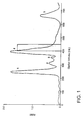
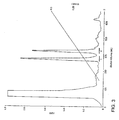
- Figure 1 shows the Sephacryl S-300 chromatographic separation of proteins from the crude venom showing three major and two minor peaks of protein, labelled 1-5. Plasmin inhibitory activity is indicated in the right-hand shoulder of peak four (see shaded area), using the plasmin neutralisation assay to monitor the eluted fractions. Further fractionation of the pooled inhibitor fractions, (Amicon YM3 concentrated), was performed on a Dear-Sepharose CL-6B column, Figure 3 shows the resultant separation, indicating two distinct peaks of plasmin inhibitory activity, marked by solid horizontal bars and labelled 1 and 2. Each peak was pooled separately, concentrated and applied to a Sephacryl S-100 column to remove trace impurities.
- FIG. 2 shows the elution profile of Txln 1, which is identical to that of Txln 2, however the insert in Figure 2 shows the reverse-phase HPLC profiles of each Txln indicating each to have a distinct elution volume from this column.
- the purity of the Sephacryl S-100 eluted material was further demonstrated by SDS-PAGE gel electrophoresis (data not shown).
- the final concentrated plasmin inhibitors were stored at -20°C in 0.05 M Tris buffered saline at a final concentration of about 1 mg/mL.
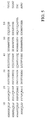
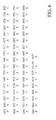
- FIG. 5 shows the amino acid sequences of Txln 1 and 2 with those of aprotinin and Taicotoxin-associated plasmin inhibitor isolated from the venom of the Australian Eastern Taipan, Oxyuranus scutellatus (having the closest homology to Txln 1 and 2) for comparison. It can be seen that all four plasmin inhibitors have the cysteine arrangements that are typical of this group of plasmin inhibitors and endow them with great stability. It was found that Txln 1 and 2 could be heated at 80°C for two hours with no loss of inhibitory activity (unpublished data). A sequence difference of six amino acids was observed between Txln 1 and 2, while each showed, respectively, 45 and 43 % homology with aprotinin.
- Txln 1 and 2 There was 58% and 55% homology, respectively, between Txln 1 and 2 and the Taicotoxin associated plasmin inhibitor. Both Txlns are quite acidic proteins with nett negative charges of -4 (Txln 1) and -6 (Txln 2), while aprotinin is quite basic, having a nett charge of +6. Mass spectroscopy data for Txln 1 and 2 showed molecular weights of 6682.4 and 6689.3 (data not shown), which agreed quite well with the molecular weights from the amino acid compositions.
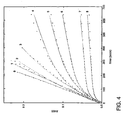
- Figure 4 presents progress curves for chromogenic substrate hydrolysis by 2 nM plasmin in the presence of 0-410 nM Txtn 1. These data resemble more closely those reported for aprotinin (Willmott el al., 1995, supra); our prior data with impure Txln did suggest simple competitive inhibition, wheras these latter data with purified Txln 1 and 2 resemble more the two-step mechanism of aprotinin.
- the inhibitor constant (K I ) deduced from those data by global analysis in terms of Equations 1-3 is presented in Table 3, together with corresponding values for Txln 2 and the mixture of textilinins that co-chromatographed prior to DEAE-Sepharose chromatography.
- Txln inhibition of plasmin activity is much weaker (100-fold, see Table 3) than that observed for aprotinin, an animal model has been used to establish the effectiveness of the Txln in stemming blood loss when it is used at the same dosage as aprotinin.
- the amount used was equivalent on a weight basis to the amount of aprotinin used clinically in humans and this was 100 ⁇ g of each substance studied per average 20 gram mouse. It can be seen from Table 4 that aprotinin reduced blood loss by 60% while both Txlns reduced blood loss to a similar extent when compared with saline-injected controls. The validity of these comparisons may need further scrutiny as the amounts of the Txlns and aprotinin used in the animal model were based on plasmin neutralization in vitro and may be subject to some error. Molar comparison of amounts of these inhibitors to be used in future experiments may be more appropriate.
- Aprotinin derived from bovine lung is used for the stemming of blood flow during surgical procedures such as cardio-pulmonary bypass (CPB) ( Royston D. 1990. Blood Coagul. Fibrinol. 1:53 ; Royston D. 1992. J. Cardiothorac. Vasc. Anesh. 6:76 ,).
- CPB cardio-pulmonary bypass
- aprotinin is used, blood loss during neurosurgery ( Gurdetti and Spallone. 1981. Surg. Neurol. 15:239 ), orthopaedic ( Ketterl et al., 1982. Medizinische Well 33:480 ), liver ( Neuhaus et al. 1989 Lancet ii:924 ) and urological ( Kosters and Wand. 1973.
- Urologe 12:295 surgeries have been reduced using this drug. This widespread usage is despite some reports of thrombosis ( Van der Meer et al., 1996. Thromb. Haemost. 75:1 ; Cosgrove et al., 1992. Ann. Thorac. Surg. 54:1031 ; Samama et al., 1994 Thromb. Haemost. 71:663 ) and fatal anaphylaxis during cardiac surgery ( Diefenbach et al., 1995. Anesth. Analg. 80:830 ). While the exact mechanism of action of aprotinin is not known it is now accepted that plasmin inhibition is central to its capacity to reduce blood loss (Royston D.
- plasmin inhibition may also affect this latter platelet mechanism enhancing the stability of the haemostatic plug.
- aprotinin has been found to inhibit protein C ( Cooper BE. 1995. J. Pharm. Technol. 11:156 ), which in turn would result in reduction in thrombin production and enhanced fibrinolysis ( Gaffney PJ, Edgell TA. Fibrinolysis and the haemostatic balance. "Harmonisation of some old and new concepts.” In: Recent progress in blood coagulation and fibrinolysis. Takada A, Collen D, Gaffney PJ, Eds. Amsterdam; Elsevier Science BV 127, 1997 ).
- snake venoms In order to provide other alternative haemostatics based on plasmin inhibition, snake venoms have been studied for some years. The first report of a plasmin/trypsin inhibitor found in snake venom was by Takahashi et al 1972. FEBS Lett. 27;207 ), while there are further reports of plasmin inhibitors in other viper and elapid venoms ( Shafqut et al, 1990. Eur. J. Biochem. 194 (2):337 ; Shajqut et al, 1990. FEBS Lett. 275:6 ; Yamakawa et al, 1987. Biochim. Biophys. Acta 925:124 ; Ritonja et al., 1983. Eur. J.
- FIG. 5 shows that this trypsin inhibitor (TAC) has 58 and 55% homology with Txln 1 and 2, respectively, and this is the closest homology to the Textitinins of the known naturally occurring plasmin inhibitors. There is only 45 and 43% homology between Txln 1 and 2, respectively, and aprotinin. There are 6 amino acids difference between Txlns 1 and 2, and both are acidic, containing nett negative charges (-4 and -6 respectively), as distinct from aprotinin which is a basic molecule (+6).
- TAC trypsin inhibitor
- Txlns 1 and 2 reduce blood loss in a mouse tail-vein-bleeding model (Table 4) as effectively as aprotinin. If the reduction in blood loss in this model is associated with plasmin neutralisation at the site of the haemostatic plug formation as suggested (Royston D., 1992, supra), it is not surprising that they compare favourably.
- the inability of Txln to neutralise kallikrein in contrast to aprotinin may have some clinical significance. This, of course, depends on the contribution of the kallikrein-Factor XII pathway on the production of plasmin at the site of wound healing ( K Kunststoff et al., 1987. Sem. Thromb. Haemost. 13:50 ).
- kallikrein inhibitory effect of aprotinin could be a contributing factor to either a prothrombotic or prohaemorrhagic effect for this drug; the general opinion is that aprotinin inhibition of the extrinsic coagulation pathway via kallikrein-Factor XII would tend to inhibit coagulation following passage of blood through CPB machines (Westaby S., 1993, supra).
- RNA mg A 260 ⁇ 0.04 / 1 A 260 ⁇ 1 mL ⁇ dilution factor ⁇ volume mL .
- RNA preparations were carried out using TRIzolTM reagent (Life Technologies) as per instruction manual. Briefly, 100 mg tissue was homogenised (using a PolytronTM homogeniser with the small homogenising attachment) in 1 mL of TRIzolTM reagent.
- RNA analysis was carried out by electrophoresing a sample on a denaturing formaldehyde agarose/EtBr gel. Mammalian total RNA showed typical two bright bands at 4.5 and 19 kb, these bands corresponds 28S and 18S ribosomal RNA. The ratios of intensity of these bands were approximately 2:1.
- RNA was isolated using Dynal Magnetic Beads as recommended by supplier. After elution of mRNA from magnetic beads, 1 ⁇ g was used for reverse-transcriptase (RT) polymerase chain reaction (PCR) and the remainder was precipitated in one tenth volume of 3 M sodium acetate pH 5.2/ 2 volumes of absolute ethanol and stored at -70 °C.
- RT reverse-transcriptase
- PCR polymerase chain reaction
- RT-PCR was carried using Promega RT kit MMLV-reverse transcriptase and the isolated total RNA (1 ⁇ g) and mRNA as template at 42 °C for 1.5 hours. The resulting cDNA was used for second strand synthesis. Second strand synthesis was carried out using T4 DNA polymerase, first strand cDNA as template. The reaction was carried at 14 °C for 3 hours. Final volume of second synthesis reaction was 100 ⁇ L. Phenol-chloroform extraction was carried out and aqueous layer (top, containing double stranded cDNA) was transferred into a clean Eppendorf and cDNA was precipitated with ethanol overnight.
- Sense and antisense degenerate oligonucleotide primers Masci-3/Masci-5 were designed from the amino acid sequence of Txln1. Genomic DNA was isolated from the liver tissue of the Brown Snake and was also used as template in PCR using degenerate primers to determine the existence of any intron sequences in Txln cDNA.
- a PCR product of 177 base pairs was obtained corresponding to a polynucleotide encoding an expected 59 amino acids.
- a 177 base pair product was obtained using genomic DNA.
- the 177 base pair PCR product was ligated into p-GEM 5zf and pGEX-2T, respectively.
- Resultant recombinant plasmids were used as templates for automated nucleotide sequence analysis.
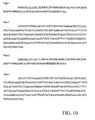
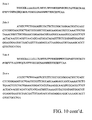
- the respective nucleotide sequences encoding the mature polypeptides relating to Txln 1 and Txln 2 are shown in FIGS 6 and 7 .
- pGEM-2T (Pharmacia-Biotech, about 5 pmol) was cleaved with Bam HI and Eco RI. The digestion products were fractionated by TAE-agarose gel electrophoresis and the linearised vector was purified using a QIAquickTM DNA extraction kit (QIAGEN) followed by ethanol precipitation.
- pGEM-2T or pGEX vector (0.3 pmol), and 1.5 pmol of 177 base pairs PCR product were added to a ligation mix containing 2 units of T4 DNA ligase in a: total volume 30 ⁇ L. The ligation was carried out overnight incubation at 14 °C.
- Electroporation was performed with E. coli strain DH5 ⁇ as host using one third of the ligation mixture (standard conditions). A total of not less than 10 "white” colonies were selected for each construct on indicator standard LB plates containing 0.1 mg ampicillin/mL. Six cDNA isomers were identified with specific designed primers and their sequences are presented.
- Cloning was carried out using linearised pGEM-T-vector having a 3' terminal thymidine extending beyond each end of the linearised molecule (Promega Corporation; Cat No. A3600, Part No.A360A, Lot No. 96814).
- Purified Txln PCR product (prepared using Advantage2 Taq polymerase enzyme system (Clontech)) was ligated into these ends using T4 DNA ligase (Promega Corporation).
- Recombinant plasmid containing Txln cDNA was then electroporated into E. coli DH5 ⁇ , and suitable transformants were selected using conventional blue/white selection criteria.
- Txln cDNA PCR product At least 10 positive colonies were identified as containing the Txln cDNA PCR product (177 base pairs or full-length). Sequencing of Txln cDNA insert was carried out using dye terminator matrix (Clontech; Cat No. 403045) and submitted for sequencing using ABI PrismTM Model 377 sequencer.
- At least ten colonies with good consensus sequences were selected and grown in 2YT medium in the presence of 100 ⁇ g/mL ampicillin and 0.1 M IPTG to induce expression.
- Direct detection of fusion proteins was performed with 12% SDS-PAGE according to Laemmli, UK, (1970, Nature 277: 680 ).
- Txln-GST fusion proteins were purified using affinity chromatography glutathione-SepharoseTM 4B (Amersham-Pharmacia Biotech; Cat No. 17-0756-01). Glutathione-SepharoseTM 4B gel was washed in PBS 4 times to ensure all thrombin inhibitors were removed before incubating with Txln-GST fusion proteins. Recombinant Txlns were cleaved from Txln-GST fusion protein bound to glutathione-SepharoseTM by incubating with thrombin (5U/mg of fusion protein) (Pharmacia-Biotech).
- recombinant Txln in 20 mM NH 4 HCO 3 , pH 8.3, with added 2M guanidine hydrochloride was reduced with 45 mM DTT for 15 min 50 °C.
- Concentrating and purification of active recombinant Txln (1-10 mg) was carried out by applying the diluted Txln solution to DEAE-SepharoseTM (1.0 x 10 cm) ion-exchange column as described for native Txln.
- Txln Active recombinant Txln was assayed by inhibition of plasmin (0.1 U), using S-2251 (3.0 mM) chromogenic assay. Clinical efficacy of recombinant Txlns was investigated in mouse-tail vein bleeding model.
- Primers (Masci-3 / Masci-5) were designed based on codon redundancy for amino acids and choosing specific regions of N-terminal and C-terminal for Txln 1 and Txln 2 sequences (described below). Those were used to amplify cDNA produced from total RNA isolated from the Brown snake venom gland. The PCR products were cloned into pGEM-5zf(+) using blunt end cloning. Positive clones (white) were further substantiated to contain the insert by PCR screening, using Masci-3 / Masci-5 as primers and plasmid DNA, prepared by mini-prep procedure, as template. DNA sequence analysis using an ABI Dye-terminator kit yielded two separate sequences for Txln 1 and Txln 2 ( FIGS. 6 and 7 ). At least 10 separate clones were employed to obtain these sequences.
- a new set of primers (F1 and R1; Tx1n2R1) was designed with two nucleotide changes to increase the G-C content and thus the alignment of primer to DNA. The two changes were in codon 6; TTT is changed to TTC (maintaining code for F) and in codon 5; GAT is changed to GAC (again, maintaining the same amino acid, D).
- a new forward primer, F1 was designed having the sequence below.
- Txln cDNA Amplification products were separated by agarose gel electrophoresis and a 177 bp amplicon was was purified using QIAquickTM PCR purification kit (QIAGEN). 1-2 ⁇ g purified Txln-cDNA PCR product was ligated into pGEM-2T-vector and sequencing carried out using a dye terminator kit (Perken-Elmer Corporation note, August 1995).
- the nucleotide sequence of Txln cDNA enabled us to design a second set of Txln 1 -gene specific primers to determine the 5' and 3' sequences of the gene (3' and 5' RACE methodology). Those primer sequences are given below and have been designated gene specific primers (TX1FN and TX1RN) to distinguish them from the initial set. 5'and 3'-SMART TM RACE cDNA amplification (Clonetech).
- the SMARTTM RACE kit includes a protocol for the synthesis of two separate cDNA populations: 5'-RACE Ready cDNA and 3'-RACE Ready cDNA.
- the cDNA for 5'-RACE was synthesised using a modifying lock-docking oligo (dT) primer and the SMARTTM II oligo.
- the modified oligo (dT) primer termed 5'-RACE cDNA Synthesis primer (5'-CD's), has two degenerate oligo positions at the 3' end.
- nucleotides position the primer at the start of the poly A+ tail and thus eliminate the 3' heterogeneity inherent with conventional oligo (dT) priming ( Borsen et al, 1994, PCR Methods Applic. 2:144-148 ).
- the 3' RACE cDNA was synthesised using conventional reverse transcription procedure, but with a special oligo (dT) primer.
- This 3'-RACE cDNA Synthesis (3'-CD's) primer includes the lock-docking nucleotide positions as in the 5'-CD's primer and also has a portion of the SMARTTM sequence at its 5' end.
- UPM Universal Primer Mix
- FIG. 8 shows the agarose gel electrophoretic mobility patterns of PCR products obtained with Txln gene-specific primers. PCR products (both 5'-and 3'-RACE) were electrophoresed, excised and gel purified using QIAquickTM gel extraction kit (QIAGEN).
- Txln -gene specific forward (TX1FN) and reverse (TX1RN) primers were designed, containing a Bam HI restriction site in TX1FN (first 12 nucleotides) and an EcoRI site in TX1RN (12 nucleotides). The sequences for these primers are listed below:
- PCR was carried out using cDNA as a template and Advantage2TM Taq polymerase with the following conditions: 92 °C/1 min; 50 °C/1min; 72 °C/1 min for 30 cycles. These primers amplified a product corresponding to a sequence coding for the Txln1 proform (83 amino acids).
- Txln gene-specific primers were designed to obtain a PCR product, which encoded the active peptide (59 amino acids). Again, in this case, a Bam HI site was incorporated into the forward primer (TX1TF) and the reverse primer was the RACE-Ready Universal primer (Long SMARTTM).
- the forward primer had a Bam HI site inserted to facilitate cloning.
- the underlined sequence marks the start triplet for the coding sequence.
- Amplification products obtained using the above primers were fractionated by agarose gel electrophoresis and DNA fragments with the appropriate size were purified, and cloned into pGEM-2T vector. Sequencing of recombinant plasmids was performed using a Clontech dye terminator matrix and an ABI PrismTM Model 377 sequencer. Nucleotide sequences obtained by this procedure for Txln 1-6 are presented in FIG. 10 together with the corresponding deduced amino acid sequences. As will be apparent from inspection of FIG. 11 , the Txln amino acid sequences are highly homologous and in this regard, a consensus sequence is provided.
- Recombinant Txln (both 59 amino acid peptide and 83 amino acid molecule containing 24 amino acid propeptide) were expressed using pGEX-2T constructs. Recombinant Txln activity was assayed by using the chromogenic substrate S-2251 and enzyme plasmin (Friberger et al, 1978). SDS-PAGE and Western blotting using polyvalent antibodies to Txln identified recombinant Txln FIG. 12 ).
- a fibrin specific monoclonal antibody, MAb 12B3.B10 (IgG2A/kappa) (Tymkewycz et al, 1993, supra), will be chemically conjugated with the plasmin inhibitor Txln 1 by a two step zero length crosslinking procedure according to Grabarek and Gergely (1990, Anal. Biochem. 185:131-135 ). Briefly Txln 1 will be incubated with a water soluble carbodiimide (EDC) in the presence of N-Hydroxysuccinimide (sulfo-NHS), and will result in the conversion of the carboxyl groups of Glu or Asp into succinimidyl esters.
- EDC water soluble carbodiimide
- NHS N-Hydroxysuccinimide
- MAb 12B3.B10 After removing excess EDC by gel filtration MAb 12B3.B10 will be added to the activated Txln 1. Crosslinking will result from nucleophilic substitution of the lysine-amino groups of the IgG for the succinimidyl moieties during a 2h incubation.
- the IgG-Txln 1 conjugate will then purified from free Txln 1 via size exclusion HPLC on a Superdex 200 HR 10/30 column as described by Raut and Gaffney (1996, Fibrinolysis 10 (Suppl. 4):1-26, Abstract No 39 ). The purified construct will then be tested for plasmin inhibitory activity by ELISA using the Chromogenic substrate S-2251.
Landscapes
- Health & Medical Sciences (AREA)
- Life Sciences & Earth Sciences (AREA)
- Chemical & Material Sciences (AREA)
- Bioinformatics & Cheminformatics (AREA)
- Engineering & Computer Science (AREA)
- General Health & Medical Sciences (AREA)
- Medicinal Chemistry (AREA)
- Veterinary Medicine (AREA)
- Public Health (AREA)
- Organic Chemistry (AREA)
- Pharmacology & Pharmacy (AREA)
- Animal Behavior & Ethology (AREA)
- Immunology (AREA)
- Epidemiology (AREA)
- Molecular Biology (AREA)
- Zoology (AREA)
- General Chemical & Material Sciences (AREA)
- Nuclear Medicine, Radiotherapy & Molecular Imaging (AREA)
- Chemical Kinetics & Catalysis (AREA)
- Biochemistry (AREA)
- Toxicology (AREA)
- Gastroenterology & Hepatology (AREA)
- Biophysics (AREA)
- Genetics & Genomics (AREA)
- Proteomics, Peptides & Aminoacids (AREA)
- Diabetes (AREA)
- Hematology (AREA)
- Medicines That Contain Protein Lipid Enzymes And Other Medicines (AREA)
- Peptides Or Proteins (AREA)
- Preparation Of Compounds By Using Micro-Organisms (AREA)
- Medicines Containing Antibodies Or Antigens For Use As Internal Diagnostic Agents (AREA)
- Organic Low-Molecular-Weight Compounds And Preparation Thereof (AREA)
- Coloring Foods And Improving Nutritive Qualities (AREA)
- Medicines Containing Material From Animals Or Micro-Organisms (AREA)
- Acyclic And Carbocyclic Compounds In Medicinal Compositions (AREA)
- Pharmaceuticals Containing Other Organic And Inorganic Compounds (AREA)
Applications Claiming Priority (3)
| Application Number | Priority Date | Filing Date | Title |
|---|---|---|---|
| AUPP3450A AUPP345098A0 (en) | 1998-05-11 | 1998-05-11 | Novel anti-fibrinolytic agents |
| AUPP345098 | 1998-05-11 | ||
| PCT/AU1999/000343 WO1999058569A1 (en) | 1998-05-11 | 1999-05-07 | PLASMIN INHIBITORS FROM THE AUSTRALIAN BROWN SNAKE $i(PSEUDONAJA TEXTILIS TEXTILIS) |
Publications (3)
| Publication Number | Publication Date |
|---|---|
| EP1078003A1 EP1078003A1 (en) | 2001-02-28 |
| EP1078003A4 EP1078003A4 (en) | 2004-08-25 |
| EP1078003B1 true EP1078003B1 (en) | 2009-08-19 |
Family
ID=3807704
Family Applications (1)
| Application Number | Title | Priority Date | Filing Date |
|---|---|---|---|
| EP99918966A Expired - Lifetime EP1078003B1 (en) | 1998-05-11 | 1999-05-07 | Plasmin inhibitors from the australian brown snake, pseudonaja textilis textilis |
Country Status (11)
| Country | Link |
|---|---|
| US (1) | US7070969B1 (enExample) |
| EP (1) | EP1078003B1 (enExample) |
| JP (1) | JP4542705B2 (enExample) |
| AT (1) | ATE440108T1 (enExample) |
| AU (1) | AUPP345098A0 (enExample) |
| CA (1) | CA2328431C (enExample) |
| DE (1) | DE69941292D1 (enExample) |
| DK (1) | DK1078003T3 (enExample) |
| ES (1) | ES2332249T3 (enExample) |
| NZ (1) | NZ508770A (enExample) |
| WO (1) | WO1999058569A1 (enExample) |
Families Citing this family (7)
| Publication number | Priority date | Publication date | Assignee | Title |
|---|---|---|---|---|
| AUPP345098A0 (en) * | 1998-05-11 | 1998-06-04 | National Institute Of Biological Standards And Control, United Kingdom | Novel anti-fibrinolytic agents |
| US6506365B1 (en) * | 2000-09-25 | 2003-01-14 | Baxter Aktiengesellschaft | Fibrin/fibrinogen binding conjugate |
| US7745192B2 (en) * | 2002-04-03 | 2010-06-29 | Venomics Pty Limited | Prothrombin activating protein |
| PT1976985E (pt) | 2005-12-29 | 2013-10-24 | Univ California | Métodos e composições relacionados com o domínio 1 mutante de kunitz do tfpi-2 |
| EP2154152A1 (en) * | 2008-08-08 | 2010-02-17 | Max-Planck-Gesellschaft zur Förderung der Wissenschaften e.V. | Use of Conkunitzin-S1 for the modulation of glucose-induced insulin secretion |
| EP2359852A4 (en) * | 2008-11-17 | 2015-05-20 | Nat Cancer Ct | NEW CANCERED THERAPY WITH A SUBSTANCE COMPLEX SPECIFICALLY BINDING TO A TUMOR STREAM FACTOR AND ANTITUMIR COMPOUND |
| CN102850451B (zh) * | 2011-06-29 | 2014-05-07 | 辽宁诺康生物制药有限责任公司 | 具有抑制纤溶酶活性的重组textilinin-1及其制备方法和应用 |
Family Cites Families (4)
| Publication number | Priority date | Publication date | Assignee | Title |
|---|---|---|---|---|
| US5342830A (en) * | 1990-11-16 | 1994-08-30 | Cor Therapeutics, Inc. | Antithrombosis agents |
| EP0585504A1 (en) * | 1992-09-04 | 1994-03-09 | Pentapharm A.G. | Phospholipid dependant prothrombin activator and its use in lupus anticoagulant testing |
| AUPP076797A0 (en) * | 1997-12-05 | 1998-01-08 | Active (Pla) R&D Pty Ltd | Phospholipase inhibitor |
| AUPP345098A0 (en) * | 1998-05-11 | 1998-06-04 | National Institute Of Biological Standards And Control, United Kingdom | Novel anti-fibrinolytic agents |
-
1998
- 1998-05-11 AU AUPP3450A patent/AUPP345098A0/en not_active Abandoned
-
1999
- 1999-05-07 DE DE69941292T patent/DE69941292D1/de not_active Expired - Lifetime
- 1999-05-07 JP JP2000548371A patent/JP4542705B2/ja not_active Expired - Fee Related
- 1999-05-07 WO PCT/AU1999/000343 patent/WO1999058569A1/en not_active Ceased
- 1999-05-07 US US09/700,179 patent/US7070969B1/en not_active Expired - Lifetime
- 1999-05-07 AT AT99918966T patent/ATE440108T1/de not_active IP Right Cessation
- 1999-05-07 ES ES99918966T patent/ES2332249T3/es not_active Expired - Lifetime
- 1999-05-07 NZ NZ508770A patent/NZ508770A/en unknown
- 1999-05-07 DK DK99918966T patent/DK1078003T3/da active
- 1999-05-07 CA CA2328431A patent/CA2328431C/en not_active Expired - Fee Related
- 1999-05-07 EP EP99918966A patent/EP1078003B1/en not_active Expired - Lifetime
Also Published As
| Publication number | Publication date |
|---|---|
| EP1078003A1 (en) | 2001-02-28 |
| JP2002514404A (ja) | 2002-05-21 |
| EP1078003A4 (en) | 2004-08-25 |
| DE69941292D1 (de) | 2009-10-01 |
| AUPP345098A0 (en) | 1998-06-04 |
| CA2328431A1 (en) | 1999-11-18 |
| US7070969B1 (en) | 2006-07-04 |
| JP4542705B2 (ja) | 2010-09-15 |
| NZ508770A (en) | 2003-12-19 |
| ATE440108T1 (de) | 2009-09-15 |
| DK1078003T3 (da) | 2009-12-07 |
| WO1999058569A1 (en) | 1999-11-18 |
| CA2328431C (en) | 2010-04-27 |
| ES2332249T3 (es) | 2010-01-29 |
Similar Documents
| Publication | Publication Date | Title |
|---|---|---|
| EP0487591B1 (en) | Anticoagulant protein | |
| KR100278036B1 (ko) | 사람 쿠니즈형 프로테아제 저해제 변이체 | |
| MAURER‐FOGY et al. | Cloning and expression of cDNA for human vascular anticoagulant, a Ca2+‐dependent phospholipid‐binding protein | |
| Skriver et al. | CpG mutations in the reactive site of human C 1 inhibitor | |
| AU671611B2 (en) | Human kunitz-type protease inhibitor variants | |
| Maison et al. | Proteolysis of C3 on U937 cell plasma membranes. Purification of cathepsin G | |
| AU643306B2 (en) | Anticoagulant polypeptides | |
| CZ164494A3 (en) | Human variant of kunitz-type protease inhibitor | |
| JPH02121934A (ja) | 組合せ医薬組成物 | |
| CZ164894A3 (en) | Novel human inhibitor of kunitz-type protease and variants thereof | |
| US7070969B1 (en) | Plasmin inhibitors from the australian brown snake Pseudonaja textilis textilis | |
| HU219302B (en) | Aprotinin analogues | |
| US6326466B1 (en) | Double-stranded RNA dependent protein kinase derived peptides to promote proliferation of cells and tissues in a controlled manner | |
| US5589360A (en) | Polypeptide, DNA fragment encoding the same, drug composition containing the same and process for producing the same | |
| EP1117682B1 (en) | Chi-Conotoxin Peptides as INhibitors of Neuronal Amine Transporters | |
| AU759190B2 (en) | Plasmin inhibitors from the Australian brown snake (Pseudonaja textilis textilis) | |
| CA2071871A1 (en) | C1 inhibitor muteins and uses thereof | |
| Austin et al. | Expression in a cell-free system of normal and variant forms of human antithrombin III. Ability to bind heparin and react with alpha-thrombin | |
| US6369031B1 (en) | Protein Z-dependent protease inhibitor | |
| US5679770A (en) | Polypeptide, DNA fragment encoding the same, drug composition containing the same and process for producing the same | |
| JP2581823B2 (ja) | ヒト炎症局所由来ホスホリパーゼa▲下2▼阻害蛋白、その製造方法およびその遺伝子 | |
| Austin et al. | Expression in a cell-free system of normal and variant forms of human | |
| AU6453099A (en) | Novel peptides |
Legal Events
| Date | Code | Title | Description |
|---|---|---|---|
| PUAI | Public reference made under article 153(3) epc to a published international application that has entered the european phase |
Free format text: ORIGINAL CODE: 0009012 |
|
| 17P | Request for examination filed |
Effective date: 20001211 |
|
| AK | Designated contracting states |
Kind code of ref document: A1 Designated state(s): AT BE CH CY DE DK ES FI FR GB GR IE IT LI LU MC NL PT SE |
|
| A4 | Supplementary search report drawn up and despatched |
Effective date: 20040709 |
|
| RIC1 | Information provided on ipc code assigned before grant |
Ipc: 7A 61K 47/48 B Ipc: 7C 07K 14/46 B Ipc: 7A 61K 39/44 B Ipc: 7A 61K 38/36 B Ipc: 7A 61K 38/17 B Ipc: 7C 07H 21/04 B Ipc: 7C 07K 16/38 B Ipc: 7C 07K 14/81 A |
|
| 17Q | First examination report despatched |
Effective date: 20050126 |
|
| 17Q | First examination report despatched |
Effective date: 20050126 |
|
| RTI1 | Title (correction) |
Free format text: PLASMIN INHIBITORS FROM THE AUSTRALIAN BROWN SNAKE, PSEUDONAJA TEXTILIS TEXTILIS. |
|
| GRAP | Despatch of communication of intention to grant a patent |
Free format text: ORIGINAL CODE: EPIDOSNIGR1 |
|
| RAP1 | Party data changed (applicant data changed or rights of an application transferred) |
Owner name: NATIONAL INSTITUTE FOR BIOLOGICAL STANDARDS AND CO Owner name: THE UNIVERSITY OF QUEENSLAND |
|
| RTI1 | Title (correction) |
Free format text: PLASMIN INHIBITORS FROM THE AUSTRALIAN BROWN SNAKE, PSEUDONAJA TEXTILIS TEXTILIS |
|
| GRAS | Grant fee paid |
Free format text: ORIGINAL CODE: EPIDOSNIGR3 |
|
| GRAA | (expected) grant |
Free format text: ORIGINAL CODE: 0009210 |
|
| AK | Designated contracting states |
Kind code of ref document: B1 Designated state(s): AT BE CH CY DE DK ES FI FR GB GR IE IT LI LU MC NL PT SE |
|
| REG | Reference to a national code |
Ref country code: GB Ref legal event code: FG4D |
|
| REG | Reference to a national code |
Ref country code: CH Ref legal event code: EP |
|
| REG | Reference to a national code |
Ref country code: IE Ref legal event code: FG4D |
|
| REF | Corresponds to: |
Ref document number: 69941292 Country of ref document: DE Date of ref document: 20091001 Kind code of ref document: P |
|
| REG | Reference to a national code |
Ref country code: CH Ref legal event code: NV Representative=s name: HEPP WENGER RYFFEL AG |
|
| REG | Reference to a national code |
Ref country code: DK Ref legal event code: T3 |
|
| PG25 | Lapsed in a contracting state [announced via postgrant information from national office to epo] |
Ref country code: SE Free format text: LAPSE BECAUSE OF FAILURE TO SUBMIT A TRANSLATION OF THE DESCRIPTION OR TO PAY THE FEE WITHIN THE PRESCRIBED TIME-LIMIT Effective date: 20090819 Ref country code: FI Free format text: LAPSE BECAUSE OF FAILURE TO SUBMIT A TRANSLATION OF THE DESCRIPTION OR TO PAY THE FEE WITHIN THE PRESCRIBED TIME-LIMIT Effective date: 20090819 Ref country code: AT Free format text: LAPSE BECAUSE OF FAILURE TO SUBMIT A TRANSLATION OF THE DESCRIPTION OR TO PAY THE FEE WITHIN THE PRESCRIBED TIME-LIMIT Effective date: 20090819 |
|
| REG | Reference to a national code |
Ref country code: ES Ref legal event code: FG2A Ref document number: 2332249 Country of ref document: ES Kind code of ref document: T3 |
|
| NLV1 | Nl: lapsed or annulled due to failure to fulfill the requirements of art. 29p and 29m of the patents act | ||
| PG25 | Lapsed in a contracting state [announced via postgrant information from national office to epo] |
Ref country code: NL Free format text: LAPSE BECAUSE OF FAILURE TO SUBMIT A TRANSLATION OF THE DESCRIPTION OR TO PAY THE FEE WITHIN THE PRESCRIBED TIME-LIMIT Effective date: 20090819 |
|
| PG25 | Lapsed in a contracting state [announced via postgrant information from national office to epo] |
Ref country code: CY Free format text: LAPSE BECAUSE OF FAILURE TO SUBMIT A TRANSLATION OF THE DESCRIPTION OR TO PAY THE FEE WITHIN THE PRESCRIBED TIME-LIMIT Effective date: 20090819 Ref country code: PT Free format text: LAPSE BECAUSE OF FAILURE TO SUBMIT A TRANSLATION OF THE DESCRIPTION OR TO PAY THE FEE WITHIN THE PRESCRIBED TIME-LIMIT Effective date: 20091221 |
|
| RAP2 | Party data changed (patent owner data changed or rights of a patent transferred) |
Owner name: NATIONAL INSTITUTE OF BIOLOGICAL STANDARDS AND CON Owner name: UNIQUEST PTY LIMITED |
|
| RAP2 | Party data changed (patent owner data changed or rights of a patent transferred) |
Owner name: VENOMICS PTY LIMITED |
|
| REG | Reference to a national code |
Ref country code: CH Ref legal event code: PUE Owner name: VENOMICS PTY LIMITED Free format text: THE UNIVERSITY OF QUEENSLAND# #ST LUCIA, BRISBANE, QLD 4072 (AU) $ NATIONAL INSTITUTE OF BIOLOGICAL STANDARDS AND CONTROL, UNITED KINGDOM#BLANCHE LANE, SOUTH MIMMS#POTTERS BAR, HERTFORDSHIRE EN6 3QG (GB) -TRANSFER TO- VENOMICS PTY LIMITED#LEVEL 1 194 MILLER STREET#NORTH SYDNEY, NSW 2060 (AU) |
|
| PLBE | No opposition filed within time limit |
Free format text: ORIGINAL CODE: 0009261 |
|
| STAA | Information on the status of an ep patent application or granted ep patent |
Free format text: STATUS: NO OPPOSITION FILED WITHIN TIME LIMIT |
|
| PG25 | Lapsed in a contracting state [announced via postgrant information from national office to epo] |
Ref country code: BE Free format text: LAPSE BECAUSE OF FAILURE TO SUBMIT A TRANSLATION OF THE DESCRIPTION OR TO PAY THE FEE WITHIN THE PRESCRIBED TIME-LIMIT Effective date: 20090819 |
|
| 26N | No opposition filed |
Effective date: 20100520 |
|
| REG | Reference to a national code |
Ref country code: GB Ref legal event code: 732E Free format text: REGISTERED BETWEEN 20100923 AND 20100929 |
|
| PG25 | Lapsed in a contracting state [announced via postgrant information from national office to epo] |
Ref country code: GR Free format text: LAPSE BECAUSE OF FAILURE TO SUBMIT A TRANSLATION OF THE DESCRIPTION OR TO PAY THE FEE WITHIN THE PRESCRIBED TIME-LIMIT Effective date: 20091120 |
|
| PG25 | Lapsed in a contracting state [announced via postgrant information from national office to epo] |
Ref country code: MC Free format text: LAPSE BECAUSE OF NON-PAYMENT OF DUE FEES Effective date: 20100531 |
|
| PGFP | Annual fee paid to national office [announced via postgrant information from national office to epo] |
Ref country code: IE Payment date: 20110511 Year of fee payment: 13 Ref country code: CH Payment date: 20110512 Year of fee payment: 13 Ref country code: FR Payment date: 20110523 Year of fee payment: 13 Ref country code: ES Payment date: 20110617 Year of fee payment: 13 |
|
| PGFP | Annual fee paid to national office [announced via postgrant information from national office to epo] |
Ref country code: DK Payment date: 20110512 Year of fee payment: 13 Ref country code: GB Payment date: 20110504 Year of fee payment: 13 |
|
| PGFP | Annual fee paid to national office [announced via postgrant information from national office to epo] |
Ref country code: DE Payment date: 20110505 Year of fee payment: 13 Ref country code: IT Payment date: 20110516 Year of fee payment: 13 |
|
| PG25 | Lapsed in a contracting state [announced via postgrant information from national office to epo] |
Ref country code: LU Free format text: LAPSE BECAUSE OF NON-PAYMENT OF DUE FEES Effective date: 20100507 |
|
| REG | Reference to a national code |
Ref country code: CH Ref legal event code: PL |
|
| REG | Reference to a national code |
Ref country code: DK Ref legal event code: EBP |
|
| GBPC | Gb: european patent ceased through non-payment of renewal fee |
Effective date: 20120507 |
|
| PG25 | Lapsed in a contracting state [announced via postgrant information from national office to epo] |
Ref country code: LI Free format text: LAPSE BECAUSE OF NON-PAYMENT OF DUE FEES Effective date: 20120531 Ref country code: CH Free format text: LAPSE BECAUSE OF NON-PAYMENT OF DUE FEES Effective date: 20120531 |
|
| REG | Reference to a national code |
Ref country code: IE Ref legal event code: MM4A |
|
| PG25 | Lapsed in a contracting state [announced via postgrant information from national office to epo] |
Ref country code: IT Free format text: LAPSE BECAUSE OF NON-PAYMENT OF DUE FEES Effective date: 20120507 |
|
| REG | Reference to a national code |
Ref country code: FR Ref legal event code: ST Effective date: 20130131 |
|
| REG | Reference to a national code |
Ref country code: DE Ref legal event code: R119 Ref document number: 69941292 Country of ref document: DE Effective date: 20121201 |
|
| PG25 | Lapsed in a contracting state [announced via postgrant information from national office to epo] |
Ref country code: IE Free format text: LAPSE BECAUSE OF NON-PAYMENT OF DUE FEES Effective date: 20120507 Ref country code: FR Free format text: LAPSE BECAUSE OF NON-PAYMENT OF DUE FEES Effective date: 20120531 Ref country code: DK Free format text: LAPSE BECAUSE OF NON-PAYMENT OF DUE FEES Effective date: 20120531 Ref country code: GB Free format text: LAPSE BECAUSE OF NON-PAYMENT OF DUE FEES Effective date: 20120507 |
|
| PG25 | Lapsed in a contracting state [announced via postgrant information from national office to epo] |
Ref country code: DE Free format text: LAPSE BECAUSE OF NON-PAYMENT OF DUE FEES Effective date: 20121201 |
|
| REG | Reference to a national code |
Ref country code: ES Ref legal event code: FD2A Effective date: 20130821 |
|
| PG25 | Lapsed in a contracting state [announced via postgrant information from national office to epo] |
Ref country code: ES Free format text: LAPSE BECAUSE OF NON-PAYMENT OF DUE FEES Effective date: 20120508 |