EP0907082A2 - Procédé de détection d'une substance par décomposition induite de manière enzymatique de dioxetanes - Google Patents
Procédé de détection d'une substance par décomposition induite de manière enzymatique de dioxetanes Download PDFInfo
- Publication number
- EP0907082A2 EP0907082A2 EP98122597A EP98122597A EP0907082A2 EP 0907082 A2 EP0907082 A2 EP 0907082A2 EP 98122597 A EP98122597 A EP 98122597A EP 98122597 A EP98122597 A EP 98122597A EP 0907082 A2 EP0907082 A2 EP 0907082A2
- Authority
- EP
- European Patent Office
- Prior art keywords
- dioxetane
- enzyme
- group
- assay
- energy
- Prior art date
- Legal status (The legal status is an assumption and is not a legal conclusion. Google has not performed a legal analysis and makes no representation as to the accuracy of the status listed.)
- Withdrawn
Links
- 0 CC(C(N*)=O)NS(c1ccc(C)cc1)(=O)=O Chemical compound CC(C(N*)=O)NS(c1ccc(C)cc1)(=O)=O 0.000 description 1
Images






Classifications
-
- G—PHYSICS
- G01—MEASURING; TESTING
- G01N—INVESTIGATING OR ANALYSING MATERIALS BY DETERMINING THEIR CHEMICAL OR PHYSICAL PROPERTIES
- G01N33/00—Investigating or analysing materials by specific methods not covered by groups G01N1/00 - G01N31/00
- G01N33/48—Biological material, e.g. blood, urine; Haemocytometers
- G01N33/50—Chemical analysis of biological material, e.g. blood, urine; Testing involving biospecific ligand binding methods; Immunological testing
- G01N33/74—Chemical analysis of biological material, e.g. blood, urine; Testing involving biospecific ligand binding methods; Immunological testing involving hormones or other non-cytokine intercellular protein regulatory factors such as growth factors, including receptors to hormones and growth factors
- G01N33/76—Human chorionic gonadotropin including luteinising hormone, follicle stimulating hormone, thyroid stimulating hormone or their receptors
-
- C—CHEMISTRY; METALLURGY
- C12—BIOCHEMISTRY; BEER; SPIRITS; WINE; VINEGAR; MICROBIOLOGY; ENZYMOLOGY; MUTATION OR GENETIC ENGINEERING
- C12Q—MEASURING OR TESTING PROCESSES INVOLVING ENZYMES, NUCLEIC ACIDS OR MICROORGANISMS; COMPOSITIONS OR TEST PAPERS THEREFOR; PROCESSES OF PREPARING SUCH COMPOSITIONS; CONDITION-RESPONSIVE CONTROL IN MICROBIOLOGICAL OR ENZYMOLOGICAL PROCESSES
- C12Q1/00—Measuring or testing processes involving enzymes, nucleic acids or microorganisms; Compositions therefor; Processes of preparing such compositions
- C12Q1/34—Measuring or testing processes involving enzymes, nucleic acids or microorganisms; Compositions therefor; Processes of preparing such compositions involving hydrolase
-
- C—CHEMISTRY; METALLURGY
- C12—BIOCHEMISTRY; BEER; SPIRITS; WINE; VINEGAR; MICROBIOLOGY; ENZYMOLOGY; MUTATION OR GENETIC ENGINEERING
- C12Q—MEASURING OR TESTING PROCESSES INVOLVING ENZYMES, NUCLEIC ACIDS OR MICROORGANISMS; COMPOSITIONS OR TEST PAPERS THEREFOR; PROCESSES OF PREPARING SUCH COMPOSITIONS; CONDITION-RESPONSIVE CONTROL IN MICROBIOLOGICAL OR ENZYMOLOGICAL PROCESSES
- C12Q1/00—Measuring or testing processes involving enzymes, nucleic acids or microorganisms; Compositions therefor; Processes of preparing such compositions
- C12Q1/68—Measuring or testing processes involving enzymes, nucleic acids or microorganisms; Compositions therefor; Processes of preparing such compositions involving nucleic acids
- C12Q1/6813—Hybridisation assays
- C12Q1/6816—Hybridisation assays characterised by the detection means
-
- G—PHYSICS
- G01—MEASURING; TESTING
- G01N—INVESTIGATING OR ANALYSING MATERIALS BY DETERMINING THEIR CHEMICAL OR PHYSICAL PROPERTIES
- G01N21/00—Investigating or analysing materials by the use of optical means, i.e. using sub-millimetre waves, infrared, visible or ultraviolet light
- G01N21/75—Systems in which material is subjected to a chemical reaction, the progress or the result of the reaction being investigated
- G01N21/76—Chemiluminescence; Bioluminescence
-
- G—PHYSICS
- G01—MEASURING; TESTING
- G01N—INVESTIGATING OR ANALYSING MATERIALS BY DETERMINING THEIR CHEMICAL OR PHYSICAL PROPERTIES
- G01N33/00—Investigating or analysing materials by specific methods not covered by groups G01N1/00 - G01N31/00
- G01N33/48—Biological material, e.g. blood, urine; Haemocytometers
- G01N33/50—Chemical analysis of biological material, e.g. blood, urine; Testing involving biospecific ligand binding methods; Immunological testing
- G01N33/53—Immunoassay; Biospecific binding assay; Materials therefor
- G01N33/531—Production of immunochemical test materials
- G01N33/532—Production of labelled immunochemicals
- G01N33/535—Production of labelled immunochemicals with enzyme label or co-enzymes, co-factors, enzyme inhibitors or enzyme substrates
-
- G—PHYSICS
- G01—MEASURING; TESTING
- G01N—INVESTIGATING OR ANALYSING MATERIALS BY DETERMINING THEIR CHEMICAL OR PHYSICAL PROPERTIES
- G01N33/00—Investigating or analysing materials by specific methods not covered by groups G01N1/00 - G01N31/00
- G01N33/48—Biological material, e.g. blood, urine; Haemocytometers
- G01N33/50—Chemical analysis of biological material, e.g. blood, urine; Testing involving biospecific ligand binding methods; Immunological testing
- G01N33/58—Chemical analysis of biological material, e.g. blood, urine; Testing involving biospecific ligand binding methods; Immunological testing involving labelled substances
- G01N33/581—Chemical analysis of biological material, e.g. blood, urine; Testing involving biospecific ligand binding methods; Immunological testing involving labelled substances with enzyme label (including co-enzymes, co-factors, enzyme inhibitors or substrates)
-
- Y—GENERAL TAGGING OF NEW TECHNOLOGICAL DEVELOPMENTS; GENERAL TAGGING OF CROSS-SECTIONAL TECHNOLOGIES SPANNING OVER SEVERAL SECTIONS OF THE IPC; TECHNICAL SUBJECTS COVERED BY FORMER USPC CROSS-REFERENCE ART COLLECTIONS [XRACs] AND DIGESTS
- Y10—TECHNICAL SUBJECTS COVERED BY FORMER USPC
- Y10S—TECHNICAL SUBJECTS COVERED BY FORMER USPC CROSS-REFERENCE ART COLLECTIONS [XRACs] AND DIGESTS
- Y10S435/00—Chemistry: molecular biology and microbiology
- Y10S435/81—Packaged device or kit
Definitions
- the invention relates to the use of dioxetanes to detect a substance in a sample.
- Dioxetanes are compounds having a 4-membered ring in which 2 of the members are adjacent oxygen atoms. Dioxetanes can be thermally or photochemically decomposed to form carbonyl products, e.g., esters, ketones or aldehydes. Release of energy in the form of light (i.e., luminescence) accompanies the decompositions.
- the invention features in a first aspect an improvement in art assay method in which a member of a specific binding pair (i.e., two substances which bind specifically to each other) is detected by means of an optically detectable reaction.
- the improvement includes the reaction, with an enzyme, of a dioxetane having the formula where T is a substituted (i.e., containing one or more C 1 -C 7 alkyl groups or heteroatom groups, e.g., carbonyl groups) or unsubstituted cycloalkyl ring (having between 6 and 12 carbon atoms, inclusive, in the ring) or polycycloalkyl group (having 2 or more fused rings, each ring independently having between 5 and 12 carbon atoms, inclusive), bonded to the 4-membered dioxetane ring by a spiro linkage; Y is a fluorescent chromophore, (i.e., Y is group capable of absorbing energy to form an excited, i.
- one or more of groups T, X, or Y further include a solubilizing substituent, e.g., carboxylic acid, sulfonic acid, or quaternary amino salt;
- group T of the dioxetane is a polycycloalkyl group, preferably adamantyl;
- the enzyme-cleavable group includes phosphate; and the enzyme includes phosphatase.
- the invention also features a kit for detecting a first substance in a sample.
- the invention features a method of detecting an enzyme in a sample.
- the method involves contacting the sample with the above-described dioxetane in which group Z is capable of being cleaved by the enzyme being detected.
- the enzyme cleaves group Z to form a negatively charged substituent (e.g., an oxygen anion) bonded to the dioxetane.
- This substituent destabilizes the dioxetane, thereby causing the dioxetane to decompose to form a luminescent substance that includes group Y of the dioxetane.
- the luminescent substance is detected as an indication of the presence of the enzyme. By measuring the intensity of luminescence, the concentration of the enzyme can also be determined.
- the invention provides a simple, very sensitive method for detecting substances in samples, e.g., biological samples, and is particularly useful for substances present in low concentrations.
- dioxetane decomposition serves as the excitation energy source for chromophore Y
- an external excitation energy source e.g., light
- the dioxetane molecules are already in the proper oxidation state for decomposition, it is not necessary to add external oxidants, e.g., H 2 O 2 or O 2 .
- Enzyme-activated decomposition allows for high sensitivity because one enzyme molecule can cause many dioxetane molecules to luminesce, thus creating an amplification effect.
- the wavelength (or energy) of emission and the quantum yields of luminescence can be varied according to the choice of the Y substituent of the dioxetane (as used herein, "quantum yield” refers to the number of photons emitted from the luminescent product per number of moles of dioxetane decomposed).
- quantum yield refers to the number of photons emitted from the luminescent product per number of moles of dioxetane decomposed.
- solubility of the dioxetane and the kinetics of dioxetane decomposition can be varied.
- the dioxetanes can also be attached to a variety of molecules, e.g., proteins or haptens, or immobilization substrates, e.g., polymer membranes, or included as a side group in a homopolymer or copolymer.
- molecules e.g., proteins or haptens
- immobilization substrates e.g., polymer membranes, or included as a side group in a homopolymer or copolymer.
- the invention employs dioxetanes having the structure recited in the Summary of the Invention above.
- group T is to stabilize the dioxetane, i.e., to prevent the dioxetane from decomposing before the enzyme-cleavable group Z is cleaved.
- T preferably contains only C-C and C-H single bonds.
- the most preferred molecule is an adamantyl group consisting of 3 fused cyclohexyl rings. The adamantyl group is bonded to the 4-membered ring portion of the dioxetane through a spiro linkage.
- Group Y is a fluorescent chromophore bonded to enzyme-cleavable group Z.
- Y becomes luminescent when an enzyme cleaves group Z, thereby creating an electron-rich moiety which destabilizes the dioxetane, causing the dioxetane to decompose.
- Decomposition produces two individual carbonyl compounds, one of which contains group T, and the other of which contains groups X, Y, and Z; the energy released from dioxetane decomposition causes the Y groups of the latter carbonyl compound to luminesce (if group X is hydrogen, an aldehyde is produced).
- the excited state energy of chromophore Y (i.e., the energy chromophore Y must possess in order to emit light) is preferably less than the excited state energy of the ketone containing group T in order to confine luminescence to group Y.
- the excited state energy of chromophore Y is preferably less than the excited state energy of spiroadamantane.
- Any chromophore Y can be used according to the invention.
- Suitable chromophores include the following:
- the most preferred chromophores are hydroxy derivatives of anthracene or naphthalene; the hydroxy group facilitates bonding to group Z.
- Group Z is bonded to chromophore Y through an enzyme-cleavable bond.
- Contact with the appropriate enzyme cleaves the enzyme-cleavable bond, yielding an electron-rich moiety bonded to a chromophore Y; this moiety initiates the decomposition of the dioxetane into two individual carbonyl compounds e.g., into a ketone or an ester and an aldehyde if group X is hydrogen.
- electron-rich moieties include oxygen, sulfur, and amine or amino anions.
- the most preferred moiety is an oxygen anion.
- suitable Z groups, and the enzymes specific to these groups are given below in Table 1; an arrow denotes the enzyme-cleavable bond.
- the most preferred group is a phosphate ester, which is cleaved by alkaline or acid phosphatase enzymes.
- X contains one or more solubilizing substituents, i.e., substituents which enhance the solubility of the dioxetane in aqueous solution.
- solubilizing substituents include carboxylic acids, e.g., acetic acid; sulfonic acids, e.g., methane-sulfonic acid; and quaternary amino salts, e.g., ammonium bromide; the most preferred solubilizing substituent is methane-or ethanesulfonic acid.
- the enzyme which cleaves group Z is covalently bonded to a substance having a specific affinity for the substance being detected.
- specific affinity substances include antibodies, e.g., anti-hCG; antigens, e.g., hCG, where the substance being detected is an antibody, e.g., anti-hCG; a probe capable of binding to all or a portion of a nucleic acid, e.g., DNA or RNA, being detected; or an enzyme capable of cleaving the Y-Z bond. Bonding is preferably through an amide bond.
- the dioxetanes of the invention are synthesized in two steps.
- the first step involves synthesizing an appropriately substituted olefin having the formula wherein T, X, Y, and Z are as described above.
- These olefins are preferably synthesized using the Wittig reaction, in which a ketone containing the T group is reacted with a phosphorus ylide (preferably based on triphenylphosphine) containing the X, Y, and Z groups, as follows:
- the reaction is preferably carried out below about -70°C in an ethereal solvent, e.g., tetrahydrofuran (TNF).
- TNF tetrahydrofuran
- the phosphorus ylide is prepared by reacting triphenyl phosphine with a halogenated compound containing the X, Y, and Z groups in the presence of base; examples of preferred bases include n-butyllithium, sodium amide, sodium hydride, and sodium alkoxide; the most preferred base is n-butyllithium.
- the reaction sequence is as follows: where Q is a halogen, e.g., Cl, Br, or I. The preferred halogon is Br.
- the reaction is preferably carried out below about -70°C in THF.
- T adamantyl
- X methoxy (oCH 1 )
- Y is anthracene (An)
- Z phosphate (PO 4 )
- T adamantyl
- X methoxy (oCH 1 )
- Y is anthracene (An)
- Z phosphate (PO 4 )
- the phosphorylated product is then reacted with triphenylphosphine below about -70°C in THF to form the phosphorus ylide having the formula
- the olefin is then purified using conventional chromatography methods.
- the second step in the synthesis of the dioxetanes involves converting the olefin described above to the dioxetane.
- the conversion is effected photochemically by treating by olefin with singlet oxygen ( 1 O 2 ) in the presence of light.
- ( 1 O 2 ) adds across the double bond to form the dioxetane as follows:
- the reaction is preferably carried out below about -70°C in a halogenated solvent, e.g., methylene chloride.
- 1 O 2 is generated using a photosensitizer.
- photosensitizers include polymer-bound Rose Bengal (commercially known as Sensitox I and available from Hydron Laboratories, New Brunswick, N.J.), which is preferred, and methylene blue (a well-known dye and pH indicator).
- the olefin having the formula is dissolved in methylene chloride, and the solution is placed in a 2-cm 2 pyrex tube equipped with a glass paddle; the paddle is driven from above by an attached, glass enclosed, bar magnet.
- the solution is cooled to below about -70°C and 1g of polymer-bound Rose Bengal is added with stirring.
- Thin layer chromatography (tlc) is used to monitor the disappearance of the olefin and the concurrent appearance of the dioxetane. After the reaction is complete (as indicated by tlc), the solvent is removed and the dioxetane is isolated.
- assays which use visually detectable means to determine the presence or concentration of a particular substance in a sample.
- the above-described dioxetanes can be used in any of these assays.
- examples of such assays include immunoassays to detect antibodies or antigens, e.g., ⁇ or ⁇ -hCG; enzyme assays; chemical assays to detect, e.g., potassium or sodium ions; and nucleic acid assays to detect, e.g., viruses (e.g., NTLV III or cytomegalovirus, or bacteria (e.g., E . coli )).
- the enzyme capable of cleaving group 2 of the dioxetane is preferably bonded to a substance having a specific affinity for the detectable substance (i.e., a substance that binds specifically to the detectable substance), e.g, an antigen, antibody, or nucleic acid probe, respectively.
- a substance having a specific affinity for the detectable substance i.e., a substance that binds specifically to the detectable substance
- conventional methods e.g., carbodiimide coupling, are used to bond the enzyme to the specific affinity substance; bonding is preferably through an amide linkage.
- assays are performed as follows. A sample suspected of containing a detectable substance is contacted with a buffered solution containing an enzyme bonded to a substance having a specific affinity for the detectable substance. The resulting solution is incubated to allow the detectable substance to bind to the specific affinity portion of the specific affinity-enzyme compound. Excess specific affinity-enzyme compound is then washed away, and a dioxetane having a group 2 that is cleavable by the enzyme portion of the specific affinity enzyme compound is added.
- the enzyme cleaves group 2, causing the dioxetane to decompose into two carbonyl compounds (e.g., an ester or ketone when group X is other than hydrogen and an aldehyde when group X is hydrogen); chromophore y bonded to one of the ketones is thus excited and luminesces.
- Luminescence is detected using e.g., a cuvette or camera luminometer, as an indication of the presence of the detectable substance in the sample. Luminescence intensity is measured to determine the concentration of the substance.
- an assay for the enzyme involves adding the dioxetane to the enzyme-containing sample, and detecting the resulting luminescence as an indication of the presence and the concentration of the enzyme.
- DNA sequencing can be performed by a dideoxy chain termination method [Sanger, F., et al ., Proc. Nat. Acad. Sci. (USA) , 74:5463 (1977)). Briefly, for each of the four sequencing reactions, single.stranded template DNA is mixed with dideoxynucleotides and biotinylated primer strand DNA. After annealing, Klenow enzyme and deoxyadenosine triphosphate are incubated with each of the four sequencing reaction mixtures, then chase deoxynucleotide triphosphate is added and the incubation continued.
- DNA fragments in reaction mixtures are separated by polyacrylamide gel electrophoresis (PAGE).
- PAGE polyacrylamide gel electrophoresis
- the fragments are transferred to a membrane, preferably a nylon membrane, and the fragments cross-linked to the membrane by exposure to UV light, preferably of short wave length.
- the DNA fragments on the membrane are contacted with avidin or streptavidin covalently linked to an enzyme specific for the enzyme cleavable group of the 1,2-dioxetane substrates of this invention.
- avidin or streptavidin bind avidly to biotin, biotinylated DNA fragments will now be tagged with an enzyme.
- chemiluminescent substrate is 3-(2'-spiroadamantane)-4-methoxy-4-(3''-phosphoryloxy)phenyl-1,2-dioxetane salt (AMPPD)
- APPD phosphoryloxyphenyl-1,2-dioxetane salt
- avidin or streptavidin will be conjugated to a phosphatase.
- the chemiluminescent substrate is 3-(2'-spiroadamantane)-4-methoxy-4-(3''- ⁇ -D-galactopyranosyl) phenyl-1,2-dioxetane (AMPGD)
- avidin or streptavidin are conjugated with ⁇ -galactosidase.
- DNA fragment biotinavidin or streptavidin
- 1,2-dioxetane at alkaline pH values, e.g., above about pH 8.5
- DNA fragments are visualized on light-sensitive film, e.g, X-ray or instant film, or in a photoelectric luminometer instrument.
- the detection method outlined above can also be applied to the genomic DNA sequencing protocol of Church et al . [Church, G.M., et al ., Proc. Nat. Acad. Sci. (USA) , 81:1991 (1984)]. After transferring chemically cleaved and electrophoretically separated DNA [Maxam, A.M. et al ., Proc. Nat. Acad. Sci.
- DNA sequences may be detected by sequential addition of: biotinylated oligonucleotides as hybridization probes; avidin or streptavidin covalently linked to an enzyme specific for an enzyme.cleavable chemiluminescent 1,2-dioxetane of this invention; and, the appropriate 1,2-dioxetane. Images of sequence ladders (produced by PAGE) may be obtained as described above.
- Serial reprobing of sequence ladders can be accomplished by first stripping the hybridized probe and chemiluminescent material from a membrane by contacting the membrane with a heated solution of a detergent, e.g., from about 0.5 to about -5% sodium dodecylsulfate (SDS) in water at from about 80°C to about 900°C, cooling to from about 50°C to about 70°C, hybridizing the now-naked DNA fragments with another biotinylated oligonucleotide probe to generate a different sequence, then generating an imaging chemiluminescence as described above.
- a detergent e.g., from about 0.5 to about -5% sodium dodecylsulfate (SDS) in water at from about 80°C to about 900°C
- SDS sodium dodecylsulfate
- the enzyme-cleavable group 2 can be bonded to group X of the dioxetane, instead of group Y.
- the specific affinity substance can be bonded to the dioxetane through groups X, Y, or T (preferably group x), instead of the enzyme.
- the group to which the specific affinity substance is bonded is provided with, e.g., a carboxylic acid, amino, or maleimide substituent to facilitate bonding.
- Groups X, Y, or T of the dioxetane can be bonded to a polymerizable group, e.g., a vinyl group, which can be polymerized to form a homopolymer or copolymer.
- a polymerizable group e.g., a vinyl group
- Groups x, Y, or T of the dioxetane can be bonded to, e.g., membranes, films, beads, or polymers for use in immuno- or nucleic acid assays.
- the groups are provided with, e.g., carboxylic acid, amino, or maleimide substituents to facilitate bonding.
- Groups X, Y, or T of the dioxetane can contain substituents which enhance the kinetics of the dioxetane enzymatic degradation, e.g., electron-rich moieties (e.g., methoxy).
- Groups Y and T of the dioxetane, as well as group x, can contain solubilizing substituents.
- Appropriately substituted dioxetanes can be synthesized chemically, as well as photochemically.
- the olefin prepared from the Wittig reaction can be epoxidized using a peracid, e.g., p.nitroperbenzoic acid.
- the epoxidized olefin can then be converted to the dioxetane by treatment with an ammonium salt, e.g., tetramethylammonium hydroxide.
- Another example of a chemical synthesis involves converting the olefin prepared from the Wittig reaction to a 1,2-hydroperoxide by reacting the olefin with H 2 O 2 and dibromantin (1,3-dibromo-5,5-dimethyl hydantoin).
- base e.g., an alkali or alkaline earth methylhydroxide such as sodium hydroxide or a silver salt, e.g., silver bromide.
- Olefin precursors for the dioxetane can be synthesized by reacting a ketone with a ester in the presence of TiCl and lithium aluminum hydride (LAN).
- LAN lithium aluminum hydride
- T adamantyl
- X methoxy
- Y is anthracene
- PO 4 phosphate
- a hydroxyl derivative of the chromophore e.g., hydroxy anthracene
- a hydroxyl derivative of the chromophore e.g., hydroxy anthracene
- the reaction product is then hydrolyzed with water to yield the phosphorylated chromophore.
- the cyclic acyl phosphate is prepared by reacting 2,2,2-trimethoxy-4,5-dimethyl-1,3-dioxaphospholene with phosgene at 0°C, following by heating at 120°C for 2 hr.
- hCG assay method in which 3-(2'spiroadamantane)-4-methoxy-4-(3''-phosphoryloxy)phenyl-1,2 dioxetane, disodium salt (AMPPD, synthesized as described above), was used as a substrate of alkaline phosphatase.
- AMPPD p-nitrophenylphosphoric acid
- PNPP p-nitrophenylphosphoric acid
- Duplicate tubes at each of the above concentrations of alkaline phosphatase also containing 0.4 mM AMPPD were incubated at 30°C for 20 minutes.
- Duplicate tubes with alkaline phosphatase at concentrations described above also containing 0.4 mM AMPPD were incubated at 30°C under various conditions. Test tubes were incubated for 20 minutes under conditions 1, 4 and 5, while incubated for 90 minutes under conditions 2 and 3.
- AMPPD chemiluminescent substrate
- BCIP/NBT chromogenic substrate
- Chemiluminescent signals obtained from AMPPD hydrolysis by said phosphatase was detected with Polaroid Instant Black and White Type 612 film.
- the levels of detection, or the sensitivity, of the SNAP® DNA probe test for Hepatitis B "Core Antigen" DNA were determined by performing the test using serially diluted HBV c control plasmid DNA.
- the assay protocol involved the following steps:
- a stock solution of HBV c plasmid was prepared by dissolving 100 ng (1.2 x 10¹⁰ copies) of the plasmid in 25 ul of sterile, deionized H 2 O and serially diluted with 0.3 N NaOH to produce plasmid samples in the concentrations range of 4.88 x 10 3 - 0.96 x 10 8 copies/ul. The samples were allowed to denature for 15 minutes at room temperature.
- Gene ScreenTM Plus membranes were cut into 1 x 8 cm strips. 1 ul of each dilution of HBV c plasmid sample was spotted on the dry membrane with a pipette tip in contact with the membrane surface to obtain very small, concentrated spots. The membranes were then rinsed with 100 ul of 2 M ammonium acetate per spot to neutralize the target immobilized nucleic acid. They were subsequently rinsed with 0.6 M sodium chloride, 0.08 M sodium citrate, pH 7.0 buffer.
- the membranes containing plasmid samples were placed in a heat-sealable pouch in 3 ml of Hybridization Buffer. Prehybridization was carried out for 15 minutes at 55°C.
- SNAP® alkaline phosphatase labeled probe was reconstituted with 100 ul of the sterile deionized H 2 O.
- the hybridization solution was prepared using 2.5 ul alkaline phosphatase labeled probe solution dissolved in 0.5 ml Hybridization Buffer. Hybridization was performed in a new, heat sealed pouch, with 0.5 ml hybridization solution, for 30 minutes at 55°C. After hybridization, the pouch was opened and the membranes carefully removed and washed with the following buffers:
- Hybridization Buffer was prepared by mixing 250 ml of 3 M sodium chloride, 0.4 M sodium citrate, pH 7.0, diluted to 800 ml with deionized H 2 O, with 5 g Bovine Serum Albumin, 5 g polyvinylpyrrolidone (average MW 40,000) and 10 g SDS, warmed and mixed to dissolve.
- the hybridized membrane strips were saturated with 100 ul of 1.6 mM AMPPD in 0.1% BSA in 0.05 M carbonate Buffer, 1.0 MgCl 2 at pH 9.5.
- the membranes were then sealed in a plastic pouch and immediately placed in a camera iuminometer where light emission was imaged on Polaroid Instant Black/White 20,000 ASA film.
- Hybridized membranes which were developed with the chromogenic substrates did not undergo wash step #5.
- Substrate solution was prepared by mixing 33 ul NBT and 25 ul of BCIP in 7.5 ml of alkaline phosphatase substrate buffer provided by the manufacturer. Washed hybridized membranes were transferred to a heat sealed pouch with the substrates containing buffers. The color was allowed to develop in the dark, as NBT is light sensitive.
- Figure 6 shows a time course of the chemiluminescent for serially diluted Hepatitis B Virus "Core Antigen” plasmid hybridized with alkaline phosphatase labeled probe and imaged onto photographic film. Each photograph corresponds to a 30 minute exposure on Polaroid Instant Black and White Type Copies of 612 film.
- a comparable set of serially diluted Hepatitis B Virus "Core Antigen” plasmid DNA hybridized with alkaline phosphatase labeled probe and detected BCIP/NBT substrate is shown in Figure 7.
- the chemiluminescent assay detected 1.18 x 10 6 copies of HBV c DNA.
- the colorimetric test showed a detection of 1.07 x 10 7 copies.
- the chemiluminescent assay detected 4.39 x 10 4 copies of HBV c DNA.
- the colorimetric test showed a detection of 1.07 x 10 7 copies after the same incubation time. After a 4 incubation, the colorimetric assay detected 1.18 x 10 6 copies of HBV c DNA.
- Table IV summarizes the results of chemiluminescent detection limits of HBV c using AMPPD and the colorimetric detection with BCIP/NBT substrates. Sensitivity of the SNAP® hybridization kit was improved over 100-fold using the chemiluminescent assay based upon AMPPD.
- the AMPPD-based assay detected as few as about 44,000 copies of HBV c plasmid DNA, compared to the BCIP/NBT colorimetric assay which required 10,700,000 copies for detection.
- AMPPD reduced the assay time from 4 hours to 30 minutes.
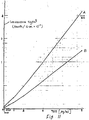
- Quantitative chemiluminescence results could be obtained by measuring reflection densities directly from the imaged Black and White Polaroid Type 612 instant photographic film strips using a Tobias RBP Black and White Reflection Densitometer, as shown in Figure 8.
- the results show that a dose response curve can be generated of the reflection densities as a function of HBV c plasmid concentration. This dose response curve can be subsequently used as a calibration for the determination of HBV c DNA levels in clinical specimens.
- Anti-AFP antibody coated beads and anti-AFP antibody alkaline phosphatase conjugates were obtained from a Hybritech Tandem Assay kit.
- Thyroid Stimulating Hormone Thyroid Stimulating Hormone
- Mouse monoclonal anti-TSH- ⁇ antibody was used to coat 1/8 inch beads for analyte capture.
- Mouse monoclonal anti-TSH antibody was conjugated with alkaline phosphatase and used as a detection antibody (antibody-enzyme conjugate).
- TSH was obtained from Calbiochem, Catalog No. 609396
- BSA type V - fatty acid free
- the buffer solution used for the analyte and antibody enzyme conjugate contained 0.1 M Tris-HCl, 1 mM MgCl 2 , and 2% by weight BSA (pM 7.5).
- the substrate buffer solution contained 0.1 M Tris, 0.1 mM MgCl 2 , (pM 9.5), and the substrate AMPPD (50 ⁇ g/ml).
- a TSH-containing analyte solution (15 ul) was mixed with 135 ⁇ l of antibody enzyme conjugate solution.
- Two 1/8 inch beads coated as described above were added to the solution and incubated for 2 hours at 23°C.
- the beads were then washed four times with 0.1 M Tris buffer (pH 7.5) and transferred to a reaction tube.
- 200 ⁇ l of the buffer solution containing the substrate described above was added to the tube. Following an incubation period of 20 minutes, light emission was recorded as ten second counts using a Berthold Clinilumat Luminescence Analyzer.
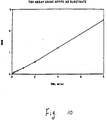
- FIG. 10 which is a plot of the data in Table V below, shows luminescence intensity for a given TSH concentration. Linearity was achieved between 1 and 8 ⁇ U/ml of TSH. TSH Concentration ( ⁇ U/ml) (Counts/10 sec X 10 -4 ) 1 0.25 2 0.49 4 1.1
- Anti-CEA coated beads and anti-CEA antibody alkaline phosphatase conjugates were obtained from a Hybritech Tandem Assay kit.
- a nylon membrane, (Pall Immunodyne, 0.45 micron pore size), approximately 3mm in diameter was sensitized with 5 ul of a solution of 1 ⁇ g/ml of capture monoclonal anti-LH antibodies for solid phase in phosphate buffered saline (PBS), purchased from Medix, catalog #L-461-09.
- PBS phosphate buffered saline
- the membrane was subsequently blocked with 2% casein in phosphate buffered saline at pH 7.3.
- the membrane was then enclosed in the device shown in Figure 13, which included blotting paper layers.
- A shows the prefilter cup; 8 plexiglass top; C Pall Immunodyne membrane (pore size 0.45 ⁇ ); D polypropylene acetate fluffy layer; E blotting paper; and F plexiglass.
- the detection antibody used was mouse monoclonal anti-LH, purchased from Medix, catalog #L-461-03. This antibody was derivatized with alkaline phosphatase, (purchased from Biozyme, catalog #ALPI-11G), using the glutaraldehyde coupling procedure [Voller, A. et.al., Bull. World Health Org. , 53, 55 (1976)].
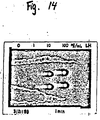
- the detection antibody conjugate (50 ⁇ l) was added to tubes containing 200 ul of hLH of the following concentrations: Tube # Conc. hLH in ng/ml of PBS 1 0 2 1 3 10 4 100 The content of each tube was then added to four nylon membranes previously derivatized with capture antibodies (described above). After a five minute incubation period, the prefilter cup was removed and the membranes were washed with 400 ⁇ l of 0.05% Tween 20 in PBS. Subsequently, 100 ⁇ l of 0.4 mM AMPPD, in 0.05M carbonate, 1 mM MgCl 2 , 0.1% by weight BSA at pH 9.5 were added. The nylon membranes were placed in a camera luminometer containing type 612 Polaroid Instant Black and White film, and exposed for one minute. The results of the assay imaged on film are shown in Figure 14.
- the reflection densities of the images were measured using the Tobias RBP Portable Black and White Reflection Densitometer (manufactured by Tobias Associates, Inc., 50 Industrial Drive., P.O. Box 2699, Ivyland, PA 18974-0347).
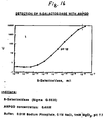
- the reflection densities were plotted versus concentration of LH to yield a standard curve for hLH, as shown in Figure 15.
- AMPGD solution (9.3 ⁇ l) was diluted in 490 ul of a buffer solution of variable pH. Subsequent addition of 5 ⁇ l of the diluted galactosidase solution was followed by 1 hr. incubation at 37°C. The final concentration of reactants was 0.4 mM AMPGD and 1 x 10 -13 moles ⁇ -galactosidase, at various pH values, as required by the experiment.
- the assay consisted of a two-step process wherein the substrate-enzyme incubation was performed at various pH values appropriate to efficient catalysis, e.g., at pH 7.3, and subsequently the pH was adjusted to about 12 with NaOH, and luminescence was read again.
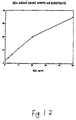
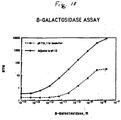
- Figure 16 is shown the chemiluminescence of a fixed concentration of AMPGD as a function of ⁇ -galactosidase concentration, wherein the enzyme reaction was run at pH 7.3 and luminescence measured at pH 12.
- the useable, i.e., linear, portion of the standard curve was at enzyme concentrations between 10 -13 and 10 -8 M.
- Figure 18 shows the production of light from AMPGD as a function of ⁇ -galactosidase concentration, using the two-step protocol described above. At all enzyme concentrations, adjustment of the pH to 12 from 7.3 produced over a 100-fold increase in chemiluminescence.
- DNA sequencing was performed using the dideoxy chain termination method of Sanger et al. (1977) above.
- Biotinylated pBR322 primer (40 ng) was annealed to 5 ⁇ g of denatured pBR322 plasmid. Klenow Fragment (DNA polymerase I), 2 units, was then added (final volume was 17 ⁇ l). Subsequently, 2 ⁇ l of this template - primer solution was used for each of four base-specific reactions (G, A, T, C). To each reaction mixture, we added these specific amounts of deoxynucleotides, and dideoxynucleotides.
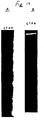
- Substrate 0.4 mM AMPPD in the final wash buffer, was incubated with the membrane for 5 minutes. After wrapping the membrane in plastic wrap, the membrane was placed in contact with Kodak XAR film and Polaroid Instant Black and White film for 2 hours.
- the order of sequence lanes is C T A G in Figures 19A (X-ray film) and 198 (instant film).
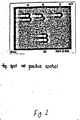
- SNAP® Hepatitis B core antigen oligonucleotide probe conjugated to alkaline phosphatase (Molecular Biosystems, Inc., San Diego, CA), as listed in the left column of Table VI, were spotted on three types of transfer membranes: Gene Screen PlusTM (Nylon), Schleicher and Schuell nitrocellulose, and Millipore PVDF. The spots were incubated with an AMPPD solution, luminescence generated, and light detected on instant film, as in Example 6(C).
- Luminescence was greatly increased in intensity by the use of nylon-based membranes, as compared to the other two types.
- the smallest amount of oligonucleotide tested i.e. 0.01 ng
- no amount of oligonucleotide was detectable in periods as long as 10 minutes.
Landscapes
- Health & Medical Sciences (AREA)
- Life Sciences & Earth Sciences (AREA)
- Chemical & Material Sciences (AREA)
- Engineering & Computer Science (AREA)
- Immunology (AREA)
- Molecular Biology (AREA)
- Physics & Mathematics (AREA)
- Biomedical Technology (AREA)
- Hematology (AREA)
- General Health & Medical Sciences (AREA)
- Organic Chemistry (AREA)
- Analytical Chemistry (AREA)
- Urology & Nephrology (AREA)
- Biochemistry (AREA)
- Microbiology (AREA)
- Biotechnology (AREA)
- Pathology (AREA)
- Zoology (AREA)
- Wood Science & Technology (AREA)
- General Physics & Mathematics (AREA)
- Proteomics, Peptides & Aminoacids (AREA)
- Medicinal Chemistry (AREA)
- Food Science & Technology (AREA)
- Cell Biology (AREA)
- Biophysics (AREA)
- Endocrinology (AREA)
- Bioinformatics & Cheminformatics (AREA)
- General Engineering & Computer Science (AREA)
- Genetics & Genomics (AREA)
- Plasma & Fusion (AREA)
- Reproductive Health (AREA)
- Chemical Kinetics & Catalysis (AREA)
- Measuring Or Testing Involving Enzymes Or Micro-Organisms (AREA)
Applications Claiming Priority (3)
| Application Number | Priority Date | Filing Date | Title |
|---|---|---|---|
| US382125 | 1989-07-20 | ||
| US07/382,125 US4978614A (en) | 1988-10-26 | 1989-07-20 | Method of detecting a substance using enzymatically-induced decomposition of dioxetanes |
| EP90911242A EP0435998B1 (fr) | 1989-07-20 | 1990-07-17 | Procede de detection d'une substance par decomposition induite de maniere enzymatique de dioxetanes |
Related Parent Applications (2)
| Application Number | Title | Priority Date | Filing Date |
|---|---|---|---|
| EP90911242A Division EP0435998B1 (fr) | 1989-07-20 | 1990-07-17 | Procede de detection d'une substance par decomposition induite de maniere enzymatique de dioxetanes |
| EP90911242.7 Division | 1991-02-13 |
Publications (2)
| Publication Number | Publication Date |
|---|---|
| EP0907082A2 true EP0907082A2 (fr) | 1999-04-07 |
| EP0907082A3 EP0907082A3 (fr) | 2005-12-14 |
Family
ID=23507616
Family Applications (3)
| Application Number | Title | Priority Date | Filing Date |
|---|---|---|---|
| EP98122597A Withdrawn EP0907082A3 (fr) | 1989-07-20 | 1990-07-17 | Procédé de détection d'une substance par décomposition induite de manière enzymatique de dioxetanes |
| EP90911242A Expired - Lifetime EP0435998B1 (fr) | 1989-07-20 | 1990-07-17 | Procede de detection d'une substance par decomposition induite de maniere enzymatique de dioxetanes |
| EP98101157A Withdrawn EP0859062A3 (fr) | 1989-07-20 | 1990-07-17 | Procédé de détection d'une substance par décomposition induite de manière enzymatique de dioxetanes |
Family Applications After (2)
| Application Number | Title | Priority Date | Filing Date |
|---|---|---|---|
| EP90911242A Expired - Lifetime EP0435998B1 (fr) | 1989-07-20 | 1990-07-17 | Procede de detection d'une substance par decomposition induite de maniere enzymatique de dioxetanes |
| EP98101157A Withdrawn EP0859062A3 (fr) | 1989-07-20 | 1990-07-17 | Procédé de détection d'une substance par décomposition induite de manière enzymatique de dioxetanes |
Country Status (4)
| Country | Link |
|---|---|
| US (1) | US4978614A (fr) |
| EP (3) | EP0907082A3 (fr) |
| DE (1) | DE69033347T2 (fr) |
| WO (1) | WO1991001492A1 (fr) |
Cited By (2)
| Publication number | Priority date | Publication date | Assignee | Title |
|---|---|---|---|---|
| US20140121362A1 (en) * | 2004-04-14 | 2014-05-01 | Michigan Diagnostics, Llc | New ultra-sensitive chemiluminescent substrates for enzymes and their conjugates |
| EP4579239A1 (fr) * | 2023-12-29 | 2025-07-02 | Shenzhen Mindray Bio-Medical Electronics Co., Ltd. | Solution de substrat chimiluminescent et procédé de détection par chimioluminescence |
Families Citing this family (67)
| Publication number | Priority date | Publication date | Assignee | Title |
|---|---|---|---|---|
| CA1340590C (fr) * | 1986-07-24 | 1999-06-08 | John C. Voyta | Amelioration de la chimioluminescence |
| US5220005A (en) * | 1986-07-24 | 1993-06-15 | Tropix, Inc. | Substituted adamantyl dioxetanes |
| US5605795A (en) * | 1986-07-24 | 1997-02-25 | Tropix, Inc. | Assays using chemiluminescent, enzymatically cleavable substituted 1,2-dioxetanes and kits therefor |
| WO1988000695A1 (fr) | 1986-07-24 | 1988-01-28 | Quest Systems, Inc. | Procede de detection d'une substance utilisant une decomposition de dioxetanes induite par enzyme |
| US5206136A (en) * | 1986-11-19 | 1993-04-27 | Genetic Systems Corporation | Rapid membrane affinity concentration assays |
| US5330900A (en) * | 1987-12-31 | 1994-07-19 | Tropix, Inc. | Chemiluminescent 3-(substituted adamant-2'-ylidene) 1,2-dioxetanes |
| US5582980A (en) * | 1989-07-17 | 1996-12-10 | Tropix, Inc. | Chemiluminescent 1,2-dioxetanes |
| US5227489A (en) * | 1988-08-01 | 1993-07-13 | Ciba Corning Diagnostics Corp. | Stable hydrophilic acridinium esters suitable for liposome encapsulation |
| US5241070A (en) * | 1988-09-26 | 1993-08-31 | Ciba Corning Diagnostics Corp. | Nucleophilic polysubstituted aryl acridinium esters and uses thereof |
| US5663074A (en) * | 1988-09-26 | 1997-09-02 | Chiron Diagnostics Corporation | Nucleophilic polysubstituted aryl acridinium ester conjugates and syntheses thereof |
| US6022964A (en) | 1989-07-17 | 2000-02-08 | Tropix, Inc. | Chemiluminescent 1,2-dioxetanes |
| JP2979414B2 (ja) * | 1989-09-29 | 1999-11-15 | 富士レビオ株式会社 | 磁性粒子およびそれを用いた免疫測定法 |
| US5547836A (en) * | 1990-08-30 | 1996-08-20 | Tropix, Inc. | Enhancement of chemiluminescent assays |
| US5223402A (en) * | 1990-08-30 | 1993-06-29 | Difco Laboratories | Method of detecting microbes utilizing chemiluminescent compound |
| US5831102A (en) * | 1990-08-30 | 1998-11-03 | Tropix, Inc. | Chemiluminescent 3-(substituted adamant-2'-ylidene) 1,2-dioxetanes |
| US5340716A (en) * | 1991-06-20 | 1994-08-23 | Snytex (U.S.A.) Inc. | Assay method utilizing photoactivated chemiluminescent label |
| US6251581B1 (en) | 1991-05-22 | 2001-06-26 | Dade Behring Marburg Gmbh | Assay method utilizing induced luminescence |
| US5578498A (en) | 1991-05-22 | 1996-11-26 | Behringwerke Ag | Metal chelate containing compositions for use in chemiluminescent assays |
| US5248618A (en) * | 1991-06-05 | 1993-09-28 | Life Technologies, Inc. | Methods for generating light with chemiluminescent dioxetanes activated by anchimeric assisted cleavage |
| WO1993003347A1 (fr) * | 1991-07-26 | 1993-02-18 | Cirrus Diagnostics, Inc. | Analyseur automatise pour dosages immunologiques |
| US5336596A (en) * | 1991-12-23 | 1994-08-09 | Tropix, Inc. | Membrane for chemiluminescent blotting applications |
| JPH05227997A (ja) * | 1991-12-27 | 1993-09-07 | Aisin Seiki Co Ltd | アントラセン誘導体ホスフェートによる核酸及び蛋白質の検定方法 |
| US5393469A (en) * | 1992-03-20 | 1995-02-28 | Lumigen, Inc. | Polymeric phosphonium salts providing enhanced chemiluminescence from 1,2-dioxetanes |
| US5342760A (en) * | 1992-06-10 | 1994-08-30 | Abbott Laboratories | Determination of estradiol by competitive immunoassay |
| ATE162892T1 (de) * | 1992-07-31 | 1998-02-15 | Behringwerke Ag | Photoaktivierbare chemiluminizierende matrices |
| DE4304728C2 (de) * | 1993-02-13 | 1997-04-10 | Igor Dr Popov | Verfahren und Testbesteck zur Bestimmung von Ascorbinsäure in biologischen Proben |
| US5441894A (en) * | 1993-04-30 | 1995-08-15 | Abbott Laboratories | Device containing a light absorbing element for automated chemiluminescent immunoassays |
| US5451347A (en) * | 1993-06-24 | 1995-09-19 | Lumigen, Inc. | Methods and compositions providing enhanced chemiluminescence from chemiluminescent compounds using dicationic surfactants |
| FR2710655B1 (fr) * | 1993-09-29 | 1995-12-01 | Inst Nat Rech Securite | Procédé pour effectuer un test biologique destiné à identifier et à doser des gènes, des protéines et autres molécules. |
| CA2179726A1 (fr) * | 1993-12-23 | 1995-06-29 | Brooks Edwards | Dosages chimioluminescents par transfert d'energie |
| US5591591A (en) * | 1995-02-09 | 1997-01-07 | Tropix, Inc. | Dioxetane compounds for the chemiluminescent detection of proteases, methods of use and kits therefore |
| US5853974A (en) * | 1995-06-07 | 1998-12-29 | Chiron Corporation | Enhancement of alkaline phosphatase with SDS in chemiluminescent substrates |
| US5777135A (en) * | 1995-07-31 | 1998-07-07 | Lumigen, Inc. | Di-substituted 1,2-dioxetane compounds having increased water solubility and assay compositions |
| US5679803A (en) * | 1995-10-25 | 1997-10-21 | Tropix, Inc. | 1,2 chemiluminescent dioxetanes of improved performance |
| US5783381A (en) * | 1995-10-19 | 1998-07-21 | Tropix, Inc. | Chemiluminescent 1,2-dioxetanes |
| US6602657B1 (en) | 1995-12-28 | 2003-08-05 | Tropix, Inc. | Multiple reporter gene assay |
| US5800999A (en) | 1996-12-16 | 1998-09-01 | Tropix, Inc. | Dioxetane-precursor-labeled probes and detection assays employing the same |
| US6243980B1 (en) | 1997-03-07 | 2001-06-12 | Tropix, Inc. | Protease inhibitor assay |
| EP1038037A4 (fr) * | 1997-12-18 | 2003-02-12 | Sepracor Inc | Dosages de depistage utilises pour detecter et diagnostiquer le virus de la grippe |
| EP1115400A4 (fr) * | 1998-07-28 | 2003-02-12 | Tropix Inc | Dioxetanes de benzothiazole |
| US6660529B2 (en) | 1998-07-28 | 2003-12-09 | Pe Corporation | Heteroaryl substituted benzothiazole dioxetanes |
| US6586196B1 (en) | 1998-12-15 | 2003-07-01 | Tropix, Inc. | Multiple enzyme assays |
| EP1185710A2 (fr) * | 1999-04-16 | 2002-03-13 | Zymetx, Inc. | Procede de detection de virus utilisant des enzymes codees par des virus et des substrats chimioluminescents |
| US6893827B1 (en) | 2000-02-07 | 2005-05-17 | Applera Corporation | Receptor function assay for G-protein coupled receptors and orphan receptors by reporter enzyme mutant complementation |
| DE60222091T2 (de) * | 2001-01-08 | 2008-05-29 | Applera Corp., Bedford | Dendritische chemilumineszierende Substrate |
| US7083987B2 (en) * | 2001-02-05 | 2006-08-01 | Activx Biosciences, Inc. | Activity based probe analysis |
| US9261460B2 (en) | 2002-03-12 | 2016-02-16 | Enzo Life Sciences, Inc. | Real-time nucleic acid detection processes and compositions |
| US20030134303A1 (en) * | 2001-12-11 | 2003-07-17 | Activx Biosciences, Inc, | Adenine nucleotide-binding protein-directed probes, and methods of their synthesis and use |
| US7166478B2 (en) * | 2002-03-12 | 2007-01-23 | Enzo Life Sciences, Inc., C/O Enzo Biochem, Inc. | Labeling reagents and labeled targets, target labeling processes and other processes for using same in nucleic acid determinations and analyses |
| US9353405B2 (en) | 2002-03-12 | 2016-05-31 | Enzo Life Sciences, Inc. | Optimized real time nucleic acid detection processes |
| CA2515217A1 (fr) * | 2003-02-12 | 2004-08-26 | Promega Corporation | Procedes et kits de dosages enzymatiques doubles permettant de desactiver la lumiere de reactions luminescentes |
| US20060216768A1 (en) * | 2004-09-09 | 2006-09-28 | Alison Sparks | Dioxetane-nanoparticle assemblies for energy transfer detection systems, methods of making the assemblies, and methods of using the assemblies in bioassays |
| US7879575B2 (en) * | 2005-04-27 | 2011-02-01 | The Trustees Of The University Of Pennsylvania | Nanostructures that provide a modified nanoenvironment for the enhancement of luminescence |
| US7919019B2 (en) * | 2005-04-27 | 2011-04-05 | The Trustees Of The University Of Pennsylvania | Nanostructure enhanced luminescent devices |
| WO2006116687A2 (fr) * | 2005-04-27 | 2006-11-02 | The Trustees Of The University Of Pennsylvania | Nanodosages |
| US8557601B2 (en) | 2006-07-10 | 2013-10-15 | The Regents Of The University Of California | Luminescent 1-hydroxy-2-pyridinone chelates of lanthanides |
| WO2008118445A1 (fr) * | 2007-03-26 | 2008-10-02 | Promega Corporation | Procédés pour réprimer des réactions optiques d'une lumière |
| WO2009137666A2 (fr) * | 2008-05-08 | 2009-11-12 | The Trustees Of The University Of Pennsylvania | Détection améliorée par chimioluminescence |
| EP2403843B1 (fr) | 2009-03-02 | 2018-11-07 | Life Technologies Corporation | Compositions chimioluminescentes, procédés, dosages et kits pour enzymes oxydatives |
| WO2011025790A1 (fr) | 2009-08-24 | 2011-03-03 | Lumiphore, Inc. | Chélateurs hopo macrocycliques |
| JP2013515744A (ja) * | 2009-12-24 | 2013-05-09 | ルミフォア,インコーポレイテッド | 放射性医薬品錯体 |
| US20120190012A1 (en) * | 2010-04-06 | 2012-07-26 | Lumiphore, Inc. | Compositions and methods for dna sequencing |
| US11453652B2 (en) | 2013-03-15 | 2022-09-27 | Lumiphore, Inc. | Di-macrocycles |
| TW201512405A (zh) * | 2013-09-23 | 2015-04-01 | Zhao-De Chen | 利用微流道晶片進行核酸雜交之方法 |
| AU2017290887B2 (en) | 2016-06-30 | 2021-08-05 | Beckman Coulter, Inc. | Chemiluminescent substrates |
| CN114088626B (zh) * | 2021-11-16 | 2022-08-26 | 国家食品安全风险评估中心 | 一种鉴定巴氏杀菌乳的方法及检测系统 |
| CN118272076A (zh) | 2022-12-30 | 2024-07-02 | 深圳迈瑞生物医疗电子股份有限公司 | 化学发光底物液、化学发光增强剂及其应用 |
Family Cites Families (6)
| Publication number | Priority date | Publication date | Assignee | Title |
|---|---|---|---|---|
| US5707559A (en) * | 1986-07-17 | 1998-01-13 | Tropix, Inc. | Chemiluminescent 1,2-dioxetane compounds |
| US5004565A (en) * | 1986-07-17 | 1991-04-02 | The Board Of Governors Of Wayne State University | Method and compositions providing enhanced chemiluminescence from 1,2-dioxetanes |
| US4857652A (en) * | 1986-07-17 | 1989-08-15 | Board Of Governors Of Wayne State University | Chemiluminescent 1,2-dioxetane compounds |
| WO1988000695A1 (fr) * | 1986-07-24 | 1988-01-28 | Quest Systems, Inc. | Procede de detection d'une substance utilisant une decomposition de dioxetanes induite par enzyme |
| US4931223A (en) * | 1986-07-24 | 1990-06-05 | Tropix, Inc. | Methods of using chemiluminescent 1,2-dioxetanes |
| JPH0731201B2 (ja) * | 1987-12-31 | 1995-04-10 | トロピックス・インコーポレーテッド | 化学発光による測定法 |
-
1989
- 1989-07-20 US US07/382,125 patent/US4978614A/en not_active Expired - Lifetime
-
1990
- 1990-07-17 DE DE69033347T patent/DE69033347T2/de not_active Expired - Lifetime
- 1990-07-17 EP EP98122597A patent/EP0907082A3/fr not_active Withdrawn
- 1990-07-17 WO PCT/US1990/003920 patent/WO1991001492A1/fr not_active Ceased
- 1990-07-17 EP EP90911242A patent/EP0435998B1/fr not_active Expired - Lifetime
- 1990-07-17 EP EP98101157A patent/EP0859062A3/fr not_active Withdrawn
Cited By (2)
| Publication number | Priority date | Publication date | Assignee | Title |
|---|---|---|---|---|
| US20140121362A1 (en) * | 2004-04-14 | 2014-05-01 | Michigan Diagnostics, Llc | New ultra-sensitive chemiluminescent substrates for enzymes and their conjugates |
| EP4579239A1 (fr) * | 2023-12-29 | 2025-07-02 | Shenzhen Mindray Bio-Medical Electronics Co., Ltd. | Solution de substrat chimiluminescent et procédé de détection par chimioluminescence |
Also Published As
| Publication number | Publication date |
|---|---|
| US4978614A (en) | 1990-12-18 |
| EP0435998A4 (en) | 1993-03-10 |
| EP0859062A3 (fr) | 2006-01-25 |
| EP0907082A3 (fr) | 2005-12-14 |
| WO1991001492A1 (fr) | 1991-02-07 |
| EP0435998B1 (fr) | 1999-11-10 |
| DE69033347T2 (de) | 2000-06-15 |
| EP0859062A2 (fr) | 1998-08-19 |
| DE69033347D1 (de) | 1999-12-16 |
| EP0435998A1 (fr) | 1991-07-10 |
Similar Documents
| Publication | Publication Date | Title |
|---|---|---|
| US4978614A (en) | Method of detecting a substance using enzymatically-induced decomposition of dioxetanes | |
| US6514717B2 (en) | Kit for conducting an assay to detect a substance using enzymatically-induced decomposition of dioxetanes | |
| US5220005A (en) | Substituted adamantyl dioxetanes | |
| JP2922237B2 (ja) | 化学発光性1,2―ジオキセタン類の改良使用法 | |
| EP0736174B1 (fr) | Dosages chimioluminescents par transfert d'energie | |
| US7053208B2 (en) | Dioxetane labeled probes and detection assays employing the same | |
| US5605795A (en) | Assays using chemiluminescent, enzymatically cleavable substituted 1,2-dioxetanes and kits therefor | |
| US6767716B2 (en) | Chemluminescent systems containing unsaturated 1,2-dioxetanes | |
| USRE36536E (en) | Method of detecting a substance using enzymatically-induced decomposition of dioxetanes | |
| CA2033331C (fr) | Methode pour deceler une substance grace a la decomposition de dioxetanes induite par voie enzymatique | |
| AU704940B2 (en) | Chemiluminescent energy transfer assays | |
| EP0682254A1 (fr) | Essai de chimiluminescence à enzyme liée | |
| JP2999810B2 (ja) | 1,2−ジオキセタン化合物 | |
| JP3177964B2 (ja) | 発色方法、該方法を用いる酵素免疫測定法及びイムノクロマト法 | |
| JPH1121285A (ja) | 化学発光性1,2−ジオキセタン化合物 | |
| AU4344799A (en) | chemiluminescent energy transfer assays |
Legal Events
| Date | Code | Title | Description |
|---|---|---|---|
| PUAI | Public reference made under article 153(3) epc to a published international application that has entered the european phase |
Free format text: ORIGINAL CODE: 0009012 |
|
| AC | Divisional application: reference to earlier application |
Ref document number: 435998 Country of ref document: EP |
|
| AK | Designated contracting states |
Kind code of ref document: A2 Designated state(s): DE FR GB IT |
|
| PUAL | Search report despatched |
Free format text: ORIGINAL CODE: 0009013 |
|
| AK | Designated contracting states |
Kind code of ref document: A3 Designated state(s): DE FR GB IT |
|
| 17P | Request for examination filed |
Effective date: 20060516 |
|
| 17Q | First examination report despatched |
Effective date: 20080625 |
|
| STAA | Information on the status of an ep patent application or granted ep patent |
Free format text: STATUS: THE APPLICATION IS DEEMED TO BE WITHDRAWN |
|
| 18D | Application deemed to be withdrawn |
Effective date: 20140329 |