EP0903147A2 - Verwendung eines REG-2 als Mitogene für Schwannzellen - Google Patents
Verwendung eines REG-2 als Mitogene für Schwannzellen Download PDFInfo
- Publication number
- EP0903147A2 EP0903147A2 EP98307522A EP98307522A EP0903147A2 EP 0903147 A2 EP0903147 A2 EP 0903147A2 EP 98307522 A EP98307522 A EP 98307522A EP 98307522 A EP98307522 A EP 98307522A EP 0903147 A2 EP0903147 A2 EP 0903147A2
- Authority
- EP
- European Patent Office
- Prior art keywords
- protein
- reg
- seq
- tissue
- sequence
- Prior art date
- Legal status (The legal status is an assumption and is not a legal conclusion. Google has not performed a legal analysis and makes no representation as to the accuracy of the status listed.)
- Withdrawn
Links
Images


Classifications
-
- C—CHEMISTRY; METALLURGY
- C07—ORGANIC CHEMISTRY
- C07K—PEPTIDES
- C07K14/00—Peptides having more than 20 amino acids; Gastrins; Somatostatins; Melanotropins; Derivatives thereof
- C07K14/435—Peptides having more than 20 amino acids; Gastrins; Somatostatins; Melanotropins; Derivatives thereof from animals; from humans
- C07K14/46—Peptides having more than 20 amino acids; Gastrins; Somatostatins; Melanotropins; Derivatives thereof from animals; from humans from vertebrates
- C07K14/47—Peptides having more than 20 amino acids; Gastrins; Somatostatins; Melanotropins; Derivatives thereof from animals; from humans from vertebrates from mammals
- C07K14/4701—Peptides having more than 20 amino acids; Gastrins; Somatostatins; Melanotropins; Derivatives thereof from animals; from humans from vertebrates from mammals not used
- C07K14/474—Pancreatic thread protein; Reg protein
-
- A—HUMAN NECESSITIES
- A61—MEDICAL OR VETERINARY SCIENCE; HYGIENE
- A61P—SPECIFIC THERAPEUTIC ACTIVITY OF CHEMICAL COMPOUNDS OR MEDICINAL PREPARATIONS
- A61P25/00—Drugs for disorders of the nervous system
- A61P25/02—Drugs for disorders of the nervous system for peripheral neuropathies
-
- A—HUMAN NECESSITIES
- A61—MEDICAL OR VETERINARY SCIENCE; HYGIENE
- A61K—PREPARATIONS FOR MEDICAL, DENTAL OR TOILETRY PURPOSES
- A61K38/00—Medicinal preparations containing peptides
Definitions
- the present invention relates to a medicament.
- the present invention relates to a medicament that can be used to affect the development (e.g. repair and/or regeneration) of neuronal cells or tissue.
- Motor neurons are the only adult mammalian central neurons that have the capability to regenerate following injury 1 . This ability is dependent on the environment of the peripheral nerve and an intrinsic capacity of motor neurons for regrowth 2 .
- Schwann cell dedifferentiation and proliferation are considered to be essential for neural regeneration in the adult peripheral nervous system 5, 6 .
- the currently known Schwann cell mitogens such as the glial growth factors/neuregulins, are consitutively expressed by motor and sensory neurons in early development and adulthood 24 but are not upregulated during regeneration 25 .
- the present invention seeks to provide compounds and compositions useful for the beneficial treatment of damaged neuronal cells or tissues.
- a protein comprising the sequence presented as SEQ ID No. 1 or a variant, derivative or homologue thereof in the manufacture of a medicament to act as a Schwann cell mitogen.
- a medicament comprising a protein comprising the sequence presented as SEQ ID No. 1 or a variant, derivative or homologue thereof optionally admixed with a pharmaceutically acceptable carrier, diluent or excipient.
- a medicament comprising a protein comprising the sequence presented as SEQ ID No. 1 or a variant, derivative or homologue thereof optionally admixed with a pharmaceutically acceptable carrier, diluent or excipient, and wherein the protein is in an effective amount to act as a Schwann cell mitogen.
- a method of treatment comprising administering to a subject a protein comprising the sequence presented as SEQ ID No. 1 or a variant, derivative or homologue thereof and wherein the protein affects the development (e.g. repair and/or regeneration) a neuronal cell or tissue.
- a method of treatment comprising administering to a subject a protein comprising the sequence presented as SEQ ID No. 1 or a variant, derivative or homologue thereof and wherein the protein acts as a Schwann cell mitogen.
- a method of treatment comprising administering to a subject a protein comprising the sequence presented as SEQ ID No. 1 or a variant, derivative or homologue thereof and wherein the protein is in an amount to cause regeneration of at least some neuronal cells or tissue.
- a process of repairing and/or regenerating a neuronal cell or tissue comprising contacting a damaged neuronal cell or tissue with a protein comprising the sequence presented as SEQ ID No. 1 or a variant, derivative or homologue thereof, and allowing repair and/or regeneration of at least some of the neuronal cell or tissue.
- medicaments comprising the protein of the present invention that are suitable for use in the above-mentioned processes and methods.
- the present invention also provides a Schwann cell mitogen that is capable of being upregulated during regeneration of neuronal cells or tissue.
- the protein shown as SEQ ID No. 1 is sometimes called Reg-2.
- Reg-2 can act as a Schwann cell mitogen - which in turn means that a damaged neuronal cell or tissue can be repaired (at least partially repaired) and/or regenerated.
- a further advantage of the present invention is that we have also found that Reg-2 is upregulated. This is advantageous in that administration of Reg-2 to induce neuronal cell or tissue repair may result in expression of endogenous Reg-2, possibly leading to even further neuronal cell or tissue repair.
- the protein of the present invention is not the naturally occuring protein - i.e. it is not the naturally occurring protein in its natural environment and when expressed by endogenous coding sequences in their natural environment under the control of their naturally associated regulatory elements which are also in their natural environment.
- the protein of the present invention is an exogenous protein.
- the protein has the sequence presented as SEQ ID No. 1.
- preferred emdodiments of the present invention are:
- the protein may be isolated from natural sources or it may be prepared synthetically. In a preferred embodiment, it is prepared by use of recombinant DNA techniques - such as by expression of the nucleotide sequence presented as SEQ ID No. 2 by a suitable expression system.
- some or all of the neuronal cells or tissue may be repaired and/or regenerated (or combinations thereof) in vitro (i.e. ex vivo - namely not in a whole living organism) and then optionally introduced into a subject.
- the neuronal cell or tissue may be repaired and/or regenerated (or combinations thereof) in vivo in a subject.
- the neuronal cell or tissue is from or is in an adult animal.
- the neuronal cell or tissue is from or in an adult human.
- the neuronal cell or tissue is a motor neuronal cell or tissue.
- subject includes any one or more different types of animal, including humans.
- the term means a human.
- variant, derivative or homologue in relation to the protein of the present invention includes any substitution of, variation of, modification of, replacement of, deletion of or addition of one (or more) amino acid from or to the sequence providing the resultant amino acid sequence has the capability to act as a Schwann cell mitogen, preferably having at least the same activity as the enzyme shown as SEQ I.D. No. 1.
- homologue covers homology with respect to structure and/or sequence and/or function. With respect to sequence homology (i.e. similarity), preferably there is at least 75%, more preferably at least 85%, more preferably at least 90% homology to the sequence shown as SEQ ID No.1 in the attached sequence listings. More preferably there is at least 95%, such as at least 98%, homology to the sequence shown as SEQ ID No. 1 in the attached sequence listings.
- the term thus also includes active fragments of the protein - but wherein those fragments are also capable of acting as a Schwann cell mitogen.
- the term "Schwann cell mitogen” means that the protein of the present invention may independently act as a mitogen of Schwann cells or it may act together with one or more other co-factors (such as a receptor) as a mitogen of Schwann cells.
- Oligonucleotides 45 bases in length complementary to the sequence of rat Reg-2 isolated in this screen were synthesised in-house at the LMB core facility. The sequence was:
- the oligonucleotide was 3'-tailed with 35S- ⁇ -dATP and hybridised to 15 ⁇ m sections of developing, lesioned and adult tissues as described 28 .
- the capacity of the anti-Reg-2 antiserum to inhibit Reg-2 signalling in vitro was assessed by measuring the ability of a range of concentrations of antiserum to attenuate the mitogenic effect on Schwann cells of a fixed dose of Reg-2 (30 ng/ml).
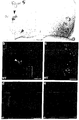
- Figure 1 Figure 1a mRNA differential display gel comparing gene expression in resting dorsal root ganglia (DRGs; Control, lanes 1 and 2) with that in regenerating DRGs (Regen, lanes 3 and 4). Arrow indicates a 600 bp cDNA expressed solely in regenerating DRGs which encodes Reg-2. b, confirmation by in situ hybridisation of the induction of Reg-2 expression in regenerating sensory neurons. Arrows indicate Reg-2 expressing neurons. c, Reg-2 expression in spinal cord motor neurons projecting into the regenerating sciatic nerve (arrows) in a coronal section of the lumbar spinal cord. Scale bars: b, 100 ⁇ m; c, 200 ⁇ m.
- FIG. 1 Reg-2 protein localisation in regenerating motor neurons.
- a longitudinal section through the pool of regenerating sciatic nerve motor neurons, retogradely labelled with Fluorogold.
- b fluorescent micrograph of Reg-2 immunoreactivity in the same section. Almost all regenerating motor neurons express Reg-2.
- c Reg-2 is orthogradely transported along regenerating axons in the peripheral nerve, as demonstrated by Reg-2 immunoreactivity in the peripheral axons proximal, but not distal, to the site of peripheral nerve ligation. Scale bars in all figures 250 ⁇ m.
- Reg-2 is a Schwann cell mitogen in vitro.
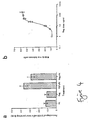
- a graph illustrating the percentage of Schwann cells double-labelled for BrdU incorporation (an indicator of DNA synthesis) and S100 (a Schwann cell marker) in the 24 hours following each treatment. Bars indicate the mean percentage of Schwann cells double-labelled for BrdU averaged over three separate experiments, error bars indicate s.e.m.'s.
- FK - forskolin FGF - basic fibroblast growth factor
- Reg - recombinant Reg-2 protein b
- dose-response curve for the mitogenic effect of Reg-2 on Schwann cells in the presence of 10 B5m forskolin. Error bars indicate s.e.m.'s.
- FIG. 5 Reg-2 is a Schwann cell mitogen in vitro.
- Figure 5a Reg-2 protein expression in the neonatal spinal cord 24 hours after unilateral sciatic nerve axotomy. Reg-2 is constitutively expressed in the pool of motor neurons projecting into the sciatic nerve (arrowhead). On the side of axotomy, Reg-2 expression has decreased to low levels.
- b-e confocal scanning laser photomicrographs of Reg-2 protein expression in the lumbar spinal cords of wild-type (WT) and leukaemia inhibitory factor ("LIF”) mutant mouse embryo littermates.
- WT wild-type
- LIF leukaemia inhibitory factor
- b c Reg-2 in motor neurons (b) and DRG (c) of E15 WT spinal cord.
- cytokines of the LIF/CNTF family Strong candidates for peripheral factors regulating Reg-2 production are cytokines of the LIF/CNTF family, as Reg-2 is not expressed in developing motor or sensory neurons of mice carrying a targeted disruption of the LIF receptor gene, a common component of the receptor complexes for all of the LIF/CNTF family 7 .
- CNTF stands for ciliary neurotrophic factor.
- Reg-2 is a 16 kD secreted protein which belongs to a family of similar proteins found in the pancreas and gastrointestinal tract under normal and pathological conditions 4, 8, 9 .
- a closely related protein, Reg-1 is an islet cell mitogen and is expressed in developing and Alzheimer's disease-affected human cerebral cortex 10, 11 .
- Reg-2 is not normally expressed in the adult rat central or peripheral nervous system.
- sciatic nerve crush all motor neurons and a subpopulation of sensory neurons express high levels of Reg-2 mRNA and protein (Figs. 1b & c; 2a & b) and continue to do so for the period of regeneration.
- Reg-2 is specific to regenerating motor and sensory neurons, as it is not expressed following a variety of other neuronal lesions, including mechanical and ischaemic cerebral cortex injuries and excitotoxic lesions of the basal ganglia. Nerve crush and injection of the retrograde tracer Fluorogold into the proximal nerve indicated that Reg-2 is expressed by virtually all regenerating sciatic nerve motor neurons (>95%; Fig. 2a & b), but only by a population of medium to large-sized sensory neurons ( ⁇ 16%; average cell diameter, 39.7 ⁇ 0.8 ⁇ m).
- Reg-2 is not transcribed in the resting or regenerating peripheral nerve.
- Reg-2 is not expressed before embryonic day 15 (Fig. 5b, c).
- Reg-2 protein is expressed by motor and sensory neurons, and no other cell type, and is expressed in some motor and sensory neurons until the fifth postnatal day.
- CGRP-containing axons are a mixture of motor and sensory axons 12 , the motor axons of which also express Reg-2, while the majority of CGRP-expressing sensory neurons do not co-express Reg-2 ( ⁇ 4% of CGRP-containing sensory neurons co-express Reg-2).
- neonatal motor neurons are particularly sensitive to peripheral nerve axotomy, with as many as 90% of lumbar motor neurons projecting into the sciatic nerve undergoing apoptosis in the week following sciatic nerve injury on the first postnatal day 15 .
- This sensitivity to axotomy has been attributed to the interruption of retrograde transport of peripherally-derived neurotrophic factors, as survival of neonatal motor neurons following axotomy can be increased to a varying degree by administration of a range of factors, including BDNF 16 and CNTF 17 .
- Interleukin-6-related neurotrophic cytokines of the LIF/CNTF family including LIF, CNTF and cardiotrophin-1 ("CT-1"), are expressed in the developing and adult peripheral tissues 17, 21, 22 . All of the members of this sub-family of cytokines signal through receptor complexes containing the common transmembrane units, the IL-6 receptor gp130 and LIFR, and activate the intracellular Jak-STAT signalling pathway 19, 23 .
- the present invention concerns the sequence presented as SEQ ID No. 1 or a variant, derivative or homologue thereof in the manufacture of a medicament to act as a Schwann cell mitogen.
- the variant, derivative or homologue can have at least 75% sequence homology (i.e. identity) with the sequence presented as SEQ ID No. 1.
- sequence homology can be determined by a simple "eyeball” comparison of SEQ ID No. 1 with another sequence to see if that other sequence has at least 75% identity to SEQ ID No. 1.
- Relative sequence homology i.e. sequence identity
- sequence identity can also be determined by commercially available computer programs that can calculate % homology between two or more sequences.
- a typical example of such a computer program is CLUSTAL.
- Sequence homology may moreover be determined using any suitable homology algorithm, using for example default parameters.
- the BLAST algorithm is employed, with parameters set to default values.
- the BLAST algorithm is described in detail at http://www.ncbi.nih.gov/BLAST/blast_help.html, which is incorporated herein by reference.
- the search parameters are defined as follows, and are advantageously set to the defined default parameters.
- substantially homology when assessed by BLAST equates to sequences which match with an EXPECT value of at least about 7, preferably at least about 9 and most preferably 10 or more.
- the default threshold for EXPECT in BLAST searching is usually 10.
- BLAST Basic Local Alignment Search Tool
- blastp, blastn, blastx, tblastn, and tblastx these programs ascribe significance to their findings using the statistical methods of Karlin and Altschul (see http://www.ncbi.nih.gov/BLAST/blast_help.html) with a few enhancements.
- the BLAST programs were tailored for sequence similarity searching, for example to identify homologues to a query sequence. The programs are not generally useful for motif-style searching. For a discussion of basic issues in similarity searching of sequence databases, see Altschul et al (1994) Nature Genetics 6:119-129.
- BLAST uses the following search parameters:
- HISTOGRAM Display a histogram of scores for each search; default is yes. (See parameter H in the BLAST Manual).
- DESCRIPTIONS Restricts the number of short descriptions of matching sequences reported to the number specified; default limit is 100 descriptions. (See parameter V in the manual page). See also EXPECT and CUTOFF.
- ALIGNMENTS Restricts database sequences to the number specified for which high-scoring segment pairs (HSPs) are reported; the default limit is 50. If more database sequences than this happen to satisfy the statistical significance threshold for reporting (see EXPECT and CUTOFF below), only the matches ascribed the greatest statistical significance are reported. (See parameter B in the BLAST Manual).
- EXPECT The statistical significance threshold for reporting matches against database sequences; the default value is 10, such that 10 matches are expected to be found merely by chance, according to the stochastic model of Karlin and Altschul (1990). If the statistical significance ascribed to a match is greater than the EXPECT threshold, the match will not be reported. Lower EXPECT thresholds are more stringent, leading to fewer chance matches being reported. Fractional values are acceptable. (See parameter E in the BLAST Manual).
- CUTOFF Cutoff score for reporting high-scoring segment pairs.
- the default value is calculated from the EXPECT value (see above).
- HSPs are reported for a database sequence only if the statistical significance ascribed to them is at least as high as would be ascribed to a lone HSP having a score equal to the CUTOFF value. Higher CUTOFF values are more stringent, leading to fewer chance matches being reported. (See parameter S in the BLAST Manual). Typically, significance thresholds can be more intuitively managed using EXPECT.
- MATRIX Specify an alternate scoring matrix for BLASTP, BLASTX, TBLASTN and TBLASTX.
- the default matrix is BLOSUM62 (Henikoff & Henikoff, 1992).
- the valid alternative choices include: PAM40, PAM120, PAM250 and IDENTITY.
- No alternate scoring matrices are available for BLASTN; specifying the MATRIX directive in BLASTN requests returns an error response.
- STRAND Restrict a TBLASTN search to just the top or bottom strand of the database sequences; or restrict a BLASTN, BLASTX or TBLASTX search to just reading frames on the top or bottom strand of the query sequence.
- FILTER Mask off segments of the query sequence that have low compositional complexity, as determined by the SEG program of Wootton & Federhen (1993) Computers and Chemistry 17:149-163, or segments consisting of short-periodicity internal repeats, as determined by the XNU program of Claverie & States (1993) Computers and Chemistry 17:191-201, or, for BLASTN, by the DUST program of Tatusov and Lipman (see http://www.ncbi.nlm.nih.gov). Filtering can eliminate statistically significant but biologically uninteresting reports from the blast output (e.g., hits against common acidic-, basic- or proline-rich regions), leaving the more biologically interesting regions of the query sequence available for specific matching against database sequences.
- Filtering is only applied to the query sequence (or its translation products), not to database sequences. Default filtering is DUST for BLASTN, SEG for other programs.
- NCBI-gi Causes NCBI gi identifiers to be shown in the output, in addition to the accession and/or locus name.
- sequence comparisons are conducted using the simple BLAST search algorithm provided at http://www.ncbi.nlm.nib.gov/BLAST.
- the present invention concerns the sequence presented as SEQ ID No. 1 or a variant, derivative or homologue thereof in the manufacture of a medicament to act as a Schwann cell mitogen.
- compositions may comprise one or more of a pharmaceutically acceptable diluent, carrier, excipient or adjuvant (including combinations thereof).
- the pharmaceutical compositions may be for human or animal usage and will typically comprise any one or more of a pharmaceutically acceptable diluent, carrier, excipient or adjuvant.
- a pharmaceutically acceptable diluent carrier, excipient or adjuvant.
- the choice of pharmaceutical carrier, excipient or diluent can be selected with regard to the intended route of administration and standard pharmaceutical practice.
- the pharmaceutical compositions may comprise as - or in addition to - the carrier, excipient or diluent any suitable binder(s), lubricant(s), suspending agent(s), coating agent(s), solubilising agent(s).
- compositions can be administered by inhalation, in the form of a suppository or pessary, topically in the form of a lotion, solution, cream, ointment or dusting powder, by use of a skin patch, orally in the form of tablets containing excipients such as starch or lactose, or in capsules or ovules either alone or in admixture with excipients, or in the form of elixirs, solutions or suspensions containing flavouring or colouring agents, or they can be injected parenterally, for example intracavernosally, intravenously, intramuscularly or subcutaneously.
- compositions may be best used in the form of a sterile aqueous solution which may contain other substances, for example enough salts or monosaccharides to make the solution isotonic with blood.
- compositions may be administered in the form of tablets or lozenges which can be formulated in a conventional manner.
- the protein of the present invention may be made by synthetic chemical reaction(s) and/or by use of recombinant DNA techniques.
Landscapes
- Health & Medical Sciences (AREA)
- Chemical & Material Sciences (AREA)
- Life Sciences & Earth Sciences (AREA)
- Organic Chemistry (AREA)
- General Health & Medical Sciences (AREA)
- Medicinal Chemistry (AREA)
- Engineering & Computer Science (AREA)
- Neurology (AREA)
- Biochemistry (AREA)
- Genetics & Genomics (AREA)
- Gastroenterology & Hepatology (AREA)
- Molecular Biology (AREA)
- Proteomics, Peptides & Aminoacids (AREA)
- Zoology (AREA)
- Toxicology (AREA)
- Bioinformatics & Cheminformatics (AREA)
- Biomedical Technology (AREA)
- Biophysics (AREA)
- Neurosurgery (AREA)
- Chemical Kinetics & Catalysis (AREA)
- General Chemical & Material Sciences (AREA)
- Nuclear Medicine, Radiotherapy & Molecular Imaging (AREA)
- Pharmacology & Pharmacy (AREA)
- Animal Behavior & Ethology (AREA)
- Public Health (AREA)
- Veterinary Medicine (AREA)
- Peptides Or Proteins (AREA)
- Medicines That Contain Protein Lipid Enzymes And Other Medicines (AREA)
Applications Claiming Priority (2)
| Application Number | Priority Date | Filing Date | Title |
|---|---|---|---|
| GB9719796 | 1997-09-17 | ||
| GBGB9719796.6A GB9719796D0 (en) | 1997-09-17 | 1997-09-17 | Medicament |
Publications (2)
| Publication Number | Publication Date |
|---|---|
| EP0903147A2 true EP0903147A2 (de) | 1999-03-24 |
| EP0903147A3 EP0903147A3 (de) | 2002-02-27 |
Family
ID=10819228
Family Applications (1)
| Application Number | Title | Priority Date | Filing Date |
|---|---|---|---|
| EP98307522A Withdrawn EP0903147A3 (de) | 1997-09-17 | 1998-09-16 | Verwendung eines REG-2 als Mitogene für Schwannzellen |
Country Status (4)
| Country | Link |
|---|---|
| EP (1) | EP0903147A3 (de) |
| AU (1) | AU754352B2 (de) |
| CA (1) | CA2215898A1 (de) |
| GB (3) | GB9719796D0 (de) |
Cited By (1)
| Publication number | Priority date | Publication date | Assignee | Title |
|---|---|---|---|---|
| JP2024518428A (ja) * | 2021-05-07 | 2024-05-01 | ザ・ヘルシー・エイジング・カンパニー | 末梢神経障害を処置するためのhip/papタンパク質又はその誘導体 |
Family Cites Families (5)
| Publication number | Priority date | Publication date | Assignee | Title |
|---|---|---|---|---|
| EP0378924B1 (de) * | 1988-12-21 | 1996-11-13 | The General Hospital Corporation | Nachweis einer neurologischen Krankheit oder einer Funktionsstörung |
| FR2661187B1 (fr) * | 1990-04-20 | 1994-08-05 | Inst Nat Sante Rech Med | Proteine associee a la pancreatite aiguue. moyens pour le diagnostic de la pancreatite aiguue. |
| US5716930A (en) * | 1991-04-10 | 1998-02-10 | Ludwig Institute For Cancer Research | Glial growth factors |
| GB9217316D0 (en) * | 1992-08-14 | 1992-09-30 | Ludwig Inst Cancer Res | Schwann cell mitogenic factor,its preparation and use |
| JPH06135998A (ja) * | 1992-10-22 | 1994-05-17 | Shionogi & Co Ltd | ヒトおよびマウスの膵炎関連タンパク質 |
-
1997
- 1997-09-17 GB GBGB9719796.6A patent/GB9719796D0/en not_active Ceased
- 1997-09-19 CA CA002215898A patent/CA2215898A1/en not_active Abandoned
- 1997-09-22 AU AU38397/97A patent/AU754352B2/en not_active Expired - Fee Related
-
1998
- 1998-09-16 GB GB9820193A patent/GB2329335B/en not_active Expired - Fee Related
- 1998-09-16 EP EP98307522A patent/EP0903147A3/de not_active Withdrawn
-
2000
- 2000-01-28 GB GBGB0002114.7A patent/GB0002114D0/en not_active Ceased
Cited By (1)
| Publication number | Priority date | Publication date | Assignee | Title |
|---|---|---|---|---|
| JP2024518428A (ja) * | 2021-05-07 | 2024-05-01 | ザ・ヘルシー・エイジング・カンパニー | 末梢神経障害を処置するためのhip/papタンパク質又はその誘導体 |
Also Published As
| Publication number | Publication date |
|---|---|
| GB2329335B (en) | 2000-06-21 |
| AU754352B2 (en) | 2002-11-14 |
| AU3839797A (en) | 1999-04-01 |
| GB0002114D0 (en) | 2000-03-22 |
| GB2329335A (en) | 1999-03-24 |
| EP0903147A3 (de) | 2002-02-27 |
| GB9820193D0 (en) | 1998-11-11 |
| CA2215898A1 (en) | 1999-03-17 |
| GB9719796D0 (en) | 1997-11-19 |
Similar Documents
| Publication | Publication Date | Title |
|---|---|---|
| Livesey et al. | A Schwann cell mitogen accompanying regeneration of motor neurons | |
| Dowsing et al. | Leukemia inhibitory factor is an autocrine survival factor for Schwann cells | |
| Klein | Role of neurotrophins in mouse neuronal development | |
| Heumann et al. | Transgenic activation of Ras in neurons promotes hypertrophy and protects from lesion-induced degeneration | |
| Prieto et al. | Expression of the receptor protein‐tyrosine kinases Tyro‐3, Axl, and mer in the developing rat central nervous system | |
| DK2276778T3 (en) | Neurotrophic factor MANF as well as applications thereof | |
| KR20090123873A (ko) | 수초형성 및 올리고덴드로사이트 분화 촉진을 위한 세마포린 6a의 용도 | |
| EP1960426B1 (de) | Neurotropischer-faktor-Protein und Anwendungen davon | |
| Graham et al. | Leukemia inhibitory factor blocks expression of Crx and Nrl transcription factors to inhibit photoreceptor differentiation | |
| Bolon et al. | The candidate neuroprotective agent artemin induces autonomic neural dysplasia without preventing peripheral nerve dysfunction | |
| Zhang et al. | Catecholamine storage vesicles and the metabolic syndrome: The role of the chromogranin A fragment pancreastatin | |
| AU754352B2 (en) | Medicament | |
| CN102327613A (zh) | ErbB受体激动剂在制备治疗癫痫病的药物中的应用 | |
| US20110265194A1 (en) | Them5-modified models of non-alcoholic fatty liver disease | |
| JP5051725B2 (ja) | ポリグルタミン病の治療剤又は発病抑制剤 | |
| GB2347931A (en) | Schwann cell mitogen | |
| EP1730189A2 (de) | Verwendung von sekretierten protein-produkten zur prävention und behandlung von krankheiten des pankreas und/oder der fettsucht und/oder des metabolischen syndroms | |
| US20060241035A1 (en) | Use of dg153 secreted protein products for preventing and treating pancreatic disease and/or obesity and/or metabolic syndrome | |
| Chirivella et al. | IRS2 signalling is required for the development of a subset of sensory spinal neurons | |
| KR20060129503A (ko) | 이온 채널 | |
| CN1937914A (zh) | 离子通道 | |
| Nicola | Leukemia Inhibitory Factor Is an Autocrine Survival Factor for Schwann Cells | |
| Simon | Effects of the neurotrophic factors CNTF and IGF-1 in mouse models for spinal muscular atrophy and diabetic neuropathy | |
| Rossi | Roles of GDNF family receptor GFRα2 in the peripheral nervous system | |
| WO2004012758A1 (en) | Use of tgf beta ig-h3 for preventing and treating obesity, diabetes and/or metabolic syndrome |
Legal Events
| Date | Code | Title | Description |
|---|---|---|---|
| PUAI | Public reference made under article 153(3) epc to a published international application that has entered the european phase |
Free format text: ORIGINAL CODE: 0009012 |
|
| AK | Designated contracting states |
Kind code of ref document: A2 Designated state(s): AT BE CH CY DE DK ES FI FR GB GR IE IT LI LU MC NL PT SE |
|
| AX | Request for extension of the european patent |
Free format text: AL;LT;LV;MK;RO;SI |
|
| RIN1 | Information on inventor provided before grant (corrected) |
Inventor name: HUNT, STEPHEN PHILIP Inventor name: LIVESEY, FREDERICK JOHN |
|
| RAP1 | Party data changed (applicant data changed or rights of an application transferred) |
Owner name: UNIVERSITY COLLEGE LONDON |
|
| RIN1 | Information on inventor provided before grant (corrected) |
Inventor name: HUNT, STEPHEN PHILIP Inventor name: LIVESEY, FREDERICK JOHN, HARVARD MEDICAL SCHOOL |
|
| PUAL | Search report despatched |
Free format text: ORIGINAL CODE: 0009013 |
|
| RIC1 | Information provided on ipc code assigned before grant |
Free format text: 7A 61K 38/17 A, 7A 61K 38/18 B, 7C 12N 5/06 B, 7C 12N 5/00 - |
|
| AK | Designated contracting states |
Kind code of ref document: A3 Designated state(s): AT BE CH CY DE DK ES FI FR GB GR IE IT LI LU MC NL PT SE |
|
| AX | Request for extension of the european patent |
Free format text: AL;LT;LV;MK;RO;SI |
|
| AKX | Designation fees paid |
Free format text: AT BE CH CY DE DK ES LI |
|
| AXX | Extension fees paid |
Free format text: AL PAYMENT 20020823;LT PAYMENT 20020823;LV PAYMENT 20020823;MK PAYMENT 20020823;RO PAYMENT 20020823;SI PAYMENT 20020823 |
|
| 17P | Request for examination filed |
Effective date: 20020823 |
|
| RAX | Requested extension states of the european patent have changed |
Free format text: AL PAYMENT 20020823;LT PAYMENT 20020823;LV PAYMENT 20020823;MK PAYMENT 20020823;RO PAYMENT 20020823;SI PAYMENT 20020823 |
|
| RBV | Designated contracting states (corrected) |
Designated state(s): AT BE CH CY DE DK ES LI |
|
| RBV | Designated contracting states (corrected) |
Designated state(s): AT BE CH CY DE DK ES FI FR GB GR IE IT LI LU MC NL PT SE |
|
| STAA | Information on the status of an ep patent application or granted ep patent |
Free format text: STATUS: THE APPLICATION IS DEEMED TO BE WITHDRAWN |
|
| 18D | Application deemed to be withdrawn |
Effective date: 20030401 |