EP0866960B1 - Method for simultaneous analysis of cell viability, nucleated red blood cells and white blood cell differential - Google Patents
Method for simultaneous analysis of cell viability, nucleated red blood cells and white blood cell differential Download PDFInfo
- Publication number
- EP0866960B1 EP0866960B1 EP96945254A EP96945254A EP0866960B1 EP 0866960 B1 EP0866960 B1 EP 0866960B1 EP 96945254 A EP96945254 A EP 96945254A EP 96945254 A EP96945254 A EP 96945254A EP 0866960 B1 EP0866960 B1 EP 0866960B1
- Authority
- EP
- European Patent Office
- Prior art keywords
- wbc
- nrbc
- signals
- scatter
- sample
- Prior art date
- Legal status (The legal status is an assumption and is not a legal conclusion. Google has not performed a legal analysis and makes no representation as to the accuracy of the status listed.)
- Expired - Lifetime
Links
Images





Classifications
-
- G—PHYSICS
- G01—MEASURING; TESTING
- G01N—INVESTIGATING OR ANALYSING MATERIALS BY DETERMINING THEIR CHEMICAL OR PHYSICAL PROPERTIES
- G01N15/00—Investigating characteristics of particles; Investigating permeability, pore-volume or surface-area of porous materials
- G01N15/10—Investigating individual particles
- G01N15/14—Optical investigation techniques, e.g. flow cytometry
- G01N15/1456—Optical investigation techniques, e.g. flow cytometry without spatial resolution of the texture or inner structure of the particle, e.g. processing of pulse signals
Definitions
- This invention relates to a method for the simultaneous and quantitative analysis of damaged white blood cells (WBC), nucleated red blood cells (NRBC) and white blood cell subpopulations (WBC/Diff). More particularly this invention relates to differentiating WBC, NRBC, damaged WBC and a MBC subclass differential (WBC/Diff) in a whole blood sample by the use of multi-dimensional light scatter and fluorescence analysis and a lysing reagent capable of lysing red blood cells (RBC) without damaging WBC cellular membranes.
- WBC white blood cells
- NRBC nucleated red blood cells
- WBC/Diff white blood cell subpopulations
- NRBC counts are conventionally determined by means of blood smear morphology. A stained blood smear is examined under the microscope and the NRBC are manually counted. In general, an NRBC concentration is reported as number of NRBC per 100 white blood cells ("WBC"). Normally, 200 WBC and the number of NRBC present in the same region on a patient blood smear are counted and the numbers are divided by 2 to express the NRBC concentration as the number of NRBC/100 WBC.
- WBC white blood cells
- NRBC red blood cell
- NRBC populations are not easily distinguished from WBC populations since NRBC do not form a well defined cluster among the WBC in the usual two dimensional space differentiation methods utilized on flow cytometers.
- One is usually not able to separate NRBC populations from the lymphocyte populations when the detected signals are viewed on the generally accepted, two-dimensional light scatter (forward vs. side) or light scatter vs. absorption, dot plots.
- the signals from the majority of the NRBC population is usually mixed in with the signals for RBC stroma and platelets ("PLT”), and the upper-end of NRBC cluster most often will extend into the space occupied by the lymphocyte population.
- PLT RBC stroma and platelets
- Nonviable cells may bind antibodies or other cellular markers non-specifically, and therefore should be identified and quantified in immuno-phenotyping as well as from hematology analysis.
- Apoptosis the term introduced by Kerr et al ., is a genetically programmed cell death which takes place during metamorphosis, embryogenesis, and morphogenesis. neutrophils undergo apoptosis during the inflammatory reaction, lymphocytes in the regulation of the immune system. Cell injury due to a variety of agents including chemotherapeutic cytotoxic insults may also lead to apoptosis. Apoptosis has also been demonstrated in premalignant and malignant tissues. During the process of apoptosis, the cell membrane remains intact and the cell breaks into apoptotic bodies which are then phagocytosed.
- Necrosis or accidental cell death, on the other hand, occurs in response to harmful insults such as physical damage, hypoxia, hyperthermia, starvation, complement attack and chemical injury. These cells lose ability to selectively permeate extracellular materials and leak, finally losing their plasma membrane. Cells that have lost plasma membrane integrity become permeable to external compounds such dyes that normally will not penetrate the intact cell membrane are considered to be "nonviable" or damaged. Damaged cells which have lost their plasma membrane integrity also do not function metabolically.
- the sample is treated with either FDA or PI.
- the cells which stain with FDA are considered viable and the cells which stain with PI are considered "dead".
- these methods are limited in that the cells cannot be fixed since fixed cells generate autofluorescence.
- fluorescein which is a product of FDA post hydrolysis by intracellular esterase, is so bright that it overwhelms the immunofluorescence signals from other stains such as FITC or phycoerythrin (PE).
- U.S. Patent Nos. 4,661,913 and 4,284,412 describe methods of differentiating WBC subpopulations by light scatter analysis on a flow cytometer.
- U.S. Patent No. 4,520,110 describes a method of differentiating heterogenous leukocyte populations by immuno-phenotyping using a combination of light scatter and fluorescence.
- Each of the above described methods require manual sample preparation and incubation time much too long to be incorporated on a rapid multi-parameter hematology analyzer of today. Additionally, these references do not appear to teach how to discriminate damaged cells from intact cells.
- a blood sample is manually prepared by a procedure that comprises the steps of: making a 1:250 dilution of the sample with buffered isotonic saline; adding 5 microliters of a predetermined concentration of a stock solution which contains a fluorescent RNA/DNA stain, a fluorescent membrane-potential-sensitive stain, fluorescing monodisperse calibration particles and an organic solvent in which the dyes dissolve; and incubating the mixture at room temperature for 3 to 5 minutes.
- the dyes are stored in an organic solvent such as DMSO or DMF as a stock solution and only a very small amount of these stock dye solutions are added directly to the cell suspension to stain the cells.
- the prepared cell suspension is then aspirated through flow cytometer flow cell for measurement.
- a DNA/RNA stain is used.
- This DNA/RNA stain is either acridine orange (AO), quinacrine (QA), or pyonine Y (PY) and the membrane-sensitive stain is 3,3-dehexyl-oxacarbocyanine (DiOC6).
- at least one additional stain is used, being selected from the group of: cell protein stains; lipid stains; enzyme stains; intracellular pH stains; and SH group stains.
- Valet as described in this patent: 1) is not fully automatable because of the step required for manual addition of a very small volume of dye dissolved in organic solvents; 2) is relatively long, as the amount of time necessary to complete the blood cell counts; 3) requires at least two dyes to characterize the blood cell this may produce a problem of quenching; 4) the requirement of making a 250 fold dilution of a blood sample does not provide enough WBC's to produce statistically satisfactory results unless the counting time is much prolonged; 5) does not demonstrate that it is possible to separate monocytes, eosinophils and basophils, suggesting that the teachings of Valet can only produce an incomplete WBC differential results (only two WBC subpopulations, granulocytes and lymphocytes, are shown in the figures and examples).
- U.S. Patent 5,057,413, to Terstappen discloses a flow cytometric method for discriminating between intact and damaged cells. In this method both intact and damaged cells in a sample are stained. The teachings of Terstappen are based upon the principle that there is a sufficient difference in the fluorescent intensity of the stained intact cells and that of damaged cells. A further stated objective of the disclosure is to use the differentiation methods of the art in conjunction with monoclonal antibodies (Mabs) fluorescently labelled with FITC or PE to simultaneously identify cellular antigens, intact cell and damaged cells, wherein the peak emission spectra of each fluorescent label must be distinguishable from each other and from a nucleic acid dye.
- Mabs monoclonal antibodies
- RBC's are lysed with ammonium chloride for 3 to 5 minutes, and centrifuged at 200g for 5 minutes. The pellet was washed twice with RPMI 1640 culture medium, each time centrifuging at 200g for 5 minutes. And then the cells were resuspended in phosphate buffered saline (PBS) with 1 % bovine serum albumin (BSA). When Mabs are added to the sample, incubated 20 minutes on ice, the cells were washed twice with the PBS solution and the cells were resuspended in 1 ml of 1 % paraformaldehyde in PBS.
- PBS phosphate buffered saline
- BSA bovine serum albumin
- a stock solution of LDS-751 was made in methanol and the working solution was prepared by diluting the stock solution in PBS. Ten microliters of this working solution is added to the prepared cell suspension.
- unfixed WBC's, post ammonium chloride lyse of RBC's, were resuspended and kept in RPMI solution for 1 hour before analysis in order to obtain optimal light scattering properties of the cells.
- the Terstappen method has several problems in that may variable in the fixation process, such as temperature, concentration of the fixative(s) and the duration of the fixation, can change the permeability of the cell membrane and thus the intensity of the staining.
- the hard fixed, originally intact cells may have the same staining intensity as that of the hard fixed, damaged cells since the DNA content of all cells of the same individual is the same (proliferating hyperploidy tumor or leukemic cells are exceptions).
- any DNA fragmentation occurs at the late stage of cell death, then the damaged cells will contain less DNA and the staining intensity will decrease.
- the Terstappen method is also long and cumbersome making it an difficult, if not impossible to incorporate onto a fully automated hematology instrument of today.
- the results reported in the patent also indicate that a large portion of the damaged cells may have occurred during the required long and torturous sample preparation procedure.
- the Inami et al. method does not separate or distinguish the fluorescent signals of the NRBC nuclei from that of other nuclear remnants such as Howell-Jolly Bodies, Basophilic Stippling, RNA from lysed reticulocytes and reticulated platelets, and DNA from WBC and Megakaryocytic fragments.
- the Inami et al. method requires that the sample be pretreated, off-line, using several reagents to "prep" the sample before the prepped sample/reagent solution can be loaded into the instrument.
- EP 0 559 208 discloses a method using flow cytometry for identifying and enumerating cells representing subpopulations of leukocytes in a biological sample containing leukocytes mixed with other blood cell types (e.g., blood or bone marrow samples).
- the method utilizes a fluorescence trigger to exclude selected subpopulations of blood particles prior to gating, and a gate established by analysis of acquired data parameters to exclude selected subpopulations of leukocytes from data analyses.
- a 2-parameter gate may be established based on analysis of a single light scattering parameter and a single fluorescence parameter (e.g., SSC and fluorescence).
- a 3-parameter gate may be established based on a combined analysis of SSC, FSC and fluorescence parameters.
- a fluorochrome-labeled antibody which recognizes an antigen or marker associated with all leukocyte subpopulations is used to stain the cells of the sample.
- a lysing reagent is added to the labeled sample.
- an object of the present invention is to provide an accurate method of distinguishing damaged WBC's from intact WBC's, and for rapidly quantitating the WBC differential (WBC/Diff), NRBC's, and damaged WBC's in a whole blood sample.
- Another objective of the present invention is to provide a fully automatable method for distinguishing damaged WBC's from intact WBC's, and for rapidly quantitating the WBC/Diff, NRBC's, and damaged WBC's in a whole blood sample.
- Yet another object of the present invention is to provide an automated method for distinguishing damaged WBC's from intact WBC's, and for rapidly quantitating the WBC/Diff, NRBC's, and damaged WBC's in a whole blood sample and for immuno-phenotyping.
- a method according to claim 1 for the simultaneous and quantitative, flow cytometric analysis of nucleated red blood cells (NRBC) and white blood cells (WBC), damaged or nonviable WBC and subpopulations of white blood cells (WBC/Diff) in a whole blood sample is provided.
- a device for the simultaneous and quantitative analysis of NRBC, WBC, WBC/Diff and nonviable cells in a whole blood sample.
- the device comprises a flow cytometer for obtaining at least one signal for parameters including scattered light at a first and a second range of scatter angles and fluorescence (FL or F1), and a triple triggering circuit that qualifies signals obtained by the flow cytometer for digitation by means of AND/OR logic wherein a qualified signal must be greater than the second scatter signal threshold, while at the same time it must be greater than either the first scatter signal threshold or the FL threshold ⁇ [(first scatter angle signal OR FL signals) AND second scatter angle signal] ⁇ .
- a method for the simultaneous and quantitative analysis of NRBC, WBC and WBC/Diff in a whole blood sample comprises the elimination of the red blood cells ("RBC") and the cytoplasm of NRBC from an aliquot of a blood sample to expose the NRBC nuclei, staining of the NRBC nuclei and nonviable WBC with a vital stain while minimizing the staining of viable WBC, subjecting the aliquot to flow cytometric light measurements, obtaining at least one signal for parameters including scattered light extinction at from about 0° to about 1° (ALL), scattered light from about 3°-10° (IAS) and fluorescence (F1), qualifying the signals obtained by using AND/OR logic wherein the logic comprises [(ALL signals OR F1 signals) AND (30-10° scatter signals)], constructing a three-dimensional plot of qualified intensity signals of fluorescence and scattered light from the detected signals, and differentiating nonviable from viable cells and the NRBC, WBC and WBC/D
- a flow cytometric device for the quantitative analysis of nonviable cells, NRBC, WBC and WBC/Diff in a whole blood sample.
- the device comprises a flow cytometer for obtaining at least one signal for parameters including scattered light at from about 0° to about 1° and from about 3°-10° and fluorescence (F1) and a triple triggering circuit that qualifies signals obtained by the flow cytometer for digitation by means of AND/OR logic wherein the logic comprises [(0° to about 1° scatter signals) OR (F1 signals) AND (3°-10° scatter signals)] to validate signals for further processing.
- the present invention relates to an automated method for simultaneous analysis of WBC differential (Diff), NRBC and cell viability in a whole blood sample.
- Diff WBC differential
- NRBC NRBC
- the method utilizes a lysing reagent/dye system in which RBCs and the cytoplasm of NRBC are lysed while minimizing the damage to WBC cellular membranes, and preferably WBC surface antigens, the exposed NRBC nuclei and any damaged WBC nuclei are stained with a nucleic acid stain that does not permeate intact cell membrane (vital stain). Intact WBC nuclei are not stained by exclusion.
- the disclosed method also permits accurate WBC/Diff analysis in a blood sample that contains NRBC by subtracting signals identified as NRBC from the total WBC signals before WBC/Diff analysis is performed. Only one dye is needed for NRBC and damaged WBC staining. This enables the WBC/Diff analysis to be performed by the difference of light scattering characteristics of the WBC subclasses. WBC subclasses identified as damaged by FL3+ signals are added back to the subclass to they belong and thus producing an accurate WBC/Diff results in a sample containing damaged WBC's.
- a vital stain is combined with a multipurpose reagent system which contains about 10 to 20 mM buffer, non-quaternary ammonium salt, a surfactant and a very low concentration of a WBC fixative, pH of about 6.0 to 7.5, osmolarity of about 230 to 310 mOsm/L, to carry out one step simultaneous analysis of WBC/Diff, NRBC, and damaged WBC.
- a multipurpose reagent system which contains about 10 to 20 mM buffer, non-quaternary ammonium salt, a surfactant and a very low concentration of a WBC fixative, pH of about 6.0 to 7.5, osmolarity of about 230 to 310 mOsm/L, to carry out one step simultaneous analysis of WBC/Diff, NRBC, and damaged WBC.
- Vital nucleic acid stains that can be used in the present invention must not permeate intact cell membrane and with relatively high extinction coefficient and low fluorescence intensity when they are not bound to nucleic acid.
- the spectral characteristics [Extinction (EX) max (nm)/Emission (EM) max (nm)] of the vital dyes must be compatible with the laser light source used in the system and their emission spectrum must not overlap that of the fluorochrome conjugated to the Mab used in immunophenotyping.
- nuclear dyes There number of nuclear dyes qualified for use in the disclosed system with appropriate light source. Some of the commercially available dyes that can be used in the disclosed system are 7-Aminoactinomycin D, YOYO-1, YOYO-3, TOTO-1, TOTO-3. BO-PRO-1, YO-PRO-1, TO-PRO-1, and many more.
- the qualified dyes which can be used with Argon laser which are also commercially available are Propidium iodide (PI), ethidium bromide (EBr), ethidium homodimer-1 (Ethn-1), ethidium homodimer-2 (EthD-2), diethylene triamine (DTA).
- PI Propidium iodide
- EBr ethidium bromide
- Ethn-1 ethidium homodimer-1
- EtD-2 ethidium homodimer-2
- DTA diethylene triamine
- the vital stain is PI
- the multipurpose reagent system has a pH of about 6.5 to 7.0, osmolarity of about 260, acetate buffer about 15 mM, ammonium chloride about 5.0 g/L, potassium bicarbonate about 2 g/L, saponin from about 100 mgs/L to about 150 mgs/L and formaldehyde about 0.07 %, and a triple threshold signal qualification routine that qualifies signals for digitization using an AND/OR logic.
- a reagent is disclosed and described in PCT Application Serial Number WO94/18828 , entitled "MULTIPURPOSE REAGENT SYSTEM FOR RAPID LYSIS OF WHOLE BLOOD SAMPLES.”
- any lysing reagent can be utilized as long as the reagent does not damage the WBC cellular membranes so as to allow previously (pre-lysing) viable WBC nuclei to become stained.
- the reagent/dye/sample mixture is then passed, essentially a cell at a time through an illuminated optical flow cell. This causes the cells to scatter the illuminating light and any stained nuclei present to fluoresce.
- the scattered and fluorescent light signals are detected by known means and, by using the triple triggering method in conjunction with the processing of the detected signals it is possible to identify and quantify WBC, WBC/Diff, damaged WBC and NRBC.
- a hematology analyzer which has been found to be particularly compatible with the triple trigger method of this invention is disclosed and described in U.S. Application Serial No. 08/283,379 , entitled “METHOD AND APPARATUS FOR PERFORMING AUTOMATED ANALYSIS", filed on June 7, 1995. Published as US 5939326 .
- a portion of a whole blood sample, about 25 microliters, is deposited by means of a sample aspiration probe into the WBC cup which contains about 850 microliters of an isotonic lysing reagent.
- a lysing reagent is used to lyse the erythrocyte fraction of the blood sample and to lyse the cytoplasm of NRBC to expose the nuclei of any NRBC present.
- the reagent In addition to lysing the erythrocyte fraction of the blood, the reagent must be gentle enough to protect or not damage the WBC fraction.
- the reagent will additionally contain, or be combined with, a small concentration of a vital nuclear stain which effectively labels any NRBC which might be present in the peripheral blood.
- the lysis chemistry will be configured such that the refractive index matches that of a sheath solution to substantially less than 0.1%.
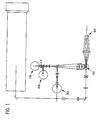
- the mixture of lyse reagent and sample will normally remain in the above referenced WBC cup only for 11 seconds. There it is lysed and mixed at 42°C ⁇ 3°C. At this point, the contents of the WBC cup are piped directly to an optical flowcell 100 for detection, see Figure 1 .
- the measurement process begins as the cells stream passes through the flowcell 100, having been diluted with the addition of lyse so that the cells pass through the laser illuminated volume single file, in a laminar flowing sample stream surrounded by diluent/sheath solution.
- the illuminated volume is bounded in the two dimensions normal to the flow axis by the hydrodynamically focused cell stream, and in the dimension parallel to the flow axis by the vertical beam waist of the laser beam which is about 17 microns.
- the sample flow rate is about 2.5 microliters per second, and the corresponding illuminated sensing volume of the WBC and NRBC cells approximates an elliptical cylinder with dimension of about 80 x 5 x 17 microns.
- the 17 micron dimension is measured along the axis of the cylinder.
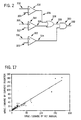
- the presence of a cell is detected by a compound photodiode 102 detecting axial light loss (ALL) and intermediate angle scatter (IAS), photomultiplier tube 104 which detects red fluorescence, and a unique triple trigger circuit, shown in Figure 2 , in the three dimensional feature space of ALL, IAS, and FL3 (red fluorescence).
- the triple trigger circuit qualifies signals for digitization using AND/OR logic. A qualified signal must be greater than the IAS trigger, while at the same time it must be greater than either the ALL trigger or the FL3 trigger.
- this unique triggering circuit and the lysing properties which include a balanced fixative, allow the exposed NRBC and damaged WBC nuclei to be rapidly stained, and clearly and non ambiguously counted and excluded from the WBC differential cell count without the usual interference from background, both fluorescent and non-fluorescent, such as DNA fragments, RBC stroma, and platelets.
- One or more detectors are preferably placed in the forward light path for measuring forward intermediate angle scattering (IAS) and either small angle forward scattering (SAS) or axial light loss (ALL; also known as forward extinction).
- IAS forward intermediate angle scattering
- SAS small angle forward scattering
- ALL axial light loss
- ALL is generally the decrease in light energy due to a cell passing in front of a laser beam and being detected by a photodiode.
- the light loss is generally due to scattering and defined as the decrease in light energy reaching a detector in the path of a laser beam due to the passage of a cell through that beam (generally ALL is detected at an angle of from about 0° to about 1°.)
- Small angle forward scatter (SAS) is light energy that reaches a detector outside the incident laser beam (but within a narrow angle of from about 1° to 3°) due to scattering from a cell passing through the beam.
- a beam stop is generally provided to keep the laser beam from getting into the detector. ALL measuring systems collect light within the incident cone of laser illumination, while small angle scatter systems collect light outside this cone.
- IAS Intermediate angle forward scattering
- ALL is collected in the angles less than about 0.3° horizontally and less than about 1.2° vertically from the laser axis, and IAS is collected at angles between about 3° and 10° from the laser axis.
- pulses are generated at detectors 102, 104, 106 and 108.
- the amplitudes of these pulses are then filtered, amplified, digitized, and stored in list mode in the corresponding five dimensional feature space of ALL, IAS, FL3, PSS (polarized side scatter), and DSS (depolarized side scatter).
- the normal counting time through flowcell 100 is 10 seconds. At the flow rate and dilution ratio described above, with a normal patient WBC count of 7000 cells per microliter of blood volume, the resulting event count rate would be 5000. In low count samples, this counting time can be automatically extended in order to improve the statistics of the measurement.
- the sample stream is piped to waste, and probe is cleaned and dried and prepared to process a subsequent sample.
- Algorithms are then applied to the list mode data of the aforementioned feature space of ALL, IAS, FL3, PSS, and DSS, and the following cell types are enumerated and/or flagged within less than 30 seconds of processing time: CELL TYPES ENUMERATED PERCENTAGES FLAGGED OR ENUMERATED White Cell concentration (WBC) Neutrophil concentration %N of WBC Lymphocyte concentration %LYMPH of WBC Monocyte concentration %MONO of WBC Eosinophil concentration % EOS of WBC Basophil concentration %BASO of WBC NRBC %NRBC of WBC Band concentration (BAND) Blast concentration (BLST) Immature gran. conc. (IG) Variant-lymph conc. (VARL) Damaged WBC %WBC Damaged/Count
- ALL and IAS signals are detected and collected for the WBC/Diff analysis and FL3 signals from stained NRBC nuclei are collected for NRBC analysis, as will be described below.
- the triple trigger circuit shown in Figure 2 , qualifies these signals for digitization using an AND/OR logic. To be qualified a signal must be greater than the IAS trigger, while at the same time it must be greater than either the ALL trigger or the FL3 trigger.
- Voltage comparators 300, 314 and 322 function by comparing the "+ inputs" (302, 310 and 318) to the "- inputs" (304, 312 and 320) to resultant outputs (306, 316, 324). If the "+ input” is of a higher voltage than the "- input” the output will be high. If the "+ input” is of a lower voltage than the "- input” the output will be low.
- the threshold voltages are independent voltages which are determined by system parameters.
- comparators 300 and 314 are inputs to OR gate 326 to give resultant OR gate output 328.
- the OR gate functions by comparing its inputs. The output will be high if either, or both, inputs are high.
- the output of the OR gate 328 and the output of comparators 322 and 324 are inputs to AND gate 330.
- the AND gate functions by comparing its inputs to derive its output 332 which is also the valid trigger output. The output will be high only if both inputs are high.
- the valid trigger output 332) will only be high if the IAS signal 318 is greater than its threshold voltage 320, and either or both, the ALL signal 302 is greater than its threshold voltage 304 or the FL3 signal 310 is greater than its threshold voltage 312.
- ALL and IAS are collected for WBC/Diff analysis and Fluorescence (FL3) signals are collected for NRBC and damaged WBC analysis.
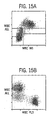
- a triple threshold circuit or qualification routine qualifies signals for digitization using AND/OR logic. According to this unique routine or circuit, to be qualified a signal must be greater than the IAS threshold, while at the same time it must be greater than either the ALL threshold or the FL3 threshold. Using this triggering circuit, the NRBC's form a unique cluster in the aforementioned three dimensional space, see Figures 14 and 15 , which can be easily counted during the Optical WBC Differential analysis, and exclude non ambiguously from the WBC count.
- Stained NRBC nuclei are separated from the various background noise signals via the disclosed triple-triggering process (on ALL, IAS and FL3) and only the FL3+ signals from NRBC nuclei above the FL3 threshold on the ALL vs FL3 dot plot are counted as NRBC.
- Another technical advantage of the disclosed system is that it requires much lower concentration of the dye to effectively and rapidly stain NRBC for accurate detection and counting because of complete lysis of the cytoplasm of NRBC making their nuclei more accessible to the stain. This condition permits high signal to noise (S/N) ratio, greater than 100, in NRBC detection.
- S/N signal to noise
- the concentration of a vital dye required this system to rapidly perform the simultaneous analysis of WBC/Diff/NRBC/Damaged WBC is only 1 to 2 ⁇ g/ml which is at least 50 fold less than that in the previous art.
- the disclosed method is unique in that simultaneous analysis of WBC/Diff/NRBC/Damaged WBC can be carried out automatically, accurately, and rapidly without interference from other cellular debris.
- Further advantage of the present invention is that it has a very high clinical value in that the method can be incorporated into a clinical hematology analyzer which routinely calibrate for WBC, RBC, and Platelet counts.
- Such a system is capable of producing an accurate WBC/Diff/NRBC/Damaged WBC data (% as well as absolute counts) in clinical blood samples. This has not previously been possible.
- the multipurpose reagent system is comprised of about 95 mM ammonium chloride (5g/l), about 0.075% by volume of formaldehyde, from about 10 mM to about 20 mM acetate buffer, about 10 mM potassium bicarbonate, and about 0.01% by weight volume (i.e., grams per 100 ml) of saponin.
- the pH of the reagent system is adjusted to a range of from about 6.2 to about 7.0 and the osmolality of the reagent system is from about 215 to about 270 mOsm/L.
- the reagent is pre-warmed at 42° C ⁇ 3° in the instrument's heated mixing chamber, where the sample and reagent are mixed and incubated for 11 seconds. This mixture was then transported to the flow cell (which takes 8 and 1/2 seconds) for the WBC/Diff/NRHC analysis.
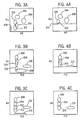
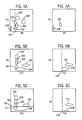
- the optical configuration of the system is presented in Figure 1 . The analysis was performed without implementing the triple triggering circuit; using only ALL and FL3 dual triggers as is common in the art. See all Figures from Figure 3A through 10C .
- the upper dot plot display of Figure 11A maps the light scatter signals (ALL vs. IAS) obtained from the sample and shows 3 distinct populations of WBC.
- the Basophil cluster is not apparent here because normal bloods do not contain many Basophils.
- the Eosinophil cluster is not shown here since Eosinophils are separated via a DSS vs, PSS dot plot (not shown) and the middle cytogram of Figure 11B shows a dot plot display of ALL and FL3 signals as labeled. Note that normal blood does not contain any NRBCs.
- the lower bottom FL3+ clusters, Figures 11B and 11C are apparently cell debris containing RNA or DNA, as described earlier.
- Figures 12A and 12B are dot plot displays of an abnormal blood with NRBC (47 NRBC/100 WBC) analyzed as described in Example 1 utilizing a standard detection method.
- the cluster right below the lymphocyte population in the top cytogram belongs to NRBC and the small cluster at the bottom, left corner belongs to the origin noise which include RBC stroma (reticula, Howell Jolly Bodies and etc.), platelets and WBC debris.
- Figure 12B shows that the origin noise cluster of this sample stained with the nuclear dye brightly, follows the stained NRBC cluster very closely in FL3 channel, thereby making it impossible to set the FL3 trigger to count NRBC accurately.
- the cytograms for Figures 13A and 13B are dot plot displays of an abnormal blood with NRBC (51 NRBC/100 WBC) analyzed as described in Example 1 utilizing a standard detection method.
- the cluster right below the lymphocyte population in the top display, Figure 13A belongs to NRBC.
- An increased FL3+ origin noise of this sample can be seen.
- the noise cluster is located very close to the NRBC cluster in the FL3 channel.
- the FL3 noise is interfering with the position of the FL3 trigger.
- the FL3 trigger was set high enough to eliminate all the origin noise, a part of the NRBC population was also lost below the FL3 trigger as shown in Figure 13B .
- Figures 15A and 15B show the dot plot displays of the NRBC distribution of another clinical whole blood sample which contained 140 NRBC/100 WBC, also post triple trigger (ALL, FL3 and IAS) implementation.
- ALL, FL3 and IAS post triple trigger
- the origin noise is not visible and the total NRBC population is recovered above the FL3 trigger.
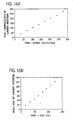
- Linearity samples were prepared by adding various concentrations of unfixed chicken erythrocytes to a EDTA, anti-coagulated normal human blood. The samples were processed as described in Example 1 utilizing the triple trigger detection method of the present invention.
- the cytoplasm of chicken erythrocytes lyse in the method of present invention leaving only naked nuclei (CEN).
- CEN stained very rapidly with the vital nuclear stain (PI) in the diluent and become fluorescent (FL3).
- the FL3+ CEN are counted as NRBC and reported as number of NRBC/100 WBC and as absolute counts per ⁇ L of the whole blood sample in the method of the present invention.
- the results are presented in Figures 16A and 16B .
- the linearity plots of NRBC/100 WBC and NRBC in absolute numbers in the figure demonstrate that the method of the current invention generate a linear NRBC counts.
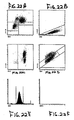
- the top left cytogram, Figure 18A of the light scatter signals (ALL vs IAS) shows 3 distinct populations of WBC (neutrophils, monocytes and lymphocytes. Basophil cluster is not apparent here because a normal blood contains only about 1% or less basophils. Eosinophils are separated on the top right DSS vs PSS cytogram, Figure 18B .
- the middle left cytogram, Figure 18C is a display of ALL and FL3 signals. Note that normal blood does not contain any NRBC and that there are only few damaged cells to the right of the vertical line in Figure 18C (FL3+ signals).
- FIG. 19A - 19F An abnormal blood with NRBC ( 4.99 k/ ⁇ L or 46.6 NRBC/100 WBC) was analyzed as described in Example 8 and the results are presented in Figures 19A - 19F .
- the cluster right below the lymphocyte population in the top left cytogram (ALL vs IAS), Figure 19A belongs to NRBC.
- the bottom right cytogram (ALL vs FL3+), Figure 19F reveals that the stripped NRBC nuclei are stained brightly and pulled above the FL3+ trigger and counted.
- the NRBC counts are then subtracted from the total WBC counts before WBC differential analysis, producing an accurate WBC/Diff results.
- FIG. 20A A clinical sample (CLL) which contains damaged lymphocytes was analyzed as described in Example 8 and the results are presented in Figures 20A - 20F .
- Figure 20C (ALL vs FL3+) shows that almost one-half of the lymphocyte population stained with the nucleic acid dye (PI). Microscopic smear review of the sample revealed that about 50% of the lymphocyte population was either smudged or had lost their cytoplasmic membrane (naked nuclei).
- the damaged lymphocytes are distinguished from NRBC's along the ALL axis since their light scatter signals are higher than that of the stripped NRBC nuclei.
- Example 8 A normal blood sample aged for 35 hours under refrigeration was analyzed as described in Example 8 and the results are presented in Figures 21A - 21F .
- the sample was processed as described in Example 8.
- the FL3+ signals shown on the ALL vs FL3 cytogram to the right of granulocytes and lymphocytes, Figure 19F represent damaged granulocytes and lymphocytes respectively.
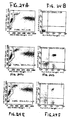
- the top cytograms, Figure 23A & B represent the negative control of the normal blood, the left cytogram, Figure 23A shows forward scatter (FCS) vs 90° side scatter showing the lymphocyte gating; the right cytogram, Figure 23B shows the two dimensional display of FL1 vs FL2; the middle cytograms, Figure 23C & D represent the same sample but reacted with anti-CD4 Mab; the bottom cytograms, Figures 23E & F represent the same blood but reacted with anti-CD8 Mab.
- FCS forward scatter
- Figure 23B shows the two dimensional display of FL1 vs FL2
- the middle cytograms, Figure 23C & D represent the same sample but reacted with anti-CD4 Mab
- the bottom cytograms, Figures 23E & F represent the same blood but reacted with anti-CD8 Mab.
- FIGS 24A - 24F The results are presented in Figures 24A - 24F and Table 1.
- the top cytograms, Figure 24A & B represent a negative control of a normal blood
- the left cytogram, Figure 24A shows forward scatter (FCS) vs 90° side scatter showing the lymphocyte gating
- the right cytogram, Figure 24B is the two dimensional display of FL1 vs FL2
- the middle cytograms, Figures 24 C & D represent the same sample but reacted with anti-CD4 Mab
- the bottom cytograms, Figures 24E & F represent the same blood but reacted with anti-CD8 Mab.
Landscapes
- Chemical & Material Sciences (AREA)
- Dispersion Chemistry (AREA)
- Physics & Mathematics (AREA)
- Health & Medical Sciences (AREA)
- Life Sciences & Earth Sciences (AREA)
- Analytical Chemistry (AREA)
- Biochemistry (AREA)
- General Health & Medical Sciences (AREA)
- General Physics & Mathematics (AREA)
- Immunology (AREA)
- Pathology (AREA)
- Investigating Or Analysing Biological Materials (AREA)
Applications Claiming Priority (3)
| Application Number | Priority Date | Filing Date | Title |
|---|---|---|---|
| US57442495A | 1995-12-15 | 1995-12-15 | |
| PCT/US1996/020466 WO1997021994A1 (en) | 1995-12-15 | 1996-12-13 | Method for simultaneous analysis of cell viability, nucleated red blood cells and white blood cell differential |
| US574424 | 2000-05-19 |
Publications (2)
| Publication Number | Publication Date |
|---|---|
| EP0866960A1 EP0866960A1 (en) | 1998-09-30 |
| EP0866960B1 true EP0866960B1 (en) | 2010-06-30 |
Family
ID=24296069
Family Applications (1)
| Application Number | Title | Priority Date | Filing Date |
|---|---|---|---|
| EP96945254A Expired - Lifetime EP0866960B1 (en) | 1995-12-15 | 1996-12-13 | Method for simultaneous analysis of cell viability, nucleated red blood cells and white blood cell differential |
Country Status (7)
| Country | Link |
|---|---|
| EP (1) | EP0866960B1 (enExample) |
| JP (1) | JP4279900B2 (enExample) |
| AT (1) | ATE472725T1 (enExample) |
| CA (1) | CA2240158C (enExample) |
| DE (1) | DE69638209D1 (enExample) |
| ES (1) | ES2347110T3 (enExample) |
| WO (1) | WO1997021994A1 (enExample) |
Families Citing this family (11)
| Publication number | Priority date | Publication date | Assignee | Title |
|---|---|---|---|---|
| US5917584A (en) * | 1997-11-21 | 1999-06-29 | Coulter International Corp. | Method for differentiation of nucleated red blood cells |
| AU2001288213B2 (en) | 2000-06-28 | 2005-04-14 | Bristol-Myers Squibb Company | Selective androgen receptor modulators and methods for their identification, design and use |
| JP4564566B2 (ja) * | 2009-02-13 | 2010-10-20 | 三井造船株式会社 | 蛍光検出装置及び蛍光検出方法 |
| JP4564567B2 (ja) | 2009-02-13 | 2010-10-20 | 三井造船株式会社 | 蛍光検出装置及び蛍光検出方法 |
| JP5871792B2 (ja) * | 2009-04-27 | 2016-03-01 | アボット・ラボラトリーズAbbott Laboratories | 自動血液分析器において、レーザーからの前方散乱を用いることによる、赤血球細胞を白血球細胞から判別する方法 |
| ES2927316T3 (es) * | 2011-05-04 | 2022-11-04 | Abbott Lab | Sistema y método de análisis de glóbulos blancos |
| JP6166716B2 (ja) * | 2011-05-04 | 2017-07-19 | アボット・ラボラトリーズAbbott Laboratories | 好塩基球分析システムおよび方法 |
| WO2012151103A2 (en) | 2011-05-04 | 2012-11-08 | Abbott Laboratories | Nucleated red blood cell analysis system and method |
| WO2014099629A1 (en) * | 2012-12-21 | 2014-06-26 | The Regents Of The University Of California | Rapid blood testing platform for use with mobile electronic devices |
| CN105699635A (zh) * | 2016-01-28 | 2016-06-22 | 深圳市帝迈生物技术有限公司 | 一种简单可靠的血细胞五分类分析方法、系统及装置 |
| WO2019206297A1 (zh) * | 2018-04-28 | 2019-10-31 | 深圳迈瑞生物医疗电子股份有限公司 | 一种血液分析仪及分析方法 |
Family Cites Families (5)
| Publication number | Priority date | Publication date | Assignee | Title |
|---|---|---|---|---|
| US5057413A (en) * | 1988-06-13 | 1991-10-15 | Becton, Dickinson And Company | Method for discriminating between intact and damaged cells in a sample |
| US5047321A (en) * | 1988-06-15 | 1991-09-10 | Becton Dickinson & Co. | Method for analysis of cellular components of a fluid |
| EP0559208B1 (en) | 1992-03-05 | 2000-09-06 | Becton, Dickinson and Company | Method for preparation and analysis of leukocytes in whole blood utilizing flow cytometry |
| DE69434942T2 (de) * | 1993-02-25 | 2007-11-29 | Abbott Laboratories, Abbott Park | Mehrzweckreagenzsystem zur schnellen lysierung von vollblutproben |
| US5559037A (en) * | 1994-12-15 | 1996-09-24 | Abbott Laboratories | Method for rapid and simultaneous analysis of nucleated red blood cells |
-
1996
- 1996-12-13 AT AT96945254T patent/ATE472725T1/de not_active IP Right Cessation
- 1996-12-13 ES ES96945254T patent/ES2347110T3/es not_active Expired - Lifetime
- 1996-12-13 JP JP52228797A patent/JP4279900B2/ja not_active Expired - Lifetime
- 1996-12-13 EP EP96945254A patent/EP0866960B1/en not_active Expired - Lifetime
- 1996-12-13 WO PCT/US1996/020466 patent/WO1997021994A1/en not_active Ceased
- 1996-12-13 CA CA002240158A patent/CA2240158C/en not_active Expired - Fee Related
- 1996-12-13 DE DE69638209T patent/DE69638209D1/de not_active Expired - Lifetime
Also Published As
| Publication number | Publication date |
|---|---|
| DE69638209D1 (de) | 2010-08-12 |
| ATE472725T1 (de) | 2010-07-15 |
| EP0866960A1 (en) | 1998-09-30 |
| ES2347110T3 (es) | 2010-10-25 |
| WO1997021994A1 (en) | 1997-06-19 |
| CA2240158A1 (en) | 1997-06-19 |
| CA2240158C (en) | 2004-11-30 |
| JP2000501838A (ja) | 2000-02-15 |
| JP4279900B2 (ja) | 2009-06-17 |
Similar Documents
| Publication | Publication Date | Title |
|---|---|---|
| US5879900A (en) | Method for simultaneous analysis of cell viability, nucleated red blood cells and white blood cell differentials | |
| EP0797762B1 (en) | Method for rapid and simultaneous analysis of nucleated red blood cells | |
| US7625712B2 (en) | Method for a fully automated monoclonal antibody-based extended differential | |
| US6197593B1 (en) | Method for enumerating blood cells | |
| US5057413A (en) | Method for discriminating between intact and damaged cells in a sample | |
| EP1250585B1 (en) | Method and apparatus for analyzing cells in a whole blood sample | |
| EP0193356B1 (en) | Method for analysis of subpopulations of blood cells | |
| US5917584A (en) | Method for differentiation of nucleated red blood cells | |
| CA1309328C (en) | Method of classifying leukocytes by flow cytometry and reagents used in the method | |
| US7674598B2 (en) | Method for a fully automated monoclonal antibody-based extended differential | |
| US5776709A (en) | Method for preparation and analysis of leukocytes in whole blood | |
| US5874311A (en) | Method for differentiation of reticulocytes in blood | |
| EP0866960B1 (en) | Method for simultaneous analysis of cell viability, nucleated red blood cells and white blood cell differential | |
| WO1997021994A9 (en) | Method for simultaneous analysis of cell viability, nucleated red blood cells and white blood cell differential | |
| EP0259833B1 (en) | Reagent and method for classifying leukocytes by flow cytometry | |
| Ronot et al. | Assessment of cell viability in mammalian cell lines | |
| MUIRHEAD | XAVIER RONOT AND SYLVAIN PAILLASSON |
Legal Events
| Date | Code | Title | Description |
|---|---|---|---|
| PUAI | Public reference made under article 153(3) epc to a published international application that has entered the european phase |
Free format text: ORIGINAL CODE: 0009012 |
|
| 17P | Request for examination filed |
Effective date: 19980529 |
|
| AK | Designated contracting states |
Kind code of ref document: A1 Designated state(s): AT BE CH DE ES FR GB IT LI NL |
|
| 17Q | First examination report despatched |
Effective date: 20071214 |
|
| GRAP | Despatch of communication of intention to grant a patent |
Free format text: ORIGINAL CODE: EPIDOSNIGR1 |
|
| GRAS | Grant fee paid |
Free format text: ORIGINAL CODE: EPIDOSNIGR3 |
|
| GRAA | (expected) grant |
Free format text: ORIGINAL CODE: 0009210 |
|
| AK | Designated contracting states |
Kind code of ref document: B1 Designated state(s): AT BE CH DE ES FR GB IT LI NL |
|
| REG | Reference to a national code |
Ref country code: GB Ref legal event code: FG4D Ref country code: CH Ref legal event code: EP |
|
| REF | Corresponds to: |
Ref document number: 69638209 Country of ref document: DE Date of ref document: 20100812 Kind code of ref document: P |
|
| REG | Reference to a national code |
Ref country code: ES Ref legal event code: FG2A Ref document number: 2347110 Country of ref document: ES Kind code of ref document: T3 |
|
| REG | Reference to a national code |
Ref country code: NL Ref legal event code: VDEP Effective date: 20100630 |
|
| PG25 | Lapsed in a contracting state [announced via postgrant information from national office to epo] |
Ref country code: AT Free format text: LAPSE BECAUSE OF FAILURE TO SUBMIT A TRANSLATION OF THE DESCRIPTION OR TO PAY THE FEE WITHIN THE PRESCRIBED TIME-LIMIT Effective date: 20100630 |
|
| PG25 | Lapsed in a contracting state [announced via postgrant information from national office to epo] |
Ref country code: NL Free format text: LAPSE BECAUSE OF FAILURE TO SUBMIT A TRANSLATION OF THE DESCRIPTION OR TO PAY THE FEE WITHIN THE PRESCRIBED TIME-LIMIT Effective date: 20100630 |
|
| PG25 | Lapsed in a contracting state [announced via postgrant information from national office to epo] |
Ref country code: BE Free format text: LAPSE BECAUSE OF FAILURE TO SUBMIT A TRANSLATION OF THE DESCRIPTION OR TO PAY THE FEE WITHIN THE PRESCRIBED TIME-LIMIT Effective date: 20100630 |
|
| PLBE | No opposition filed within time limit |
Free format text: ORIGINAL CODE: 0009261 |
|
| STAA | Information on the status of an ep patent application or granted ep patent |
Free format text: STATUS: NO OPPOSITION FILED WITHIN TIME LIMIT |
|
| 26N | No opposition filed |
Effective date: 20110331 |
|
| REG | Reference to a national code |
Ref country code: DE Ref legal event code: R097 Ref document number: 69638209 Country of ref document: DE Effective date: 20110330 |
|
| REG | Reference to a national code |
Ref country code: CH Ref legal event code: PL |
|
| PG25 | Lapsed in a contracting state [announced via postgrant information from national office to epo] |
Ref country code: CH Free format text: LAPSE BECAUSE OF NON-PAYMENT OF DUE FEES Effective date: 20101231 Ref country code: LI Free format text: LAPSE BECAUSE OF NON-PAYMENT OF DUE FEES Effective date: 20101231 |
|
| PGFP | Annual fee paid to national office [announced via postgrant information from national office to epo] |
Ref country code: GB Payment date: 20141124 Year of fee payment: 19 Ref country code: ES Payment date: 20141205 Year of fee payment: 19 |
|
| PGFP | Annual fee paid to national office [announced via postgrant information from national office to epo] |
Ref country code: IT Payment date: 20141215 Year of fee payment: 19 |
|
| REG | Reference to a national code |
Ref country code: FR Ref legal event code: PLFP Year of fee payment: 20 |
|
| PGFP | Annual fee paid to national office [announced via postgrant information from national office to epo] |
Ref country code: FR Payment date: 20151124 Year of fee payment: 20 |
|
| PGFP | Annual fee paid to national office [announced via postgrant information from national office to epo] |
Ref country code: DE Payment date: 20151230 Year of fee payment: 20 |
|
| GBPC | Gb: european patent ceased through non-payment of renewal fee |
Effective date: 20151213 |
|
| PG25 | Lapsed in a contracting state [announced via postgrant information from national office to epo] |
Ref country code: GB Free format text: LAPSE BECAUSE OF NON-PAYMENT OF DUE FEES Effective date: 20151213 |
|
| REG | Reference to a national code |
Ref country code: DE Ref legal event code: R071 Ref document number: 69638209 Country of ref document: DE |
|
| PG25 | Lapsed in a contracting state [announced via postgrant information from national office to epo] |
Ref country code: IT Free format text: LAPSE BECAUSE OF NON-PAYMENT OF DUE FEES Effective date: 20151213 |
|
| REG | Reference to a national code |
Ref country code: ES Ref legal event code: FD2A Effective date: 20170126 |
|
| PG25 | Lapsed in a contracting state [announced via postgrant information from national office to epo] |
Ref country code: ES Free format text: LAPSE BECAUSE OF NON-PAYMENT OF DUE FEES Effective date: 20151214 |