EP0859792B1 - Polyklonaler antikörper gegen tryptase und reinigungsverfahren zur verwendung in einem immunoassay für menschliche tryptase - Google Patents
Polyklonaler antikörper gegen tryptase und reinigungsverfahren zur verwendung in einem immunoassay für menschliche tryptase Download PDFInfo
- Publication number
- EP0859792B1 EP0859792B1 EP96941951A EP96941951A EP0859792B1 EP 0859792 B1 EP0859792 B1 EP 0859792B1 EP 96941951 A EP96941951 A EP 96941951A EP 96941951 A EP96941951 A EP 96941951A EP 0859792 B1 EP0859792 B1 EP 0859792B1
- Authority
- EP
- European Patent Office
- Prior art keywords
- tryptase
- antibodies
- human
- solution
- specific
- Prior art date
- Legal status (The legal status is an assumption and is not a legal conclusion. Google has not performed a legal analysis and makes no representation as to the accuracy of the status listed.)
- Expired - Lifetime
Links
Images

Classifications
-
- C—CHEMISTRY; METALLURGY
- C07—ORGANIC CHEMISTRY
- C07K—PEPTIDES
- C07K16/00—Immunoglobulins [IG], e.g. monoclonal or polyclonal antibodies
- C07K16/40—Immunoglobulins [IG], e.g. monoclonal or polyclonal antibodies against enzymes
-
- C—CHEMISTRY; METALLURGY
- C07—ORGANIC CHEMISTRY
- C07K—PEPTIDES
- C07K1/00—General methods for the preparation of peptides, i.e. processes for the organic chemical preparation of peptides or proteins of any length
- C07K1/14—Extraction; Separation; Purification
- C07K1/16—Extraction; Separation; Purification by chromatography
- C07K1/22—Affinity chromatography or related techniques based upon selective absorption processes
-
- C—CHEMISTRY; METALLURGY
- C07—ORGANIC CHEMISTRY
- C07K—PEPTIDES
- C07K16/00—Immunoglobulins [IG], e.g. monoclonal or polyclonal antibodies
- C07K16/02—Immunoglobulins [IG], e.g. monoclonal or polyclonal antibodies from eggs
-
- Y—GENERAL TAGGING OF NEW TECHNOLOGICAL DEVELOPMENTS; GENERAL TAGGING OF CROSS-SECTIONAL TECHNOLOGIES SPANNING OVER SEVERAL SECTIONS OF THE IPC; TECHNICAL SUBJECTS COVERED BY FORMER USPC CROSS-REFERENCE ART COLLECTIONS [XRACs] AND DIGESTS
- Y10—TECHNICAL SUBJECTS COVERED BY FORMER USPC
- Y10S—TECHNICAL SUBJECTS COVERED BY FORMER USPC CROSS-REFERENCE ART COLLECTIONS [XRACs] AND DIGESTS
- Y10S435/00—Chemistry: molecular biology and microbiology
- Y10S435/803—Physical recovery methods, e.g. chromatography, grinding
Definitions
- the present invention relates to highly specific tryptase polyclonal antibodies, and a method to purify the antibodies. More specifically, the present invention relates to polyclonal antibodies which have the capacity to capture tryptase out of solution. a process to generate the antibodies, and enzyme-linked immunosorbent assays (ELISA) for human tryptase which utilize the antibodies.
- ELISA enzyme-linked immunosorbent assays
- mast cells are granulated, immunologically activatable cells which are positioned in various tissues throughout the body. Mast cells are found in large numbers in tissues at potential entry points of noxious substances. For instance, mast cells are abundant in the skin, the conjunctiva, the gut, and the lungs. Mast cells also are present, in more modest numbers, in the liver, kidney, and adrenals.
- mast cells In humans, mast cells have a mean diameter of approximately 10 ⁇ m. The most striking morphologic feature of mast cells are granules which constitute approximately fifty percent of the total cell volume. Mature mast cells also have nuclei which lack deeply divided lobes.
- mast cells are often referred to as either mucosal or connective, depending on their origin. These terms, however, imply that mast cell differences are determined by where the cell is found, which is inaccurate. Identical mast cells in rodents may be found in both mucosal and connective tissue sites.
- mast cells In humans, perhaps the most useful nomenclature relates to the presence of chymase proteases within the granules of the mast cells. All granules of human mast cells contain histamine, tryptase, and heparin. A sub-population of human mast cells also contain chymase, carboxypeptidase, and a cathepsin G-like protease. Those mast cells which contain chymase are designated MC TC , while those mast cells which do not contain chymase are designated MC T . As used herein, the term "mast cell” or "MC,” without further designation, shall refer to any and all types of mast cells, without limitation. Further clarification of these terms will be used where necessary.
- MC T cells are the most predominant, but not the exclusive, type of mast cell found in the lungs and in the small intestine mucosa, while MC TC cells predominant in the skin and intestinal submucosa.
- the relative abundance of the two types of MC's may, however, change with tissue inflammation or fibrosis.
- MC's Upon immunologic activation, MC's degranulate and release pre-formed mediators including histamine, proteoglycans such as heparin, and proteinases including tryptase. The degranulation process begins essentially immediately upon activation, and ends within minutes.
- histamine The release of histamine from MC's is the major initiating event of the allergenic response. Within minutes of its release, cellular histamine is rapidly metabolized to either methylhistamine, methylimidazole acetic acid, or imidazole acetic acid. The extremely rapid metabolism of histamine makes it quite difficult to directly quantify histamine levels either in vivo or in vitro.
- Tryptase appears to account for about twenty percent of the entire protein content in a typical MC. Tryptase is released from MC's as a macromolecular protease-proteoglycan complex, in conjunction with heparin. Tryptase diffuses relatively slowly through tissues compared to histamine, presumably due to its association with the macromolecular proteoglycan complex.
- tryptase is virtually absent from any other type of cell. While negligible amounts have been measured in human basophils (0.04 pg/cell), Nilsson and Schwartz (1994), other cell types found in normal lung, skin, and bowel, as well as eosinophils, neutrophils, monocytes, and lymphocytes from peripheral blood all lack any detectable level of tryptase. Therefore, tryptase is an extremely discriminating marker of human mast cell degranulation. Sensitive quantitation of in vivo tryptase levels therefore may serve as an indicator of the extent of MC degranulation.
- Tryptase itself is a tetrameric endoprotease of approximately 134 kDa. Each of the four subunits is approximately 31 to 34 kDa in size. Tryptase is a neutral, serine protease found exclusively in mast cell granules, as noted above. For a complete discussion regarding mast cell heterogeneity, structure, and mediators, see Nilsson and Schwartz (1994).
- mast cells play a critical role in inflammation by linking both the homoral and cellular immune systems. Both IgE and non-IgE mechanisms are known to cause mast cells to degranulate, thereby releasing tryptase into the extracellular milieu.
- JP6292591, 21 October 1994 describes polyclonal antibodies produced in animals (e.g., chickens) and specific for human plasma glutathione peroxidase.
- the antibodies are purified by using affinity chromatography.
- DE-A-2951412 describes antibodies from egg yolk that are isolated by affinity chromatography.
- RIA iodine-labelled mouse monoclonal anti-tryptase antibodies.
- RIA's are an analytical technique based upon an immunological reaction for measuring the presence and amount of proteins (e.g. antibodies, antigens, peptide hormones, enzymes, etc.).
- proteins e.g. antibodies, antigens, peptide hormones, enzymes, etc.
- RIA's can be constructed in different configurations, their shared feature being that a radioactive label is used to follow the interaction of an antibody with an antigen.
- RIA's may be based on direct binding, i.e. by directly measuring the amount of radioactivity in an antibody-antigen precipitate. Indirect methods also may be employed.
- the RIA may be based upon the capacity of an unlabelled protein to compete with a known standard in binding to an antibody.
- the protein concentration of the sample is determined by comparing the degree of inhibition with that produced by a series of labelled standards containing known amounts of the protein being measured.
- RIA's utilize an immunologic reaction, they are generally quite specific and sensitive.
- Pharmacia's literature states that the sensitivity limit of their RIACT radioimmunoassay system is 0.5 U/l (U/l is an equivalent expression for ⁇ g/l and ng/ml).
- the radioactive label normally used in RIA's, and that used in the RIACT system, is 125 I. More specifically, Pharmacia's RIACT system utilizes 125 I-labelled mouse monoclonal anti-tryptase antibodies.
- ELISA's generally utilize antigen-specific monoclonal antibodies in concert with a specific antibody-enzyme conjugate to detect and quantify proteins (e.g., immunoglobulins).
- the basic ELISA protocol can be modified to give different types of ELISA's, such as indirect, antibody-sandwich, and double antibody-sandwich ELISA's.
- the basic protocol for a double antibody-sandwich ELISA is as follows: A plate is coated with antibodies (called capture antibodies) specific for the immunoglobulin being assayed. The plate is then washed with a blocking agent, such as bovine serum albumin (BSA) to block non-specific binding of immunoglobulins to the test plate. The test solution then is incubated on the plate coated with the capture antibodies. The plate then is washed, incubated with detect antibodies, washed again, and incubated with a specific antibody-enzyme conjugate. After incubation, the unbound conjugate is washed from the plate and enzyme substrate is added. The presence of the bound antibody-enzyme conjugate results in a proportional color change which can be measured and quantified.
- a blocking agent such as bovine serum albumin (BSA)
- Schwartz et al. (1987a) used the ELISA of Wenzel et al., described immediately above, to analyze in vivo tryptase levels in patients having systemic mastocytosis, anaphylactic reactions, myocardial disease, and sepsis.
- Schwartz et al. note that one disadvantage of measuring tryptase using this ELISA is that the level of tryptase in control serum is normally below the limit of detection for the ELISA, which Schwartz et al. noted to be 2.5 ng per milliliter. Therefore, small elevations in tryptase could not be detected by the Wenzel et al. ELISA.
- Schwartz et al. note that neither sepsis nor myocardial infarction alone results in consistently detectable levels of tryptase in serum using the Wenzel et al. ELISA.
- Schwartz et al. (1987b) used the same Wenzel et al. ELISA to assay the levels of tryptase from preparations of dispersed human MC TC cells obtained from foreskin and MC T cells obtained from lungs.
- Schwartz et al. found that dispersed human lung mast cells were predominantly of the MC T phenotype, while dispersed adult and newborn foreskin mast cells were almost exclusively of the MC TC phenotype.
- Walls et al. (1990a and 1990b) describe the production, characterization, and use in ELISA's of three monoclonal antibodies (mAbs) specific for human tryptase.
- Walls et al. (1990a) describe the initial production of the monoclonal antibodies, which are designated AA1, AA3, and AA5, as well as an indirect ELISA to detect tryptase.
- the monoclonal antibodies were produced using BALB/c mice by immunization on Day 0 with 0.25 mg tryptase in complete Freund's adjuvant, followed by boosters on Day 28 and Day 56 with 0.25 mg tryptase in incomplete Freund's adjuvant.
- lymphocytes from two separate mouse spleens were fused with NS-1 (P3-N3-1/1-Ag 4.1) mouse myeloma line at a ratio of 2:1 using standard and well-known somatic cell fusion techniques.
- NS-1 P3-N3-1/1-Ag 4.1
- Cells were cloned and subcloned, and three cell lines secreting human tryptase-specific antibodies were identified using an indirect ELISA.
- a plate is coated with tryptase, non-specific binding blocked, and culture supernate added to the wells along with peroxidase-conjugated rabbit anti-mouse IgG.
- the color reaction then is developed with o -phenylene diamine hydrochloride, in standard fashion.
- Walls et al. (1990b) describe using the AA5 mAb discussed above for the immunohistochemical identification of mast cells in formaldehyde-fixed tissues.
- an avidin-biotin enhanced immunoperoxidase procedure was used which resulted in intense staining of mast cells in paraffin-embedded tissues.
- Walls et al. (1991) describe an avidin-biotin enhanced antigen-capture ELISA utilizing polyclonal rabbit anti-tryptase antibodies, in combination with the mouse AA5 monoclonal antibodies described above. This ELISA was used to measure tryptase levels in bronchoalveolar lavage fluid.
- rabbit anti-tryptase serum was coated onto a plate, the plate washed, and unbound sites blocked with bovine serum albumin, followed by another washing.
- the test fluid then was added to the plate and the plate incubated.
- the plates were washed and the mouse AA5 mAbs added to the plate.
- biotinylated rabbit anti-mouse IgG was added, the plates washed again, and avidin-biotin-peroxidase complexes added to the plate.
- the plate was washed a final time, and developed by addition of p -nitrophenyl substrate (measurement taken at 490 nm).
- the powerful binding interaction between avidin and biotin is used to increase the binding efficiency between the rabbit anti-mouse IgG and the peroxidase conjugate.
- Another aim of the present invention is to provide a method whereby anti-human tryptase polyclonal antibodies having relatively low affinity for human tryptase are separated from anti-human tryptase polyclonal antibodies having relatively high affinity for human tryptase.
- a further aim of the present invention is to provide a method for the generation of high affinity, anti-human tryptase polyclonal antibodies.
- a still further aim of the present invention is to provide high affinity, anti-human tryptase polyclonal antibodies which are capable of the efficient capture of human tryptase from solution.
- Yet another aim of the present invention is to provide enzyme-linked immunosorbent assays (ELISA) for human tryptase, and, more specifically still, a double antibody-sandwich ELISA for human tryptase which utilizes high affinity, anti-human tryptase polyclonal antibodies derived from avian species as the capture antibody, and murine-derived monoclonal antibodies as the detect antibody.
- ELISA enzyme-linked immunosorbent assays
- the present invention includes avian-derived anti-human tryptase polyclonal antibodies capable of capturing tryptase from solution.
- the present invention also includes avian-derived anti-human tryptase polyclonal antibodies capable of capturing tryptase from solution which are produced by passing a heterogenous avian-derived IgY protein fraction over a human tryptase-bound affinity matrix, followed by elution of the non-tryptase-specific immunoglobulins from the matrix.
- a first fraction of anti-human tryptase polyclonal antibodies is eluted by washing the matrix with an aqueous buffered MgCl 2 solution to yield a first eluate
- a second fraction of anti-human tryptase polyclonal antibodies is eluted by washing the matrix with an aqueous buffered glycine solution to yield a second eluate.
- the second eluate contains the anti-human tryptase polyclonal antibodies capable of capturing tryptase from solution.
- the present invention further relates to a double antibody-sandwich enzyme-linked immunosorbent assay for the detection of human tryptase.
- the ELISA of the present invention comprises capture antibodies and detection antibodies.
- the capture antibodies are avian-derived polyclonal tryptase-specific antibodies capable of capturing human tryptase from solution and the detection antibodies are monoclonal antibodies.
- the present invention relates to an immunoassay method for the detection of human tryptase which comprises contacting a sample to be tested for the presence of human tryptase with avian-derived polyclonal antibodies specific to human tryptase and capable of capturing human tryptase from solution, thereby forming an immune complex, followed by determining the presence of the immune complex.
- the presence of the immune complex serves as a measure of human tryptase in the sample.
- the present invention also includes a method for isolating the high affinity tryptase-specific polyclonal antibodies used above.
- the method comprises inoculating an avian with tryptase and isolating immunoglobulins from serum taken from the avian or from the yolk of eggs laid by the avian.
- the immunoglobulins then are contacted to a tryptase-immobilized affinity matrix, thereby binding tryptase-specific immunoglobulins to the affinity matrix.
- Non-tryptase-specific immunoglobulins are then eluted from the affinity matrix.
- a first fraction of low affinity tryptase-specific antibodies then are eluted from the affinity matrix by washing with a first buffered solution.
- a second fraction of high affinity tryptase-specific antibodies then are eluted from the affinity matrix by washing with a second buffered solution.
- the second fraction of high affinity tryptase-specific antibodies then is collected for use in the ELISA's and methods described herein.
- the present invention has many advantages over prior art methods for assaying tryptase. Foremost among these advantages is that the present assay does not require the use of radioactive reagents, which are inherently dangerous.
- Another advantage of the presently described assay is that it is highly sensitive, being at least one order of magnitude more sensitive than prior art assays.
- the present assay method also is accurate, precise, and easy to assemble and use.
- a further advantage of the present invention is that it utilizes polyclonal antibodies which are capable of capturing tryptase from solution. These polyclonal antibodies recognize many epitopes on the tryptase tetramer as well as on the individual tryptase subunits. In other words, the polyclonal antibodies of the present invention are capable of capturing both active and inactive forms of tryptase. This results in a synergistic increase in tryptase binding by the polyclonal antibody population as a whole. Additionally, the polyclonal antibodies do not hinder the enzymatic activity of tryptase.
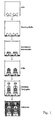
- Figure 1 is a schematic representation of a double antibody-sandwich enzyme-linked immunosorbent assay for the detection of human tryptase according to the present invention.
- Figure 2 is a standard curve for the human tryptase double antibody-sandwich ELISA shown schematically in Figure 1.
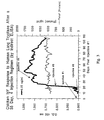
- Figure 3 is a graph showing the IgY response levels over time in chickens after a 35 day, 4-injection inoculation protocol with human lung tryptase.
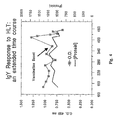
- Figure 4 is a graph showing the extended time course IgY response in chickens after inoculation with human lung tryptase as in Figure 3.
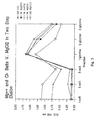
- Figure 5 is a graph showing the efficacy of various sodium and chloride salts as compared to magnesium chloride in a two-step elution of polyclonal chicken anti-human lung tryptase antibodies from a tryptase affinity column.
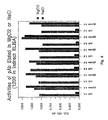
- Figure 6 is a bar graph comparing the activities of polyclonal anti-human lung tryptase antibodies eluted from a tryptase affinity column using either NaCl or MgCl 2 of varying pH.
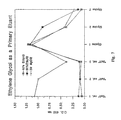
- Figure 7 is a graph depicting the efficacy of ethylene glycol as a primary eluant as compared to MgCl 2 in a two-step elution of polyclonal chicken anti-human lung tryptase antibodies from a tryptase affinity column.
- a principle aim of the present invention is to provide highly sensitive, accurate, and precise immunoassays for human tryptase.
- the present invention relates to ELISA's which are capable of rapidly detecting and quantifying the amount of human tryptase in a sample, the high affinity polyclonal antibodies used in the ELISA's, and methods of generating the high affinity polyclonal antibodies.
- the present invention includes a method for generating high affinity, anti-human tryptase polyclonal antibodies. These high affinity polyclonal antibodies then are used in immunoassays for human tryptase.
- the general protocol for isolating the high affinity, anti-human tryptase polyclonal antibodies used in the subject ELISA's precedes as follows:
- avian species e.g. chickens, turkeys, and the like
- avian species e.g. chickens, turkeys, and the like
- serum or eggs are collected from the human tryptase-immunized avians.
- the serum and egg yolks from the immunized birds contain a wide variety of antibodies specific for any number of antigens from natural exposure.
- the next step of the present process is to isolate the IgY fraction of immunoglobulins (which fraction is known to contain tryptase-specific antibodies) from the serum or egg yolks. This can be accomplished with the egg yolks by utilizing a commercial product, for instance, Promega Colporation's EGGstractTM IgY Purification System (Promega Corporation, Madison, Wisconsin USA). There also are a number of other methods for isolating immunoglobulins from egg yolks, such as other sequential precipitation methods, which are well known to those skilled in the art. (See, for instance, Scopes (1994)).
- the conventional method of protein isolation which is completely satisfactory to practice the present invention, is to "salt out" the protein fractions by precipitation of the proteins from a salt solution.
- the IgY polyclonal antibodies from the serum of the avians can be isolated using, for instance, chromatographical methods. Again, there are a number of methods well known to those skilled in the art for isolating immunoglobulins from serum or egg yolk samples.
- the next step of the process is to separate the tryptase-specific polyclonal antibodies (pAbs) from the non-specific antibodies within the IgY fraction.
- pAbs tryptase-specific polyclonal antibodies
- the isolated IgY fraction which contains approximately two to ten percent tryptase-specific pAb is applied to an affinity column constructed by coupling human tryptase to a resin to create an affinity matrix.
- This enzyme-bound matrix will capture only those antibodies within the IgY fraction which are specific for human tryptase.
- the non-specific polyclonal antibodies within the IgY fraction are removed from the column by multiple washings with a simple saline buffer solution. This leaves the matrix containing only those polyclonal antibodies which are specific for human tryptase.
- the next step of the present process is to separate those pAbs which have relatively low affinity for tryptase from those pAbs which have a much higher relative affinity for human tryptase. This is accomplished by sequential elution of the column to yield two pools of specific pAbs: a first pool containing low affinity, anti-human tryptase pAbs, and a second pool containing high affinity anti-human tryptase pAbs.
- the tryptase-specific polyclonal antibodies having low affinity are eluted from the matrix by washing the matrix with a "soft eluant," preferably about a 1 M to about a 3 M solution of MgCl 2 . (This process will be referred to hereinbelow as “soft elution.") This will wash the low affinity pAbs from the matrix, while those pAbs having higher affinity for tryptase will remain firmly attached to the matrix.
- the eluate is collected in a first pool of low affinity anti-human tryptase pAbs. While these pAbs are inefficient at capturing tryptase from solution (which has a bearing on the sensitivity of ELISA's utilizing these pAbs), they find use in affinity purification resins and other useful applications.
- the next step in the isolation of high affinity, anti-tryptase pAbs is to release the pAbs remaining on the matrix.
- the high affinity, tryptase-specific polyclonal antibodies which remain fixed to the enzyme-bound matrix are removed from the affinity matrix by elution with a "hard eluant," such as a 0.01 M to 0.1 M glycine buffer, or a buffered aqueous acidic solution of pH ⁇ 3. (This process will be referred to hereinbelow as "hard elution.")
- the eluate is collected in a second pool of high affinity anti-human pAbs.
- the high affinity tryptase-specific polyclonal antibodies so isolated are capable of capturing human tryptase from solution.
- the antibodies are highly specific for tryptase. Because they are polyclonal in nature, the antibodies recognize a variety of epitopes on tryptase. Coupled with the high specificity for tryptase of the antibodies, their binding to various epitopes increases the overall tryptase binding capacity of the pool of high affinity antibodies.
- the polyclonal antibodies isolated by the present process are capable of capturing both active and deactivated forms of tryptase from solution. Additionally, the polyclonal antibodies isolated by the present process will capture both the ⁇ and ⁇ isoforms of tryptase from solution.
- the qualities of the polyclonal antibodies isolated by the present process make them particularly well suited for use in immunoassays, especially ELISA's.
- the polyclonal antibodies of the present invention are preferably used as capture antibodies in a double antibody-sandwich ELISA, with monoclonal or polyclonal anti-tryptase antibody acting as the detect antibody.
- Human tryptase to initiate the immune response in the avians to generate the polyclonal antibodies of the present invention can be prepared from human lung tissue as follows: The tissue is first blended with an equal volume of distilled water and centrifuged at 20,000 x g for 20 minutes at 5°C. The precipitated bead then is re-suspended in a low salt buffer (e.g. 0.15 M NaCl, 20 mM morpholinethane sulfonic acid (MES) and 0.02% sodium azide, pH 6.1), blended, and again centrifuged as before. This process is repeated five times.
- a low salt buffer e.g. 0.15 M NaCl, 20 mM morpholinethane sulfonic acid (MES) and 0.02% sodium azide, pH 6.1
- the bead is then re-suspended in a high salt buffer (2 M NaCl, 10 mM MES, and 0.02% sodium azide, pH 6.1) and centrifuged at 20,000 x g at 5°C for 20 minutes. This process is repeated at least three times and the supernatant from each extraction retained and pooled. Material contained in the pooled supernatant is then precipitated by the addition of ammonium sulphate to 2 M, and the supernatant retained.
- a high salt buffer (2 M NaCl, 10 mM MES, and 0.02% sodium azide, pH 6.1
- the supernatant from ammonium sulphate precipitation is loaded onto an octyl-Sepharose (Pharmacia) column equilibrated with 10 mM MES, 2 M ammonium sulphate, and 0,02% sodium azide, and washed with the same solution.
- a tryptase-rich fraction is then eluted from the column by washing with a solution of 0.7 M NaCl, 0.7 M ammonium sulphate and 0.02% sodium azide.
- the elution of the column can be monitored by measuring absorbance at 280 nm, or by measuring tryptic activity with synthetic substrates such as benzoyl DL-arginine p -nitroanilide (BAPNA, Aldrich Chemical Co., Milwaukee, WI, USA), or tosyl L-arginine methyl ester (TAME, Aldrich).
- synthetic substrates such as benzoyl DL-arginine p -nitroanilide (BAPNA, Aldrich Chemical Co., Milwaukee, WI, USA), or tosyl L-arginine methyl ester (TAME, Aldrich).
- BAPNA benzoyl DL-arginine p -nitroanilide
- TAME tosyl L-arginine methyl ester
- Human lung tryptase also can be purchased commercially from ICN Pharmaceuticals and Athens Research Tech, among others.
- Polyclonal antibodies to human tryptase are produced by eliciting an immunogenic response in chickens, turkeys, or other avian species by injection with human tryptase.
- the avians preferably chickens or turkeys
- the avians are inoculated with an initial injection of tryptase (preferably in the form of an emulsion in complete Freund's adjuvant or similar adjuvant), followed by three booster injections of tryptase (preferably in the form of emulsions in incomplete Freund's or similar adjuvant).
- tryptase preferably in the form of an emulsion in complete Freund's adjuvant or similar adjuvant
- This protocol initiates an immunogenic response in avians resulting in high titers of tryptase-specific antibodies in the birds.
- Serum and/or eggs are then harvested from the avians so inoculated.
- the IgY fraction of immunoglobulins then is isolated from the egg yolks or serum from the inoculated avians. As noted above, this can be accomplished by sequential precipitation, preferably using a commercially available reagent kit such as the EGGstractTM system (Promega Corporation). Other conventional methods of protein isolation, such as chromatographic methodologies (i. e., gel filtration, ion-exchange, or affinity chromatography) can be used to accomplish this same result with equal success.
- chromatographic methodologies i. e., gel filtration, ion-exchange, or affinity chromatography
- Avian species were chosen because they are phylogenetically more distant from humans than are other commonly used animals for the production of pAbs, such as rabbits, goats, and guinea pigs. While not being confined to any particular causative mechanism or mode of operation, it is believed that the greater phylogenetic distance between humans and avians as compared to humans and other mammals evokes a higher immunogenic response to human tryptase in the avians used to produce the polyclonal antibodies.
- the polyclonal antibodies produced by the avian response appear to have increased affinity and specificity to human tryptase than antibodies produced by commonly used mammalian species.
- FIG. 3 An exemplary inoculation scheme is depicted graphically in Figure 3.
- a specific-pathogen-free (SPF) Leghorn chicken between 12 to 16 weeks of age and functionally laying was immunized over a 35 day period with 4 injections of human lung tryptase.
- the first injection contained 50 ⁇ g human lung tryptase emulsified in complete Freund's adjuvant.
- Three additional injections of 50 ⁇ g human lung tryptase emulsified in incomplete Freund's adjuvant were administered at Days 15, 21, and 35 post-vaccination. Egg collection began 8 days after the first injection.
- Figures 3 and 4 show the response of the chicken to the above-described inoculation protocol.
- Figure 3 plots the total protein (thin line) and IgY fraction (bold line) over time from Day 1 through Day 110.
- Figure 4 shows a long-range plot of the IgY response over time from Day 100 to Day 460.
- a vaccination boost shows that a significant amnestic response to tryptase was observed.
- Booster timing is probably not critical, but should preferably fall as near to 14, 21, and 28 days post-primary vaccination as possible.
- Antigen dosage in the above exemplary vaccination schedule was chosen to be limiting, thereby driving clonal selection toward high affinity maturation in order to yield a polyclonal population of antibodies with increased affinity for tryptase.
- the non-specific antibodies are separated from the tryptase-specific antibodies. This is accomplished most efficiently by the use of an enzyme-bound affinity column.
- a tryptase-specific affinity column is utilized to isolate the polyclonal anti-tryptase antibodies from the proteins extracted from the egg yolks.
- a suitable tryptase-specific affinity matrix can be constructed by coupling native human tryptase to p -nitrophenol chloroformate-activated agarose.
- human tryptase can be isolated from a wide variety of tissues.
- the present invention utilizes tryptase isolated from human lung tissue.
- tryptase isolated from any type of MC will suffice.
- the preferred method of constructing the affinity column is to couple purified human lung tryptase to a p -nitrophenol chloroformate-activated agarose resin (Sigma) in a manner consistent with the method of Livingston et al. (1975).
- tryptase is concentrated and dialyzed to 2 mg/ml, and applied to the support resin in a coupling buffer containing 100 mM NaHCO 3 and 500 mM NaCl at pH 8.0
- the tryptase-coupled affinity matrix then is gently loaded into a conventional chromatographic column or other suitable vessel.
- the IgY fraction of the egg yolks or serum from the immunized chickens is placed at the head of the tryptase affinity column and the column eluted using suitable buffers.
- An initial washing of the affinity matrix with standard buffer solutions removes those antibodies which are not specific for tryptase, while the tryptase-specific antibodies remain fixed to the matrix.
- standard buffer solutions such as phosphate-buffered saline (PBS) or tris-buffered saline (TBS)
- PBS phosphate-buffered saline
- TBS tris-buffered saline
- the tryptase-specific antibodies which remain bound to the affinity column are then eluted in two successive fractions.
- a first fraction of "soft eluate" antibodies are those antibodies which are removed from the affinity matrix under relatively mild elution conditions.
- the preferred eluant in this case is an aqueous, buffered solution of from 1 M to 3 M MgCl 2 .
- FIG. 5 A comparison of the elution profiles of other magnesium and chloride salts is shown in Figure 5.
- an affinity column was loaded with the IgY fraction from egg yolks, and washed with three volumes of a first salt (designated 1-salt, 2-salt, 3-salt on the x axis), and then washed with three volumes of glycine (1-glycine, 2-glycine, 3-glycine).
- a first salt designated 1-salt, 2-salt, 3-salt on the x axis
- glycine 1-glycine, 2-glycine, 3-glycine
- Figure 6 depicts the activity of the pAbs eluted from the affinity column using either MgCl 2 or NaCl as the "soft eluant" at various pH's
- glycine was used as the second, or "hard eluant.”
- Each pair of columns marked “soft” measures the activity of the pAb pool eluted from the column with the "soft” eluant.
- the next pair of columns, marked “glycine” measures the activity of the pAbs subsequently eluted from the column by washing with glycine.
- MgCl 2 results in both a consistently large first elution pool, and a consistently large second elution pool.
- NaCl displays a distinctly different elution profile: very little antibody is removed from the column using NaCl, leaving most of the antibody to be removed in a single pool by washing with glycine.
- Figure 6 also graphically shows the relative insensitivity of the MgCl 2 eluant to pH effects.
- Urea a chaotrope
- urea does demonstrate "soft elution" properties at high concentrations (8 M).
- urea is well known and infamous for destroying the activity of antibodies and antigens.
- Figure 7 depicts an attempt at using ethylene glycol as a primary or "soft" eluant. However, as depicted in Figure 7, solutions of 40% and 50% ethylene glycol do not elute a significantly large volume of pAbs as compared to MgCl 2 .
- the first pool of antibodies which elute from the affinity matrix under these conditions (1 M to 3 M MgCl 2 ) has a relatively low affinity for tryptase, and is collected in a first pool.
- These antibodies are the soft elute antibodies. While specific for tryptase, the soft elute pool of pAbs generally does not have sufficient binding ability to efficiently capture tryptase from solution.
- the tryptase-specific antibodies which remain affixed to the affinity matrix are then eluted in a second fraction of "hard eluate" antibodies. These antibodies are removed from the affinity matrix under more rigorous conditions.
- the preferred eluant for the second fraction of antibodies is a buffered aqueous solution of from about 0.01 M to about 0.1 M glycine. This eluate is collected in a second pool of antibodies which has high affinity for tryptase. These pAbs have the ability to efficiently capture human tryptase from solution.
- Other "hard elution" buffers can be used in place of glycine. These include low pH ( ⁇ 3) aqueous buffers (such as citrate buffers) and dilute sodium hydroxide solutions.
- the successive elution protocol of the present invention effectively enriches the second elution pool for only those antibodies having the greatest affinity for tryptase. It is this second pool of high affinity, anti-tryptase pAbs which is used as a capture reagent in the immunoassays described herein.
- This second pool of antibodies is capable of detecting both enzymatically active and enzymatically inactive tryptase, as well as both the ⁇ and ⁇ forms of human tryptase.
- the second pool of polyclonal antibodies is incapable of neutralizing the enzymatic activity of tryptase. Therefore, the epitopes to which the pAbs interact are presumably sufficiently distant from the active site of the tryptase so as not to adversely affect its protease activity.
- the high affinity and specificity of the hard elute pAbs for tryptase as described above make them ideal for use in immunoassays for the detection and quantification of tryptase levels in solution.
- the anti-tryptase pAbs described herein can be incorporated into an immunoassay which is capable of detecting tryptase levels as low as 20 pg/ml.
- This level of sensitivity is at least 100 times greater than the sensitivity of Pharmacia's commercially-available RIACT RIA system described above, and more than 10 times greater than the sensitivity of the immunoassay described by Schwartz et al. (1994).
- ELISA's are a widely known and employed type of immunoassay. Their widespread acceptance in the research and clinical community stems in large part from their extended linear response range and the fact that ELISA's do not utilize radioactive reagents.
- ELISA's can be fashioned in a number of different configurations, including indirect ELISA's, direct competitive ELISA's, antibody-sandwich ELISA's, and double antibody-sandwich ELISA's. Each of these different configurations utilize the same basic interactions between enzymes, antigens, and enzyme/antibody conjugates. All of these various types of ELISA's are well known to those of skill in the art. For instance, for a complete description of ELISA construction techniques see Current Protocols in Molecular Biology (1994): Vol. 2, Chapter 11, Wiley Press.
- the high affinity, anti-human tryptase polyclonal antibodies of the present invention are capable of acting as capture or detect antibodies in all of the types of ELISA's described above. For sake of clarity and brevity only, the remainder of the Detailed Description shall be limited to a discussion of the most complicated type of ELISA, a double antibody-sandwich ELISA. It is understood, however, that the anti-tryptase polyclonal antibodies of the present invention will function with equal success in any ELISA, regardless of construction. It is further understood that the construction of such various ELISA's is well known to one of skill in the art.
- Double antibody-sandwich ELISA's are an especially useful methodology when screening for specific antibodies in cases where a small amount of specific antibody is available and purified antigen is unavailable. Additionally, this ELISA method is often used for epitope mapping of different monoclonal antibodies that are directed against the same antigen. Construction of a double antibody-sandwich ELISA according to the present invention is illustrated in Figure 1, and proceeds as follows:
- suitable microliter plates are coated with capture antibodies specific for the immunoglobulin.
- the capture antibodies are taken from the second pool of hard eluant polyclonal antibodies derived from immunized avians, preferably chickens.
- the capture antibody is designated pAb. This is done by coating the microtiter plates with a solution of pAb and incubating for 8 to 48 hours at 4°C. The coated plates are then thoroughly rinsed with a solution of tris-buffered saline with TWEENTM 20 (TBST). Non-specific residual binding to the microtiter plate itself is then blocked by coating the plate with a blocking buffer.
- a commonly used blocking buffer is a solution of 0.05 % TWEENTM 20 containing bovine serum albumin (BSA). The plates are again rinsed with TBST.
- the solutions to be tested are then diluted in the blocking buffer. Preparing a number of serial dilutions is recommended.
- the plates are then coated with the test solutions and incubated for at least two hours at room temperature.
- the plate appears schematically as shown in the third drawing from the top in Figure 1.
- the tryptase being assayed has been captured by the polyclonal antibodies which are fixed to the bottom of the microtiter plate.
- the next step is to introduce a tryptase detect antibody solution which will bind to the captured tryptase.
- Either polyclonal anti-tryptase antibody or monclonal anti-tryptase antibody can be used as the detect antibody.
- the preferred detect antibody is a murine-derived monoclonal antibody specific to tryptase. More preferred still is that the detect antibody be the murine monoclonal antibody designated AA5, as described by Walls et al. (1990a and 1990b).
- a solution of the monoclonal antibody is prepared and the wells are coated and incubated for at least two hours at room temperature. After incubation, the plates are again washed with TBST.
- the preferred AA5 murine monoclonal detect antibody may be prepared by subcutaneously injecting mice with 0.25 mg tryptase in complete Freund's adjuvant at Day 0, followed by additional injections (0.25 mg, incomplete Freund's adjuvant) at Day 28 and Day 56. At Day 80, the mice are injected intravenously with 0.1 mg tryptase in saline. Three days later, lymphocytes from two separate spleens are fused with NS-1 (P3-N3-1/1-Ag 4.1) mouse myeloma line at a ratio of 2:1 using standard and well-known methodologies. Hybridomas cells secreting IgG specific for tryptase are then identified by any known means for tryptase identification. AA5 was subcloned by limiting dilution, followed by generation of ascites fluid in pristane-primed mice to yield the AA5 mAB.
- the plates are rinsed with TBST, and are then coated with a conjugate specific antibody/horseradish peroxidase conjugate.
- antibody/horseradish peroxidase conjugates are well known in the art.
- a conventional method to prepare such conjugates includes using sodium periodate to oxidize the carbohydrate side chains of horse radish peroxidase, followed by the formation of a Schiff base between the activated peroxidase and amino groups of the antibody.
- the preferred antibody for the conjugate is goat anti-mouse IgG antibodies.
- the Schiff base then is reduced (sodium borohydride) to yield a stable antibody/enzyme conjugate.
- the wells of the microtiter plates then are incubated for at least two hours at room temperature. It is important here that the conjugate antibodies must not react with the capture antibody or the tryptase itself.
- the plates be rinsed with TBS three times prior to addition of the substrate.
- a horseradish peroxidase substrate solution is then added to each well and the wells incubated for one hour at room temperature.
- the wells then are examined spectrophotometrically at 450 nm.
- horseradish peroxidase-conjugated anti-mouse antibody used in conjunction with the substrate 3,3',5,5'-tetramethylbenzidine (TMB) is preferred.
- TMB 3,3',5,5'-tetramethylbenzidine
- Other peroxidase substrates such as o-phenylenediamine dihydrochloride (OPD) and anti-mouse alkaline phosphatase conjugates function with equal success.
- OPD o-phenylenediamine dihydrochloride
- anti-mouse alkaline phosphatase conjugates function with equal success.
- the colorimetric double antibody-sandwich ELISA according to the present invention as described above has a sensitivity of about 20 pg/ml, a linear response range from 15 to 2000 pg/ml, and an r ⁇ 0.99.
- a distinct advantage of the presently described ELISA is that the capture antibodies are high affinity polyclonal antibodies, as opposed to conventionally-used monoclonal antibodies or polyclonal antibodies. This is advantageous because it yields a synergistic increase in the binding efficiency of the capture layer. The synergistic effect results from the heterogenous nature of the epitopes in this population of polyclonal antibodies. A comparison between polyclonal and monoclonal antibodies will help illustrate this point:
- a population of monoclonal antibodies is homogenous. All of the monoclonal antibodies recognize the same epitope on the target molecule, and all of the monoclonal antibodies have the same affinity. For binding purposes, all of the molecules of a monoclonal antibody population are identical in both form and function. In contrast, the present ELISA is constructed using polyclonal antibodies, which are heterogeneous. While all of the polyclonal antibodies are highly specific for tryptase, they are not derived from a single clone, and therefore have variations in structure and in their binding mechanism. The polyclonal antibodies have different binding affinities from each other and recognize different epitopes on the tryptase molecule.
- the detect antibody used in the subject immunoassays, and the double antibody-sandwich ELISA described immediately above, is preferably a monoclonal anti-tryptase antibody.
- the antibody is preferably derived from mice. A large number of such anti-tryptase antibodies are known.
- the preferred anti-tryptase antibody is produced from the human lung tryptase-specific hybridoma clone designated AA5.
- This clone was first produced and characterized by Dr. Andrew Walls and co-workers at the University of Southampton, the United Kingdom. (See Bibliography.)
- This monoclonal antibody currently is purified from tissue culture supernate from the growing clone by passing the fluid over a protein G affinity column. This purification step not only concentrates the antibody, but also removes the fetal bovine serum used to supplement the growing hybridoma.
- This monoclonal antibody is the preferred detection antibody in the subject double antibody-sandwich ELISA.
- the AA5 monoclonal antibody is capable of recognizing both enzymatically inactive and enzymatically active forms of tryptase.
- the antibody/enzyme conjugate used in the above-described double antibody-sandwich ELISA is available from the Promega Corporation. This conjugate is prepared in a 5-30 ug/ml chicken IgY pre-immune Tris buffered saline with TWEENTM solution.
- the polyclonal antibodies are preferably coated to the microtiter plates using a 0.025M bicarbonate buffer, pH 9.7.
- the polyclonal antibody is coated on the microtiter plates by overnight incubation at 4°C.
- All other reagents are preferably diluted using TBS with 0.05% v/v TWEENTM 20 (TBST).
- TBS 0.05% v/v TWEENTM 20
- Other equivalent buffered solutions such as phosphate-buffered saline or phosphate-buffered saline with TWEEN can be used with equal success.
- Blocking of the microtiter plates is preferably achieved using a one percent w/v bovine serum albumin (fraction V) in TBST.
- All washes are preferably conducted using TBST, except for the final three washes prior to substrate addition, which are preferably done using TBS.
- FIG. 2 A standard curve for the double antibody-sandwich ELISA for the detection of human tryptase described above is shown in Figure 2.
- the curve was constructed using serially diluted tryptase solutions.
- the Y-axis represents corrected absorbance at 450 nm, while the X-axis represents tryptase concentration in picograms per milliliter of solution.
- the present ELISA is far more sensitive than the prior art tryptase assays.
- the double antibody-sandwich ELISA described above was used to analyze the release of tryptase from mast cells.
- the mast cell line HMC-1 was utilized.
- HMC-1 cells were cultured in standard fashion. Mid-log growth phase HMC-1 cells were then washed and re-suspended in serum-free culture media.
- the mitogens phorbol myristate acetate (PMA) and Concanavalin A (ConA), the secretagogues calcium ionophore (Cal) and Compound 48/80, the neuropeptide Substance P (SP), and growth promoter Stem Cell Factor (SCF) were then added to the cultures. Aliquots were removed at 0, 1, 2, and 4 hours. The samples were analyzed for cellular viability by both trypan blue exclusion and lactate dehydrogenase (LDH) release. Tryptase release was then measured using the double antibody-sandwich ELISA of the present invention.
- PMA mitogens phorbol myristate
Landscapes
- Chemical & Material Sciences (AREA)
- Organic Chemistry (AREA)
- Health & Medical Sciences (AREA)
- Medicinal Chemistry (AREA)
- Biochemistry (AREA)
- Biophysics (AREA)
- General Health & Medical Sciences (AREA)
- Genetics & Genomics (AREA)
- Life Sciences & Earth Sciences (AREA)
- Molecular Biology (AREA)
- Proteomics, Peptides & Aminoacids (AREA)
- Immunology (AREA)
- Analytical Chemistry (AREA)
- Peptides Or Proteins (AREA)
- Preparation Of Compounds By Using Micro-Organisms (AREA)
- Medicines Containing Antibodies Or Antigens For Use As Internal Diagnostic Agents (AREA)
Claims (22)
- Nichtmenschliche polyklonale Tryptaseantikörper, die aus Vögeln stammen, mit der Fähigkeit, Tryptase aus Lösungen einzufangen.
- Nichtmenschliche polyklonale Tryptaseantikörper, die aus Vögeln stammen, mit der Fähigkeit, Tryptase aus Lösungen einzufangen, erhältlich indem:a) eine heterogene IgY-Proteinfraktion, die aus Vögeln stammt, über eine Affinitätsmatrix geleitet wird, an die menschliche Tryptase gebunden ist; anschließendb) Immunglobuline, die nicht für Tryptase spezifisch sind, von der Matrix eluiert werden; anschließendc) eine erste Fraktion an nichtmenschlichen polyklonalen Tryptase-Antikörpern eluiert wird, indem die Matrix mit einer wässrigen gepufferten MgCl2-Lösung gewaschen wird, um so ein erstes Eluat zu erhalten, anschließendd) eine zweite Fraktion an nichtmenschlichen polyklonalen Tryptase-Antikörpern eluiert wird, indem die Matrix mit einer wässrigen gepufferten Glycin-Lösung gewaschen wird, um so ein zweites Eluat zu erhalten, wobei das zweite Eluat die nichtmenschlichen polyklonalen Tryptase-Antikörper mit der Fähigkeit, Tryptase aus Lösungen einzufangen, enthält.
- Polyklonale Antikörper nach Anspruch 2, wobei in Schritt c) die erste Fraktion an nichtmenschlichen polyklonalen Tryptase-Antikörpern von der Matrix mit einer wässrigen gepufferten MgCl2-Lösung von etwa 1 mol/l bis 3 mol/l eluiert wird und in Schritt d) die zweite Fraktion an nichtmenschlichen polyklonalen Tryptase-Antikörpern von der Matrix mit einer wässrigen gepufferten GlycinLösung eluiert wird.
- Polyklonale Antikörper nach Anspruch 3, wobei in Schritt d) die zweite Fraktion an nichtmenschlichen polyklonalen Tryptase-Antikörpern von der Matrix mit einer wässrigen gepufferten Glycin-Lösung von etwa 0,01 mol/l bis etwa 0,1 mol/l eluiert wird.
- Doppelantikörper-Sandwich enzymverbundene Immunadsorptionsbestimmung für die Bestimmung von menschlicher Tryptase enthaltend Antikörper zum Einfangen und Antikörper zur Bestimmung, wobei die Antikörper zum Einfachen polyklonale tryptasespezifische Antikörper aus Vögeln sind mit der Fähigkeit, menschliche Tryptase aus Lösungen einzufangen und die Antikörper zur Bestimmung monoklonale Antikörper sind.
- Doppelantikörper-Sandwich enzymverbundene Immunadsorptionsbestimmung nach Anspruch 5, wobei die Antikörper zur Bestimmung aus Mäusen stammen.
- Doppeiantikörper-Sandwich enzymverbundene Immunadsorptionsbestimmung nach Anspruch 6, wobei die Antikörper zur Bestimmung monoklonale AA5-Antikörper aus Mäusen sind.
- Doppelantikörper-Sandwich enzymverbundene Immunadsorptionsbestimmung zur Bestimmung menschlicher Tryptase enthaltend Antikörper zum Einfangen und Antikörper zur Bestimmung, wobei die Antikörper zum Einfangen polyklonale tryptasespezifische Antikörper aus Vögeln mit der Fähigkeit zum Einfangen von menschlicher Tryptase aus Lösung sind, und die Antikörper zur Bestimmung polyklonale Antikörper sind.
- Doppelantikörper-Sandwich enzymverbundene Immunadsorptionsbestimmung nach Anspruch 8, wobei die Antikörper zur Bestimmung aus Mäusen stammen.
- Immunassayverfahren zur Bestimmung von menschlicher Tryptase umfassend:a) das Inkontaktbringen einer Probe, die auf die Gegenwart von menschlicher Tryptase untersucht werden soll, mit polyklonalen Antikörpern aus Vögeln, die spezifisch für menschliche Tryptase sind und die die Fähigkeit haben, menschliche Tryptase aus Lösungen einzufangen, wobei ein Immunkomplex ausgebildet wird, undb) Feststellung des Vorhandenseins des Immunkomplexes.
- Immunassayverfahren nach Anspruch 10, wobei die polyklonalen Antikörper aus Vögeln, die für menschliche Tryptase spezifisch sind, mit einem Marker konjugiert sind.
- Immunassayverfahren nach Anspruch 11, wobei die polyklonalen Antikörper aus Vögeln, die für menschliche Tryptase spezifisch sind, an ein Konjugat konjugiert sind, das ausgewählt ist unter Meerrettichperoxidase, β-Galaktosidase, Biotin, Fluorescinisothiocyanat und alkalischer Peroxidase.
- Verfahren zur Isolierung von tryptasespezifischen polyklonalen Antikörpern mit hoher Affinität enthaltend:a) Impfen eines Vogels mit Tryptase;b) Isolieren von Immunglobulinen aus Serum, das dem Vogel oder einem Dotter oder Eiern, die von dem Vogel gelegt worden sind, entnommen worden ist;c) Inkontaktbringen der Immunglobuline mit einer Affinitätsmatrix mit immobilisierter Tryptase, wodurch die tryptasespezifischen Immunglobuline an die Affinitätsmatrix gebunden werden;d) Eluieren von nicht für Tryptase spezifischen Immunglobulinen von der Affinitätsmatrix;e) Eluieren einer ersten Fraktion mit tryptasespezifischen Antikörpern mit geringer Affinität von der Affinitätsmatrix durch Waschen mit einer ersten gepufferte Lösung,f) Eluieren einer zweiten Fraktion an tryptasespezifischen Antikörpern mit hoher Affinität von der Affinitätsmatrix durch Waschen mit einer zweiten gepufferten Lösung; undg) Sammeln der zweiten Fraktion an tryptasespezifischen Antikörpern mit hoher Affinität.
- Verfahren nach Anspruch 13, wobei in Schritt a) ein Huhn geimpft wird.
- Verfahren nach Anspruch 13, wobei in Schritt a) ein Truthahn geimpft wird.
- Verfahren nach Anspruch 13, wobei in Schritt d) die nicht für Tryptase spezifischen Immunglobuline von der Affinitätsmatrix unter Verwendung einer gepufferten salzhaltigen Lösung eluiert werden.
- Verfahren nach Anspruch 13, wobei in Schritt e) die erste Fraktion an tryptasespezifischen Antikörpern mit geringer Affinität von der Affinitätsmatrix durch Waschen mit einer ersten Lösung eluiert werden, die eine wässrige MgCl2-Lösung enthält.
- Verfahren nach Anspruch 17, wobei in Schritt e) die erste Fraktion an tryptasespezifischen Antikörpern mit geringer Affinität von der Affinitätsmatrix eluiert werden durch Waschen mit einer wässriger Lösung mit etwa 1 mol/l bis etwa 3 mol/l MgCl2.
- Verfahren nach Anspruch 13, wobei in Schritt f) die zweite Fraktion an tryptasespezifischen Antikörpern mit hoher Affinität von der Affinitätsmatrix eluiert wird durch Waschen mit einer wässrigen Glycin-Lösung.
- Verfahren nach Anspruch 19, wobei in Schritt f) die zweite Fraktion an tryptasespezifischen Antikörpern mit hoher Affinität von der Affinitätssäule eluiert wird durch Waschen mit einer wässrigen Lösung mit etwa 0,01 mol/l bis etwa 0,1 mol/l Glycin.
- Verfahren nach Anspruch 13, wobei in Schritt f) die zweite Fraktion an tryptasespezifischen Antikörpern mit hoher Affinität von der Affinitätsmatrix eluiert wird durch Waschen mit einer wässrigen, sauren gepufferten Lösung mit einem pH ≤ 3.
- Verfahren nach Anspruch 13, wobei Schritt e) zudem das Sammeln der ersten Fraktion an tryptasespezifischen Antikörpern mit geringer Affinität umfasst.
Applications Claiming Priority (3)
| Application Number | Priority Date | Filing Date | Title |
|---|---|---|---|
| US555130 | 1990-07-18 | ||
| US08/555,130 US5594116A (en) | 1995-11-08 | 1995-11-08 | Tryptase polyclonal antibody and purification method for use in human tryptase immunoassay |
| PCT/US1996/017458 WO1997017373A1 (en) | 1995-11-08 | 1996-10-31 | Tryptase polyclonal antibody and purification method for use in human tryptase immunoassay |
Publications (2)
| Publication Number | Publication Date |
|---|---|
| EP0859792A1 EP0859792A1 (de) | 1998-08-26 |
| EP0859792B1 true EP0859792B1 (de) | 2001-09-26 |
Family
ID=24216091
Family Applications (1)
| Application Number | Title | Priority Date | Filing Date |
|---|---|---|---|
| EP96941951A Expired - Lifetime EP0859792B1 (de) | 1995-11-08 | 1996-10-31 | Polyklonaler antikörper gegen tryptase und reinigungsverfahren zur verwendung in einem immunoassay für menschliche tryptase |
Country Status (10)
| Country | Link |
|---|---|
| US (2) | US5594116A (de) |
| EP (1) | EP0859792B1 (de) |
| JP (1) | JP2000500009A (de) |
| AT (1) | ATE206140T1 (de) |
| AU (1) | AU703636B2 (de) |
| BR (1) | BR9611531A (de) |
| CA (1) | CA2229444A1 (de) |
| DE (1) | DE69615576D1 (de) |
| IL (1) | IL123736A0 (de) |
| WO (1) | WO1997017373A1 (de) |
Cited By (1)
| Publication number | Priority date | Publication date | Assignee | Title |
|---|---|---|---|---|
| WO2021151942A1 (en) | 2020-01-27 | 2021-08-05 | Immundiagnostik Ag | Test and in vitro diagnosis of irritable bowel syndrome |
Families Citing this family (15)
| Publication number | Priority date | Publication date | Assignee | Title |
|---|---|---|---|---|
| US5861264A (en) * | 1996-05-21 | 1999-01-19 | Axys Pharmaceuticals, Inc. | Anti-tryptase detection as a diagnostic for inflammatory diseases |
| WO1999009413A1 (en) * | 1997-08-18 | 1999-02-25 | Arris Pharmaceutical Corporation | Anti-tryptase detection as a diagnostic for inflammatory diseases |
| US6008003A (en) * | 1997-10-28 | 1999-12-28 | Promega Corporation | Non-invasive diagnostic method for interstitial cystitis and bladder cancer |
| US6274366B1 (en) * | 1998-05-15 | 2001-08-14 | Promega Corporation | Enzymatically-active recombinant human β-tryptase and method of making same |
| US6350452B1 (en) | 1998-09-24 | 2002-02-26 | Promega Corporation | Apoptosis marker antibodies and methods of use |
| CN1140801C (zh) * | 2000-03-01 | 2004-03-03 | 胡军 | 检测血液中淋巴细胞对特定抗原反应性的方法 |
| WO2004072647A1 (en) * | 2003-02-07 | 2004-08-26 | Beyond Genomics | Removal of proteins from a sample |
| AU2005235811B2 (en) | 2004-02-06 | 2011-11-03 | Morphosys Ag | Anti-CD38 human antibodies and uses therefor |
| CA2625681C (en) | 2005-10-12 | 2016-08-02 | Morphosys Ag | Generation and profiling of fully human hucal gold-derived therapeutic antibodies specific for human cd38 |
| US20100047252A1 (en) * | 2006-11-22 | 2010-02-25 | 3M Innovative Properties Company | Antibody with protein a selectivity |
| US7488807B2 (en) * | 2006-11-22 | 2009-02-10 | 3M Innovative Properties Company | Antibody with protein A selectivity |
| EP3309556B1 (de) | 2009-06-25 | 2020-04-08 | Prometheus Biosciences, Inc. | Verfahren zur diagnostizierung des reizdarmsyndroms |
| JP6995127B2 (ja) * | 2017-02-10 | 2022-02-04 | ジェネンテック, インコーポレイテッド | 抗トリプターゼ抗体、その組成物、及びその使用 |
| CN107703123A (zh) * | 2017-09-15 | 2018-02-16 | 江苏浩欧博生物医药股份有限公司 | 一种血清类胰蛋白酶的化学发光定量检测试剂盒及其制备方法和检测方法 |
| IT201900011055A1 (it) * | 2019-07-05 | 2021-01-05 | Broi Ugo Da | Dispositivo diagnostico portatile e relativo metodo diagnostico |
Family Cites Families (10)
| Publication number | Priority date | Publication date | Assignee | Title |
|---|---|---|---|---|
| DE2951412A1 (de) * | 1979-12-20 | 1981-07-16 | South African Inventions Development Corp., Pretoria, Transvaal | Verfahren zur herstellung immunologisch reaktiver praeparate |
| US4752563A (en) * | 1985-11-19 | 1988-06-21 | Coulter Corporation | Monoclonal antibody for recovery of leukocytes in human peripheral blood and method of recovery employing said monoclonal antibody |
| US5028540A (en) * | 1987-12-31 | 1991-07-02 | The Board Of Regents, The University Of Texas System | Avian immunoglobulin-producing cell lines |
| US5049502A (en) * | 1987-12-31 | 1991-09-17 | Board Of Regents, The University Of Texas System | Chicken-derived immunoglobulin-producing cell lines |
| US5449610A (en) * | 1988-09-29 | 1995-09-12 | The United States Of America, As Represented By The Secretary Of Agriculture | Monoclonal antibodies against chicken T-lymphocytes |
| US5202253A (en) * | 1988-12-30 | 1993-04-13 | Oklahoma Medical Research Foundation | Monoclonal antibody specific for protein C and antibody purification method |
| CA2007238A1 (en) * | 1989-01-13 | 1990-07-13 | Nobuhiko Katunuma | Anti-tryptase antibody and composition for treatment of aids using the same |
| US5476839A (en) * | 1990-07-10 | 1995-12-19 | Incyte Pharmaceuticals, Inc. | Basophil granule proteins |
| US5500344A (en) * | 1992-12-03 | 1996-03-19 | The United States Of America As Represented By The Department Of Health And Human Services | Serine protease and uses thereof |
| JPH06292591A (ja) * | 1993-04-06 | 1994-10-21 | Morinaga & Co Ltd | ヒト血漿型グルタチオンペルオキシダーゼに対する特異抗体の製造法、その抗体を用いた同酵素の測定法及び組織染色法 |
-
1995
- 1995-11-08 US US08/555,130 patent/US5594116A/en not_active Expired - Fee Related
-
1996
- 1996-05-23 US US08/652,813 patent/US5744319A/en not_active Expired - Lifetime
- 1996-10-31 BR BR9611531-9A patent/BR9611531A/pt not_active Application Discontinuation
- 1996-10-31 CA CA002229444A patent/CA2229444A1/en not_active Abandoned
- 1996-10-31 AU AU11159/97A patent/AU703636B2/en not_active Ceased
- 1996-10-31 AT AT96941951T patent/ATE206140T1/de not_active IP Right Cessation
- 1996-10-31 JP JP9518238A patent/JP2000500009A/ja active Pending
- 1996-10-31 IL IL12373696A patent/IL123736A0/xx unknown
- 1996-10-31 EP EP96941951A patent/EP0859792B1/de not_active Expired - Lifetime
- 1996-10-31 DE DE69615576T patent/DE69615576D1/de not_active Expired - Lifetime
- 1996-10-31 WO PCT/US1996/017458 patent/WO1997017373A1/en not_active Ceased
Cited By (1)
| Publication number | Priority date | Publication date | Assignee | Title |
|---|---|---|---|---|
| WO2021151942A1 (en) | 2020-01-27 | 2021-08-05 | Immundiagnostik Ag | Test and in vitro diagnosis of irritable bowel syndrome |
Also Published As
| Publication number | Publication date |
|---|---|
| US5744319A (en) | 1998-04-28 |
| BR9611531A (pt) | 2000-04-25 |
| AU703636B2 (en) | 1999-03-25 |
| AU1115997A (en) | 1997-05-29 |
| JP2000500009A (ja) | 2000-01-11 |
| DE69615576D1 (de) | 2001-10-31 |
| US5594116A (en) | 1997-01-14 |
| WO1997017373A1 (en) | 1997-05-15 |
| IL123736A0 (en) | 1998-10-30 |
| CA2229444A1 (en) | 1997-05-15 |
| ATE206140T1 (de) | 2001-10-15 |
| EP0859792A1 (de) | 1998-08-26 |
Similar Documents
| Publication | Publication Date | Title |
|---|---|---|
| EP0859792B1 (de) | Polyklonaler antikörper gegen tryptase und reinigungsverfahren zur verwendung in einem immunoassay für menschliche tryptase | |
| AU611091B2 (en) | Canine heartworm vaccine and diagnostic test | |
| JPH05184384A (ja) | hBNPのC端を認識するモノクロ−ナル抗体 | |
| JP2001231555A (ja) | 抗−プロカルシトニン抗体、その調製および使用 | |
| Beachey et al. | Repeating covalent structure and protective immunogenicity of native and synthetic polypeptide fragments of type 24 streptococcal M protein. Mapping of protective and nonprotective epitopes with monoclonal antibodies. | |
| EP0263161A1 (de) | Antikörper gegen neoantigene bei menschen, komplementfaktor 3 und dessen verwendung | |
| EP0345906B1 (de) | Antigene der einzigen Spaltungsstelle von Fibrinogen durch Elastase | |
| EP0142345A2 (de) | Antiidiotypisches Vakzin enthaltend antiidiotypische monoklonale Antikörper | |
| JP3018110B2 (ja) | モノクローナル抗体 | |
| PT90369B (pt) | Processo para a preparacao de anticorpos monoclonais para a determinacao imunologica selectiva de peptido do procolagenio intacto (tipo iii) e de procolagenio (tipo iii) em fluidos corporais e processo de determinacao usando esses anticorpos | |
| Yarmush et al. | The inheritance of antibody V regions in the rabbit: linkage of an H-chain-specific idiotype to immunoglobulin allotypes. | |
| DE4024919A1 (de) | Peptide mit fuer (alpha)1-mikroglobulin charakteristischer antigener determinante | |
| KR960002740B1 (ko) | 안티-트롬빈-결합물질 모노클로날 항체, 이를 생산하는 하이브리도마 및 모노클로날 항체를 이용한 트롬빈-결합물질의 정제법 및 측정법 | |
| JP3154724B2 (ja) | 下痢性貝毒に特異的なモノクローナル抗体、ハイブリドーマ及び下痢性貝毒の検出方法 | |
| EP0450936A1 (de) | Monoklonaler Antikörper gegen Avermectinen | |
| NO172084B (no) | Monoklonalt antistoff, anvendelse derav samt reagenssystem for immunologisk bestemmelse av fritt protein s og c4bp-protein s kompleks | |
| Marhaug et al. | Monoclonal hybridoma antibodies to human amyloid related protein SAA | |
| MXPA98002835A (en) | Polyclonal triptase antibody and purification method, for use in an human triptase immunoassay | |
| Motte et al. | A two-site immunoradiometric assay for serum calcitonin using monoclonal anti-peptide antibodies | |
| CN117949656B (zh) | 一种细胞色素p4502d6代谢酶检测试剂盒及其应用 | |
| Grøstad et al. | Clearance of different multiple forms of human gamma-glutamyltransferase | |
| JP5261708B2 (ja) | 抗8−チオアルコキシグアノシン−3’,5’−サイクリック1リン酸抗体 | |
| Asadi Karam et al. | Extraction and purification of anti-proteinase 3 (PR3) antibodies from egg yolk | |
| Zelman et al. | Isolation and partial characterization of antigens from basement membranes and streptococcal cell membrane (SCM) employing anti-SCM monoclonal antibody | |
| Şahingöz et al. | 1 TUBITAK, Marmara Research Center, Department of Biology, 41470 Gebze-Kocaeli; 2 Marmara University, Faculty of Medicine |
Legal Events
| Date | Code | Title | Description |
|---|---|---|---|
| PUAI | Public reference made under article 153(3) epc to a published international application that has entered the european phase |
Free format text: ORIGINAL CODE: 0009012 |
|
| 17P | Request for examination filed |
Effective date: 19980330 |
|
| AK | Designated contracting states |
Kind code of ref document: A1 Designated state(s): AT BE CH DE DK ES FI FR GB GR IE IT LI LU MC NL PT SE |
|
| 17Q | First examination report despatched |
Effective date: 20000105 |
|
| GRAG | Despatch of communication of intention to grant |
Free format text: ORIGINAL CODE: EPIDOS AGRA |
|
| GRAG | Despatch of communication of intention to grant |
Free format text: ORIGINAL CODE: EPIDOS AGRA |
|
| GRAH | Despatch of communication of intention to grant a patent |
Free format text: ORIGINAL CODE: EPIDOS IGRA |
|
| GRAH | Despatch of communication of intention to grant a patent |
Free format text: ORIGINAL CODE: EPIDOS IGRA |
|
| GRAA | (expected) grant |
Free format text: ORIGINAL CODE: 0009210 |
|
| AK | Designated contracting states |
Kind code of ref document: B1 Designated state(s): AT BE CH DE DK ES FI FR GB GR IE IT LI LU MC NL PT SE |
|
| PG25 | Lapsed in a contracting state [announced via postgrant information from national office to epo] |
Ref country code: SE Free format text: LAPSE BECAUSE OF FAILURE TO SUBMIT A TRANSLATION OF THE DESCRIPTION OR TO PAY THE FEE WITHIN THE PRESCRIBED TIME-LIMIT Effective date: 20010926 Ref country code: NL Free format text: LAPSE BECAUSE OF FAILURE TO SUBMIT A TRANSLATION OF THE DESCRIPTION OR TO PAY THE FEE WITHIN THE PRESCRIBED TIME-LIMIT Effective date: 20010926 Ref country code: LI Free format text: LAPSE BECAUSE OF FAILURE TO SUBMIT A TRANSLATION OF THE DESCRIPTION OR TO PAY THE FEE WITHIN THE PRESCRIBED TIME-LIMIT Effective date: 20010926 Ref country code: IT Free format text: LAPSE BECAUSE OF FAILURE TO SUBMIT A TRANSLATION OF THE DESCRIPTION OR TO PAY THE FEE WITHIN THE PRESCRIBED TIME-LIMIT;WARNING: LAPSES OF ITALIAN PATENTS WITH EFFECTIVE DATE BEFORE 2007 MAY HAVE OCCURRED AT ANY TIME BEFORE 2007. THE CORRECT EFFECTIVE DATE MAY BE DIFFERENT FROM THE ONE RECORDED. Effective date: 20010926 Ref country code: FR Free format text: LAPSE BECAUSE OF FAILURE TO SUBMIT A TRANSLATION OF THE DESCRIPTION OR TO PAY THE FEE WITHIN THE PRESCRIBED TIME-LIMIT Effective date: 20010926 Ref country code: FI Free format text: LAPSE BECAUSE OF FAILURE TO SUBMIT A TRANSLATION OF THE DESCRIPTION OR TO PAY THE FEE WITHIN THE PRESCRIBED TIME-LIMIT Effective date: 20010926 Ref country code: CH Free format text: LAPSE BECAUSE OF FAILURE TO SUBMIT A TRANSLATION OF THE DESCRIPTION OR TO PAY THE FEE WITHIN THE PRESCRIBED TIME-LIMIT Effective date: 20010926 Ref country code: BE Free format text: LAPSE BECAUSE OF FAILURE TO SUBMIT A TRANSLATION OF THE DESCRIPTION OR TO PAY THE FEE WITHIN THE PRESCRIBED TIME-LIMIT Effective date: 20010926 Ref country code: AT Free format text: LAPSE BECAUSE OF FAILURE TO SUBMIT A TRANSLATION OF THE DESCRIPTION OR TO PAY THE FEE WITHIN THE PRESCRIBED TIME-LIMIT Effective date: 20010926 |
|
| REF | Corresponds to: |
Ref document number: 206140 Country of ref document: AT Date of ref document: 20011015 Kind code of ref document: T |
|
| REG | Reference to a national code |
Ref country code: CH Ref legal event code: EP |
|
| PG25 | Lapsed in a contracting state [announced via postgrant information from national office to epo] |
Ref country code: MC Free format text: LAPSE BECAUSE OF NON-PAYMENT OF DUE FEES Effective date: 20011031 Ref country code: LU Free format text: LAPSE BECAUSE OF NON-PAYMENT OF DUE FEES Effective date: 20011031 Ref country code: IE Free format text: LAPSE BECAUSE OF FAILURE TO SUBMIT A TRANSLATION OF THE DESCRIPTION OR TO PAY THE FEE WITHIN THE PRESCRIBED TIME-LIMIT Effective date: 20011031 |
|
| REF | Corresponds to: |
Ref document number: 69615576 Country of ref document: DE Date of ref document: 20011031 |
|
| REG | Reference to a national code |
Ref country code: IE Ref legal event code: FG4D |
|
| PG25 | Lapsed in a contracting state [announced via postgrant information from national office to epo] |
Ref country code: PT Free format text: LAPSE BECAUSE OF FAILURE TO SUBMIT A TRANSLATION OF THE DESCRIPTION OR TO PAY THE FEE WITHIN THE PRESCRIBED TIME-LIMIT Effective date: 20011226 Ref country code: GB Free format text: LAPSE BECAUSE OF NON-PAYMENT OF DUE FEES Effective date: 20011226 Ref country code: DK Free format text: LAPSE BECAUSE OF FAILURE TO SUBMIT A TRANSLATION OF THE DESCRIPTION OR TO PAY THE FEE WITHIN THE PRESCRIBED TIME-LIMIT Effective date: 20011226 |
|
| PG25 | Lapsed in a contracting state [announced via postgrant information from national office to epo] |
Ref country code: GR Free format text: LAPSE BECAUSE OF FAILURE TO SUBMIT A TRANSLATION OF THE DESCRIPTION OR TO PAY THE FEE WITHIN THE PRESCRIBED TIME-LIMIT Effective date: 20011228 Ref country code: DE Free format text: LAPSE BECAUSE OF FAILURE TO SUBMIT A TRANSLATION OF THE DESCRIPTION OR TO PAY THE FEE WITHIN THE PRESCRIBED TIME-LIMIT Effective date: 20011228 |
|
| REG | Reference to a national code |
Ref country code: GB Ref legal event code: IF02 |
|
| NLV1 | Nl: lapsed or annulled due to failure to fulfill the requirements of art. 29p and 29m of the patents act | ||
| PG25 | Lapsed in a contracting state [announced via postgrant information from national office to epo] |
Ref country code: ES Free format text: LAPSE BECAUSE OF FAILURE TO SUBMIT A TRANSLATION OF THE DESCRIPTION OR TO PAY THE FEE WITHIN THE PRESCRIBED TIME-LIMIT Effective date: 20020326 |
|
| REG | Reference to a national code |
Ref country code: CH Ref legal event code: PL |
|
| EN | Fr: translation not filed | ||
| PLBE | No opposition filed within time limit |
Free format text: ORIGINAL CODE: 0009261 |
|
| STAA | Information on the status of an ep patent application or granted ep patent |
Free format text: STATUS: NO OPPOSITION FILED WITHIN TIME LIMIT |
|
| REG | Reference to a national code |
Ref country code: IE Ref legal event code: MM4A |
|
| GBPC | Gb: european patent ceased through non-payment of renewal fee |
Effective date: 20011226 |
|
| 26N | No opposition filed |