EP0857068B1 - Immunotherapy of cancer and infectious disease using antigen-presenting cells sensitized with heat shock protein-antigen complexes - Google Patents
Immunotherapy of cancer and infectious disease using antigen-presenting cells sensitized with heat shock protein-antigen complexes Download PDFInfo
- Publication number
- EP0857068B1 EP0857068B1 EP96930819A EP96930819A EP0857068B1 EP 0857068 B1 EP0857068 B1 EP 0857068B1 EP 96930819 A EP96930819 A EP 96930819A EP 96930819 A EP96930819 A EP 96930819A EP 0857068 B1 EP0857068 B1 EP 0857068B1
- Authority
- EP
- European Patent Office
- Prior art keywords
- cells
- antigen presenting
- sensitized
- presenting cells
- cancer
- Prior art date
- Legal status (The legal status is an assumption and is not a legal conclusion. Google has not performed a legal analysis and makes no representation as to the accuracy of the status listed.)
- Expired - Lifetime
Links
Images

Classifications
-
- A—HUMAN NECESSITIES
- A61—MEDICAL OR VETERINARY SCIENCE; HYGIENE
- A61K—PREPARATIONS FOR MEDICAL, DENTAL OR TOILETRY PURPOSES
- A61K38/00—Medicinal preparations containing peptides
- A61K38/16—Peptides having more than 20 amino acids; Gastrins; Somatostatins; Melanotropins; Derivatives thereof
- A61K38/17—Peptides having more than 20 amino acids; Gastrins; Somatostatins; Melanotropins; Derivatives thereof from animals; from humans
- A61K38/19—Cytokines; Lymphokines; Interferons
- A61K38/191—Tumor necrosis factors [TNF], e.g. lymphotoxin [LT], i.e. TNF-beta
-
- A—HUMAN NECESSITIES
- A61—MEDICAL OR VETERINARY SCIENCE; HYGIENE
- A61K—PREPARATIONS FOR MEDICAL, DENTAL OR TOILETRY PURPOSES
- A61K38/00—Medicinal preparations containing peptides
- A61K38/16—Peptides having more than 20 amino acids; Gastrins; Somatostatins; Melanotropins; Derivatives thereof
- A61K38/17—Peptides having more than 20 amino acids; Gastrins; Somatostatins; Melanotropins; Derivatives thereof from animals; from humans
- A61K38/19—Cytokines; Lymphokines; Interferons
- A61K38/20—Interleukins [IL]
-
- A—HUMAN NECESSITIES
- A61—MEDICAL OR VETERINARY SCIENCE; HYGIENE
- A61K—PREPARATIONS FOR MEDICAL, DENTAL OR TOILETRY PURPOSES
- A61K38/00—Medicinal preparations containing peptides
- A61K38/16—Peptides having more than 20 amino acids; Gastrins; Somatostatins; Melanotropins; Derivatives thereof
- A61K38/17—Peptides having more than 20 amino acids; Gastrins; Somatostatins; Melanotropins; Derivatives thereof from animals; from humans
- A61K38/19—Cytokines; Lymphokines; Interferons
- A61K38/21—Interferons [IFN]
-
- A—HUMAN NECESSITIES
- A61—MEDICAL OR VETERINARY SCIENCE; HYGIENE
- A61K—PREPARATIONS FOR MEDICAL, DENTAL OR TOILETRY PURPOSES
- A61K40/00—Cellular immunotherapy
- A61K40/10—Cellular immunotherapy characterised by the cell type used
- A61K40/17—Monocytes; Macrophages
-
- A—HUMAN NECESSITIES
- A61—MEDICAL OR VETERINARY SCIENCE; HYGIENE
- A61K—PREPARATIONS FOR MEDICAL, DENTAL OR TOILETRY PURPOSES
- A61K40/00—Cellular immunotherapy
- A61K40/20—Cellular immunotherapy characterised by the effect or the function of the cells
- A61K40/24—Antigen-presenting cells [APC]
-
- A—HUMAN NECESSITIES
- A61—MEDICAL OR VETERINARY SCIENCE; HYGIENE
- A61K—PREPARATIONS FOR MEDICAL, DENTAL OR TOILETRY PURPOSES
- A61K40/00—Cellular immunotherapy
- A61K40/40—Cellular immunotherapy characterised by antigens that are targeted or presented by cells of the immune system
- A61K40/41—Vertebrate antigens
- A61K40/42—Cancer antigens
- A61K40/4262—Heat shock proteins
-
- A—HUMAN NECESSITIES
- A61—MEDICAL OR VETERINARY SCIENCE; HYGIENE
- A61P—SPECIFIC THERAPEUTIC ACTIVITY OF CHEMICAL COMPOUNDS OR MEDICINAL PREPARATIONS
- A61P31/00—Antiinfectives, i.e. antibiotics, antiseptics, chemotherapeutics
-
- A—HUMAN NECESSITIES
- A61—MEDICAL OR VETERINARY SCIENCE; HYGIENE
- A61P—SPECIFIC THERAPEUTIC ACTIVITY OF CHEMICAL COMPOUNDS OR MEDICINAL PREPARATIONS
- A61P35/00—Antineoplastic agents
-
- A—HUMAN NECESSITIES
- A61—MEDICAL OR VETERINARY SCIENCE; HYGIENE
- A61P—SPECIFIC THERAPEUTIC ACTIVITY OF CHEMICAL COMPOUNDS OR MEDICINAL PREPARATIONS
- A61P35/00—Antineoplastic agents
- A61P35/02—Antineoplastic agents specific for leukemia
-
- A—HUMAN NECESSITIES
- A61—MEDICAL OR VETERINARY SCIENCE; HYGIENE
- A61P—SPECIFIC THERAPEUTIC ACTIVITY OF CHEMICAL COMPOUNDS OR MEDICINAL PREPARATIONS
- A61P37/00—Drugs for immunological or allergic disorders
-
- A—HUMAN NECESSITIES
- A61—MEDICAL OR VETERINARY SCIENCE; HYGIENE
- A61K—PREPARATIONS FOR MEDICAL, DENTAL OR TOILETRY PURPOSES
- A61K39/00—Medicinal preparations containing antigens or antibodies
- A61K2039/60—Medicinal preparations containing antigens or antibodies characteristics by the carrier linked to the antigen
- A61K2039/6031—Proteins
- A61K2039/6043—Heat shock proteins
-
- A—HUMAN NECESSITIES
- A61—MEDICAL OR VETERINARY SCIENCE; HYGIENE
- A61K—PREPARATIONS FOR MEDICAL, DENTAL OR TOILETRY PURPOSES
- A61K39/00—Medicinal preparations containing antigens or antibodies
- A61K2039/62—Medicinal preparations containing antigens or antibodies characterised by the link between antigen and carrier
- A61K2039/622—Medicinal preparations containing antigens or antibodies characterised by the link between antigen and carrier non-covalent binding
-
- A—HUMAN NECESSITIES
- A61—MEDICAL OR VETERINARY SCIENCE; HYGIENE
- A61K—PREPARATIONS FOR MEDICAL, DENTAL OR TOILETRY PURPOSES
- A61K2239/00—Indexing codes associated with cellular immunotherapy of group A61K40/00
- A61K2239/31—Indexing codes associated with cellular immunotherapy of group A61K40/00 characterized by the route of administration
-
- A—HUMAN NECESSITIES
- A61—MEDICAL OR VETERINARY SCIENCE; HYGIENE
- A61K—PREPARATIONS FOR MEDICAL, DENTAL OR TOILETRY PURPOSES
- A61K2239/00—Indexing codes associated with cellular immunotherapy of group A61K40/00
- A61K2239/38—Indexing codes associated with cellular immunotherapy of group A61K40/00 characterised by the dose, timing or administration schedule
-
- A—HUMAN NECESSITIES
- A61—MEDICAL OR VETERINARY SCIENCE; HYGIENE
- A61K—PREPARATIONS FOR MEDICAL, DENTAL OR TOILETRY PURPOSES
- A61K2239/00—Indexing codes associated with cellular immunotherapy of group A61K40/00
- A61K2239/46—Indexing codes associated with cellular immunotherapy of group A61K40/00 characterised by the cancer treated
-
- Y—GENERAL TAGGING OF NEW TECHNOLOGICAL DEVELOPMENTS; GENERAL TAGGING OF CROSS-SECTIONAL TECHNOLOGIES SPANNING OVER SEVERAL SECTIONS OF THE IPC; TECHNICAL SUBJECTS COVERED BY FORMER USPC CROSS-REFERENCE ART COLLECTIONS [XRACs] AND DIGESTS
- Y02—TECHNOLOGIES OR APPLICATIONS FOR MITIGATION OR ADAPTATION AGAINST CLIMATE CHANGE
- Y02A—TECHNOLOGIES FOR ADAPTATION TO CLIMATE CHANGE
- Y02A50/00—TECHNOLOGIES FOR ADAPTATION TO CLIMATE CHANGE in human health protection, e.g. against extreme weather
- Y02A50/30—Against vector-borne diseases, e.g. mosquito-borne, fly-borne, tick-borne or waterborne diseases whose impact is exacerbated by climate change
Definitions
- the present invention relates to compositions and methods of adoptive immunotherapy for the prevention and/or treatment of primary and metastatic cancer and other immunological or infectious disorders in humans using macrophages sensitized with non-covalent complexes of heat shock protein (hsp) and antigenic molecules.
- hsp heat shock protein
- compositions of hsp including, but not limited to, hsp70, hsp90, gp96 alone or in combination with each other, non-covalently bound to antigenic molecules are used to sensitize macrophages in vitro to augment immune responses to tumors and infectious agents in vivo, upon infusion into the patient.
- hsps heat shock/stress proteins
- hsps complexes of antigenic molecules and heat shock/stress proteins
- hsp70, hsp90, gp96 alone or in combination with each other are used to augment the immune response to genotoxic and nongenotoxic factors, tumors and infection.
- Adoptive immunotherapy of cancer refers to a therapeutic approach in which immune cells with an antitumor reactivity are administered to a tumor-bearing host, with the aim that the cells mediate either directly or indirectly, the regression of an established tumor.
- Transfusion of lymphocytes particularly T lymphocytes, falls into this category and investigators at the National Cancer Institute (NCI) have used autologous reinfusion of peripheral blood lymphocytes or tumor-infiltrating lymphocytes (TIL), T cell cultures from biopsies of subcutaneous lymph nodules, to treat several human cancers (Rosenberg, S.A., U.S. Patent No. 4,690,914, issued September 1, 1987; Rosenberg, S.A., et al., 1988, N. England J. Med .
- NCI National Cancer Institute
- TIL expanded in vitro in the presence of interleukin (IL)-2 have been adoptively transferred to cancer patients, resulting in tumor regression in select patients with metastatic melanoma.
- IL-2 interleukin
- IL-2 have been identified as activated T lymphocytes CD3 + HLA-DR + , which are predominantly CD8 + cells with unique in vitro antitumor properties.
- Many long-term melanoma TIL cultures lyse autologous tumors in a specific MHC class I- and T cell antigen receptor dependent manner (Topalian, S.L., et al., 1989, J. Immunol . 142:3714).
- the toxicity of the high-dose IL-2 + activated lymphocyte treatment advocated by the NCI group has been considerable, including high fevers, severe rigors, hypotension, damage to the endothelial wall due to capillary leak syndrome, and various adverse cardiac events such as arrhythmias and myocardial infarction (Rosenberg S.A., et al., 1988, N. England J. Med . 319:1676-1680).
- mice with gp96 or p84/86 isolated from a particular tumor rendered the mice immune to that particular tumor, but not to antigenically distinct tumors. Isolation and characterization of genes encoding gp96 and p84/86 revealed significant homology between them, and showed that gp96 and p84/86 were, respectively, the endoplasmic reticular and cytosolic counter parts of the same heat shock proteins (Srivastava, P.K., et al., 1988, Immunogenetics 28:205-207; Srivastava, P.K., et al., 1991, Curr. Top. Microbiol . Immunol . 167:109-123).
- hsp70 was shown to elicit immunity to the tumor from which it was isolated but not to antigenically distinct tumors. However, hsp70 depleted of peptides was found to lose its immunogenic activity (Udono, M., and Srivastava, P.K., 1993, J. Exp. Med. 178:1391-1396). These observations suggested that the heat shock proteins are not immunogenic per se, but are carriers of antigenic peptides that elicit specific immunity to cancers (Srivastava, P.K., 1993, Adv. Cancer Res . 62:153-177).
- Cells of the immune system arise from pluripotent stem cells through two main lines of differentiation: a) the lymphoid lineage producing lymphocytes (T cells, B cells natural killer cells), and b) the myeloid lineage producing phagocytes (monocytes, macrophages and neutrophils) and other accessory cells (antigen-presenting cells, platelets, mast cells and endothelial cells) (Roitt I, Brostoff J. and Male D., (eds.), 1993, Immunology , Ch. 11, Mosby London).
- T cells lymphoid lineage producing lymphocytes
- B cells natural killer cells the myeloid lineage producing lymphocytes
- phagocytes monoocytes, macrophages and neutrophils
- other accessory cells antigen-presenting cells, platelets, mast cells and endothelial cells
- CFU colony-forming units
- GM-CSF granulocyte-macrophage-colony simulating factor
- monocytes present in peripheral blood leukocytes can be activated with GM-CSF in vitro and are capable of becoming macrophages (Gradstein, K.H., et al., 1986, Science 232:506-508).
- Other cytokines, e.g ., IL-1, IL-4 and IL-6 promote the differentiation of monocytes into macrophages (Clark S.C. and Kamen R., 1987, Science 236:1229-1237).
- macrophages originate in the bone marrow from myeloid stem cells. They circulate in the blood as monocytes and undergo final differentiation to mature tissue macrophages in liver, spleen and lung, among other tissues. Macrophages appear to be major effector cells and leukocytes such as T-lymphocytes and NK cells also play a part in cell-mediated cytotoxicity.
- the present invention provides compositions comprising macrophages and/or other antigen presenting cells (APC) sensitized with complexes of heat shock proteins (hsps) non-covalently bound to antigenic molecules, and methods comprising administering such compositions in pharmaceutically acceptable carriers to human subjects with cancer or infectious diseases.
- the preferred hsps comprised in the complexes suitable for sensitizing the macrophages include, but are not limited to hsp70, hsp90 and gp160 or a combination thereof.
- Such cells sensitized by complexes comprising hsps and antigenic molecules are herein referred to as "hsp-sensitized" cells.
- the present invention encompasses methods for adoptive immunotherapy of cancer and infectious diseases by enhancing the host's immunocompetence and activity of immune effector cells.
- Adoptive immunotherapy with hsp-sensitized macrophages and other antigen-presenting cells (APC), for example, dendritic cells and B cells (B lymphocytes) induces specific immunity to tumor cells and/or antigenic components, promoting regression of the tumor mass or treatment of immunological disorders or infectious diseases, as the case may be.
- APC antigen-presenting cells
- B lymphocytes B lymphocytes
- the present invention also encompasses methods for the prevention of cancer, infectious diseases and immunological disorders using the adoptive immunotherapy methods of the invention.
- the methods optionally further comprise administering biological response modifiers, e.g. , cytokines such as interferon (IFN)- ⁇ , IFN- ⁇ , interleukin (IL)-2, IL-4, IL-6, tumor necrosis factor (TNF) or other cytokine growth factors.
- biological response modifiers e.g. , cytokines such as interferon (IFN)- ⁇ , IFN- ⁇ , interleukin (IL)-2, IL-4, IL-6, tumor necrosis factor (TNF) or other cytokine growth factors.
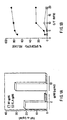
- FIG. 1 PEC sensitized with gp96 preparations derived from N1 cells are recognized by VSV-specific cytotoxic T-lymphocytes (CTLs), in Kb - restricted, CD8-mediated manner, but PEC pulsed with gp96 derived from EL4 cells are not.
- CTLs cytotoxic T-lymphocytes
- FIG. 1 Pristane-induced PEC (1x10 4 ) from C57BL/6 mice and VSV peptide specific CTL (5x10 4 ) from C57BL/6 mice and VSV peptide specific CTL (5x10 4 ) were co-cultured in presence of gp96 (2 or 10 ⁇ g/ml) derived from N1 or EL4 cells in 96-well U-bottom plate at 37°C.
- WEHI164 cells were seeded (2,500/well) in flat-bottom 96 well plates. Serially diluted supernatants of PEC-CTL coculture were added. ⁇ -TNF- ⁇ was cultured with WEHI 164 in separate wells as control. After 4 hr culture at 37°C, 50 ⁇ l MTT (1mg/ml) was added, with a 4 hr incubation, followed by 100 ⁇ l propanol-0.05M Hcl. O.D. (590 nm) was measured immediately.
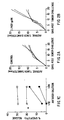
- FIG. 1 Tumor growth, measured as average tumor diameter in 5 groups of mice challenged with 1x10 5 cells of Methylcholanthrene (Meth)- A - induced tumor cells treated as follows: A. subcutaneous injection of buffer solution; B. subcutaneous injection containing 9 ⁇ g gp96-peptide complexes derived from liver tissue; C. intraperitoneal injection with 5x10 6 peritoneal exudate cells (PEC) sensitized with 9 ⁇ g gp96-peptide complexes derived from normal liver (Liver gp96 + PEC); D. subcutaneous injection containing 9 ⁇ g gp96-peptide complexes derived from Meth A tumor cells; and E. intraperitoneal injection with 5x10 6 PEC sensitized with 9 ⁇ g gp96-peptide complexes derived from Meth A tumor cells (Meth A gp96 + PEC).
- the present invention pertains to compositions comprising antigen presenting cells (APC) sensitized with complexes of heat shock proteins (hsps) non-covalently bound to antigenic molecules, and therapeutic and prophylactic methods comprising administering such compositions in pharmaceutically acceptable carriers to individuals, preferably human, suffering from cancer, infectious diseases or immunological disorders.
- APC antigen presenting cells
- hsps heat shock proteins
- the APC can be selected from among those antigen presenting.cells known in the art, including but not limited to macrophages, dendritic cells, B lymphocytes, and a combination thereof, and are preferably macrophages.
- the preferred hsps comprised in the complexes suitable for sensitizing the macrophages and/or APC include, but are not limited to, hsp70, hsp90, gp96 and gp100 or a combination thereof.
- the sensitized cells are human cells.
- the complexes used to sensitize the cells comprise human hsps and human antigenic molecules.
- the hsp-sensitized cells can be autologous or non-autologous ( eg. , allogeneic) to the patient.
- autologous immune cells such as lymphocytes, macrophages or other APC in adoptive immunotherapy
- a major ethical problem the issue of whom to select as the donor of the immune cells for adoptive transfer.
- Another problem circumvented by use of autologous immune cells is graft versus host disease which can be fatal if unsuccessfully treated.
- Adoptive immunotherapy allows activation of immune cells by incubation with hsp-antigenic molecule complexes, and measurement of reactivity against the tumor or infectious agent in vitro. This in vitro boost followed by clonal selection and/or expansion, and patient infusion constitutes a useful therapeutic/prophylactic strategy.
- Antigenic molecule refers to the peptides with which the hsps are endogenously associated in vivo (e.g ., in infected cells or precancerous or cancerous tissue) as well as exogenous antigens/immunogens (i.e., with which the hsps are not complexed in vivo ) and antigenic/immunogenic fragments and derivatives thereof.
- Heat shock proteins which are also referred to interchangeably herein as stress proteins, useful in the practice of the instant invention can be selected from among any cellular protein that satisfies any one of the following criteria. It is a protein whose intracellular concentration increases when a cell is exposed to a stressful stimuli, it is capable of binding other proteins or peptides, and it is capable of releasing the bound proteins or peptides in the presence of adenosine triphosphate (ATP) or low pH, or it is a protein showing at least 35% homology with any cellular protein having any of the above properties.
- ATP adenosine triphosphate
- the first stress proteins to be identified were the heat shock proteins (hsps). As their name implies, hsps are synthesized by a cell in response to heat shock. To date, three major families of hsp have been identified based on molecular weight. The families have been called hsp60, hsp70 and hsp90 where the numbers reflect the approximate molecular weight of the stress proteins in kilodaltons. Many members of these families were found subsequently to be induced in response to other stressful stimuli including, but not limited to, nutrient deprivation, metabolic disruption, oxygen radicals, and infection with intracellular pathogens (See Welch, May 1993, Scientific American 56-64; Young, 1990, Annu. Rev. Immunol.
- hsps can accumulate to very high levels in stressed cells, but they occur at low to moderate levels in cells that have been stressed.
- the highly inducible mammalian hsp70 is hardly detectable at normal temperatures but becomes one of the most actively synthesized proteins in the cell upon heat shock (Welch, et al., 1985, J. Cell . Biol . 101:1198-1211).
- hsp90 and hsp60 proteins are abundant at normal temperatures in most, but not all, mammalian cells and are further induced by heat (Lai, et al., 1984, Mol. Cell. Biol . 4:2802-10; van Bergen en Henegouwen, et al., 1987, Genes Dev . 1:525-31).
- Heat shock proteins are among the most highly conserved proteins in existence.
- DnaK the hsp70 from E. coli has about 50% amino acid sequence identity with hsp70 proteins from excoriates (Bardwell, et al., 1984, Proc. Natl . Acad. Sci . 81:848-852).
- the hsp60 and hsp90 families also show similarly high levels of intra families conservation (Hickey, et al., 1989, Mol. Cell. Biol . 9:2615-2626; Jindal, 1989, Mol . Cell. Biol . 9:2279-2283).
- hsp60, hsp70 and hsp90 families are composed of proteins that are related to the stress proteins in sequence, for example, having greater than 35% amino acid identity, but whose expression levels are not altered by stress. Therefore it is contemplated that the definition of stress protein, as used herein, embraces other proteins, muteins; analogs, and variants thereof having at least 35% to 55%, preferably 55% to 75%, and most preferably 75% to 85% amino acid identity with members of the three families whose expression levels in a cell are enhanced in response to a stressful stimulus. The purification of stress proteins belonging to these three families is described below.
- the hsp-antigenic molecule complexes used to sensitize APCs according to the invention may include any complex containing an hsp and a molecule that is capable of inducing an immune response in a mammal.
- the antigenic/immunogenic molecules are noncovalently associated with the hsp.
- Preferred complexes include, but are not limited to, hsp60-peptide, hsp70-peptide and hsp90-peptide complexes, in which the hsp-peptide complex is present in vivo and is isolated from cells.
- the complex comprises an hsp called gp96 which is present in the endoplasmic reticulum of eukaryotic cells and is related to the cytoplasmic hsp90's.
- the hsps can be allogeneic to the patient, in a preferred embodiment, the hsps are autologous to (derived from) the patient to whom they are administered.
- the hsps and/or antigenic molecules can be purified from natural sources, chemically synthesized, or recombinantly produced.
- the present invention encompasses methods for adoptive immunotherapy of cancer, infectious diseases and immunological disorders by enhancing the host's immunocompetence activity of immune effector cells.
- Cancers which are responsive to adoptive immunotherapy by the hsp complex-sensitized macrophages and/or APC of the invention include, but are not limited to human sarcomas and carcinomas, e.g ., fibrosarcoma, myxosarcoma, liposarcoma, chondrosarcoma, osteogenic sarcoma, chordoma, angiosarcoma, endotheliosarcoma, lymphangiosarcoma, lymphangioendotheliosarcoma, synovioma, mesothelioma, Ewing's tumor, leiomyosarcoma, rhabdomyosarcoma, colon carcinoma, pancreatic cancer, breast cancer, ovarian cancer, prostate cancer, squamous cell carcinoma, basal cell carcinoma, adenocarcinoma, sweat gland carcinoma, sebaceous gland carcinoma, papillary carcinoma, papillary adenocarcinomas, cystadeno
- acute lymphocytic leukemia and acute myelocytic leukemia myeloblastic, promyelocytic, myelomonocytic, monocytic and erythroleukemia
- chronic leukemia chronic myelocytic (granulocytic) leukemia and chronic lymphocytic leukemia
- polycythemia vera lymphoma (Hodgkin's disease and non-Hodgkin's disease), multiple myeloma, Waldenström's macroglobulinemia, and heavy chain disease.
- the invention also provides a kit comprising in a container a complex of an hsp noncovalently bound to an exogenous antigenic molecule.
- the kit can further comprise in a second container human APC.
- APC are sensitized with hsp complexed with immunogenic or antigenic molecules that are endogenously complexed to hsps or MHC antigens and can be used as antigenic molecules.
- immunogenic or antigenic molecules that are endogenously complexed to hsps or MHC antigens and can be used as antigenic molecules.
- such peptides may be prepared that stimulate cytotoxic T cell responses against different tumor specific antigens (e.g.
- HIV-I immunodeficiency virus type I
- HAV-II human immunodeficiency virus type II
- hepatitis type A hepatitis type B
- hepatitis type C influenza, Varicella, adenovirus
- herpes simplex type I HSV-I
- herpes simplex type II HSV-II
- rinderpest rhinovirus, echovirus, rotavirus, respiratory syncytial virus, papilloma virus, papova virus, cytomegalovirus, echinovirus, arbovirus, huntavirus, coxsackie virus, mumps virus, measles virus, rubella virus and polio virus.
- the complexes can be isolated from cells, or alternatively, produced in vitro from purified preparations each of hsps and antigenic molecules.
- antigens of cancers e.g. , tumors
- infectious agents e.g. , viral antigen, bacterial antigens, etc.
- purification from natural sources e.g. , by chemical synthesis, or recombinantly, and, through in vitro procedures such as that described below, noncovalently complexed to hsps.
- the hsp-antigenic molecule complex to be used is a complex that is produced in vivo in cells
- exemplary purification procedures such as described in Sections 5.1.1-5.1.3 below can be employed.
- hsps can be purified for such use from the endogenous hsp-peptide complexes in the presence of ATP or low pH (or chemically synthesized or recombinantly produced).
- the protocols described herein may be used to isolate hsp-peptide complexes, or the hsps alone, from any eukaryotic cells for example, tissues, isolated cells, or immortalized eukaryote cell lines infected with a preselected intracellular pathogen, tumor cells or tumor cell lines.
- tumor cells are suspended in 3 volumes of 1X Lysis buffer consisting of 5mM sodium phosphate buffer (pH7), 150mM NaCl, 2mM CaCl 2 , 2mM MgCl 2 and 1mM phenyl methyl sulfonyl fluoride (PMSF). Then, the pellet is sonicated, on ice, until >99% cells are lysed as determined by microscopic examination.
- 1X Lysis buffer consisting of 5mM sodium phosphate buffer (pH7), 150mM NaCl, 2mM CaCl 2 , 2mM MgCl 2 and 1mM phenyl methyl sulfonyl fluoride (PMSF).
- the cells may be lysed by mechanical shearing and in this approach the cells typically are resuspended in 30mM sodium bicarbonate pH 7.5, 1mM PMSF, incubated on ice for 20 minutes and then homogenized in a dounce homogenizer until >95% cells are lysed.
- the lysate is centrifuged at 1,000g for 10 minutes to remove unbroken cells, nuclei and other cellular debris.
- the resulting supernatant is recentrifuged at 100,000g for 90 minutes, the supernatant harvested and then mixed with Con A Sepharose equilibrated with phosphate buffered saline (PBS) containing 2mM Ca 2+ and 2mM Mg 2+ .
- PBS phosphate buffered saline
- the supernatant is diluted with an equal volume of 2X Lysis buffer prior to mixing with Con A Sepharose.
- the supernatant is then allowed to bind to the Con A Sepharose for 2-3 hours at 4°C.
- the material that fails to bind is harvested and dialyzed for 36 hours (three times, 100 volumes each time) against 10mM Tris-Acetate pH 7.5, 0.1mM EDTA, 10mM NaCl, 1mM PMSF. Then the dialyzate is centrifuged at 17,000 rpm (Sorvall SS34 rotor) for 20 minutes. Then the resulting supernatant is harvested and applied to a Mono Q FPLC column equilibrated in 20mM Tris-Acetate pH 7.5, 20mM NaCl, 0.1mM EDTA and 15mM 2-mercaptoethanol.
- the column is then developed with a 20mM to 500mM NaCl gradient and then eluted fractions fractionated by sodium dodecyl sulfate-polyacrylamide gel electrophoresis (SDS-PAGE) and characterized by immunoblotting using an appropriate anti-hsp70 antibody (such as from clone N27F3-4, from StressGen).
- SDS-PAGE sodium dodecyl sulfate-polyacrylamide gel electrophoresis
- Fractions strongly immunoreactive with the anti-hsp70 antibody are pooled and the hsp70-peptide complexes precipitated with ammonium sulfate; specifically with a 50%-70% ammonium sulfate cut.
- the resulting precipitate is then harvested by centrifugation at 17,000 rpm (SS34 Sorvall rotor) and washed with 70% ammonium sulfate.
- the washed precipitate is then solubilized and any residual ammonium sulfate removed by gel filtration on a Sephadex R G25 column (Pharmacia). If necessary the hsp70 preparation thus obtained can be repurified through the Mono Q FPCL Column as described above.
- the hsp70-peptide complex can be purified to apparent homogeneity using this method. Typically 1mg of hsp70-peptide complex can be purified from 1g of cells/tissue.
- the present invention further describes a new and rapid method for purification of hsp70-peptide complexes.
- This improved method uses chromatography with ADP affixed to a solid substratum (e.g ., ADP-agarose).
- ADP affixed to a solid substratum
- the resulting hsp70 preparations are higher in purity and devoid of peptides.
- the hsp70 yields are also increased significantly by about more than 10 fold.
- chromatography with nonhydrolyzable analogs of ATP instead of ADP, can be used in chromatography for purification of hsp70-peptide complexes.
- hsp70-peptide complexes by ADP-agarose chromatography was carried out as follows: Meth A sarcoma cells (500 million cells) were homogenized in hypotonic buffer and the lysate was centrifuged at 100,000 g for 90 minutes at 4°C. The supernatant was divided into two and was applied to an ADP-agarose or an ATP-agarose column. The columns were washed in buffer and were eluted with 3 Mm ADP or 3 mM ATP, respectively. The eluted fractions were analyzed by SDS-PAGE: in both cases, apparently homogeneous preparations of hsp70 were obtained. However, when each of the preparations was tested for presence of peptides, the ADP-bound/eluted hsp70 preparation was found to be associated with peptides, while the ATP-bound/eluted hsp70 preparation was not.
- tumor cells are suspended in 3 volumes of 1X Lysis buffer consisting of 5mM sodium phosphate buffer pH 7, 150mM NaCl, 2mM CaCl 2 , 2mM MgCl 2 and 1mM phenyl methyl sulfonyl fluoride (PMSF). Then, the pellet is sonicated, on ice, until >99% cells are lysed as determined by microscopic examination.
- 1X Lysis buffer consisting of 5mM sodium phosphate buffer pH 7, 150mM NaCl, 2mM CaCl 2 , 2mM MgCl 2 and 1mM phenyl methyl sulfonyl fluoride (PMSF).
- the cells may be lysed by mechanical shearing and in this approach the cells typically are resuspended in 30mM sodium bicarbonate pH 7.5, 1mM PMSF, incubated on ice for 20 minutes and then homogenized in a dounce homogenizer until >95% cells are lysed.
- the lysate is centrifuged at 1,000g for 10 minutes to remove unbroken cells, nuclei and other cellular debris.
- the resulting supernatant is recentrifuged at 100,000g for 90 minutes, the supernatant harvested and then mixed with Con A Sepharose equilibrated with PBS containing 2mM Ca 2+ and 2mM Mg 2+ .
- Con A Sepharose equilibrated with PBS containing 2mM Ca 2+ and 2mM Mg 2+ .
- the supernatant is diluted with an equal volume of 2X Lysis buffer prior to mixing with Con A Sepharose.
- the supernatant is then allowed to bind to the Con A Sepharose for 2-3 hours at 4°C.
- the material that fails to bind is harvested and dialyzed for 36 hours (three times, 100 volumes each time) against 10mM Tris-Acetate pH 7.5, 0.1mM EDTA, 10mM NaCl, 1mM PMSF. Then the dialyzate is centrifuged at 17,000 rpm (Sorvall SS34 rotor) for 20 minutes. Then the resulting supernatant is harvested and applied to a Mono Q FPLC column equilibrated with lysis buffer. The proteins are then eluted with a salt gradient of 200mM to 600mM NaCl.
- Hsp90-peptide complexes can be purified to apparent homogeneity using this procedure. Typically, 150-200 ⁇ g of hsp90-peptide complex can be purified from 1g of cells/tissue.
- a pellet of tumors is resuspended in 3 volumes of buffer consisting of 30mM sodium bicarbonate buffer (pH 7.5) and 1mM PMSF and the cells allowed to swell on ice 20 minutes.
- the cell pellet then is homogenized in a Dounce homogenizer (the appropriate clearance of the homogenizer will vary according to each cells type) on ice until >95% cells are lysed.
- the lysate is centrifuged at 1,000g for 10 minutes to remove unbroken cells, nuclei and other debris.
- the supernatant from this centrifugation step then is recentrifuged at 100,000g for 90 minutes.
- the gp96-peptide complex can be purified either from the 100,000 pellet or from the supernatant.
- the supernatant When purified from the supernatant, the supernatant is diluted with equal volume of 2X lysis buffer and the supernatant mixed for 2-3 hours at 4°C with Con a sepharose equilibrated with PBS containing 2mM Ca 2+ and 2mM Mg 2+ . Then, the slurry is packed into a column and washed with 1X lysis buffer until the OD 280 drops to baseline. Then, the column is washed with 1/3 column bed volume of 10% ⁇ -methyl mannoside ( ⁇ -MM) dissolved in PBS containing 2mM Ca 2+ and 2mM Mg 2+ , the column sealed with a piece of parafilm, and incubated at 37°C for 15 minutes.
- ⁇ -MM ⁇ -methyl mannoside
- the column is cooled to room temperature and the parafilm removed from the bottom of the column.
- Five column volumes of the ⁇ -MM buffer are applied to the column and the eluate analyzed by SDS-PAGE. Typically the resulting material is about 60-95% pure; however, this depends upon the cell type and the tissue-to-lysis buffer ratio used.
- the sample is applied to a Mono Q FPLC column (Pharmacia) equilibrated with a buffer containing 5mM sodium phosphate, pH 7.
- the proteins then are eluted from the column with a 0-1M NaCl gradient and the gp96 fraction elutes between 400mM and 550mM NaCl.
- the procedure may be modified by two additional steps, used either alone or in combination, to consistently produce apparently homogeneous gp96-peptide complexes.
- One optional step involves an ammonium sulfate precipitation prior to the Con A purification step and the other optional step involves DEAE-Sepharose purification after the Con A purification step but before the Mono Q FPLC step.
- the supernatant resulting from the 100,000g centrifugation step is brought to a final concentration of 50% ammonium sulfate by the addition of ammonium sulfate.
- the ammonium sulfate is added slowly while gently stirring the solution in a beaker placed in a tray of ice water.
- the solution is stirred from about 1/2 to 12 hours at 4°C and the resulting solution centrifuged at 6,000 rpm (Sorvall SS34 rotor).
- the supernatant resulting from this step is removed, brought to 70% ammonium sulfate saturation by the addition of ammonium sulfate solution, and centrifuged at 6,000 rpm (Sorvall SS34 rotor).
- the resulting pellet from this step is harvested and suspended in PBS containing 70% ammonium sulfate in order to rinse the pellet.
- This mixture is centrifuged at 6,000 rpm (Sorvall SS34 rotor) and the pellet dissolved in PBS containing 2mM Ca 2+ and Mg 2+ . Undissolved material is removed by a brief centrifugation at 15,000 rpm (Sorvall SS34 rotor). Then, the solution is mixed with Con A Sepharose and the procedure followed as before.
- the gp96 containing fractions eluted from the Con A column are pooled and the buffer exchanged for 5mM sodium phosphate buffer, pH 7, 300mM NaCl by dialysis, or preferably by buffer exchange on a Sephadex G25 column.
- the solution is mixed with DEAE-Sepharose previously equilibrated with 5mM sodium phosphate buffer, pH 7, 300mM NaCl.
- the protein solution and the beads are mixed gently for 1 hour and poured into a column. Then, the column is washed with 5mM sodium phosphate buffer, pH 7, 300mM NaCl, until the absorbance-at 280mM drops to baseline.
- the bound protein is eluted from the column with five volumes of 5mM sodium phosphate buffer, pH 7, 700mM NaCl. Protein containing fractions are pooled and diluted with 5mM sodium phosphate buffer, pH 7 in order to lower the salt concentration to 175mM. The resulting material then is applied to the Mono Q FPLC column (Pharmacia) equilibrated with 5mM sodium phosphate buffer, pH 7 and the protein that binds to the Mono Q FPLC column (Pharmacia) is eluted as described before.
- the pellet When the gp96 fraction is isolated from the 100,000g pellet, the pellet is suspended in 5 volumes of PBS containing either 1% sodium deoxycholate or 1% oxtyl glucopyranoside (but without the Mg 2+ and Ca 2+ ) and incubated on ice for 1 hour. The suspension is centrifuged at 20,000g for 30 minutes and the resulting supernatant dialyzed against several changes of PBS (also without the Mg 2+ and Ca 2+ ) to remove the detergent. The dialysate is centrifuged at 100,000g for 90 minutes, the supernatant harvested, and calcium and magnesium are added to the supernatant to give final concentrations of 2mM, respectively. Then the sample is purified by either the unmodified or the modified method for isolating gp96-peptide complex from the 100,000g supernatant, see above.
- the gp96-peptide complexes can be purified to apparent homogeneity using this procedure. About 10-20 ⁇ g of gp96 can be isolated from 1g cells/tissue.
- Sections 5.1.1 - 5.1.3 are used to isolate hsp-peptide complexes from cells infected with an infectious organism, e.g ., of a cell line or from a patient.
- infectious organisms include but are not limited to, viruses, bacterial, protozoa, fungi, and parasites as described in detail below.
- antigenic peptides and/or components can be eluted from endogenous, in vivo hsp-complexes either in the presence of ATP or low pH. These experimental conditions may be used to isolate peptides and/or antigenic components from cells which may contain potentially useful antigenic determinants. Once isolated, the amino acid sequence of each antigenic peptide may be determined using conventional amino acid sequencing methodologies. Such antigenic molecules can then be produced by chemical synthesis or recombinant methods, purified, and complexed to hsps in vitro .
- immunogenic or antigenic peptides may be isolated from either endogenous stress protein-peptide complexes or endogenous MHC-peptide complexes for use subsequently as antigenic molecules, by complexing in vitro to hsps.
- Exemplary protocols for isolating peptides and/or antigenic components from either of the these complexes are set forth below.
- Two methods may be used to elute the peptide from a stress protein-peptide complex.
- One approach involves incubating the stress protein-peptide complex in the presence of ATP.
- the other approach involves incubating the complexes in a low pH buffer.
- the complex of interest is centrifuged through a Centricon 10 assembly (Millipore) to remove any low molecular weight material loosely associated with the complex.
- the large molecular weight fraction may be removed and analyzed by SDS-PAGE while the low molecular weight may be analyzed by HPLC as described below.
- the stress protein-peptide complex in the large molecular weight fraction is incubated with 10mM ATP for 30 minutes at room temperature.
- acetic acid or trifluoroacetic acid is added to the stress protein-peptide complex to give a final concentration of 10% (vol/vol) and the mixture incubated at room temperature in a boiling water bath or any temperature in between for 10 minutes ( See , Van Bleek, et al., 1990, Nature 348:213-216; and Li, et al., 1993, EMBO Journal 12:3143-3151).
- the resulting samples are centrifuged through an Centricon 10 assembly as mentioned previously.
- the high and low molecular weight fractions are recovered.
- the remaining large molecular weight stress protein-peptide complexes can be reincubated with ATP or low pH to remove any remaining peptides.
- the resulting lower molecular weight fractions are pooled, concentrated by evaporation and dissolved in 0.1% trifluoroacetic acid (TFA).
- TFA trifluoroacetic acid
- the dissolved material is then fractionated by reverse phase high pressure liquid chromatography (HPLC) T using for example a VYDAC CIB reverse phase column equilibrated with 0.1% TFA.
- HPLC reverse phase high pressure liquid chromatography
- the bound material is then eluted at a flow rate of about 0.8 ml/min by developing the column with a linear gradient of 0 to 80% acetonitrile in 0.1% TFA.
- the elution of the peptides can be monitored by OD 210 and the fractions containing the peptides collected.
- MHC-peptide complexes may be isolated by a conventional immunoaffinity procedure.
- the peptides then may be eluted from the MHC-peptide complex by incubating the complexes in the presence of about 0.1% TFA in acetonitrile.
- the eluted peptides may be fractionated and purified by reverse phase HPLC, as before.
- amino acid sequences of the eluted peptides may be determined either by manual or automated amino acid sequencing techniques well known in the art. Once the amino acid sequence of a potentially protective peptide has been determined the peptide may be synthesized in any desired amount using conventional peptide synthesis or other protocols well known in the art.
- N- ⁇ -protected amino acids having protected side chains are added stepwise to a growing polypeptide chain linked by its C-terminal and to an insoluble polymeric support i.e., polystyrene beads.
- the peptides are synthesized by linking an amino group of an N- ⁇ -deprotected amino acid to an ⁇ -carboxy group of an N- ⁇ -protected amino acid that has been activated by reacting it with a reagent such as dicyclohexylcarbodiimide. The attachment of a free amino group to the activated carboxyl leads to peptide bond formation.
- the most commonly used N- ⁇ -protecting groups include Boc which is acid labile and Fmoc which is base labile.
- the C-terminal N- ⁇ -protected amino acid is first attached to the polystyrene beads.
- the N- ⁇ -protecting group is then removed.
- the deprotected ⁇ -amino group is coupled to the activated ⁇ -carboxylate group of the next N- ⁇ -protected amino acid.
- the process is repeated until the desired peptide is synthesized.
- the resulting peptides are then cleaved from the insoluble polymer support and the amino acid side chains deprotected. Longer peptides can be derived by condensation of protected peptide fragments.
- Antigens or antigenic portions thereof can be selected for use as antigenic molecules, for complexing to hsps, from among those known in the art or determined by immunoassay to be able to bind to antibody or MHC molecules (antigenicity) or generate immune responses (immunogenicity).
- immunoassays known in the art can be used, including but not limited to, competitive and non-competitive assay systems using techniques such as radioimmunoassays, ELISA (enzyme linked immunosorbent assay), "sandwich” immunoassays, immunoradiometric assays, gel diffusion precipitin reactions, immunodiffusion assays, in vivo immunoassays (using colloidal gold, enzyme or radioisotope labels, for example), western blots, immunoprecipitation reactions, agglutination assays (e.g ., gel agglutination assays, hemagglutination assays), complement fixation assays, immunofluorescence assays, protein A assays, and immunoelectrophoresis assays, etc.
- ELISA enzyme linked immunosorbent assay
- sandwich immunoassays immunoradiometric assays
- gel diffusion precipitin reactions immunodiffusion assays
- immunodiffusion assays in
- antibody binding is detected by detecting a label on the primary antibody.
- the primary antibody is detected by detecting binding of a secondary antibody or reagent to the primary antibody.
- the secondary antibody is labelled.
- Many means are known in the art for detecting binding in an immunoassay and are envisioned for use.
- T cell-mediated responses can be assayed by standard methods, e.g ., in vitro cytoxicity assays or in vivo delayed-type hypersensitivity assays.
- antigens or derivatives thereof for use as antigenic molecules can also be identified by various criteria, such as the antigen's involvement in neutralization of a pathogen's infectivity (wherein it is desired to treat or prevent infection by such a pathogen) (Norrby, 1985, Summary , in Vaccines 85, Lerner, et al. (eds.), Cold Spring Harbor Laboratory, Cold Spring Harbor, New York, pp. 388-389), type or group specificity, recognition by patients' antisera or immune cells, and/or the demonstration of protective effects of antisera or immune cells specific for the antigen.
- the antigen's encoded epitope should preferably display a small or no degree of antigenic variation in time or amongst different isolates of the same pathogen.
- tumor-specific antigens or fragments or derivatives thereof are used.
- tumor specific or tumor-associated antigens include, but are not limited to, KS 1/4 pan-carcinoma antigen (Perez and Walker, 1990, J. Immunol. 142:3662-3667; Bumal, 1988, Hybridoma 7(4):407-415); ovarian carcinoma antigen (CA125) (Yu, et al., 1991, Cancer Res . 51(2):468-475); prostatic acid phosphate (Tailer, et al., 1990, Nucl. Acids Res.
- prostate specific antigen Henttu and Vihko, 1989, Biochem . Biophys. Res. Comm . 160(2):903-910; Israeli, et al., 1993, Cancer Res . 53:227-230; melanoma-associated antigen p97 (Estin, et al., 1989, J. Natl. Cancer Inst. 81(6):445-446); melanoma antigen gp75 (Vijayasardahl, et al., 1990, J. Exp . Med . 171(4):1375-1380); high molecular weight melanoma antigen (Natali, et al., 1987, Cancer 59:55-63) and prostate specific membrane antigen.
- an antigen or fragment or derivative thereof specific to a certain tumor is selected for complexing to hsp and subsequent sensitization of APC.
- molecules comprising epitopes of known viruses are used as antigenic molecules.
- antigenic epitopes may be prepared from viruses including, but not limited to, hepatitis type A hepatitis type B, hepatitis type C, influenza, varicella, adenovirus, herpes simplex type I (HSV-I), herpes simplex type II (HSV-II), rinderpest, rhinovirus, echovirus, rotavirus, respiratory syncytial virus, papilloma virus, papova virus, cytomegalovirus, echinovirus, arbovirus, huntavirus, coxsachie virus, mumps virus, measles virus, rubella virus, polio virus, human immunodeficiency virus type I (HIV-I), and human immunodeficiency virus type II (HIV-II).
- viruses including, but not limited to, hepatitis type A hepatitis type B, hepatitis type C, influenza, vari
- molecules comprising epitopes of known bacteria are used.
- antigenic epitopes may be prepared from bacteria including, but not limited to, mycobacteria rickettsia, mycoplasma, neisseria and legionella.
- molecules comprising epitopes of known protozoa are used as antigenic molecules.
- antigenic epitopes may be prepared from protozoa including, but not limited to, leishmania, kokzidioa, and trypanosoma.
- molecules comprising epitopes of known parasites are used as antigenic molecules.
- antigenic epitopes may be from parasites including, but not limited to, chlamydia and rickettsia.
- complexes of hsps and the peptides with which they are endogenously associated in vivo are produced in vitro .
- the peptides either isolated by the aforementioned procedures or chemically synthesized or recombinantly produced may be reconstituted with a variety of naturally purified or recombinant stress proteins in vitro to generate immunogenic non-covalent stress protein-antigenic molecule complexes.
- exogenous antigens or antigenic/immunogenic fragments or derivatives thereof can be noncovalently complexed to stress proteins for use in the immunotherapeutic or prophylactic vaccines of the invention.
- a preferred, exemplary protocol for noncovalently complexing a stress protein and an antigenic molecule in vitro is discussed below.
- the hsps Prior to complexing, the hsps are pretreated with ATP or low pH to remove any peptides that may be associated with the hsp of interest.
- ATP ATP
- excess ATP is removed from the preparation by the addition of apyranase as described by Levy, et al., 1991, Cell 67:265-274.
- the buffer is readjusted to neutral pH by the addition of pH modifying reagents.
- the antigenic molecules (1 ⁇ g) and the pretreated hsp (9 ⁇ g) are admixed to give an approximately 5 antigenic molecule: 1 stress protein molar ratio. Then, the mixture is incubated for 15 minutes to 3 hours at 4°-45° C in a suitable binding buffer, for example, one containing 20mM sodium phosphate, pH 7.2, 350mM NaCl, 3mM MgCl 2 and 1mM phenyl methyl sulfonyl fluoride (PMSF). The preparations are centrifuged through Centricon 10 assembly (Millipore) to remove any unbound peptide. The association of the peptides with the stress proteins can be assayed by SDS-PAGE. This is the preferred method for in vitro complexing of peptides isolated from MHC-peptide complexes of peptides disassociated from endogenous hsp-peptide complexes.
- a suitable binding buffer for example, one containing 20mM sodium phosphate, pH
- hsp70 in an alternative embodiment of the invention, preferred for producing complexes of hsp70 to exogenous antigenic molecules such as proteins, 5-10 micrograms of purified hsp is incubated with equimolar quantities of the antigenic molecule in 20mM sodium phosphate buffer pH 7.5, 0.5M NaCl, 3mM MgCl 2 and 1mM ADP in a volume of 100 microliter at 37°C for 1 hr. This incubation mixture is further diluted to 1ml in phosphate-buffered saline.
- gp96 or hsp90 preferred for producing complexes of gp96 or hsp90 to peptides
- 5-10 micrograms of purified gp96 or hsp90 is incubated with equimolar or excess quantities of the antigenic peptide in a suitable buffer such as one containing 20mM sodium phosphate buffer, pH 7.5, 0.5M NaCl, 3mM MgCl 2 at 60°-65°C for 5-20 minutes.
- a suitable buffer such as one containing 20mM sodium phosphate buffer, pH 7.5, 0.5M NaCl, 3mM MgCl 2 at 60°-65°C for 5-20 minutes.
- This incubation mixture is allowed to cool to room temperature and centrifuged more than once, if necessary through Centricon 10 assembly (Millipore) to remove any unbound peptide.
- the stress protein-antigenic molecule complexes can optionally be assayed in vitro for immunogenicity, using for example the mixed lymphocyte target cell assay (MLTC) described below.
- MLTC mixed lymphocyte target cell assay
- the purified stress protein-antigenic molecule complexes can optionally be assayed for immunogenicity using the mixed lymphocyte target culture assay (MLTC) well known in the art, prior to their use to sensitize APC. It will be understood that this procedure is entirely optional, and not necessary to practice the present invention.
- MLTC mixed lymphocyte target culture assay
- mice are injected subcutaneously with the candidate stress protein-antigenic molecule complexes.
- Other mice are injected with either other stress protein peptide complexes or whole infected cells which act as positive controls for the assay.
- the mice are injected twice, 7-10 days apart.
- Ten days after the last immunization the spleens are removed and the lymphocytes released.
- the released lymphocytes may be restimulated subsequently in vitro by the addition of dead cells that expressed the complex of interest.
- 8x10 6 immune spleen cells may be stimulated with 4x10 4 mitomycin C treated or ⁇ -irradiated (5-10,000 rads) infected cells (or cells transfected with an appropriate gene, as the case may be) in 3ml RPMI medium containing 10% fetal calf serum. In certain cases 33% secondary mixed lymphocyte culture supernatant may be included in the culture medium as a source of T cell growth factors ( See , Glasebrook, et al., 1980, J. Exp. Med . 151:876). To test the primary cytotoxic T cell response after immunization, spleen cells may be cultured without stimulation. In some experiments spleen cells of the immunized mice may also be restimulated with antigenically distinct cells, to determine the specificity of the cytotoxic T cell response.
- the mixed lymphocyte culture is added to a target cell suspension to give different effector:target (E:T) ratios (usually 1:1 to 40:1).
- E:T effector:target
- the target cells are prelabelled by incubating 1x10 6 target cells in culture medium containing 200 mCi 51 Cr/ml for one hour at 37°C. The cells are washed three times following labeling.
- Each assay point (E:T ratio) is performed in triplicate and the appropriate controls incorporated to measure spontaneous 51 Cr release (no lymphocytes added to assay) and 100% release (cells lysed with detergent). After incubating the cell mixtures for 4 hours, the cells are paletted by centrifugation at 200g for 5 minutes. The amount of 51 Cr released into the supernatant is measured by a gamma counter. The percent cytotoxicity is measured as cpm in the test sample minus spontaneously released cpm divided by the total detergent released cpm minus spontaneously released cpm.
- a concentrated hybridoma supernatant derived from K-44 hybridoma cells (an anti-MHC class I hybridoma) is added to the test samples to a final concentration of 12.5%.
- the antigen-presenting cells including but not limited to macrophages, dendritic cells and B-cells, are preferably obtained by production in vitro from stem and progenitor cells from human peripheral blood or bone marrow as described by Inaba, K., et al., 1992, J. Exp. Med. 176 :1693-1702.
- APC can be obtained by any of various methods known in the art.
- human macrophages are used, obtained from human blood cells.
- macrophages can be obtained as follows:
- Mononuclear cells are isolated from peripheral blood of a patient (preferably the patient to be treated), by Ficoll-Hypaque gradient centrifugation.
- Tissue culture dishes are pre-coated with the patient's own serum or with other AB+ human serum and incubated at 37°C for 1 hr. Non-adherent cells are removed by pipetting. To the adherent cells left in the dish, is added cold (4°C) 1mM EDTA in phosphate-buffered saline and the dishes are left at room temperature for 15 minutes. The cells are harvested, washed with RPMI buffer and suspended in RPMI buffer.
- Increased numbers of macrophages may be obtained by incubating at 37°C with macrophage-colony stimulating factor (M-CSF); increased numbers of dendritic cells may be obtained by incubating with granulocyte-macrophage-colony stimulating factor (GM-CSF) as described in detail by Inaba, K., et al., 1992, J. Exp. Med. 176 :1693-1702.
- M-CSF macrophage-colony stimulating factor
- GM-CSF granulocyte-macrophage-colony stimulating factor
- APC are sensitized with hsp non-covalently bound to antigenic molecules by incubating the cells in vitro with the complexes.
- the APC are sensitized with complexes of hsps and antigenic molecules by incubating in vitro with the hsp-complex at 37°C for 15 min.-24 hrs.
- 4x10 7 macrophages can be incubated with 10 microgram gp96-peptide complexes per ml or 100 microgram hsp90-peptide complexes per ml at 37°C for 15 min.-24 hrs. in 1 ml plain RPMI medium.
- the cells are washed three times and resuspended in a physiological medium preferably sterile, at a convenient concentration (e.g ., 1x10 7 /ml) for infusion in a patient.
- a physiological medium preferably sterile
- a convenient concentration e.g ., 1x10 7 /ml
- the patient into which the sensitized APCs are infused is the patient from which the APC were originally isolated (autologous embodiment).
- the ability of sensitized APC to stimulate, for example, the antigen-specific, class I - restricted cytotoxic T-lymphocytes (CTL) can be monitored by their ability to stimulate CTLs to release tumor neurosis factor, and by their ability to act as targets of such CTLs, as described below in Example 6, below.
- CTL cytotoxic T-lymphocytes
- the hsp-sensitized macrophages and other APC are reinfused into the patient systemically, preferably intravenously, by conventional clinical procedures. These activated cells are reinfused, preferentially by systemic administration into the autologous patient.
- Patients generally receive from about 10 6 to about 10 12 sensitized macrophages, depending on the condition of the patient. In some regimens, patients may optionally receive in addition a suitable dosage of a biological response modifier including but not limited to the cytokines IFN- ⁇ , IFN- ⁇ , IL-2, IL-4, IL-6, TNF or other cytokine growth factor.
- Infectious diseases that can be treated or prevented by the methods of the present invention are caused by infectious agents including but not limited to viruses, bacteria, fungi protozoa and parasites.
- Viral diseases that can be treated or prevented by the methods of the present invention include, but are not limited to, those caused by hepatitis type A, hepatitis type B, hepatitis type C, influenza, varicella, adenovirus, herpes simplex type I (HSV-I), herpes simplex type II (HSV-II), rinderpest, rhinovirus, echovirus, rotavirus, respiratory syncytial virus, papilloma virus, papova virus, cytomegalovirus, echinovirus, arbovirus, huntavirus, coxsachie virus, mumps virus, measles virus, rubella virus, polio virus, human immunodeficiency virus type I (HIV-I), and human immunodeficiency virus type II (HIV-II).
- HSV-I herpes simplex type I
- HSV-III herpes simplex type II
- rinderpest rhinovirus, echovirus, rotavirus
- Bacterial diseases that can be treated or prevented by the methods of the present invention are caused by bacteria including, but not limited to, mycobacteria rickettsia, mycoplasma, neisseria and legionella.
- Protozoal diseases that can be treated or prevented by the methods of the present invention are caused by protozoa including, but not limited to, leishmania, kokzidioa, and trypanosoma.
- Parasitic diseases that can be treated or prevented by the methods of the present invention are caused by parasites including, but not limited to, chlamydia and rickettsia.
- Cancers that can be treated or prevented by the methods of the present invention include, but not limited to human sarcomas and carcinomas, e.g ., fibrosarcoma, myxosarcoma, liposarcoma, chondrosarcoma, osteogenic sarcoma, chordoma, angiosarcoma, endotheliosarcoma, lymphangiosarcoma, lymphangioendotheliosarcoma, synovioma, mesothelioma, Ewing's tumor, leiomyosarcoma, rhabdomyosarcoma, colon carcinoma, pancreatic cancer, breast cancer, ovarian cancer, prostate cancer, squamous cell carcinoma, basal cell carcinoma, adenocarcinoma, sweat gland carcinoma, sebaceous gland carcinoma, papillary carcinoma, papillary adenocarcinomas, cystadenocarcinoma, medullary carcinoma, bronchogenic carcinoma, renal cell carcinoma,
- acute lymphocytic leukemia and acute myelocytic leukemia myeloblastic, promyelocytic, myelomonocytic, monocytic and erythroleukemia
- chronic leukemia chronic myelocytic (granulocytic) leukemia and chronic lymphocytic leukemia
- polycythemia vera lymphoma (Hodgkin's disease and non-Hodgkin's disease), multiple myeloma, Waldenström's macroglobulinemia, and heavy chain disease. Specific examples of such cancers are described in the sections below.
- the cancer is metastatic. In another embodiment, the cancer is a tumor. In another specific embodiment, the patient having a cancer is immunosuppressed by reason of having undergone anti-cancer therapy (e.g ., chemotherapy radiation) prior to administration of the hsp-sensitized APC.
- anti-cancer therapy e.g ., chemotherapy radiation
- Colorectal cancer initially spreads to regional lymph nodes and then through the portal venous circulation to the liver, which represents the most common visceral site of metastasis.
- the symptoms that lead patients with colorectal cancer to seek medical care vary with the anatomical location of the lesion. For example, lesions in the ascending colon frequency ulcerate, which leads to chronic blood loss in the stool.
- Radical resection offers the greatest potential for cure in patients with invasive colorectal cancer.
- the CEA titer is determined. Radiation therapy and chemotherapy are used in patients with advanced colorectal cancer. Results with chemotherapeutic agents (e.g ., 5-fluorouracil) are mixed and fewer than 25 percent of patients experience a greater than 50 percent reduction in tumor mass (Richards, 2d., F., et al., 1986, J. Clin. Oncol. 4:565).
- chemotherapeutic agents e.g ., 5-fluorouracil
- the present invention provides compositions and methods for enhancing tumor specific immunity in individuals suffering from colorectal cancer metastasized to the liver, in order to inhibit the progression of the neoplastic disease.
- Preferred methods of treating these neoplastic diseases comprise administering a composition of autologous macrophage that have been stimulated with hsp noncovalently bound to peptide complexes, which elicits tumor-specific immunity against the tumor cells.
- the hsp-stimulated APC of the invention are used to inhibit liver cancer growth in cancer patients, without inducing toxicity.
- hsp-stimulated APC are administered to a patient diagnosed with colorectal cancer, with or without liver metastasis, by intravenous injection.
- Hepatocellular carcinoma is generally a disease of the elderly in the United States. Although many factors may lead to hepatocellular carcinoma, the disease is usually limited to those persons with preexisting liver disease. Approximately 60 to 80 percent of patients in the United States with hepatocellular carcinoma have a cirrhotic liver and about four percent of individuals with a cirrhotic liver eventually develop hepatocellular carcinoma (Niederhuber, J.E., (ed.), 1993, Current Therapy in Oncology, B.C. Decker, Mosby). The risk is highest in patients whose liver disease is caused by inherited hemochromatosis or hepatic B viral infection (Bradbear, R.A., et al., 1985, J. Natl. Cancer Inst .
- cirrhosis that can lead to hepatocellular carcinoma
- Other causes of cirrhosis that can lead to hepatocellular carcinoma include alcohol abuse and hepatic fibrosis caused by chronic administration of methotrexate.
- the most frequent symptoms of hepatocellular carcinoma are the development of a painful mass in the right upper quadrant or epigastrium, accompanied by weight loss.
- the development of hepatocellular carcinoma is preceded by ascites, portal hypertension and relatively abrupt clinical deterioration.
- abnormal values in standard liver function tests such as serum aminotransferase and alkaline phosphatase are observed.
- CT scans of the liver are used to determine the anatomic distribution of hepatocellular carcinoma and also provide orientation for percutaneous needle biopsy.
- Approximately 70 percent of patients with hepatocellular carcinoma have an elevated serum alpha-fetoprotein concentration (McIntire, K.R., et al., 1975, Cancer Res . 35:991) and its concentration correlates with the extent of the disease.
- Radical resection offers the only hope for cure in patients with hepatocellular carcinoma. Such operative procedures are associated with five-year survival rates of 12 to 30 percent. Liver transplantation may improve survival of some younger individuals. However, most patients are not surgical candidates because of extensive cirrhosis multifocal tumor pattern or scarcity of compatible donor organs. Chemotherapeutic agents have been administered either by intravenous route or through an intrahepatic arterial catheter. Such therapy has sometimes been combined with irradiation to the liver. Reductions in the size of measurable tumors of 50% or more have been reported in some patients treated with either systemic doxorubicin or 5-fluorouracil. However, chemotherapy often induces immunosuppression and rarely causes the tumor to disappear completely and the duration of response is short.
- the present invention provides compositions and methods for enhancing specific immunity in individuals suffering from hepatocellular carcinoma in order to inhibit the progression of the neoplastic disease and ultimately eliminate all preneoplastic an neoplastic cells.
- Another specific aspect of the invention relates to the treatment of breast cancer.
- the American Cancer Society estimated that in 1992 180,000 American women were diagnosed with breast cancer and 46,000 succumbed to the disease (Niederhuber, J.E.ed. Current Therapy in Oncology B.C. Decker, Mosby, 1993). This makes breast cancer the second major cause of cancer death in women, ranking just behind lung cancer. A disturbing fact is the observation that breast cancer has been increasing at a rate of 3 percent per year since 1980 (Niederhuber, J.E., ed. Current Therapy in Oncology , B.C. Decker, Mosby, (1993)).
- the treatment of breast cancer presently involves surgery, radiation, hormonal therapy and/or chemotherapy.
- the present invention provides hsp compositions and methods for enhancing specific immunity to preneoplastic and neoplastic mammary cells in women.
- the present invention also provides compositions and methods for preventing the development of neoplastic cells in women at enhanced risk for breast cancer, and for inhibiting cancer cell proliferation and metastasis. These compositions can be applied alone or in combination with each other or with biological response modifiers.
- cancer immunotherapy does not depend on the availability of cell lines or CTLs nor does it require definition of the antigenic epitopes of cancer cells.
- the preventive and therapeutic methods of the invention are directed at enhancing the immunocompetence of the cancer patient either before surgery, at or after surgery, and to induce tumor-specific immunity to cancer cells, with the objective being inhibition of cancer, and with the ultimate clinical objective being total cancer regression and eradication.
- the effect of immunotherapy with hsp-stimulated APC on development and progression of neoplastic diseases can be monitored by any methods known to one skilled in the art, including but not limited to measuring: a) delayed hypersensitivity as an assessment of cellular immunity; b) activity of cytolytic T-lymphocytes in vitro ; c) levels of tumor specific antigens, e.g., carcinoembryonic (CEA) antigens; d) changes in the morphology of tumors using techniques such as a computed tomographic (CT) scan; e) changes in levels of putative biomarkers of risk for a particular cancer in individuals at high risk; and f) changes in the morphology of tumors using a sonogram.
- CCA carcinoembryonic
- Delayed hypersensitivity skin tests are of great value in the overall immunocompetence and cellular immunity to an antigen. Inability to react to a battery of common skin antigens is termed anergy (Sato, T., et al, 1995, Clin . Immunol. Pathol. 74:35-43).
- antigens Proper technique of skin testing requires that the antigens be stored sterile at 4°C, protected from light and reconstituted shorted before use.
- a 25- or 27-gauge need ensures intradermal, rather than subcutaneous, administration of antigen. Twenty-four and 48 hours after intradermal administration of the antigen, the largest dimensions of both erythema and induration are measured with a ruler. Hypoactivity to any given antigen or group of antigens is confirmed by testing with higher concentrations of antigen or, in ambiguous circumstances, by a repeat test with an intermediate test.
- T cells are cultured without the stimulator tumor cells. In other experiments, T cells are restimulated with antigenically distinct cells. After six days, the cultures are tested for cytotoxity in a 4 hour 51 Cr-release assay. The spontaneous 51 Cr-release of the targets should reach a level less than 20%.
- a tenfold concentrated supernatant of W6/32 hybridoma is added to the test at a final concentration of 12.5% (Heike M., et al., J. Immunotherapy 15:165-174).
- tumors Although it may not be possible to detect unique tumor antigens on all tumors, many tumors display antigens that distinguish them from normal cells.
- the monoclonal antibody reagents have permitted the isolation and biochemical characterization of the antigens and have been invaluable diagnostically for distinction of transformed from nontransformed cells and for definition of the cell lineage of transformed cells.
- the best-characterized human tumor-associated antigens are the oncofetal antigens. These antigens are expressed during embryogenesis, but are absent or very difficult to detect in normal adult tissue.
- the prototype antigen is carcinoembryonic antigen (CEA), a glycoprotein found on fetal gut an human colon cancer cells, but not on normal adult colon cells.
- CEA carcinoembryonic antigen
- CEA is shed from colon carcinoma cells and found in the serum, it was originally thought that the presence of this antigen in the serum could be used to screen patients for colon cancer.
- patients with other tumors, such as pancreatic and breast cancer also have elevated serum levels of CEA. Therefore, monitoring the fall and rise of CEA levels in cancer patients undergoing therapy has proven useful for predicting tumor progression and responses to treatment.
- alpha-fetoprotein an alpha-globulin normally secreted by fetal liver and yolk sac cells
- alpha-fetoprotein an alpha-globulin normally secreted by fetal liver and yolk sac cells
- CT remains the choice of techniques for the accurate staging of cancers.
- CT has proved more sensitive and specific than any other imaging techniques for the detection of metastases.
- the levels of a putative biomarker for risk of a specific cancer are measured to monitor the effect of hsp noncovalently bound to peptide complexes.
- serum prostate-specific antigen PSA
- et. al. 1992, J. Urol. 147:841-845
- Catalona W.J., et al., 1993, JAMA 270:948-958
- colorectal cancer CEA 16- ⁇ -hydroxylation of estradiol is measured by the procedure described by Schneider, J. et al., 1982, Proc. Natl. Acad. Sci. USA 79:3047-3051.
- a Sonogram remains an alternative choice of technique for the accurate staging of cancers.
- VSV vesicular stomatitis virus
- Gp96 was isolated to apparent homogeneity from EL4 cells transfected with the gene encoding the nucleocapsid protein of VS1 (N1 cells) and from untransfected EL4 cells (negative control), according to procedures described above in Section 5.
- Macrophages were prepared from 0.2ml pristane-induced peritoneal exudate cells from C57BL/6 mice.
- 1x10 4 macrophages were cultured in the presence of gp96 (2 or 10 microgram/ml derived from N1 cells or EL4 cells) and VSV peptide-specific CTL (5 x 10 4 ) in 96-well U-bottom plate at 37°C. After 24 hr supernatants were collected and TNF- ⁇ product was measured by bioassay in a cytotoxicity assay using WEHI164 cells.
- WEHI164 cells (2.5 x 10 2 /well) were cocultured with serially diluted supernatants obtained previously as described above. ⁇ -TNF- ⁇ was cultured with WEHI164 cells in separate wells as control. After a 4 hr incubation at 37°C, 50 ⁇ l 3-[4,5-dimethyl thiazol-2-yl]- 2,5 diphyl tetrazolium bromide (MTT) (SIGMA, St. Louis) (1mg/ml) was added and incubated for a further 4 hr. 100 microliter of propanol - 0.05 MHCl was added and the optic density was measured immediately at 590 nm. Sample concentrations were calculated by comparison with dilution points which resulted in killing of 50% of WEHI164 cells.
- MTT 2,5 diphyl tetrazolium bromide
- Macrophages sensitized with gp96 isolated from N1 cells stimulated release of TNF by VSV-specific CTLs, while those sensitized with gp96 isolated from EL4 cells did not ( Figure 1A).
- Peritoneal macrophages (5x10 6 ) were sensitized with gp96 (10 micrograms/ml) derived from N1 cells, EL4 cells, VSV nucleocapsid K b epitope peptide (10 micro M) as a positive control, or culture medium as control, for 2 hr at 37°C, followed by labeling with 51 Cr for 1.5 hr. These sensitized macrophages were used as targets in a 4 hr 51 Cr-release assay with VSV-specific CTLs.
- Anti-CD4 mAb (CK1.5), anti-CD8 mAb (YTS169.4), anti-H-2K b mAb (Y3), anti-H-2D b mAb (B22.249) or RPMI control were added to the CTL assay at the same time as effector cells and 51 Cr-labeled macrophages sensitized with gp96 from N1 cells.
- Macrophages sensitized with gp96 isolated from N1 cells were lysed by anti-VSV CTLs whereas those sensitized with gp96 from EL4 cells were not ( Figure 1B).
- the lysis is blocked by anti-MHC class I (Jb) and anti-CD8 antibodies but not by anti-MHC class I (D6) and anti-CD4 antibodies ( Figure 1C).
- gp96 molecules isolated from N1 cells chaperone the Kb-epitope of VSV and this epitope is inducted into the endogenous presentation pathway of macrophages.
- Peritoneal macrophages were collected three days after injecting nominally healthy BALB/cJ mice with 0.2ml pristane (Sigma, St. Louis) intraperitoneally, by centrifuging the peritoneal exudate.
- Peritoneal exudate cells or macrophages (4x10 7 ) were incubated at 37°C for 3 hr in 1ml RPMI containing 50 ⁇ g gp96-peptide complexes derived from Methylcholanthrene-induced tumors or from liver. The macrophages were then washed 3 times and resuspended at a concentrate of 1x10 7 /ml in RPMI medium. 200 microliter of this suspension was used to inject mice intraperitoneally as described in the experimental protocol below.
- mice Five groups of mice were given the following treatments: a) Subcutaneous infection of buffer solution; b) Subcutaneous infection of 9 ⁇ g gp96-peptide complexes derived from liver tissue; c) Intraperitoneal infection with 5x10 6 PEC or macrophages sensitized with gp96-peptide complexes derived from normal liver; d) Subcutaneous injection containing 9 ⁇ g gp96-peptide complexes derived from Meth A tumor cells; and e) Intraperitoneal injection with 5x10 6 PEC or macrophages sensitized with gp96 peptide complexes derived from Meth A tumor cells.
- the above treatment regimes were administered twice, at weekly intervals before injecting intradermally, 1 week after the second injection, 1x10 5 Meth A tumor cells. Tumor growth was monitored by measuring the average tumor diameter.
- Tumor growth was comparable in groups A, B and C, i.e. mice receiving the control buffer solution or the gp96 derived from liver tissue.
- administration of gp96-peptide complexes directly or adoptive therapy with macrophages and/or other APC sensitized with gp96-peptide complexes, described herein represents an approach to treatment of cancer with potential applicability to a wide range of cancers, infectious diseases or immunological disorders.
Landscapes
- Health & Medical Sciences (AREA)
- Life Sciences & Earth Sciences (AREA)
- Veterinary Medicine (AREA)
- Public Health (AREA)
- General Health & Medical Sciences (AREA)
- Animal Behavior & Ethology (AREA)
- Epidemiology (AREA)
- Medicinal Chemistry (AREA)
- Chemical & Material Sciences (AREA)
- Pharmacology & Pharmacy (AREA)
- Immunology (AREA)
- Bioinformatics & Cheminformatics (AREA)
- Engineering & Computer Science (AREA)
- Zoology (AREA)
- Gastroenterology & Hepatology (AREA)
- Proteomics, Peptides & Aminoacids (AREA)
- Nuclear Medicine, Radiotherapy & Molecular Imaging (AREA)
- Organic Chemistry (AREA)
- Chemical Kinetics & Catalysis (AREA)
- General Chemical & Material Sciences (AREA)
- Oncology (AREA)
- Communicable Diseases (AREA)
- Hematology (AREA)
- Medicines That Contain Protein Lipid Enzymes And Other Medicines (AREA)
- Medicines Containing Material From Animals Or Micro-Organisms (AREA)
- Medicines Containing Antibodies Or Antigens For Use As Internal Diagnostic Agents (AREA)
- Peptides Or Proteins (AREA)
Applications Claiming Priority (3)
| Application Number | Priority Date | Filing Date | Title |
|---|---|---|---|
| US08/527,546 US5985270A (en) | 1995-09-13 | 1995-09-13 | Adoptive immunotherapy using macrophages sensitized with heat shock protein-epitope complexes |
| US527546 | 1995-09-13 | ||
| PCT/US1996/014558 WO1997010002A1 (en) | 1995-09-13 | 1996-09-11 | Immunotherapy of cancer and infectious disease using antigen-presenting cells sensitized with heat shock protein-antigen complexes |
Publications (3)
| Publication Number | Publication Date |
|---|---|
| EP0857068A1 EP0857068A1 (en) | 1998-08-12 |
| EP0857068A4 EP0857068A4 (en) | 2000-01-19 |
| EP0857068B1 true EP0857068B1 (en) | 2004-04-21 |
Family
ID=24101899
Family Applications (1)
| Application Number | Title | Priority Date | Filing Date |
|---|---|---|---|
| EP96930819A Expired - Lifetime EP0857068B1 (en) | 1995-09-13 | 1996-09-11 | Immunotherapy of cancer and infectious disease using antigen-presenting cells sensitized with heat shock protein-antigen complexes |
Country Status (12)
| Country | Link |
|---|---|
| US (2) | US5985270A (enExample) |
| EP (1) | EP0857068B1 (enExample) |
| JP (1) | JPH11512433A (enExample) |
| AT (1) | ATE264910T1 (enExample) |
| AU (1) | AU728929B2 (enExample) |
| CA (1) | CA2232002A1 (enExample) |
| DE (1) | DE69632261T2 (enExample) |
| DK (1) | DK0857068T3 (enExample) |
| ES (1) | ES2219696T3 (enExample) |
| PT (1) | PT857068E (enExample) |
| WO (1) | WO1997010002A1 (enExample) |
| ZA (1) | ZA967756B (enExample) |
Families Citing this family (107)
| Publication number | Priority date | Publication date | Assignee | Title |
|---|---|---|---|---|
| US5750119A (en) * | 1994-01-13 | 1998-05-12 | Mount Sinai School Of Medicine Of The City University Of New York | Immunotherapeutic stress protein-peptide complexes against cancer |
| US5997873A (en) | 1994-01-13 | 1999-12-07 | Mount Sinai School Of Medicine Of The City University Of New York | Method of preparation of heat shock protein 70-peptide complexes |
| US5961979A (en) * | 1994-03-16 | 1999-10-05 | Mount Sinai School Of Medicine Of The City University Of New York | Stress protein-peptide complexes as prophylactic and therapeutic vaccines against intracellular pathogens |
| US6761892B1 (en) * | 1995-08-18 | 2004-07-13 | Sloan-Kettering Institute For Cancer Research | Heat shock protein-based vaccines and immunotherapies |
| JP4163253B2 (ja) * | 1995-08-18 | 2008-10-08 | スローン−ケッタリング インスティチュート フォー キャンサー リサーチ | 熱ショックタンパク質に基づくワクチンおよび免疫療法 |
| US6331299B1 (en) | 1995-08-18 | 2001-12-18 | Sloan-Kettering Institute For Cancer Research | Method for treatment of cancer and infectious disease and compositions useful in same |
| US6719974B1 (en) | 1995-08-18 | 2004-04-13 | Sloan-Kettering Institute For Cancer Research | Heat shock protein-based vaccines and immunotherapies |
| US6773707B1 (en) * | 1995-08-18 | 2004-08-10 | Sloan-Kettering Institute For Cancer Research | Heat shock protein-based vaccines and immunotherapies |
| US5935576A (en) | 1995-09-13 | 1999-08-10 | Fordham University | Compositions and methods for the treatment and prevention of neoplastic diseases using heat shock proteins complexed with exogenous antigens |
| US5837251A (en) * | 1995-09-13 | 1998-11-17 | Fordham University | Compositions and methods using complexes of heat shock proteins and antigenic molecules for the treatment and prevention of neoplastic diseases |
| US5985270A (en) * | 1995-09-13 | 1999-11-16 | Fordham University | Adoptive immunotherapy using macrophages sensitized with heat shock protein-epitope complexes |
| EP0950061A4 (en) | 1996-09-20 | 2000-04-12 | Univ New Mexico | Heat shock protein complexes |
| US7157089B1 (en) | 1996-11-26 | 2007-01-02 | Stressgen Biotechnologies Corporation | Immune responses using compositions containing stress proteins |
| US6017540A (en) | 1997-02-07 | 2000-01-25 | Fordham University | Prevention and treatment of primary and metastatic neoplastic diseases and infectious diseases with heat shock/stress protein-peptide complexes |
| HUP0003601A3 (en) * | 1997-08-05 | 2003-03-28 | Stressgen Biotechnologies Corp | Immune responses against hpv antigens elicited by compositions comprising an hpv antigen and a stress protein or an expression vector capable of expression of these proteins |
| WO1999022761A1 (en) * | 1997-10-31 | 1999-05-14 | Sloan-Kettering Institute For Cancer Research | Conjugate heat shock protein-binding peptides |
| US5948646A (en) | 1997-12-11 | 1999-09-07 | Fordham University | Methods for preparation of vaccines against cancer comprising heat shock protein-peptide complexes |
| ES2355483T3 (es) | 1998-02-20 | 2011-03-28 | University Of Miami | Complejo de proteina de choque térmico modificada-péptido antigénico. |
| US7014848B1 (en) | 1998-03-20 | 2006-03-21 | Genzyme Corporation | Enhanced anti-tumor immunity |
| EP1064390A4 (en) * | 1998-03-20 | 2002-06-12 | Genzyme Corp | Enhanced anti-tumor immunity |
| JP2002509715A (ja) * | 1998-03-30 | 2002-04-02 | イ・デ・エム・イミュノ−デジネ・モレキュル | 刺激された単球に由来する細胞、その調製及び用途 |
| US20020168347A1 (en) * | 1998-04-09 | 2002-11-14 | Jacques Bartholeyns | Use of monocytes derived cells, antigens and antibodies for optimal induction of immunotherapeutic efficiency |
| US6858386B1 (en) * | 1998-05-21 | 2005-02-22 | Diadexus, Inc. | Method of diagnosing, monitoring, staging, imaging and treating colon cancer |
| US6949339B1 (en) | 1998-05-21 | 2005-09-27 | Diadexus, Inc. | Method of diagnosing, monitoring, and staging colon cancer |
| US20020142974A1 (en) * | 1998-09-11 | 2002-10-03 | Leonard D. Kohn | Immune activation by double-stranded polynucleotides |
| US6797480B1 (en) | 1998-10-05 | 2004-09-28 | University Of Connecticut Health Center | Purification of heat shock/stress protein cell surface receptors and their use as immunotherapeutic agents |
| EP1131430B1 (en) * | 1998-11-10 | 2007-01-17 | Emory University | Mitogenic regulators |
| US6730302B1 (en) * | 1998-11-24 | 2004-05-04 | Bristol-Myers Squibb Company | Intracellular targeted delivery of compounds by 70 kD heat shock protein |
| AU5926700A (en) * | 1999-07-08 | 2001-01-30 | Stressgen Biotechnologies Corporation | Induction of a th1-like response in vitro |
| GB9919733D0 (en) * | 1999-08-19 | 1999-10-20 | Colaco Camilo | Vaccines against intracellular pathogens |
| AUPQ233799A0 (en) | 1999-08-19 | 1999-09-09 | Minister For Agriculture, Minister For Land And Water Conservation For And On Behalf Of The State Of New South Wales | Recombinant sub-unit vaccine |
| US7378096B2 (en) | 1999-09-30 | 2008-05-27 | Health Research, Inc. | Stress protein compositions and methods for prevention and treatment of cancer and infectious disease |
| WO2001023421A2 (en) * | 1999-09-30 | 2001-04-05 | Corixa Corporation | Stress protein compositions and methods for prevention and treatment of cancer and infectious disease |
| JP3524537B2 (ja) * | 1999-11-22 | 2004-05-10 | ディアデクサス インコーポレーテッド | 癌の診断、モニタリング、ステージング、イメージングおよび処置のための新規方法 |
| US7238471B1 (en) | 1999-11-23 | 2007-07-03 | Diadexus, Inc. | Method of diagnosing, monitoring, staging, imaging and treating breast cancer |
| US20020048777A1 (en) * | 1999-12-06 | 2002-04-25 | Shujath Ali | Method of diagnosing monitoring, staging, imaging and treating prostate cancer |
| AU784623B2 (en) * | 1999-12-15 | 2006-05-18 | Develogen Israel Ltd. | Fragments and antagonists of heat shock protein 60 |
| IL150113A0 (en) * | 1999-12-15 | 2002-12-01 | Peptor Ltd | Fragments and antagonists of heat shock protein 60 |
| GB0004547D0 (en) * | 2000-02-23 | 2000-04-19 | Immunobiology Ltd | Screening method for novel vaccine candidates and compositions obtained thereby |
| EP1292675A2 (en) * | 2000-05-26 | 2003-03-19 | Diadexus, Inc. | Method of diagnosing, monitoring, staging, imaging and treating colon cancer |
| US7179462B2 (en) | 2000-06-02 | 2007-02-20 | University Of Connecticut Health Center | α (2) macroglobulin receptor as a heat shock protein receptor and uses thereof |
| US7449557B2 (en) | 2000-06-02 | 2008-11-11 | University Of Connecticut Health Center | Complexes of alpha (2) macroglobulin and antigenic molecules for immunotherapy |
| US7186515B1 (en) | 2000-06-02 | 2007-03-06 | University Of Connecticut Health Center | Alpha(2) macroglobulin receptor as a heat shock protein receptor and uses thereof |
| KR100919266B1 (ko) | 2000-06-26 | 2009-09-30 | 엔벤타 바이오파마슈티컬스 코포레이션 | 인간 파필로마 바이러스 치료법 |
| AU2001292674A1 (en) * | 2000-09-15 | 2002-04-29 | University Of Connecticut Health Center | Improved formulations using heat shock/stress protein-peptide complexes |
| US20020172682A1 (en) * | 2000-10-20 | 2002-11-21 | University Of Connecticut Health Center | Using heat shock proteins to increase immune response |
| US7132109B1 (en) | 2000-10-20 | 2006-11-07 | University Of Connecticut Health Center | Using heat shock proteins to increase immune response |
| EP1209226A3 (en) * | 2000-11-07 | 2002-06-05 | GSF-Forschungszentrum für Umwelt und Gesundheit GmbH | Maturation of dendritic cells by recombinant heat shock protein 70 (hsp70) |
| US6892140B1 (en) | 2000-11-27 | 2005-05-10 | Enteron, Inc. | Immunogenic cancer peptides and uses thereof |
| WO2002057795A2 (en) | 2001-01-19 | 2002-07-25 | Cambridge Scientific, Inc. | Methods of diagnosis and treatment of osteoporosis |
| US6921534B2 (en) * | 2001-02-05 | 2005-07-26 | Stressgen Biotechnologies Corporation | Hepatitis B virus treatment |
| US6855925B2 (en) * | 2001-02-14 | 2005-02-15 | Picoliter Inc. | Methods, devices, and systems using acoustic ejection for depositing fluid droplets on a sample surface for analysis |
| US20040071671A1 (en) | 2001-02-20 | 2004-04-15 | Leturcq Didier J. | Cell therapy method for the treatment of tumors |
| ES2306771T3 (es) | 2001-02-20 | 2008-11-16 | Ortho Mcneil Pharm Inc | Un metodo de terapia celular para tratamiento de tumores. |
| WO2002077012A2 (en) * | 2001-03-23 | 2002-10-03 | The Government Of The United States Of America, Represented By The Secretary, Department Of Health And Human Services | Human papilloma virus immunoreative peptides |
| HK1079705A1 (zh) * | 2001-08-20 | 2006-04-13 | University Of Connecticut Health Center | 包含用於治疗癌症及感染性疾病的热休克蛋白或α2-巨球蛋白的组合物制备方法 |
| US20030211971A1 (en) * | 2001-09-17 | 2003-11-13 | Srivastava Pramod K. | Compositions and methods for prevention and treatment of primary and metastatic neoplastic diseases and infectious diseases with compositions comprising unfractionated cellular proteins |
| JP2005512519A (ja) | 2001-10-01 | 2005-05-12 | デューク・ユニバーシティ | 単離grp94リガンド結合ドメインポリペプチドおよびそれをコードする核酸、その結晶、およびそれを用いるスクリーニング方法 |
| US20030194409A1 (en) * | 2002-01-17 | 2003-10-16 | Rothman James E. | Conjugate heat shock protein-binding peptides |
| EP2157101B1 (en) | 2002-01-31 | 2014-09-24 | Andromeda Bio Tech Ltd. | HSP peptides and analogs for modulation of immune responses via antigen presenting cells |
| US7118753B2 (en) * | 2002-02-08 | 2006-10-10 | Anawrahta Biotech Co., Ltd. | Enhancing cell-based immunotherapy |
| EP1578773A3 (en) * | 2002-02-28 | 2005-12-14 | Antigenics Inc. | Methods and products based on oligomerization of stress proteins |
| AU2003231098A1 (en) | 2002-04-25 | 2003-11-10 | University Of Connecticut Health Center | Using heat shock proteins to improve the therapeutic benefit of a non-vaccine treatment modality |
| US6984389B2 (en) | 2002-04-25 | 2006-01-10 | University Of Connecticut Health Center | Using heat shock proteins to improve the therapeutic benefit of a non-vaccine treatment modality |
| CN1665533A (zh) * | 2002-05-02 | 2005-09-07 | 康涅狄格大学健康中心 | 热激蛋白用于增强抗体疗法功效的用途 |
| AU2003241252A1 (en) * | 2002-06-06 | 2003-12-22 | Immunicum Ab | New method and composition for producing a cellular allogeneic vaccine |
| WO2004033657A2 (en) * | 2002-10-07 | 2004-04-22 | Antigenics, Inc. | Heat shock protein binding fragments of cd91, and uses thereof |
| US7420037B2 (en) | 2003-02-13 | 2008-09-02 | Antigenics Inc. | Heat shock protein-based vaccines and immunotherapies |
| JP2006514088A (ja) * | 2003-02-20 | 2006-04-27 | ユニバーシティー オブ コネティカット ヘルス センター | 癌および感染症の治療における熱ショックタンパク質またはα−2−マクログロブリンを含む組成物の使用方法 |
| WO2004074454A2 (en) | 2003-02-20 | 2004-09-02 | University Of Connecticut Health Center | Methods and compositions for the treatment of cancer and infectious disease using alpha (2) macroglobulin-antigenic molecule complexes |
| AU2004268497A1 (en) | 2003-02-28 | 2005-03-10 | Antigenics Inc. | Use of lectins to promote oligomerization of glycoproteins and antigenic molecules |
| US7309491B2 (en) * | 2003-04-11 | 2007-12-18 | Antigenics Inc. | Heat shock protein-based vaccines and immunotherapies |
| US8541002B2 (en) * | 2003-09-12 | 2013-09-24 | Agenus Inc. | Vaccine for treatment and prevention of herpes simplex virus infection |
| US20080089875A1 (en) * | 2006-10-13 | 2008-04-17 | Zheng Cui | Methods and compositions for the treatment of cancer |
| WO2009114085A2 (en) | 2008-03-03 | 2009-09-17 | The University Of Miami | Allogeneic cancer cell-based immunotherapy |
| AU2009226077B2 (en) | 2008-03-20 | 2012-04-19 | University Of Miami | Heat shock protein gp96 vaccination and methods of using same |
| JP5616336B2 (ja) | 2008-06-26 | 2014-10-29 | オルファザイム エーピーエスOrphazyme Aps | 酵素活性の調節因子としてのHsp70の使用 |
| CN102076354A (zh) * | 2008-07-03 | 2011-05-25 | 杜克大学 | 用于引发免疫应答的组合物和方法 |
| EP2358383A4 (en) * | 2008-11-21 | 2011-11-23 | Univ Miami | HIV / SIV VACCINES FOR THE MANUFACTURE OF SLEEPAGE AND SYSTEM IMMUNITY |
| MX2011005915A (es) | 2008-12-03 | 2011-08-17 | Proyecto Biomedicina Cima Sl | Uso de modulinas solubles en fenol para el desarrollo de vacunas. |
| AU2010232490B2 (en) | 2009-04-03 | 2016-08-11 | Agenus Inc. | Methods for preparing and using multichaperone-antigen complexes |
| GB0916557D0 (en) | 2009-09-21 | 2009-10-28 | Health Prot Agency | Commensal neisserial stress protein complexes |
| WO2011119920A2 (en) | 2010-03-25 | 2011-09-29 | Oregon Health & Science University | Cmv glycoproteins and recombinant vectors |
| JP2010235611A (ja) * | 2010-05-10 | 2010-10-21 | Ortho Mcneil Pharmaceut Inc | 腫瘍の治療のための細胞治療方法 |
| US9662375B2 (en) | 2010-11-30 | 2017-05-30 | Orphazyme Aps | Methods for increasing intracellular activity of Hsp70 |
| WO2012123269A1 (en) | 2011-03-11 | 2012-09-20 | Proyecto De Biomedicina Cima, S.L. | Immunogenic compositions and methods for their use |
| EP2505640A1 (en) | 2011-03-29 | 2012-10-03 | Neo Virnatech, S.L. | Vaccine compositions for birnavirus-borne diseases |
| ES2667425T3 (es) | 2011-06-10 | 2018-05-10 | Oregon Health & Science University | Glucoproteínas y vectores recombinantes de CMV |
| AU2012216792A1 (en) | 2011-09-12 | 2013-03-28 | International Aids Vaccine Initiative | Immunoselection of recombinant vesicular stomatitis virus expressing HIV-1 proteins by broadly neutralizing antibodies |
| EP2586461A1 (en) | 2011-10-27 | 2013-05-01 | Christopher L. Parks | Viral particles derived from an enveloped virus |
| EP2679596B1 (en) | 2012-06-27 | 2017-04-12 | International Aids Vaccine Initiative | HIV-1 env glycoprotein variant |
| US20150065381A1 (en) | 2013-09-05 | 2015-03-05 | International Aids Vaccine Initiative | Methods of identifying novel hiv-1 immunogens |
| EP2873423B1 (en) | 2013-10-07 | 2017-05-31 | International Aids Vaccine Initiative | Soluble hiv-1 envelope glycoprotein trimers |
| US10709700B2 (en) | 2014-09-15 | 2020-07-14 | Orphazyme A/S | Arimoclomol formulation |
| US10046047B2 (en) | 2015-02-06 | 2018-08-14 | Heat Biologics, Inc. | Vector co-expressing vaccine and costimulatory molecules |
| US10174292B2 (en) | 2015-03-20 | 2019-01-08 | International Aids Vaccine Initiative | Soluble HIV-1 envelope glycoprotein trimers |
| EP3072901A1 (en) | 2015-03-23 | 2016-09-28 | International Aids Vaccine Initiative | Soluble hiv-1 envelope glycoprotein trimers |
| EP3294324A1 (en) | 2015-05-13 | 2018-03-21 | Agenus Inc. | Vaccines for treatment and prevention of cancer |
| CN105176957A (zh) * | 2015-10-09 | 2015-12-23 | 深圳市康尔诺生物技术有限公司 | 肾癌相关肽和热休克蛋白形成的复合物及其应用 |
| WO2017178029A1 (en) | 2016-04-13 | 2017-10-19 | Orphazyme Aps | Heat shock proteins and cholesterol homeostasis |
| ES2831764T3 (es) | 2016-04-29 | 2021-06-09 | Orphazyme As | Arimoclomol para el tratamiento de trastornos asociados a glucocerebrosidasa |
| US11666649B2 (en) | 2016-10-11 | 2023-06-06 | University Of Miami | Vectors and vaccine cells for immunity against Zika virus |
| WO2018162450A1 (en) | 2017-03-06 | 2018-09-13 | Fundación Para La Investigación Médica Aplicada | New inmunostimulatory compositions comprising an entity of cold inducible rna-binding protein with an antigen for the activation of dendritic cells |
| WO2018187260A1 (en) | 2017-04-04 | 2018-10-11 | Heat Biologics, Inc. | Intratumoral vaccination |
| KR102920712B1 (ko) | 2017-05-24 | 2026-01-30 | 노파르티스 아게 | 항체-사이토카인 생착된 단백질 및 암 치료에 있어서의 사용 방법 |
| EP3784688A2 (en) | 2018-04-26 | 2021-03-03 | Agenus Inc. | Heat shock protein-binding peptide compositions and methods of use thereof |
| EP4247792A1 (en) | 2020-11-19 | 2023-09-27 | Zevra Denmark A/S | Processes for preparing arimoclomol citrate and intermediates thereof |
Family Cites Families (36)
| Publication number | Priority date | Publication date | Assignee | Title |
|---|---|---|---|---|
| US4690915A (en) * | 1985-08-08 | 1987-09-01 | The United States Of America As Represented By The Department Of Health And Human Services | Adoptive immunotherapy as a treatment modality in humans |
| ATE127345T1 (de) * | 1988-06-15 | 1995-09-15 | Whitehead Biomedical Inst | Stressproteine und verwendungen dafür. |
| WO1990002564A1 (en) * | 1988-09-12 | 1990-03-22 | Codon | Vaccine diagnostic employing proteins homologous to heat shock proteins of trypanosoma cruzi |
| US5232833A (en) * | 1988-09-14 | 1993-08-03 | Stressgen Biotechnologies Corporation | Accumulation of heat shock proteins for evaluating biological damage due to chronic exposure of an organism to sublethal levels of pollutants |
| GB9007194D0 (en) * | 1990-03-30 | 1990-05-30 | Wellcome Found | Live vaccines |
| US5348945A (en) * | 1990-04-06 | 1994-09-20 | Wake Forest University | Method of treatment with hsp70 |
| US5188964A (en) * | 1990-04-12 | 1993-02-23 | Board Of Regents, The University Of Texas System | Method and kit for the prognostication of breast cancer patient via heat shock/stress protein determination |
| WO1992008488A1 (en) * | 1990-11-08 | 1992-05-29 | University College London | Mycobacterium as adjuvant for antigens |
| GB9016315D0 (en) * | 1990-07-25 | 1990-09-12 | Burnie James P | Medicaments |
| GB9024320D0 (en) * | 1990-11-08 | 1990-12-19 | Univ London | Treatment of uveitis |
| GB2251186A (en) * | 1990-12-04 | 1992-07-01 | Randall Neal Gatz | Polypeptide for use in treatment of autoimmune disease |
| WO1993024136A1 (en) * | 1991-01-17 | 1993-12-09 | Terman David S | Tumor killing effects of enterotoxins, superantigens, and related compounds |
| GB9200949D0 (en) * | 1992-01-17 | 1992-03-11 | Medical Res Council | Diagnostic peptides |
| AU3630093A (en) * | 1992-03-02 | 1993-10-05 | Biocine S.P.A. | Helicobacter pylori proteins useful for vaccines and diagnostics |
| FR2688227A1 (fr) * | 1992-03-04 | 1993-09-10 | Inst Nat Sante Rech Med | Proteines formant des complexes avec des chaperones et leurs ligands, leurs fragments, leur obtention et leurs applications biologiques. |
| IT1262896B (it) * | 1992-03-06 | 1996-07-22 | Composti coniugati formati da proteine heat shock (hsp) e oligo-poli- saccaridi, loro uso per la produzione di vaccini. | |
| CA2130089A1 (en) * | 1992-03-09 | 1993-09-16 | Aldo Mancini | Protein compound, coding nucleotide sequences, producing cell line and uses thereof |
| JPH07505719A (ja) * | 1992-04-14 | 1995-06-22 | デューク・ユニバーシティー | p53及びHSP70のコンプレックスを含む腫瘍の検出方法 |
| WO1994002156A1 (en) * | 1992-07-16 | 1994-02-03 | The Board Of Trustees Of Leland Stanford Junior University | Methods for using dendritic cells to activate t cells |
| IL102687A (en) * | 1992-07-30 | 1997-06-10 | Yeda Res & Dev | Conjugates of poorly immunogenic antigens and synthetic pepide carriers and vaccines comprising them |
| GB2270076A (en) * | 1992-08-18 | 1994-03-02 | Univ Manchester | Human HSP 90 Epitopes |
| GB9223816D0 (en) * | 1992-11-13 | 1993-01-06 | Medical Res Council | Heat shock proteins and the treatment of tumours |
| EP0700445B1 (en) * | 1993-06-04 | 2002-01-23 | Whitehead Institute For Biomedical Research | Stress proteins and uses therefor |
| US5750119A (en) * | 1994-01-13 | 1998-05-12 | Mount Sinai School Of Medicine Of The City University Of New York | Immunotherapeutic stress protein-peptide complexes against cancer |
| US5997873A (en) * | 1994-01-13 | 1999-12-07 | Mount Sinai School Of Medicine Of The City University Of New York | Method of preparation of heat shock protein 70-peptide complexes |
| US5961979A (en) * | 1994-03-16 | 1999-10-05 | Mount Sinai School Of Medicine Of The City University Of New York | Stress protein-peptide complexes as prophylactic and therapeutic vaccines against intracellular pathogens |
| US5680984A (en) * | 1994-05-13 | 1997-10-28 | Matsushita Electric Industrial Co., Ltd. | Apparatus and method for mounting soldering balls onto surfaces of electronic components |
| DE19502985A1 (de) * | 1995-01-31 | 1996-08-01 | Deutsche Telekom Ag | Steckverbindung für ein optisches Bauelement |
| JP4163253B2 (ja) * | 1995-08-18 | 2008-10-08 | スローン−ケッタリング インスティチュート フォー キャンサー リサーチ | 熱ショックタンパク質に基づくワクチンおよび免疫療法 |
| US5985270A (en) * | 1995-09-13 | 1999-11-16 | Fordham University | Adoptive immunotherapy using macrophages sensitized with heat shock protein-epitope complexes |
| US5935576A (en) * | 1995-09-13 | 1999-08-10 | Fordham University | Compositions and methods for the treatment and prevention of neoplastic diseases using heat shock proteins complexed with exogenous antigens |
| US5837251A (en) * | 1995-09-13 | 1998-11-17 | Fordham University | Compositions and methods using complexes of heat shock proteins and antigenic molecules for the treatment and prevention of neoplastic diseases |
| WO1997026910A2 (de) * | 1996-01-27 | 1997-07-31 | Max-Delbrück-Centrum für Molekulare Medizin | Tumorimpfstoff für die immuntherapie von malignen tumoren |
| DE19602985A1 (de) * | 1996-01-27 | 1997-07-31 | Max Delbrueck Centrum | Tumorzellimpfstoff für die Immuntheraphie von malignen Tumoren |
| US6017540A (en) * | 1997-02-07 | 2000-01-25 | Fordham University | Prevention and treatment of primary and metastatic neoplastic diseases and infectious diseases with heat shock/stress protein-peptide complexes |
| US5830464A (en) * | 1997-02-07 | 1998-11-03 | Fordham University | Compositions and methods for the treatment and growth inhibition of cancer using heat shock/stress protein-peptide complexes in combination with adoptive immunotherapy |
-
1995
- 1995-09-13 US US08/527,546 patent/US5985270A/en not_active Expired - Lifetime
-
1996
- 1996-09-11 AU AU69735/96A patent/AU728929B2/en not_active Ceased
- 1996-09-11 JP JP9512064A patent/JPH11512433A/ja not_active Ceased
- 1996-09-11 PT PT96930819T patent/PT857068E/pt unknown
- 1996-09-11 DK DK96930819T patent/DK0857068T3/da active
- 1996-09-11 ES ES96930819T patent/ES2219696T3/es not_active Expired - Lifetime
- 1996-09-11 WO PCT/US1996/014558 patent/WO1997010002A1/en not_active Ceased
- 1996-09-11 DE DE69632261T patent/DE69632261T2/de not_active Expired - Fee Related
- 1996-09-11 CA CA002232002A patent/CA2232002A1/en not_active Abandoned
- 1996-09-11 AT AT96930819T patent/ATE264910T1/de not_active IP Right Cessation
- 1996-09-11 EP EP96930819A patent/EP0857068B1/en not_active Expired - Lifetime
- 1996-09-13 ZA ZA967756A patent/ZA967756B/xx unknown
-
1998
- 1998-06-30 US US09/107,696 patent/US6156302A/en not_active Expired - Fee Related
Non-Patent Citations (2)
| Title |
|---|
| SRIVASTAVA P.K. ET AL: "Heat shock proteins transfer peptides during antigen processing and CTL priming.", IMMUNOGENETICS, vol. 39, 1994, pages 93 - 98 * |
| UDONO H. ET AL: "Cellular requirements for tumor-specific immunity elicited by heat shock proteins: Tumor rejection antigen gp96 primes CD8+ T cells in vivo.", PROC. NATL. ACAD. SCI. USA, vol. 91, April 1994 (1994-04-01), pages 3077 - 3081 * |
Also Published As
| Publication number | Publication date |
|---|---|
| EP0857068A1 (en) | 1998-08-12 |
| US6156302A (en) | 2000-12-05 |
| AU6973596A (en) | 1997-04-01 |
| EP0857068A4 (en) | 2000-01-19 |
| ES2219696T3 (es) | 2004-12-01 |
| JPH11512433A (ja) | 1999-10-26 |
| CA2232002A1 (en) | 1997-03-20 |
| DK0857068T3 (da) | 2004-08-16 |
| US5985270A (en) | 1999-11-16 |
| AU728929B2 (en) | 2001-01-18 |
| ATE264910T1 (de) | 2004-05-15 |
| ZA967756B (en) | 1997-04-16 |
| WO1997010002A1 (en) | 1997-03-20 |
| DE69632261D1 (de) | 2004-05-27 |
| DE69632261T2 (de) | 2005-04-14 |
| PT857068E (pt) | 2004-09-30 |
Similar Documents
| Publication | Publication Date | Title |
|---|---|---|
| US5985270A (en) | Adoptive immunotherapy using macrophages sensitized with heat shock protein-epitope complexes | |
| US5830464A (en) | Compositions and methods for the treatment and growth inhibition of cancer using heat shock/stress protein-peptide complexes in combination with adoptive immunotherapy | |
| US6387374B1 (en) | Treatment of primary and metastatic neoplastic diseases with hsp90-peptide complexes | |
| US6136315A (en) | Compositions and methods using complexes of heat shock protein 70 and antigenic molecules for the treatment and prevention of neoplastic diseases | |
| US6410028B1 (en) | Therapeutic and prophylactic methods using heat shock proteins | |
| EP0851765A1 (en) | Therapeutic and prophylactic methods using heat shock proteins |
Legal Events
| Date | Code | Title | Description |
|---|---|---|---|
| PUAI | Public reference made under article 153(3) epc to a published international application that has entered the european phase |
Free format text: ORIGINAL CODE: 0009012 |
|
| 17P | Request for examination filed |
Effective date: 19980409 |
|
| AK | Designated contracting states |
Kind code of ref document: A1 Designated state(s): AT BE CH DE DK ES FI FR GB GR IE IT LI LU MC NL PT SE |
|
| A4 | Supplementary search report drawn up and despatched |
Effective date: 19991208 |
|
| AK | Designated contracting states |
Kind code of ref document: A4 Designated state(s): AT BE CH DE DK ES FI FR GB GR IE IT LI LU MC NL PT SE |
|
| RA4 | Supplementary search report drawn up and despatched (corrected) |
Effective date: 19991208 |
|
| RIC1 | Information provided on ipc code assigned before grant |
Free format text: 7C 12N 5/06 A, 7A 61K 39/00 B, 7A 61K 38/19 B |
|
| 17Q | First examination report despatched |
Effective date: 20020611 |
|
| GRAP | Despatch of communication of intention to grant a patent |
Free format text: ORIGINAL CODE: EPIDOSNIGR1 |
|
| RIC1 | Information provided on ipc code assigned before grant |
Ipc: 7A 61P 37/00 B Ipc: 7A 61P 35/00 B Ipc: 7A 61P 31/00 B Ipc: 7A 61K 38/19 B Ipc: 7A 61K 39/00 B Ipc: 7C 12N 5/06 A |
|
| GRAS | Grant fee paid |
Free format text: ORIGINAL CODE: EPIDOSNIGR3 |
|
| GRAA | (expected) grant |
Free format text: ORIGINAL CODE: 0009210 |
|
| AK | Designated contracting states |
Kind code of ref document: B1 Designated state(s): AT BE CH DE DK ES FI FR GB GR IE IT LI LU MC NL PT SE |
|
| REG | Reference to a national code |
Ref country code: GB Ref legal event code: FG4D |
|
| REG | Reference to a national code |
Ref country code: CH Ref legal event code: EP |
|
| REG | Reference to a national code |
Ref country code: IE Ref legal event code: FG4D |
|
| REF | Corresponds to: |
Ref document number: 69632261 Country of ref document: DE Date of ref document: 20040527 Kind code of ref document: P |
|
| REG | Reference to a national code |
Ref country code: SE Ref legal event code: TRGR |
|
| REG | Reference to a national code |
Ref country code: CH Ref legal event code: NV Representative=s name: KIRKER & CIE SA |
|
| REG | Reference to a national code |
Ref country code: DK Ref legal event code: T3 |
|
| REG | Reference to a national code |
Ref country code: GR Ref legal event code: EP Ref document number: 20040402311 Country of ref document: GR |
|
| REG | Reference to a national code |
Ref country code: PT Ref legal event code: SC4A Free format text: AVAILABILITY OF NATIONAL TRANSLATION Effective date: 20040714 |
|
| REG | Reference to a national code |
Ref country code: ES Ref legal event code: FG2A Ref document number: 2219696 Country of ref document: ES Kind code of ref document: T3 |
|
| ET | Fr: translation filed | ||
| PLBE | No opposition filed within time limit |
Free format text: ORIGINAL CODE: 0009261 |
|
| STAA | Information on the status of an ep patent application or granted ep patent |
Free format text: STATUS: NO OPPOSITION FILED WITHIN TIME LIMIT |
|
| 26N | No opposition filed |
Effective date: 20050124 |
|
| PGFP | Annual fee paid to national office [announced via postgrant information from national office to epo] |
Ref country code: NL Payment date: 20050904 Year of fee payment: 10 |
|
| PGFP | Annual fee paid to national office [announced via postgrant information from national office to epo] |
Ref country code: SE Payment date: 20050906 Year of fee payment: 10 |
|
| PGFP | Annual fee paid to national office [announced via postgrant information from national office to epo] |
Ref country code: GB Payment date: 20050907 Year of fee payment: 10 |
|
| PGFP | Annual fee paid to national office [announced via postgrant information from national office to epo] |
Ref country code: PT Payment date: 20050909 Year of fee payment: 10 Ref country code: DE Payment date: 20050909 Year of fee payment: 10 |
|
| PGFP | Annual fee paid to national office [announced via postgrant information from national office to epo] |
Ref country code: MC Payment date: 20050912 Year of fee payment: 10 |
|
| PGFP | Annual fee paid to national office [announced via postgrant information from national office to epo] |
Ref country code: IE Payment date: 20050913 Year of fee payment: 10 Ref country code: GR Payment date: 20050913 Year of fee payment: 10 Ref country code: AT Payment date: 20050913 Year of fee payment: 10 |
|
| PGFP | Annual fee paid to national office [announced via postgrant information from national office to epo] |
Ref country code: FI Payment date: 20050914 Year of fee payment: 10 Ref country code: CH Payment date: 20050914 Year of fee payment: 10 |
|
| PGFP | Annual fee paid to national office [announced via postgrant information from national office to epo] |
Ref country code: DK Payment date: 20050915 Year of fee payment: 10 |
|
| PGFP | Annual fee paid to national office [announced via postgrant information from national office to epo] |
Ref country code: FR Payment date: 20050919 Year of fee payment: 10 |
|
| PGFP | Annual fee paid to national office [announced via postgrant information from national office to epo] |
Ref country code: LU Payment date: 20050928 Year of fee payment: 10 |
|
| PGFP | Annual fee paid to national office [announced via postgrant information from national office to epo] |
Ref country code: ES Payment date: 20051027 Year of fee payment: 10 |
|
| PGFP | Annual fee paid to national office [announced via postgrant information from national office to epo] |
Ref country code: BE Payment date: 20051125 Year of fee payment: 10 |
|
| PG25 | Lapsed in a contracting state [announced via postgrant information from national office to epo] |
Ref country code: IE Free format text: LAPSE BECAUSE OF NON-PAYMENT OF DUE FEES Effective date: 20060911 Ref country code: FI Free format text: LAPSE BECAUSE OF NON-PAYMENT OF DUE FEES Effective date: 20060911 Ref country code: AT Free format text: LAPSE BECAUSE OF NON-PAYMENT OF DUE FEES Effective date: 20060911 |
|
| PG25 | Lapsed in a contracting state [announced via postgrant information from national office to epo] |
Ref country code: SE Free format text: LAPSE BECAUSE OF NON-PAYMENT OF DUE FEES Effective date: 20060912 |
|
| PG25 | Lapsed in a contracting state [announced via postgrant information from national office to epo] |
Ref country code: MC Free format text: LAPSE BECAUSE OF NON-PAYMENT OF DUE FEES Effective date: 20060930 Ref country code: LI Free format text: LAPSE BECAUSE OF NON-PAYMENT OF DUE FEES Effective date: 20060930 Ref country code: CH Free format text: LAPSE BECAUSE OF NON-PAYMENT OF DUE FEES Effective date: 20060930 Ref country code: BE Free format text: LAPSE BECAUSE OF NON-PAYMENT OF DUE FEES Effective date: 20060930 |
|
| PGFP | Annual fee paid to national office [announced via postgrant information from national office to epo] |
Ref country code: IT Payment date: 20060930 Year of fee payment: 11 |
|
| PG25 | Lapsed in a contracting state [announced via postgrant information from national office to epo] |
Ref country code: DK Free format text: LAPSE BECAUSE OF NON-PAYMENT OF DUE FEES Effective date: 20061002 |
|
| PG25 | Lapsed in a contracting state [announced via postgrant information from national office to epo] |
Ref country code: PT Free format text: LAPSE BECAUSE OF NON-PAYMENT OF DUE FEES Effective date: 20070312 |
|
| REG | Reference to a national code |
Ref country code: PT Ref legal event code: MM4A Free format text: LAPSE DUE TO NON-PAYMENT OF FEES Effective date: 20070312 |
|
| PG25 | Lapsed in a contracting state [announced via postgrant information from national office to epo] |
Ref country code: NL Free format text: LAPSE BECAUSE OF NON-PAYMENT OF DUE FEES Effective date: 20070401 |
|
| PG25 | Lapsed in a contracting state [announced via postgrant information from national office to epo] |
Ref country code: DE Free format text: LAPSE BECAUSE OF NON-PAYMENT OF DUE FEES Effective date: 20070403 |
|
| REG | Reference to a national code |
Ref country code: DK Ref legal event code: EBP |
|
| REG | Reference to a national code |
Ref country code: CH Ref legal event code: PL |
|
| EUG | Se: european patent has lapsed | ||
| GBPC | Gb: european patent ceased through non-payment of renewal fee |
Effective date: 20060911 |
|
| NLV4 | Nl: lapsed or anulled due to non-payment of the annual fee |
Effective date: 20070401 |
|
| REG | Reference to a national code |
Ref country code: IE Ref legal event code: MM4A |
|
| REG | Reference to a national code |
Ref country code: FR Ref legal event code: ST Effective date: 20070531 |
|
| PG25 | Lapsed in a contracting state [announced via postgrant information from national office to epo] |
Ref country code: GB Free format text: LAPSE BECAUSE OF NON-PAYMENT OF DUE FEES Effective date: 20060911 |
|
| REG | Reference to a national code |
Ref country code: ES Ref legal event code: FD2A Effective date: 20060912 |
|
| BERE | Be: lapsed |
Owner name: *FORDHAM UNIVERSITY Effective date: 20060930 |
|
| PG25 | Lapsed in a contracting state [announced via postgrant information from national office to epo] |
Ref country code: ES Free format text: LAPSE BECAUSE OF NON-PAYMENT OF DUE FEES Effective date: 20060912 |
|
| PG25 | Lapsed in a contracting state [announced via postgrant information from national office to epo] |
Ref country code: FR Free format text: LAPSE BECAUSE OF NON-PAYMENT OF DUE FEES Effective date: 20061002 |
|
| PG25 | Lapsed in a contracting state [announced via postgrant information from national office to epo] |
Ref country code: LU Free format text: LAPSE BECAUSE OF NON-PAYMENT OF DUE FEES Effective date: 20060911 |
|
| PG25 | Lapsed in a contracting state [announced via postgrant information from national office to epo] |
Ref country code: GR Free format text: LAPSE BECAUSE OF NON-PAYMENT OF DUE FEES Effective date: 20070404 |
|
| PG25 | Lapsed in a contracting state [announced via postgrant information from national office to epo] |
Ref country code: IT Free format text: LAPSE BECAUSE OF NON-PAYMENT OF DUE FEES Effective date: 20070911 |