EP0845939B1 - Lysosomal proteins produced in the milk of nonhuman transgenic animals - Google Patents
Lysosomal proteins produced in the milk of nonhuman transgenic animals Download PDFInfo
- Publication number
- EP0845939B1 EP0845939B1 EP96928405A EP96928405A EP0845939B1 EP 0845939 B1 EP0845939 B1 EP 0845939B1 EP 96928405 A EP96928405 A EP 96928405A EP 96928405 A EP96928405 A EP 96928405A EP 0845939 B1 EP0845939 B1 EP 0845939B1
- Authority
- EP
- European Patent Office
- Prior art keywords
- milk
- transgenic nonhuman
- lysosomal protein
- lysosomal
- nonhuman mammal
- Prior art date
- Legal status (The legal status is an assumption and is not a legal conclusion. Google has not performed a legal analysis and makes no representation as to the accuracy of the status listed.)
- Expired - Lifetime
Links
Images



Classifications
-
- A—HUMAN NECESSITIES
- A01—AGRICULTURE; FORESTRY; ANIMAL HUSBANDRY; HUNTING; TRAPPING; FISHING
- A01K—ANIMAL HUSBANDRY; AVICULTURE; APICULTURE; PISCICULTURE; FISHING; REARING OR BREEDING ANIMALS, NOT OTHERWISE PROVIDED FOR; NEW BREEDS OF ANIMALS
- A01K67/00—Rearing or breeding animals, not otherwise provided for; New or modified breeds of animals
- A01K67/027—New or modified breeds of vertebrates
- A01K67/0275—Genetically modified vertebrates, e.g. transgenic
-
- A—HUMAN NECESSITIES
- A01—AGRICULTURE; FORESTRY; ANIMAL HUSBANDRY; HUNTING; TRAPPING; FISHING
- A01K—ANIMAL HUSBANDRY; AVICULTURE; APICULTURE; PISCICULTURE; FISHING; REARING OR BREEDING ANIMALS, NOT OTHERWISE PROVIDED FOR; NEW BREEDS OF ANIMALS
- A01K67/00—Rearing or breeding animals, not otherwise provided for; New or modified breeds of animals
- A01K67/027—New or modified breeds of vertebrates
- A01K67/0275—Genetically modified vertebrates, e.g. transgenic
- A01K67/0276—Knock-out vertebrates
-
- A—HUMAN NECESSITIES
- A01—AGRICULTURE; FORESTRY; ANIMAL HUSBANDRY; HUNTING; TRAPPING; FISHING
- A01K—ANIMAL HUSBANDRY; AVICULTURE; APICULTURE; PISCICULTURE; FISHING; REARING OR BREEDING ANIMALS, NOT OTHERWISE PROVIDED FOR; NEW BREEDS OF ANIMALS
- A01K67/00—Rearing or breeding animals, not otherwise provided for; New or modified breeds of animals
- A01K67/027—New or modified breeds of vertebrates
- A01K67/0275—Genetically modified vertebrates, e.g. transgenic
- A01K67/0278—Knock-in vertebrates, e.g. humanised vertebrates
-
- A—HUMAN NECESSITIES
- A23—FOODS OR FOODSTUFFS; TREATMENT THEREOF, NOT COVERED BY OTHER CLASSES
- A23C—DAIRY PRODUCTS, e.g. MILK, BUTTER OR CHEESE; MILK OR CHEESE SUBSTITUTES; PREPARATION THEREOF
- A23C9/00—Milk preparations; Milk powder or milk powder preparations
- A23C9/20—Dietetic milk products not covered by groups A23C9/12 - A23C9/18
-
- A—HUMAN NECESSITIES
- A61—MEDICAL OR VETERINARY SCIENCE; HYGIENE
- A61K—PREPARATIONS FOR MEDICAL, DENTAL OR TOILETRY PURPOSES
- A61K38/00—Medicinal preparations containing peptides
- A61K38/16—Peptides having more than 20 amino acids; Gastrins; Somatostatins; Melanotropins; Derivatives thereof
- A61K38/43—Enzymes; Proenzymes; Derivatives thereof
- A61K38/46—Hydrolases (3)
- A61K38/47—Hydrolases (3) acting on glycosyl compounds (3.2), e.g. cellulases, lactases
-
- A—HUMAN NECESSITIES
- A61—MEDICAL OR VETERINARY SCIENCE; HYGIENE
- A61P—SPECIFIC THERAPEUTIC ACTIVITY OF CHEMICAL COMPOUNDS OR MEDICINAL PREPARATIONS
- A61P43/00—Drugs for specific purposes, not provided for in groups A61P1/00-A61P41/00
-
- C—CHEMISTRY; METALLURGY
- C07—ORGANIC CHEMISTRY
- C07K—PEPTIDES
- C07K14/00—Peptides having more than 20 amino acids; Gastrins; Somatostatins; Melanotropins; Derivatives thereof
- C07K14/435—Peptides having more than 20 amino acids; Gastrins; Somatostatins; Melanotropins; Derivatives thereof from animals; from humans
- C07K14/46—Peptides having more than 20 amino acids; Gastrins; Somatostatins; Melanotropins; Derivatives thereof from animals; from humans from vertebrates
- C07K14/47—Peptides having more than 20 amino acids; Gastrins; Somatostatins; Melanotropins; Derivatives thereof from animals; from humans from vertebrates from mammals
- C07K14/4701—Peptides having more than 20 amino acids; Gastrins; Somatostatins; Melanotropins; Derivatives thereof from animals; from humans from vertebrates from mammals not used
- C07K14/4732—Casein
-
- C—CHEMISTRY; METALLURGY
- C12—BIOCHEMISTRY; BEER; SPIRITS; WINE; VINEGAR; MICROBIOLOGY; ENZYMOLOGY; MUTATION OR GENETIC ENGINEERING
- C12N—MICROORGANISMS OR ENZYMES; COMPOSITIONS THEREOF; PROPAGATING, PRESERVING, OR MAINTAINING MICROORGANISMS; MUTATION OR GENETIC ENGINEERING; CULTURE MEDIA
- C12N15/00—Mutation or genetic engineering; DNA or RNA concerning genetic engineering, vectors, e.g. plasmids, or their isolation, preparation or purification; Use of hosts therefor
- C12N15/09—Recombinant DNA-technology
- C12N15/63—Introduction of foreign genetic material using vectors; Vectors; Use of hosts therefor; Regulation of expression
- C12N15/79—Vectors or expression systems specially adapted for eukaryotic hosts
- C12N15/85—Vectors or expression systems specially adapted for eukaryotic hosts for animal cells
- C12N15/8509—Vectors or expression systems specially adapted for eukaryotic hosts for animal cells for producing genetically modified animals, e.g. transgenic
-
- C—CHEMISTRY; METALLURGY
- C12—BIOCHEMISTRY; BEER; SPIRITS; WINE; VINEGAR; MICROBIOLOGY; ENZYMOLOGY; MUTATION OR GENETIC ENGINEERING
- C12N—MICROORGANISMS OR ENZYMES; COMPOSITIONS THEREOF; PROPAGATING, PRESERVING, OR MAINTAINING MICROORGANISMS; MUTATION OR GENETIC ENGINEERING; CULTURE MEDIA
- C12N9/00—Enzymes; Proenzymes; Compositions thereof; Processes for preparing, activating, inhibiting, separating or purifying enzymes
- C12N9/14—Hydrolases (3)
- C12N9/24—Hydrolases (3) acting on glycosyl compounds (3.2)
- C12N9/2402—Hydrolases (3) acting on glycosyl compounds (3.2) hydrolysing O- and S- glycosyl compounds (3.2.1)
- C12N9/2405—Glucanases
- C12N9/2408—Glucanases acting on alpha -1,4-glucosidic bonds
-
- C—CHEMISTRY; METALLURGY
- C12—BIOCHEMISTRY; BEER; SPIRITS; WINE; VINEGAR; MICROBIOLOGY; ENZYMOLOGY; MUTATION OR GENETIC ENGINEERING
- C12Y—ENZYMES
- C12Y302/00—Hydrolases acting on glycosyl compounds, i.e. glycosylases (3.2)
- C12Y302/01—Glycosidases, i.e. enzymes hydrolysing O- and S-glycosyl compounds (3.2.1)
- C12Y302/0102—Alpha-glucosidase (3.2.1.20)
-
- A—HUMAN NECESSITIES
- A01—AGRICULTURE; FORESTRY; ANIMAL HUSBANDRY; HUNTING; TRAPPING; FISHING
- A01K—ANIMAL HUSBANDRY; AVICULTURE; APICULTURE; PISCICULTURE; FISHING; REARING OR BREEDING ANIMALS, NOT OTHERWISE PROVIDED FOR; NEW BREEDS OF ANIMALS
- A01K2207/00—Modified animals
- A01K2207/15—Humanized animals
-
- A—HUMAN NECESSITIES
- A01—AGRICULTURE; FORESTRY; ANIMAL HUSBANDRY; HUNTING; TRAPPING; FISHING
- A01K—ANIMAL HUSBANDRY; AVICULTURE; APICULTURE; PISCICULTURE; FISHING; REARING OR BREEDING ANIMALS, NOT OTHERWISE PROVIDED FOR; NEW BREEDS OF ANIMALS
- A01K2217/00—Genetically modified animals
-
- A—HUMAN NECESSITIES
- A01—AGRICULTURE; FORESTRY; ANIMAL HUSBANDRY; HUNTING; TRAPPING; FISHING
- A01K—ANIMAL HUSBANDRY; AVICULTURE; APICULTURE; PISCICULTURE; FISHING; REARING OR BREEDING ANIMALS, NOT OTHERWISE PROVIDED FOR; NEW BREEDS OF ANIMALS
- A01K2217/00—Genetically modified animals
- A01K2217/05—Animals comprising random inserted nucleic acids (transgenic)
-
- A—HUMAN NECESSITIES
- A01—AGRICULTURE; FORESTRY; ANIMAL HUSBANDRY; HUNTING; TRAPPING; FISHING
- A01K—ANIMAL HUSBANDRY; AVICULTURE; APICULTURE; PISCICULTURE; FISHING; REARING OR BREEDING ANIMALS, NOT OTHERWISE PROVIDED FOR; NEW BREEDS OF ANIMALS
- A01K2217/00—Genetically modified animals
- A01K2217/07—Animals genetically altered by homologous recombination
- A01K2217/075—Animals genetically altered by homologous recombination inducing loss of function, i.e. knock out
-
- A—HUMAN NECESSITIES
- A01—AGRICULTURE; FORESTRY; ANIMAL HUSBANDRY; HUNTING; TRAPPING; FISHING
- A01K—ANIMAL HUSBANDRY; AVICULTURE; APICULTURE; PISCICULTURE; FISHING; REARING OR BREEDING ANIMALS, NOT OTHERWISE PROVIDED FOR; NEW BREEDS OF ANIMALS
- A01K2227/00—Animals characterised by species
- A01K2227/10—Mammal
- A01K2227/105—Murine
-
- A—HUMAN NECESSITIES
- A01—AGRICULTURE; FORESTRY; ANIMAL HUSBANDRY; HUNTING; TRAPPING; FISHING
- A01K—ANIMAL HUSBANDRY; AVICULTURE; APICULTURE; PISCICULTURE; FISHING; REARING OR BREEDING ANIMALS, NOT OTHERWISE PROVIDED FOR; NEW BREEDS OF ANIMALS
- A01K2227/00—Animals characterised by species
- A01K2227/10—Mammal
- A01K2227/107—Rabbit
-
- A—HUMAN NECESSITIES
- A01—AGRICULTURE; FORESTRY; ANIMAL HUSBANDRY; HUNTING; TRAPPING; FISHING
- A01K—ANIMAL HUSBANDRY; AVICULTURE; APICULTURE; PISCICULTURE; FISHING; REARING OR BREEDING ANIMALS, NOT OTHERWISE PROVIDED FOR; NEW BREEDS OF ANIMALS
- A01K2267/00—Animals characterised by purpose
- A01K2267/01—Animal expressing industrially exogenous proteins
-
- A—HUMAN NECESSITIES
- A23—FOODS OR FOODSTUFFS; TREATMENT THEREOF, NOT COVERED BY OTHER CLASSES
- A23C—DAIRY PRODUCTS, e.g. MILK, BUTTER OR CHEESE; MILK OR CHEESE SUBSTITUTES; PREPARATION THEREOF
- A23C2230/00—Aspects relating to animal feed or genotype
- A23C2230/05—Milk or milk products from transgenic animals
-
- A—HUMAN NECESSITIES
- A23—FOODS OR FOODSTUFFS; TREATMENT THEREOF, NOT COVERED BY OTHER CLASSES
- A23C—DAIRY PRODUCTS, e.g. MILK, BUTTER OR CHEESE; MILK OR CHEESE SUBSTITUTES; PREPARATION THEREOF
- A23C2230/00—Aspects relating to animal feed or genotype
- A23C2230/15—Animal milk with modified composition due to manipulation of the animal, e.g. animal milk comprising antibodies, selection of animals having specific genotypes
-
- C—CHEMISTRY; METALLURGY
- C07—ORGANIC CHEMISTRY
- C07K—PEPTIDES
- C07K2319/00—Fusion polypeptide
-
- C—CHEMISTRY; METALLURGY
- C07—ORGANIC CHEMISTRY
- C07K—PEPTIDES
- C07K2319/00—Fusion polypeptide
- C07K2319/01—Fusion polypeptide containing a localisation/targetting motif
- C07K2319/02—Fusion polypeptide containing a localisation/targetting motif containing a signal sequence
-
- C—CHEMISTRY; METALLURGY
- C12—BIOCHEMISTRY; BEER; SPIRITS; WINE; VINEGAR; MICROBIOLOGY; ENZYMOLOGY; MUTATION OR GENETIC ENGINEERING
- C12N—MICROORGANISMS OR ENZYMES; COMPOSITIONS THEREOF; PROPAGATING, PRESERVING, OR MAINTAINING MICROORGANISMS; MUTATION OR GENETIC ENGINEERING; CULTURE MEDIA
- C12N2830/00—Vector systems having a special element relevant for transcription
- C12N2830/008—Vector systems having a special element relevant for transcription cell type or tissue specific enhancer/promoter combination
-
- C—CHEMISTRY; METALLURGY
- C12—BIOCHEMISTRY; BEER; SPIRITS; WINE; VINEGAR; MICROBIOLOGY; ENZYMOLOGY; MUTATION OR GENETIC ENGINEERING
- C12N—MICROORGANISMS OR ENZYMES; COMPOSITIONS THEREOF; PROPAGATING, PRESERVING, OR MAINTAINING MICROORGANISMS; MUTATION OR GENETIC ENGINEERING; CULTURE MEDIA
- C12N2830/00—Vector systems having a special element relevant for transcription
- C12N2830/80—Vector systems having a special element relevant for transcription from vertebrates
- C12N2830/85—Vector systems having a special element relevant for transcription from vertebrates mammalian
-
- Y—GENERAL TAGGING OF NEW TECHNOLOGICAL DEVELOPMENTS; GENERAL TAGGING OF CROSS-SECTIONAL TECHNOLOGIES SPANNING OVER SEVERAL SECTIONS OF THE IPC; TECHNICAL SUBJECTS COVERED BY FORMER USPC CROSS-REFERENCE ART COLLECTIONS [XRACs] AND DIGESTS
- Y10—TECHNICAL SUBJECTS COVERED BY FORMER USPC
- Y10S—TECHNICAL SUBJECTS COVERED BY FORMER USPC CROSS-REFERENCE ART COLLECTIONS [XRACs] AND DIGESTS
- Y10S119/00—Animal husbandry
- Y10S119/01—Milk digest
Definitions
- the present invention relates to the production of mannose 6-phosphate containing lysosomal proteins in the milk of nonhuman transgenic mammals, and administration of the proteins to patients suffering from disease resulting from deficiencies in corresponding endogenous proteins.
- lysosomal proteins are synthesized in the endpplasmic reticulum and transported to the Golgi apparatus. However, unlike most other secretory proteins, the lysosomal proteins are not destined for secretion into extracellular fluids but into an intracellular organelle. Within the Golgi, lysosomal proteins undergo special processing to equip them to reach their intracellular destination. Almost all lysosomal proteins undergo a variety of posttranslational modifications, including glycosylation and phosphorylation via the 6' position of a terminal mannose group. The phosphorylated mannose residues are recognized by, specific receptors on the inner surface of the Trans Golgi Network.
- the lysosomal proteins bind via these receptors, and are thereby separated from other secretory proteins. Subsequently, small transport vesicles containing the receptor-bound proteins are pinched off from the Trans Golgi Network and are targeted to their intracellular destination. See generally Kornfeld, Biochem. Soc. Trans . 18, 367-374 (1990).
- lysosomal diseases there are over thirty lysosomal diseases, each resulting from a deficiency of a particular lysosomal protein, usually as a result of genetic mutation. See, e.g. , Cotran et al., Robbins Pathologic Basis of Disease (4th ed. 1989) (incorporated by reference in its entirety for all purposes).
- the deficiency in the lysosomal protein usually results in harmful accumulation of a metabolite.
- Glycogen storage disease type II (GSD II; Pompe disease; acid maltase deficiency) is caused by deficiency of the lysosomal enzyme acid ⁇ -glucosidase (acid maltase).
- GSD II Pompe disease; acid maltase deficiency
- ⁇ -glucosidase acid maltase
- Three clinical forms are distinguished: infantile, juvenile and adult.
- Infantile GSD II has its onset shortly after birth and presents with progressive muscular weakness and cardiac failure. This clinical variant is fatal within the first two years of life. symptoms in adult and juvenile patients occur later in life, and only skeletal muscles are involved. The patients eventually die due to respiratory insufficiency. Patients may exceptionally survive for more than six decades.
- Some phosphorylated lysosomal enzymes can, in theory, be isolated from natural sources such as human urine and bovine testis. However, the production of sufficient quantities of enzyme for therapeutic administration is difficult.
- An alternative way to produce human acid ⁇ -glucosidase is to transfect the acid ⁇ -glucosidase gene into a stable eukaryotic cell line (e.g., CHO) as a cDNA or genomic construct operably linked to a suitable promoter.
- Mammalian cellular expression systems are not entirely satisfactory for production of recombinant proteins because of the expense of propagation and maintenance of such cells.
- An alternative approach to production of recombinant proteins has been proposed by DeBoer et al., WO 91/08216, whereby recombinant proteins are produced in the milk of a transgenic animal. This approach avoids the expense of maintaining mammalian cell cultures and also simplifies purification of recombinant proteins.
- the invention provides inter alia healthy transgenic mammals secreting authentically phosphorylated lysosomal proteins in their milk.
- the invention provides transgenic nonhuman mammals producing a lysosomal protein in their milk.
- the lysosomal protein is phosphorylated at the 6' position of a mannose side chain residue
- the transgenic nonhuman mammals have a transgene in their genome.
- the transgene comprises a mammary-gland specific promoter, a mammary-gland specific enhancer, a secretory DNA segment encoding a signal peptide functional in mammary secretory cells of the transgenic nonhuman mammal, and a recombinant DNA segment encoding a lysosomal protein, usually an enzyme.
- the recombinant DNA segment is operably linked to the secretory DNA segment to form a secretory-recombinant DNA segment.
- the secretory-recombinant DNA segment is in turn operably linked to the promoter and to the enhancer.
- the transgene in an adult form of the nonhuman mammal or a female descendant of the nonhuman mammal, is capable of expressing the secretory-recombinant DNA segment in the mammary secretory cells to produce a form of the lysosomal protein that is processed and secreted by the mammary secretory cells into milk as a mannose 6-phosphate containing lysosomal protein.
- the concentration of the mannose 6-phosphate containing lysosomal protein in the milk is usually at least 100 ⁇ g/ml.
- One useful enzyme expressed by such animals is acid ⁇ -glucosidase.
- Preferred animals for use in the invention include mice, rabbits, goats, sheep, porcines or bovines.
- the recombinant DNA segment can be cDNA, genomic or a hybrid of the two.
- the secretory DNA segment is from the lysosomal protein gene encoded by the recombinant DNA segment.
- the invention provides methods for producing a mannose 6-phosphate containing lysosomal protein in the milk of a transgenic nonhuman mammal.
- the methods entails recovering milk from the adult form of the transgenic nonhuman mammals described above.
- the mannose 6-phosphate containing protein can be purified from the milk.
- the purified protein can then be mixed with a pharmaceutical carrier for intravenous, intradermal, intramuscular or oral administration.
- the invention provides milk from the transgenic nonhuman mammals described above comprising the mannose 6-phosphate containing lysosomal protein.
- substantially identical or “substantial homology” means that two peptide sequences, when optimally aligned, such as by the programs GAP or BESTFIT using default gap weights, share at least 65 percent sequence identity, preferably at least 80 or 90 percent sequence identity, more preferably at least 95 percent sequence identity or more ( e.g ., 99 percent sequence identity).
- residue positions which are not identical differ by conservative amino acid substitutions.
- substantially pure or “isolated” means an object species has been identified and separated and/or recovered from a component of its natural environment.
- the object species is the predominant species present (i.e ., on a molar basis it is more abundant than any other individual species in the composition), and preferably a substantially purified fraction is a composition wherein the object species comprises at least about 50 percent (on a molar basis) of all macromolecular species present.
- a substantially pure composition will comprise more than about 80 to 90 percent by weight of all macromolecular species present in the composition.
- the object species is purified to essential homogeneity (contaminant species cannot be detected in the composition by conventional detection methods) wherein the composition consists essentially of derivatives of a single macromolecular species.
- a DNA segment is operably linked when placed into a functional relationship with another DNA segment.
- DNA for a signal sequence is operably linked to DNA encoding a polypeptide if it is expressed as a preprotein that participates in the secretion of the polypeptide; a promoter or enhancer is operably linked to a coding sequence if it stimulates the transcription of the sequence.
- DNA sequences that are operably linked are contiguous, and in the case of a signal sequence both contiguous and in reading phase.
- enhancers need not be contiguous with the coding sequences whose transcription they control. Linking is accomplished by ligation at convenient restriction sites or at adapters or linkers inserted in lieu thereof.
- exogenous DNA segment is one foreign to the cell, or homologous to a DNA segment of the cell but in an unnatural position in the host cell genome. Exogenous DNA segments are expressed to yield exogenous polypeptides.
- transgenic nonhuman mammal all, or substantially all, of the germline and somatic cells contain a transgene introduced into the nonhuman mammal or an ancestor of the nonhuman mammal at an early embryonic stage.
- the invention provides transgenic nonhuman mammals secreting a mannose 6-phosphate containing lysosomal protein into their milk. Secretion is achieved by incorporation of a transgene encoding a lysosomal protein and regulatory sequences capable of targeting expression of the gene to the mammary gland.
- the transgene is expressed, and the expression product posttranslationally modified within the mammary gland, and then secreted in milk.
- the posttranslational modification includes steps of glycosylation and phosphorylation.
- the invention provides transgenic nonhuman mammals expressing DNA segments containing any of the more than 30 known genes encoding lysosomal enzymes and other types of lysosomal proteins, including ⁇ -glucosidase, ⁇ -L-iduronidase, iduronate-sulfate sulfatase, hexosaminidase A and B, ganglioside activator protein, arylsulfatase A and B, iduronate sulfatase, heparan N-sulfatase, galactoceramidase, ⁇ -galactosylceramidase A, sphingomyelinase, ⁇ -fucosidase, ⁇ -mannosidase, aspartylglycosamine amide hydrolase, acid lipase, N-acetyl- ⁇ -D-glucosamine-6-sulphate sulfatase, ⁇ -and ⁇ -gal
- Transgenic nonhuman mammals expressing allelic, cognate and induced variants of any of the known lysosomal protein gene sequences are also included. Such variants usually show substantial sequence identity at the amino acid level with known lysosomal protein genes. Such variants usually hybridize to a known gene under stringent conditions or crossreact with antibodies to a polypeptide encoded by one of the known genes.
- genomic and cDNA sequences are available from GenBank. To the extent that additional cloned sequences of lysosomal genes are required, they may be obtained from genomic or cDNA libraries (preferably human) using known lysosomal protein DNA sequences or antibodies to known lysosomal proteins as probes.
- lysosomal proteins are preferably processed to have the same or similar structure as naturally occurring lysosomal proteins.
- Lysosomal proteins are glycoproteins that are synthesized on ribosomes bound to the endoplasmic reticulum (RER). They enter this organelle co-translationally guided by an N-terminal signal peptide (Ng et al., Current Opinion in Cell Biology 6, 510-516 (1994)).
- the N-linked glycosylation process starts in the RER with the en bloc transfer of the high-mannose oligosaccharide precursor Glc 3 Man 9 GlcNAc 2 from a dolichol carrier.
- Carbohydrate chain modification starts in the RER and continue in the Golgi apparatus with the removal of the three outermost glucose residues by glycosidases I and II.
- Phosphorylation is a two-step procedure in which first N-acetylglucosamine-1-phosphate is coupled to select mannose groups by a lysosomal protein specific transferase, and second, the N-acetylglucosamine is cleaved by a diesterase (Goldberg et al., Lysosomes: Their Role in Protein Breakdown (Academic Press Inc., London, 1987), pp. 163-191).
- the proteolytic processing of acid ⁇ -glucosidase is complex and involves a series of steps in addition to cleavage of the signal peptide taking place at various subcellular locations. Polypeptides are cleaved off at both the N and C terminal ends, whereby the specific catalytic activity is increased.
- the main species recognized are a 110/100 kDa precursor, a 95 kDa intermediate and 76 kDa and 70 kDa mature forms.
- Authentic processing to generate lysosomal proteins phosphorylated at the 6' position of the mannose group can be tested by measuring uptake of a substrate by cells bearing a receptor for mannose 6-phosphate. Correctly modified substrates are taken up faster than unmodified substrates, and in a manner whereby uptake of the modified substrate can be competitively inhibited by addition of mannose 6-phosphate.
- Transgenes are designed to target expression of a recombinant lysosomal protein to the mammary gland of a transgenic nonhuman mammal harboring the transgene.
- the basic approach entails operably linking an exogenous DNA segment encoding the protein with a signal sequence, a promoter and an enhancer.
- the DNA segment can be genomic, minigene (genomic with one or more introns omitted), cDNA, a YAC fragment, a chimera of two different lysosomal protein genes, or a hybrid of any of these. Inclusion of genomic sequences generally leads to higher levels of expression.
- intronic sequences In genomic constructs, it is not necessary to retain all intronic sequences. For example, some intronic sequences can be removed to obtain a smaller transgene facilitating DNA manipulations and subsequent microinjection. See Archibald et al., WO 90/05188. Removal of some introns is also useful in some instances to reduce expression levels and thereby ensure that posttranslational modification is substantially complete. It is also possible to delete some or all of noncoding exons. In some transgenes, selected nucleotides in lysosomal protein encoding sequences are mutated to remove proteolytic cleavage sites.
- the species from which the DNA segment encoding a. lysosomal protein sequence is obtained is preferably human. Analogously if the intended use were in veterinary therapy (e.g ., on a horse, dog or cat), it is preferable that the DNA segment be from the same species.
- the promoter and enhancer are from a gene that is exclusively or at least preferentially expressed in the mammary gland (i.e. , a mammary-gland specific gene).
- Preferred genes as a source of promoter and enhancer include ⁇ -casein, ⁇ -casein, ⁇ S1-casein, ⁇ S2-casein, ⁇ -lactoglobulin, whey acid protein, and ⁇ -lactalbumin.
- the promoter and enhancer are usually but not always obtained from the same mammary-gland specific gene. This gene is sometimes but not necessarily from the same species of mammal as the mammal into which the transgene is to be expressed. Expression regulation sequences from other species such as those from human genes can also be used.
- the signal sequence must be capable of directing the secretion of the lysosomal protein from the mammary gland.
- Suitable signal sequences can be derived from mammalian genes encoding a secreted protein.
- the natural signal sequences of lysosomal proteins are suitable, notwithstanding that these proteins are normally not secreted but targeted to an intracellular organelle.
- preferred sources of signal sequences are the signal sequence from the same gene as the promoter and enhancer are obtained. optionally, additional regulatory sequences are included in the transgene to optimize expression levels.
- sequences include 5' flanking regions, 5' transcribed but untranslated regions, intronic sequences, 3' transcribed but untranslated regions, polyadenylation sites, and 3' flanking regions.
- sequences are usually obtained either from the mammary-gland specific gene from which the promoter and enhancer are obtained or from the lysosomal protein gene being expressed. Inclusion of such sequences produces a genetic milieu simulating that of an authentic mammary gland specific gene and/or that of an authentic lysosomal protein gene. This genetic milieu results in some cases ( e.g. , bovine ⁇ S1-casein) in higher expression of the transcribed gene.
- 3' flanking regions and untranslated regions are obtained from other heterologous genes such as the ⁇ -globin gene or viral genes.
- heterologous genes such as the ⁇ -globin gene or viral genes.
- the inclusion of 3' and 5' untranslated regions from a lysosomal protein gene, or other heterologous gene can also increase the stability of the transcript.
- about 0.5, 1, 5, 10, 15, 20 or 30 kb of 5' flanking sequence is included from a mammary specific gene in combination with about 1, 5, 10, 15, 20 or 30 kb or 3' flanking sequence from the lysosomal protein gene being expressed.
- the protein is expressed from a cDNA sequence, it is advantageous to include an intronic sequence between the promoter and the coding sequence.
- the intronic sequence is preferably a hybrid sequence formed from a 5' portion from an intervening sequence from the first intron of the mammary gland specific region from which the promoter is obtained and a 3' portion from an intervening sequence of an IgG intervening sequence or lysosomal protein gene. See DeBoer et al., WO 91/08216.
- a preferred transgene for expressing a lysosomal protein comprises a cDNA-genomic hybrid lysosomal protein gene linked 5' to a casein promoter and enhancer.
- the hybrid gene includes the signal sequence, coding region, and a 3' flanking region from the lysosomal protein gene.
- the CDNA segment includes an intronic sequence between the 5' casein and untranslated region of the gene encoding the lysosomal protein.
- corresponding cDNA and genomic segments can also be fused at other locations within the gene provided a contiguous protein can be expressed from the resulting fusion.
- transgenes have a genomic lysosomal protein segment linked 5' to casein regulatory sequences.
- the genomic segment is usually contiguous from the 5' untranslated region to the 3' flanking region of the gene.
- the genomic segment includes a portion of the lysosomal protein 5' untranslated sequence, the signal sequence, alternating introns and coding exons, a 3' untranslated region, and a 3' flanking region.
- the genomic segment is linked via the 5' untranslated region to a casein fragment comprising a promoter and enhancer and usually a 5' untranslated region.
- DNA sequence information is available for all of the mammary gland specific genes listed above, in at least one, and often several organisms. See, e.g ., Richards et al., J. Biol. Chem . 256, 526-532 (1981) ( ⁇ -lactalbumin rat); Campbell et al., Nucleic Acids Res. 12, 8685-8697 (1984) (rat WAP); Jones et al., J. Biol. chem . 260, 7042-7050 (1985)) (rat ⁇ -casein); Yu-Lee & Rosen, J. Biol. Chem. 258, 10794-10804 (1983) (rat ⁇ -casein)); Hall, Biochem. J.
- transgenes employing ⁇ S1-casein regulatory sequences for targeting the expression of a recombinant protein to the mammary gland are described in more detail in DeBoer et al., WO 91/08216 and WO 93/25567. Examples of transgenes employing regulatory sequences from other mammary gland specific genes have also been described. See, e.g ., Simon et al., Bio / Technology 6, 179-183 (1988) and WO88/00239 (1988) ( ⁇ -lactoglobulin regulatory sequence for expression in sheep); Rosen, EP 279,582 and Lee et al., Nucleic Acids Res.
- lysosomal proteins in the milk from transgenes can be influenced by co-expression or functional inactivation (i.e ., knock-out) of genes involved in post translational modification and targeting of the lysosomal proteins.
- the data in the Examples indicate that surprisingly mammary glands already express modifying enzymes at sufficient quantities to obtain assembly and secretion of mannose 6-phosphate containing proteins at high levels: However, in some transgenic nonhuman mammals expressing these proteins at high levels, it is sometimes preferable to supplement endogenous levels of processing enzymes with additional enzyme resulting from transgene expression.
- Such transgenes are constructed employing similar principles to those discussed above with the processing enzyme coding sequence replacing the lysosomal protein coding sequence in the transgene.
- the secretion signal sequence linked to the lysosomal protein coding sequence is replaced with a signal sequence that targets the processing enzyme to the endoplasmic reticulum without secretion.
- the signal sequences naturally associated with these enzymes are suitable.
- transgenes described above are introduced into nonhuman mammals.
- Most nonhuman mammals including rodents such as mice and rats, rabbits, ovines such as sheep and goats, porcines such as pigs, and bovines such as cattle and buffalo, are suitable.
- Bovines offer an advantage of large yields of milk, whereas mice offer advantages of ease of transgenesis and breeding. Rabbits offer a compromise of these advantages.
- a rabbit can yield 100 ml milk per day with a protein content of about 14% ( see Buhler et al., Bio / Technology 8, 140 (1990)), and yet can be manipulated and bred using the same principles and with similar facility as mice.
- Nonviviparous mammals such as a spiny anteater or duckbill platypus are typically not employed.
- transgenes are introduced into the pronuclei of fertilized oocytes.
- animals such as mice and rabbits
- fertilization is performed in vivo and fertilized ova are surgically removed.
- In vitro fertilization permits a transgene to be introduced into substantially synchronous cells at an optimal phase of the cell cycle for integration (not later than S-phase).
- Transgenes are usually introduced by microinjection. See US 4,873,292.
- Fertilized oocytes are then cultured in vitro until a pre-implantation embryo is obtained containing about 16-150 cells.
- the 16-32 cell stage of an embryo is described as a morula.
- Pre-implantation embryos containing more than 32 cells are termed blastocysts. These embryos show the development of a blastocoel cavity, typically at the 64 cell stage.
- Methods for culturing fertilized oocytes to the pre-implantation stage are described by Gordon et al., Methods Enzymol . 101, 414 (1984); Hogan et al., Manipulation of the Mouse Embryo: A Laboratory Manual , C.S.H.L. N.Y.
- pre-implantation embryos are stored frozen for a period pending implantation.
- Pre-implantation embryos are transferred to the oviduct of a pseudopregnant female resulting in the birth of a transgenic or chimeric animal depending upon the stage of development when the transgene is integrated.
- Chimeric mammals can be bred to form true germline transgenic nonhuman animals.
- transgenes can be introduced into embryonic stem cells (ES). These cells are obtained from preimplantation embryos cultured in vitro. Bradley et al., Nature 309, 255-258 (1984). Transgenes can be introduced into such cells by electroporation or microinjection. Transformed ES cells are combined with blastocysts from a nonhuman animal. The ES cells colonize the embryo and in some embryos form the germline of the resulting chimeric animal. See Jaenisch, Science, 240, 1468-1474 (1988). Alternatively, ES cells can be used as a source of nuclei for transplantation into an enucleated fertilized oocyte giving rise to a transgenic. nonhuman mammal.
- ES embryonic stem cells
- the transgenes can be introduced simultaneously using the same procedure as for a single transgene.
- the transgenes can be initially introduced into separate nonhuman animals and then combined into the same genome by breeding the animals.
- a first transgenic nonhuman animal is produced containing one of the transgenes.
- a second transgene is then introduced into fertilized ova or embryonic stem cells from that animal.
- transgenes whose length would otherwise exceed about 50 kb, are constructed as overlapping fragments. Such overlapping fragments are introduced into a fertilized oocyte or embryonic stem cell simultaneously and undergo homologous recombination in vivo. See Kay et al., WO 92/03917
- Transgenic nonhuman mammals of the invention incorporate at least one transgene in their genome as described above.
- the transgene targets expression of a DNA segment encoding a lysosomal protein at least predominantly to the mammary gland.
- the mammary glands are capable of expressing proteins required for authentic posttranslation processing including steps of oligosaccharide addition and phosphorylation. Processing by enzymes in the mammary gland results in phosphorylation of the 6' position of mannose groups.
- Lysosomal proteins can be secreted at high levels of at least 10, 50, 100, 500, 1000, 2000, 5000 or 10,000 ⁇ g/ml.
- the transgenic nonhuman mammals of the invention exhibit substantially normal health. Secondary expression of lysosomal proteins in tissues other than the mammary gland does not occur to an extent sufficient to cause deleterious effects.
- exogenous lysosomal protein produced in the mammary gland is secreted with sufficient efficiency that no significant problem is presented by deposits clogging the secretory apparatus.
- transgenic nonhuman mammals vary with the nature of the animal. For transgenic bovines, the age is about two-and-a-half years naturally or six months with hormonal stimulation, whereas for transgenic mice the age is about 5-6 weeks. Of course, only the female members of a species are useful for producing milk. However, transgenic males are also of value for breeding female descendants. The sperm from transgenic males can be stored frozen for subsequent in vitro fertilization and generation of female offspring.
- Transgenic nonhuman adult female mammals produce milk containing high concentrations of exogenous lysosomal protein.
- the protein can be purified from milk, if desired, by virtue of its distinguishing physical and chemical properties, and standard purification procedures such as precipitation, ion exchange, molecular exclusion or affinity chromatography. See generally Scopes, Protein Purification (Springer-Verlag. N.Y., 1982)
- the recombinant lysosomal proteins produced according to the invention find use in enzyme replacement therapeutic procedures.
- a patient having a genetic or other deficiency resulting in an insufficiency of functional lysosomal enzyme can be treated by administering exogenous enzyme to the patient.
- Patients in need of such treatment can be identified from symptoms (e.g., Hurler's syndrome symptoms include Dwarfism, corneal clouding, hepatosplenomegaly, valvular lesions, coronary artery lesions, skeletal deformities, joint stiffness and progressive mental retardation).
- patients can be diagnosed from biochemical analysis of a tissue sample to reveal excessive accumulation of a characteristic metabolite processed by a particular lysosomal enzyme or by enzyme assay using an artificial or natural substrate to reveal deficiency of a particular lysosomal enzyme activity.
- diagnosis can be made by measuring the particular enzyme deficiency or by DNA analysis before occurrence of symptoms or. excessive accumulation of metabolites (Scriver et al., supra, chapters on lysosomal storage disorders). All of the lysosomal storage diseases are hereditary. Thus, in offspring from families known to have members suffering from lysosomal diseases, it is sometimes advisable to commence prophylactic treatment even before a definitive diagnosis can be made.
- lysosomal enzymes are administered in purified form together with a pharmaceutical carrier as a pharmaceutical composition.
- a pharmaceutical carrier can be any compatible, nontoxic substance suitable to deliver the polypeptides to the patient.
- Sterile water, alcohol, fats, waxes, and inert solids may be used as the carrier.
- Pharmaceutically-acceptable adjuvants, buffering agents, dispersing agents, and the like, may also be incorporated into the pharmaceutical compositions.
- the concentration of the enzyme in the pharmaceutical composition can vary widely, i.e. , from less than about 0.1% by weight, usually being at least about 1% by weight to as much as 20% by weight or more.
- the active ingredient can be administered in solid dosage forms, such as capsules, tablets, and powders, or in liquid dosage forms, such as elixirs, syrups, and suspensions.
- Active component(s) can be encapsulated in gelatin capsules together with inactive ingredients and powdered carriers, such as glucose, lactose, sucrose, mannitol, starch, cellulose or cellulose derivatives, magnesium stearate, stearic acid, sodium saccharin, talcum, magnesium carbonate and the like.
- inactive ingredients examples include red iron oxide, silica gel, sodium lauryl sulfate, titanium dioxide, edible white ink and the like.
- Similar diluents can be used to make compressed tablets. Both tablets and capsules can be manufactured as sustained release products to provide for continuous release of medication over a period of hours. Compressed tablets can be sugar coated or film coated to mask any unpleasant taste and protect the tablet from the atmosphere, or enteric-coated for selective disintegration in the gastrointestinal tract.
- Liquid dosage forms for oral administration can contain coloring and flavoring to increase patient acceptance.
- a typical composition for intravenous infusion could be made up to contain 100 to 500 ml of sterile 0.9% NaCl or 5% glucose optionally supplemented with a 20% albumin solution and 100 to 500 mg of a enzyme.
- a typical pharmaceutical compositions for intramuscular injection would be made up to contain, for example, 1 ml of sterile buffered water and 1 to 10 mg of the purified ligand of the present invention.
- Methods for preparing parenterally administrable compositions are well known in the art and described in more detail in various sources, including, for example, Remington's Pharmaceutical Science (15th ed., Mack Publishing, Easton, PA, 1980).
- compositions of the present invention are usually administered intravenously. Intradermal, intramuscular or oral administration is also possible in some circumstances.
- the compositions can be administered for prophylactic treatment of individuals suffering from, or at risk of, a lysosomal enzyme deficiency disease.
- the pharmaceutical compositions are administered to a patient suffering from established disease in an amount sufficient to reduce the concentration of accumulated metabolite and/or prevent or arrest further accumulation of metabolite.
- the pharmaceutical composition are administered prophylactically in an amount sufficient to either prevent or inhibit accumulation of metabolite.
- Such effective dosages will depend on the severity of the condition and on the general state of the patient's health, but will generally range from about 0.1 to 10 mg of purified enzyme per kilogram of body weight.
- Lysosomal proteins produced in the milk of transgenic nonhuman animals have a number of other uses.
- ⁇ -glucosidase in common with other ⁇ -amylases, is an important tool in production of starch, beer and pharmaceuticals. See Vihinen & Mantsala, Crit. Rev. Biochem. Mol. Biol. 24, 329-401 (1989). Lysosomal proteins are also useful for producing laboratory chemicals or food products.
- acid ⁇ -glucosidase degrades 1,4 and 1,6 ⁇ -glucosidic bounds and can be used for the degradation of various carbohydrates containing these bonds, such as maltose, isomaltose, starch and glycogen, to yield glucose.
- Acid ⁇ -glucosidase is also useful for administration to patients with an intestinal maltase or isomaltase deficiency. Symptoms otherwise resulting from the presence of undigested maltose are avoided.
- the enzyme can be administered without prior fractionation from milk, as a food product derived from such milk ( e.g. , ice cream or cheese) or as a pharmaceutical composition.
- Purified recombinant lysosomal enzymes are also useful for inclusion as controls in diagnostic kits for assay of unknown quantities of such enzymes in tissue samples.
- the 3.3-kb cDNA-fragment could be excised by ClaI and XhoI.
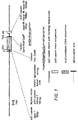
- This fragment was inserted into the expression cassette shown in Fig. 1 at the ClaI site and XhoI-compatible SaII site.
- the expression plasmid p16,8 ⁇ glu consists of the cDNA sequence encoding human acid ⁇ -glucosidase flanked by bovine ⁇ S1-casein sequences as shown in Fig. 1.
- the 27.3-kb fragment containing the complete expression cassette can be excised by cleavage with NotI ( see Fig. 1).
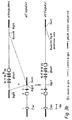
- Construct c8 ⁇ gluex1 contains the human acid ⁇ -glucosidase gene (Hoefsloot et al., Biochem. J. 272, 493-497 (1990)); starting in exon 1 just downstream of its transcription initiation site ( see Fig. 2, panel A). Therefore, the construct encodes almost a complete 5' UTR of the human acid ⁇ -glucosidase gene. This fragment was fused to the promoter sequences of the bovine ⁇ S1-casein gene. The ⁇ S1-casein initiation site is present 22 bp upstream of the ⁇ S1-casein/acid ⁇ -glucosidase junction.
- the construct has the human acid ⁇ -glucosidase polyadenylation signal and 3' flanking sequences.
- Construct c8 ⁇ gluex2 contains the bovine ⁇ S1-casein promoter immediately fused to the translation initiation site in exon 2 of the human acid ⁇ -glucosidase gene ( see Fig. 2, panel B).
- the aS1-case transcription initiation site and the ⁇ -glucosidase translation initiation site are 22-bp apart in this construct. Therefore no ⁇ -glucosidase 5' UTR is preserved.
- This construct also contains the human acid ⁇ -glucosidase polyadenylation signal and 3' flanking sequences as shown in Fig. 2, panel B.
- Construct c8,8 ⁇ gluex2-20 differs from construct c8 ⁇ gluex2 only in the 3' region.
- a SphI site in exon 20 was used to fuse the bovine ⁇ S1-casein 3' sequence to the human acid ⁇ -glucosidase construct.
- the polyadenylation signal is located in this 3' ⁇ S1-casein sequence (Fig. 2, panel C).
- This ligation resulted in two orientations of the fragments generating plasmids p7.3agluBES, p7.3 ⁇ gluBSE, p8.5 ⁇ gluBSE, p8.5 ⁇ gluBES, p10 ⁇ agluBSE and p10 ⁇ gluBES.
- pKUN8 ⁇ C a derivative of pKUN8 ⁇ C was obtained by digesting pKUN8 ⁇ C with NotI, filling in the sticky ends with Klenow and subsequently, annealing the plasmid by blunt-ended ligation. Finally, plo ⁇ glu ⁇ NV was digested with NotI. These sticky ends were also filled with Klenow and the fragment was ligated, resulting in plasmid p10 ⁇ glu ⁇ NotI.
- p8.5 ⁇ gluBSE was digested with BglII followed by a partial digestion with SstI.
- the fragment containing exon 1-3 was isolated and ligated into the BglII and SstI sites of pKUN8 ⁇ C.
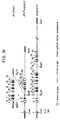
- the resulting plasmid was named: p5'agluexl ( see Fig. 3, panel A).
- the next step was the ligation of the 3' part to p5' ⁇ gluex1
- p10 ⁇ glu ⁇ N was digested with BglII and BamHI. This fragment containing exon 16-20 was isolated.
- p5' ⁇ gluex1 was digested with BglII and to prevent self-ligation, and treated with phosphorylase (BAP) to dephosphorylate the sticky BglII ends. Since BamHI sticky ends are compatible with the BglII sticky ends, these ends ligate to each other.
- BAP phosphorylase
- the resulting plasmid i.e. , p5'3' ⁇ gluex1 was selected. This plasmid has a unique BglII site available for the final construction step ( see Fig. 3, panels B and C).
- the middle part of the ⁇ -glucosidase gene was inserted into the latter construct.
- p7.3 ⁇ gluBSE was digested with BglII, the 8.5-kb fragment was isolated and ligated to the BglII digested and dephosphorylated p5'3' ⁇ gluex1 plasmid.
- the resulting plasmid is p ⁇ gluex1 (Fig. 3, panel C).
- the bovine ⁇ S1-casein promoter sequences were incorporated in the next step via a ligation involving three fragments.
- the pWE15 cosmid vector was digested with NotI and dephosphorylated.
- the bovine ⁇ S1-casein promoter was isolated as an 8 Rb NotI-ClaI fragment ( see de Boer et al., 1991, supra ).
- the human acid ⁇ -glucosidase fragment was isolated from p ⁇ gluex1 using the same enzymes. These three fragments were ligated and packaged using the Stratagene GigapackII kit in 1046 E.coli host cells.
- the resulting cosmid c8 ⁇ gluex1 was propagated in E.coli strain DH5 ⁇ .
- the vector was linearized with NotI before microinjection.
- p5' ⁇ gluStuI was derived from p8,5 ⁇ gluBSE by digestion of the plasmid with StuI, followed by self-ligation of the isolated fragment containing exon 2-3 plus the vector sequences. Plasmid p5' ⁇ gluStuI was digested with PglII followed by a partial digestion of the linear fragment with NcoI resulting in several fragments. The 2.4 kb fragment, containing exon 2 and 3, was isolated and ligated into the NcoI and BglII sites of vector pKUN12 ⁇ C, resulting in p5'agluex2. Note that pKUN12 ⁇ C is a derivative of pKUN8 ⁇ C containing the polylinker: ClaI NcoI BglII HindIII EcoRI SphI XhoI SmaI/SfiI NotI.
- the plasmid p10 ⁇ glu ⁇ NotI was digested with BglII and HindIII.
- the fragment containing exons 16-20 was isolated and ligated in p5'agluex2 digested with BglIII and HindIII.
- the resulting plasmid was p5'3' ⁇ gluex2.
- the middle fragment in p5'3' ⁇ gluex2 was inserted as for pagluexl.
- p7.3 ⁇ glu was digested with BglII.
- the fragment was isolated and ligated to the BglII-digested and dephosphorylated p5'3' ⁇ gluex2.
- the resulting plasmid, p ⁇ gluex2 was used in construction of c8 ⁇ gluex-20 and c8,8 ⁇ gluex2-20 (Fig. 2, panels B and C).
- third expression plasmid c8,8 ⁇ gluex2-20 (Fig. 2, panel C) the 3' flanking region of ⁇ -glucosidase was deleted.
- pagluex2 was digested with SphI.
- the fragment containing exon 2-20 was isolated and self-ligated resulting in p ⁇ gluex2-20.
- the fragment containing the 3' flanking region of bovine ⁇ s1-casein gene was isolated from p16,8 ⁇ glu by digestion with SphI and NotI. This fragment was inserted into pagluex2-20 using the SphI site and the NotI site in the polylinker sequence resulting in p ⁇ gluex2-20-3 ⁇ S1.
- the final step in generating c8,8 ⁇ gluex2-20 was the ligation of three fragments as in the final step in the construction leading to c8agluexl. Since the ClaI site in p ⁇ gluex2-20-3' ⁇ S1 and p ⁇ gluex2 appeared to be uncleavable due to methylation, the plasmids had to be propagated in the E. coli DAM(-) strain ECO343. The p ⁇ gluex2-20-3' ⁇ S1 isolated from that strain was digested with ClaI and NotI. The fragment containing exons 2-20 plus the 3' ⁇ S1-casein flanking region was purified from the vector sequences.
- This fragment an 8 kb NotI-ClaI fragment containing the bovine ⁇ s1 promoter ( see DeBoer (1991) & (1993), supra ) and NotI-digested, dephosphorylated pWE15 were ligated and packaged.
- the resulting cosmid is c8,8 ⁇ gluex2-20.
- Cosmid c8 ⁇ gluex2 (Fig. 2, panel B) was constructed via a couple of different steps. First, cosmid c8,8 ⁇ gluex2-20 was digested with Sail and NotI. The 10.5-kb fragment containing the ⁇ S1-promoter and the exons 2-6 part of the acid ⁇ -glucosidase gene was isolated. Second, plasmid p ⁇ gluex2 was digested with Sail and NotI to obtain the fragment containing the 3' part of the acid ⁇ -glucosidase gene. Finally, the cosmid vector pWE15 was digested with NotI and dephosphorylated. These three fragments were ligated and packaged. The resulting cosmid is c8 ⁇ gluex2.
- the cDNA and genomic constructs were linearized with NotI and injected in the pronucleus of fertilized mouse oocytes which were then implanted in the uterus of pseudopregnant mouse foster mothers.
- the offspring were analyzed for the insertion of the human ⁇ -glucosidase cDNA or genomic DNA gene construct by Southern blotting of DNA isolated from clipped tails. Transgenic mice were selected and bred.
- the genomic constructs linearized with NotI were also injected into the pronucleus of fertilized rabbit oocytes, which were implanted in the uterus of pseudopregnant rabbit foster mothers.
- the offspring were analyzed for the insertion of the alpha-glucosidase DNA by Southern blotting. Transgenic rabbits were selected and bred.
- mice containing the cDNA construct varied from 0.2 to 2 ⁇ mol/ml per hr.
- the mouse lines containing the genomic construct (Fig. 2, panel A) expressed at levels from 10 to 610 ⁇ mol/ml per hr.
- the recombinant acid ⁇ -glucosidase was isolated from the milk of transgenic mice, by sequential chromatography of milk on ConA-SepharoseTM and SephadexTM G200. 7 ml milk was diluted to 10 ml with 3 ml Con A buffer consisting of 10 mM sodium phosphate, pH 6.6 and 100 mM NaCl. A 1:1 suspension of Con A sepharose in Con A buffer was then added and the milk was left overnight at 4°C with gentle shaking.
- Con A sepharose beads were then collected by centrifugation and washed 5 times with Con A buffer, 3 times with Con A buffer containing 1 M NaCl instead of 100 mM, once with Con A buffer containing 0.5 M NaCl instead of 100 mM and then eluted batchwise with Con A buffer containing 0.5 M NaCl and 0.1 M methyl- ⁇ -D-mannopyranoside.
- the acid ⁇ -glucosidase activity in the eluted samples was measured using the artificial 4-methylumbelliferyl- ⁇ -D-glycopyranoside substrate (see above).
- Fractions containing acid ⁇ -glucosidase activity were pooled, concentrated and dialyzed against Sephadex buffer consisting of 20 mM Na acetate, pH 4.5 and 25 mM NaCl, and applied to a SephadexTM 200 column. This column was run with the same buffer, and fractions were assayed for acid ⁇ -glucosidase activity and protein content. Fractions rich in acid ⁇ -glucosidase activity and practically free of other proteins were pooled and concentrated. The method as described is essentially the same as the one published by Reuser et al., Exp. Cell Res. 155:178-179 (1984). Several modifications of the method are possible regarding the exact composition and pH of the buffer systems and the choice of purification steps in number and in column material.
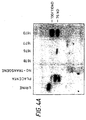
- Acid ⁇ -glucosidase purified from the milk was then tested for phosphorylation by administrating the enzyme to cultured fibroblasts from patients with GSD II (deficient in endogenous acid ⁇ -glucosidase).
- GSD II deficient in endogenous acid ⁇ -glucosidase
- mannose 6-phosphate containing proteins are bound by mannose 6-phosphate receptors on the cell surface of fibroblasts and are subsequently internalized. The binding is inhibited by free mannose 6-phosphate (Reuser et al., Exp. Cell Res. 155:178-189 (1984)).
- the acid ⁇ -glucosidase was added to 10 4 -10 6 fibroblasts in 500 ⁇ l culture medium (Ham F10, supplied with 10% fetal calf serum and, 3 mM Pipes) in an amount sufficient to metabolize 1 ⁇ mole 4-methyl-umbelliferyl- ⁇ -D-glucopyranoside per hour for a time period of 20 hours.
- the experiment was performed with or without 5 mM mannose 6-phosphate as a competitor, essentially as described by Reuser et al., supra (1984).
Landscapes
- Life Sciences & Earth Sciences (AREA)
- Health & Medical Sciences (AREA)
- Chemical & Material Sciences (AREA)
- Engineering & Computer Science (AREA)
- Genetics & Genomics (AREA)
- Zoology (AREA)
- Organic Chemistry (AREA)
- General Health & Medical Sciences (AREA)
- Bioinformatics & Cheminformatics (AREA)
- Biotechnology (AREA)
- Wood Science & Technology (AREA)
- Environmental Sciences (AREA)
- General Engineering & Computer Science (AREA)
- Veterinary Medicine (AREA)
- Biomedical Technology (AREA)
- Biochemistry (AREA)
- Animal Behavior & Ethology (AREA)
- Molecular Biology (AREA)
- Biodiversity & Conservation Biology (AREA)
- Medicinal Chemistry (AREA)
- Animal Husbandry (AREA)
- Microbiology (AREA)
- Biophysics (AREA)
- Proteomics, Peptides & Aminoacids (AREA)
- Physics & Mathematics (AREA)
- Plant Pathology (AREA)
- Gastroenterology & Hepatology (AREA)
- Public Health (AREA)
- Pharmacology & Pharmacy (AREA)
- Nutrition Science (AREA)
- Food Science & Technology (AREA)
- Polymers & Plastics (AREA)
- Toxicology (AREA)
- Immunology (AREA)
- Epidemiology (AREA)
- Nuclear Medicine, Radiotherapy & Molecular Imaging (AREA)
- Chemical Kinetics & Catalysis (AREA)
- General Chemical & Material Sciences (AREA)
- Enzymes And Modification Thereof (AREA)
- Medicines Containing Material From Animals Or Micro-Organisms (AREA)
Priority Applications (1)
| Application Number | Priority Date | Filing Date | Title |
|---|---|---|---|
| EP02018187A EP1262191A1 (en) | 1995-08-02 | 1996-07-31 | Pharmaceutical compositions comprising recombinant human acid alpha-glucosidase containing mannose 6-phosphate |
Applications Claiming Priority (4)
| Application Number | Priority Date | Filing Date | Title |
|---|---|---|---|
| US179695P | 1995-08-02 | 1995-08-02 | |
| US1796P | 1995-08-02 | ||
| US1796 | 1995-08-02 | ||
| PCT/EP1996/003421 WO1997005771A2 (en) | 1995-08-02 | 1996-07-31 | Lysosomal proteins produced in the milk of transgenic animals |
Related Child Applications (1)
| Application Number | Title | Priority Date | Filing Date |
|---|---|---|---|
| EP02018187A Division EP1262191A1 (en) | 1995-08-02 | 1996-07-31 | Pharmaceutical compositions comprising recombinant human acid alpha-glucosidase containing mannose 6-phosphate |
Publications (2)
| Publication Number | Publication Date |
|---|---|
| EP0845939A2 EP0845939A2 (en) | 1998-06-10 |
| EP0845939B1 true EP0845939B1 (en) | 2003-05-21 |
Family
ID=21697877
Family Applications (1)
| Application Number | Title | Priority Date | Filing Date |
|---|---|---|---|
| EP96928405A Expired - Lifetime EP0845939B1 (en) | 1995-08-02 | 1996-07-31 | Lysosomal proteins produced in the milk of nonhuman transgenic animals |
Country Status (11)
| Country | Link |
|---|---|
| US (5) | US6118045A (enExample) |
| EP (1) | EP0845939B1 (enExample) |
| JP (1) | JP2000501602A (enExample) |
| KR (1) | KR19990036084A (enExample) |
| AT (1) | ATE240637T1 (enExample) |
| AU (1) | AU734953B2 (enExample) |
| DE (1) | DE69628306T2 (enExample) |
| DK (1) | DK0845939T3 (enExample) |
| ES (1) | ES2200071T3 (enExample) |
| PT (1) | PT845939E (enExample) |
| WO (1) | WO1997005771A2 (enExample) |
Families Citing this family (63)
| Publication number | Priority date | Publication date | Assignee | Title |
|---|---|---|---|---|
| US20020013953A1 (en) * | 1995-08-02 | 2002-01-31 | Reuser Arnold J. | Compositions and methods for treating enzyme deficiency |
| US6118045A (en) * | 1995-08-02 | 2000-09-12 | Pharming B.V. | Lysosomal proteins produced in the milk of transgenic animals |
| US20040161837A1 (en) * | 1995-08-02 | 2004-08-19 | Reuser Arnold J. | Methods of purifying human acid alpha-glucosidase |
| JP2001512976A (ja) * | 1997-02-25 | 2001-08-28 | ジェンザイム・トランスジェニックス・コーポレーション | トランスジェニックにより産生された非分泌性タンパク質 |
| EP1793000A1 (en) * | 1997-02-25 | 2007-06-06 | GTC Biotherapeutics, Inc. | Transgenically produced non-secreted proteins |
| ES2312222T3 (es) * | 1998-12-07 | 2009-02-16 | Genzyme Corporation | Tratamiento de la enfermedad de pompe. |
| ES2298127T3 (es) * | 1999-01-06 | 2008-05-16 | Merrimack Pharmaceuticals Inc | Expresion de alfa-fetoproteina secretada humana en animales transgenicos. |
| US7361481B2 (en) * | 1999-04-09 | 2008-04-22 | Women's And Children's Hospital | Diagnosis of lysosomal storage disorders using saposins and other markers |
| US6534300B1 (en) | 1999-09-14 | 2003-03-18 | Genzyme Glycobiology Research Institute, Inc. | Methods for producing highly phosphorylated lysosomal hydrolases |
| US6770468B1 (en) | 1999-09-14 | 2004-08-03 | Genzyme Glycobiology Research Institute, Inc. | Phosphodiester-α-GlcNAcase of the lysosomal targeting pathway |
| WO2001056596A1 (en) | 2000-02-04 | 2001-08-09 | Children's Hospital Research Foundation | Use of lysosomal acid lipase for treating atherosclerosis and related diseases |
| LT2767291T (lt) | 2000-07-18 | 2016-11-25 | Duke University | Ii tipo glikogenozės gydymas |
| US7001994B2 (en) * | 2001-01-18 | 2006-02-21 | Genzyme Corporation | Methods for introducing mannose 6-phosphate and other oligosaccharides onto glycoproteins |
| US7723296B2 (en) | 2001-01-18 | 2010-05-25 | Genzyme Corporation | Methods for introducing mannose-6-phosphate and other oligosaccharides onto glycoproteins and its application thereof |
| CA2445577C (en) * | 2001-04-30 | 2012-07-03 | Symbiontics, Inc. | Subcellular targeting of therapeutic proteins |
| US7629309B2 (en) * | 2002-05-29 | 2009-12-08 | Zystor Therapeutics, Inc. | Targeted therapeutic proteins |
| US20040005309A1 (en) * | 2002-05-29 | 2004-01-08 | Symbiontics, Inc. | Targeted therapeutic proteins |
| US7560424B2 (en) * | 2001-04-30 | 2009-07-14 | Zystor Therapeutics, Inc. | Targeted therapeutic proteins |
| US20030072761A1 (en) * | 2001-10-16 | 2003-04-17 | Lebowitz Jonathan | Methods and compositions for targeting proteins across the blood brain barrier |
| US6800472B2 (en) | 2001-12-21 | 2004-10-05 | Genzyme Glycobiology Research Institute, Inc. | Expression of lysosomal hydrolase in cells expressing pro-N-acetylglucosamine-1-phosphodiester α-N-acetyl glucosimanidase |
| US6905856B2 (en) | 2001-12-21 | 2005-06-14 | Genzyme Glycobiology Research Institute, Inc. | Soluble GlcNAc phosphotransferase |
| US20040210953A1 (en) * | 2003-01-09 | 2004-10-21 | Murray James D. | Lysozyme transgenic ungulates |
| US20040231010A1 (en) * | 2003-01-09 | 2004-11-18 | Murray James D. | Lysozyme transgenic ungulates |
| US20040248262A1 (en) | 2003-01-22 | 2004-12-09 | Koeberl Dwight D. | Constructs for expressing lysomal polypeptides |
| JP2007514403A (ja) * | 2003-08-21 | 2007-06-07 | キュー セラピューティクス インコーポレイティッド | リソソーム蓄積症において欠損しているリソソームプロ酵素の持続的分泌のための遺伝子改変体細胞 |
| CA2553955C (en) * | 2004-02-10 | 2012-08-28 | Zystor Therapeutics, Inc. | Acid alpha-glucosidase and fragments thereof |
| US7740861B2 (en) * | 2004-06-16 | 2010-06-22 | University Of Massachusetts | Drug delivery product and methods |
| WO2006007560A2 (en) * | 2004-07-01 | 2006-01-19 | University Of Pennsylvania | Targeted protein replacement for the treatment of lysosomal storage disorders |
| ATE536175T1 (de) | 2004-09-17 | 2011-12-15 | Univ Massachusetts | Zusammensetzungen und ihre verwendungen bei lysosomalen enzymstörungen |
| ES2705335T3 (es) | 2005-05-17 | 2019-03-22 | Amicus Therapeutics Inc | Un método para el tratamiento de la enfermedad de Pompe usando 1-desoxinojirimicina y derivados |
| EP1948245B1 (en) * | 2005-10-24 | 2011-10-05 | University of Massachusetts | Compositions and their uses for gene therapy of bone conditions |
| AU2007322123A1 (en) * | 2006-11-13 | 2008-05-29 | Biomarin Pharmaceutical Inc. | Methods for treating Pompe disease |
| DK2457919T3 (da) | 2007-01-18 | 2019-09-16 | Genzyme Corp | Oligosaccharider, der omfatter en aminooxygruppe, og konjugater deraf |
| CA2704056A1 (en) * | 2007-10-29 | 2009-05-07 | University Of Massachusetts | Encapsulated nanoparticles for nucleic acid delivery |
| EP3778652A1 (en) * | 2008-05-07 | 2021-02-17 | BioMarin Pharmaceutical Inc. | Lysosomal targeting peptides and uses thereof |
| CA3040973A1 (en) | 2008-12-16 | 2010-07-01 | Genzyme Corporation | Oligosaccharide-protein conjugates |
| EP3075386B1 (en) | 2009-06-17 | 2019-10-16 | BioMarin Pharmaceutical Inc. | Formulations for lysosomal enzymes |
| AU2011242461B2 (en) | 2010-04-23 | 2015-10-01 | Alexion Pharmaceuticals, Inc. | Lysosomal storage disease enzyme |
| PE20130589A1 (es) | 2010-06-25 | 2013-05-19 | Shire Human Genetic Therapies | Composiciones y metodos para suministro al sistema nervioso central de arilsulfatasa a |
| KR101997935B1 (ko) | 2010-06-25 | 2019-10-04 | 샤이어 휴먼 지네틱 테라피즈 인크. | 아릴설파타제 a의 cns 전달을 위한 방법들 및 조성물들 |
| JP6045491B2 (ja) | 2010-06-25 | 2016-12-14 | シャイアー ヒューマン ジェネティック セラピーズ インコーポレイテッド | 治療薬のcns送達 |
| EP2588131B1 (en) | 2010-06-25 | 2019-08-14 | Shire Human Genetic Therapies, Inc. | Methods and compositions for cns delivery of heparan n-sulfatase |
| NZ702801A (en) | 2010-06-25 | 2016-08-26 | Shire Human Genetic Therapies | Treatment of sanfilippo syndrome type b |
| PL2593131T3 (pl) | 2010-06-25 | 2020-01-31 | Shire Human Genetic Therapies, Inc. | Sposoby i kompozycje do dostarczania sulfatazy-2-iduronianiu do oun |
| NZ700824A (en) | 2010-09-09 | 2016-03-31 | Synageva Biopharma Corp | Use of lysosomal acid lipase for treating lysosomal acid lipase deficiency in patients |
| EP2675472A4 (en) | 2011-02-15 | 2014-09-17 | Synageva Biopharma Corp | METHOD FOR THE TREATMENT OF LACK OF LYSOSOMAL SAURER LIPASE |
| WO2013023763A1 (en) | 2011-08-16 | 2013-02-21 | Instituto Nacional De Tecnologia Agropecuaria (Inta) | Bitransgenic bovine |
| EP2753346B1 (en) | 2011-09-07 | 2020-04-22 | Mount Sinai School Of Medicine | Ceramidase and cell differentiation |
| US20140377244A1 (en) | 2011-12-23 | 2014-12-25 | Shire Human Genetic Therapies, Inc. | Stable formulations for cns delivery of arylsulfatase a |
| KR20200032244A (ko) | 2012-03-07 | 2020-03-25 | 아미쿠스 세라퓨틱스, 인코포레이티드 | 폼페병의 치료를 위한 고농도 알파-글루코시다제 조성물 |
| EP3679923B1 (en) | 2012-06-01 | 2021-08-04 | Icahn School of Medicine at Mount Sinai | Ceramide levels in the treatment and prevention of infections |
| AR094778A1 (es) | 2013-02-13 | 2015-08-26 | Laboratoire Français Du Fractionnement Et Des Biotechnologies | Proteínas con glicosilación modificada y métodos para producirlas |
| ES2755181T3 (es) | 2013-02-13 | 2020-04-21 | Lab Francais Du Fractionnement | Anticuerpos anti-TNF-alfa altamente galactosilados y usos de los mismos |
| CA2901978A1 (en) | 2013-02-20 | 2014-08-28 | Valerion Therapeutics, Llc | Methods and compositions for treatment of pompe disease |
| WO2014160390A1 (en) | 2013-03-14 | 2014-10-02 | Icahn School Of Medicine At Mount Sinai | Therapeutic acid ceramidase compositions and methods of making and using them |
| EP3193942B1 (en) | 2014-08-11 | 2020-03-25 | Shire Human Genetic Therapies, Inc. | Lysosomal targeting and uses thereof |
| HUE070443T2 (hu) | 2014-09-30 | 2025-06-28 | Amicus Therapeutics Inc | Nagy potenciálú savas alfa-glükozidáz fokozott szénhidrátokkal |
| MA41022A (fr) | 2014-11-24 | 2017-10-03 | Shire Human Genetic Therapies | Ciblage lysosomial et utilisations correspondantes |
| FR3038517B1 (fr) | 2015-07-06 | 2020-02-28 | Laboratoire Francais Du Fractionnement Et Des Biotechnologies | Utilisation de fragments fc modifies en immunotherapie |
| KR102510941B1 (ko) | 2015-12-30 | 2023-03-20 | 아미쿠스 세라퓨틱스, 인코포레이티드 | 폼페병 치료용의 강화된 산 알파-글루코시다제 |
| CA3019128A1 (en) | 2016-03-30 | 2017-10-05 | Amicus Therapeutics, Inc. | Formulations comprising recombinant acid alpha-glucosidase |
| JP7046003B2 (ja) | 2016-03-30 | 2022-04-01 | アミカス セラピューティックス インコーポレイテッド | 高m6p組換えタンパク質の選択方法 |
| KR20250044950A (ko) | 2017-05-15 | 2025-04-01 | 아미쿠스 세라퓨틱스, 인코포레이티드 | 재조합 인간 산 알파-글루코시다제 |
Family Cites Families (4)
| Publication number | Priority date | Publication date | Assignee | Title |
|---|---|---|---|---|
| EP0832981A1 (en) * | 1987-02-17 | 1998-04-01 | Pharming B.V. | DNA sequences to target proteins to the mammary gland for efficient secretion |
| US5356804A (en) * | 1990-10-24 | 1994-10-18 | Mount Sinai School Of Medicine Of The City Of New York | Cloning and expression of biologically active human α-galactosidase A |
| AU4537393A (en) * | 1992-06-15 | 1994-01-04 | Gene Pharming Europe Bv | Production of recombinant polypeptides by bovine species and transgenic methods |
| US6118045A (en) * | 1995-08-02 | 2000-09-12 | Pharming B.V. | Lysosomal proteins produced in the milk of transgenic animals |
-
1996
- 1996-07-29 US US08/700,760 patent/US6118045A/en not_active Expired - Lifetime
- 1996-07-31 WO PCT/EP1996/003421 patent/WO1997005771A2/en not_active Ceased
- 1996-07-31 AU AU67890/96A patent/AU734953B2/en not_active Expired
- 1996-07-31 PT PT96928405T patent/PT845939E/pt unknown
- 1996-07-31 DE DE69628306T patent/DE69628306T2/de not_active Expired - Lifetime
- 1996-07-31 EP EP96928405A patent/EP0845939B1/en not_active Expired - Lifetime
- 1996-07-31 KR KR1019980700750A patent/KR19990036084A/ko not_active Ceased
- 1996-07-31 DK DK96928405T patent/DK0845939T3/da active
- 1996-07-31 JP JP9508113A patent/JP2000501602A/ja active Pending
- 1996-07-31 AT AT96928405T patent/ATE240637T1/de active
- 1996-07-31 ES ES96928405T patent/ES2200071T3/es not_active Expired - Lifetime
-
2000
- 2000-03-01 US US09/516,332 patent/US20030097665A1/en not_active Abandoned
-
2003
- 2003-01-23 US US10/351,255 patent/US20040003421A1/en not_active Abandoned
-
2004
- 2004-03-10 US US10/796,015 patent/US20040172665A1/en not_active Abandoned
-
2006
- 2006-06-02 US US11/446,312 patent/US20070011754A1/en not_active Abandoned
Also Published As
| Publication number | Publication date |
|---|---|
| DE69628306D1 (de) | 2003-06-26 |
| WO1997005771A2 (en) | 1997-02-20 |
| PT845939E (pt) | 2003-10-31 |
| DE69628306T2 (de) | 2004-04-01 |
| JP2000501602A (ja) | 2000-02-15 |
| US20070011754A1 (en) | 2007-01-11 |
| DK0845939T3 (da) | 2003-09-22 |
| WO1997005771A3 (en) | 1997-04-03 |
| US20030097665A1 (en) | 2003-05-22 |
| ATE240637T1 (de) | 2003-06-15 |
| US6118045A (en) | 2000-09-12 |
| US20040003421A1 (en) | 2004-01-01 |
| KR19990036084A (ko) | 1999-05-25 |
| ES2200071T3 (es) | 2004-03-01 |
| AU734953B2 (en) | 2001-06-28 |
| US20040172665A1 (en) | 2004-09-02 |
| AU6789096A (en) | 1997-03-05 |
| EP0845939A2 (en) | 1998-06-10 |
Similar Documents
| Publication | Publication Date | Title |
|---|---|---|
| US6118045A (en) | Lysosomal proteins produced in the milk of transgenic animals | |
| US7351410B2 (en) | Treatment of Pompe's disease | |
| US5827683A (en) | Nucleic acids encoding BSSL variants | |
| US20020157123A1 (en) | Compositions and methods for treating enzyme deficiency | |
| US20020073438A1 (en) | Methods of purifying human acid alpha-glucosidase | |
| AU2005200636B2 (en) | Lysosomal proteins produced in the milk of transgenic animals | |
| US20040161837A1 (en) | Methods of purifying human acid alpha-glucosidase | |
| EP1262191A1 (en) | Pharmaceutical compositions comprising recombinant human acid alpha-glucosidase containing mannose 6-phosphate | |
| NZ501784A (en) | Transgenic nonhuman mammals capable of secreting a lysosomal protein containing mannose 6-phosphate into milk |
Legal Events
| Date | Code | Title | Description |
|---|---|---|---|
| PUAI | Public reference made under article 153(3) epc to a published international application that has entered the european phase |
Free format text: ORIGINAL CODE: 0009012 |
|
| 17P | Request for examination filed |
Effective date: 19980302 |
|
| AK | Designated contracting states |
Kind code of ref document: A2 Designated state(s): AT BE CH DE DK ES FI FR GB GR IE IT LI LU MC NL PT SE |
|
| RAP1 | Party data changed (applicant data changed or rights of an application transferred) |
Owner name: ACADEMIC HOSPITAL ROTTERDAM Owner name: ERASMUS UNIVERSITEIT ROTTERDAM Owner name: PHARMING INTELLECTUAL PROPERTY BV |
|
| 17Q | First examination report despatched |
Effective date: 20000407 |
|
| GRAG | Despatch of communication of intention to grant |
Free format text: ORIGINAL CODE: EPIDOS AGRA |
|
| RTI1 | Title (correction) |
Free format text: LYSOSOMAL PROTEINS PRODUCED IN THE MILK OF NONHUMAN TRANSGENIC ANIMALS |
|
| RIC1 | Information provided on ipc code assigned before grant |
Free format text: 7A 01K 67/027 A, 7A 61K 38/43 B, 7A 23C 23/00 B, 7C 12N 9/24 B, 7C 12N 15/12 B |
|
| GRAG | Despatch of communication of intention to grant |
Free format text: ORIGINAL CODE: EPIDOS AGRA |
|
| GRAH | Despatch of communication of intention to grant a patent |
Free format text: ORIGINAL CODE: EPIDOS IGRA |
|
| GRAH | Despatch of communication of intention to grant a patent |
Free format text: ORIGINAL CODE: EPIDOS IGRA |
|
| GRAA | (expected) grant |
Free format text: ORIGINAL CODE: 0009210 |
|
| AK | Designated contracting states |
Designated state(s): AT BE CH DE DK ES FI FR GB GR IE IT LI LU MC NL PT SE |
|
| REG | Reference to a national code |
Ref country code: GB Ref legal event code: FG4D |
|
| REG | Reference to a national code |
Ref country code: CH Ref legal event code: EP |
|
| REG | Reference to a national code |
Ref country code: IE Ref legal event code: FG4D |
|
| REF | Corresponds to: |
Ref document number: 69628306 Country of ref document: DE Date of ref document: 20030626 Kind code of ref document: P |
|
| RAP2 | Party data changed (patent owner data changed or rights of a patent transferred) |
Owner name: ACADEMIC HOSPITAL ROTTERDAM Owner name: ERASMUS UNIVERSITEIT ROTTERDAM Owner name: GENZYME CORPORATION |
|
| NLT2 | Nl: modifications (of names), taken from the european patent patent bulletin |
Owner name: GENZYME CORPORATION EN ERASMUS UNIVERSITEIT ROTTER |
|
| REG | Reference to a national code |
Ref country code: SE Ref legal event code: TRGR |
|
| REG | Reference to a national code |
Ref country code: DK Ref legal event code: T3 |
|
| REG | Reference to a national code |
Ref country code: GR Ref legal event code: EP Ref document number: 20030403294 Country of ref document: GR |
|
| REG | Reference to a national code |
Ref country code: ES Ref legal event code: FG2A Ref document number: 2200071 Country of ref document: ES Kind code of ref document: T3 |
|
| PLBE | No opposition filed within time limit |
Free format text: ORIGINAL CODE: 0009261 |
|
| STAA | Information on the status of an ep patent application or granted ep patent |
Free format text: STATUS: NO OPPOSITION FILED WITHIN TIME LIMIT |
|
| ET | Fr: translation filed | ||
| 26N | No opposition filed |
Effective date: 20040224 |
|
| REG | Reference to a national code |
Ref country code: FR Ref legal event code: CA |
|
| REG | Reference to a national code |
Ref country code: FR Ref legal event code: PLFP Year of fee payment: 20 |
|
| PGFP | Annual fee paid to national office [announced via postgrant information from national office to epo] |
Ref country code: MC Payment date: 20150609 Year of fee payment: 20 Ref country code: ES Payment date: 20150611 Year of fee payment: 20 |
|
| PGFP | Annual fee paid to national office [announced via postgrant information from national office to epo] |
Ref country code: GR Payment date: 20150615 Year of fee payment: 20 Ref country code: LU Payment date: 20150729 Year of fee payment: 20 |
|
| PGFP | Annual fee paid to national office [announced via postgrant information from national office to epo] |
Ref country code: NL Payment date: 20150709 Year of fee payment: 20 |
|
| PGFP | Annual fee paid to national office [announced via postgrant information from national office to epo] |
Ref country code: DE Payment date: 20150729 Year of fee payment: 20 Ref country code: GB Payment date: 20150729 Year of fee payment: 20 Ref country code: PT Payment date: 20150721 Year of fee payment: 20 Ref country code: FI Payment date: 20150709 Year of fee payment: 20 Ref country code: CH Payment date: 20150713 Year of fee payment: 20 Ref country code: DK Payment date: 20150713 Year of fee payment: 20 Ref country code: IE Payment date: 20150709 Year of fee payment: 20 |
|
| PGFP | Annual fee paid to national office [announced via postgrant information from national office to epo] |
Ref country code: SE Payment date: 20150713 Year of fee payment: 20 Ref country code: AT Payment date: 20150625 Year of fee payment: 20 Ref country code: BE Payment date: 20150713 Year of fee payment: 20 Ref country code: FR Payment date: 20150629 Year of fee payment: 20 |
|
| PGFP | Annual fee paid to national office [announced via postgrant information from national office to epo] |
Ref country code: IT Payment date: 20150727 Year of fee payment: 20 |
|
| REG | Reference to a national code |
Ref country code: DE Ref legal event code: R071 Ref document number: 69628306 Country of ref document: DE |
|
| REG | Reference to a national code |
Ref country code: NL Ref legal event code: MK Effective date: 20160730 |
|
| REG | Reference to a national code |
Ref country code: DK Ref legal event code: EUP Effective date: 20160731 |
|
| REG | Reference to a national code |
Ref country code: CH Ref legal event code: PL |
|
| REG | Reference to a national code |
Ref country code: GB Ref legal event code: PE20 Expiry date: 20160730 Ref country code: IE Ref legal event code: MK9A |
|
| REG | Reference to a national code |
Ref country code: AT Ref legal event code: MK07 Ref document number: 240637 Country of ref document: AT Kind code of ref document: T Effective date: 20160731 |
|
| REG | Reference to a national code |
Ref country code: GR Ref legal event code: MA Ref document number: 20030403294 Country of ref document: GR Effective date: 20160801 |
|
| REG | Reference to a national code |
Ref country code: SE Ref legal event code: EUG |
|
| PG25 | Lapsed in a contracting state [announced via postgrant information from national office to epo] |
Ref country code: IE Free format text: LAPSE BECAUSE OF EXPIRATION OF PROTECTION Effective date: 20160731 Ref country code: GB Free format text: LAPSE BECAUSE OF EXPIRATION OF PROTECTION Effective date: 20160730 |
|
| REG | Reference to a national code |
Ref country code: ES Ref legal event code: FD2A Effective date: 20161125 |
|
| PG25 | Lapsed in a contracting state [announced via postgrant information from national office to epo] |
Ref country code: PT Free format text: LAPSE BECAUSE OF EXPIRATION OF PROTECTION Effective date: 20160809 |
|
| PG25 | Lapsed in a contracting state [announced via postgrant information from national office to epo] |
Ref country code: ES Free format text: LAPSE BECAUSE OF EXPIRATION OF PROTECTION Effective date: 20160801 |