EP0843557B1 - Methods for detecting, identifying, isolating, and selectively labelling and targeting th1 lymphocytes by means of the lag-3 protein - Google Patents
Methods for detecting, identifying, isolating, and selectively labelling and targeting th1 lymphocytes by means of the lag-3 protein Download PDFInfo
- Publication number
- EP0843557B1 EP0843557B1 EP96926748A EP96926748A EP0843557B1 EP 0843557 B1 EP0843557 B1 EP 0843557B1 EP 96926748 A EP96926748 A EP 96926748A EP 96926748 A EP96926748 A EP 96926748A EP 0843557 B1 EP0843557 B1 EP 0843557B1
- Authority
- EP
- European Patent Office
- Prior art keywords
- cells
- lag
- antibodies
- specific
- fragments
- Prior art date
- Legal status (The legal status is an assumption and is not a legal conclusion. Google has not performed a legal analysis and makes no representation as to the accuracy of the status listed.)
- Expired - Lifetime
Links
Images


Classifications
-
- G—PHYSICS
- G01—MEASURING; TESTING
- G01N—INVESTIGATING OR ANALYSING MATERIALS BY DETERMINING THEIR CHEMICAL OR PHYSICAL PROPERTIES
- G01N33/00—Investigating or analysing materials by specific methods not covered by groups G01N1/00 - G01N31/00
- G01N33/48—Biological material, e.g. blood, urine; Haemocytometers
- G01N33/50—Chemical analysis of biological material, e.g. blood, urine; Testing involving biospecific ligand binding methods; Immunological testing
- G01N33/53—Immunoassay; Biospecific binding assay; Materials therefor
- G01N33/569—Immunoassay; Biospecific binding assay; Materials therefor for microorganisms, e.g. protozoa, bacteria, viruses
- G01N33/56966—Animal cells
- G01N33/56972—White blood cells
-
- A—HUMAN NECESSITIES
- A61—MEDICAL OR VETERINARY SCIENCE; HYGIENE
- A61P—SPECIFIC THERAPEUTIC ACTIVITY OF CHEMICAL COMPOUNDS OR MEDICINAL PREPARATIONS
- A61P31/00—Antiinfectives, i.e. antibiotics, antiseptics, chemotherapeutics
-
- A—HUMAN NECESSITIES
- A61—MEDICAL OR VETERINARY SCIENCE; HYGIENE
- A61P—SPECIFIC THERAPEUTIC ACTIVITY OF CHEMICAL COMPOUNDS OR MEDICINAL PREPARATIONS
- A61P35/00—Antineoplastic agents
-
- A—HUMAN NECESSITIES
- A61—MEDICAL OR VETERINARY SCIENCE; HYGIENE
- A61P—SPECIFIC THERAPEUTIC ACTIVITY OF CHEMICAL COMPOUNDS OR MEDICINAL PREPARATIONS
- A61P37/00—Drugs for immunological or allergic disorders
-
- A—HUMAN NECESSITIES
- A61—MEDICAL OR VETERINARY SCIENCE; HYGIENE
- A61P—SPECIFIC THERAPEUTIC ACTIVITY OF CHEMICAL COMPOUNDS OR MEDICINAL PREPARATIONS
- A61P37/00—Drugs for immunological or allergic disorders
- A61P37/02—Immunomodulators
- A61P37/04—Immunostimulants
-
- A—HUMAN NECESSITIES
- A61—MEDICAL OR VETERINARY SCIENCE; HYGIENE
- A61P—SPECIFIC THERAPEUTIC ACTIVITY OF CHEMICAL COMPOUNDS OR MEDICINAL PREPARATIONS
- A61P43/00—Drugs for specific purposes, not provided for in groups A61P1/00-A61P41/00
-
- C—CHEMISTRY; METALLURGY
- C07—ORGANIC CHEMISTRY
- C07K—PEPTIDES
- C07K14/00—Peptides having more than 20 amino acids; Gastrins; Somatostatins; Melanotropins; Derivatives thereof
- C07K14/435—Peptides having more than 20 amino acids; Gastrins; Somatostatins; Melanotropins; Derivatives thereof from animals; from humans
- C07K14/705—Receptors; Cell surface antigens; Cell surface determinants
- C07K14/70503—Immunoglobulin superfamily
-
- C—CHEMISTRY; METALLURGY
- C07—ORGANIC CHEMISTRY
- C07K—PEPTIDES
- C07K16/00—Immunoglobulins [IG], e.g. monoclonal or polyclonal antibodies
- C07K16/18—Immunoglobulins [IG], e.g. monoclonal or polyclonal antibodies against material from animals or humans
- C07K16/28—Immunoglobulins [IG], e.g. monoclonal or polyclonal antibodies against material from animals or humans against receptors, cell surface antigens or cell surface determinants
- C07K16/2803—Immunoglobulins [IG], e.g. monoclonal or polyclonal antibodies against material from animals or humans against receptors, cell surface antigens or cell surface determinants against the immunoglobulin superfamily
-
- C—CHEMISTRY; METALLURGY
- C12—BIOCHEMISTRY; BEER; SPIRITS; WINE; VINEGAR; MICROBIOLOGY; ENZYMOLOGY; MUTATION OR GENETIC ENGINEERING
- C12N—MICROORGANISMS OR ENZYMES; COMPOSITIONS THEREOF; PROPAGATING, PRESERVING, OR MAINTAINING MICROORGANISMS; MUTATION OR GENETIC ENGINEERING; CULTURE MEDIA
- C12N5/00—Undifferentiated human, animal or plant cells, e.g. cell lines; Tissues; Cultivation or maintenance thereof; Culture media therefor
- C12N5/06—Animal cells or tissues; Human cells or tissues
- C12N5/0602—Vertebrate cells
- C12N5/0634—Cells from the blood or the immune system
- C12N5/0636—T lymphocytes
-
- A—HUMAN NECESSITIES
- A61—MEDICAL OR VETERINARY SCIENCE; HYGIENE
- A61K—PREPARATIONS FOR MEDICAL, DENTAL OR TOILETRY PURPOSES
- A61K39/00—Medicinal preparations containing antigens or antibodies
- A61K2039/57—Medicinal preparations containing antigens or antibodies characterised by the type of response, e.g. Th1, Th2
-
- A—HUMAN NECESSITIES
- A61—MEDICAL OR VETERINARY SCIENCE; HYGIENE
- A61K—PREPARATIONS FOR MEDICAL, DENTAL OR TOILETRY PURPOSES
- A61K38/00—Medicinal preparations containing peptides
-
- G—PHYSICS
- G01—MEASURING; TESTING
- G01N—INVESTIGATING OR ANALYSING MATERIALS BY DETERMINING THEIR CHEMICAL OR PHYSICAL PROPERTIES
- G01N2333/00—Assays involving biological materials from specific organisms or of a specific nature
- G01N2333/435—Assays involving biological materials from specific organisms or of a specific nature from animals; from humans
- G01N2333/705—Assays involving receptors, cell surface antigens or cell surface determinants
- G01N2333/70503—Immunoglobulin superfamily, e.g. VCAMs, PECAM, LFA-3
-
- Y—GENERAL TAGGING OF NEW TECHNOLOGICAL DEVELOPMENTS; GENERAL TAGGING OF CROSS-SECTIONAL TECHNOLOGIES SPANNING OVER SEVERAL SECTIONS OF THE IPC; TECHNICAL SUBJECTS COVERED BY FORMER USPC CROSS-REFERENCE ART COLLECTIONS [XRACs] AND DIGESTS
- Y10—TECHNICAL SUBJECTS COVERED BY FORMER USPC
- Y10S—TECHNICAL SUBJECTS COVERED BY FORMER USPC CROSS-REFERENCE ART COLLECTIONS [XRACs] AND DIGESTS
- Y10S436/00—Chemistry: analytical and immunological testing
- Y10S436/811—Test for named disease, body condition or organ function
Definitions
- the present invention relates to methods for detecting, identifying, isolating, and selectively labelling and targeting TH1 lymphocytes and, more particularly, to such methods which use the presence of LAG-3 protein on the surface thereof as markers for the identity of TH1 lymphocytes.
- the present invention also related to methods of treating infectious diseases, cancer, Th1-mediated diseases and disorders associated with an imbalance of Th1 and Th2 cells.
- the lymphocyte activation gene (LAG-3) is a member of the immunoglobulin superfamily, that is selectively transcribed in human activated T (both CD4 + and CD8 + ) and NK cells (Triebel et al, 1990; see also WO91-110682).
- the sequence data, the compared exon/intron organization, and the chromosomal localization revealed that LAG-3 is closely related to CD4 (Baixeras et al, 1992).
- the close relationship between LAG-3 and CD4 was further strengthened by the demonstration that both share the same ligand, i.e., MHC class II molecules (Baixeras et al, 1992).
- LAG-3 does not bind the human immunodeficiency virus gp120 (Baixeras et al, 1992).
- LAG-3 expression was neither found in primary lymphoid organs, such as spleen, mucosa-associated lymphoid tissue or normal lymph nodes.
- primary lymphoid organs such as spleen, mucosa-associated lymphoid tissue or normal lymph nodes.
- the physiological role of encoded LAG-3 protein is still unclear.
- CD4 + T helper (Th) cells comprise functionally heterogenous populations based on their profile or cytokine production (Mosmann et al, 1986; Del Prete et al, 1991). Th1 cells produce interleukin (IL)-2, interferon (IFN)- ⁇ and tumor necrosis factor (TNF)- ⁇ , whereas Th2 cells produce IL-4 and IL-5.
- IL interleukin
- IFN interferon
- TNF tumor necrosis factor
- Th1- and Th2-type cytokines i.e., Th0 cells
- Th1 and Th2 clones show differential expression of CD30 (Del Prete et al, 1995A), an activation marker belonging to the TNF receptor family (Smith et al, 1990).
- Th1 cells contribute to the pathogenesis of organ-specific autoimmune diseases while Th2 cells prevents them (Liblau et al, 1995). Thus, it would be useful to have a simple way to identify and isolate Th1 cells to the exclusion of Th2 cells.
- LAG-3 expression is preferentially associated with CD4 + T-cells addressed to the production of Th1-type cytokines.
- LAG-3 expression can be used as a marker to detect and identify Th1 lymphocytes and differentiate them from Th2 lymphocytes.
- Monoclonal antibodies against LAG-3 can be used to detect and identify Th1 lymphocytes which express the LAG-3 protein.
- the LAG-3 marker can be used to isolate Th1 cells from Th2 cells. It is known, for example, that Th1 cells contribute to the pathogenesis of organ-specific autoimmune diseases while Th2 cells prevent them. Thus, autologous T-cells from autoimmune disease patients can be subjected to separation into Th1 and Th2 rich fractions ex vivo and the Th2 cells reinfused to help fight the autoimmune disease. The same is true for any disease or condition which is preferentially mediated by Th1 cells, such as contact dermatitis.
- LAG-3 is a selective marker for Th1 lymphocytes
- Another therapeutic method using the discovery that LAG-3 is a selective marker for Th1 lymphocytes is by means of immunotoxins using monoclonal antibodies specific for the extracellular portion of the LAG-3 protein. If a toxic moiety is attached to such antibodies by means well known in the art, Th1 lymphocytes can be selectively targeted for destruction. By thus effectively shifting the balance of CD4 + helper T-cells from the Th1 type to the Th2 type, Th1 mediated diseases can be mitigated.
- the anti-LAG-3 monoclonal antibodies is used to modulate the balance of Th1/Th2 cell population and polarize the differentiation of Th0 cells to Th1 cells.
- Labelled monoclonal antibodies against LAG-3 can be used to selectively label Th1 cells.
- the location of Th1 cells can be followed by appropriate viewing means.
- anti-LAG-3 antibodies either immobilized on a solid support or labeled with a fluorescent compound, can bind Th1 cells to separate Th1 cells from Th2 cells.
- a further aspect of the present invention is to expand the isolated or enriched Th1 or Th2 cells for reinfusion back into a patient from whom they were obtained in order to increase phagocyte dependent or phagocyte independent host defenses, respectively.
- the present invention also provides a method for diagnosing Th1-mediated diseases or disorders by measuring in a fluid sample from a patient the amount of soluble LAG-3 that is bound to soluble LAG-3 specific antibody.
- LAG-3 expression is preferentially related to the Th1 phenotype of cytokine secretion.
- Test results have demonstrated that LAG-3 correlates with IFN- ⁇ , but not IL-4, production in antigen-stimulated T-cells and it is upregulated by IL-12 addition in bulk culture.
- most Th1 and Th0 clones express membrane LAG-3 and release detectable amounts of soluble LAG-3, whereas only a few Th2 clones show LAG-3 expression and release.
- LAG-3 expression is preferentially associated with CD4 + T-cells addressed to the production of Th1-type cytokines.
- LAG-3 a member of the Ig superfamily selectively transcribed on activated human T and NK cells (Triebel et al, 1990), is preferentially expressed by CD4 + T-cells producing Th1-type cytokines.
- LAG-3 expression in short-term cultures correlated with the ability of antigen-activated T-cells to produce IFN- ⁇ , but not with IL-4 production.
- LAG-3 was up-regulated by IL-12, a powerful Th1-inducing cytokine (Manetti et al, 1993; Manetti et al, 1994), whereas it was not influenced by IL-4 that in contrast promotes the development of Th2 cells (Maggi, 1992).
- IL-12 a powerful Th1-inducing cytokine
- IL-4 Th1-inducing cytokine
- LAG-3 was expressed by the great majority of CD4 + T-cell clones with established Th1 or Th0 profile of cytokine secretion, but it was virtually absent on Th2 clones.
- LAG-3-related soluble molecule(s) were released by activated CD4 + T-cells able to produce IFN- ⁇ or both IFN- ⁇ and IL-4, but not by CD4 + T-cells inducible to the production of IL-4 alone.
- LAG-3 shows a close relationship with CD4 suggesting that both molecules originate from a common evolutionary ancestor (Triebel et al, 1990). Moreover LAG-3 and CD4 proteins share a common ligand (i.e., MHC class II antigens) (Baixeras, 1992). Thus, LAG-3 may be effective in contributing to the regulation of activated T-cell interactions with antigen-presenting cells, which are known to express high numbers of MHC class II molecules on their surface. On the other hand, this molecule may also regulate T-cell/T-cell interactions, inasmuch as activated T-cells also express class II molecules. The strong association of LAG-3 expression with the ability of activated T-cells to produce IFN- ⁇ and its loss by activated T-cells addressed to the selective production of IL-4 suggests a common or crossed regulation of both LAG-3 and IFN- ⁇ gene transcription.
- Th1 and Th2 cells indeed represent two extremely polarized forms of the effector immune response against exogenous offending agents (Mosmann et al, 1986; Del Prete, 1991; Sher et al, 1992; Romagnani, S., 1994).
- Th1 cells are responsible for macrophage activation (via IFN- ⁇ ) and delayed type hypersensitivity reactions and in the murine system stimulate the production of antibodies of the IgG2a class, which are effective at activating complement and opsonizing antigens for phagocytosis (Sher et al, 1992; Romagnani, S., 1994).
- Th1 cells mainly trigger phagocyte-mediated host defense against infections with intracellular microbes which, in turn, tend to induce Th1-type responses (Sher et al, 1992; Romagnani, S., 1994).
- Th2 cells induce the production of IgE and IgG1 antibodies (via IL-4 and IL-13), favor the growth of mast-cells (via IL-3, IL-4 and IL-10), the differentiation and activation of eosinophils (via IL-5), and are capable of inhibiting several macrophage functions (via IL-4, IL-13 and IL-10). Therefore, Th2 cells are prevalently involved in phagocyte-independent host defense, e.g., against helminths, as well as in the response of atopic people to common environmental allergens, which is mediated by IgE antibodies and eosinophils (Sher et al, 1992; Romagnani, S., 1994).
- Th1 or Th2 polarizing signals are not yet fully understood.
- IL-12 produced by macrophage and B cells promotes Th1 differentiation (Manetti et al, 1993; Manetti et al, 1994; Hsieh et al, 1993), whereas early IL-4 production at the time of antigen presentation appears to be the most dominant factor in determining the likelihood for Th2 polarization of naive Th cells (Maggi et al, 1992; Swain, S.L., 1993; Seder et al, 1992).
- a role for antigen-presenting cells and their co-stimulants has also been suggested (Reiner et al, 1993).
- LAG-3 expression reflects a selective differentiation and/or activation pathway of T-cells producing Th1-type cytokines
- the detection of surface LAG-3 expression and/or measurement of its soluble form is to be utilized as a marker for the recognition of Th1/Th0-mediated immune reactions in tissues and/or biologic fluids in different diseases.
- Th1-mediated diseases or disorders are reviewed in Mosmann and Sad (1996).
- CD30 + a preferential marker of activated Th2-like cells in vitro (Del Prete, 1995A), is never expressed in normal subjects in vivo, but high numbers of CD4 + CD30 + T-cells can be found in the lymph nodes of children with Omenn's syndrome (Romagnani et al, 1995; Chilosi et al, submitted) and in the lesional skin of patients with atopic dermatitis.
- soluble CD30 are present in the serum of patients with Omenn's syndrome (Romagnani, 1995) or with severe atopy (Romagnani, 1995), as well as in those of subjects with other pathological conditions, such as HIV infection (Pizzolo, 1994), systemic lupus erythematosus (Cappio et al, 1995), and measles virus infection (Vinante et al), in which predominant activation of Th0/Th2 cells has been suggested (Clerici et al, 1993; Mills, J.A., 1994; Griffin et al, 1993).
- LAG-3 was never found in normal lymphoid organs, but it was readily detected in inflamed tonsils, or lymph nodes with follicular hyperplasia (Huard et al, 1994), suggesting that even in vivo, it is only expressed following activation.
- Th1-like T-cell clones could indeed be generated from the cerebrospinal fluid of two patients with this disease that consistently expressed surface LAG-3 and released high concentrations of soluble LAG-3 in their supernatants. Based on these findings, the combined measurement of soluble CD30 and soluble LAG-3 represents a simple practical way to assess the imbalance of the effector immune response towards the Th2 or the Th1 profile.
- Monoclonal antibodies against the surface portion of LAG-3 may be obtained by the processes described in WO91-10682 and in U.S. patent 5,976,877 filed February 24, 1995, the entire contents of which can be referred to for clarity.
- Such monoclonal antibodies, or fractions thereof such as the Fab or F(ab') 2 fractions, or the variable portions of the heavy or light chains thereof, or single chain antibodies, or any other molecule which includes the binding portion of such antibodies, can be used to identify, detect, label and/or target Th1 cells because of their preferential expression of LAG-3.
- the present invention is intended to comprehend all known means of immunodetection and labelling, e.g., enzyme, fluorescent, chemiluminescent, bioluminescent or radioactive, as are well known in the art.
- immunodetection and labelling e.g., enzyme, fluorescent, chemiluminescent, bioluminescent or radioactive
- Such techniques are known, for example, from Harlow et al "Antibodies: A Laboratory Manual”, Cold Spring Harbor Laboratory, 1988, “Current Protocols in Immunology", eds. Coligan et al., Wiley & Sons, Inc. 1992-1996, and many other sources well known to those of ordinary skill in the art.
- it is well within the skill of those in the art to detect Th1 cells and utilize measurement of the amount of Th1 cells or soluble LAG-3 in a biological sample as a marker for diagnosing a Th1-mediated disease or disorder.
- the detection of elevated levels of soluble LAG-3 in the blood of a patient relative to healthy individuals is indicative of the presence of a Th1-mediated disease or disorder, and in particular, multiple sclerosis.
- This correlation of elevated soluble LAG-3 levels with Th1-mediated diseases and disorder can be used as a diagnostic test in a sample of human fluid.
- the sample is reacted with an antibody, or fragment thereof, specific for soluble LAG-3, and the amount of soluble LAG-3 bound to the specific antibody is measured by techniques well-known in the art.
- ligand for LAG-3 Besides using monoclonal antibodies, if a ligand for LAG-3 is found which is sufficiently selective, such ligand can also be used for the detection, identification, labelling and/or targeting of Th1 lymphocytes in accordance with the present invention.
- Antibodies specific to LAG-3 can be immobilized on a solid support, preferably a chromatography column, magnetic or paramagnetic beads, or a petri dish (Current Protocols in Immunology, Vol.2, units 7.3 and 7.4, Wiley & Sons, Inc. 1992-1996), and used as an affinity support to separate Th1 and Th2 cells based on binding to the anti-LAG-3 antibodies immobilized on the solid support.
- a sample containing a mixture of Th1 and Th2 cells can be contacted with such a solid support having anti-LAG-3 antibodies immobilized thereon to bind Th1 cells.
- Th2 and other cells in the sample which do not have LAG-3 on their surface remain unbound and can be readily removed by elution, washing, etc.
- Th1 cells bound to anti-LAG-3 antibodies immobilized on magnetic or paramagnetic beads can be removed instead to provide isolated or enriched Th1 cells.
- the Th1 cells bound to the immobilized anti-LAG-3 antibodies can then be unbound and isolated.
- Th2 cells that are not bound to the immobilized anti-LAG-3 antibodies are thus separated from Th1 cells and can be used as a LAG - -Th2 cell-enriched population.
- Th1 cells can also be separated from Th2 cells by means of a fluorescence activated cell sorter (FACS) device commercialized by various instrument suppliers including Becton Dickinson.
- FACS fluorescence activated cell sorter
- Anti-LAG-3 antibodies, or fragments thereof, labeled with a fluorescent compound is reacted with a sample containing Th1 and Th2 cells to bind Th1 cells (Current Protocols in Immunology, unit 5, supra ). Passage of the sample reacted with labeled antibodies Th1 cells bound to the fluorescently labeled antibodies from other cells, e.g. Th2 cells.
- Th1 Th2 cells
- Th2 a Th1 (or Th2) enriched population for ex vivo expansion in methods of treating diseases and disorders where reinfusion back into a patient from whom the sample was obtained increases the patient's phagocyte dependent host defense (in the case of Th1 reinfusion) or phagocyte independent host defense (in the case of Th2 reinfusion).
- the present invention also relates to methods of treating infectious diseases, cancer, Th1-mediated diseases and disorders associated with an imbalance in the population of Th1 and Th2 cells.
- Mosmann and Sad reviews some of these diseases and disorders.
- autoimmune diseases such as multiple sclerosis (MS), type 1 diabetes mellitus (IDDM), rheumatoid arthritis (RA), and transplant rejection involve an imbalance in Th1/Th2 cell population (too much Th1).
- MS multiple sclerosis
- IDDM type 1 diabetes mellitus
- RA rheumatoid arthritis
- transplant rejection involve an imbalance in Th1/Th2 cell population (too much Th1).
- administration of an expanded pool of Th1 or Th2 cells derived from the patient to be treated can be administered so as to reduce the imbalance of Th1 or Th2 cells.
- Th1 cells For diseases and disorders where it is desired to raise the level of Th1 cells, a fluid sample from the patient to be treated that contains Th1 and Th2 cells is obtained, and the Th1 cells are isolated as discussed above by binding to immobilized anti-LAG-3 antibodies and then recovered off the solid support or by binding to fluorescently labeled anti-LAG-3 antibodies and sorted by passage through a FACS device.
- Th1 cells can then be expanded ex vivo by standard techniques well known in the art, i.e., ex vivo bone marrow progenitor expansion techniques and ex vivo expansion of T cells for adoptive therapy (Macatonia et al., 1989; De Bruijn et al., 1991; Oldstone et al., 1986; Kast et al., 1989; Riddell et al., 1992), and then reinfused back into the same patient to elevate the level of Th1 cells.
- reinfusion of expanded Th1 cells increases the phagocyte host defense (cell mediated immunity) of the patient.
- Th2 cells for diseases and disorders where it is desired to raise the level of Th2 cells, i.e., allergy, a fluid sample obtained from a patient and containing Th1 and Th2 cells is also contacted with immobilized anti-LAG-3 antibodies. However, in this case, it is the unbound Th2 separated from Th1 cells that are to be used in ex vivo expansion. Reinfusion of the expanded Th2 cells back into the patient from whom the Th2 cells were derived, increases the phagocyte independent host defense (humoral immunity) of the patient.
- phagocyte independent host defense humoral immunity
- the mAbs which are used in the processes of the present invention can be conjugated to cytotoxic agents and used as immunotoxins (see, for example, Vitetta et al. , Science 238 :1098-1104 (1987)), or incorporated onto the surface of liposomes containing anti-T-cell drugs or toxins to specifically target such drugs or toxins to Th1 cells.
- immunotoxins refers to a conjugate or construct of an antibody with one or more toxins, drugs, radionuclides, or cytotoxic agents.
- a toxic moiety can either be chemically conjugated to the antibody, or alternatively, can be ligated through recombinant DNA technology.
- the DNA encoding the toxic protein or an active fragment thereof is ligated to the DNA encoding the entire, or a portion of, the mAb heavy chain, light chain, or both.
- Such genetic constructs and methods for making them are known in the art.
- the toxins that may be conjugated to the antibodies of the present invention are ricin, diphtheria toxin, Pseudomonas toxin, tumor necrosis factor-alpha, and others known in the art.
- the antibody is conjugated to a toxin such as ricin that, alone, is toxic to all cells.
- a toxin such as ricin that, alone, is toxic to all cells.
- the anti-LAG-3 mAb can be used to modulate the balance of Th1/Th2 cell population.
- This strategy is exemplified by the experiences acquired with the B7/CTLA4 - CD28 ligand receptor system. Briefly, induction and activation of T lymphocyte require two signals from antigen presenting cells (APC), one being transduced via the T cell receptor/major histocompatibility complex interaction and the second via costimulatory molecules interaction. The latter signal involves at least 2 molecules expressed by APC, designated B7-1 and B7-2 which interact with their counterreceptors expressed by T cells, i.e. CD28 and CTLA4.
- APC antigen presenting cells
- administering can be used to increase Th1-mediated immune response (phagocyte dependent host defense) by polarizing the differentiation of Th0 precursor cells towards Th1 cells.
- Th1-mediated immune response phagocyte dependent host defense
- antibodies used for purposes of the present invention may be intact antibodies, preferably human monoclonal. antibodies, it should be understood that it is the epitope binding site of the antibody which provides the desired function.
- proteolytic fragments thereof such as the Fab or F(ab') 2 fragments can be used.
- the DNA encoding the variable region of the antibody can be inserted into other antibodies to produce chimeric antibodies (see, for example, U.S. Patent 4,816,567) or into T-cell receptors to produce T-cells with the same broad specificity (see Eshhar, Z. et al. , Br. J. Cancer Suppl. , 10 :27-9 (1990); Gross, G. et al. , Proc. Natl.
- Single chain antibodies can also be produced and used.
- Single chain antibodies can be single chain composite polypeptides having antigen binding capabilities and comprising a pair of amino acid sequences homologous or analogous to the variable regions of an immunoglobulin light and heavy chain (linked V H -V L or single chain F V ). Both V H and V L may copy natural monoclonal antibody sequences or one or both of the chains may comprise a CDR-FR construct of the type described in U.S. Patent 5,091,513 (the entire contents of which can be referred to for clarity). The separate polypeptides analogous to the variable regions of the light and heavy chains are held together by a polypeptide linker.
- a molecule including the antigen-binding portion of an antibody is intended to include not only intact immunoglobulin molecules of any isotype and generated by any animal cell line or microorganism, but also the reactive fraction thereof including, but not limited to, the Fab fragment, the Fab' fragment, the F(ab') 2 fragment, the variable portion of the heavy and/or light chains thereof, and chimeric or single-chain antibodies incorporating such reactive fraction, as well as any other type of molecule or cell in which such antibody reactive fraction has been physically inserted, such as a chimeric T-cell receptor or a T-cell having such a receptor, or molecules developed to deliver therapeutic moieties by means of a portion of the molecule containing such a reactive fraction.
- the dosage of the active ingredient and the pharmaceutically acceptable excipient or carrier in the pharmaceutical composition can be readily determined by those of skill in the art.
- Tetanus toxoid was obtained from Istituto Steroterapico Sclavo (Siena, Italy) Streptokinase (SK) was obtained from Behringwerke (Malburg, Germany). Dermatophagoides pteronyssinus group 1 (Der p1) was obtained from Lofarma Allergeni (Milano, Italy). PHA was purchased from GIBCO Laboratories (Grand Island, N.Y.). Anti-CD3 monoclonal antibody (mAb) was purchased from Ortho Pharmaceuticals (Raritan, N.J.).
- Anti-CD4 (Leu 3a, IgG1), anti-CD8 (Leu 2a, IgG1), anti-CD56 (Leu 19, IgG1) and anti-CD14 (Leu M1, IgG2b) mAbs were purchased from Becton-Dickinson (Mountain View, Ca).
- Anti-CD20 (B1 IgG2a) was purchased from Kontron Instruments (Zurich, Switzerland).
- the anti-LAG-3 mAbs recognizing three different epitopes of LAG-3 molecule (17B4, IgG1; and 11E3, IgG1) (Baixeras et al, 1992) were obtained from Ares Serono (Geneve, Switzerland).
- Hybridoma cell line 17B4 was deposited on July 10, 1992, with Collection Nationale de Cultures de Microorganismes (CNCM) under the designation I-1240, and hybridoma cell line 11E3 was also deposited with CNCM on July 20, 1995, under the designation I-1612.
- Recombinant IL-2 was a generous gift of Eurocetus (Milano, Italy).
- Recombinant IL-12 was a kind gift of G. Trinchieri (Wistar Institute; Philadelphia, PA).
- Antigen-specific T-cell lines were generated according to a technique previously described (Del Prete et al, 1991; Del Prete, 1995A). Briefly, 10 6 peripheral blood mononuclear cells (PBMC) in 2 ml RPMI 1640 medium supplemented with 2 mM L- glutamine, 2x10 -5 M 2-mercaptohetanol, and 5% human serum (complete medium) were stimulated in 24-well-flat-bottomed plates for 5 days with the antigen (SK, 100 IU/ml; Der p 1, 10 ⁇ g/ml; TT, 0.5 ⁇ g/ml). Human IL-2 (20 U/ml) was then added and cultures continued for additional 9 days.
- PBMC peripheral blood mononuclear cells
- T blasts were resuspended in complete medium and tested for their antigen specificity before cloning procedure.
- 2x10 4 T blasts were seeded in microplates and co-cultured for 48 h with irradiated (6,000 rad) autologous PBMC (5x10 4 ) in the presence of medium alone or the appropriate antigen (SK, 100 IU/ml; Der p 1, 10 ⁇ g/ml; TT, 0.5 ⁇ g/ml). After a 16-h pulse with 0.5 ⁇ Ci 3 H-TdR (Amersham International), cultures were harvested and radioactivity measured by liquid scintillation.
- T blasts obtained from antigen-specific lines were seeded under limiting dilution conditions (0.3 cell/well) in 6 roundbottomed microwell plates containing 10 5 irradiated (6,000 rad) allogeneic PBMC cells (as feeder cells) and PHA (1% vol/vol) in a final vol of 0.2 ml complete medium supplemented with IL-2 (20 U/ml) and 10% FCS (Hyclone Laboratories Inc., Logan, UT), as reported elsewhere (Del Prete, 1991; Del Prete, 1995A). Growing microcultures were then supplemented, at weekly intervals, with IL-2 (20 U/ml) and 10 5 irradiated feeder cells.
- the phenotype distribution of lines and clones was assessed by flow cytometer analysis.
- the antigen-specificity of clones was assessed by measuring 3 H-TdR uptake after 60 h stimulation with the appropriate antigen under MHC-restricted conditions (Del Prete, 1991; Del Prete, 1995A). When stimulation index (ratio between the mean counts per minute obtained in cultures stimulated with APC plus antigen and the mean counts per minute obtained in cultures with APC alone) was greater than 10, responses were considered as positive.
- CD30 and LAG Contemporaneous detection of CD30 and LAG was performed by using a FITC-conjugated anti-CD30 mAb (Ber-H2; Dako) and anti-LAG-3 (11E3) mAb followed by PE-conjugated anti-mouse IgG1 goat antiserum (Southern Biotechnology Associates Inc.).
- LAG-3 mRNA expression was evaluated in T-cell clones by PCR technology, mRNA was extracted from T-cell blasts stimulated for 12 hr with PHA (1% v/v) and IL-2 (20 U/ml) by the OligotexTM Direct mRNA kit (Qiagen Inc.; Chatsworth, CA). The first-strand cDNA was synthesized using 100 ng mRNA, reverse transcriptase, and oligo dT primer at 37°C for 1 hr (RT-PCR kit, Stratogen; La Jolla, CA).
- the PCR amplification was conducted with 2.5 U of Taq polymerase, and 100 ng of each primer and consisted of 30 cycles of amplification, each cycle including denaturation at 94°C for 1 min, annealing at 66°C for 1 min, and extension at 72°C for 2 min.
- the forward primer was TCTCTCAGAGCCTCCGACTGGGTCATTTTG (SEQ ID NO:1) and the reverse primer was TCCTGCAGATGGATATGGCAGGTGTAGGTC (SEQ ID NO:2).
- the amplified products were run on a 1.5% agarose gel.
- sLAG-3D1-D2 a recombinant soluble LAG-3 derived molecule obtained from PCR amplified DNA fragment encoding for the two first immunoglobulin-like domains of LAG-3 and subcloned into the pCLH3AXSV2DHFR expression vector (Cole et al., 1993). The construct was used to transfect a DHFR deficient CHO cell line (DUKX-B11) (Urlaub and Chasin, 1980).
- the SLAG-3D1-D2-producing CHO cells were cultured in Wheaton bioreactor and sLAG-3D1-D2 molecule purified by capture step on fast SP-Sepharose column followed by immunopurification on a 17B4 mAb-Poros EP column.
- the resulting protein was found to be >90% pure by RP-HPLC and SDS-PAGE.
- plate wells were coated with anti-LAG-3 (11E3; 10 ⁇ g/ml on 0.2M carbonate buffer, pH 9.6) mAb and then incubated for 12 hr with test samples or different dilutions (from 0.12 to 25 ng/ml) of SLAG-3D1-D2. After washings, biotinylated anti-LAG-3 (17B4) mAb (0.5 ⁇ g/ml) was added for additional 2 hr, the plates stained with substrate solution, and the reaction read at 492 nm.
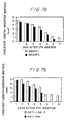
- a second DTH reaction was induced at Day 56 using the same procedure used for the first DTH except that monkeys received, 30 min before application of the Multitest IMC on the right part of the abdomen, 10 mg/kg body weight of either anti-LAG-3 11E3 mAb (IgG1) or anti-FSH mAb (IgG1) as negative control by i.v. route.
- the kinetics of LAG-3 expression by T-cells activated in vitro with two different antigens was investigated and compared with the T-cell profile of cytokine production. These antigens were chosen because of their ability to expand T-cells with prevalent Th1-like or Th2-like profile, respectively (Manetti et al, 1993; Manetti et al, 1994; Maggi et al, 1992).
- PBMC from each of three donors were stimulated with SK or Der p 1 and the derived antigen-specific T-cell lines were tested for both LAG-3 expression and ability to produce IL-4 and IFN- ⁇ at 5, 10 and 15 days following antigenic stimulation.
- SK-specific and Der p 1-specific T-cell lines were also tested at the same time intervals for expression of surface CD30, an activation antigen preferentially associated with the production of Th2-type cytokines (Smith et al, 1990).
- SK-specific T-cells produced high amounts of IFN- ⁇ , but no or low amounts of IL-4, and showed strong LAG-3, but poor CD30, expression.
- Der p 1-specific T-cells that produced high amounts of IL-4 in addition to IFN- ⁇ , showed higher CD30 and lower LAG-3 expression than SK-specific T-cells.
- IL-12 is able to promote the development of Th1-type cells (Manetti, 1993). In contrast, IL-4 favors the preferential development of Th2-like cells (Maggi, 1992). Experiments were done to determine whether the addition of IL-12 or IL-4 in PBMC bulk culture could influence the expression of LAG-3 by antigen-activated T-cells. In these experiments, TT was used as antigen because of its ability to preferentially expand T-cells with mixed profile of cytokine production (Th0 cells) (Hsieh et al, 1993).
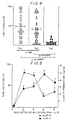
- IL-12 addition in PBMC culture favored the development of TT-specific T-cells able to produce higher amounts of IFN- ⁇ and lower amounts of IL-4 than the corresponding TT-specific T-cell lines generated in the absence of IL-12. Accordingly, the proportions of LAG-3 + cells were significantly higher in IL-12-conditioned TT-specific T-cell lines than in parallel lines generated in the absence of IL-12 (Fig. 2).
- the addition in PBMC bulk culture of IL-4 resulted in the development of TT-specific T-cell lines producing higher amounts of IL-4 and lower amounts of IFN- ⁇ than control TT-specific T-cell lines.
- the proportions of LAG-3 + cells in TT-specific T-cell lines were not significantly affected by IL-4 conditioning (Fig. 2).
- Th2 clones which did not express membrane LAG-3 under these experimental conditions also lacked LAG-3 mRNA expression when assessed by PCR after stimulation of cells with PHA (1% v/v) and IL-2 (20U/ml) for 24 hrs.
- CD4 + Th1-like and CD8 + T-cell clones did show LAG-3 mRNA expression (570 bp band on agarose gel).
- Fig. 5 shows the kinetics of membrane LAG-3 expression and soluble LAG-3 production by five representative clones (3 Th1 and 2 Th0).
- Membrane LAG-3 was fully expressed on the cell membrane between day 2 and 4 following activation with PHA plus IL-2 and then declined, whereas soluble LAG-3 was already found into day 2 supernatant and its concentrations became still higher between day 4 and day 8.
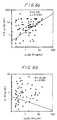
- Concentrations of soluble LAG-3 were then measured in the supernatants of large panels of activated CD4 + T-cell clones and compared with concentrations of IFN- ⁇ and IL-4 present in the same supernatants. There was a significant positive correlation between concentrations of soluble LAG-3 and IFN- ⁇ , whereas an inverse correlation between production of soluble LAG-3 and IL-4 was observed (Fig. 6).
- the delayed type hypersensitivity (DTH) reaction is a reliable method of evaluating the cell-mediate immune response.
- DTH is manifested in the skin by an erythematous indurated reaction maximal 24-48 hours after the intradermal injection of the antigen, e.g., tetanus toxoid.
- the antigen e.g., tetanus toxoid.
- Both elimination of the infecting organism and the DTH reaction occurs as a result of interaction between the specifically sensitized lymphocytes (especially T cell presenting a Th1 profile) and specific antigen. This leads to the secretion of lymphokines that activate macrophages directly to eliminate intracellular organisms and cause the secretion of inflammatory mediators.
- anti-LAG-3 antibodies can polarize the differentiation of naive Th cells towards Th1 in vivo and thus modulate an in vivo reaction which is commonly associated with Th1 cells. This observation is in agreement with the observation that anti-LAG-3 antibodies are able to prolong in vitro the proliferation of antigen specific T cell clones (Huard et al., 1996).
Landscapes
- Health & Medical Sciences (AREA)
- Life Sciences & Earth Sciences (AREA)
- Chemical & Material Sciences (AREA)
- Immunology (AREA)
- Engineering & Computer Science (AREA)
- Organic Chemistry (AREA)
- General Health & Medical Sciences (AREA)
- Medicinal Chemistry (AREA)
- Biomedical Technology (AREA)
- Cell Biology (AREA)
- Biochemistry (AREA)
- Hematology (AREA)
- Molecular Biology (AREA)
- Genetics & Genomics (AREA)
- Zoology (AREA)
- Bioinformatics & Cheminformatics (AREA)
- Biotechnology (AREA)
- General Chemical & Material Sciences (AREA)
- Veterinary Medicine (AREA)
- Public Health (AREA)
- Animal Behavior & Ethology (AREA)
- Pharmacology & Pharmacy (AREA)
- Nuclear Medicine, Radiotherapy & Molecular Imaging (AREA)
- Chemical Kinetics & Catalysis (AREA)
- Microbiology (AREA)
- Biophysics (AREA)
- Urology & Nephrology (AREA)
- Proteomics, Peptides & Aminoacids (AREA)
- Wood Science & Technology (AREA)
- Analytical Chemistry (AREA)
- General Physics & Mathematics (AREA)
- Pathology (AREA)
- Toxicology (AREA)
- Gastroenterology & Hepatology (AREA)
- Virology (AREA)
- Tropical Medicine & Parasitology (AREA)
- Physics & Mathematics (AREA)
- Food Science & Technology (AREA)
- General Engineering & Computer Science (AREA)
- Communicable Diseases (AREA)
Applications Claiming Priority (5)
| Application Number | Priority Date | Filing Date | Title |
|---|---|---|---|
| US602683 | 1984-04-23 | ||
| US136795P | 1995-07-21 | 1995-07-21 | |
| US268395P | 1995-09-21 | 1995-09-21 | |
| US601367 | 1996-02-14 | ||
| PCT/US1996/011994 WO1997003695A1 (en) | 1995-07-21 | 1996-07-19 | Methods for detecting, identifying, isolating, and selectively labelling and targeting th1 lymphocytes by means of the lag-3 protein |
Publications (3)
| Publication Number | Publication Date |
|---|---|
| EP0843557A1 EP0843557A1 (en) | 1998-05-27 |
| EP0843557A4 EP0843557A4 (en) | 1999-04-14 |
| EP0843557B1 true EP0843557B1 (en) | 2002-11-13 |
Family
ID=26668940
Family Applications (1)
| Application Number | Title | Priority Date | Filing Date |
|---|---|---|---|
| EP96926748A Expired - Lifetime EP0843557B1 (en) | 1995-07-21 | 1996-07-19 | Methods for detecting, identifying, isolating, and selectively labelling and targeting th1 lymphocytes by means of the lag-3 protein |
Country Status (12)
| Country | Link |
|---|---|
| US (1) | US6197524B1 (da) |
| EP (1) | EP0843557B1 (da) |
| JP (2) | JP2000508226A (da) |
| AT (1) | ATE227586T1 (da) |
| AU (1) | AU701375B2 (da) |
| CA (1) | CA2227334A1 (da) |
| DE (1) | DE69624824T2 (da) |
| DK (1) | DK0843557T3 (da) |
| ES (1) | ES2186797T3 (da) |
| IL (1) | IL122832A (da) |
| PT (1) | PT843557E (da) |
| WO (1) | WO1997003695A1 (da) |
Cited By (5)
| Publication number | Priority date | Publication date | Assignee | Title |
|---|---|---|---|---|
| WO2017062888A1 (en) | 2015-10-09 | 2017-04-13 | Regeneron Pharmaceuticals, Inc. | Anti-lag3 antibodies and uses thereof |
| WO2020232019A1 (en) | 2019-05-13 | 2020-11-19 | Regeneron Pharmaceuticals, Inc. | Combination of pd-1 inhibitors and lag-3 inhibitors for enhanced efficacy in treating cancer |
| WO2024192033A1 (en) | 2023-03-13 | 2024-09-19 | Regeneron Pharmaceuticals, Inc. | Combination of pd-1 inhibitors and lag-3 inhibitors for enhanced efficacy in treating melanoma |
| WO2025106736A2 (en) | 2023-11-15 | 2025-05-22 | Regeneron Pharmaceuticals, Inc. | Combination of pd-1 inhibitors and lag-3 inhibitors for enhanced efficacy in treating lung cancer |
| WO2026035866A1 (en) | 2024-08-07 | 2026-02-12 | Iovance Biotherapeutics, Inc. | Treatment of cancer patients with tumor infiltrating lymphocyte therapies in combination with a lag-3 inhibitor and a pd-1 inhibitor |
Families Citing this family (26)
| Publication number | Priority date | Publication date | Assignee | Title |
|---|---|---|---|---|
| ZA9810371B (en) * | 1997-11-13 | 1999-08-30 | Schering Corp | Th2 cell depletion; compositions; methods. |
| EP1295895B1 (en) * | 2001-09-19 | 2011-08-10 | Institut Gustave Roussy | Peptides and proteins binding to glu-pro motifs, therapeutical compositions containing the same and applications thereof |
| KR100615389B1 (ko) * | 2002-08-23 | 2006-08-25 | (주)헬릭서 | 다래 추출물을 함유하는 알러지성 질환 및 비알러지성염증 질환의 예방 및 개선용 건강 기능 식품 |
| PL1897548T5 (pl) | 2003-02-28 | 2025-03-17 | The Johns Hopkins University | Regulacja komórek T |
| EP1987839A1 (en) * | 2007-04-30 | 2008-11-05 | I.N.S.E.R.M. Institut National de la Sante et de la Recherche Medicale | Cytotoxic anti-LAG-3 monoclonal antibody and its use in the treatment or prevention of organ transplant rejection and autoimmune disease |
| US9244059B2 (en) | 2007-04-30 | 2016-01-26 | Immutep Parc Club Orsay | Cytotoxic anti-LAG-3 monoclonal antibody and its use in the treatment or prevention of organ transplant rejection and autoimmune disease |
| AR072999A1 (es) | 2008-08-11 | 2010-10-06 | Medarex Inc | Anticuerpos humanos que se unen al gen 3 de activacion linfocitaria (lag-3) y los usos de estos |
| CA2802896C (en) | 2010-07-01 | 2021-05-11 | Regenerative Research Foundation | Methods for culturing undifferentiated cells using sustained release compositions |
| UY34887A (es) | 2012-07-02 | 2013-12-31 | Bristol Myers Squibb Company Una Corporacion Del Estado De Delaware | Optimización de anticuerpos que se fijan al gen de activación de linfocitos 3 (lag-3) y sus usos |
| US10344088B2 (en) | 2013-03-15 | 2019-07-09 | Glaxosmithkline Intellectual Property Development Limited | Antigen binding proteins |
| JP6595458B2 (ja) | 2013-09-20 | 2019-10-23 | ブリストル−マイヤーズ スクイブ カンパニー | 腫瘍を処置するための抗lag−3抗体と抗pd−1抗体との組合せ |
| PE20170255A1 (es) | 2014-01-24 | 2017-03-22 | Dana Farber Cancer Inst Inc | Moleculas de anticuerpo que se unen a pd-1 y usos de las mismas |
| WO2015123654A1 (en) | 2014-02-17 | 2015-08-20 | The Cleveland Clinic Foundation | Amine passivated nanoparticles for cancer treatment and imaging |
| KR102442436B1 (ko) | 2014-03-14 | 2022-09-15 | 노파르티스 아게 | Lag-3에 대한 항체 분자 및 그의 용도 |
| SI3148579T1 (sl) | 2014-05-28 | 2021-07-30 | Agenus Inc. | Proti GITR antitelesa in postopki z njihovo uporabo |
| JO3663B1 (ar) | 2014-08-19 | 2020-08-27 | Merck Sharp & Dohme | الأجسام المضادة لمضاد lag3 وأجزاء ربط الأنتيجين |
| TWI773646B (zh) | 2015-06-08 | 2022-08-11 | 美商宏觀基因股份有限公司 | 結合lag-3的分子和其使用方法 |
| HRP20211058T8 (hr) | 2015-07-29 | 2021-11-26 | Novartis Ag | Kombinirane terapije koje sadrže molekule antitijela protiv lag-3 |
| CN117510633A (zh) | 2015-09-02 | 2024-02-06 | 伊缪泰普有限公司 | 抗lag-3抗体 |
| CN108883173B (zh) | 2015-12-02 | 2022-09-06 | 阿吉纳斯公司 | 抗体和其使用方法 |
| US11045547B2 (en) | 2015-12-16 | 2021-06-29 | Merck Sharp & Dohme Corp. | Anti-LAG3 antibodies and antigen-binding fragments |
| JP7066696B2 (ja) | 2016-10-11 | 2022-05-13 | アジェナス インコーポレイテッド | 抗lag-3抗体及びその使用方法 |
| EA201991673A1 (ru) | 2017-02-10 | 2020-01-17 | Регенерон Фармасьютикалз, Инк. | Меченные радиоактивным изотопом антитела к lag3 для иммуно-пэт-визуализации |
| ES2965352T3 (es) | 2017-05-30 | 2024-04-12 | Bristol Myers Squibb Co | Tratamiento de tumores positivos a gen 3 de activación de linfocitos (LAG-3) |
| CN110678200B (zh) | 2017-05-30 | 2024-05-17 | 百时美施贵宝公司 | 包含抗lag-3抗体或抗lag-3抗体和抗pd-1或抗pd-l1抗体的组合物 |
| KR20230093282A (ko) | 2020-10-23 | 2023-06-27 | 브리스톨-마이어스 스큅 컴퍼니 | 폐암에 대한 lag-3 길항제 요법 |
Family Cites Families (2)
| Publication number | Priority date | Publication date | Assignee | Title |
|---|---|---|---|---|
| FR2656800B1 (fr) * | 1990-01-08 | 1992-05-15 | Roussy Inst Gustave | Nouvelles proteines produits par les lymphocytes humains, sequence d'adn codant pour ces proteines et applications pharmaceutiques et biologiques. |
| CA2189657C (fr) * | 1994-05-06 | 2002-03-12 | Florence Faure | Fractions polypeptidiques solubles de la proteine lag-3; procede de production; composition therapeutique; anticorps anti-idiotype |
-
1996
- 1996-07-19 US US08/983,576 patent/US6197524B1/en not_active Expired - Lifetime
- 1996-07-19 WO PCT/US1996/011994 patent/WO1997003695A1/en not_active Ceased
- 1996-07-19 ES ES96926748T patent/ES2186797T3/es not_active Expired - Lifetime
- 1996-07-19 JP JP9506911A patent/JP2000508226A/ja active Pending
- 1996-07-19 AU AU66784/96A patent/AU701375B2/en not_active Expired
- 1996-07-19 CA CA002227334A patent/CA2227334A1/en not_active Abandoned
- 1996-07-19 EP EP96926748A patent/EP0843557B1/en not_active Expired - Lifetime
- 1996-07-19 IL IL122832A patent/IL122832A/en not_active IP Right Cessation
- 1996-07-19 DK DK96926748T patent/DK0843557T3/da active
- 1996-07-19 PT PT96926748T patent/PT843557E/pt unknown
- 1996-07-19 AT AT96926748T patent/ATE227586T1/de active
- 1996-07-19 DE DE69624824T patent/DE69624824T2/de not_active Expired - Lifetime
-
2007
- 2007-11-07 JP JP2007289509A patent/JP2008150362A/ja active Pending
Cited By (5)
| Publication number | Priority date | Publication date | Assignee | Title |
|---|---|---|---|---|
| WO2017062888A1 (en) | 2015-10-09 | 2017-04-13 | Regeneron Pharmaceuticals, Inc. | Anti-lag3 antibodies and uses thereof |
| WO2020232019A1 (en) | 2019-05-13 | 2020-11-19 | Regeneron Pharmaceuticals, Inc. | Combination of pd-1 inhibitors and lag-3 inhibitors for enhanced efficacy in treating cancer |
| WO2024192033A1 (en) | 2023-03-13 | 2024-09-19 | Regeneron Pharmaceuticals, Inc. | Combination of pd-1 inhibitors and lag-3 inhibitors for enhanced efficacy in treating melanoma |
| WO2025106736A2 (en) | 2023-11-15 | 2025-05-22 | Regeneron Pharmaceuticals, Inc. | Combination of pd-1 inhibitors and lag-3 inhibitors for enhanced efficacy in treating lung cancer |
| WO2026035866A1 (en) | 2024-08-07 | 2026-02-12 | Iovance Biotherapeutics, Inc. | Treatment of cancer patients with tumor infiltrating lymphocyte therapies in combination with a lag-3 inhibitor and a pd-1 inhibitor |
Also Published As
| Publication number | Publication date |
|---|---|
| AU701375B2 (en) | 1999-01-28 |
| AU6678496A (en) | 1997-02-18 |
| EP0843557A1 (en) | 1998-05-27 |
| EP0843557A4 (en) | 1999-04-14 |
| CA2227334A1 (en) | 1997-02-06 |
| IL122832A0 (en) | 1998-08-16 |
| IL122832A (en) | 2006-08-20 |
| DE69624824T2 (de) | 2003-09-11 |
| JP2008150362A (ja) | 2008-07-03 |
| DK0843557T3 (da) | 2003-03-10 |
| WO1997003695A1 (en) | 1997-02-06 |
| PT843557E (pt) | 2003-03-31 |
| US6197524B1 (en) | 2001-03-06 |
| JP2000508226A (ja) | 2000-07-04 |
| ES2186797T3 (es) | 2003-05-16 |
| DE69624824D1 (de) | 2002-12-19 |
| ATE227586T1 (de) | 2002-11-15 |
Similar Documents
| Publication | Publication Date | Title |
|---|---|---|
| EP0843557B1 (en) | Methods for detecting, identifying, isolating, and selectively labelling and targeting th1 lymphocytes by means of the lag-3 protein | |
| WO1997003695A9 (en) | Methods for detecting, identifying, isolating, and selectively labelling and targeting th1 lymphocytes by means of the lag-3 protein | |
| Lin et al. | Development and characterization of desmoglein-3 specific T cells from patients with pemphigus vulgaris. | |
| ES2315008T5 (es) | Agente de unión a receptor ox-40 para su uso en métodos de mejora de la respuesta inmune espec�?fica de ant�?geno tumoral. | |
| Ford et al. | Microglia induce CD4 T lymphocyte final effector function and death. | |
| JP2022001069A (ja) | 抗原提示細胞模倣足場およびそれを作製および使用するための方法 | |
| JP2022513778A (ja) | キメラ抗原受容体及びt細胞受容体並びに使用方法 | |
| JP7004761B2 (ja) | 癌治療のための改善された細胞組成物および方法 | |
| US20120315269A1 (en) | Immunoglobulin-like transcript (ilt) receptors as cd8 antagonists | |
| JP2021522790A (ja) | ホスホリパーゼa2受容体キメラ自己受容体t細胞の組成物および方法 | |
| EP1274852A2 (en) | Targeted vaccine delivery systems | |
| AU2001255326A1 (en) | Targeted vaccine delivery systems | |
| EP2265644A1 (en) | A monoclonal antibody and a method thereof | |
| WO2017192440A1 (en) | Compositions and methods for improved nk cell therapies | |
| JP2005533516A (ja) | 自己刺激性細胞並びに該細胞を作製及び使用する方法 | |
| US20250297022A1 (en) | Engineered switches for immune cell activity and methods of use thereof | |
| Shen et al. | Killer artificial antigen-presenting cells deplete alloantigen-specific T cells in a murine model of alloskin transplantation | |
| TW202012436A (zh) | 嵌合hla輔助(accessory)受體 | |
| JP7429222B2 (ja) | Carの機能を評価する方法 | |
| Foreman et al. | Expression of costimulatory molecules CD80 and/or CD86 by a Kaposi's sarcoma tumor cell line induces differential T-cell activation and proliferation | |
| JP2003519240A (ja) | タンパク質を移送する方法 | |
| WO1999017801A2 (en) | Materials and methods relating to the stimulation of cells | |
| EP4634215A1 (en) | T cell receptor | |
| BLUM et al. | Workshop F Lymphocyte Activation | |
| Ford | Microglia Induce CD4 T Lymphocyte Final Effector Function and Death By Andrew L. Ford, El~ na Foulcher, Frances A. Lemckert, and Jonathon D. Sedgwick |
Legal Events
| Date | Code | Title | Description |
|---|---|---|---|
| PUAI | Public reference made under article 153(3) epc to a published international application that has entered the european phase |
Free format text: ORIGINAL CODE: 0009012 |
|
| 17P | Request for examination filed |
Effective date: 19980220 |
|
| AK | Designated contracting states |
Kind code of ref document: A1 Designated state(s): AT BE CH DE DK ES FI FR GB GR IE IT LI LU MC NL PT SE |
|
| AX | Request for extension of the european patent |
Free format text: AL PAYMENT 980220;LT PAYMENT 980220;LV PAYMENT 980220;SI PAYMENT 980220 |
|
| A4 | Supplementary search report drawn up and despatched |
Effective date: 19990224 |
|
| AK | Designated contracting states |
Kind code of ref document: A4 Designated state(s): AT BE CH DE DK ES FI FR GB GR IE IT LI LU MC NL PT SE |
|
| RAP1 | Party data changed (applicant data changed or rights of an application transferred) |
Owner name: INSTITUT GUSTAVE ROUSSY Owner name: INSTITUT NATIONAL DE LA SANTE ET DE LA RECHERCHE Owner name: APPLIED RESEARCH SYSTEMS ARS HOLDING N.V. |
|
| 17Q | First examination report despatched |
Effective date: 20001024 |
|
| GRAG | Despatch of communication of intention to grant |
Free format text: ORIGINAL CODE: EPIDOS AGRA |
|
| GRAG | Despatch of communication of intention to grant |
Free format text: ORIGINAL CODE: EPIDOS AGRA |
|
| GRAH | Despatch of communication of intention to grant a patent |
Free format text: ORIGINAL CODE: EPIDOS IGRA |
|
| GRAH | Despatch of communication of intention to grant a patent |
Free format text: ORIGINAL CODE: EPIDOS IGRA |
|
| GRAA | (expected) grant |
Free format text: ORIGINAL CODE: 0009210 |
|
| AK | Designated contracting states |
Kind code of ref document: B1 Designated state(s): AT BE CH DE DK ES FI FR GB GR IE IT LI LU MC NL PT SE |
|
| AX | Request for extension of the european patent |
Free format text: AL PAYMENT 19980220;LT PAYMENT 19980220;LV PAYMENT 19980220;SI PAYMENT 19980220 |
|
| REF | Corresponds to: |
Ref document number: 227586 Country of ref document: AT Date of ref document: 20021115 Kind code of ref document: T |
|
| REG | Reference to a national code |
Ref country code: GB Ref legal event code: FG4D |
|
| REG | Reference to a national code |
Ref country code: CH Ref legal event code: EP |
|
| REG | Reference to a national code |
Ref country code: IE Ref legal event code: FG4D |
|
| REF | Corresponds to: |
Ref document number: 69624824 Country of ref document: DE Date of ref document: 20021219 |
|
| REG | Reference to a national code |
Ref country code: DK Ref legal event code: T3 |
|
| REG | Reference to a national code |
Ref country code: CH Ref legal event code: NV Representative=s name: SERONO INTERNATIONAL SA CORPORATE IP DEPARTMENT |
|
| REG | Reference to a national code |
Ref country code: GR Ref legal event code: EP Ref document number: 20030400431 Country of ref document: GR |
|
| REG | Reference to a national code |
Ref country code: PT Ref legal event code: SC4A Free format text: AVAILABILITY OF NATIONAL TRANSLATION Effective date: 20030128 |
|
| REG | Reference to a national code |
Ref country code: ES Ref legal event code: FG2A Ref document number: 2186797 Country of ref document: ES Kind code of ref document: T3 |
|
| ET | Fr: translation filed | ||
| PLBE | No opposition filed within time limit |
Free format text: ORIGINAL CODE: 0009261 |
|
| STAA | Information on the status of an ep patent application or granted ep patent |
Free format text: STATUS: NO OPPOSITION FILED WITHIN TIME LIMIT |
|
| 26N | No opposition filed |
Effective date: 20030814 |
|
| REG | Reference to a national code |
Ref country code: FR Ref legal event code: CL Ref country code: FR Ref legal event code: AU |
|
| REG | Reference to a national code |
Ref country code: FR Ref legal event code: TQ |
|
| REG | Reference to a national code |
Ref country code: NL Ref legal event code: SD Effective date: 20110616 |
|
| REG | Reference to a national code |
Ref country code: GB Ref legal event code: 732E Free format text: REGISTERED BETWEEN 20110704 AND 20110706 |
|
| REG | Reference to a national code |
Ref country code: ES Ref legal event code: PC2A Owner name: MERCK SERONO SA Effective date: 20110901 |
|
| REG | Reference to a national code |
Ref country code: PT Ref legal event code: PC4A Owner name: MERCK SERONO SA, CH Effective date: 20110906 |
|
| REG | Reference to a national code |
Ref country code: DE Ref legal event code: R082 Ref document number: 69624824 Country of ref document: DE Representative=s name: WEICKMANN & WEICKMANN, DE |
|
| REG | Reference to a national code |
Ref country code: DE Ref legal event code: R082 Ref document number: 69624824 Country of ref document: DE Representative=s name: WEICKMANN & WEICKMANN PATENTANWAELTE - RECHTSA, DE Effective date: 20111108 Ref country code: DE Ref legal event code: R082 Ref document number: 69624824 Country of ref document: DE Representative=s name: PATENTANWAELTE WEICKMANN & WEICKMANN, DE Effective date: 20111108 Ref country code: DE Ref legal event code: R081 Ref document number: 69624824 Country of ref document: DE Owner name: INSTITUT NATIONAL DE LA SANTE ET DE LA RECHERC, FR Free format text: FORMER OWNERS: APPLIED RESEARCH SYSTEMS ARS HOLDING N.V., CURACAO, AN; INSTITUT NATIONAL DE LA SANTE ET DE LA RECHERCHE MEDICALE (INSERM), PARIS, FR; INSTITUT GUSTAVE ROUSSY, VILLEJUIF, FR Effective date: 20111108 Ref country code: DE Ref legal event code: R081 Ref document number: 69624824 Country of ref document: DE Owner name: INSTITUT GUSTAVE ROUSSY, FR Free format text: FORMER OWNERS: APPLIED RESEARCH SYSTEMS ARS HOLDING N.V., CURACAO, AN; INSTITUT NATIONAL DE LA SANTE ET DE LA RECHERCHE MEDICALE (INSERM), PARIS, FR; INSTITUT GUSTAVE ROUSSY, VILLEJUIF, FR Effective date: 20111108 Ref country code: DE Ref legal event code: R081 Ref document number: 69624824 Country of ref document: DE Owner name: MERCK SERONO SA, COINSINS, CH Free format text: FORMER OWNERS: APPLIED RESEARCH SYSTEMS ARS HOLDING N.V., CURACAO, AN; INSTITUT NATIONAL DE LA SANTE ET DE LA RECHERCHE MEDICALE (INSERM), PARIS, FR; INSTITUT GUSTAVE ROUSSY, VILLEJUIF, FR Effective date: 20111108 Ref country code: DE Ref legal event code: R081 Ref document number: 69624824 Country of ref document: DE Owner name: MERCK SERONO SA, COINSINS, CH Free format text: FORMER OWNER: APPLIED RESEARCH SYSTEMS ARS HO, INSTITUT NATIONAL DE LA SANTE E, INSTITUT GUSTAVE ROUSSY, , FR Effective date: 20111108 Ref country code: DE Ref legal event code: R081 Ref document number: 69624824 Country of ref document: DE Owner name: INSTITUT GUSTAVE ROUSSY, FR Free format text: FORMER OWNER: APPLIED RESEARCH SYSTEMS ARS HO, INSTITUT NATIONAL DE LA SANTE E, INSTITUT GUSTAVE ROUSSY, , FR Effective date: 20111108 Ref country code: DE Ref legal event code: R081 Ref document number: 69624824 Country of ref document: DE Owner name: INSTITUT NATIONAL DE LA SANTE ET DE LA RECHERC, FR Free format text: FORMER OWNER: APPLIED RESEARCH SYSTEMS ARS HO, INSTITUT NATIONAL DE LA SANTE E, INSTITUT GUSTAVE ROUSSY, , FR Effective date: 20111108 |
|
| REG | Reference to a national code |
Ref country code: CH Ref legal event code: PUEA Owner name: INSTITUT NATIONAL DE LA SANTE ET DE LA RECHERCHE Free format text: INSTITUT NATIONAL DE LA SANTE ET DE LA RECHERCHE MEDICALE (INSERM)#101, RUE DE TOLBIAC#75654 PARIS CEDEX 13 (FR) $ INSTITUT GUSTAVE ROUSSY#RUE CAMILLE DESMOULINS#F-94805 VILLEJUIF CEDEX (FR) $ APPLIED RESEARCH SYSTEMS ARS HOLDING N.V.#PIETERMAAI 15#CURACAO (AN) -TRANSFER TO- INSTITUT NATIONAL DE LA SANTE ET DE LA RECHERCHE MEDICALE (INSERM)#101, RUE DE TOLBIAC#75654 PARIS CEDEX 13 (FR) $ INSTITUT GUSTAVE ROUSSY#RUE CAMILLE DESMOULINS#F-94805 VILLEJUIF CEDEX (FR) $ MERCK SERONO SA#CENTRE INDUSTRIEL#1267 COINSINS (CH) Ref country code: CH Ref legal event code: NV Representative=s name: ABREMA AGENCE BREVET ET MARQUES, GANGUILLET |
|
| REG | Reference to a national code |
Ref country code: FR Ref legal event code: PLFP Year of fee payment: 20 |
|
| PGFP | Annual fee paid to national office [announced via postgrant information from national office to epo] |
Ref country code: GB Payment date: 20150501 Year of fee payment: 20 |
|
| PGFP | Annual fee paid to national office [announced via postgrant information from national office to epo] |
Ref country code: LU Payment date: 20150727 Year of fee payment: 20 |
|
| PGFP | Annual fee paid to national office [announced via postgrant information from national office to epo] |
Ref country code: NL Payment date: 20150722 Year of fee payment: 20 |
|
| PGFP | Annual fee paid to national office [announced via postgrant information from national office to epo] |
Ref country code: CH Payment date: 20150813 Year of fee payment: 20 Ref country code: ES Payment date: 20150724 Year of fee payment: 20 Ref country code: PT Payment date: 20150709 Year of fee payment: 20 Ref country code: MC Payment date: 20150727 Year of fee payment: 20 Ref country code: FI Payment date: 20150717 Year of fee payment: 20 Ref country code: DE Payment date: 20150729 Year of fee payment: 20 Ref country code: DK Payment date: 20150731 Year of fee payment: 20 Ref country code: IE Payment date: 20150717 Year of fee payment: 20 |
|
| PGFP | Annual fee paid to national office [announced via postgrant information from national office to epo] |
Ref country code: FR Payment date: 20150629 Year of fee payment: 20 Ref country code: GR Payment date: 20150724 Year of fee payment: 20 Ref country code: SE Payment date: 20150720 Year of fee payment: 20 Ref country code: BE Payment date: 20150722 Year of fee payment: 20 Ref country code: AT Payment date: 20150724 Year of fee payment: 20 |
|
| PGFP | Annual fee paid to national office [announced via postgrant information from national office to epo] |
Ref country code: IT Payment date: 20150721 Year of fee payment: 20 |
|
| REG | Reference to a national code |
Ref country code: DE Ref legal event code: R071 Ref document number: 69624824 Country of ref document: DE |
|
| REG | Reference to a national code |
Ref country code: NL Ref legal event code: MK Effective date: 20160718 |
|
| REG | Reference to a national code |
Ref country code: DK Ref legal event code: EUP Effective date: 20160719 |
|
| REG | Reference to a national code |
Ref country code: CH Ref legal event code: PL |
|
| REG | Reference to a national code |
Ref country code: GB Ref legal event code: PE20 Expiry date: 20160718 |
|
| REG | Reference to a national code |
Ref country code: IE Ref legal event code: MK9A |
|
| REG | Reference to a national code |
Ref country code: AT Ref legal event code: MK07 Ref document number: 227586 Country of ref document: AT Kind code of ref document: T Effective date: 20160719 |
|
| REG | Reference to a national code |
Ref country code: GR Ref legal event code: MA Ref document number: 20030400431 Country of ref document: GR Effective date: 20160720 |
|
| REG | Reference to a national code |
Ref country code: ES Ref legal event code: FD2A Effective date: 20161026 |
|
| PG25 | Lapsed in a contracting state [announced via postgrant information from national office to epo] |
Ref country code: GB Free format text: LAPSE BECAUSE OF EXPIRATION OF PROTECTION Effective date: 20160718 Ref country code: IE Free format text: LAPSE BECAUSE OF EXPIRATION OF PROTECTION Effective date: 20160719 |
|
| PG25 | Lapsed in a contracting state [announced via postgrant information from national office to epo] |
Ref country code: PT Free format text: LAPSE BECAUSE OF EXPIRATION OF PROTECTION Effective date: 20160727 |
|
| PG25 | Lapsed in a contracting state [announced via postgrant information from national office to epo] |
Ref country code: ES Free format text: LAPSE BECAUSE OF EXPIRATION OF PROTECTION Effective date: 20160720 |