EP0832267B1 - Adenovirus vectors for gene therapy - Google Patents
Adenovirus vectors for gene therapy Download PDFInfo
- Publication number
- EP0832267B1 EP0832267B1 EP96915934A EP96915934A EP0832267B1 EP 0832267 B1 EP0832267 B1 EP 0832267B1 EP 96915934 A EP96915934 A EP 96915934A EP 96915934 A EP96915934 A EP 96915934A EP 0832267 B1 EP0832267 B1 EP 0832267B1
- Authority
- EP
- European Patent Office
- Prior art keywords
- viral
- cre
- vector
- virus
- recombinase
- Prior art date
- Legal status (The legal status is an assumption and is not a legal conclusion. Google has not performed a legal analysis and makes no representation as to the accuracy of the status listed.)
- Expired - Lifetime
Links
- 239000013598 vector Substances 0.000 title claims abstract description 73
- 241000701161 unidentified adenovirus Species 0.000 title claims abstract description 18
- 238000001415 gene therapy Methods 0.000 title description 2
- 241000700605 Viruses Species 0.000 claims abstract description 86
- 238000000034 method Methods 0.000 claims abstract description 23
- 108010091086 Recombinases Proteins 0.000 claims abstract description 20
- 102000018120 Recombinases Human genes 0.000 claims abstract description 20
- 230000001419 dependent effect Effects 0.000 claims abstract description 16
- 238000004806 packaging method and process Methods 0.000 claims description 47
- 239000013612 plasmid Substances 0.000 claims description 47
- 230000003612 virological effect Effects 0.000 claims description 47
- 108020005202 Viral DNA Proteins 0.000 claims description 28
- 239000012634 fragment Substances 0.000 claims description 27
- 108090000623 proteins and genes Proteins 0.000 claims description 23
- 150000007523 nucleic acids Chemical class 0.000 claims description 22
- 230000006798 recombination Effects 0.000 claims description 18
- 238000005215 recombination Methods 0.000 claims description 18
- 230000010076 replication Effects 0.000 claims description 18
- 210000002845 virion Anatomy 0.000 claims description 18
- 108020004707 nucleic acids Proteins 0.000 claims description 17
- 102000039446 nucleic acids Human genes 0.000 claims description 17
- 101001040800 Homo sapiens Integral membrane protein GPR180 Proteins 0.000 claims description 12
- 102100021244 Integral membrane protein GPR180 Human genes 0.000 claims description 12
- 238000012217 deletion Methods 0.000 claims description 9
- 230000037430 deletion Effects 0.000 claims description 9
- 230000001580 bacterial effect Effects 0.000 claims description 8
- 230000004543 DNA replication Effects 0.000 claims description 7
- 230000006870 function Effects 0.000 claims description 7
- 108700005077 Viral Genes Proteins 0.000 claims description 5
- 230000003115 biocidal effect Effects 0.000 claims description 5
- 230000000295 complement effect Effects 0.000 claims description 4
- 229960000723 ampicillin Drugs 0.000 claims description 3
- AVKUERGKIZMTKX-NJBDSQKTSA-N ampicillin Chemical compound C1([C@@H](N)C(=O)N[C@H]2[C@H]3SC([C@@H](N3C2=O)C(O)=O)(C)C)=CC=CC=C1 AVKUERGKIZMTKX-NJBDSQKTSA-N 0.000 claims description 3
- 238000004519 manufacturing process Methods 0.000 claims description 3
- 239000003242 anti bacterial agent Substances 0.000 claims 3
- 238000010367 cloning Methods 0.000 abstract description 12
- 238000002360 preparation method Methods 0.000 abstract description 8
- 238000011109 contamination Methods 0.000 abstract description 2
- 210000004027 cell Anatomy 0.000 description 116
- 101150036876 cre gene Proteins 0.000 description 68
- 108020004414 DNA Proteins 0.000 description 52
- 230000014509 gene expression Effects 0.000 description 37
- 208000015181 infectious disease Diseases 0.000 description 26
- 241001135569 Human adenovirus 5 Species 0.000 description 22
- 239000005089 Luciferase Substances 0.000 description 19
- 108060001084 Luciferase Proteins 0.000 description 18
- 108010051219 Cre recombinase Proteins 0.000 description 13
- 108091028043 Nucleic acid sequence Proteins 0.000 description 13
- 230000000694 effects Effects 0.000 description 13
- 238000003556 assay Methods 0.000 description 12
- 230000001404 mediated effect Effects 0.000 description 12
- 102000004190 Enzymes Human genes 0.000 description 10
- 108090000790 Enzymes Proteins 0.000 description 10
- 229920001184 polypeptide Polymers 0.000 description 10
- 108090000765 processed proteins & peptides Proteins 0.000 description 10
- 102000004196 processed proteins & peptides Human genes 0.000 description 10
- 230000003321 amplification Effects 0.000 description 9
- 238000009396 hybridization Methods 0.000 description 9
- 230000002458 infectious effect Effects 0.000 description 9
- 238000003780 insertion Methods 0.000 description 9
- 230000037431 insertion Effects 0.000 description 9
- 238000003199 nucleic acid amplification method Methods 0.000 description 9
- 239000000523 sample Substances 0.000 description 9
- 230000029812 viral genome replication Effects 0.000 description 9
- 238000002105 Southern blotting Methods 0.000 description 8
- 102000005936 beta-Galactosidase Human genes 0.000 description 8
- 108010005774 beta-Galactosidase Proteins 0.000 description 8
- 108091032973 (ribonucleotides)n+m Proteins 0.000 description 7
- 108091034117 Oligonucleotide Proteins 0.000 description 7
- 239000013604 expression vector Substances 0.000 description 7
- 101100520231 Caenorhabditis elegans plc-3 gene Proteins 0.000 description 6
- 241000701024 Human betaherpesvirus 5 Species 0.000 description 6
- 241000829100 Macaca mulatta polyomavirus 1 Species 0.000 description 6
- JLCPHMBAVCMARE-UHFFFAOYSA-N [3-[[3-[[3-[[3-[[3-[[3-[[3-[[3-[[3-[[3-[[3-[[5-(2-amino-6-oxo-1H-purin-9-yl)-3-[[3-[[3-[[3-[[3-[[3-[[5-(2-amino-6-oxo-1H-purin-9-yl)-3-[[5-(2-amino-6-oxo-1H-purin-9-yl)-3-hydroxyoxolan-2-yl]methoxy-hydroxyphosphoryl]oxyoxolan-2-yl]methoxy-hydroxyphosphoryl]oxy-5-(5-methyl-2,4-dioxopyrimidin-1-yl)oxolan-2-yl]methoxy-hydroxyphosphoryl]oxy-5-(6-aminopurin-9-yl)oxolan-2-yl]methoxy-hydroxyphosphoryl]oxy-5-(6-aminopurin-9-yl)oxolan-2-yl]methoxy-hydroxyphosphoryl]oxy-5-(6-aminopurin-9-yl)oxolan-2-yl]methoxy-hydroxyphosphoryl]oxy-5-(6-aminopurin-9-yl)oxolan-2-yl]methoxy-hydroxyphosphoryl]oxyoxolan-2-yl]methoxy-hydroxyphosphoryl]oxy-5-(5-methyl-2,4-dioxopyrimidin-1-yl)oxolan-2-yl]methoxy-hydroxyphosphoryl]oxy-5-(4-amino-2-oxopyrimidin-1-yl)oxolan-2-yl]methoxy-hydroxyphosphoryl]oxy-5-(5-methyl-2,4-dioxopyrimidin-1-yl)oxolan-2-yl]methoxy-hydroxyphosphoryl]oxy-5-(5-methyl-2,4-dioxopyrimidin-1-yl)oxolan-2-yl]methoxy-hydroxyphosphoryl]oxy-5-(6-aminopurin-9-yl)oxolan-2-yl]methoxy-hydroxyphosphoryl]oxy-5-(6-aminopurin-9-yl)oxolan-2-yl]methoxy-hydroxyphosphoryl]oxy-5-(4-amino-2-oxopyrimidin-1-yl)oxolan-2-yl]methoxy-hydroxyphosphoryl]oxy-5-(4-amino-2-oxopyrimidin-1-yl)oxolan-2-yl]methoxy-hydroxyphosphoryl]oxy-5-(4-amino-2-oxopyrimidin-1-yl)oxolan-2-yl]methoxy-hydroxyphosphoryl]oxy-5-(6-aminopurin-9-yl)oxolan-2-yl]methoxy-hydroxyphosphoryl]oxy-5-(4-amino-2-oxopyrimidin-1-yl)oxolan-2-yl]methyl [5-(6-aminopurin-9-yl)-2-(hydroxymethyl)oxolan-3-yl] hydrogen phosphate Polymers Cc1cn(C2CC(OP(O)(=O)OCC3OC(CC3OP(O)(=O)OCC3OC(CC3O)n3cnc4c3nc(N)[nH]c4=O)n3cnc4c3nc(N)[nH]c4=O)C(COP(O)(=O)OC3CC(OC3COP(O)(=O)OC3CC(OC3COP(O)(=O)OC3CC(OC3COP(O)(=O)OC3CC(OC3COP(O)(=O)OC3CC(OC3COP(O)(=O)OC3CC(OC3COP(O)(=O)OC3CC(OC3COP(O)(=O)OC3CC(OC3COP(O)(=O)OC3CC(OC3COP(O)(=O)OC3CC(OC3COP(O)(=O)OC3CC(OC3COP(O)(=O)OC3CC(OC3COP(O)(=O)OC3CC(OC3COP(O)(=O)OC3CC(OC3COP(O)(=O)OC3CC(OC3COP(O)(=O)OC3CC(OC3COP(O)(=O)OC3CC(OC3CO)n3cnc4c(N)ncnc34)n3ccc(N)nc3=O)n3cnc4c(N)ncnc34)n3ccc(N)nc3=O)n3ccc(N)nc3=O)n3ccc(N)nc3=O)n3cnc4c(N)ncnc34)n3cnc4c(N)ncnc34)n3cc(C)c(=O)[nH]c3=O)n3cc(C)c(=O)[nH]c3=O)n3ccc(N)nc3=O)n3cc(C)c(=O)[nH]c3=O)n3cnc4c3nc(N)[nH]c4=O)n3cnc4c(N)ncnc34)n3cnc4c(N)ncnc34)n3cnc4c(N)ncnc34)n3cnc4c(N)ncnc34)O2)c(=O)[nH]c1=O JLCPHMBAVCMARE-UHFFFAOYSA-N 0.000 description 6
- AIYUHDOJVYHVIT-UHFFFAOYSA-M caesium chloride Chemical compound [Cl-].[Cs+] AIYUHDOJVYHVIT-UHFFFAOYSA-M 0.000 description 6
- 238000006243 chemical reaction Methods 0.000 description 6
- 238000010276 construction Methods 0.000 description 6
- 230000008488 polyadenylation Effects 0.000 description 6
- 238000001262 western blot Methods 0.000 description 6
- 208000003322 Coinfection Diseases 0.000 description 5
- 238000004458 analytical method Methods 0.000 description 5
- 239000002245 particle Substances 0.000 description 5
- 108091033319 polynucleotide Proteins 0.000 description 5
- 102000040430 polynucleotide Human genes 0.000 description 5
- 239000002157 polynucleotide Substances 0.000 description 5
- 108091008146 restriction endonucleases Proteins 0.000 description 5
- 238000012216 screening Methods 0.000 description 5
- 239000013603 viral vector Substances 0.000 description 5
- OPIFSICVWOWJMJ-AEOCFKNESA-N 5-bromo-4-chloro-3-indolyl beta-D-galactoside Chemical compound O[C@@H]1[C@@H](O)[C@@H](O)[C@@H](CO)O[C@H]1OC1=CNC2=CC=C(Br)C(Cl)=C12 OPIFSICVWOWJMJ-AEOCFKNESA-N 0.000 description 4
- TWRXJAOTZQYOKJ-UHFFFAOYSA-L Magnesium chloride Chemical compound [Mg+2].[Cl-].[Cl-] TWRXJAOTZQYOKJ-UHFFFAOYSA-L 0.000 description 4
- 108700008625 Reporter Genes Proteins 0.000 description 4
- 238000001514 detection method Methods 0.000 description 4
- 239000006166 lysate Substances 0.000 description 4
- 102000004169 proteins and genes Human genes 0.000 description 4
- 230000009466 transformation Effects 0.000 description 4
- 108060003951 Immunoglobulin Proteins 0.000 description 3
- 241001465754 Metazoa Species 0.000 description 3
- 108020005187 Oligonucleotide Probes Proteins 0.000 description 3
- 239000011543 agarose gel Substances 0.000 description 3
- APKFDSVGJQXUKY-INPOYWNPSA-N amphotericin B Chemical compound O[C@H]1[C@@H](N)[C@H](O)[C@@H](C)O[C@H]1O[C@H]1/C=C/C=C/C=C/C=C/C=C/C=C/C=C/[C@H](C)[C@@H](O)[C@@H](C)[C@H](C)OC(=O)C[C@H](O)C[C@H](O)CC[C@@H](O)[C@H](O)C[C@H](O)C[C@](O)(C[C@H](O)[C@H]2C(O)=O)O[C@H]2C1 APKFDSVGJQXUKY-INPOYWNPSA-N 0.000 description 3
- 230000033228 biological regulation Effects 0.000 description 3
- 230000015572 biosynthetic process Effects 0.000 description 3
- 239000001506 calcium phosphate Substances 0.000 description 3
- 229910000389 calcium phosphate Inorganic materials 0.000 description 3
- 235000011010 calcium phosphates Nutrition 0.000 description 3
- 230000001413 cellular effect Effects 0.000 description 3
- 238000005119 centrifugation Methods 0.000 description 3
- 230000029087 digestion Effects 0.000 description 3
- 230000012010 growth Effects 0.000 description 3
- 210000005260 human cell Anatomy 0.000 description 3
- 210000004408 hybridoma Anatomy 0.000 description 3
- 102000018358 immunoglobulin Human genes 0.000 description 3
- 229940072221 immunoglobulins Drugs 0.000 description 3
- 230000001939 inductive effect Effects 0.000 description 3
- 239000002609 medium Substances 0.000 description 3
- 239000012528 membrane Substances 0.000 description 3
- 239000000203 mixture Substances 0.000 description 3
- 239000002773 nucleotide Substances 0.000 description 3
- 125000003729 nucleotide group Chemical group 0.000 description 3
- 239000002751 oligonucleotide probe Substances 0.000 description 3
- 230000000644 propagated effect Effects 0.000 description 3
- 230000001105 regulatory effect Effects 0.000 description 3
- 238000012163 sequencing technique Methods 0.000 description 3
- 210000001519 tissue Anatomy 0.000 description 3
- 238000013518 transcription Methods 0.000 description 3
- 230000035897 transcription Effects 0.000 description 3
- 238000001890 transfection Methods 0.000 description 3
- 238000013519 translation Methods 0.000 description 3
- QORWJWZARLRLPR-UHFFFAOYSA-H tricalcium bis(phosphate) Chemical compound [Ca+2].[Ca+2].[Ca+2].[O-]P([O-])([O-])=O.[O-]P([O-])([O-])=O QORWJWZARLRLPR-UHFFFAOYSA-H 0.000 description 3
- 241000588724 Escherichia coli Species 0.000 description 2
- 241000701959 Escherichia virus Lambda Species 0.000 description 2
- 108090000331 Firefly luciferases Proteins 0.000 description 2
- ZHNUHDYFZUAESO-UHFFFAOYSA-N Formamide Chemical compound NC=O ZHNUHDYFZUAESO-UHFFFAOYSA-N 0.000 description 2
- 102000003960 Ligases Human genes 0.000 description 2
- 108090000364 Ligases Proteins 0.000 description 2
- 101100329389 Neurospora crassa (strain ATCC 24698 / 74-OR23-1A / CBS 708.71 / DSM 1257 / FGSC 987) cre-1 gene Proteins 0.000 description 2
- 239000004677 Nylon Substances 0.000 description 2
- 241000283973 Oryctolagus cuniculus Species 0.000 description 2
- 206010035226 Plasma cell myeloma Diseases 0.000 description 2
- 101710200251 Recombinase cre Proteins 0.000 description 2
- 108091081062 Repeated sequence (DNA) Proteins 0.000 description 2
- 240000004808 Saccharomyces cerevisiae Species 0.000 description 2
- 239000000872 buffer Substances 0.000 description 2
- 238000012512 characterization method Methods 0.000 description 2
- 239000003153 chemical reaction reagent Substances 0.000 description 2
- 239000013611 chromosomal DNA Substances 0.000 description 2
- 239000002299 complementary DNA Substances 0.000 description 2
- 238000004520 electroporation Methods 0.000 description 2
- 239000003623 enhancer Substances 0.000 description 2
- ZMMJGEGLRURXTF-UHFFFAOYSA-N ethidium bromide Chemical compound [Br-].C12=CC(N)=CC=C2C2=CC=C(N)C=C2[N+](CC)=C1C1=CC=CC=C1 ZMMJGEGLRURXTF-UHFFFAOYSA-N 0.000 description 2
- 229960005542 ethidium bromide Drugs 0.000 description 2
- 101150066555 lacZ gene Proteins 0.000 description 2
- 238000007834 ligase chain reaction Methods 0.000 description 2
- 229910001629 magnesium chloride Inorganic materials 0.000 description 2
- 210000004962 mammalian cell Anatomy 0.000 description 2
- 239000000463 material Substances 0.000 description 2
- 201000000050 myeloid neoplasm Diseases 0.000 description 2
- 229920001778 nylon Polymers 0.000 description 2
- 238000000746 purification Methods 0.000 description 2
- 230000008707 rearrangement Effects 0.000 description 2
- 230000003362 replicative effect Effects 0.000 description 2
- 230000003248 secreting effect Effects 0.000 description 2
- 125000006850 spacer group Chemical group 0.000 description 2
- 238000010186 staining Methods 0.000 description 2
- UCSJYZPVAKXKNQ-HZYVHMACSA-N streptomycin Chemical compound CN[C@H]1[C@H](O)[C@@H](O)[C@H](CO)O[C@H]1O[C@@H]1[C@](C=O)(O)[C@H](C)O[C@H]1O[C@@H]1[C@@H](NC(N)=N)[C@H](O)[C@@H](NC(N)=N)[C@H](O)[C@H]1O UCSJYZPVAKXKNQ-HZYVHMACSA-N 0.000 description 2
- 102000040650 (ribonucleotides)n+m Human genes 0.000 description 1
- OSJPPGNTCRNQQC-UWTATZPHSA-N 3-phospho-D-glyceric acid Chemical compound OC(=O)[C@H](O)COP(O)(O)=O OSJPPGNTCRNQQC-UWTATZPHSA-N 0.000 description 1
- 244000063299 Bacillus subtilis Species 0.000 description 1
- 241000894006 Bacteria Species 0.000 description 1
- 108091003079 Bovine Serum Albumin Proteins 0.000 description 1
- 241000701822 Bovine papillomavirus Species 0.000 description 1
- UXVMQQNJUSDDNG-UHFFFAOYSA-L Calcium chloride Chemical compound [Cl-].[Cl-].[Ca+2] UXVMQQNJUSDDNG-UHFFFAOYSA-L 0.000 description 1
- 108091026890 Coding region Proteins 0.000 description 1
- 108020004635 Complementary DNA Proteins 0.000 description 1
- 241000699802 Cricetulus griseus Species 0.000 description 1
- 235000019750 Crude protein Nutrition 0.000 description 1
- 102000053602 DNA Human genes 0.000 description 1
- 102000004594 DNA Polymerase I Human genes 0.000 description 1
- 108010017826 DNA Polymerase I Proteins 0.000 description 1
- 230000003682 DNA packaging effect Effects 0.000 description 1
- 239000003298 DNA probe Substances 0.000 description 1
- 238000012270 DNA recombination Methods 0.000 description 1
- 230000006820 DNA synthesis Effects 0.000 description 1
- 108010014303 DNA-directed DNA polymerase Proteins 0.000 description 1
- 102000016928 DNA-directed DNA polymerase Human genes 0.000 description 1
- 108090000204 Dipeptidase 1 Proteins 0.000 description 1
- 206010059866 Drug resistance Diseases 0.000 description 1
- 241000588921 Enterobacteriaceae Species 0.000 description 1
- YQYJSBFKSSDGFO-UHFFFAOYSA-N Epihygromycin Natural products OC1C(O)C(C(=O)C)OC1OC(C(=C1)O)=CC=C1C=C(C)C(=O)NC1C(O)C(O)C2OCOC2C1O YQYJSBFKSSDGFO-UHFFFAOYSA-N 0.000 description 1
- WSFSSNUMVMOOMR-UHFFFAOYSA-N Formaldehyde Chemical compound O=C WSFSSNUMVMOOMR-UHFFFAOYSA-N 0.000 description 1
- 108700007698 Genetic Terminator Regions Proteins 0.000 description 1
- SXRSQZLOMIGNAQ-UHFFFAOYSA-N Glutaraldehyde Chemical compound O=CCCCC=O SXRSQZLOMIGNAQ-UHFFFAOYSA-N 0.000 description 1
- 241000282412 Homo Species 0.000 description 1
- 108090000144 Human Proteins Proteins 0.000 description 1
- 102000003839 Human Proteins Human genes 0.000 description 1
- 108700005091 Immunoglobulin Genes Proteins 0.000 description 1
- ZQISRDCJNBUVMM-UHFFFAOYSA-N L-Histidinol Natural products OCC(N)CC1=CN=CN1 ZQISRDCJNBUVMM-UHFFFAOYSA-N 0.000 description 1
- ZQISRDCJNBUVMM-YFKPBYRVSA-N L-histidinol Chemical compound OC[C@@H](N)CC1=CNC=N1 ZQISRDCJNBUVMM-YFKPBYRVSA-N 0.000 description 1
- QIVBCDIJIAJPQS-VIFPVBQESA-N L-tryptophane Chemical compound C1=CC=C2C(C[C@H](N)C(O)=O)=CNC2=C1 QIVBCDIJIAJPQS-VIFPVBQESA-N 0.000 description 1
- GUBGYTABKSRVRQ-QKKXKWKRSA-N Lactose Natural products OC[C@H]1O[C@@H](O[C@H]2[C@H](O)[C@@H](O)C(O)O[C@@H]2CO)[C@H](O)[C@@H](O)[C@H]1O GUBGYTABKSRVRQ-QKKXKWKRSA-N 0.000 description 1
- 241000701029 Murid betaherpesvirus 1 Species 0.000 description 1
- 229930193140 Neomycin Natural products 0.000 description 1
- 239000000020 Nitrocellulose Substances 0.000 description 1
- 108700026244 Open Reading Frames Proteins 0.000 description 1
- 229930040373 Paraformaldehyde Natural products 0.000 description 1
- 229930182555 Penicillin Natural products 0.000 description 1
- JGSARLDLIJGVTE-MBNYWOFBSA-N Penicillin G Chemical compound N([C@H]1[C@H]2SC([C@@H](N2C1=O)C(O)=O)(C)C)C(=O)CC1=CC=CC=C1 JGSARLDLIJGVTE-MBNYWOFBSA-N 0.000 description 1
- 108091000080 Phosphotransferase Proteins 0.000 description 1
- 108010076504 Protein Sorting Signals Proteins 0.000 description 1
- 241000589516 Pseudomonas Species 0.000 description 1
- 108020005067 RNA Splice Sites Proteins 0.000 description 1
- 241000235070 Saccharomyces Species 0.000 description 1
- 241000607142 Salmonella Species 0.000 description 1
- 238000012300 Sequence Analysis Methods 0.000 description 1
- 241000607720 Serratia Species 0.000 description 1
- XUIMIQQOPSSXEZ-UHFFFAOYSA-N Silicon Chemical compound [Si] XUIMIQQOPSSXEZ-UHFFFAOYSA-N 0.000 description 1
- 108010052160 Site-specific recombinase Proteins 0.000 description 1
- 108010008038 Synthetic Vaccines Proteins 0.000 description 1
- 239000004098 Tetracycline Substances 0.000 description 1
- 108700009124 Transcription Initiation Site Proteins 0.000 description 1
- QIVBCDIJIAJPQS-UHFFFAOYSA-N Tryptophan Natural products C1=CC=C2C(CC(N)C(O)=O)=CNC2=C1 QIVBCDIJIAJPQS-UHFFFAOYSA-N 0.000 description 1
- 108010067390 Viral Proteins Proteins 0.000 description 1
- 108020000999 Viral RNA Proteins 0.000 description 1
- 238000010521 absorption reaction Methods 0.000 description 1
- 230000009471 action Effects 0.000 description 1
- 239000002671 adjuvant Substances 0.000 description 1
- 238000001042 affinity chromatography Methods 0.000 description 1
- 238000000137 annealing Methods 0.000 description 1
- 238000003149 assay kit Methods 0.000 description 1
- 238000000376 autoradiography Methods 0.000 description 1
- 244000052616 bacterial pathogen Species 0.000 description 1
- 239000011324 bead Substances 0.000 description 1
- 102000006635 beta-lactamase Human genes 0.000 description 1
- 210000000481 breast Anatomy 0.000 description 1
- 239000007853 buffer solution Substances 0.000 description 1
- 229910052792 caesium Inorganic materials 0.000 description 1
- TVFDJXOCXUVLDH-UHFFFAOYSA-N caesium atom Chemical compound [Cs] TVFDJXOCXUVLDH-UHFFFAOYSA-N 0.000 description 1
- 239000001110 calcium chloride Substances 0.000 description 1
- 229910001628 calcium chloride Inorganic materials 0.000 description 1
- 230000015556 catabolic process Effects 0.000 description 1
- 238000004113 cell culture Methods 0.000 description 1
- 239000006143 cell culture medium Substances 0.000 description 1
- 239000012578 cell culture reagent Substances 0.000 description 1
- 210000001072 colon Anatomy 0.000 description 1
- 230000002596 correlated effect Effects 0.000 description 1
- 230000000875 corresponding effect Effects 0.000 description 1
- 210000004748 cultured cell Anatomy 0.000 description 1
- 238000006731 degradation reaction Methods 0.000 description 1
- 206010012601 diabetes mellitus Diseases 0.000 description 1
- 238000003745 diagnosis Methods 0.000 description 1
- 239000000539 dimer Substances 0.000 description 1
- 230000008034 disappearance Effects 0.000 description 1
- 229940079593 drug Drugs 0.000 description 1
- 239000003814 drug Substances 0.000 description 1
- 230000008030 elimination Effects 0.000 description 1
- 238000003379 elimination reaction Methods 0.000 description 1
- 238000009585 enzyme analysis Methods 0.000 description 1
- 210000000981 epithelium Anatomy 0.000 description 1
- 210000003527 eukaryotic cell Anatomy 0.000 description 1
- 239000000284 extract Substances 0.000 description 1
- 239000012091 fetal bovine serum Substances 0.000 description 1
- 238000009472 formulation Methods 0.000 description 1
- 230000008014 freezing Effects 0.000 description 1
- 238000007710 freezing Methods 0.000 description 1
- 230000005714 functional activity Effects 0.000 description 1
- 238000002825 functional assay Methods 0.000 description 1
- 239000000499 gel Substances 0.000 description 1
- 230000002414 glycolytic effect Effects 0.000 description 1
- 239000001963 growth medium Substances 0.000 description 1
- 230000028993 immune response Effects 0.000 description 1
- 230000010365 information processing Effects 0.000 description 1
- 230000000977 initiatory effect Effects 0.000 description 1
- 239000002054 inoculum Substances 0.000 description 1
- 230000002452 interceptive effect Effects 0.000 description 1
- 238000001738 isopycnic centrifugation Methods 0.000 description 1
- 239000008101 lactose Substances 0.000 description 1
- 238000001638 lipofection Methods 0.000 description 1
- 230000004807 localization Effects 0.000 description 1
- 210000004698 lymphocyte Anatomy 0.000 description 1
- 238000012423 maintenance Methods 0.000 description 1
- -1 media Substances 0.000 description 1
- 230000000813 microbial effect Effects 0.000 description 1
- 244000005700 microbiome Species 0.000 description 1
- 238000000520 microinjection Methods 0.000 description 1
- 238000010369 molecular cloning Methods 0.000 description 1
- 239000000178 monomer Substances 0.000 description 1
- 230000035772 mutation Effects 0.000 description 1
- 239000013642 negative control Substances 0.000 description 1
- 229960004927 neomycin Drugs 0.000 description 1
- 229920001220 nitrocellulos Polymers 0.000 description 1
- 210000003463 organelle Anatomy 0.000 description 1
- 229940049954 penicillin Drugs 0.000 description 1
- 102000020233 phosphotransferase Human genes 0.000 description 1
- 238000007747 plating Methods 0.000 description 1
- 238000003752 polymerase chain reaction Methods 0.000 description 1
- 239000013641 positive control Substances 0.000 description 1
- 238000001556 precipitation Methods 0.000 description 1
- 210000001236 prokaryotic cell Anatomy 0.000 description 1
- 229940124551 recombinant vaccine Drugs 0.000 description 1
- 230000000717 retained effect Effects 0.000 description 1
- 230000002441 reversible effect Effects 0.000 description 1
- 150000003839 salts Chemical class 0.000 description 1
- 230000035945 sensitivity Effects 0.000 description 1
- 210000002966 serum Anatomy 0.000 description 1
- 229910052710 silicon Inorganic materials 0.000 description 1
- 239000010703 silicon Substances 0.000 description 1
- 239000007787 solid Substances 0.000 description 1
- 239000000243 solution Substances 0.000 description 1
- 241000894007 species Species 0.000 description 1
- 210000004989 spleen cell Anatomy 0.000 description 1
- 238000003153 stable transfection Methods 0.000 description 1
- 229960005322 streptomycin Drugs 0.000 description 1
- 239000000126 substance Substances 0.000 description 1
- 238000006467 substitution reaction Methods 0.000 description 1
- 239000000758 substrate Substances 0.000 description 1
- 238000003786 synthesis reaction Methods 0.000 description 1
- 229960002180 tetracycline Drugs 0.000 description 1
- 229930101283 tetracycline Natural products 0.000 description 1
- 235000019364 tetracycline Nutrition 0.000 description 1
- 150000003522 tetracyclines Chemical class 0.000 description 1
- 238000010257 thawing Methods 0.000 description 1
- 231100000331 toxic Toxicity 0.000 description 1
- 230000002588 toxic effect Effects 0.000 description 1
- 230000005030 transcription termination Effects 0.000 description 1
- 230000002103 transcriptional effect Effects 0.000 description 1
- 230000002463 transducing effect Effects 0.000 description 1
- 238000012546 transfer Methods 0.000 description 1
- 238000003146 transient transfection Methods 0.000 description 1
- 238000002054 transplantation Methods 0.000 description 1
- 238000011144 upstream manufacturing Methods 0.000 description 1
- 210000000605 viral structure Anatomy 0.000 description 1
- 238000011179 visual inspection Methods 0.000 description 1
Images




Classifications
-
- C—CHEMISTRY; METALLURGY
- C12—BIOCHEMISTRY; BEER; SPIRITS; WINE; VINEGAR; MICROBIOLOGY; ENZYMOLOGY; MUTATION OR GENETIC ENGINEERING
- C12N—MICROORGANISMS OR ENZYMES; COMPOSITIONS THEREOF; PROPAGATING, PRESERVING, OR MAINTAINING MICROORGANISMS; MUTATION OR GENETIC ENGINEERING; CULTURE MEDIA
- C12N15/00—Mutation or genetic engineering; DNA or RNA concerning genetic engineering, vectors, e.g. plasmids, or their isolation, preparation or purification; Use of hosts therefor
- C12N15/09—Recombinant DNA-technology
- C12N15/63—Introduction of foreign genetic material using vectors; Vectors; Use of hosts therefor; Regulation of expression
- C12N15/79—Vectors or expression systems specially adapted for eukaryotic hosts
- C12N15/85—Vectors or expression systems specially adapted for eukaryotic hosts for animal cells
- C12N15/86—Viral vectors
-
- A—HUMAN NECESSITIES
- A01—AGRICULTURE; FORESTRY; ANIMAL HUSBANDRY; HUNTING; TRAPPING; FISHING
- A01K—ANIMAL HUSBANDRY; AVICULTURE; APICULTURE; PISCICULTURE; FISHING; REARING OR BREEDING ANIMALS, NOT OTHERWISE PROVIDED FOR; NEW BREEDS OF ANIMALS
- A01K2217/00—Genetically modified animals
- A01K2217/05—Animals comprising random inserted nucleic acids (transgenic)
-
- C—CHEMISTRY; METALLURGY
- C12—BIOCHEMISTRY; BEER; SPIRITS; WINE; VINEGAR; MICROBIOLOGY; ENZYMOLOGY; MUTATION OR GENETIC ENGINEERING
- C12N—MICROORGANISMS OR ENZYMES; COMPOSITIONS THEREOF; PROPAGATING, PRESERVING, OR MAINTAINING MICROORGANISMS; MUTATION OR GENETIC ENGINEERING; CULTURE MEDIA
- C12N2710/00—MICROORGANISMS OR ENZYMES; COMPOSITIONS THEREOF; PROPAGATING, PRESERVING, OR MAINTAINING MICROORGANISMS; MUTATION OR GENETIC ENGINEERING; CULTURE MEDIA dsDNA viruses
- C12N2710/00011—Details
- C12N2710/10011—Adenoviridae
- C12N2710/10311—Mastadenovirus, e.g. human or simian adenoviruses
- C12N2710/10341—Use of virus, viral particle or viral elements as a vector
- C12N2710/10343—Use of virus, viral particle or viral elements as a vector viral genome or elements thereof as genetic vector
-
- C—CHEMISTRY; METALLURGY
- C12—BIOCHEMISTRY; BEER; SPIRITS; WINE; VINEGAR; MICROBIOLOGY; ENZYMOLOGY; MUTATION OR GENETIC ENGINEERING
- C12N—MICROORGANISMS OR ENZYMES; COMPOSITIONS THEREOF; PROPAGATING, PRESERVING, OR MAINTAINING MICROORGANISMS; MUTATION OR GENETIC ENGINEERING; CULTURE MEDIA
- C12N2800/00—Nucleic acids vectors
- C12N2800/30—Vector systems comprising sequences for excision in presence of a recombinase, e.g. loxP or FRT
Definitions
- the present invention relates to adenovirus vectors that have increased utility for gene transfer into mammalian cells.
- the vector systems described have increased capacity for insertion of foreign DNA and improved safety.
- the E1 region is not required for viral replication in complementing 293 cells and up to 3.2 kb can be deleted in this region to generate conditional helper independent vectors with a capacity of 5.0-5.2 kb.
- deletions of various sizes have been utilized to generate nonconditional helper independent vectors with a capacity of up to 4.5-4.7 kb.
- helper independent Ad vectors such as those described in the parent application.
- This limited capacity arises from the use of Ad vectors which have deletions of E1 and E3 sequences and from the fact that most other regions of the viral genome must be retained in order that the viral vector may be propagated without the need for a helper virus.
- previous vectors retain most of the viral genome, expression of viral genes in transduced cells or in inoculated animals, including humans, can result in toxic or other untoward effects.
- previous viral vectors can recombine with Ad sequences present in cells used for propagation of the vectors or with Ad sequences that may be present in inoculated animals. Therefore, it is the objective of this invention to provide Ad cloning vectors from which all or most viral genes have been removed and which will have increased safety and capacity for larger insertions compared to currently available vectors.
- Ad5 cloning vectors may be developed.
- Provision of Cre recombinase in Ad infected cells can catalyze excision or rearrangement of viral DNA sequences that contain the target sites ( loxP ) for Cre mediated site specific recombination.
- Such a viral DNA though unable to package into virions, may encode viral functions that provide complementing functions for replication of a second, viral "vector", that lacks substantial portions of the viral genome so that in coinfected cells though both helper and vector DNAs may replicate, only the vector DNA can be packaged into virions.
- One embodiment of the present invention provides a bacterial plasmid comprising a circularized modified human adenovirus type 5 (Ad5) genome that contains sequences that can be recognized and acted upon by a site specific recombinase.
- Said bacterial plasmid is able to generate infectious Ad5 carrying the modified sequences including the sequences that can be recognized by the recombinase.
- the structure of the modified sequences in the bacterial plasmid and in viruses generated from said plasmid is such that recombination catalyzed by the recombinase will result in excision of sequences, known as the packaging signal, near the left end of the Ad5 genome, that are required for packaging of Ad5 DNA into infectious virion particles.
- certain regions of the plasmid and resulting viruses may be deleted, such as sequences from E1 or E3 that can be omitted from the viral genome without preventing the viral genome from replicating in such cells as may be permissive for replication of said viral genome in the form of infectious virus.
- a second embodiment of the invention provides a bacterial plasmid comprising approximately 340 base pairs from the left end of the Ad5 genome, including the left end terminal repeat sequences of said genome and the packaging signal sequences thereof and the right terminal repeat sequences of the Ad5 genome.
- the left end of the left terminal repeat sequence is joined in "head to tail” configuration with the right end of the right terminal repeat.
- a third embodiment of the invention provides a mammalian cell line, such as a human cell line, that provides the Cre recombinase enzyme.
- Cre may be provided by an Ad5 derived vector that expresses the Cre protein in suitable cells.
- Ad genome constructs known as "vectors”
- vectors containing substantial deletions of viral DNA sequences that are substituted with large insertions of foreign DNA 20-35kb in length.
- helper virus Such genomes are unable to replicate as viruses in the absence of viral products provided by a second virus, hereafter called a "helper" virus.
- helper virus that can be designed, propagated, and used in such a way that when employed to support replication of a second virus, the vector, from which substantial portions of the viral genome have been deleted and substituted with foreign DNA, said "helper' virus DNA is unable to be packaged into infectious virions.
- Preferred embodiments of the invention use the recombinase Cre and the target sites ( loxP ) for Cre mediated site specific recombination. It will, however, be appreciated by persons skilled in the art that other enzymes capable of catalyzing site specific recombination between DNA target sequences recognized by the said enzymes could equally be employed in place of the Cre recombinase.
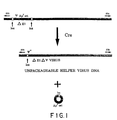
- Fig. 1 is a diagrammatic representation of Cre mediated excision of DNA from a viral vector in which the packaging signal is flanked by lox P sites.
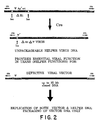
- Fig. 2 is a diagrammatic representation of a method to generate helper dependent viral vectors using Cre mediated excision of the packaging signal to prevent packaging of the helper virus DNA.
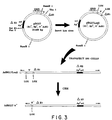
- Fig. 3 is a diagrammatic representation of a plasmid derived from pBHG10 into which lox P sequences have been introduced at positions flanking the packaging signal.
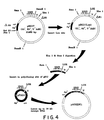
- Fig. 4 is a diagrammatic representation of a plasmid derived from pBHG10 from which most of the viral DNA has been deleted save for the left and right ITRs and the packaging signal.
- Fig. 5 is a diagrammatic representation of a means to obtain coreplicating helper and helper dependent viruses by cotransfection of 293Cre cells.
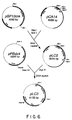
- Fig. 6 is a diagrammatic representation of the construction of pLC2 and pLC3 plasmids.
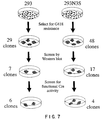
- Fig. 7 is a diagrammatic summary of the transformation, selection and screening protocol for Cre expressing 293 and 293N3S cell lines.
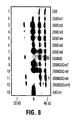
- Fig. 8 is a Western blot analysis of G418 resistant clones screened for expression of Cre with Cre specific rabbit antiserum.
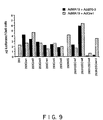
- Fig. 9 is a diagrammatic representation of luciferase expression assays on parental cell lines.
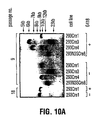
- Fig. 10A is a photomicrograph showing the results of luciferase expression assays on transformed cell lines.
- Fig. 10B is a diagrammatic representation of luciferase expression assays on transformed cell lines.
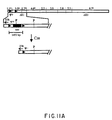
- Fig. 11A is a diagrammatic representation of the construction of AdLC8 helper virus.
- Fig. 11B is a photomicrograph showing the ethidium bromide staining results demonstrating the efficiency of excision of packaging signals from AdLC8.
- Fig. 11C is a photomicrograph showing Southern blot analysis results demonstrating the kinetics of Cre-mediated recombination.
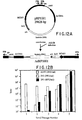
- Fig. 12A is a diagrammatic representation of the pRP1001 transfection of 293Cre1 cells and of the AdLC3 infection of the transfected cells 18 hours later.
- Fig. 12B is a graph showing the titer increase resulting from the serial passage of AdRP1001 through AdLC8-infected 293 Cre1 cells.
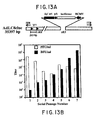
- Fig. 13A is a diagrammatic representation of the amplification of the AdRP1001 vector to high titers with AdLC8cluc.
- Fig. 13B is a graph showing the titer increase resulting from the serial passage of AdRP1001 through AdLC8cluc-infected 234Cre1 cells.
- Fig. 14 is a graph showing the relationship between luciferase activity and contaminating helper virus.
- buffers, media, reagents, cells, culture conditions and the like or to some subclass of same, is not intended to be limiting, but should be read to include all such related materials that one of ordinary skill in the art would recognize as being of interest or value in the particular context in which that discussion is presented. For example, it is often possible to substitute one buffer system or culture medium for another, such that a different but known way is used to achieve the same goals as those to which the use of a suggested method, material or composition is directed.
- the term “gene” includes cDNAs, RNA, or other polynucleotides that encode gene products.
- "Foreign gene” denotes a gene that has been obtained from an organism or cell type other than the organism or cell type in which it is expressed; it also refers to a gene from the same organism that has been translocated from its normal situs in the genome.
- nucleic acid RNA
- DNA DNA
- nucleic acid analogues and derivatives can be made and will hybridize to one another and to DNA and RNA, and the use of such analogues and derivatives is also within the scope of the present invention.
- "Expression" of a gene or nucleic acid encompasses not only cellular gene expression, but also the transcription and translation of nucleic acid(s) in cloning systems and in any other context.
- recombinase encompasses enzymes that induce, mediate or facilitate recombination, and other nucleic acid modifying enzymes that cause, mediate or facilitate the rearrangement of a nucleic acid sequence, or the excision or insertion of a first nucleic acid sequence from or into a second nucleic acid sequence.
- the "target site" of a recombinase is the nucleic acid sequence or region that is recognized (e.g., specifically binds to) and/or acted upon (excised, cut or induced to recombine) by the recombinase.
- gene product refers primarily to proteins and polypeptides encoded by a nucleic acid, but further encompasses nucleic acids encoded by other nucleic acids (e.g., non-coding and regulatory RNAs such as tRNA, sNRPs).
- regulation of expression refers to events or molecules that increase or decrease the synthesis, degradation, availability or activity of a given gene product.
- the present invention is also not limited to the use of the cell types and cell lines used herein. Cells from different tissues (breast epithelium, colon, lymphocytes, etc .) or different species (human, mouse, etc .) are also useful in the present invention.
- the detection methods used herein include, for example, cloning and sequencing, ligation of oligonucleotides, use of the polymerase chain reaction and variations thereof (e . g ., a PCR that uses 7-deaza GTP), use of single nucleotide primer-guided extension assays, hybridization techniques using target-specific oligonucleotides that can be shown to preferentially bind to complementary sequences under given stringency conditions, and sandwich hybridization methods.
- Sequencing may be carried out with commercially available automated sequencers utilizing labelled primers or terminators, or using sequencing gel-based methods. Sequence analysis is also carried out by methods based on ligation of oligonucleotide sequences which anneal immediately adjacent to each other on a target DNA or RNA molecule (Wu and Wallace, Genomics 4: 560-569 (1989); Landren et al., Science 241: 1077-1080 (1988); Nickerson et al., Proc. Natl. Acad. Sci. 87: 8923-8927 (1990); Barany, F., Proc. Natl. Acad. Sci. 88: 189-193 (1991)).
- Ligase-mediated covalent attachment occurs only when the oligonucleotides are correctly base-paired.
- the Ligase Chain Reaction which utilizes the thermostable Taq ligase for target amplification, is particularly useful for interrogating late onset diabetes mutation loci.
- the elevated reaction temperatures permits the ligation reaction to be conducted with high stringency (Barany, F., PCR Methods and Applications 1: 5-16 (1991)).
- the hybridization reactions may be carried out in a filter-based format, in which the target nucleic acids are immobilized on nitrocellulose or nylon membranes and probed with oligonucleotide probes.
- a filter-based format in which the target nucleic acids are immobilized on nitrocellulose or nylon membranes and probed with oligonucleotide probes.
- Any of the known hybridization formats may be used, including Southern blots, slot blots, "reverse" dot blots, solution hybridization, solid support based sandwich hybridization, bead-based, silicon chip-based and microtiter well-based hybridization formats.
- the detection oligonucleotide probes range in size between 10-1,000 bases.
- the hybridization reactions are generally run between 20°-60° C, and most preferably between 30°-50° C.
- optimal discrimination between perfect and mismatched duplexes is obtained by manipulating the temperature and/or salt concentrations or inclusion of formamide in the stringency washes.
- the cloning and expression vectors described herein are introduced into cells or tissues by any one of a variety of known methods within the art. Such methods are described for example in Sambrook et al., Molecular Cloning: A Laboratory Manual, Cold Spring Harbor Laboratory, New York (1992), which is hereby incorporated by references, and in Ausubel et al., Current Protocols in Molecular Biology , John Wiley and Sons, Baltimore, MD (1989), which is also hereby incorporated by reference. The methods include, for example, stable or transient transfection, lipofection, electroporation and infection with recombinant viral vectors.
- the protein products of recombined and unrecombined coding sequences may be analyzed using immune techniques. For example, a protein, or a fragment thereof is injected into a host animal along with an adjuvant so as to generate an immune response. Immunoglobulins which bind the recombinant fragment are harvested as an antiserum, and are optionally further purified by affinity chromatography or other means. Additionally, spleen cells may be harvested from an immunized mouse host and fused to myeloma cells to produce a bank of antibody-secreting hybridoma cells. The bank of hybridomas is screened for clones that secrete immunoglobulins which bind the recombinantly produced fragment.
- immunoglobulins that selectively bind to the variant polypeptides but poorly or not at all to wild-type polypeptides are selected, either by pre-absorption with wild-type proteins or by screening of hybridoma cell lines for specific idiotypes that bind the variant, but not wild-type, polypeptides.
- Nucleic acid sequences capable of ultimately expressing the desired variant polypeptides are formed from a variety of different polynucleotides (genomic or cDNA, RNA, synthetic oligonucleotides, etc .) as well as by a variety of different techniques.
- the DNA sequences are expressed in hosts after the sequences have been operably linked to ( i.e. , positioned to ensure the functioning of) an expression control sequence.
- These expression vectors are typically replicable in the host organisms either as episomes or as an integral part of the host chromosomal DNA.
- expression vectors contain selection markers (e.g. , markers based on tetracycline resistance or hygromycin resistance) to permit detection and/or selection of those cells transformed with the desired DNA sequences. Further details can be found in U.S. Patent No. 4,704,362.
- Polynucleotides encoding a variant polypeptide include sequences that facilitate transcription (expression sequences) and translation of the coding sequences such that the encoded polypeptide product is produced. Construction of such polynucleotides is well known in the art. For example, such polynucleotides include a promoter, a transcription termination site (polyadenylation site in eukaryotic expression hosts), a ribosome binding site, and, optionally, an enhancer for use in eukaryotic expression hosts, and, optionally, sequences necessary for replication of a vector.
- E. coli is one prokaryotic host useful particularly for cloning DNA sequences of the present invention.
- Other microbial hosts suitable for use include bacilli, such as Bacillus subtilus, and other enterobacteriaceae, such as Salmonella , Serratia, and various Pseudomonas species.
- Expression vectors are made in these prokaryotic hosts which will typically contain expression control sequences compatible with the host cell (e.g. , an origin of replication).
- any number of a variety of well-known promoters are used, such as the lactose promoter system, a tryptophan (Trp) promoter system, a beta-lactamase promoter system, or a promoter system from phage lambda.
- the promoters typically control expression, optionally with an operator sequence, and have ribosome binding site sequences, for example, for initiating and completing transcription and translation.
- Saccharomyces is a suitable host, with suitable vectors having expression control sequences, such as promoters, including 3-phosphoglycerate kinase or other glycolytic enzymes, and an origin of replication, termination sequences, etc. as desired.
- mammalian tissue cell culture is used to express and produce the polypeptides of the present invention.
- Eukaryotic cells are preferred, because a number of suitable host cell lines capable of secreting intact human proteins have been developed in the art, and include the CHO cell lines, various COS cell lines, HeLa cells, myeloma cell lines, Jurkat cells, and so forth.
- Expression vectors for these cells include expression control sequences, such as an origin of replication, a promoter, an enhancer, and necessary information processing sites, such as ribosome binding sites, RNA splice sites, polyadenylation sites, and transcriptional terminator sequences.
- Preferred expression control sequences are promoters derived from immunoglobulin genes, SV40, Adenovirus, Bovine Papilloma Virus, and so forth.
- the vectors containing the DNA segments of interest e.g., polypeptides encoding a variant polypeptide
- the vectors containing the DNA segments of interest are transferred into the host cell by well-known methods, which vary depending on the type of cellular host. For example, calcium chloride transfection is commonly utilized for prokaryotic cells, whereas calcium phosphate treatment or electroporation is useful for other cellular hosts.
- kits for use in diagnosis.
- a kit comprises a carrier compartmentalized to receive in close confinement one or more containers wherein a first container contains suitably labeled DNA probes.
- Other containers contain reagents useful in the localization of the labeled probes, such as enzyme substrates.
- Still other containers contain restriction enzymes, buffers etc. , together with instructions for use.
- the recombinant Ad vectors described herein are significantly different from previously described constructs. They combine the use of vectors having deletions of all or most of the viral genes with helper viruses that are designed so that, when used in coinfections with vector viruses, said helper viruses are able to complement the growth of the vectors but are unable to package their viral DNA into infectious virions. Thus vector viruses can be prepared substantially free of helper virus.
- ITR left inverted terminal repeat
- packaging signals approximately 194 to 358 bp
- helper virus a vector could be designed and constructed that could have most of the viral DNA deleted save for those sequences mentioned above that are required in cis for viral DNA replication and packaging.
- helper dependent vectors A problem with helper dependent vectors has been that preparations of such vectors are invariably contaminated with helper virus and it is technically very difficult to separate the helper from the vector.
- the helper virus is designed to have two target sites for site-specific recombination near the left end of the genome, one inserted at approximately 189bp from the extreme left end of the viral DNA, and the second, in parallel orientation with the first target site, situated rightward of the packaging signals, ie rightward of bp 358 (diagrammed in Figure 1).
- This virus will be able to replicate in cells that are normally permissive for growth of Ad5.
- cells that express the appropriate recombinase or in the presence of a second virus that expresses the recombinase, excision of sequences between the target sites of the helper virus DNA will remove the packaging signal, and the resulting viral DNA will fail to package into infectious viral particles.
- the helper virus is derived from a plasmid similar to ones described in the parent application and as illustrated in Figures 3 and 4.
- the Ad5 genome is present as a circular molecule containing a bacterial plasmid derived origin of DNA replication (designated "ori") and a bacterial antibiotic resistance coding sequence (“Ap r ”) conferring to bacteria carrying said molecule resistance to ampicillin.
- ori bacterial plasmid derived origin of DNA replication
- Ap r bacterial antibiotic resistance coding sequence conferring to bacteria carrying said molecule resistance to ampicillin.
- viral sequences from regions E1 and E3 have been deleted from the viral genome, but this example is not meant to be limiting since other deletions or no deletions may equally be engineered in the circularized molecule by methods described in the parent application.
- the molecule designated pBG17 contains Ad5 sequences from bp 19 (left genomic end) to bp 341 with an artificially engineered BamH 1 restriction site inserted between approximately bp 188 and 189 in the Ad 5 sequences which is between the "ITR” and the packaging signal, " ⁇ ", and known not to interfere with viral replication (Bett, A. J., W. Haddara, L. Prevec, and F. L. Graham. 1994, Proc. Natl. Acad. Sci. USA 91 : 8802-8806).
- Ad 5 sequences present in pBG17 then extend rightward of the packaging signal to approximately bp 341 at which position is located an Xba 1 restriction site followed by Ad 5 sequences from approximately bp 3534 to approximately bp 27864, then sequences comprising 1874 bp of DNA containing the pUC19 origin of replication and ampicillin resistance gene, and finally Ad5 bp 30996 to 35934 (right genomic end).
- lox P sites which are well defined DNA sequences of about 34 bp, can be introduced into the Ad5 genome at the Bam HI and XbaI sites flanking " ⁇ ".
- oligodeoxnucleotides can be readily designed and synthesized such that they contain the lox P sequence recognized by cre and are flanked by single stranded extensions that allow ligation into BamHI or XbaI cleaved DNA.
- a person skilled in the art can readily obtain the plasmid designated pBG17Lox1 (Fig. 4) having a lox P site introduced into the Bam HI site at nt 188, and subsequently pBG17Lox2 (Fig. 3) having an additional lox P site introduced into the XbaI site of pBG17Lox1.
- the plasmid pBG17 can be used to generate infectious virus by transfection of 293 cells.
- the plasmids pBG17Lox1 or pBG17Lox2 will generate infectious virus (eg. AdBG17Lox2 illustrated in Figure 3) since insertions of up to 271 bp can be engineered between the ITR and the packaging signal without interfering with viral replication and packaging of viral DNA (Hearing et al., Journal of Virology Vol 61, p 2555, 1987).
- the sequences containing the packaging signal will be excised as a result of intramolecular recombination between the two lox P sites (Fig. 3, bottom) resulting in a viral genome that retains all the sequences necessary for replication but lacks the sequences needed for packaging of DNA into virions.
- Said genome may serve as a complementing viral genome to support the replication of a second virus, a vector, that lacks all or most of the viral genes necessary for viral replication as diagrammed in Fig. 2.
- modified viruses similar in DNA structure to that of Figure 3 can be generated by other means.
- a person skilled in the art could introduce lox P sites into other sites in the plasmids illustrated in Fig. 3 such as the Bst B1 or Pac I sites or into such other locations as might be desirable, or into such other plasmids containing Ad sequences, or other Ad viral genomes as might be desirable.
- Cre recombinase in this and other examples is not meant to be limiting as a person skilled in the art will readily appreciate that other enzymes capable of catalyzing site specific recombination between DNA sequences recognized by said enzymes could equally be employed in place of the Cre recombinase.
- An example, not meant to be limiting, of such an enzyme that could be substituted for Cre is the "FLP" recombinase of yeast in combination with its target site (O'Gorman et al. Science 251, 1351, 1991).
- Another embodiment of the invention provides human cells, such as 293 cells or other cells that may be deemed suitable in that they support the replication of the viral components of the invention, that express Cre recombinase and that can be transfected with the plasmids described in the previous examples to generate a helper virus from which the packaging signals have been removed through excision mediated by Cre.
- the requisite cell lines can be generated by transfecting 293 cells or other cells with a plasmid comprising the coding sequences for Cre under the control of suitable regulatory sequences including a promoter and polyadenylation signal and containing in addition a selectable gene encoding, for example, resistance to G418 or histidinol.
- suitable regulatory sequences including a promoter and polyadenylation signal and containing in addition a selectable gene encoding, for example, resistance to G418 or histidinol.
- a person skilled in the art can readily obtain drug resistant cells that will express the Cre recombinase in addition to the drug
- a plasmid consisting of sequences comprising the left ITR, the packaging signal, and the right ITR, and optionally containing additional viral sequences can be readily obtained.
- pBG17Loxl DNA is digested with restriction enzymes XbaI and SmaI which cleave the viral DNA in pBG17Lox1 at sites shown, as well as at other sites in viral DNA.
- the fragment containing the junction of viral termini (indicated by head to head arrows in Fig.
- pPAD1 can serve as a vector for insertion of foreign DNA up to approximately 30 kb in size at one of the remaining restriction enzyme cloning sites present at the junctions of pUC and Ad5 DNA, to generate a plasmid such as pADHDV1, in which the open segment of pADHDV1 represents foreign DNA of arbitrary origin and sequence composition.
- the plasmid pADHDV1 contains all the Ad5 sequences needed in cis for viral DNA replication and packaging of viral DNA into virions.
- pADHDV1 will have the potential to replicate as a helper dependent viral DNA molecule that will contain up to 30 kb of foreign DNA flanked by viral DNA sequences from the left and right ends of the viral genome. It may be advantageous to include as part of the foreign DNA inserted in pADHDV1, a DNA sequence capable of providing expression of a readily detectable reporter gene in addition to other sequences, the reporter gene providing a simple means of identifying cells or groups of cells that are infected with the virus ADHDV1 derived from pADHDV1.
- pADHDV1 sequences coding for bacterial ⁇ -galactosidase, expression of which is readily detectable by exposure of cells to X-gal.
- pPAD1 and pADHDV1 contain a single lox P site at Ad5 nt 189, that is at the same site as for one of the lox P insertions in pBG17Lox1&2.
- placement of a lox P site at this position in pPAD1, pADHDV1, and derivatives may serve to reduce the efficiency of recombination between helper virus and vector during coreplication of the two viruses as illustrated in Figures 2 and 5.
- helper virus comprising sequences derived from a plasmid such as pBG17Lox2 and a helper dependent virus comprising sequences derived from a plasmid such as pADHDV1 may be achieved by cotransfection of cells with said plasmids to generate replicating viral genomes.
- AdBG17Lox2 will, in the presence of Cre recombinase, be converted to AdBG17 ⁇ - by excision of the sequences bracketed by lox P sites.
- the virus AdBG17 ⁇ - will, by virtue of the removal of the packaging signals, be unable to package its genome into virions but will be able to replicate its DNA and provide viral functions necessary in trans for viral replication and thereby provide complementing functions for replication of the helper dependent virus, AdHDV1. Because AdHDV1 retains the packaging signals the DNA of this helper dependent virus will be packaged into virions.
- the helper dependent virus AdHDV1 may be recovered, and optionally purified and concentrated by isopycnic centrifugation in CsCl gradients to produce helper dependent virus preparations substantially free or totally free of contaminating helper virus.
- 293 cells or other human cells that do not express Cre may be transfected with a plasmid such as that designated as pBG17Lox2 in Figures 3 and 5 to produce a virus such as that designated as AdBG17Lox2. Said virus may replicate in said cells without undergoing excision of sequences bracketed by lox P and can therefore be readily propagated.
- a plasmid such as that designated as pBG17Lox2 in Figures 3 and 5
- AdBG17Lox2 plasmid
- AdBG17Lox2 and AdHDV1 will lead to formation of AdBG17 ⁇ - which will complement the growth of AdHDV1 resulting in coreplication of both viral genomes but packaging only of AdHDV1 DNA into viral particles.
- Plasmid pLC2 was created by cloning the 1.6 kb XbaI/SalI fragment of pSP13cre into the XbaI/SalI site of pCA14, placing the cre gene under the control of the HCMV promoter and adding an SV40 polyadenylation signal (pA) to the 3' end of the gene. As the XbaI/SalI segment of pSP13cre already contains an SV40 pA, this cloning step resulted in two polyadenylation signals 3' of Cre. The 2.2 kb BglII fragment of pLC2 was then cloned into the BamHI site of pPBdx4.
- the resulting plasmid pLC3, contains the Cre expression cassette plus the gene for neomycin resistance under the control of the SV40 promoter.
- Fig. 6 outlines the construction of the pLC2 and pLC3 plasmids. The structures of plasmids pLC2 and pLC3 were confirmed through restriction analysis.
- 293 and 293N3S cells were maintained in F11 medium supplemented with 100 U penicillin per ml, 100 ⁇ g of streptomycin per ml, 2.5 ⁇ g/ml fungizone, and 10% fetal bovine serum for maintenance of 5% horse serum for infection.
- the cells were transformed with pLC2 using the calcium phosphate technique (McKinnon, R. D., and F. R. Graham, Microinjection and Organelle Transplantation Techniques 199-214 (1986)). Cells were then subjected to selection with 400 ⁇ g/ml G418 in complete F11 starting 3 days after transformation. Four weeks after transformation, G418 resistant colonies were cloned and expanded.
- Clones were initially screened for expression of Cre by Western blot analysis with Cre specific rabbit antiserum. Of 77 G418 resistant clones isolated, 7 293 and 17 293N3S clones were found to express Cre protein of the correct size (38kD) at levels varying from line to line. Ten representative lines are shown in Fig. 8.
- Lines 293Cre1 to 6 (lanes 2-7) and 293N3SCre7 and 8 (lanes 9-10) were found to express high levels of Cre protein (comparable to levels in AdCre 1 infected cells; AdCre1 contains the cre gene under the control of the HCMV promoter in an E1 delected vector) whereas no Cre was detected in parental 293 and 293M3S cell lines (lanes 1 and 8), or in 293N3SCre9 and 10 (lanes 11-12). A small amount of Cre had been detected in the latter two cell lines when these clones were first isolated, but expression was undetectable in subsequent assays.
- Clones that tested positive for Cre expression by Western blot analysis were then screened for Cre recombinase activity using the Cre inducible viruses AdMA19, AdMA23, and AdMA35.
- 293Cre and 293N3SCre cell lines were infected with the vectors in combination with Add170-3 or AdCre1 at an MOI of 10 PFU per cell for each vector, to compare the levels of activity of the endogenously expressed Cre recombinase with those produced by AdCre1.
- a preliminary screening using AdMA23 identified 6 293 Cre cell lines and 4 293N3SCre lines that were able mediate specific Cre-lox recombination and induce expression of ⁇ -galactosidase activity from AdMA23 in the absence of any extraneous source of Cre recombinase to at least 50% the levels obtained following a mixed infection with AdMA23 and AdCre1.
- AdMA19 that expresses luciferase following Cre mediated excision of a "spacer" DNA sequence.
- Parental 293 and 293N3S cell lines served as negative controls for levels of luciferase expressed from AdMA19 in the absence of Cre expression, and coinfections with AdMA19 and AdCrel were used as positive controls since it had been demonstrated previously that such mixed infections resulted in efficient excision of the spacer between the HCMV promoter and luciferase cDNA and induced high levels of luciferase expression.
- Add170-3 was substituted for AdCre1 in functional assays for endogenous expression of Cre in transformed lines to maintain the total amount of infecting Ad5 at constant levels.
- the results of a typical analysis are shown in Fig. 9 for parental cells and the 10 transformed lines that had scored positive in the preliminary screening.
- After infection with AdMA19 and Add170-3 most of the transformed lines expressed luciferase at efficiencies comparable to levels seen in parental 293 or 293N3S cells doubly infected with AdMA19 and AdCre1 whereas mock infected lines, or parental lines doubly infected AdMA19 and Add170-3 did not express luciferase above background levels.
- lines 293Cre1-6 and 293N3SCre7-8 with AdMA19 and AdCre1 did not significantly increase the amounts of luciferase made over those induced by infection with AdMA19 and Add170-3, in agreement with the results of the Western blot analysis showing levels of endogenously expressed Cre in lines 108 were similar to levels produced in AdCre1 infected 293 cells.
- Lines 293N3SCre9 and 10 initially expressed only low levels of luciferase following infection with AdMA19 and Add170-3, and significantly higher levels (5 fold and 12 fold greater, respectively) when Add170-3 was substituted with AdCre1 (Fig. 9).
- the stability of the Cre cell lines after multiple passages in media with or without G418 was determined.
- DNA from 293Cre1, 293Cre3, and 293Cre4 and 293N3SCre8 was isolated after 9 or more passages with or without G418 selection.
- EcoR1 which does not cut within pLC3 was chosen in order to detect changes in the copy number of the cre gene easily.
- a digoxigenin-dUTP labelled probe was made using the 1.6 kb XbaI/SalI fragment of pSP13cre, and hybridized to EcoR1 restricted chromosomal DNA.
- the probe hybridized with an approximately 9.5 kb fragment of 293Cre1, and to a 15 kb fragment of 293N3SCre8, indicating that cre sequences were present in genomic DNA of these lines (Fig. 10A).
- the probe also detected a very faint band at approximately 18 kb in 293Cre1, which may represent either an insert of a subfragment of the cre gene or incompletely digested DNA.
- Southern blot analysis of HindIII restricted DNA which cuts once in pLC3 at a site outside cre and flanking regulatory sequences, indicated that cre sequences were present at a single copy in 293Cre1, and approximately 3 copies in 293NSCre8.
- cre sequences are stably integrated in these lines.
- the loss of one of two cre specific inserts in line 293Cre3 as detected by Southern blot (Fig. 10A) may coincide with a slight decrease in Cre function of these cells, as determined by assays with Cre inducible reporter genes (Fig. 10B) whereas the loss of one cre specific band in 293Cre4 appeared to have had no effect upon levels of functional Cre. It is possible that sufficient Cre is expressed from the stable inserts to bind all loxP sites introduced into this cell line. Alternatively, the unstable insert may not express any functional recombinase, and the level of Cre expression in 293Cre4 cells may be unchanged.
- the plasmids were constructed according to standard protocols (Sambrook et al. 1989).
- the AdLC8 (Fig. 11A) helper virus was rescued by cotransfection of 293 cells with pLC8 having a "floxed" packaging signal ( ⁇ ), and pBHG10.
- pLC8 was constructed as follows. A 9.6 kb AscI fragment was removed from pBG18 (Bett and Graham unpublished) a plasmid containing the majority of the adenovirus genome, including the Ad packaging signal and ITRs, generating pLC4.
- a synthetic lox P site with BamHI compatible ends was obtained by annealing two single-stranded oligonucleotides: 5'-GAT CCA ATA ACT TCG TAT AGC ATA CAT TAT ACG AAG TTA TAA GTA CTG AAT TCG-3' and 5'-GAT CCG AAT TCA GTA CTT ATA ACT TCG TAT AAT GTA TGC TAT ACG AAG TTA TTG-3'.
- the loxP site was cloned into the unique BamHI site of pLC4, located at nt 188 from the left end of the Ad5 genome, generating pLC5.
- a second lox P site was inserted into pLC5 by first introducing the lox P oligonucleotides into the BamHI site of pABS.9, generating pLC7, and subcloning a 1.4 kb XbzI fragment, containing the loxP site and a neo bacterial-expression cassette, into the unique XbaI site of pLC5.
- the resulting plasmid, pLC8 contains two lox P sites separated by 1452 bp and flanking the adenovirus packaging signal and neo cassette.
- AdLC8luc helper virus is similar to AdLC8, but lacks the neo expresion cassette in E1, and contains the firefly luciferase gene under the regulation of the human cytomegalovirus (HCMV) major immediate-early promoter (-299 to +72 bp relative to the transcription start site) and simian virus 40 polyadenylation signal (pA) inserted into the E3-deleted region.
- HCMV human cytomegalovirus
- pA simian virus 40 polyadenylation signal
- AdLC8cluc was rescued by contransfection of 293 cells with pLC8c and pUMA7L.
- pLC8c is a derivative of pLC8 from which the neo cassette was removed by digestion with Swal followed by recircularization.
- pUMA7L is a derivative of pBHG10 that contains firefly luciferase gene (DeWet et al. 1987) under the regulation of the HCMV immediate-early promoter and SV40 pA.
- the 2.2 kb BglII fragment, containing the HCMV-luciferase expression cassette was removed from pCA18 (Addison and Graham, unpublished) and ligated into the unique BamHI site of pABS.10 (Bett 1995), generating pABS101ucr.
- pABS.101ucr was then partially digested with PvuI in order to linearize the plasmid, and inserted into the PacI site of pBHG10, generating pUMA7L.
- pCA35 which contains the E. coli ⁇ -galactosidase (lacZ) open reading frame under the control of the murine cytomegalovirus (MCMV) immediate-early promoter, was digested with SalI, repaired with the Klenow fragment of DNA polymerase, and recircularized, generating pCA35KS.
- the MCMV-lacZ expression cassette was excised from pCA35KS by digestion with XbaI/BamHI and inserted into XbaI/BamHI digested pABS.4, generating pABS.4MClacZ.
- This plasmid was then linearized with SalI and ligated into the unique XhoI site of pFG140dx3, a derivative of pFG140 (Graham 1984) that is deleted for sequences between 16.1 and 83.6 map units of the Ad5 genome, generating pUMA10R.
- a 1276 kb SwaI fragment from pUMA10R was removed and replaced by a 8270 bp SmaI fragment from bacteriophage lambda DNA (31617 to 39888 bp of the conventional lambda map), generating pRP1001.
- a 3.2 kb band is detectable from 12 hr onwards, which represents the viral band generated by excision of the floxed cassette.
- the excision product of 1.5 kb is not detectable on the agarose gel since it remains unreplicated due to a lack of an origin for DNA synthesis.
- Fig. 11B shows that the recombined virus (AdLC8 ⁇ ) in the 293Cre1 line, replicates as well as the parental AdLC8 virus on 293 cells.
- Fig. 11B Southern blot analysis was performed to further examine the kinetics of Cre-mediated recombination.
- the agarose gel shown in Fig. 11B was transferred to a nylon membrane and probed with a partially-purified 4.4 kb BstXI-BglII labelled fragment from pLC8.
- the probe hybridized with fragments of 3489 and 1123 bp of AdLC8, and with a 1452 bp (representing the excised circle) and a 3160 bp fragment of the recombined virus (Fig. 11C). Furthermore, this probe hybridized with a 9777 bp fragment representing the right end of both viruses.
- the excised circle represented by a 1.5 kb band is detectable from 9 hr onward by the more sensitive Southern blot technique, and does not appear to be replicated.
- No recombination products (3.2 kb and 1.5 kb bands) are detectable after infection of 293 cells with AdLC8, indicating that the recombination products observed in the infected 293Cre1 cells derive from Cre-specific events. Since the quantity of unrecombined viral DNA increases with time with kinetics similar to that of the total DNA, we conclude that this represents virus that has entered the cell and is replicated, and is not due to residual virus that has not infected the cell.
- the 293Cre cells were coinfected with AdLC8 or ADLC8cluc at an MOI of 5 for the first 2 rounds of amplification and at MOI of 1 for subsequent passages.
- Amplification of AdRP1001 was monitored by assaying an aliquot of the crude viral lysate after each passage for the presence of lacZ-expressing virus (blue forming units, BFU) on 293 cells. 293 monolayers were infected for 30 minutes with the virus inoculum (500 ⁇ l), and the infected monolayers incubated for 24 hours at 37°C.
- the infected monolayers were washed once the PBS 2+ , fixed with 0.5 ml of 0.2% glutaraldehyde, 2% para-formaldehyde, 2mM MgCl 2 for 5 minutes at 37°C, washed, and stained with X-gal (5mM K 4 Fe(CN) 6 , 5mM K 3 Fe(CN) 6 , 2mM MgCl 2 , 1 mg/ml 5-bromo-4-chloro-3-indolyl- ⁇ -D-galactopyranoside [X-gal] in PBS). Plates were incubated overnight at room temperature, and the number of BFU determined by visual inspection.
- Viral lysates were also monitored for the presence of helper virus and RCA by plaque assays on 293 lysates were also monitored for the presence of helper virus and RCA by plaque assays on 293 and A549 monolayers, respectively.
- the frequency of AdLC8-mediated conversion of PRP1001 into packagable linear genomes was about 800 BFU/ ⁇ g transfected DNA.
- 293Cre1 cells were transfected with pRP1001, a plasmid that is deleted for most of the adenovirus sequences (Fig. 12A) and then infecting the transfected cells with the AdLC8 helper virus 18 hours later.
- Serial passage of AdRP1001 through AdLC8-infected 293Cre1 cells resulted in an increase in the titer of helper-dependent vector at each passage (Fig. 12B). After five serial passages, the titer of AdRP1001 was approximately 10 8 BFU/ml.
- the quantity of AdLC8 that had escaped the excision of packaging signals and the formation of RCA was monitored by plaque assays on 293 and A549 cell lines respectively.
- RCA were detected after the second amplification through 293Cre1, and RCA titers continued to increase with subsequent passages. That this was indeed RCA was determined by analysis of the DNA content of several plaque isolates. Restriction enzyme analysis of DNA from cesium chloride-purified virus also showed that the final viral preparation contained restriction patterns consistent with the presence of 3 distinct viral populations: AdRP1001, AdLC8, and E3-deleted RCA.
- AdRP1001 vector was amplified to high titers with AdLC8cluc.
- Fig. 13A The frequency of AdLC8cluc-mediated conversion of pRP1001 into packagable linear genomes was similar to that of AdLC8 (about 1400 BFU/ ⁇ g of transfected DNA in AdLC8cluc-infected 293 cells).
- Serial passage of AdRP1001 through AdLC8cluc-infected 234Cre1 cells resulted in an approximately 10-fold increase in the titer of AdRP1001 per passage. Similar kinetics of amplification were observed for other vectors ranging in size from 27.7 kb to 33.6 kb.
- AdLC8cluc may be employed as a helper virus to produce high titer stocks of AdRP1001.
- 1 PFU AdLC8cluc ⁇ 2.6 x 10 5 pg luciferase per 10 6 infected cells.
- AdRP1001 and helper virus titers were also isolated from the lower density band after CsCl centrifugation. We obtained a titer of 8.6 x 10 9 BFU/ml, or a total yield of 6.5 x 10 9 AdRP1001 virions from 20-150 mm dishes of 293Cre cells. The ratio of AdRP1001 to AdLC8cluc in this stock was ⁇ 1:16,000, or a 30-fold enhancement in the purity of AdRP1001 over the crude stock used in the purification. This is in contrast to helper-dependent systems developed previously in which the major component of the "purified" vector was helper virus, with between 100 to 1000 fold more helper virus than vector. (Mitani et al. 1995, Fisher et al. 1996).
Landscapes
- Life Sciences & Earth Sciences (AREA)
- Health & Medical Sciences (AREA)
- Genetics & Genomics (AREA)
- Engineering & Computer Science (AREA)
- Zoology (AREA)
- Bioinformatics & Cheminformatics (AREA)
- Biomedical Technology (AREA)
- Organic Chemistry (AREA)
- Biotechnology (AREA)
- General Engineering & Computer Science (AREA)
- Chemical & Material Sciences (AREA)
- Wood Science & Technology (AREA)
- Microbiology (AREA)
- Physics & Mathematics (AREA)
- Plant Pathology (AREA)
- Virology (AREA)
- Molecular Biology (AREA)
- Biochemistry (AREA)
- General Health & Medical Sciences (AREA)
- Biophysics (AREA)
- Micro-Organisms Or Cultivation Processes Thereof (AREA)
- Medicines Containing Material From Animals Or Micro-Organisms (AREA)
- Medicines That Contain Protein Lipid Enzymes And Other Medicines (AREA)
Applications Claiming Priority (3)
| Application Number | Priority Date | Filing Date | Title |
|---|---|---|---|
| US473168 | 1995-06-07 | ||
| US08/473,168 US5919676A (en) | 1993-06-24 | 1995-06-07 | Adenoviral vector system comprising Cre-loxP recombination |
| PCT/CA1996/000375 WO1996040955A1 (en) | 1995-06-07 | 1996-06-07 | Adenovirus vectors for gene therapy |
Publications (2)
| Publication Number | Publication Date |
|---|---|
| EP0832267A1 EP0832267A1 (en) | 1998-04-01 |
| EP0832267B1 true EP0832267B1 (en) | 2002-02-06 |
Family
ID=23878471
Family Applications (1)
| Application Number | Title | Priority Date | Filing Date |
|---|---|---|---|
| EP96915934A Expired - Lifetime EP0832267B1 (en) | 1995-06-07 | 1996-06-07 | Adenovirus vectors for gene therapy |
Country Status (8)
| Country | Link |
|---|---|
| US (2) | US5919676A (enExample) |
| EP (1) | EP0832267B1 (enExample) |
| JP (1) | JP3492700B2 (enExample) |
| AT (1) | ATE213022T1 (enExample) |
| AU (1) | AU724161B2 (enExample) |
| CA (1) | CA2220997C (enExample) |
| DE (1) | DE69619110T2 (enExample) |
| WO (1) | WO1996040955A1 (enExample) |
Cited By (2)
| Publication number | Priority date | Publication date | Assignee | Title |
|---|---|---|---|---|
| US12655448B2 (en) | 2013-01-25 | 2026-06-16 | Baylor College Of Medicine | Helper-dependent adenoviral gene therapy delivery and expression system |
| US12714755B2 (en) | 2019-09-18 | 2026-08-25 | Pacira Therapeutics, Inc. | Effective dosages of an adenoviral-based biological delivery and expression system for use in the treatment of osteoarthritis in humans, and compositions comprising the same |
Families Citing this family (129)
| Publication number | Priority date | Publication date | Assignee | Title |
|---|---|---|---|---|
| US20020164782A1 (en) | 1999-02-10 | 2002-11-07 | Gregory Richard J. | Adenovirus vectors for gene therapy |
| US5670488A (en) * | 1992-12-03 | 1997-09-23 | Genzyme Corporation | Adenovirus vector for gene therapy |
| US6080569A (en) * | 1993-06-24 | 2000-06-27 | Merck & Co., Inc. | Adenovirus vectors generated from helper viruses and helper-dependent vectors |
| US20020146392A1 (en) * | 1993-06-24 | 2002-10-10 | Frank L. Graham | Helper dependent adenovirus vectors based on site-specific recombinases |
| US6730507B1 (en) | 1993-06-24 | 2004-05-04 | Merck & Co., Inc. | Use of helper-dependent adenoviral vectors of alternative serotypes permits repeat vector administration |
| US20020136708A1 (en) * | 1993-06-24 | 2002-09-26 | Graham Frank L. | System for production of helper dependent adenovirus vectors based on use of endonucleases |
| US7045347B2 (en) | 1993-06-24 | 2006-05-16 | Advec, Inc. | Helper dependent adenovirus vectors based on integrase family site-specific recombinases |
| US6379943B1 (en) * | 1999-03-05 | 2002-04-30 | Merck & Co., Inc. | High-efficiency Cre/loxp based system for construction of adenovirus vectors |
| JP4216350B2 (ja) * | 1994-09-19 | 2009-01-28 | 大日本住友製薬株式会社 | 動物細胞感染用の組換えdnaウイルスベクター |
| CA2226463A1 (en) | 1995-06-07 | 1996-12-19 | Life Technologies Corporation | Recombinational cloning using engineered recombination sites |
| US20060110798A1 (en) * | 1995-06-07 | 2006-05-25 | Graham Frank L | Cells expressing recombinase useful for adenovirus vector production and control of gene expression |
| US6143557A (en) | 1995-06-07 | 2000-11-07 | Life Technologies, Inc. | Recombination cloning using engineered recombination sites |
| US6964861B1 (en) * | 1998-11-13 | 2005-11-15 | Invitrogen Corporation | Enhanced in vitro recombinational cloning of using ribosomal proteins |
| US6720140B1 (en) | 1995-06-07 | 2004-04-13 | Invitrogen Corporation | Recombinational cloning using engineered recombination sites |
| US6265212B1 (en) | 1995-06-15 | 2001-07-24 | Introgene B.V. | Packaging systems for human recombinant adenovirus to be used in gene therapy |
| US6783980B2 (en) * | 1995-06-15 | 2004-08-31 | Crucell Holland B.V. | Packaging systems for human recombinant adenovirus to be used in gene therapy |
| SI0833934T2 (sl) | 1995-06-15 | 2013-04-30 | Crucell Holland B.V. | Pakirni sistemi za humani rekombinantni adenovirus za uporabo v genski terapiji |
| FR2737501B1 (fr) * | 1995-07-31 | 1997-10-24 | Transgene Sa | Nouveaux virus auxiliaires pour la preparation de vecteurs viraux recombinants |
| DE19623203A1 (de) * | 1995-11-24 | 1997-05-28 | Max Planck Gesellschaft | Virusvektor für den Transfer stabiler Episome |
| US20020193580A1 (en) * | 1995-12-15 | 2002-12-19 | Mitchell Lloyd G. | Methods and compositions for use in spliceosome mediated RNA trans-splicing |
| US20030027250A1 (en) * | 1995-12-15 | 2003-02-06 | Mitchell Lloyd G. | Methods and compositions for use in spliceosome mediated RNA trans-splicing |
| US20060088938A1 (en) * | 1995-12-15 | 2006-04-27 | Mitchell Lloyd G | Methods and compositions for use in spliceosome mediated RNA trans-splicing in plants |
| EP0927263A1 (en) * | 1996-01-05 | 1999-07-07 | Genetic Therapy, Inc. | Recombinase-mediated generation of adenoviral vectors |
| US6228646B1 (en) * | 1996-03-07 | 2001-05-08 | The Regents Of The University Of California | Helper-free, totally defective adenovirus for gene therapy |
| US6630346B1 (en) * | 1996-06-20 | 2003-10-07 | Merck & Co., Inc. | Gene therapy for obesity |
| US7232899B2 (en) | 1996-09-25 | 2007-06-19 | The Scripps Research Institute | Adenovirus vectors, packaging cell lines, compositions, and methods for preparation and use |
| US6475789B1 (en) * | 1996-10-01 | 2002-11-05 | University Technology Corporation | Human telomerase catalytic subunit: diagnostic and therapeutic methods |
| US7585622B1 (en) * | 1996-10-01 | 2009-09-08 | Geron Corporation | Increasing the proliferative capacity of cells using telomerase reverse transcriptase |
| CN1291231B (zh) | 1996-10-01 | 2010-06-02 | 杰龙公司 | 人类的端粒酶催化亚单位 |
| US5994132A (en) * | 1996-10-23 | 1999-11-30 | University Of Michigan | Adenovirus vectors |
| JP3959117B2 (ja) | 1996-12-16 | 2007-08-15 | エーザイ・アール・アンド・ディー・マネジメント株式会社 | 遺伝子治療用レトロウイルスベクターの作製法 |
| US6403370B1 (en) | 1997-02-10 | 2002-06-11 | Genstar Therapeutics Corporation | Oncolytic/immunogenic complementary-adenoviral vector system |
| US5851808A (en) | 1997-02-28 | 1998-12-22 | Baylor College Of Medicine | Rapid subcloning using site-specific recombination |
| EP0973866A4 (en) * | 1997-03-04 | 2000-04-19 | Baxter Int | ADENOVIRUS E1-COMPLEMENTING CELL LINES |
| US7622549B2 (en) * | 1997-04-18 | 2009-11-24 | Geron Corporation | Human telomerase reverse transcriptase polypeptides |
| US20050013825A1 (en) * | 1997-04-18 | 2005-01-20 | Geron Corporation | Vaccine containing the catalytic subunit of telomerase for treating cancer |
| US7413864B2 (en) * | 1997-04-18 | 2008-08-19 | Geron Corporation | Treating cancer using a telomerase vaccine |
| AU9319198A (en) | 1997-09-19 | 1999-04-05 | Trustees Of The University Of Pennsylvania, The | Methods and vector constructs useful for production of recombinant aav |
| US7351578B2 (en) * | 1999-12-10 | 2008-04-01 | Invitrogen Corp. | Use of multiple recombination sites with unique specificity in recombinational cloning |
| CA2307016A1 (en) * | 1997-10-24 | 1999-05-06 | Life Technologies Corporation | Recombinational cloning using nucleic acids having recombination sites |
| JP2002507384A (ja) * | 1997-11-25 | 2002-03-12 | プリンストン ユニヴァーシティー | アデノウイルスベクターの製造方法、それによって製造したベクターおよびその使用 |
| DE19807265C2 (de) * | 1998-02-20 | 2000-01-05 | Centeon Pharma Gmbh | Adenoviraler Transfervektor für den Gentransport einer DNA-Sequenz |
| US6337200B1 (en) * | 1998-03-31 | 2002-01-08 | Geron Corporation | Human telomerase catalytic subunit variants |
| US6670188B1 (en) | 1998-04-24 | 2003-12-30 | Crucell Holland B.V. | Packaging systems for human recombinant adenovirus to be used in gene therapy |
| EP1108049A2 (en) | 1998-08-28 | 2001-06-20 | Duke University | Adenoviruses deleted in the iva2, 100k and/or preterminal protein sequences |
| US6303362B1 (en) | 1998-11-19 | 2001-10-16 | The Board Of Trustees Of The Leland Stanford Junior University | Adenoviral vector and methods for making and using the same |
| EP1151091A4 (en) * | 1999-02-04 | 2002-09-04 | Merck & Co Inc | IMPROVED HELP-DEPENDENT VECTOR SYSTEM FOR GENTHERAPHY |
| AU769735B2 (en) * | 1999-02-18 | 2004-02-05 | Advec, Inc. | A system for production of helper dependent adenovirus vectors based on use of endonucleases |
| CA2363924A1 (en) | 1999-03-02 | 2000-09-08 | Life Technologies Corporation | Compositions and methods for use in recombinational cloning of nucleic acids |
| JP2003518915A (ja) | 1999-03-05 | 2003-06-17 | メルク アンド カンパニー インコーポレイテッド | アデノウイルスベクターを構築する増強された系 |
| US20030215423A1 (en) * | 1999-04-01 | 2003-11-20 | Merck & Co., Inc. | Gene therapy for obesity |
| US8715940B2 (en) | 1999-04-06 | 2014-05-06 | Wisconsin Alumni Research Foundation | Method of making recombinant influenza virus |
| WO2000060106A1 (en) * | 1999-04-06 | 2000-10-12 | Merck & Co., Inc. | Use of helper-dependent adenoviral vectors of alternative serotypes permits repeat vector administration |
| DK1820853T3 (da) * | 1999-04-06 | 2011-12-19 | Wisconsin Alumni Res Found | Rekombinant influenzavirus til vacciner og genterapi |
| ATE391726T1 (de) | 1999-10-22 | 2008-04-15 | Sanofi Pasteur Ltd | Modifiziertes gp100 und dessen verwendung |
| EP1978098A3 (en) | 1999-12-10 | 2009-02-18 | Invitrogen Corporation | Use of multiple recombination sites with unique specificity in recombinational cloning |
| US6867022B1 (en) | 2000-01-21 | 2005-03-15 | Regents Of The University Of Michigan | Replication deficient adenovirus vectors and methods of making and using them |
| US7132277B1 (en) * | 2000-01-31 | 2006-11-07 | Merck & Co., Inc. | Helper dependent vector system for gene therapy |
| AU2001255336B8 (en) | 2000-04-14 | 2005-10-20 | Wisconsin Alumni Research Foundation | Viruses comprising mutation ion channel protein |
| AU5810201A (en) * | 2000-05-10 | 2001-11-20 | Aventis Pasteur | Immunogenic polypeptides encoded by mage minigenes and uses thereof |
| US7244560B2 (en) * | 2000-05-21 | 2007-07-17 | Invitrogen Corporation | Methods and compositions for synthesis of nucleic acid molecules using multiple recognition sites |
| US6716622B2 (en) * | 2000-07-18 | 2004-04-06 | Uab Research Foundation | Tissue-specific self-inactivating gene therapy vector |
| US7198924B2 (en) * | 2000-12-11 | 2007-04-03 | Invitrogen Corporation | Methods and compositions for synthesis of nucleic acid molecules using multiple recognition sites |
| WO2002020814A1 (en) * | 2000-09-08 | 2002-03-14 | The General Hospital Corporation | Self-rearranging dna vectors |
| WO2002027007A2 (en) | 2000-09-25 | 2002-04-04 | Regents Of The University Of Michigan | Production of viral vectors |
| AU2001292310A1 (en) * | 2000-11-24 | 2002-06-03 | Chugai Seiyaku Kabushiki Kaisha | Method of regulating the activity of expression product of gene transferred intoliving body |
| US20040126774A1 (en) * | 2001-01-08 | 2004-07-01 | Mitchell Lioyd G. | Correction of factor VIII genetic defects using spliceosome mediated RNA trans splicing |
| JP2004532039A (ja) * | 2001-03-26 | 2004-10-21 | ザ ボード オブ トラスティーズ オブ ザ リーランド スタンフォード ジュニア ユニバーシティ | ヘルパー依存性アデノウイルスベクター系およびその系の使用方法 |
| EP1390394A4 (en) * | 2001-04-19 | 2004-05-26 | Invitrogen Corp | COMPOSITIONS AND METHODS FOR RECOMBINANT CLONING OF NUCLEIC ACID MOLECULES |
| WO2002095055A2 (en) * | 2001-05-21 | 2002-11-28 | Invitrogen Corporation | Compositions and methods for use in isolation of nucleic acid molecules |
| WO2003002735A2 (en) * | 2001-06-28 | 2003-01-09 | Phenogene Therapeutiques Inc. | Methods, vectors, cell lines and kits for selecting nucleic acids having a desired feature |
| EP1427816A4 (en) * | 2001-09-18 | 2004-12-01 | Clontech Lab Inc | METHOD FOR THE PRODUCTION OF ADENOVIRUS VECTORS, BASED ON A SPECIFIC RECOMBINASE |
| CA2474763A1 (en) * | 2002-01-24 | 2003-07-31 | The Scripps Research Institute | Fiber shaft modifications for efficient targeting |
| US7399753B2 (en) * | 2002-02-25 | 2008-07-15 | Virxsys Corporation | Trans-splicing mediated photodynamic therapy |
| US7786278B2 (en) | 2002-04-09 | 2010-08-31 | Sanofi Pasteur Limited | Modified CEA nucleic acid and expression vectors |
| CA2485341A1 (en) * | 2002-05-08 | 2004-06-17 | Intronn, Inc. | Use of spliceosome mediated rna trans-splicing to confer cell selective replication to adenoviruses |
| US8304233B2 (en) | 2002-06-04 | 2012-11-06 | Poetic Genetics, Llc | Methods of unidirectional, site-specific integration into a genome, compositions and kits for practicing the same |
| BR0314769A (pt) * | 2002-09-27 | 2005-07-26 | Powderject Res Ltd | Construção de ácido nucleico, método de gerar a mesma, partìculas revestidas adequadas para a liberação a partir de um dispositivo de liberação mediada por partìcula, receptáculo de dosagem para um dispositivo de liberação mediada por partìcula, dispositivo de liberação mediada por partìcula, e, métodos de obter a expressão em uma célula de mamìfero de um polipeptìdeo de interesse e de imunização por ácido nucleico |
| CA2503247A1 (en) * | 2002-10-23 | 2004-05-06 | Intronn, Inc. | Screening methods for identification of efficient pre-trans-splicing molecules |
| US20040203133A1 (en) * | 2003-01-07 | 2004-10-14 | Anja Ehrhardt | Helper dependent adenoviral vector system and methods for using the same |
| US7588769B2 (en) | 2003-04-23 | 2009-09-15 | Wisconsin Alumni Research Foundation | Viruses encoding mutant membrane protein |
| WO2005028615A2 (en) * | 2003-06-26 | 2005-03-31 | Invitrogen Corporation | Methods and compositions for detecting promoter activity and expressing fusion proteins |
| BRPI0415199A (pt) * | 2003-10-08 | 2006-12-05 | Sanofi Pasteur Inc | vetor cea/b7 modificado |
| JP2007512838A (ja) | 2003-12-01 | 2007-05-24 | インヴィトロジェン コーポレーション | 組換え部位を含む核酸分子およびその使用方法 |
| JP2007518423A (ja) * | 2004-01-23 | 2007-07-12 | イントロン、インコーポレイテッド | スプライセオソーム仲介型rnaトランススプライシングを使用するアポa−1及びその変異体の発現 |
| WO2005070948A1 (en) * | 2004-01-23 | 2005-08-04 | Intronn, Inc. | Correction of alpha-1-antitrypsin genetic defects using spliceosome mediated rna trans splicing |
| US7968334B2 (en) * | 2004-01-23 | 2011-06-28 | Virxsys Corporation | Expression of apoAI and variants thereof using spliceosome mediated RNA trans-splicing |
| US20060094110A1 (en) * | 2004-07-30 | 2006-05-04 | Mcgarrity Gerard J | Use of spliceosome mediated RNA trans-splicing for immunotherapy |
| US20060134658A1 (en) * | 2004-08-09 | 2006-06-22 | Garcia-Blanco Mariano A | Use of RNA trans-splicing for generation of interfering RNA molecules |
| ATE470454T1 (de) | 2004-09-13 | 2010-06-15 | Genzyme Corp | Multimere konstrukte |
| DE102004047492B4 (de) * | 2004-09-23 | 2006-07-20 | Jost-Werke Gmbh & Co. Kg | Verfahren zum Übertragen von elektrischer, pneumatischer oder hydraulischer Energie sowie ein Energieübertragungssystem |
| US7871795B2 (en) | 2004-10-08 | 2011-01-18 | Virxsys Corporation | Targeted trans-splicing of highly abundant transcripts for in vivo production of recombinant proteins |
| US7879321B2 (en) * | 2004-10-08 | 2011-02-01 | Virxsys Corporation | Use of RNA trans-splicing for antibody gene transfer and antibody polypeptide production |
| CA2587510A1 (en) | 2004-11-19 | 2007-04-19 | Wisconsin Alumni Research Foundation | Recombinant influenza vectors with tandem transcription units |
| WO2007085906A2 (en) * | 2005-10-13 | 2007-08-02 | Bc Cancer Agency | Functional mutant loxp sequences and uses thereof |
| AR059089A1 (es) | 2006-01-20 | 2008-03-12 | Genzyme Corp | Administracion intraventricular de una enzima para enfermedades de almacenamiento lisosomal |
| SI1988823T1 (sl) | 2006-02-09 | 2018-12-31 | Genzyme Corporation | Počasna intraventrikularna dostava |
| WO2007126810A2 (en) | 2006-03-31 | 2007-11-08 | Warf - Wisconsin Alumni Research Foundation | High titer recombinant influenza viruses for vaccines |
| WO2008156778A2 (en) | 2007-06-18 | 2008-12-24 | Tokiko Watanabe | Influenza m2 protein mutant viruses as live influenza attenuated vaccines |
| ES2337973B8 (es) * | 2008-05-16 | 2011-07-21 | Proyecto De Biomedicina Cima, S.L. | Adenovirus auxiliares auto-inactivantes para la produccion de adenovirus recombinantes de alta capacidad. |
| US9109013B2 (en) | 2009-10-26 | 2015-08-18 | Wisconsin Alumni Research Foundation | High titer recombinant influenza viruses with enhanced replication in vero cells |
| US10130697B2 (en) | 2010-03-23 | 2018-11-20 | Wisconsin Alumni Research Foundation (Warf) | Vaccines comprising mutant attenuated influenza viruses |
| US9101653B2 (en) | 2011-08-26 | 2015-08-11 | Wisconsin Alumni Research Foundation | Influenza viruses with mutant PB2 gene segment as live attenuated vaccines |
| NZ627992A (en) | 2012-02-07 | 2017-02-24 | Global Bio Therapeutics Inc | Compartmentalized method of nucleic acid delivery and compositions and uses thereof |
| EP3022296B1 (en) | 2013-07-15 | 2022-12-28 | Wisconsin Alumni Research Foundation | High titer recombinant influenza viruses with enhanced replication in mdck or vero cells or eggs |
| CA2920261C (en) | 2013-08-08 | 2018-04-03 | Global Bio Therapeutics, Inc. | Clamp device for minimally invasive procedures and uses thereof |
| ES2739288T3 (es) | 2013-09-13 | 2020-01-30 | California Inst Of Techn | Recuperación selectiva |
| US10053671B2 (en) | 2014-06-20 | 2018-08-21 | Wisconsin Alumni Research Foundation (Warf) | Mutations that confer genetic stability to additional genes in influenza viruses |
| US10633422B2 (en) | 2015-06-01 | 2020-04-28 | Wisconsin Alumni Research Foundation (Warf) | Influenza virus replication by inhibiting microRNA lec7C binding to influenza viral cRNA and mRNA |
| US9890363B2 (en) | 2015-07-06 | 2018-02-13 | Wisconsin Alumni Research Foundation (Warf) | Influenza virus replication for vaccine development |
| EP3387137B1 (en) | 2015-12-11 | 2021-02-03 | California Institute of Technology | TARGETING PEPTIDES FOR DIRECTING ADENO-ASSOCIATED VIRUSES (AAVs) |
| AU2017221444B2 (en) | 2016-02-19 | 2021-07-29 | Wisconsin Alumni Research Foundation (Warf) | Improved influenza B virus replication for vaccine development |
| CA3060573A1 (en) | 2017-04-21 | 2018-10-25 | Baylor College Of Medicine | Oncolytic virotherapy and immunotherapy |
| EP3700562A1 (en) | 2017-10-25 | 2020-09-02 | Wisconsin Alumni Research Foundation (WARF) | Recombinant influenza viruses with stabilized ha for replication in eggs |
| WO2020033527A2 (en) | 2018-08-07 | 2020-02-13 | Wisconsin Alumni Research Foundation (Warf) | Recombinant biologically contained filovirus vaccine |
| JP7655849B2 (ja) | 2018-08-20 | 2025-04-02 | ウィスコンシン アルムニ リサーチ ファンデイション | ヘマグルチニン(ha)タンパク質内の非ドミナントエピトープに対する免疫応答を誘起するためのベクター |
| AU2019346447A1 (en) | 2018-09-26 | 2021-04-29 | California Institute Of Technology | Adeno-associated virus compositions for targeted gene therapy |
| US11241492B2 (en) | 2019-01-23 | 2022-02-08 | Wisconsin Alumni Research Foundation (Warf) | Mutations that confer genetic stability to genes in influenza viruses |
| JP7662157B2 (ja) | 2019-02-08 | 2025-04-15 | ウィスコンシン アルムニ リサーチ ファンデイション | ヒト化細胞系 |
| US11390649B2 (en) | 2019-05-01 | 2022-07-19 | Wisconsin Alumni Research Foundation (Warf) | Influenza virus replication for vaccine development |
| JP7627911B2 (ja) | 2019-08-27 | 2025-02-07 | ウィスコンシン アルムニ リサーチ ファンデイション | 卵内複製のための安定化されたhaを持つ組換えインフルエンザウイルス |
| WO2021080377A1 (ko) * | 2019-10-23 | 2021-04-29 | 주식회사 제넨메드 | 헬퍼 플라스미드 기반 가틀리스 아데노바이러스 생산 시스템 |
| EP4093415A1 (en) | 2020-01-24 | 2022-11-30 | Wisconsin Alumni Research Foundation (WARF) | Recombinant influenza viruses with stabilized na |
| WO2021188445A1 (en) | 2020-03-15 | 2021-09-23 | Proteinea, Inc. | Recombinant protein production in insects |
| US12290562B2 (en) | 2020-03-25 | 2025-05-06 | Wisconsin Alumni Research Foundation (Warf) | Recombinant multivalent influenza viruses |
| CN118139655A (zh) | 2021-08-13 | 2024-06-04 | 特里奥万斯控股公司 | 皮肤替代组合物及其产生和使用方法 |
| CN114369623B (zh) * | 2022-01-12 | 2023-07-07 | 中国人民解放军空军军医大学 | 一种基于Cre-lox重组系统的Synaptotagmin2-RNAi及其应用 |
| CN114410683B (zh) * | 2022-01-12 | 2023-11-28 | 中国人民解放军空军军医大学 | 一种基于Cre-lox重组系统的RIM3-RNAi及其应用 |
| WO2026107113A1 (en) | 2024-11-12 | 2026-05-21 | Calidi Biotherapeutics (Nevada), Inc. | MODIFIED CELLS FOR PROGRAMMING EXTRA ENVELOPED VIRUSES (EEVs) AND THEIR USE FOR PRODUCING THE EEVs, THE PROGRAMMED EEVs AND USES THEREOF |
Family Cites Families (11)
| Publication number | Priority date | Publication date | Assignee | Title |
|---|---|---|---|---|
| US4510245A (en) * | 1982-11-18 | 1985-04-09 | Chiron Corporation | Adenovirus promoter system |
| ZA858044B (en) * | 1984-11-01 | 1987-05-27 | American Home Prod | Oral vaccines |
| US4797368A (en) * | 1985-03-15 | 1989-01-10 | The United States Of America As Represented By The Department Of Health And Human Services | Adeno-associated virus as eukaryotic expression vector |
| US4920211A (en) * | 1988-01-04 | 1990-04-24 | Vanderbilt University | Mutated adenovirus E1A gene for E1A promoter stimulation |
| FR2681786A1 (fr) * | 1991-09-27 | 1993-04-02 | Centre Nat Rech Scient | Vecteurs recombinants d'origine virale, leur procede d'obtention et leur utilisation pour l'expression de polypeptides dans des cellules musculaires. |
| FR2688514A1 (fr) * | 1992-03-16 | 1993-09-17 | Centre Nat Rech Scient | Adenovirus recombinants defectifs exprimant des cytokines et medicaments antitumoraux les contenant. |
| AU1648092A (en) * | 1992-03-19 | 1993-10-21 | Cancer Research Campaign Technology Limited | Defective recombinant adenoviruses expressing characteristic epstein-barr virus proteins |
| HU219304B (en) * | 1992-09-25 | 2001-03-28 | Inst Nat Sante Rech Med | Recombinant adenovirus derived vectors for the transfer of foreign genes into cells of the central nervous system, pharmaceutical preparations containing them and processes for their production |
| CA2166118C (en) * | 1993-06-24 | 2007-04-17 | Frank L. Graham | Adenovirus vectors for gene therapy |
| US7252989B1 (en) * | 1994-04-04 | 2007-08-07 | Board Of Regents, The University Of Texas System | Adenovirus supervector system |
| JP4216350B2 (ja) * | 1994-09-19 | 2009-01-28 | 大日本住友製薬株式会社 | 動物細胞感染用の組換えdnaウイルスベクター |
-
1995
- 1995-06-07 US US08/473,168 patent/US5919676A/en not_active Expired - Lifetime
-
1996
- 1996-06-07 AU AU58897/96A patent/AU724161B2/en not_active Expired
- 1996-06-07 DE DE69619110T patent/DE69619110T2/de not_active Expired - Lifetime
- 1996-06-07 WO PCT/CA1996/000375 patent/WO1996040955A1/en not_active Ceased
- 1996-06-07 EP EP96915934A patent/EP0832267B1/en not_active Expired - Lifetime
- 1996-06-07 AT AT96915934T patent/ATE213022T1/de not_active IP Right Cessation
- 1996-06-07 CA CA002220997A patent/CA2220997C/en not_active Expired - Lifetime
- 1996-06-07 JP JP50004297A patent/JP3492700B2/ja not_active Expired - Fee Related
-
1999
- 1999-02-17 US US09/251,955 patent/US20010041173A1/en not_active Abandoned
Cited By (2)
| Publication number | Priority date | Publication date | Assignee | Title |
|---|---|---|---|---|
| US12655448B2 (en) | 2013-01-25 | 2026-06-16 | Baylor College Of Medicine | Helper-dependent adenoviral gene therapy delivery and expression system |
| US12714755B2 (en) | 2019-09-18 | 2026-08-25 | Pacira Therapeutics, Inc. | Effective dosages of an adenoviral-based biological delivery and expression system for use in the treatment of osteoarthritis in humans, and compositions comprising the same |
Also Published As
| Publication number | Publication date |
|---|---|
| CA2220997C (en) | 2007-04-24 |
| US20010041173A1 (en) | 2001-11-15 |
| WO1996040955A1 (en) | 1996-12-19 |
| ATE213022T1 (de) | 2002-02-15 |
| US5919676A (en) | 1999-07-06 |
| DE69619110D1 (de) | 2002-03-21 |
| JPH11506334A (ja) | 1999-06-08 |
| EP0832267A1 (en) | 1998-04-01 |
| CA2220997A1 (en) | 1996-12-19 |
| DE69619110T2 (de) | 2002-07-18 |
| AU724161B2 (en) | 2000-09-14 |
| JP3492700B2 (ja) | 2004-02-03 |
| AU5889796A (en) | 1996-12-30 |
Similar Documents
| Publication | Publication Date | Title |
|---|---|---|
| CA2220997C (en) | Adenovirus vectors for gene therapy | |
| US6566128B1 (en) | Adenovirus vectors generated from helper viruses and helper-dependent vectors | |
| US6120764A (en) | Adenoviruses for control of gene expression | |
| US6228646B1 (en) | Helper-free, totally defective adenovirus for gene therapy | |
| US6140087A (en) | Adenovirus vectors for gene therapy | |
| EP0705344B1 (en) | Adenovirus vectors for gene therapy | |
| US6379943B1 (en) | High-efficiency Cre/loxp based system for construction of adenovirus vectors | |
| US7045347B2 (en) | Helper dependent adenovirus vectors based on integrase family site-specific recombinases | |
| US6855534B2 (en) | Enhanced system for construction of adenovirus vectors | |
| US20020146392A1 (en) | Helper dependent adenovirus vectors based on site-specific recombinases | |
| US20070014769A1 (en) | Adenovirus vectors comprising meganuclease-type endonucleases, and related systems | |
| US7135187B2 (en) | System for production of helper dependent adenovirus vectors based on use of endonucleases | |
| US6756226B2 (en) | Enhanced system for construction of adenovirus vectors | |
| JP2003519464A (ja) | 代替の血清型のヘルパー依存型アデノウィルスベクターを使用することにより反復ベクター投与が可能になる | |
| AU2004201152B2 (en) | Helper Dependent Adenovirus Vectors Based on Site-specific Recombinases | |
| US20060110798A1 (en) | Cells expressing recombinase useful for adenovirus vector production and control of gene expression |
Legal Events
| Date | Code | Title | Description |
|---|---|---|---|
| PUAI | Public reference made under article 153(3) epc to a published international application that has entered the european phase |
Free format text: ORIGINAL CODE: 0009012 |
|
| 17P | Request for examination filed |
Effective date: 19980105 |
|
| AK | Designated contracting states |
Kind code of ref document: A1 Designated state(s): AT BE CH DE DK ES FI FR GB GR IE IT LI LU MC NL PT SE |
|
| AX | Request for extension of the european patent |
Free format text: AL PAYMENT 980105;LT PAYMENT 980105;LV PAYMENT 980105;SI PAYMENT 980105 |
|
| 17Q | First examination report despatched |
Effective date: 19990810 |
|
| GRAG | Despatch of communication of intention to grant |
Free format text: ORIGINAL CODE: EPIDOS AGRA |
|
| GRAG | Despatch of communication of intention to grant |
Free format text: ORIGINAL CODE: EPIDOS AGRA |
|
| GRAG | Despatch of communication of intention to grant |
Free format text: ORIGINAL CODE: EPIDOS AGRA |
|
| GRAH | Despatch of communication of intention to grant a patent |
Free format text: ORIGINAL CODE: EPIDOS IGRA |
|
| GRAH | Despatch of communication of intention to grant a patent |
Free format text: ORIGINAL CODE: EPIDOS IGRA |
|
| GRAA | (expected) grant |
Free format text: ORIGINAL CODE: 0009210 |
|
| REG | Reference to a national code |
Ref country code: GB Ref legal event code: IF02 |
|
| RAP1 | Party data changed (applicant data changed or rights of an application transferred) |
Owner name: RUDNICKI, MICHAEL A. Owner name: ANTON, MARTINA Owner name: GRAHAM, FRANK L. |
|
| RIN1 | Information on inventor provided before grant (corrected) |
Inventor name: RUDNICKI, MICHAEL A. Inventor name: ANTON, MARTINA Inventor name: GRAHAM, FRANK L. |
|
| AK | Designated contracting states |
Kind code of ref document: B1 Designated state(s): AT BE CH DE DK ES FI FR GB GR IE IT LI LU MC NL PT SE |
|
| AX | Request for extension of the european patent |
Free format text: AL PAYMENT 19980105;LT PAYMENT 19980105;LV PAYMENT 19980105;SI PAYMENT 19980105 |
|
| LTIE | Lt: invalidation of european patent or patent extension | ||
| PG25 | Lapsed in a contracting state [announced via postgrant information from national office to epo] |
Ref country code: GR Free format text: LAPSE BECAUSE OF FAILURE TO SUBMIT A TRANSLATION OF THE DESCRIPTION OR TO PAY THE FEE WITHIN THE PRESCRIBED TIME-LIMIT Effective date: 20020206 Ref country code: FI Free format text: LAPSE BECAUSE OF FAILURE TO SUBMIT A TRANSLATION OF THE DESCRIPTION OR TO PAY THE FEE WITHIN THE PRESCRIBED TIME-LIMIT Effective date: 20020206 Ref country code: BE Free format text: LAPSE BECAUSE OF FAILURE TO SUBMIT A TRANSLATION OF THE DESCRIPTION OR TO PAY THE FEE WITHIN THE PRESCRIBED TIME-LIMIT Effective date: 20020206 Ref country code: AT Free format text: LAPSE BECAUSE OF FAILURE TO SUBMIT A TRANSLATION OF THE DESCRIPTION OR TO PAY THE FEE WITHIN THE PRESCRIBED TIME-LIMIT Effective date: 20020206 |
|
| REF | Corresponds to: |
Ref document number: 213022 Country of ref document: AT Date of ref document: 20020215 Kind code of ref document: T |
|
| REG | Reference to a national code |
Ref country code: CH Ref legal event code: EP |
|
| REF | Corresponds to: |
Ref document number: 69619110 Country of ref document: DE Date of ref document: 20020321 |
|
| PG25 | Lapsed in a contracting state [announced via postgrant information from national office to epo] |
Ref country code: SE Free format text: LAPSE BECAUSE OF FAILURE TO SUBMIT A TRANSLATION OF THE DESCRIPTION OR TO PAY THE FEE WITHIN THE PRESCRIBED TIME-LIMIT Effective date: 20020506 Ref country code: PT Free format text: LAPSE BECAUSE OF FAILURE TO SUBMIT A TRANSLATION OF THE DESCRIPTION OR TO PAY THE FEE WITHIN THE PRESCRIBED TIME-LIMIT Effective date: 20020506 Ref country code: DK Free format text: LAPSE BECAUSE OF FAILURE TO SUBMIT A TRANSLATION OF THE DESCRIPTION OR TO PAY THE FEE WITHIN THE PRESCRIBED TIME-LIMIT Effective date: 20020506 |
|
| REG | Reference to a national code |
Ref country code: CH Ref legal event code: NV Representative=s name: BOVARD AG PATENTANWAELTE |
|
| PG25 | Lapsed in a contracting state [announced via postgrant information from national office to epo] |
Ref country code: MC Free format text: LAPSE BECAUSE OF NON-PAYMENT OF DUE FEES Effective date: 20020607 Ref country code: LU Free format text: LAPSE BECAUSE OF NON-PAYMENT OF DUE FEES Effective date: 20020607 Ref country code: IE Free format text: LAPSE BECAUSE OF NON-PAYMENT OF DUE FEES Effective date: 20020607 |
|
| PG25 | Lapsed in a contracting state [announced via postgrant information from national office to epo] |
Ref country code: ES Free format text: LAPSE BECAUSE OF FAILURE TO SUBMIT A TRANSLATION OF THE DESCRIPTION OR TO PAY THE FEE WITHIN THE PRESCRIBED TIME-LIMIT Effective date: 20020829 |
|
| PLBE | No opposition filed within time limit |
Free format text: ORIGINAL CODE: 0009261 |
|
| STAA | Information on the status of an ep patent application or granted ep patent |
Free format text: STATUS: NO OPPOSITION FILED WITHIN TIME LIMIT |
|
| 26N | No opposition filed |
Effective date: 20021107 |
|
| REG | Reference to a national code |
Ref country code: IE Ref legal event code: MM4A |
|
| REG | Reference to a national code |
Ref country code: CH Ref legal event code: PUE Owner name: ADVEC INC. Free format text: GRAHAM, FRANK L.#34 AMELIA STREET#HAMILTON, ONTARIO L8P 2V4 (CA) $ ANTON, MARTINA#C/O INSTITUT FUER EXPERIMENTELLE ONKOLOGIE UND THERAPIEFORSCHUNG KLINIKUM RECHTS DER ISAR ISMANINGER STRASSE 22#81657 MUENCHEN (DE) $ RUDNICKI, MICHAEL A.#HEAD OF MOLECULAR GENETICS & SENIOR SCIENTIST OTTAWA HOSPITAL RESEARCH INSTITUTE 501 SMYTH ROAD#OTTAWA, ONTARIO K1H 8L6 (CA) -TRANSFER TO- ADVEC INC.#259 WILSON STREET EAST#ANCASTER, ONTARIO L9G 2B8 (CA) |
|
| NLS | Nl: assignments of ep-patents |
Owner name: ADVEC INC. Effective date: 20051125 |
|
| REG | Reference to a national code |
Ref country code: FR Ref legal event code: TP |
|
| REG | Reference to a national code |
Ref country code: GB Ref legal event code: 732E |
|
| PGFP | Annual fee paid to national office [announced via postgrant information from national office to epo] |
Ref country code: CH Payment date: 20080613 Year of fee payment: 13 |
|
| REG | Reference to a national code |
Ref country code: CH Ref legal event code: PL |
|
| PG25 | Lapsed in a contracting state [announced via postgrant information from national office to epo] |
Ref country code: LI Free format text: LAPSE BECAUSE OF NON-PAYMENT OF DUE FEES Effective date: 20090630 Ref country code: CH Free format text: LAPSE BECAUSE OF NON-PAYMENT OF DUE FEES Effective date: 20090630 |
|
| PGFP | Annual fee paid to national office [announced via postgrant information from national office to epo] |
Ref country code: IT Payment date: 20100414 Year of fee payment: 15 |
|
| PG25 | Lapsed in a contracting state [announced via postgrant information from national office to epo] |
Ref country code: IT Free format text: LAPSE BECAUSE OF NON-PAYMENT OF DUE FEES Effective date: 20110607 |
|
| REG | Reference to a national code |
Ref country code: FR Ref legal event code: PLFP Year of fee payment: 20 |
|
| PGFP | Annual fee paid to national office [announced via postgrant information from national office to epo] |
Ref country code: DE Payment date: 20150619 Year of fee payment: 20 Ref country code: GB Payment date: 20150618 Year of fee payment: 20 |
|
| PGFP | Annual fee paid to national office [announced via postgrant information from national office to epo] |
Ref country code: FR Payment date: 20150619 Year of fee payment: 20 Ref country code: NL Payment date: 20150618 Year of fee payment: 20 |
|
| REG | Reference to a national code |
Ref country code: DE Ref legal event code: R071 Ref document number: 69619110 Country of ref document: DE |
|
| REG | Reference to a national code |
Ref country code: NL Ref legal event code: MK Effective date: 20160606 |
|
| REG | Reference to a national code |
Ref country code: GB Ref legal event code: PE20 Expiry date: 20160606 |
|
| PG25 | Lapsed in a contracting state [announced via postgrant information from national office to epo] |
Ref country code: GB Free format text: LAPSE BECAUSE OF EXPIRATION OF PROTECTION Effective date: 20160606 |