EP0809516B1 - Medizinische zusammensetzung zur verwendung für die transfektion und in vivoexpression von exogenen - Google Patents
Medizinische zusammensetzung zur verwendung für die transfektion und in vivoexpression von exogenen Download PDFInfo
- Publication number
- EP0809516B1 EP0809516B1 EP96903080A EP96903080A EP0809516B1 EP 0809516 B1 EP0809516 B1 EP 0809516B1 EP 96903080 A EP96903080 A EP 96903080A EP 96903080 A EP96903080 A EP 96903080A EP 0809516 B1 EP0809516 B1 EP 0809516B1
- Authority
- EP
- European Patent Office
- Prior art keywords
- adenovirus
- combination according
- gene
- medicinal combination
- recombinant
- Prior art date
- Legal status (The legal status is an assumption and is not a legal conclusion. Google has not performed a legal analysis and makes no representation as to the accuracy of the status listed.)
- Expired - Lifetime
Links
Images


Classifications
-
- C—CHEMISTRY; METALLURGY
- C12—BIOCHEMISTRY; BEER; SPIRITS; WINE; VINEGAR; MICROBIOLOGY; ENZYMOLOGY; MUTATION OR GENETIC ENGINEERING
- C12N—MICROORGANISMS OR ENZYMES; COMPOSITIONS THEREOF; PROPAGATING, PRESERVING, OR MAINTAINING MICROORGANISMS; MUTATION OR GENETIC ENGINEERING; CULTURE MEDIA
- C12N15/00—Mutation or genetic engineering; DNA or RNA concerning genetic engineering, vectors, e.g. plasmids, or their isolation, preparation or purification; Use of hosts therefor
- C12N15/09—Recombinant DNA-technology
- C12N15/63—Introduction of foreign genetic material using vectors; Vectors; Use of hosts therefor; Regulation of expression
- C12N15/79—Vectors or expression systems specially adapted for eukaryotic hosts
- C12N15/85—Vectors or expression systems specially adapted for eukaryotic hosts for animal cells
- C12N15/86—Viral vectors
-
- A—HUMAN NECESSITIES
- A61—MEDICAL OR VETERINARY SCIENCE; HYGIENE
- A61K—PREPARATIONS FOR MEDICAL, DENTAL OR TOILETRY PURPOSES
- A61K48/00—Medicinal preparations containing genetic material which is inserted into cells of the living body to treat genetic diseases; Gene therapy
-
- A—HUMAN NECESSITIES
- A61—MEDICAL OR VETERINARY SCIENCE; HYGIENE
- A61P—SPECIFIC THERAPEUTIC ACTIVITY OF CHEMICAL COMPOUNDS OR MEDICINAL PREPARATIONS
- A61P37/00—Drugs for immunological or allergic disorders
-
- C—CHEMISTRY; METALLURGY
- C12—BIOCHEMISTRY; BEER; SPIRITS; WINE; VINEGAR; MICROBIOLOGY; ENZYMOLOGY; MUTATION OR GENETIC ENGINEERING
- C12N—MICROORGANISMS OR ENZYMES; COMPOSITIONS THEREOF; PROPAGATING, PRESERVING, OR MAINTAINING MICROORGANISMS; MUTATION OR GENETIC ENGINEERING; CULTURE MEDIA
- C12N2710/00—MICROORGANISMS OR ENZYMES; COMPOSITIONS THEREOF; PROPAGATING, PRESERVING, OR MAINTAINING MICROORGANISMS; MUTATION OR GENETIC ENGINEERING; CULTURE MEDIA dsDNA viruses
- C12N2710/00011—Details
- C12N2710/10011—Adenoviridae
- C12N2710/10311—Mastadenovirus, e.g. human or simian adenoviruses
- C12N2710/10341—Use of virus, viral particle or viral elements as a vector
- C12N2710/10343—Use of virus, viral particle or viral elements as a vector viral genome or elements thereof as genetic vector
Definitions
- the present invention relates to the field of gene therapy and in particular the use of adenoviruses for the expression of a gene of therapeutic interest. It relates more particularly to a new mode of treatment of pathologies of genetic origin based on the combined use of two types of agents therapeutic.
- Gene therapy consists of correcting a deficiency or an anomaly (mutation, outliers, etc.) by introducing genetic information in the affected cell or organ.
- This genetic information can be entered either in vitro or ex vivo in a cell extracted from the organ, the modified cell being then reintroduced into the body, either directly in vivo in the appropriate tissue.
- different physical transfection techniques exist, among which use viruses as vectors.
- viruses have been tested for their ability to infect certain cell populations.
- retrovirus RSV, HMS, MMS, etc.
- HSV virus adeno-associated viruses
- adenovirus adenovirus
- adenoviruses have certain interesting properties for use in gene therapy. They have a fairly broad host spectrum, are capable of infecting quiescent cells and do not integrate into the genome of the infected cell.
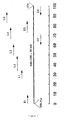
- Adenoviruses are linear double-stranded DNA viruses of one size about 36 kb. Their genome includes in particular a repeated reverse sequence (ITR) at their end, an encapsidation sequence, early genes and genes late (Cf figure 1).
- the main early genes are the E1 genes (E1a and E1b), E2, E3 and E4.
- the main late genes are the L1 to L5 genes.
- adenovirus derivatives were prepared, incorporating different genes ( ⁇ -gal, OTC, ⁇ -1AT, cytokines, etc.). In each of these constructions, the adenovirus has been modified so as to make it incapable of replication in the infected cell.
- the primary purpose of the immune system is the integrity of the individual or the integrity of the “self”. It results in the elimination of infectious agents as well as rejection transplants and tumors without these powerful defense mechanisms the body does not backfire and does not give rise to autoimmune diseases. This state of non-response vis-à-vis the antigens of "self” while the foreign antigens are eliminated is defined as a state of physiological tolerance.
- the immune system develops two types of mechanisms. The first is the production of specific antibodies by lymphocytes B; we are talking about humoral immunity. These antibodies will fix the antigen and either inactivate it or eliminate it from the body.
- the second defense mechanism concerns cellular immunity and implements T lymphocytes, and among these of cytotoxic T cells, carrying a specific antigen receptor considered. Recognition of the antigen by the T receptor requires that it either expressed in association with proteins encoded by the genes of the complex major histocompatibility or CMH class I and class II.
- this immune response developed against cells infected constitutes a major obstacle to the use of viral vectors in therapy gene since (i) by inducing destruction of infected cells it limits the duration of expression of the therapeutic gene and therefore the therapeutic effect, (ii) it induces in parallel an important inflammatory response, and (iii) it leads to elimination rapid infection of infected cells after repeated injections. It is understood that the magnitude of this immune response against infected cells varied according to the nature of the organ undergoing the injection and the mode of injection used.
- ⁇ -galactosidase encoded by a recombinant adenovirus administered to the muscle of immunocompetent mice, is reduced to levels minimum 40 days after injection (Kass-Eisler et al., PNAS 90 (1993) 11498).
- the expression of genes transfected with adenoviruses in the liver is significantly reduced in the 10 days following the injection (Yang Y et al. 1994 immunity 1 433-442) and the expression of factor IX transferred by adenovirus in hepatocytes from hemophiliac dogs disappear 100 days after the injection (Kay et al., PNAS 91 (1994) 2353).
- the present invention intervenes. It aims to prevent rapid elimination of adenoviruses from infected cells and therefore prolong consequently the in vivo expression of the therapeutic gene which they carry.
- adenoviruses in which the expression of a gene of therapeutic interest is coupled with that of an immunoprotective gene (FR N ° 94 12346). It can in particular be a gene whose product acts on the activity of major histocompatibility complex (MHC) or on cytokine activity allowing to considerably reduce or even suppress any reaction immune to the infected vector or cells. They inhibit at least partially expression of MHC proteins or antigen presentation with an advantageous consequence is a marked reduction in the immune response to against the vector or infected cells and therefore a therapeutic effect extended.
- MHC major histocompatibility complex
- the applicants highlighted that it was possible significantly prolong the therapeutic effect of such a vector by associating it an immunosuppressant. Elimination of the vector considered and / or destruction of infected cells, by the immune system, are delayed by a delay significantly higher than that which could be expected by simple juxtaposition immunoprotective effects of said vector and of the immunosuppressant.
- the drug combination object of the present invention induces a phenomenon of “pseudo-inertia” of the immune system conducive to expression on the long term of a therapeutic gene.
- immunosuppressant designates any compound capable partially or fully inhibit at least one immune signaling pathway.
- immunosuppressants are usually used in transplantation, in order to prevent rejection of allograft, and in the treatment of certain autoimmune diseases.
- the products conventionally used are either chemical immunosuppressants such as corticosteroids, azathioprine, cyclosporine, FK506, or biological immunosuppressants such as antibodies polyclonal or monoclonal.
- the first category of immunosuppressants, and among these especially cyclosporine and FK506, significantly inhibit the production of cytokines, such as interleukin 2, whose role in the differentiation and proliferation of lymphocyte cells is essential.
- the antibodies are antibodies directed against lymphoid cells of the immune system.
- the first antibody used as an immunosuppressant is the anti-CD3, directed against T lymphocytes.
- Sa target is one of the polypeptide chains of the CD3 molecule that makes up the receptor for the T-cell antigen. This results in functional inactivation of CD3 + T cells recognized by the antibody.
- the administration of such an immunosuppressant in conjunction with that of a recombinant adenovirus containing a therapeutic gene would be able to block the host's immune response to the viral vector and / or its products expressed on the surface of infected cells.
- anti-CD4, -CD2, -CD8, -CD28, -B7, -ICAM-1 and -LFA-1 antibodies are antibodies directed against lymphoid cells of the immune system.
- the applicants have now developed a new treatment method which is particularly effective in significantly delaying or even inhibiting the reaction of the immune system without raising toxicity problems. More specifically, the present invention follows from the demonstration of a particularly important synergistic effect linked to the combined use of a recombinant adenovirus in which the expression of a gene of therapeutic interest is coupled to that of a immunoprotective gene, as described above, and at least one immunosuppressive agent.
- a first object of the present invention therefore relates to a drug combination of at least one immunosuppressive agent and at least one recombinant adenovirus, the genome of which comprises a first recombinant DNA containing a therapeutic gene and a second recombinant DNA containing an immunoprotective gene, for consecutive, intermittent and / or simultaneous use over time, useful for exogenous transfections in vivo and / or ex-vivo.
- the invention is based in particular on the demonstration of a synergistic effect between the activity of the immunosuppressive agent and the effect of the immunoprotective gene expressed on the expression of the therapeutic gene. This combined use allows a clearly prolonged therapeutic effect and advantageously requires significantly reduced doses, in particular of the immunosuppressive agent.
- the two components of the combined combination of the present invention can be used consecutively, intermittently and / or simultaneously over time.
- the immunosuppressive agent is injected before and after the injection of the adenovirus.
- the administration of the immunosuppressant can be spaced over time and more preferably renewed regularly.
- the two components are packaged separately.
- simultaneous administration they can be mixed extemporaneously before being administered together or, on the contrary, administered simultaneously but separately.
- the routes of administration of the two agents may be different.
- any compound capable of partially or completely inhibiting at least one immune signaling pathway can be used as immunosuppressive agent. It can in particular be chosen from cyclosporine, FK506, azathioprine, corticosteroids and any mono- or poly-clonal antibody. They are preferably antibodies capable of inactivating the immune molecules or of causing the destruction of the immune cells carrying these molecules. One can in particular use as antibodies, anti-CD4, -CD3, CD2, -CD8, -CD28, -B7, -ICAM-1, -LFA-1. It can also be hybrid molecules such as CTLA4Ig, a fusion protein between the molecule CTLA-4 (a homolog to CD28) and an immunoglobulin.
- CTLA4Ig a fusion protein between the molecule CTLA-4 (a homolog to CD28) and an immunoglobulin.
- the G1Fc site of this molecule by binding to the B7 molecule proves capable of inhibiting the activation of T cells (D. J; Lenschow; Science, 257 , 789, 1992). It is clear that the scope of the present invention is in no way limited to the immunosuppressants listed above. These immunosuppressants can be used in isolated form or in combination.
- recombinant DNAs present in the genome of the adenovirus used according to the present invention are DNA fragments containing the gene under consideration (therapeutic or immunoprotective) and possibly signals allowing its expression, constructed in vitro and then inserted into the genome adenovirus.
- the recombinant DNAs used in the context of the present invention may be complementary DNAs (cDNAs), genomic DNAs (gDNAs), or hybrid constructions consisting for example of a cDNA in which would be inserted one or more introns. It can also be synthetic sequences or semisynthetics. These DNAs can be of human, animal, vegetable origin, bacterial, viral, etc. Particularly advantageously, use is made of CDNA or gDNA.
- the product thus coded can be a protein, a peptide, an RNA, etc. Being a protein product, it can be homologous with respect to the target cell (that is to say a product which is normally expressed in the target cell when the latter presents no pathology).
- the expression of a protein makes it possible for example to compensate for an insufficient expression in the cell or the expression of an inactive or weakly active protein due to a modification, or else to overexpress said protein.
- the therapeutic gene can also code for a mutant of a cellular protein, having increased stability, modified activity, etc.
- the protein product can also be heterologous towards the target cell.
- an expressed protein can, for example, supplement or bring about a deficient activity in the cell, allowing it to fight against a pathology, or stimulate an immune response.
- therapeutic protein products within the meaning of the present invention, there may be mentioned more particularly enzymes, blood derivatives, hormones, interleukins, interferons, TNF, etc.
- FR 9203120 growth factors, neurotransmitters or their precursors or synthetic enzymes, trophic factors: BDNF, CNTF, NGF, IGF, GMF, aFGF, bFGF, NT3, NT5, HARP / pleiotrophin, etc; apolipoproteins: ApoAI, ApoAIV, ApoE, etc.
- FR 93 05125 dystrophin or a minidystrophin
- the CFTR protein associated with cystic fibrosis tumor suppressor genes: p53, Rb, Rap1A, DCC, k- rev, etc.
- FR 93 04745 the genes coding for factors involved in coagulation: Factors VII, VIII, IX, the genes involved in DNA repair, etc.
- the therapeutic gene can also be an antisense gene or sequence, the expression of which in the target cell makes it possible to control the expression of genes or the transcription of cellular mRNAs.
- sequences can, for example, be transcribed in the target cell into RNAs complementary to cellular mRNAs and thus block their translation into protein, according to the technique described in patent EP 140 308.
- the antisenses also include the sequences coding for ribozymes , which are capable of selectively destroying target RNAs (EP 321,201).
- the therapeutic genes can be of human, animal, plant, bacterial, viral, etc. origin. They can be obtained by any technique known to those skilled in the art, and in particular by screening of libraries, by chemical synthesis, or also by mixed methods including chemical or enzymatic modification of sequences obtained by screening of libraries.
- the immunoprotective gene used in the context of the present invention can be of different types. As explained above, it is a gene whose product acts on the activity of the major histocompatibility complex (MHC) or on the activity of cytokines It is preferably a gene whose product inhibits at least partially expression of MHC proteins or antigen presentation. AT As preferred examples, mention may be made of certain genes contained in the E3 region of adenovirus, the ICP47 gene of the herpes virus, or the UL18 gene of the cytomegalovirus.
- MHC major histocompatibility complex
- the E3 region of the adenovirus genome contains different reading phases which, by alternative splicing, give rise to different proteins.
- the protein Gp19k (or E3-19k) is a transmembrane protein glycosylated localized in the membrane of the endoplasmic reticulum (ER).
- This protein includes a luminal domain that binds MHC-I molecules and an end C-terminal cytoplasm capable of binding microtubules (or tubulin), which acts to anchor the gp19k protein in the ER membrane.
- Gp19k is thus capable prevent the expression of MHC-I molecules on the surface of cells by interaction and sequestration at the BR level.
- the gp19k protein is weakly expressed by adenoviruses. Furthermore, the expression of the gp19k is also conditioned to the realization of a splicing.
- the introduction in the vectors of the invention of a recombinant DNA containing a sequence (Preferably cDNA) coding for gp19k allows to control and optimize expression of said protein.
- the use of constitutive promoters and the suppression of the other reading phases makes it possible to greatly increase the expression this protein and get rid of dependence on viral replication and presence of inducing elements. This allows particularly advantageously to significantly decrease the lysis by CTL of infected cells and thus to increase and prolong the in vivo production of the therapeutic gene.
- proteins encoded by the E3 region of the adenovirus genome such as that the 10.4k and 14.5k proteins have certain interesting properties in view of their incorporation into the vectors of the invention.
- herpes simplex virus ICP47 gene particularly advantageous immunoprotective within the meaning of the present invention.
- the herpes simplex virus infected cells show resistance to lysis induced by CTL. It has been shown that this resistance can be conferred by the ICP47 gene, which is able to reduce the expression of MHC-I molecules on the surface cells.
- the incorporation of the ICP47 gene into a recombinant DNA according to the invention also allows the recombinant viruses of the invention to escape the immune system.
- cytomegalovirus gene UL18 immunoprotective gene Another preferred example of the cytomegalovirus gene UL18 immunoprotective gene according to the invention.
- the UL18 gene product is able to bind ⁇ 2-microglobulin (Browne et al. Nature 347 (1990) 770).
- ⁇ 2-microglobulin is one of the chains of MHC-I molecules. Incorporation of the UL18 gene into a Recombinant DNA according to the invention thus makes it possible to reduce the number of molecules of functional ⁇ 2-microglobulin in cells infected with viruses the invention, and therefore to decrease the capacities of these cells to produce molecules MHC-I complete and functional. This type of construction therefore protects cells infected with CTL lysis.
- the immunoprotective gene used in the context of the present invention is, in another preferred embodiment, a gene whose product inhibits the activity or signaling pathways of cytokines.
- Cytokines constitute a family of secreted proteins which act as molecules of signaling for the immune system. They can attract cells from immunity, activate them, induce their proliferation and even act directly on infected cells to kill them.
- genes whose product affects the activity or pathways of signaling of cytokines we can cite the genes involved in the synthesis of cytokines, or whose product is capable of sequestering cytokines, of antagonizing their activity or interfere with intercellular signaling pathways.
- the BCRF1 gene of the Epstein virus Barr the crmA and crmB genes of the cowpox virus, the B15R and B18R genes of the virus vaccinia, the cytomegalovirus US28 gene, the E3-14.7, E3-10.4 and E3-14.5 genes adenovirus.
- the vaccinia virus B15R gene codes for a soluble protein capable to bind interleukin-1 ⁇ (the secreted form of interleukin-1), and thus prevent this cytokine to bind to its cell receptors.
- Interleukin-1 is indeed one of the first cytokines produced in response to an antigenic attack, and it plays a very important role in signaling the immune system at the start of the infection.
- the possibility of incorporating the B15R gene into a vector according to the invention advantageously reduces the activity of IL-1 ⁇ , in particular on activation immune cells, thereby locally protecting cells infected with the viruses of the invention against an important immune response.
- genes homologs to the B15R gene can also be used, such as the virus gene cowpox.
- the vaccinia virus B18R gene codes for a protein homologous to the interleukin-6 receptor.
- This gene, or any functional homolog can also be used in the vectors of the invention to inhibit the binding of interleukin-6 to its cellular receptor and thus locally reduce the immune response.
- the crmB gene of the cowpox virus can be advantageously used.
- This gene in fact codes for a secreted protein capable of binding TNF and of competing with TNF receptors on the surface of cells. This gene therefore makes it possible, in the viruses of the invention, to locally decrease the concentration of active TNF capable of destroying the infected cells.
- Other genes encoding proteins capable of binding TNF and at least partially inhibiting its binding to its receptors can also be used.
- the cowpox virus crmA gene codes for a protein having serpin-like protease inhibitor activity, which is capable of inhibiting the synthesis of interleukin-1 ⁇ . This gene can therefore be used to locally decrease the concentration of interleukin-1 and thus reduce the development of the immune and inflammatory response.
- the Epstein Barr virus BCRF1 gene codes for an interleukin 10 analogue. The product of this gene is a cytokine capable of reducing the immune response and changing its specificity, while inducing the proliferation of B lymphocytes.
- the cytomegalovirus US28 gene codes for a protein homologous to the receptor for the inflammatory protein of macrophages 1 ⁇ (MIP-1 ⁇ ).
- This protein is therefore capable of acting as a competitor for MIP receptors, and therefore of inhibiting its activity locally.
- the product of the E3-14.7, E3-10.4 and E3-14.5 genes of the adenovirus is capable of blocking the transmission of the intercellular signal mediated by certain cytokines. When cytokines bind to their receptor on the surface of an infected cell, a signal is sent to the nucleus to induce cell death or stop protein synthesis. This is particularly the case with tumor necrosis factor (TNF).
- TNF tumor necrosis factor
- Local and transient inhibition can be particularly advantageous. This can be obtained in particular by the choice of expression signals individuals (cytokine-dependent promoters for example) as indicated below.
- genes which are homologous or have properties similar functional can be used for the construction of the invention.
- These different genes can be obtained by any known technique of a person skilled in the art, and in particular by screening of banks, by chemical synthesis, or again by mixed methods including chemical or enzymatic modification of sequences obtained by screening of libraries.
- these different genes can be used alone or in combination (s).
- the insertion of the genes considered in the form of recombinant DNA according to the invention offers greater flexibility in the construction of adenoviruses, and allows better control of the expression of said genes.
- the recombinant DNAs (and therefore the two genes of interest) incorporated in the adenoviral vectors according to the present invention can be arranged different ways.
- DNA recombinants can be inserted at least in part at the E1, E3 regions and / or E4 of the adenovirus genome, replacing or in addition to sequences viral.
- the recombinant DNAs are inserted, at least in part, at the E1, E3 or E4 regions of the adenovirus genome.
- the regions E1 and E3 or E1 and E4 show that this organization allows high expression of both genes without interference between the two.
- the recombinant DNAs are inserted to replace sequences viral.
- recombinant DNAs can then each contain a promoter transcriptional, identical or different.
- This configuration provides higher levels of expression, and provides better control of expression Genoa.
- the two genes can be inserted in the same orientation or in the opposite directions.
- the two recombinant DNAs can also constitute a single transcriptional entity.
- the two recombinant DNAs are contiguous and positioned so that the two genes are under the control of a single promoter, and give rise to a single premessenger RNA.
- This arrangement is advantageous since it allows the use of a single transcriptional promoter.
- the use of recombinant DNAs according to the invention makes it possible to use transcriptional promoters of different nature, and in particular strong or weak, regulated or constitutive promoters, tissue-specific or ubiquitous, etc.
- the choice of expression signals and of the respective position of the recombinant DNAs is particularly important for obtaining high expression of the therapeutic gene and a significant immunoprotective effect.
- a particularly preferred embodiment of the present invention implements a defective adenovirus comprising a first recombinant DNA containing a therapeutic gene and a second recombinant DNA containing a gene immunoprotective, in which the two recombinant DNAs are inserted at the level of the E1 region.
- a particularly preferred embodiment of the present invention implements a defective adenovirus comprising a first recombinant DNA containing a therapeutic gene, inserted at the E1 region, and a second DNA recombinant containing an immunoprotective gene, inserted at the E3 region.
- the adenoviruses of the present invention are defective, that is to say that they are unable to replicate autonomously in the target cell.
- the genome of the defective adenoviruses according to the present invention is therefore devoid of at least the sequences necessary for the replication of said virus in the infected cell. These regions can be either eliminated (in whole or in part), or made non-functional, or substituted by other sequences and in particular by therapeutic genes.
- the defective nature of the adenoviruses of the invention is an important element, since it ensures the non-dissemination of the vectors of the invention after administration.
- the adenoviruses of the invention comprise the ITR sequences and a sequence allowing the encapsidation, and have a deletion of all or part of the E1 gene.
- the inverted repeat sequences constitute the origin of replication of adenoviruses. They are located at the 3 ′ and 5 ′ ends of the viral genome (cf. FIG. 1), from which they can be easily isolated according to the conventional techniques of molecular biology known to those skilled in the art.
- the nucleotide sequence of the ITR sequences of human adenoviruses (in particular the Ad2 and Ad5 serotypes) is described in the literature, as well as canine adenoviruses (in particular CAV1 and CAV2).
- the left ITR sequence corresponds to the region comprising nucleotides 1 to 103 of the genome.
- the packaging sequence (also called Psi sequence) is necessary for the packaging of viral DNA. This region must therefore be present to allow the preparation of defective recombinant adenoviruses according to the invention.
- the packaging sequence is located in the genome of the adenoviruses, between the left ITR (5 ′). and the E1 gene (see Figure 1). It can be isolated or artificially synthesized by conventional molecular biology techniques.
- the nucleotide sequence of the packaging sequence of human adenoviruses (in particular the Ad2 and Ad5 serotypes) is described in the literature, as well as canine adenoviruses (in particular CAV1 and CAV2).
- the packaging sequence corresponds to the region comprising nucleotides 194 to 358 of the genome.
- the adenoviruses of the invention comprise the ITR sequences and a sequence allowing encapsidation, and have a deletion of all or part of the E1 and E4 genes.
- the genome of adenovirus according to the invention is deleted from all or part of the E1, E3 and E4 genes, and, even more preferably, of all or part of the E1, E3, L5 and E4 genes.
- adenoviruses of the invention can be prepared from adenoviruses of various origins. There are indeed different serotypes of adenovirus, including structure and properties vary somewhat, but which present an organization comparable genetics. Thus, the lessons described in the present application can be easily reproduced by a person skilled in the art for any type of adenovirus.
- adenoviruses of the invention can be of origin human, animal, or mixed (human and animal).
- adenoviruses of human origin we prefer to use those classified in group C. More preferably, among the different adenovirus serotypes human, it is preferred to use in the context of the present invention the adenoviruses of type 2 or 5 (Ad 2 or Ad 5).
- the adenoviruses of the invention can also be of animal origin, or contain sequences from adenovirus of origin animal.
- the Applicant has indeed shown that adenoviruses of animal origin are capable of infecting human cells with great efficiency, and that they are unable to spread in human cells in which they have been tested (See request FR 93 05954).
- the Applicant has also shown that adenoviruses of animal origin are in no way trans-complemented by adenoviruses of origin human, which eliminates any risk of recombination and propagation in vivo, in presence of a human adenovirus, which can lead to the formation of a particle infectious.
- the use of adenovirus or adenovirus regions of animal origin is therefore particularly advantageous since the risks inherent in the use of viruses as vectors in gene therapy are even weaker.
- Adenoviruses of animal origin usable in the context of this invention can be of canine, bovine, murine origin (example: Mav1, Beard and al., Virology 75 (1990) 81), ovine, porcine, avian or even simian (example: After-sales service).
- the serotypes 1 to 10 accessible to ATCC such as for example Phelps strains (ATCC VR-432), Fonts (ATCC VR-280), P7-A (ATCC VR-827), IBH-2A (ATCC VR-828), J2-A (ATCC VR-829), T8-A (ATCC VR-830), K-11 (ATCC VR-921) or even strains referenced ATCC VR-831 to 835.
- Phelps strains ATCC VR-432
- Fonts ATCC VR-280
- P7-A ATCC VR-827
- IBH-2A ATCC VR-828
- J2-A ATCC VR-829
- T8-A ATCC VR-830
- K-11 ATCC VR-921
- the bovine adenoviruses one can use the various known serotypes, and in particular those available at ATCC (types 1 to 8) under the referencesATCC VR-313, 314, 639-642, 768 and 769.
- murine adenoviruses FL ATCC VR-550
- E20308 ATCC VR-528
- sheep adenovirus type 5 ATCC VR-1343
- type 6 ATCC VR-1340
- porcine adenovirus 5359 porcine adenovirus 5359
- simian adenoviruses such as in particular adenovirus referenced at ATCC under the numbers VR-591-594, 941-943, 195-203, etc.
- adenoviruses of animal origin in the context of the invention of adenoviruses or adenovirus regions of origin canine, and in particular all the CAV2 adenovirus strains [Manhattan strain or A26 / 61 (ATCC VR-800) for example].
- Canine adenoviruses have been the subject of numerous structural studies. Thus, complete restriction maps of CAV1 and CAV2 adenoviruses have been described in the prior art (Spibey et al., J. Gen. Virol.
- the defective recombinant adenoviruses according to the invention can be prepared in different ways.
- a first method consists in transfecting the DNA of the defective recombinant virus prepared in vitro (either by ligation or in the form of a plasmid) in a competent cell line, that is to say carrying in trans all the functions necessary for complementation of the defective virus. These functions are preferably integrated into the genome of the cell, which makes it possible to avoid the risks of recombination, and confers increased stability on the cell line.
- a second approach consists in co-transfecting into a suitable cell line the DNA of the defective recombinant virus prepared in vitro (either by ligation or in the form of a plasmid) and the DNA of a helper virus.
- a competent cell line capable of complementing all the defective functions of the recombinant adenovirus. Part of these functions is indeed complemented by the helper virus.
- This helper virus must itself be defective and the cell line carries in trans the functions necessary for its complementation.
- the cell lines which can be used in particular within the framework of this second approach, there may be mentioned in particular the human embryonic kidney line 293, KB cells, Hela cells, MDCK, GHK, etc. (cf. examples). Then, the vectors which have multiplied are recovered, purified and amplified according to conventional techniques of molecular biology.
- the vectors of the invention advantageously have a deletion of all or part of certain viral genes, in particular the E1, E3, E4 and / or L5 genes.
- This deletion can correspond to any type of deletion affecting the gene under consideration. It may especially be the deletion of all or part of the coding region of said gene, and / or of all or part of the promoter region of the transcription of said gene. .
- Deletion is generally carried out on the DNA of the defective recombinant virus, for example by digestion using appropriate restriction enzymes, then ligation, according to molecular biology techniques, as illustrated in the examples.
- the recombinant DNAs can then be inserted into this DNA by enzymatic cleavage then ligation, at the level of the selected regions and in the chosen orientation.
- the DNA thus obtained which therefore carries the appropriate deletions and the two recombinant DNAs, makes it possible to directly generate the defective recombinant adenovirus carrying said deletions and recombinant DNAs.
- This first variant is particularly suited to the production of recombinant adenoviruses in which the genes are arranged in the form of a single transcriptional unit or, under the control of separate promoters but inserted at the same site of the genome.
- the DNA of a first recombinant virus carrying the appropriate deletions (or part of said deletions) and one of the recombinant DNAs is constructed, by ligation or in the form of plasmid.
- This DNA is then used to generate a first recombinant virus carrying said deletions and a recombinant DNA.
- the DNA of this first virus is then isolated and co-transfected with a second plasmid or the DNA of a second virus defective recombinant carrying the second recombinant DNA, appropriate deletions (part not present on the first virus), and a region allowing recombination counterpart.
- This second step thus generates the defective recombinant virus carrying the two recombinant DNAs.
- This variant of preparation is particularly suitable for the preparation of recombinant viruses carrying two DNAs recombinants inserted into two different regions of the adenovirus genome.
- the two agents according to the invention namely the immunosuppressant and the recombinant adenovirus can be formulated for administration by route topical, oral, parenteral, intranasal, intravenous, intramuscular, subcutaneous, intraocular, transdermal, etc.
- the respective pharmaceutical formulation (s) contain pharmaceutically acceptable carriers for a formulation injectable.
- pharmaceutically acceptable carriers for a formulation injectable may in particular be saline solutions (monosodium phosphate, disodium, sodium chloride, potassium, calcium or magnesium, etc., or mixtures of such salts), sterile, isotonic, or dry compositions, in particular lyophilized, which, by addition as the case may be, of sterilized water or physiological saline, allow the constitution of injectable solutions.
- the immunosuppressant and adenovirus doses used for injection can be adapted according to different parameters, and in particular according to the mode of administration used, the pathology concerned, the gene to be expressed, or still the duration of the treatment sought.
- the recombinant adenoviruses according to the invention are formulated and administered in the form of doses of between 10 4 and 10 14 pfu / ml, and preferably 10 6 to 10 10 pfu / ml.
- pfu plaque forming unit
- the term pfu corresponds to the infectious power of a solution considered, and is determined by infection of an appropriate cell culture, and measures, generally after 5 days, the number of plaques of infected cells.
- the techniques for determining the pfu titer of a viral solution are well documented in the literature. With regard more particularly to immunosuppressants, their doses and injection methods vary according to their nature. The adjustment of these two parameters is within the competence of a person skilled in the art.
- the drug combination according to claims 1 to 25 can be used for the treatment or prevention of many pathologies.
- the therapeutic gene inserted into its adenovirus it can be used in particular for the treatment or prevention of genetic diseases (dystrophy, muscoviscidosis, etc.), diseases neurodegenerative (alzheimer, parkinson, ALS, etc.), pathologies hyperproliferative (cancers, restenosis, etc.), pathologies linked to disorders of the coagulation or dyslipoproteinemias, pathologies linked to viral infections (hepatitis, AIDS, etc.), etc.
- FIG. 1 Genetic organization of the Ad5 adenovirus. The complete sequence of Ad5 is available on the database and allows those skilled in the art to select or create any restriction site, and thus isolate any region of the genome.
- Figure 2 Restriction map of the CAV2 adenovirus strain Manhattan (from Spibey et al supra).
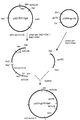
- Figure 3 Construction of the vector pAD5-gp19k-ßgal.
- Figure 4 Construction of the adenovirus Ad-gp19k-ßgal, ⁇ E1, ⁇ E3.
- the plasmids of type pBR322, pUC and the folds of the M13 series are of commercial origin (Bethesda Research Laboratories).
- the DNA fragments can be separated according to their size by electrophoresis in agarose or acrylamide gels, extracted with phenol or with a phenol / chloroform mixture, precipitated with ethanol and then incubated in the presence of the DNA ligase from phage T4 (Biolabs) according to the supplier's recommendations.
- the filling of the protruding 5 ′ ends can be carried out by the Klenow fragment of DNA Polymerase I of E.
- PCR P olymerase-catalyzed C hain R eaction, Saiki RK et al., Science 230 (1985) 1350-1354; Mullis KB and Faloona FA, Meth. Enzym. 155 (1987) 335-350]
- DNA thermal cycler Perkin Elmer Cetus
- Verification of the nucleotide sequences can be carried out by the method developed by Sanger et al. [Proc. Natl. Acad. Sci. USA, 74 (1977) 5463-5467] using the kit distributed by Amersham.
- Example 1 Construction of defective recombinant adenoviruses comprising a therapeutic gene (the LacZ gene of E. coli) under the control of the RSV LTR promoter and the gp19k gene under the control of the RSV LTR promoter, both inserted at the level from region E1.
- a therapeutic gene the LacZ gene of E. coli
- adenoviruses were constructed by homologous recombination between a plasmid carrying the left side of the Ad5 adenovirus, the two recombinant DNAs and a region of the Ad5 adenovirus (corresponding to protein IX) and the DNA of a defective adenovirus with different deletions.
- the plasmid pAD5-gp19k- ⁇ gal contains a cDNA sequence coding for the adenovirus gp19k protein.
- This plasmid was constructed as follows. The Shard XbaI of the genome of the wild-type Ad5 adenovirus containing the E3 region has been isolated and cloned at the corresponding site of the plasmid pGEM (Promega) to generate the plasmid pGEM-E3. The HinfI fragment containing the coding sequence of gp19k (nucleotides 28628 to 29634 of the wild-type Ad5 adenovirus) was then isolated from the plasmid pGEM-E3.
- the plasmid obtained was designated pGEM-gp19k ( Figure 3).
- This example describes the construction of a plasmid containing one of the two DNAs. recombinants including their own promoter, the left side of the genome of adenovirus and an additional part (pIX protein) allowing recombination counterpart.
- This vector was constructed from the plasmid pAd.RSV ⁇ Gal as follows
- the vector pAD5-gp19k- ⁇ gal was linearized and cotransfected with an adenoviral vector deficient in the E1 gene, in helper cells (line 293) providing in trans the functions coded by the E1 regions (E1A and E1B) of adenovirus. More specifically, the adenovirus Ad-gp19k- ⁇ gal, ⁇ E1 is obtained by homologous recombination in vivo between the adenovirus Ad-RSV ⁇ gal (Cf Stratford-Perricaudet et al cited above) and the vector pAD5-gp19k- ⁇ gal, according to the protocol.
- the plasmid pAD5-gp19k- ⁇ gal, linearized by XmnI, and the adenovirus Ad-RSV ⁇ gal, linearized by the enzyme ClaI are co-transfected in line 293 in the presence of calcium phosphate, to allow homologous recombination.
- the recombinant adenoviruses thus generated are then selected by plaque purification.
- the DNA of the recombinant adenovirus is amplified in the cell line 293, which leads to a culture supernatant containing the unpurified recombinant defective adenovirus having a titer of approximately 10 10 pfu / ml.
- the viral particles are generally purified by centrifugation on a cesium chloride gradient according to known techniques (see in particular Graham et al., Virology 52 (1973) 456).
- the adenovirus Ad-gp19k- ⁇ gal, ⁇ E1 can be stored at -80 ° C in 20% glycerol.
- the vector pAD5-gp19k- ⁇ gal was linearized and cotransfected with an adenoviral vector deficient in the E1 and E3 genes, in the helper cells (line 293) providing in trans the functions encoded by the E1 (E1A and E1B) regions of adenovirus .
- the adenovirus Ad-gp19k- ⁇ gal, ⁇ E1, ⁇ E3 was obtained by homologous recombination in vivo between the mutant adenovirus Ad-dl1324 (Thimmappaya et al., Cell 31 (1982) 543) and the vector pAD5-gp19k - ⁇ gal, according to the following protocol: the plasmid pAD5-gp19k- ⁇ gal and the adenovirus Ad-dl1324, linearized by the enzyme ClaI, were co-transfected in line 293 in the presence of calcium phosphate, to allow recombination counterpart. The recombinant adenoviruses thus generated were then selected by plaque purification.
- the DNA of the recombinant adenovirus is amplified in the cell line 293, which leads to a culture supernatant containing the unpurified recombinant defective adenovirus having a titer of approximately 10 10 pfu / ml.
- the viral particles are generally purified by centrifugation on a cesium chloride gradient according to known techniques (see in particular Graham et al., Virology 52 (1973) 456).
- the genome of the recombinant adenovirus was then verified by southern blot analysis.
- Adenovirus Ad-gp19k- ⁇ gal, ⁇ E1, ⁇ E3 can be stored at -80 ° C in 20% glycerol.
- Example 2 Demonstration of the immunoprotective activity of the drug combination according to the invention.
- a second sample of splenocytes isolated from the spleens of the treated animals was cultured in vitro for 4 days in the presence of P815 cells expressing ⁇ galactosidase on their surface.
- the cytotoxic activity of the splenocytes with respect to P815- ⁇ gal targets labeled with Cr 51 was evaluated.
- the cytotoxic activity, expressed by the percentage of cytolysis, was determined in a conventional manner by bringing into contact different ratios of effector cells and of target cells. The results are presented in Table II below.
- livers are sectioned and stained with X-gal to reveal ⁇ galactosidase activity and eosin to highlight the histology of the section.
- the results are presented in Table III 2 below.
Landscapes
- Health & Medical Sciences (AREA)
- Life Sciences & Earth Sciences (AREA)
- Genetics & Genomics (AREA)
- Engineering & Computer Science (AREA)
- Chemical & Material Sciences (AREA)
- Biotechnology (AREA)
- General Health & Medical Sciences (AREA)
- Bioinformatics & Cheminformatics (AREA)
- Molecular Biology (AREA)
- Organic Chemistry (AREA)
- Pharmacology & Pharmacy (AREA)
- Animal Behavior & Ethology (AREA)
- Public Health (AREA)
- Veterinary Medicine (AREA)
- Medicinal Chemistry (AREA)
- Zoology (AREA)
- Wood Science & Technology (AREA)
- General Engineering & Computer Science (AREA)
- Biomedical Technology (AREA)
- Epidemiology (AREA)
- Microbiology (AREA)
- Physics & Mathematics (AREA)
- Biochemistry (AREA)
- Biophysics (AREA)
- Virology (AREA)
- Plant Pathology (AREA)
- Immunology (AREA)
- Chemical Kinetics & Catalysis (AREA)
- General Chemical & Material Sciences (AREA)
- Nuclear Medicine, Radiotherapy & Molecular Imaging (AREA)
- Medicines Containing Material From Animals Or Micro-Organisms (AREA)
- Medicines That Contain Protein Lipid Enzymes And Other Medicines (AREA)
- Micro-Organisms Or Cultivation Processes Thereof (AREA)
- Organic Low-Molecular-Weight Compounds And Preparation Thereof (AREA)
- Medicines Containing Antibodies Or Antigens For Use As Internal Diagnostic Agents (AREA)
- Pharmaceuticals Containing Other Organic And Inorganic Compounds (AREA)
Claims (25)
- Medikamentöse Assoziation mindestens eines immunsuppressiven Mittels und mindestens eines defekten rekombinanten Adenovirus, dessen Genom eine erste rekombinante DNA, die ein therapeutisches Gen enthält, und eine zweite rekombinante DNA, die ein immunschützendes Gen enthält, umfasst, zur aufeinanderfolgenden, zeitlich abgestuften und/oder gleichzeitigen Verwendung für exogene in vivo- und/oder ex-vivo-Transfektionen.
- Medikamentöse Assoziation nach Anspruch 1, dadurch gekennzeichnet , dass das immunsuppressive Mittel bevorzugt aus Cyclosporin, FK506, Azathioprin, Corticosteroiden und mono- oder polyclonalen Antikörpern ausgewählt ist.
- Medikamentöse Assoziation nach Anspruch 2, dadurch gekennzeichnet , dass es sich um Antikörper mit der Fähigkeit, Immunmoleküle zu inaktivieren oder Zerstörung von Immunzellen, die diese Moleküle tragen, hervorzurufen, handelt.
- Medikamentöse Assoziation nach Anspruch 3, dadurch gekennzeichnet , dass der Antikörper aus anti-CD4, -CD2, -CD3, -CD8, -CD28, -B7, -ICAM-1, -LFA-1 und CTLA4Ig ausgewählt ist.
- Medikamentöse Assoziation nach einem der vorstehenden Ansprüche dadurch gekennzeichnet , dass das therapeutische Gen ein therapeutisches Protein codiert.
- Medikamentöse Assoziation nach einem der Ansprüche 1 bis 4, dadurch gekennzeichnet , dass das therapeutische Gen eine therapeutische RNA codiert.
- Medikamentöse Assoziation nach einem der vorstehenden Ansprüche, dadurch gekennzeichnet, dass das immunschützende Gen ein Gen ist, dessen Produkt auf die Aktivität des Haupt-Histokompatibilitäts-Komplexes (MHC) oder die Aktivität der Cytokine einwirkt.
- Medikamentöse Assoziation nach Anspruch 7, dadurch gekennzeichnet, dass das immunschützende Gen ein Gen ist, dessen Produkt mindestens teilweise die Expression der MHC-Proteine oder der Antigenpräsentation hemmt.
- Medikamentöse Assoziation nach einem der vorstehenden Ansprüche, dadurch gekennzeichnet, dass das immunschützende Gen aus dem Gen von gp19k des Adenovirus, dem Gen ICP47 des Herpesvirus oder dem Gen UL18 des Cytomegalievirus ausgewählt ist.
- Medikamentöse Assoziation nach einem der vorstehenden Ansprüche, dadurch gekennzeichnet , dass die zwei rekombinanten DNAs des Genoms des Adenovirus eine einzige Transkriptionseinheit darstellen.
- Medikamentöse Assoziation nach einem der Ansprüche 1 bis 9, dadurch gekennzeichnet, dass die zwei rekombinanten DNAs jeweils einen gleichen oder unterschiedlichen Transkriptionspromotor umfassen.
- Medikamentöse Assoziation nach Anspruch 11, dadurch gekennzeichnet, dass die zwei rekombinanten DNAs in gleicher Orientierung insertiert sind.
- Medikamentöse Assoziation nach Anspruch 11, dadurch gekennzeichnet, dass die zwei rekombinanten DNAs in entgegengesetzten Orientierungen insertiert sind.
- Medikamentöse Assoziation nach einem der vorstehenden Ansprüche, dadurch gekennzeichnet, dass die zwei rekombinanten DNAs an der gleichen Stelle des Genoms des Adenovirus, bevorzugt in den Regionen E1, E3 oder E4, insertiert sind.
- Medikamentöse Assoziation nach Anspruch 14, dadurch gekennzeichnet, dass die zwei rekombinanten DNAs in der Region E1 insertiert sind.
- Medikamentöse Assoziation nach einem der Ansprüche 1 bis 13, dadurch gekennzeichnet, dass die zwei rekombinanten DNAs an verschiedenen Stellen des Genoms des Adenovirus insertiert sind.
- Medikamentöse Assoziation nach Anspruch 16, dadurch gekennzeichnet, dass die eine der rekombinanten DNAs in der Region E1 und die andere in der Region E3 oder E4 insertiert ist.
- Medikamentöse Assoziation nach einem der vorstehenden Ansprüche, dadurch gekennzeichnet, dass das Adenovirus ein defektes rekombinantes Adenovirus, umfassend die Sequenzen ITR, eine Sequenz, die die Verkapselung erlaubt, und enthaltend eine teilweise oder vollständige Deletion der Gene E1 und E4, ist.
- Medikamentöse Assoziation nach Anspruch 18, dadurch gekennzeichnet, dass es sich um ein Adenovirus handelt, das die ITR-Sequenzen, eine Sequenz, die die Verkapselung erlaubt und eine ganze oder teilweise Deletion der Gene E1, E3 und E4 enthält, umfasst.
- Medikamentöse Assoziation nach einem der Ansprüche 1 bis 19, dadurch gekennzeichnet, dass es sich um ein Adenovirus handelt, dessen Genom ganz oder teilweise in den Genen E1, E3, L5 und E4 deletiert ist.
- Medikamentöse Assoziation nach einem der vorstehenden Ansprüche, dadurch gekennzeichnet, dass das rekombinante Adenovirus menschlichen, tierischen oder gemischten Ursprungs ist.
- Medikamentöse Assoziation nach Anspruch 21, dadurch gekennzeichnet, dass die rekombinanten Adenoviren menschlichen Ursprungs aus denjenigen, die in die Gruppe C klassifiziert sind, bevorzugt aus den rekombinanten Adenoviren vom Typ 2 oder 5 (Ad 2 oder Ad 5), ausgewählt sind.
- Medikamentöse Assoziation nach Anspruch 21, dadurch gekennzeichnet, dass die Adenoviren tierischen Ursprungs aus Adenoviren aus Hund, Rind, Maus, Schaf, Schwein, Vogel und Affe ausgewählt sind.
- Medikamentöse Assoziation nach einem der vorstehenden Ansprüche, dadurch gekennzeichnet, dass das immunsuppressive Mittel vor und nach der Injektion des Adenovirus injiziert wird.
- Medikamentöse Assoziation nach einem der Ansprüche 1 bis 23, dadurch gekennzeichnet, dass das immunsuppressive Mittel und das rekombinante Adenovirus gleichzeitig injiziert werden.
Applications Claiming Priority (3)
| Application Number | Priority Date | Filing Date | Title |
|---|---|---|---|
| FR9501662A FR2730411B1 (fr) | 1995-02-14 | 1995-02-14 | Association medicamenteuse utile pour la transfection et l'expression in vivo d'exogenes |
| FR9501662 | 1995-02-14 | ||
| PCT/FR1996/000218 WO1996025177A1 (fr) | 1995-02-14 | 1996-02-12 | Association medicamenteuse utile pour la transfection et l'expression in vivo d'exogenes |
Publications (2)
| Publication Number | Publication Date |
|---|---|
| EP0809516A1 EP0809516A1 (de) | 1997-12-03 |
| EP0809516B1 true EP0809516B1 (de) | 2001-08-22 |
Family
ID=9476106
Family Applications (1)
| Application Number | Title | Priority Date | Filing Date |
|---|---|---|---|
| EP96903080A Expired - Lifetime EP0809516B1 (de) | 1995-02-14 | 1996-02-12 | Medizinische zusammensetzung zur verwendung für die transfektion und in vivoexpression von exogenen |
Country Status (23)
| Country | Link |
|---|---|
| US (2) | US20030004091A1 (de) |
| EP (1) | EP0809516B1 (de) |
| JP (1) | JPH11500430A (de) |
| KR (1) | KR100402540B1 (de) |
| AT (1) | ATE204481T1 (de) |
| AU (1) | AU717218B2 (de) |
| BR (1) | BR9607310A (de) |
| CA (1) | CA2211039C (de) |
| CZ (1) | CZ258197A3 (de) |
| DE (1) | DE69614668T2 (de) |
| DK (1) | DK0809516T3 (de) |
| ES (1) | ES2163612T3 (de) |
| FI (1) | FI119176B (de) |
| FR (1) | FR2730411B1 (de) |
| GR (1) | GR3036438T3 (de) |
| HU (1) | HU222991B1 (de) |
| IL (1) | IL117116A0 (de) |
| MX (1) | MX9706017A (de) |
| NO (1) | NO320072B1 (de) |
| PT (1) | PT809516E (de) |
| SK (1) | SK282235B6 (de) |
| WO (1) | WO1996025177A1 (de) |
| ZA (1) | ZA961161B (de) |
Families Citing this family (16)
| Publication number | Priority date | Publication date | Assignee | Title |
|---|---|---|---|---|
| US6451571B1 (en) | 1994-05-02 | 2002-09-17 | University Of Washington | Thymidine kinase mutants |
| EP0942747A1 (de) * | 1996-08-26 | 1999-09-22 | Chiron Corporation | Impfungstherapie nach einer hiv-infektion |
| EP1025242A1 (de) | 1997-10-30 | 2000-08-09 | Cornell Research Foundation, Inc. | Methode zur hemmung einer immunantwort gegen einen recombinanten vector |
| AU2221600A (en) | 1998-12-31 | 2000-07-31 | Chiron Corporation | Improved expression of hiv polypeptides and production of virus-like particles |
| EP1141314A2 (de) | 1998-12-31 | 2001-10-10 | Chiron Corporation | Für antigene polypeptide des hiv type c kodierende polynukleotide, entsprechende polypeptide und verwendungen davon |
| WO2000074688A1 (en) * | 1999-06-08 | 2000-12-14 | The Children's Hospital Of Philadelphia | Methods for preventing formation of inhibitory antibodies in the setting of gene therapy |
| FR2799472B1 (fr) * | 1999-10-07 | 2004-07-16 | Aventis Pharma Sa | Preparation d'adenovirus recombinants et de banques adenovirales |
| CA2408408C (en) | 2000-05-12 | 2013-07-09 | Genzyme Corporation | Modulators of tnf- alpha signaling |
| AU2002320314A1 (en) | 2001-07-05 | 2003-01-21 | Chiron, Corporation | Polynucleotides encoding antigenic hiv type c polypeptides, polypeptides and uses thereof |
| US20030170614A1 (en) | 2001-08-31 | 2003-09-11 | Megede Jan Zur | Polynucleotides encoding antigenic HIV type B polypeptides, polypeptides and uses thereof |
| US7569217B2 (en) * | 2001-09-24 | 2009-08-04 | University Of Saskatchewan | Porcine adenovirus E1 and E4 regions |
| US20030129193A1 (en) * | 2001-09-27 | 2003-07-10 | Board Of Regents, The University Of Texas System And Peregrine Pharmaceuticals, Inc. | Combined methods for tumor vasculature coaguligand treatment |
| AU2003291143A1 (en) * | 2002-11-21 | 2004-06-18 | Genzyme Corporation | Combination of diamide derivatives and immunosuppressive agents for induction of immune tolerance |
| DE60335652D1 (de) * | 2002-11-21 | 2011-02-17 | Genzyme Corp | Verwendung eines diamidderivats zur verhinderung der chronischen transplantatabstossung |
| AU2005213449A1 (en) * | 2004-02-04 | 2005-08-25 | The La Jolla Institute For Allergy And Immunology | Anti-CD3 and antigen-specific immunotherapy to treat autoimmunity |
| WO2008013918A2 (en) * | 2006-07-26 | 2008-01-31 | Myelin Repair Foundation, Inc. | Cell cycle regulation and differentiation |
Family Cites Families (4)
| Publication number | Priority date | Publication date | Assignee | Title |
|---|---|---|---|---|
| WO1994016065A1 (en) * | 1992-12-31 | 1994-07-21 | Exemplar Corporation | Producing cells for transplantation to reduce host rejection and resulting cells |
| WO1994016080A1 (en) * | 1993-01-08 | 1994-07-21 | Exemplar Corporation | An in vitro/in vivo method for identifying anti-neoplastic drugs |
| FR2705686B1 (fr) * | 1993-05-28 | 1995-08-18 | Transgene Sa | Nouveaux adénovirus défectifs et lignées de complémentation correspondantes. |
| US5872154A (en) * | 1995-02-24 | 1999-02-16 | The Trustees Of The University Of Pennsylvania | Method of reducing an immune response to a recombinant adenovirus |
-
1995
- 1995-02-14 FR FR9501662A patent/FR2730411B1/fr not_active Expired - Fee Related
-
1996
- 1996-02-12 AT AT96903080T patent/ATE204481T1/de active
- 1996-02-12 HU HU9800635A patent/HU222991B1/hu not_active IP Right Cessation
- 1996-02-12 SK SK1108-97A patent/SK282235B6/sk not_active IP Right Cessation
- 1996-02-12 PT PT96903080T patent/PT809516E/pt unknown
- 1996-02-12 DK DK96903080T patent/DK0809516T3/da active
- 1996-02-12 CZ CZ972581A patent/CZ258197A3/cs unknown
- 1996-02-12 US US08/894,246 patent/US20030004091A1/en not_active Abandoned
- 1996-02-12 WO PCT/FR1996/000218 patent/WO1996025177A1/fr not_active Ceased
- 1996-02-12 JP JP8524707A patent/JPH11500430A/ja not_active Ceased
- 1996-02-12 MX MX9706017A patent/MX9706017A/es unknown
- 1996-02-12 IL IL11711696A patent/IL117116A0/xx unknown
- 1996-02-12 KR KR1019970705594A patent/KR100402540B1/ko not_active Expired - Fee Related
- 1996-02-12 DE DE69614668T patent/DE69614668T2/de not_active Expired - Lifetime
- 1996-02-12 EP EP96903080A patent/EP0809516B1/de not_active Expired - Lifetime
- 1996-02-12 CA CA2211039A patent/CA2211039C/fr not_active Expired - Fee Related
- 1996-02-12 BR BR9607310A patent/BR9607310A/pt not_active Application Discontinuation
- 1996-02-12 AU AU47238/96A patent/AU717218B2/en not_active Ceased
- 1996-02-12 ES ES96903080T patent/ES2163612T3/es not_active Expired - Lifetime
- 1996-02-13 ZA ZA961161A patent/ZA961161B/xx unknown
-
1997
- 1997-08-13 NO NO19973724A patent/NO320072B1/no not_active IP Right Cessation
- 1997-08-13 FI FI973323A patent/FI119176B/fi not_active IP Right Cessation
-
2001
- 2001-08-23 GR GR20010400947T patent/GR3036438T3/el unknown
-
2004
- 2004-04-14 US US10/823,682 patent/US20040265276A1/en not_active Abandoned
Also Published As
Similar Documents
| Publication | Publication Date | Title |
|---|---|---|
| EP0698108B1 (de) | Adenovirale vektoren tierischen ursprungs und ihre verwendung bei der gentherapie | |
| EP0695360B1 (de) | Defektive rekombinante adenoviren zur tumor-gentherapie | |
| EP0787198A1 (de) | Defektive adenoviren, die ein theraputisches gen und ein immunschützendes gen enthalten | |
| EP0667912B1 (de) | Defekte adenovirus-vektoren und deren verwendung in der gentherapie | |
| CA2102302C (fr) | Adenovirus recombinants defectifs exprimant des cytokines pour traitement antitumoral | |
| CA2211039C (fr) | Association medicamenteuse utile pour la transfection et l'expression in vivo d'exogenes | |
| WO1995014102A1 (fr) | Adenovirus recombinants codant pour la thymidine kinase lors de therapie genique | |
| FR2726285A1 (fr) | Adenovirus depourvus de particules contaminantes viables, preparation et utilisation | |
| CA2181602A1 (fr) | Procede de preparation de virus adeno-associes (aav) recombinants et utilisations | |
| FR2707664A1 (fr) | Vecteurs viraux et utilisation en thérapie génique. | |
| EP0797677A1 (de) | Gen-transfer in mark-motoneuronen mittels adenoviren-vektors | |
| EP0729516A1 (de) | Rekombinante adenoviren zu krebs-gentherapie | |
| FR2724945A1 (fr) | Vecteurs viraux et utilisation en therapie genique | |
| EP1002120B1 (de) | Chimäre adenovirale vektoren | |
| WO1996010642A1 (fr) | Adenoviraux comprenant deux genes therapeutiques: suicide et immunostimulant | |
| FR2729674A1 (fr) | Cellules pour la production d'adenovirus recombinants | |
| FR2718749A1 (fr) | Vecteurs viraux et utilisation en thérapie génique. |
Legal Events
| Date | Code | Title | Description |
|---|---|---|---|
| PUAI | Public reference made under article 153(3) epc to a published international application that has entered the european phase |
Free format text: ORIGINAL CODE: 0009012 |
|
| 17P | Request for examination filed |
Effective date: 19970808 |
|
| AK | Designated contracting states |
Kind code of ref document: A1 Designated state(s): AT BE CH DE DK ES FR GB GR IE IT LI LU NL PT SE |
|
| AX | Request for extension of the european patent |
Free format text: SI |
|
| 17Q | First examination report despatched |
Effective date: 20000526 |
|
| GRAG | Despatch of communication of intention to grant |
Free format text: ORIGINAL CODE: EPIDOS AGRA |
|
| GRAG | Despatch of communication of intention to grant |
Free format text: ORIGINAL CODE: EPIDOS AGRA |
|
| GRAG | Despatch of communication of intention to grant |
Free format text: ORIGINAL CODE: EPIDOS AGRA |
|
| GRAH | Despatch of communication of intention to grant a patent |
Free format text: ORIGINAL CODE: EPIDOS IGRA |
|
| GRAH | Despatch of communication of intention to grant a patent |
Free format text: ORIGINAL CODE: EPIDOS IGRA |
|
| GRAH | Despatch of communication of intention to grant a patent |
Free format text: ORIGINAL CODE: EPIDOS IGRA |
|
| GRAA | (expected) grant |
Free format text: ORIGINAL CODE: 0009210 |
|
| AK | Designated contracting states |
Kind code of ref document: B1 Designated state(s): AT BE CH DE DK ES FR GB GR IE IT LI LU NL PT SE |
|
| AX | Request for extension of the european patent |
Free format text: SI PAYMENT 19970808 |
|
| RAX | Requested extension states of the european patent have changed |
Free format text: SI PAYMENT 19970808 |
|
| REF | Corresponds to: |
Ref document number: 204481 Country of ref document: AT Date of ref document: 20010915 Kind code of ref document: T |
|
| REG | Reference to a national code |
Ref country code: CH Ref legal event code: NV Representative=s name: KIRKER & CIE SA Ref country code: CH Ref legal event code: EP |
|
| REF | Corresponds to: |
Ref document number: 69614668 Country of ref document: DE Date of ref document: 20010927 |
|
| REG | Reference to a national code |
Ref country code: IE Ref legal event code: FG4D Free format text: FRENCH |
|
| GBT | Gb: translation of ep patent filed (gb section 77(6)(a)/1977) |
Effective date: 20011117 |
|
| REG | Reference to a national code |
Ref country code: GB Ref legal event code: IF02 |
|
| REG | Reference to a national code |
Ref country code: ES Ref legal event code: FG2A Ref document number: 2163612 Country of ref document: ES Kind code of ref document: T3 |
|
| REG | Reference to a national code |
Ref country code: PT Ref legal event code: SC4A Free format text: AVAILABILITY OF NATIONAL TRANSLATION Effective date: 20011122 |
|
| PLBE | No opposition filed within time limit |
Free format text: ORIGINAL CODE: 0009261 |
|
| STAA | Information on the status of an ep patent application or granted ep patent |
Free format text: STATUS: NO OPPOSITION FILED WITHIN TIME LIMIT |
|
| 26N | No opposition filed | ||
| PG25 | Lapsed in a contracting state [announced via postgrant information from national office to epo] |
Ref country code: IT Free format text: LAPSE BECAUSE OF NON-PAYMENT OF DUE FEES;WARNING: LAPSES OF ITALIAN PATENTS WITH EFFECTIVE DATE BEFORE 2007 MAY HAVE OCCURRED AT ANY TIME BEFORE 2007. THE CORRECT EFFECTIVE DATE MAY BE DIFFERENT FROM THE ONE RECORDED. Effective date: 20050212 |
|
| PGRI | Patent reinstated in contracting state [announced from national office to epo] |
Ref country code: IT Effective date: 20091201 |
|
| PGFP | Annual fee paid to national office [announced via postgrant information from national office to epo] |
Ref country code: IT Payment date: 20120223 Year of fee payment: 17 |
|
| PGFP | Annual fee paid to national office [announced via postgrant information from national office to epo] |
Ref country code: FR Payment date: 20130301 Year of fee payment: 18 Ref country code: SE Payment date: 20130212 Year of fee payment: 18 Ref country code: DE Payment date: 20130206 Year of fee payment: 18 Ref country code: GB Payment date: 20130207 Year of fee payment: 18 Ref country code: DK Payment date: 20130212 Year of fee payment: 18 Ref country code: CH Payment date: 20130212 Year of fee payment: 18 Ref country code: IE Payment date: 20130212 Year of fee payment: 18 |
|
| PGFP | Annual fee paid to national office [announced via postgrant information from national office to epo] |
Ref country code: NL Payment date: 20130209 Year of fee payment: 18 Ref country code: BE Payment date: 20130212 Year of fee payment: 18 |
|
| PGFP | Annual fee paid to national office [announced via postgrant information from national office to epo] |
Ref country code: AT Payment date: 20130110 Year of fee payment: 18 |
|
| PGFP | Annual fee paid to national office [announced via postgrant information from national office to epo] |
Ref country code: LU Payment date: 20131227 Year of fee payment: 19 |
|
| PGFP | Annual fee paid to national office [announced via postgrant information from national office to epo] |
Ref country code: GR Payment date: 20140120 Year of fee payment: 19 Ref country code: ES Payment date: 20140113 Year of fee payment: 19 |
|
| PGFP | Annual fee paid to national office [announced via postgrant information from national office to epo] |
Ref country code: PT Payment date: 20140211 Year of fee payment: 19 |
|
| BERE | Be: lapsed |
Owner name: INSTITUT NATIONAL DE LA SANTE ET DE LA RECHERCHE M Effective date: 20140228 Owner name: S.A. *AVENTIS PHARMA Effective date: 20140228 |
|
| REG | Reference to a national code |
Ref country code: DE Ref legal event code: R119 Ref document number: 69614668 Country of ref document: DE |
|
| REG | Reference to a national code |
Ref country code: NL Ref legal event code: V1 Effective date: 20140901 |
|
| REG | Reference to a national code |
Ref country code: DK Ref legal event code: EBP Effective date: 20140228 |
|
| REG | Reference to a national code |
Ref country code: CH Ref legal event code: PL Ref country code: SE Ref legal event code: EUG |
|
| REG | Reference to a national code |
Ref country code: AT Ref legal event code: MM01 Ref document number: 204481 Country of ref document: AT Kind code of ref document: T Effective date: 20140212 |
|
| GBPC | Gb: european patent ceased through non-payment of renewal fee |
Effective date: 20140212 |
|
| PG25 | Lapsed in a contracting state [announced via postgrant information from national office to epo] |
Ref country code: CH Free format text: LAPSE BECAUSE OF NON-PAYMENT OF DUE FEES Effective date: 20140228 Ref country code: NL Free format text: LAPSE BECAUSE OF NON-PAYMENT OF DUE FEES Effective date: 20140901 Ref country code: LI Free format text: LAPSE BECAUSE OF NON-PAYMENT OF DUE FEES Effective date: 20140228 |
|
| REG | Reference to a national code |
Ref country code: FR Ref legal event code: ST Effective date: 20141031 |
|
| REG | Reference to a national code |
Ref country code: DE Ref legal event code: R119 Ref document number: 69614668 Country of ref document: DE Effective date: 20140902 |
|
| PG25 | Lapsed in a contracting state [announced via postgrant information from national office to epo] |
Ref country code: AT Free format text: LAPSE BECAUSE OF NON-PAYMENT OF DUE FEES Effective date: 20140212 Ref country code: SE Free format text: LAPSE BECAUSE OF NON-PAYMENT OF DUE FEES Effective date: 20140213 |
|
| REG | Reference to a national code |
Ref country code: IE Ref legal event code: MM4A |
|
| PG25 | Lapsed in a contracting state [announced via postgrant information from national office to epo] |
Ref country code: FR Free format text: LAPSE BECAUSE OF NON-PAYMENT OF DUE FEES Effective date: 20140228 Ref country code: DK Free format text: LAPSE BECAUSE OF NON-PAYMENT OF DUE FEES Effective date: 20140228 Ref country code: BE Free format text: LAPSE BECAUSE OF NON-PAYMENT OF DUE FEES Effective date: 20140228 Ref country code: DE Free format text: LAPSE BECAUSE OF NON-PAYMENT OF DUE FEES Effective date: 20140902 Ref country code: GB Free format text: LAPSE BECAUSE OF NON-PAYMENT OF DUE FEES Effective date: 20140212 Ref country code: IE Free format text: LAPSE BECAUSE OF NON-PAYMENT OF DUE FEES Effective date: 20140212 |
|
| REG | Reference to a national code |
Ref country code: PT Ref legal event code: MM4A Free format text: LAPSE DUE TO NON-PAYMENT OF FEES Effective date: 20150812 |
|
| PG25 | Lapsed in a contracting state [announced via postgrant information from national office to epo] |
Ref country code: LU Free format text: LAPSE BECAUSE OF NON-PAYMENT OF DUE FEES Effective date: 20150212 |
|
| PG25 | Lapsed in a contracting state [announced via postgrant information from national office to epo] |
Ref country code: PT Free format text: LAPSE BECAUSE OF NON-PAYMENT OF DUE FEES Effective date: 20150812 |
|
| REG | Reference to a national code |
Ref country code: GR Ref legal event code: ML Ref document number: 20010400947 Country of ref document: GR Effective date: 20150902 |
|
| PG25 | Lapsed in a contracting state [announced via postgrant information from national office to epo] |
Ref country code: GR Free format text: LAPSE BECAUSE OF NON-PAYMENT OF DUE FEES Effective date: 20150902 |
|
| REG | Reference to a national code |
Ref country code: PT Ref legal event code: MM4A Free format text: MAXIMUM VALIDITY LIMIT REACHED Effective date: 20160212 |
|
| REG | Reference to a national code |
Ref country code: ES Ref legal event code: FD2A Effective date: 20160329 |
|
| PG25 | Lapsed in a contracting state [announced via postgrant information from national office to epo] |
Ref country code: ES Free format text: LAPSE BECAUSE OF NON-PAYMENT OF DUE FEES Effective date: 20150213 |
|
| PG25 | Lapsed in a contracting state [announced via postgrant information from national office to epo] |
Ref country code: PT Free format text: LAPSE BECAUSE OF EXPIRATION OF PROTECTION Effective date: 20160219 |
|
| PG25 | Lapsed in a contracting state [announced via postgrant information from national office to epo] |
Ref country code: IT Free format text: LAPSE BECAUSE OF NON-PAYMENT OF DUE FEES Effective date: 20140212 |
|
| PG25 | Lapsed in a contracting state [announced via postgrant information from national office to epo] |
Ref country code: PT Free format text: LAPSE BECAUSE OF EXPIRATION OF PROTECTION Effective date: 20150820 |