EP0756634B1 - An in vivo gene expression system - Google Patents
An in vivo gene expression system Download PDFInfo
- Publication number
- EP0756634B1 EP0756634B1 EP95916501A EP95916501A EP0756634B1 EP 0756634 B1 EP0756634 B1 EP 0756634B1 EP 95916501 A EP95916501 A EP 95916501A EP 95916501 A EP95916501 A EP 95916501A EP 0756634 B1 EP0756634 B1 EP 0756634B1
- Authority
- EP
- European Patent Office
- Prior art keywords
- gene
- target gene
- pombe
- expression
- antisense
- Prior art date
- Legal status (The legal status is an assumption and is not a legal conclusion. Google has not performed a legal analysis and makes no representation as to the accuracy of the status listed.)
- Expired - Lifetime
Links
Images







Classifications
-
- C—CHEMISTRY; METALLURGY
- C12—BIOCHEMISTRY; BEER; SPIRITS; WINE; VINEGAR; MICROBIOLOGY; ENZYMOLOGY; MUTATION OR GENETIC ENGINEERING
- C12N—MICROORGANISMS OR ENZYMES; COMPOSITIONS THEREOF; PROPAGATING, PRESERVING, OR MAINTAINING MICROORGANISMS; MUTATION OR GENETIC ENGINEERING; CULTURE MEDIA
- C12N15/00—Mutation or genetic engineering; DNA or RNA concerning genetic engineering, vectors, e.g. plasmids, or their isolation, preparation or purification; Use of hosts therefor
- C12N15/09—Recombinant DNA-technology
- C12N15/11—DNA or RNA fragments; Modified forms thereof; Non-coding nucleic acids having a biological activity
- C12N15/113—Non-coding nucleic acids modulating the expression of genes, e.g. antisense oligonucleotides; Antisense DNA or RNA; Triplex- forming oligonucleotides; Catalytic nucleic acids, e.g. ribozymes; Nucleic acids used in co-suppression or gene silencing
-
- C—CHEMISTRY; METALLURGY
- C12—BIOCHEMISTRY; BEER; SPIRITS; WINE; VINEGAR; MICROBIOLOGY; ENZYMOLOGY; MUTATION OR GENETIC ENGINEERING
- C12Q—MEASURING OR TESTING PROCESSES INVOLVING ENZYMES, NUCLEIC ACIDS OR MICROORGANISMS; COMPOSITIONS OR TEST PAPERS THEREFOR; PROCESSES OF PREPARING SUCH COMPOSITIONS; CONDITION-RESPONSIVE CONTROL IN MICROBIOLOGICAL OR ENZYMOLOGICAL PROCESSES
- C12Q1/00—Measuring or testing processes involving enzymes, nucleic acids or microorganisms; Compositions therefor; Processes of preparing such compositions
- C12Q1/02—Measuring or testing processes involving enzymes, nucleic acids or microorganisms; Compositions therefor; Processes of preparing such compositions involving viable microorganisms
- C12Q1/025—Measuring or testing processes involving enzymes, nucleic acids or microorganisms; Compositions therefor; Processes of preparing such compositions involving viable microorganisms for testing or evaluating the effect of chemical or biological compounds, e.g. drugs, cosmetics
-
- C—CHEMISTRY; METALLURGY
- C12—BIOCHEMISTRY; BEER; SPIRITS; WINE; VINEGAR; MICROBIOLOGY; ENZYMOLOGY; MUTATION OR GENETIC ENGINEERING
- C12Q—MEASURING OR TESTING PROCESSES INVOLVING ENZYMES, NUCLEIC ACIDS OR MICROORGANISMS; COMPOSITIONS OR TEST PAPERS THEREFOR; PROCESSES OF PREPARING SUCH COMPOSITIONS; CONDITION-RESPONSIVE CONTROL IN MICROBIOLOGICAL OR ENZYMOLOGICAL PROCESSES
- C12Q1/00—Measuring or testing processes involving enzymes, nucleic acids or microorganisms; Compositions therefor; Processes of preparing such compositions
- C12Q1/68—Measuring or testing processes involving enzymes, nucleic acids or microorganisms; Compositions therefor; Processes of preparing such compositions involving nucleic acids
- C12Q1/6897—Measuring or testing processes involving enzymes, nucleic acids or microorganisms; Compositions therefor; Processes of preparing such compositions involving nucleic acids involving reporter genes operably linked to promoters
-
- C—CHEMISTRY; METALLURGY
- C12—BIOCHEMISTRY; BEER; SPIRITS; WINE; VINEGAR; MICROBIOLOGY; ENZYMOLOGY; MUTATION OR GENETIC ENGINEERING
- C12N—MICROORGANISMS OR ENZYMES; COMPOSITIONS THEREOF; PROPAGATING, PRESERVING, OR MAINTAINING MICROORGANISMS; MUTATION OR GENETIC ENGINEERING; CULTURE MEDIA
- C12N2310/00—Structure or type of the nucleic acid
- C12N2310/10—Type of nucleic acid
- C12N2310/11—Antisense
- C12N2310/111—Antisense spanning the whole gene, or a large part of it
Definitions
- the present invention relates generally to a method to screen for : a genetic sequence which is capable of inhibiting, reducing, altering or otherwise modulating the expression of a target nucleotide sequence or the activity of a gene product.
- the method of the present invention is particularly but not exclusively useful for screening for antisense, sense, ribozyme constructs or other nucleotide sequences which are capable of inhibiting, reducing, altering or otherwise modulating expression of target genes or target genetic sequences or the activity of target gene products of commercial importance such as in the medical, agricultural and industrial fields.
- WO 92/12635 describes a method for determining whether a molecule can modulate transcription of a gene by contacting a range of host cells with the molecule to be tested under conditions permitting a detectable signal to be produced if the molecule does activate expression of the gene.
- the method described can be used to identify low molecular weight compounds (i.e. small molecules).
- WO 94/23039 describes a method of screening for inhibitors of the mammalian MAPK pathway using a yeast test system.
- Ribozymes are RNA molecules which possess highly specific endoribonuclease activity.
- they comprise a hybridising region which is complementary in nucleotide sequence to at least part of a target RNA and a catalytic region which is adapted to cleave the target RNA.
- An example where ribozymes are well described is Haseloff J. and Gerlach W Nature 334: 586-591, 1988 and in International Patent Application No. WO 89/05852.
- Antisense molecules are genetic constructs which are generally complementary in nucleotide sequences to target mRNA.
- antisense molecules form a duplex with all or part of target mRNA with a consequential interferring effect on the mRNA transcript.
- Sense nucleotide constructs are used in co-suppression and have been shown to be effective in reducing expression of, for example, plant genes.
- Microorganisms have previously been considered as a convenient in vivo model system for testing for compounds which affect, for example, their viability or ability to grow.
- Microorganisms are advantageous experimental hosts for molecular and genetic analysis. Their assets include a short generation time, readily available techniques for growing and analysing large numbers of cells and the relative ease of introducing and recovering nucleic acids from these cells. More than 10 11 microorganisms can readily be grown on inexpensive nutrients whereas the production of even 10 8 mammalian cells is slow and expensive.
- bacterial cells have been used in the elucidation of many basic aspects of gene expression, they lack many of the fundamental features of eukaryotic RNA physiology.
- Bacterial cells have no nuclear compartment, contain a reduced number of completely distinct RNA and DNA binding proteins, have few or no spliced mRNAs, no spliceosomal machinery for intron removal, and use a different system for the initiation of protein translation.
- Yeast cells have greater benefits as experimental models because they have all the basic features of higher eukaryotes such as plant and animal cells plus a generation time reminiscent of bacteria.
- the fission yeast Schizosaccharomyces pombe also has a highly characterised genetic system. There are a number of features of S. pombe that render these cells more similar to human and other higher eukaryotic cells than S. cerevisae including chromatin structure and behaviour, intron distribution and small nuclear ribonucleoprotein particle RNAs and proteins. Furthermore, S. pombe cell division cycles are very similar to those of higher eukaryotic organisms. This makes S. pombe a potentially valuable model for studying higher eukaryotic gene expression including expression of animal and mammalian (e.g. human) genes, insect genes and plant genes.
- mammalian e.g. human
- the inventors sought to evaluate S. pombe as a potential model for studying altered expression of target genes.
- the inventors discovered that certain genetic constructs are expressed in S. pombe and lead to altered modulation of expression including suppression of target genes.
- the present invention provides for the first time, a suitable microbial model of gene expression for the efficient screening of genetic constructs such as antisense, sense, ribozyme constructs and other nucleotide sequences as potentially effective agents capable of modulating expression of target genes of eukaryotic, prokaryotic or viral origin or capable of modulating activity of products of such genes.
- the present invention is particularly useful in the screening of potential diagnostic and therapeutic molecules for the medical and animal health industries as well as a range of agrochemical molecules for the plant and crop industries.
- one aspect of the present invention contemplates a method of identifying a genetic sequence capable of inhibiting, reducing or otherwise modulating expression of a target gene or activity of a target gene product, said method comprising generating a strain of Schizosaccharomyces pombe capable of expressing said target gene, introducing to said strain of S. pombe an effective amount of said genetic sequence to be tested and determining the effect of said genetic sequence on expression of said target gene or activity of the product of the target gene.
- the molecules are genetic constructs such as antisense, sense nucleotide sequences or ribozymes relative to a target gene, or other nucleotide sequences such as oligonucleotides, random nucleotide sequences or nucleotide sequences selected for cleavage in vitro.
- modulating expression includes up-regulating and down-regulating activity of a product of a target sequence. Accordingly, molecules which so modulate expression or activity may be agonists or antagonists.
- the present invention extends to identifying agents, such as for example, ribozymes, antisense and sense nucleotide molecules who activity is regulated by cellular factors including switching mechanisms and intracellular address signals. Addtionally, in some circumstances, the level of effect on expression may be enhanced by increasing the level of modulating molecules such as antisense, sense or ribozyme molecules.
- the method of the present invention may also be used in conjunction or in combination with or as an adjunct to in vitro evaluation experiments to identify target molecules of interest. Accordingly, the method of the present invention may be used in random as well as rational drug design. This would be particularly useful, for example, for the further evaluation of a ribozyme which is effective in vitro.
- further nucleotide sequences are added to the ribozyme to facilitate, for example, targetting the ribozyme to a particular sequence, penetration of the cell or to otherwise facilitate is activity.
- gene is used in its most broadest sense to include a classical genomic gene as well as a genetic sequence comprising only the coding portions of a gene (i.e. exons) and a cDNA sequence corresponding to a mRNA transcript.
- a "gene” as contemplated herein especially in relation to a target gene includes a naturally occurring gene, a partial gene, a synthetic gene and a fusion between a target gene and another gene or genetic sequence.
- a “gene”, therefore, is considered herein to include any target nucleotide sequence and may be of eukaryotic, prokaryotic or viral origin.
- the target gene is "exogenous" or "non-indigenous" to S.
- S. pombe meaning it is a heterologous gene which has been introduced by transformation, conjugation, electroporation or other means to the yeast cell.
- the target gene may alternatively be "endogenous".
- Particularly preferred endogenous or homologous (also referred to herein as "indigenous") S. pombe genes are those which encode cell cycle proteins, modulate cell cycles and/or are involved in programmed cell deaths.
- Such genes and in particular antagonists thereof identified in accordance with the present invention may be useful in the treatment of cancers in mammals such as humans.
- Other important endogenous genes are S. pombe homologues of mammalian (e.g. human) genes.
- a particularly useful yeast in accordance with this aspect of the present invention has S.
- pombe genes replaced by a mammalian (e.g. human) homologues or comprise homologous animal, mammalian or plant genes or have homologous functions to animal, mammalian or plant genes.
- a mammalian e.g. human
- An example of such a yeast is a yeast carrying a mutation which is functionally complemented or otherwise substituted by homologous of animal, mammalian or plant genes.
- the target gene construct comprises either a target sequence or a portion thereof fused to or otherwise operably linked to a nucleotide sequence encoding a reporter molecule.
- a reporter gene may be inserted in an operable location adjacent to an S. pombe gene such as a S. pombe homologue of a heterologous (e.g. mammalian) gene.
- S. pombe gene such as a S. pombe homologue of a heterologous (e.g. mammalian) gene.
- Such a genetic construct when expressed in S. pombe may in one form direct the synthesis of a fusion polypeptide having a target gene encoded portion and a reporter molecule portion.
- a molecule such as a genetic sequence is tested for its ability to alter the expression of the target gene by reference to expression of the reporter gene sequence or activity of the reporter molecule.
- a method of identifying genetic sequences capable of inhibiting, reducing or otherwise regulating expression of a target gene comprising generating a strain of S. pombe capable of expressing said target gene in a genetic construct which further comprises a reporter gene capable of providing an identifyable signal, introducing to said strain of S. pombe an effective amount of a genetic construct to be tested and assaying for an inhibition, reduction, or down-regulation of expression of said reporter gene. In some assays up-regulation may also be tested.
- the rationale behind this method is the production in the yeast cell of a single mRNA transcript encoding both the target gene product or a portion thereof and reporter molecule.
- the reporter molecule will be encoded by a nucleotide sequence placed downstream of the nucleotide sequence encoding the target gene product. A genetic sequence is then tested by reference to a change in the detectable reporter molecule.
- the genetic sequence to be tested is an antisense molecule comprising five or more nucleotides, a ribozyme, a triplex, an RNA a sense molecule for use in sense or co-suppression, transdominant mutant nucleotides, defective interfering RNAs or DNAs.
- the genetic sequence to be tested is an antisense molecule, a sense molecule or a ribozyme.
- the reporter molecule may be any molecule capable of giving an identifiable signal and may be an enzyme (e.g. ⁇ -galactosidase and horse radish peroxidase), confer antibiotic resistance, confer non-antibiotic compound resistance, be a fluorogenic compound, a fluorescent protein, a chemiluminescent compound, a biotynolated compound, an essential growth factor, cell cycle protein or a molecule capable of giving a cell a defined phenotype such as size, colour and cell surface phenotype (e.g. rough or smooth edges, concave or convex colonies).
- the ⁇ -galactosidase gene is a particularly useful reporter molecule.
- the reporter molecule may also be a fusion reporter molecule between the above reporter molecules or between S. pombe homologous and heterologous genes.
- useful reporter molecules include chloramphenicol acetyl transferase (CAT) [Jones et al Cell 53: 659-667, 1988], ⁇ -glucuronidase (GUS [Pobjecky et al Mol. Gen. Genet. 2220: 314-316, 1990], firefly luciferase (LUX), phleomycin resistance gene ( ble ) [Prentice and Kingston Nucl. Acids. Res.
- CAT chloramphenicol acetyl transferase
- GUS ⁇ -glucuronidase
- LUX firefly luciferase
- ble phleomycin resistance gene
- GFP green fluorescent protein
- Neo neomycin phosphotransferase
- S. pombe ura4 gene and fusion derivatives thereof for example see Myers et al Current Genetics 27: 243-248, 1995.
- Another suitable reporter molecule is adenosine phosphoribosyl transferase (APRT).
- the target gene including a fusion target gene construct may be integrated into the chromosome of S. pombe under the control of an endogenous promoter or exogenous promoter or may exist as an extrachromosomal, replicating element. Any number of exogenous promoters may be used such as the SV40 promoter.
- a suitable endogenous promoter is the regulated S. pombe adhl promoter.
- the genetic sequences to be tested may be introduced to the yeast cell by any number of means including transformation, conjugation, electroporation, amongst others.
- the genetic sequence may be expressed under an endogenous or exogenous promoter or may be introduced without a promoter.
- the present invention permits the rapid screening of genetic sequences having an effect on expression of target genes.
- the target genes include eukaryotic, prokaryotic and viral genes.
- eukaryotic genes include mammalian growth factors and cytokines and their receptors and cancer specified genes and plant genes.
- prokaryotic genes include ⁇ -galactosidase and pathogen-specific genes.
- viral genes include HIV and Hepatitis genes.
- the subject invention is particularly applicable for the development of a disease model system suitable for screening for useful genetic sequences to target viral, cancer and aberrant "self" genes.
- the method of the present invention may also be useful as drug screening reagents.
- receptor genes are engineered and expressed in a reporter gene-dependent manner.
- the modified yeast is then used in high through-put assays for agonists or antagonists of the receptors.
- the present invention is exemplified using S. pombe as the in vivo model and ⁇ -galactosidase gene as both the target and reporter molecule, the present invention clearly extends to and encompasses other suitable eukaryotic organisms and other reporter molecules.
- an in vivo model system for screening of molecules capable of inhibiting, reducing or otherwise modulating expression of a target gene or activity of a target gene product said in vivo model system comprising a strain of S. pombe capable of expressing said target gene wherein molecules to be tested are introduced into said S. pombe and screened for inhibition, reduction or down regulation of said target gene.
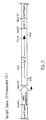
- Figure 1 is a representation showing genotypic analysis of S. pombe ⁇ -galactosidase strains.
- the ⁇ 2-1* ura 4/ ⁇ -galactosidase locus was used to construct KC4-6.
- Figure 2 is a representation showing regulated gene expression in S. pombe.
- Figure 3 is a diagrammatic representation showing ⁇ -galactosidase antisense and control sense orientation genes.
- Figure 4 is a diagrammatic representation showing that antisense RNA inhibits gene expression in S. pombe.
- Figure 5 is a diagrammatic representation showing that ⁇ -galactosidase gene suppression is transcription-dependent.
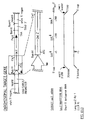
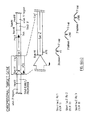
- Figures 6(i), (ii) and (iii), upper parts are diagrammatic representations showing integrated cassettes at the ura4 locus in strain 599-2.
- the lower parts of Figures 6(i), (ii) and (iii) are diagrammatic representations showing long and short armed lacZ ribozymes containing a single hammerhead cleavage domain.
- Figure 7 (i) is a representation showing in vitro cleavage by the short-armed lacZ ribozymes of Figure 6 (iii).
- Figure 7 (ii) is a photographic representation of the cleavage products of the ribozymes shown in Figures 6 (iii) and 7(i).
- Figure 8 is a photographic representation showing expression of the long and short-armed lacZ ribozymes shown in Figure 6 in S. pombe transformants. Cells transformed with plasmids containing lacZ ribozyme genes showed expression of the respective ribozymes with comparable steady-state levels.
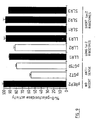
- Figure 9 is a graphical representation showing in vivo assay of long and short-armed lacZ ribozymes shown in Figure 6.
- the inclusion of a hammerhead ribozyme in the short 5' lacZ antisense RNA resulted in differential elimination of antisense RNA-mediated suppression.
- the short-armed lacZ ribozymes did not significantly reduce ⁇ -galactosidase activity.
- Figure 10 is a graphical representation showing the antisense RNA inhibits gene expression in S. pombe strain RB3-2.
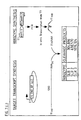
- Figure 11 is a diagrammatic representation showing that the ura4 locus in strain RB3-2 containing the adhl promoter- ⁇ -galactosidase- ura4 3' expression cassette.
- Figure 12 is a schemmatic diagram showing the lacZ target gene and antisense and control plasmids.
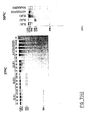
- Figure 13 A is a photographic representation of a Northern blot of total RNA isolated from KC4-6 cells transformed with each of the expression vectors shown in Figure 12.
- Figure 13 B is a photographic representation of a northern blot of total RNA isolated from independent pGT2 transofrmants of strain KD4-6 (GT2, GT2-2 and GT2-3) grown in the presence (+) and absence (-) of 4 ⁇ M thiamine.
- Figure 14 is a graphical representation showing reduction of ⁇ -galactosidase activity in lacZ antisense transformants.
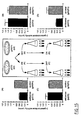
- Figures 15 A-D are graphical representations showing that reduction in ⁇ -galactosidase activity by long lacZ antisense RNA is transcription-dependent.
- the middle panel summarizes the experimental design. Single colonies from three independent transformants of pREP1 and pGT2 were split and streaked onto (A) EMM+U ( nmtl promoter ON) or (B) EMM+TJI+U ( nmtl promoter OFF).
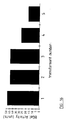
- Figure 16 is a graphical representation showing the role of antisense RNA level on the suppression of the lacZ gene in RB3-2.
- Plasmid pREP1 was constructed according to Maundrell, K., J. Biol. Chem. 265: 10857-10864, 1990.
- the present invention is conveniently exemplified using the ⁇ -galactosidase gene from E. coli as a target.
- This gene has the advantage of having a well characterised and easily detected cellular phenotype. Cells expressing ⁇ -galactosidase turn blue or become fluorescent when incubated with appropriate substrate analogues. This permits rapid visual identification or fluorescence-activated cell sorting and quantitation of cells expressing the gene. Moreover, there are very sensitive solution enzyme assays which permit accurate quantitative assessment of ⁇ -galactosidase expression using extracts of cell populations.
- ⁇ -Galactosidase has been used as a reporter gene in molecular biology experiments in many systems and is an excellent building block for gene fusions. ⁇ -Galactosidase can be used to tag a wide variety of cellular or viral genes and monitor their expression and physiology.
- the ⁇ -galactosidase gene has been put under the control of the SV4O early promoter. This has been integrated into the ura4 gene locus of S. pombe to create KC4-6, a stable constitutive strain of yeast expressing ⁇ -galactosidase.
- Figure 1 (i) shows firstly a diagram of the wild-type ura4 locus at the top and secondly a representation of the integrated ⁇ -galactosidase gene
- Figure 1 (ii) shows a Southern blot confirming the integrity of the chromosomal ⁇ -galactosidase gene in ⁇ 2-1 (the strain used to derive KC4-6) and other similar strains.
- other target genes may be inserted into the ura4 or another locus.
- the target gene may also be expressed from extrachromosomal episomes or plasmids.
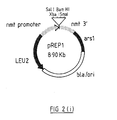
- FIG. 2(i) shows the structure of the vector pREP1 which contains the nmt ( no message in thiamine) promoter. Sequences cloned downstream of this promoter are expressed at a very high level when grown in the absence of thiamine. Transcription is almost undetectable in the presence of thiamine.
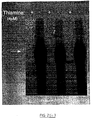
- Figure 2(ii) shows a representative RNA blot probed with a double stranded ⁇ -galactosidase probe which documents the high level of expression of antisense ⁇ -galactosidase RNA in the absence of thiamine (in the "-" lanes). In the presence of thiamine ("+" lanes), only the target, sense-orientation ⁇ -galactosidase transcript is detected.
- Other expression systems may also be used.
- FIG. 3 shows diagrams of the antisense gene constructs used in the present disclosure.
- Antisense or reverse orientation fragments encompassing the protein-coding domain (long), the 5' end of the gene and the 3' end of the gene were each cloned behind the flint promoter in the pREP1 expression plasmid.
- a set of plasmids were constructed as controls for potential non-specific effects on the pattern of gene expression, cell growth or ⁇ -galactosidase levels.
- a frame shift mutation was inserted in the long sense control gene to eliminate the production of spurious additional ⁇ -galactosidase.
- Other fragments of the ⁇ -galactosidase gene or other reporter and target genes may also be used in such a system.
- the antisense gene expression vectors are introduced into the ⁇ -galactosidase-expressing target strain by electroporation although other methods of gene transfer may also be used.
- the cells are grown in media lacking thiamine to promote expression of the antisense genes.
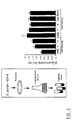
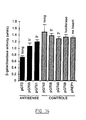
- Log phase cells at a constant cell density are assayed for ⁇ -galactosidase activity using solution assays and the chromophore substrate O-nitrophenol- ⁇ -D-galactropyranside (ONPG). Reporter enzyme levels are determined by observing the GD 420 nm after 30 minutes. Multiple independent transformants have been assayed in triplicate and the results from several experiments are compiled in Figure 4.
- the schematic diagram on the left depicts the protocol for the experiment and the histogram indicates the average level of ⁇ -galactosidase activity in cells transormed with each of the antisense constructs.
- the error bars indicate the standard deviation of the population. It can be seen that the parental pREP 1 plasmid and all of the plasmids having sense orientation gene fragments (labelled controls) have within the experimental error of this system, the same level of ⁇ -galactosidase activity. S. the antisense constructs. The error bars indicate the standard deviation of the population.
- One application of this technology is the rapid and reliable screening on large scale of gene inactivation approaches and combinations of them to determine effective constructs for application through genetic engineering and genetic manipulation in the human, medical, animal, plant and fermentation application areas.
- the ⁇ -galactosidase gene was placed under the control of the S. pombe adh1 promoter and the S. pombe ura4 3' processing region.
- This adhl promoter- ⁇ -galactosidase-ura4 3' expression cassette was integrated at the ura4 locus of S. pombe to produce strain 599-2.
- the upper parts of Figures 6(i), (ii) and (iii) show the integrated cassette at the ura4 locus in strain 599-2.
- the lower parts of Figures 6(i), (ii) and (iii) provide a diagrammatic representation showing long and short armed lacZ ribozymes containing a single hammerhead cleavage domain. This strain was crossed to a leu S.
- pombe strain to create the ascospore isolate RB3-2.
- This strain also contains the integrated adhl promoter- ⁇ -galactosidase-ura4 3' expression cassette at the ura4 locus as indicated in Figure 11 and exhibited a 20-fold increase in ⁇ -galactrosidase mRNA expression over KC4-6.
- Strain RB3-2 was transformed with the set of antisense and control plasmids represented in Figure 3 (Example 2) and assayed for ⁇ -galactosidase activity. Multiple independent transformants were assayed in triplicate and the results for these experiments are summarized in Figure 10.
- Figures 7 to 9 show the results of tests employing the nucleic acid molecules described in Figure 6 (the same abbreviations are used throughout this set of Figures).
- Figure 7 (i) provides a representation showing in vitro cleavage by the short-armed lacZ ribozymes of Figure 6 (iii).
- Figure 7 (ii) provides a photographic representation of the cleavage products of the ribozymes shown in Figures 6 (iii) and 7(i).
- Figure 8 provides a photographic representation showing expression of the long and short-armed lacZ ribozymes shown in Figure 6 in S. pombe transformants.
- Figure 9 presents ⁇ -galactosidase reporter gene in vivo expression data following expression of antisense nucleotide sequences, long armed ribozymes and short armed ribozymes.
- Cells transformed with plasmids containing lacZ ribozyme genes showed expression of the respective ribozymes with comparable steady-state levels.
- the protocol for this assay is as for Figure 4 (Example 2).
- Cells of S. pombe expressing the long antisense RNA show a 55% reduction in ⁇ -galactosidase activity while the short 5 ' antisense RNA- and short 3' antisense RNA-expressing cells show a 22% and 4% reduction, respectively.
- control plasmid transformants exhibited similar levels of ⁇ -galactosidase activity to the pREP1 transformants. All RB3-2 transformants containing antisense or control plasmids have been shown to express the expected plasmid-derived RNA.
- the primary advantage of RB3-2 over KC4-6 is that single colonies of RB3-2 turn blue on X-gal medium. This reflects the higher level of expression of ⁇ -galactosidase in RB3-2 compared to KC4-6.
- the yeast strain RB3-2 described in Example 3 was tested for antisense inhibition of ⁇ -galactosidase. The results are shown in Figure 10. Long and 5' antisense molecules were more effective at inhibiting ⁇ -galactosidase expression than 3' antisense molecule.
- a diagrammatic representation of the target gene in RB3-2 is shown in Figure 11.
- lacZ expression can be completed by incubation of transformants on media containing Xgal.
- Xgal is a chromogenic substrate of the enzyme ⁇ -galactosidase and confers a blue phenotype to the colonies when hydrolysed.
- RB3-2 transformants described in Figure 10 were plated on media containing 50, 100, 150 and 200 ⁇ g/ml of Xgal. After 5 days of growth an obvious reduction in the intensity of the blue colour of the strains expressing the full-length and 5' antisense was detectable when compared to the control transformed strain. This result demonstrates a relationship between lacZ expression and phenotype and illustrates how the S.
- pombe strain RB3-2 can be used in a genetic screen to identify genetic sequences, from libraries encoding random genetic sequences, that reduce the expression of the target lacZ expressing yeast strain when hydrolysed.
- Phenyl- ⁇ -d-galactropyranoside is a candidate compound for such a suicide substrate and is currently under investigation.
- Schizosaccharomyces pombe strain 972 (h-) was used as the host for integration and expression of the Escherichia coli lacZ gene.
- Strains NCYC 1913 (h-, leul-32) and NCYC 1914 ( h+, leul-32 ) were obtained from the National Collection of Yeast Cultures (AFRC Institute of Food Research, Norwich, UK). Yeast matings were performed according to standard procedures (Alfa et al ., Experiments with fission yeast: A laboratory course manual. Cold Spring Harbor Laboratory Press, Cold Spring Harbor, New York, 1993). The transformation of S. pombe cells with episomal plasmid DNA or linearized plasmid DNA was carried out using electroporation (Prentice, H.L. Nucleic Acids Res. 20: 621, 1992). Gene replacement at the ura4 locus in S. pombe was achieved as described by Grimm et al., Mol. Gen. Genet. 215: 81-86, 1988.
- Yeast cells were grown on standard YES medium (BIO 101 Inc., Vista, CA) or synthetic dextrose (SD) medium containing biological supplements (Rose et al ., Methods in yeast genetics: A laboratory course manual. Cold Spring Harbor Press, Cold Spring Harbor, New York, 1990).
- Thiamine-free EMM medium (BIO 101 Inc., Vista, CA) was used to obtain maximum expression from the promoter in yeast transformants. Repression of transcription from this promoter was achieved by the addition of thiamine (Sigma) to EMM medium at a final concentration of 4 ⁇ M (Maundrell, K., J. Biol. Chem. 265: 10857-10864, 1990). Conjugation and sporulation of S.
- pombe cells was performed using nutrient deficient ME agar medium (BIO 101 Inc., Vista, CA) (Moreno et al., Meth. Enzymol. 194: 795-823, 1991).
- ME agar medium BIO 101 Inc., Vista, CA
- This fragment was filled using the Klenow fragment of DNA polymerase and subcloned as a blunt end fragment into the HindII site of pNEB194 [a version of pNEB193] (New England Biolabs Inc., Beverly, MA) from which the region between the Pst I and Hind III sites in the polylinker was deleted] to create pNEB 195.
- the lacZ expression cassette containing the SV40 early promoter, the E. coli lacZ gene and the SV40 early gene 3' processing sequence was subcloned from the plasmid pSV ⁇ (Clontech Laboratories Inc., Palo Alto, CA).
- the Eco RI site 5' to the SV40 promoter in pSV ⁇ was modified to include a HindIII site by inserting an Eco RI-HindIII- Eco RI adaptor.
- the above cassette was then subcloned as a HindIII fragment between the ura4 L 5' and 3' sequences in pNEB 195 to produce plasmid pNEBD2 with an orientation such that the SV40 early promoter was located adjacent to the ura4 3' fragment.
- a PacI-PmeI double-digest released the lacZ expression cassette flanked at either end by ura4 sequences. This fragment was used to transform S.
- pombe strain 972 ( h- ) and 5-FOA resistance was used to identify yeast transformants having undergone a disruption of the ura4 locus. Putative integrants were then characterized with respect to the structure of the ura4 locus and expression of the SV40 early promoter-driven lacZ gene.
- the structure of the integrated lacZ expression cassette at the ura4 locus in chromosome III of the S. pombe genome is depicted schematically in Figure 12.
- Plasmid pREP1 (Maundrell, 1990) was used as the expression vector for construction of lacZ antisense gene-containing plasmids and sense controls. All fragments used were subcloned into pREP1 at the unique BamHI site and are represented schematically in Figure 12. The long lacZ BamHI fragment spans positions -56 to +3419 of the SV40 early promoter-driven lacZ expression cassette. in order to construct the long sense control plasmid, a frameshift mutation was introduced at base +909 in the lacZ BamHI fragment. The fragment was linearized with ClaI, filled and religated.
- the frameshift was confirmed by DNA sequencing and the lacZ BamHI fragment subcloned into pREP1 in the sense orientation relative to the nmtl promoter.
- This plasmid was designated pGT62 and served as a control for pGT2 which contains the long lacZ BamHI fragment in the antisense orientation.
- the short 5' and 3' lacZ fragments were generated using the polymerase chain reaction (PCR) and pNEBD2 plasrnid DNA as a template.
- the primers used for amplification of the short 5' fragment were 5'-AAGAGATCTGCCTCTGAGCTATTCCAGAAGTAGTG-3' [SEQ ID NO:1] and 5'-AAGAGATCTCATCGATAATTTCACCGCCGAAAGGC-3' [SEQ ID NO:2].
- For the short 3' DNA fragment these sequences were 5'-AAGAGATCTTCAGTATCGGCGGAATTACAGCTGAG-3' [SEQ ID NO:3] and 5'-AAGAGATCTCAATGTATCTTATCATGTCTGGATCC-3' [SEQ ID NO:4].
- a BglII restriction site was added to both the 5' and 3' ends of the amplified DNA fragments.
- the short 5' fragment spanned positions -299 to +912 while the short 3' DNA was located between +3093 and +3454 with the TAA stop codon of the lacZ gene at +3141.
- PCR amplified DNA was cloned into the BglII site in pSP72 (Promega Corp., Madison, WI) and subcloned as BglII fragments into the BamHI site of pREP1 in both the sense and antisense orientations.
- pGT58 short 5' sense
- pGT59 short 5' antisense
- pGT60 short 3' sense
- pGT61 short 3' antisense
- a non-sequence specific plasmid control pGT68 containing the luciferase gene, was constructed by linker ligating the StuI-BamHI fragment of pGEM-luc (Promega Corp., Madison, WI) into pREP1.
- Total genomic DNA was isolated from S. pombe cells using glass beads as described by Hoffman and Winston (1987) Gene 53: 659-667. These DNA samples were used for Southern analysis of chromosomal DNA and copy number analysis of plasmids. Yeast total RNA was purified using a standard procedures. Nucleic acid electrophoresis and hybridization were as described (Sambrook et al ., Molecular Cloning: A laboratory manual. Cold Spring Harbor Laboratory Press, Cold Spring Harbor, New York, 1989) with the exception of Northern blots which were hybridized using Express Hybridization solution (Clontech Laboratories Inc., Palo Alto, CA).
- DNA used as probes included the long lacZ BamHI fragment and the 405 bp BamHI-PacI fragment from the nmtl 3' sequence in pREP1. All DNA probes used for hybridization were 32 P-labelled using the Megaprime labelling kit (Amersham International, Amersham, UK). The radioactive hybridization signal was detected by autoradiography and quantified using a phosphorimager (Bio-Rad Laboratories, Hercules, CA).
- the enzyme activity of the E. coli lacZ gene-encoded product, ⁇ -galactosidase was assayed using a cell permeabilization method (Ausubel et al ., Current protocols in molecular biology. Green Publishing Associates and Wiley-Interscience, New York, 1987).
- a cell permeabilization method (Ausubel et al ., Current protocols in molecular biology. Green Publishing Associates and Wiley-Interscience, New York, 1987).
- S. pombe strains 972 and NCYC 1913 1x10 8 cells were assayed for ⁇ -galactosidase activity following growth of yeast transformants in EMM or EMM media containing thiamine to a cell density of 10x10 7 cells/ml.
- Triplicate assays were performed for each transformant and ⁇ -galactosidase units calculated according to the formula described in Ausubel et al ., Current protocols in molecular biology. Green Publishing Associates and Wiley-Interscience, New York, 1987
- the E. coli lacZ reporter gene was chosen as a target.
- This gene offers the advantages of the availability of rapid and sensitive solution enzyme assays for the gene product ⁇ -galactosidase (Ausubel et al ., Current protocols in molecular biology. Green Publishing Associates and Wiley-Interscience, New York, 1987) and confers a blue colony colour to S. pombe on medium containing the chromogenic substrate Xgal (Kudla Nucleic Acids Res. 16: 8603-8617, 1988).
- the E. coli lacZ gene was expressed at a low constitutive level in S.
- the lacZ gene expression cassette was integrated into S. pombe chromosome III to create a stable ⁇ -galactosidase-expressing strain. Integration was accomplished by replacement of the DNA sequence at the ura4 locus with the ura4 -flanked lacZ expression cassette and identification of a stable integrant using 5-FOA selection (Fig. 12).
- lacZ antisense genes were expressed from the episomal plasmid pREP1 (Maundrell, K. J. Biol. Chem. 265: 10857-10864, 1990) using the conditional nmtl promoter. This promoter is repressed in the presence of thiamine at concentrations greater than 0.5 ⁇ M and maximally derepressed in the absence of exogenous thiamine (Maundrell, K. J. Biol. Chem. 265: 10857-10864, 1990).
- a set of antisense genes were constructed to produce antisense RNAs of varying sizes complementary to different regions of the target message (Fig. 12).
- the long lacZ antisense gene was designed to produce an antisense RNA complementary to 56 bases of the 5' untranslated sequence, the entire coding region of the target mRNA and 288 bases of the 3' untranslated region.
- the shorter antisense genes were designed to produce RNA complementary to either the 5' or 3' ends of the lacZ mRNA.
- Control expression plasmids were constructed in order to examine non-specific effects of high level nmtl promoter-driven transcription on ⁇ -galactosidase enzyme levels (Fig. 12). These controls included the sense-oriented fragments for each of the antisense genes and the firefly luciferase gene in the sense orientation (Fig.
- the long lacZ sense control plasmid was prepared by introducing a frameshift mutation into the lacZ gene to eliminate ⁇ -galactosidase activity of any resultant gene product.
- ⁇ -Galactosidase enzyme assays on pGT62 plasmid transformants of strain NCYC 1913 (h-, leul-32) confirmed that transcripts produced from the long sense control gene were not translated into active ⁇ -galactosidase.
- the target strain KC4-6 was transformed with each of the plasmid constructs described above and three independent transformants were analyzed to detect RNA transcripts expressed from the plasmid-borne genes.
- Northern analysis was completed using an nmtl 3' processing region DNA fragment as a probe. All RNAs produced from the nmtl promoter on pREP1 contain 144 bases of the nmtl message at their 3' ends.
- Figure 13A indicates that each of the transformants produced an RNA species of the expected size. Analysis of each RNA species relative to the chromosomally-encoded nmtl mRNA indicated that the expression levels of all these RNAs were similar.
- Figure 13B shows that the expression of lacZ antisense RNA is conditionally dependent on thiamine and the expression level of long lacZ antisense RNA, as for all the antisense RNAs, is 20-fold greater than that of the target lacZ mRNA.
- ⁇ -Galactosidase enzyme assays were used to monitor the effect of antisense RNA synthesis on target lacZ gene expression (Ausubel et al ., Current protocols in molecular biology. Green Publishing Associates and Wiley-Interscience, New York, 1987). Three independent transformants for each plasmid construct were grown in thiamine-free medium to derepress the nmtl promoter (Fig. 14). Cells of S. pombe expressing the long lacZ antisense RNA showed a 45% reduction in ⁇ -galactosidase activity, while cells expressing the short 5' or short 3' complementary transcripts produced 20% and 10% less ⁇ -galactosidase activity, respectively.
- yeast transformants were grown under conditions that would repress or derepress the nmtl promoter prior to assaying for ⁇ -galactosidase activity.
- Independent transformants containing either control plasmid pREP1 or the long lacZ antisense plasmid pGT2, were initially grown on thiamine-free medium to permit antisense RNA expression (ON; Fig. 15) and thiamine-containing medium to inhibit antisense RNA production (OFF; Fig. 15).
- lacZ antisense plasmid pGT2-containing cells grown in the absence of thiamine produced 40% less ⁇ -galactosidase than the pREP1 transformants (Fig. 15A).
- Cells from the same culture grown in the presence of thiamine showed control levels of ⁇ -galactosidase activity (Fig. 15B).
- the reversibility of antisense RNA regulation was demonstrated by transferring cells from thiamine-free medium (ON) to thiamine-containing medium (OFF), and cells from medium containing thiamine (OFF) onto medium lacking thiamine (ON).
- the pGT2 transformants previously showing 40% reduction in the absence of thiamine exhibited no inhibition of ⁇ -galactosidase activity in the presence of thiamine (Fig. 15C).
- Strain RB3-2 was transformed with the combinations of plasmids shown in Table 1 with the expected ratios of antisense RNA indicated for each transformation. Three independent transformants for each plasmids combination were assayed in triplicate as hereinbefore described. The data are summariseed in Figure 16. The data show that for the lacZ target gene, the level of suppression is dependent upon the leve of antisense RNA. For example, the highest level of suppression of approximately 65% is seen when RB3-2 is transformed with the two antisense-encoding plasmids.
- the plasmids pREP42 and pREP82 encode derivatives of the nmt1 promoter in which mutations have been introduced which result in weaker levels of transcription.
Landscapes
- Chemical & Material Sciences (AREA)
- Life Sciences & Earth Sciences (AREA)
- Health & Medical Sciences (AREA)
- Engineering & Computer Science (AREA)
- Organic Chemistry (AREA)
- Genetics & Genomics (AREA)
- Wood Science & Technology (AREA)
- Zoology (AREA)
- Bioinformatics & Cheminformatics (AREA)
- Proteomics, Peptides & Aminoacids (AREA)
- General Engineering & Computer Science (AREA)
- Biotechnology (AREA)
- Molecular Biology (AREA)
- Biophysics (AREA)
- Biomedical Technology (AREA)
- Microbiology (AREA)
- Biochemistry (AREA)
- General Health & Medical Sciences (AREA)
- Physics & Mathematics (AREA)
- Analytical Chemistry (AREA)
- Immunology (AREA)
- Medicinal Chemistry (AREA)
- Toxicology (AREA)
- Plant Pathology (AREA)
- Saccharide Compounds (AREA)
- Measuring Or Testing Involving Enzymes Or Micro-Organisms (AREA)
- Micro-Organisms Or Cultivation Processes Thereof (AREA)
- Medicines That Contain Protein Lipid Enzymes And Other Medicines (AREA)
- Breeding Of Plants And Reproduction By Means Of Culturing (AREA)
- Investigating Or Analysing Biological Materials (AREA)
Applications Claiming Priority (4)
| Application Number | Priority Date | Filing Date | Title |
|---|---|---|---|
| AUPM5169A AUPM516994A0 (en) | 1994-04-20 | 1994-04-20 | An in vivo gene expression system |
| AUPM516994 | 1994-04-20 | ||
| AUPM5169/94 | 1994-04-20 | ||
| PCT/AU1995/000235 WO1995029254A1 (en) | 1994-04-20 | 1995-04-20 | An in vivo gene expression system |
Publications (3)
| Publication Number | Publication Date |
|---|---|
| EP0756634A1 EP0756634A1 (en) | 1997-02-05 |
| EP0756634A4 EP0756634A4 (en) | 1999-09-01 |
| EP0756634B1 true EP0756634B1 (en) | 2002-08-28 |
Family
ID=3779748
Family Applications (1)
| Application Number | Title | Priority Date | Filing Date |
|---|---|---|---|
| EP95916501A Expired - Lifetime EP0756634B1 (en) | 1994-04-20 | 1995-04-20 | An in vivo gene expression system |
Country Status (12)
| Country | Link |
|---|---|
| US (1) | US5932435A (enExample) |
| EP (1) | EP0756634B1 (enExample) |
| JP (1) | JPH09511911A (enExample) |
| AT (1) | ATE222959T1 (enExample) |
| AU (1) | AUPM516994A0 (enExample) |
| CA (1) | CA2185550A1 (enExample) |
| DE (1) | DE69527951T2 (enExample) |
| FI (1) | FI964172A0 (enExample) |
| IL (1) | IL113430A (enExample) |
| NO (1) | NO964427D0 (enExample) |
| WO (1) | WO1995029254A1 (enExample) |
| ZA (1) | ZA953208B (enExample) |
Families Citing this family (38)
| Publication number | Priority date | Publication date | Assignee | Title |
|---|---|---|---|---|
| EP0862651A2 (en) * | 1995-10-16 | 1998-09-09 | Chiron Corporation | Method of screening for factors that modulate gene expression |
| US5985214A (en) * | 1997-05-16 | 1999-11-16 | Aurora Biosciences Corporation | Systems and methods for rapidly identifying useful chemicals in liquid samples |
| WO1999024563A1 (en) * | 1997-11-07 | 1999-05-20 | Iconix Pharmaceuticals, Inc. | Surrogate genetics target characterization method |
| AU1009499A (en) * | 1999-01-08 | 2000-11-16 | Johnson & Johnson Research Pty. Limited | Eukaryotic cell-based system for identifying gene modulators |
| US6720139B1 (en) | 1999-01-27 | 2004-04-13 | Elitra Pharmaceuticals, Inc. | Genes identified as required for proliferation in Escherichia coli |
| GB9912965D0 (en) * | 1999-06-03 | 1999-08-04 | Oxford Biomedica Ltd | In vivo selection method |
| CA2374745A1 (en) * | 1999-08-09 | 2001-02-15 | Incyte Genomics, Inc. | Proteases and protease inhibitors |
| AU7353500A (en) * | 1999-09-10 | 2001-04-10 | Incyte Genomics, Inc. | Apoptosis proteins |
| AU4329001A (en) * | 2000-02-24 | 2001-09-03 | Compound Therapeutics, Inc. | Improved methods for generating catalytic proteins |
| WO2001066742A2 (en) * | 2000-03-03 | 2001-09-13 | Incyte Genomics, Inc. | G-protein coupled receptors |
| AU2001266975A1 (en) | 2000-06-16 | 2002-01-02 | Incyte Genomics, Inc. | G-protein coupled receptors |
| US7608704B2 (en) | 2000-11-08 | 2009-10-27 | Incyte Corporation | Secreted proteins |
| DK1470144T3 (da) * | 2002-02-01 | 2009-04-06 | Univ Mcgill | Oligonukleotider omfattende alternerende segmenter og anvendelser deraf |
| US7378492B2 (en) * | 2002-02-20 | 2008-05-27 | Incyte Corporation | CD40-related receptor that binds CD40L |
| DE10210284A1 (de) * | 2002-03-08 | 2003-10-02 | Medigene Ag | Verfahren zum Identifizieren von spezifischen RNA-Inhibitoren |
| WO2004012755A1 (en) * | 2002-08-05 | 2004-02-12 | The Wistar Institute | Methods for regulating brca1-brca2-containing complex activity |
| AU2003265431A1 (en) * | 2002-08-13 | 2004-02-25 | Incyte Corporation | Cell adhesion and extracellular matrix proteins |
| AU2003295322B2 (en) | 2002-08-21 | 2009-06-18 | Revivicor, Inc. | Porcine animals lacking any expression of functional alpha 1,3 galactosyltransferase |
| US20070219353A1 (en) * | 2002-09-03 | 2007-09-20 | Incyte Corporation | Immune Response Associated Proteins |
| WO2004033636A2 (en) * | 2002-10-04 | 2004-04-22 | Incyte Corporation | Protein modification and maintenance molecules |
| US9453251B2 (en) | 2002-10-08 | 2016-09-27 | Pfenex Inc. | Expression of mammalian proteins in Pseudomonas fluorescens |
| US20050164275A1 (en) * | 2002-10-18 | 2005-07-28 | Incyte Corporation | Phosphodiesterases |
| WO2004044166A2 (en) * | 2002-11-12 | 2004-05-27 | Incyte Corporation | Carbohydrate-associated proteins |
| US20070065820A1 (en) * | 2002-11-13 | 2007-03-22 | Xin Jiang | Lipid-associated molecules |
| US20070009516A1 (en) * | 2002-11-26 | 2007-01-11 | Tran Uyen K | Immune response-associated proteins |
| WO2004092407A1 (en) * | 2003-04-17 | 2004-10-28 | Genesis Group Inc. | Pygopus in diagnosis and treatment of cancer |
| WO2004098539A2 (en) | 2003-04-30 | 2004-11-18 | Incyte Corporation | Kinases and phosphatases |
| EP2198922B1 (en) * | 2003-05-16 | 2013-03-20 | Université Laval | CNS chloride modulation and uses thereof |
| US7718382B2 (en) * | 2004-05-14 | 2010-05-18 | Universite Laval | Method for identifying compounds for treatment of pain |
| US7700272B2 (en) * | 2004-06-09 | 2010-04-20 | Mcgill University | Polynucleotides encoding acetylcholine-gated chloride channel subunits of Caenorhabditis elegans |
| CN101031655A (zh) | 2004-07-26 | 2007-09-05 | 陶氏环球技术公司 | 通过株工程改进蛋白表达的方法 |
| CA2617930A1 (en) | 2005-08-09 | 2007-03-29 | Revivicor, Inc. | Transgenic ungulates expressing ctla4-ig and uses thereof |
| EP2142651B1 (en) | 2007-04-27 | 2013-05-22 | Pfenex Inc. | Method for rapidly screening microbial hosts to identify certain strains with improved yield and/or quality in the expression of heterologous proteins |
| US9580719B2 (en) | 2007-04-27 | 2017-02-28 | Pfenex, Inc. | Method for rapidly screening microbial hosts to identify certain strains with improved yield and/or quality in the expression of heterologous proteins |
| GB0806803D0 (en) * | 2008-04-15 | 2008-05-14 | Scottish Biomedical Ltd | Reverse reporter assay |
| WO2014127479A1 (en) | 2013-02-21 | 2014-08-28 | Rsem, Limited Partnership | Inhibition of sema3a in the prevention and treatment of ocular hyperpermeability |
| DK3189074T3 (da) | 2014-09-05 | 2021-04-19 | Rsem Lp | Sammensætninger og metoder til behandling og forebyggelse af inflammation |
| US20200056186A1 (en) | 2016-09-22 | 2020-02-20 | Rsem, Limited Partnership | Compositions comprising sasp modulators and senescence attenuators and uses thereof for modulating cellular senescence |
Family Cites Families (7)
| Publication number | Priority date | Publication date | Assignee | Title |
|---|---|---|---|---|
| DE3618638A1 (de) * | 1986-06-03 | 1987-12-10 | Behringwerke Ag | Verfahren zur sekretion von proteinen aus hefen |
| AU7667191A (en) * | 1990-04-19 | 1991-11-11 | General Hospital Corporation, The | Screening assays for compounds which inhibit the binding of c-myc to dna |
| WO1992012635A1 (en) * | 1991-01-18 | 1992-08-06 | Oncogene Science, Inc. | Methods of transcriptionally modulating gene expression of viral genes and other genes |
| WO1993008285A1 (en) * | 1991-10-25 | 1993-04-29 | Whitehead Institute For Biomedical Research | Dimorphism genes in fungi |
| IT1255697B (it) * | 1992-09-29 | 1995-11-10 | Enichem Spa | Metodo per l'espressione nel lievito schizosaccharomyces pombe di recettori del sistema nervoso umano |
| WO1994023039A1 (en) * | 1993-04-07 | 1994-10-13 | The Institute Of Cancer Research: Royal Cancer Hospital | Methods for screening of substances for therapeutic activity and yeast for use therein |
| US5443962A (en) * | 1993-06-04 | 1995-08-22 | Mitotix, Inc. | Methods of identifying inhibitors of cdc25 phosphatase |
-
1994
- 1994-04-20 AU AUPM5169A patent/AUPM516994A0/en not_active Abandoned
-
1995
- 1995-04-20 IL IL113430A patent/IL113430A/xx not_active IP Right Cessation
- 1995-04-20 WO PCT/AU1995/000235 patent/WO1995029254A1/en not_active Ceased
- 1995-04-20 AT AT95916501T patent/ATE222959T1/de not_active IP Right Cessation
- 1995-04-20 US US08/727,449 patent/US5932435A/en not_active Expired - Fee Related
- 1995-04-20 ZA ZA953208A patent/ZA953208B/xx unknown
- 1995-04-20 CA CA002185550A patent/CA2185550A1/en not_active Abandoned
- 1995-04-20 JP JP7527227A patent/JPH09511911A/ja not_active Ceased
- 1995-04-20 DE DE69527951T patent/DE69527951T2/de not_active Expired - Fee Related
- 1995-04-20 FI FI964172A patent/FI964172A0/fi not_active Application Discontinuation
- 1995-04-20 EP EP95916501A patent/EP0756634B1/en not_active Expired - Lifetime
-
1996
- 1996-10-18 NO NO964427A patent/NO964427D0/no unknown
Non-Patent Citations (3)
| Title |
|---|
| ARNDT ET AL: "Antisense RNA regulation of the ILV2 gene in yeast: a correction", CURRENT GENETICS-SHORT COMMUNICATION, vol. 25, 1994, pages 289 * |
| PARKER R. ET AL.: "Ribozymes: principles and designs for their use as antisense and therapeutic agents", 1992, R.P.ERICKSON AND J.G. IZANT, RAVEN PRESS LTD, NEW YORK * |
| RUBY H.P. ET AL: "Expression in yeast of antisense RNA to ADE1 mRNA", BIOCHEMISTRY INTERNATIONAL, vol. 17, no. 4, 1988, pages 673 - 679 * |
Also Published As
| Publication number | Publication date |
|---|---|
| FI964172L (fi) | 1996-10-17 |
| EP0756634A4 (en) | 1999-09-01 |
| CA2185550A1 (en) | 1995-11-02 |
| EP0756634A1 (en) | 1997-02-05 |
| FI964172A7 (fi) | 1996-10-17 |
| IL113430A (en) | 1999-07-14 |
| WO1995029254A1 (en) | 1995-11-02 |
| ATE222959T1 (de) | 2002-09-15 |
| NO964427D0 (no) | 1996-10-18 |
| DE69527951T2 (de) | 2003-04-24 |
| FI964172A0 (fi) | 1996-10-17 |
| JPH09511911A (ja) | 1997-12-02 |
| IL113430A0 (en) | 1995-07-31 |
| AUPM516994A0 (en) | 1994-05-12 |
| US5932435A (en) | 1999-08-03 |
| DE69527951D1 (de) | 2002-10-02 |
| ZA953208B (en) | 1996-01-03 |
Similar Documents
| Publication | Publication Date | Title |
|---|---|---|
| US5932435A (en) | Screening antisense and ribozyme nucleic acids in schizosaccharomyces pombe | |
| Moqtaderi et al. | TBP-associated factors are not generally required for transcriptional activation in yeast | |
| Dohmen et al. | Heat-inducible degron: a method for constructing temperature-sensitive mutants | |
| DE69831083T2 (de) | Reprimiertes trans-aktivatorsystem zur charakterisierung von protein-protein interaktionen | |
| Sharp et al. | Chromatin assembly factor I and Hir proteins contribute to building functional kinetochores in S. cerevisiae | |
| Smith et al. | Yeast PKA represses Msn2p/Msn4p‐dependent gene expression to regulate growth, stress response and glycogen accumulation | |
| Attfield et al. | Heterogeneity of stress gene expression and stress resistance among individual cells of Saccharomyces cerevisiae | |
| CA2258547A1 (en) | Screening methods using microbial strain pools | |
| HAYNES et al. | Induction of Antibiotic Resistance in Paramecium tetraurelia by the Bacterial Gene APH‐3'‐II | |
| HU201116B (en) | Process for producing plasmids having uncontrolled replication conduct under given circumstances | |
| US9212359B2 (en) | Systems for induction of gene expression and protein depletion in yeast | |
| Cherbas et al. | Drosophila cell culture and transformation | |
| AU697543B2 (en) | An (in vivo) gene expression system | |
| US6365409B1 (en) | Regulated gene expression in yeast | |
| Singleton et al. | Effect of protein synthesis inhibition on gene expression during early development of Dictyostelium discoideum | |
| Atkinsu et al. | Artificial ribozyme and antisense gene expression in Saccharomyces cerevisiae | |
| EP1248860A2 (en) | Barcoded synthetic lethal screening to identify drug targets | |
| US20230265425A1 (en) | lncRNA-REGULATED GENE EXPRESSION SYSTEM | |
| Badakul et al. | Analyzing Homologous Recombination Using Antibiotic Marker Substrates in Mammalian Cells | |
| US20040038244A1 (en) | Assays for alternative lengthening of telomeres | |
| WO1988001296A1 (en) | Assay for promoter activity | |
| US20050148007A1 (en) | Bioluminescent assays and cells useful therein | |
| WO2000042167A1 (en) | Eukaryotic cell-based system for identifying gene modulators | |
| Paraskeva et al. | [25] Translational repression assay procedure: A method to study RNA-protein interactions in yeast | |
| Ni | Regulation of MAL6 gene expression in yeast |
Legal Events
| Date | Code | Title | Description |
|---|---|---|---|
| PUAI | Public reference made under article 153(3) epc to a published international application that has entered the european phase |
Free format text: ORIGINAL CODE: 0009012 |
|
| 17P | Request for examination filed |
Effective date: 19961116 |
|
| AK | Designated contracting states |
Kind code of ref document: A1 Designated state(s): AT BE CH DE DK ES FR GB GR IE IT LI LU MC NL PT SE |
|
| AX | Request for extension of the european patent |
Free format text: LT PAYMENT 961116;SI PAYMENT 961116 |
|
| RAP1 | Party data changed (applicant data changed or rights of an application transferred) |
Owner name: GENE SHEARS PTY LIMITED |
|
| A4 | Supplementary search report drawn up and despatched |
Effective date: 19990715 |
|
| AK | Designated contracting states |
Kind code of ref document: A4 Designated state(s): AT BE CH DE DK ES FR GB GR IE IT LI LU MC NL PT SE |
|
| 17Q | First examination report despatched |
Effective date: 20000620 |
|
| GRAG | Despatch of communication of intention to grant |
Free format text: ORIGINAL CODE: EPIDOS AGRA |
|
| GRAG | Despatch of communication of intention to grant |
Free format text: ORIGINAL CODE: EPIDOS AGRA |
|
| GRAH | Despatch of communication of intention to grant a patent |
Free format text: ORIGINAL CODE: EPIDOS IGRA |
|
| GRAH | Despatch of communication of intention to grant a patent |
Free format text: ORIGINAL CODE: EPIDOS IGRA |
|
| GRAA | (expected) grant |
Free format text: ORIGINAL CODE: 0009210 |
|
| AK | Designated contracting states |
Kind code of ref document: B1 Designated state(s): AT BE CH DE DK ES FR GB GR IE IT LI LU MC NL PT SE |
|
| AX | Request for extension of the european patent |
Free format text: LT PAYMENT 19961116;SI PAYMENT 19961116 |
|
| PG25 | Lapsed in a contracting state [announced via postgrant information from national office to epo] |
Ref country code: LI Free format text: LAPSE BECAUSE OF FAILURE TO SUBMIT A TRANSLATION OF THE DESCRIPTION OR TO PAY THE FEE WITHIN THE PRESCRIBED TIME-LIMIT Effective date: 20020828 Ref country code: IT Free format text: LAPSE BECAUSE OF FAILURE TO SUBMIT A TRANSLATION OF THE DESCRIPTION OR TO PAY THE FEE WITHIN THE PRESCRIBED TIME-LIMIT;WARNING: LAPSES OF ITALIAN PATENTS WITH EFFECTIVE DATE BEFORE 2007 MAY HAVE OCCURRED AT ANY TIME BEFORE 2007. THE CORRECT EFFECTIVE DATE MAY BE DIFFERENT FROM THE ONE RECORDED. Effective date: 20020828 Ref country code: GR Free format text: LAPSE BECAUSE OF FAILURE TO SUBMIT A TRANSLATION OF THE DESCRIPTION OR TO PAY THE FEE WITHIN THE PRESCRIBED TIME-LIMIT Effective date: 20020828 Ref country code: CH Free format text: LAPSE BECAUSE OF FAILURE TO SUBMIT A TRANSLATION OF THE DESCRIPTION OR TO PAY THE FEE WITHIN THE PRESCRIBED TIME-LIMIT Effective date: 20020828 Ref country code: AT Free format text: LAPSE BECAUSE OF FAILURE TO SUBMIT A TRANSLATION OF THE DESCRIPTION OR TO PAY THE FEE WITHIN THE PRESCRIBED TIME-LIMIT Effective date: 20020828 |
|
| REF | Corresponds to: |
Ref document number: 222959 Country of ref document: AT Date of ref document: 20020915 Kind code of ref document: T |
|
| REG | Reference to a national code |
Ref country code: GB Ref legal event code: FG4D |
|
| REG | Reference to a national code |
Ref country code: CH Ref legal event code: EP |
|
| REF | Corresponds to: |
Ref document number: 69527951 Country of ref document: DE Date of ref document: 20021002 |
|
| REG | Reference to a national code |
Ref country code: IE Ref legal event code: FG4D |
|
| PG25 | Lapsed in a contracting state [announced via postgrant information from national office to epo] |
Ref country code: SE Free format text: LAPSE BECAUSE OF FAILURE TO SUBMIT A TRANSLATION OF THE DESCRIPTION OR TO PAY THE FEE WITHIN THE PRESCRIBED TIME-LIMIT Effective date: 20021128 Ref country code: DK Free format text: LAPSE BECAUSE OF FAILURE TO SUBMIT A TRANSLATION OF THE DESCRIPTION OR TO PAY THE FEE WITHIN THE PRESCRIBED TIME-LIMIT Effective date: 20021128 |
|
| PG25 | Lapsed in a contracting state [announced via postgrant information from national office to epo] |
Ref country code: PT Free format text: LAPSE BECAUSE OF FAILURE TO SUBMIT A TRANSLATION OF THE DESCRIPTION OR TO PAY THE FEE WITHIN THE PRESCRIBED TIME-LIMIT Effective date: 20021210 |
|
| ET | Fr: translation filed | ||
| LTIE | Lt: invalidation of european patent or patent extension |
Effective date: 20020828 |
|
| PG25 | Lapsed in a contracting state [announced via postgrant information from national office to epo] |
Ref country code: ES Free format text: LAPSE BECAUSE OF FAILURE TO SUBMIT A TRANSLATION OF THE DESCRIPTION OR TO PAY THE FEE WITHIN THE PRESCRIBED TIME-LIMIT Effective date: 20030228 |
|
| REG | Reference to a national code |
Ref country code: CH Ref legal event code: PL |
|
| PG25 | Lapsed in a contracting state [announced via postgrant information from national office to epo] |
Ref country code: LU Free format text: LAPSE BECAUSE OF NON-PAYMENT OF DUE FEES Effective date: 20030420 |
|
| PG25 | Lapsed in a contracting state [announced via postgrant information from national office to epo] |
Ref country code: IE Free format text: LAPSE BECAUSE OF NON-PAYMENT OF DUE FEES Effective date: 20030421 |
|
| PG25 | Lapsed in a contracting state [announced via postgrant information from national office to epo] |
Ref country code: MC Free format text: LAPSE BECAUSE OF NON-PAYMENT OF DUE FEES Effective date: 20030430 |
|
| PLBE | No opposition filed within time limit |
Free format text: ORIGINAL CODE: 0009261 |
|
| STAA | Information on the status of an ep patent application or granted ep patent |
Free format text: STATUS: NO OPPOSITION FILED WITHIN TIME LIMIT |
|
| 26N | No opposition filed |
Effective date: 20030530 |
|
| REG | Reference to a national code |
Ref country code: IE Ref legal event code: MM4A |
|
| PGFP | Annual fee paid to national office [announced via postgrant information from national office to epo] |
Ref country code: DE Payment date: 20080424 Year of fee payment: 14 |
|
| PGFP | Annual fee paid to national office [announced via postgrant information from national office to epo] |
Ref country code: BE Payment date: 20080616 Year of fee payment: 14 |
|
| PGFP | Annual fee paid to national office [announced via postgrant information from national office to epo] |
Ref country code: NL Payment date: 20080403 Year of fee payment: 14 |
|
| PGFP | Annual fee paid to national office [announced via postgrant information from national office to epo] |
Ref country code: FR Payment date: 20080414 Year of fee payment: 14 |
|
| PGFP | Annual fee paid to national office [announced via postgrant information from national office to epo] |
Ref country code: GB Payment date: 20080423 Year of fee payment: 14 |
|
| BERE | Be: lapsed |
Owner name: *GENE SHEARS PTY LTD Effective date: 20090430 |
|
| GBPC | Gb: european patent ceased through non-payment of renewal fee |
Effective date: 20090420 |
|
| NLV4 | Nl: lapsed or anulled due to non-payment of the annual fee |
Effective date: 20091101 |
|
| REG | Reference to a national code |
Ref country code: FR Ref legal event code: ST Effective date: 20091231 |
|
| PG25 | Lapsed in a contracting state [announced via postgrant information from national office to epo] |
Ref country code: DE Free format text: LAPSE BECAUSE OF NON-PAYMENT OF DUE FEES Effective date: 20091103 |
|
| PG25 | Lapsed in a contracting state [announced via postgrant information from national office to epo] |
Ref country code: NL Free format text: LAPSE BECAUSE OF NON-PAYMENT OF DUE FEES Effective date: 20091101 |
|
| PG25 | Lapsed in a contracting state [announced via postgrant information from national office to epo] |
Ref country code: GB Free format text: LAPSE BECAUSE OF NON-PAYMENT OF DUE FEES Effective date: 20090420 Ref country code: FR Free format text: LAPSE BECAUSE OF NON-PAYMENT OF DUE FEES Effective date: 20091222 |
|
| PG25 | Lapsed in a contracting state [announced via postgrant information from national office to epo] |
Ref country code: BE Free format text: LAPSE BECAUSE OF NON-PAYMENT OF DUE FEES Effective date: 20090430 |