EP0734252B1 - Vinca-alkaloid vesicles with enhanced efficacy and tumor targeting properties - Google Patents
Vinca-alkaloid vesicles with enhanced efficacy and tumor targeting properties Download PDFInfo
- Publication number
- EP0734252B1 EP0734252B1 EP95926111A EP95926111A EP0734252B1 EP 0734252 B1 EP0734252 B1 EP 0734252B1 EP 95926111 A EP95926111 A EP 95926111A EP 95926111 A EP95926111 A EP 95926111A EP 0734252 B1 EP0734252 B1 EP 0734252B1
- Authority
- EP
- European Patent Office
- Prior art keywords
- phosphatidylcholine
- vcr
- composition
- aqueous phase
- liposomes
- Prior art date
- Legal status (The legal status is an assumption and is not a legal conclusion. Google has not performed a legal analysis and makes no representation as to the accuracy of the status listed.)
- Expired - Lifetime
Links
- 206010028980 Neoplasm Diseases 0.000 title claims abstract description 56
- 229940122803 Vinca alkaloid Drugs 0.000 title claims abstract description 13
- 230000008685 targeting Effects 0.000 title claims abstract description 7
- 239000002502 liposome Substances 0.000 claims abstract description 88
- 239000000203 mixture Substances 0.000 claims abstract description 46
- HVYWMOMLDIMFJA-DPAQBDIFSA-N cholesterol Chemical compound C1C=C2C[C@@H](O)CC[C@]2(C)[C@@H]2[C@@H]1[C@@H]1CC[C@H]([C@H](C)CCCC(C)C)[C@@]1(C)CC2 HVYWMOMLDIMFJA-DPAQBDIFSA-N 0.000 claims abstract description 40
- NRJAVPSFFCBXDT-HUESYALOSA-N 1,2-distearoyl-sn-glycero-3-phosphocholine Chemical compound CCCCCCCCCCCCCCCCCC(=O)OC[C@H](COP([O-])(=O)OCC[N+](C)(C)C)OC(=O)CCCCCCCCCCCCCCCCC NRJAVPSFFCBXDT-HUESYALOSA-N 0.000 claims abstract description 22
- 239000008346 aqueous phase Substances 0.000 claims abstract description 20
- 235000012000 cholesterol Nutrition 0.000 claims abstract description 20
- 150000001450 anions Chemical class 0.000 claims abstract description 16
- 150000002632 lipids Chemical class 0.000 claims description 42
- CKLJMWTZIZZHCS-REOHCLBHSA-N L-aspartic acid Chemical compound OC(=O)[C@@H](N)CC(O)=O CKLJMWTZIZZHCS-REOHCLBHSA-N 0.000 claims description 28
- OGWKCGZFUXNPDA-XQKSVPLYSA-N vincristine Chemical compound C([N@]1C[C@@H](C[C@]2(C(=O)OC)C=3C(=CC4=C([C@]56[C@H]([C@@]([C@H](OC(C)=O)[C@]7(CC)C=CCN([C@H]67)CC5)(O)C(=O)OC)N4C=O)C=3)OC)C[C@@](C1)(O)CC)CC1=C2NC2=CC=CC=C12 OGWKCGZFUXNPDA-XQKSVPLYSA-N 0.000 claims description 24
- OGWKCGZFUXNPDA-UHFFFAOYSA-N vincristine Natural products C1C(CC)(O)CC(CC2(C(=O)OC)C=3C(=CC4=C(C56C(C(C(OC(C)=O)C7(CC)C=CCN(C67)CC5)(O)C(=O)OC)N4C=O)C=3)OC)CN1CCC1=C2NC2=CC=CC=C12 OGWKCGZFUXNPDA-UHFFFAOYSA-N 0.000 claims description 23
- 229940009098 aspartate Drugs 0.000 claims description 21
- 229960004528 vincristine Drugs 0.000 claims description 21
- FVJZSBGHRPJMMA-IOLBBIBUSA-N PG(18:0/18:0) Chemical compound CCCCCCCCCCCCCCCCCC(=O)OC[C@H](COP(O)(=O)OC[C@@H](O)CO)OC(=O)CCCCCCCCCCCCCCCCC FVJZSBGHRPJMMA-IOLBBIBUSA-N 0.000 claims description 18
- 229940099584 lactobionate Drugs 0.000 claims description 17
- JYTUSYBCFIZPBE-AMTLMPIISA-N lactobionic acid Chemical compound OC(=O)[C@H](O)[C@@H](O)[C@@H]([C@H](O)CO)O[C@@H]1O[C@H](CO)[C@H](O)[C@H](O)[C@H]1O JYTUSYBCFIZPBE-AMTLMPIISA-N 0.000 claims description 15
- WTJKGGKOPKCXLL-RRHRGVEJSA-N phosphatidylcholine Chemical compound CCCCCCCCCCCCCCCC(=O)OC[C@H](COP([O-])(=O)OCC[N+](C)(C)C)OC(=O)CCCCCCCC=CCCCCCCCC WTJKGGKOPKCXLL-RRHRGVEJSA-N 0.000 claims description 15
- 239000012528 membrane Substances 0.000 claims description 12
- KDYFGRWQOYBRFD-UHFFFAOYSA-L succinate(2-) Chemical compound [O-]C(=O)CCC([O-])=O KDYFGRWQOYBRFD-UHFFFAOYSA-L 0.000 claims description 11
- 229940095064 tartrate Drugs 0.000 claims description 11
- KRKNYBCHXYNGOX-UHFFFAOYSA-K Citrate Chemical compound [O-]C(=O)CC(O)(CC([O-])=O)C([O-])=O KRKNYBCHXYNGOX-UHFFFAOYSA-K 0.000 claims description 9
- FEWJPZIEWOKRBE-JCYAYHJZSA-N Dextrotartaric acid Chemical compound OC(=O)[C@H](O)[C@@H](O)C(O)=O FEWJPZIEWOKRBE-JCYAYHJZSA-N 0.000 claims description 9
- 230000035699 permeability Effects 0.000 claims description 8
- KCXVZYZYPLLWCC-UHFFFAOYSA-N EDTA Chemical compound OC(=O)CN(CC(O)=O)CCN(CC(O)=O)CC(O)=O KCXVZYZYPLLWCC-UHFFFAOYSA-N 0.000 claims description 7
- 229910019142 PO4 Inorganic materials 0.000 claims description 7
- 229930195712 glutamate Natural products 0.000 claims description 7
- 229930013930 alkaloid Natural products 0.000 claims description 6
- 235000011180 diphosphates Nutrition 0.000 claims description 6
- QAOWNCQODCNURD-UHFFFAOYSA-L Sulfate Chemical compound [O-]S([O-])(=O)=O QAOWNCQODCNURD-UHFFFAOYSA-L 0.000 claims description 5
- 125000002091 cationic group Chemical group 0.000 claims description 5
- 238000004519 manufacturing process Methods 0.000 claims description 5
- NBIIXXVUZAFLBC-UHFFFAOYSA-K phosphate Chemical compound [O-]P([O-])([O-])=O NBIIXXVUZAFLBC-UHFFFAOYSA-K 0.000 claims description 5
- 239000010452 phosphate Substances 0.000 claims description 5
- KILNVBDSWZSGLL-KXQOOQHDSA-N 1,2-dihexadecanoyl-sn-glycero-3-phosphocholine Chemical compound CCCCCCCCCCCCCCCC(=O)OC[C@H](COP([O-])(=O)OCC[N+](C)(C)C)OC(=O)CCCCCCCCCCCCCCC KILNVBDSWZSGLL-KXQOOQHDSA-N 0.000 claims description 4
- IJFVSSZAOYLHEE-UHFFFAOYSA-N 2,3-di(dodecanoyloxy)propyl 2-(trimethylazaniumyl)ethyl phosphate Chemical compound CCCCCCCCCCCC(=O)OCC(COP([O-])(=O)OCC[N+](C)(C)C)OC(=O)CCCCCCCCCCC IJFVSSZAOYLHEE-UHFFFAOYSA-N 0.000 claims description 4
- 150000003797 alkaloid derivatives Chemical class 0.000 claims description 4
- 229960005160 dimyristoylphosphatidylglycerol Drugs 0.000 claims description 4
- BPHQZTVXXXJVHI-AJQTZOPKSA-N ditetradecanoyl phosphatidylglycerol Chemical compound CCCCCCCCCCCCCC(=O)OC[C@H](COP(O)(=O)OC[C@@H](O)CO)OC(=O)CCCCCCCCCCCCC BPHQZTVXXXJVHI-AJQTZOPKSA-N 0.000 claims description 4
- 229940048084 pyrophosphate Drugs 0.000 claims description 4
- BIABMEZBCHDPBV-MPQUPPDSSA-N 1,2-palmitoyl-sn-glycero-3-phospho-(1'-sn-glycerol) Chemical compound CCCCCCCCCCCCCCCC(=O)OC[C@H](COP(O)(=O)OC[C@@H](O)CO)OC(=O)CCCCCCCCCCCCCCC BIABMEZBCHDPBV-MPQUPPDSSA-N 0.000 claims description 3
- ATBOMIWRCZXYSZ-XZBBILGWSA-N [1-[2,3-dihydroxypropoxy(hydroxy)phosphoryl]oxy-3-hexadecanoyloxypropan-2-yl] (9e,12e)-octadeca-9,12-dienoate Chemical compound CCCCCCCCCCCCCCCC(=O)OCC(COP(O)(=O)OCC(O)CO)OC(=O)CCCCCCC\C=C\C\C=C\CCCCC ATBOMIWRCZXYSZ-XZBBILGWSA-N 0.000 claims description 3
- AWUCVROLDVIAJX-UHFFFAOYSA-N alpha-glycerophosphate Natural products OCC(O)COP(O)(O)=O AWUCVROLDVIAJX-UHFFFAOYSA-N 0.000 claims description 3
- 229940001468 citrate Drugs 0.000 claims description 3
- 229940086735 succinate Drugs 0.000 claims description 3
- CITHEXJVPOWHKC-UUWRZZSWSA-N 1,2-di-O-myristoyl-sn-glycero-3-phosphocholine Chemical compound CCCCCCCCCCCCCC(=O)OC[C@H](COP([O-])(=O)OCC[N+](C)(C)C)OC(=O)CCCCCCCCCCCCC CITHEXJVPOWHKC-UUWRZZSWSA-N 0.000 claims 2
- 229960003724 dimyristoylphosphatidylcholine Drugs 0.000 claims 2
- XPPKVPWEQAFLFU-UHFFFAOYSA-J diphosphate(4-) Chemical compound [O-]P([O-])(=O)OP([O-])([O-])=O XPPKVPWEQAFLFU-UHFFFAOYSA-J 0.000 claims 2
- WHUUTDBJXJRKMK-VKHMYHEASA-L glutamate group Chemical group N[C@@H](CCC(=O)[O-])C(=O)[O-] WHUUTDBJXJRKMK-VKHMYHEASA-L 0.000 claims 2
- PORPENFLTBBHSG-MGBGTMOVSA-N 1,2-dihexadecanoyl-sn-glycerol-3-phosphate Chemical group CCCCCCCCCCCCCCCC(=O)OC[C@H](COP(O)(O)=O)OC(=O)CCCCCCCCCCCCCCC PORPENFLTBBHSG-MGBGTMOVSA-N 0.000 claims 1
- 238000009472 formulation Methods 0.000 abstract description 31
- 238000000034 method Methods 0.000 abstract description 29
- 239000002691 unilamellar liposome Substances 0.000 abstract description 13
- 230000002708 enhancing effect Effects 0.000 abstract description 3
- 239000003814 drug Substances 0.000 description 33
- 229940079593 drug Drugs 0.000 description 32
- 238000011282 treatment Methods 0.000 description 20
- 241000699670 Mus sp. Species 0.000 description 18
- 238000002360 preparation method Methods 0.000 description 15
- 230000007935 neutral effect Effects 0.000 description 13
- CZMRCDWAGMRECN-UGDNZRGBSA-N Sucrose Chemical compound O[C@H]1[C@H](O)[C@@H](CO)O[C@@]1(CO)O[C@@H]1[C@H](O)[C@@H](O)[C@H](O)[C@@H](CO)O1 CZMRCDWAGMRECN-UGDNZRGBSA-N 0.000 description 10
- 229930006000 Sucrose Natural products 0.000 description 10
- 239000005720 sucrose Substances 0.000 description 10
- OKKJLVBELUTLKV-UHFFFAOYSA-N Methanol Chemical compound OC OKKJLVBELUTLKV-UHFFFAOYSA-N 0.000 description 9
- JXLYSJRDGCGARV-WWYNWVTFSA-N Vinblastine Natural products O=C(O[C@H]1[C@](O)(C(=O)OC)[C@@H]2N(C)c3c(cc(c(OC)c3)[C@]3(C(=O)OC)c4[nH]c5c(c4CCN4C[C@](O)(CC)C[C@H](C3)C4)cccc5)[C@@]32[C@H]2[C@@]1(CC)C=CCN2CC3)C JXLYSJRDGCGARV-WWYNWVTFSA-N 0.000 description 9
- 238000011068 loading method Methods 0.000 description 9
- XLYOFNOQVPJJNP-UHFFFAOYSA-N water Substances O XLYOFNOQVPJJNP-UHFFFAOYSA-N 0.000 description 9
- 239000000872 buffer Substances 0.000 description 8
- 238000002523 gelfiltration Methods 0.000 description 8
- 150000003904 phospholipids Chemical class 0.000 description 8
- 229960003048 vinblastine Drugs 0.000 description 8
- JXLYSJRDGCGARV-XQKSVPLYSA-N vincaleukoblastine Chemical compound C([C@@H](C[C@]1(C(=O)OC)C=2C(=CC3=C([C@]45[C@H]([C@@]([C@H](OC(C)=O)[C@]6(CC)C=CCN([C@H]56)CC4)(O)C(=O)OC)N3C)C=2)OC)C[C@@](C2)(O)CC)N2CCC2=C1NC1=CC=CC=C21 JXLYSJRDGCGARV-XQKSVPLYSA-N 0.000 description 8
- 241001465754 Metazoa Species 0.000 description 7
- 239000003795 chemical substances by application Substances 0.000 description 7
- 230000000694 effects Effects 0.000 description 7
- 230000001965 increasing effect Effects 0.000 description 7
- 230000004083 survival effect Effects 0.000 description 7
- 230000001225 therapeutic effect Effects 0.000 description 7
- 229920005654 Sephadex Polymers 0.000 description 6
- 239000012507 Sephadex™ Substances 0.000 description 6
- 230000002776 aggregation Effects 0.000 description 6
- 238000004220 aggregation Methods 0.000 description 6
- 238000009826 distribution Methods 0.000 description 6
- 239000000126 substance Substances 0.000 description 6
- 238000002560 therapeutic procedure Methods 0.000 description 6
- WHUUTDBJXJRKMK-VKHMYHEASA-N L-glutamic acid Chemical compound OC(=O)[C@@H](N)CCC(O)=O WHUUTDBJXJRKMK-VKHMYHEASA-N 0.000 description 5
- 150000003839 salts Chemical class 0.000 description 5
- 239000000523 sample Substances 0.000 description 5
- 239000000243 solution Substances 0.000 description 5
- 231100000331 toxic Toxicity 0.000 description 5
- 230000002588 toxic effect Effects 0.000 description 5
- 231100000419 toxicity Toxicity 0.000 description 5
- 230000001988 toxicity Effects 0.000 description 5
- AOJJSUZBOXZQNB-TZSSRYMLSA-N Doxorubicin Chemical compound O([C@H]1C[C@@](O)(CC=2C(O)=C3C(=O)C=4C=CC=C(C=4C(=O)C3=C(O)C=21)OC)C(=O)CO)[C@H]1C[C@H](N)[C@H](O)[C@H](C)O1 AOJJSUZBOXZQNB-TZSSRYMLSA-N 0.000 description 4
- 208000015914 Non-Hodgkin lymphomas Diseases 0.000 description 4
- 239000002246 antineoplastic agent Substances 0.000 description 4
- 201000011510 cancer Diseases 0.000 description 4
- 210000004027 cell Anatomy 0.000 description 4
- 239000003599 detergent Substances 0.000 description 4
- AXFZAZQUMXZWJV-UHFFFAOYSA-N diazanium;phosphono phosphate Chemical compound [NH4+].[NH4+].OP(O)(=O)OP([O-])([O-])=O AXFZAZQUMXZWJV-UHFFFAOYSA-N 0.000 description 4
- NBIIXXVUZAFLBC-UHFFFAOYSA-M dihydrogenphosphate Chemical compound OP(O)([O-])=O NBIIXXVUZAFLBC-UHFFFAOYSA-M 0.000 description 4
- XPPKVPWEQAFLFU-UHFFFAOYSA-N diphosphoric acid Chemical compound OP(O)(=O)OP(O)(O)=O XPPKVPWEQAFLFU-UHFFFAOYSA-N 0.000 description 4
- 238000004128 high performance liquid chromatography Methods 0.000 description 4
- 230000002209 hydrophobic effect Effects 0.000 description 4
- 238000002513 implantation Methods 0.000 description 4
- 238000001990 intravenous administration Methods 0.000 description 4
- 239000007788 liquid Substances 0.000 description 4
- 238000003860 storage Methods 0.000 description 4
- 108010006654 Bleomycin Proteins 0.000 description 3
- 239000000232 Lipid Bilayer Substances 0.000 description 3
- 241000124008 Mammalia Species 0.000 description 3
- BAVYZALUXZFZLV-UHFFFAOYSA-O Methylammonium ion Chemical compound [NH3+]C BAVYZALUXZFZLV-UHFFFAOYSA-O 0.000 description 3
- HEMHJVSKTPXQMS-UHFFFAOYSA-M Sodium hydroxide Chemical compound [OH-].[Na+] HEMHJVSKTPXQMS-UHFFFAOYSA-M 0.000 description 3
- 238000009825 accumulation Methods 0.000 description 3
- 238000004458 analytical method Methods 0.000 description 3
- PHKGGXPMPXXISP-DFWYDOINSA-N azanium;(4s)-4-amino-5-hydroxy-5-oxopentanoate Chemical compound [NH4+].[O-]C(=O)[C@@H]([NH3+])CCC([O-])=O PHKGGXPMPXXISP-DFWYDOINSA-N 0.000 description 3
- 239000003012 bilayer membrane Substances 0.000 description 3
- 229960001561 bleomycin Drugs 0.000 description 3
- OYVAGSVQBOHSSS-UAPAGMARSA-O bleomycin A2 Chemical compound N([C@H](C(=O)N[C@H](C)[C@@H](O)[C@H](C)C(=O)N[C@@H]([C@H](O)C)C(=O)NCCC=1SC=C(N=1)C=1SC=C(N=1)C(=O)NCCC[S+](C)C)[C@@H](O[C@H]1[C@H]([C@@H](O)[C@H](O)[C@H](CO)O1)O[C@@H]1[C@H]([C@@H](OC(N)=O)[C@H](O)[C@@H](CO)O1)O)C=1N=CNC=1)C(=O)C1=NC([C@H](CC(N)=O)NC[C@H](N)C(N)=O)=NC(N)=C1C OYVAGSVQBOHSSS-UAPAGMARSA-O 0.000 description 3
- 230000003247 decreasing effect Effects 0.000 description 3
- YEOCBTKAGVNPMO-JIZZDEOASA-N diazanium;(2s)-2-aminobutanedioate Chemical compound [NH4+].[NH4+].[O-]C(=O)[C@@H](N)CC([O-])=O YEOCBTKAGVNPMO-JIZZDEOASA-N 0.000 description 3
- 239000006185 dispersion Substances 0.000 description 3
- 230000000887 hydrating effect Effects 0.000 description 3
- 208000025036 lymphosarcoma Diseases 0.000 description 3
- 230000014759 maintenance of location Effects 0.000 description 3
- 230000007246 mechanism Effects 0.000 description 3
- 239000002609 medium Substances 0.000 description 3
- 230000008569 process Effects 0.000 description 3
- 230000002829 reductive effect Effects 0.000 description 3
- 238000000527 sonication Methods 0.000 description 3
- 239000000725 suspension Substances 0.000 description 3
- 229920000936 Agarose Polymers 0.000 description 2
- 201000004384 Alopecia Diseases 0.000 description 2
- QGZKDVFQNNGYKY-UHFFFAOYSA-O Ammonium Chemical compound [NH4+] QGZKDVFQNNGYKY-UHFFFAOYSA-O 0.000 description 2
- IJGRMHOSHXDMSA-UHFFFAOYSA-N Atomic nitrogen Chemical compound N#N IJGRMHOSHXDMSA-UHFFFAOYSA-N 0.000 description 2
- OKTJSMMVPCPJKN-UHFFFAOYSA-N Carbon Chemical group [C] OKTJSMMVPCPJKN-UHFFFAOYSA-N 0.000 description 2
- HEDRZPFGACZZDS-UHFFFAOYSA-N Chloroform Chemical compound ClC(Cl)Cl HEDRZPFGACZZDS-UHFFFAOYSA-N 0.000 description 2
- LFQSCWFLJHTTHZ-UHFFFAOYSA-N Ethanol Chemical compound CCO LFQSCWFLJHTTHZ-UHFFFAOYSA-N 0.000 description 2
- 208000007766 Kaposi sarcoma Diseases 0.000 description 2
- 201000005099 Langerhans cell histiocytosis Diseases 0.000 description 2
- BAVYZALUXZFZLV-UHFFFAOYSA-N Methylamine Chemical compound NC BAVYZALUXZFZLV-UHFFFAOYSA-N 0.000 description 2
- 241000699666 Mus <mouse, genus> Species 0.000 description 2
- 206010029260 Neuroblastoma Diseases 0.000 description 2
- 230000000259 anti-tumor effect Effects 0.000 description 2
- 229940041181 antineoplastic drug Drugs 0.000 description 2
- 239000012736 aqueous medium Substances 0.000 description 2
- 235000003704 aspartic acid Nutrition 0.000 description 2
- FVCHPLIQTBSXKX-UHFFFAOYSA-N azanium;2-[2-[bis(carboxymethyl)amino]ethyl-(carboxymethyl)amino]acetate Chemical compound N.OC(=O)CN(CC(O)=O)CCN(CC(O)=O)CC(O)=O FVCHPLIQTBSXKX-UHFFFAOYSA-N 0.000 description 2
- NGPGDYLVALNKEG-UHFFFAOYSA-N azanium;azane;2,3,4-trihydroxy-4-oxobutanoate Chemical compound [NH4+].[NH4+].[O-]C(=O)C(O)C(O)C([O-])=O NGPGDYLVALNKEG-UHFFFAOYSA-N 0.000 description 2
- OQFSQFPPLPISGP-UHFFFAOYSA-N beta-carboxyaspartic acid Natural products OC(=O)C(N)C(C(O)=O)C(O)=O OQFSQFPPLPISGP-UHFFFAOYSA-N 0.000 description 2
- 201000008275 breast carcinoma Diseases 0.000 description 2
- 229960004679 doxorubicin Drugs 0.000 description 2
- 238000002474 experimental method Methods 0.000 description 2
- 239000000284 extract Substances 0.000 description 2
- 238000001125 extrusion Methods 0.000 description 2
- 150000004665 fatty acids Chemical group 0.000 description 2
- 239000012458 free base Substances 0.000 description 2
- 238000000265 homogenisation Methods 0.000 description 2
- 238000001727 in vivo Methods 0.000 description 2
- 238000005342 ion exchange Methods 0.000 description 2
- 231100000518 lethal Toxicity 0.000 description 2
- 230000001665 lethal effect Effects 0.000 description 2
- 230000004807 localization Effects 0.000 description 2
- 239000000463 material Substances 0.000 description 2
- 230000031864 metaphase Effects 0.000 description 2
- 230000000144 pharmacologic effect Effects 0.000 description 2
- 239000011148 porous material Substances 0.000 description 2
- 239000000843 powder Substances 0.000 description 2
- 230000002035 prolonged effect Effects 0.000 description 2
- 239000011347 resin Substances 0.000 description 2
- 229920005989 resin Polymers 0.000 description 2
- 230000004044 response Effects 0.000 description 2
- 241000894007 species Species 0.000 description 2
- 210000004881 tumor cell Anatomy 0.000 description 2
- 238000000108 ultra-filtration Methods 0.000 description 2
- 239000008215 water for injection Substances 0.000 description 2
- 230000003442 weekly effect Effects 0.000 description 2
- 244000291564 Allium cepa Species 0.000 description 1
- 235000002732 Allium cepa var. cepa Nutrition 0.000 description 1
- VHUUQVKOLVNVRT-UHFFFAOYSA-N Ammonium hydroxide Chemical compound [NH4+].[OH-] VHUUQVKOLVNVRT-UHFFFAOYSA-N 0.000 description 1
- 206010065553 Bone marrow failure Diseases 0.000 description 1
- 208000003174 Brain Neoplasms Diseases 0.000 description 1
- 206010048610 Cardiotoxicity Diseases 0.000 description 1
- 241000208328 Catharanthus Species 0.000 description 1
- 240000001829 Catharanthus roseus Species 0.000 description 1
- 208000006332 Choriocarcinoma Diseases 0.000 description 1
- 208000017604 Hodgkin disease Diseases 0.000 description 1
- 208000010747 Hodgkins lymphoma Diseases 0.000 description 1
- 206010069698 Langerhans' cell histiocytosis Diseases 0.000 description 1
- LPGWZGMPDKDHEP-HLTPFJCJSA-N Leurosine Chemical compound C([C@]1([C@@H]2O1)CC)N(CCC=1C3=CC=CC=C3NC=11)C[C@H]2C[C@]1(C(=O)OC)C1=CC([C@]23[C@H]([C@@]([C@H](OC(C)=O)[C@]4(CC)C=CCN([C@H]34)CC2)(O)C(=O)OC)N2C)=C2C=C1OC LPGWZGMPDKDHEP-HLTPFJCJSA-N 0.000 description 1
- LPGWZGMPDKDHEP-GKWAKPNHSA-N Leurosine Natural products O=C(O[C@H]1[C@](O)(C(=O)OC)[C@@H]2N(C)c3c(cc(c(OC)c3)[C@]3(C(=O)OC)c4[nH]c5c(c4CCN4C[C@]6(CC)O[C@@H]6[C@H](C3)C4)cccc5)[C@@]32[C@H]2[C@@]1(CC)C=CCN2CC3)C LPGWZGMPDKDHEP-GKWAKPNHSA-N 0.000 description 1
- 206010025323 Lymphomas Diseases 0.000 description 1
- 235000013418 Myrtus communis Nutrition 0.000 description 1
- 206010029350 Neurotoxicity Diseases 0.000 description 1
- 208000004880 Polyuria Diseases 0.000 description 1
- 240000005893 Pteridium aquilinum Species 0.000 description 1
- 235000009936 Pteridium aquilinum Nutrition 0.000 description 1
- VYPSYNLAJGMNEJ-UHFFFAOYSA-N Silicium dioxide Chemical compound O=[Si]=O VYPSYNLAJGMNEJ-UHFFFAOYSA-N 0.000 description 1
- QAOWNCQODCNURD-UHFFFAOYSA-N Sulfuric acid Chemical compound OS(O)(=O)=O QAOWNCQODCNURD-UHFFFAOYSA-N 0.000 description 1
- 208000024313 Testicular Neoplasms Diseases 0.000 description 1
- 206010044221 Toxic encephalopathy Diseases 0.000 description 1
- 241000863480 Vinca Species 0.000 description 1
- 241000863486 Vinca minor Species 0.000 description 1
- 208000008383 Wilms tumor Diseases 0.000 description 1
- JXLYSJRDGCGARV-KSNABSRWSA-N ac1l29ym Chemical compound C([C@H](C[C@]1(C(=O)OC)C=2C(=CC3=C([C@]45[C@H]([C@@]([C@H](OC(C)=O)[C@]6(CC)C=CCN([C@H]56)CC4)(O)C(=O)OC)N3C)C=2)OC)C[C@](C2)(O)CC)N2CCC2=C1NC1=CC=CC=C21 JXLYSJRDGCGARV-KSNABSRWSA-N 0.000 description 1
- GOEMGAFJFRBGGG-UHFFFAOYSA-N acebutolol Chemical compound CCCC(=O)NC1=CC=C(OCC(O)CNC(C)C)C(C(C)=O)=C1 GOEMGAFJFRBGGG-UHFFFAOYSA-N 0.000 description 1
- 230000002411 adverse Effects 0.000 description 1
- 238000001042 affinity chromatography Methods 0.000 description 1
- 150000001298 alcohols Chemical class 0.000 description 1
- 231100000360 alopecia Toxicity 0.000 description 1
- 230000004075 alteration Effects 0.000 description 1
- 229940024606 amino acid Drugs 0.000 description 1
- 235000001014 amino acid Nutrition 0.000 description 1
- 150000001413 amino acids Chemical class 0.000 description 1
- 239000000908 ammonium hydroxide Substances 0.000 description 1
- 150000003863 ammonium salts Chemical class 0.000 description 1
- BFNBIHQBYMNNAN-UHFFFAOYSA-N ammonium sulfate Chemical compound N.N.OS(O)(=O)=O BFNBIHQBYMNNAN-UHFFFAOYSA-N 0.000 description 1
- 229910052921 ammonium sulfate Inorganic materials 0.000 description 1
- 235000011130 ammonium sulphate Nutrition 0.000 description 1
- 208000007502 anemia Diseases 0.000 description 1
- 230000003042 antagnostic effect Effects 0.000 description 1
- 230000001093 anti-cancer Effects 0.000 description 1
- 230000003466 anti-cipated effect Effects 0.000 description 1
- 230000000118 anti-neoplastic effect Effects 0.000 description 1
- 239000000427 antigen Substances 0.000 description 1
- 102000036639 antigens Human genes 0.000 description 1
- 108091007433 antigens Proteins 0.000 description 1
- 239000007864 aqueous solution Substances 0.000 description 1
- 238000000149 argon plasma sintering Methods 0.000 description 1
- 238000003556 assay Methods 0.000 description 1
- NHJPVZLSLOHJDM-UHFFFAOYSA-N azane;butanedioic acid Chemical compound [NH4+].[NH4+].[O-]C(=O)CCC([O-])=O NHJPVZLSLOHJDM-UHFFFAOYSA-N 0.000 description 1
- 230000009286 beneficial effect Effects 0.000 description 1
- 230000008901 benefit Effects 0.000 description 1
- 230000015572 biosynthetic process Effects 0.000 description 1
- 239000008280 blood Substances 0.000 description 1
- 210000004369 blood Anatomy 0.000 description 1
- 230000003139 buffering effect Effects 0.000 description 1
- 125000004432 carbon atom Chemical group C* 0.000 description 1
- 231100000259 cardiotoxicity Toxicity 0.000 description 1
- 230000015556 catabolic process Effects 0.000 description 1
- 230000022131 cell cycle Effects 0.000 description 1
- 230000032823 cell division Effects 0.000 description 1
- 230000019522 cellular metabolic process Effects 0.000 description 1
- 238000005119 centrifugation Methods 0.000 description 1
- 239000002738 chelating agent Substances 0.000 description 1
- 231100000045 chemical toxicity Toxicity 0.000 description 1
- 230000000973 chemotherapeutic effect Effects 0.000 description 1
- 201000002797 childhood leukemia Diseases 0.000 description 1
- 239000002812 cholic acid derivative Substances 0.000 description 1
- DQLATGHUWYMOKM-UHFFFAOYSA-L cisplatin Chemical compound N[Pt](N)(Cl)Cl DQLATGHUWYMOKM-UHFFFAOYSA-L 0.000 description 1
- 229960004316 cisplatin Drugs 0.000 description 1
- 238000013270 controlled release Methods 0.000 description 1
- 231100000433 cytotoxic Toxicity 0.000 description 1
- 230000001472 cytotoxic effect Effects 0.000 description 1
- 238000006731 degradation reaction Methods 0.000 description 1
- 230000001419 dependent effect Effects 0.000 description 1
- 238000000502 dialysis Methods 0.000 description 1
- 235000014113 dietary fatty acids Nutrition 0.000 description 1
- XPPKVPWEQAFLFU-UHFFFAOYSA-K diphosphate(3-) Chemical class OP([O-])(=O)OP([O-])([O-])=O XPPKVPWEQAFLFU-UHFFFAOYSA-K 0.000 description 1
- 239000013583 drug formulation Substances 0.000 description 1
- 206010013990 dysuria Diseases 0.000 description 1
- 238000010828 elution Methods 0.000 description 1
- 238000001704 evaporation Methods 0.000 description 1
- 239000000194 fatty acid Substances 0.000 description 1
- 229930195729 fatty acid Natural products 0.000 description 1
- 210000004996 female reproductive system Anatomy 0.000 description 1
- 239000012530 fluid Substances 0.000 description 1
- 238000005194 fractionation Methods 0.000 description 1
- 230000002496 gastric effect Effects 0.000 description 1
- 229940049906 glutamate Drugs 0.000 description 1
- 230000012010 growth Effects 0.000 description 1
- 208000024963 hair loss Diseases 0.000 description 1
- 230000003676 hair loss Effects 0.000 description 1
- 231100000171 higher toxicity Toxicity 0.000 description 1
- -1 however Substances 0.000 description 1
- 230000005917 in vivo anti-tumor Effects 0.000 description 1
- 208000015181 infectious disease Diseases 0.000 description 1
- 238000002347 injection Methods 0.000 description 1
- 239000007924 injection Substances 0.000 description 1
- 229910017053 inorganic salt Inorganic materials 0.000 description 1
- 230000003993 interaction Effects 0.000 description 1
- 150000002500 ions Chemical class 0.000 description 1
- 238000002372 labelling Methods 0.000 description 1
- 208000027884 letterer-Siwe disease Diseases 0.000 description 1
- 239000003446 ligand Substances 0.000 description 1
- 230000000670 limiting effect Effects 0.000 description 1
- 150000002634 lipophilic molecules Chemical class 0.000 description 1
- 238000005567 liquid scintillation counting Methods 0.000 description 1
- 230000007774 longterm Effects 0.000 description 1
- 210000004995 male reproductive system Anatomy 0.000 description 1
- 239000011159 matrix material Substances 0.000 description 1
- 238000005259 measurement Methods 0.000 description 1
- 239000002207 metabolite Substances 0.000 description 1
- 230000001394 metastastic effect Effects 0.000 description 1
- 206010061289 metastatic neoplasm Diseases 0.000 description 1
- 239000000693 micelle Substances 0.000 description 1
- 230000036456 mitotic arrest Effects 0.000 description 1
- 235000013917 monoammonium glutamate Nutrition 0.000 description 1
- 230000007135 neurotoxicity Effects 0.000 description 1
- 231100000228 neurotoxicity Toxicity 0.000 description 1
- 229910052757 nitrogen Inorganic materials 0.000 description 1
- 231100000252 nontoxic Toxicity 0.000 description 1
- 230000003000 nontoxic effect Effects 0.000 description 1
- 229920002113 octoxynol Polymers 0.000 description 1
- 239000012074 organic phase Substances 0.000 description 1
- 239000000825 pharmaceutical preparation Substances 0.000 description 1
- 150000008105 phosphatidylcholines Chemical class 0.000 description 1
- 230000000704 physical effect Effects 0.000 description 1
- 230000003389 potentiating effect Effects 0.000 description 1
- 239000002244 precipitate Substances 0.000 description 1
- 230000036316 preload Effects 0.000 description 1
- 239000000047 product Substances 0.000 description 1
- 238000010791 quenching Methods 0.000 description 1
- 230000000717 retained effect Effects 0.000 description 1
- 201000009410 rhabdomyosarcoma Diseases 0.000 description 1
- 229940082552 sectral Drugs 0.000 description 1
- 239000007787 solid Substances 0.000 description 1
- 230000003595 spectral effect Effects 0.000 description 1
- 239000007921 spray Substances 0.000 description 1
- 238000010561 standard procedure Methods 0.000 description 1
- 238000007920 subcutaneous administration Methods 0.000 description 1
- 150000003467 sulfuric acid derivatives Chemical class 0.000 description 1
- 239000004094 surface-active agent Substances 0.000 description 1
- 230000002195 synergetic effect Effects 0.000 description 1
- 238000012360 testing method Methods 0.000 description 1
- VKFFEYLSKIYTSJ-UHFFFAOYSA-N tetraazanium;phosphonato phosphate Chemical compound [NH4+].[NH4+].[NH4+].[NH4+].[O-]P([O-])(=O)OP([O-])([O-])=O VKFFEYLSKIYTSJ-UHFFFAOYSA-N 0.000 description 1
- 206010043554 thrombocytopenia Diseases 0.000 description 1
- 230000000699 topical effect Effects 0.000 description 1
- 231100000041 toxicology testing Toxicity 0.000 description 1
- YWYZEGXAUVWDED-UHFFFAOYSA-N triammonium citrate Chemical compound [NH4+].[NH4+].[NH4+].[O-]C(=O)CC(O)(CC([O-])=O)C([O-])=O YWYZEGXAUVWDED-UHFFFAOYSA-N 0.000 description 1
- 230000004614 tumor growth Effects 0.000 description 1
- 208000010570 urinary bladder carcinoma Diseases 0.000 description 1
- 229950009832 vinleurosine Drugs 0.000 description 1
- 229950003670 vinrosidine Drugs 0.000 description 1
- 238000005303 weighing Methods 0.000 description 1
Images
Classifications
-
- A—HUMAN NECESSITIES
- A61—MEDICAL OR VETERINARY SCIENCE; HYGIENE
- A61K—PREPARATIONS FOR MEDICAL, DENTAL OR TOILETRY PURPOSES
- A61K31/00—Medicinal preparations containing organic active ingredients
- A61K31/33—Heterocyclic compounds
- A61K31/395—Heterocyclic compounds having nitrogen as a ring hetero atom, e.g. guanethidine or rifamycins
- A61K31/435—Heterocyclic compounds having nitrogen as a ring hetero atom, e.g. guanethidine or rifamycins having six-membered rings with one nitrogen as the only ring hetero atom
- A61K31/47—Quinolines; Isoquinolines
- A61K31/475—Quinolines; Isoquinolines having an indole ring, e.g. yohimbine, reserpine, strychnine, vinblastine
-
- A—HUMAN NECESSITIES
- A61—MEDICAL OR VETERINARY SCIENCE; HYGIENE
- A61K—PREPARATIONS FOR MEDICAL, DENTAL OR TOILETRY PURPOSES
- A61K9/00—Medicinal preparations characterised by special physical form
- A61K9/10—Dispersions; Emulsions
- A61K9/127—Synthetic bilayered vehicles, e.g. liposomes or liposomes with cholesterol as the only non-phosphatidyl surfactant
-
- A—HUMAN NECESSITIES
- A61—MEDICAL OR VETERINARY SCIENCE; HYGIENE
- A61K—PREPARATIONS FOR MEDICAL, DENTAL OR TOILETRY PURPOSES
- A61K9/00—Medicinal preparations characterised by special physical form
- A61K9/10—Dispersions; Emulsions
- A61K9/127—Synthetic bilayered vehicles, e.g. liposomes or liposomes with cholesterol as the only non-phosphatidyl surfactant
- A61K9/1277—Preparation processes; Proliposomes
- A61K9/1278—Post-loading, e.g. by ion or pH gradient
-
- A—HUMAN NECESSITIES
- A61—MEDICAL OR VETERINARY SCIENCE; HYGIENE
- A61P—SPECIFIC THERAPEUTIC ACTIVITY OF CHEMICAL COMPOUNDS OR MEDICINAL PREPARATIONS
- A61P35/00—Antineoplastic agents
Definitions
- This invention relates to the fields of biochemistry and medicine, and particularly to a pharmaceutical preparation which includes liposome-entrapped water soluble drug formulations, and methods of using such formulations to control the delivery of encapsulated agents to tumors in mammals, including humans.
- dimeric catharanthus alkaloids also known as the vinca alkaloids.
- the vinca alkaloids are obtained from the fractionation of extracts of the Periwinkle Plant (Vinca rosea ) which is a species of myrtle.
- Vinblastine and vincristine are the two most common and important clinical agents. Vinblastine is primarily used in combination with bleomycin and cisplatin in the treatment of metastatic testicular tumors.
- Vinblastine also promotes beneficial responses in lymphoma and is active in Kaposi's sarcoma, neuroblastoma, and letterer-siwe disease (Histiocytosis X). It is also known to be active in carcinoma of the breast and choriocarcinoma in women.
- Vincristine is the preferred treatment in childhood leukemia. Vincristine also has similar clinical activity to that of vinblastine. For example vincristine is effective in the treatment of Hodgkin's Disease. It is also useful in non-Hodgkin's lymphoma when used in combination with such agents as bleomycin and doxorubicin. Vincristine is also used to elicit responses in patients with neoplasms such as Wilms' tumor, neuroblastoma, brain tumors, rhabdomyosarcoma, carcinoma of the breast, bladder and tumors that present themselves in male and female reproductive systems. Vincristine is also used in combination with doxorubicin and bleomycin in the treatment of Kaposi's sarcoma.
- the effectiveness of the vinca-alkaloids is in their ability to cause mitotic arrest at metaphase in dividing cells during the cell cycle, thus arresting cell division in metaphase.
- the above agents have been effective as anti-cancer agents there have been associated with the use of these agents serious cytotoxic effects on normal cells. For example, bone-marrow depression is common. Neurotoxicity is another serious side effect associated with Vincristine. Alopecia and hair loss are also associated with the use of vinblastine and vincristine. Other toxicities include anemia, polyuria, dysuria, gastrointestinal irregularities, thrombocy-topenia and cardiotoxicity.
- Liposomes are microscopic vesicles made, in part, from phospholipids which form closed, fluid filled spheres when dispersed with water.
- Phospholipid molecules are polar, having a hydrophilic ionizable head group and two hydrophobic tails consisting of long fatty acid chains.
- the tails spontaneously associate to exclude water while the hydrophilic phosphate heads interact with water.
- the result is a bilayer membrane in which the fatty acid tails converge in the newly formed membrane's interior and the polar heads point in opposite directions toward an aqueous medium. These bilayer membranes can be caused to form closed spheres known as liposomes.
- the polar heads at the inner surface of the membrane point toward the aqueous interior of the liposome. At the opposite surface of the spherical membrane, the polar heads interact with the surrounding aqueous medium.
- water soluble molecules can be incorporated into the aqueous interior, and lipophilic molecules will tend to be incorporated into the lipid bilayer.
- Liposomes may be either multilamellar, like an onion with liquid separating many lipid bilayers, or unilamellar, with a single bilayer surrounding an entirely aqueous liquid center.
- liposome preparation techniques which may be employed and which produce various types of liposomes. These can be selected depending on the use, the chemical intended to be entrapped, and the type of lipids used to form the bilayer membrane.
- the requirements which must be considered in producing a liposome preparation are similar to those of other controlled release mechanisms. They are as follows: (1) high percent of chemical entrapment; (2) increased chemical stability; (3) low chemical toxicity; (4) rapid method of production; and (5) reproducible size distribution.
- the first method described to encapsulate chemicals in liposomes involved production of multilamellar vesicles (MLVs). Methods for encapsulating chemicals in MLVs are known in the art.
- MLVs multilamellar vesicles
- Liposomes can also be formed as unilamellar vesicles (UVs), which generally have a size less than 1 ⁇ m. There are several techniques known in the art which are used to produce unilamellar liposomes.
- Smaller unilamellar vesicles can be formed using a variety of techniques. By dissolving phospholipids in ethanol and injecting them into a buffer, the lipids will spontaneously rearrange into unilamellar vesicles. This provides a simple method to produce UVs which have internal volumes similar to that of those produced by sonication (0.2-0.5 L/mol/lipid). Sonication, extrusion (through filters) of MLVs also results in dispersions of UVs having diameters of up to 0.2 ⁇ m, which appear as clear or translucent suspensions.
- Phospholipids are solubilized in either ionic or non-ionic detergents such as cholates, Triton X, or n-alkylglucosides.
- the drug is then mixed with the solubilized lipid-detergent micelles.
- Detergent is then removed by one of several techniques: dialysis, gel filtration, affinity chromatography, centrifugation, ultrafiltration. The size distribution and entrapment efficiencies of the UVs produced this way will vary depending on the details of the technique used.
- Smaller unilamellar vesicles can be formed using a variety of techniques, such as applying a force sufficient to reduce the size of the liposomes and or produce smaller unilamellar vesicles.
- Such force can be produced by a variety of methods, including homogenization, sonication or extrusion (through filters) of MLV's. These methods result in dispersions of UVs having diameters of up to 0.2 ⁇ m, which appear as clear or translucent suspensions.
- Other standard methods for the formation of liposomes are know in the art, for example, methods for the commercial production of liposomes include the homogeni-zation procedure described in U.S. Patent No. 4,753,788 to Gamble, a preferred technique, and the method described in U.S. Patent No. 4,935,171 to Bracken.
- liposomes The therapeutic use of liposomes includes the delivery of drugs which are normally toxic in the free form. In the liposomal form the toxic drug may be directed away from the sensitive tissue and targeted to selected areas. Liposomes can also be used therapeutically to release drugs, over a prolonged period of time, reducing the frequency of administration. In addition, liposomes can provide a method for forming an aqueous dispersion of hydrophobic drugs for intravenous delivery.
- liposomes When liposomes are used to target encapsulated drugs to selected host tissues, and away from sensitive tissues, several techniques can be employed. These procedures involve manipulating the size of the liposomes, their net surface charge as well as the route of administration. More specific manipulations have included labeling the liposomes with receptors or antibodies for particular sites in the body. The route of delivery of liposomes can also affect their distribution in the body. Passive delivery of liposomes involves the use of various routes of administration, e.g., intravenous, subcutaneous and topical. Each route produces differences in localization of the liposomes. Two common methods used to actively direct the liposomes to selected target areas are binding either antibodies or specific receptor ligands to the surface of the liposomes. Antibodies are known to have a high specificity for their corresponding antigen and have been shown to be capable of being bound to the surface of liposomes, thus increasing the target specificity of the liposome encapsulated drug.
- liposomes can be very useful in adapting these drugs for intravenous delivery.
- Many hydrophobic drugs fall into this category because they cannot be easily dissolved in a water-based medium and must be dissolved in alcohols or surfactants which have been shown to cause toxic reactions in vivo.
- Liposomes composed of lipids, with or without cholesterol, are nontoxic.
- liposomes are made up of amphipathic molecules, they can entrap hydrophilic drugs in their interior space and hydrophobic molecules in their lipid bilayer.
- the invention comprises liposomes having an internal aqueous space. and comprised of a phosphatidylcholine and cholesterol, in a ratio of about 2:1 (mole ratio) and preferably having a median size of less than 100 nm.
- the liposomes further comprise a cationic vinca alkaloid and an anion of low membrane permeability within the aqueous phase.
- the internal aqueous space may have a defined pH.
- An embodiment of the invention comprises a preferred lipid to alkaloid ratio between about 1:200 and 1:50 (w/w), pH of the internal aqueous phase between about 4.0-8.0, and liposomes that retain their contents for a period of greater than 20 weeks at 4°C and do not aggregate.
- a preferred embodiment is a therapeutic comprises an internal aqueous phase having a pH between about 5.0 and 6.5 preferable at about 5.5.
- the liposomes are comprised of a phosphatidylcholine, cholesterol, and a negatively charged lipid in a molar ratio sufficient to prevent aggregation of the liposomes on storage wherein the liposomes retain their contents for a period of greater than 20 weeks at 4°C.
- the liposomes are preferably suspended in a medium having the same pH as the pH of the internal aqueous phase of the liposomes.
- the invention thus enables a method for enhancing the tumor targeting properties of liposomes by including in the liposome an anion of low membrane permeability and a negatively charged lipid.
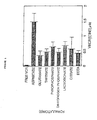
- Figure 1 displays the amount of vincristine taken up in the tumor of mice using neutral liposomes.
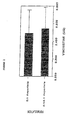
- Figure 2 displays the amount of vincristine taken up in the tumors of mice using negatively charge liposomes.
- liposome refers to unilamellar vesicles or multilamellar vesicles such as described in U.S. Patent 4,753,788 and 4,935,171.
- Liposomes are formed by first forming a spray dried powder of a phosphatidylcholine (PC) and cholesterol (CHOL) in a molar ratio of about 2:1.
- the preferred phosphatidylcholine is distearoyl phosphatidylcholine (DSPC).
- DSPC distearoyl phosphatidylcholine
- Other PCs may be used such as a phosphatidylcholine having a carbon chain length of from 14-20, preferably 16-18 carbon atoms.
- Such phosphatidylcholines include dilaurylphosphatidylcholine (DLPC), dipalmitoylphosphatidylcholine (DPPC), and dimiristoylphosphatidylcholine (DMPC).
- the anion is selected from either an organic salt or an inorganic salt.
- Preferred anions include glutamate, tartrate, phosphate, EDTA, succinate, aspartate, pyrophosphate, lactobionate, citrate, and sulfate.
- the most preferred anions are lactobionate and aspartate, the most preferred being aspartate.
- Vincristine (Vcr) containing liposomes were prepared by ion exchange loading processes in which the salt of a negative counterion (a lipid-membrane-impermeable species of charge opposite to Vcr) and a small molecular weight, positive exchange-ion (lipid-membrane-permeable) are first entrapped within the vesicle. During the entrapment process, the exchange ion escapes from the liposomes in exchange for Vcr. Vcr enters the liposomes, gaining charge balance and forming a salt with the counterion. Selection of a counterion for Vcr entrapment is dependent upon several considerations including: 1) physiological acceptability; 2) buffering at a pH acceptable for Vcr stability; and 3) ability to retain the entrapped Vcr within the liposomes.
- a negative counterion a lipid-membrane-impermeable species of charge opposite to Vcr
- positive exchange-ion
- the invention enables the administration to a patient of a therapeutic effective amount of liposome having an internal aqueous space with a defined pH and comprised of a phosphatidylcholine and cholesterol in a molar ratio of about 2:1 and having a median size of less than 100 nm wherein the liposomes further comprise a cationic vinca alkaloid and an anion of low membrane permeability within the aqueous phase.
- the liposome further comprises a negatively charged lipid for further enhancing tumor up-take and vesicle stability.
- Further preferred embodiments include negatively charged liposomes comprised of a cationic alkaloid and an anion of low membrane permeability within an aqueous phase of the liposome wherein the lipid to alkaloid ratio (w/w) is between about 1:200 and 1:50, the most preferred range at about 1:100 to about 1:150, the preferred being about 1:100. However, when methylammonium is used, the preferred ratio is about 1:150.
- the negatively charged liposomes comprise DSPC, CHOL, and a negatively charged lipid in a ratio of about 2:1:0.01 to about 2:1:0.5.
- the preferred negatively charged lipid consists of a phosphatidylglycerol having a carbon chain length of from 16-20 including dilaurylphosphatidylglycerol (DLPG), dimyristoylphosphatidylglycerol (DMPG), distearoyl phosphatidylglycerol (DSPG), and dipalmitoylphosphatidylglycerol (DPPG).
- DLPG dilaurylphosphatidylglycerol
- DMPG dimyristoylphosphatidylglycerol
- DSPG distearoyl phosphatidylglycerol
- DPPG dipalmitoylphosphatidylglycerol
- the preferred formulation is DSPC:CHOL:DSPG in a molar ratio of 2:1:0.1.
- the invention enables a preferred method which provides for the enhancement of tumor targeting and uptake by the delivery of a therapeutic amount of liposomes to a mammal including humans wherein the liposomes have an internal aqueous space with a defined pH and comprised of DSPC:CHOL:DSPG in a mole ratio of about 2:1:0.1 and further having a median size of less than 100 nm and preferably between 30-70 nm wherein the liposomes further comprise vincristine and aspartate wherein the lipid to vincristine ratio is preferably 1:100 and the pH of the internal aqueous is between about 5.0-6.0, preferably at about 5.0 wherein the liposomes retain their contents for a period greater than 20 weeks at 4°C.
- the preferred negatively charged formulations are surprisingly more efficacious than their neutral counterparts.
- the counterion may also affect interactions between the drug and the lipid membrane, altering stability (leakage) while in the circulation or biodistribution at the tissue or subcellular levels.
- the pharmacological effects may be more complex to elucidate.
- Significant synergistic or antagonistic effects may occur if the counterion is a chelator, amino acid, metabolite or if has an effect upon cellular metabolism at the delivery site.
- This example details the entrapment of vincristine into neutral vesicles, e.g., distearoylphosphatidylcholine:cholesterol, 2:1 molar ratio.
- This example further details the efficacy of neutral liposomes.
- Vesicles were prepared by hydrating approximately 500 mg of sprayed-dried lipids, DSPC:CHOL (2:1, mole ratio), at 65°C with either a buffer containing the ammonium salt of one of the counterions or 300 mM sucrose. The lipid concentration was approximately 100 mg/ml.
- the hydrating buffers consisted of (1) 150 mM ammonium glutamate; (2) 100 mM ammonium tartrate; (3) 150 mM ammonium dihydrogen pyrophosphate; (4) 150 mM ammonium aspartate; (5) 100 mM ammonium ethylenediaminetetraacetic acid; (6) 100mM ammonium succinate; (7) 100 mM ammonium pyrophosphate; (8) 150 mM concentration ammonium lactobionate; (9) 75 mM ammonium citrate; and (10) ammonium sulfate.
- the hydrated lipids were sonicated at 65°C for about 20 minutes with a probe sonicator.
- the vesicles were annealed for 10 minutes at 65°C, cooled to room temperature (RT), centrifuged 10 minutes at 3500 RPM, and subjected to a buffer exchange by gel filtration on a 60 cm G50-80 Sephadex column previously equilibrated with unbuffered 300 mM sucrose. Concentration of the lipids was determined by HPLC. The liposomes were then stored at room temperature overnight.
- Vcr was added as an aqueous solution of its sulfate salt to the preformed liposomes yielding a drug to phospholipid ratio of 1 mg Vcr to 40-50 mg of phospholipid.
- the pH of the solution was adjusted to 7 with IN NaOH.
- the resulting solution was incubated for 10 minutes at 65°C.
- Unentrapped Vcr was removed by gel filtration on a Sephadex G50-80 column and the liposomal vcr was sterile-filtered.
- Vcr concentrations were determined by either a UV spectrophotometric assay or by HPLC. The vesicle characteristics are displayed in Table 1.
- Vcr Vesicle Characteristics Counterion %Vcr pH Vcr (mg/ml) HPLC Lipid: Vcr LSI Diameter (nm) Glutamate 84.2 6.99 0.303 56.0 3.7 46 Tartrate 90.9 7.02 0.366 51.5 4.3 54 Dihyrogen phosphate 81.4 7.12 0.270 58.6 4.4 45 Aspartate 80.5 7.23 0.298 54.1 4.2 49 EDTA 79.7 7.38 0.312 53.9 4.2 51 Succinate 19.1 7.13 0.054 228.5 2.9 257 Pyrophosphate 67.7 7.30 0.243 65.4 3.6 45 Lactobionate 90.3 7.41 0.335 48.6 4.5 55 Citrate 87.8 7.24 0.305 51.4 4.8 50 Sulfate 49.8 7.31 0.191 82.4 3.3 54 Sucrose NA 5.85 NA NA 3.8 40 One hundred thirteen CD 2 F 1 female mice born on 10/15/92 were received on 11/24/92 from Charles River.
- Lymphosarcoma tumor cells (P1798, Dr. Joseph Mayo of the Tumour Repository in the Division of Cancer Treatment, NIH) were implanted (1 x 10 6 intradermally) into their right flanks on day 0. The mice were randomized into 11 treatment groups and therapy was initiated four days after tumor implantation.
- the chemotherapeutic treatment groups consisted of free Vcr and nine vesicle-Vcr formulations (Vcr salts of glutamate, tartrate, hydrogen diphosphate, aspartate, EDTA, succinate, pyrophosphate, lactobionate, and citrate). Dosing was at 2.5 mg/kg.
- Tumor-bearing untreated controls received a treatment of 300 mM sucrose in a volume equivalent to the experimental groups.
- the percent increase in life span (% ILS) was defined as 100(median day of death of experimental group minus the median death of the control group) divided by the median day of death of the controls and the percent increase in survival (% T/C) was calculated as 100 x (average day of death of the experimental group divided by the average day of death of the control group).
- the median survival time (MSI) and the average survival time (AST) are displayed in Table 2. Survival time was recorded for each mouse and monitored for 27 days.
- the tumor size of the untreated controls is approximately 4.7 times the size of the average of the liposomal treatment groups by day 5 and increases to 34 times by day 11.
- the average tumor size of the free Vcr treatment group is twice the size of the liposomal group and increases to 18.6 times for the same time period.
- Vesicle stability was monitored over time at 4°C using the following parameters: (1) drug retention, (2) drug degradation, (3) vesicle turbidity, and (4) vesicle diameter.
- Drug retention was determined after passing 0.5 ml of liposomes over a PD-10 G25 column wherein the Vcr-entrapped vesicles were collected and assayed.
- the vesicle diameters and the light scattering index (LSI) were measured. Values less than 4.0 could reveal the presence of fused, flocculated, or aggregated vesicles, resulting in a higher turbidity.
- Vcr egress and integrity were assessed monthly. At zero time Vcr integrity ranged from 94.7 to 100.0 percent, and the lipid to drug ratio ranged from 48.6 to 82.36 except for Vcr-succinate which was 228.5.
- the median diameter of the major peak ranged from 45 to 55 nm for all vesicle preps except the succinate formulation.
- Five vesicle formulations displayed unimodal distributions.
- Six vesicle preps (tartrate, dihydrogen phosphate, aspartate, EDTA, lactobionate and citrate) displayed LSI values greater than four; three formulations had LSIs greater than 3 and the succinate formulation registered 2.9.
- the median diameter of the major peak ranged from 53 to 60 nm, the succinate prep now registered 93 nm.
- This experiment details the tumor uptake of a neutral liposome formulation containing Vcr.
- Empty vesicles were prepared as in Example 1 using the following counterions: aspartate, glutamate, tartrate, pyrophosphate, dihydrogen phosphate, lactobionate, and citrate.
- Vcr liposomes were prepared as in Example 1.
- Example 1 The animal studies were conducted as in Example 1 except that treatment began six days after tumor implantation. Further, fifty-five animals were used with 3-5 animals per study group.
- Tumor tissues were processed according to the Pharmaceutics Protocol of August 1985 with one exception-processed tissues were assayed for radioactivity in a LKB Wallac 1219 Rackbeta Liquid Scintillation counter using a Bioflour quench curve for blood samples and an Econoflour quenc curve consisting of a tissue matrix for solid tissues. The results are displayed in Figure 1.
- aspartic acid appeared to produce the greatest 24 hour accumulation of Vcr at the tumor site. Compared to free Vcr, aspartate resulted in more than 30-fold greater levels of drug in tumor at 24 h. Other counterions produced about a 10 to 15-fold increase in tumor Vcr levels relative to free drug.
- Liposomes were prepared as in Examples 1 & 2 using the following counterions: lactobionate, aspartate, dihydrogen phosphate, glutamate, and tartrate.
- the prepared vesicles were tested at lipid:drug molar ratios of 50:1 and 100:1. The results indicated that decreased toxicity occurred at higher lipid to drug ratio but that the efficacy was comparable.
- the liposomal formulations provided a superior product it was desirable that a liposome formula be developed that would allow for less aggregation on storage.
- the neutral liposomes began to slowly aggregate evidenced by a decrease in their LSI and an increase in median size or the growth of a second peak with larger diameter.
- a negatively charged lipid, distearoylphosphatidylglycerol (DSPG) was included in the liposomes as a means for preventing aggregation. It was surprisingly found that not only did the negatively charged liposomes not aggregate, but they showed superior efficacy than the neutral liposomes.
- DSPC:Chol (2:1) was hydrated in methyl ammonium aspartate (2000 mg lipid per 15 ml buffer) and sonicated 55-60 minutes at 65°C.
- the vesicles were annealed for ten minutes at 65°C and cooled slowly to ambient temperature after which the vesicles were centrifuged at 1500 x g.
- An aliquot (0.1 ml) of these vesicles was diluted 50 % in methanol and the resulting mixture was spun for two minutes at 1.4 x 10 4 x g. Aliquots from the organic and aqueous phases were spotted on Kieselgel F254 TLC plates and developed in chloroform:methanol: ammonium hydroxide (60:30:9 (5 %)).
- Unentrapped buffer was removed by elution of a 12 ml volume of these vesicles using a 120 cm 3 (1 cm radius) Sephadex G-50 gel permeation column previously equilibrated with 300 mM sucrose.
- Vesicle suspension conductivity (11 ⁇ MHO) was measured with a YSI 35 Conductance meter. The vesicle sample was sterilized through a 0.2 ⁇ m pore filter and stored at room temperature until completion of Vcr loading, Vcr loading was performed at 64°C for 10 minutes.
- DSPC:Chol:DSPG (2:1:0.1) vesicles were prepared as above except that unentrapped counterion was removed by gel filtration on 10 cm 3 PD-10 columns previously equilibrated with 300 mM sucrose. Aliquots (0.5 ml) were added to the columns and the vesicle fractions were collected. Two major fractions were collected and their conductivity measured at 16 and 726 ⁇ MHO respectively. To further reduce the unentrapped counterion concentration, one-half of the 726 ⁇ MHO sample was passed over a 90 cm 3 column (1 cm radius) prepared from the neutral Agarose resin. Fractions were collected and their conductivities measured.
- Vcr free base was added to the preformed phospholipid vesicles to yield a lipid to drug ratio of 150:1 (w/w).
- Loading was performed at 64°C for 10 minutes.
- Unentrapped Vcr was removed from the sonicated preparations by gel filtration using a Sephadex G50 Medium for the neutral formulation and A-5m for the charged formulation.
- the bed volume to vesicle preparation ratio ranged from 4 to 5. All preparations were diluted between 2.5 and 3. Unentrapped Vcr was removed from the homogenized preparations by ultrafiltration.
- Vcr (mg/ml) Lipid (mg/ml) Lipid Drug Vcr % (entrapped) pH LSI Median Diameter (nm) Mean Volume (nm) Charged 0.250 31.03 124 97.2 6.9 3.91 50.2 53.8 Neutral 0.087 11.99 138 112.3 6.1 3.60 59.3 67.3
- mice Female, CD 2 F 1 mice (Charles River) were divided into four treatment groups of seven mice each for the therapy groups and two groups of six mice each for the non-therapy control and conventional drug groups. The animals were implanted with P-1798 lymphosarcoma cells (1 x 10 6 ) into their right flanks four days prior to therapy. One dose level of conventional drug and two dose levels of Vcr liposomes (2.5 and 3.5 mg/kg) were administered intravenously four days after tumor implantation. Tumors were measured weekly with a caliper. All mice were monitored daily for survival. The results of the efficacy study are tabulated in Tables 5 & 6.
- Vcr treatment increased survival times over untreated controls (MST of 13 days). Mice receiving free Vcr lived 1.15 times longer than the controls. The MST of mice treated with the Vcr liposomes ranged from 16 to 18 days. Tumor volume increased 181.2% in the nontreated controls over a 4 day period (day 7 to day 11). None of the animals survived beyond 14 days. In contrast, free Vcr reduced tumor volume by forty-eight percent of untreated controls by day 7 and forty-five percent on day 11. Treatment with Vcr entrapped vesicles reduced or arrested tumor growth.
- Neutral vesicles were formed by hydrating a spray-dried powder of DSPC:Chol (2:1 molar ratio) in 150mM methyl ammonium lactobionate (2000 mg lipid per 15 ml buffer with the pH at about 5.7.
- the vesicles were sonicated 55-60 minutes at 65°C, annealed 10 minutes at 65°C, cooled slowly to ambient temperature, and centrifuged for 10 minutes at 1500 x g. Unentrapped buffer was removed by eluting 12 ml on a 120 cc Sephadex G-50 gel permeation column previously equilibrated with 300 mM sucrose.
- the vesicles were filtered through a 0.2 ⁇ pore filter and stored at room temperature.
- Charged vesicles comprised of DSPC:Chol:DSPG (2:1:0.1), were prepared as above except that unentrapped counterion was removed by gel filtration on 10 cc PD-10 columns (Sephadex G-25) previously equilibrated with 300 mM sucrose with the pH at about 5.5. Two major fractions were collected; their conductivities measured 16 and 726 ⁇ MHO, respectively. To further reduce the conductivity, one-half of the 726 ⁇ MHO sample was sized on a 90 cc column prepared from the neutral Agarose resin. Fractions were collected and their conductivities measured. The various fractions were pooled to form three conductivity groups (30, 66, and 726 ⁇ MHO, respectively), sterilized and stored at RT until completion of lipid analyses and Vcr loading.
- the loading process was initiated by evaporating methanol from 3 H Vcr (50 C i in 0.025 M H 2 SO 4 , pH 4.3, Lot B99) under a gentle stream of nitrogen and the residue was diluted to 200 ⁇ l with water for injection (WFI). Aliquots (5 ⁇ l) were diluted to 100 ⁇ l and three 5 ⁇ l aliquots were counted for total radioactivity on a 1219 Spectral LB Wallac Rack beta Liquid Scintillation Counter (LSC).
- LSC Liquid Scintillation Counter
- Radiolabeled Vcr (approximately 0.008 mg) was mixed with unlabeled Vcr (6.15 mg: from a solution containing 280 mg of Vcr from Ceres-lot VCU4/2B and 60 mg from Omni Chem, lot VCRS 252L); the Vcr specific activity was 1.623 x 10 7 DPM/mg at a Vcr concentration of 15.138 mg/ml.
- An aliquot of each empty vesicle preparation (200 mg) was mixed with 1.33 mg of 3 H Vcr in 88 ⁇ l. The resulting preparations were heated for 12 minutes at 65°C and cooled to ambient temperature.
- Free Vcr was removed from each sample by gel filtration on A-5m columns. The bed to vesicle volume ratio was 5 to 1. Three vesicle fractions were collected and aliquots were counted; greater than 97 % of the radiolabeled Vcr was associated with fraction 2. Vcr entrapment measured between 46.4 to 77.9 %. These samples were sterilized and the Vcr content remeasured by liquid scintillation counting. Vcr concentrations ranged between 0.068 and 0.152 mg/ml. The LSI, diameter and pH were measured three months after preparation.
- mice In the animal studies, thirty-two female CD2F, mice (Charles River, Wilmington, Delaware) were divided into two treatment groups of eight mice for vesicle therapy. Lymphosarcoma tumor cells (P-1798) were implanted six days prior to therapy. The animals were shaved and 10 6 cells were implanted intradermally into the right flank. Vesicle-entrapped Vcr was administered intravenously six days post tumor implantation. Mice with tumors between 50 to 100 mg and weighing between 17.2 and 23.6 grams were dosed at 2.5 mg/kg every three minutes. That dose was equivalent to 50 ng Vcr (7-9 x 10 5 DPM) in 320-740 ⁇ l per 20 gram mouse.
- mice were sacrificed by cervical dislocation twenty-four hours following injections. The mice were then dissected and tumors were excised for 3 H Vcr -derived residues. Tissue samples were processed as stated in the Pharmaceutics Protocol of August 1985 with one exception - all processed tissues were assayed for radioactivity in a LKB Wallac 1219 Sectral Rackbeta Liquid Scintillation Counter. See Figure 2.
- Negatively charged formulation was prepared as an example No. 4 using methol ammonium lactobionate in lipid:VCR ratios of 150:1, 100:1, and 50:1.
- the pH of final internal aqueous phase was adjusted from about pH 4 to about pH 9.
- the results are displayed in Table 7.
- % VCR Entrapped pH Lipid:Drug ( Molar Ratio) 150 100 50 4.0 74.6 57.8 37 4.5 68.8 73 49.8 5.0 80.9, 106 84.8 55.3 5.5 93.7 90.1 53.3 6.0 83.4, 83.2 80.1 57.9 6.5 87.3, 82 79 62.4 7.0 79.6 71 57.9 7.5 73.5 70.2 53.5 8.0 61.4 9.0 50.3
- Table 7 shows a maximum range of loading at a final pH from about 5.0 up to about 6.0 with the maximum loading at about pH 5.5.
Landscapes
- Health & Medical Sciences (AREA)
- Chemical & Material Sciences (AREA)
- General Health & Medical Sciences (AREA)
- Medicinal Chemistry (AREA)
- Pharmacology & Pharmacy (AREA)
- Life Sciences & Earth Sciences (AREA)
- Animal Behavior & Ethology (AREA)
- Public Health (AREA)
- Veterinary Medicine (AREA)
- Epidemiology (AREA)
- Dispersion Chemistry (AREA)
- Chemical Kinetics & Catalysis (AREA)
- General Chemical & Material Sciences (AREA)
- Nuclear Medicine, Radiotherapy & Molecular Imaging (AREA)
- Organic Chemistry (AREA)
- Medicinal Preparation (AREA)
- Pharmaceuticals Containing Other Organic And Inorganic Compounds (AREA)
- Nitrogen Condensed Heterocyclic Rings (AREA)
- Steroid Compounds (AREA)
Applications Claiming Priority (5)
| Application Number | Priority Date | Filing Date | Title |
|---|---|---|---|
| US26605994A | 1994-06-27 | 1994-06-27 | |
| US266059 | 1994-06-27 | ||
| US08/389,663 US5714163A (en) | 1994-06-27 | 1995-02-16 | Vinca alkaloid vesicles with enhanced efficacy and tumor targeting properties |
| US389663 | 1995-02-16 | ||
| PCT/US1995/008037 WO1996000057A1 (en) | 1994-06-27 | 1995-06-27 | Vinca-alkaloid vesicles with enhanced efficacy and tumor targeting properties |
Publications (2)
| Publication Number | Publication Date |
|---|---|
| EP0734252A1 EP0734252A1 (en) | 1996-10-02 |
| EP0734252B1 true EP0734252B1 (en) | 2003-04-16 |
Family
ID=26951608
Family Applications (1)
| Application Number | Title | Priority Date | Filing Date |
|---|---|---|---|
| EP95926111A Expired - Lifetime EP0734252B1 (en) | 1994-06-27 | 1995-06-27 | Vinca-alkaloid vesicles with enhanced efficacy and tumor targeting properties |
Country Status (9)
| Country | Link |
|---|---|
| US (2) | US5714163A (da) |
| EP (1) | EP0734252B1 (da) |
| AT (1) | ATE237311T1 (da) |
| AU (1) | AU684209B2 (da) |
| CA (1) | CA2191077C (da) |
| DE (1) | DE69530368T2 (da) |
| DK (1) | DK0734252T3 (da) |
| ES (1) | ES2197919T3 (da) |
| WO (1) | WO1996000057A1 (da) |
Families Citing this family (25)
| Publication number | Priority date | Publication date | Assignee | Title |
|---|---|---|---|---|
| US5714163A (en) * | 1994-06-27 | 1998-02-03 | Nexstar Pharmaceuticals, Inc. | Vinca alkaloid vesicles with enhanced efficacy and tumor targeting properties |
| US5876728A (en) * | 1995-02-15 | 1999-03-02 | Howard David Kass | Natural composition extracted from plants used in the treatment of cancer |
| US5800833A (en) * | 1995-02-27 | 1998-09-01 | University Of British Columbia | Method for loading lipid vesicles |
| US6740335B1 (en) * | 1997-09-16 | 2004-05-25 | Osi Pharmaceuticals, Inc. | Liposomal camptothecin formulations |
| US6120800A (en) * | 1997-09-25 | 2000-09-19 | Nexstar Pharmaceuticals, Inc. | Vinca-alkaloid vesicles with enhanced efficacy and tumor targeting properties |
| US6723338B1 (en) * | 1999-04-01 | 2004-04-20 | Inex Pharmaceuticals Corporation | Compositions and methods for treating lymphoma |
| US7311924B2 (en) | 1999-04-01 | 2007-12-25 | Hana Biosciences, Inc. | Compositions and methods for treating cancer |
| WO2000059473A1 (en) | 1999-04-01 | 2000-10-12 | Inex Pharmaceuticals Corp. | Compositions and methods for treating lymphoma |
| US7244450B2 (en) * | 1999-04-01 | 2007-07-17 | Inex Pharmaceuticals Corporation | Compositions and methods for treating lymphoma |
| EP1685843A1 (en) * | 1999-06-30 | 2006-08-02 | Ruey J. Dr. Yu | Oligosaccharide aldonic acids and their topical use |
| US7452545B2 (en) * | 2001-11-13 | 2008-11-18 | Yu Ruey J | Oligosaccharide aldonic acids and their topical use |
| US6335023B1 (en) | 1999-06-30 | 2002-01-01 | Ruey J. Yu | Oligosaccharide aldonic acids and their topical use |
| AU775373B2 (en) | 1999-10-01 | 2004-07-29 | Immunogen, Inc. | Compositions and methods for treating cancer using immunoconjugates and chemotherapeutic agents |
| AU2002244247B2 (en) | 2001-03-01 | 2007-12-13 | Harbor Biosciences, Inc. | Use of certain steroids for treatment of blood cell deficiencies |
| US20030082228A1 (en) * | 2001-05-09 | 2003-05-01 | Inex Pharmaceuticals Corporation | Anti-angiogenic therapy using liposome-encapsulated chemotherapeutic agents |
| US8980310B2 (en) * | 2002-12-31 | 2015-03-17 | Bharat Serums and Vaccines, Ltd. | Non-pegylated long-circulating liposomes |
| EP2471536A1 (en) | 2004-09-29 | 2012-07-04 | Harbor BioSciences, Inc. | Steroid analogs and characterization and treatment methods |
| US20070026061A1 (en) * | 2005-05-25 | 2007-02-01 | Nahid Ali | Liposomal formulation and use thereof |
| EP1932517A3 (en) * | 2006-12-11 | 2008-07-16 | Universiteit Utrecht Holding B.V. | Liposomes containing a polyphenol derivative such as caffeic acid and a method of post-loading thereof |
| PL387296A1 (pl) * | 2009-02-17 | 2010-08-30 | Instytut Farmaceutyczny | Sposób aktywnego zamykania amfifilowych substancji czynnych w strukturach liposomowych |
| US11458199B2 (en) * | 2012-08-21 | 2022-10-04 | Opko Pharmaceuticals, Llc | Liposome formulations |
| MX2015005992A (es) | 2012-11-20 | 2016-03-07 | Spectrum Pharmaceuticals Inc | Metodo mejorado para la preparacion de la vincristina liposomal encapsulada para el uso terapeutico. |
| TWI678213B (zh) | 2015-07-22 | 2019-12-01 | 美商史倍壯製藥公司 | 用於長春新鹼硫酸鹽脂質體注射之即可使用的調配物 |
| US11331272B2 (en) * | 2017-01-18 | 2022-05-17 | Temasek Life Sciences Laboratory Limited | Hyperstabilized liposomes increase targeting of mitotic cells |
| US10836788B2 (en) | 2019-02-05 | 2020-11-17 | SD Chem, Inc. | Aqueous suspension compositions, formulations, and water dispersible dry compositions comprising 16alpha-bromo-3beta-hydroxy-5alpha-androstan-17-ketone and hydrates, derivatives, and analogs thereof |
Family Cites Families (12)
| Publication number | Priority date | Publication date | Assignee | Title |
|---|---|---|---|---|
| CA1270198C (en) * | 1984-08-08 | 1990-06-12 | Marcel B Bally | ENCAPSULATION OF ANTINEOPLASTIC AGENTS IN LIPOSONES |
| US5019369A (en) * | 1984-10-22 | 1991-05-28 | Vestar, Inc. | Method of targeting tumors in humans |
| IE58981B1 (en) * | 1985-10-15 | 1993-12-15 | Vestar Inc | Anthracycline antineoplastic agents encapsulated in phospholipid micellular particles |
| JPH0714865B2 (ja) * | 1986-10-28 | 1995-02-22 | 武田薬品工業株式会社 | リポソ−ム製剤およびその製造法 |
| AU604288B2 (en) * | 1987-01-26 | 1990-12-13 | Vestar, Inc. | Phospholipid delivery vehicle for aqueous-insoluble active ingredients |
| IL91664A (en) * | 1988-09-28 | 1993-05-13 | Yissum Res Dev Co | Ammonium transmembrane gradient system for efficient loading of liposomes with amphipathic drugs and their controlled release |
| US5032401A (en) * | 1989-06-15 | 1991-07-16 | Alpha Beta Technology | Glucan drug delivery system and adjuvant |
| JP2880800B2 (ja) * | 1989-06-22 | 1999-04-12 | ネクスター・フアーマシユーテイカルズ・インコーポレイテツド | カプセル化方法 |
| US5322862A (en) * | 1990-05-22 | 1994-06-21 | Nippon Kayaku Kabushiki Kaisha | Resin molding composition for preventing gnawing damage by animals |
| JPH06511470A (ja) * | 1991-07-03 | 1994-12-22 | ネクスター・フアーマシユーテイカルズ・インコーポレイテツド | 薬剤を含むリポソームの調製における充填技術 |
| EP0661044A1 (en) * | 1991-07-03 | 1995-07-05 | NeXstar Pharmaceuticals, Inc. | Drug-containing liposomes |
| US5714163A (en) * | 1994-06-27 | 1998-02-03 | Nexstar Pharmaceuticals, Inc. | Vinca alkaloid vesicles with enhanced efficacy and tumor targeting properties |
-
1995
- 1995-02-16 US US08/389,663 patent/US5714163A/en not_active Expired - Lifetime
- 1995-06-27 ES ES95926111T patent/ES2197919T3/es not_active Expired - Lifetime
- 1995-06-27 AT AT95926111T patent/ATE237311T1/de active
- 1995-06-27 EP EP95926111A patent/EP0734252B1/en not_active Expired - Lifetime
- 1995-06-27 AU AU29984/95A patent/AU684209B2/en not_active Expired
- 1995-06-27 DK DK95926111T patent/DK0734252T3/da active
- 1995-06-27 CA CA002191077A patent/CA2191077C/en not_active Expired - Lifetime
- 1995-06-27 DE DE69530368T patent/DE69530368T2/de not_active Expired - Lifetime
- 1995-06-27 WO PCT/US1995/008037 patent/WO1996000057A1/en not_active Ceased
-
1997
- 1997-09-25 US US08/937,935 patent/US5888537A/en not_active Expired - Lifetime
Also Published As
| Publication number | Publication date |
|---|---|
| AU2998495A (en) | 1996-01-19 |
| DE69530368T2 (de) | 2003-12-18 |
| CA2191077A1 (en) | 1996-01-04 |
| ATE237311T1 (de) | 2003-05-15 |
| US5714163A (en) | 1998-02-03 |
| DK0734252T3 (da) | 2003-07-21 |
| US5888537A (en) | 1999-03-30 |
| CA2191077C (en) | 2008-02-05 |
| WO1996000057A1 (en) | 1996-01-04 |
| DE69530368D1 (de) | 2003-05-22 |
| AU684209B2 (en) | 1997-12-04 |
| EP0734252A1 (en) | 1996-10-02 |
| ES2197919T3 (es) | 2004-01-16 |
Similar Documents
| Publication | Publication Date | Title |
|---|---|---|
| EP0734252B1 (en) | Vinca-alkaloid vesicles with enhanced efficacy and tumor targeting properties | |
| CN100377704C (zh) | 脂质体制剂 | |
| US20050238706A1 (en) | Pharmaceutically active lipid based formulation of SN-38 | |
| CA2193502C (en) | Sphingosomes for enhanced drug delivery | |
| US5814335A (en) | Sphingosomes for enhanced drug delivery | |
| KR100869824B1 (ko) | Sn-38 지질 복합체 및 사용 방법 | |
| Harrington et al. | Liposomes as vehicles for targeted therapy of cancer. Part 1: preclinical development | |
| US7311924B2 (en) | Compositions and methods for treating cancer | |
| JP4990786B2 (ja) | 薬物リポソーム製剤を安定化するための組成物および方法 | |
| JP6941606B2 (ja) | 安定化カンプトテシン医薬組成物 | |
| US8709474B2 (en) | Liposomes with improved drug retention for treatment of cancer | |
| US6120800A (en) | Vinca-alkaloid vesicles with enhanced efficacy and tumor targeting properties | |
| Zucker et al. | Optimization of vincristine–topotecan combination—Paving the way for improved chemotherapy regimens by nanoliposomes | |
| AU2002246510A1 (en) | SN-38 lipid complexes and methods of use | |
| US20230108934A1 (en) | Stabilizing Camptothecin Pharmaceutical Compositions | |
| Kim et al. | Hydrochloric Acid for Intracavitary Chemotherapy 1, 2 | |
| US20030124180A1 (en) | Liposomes containing active substances | |
| US20010051183A1 (en) | Liposomes with enhanced circulation time and method of treatment | |
| Gokhale et al. | Development and therapeutic application of liposomal amphotericin B | |
| MXPA01003796A (en) | Liposome-entrapped topoisomerase inhibitors |
Legal Events
| Date | Code | Title | Description |
|---|---|---|---|
| PUAI | Public reference made under article 153(3) epc to a published international application that has entered the european phase |
Free format text: ORIGINAL CODE: 0009012 |
|
| 17P | Request for examination filed |
Effective date: 19960607 |
|
| AK | Designated contracting states |
Kind code of ref document: A1 Designated state(s): AT BE CH DE DK ES FR GB GR IE IT LI LU MC NL PT SE |
|
| RAP1 | Party data changed (applicant data changed or rights of an application transferred) |
Owner name: NEXSTAR PHARMACEUTICALS, INC. |
|
| RIN1 | Information on inventor provided before grant (corrected) |
Inventor name: HAIR, DENNISS Inventor name: COX, GERRY W. Inventor name: FORSSEN, ERIC |
|
| 17Q | First examination report despatched |
Effective date: 19990809 |
|
| GRAH | Despatch of communication of intention to grant a patent |
Free format text: ORIGINAL CODE: EPIDOS IGRA |
|
| GRAH | Despatch of communication of intention to grant a patent |
Free format text: ORIGINAL CODE: EPIDOS IGRA |
|
| GRAA | (expected) grant |
Free format text: ORIGINAL CODE: 0009210 |
|
| AK | Designated contracting states |
Designated state(s): AT BE CH DE DK ES FR GB GR IE IT LI LU MC NL PT SE |
|
| REG | Reference to a national code |
Ref country code: GB Ref legal event code: FG4D |
|
| BECA | Be: change of holder's address |
Owner name: *GILEAD SCIENCES, INC.333 LAKESIDE DRIVE, FOSTER C Effective date: 20030416 |
|
| BECH | Be: change of holder |
Owner name: *GILEAD SCIENCES, INC. Effective date: 20030416 |
|
| REG | Reference to a national code |
Ref country code: CH Ref legal event code: EP |
|
| REF | Corresponds to: |
Ref document number: 69530368 Country of ref document: DE Date of ref document: 20030522 Kind code of ref document: P |
|
| REG | Reference to a national code |
Ref country code: IE Ref legal event code: FG4D |
|
| PG25 | Lapsed in a contracting state [announced via postgrant information from national office to epo] |
Ref country code: IE Free format text: LAPSE BECAUSE OF NON-PAYMENT OF DUE FEES Effective date: 20030627 |
|
| PG25 | Lapsed in a contracting state [announced via postgrant information from national office to epo] |
Ref country code: MC Free format text: LAPSE BECAUSE OF NON-PAYMENT OF DUE FEES Effective date: 20030630 |
|
| PG25 | Lapsed in a contracting state [announced via postgrant information from national office to epo] |
Ref country code: PT Free format text: LAPSE BECAUSE OF FAILURE TO SUBMIT A TRANSLATION OF THE DESCRIPTION OR TO PAY THE FEE WITHIN THE PRESCRIBED TIME-LIMIT Effective date: 20030716 Ref country code: GR Free format text: LAPSE BECAUSE OF FAILURE TO SUBMIT A TRANSLATION OF THE DESCRIPTION OR TO PAY THE FEE WITHIN THE PRESCRIBED TIME-LIMIT Effective date: 20030716 |
|
| REG | Reference to a national code |
Ref country code: DK Ref legal event code: T3 |
|
| REG | Reference to a national code |
Ref country code: SE Ref legal event code: TRGR |
|
| REG | Reference to a national code |
Ref country code: ES Ref legal event code: PC2A |
|
| ET | Fr: translation filed | ||
| REG | Reference to a national code |
Ref country code: ES Ref legal event code: FG2A Ref document number: 2197919 Country of ref document: ES Kind code of ref document: T3 |
|
| PLBE | No opposition filed within time limit |
Free format text: ORIGINAL CODE: 0009261 |
|
| STAA | Information on the status of an ep patent application or granted ep patent |
Free format text: STATUS: NO OPPOSITION FILED WITHIN TIME LIMIT |
|
| 26N | No opposition filed |
Effective date: 20040119 |
|
| REG | Reference to a national code |
Ref country code: IE Ref legal event code: MM4A |
|
| PGFP | Annual fee paid to national office [announced via postgrant information from national office to epo] |
Ref country code: GB Payment date: 20140627 Year of fee payment: 20 |
|
| PGFP | Annual fee paid to national office [announced via postgrant information from national office to epo] |
Ref country code: LU Payment date: 20140702 Year of fee payment: 20 Ref country code: IT Payment date: 20140625 Year of fee payment: 20 Ref country code: AT Payment date: 20140603 Year of fee payment: 20 Ref country code: CH Payment date: 20140627 Year of fee payment: 20 Ref country code: ES Payment date: 20140626 Year of fee payment: 20 |
|
| PGFP | Annual fee paid to national office [announced via postgrant information from national office to epo] |
Ref country code: DK Payment date: 20140625 Year of fee payment: 20 |
|
| PGFP | Annual fee paid to national office [announced via postgrant information from national office to epo] |
Ref country code: NL Payment date: 20140626 Year of fee payment: 20 Ref country code: BE Payment date: 20140630 Year of fee payment: 20 Ref country code: DE Payment date: 20140627 Year of fee payment: 20 |
|
| PGFP | Annual fee paid to national office [announced via postgrant information from national office to epo] |
Ref country code: SE Payment date: 20140627 Year of fee payment: 20 Ref country code: FR Payment date: 20140617 Year of fee payment: 20 |
|
| REG | Reference to a national code |
Ref country code: DE Ref legal event code: R071 Ref document number: 69530368 Country of ref document: DE |
|
| REG | Reference to a national code |
Ref country code: DK Ref legal event code: EUP Effective date: 20150627 |
|
| REG | Reference to a national code |
Ref country code: CH Ref legal event code: PL |
|
| REG | Reference to a national code |
Ref country code: NL Ref legal event code: V4 Effective date: 20150627 |
|
| REG | Reference to a national code |
Ref country code: GB Ref legal event code: PE20 Expiry date: 20150626 |
|
| PG25 | Lapsed in a contracting state [announced via postgrant information from national office to epo] |
Ref country code: GB Free format text: LAPSE BECAUSE OF EXPIRATION OF PROTECTION Effective date: 20150626 |
|
| REG | Reference to a national code |
Ref country code: SE Ref legal event code: EUG |
|
| REG | Reference to a national code |
Ref country code: AT Ref legal event code: MK07 Ref document number: 237311 Country of ref document: AT Kind code of ref document: T Effective date: 20150627 |
|
| REG | Reference to a national code |
Ref country code: ES Ref legal event code: FD2A Effective date: 20151002 |
|
| PG25 | Lapsed in a contracting state [announced via postgrant information from national office to epo] |
Ref country code: ES Free format text: LAPSE BECAUSE OF EXPIRATION OF PROTECTION Effective date: 20150628 |