EP0701604B1 - Immortalization of denditric cells with v-myc oncogene - Google Patents
Immortalization of denditric cells with v-myc oncogene Download PDFInfo
- Publication number
- EP0701604B1 EP0701604B1 EP94917670A EP94917670A EP0701604B1 EP 0701604 B1 EP0701604 B1 EP 0701604B1 EP 94917670 A EP94917670 A EP 94917670A EP 94917670 A EP94917670 A EP 94917670A EP 0701604 B1 EP0701604 B1 EP 0701604B1
- Authority
- EP
- European Patent Office
- Prior art keywords
- cells
- dendritic cells
- cell
- retroviral vector
- immortalized
- Prior art date
- Legal status (The legal status is an assumption and is not a legal conclusion. Google has not performed a legal analysis and makes no representation as to the accuracy of the status listed.)
- Expired - Lifetime
Links
- 108700024542 myc Genes Proteins 0.000 title claims description 12
- 210000004443 dendritic cell Anatomy 0.000 claims abstract description 89
- 108091007433 antigens Proteins 0.000 claims abstract description 45
- 102000036639 antigens Human genes 0.000 claims abstract description 45
- 239000000427 antigen Substances 0.000 claims abstract description 44
- 210000001744 T-lymphocyte Anatomy 0.000 claims abstract description 30
- 238000000034 method Methods 0.000 claims abstract description 30
- 230000008569 process Effects 0.000 claims abstract description 9
- 210000004027 cell Anatomy 0.000 claims description 141
- 239000013598 vector Substances 0.000 claims description 35
- 230000001177 retroviral effect Effects 0.000 claims description 34
- 241001430294 unidentified retrovirus Species 0.000 claims description 23
- 241000700605 Viruses Species 0.000 claims description 21
- 238000004806 packaging method and process Methods 0.000 claims description 12
- 238000001890 transfection Methods 0.000 claims description 11
- 210000000987 immune system Anatomy 0.000 claims description 10
- 241001529936 Murinae Species 0.000 claims description 9
- 210000002540 macrophage Anatomy 0.000 claims description 9
- 231100000590 oncogenic Toxicity 0.000 claims description 6
- 230000002246 oncogenic effect Effects 0.000 claims description 6
- 210000001821 langerhans cell Anatomy 0.000 claims description 5
- 210000001185 bone marrow Anatomy 0.000 claims description 4
- 210000002615 epidermis Anatomy 0.000 claims description 4
- 210000005259 peripheral blood Anatomy 0.000 claims description 4
- 239000011886 peripheral blood Substances 0.000 claims description 4
- 230000003325 follicular Effects 0.000 claims description 3
- 210000001280 germinal center Anatomy 0.000 claims description 3
- 210000005210 lymphoid organ Anatomy 0.000 claims description 3
- 238000012761 co-transfection Methods 0.000 claims description 2
- 102000003886 Glycoproteins Human genes 0.000 claims 1
- 108090000288 Glycoproteins Proteins 0.000 claims 1
- 210000000285 follicular dendritic cell Anatomy 0.000 claims 1
- 210000003535 interstitial dendritic cell Anatomy 0.000 claims 1
- 238000001727 in vivo Methods 0.000 abstract description 18
- 238000000338 in vitro Methods 0.000 abstract description 16
- 230000004913 activation Effects 0.000 abstract description 8
- 238000001994 activation Methods 0.000 abstract description 8
- 238000004519 manufacturing process Methods 0.000 abstract description 3
- 108090000623 proteins and genes Proteins 0.000 description 44
- 102000004169 proteins and genes Human genes 0.000 description 24
- 102100033868 Cannabinoid receptor 1 Human genes 0.000 description 22
- 210000000612 antigen-presenting cell Anatomy 0.000 description 21
- 230000028993 immune response Effects 0.000 description 17
- 230000003612 virological effect Effects 0.000 description 17
- 108700020796 Oncogene Proteins 0.000 description 16
- 108090000765 processed proteins & peptides Proteins 0.000 description 11
- 239000000047 product Substances 0.000 description 11
- 108700018351 Major Histocompatibility Complex Proteins 0.000 description 10
- 102000004196 processed proteins & peptides Human genes 0.000 description 10
- 230000004044 response Effects 0.000 description 9
- 230000004936 stimulating effect Effects 0.000 description 9
- 241000699666 Mus <mouse, genus> Species 0.000 description 8
- 238000004458 analytical method Methods 0.000 description 8
- 208000010247 contact dermatitis Diseases 0.000 description 8
- 239000013612 plasmid Substances 0.000 description 8
- 239000000523 sample Substances 0.000 description 8
- 230000020382 suppression by virus of host antigen processing and presentation of peptide antigen via MHC class I Effects 0.000 description 8
- 108091032973 (ribonucleotides)n+m Proteins 0.000 description 7
- 241000271566 Aves Species 0.000 description 7
- 108020004414 DNA Proteins 0.000 description 7
- 102000043276 Oncogene Human genes 0.000 description 7
- 230000001404 mediated effect Effects 0.000 description 7
- 229920001184 polypeptide Polymers 0.000 description 7
- NWIBSHFKIJFRCO-WUDYKRTCSA-N Mytomycin Chemical compound C1N2C(C(C(C)=C(N)C3=O)=O)=C3[C@@H](COC(N)=O)[C@@]2(OC)[C@@H]2[C@H]1N2 NWIBSHFKIJFRCO-WUDYKRTCSA-N 0.000 description 6
- 230000001580 bacterial effect Effects 0.000 description 6
- 239000012634 fragment Substances 0.000 description 6
- 230000014509 gene expression Effects 0.000 description 6
- 230000001939 inductive effect Effects 0.000 description 6
- 208000015181 infectious disease Diseases 0.000 description 6
- 230000003834 intracellular effect Effects 0.000 description 6
- 239000002609 medium Substances 0.000 description 6
- 238000007799 mixed lymphocyte reaction assay Methods 0.000 description 6
- 244000052769 pathogen Species 0.000 description 6
- 210000004989 spleen cell Anatomy 0.000 description 6
- 210000001519 tissue Anatomy 0.000 description 6
- 241000699670 Mus sp. Species 0.000 description 5
- 206010028980 Neoplasm Diseases 0.000 description 5
- 230000008901 benefit Effects 0.000 description 5
- 239000006285 cell suspension Substances 0.000 description 5
- 230000012010 growth Effects 0.000 description 5
- 230000003993 interaction Effects 0.000 description 5
- 239000003550 marker Substances 0.000 description 5
- YBJHBAHKTGYVGT-ZKWXMUAHSA-N (+)-Biotin Chemical compound N1C(=O)N[C@@H]2[C@H](CCCCC(=O)O)SC[C@@H]21 YBJHBAHKTGYVGT-ZKWXMUAHSA-N 0.000 description 4
- 101150039798 MYC gene Proteins 0.000 description 4
- 102100037283 Neuromedin-B receptor Human genes 0.000 description 4
- 238000004113 cell culture Methods 0.000 description 4
- 230000000694 effects Effects 0.000 description 4
- MHMNJMPURVTYEJ-UHFFFAOYSA-N fluorescein-5-isothiocyanate Chemical group O1C(=O)C2=CC(N=C=S)=CC=C2C21C1=CC=C(O)C=C1OC1=CC(O)=CC=C21 MHMNJMPURVTYEJ-UHFFFAOYSA-N 0.000 description 4
- 230000002068 genetic effect Effects 0.000 description 4
- 239000001963 growth medium Substances 0.000 description 4
- 239000000463 material Substances 0.000 description 4
- 230000007246 mechanism Effects 0.000 description 4
- 102000005962 receptors Human genes 0.000 description 4
- 108020003175 receptors Proteins 0.000 description 4
- 230000010076 replication Effects 0.000 description 4
- 238000012216 screening Methods 0.000 description 4
- 210000002966 serum Anatomy 0.000 description 4
- 239000000243 solution Substances 0.000 description 4
- 230000001131 transforming effect Effects 0.000 description 4
- 238000002255 vaccination Methods 0.000 description 4
- 241000588724 Escherichia coli Species 0.000 description 3
- 241000282414 Homo sapiens Species 0.000 description 3
- 108010052285 Membrane Proteins Proteins 0.000 description 3
- 241001045988 Neogene Species 0.000 description 3
- 238000000636 Northern blotting Methods 0.000 description 3
- 239000002671 adjuvant Substances 0.000 description 3
- 230000000890 antigenic effect Effects 0.000 description 3
- 230000001413 cellular effect Effects 0.000 description 3
- 239000003153 chemical reaction reagent Substances 0.000 description 3
- 238000010276 construction Methods 0.000 description 3
- 239000003102 growth factor Substances 0.000 description 3
- 230000006698 induction Effects 0.000 description 3
- 210000000265 leukocyte Anatomy 0.000 description 3
- 210000004698 lymphocyte Anatomy 0.000 description 3
- 108020004999 messenger RNA Proteins 0.000 description 3
- 229960004857 mitomycin Drugs 0.000 description 3
- 238000010369 molecular cloning Methods 0.000 description 3
- 101150091879 neo gene Proteins 0.000 description 3
- 239000002245 particle Substances 0.000 description 3
- 238000002360 preparation method Methods 0.000 description 3
- 230000035755 proliferation Effects 0.000 description 3
- 230000001105 regulatory effect Effects 0.000 description 3
- 238000005406 washing Methods 0.000 description 3
- DGVVWUTYPXICAM-UHFFFAOYSA-N β‐Mercaptoethanol Chemical compound OCCS DGVVWUTYPXICAM-UHFFFAOYSA-N 0.000 description 3
- LOTKRQAVGJMPNV-UHFFFAOYSA-N 1-fluoro-2,4-dinitrobenzene Chemical compound [O-][N+](=O)C1=CC=C(F)C([N+]([O-])=O)=C1 LOTKRQAVGJMPNV-UHFFFAOYSA-N 0.000 description 2
- NHBKXEKEPDILRR-UHFFFAOYSA-N 2,3-bis(butanoylsulfanyl)propyl butanoate Chemical compound CCCC(=O)OCC(SC(=O)CCC)CSC(=O)CCC NHBKXEKEPDILRR-UHFFFAOYSA-N 0.000 description 2
- OVOJUAKDTOOXRF-UHFFFAOYSA-N 2,4-dinitrobenzenesulfonic acid Chemical compound OS(=O)(=O)C1=CC=C([N+]([O-])=O)C=C1[N+]([O-])=O OVOJUAKDTOOXRF-UHFFFAOYSA-N 0.000 description 2
- CSCPPACGZOOCGX-UHFFFAOYSA-N Acetone Chemical compound CC(C)=O CSCPPACGZOOCGX-UHFFFAOYSA-N 0.000 description 2
- NLXLAEXVIDQMFP-UHFFFAOYSA-N Ammonia chloride Chemical compound [NH4+].[Cl-] NLXLAEXVIDQMFP-UHFFFAOYSA-N 0.000 description 2
- 241000713826 Avian leukosis virus Species 0.000 description 2
- 241000713838 Avian myeloblastosis virus Species 0.000 description 2
- 241000713842 Avian sarcoma virus Species 0.000 description 2
- 241000894006 Bacteria Species 0.000 description 2
- 241000714266 Bovine leukemia virus Species 0.000 description 2
- 238000011740 C57BL/6 mouse Methods 0.000 description 2
- 241000283153 Cetacea Species 0.000 description 2
- 108090000695 Cytokines Proteins 0.000 description 2
- 238000011765 DBA/2 mouse Methods 0.000 description 2
- 241000714165 Feline leukemia virus Species 0.000 description 2
- 241000714174 Feline sarcoma virus Species 0.000 description 2
- 241000714475 Fujinami sarcoma virus Species 0.000 description 2
- 108700028146 Genetic Enhancer Elements Proteins 0.000 description 2
- 108010002350 Interleukin-2 Proteins 0.000 description 2
- ZDXPYRJPNDTMRX-VKHMYHEASA-N L-glutamine Chemical compound OC(=O)[C@@H](N)CCC(N)=O ZDXPYRJPNDTMRX-VKHMYHEASA-N 0.000 description 2
- 239000006142 Luria-Bertani Agar Substances 0.000 description 2
- 102000018697 Membrane Proteins Human genes 0.000 description 2
- 241000713869 Moloney murine leukemia virus Species 0.000 description 2
- 241000713862 Moloney murine sarcoma virus Species 0.000 description 2
- 241000714177 Murine leukemia virus Species 0.000 description 2
- 102100030856 Myoglobin Human genes 0.000 description 2
- 108010062374 Myoglobin Proteins 0.000 description 2
- 239000012980 RPMI-1640 medium Substances 0.000 description 2
- 241000713810 Rat sarcoma virus Species 0.000 description 2
- 241000714474 Rous sarcoma virus Species 0.000 description 2
- 241000713896 Spleen necrosis virus Species 0.000 description 2
- 108010067390 Viral Proteins Proteins 0.000 description 2
- 241000714205 Woolly monkey sarcoma virus Species 0.000 description 2
- 229960000723 ampicillin Drugs 0.000 description 2
- AVKUERGKIZMTKX-NJBDSQKTSA-N ampicillin Chemical compound C1([C@@H](N)C(=O)N[C@H]2[C@H]3SC([C@@H](N3C2=O)C(O)=O)(C)C)=CC=CC=C1 AVKUERGKIZMTKX-NJBDSQKTSA-N 0.000 description 2
- 210000004102 animal cell Anatomy 0.000 description 2
- 230000030741 antigen processing and presentation Effects 0.000 description 2
- 238000003556 assay Methods 0.000 description 2
- 230000003115 biocidal effect Effects 0.000 description 2
- 229960002685 biotin Drugs 0.000 description 2
- 235000020958 biotin Nutrition 0.000 description 2
- 239000011616 biotin Substances 0.000 description 2
- 239000001506 calcium phosphate Substances 0.000 description 2
- 229910000389 calcium phosphate Inorganic materials 0.000 description 2
- 235000011010 calcium phosphates Nutrition 0.000 description 2
- 230000010261 cell growth Effects 0.000 description 2
- 239000013611 chromosomal DNA Substances 0.000 description 2
- 238000003501 co-culture Methods 0.000 description 2
- 230000003247 decreasing effect Effects 0.000 description 2
- 230000001419 dependent effect Effects 0.000 description 2
- 238000010790 dilution Methods 0.000 description 2
- 239000012895 dilution Substances 0.000 description 2
- 230000005149 ecotropism Effects 0.000 description 2
- 238000004520 electroporation Methods 0.000 description 2
- 210000004700 fetal blood Anatomy 0.000 description 2
- 210000002950 fibroblast Anatomy 0.000 description 2
- 230000006870 function Effects 0.000 description 2
- 239000011521 glass Substances 0.000 description 2
- ZDXPYRJPNDTMRX-UHFFFAOYSA-N glutamine Natural products OC(=O)C(N)CCC(N)=O ZDXPYRJPNDTMRX-UHFFFAOYSA-N 0.000 description 2
- 238000009396 hybridization Methods 0.000 description 2
- 238000002991 immunohistochemical analysis Methods 0.000 description 2
- 230000006054 immunological memory Effects 0.000 description 2
- 238000010348 incorporation Methods 0.000 description 2
- 238000011534 incubation Methods 0.000 description 2
- 230000001524 infective effect Effects 0.000 description 2
- 238000002955 isolation Methods 0.000 description 2
- 230000000670 limiting effect Effects 0.000 description 2
- 239000007788 liquid Substances 0.000 description 2
- 239000012528 membrane Substances 0.000 description 2
- 230000035772 mutation Effects 0.000 description 2
- 230000001717 pathogenic effect Effects 0.000 description 2
- 239000013641 positive control Substances 0.000 description 2
- 230000003389 potentiating effect Effects 0.000 description 2
- 210000004986 primary T-cell Anatomy 0.000 description 2
- 230000002062 proliferating effect Effects 0.000 description 2
- 230000009696 proliferative response Effects 0.000 description 2
- 238000000746 purification Methods 0.000 description 2
- 230000000284 resting effect Effects 0.000 description 2
- 238000010187 selection method Methods 0.000 description 2
- 239000007787 solid Substances 0.000 description 2
- 210000000952 spleen Anatomy 0.000 description 2
- UCSJYZPVAKXKNQ-HZYVHMACSA-N streptomycin Chemical compound CN[C@H]1[C@H](O)[C@@H](O)[C@H](CO)O[C@H]1O[C@@H]1[C@](C=O)(O)[C@H](C)O[C@H]1O[C@@H]1[C@@H](NC(N)=N)[C@H](O)[C@@H](NC(N)=N)[C@H](O)[C@H]1O UCSJYZPVAKXKNQ-HZYVHMACSA-N 0.000 description 2
- 239000000725 suspension Substances 0.000 description 2
- 230000009466 transformation Effects 0.000 description 2
- QORWJWZARLRLPR-UHFFFAOYSA-H tricalcium bis(phosphate) Chemical compound [Ca+2].[Ca+2].[Ca+2].[O-]P([O-])([O-])=O.[O-]P([O-])([O-])=O QORWJWZARLRLPR-UHFFFAOYSA-H 0.000 description 2
- GWGBNENHEGYJSN-UHFFFAOYSA-N 2,4-dinitrobenzenesulfonic acid;hydrate Chemical compound O.OS(=O)(=O)C1=CC=C([N+]([O-])=O)C=C1[N+]([O-])=O GWGBNENHEGYJSN-UHFFFAOYSA-N 0.000 description 1
- 238000011640 AKR mouse Methods 0.000 description 1
- 208000023275 Autoimmune disease Diseases 0.000 description 1
- 241000713840 Avian erythroblastosis virus Species 0.000 description 1
- 241000714235 Avian retrovirus Species 0.000 description 1
- 241001213911 Avian retroviruses Species 0.000 description 1
- 108091003079 Bovine Serum Albumin Proteins 0.000 description 1
- 208000005623 Carcinogenesis Diseases 0.000 description 1
- 241000699800 Cricetinae Species 0.000 description 1
- 102000004127 Cytokines Human genes 0.000 description 1
- 102000004163 DNA-directed RNA polymerases Human genes 0.000 description 1
- 108090000626 DNA-directed RNA polymerases Proteins 0.000 description 1
- 229920002307 Dextran Polymers 0.000 description 1
- 101710121417 Envelope glycoprotein Proteins 0.000 description 1
- YQYJSBFKSSDGFO-UHFFFAOYSA-N Epihygromycin Natural products OC1C(O)C(C(=O)C)OC1OC(C(=C1)O)=CC=C1C=C(C)C(=O)NC1C(O)C(O)C2OCOC2C1O YQYJSBFKSSDGFO-UHFFFAOYSA-N 0.000 description 1
- 241000701959 Escherichia virus Lambda Species 0.000 description 1
- 241000282324 Felis Species 0.000 description 1
- 238000012413 Fluorescence activated cell sorting analysis Methods 0.000 description 1
- 241000233866 Fungi Species 0.000 description 1
- 101710113436 GTPase KRas Proteins 0.000 description 1
- 241000287828 Gallus gallus Species 0.000 description 1
- 239000012981 Hank's balanced salt solution Substances 0.000 description 1
- 229920000209 Hexadimethrine bromide Polymers 0.000 description 1
- 108010088652 Histocompatibility Antigens Class I Proteins 0.000 description 1
- 102000008949 Histocompatibility Antigens Class I Human genes 0.000 description 1
- 108010027412 Histocompatibility Antigens Class II Proteins 0.000 description 1
- 102000018713 Histocompatibility Antigens Class II Human genes 0.000 description 1
- 101000740113 Homo sapiens Proton-associated sugar transporter A Proteins 0.000 description 1
- 101000914514 Homo sapiens T-cell-specific surface glycoprotein CD28 Proteins 0.000 description 1
- 241000598436 Human T-cell lymphotropic virus Species 0.000 description 1
- 102100034349 Integrase Human genes 0.000 description 1
- 102100034353 Integrase Human genes 0.000 description 1
- 102100022297 Integrin alpha-X Human genes 0.000 description 1
- 108010070716 Intercellular Signaling Peptides and Proteins Proteins 0.000 description 1
- 102000005755 Intercellular Signaling Peptides and Proteins Human genes 0.000 description 1
- 108010074338 Lymphokines Proteins 0.000 description 1
- 102000008072 Lymphokines Human genes 0.000 description 1
- 108091054437 MHC class I family Proteins 0.000 description 1
- 102000043129 MHC class I family Human genes 0.000 description 1
- 241000124008 Mammalia Species 0.000 description 1
- 241000713333 Mouse mammary tumor virus Species 0.000 description 1
- 240000001307 Myosotis scorpioides Species 0.000 description 1
- 229920002274 Nalgene Polymers 0.000 description 1
- 229930193140 Neomycin Natural products 0.000 description 1
- 239000000020 Nitrocellulose Substances 0.000 description 1
- 102000007999 Nuclear Proteins Human genes 0.000 description 1
- 108010089610 Nuclear Proteins Proteins 0.000 description 1
- 108091028043 Nucleic acid sequence Proteins 0.000 description 1
- 239000004677 Nylon Substances 0.000 description 1
- 229930182555 Penicillin Natural products 0.000 description 1
- JGSARLDLIJGVTE-MBNYWOFBSA-N Penicillin G Chemical compound N([C@H]1[C@H]2SC([C@@H](N2C1=O)C(O)=O)(C)C)C(=O)CC1=CC=CC=C1 JGSARLDLIJGVTE-MBNYWOFBSA-N 0.000 description 1
- 102000003992 Peroxidases Human genes 0.000 description 1
- 239000004793 Polystyrene Substances 0.000 description 1
- 241000288906 Primates Species 0.000 description 1
- 108700020978 Proto-Oncogene Proteins 0.000 description 1
- 102000052575 Proto-Oncogene Human genes 0.000 description 1
- 102100037257 Proton-associated sugar transporter A Human genes 0.000 description 1
- 230000006819 RNA synthesis Effects 0.000 description 1
- 108020004511 Recombinant DNA Proteins 0.000 description 1
- 102000007056 Recombinant Fusion Proteins Human genes 0.000 description 1
- 108010008281 Recombinant Fusion Proteins Proteins 0.000 description 1
- 241000283984 Rodentia Species 0.000 description 1
- 239000006146 Roswell Park Memorial Institute medium Substances 0.000 description 1
- 108091027544 Subgenomic mRNA Proteins 0.000 description 1
- 108091008874 T cell receptors Proteins 0.000 description 1
- 230000005867 T cell response Effects 0.000 description 1
- 102000016266 T-Cell Antigen Receptors Human genes 0.000 description 1
- 102100027213 T-cell-specific surface glycoprotein CD28 Human genes 0.000 description 1
- 108091036066 Three prime untranslated region Proteins 0.000 description 1
- 206010052779 Transplant rejections Diseases 0.000 description 1
- 108010003533 Viral Envelope Proteins Proteins 0.000 description 1
- SXEHKFHPFVVDIR-UHFFFAOYSA-N [4-(4-hydrazinylphenyl)phenyl]hydrazine Chemical compound C1=CC(NN)=CC=C1C1=CC=C(NN)C=C1 SXEHKFHPFVVDIR-UHFFFAOYSA-N 0.000 description 1
- 230000003213 activating effect Effects 0.000 description 1
- 239000012190 activator Substances 0.000 description 1
- 230000001464 adherent effect Effects 0.000 description 1
- 235000019270 ammonium chloride Nutrition 0.000 description 1
- 230000003321 amplification Effects 0.000 description 1
- 239000003242 anti bacterial agent Substances 0.000 description 1
- 229940088710 antibiotic agent Drugs 0.000 description 1
- 238000013459 approach Methods 0.000 description 1
- 210000003719 b-lymphocyte Anatomy 0.000 description 1
- 239000012620 biological material Substances 0.000 description 1
- 210000004369 blood Anatomy 0.000 description 1
- 239000008280 blood Substances 0.000 description 1
- 210000004556 brain Anatomy 0.000 description 1
- 229910052792 caesium Inorganic materials 0.000 description 1
- TVFDJXOCXUVLDH-UHFFFAOYSA-N caesium atom Chemical compound [Cs] TVFDJXOCXUVLDH-UHFFFAOYSA-N 0.000 description 1
- 244000309466 calf Species 0.000 description 1
- 230000036952 cancer formation Effects 0.000 description 1
- 231100000504 carcinogenesis Toxicity 0.000 description 1
- 230000007910 cell fusion Effects 0.000 description 1
- 210000000170 cell membrane Anatomy 0.000 description 1
- 230000004663 cell proliferation Effects 0.000 description 1
- 238000006243 chemical reaction Methods 0.000 description 1
- 238000010367 cloning Methods 0.000 description 1
- 239000013599 cloning vector Substances 0.000 description 1
- 238000007398 colorimetric assay Methods 0.000 description 1
- 230000000295 complement effect Effects 0.000 description 1
- 239000002299 complementary DNA Substances 0.000 description 1
- 239000003636 conditioned culture medium Substances 0.000 description 1
- 238000007796 conventional method Methods 0.000 description 1
- 210000004748 cultured cell Anatomy 0.000 description 1
- 231100000433 cytotoxic Toxicity 0.000 description 1
- 230000001472 cytotoxic effect Effects 0.000 description 1
- 238000007405 data analysis Methods 0.000 description 1
- 230000002950 deficient Effects 0.000 description 1
- 230000003111 delayed effect Effects 0.000 description 1
- 238000012217 deletion Methods 0.000 description 1
- 230000037430 deletion Effects 0.000 description 1
- 230000029087 digestion Effects 0.000 description 1
- 239000012636 effector Substances 0.000 description 1
- 239000003623 enhancer Substances 0.000 description 1
- 108010078428 env Gene Products Proteins 0.000 description 1
- 210000003743 erythrocyte Anatomy 0.000 description 1
- 239000013604 expression vector Substances 0.000 description 1
- 239000012091 fetal bovine serum Substances 0.000 description 1
- 238000001914 filtration Methods 0.000 description 1
- 239000012737 fresh medium Substances 0.000 description 1
- 230000004927 fusion Effects 0.000 description 1
- 238000010353 genetic engineering Methods 0.000 description 1
- 229960002743 glutamine Drugs 0.000 description 1
- 210000002443 helper t lymphocyte Anatomy 0.000 description 1
- 239000008241 heterogeneous mixture Substances 0.000 description 1
- 239000005556 hormone Substances 0.000 description 1
- 229940088597 hormone Drugs 0.000 description 1
- 230000008348 humoral response Effects 0.000 description 1
- 210000004408 hybridoma Anatomy 0.000 description 1
- 230000001900 immune effect Effects 0.000 description 1
- 230000036039 immunity Effects 0.000 description 1
- 230000002163 immunogen Effects 0.000 description 1
- 239000003999 initiator Substances 0.000 description 1
- 238000003780 insertion Methods 0.000 description 1
- 230000037431 insertion Effects 0.000 description 1
- 230000010354 integration Effects 0.000 description 1
- 244000000056 intracellular parasite Species 0.000 description 1
- 239000003446 ligand Substances 0.000 description 1
- 238000011068 loading method Methods 0.000 description 1
- 230000005923 long-lasting effect Effects 0.000 description 1
- 230000002934 lysing effect Effects 0.000 description 1
- 102000006240 membrane receptors Human genes 0.000 description 1
- 108020004084 membrane receptors Proteins 0.000 description 1
- 210000003071 memory t lymphocyte Anatomy 0.000 description 1
- HPNSFSBZBAHARI-UHFFFAOYSA-N micophenolic acid Natural products OC1=C(CC=C(C)CCC(O)=O)C(OC)=C(C)C2=C1C(=O)OC2 HPNSFSBZBAHARI-UHFFFAOYSA-N 0.000 description 1
- 238000000520 microinjection Methods 0.000 description 1
- 238000012986 modification Methods 0.000 description 1
- 230000004048 modification Effects 0.000 description 1
- 230000004899 motility Effects 0.000 description 1
- 229960000951 mycophenolic acid Drugs 0.000 description 1
- HPNSFSBZBAHARI-RUDMXATFSA-N mycophenolic acid Chemical compound OC1=C(C\C=C(/C)CCC(O)=O)C(OC)=C(C)C2=C1C(=O)OC2 HPNSFSBZBAHARI-RUDMXATFSA-N 0.000 description 1
- 210000000066 myeloid cell Anatomy 0.000 description 1
- 229960004927 neomycin Drugs 0.000 description 1
- 229920001220 nitrocellulos Polymers 0.000 description 1
- 238000003199 nucleic acid amplification method Methods 0.000 description 1
- 239000002773 nucleotide Substances 0.000 description 1
- 125000003729 nucleotide group Chemical group 0.000 description 1
- 229920001778 nylon Polymers 0.000 description 1
- 230000006548 oncogenic transformation Effects 0.000 description 1
- 210000000056 organ Anatomy 0.000 description 1
- 230000036961 partial effect Effects 0.000 description 1
- 229940049954 penicillin Drugs 0.000 description 1
- 210000003819 peripheral blood mononuclear cell Anatomy 0.000 description 1
- 108040007629 peroxidase activity proteins Proteins 0.000 description 1
- 239000013600 plasmid vector Substances 0.000 description 1
- 229920002223 polystyrene Polymers 0.000 description 1
- 238000001556 precipitation Methods 0.000 description 1
- 239000002243 precursor Substances 0.000 description 1
- 230000037452 priming Effects 0.000 description 1
- 230000001566 pro-viral effect Effects 0.000 description 1
- 238000012545 processing Methods 0.000 description 1
- XJMOSONTPMZWPB-UHFFFAOYSA-M propidium iodide Chemical compound [I-].[I-].C12=CC(N)=CC=C2C2=CC=C(N)C=C2[N+](CCC[N+](C)(CC)CC)=C1C1=CC=CC=C1 XJMOSONTPMZWPB-UHFFFAOYSA-M 0.000 description 1
- 230000001681 protective effect Effects 0.000 description 1
- 210000001938 protoplast Anatomy 0.000 description 1
- 108700042226 ras Genes Proteins 0.000 description 1
- 230000008707 rearrangement Effects 0.000 description 1
- 230000006798 recombination Effects 0.000 description 1
- 238000005215 recombination Methods 0.000 description 1
- 230000002829 reductive effect Effects 0.000 description 1
- 238000009877 rendering Methods 0.000 description 1
- 239000013605 shuttle vector Substances 0.000 description 1
- 230000019491 signal transduction Effects 0.000 description 1
- 241000894007 species Species 0.000 description 1
- 230000003393 splenic effect Effects 0.000 description 1
- 230000002269 spontaneous effect Effects 0.000 description 1
- 108700026239 src Genes Proteins 0.000 description 1
- 239000007858 starting material Substances 0.000 description 1
- 230000000638 stimulation Effects 0.000 description 1
- 229960005322 streptomycin Drugs 0.000 description 1
- 239000006228 supernatant Substances 0.000 description 1
- 230000001629 suppression Effects 0.000 description 1
- 230000008961 swelling Effects 0.000 description 1
- 238000012360 testing method Methods 0.000 description 1
- 230000024664 tolerance induction Effects 0.000 description 1
- 238000013518 transcription Methods 0.000 description 1
- 230000035897 transcription Effects 0.000 description 1
- 230000002103 transcriptional effect Effects 0.000 description 1
- 238000012546 transfer Methods 0.000 description 1
- 238000013519 translation Methods 0.000 description 1
- 230000010415 tropism Effects 0.000 description 1
- 210000004881 tumor cell Anatomy 0.000 description 1
Images

Classifications
-
- C—CHEMISTRY; METALLURGY
- C12—BIOCHEMISTRY; BEER; SPIRITS; WINE; VINEGAR; MICROBIOLOGY; ENZYMOLOGY; MUTATION OR GENETIC ENGINEERING
- C12N—MICROORGANISMS OR ENZYMES; COMPOSITIONS THEREOF; PROPAGATING, PRESERVING, OR MAINTAINING MICROORGANISMS; MUTATION OR GENETIC ENGINEERING; CULTURE MEDIA
- C12N5/00—Undifferentiated human, animal or plant cells, e.g. cell lines; Tissues; Cultivation or maintenance thereof; Culture media therefor
- C12N5/06—Animal cells or tissues; Human cells or tissues
- C12N5/0602—Vertebrate cells
- C12N5/0634—Cells from the blood or the immune system
- C12N5/0639—Dendritic cells, e.g. Langherhans cells in the epidermis
-
- A—HUMAN NECESSITIES
- A61—MEDICAL OR VETERINARY SCIENCE; HYGIENE
- A61K—PREPARATIONS FOR MEDICAL, DENTAL OR TOILETRY PURPOSES
- A61K40/00—Cellular immunotherapy
- A61K40/10—Cellular immunotherapy characterised by the cell type used
- A61K40/19—Dendritic cells
-
- A—HUMAN NECESSITIES
- A61—MEDICAL OR VETERINARY SCIENCE; HYGIENE
- A61K—PREPARATIONS FOR MEDICAL, DENTAL OR TOILETRY PURPOSES
- A61K40/00—Cellular immunotherapy
- A61K40/20—Cellular immunotherapy characterised by the effect or the function of the cells
- A61K40/24—Antigen-presenting cells [APC]
-
- A—HUMAN NECESSITIES
- A61—MEDICAL OR VETERINARY SCIENCE; HYGIENE
- A61K—PREPARATIONS FOR MEDICAL, DENTAL OR TOILETRY PURPOSES
- A61K40/00—Cellular immunotherapy
- A61K40/40—Cellular immunotherapy characterised by antigens that are targeted or presented by cells of the immune system
- A61K40/41—Vertebrate antigens
- A61K40/42—Cancer antigens
- A61K40/4242—Transcription factors, e.g. SOX or c-MYC
-
- C—CHEMISTRY; METALLURGY
- C12—BIOCHEMISTRY; BEER; SPIRITS; WINE; VINEGAR; MICROBIOLOGY; ENZYMOLOGY; MUTATION OR GENETIC ENGINEERING
- C12N—MICROORGANISMS OR ENZYMES; COMPOSITIONS THEREOF; PROPAGATING, PRESERVING, OR MAINTAINING MICROORGANISMS; MUTATION OR GENETIC ENGINEERING; CULTURE MEDIA
- C12N2510/00—Genetically modified cells
- C12N2510/04—Immortalised cells
Definitions
- the present invention refers to immortalized dendritic cells, to a process for their production from primary cultures and to their use for the activation, in vivo or in vitro, of T lymphocytes in antigen specific way.
- the antigen specific immune response is the result of interactions between T, B lymphocytes and antigen presenting cells (APCs).
- APCs antigen presenting cells
- the type of immune response elicited by the antigen (cell-mediated cytotoxic or humoral responses) and the generation of immune memory are influenced by the interaction between these cells and their products, by the site where these interactions occur and by the nature of the antigen itself. It is believed that activation and suppression of the immune system is also the results of the above mentioned variables which, if not regulated, can lead to autoimmune diseases and tolerance induction.
- Dendritic cells (DC), first described by Steinman and Cohn in 1973 (J. Exp. Med. 137:1142, 1973), are a population of widely distributed leukocytes that play a key role in the immune system (Steinman R.M. 1991, Annu. Rev. Immunol. 9:271-296; Romani N. et al., 1992, Spinger Semin. Immunopathol. 13:265) given that they are: i. highly specialized in antigen presentation, ii. the principal activators of resting T cells in vitro (Inaba M.D. et al., 1984, J. Exp. Med. 160:858; Croft M. et al., 1992, J. Exp. Med.
- iii the major source of immunogenic epitopes for specific T cell clones following administration of antigen in vivo (Inaba K. et al., 1990, J. Exp. Med. 172:631; Crowley M. et al., 1990, J. Exp. Med. 172:383) and iiii. the most potent initiators of primary T cell-mediated responses in vivo (Lechler R.I. et al., 1982, J. Exp. Med. 155:31).
- DC provide naive T cells with all the necessary signals required for activation and proliferation (Steinman R.M. and Romani N., above cited). These signals are generated by the interaction of complexes of major histocompatibility complex (MHC) molecules and antigenic peptides with the T cell receptor (Davis M. et al., 1988, Nature 334:395), and by the engagement of co-stimulatory molecules, including binding of B7/BB1 molecules on antigen presenting cells (APC) to CD28 receptor on the T cell surface (Young J.W. et al., 1992, J. Clin. Invest. 90:229; Nabavi N. et al., 1992, Nature 360:266).
- MHC major histocompatibility complex
- APC antigen presenting cells
- the first signal alone elicits effector functions only in activated T cells and is unable to stimulate naive or resting T cells, which in the absence of co-stimulatory signals can enter a period of unresponsiveness (Inaba K. et al., 1985, Science 229:475; Mueller D.L. et al., 1989, J. Immunol. 142:2617; Tan P. et al., 1993, J. Exp. Med. 177:165).
- the expression of the co-stimulatory molecule B7/BB1 on DC populations has been recently reported and shown to be critical in DC-driven primary T cell responses (Larsen C.P. et al., 1992, J. Exp. Med. 176:1; Symington F.W. et al., 1993, J. Immunol. 150:1286; Liu Y. et al, 1992, Eur. J. Immunol. 22:2855).
- DC peripheral blood mononuclear cells
- the invention concerns the immortalization of antigen presenting cells (APC) such as the dendritic cells (DC) by introduction of exogenous genetic material, not expressed normally by these cells, able to generate indefinite cell growth (immortalization) in the transfected or infected cells without affecting their APC function.
- APC antigen presenting cells
- DC dendritic cells
- the immortalized APC according to the invention have inserted and express the exogenous genetic material.
- the genetic material able to immortalize APC and in particular DC comprises the v-myc oncogene.
- the genetic material comprising the v-myc oncogene can be inserted in:
- flanking regions might be first bound to a replication system includedig a marker or other regions, such as enhancers, transcriptional regulatory regions, or the like, prior to insertion of the gene.
- the process in which the various fragments are brought together will depend on a number or factors related to ease of construction, choice of restriction sites, use of selection methods, availability of particular fragments, and the like, which ultimately are within the choice capability of the man skilled in the art.
- the v-myc oncogene allows the immortalization of APC directly from primary cultures in which DC may represent a minor population, without any need of particular selection methods.
- the retroviral vector is obtained by co-transfection of two retroviruses, at least one of them containing the v-myc oncogene.
- the exogenous genetic material contains a retroviral oncogene of avian origin fused with a coding retroviral sequence of mouse origin; in particular, the avian oncogene is a mutated v-myc gene fused with part of the env protein derived from avian retrovirus MH 2 (T. Graf et al., Biochim. Biophys. Acta, 516, 269-299, 1982) and from the murine AKR retrovirus (R. Risser et al., Ann. Rev. Genet., 17, 85-121, 1983) and in "RNA Tumor Viruses", R. Weiss et al., 2nd ed. Cold Spring Harbor, 1985.
- the MH 2 and AKR retroviruses are co-transfected into murine macrophages as disclosed by Righi et al., Oncogene, 4, 223-230, 1989.
- a cell line is obtained which produces a retrovirus complex (3RV) which can immortalize cells of the same type (Righi et al., Eur. J. Immunol. 19, 1443-1448).
- the cell line N11 By infecting brain macrophages with this retrovirus complex, the cell line N11 is obtained, which in turn produces the virus VN11 (Righi et al., Oncogene, 6, 103-111, 1991) which is able to immortalize macrophages (L. Pirami et al., Proc. Natl. Acad. Sci. USA 88, 7543-7547, 1991).
- the N11 cell line was deposited according to the Budapest Treaty at the European Collection of Animal Cell Cultures, Salisbury, UK, on 12.5.1993, under the accession number 93051207.
- the VN11 virus may be used to directly immortalize dendritic cells or it may be cloned -into a vector able to transfect "packaging" cell lines producing retroviral vectors which are in turn able to transfect dendritic cells.
- the transfection of the latter may be obtained by co-cultivating dendritic cells with "packaging” cells.
- "packaging” cell lines which may be used according to this invention are the psi2 cell line, disclosed in "Experimental Manipulation of gene expression” M. Inouy (ed.), 155-173, 1983 and in R. Hann et al. Cell, 33, 153-159, 1983; an equivalent derivative of psi2 cell line, named psi am, is disclosed by R. Clone et al., Proc, Natl. Acad. Sci. USA, 81, 0349-6353 and deposited at the American Type Culture Collection (Rockville, MD-USA; accession number CRL 8859).
- the genetic material preferably used for transfection, according to the invention contains the mutated v-mycMH2 gene fused with part of the envAKR mouse retroviral sequence (EMBL Database entry Accession n. Z 26309).
- the described method of immortalization of APC which uses this particular recombinant oncogene can be extended to any other cellular or retroviral oncogenes.
- genes can be introduced into DC using a retroviral vector, they can be "on" (subject to) the retroviral vector control; in such a case, the gene of interest is transcribed from a retroviral promoter.
- a promoter is described as a specific nucleotide sequence recognized by a number of trascription factors in order to allow RNA polymerase complexes to initiate the RNA synthesis.
- Retroviral vectors can be designed in order to have other promoter elements (in addition to the promoter of the recombinant retrovirus) which are responsible for the transcription of the gene. For example,it is possible to modify the vector inserting an additional promoter modulated by external factors allowing to control the level of polypeptide being produced by the DC by adding to the culture that external factors.
- the cell lines obtained with the introduction of the exogenous genetic material and which are part of the invention have in addition to other properties, the characteristics of APC and the capacity to activate cells of the immune system such as T lymphocytes.
- DC preferred APC
- the exogenous genetic material has been introduced in DC; for the purposes of the invention DC comprise DC from bone marrow, peripheral blood, cord blood, epidermis (Langerhans cells), follicular and interstitial DC from germinal centers and interdigitating DC of the lymphoid organs.
- the tissue origin is not a limitation for the present invention.
- the genetic material introduced in these cells confers to DC immortalization (unlimited cell growth) and can be modified in such a way that the product is changed and/or its expression can be either constitutive or inducible after activation.
- the product of such genetic material can be any polypeptide, secreted or anchored in the cell membrane, such as an antigen or related peptide, a lymphokine or membrane protein.
- the genetic material described above can also be introduced in other cell types able to activate the immune system, such as, for instance, macrophages or into cells normally unable to activate the immune system which have been modified or induced to obtain such effect.
- the invention also refers to a method to induce the immune system of an organism to generate a specific, predetermined immune response using the cell lines which are the object of the invention.
- the cell lines which are the object of the invention can be loaded in vitro with any kind of antigen and then be used with the following advantages:
- DCs comprise DC from bone marrow, peripheral blood, cord blood, epidermis (Langerhans cells), follicular and interstitial DC from germinal centers and interdigitating DC of the lymphoid organs) exogenous genetic material able to generate continuous cell lines of functional APC and in particular of functional DCs.
- Primary cultures can be obtained from spleen cell suspensions. The cultures are typically heterogeneous mixtures of many cell types, each of which can be induced to replicate a limited number of generations.
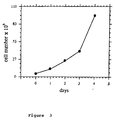
- Primary cells are thus distinguishable from cell lines, which have been immortalized as a result of an ancestral transformation event or other mutation resulting in continuous or indefinite growth in culture. After about three weeks and without any kind of selection it is possible to isolate proliferating cells and establish continuous cell lines which can be further cloned.
- the immortalization is achieved with genetic material consisting of an RNA or DNA construct which, in order to provide transforming capability, incorporates at least one oncogene, which can be derived from viral or cellular genomes or mammalian or avian chromosomal DNA.
- oncogene which can be derived from viral or cellular genomes or mammalian or avian chromosomal DNA.
- infection of an appropriate target cell with an acutely oncogenic retrovirus leads to oncogenic transformation.
- numerous viral oncogenes or v-oncs, as well as their cellular homologues, known as proto-oncogenes or c-oncs have been catalogued.
- oncogenes include any genomic material or materials substantially homologous to oncogenic sequences which are capable of transforming a primary APC.
- oncogenes are provided by Bishop et al., in Weiss et al., eds., RNA Tumor Viruses, Volume 1 (Cold Spring Harbor Laboratory, NY 1984) pp 1004-1005, and Watson et al., Molecular Biology of the Gene, 4th Ed., Vol.
- oncogenes such as src, yes, abl, fps, fes, erbB, fms, ros, kit, mos, raf, H-ras, K-ras, sis, myc, myb, fos, ski, and erbA.
- oncogene products appear to be homologues of growth factors, growth factor receptors, or are nuclear proteins those effects can be mimycried by the addition of their products to the cell culture. Many oncogenes can be obtained from public collections of deposited biological materials.
- retroviruses including hybrid retroviruses generated by spontaneous recombination in vitro or retroviruses in which genes have been fused and fusion products generated, can also be used for the immortalization of cells. These events can be obtained by infection of myeloid cells with retroviruses according to the described procedures (Righi et al., 1989, Oncogene: 4, 233-230; Blasi E. et al., Nature: 318, 667-669 (1985)) and according the mechanisms described in: "Weiss et al. eds. RNA tumor viruses, Cold Spring Harbor Laboratory, 1985.
- a limitation of these procedures is represented by the fact that the transduced genetic material is not characterized and once introduced into the target cell could generate a viral progeny. These are undesired features particularly when the obtained cell lines have to be injected into an organism.
- one of the provirus able to immortalize DC cells in vitro has been molecularly cloned in a lambda phage.
- the insert containing the whole viral genome plus the flanking regions derived from the mouse cell from which the provirus was originally cloned, was then subcloned in a pUC18.
- Useful plasmid vectors for amplifying the retroviral genetic elements in bacterial hosts prior to transfection are constructed by inserting a retroviral DNA sequence encoding the elements described previously in a vector that could include one or more phenotypic selectable markers and an origin of replication for bacterial hosts, such as E. coli., although others may also be employed as a matter of choice.
- a useful mammalian/bacterial shuttle vector can comprise a selectable marker and bacterial origin of replication derived from commercially available plasmids comprising genetic elements of the well known cloning vector pBR322 (ATCC 37017).
- the resulting recombinant retrovirus would thus be capable of integration into the chromosomal DNA of an infected host cell, but once integrated, be incapable of replication to provide infective virus, unless the cell in which it is introduced contains another proviral insert encoding functionally active trans-acting viral proteins.
- the plasmid p316 was transfected into psi cells (packaging cell line) [Mann et al., Cell. 33:153 (1983)] which confer a limited ecotropism.
- the transfection can be carried out by any convenient means such as micro injection, DEAE-dextran mediated transfection, calcium phosphate precipitated DNA transfection and electroporation (see Bonerji, J. et al., Cell 33, 729-740 (1983); Graham F.L. and Van der Eb A.J., Virology, 52, 456-467 (1983) and Potter H. et al., Proc. Natl. Acad. Sci. USA, 81, 7161-7165 (1984)).
- the viral particles produced by the transfected packaging cell line can infect DC with a limited tropism inducing their in vitro proliferation and allowing the isolation of cell lines from these cell derivatives.
- Retroviruses to be adapted for use in accordance with this invention can be derived from many avian or mammalian hosts. However, a requirement for use is that the virus be capable of infecting cells which are to be the recipients of the new genetic material to be transduced using the retroviral vectors.
- retroviruses examples include avian retroviruses such as avian erythroblastosis virus (AMV), avian leukosis virus (ALV), avian myeloblastosis virus (ABV), avian sarcoma virus (ASV), Fujinami sarcoma virus (FuSV), spleen necrosis virus (SNV), and Rous sarcoma virus (RSV); bovine leukemia virus (BLV); feline retroviruses such as feline leukemia virus (FeLV) or feline sarcoma virus (FeSV); murine retroviruses such as murine leukemia virus (MuLV), mouse mammary tumor virus (MMTV), and murine sarcoma virus (MSV); rat sarcoma virus (RaSV); and primate retroviruses such as human T-cell lymphotropic viruses 1 and 2 (HTLV-1,2), and simian sarcoma virus (SSV).
- AMV
- retroviruses are known to those skilled in the art.
- a taxonomy of retroviruses is provided by Teich, in Weiss et al., eds., RNA Tumor Viruses, 2d ed., Vol. 2 (Cold Spring Harbor Laboratory, New York, 1985) pp 1-16.
- the limited ecotropism of the retroviruses can be overcome using the cloned viral genome which can be transfected into the target cells by electroporation, protoplast cell fusion or calcium phosphate precipitation.
- the cell lines object of the present invention can be obtained by infection of unselected DC with the mutated avian oncogene v-mycMH 2 (Graf T., Biochim. Biophys. Acta, 516, 269-299, 1982) fused with part of the env AKR mouse retroviral sequence (Risser R. et al., Ann. Rev. Genet. 17 , 85-121, 1983).
- This sequence is found in the macrophage-derived cell line N11, producing the VN11 virus (Righi et al., Oncogene, 6, 103-111, 1991) which is able to immortalize macrophages (Pirami L. et al., Proc. Natl. Acad. Sci. USA, 88 , 7543-7547, 1991).
- the cell line N11 has been deposited according to the Budapest Treaty at the European Collection of Animal Cell Cultures, Salisbury, GB, on May 12, 1993 under the accession number 93051207.
- the VN11 virus may be directly used to immortalize dendritic cell or it may be cloned into a vector which may be transfected into "packaging" cell lines.
- Dendritic cells may then be infected by cocultivation with said "packaging" cells, or by supernatants from these packaging cells.
- a retroviral vector named MIB-psi2 N11, was obtained transfecting into the psi cell line the genome of VN11 virus, cloned into a suitable plasmidial vector, together with the neo gene, derived from the TN5 transposon.
- the plasmidial vector may be obtained according to conventional method, e.g. by inserting Hind III-EcoRI fragments of a DNA library of N11 cells into pUC18, transformation of HB101 E. coli cells with the obtained constructs and subsequent screening by hybridization with a labelled probe derived from a fragment of the myc-MH2 gene.
- DC can be either infected with MIB-psi2 N11 retroviral vector or they can be co-cultivated with the viral producer psi cells (psi2-N11).
- psi line producing the virus can be treated with mitomycin C at 5 micrograms per ml at about 37° for about two hours in RPMI 1640 without serum.
- psi cells were treated with mitomycin C on a 10 centimeter dish and washed several times with DME. The suspension of spleen cells was then seeded onto this dish and left for about 24 hours spleen cells are then recovered by gentle pipetting and replated into a different petri dish.
- pMOV-psi- which is an ecotropic Moloney murine leukemia virus (Mo-MuLV) clone.
- Mo-MuLV Moloney murine leukemia virus
- pMOV-psi- expresses all the viral gene products but a sequence necessary for encapsidation of the viral genome.
- pMOV-psi expresses an ecotropic viral envelope glycoprotein which recognizes a receptor present only on mouse (and closely related rodent) cells.
- Another cell line is the NIH Psi am a modified pMov-Psi-genome in which the ecotropic envelope glycoprotein has been replaced with envelope sequences derived from the amphotropic virus 4070A yelding a cell line producing a recombinant virus with wider amphotropic host range.
- the plasmid containing the viral genome can be modified prior transfection into the packaging psi cell line with exogenous genetic material from other species and then introduced into DC.
- the introduced genetic material can be a genetic marker or selection genes coding for intracellular, membrane bound or secreted polypeptides that would further allow the identification and selection of the immortalized DC cells.
- the genetic material can also contain regulatory sequences or sequences able to stabilize mRNA products, such as the 3' untranslated regions of some messenger RNAs or intron regions.
- the provided dominant selectable marker can be, for example, any antibiotic resistance phenotype such as neo (G418 resistance), hygro (hygromycin resistance), or gpt (mycophenolic acid resistance) genes that can be used provided that a suitable donor is selected as source of the DC to be immortalized; such selectable markers, are widely available among researchers.
- An additional useful genomic material to be inserted into the vector is any gene product having value or utility that depends upon the environment in which it is translated, for example viral, bacterial or tumor cell antigens, or biologically active molecules such as antigen processing polypeptides, cytokines, hormones, growth factors as well as their receptors or homologues of the foregoing or any polypeptides that has a tissue specificity.
- genes coding for protein antigens or peptides derived from these antigens, as well as secreted lymphokines or membrane proteins such has MHC polypeptides, can also be introduced in the original MIBpsi-2-N11 vector.
- the fibroblast cell line used as the feeder layer for (in cocultivation with) DC is a Psi am line producing the VN11 virus.
- CB1 and D2SC/1 Two clones, named CB1 and D2SC/1 have been characterized more in detail also by means of antibodies specific for surface or intracellular markers.
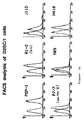
- the stimulatory activity of DC is partially connected with the presence of the membrane protein B7/BB1 which has been identified on several APC types (Linsley P.S. et al, J. Exp. Med. 173, 721-730 (1991); Linsley P.S. et al., Science 257, 792-795 (1992)) and is considered essential for the induction of virgin T lymphocytes proliferation in MLR assays (Mixed Lymphocyte Reaction) and in inducing an antigen specific proliferative response in lymphocytes expressing the CD4 marker (Larsen C.P. et al, J. Exp. Med. 176, 1215-1220 (1992)). It is possible, for instance, to measure the expression of B7/BB1 by means of flow cytofluorimetry. The result shows that in the DC clones the B7/BB1 gene is constitutively expressed.
- the stimulatory activity of DC in a primary MLR is a typical characteristic of these cells.
- the CB1 cell line has a stimulating activity in inducing a primary proliferative response in lymphocytes in vitro in an allogenic reaction of MLR type.
- a further functional characteristic of DC consists in the capacity of stimulating in antigen-specific way both T lymphocytes activated by the first contact with the antigen and virgin T lymphocyts (Romani N. et al., J. Exp. Med. 169, 1169-1178 (1989); de Brujin M.L.H. et al., Eur. J. Immunol. 22, 2347-2352 (1992); Croft M., J. Exp. Med. 1765, 1431-1437 (1992)).
- the cell lines of the invention may be used to induce in vivo a primary antigen-specific response and without the adjuvant's help.
- the DC may be administered in vivo after in vitro exposure to the antigen.
- the DCs are also able to induce cell-mediated responses such as contact sensitivity (Sullivan S. et al., Immunol. 137, 2460-2467 (1986)), the graft rejection of allogenic transplants (Lechler R.I. et al., J. Exp. Med. 155, 31 (1982); Larsen C.P. et al., J. Exp. Med. 172, 1483 (1990)), the activation of MHC restricted T-lymphocytes (Inaba K. et al., 172, 631 (1990)) and T-lymphocytes mediated antibodies (Sornasse et al., J. Exp. Med 175, 15-21 (1992)).
- contact sensitivity Sullivan S. et al., Immunol. 137, 2460-2467 (1986)
- the graft rejection of allogenic transplants Lechler R.I. et al., J. Exp. Med. 155, 31 (1982); Larsen C.P. et
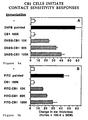
- the contact sensitivity is a particular kind of delayed immune response occurring when the organism is immunized at the epicutaneous level and subsequently receives a stimulation with the reactive hapten (Sullivan S. et al., J. Immunol. 137, 2460-2467). It is possible to evidentiate CS even when Langherans cells or DC are conjugated in vitro with the hapten and then injected into a syngenic organism (Macatonia S.E., Immunology 59, 509-514 (1986)). The CB1 cells exposed to FITC or DNBS and then injected s.c. in native syngenic mice are able to induce a primary response of CS type. The response is measured as swelling of the mouse ear into which the cells have been injected; 10000 cells are sufficient to induce a CS response.
- CB1 cells are able to induce in vivo the activation of virgin T lymphocytes.
- the cell lines of the invention have several advantages making then particularly useful.
- CB1 cells can be used to stimulate ex vivo antigen specific T lymphocytes.
- Another example is the possibility to introduce these cells into an organism in order to stimulate T lymphocytes in vivo.
- the antigen can be administered contemporaneously or separately or, in the case of pathogens, it may be already present in the organism.
- An additional advantage of CB1 cells is that the antigen can be loaded in vitro before the introduction of the cells in vivo, thus allowing a much more limited amount of antigen or allowing the in vitro processing of the antigen without the need to inject it in vivo as a soluble protein.
- a further advantage of these cell lines is that they can be used to induce an immune response different from that obtained by injecting directly the antigen alone or in conjuction with one or more adjuvant; in particular these cell lines can be used to induce T helper lymphocytes subsets such as the TH1 and TH2 subpopulations.
- the molecular cloning of the provirus has the advantage to allow modifications by genetic engineering and be used as a retroviral vector.
- the cell lines of the invention may be used for the isolation of components or products which cannot be usually obtained because of the limited proportion of APC, particularly DC, within the organs where these cells have been evidentiated.
- the cells used in the examples are either commercially available or reported in scientific literature.
- the cells were generally cultivated in RPMI, containing 2 mM ⁇ -mercaptoethanol, 10% heat-inactivated faetal calf serum and kept at 37°C in humidified atmosphere containing 5% CO 2 .
- a genomic DNA library from N11 cell line in the pUC18 plasmid was prepared according to known methods (Maniatis T. et al., Molecular Cloning, a Laboratory Manual, Cold Spring Harbor Lab. (1982)). Methods for the library screening and for the probe preparation by nick translation are known and disclosed in Maniatis et al.
- the ligation product of the genomic DNA fragments generated by digestion with HindIII and EcoRI and inserted into linearized pUC18 plasmid by the same methods used to transform bacterial cells of the HB101 E. coli strain made competent for the incorporation of hexogenous genetic material (Maniatis).
- the cells were then plated on solid LB-agar medium containing ampicillin at such a dilution so as to allow to obtain single colonies isolated one from the other.
- the filters were dried and exposed to X-rays films which are developed after 12-24 hours. After this screening, the colonies found positive in an identical position on duplicate filters were isolated and plated on LB-agar medium containing ampicillin so as to obtain colonies certainly deriving from a single transformed cell.
- the insert was completely sequentiated according to Sanger using commercially available reagents and the producer's instructions.
- the virus VN11 genome cloned into plasmid p316 was co-transfected with the neo gene, derived from transposon TN5 and conferring resistance to the neomycin analogue G418, into the cell line psi.
- This line is able to form infective viral particles when trasformed with an exogenous genetic material containing informations in trans for the inclusion of the RNA produced in the viral particle.
- the transformed clones were first selected for the growth capacity in the presence of the G418 antibiotic and subsequently for the presence of genomic RNA coded by the VN11 provirus using a probe specific for the v-myc-MH2 gene.
- the so obtained retroviral vector was named MIB-psi2-N11.
- Spleen cell suspensions were prepared from newborn DBA/2 or BALB/C mice (Charles River, Italy) by lysing erytroid cells in ammonium chloride so as to remove erythrocytes according to known methods (Caligan). The cells were then suspended in RPMI-1640 (Sigma) supplemented with 10% FCS (GIBCO), glutamine, penicillin, streptomycin and 0.5 mM ⁇ -mercaptoethanol and plated at 10 6 /ml density in 35 mm Petri dishes.
- Immortalization was carried out with the MIB-psi2-N11 retroviral vector by filtering on 0.22 ⁇ sterile unit (Nalgene) the surnatant obtained after 24 hr subconfluent culture of the viral producer cell line diluted 1:1 with complete medium containing 10 ⁇ g/ml polybrene (Sigma). After 1 hr incubation at 37°C in a 5% CO 2 incubator, half volume of fresh medium was added and then regularly changed twice a week. During the first week after infection, cells were fed with 10% L929.6C-conditioned media, reduced at 5% in the following two weeks, and then gradually eliminated.
- the clones CB1 and D2SC/1 were characterized in more detail by means of antibodies specific for surface markers or intracellular of the dendritic cells such as the N418 anti, CD11c and anti B7 antibodies. These antibodies have been disclosed in the above reported references and were labelled with biotin using known methods (Coligan).
- the cells were then analyzed by laser pulse flow cytofluorimetry (FACSort, Beckton & Dickinson); the dead cells were eliminated by means of the data analysis pre-treating them with propidium iodide.
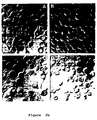
- the CB1 cells were grown as above on sterile glasses and then fixed in acetone for 2' at room temperature. The cells were then incubated with the first antibody for 1 hour at room temperature in PBS containing 1% of non-immune mouse serum, washed three times with PBS/BSA and then incubated with peroxidase labelled mouse antibodies against rat Igs (2A1 antibody) or against hamster Igs (M342 antibody). The cells were then incubated in the presence of diamino benzidine so as to evaluate the positivity thereof.
- the Mixed Lymphocyte Reaction (MLR) assay was carried out using a spleen cells suspension obtained as described above from allogenic C57BL/6 mice.
- CB1 dendritic cells or the macrophage cell line MT2/1 (P. Ricciardi-Castagnoli et al., 1992. Res. Immunol. 143, 101-106) were used as stimulating cells pre-treating them with 25 ⁇ g/ml of Mitomycin C for 20' at 37°C in polystyrene test tubes. After washing, the stimulating cells are washed with complete medium and plated on 96 wells plates at decreasing doses together with 30.000 cells/ml of T cells deriving from C57BL/6 mice.
- T cells were co-cultured in the presence of complete medium containing 2 ⁇ Ci/ml of 3H-TdR.
- T cells were obtained from the splenic cell suspension by purification on nylon membrane. The cells were incubated for 72 hours in the above reported conditions, filtered on filter-glass filter and the incorporated radioactivity was measured by liquid scintillation counter (Betaplate, LKB-Wallac).
- the presentation assay of the antigen was carried out adding decreasing doses, starting from 0.5 ⁇ M, of whale sperm myoglobin (SpWMb) at 10000 cells APC (CB1) preactivated with 100U/ml of IFN/ ⁇ or 200 ⁇ g/ml of mrGM/CSF.
- the pre-activated APC were then co-cultivated with 10000 cells of the murine T-T hybridoma 13.26.8 (obtained from Dr. A. Livingstone, Basel Institut for Immunology, Basel, CH) in flat-bottom, 96-wells plates.
- Example 8 Analysis of the capacity of CB1 cells of inducing T-dependent responses in vivo
- CB1 cells were derivatized with 200 ⁇ g/ml of FITC (Sigma) or with 1 mg/ml DNB5 (2,4-dinitro benzene sulfonic acid, Eastman Kodak) for 30' at 37°C according to the method disclosed by Macatonia S.E. et al., Immunology 59, 509-514, 10.000 cells were injected in a volume of 250 ⁇ l of HBSS (Sigma) subcutaneously in the back of syngenic mice.
- FITC Sigma
- DNB5 2,4-dinitro benzene sulfonic acid
- mice injected with derivatized cells or with non-derivatized cells as a control were treated with 25 ⁇ g of FITC or with 15 ⁇ g of DNFB (2,4-dinitro-1-fluorobenzene, Sigma) on both sides of each ear.
- the ear thickness was measured with a micrometer immediately before treatment and after 24, 48 and 72 hours.
- Example 9 Possibility of obtaining MHC - variants of dendriditic cells deletion mutants in the MHC genes
- Cultured cells were mutagenized by gamma rays with doses ranging from 300 to 1000 rad from a cesium source and negatively selected with anti-MHC molecules type I an II antibodies and subsequent treatment with Complement.
- MHC - (negative) dendritic cell lines which can be subsequently transfected with the desired class I or class II (MHC) genes.
- a plasmid containing the cDNA of the neo gene has been transfected into dendritic cells by means of lypofectin: to this purpose, 1x10 6 cells were plated in 2 ml of culture medium to which a solution containing 5 ⁇ g of DNA in 50 ⁇ l of culture medium have been added. After 16 hours, further 2 ml of culture medium were added and the incubation continued for further 48 hours before starting the transfectants selection.
- the present invention provides means for activating T-lymphocytes in antigen-specific way both in vivo and in vitro.
- the cell lines of the invention may be sensitized with a given antigen and then re-introduced into MHC compatible organism.
- this invention is useful in those cases where the antigen purification is difficult or expensive, in the cases where the organism against which an immune response should be elicited is dangerous to handle or when vaccination with the same organism gives side-effects and moreover in those cases where it is usually difficult to elicit an effective and long-lasting immune response.
Landscapes
- Health & Medical Sciences (AREA)
- Life Sciences & Earth Sciences (AREA)
- Engineering & Computer Science (AREA)
- General Health & Medical Sciences (AREA)
- Epidemiology (AREA)
- Animal Behavior & Ethology (AREA)
- Public Health (AREA)
- Veterinary Medicine (AREA)
- Biomedical Technology (AREA)
- Chemical & Material Sciences (AREA)
- Immunology (AREA)
- Biotechnology (AREA)
- Organic Chemistry (AREA)
- Bioinformatics & Cheminformatics (AREA)
- Genetics & Genomics (AREA)
- Zoology (AREA)
- Wood Science & Technology (AREA)
- Microbiology (AREA)
- Hematology (AREA)
- Biochemistry (AREA)
- General Engineering & Computer Science (AREA)
- Cell Biology (AREA)
- Micro-Organisms Or Cultivation Processes Thereof (AREA)
- Cephalosporin Compounds (AREA)
- Medicines Containing Antibodies Or Antigens For Use As Internal Diagnostic Agents (AREA)
- Medicines Containing Material From Animals Or Micro-Organisms (AREA)
Applications Claiming Priority (3)
| Application Number | Priority Date | Filing Date | Title |
|---|---|---|---|
| IT93MI001118A IT1264516B1 (it) | 1993-05-31 | 1993-05-31 | Cellule dendritiche immortalizzate |
| ITMI931118 | 1993-05-31 | ||
| PCT/EP1994/001720 WO1994028113A1 (en) | 1993-05-31 | 1994-05-26 | Immortalization of denditric cells with v-myc oncogene |
Publications (2)
| Publication Number | Publication Date |
|---|---|
| EP0701604A1 EP0701604A1 (en) | 1996-03-20 |
| EP0701604B1 true EP0701604B1 (en) | 1998-11-11 |
Family
ID=11366291
Family Applications (1)
| Application Number | Title | Priority Date | Filing Date |
|---|---|---|---|
| EP94917670A Expired - Lifetime EP0701604B1 (en) | 1993-05-31 | 1994-05-26 | Immortalization of denditric cells with v-myc oncogene |
Country Status (15)
| Country | Link |
|---|---|
| US (2) | US5856180A (da) |
| EP (1) | EP0701604B1 (da) |
| JP (1) | JP3834059B2 (da) |
| KR (1) | KR100353220B1 (da) |
| AT (1) | ATE173294T1 (da) |
| AU (1) | AU686636B2 (da) |
| CA (1) | CA2164102A1 (da) |
| DE (1) | DE69414572T2 (da) |
| DK (1) | DK0701604T3 (da) |
| ES (1) | ES2126118T3 (da) |
| GR (1) | GR3029374T3 (da) |
| HU (1) | HUT73322A (da) |
| IT (1) | IT1264516B1 (da) |
| WO (1) | WO1994028113A1 (da) |
| ZA (1) | ZA943782B (da) |
Families Citing this family (19)
| Publication number | Priority date | Publication date | Assignee | Title |
|---|---|---|---|---|
| DE4337396A1 (de) | 1993-10-26 | 1995-04-27 | Beiersdorf Ag | Humane Zellinien mit Langerhans-Zell-Charakteristik |
| US5648219A (en) * | 1995-06-07 | 1997-07-15 | Zymogenetics, Inc. | Immortalized dendritic cells |
| US5648248A (en) * | 1994-12-30 | 1997-07-15 | Boehringer Ingelheim International Gmbh | Methods for producing differentiated cells from immature hematopoietic cells |
| US5723333A (en) * | 1995-02-10 | 1998-03-03 | Regents Of The University Of California | Human pancreatic cell lines: developments and uses |
| WO1996024669A1 (en) * | 1995-02-10 | 1996-08-15 | The Regents Of The University Of California | Human pancreatic cell lines: developments and uses |
| AU4977896A (en) * | 1995-02-17 | 1996-09-04 | Immunotherapy, Inc. | Immunotherapy screening, prognosis, and treatment methods and compositions |
| US5849589A (en) * | 1996-03-11 | 1998-12-15 | Duke University | Culturing monocytes with IL-4, TNF-α and GM-CSF TO induce differentiation to dendric cells |
| US6017527A (en) * | 1996-07-10 | 2000-01-25 | Immunex Corporation | Activated dendritic cells and methods for their activation |
| EP0961824A4 (en) * | 1996-07-10 | 2003-01-29 | Immunex Corp | METHOD FOR ACTIVATING DENTRITIC CELLS |
| ATE388237T1 (de) | 1997-04-15 | 2008-03-15 | Dana Farber Cancer Inst Inc | Dendritische zellhybride |
| US20050169898A1 (en) * | 1997-04-15 | 2005-08-04 | Jianlin Gong | Cell fusions and methods of making and using the same |
| JP2002506886A (ja) * | 1998-03-20 | 2002-03-05 | ジェンザイム・コーポレーション | 抗腫瘍免疫亢進 |
| US7014848B1 (en) | 1998-03-20 | 2006-03-21 | Genzyme Corporation | Enhanced anti-tumor immunity |
| US7402307B2 (en) | 1998-03-31 | 2008-07-22 | Geron Corporation | Method for identifying and killing cancer cells |
| EP1068296B1 (en) | 1998-03-31 | 2011-08-10 | Geron Corporation | Compositions for eliciting an immune response to a telomerase antigen |
| US6387888B1 (en) | 1998-09-30 | 2002-05-14 | American Foundation For Biological Research, Inc. | Immunotherapy of cancer through expression of truncated tumor or tumor-associated antigen |
| MXPA03005373A (es) * | 2000-12-13 | 2004-03-26 | Inmunex Corp | Metodo para generar lineas celulares dentriticas inmortales. |
| IL160142A0 (en) | 2001-08-17 | 2004-06-20 | Anosys Inc | Methods and compounds for the targeting of protein to exosomes |
| US8095735B2 (en) | 2008-08-05 | 2012-01-10 | Convey Computer | Memory interleave for heterogeneous computing |
Family Cites Families (2)
| Publication number | Priority date | Publication date | Assignee | Title |
|---|---|---|---|---|
| US5648219A (en) * | 1995-06-07 | 1997-07-15 | Zymogenetics, Inc. | Immortalized dendritic cells |
| US5648248A (en) * | 1994-12-30 | 1997-07-15 | Boehringer Ingelheim International Gmbh | Methods for producing differentiated cells from immature hematopoietic cells |
-
1993
- 1993-05-31 IT IT93MI001118A patent/IT1264516B1/it active IP Right Grant
-
1994
- 1994-05-26 AU AU69299/94A patent/AU686636B2/en not_active Ceased
- 1994-05-26 DE DE69414572T patent/DE69414572T2/de not_active Expired - Fee Related
- 1994-05-26 JP JP50023195A patent/JP3834059B2/ja not_active Expired - Fee Related
- 1994-05-26 AT AT94917670T patent/ATE173294T1/de not_active IP Right Cessation
- 1994-05-26 KR KR1019950705371A patent/KR100353220B1/ko not_active Expired - Fee Related
- 1994-05-26 ES ES94917670T patent/ES2126118T3/es not_active Expired - Lifetime
- 1994-05-26 HU HU9503414A patent/HUT73322A/hu unknown
- 1994-05-26 DK DK94917670T patent/DK0701604T3/da active
- 1994-05-26 EP EP94917670A patent/EP0701604B1/en not_active Expired - Lifetime
- 1994-05-26 US US08/549,666 patent/US5856180A/en not_active Expired - Fee Related
- 1994-05-26 WO PCT/EP1994/001720 patent/WO1994028113A1/en not_active Ceased
- 1994-05-26 CA CA002164102A patent/CA2164102A1/en not_active Abandoned
- 1994-05-30 ZA ZA943782A patent/ZA943782B/xx unknown
-
1998
- 1998-01-02 US US09/002,380 patent/US6156307A/en not_active Expired - Fee Related
-
1999
- 1999-02-11 GR GR990400460T patent/GR3029374T3/el unknown
Also Published As
| Publication number | Publication date |
|---|---|
| AU6929994A (en) | 1994-12-20 |
| IT1264516B1 (it) | 1996-09-24 |
| CA2164102A1 (en) | 1994-12-08 |
| ITMI931118A1 (it) | 1994-12-01 |
| DE69414572T2 (de) | 1999-07-29 |
| US6156307A (en) | 2000-12-05 |
| AU686636B2 (en) | 1998-02-12 |
| WO1994028113A1 (en) | 1994-12-08 |
| JPH09500523A (ja) | 1997-01-21 |
| KR100353220B1 (ko) | 2003-12-31 |
| ES2126118T3 (es) | 1999-03-16 |
| ATE173294T1 (de) | 1998-11-15 |
| US5856180A (en) | 1999-01-05 |
| DK0701604T3 (da) | 1999-07-26 |
| GR3029374T3 (en) | 1999-05-28 |
| ITMI931118A0 (it) | 1993-05-31 |
| DE69414572D1 (de) | 1998-12-17 |
| HUT73322A (en) | 1996-07-29 |
| JP3834059B2 (ja) | 2006-10-18 |
| EP0701604A1 (en) | 1996-03-20 |
| HU9503414D0 (en) | 1996-01-29 |
| ZA943782B (en) | 1995-02-09 |
Similar Documents
| Publication | Publication Date | Title |
|---|---|---|
| EP0701604B1 (en) | Immortalization of denditric cells with v-myc oncogene | |
| CA2347067C (en) | Dendritic cell vaccine containing telomerase reverse transcriptase for the treatment of cancer | |
| US6734014B1 (en) | Methods and compositions for transforming dendritic cells and activating T cells | |
| AU730537B2 (en) | Methods and compositions for transforming dendritic cells and activating T cells | |
| Re et al. | Green fluorescent protein expression in dendritic cells enhances their immunogenicity and elicits specific cytotoxic T-cell responses in humans | |
| CA2217297A1 (en) | Transplantation of genetically modified cells having low levels of class i mhc proteins on the cell surface | |
| US7824849B2 (en) | Cellular telomerase vaccine and its use for treating cancer | |
| IL109833A (en) | Immortalization of dendritic cells and formation of functional dendritic cell lines that are fully capable of presenting antigens and initiating responses to in vitro primary T cells | |
| KR20090062096A (ko) | B 세포의 활성화를 위한 세포성 cd40l을 발현하는세포주 | |
| EP0995802B1 (en) | Method for the delivery of nucleic acids to cells in vitro or ex vivo | |
| Lindemann et al. | Down-regulation of retroviral transgene expression during differentiation of progenitor-derived dendritic cells | |
| Veron et al. | Efficient transduction of monocyte‐and CD34+‐derived Langerhans cells with lentiviral vectors in the absence of phenotypic and functional maturation | |
| US20100291683A1 (en) | Modified Antigen Presenting Cells and Methods of Use | |
| CN121271800A (zh) | 一种制备DCs疫苗的方法 | |
| Thomson et al. | Lentivirally Transduced Recipient-derived Dendritic Cells Serve to Ex Vivo Expand Functional FcRc-sufficient Double-negative Regulatory T Cells | |
| CN121800906A (zh) | 一种能够增强t细胞功能的tim3蛋白突变体及其应用 | |
| Zhang | Novel approaches to identify T cell-recognized tumor antigens and to redirect T cells for adoptive immunotherapy | |
| Thompson | The MHC class II associated invariant chain limits the immunogenicity of genetically modified human tumor cell vaccines |
Legal Events
| Date | Code | Title | Description |
|---|---|---|---|
| PUAI | Public reference made under article 153(3) epc to a published international application that has entered the european phase |
Free format text: ORIGINAL CODE: 0009012 |
|
| 17P | Request for examination filed |
Effective date: 19951218 |
|
| AK | Designated contracting states |
Kind code of ref document: A1 Designated state(s): AT BE CH DE DK ES FR GB GR IE IT LI LU NL PT SE |
|
| AX | Request for extension of the european patent |
Free format text: SI PAYMENT 951218 |
|
| RAX | Requested extension states of the european patent have changed |
Free format text: SI PAYMENT 951218 |
|
| 17Q | First examination report despatched |
Effective date: 19970120 |
|
| GRAG | Despatch of communication of intention to grant |
Free format text: ORIGINAL CODE: EPIDOS AGRA |
|
| GRAG | Despatch of communication of intention to grant |
Free format text: ORIGINAL CODE: EPIDOS AGRA |
|
| GRAH | Despatch of communication of intention to grant a patent |
Free format text: ORIGINAL CODE: EPIDOS IGRA |
|
| GRAH | Despatch of communication of intention to grant a patent |
Free format text: ORIGINAL CODE: EPIDOS IGRA |
|
| GRAA | (expected) grant |
Free format text: ORIGINAL CODE: 0009210 |
|
| AK | Designated contracting states |
Kind code of ref document: B1 Designated state(s): AT BE CH DE DK ES FR GB GR IE IT LI LU NL PT SE |
|
| AX | Request for extension of the european patent |
Free format text: SI PAYMENT 951218 |
|
| REF | Corresponds to: |
Ref document number: 173294 Country of ref document: AT Date of ref document: 19981115 Kind code of ref document: T |
|
| REG | Reference to a national code |
Ref country code: CH Ref legal event code: EP |
|
| REF | Corresponds to: |
Ref document number: 69414572 Country of ref document: DE Date of ref document: 19981217 |
|
| REG | Reference to a national code |
Ref country code: IE Ref legal event code: FG4D |
|
| ITF | It: translation for a ep patent filed | ||
| ET | Fr: translation filed | ||
| REG | Reference to a national code |
Ref country code: ES Ref legal event code: FG2A Ref document number: 2126118 Country of ref document: ES Kind code of ref document: T3 |
|
| REG | Reference to a national code |
Ref country code: CH Ref legal event code: NV Representative=s name: HUG INTERLIZENZ AG |
|
| REG | Reference to a national code |
Ref country code: PT Ref legal event code: SC4A Free format text: AVAILABILITY OF NATIONAL TRANSLATION Effective date: 19990211 |
|
| REG | Reference to a national code |
Ref country code: DK Ref legal event code: T3 |
|
| PLBE | No opposition filed within time limit |
Free format text: ORIGINAL CODE: 0009261 |
|
| STAA | Information on the status of an ep patent application or granted ep patent |
Free format text: STATUS: NO OPPOSITION FILED WITHIN TIME LIMIT |
|
| 26N | No opposition filed | ||
| REG | Reference to a national code |
Ref country code: GB Ref legal event code: IF02 |
|
| PGFP | Annual fee paid to national office [announced via postgrant information from national office to epo] |
Ref country code: PT Payment date: 20030520 Year of fee payment: 10 |
|
| PGFP | Annual fee paid to national office [announced via postgrant information from national office to epo] |
Ref country code: GR Payment date: 20030523 Year of fee payment: 10 |
|
| PGFP | Annual fee paid to national office [announced via postgrant information from national office to epo] |
Ref country code: SE Payment date: 20030526 Year of fee payment: 10 |
|
| PGFP | Annual fee paid to national office [announced via postgrant information from national office to epo] |
Ref country code: IE Payment date: 20030527 Year of fee payment: 10 Ref country code: ES Payment date: 20030527 Year of fee payment: 10 |
|
| PGFP | Annual fee paid to national office [announced via postgrant information from national office to epo] |
Ref country code: AT Payment date: 20030528 Year of fee payment: 10 |
|
| PGFP | Annual fee paid to national office [announced via postgrant information from national office to epo] |
Ref country code: DK Payment date: 20030530 Year of fee payment: 10 |
|
| PGFP | Annual fee paid to national office [announced via postgrant information from national office to epo] |
Ref country code: CH Payment date: 20030602 Year of fee payment: 10 |
|
| PGFP | Annual fee paid to national office [announced via postgrant information from national office to epo] |
Ref country code: LU Payment date: 20030605 Year of fee payment: 10 |
|
| PG25 | Lapsed in a contracting state [announced via postgrant information from national office to epo] |
Ref country code: LU Free format text: LAPSE BECAUSE OF NON-PAYMENT OF DUE FEES Effective date: 20040526 Ref country code: IE Free format text: LAPSE BECAUSE OF NON-PAYMENT OF DUE FEES Effective date: 20040526 Ref country code: AT Free format text: LAPSE BECAUSE OF NON-PAYMENT OF DUE FEES Effective date: 20040526 |
|
| PG25 | Lapsed in a contracting state [announced via postgrant information from national office to epo] |
Ref country code: SE Free format text: LAPSE BECAUSE OF NON-PAYMENT OF DUE FEES Effective date: 20040527 Ref country code: ES Free format text: LAPSE BECAUSE OF NON-PAYMENT OF DUE FEES Effective date: 20040527 |
|
| PGFP | Annual fee paid to national office [announced via postgrant information from national office to epo] |
Ref country code: NL Payment date: 20040530 Year of fee payment: 11 |
|
| PG25 | Lapsed in a contracting state [announced via postgrant information from national office to epo] |
Ref country code: LI Free format text: LAPSE BECAUSE OF NON-PAYMENT OF DUE FEES Effective date: 20040531 Ref country code: CH Free format text: LAPSE BECAUSE OF NON-PAYMENT OF DUE FEES Effective date: 20040531 |
|
| PG25 | Lapsed in a contracting state [announced via postgrant information from national office to epo] |
Ref country code: DK Free format text: LAPSE BECAUSE OF NON-PAYMENT OF DUE FEES Effective date: 20040601 |
|
| PGFP | Annual fee paid to national office [announced via postgrant information from national office to epo] |
Ref country code: BE Payment date: 20040622 Year of fee payment: 11 |
|
| PG25 | Lapsed in a contracting state [announced via postgrant information from national office to epo] |
Ref country code: PT Free format text: LAPSE BECAUSE OF NON-PAYMENT OF DUE FEES Effective date: 20041126 |
|
| PG25 | Lapsed in a contracting state [announced via postgrant information from national office to epo] |
Ref country code: GR Free format text: LAPSE BECAUSE OF NON-PAYMENT OF DUE FEES Effective date: 20041203 |
|
| EUG | Se: european patent has lapsed | ||
| REG | Reference to a national code |
Ref country code: DK Ref legal event code: EBP |
|
| REG | Reference to a national code |
Ref country code: CH Ref legal event code: PL |
|
| REG | Reference to a national code |
Ref country code: PT Ref legal event code: MM4A Free format text: LAPSE DUE TO NON-PAYMENT OF FEES Effective date: 20041126 |
|
| REG | Reference to a national code |
Ref country code: IE Ref legal event code: MM4A |
|
| PG25 | Lapsed in a contracting state [announced via postgrant information from national office to epo] |
Ref country code: BE Free format text: LAPSE BECAUSE OF NON-PAYMENT OF DUE FEES Effective date: 20050531 |
|
| REG | Reference to a national code |
Ref country code: ES Ref legal event code: FD2A Effective date: 20040527 |
|
| BERE | Be: lapsed |
Owner name: *BIOTOP S.A.S. DI RITA CASSARIN Effective date: 20050531 |
|
| PG25 | Lapsed in a contracting state [announced via postgrant information from national office to epo] |
Ref country code: NL Free format text: LAPSE BECAUSE OF NON-PAYMENT OF DUE FEES Effective date: 20051201 |
|
| NLV4 | Nl: lapsed or anulled due to non-payment of the annual fee |
Effective date: 20051201 |
|
| PGFP | Annual fee paid to national office [announced via postgrant information from national office to epo] |
Ref country code: DE Payment date: 20070720 Year of fee payment: 14 |
|
| PGFP | Annual fee paid to national office [announced via postgrant information from national office to epo] |
Ref country code: GB Payment date: 20070530 Year of fee payment: 14 |
|
| BERE | Be: lapsed |
Owner name: *BIOTOP S.A.S. DI RITA CASSARIN Effective date: 20050531 |
|
| PGFP | Annual fee paid to national office [announced via postgrant information from national office to epo] |
Ref country code: IT Payment date: 20070528 Year of fee payment: 14 |
|
| PGFP | Annual fee paid to national office [announced via postgrant information from national office to epo] |
Ref country code: FR Payment date: 20070529 Year of fee payment: 14 |
|
| GBPC | Gb: european patent ceased through non-payment of renewal fee |
Effective date: 20080526 |
|
| REG | Reference to a national code |
Ref country code: FR Ref legal event code: ST Effective date: 20090119 |
|
| PG25 | Lapsed in a contracting state [announced via postgrant information from national office to epo] |
Ref country code: FR Free format text: LAPSE BECAUSE OF NON-PAYMENT OF DUE FEES Effective date: 20080602 Ref country code: DE Free format text: LAPSE BECAUSE OF NON-PAYMENT OF DUE FEES Effective date: 20081202 |
|
| PG25 | Lapsed in a contracting state [announced via postgrant information from national office to epo] |
Ref country code: GB Free format text: LAPSE BECAUSE OF NON-PAYMENT OF DUE FEES Effective date: 20080526 |
|
| PG25 | Lapsed in a contracting state [announced via postgrant information from national office to epo] |
Ref country code: IT Free format text: LAPSE BECAUSE OF NON-PAYMENT OF DUE FEES Effective date: 20080526 |