EP0635051B1 - Increasing the trehalose content of organisms by transforming them with combinations of the structural genes for trehalose synthase - Google Patents
Increasing the trehalose content of organisms by transforming them with combinations of the structural genes for trehalose synthase Download PDFInfo
- Publication number
- EP0635051B1 EP0635051B1 EP93904049A EP93904049A EP0635051B1 EP 0635051 B1 EP0635051 B1 EP 0635051B1 EP 93904049 A EP93904049 A EP 93904049A EP 93904049 A EP93904049 A EP 93904049A EP 0635051 B1 EP0635051 B1 EP 0635051B1
- Authority
- EP
- European Patent Office
- Prior art keywords
- trehalose
- phosphate
- synthase
- yeast
- seq
- Prior art date
- Legal status (The legal status is an assumption and is not a legal conclusion. Google has not performed a legal analysis and makes no representation as to the accuracy of the status listed.)
- Expired - Lifetime
Links
Images





Classifications
-
- C—CHEMISTRY; METALLURGY
- C12—BIOCHEMISTRY; BEER; SPIRITS; WINE; VINEGAR; MICROBIOLOGY; ENZYMOLOGY; MUTATION OR GENETIC ENGINEERING
- C12N—MICROORGANISMS OR ENZYMES; COMPOSITIONS THEREOF; PROPAGATING, PRESERVING, OR MAINTAINING MICROORGANISMS; MUTATION OR GENETIC ENGINEERING; CULTURE MEDIA
- C12N9/00—Enzymes; Proenzymes; Compositions thereof; Processes for preparing, activating, inhibiting, separating or purifying enzymes
- C12N9/14—Hydrolases (3)
- C12N9/16—Hydrolases (3) acting on ester bonds (3.1)
-
- C—CHEMISTRY; METALLURGY
- C07—ORGANIC CHEMISTRY
- C07K—PEPTIDES
- C07K14/00—Peptides having more than 20 amino acids; Gastrins; Somatostatins; Melanotropins; Derivatives thereof
- C07K14/37—Peptides having more than 20 amino acids; Gastrins; Somatostatins; Melanotropins; Derivatives thereof from fungi
- C07K14/39—Peptides having more than 20 amino acids; Gastrins; Somatostatins; Melanotropins; Derivatives thereof from fungi from yeasts
- C07K14/395—Peptides having more than 20 amino acids; Gastrins; Somatostatins; Melanotropins; Derivatives thereof from fungi from yeasts from Saccharomyces
-
- C—CHEMISTRY; METALLURGY
- C12—BIOCHEMISTRY; BEER; SPIRITS; WINE; VINEGAR; MICROBIOLOGY; ENZYMOLOGY; MUTATION OR GENETIC ENGINEERING
- C12N—MICROORGANISMS OR ENZYMES; COMPOSITIONS THEREOF; PROPAGATING, PRESERVING, OR MAINTAINING MICROORGANISMS; MUTATION OR GENETIC ENGINEERING; CULTURE MEDIA
- C12N15/00—Mutation or genetic engineering; DNA or RNA concerning genetic engineering, vectors, e.g. plasmids, or their isolation, preparation or purification; Use of hosts therefor
- C12N15/09—Recombinant DNA-technology
- C12N15/63—Introduction of foreign genetic material using vectors; Vectors; Use of hosts therefor; Regulation of expression
- C12N15/79—Vectors or expression systems specially adapted for eukaryotic hosts
- C12N15/82—Vectors or expression systems specially adapted for eukaryotic hosts for plant cells, e.g. plant artificial chromosomes (PACs)
- C12N15/8241—Phenotypically and genetically modified plants via recombinant DNA technology
- C12N15/8242—Phenotypically and genetically modified plants via recombinant DNA technology with non-agronomic quality (output) traits, e.g. for industrial processing; Value added, non-agronomic traits
- C12N15/8243—Phenotypically and genetically modified plants via recombinant DNA technology with non-agronomic quality (output) traits, e.g. for industrial processing; Value added, non-agronomic traits involving biosynthetic or metabolic pathways, i.e. metabolic engineering, e.g. nicotine, caffeine
- C12N15/8245—Phenotypically and genetically modified plants via recombinant DNA technology with non-agronomic quality (output) traits, e.g. for industrial processing; Value added, non-agronomic traits involving biosynthetic or metabolic pathways, i.e. metabolic engineering, e.g. nicotine, caffeine involving modified carbohydrate or sugar alcohol metabolism, e.g. starch biosynthesis
-
- C—CHEMISTRY; METALLURGY
- C12—BIOCHEMISTRY; BEER; SPIRITS; WINE; VINEGAR; MICROBIOLOGY; ENZYMOLOGY; MUTATION OR GENETIC ENGINEERING
- C12N—MICROORGANISMS OR ENZYMES; COMPOSITIONS THEREOF; PROPAGATING, PRESERVING, OR MAINTAINING MICROORGANISMS; MUTATION OR GENETIC ENGINEERING; CULTURE MEDIA
- C12N9/00—Enzymes; Proenzymes; Compositions thereof; Processes for preparing, activating, inhibiting, separating or purifying enzymes
- C12N9/10—Transferases (2.)
- C12N9/1048—Glycosyltransferases (2.4)
- C12N9/1051—Hexosyltransferases (2.4.1)
-
- C—CHEMISTRY; METALLURGY
- C12—BIOCHEMISTRY; BEER; SPIRITS; WINE; VINEGAR; MICROBIOLOGY; ENZYMOLOGY; MUTATION OR GENETIC ENGINEERING
- C12N—MICROORGANISMS OR ENZYMES; COMPOSITIONS THEREOF; PROPAGATING, PRESERVING, OR MAINTAINING MICROORGANISMS; MUTATION OR GENETIC ENGINEERING; CULTURE MEDIA
- C12N9/00—Enzymes; Proenzymes; Compositions thereof; Processes for preparing, activating, inhibiting, separating or purifying enzymes
- C12N9/90—Isomerases (5.)
- C12N9/92—Glucose isomerase (5.3.1.5; 5.3.1.9; 5.3.1.18)
-
- Y—GENERAL TAGGING OF NEW TECHNOLOGICAL DEVELOPMENTS; GENERAL TAGGING OF CROSS-SECTIONAL TECHNOLOGIES SPANNING OVER SEVERAL SECTIONS OF THE IPC; TECHNICAL SUBJECTS COVERED BY FORMER USPC CROSS-REFERENCE ART COLLECTIONS [XRACs] AND DIGESTS
- Y02—TECHNOLOGIES OR APPLICATIONS FOR MITIGATION OR ADAPTATION AGAINST CLIMATE CHANGE
- Y02E—REDUCTION OF GREENHOUSE GAS [GHG] EMISSIONS, RELATED TO ENERGY GENERATION, TRANSMISSION OR DISTRIBUTION
- Y02E50/00—Technologies for the production of fuel of non-fossil origin
- Y02E50/10—Biofuels, e.g. bio-diesel
-
- Y—GENERAL TAGGING OF NEW TECHNOLOGICAL DEVELOPMENTS; GENERAL TAGGING OF CROSS-SECTIONAL TECHNOLOGIES SPANNING OVER SEVERAL SECTIONS OF THE IPC; TECHNICAL SUBJECTS COVERED BY FORMER USPC CROSS-REFERENCE ART COLLECTIONS [XRACs] AND DIGESTS
- Y10—TECHNICAL SUBJECTS COVERED BY FORMER USPC
- Y10S—TECHNICAL SUBJECTS COVERED BY FORMER USPC CROSS-REFERENCE ART COLLECTIONS [XRACs] AND DIGESTS
- Y10S435/00—Chemistry: molecular biology and microbiology
- Y10S435/8215—Microorganisms
- Y10S435/911—Microorganisms using fungi
- Y10S435/94—Saccharomyces
- Y10S435/942—Saccharomyces cerevisiae
Definitions
- This invention relates to the genetic engineering of the trehalose synthetic pathway of yeasts, such as baker's and distiller's yeasts, and to the transfer of this pathway by genetic engineering to other organisms.
- the present invention concerns trehalose synthase, novel genes encoding the trehalose synthase, novel vectors containing the novel genes, and host cells and organisms transformed with the novel vectors.
- the invention also relates to the production of trehalose and ethanol and to the improvement of the stress resistance of organisms, in particular yeasts and crop plants.
- Trehalose ⁇ -glucopyranosyl- ⁇ -D-glucopyranose
- trehalose is found at high concentrations in yeasts and other fungi, some bacteria, insects, and some litoral animals, such as the brine shrimp. It is notable that all these organisms are frequently exposed to osmotic and dehydration stress. Accumulation of trehalose in higher plants is rare, but high levels occur in the so-called resurrection plants, such as the pteridophyte, Selaginella lepidophylla , which can survive extended drought [Quillet, M. and Soulet, M. (1964) Comptes Rendus de l'Academie des Sciences, Paris 259, pp. 635-637; reviewed by Avigad, G. (1982) in Encyclopedia of Plant Research (New Series) 13A, pp.
- glycogen begins to accumulate about one generation before the glucose is exhausted, and begins to be steadily consumed as soon as all external carbon supplies are exhausted.
- accumulation of trehalose (partly at the expense of glycogen) only begins after all the glucose has been consumed, and the trehalose level is then maintained until nearly all the glycogen has been consumed [Lillie, S.A. & Pringle, J.R. (1980) Journal of Bacteriology 143, 1384-1394].
- the eventual consumption of trehalose is accompanied by a rapid decrease in the number of viable cells.
- trehalose is synthesized in yeast from uridine diphosphoglucose (UDPG) and glucose--6-phosphate (G6P) by the sequential action of two enzyme activities, trehalose-6-phosphate synthase and trehalose--6-phosphate phosphatase. Londesborough, J.& Vuorio, O.
- a method to increase the trehalose content of cells would be to isolate, clone, and modify the structural genes (hereinafter referred to as TSS1, TSL1, and TSL2) of these polypeptides and cause their expression in yeast or other host cells under the control of suitable promoters. If the expression of these genes could be controlled, then so could the trehalose content of the host cells.
- TSS1, TSL1, and TSL2 structural genes
- the present invention includes transformed strains of distiller's yeast, in which the presence of modified forms of any or all of TSS1, TSL1 and TSL2 results in an increased yield of ethanol from carbohydrate sources.
- this invention has other obvious applications.
- Trehalose also has medical applications, both as a stabilizer of diagnostic kits, viruses and other protein material [WO 87/00196] and, potentially, as a source of anti-tumour agents [Ohtsuro et al. (1991) Immunology 74, 497-503]. Trehalose for internal applications in humans would be much more safely obtained from yeast than from a genetically engineered bacterium.
- the present invention includes a process to transform crop plants by introducing recombinant forms of the structural genes of yeast trehalose synthase (TSS1, TSL1 and TSL2) so as to increase the trehalose content of some of their tissues compared to those of the parent plant.
- yeast trehalose synthase TSS1, TSL1 and TSL2
- a further aspect of the present invention is a novel process for producing trehalose-enriched food products from plants by causing them to express the structural genes for yeast trehalose synthase in their edible tissues.
- the present invention provides two isolated genes encoding, respectively a short and a long chain of yeast trehalose synthase and a third gene encoding a 99 kDa polypeptide that occurs in some trehalose synthase preparations and has trehalose-6-phosphatase activity.
- These genes can be used to transform an organism (such as a yeast, other fungus or higher eukaryote), whereby the transformed organism produces more trehalose synthase resulting in a trehalose content higher than that of the parent organism.
- the higher trehalose content confers improved stress resistance and storage properties on the transformed organism as compared to the parent organism, and the transformed organism can be used to provide large quantities of trehalose.
- a process for producing a crop plant which has increased resistance to water deprivation, heat and cold comprises transforming the plant by introducing at least one of the novel genes into the plant's tissue.
- the invention also provides a trehalose synthase which exhibits trehalose-6-phosphate synthase activity activatable by fructose-6-phosphate and also trehalose-6-phosphatase activity.
- the invention provides processes for producing trehalose by cultivating a host or an organism which has been transformed with at least one of the novel genes, and processes for producing trehalose enriched food products from plants by introducing at least one of the novel genes and allowing said genes to express the trehalose synthase in the edible tissues of the plant.
- trehalose-6-phosphate synthase (TPS) and trehalose-6-phosphate phosphatase (TPP) refer to catalytic activities , not to proteins, unless specifically stated otherwise, whereas trehalose synthase refers to a protein that can convert uridine diphosphoglucose (UDPG) and glucose-6-phosphate (G6P) into trehalose, and also exhibits as partial reactions TPS and TPP activities.
- TSS1, TSL1, and TSL2 are structural genes that encode, respectively, the short (57 kDa) and the about 130 and 99 kDa long chains of trehalose synthase.
- TSS1 (or TSL1 or TSL2) gene includes all DNA sequences homologous with the sequences herein disclosed for TSS1 (or TSL1 or TSL2) and encoding polypeptides with the functional or structural properties of the 57 kDa (or about 130 kDa or 99 kDa, respectively) polypeptide. Sequences articially derived from these genes but still encoding polypeptides with the desired functional or structural properties are also included.
- the present inventors previously reported the isolation of a partially degraded protein preparation that contained a short (57 kDa) polypeptide chain and two fragments (86 and 93 kDa) of a long polypeptide chain and possessed both TPS and TPP catalytic activities [Londesborough, J & Vuorio, O. (1991) Journal of General Microbiology 137, 323-330].
- the inventors have now isolated an undegraded trehalose synthase that contains the 57 kDa short chain, and two long chains of about 130 kDa and 99 kDa as its major polypeptides. Traces of other polypeptides are also present that appear to be degradation products of the about 130 and 99 kDa chains.
- Two genes, TSS1 and TSL1, that encode, respectively, the short and about 130 kDa long chains have been cloned and sequenced. Because the size of this long chain is now known from its gene to be 123 kDa, it is hereafter called the 123 kDa long chain.
- TSS1 encodes a polypeptide with a theoretical molecular weight of 56.2 kDa; however, this short chain and the 99 kDa long chain are still called after their apparent molecular weights by SDS-PAGE analysis, the error in such analyses being at least ⁇ 10 kDa at 130 kDa.
- TSS1 and the polypeptide it encodes are disclosed as SEQ ID NOS:1 and 2, respectively.
- SEQ ID NOS:83 and 82 are disclosed as SEQ ID NOS:83 and 82, respectively (earlier versions of these sequences, lacking the 5'- and N-terminal regions, are listed as SEQ ID NOS:3 and 4).
- Genetic evidence is disclosed that shows that a functional TSS1 gene is involved in the expression of both TPS and TPP catalytic activities in S.
- both activities are absent from a mutant strain (Klg 102) that lacks a properly functional TSS1 gene and does not express the short chain in a form recognizable in Western blots although it does express immunologically recognisable long chain;
- disruption of TSS1 eliminates TPS and TPP activities, abolishes the short chain signal from Western blots and prevents the accumulation of trehalose, and these defects are simultaneously reversed by transformation with TSS1, which also increased the resistance of the cells to freezing stress; and
- transformation of Escherichia coli with TSS1 causes a large increase in the TPS activity of the transformants (but no detected increase in their TPP activity).
- TPP catalytic activity of a truncated trehalose synthase requires a functional long chain: incorporation of about 1 mole of 14 C-N-ethylmaleimide into the 93 kDa long chain fragment per mole of truncated trehalose synthase results in complete loss of TPP activity but only a slight loss of TPS activity. Furthermore, we have been able to isolate the 99 kDa polypeptide and show that it possesses residual TPP activity but no TPS activity.
- trehalose synthase is partially resolved into a 99 kDa-enriched form with a relatively high TPP/TPS ratio and a 123 kDa-enriched form with a lower TPP/TPS ratio.
- truncation of the 123 kDa long chain has dramatic and important effects on the TPS activity of trehalose synthase: removal of the N-terminal 330 or so amino acids decreases the sensitivity of the TPS catalytic activity to inhibition by phosphate and almost eliminates its activation by fructose-6-phosphate.
- transformation of E. coli with TSL1 causes an increase in the TPS activity of the transformants (but no detected increase in their TPP activity).
- both the short and the long chains make essential contributions to both the TPS and the TPP catalytic activities of trehalose synthase.
- the situation is therefore that there are at least two different structural genes for a trehalose synthase, neither of which can be completely described as the structural gene of either a trehalose-6-phosphate synthase protein or a trehalose-6-phosphate phosphatase protein.
- TSL1 amino acid sequences of peptides isolated from both the 86 and 93 kDa long chain fragments found in the truncated enzyme described by Londesborough & Vuorio [(1991) loc. cit] are encoded by TSL1.
- TSL1 the structural genes encoding polypeptides of yeast trehalose synthase include a third member, TSL2.
- the 99 kDa polypeptide encoded by TSL2 was not visible in SDS-PAGE analyses of truncated enzyme.
- one of the 6 peptides isolated from the 93 kDa fragment was not encoded by TSL1 and had an amino acid sequence also found in a peptide isolated from the 99 kDa polypeptide.
- traces of a degradation product of the 99 kDa polypeptide are present in truncated enzyme, and migrate with the 93 kDa fragment during SDS-PAGE.
- TSL2 This third structural gene, TSL2, but disclose information that provides obvious methods for its isolation and cloning by a person ordinarily skilled in the art. Also a clone (pALK7756) comprising at least part of this gene has been deposited (Accession number, DSM 7425; Deutsche Sammlung von Mikroorganismen und Zellkulturen, Mascheroder Weg 1 B, D-3300 Brauschweig)
- TSS1 and TSL1 contain extensive similarities such that the amino acid sequence of the entire short chain is 37 % identical to residues 495 to 814 of the long chain.
- a novel feature of the present invention is that in order to increase the capacity of a yeast or some other host organism for trehalose synthesis it can be necessary to increase the expression of both the TSS1 and the TSL1 and TSL2 genes or modify these genes in some other way, not because either TPS or TPP activity is "rate-limiting", but because more than one gene affects each activity.
- TSS1 and TSL1 affect TPS activity and both TSS1 and TSL2 affect TPP activity.
- the TSL2 gene product (the 99 kDa polypeptide) isolated by chromatography is itself a trehalose-6-phosphatase
- the TSS1 gene product expressed in E. coli is a trehalose-6-phosphate synthase, although the catalytic efficiency of these separate polypeptides can be less than when they are correctly assembled in a trehalose synthase complex.
- TSS1 gene is identical with a gene variously called FDP1 or CIF1.
- This gene has pleiotropic effects on the utilization of sugars by S. cerevisiae .
- haploid yeast bearing certain alleles of this gene are unable to grow on mannose, or on mannose or sucrose, or on mannose, sucrose or fructose, or on mannose, sucrose, fructose or glucose, depending upon the severity of the defect [Van de Poll & Schamhart, (1977) Molecular and general Genetics 154, 61-66; Ba uelos, M. & Fraenkel, D.G.
- TPS-Activator protein which is a dimer of 58 kDa subunits.
- This protein by the amino acid sequences of peptides it contains and by its catalytic activity and disclose that it is yeast phosphoglucoisomerase.
- fructose-6-phosphate which could be made by phosphoglucoisomerase from the glucose-6-phosphate (G6P) in the assay mixtures used to measure TPS activity
- G6P glucose-6-phosphate
- F6P fructose-6-phosphate
- G6P glucose-6-phosphate
- TPS-Activator has no further effect, so that its phosphoglucoisomerase activity is a complete explanation of the activation it causes.
- the TPS activity of truncated trehalose synthase does not require F6P, and is not so strongly inhibited by phosphate as is that of the native enzyme.
- a trehalose synthetic pathway can in principle be transferred to any organism by transforming the organism with the structural genes for yeast trehalose synthase: it is not necessary to simultaneously introduce the TPS-activator, because F6P is a ubiquitous component of cells. Furthermore, if the amounts of F6P in an organism are inadequate, or phosphate concentrations are too high, the organism can be transformed with a truncated version of TSL1 encoding the truncated long chain that confers insensitivity to phosphate and F6P.
- This aspect of the present invention is particularly significant, because it both allows the introduction of a trehalose synthetic pathway to organisms in which the cytosolic phosphate and F6P concentrations would prevent the efficient function of yeast trehalose synthase, and also may permit trehalose synthase to function efficiently at stages of yeast growth when native trehalose synthase would be inhibited by cytosolic phosphate.
- cytosolic phosphate cytosolic phosphate
- Expression vectors are known in the art for both eukaryotic and prokaryotic systems, and the present invention contemplates use of both systems.
- yeast For transformation of yeast at least two classes of promoters are contemplated. Yeast that accumulates more trehalose but at the usual time (i.e., after consumption of fermentable carbon sources) can be made by inserting extra copies of the genes under their own promoters, or stronger promoters with similar control. Such yeast can have improved storage properties and stress resistance and be more economic sources of trehalose. Yeast that synthesizes trehalose during fermentation can be made by replacing the genes' own promoters with promoters (such as ADH1) that are active during fermentation. As explained above, such yeast can have increased fermentation rates, ethanol yields and resistance to osmotic and temperature stress during fermentation.
- promoters such as ADH1
- TSS1, TSL1 and TSL2 DNA sequences may be modified by certain deletions or insertions, provided the translated polypeptides are enzymatically functional. Expression of functional polypeptides from TSS1, TSL1 and TSL2 may be confirmed by assaying for TPS and/or TPP activity in the expression system by the methods described in Londesborough and Vuorio [(1991) loc. cit.]. Deletion of the first 330 amino acids or so from the 123 kDa long chain to give an enzyme active at higher phosphate and lower F6P concentrations has already been mentioned.
- the genes of the present invention may be transferred and expressed in plants by using the Ti plasmid system which is well known in the art.
- the internal transforming genes of a cloned T-DNA can be removed by recombinant DNA techniques and replaced by the genes of the present invention and expressed in plant tissues.
- the coding sequence of the foreign gene for instance, TSL1
- TSL1 the coding sequence of the foreign gene
- the natural promoter and polyadenylation signals of the opine synthetase gene confer high-level expression of the foreign protein. Any method known in the art, however, may be used to transform higher plants with the genes of the present invention.
- Fructose 6-phosphate (F6P) and adenosine 5'-diphosphoglucose (ADPG) were from Sigma Chemicals.
- Glucose 6-phosphate (G6P), phenylmethylsulphonyl fluoride (PMSF), uridine 5'-diphosphoglucose (UDPG) and other commercial reagents were from the sources stated in Londesborough Vuorio [(1991) loc. cit.].
- Truncated trehalose synthase (proteolytically activated "TPS/P") and TPS activator were prepared as described in Londesborough & Vuorio [(1991) loc. cit.].
- the antisera, anti-TPS/P, anti-57K and anti-93K were made in rabbits using as antigen, respectively, truncated trehalose synthase, the short (57 kDa) chain and the 93 kDa fragment of the long chain of trehalose synthase as described in Londesborough & Vuorio [(1993) loc. cit.].
- HBMED 25 mM Hepes/KOH pH 7.0/1 mM benzamidine/1 mM MgCl 2 /0.1 mM EDTA/1 mM dithiothreitol
- HB2M1ED HBMED but with final concentrations of 2 mM MgCl 2 and 1 mM EDTA
- the Hepes and benzamidine concentrations were increased to 50 mM and 5 mM, respectively.
- Yeasts Commercial baker's yeast was from Alko's Rajamäki factory. The standard laboratory strains of S.
- X2180 ATCC 26109
- S288C ATCC 26108
- Mutant strains are described in the Examples and Table 1 lists important strains of microorganisms and plasmids.
- Laboratory yeast were routinely grown on 1 % yeast extract/2% peptone (YP) containing the indicated carbon source in aerobic shake flasks at 30 °C and 200 r.p.m. Cells were harvested by centrifugation for 5 minutes at 3000 g, resuspended in distilled water and again centrifuged 5 minutes at 3000 g. The pellets were suspended in about 20 volumes of HB2M1ED and centrifuged in tared tubes for 10 minutes at 15,000 g.
- YP peptone
- Tubes and pellets were weighed to give the mass of fresh yeast.
- portions of the pellets were treated as described by Lillie, S.H. & Pringle, J.R. [(1980) Journal of Bacteriology 143, 1384-1394].
- the washed cells were broken by suspending them at 0 °C in 1 to 4 volumes of HB2M1ED, adding fresh stock PMSF/pepstatin (1 mg pepstatin A/ml 0.1 M PMSF in methanol) to give final concentrations of 10 ⁇ g pepstatin/ml and 1 mM PMSF, and shaking with glass beads for three 1 minute periods in a Braun MK II homogenizer or (for amounts less than 0.3 g fresh yeast) by vortexing in an Eppendorf tube. The glass beads were removed and the volume of homogenate was measured. Samples for SDS-PAGE were made at once by dilution with Laemmli sample buffer [Laemmli, U.K.
- TPP and TPS standard assays and other kinetic measurements were made as described by Londesborough & Vuorio [(1991) loc. cit.] except that the standard TPS assay mixture contained 5 mM F6P unless stated otherwise. Where appropriate, TPS assays were corrected by measuring UDP production from UDPG in the absence of G6P and F6P.
- the cloning vector was Stratagene's Lambda Zap II, predigested with EcoRI, where the cloning site is near the N-terminus of the gene for ⁇ -galactosidase, thus enabling the color selection of recombinant clones.
- the sequencing vectors M13mp18 and M13mp19 from Pharmacia LKB Biotechnology were also used.
- High molecular mass DNA from the haploid S288C strain was prepared as described Johnston, J.R. [(1988) in Yeast, A Practical Approach, IRL Press, Oxford) and partially digested with either HaeIII or EcoRI restriction enzyme.
- HaeIII digestion e.g., a reaction mixture of 330 ⁇ l containing 30 ⁇ g of DNA and 4.8 U of enzyme was incubated at 37 °C for 60 minutes. The reaction was stopped with 10 ⁇ l of 0.5 M EDTA and transferred to ice.
- Plasmid DNA was isolated using standard methods for small scale purification Sambrook et al. [(1989) Molecular Cloning, A Laboratory Manual, 2nd ed., Cold Spring Harbor Laboratory Press, hereby expressly incorporated by reference]. Large scale purifications of plasmid DNA were done with Qiagen tip-100 columns from Diagen following their instructions.
- DNA sequences were determined either manually by the dideoxy-chain termination method [Sanger et al. (1977) Proceedings of the National Academy of Sciences U.S.A. 74, 5463-5467], sequencing directly from pBluescript plasmids, or automatically with the Applied Biosystems Model 373A automatic DNA sequencer, sequencing either directly from these plasmids or from M13 subclones.
- Intact trehalose synthase was purified from commercial baker's yeast. The method described by Londesborough & Vuorio [(1991) loc. cit.] for purification of "proteolytically activated TPS/P" was modified as follows:
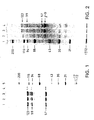
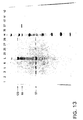
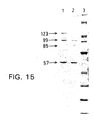
- Fig. 1 shows the SDS-PAGE analysis of fractions eluted from UDP-Glucuronate-Agarose. No obvious differences were apparent between enzyme eluted by 0.2 M NaCl and that eluted by 10 mM UDPG/0.4 M NaCl. The major bands present had molecular masses of 57, 99 and 123 kDa. Several weaker bands were present between the 123 kDa band and about 90 kDa. In Western analyses the 123 kDa, 99 kDa and most, if not all, of the fainter bands in this region were recognized by the anti-TPS/P and anti-93K sera. This suggests that the fainter bands are partially degraded long chains.
- the weak bands at 68 kDa also reacted with the anti-93K serum, but could be removed by chromatography on DEAE-cellulose (see Example 9).
- the antibodies from anti-93K serum that bound to the 99 kDa band were eluted from a nitrocellulose blot [as described by Pringle, J.R. (1991) Methods in Enzymolgy 194, 565-590] and used to probe another blot, they bound also to the 123 kDa band, showing that the two long chains of trehalose synthase have epitopes in common.
- Intact enzyme binds less tightly to the UDP-Glucuronate-Agarose than the truncated enzyme purified by Londesborough & Vuorio [(1991) loc. cit.] and the proportion of enzyme remaining bound at 0.2 M NaCl varied from preparation to preparation.
- #9 of Table 2 was re-run on the same column, 76 % of the TPS activity was again recovered at 0.2 M NaCl (and 25 % by 0.4 M NaCl/10 mM UDPG), so that overloading of the column is not the reason why this enzyme eluted at 0.2 M NaCl.
- this polypeptide is not a degradation product of the long (123 kDa) chain, whereas both the 86 and 93 kDa polypeptides of truncated enzyme contain amino acid sequences that identify them as fragments of the long (123 kDa) chain.
- This novel preparation possesses some unexpected catalytic properties, which are described in more detail in Example 11.
- Example 2 Increased expression by S. cerevisiae of the long and short chains of trehalose synthase after consumption of glucose
- Portions of 150 ⁇ l (each equivalent to 53 mg of fresh yeast) were mixed with 30 ⁇ l of anti-TPS/P serum, equilibrated for 30 min at 0 °C and centrifuged for 10 min at 10,000 g. The pellets were washed with 250 ⁇ l of HBMED and then dissolved in Laemmli sample buffer and subjected to SDS-PAGE (Fig 2). Bands at 57, 99 and 123 kDa were strong in the sample (C) from stationary phase yeast and in the sample (B) harvested immediately after disappearance of glucose from the medium, but were absent or very weak in the sample (A) from yeast growing in the presence of 1.2 % glucose.
- Control experiments indicated that pre-immune serum did not precipitate the 57, 99 and 123 kDa bands, and that using 50 ⁇ l of serum instead of 30 ⁇ l did not precipitate more of these three bands from the C sample.
- the 57, 86 and 93 kDa polypeptides of the truncated trehalose synthase were separated by SDS-PAGE, digested on nitrocellulose blots and fractionated by HPLC as described by Londesborough & Vuorio [(1991) loc. cit.]. Also, these polypeptides and polypeptides of molecular mass 57, 99 and 123 kDa immunoprecipitated from yeast extracts as described in Example 2 were separated by SDS-PAGE and digested in the gel with lysylendopeptidase C as described by Kawasaki, H., Emori, Y. and Suzuki, K. (in press).
- the derived peptides were separated by HPLC using a DEAE pre-column before the reverse-phase column essentially as described by Kawasaki et al [(1990) Analytical Biochemistry 186, 264-268].
- the 99 kDa polypeptide isolated by chromatography on phosphocellulose in the absence of triton (see Example 9) was digested with lysylendopeptidase C and the peptides separated by HPLC.
- isolated peptides were sequenced in a gas-pulsed liquid phase sequencer as described by Kalkinen, N. & Tilgman, C [(1988) Journal of Protein Chemistry 7, 242-243], the released PTH-amino acids being analysed by on-line, narrow-bore, reverse-phase HPLC. The sequences are shown in Table 4.
- the origin of peptides 1047 and 1063 found in the digest of the intact (123 kDa) long chain is not known.
- the only peptide from the long chain fragments of truncated enzyme not encoded by TSL1 is 892a from the 93 kDa fragment. This is identical with the last 11 residues of peptide 1299 from the 99 kDa polypeptide. This suggests that the 93 kDa band was contaminated with some material derived from the 99 kDa polypeptide, although this polypeptide itself was not visible in SDS-PAGE analyses of the truncated enzyme.
- a genomic library was constructed in the bacteriophage lambda vector, Lambda Zap II, using a partial HaeIII digest of S. cerevisiae strain S288C chromosomal DNA, according to Stratagene's Instruction Manual for the Zap-cDNA synthesis kit.
- the DNA from the ligation reaction was packaged into Giga II Gold packaging extract (Stratagene) according to the manufacturer's instructions (1990).
- the titer of the recombinants was determined on Luria broth plates containing X- ⁇ -galactoside (5-bromo-4-chloro-3-indoyl- ⁇ -D-galactopyranoside as a chromogenic substrate for ⁇ -galactosidase and IPTG (isopropyl ⁇ -D-thiogalactopyranoside) as an inducer.
- X- ⁇ -galactoside 5-bromo-4-chloro-3-indoyl- ⁇ -D-galactopyranoside as a chromogenic substrate for ⁇ -galactosidase and IPTG (isopropyl ⁇ -D-thiogalactopyranoside) as an inducer.
- IPTG isopropyl ⁇ -D-thiogalactopyranoside
- the plasmid part, pBluescript, of the Lambda Zap vector was excised as described in the manual for Predigested Lambda ZapII/EcoR1 Cloning Kit (1989).
- a strongly positive clone from the Lambda ZapII library was selected and sequenced manually.
- the sequence obtained included an open reading frame that encoded a 58 kDa protein, but none of the short chain peptide sequences disclosed in Example 3 was found in the amino acid sequence encoded by this ORF.
- a second clone was selected, from a group of clones that gave distinct restriction maps compared with the group including the first clone. It also responded less strongly to anti-57K serum, which is why it was not chosen in the first place. It was sequenced using the Exonuclease III/Mung Bean nuclease system for producing series of unidirectional deletions. The deletions were prepared according to Stratagene's manual for the pBluescript Exo/Mung DNA sequencing system. The plasmid was first digested with the restriction enzymes SacI, which leaves a 3' overhang, and BamHI, which leaves a 5' overhang.
- the clone proved to encode all the short chain peptide sequences disclosed in Example 3, except the poorly defined pentapeptide, 966b. It is notable that the anti-57K serum alone was an inadequate tool for cloning this gene: the amino acid sequence data disclosed in Example 3 were also essential. Comparison of sequences with the Microgenie Data Bank showed that the gene sequence of the clone was available as an unknown reading frame in the post-translational region of the gene for yeast (S. cerevisiae) vacuolar H + -ATPase. The data in the bank contain sequence errors, and have thus been erroneously interpreted as two short unidentified ORFs instead of one long ORF.
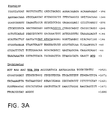
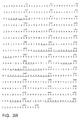
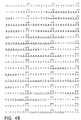
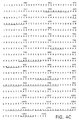
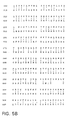
- SEQ ID NO:1 The complete sequence of the TSS1 gene with 800 bp of promoter and 200 bp of terminator regions is disclosed as SEQ ID NO:1 and the amino acid sequence deduced from its ORF (starting at nucleotide 796) as SEQ ID NO:2.
- SEQ ID NO:1 now incorporates the following minor corrections to the promoter region, made since February 14th 1992: the original nucleotides 60 and 61 (CA) become AC, original nucleotides 646 to 653 (CGCGTGGT) become GCCGGG and the original nucleotide 711 (C) is deleted.
- Fig 3A shows the promoter and terminator regions
- Fig 3b shows the deduced amino acid sequence.
- TSL1 was first found in the same library as described in Example 4. Screening was done using first anti-TPS/P serum and then anti-93K serum. Later, another library was constructed from a partial EcoRl digest of chromosomal DNA from S. cerevisiae , strain S288C, using the methods described in Example 4. The anti-93K positive clones were classified by restriction mapping into groups, not all of which can represent TSL1.
- Clones from one group of anti-93K positive clones from the HaeIII library were partially sequenced manually and then automatically from pBluescript exonuclease deletion series as described in Example 4.
- the HaeIII clones did not contain the whole of this long gene, and the N-terminus was not found in any clone. Therefore, the new EcoRl library was constructed and screened, first with anti-93K serum and then with nucleotide probes derived from the sequenced parts of TSL1.
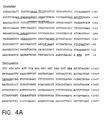
- the sequence is shown as SEQ ID NO:83.
- Nucleotides 2282 to 5575 comprise an ORF that encodes the amino acid sequence SEQ ID NO: 82.
- the promoter and terminator regions and amino acid sequence are also shown in Fig 4.
- the amino acid sequence includes the amino acid sequences obtained from (fragments of) the long (123 kDa) chain of trehalose synthase disclosed and discussed in Example 3.
- anti-93K positive clones isolated as described above can include clones representing TSL2.
- Several positive clones not representing TSL1 were identified by restriction mapping. One of these was deposited on January 28th 1993 as the plasmid pALK756 (see Table 1) with the Deutsche Sammlung von Mikroorganismen und Zellkulturen GmbH, Mascheroder Weg 1 B, D-3300 Braunschweig, Germany (Accession number DSM 7425).
- This plasmid comprises a 3.5 kb insert in pBluescript.
- the insert was not cut by the restriction enzymes, NotI SacI, SpeI or XhoI.
- the sequences of these and similar clones can be examined to identify an ORF that encodes the amino acid sequences of peptides isolated from the 99 kDa polypeptide (viz., SEQ ID NO:S 29 to 38 and 44 to 49).
- Another well established procedure is to use these amino acid sequences to design nucleotide primers that can be used to amplify parts of the TSL2 gene by the polymerase chain reaction. When a part of the TSL2 gene has been isolated and sequenced by either procedure, the rest of the gene can be easily isolated as described for TSL1.
- the nucleotide sequence of TSS1 encodes a polypeptide of 495 amino acid residues with a calculated molecular mass of 56 kDa. This open reading frame starts with an ATG codon and ends with two TGA codons.
- the promoter region contains a TATA box at -178 (see Fig 3) and the sequence CCCCGC at -270, which has been implicated in catabolite repression [Nehlin & Ronne, (1990) European Molecular Biology organization Journal 9, 2891-2898]. This may account for the low expression of trehalose synthase in the presence of glucose disclosed in Example 2.
- TSL1 The open reading frame of TSL1 encodes a polypeptide of 1098 amino acids, corresponding to a calculated molecular mass of 123 kDa.
- This ORF starts with an ATG codon and ends with a TAA codon. Sixty base pairs downstream from the TAA codon is a possible TATATA transcription termination element [Russo et al. (1991) European Molecular Biology Organization Journal 10, 563-571].
- the promoter sequence of TSL1 contains two putative TATA boxes at -100 and -117.
- the promoter was searched for possible heat shock elements and four AAGGGG elements were found (-166, -180, - 232 and -378). Of these, the one furthest upstream, at -378, was part of the sequence GGT AA AAGGGGC G AA , which corresponds well to the UAS -360 heat shock stress control element GGTAAGGGGCCAA [Marchler, G. et al (1992) Yeast 8, S154].
- Two copies of the canonical heat shock element GAANNTTC were found, one at -353 and the other at -425; thus, one on either side of the UAS -360 element.
- the sequence G CCCCTG C ATTTT at -327 could be a MIG1 protein binding site (the consensus sequence is TCCCCRGATTNT).
- MIG1 appears to act as a repressor of transcription in the presence of glucose [Nehlin, J.O. & Ronne, H. (1990) European Molecular Biology Organization Journal 9, 2891-2898; Nehlin, J.O. et al (1991) ibid 10, 3373-3378].
- TSL1 The amino acid sequence encoded by TSL1 contains two polyglutamine tracts, four Qs starting at amino acid 42 and five Qs starting at 164. Such glutamine-rich sequences have been associated with heteromeric protein-protein interaction [Gancedo, J.-M. (1992) European Journal of Biochemistry 206, 297-313].
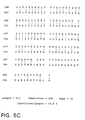
- Fig. 5 discloses that the entire TSS1 gene exhibits 37 % identity at the amino acid level to a 502 amino acid stretch from the middle of the TSL1 product. The genes are obviously closely related.
- the TSS1 gene is identical to the CIF1 gene that has been recently cloned and sequenced by Gancedo's group [Gonzales et al (1992) Yeast 8 183-192].
- This disclosure reveals that special methodology is required to handle mutants containing modified forms of the TSS1 gene, because cif1 mutants have severe defects in sugar metabolism, as discussed in the Detailed Description. It also explains, of course, why no recognisable short chain is present in the Klg 102 mutants, which carry the cif1 mutation (see Example 7).
- it has been (tacitly) assumed that failure of cif1 and fdp1 mutants to express TPS activity is the consequence of a lengthy cascade of regulatory effects.
- the findings disclosed here and in Example 7 show that absence of the short chain of trehalose synthase is the primary defect, from which, in an as yet completely obscure way, the other regulatory defects of these mutants result.
- S.cerevisiae chromosomes were separated by pulsed field electrophoresis, with pulse times of 60 sec for 15 h and 90 sec for 9 h at 200 volts, as recommended by the instruction manual for the CHEF-DR II BioRad Laboratories, Richmond, California].
- Genes were located using digoxigenin-labelled non-radioactive probes, following the instructions in the manual by Boehringer Mannheim. The following probes were used: a 2.1 kb DraI restriction fragment from TSL1 and a 1.9 kb NarI-SmaI restriction fragment of TSS1 (the SmaI site is in the linker between the insert and the vector; important restriction sites in TSS1 and TSL1 are shown in Fig 6).
- TSS1 was located exclusively on Chromosome 2, which is where both FDP1 [Van de Poll and Schambert (1977) loc. cit.] and CIF1 [Gonzales et al. (1992) loc. cit.] have been located.
- This disclosure further strenqthens the evidence for the identity of TSS1 with CIF1 and FDP1.
- TSL1 was located exclusively on the adjacent Chromosome 13.
- the ARGRII gene sequenced by Messenguy et. al. [(1986) European Journal of Biochemistry 157, 77-81]. The start of the overlapping sequence is shown in Fig 4.
- Example 7 A functional TSS1 gene is required for expression of both TPS and TPP activities
- the S. cerevisiae mutant Klg 102 was obtained from Dan Fraenkel (Harvard Medical School) and has the genotype MAT ⁇ , ura1, leu1, trp5, cif1-102. It was routinely grown on YP/2% galactose or YP/2% glucose, and long term storage was under liquid nitrogen. As reported by others [Navon, G., et al. (1979) Biochemistry 18, 4487-4499; Ba uelos, M. & Fraenkel, D.G. (1982) Molecular and Cellular Biology 2, 921-929], this mutant would not grow on YP/2% fructose, though revertants were frequent.
- Viability Fru/Glu shows the number of cells able to grow on fructose as a percentage of the number of cells able to grow on glucose at the time of harvesting. Cells from the cultures 2670/1 and 2670/2 were combined for breakage and subsequent analysis. ND, not determined.
- Klg 102 specifically lacks UDPG-linked TPS activity, but that, like the wild-type yeast S288C (which is the haploid form of X2180), it contains an ADPG-linked activity. If this were true, and accepting the conventional view that trehalose synthesis in yeast proceeds via free trehalose-6-phosphate, Klg 102 should contain significant TPP activity. Our results disclose that this is not the case. Furthermore, when we tested whether wild type yeast (X2180) was able to synthesise [ 14 C]-trehalose from [ 14 C]-G6P in the presence of UDPG or ADPG, we found significant activity only in the presence of UDPG. The assay systems used by Paschoalin et al.
- ADPG did not cause any significant increase in the rate of appearance of radioactivity in the resin supernatant, indicating that no ADPG-linked TPS activity was present.
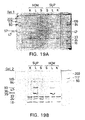
- Klg 102 does not contain a recognisable form of the product of the TSS1 gene (it might contain a truncated version lacking the epitopes recognised by our polyclonal antibodies), but contains normal amounts of the TSL1 product. Furthermore, the TSL1 product appears to increase as Klg 102 traverses the diauxic lag (compare e.g. lanes 3 and 2 of Fig. 8), suggestinq that expression of the long chain of trehalose synthase in this yeast increases when all glucose is consumed. In wild type yeast, increases in both short and long chains occur concomitant with the increases in TPS and TPP activities when glucose is consumed (Example 2).
- Truncated trehalose synthase containing the short (57 kDa) chain and the 86 and 93 kDa long chain fragments was prepared according to the method of Londesborough & Vuorio (1991) loc. cit.] for proteolytically activated TPS/P complex. TPS and TPP activities were assayed as described by Londesborough & Vuorio [(1991) loc. cit.]. [N-ethyl-1- 14 C]- maleimide (ethyl-labelled NEM; 40 mCi/mmol) was NEC-454 from New England Nuclear.
- NEM N-ethyl-[2,3- 14 C]-maleimide
- the dithiothreitol in the enzyme preparation was removed by gel-filtration through Pharmacia NAP5 columns equilibrated with 1 mg BSA/ml of 25 mM HEPES pH 7.0 containing 2 mM MgCl 2 , 1 mM EDTA and 0.2 M NaCl. Recoveries of TPS and TPP activities through this gel-filtration were above 85 %.
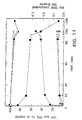
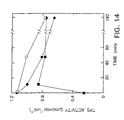
- Fig. 11 shows that label from NEM enters mainly the 93 kDa fragment of the long chain, with relatively small amounts entering the 86 kDa fragment and the 57 kDa short chain. Also, the amount of label entering the long chain fragments (93 + 86 kDa) is roughly proportional to the loss of TPP activity, but lags increasingly behind this loss: at 10.5 min 30 % of the initial TPP was lost and 0.20 moles of NEM had entered the long chain fragments per mole (150 Kg) of enzyme, whereas at 190 min, 56 % of TPP was lost and 0.32 moles of NEM had entered the long chain fragments.
- trehalose synthase may be an octamer (its native molecular mass is about 800 kDa)
- reaction of one long chain with NEM can eventually lead to loss of activity associated with the other long chains in the octamer.
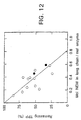
- Fig. 12 collates data from several experiments, using both ring- and ethyl-labelled NEM. Parallel experiments with identical concentrations of ring- and ethyl-labelled NEM suggested that about 25 % of the radioactivity from ethyl-labelled NEM originally fixed in the protein was lost during SDS-PAGE processing (some loss is expected in acidic condition), and the results with ethyl-labelled NEM have been corrected accordingly.
- DTNB dithiodinitro-benzoate
- TPP activity requires a long chain with a proper structure, because modification of a single amino acid (presumable cysteine) residue in the 93 kDa fragment eliminates TPP but not TPS activity.
- sequencing data given in Example 3 disclosed that the 93 kDa band contained material from both the 99 kDa and 123 kDa long chains.
- the present results disclose that either the 99 kDa or the 123 kDa or both long chains are involved in TPP activity.
- Example 9 An isolated 99 kDa polypeptide from trehalose synthase contains TPP activity
- the column was washed with 4 ml of HMED/0.3 %T and developed with a linear gradient from zero to 0.6 M NaCl in 60 ml of HMED/0.3 %T at 5 ml/h.
- 0.35 M NaCl only traces of TPS had been eluted ( ⁇ 3 % in the first 9 ml and ⁇ 9 % spread between 0.15 and 0.35 M NaCl).
- the gradient was interrupted and the column was washed sequentially with (a) 8 ml of 10 mM fructose-6-phosphate in HMED/0.3 %T/0.35 M NaCl, (b) 6 ml of HMED/0.3 %T/0.6 M NaCl and (c) 0.2 M K phosphate pH 7.0/2 mM MgCl 2 /1 mM EDTA/1 mM dithiothreitol. No TPS or TPP activity was recovered except in a single 1.5 ml fraction in which the 0.6 M NaCl began to elute. This contained 12 % of the applied TPP, but ⁇ 0.1 % of the applied TPS.
- Intact trehalose synthase has also been fractionated on phosphocellulose in the absence of Triton, and with elution by a simple linear gradient from 0 to 0.6 M NaCl. Pure or nearly pure 99 kDa polypeptide eluted at about 0.45 M NaCl and contained specific TPP activity ( 14 C-G6P was not hydrolyzed). This activity differed from the TPP activity of intact trehalose synthase in that the ratio of activities at 25 mM phosphate and 50 mM Hepes was between 1.5 and 3 in different experiments (cf, this ratio is 5 to 6 for intact trehalose synthase). Furthermore, during storage of the isolated 99 kDa polypeptide at 0 °C, the TPP activity at 25 mM phosphate decreased and that at 50 mM Hepes increased, until the ratio was about 0.7 after 7 weeks.
- Example 3 are disclosed in Example 3 to contain a peptide (1483b & 1484b) derived from Ala1064 to Lys1079, confirming that the truncated polypeptides extend at least this close to the C-terminus of the full length 123 kDa chain.
- the N-terminal peptide furthest from the N-terminus was peptide 1443, obtained by cleavage after Arg 335.
- the truncated long chain extends from Ser 336 to Lys 1079 or Asp 1098, and is predicted to have a molecular mass of 87.3 or 86.2 kDa.
- peptide 1442 is identical to peptide 1307a of Table 4, and the first 5 amino acids of peptide 1451 are identical to peptide 1297a (Table 4).
- TPS activator was transferred to 0.1 M Tris/HCl pH 9.0 above a PM10 membrane in an Amicon cell.
- a 300 ⁇ l sample (34 ⁇ g) was digested for 20 h at 37 °C by 0.8 ⁇ g of lysylendo-peptidase C (Wako).
- Peptides were separated by HPLC and sequenced as described in Example 3. All five sequences obtained and disclosed in Table 7 are identical to sequences found in yeast phosphoglucoisomerase (PGI).
- the PGI activity of a sample of TPS activator that had been stored for several months at 0 °C was measured in 50 mM HEPES/KOH pH 7.0, 5 mM MgCl 2 , 5 mM F6P and 0.4 mg/ml NADP. A specific activity of 190 U/mg was found.
- TPS activator from S. cerevisiae is identical to PGI.
- Example 12 The different kinetic behaviours of intact and truncated trehalose synthase
- Truncated trehalose synthase was prepared as described by Londesborough & Vuorio [(1991) loc. cit.] and contained the 57 kDa short chain and 86 and 93 kDa fragments of the long chain. Intact trehalose synthase was prepared as in Example 1. Kinetic assays were done at 30 °C as described in General Methods and Materials.
- TPS activity of intact enzyme was much more sensitive to inhibition by phosphate than was that of the truncated enzyme (Table 8).
- the results in Table 8 underestimate the difference between the phosphate responses of intact and truncated enzyme, because F6P partially reverses the phosphate inhibition of intact enzyme (see below) but has virtually no effect on truncated enzyme.
- Table 9 shows the effect of shifting from the salt conditions of the standard assay (40 mM HEPES/KOH pH 6.8, 10 mM MgCl 2 ) to conditions closer to those of yeast cytosol.
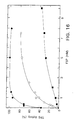
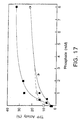
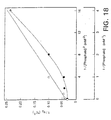
- Fig. 16 illustrates the F6P-dependence of the TPS activity of intact enzyme at different phosphate concentrations. Double-reciprocal plots of these data (not shown) indicate that at 1.3 mM phosphate, and perhaps at 4 mM phosphate, sufficiently high concentrations of F6P completely overcome the inhibition by phosphate. With no added phosphate, F6P caused a maximum activation of 2.5-fold, with a K 1 ⁇ 2 of 60 ⁇ M. At 1.3 mM phosphate, the maximum activation was at least 20-fold, and the K 1 ⁇ 2 was 1.4 mM F6P. The slopes of these double-reciprocal plots varied linearly with the square of the phosphate concentration, suggesting that two phosphate binding sites are involved.
- Fructose-1-phosphate, fructose-1,6-bisphosphate, fructose-2,6-bisphosphate and glucose-1-phosphate were tested at sub-optimal F6P concentrations (1 mM F6P at 1.3 mM phosphate). None caused activation at 5 or 2.5 mM concentrations; instead inhibitions of about 25 % occurred, probably due to competition with G6P and F6P.
- F6P did not affect the TPP activity of intact enzyme.
- 5 mM F6P caused modest (20 to 30 %) inhibitions of the TPP activity of both intact and truncated enzymes, and at saturating phosphate concentrations, smaller inhibitions (10 to 15 %) were observed (data not shown).
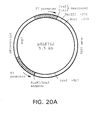
- E.coli , strain HB101 (ALKO 683) was transformed with the plasmids pALK752 and pALK754 consisting of pBluescript containing TSS1 and TSL1, respectively (see Example 14 and Figs 20a and 20c).
- Transformants ALKO3566 and ALKO3568 containing, respectively, pALK752 and pALK754 were selected and maintained by growth in the presence of 50 ⁇ g/ml of ampicillin.
- Homogenates and supernatants were assayed for TPS and TPP at once and the protein contents of the supernatants were determined (Table 10). Expression of TPS activity in E. coli transformed with TSS1 and TSL1. Host (ALKO 683) and transformants (ALKO3566 containing TSS1 and ALKO3568 containing TSL1) were grown, harvested and broken as described in the text. Cell homogenates and supernatants were assayed at once for TPS, using the standard assay and a blank assay from which G6P and F6P were omitted, and for TPP. Activities are shown as mU/g fresh cells unless stated otherwise.
- Standard and blank TPS assays both showed accelerating progress curves and results in Table 10 are mean ⁇ range of 5 min and 10 min assays, which were handled separately to calculate the net TPS activity. Essentially all of the standard TPS activity measured in the host cells and about half of that in ALKO3568 cells was due to a blank reaction (presumably a phosphodiesterase) generating UDP from UDPG in the absence of G6P and F6P. The net TPS activity of host cells grown under these conditions was close to zero, whereas cells transformed with TSS1 or TSL1 contained 840 or 140 mU/g fresh cells, most of which (64 % and 71 %, respectively) was soluble.
- TPS activity can be transferred to heterologous cells by either TSS1 or TSL1
- a TSS1 gene product has TPS activity
- This latter finding is unexpected, because yeasts containing a defective (Example 7) or disrupted (Example 14) TSS1 gene lack TPS activity.
- ALKO3568 accumulates fortuitously degraded proteolytic products of the 123 kDa long chain of trehalose synthase that exhibit TPS activity even in the absence of the TSS1 product.
- transformation with TSS1 can be used to introduce a trehalose synthetic pathway to an organism, such as E. coli HB101, that already has the capacity to generate trehalose from trehalose-6-phosphate, possibly via a nonspecific phosphatase.
- Plasmids comprising the complete ORFs of TSS1 and TSL1 and a truncated ORF of TSL1 were assembled from appropriate immunopositive clones of the HaeIII and EcoRI libraries used in Examples 4 and 5 to sequence these genes:
- a 516 bp fragment was cut from HaeIII clone 7 with restriction enzymes DraI and BstEII (see Fig 6 for restriction sites).
- the DraI site marks the beginning of the disclosed TSS1 sequence.
- This fragment was joined to HaeIII clone 20 after this had been digested with BstEII and ClaI (the ClaI site was in the polylinker) and the ClaI end filled with Klenow fragment.
- the sequence at the junction at the BstEII site in the religated plasmid was confirmed by sequencing.
- HaeIII clone 21 was cut with the restriction enzyme Tth111I. To this site the following linker (SEQ ID NO:84, synthesized with the ABI DNA Synthesizer) was added:
- the plasmid (shown in Fig 20b) can be used to release with SmaI the ORF of the TSS1 gene and about 200 bp of its terminator for further constructions (e.g. expression vectors containing a new promoter).
- PCR polymerase chain reaction
- a truncated version of TSL1 can be made by cutting pALK754 with StuI and joining the following linker (SEQ ID NO:85) to this site:
- the linker recreates the StuI site and creates a new ATG start codon at +627 in frame with the coding sequence.
- this version of the gene encodes a truncated 123 kDa long chain lacking the first 209 amino acids. It was disclosed in Example 10 that removal of the first 325 or so amino acids proceeds without loss of catalytic activity, but releases trehalose synthase from strong inhibition by phosphate and the requirement for F6P. Hence, this construction can encode a truncated 123 kDa polypeptide leading to a trehalose synthase with increased activity at physiological phosphate and F6P concentrations.
- a new SmaI site is included in the linker. The sequence flanking the new ATG on the 5'-side resembles the original ATG flanking sequence and the surrounding nucleotides are in accordance with the sequences known to occur most frequently at positions -7 to +4.
- the TSS1 gene was disrupted to confirm that it is an essential gene in trehalose synthesis.
- the one-step gene disruption method [Rothstein, R.J. (1983) Methods in Enzymology 101, 202-211)] was used as follows:
- the phenotype of the disruptants resembled the fdp1 and cif1 phenotypes (see Example 2).
- Only one transformant (ALKO3569) was isolated on glucose and the several transformants isolated on galactose were unable to grow on glucose.
- the glucose transformant and the tested galactose transformant (ALKO3570) did not accumulate trehalose in stationary phase ( ⁇ 0.2 % of dry wt.), lacked TPS and had low TPP activity ( ⁇ 10 % of wild type). The 57 kDa band could not be seen on Western blots.
- Southern analysis (Fig 21) showed that the TSS1 gene had been disrupted by a LEU2 gene, but the TSL1 gene was intact.
- WDC-3A Another mutant, WDC-3A (see Table 1) with a disrupted TSS1 gene was obtained from the laboratory of Dr. C. Gancedo (Instituto de Investigativ Bioscas, CSIC, Madrid, Spain) as a cif1::HIS3 disruptant. This mutant was easier to transform than were the tss1::LEU2 disruptants, and so it was used to confirm that the TSS1 gene on a plasmid can confer TPS and TPP activities, trehalose accumulation and improved stress resistance.
- WDC-3A was transformed with the plasmid pMB4 (see Table 1; the plasmid contains an intact CIF1 ⁇ TSS1 gene and a selectable URA3 marker) and transformants selected in the absence of uracil.
- WDC-3A tss1::HIS3
- TPS1 Transformant Cell mass (g/100 ml medium) 2.6 2.8 Trehalose (% of dry wt.) 0.84, 0.81 2.9, 3.0
- Whole homogenates TPP U/g fresh yeast
- TPS U/g fresh yeast
- TPS U/g fresh yeast
- TPS 0.01 0.67
- TPS U/G fresh yeast
- TPS mU/mg protein
- TSS1 introduction of TSS1 on a plasmid can restore both TPS and TPP activities and increase the trehalose content of an organism.
- the TPP/TPS ratio (5 %) is much lower than that (about 35 %) of purified trehalose synthase whereas the baker' yeast used in Example 1 and the X2180 used in Example 2 both have TPP/TPS ratios in their homogenates close to that of pure enzyme.
- PGKI [pMA91; Mellor et al (1983) Gene 24, 1-14]
- ADC1 [pAAH5; Ammerer (1983) Methods in Enzymology 101, 192-201]
- MEL1 [pALK3537, pALK41, etc., Suominen, P.L. (1988) Doctoral dissertation, University of Helsinki] systems have been used to increase the expression levels of genes in s. cerevisiae and other yeast.
- the MEL1 system has the advantage that the expression can be regulated, being repressed by glucose and induced by galactose.
- Standard vectors are available [episomal and integrating and centromere yeast plasmids are reviewed by Rose & Broach (1990) Methods in Enzymology 185, 234-279 and Stearns, T., Ma, H & Botstein, D. (1990) Methods in Enzymology 185, 280-291] that incorporate auxotrophic markers such as HIS3, LEU2, TRP1 and URA3, which can be used to select the transformants. Vectors based on these principles, but suited to a particular task can be constructed by a person familiar with the art.
- the basic strategy is to leave the yeast with an intact version of its natural genes for trehalose synthase and introduce, either on episomes or integrated into a yeast chromosome, extra copies of the genes. These may be under control of their own promoters, or of stronger promoters and promoters that can be regulated, for example by adding substances such as galactose to the growth medium or by changing the temperature.
- promoters has been described [see, e.g., Mylin et al. (1990) Methods in Enzymology 185, 297-308; Sledziewski et al. (1990) Methods in Enzymology 185, 351-366].
- Transformed yeast bearing additional copies of the genes with their natural promoters may accumulate enough trehalose to exhibit the desired improvement in stability. They may also cycle enough glucose units through trehalose during fermentative conditions to generate an ATPase that accelerates fermentation and increases the yield of ethanol on glucose.
- the promoters of one or more genes can be changed to promoters that are more active under fermentative conditions.
- copies of the ORFs of the genes can be inserted into expression vectors equipped with powerful promoters (that may be regulatable) to cause still larger increases in trehalose. This can be particularly useful for the production of trehalose.
- Transforming yeast with two or all three genes can be achieved in several ways. The most obvious procedure is to use different auxotrophic markers and introduce the genes sequentially. Another method is to construct a YIp containing URA3 and a modified version of, say, TSL1 with a stronger promoter but still containing a region of homology upstream of this promoter. After directed integration of this plasmid to the chromosomal ura3 site and selection of URA+ transformants, mutants in which the URA3 has again been excised (with a frequency of about 1 x 10 -4 ) can be selected by growth on media containing 5-fluoroorotic acid [see Stearns et al. (1990) loc. cit.].
- Some of the selected cells would contain a new version of the gene, with the stronger promoter and can again be transformed, this time with, say, a modified TSS1 gene.
- the resultant transformants will contain one copy of TSL1 driven by the new promoter, and two copies of TSS1, one of which is still under the control of its natural promoter.
- a YIp containing two or all three genes can be used to introduce the genes in a single step.
- various methods to transform industrial, polyploid yeast, which lack auxotrophic markers have been described in the literature. Earlier methods have been reviewed by Knowles, J.K.C. & Tubb, R.S. [(1987) E.B.C. symposium on brewer's yeast, Helsinki, 1986.
- Monograph XII 169-185 include the use of marker genes that confer resistance to antibiotics, methylglyoxal, copper, cinnamic acid and other compounds. These markers facilitate selection of transformants. Some of the marker genes are themselves of yeast origin, and so are preferred for acceptability reasons. When suitable modifications and combinations of the genes have been identified by using laboratory yeast, they may be transferred to industrial yeast using these procedures or others described in the literature, such as co-transformation with pALK2 and pALK7 [Suominen, P. I. (1988) loc. cit.].
- These plasmids contain a readily selectable MEL1 marker gene on a 2 ⁇ -based plasmid that can readily be cured, thus facilitating sequential transformation with more than one gene if it is not practicable to introduce the modified genes in one step using this co-transformation procedure.
- tissue specific promoters from the genes of proteins that are expressed in a highly tissue-specific manner [see, e.g., Higgins (1984) Annual Review of Plant Physiology 35, 191 et seg .; Shotwell and Larkins (1989) in The Biochemistry of Plants 15, 297 et seg. ].
- the use of such promoters will allow the expression of trehalose synthase in (a) specifically the frost- and drought-sensitive tissues of plants so that they may be protected from these and equivalent stresses without diverting carbohydrate metabolism in the major storage tissues, or alternatively (b) precisely in the edible tissues.
- the purpose of this second alternative is to cause the accumulation of trehalose in products such as the fruit of tomatoes, in order to increase the shelf-life of these products.
- the expression of non-plant genes, with higher A+T contents than are commonly found in plant genes can generally be improved by changing the codons to increase the G+C content, and in particular to avoid regions of overall high A+T content Perlak et al. (1991) loc. cit.]. It is foreseen that such modifications will be beneficial in the case of the genes TSS1 and TSL1, which have A+T-rich regions.
- Selection systems are available for use in the transformation of higher plants, including plasmids comprising the gene (hpt) for hygromycin phosphotransferase [Dale & Ow (1991) Proceedings of the National Academy of Sciences, USA 88, 1055810562]. These and similar methods familiar to persons skilled in the art can be used, first to introduce various modifications of the yeast trehalose synthase genes into Arabidopsis thaliana , and then to transfer the most successful modifications to plants of economic importance.
- One example of how one would transform a crop plant is via a Ti plasmid.
- a large fragment of the Ti plasmid encompassing both the T-DNA and vir regions is first cloned into the common bacterial plasmid pBR322.
- One or more of the trehalose synthase genes are then cloned into a non-essential region of the T-DNA and introduced into Agrobacterium tumefaciens carrying an intact Ti plasmid.
- the plants are then infected with these bacteria and the gene products of the vir region on the intact Ti plasmid mobilize the recombinant T-DNA, and the recombinant T-DNA integrates into the plant genome.
- One or more of the trehalose synthase genes can be introduced into the plant in this manner, by inserting the genes into either the same plasmid or separate plasmids.
Landscapes
- Life Sciences & Earth Sciences (AREA)
- Health & Medical Sciences (AREA)
- Chemical & Material Sciences (AREA)
- Genetics & Genomics (AREA)
- Organic Chemistry (AREA)
- Engineering & Computer Science (AREA)
- Wood Science & Technology (AREA)
- Bioinformatics & Cheminformatics (AREA)
- Zoology (AREA)
- Molecular Biology (AREA)
- Biotechnology (AREA)
- General Engineering & Computer Science (AREA)
- Microbiology (AREA)
- Biochemistry (AREA)
- Biomedical Technology (AREA)
- General Health & Medical Sciences (AREA)
- Medicinal Chemistry (AREA)
- Mycology (AREA)
- Nutrition Science (AREA)
- Biophysics (AREA)
- Proteomics, Peptides & Aminoacids (AREA)
- Gastroenterology & Hepatology (AREA)
- Cell Biology (AREA)
- Physics & Mathematics (AREA)
- Plant Pathology (AREA)
- Micro-Organisms Or Cultivation Processes Thereof (AREA)
- Enzymes And Modification Thereof (AREA)
- Bakery Products And Manufacturing Methods Therefor (AREA)
- Saccharide Compounds (AREA)
- Preparation Of Compounds By Using Micro-Organisms (AREA)
- Dairy Products (AREA)
Applications Claiming Priority (5)
| Application Number | Priority Date | Filing Date | Title |
|---|---|---|---|
| US83602192A | 1992-02-14 | 1992-02-14 | |
| US836021 | 1992-02-14 | ||
| US841997 | 1992-02-28 | ||
| US07/841,997 US5422254A (en) | 1992-02-14 | 1992-02-28 | Method to increase the trehalose content of organisms by transforming them with the structural genes for the short and long chains of yeast trehalose synthase |
| PCT/FI1993/000049 WO1993017093A2 (en) | 1992-02-14 | 1993-02-15 | Increasing the trehalose content of organisms by transforming them with combinations of the structural genes for trehalose synthase |
Publications (2)
| Publication Number | Publication Date |
|---|---|
| EP0635051A1 EP0635051A1 (en) | 1995-01-25 |
| EP0635051B1 true EP0635051B1 (en) | 2004-06-23 |
Family
ID=27125836
Family Applications (1)
| Application Number | Title | Priority Date | Filing Date |
|---|---|---|---|
| EP93904049A Expired - Lifetime EP0635051B1 (en) | 1992-02-14 | 1993-02-15 | Increasing the trehalose content of organisms by transforming them with combinations of the structural genes for trehalose synthase |
Country Status (10)
| Country | Link |
|---|---|
| US (1) | US5422254A (enExample) |
| EP (1) | EP0635051B1 (enExample) |
| JP (1) | JPH07503853A (enExample) |
| AT (1) | ATE269895T1 (enExample) |
| AU (1) | AU677175B2 (enExample) |
| CA (1) | CA2130082A1 (enExample) |
| DE (1) | DE69333559D1 (enExample) |
| FI (1) | FI943739A7 (enExample) |
| NZ (1) | NZ249133A (enExample) |
| WO (1) | WO1993017093A2 (enExample) |
Families Citing this family (39)
| Publication number | Priority date | Publication date | Assignee | Title |
|---|---|---|---|---|
| US7705215B1 (en) | 1990-04-17 | 2010-04-27 | Dekalb Genetics Corporation | Methods and compositions for the production of stably transformed, fertile monocot plants and cells thereof |
| US6803499B1 (en) | 1989-08-09 | 2004-10-12 | Dekalb Genetics Corporation | Methods and compositions for the production of stably transformed, fertile monocot plants and cells thereof |
| US6329574B1 (en) | 1990-01-22 | 2001-12-11 | Dekalb Genetics Corporation | High lysine fertile transgenic corn plants |
| JP3209744B2 (ja) * | 1990-01-22 | 2001-09-17 | デカルブ・ジェネティクス・コーポレーション | 結実能力のある遺伝子変換コーン |
| US6777589B1 (en) | 1990-01-22 | 2004-08-17 | Dekalb Genetics Corporation | Methods and compositions for the production of stably transformed, fertile monocot plants and cells thereof |
| US6395966B1 (en) * | 1990-08-09 | 2002-05-28 | Dekalb Genetics Corp. | Fertile transgenic maize plants containing a gene encoding the pat protein |
| FI943133A0 (fi) * | 1994-06-29 | 1994-06-29 | Alko Ab Oy | Transgena vaexter |
| US6130368A (en) * | 1992-02-14 | 2000-10-10 | Btg International Ltd | Transgenic plants producing trehalose |
| US5792921A (en) * | 1992-02-14 | 1998-08-11 | Londesborough; John | Increasing the trehalose content of organisms by transforming them with combinations of the structural genes for trehalose synthase |
| US6133034A (en) * | 1992-05-27 | 2000-10-17 | Calgene, Inc. | Methods and compositions related to the production of trehalose |
| GEP20002334B (en) * | 1993-06-30 | 2000-12-25 | Mogen Int Nv | Production of Trehalose in Plants |
| WO1995006126A1 (en) * | 1993-08-24 | 1995-03-02 | Mogen International N.V. | Production of trehalose in plants |
| CA2166063C (en) * | 1993-06-30 | 2008-04-22 | Andreas Hoekema | Production of trehalose in plants |
| US6326527B1 (en) | 1993-08-25 | 2001-12-04 | Dekalb Genetics Corporation | Method for altering the nutritional content of plant seed |
| US6118047A (en) | 1993-08-25 | 2000-09-12 | Dekalb Genetic Corporation | Anthranilate synthase gene and method of use thereof for conferring tryptophan overproduction |
| US6281411B1 (en) | 1993-08-25 | 2001-08-28 | Dekalb Genetics Corporation | Transgenic monocots plants with increased glycine-betaine content |
| KR100468307B1 (ko) * | 1994-06-29 | 2005-12-26 | 비티지 인터내셔널 리미티드 | 트레할로스를생성하는유전자도입식물 |
| DE4444460A1 (de) * | 1994-11-29 | 1996-05-30 | Inst Genbiologische Forschung | Verfahren zur Steigerung des Ertrags sowie zur Veränderung des Blühverhaltens bei Pflanzen |
| IL116564A0 (en) * | 1995-01-04 | 1996-03-31 | Mogen Int | Process for producing trehalose in plants |
| EP0784095A3 (en) | 1996-01-12 | 1997-12-29 | Mogen International N.V. | Enhanced accummulation of trehalose in plants |
| IN1997CH00924A (en) * | 1996-05-03 | 2005-03-04 | Syngenta Mogen Bv | Regulating metabolism by modifying the level of trehalose-6-phosphate |
| MX205414B (es) * | 1996-05-08 | 2001-12-07 | Univ Mexico Nacional Autonoma | Metodo para incrementar de trehalosa de los organismos por medio de su transformacion con el adnc de la trehalosa-6-fosfato sintasa/fosfatasa de selaginella lepidophylla. |
| ES2110918B1 (es) * | 1996-07-04 | 1998-08-01 | Univ Poltecnica De Valencia | Obtencion de plantas tolerantes al estres osmotico mediante manipulacion genetica del metabolismo de carbohidratos. |
| JPH10117771A (ja) | 1996-10-23 | 1998-05-12 | Natl Food Res Inst | 冷凍生地耐性実用パン酵母 |
| GB9703681D0 (en) * | 1997-02-21 | 1997-04-09 | Gene Shears Pty Ltd | Protein complemention |
| WO1999023225A1 (en) * | 1997-10-30 | 1999-05-14 | Mogen International N.V. | Novel high-fermenting microorganisms |
| ZA989782B (en) | 1997-10-30 | 1999-05-04 | Mogen Int | Pre-and postharvest inhibition of remobilisation of storage compounds |
| WO1999024558A2 (en) * | 1997-10-30 | 1999-05-20 | Mogen International N.V. | Novel high-fermenting microorganisms |
| JP4278726B2 (ja) * | 1997-12-08 | 2009-06-17 | 独立行政法人農業・食品産業技術総合研究機構 | 冷凍生地耐性および高糖生地耐性実用パン酵母 |
| HUP0102598A3 (en) * | 1998-03-11 | 2003-03-28 | Syngenta Participations Ag | Expression of trehalose biosynthetic genes in plants |
| EP1002867A1 (en) * | 1998-10-15 | 2000-05-24 | K.U. Leuven Research & Development | Specific genetic modification of the activity of trehalose-6-phosphate synthase and expression in a homologous or heterologous environment |
| AU2005202773B8 (en) * | 1998-10-15 | 2008-10-16 | Vlaams Interuniversitair Instituut Voor Biotechnologie V.Z.W.(Vib) | Specific genetic modification of the activity of trehalose-6-phosphate synthase and expression in a Homologous or heterologous environment |
| CH690127A5 (de) * | 1999-02-11 | 2000-05-15 | Rheinbiotech Gmbh | Hitzeschock induzierter Promotor. |
| GB9919732D0 (en) * | 1999-08-19 | 1999-10-20 | Colaco Camilo | Trehalose producing cells as vaccines |
| WO2001044450A1 (en) * | 1999-11-16 | 2001-06-21 | The Regents Of The University Of California | Enhancing trehalose biosynthesis |
| AU2007219949A1 (en) * | 2006-02-28 | 2007-09-07 | Suntory Holdings Limited | Gene encoding protein having trehalose synthesis-promoting activity and use thereof |
| EP2513321A2 (en) * | 2009-12-15 | 2012-10-24 | Stratley AG | Method for recovery of organic components from dilute aqueous solutions |
| US20220220487A1 (en) * | 2018-11-13 | 2022-07-14 | Lallemand Hungary Liquidity Management Llc | Combined expression of trehalose producing and trehalose degrading enzymes |
| KR102500338B1 (ko) * | 2022-07-28 | 2023-02-16 | 에스피씨 주식회사 | 우수한 발효 특징을 가진 신규 제빵용 효모 사카로마이세스 세레비지애 spc y76h |
Family Cites Families (10)
| Publication number | Priority date | Publication date | Assignee | Title |
|---|---|---|---|---|
| AU560472B2 (en) * | 1981-08-25 | 1987-04-09 | Celltech Limited | Yeast expression vectors |
| US4876197A (en) * | 1983-02-22 | 1989-10-24 | Chiron Corporation | Eukaryotic regulatable transcription |
| US4794175A (en) * | 1983-12-20 | 1988-12-27 | Cetus Corporation | Glucoamylase CDNA |
| JPH0779694B2 (ja) * | 1985-07-09 | 1995-08-30 | カドラント バイオリソ−シズ リミテツド | 蛋白質および同類品の保護 |
| GB8715238D0 (en) * | 1987-06-29 | 1987-08-05 | Quadrant Bioresources Ltd | Food process |
| GB8801338D0 (en) * | 1988-01-21 | 1988-02-17 | Quadrant Bioresources Ltd | Preservation of viruses |
| GB8802174D0 (en) * | 1988-02-01 | 1988-03-02 | Quadrant Bioresources Ltd | Method of drying macromolecules |
| GB8917470D0 (en) * | 1989-07-31 | 1989-09-13 | Quadrant Bioresources Ltd | Composition and method |
| DE69116413T2 (de) * | 1990-03-28 | 1996-05-30 | Gist Brocades Nv | Neue Hefestämme mit erhöhtem Trehalosegehalt, Verfahren zur Gewinnung solcher Hefen und Verwendung dieser Hefen |
| US5312909A (en) * | 1990-03-28 | 1994-05-17 | Gist Brocades, N.V. | Recombinant DNA encoding neutral trehalase |
-
1992
- 1992-02-28 US US07/841,997 patent/US5422254A/en not_active Expired - Fee Related
-
1993
- 1993-02-15 FI FI943739A patent/FI943739A7/fi not_active IP Right Cessation
- 1993-02-15 DE DE69333559T patent/DE69333559D1/de not_active Expired - Lifetime
- 1993-02-15 EP EP93904049A patent/EP0635051B1/en not_active Expired - Lifetime
- 1993-02-15 AU AU35009/93A patent/AU677175B2/en not_active Ceased
- 1993-02-15 CA CA002130082A patent/CA2130082A1/en not_active Abandoned
- 1993-02-15 WO PCT/FI1993/000049 patent/WO1993017093A2/en not_active Ceased
- 1993-02-15 AT AT93904049T patent/ATE269895T1/de not_active IP Right Cessation
- 1993-02-15 JP JP5514558A patent/JPH07503853A/ja active Pending
- 1993-02-15 NZ NZ249133A patent/NZ249133A/en unknown
Also Published As
| Publication number | Publication date |
|---|---|
| AU3500993A (en) | 1993-09-13 |
| CA2130082A1 (en) | 1993-09-02 |
| FI943739A0 (fi) | 1994-08-12 |
| US5422254A (en) | 1995-06-06 |
| DE69333559D1 (de) | 2004-07-29 |
| HK1005834A1 (en) | 1999-01-29 |
| WO1993017093A3 (en) | 1993-09-30 |
| EP0635051A1 (en) | 1995-01-25 |
| WO1993017093A2 (en) | 1993-09-02 |
| JPH07503853A (ja) | 1995-04-27 |
| ATE269895T1 (de) | 2004-07-15 |
| AU677175B2 (en) | 1997-04-17 |
| NZ249133A (en) | 1995-09-26 |
| FI943739A7 (fi) | 1994-10-14 |
Similar Documents
| Publication | Publication Date | Title |
|---|---|---|
| AU677175B2 (en) | Increasing the trehalose content of organisms by transforming them with combinations of the structural genes for rehalose systhase | |
| US6323001B1 (en) | Increasing the trehalose content of organisms by transforming them with combinations of the structural genes for trehalose synthase | |
| Bell et al. | Characterization of the 56‐kDa subunit of yeast trehalose‐6‐phosphate synthase and cloning of its gene reveal its identity with the product of CIF1, a regulator of carbon catabolite inactivation | |
| Boeck et al. | The Yeast Pan2 Protein Is Required for Poly (A)-binding Protein-stimulated Poly (A)-nuclease Activity∗ | |
| Nargang et al. | The Oxa1 Protein Forms a Homooligomeric Complex and Is an Essential Part of the Mitochondrial Export Translocase in Neurospora crassa∗ | |
| Bolesm et al. | Cloning of a second gene encoding 6‐phosphofructo‐2‐kinase in yeast, and characterization of mutant strains without fructose‐2, 6‐bisphosphate | |
| Boles et al. | A family of hexosephosphate mutases in Saccharomyces cerevisiae | |
| Preker et al. | A multisubunit 3′ end processing factor from yeast containing poly (A) polymerase and homologues of the subunits of mammalian cleavage and polyadenylation specificity factor | |
| US5631150A (en) | Manufacturing of xylitol using recombinant microbial hosts | |
| Iino et al. | S. pombe pac1+, whose overexpression inhibits sexual development, encodes a ribonuclease III‐like RNase. | |
| Blazquez et al. | Trehalose-6-P synthase is dispensable for growth on glucose but not for spore germination in Schizosaccharomyces pombe | |
| Lee et al. | A transcriptional mediator protein that is required for activation of many RNA polymerase II promoters and is conserved from yeast to humans | |
| EP0451896B1 (en) | New yeast strains with enhanced trehalose content, process to obtain such yeasts and the use of these yeasts | |
| Posthuma et al. | Expression of the xylulose 5-phosphate phosphoketolase gene, xpkA, from Lactobacillus pentosus MD363 is induced by sugars that are fermented via the phosphoketolase pathway and is repressed by glucose mediated by CcpA and the mannose phosphoenolpyruvate phosphotransferase system | |
| Londesborough et al. | Purification of trehalose synthase from baker's yeast: Its temperature‐dependent activation by fructose 6‐phosphate and inhibition by phosphate | |
| US5312909A (en) | Recombinant DNA encoding neutral trehalase | |
| Yalovsky et al. | Plant farnesyltransferase can restore yeast Ras signaling and mating | |
| Weirich et al. | Influence of mutations in hexose‐transporter genes on glucose repression in Kluyveromyces lactis | |
| KR100490190B1 (ko) | 개량된 단백질 발현균주 | |
| US6723540B1 (en) | Manufacture of xylitol using recombinant microbial hosts | |
| Avelange‐Macherel et al. | Cloning and functional expression of AtCOQ3, the Arabidopsis homologue of the yeast COQ3 gene, encoding a methyltransferase from plant mitochondria involved in ubiquinone biosynthesis | |
| Smith et al. | Cloning and heterologous expression of the Candida albicans gene PMI 1 encoding phosphomannose isomerase | |
| Greenberg et al. | Candida albicans SOU1 encodes a sorbose reductase required for L‐sorbose utilization | |
| US7507574B2 (en) | Recombinant Saccharomyces cerevisiae expressing chimeric glucose transporters | |
| MX2010011102A (es) | Plantas y tejidos de plantas resistentes al calor, y metodos y materiales para obtener y usar los mismos. |
Legal Events
| Date | Code | Title | Description |
|---|---|---|---|
| PUAI | Public reference made under article 153(3) epc to a published international application that has entered the european phase |
Free format text: ORIGINAL CODE: 0009012 |
|
| 17P | Request for examination filed |
Effective date: 19940831 |
|
| AK | Designated contracting states |
Kind code of ref document: A1 Designated state(s): AT BE CH DE DK ES FR GB GR IE IT LI LU MC NL PT SE |
|
| RAP1 | Party data changed (applicant data changed or rights of an application transferred) |
Owner name: ALKO GROUP LTD. |
|
| 111L | Licence recorded |
Free format text: 971008 0100 PRIMALCO OY |
|
| 17Q | First examination report despatched |
Effective date: 19990204 |
|
| RAP1 | Party data changed (applicant data changed or rights of an application transferred) |
Owner name: BTG INTERNATIONAL LIMITED |
|
| GRAH | Despatch of communication of intention to grant a patent |
Free format text: ORIGINAL CODE: EPIDOS IGRA |
|
| GRAS | Grant fee paid |
Free format text: ORIGINAL CODE: EPIDOSNIGR3 |
|
| GRAA | (expected) grant |
Free format text: ORIGINAL CODE: 0009210 |
|
| AK | Designated contracting states |
Kind code of ref document: B1 Designated state(s): AT BE CH DE DK ES FR GB GR IE IT LI LU MC NL PT SE |
|
| PG25 | Lapsed in a contracting state [announced via postgrant information from national office to epo] |
Ref country code: NL Free format text: LAPSE BECAUSE OF FAILURE TO SUBMIT A TRANSLATION OF THE DESCRIPTION OR TO PAY THE FEE WITHIN THE PRESCRIBED TIME-LIMIT Effective date: 20040623 Ref country code: LI Free format text: LAPSE BECAUSE OF FAILURE TO SUBMIT A TRANSLATION OF THE DESCRIPTION OR TO PAY THE FEE WITHIN THE PRESCRIBED TIME-LIMIT Effective date: 20040623 Ref country code: IT Free format text: LAPSE BECAUSE OF FAILURE TO SUBMIT A TRANSLATION OF THE DESCRIPTION OR TO PAY THE FEE WITHIN THE PRE;WARNING: LAPSES OF ITALIAN PATENTS WITH EFFECTIVE DATE BEFORE 2007 MAY HAVE OCCURRED AT ANY TIME BEFORE 2007. THE CORRECT EFFECTIVE DATE MAY BE DIFFERENT FROM THE ONE RECORDED.SCRIBED TIME-LIMIT Effective date: 20040623 Ref country code: FR Free format text: LAPSE BECAUSE OF FAILURE TO SUBMIT A TRANSLATION OF THE DESCRIPTION OR TO PAY THE FEE WITHIN THE PRESCRIBED TIME-LIMIT Effective date: 20040623 Ref country code: CH Free format text: LAPSE BECAUSE OF FAILURE TO SUBMIT A TRANSLATION OF THE DESCRIPTION OR TO PAY THE FEE WITHIN THE PRESCRIBED TIME-LIMIT Effective date: 20040623 Ref country code: BE Free format text: LAPSE BECAUSE OF FAILURE TO SUBMIT A TRANSLATION OF THE DESCRIPTION OR TO PAY THE FEE WITHIN THE PRESCRIBED TIME-LIMIT Effective date: 20040623 Ref country code: AT Free format text: LAPSE BECAUSE OF FAILURE TO SUBMIT A TRANSLATION OF THE DESCRIPTION OR TO PAY THE FEE WITHIN THE PRESCRIBED TIME-LIMIT Effective date: 20040623 |
|
| REG | Reference to a national code |
Ref country code: GB Ref legal event code: FG4D |
|
| REG | Reference to a national code |
Ref country code: CH Ref legal event code: EP |
|
| REG | Reference to a national code |
Ref country code: IE Ref legal event code: FG4D |
|
| REF | Corresponds to: |
Ref document number: 69333559 Country of ref document: DE Date of ref document: 20040729 Kind code of ref document: P |
|
| PG25 | Lapsed in a contracting state [announced via postgrant information from national office to epo] |
Ref country code: SE Free format text: LAPSE BECAUSE OF FAILURE TO SUBMIT A TRANSLATION OF THE DESCRIPTION OR TO PAY THE FEE WITHIN THE PRESCRIBED TIME-LIMIT Effective date: 20040923 Ref country code: GR Free format text: LAPSE BECAUSE OF FAILURE TO SUBMIT A TRANSLATION OF THE DESCRIPTION OR TO PAY THE FEE WITHIN THE PRESCRIBED TIME-LIMIT Effective date: 20040923 Ref country code: DK Free format text: LAPSE BECAUSE OF FAILURE TO SUBMIT A TRANSLATION OF THE DESCRIPTION OR TO PAY THE FEE WITHIN THE PRESCRIBED TIME-LIMIT Effective date: 20040923 |
|
| PG25 | Lapsed in a contracting state [announced via postgrant information from national office to epo] |
Ref country code: DE Free format text: LAPSE BECAUSE OF FAILURE TO SUBMIT A TRANSLATION OF THE DESCRIPTION OR TO PAY THE FEE WITHIN THE PRESCRIBED TIME-LIMIT Effective date: 20040924 |
|
| PG25 | Lapsed in a contracting state [announced via postgrant information from national office to epo] |
Ref country code: ES Free format text: LAPSE BECAUSE OF FAILURE TO SUBMIT A TRANSLATION OF THE DESCRIPTION OR TO PAY THE FEE WITHIN THE PRESCRIBED TIME-LIMIT Effective date: 20041004 |
|
| NLV1 | Nl: lapsed or annulled due to failure to fulfill the requirements of art. 29p and 29m of the patents act | ||
| REG | Reference to a national code |
Ref country code: CH Ref legal event code: PL |
|
| PG25 | Lapsed in a contracting state [announced via postgrant information from national office to epo] |
Ref country code: LU Free format text: LAPSE BECAUSE OF NON-PAYMENT OF DUE FEES Effective date: 20050215 Ref country code: IE Free format text: LAPSE BECAUSE OF NON-PAYMENT OF DUE FEES Effective date: 20050215 Ref country code: GB Free format text: LAPSE BECAUSE OF NON-PAYMENT OF DUE FEES Effective date: 20050215 |
|
| REG | Reference to a national code |
Ref country code: HK Ref legal event code: GR Ref document number: 1005834 Country of ref document: HK |
|
| PG25 | Lapsed in a contracting state [announced via postgrant information from national office to epo] |
Ref country code: MC Free format text: LAPSE BECAUSE OF NON-PAYMENT OF DUE FEES Effective date: 20050228 |
|
| PLBE | No opposition filed within time limit |
Free format text: ORIGINAL CODE: 0009261 |
|
| STAA | Information on the status of an ep patent application or granted ep patent |
Free format text: STATUS: NO OPPOSITION FILED WITHIN TIME LIMIT |
|
| 26N | No opposition filed |
Effective date: 20050324 |
|
| EN | Fr: translation not filed | ||
| GBPC | Gb: european patent ceased through non-payment of renewal fee |
Effective date: 20050215 |
|
| REG | Reference to a national code |
Ref country code: IE Ref legal event code: MM4A |
|
| PG25 | Lapsed in a contracting state [announced via postgrant information from national office to epo] |
Ref country code: PT Free format text: LAPSE BECAUSE OF NON-PAYMENT OF DUE FEES Effective date: 20041123 |