EP0560932B1 - Methods and compositions for the suppression of neu mediated transformation - Google Patents
Methods and compositions for the suppression of neu mediated transformation Download PDFInfo
- Publication number
- EP0560932B1 EP0560932B1 EP92902782A EP92902782A EP0560932B1 EP 0560932 B1 EP0560932 B1 EP 0560932B1 EP 92902782 A EP92902782 A EP 92902782A EP 92902782 A EP92902782 A EP 92902782A EP 0560932 B1 EP0560932 B1 EP 0560932B1
- Authority
- EP
- European Patent Office
- Prior art keywords
- gene
- neu
- cells
- cell
- gene product
- Prior art date
- Legal status (The legal status is an assumption and is not a legal conclusion. Google has not performed a legal analysis and makes no representation as to the accuracy of the status listed.)
- Expired - Lifetime
Links
Images


Classifications
-
- C—CHEMISTRY; METALLURGY
- C07—ORGANIC CHEMISTRY
- C07K—PEPTIDES
- C07K14/00—Peptides having more than 20 amino acids; Gastrins; Somatostatins; Melanotropins; Derivatives thereof
- C07K14/005—Peptides having more than 20 amino acids; Gastrins; Somatostatins; Melanotropins; Derivatives thereof from viruses
-
- A—HUMAN NECESSITIES
- A61—MEDICAL OR VETERINARY SCIENCE; HYGIENE
- A61P—SPECIFIC THERAPEUTIC ACTIVITY OF CHEMICAL COMPOUNDS OR MEDICINAL PREPARATIONS
- A61P35/00—Antineoplastic agents
-
- C—CHEMISTRY; METALLURGY
- C07—ORGANIC CHEMISTRY
- C07K—PEPTIDES
- C07K14/00—Peptides having more than 20 amino acids; Gastrins; Somatostatins; Melanotropins; Derivatives thereof
- C07K14/435—Peptides having more than 20 amino acids; Gastrins; Somatostatins; Melanotropins; Derivatives thereof from animals; from humans
- C07K14/705—Receptors; Cell surface antigens; Cell surface determinants
- C07K14/71—Receptors; Cell surface antigens; Cell surface determinants for growth factors; for growth regulators
-
- A—HUMAN NECESSITIES
- A61—MEDICAL OR VETERINARY SCIENCE; HYGIENE
- A61K—PREPARATIONS FOR MEDICAL, DENTAL OR TOILETRY PURPOSES
- A61K38/00—Medicinal preparations containing peptides
-
- C—CHEMISTRY; METALLURGY
- C12—BIOCHEMISTRY; BEER; SPIRITS; WINE; VINEGAR; MICROBIOLOGY; ENZYMOLOGY; MUTATION OR GENETIC ENGINEERING
- C12N—MICROORGANISMS OR ENZYMES; COMPOSITIONS THEREOF; PROPAGATING, PRESERVING, OR MAINTAINING MICROORGANISMS; MUTATION OR GENETIC ENGINEERING; CULTURE MEDIA
- C12N2710/00—MICROORGANISMS OR ENZYMES; COMPOSITIONS THEREOF; PROPAGATING, PRESERVING, OR MAINTAINING MICROORGANISMS; MUTATION OR GENETIC ENGINEERING; CULTURE MEDIA dsDNA viruses
- C12N2710/00011—Details
- C12N2710/10011—Adenoviridae
- C12N2710/10311—Mastadenovirus, e.g. human or simian adenoviruses
- C12N2710/10322—New viral proteins or individual genes, new structural or functional aspects of known viral proteins or genes
Definitions
- the present invention relates to methodology and associated genetic constructs for the suppression of oncogene-mediated, transformation, tumorigenesis and metastasis.
- this invention relates to the suppression of oncogenesis that is mediated by the HER-2/c- erb B-2/ neu oncogene, an oncogene which has been correlated with a poor prognosis of breast and ovarian carcinoma in humans.
- proto-oncogenes are related to either a growth factor or a growth factor receptor.
- the c- erb B gene encodes the epidermal growth factor receptor (EGFr) and is highly homologous to the transforming gene of the avian erythroblastosis virus (Downward et al., 1984).
- the c- erb B gene is a member of the tyrosine-specific protein kinase family to which many proto-oncogenes belong.
- the c- erb B gene has recently been found to be similar, but distinct from, an oncogene referred to variously as c- erb B-2, HER-2 or neu oncogene (referred to herein simply as the neu oncogene), now known to be intimately involved in the pathogenesis of cancers of the human female breast and genital tract.
- the neu oncogene which encodes a p185 tumor antigen, was first identified in transfection studies in which NIH 3T3 cells were transfected with DNA from chemically induced rat neuroglioblastomas (Shih et al., 1981).
- the p185 protein has an extracellular, transmembrane, and intracellular domain, and therefore has a structure consistent with that of a growth factor receptor (Schechter et al., 1984).
- the human neu gene was first isolated due to its homology with v- erb B and EGF-r probes (Sebba et al., 1985).
- the neu oncogene is of particular importance to medical science because its presence is correlated with the incidence of cancers of the human breast and female genital tract. Moreover, amplification/overexpression of this gene has been directly correlated with relapse and survival in human breast cancer (Slamon et al., 1987). Therefore, it is an extremely important goal of medical science to evolve information regarding the neu oncogene, particularly information that could be applied to reversing or suppressing the oncogenic progression that seems to be elicited by the presence or activation of this gene. Unfortunately, little has been previously known about the manner in which one may proceed to suppress the oncogenic phenotype associated with the presence of oncogenes such as the neu oncogene.
- the adenovirus E1A gene codes for several related proteins to which a number of interesting properties have been attributed. In addition to its ability to complement a second oncogene in transformation, a closely related function allows E1A to immortalize primary cells (Ruley, H.E., 1985). For example, introduction of E1A gene products into primary cells has been shown to provide these cells with an unlimited proliferative capacity when cultured in the presence of serum.
- E1A function Another interesting action of E1A function is so-called " trans -activation", wherein E1A gene products stimulate transcription from a variety of viral and cellular promoters, including the adenovirus early and major late promoter.
- trans -activation is not universal for all promoters.
- E1A causes a decrease in transcription from cellular promoters that are linked to enhancer elements (Haley et al., 1984).
- exogenously added E1A gene can reduce the metastatic potential of ras -transformed rat embryo fibroblast cells by activating the cellular NM23 gene that is associated with a lower metastatic potential (Pozzatti et al., 1988; Wallich et al., 1985).
- E1A negatively regulates neu gene expression at the transcriptional level by means of a specific DNA element (Dihua et al., 1990).
- the E1A gene products are referred to as the 13S and 12S products, in reference to the sedimentation value of two mRNAs produced by the gene. These two mRNAs arise through differential splicing of a common precursor, and code for related proteins of 289 and 243 amino acids, respectively. The proteins differ internally by 46 amino acids that are unique to the 13S protein. A number of E1A protein species can be resolved by PAGE analysis, and presumably arise as a result of extensive postranslational modification of the primary translation products (Harlow et al., 1985).
- the present invention relates to the inventors' surprising discovery that, in contrast to the previous characterization of the E1A gene as being involved in promoting transformation, the E1A gene products can actually serve to suppress not only the expression of the neu oncogene, but suppress the oncogenic phenotype which accompanies neu oncogene activation. It is proposed that this exciting discovery opens the door to novel approaches to the treatment of neu oncogene-mediated cancers, as well as an improved understanding of the regulation of this oncogene in particular and the oncogenic phenotype in general.
- the present invention thus arises out of the inventors' surprising discovery that products of the adenovirus E1A gene, a gene that is itself known to serve as an oncogene, can be effectively employed to suppress the transforming capability of the neu oncogene.
- the invention can be characterized in a general sense as relating to a method of suppressing neu oncogene-mediated transformation of a cell, which method includes introducing an E1A gene product into such a cell in a manner that is effective to suppress an oncogenic phenotype, as indicated by a reduction in transforming, tumorigenic or metastatic potential of the cell.
- the objects of the invention may be achieved by introduction of E1A gene products intracellularly in any convenient manner, including, for example, virus mediated gene transfer, DNA transfection and even direct introduction of gene products by microinjection. It is proposed that methods such as these will work adequately, e.g., where one is seeking to study neu oncogene suppression. However, where a treatment regimen is contemplated it will likely be necessary to introduce the selected E1A gene product by intracellular introduction of a DNA segment which encodes the particular domain of the E1A protein that is required for repression of neu .
- the starting materials i.e., the E1A products and gene
- the starting materials are readily available to those of skill in the art who desire to practice the invention.
- the gene itself is employed to introduce the gene products, the most convenient method of introduction will be through the use of a recombinant vector which incorporates the E1A gene, together with its associated control sequences. While use of the E1A control sequences (i.e., the E1A promoter) will be preferred, there is no reason why other control sequences could not be employed , so long as they are compatible with the genotype of the cell being treated.
- promoters include, e.g., an SV40 early promoter, a long terminal repeat promoter from retrovirus, an actin promoter, a heat shock promoter, a metallothionein promoter, and the like.
- E1A gene For introduction of the E1A gene, it is proposed that one will desire to preferably employ a vector construct that will deliver the E1A gene to the affected cells. This will, of course, generally require that the construct be delivered either to breast or genital tract cells. It is proposed that this may be achieved most preferably by introduction of the E1A gene through the use of a viral vector to carry E1A sequences to efficiently infect the tumor, or pretumorous tissue. These vectors will more preferably be a retroviral or vaccinia viral vector. These vectors are preferred because they have been successfully used to deliver desired sequences to cells and tend to have a high infection efficiency. Moreover, other virus vectors such as adenovirus have much larger genomes than vaccinia or retroviruses and are therefore undesirable for this reason.
- a particularly desirable vector is the E1A containing retroviral vector, termed pSVXE1A-G, described by Robert et al., 1985.
- This vector comprises the E1A gene which has been brought under the control of the SV-40 early promoter.
- the inventors propose that this construct could either be used directly in the practice of the invention, or could be used as a starting point for the introduction of other more desirable promoters such as those discussed above.
- both the 12S and 13S E1A gene products are capable of suppressing neu gene expression
- the 12S and 13S products are derived from essentially the same gene sequences, and are merely the result of differential splicing, where the E1A gene itself is employed it will be most convenient to simply use the wild type E1A gene directly.
- certain regions of the E1A gene may be employed exclusively without employing the entire wild type E1A gene. It is proposed that it will ultimately be preferable to employ the smallest region needed to suppress the neu gene so that one is not introducing unnecessary DNA into cells which receive the E1A gene construct.
- the simplest assay is to measure the level of DNA synthesis in treated versus nontreated cells, in that DNA synthesis is a good measure of cell growth potential.
- the ability of transformed cells as compared to non-transformed cells to grow in soft agar has been widely employed as a measure of the transformation.
- either of these two assay techniques may be conveniently employed to assess the ability of the E1A products employed to suppress neu oncogene mediated transformation.
- a number of accepted assays are also available where one desires to assess suppression of neu oncogene-mediated tumorigenic or metastatic potential.
- the most convenient indicator of tumorigenic potential is an in vivo assay employing nude mice, wherein the ability of treated cells to cause tumors in the mice is assessed.
- Nude mice may be similarly employed where one desires to assess metastatic potential, by determining the ability of treated cells to form metastatic nodules, for example, in the lungs of experimental mice.
- the invention further concerns a method for suppressing neu gene expression or overexpression.
- the method includes introducing an E1A gene product into the affected cell in a manner effective to suppress the cellular level of the neu p185 transmembrane protein.
- the suppression of p185 expression may be readily assessed by a number of available methods, including most conveniently, electrophoretic gel analysis to determine a reduction in p185 levels. It is proposed that the same means of introducing the E1A gene, or its products, will be applicable in these further embodiments as discussed in connection with the transformation embodiments above.
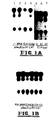
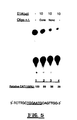
- Fig. 1 (a) Transcriptional repression of neu promoter by E1A gene products.
- Rat-l cells were transfected with 5 ⁇ g of the pNeu-EcoR1-CAT construct, which contains the CAT gene driven by neu oncogene promoter containing 2.2-kb upstream DNA sequences.
- Lane 1 basal neu promoter activity (its relative CAT activity is defined as 100%); lanes 2-4, CAT activity after cotransfection with 10 ⁇ g of carrier DNA pSP64 vector (102%, lane 2); E1A-expressing plasmid pE1A (34%, lane 3); pE1Apr, a plasmid containing only the E1A promoter (98%, lane 4).
- the CAT activities of a reporter plasmid, RSV-CAT, containing the CAT gene under the control of RSV LTR (10%, lane-5) were not significantly changed by cotransfection of 10 ⁇ g of pE1A (98%, lane 6) or 20 ⁇ g of pE1A (96%, lane 7).
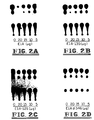
- Fig. 2 Transient expression from neu promoter with cotransfection with increasing amounts of pE1A (a), pE1A-13S (b), pE1A-12S (c), and pE1Ad1346 (d).
- a constant amount (5 ⁇ g) of the pNeuEcoR1-CAT construct was cotransfected into Rat-1 cells with 5, 10, 15, and 20 ⁇ g of the test constructs.
- the total amount of the transfected DNA were kept constant by adding the appropriate amount of carrier DNA pSP64.
- the relative CAT activities without E1A (lanes 0 in a-d) are defined as 100%.
- the relative CAT activities with 5, 10, 15 and 20 ⁇ g of test constructs are as follows: E1A, 68%, 35%, 26%, 17%; E1A-13S, 72%, 48%, 36%, 24%; E1A-12S, 66%, 46%, 28%, 21%; E1Ad1346, 102%, 103%, 99%, 102%.
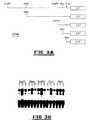
- Fig. 3 Localization of E1A-responsive DNA element in the upstream region of neu promoter.
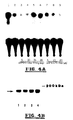
- Fig. 4 Derepression of neu by cotransfection of competing amounts of Stu I-Xho I neu promoter fragments.
- Fig. 5 Removal of the E1A-mediated repression of neu by cotransfection of a 20-mer oligonucleotide containing the consensus sequence.
- Rat-1 cells were transfected with 3 ⁇ g of pNeuEcoRV-CAT plasmids, giving basal neu promoter activity (lane 1); CAT activity after cotransfection with 10 ⁇ g of pE1A is shown in lane 4.
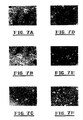
- Fig. 7 Morphologic effects of E1A expression in neu -transformed B104-1-1 cells: (a) B104-1-1; (b) B-E1Apr; (c) N-E1A-1; (d) B-E1A-1; (e) B-E1A-2; (f) B-E1A-3 (Magnification: X130).
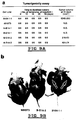
- E1A suppresses neu-induced tumour formation and metastasis in vivo in nude mice.
- the neu oncogene is a transforming gene originally identified from rat neuro/glioblastomas (Shih et al., 1981). Subsequently, both the activated neu oncogene and its normal cellular counterpart, the normal neu gene, were cloned from rat and human libraries (Bargmann et al. 1986; Coussens et al. 1985; Hung et al. 1986; Yamamoto et al., 1986). The neu gene encodes a 185-KDa transmembrane protein (p185) which is related to, but distinct from the epidermal growth factor receptor (EGF-r).
- EGF-r epidermal growth factor receptor
- the neu encoded p185 and EGF-r have identical gross structural organization including ligand-binding, transmembrane and intracellular kinase domains and also share extensive sequence homology, specifically, ⁇ 80% of the amino acids in the tyrosine kinase domain are identical.
- the ligand for the neu -encoded p185 protein has been functionally identified in rat cells and isolated from human breast cancer cells, which will facilitate the better understanding of the function of the neu - encoded p185 protein in normal and malignant cell growth and development (Lupu et al, 1990; Yarden et al. 1989).
- the activated neu oncogene contains a single amino acid substitution in the transmembrane domain and possesses an increased tyrosine kinase activity when compared to its normal counterpart. Furthermore, it has demonstrated that amplification of the neu protooncogene facilitates oncogenic activation by a single point mutation (Hung et al., 1989).
- the human homologue of the rat neu oncogene also named as HER-2 or c-erbB2
- has been shown to be amplified/overexpressed in 25-30% of human primary breast cancers and ovarian cancers (Hung et al., 1988; Slamon et al., 1987).
- the primary function of the adenovirus E1A gene is to activate other adenoviral genes during a permissive viral infection by modifying the host cell transcriptional apparatus, thereby resulting in host cell immortalization of transformation by the whole adenoviral early region (Berk et al., 1986). Although both transcriptional activation and transcriptional repression of non-adenoviral genes by the E1A proteins have been reported (Borrelli et al., 1984; Hen et al., 1985; Lillie et al., 1989; Sassome-Lorsi et al., 1987; Stein et al., 1987), their functional significance and physiological impact is unclear in many cases.
- exogenously added E1A gene can reduce the metastatic potential of ras transformed rat embryo fibroblasts (REF) cells by activating the cellular nm23 gene which is a lately cloned and characterized cellular metastatic suppressor gene (Pozzaati et al., 1988). Additionally, the transfected E1A gene has been shown to repress secreted protease gene expression at the transcriptional level and inhibits metastasis of human tumor cells (Liotta, 1989).
- the inventors undertook to develop a biological functional assay system in which the effects of E1A could be studied.
- the E1A gene was introduced into the neu transformed B104-1-1 cells to generate a derivative that stably express the E1A gene products, these cells were termed B-E1A cells.
- the transformed phenotypes of the parental neu -transformed B104-1-1 cell line and the B-E1A cell lines could then be compared following injection of each cell type into nude mice.
- the findings dramatically demonstrated that the E1A gene products can act as suppressors of neu oncogene-mediated cell transformation and metastasis.
- This Example relates to studies conducted by the inventors which demonstrate that the adenovirus E1A 12S and 13S products are effective in repressing the transcriptional activity of the neu promoter. In particular, it is demonstrated that the conserved region 2 (CR2) of the E1A proteins are required for repression. Moreover, these studies indicated that a cis -acting DNA element in the upstream region of the neu promoter is responsible for the trans inhibition of the promoter by the E1A gene products.
- CR2 conserved region 2
- pE1A (Chang et al., 1989: Hearing et al., 1985) is a plasmid expressing only the E1A region gene; pE1A12S and pE1A13S (Hearing et al., 1985) express 12S E1A protein and 13S E1A protein, respectively; pE1A-d1343 (Hearing et al., 1985) contains a 2-base-pair (bp) frameshift deletion in the E1A coding sequences (adenovirus nucleotide sequence positions 621 and 622); pE1A-d1346 (Hearing et al., 1985) contains an in-frame deletion of nucleotides 859-907 (48 bp), resulting in the deletion of 16 amino acids inside the CR2 of the E1A proteins; pE1Apr contains only the E1A promoter (-499 to +113 relative to the E1A cap
- pNeuEcoRl-CAT contains the 2.2-kilobase (kb) rat neu promoter and upstream sequences linked to the CAT gene. The deletion mutant of the neu promoter used in this study are described in the legends to Fig. 3 and 4a.
- pRSV- ⁇ -gal contains the RSV LTR linked to ⁇ -galactosidase gene used as an internal control for transfection efficiency.
- Rat-1 and SK-BR-3 cells were grown in dulbecco's modified Eagle's medium (DMEM) supplemented with 10% calf serum and fetal calf serum, respectively.
- DMEM dulbecco's modified Eagle's medium
- SK-BR-3 cell lysates were made 40 hr after transfection and immunoblots were performed as described (Matin et al., 1984).
- the mAB-3 monoclonal antibody against the human neu gene product -- p185 protein -- was purchased from Oncogene Science.
- a DNA segment of 2.2 kb containing the neu promoter and upstream sequences was fused with the CAT expression vector to generate the pNeuEcoR1-CAT plasmid.
- a cotransfection of pNeuEcoR1-CAT with pE1A, a plasmid expressing the E1A gene led to a significant decrease of CAT activity.
- Cotransfection with pSP64, a plasmid vector had no effect on CAT activity.
- the Ad5 E1A gene produces two major spliced products, the 12S and 13S mRNAs, that encode proteins 243 and 289 amino acids long, respectively (Moran et al., 1987).
- the same experiments were performed with recombinant plasmids expressing either 12S or 13S E1A gene product (pE1A-12S and pE1A-13S). As shown in Fig. 2b and c, both the 12S and 13S products were effective at repressing neu transcription in a concentration-dependent manner.
- the E1A gene products contain three highly conserved regions; CR1, CR2, and CR3 (Moran et al., 1987; Van Dam et al., 1989).
- CR1 and CR2 exist in the 12S and 13S, whereas CR3 is unique to the 13S product. Since 12S itself can repress neu efficiently, the inventors reasoned that the CR3 is dispensable for transcriptional repression of neu by E1A.
- the pE1Ad1343 mutant contains a 2-bp deletion in the E1A coding sequence, resulting in a frame shift in all three conserved regions of the E1A products and leaving only the N-terminal 40 amino acids intact. No effect on CAT activity was observed when pE1Ad1343 mutant was cotransfected with pNeuEcoR1-CAT.
- a series of 5' deletion constructs containing portions of the neu promoter linked to a functional CAT gene were cotransfected with pE1A into Rat-1 cells (Fig. 3a).
- the transient expression of the CAT gene driven by each of these promoter fragments after transfection with control plasmid vector pSP64 or with pE1A in a ratio of 1:2 is shown in Fig. 3b.
- Only the pNeuXhoI-CAT containing the smallest promoter fragment was not repressed by E1A.
- the activity of a site within the Stu I-Xho I restriction fragment is sensitive to E1A repression.
- This Stu I-Xho I fragment is sensitive to E1A repression.
- This Stu I-Xho I fragment is located between -198 and -59 with respect to the transcriptional start site of neu. The inventors concluded that the target DNA element responding to E1A repression resides inside this 139-bp Stu I-Xho I fragment.
- E1A has been reported to repress enhancer mediated transcription activation of simian virus 40 (Borrell et al., 1984), polyomavirus (Velcich et al., 1986), immunoglobulin heavy chain (Hen et al., 1985), and insulin genes (Stein et al., 1987). Comparison of the enhancer sequences of these genes reveals a consensus sequence (shown overleaf), which is likely to be the core sequence of the E1A-responding element. However, there has been no experimental evidence to support this notion. A sequence, TGGAATG, that matches the consensus sequence has been fund in the Stu 1 -Xho 1 E1A-responding element of the rat neu promoter. An identical sequence also exists in the corresponding region of the human neu promoter (Tal et al., 1987). It is therefore conceivable that the sequence TGGAATG may be an important target sequence for the E1A-induced repression.
- a 20-mer oligonucleotide from the rat neu promoter containing the sequence TGGAATG was synthesized (Fig. 5).
- This oligonucleotide efficiently competed with the neu promoter for the transcriptional factors(s) involved in the repression of neu by E1A, resulting in a derepression effect (Fig. 5, lane 2), whereas a 22-mer random nonhomologous oligonucleotide had no derepression effect (Fig. 5, lane 3).
- This region encoding the shared motif is also required by E1A, simian virus 40 large tumor antigen, and human papilloma viruses 16 E7 for their specific binding to the human retinoblastoma gene product, RB protein (Whyte et al., 1988; Whyte et al., 1989).
- the neu protooncogene is notably amplified in patients with metastatic breast cancer.
- Expression of the E1A gene can inhibit experimental metastasis of ras oncogene-transformed rat embryo cells.
- neu transcription can be repressed by E1A products in an established rat embryo fibroblast cell line, Rat-1.
- Rat-1 rat embryo fibroblast cell line
- the inventors have found that in SK-BR-3 human breast cancer cells expression of the p185 protein, the human neu gene product, was reduced by introduction of E1A gene.
- the derepression effect observed in the cotransfection experiment with the Stu 1 -Xho 1 fragment has demonstrated that this reduction of p185 proteins is likely due to the similar transcriptional repression mechanisms.
- Adenovirus-5 E1A Gene Products Act as a Transformation Suppressor of Neu Oncogene
- Example I transcription of the neu protooncogene was shown to be strongly repressed by adenovirus-5 E1A gene products through the use of a transient transfection assay.
- the E1A gene has been stably introduced into the neu-transformed B104-1-1 cells, to demonstrate that E1A-mediated neu repression can suppress neu -mediated transforming activity.
- cells that expressed E1A products possessed reduced transforming and tumorigenic activity, as evidenced using standard assays for each.
- E1A gene products can act negatively to suppress the transforming phenotype of the neu oncogene, and is believed to be the first example of a gene, i.e., the E1A gene, that can act in one setting as a transforming oncogene, and in another as a transforming suppressor gene.
- the B104-1-1 cell line an NIH3T3 transfectant that has approximately 10-20 copies of mutation-activated genomic neu oncogene has been shown to be highly transforming and tumorigenic (Bargmann et al., 1986; Stern et al., 1986).
- B104-1-1 cells and control NIH3T3 cells were transfected with either E1A plasmids expressing adenovirus-5 E1A gene, (pE1A), or a derivative plasmid containing only the E1A promoter without the E1A coding sequence (pE1Apr).
- pE1A E1A plasmids expressing adenovirus-5 E1A gene
- pE1Apr a derivative plasmid containing only the E1A promoter without the E1A coding sequence
- Cells were cotransfected with pSV2neo plasmids carrying a neomycin resistant marker gene (Southern et al., 1982).
- the transfections were carried out with the modified calcium phosphate precipitation procedure of Chen and Okayama (1988).
- 5X10 5 B104-1-1 cells or NIH3T3 cells (2 X 10 cm dishes) were seeded 24 h before transfection.
- the cells were transfected with either 10 ⁇ g of the E1A expressing pE1A plasmid DNA or its derivative pE1Apr plasmid DNA, along with 1 ⁇ g of pSV2-neo plasmid DNA (Southern et al., 1982).
- Approximately 14 h post-transfection cells were washed and cultured in fresh medium for 24 h and split at a 1:10 ratio.
- the cells were then grown in selection medium containing 500 ⁇ g/ml of G418 for 2-3 weeks and individual G418 resistant colonies were cloned using cloning rings and expanded to mass culture.
- B-E1A transfectants B104-1-1 transfectants harboring the E1A gene
- B-ElApr transfectants B104-1-1 transfectants containing E1A promoter sequence, which is used as a control cell line in this study
- N-E1A transfectants NIH3T3 cells transfected with the E1A gene.
- the B104-1-1 cell line and NIH3T3 cell line were grown in Dulbecco's modified Eagle's medium (DMEM) supplemented with 10% calf serum in a humidified atmosphere at 5% CO 2 at 37°C.
- DMEM Dulbecco's modified Eagle's medium
- the B-E1A transfectants and N-E1A transfectants were grown under the same condition with addition of G418 (500 ⁇ g/ml) into the culture media.
- Figure 6 shows the molecular characterization of the representative stable transfectants used in this study, employing both Southern blot and immunoblot analyses.
- Southern blot analyses were performed essentially by published techniques as previously described (Zhang et al., 1989). Genomic DNAs extracted from cultured cells were digested overnight at 37°C with a 2-fold excess of a restriction endonuclease (either EcoR1, Sst1, or BamH1). Ten ⁇ g of each sample were then resolved by electrophoresis on a 1% agarose gel and transferred to Nytran membrane (Schleicher & Schuell, Keen, NH) using a 10 x SSC (1.5 m NaCl, 0.15 M sodium citrate).
- the blotted DNA were hybridized under high stringent conditions (68°C) with [ 32 P] radioactive probe (1-5 x 10 8 CPM ⁇ g -1 ) labeled by using Random Primed DNA Labeling Kit (Boehringer Mannheim Biochemicals, Indianapolis, IN).
- the blots were washed twice for 15 min each in 2 x SSC, 0.1% SDS at room temperature, and then twice for 30 min each in 0.1 x SSC, 0.1% SDS at 68°C with constant agitation.
- the filters were dried at room temperature and then exposed to Kodak X-OMATTM AR film at -80°C for 1 to 3 days.
- Immunoblot analysis were performed basically by published techniques (Towbin et al., 1979) as previously described (Matin et al., 1990). Confluent cells growing in 10 cm plates were lysed with RIPA-B buffer (20 mM sodium phosphate, pH 7.4, 150 mM NaCl, 5mM EDTA, 1% Triton, 10 ⁇ g/ml Aprotinin, 2mM PMSF, 10 ⁇ g/ml Leupeptin and 4mM iodoacetic acid) and then centrifuged at 10 x g for 20 min at 4°C. The protein concentration of the supernatants was determined by Bio-Rad protein assay (Bio-Rad Laboratories, Richmond, CA).
- nitrocellulose filters were treated with 3% nonfat dry milk in TPBS buffer (0.05% Tween-20, 138 mM NaCl, 2.7 mM KCl, 4.3 mM Na2HPO4.7H 2 O and 1.4 mM KH 2 PO4) for 1 h at room temperature, followed by an overnight incubation at 4°C with primary monoclonal antibodies M73 against the E1A proteins (a gift of Dr. L.S. Chang, Ohio State Univ.) or mAb-3 against the neu encoded p185 protein (purchased from Oncogene Science Inc., Manhasset, NY.).
- nitrocellulose was then incubated for 1 h at room temperature with 1:1000 dilution of horseradish peroxidase-conjugated goat antimouse immunoglobulin (Bio-Rad Laboratories).
- the nitrocellulose filters were washed 3 times in TPBS buffer and were subjected to color developing reaction with horseradish peroxidase substrate (Kirkegaard & Perry Laboratories, Inc., Gaithersburg, MD).
- B-E1A-1 and B-E1A-3 had levels of the neu gene that were comparable to those of the parental B104-1-1 cell line; while B-E1A-1 appeared to have a lower level neu gene. This may be due to partial loss of the neu gene in this line during the establishment of this transfected cell line.
- B-E1A transfectants shown in Figure 6 were chosen for further transformation assay because they represented three different subtypes of B-E1A transfectants: (1) B-E1A-1 had fewer copies of neu gene compared to B104-1-1 and more copies of E1A gene; (2) B-E1A-2 retained the same level of neu as B104-1-1 and high levels of E1A gene; (3) B-E1A-3 contained the same amount of neu as B104-1-1, but a low quantity of the E1A gene.
- the transforming phenotype of the neu -transformed cells usually includes a transformed morphology, non-contact-inhibited growth pattern, increased DNA synthesis rate, anchorage-independent growth and the ability to induce tumors in nu/nu mice.
- the B-E1A transfectants as well as the control cell lines were assayed for all the above mentioned transforming parameters using standard protocols.
- DNA synthesis was also studied as a measure of cell growth, to determine whether the B-E1A transfectants were actively synthesizing DNA as compared to controls. These studies were conducted through the use of a [ 3 H]-thymidine incorporation assay. For these studies, cells were plated in ten replica into 96 well plates at a density of 9 x 10 3 cells/well and cultured in DMEM supplemented with 10% calf serum. [ 3 H]-thymidine (1 ⁇ Cl) was added to each well at time points of 16, 40 and 64 h and continuously incubated at 37°C for 2 h. Cells were then harvested and cellular DNA were bound to glass fiber filters. Radioactivities of individual samples were counted by Scintillation counter. Average cpm were calculated from ten replicate samples.
- B104-1-1 cells and the B-E1A transfectants were assayed for their ability to grow in soft agar.
- the ability of B104-1- cells, B-E1A transfectants, NIH3T3 cells and N-E1A transfectant to grow in soft agarose was determined as described previously (Matin et al., 1990).
- Cells (1 x 10 3 cells/plate) were plated in a 24 well plate in DMEM containing 10% calf serum and 0.35% agarose (BRL, Gaithersburg, MD) over a 0.7% agarose lower layer. The cells were incubated at 37°C for 3 weeks and the plates were stained with p-iodonitrotetrazolium violet (1mg/ml) for 24 h at 37°C and colonies were counted.
- the most stringent experimental test for neoplastic behavior is the ability of injected cells to form tumors in nude mice.
- Studies in nude mice were conducted because the examination of E1A repression of neu-mediated tumorigenicity in vivo was considered to be a critical test of E1A effectiveness.
- the B104-1-1 cells, B-E1A transfectants, NIH3T3 cells and N-E1A transfectant in log-phase growth were trypsinized and washed twice with phosphate buffered saline and centrifuged at 250 x g.
- the viable cells were then counted, and 1 x 10 5 cells in 0.1 ml of phosphate buffered saline were injected subcutaneously into both the right and left flanks of 5 to 6-week old female homozygous nu/nu (nude) mice (Harlan Sprague Dawley Co.) under sterile conditions. Tumor formation was scored at indicated days as presence or absence of a visible tumor mass. Sixteen days after injection, tumor volumes were estimated as the product of three-dimensional caliper measurements (longest surface length and width and tumor thickness). The growth of tumors was monitored for a minimum of 16 days and maximum of 2 months.
- the B-E1A-3 cells possessed similar [ 3 H]-thymidine incorporation and cell growth rate as B104-1-1 cells, while their tumorigenic activity was markedly suppressed as well.
- these results clearly demonstrate that introduction of the E1A gene into B104-1-1 cells suppresses all the transforming properties of the neu-transformed cells.
- B-E1A transfectants of B104-1-1 were assessed for E1A products also suppress neu -mediated metastasis. These studies employed B-E1A transfectants (B-E1A-1 through B-E1A-5) as well as the negative and positive controls, NIH/3T3 and B104-1-1, respectively, in a cell motility, in vitro invasion and an experimental metastasis assay.
- mice The metastasis studies were performed essentially as described by Wexler, 1966. Briefly, six-week-old pathogen-free female nude mice (Harland) were quarantined for 1 week and then used in the studies. Seven to ten mice/experimental group were inoculated with 1x10 5 cells/0.1 ml in PBS via the lateral tail vein at day 0. Each cell line was then assessed at two different passage numbers. Mice were sacrificed at 21 days following injection and the number of lung metastases were determined by infiltration with India ink. Only those lung nodules >1 mm in diameter were counted. On further examination, no extrapulmonary metastases were found.
- Another step in the metastatic process involves invasion of tissues and basement membranes.
- In vitro invasion assays also revealed significant differences between the B-neo cells and the B-E1A cell lines.
- B-neo cells demonstrated a high rate of invasion similar to that of B104-1-1 cells, while the B-E1A transfectants failed to invade the Matrigel.
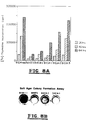
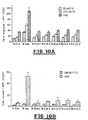
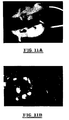
- Injection of the B-neo cells and the five B-E1A cell lines into the tail vein of the nude mice showed dramatic differences in the frequencies and number of lung nodules (Fig. 10b and Table 1).
- compositions and methods of this invention have been described in terms of preferred embodiments, it will be apparent to those of skill in the art that variations may be applied to the composition, methods and in thesteps or in the sequence of steps of the method described herein without departing from the concept, spirit and scope of the invention. More specifically, it will be apparent that certain agents which are both chemically and physiologically related may be substituted for the agents described herein while the same or similar results would be achieved. All such similar substitutes and modifications apparent to those skilled in the art are deemed to be within the spirit, scope and concept of the invention as defined by the appended claims.
Landscapes
- Health & Medical Sciences (AREA)
- Chemical & Material Sciences (AREA)
- Life Sciences & Earth Sciences (AREA)
- Organic Chemistry (AREA)
- General Health & Medical Sciences (AREA)
- Medicinal Chemistry (AREA)
- Gastroenterology & Hepatology (AREA)
- Biochemistry (AREA)
- Biophysics (AREA)
- Genetics & Genomics (AREA)
- Molecular Biology (AREA)
- Proteomics, Peptides & Aminoacids (AREA)
- Immunology (AREA)
- Cell Biology (AREA)
- Virology (AREA)
- Toxicology (AREA)
- Zoology (AREA)
- Animal Behavior & Ethology (AREA)
- General Chemical & Material Sciences (AREA)
- Nuclear Medicine, Radiotherapy & Molecular Imaging (AREA)
- Pharmacology & Pharmacy (AREA)
- Chemical Kinetics & Catalysis (AREA)
- Public Health (AREA)
- Veterinary Medicine (AREA)
- Micro-Organisms Or Cultivation Processes Thereof (AREA)
- Medicines Containing Material From Animals Or Micro-Organisms (AREA)
- Medicines That Contain Protein Lipid Enzymes And Other Medicines (AREA)
- Pharmaceuticals Containing Other Organic And Inorganic Compounds (AREA)
- Nitrogen And Oxygen Or Sulfur-Condensed Heterocyclic Ring Systems (AREA)
- Transition And Organic Metals Composition Catalysts For Addition Polymerization (AREA)
Applications Claiming Priority (3)
| Application Number | Priority Date | Filing Date | Title |
|---|---|---|---|
| US62146590A | 1990-12-04 | 1990-12-04 | |
| US621465 | 1990-12-04 | ||
| PCT/US1991/009100 WO1992010573A1 (en) | 1990-12-04 | 1991-12-04 | Methods and compositions for the suppression of neu mediated transformation |
Publications (2)
| Publication Number | Publication Date |
|---|---|
| EP0560932A1 EP0560932A1 (en) | 1993-09-22 |
| EP0560932B1 true EP0560932B1 (en) | 1996-09-04 |
Family
ID=24490270
Family Applications (1)
| Application Number | Title | Priority Date | Filing Date |
|---|---|---|---|
| EP92902782A Expired - Lifetime EP0560932B1 (en) | 1990-12-04 | 1991-12-04 | Methods and compositions for the suppression of neu mediated transformation |
Country Status (11)
| Country | Link |
|---|---|
| US (1) | US5651964A (cg-RX-API-DMAC7.html) |
| EP (1) | EP0560932B1 (cg-RX-API-DMAC7.html) |
| JP (2) | JPH06504671A (cg-RX-API-DMAC7.html) |
| AT (1) | ATE142261T1 (cg-RX-API-DMAC7.html) |
| AU (1) | AU651650B2 (cg-RX-API-DMAC7.html) |
| CA (1) | CA2096723C (cg-RX-API-DMAC7.html) |
| DE (1) | DE69121903T2 (cg-RX-API-DMAC7.html) |
| DK (1) | DK0560932T3 (cg-RX-API-DMAC7.html) |
| ES (1) | ES2093248T3 (cg-RX-API-DMAC7.html) |
| GR (1) | GR3021805T3 (cg-RX-API-DMAC7.html) |
| WO (1) | WO1992010573A1 (cg-RX-API-DMAC7.html) |
Families Citing this family (30)
| Publication number | Priority date | Publication date | Assignee | Title |
|---|---|---|---|---|
| US5641484A (en) * | 1990-12-04 | 1997-06-24 | Board Of Regents, The University Of Texas System | Methods for the suppression of neu mediated tumors by adenoviral E1A and SV40 large T antigen |
| US5643567A (en) * | 1990-12-04 | 1997-07-01 | Board Of Regents, The University Of Texas System | Methods for the suppression of neu mediated tumors by adenoviral E1A and SV40 large T antigen |
| US5516631A (en) * | 1992-10-13 | 1996-05-14 | La Jolla Cancer Research Foundation | Method of inhibiting replication of hyperproliferative cells |
| AU5962694A (en) * | 1992-12-31 | 1994-08-15 | Exemplar Corporation | Producing cells for transplantation to reduce host rejection and resulting cells |
| US5776743A (en) | 1994-09-06 | 1998-07-07 | La Jolla Cancer Research Foundation | Method of sensitizing tumor cells with adenovirus E1A |
| US6326356B1 (en) * | 1996-10-18 | 2001-12-04 | Board Of Regents, The University Of Texas System | Suppression of neu overexpression using a mini-E1A gene |
| US6008202A (en) * | 1995-01-23 | 1999-12-28 | University Of Pittsburgh | Stable lipid-comprising drug delivery complexes and methods for their production |
| US5795587A (en) | 1995-01-23 | 1998-08-18 | University Of Pittsburgh | Stable lipid-comprising drug delivery complexes and methods for their production |
| US6267958B1 (en) | 1995-07-27 | 2001-07-31 | Genentech, Inc. | Protein formulation |
| US6685940B2 (en) | 1995-07-27 | 2004-02-03 | Genentech, Inc. | Protein formulation |
| US5763415A (en) * | 1995-08-03 | 1998-06-09 | John Hopkins University School Of Medicine | Destruction of the epithelium of an exocrine gland in the prophylactic and therapeutic treatment of cancer |
| US6861506B1 (en) | 1996-01-11 | 2005-03-01 | Corixa Corporation | Compositions and methods for the treatment and diagnosis of breast cancer |
| US6828431B1 (en) | 1999-04-09 | 2004-12-07 | Corixa Corporation | Compositions and methods for the therapy and diagnosis of breast cancer |
| US7241876B2 (en) | 1996-01-11 | 2007-07-10 | Corixa Corporation | Compositions and methods for the therapy and diagnosis of breast cancer |
| US6656480B2 (en) | 1996-01-11 | 2003-12-02 | Corixa Corporation | Compositions and methods for the treatment and diagnosis of breast cancer |
| CA2250222A1 (en) * | 1996-03-20 | 1997-09-25 | Mien-Chie Hung | Sensitization of her-2/neu overexpressing cancer cells to chemotherapy |
| US7371376B1 (en) | 1996-10-18 | 2008-05-13 | Genentech, Inc. | Anti-ErbB2 antibodies |
| US7049410B2 (en) * | 1999-05-14 | 2006-05-23 | Majumdar Adhip P N | Antibodies to a novel EGF-receptor related protein (ERRP) |
| US6399743B1 (en) | 1999-05-14 | 2002-06-04 | Dept. Of Veterans Affairs | Isolation and characterization of a rat epidermal growth factor related protein |
| US9486429B2 (en) | 1999-06-01 | 2016-11-08 | Vanderbilt University | Therapeutic methods employing nitric oxide precursors |
| US6346382B1 (en) | 1999-06-01 | 2002-02-12 | Vanderbilt University | Human carbamyl phosphate synthetase I polymorphism and diagnostic methods related thereto |
| US7041292B1 (en) | 1999-06-25 | 2006-05-09 | Genentech, Inc. | Treating prostate cancer with anti-ErbB2 antibodies |
| US6949245B1 (en) | 1999-06-25 | 2005-09-27 | Genentech, Inc. | Humanized anti-ErbB2 antibodies and treatment with anti-ErbB2 antibodies |
| BR0013814A (pt) | 1999-08-27 | 2002-04-23 | Genentech Inc | Métodos de tratamentos de um paciente humano suscetìvel a ou diagnosticado com uma doença com anticorpos anti-erbb2, artigos industrializados, métodos de tratamentos de câncer em pacientes humanos e usos do anticorpo anti-erbb2 |
| US20040086903A1 (en) * | 2000-12-29 | 2004-05-06 | Jean-Jacques Lareyre | Epididymal lipocalin gene and uses thereof |
| US20020169126A1 (en) * | 2001-03-21 | 2002-11-14 | Mien-Chie Hung | Compositions and methods for inactivating the Akt oncogene and/or activating the p38 pro-apoptotic gene |
| US20050069918A1 (en) | 2003-05-29 | 2005-03-31 | Francois Claret | JAB1 as a prognostic marker and a therapeutic target for human cancer |
| US20100132058A1 (en) | 2004-07-23 | 2010-05-27 | Diatchenko Luda B | Methods and materials for determining pain sensitivity and predicting and treating related disorders |
| PT2247297T (pt) * | 2008-01-31 | 2019-04-24 | Univ Vanderbilt | Tratamento terapêutico para estados pulmonares |
| HUE045571T2 (hu) | 2008-01-31 | 2020-01-28 | Univ Vanderbilt | Koronáriás és artériás aneurizmás szubarachnoideális vérzés kezelésére szolgáló eljárások és készítmények |
Family Cites Families (4)
| Publication number | Priority date | Publication date | Assignee | Title |
|---|---|---|---|---|
| US4394448A (en) * | 1978-02-24 | 1983-07-19 | Szoka Jr Francis C | Method of inserting DNA into living cells |
| ES2067755T3 (es) * | 1989-06-22 | 1995-04-01 | Vestar Inc | Proceso de encapsulado. |
| ATE237694T1 (de) * | 1991-08-20 | 2003-05-15 | Us Gov Health & Human Serv | Adenovirus vermittelter gentransfer in den gastrointestinaltrakt |
| US5496731A (en) * | 1993-03-25 | 1996-03-05 | Xu; Hong-Ji | Broad-spectrum tumor suppressor genes, gene products and methods for tumor suppressor gene therapy |
-
1991
- 1991-12-04 DK DK92902782.9T patent/DK0560932T3/da active
- 1991-12-04 AU AU91469/91A patent/AU651650B2/en not_active Ceased
- 1991-12-04 CA CA002096723A patent/CA2096723C/en not_active Expired - Fee Related
- 1991-12-04 JP JP4502955A patent/JPH06504671A/ja not_active Withdrawn
- 1991-12-04 WO PCT/US1991/009100 patent/WO1992010573A1/en not_active Ceased
- 1991-12-04 AT AT92902782T patent/ATE142261T1/de not_active IP Right Cessation
- 1991-12-04 ES ES92902782T patent/ES2093248T3/es not_active Expired - Lifetime
- 1991-12-04 EP EP92902782A patent/EP0560932B1/en not_active Expired - Lifetime
- 1991-12-04 US US08/070,410 patent/US5651964A/en not_active Expired - Fee Related
- 1991-12-04 DE DE69121903T patent/DE69121903T2/de not_active Expired - Fee Related
-
1996
- 1996-11-28 GR GR960403196T patent/GR3021805T3/el unknown
-
2001
- 2001-08-01 JP JP2001234289A patent/JP3323491B2/ja not_active Expired - Fee Related
Non-Patent Citations (6)
| Title |
|---|
| AMERICAN ASSOCIATION OF CANCER RESEARCH, 81st Annual Meeting of the AACR, vol. 31, no. 0, 23 May 1990, Washington, DC (US); M.-C. HUNG et al., p. 13 * |
| CHEMICAL ABSTRACTS, vol. 114, no. 21, 27 May 1991, Columbus, OH (US); H.E. ZHAU et al.; P. 205; AN 200732z * |
| MOLECULAR & CELLULAR BIOLOGY, vol. 11, no. 3, March 1991, American Society for Microbiology, Washington, DC (US); D. YU et al., pp. 1745-1750 * |
| MOLECULAR & CELLULAR BIOLOGY, vol. 8, no. 7, July 1988, American Society for Microbiology, Washington, DC (US); R. POZZATTI et al., pp. 2984-2988 * |
| PROCEEDINGS OF THE NATL. ACADEMY OF SCIENCES USA, vol. 87, June 1990, Washington, DC (US); D. YU et al., pp. 4499-4503 * |
| SCIENCE, vol. 235, 09 January 1987, AAAS, Washington, DC (US); D.J. SLAMON et al., pp. 177-182 * |
Also Published As
| Publication number | Publication date |
|---|---|
| DE69121903D1 (de) | 1996-10-10 |
| CA2096723C (en) | 2006-03-28 |
| EP0560932A1 (en) | 1993-09-22 |
| AU651650B2 (en) | 1994-07-28 |
| ATE142261T1 (de) | 1996-09-15 |
| DK0560932T3 (cg-RX-API-DMAC7.html) | 1997-02-17 |
| CA2096723A1 (en) | 1992-06-05 |
| JP2002114707A (ja) | 2002-04-16 |
| JP3323491B2 (ja) | 2002-09-09 |
| WO1992010573A1 (en) | 1992-06-25 |
| JPH06504671A (ja) | 1994-06-02 |
| AU9146991A (en) | 1992-07-08 |
| ES2093248T3 (es) | 1996-12-16 |
| GR3021805T3 (en) | 1997-02-28 |
| US5651964A (en) | 1997-07-29 |
| DE69121903T2 (de) | 1997-04-10 |
Similar Documents
| Publication | Publication Date | Title |
|---|---|---|
| EP0560932B1 (en) | Methods and compositions for the suppression of neu mediated transformation | |
| US5641484A (en) | Methods for the suppression of neu mediated tumors by adenoviral E1A and SV40 large T antigen | |
| US5814315A (en) | Methods for the suppression of neu mediated phenotype in tumors | |
| Yu et al. | Transcriptional repression of the neu protooncogene by the adenovirus 5 E1A gene products. | |
| Yu et al. | Adenovirus type 5 E1A gene products act as transformation suppressors of the neu oncogene | |
| Pozzatti et al. | The human T-lymphotropic virus type I tax gene can cooperate with the ras oncogene to induce neoplastic transformation of cells | |
| Phelps et al. | The human papillomavirus type 16 E7 gene encodes transactivation and transformation functions similar to those of adenovirus E1A | |
| Iftner et al. | Involvement of human papillomavirus type 8 genes E6 and E7 in transformation and replication | |
| EP0725791B1 (en) | Recombinant p53 adenovirus methods and compositions | |
| US4738922A (en) | Trans-acting transcriptional factors | |
| Santoso et al. | Adenovirus-based p53 gene therapy in ovarian cancer | |
| Suen et al. | c-myc reverses neu-induced transformed morphology by transcriptional repression | |
| Chang et al. | Suppression of transcription activity of the MEQ protein of oncogenic Marek's disease virus serotype 1 (MDV1) by L-MEQ of non-oncogenic MDV1 | |
| JP2000515504A (ja) | 細胞死を誘導するアデノウイルスe4蛋白質 | |
| Kiyono et al. | The primary structure of major viral RNA in a rat cell line transfected with type 47 human papillomavirus DNA and the transforming activity of its cDNA and E6 gene | |
| Kuzumaki et al. | Resistance to oncogenic transformation in revertant R1 of human ras-transformed NIH 3T3 cells | |
| Corallini et al. | Induction of malignant subcutaneous sarcomas in hamsters by a recombinant DNA containing BK virus early region and the activated human c-Harvey-ras oncogene | |
| Kaluzová et al. | P53 tumour suppressor modulates transcription of the TATA-less gene coding for the tumour-associated carbonic anhydrase MN/CA IX in MaTu cells | |
| Gazit et al. | Mammalian cell transformation by a murine retrovirus vector containing the avian erythroblastosis virus erbB gene | |
| Lerman et al. | DNA sequences in human nasopharyngeal carcinoma cells that specify susceptibility to tumor promoter-induced neoplastic transformation | |
| Yu | Repression ofneu oncogene by E1A: Mechanisms and biological functions | |
| Georges et al. | Molecular and biological characterization of cottontail rabbit papillomavirus variant DNA sequences integrated in the VX7 carcinoma | |
| Jannun et al. | Functional relatedness between the E1a and E1b regions of group C and group D human adenoviruses | |
| Yan | The transcriptional regulation of theneu gene: Examples of activation, repression, and cell-specific expression | |
| Li | The methylation patterns of Bovine papillomavirus DNA in LM (tk (-)) cells |
Legal Events
| Date | Code | Title | Description |
|---|---|---|---|
| PUAI | Public reference made under article 153(3) epc to a published international application that has entered the european phase |
Free format text: ORIGINAL CODE: 0009012 |
|
| 17P | Request for examination filed |
Effective date: 19930701 |
|
| AK | Designated contracting states |
Kind code of ref document: A1 Designated state(s): AT BE CH DE DK ES FR GB GR IT LI LU MC NL SE |
|
| 17Q | First examination report despatched |
Effective date: 19940127 |
|
| GRAH | Despatch of communication of intention to grant a patent |
Free format text: ORIGINAL CODE: EPIDOS IGRA |
|
| GRAH | Despatch of communication of intention to grant a patent |
Free format text: ORIGINAL CODE: EPIDOS IGRA |
|
| GRAH | Despatch of communication of intention to grant a patent |
Free format text: ORIGINAL CODE: EPIDOS IGRA |
|
| GRAA | (expected) grant |
Free format text: ORIGINAL CODE: 0009210 |
|
| AK | Designated contracting states |
Kind code of ref document: B1 Designated state(s): AT BE CH DE DK ES FR GB GR IT LI LU MC NL SE |
|
| REF | Corresponds to: |
Ref document number: 142261 Country of ref document: AT Date of ref document: 19960915 Kind code of ref document: T |
|
| REF | Corresponds to: |
Ref document number: 69121903 Country of ref document: DE Date of ref document: 19961010 |
|
| ITF | It: translation for a ep patent filed | ||
| ET | Fr: translation filed | ||
| REG | Reference to a national code |
Ref country code: ES Ref legal event code: FG2A Ref document number: 2093248 Country of ref document: ES Kind code of ref document: T3 |
|
| REG | Reference to a national code |
Ref country code: CH Ref legal event code: NV Representative=s name: HEPP, WENGER & RYFFEL AG |
|
| REG | Reference to a national code |
Ref country code: GR Ref legal event code: FG4A Free format text: 3021805 |
|
| REG | Reference to a national code |
Ref country code: DK Ref legal event code: T3 |
|
| PLBE | No opposition filed within time limit |
Free format text: ORIGINAL CODE: 0009261 |
|
| STAA | Information on the status of an ep patent application or granted ep patent |
Free format text: STATUS: NO OPPOSITION FILED WITHIN TIME LIMIT |
|
| 26N | No opposition filed | ||
| REG | Reference to a national code |
Ref country code: GB Ref legal event code: IF02 |
|
| PGFP | Annual fee paid to national office [announced via postgrant information from national office to epo] |
Ref country code: MC Payment date: 20041126 Year of fee payment: 14 Ref country code: GR Payment date: 20041126 Year of fee payment: 14 |
|
| PGFP | Annual fee paid to national office [announced via postgrant information from national office to epo] |
Ref country code: SE Payment date: 20041206 Year of fee payment: 14 |
|
| PGFP | Annual fee paid to national office [announced via postgrant information from national office to epo] |
Ref country code: AT Payment date: 20041213 Year of fee payment: 14 |
|
| PGFP | Annual fee paid to national office [announced via postgrant information from national office to epo] |
Ref country code: LU Payment date: 20041214 Year of fee payment: 14 |
|
| PGFP | Annual fee paid to national office [announced via postgrant information from national office to epo] |
Ref country code: CH Payment date: 20041215 Year of fee payment: 14 |
|
| PGFP | Annual fee paid to national office [announced via postgrant information from national office to epo] |
Ref country code: DK Payment date: 20041217 Year of fee payment: 14 |
|
| PGFP | Annual fee paid to national office [announced via postgrant information from national office to epo] |
Ref country code: ES Payment date: 20041229 Year of fee payment: 14 |
|
| PGFP | Annual fee paid to national office [announced via postgrant information from national office to epo] |
Ref country code: GB Payment date: 20051130 Year of fee payment: 15 |
|
| PGFP | Annual fee paid to national office [announced via postgrant information from national office to epo] |
Ref country code: DE Payment date: 20051201 Year of fee payment: 15 |
|
| PG25 | Lapsed in a contracting state [announced via postgrant information from national office to epo] |
Ref country code: IT Free format text: LAPSE BECAUSE OF NON-PAYMENT OF DUE FEES Effective date: 20051204 Ref country code: AT Free format text: LAPSE BECAUSE OF NON-PAYMENT OF DUE FEES Effective date: 20051204 |
|
| PGFP | Annual fee paid to national office [announced via postgrant information from national office to epo] |
Ref country code: NL Payment date: 20051204 Year of fee payment: 15 |
|
| PG25 | Lapsed in a contracting state [announced via postgrant information from national office to epo] |
Ref country code: SE Free format text: LAPSE BECAUSE OF NON-PAYMENT OF DUE FEES Effective date: 20051205 |
|
| PGFP | Annual fee paid to national office [announced via postgrant information from national office to epo] |
Ref country code: FR Payment date: 20051208 Year of fee payment: 15 |
|
| PG25 | Lapsed in a contracting state [announced via postgrant information from national office to epo] |
Ref country code: MC Free format text: LAPSE BECAUSE OF NON-PAYMENT OF DUE FEES Effective date: 20051231 Ref country code: LU Free format text: LAPSE BECAUSE OF NON-PAYMENT OF DUE FEES Effective date: 20051231 Ref country code: LI Free format text: LAPSE BECAUSE OF NON-PAYMENT OF DUE FEES Effective date: 20051231 Ref country code: CH Free format text: LAPSE BECAUSE OF NON-PAYMENT OF DUE FEES Effective date: 20051231 |
|
| PG25 | Lapsed in a contracting state [announced via postgrant information from national office to epo] |
Ref country code: DK Free format text: LAPSE BECAUSE OF NON-PAYMENT OF DUE FEES Effective date: 20060102 |
|
| PGFP | Annual fee paid to national office [announced via postgrant information from national office to epo] |
Ref country code: BE Payment date: 20060216 Year of fee payment: 15 |
|
| REG | Reference to a national code |
Ref country code: DK Ref legal event code: EBP |
|
| REG | Reference to a national code |
Ref country code: CH Ref legal event code: PL |
|
| EUG | Se: european patent has lapsed | ||
| PG25 | Lapsed in a contracting state [announced via postgrant information from national office to epo] |
Ref country code: BE Free format text: LAPSE BECAUSE OF NON-PAYMENT OF DUE FEES Effective date: 20061231 |
|
| PG25 | Lapsed in a contracting state [announced via postgrant information from national office to epo] |
Ref country code: NL Free format text: LAPSE BECAUSE OF NON-PAYMENT OF DUE FEES Effective date: 20070701 |
|
| PG25 | Lapsed in a contracting state [announced via postgrant information from national office to epo] |
Ref country code: DE Free format text: LAPSE BECAUSE OF NON-PAYMENT OF DUE FEES Effective date: 20070703 |
|
| GBPC | Gb: european patent ceased through non-payment of renewal fee |
Effective date: 20061204 |
|
| NLV4 | Nl: lapsed or anulled due to non-payment of the annual fee |
Effective date: 20070701 |
|
| REG | Reference to a national code |
Ref country code: FR Ref legal event code: ST Effective date: 20070831 |
|
| PG25 | Lapsed in a contracting state [announced via postgrant information from national office to epo] |
Ref country code: GB Free format text: LAPSE BECAUSE OF NON-PAYMENT OF DUE FEES Effective date: 20061204 |
|
| BERE | Be: lapsed |
Owner name: *BOARD OF REGENTS THE UNIVERSITY OF TEXAS SYSTEM Effective date: 20061231 |
|
| REG | Reference to a national code |
Ref country code: ES Ref legal event code: FD2A Effective date: 20061205 |
|
| PG25 | Lapsed in a contracting state [announced via postgrant information from national office to epo] |
Ref country code: GR Free format text: LAPSE BECAUSE OF NON-PAYMENT OF DUE FEES Effective date: 19960904 Ref country code: FR Free format text: LAPSE BECAUSE OF NON-PAYMENT OF DUE FEES Effective date: 20070102 Ref country code: ES Free format text: LAPSE BECAUSE OF NON-PAYMENT OF DUE FEES Effective date: 20061205 |