EP0506326B1 - Diequatorial verknüpfte Beta 1-4 Polyuronate und ihren Verwendung zur Stimulierung der Cytokine - Google Patents
Diequatorial verknüpfte Beta 1-4 Polyuronate und ihren Verwendung zur Stimulierung der Cytokine Download PDFInfo
- Publication number
- EP0506326B1 EP0506326B1 EP92302499A EP92302499A EP0506326B1 EP 0506326 B1 EP0506326 B1 EP 0506326B1 EP 92302499 A EP92302499 A EP 92302499A EP 92302499 A EP92302499 A EP 92302499A EP 0506326 B1 EP0506326 B1 EP 0506326B1
- Authority
- EP
- European Patent Office
- Prior art keywords
- monocytes
- poly
- cytokines
- tnf
- chitosan
- Prior art date
- Legal status (The legal status is an assumption and is not a legal conclusion. Google has not performed a legal analysis and makes no representation as to the accuracy of the status listed.)
- Expired - Lifetime
Links
Images



Classifications
-
- A—HUMAN NECESSITIES
- A61—MEDICAL OR VETERINARY SCIENCE; HYGIENE
- A61K—PREPARATIONS FOR MEDICAL, DENTAL OR TOILETRY PURPOSES
- A61K31/00—Medicinal preparations containing organic active ingredients
-
- A—HUMAN NECESSITIES
- A61—MEDICAL OR VETERINARY SCIENCE; HYGIENE
- A61K—PREPARATIONS FOR MEDICAL, DENTAL OR TOILETRY PURPOSES
- A61K31/00—Medicinal preparations containing organic active ingredients
- A61K31/70—Carbohydrates; Sugars; Derivatives thereof
- A61K31/715—Polysaccharides, i.e. having more than five saccharide radicals attached to each other by glycosidic linkages; Derivatives thereof, e.g. ethers, esters
-
- A—HUMAN NECESSITIES
- A61—MEDICAL OR VETERINARY SCIENCE; HYGIENE
- A61P—SPECIFIC THERAPEUTIC ACTIVITY OF CHEMICAL COMPOUNDS OR MEDICINAL PREPARATIONS
- A61P17/00—Drugs for dermatological disorders
- A61P17/02—Drugs for dermatological disorders for treating wounds, ulcers, burns, scars, keloids, or the like
-
- A—HUMAN NECESSITIES
- A61—MEDICAL OR VETERINARY SCIENCE; HYGIENE
- A61P—SPECIFIC THERAPEUTIC ACTIVITY OF CHEMICAL COMPOUNDS OR MEDICINAL PREPARATIONS
- A61P31/00—Antiinfectives, i.e. antibiotics, antiseptics, chemotherapeutics
-
- A—HUMAN NECESSITIES
- A61—MEDICAL OR VETERINARY SCIENCE; HYGIENE
- A61P—SPECIFIC THERAPEUTIC ACTIVITY OF CHEMICAL COMPOUNDS OR MEDICINAL PREPARATIONS
- A61P31/00—Antiinfectives, i.e. antibiotics, antiseptics, chemotherapeutics
- A61P31/04—Antibacterial agents
-
- A—HUMAN NECESSITIES
- A61—MEDICAL OR VETERINARY SCIENCE; HYGIENE
- A61P—SPECIFIC THERAPEUTIC ACTIVITY OF CHEMICAL COMPOUNDS OR MEDICINAL PREPARATIONS
- A61P31/00—Antiinfectives, i.e. antibiotics, antiseptics, chemotherapeutics
- A61P31/10—Antimycotics
-
- A—HUMAN NECESSITIES
- A61—MEDICAL OR VETERINARY SCIENCE; HYGIENE
- A61P—SPECIFIC THERAPEUTIC ACTIVITY OF CHEMICAL COMPOUNDS OR MEDICINAL PREPARATIONS
- A61P31/00—Antiinfectives, i.e. antibiotics, antiseptics, chemotherapeutics
- A61P31/12—Antivirals
-
- A—HUMAN NECESSITIES
- A61—MEDICAL OR VETERINARY SCIENCE; HYGIENE
- A61P—SPECIFIC THERAPEUTIC ACTIVITY OF CHEMICAL COMPOUNDS OR MEDICINAL PREPARATIONS
- A61P37/00—Drugs for immunological or allergic disorders
Definitions
- This invention relates to the fields of biochemistry and immunology. More specifically, this invention provides a method of in vivo and in vitro stimulation of the production of cytokines for various medicinal, biochemical and physiological effects.
- the lymphocytes or white,blood cells in the animal body come in two types, B-cells and T-cells.
- the B-cells produce antibodies in the form of immunoglobulins that bind onto invading organisms while the T-cells produce the lymphokines or cytokines which are responsible for turning B-cells on or off. It is well known that the growth of normal lymphocytes is dependent not only on contact with an antigenic substance or a mitogen, but also on the presence of certain factors known as lymphokines or cytokines.
- lymphokines include IL-2, B-cell factors, macrophage activation factor (MAF), Interleukin-3 (IL-3), Colony Stimulating Factor (CSF), Tumor Necrosis Factor (TNF), and other factors produced by monocytes such as Interleukin-1 (IL-1) and Gamma Interferon. All of these factors are secreted by white blood cells and are collectively known as cytokines.
- Monocytes can be stimulated by various agents, such as LPS (lipopolysaccharides), to produce certain cytokines including TNF, IL-I and IL-6.
- LPS lipopolysaccharides
- cytokines including TNF, IL-I and IL-6.
- LPS contain a polysaccharide a lipid A part.
- Polysaccharides such as ⁇ 1-3 glucans have been reported to stimulate monocytes to produce cytokines.
- Evidence that Tumour Necrosis Induced by Aminated ⁇ 1-3D Polyglucose is Mediated by a Concerted Action of Local and Systemic Cytokines. Scand. J.
- the present invention relates generally to cytokines, and particularly to the stimulation of biologically active mammalian IL-1, IL-6 and TNF.
- Interleukin-1 is the designation given to a family of polypeptides, released by macrophages and certain other cell types in response to immunogenic and traumatic stimulation, which have a primary role in initiating host response to injury and infection. These cytokines have been associated with a complex spectrum of biological activities.
- IL-1 is a primary immunostimulatory signal capable of inducing thymocyte proliferation via induction of Interleukin-2 release, and of stimulating proliferation and maturation of B lymphocytes.
- IL-1 has been linked with prostaglandin production, induction of fever and promotion of wound healing.
- antigens or immunogens containing the antigens are also used as vaccines in active immunotherapy.
- the active immunotherapy does not function when the immunological functions of the host are depressed or defective such as in cancer, infections and viral diseases.
- the administration of gamma -globulin together with the vaccines might be useful.
- cytokines might be useful when used in combination with vaccines such as tumor specific antigens instead of gamma-globulin in the augmentation of humoral immune responses.
- IL-1, TNF, and other leukocyte derived cytokines are important, and even critical, mediators in a wide variety of inflammatory states and diseases.
- the immunostimulating activities of cytokines may be important for treatment of neoplastic as well as for infectious diseases, and may have potential anti-tumor, anti-bacteriological anti-fungal and antiviral effects.
- therapeutic compositions comprising biologically active quantities of certain cytokines and derivatives could be employed to potentiate antibody production in response to vaccine antigens.
- cytokines in view of potential therapeutic utility as vaccine adjuvants and components of wound-healing compositions, there is interest in employing cytokines in veterinary medicine.
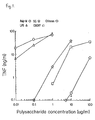
- the present invention is directed to materials and methods for the stimulation of the production of cytokines. It has been found herein that several well-defined polysaccharides, including polymers of different size of ⁇ 1-4 linked D -mannuronic acid (poly-M) and cellulose oxidized in C-6 position (C60XY), and chitosan induces human monocytes to produce TNF- ⁇ . Poly-M was the most potent polysaccharide tested.
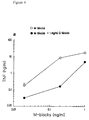
- TNF- ⁇ production was shown to depend strongly on the molecular weight of poly-M and chitosan, with a maximal TNF- ⁇ production for a m.w. above 50,000 and 20,000 respectively.
- the present invention may be employed as such an agent.
- Therapeutic compositions comprising biologically active quantities of the compositions of the present invention may be employed to potentiate antibody production in response to vaccine antigens. Anti-tumour, anti-fungal, anti-bacteriological and anti-viral effects may be expected.
- the present invention relates to several polysaccharides that are capable of stimulating cytokine producing cells to produce significant quantities of cytokines both in vivo and in vitro .
- This discovery makes possible a novel therapeutic approach in the treatment of bacterial, fungal and viral infections, cancer, immune deficiencies and autoimmune diseases.
- a composition comprising a diequatorially bound ⁇ 1-4 polyuronic acid or chitosan for the manufacture of a vaccine adjuvant or wound healing composition or the manufacture of a medicament for the treatment and prophylaxis of bacterial, fungal or viral infection or neoplasia.
- composition comprising a diequatorially bound ⁇ 1-4-polyuronic acid compounds selected from polymers of different size of ⁇ 1-4 linked D -mannuronic acid and cellulose oxidized in C-6 position (C6OXY), for use in the stimulation of cytokine production in monocytes.
- compositions may include the ⁇ 1-4 polyuronic acids or chitosans formulated in any suitable manner for administration to a patient, either alone or in admixture with suitable pharmaceutical carriers or adjuvants.
- compositions for systemic therapy are especially preferred to prepare the compositions for systemic therapy as parenteral formulations, but other forms of administration such as oral administration are also envisaged.
- Suitable parental preparations of the compositions according to this invention are injection of infusion solution comprising non-toxic, inert, liquid carriers or diluents.
- Suitable oral preparation of the compounds according to this invention are tablets or capsules comprising non-toxic inert solid carriers, diluents or other acceptable additives.
- the preparations can contain inert or pharma-codynamically active additives. Furthermore, substances usually used as preserving and/or stabilizing agents, salts for varying the osmotic pressure, buffers and other additives may also be present.
- the dosages in which the preparations are administered can vary according to the indication, the mode of use and the route of administration.
- the systemic therapy for an adult average patient in need of treatment achievable by stimulation of cytokine production in monocytes will be about 0.1-100mg/kg body weight/injection by parenteral administration.
- leukocyte derived cytokines lymphokines and cytokines are to be given a broad meaning.
- leukocyte as used herein means mammalian cells of granulocytic and lymphocytic lineage. Examples of leukocyte cells are polymorphonuclear leukocytes, such as neutrophils, and mononuclear phagocytes, such as monocytes and macrophages and lymphocytes.
- cytokine and "lymphokines” as used herein mean a secretory product of a leukocyte, and in particular a non-antibody protein released by a leukocyte on contact with antigen and which acts as an intercellular mediator of immune response.
- cytokines that are within the scope of this invention are chemotactic factors, factors promoting replication of lymphocytes, factors inhibiting replication of lymphocytes, factors affecting macrophage adherence, factors affecting enzyme secretion by macrophages, and factors that mediate secretion of oxidizing agents, such as oxygen, superoxide, hydrogen peroxide and hydroxyl radical.
- TNF, IL-1 and IL-6 have been tested as being representative of the various cytokines which may be found.
- the monomer composition and sequential arrangement as well as the degree of polymerization (DP n ) of the different polysaccharides used in the present invention were analyzed by l H-n.m.r. spectroscopy on a Bruker 400 WM spectrometer as described previously by Grasdalen et al.("A p.m.r. studie of composition and sequence of uronate residues in alginate"; Carbohydr Res 1979; 68:23); see also, Grasdalen H. 1983. High-field 1 H-n.m.r. spectroscopy of alginate: sequencial structure and linkage conformation. Carbohydr. Res., 118:255).
- D -ManA D -mannuronic acid
- poly-M A high molecular weight homopolymeric ⁇ 1-4 linked D -ManA (poly-M) was isolated from liquid cultures of Pseudomonas aeruginosa DE 127 grown at low temperatures as described previously (Skj ⁇ k-Br ⁇ k G., Grasdalen H. and B. Larsen. 1986. Monomer sequence and acetylation pattern in some bacterial alginates. Carbohyd. Res., 154:239).
- the weight average molecular weight (M w ) was estimated from intrinsic viscosity measurement using the Mark-Howink Sakurada relation (Harding S., V ⁇ rum K.M., Stokke B.T. and 0. Smidsr ⁇ d. 1990.
- D -GlcA The ⁇ 1-4 linked glucuronic acid ( D -GlcA) (C60XY), prepared by oxidation of cellulose at position C-6 (Painter T.J., Cesaro A., Delben F. and S. Paoletti. 1985. New glucuronoglucan obtained by oxidation of amylose at position 6. Carbohydr. Res., 140:61), was provided by Dr. A. Cesaro, Trieste, Italy. The molecular weight (M w ) was estimated by viscometry to be 60,000; and the degree of oxidation (94%) was determined by potentiometric titration.
- M w The molecular weight was estimated by viscometry to be 60,000; and the degree of oxidation (94%) was determined by potentiometric titration.
- Chitin was isolated (Hacman R.H. 1954. Studies on chitin. I. Enzymic degradation of chitin and chitin esters. Aust. J. Biol. Sci., 7:168) from shrimp shell and milled in a hammer mill to pass through a 0.5 mm sieve. N-deacetylation of chitin under homogeneous conditions involved the procedure of Sannan et.al. (Sannan T., Kurita K. and. Y. Iwakura. 1976. Studies on Chitin. 2. Effect of Deacetylation on Solubility. Macromol. Chem., 177:3589).
- the degree of deacetylation (40%) was determined by high-field N.M.R.-spectroscopy (V ⁇ rum K.M., Anthonsen M.W., Grasdalen H. and 0. Smidsr ⁇ d. 1990. N.m.r. Spectroscopy of partially N -deacetylated Chitins (Chitosans).
- Chitosan was dissolved in acetic acid (2% w/v) by gentle shaking overnight at ambient temperature.
- Chitosan of different molecular weight were prepared by adding a known amount (IO-IOOmg) of solid NaN0 2 , each solution was stored in the dark at room temperature overnight, and finally neutralized with NaOH.
- the degraded chitosans were conventionally reduced with sodium-borhydride (250 mg).
- the pH of the solutions were adjusted to 5 with HCl, the solutions were dialyzed against 0.2M NaCl and distilled water, and finally lyophilized. This converted the chitosans into the chloride salt which is readily soluble in water.
- M n The number average molecular weight (M n ) was determined by osmotic pressure measurements of solutions of chitosan in a Knauer Membrane Osmometer with a Sartorius SM 11736 cellulose-acetate membrane Chitosan concentrations of 0.1 - 0.8 % (w/v) were used.
- Scleroglucan a ⁇ l-3 linked D -glucose with single ⁇ 1-6 linked glycopyranose residues on every third monomer with a molecular weight of 384,000 (M w ), was provided by Dr. B.T. Stokke, Institute of Physichs, NTH, University of Trondheim, Trondheim, Norway.
- E. coli derived LPS (Sigma) (strain 026:B6) was used in these experiments.
- Endotoxin contamination in the different polysaccharides was measure by the LAL assay (Kabi vitrum, Sweden). The levels of endotoxin were as follows:
- Monocytes were isolated from human A + blood buffy coat (The Bloodbank, University of Trondheim, Norway) as described by B ⁇ yum (B ⁇ yum AM. 1976. Separation of monocytes and lymphocytes. Scan. J. Immunol., 5:9). Monocytes in 24 well culture plates (Costar, Cambridge, MA, USA) were cultured in complete medium consisting of RPMI 1640 (Gibco, Paisley, U.K.) with 1% glutamine, 40 ⁇ g/ml garamycin and 25% A + serum (The Bloodbank, University of Trondheim).
- the different polysaccharides and LPS were dissolved in PBS and sterile filtered through 0.2 ⁇ m filter (Nuclepore, Pleasanton, CA).
- the polysaccharide and LPS solutions were diluted in complete medium and added to the monocytes for 16-24 hours before the supernatants were harvested.
- Some monocyte cultures were preincubated with recombinant (r) human IFN- ⁇ (rIFN- ⁇ , Genentech,Inc. South San Francisco, CA) for 30. min. before the polysaccharides and LPS were added.
- mice 8-11 week old female CB 6 F l mice were purchased from Bomholdt G ⁇ rd Breeding Research Center, Ry, Denmark. The mice were allowed access to ordinary chow and water ad libitum and weighed 20-22 g on the day of the study.
- mice were injected iv. with 0.2 ml of sterile saline containing 250 ⁇ g of C60XY. At different time points after injection three mice were sacrificed and bled for separation of serum. Individual serum samples were kept in sterile tubes at -20°C until tested for TNF- ⁇ and IL-6 activities.
- TNF- ⁇ activity was determined by its cytotoxic effect on the fibrosarcoma cell line WEHI 164 clone 13, as described (Espevik T. and J. Nissen-Meyer. 1986. A highly sensitive cell line, WEHI 164 clone 13, for measuring cytotoxic factor/tumor necrosis factor from human monocytes. J. Immunol. Methods, 95:99). Dilutions of rTNF- ⁇ (rTNF- ⁇ (human) and rMuTNF- ⁇ , Genentech) were included as a standard. The TNF- ⁇ specificity of the assay was verified by using a monoclonal antibody against rTNF- ⁇ which completely neutralized the recorded activity (data not shown). Results are presented as ng/ml ⁇ S.E. of triplicate determinations.
- IL-I activity was determined by a two stage assay.
- the first stage involves the mouse thymocyte EL4 NOB-I cell line which produces high concentrations of Interleukin-2 (IL-2) in response to human IL-I, as described by Gaering et al. (Gearing A.J.H., Bird C.R., Bristow A., Poole S. and R. Thorpe. 1987. "A simple sensitive bioassay for Interleukin-I which is unresponsive to 10 3 U/ml of Interleukin-2.” J. Immunol. Methods, 99:7). Dilutions of rIL-1 ⁇ (Glaxo, Geneva Switzerland) were included as standard. After incubation in 37°C, 5% C0 2 atm.
- ⁇ l of the supernatants were transferred into a replicate 96-well microplate.
- the second stage in this assay involves the IL-2 dependent mouse T cell line HT-2 as described by Mosmann, T. (Mosmann T.R., Cherwinski H., Bond M.W., Giedlin M.A. and R.L. Coffman. 1986. Two types of murine helper T cell clone. I. Definition according to profiles of lymphokine activities and secreted proteins. J. Immunol., 136:2348). One hundred ⁇ l of HT-2 suspension (1.5 x 10 5 cells/ml) were added to each well and incubated for an additional 24 hours.
- IL-I activity was completely neutralized by two polyclonal antibodies against rIL-Ib and rIL-Ia (gift from Dr. A. Shaw, Glaxo, Geneva, Switzerland), (data not shown). Results are presented in Table 2 as ng/ml ⁇ S.E. of triplicate determinations.
- IL-6 activity was determined by the IL-6 dependent mouse hybridoma cell line B.13.29 clone 9, as described by Aarden et al. (Aarden L.A., De Groot E.R., Schaap O.L. and P.M. Lansdorp. 1987. Production of hybridoma growth factor by monocytes. Eur. J. Immunol., 17:1411 ). Dilutions of the supernatants and rIL-6 (Brakenhoff J.P.J., De Groot E.R., Evers R.F., Pannekoekh H. and L.A. Aarden. 1987. Molecular cloning and expression of hybridoma growth factor in Escherichia coli .
- Viability in the assays for TNF- ⁇ , IL-I and IL-6 were measured in a colorimetric assay for growth and survival by using a tetrazolium salt as described by Mosmann (Mosmann T. 1983. Rapid colorimetric assay for cellular growth and survival: Application to proliferation and cytotoxicity assays. J. Immunol. Methods, 65:55).
- poly-M ⁇ 1-4 linked D -ManA
- poly-M polymers of ⁇ 1-4 linked D -ManA
- Fig. 1 shows that poly-M is approximately equally potent as LPS, around 100 times more potent than ⁇ 1-3 linked D -glucose (SG), 500 times more potent than celluolse oxidized in C-6 position (C60XY) and 10,000 times more potent than chitosan in their respective abilities to induce production of the cytokines.
- the poly-M was isolated and purified from liquid cultures of a Gram negative bacteria, the possibility existed that the high TNF- ⁇ stimulating activity could be due to LPS contamination.
- LPS levels in the poly-M preparation was less than 1 ng in 1 ⁇ g of poly-M. Since E. coli LPS at 1 ng/ml did not stimulate TNF- ⁇ production from monocytes (data not shown) it was shown that LPS contamination was not the cause of the stimulating activity.
- reduction of the LPS content in the poly-M preparation by using a polymyxin B column and a dialyzable surfactant, octyl- ⁇ -D-glycopyranoside (Karplus T.E., Ulevitch R.J. and C.B. Wilson. 1987.
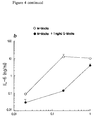
- Monocytes were stimulated with samples of (a) poly-M and (b) chitosan with different molecular weights and the production of TNF- ⁇ measured to demonstrate that the molecular weight must be higher than 20,000 and 50,000 for chitosan and poly-M, respectively, in order to obtain maximal stimulatory effect.
- Production of TNF- ⁇ from unstimulated monocytes was less than 0.08 ng/ml.
- Activation of monocytes with IFN- ⁇ increases their ability to produce TNF- ⁇ in response to LPS (Nissen-Meyer J., Hofsli E., Espevik T and R. Austgulen. 1988. Involvement of Tumor Necrosis Factor in cytotoxicity Mediated by Human Monocytes. Nat. Immun. Cell Growth Regul., 7:266).
- IFN- ⁇ could increase the TNF- ⁇ production from polysaccharide stimulated monocytes.
- Table 2 shows that IFN- ⁇ increased the TNF- ⁇ production from chitosan, C60XY, SG and poly-M stimulated monocytes in a similar way as for LPS. Therefore, the present invention includes the use of IFN- ⁇ in conjunction with the polysaccharides of the present invention in order to increase the stimulation of the cytokine production.
- compositions employed in the present invention are capable of stimulating the effects of leukocyte derived cytokines, such as TNF, IL-1 and IL-6, on phagocytes, such as polymorphonuclear leukocytes.
- leukocyte derived cytokines such as TNF, IL-1 and IL-6
- IL-1, IL-6, TNF, and other leukocyte derived cytokines have been implicated in such a wide variety of mammalian conditions, this invention has a similarly broad scope of application.
- conditions that can be treated or alleviated by the inhibition or stimulation of IL-1, IL-6, TNF, and other leukocyte derived cytokines are: sepsis, septic shock, endotoxic shock, gram negative sepsis, toxic shock syndrome, adult respiratory distress, fever and myalgias due to infection (i.e.
- influenza cachexia secondary to infection or malignancy
- cachexia secondary to AIDS rheumatoid arthritis gouty arthritis
- osteoporosis keloid formation
- scar tissue formation decreased appetite
- Crohn's disease ulcerative colitis
- fever due to central nervous system bleeding glomerulonephritis, multiple sclerosis, Creutzfeld-Jacob disease, adverse reactions to dialysis and psoriasis.
- the more generic term “trauma” can be used.
- the term “trauma” refers broadly to cellular attack by foreign bodies and physical injury of cells. Included among foreign bodies are microorganisms, particulate matter, chemical agents, and the like. Included among physical injuries are mechanical injuries, such as abrasions, lacerations, contusions, wounds, and the like; thermal injuries, such as those resulting from excessive heat or cold; electrical injuries, such as those caused by contact with sources of electrical potential; and radiation damage caused, for example, by prolonged, extensive exposure to infrared, ultraviolet or ionizing radiations.
- Microorganisms included among the foreign bodies that can elicit a biological response are bacilli, fungi and yeast, viruses, parasites, and the like.
- Representative bacilli are: Actinomyces spp.; Bacteroides spp.; Corynebacterium spp.; Enterobacteriacea; Enterococcus; Haemophilus spp.; Micrococcus spp.; Neissera spp.; Staphylococcus aureus; Streptococcus pneumoniae; E. coli; Clostridium spp.; Streptococrus agalactiae; Bacillus spp.; H. influenzae; Moraxella spp.; Myccbacteria spp.; Pseudodomonas aeruginosa; Vibrio spp.; and Mycoplasma.
- Representative fungi and yeast that are capable of eliciting a biological response are: Microspurum; Blastomyces; Histoplasma; Aspergillus; Cryptococcus; Candida spp.; Coccidioides; and Candida albicans.
- viruses are: Rhinovirus; Parainfluenza; Enterovirus; Influenza; Smallpox and vaccinia; Herpes simplex; Measles; Rubella; Arbovirus (Western, Eastern and Venezuelan equine encephalitis, and California encephalitis); Rabies; Colorado tick fever; Yellow fever; Dengue; Hepatitis Virus B (HB Ag); Hepatitis Virus A (HAV); and Human Immunodeficiency Virus (HIV).
- Representative parasites that can elicit a response are: Trypanosoma cruzi; Entamoeba histolytica; Leishmania brasiliensis; Leishmania tropica; Leishmania donovani; Toxiplasma gondii; Plasmodium falcipaum; Trypanosoma rhodesiense; Loa loa; Trichomonas hominis; Schistosoma japonicum; Schistosoma mansoni; and Fasciola hepatica.
- polymers of mannuronic acid are a very potent stimulator of TNF- ⁇ production from human monocytes.
- the high TNF- ⁇ inducing ability of poly-M was not restricted to poly-M produced by Pseudomonas aeruginosa , as similar potency was found for poly-M isolated from liquid cultures of Pseudomonas syringae by phaseolicola (Gross M. and K. Rudolph. l983.
- EPS extracellular polysaccharides
- Poly-M is 100 times more potent than SG, 500 times more potent than C60XY and 10,000 more potent than chitosan. It has previously been reported that the anti-tumor effects of ⁇ 1-3 glucans are optimal at a molecular weight of over 50,000 (Kojima T., Tabata K., Itoh W. and T. Yanaki. 1986. Molecular Weight Dependence of the Antitumor Activity of Scizophyllan. Agric. Biol. Chem., 50(1):231) and that the anti-tumor effect is mediated by cytokines (Seljelid R., Figenschau Y., B ⁇ gwald J., Rasmussen L.T. and R. Austgulen. 1989.
- Poly-M is a homopolymer composed of ⁇ 1-4 linked D -ManA while chitosan is composed of randomly distributed units of ⁇ 1-4 linked N-acetylglucosamine ( D -GlcNAc) and N-glucosamine ( D -GlcN)
- D -GlcNAc N-acetylglucosamine
- D -GlcN N-glucosamine
- the three dimensional (3D) structure of C6OXY and poly-M is similar, but the sequences of ⁇ 1-4 linked D-guluronic acid ( D -GlcA) in C6OXY are broken by ⁇ 1-4 linked D-glucose ( D -Glc) (6%).
- the homopolymeric sequences of ⁇ 1-4 linked uronic acids will consequently be shorter in C6OXY than in poly-M.
- One possibility is that the high TNF- ⁇ inducing ability of poly-M compared to C60XY is caused by the longer homopolymeric ⁇ 1-4 linked uronic acid blocks.
- TNF- ⁇ stimulating polysaccharides poly-M, chitosan and C6OXY are equal length between the monomers along the chains due to di-equatorial (di-eq) glycosidical bindings between the monomers (Fig. 5). These similarities in 3D structure are probably important for the TNF- ⁇ stimulating activity of poly-M, chitosan and C6OXY.
- Pseudomonas aeruginosa The bacteria Pseudomonas aeruginosa is found in most patients with cystic fibrosis and colonization is associated with pulmonary damage (Simpson J.A., Smith S.E. and Dean R.T. 1988. Alginate Inhibition of Uptake of Pseudomonas aeruginosa by Macrophages. J. Gen. Microbiol., 134:29).
- the facts that high molecular (viscous) poly-M is produced by Pseudomonas aeruginosa , that poly-M is a very potent cytokine stimulator and that no enzyme in the the human body is known to degrade poly-M could explain some of the difficulties in treating this infection in man.
- the glycosidic linkages in M-blocks are di-eq with a monomer length 5.17 ⁇ in the fully stretched form (Atkins E.D.T., Mackie E.E. and F.E. Smolko. 1970. Crystalline structure of alginic acid. Nature 225:626), but when a D -ManA is linked to a L -GulA instead of D -ManA the glycosidic linkage is a equatorial-axial (eq-ax) nature (Fig. 5). The length between the monomers in a eq-ax binding is shorter than in a di-eq binding.
- the G-blocks have mainly di-axially (di-ax) glycosidic linkages which are even shorter (4.36 ⁇ ) than the eq-ax binding (Atkins E.D.T., Mackie E.E. and F.E. Smolko. 1970. Crystalline structure of alginic acid. Nature 225:626). G-blocks will also contain some ax-eq linkages between L -GulA and D -ManA (10%). The G-blocks are more compact than M-blocks, C60XY and poly-M but the chains have all two folded screw axis in the solid state and statistical mechanical calculations has shown that this linkage conformation is also highly populated in solutions (Smidsr ⁇ d 0., Haug A.
Landscapes
- Health & Medical Sciences (AREA)
- Life Sciences & Earth Sciences (AREA)
- Pharmacology & Pharmacy (AREA)
- Veterinary Medicine (AREA)
- Public Health (AREA)
- Chemical & Material Sciences (AREA)
- General Health & Medical Sciences (AREA)
- Animal Behavior & Ethology (AREA)
- Medicinal Chemistry (AREA)
- Nuclear Medicine, Radiotherapy & Molecular Imaging (AREA)
- General Chemical & Material Sciences (AREA)
- Chemical Kinetics & Catalysis (AREA)
- Organic Chemistry (AREA)
- Epidemiology (AREA)
- Oncology (AREA)
- Communicable Diseases (AREA)
- Molecular Biology (AREA)
- Engineering & Computer Science (AREA)
- Bioinformatics & Cheminformatics (AREA)
- Immunology (AREA)
- Dermatology (AREA)
- Virology (AREA)
- Polysaccharides And Polysaccharide Derivatives (AREA)
- Pharmaceuticals Containing Other Organic And Inorganic Compounds (AREA)
- Preparation Of Compounds By Using Micro-Organisms (AREA)
- Medicines That Contain Protein Lipid Enzymes And Other Medicines (AREA)
- Medicines Containing Antibodies Or Antigens For Use As Internal Diagnostic Agents (AREA)
- Saccharide Compounds (AREA)
Claims (8)
- Verwendung einer Zusammensetzung, enthaltend eine diäquatorial gebundene β-1-4-Polyuronsäure oder Chitosan, zur Herstellung eines Impfstoffadjuvans oder einer Wundheilungszusammensetzung oder zur Herstellung eines Medikaments zur Behandlung und Prophylaxe von bakterieller, fungaler oder viraler Infektion oder Neoplasia.
- Zusammensetzung, enthaltend als diäquatorial gebundene β-1-4-Polyuronsäureverbindung Polymere verschiedener Größe der β-1-4-verknüpften D-Mannuronsäure und in C6-Stellung oxidierte Zellulose (C60XY), zur Verwendung bei der Stimulation der Zytokinproduktion in Monozyten.
- Verwendung einer Zusammensetzung gemäß Anspruch 1 oder Zusammensetzung gemäß Anspruch 2, wobei die diäquatorial gebundene β-1-4 Polyuronsäureverbindung β-1-4-verknüpfte D-ManA ist.
- Verwendung einer Zusammensetzung gemäß Anspruch 3 oder Zusammensetzung gemäß Anspruch 3, wobei die β-1-4-verknüpfte D-ManA ein Molekulargewicht größer als 50.000 besitzt.
- Verwendung einer Zusammensetzung gemäß Anspruch 1, wobei das Chitosan ein Molekulargewicht größer als 20.000 besitzt.
- Verwendung einer Zusammensetzung gemäß Anspruch 1 oder Zusammensetzung gemäß Anspruch 2, wobei das Medikament oder die Zusammensetzung zur Verabreichung nach Behandlung mit einer wirksamen Menge IFN-γ dient.
- Verfahren der in vitro-Stimulation von Monozyten zur Herstellung von Zytokinen, wobei eine Zusammensetzung, enthaltend eine β-1-4-diäquatorial gebundene Polyuronsäure oder Chitosan, an Monozyten verabreicht wird.
- Verfahren gemäß Anspruch 7, wobei die Monozyten vor der Behandlung mit der Zusammensetzung mit einer wirksamen Menge IFN-γ behandelt werden.
Applications Claiming Priority (2)
| Application Number | Priority Date | Filing Date | Title |
|---|---|---|---|
| US676103 | 1991-03-27 | ||
| US07/676,103 US5169840A (en) | 1991-03-27 | 1991-03-27 | Diequatorially bound β-1, 4 polyuronates and use of same for cytokine stimulation |
Publications (3)
| Publication Number | Publication Date |
|---|---|
| EP0506326A2 EP0506326A2 (de) | 1992-09-30 |
| EP0506326A3 EP0506326A3 (de) | 1992-12-30 |
| EP0506326B1 true EP0506326B1 (de) | 1997-01-22 |
Family
ID=24713242
Family Applications (1)
| Application Number | Title | Priority Date | Filing Date |
|---|---|---|---|
| EP92302499A Expired - Lifetime EP0506326B1 (de) | 1991-03-27 | 1992-03-24 | Diequatorial verknüpfte Beta 1-4 Polyuronate und ihren Verwendung zur Stimulierung der Cytokine |
Country Status (6)
| Country | Link |
|---|---|
| US (1) | US5169840A (de) |
| EP (1) | EP0506326B1 (de) |
| JP (1) | JP3523654B2 (de) |
| AT (1) | ATE147984T1 (de) |
| DE (1) | DE69216888T2 (de) |
| DK (1) | DK0506326T3 (de) |
Families Citing this family (25)
| Publication number | Priority date | Publication date | Assignee | Title |
|---|---|---|---|---|
| JP3313854B2 (ja) | 1992-11-26 | 2002-08-12 | 積水化学工業株式会社 | Tnf産生誘導材料 |
| DE69434304T2 (de) * | 1993-03-26 | 2005-12-29 | Merkus, Franciscus Wilhelmus H.M. | Pharmazeutische Zusammensetzungen zur intranasalen Verabreichung von Dihydroergotamin |
| GB9419979D0 (en) * | 1994-10-04 | 1994-11-16 | Medeva Holdings Bv | Vaccine compositions |
| GB9522351D0 (en) * | 1995-11-01 | 1996-01-03 | Medeva Holdings Bv | Vaccine compositions |
| NO305033B1 (no) * | 1997-05-09 | 1999-03-22 | Algipharma As | Fremgangsmate for fremstilling av uronsyreblokker fra alginat |
| GB2325233B (en) * | 1997-05-16 | 2001-07-18 | Norsk Hydro As | Substrates having bound polysaccharides and bacterial nucleic acids |
| ES2245805T3 (es) * | 1997-10-03 | 2006-01-16 | Galenica Pharmaceuticals, Inc. | Polisacaridos que forman iminas, preparacion de los mismos y el uso de los mismos como adyuvantes de inmunoestimulantes. |
| CA2329897A1 (en) | 1998-04-28 | 1999-11-04 | Galenica Pharmaceuticals, Inc. | Polysaccharide-antigen conjugates |
| FR2781673B1 (fr) * | 1998-07-28 | 2001-09-28 | Univ Picardie | Utilisation d'un glucuronane en tant qu'agent immunostimulant, procede de preparation |
| KR100501584B1 (ko) * | 2000-02-03 | 2005-07-18 | (주)케이비피 | 저분자 폴리만유로네이트의 제조방법, 혈청지질개선제로서의 이의 신규 용도 및 이를 함유하는 기능성식품 및 건강 보조 식품 |
| NO326145B1 (no) * | 2001-11-30 | 2008-10-06 | Fmc Biopolymer As | Fremgangsmate for a stimulere vektokning hos pattedyr, fugler og krypdyr. |
| NO320671B1 (no) * | 2001-11-30 | 2006-01-16 | Fmc Biopolymer As | Fremgangsmate for a stimulere vektokning i fisk. |
| ZA200700457B (en) * | 2004-06-15 | 2008-08-27 | New York Blood Ct Inc | Adjuvancy and immune potentiating properties of natural products of onchocerca volvulus |
| US20060062779A1 (en) * | 2004-09-21 | 2006-03-23 | The Brigham And Women's Hospital, Inc. | Methods and compositions relating to mannuronic acid specific binding peptides |
| WO2007069468A1 (ja) * | 2005-12-14 | 2007-06-21 | Nagasaki University | サイトカイン分泌促進剤 |
| JP5109266B2 (ja) * | 2006-03-01 | 2012-12-26 | 凸版印刷株式会社 | 抗菌抗カビ剤 |
| HUE034051T2 (en) | 2007-11-27 | 2018-01-29 | Algipharma As | Use of alginate-containing oligomers to combat biofilms |
| GB0909557D0 (en) | 2009-06-03 | 2009-07-15 | Algipharma Ipr As | Anti-microbial alginate oligomers |
| GB0909529D0 (en) | 2009-06-03 | 2009-07-15 | Algipharma Ipr As | Alginate oligomers for the inhibition of microbial adherence to surfaces |
| ES2444541T3 (es) | 2009-06-03 | 2014-02-25 | Algipharma As | Oligómeros de alginato para usar para superar la multirresistencia a fármacos en bacterias |
| GB201116010D0 (en) | 2011-09-15 | 2011-10-26 | Algipharma As | Use of alginate oligomers to enhance the effects of antifungal agents |
| GB201415381D0 (en) | 2014-08-29 | 2014-10-15 | Algipharma As | Inhalable powder formulations of alginate oligomers |
| GB201504878D0 (en) | 2015-03-23 | 2015-05-06 | Algipharma As | Use of alginate oligomers and CFTR modulators in the treatment of conditions associated with CFTR dysfuntion |
| GB201517639D0 (en) | 2015-10-06 | 2015-11-18 | Algipharma As | Use of alginate oligomers to treat or prevent microbial overgrowth in the intestinal tract |
| WO2026008878A1 (en) | 2024-07-04 | 2026-01-08 | Algipharma As | Antimycotic polyene-alginate oligomer conjugates |
Family Cites Families (6)
| Publication number | Priority date | Publication date | Assignee | Title |
|---|---|---|---|---|
| US4605623A (en) * | 1982-11-08 | 1986-08-12 | Malette William Graham | Method of altering growth and development and suppressing contamination microorganisms in cell or tissue culture |
| US4578458A (en) * | 1983-03-23 | 1986-03-25 | Brigham And Women's Hospital | Mucoid exopolysaccharide vaccine against Pseudomonas aeruginosa |
| EP0240098A3 (de) * | 1986-04-04 | 1989-05-10 | Kabushiki Kaisha Ueno Seiyaku Oyo Kenkyujo | Oligo und Polysaccharide zur Behandlung von Krankheiten verursacht durch Retroviren |
| US4965271A (en) * | 1986-12-31 | 1990-10-23 | Hoechst Roussel Pharmaceuticals, Inc. | Method of inhibiting the activity of leukocyte derived cytokines |
| US4963354A (en) * | 1987-01-21 | 1990-10-16 | Genentech, Inc. | Use of tumor necrosis factor (TNF) as an adjuvant |
| US5002759A (en) * | 1989-07-25 | 1991-03-26 | Colgate-Palmolive Company | Oligosaccharide inhibition of Streptococcus pyogenes adhesion |
-
1991
- 1991-03-27 US US07/676,103 patent/US5169840A/en not_active Expired - Lifetime
-
1992
- 1992-03-24 EP EP92302499A patent/EP0506326B1/de not_active Expired - Lifetime
- 1992-03-24 DE DE69216888T patent/DE69216888T2/de not_active Expired - Lifetime
- 1992-03-24 AT AT92302499T patent/ATE147984T1/de active
- 1992-03-24 DK DK92302499.6T patent/DK0506326T3/da active
- 1992-03-27 JP JP07171692A patent/JP3523654B2/ja not_active Expired - Lifetime
Also Published As
| Publication number | Publication date |
|---|---|
| JPH0687751A (ja) | 1994-03-29 |
| EP0506326A3 (de) | 1992-12-30 |
| DK0506326T3 (da) | 1997-07-14 |
| EP0506326A2 (de) | 1992-09-30 |
| DE69216888D1 (de) | 1997-03-06 |
| US5169840A (en) | 1992-12-08 |
| DE69216888T2 (de) | 1997-06-12 |
| ATE147984T1 (de) | 1997-02-15 |
| JP3523654B2 (ja) | 2004-04-26 |
Similar Documents
| Publication | Publication Date | Title |
|---|---|---|
| EP0506326B1 (de) | Diequatorial verknüpfte Beta 1-4 Polyuronate und ihren Verwendung zur Stimulierung der Cytokine | |
| EP0506325B1 (de) | Guluronsäurepolymere und ihre Verwendung zur Hemmung von Cytokinen | |
| EP0655921B1 (de) | Neue glukan-zubereitung | |
| Di Luzio | Update on the immunomodulating activities of glucans | |
| EP0463540B1 (de) | Antivirusmittel | |
| US5532223A (en) | Use of aqueous soluble glucan preparations to stimulate platelet production | |
| Babineau et al. | Randomized phase I/II trial of a macrophage-specific immunomodulator (PGG-glucan) in high-risk surgical patients | |
| EP0491829B1 (de) | Zusammensetzung zur Stimulierung des Immunsystems | |
| Franz | Polysaccharides in pharmacy: current applications and future concepts | |
| Kim et al. | Oral administration of proteoglycan isolated from Phellinus linteus in the prevention and treatment of collagen-induced arthritis in mice | |
| WO1991011205A1 (en) | Mannuronic acid containing alginate wound healing composition and method | |
| US6660722B2 (en) | Therapeutical treatments | |
| US5641761A (en) | Preventive agent against infectious disease of crustacea | |
| AU677786B2 (en) | Lysozyme dimer and compositions containing the same | |
| US6207654B1 (en) | Capillary membrane stabilization and reduction of inflammation during the course of chemotherapy or antiviral treatment through the use of biodegradable macromolecules and interleukin-2 | |
| Emmendörffer et al. | Immunologically active polysaccharides from Echinacea purpurea plant and cell cultures | |
| Hartung et al. | G-CSF-an anti-inflammatory cytokine | |
| AU679690C (en) | Novel glucan preparation | |
| EP1337260B1 (de) | Arzneizubereitung zur intranasalen verabreichung um die immunantwort in der mund- und nasenschleimhaut und im waldeyer-ring zu verstärken | |
| CA2142811C (en) | Novel glucan preparation | |
| Vazquez et al. | Activation of murine resident peritoneal macrophages by a cell wall extract of Candida albicans | |
| Farrell et al. | Regulation of natural killer cell activity and interferon production in the rat lung following aerosol challenge |
Legal Events
| Date | Code | Title | Description |
|---|---|---|---|
| PUAI | Public reference made under article 153(3) epc to a published international application that has entered the european phase |
Free format text: ORIGINAL CODE: 0009012 |
|
| AK | Designated contracting states |
Kind code of ref document: A2 Designated state(s): AT BE CH DE DK ES FR GB GR IT LI LU MC NL PT SE |
|
| PUAL | Search report despatched |
Free format text: ORIGINAL CODE: 0009013 |
|
| AK | Designated contracting states |
Kind code of ref document: A3 Designated state(s): AT BE CH DE DK ES FR GB GR IT LI LU MC NL PT SE |
|
| 17P | Request for examination filed |
Effective date: 19930129 |
|
| RAP3 | Party data changed (applicant data changed or rights of an application transferred) |
Owner name: PRONOVA BIOPOLYMER AS Owner name: NOBIPOL, NOBIPOLS FORSKNINGSSTIFTELSE |
|
| 17Q | First examination report despatched |
Effective date: 19950207 |
|
| GRAG | Despatch of communication of intention to grant |
Free format text: ORIGINAL CODE: EPIDOS AGRA |
|
| GRAH | Despatch of communication of intention to grant a patent |
Free format text: ORIGINAL CODE: EPIDOS IGRA |
|
| GRAH | Despatch of communication of intention to grant a patent |
Free format text: ORIGINAL CODE: EPIDOS IGRA |
|
| GRAA | (expected) grant |
Free format text: ORIGINAL CODE: 0009210 |
|
| AK | Designated contracting states |
Kind code of ref document: B1 Designated state(s): AT BE CH DE DK ES FR GB GR IT LI LU MC NL PT SE |
|
| PG25 | Lapsed in a contracting state [announced via postgrant information from national office to epo] |
Ref country code: GR Free format text: LAPSE BECAUSE OF FAILURE TO SUBMIT A TRANSLATION OF THE DESCRIPTION OR TO PAY THE FEE WITHIN THE PRESCRIBED TIME-LIMIT Effective date: 19970122 Ref country code: ES Free format text: THE PATENT HAS BEEN ANNULLED BY A DECISION OF A NATIONAL AUTHORITY Effective date: 19970122 |
|
| REF | Corresponds to: |
Ref document number: 147984 Country of ref document: AT Date of ref document: 19970215 Kind code of ref document: T |
|
| REG | Reference to a national code |
Ref country code: CH Ref legal event code: EP |
|
| ET | Fr: translation filed | ||
| PGFP | Annual fee paid to national office [announced via postgrant information from national office to epo] |
Ref country code: AT Payment date: 19970227 Year of fee payment: 6 |
|
| REF | Corresponds to: |
Ref document number: 69216888 Country of ref document: DE Date of ref document: 19970306 |
|
| PGFP | Annual fee paid to national office [announced via postgrant information from national office to epo] |
Ref country code: DK Payment date: 19970312 Year of fee payment: 6 |
|
| PGFP | Annual fee paid to national office [announced via postgrant information from national office to epo] |
Ref country code: SE Payment date: 19970319 Year of fee payment: 6 |
|
| PGFP | Annual fee paid to national office [announced via postgrant information from national office to epo] |
Ref country code: NL Payment date: 19970327 Year of fee payment: 6 |
|
| PG25 | Lapsed in a contracting state [announced via postgrant information from national office to epo] |
Ref country code: LU Free format text: LAPSE BECAUSE OF NON-PAYMENT OF DUE FEES Effective date: 19970331 |
|
| PGFP | Annual fee paid to national office [announced via postgrant information from national office to epo] |
Ref country code: CH Payment date: 19970408 Year of fee payment: 6 |
|
| REG | Reference to a national code |
Ref country code: CH Ref legal event code: NV Representative=s name: E. BLUM & CO. PATENTANWAELTE |
|
| ITF | It: translation for a ep patent filed | ||
| PG25 | Lapsed in a contracting state [announced via postgrant information from national office to epo] |
Ref country code: PT Effective date: 19970422 |
|
| PGFP | Annual fee paid to national office [announced via postgrant information from national office to epo] |
Ref country code: BE Payment date: 19970521 Year of fee payment: 6 |
|
| REG | Reference to a national code |
Ref country code: DK Ref legal event code: T3 |
|
| PG25 | Lapsed in a contracting state [announced via postgrant information from national office to epo] |
Ref country code: MC Effective date: 19970930 |
|
| PLBE | No opposition filed within time limit |
Free format text: ORIGINAL CODE: 0009261 |
|
| STAA | Information on the status of an ep patent application or granted ep patent |
Free format text: STATUS: NO OPPOSITION FILED WITHIN TIME LIMIT |
|
| 26N | No opposition filed | ||
| PG25 | Lapsed in a contracting state [announced via postgrant information from national office to epo] |
Ref country code: AT Free format text: LAPSE BECAUSE OF NON-PAYMENT OF DUE FEES Effective date: 19980324 |
|
| PG25 | Lapsed in a contracting state [announced via postgrant information from national office to epo] |
Ref country code: SE Free format text: LAPSE BECAUSE OF NON-PAYMENT OF DUE FEES Effective date: 19980325 |
|
| PG25 | Lapsed in a contracting state [announced via postgrant information from national office to epo] |
Ref country code: LI Free format text: LAPSE BECAUSE OF NON-PAYMENT OF DUE FEES Effective date: 19980331 Ref country code: DK Free format text: LAPSE BECAUSE OF NON-PAYMENT OF DUE FEES Effective date: 19980331 Ref country code: CH Free format text: LAPSE BECAUSE OF NON-PAYMENT OF DUE FEES Effective date: 19980331 Ref country code: BE Free format text: LAPSE BECAUSE OF NON-PAYMENT OF DUE FEES Effective date: 19980331 |
|
| BERE | Be: lapsed |
Owner name: PRONOVA BIOPOLYMER A/S Effective date: 19980331 Owner name: NOBIPOL NOBIPOLS FORSKNINGSSTIFTELSE Effective date: 19980331 |
|
| PG25 | Lapsed in a contracting state [announced via postgrant information from national office to epo] |
Ref country code: NL Free format text: LAPSE BECAUSE OF NON-PAYMENT OF DUE FEES Effective date: 19981001 |
|
| REG | Reference to a national code |
Ref country code: CH Ref legal event code: PL |
|
| NLV4 | Nl: lapsed or anulled due to non-payment of the annual fee |
Effective date: 19981001 |
|
| EUG | Se: european patent has lapsed |
Ref document number: 92302499.6 |
|
| REG | Reference to a national code |
Ref country code: DK Ref legal event code: EBP |
|
| REG | Reference to a national code |
Ref country code: GB Ref legal event code: IF02 |
|
| PGFP | Annual fee paid to national office [announced via postgrant information from national office to epo] |
Ref country code: FR Payment date: 20110317 Year of fee payment: 20 |
|
| PGFP | Annual fee paid to national office [announced via postgrant information from national office to epo] |
Ref country code: GB Payment date: 20110314 Year of fee payment: 20 Ref country code: DE Payment date: 20110329 Year of fee payment: 20 |
|
| PGFP | Annual fee paid to national office [announced via postgrant information from national office to epo] |
Ref country code: IT Payment date: 20110331 Year of fee payment: 20 |
|
| REG | Reference to a national code |
Ref country code: DE Ref legal event code: R071 Ref document number: 69216888 Country of ref document: DE |
|
| REG | Reference to a national code |
Ref country code: DE Ref legal event code: R071 Ref document number: 69216888 Country of ref document: DE |
|
| REG | Reference to a national code |
Ref country code: GB Ref legal event code: PE20 Expiry date: 20120323 |
|
| PG25 | Lapsed in a contracting state [announced via postgrant information from national office to epo] |
Ref country code: DE Free format text: LAPSE BECAUSE OF EXPIRATION OF PROTECTION Effective date: 20120326 |
|
| PG25 | Lapsed in a contracting state [announced via postgrant information from national office to epo] |
Ref country code: GB Free format text: LAPSE BECAUSE OF EXPIRATION OF PROTECTION Effective date: 20120323 |