EP0505358B1 - Faserverstärkter keramikverbundkörper, verfahren zur herstellung eines keramikverbundkörpers und dessen verwendung - Google Patents
Faserverstärkter keramikverbundkörper, verfahren zur herstellung eines keramikverbundkörpers und dessen verwendung Download PDFInfo
- Publication number
- EP0505358B1 EP0505358B1 EP90909329A EP90909329A EP0505358B1 EP 0505358 B1 EP0505358 B1 EP 0505358B1 EP 90909329 A EP90909329 A EP 90909329A EP 90909329 A EP90909329 A EP 90909329A EP 0505358 B1 EP0505358 B1 EP 0505358B1
- Authority
- EP
- European Patent Office
- Prior art keywords
- mass
- ceramic composite
- composite body
- body according
- metals
- Prior art date
- Legal status (The legal status is an assumption and is not a legal conclusion. Google has not performed a legal analysis and makes no representation as to the accuracy of the status listed.)
- Expired - Lifetime
Links
- 239000002131 composite material Substances 0.000 title claims abstract description 23
- 238000000034 method Methods 0.000 title claims abstract description 14
- 239000011226 reinforced ceramic Substances 0.000 title claims abstract description 7
- 239000000919 ceramic Substances 0.000 claims abstract description 23
- 229910000510 noble metal Inorganic materials 0.000 claims abstract description 12
- PNEYBMLMFCGWSK-UHFFFAOYSA-N aluminium oxide Inorganic materials [O-2].[O-2].[O-2].[Al+3].[Al+3] PNEYBMLMFCGWSK-UHFFFAOYSA-N 0.000 claims abstract description 10
- 229910052593 corundum Inorganic materials 0.000 claims abstract description 10
- 238000005245 sintering Methods 0.000 claims abstract description 10
- 229910001845 yogo sapphire Inorganic materials 0.000 claims abstract description 10
- 238000005520 cutting process Methods 0.000 claims abstract description 7
- 238000001513 hot isostatic pressing Methods 0.000 claims abstract description 7
- 238000004519 manufacturing process Methods 0.000 claims abstract description 6
- 239000000463 material Substances 0.000 claims abstract description 5
- 238000001816 cooling Methods 0.000 claims abstract description 3
- KDLHZDBZIXYQEI-UHFFFAOYSA-N Palladium Chemical compound [Pd] KDLHZDBZIXYQEI-UHFFFAOYSA-N 0.000 claims description 18
- VYPSYNLAJGMNEJ-UHFFFAOYSA-N Silicium dioxide Chemical compound O=[Si]=O VYPSYNLAJGMNEJ-UHFFFAOYSA-N 0.000 claims description 12
- PXHVJJICTQNCMI-UHFFFAOYSA-N Nickel Chemical compound [Ni] PXHVJJICTQNCMI-UHFFFAOYSA-N 0.000 claims description 10
- 229910052763 palladium Inorganic materials 0.000 claims description 10
- BASFCYQUMIYNBI-UHFFFAOYSA-N platinum Chemical compound [Pt] BASFCYQUMIYNBI-UHFFFAOYSA-N 0.000 claims description 10
- 230000000737 periodic effect Effects 0.000 claims description 9
- 150000004767 nitrides Chemical class 0.000 claims description 7
- 229910052681 coesite Inorganic materials 0.000 claims description 6
- 229910052906 cristobalite Inorganic materials 0.000 claims description 6
- 229910052759 nickel Inorganic materials 0.000 claims description 6
- 239000000843 powder Substances 0.000 claims description 6
- 239000000377 silicon dioxide Substances 0.000 claims description 6
- 235000012239 silicon dioxide Nutrition 0.000 claims description 6
- 229910052682 stishovite Inorganic materials 0.000 claims description 6
- 229910052905 tridymite Inorganic materials 0.000 claims description 6
- 239000012298 atmosphere Substances 0.000 claims description 5
- 229910052751 metal Inorganic materials 0.000 claims description 5
- 239000002184 metal Substances 0.000 claims description 5
- 150000001247 metal acetylides Chemical class 0.000 claims description 5
- 239000000203 mixture Substances 0.000 claims description 5
- 229910052697 platinum Inorganic materials 0.000 claims description 5
- CSCPPACGZOOCGX-UHFFFAOYSA-N Acetone Chemical compound CC(C)=O CSCPPACGZOOCGX-UHFFFAOYSA-N 0.000 claims description 4
- 150000002739 metals Chemical class 0.000 claims description 4
- XKRFYHLGVUSROY-UHFFFAOYSA-N Argon Chemical compound [Ar] XKRFYHLGVUSROY-UHFFFAOYSA-N 0.000 claims description 3
- 239000000470 constituent Substances 0.000 claims description 3
- 238000003754 machining Methods 0.000 claims description 3
- 229910052723 transition metal Inorganic materials 0.000 claims description 3
- 150000003624 transition metals Chemical class 0.000 claims description 3
- KFZMGEQAYNKOFK-UHFFFAOYSA-N Isopropanol Chemical compound CC(C)O KFZMGEQAYNKOFK-UHFFFAOYSA-N 0.000 claims description 2
- ZOKXTWBITQBERF-UHFFFAOYSA-N Molybdenum Chemical compound [Mo] ZOKXTWBITQBERF-UHFFFAOYSA-N 0.000 claims description 2
- 229910052581 Si3N4 Inorganic materials 0.000 claims description 2
- 239000007864 aqueous solution Substances 0.000 claims description 2
- 229910052786 argon Inorganic materials 0.000 claims description 2
- 229910017052 cobalt Inorganic materials 0.000 claims description 2
- 239000010941 cobalt Substances 0.000 claims description 2
- GUTLYIVDDKVIGB-UHFFFAOYSA-N cobalt atom Chemical compound [Co] GUTLYIVDDKVIGB-UHFFFAOYSA-N 0.000 claims description 2
- 239000007789 gas Substances 0.000 claims description 2
- 239000011261 inert gas Substances 0.000 claims description 2
- 229910052750 molybdenum Inorganic materials 0.000 claims description 2
- 239000011733 molybdenum Substances 0.000 claims description 2
- 239000002245 particle Substances 0.000 claims description 2
- OLGONLPBKFPQNS-UHFFFAOYSA-M sodium 2-(4-phenylphenyl)butanoate Chemical compound [Na+].CCC(C([O-])=O)c1ccc(cc1)-c1ccccc1 OLGONLPBKFPQNS-UHFFFAOYSA-M 0.000 claims description 2
- WFKWXMTUELFFGS-UHFFFAOYSA-N tungsten Chemical compound [W] WFKWXMTUELFFGS-UHFFFAOYSA-N 0.000 claims description 2
- 229910052721 tungsten Inorganic materials 0.000 claims description 2
- 239000010937 tungsten Substances 0.000 claims description 2
- IJGRMHOSHXDMSA-UHFFFAOYSA-N Atomic nitrogen Chemical compound N#N IJGRMHOSHXDMSA-UHFFFAOYSA-N 0.000 claims 2
- MCMNRKCIXSYSNV-UHFFFAOYSA-N Zirconium dioxide Chemical compound O=[Zr]=O MCMNRKCIXSYSNV-UHFFFAOYSA-N 0.000 claims 2
- 238000000576 coating method Methods 0.000 claims 1
- 238000009694 cold isostatic pressing Methods 0.000 claims 1
- 238000010276 construction Methods 0.000 claims 1
- CJNBYAVZURUTKZ-UHFFFAOYSA-N hafnium(IV) oxide Inorganic materials O=[Hf]=O CJNBYAVZURUTKZ-UHFFFAOYSA-N 0.000 claims 1
- 229910052757 nitrogen Inorganic materials 0.000 claims 1
- 230000008646 thermal stress Effects 0.000 claims 1
- 238000003826 uniaxial pressing Methods 0.000 claims 1
- 238000005452 bending Methods 0.000 abstract description 3
- 238000005260 corrosion Methods 0.000 abstract description 2
- 230000007797 corrosion Effects 0.000 abstract description 2
- 238000010438 heat treatment Methods 0.000 abstract 1
- HBMJWWWQQXIZIP-UHFFFAOYSA-N silicon carbide Chemical compound [Si+]#[C-] HBMJWWWQQXIZIP-UHFFFAOYSA-N 0.000 description 9
- 229910010271 silicon carbide Inorganic materials 0.000 description 8
- 239000011159 matrix material Substances 0.000 description 5
- 239000000956 alloy Substances 0.000 description 3
- 229910045601 alloy Inorganic materials 0.000 description 3
- 238000000227 grinding Methods 0.000 description 3
- 238000007873 sieving Methods 0.000 description 3
- LFQSCWFLJHTTHZ-UHFFFAOYSA-N Ethanol Chemical compound CCO LFQSCWFLJHTTHZ-UHFFFAOYSA-N 0.000 description 2
- JQESWZCKZHVTGN-UHFFFAOYSA-N [O-2].[O-2].[O-2].[Al+3].[Zr+4] Chemical compound [O-2].[O-2].[O-2].[Al+3].[Zr+4] JQESWZCKZHVTGN-UHFFFAOYSA-N 0.000 description 2
- 229910052782 aluminium Inorganic materials 0.000 description 2
- AYTAKQFHWFYBMA-UHFFFAOYSA-N chromium dioxide Chemical compound O=[Cr]=O AYTAKQFHWFYBMA-UHFFFAOYSA-N 0.000 description 2
- 230000002349 favourable effect Effects 0.000 description 2
- FZLIPJUXYLNCLC-UHFFFAOYSA-N lanthanum atom Chemical compound [La] FZLIPJUXYLNCLC-UHFFFAOYSA-N 0.000 description 2
- 229910052594 sapphire Inorganic materials 0.000 description 2
- 229910052710 silicon Inorganic materials 0.000 description 2
- 239000002344 surface layer Substances 0.000 description 2
- 229910052727 yttrium Inorganic materials 0.000 description 2
- OKTJSMMVPCPJKN-UHFFFAOYSA-N Carbon Chemical compound [C] OKTJSMMVPCPJKN-UHFFFAOYSA-N 0.000 description 1
- KJTLSVCANCCWHF-UHFFFAOYSA-N Ruthenium Chemical compound [Ru] KJTLSVCANCCWHF-UHFFFAOYSA-N 0.000 description 1
- BQCADISMDOOEFD-UHFFFAOYSA-N Silver Chemical compound [Ag] BQCADISMDOOEFD-UHFFFAOYSA-N 0.000 description 1
- QCWXUUIWCKQGHC-UHFFFAOYSA-N Zirconium Chemical compound [Zr] QCWXUUIWCKQGHC-UHFFFAOYSA-N 0.000 description 1
- 239000000654 additive Substances 0.000 description 1
- 230000001476 alcoholic effect Effects 0.000 description 1
- 239000012300 argon atmosphere Substances 0.000 description 1
- 229910010293 ceramic material Inorganic materials 0.000 description 1
- 239000011362 coarse particle Substances 0.000 description 1
- 238000004821 distillation Methods 0.000 description 1
- 238000009826 distribution Methods 0.000 description 1
- 235000021463 dry cake Nutrition 0.000 description 1
- 238000001035 drying Methods 0.000 description 1
- 239000000835 fiber Substances 0.000 description 1
- PCHJSUWPFVWCPO-UHFFFAOYSA-N gold Chemical compound [Au] PCHJSUWPFVWCPO-UHFFFAOYSA-N 0.000 description 1
- 229910052737 gold Inorganic materials 0.000 description 1
- 239000010931 gold Substances 0.000 description 1
- 229910002804 graphite Inorganic materials 0.000 description 1
- 239000010439 graphite Substances 0.000 description 1
- 229910000449 hafnium oxide Inorganic materials 0.000 description 1
- WIHZLLGSGQNAGK-UHFFFAOYSA-N hafnium(4+);oxygen(2-) Chemical compound [O-2].[O-2].[Hf+4] WIHZLLGSGQNAGK-UHFFFAOYSA-N 0.000 description 1
- 238000007731 hot pressing Methods 0.000 description 1
- 229910052741 iridium Inorganic materials 0.000 description 1
- GKOZUEZYRPOHIO-UHFFFAOYSA-N iridium atom Chemical compound [Ir] GKOZUEZYRPOHIO-UHFFFAOYSA-N 0.000 description 1
- 229910052747 lanthanoid Inorganic materials 0.000 description 1
- 150000002602 lanthanoids Chemical class 0.000 description 1
- 229910052746 lanthanum Inorganic materials 0.000 description 1
- 238000005259 measurement Methods 0.000 description 1
- 239000012299 nitrogen atmosphere Substances 0.000 description 1
- 229910052762 osmium Inorganic materials 0.000 description 1
- SYQBFIAQOQZEGI-UHFFFAOYSA-N osmium atom Chemical compound [Os] SYQBFIAQOQZEGI-UHFFFAOYSA-N 0.000 description 1
- 230000003647 oxidation Effects 0.000 description 1
- 238000007254 oxidation reaction Methods 0.000 description 1
- 230000001590 oxidative effect Effects 0.000 description 1
- TWNQGVIAIRXVLR-UHFFFAOYSA-N oxo(oxoalumanyloxy)alumane Chemical compound O=[Al]O[Al]=O TWNQGVIAIRXVLR-UHFFFAOYSA-N 0.000 description 1
- 230000008092 positive effect Effects 0.000 description 1
- 229910052702 rhenium Inorganic materials 0.000 description 1
- WUAPFZMCVAUBPE-UHFFFAOYSA-N rhenium atom Chemical compound [Re] WUAPFZMCVAUBPE-UHFFFAOYSA-N 0.000 description 1
- 229910052703 rhodium Inorganic materials 0.000 description 1
- 239000010948 rhodium Substances 0.000 description 1
- MHOVAHRLVXNVSD-UHFFFAOYSA-N rhodium atom Chemical compound [Rh] MHOVAHRLVXNVSD-UHFFFAOYSA-N 0.000 description 1
- 229910052707 ruthenium Inorganic materials 0.000 description 1
- 239000013049 sediment Substances 0.000 description 1
- 238000004062 sedimentation Methods 0.000 description 1
- HQVNEWCFYHHQES-UHFFFAOYSA-N silicon nitride Chemical compound N12[Si]34N5[Si]62N3[Si]51N64 HQVNEWCFYHHQES-UHFFFAOYSA-N 0.000 description 1
- 229910052709 silver Inorganic materials 0.000 description 1
- 239000004332 silver Substances 0.000 description 1
- 239000006104 solid solution Substances 0.000 description 1
- 238000003860 storage Methods 0.000 description 1
- 239000000725 suspension Substances 0.000 description 1
- 229910001928 zirconium oxide Inorganic materials 0.000 description 1
Images


Classifications
-
- C—CHEMISTRY; METALLURGY
- C04—CEMENTS; CONCRETE; ARTIFICIAL STONE; CERAMICS; REFRACTORIES
- C04B—LIME, MAGNESIA; SLAG; CEMENTS; COMPOSITIONS THEREOF, e.g. MORTARS, CONCRETE OR LIKE BUILDING MATERIALS; ARTIFICIAL STONE; CERAMICS; REFRACTORIES; TREATMENT OF NATURAL STONE
- C04B35/00—Shaped ceramic products characterised by their composition; Ceramics compositions; Processing powders of inorganic compounds preparatory to the manufacturing of ceramic products
- C04B35/01—Shaped ceramic products characterised by their composition; Ceramics compositions; Processing powders of inorganic compounds preparatory to the manufacturing of ceramic products based on oxide ceramics
- C04B35/10—Shaped ceramic products characterised by their composition; Ceramics compositions; Processing powders of inorganic compounds preparatory to the manufacturing of ceramic products based on oxide ceramics based on aluminium oxide
- C04B35/111—Fine ceramics
- C04B35/117—Composites
-
- C—CHEMISTRY; METALLURGY
- C04—CEMENTS; CONCRETE; ARTIFICIAL STONE; CERAMICS; REFRACTORIES
- C04B—LIME, MAGNESIA; SLAG; CEMENTS; COMPOSITIONS THEREOF, e.g. MORTARS, CONCRETE OR LIKE BUILDING MATERIALS; ARTIFICIAL STONE; CERAMICS; REFRACTORIES; TREATMENT OF NATURAL STONE
- C04B35/00—Shaped ceramic products characterised by their composition; Ceramics compositions; Processing powders of inorganic compounds preparatory to the manufacturing of ceramic products
- C04B35/01—Shaped ceramic products characterised by their composition; Ceramics compositions; Processing powders of inorganic compounds preparatory to the manufacturing of ceramic products based on oxide ceramics
- C04B35/10—Shaped ceramic products characterised by their composition; Ceramics compositions; Processing powders of inorganic compounds preparatory to the manufacturing of ceramic products based on oxide ceramics based on aluminium oxide
- C04B35/111—Fine ceramics
- C04B35/117—Composites
- C04B35/119—Composites with zirconium oxide
-
- C—CHEMISTRY; METALLURGY
- C04—CEMENTS; CONCRETE; ARTIFICIAL STONE; CERAMICS; REFRACTORIES
- C04B—LIME, MAGNESIA; SLAG; CEMENTS; COMPOSITIONS THEREOF, e.g. MORTARS, CONCRETE OR LIKE BUILDING MATERIALS; ARTIFICIAL STONE; CERAMICS; REFRACTORIES; TREATMENT OF NATURAL STONE
- C04B35/00—Shaped ceramic products characterised by their composition; Ceramics compositions; Processing powders of inorganic compounds preparatory to the manufacturing of ceramic products
- C04B35/622—Forming processes; Processing powders of inorganic compounds preparatory to the manufacturing of ceramic products
- C04B35/626—Preparing or treating the powders individually or as batches ; preparing or treating macroscopic reinforcing agents for ceramic products, e.g. fibres; mechanical aspects section B
- C04B35/62605—Treating the starting powders individually or as mixtures
- C04B35/62685—Treating the starting powders individually or as mixtures characterised by the order of addition of constituents or additives
-
- C—CHEMISTRY; METALLURGY
- C04—CEMENTS; CONCRETE; ARTIFICIAL STONE; CERAMICS; REFRACTORIES
- C04B—LIME, MAGNESIA; SLAG; CEMENTS; COMPOSITIONS THEREOF, e.g. MORTARS, CONCRETE OR LIKE BUILDING MATERIALS; ARTIFICIAL STONE; CERAMICS; REFRACTORIES; TREATMENT OF NATURAL STONE
- C04B35/00—Shaped ceramic products characterised by their composition; Ceramics compositions; Processing powders of inorganic compounds preparatory to the manufacturing of ceramic products
- C04B35/622—Forming processes; Processing powders of inorganic compounds preparatory to the manufacturing of ceramic products
- C04B35/64—Burning or sintering processes
- C04B35/645—Pressure sintering
-
- C—CHEMISTRY; METALLURGY
- C04—CEMENTS; CONCRETE; ARTIFICIAL STONE; CERAMICS; REFRACTORIES
- C04B—LIME, MAGNESIA; SLAG; CEMENTS; COMPOSITIONS THEREOF, e.g. MORTARS, CONCRETE OR LIKE BUILDING MATERIALS; ARTIFICIAL STONE; CERAMICS; REFRACTORIES; TREATMENT OF NATURAL STONE
- C04B35/00—Shaped ceramic products characterised by their composition; Ceramics compositions; Processing powders of inorganic compounds preparatory to the manufacturing of ceramic products
- C04B35/622—Forming processes; Processing powders of inorganic compounds preparatory to the manufacturing of ceramic products
- C04B35/64—Burning or sintering processes
- C04B35/645—Pressure sintering
- C04B35/6455—Hot isostatic pressing
-
- C—CHEMISTRY; METALLURGY
- C04—CEMENTS; CONCRETE; ARTIFICIAL STONE; CERAMICS; REFRACTORIES
- C04B—LIME, MAGNESIA; SLAG; CEMENTS; COMPOSITIONS THEREOF, e.g. MORTARS, CONCRETE OR LIKE BUILDING MATERIALS; ARTIFICIAL STONE; CERAMICS; REFRACTORIES; TREATMENT OF NATURAL STONE
- C04B35/00—Shaped ceramic products characterised by their composition; Ceramics compositions; Processing powders of inorganic compounds preparatory to the manufacturing of ceramic products
- C04B35/71—Ceramic products containing macroscopic reinforcing agents
- C04B35/78—Ceramic products containing macroscopic reinforcing agents containing non-metallic materials
- C04B35/80—Fibres, filaments, whiskers, platelets, or the like
-
- C—CHEMISTRY; METALLURGY
- C04—CEMENTS; CONCRETE; ARTIFICIAL STONE; CERAMICS; REFRACTORIES
- C04B—LIME, MAGNESIA; SLAG; CEMENTS; COMPOSITIONS THEREOF, e.g. MORTARS, CONCRETE OR LIKE BUILDING MATERIALS; ARTIFICIAL STONE; CERAMICS; REFRACTORIES; TREATMENT OF NATURAL STONE
- C04B41/00—After-treatment of mortars, concrete, artificial stone or ceramics; Treatment of natural stone
- C04B41/009—After-treatment of mortars, concrete, artificial stone or ceramics; Treatment of natural stone characterised by the material treated
-
- C—CHEMISTRY; METALLURGY
- C04—CEMENTS; CONCRETE; ARTIFICIAL STONE; CERAMICS; REFRACTORIES
- C04B—LIME, MAGNESIA; SLAG; CEMENTS; COMPOSITIONS THEREOF, e.g. MORTARS, CONCRETE OR LIKE BUILDING MATERIALS; ARTIFICIAL STONE; CERAMICS; REFRACTORIES; TREATMENT OF NATURAL STONE
- C04B41/00—After-treatment of mortars, concrete, artificial stone or ceramics; Treatment of natural stone
- C04B41/45—Coating or impregnating, e.g. injection in masonry, partial coating of green or fired ceramics, organic coating compositions for adhering together two concrete elements
- C04B41/50—Coating or impregnating, e.g. injection in masonry, partial coating of green or fired ceramics, organic coating compositions for adhering together two concrete elements with inorganic materials
- C04B41/5025—Coating or impregnating, e.g. injection in masonry, partial coating of green or fired ceramics, organic coating compositions for adhering together two concrete elements with inorganic materials with ceramic materials
-
- C—CHEMISTRY; METALLURGY
- C04—CEMENTS; CONCRETE; ARTIFICIAL STONE; CERAMICS; REFRACTORIES
- C04B—LIME, MAGNESIA; SLAG; CEMENTS; COMPOSITIONS THEREOF, e.g. MORTARS, CONCRETE OR LIKE BUILDING MATERIALS; ARTIFICIAL STONE; CERAMICS; REFRACTORIES; TREATMENT OF NATURAL STONE
- C04B41/00—After-treatment of mortars, concrete, artificial stone or ceramics; Treatment of natural stone
- C04B41/45—Coating or impregnating, e.g. injection in masonry, partial coating of green or fired ceramics, organic coating compositions for adhering together two concrete elements
- C04B41/50—Coating or impregnating, e.g. injection in masonry, partial coating of green or fired ceramics, organic coating compositions for adhering together two concrete elements with inorganic materials
- C04B41/5025—Coating or impregnating, e.g. injection in masonry, partial coating of green or fired ceramics, organic coating compositions for adhering together two concrete elements with inorganic materials with ceramic materials
- C04B41/5031—Alumina
-
- C—CHEMISTRY; METALLURGY
- C04—CEMENTS; CONCRETE; ARTIFICIAL STONE; CERAMICS; REFRACTORIES
- C04B—LIME, MAGNESIA; SLAG; CEMENTS; COMPOSITIONS THEREOF, e.g. MORTARS, CONCRETE OR LIKE BUILDING MATERIALS; ARTIFICIAL STONE; CERAMICS; REFRACTORIES; TREATMENT OF NATURAL STONE
- C04B41/00—After-treatment of mortars, concrete, artificial stone or ceramics; Treatment of natural stone
- C04B41/80—After-treatment of mortars, concrete, artificial stone or ceramics; Treatment of natural stone of only ceramics
- C04B41/81—Coating or impregnation
- C04B41/85—Coating or impregnation with inorganic materials
- C04B41/87—Ceramics
-
- C—CHEMISTRY; METALLURGY
- C04—CEMENTS; CONCRETE; ARTIFICIAL STONE; CERAMICS; REFRACTORIES
- C04B—LIME, MAGNESIA; SLAG; CEMENTS; COMPOSITIONS THEREOF, e.g. MORTARS, CONCRETE OR LIKE BUILDING MATERIALS; ARTIFICIAL STONE; CERAMICS; REFRACTORIES; TREATMENT OF NATURAL STONE
- C04B2235/00—Aspects relating to ceramic starting mixtures or sintered ceramic products
- C04B2235/02—Composition of constituents of the starting material or of secondary phases of the final product
- C04B2235/30—Constituents and secondary phases not being of a fibrous nature
- C04B2235/32—Metal oxides, mixed metal oxides, or oxide-forming salts thereof, e.g. carbonates, nitrates, (oxy)hydroxides, chlorides
- C04B2235/3205—Alkaline earth oxides or oxide forming salts thereof, e.g. beryllium oxide
- C04B2235/3206—Magnesium oxides or oxide-forming salts thereof
-
- C—CHEMISTRY; METALLURGY
- C04—CEMENTS; CONCRETE; ARTIFICIAL STONE; CERAMICS; REFRACTORIES
- C04B—LIME, MAGNESIA; SLAG; CEMENTS; COMPOSITIONS THEREOF, e.g. MORTARS, CONCRETE OR LIKE BUILDING MATERIALS; ARTIFICIAL STONE; CERAMICS; REFRACTORIES; TREATMENT OF NATURAL STONE
- C04B2235/00—Aspects relating to ceramic starting mixtures or sintered ceramic products
- C04B2235/02—Composition of constituents of the starting material or of secondary phases of the final product
- C04B2235/30—Constituents and secondary phases not being of a fibrous nature
- C04B2235/32—Metal oxides, mixed metal oxides, or oxide-forming salts thereof, e.g. carbonates, nitrates, (oxy)hydroxides, chlorides
- C04B2235/3224—Rare earth oxide or oxide forming salts thereof, e.g. scandium oxide
- C04B2235/3225—Yttrium oxide or oxide-forming salts thereof
-
- C—CHEMISTRY; METALLURGY
- C04—CEMENTS; CONCRETE; ARTIFICIAL STONE; CERAMICS; REFRACTORIES
- C04B—LIME, MAGNESIA; SLAG; CEMENTS; COMPOSITIONS THEREOF, e.g. MORTARS, CONCRETE OR LIKE BUILDING MATERIALS; ARTIFICIAL STONE; CERAMICS; REFRACTORIES; TREATMENT OF NATURAL STONE
- C04B2235/00—Aspects relating to ceramic starting mixtures or sintered ceramic products
- C04B2235/02—Composition of constituents of the starting material or of secondary phases of the final product
- C04B2235/30—Constituents and secondary phases not being of a fibrous nature
- C04B2235/32—Metal oxides, mixed metal oxides, or oxide-forming salts thereof, e.g. carbonates, nitrates, (oxy)hydroxides, chlorides
- C04B2235/3231—Refractory metal oxides, their mixed metal oxides, or oxide-forming salts thereof
- C04B2235/3241—Chromium oxides, chromates, or oxide-forming salts thereof
-
- C—CHEMISTRY; METALLURGY
- C04—CEMENTS; CONCRETE; ARTIFICIAL STONE; CERAMICS; REFRACTORIES
- C04B—LIME, MAGNESIA; SLAG; CEMENTS; COMPOSITIONS THEREOF, e.g. MORTARS, CONCRETE OR LIKE BUILDING MATERIALS; ARTIFICIAL STONE; CERAMICS; REFRACTORIES; TREATMENT OF NATURAL STONE
- C04B2235/00—Aspects relating to ceramic starting mixtures or sintered ceramic products
- C04B2235/02—Composition of constituents of the starting material or of secondary phases of the final product
- C04B2235/30—Constituents and secondary phases not being of a fibrous nature
- C04B2235/32—Metal oxides, mixed metal oxides, or oxide-forming salts thereof, e.g. carbonates, nitrates, (oxy)hydroxides, chlorides
- C04B2235/3231—Refractory metal oxides, their mixed metal oxides, or oxide-forming salts thereof
- C04B2235/3244—Zirconium oxides, zirconates, hafnium oxides, hafnates, or oxide-forming salts thereof
-
- C—CHEMISTRY; METALLURGY
- C04—CEMENTS; CONCRETE; ARTIFICIAL STONE; CERAMICS; REFRACTORIES
- C04B—LIME, MAGNESIA; SLAG; CEMENTS; COMPOSITIONS THEREOF, e.g. MORTARS, CONCRETE OR LIKE BUILDING MATERIALS; ARTIFICIAL STONE; CERAMICS; REFRACTORIES; TREATMENT OF NATURAL STONE
- C04B2235/00—Aspects relating to ceramic starting mixtures or sintered ceramic products
- C04B2235/02—Composition of constituents of the starting material or of secondary phases of the final product
- C04B2235/30—Constituents and secondary phases not being of a fibrous nature
- C04B2235/32—Metal oxides, mixed metal oxides, or oxide-forming salts thereof, e.g. carbonates, nitrates, (oxy)hydroxides, chlorides
- C04B2235/327—Iron group oxides, their mixed metal oxides, or oxide-forming salts thereof
- C04B2235/3279—Nickel oxides, nickalates, or oxide-forming salts thereof
-
- C—CHEMISTRY; METALLURGY
- C04—CEMENTS; CONCRETE; ARTIFICIAL STONE; CERAMICS; REFRACTORIES
- C04B—LIME, MAGNESIA; SLAG; CEMENTS; COMPOSITIONS THEREOF, e.g. MORTARS, CONCRETE OR LIKE BUILDING MATERIALS; ARTIFICIAL STONE; CERAMICS; REFRACTORIES; TREATMENT OF NATURAL STONE
- C04B2235/00—Aspects relating to ceramic starting mixtures or sintered ceramic products
- C04B2235/02—Composition of constituents of the starting material or of secondary phases of the final product
- C04B2235/30—Constituents and secondary phases not being of a fibrous nature
- C04B2235/34—Non-metal oxides, non-metal mixed oxides, or salts thereof that form the non-metal oxides upon heating, e.g. carbonates, nitrates, (oxy)hydroxides, chlorides
- C04B2235/3418—Silicon oxide, silicic acids or oxide forming salts thereof, e.g. silica sol, fused silica, silica fume, cristobalite, quartz or flint
-
- C—CHEMISTRY; METALLURGY
- C04—CEMENTS; CONCRETE; ARTIFICIAL STONE; CERAMICS; REFRACTORIES
- C04B—LIME, MAGNESIA; SLAG; CEMENTS; COMPOSITIONS THEREOF, e.g. MORTARS, CONCRETE OR LIKE BUILDING MATERIALS; ARTIFICIAL STONE; CERAMICS; REFRACTORIES; TREATMENT OF NATURAL STONE
- C04B2235/00—Aspects relating to ceramic starting mixtures or sintered ceramic products
- C04B2235/02—Composition of constituents of the starting material or of secondary phases of the final product
- C04B2235/30—Constituents and secondary phases not being of a fibrous nature
- C04B2235/38—Non-oxide ceramic constituents or additives
- C04B2235/3817—Carbides
- C04B2235/3826—Silicon carbides
-
- C—CHEMISTRY; METALLURGY
- C04—CEMENTS; CONCRETE; ARTIFICIAL STONE; CERAMICS; REFRACTORIES
- C04B—LIME, MAGNESIA; SLAG; CEMENTS; COMPOSITIONS THEREOF, e.g. MORTARS, CONCRETE OR LIKE BUILDING MATERIALS; ARTIFICIAL STONE; CERAMICS; REFRACTORIES; TREATMENT OF NATURAL STONE
- C04B2235/00—Aspects relating to ceramic starting mixtures or sintered ceramic products
- C04B2235/02—Composition of constituents of the starting material or of secondary phases of the final product
- C04B2235/30—Constituents and secondary phases not being of a fibrous nature
- C04B2235/38—Non-oxide ceramic constituents or additives
- C04B2235/3852—Nitrides, e.g. oxynitrides, carbonitrides, oxycarbonitrides, lithium nitride, magnesium nitride
- C04B2235/3865—Aluminium nitrides
-
- C—CHEMISTRY; METALLURGY
- C04—CEMENTS; CONCRETE; ARTIFICIAL STONE; CERAMICS; REFRACTORIES
- C04B—LIME, MAGNESIA; SLAG; CEMENTS; COMPOSITIONS THEREOF, e.g. MORTARS, CONCRETE OR LIKE BUILDING MATERIALS; ARTIFICIAL STONE; CERAMICS; REFRACTORIES; TREATMENT OF NATURAL STONE
- C04B2235/00—Aspects relating to ceramic starting mixtures or sintered ceramic products
- C04B2235/02—Composition of constituents of the starting material or of secondary phases of the final product
- C04B2235/30—Constituents and secondary phases not being of a fibrous nature
- C04B2235/38—Non-oxide ceramic constituents or additives
- C04B2235/3852—Nitrides, e.g. oxynitrides, carbonitrides, oxycarbonitrides, lithium nitride, magnesium nitride
- C04B2235/3873—Silicon nitrides, e.g. silicon carbonitride, silicon oxynitride
-
- C—CHEMISTRY; METALLURGY
- C04—CEMENTS; CONCRETE; ARTIFICIAL STONE; CERAMICS; REFRACTORIES
- C04B—LIME, MAGNESIA; SLAG; CEMENTS; COMPOSITIONS THEREOF, e.g. MORTARS, CONCRETE OR LIKE BUILDING MATERIALS; ARTIFICIAL STONE; CERAMICS; REFRACTORIES; TREATMENT OF NATURAL STONE
- C04B2235/00—Aspects relating to ceramic starting mixtures or sintered ceramic products
- C04B2235/02—Composition of constituents of the starting material or of secondary phases of the final product
- C04B2235/30—Constituents and secondary phases not being of a fibrous nature
- C04B2235/40—Metallic constituents or additives not added as binding phase
- C04B2235/404—Refractory metals
-
- C—CHEMISTRY; METALLURGY
- C04—CEMENTS; CONCRETE; ARTIFICIAL STONE; CERAMICS; REFRACTORIES
- C04B—LIME, MAGNESIA; SLAG; CEMENTS; COMPOSITIONS THEREOF, e.g. MORTARS, CONCRETE OR LIKE BUILDING MATERIALS; ARTIFICIAL STONE; CERAMICS; REFRACTORIES; TREATMENT OF NATURAL STONE
- C04B2235/00—Aspects relating to ceramic starting mixtures or sintered ceramic products
- C04B2235/02—Composition of constituents of the starting material or of secondary phases of the final product
- C04B2235/30—Constituents and secondary phases not being of a fibrous nature
- C04B2235/40—Metallic constituents or additives not added as binding phase
- C04B2235/405—Iron group metals
-
- C—CHEMISTRY; METALLURGY
- C04—CEMENTS; CONCRETE; ARTIFICIAL STONE; CERAMICS; REFRACTORIES
- C04B—LIME, MAGNESIA; SLAG; CEMENTS; COMPOSITIONS THEREOF, e.g. MORTARS, CONCRETE OR LIKE BUILDING MATERIALS; ARTIFICIAL STONE; CERAMICS; REFRACTORIES; TREATMENT OF NATURAL STONE
- C04B2235/00—Aspects relating to ceramic starting mixtures or sintered ceramic products
- C04B2235/02—Composition of constituents of the starting material or of secondary phases of the final product
- C04B2235/30—Constituents and secondary phases not being of a fibrous nature
- C04B2235/40—Metallic constituents or additives not added as binding phase
- C04B2235/408—Noble metals
-
- C—CHEMISTRY; METALLURGY
- C04—CEMENTS; CONCRETE; ARTIFICIAL STONE; CERAMICS; REFRACTORIES
- C04B—LIME, MAGNESIA; SLAG; CEMENTS; COMPOSITIONS THEREOF, e.g. MORTARS, CONCRETE OR LIKE BUILDING MATERIALS; ARTIFICIAL STONE; CERAMICS; REFRACTORIES; TREATMENT OF NATURAL STONE
- C04B2235/00—Aspects relating to ceramic starting mixtures or sintered ceramic products
- C04B2235/02—Composition of constituents of the starting material or of secondary phases of the final product
- C04B2235/50—Constituents or additives of the starting mixture chosen for their shape or used because of their shape or their physical appearance
- C04B2235/52—Constituents or additives characterised by their shapes
- C04B2235/5208—Fibers
- C04B2235/5216—Inorganic
- C04B2235/524—Non-oxidic, e.g. borides, carbides, silicides or nitrides
- C04B2235/5244—Silicon carbide
-
- C—CHEMISTRY; METALLURGY
- C04—CEMENTS; CONCRETE; ARTIFICIAL STONE; CERAMICS; REFRACTORIES
- C04B—LIME, MAGNESIA; SLAG; CEMENTS; COMPOSITIONS THEREOF, e.g. MORTARS, CONCRETE OR LIKE BUILDING MATERIALS; ARTIFICIAL STONE; CERAMICS; REFRACTORIES; TREATMENT OF NATURAL STONE
- C04B2235/00—Aspects relating to ceramic starting mixtures or sintered ceramic products
- C04B2235/02—Composition of constituents of the starting material or of secondary phases of the final product
- C04B2235/50—Constituents or additives of the starting mixture chosen for their shape or used because of their shape or their physical appearance
- C04B2235/52—Constituents or additives characterised by their shapes
- C04B2235/5276—Whiskers, spindles, needles or pins
-
- C—CHEMISTRY; METALLURGY
- C04—CEMENTS; CONCRETE; ARTIFICIAL STONE; CERAMICS; REFRACTORIES
- C04B—LIME, MAGNESIA; SLAG; CEMENTS; COMPOSITIONS THEREOF, e.g. MORTARS, CONCRETE OR LIKE BUILDING MATERIALS; ARTIFICIAL STONE; CERAMICS; REFRACTORIES; TREATMENT OF NATURAL STONE
- C04B2235/00—Aspects relating to ceramic starting mixtures or sintered ceramic products
- C04B2235/02—Composition of constituents of the starting material or of secondary phases of the final product
- C04B2235/50—Constituents or additives of the starting mixture chosen for their shape or used because of their shape or their physical appearance
- C04B2235/52—Constituents or additives characterised by their shapes
- C04B2235/5296—Constituents or additives characterised by their shapes with a defined aspect ratio, e.g. indicating sphericity
-
- C—CHEMISTRY; METALLURGY
- C04—CEMENTS; CONCRETE; ARTIFICIAL STONE; CERAMICS; REFRACTORIES
- C04B—LIME, MAGNESIA; SLAG; CEMENTS; COMPOSITIONS THEREOF, e.g. MORTARS, CONCRETE OR LIKE BUILDING MATERIALS; ARTIFICIAL STONE; CERAMICS; REFRACTORIES; TREATMENT OF NATURAL STONE
- C04B2235/00—Aspects relating to ceramic starting mixtures or sintered ceramic products
- C04B2235/02—Composition of constituents of the starting material or of secondary phases of the final product
- C04B2235/50—Constituents or additives of the starting mixture chosen for their shape or used because of their shape or their physical appearance
- C04B2235/54—Particle size related information
- C04B2235/5418—Particle size related information expressed by the size of the particles or aggregates thereof
- C04B2235/5454—Particle size related information expressed by the size of the particles or aggregates thereof nanometer sized, i.e. below 100 nm
-
- C—CHEMISTRY; METALLURGY
- C04—CEMENTS; CONCRETE; ARTIFICIAL STONE; CERAMICS; REFRACTORIES
- C04B—LIME, MAGNESIA; SLAG; CEMENTS; COMPOSITIONS THEREOF, e.g. MORTARS, CONCRETE OR LIKE BUILDING MATERIALS; ARTIFICIAL STONE; CERAMICS; REFRACTORIES; TREATMENT OF NATURAL STONE
- C04B2235/00—Aspects relating to ceramic starting mixtures or sintered ceramic products
- C04B2235/70—Aspects relating to sintered or melt-casted ceramic products
- C04B2235/96—Properties of ceramic products, e.g. mechanical properties such as strength, toughness, wear resistance
Definitions
- the invention further relates to a method for producing a ceramic composite body of the type mentioned, in which the starting powder mixture is mixed, wet ground, dried, granulated, pressed uniaxially or cold isostatically, and the composite body thus produced by sintering at 1450 to 1800 ° C. and then hot isostatic pressing (HIP ) is treated under a pressure of 5 to 100 bar.
- HIP hot isostatic pressing
- the invention relates to the use of the ceramic composite.
- the fracture toughness and the bending strength, but also the resistance to temperature changes and high temperatures are to be improved, as is the resistance to oxidation and corrosion.
- This object is achieved in the fiber-reinforced ceramic molded body by the features specified in claim 1.
- This body possesses those known from the prior art Composite bodies 0.05 to 5 mass%, preferably 2 mass%, of one or more noble metals.
- the noble metals are understood to mean the elements silver, gold, platinum, iridium, rhodium, ruthenium, palladium, osmium and rhenium, with platinum and / or palladium being particularly advantageous.
- At least 0.1% by mass of one or more noble metals, in particular of platinum and / or palladium, are preferably used.
- the ceramic composite body has 0.5 to 10 mass%, preferably up to 5 mass%, of one or more pure transition metals, these are the elements of the IVa to VIa group of the periodic table, in particular Molybdenum and / or tungsten.
- the SiC whiskers can be replaced by up to 2/3 of their total mass with SiC powder.
- material improvement can be achieved by applying one or more thin surface layers, especially during machining.
- These in principle known surface layers consist of oxides, carbides, nitrides and / or carbonitrides of one or more of the elements of the IVa to VIa group of the periodic table and / or Al2O3 and are applied using the CVD or PVD method, which is also known.
- the products according to the invention must preferably in an inert gas atmosphere, such as e.g. an argon or nitrogen atmosphere, the combined sintering / HIP treatment.
- the HIP temperature is chosen to be approximately equal to the sintering temperature or is at values that are up to 100 ° C lower.
- the noble metal is preferably mixed uniformly with the other constituents of the starting powder mixture in the form of colloidal particles with crystallite sizes ⁇ 20 nm.
- the noble metal is added as a colloidal hydrosol or colloidal lyosol in organic (acetone or i-propanol) or aqueous solutions.
- a use of the ceramic composite material according to the invention will lie in particular in the case of bodies which are subjected to high thermal loads in an oxidizing and / or corrosive atmosphere, such as are present in particular in automobiles or as a gas turbine or as cutting bodies for machining.
- SiC whiskers are subjected to a 6-hour deagglomeration and grinding in alcohol in a drum mill. After the deagglomeration, the whiskers are classified by sieving to remove the coarse particles. The sediment can be processed after a rest period of approx. 10 hours.
- the combined sieving / sedimentation process described removes remaining agglomerates and excessively long whiskers as well as the fine fraction.
- a fraction is used which mainly consists of whiskers with a length / diameter ratio of approx. 5 to 15.
- the selected whisker fraction is mixed with the matrix portion described first in an 80:20 ratio (matrix: whisker) in an alcoholic suspension and homogenized in a drum mill for 2 hours. After that the drying is carried out by distillation and a subsequent sieving of the dry cake to provide a finished powder mixture which is hot-pressed in graphite molds to form large plates with a diameter of 250 to 300 mm at temperatures from 1700 ° C. to 1800 ° C.
- Various inserts can be cut from these plates by cutting and grinding.
- the sintered HIP production described in claims 9 ff. Can also be selected for whisker contents of up to 15%, preferably 10%.
- the comparison ceramic used with SiC whiskers had no metal components (Ni, Pd), which increased the aluminum oxide proportion accordingly.
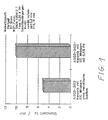
- the tool life behavior according to FIG. 1 the tool life could be doubled.
- the individual cutting conditions can be seen in FIG. 1.
Landscapes
- Chemical & Material Sciences (AREA)
- Engineering & Computer Science (AREA)
- Ceramic Engineering (AREA)
- Organic Chemistry (AREA)
- Materials Engineering (AREA)
- Structural Engineering (AREA)
- Manufacturing & Machinery (AREA)
- Inorganic Chemistry (AREA)
- Composite Materials (AREA)
- Chemical Kinetics & Catalysis (AREA)
- Compositions Of Oxide Ceramics (AREA)
- Ceramic Products (AREA)
- Powder Metallurgy (AREA)
- Manufacture Of Alloys Or Alloy Compounds (AREA)
- Cutting Tools, Boring Holders, And Turrets (AREA)
Abstract
Description
- Die Erfindung betrifft einen faserverstärkten Keramikverbundkörper, der folgende Bestandteile enthält:
- a) 5 bis 40 Massen-% SiC-Whisker
- b1) 0,05 bis 3 Massen-% Y₂O₃, SiO₂, MgO, NiO und/oder AlN und/oder
- b2) Carbide, Nitride und/oder Carbonitride der Metalle der IVa, Va oder VIa-Gruppe des Periodensystems und/oder Oxide der Metalle der IVa-Gruppe des Periodensystems zu 0,5 bis 40 Massen-%,
- c) Rest Al₂O₃ in einer Mindestmenge von 30 Massen-%.
- Die Erfindung betrifft ferner ein Verfahren zur Herstellung eines Keramikverbundkörpers der genannten Art, bei dem die Ausgangspulvermischung vermischt, naß vermahlen, getrocknet, granuliert, uniaxial oder kaltisostatisch gepreßt und der so hergestellte Verbundkörper durch Sintern bei 1450 bis 1800°C und anschließendem heißisostatischen Pressen (HIP) unter einem Druck von 5 bis 100 bar behandelt wird.
- Schließlich betrifft die Erfindung die Verwendung des Keramikverbundwerkstoffes.
- Wie in der DE-Z "ZWF", Zeitschrift für wirtschaftliche Fertigung und Automatisierung, 83. Jahrgang, Seiten 354 bis 359, (1988), beschrieben, führten die Bestrebungen, den Anwendungsbereich keramischer Schneidstoffe zu erweitern, in jüngster Zeit zur Entwicklung SiC-whiskerverstärkter Keramiken auf Al₂O₃-Basis. Die Einlagerung von SiC-Whiskern wirkt sich vor allem positiv auf die mechanischen Eigenschaften und auf das Leistungsverhalten beim Einsatz als Schneidwerkstoff aus. Insbesondere haben whiskerhaltige Proben im Vergleich zu whiskerfreien eine wesentlich höhere Härte, eine höhere Zähigkeitsbelastbarkeit und ein entsprechend geringeres Bruchrisiko.
- Darüber hinaus wird in der EP 0 208 910 B1 ein faserverstärktes Keramikmaterial für Werkzeuge vorgeschlagen, das folgende Bestandteile enthält:
- (A) 5 bis 60 Gew.-% SiC-Fasern;
- (B) 0,1 bis 7 Gew.-% wenigstens eines Oxides, ausgewählt aus der aus CaO, MgO, SiO₂, NiO, Y₂O₃ sowie Lanthanoidoxid bestehenden Gruppe; sowie wenigstens eines der Bestandteile (C) und (D), wobei
- (C) 0,05 bis 7 Gew.-% wenigstens einer Komponente bedeutet, welche ausgewählt ist aus einer aus B, C, AlN, B₄C und die Boride des Si, Al, Y und Lanthan umfassenden Gruppe, und
- (D) 0,05 bis 40 Gew.-% eines zu den Gruppen IVa, Va sowie VIa des periodischen Systems der Elemente gehörenden Übergangsmetalles bzw. Oxides, Carbides, Nitrides oder Borides desselben einschließlich fester Lösungen derselben bedeutet, und
- (E) Rest Al₂O₃ in einer Menge von nicht weniger als 30 Gew.-%.
- Demgegenüber ist es Aufgabe der vorliegenden Erfindung, den eingangs genannten Keramikformkörper hinsichtlich seiner mechanischen Eigenschaften zu verbessern. Hierbei sollen insbesondere die Bruchzähigkeit und die Biegefestigkeit, aber auch die Temperaturwechsel- und Hochtemperaturbeständigkeit ebenso verbessert werden wie die Oxidations- bzw. Korrosionsfestigkeit.
- Es ist ferner Aufgabe der vorliegenden Erfindung, zur Erreichung des obengenannten Zieles ein geeignetes Verfahren anzugeben, schließlich, eine neue Verwendung für die erfindungsgemäßen Keramikformkörper zu finden.
- Diese Aufgabe wird beim faserverstärkten Keramikformkörper durch die im Anspruch 1 angegebenen Merkmale gelöst. Dieser Körper besitzt gegenüber den nach dem Stand der Technik bekannten Verbundkörpern 0,05 bis 5 Massen-%, vorzugsweise 2-Massen-%, eines oder mehrerer Edelmetalle. Unter den Edelmetallen werden die Elemente Silber, Gold, Platin, Iridium, Rhodium, Ruthenium, Palladium, Osmium und Rhenium verstanden, wobei sich vorteilhafterweise insbesondere das Platin und/oder das Palladium empfehlen.
- Vorzugsweise werden mindestens 0,1 Masse-% eines oder mehrerer Edelmetalle, insbesondere des Platins und/oder Palladiums verwendet.
- Vergleichbar gute Festigkeitseigenschaften erhält man auch dann noch, wenn bis zu 70 Massen-% der genannten Edelmetalle durch Nickel und/oder Cobalt ersetzt sind.
- Nach einer Weiterbildung der Erfindung besitzt, bezogen auf die Gesamtmasse, der Keramikverbundkörper 0,5 bis 10 Massen-%, vorzugsweise bis 5 Massen-%, eines oder mehrerer reiner Übergangsmetalle, dies sind die Elemente der IVa bis VIa-Gruppe des Periodensystems, insbesondere Molybdän und/oder Wolfram.
- Wenn es wesentlich auf die Wärmeleitfähigkeit ankommt, können die SiC-Whisker bis zu 2/3 ihrer Gesamtmasse durch eingebrachtes SiC-Pulver ersetzt werden.
- Eine Verbesserung der Festigkeitseigenschaften ergibt auch die Zugabe von Zirkonium- oder Hafniumoxid bzw. Siliciumnitrid, welche in die Al₂O₃-Matrix eingelagert werden und bis zu 0 bis 20 Massen-% (bezogen auf die Gesamtmasse) ausmachen.
- Je nach Verwendungszweck kann insbesondere beim Zerspanen eine Werkstoffverbesserung durch Aufbringen einer oder mehrerer dünner Oberflächenschichten erzielt werden. Diese im Prinzip bekannten Oberflächenschichten bestehen aus Oxiden, Carbiden, Nitriden und/oder Carbonitriden eines oder mehrerer der Elemente der IVa bis VIa-Gruppe des Periodensystems und/oder Al₂O₃ und werden nach dem ebenfalls bekannten CVD- bzw. PVD-Verfahren aufgetragen.
- Die erfindungsgemäße Herstellung eines Keramikverbundkörpers ist im Anspruch 9 beschrieben. Wesentliches neues Merkmal ist hierbei die Durchführung des Sinterns und des heißisostatischen Pressens ohne zwischenzeitige Abkühlung in einer Hitze. Durch dieses kombinierte Sinter/HIP-Verfahren wird eine gleichmäßig feine Gefügestruktur erreicht. Die bessere Festigkeit der hergestellten Körper beruht vermutlich auf der günstigen Beeinflussung der Korngrenzenstruktur.
- Bei diesem Verfahren müssen die erfindungsgemäßen Produkte vorzugsweise in einer Inertgasatmosphäre, wie z.B. einer Argon- oder Stickstoffatmosphäre, der kombinierten Sinter/HIP-Behandlung unterzogen werden. Die HIP-Temperatur wird etwa gleich der Sintertemperatur gewählt oder liegt bei Werten, die bis zu 100°C niedriger liegen.
- Um eine möglichst günstige Verteilung des Edelmetalles zu erhalten, wird dieses vorzugsweise in Form kolloidaler Partikel mit Kristallitgrößen <20 nm gleichmäßig mit den übrigen Bestandteilen der Ausgangspulvermischung vermengt. Nach einer Weiterbildung der Erfindung wird das Edelmetall als kolloides Hydrosol oder kolloides Lyosol in organischen (Aceton oder i-Propanol) oder wäßrigen Lösungen zugegeben.
- Eine erfindungsgemäße Verwendung des Keramikverbundwerkstoffes wird insbesondere bei thermisch stark belasteten Körpern in einer oxidierenden und/oder korrosiven Atmosphäre liegen, wie sie insbesondere in Automobilen oder als Gasturbine oder als Schneidkörper für die spanende Bearbeitung vorliegen.
- Die verbesserten mechanischen Eigenschaften erfindungsgemäßer Legierungen werden im folgenden anhand von Ausführungsbeispielen erläutert. Es zeigen:
- Fig. 1
- das Standzeitverhalten,
- Fig. 2
- die Biegefestigkeit und
- Fig. 3
- die Verschleißkerbe einer erfindungsgemäßen Legierung jeweils im Vergleich zu einer nach dem Stand der Technik bekannten Legierung.
- In einem ersten Ausführungsbeispiel wurden 88% α-Al₂O₃, 10% monoklines CrO₂, 0,5% SiO₂, 0,5% MgO, 0,5% Ni mit einer mittleren Korngröße von ca. 1µm und 0,5% Pd mit einer mittleren Korngröße von ca. 50 nm -Angaben jeweils in Massen-%- in pulverisierter Form gemischt und unter Zusatz von Alkohol als einem Mahlmedium 48 Stunden in einer Trommelmühle vermahlen.
- Parallel hierzu werden SiC-Whisker einer 6-stündigen Desagglomeration und Mahlung in Alkohol in einer Trommelmühle unterzogen. Nach der Desagglomeration werden die Whisker durch Absiebung zur Entfernung der Grobanteile klassifiziert. Das Sediment kann nach ca. 10 Stunden Ruhezeit weiterverarbeitet werden.
- Durch den beschriebenen kombinierten Sieb-/Sedimentationsvorgang werden restliche Agglomerate und überlange Whisker sowie der Feinanteil entfernt. Verwendet wird eine Fraktion, die überwiegend aus Whisker mit einem Länge/Durchmesser-Verhältnis von ca. 5 bis 15 besteht. Die ausgewählte Whiskerfraktion wird mit dem zuerst beschriebenen Matrixanteil im Verhältnis 80:20 (Matrix:Whisker) miteinander in alkoholischer Suspension vermischt und 2 Stunden in einer Trommelmühle homogenisiert. Hiernach erfolgt die Trocknung durch Destillation sowie eine anschließende Absiebung des Trockenkuchens zur Bereitstellung einer fertigen Pulvermischung, die in Graphitformen zu großen Platten mit einem Durchmesser von 250 bis 300 mm bei Temperaturen von 1700°C bis 1800°C heißgepreßt wird. Aus diesen Platten können durch Trennen und Schleifen verschiedene Wendeschneidplatten herausgearbeitet werden.
- Anstelle des hier verwendeten Heißpressens kann alternativ auch die in den Ansprüchen 9 ff. beschriebene Sinter-HIP-Herstellung bei Whiskergehalten bis 15%, vorzugsweise 10% gewählt werden.
- Die jeweils herangezogene Vergleichskeramik mit SiC-Whiskern besaß hingegen keine Metallanteile (Ni, Pd), wodurch sich in entsprechender Weise der Aluminiumoxidanteil erhöhte.
- Entsprechend Figur 1 wurden eine Aluminiumoxid-Zirkoniumdioxid-Keramik mit SiC-Whiskern ohne metallische Zusätze, also ohne Palladium, mit einer entsprechenden Keramik mit 0,5% Palladium verglichen. Die Matrix-Ausgangsmengen betrugen in diesem Falle 88,5% α-Al₂O₃, dafür enthielt die Matrix kein Nickel. Wie aus dem Standzeitverhalten nach Figur 1 hervorgeht, konnte eine Standzeitverdopplung erzielt werden. Die einzelnen Schnittbedingungen sind Figur 1 zu entnehmen.
- Nach Figuren 2 und 3 wird deutlich, daß die erfindungsgemäße Aluminiumoxid-Zirkoniumdioxid-Keramik mit Siliciumcarbidwhiskern und jeweils 0,5% Palladium und Nickel eine um fast 10% bessere Biegefestigkeit aufweist. Messungen der Verschleißkerbe HS/mm nach tc = 4 Min. ergaben entsprechend Figur 3 ebenfalls eine deutliche Verbesserung bei Verwendung einer erfindungsgemäßen Legierung. Die in Figuren 2 und 3 dargestellten Ergebnisse wurden jeweils beim Drehen im kontinuierlichen Schnitt erhalten.
Claims (14)
- Faserverstärkter Keramikverbundkörper, der folgende Bestandteile enthälta) 5 bis 40 Massen-% SiC-Whiskerb1) 0,05 bis 3 Massen-% Y₂O₃, SiO₂, MgO, NiO und/oder AlN und/oderb2) Carbide, Nitride und/oder Carbonitride der Metalle der IVa, Va oder VIa-Gruppe des Periodensystems und/oder Oxide der Metalle der IVa-Gruppe des Periodensystems zu 0,5 bis 40 Massen-%,c) Rest Al₂O₃ in einer Mindestmenge von 30 Massen-%,gekennzeichnet durch
0,05 bis 5 Massen-% eines oder mehrerer Edelmetalle. - Keramikverbundkörper nach Anspruch 1, dadurch gekennzeichnet, daß Platin und/oder Palladium enthalten sind.
- Keramikverbundkörper nach Anspruch 1 oder 2, dadurch gekennzeichnet, daß mindestens 0,1 Massen-% eines oder mehrerer Edelmetalle, vorzugsweise Platin und/oder Palladium enthalten sind.
- Keramikverbundkörper nach einem der Ansprüche 1 bis 3, dadurch gekennzeichnet, daß bis zu 70 Massen-% der Edelmetalle durch Nickel und/oder Cobalt ersetzt sind.
- Keramikverbundkörper nach einem der Ansprüche 1 bis 4, dadurch gekennzeichnet, daß 0,5 bis 10 Massen-%, vorzugsweise bis 5 Massen-% - bezogen auf die Gesamtmasse - eines oder mehrerer reiner Übergangsmetalle (Elemente der IVa bis VIa-Gruppe des Periodensystems), insbesondere Molybdän und/oder Wolfram, enthalten sind.
- Keramikverbundkörper nach einem der Ansprüche 1 bis 5, dadurch gekennzeichnet, daß die SiC-Whisker bis zu 2/3 ihrer Gesamtmasse durch eingebrachtes SiC-Pulver ersetzt sind.
- Keramikverbundkörper nach einem der Ansprüche 1 bis 6, dadurch gekennzeichnet, daß 0 bis 20 Massen-% ZrO₂, HfO₂ und/oder Si₃N₄ enthalten sind.
- Keramikverbundkörper nach einem der Ansprüche 1 bis 7, gekennzeichnet durch eine oder mehrere dünner Oberflächenschichten, bestehend aus Oxiden, Carbiden, Nitriden und/oder Carbonitriden eines oder mehrerer der Elemente der IVa bis VIa-Gruppe des Periodensystems und/oder Al₂O₃.
- Verfahren zur Herstellung eines Keramikverbundkörpers nach einem der Ansprüche 1 bis 8, bei dem die Ausgangspulvermischung vermischt, naß vermahlen, getrocknet, granuliert, uniaxial oder kaltisostatisch gepreßt und der so hergestellte Verbundkörper durch Sintern bei 1450 bis 1800°C und anschließendem heißisostatischen Pressen (HIP) unter einem Druck von 5 bis 100 bar behandelt wird, dadurch gekennzeichnet, daß das Sintern und das HIP ohne zwischenzeitige Abkühlung in einer Hitze durchgeführt werden.
- Verfahren nach Anspruch 9, dadurch gekennzeichnet, daß die kombinierte Sinter/HIP-Behandlung in einer Inertgasatmosphäre, vorzugsweise einer Argon- oder Stickstoffatmosphäre oder unter Vakuum durchgeführt wird.
- Verfahren nach Anspruch 9 oder 10, dadurch gekennzeichnet, daß die HIP-Temperatur bis zu 100°C unter der Sintertemperatur liegt.
- Verfahren nach einem der Ansprüche 9 bis 11, dadurch gekennzeichnet, daß das Edelmetall in Form kolloidaler Partikel mit Kristallitgrößen <20 nm gleichmäßig mit den übrigen Bestandteilen der Ausgangspulvermischung vermengt wird.
- Verfahren nach Anspruch 12, dadurch gekennzeichnet, daß das Edelmetall als kolloidales Hydrosol oder kolloides Lyosol in organischen (Aceton, i-Propanol) oder wäßrigen Lösungen zugegeben wird.
- Verwendung des Keramikverbundwerkstoffes nach einem der Ansprüche 1 bis 8 als Werkstoff für thermisch stark belastete Körper in einer oxidierenden und/oder korrosiven Atmosphäre, insbesondere im Automobilbau, als Gasturbine oder als Schneidkörper für die spanende Bearbeitung.
Applications Claiming Priority (3)
| Application Number | Priority Date | Filing Date | Title |
|---|---|---|---|
| DE3941360 | 1989-12-15 | ||
| DE3941360 | 1989-12-15 | ||
| PCT/DE1990/000460 WO1991008994A1 (de) | 1989-12-15 | 1990-06-18 | Faserverstärkter keramikverbundkörper, verfahren zur herstellung eines keramikverbundkörpers und dessen verwendung |
Publications (2)
| Publication Number | Publication Date |
|---|---|
| EP0505358A1 EP0505358A1 (de) | 1992-09-30 |
| EP0505358B1 true EP0505358B1 (de) | 1994-04-27 |
Family
ID=6395480
Family Applications (1)
| Application Number | Title | Priority Date | Filing Date |
|---|---|---|---|
| EP90909329A Expired - Lifetime EP0505358B1 (de) | 1989-12-15 | 1990-06-18 | Faserverstärkter keramikverbundkörper, verfahren zur herstellung eines keramikverbundkörpers und dessen verwendung |
Country Status (3)
| Country | Link |
|---|---|
| EP (1) | EP0505358B1 (de) |
| DE (2) | DE59005557D1 (de) |
| WO (1) | WO1991008994A1 (de) |
Families Citing this family (3)
| Publication number | Priority date | Publication date | Assignee | Title |
|---|---|---|---|---|
| JPH07232959A (ja) * | 1993-12-21 | 1995-09-05 | Kobe Steel Ltd | アルミナ基セラミックス及びその製造方法 |
| DE19752815A1 (de) * | 1997-11-28 | 1999-06-02 | Siegfried Geisel | Zerspanungswerkzeug |
| AT525455B1 (de) * | 2022-03-16 | 2023-04-15 | Isovolta | Vormaterial zur Verwendung zum Herstellen eines Faser-Keramik-Verbundes |
Family Cites Families (2)
| Publication number | Priority date | Publication date | Assignee | Title |
|---|---|---|---|---|
| DE3662782D1 (en) * | 1985-06-10 | 1989-05-18 | Ngk Spark Plug Co | Fiber-reinforced compositie material for tools |
| DE3751689T2 (de) * | 1986-05-28 | 1996-07-04 | Ngk Spark Plug Co | Material für Schneidvorrichtungen, dessen Anwendung und Schneidvorrichtungen |
-
1990
- 1990-06-18 WO PCT/DE1990/000460 patent/WO1991008994A1/de not_active Ceased
- 1990-06-18 EP EP90909329A patent/EP0505358B1/de not_active Expired - Lifetime
- 1990-06-18 DE DE59005557T patent/DE59005557D1/de not_active Expired - Fee Related
- 1990-12-07 DE DE4039019A patent/DE4039019A1/de not_active Withdrawn
Also Published As
| Publication number | Publication date |
|---|---|
| EP0505358A1 (de) | 1992-09-30 |
| DE59005557D1 (de) | 1994-06-01 |
| WO1991008994A1 (de) | 1991-06-27 |
| DE4039019A1 (de) | 1991-06-20 |
Similar Documents
| Publication | Publication Date | Title |
|---|---|---|
| DE2744700C2 (de) | Sinterwerkstoff auf Basis von dichten, nichtmetallischen Hartstoffen wie hochschmelzenden Metallcarbiden, Metallnitriden, Metallboriden und Metalloxiden mit darin eingelagerten Zirkon- und/oder Hafniumoxid | |
| DE69403054T2 (de) | Gesinterter keramischer Körper, der hauptsächlich Alumina enthält | |
| DE3877566T2 (de) | Keramisches verbundmaterial und daraus hergestellte gegenstaende. | |
| DE69022045T2 (de) | Keramiken mit hoher zähigkeit, festigkeit und härte. | |
| DE69611831T2 (de) | Keramische Werkzeuge für die Metallbearbeitung und Verfahren zu ihrer Herstellung | |
| DE3874380T2 (de) | Keramisches material auf der basis von aluminiumoxid und feuerfesten hartbestandteilen. | |
| DE69104862T2 (de) | Keramisches Material auf Basis von Tonerde. | |
| DE3812266C1 (de) | ||
| EP0902771B1 (de) | Metall-keramik-formkörper und verfahren zu ihrer herstellung | |
| WO1998053940A1 (de) | Metall-keramik-gradientenwerkstoff, erzeugnis daraus und verfahren zur herstellung eines metall-keramik-gradientenwerkstoffes | |
| DE2923213B2 (de) | Schneidplatte für die spanabhebende Bearbeitung und deren Herstellung | |
| DE2252797C3 (de) | Leichtgewichtiges, abriebbeständiges, zusammengesetztes Material aus Aluminium und einem nichtmetallischen anorganischen Material und Verfahren zu dessen Herstellung | |
| EP0448572B1 (de) | Hartmetallverbundkörper und verfahren zu seiner herstellung | |
| DE69703999T2 (de) | Gleitwerkstoff aus Siliciumnitridkeramik und Herstellung desselben | |
| DE68918506T2 (de) | Hochfeste hochzähe TiB2-Keramik. | |
| DE69201910T2 (de) | Siliciumnitrid-Sinterkörper und Verfahren zu seiner Herstellung. | |
| EP0532555B1 (de) | Keramikverbundkörper, verfahren zur herstellung eines keramikverbundkörpers und dessen verwendung | |
| DE4102426C2 (de) | Verfahren zur Herstellung eines gesinterten Siliciumcarbid- und Siliciumnitrid-Basiskörpers | |
| DE3876581T2 (de) | Gesinterte sic-al2o3-verbundkoerper und verfahren zu ihrer herstellung. | |
| DE4217721C1 (de) | Gesintertes verbundschleifkorn, verfahren zu seiner herstellung sowie seine verwendung | |
| DE3877881T2 (de) | Sic-a12o3-sinterverbundkoerper und verfahren zu ihrer herstellung. | |
| DE10102706B4 (de) | Auf kubischem Bornitrid basierendes, gesintertes Material und Verfahren zu dessen Herstellung | |
| DE69108472T2 (de) | Keramischer Werkstoff, verstärkt durch Aluminiumoxid-Fibers und Verfahren zu seiner Herstellung. | |
| WO1991008994A1 (de) | Faserverstärkter keramikverbundkörper, verfahren zur herstellung eines keramikverbundkörpers und dessen verwendung | |
| DE69014793T2 (de) | Gesinterter keramischer Verbundkörper und Verfahren zu seiner Herstellung. |
Legal Events
| Date | Code | Title | Description |
|---|---|---|---|
| PUAI | Public reference made under article 153(3) epc to a published international application that has entered the european phase |
Free format text: ORIGINAL CODE: 0009012 |
|
| 17P | Request for examination filed |
Effective date: 19920605 |
|
| AK | Designated contracting states |
Kind code of ref document: A1 Designated state(s): DE FR GB IT |
|
| 17Q | First examination report despatched |
Effective date: 19930205 |
|
| GRAA | (expected) grant |
Free format text: ORIGINAL CODE: 0009210 |
|
| AK | Designated contracting states |
Kind code of ref document: B1 Designated state(s): DE FR GB IT |
|
| REF | Corresponds to: |
Ref document number: 59005557 Country of ref document: DE Date of ref document: 19940601 |
|
| ET | Fr: translation filed | ||
| ITF | It: translation for a ep patent filed | ||
| GBT | Gb: translation of ep patent filed (gb section 77(6)(a)/1977) |
Effective date: 19940729 |
|
| PLBE | No opposition filed within time limit |
Free format text: ORIGINAL CODE: 0009261 |
|
| STAA | Information on the status of an ep patent application or granted ep patent |
Free format text: STATUS: NO OPPOSITION FILED WITHIN TIME LIMIT |
|
| 26N | No opposition filed | ||
| ITPR | It: changes in ownership of a european patent |
Owner name: CAMBIO RAGIONE SOCIALE;WIDIA GMBH |
|
| REG | Reference to a national code |
Ref country code: FR Ref legal event code: CD |
|
| PGFP | Annual fee paid to national office [announced via postgrant information from national office to epo] |
Ref country code: GB Payment date: 19960501 Year of fee payment: 7 |
|
| PGFP | Annual fee paid to national office [announced via postgrant information from national office to epo] |
Ref country code: FR Payment date: 19960612 Year of fee payment: 7 |
|
| PGFP | Annual fee paid to national office [announced via postgrant information from national office to epo] |
Ref country code: DE Payment date: 19960618 Year of fee payment: 7 |
|
| PG25 | Lapsed in a contracting state [announced via postgrant information from national office to epo] |
Ref country code: GB Free format text: LAPSE BECAUSE OF NON-PAYMENT OF DUE FEES Effective date: 19970618 |
|
| GBPC | Gb: european patent ceased through non-payment of renewal fee |
Effective date: 19970618 |
|
| PG25 | Lapsed in a contracting state [announced via postgrant information from national office to epo] |
Ref country code: FR Free format text: LAPSE BECAUSE OF NON-PAYMENT OF DUE FEES Effective date: 19980227 |
|
| PG25 | Lapsed in a contracting state [announced via postgrant information from national office to epo] |
Ref country code: DE Free format text: LAPSE BECAUSE OF NON-PAYMENT OF DUE FEES Effective date: 19980303 |
|
| REG | Reference to a national code |
Ref country code: FR Ref legal event code: ST |
|
| REG | Reference to a national code |
Ref country code: FR Ref legal event code: ST |
|
| PG25 | Lapsed in a contracting state [announced via postgrant information from national office to epo] |
Ref country code: IT Free format text: LAPSE BECAUSE OF NON-PAYMENT OF DUE FEES;WARNING: LAPSES OF ITALIAN PATENTS WITH EFFECTIVE DATE BEFORE 2007 MAY HAVE OCCURRED AT ANY TIME BEFORE 2007. THE CORRECT EFFECTIVE DATE MAY BE DIFFERENT FROM THE ONE RECORDED. Effective date: 20050618 |