EP0500718B1 - Insoluble yeast extract - Google Patents
Insoluble yeast extract Download PDFInfo
- Publication number
- EP0500718B1 EP0500718B1 EP90917227A EP90917227A EP0500718B1 EP 0500718 B1 EP0500718 B1 EP 0500718B1 EP 90917227 A EP90917227 A EP 90917227A EP 90917227 A EP90917227 A EP 90917227A EP 0500718 B1 EP0500718 B1 EP 0500718B1
- Authority
- EP
- European Patent Office
- Prior art keywords
- skin
- glucan
- revitalising
- reducing
- yeast
- Prior art date
- Legal status (The legal status is an assumption and is not a legal conclusion. Google has not performed a legal analysis and makes no representation as to the accuracy of the status listed.)
- Expired - Lifetime
Links
- 239000012138 yeast extract Substances 0.000 title abstract description 11
- 229940041514 candida albicans extract Drugs 0.000 title abstract description 10
- 229920001503 Glucan Polymers 0.000 claims abstract description 77
- 238000000034 method Methods 0.000 claims abstract description 42
- 210000005253 yeast cell Anatomy 0.000 claims abstract description 14
- XLYOFNOQVPJJNP-UHFFFAOYSA-N water Chemical compound O XLYOFNOQVPJJNP-UHFFFAOYSA-N 0.000 claims description 32
- 239000000203 mixture Substances 0.000 claims description 24
- 230000000699 topical effect Effects 0.000 claims description 10
- 230000007794 irritation Effects 0.000 claims description 7
- 230000037303 wrinkles Effects 0.000 claims description 5
- 241000235070 Saccharomyces Species 0.000 claims description 4
- 239000008213 purified water Substances 0.000 claims description 4
- 230000008719 thickening Effects 0.000 claims description 3
- 238000002560 therapeutic procedure Methods 0.000 claims description 2
- LFQSCWFLJHTTHZ-UHFFFAOYSA-N Ethanol Chemical compound CCO LFQSCWFLJHTTHZ-UHFFFAOYSA-N 0.000 abstract description 48
- 239000000463 material Substances 0.000 abstract description 26
- 239000002253 acid Substances 0.000 abstract description 23
- 210000002540 macrophage Anatomy 0.000 abstract description 22
- 230000000694 effects Effects 0.000 abstract description 7
- 102000004169 proteins and genes Human genes 0.000 abstract description 6
- 108090000623 proteins and genes Proteins 0.000 abstract description 6
- 239000003513 alkali Substances 0.000 abstract description 5
- 238000004519 manufacturing process Methods 0.000 abstract description 4
- 230000003389 potentiating effect Effects 0.000 abstract description 4
- 239000012670 alkaline solution Substances 0.000 abstract description 3
- CSCPPACGZOOCGX-UHFFFAOYSA-N Acetone Chemical compound CC(C)=O CSCPPACGZOOCGX-UHFFFAOYSA-N 0.000 description 39
- 239000008188 pellet Substances 0.000 description 35
- 239000000047 product Substances 0.000 description 33
- 210000003491 skin Anatomy 0.000 description 30
- 235000014680 Saccharomyces cerevisiae Nutrition 0.000 description 24
- 240000004808 Saccharomyces cerevisiae Species 0.000 description 23
- HEMHJVSKTPXQMS-UHFFFAOYSA-M Sodium hydroxide Chemical compound [OH-].[Na+] HEMHJVSKTPXQMS-UHFFFAOYSA-M 0.000 description 21
- QTBSBXVTEAMEQO-UHFFFAOYSA-N Acetic acid Chemical compound CC(O)=O QTBSBXVTEAMEQO-UHFFFAOYSA-N 0.000 description 20
- 239000000243 solution Substances 0.000 description 18
- 239000012153 distilled water Substances 0.000 description 14
- 239000006228 supernatant Substances 0.000 description 10
- 238000012360 testing method Methods 0.000 description 9
- 238000005481 NMR spectroscopy Methods 0.000 description 8
- 229960000583 acetic acid Drugs 0.000 description 8
- 239000007924 injection Substances 0.000 description 7
- 238000002347 injection Methods 0.000 description 7
- 239000002198 insoluble material Substances 0.000 description 7
- 239000006210 lotion Substances 0.000 description 7
- 238000002360 preparation method Methods 0.000 description 7
- 238000003756 stirring Methods 0.000 description 7
- IJGRMHOSHXDMSA-UHFFFAOYSA-N Atomic nitrogen Chemical compound N#N IJGRMHOSHXDMSA-UHFFFAOYSA-N 0.000 description 6
- 210000001744 T-lymphocyte Anatomy 0.000 description 6
- DTQVDTLACAAQTR-UHFFFAOYSA-N Trifluoroacetic acid Chemical compound OC(=O)C(F)(F)F DTQVDTLACAAQTR-UHFFFAOYSA-N 0.000 description 6
- 238000000605 extraction Methods 0.000 description 6
- 206010015150 Erythema Diseases 0.000 description 5
- 241001465754 Metazoa Species 0.000 description 5
- 230000015572 biosynthetic process Effects 0.000 description 5
- 229910052799 carbon Inorganic materials 0.000 description 5
- 239000006071 cream Substances 0.000 description 5
- 238000005755 formation reaction Methods 0.000 description 5
- -1 glucose sugars Chemical class 0.000 description 5
- 239000007788 liquid Substances 0.000 description 5
- 239000002884 skin cream Substances 0.000 description 5
- OKTJSMMVPCPJKN-UHFFFAOYSA-N Carbon Chemical compound [C] OKTJSMMVPCPJKN-UHFFFAOYSA-N 0.000 description 4
- IAZDPXIOMUYVGZ-UHFFFAOYSA-N Dimethylsulphoxide Chemical compound CS(C)=O IAZDPXIOMUYVGZ-UHFFFAOYSA-N 0.000 description 4
- WQZGKKKJIJFFOK-GASJEMHNSA-N Glucose Natural products OC[C@H]1OC(O)[C@H](O)[C@@H](O)[C@@H]1O WQZGKKKJIJFFOK-GASJEMHNSA-N 0.000 description 4
- VEXZGXHMUGYJMC-UHFFFAOYSA-N Hydrochloric acid Chemical compound Cl VEXZGXHMUGYJMC-UHFFFAOYSA-N 0.000 description 4
- 241000699670 Mus sp. Species 0.000 description 4
- 230000000844 anti-bacterial effect Effects 0.000 description 4
- 210000004027 cell Anatomy 0.000 description 4
- 238000005119 centrifugation Methods 0.000 description 4
- 239000002537 cosmetic Substances 0.000 description 4
- 210000000887 face Anatomy 0.000 description 4
- 239000008103 glucose Substances 0.000 description 4
- 230000001965 increasing effect Effects 0.000 description 4
- 210000001821 langerhans cell Anatomy 0.000 description 4
- 230000003902 lesion Effects 0.000 description 4
- 229910052757 nitrogen Inorganic materials 0.000 description 4
- 239000007787 solid Substances 0.000 description 4
- 239000011343 solid material Substances 0.000 description 4
- 238000001228 spectrum Methods 0.000 description 4
- 235000000346 sugar Nutrition 0.000 description 4
- 239000000725 suspension Substances 0.000 description 4
- DNIAPMSPPWPWGF-UHFFFAOYSA-N Propylene glycol Chemical compound CC(O)CO DNIAPMSPPWPWGF-UHFFFAOYSA-N 0.000 description 3
- 230000004913 activation Effects 0.000 description 3
- 238000004458 analytical method Methods 0.000 description 3
- 238000001816 cooling Methods 0.000 description 3
- 238000001035 drying Methods 0.000 description 3
- 238000000921 elemental analysis Methods 0.000 description 3
- 210000003743 erythrocyte Anatomy 0.000 description 3
- 210000000416 exudates and transudate Anatomy 0.000 description 3
- 239000012362 glacial acetic acid Substances 0.000 description 3
- 239000011521 glass Substances 0.000 description 3
- 238000010438 heat treatment Methods 0.000 description 3
- 230000007062 hydrolysis Effects 0.000 description 3
- 238000006460 hydrolysis reaction Methods 0.000 description 3
- 239000002245 particle Substances 0.000 description 3
- VBICKXHEKHSIBG-UHFFFAOYSA-N 1-monostearoylglycerol Chemical compound CCCCCCCCCCCCCCCCCC(=O)OCC(O)CO VBICKXHEKHSIBG-UHFFFAOYSA-N 0.000 description 2
- OKTJSMMVPCPJKN-OUBTZVSYSA-N Carbon-13 Chemical compound [13C] OKTJSMMVPCPJKN-OUBTZVSYSA-N 0.000 description 2
- SRBFZHDQGSBBOR-IOVATXLUSA-N D-xylopyranose Chemical compound O[C@@H]1COC(O)[C@H](O)[C@H]1O SRBFZHDQGSBBOR-IOVATXLUSA-N 0.000 description 2
- 206010013786 Dry skin Diseases 0.000 description 2
- PXHVJJICTQNCMI-UHFFFAOYSA-N Nickel Chemical compound [Ni] PXHVJJICTQNCMI-UHFFFAOYSA-N 0.000 description 2
- VYGQUTWHTHXGQB-FFHKNEKCSA-N Retinol Palmitate Chemical compound CCCCCCCCCCCCCCCC(=O)OC\C=C(/C)\C=C\C=C(/C)\C=C\C1=C(C)CCCC1(C)C VYGQUTWHTHXGQB-FFHKNEKCSA-N 0.000 description 2
- VMHLLURERBWHNL-UHFFFAOYSA-M Sodium acetate Chemical compound [Na+].CC([O-])=O VMHLLURERBWHNL-UHFFFAOYSA-M 0.000 description 2
- FAPWRFPIFSIZLT-UHFFFAOYSA-M Sodium chloride Chemical compound [Na+].[Cl-] FAPWRFPIFSIZLT-UHFFFAOYSA-M 0.000 description 2
- 239000003929 acidic solution Substances 0.000 description 2
- PYMYPHUHKUWMLA-UHFFFAOYSA-N arabinose Natural products OCC(O)C(O)C(O)C=O PYMYPHUHKUWMLA-UHFFFAOYSA-N 0.000 description 2
- 210000003567 ascitic fluid Anatomy 0.000 description 2
- 230000001580 bacterial effect Effects 0.000 description 2
- SRBFZHDQGSBBOR-UHFFFAOYSA-N beta-D-Pyranose-Lyxose Natural products OC1COC(O)C(O)C1O SRBFZHDQGSBBOR-UHFFFAOYSA-N 0.000 description 2
- 150000001720 carbohydrates Chemical class 0.000 description 2
- 235000014633 carbohydrates Nutrition 0.000 description 2
- 239000003795 chemical substances by application Substances 0.000 description 2
- 150000001875 compounds Chemical class 0.000 description 2
- 231100000321 erythema Toxicity 0.000 description 2
- 239000000284 extract Substances 0.000 description 2
- 230000001815 facial effect Effects 0.000 description 2
- 239000012530 fluid Substances 0.000 description 2
- 150000004676 glycans Chemical class 0.000 description 2
- 210000003780 hair follicle Anatomy 0.000 description 2
- BHEPBYXIRTUNPN-UHFFFAOYSA-N hydridophosphorus(.) (triplet) Chemical compound [PH] BHEPBYXIRTUNPN-UHFFFAOYSA-N 0.000 description 2
- 229910052739 hydrogen Inorganic materials 0.000 description 2
- 230000006872 improvement Effects 0.000 description 2
- 230000001939 inductive effect Effects 0.000 description 2
- 229960000367 inositol Drugs 0.000 description 2
- CDAISMWEOUEBRE-GPIVLXJGSA-N inositol Chemical compound O[C@H]1[C@H](O)[C@@H](O)[C@H](O)[C@H](O)[C@@H]1O CDAISMWEOUEBRE-GPIVLXJGSA-N 0.000 description 2
- LXCFILQKKLGQFO-UHFFFAOYSA-N methylparaben Chemical compound COC(=O)C1=CC=C(O)C=C1 LXCFILQKKLGQFO-UHFFFAOYSA-N 0.000 description 2
- 238000000655 nuclear magnetic resonance spectrum Methods 0.000 description 2
- 239000002674 ointment Substances 0.000 description 2
- 230000000242 pagocytic effect Effects 0.000 description 2
- LSTDYDRCKUBPDI-UHFFFAOYSA-N palmityl acetate Chemical compound CCCCCCCCCCCCCCCCOC(C)=O LSTDYDRCKUBPDI-UHFFFAOYSA-N 0.000 description 2
- 229920001223 polyethylene glycol Polymers 0.000 description 2
- 229920001296 polysiloxane Polymers 0.000 description 2
- QELSKZZBTMNZEB-UHFFFAOYSA-N propylparaben Chemical compound CCCOC(=O)C1=CC=C(O)C=C1 QELSKZZBTMNZEB-UHFFFAOYSA-N 0.000 description 2
- 230000001681 protective effect Effects 0.000 description 2
- 210000004761 scalp Anatomy 0.000 description 2
- CDAISMWEOUEBRE-UHFFFAOYSA-N scyllo-inosotol Natural products OC1C(O)C(O)C(O)C(O)C1O CDAISMWEOUEBRE-UHFFFAOYSA-N 0.000 description 2
- 239000001632 sodium acetate Substances 0.000 description 2
- 235000017281 sodium acetate Nutrition 0.000 description 2
- CZDYPVPMEAXLPK-UHFFFAOYSA-N tetramethylsilane Chemical compound C[Si](C)(C)C CZDYPVPMEAXLPK-UHFFFAOYSA-N 0.000 description 2
- 239000003981 vehicle Substances 0.000 description 2
- 238000005406 washing Methods 0.000 description 2
- 238000001644 13C nuclear magnetic resonance spectroscopy Methods 0.000 description 1
- LGEZTMRIZWCDLW-UHFFFAOYSA-N 14-methylpentadecyl octadecanoate Chemical compound CCCCCCCCCCCCCCCCCC(=O)OCCCCCCCCCCCCCC(C)C LGEZTMRIZWCDLW-UHFFFAOYSA-N 0.000 description 1
- FKOKUHFZNIUSLW-UHFFFAOYSA-N 2-Hydroxypropyl stearate Chemical compound CCCCCCCCCCCCCCCCCC(=O)OCC(C)O FKOKUHFZNIUSLW-UHFFFAOYSA-N 0.000 description 1
- WLAMNBDJUVNPJU-UHFFFAOYSA-N 2-methylbutyric acid Chemical compound CCC(C)C(O)=O WLAMNBDJUVNPJU-UHFFFAOYSA-N 0.000 description 1
- 208000002874 Acne Vulgaris Diseases 0.000 description 1
- 206010003645 Atopy Diseases 0.000 description 1
- 241000894006 Bacteria Species 0.000 description 1
- 229920002498 Beta-glucan Polymers 0.000 description 1
- 208000035473 Communicable disease Diseases 0.000 description 1
- 201000007336 Cryptococcosis Diseases 0.000 description 1
- 241000221204 Cryptococcus neoformans Species 0.000 description 1
- ZAKOWWREFLAJOT-CEFNRUSXSA-N D-alpha-tocopherylacetate Chemical compound CC(=O)OC1=C(C)C(C)=C2O[C@@](CCC[C@H](C)CCC[C@H](C)CCCC(C)C)(C)CCC2=C1C ZAKOWWREFLAJOT-CEFNRUSXSA-N 0.000 description 1
- 201000004624 Dermatitis Diseases 0.000 description 1
- ZGTMUACCHSMWAC-UHFFFAOYSA-L EDTA disodium salt (anhydrous) Chemical compound [Na+].[Na+].OC(=O)CN(CC([O-])=O)CCN(CC(O)=O)CC([O-])=O ZGTMUACCHSMWAC-UHFFFAOYSA-L 0.000 description 1
- UNXHWFMMPAWVPI-UHFFFAOYSA-N Erythritol Natural products OCC(O)C(O)CO UNXHWFMMPAWVPI-UHFFFAOYSA-N 0.000 description 1
- 241000287828 Gallus gallus Species 0.000 description 1
- 238000007696 Kjeldahl method Methods 0.000 description 1
- 239000004166 Lanolin Substances 0.000 description 1
- 239000004909 Moisturizer Substances 0.000 description 1
- 241000699666 Mus <mouse, genus> Species 0.000 description 1
- YBGZDTIWKVFICR-JLHYYAGUSA-N Octyl 4-methoxycinnamic acid Chemical compound CCCCC(CC)COC(=O)\C=C\C1=CC=C(OC)C=C1 YBGZDTIWKVFICR-JLHYYAGUSA-N 0.000 description 1
- 206010057249 Phagocytosis Diseases 0.000 description 1
- 229920001214 Polysorbate 60 Polymers 0.000 description 1
- 244000018633 Prunus armeniaca Species 0.000 description 1
- 235000009827 Prunus armeniaca Nutrition 0.000 description 1
- VYGQUTWHTHXGQB-UHFFFAOYSA-N Retinol hexadecanoate Natural products CCCCCCCCCCCCCCCC(=O)OCC=C(C)C=CC=C(C)C=CC1=C(C)CCCC1(C)C VYGQUTWHTHXGQB-UHFFFAOYSA-N 0.000 description 1
- 206010040880 Skin irritation Diseases 0.000 description 1
- HVUMOYIDDBPOLL-XWVZOOPGSA-N Sorbitan monostearate Chemical compound CCCCCCCCCCCCCCCCCC(=O)OC[C@@H](O)[C@H]1OC[C@H](O)[C@H]1O HVUMOYIDDBPOLL-XWVZOOPGSA-N 0.000 description 1
- 235000021355 Stearic acid Nutrition 0.000 description 1
- GSEJCLTVZPLZKY-UHFFFAOYSA-N Triethanolamine Chemical compound OCCN(CCO)CCO GSEJCLTVZPLZKY-UHFFFAOYSA-N 0.000 description 1
- 206010052428 Wound Diseases 0.000 description 1
- 208000027418 Wounds and injury Diseases 0.000 description 1
- 238000010521 absorption reaction Methods 0.000 description 1
- 125000000218 acetic acid group Chemical group C(C)(=O)* 0.000 description 1
- 230000002378 acidificating effect Effects 0.000 description 1
- 206010000496 acne Diseases 0.000 description 1
- DPKHZNPWBDQZCN-UHFFFAOYSA-N acridine orange free base Chemical compound C1=CC(N(C)C)=CC2=NC3=CC(N(C)C)=CC=C3C=C21 DPKHZNPWBDQZCN-UHFFFAOYSA-N 0.000 description 1
- 230000003213 activating effect Effects 0.000 description 1
- 239000004480 active ingredient Substances 0.000 description 1
- 238000007605 air drying Methods 0.000 description 1
- WQZGKKKJIJFFOK-PHYPRBDBSA-N alpha-D-galactose Chemical compound OC[C@H]1O[C@H](O)[C@H](O)[C@@H](O)[C@H]1O WQZGKKKJIJFFOK-PHYPRBDBSA-N 0.000 description 1
- 230000000259 anti-tumor effect Effects 0.000 description 1
- 208000010668 atopic eczema Diseases 0.000 description 1
- 238000011074 autoclave method Methods 0.000 description 1
- 239000008163 avocado oil Substances 0.000 description 1
- 235000021302 avocado oil Nutrition 0.000 description 1
- 230000009286 beneficial effect Effects 0.000 description 1
- WQZGKKKJIJFFOK-VFUOTHLCSA-N beta-D-glucose Chemical compound OC[C@H]1O[C@@H](O)[C@H](O)[C@@H](O)[C@@H]1O WQZGKKKJIJFFOK-VFUOTHLCSA-N 0.000 description 1
- 238000004166 bioassay Methods 0.000 description 1
- 230000037396 body weight Effects 0.000 description 1
- 229940082484 carbomer-934 Drugs 0.000 description 1
- 239000006285 cell suspension Substances 0.000 description 1
- 210000002421 cell wall Anatomy 0.000 description 1
- 229940049297 cetyl acetate Drugs 0.000 description 1
- 230000008859 change Effects 0.000 description 1
- 238000002485 combustion reaction Methods 0.000 description 1
- 230000000052 comparative effect Effects 0.000 description 1
- ZAKOWWREFLAJOT-UHFFFAOYSA-N d-alpha-Tocopheryl acetate Natural products CC(=O)OC1=C(C)C(C)=C2OC(CCCC(C)CCCC(C)CCCC(C)C)(C)CCC2=C1C ZAKOWWREFLAJOT-UHFFFAOYSA-N 0.000 description 1
- 239000002781 deodorant agent Substances 0.000 description 1
- SOROIESOUPGGFO-UHFFFAOYSA-N diazolidinylurea Chemical compound OCNC(=O)N(CO)C1N(CO)C(=O)N(CO)C1=O SOROIESOUPGGFO-UHFFFAOYSA-N 0.000 description 1
- 229960001083 diazolidinylurea Drugs 0.000 description 1
- 238000007865 diluting Methods 0.000 description 1
- LOKCTEFSRHRXRJ-UHFFFAOYSA-I dipotassium trisodium dihydrogen phosphate hydrogen phosphate dichloride Chemical compound P(=O)(O)(O)[O-].[K+].P(=O)(O)([O-])[O-].[Na+].[Na+].[Cl-].[K+].[Cl-].[Na+] LOKCTEFSRHRXRJ-UHFFFAOYSA-I 0.000 description 1
- 201000010099 disease Diseases 0.000 description 1
- 208000037265 diseases, disorders, signs and symptoms Diseases 0.000 description 1
- 229940079593 drug Drugs 0.000 description 1
- 239000003814 drug Substances 0.000 description 1
- 230000037336 dry skin Effects 0.000 description 1
- UNXHWFMMPAWVPI-ZXZARUISSA-N erythritol Chemical compound OC[C@H](O)[C@H](O)CO UNXHWFMMPAWVPI-ZXZARUISSA-N 0.000 description 1
- 238000011156 evaluation Methods 0.000 description 1
- 230000001747 exhibiting effect Effects 0.000 description 1
- 239000003889 eye drop Substances 0.000 description 1
- 229940012356 eye drops Drugs 0.000 description 1
- 239000012065 filter cake Substances 0.000 description 1
- 239000012634 fragment Substances 0.000 description 1
- 239000003205 fragrance Substances 0.000 description 1
- 230000002538 fungal effect Effects 0.000 description 1
- 229930182830 galactose Natural products 0.000 description 1
- 238000004817 gas chromatography Methods 0.000 description 1
- 238000007429 general method Methods 0.000 description 1
- 239000003365 glass fiber Substances 0.000 description 1
- 125000002791 glucosyl group Chemical group C1([C@H](O)[C@@H](O)[C@H](O)[C@H](O1)CO)* 0.000 description 1
- 229940075507 glyceryl monostearate Drugs 0.000 description 1
- 230000005484 gravity Effects 0.000 description 1
- 239000001257 hydrogen Substances 0.000 description 1
- 125000004435 hydrogen atom Chemical class [H]* 0.000 description 1
- 210000000987 immune system Anatomy 0.000 description 1
- 230000002163 immunogen Effects 0.000 description 1
- 238000001727 in vivo Methods 0.000 description 1
- 230000003993 interaction Effects 0.000 description 1
- 229940078545 isocetyl stearate Drugs 0.000 description 1
- 229940039717 lanolin Drugs 0.000 description 1
- 235000019388 lanolin Nutrition 0.000 description 1
- 230000014759 maintenance of location Effects 0.000 description 1
- 230000007246 mechanism Effects 0.000 description 1
- 239000004292 methyl p-hydroxybenzoate Substances 0.000 description 1
- 235000010270 methyl p-hydroxybenzoate Nutrition 0.000 description 1
- 229960002216 methylparaben Drugs 0.000 description 1
- 244000005700 microbiome Species 0.000 description 1
- 238000000386 microscopy Methods 0.000 description 1
- 230000001333 moisturizer Effects 0.000 description 1
- 230000003020 moisturizing effect Effects 0.000 description 1
- 239000001788 mono and diglycerides of fatty acids Substances 0.000 description 1
- 239000002324 mouth wash Substances 0.000 description 1
- 229910052759 nickel Inorganic materials 0.000 description 1
- QIQXTHQIDYTFRH-UHFFFAOYSA-N octadecanoic acid Chemical compound CCCCCCCCCCCCCCCCCC(O)=O QIQXTHQIDYTFRH-UHFFFAOYSA-N 0.000 description 1
- OQCDKBAXFALNLD-UHFFFAOYSA-N octadecanoic acid Natural products CCCCCCCC(C)CCCCCCCCC(O)=O OQCDKBAXFALNLD-UHFFFAOYSA-N 0.000 description 1
- 229960001679 octinoxate Drugs 0.000 description 1
- 239000003921 oil Substances 0.000 description 1
- 235000019198 oils Nutrition 0.000 description 1
- DXGLGDHPHMLXJC-UHFFFAOYSA-N oxybenzone Chemical compound OC1=CC(OC)=CC=C1C(=O)C1=CC=CC=C1 DXGLGDHPHMLXJC-UHFFFAOYSA-N 0.000 description 1
- 229960001173 oxybenzone Drugs 0.000 description 1
- 230000003071 parasitic effect Effects 0.000 description 1
- 230000007170 pathology Effects 0.000 description 1
- 210000003200 peritoneal cavity Anatomy 0.000 description 1
- 230000008782 phagocytosis Effects 0.000 description 1
- 230000000144 pharmacologic effect Effects 0.000 description 1
- 239000002953 phosphate buffered saline Substances 0.000 description 1
- 229910052698 phosphorus Inorganic materials 0.000 description 1
- 239000001818 polyoxyethylene sorbitan monostearate Substances 0.000 description 1
- 235000010989 polyoxyethylene sorbitan monostearate Nutrition 0.000 description 1
- 229920001282 polysaccharide Polymers 0.000 description 1
- 239000005017 polysaccharide Substances 0.000 description 1
- 229940113124 polysorbate 60 Drugs 0.000 description 1
- 239000000843 powder Substances 0.000 description 1
- 239000002244 precipitate Substances 0.000 description 1
- 238000003825 pressing Methods 0.000 description 1
- 230000035755 proliferation Effects 0.000 description 1
- 239000004405 propyl p-hydroxybenzoate Substances 0.000 description 1
- 235000010232 propyl p-hydroxybenzoate Nutrition 0.000 description 1
- 229940093625 propylene glycol monostearate Drugs 0.000 description 1
- 229960003415 propylparaben Drugs 0.000 description 1
- 230000008439 repair process Effects 0.000 description 1
- 238000011160 research Methods 0.000 description 1
- 229940108325 retinyl palmitate Drugs 0.000 description 1
- 235000019172 retinyl palmitate Nutrition 0.000 description 1
- 239000011769 retinyl palmitate Substances 0.000 description 1
- 230000037307 sensitive skin Effects 0.000 description 1
- 231100000475 skin irritation Toxicity 0.000 description 1
- 230000036556 skin irritation Effects 0.000 description 1
- 206010040882 skin lesion Diseases 0.000 description 1
- 231100000444 skin lesion Toxicity 0.000 description 1
- 229950011392 sorbitan stearate Drugs 0.000 description 1
- 239000003549 soybean oil Substances 0.000 description 1
- 235000012424 soybean oil Nutrition 0.000 description 1
- 229910001220 stainless steel Inorganic materials 0.000 description 1
- 239000010935 stainless steel Substances 0.000 description 1
- 239000008117 stearic acid Substances 0.000 description 1
- 230000004936 stimulating effect Effects 0.000 description 1
- 239000012258 stirred mixture Substances 0.000 description 1
- 238000003860 storage Methods 0.000 description 1
- 239000000126 substance Substances 0.000 description 1
- 208000024891 symptom Diseases 0.000 description 1
- 230000009885 systemic effect Effects 0.000 description 1
- 239000008399 tap water Substances 0.000 description 1
- 235000020679 tap water Nutrition 0.000 description 1
- 230000001225 therapeutic effect Effects 0.000 description 1
- 210000001519 tissue Anatomy 0.000 description 1
- 229940042585 tocopherol acetate Drugs 0.000 description 1
- 239000000606 toothpaste Substances 0.000 description 1
- 229960004418 trolamine Drugs 0.000 description 1
- 230000003612 virological effect Effects 0.000 description 1
- 239000001993 wax Substances 0.000 description 1
Images

Classifications
-
- A—HUMAN NECESSITIES
- A61—MEDICAL OR VETERINARY SCIENCE; HYGIENE
- A61K—PREPARATIONS FOR MEDICAL, DENTAL OR TOILETRY PURPOSES
- A61K36/00—Medicinal preparations of undetermined constitution containing material from algae, lichens, fungi or plants, or derivatives thereof, e.g. traditional herbal medicines
- A61K36/06—Fungi, e.g. yeasts
- A61K36/062—Ascomycota
- A61K36/064—Saccharomycetales, e.g. baker's yeast
-
- A—HUMAN NECESSITIES
- A61—MEDICAL OR VETERINARY SCIENCE; HYGIENE
- A61K—PREPARATIONS FOR MEDICAL, DENTAL OR TOILETRY PURPOSES
- A61K8/00—Cosmetics or similar toiletry preparations
- A61K8/18—Cosmetics or similar toiletry preparations characterised by the composition
- A61K8/72—Cosmetics or similar toiletry preparations characterised by the composition containing organic macromolecular compounds
- A61K8/73—Polysaccharides
-
- A—HUMAN NECESSITIES
- A61—MEDICAL OR VETERINARY SCIENCE; HYGIENE
- A61K—PREPARATIONS FOR MEDICAL, DENTAL OR TOILETRY PURPOSES
- A61K8/00—Cosmetics or similar toiletry preparations
- A61K8/18—Cosmetics or similar toiletry preparations characterised by the composition
- A61K8/96—Cosmetics or similar toiletry preparations characterised by the composition containing materials, or derivatives thereof of undetermined constitution
- A61K8/97—Cosmetics or similar toiletry preparations characterised by the composition containing materials, or derivatives thereof of undetermined constitution from algae, fungi, lichens or plants; from derivatives thereof
- A61K8/9728—Fungi, e.g. yeasts
-
- A—HUMAN NECESSITIES
- A61—MEDICAL OR VETERINARY SCIENCE; HYGIENE
- A61Q—SPECIFIC USE OF COSMETICS OR SIMILAR TOILETRY PREPARATIONS
- A61Q19/00—Preparations for care of the skin
-
- A—HUMAN NECESSITIES
- A61—MEDICAL OR VETERINARY SCIENCE; HYGIENE
- A61Q—SPECIFIC USE OF COSMETICS OR SIMILAR TOILETRY PREPARATIONS
- A61Q19/00—Preparations for care of the skin
- A61Q19/08—Anti-ageing preparations
-
- C—CHEMISTRY; METALLURGY
- C12—BIOCHEMISTRY; BEER; SPIRITS; WINE; VINEGAR; MICROBIOLOGY; ENZYMOLOGY; MUTATION OR GENETIC ENGINEERING
- C12P—FERMENTATION OR ENZYME-USING PROCESSES TO SYNTHESISE A DESIRED CHEMICAL COMPOUND OR COMPOSITION OR TO SEPARATE OPTICAL ISOMERS FROM A RACEMIC MIXTURE
- C12P19/00—Preparation of compounds containing saccharide radicals
- C12P19/04—Polysaccharides, i.e. compounds containing more than five saccharide radicals attached to each other by glycosidic bonds
-
- A—HUMAN NECESSITIES
- A61—MEDICAL OR VETERINARY SCIENCE; HYGIENE
- A61K—PREPARATIONS FOR MEDICAL, DENTAL OR TOILETRY PURPOSES
- A61K2800/00—Properties of cosmetic compositions or active ingredients thereof or formulation aids used therein and process related aspects
- A61K2800/74—Biological properties of particular ingredients
- A61K2800/75—Anti-irritant
-
- A—HUMAN NECESSITIES
- A61—MEDICAL OR VETERINARY SCIENCE; HYGIENE
- A61Q—SPECIFIC USE OF COSMETICS OR SIMILAR TOILETRY PREPARATIONS
- A61Q19/00—Preparations for care of the skin
- A61Q19/002—Aftershave preparations
-
- Y—GENERAL TAGGING OF NEW TECHNOLOGICAL DEVELOPMENTS; GENERAL TAGGING OF CROSS-SECTIONAL TECHNOLOGIES SPANNING OVER SEVERAL SECTIONS OF THE IPC; TECHNICAL SUBJECTS COVERED BY FORMER USPC CROSS-REFERENCE ART COLLECTIONS [XRACs] AND DIGESTS
- Y10—TECHNICAL SUBJECTS COVERED BY FORMER USPC
- Y10S—TECHNICAL SUBJECTS COVERED BY FORMER USPC CROSS-REFERENCE ART COLLECTIONS [XRACs] AND DIGESTS
- Y10S435/00—Chemistry: molecular biology and microbiology
- Y10S435/8215—Microorganisms
- Y10S435/911—Microorganisms using fungi
Definitions
- the present invention relates to a method and composition for revitalising skin.
- Glucan extracted from yeast cell walls is known to be a potent stimulator of the immune system. Numerous studies have indicated that in vivo administration of glucan significantly modifies host resistance to a wide variety of infectious diseases induced by bacterial, fungal, viral and parasitic organisms (DeLuzio, Trends in Pharmacological Science 4:344-347, 1983). Glucan has also been shown to have potent antitumour activity (DeLuzio et al Advances and Experimental Medicine and Biology 121A:269290, 1979).
- glucan exerts its beneficial effects is by interaction with specific glucan receptors located on macrophage cells (Czop, Pathology & Immunopathology Research , 5:286-296, 1986).
- Langerhans cells are specialised macrophage cells located in the skin which function in an analogous manner as macrophages.
- French Patent Application No. 88 02162 (serial no. 2609397) relates to the use of a glucidic material as the active principle of a dermatological and/or cosmetic and/or pharmaceutical and/or protective and/or structuring composition.
- the glucidic material is preferably present in a concentration of 0.01 to 20 weight percent, and is intended to bioenergise or increase the energy reserves of cells, cells mambranes and tissues.
- polyoses derived from yeasts are included, although no further details thereof are provided.
- Japanese Unexamined Patent Application No. 63-83012 discloses a cosmetic material containing powdered ⁇ -1, 3-glucan from yeast cell walls.
- the glucan is intended to increase the moisture absorption properties of the composition, thereby facilitating the introduction of moisture into the powder, without simultaneously increasing the uptake of oils from the skin when applied thereto.
- the concentration of the glucan should be at least 0.1 weight percent.
- the present invention provides a non-therapeutic method for revitalising skin, comprising applying topically to said skin a composition comprising:
- composition for revitalising skin by topical application comprising:
- glucan from yeast involves extraction with alkali followed by extraction with acid (Hassid et al, Journal of the American Chemical Society , 63:295-298, 1941). This method is time consuming, laborious and expensive to execute. It would be of great utility therefore to provide a method for the production of yeast glucan which can be accomplished in a shorter period of time which is inexpensive and easy to execute and which produces a glucan product which is capable of inducing the activities of macrophages and Langerhans cells. Most desirable would be a product capable of inducing Langerhans cell activity upon topical application to the skin.
- a simple, quick, efficient and inexpensive method for producing glucan from yeast this method may be executed in approximately eight (8) hours time prior to drying.
- the method of this invention primarily differs from that of previous preparation methods in that yeast material is first autoclaved in an alkali solution, followed by an acid extraction and ethanol wash.
- the product is ground to a particle size of one micron or less.
- This method produces a particularly potent insoluble glucan product which is substantially free of protein and non-glucose sugars, and which significantly stimulates the activities of macrophages.
- the product is produced with negligible odor and little color, and is substantially protein-free.
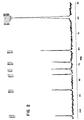
- Figure 1 is a carbon-13 nuclear magnetic resonance (NMR) spectrum of glucan prepared by the method of the present invention.
- Figure 2 is a carbon-13 NMR of glucan prepared by the method of Example 7.
- Yeast cells may optionally be sonicated or otherwise broken to prepare a yeast cell wall material prior to extraction.
- the preferred yeast is that of the genus Saccharomyces and most preferably Saccharomyces cerevisiae including Baker's yeast and Brewer's yeast. The most preferred is Baker's yeast.
- Yeast cells or yeast cell walls are then autoclaved in an alkaline solution.
- the preferred alkali is sodium hydroxide in the range of 0.5 to 3.0 normal. Most preferred is 1.5 normal sodium hydroxide. Dry yeast or yeast cell wall material is mixed in the alkali solution and then autoclaved for a period of time ranging from 15 minutes to 1.5 hours, preferably for 30 minutes to one hour.
- the pressure within the autoclave is preferably approximately 103 kN/m 2 (15 psi).
- the mixture is permitted to cool, preferably with stirring for approximately 15 minutes and is then centrifuged at approximately 5,000 times x g (gravity force) for about 15 minutes to pellet the alkaline insoluble residue.
- the supernatant liquid is removed and the pellets are resuspended and washed with distilled water.
- the residue is then pelleted by centrifugation at 5,000 x g for approximately 15 minutes. This water washing step may be repeated from 1 to 3 times.
- the water washed pellets are resuspended in an acid solution.
- This acid may be for example, glacial acetic acid or hydrochloric acid, and preferably is acetic acid.
- the most preferred acid solution is approximately 3% glacial acetic acid.
- the water washed pellets are stirred into the acidic solution which may be prewarmed.
- the acid solution is then heated to approximately 85°C for a period of time ranging from about 30 minutes to about 3 hours. Preferably this period of time is one hour.
- the acid mixture is then centrifuged as described above to pellet the acid insoluble residue.
- the pellets may again be washed with water as described above from one to three times, saving the residual pellets and discarding the supernatant liquid with each wash.
- the acid insoluble residue is then washed with a 100% ethanol, saving the solid residual material and discarding the supernatant liquid.
- the acid insoluble residue may be washed with acetone either prior to or following the ethanol wash step. If the ethanol wash is followed by the acetone wash, it may be useful to again wash with ethanol from one to three times following the acetone wash.
- the residual material which has been washed in ethanol or acetone is then dried. This drying may be air drying at room temperature or be assisted by use of vacuum or other drying methods and is continued until a constant weight of the glucan product is reached.
- Glucan may be prepared by these methods, or may be purchased commercially from ImmunoDyne, Inc. (Palo Alto, CA).
- Purified glucan prepared by the method of this invention is essentially protein and endotoxin-free, and is comprised of polyglucose having predominatly ⁇ 1-3 glycosidic linkages. More specifically, the glucan product is free from other, non-glucose sugars, is comprised of at least 35% carbon, less than 0.01% phosphorous and less than 0.20% nitrogen as determined by elemental analysis.
- the molecular weight is approximately less than 250,000, and may be less than 70,000.
- the specific active fragment may be at least 7 glucose residues of approximately 1000-1500 molecular weight.
- Glucan may be utilized in powdered form, or prepared as a suspension a carrier suitable for topical application to the skin.
- Carrier compositions suitable for topical application to the skin would include for example creams, lotions, and ointments.
- compositions comprising glucan may also contain moisturizers or agents to enhance entry of the compound into the skin, agents to enhance retention to the product on the skin, fragrance, color, and the like.
- Glucan may also be added to commercially available skin care products to provide skin revitalizing and repair characteristics to the product.
- a moisturizing lotion comprising the glucan may be further comprised of the following: water, propylene glycol, avocado oil, isocetyl stearate, octyl methoxy cinnamate, polysorbate 60, maleated soy bean oil, stearic acid, silicone fluid, cetyl acetate, vitamin E acetate, glyceryl monostearate, propylene glycol monostearate, sorbitan stearate, vitamin A palmitate, benzophenone-3, silicone wax, triethanolamine, diazolidinylurea, methylparaben, lanolin alcohol, disodium edetate, carbomer 934, and propylparaben.
- skin is used herein to refer to the protective outer covering of the body, including the scalp and hair follicles, the lining of the eye, mouth, ear, nose, and the like.
- skin is comprised of stratified layers of cells in which are located the immunogenic macrophages or Langerhans cells which are the target of the active ingredient of the products of this invention. It is expected that a product which is effective in the treatment of facial skin will be effective in the non-therapeutic treatment of the scalp, hair follicle, ear, nose, mouth and the like.
- Glucan may be added to skin creams, cosmetics, ointments and lotions; to dry skin, wound treatment, and acne-treatment creams and medicants; to deodorants and douches; to toothpastes, mouth washes and eye drops; and to additional lotions, creams, solutions and the like which directly contact the skin.
- the amount of the glucan to be used, and the specific components of a composition will depend on the nature of the product and its intended use. Generally, the effective amount of glucan will be from about 7 x 10 -5 to about 3.5 x 10 -2 weight percent (about 0.02 to about 10 mg/oz), preferably from about 1.8 x 10 -3 to about 8.8 x 10 -3 weight percent (about 0.5 to about 2.5 mg/oz), and most preferably from about 3.5 x 10 -3 to about 8.8 x 10 -3 weight percent (about 1 to about 2.5 mg/oz).
- the washed pellet was resuspended in two litres of 3% glacial acetic acid and heated at 85°C for one hour. The acid mixture was then centrifuged as described above and the supernatant removed. The pellet was washed with a total of one liter of distilled water, as described above. The supernatant was removed and the pellets were resuspended in a total of one liter of absolute ethanol. The residue was again centrifuged as described above. The ethanol wash was repeated one time for a total of two ethanol washes and the pellet then resuspended in 0.5 liters of absolute ethanol. The ethanol mixture was filtered on a glass fiber filter in a Buchner funnel pressing out the residual ethanol.
- the filter cake produced from the Buchner funnel was spread out on a large glass dish and air dried from 4 to 5 hours, periodically breaking up any lumps.
- the precipitate was dried at 40°C under a vacuum while continuing to break up any lumps. This material was dried at 40°C under vacuum for approximately 24 hours or until a constant weight was reached. The yield of this extraction material was approximately 50 grams.
- the acid solution was then centrifuged one time as described above and the acid insoluble residue resuspended in one liter of distilled water.
- the washed acid insoluble residue was then resuspended in 600 milliliters of 100% ethanol.
- the solid residue was again pelleted by centrifugation at 3,000 x g for 15 minutes.
- the ethanol-washed residue was resuspended in approximately 600 milliliters of acetone and again centrifuged at 3,000 x g for 15 minutes.
- the acetone-washed residue was mixed with the residual acetone in the centrifuge tube and then was collected in a sintered glass funnel.
- the acetone was drawn from the glass funnel by vacuum.
- the collected solid material was scraped from the funnel into small Petri dishes.
- the Petri dishes were then placed into a desiccator and dried under vacuum. Clumps of dried material were broken up with a spatula and placed into a storage container.
- Example 1 The method of Example 1 was followed with the exception that after acid extraction the water-washed acid insoluble residue was resuspended in one liter of acetone. The solid material was pelleted and the supernatant liquid discarded as described above. The acetone washed pellets were resuspended in a total of one liter of absolute ethanol and the method continued as described in Example 1. The yield from 500 grams of dried Baker's yeast was approximately 50 grams.
- Yeast extract was prepared according to the method of Manners et al J. General Microbiology , 80:411-417, 1974. According to this method, yeast was heated to approximately 50-60°C in 1.5 normal sodium hydroxide for three hours. The heated yeast mixture was diluted with distilled water and then centrifuged to pellet the insoluble residue. The insoluble residue was resuspended in 0.75 normal sodium hydroxide and left standing at room temperature for 18 hours.
- the alkaline solution was diluted with distilled water and again centrifuged to pellet the insoluble residue.
- the insoluble pellets were resuspended in distilled water and heated to 80°C.
- the pH of this solution was then made acidic by the addition of acetic acid and then centrifuged to pellet the insoluble material.
- the residual pellet was then resuspended in 0.75 normal sodium hydroxide and heated to 80°C for two hours.
- This solution was diluted with distilled water and then the pH adjusted to approximately 4.5 by the addition of acetic acid. This acidic solution was again centrifuged to pellet the insoluble material.
- the residual pellet was resuspended in hot water at a temperature of 80°C.
- the hot water solution was centrifuged to pellet the residual insoluble residue which was then resuspended in 0.5M acetic acid and heated to between 70°C and 80°C for one hour.
- the heated acid solution was diluted with distilled water and heated to 80°C for one hour.
- the diluted acid solution was then centrifuged to pellet the insoluble residual material.
- the acid heating and diluting step was repeated.
- the diluted acid solution was centrifuged to pellet the insoluble material.
- the insoluble pellet was then resuspended in 0.02M sodium acetate and autoclaved for one hour.
- the autoclaved material was then centrifuged to pellet the insoluble material.
- the insoluble pellet was washed six times with distilled water each time centrifuging to pellet the insoluble material.
- the insoluble pellet was resuspended to 0.01M sodium acetate and autoclaved for forty minutes.
- the autoclaved material was washed three times with distilled water, centrifuging between each wash to pellet the insoluble material.
- the insoluble washed pellet was resuspended in distilled water and autoclaved for forty minutes.
- the autoclaved material was then stirred for eighteen hours at room temperature in distilled water.
- the water solution was then centrifuged to pellet the insoluble residual material.
- the insoluble material was washed with 100% ethanol three times centrifuging with each wash and retaining the insoluble residual material.
- the ethanol washed pellet was then washed with acetone.
- the acetone solution was centrifuged to obtain the insoluble residue.
- the insoluble residue was then dried under vacuum.
- Example 2 The method of Example 2 was followed to produce yeast glucan by the shortened method of the present invention.
- the water insoluble glucan product prepared as described for Example 1 was dissolved in dimethyl sulfoxide (DMSO) with an internal standard of tetramethylsilane (TMS).
- DMSO dimethyl sulfoxide
- TMS tetramethylsilane
- NMR carbon thirteen nuclear magnetic resonance
- the insoluble glycan product prepared as described for Example 1 was hydrolyzed by two methods to characterize the sugar moieties of the product.
- the product was heated for 8 hours at 110°C in 2 M trifluoroacetic acid.
- the product was swelled in 72% trifluoroacetic acid for 16 hours at 40°C, then diluted to 5% trifluoroacetic acid, and hydrolyzed at 110°C for 6 hours.
- two internal standards were added to each sample; myo-inositol and i-erythriotol. These alditol acetate standards were prepared according to Metz, et a., (J. Metz, W. Ebert, and H.
- the samples were compared to an external standard containing of the alditol acetate derivatives of arabinose, xylose, marnose, galactose, and glucose. Both hydrolyzates showed peaks corresponding only to glucose and the internal standards myo-inositol and i-erythritol.
- the insoluble glucan product was thus shown to be a glucan, or polyglucose containing no other sugar moiety.
- the glucan product prepared according to the method of example 1 was subjected to elemental analysis.
- Carbon (C) and hydrogen (H) analyses were determined by combustion on a Perkin Elmer 240 Elemental Analyzer.
- Phosphorous (P) was determined colorimetrically by phosphomolybdate test.
- Nitrogen (N) was determined by the Kjeldahl method. The percent protein was converted from the nitrogen value according to the Official Methods of Analysis of the Association of Official Analytical Chemists, Method 10.195, Thirteenth Edition, 1980. TABLE IV Elemental Analysis of Insoluble Glucan % C % H % P % N % PROTEIN 38.81 6.87 0.0066 0.17 1.06
- Yeast extract was prepared as described for Examples 1 and 2. On day 0, each of three mice per test group was injected intraperitoneally with 20 mg/kg of the test material or with vehicle (phosphate buffered saline). On day 3, each animal was injected with 0.1 ml of a suspension of Cryptococcus neoformans (approximately 10 6 /0.1 ml). All animals were sacrificed 30 minutes after the microorganism injection.
- Yeast cells wall material 40 pounds, 18.2 kg containing approximately 15% solids was centrifuged to pellet the solid material.
- the resultant residue pellet was washed once each with 26%, 19%, and 14% hydrochloric acid. With each wash, the acid was added, the residue heated to 90-93°C while stirring, the stirred mixture allowed to cool and the cooled solution centrifuged.
- the acid-washed residue was then washed with 5 passes of water, repeating the procedure of adding the wash, heating while stirring, cooling, and then centrifuging.
- the residue was then washed with 4 passes of 100% ethanol, each pass consisting of a 24 hour period of stirring prior to centrifugation.
- the residue was then washed with 5 passes of water, each pass consisting of heating to 90-93° C while stirring, cooling, and then centrifuging.
- the residue was then suspended in a minimum volume of water and lyophilized.
- the expected yield was 10%, or 270 grams.
- the resultant extract was analyzed by nuclear magnetic resonance (NMR) as shown in Figure 2.
- Glucan extracted from yeast cell wall material as described in Example 7 was tested for its ability to stimulate macrophage activation in mice. Doses to 0.008, 0.04, 0.2. and 1.0 mg/kg body weight of the test compound in normal saline were administered by peritoneal injection, with normal saline carrier as control, to three animals per test group.
- the activation of macrophages was determined in 2 ways: T-lymphocyte rosette formation and increased bactericidal activity against Staphlococcus aureus and Streptoccoccus pneumonae .
- Rosette Formation Active macrophages in the peritoneal fluid stimulate the proliferation of T-lymphocytes.
- the resultant increase in T-lymphocytes was assayed by incubating mouse peritoneal exudate collected at 24, 72 and 144 hours post injection with chicken red blood cells. Red blood cells recognize and bind the surface of T-lymphocytes, resulting in "rosette" formation of red blood cells encircling the t-lymphocytes. These formations are easily recognized and counted under light microscopy.
- the number of rosettes produced using peritoneal fluid from mice treated with glucan was increased over that of the control as shown in Table VI This increase in the number of T-lymphocytes indicated increased macrophage activity in glucan treated mice.
- the animals received i.p. injections of S. aureus .
- the macrophages is the fluid were examined under a microscope for evidence of phagocytosis. Macrophages phagocytosing more than 3 bacteria were considered bactericidal. One hundred macrophages were observed for each sample. The results were expressed as the percentage of bactericidal macrophages, and are shown in Table VII.
- Glucan was effective in stimulating and activating macrophages even at very low doses of 0.04 mg/kg, as shown in Table VI and VII.
- Table VI % Rosette Formation Time post injection (hours) Dose Glucan (mg/kg) 24 72 144 0 8 7 3 0.008 8 8 1 0.04 7 11 6 0.20 6 17 8 1.00 8 18 8
- Table VII % Macrophages With Bactericidal Activity Time post injection (hours) Dose Glucan (mg/kg) 24 72 144 0 1 2 1 0.008 3 4 2 0.04 6 4 7 0.20 28 24 29 1.00 36 25 26
- a suspension of glucan (0.5 or 2.5 mg/oz) was prepared by adding solid glucan prepared as described in Example 7 to a commercially available after shave lotion.
- On day one of the test the subjects were randomly assigned to test products to the right or left sides of their faces, with the left side serving as control.
- Clinical evaluation was made at 2 and 4 weeks of the study.
- Example 10 Skin Cream Comprising Glucan for Reducing Wrinkles.
- the subject of this study was a 57 year old male. Daily, after shaving, from May 1987 though March 1988, the subject applied to his face a skin cream containing 0.0088 weight percent (2.5 mg/oz) of glucan, the cream being a composition for revitalising skin according to the invention. Once or twice each month, the subject also used an apricot facial scrub. Direct observations and comparative photographs spanning nine months demonstrated a definite change in appearance. Wrinkles at the corners of the eyes were substantially reduced and the skin had a more supple look. No peeling, irritation or redness was noted.
- Example 11 Skin cream Comprising Glucan for Reducing Skin Lesions, Cracks and Dryness
- the subject a female approximately 60 years of age, had complained of painful lesions of the backs of her hands and between her fingers for approximately 18 months. Her condition was diagnosed by several dermatologists as eczema of the atopic variety. None of the prescribed treatment creams alleviated her symptoms.
- the skin cream described for Example 10 was applied to her lesions three times daily. After three days, the subject described a tingling feeling in the lesions. After approximately ten days, noticeable improvement had occurred in the appearance of the subject's skin. After three weeks, the lesions had healed, but for a few between the fingers, and these showed considerable improvement.
Landscapes
- Health & Medical Sciences (AREA)
- Life Sciences & Earth Sciences (AREA)
- General Health & Medical Sciences (AREA)
- Veterinary Medicine (AREA)
- Public Health (AREA)
- Animal Behavior & Ethology (AREA)
- Chemical & Material Sciences (AREA)
- Engineering & Computer Science (AREA)
- Microbiology (AREA)
- Mycology (AREA)
- Biotechnology (AREA)
- Epidemiology (AREA)
- Organic Chemistry (AREA)
- Birds (AREA)
- Zoology (AREA)
- Dermatology (AREA)
- Natural Medicines & Medicinal Plants (AREA)
- Botany (AREA)
- Wood Science & Technology (AREA)
- Alternative & Traditional Medicine (AREA)
- Genetics & Genomics (AREA)
- General Chemical & Material Sciences (AREA)
- Chemical Kinetics & Catalysis (AREA)
- Bioinformatics & Cheminformatics (AREA)
- General Engineering & Computer Science (AREA)
- Medical Informatics (AREA)
- Medicinal Chemistry (AREA)
- Pharmacology & Pharmacy (AREA)
- Biochemistry (AREA)
- Gerontology & Geriatric Medicine (AREA)
- Preparation Of Compounds By Using Micro-Organisms (AREA)
- Polysaccharides And Polysaccharide Derivatives (AREA)
- Pharmaceuticals Containing Other Organic And Inorganic Compounds (AREA)
- Medicines Containing Material From Animals Or Micro-Organisms (AREA)
- Cosmetics (AREA)
- Coloring Foods And Improving Nutritive Qualities (AREA)
Abstract
Description
- The present invention relates to a method and composition for revitalising skin.
- Glucan extracted from yeast cell walls is known to be a potent stimulator of the immune system. Numerous studies have indicated that in vivo administration of glucan significantly modifies host resistance to a wide variety of infectious diseases induced by bacterial, fungal, viral and parasitic organisms (DeLuzio, Trends in Pharmacological Science 4:344-347, 1983). Glucan has also been shown to have potent antitumour activity (DeLuzio et al Advances and Experimental Medicine and Biology 121A:269290, 1979).
- The mechanism by which glucan exerts its beneficial effects is by interaction with specific glucan receptors located on macrophage cells (Czop, Pathology & Immunopathology Research, 5:286-296, 1986). Langerhans cells are specialised macrophage cells located in the skin which function in an analogous manner as macrophages.
- French Patent Application No. 88 02162 (serial no. 2609397) relates to the use of a glucidic material as the active principle of a dermatological and/or cosmetic and/or pharmaceutical and/or protective and/or structuring composition. The glucidic material is preferably present in a concentration of 0.01 to 20 weight percent, and is intended to bioenergise or increase the energy reserves of cells, cells mambranes and tissues. Among a large variety of other glucidic materials, polyoses derived from yeasts are included, although no further details thereof are provided.
- Japanese Unexamined Patent Application No. 63-83012 discloses a cosmetic material containing powdered β-1, 3-glucan from yeast cell walls. In this case, the glucan is intended to increase the moisture absorption properties of the composition, thereby facilitating the introduction of moisture into the powder, without simultaneously increasing the uptake of oils from the skin when applied thereto. To this end, the concentration of the glucan should be at least 0.1 weight percent.
- The present invention provides a non-therapeutic method for revitalising skin, comprising
applying topically to said skin a composition comprising: - a carrier suitable for topical application to the skin; and
- a substantially purified water insoluble glucan extracted from yeast cell walls dispersed within said carrier in an amount of from 3.53 x 10⁻⁵ to 3.53 x 10⁻² weight percent (0.01 to 10 mg per ounce), said glucan being a polyglucose having predominantly β-1, 3-glycosidic linkages, wherein said revitalising is selected from the group consisting of: reducing the number, depth or length of wrinkles of the skin, thickening of the skin, reducing irritation of the skin, reducing roughness of the skin, reducing redness of the skin, and reducing dryness of the skin.
- The invention also provides a composition for revitalising skin by topical application comprising:
- a carrier suitable for topical application to the skin; and
- a substantially purified water insoluble glucan extracted from yeast cell walls dispersed within said carrier in an amount of from 1.76 x 10⁻³ to 8.81 x 10⁻³ weight percent (0.5 to 2.5 mg per ounce), said glucan being a polyglucose having predominantly β-1, 3-glycosidic linkages.
- Other features of the invention will become clear on reading the following description, and upon reference to the appended claims.
- The general method for the production of glucan from yeast involves extraction with alkali followed by extraction with acid (Hassid et al, Journal of the American Chemical Society, 63:295-298, 1941). This method is time consuming, laborious and expensive to execute. It would be of great utility therefore to provide a method for the production of yeast glucan which can be accomplished in a shorter period of time which is inexpensive and easy to execute and which produces a glucan product which is capable of inducing the activities of macrophages and Langerhans cells. Most desirable would be a product capable of inducing Langerhans cell activity upon topical application to the skin.
- It would be further desirable if such method produced a substantially protein-free extract of Saccharomyces, or Baker's yeast, exhibiting acceptable color and odor.
- A simple, quick, efficient and inexpensive method for producing glucan from yeast, this method may be executed in approximately eight (8) hours time prior to drying. The method of this invention primarily differs from that of previous preparation methods in that yeast material is first autoclaved in an alkali solution, followed by an acid extraction and ethanol wash. In one embodiment of the invention, the product is ground to a particle size of one micron or less. This method produces a particularly potent insoluble glucan product which is substantially free of protein and non-glucose sugars, and which significantly stimulates the activities of macrophages. The product is produced with negligible odor and little color, and is substantially protein-free.
- Figure 1 is a carbon-13 nuclear magnetic resonance (NMR) spectrum of glucan prepared by the method of the present invention.
- Figure 2 is a carbon-13 NMR of glucan prepared by the method of Example 7.
- Yeast cells may optionally be sonicated or otherwise broken to prepare a yeast cell wall material prior to extraction. The preferred yeast is that of the genus Saccharomyces and most preferably Saccharomyces cerevisiae including Baker's yeast and Brewer's yeast. The most preferred is Baker's yeast. Yeast cells or yeast cell walls are then autoclaved in an alkaline solution. The preferred alkali is sodium hydroxide in the range of 0.5 to 3.0 normal. Most preferred is 1.5 normal sodium hydroxide. Dry yeast or yeast cell wall material is mixed in the alkali solution and then autoclaved for a period of time ranging from 15 minutes to 1.5 hours, preferably for 30 minutes to one hour. The pressure within the autoclave is preferably approximately 103 kN/m2 (15 psi). The mixture is permitted to cool, preferably with stirring for approximately 15 minutes and is then centrifuged at approximately 5,000 times x g (gravity force) for about 15 minutes to pellet the alkaline insoluble residue. The supernatant liquid is removed and the pellets are resuspended and washed with distilled water. The residue is then pelleted by centrifugation at 5,000 x g for approximately 15 minutes. This water washing step may be repeated from 1 to 3 times.
- The water washed pellets are resuspended in an acid solution. This acid may be for example, glacial acetic acid or hydrochloric acid, and preferably is acetic acid. The most preferred acid solution is approximately 3% glacial acetic acid. The water washed pellets are stirred into the acidic solution which may be prewarmed. The acid solution is then heated to approximately 85°C for a period of time ranging from about 30 minutes to about 3 hours. Preferably this period of time is one hour. The acid mixture is then centrifuged as described above to pellet the acid insoluble residue.
- The pellets may again be washed with water as described above from one to three times, saving the residual pellets and discarding the supernatant liquid with each wash.
- The acid insoluble residue is then washed with a 100% ethanol, saving the solid residual material and discarding the supernatant liquid.
- Optionally, the acid insoluble residue may be washed with acetone either prior to or following the ethanol wash step. If the ethanol wash is followed by the acetone wash, it may be useful to again wash with ethanol from one to three times following the acetone wash.
- The residual material which has been washed in ethanol or acetone is then dried. This drying may be air drying at room temperature or be assisted by use of vacuum or other drying methods and is continued until a constant weight of the glucan product is reached.
- Glucan may be prepared by these methods, or may be purchased commercially from ImmunoDyne, Inc. (Palo Alto, CA).
- Purified glucan prepared by the method of this invention is essentially protein and endotoxin-free, and is comprised of polyglucose having predominatly β1-3 glycosidic linkages. More specifically, the glucan product is free from other, non-glucose sugars, is comprised of at least 35% carbon, less than 0.01% phosphorous and less than 0.20% nitrogen as determined by elemental analysis. The molecular weight is approximately less than 250,000, and may be less than 70,000. The specific active fragment may be at least 7 glucose residues of approximately 1000-1500 molecular weight.
- Glucan may be utilized in powdered form, or prepared as a suspension a carrier suitable for topical application to the skin. Carrier compositions suitable for topical application to the skin would include for example creams, lotions, and ointments.
- Compositions comprising glucan may also contain moisturizers or agents to enhance entry of the compound into the skin, agents to enhance retention to the product on the skin, fragrance, color, and the like. Glucan may also be added to commercially available skin care products to provide skin revitalizing and repair characteristics to the product.
- By way of example, a moisturizing lotion comprising the glucan may be further comprised of the following: water, propylene glycol, avocado oil, isocetyl stearate, octyl methoxy cinnamate,
polysorbate 60, maleated soy bean oil, stearic acid, silicone fluid, cetyl acetate, vitamin E acetate, glyceryl monostearate, propylene glycol monostearate, sorbitan stearate, vitamin A palmitate, benzophenone-3, silicone wax, triethanolamine, diazolidinylurea, methylparaben, lanolin alcohol, disodium edetate, carbomer 934, and propylparaben. - The term "skin" is used herein to refer to the protective outer covering of the body, including the scalp and hair follicles, the lining of the eye, mouth, ear, nose, and the like. Such skin is comprised of stratified layers of cells in which are located the immunogenic macrophages or Langerhans cells which are the target of the active ingredient of the products of this invention. It is expected that a product which is effective in the treatment of facial skin will be effective in the non-therapeutic treatment of the scalp, hair follicle, ear, nose, mouth and the like.
- Glucan may be added to skin creams, cosmetics, ointments and lotions; to dry skin, wound treatment, and acne-treatment creams and medicants; to deodorants and douches; to toothpastes, mouth washes and eye drops; and to additional lotions, creams, solutions and the like which directly contact the skin.
- The amount of the glucan to be used, and the specific components of a composition will depend on the nature of the product and its intended use. Generally, the effective amount of glucan will be from about 7 x 10⁻⁵ to about 3.5 x 10⁻² weight percent (about 0.02 to about 10 mg/oz), preferably from about 1.8 x 10⁻³ to about 8.8 x 10⁻³ weight percent (about 0.5 to about 2.5 mg/oz), and most preferably from about 3.5 x 10⁻³ to about 8.8 x 10⁻³ weight percent (about 1 to about 2.5 mg/oz).
- 500 grams of dried Baker's yeast was added to 2.4 litres of warm (50 to 60°C), 1.5 normal sodium hydroxide while stirring. The mixture was stirred until the yeast was thoroughly dispensed. The mixture was then autoclaved for 30 minutes at approximately 103kN/m2 (15 psi). After cooling to room temperature, the mixture was centrifuged at 5000 x g for 15 minutes. The supernatant was removed and the pellets were resuspended with vigorous stirring in a total of one litre of distilled water. The water mixture was centrifuged at 5000 x g for 15 minutes and the supernatant was removed. This water-wash was repeated two times for a total of three water-washes.
- The washed pellet was resuspended in two litres of 3% glacial acetic acid and heated at 85°C for one hour. The acid mixture was then centrifuged as described above and the supernatant removed. The pellet was washed with a total of one liter of distilled water, as described above. The supernatant was removed and the pellets were resuspended in a total of one liter of absolute ethanol. The residue was again centrifuged as described above. The ethanol wash was repeated one time for a total of two ethanol washes and the pellet then resuspended in 0.5 liters of absolute ethanol. The ethanol mixture was filtered on a glass fiber filter in a Buchner funnel pressing out the residual ethanol. The filter cake produced from the Buchner funnel was spread out on a large glass dish and air dried from 4 to 5 hours, periodically breaking up any lumps. The precipitate was dried at 40°C under a vacuum while continuing to break up any lumps. This material was dried at 40°C under vacuum for approximately 24 hours or until a constant weight was reached. The yield of this extraction material was approximately 50 grams.
- Approximately 200 grams of Brewer's yeast was dispersed in one liter of 1.5 normal sodium hydroxide. The mixture was stirred until homogeneous then autoclaved as described for Example 1 for one hour. The autoclaved material was centrifuged at 3,000 x g for 15 minutes, discarding the supernatant and retaining the alkaline insoluble residue. The alkaline insoluble residue was washed three times, each wash consisting of one liter of distilled water with centrifugation at 3,000 x g for 15 minutes to pellet the solid material and discarding the supernatant liquid. The water-washed residue was then stirred into warm (85°C) 3% acetic acid solution and stirred for approximately 3 hours. The acid solution was then centrifuged one time as described above and the acid insoluble residue resuspended in one liter of distilled water. The washed acid insoluble residue was then resuspended in 600 milliliters of 100% ethanol. The solid residue was again pelleted by centrifugation at 3,000 x g for 15 minutes. The ethanol-washed residue was resuspended in approximately 600 milliliters of acetone and again centrifuged at 3,000 x g for 15 minutes. The acetone-washed residue was mixed with the residual acetone in the centrifuge tube and then was collected in a sintered glass funnel. The acetone was drawn from the glass funnel by vacuum. The collected solid material was scraped from the funnel into small Petri dishes. The Petri dishes were then placed into a desiccator and dried under vacuum. Clumps of dried material were broken up with a spatula and placed into a storage container.
- The method of Example 1 was followed with the exception that after acid extraction the water-washed acid insoluble residue was resuspended in one liter of acetone. The solid material was pelleted and the supernatant liquid discarded as described above. The acetone washed pellets were resuspended in a total of one liter of absolute ethanol and the method continued as described in Example 1. The yield from 500 grams of dried Baker's yeast was approximately 50 grams.
- Yeast extract was prepared according to the method of Manners et al J. General Microbiology, 80:411-417, 1974. According to this method, yeast was heated to approximately 50-60°C in 1.5 normal sodium hydroxide for three hours. The heated yeast mixture was diluted with distilled water and then centrifuged to pellet the insoluble residue. The insoluble residue was resuspended in 0.75 normal sodium hydroxide and left standing at room temperature for 18 hours.
- After 18 hours the alkaline solution was diluted with distilled water and again centrifuged to pellet the insoluble residue. The insoluble pellets were resuspended in distilled water and heated to 80°C. The pH of this solution was then made acidic by the addition of acetic acid and then centrifuged to pellet the insoluble material. The residual pellet was then resuspended in 0.75 normal sodium hydroxide and heated to 80°C for two hours. This solution was diluted with distilled water and then the pH adjusted to approximately 4.5 by the addition of acetic acid. This acidic solution was again centrifuged to pellet the insoluble material. The residual pellet was resuspended in hot water at a temperature of 80°C. The hot water solution was centrifuged to pellet the residual insoluble residue which was then resuspended in 0.5M acetic acid and heated to between 70°C and 80°C for one hour. The heated acid solution was diluted with distilled water and heated to 80°C for one hour. The diluted acid solution was then centrifuged to pellet the insoluble residual material. The acid heating and diluting step was repeated. The diluted acid solution was centrifuged to pellet the insoluble material. The insoluble pellet was then resuspended in 0.02M sodium acetate and autoclaved for one hour. The autoclaved material was then centrifuged to pellet the insoluble material. The insoluble pellet was washed six times with distilled water each time centrifuging to pellet the insoluble material. After the sixth water wash, the insoluble pellet was resuspended to 0.01M sodium acetate and autoclaved for forty minutes. The autoclaved material was washed three times with distilled water, centrifuging between each wash to pellet the insoluble material. The insoluble washed pellet was resuspended in distilled water and autoclaved for forty minutes. The autoclaved material was then stirred for eighteen hours at room temperature in distilled water. The water solution was then centrifuged to pellet the insoluble residual material. The insoluble material was washed with 100% ethanol three times centrifuging with each wash and retaining the insoluble residual material. The ethanol washed pellet was then washed with acetone. The acetone solution was centrifuged to obtain the insoluble residue. The insoluble residue was then dried under vacuum.
- The method of Example 2 was followed to produce yeast glucan by the shortened method of the present invention.
- The product of the Manner's method was compared with the product of the shortened method of the present invention with respect to percent product yield, carbohydrate content, and protein content. The results are shown in Table I, and indicate that the shortened method provides a greater percent yield of product having a reduced protein content.
TABLE I Prior Art Method (6-7 days) % Yield Carbohydrate (mg/106 particles Protein (mg/106 particles 1 4.37 0.67 0.050 2 4.27 0.82 0.049 3 3.27 0.95 0.053 Shortened Method (1 day) 1 19.27 9.67 0.033 2 13.37 0.74 0.043 - The water insoluble glucan product prepared as described for Example 1 was dissolved in dimethyl sulfoxide (DMSO) with an internal standard of tetramethylsilane (TMS). A carbon thirteen nuclear magnetic resonance (NMR) spectrum was run for 24-hours at 50°C to obtain a highly resolved spectrum. An elevated temperature was necessary to maintain the glucan product in solution.
- A complete list of peaks and intensities is shown in Table II. The spectrum was compared with an NMR of a standard β-(1-3) glucan as shown in Table III. The NMR spectrum of the glucan product includes peaks corresponding to those of β1-3 glucan. The resonance at 39.5 ppm is due to tetramethylsilane (TMS), an internal standard.
- The NMR spectrum of the glucan product produced according to the method of Example 1 is shown in Figure 1.
TABLE II 13 C-NMR Analysis of Insoluble Glucan Product # Cursor Frequency PPM Intensity 1 16637 9578.984 105.7794 1.449 2 16818 9458.690 104.4510 1.528 3 16899 9405.430 103.8628 2.581 4 17002 9336.690 103.1038 5.922 5 17035 9315.267 102.8672*C1 6.008 6 17203 9203.493 101.6329 1.444 7 18447 8377.915 92.5161 1.462 8 18922 8062.757 89.0359 1.339 9 19318 7800.536 86.1402*C3 5.361 10 20477 7031.718 77.6503 1.353 11 20643 6921.481 76.4329 7.156 12 20672 6902.345 76.2216*C5 7.430 13 20786 6826.326 75.3822 6.567 14 21011 6677.016 73.7335 2.347 15 21071 6637.226 73.2940 6.604 16 21152 6583.452 72.7001*C2 8.179 17 21230 6531.804 72.1298 2.122 18 21539 6326.695 69.8648 5.955 19 21752 6185.499 68.3056*C4 0.039 20 22086 5963.948 65.8590 1.327 21 22436 5731.508 63.2922 1.350 22 22780 5503.357 60.7728*C6 7.325 23 23455 5055.718 55.8296 3.868 24 23571 4978.488 54.9767 1.541 25 25590 3639.622 40.1918 177.048 26 25621 3618.648 39.9602 485.046 27 25653 3597.659 39.7284 930.218 28 25684 3576.668 39.4966 1075.865 29 25716 3555.678 39.2649 913.363 30 25748 3534.675 39.0329 459.904 31 25779 3513.701 38.8013 155.146 32 25954 3398.177 37.5256 1.493 33 26115 3291.157 36.3438 1.528 34 26262 3193.637 35.2669 1.319 35 26671 2922.392 32.2716 1.375 36 26751 2868.834 31.6801 1.571 37 27157 2599.841 28.7097 1.892 38 27441 2411.497 26.6298 1.385 39 27632 2284.746 25.2301 4.547 40 27988 2048.312 22.6192 1.407 41 28583 1653.813 18.2628 4.086 TABLE III Comparison of Selected Peaks from Insoluble Glucan Product of Example 1 With β-(1->3) Glucan Standard β-(1->3) Glucan Insoluble Yeast Extract Carbon PPM PPM Intensity C-1 102.45 102.87 6.008 C-3 86.9 96.14 5.361 C-5 76.10 76.22 7.430 C-2 72.70 72.70 8.179 C-4 68.27 68.31 10.039 C-6 60.79 60.77 7.325 - The insoluble glycan product prepared as described for Example 1 was hydrolyzed by two methods to characterize the sugar moieties of the product. In the first hydrolysis, the product was heated for 8 hours at 110°C in 2 M trifluoroacetic acid. In the second hydrolysis, the product was swelled in 72% trifluoroacetic acid for 16 hours at 40°C, then diluted to 5% trifluoroacetic acid, and hydrolyzed at 110°C for 6 hours. After hydrolysis two internal standards were added to each sample; myo-inositol and i-erythriotol. These alditol acetate standards were prepared according to Metz, et a., (J. Metz, W. Ebert, and H. Weicher, Chromotographia, 4, (1970), 345-350. The samples were then analyzed by gas chromatography on a 25mm x 3mm (10' x 1/8") nickel stainless steel column packed with 5% SP2340 on 70/80 mesh Supelcoport, using a flame ionisation detector. The oven was held at 180°C for two minutes with the temperature was programmed to increase at 2°C/minute up to 250°C.
- The samples were compared to an external standard containing of the alditol acetate derivatives of arabinose, xylose, marnose, galactose, and glucose. Both hydrolyzates showed peaks corresponding only to glucose and the internal standards myo-inositol and i-erythritol.
- The insoluble glucan product, was thus shown to be a glucan, or polyglucose containing no other sugar moiety.
- The glucan product prepared according to the method of example 1 was subjected to elemental analysis.
- Carbon (C) and hydrogen (H) analyses were determined by combustion on a Perkin Elmer 240 Elemental Analyzer.
- Phosphorous (P) was determined colorimetrically by phosphomolybdate test.
- Nitrogen (N) was determined by the Kjeldahl method. The percent protein was converted from the nitrogen value according to the Official Methods of Analysis of the Association of Official Analytical Chemists, Method 10.195, Thirteenth Edition, 1980.
TABLE IV Elemental Analysis of Insoluble Glucan % C % H % P % N % PROTEIN 38.81 6.87 0.0066 0.17 1.06 - Yeast extract was prepared as described for Examples 1 and 2. On day 0, each of three mice per test group was injected intraperitoneally with 20 mg/kg of the test material or with vehicle (phosphate buffered saline). On day 3, each animal was injected with 0.1 ml of a suspension of Cryptococcus neoformans (approximately 106/0.1 ml). All animals were sacrificed 30 minutes after the microorganism injection.
- The peritoneal cavity of each animal was lavaged and the peritoneal exudate cells from each suspension were washed. Each washed cell suspension was stained with acridin orange (0.1%) and observed for the number of macrophages which had injested the organisms. A total of 100 macrophages were counted per group and the average number of yeast per phagocytic macrophage was determined. The results are shown in Table V and indicate that the yeast extracts prepared by the methods as described in Examples 1 and 2 stimulated macrophage activity.
TABLE V Test Material Number of Phagocytic Machrophages Mean (S.D.) 1 Example 1 30.7 (9.0) 2A Example 2 7.7 (4.0) 2B Example 2 13.3 (8.6) 3 Vehicle 2.3 (1.5) - Brewers yeast was sonicated and centrifuged to yield cell wall material.
- Yeast cells wall material (40 pounds, 18.2 kg) containing approximately 15% solids was centrifuged to pellet the solid material. The resultant residue pellet was washed once each with 26%, 19%, and 14% hydrochloric acid. With each wash, the acid was added, the residue heated to 90-93°C while stirring, the stirred mixture allowed to cool and the cooled solution centrifuged. The acid-washed residue was then washed with 5 passes of water, repeating the procedure of adding the wash, heating while stirring, cooling, and then centrifuging. The residue was then washed with 4 passes of 100% ethanol, each pass consisting of a 24 hour period of stirring prior to centrifugation. The residue was then washed with 5 passes of water, each pass consisting of heating to 90-93° C while stirring, cooling, and then centrifuging. The residue was then suspended in a minimum volume of water and lyophilized. The expected yield was 10%, or 270 grams. The resultant extract was analyzed by nuclear magnetic resonance (NMR) as shown in Figure 2.
- Glucan extracted from yeast cell wall material as described in Example 7 was tested for its ability to stimulate macrophage activation in mice. Doses to 0.008, 0.04, 0.2. and 1.0 mg/kg body weight of the test compound in normal saline were administered by peritoneal injection, with normal saline carrier as control, to three animals per test group.
- The activation of macrophages was determined in 2 ways: T-lymphocyte rosette formation and increased bactericidal activity against Staphlococcus aureus and Streptoccoccus pneumonae.
- Rosette Formation: Active macrophages in the peritoneal fluid stimulate the proliferation of T-lymphocytes. The resultant increase in T-lymphocytes was assayed by incubating mouse peritoneal exudate collected at 24, 72 and 144 hours post injection with chicken red blood cells. Red blood cells recognize and bind the surface of T-lymphocytes, resulting in "rosette" formation of red blood cells encircling the t-lymphocytes. These formations are easily recognized and counted under light microscopy. The number of rosettes produced using peritoneal fluid from mice treated with glucan was increased over that of the control as shown in Table VI This increase in the number of T-lymphocytes indicated increased macrophage activity in glucan treated mice.
- Twenty minutes prior to the collection of peritoneal exudate at 24, 72, and 144 hours post injection, the animals received i.p. injections of S. aureus. After collection of peritoneal extrudate, the macrophages is the fluid were examined under a microscope for evidence of phagocytosis. Macrophages phagocytosing more than 3 bacteria were considered bactericidal. One hundred macrophages were observed for each sample. The results were expressed as the percentage of bactericidal macrophages, and are shown in Table VII.
- Glucan was effective in stimulating and activating macrophages even at very low doses of 0.04 mg/kg, as shown in Table VI and VII.
Table VI % Rosette Formation Time post injection (hours) : Dose Glucan (mg/kg) 24 72 144 0 8 7 3 0.008 8 8 1 0.04 7 11 6 0.20 6 17 8 1.00 8 18 8 Table VII % Macrophages With Bactericidal Activity Time post injection (hours) : Dose Glucan (mg/kg) 24 72 144 0 1 2 1 0.008 3 4 2 0.04 6 4 7 0.20 28 24 29 1.00 36 25 26 - A suspension of glucan (0.5 or 2.5 mg/oz) was prepared by adding solid glucan prepared as described in Example 7 to a commercially available after shave lotion. Ten male subjects, aged 25 to 55, free of any systemic or dermatological disease and all self-described as having sensitive skin participated in the study. Subjects were instructed not to use any cosmetic or medicinal preparations on their faces for a period of one week prior to the study. On day one of the test, the subjects were randomly assigned to test products to the right or left sides of their faces, with the left side serving as control. The subjects shaved each side of their faces at home daily, following their normal shaving regimen. After shaving, the face was rinsed with tap water, and patted dry with a towel. After the face was patted dry, each test product was shaken to disperse the insoluble yeast extract and applied to the appropriate side of the face. Clinical evaluation was made at 2 and 4 weeks of the study.
- Subjects were asked a series of questions about their skin and product differences. Faces were clinically evaluated for erythema or irritation, roughness, and nicks and cuts, and graded on a scale of 0 (absent) to 3 (maximum). The data are shown in Table VIII.
- The use of the lotion containing glucan reduced erythema and irritation of the face, greatly reduced the rough appearance of the skin, and reduced the number of nicks and cuts.
Table VIII Glucan Aftershave Subject Irritation Roughness Nick/cuts Control Glucan Control Glucan Control Glucan 1 0 1.5 1 0 1 0/5 2 1 0.5 1 0 0 0 3 1 0.5 1 0 0 1 4 0 0 0 0 3 1 5 0 0 1 0 0 0 6 0 0 1 0 0.5 0 7 0.5 0.5 1 0 1 0.5 8 1 0.5 1 0 1.5 1 9 1.5 0.5 1 0 - - 10 2 1 1 0.5 - - Total 


- 0 - None
- 1 - Minimum
- 2 - Moderate
- 3 - Marked
- The subject of this study was a 57 year old male. Daily, after shaving, from May 1987 though March 1988, the subject applied to his face a skin cream containing 0.0088 weight percent (2.5 mg/oz) of glucan, the cream being a composition for revitalising skin according to the invention. Once or twice each month, the subject also used an apricot facial scrub. Direct observations and comparative photographs spanning nine months demonstrated a definite change in appearance. Wrinkles at the corners of the eyes were substantially reduced and the skin had a more supple look. No peeling, irritation or redness was noted.
- The subject, a female approximately 60 years of age, had complained of painful lesions of the backs of her hands and between her fingers for approximately 18 months. Her condition was diagnosed by several dermatologists as eczema of the atopic variety. None of the prescribed treatment creams alleviated her symptoms. The skin cream described for Example 10 was applied to her lesions three times daily. After three days, the subject described a tingling feeling in the lesions. After approximately ten days, noticeable improvement had occurred in the appearance of the subject's skin. After three weeks, the lesions had healed, but for a few between the fingers, and these showed considerable improvement.
Claims (13)
- A non-therapeutic method for revitalising skin, comprising
applying topically to said skin a composition comprising:a carrier suitable for topical application to the skin; anda substantially purified water insoluble glucan extracted from yeast cell walls dispersed within said carrier in an amount of from 3.53 x 10⁻⁵ to 3.53 x 10⁻² weight percent (0.01 to 10 mg per ounce), said glucan being a polyglucose having predominantly β-1, 3-glycosidic linkages, wherein said revitalising is selected from the group consisting of: reducing the number, depth or length of wrinkles of the skin, thickening of the skin, reducing irritation of the skin, reducing roughness of the skin, reducing redness of the skin, and reducing dryness of the skin. - A method according to claim 1 wherein said amount of glucan is from 1.76 x 10⁻³ to 8.81 x 10⁻³ weight percent (0.5 to 2.5 mg per ounce).
- A method according to claim 2 wherein said amount of glucan is from 3.53 x 10⁻³ to 8.81 x 10⁻³ weight percent (1 to 2.5 mg per ounce).
- A method according to any preceding claim, wherein said revitalising is reducing the number, depth or length of wrinkles of the skin.
- A method according to any one of claims 1 to 3, wherein said revitalising is thickening of the skin.
- A method according to any one of claims 1 to 3, wherein said revitalising is reducing irritation of the skin.
- A method according to any one of claims 1 to 3, wherein said revitalising is reducing roughness of the skin.
- A method according to any one of claims 1 to 3, wherein said revitalising is reducing redness of the skin.
- A method according to any one of claims 1 to 3, wherein said revitalising is reducing dryness of the skin.
- A method according to any preceding claim, wherein the glucan is derived from Saccharomyces.
- A composition for revitalising skin by topical application comprising:a carrier suitable for topical application to the skin; anda substantially purified water insoluble glucan extracted from yeast cell walls dispersed within said carrier in an amount of from 1.76 x 10⁻³ to 8.81 x 10⁻³ weight percent (0.5 to 2.5 mg per ounce), said glucan being a polyglucose having predominantly β-1, 3-glycosidic linkages.
- A composition according to claim 11 wherein said amount of glucan is from 3.53 x 10⁻³ to 8.81 x 10⁻³ weight percent (1 to 2.5 mg per ounce).
- A composition according to claim 11 or claim 12, wherein the glucan is derived from Saccharomyces.
Applications Claiming Priority (3)
| Application Number | Priority Date | Filing Date | Title |
|---|---|---|---|
| US07/435,032 US5223491A (en) | 1989-11-09 | 1989-11-09 | Method for revitalizing skin by applying topically water insoluble glucan |
| PCT/US1990/006512 WO1991007091A1 (en) | 1989-11-09 | 1990-11-02 | Insoluble yeast extract |
| US435032 | 1995-05-04 |
Publications (3)
| Publication Number | Publication Date |
|---|---|
| EP0500718A1 EP0500718A1 (en) | 1992-09-02 |
| EP0500718A4 EP0500718A4 (en) | 1994-09-14 |
| EP0500718B1 true EP0500718B1 (en) | 1997-01-29 |
Family
ID=23726692
Family Applications (1)
| Application Number | Title | Priority Date | Filing Date |
|---|---|---|---|
| EP90917227A Expired - Lifetime EP0500718B1 (en) | 1989-11-09 | 1990-11-02 | Insoluble yeast extract |
Country Status (7)
| Country | Link |
|---|---|
| US (2) | US5223491A (en) |
| EP (1) | EP0500718B1 (en) |
| JP (1) | JPH05504131A (en) |
| CA (1) | CA2072145C (en) |
| DE (1) | DE69029860T2 (en) |
| ES (1) | ES2097764T3 (en) |
| WO (1) | WO1991007091A1 (en) |
Cited By (1)
| Publication number | Priority date | Publication date | Assignee | Title |
|---|---|---|---|---|
| US8753668B2 (en) | 2005-05-05 | 2014-06-17 | Sensient Flavors Llc | Production of beta-glucans and mannans |
Families Citing this family (78)
| Publication number | Priority date | Publication date | Assignee | Title |
|---|---|---|---|---|
| US5292513A (en) * | 1992-05-18 | 1994-03-08 | Anthony G. Gristina | Method for nonspecific cellular immune stimulation |
| EP0595209A3 (en) * | 1992-10-23 | 1996-07-17 | R I T A Corp An Illinois Corp | Cosmetic composition |
| FR2700470B1 (en) * | 1993-01-15 | 1995-02-17 | Sederma Sa | New cosmetic compositions containing inactivated bacteria and / or bacterial walls and their use. |
| US5519009A (en) * | 1993-10-01 | 1996-05-21 | Donzis; Byron A. | Solubilized yeast glucan |
| GB9403153D0 (en) * | 1994-02-18 | 1994-04-06 | Ciba Geigy Ag | Cosmetic compositions |
| US5576015A (en) * | 1995-03-02 | 1996-11-19 | Donzis; Byron A. | Substantially purified beta (1,3) finely ground yeast cell wall glucan composition with dermatological and nutritional uses |
| GB2331014C (en) * | 1995-03-13 | 2005-06-21 | Novogen Res Pty Ltd | Therapeutic uses of glucan |
| AUPN166195A0 (en) * | 1995-03-13 | 1995-04-06 | Norvet Research Pty Limited | Process for glucan extraction |
| AUPN398295A0 (en) | 1995-07-05 | 1995-07-27 | Carlton And United Breweries Limited | Chemical compounds and processes for their production |
| GB2304347A (en) | 1995-08-11 | 1997-03-19 | Boeringer Ingelheim Vetmedica | Antigenic preparations |
| US5643587A (en) * | 1996-02-15 | 1997-07-01 | Avon Products, Inc. | Composition and method for under-eye skin lightening |
| JP3687194B2 (en) * | 1996-06-06 | 2005-08-24 | 味の素株式会社 | Purification method of water-insoluble glucan |
| US5776441A (en) * | 1996-08-30 | 1998-07-07 | Avon Products, Inc. | Lip treatment containing live yeast cell derivative |
| US5786343A (en) * | 1997-03-05 | 1998-07-28 | Immudyne, Inc. | Phagocytosis activator compositions and their use |
| EP0875580A1 (en) * | 1997-05-02 | 1998-11-04 | Difass S.A. | Process for obtaining polysaccharides from yeasts |
| DE19839216C1 (en) * | 1998-08-28 | 2000-01-20 | Aventis Res & Tech Gmbh & Co | Preparation of biocompatible, biodegradable water-insoluble polysaccharide microparticles, used e.g. as fillers for polymers or in diagnostic tests |
| US6323338B1 (en) * | 1999-02-17 | 2001-11-27 | Nurture, Inc. | Method for concentrating β-glucan |
| US6485945B1 (en) * | 1999-02-17 | 2002-11-26 | Nurture, Inc. | Polysaccharide compositions and uses thereof |
| DE19911057C2 (en) * | 1999-03-12 | 2001-01-25 | Cognis Deutschland Gmbh | Hair cosmetic preparations |
| US6875754B1 (en) * | 1999-03-12 | 2005-04-05 | Biotec Asa | Use of water-soluble β-(1,3) glucans as agents for producing therapeutic skin treatment agents |
| DE19911052A1 (en) * | 1999-03-12 | 2000-09-21 | Cognis Deutschland Gmbh | Sunscreen |
| DE19911056B9 (en) * | 1999-03-12 | 2005-09-08 | Biotec Asa | Cosmetic preparations and their use |
| DE19917744A1 (en) * | 1999-04-20 | 2000-10-26 | Cognis Deutschland Gmbh | Decorative cosmetic preparation, e.g. face cream, rouge or lipstick, contains beta-(1,3)-glucan having e.g. moisture retaining, anti-wrinkling and immunostimulant effects to improve care properties |
| US6541678B2 (en) * | 1999-09-27 | 2003-04-01 | Brennen Medical, Inc. | Immunostimulating coating for surgical devices |
| US20020009463A1 (en) * | 2000-02-23 | 2002-01-24 | Jan Raa | Novel, non-antigenic, mucosal adjuvant formulation which enhances the effects of substances, including vaccine antigens, in contact with mucosal body surfaces |
| EP1267795A1 (en) * | 2000-03-30 | 2003-01-02 | Brennen Medical Inc. | Anti-microbial and immunostimulating composition |
| JP3363438B2 (en) * | 2000-05-02 | 2003-01-08 | ビオフェルミン製薬株式会社 | Dried bacterial cells by spray drying |
| CA2418030C (en) | 2000-08-03 | 2010-10-26 | Martin Sauter | Isolation of glucan particles and uses thereof |
| US6476003B1 (en) | 2000-11-06 | 2002-11-05 | Immusonic, Inc. | Method for preparing small particle size glucan in a dry material |
| JP2002204687A (en) * | 2000-11-09 | 2002-07-23 | Onaka Yasushi | APPLICATION OF beta-1,3-1,6-GLUCAN (AUREOBASIDIUM CULTURE SOLUTION) IN VARIOUS INDUSTRIAL FIELDS INCLUDING MEDICAL, HEALTH WELFARE AND FOOD INDUSTRIES |
| US6790465B2 (en) | 2000-12-01 | 2004-09-14 | Snore-Fix, Inc. | Composition and method for treating snoring |
| US7906492B2 (en) * | 2001-01-16 | 2011-03-15 | Sloan-Kettering Institute For Cancer Research | Therapy-enhancing glucan |
| US7507724B2 (en) | 2001-01-16 | 2009-03-24 | Sloan-Kettering Institute For Cancer Research | Therapy-enhancing glucan |
| NO20014256D0 (en) | 2001-09-03 | 2001-09-03 | Bjoern Kristiansen | Preparation of immunostimulatory compound |
| US7786094B2 (en) * | 2001-10-09 | 2010-08-31 | Biopolymer Engineering, Inc. | Use of beta-glucans against biological warfare weapons and pathogens including anthrax |
| WO2003070260A1 (en) * | 2002-02-21 | 2003-08-28 | Societe Des Produits Nestle S.A. | A photoprotective orally administrable composition for skin |
| MXPA04008187A (en) * | 2002-02-21 | 2004-11-26 | Nestle Sa | Pet food composition for skin photoprotection. |
| KR20040096604A (en) * | 2002-02-21 | 2004-11-16 | 소시에떼 데 프로듀이 네슬레 소시에떼아노님 | Orally administrable composition for the photoprotection of the skin |
| EP1545208A4 (en) | 2002-08-13 | 2006-04-12 | Biopolymer Engineering Inc | METHODS OF USING BETA-GLUCAN AS RADIOPROTECTIVE AGENT |
| AU2003268486A1 (en) | 2002-09-04 | 2004-03-29 | Biopolymer Engineering, Inc. | Cancer therapy using whole glucan particles and antibodies |
| US20060165700A1 (en) * | 2002-09-04 | 2006-07-27 | Ostroff Gary R | Cancer therapy using whole glucan particles and antibodies |
| US7018986B2 (en) * | 2002-09-20 | 2006-03-28 | Immudyne | Use of beta glucans for the treatment of osteoporosis and other diseases of bone resorption |
| JP2007524354A (en) * | 2003-01-29 | 2007-08-30 | イミュダイン インコーポレーティッド | Immune enhancers for animals |
| US7514085B2 (en) * | 2004-07-16 | 2009-04-07 | Medimush A/S | Immune modulating compounds from fungi |
| US20050020490A1 (en) * | 2004-10-18 | 2005-01-27 | Progressive Bioactives Incorporated | A Method of Producing an Economical and Ecologically Sound Natural Immunobiotic Extract for Use as a Health Management Instrument and a Replacement for Growth Promotion Antibiotics in Livestock and Companion Animals. |
| US20090092641A1 (en) * | 2004-10-18 | 2009-04-09 | Progressive Bioactivities, Inc. | Uses of natural immunobiotic extract |
| WO2006133707A2 (en) | 2005-06-15 | 2006-12-21 | Medimush A/S | Anti-cancer combination treatment and kit-of-part |
| US20090005340A1 (en) * | 2005-06-15 | 2009-01-01 | Medimush A/S | Bioactive Agents Produced By Submerged Cultivation of a Basidiomycete Cell |
| KR100832387B1 (en) * | 2005-12-02 | 2008-05-26 | 주식회사 글루칸 | Pharmaceutical composition for the treatment of wound and dermatitis containing β-glucan as an active ingredient |
| US20090053221A1 (en) * | 2006-01-17 | 2009-02-26 | Cheung Nai-Kong V | Immune response enhancing glucan |
| US8323644B2 (en) * | 2006-01-17 | 2012-12-04 | Sloan-Kettering Institute For Cancer Research | Therapy-enhancing glucan |
| WO2007146440A2 (en) * | 2006-06-15 | 2007-12-21 | Biopolymer Engineering, Inc. Dba Biothera, Inc. | Glucan preparations |
| AU2006347421A1 (en) * | 2006-08-24 | 2008-02-28 | Kirin Holdings Kabushiki Kaisha | Composition for improving skin condition |
| WO2008027581A1 (en) * | 2006-09-01 | 2008-03-06 | University Of Louisville | Mcrp antagonists and their uses |
| US20080167268A1 (en) * | 2006-09-01 | 2008-07-10 | Jun Yan | Particulate beta-glucan compositions for regulating dendritic cells |
| WO2008032134A1 (en) * | 2006-09-11 | 2008-03-20 | Compana Nacional De Levaduras Levapan S.A. | Method for obtaining yeast glucan by autolysis of saccharomyces cerevisiae baker's yeast cells |
| KR20150064233A (en) | 2007-09-27 | 2015-06-10 | 바이오테라, 인크. | Beta-glucan treatment of upper respiratory infection symptoms and psychological well-being |
| US20100267661A1 (en) * | 2009-03-17 | 2010-10-21 | Immudyne, Inc. | Beta glucans and methods of use thereof |
| FR2949684B1 (en) | 2009-09-04 | 2011-12-16 | Silab Sa | ACTIVE PRINCIPLE FROM CANDIDA SAITOANA AND COSMETIC USE FOR DETOXIFICATION OF SKIN CELLS |
| US20110293784A1 (en) | 2010-05-28 | 2011-12-01 | Anja Wittke | Milk-based nutritional compositions |
| EP2694030A2 (en) | 2011-03-04 | 2014-02-12 | Sana Pharma AS | Cosmetic formulations |
| WO2013006795A2 (en) | 2011-07-07 | 2013-01-10 | Humanitas International Foundation | Antiviral compositions and methods of their use |
| PL2849736T3 (en) | 2012-07-05 | 2019-06-28 | Nutramax Laboratories, Inc. | Compositions comprising the sulforaphane precursor glucoraphanin, a glucosidase, ascorbic acid and milk thistle extract or powder |
| JP6122605B2 (en) * | 2012-10-16 | 2017-04-26 | 株式会社 資生堂 | Whitening method and screening method for melanin synthesis inhibitor |
| EP2958437B1 (en) | 2013-02-21 | 2020-02-05 | Direvo Industrial Biotechnology GmbH | Prebiotic animal feed product |
| WO2016007876A1 (en) | 2014-07-10 | 2016-01-14 | Biothera, Inc. | Beta-glucan in combination with anti-cancer agents affecting the tumor microenvironment |
| WO2016073763A2 (en) | 2014-11-06 | 2016-05-12 | Biothera, Inc. | Beta-glucan methods and compositions that affect the tumor microenvironment |
| WO2018156888A1 (en) | 2017-02-24 | 2018-08-30 | Biothera Pharmaceuticals, Inc. | Beta glucan immunopharmacodynamics |
| JP7343490B2 (en) * | 2017-10-13 | 2023-09-12 | ニュートリション・アンド・バイオサイエンシーズ・ユーエスエー・フォー,インコーポレイテッド | Flowable bulk granular polysaccharide |
| JP7550398B2 (en) * | 2018-02-09 | 2024-09-13 | 合同会社レビアスファーマ | Particles, particle-containing compositions and methods for producing particles |
| KR102448457B1 (en) * | 2019-07-10 | 2022-09-28 | 한국식품연구원 | Method for producing an ultrasonic yeast extract having excellent skin cancer inhibitory activity, and a composition for inhibiting skin cancer containing the yeast ultrasonic extract prepared by the method |
| US20210253747A1 (en) * | 2020-02-19 | 2021-08-19 | Kemin Industries, Inc. | Compositions of soluble beta glucan and related methods |
| CO2020004754A1 (en) | 2020-04-17 | 2020-10-20 | Compania Nac De Levaduras Levapan S A | Process of obtaining β-glucan from baker's yeast |
| PH12023553202A1 (en) | 2021-05-26 | 2024-02-19 | Nutramax Lab Inc | Compositions comprising sulforaphane or a sulforaphane precursor and moringa plant components |
| US11572420B1 (en) | 2021-07-30 | 2023-02-07 | Tissue repair ltd | Isolated biological polysaccharide compound, methods of use and methods of manufacture thereof |
| US11384160B1 (en) | 2021-07-30 | 2022-07-12 | Tissue repair ltd | Method of making a beta glucan compound |
| CN113576956A (en) * | 2021-08-18 | 2021-11-02 | 广州暨创生物医药研究院有限公司 | Preparation method and application of yeast extract for resisting aging and removing wrinkles |
| JP2024544743A (en) * | 2021-12-21 | 2024-12-04 | ユニヴェルシダデ カトリカ ポルトゥゲサ-ユーシーピー | Yeast beta-glucan emulsions, methods and uses thereof |
Citations (1)
| Publication number | Priority date | Publication date | Assignee | Title |
|---|---|---|---|---|
| US5223492A (en) * | 1987-10-27 | 1993-06-29 | Nasraoui Nejib M | Derivatives of 19-nor progesterone; process for producing them and the pharmaceutical compositions incorporating them |
Family Cites Families (14)
| Publication number | Priority date | Publication date | Assignee | Title |
|---|---|---|---|---|
| US4138479A (en) * | 1975-11-07 | 1979-02-06 | Bayer Aktiengesellschaft | Process for the preparation of immunopotentiating agents from components of yeast cell wall material |
| FR2374042A1 (en) * | 1976-06-04 | 1978-07-13 | Merieux Inst | NEW IMMUNOSTIMULANT MEDICINAL PRODUCT AND PROCESS FOR PREPARATION |
| FR2477416A1 (en) * | 1980-03-10 | 1981-09-11 | Unicler | USE OF HANSENULA OR EXTRACTS OF HANSENULA AS A MEDICINAL PRODUCT |
| FR2486400B1 (en) * | 1980-07-09 | 1986-05-30 | Univablot | MEDICINAL PRODUCTS BASED ON YEAST OR THEIR INSOLUBLE EXTRACTS |
| JPS59210901A (en) * | 1983-05-17 | 1984-11-29 | Nippon Kinoko Kenkyusho | Glucan having beta-1,6 bond-containing main chain, obtained from maitake and antineoplastic agent comprising same |
| CH654210A5 (en) * | 1983-05-20 | 1986-02-14 | Hasunor Ag | PROCEDURE TO GET PREPARED metabolically INCOME OBTAINED FROM YEAST OF ANY KIND. |
| SE466289B (en) * | 1984-09-19 | 1992-01-27 | James Hoffman | MACROPHAGIMALLY STIMULATING COMPOSITION TAKING PROCEDURE BEFORE ITS PREPARATION |
| US5037972A (en) * | 1984-11-28 | 1991-08-06 | Massachusetts Institute Of Technology | Glucan composition and process for preparation thereof |
| US4810646A (en) * | 1984-11-28 | 1989-03-07 | Massachusetts Institute Of Technology | Glucan compositions and process for preparation thereof |
| US5082936A (en) * | 1984-11-28 | 1992-01-21 | Massachusetts Institute Of Technology | Glucan composition and process for preparation thereof |
| US4992540A (en) * | 1984-11-28 | 1991-02-12 | Massachusetts Institute Of Technology | Glucan composition and process for preparation thereof |
| US4739046A (en) * | 1985-08-19 | 1988-04-19 | Luzio Nicholas R Di | Soluble phosphorylated glucan |
| DE3721190C1 (en) * | 1987-06-26 | 1989-02-02 | Heyl Chem Pharm | Cosmetic agent |
| FR2609397B1 (en) * | 1988-02-23 | 1991-12-13 | Serobiologiques Lab Sa | USE OF A CARBOHYDRATE SUBSTANCE OR COMPOSITION AS AN ACTIVE INGREDIENT OF A DERMATOLOGICAL AND / OR COSMETOLOGICAL AND / OR PHARMACEUTICAL AND / OR CELL STIMULANT COMPOSITION, AND COMPOSITION CONTAINING SUCH A CARBON SUBSTANCE OR COMPOSITION |
-
1989
- 1989-11-09 US US07/435,032 patent/US5223491A/en not_active Expired - Lifetime
-
1990
- 1990-11-02 WO PCT/US1990/006512 patent/WO1991007091A1/en not_active Ceased
- 1990-11-02 ES ES90917227T patent/ES2097764T3/en not_active Expired - Lifetime
- 1990-11-02 CA CA002072145A patent/CA2072145C/en not_active Expired - Lifetime
- 1990-11-02 EP EP90917227A patent/EP0500718B1/en not_active Expired - Lifetime
- 1990-11-02 JP JP3500532A patent/JPH05504131A/en active Pending
- 1990-11-02 DE DE69029860T patent/DE69029860T2/en not_active Expired - Lifetime
-
1993
- 1993-03-15 US US08/031,758 patent/US5397773A/en not_active Expired - Lifetime
Patent Citations (1)
| Publication number | Priority date | Publication date | Assignee | Title |
|---|---|---|---|---|
| US5223492A (en) * | 1987-10-27 | 1993-06-29 | Nasraoui Nejib M | Derivatives of 19-nor progesterone; process for producing them and the pharmaceutical compositions incorporating them |
Non-Patent Citations (1)
| Title |
|---|
| CHEMICAL ABSTRACTS, vol. 109, no. 24, 12 December 1988, Columbus, OH (US); KONISHI et al., p. 304, no. 215771g/ * |
Cited By (1)
| Publication number | Priority date | Publication date | Assignee | Title |
|---|---|---|---|---|
| US8753668B2 (en) | 2005-05-05 | 2014-06-17 | Sensient Flavors Llc | Production of beta-glucans and mannans |
Also Published As
| Publication number | Publication date |
|---|---|
| ES2097764T3 (en) | 1997-04-16 |
| DE69029860T2 (en) | 1997-06-12 |
| EP0500718A1 (en) | 1992-09-02 |
| CA2072145C (en) | 1997-09-16 |
| CA2072145A1 (en) | 1991-05-10 |
| JPH05504131A (en) | 1993-07-01 |
| US5223491A (en) | 1993-06-29 |
| US5397773A (en) | 1995-03-14 |
| DE69029860D1 (en) | 1997-03-13 |
| WO1991007091A1 (en) | 1991-05-30 |
| EP0500718A4 (en) | 1994-09-14 |
Similar Documents
| Publication | Publication Date | Title |
|---|---|---|
| US5223491A (en) | Method for revitalizing skin by applying topically water insoluble glucan | |
| US5767104A (en) | Use of sulfated saccharides to treat baldness | |
| CA1305475C (en) | Processes for preparation of aloe products, products produced thereby and compositions thereof | |
| US5955083A (en) | Use of eriobotrya japonica extract, in particular in cosmetics for stimulating glycosaminoglycan synthesis | |
| EP0469010B1 (en) | Cosmetic composition | |
| DE60035406T2 (en) | HEMATOPOIETIC, MARKET-PROOFING, ANTITUMOR IMMUNOCELL-PRODUCING AND RADIOSENSIBILIZING POLYSACCHARIDE FROM PANAX GINSENG | |
| JP4813690B2 (en) | Filaggrin synthesis promoter, stratum corneum moisturizing function improving / enhancing agent and stratum corneum free amino acid content increasing agent | |
| EP2113245A2 (en) | Substances capable of potentiating laminin 5 productivity in epidermal cells and their use | |
| CN106420596B (en) | A kind of composition of the extract containing corn kernel and its application | |
| CN108451806B (en) | Natural anti-allergy moisturizing composition and preparation method and application thereof | |
| EP0531978A2 (en) | Promotor for biological hyaluronic acid synthesis, composition externally applied to the skin and use thereof | |
| JP5060690B2 (en) | Cyclic AMP phosphodiesterase inhibitor | |
| JP3283553B2 (en) | Cosmetics | |
| CN106265211B (en) | Cistanche salsa supernatant mixture, preparation method thereof and skin barrier repair effect thereof | |
| KR102124400B1 (en) | Cosmetic composition for cleansing fine dust comprising bioconversion products of asparagus cochinchinensis and soybean embryoas by liquid cultivation of basidiomycetes mycelium | |
| CN113117006A (en) | Application of traditional Chinese medicine composition in preparation of anti-skin-aging drugs or cosmetics | |
| CN111658587A (en) | Collagenase inhibitor composition, anti-aging water lotion and preparation method thereof | |
| JPH0967251A (en) | Hyaluronidase inhibitor containing rosmarinic acid as active ingredient | |
| KR20170114796A (en) | Cosmetic composition for moisturizing and anti-inflammatory effect having fermented artemisia gmelinii weber ex stechm. | |
| WO1997035557A1 (en) | External skin-care composition | |
| KR20180124443A (en) | Cosmetic composition for enhancing skin barrier containing extract of Tremella fuciformis fruiting body | |
| CN111449997A (en) | A cosmetic containing chlorella extract as main active ingredient | |
| JPH10182402A (en) | Agent for promoting synthesis of hyaluronic acid | |
| CN120617130B (en) | Plant extract anti-allergic agent and preparation method and application thereof | |
| EP1009378A1 (en) | Use of the rhoeo discolor plant extracts in cosmetics and pharmaceutics, in particular in dermatology |
Legal Events
| Date | Code | Title | Description |
|---|---|---|---|
| PUAI | Public reference made under article 153(3) epc to a published international application that has entered the european phase |
Free format text: ORIGINAL CODE: 0009012 |
|
| 17P | Request for examination filed |
Effective date: 19920526 |
|
| AK | Designated contracting states |
Kind code of ref document: A1 Designated state(s): CH DE ES FR GB IT LI |
|
| RHK1 | Main classification (correction) |
Ipc: C12P 19/04 |
|
| A4 | Supplementary search report drawn up and despatched | ||
| AK | Designated contracting states |
Kind code of ref document: A4 Designated state(s): CH DE ES FR GB IT LI |
|
| 17Q | First examination report despatched |
Effective date: 19950223 |
|
| GRAG | Despatch of communication of intention to grant |
Free format text: ORIGINAL CODE: EPIDOS AGRA |
|
| GRAH | Despatch of communication of intention to grant a patent |
Free format text: ORIGINAL CODE: EPIDOS IGRA |
|
| GRAH | Despatch of communication of intention to grant a patent |
Free format text: ORIGINAL CODE: EPIDOS IGRA |
|
| GRAA | (expected) grant |
Free format text: ORIGINAL CODE: 0009210 |
|
| AK | Designated contracting states |
Kind code of ref document: B1 Designated state(s): CH DE ES FR GB IT LI |
|
| REG | Reference to a national code |
Ref country code: CH Ref legal event code: EP |
|
| REF | Corresponds to: |
Ref document number: 69029860 Country of ref document: DE Date of ref document: 19970313 |
|
| REG | Reference to a national code |
Ref country code: ES Ref legal event code: FG2A Ref document number: 2097764 Country of ref document: ES Kind code of ref document: T3 |
|
| ITF | It: translation for a ep patent filed | ||
| REG | Reference to a national code |
Ref country code: CH Ref legal event code: NV Representative=s name: RITSCHER & SEIFERT PATENTANWAELTE VSP |
|
| ET | Fr: translation filed | ||
| PLBQ | Unpublished change to opponent data |
Free format text: ORIGINAL CODE: EPIDOS OPPO |
|
| PLBI | Opposition filed |
Free format text: ORIGINAL CODE: 0009260 |
|
| PLBF | Reply of patent proprietor to notice(s) of opposition |
Free format text: ORIGINAL CODE: EPIDOS OBSO |
|
| 26 | Opposition filed |
Opponent name: GIST-BROCADES NV Effective date: 19971029 |
|
| PLBF | Reply of patent proprietor to notice(s) of opposition |
Free format text: ORIGINAL CODE: EPIDOS OBSO |
|
| PLBO | Opposition rejected |
Free format text: ORIGINAL CODE: EPIDOS REJO |
|
| PLBN | Opposition rejected |
Free format text: ORIGINAL CODE: 0009273 |
|
| STAA | Information on the status of an ep patent application or granted ep patent |
Free format text: STATUS: OPPOSITION REJECTED |
|
| 27O | Opposition rejected |
Effective date: 19991014 |
|
| REG | Reference to a national code |
Ref country code: FR Ref legal event code: CL |
|
| REG | Reference to a national code |
Ref country code: CH Ref legal event code: PLI Owner name: DONZIS, BYRON A. TRANSFER- DONZIES RESEARCH LABORA |
|
| REG | Reference to a national code |
Ref country code: GB Ref legal event code: IF02 |
|
| REG | Reference to a national code |
Ref country code: CH Ref legal event code: PLI |
|
| PLAB | Opposition data, opponent's data or that of the opponent's representative modified |
Free format text: ORIGINAL CODE: 0009299OPPO |
|
| PGFP | Annual fee paid to national office [announced via postgrant information from national office to epo] |
Ref country code: IT Payment date: 20090504 Year of fee payment: 20 |
|
| PGFP | Annual fee paid to national office [announced via postgrant information from national office to epo] |
Ref country code: DE Payment date: 20091127 Year of fee payment: 20 Ref country code: CH Payment date: 20091027 Year of fee payment: 20 Ref country code: ES Payment date: 20091124 Year of fee payment: 20 |
|
| PGFP | Annual fee paid to national office [announced via postgrant information from national office to epo] |
Ref country code: FR Payment date: 20091109 Year of fee payment: 20 Ref country code: GB Payment date: 20091006 Year of fee payment: 20 |
|
| REG | Reference to a national code |
Ref country code: CH Ref legal event code: PL |
|
| REG | Reference to a national code |
Ref country code: GB Ref legal event code: PE20 Expiry date: 20101101 |
|
| PG25 | Lapsed in a contracting state [announced via postgrant information from national office to epo] |
Ref country code: GB Free format text: LAPSE BECAUSE OF EXPIRATION OF PROTECTION Effective date: 20101101 |
|
| PG25 | Lapsed in a contracting state [announced via postgrant information from national office to epo] |
Ref country code: DE Free format text: LAPSE BECAUSE OF EXPIRATION OF PROTECTION Effective date: 20101102 |
|
| REG | Reference to a national code |
Ref country code: ES Ref legal event code: FD2A Effective date: 20130801 |
|
| PG25 | Lapsed in a contracting state [announced via postgrant information from national office to epo] |
Ref country code: ES Free format text: LAPSE BECAUSE OF EXPIRATION OF PROTECTION Effective date: 20101103 |