EP0354551A2 - Hitzestabile Lipoproteinlipase, Verfahren zu deren Herstellung sowie ein Reagenz zur Bestimmung von Triglyceriden, welches diese Lipase enthält - Google Patents
Hitzestabile Lipoproteinlipase, Verfahren zu deren Herstellung sowie ein Reagenz zur Bestimmung von Triglyceriden, welches diese Lipase enthält Download PDFInfo
- Publication number
- EP0354551A2 EP0354551A2 EP89114726A EP89114726A EP0354551A2 EP 0354551 A2 EP0354551 A2 EP 0354551A2 EP 89114726 A EP89114726 A EP 89114726A EP 89114726 A EP89114726 A EP 89114726A EP 0354551 A2 EP0354551 A2 EP 0354551A2
- Authority
- EP
- European Patent Office
- Prior art keywords
- lpl
- glycerol
- lipoprotein lipase
- activity
- thermostable
- Prior art date
- Legal status (The legal status is an assumption and is not a legal conclusion. Google has not performed a legal analysis and makes no representation as to the accuracy of the status listed.)
- Granted
Links
Images
Classifications
-
- C—CHEMISTRY; METALLURGY
- C12—BIOCHEMISTRY; BEER; SPIRITS; WINE; VINEGAR; MICROBIOLOGY; ENZYMOLOGY; MUTATION OR GENETIC ENGINEERING
- C12Q—MEASURING OR TESTING PROCESSES INVOLVING ENZYMES, NUCLEIC ACIDS OR MICROORGANISMS; COMPOSITIONS OR TEST PAPERS THEREFOR; PROCESSES OF PREPARING SUCH COMPOSITIONS; CONDITION-RESPONSIVE CONTROL IN MICROBIOLOGICAL OR ENZYMOLOGICAL PROCESSES
- C12Q1/00—Measuring or testing processes involving enzymes, nucleic acids or microorganisms; Compositions therefor; Processes of preparing such compositions
- C12Q1/34—Measuring or testing processes involving enzymes, nucleic acids or microorganisms; Compositions therefor; Processes of preparing such compositions involving hydrolase
- C12Q1/44—Measuring or testing processes involving enzymes, nucleic acids or microorganisms; Compositions therefor; Processes of preparing such compositions involving hydrolase involving esterase
-
- C—CHEMISTRY; METALLURGY
- C12—BIOCHEMISTRY; BEER; SPIRITS; WINE; VINEGAR; MICROBIOLOGY; ENZYMOLOGY; MUTATION OR GENETIC ENGINEERING
- C12N—MICROORGANISMS OR ENZYMES; COMPOSITIONS THEREOF; PROPAGATING, PRESERVING, OR MAINTAINING MICROORGANISMS; MUTATION OR GENETIC ENGINEERING; CULTURE MEDIA
- C12N1/00—Microorganisms; Compositions thereof; Processes of propagating, maintaining or preserving microorganisms or compositions thereof; Processes of preparing or isolating a composition containing a microorganism; Culture media therefor
- C12N1/20—Bacteria; Culture media therefor
- C12N1/205—Bacterial isolates
-
- C—CHEMISTRY; METALLURGY
- C12—BIOCHEMISTRY; BEER; SPIRITS; WINE; VINEGAR; MICROBIOLOGY; ENZYMOLOGY; MUTATION OR GENETIC ENGINEERING
- C12N—MICROORGANISMS OR ENZYMES; COMPOSITIONS THEREOF; PROPAGATING, PRESERVING, OR MAINTAINING MICROORGANISMS; MUTATION OR GENETIC ENGINEERING; CULTURE MEDIA
- C12N9/00—Enzymes; Proenzymes; Compositions thereof; Processes for preparing, activating, inhibiting, separating or purifying enzymes
- C12N9/14—Hydrolases (3)
- C12N9/16—Hydrolases (3) acting on ester bonds (3.1)
- C12N9/18—Carboxylic ester hydrolases (3.1.1)
- C12N9/20—Triglyceride splitting, e.g. by means of lipase
-
- C—CHEMISTRY; METALLURGY
- C12—BIOCHEMISTRY; BEER; SPIRITS; WINE; VINEGAR; MICROBIOLOGY; ENZYMOLOGY; MUTATION OR GENETIC ENGINEERING
- C12R—INDEXING SCHEME ASSOCIATED WITH SUBCLASSES C12C - C12Q, RELATING TO MICROORGANISMS
- C12R2001/00—Microorganisms ; Processes using microorganisms
- C12R2001/01—Bacteria or Actinomycetales ; using bacteria or Actinomycetales
- C12R2001/465—Streptomyces
-
- Y—GENERAL TAGGING OF NEW TECHNOLOGICAL DEVELOPMENTS; GENERAL TAGGING OF CROSS-SECTIONAL TECHNOLOGIES SPANNING OVER SEVERAL SECTIONS OF THE IPC; TECHNICAL SUBJECTS COVERED BY FORMER USPC CROSS-REFERENCE ART COLLECTIONS [XRACs] AND DIGESTS
- Y10—TECHNICAL SUBJECTS COVERED BY FORMER USPC
- Y10S—TECHNICAL SUBJECTS COVERED BY FORMER USPC CROSS-REFERENCE ART COLLECTIONS [XRACs] AND DIGESTS
- Y10S435/00—Chemistry: molecular biology and microbiology
- Y10S435/8215—Microorganisms
- Y10S435/822—Microorganisms using bacteria or actinomycetales
- Y10S435/886—Streptomyces
- Y10S435/906—Streptomyces venezuelae
Definitions
- This invention relates to a lipoprotein lipase having excellent thermostability and high glycerol formation activity, a process for preparing the same, and a reagent containing the same which is useful for quantitative determination of triglycerides.
- LPL lipoprotein lipase
- Microorganisms capable of producing LPL include various genera such as Pseudomonas , Mucor , Streptomyces , Serratia , Aeromonnas , Bacillus (see Agr. Biol. Chem. , Vol. 31, p. 924 (1967), JP-B-41-7836, and JP-B-58-37835 (the term "JP-B” as used herein means an "examined published Japanese patent application"), and Rhizopus see Agr. Biol. Chem. , Vol. 43, p. 2125 (1979), and JP-B-58-37834). However, since all of these microorganisms are mesophiles, LPL produced therefrom exhibits poor stability.
- thermostable enzymes from thermophilic microorganisms, have been developed to improve enzyme stability.
- thermostable LPL has not yet been developed and has thus been keenly demanded.
- LPL in cases when LPL is used in the quantitative determination of triglycerides in blood, LPL must exhibit high activity to form glycerol so as to reduce the requisite amount of the reagent used and to shorten the reaction time required . Thus, the use of any known LPL is not satisfactory.
- lipases inclusive of LPL exhibit specificity to the three ester linkages of a triglyceride substrate.
- glycerol formed by hydrolysis is preferably introduced into a detection system by a coupling enzyme.
- an LPL capable of hydrolyzing the three ester linkages without showing selectivity.
- the positional specificity of known LPL to ester linkages, being expressed in a percentage of glycerol formation activity to fatty acid formation activity, is generally low.
- JP-A as used herein means an "unexamined published Japanese patent application”
- One object of this invention is to provide an LPL having excellent thermostability and high glycerol formation activity.
- Another object of this invention is to provide a process for producing such an LPL.
- a further object of this invention is to provide a triglyceride determining reagent containing such an LPL.
- thermophilic actinomycetes Streptomyces 7825 (FERM P-9983, FERM BP-2489) isolated from the soil of Izu Atagawa, Shizuoka, Japan is capable of producing LPL having the above-described properties.
- the present invention relates to a thermostable LPL able to hydrolyze triglycerides in lipoprotein to glycerol and fatty acids.
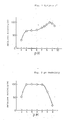
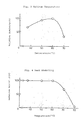
- the LPL after treatment in a buffer having a pH of from about 4 to 7 at a temperature of about 60°C for about 15 minutes, retains about 100% of its hydrolyzing activity, and the glycerol forming activity of which is at least about 15% of the fatty acid forming activity.
- the present invention further relates to a process for producing thermostable LPL which comprises cultivating a thermophilic actinomycetes and recovering thermostable LPL from the culture.
- the present invention furthermore relates to a reagent containing LPL for the quantitative determination of triglycerides in body fluids, wherein said LPL has an activity to hydrolyze triglycerides in lipoproteins to glycerol and fatty acids, said hydrolyzing activity being about 100% retained after treatment in a buffer at a temperature of about 60°C for about 15 minutes, and the ratio of glycerol forming activity to fatty acid forming activity being at least about 15%.
- the LPL according to the present invention is superior to conventionally known LPL's in thermostability and in the ratio of glycerol formation activity to fatty acid formation activity. Therefore, when used as a test reagent, the LPL makes it possible to considerably extend the life time of the reagent while reducing a time required for determination per sample, thus greatly contributing to the industry.
- the hydrolysing activity of the present LPL is retained at a retention of about 100% when it is treated in a buffer at about 60°C for about 15 minutes.
- the LPL of the present invention produced by Streptomyces 7825 (FERM P-9983, FERM BP-2489) has the following physiochemical properties:
- the lipoproteins include not only artificial lipoproteins but human blood lipoproteins.
- Titer determination is principally based on the quantitative determination of glycerol formed through the action of LPL on artificial lipoprotein prepared from olive oil as described in Clin. Chim. Acta. , Vol. 22, p. 393 (1968).
- a mixture of 5 g of olive oil and 5 ml of a 5% (v/v) Triton X-100 solution is subjected to ultrasonication for 10 minutes to prepare a substrate emulsion.
- 2,4-Pentanedione (0.75 ml) and 2.5 ml of isopropanol are mixed, and 2M ammonium acetate is added thereto to make 100 ml.
- a calibration curve is prepared using a glycerol solution having a known concentration.
- the glycerol content of the reaction mixture is determined using the prepared calibration curve.
- the enzyme activity is expressed by taking the amount of the enzyme which forms 1 ⁇ mol of glycerol per minute as 1 U.
- the glycerol formation activity of the LPL is at least about 15% of the fatty acid formation activity. While activity is generally expressed in terms of glycerol formation activity as stated above, it is necessary to obtain the fatty acid formation activity before the ratio of glycerol formation activity to fatty acid formation activity can be obtained.
- the fatty acid formation activity can be determined by assaying an isopropanol extract obtained in the same manner as described above for the formed fatty acid content by the use of a commercially available kit for determining free fatty acids (e.g., NEFAC-Test produced by Wako Pure Chemical Industries, Ltd.), taking the amount of the enzyme capable of forming 1 ⁇ equivalent of fatty acids per minute as 1 U.
- the ratio of glycerol formation activity to fatty acid formation activity can be calculated from formula: Glycerol Formation Activity (U)/Fatty Acid Formation Activity (U) ⁇ 100
- the LPL according to the present invention can be produced by cultivating a thermophilic actinomycetes and recovering the produced and accumulated LPL from the culture.
- thermophilic actinomycetes for use in the present invention is not limited as long as it is capable of producing the LPL of the invention.
- One example of such a microorganism is Streptomyces 7825 isolated from the soil. The microbiological properties of this strain are described below.
- This strain is capable of producing the present LPL by culturing in an appropriate liquid nutrient medium containing an inducer. After completion of the cultivation, the culture filtrate is collected and purified through various known methods as described, for example, in Method in Enzymology , vol. 22, edited by W.B. Jakoby, Academic press (1971) to obtain the LPL of the present invention.
- Suitable inducers include fats and oils and fatty acids.
- the fats and oils include animal oils, e.g., lard, butter, fish oil, and whale oil; and vegetable oils, e.g., olive oil, soybean oil, rice bran oil, cotton seed oil, and sesami oil.
- the fatty acids include oleic acid, palmitic acid, and linolenic acid.
- the amount of the inducer to be added is not particularly limited but preferably ranges from about 0.1 to 3% (w/v).
- the medium further comprises carbon sources, nitrogen sources and inorganic salts generally employed for the cultivation of actinomycetes.
- Suitable carbon sources include glucose, glycerol, and soluble starch.
- Suitable nitrogen sources include peptone, urea, ammonium sulfate, corn steep liquor, defatted soybean flour, yeast extract, and meat extract.
- Suitable inorganic salts include monopotassium hydrogenphosphate, disodium hydrogenphosphate, and magnesium sulfate.
- a surface active agent is effective.
- the medium is adjusted to a pH range of from about 6.0 to 7.5 in the vicinity of neutrality.
- Aerobic conditions such as stirring under aeration, produce satisfactory results.
- the cultivation temperature usually ranges from about 30° to about 50°C, and preferably around 50°C to reduce culturing time. Culturing for from about 1 to 6 days, preferably from about 3 to 5 days under these conditions results in the accumulation of a considerable quantity of LPL in the medium.
- the mycelium pellets are removed from the culture, for example, by centrifugation or filtration to collect a liquid.
- Purification of the enzyme can be conducted by known purification procedures, such as salting-out with ammonium sulfate or organic solvent precipitation with acetone, alcohols, etc. to obtain a crude enzyme.
- the crude product can further be purified to a higher degree by various known chromatographic techniques, such as ion exchange chromatography, gel-filtration chromatography, and hydrophobic chromatography. Since the LPL of the present invention is strongly hydrophobic, hydrophobic chromatography is preferably applied to obtain a highly purified enzyme.
- the LPL according to the present invention is very heat stable, it can be preserved for an extended period of time as compared to conventionally available LPL preparations. Thus, use of the present LPL is greatly advantageous.
- LPL is useful as a reagent for the enzymatic assay of blood triglycerides.
- the assay is based on the principle that triglycerides in blood are hydrolyzed with LPL and the formed glycerol is quantitatively determined by enzymatic assay.
- the quantitative determination of glycerol can be carried out by methods utilizing glycerol kinase, glycerol dehydrogenase, and glycerol oxidase.
- the method utilizing is glycerol kinase commonly employed.
- glycerol kinase glycerol-3-phosphate oxidase, and peroxidase.
- Each of these enzymes is used in concentrations of from about 1.0 to 2.5 U/ml in a determining reagent.
- the buffer to be used is not particularly limited, but a weakly acidic buffer such as citrate, ⁇ , ⁇ ′-dimethylglutarate, acetate, succinate, futarate, phosphate or MES buffer is, preferably used.
- a suitable range of pH and concentration of the buffer is from about 5 to 7 and from about 10 to 100 mM, respectively.
- the reagent further contains ATP Na2 ⁇ 3H2O and MgCl2 ⁇ 6H2O which are necessary for the glycerol kinase reaction, in an amount of from 20 to 30 mg and from 3 to 50 mg, respectively, per 200 ml of the reagent.
- the reagent furthermore contains 4-aminoantipyrine and a color former in the range of from about 1 to 20 mg and from about 5 to 100 mg, respectively, per 200 ml of the reagent.
- the color former can be selected arbitrarily from phenol derivatives, aniline derivatives and toluidine derivatives such as p-hydroxydiphenyl, hydroquinone, hydroquinone monomethylether, cathechol, resorcinol, pyrogallol, o-phenylenediamine, m-phenylenediamine, aniline, diethylaniline, p-aminobenzoic acid, reductone and dimethyl-toluidine.
- phenol derivatives such as p-hydroxydiphenyl, hydroquinone, hydroquinone monomethylether, cathechol, resorcinol, pyrogallol, o-phenylenediamine, m-phenylenediamine, aniline, diethylaniline, p-aminobenzoic acid, reductone and dimethyl-toluidine.
- a surface active agent e.g., Triton X-100, Span 20, sodium cholate, sodium dodecyl sulfate or dimethylbenzyl-alkyl-ammonium chloride, is preferably added.
- These surface active agents may be used in a concentration of about 1 to 10% (w/v) and an amount of about 2 to 10 ml, preferably a concentration of about 2 to 6% (w/v) and an amount of about 3 to 6 ml, per 200 ml of the reagent.
- determining reagent To 1 ml of the thus prepared determining reagent are added several microliters, preferably about 1 to 30 ⁇ l, more preferably 2 to 20 ul, most preferably 5 to 15 ⁇ l, of non-diluted serum, and several microliters of the LPL (5 to 10 U/ml) according to the present invention are then added thereto.
- the system is incubated in a cuvette whereby the color former develops a color in proportion to the amount of triglycerides in the serum.
- the color formation is determined in terms of absorbance to quantitatively determine the amount of triglyceride in the sample.
- a medium (100 ml) comprising 0.5% of peptone, 0.1% of KH2PO4, 0.1% of Na2HPO4 ⁇ 12H2O, 0.05% of MgSO4 ⁇ 7H2O, 0.03% of yeast extract, 0.2% of olive oil, and 0.5% of Tween 40 (pH 7.0) were placed in a 500 ml- volume Erlenmeyer flask and autoclaved at 121°C for 15 minutes.
- Streptomyces 7825 (FERM P-9983, FERM BP-2489) was cultured in a test tube containing 5 ml of the medium having the same composition as described above.
- the culture liquid was inoculated into the above prepared medium and cultivated by rotary shaking culture at 50°C for 3 days to obtain a seed culture for jar fermentation.
- 2 l of the same medium was charged into a 3 l-volume jar fermenter and autoclaved at 121°C for 15 minutes.
- 100 ml of the seed culture was then inoculated thereto, followed by culturing at 50°C under aeration of 1 VVM and stirring at 400 rpm.
- the culture liquid was assayed for enzyme activity and found to contain 0.2 U/ml of LPL.
- the culturing was ended at this point, and the mycelium pellets were removed by filtration to recover the culture filtrate.
- the culture filtrate was passed through a column (4.4 cm in diameter; 10 cm in height) packed with phenyl Sepharose pre-equilibrated with a 25 mM phosphate buffer (pH 7.0). After the column was thoroughly washed with the same buffer, the buffer was changed to 25 mM phosphate buffer containing 1% Triton X-100, then LPL was eluted out showing a sharp elution peak.
- the active fractions were collected, concentrated, and passed through a column (2.2 cm in diameter, 90 cm in height) packed with Sephadex G-75 pre-equilibrated with a buffer containing 0.1% Triton X-100. The protein peak and the activity peak were consistent with each other. SDS-polyacrylamide gel electrophoresis of the active fractions gave a single band.
- the resulting enzyme sample had a specific activity of 1.2 U/mg.
- the amount of protein was quantitatively determined by Wang-Smith method ( Anal. Biochem. , Vol. 63, p. 414 (1975)).
- the present LPL is superior in thermostability to other commercially available LPL's of microorganism origin. More specifically, when LPL's of Pseudomonas origin (product of TOYOBO Ltd.) or LPL's of Alcaligenes origin (product of Meito Sangyo Co., Ltd.) were treated at 60°C for 15 minutes at the pH at which the respective LPL's were most stable, i.e., 7.0 or 8.0, respectively, the retention of activity was about 70% or about 0%, respectively.
- the LPL of the present invention thus obtained showed an activity retention of approximately 100% when similarly treated at a pH of 5.0.
- the LPL of the present invention is most stable at a pH of 5.0.
- the ratio of glycerol formation activity to fatty acid formation activity of the LPL of the present invention was found to be 16%, which is far higher than 1.97% attained by the LPL of Pseudomona s origin (product of TOYOBO Ltd.).
- Blood triglyceride was determined using the reagent prepared from the LPL prepared in Example 1. The determination was carried out by hydrolyzing blood triglycerides with the LPL and assaying the formed glycerol with a coupling enzyme system comprising glycerol kinase, glycerol-3-phosphate oxidase, and peroxidase.
- Glycerol Color Forming Solution 5% Triton X-100 4 ml N,N-Diethyl-m-toluidine 40 ⁇ l 4-Aminoantipyrine 4 mg ATP Na2 ⁇ 3H2O 25 mg MgCl2 ⁇ 6H2O 40 mg Glycerol kinase 200 U Glycerol-3-phosphate oxidase 500 U Peroxidase 300 purpurogallin U
- the above-described glycerol color forming solution was dissolved in a 50 mM MES buffer (pH 6.5) to make 200 ml. 10 ⁇ l of serum was added to 1 ml of the resulting solution, followed by pre-incubation at 37°C for 3 minutes. The absorbance at 545 nm was read. Then 5 ⁇ l of the LPL obtained in Example 1 (adjusted to a concentration of 5 to 10 U/ml) was added thereto, followed by incubation at 37°C. The absorbance at 545 nm was measured.
- ⁇ A545 is an increase of absorbance at 545 nm
- 28.2 is a molecular extinction coefficient of the dyestuff (l/mmol/cm)
- 0.5 is a factor derived from the fact that 1 molecule of H2O2 forms 1/2 molecule of the dyestuff
- 1 is a light pass length (cm)
- 885.45 is the molecular weight of triolein.
- triglyceride determinations were run with the above-described reagent on two kinds of commercially available controlled serum preparations produced by Wako Pure Chemical Industries, Ltd., whose triglyceride contents were indicated to be 104 mg/dl and 280 mg/dl, respectively. As a result, the triglyceride content of these preparations were found to be 104 mg/dl and 280 mg/dl, respectively.
- the triglyceride content of the same controlled serum preparations was determined by the method of saponification with potassium hydroxide as described in Clin. Chim. Acta , Vol. 22, p. 393 (1968). The measured values were 103 mg/dl and 279 mg/dl, respectively, being consistent with those obtained with the reagent containing the LPL according to the present invention.
- the time required for absorbance to reach a constant level was about 8 minutes, whereas it was 23 minutes using a reagent prepared by using the LPL of Pseudomonas origin (produced by TOYOBO Ltd.).
- the use of the LPL according to the present invention greatly reduces the time required for the determination of triglycerides.
- each of a reagent.comprising the above-described glycerol color forming solution and 5 ⁇ l of the LPL obtained in Example 1 (8 U/ml) and a conventional reagent comprising the same glycerol color forming solution and 5 ⁇ l of the LPL of Pseudomonas origin (product of Toyobo Ltd.) (8 U/ml) was allowed to stand at 25°C for 4 days. Then, the triglyceride content of the above-described control serum preparations was determined with each of the thus preserved reagents. As a result, 100% of the triglycerides were detected using the present reagent in 8 minutes from the start of determination, while only 80% of the triglycerides could be detected using the conventional reagent in 8 minutes.
Landscapes
- Chemical & Material Sciences (AREA)
- Life Sciences & Earth Sciences (AREA)
- Health & Medical Sciences (AREA)
- Organic Chemistry (AREA)
- Engineering & Computer Science (AREA)
- Wood Science & Technology (AREA)
- Zoology (AREA)
- Bioinformatics & Cheminformatics (AREA)
- Genetics & Genomics (AREA)
- Biotechnology (AREA)
- General Engineering & Computer Science (AREA)
- Microbiology (AREA)
- General Health & Medical Sciences (AREA)
- Biochemistry (AREA)
- Medicinal Chemistry (AREA)
- Molecular Biology (AREA)
- Biomedical Technology (AREA)
- Proteomics, Peptides & Aminoacids (AREA)
- Tropical Medicine & Parasitology (AREA)
- Virology (AREA)
- Physics & Mathematics (AREA)
- Analytical Chemistry (AREA)
- Biophysics (AREA)
- Immunology (AREA)
- Measuring Or Testing Involving Enzymes Or Micro-Organisms (AREA)
- Enzymes And Modification Thereof (AREA)
Applications Claiming Priority (2)
| Application Number | Priority Date | Filing Date | Title |
|---|---|---|---|
| JP199639/88 | 1988-08-09 | ||
| JP63199639A JP2693786B2 (ja) | 1988-08-09 | 1988-08-09 | 耐熱性のリポプロテインリパーゼとその製造法及びそれを用いた定量用試薬 |
Publications (3)
| Publication Number | Publication Date |
|---|---|
| EP0354551A2 true EP0354551A2 (de) | 1990-02-14 |
| EP0354551A3 EP0354551A3 (de) | 1991-05-29 |
| EP0354551B1 EP0354551B1 (de) | 1995-11-08 |
Family
ID=16411196
Family Applications (1)
| Application Number | Title | Priority Date | Filing Date |
|---|---|---|---|
| EP89114726A Expired - Lifetime EP0354551B1 (de) | 1988-08-09 | 1989-08-09 | Hitzestabile Lipoproteinlipase, Verfahren zu deren Herstellung sowie ein Reagenz zur Bestimmung von Triglyceriden, welches diese Lipase enthält |
Country Status (4)
| Country | Link |
|---|---|
| US (2) | US5173417A (de) |
| EP (1) | EP0354551B1 (de) |
| JP (1) | JP2693786B2 (de) |
| DE (1) | DE68924738T2 (de) |
Families Citing this family (9)
| Publication number | Priority date | Publication date | Assignee | Title |
|---|---|---|---|---|
| DK73592D0 (da) * | 1992-06-03 | 1992-06-03 | Novo Nordisk As | Nyt enzym |
| EP0675944B1 (de) * | 1992-12-22 | 2003-06-25 | Novozymes A/S | Alkalische lipase |
| FR2824334B1 (fr) | 2001-05-03 | 2003-10-10 | Coletica | Procede pour tester une substance eventuellement active dans le domaine de la lipolyse et son utilisation principalement cosmetique |
| US7214504B2 (en) * | 2001-12-28 | 2007-05-08 | Polymer Technology Systems, Inc. | Test strip for determining concentration of triglycerides |
| WO2005040370A2 (en) * | 2003-09-30 | 2005-05-06 | Goldschmidt Gmbh | Thermostable hydrolase |
| ATE428771T1 (de) * | 2004-04-16 | 2009-05-15 | Idexx Lab Inc | Antikörper gegen hundepankreaslipase |
| US20050272108A1 (en) * | 2004-05-21 | 2005-12-08 | Bhanu Kalra | Stabilized two component system for chemiluminescent assay in immunodiagnostics |
| EP2230255B1 (de) * | 2007-10-15 | 2018-08-15 | IDEXX Laboratories, Inc. | Pankreatische Lipase aus Katze |
| US20180179574A1 (en) * | 2015-09-03 | 2018-06-28 | The University Of Chicago | Systems and methods for characterization of hypertriglyceridemia |
Family Cites Families (2)
| Publication number | Priority date | Publication date | Assignee | Title |
|---|---|---|---|---|
| US3431175A (en) * | 1964-07-18 | 1969-03-04 | Amano Pharma Co Ltd | Method for the preparation of a lipoprotein lipase by cultivating organisms |
| US4283494A (en) * | 1978-04-26 | 1981-08-11 | Meito Sangyo Kabushiki Kaisha | Microbial lipase, process for its preparation and microbiologically pure culture therefor |
-
1988
- 1988-08-09 JP JP63199639A patent/JP2693786B2/ja not_active Expired - Lifetime
-
1989
- 1989-08-09 DE DE68924738T patent/DE68924738T2/de not_active Expired - Fee Related
- 1989-08-09 US US07/391,017 patent/US5173417A/en not_active Expired - Fee Related
- 1989-08-09 EP EP89114726A patent/EP0354551B1/de not_active Expired - Lifetime
-
1992
- 1992-08-17 US US07/929,743 patent/US5244798A/en not_active Expired - Fee Related
Also Published As
| Publication number | Publication date |
|---|---|
| US5244798A (en) | 1993-09-14 |
| EP0354551A3 (de) | 1991-05-29 |
| JP2693786B2 (ja) | 1997-12-24 |
| DE68924738T2 (de) | 1996-05-02 |
| DE68924738D1 (de) | 1995-12-14 |
| US5173417A (en) | 1992-12-22 |
| EP0354551B1 (de) | 1995-11-08 |
| JPH0249581A (ja) | 1990-02-19 |
Similar Documents
| Publication | Publication Date | Title |
|---|---|---|
| US5232846A (en) | Method for producing a thermostable lipoprotein lipase from streptomyces | |
| Sugiura et al. | Purification, crystallization and properties of triacylglycerol lipase from Pseudomonas fluorescens | |
| EP0204284A2 (de) | Lipase | |
| EP0354551B1 (de) | Hitzestabile Lipoproteinlipase, Verfahren zu deren Herstellung sowie ein Reagenz zur Bestimmung von Triglyceriden, welches diese Lipase enthält | |
| US4135980A (en) | Choline oxidase | |
| US4999289A (en) | Lipase, its production and use for assay of triglycerides | |
| US4491631A (en) | Assay method for lipid component, assay composition, and process for production of enzyme used therefor | |
| Lillis et al. | Initiation of activation of a preemergent herbicide by a novel alkylsulfatase of Pseudomonas putida FLA | |
| JPH0376920B2 (de) | ||
| US4045297A (en) | Triglycerides determination method | |
| JPH0364105B2 (de) | ||
| US5079158A (en) | Novel monoglyceride lipase and its production process. | |
| US4769323A (en) | Method for fractional determination of aspartate aminotransferase isozymes, and composition therefor | |
| JP4511655B2 (ja) | ソルビトール脱水素酵素、それを産生する微生物およびその製造方法 | |
| US5126246A (en) | Reagent for analysis of triglycerides and analysis using the same | |
| JP2017158441A (ja) | カタラーゼ | |
| US4343903A (en) | Process for obtaining cholesterol esterase from micro-organisms | |
| US4636464A (en) | Pyranose oxidase, method of making and method of use | |
| JP5470906B2 (ja) | カタラーゼ | |
| US5162201A (en) | Analytical method making use of monoglyceride lipase | |
| US5206148A (en) | Method for assaying aliphatic alcohol, aliphatic aldehyde or ω-carboxylic acid derivatives thereof | |
| JPH03996B2 (de) | ||
| JPS5837834B2 (ja) | 新規リポプロテイン・リパ−ゼ | |
| EP0470312B1 (de) | Omega-Carboxyalkohol Oxydase | |
| EP0239202B1 (de) | Acyl-CoA-Synthetase |
Legal Events
| Date | Code | Title | Description |
|---|---|---|---|
| PUAI | Public reference made under article 153(3) epc to a published international application that has entered the european phase |
Free format text: ORIGINAL CODE: 0009012 |
|
| AK | Designated contracting states |
Kind code of ref document: A2 Designated state(s): DE FR GB IT NL |
|
| PUAL | Search report despatched |
Free format text: ORIGINAL CODE: 0009013 |
|
| AK | Designated contracting states |
Kind code of ref document: A3 Designated state(s): DE FR GB IT NL |
|
| 17P | Request for examination filed |
Effective date: 19911028 |
|
| 17Q | First examination report despatched |
Effective date: 19921016 |
|
| GRAA | (expected) grant |
Free format text: ORIGINAL CODE: 0009210 |
|
| AK | Designated contracting states |
Kind code of ref document: B1 Designated state(s): DE FR GB IT NL |
|
| PG25 | Lapsed in a contracting state [announced via postgrant information from national office to epo] |
Ref country code: NL Free format text: LAPSE BECAUSE OF FAILURE TO SUBMIT A TRANSLATION OF THE DESCRIPTION OR TO PAY THE FEE WITHIN THE PRESCRIBED TIME-LIMIT Effective date: 19951108 |
|
| REF | Corresponds to: |
Ref document number: 68924738 Country of ref document: DE Date of ref document: 19951214 |
|
| ITF | It: translation for a ep patent filed | ||
| ET | Fr: translation filed | ||
| NLV1 | Nl: lapsed or annulled due to failure to fulfill the requirements of art. 29p and 29m of the patents act | ||
| PLBE | No opposition filed within time limit |
Free format text: ORIGINAL CODE: 0009261 |
|
| STAA | Information on the status of an ep patent application or granted ep patent |
Free format text: STATUS: NO OPPOSITION FILED WITHIN TIME LIMIT |
|
| 26N | No opposition filed | ||
| PGFP | Annual fee paid to national office [announced via postgrant information from national office to epo] |
Ref country code: GB Payment date: 19990804 Year of fee payment: 11 |
|
| PGFP | Annual fee paid to national office [announced via postgrant information from national office to epo] |
Ref country code: DE Payment date: 19990809 Year of fee payment: 11 |
|
| PGFP | Annual fee paid to national office [announced via postgrant information from national office to epo] |
Ref country code: FR Payment date: 19990810 Year of fee payment: 11 |
|
| PG25 | Lapsed in a contracting state [announced via postgrant information from national office to epo] |
Ref country code: GB Free format text: LAPSE BECAUSE OF NON-PAYMENT OF DUE FEES Effective date: 20000809 |
|
| GBPC | Gb: european patent ceased through non-payment of renewal fee |
Effective date: 20000809 |
|
| PG25 | Lapsed in a contracting state [announced via postgrant information from national office to epo] |
Ref country code: FR Free format text: LAPSE BECAUSE OF NON-PAYMENT OF DUE FEES Effective date: 20010430 |
|
| PG25 | Lapsed in a contracting state [announced via postgrant information from national office to epo] |
Ref country code: DE Free format text: LAPSE BECAUSE OF NON-PAYMENT OF DUE FEES Effective date: 20010501 |
|
| REG | Reference to a national code |
Ref country code: FR Ref legal event code: ST |
|
| PG25 | Lapsed in a contracting state [announced via postgrant information from national office to epo] |
Ref country code: IT Free format text: LAPSE BECAUSE OF NON-PAYMENT OF DUE FEES;WARNING: LAPSES OF ITALIAN PATENTS WITH EFFECTIVE DATE BEFORE 2007 MAY HAVE OCCURRED AT ANY TIME BEFORE 2007. THE CORRECT EFFECTIVE DATE MAY BE DIFFERENT FROM THE ONE RECORDED. Effective date: 20050809 |