EP0339568A1 - Expression of Human Interleukin-2 in Methylotrophic Yeasts - Google Patents
Expression of Human Interleukin-2 in Methylotrophic Yeasts Download PDFInfo
- Publication number
- EP0339568A1 EP0339568A1 EP89107458A EP89107458A EP0339568A1 EP 0339568 A1 EP0339568 A1 EP 0339568A1 EP 89107458 A EP89107458 A EP 89107458A EP 89107458 A EP89107458 A EP 89107458A EP 0339568 A1 EP0339568 A1 EP 0339568A1
- Authority
- EP
- European Patent Office
- Prior art keywords
- gene
- hil
- vector
- pichia pastoris
- yeast
- Prior art date
- Legal status (The legal status is an assumption and is not a legal conclusion. Google has not performed a legal analysis and makes no representation as to the accuracy of the status listed.)
- Withdrawn
Links
Images
Classifications
-
- C—CHEMISTRY; METALLURGY
- C07—ORGANIC CHEMISTRY
- C07K—PEPTIDES
- C07K14/00—Peptides having more than 20 amino acids; Gastrins; Somatostatins; Melanotropins; Derivatives thereof
- C07K14/435—Peptides having more than 20 amino acids; Gastrins; Somatostatins; Melanotropins; Derivatives thereof from animals; from humans
- C07K14/52—Cytokines; Lymphokines; Interferons
- C07K14/54—Interleukins [IL]
- C07K14/55—IL-2
Definitions
- This invention relates to the field of recombinant DNA biotechnology.
- this invention relates to a process for the expression of human interleukin-2 (hIL-2) protein in methylotrophic yeasts.
- the present invention relates to novel DNA molecules and novel yeast strains transformed therewith.
- hIL-2 Human interleukin-2
- T-cells that have been activated by mitogens or antigens.
- hIL-2 mediates many immune responses and promotes long-term proliferation of T-cells and B-cells following interaction with an antigen. These characteristics of hIL-2 have sparked interest in using this protein in the treatment of immunodeficient patients. Therefore, hIL-2 has become an important protein for biotechnological research and production.
- E. coli produces endotoxins which must be removed by purification; mammalian cell lines are expensive to grow compared to yeasts or bacteria and the current production of hIL-2 in Streptomyces lividans and Saccharomyces cerevisiae is unacceptably low.
- Yet another object of this invention is to provide novel vectors containing DNA sequences which code for the hIL-2.
- a further object of this invention is to provide novel methylotrophic yeasts transformed with a vector or vectors capable of enhanced production of the hIL-2.
- hIL-2 a process for the enhanced production of hIL-2 comprising transforming a methylotrophic yeast with at least one vector having a compatible expression cassette containing a structural gene for hIL-2 thereof, and culturing the resultant transformants under conditions suitable to obtain the production of hIL-2.
- the hIL-2 structural gene is well known in the art and was first sequenced by Taniguchi et al., Nature 302 :305 (1983).
- the nucleotide sequence of hIL-2 is provided in Table 1. This sequence does not contain the naturally occurring signal sequence of hIL-2 (the first 20 amino acids).
- the sequence in Table I has a methionine codon inserted in frame with the mature form of hIL-2 which begins at amino acid twenty-one of the published sequence of Taniguchi et al.
- the structural gene may be obtained by reisolation or preferably synthesized in vitro by a custom gene manufacturer such as British Biotechnology Ltd. Custom synthesized genes are preferred for their ease of use since restriction sites may be inserted or removed in the synthesis of the gene.
- the hIL-2 structural gene which was utilized for the practice of the present invention was contained in pUC9:pL IL-2.
- the pUC9:pL:IL-2 plasmid was maintained in E. coli strain JM83.
- any E. coli vector and strain system suitable for the maintenance of heterologous genes can be employed for maintaining the hIL-2 gene once isolated.
- the nucleotide sequence containing the hIL-2 gene was first prepared for insertion into the expression vector used in the practice of this invention by adding an Eco RI restriction site 5′ to the ATG start codon. The insertion of this second Eco RI site allowed the hIL-2 gene to be recovered as a Eco RI fragment ready for insertion into the unique Eco RI site of the expression vector used in the practice of this invention.
- the Eco RI restriction site was contructed by synthesizing an artificial oligonucleotide designed to provide an Eco RI restriction site.
- This oligonucleotide consisted of the following nucleotide sequences
- This synthetic sequence may be produced by either enzymatic or chemical means. Suitable means include but are not limited to chemical procedures based on phosphotriester, phosphite, or phosphoramidite chemistry.
- Suitable means include but are not limited to chemical procedures based on phosphotriester, phosphite, or phosphoramidite chemistry.
- the oligonucleotide used in the practice of this invention was synthesized utilizing Applied Biosystems Model 380A DNA Synthesizer following the manufacturer's recommended operating procedures.
- the double stranded oligonucleotide was synthesized as single strands of DNA, phosphorylated and annealed to form double stranded DNA as shown above.
- Plasmid pUC9:pL:hIL-2 was then isolated by standard techniques and digested with Nco I.
- the Nco I fragment was then dephosphorylated with a suitable reagent such as calf intestine alkaline phosphatase.
- the linker was then mixed with Nco I fragments and ligated to the Nco I ends with T4 ligase. Successful ligation resulted in regeneration of the plasmid with the linker inserted.
- the reformed plasmids were selected by utilizing the reaction mixture to transform suitable competent host cells such as DG75′. Transformed cells were selected for by ampicillin resistance. Transformed cells were tested for the presence of the Eco RI fragment by recovering the plasmid DNA from ampicillin resistant colonies followed by Eco RI digestion and gel electrophoresis. Colonies containing the hIL-2 structural gene in an Eco RI fragment were maintained as a source of the gene to be inserted in the expression vector used in the practice of the present invention.
- Culturing the E. coli strain listed above may be accomplished by any suitable means.
- General techniques for culturing E. coli are already known in the art and any adaptation of these methods to the specific requirements of the strains used herein is well within the abilities of those skilled in the art.
- Recovery of plasmid DNA from E. coli can be accomplished by several techniques due to its compact size and closed spherical superhelical form. For example, following the harvest host cells may be pelleted by centrifugation and then resuspended and lysed. The lysate should be centrifuged to remove cell debris and the supernatant containing DNA retained. A phenol extraction can then be performed to remove most other contaminants from the DNA. The phenol-extracted DNA may then be further treated using a density gradient centrifugation or a gel filtration technique to separate the plasmid DNA from the bacterial DNA.
- the techniques for achieving the separation alluded to above are well known in the art and numerous methods of performing these techniques are known.
- Nuclease digestion of the plasmids may be accomplished by choosing appropriate endonucleases which will cut the selected plasmid in such a way as to facilitate the recovery of the hIL-2 structural gene.
- the endonucleases used will depend on the plasmid from which the hIL-2 gene is to be excised. For example, the hIL-2 structural gene contained in plasmid pUC9:pL:hIL-2 could be recovered in a Nco I- Eco RI fragment.
- Gel electrophoresis of DNA may be accomplished using numerous techniques. See P. G. Sealy and E. M. Southern, Gel Electrophoresis of Nucleic Acids - A Practical Approach (D. Rickwood and B. D. Hames, eds.) p. 39 (1982). Elution may also be accomplished using numerous techniques appropriate for the gel involved, such as electroelution, diffusion, gel dissolution (agarose gels) or physical extrusion (agarose gels). It is additionally recognized that elution may not be necessary with some gels such as high-quality, low melting temperature agarose.
- fragment containing the hIL-2 structural gene or fragments thereof is isolated, additional manipulations may be required before it is inserted in the vector. These manipulations may include, but are not limited to the addition of linkers or blunt-ending the fragment.
- a suitable methylotrophic yeast vector such as a plasmid.
- a suitable methylotrophic yeast vector such as a plasmid.
- a suitable methylotrophic yeast vector such as a plasmid.
- a suitable methylotrophic yeast vector such as a plasmid.
- Preferable vectors for the practice of this invention are those compatible with the Pichia genus and most preferably Pichia pastoris .
- Plasmids have long been one of the basic elements employed in recombinant DNA technology. Plasmids are circular extrachromosomal double-stranded DNA found in microorganisms. Plasmids have been found to occur in single or multiple copies per cell. Included in plasmid DNA is the information required for plasmid reproduction, i.e. an origin of replication is included for bacterial replication. One or more means of phenotypically selecting the plasmid in transformed cells may also be included in the information encoded in the plasmid. Phenotypic or selection markers, such as antibiotic resistance genes or genes which complement defects in the host biochemical pathways, permit clones of the host cells which have been transformed to be recognized, selected, and maintained.
- the gene To express the hIL-2 structural gene in methylotrophic yeasts, the gene must be operably linked to a 5′ regulatory region and 3′ termination sequence, which forms the expression cassette which will be inserted into the host via a vector.
- Operably linked-- refers to a juxtaposition wherein the components are configured so as to perform their function.
- Termination sequence--sequences 3′ to the stop codon which function to stabilize the mRNA such as sequences which elicit polyadenylation.
- "Pichia compatible” refers to DNA sequences which will perform their normal function in Pichia such as regulatory regions and 3′ termination sequences derived from Pichia .
- integrative vectors such as the linear site-specific integrative vector of Cregg, as described in European Application Serial Number 86114700.7.
- Such vectors comprise a serially arranged sequence of at least 1) a first insertable DNA fragment; 2) a selectable marker gene; and 3) a second insertable DNA fragment.
- the first and second insertable DNA fragments are each at least about 200 nucleotides in length and have nucleotide sequences which are homologous to portions of the genomic DNA of the species to be transformed.
- the various components of the integrative vector are serially arranged forming a linear fragment of DNA such that the expression cassette and the selectable marker gene are positioned between the 3′ end of the first insertable DNA fragment and the 5′ end of the second insertable DNA fragment.
- the first and second insertable DNA fragments are oriented with respect to one another in the serially arranged linear fragment as they are so oriented in the parent genome.
- Nucleotide sequence useful as the first and second insertable DNA fragments are nucleotide sequences which are homologous with separate portions of the native genomic site at which genomic modification is to occur.
- the first and second insertable DNA fragments employed must be sequences homologous to separate portions of the alcohol oxidase gene locus.
- the two insertable DNA fragments must be oriented with respect to one another in the linear fragment in the same relative orientation as they exist in the parent genome.
- nucleotide sequences which could be used as first and second insertable DNA fragments are nucleotide sequences selected from the group consisting of the alcohol oxidase (AOX1 ) gene, dihydroxyacetone synthase (DHAS ) gene, p40 gene and HIS4 gene.
- AOX1 alcohol oxidase
- DHAS dihydroxyacetone synthase
- p40 gene p40 gene and HIS4 gene.
- the AOX1 gene DHAS gene, p40 gene and HIS4 gene are contained in EP-A- 0183 071.
- the first insertable DNA fragment may contain an operable regulatory region which may comprise the regulatory region utilized in the expression cassette.
- the use of the first insertable DNA fragment as the regulatory region for an expression cassette is a preferred embodiment of this invention.
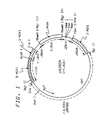
- Figure 1 provides a diagram of a vector utilizing the first insertable DNA fragment as a regulatory region for a cassette.
- an insertion site or sites and a 3′ termination sequence may be placed immediately 3′ to the first insertable DNA fragment.
- This conformation of the linear site-specific integrative vector has the additional advantage of providing a ready site for insertion of a structural gene without necessitating the addition of a compatible 3′ termination sequence.
- expression vectors used in the practice of this invention could contain a polylinker site to facilitate the insertion of structural genes or cassettes or the like, between the first insertable DNA fragment and the second insertable DNA fragment.
- the marker gene confers a phenotypic trait to the transformed organism which the host did not have, e.g., restoration of the ability to produce a specific amino acid where the untransformed host strain has a defect in the specific amino acid biosynthetic pathway or resistance to antibiotics and the like.
- Exemplary selectable marker genes may be selected from the group consisting of the HIS4 gene and the ARG4 gene from Pichia pastoris and Saccharomyces cerevisiae , the invertase gene (SUC2 ) from Saccharomyces cerevisiae , the G418R Kanamycin resistance gene from the E. coli transposable elements Tn601 or Tn903 .
- DNA sequences can also be incorporated into the vectors employed in the practice of the present invention, such as for example, bacterial plasmid DNA, bacteriophage DNA, and the like. Such sequences enable the amplification and maintenance of these vectors in bacterial hosts.
- the first insertable DNA fragment does not contain a regulatory region, a suitable regulatory region will need to be inserted operably linked to the structural gene, in order to provide an operable expression cassette. Similarly if no 3′ termination sequence is provided at the insertion site to complete the expression cassette, a 3′ termination sequence will have to be operably linked to the structural gene to be inserted.
- regulatory regions include but are not limited to yeast regulatory regions selected from the group consisting of acid phosphatase, galactokinase, alcohol dehydrogenase, cytochrome c, alpha-mating factor and glyceraldehyde 3-phosphate dehydrogenase regulatory regions isolated from Saccharomyces cerevisiae ; the primary alcohol oxidase (AOX1 ), dihydroxyacetone synthase ( DHAS ), the p40 regulatory regions, and the HIS4 regulatory region derived from Pichia pastoris and the like.
- yeast regulatory regions selected from the group consisting of acid phosphatase, galactokinase, alcohol dehydrogenase, cytochrome c, alpha-mating factor and glyceraldehyde 3-phosphate dehydrogenase regulatory regions isolated from Saccharomyces cerevisiae ; the primary alcohol oxidase ( AOX1 ), dihydroxyacetone synthase ( DHAS
- Presently preferred regulatory regions employed in the practice of the present invention are those characterized by their ability to respond to methanol-containing media, such regulatory regions selected from the group consisting of AOX1 , DHAS p40 and disclosed in co-pending application serial number 780,102.
- the most preferred regulatory region for the practice of this invention is the AOX1 regulatory region.
- 3′ termination sequences may be utilized in the expression cassette or be part of the vector as discussed above. 3′ termination sequences may function to terminate, polyadenylate and/or stabilize the messenger RNA coded for by the structural gene when operably linked to a gene.
- 3′ termination sequences for the practice of this invention included but are not limited to the Saccharomyces cerevisiae , Hansenula polymorpha , and Pichia 3′ termination sequences.
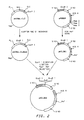
- linear site-specific integrative vectors such as the Bgl II fragments of the constructs shown in Figure 1 and 2.
- Particularly preferred for the practice of the present invention is the linear vector contained in plasmid pHIL301.
- Plasmid pHIL301 is a modification of plasmid pAO804 which has had a second selection marker, kanamycin resistance, inserted at NaeI site 1 and 3 of pAO804 in the fragment containing the linear site-specific integrative vector. This second selection marker allows for the deletion of the large scale preparation and purification of DNA fragments when isolating the hIL-2 structural gene from pUC9:pL:hIL-2.
- this reaction mixture can be immediately ligated into the dephosphorylated Eco RI site of pHIL301.
- the ligation mixture can then be used to transform competent E. coli cells; plasmids containing pHIL301 can be directly selected for by kanamycin resistance.
- the insertion of the hIL-2 structural gene into suitable vectors may be accomplished by any suitable technique which cleaves the vector chosen at an appropriate site or sites and results in at least one operable expression cassette containing the hIL-2 structural gene being present in the vector.
- Ligation of hIL-2 structural gene may be accomplished by any appropriate ligation technique such as utilizing T4 DNA ligase.
- the initial selection, propagation, and optional amplification of the ligation mixture of the hIL-2 structural gene and a vector is preferably performed by transforming the mixture into a bacterial host such as E. coli (although the ligation mixture could be transformed directly into a yeast host). Suitable transformation techniques for E. coli are well known in the art. Additionally, selection markers and bacterial origins of replication necessary for the maintenance of a vector in a bacterial host are also well known in the art.
- the isolation and/or purification of the desired plasmid containing the hIL-2 structural gene in an expression system may be accomplished by any suitable means for the separation of plasmid DNA from the host DNA.
- the vectors formed by ligation may be tested preferably after propagation to verify the presence of the hIL-2 gene and its operable linkage to a regulatory region and a 3′ termination sequence. This may be accomplished by a variety of techniques including but not limited to endonuclease digestion, gel electrophoresis, or endonuclease digestion-Southern hybridization.
- Transformation of plasmids or linear vectors into yeast hosts may be accomplished by suitable transformation techniques including but not limited to those taught by Hinnen et al, Proc. Natl. Acad. Sci. 75, (1978) 1929; Ito et al, J. Bacteriol 153, (1983) 163; Cregg et al Mol. Cell Biol. 5 (1985) pg. 3376; or Sreekrishna et al, Gene , 59 (1987) pg. 115.
- Preferable for the practice of this invention is the transformation technique of Cregg. It is desirable for the practice of this invention to utilize an excess of linear vectors and select for multiple insertions by Southern hybridization.
- the yeast host for transformation may be any suitable methylotrophic yeast.
- Methylotrophic yeast include but are not limited to yeast capable of growth on methanol selected from the genera consisting of Hansenula , Candida , Kloeckera , Pichia , Saccharomyces , Torulopsis and Rhodotorula .
- a list of specific species which are exemplary of this class of yeasts may be found in C. Anthony, The Biochemistry of Methylotrophs , 269 (1982).
- Presently preferred are methylotrophic yeasts of the genus Pichia such as the auxotrophic Pichia pastoris GS115 (NRRL Y-15851).
- Auxotrophic methylotrophic yeasts are also advantageous to the practice of this invention for their ease of selection. It is recognized that wild type methylotrophic yeast strains may be employed with equal success if a suitable transforming marker gene is selected, such as the use of SUC2 to transform Pichia pastoris to a strain capable of growth on sucrose or an antibiotic resistance marker is employed, such as G418.
- Transformed methylotrophic yeast cells can be selected for using appropriate techniques including but not limited to culturing previously auxotrophic cells after transformation in the absence of a biochemical product required (due to the cell's auxotrophy), selection by the detection of a new phenotype ("methanol slow"), or culturing in the presence of an antibiotic which is toxic to the yeast in the absence of a resistance gene contained in the transformant.
- Isolated transformed methylotrophic yeast cells are cultured by appropriate fermentation techniques such as shake flask fermentation or high density fermentation techniques as disclosed by Cregg, High-Level Expression and Efficient Assembly of Hepatitis B Surface Antigen in the Methylotrophic Yeast, Pichia Pastoris , 5 Bio/Technology 479 (1987).
- Expression may be accomplished by methods appropriate to the regulatory region employed.
- the induction of expression may be accomplished by exposing the transformed cells in a nutrient media to an appropriate alcohol for the regulatory region employed.
- hIL-2 may be recovered in a crude form by lysing transformed cells which have been induced for a sufficient period, using standard techniques such as bead milling, followed by centrifugation sufficient to remove cellular debris.
- standard techniques such as bead milling, followed by centrifugation sufficient to remove cellular debris.
- Pichia pastoris GS115 HIS4
- NRRL Y-15851 was the host yeast strain used in these examples.
- E. coli DG75′ (hsd1 , leu -6, lacY , thr -1, supE44 , tonA 21 lambda [-]) or JM107 (end A1, gyrA96 , thi 1, hsdR 17, SupE 44, relA, lambda (-), ⁇ (lac-ProAB ), [F°, tra D36, ProAB, lacI q Z ⁇ M151] were used for plasmid constructions as well as for propagation of plasmid DNAs.
- the buffers and solutions employed in the following examples have the compositions given below: dH2O deionized H2O that has been treated with a milli-Q (millipore) reagent water system 1 M Tris buffer 121.1 g Tris base in 800 mL of H2O; adjust pH to the desired value by adding concentrated (35%) aqueous HCl; allow solution to cool to room temperature before final pH adjustment, dilute to a final volume of 1L.
- TE buffer 1.0 m M EDTA in 0.01 M (pH 7.4) Tris buffer SED 1 M sorbitol 2.5 m M EDTA 50 m M DTT --adjust to pH 8 SCE 1 M sorbitol 10 m M Sodium citrate 1 m M EDTA --pH to 5.8 with HCl CaS 1 M sorbitol 10 m M CaCl2 10 m M Tris-HCl (pH 7.5) --filter sterilize PEG Solution 20% polyethylene glycol-3350 10 m M CaCl2 10 m M Tris-HCl (pH 7.4) --filter sterilize SOS 1 M sorbitol 10m M CaCl2 33.5% YEPD Breaking Buffer 50 m M Na3PO4, pH 7.5 5% glycerol 1 m M EDTA 1 m M PMSF (Sigma) YPD, 1 liter 10 g Yeast extract 20 g peptone 10 g dextrose SDR, 1 liter
- Solution I 0.5 ml 20% sterile glucose ( ⁇ 50mM final concentration) 1 ml 10mM EDTA, pH 8.0 0.25 ml 1M Tris ⁇ Cl, pH 8.0 8.25 ml dH2O 10 ml Total Volume (Add 10 mg lysozyme (Sigma) to 2.5ml solution I)
- Solution II Prepare Weekly 0.2 N NaOH 1% SDS Solution III 3 M NaOAc, pH 4.8
- Plasmid pA0804 is available in an E. coli host deposited at the Northern Regional Research Center, U. S. Department of Agriculture, Peoria, Illinois, accession number NRRL B-18114, which can be obtained by harvesting plasmid DNA, digesting with Eco RI, and recovering the 7.1 Kb fragment from preparative agarose gels.
- Plasmid pHIL 301 was created from pA0804 as follows: 0.21 ⁇ g pA0804 was digested with 10 units of restriction endonuclease Nae I in 20 ⁇ l (total volume) of medium salts buffer (50mM NaCL, 10mM Tris ⁇ Cl pH 7.5, 10m M MgCl2, 1mM dithiothreitol) containing bovine serum albumin at a final concentration of 100 ⁇ g/ml. Digestion was carried out for 70 minutes at 37°C. The sample was then heated to 70°C for 5 minutes and 30 ⁇ l of dH2O was added.
- medium salts buffer 50mM NaCL, 10mM Tris ⁇ Cl pH 7.5, 10m M MgCl2, 1mM dithiothreitol
- bovine serum albumin bovine serum albumin
- a phenol:chloroform extraction was performed according to Maniatis et al, and the DNA precipitated by the addition of 1 ⁇ 2 volume (25 ⁇ l) of 7.5 M ammonium acetate, followed by the addition of 150 ⁇ l of absolute ethanol and incubation at -70°C for 45 minutes.
- the DNA was collected by centrifugation at high speed for 15 minutes using a Hermle table top centrifuge.
- the DNA pellet was washed twice by the addition of 1ml of 70% ethanol and followed by centrifugation as described above. The pellet was then dried under vacuum and resuspended in 10 ⁇ l of dH2O. This solution contained what was designated "cleaved vector".
- Kan R Genblock containing the kanamycin resistance gene, Km R
- Km R was digested with 10 units of the restriction enzyme Hinc II in 20 ⁇ l (total volume) of medium salts buffer containing bovine serum albumin at a final concentration of 100 ⁇ g/ml. Digestion was carried out for 70 minutes at 37°C, and then the sample was heated for 5 minutes at 70°C. 30 ⁇ l of dH2O was added and a phenol:chloroform extraction performed as above. The DNA was then precipitated by the method described above and dried under vacuum. The sample was left in the dry state and designated "cleaved insert".
- the dried, cleaved insert was resuspended in a total volume of 10 ⁇ l containing the following: 5 ⁇ l (about 0.1 ⁇ g) of cleaved vector (described above), 2 ⁇ l of 5 X ligase buffer (Bethesda Research Labs), 1 unit of T4 ligase (BRL), and bovine serum albumin at a final concentration of 100 ⁇ g/ml.
- Two control reactions were performed and contain the following: 1) the above ligation mix without cleaved insert DNA and 2) the above ligation mix without cleaved insert DNA and without ligase. The reactions were incubated at room temperature for about 65 hours.
- E.coli strain DG75′ was then used to transform E.coli strain DG75′ as described in Dagart et al., Gene 6 :23-28 (1979). Transformed cells were plated on LB medium containing ampicillin (100 ⁇ g/ml) and kanamycin sulfate (50 ⁇ g/ml), and incubated at 37°C overnight. Colonies present were derived from cells transformed with the ligation mixture of cleaved vector and cleaved insert combined. The plasmid content of the transformants was analyzed by the miniprep procedure as described in Example I, followed by Pst I digestion and agarose gel electrophoresis. Two strains designated DG75′ (pHIL 301) and DG75′ (pHIL 302) were selected as having the Km R gene inserted into pA0804.
- linker was designed and synthesized by a DNA synthesizer from Applied Biosystems (Model 380A) using the ⁇ -cyanoethyl phosphoramidite method: This will insert into Nco I cut DNA, destroying the Nco I site and leaving the DNA with an Eco RI site. The two strands of the linker were phosphorylated, annealed, and ligated into Nco I cut, dephosphorylated pUC9:pL:IL2 DNA. Following ligation the DNA was cut with Nco I to inactivate any molecules without the linker. The sample was then used to transform DG75′ as described in Example II, with selection for ampicillin resistance.
- Pichia pastoris GS115 (NRRL Y-15851) was inoculated into about 100 ml of YPD medium and shake cultured at 30°C for 12-20 hours. 100 ml of YPD medium was inoculated with seed culture to give an OD600 of about 0.001. The medium was cultured in a shake flask at 30°C for about 12-20 hours. The culture was harvested when the OD600 was about 0.2-0.3 (after approximately 16-20 hours) by centrifugation at 1500 g for 5 minutes using a Sorvall RC5C.
- the cells were washed once in 10ml of sterile water, and then centrifuged at 1500 g for 5 minutes. (Centrifugation is performed after each cell wash at 1500 g for 5 minutes using a Sorvall RT6000B unless otherwise indicated). The cells were then washed once in 10ml of freshly prepared SED, once in 10ml of sterile 1M sorbitol, and finally resuspended in 10ml of SCE buffer. 7.5 ⁇ l of 3mg/ml Zymolyase (100,000 units/g obtained from Miles Laboratories) was added to the cell solution. The cells were then incubated at 30°C for about 6 minutes.
- the spheroplasts were washed once in 10 ml of sterile 1 M sorbitol by centrifugation at 1,000 g for 5-10 minutes. (The time and speed for centrifugation may vary; centrifuge enough to pellet the spheroplasts but not so much they rupture from the force). 10ml of sterile CaS was used as a final cell wash, and the cells were centrifuged again at 1,000 g for 5-10 minutes and resuspended in 0.6ml of CaS.
- GS115 cells were transformed with 10 ⁇ g of the linear pHIL 333 vector using the spheroplast transformation technique of Sreekrishna et al. in Gene 59, 115-125 (1987).
- DNA samples were added (up to 20 ⁇ l volume) to 12 x 75 mm sterile polypropylene tubes. (DNA should be in a suitable buffer, such as TE buffer); 100 ⁇ l of spheroplasts were added to each DNA sample and incubated at room temperature for about 10 minutes. 1 ml of PEG solution was added to each sample and incubated at room temperature for about 10 minutes and centrifuged at 1,000 g for 5-10 minutes. SOS (150 ⁇ l) was added to the pellet, and incubated for 20 minutes at room temperature. Finally, 850 ⁇ l of 1M sorbitol was added.
- a bottom agar layer of 20 ml of regeneration agar SDR was poured per plate at least 30 minutes before transformation samples were ready.
- 8 ml aliquots of regeneration agar were distributed to 15 ml conical bottom corning tubes in a 45°C bath during the period that transformation samples were in SOS.
- Aliquots of 50, 250 or 800 ⁇ l of the transformed sample was added to the 8 ml aliquots of melted regeneration agar held at 45°C and poured onto plates containing the solid 20 ml bottom agair layer. The plates were incubated at 30°C for 3-5 days.
- Transformants were selected for by culturing on SDR, a media lacking histidine. Cultures which grew in the absence of histidine were additionally screened for the "methanol slow" phenotype (indicating site-selective integration). The transformed GS115 cells showing evidence of both phenotypes were then cultured and assayed for the production of hIL-2. Pichia pastoris GS115/pHIL 333-14 was selected by this process.
- nitrocellulose Additional protein-binding sites on the nitrocellulose were blocked by incubation in blocking buffer (5% nonfat dry milk, 0.1 mg/ml thimerosal, Johnson et al., Gene Anal. Techn. 1, 3 (1984) in TBST with 0.05% Tween 20 (Batteiger et al., J. Immunol. Methods 55, 297 (1982)) for 1-18 hrs. at 37°C.
- blocking buffer 5% nonfat dry milk, 0.1 mg/ml thimerosal, Johnson et al., Gene Anal. Techn. 1, 3 (1984) in TBST with 0.05% Tween 20 (Batteiger et al., J. Immunol. Methods 55, 297 (1982)) for 1-18 hrs. at 37°C.
- the nitrocellulose was then incubated in mouse monoclonal antibody to IL-2 (Genzyme) at 10 ⁇ g/ml blocking buffer for 1.5 hr. at 22°C with gentle rocking.
- the nitrocellulose was incubated in goat antimouse IgG (Kirkegaard and Perry Labs) at 1 ⁇ g/ml blocking buffer for 45 minutes at 22°C with gentle rocking. After washing in TBST as above, the nitrocellulose was incubated in alkaline phosphatase-conjugated rabbit antigoat IgG (Kirkegaard and Perry Labs) at 0.25 ⁇ g/ml blocking buffer for 45 minutes at 22°C with gentle rocking. After washing in TBST as above, the nitrocellulose was immersed in the BCIP/NBT alkaline phosphatase substrate (Kirkegaard and Perry Labs) and rocked gently for 10-30 minutes until color developed. An intense blue-black reaction product develops where hIL-2 is present in the gel. Under these conditions ⁇ 5ng hIL-2 can be detected.
- Enzyme-Linked Immunosorbent Assay - The assay used was a sandwich ELISA in which microtiter wells of 96-well ELISA plates (Corning) were coated for 2 h at 37°C with mouse monoclonal antibody to hIL-2 (Genzyme) at 10 ⁇ g/ml, 0.05 M Na2CO3 - NaHCO3, pH 9.5. After rinsing with TBST, additional protein binding sites were blocked using the blocking buffer described above. The plates were washed 5 times in TBST, then 50 ⁇ l/well of control hIL-2 (Collaborative Research) or of test solutions was added, and the plates incubated at 22°C on a shaker (Dynatech) for 1.5h.
- the plates were washed as above, and 50 ⁇ l/well of rabbit antibody to hIL-2 (Collaborative Research) at 10 ⁇ g/ml of blocking solution were added. After incubation for 45 min. on the shaker, the plates were washed 5 times as above, 50 ⁇ l/well of biotin-labeled goat antirabbit IgG (Kirkegaard and Perry Labs) at 0.5 ⁇ g/ml blocking solution was added, and the plates were incubated on the shaker for 45 min.
- ⁇ 2 ng/ml IL-2 can be detected. See data on IL-2 expression contained in Table 2. (Assuming protein concentrations in the cell extracts of 1 mg/ml, and 10% solubility of the IL-2, the measured amount of IL-2 corresponded to 0.04-0.08% of the total soluble cellular protein, or 4-8 ⁇ g IL-2/ml (4-8 mg/l) in shake flasks).
- the level of biological activity in relation to the amount of immunoreactive IL-2 protein detected corresponds to 4-20 X106 BRMP units/mg protein. This value compares well with a value of 5.8 x 10⁶ units/mg protein of the IL-2 standard (Collaborative Research lot 88-1105) used in these experiments.
- CTLL-2 cells ATCC No. TIB 214
- RPMI 1640 Gibco
- fetal bovine serum Gibco
- 10 mM Hepes Gibco
- 2 mM Glutamine Gibco
- 1% antibiotic-antimycotic solution Sigma
- 5% rat T-cell polyclone IL-2 Cold-cell polyclone IL-2 (Collaborative Research) were collected by centrifugation at 300 x g in a Sorvall RT6000 centrifuge, washed 3 times in culture medium without IL-2, and resuspended in medium without hIL-2 at 2 x 10⁵ cells/ml.
- the cells were harvested onto glass fiber filters (Skatron) and the amount of thymidine incorporated into high molecular weight material was quantitated by counting the filter disks in a Beckman LS 5801 scintillation counter. Under these conditions, background incorporation without added IL-2 is ⁇ 1000 cpm, and maximal incorporation with authentic IL-2 ranged between 60,000 and 100,000 CPM.
Landscapes
- Chemical & Material Sciences (AREA)
- Health & Medical Sciences (AREA)
- Life Sciences & Earth Sciences (AREA)
- Organic Chemistry (AREA)
- General Health & Medical Sciences (AREA)
- Gastroenterology & Hepatology (AREA)
- Biochemistry (AREA)
- Biophysics (AREA)
- Zoology (AREA)
- Genetics & Genomics (AREA)
- Medicinal Chemistry (AREA)
- Molecular Biology (AREA)
- Proteomics, Peptides & Aminoacids (AREA)
- Toxicology (AREA)
- Micro-Organisms Or Cultivation Processes Thereof (AREA)
- Preparation Of Compounds By Using Micro-Organisms (AREA)
Applications Claiming Priority (2)
| Application Number | Priority Date | Filing Date | Title |
|---|---|---|---|
| US18641088A | 1988-04-25 | 1988-04-25 | |
| US186410 | 1988-04-25 |
Publications (1)
| Publication Number | Publication Date |
|---|---|
| EP0339568A1 true EP0339568A1 (en) | 1989-11-02 |
Family
ID=22684839
Family Applications (1)
| Application Number | Title | Priority Date | Filing Date |
|---|---|---|---|
| EP89107458A Withdrawn EP0339568A1 (en) | 1988-04-25 | 1989-04-25 | Expression of Human Interleukin-2 in Methylotrophic Yeasts |
Country Status (6)
| Country | Link |
|---|---|
| EP (1) | EP0339568A1 (da) |
| JP (1) | JPH02104292A (da) |
| AU (1) | AU616259B2 (da) |
| DK (1) | DK199689A (da) |
| IL (1) | IL89989A0 (da) |
| NO (1) | NO891718L (da) |
Cited By (9)
| Publication number | Priority date | Publication date | Assignee | Title |
|---|---|---|---|---|
| US6197548B1 (en) | 1990-04-02 | 2001-03-06 | Medeva Pharma Limited | Transformed Pichia expressing the pertactin antigen |
| US7056701B2 (en) | 1992-01-31 | 2006-06-06 | Aventis Behring L.L.C. | Hormone and albumin fusion protein |
| US7141547B2 (en) | 2001-12-21 | 2006-11-28 | Human Genome Sciences, Inc. | Albumin fusion proteins comprising GLP-1 polypeptides |
| WO2007055378A1 (ja) | 2005-11-14 | 2007-05-18 | Cell Signals Inc. | 調節性t細胞の機能異常に基づく疾患の治療方法及び予防方法 |
| WO2008059616A1 (en) | 2006-11-14 | 2008-05-22 | Medical Therapies Limited | Antibody recognizing c-domain of midkine |
| US7507414B2 (en) | 2000-04-12 | 2009-03-24 | Human Genome Sciences, Inc. | Albumin fusion proteins |
| EP1939216A4 (en) * | 2006-03-27 | 2009-04-01 | Smirnov Mikhail Nikolaevich | IMMUNOMODULATORY COMPOSITION |
| US7521424B2 (en) | 2003-01-22 | 2009-04-21 | Human Genome Sciences, Inc. | Albumin fusion proteins |
| US9624294B2 (en) | 2011-03-14 | 2017-04-18 | Cellmid Limited | Antibody recognizing N-domain of midkine |
Families Citing this family (2)
| Publication number | Priority date | Publication date | Assignee | Title |
|---|---|---|---|---|
| JPH0823995A (ja) * | 1994-07-14 | 1996-01-30 | Green Cross Corp:The | 宿主細胞由来のプロテアーゼで低分子化され得る蛋白質の製造方法 |
| KR20030044695A (ko) * | 2001-11-30 | 2003-06-09 | 정종문 | 피키아 파스토리스를 이용한 재조합 인간 인터루킨-2단백질 생산방법 및 생산균주 |
Citations (5)
| Publication number | Priority date | Publication date | Assignee | Title |
|---|---|---|---|---|
| EP0142268A1 (en) * | 1983-10-18 | 1985-05-22 | Ajinomoto Co., Inc. | Saccharomyces cerevisiae possessing gene coding for interleukin-2 polypeptide and method for producing interleukin-2 using the yeast |
| EP0152358A1 (fr) * | 1984-02-16 | 1985-08-21 | Transgene S.A. | Vecteur d'éxpression dans les levures de l'interleukine-2 levures transformées et procédé de préparation de l'interleukine-2 |
| EP0183070A2 (en) * | 1984-10-30 | 1986-06-04 | Phillips Petroleum Company | Transformation of yeasts of the genus pichia |
| EP0183071A2 (en) * | 1984-10-30 | 1986-06-04 | Phillips Petroleum Company | Regulatory region for heterologous gene expression in yeast |
| EP0226752A1 (en) * | 1985-10-25 | 1987-07-01 | Research Corporation Technologies, Inc. | Method for high-level expression of polypeptides in yeast of the genus Pichia |
Family Cites Families (1)
| Publication number | Priority date | Publication date | Assignee | Title |
|---|---|---|---|---|
| US4895800A (en) * | 1985-11-26 | 1990-01-23 | Phillips Petroleum Company | Yeast production of hepatitis B surface antigen |
-
1989
- 1989-04-17 IL IL89989A patent/IL89989A0/xx unknown
- 1989-04-20 AU AU33209/89A patent/AU616259B2/en not_active Ceased
- 1989-04-25 NO NO89891718A patent/NO891718L/no unknown
- 1989-04-25 JP JP1105732A patent/JPH02104292A/ja active Pending
- 1989-04-25 EP EP89107458A patent/EP0339568A1/en not_active Withdrawn
- 1989-04-25 DK DK199689A patent/DK199689A/da not_active Application Discontinuation
Patent Citations (5)
| Publication number | Priority date | Publication date | Assignee | Title |
|---|---|---|---|---|
| EP0142268A1 (en) * | 1983-10-18 | 1985-05-22 | Ajinomoto Co., Inc. | Saccharomyces cerevisiae possessing gene coding for interleukin-2 polypeptide and method for producing interleukin-2 using the yeast |
| EP0152358A1 (fr) * | 1984-02-16 | 1985-08-21 | Transgene S.A. | Vecteur d'éxpression dans les levures de l'interleukine-2 levures transformées et procédé de préparation de l'interleukine-2 |
| EP0183070A2 (en) * | 1984-10-30 | 1986-06-04 | Phillips Petroleum Company | Transformation of yeasts of the genus pichia |
| EP0183071A2 (en) * | 1984-10-30 | 1986-06-04 | Phillips Petroleum Company | Regulatory region for heterologous gene expression in yeast |
| EP0226752A1 (en) * | 1985-10-25 | 1987-07-01 | Research Corporation Technologies, Inc. | Method for high-level expression of polypeptides in yeast of the genus Pichia |
Non-Patent Citations (1)
| Title |
|---|
| BIOTECHNOLOGY, vol. 5, no. 5, May 1987 (New York) J.M.CREGG et al. "High-Level Expression and Efficient Assembly of Hepatitis B Surface Antigen in the Methylotrophic Yeast, Pichia pastoris" pages 479-485 * |
Cited By (22)
| Publication number | Priority date | Publication date | Assignee | Title |
|---|---|---|---|---|
| US6197548B1 (en) | 1990-04-02 | 2001-03-06 | Medeva Pharma Limited | Transformed Pichia expressing the pertactin antigen |
| US7410779B2 (en) | 1992-01-31 | 2008-08-12 | Novozymes Biopharma Uk Limited | Fusion polypeptides of human serum albumin and a therapeutically active polypeptide |
| US7056701B2 (en) | 1992-01-31 | 2006-06-06 | Aventis Behring L.L.C. | Hormone and albumin fusion protein |
| US7081354B2 (en) | 1992-01-31 | 2006-07-25 | Aventis Behring L.L.C. | Interleukin and albumin fusion protein |
| US7507414B2 (en) | 2000-04-12 | 2009-03-24 | Human Genome Sciences, Inc. | Albumin fusion proteins |
| US8252739B2 (en) | 2001-12-21 | 2012-08-28 | Human Genome Sciences, Inc. | Albumin fusion proteins |
| US8993517B2 (en) | 2001-12-21 | 2015-03-31 | Human Genome Sciences, Inc. | Albumin fusion proteins |
| US7238667B2 (en) | 2001-12-21 | 2007-07-03 | Human Genome Sciences, Inc. | Albumin fusion proteins |
| US9296809B2 (en) | 2001-12-21 | 2016-03-29 | Human Genome Sciences, Inc. | Albumin fusion proteins |
| US9221896B2 (en) | 2001-12-21 | 2015-12-29 | Human Genome Sciences, Inc. | Albumin fusion proteins |
| US8513189B2 (en) | 2001-12-21 | 2013-08-20 | Human Genome Sciences, Inc. | Albumin fusion proteins |
| US7592010B2 (en) | 2001-12-21 | 2009-09-22 | Human Genome Sciences, Inc. | Albumin fusion proteins |
| US7847079B2 (en) | 2001-12-21 | 2010-12-07 | Human Genome Sciences, Inc. | Albumin fusion proteins |
| US7141547B2 (en) | 2001-12-21 | 2006-11-28 | Human Genome Sciences, Inc. | Albumin fusion proteins comprising GLP-1 polypeptides |
| US8071539B2 (en) | 2001-12-21 | 2011-12-06 | Human Genome Sciences, Inc. | Albumin fusion proteins |
| US7521424B2 (en) | 2003-01-22 | 2009-04-21 | Human Genome Sciences, Inc. | Albumin fusion proteins |
| EP2338517A1 (en) | 2005-11-14 | 2011-06-29 | Ribomic Inc | Method for treatment or prevention of disease associated with functional disorder of regulatory T cell |
| WO2007055378A1 (ja) | 2005-11-14 | 2007-05-18 | Cell Signals Inc. | 調節性t細胞の機能異常に基づく疾患の治療方法及び予防方法 |
| EP1939216A4 (en) * | 2006-03-27 | 2009-04-01 | Smirnov Mikhail Nikolaevich | IMMUNOMODULATORY COMPOSITION |
| EP2803674A2 (en) | 2006-11-14 | 2014-11-19 | Medical Therapies Limited | Antibody recognizing C-domain of midkine |
| WO2008059616A1 (en) | 2006-11-14 | 2008-05-22 | Medical Therapies Limited | Antibody recognizing c-domain of midkine |
| US9624294B2 (en) | 2011-03-14 | 2017-04-18 | Cellmid Limited | Antibody recognizing N-domain of midkine |
Also Published As
| Publication number | Publication date |
|---|---|
| DK199689A (da) | 1989-10-26 |
| AU3320989A (en) | 1989-10-26 |
| NO891718D0 (no) | 1989-04-25 |
| NO891718L (no) | 1989-10-26 |
| DK199689D0 (da) | 1989-04-25 |
| IL89989A0 (en) | 1989-12-15 |
| JPH02104292A (ja) | 1990-04-17 |
| AU616259B2 (en) | 1991-10-24 |
Similar Documents
| Publication | Publication Date | Title |
|---|---|---|
| EP0226752B1 (en) | Method for high-level expression of polypeptides in yeast of the genus Pichia | |
| JP3583791B2 (ja) | ピチア・パストリスにおけるヒト血清アルブミンの発現 | |
| EP0183071B1 (en) | Regulatory region for heterologous gene expression in yeast | |
| EP0226846B1 (en) | Yeast production of hepatitis b surface antigen | |
| FI94426C (fi) | Itsenäisiä replikointisekvenssejä Pichia-hiivakannoille | |
| EP0341746B1 (en) | Expression of hepatitis B S and preS2 proteins in methylotrophic yeasts | |
| CZ282154B6 (cs) | Lidský imunitní interferon a jeho derivát, isolát DNA se sekvencí kodující lidský imunitní interferon, rekombinantní klonovací vektor, replikovatelný expresní vektor, rekombinantní mikroorganismus nebo buněčná kultura, farmaceutický přípravek, způsob výroby lidského imunitního interferonu a jeho použití | |
| JPH05115294A (ja) | ピチア・パストリスにおけるヒト血清アルブミンの発現 | |
| EP0339568A1 (en) | Expression of Human Interleukin-2 in Methylotrophic Yeasts | |
| DE69226028T2 (de) | Mutanter AOX2 Promotor, Mikroorganismen es enthaltend, Verfahren zur Herstellung und Produktion von heterologem Protein, das solche Mikroorganismen benutz | |
| EP0339567A1 (en) | Expression of Hepatitis B PreS 2 Protein in Methylotrophic Yeasts | |
| WO1990002810A1 (en) | Production of interleukin-2 polypeptides in pichia pastoris yeast cells | |
| JPH09505998A (ja) | ブタ膵臓カルボキシペプチダーゼbをコードするdna配列 | |
| EP0343388A2 (en) | Expression of interferon-gamma in methylotrophic yeasts | |
| EP0339569A2 (en) | Expression of the HIV 24 KDA GAG protein in methylotrophic yeasts | |
| GB2217332A (en) | Expression of salmon growth hormone in methylotrophic yeast of genus pichia | |
| EP0180958A1 (en) | Recombinant plasmid and microbial strain transformed by said plasmid | |
| JPH02303497A (ja) | サケ成長ホルモンのピキア属メチロトローフ酵母での発現 |
Legal Events
| Date | Code | Title | Description |
|---|---|---|---|
| PUAI | Public reference made under article 153(3) epc to a published international application that has entered the european phase |
Free format text: ORIGINAL CODE: 0009012 |
|
| AK | Designated contracting states |
Kind code of ref document: A1 Designated state(s): AT BE CH DE ES FR GB GR IT LI LU NL SE |
|
| 17P | Request for examination filed |
Effective date: 19900404 |
|
| STAA | Information on the status of an ep patent application or granted ep patent |
Free format text: STATUS: THE APPLICATION IS DEEMED TO BE WITHDRAWN |
|
| 18D | Application deemed to be withdrawn |
Effective date: 19921105 |