EP0241044A2 - Konstruktion alpha-Galaktosidase produzierender Hefestämme und deren industrielle Verwendung - Google Patents
Konstruktion alpha-Galaktosidase produzierender Hefestämme und deren industrielle Verwendung Download PDFInfo
- Publication number
- EP0241044A2 EP0241044A2 EP87105332A EP87105332A EP0241044A2 EP 0241044 A2 EP0241044 A2 EP 0241044A2 EP 87105332 A EP87105332 A EP 87105332A EP 87105332 A EP87105332 A EP 87105332A EP 0241044 A2 EP0241044 A2 EP 0241044A2
- Authority
- EP
- European Patent Office
- Prior art keywords
- yeast
- gene
- galactosidase
- yeast strain
- strains
- Prior art date
- Legal status (The legal status is an assumption and is not a legal conclusion. Google has not performed a legal analysis and makes no representation as to the accuracy of the status listed.)
- Granted
Links
Images



Classifications
-
- C—CHEMISTRY; METALLURGY
- C12—BIOCHEMISTRY; BEER; SPIRITS; WINE; VINEGAR; MICROBIOLOGY; ENZYMOLOGY; MUTATION OR GENETIC ENGINEERING
- C12C—BEER; PREPARATION OF BEER BY FERMENTATION; PREPARATION OF MALT FOR MAKING BEER; PREPARATION OF HOPS FOR MAKING BEER
- C12C5/00—Other raw materials for the preparation of beer
- C12C5/004—Enzymes
-
- C—CHEMISTRY; METALLURGY
- C12—BIOCHEMISTRY; BEER; SPIRITS; WINE; VINEGAR; MICROBIOLOGY; ENZYMOLOGY; MUTATION OR GENETIC ENGINEERING
- C12C—BEER; PREPARATION OF BEER BY FERMENTATION; PREPARATION OF MALT FOR MAKING BEER; PREPARATION OF HOPS FOR MAKING BEER
- C12C11/00—Fermentation processes for beer
- C12C11/003—Fermentation of beerwort
-
- C—CHEMISTRY; METALLURGY
- C12—BIOCHEMISTRY; BEER; SPIRITS; WINE; VINEGAR; MICROBIOLOGY; ENZYMOLOGY; MUTATION OR GENETIC ENGINEERING
- C12N—MICROORGANISMS OR ENZYMES; COMPOSITIONS THEREOF; PROPAGATING, PRESERVING, OR MAINTAINING MICROORGANISMS; MUTATION OR GENETIC ENGINEERING; CULTURE MEDIA
- C12N1/00—Microorganisms; Compositions thereof; Processes of propagating, maintaining or preserving microorganisms or compositions thereof; Processes of preparing or isolating a composition containing a microorganism; Culture media therefor
- C12N1/14—Fungi; Culture media therefor
- C12N1/16—Yeasts; Culture media therefor
- C12N1/18—Baker's yeast; Brewer's yeast
-
- C—CHEMISTRY; METALLURGY
- C12—BIOCHEMISTRY; BEER; SPIRITS; WINE; VINEGAR; MICROBIOLOGY; ENZYMOLOGY; MUTATION OR GENETIC ENGINEERING
- C12N—MICROORGANISMS OR ENZYMES; COMPOSITIONS THEREOF; PROPAGATING, PRESERVING, OR MAINTAINING MICROORGANISMS; MUTATION OR GENETIC ENGINEERING; CULTURE MEDIA
- C12N15/00—Mutation or genetic engineering; DNA or RNA concerning genetic engineering, vectors, e.g. plasmids, or their isolation, preparation or purification; Use of hosts therefor
- C12N15/09—Recombinant DNA-technology
- C12N15/10—Processes for the isolation, preparation or purification of DNA or RNA
-
- C—CHEMISTRY; METALLURGY
- C12—BIOCHEMISTRY; BEER; SPIRITS; WINE; VINEGAR; MICROBIOLOGY; ENZYMOLOGY; MUTATION OR GENETIC ENGINEERING
- C12N—MICROORGANISMS OR ENZYMES; COMPOSITIONS THEREOF; PROPAGATING, PRESERVING, OR MAINTAINING MICROORGANISMS; MUTATION OR GENETIC ENGINEERING; CULTURE MEDIA
- C12N15/00—Mutation or genetic engineering; DNA or RNA concerning genetic engineering, vectors, e.g. plasmids, or their isolation, preparation or purification; Use of hosts therefor
- C12N15/09—Recombinant DNA-technology
- C12N15/63—Introduction of foreign genetic material using vectors; Vectors; Use of hosts therefor; Regulation of expression
- C12N15/79—Vectors or expression systems specially adapted for eukaryotic hosts
- C12N15/80—Vectors or expression systems specially adapted for eukaryotic hosts for fungi
- C12N15/81—Vectors or expression systems specially adapted for eukaryotic hosts for fungi for yeasts
-
- C—CHEMISTRY; METALLURGY
- C12—BIOCHEMISTRY; BEER; SPIRITS; WINE; VINEGAR; MICROBIOLOGY; ENZYMOLOGY; MUTATION OR GENETIC ENGINEERING
- C12N—MICROORGANISMS OR ENZYMES; COMPOSITIONS THEREOF; PROPAGATING, PRESERVING, OR MAINTAINING MICROORGANISMS; MUTATION OR GENETIC ENGINEERING; CULTURE MEDIA
- C12N15/00—Mutation or genetic engineering; DNA or RNA concerning genetic engineering, vectors, e.g. plasmids, or their isolation, preparation or purification; Use of hosts therefor
- C12N15/09—Recombinant DNA-technology
- C12N15/87—Introduction of foreign genetic material using processes not otherwise provided for, e.g. co-transformation
- C12N15/90—Stable introduction of foreign DNA into chromosome
-
- C—CHEMISTRY; METALLURGY
- C12—BIOCHEMISTRY; BEER; SPIRITS; WINE; VINEGAR; MICROBIOLOGY; ENZYMOLOGY; MUTATION OR GENETIC ENGINEERING
- C12N—MICROORGANISMS OR ENZYMES; COMPOSITIONS THEREOF; PROPAGATING, PRESERVING, OR MAINTAINING MICROORGANISMS; MUTATION OR GENETIC ENGINEERING; CULTURE MEDIA
- C12N9/00—Enzymes; Proenzymes; Compositions thereof; Processes for preparing, activating, inhibiting, separating or purifying enzymes
- C12N9/14—Hydrolases (3)
- C12N9/24—Hydrolases (3) acting on glycosyl compounds (3.2)
- C12N9/2402—Hydrolases (3) acting on glycosyl compounds (3.2) hydrolysing O- and S- glycosyl compounds (3.2.1)
- C12N9/2465—Hydrolases (3) acting on glycosyl compounds (3.2) hydrolysing O- and S- glycosyl compounds (3.2.1) acting on alpha-galactose-glycoside bonds, e.g. alpha-galactosidase (3.2.1.22)
Definitions
- the object of this invention are new Saccharomyces sovisiae yeast strains transformed with an ⁇ -galactosidase gene ( MEL+ ) using recombinant DNA methods.
- Baker's and distiller's yeasts producing ⁇ -galactosidase are used in the corresponding industry because they are able to utilize the raffinose contained in molasses. This results in a greater yield of yeast (or ethanol) and in reduction or elimination of the costs associated with the biological oxygen demand (B.O.D.) in the effluent of factories.
- B.O.D. biological oxygen demand
- the new yeast strains prepared by using recombinant DNA methods produce more ⁇ -galactosidase than naturally occurring ⁇ -glactosidase producing yeast strains.
- Methods for marking yeast strains and for producing stable transformants of yeasts are also provided.
- ⁇ -Galactosidase (E.C. 3.2.1.22) is an enzyme able to hydrolyse melibiose to galactose and glucose.
- Some natural yeast species Saccharomyces cerevisiae var. oleaceus , Saccharomyces cerevisiae var. oleaginosus , S. cerevisiae var. uvarum and Saccharomyces cerevisiae var. carlbergensis ) are able to produce this enzyme.
- industrially used baker's and distiller's yeast strains (which belong to S. cerevisiae ) do not produce this enzyme. This results in incomplete use of raffinose of molasses, which is widely used as a substrate for the production of baker's and distiller's yeast and sometimes used for alcohol production.
- This invention comprises the construction of new baker's and distiller's yeast strains, which produce ⁇ -galactosidase.
- This invention comprises also the construction of new brewer's yeast strains able to produce ⁇ -galactosidase. Accordingly,an improved method to monitor the pasteurization of beer is provided. Inserting an ⁇ -galactosidase gene in a given baker's, distiller's or brewer's yeast provides a method of marking own strains or e.g. the beer produced.
- Molasses is widely used as a substrate for the product of baker's or distiller's yeast and in some countries for the production of ethanol by yeast fermentation.
- a typical analysis of commercially available molasses is shown in Table 1.
- Sucrose is the major carbohydrate of molasses. It is metabolized by yeast via invertase-catalysed hydrolyses to glucose and fructose as shown in the diagram on page 3. Molasses also contain raffinose in measurable quantities (ca. 1 %). Since baking and distilling strains of yeast secrete invertase, they are able to hydrolyse raffinose to melibiose and fructose.
- Baker's yeast is a widely distributed product. Consequently, yeast manufacturers find it very difficult to protect or retain their own strains which are, in the natural course of things, available to competitors. This has led to an uncontrolled exchange of strains and this inhibits any one of manufacturer committing substantial effort to strain improvement.
- the MEL1 gene has been inserted into a LEU2 gene in a recipient baker's yeast strain.
- the recipient strain obtained carries a unique DNA fragment which can be recognized using the cloned MEL1 and/or LEU2 gene as a molecular probe(s).
- a method of "marking" a production strain is provided. Consequently, its use by the competitors can be readily detected and thereby prevented.
- strains for brewing ale do not produce ⁇ -galactosidase
- strains for brewing lager S. cerevisiae var. uvarum or carlsbergensis
- melibiase activity has been proposed as a method of determining the number of pasteurization units a beer has received (Enevoldsen, 1981, Carlsberg. Res. Commun. 46, 37-42; Enevoldsen, 1985, J.Am. Soc. Brew. Chemists, 63, 183-184).
- Standardization of pasteurization treatments is important in controlling beer quality.
- the melibiase inactivation method is not generally applicable at present to quantify the treatment received because of low or (with ale strains) zero amounts of enzyme produced.
- Introduction of a cloned MEL gene into brewing strains by recombinant DNA technology therefore offers the possibility of extending the method of Enevoldsen to beers other than lagers and, by increasing the amount of ⁇ -galactosidase produced, improving the sensitivity and reproducibility of the method.
- surplus yeast from brewery fermentations using strains with high ⁇ -galactosidase activity will be enriched with this enzyme.
- Such enriched yeast could be used for hydrolysing ⁇ -galactosides in animal feed materials and therefore should have enhanced value as a feed ingredient.
- ⁇ -galactosidase can be detected straight from beer, which is a simple way to show that the ⁇ -galactosidase producing strain has been used in beer production.
- the Mel+ characteristic of brewing lager strains is encoded by a gene which differs substantially from MEL1 (i.e. it does not form hybrides in DNA-DNA hybridizations (Tubb, R., Liljeström, P., Torkkeli, T.
- ⁇ -galactosidase is a useful enzyme with application in (for example): (i) hydrolysis of raffinose to support crystallization of sucrose during refining of sugar beet (ref. Obara, J. & Hashimoto, S. 1976, Sugar Technol. Rev. 4: 209-258), (ii) reducing levels of higher galactosides (stachyose, verbascose) in feed/food materials such as soya meal or soya milk-substitute (Schuler, R., Mudgett, R.E. & Mahoney, R.R. 1985. Enzyme Microb. Technol. 7: 207-211). High levels of these galactosides cause excessive flatulence when present in the diet and this is a major limitation to the exploitation of food materials derived from seed legumes.
- Saccharomyces strains to produce a commercial ⁇ -galactosidase has been considered previously (Vitobello, V., Branduzzi, P. & Cimini, No. US-Patent 4376167; Olivieri, R., Panselli, P., Fascetti, E. & Ciuffolotti. P., US-Patent 4431737).
- enzyme preparations are required to be free from invertase. For this reason, the use of naturally occurring Mel+Suc ⁇ strains of S. cerevisiae var. oleaceus or S. cerevisiae var. oleaginosus has been proposed.
- new yeast strains have been constructed, which produce levels of ⁇ -galactosidase which are 2 to 8-fold higher than those produced by naturally occurring strains.
- ⁇ -Galactosidase could be produced also as a byproduct of baker's or distiller's yeast production.
- Obtaining transformants of yeast strains requires a good method of selecting those yeast cells which have taken up the DNA of interest. In fundamental studies with Saccharomyces cerevisiae , this is usually accomplished by including within the recombinant DNA a selectable marker gene (e.g. LEU2 , HIS3 , URA3 , TRP1 ) which complements a corresponding auxotrophic mutation in the chosen recipient. After treatment with DNA, protoplasts or cells are plated on (or in) a medium which does not provide the auxotrophic requirement of the recipient strain. Therefore, only transformants are able to grow.
- a selectable marker gene e.g. LEU2 , HIS3 , URA3 , TRP1
- Brewing, baking, distilling or wine yeasts are usually wild type strains (i.e. they do not have any auxotrophic requirements) and it is neither practicable nor desirable to introduce auxotrophic mutations into these strains. Therefore, transformation of industrial yeasts requires the use of dominant marker genes which are selectable against a wild-type polyploid background. For example, genes conferring resistance to the aminoglycoside antibiotic G418 (Webster, T.D. & Dickson, R.C. (1983). Gene 26 : 243-252) or to copper ions (Henderson, R.C.A., Cox, B.S. and Tubb, R. (1985) Current Genetics 9: 133-138) have been used.
- yeast MEL1 gene can be introduced into industrial yeast strains by selecting transformants on a medium containing melibiose as sole carbon source.
- a medium containing the chromogenic substrate x- ⁇ -galactosidase (5-bromo-4-chloro-3-indolyl- ⁇ -D- galactoside) putative Mel+ transformants producing ⁇ -galactosidase can be detected.
- X- ⁇ -galactoside can be incorporated into the medium initially used for obtaining transformants and/or used during subsequent assays. Mel+ colonies turn blue-green on media containing the x- ⁇ -galactoside.
- MEL gene is a marker gene of wide applicability in recombinant DNA technology.
- the x- ⁇ -galactoside substrate can be used also for the detection of ⁇ -galactosidase in beer and for differentiating ale Mel ⁇ from lager Mel+ strains of yeast (R. Tubb and P. Liljeström, "A colony-colour method which differentiates ⁇ -galactosidase-positive strains of yeast", I.Inst.Brew. 92 (1986), pp. 588-590).
- the new yeast strains constructed according to this invention are M12E-2, M20E-1 and N12E-1. They have been deposited on 27 March, 1986 with the National Collection of Yeast Cultures. The deposit numbers are NCYC 1567, NCYC 1568 and NCYC 1569, respectively.
- the present invention relates to the construction of new ⁇ -galactosidase producing yeast strains and to the industrial application of these strains.
- Preferred embodiments of the invention are: - The construction of Mel+ ( ⁇ -galactosidase-producing) baker's or distillers' yeast strains which can utilize the raffinose present in molasses, a widely used substrate for commercial yeast production and for alcohol production.
- yeast strains yielding high levels of ⁇ -galactosidase for use in enzyme production.
- Gene transfer to Suc-(invertase negative) strains permits the production of enzyme preparations which are not contaminated with invertase activity.
- Further preferred embodiments are: - A method for "marking" a commercial baker's yeast or brewer's yeast so that it can be unambiguously identified and which is thus protected against use by competitors. - A method for introducing recombinant DNA into industrial yeast strains and for obtaining stable transformants.
- a further preferred embodiment of the present invention is a method for the production of baker's, distiller's or brewer's yeast strains of the species Saccharomyces cerevisiae , which comprises the steps of
- the MEL1 gene from Saccharomyces cerevisiae var. uvarum is used in said method.
- the plasmid containg a gene coding for an ⁇ -galactosidase enzyme comprises at least part of the plasmids pALK2, pALK4, pALK12, pALK20, pALK22, pALK23 or pALK 52 or any combination of these plasmids.
- the transformed yeast strain does not produce invertase.
- the transformed yeast strain is MK270.
- the transformed yeast strain is NCYC 1245.
- the yeast strain is YF135.
- the yeast strain is M12E-2, M20E-1, N12E-1, pALK22/YF135, pALK23/YF135, pALK4/MK270 or pALK52/MK270.
- the stable yeast strains are selected by using melibiose as the sole carbon source.
- the stable yeast strains are selected by using X- ⁇ -gal as a substrate in the selection or screening medium.
- a further preferred embodiment of the present invention is an industrially useful baker's, distiller's or brewer's yeast strain of the species Saccharomyces cerevisiae, which comprises a gene coding for an ⁇ -galactosidase enzyme being operatively linked with recombinant DNA techniques to an autonomously replicating plasmid or integrated into a chromosome by homlogous recombination, said yeast strain being able to produce ⁇ -galactosidase enzyme.
- yeast strains is a yeast strain wherein the gene coding for an ⁇ -galactosidase enzyme is the MEL1 gene from Saccharomyces cerevisiae var. uvarum .
- a further particularly preferred embodiment of said yeast strains is a yeast strain which contains at least part of the plasmids pALK2, pALK4, pALK12, pALK20, pALK22, pALK23 or pALK52 or any combination of these plasmids.
- a further particularly preferred embodiment of said yeast strains is a yeast strain which does not produce invertase.
- a further particularly preferred embodiment of said yeast strains is the transformed yeast strain MK270.
- a further particularly preferred embodiment of said yeast strains is the transformed yeast strain NCYC 1245.
- a further particularly preferred embodiment of said yeast strains is the transformed yeast strain YF135.
- yeast strain M12E-2 is the yeast strain M12E-2, M20E-1, N12E-1, pALK22/YF135, pALK23/YF135, pALK4/MK270, or pALK52/MK270.
- a further preferred embodiment of the present invention is a method for constructing a plasmid for expressing an ⁇ -galactosidase enzyme in a baker's, distiller's or brewer's yeast, which comprises:
- the MEL1 gene from the species Saccharomyces cerevisiae var. uvarum is used in said method.
- the plasmid contains at least part of the plasmids pALK2, pALK4, pALK12, pALK20, pALK22, pALK23 or pALK52 or any combination of these plasmids.
- a further preferred embodiment of the present invention is a plasmid able to transform and express a gene coding for an ⁇ -galactosidase enzyme in an industrially used baker's, distiller's or brewer's yeast strain, in which the gene is the MEL1 gene from Saccharomyces cerevisiae var. uvarum .
- a plasmid which comprises at least part of the plasmids pALK2, pALK4, pALK12, pALK20, pALK22, pALK23 or pALK52 or any combination of these plasmids.
- a further preferred embodiment of the present invention is a method for the improved utilization of raffinose or higher ⁇ -galactosides from a raw material, in which a baker's or distiller's yeast is used. This method comprises:
- the MEL1 gene from Saccharomyces cerevisiae var. uvarum is used in said method.
- the baker's or distiller's yeast strain comprises at least part of the plasmids pALK2, pALK4, pALK12, pALK20, pALK22, pALK23 or pALK52 or any combination of these plasmids.
- the transformed yeast strain is MK270.
- the baker's or distiller's yeast strain is M12E-2, M20E-1, pALK4/MK270 or pALK52/MK270.
- a further preferred embodiment of the present invention is a method for producing an ⁇ -galactosidase enzyme in which a baker's or distillers yeast strain from the species Saccharomyces cerevisiae is used. This method comprises:
- the MEL1 gene from the species Saccharomyces cerevisiae var. uvarum is used in said method.
- the yeast strain comprises at least part of the plasmids pALK2, pALK4, pALK12, pALK20, pALK 22, pALK23 or pALK52 or any combination of these plasmids.
- the transformed yeast strain does not produce invertase.
- the transformed yeast strain is MK270.
- the yeast strain is M12E-2, M20E-1, pALK22/YF135, pALK23/135, pALK4/MK270 or pALK52/MK270.
- a further preferred embodiment of the present invention is a method for marking a microorganism strain, which comprises:
- the MEL1 gene from the species Saccharomyces cerevisiae var. uvarum is used in this method.
- the marked strain is a yeast strain.
- a further preferred embodiment of the present invention is a method for detecting the pasteurization units of beer, which comprises:
- the MEL1 gene from Saccharomyces cerevisiae var. uvarum is used.
- the yeast strain comprises at least part of the plasmids: pALK2, pALK4, pALK12, pALK20, pALK22, pALK23 or pALK52 or any combination of these plasmids.
- the ⁇ -galactosidase activity of the beer is measured by using X- ⁇ -gal as a chromogenic substrate.
- Genomic library of Saccharomyces cerevisiae var. uvarum strain ATCC9080 carrying the MEL1 gene was constructed in E. coli DH-1. (F-, end A1, hsdR17, SupE44, thi-1, recA1, gyrA96, re1A1) as described by Ruohola, H. Liljeström, P., Torkkeli, T., Kopu, H., Lehtinen P., Kalkkinen, N. and Korhola, M. (1986) FEMS Microbiology Letters 34:179-185.
- the MEL1 gene was isolated from this library by complementation of mel 1-18 mutation in P18-1a. IMATa mel1-18 leu 2-3, 112 trpl ura 1) (Post-Beittenmiller, M., Hamilton, R. and Hopper, J. (1984) Mol. Cell. Biol. 4: 1238-1245) obtained from J. Hopper. The original clone which conferred the ability to produce ⁇ -galactosidase activity contained a 6.5 kb insert (pALK2). By complementation analysis the MEL1 gene was localized on a 2.8 kb BamHI/SalI fragment. The complete DNA sequence of this gene has been published (Liljeström, P., (1985) Nucl. Acids Res.
- MK270 ferments the following sugars: galactose, glucose, fructose, mannose, maltose, sucrose and raffinose, but not the following: lactose, melibiose and inuline.
- the strain assimilates the following sugars: trehalose, ⁇ -methyl-D-glucoside, glyserol, furanose and meletsitose, but not the following: inuline, sellobiose and D-gluconate).
- the MEL1 gene was used as a dominant selectable marker and transformants were selected on minimal melibiose plates. Transformation frequence was 60-80 transformants/ ⁇ g of DNA. When these transformants were grown on nonselective melibiose fermentation indicator plates, the Mel+ phenotype was found to be unstable. Only 20-30 % of the cells in a Mel+ colony were Mel+, i.e. harboring the plasmid pALK2. Mel+ transformants can be verified by the production of a non-diffusible blue dye on agar medium containing X- ⁇ -Gal. This same test was also applied to determining whether or not transformants were stable.
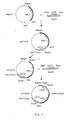
- pALK12 was constructed (Fig. 1) and integrated into chromosomal DNA of MK270.
- the MEL1 gene containing 2.8 kb Sal1-BamH1 fragment was isolated from pALK2 and ligated between the Sal1 and BamH1 sites of pBR322.
- the resulting plasmid, pALK7 contained a unique recognition site for restriction endonuclease EcoR1. This site was destroyed by cutting the plasmid with EcoR1, filling in the sticky ends and religating.
- This plasmid was called pALK11.
- the LEU2 gene containing 2.8 kb Bg12-Bg12 fragment was isolated from YEp13 and ligated to the unique BamH1 site of pALK11.
- the plasmid pALK12 carries the yeast LEU2 gene, which was used as a homologous sequence for recombination between the plasmid pALK12 and MK270 genome.
- the integration of pALK12 was directed to the LEU2 locus by linearization of the plasmid with EcoRI, which cuts in the middle of the LEU2 gene.
- Transformants were again selected on minimal melibiose plates. Stability of the Mel+ phenotype of these transformants was examined and 4 out of 12 were found to show 100 % stability (i.e. no Mel ⁇ colonies were observed) under the test conditions.
- M12E-2 was examined further.
- MEL1 -specific or pBR322-specific probes No homology to MEL1 -specific or pBR322-specific probes was found in the original bakers' yeast MK270. But as expected a new band hybridizing to MEL1 -specific, pPR322 specific and LEU2 -specific probes was found in M12E-2.
- the LEU2 -specific probe recognized three bands in MK270, which is probably due to polymorphism in the Bg1II recognition sites in the polyploid MK270. The same bands were still present in M12E-2 indicating that the integration event had not taken place into the LEU2 locus or more likely that integration had not occurred into all homologues of chromosome III in the polyploid MK270.
- DNA integrated to the yeast chromosome in M12E-2 transformant contains sequences from bacterial plasmid pBR322. It is desirable to construct baker's yeast strains which don't contain DNA of bacterial origin.
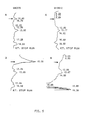
- a new plasmid pALK20 (Fig. 3) was constructed. The LEU2 gene containing 2.3 kb Xhol-Sal1 fragment was isolated from YEp13 and ligated to the unique Sal1 site of pALK11. The resulting plasmid pALK13 was cut with BamHI and the LEU2 gene from YEp13 as a 2.8 kb Bg12 fragment was ligated to the BamH1 site.
- MEL1 gene to the yeast (MK270) chromosome was carried out by using EcoR1 fragment from pALK20, which consists solely of yeast DNA (yeast LEU2 and MEL1 genes). Again stable Mel+ transformants were obtained and one of these, named M20E-1 was examined further.
- a new yeast strain containing ⁇ -glactosidase coding gene but not any pBR sequences was constructed also by ligating the MEL1 gene to an autonomously replicating plasmid.
- the plasmid pALK52 (Fig. 4) was constructed in the following way. 2 ⁇ origin of replication containing HindIII-PstI fragment was isolated from YEp13. Using SalI-linkers this fragment was ligated into the SalI-site of pBR322. The resulting plasmid was called pALK42. The 2.8 kb SalI-BamHI fragment containing the MEL1-gene was then ligated into the NdeI-site within the 2 ⁇ fragment in plasmid pALK42. This plasmid was called pALK52.
- the 4.7 kb fragment of pALK52 containing the MEL1-gene and the 2 ⁇ origin of replication was isolated and ligated into a circle, which was transformed into MK270 using the MEL1 -gene as selectable marker.
- Mel+ derivatives (M12E-2 and M20E-1) of baker's yeast (MK270) were tested for their ability to utilize raffinose in molasses. The conditions used were chosen to mimic commercial baker's yeast production.
- melibiose accumulates when strain MK270 is grown on molasses, indicating that the ⁇ -galactosidic bond in raffinose is not hydrolyzed.
- the amount of melibiose formed indicates that the raffinose present is totally converted to fructose and melibiose. Therefore absence of melibiose formation during growth on molasses would indicate that raffinose is completely degraded to utilizable sugars (fructose, glucose and galactose). It can be seen that when M12E-2 was used no melibiose could be detected (Fig. 5). The same was true for M20E-1 (data not shown).
- the ⁇ -galactosidase activity produced by M12E-2 grown on molasses is given in Table 2.
- the inoculum was grown on galactose which is known to be an inducer of the synthesis of ⁇ -glactosidase (Kew O. and Douglas, H. (1976) J. Bacteriol. 125: 33-41).
- total ⁇ -galactosidase activity increases during growth on molasses, indicating the continued production of ⁇ -galactosidase.
- molasses was used for growth of the inoculum, again no melibiose accumulated indicating that sufficient ⁇ -galactosidase to fully hydrolyze raffinose is also produced under these conditions.
- melibiose from raffinose is used for yeast growth in the following way. Different amounts of raffinose was added to the above described fermentation medium and the fermentation was carried out as before. As is shown in Fig. 6 considerably more biomass was produced by M12E-2 when compared with the biomass yield of MK270 in the same conditions. As expected also the biomass yield of MK270 is increased with increasing amounts of raffinose. This is due to utilization of fructose from raffinose. M12E-2 can utilize also melibiose from raffinose and thus the biomass yield is even higher.
- strains such as M12E-2 and M20E-1 could also be used in fermentations of molasses to provide greater utilization of carbohydrate and therefore, an increase in ethanol yield.
- MEL gene could be introduced, by the means described into specialized distillery yeasts such as the commercially available strain DCL"M", which has been shown to be amenable to generic manipulation using recombinant DNA (Bussey, H. and Meaden, P. (1985) Current Genetics 9: 285-291).
- DCL commercially available strain
- the ability of M12E-2 and M20E-1 to produce ⁇ -galactosidase is also compared under standard conditions with other strains in Table 3 (Example 6).
- the MEL1 gene has been introduced into a brewing ale strain NCYC 1245 using pALK2 (nonintegrating) and by integrative transformation (pALK12).
- pALK12 integrative transformation
- a stable Mel+ transformant (N12E-1) obtained by integrative transformation is shown in Table 3 to have a much greater ability to produce ⁇ -galactosidase than a brewing lager strain (NCYC 1324) (which is naturally Mel+).
- N12E-1 Mel+ transformant obtained by integrative transformation
- NCYC 1324 which is naturally Mel+
- the comparatively low levels produced by brewing lager strains can also be deduced from the published data of Enevoldsen (Enevoldsen (1981) Carlberg. Res. Commun. 46: 37-42; Enevoldsen (1985). J. Am. Soc. Brew.
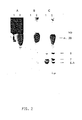
- Example 1 The strains constructed in Example 1 can be easily recognized by a Southern blot. This is demonstrated in Fig. 2 using the strain M12E-2. A new fragment of DNA, which is recognizable with a MEL1 , LEU2 and/or pBR322 probe is seen in M12E-2 DNA but not in MK270 DNA. The presence of this fragment distinguishes M12E-2 from any natural S. cerevisiae strain. Similarly, all other strains constructed in Example 1 are marked with a novel DNA fragment recognizable with MEL1 and/or LEU2 probes. In similar way any yeast strain could be marked using the MEL1 gene.
- the MEL1 gene can also be used to mark strains of bacteria, when a piece of bacterial DNA is provided on the plasmid to allow homologous recombination between recipient chromosome and the plasmid to be integrated.
- the ⁇ -galactosidase encoded by the MEL1 gene hydrolyses melibiose, raffinose and stachyose and therefore most probably higher galactosides e.g. verbascose. Enzyme activities produced by M12E-2 against these different substrates are compared (Table 4). Activity against stachyose is needed when reduction of levels of higher galactosides in feed/food materials is considered.
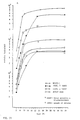
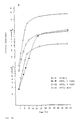
- Figure 7A illustrates the kinetics of ⁇ -galactosidase production and the total amounts produced during growth in YP+ga15%+glys3%+EtOH2% of different strains.
- the highest amount of enyzme is produced by M12E-2 (Mel+ derivative of baker's yeast).
- M12E-2 Mel+ derivative of baker's yeast
- an 8-fold increase in enzyme production has been achieved.
- the original strain ATCC9080 produces only 103U of ⁇ -galactosidase when M12E-2 produces 8x10³U.
- NRRL Y 12056 S. cerevisiae var. oleaceus , NRRL Y 12056 (US Patent 4376167) produces almost as high amount of enzyme as M12E-2 but much more slowly. M12E-2 produces 5x10³U of ⁇ -galactosidase in 8h when for NRRL Y 12056 it takes 24h (Fig. 7A).
- a second advantage of M12E-2 when compared to NRRL Y 12056 and NRRL Y 12057 (US Patent 4431737) is that it secretes 3 times more ⁇ -galactosidase in culture medium (Fig. 7B).
- the MEL1 gene can be transferred into a Suc ⁇ mutant of S. cerevisiae to increase ⁇ -galactosidase production.
- An available S. cerevisiae Mel+ Suc ⁇ mutant 1453-3A (Suc MAL2 MEL1 his4 leu2, Yeast Genetic Stock Center, Berkeley, California) produces already about the same amount of enzyme as the naturally occurring Suc ⁇ Mel+ yeasts NRRL Y 12056 and NRRL Y 12057 (Table 3).
- the MEL1 gene could be transferred into 1453-3A using pALK2 or pALK12 and the LEU2 gene as a selectable marker since 1453-3A is a leu2 ⁇ mutant. This should increase the amount of ⁇ -galactosidase produced by 1453-3A, since it has already been demonstrated above that increase in copynumber of the MEL1 gene seems to increase the enzyme production as well: compare M12E-2 to M20E-1 and ATCC9080 in Table 32. Alternatively, high level production of ⁇ -galactosidase by a Suc ⁇ strain could be achieved by inactivating the SUC gene(s) in a Mel+ strain such as M12E-2.
- the yeast itself containing ⁇ -galactosidase activity in the cellwall could be used as a feed supplement as proposed above. This is attractive particularly for the utilization of surplus brewer's yeast.
- Table 3 most (over 70 %) of the ⁇ -galactosidase produced by the Mel+ transformants of baker's yeast (i.e. strains M12E-2 and M20E-1) was cell bound.
- NCYC1324 naturally Mel+
- all ⁇ -galactosidase activity was cell bound, but the amount of enzyme present was very low.
- the amount of cell bound enzyme is more than 10 fold that naturally present in NCYC 1324.
- the plasmid pALK4 contains about 2.8 kb of the MEL1 5 ⁇ region (Ruohola, H., Liljeström, P., Torkkeli, T., Kopu, H., Lehtinen, P., Kalkkinen, N. and Korhola, M. (1986) FEMS Microbiology Letters 34: 179-185), which is assumed to contain all regulatory sequences.
- the ⁇ -galactosidase activity (31 U, Table 5) in glucose media is probably due to the high copynumber of the MEL1 gene leading to partial escape of normal glucose repression.
- the other two plasmids pALK22 and pALK23 contain only 243 bp and 175bp of the MEL1 5 ⁇ region, respectively.
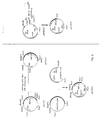
- the construction of these plasmids has been done in the following way (Fig. 8).
- the plasmid pALK7 was cut with Ndel and religated resulting in deletion of the smaller Ndel fragment (plasmid pALK21).
- the larger HindIII-Pst1 fragment of this plasmid was then ligated with HindIII-Pst1-cut pJDB207 to provide selectable marker (LEU2) and replication origin in yeast.
- the resulting plasmid was called pALK22.
- the MEL1 gene containing Acc1-Acc1 fragment from pALK7 was isolated and the sticky ends were filled in. This fragment was then ligated with Sal1-cut pJDB207, where the sticky ends had also been filled in. The resulting plasmid was called pALK23.
- promoters e.g. PGK or ADH; M.J. Dobson, Tuite, M.E., Roberts,N.A., Kingsman,A.J., Kingsman, S., Perkins,R.E., Conroy,S.C., Dunbar,B. & Fothergill,L.A. (1982) Nucl.Acids Res. 10: 2625-2637; Ammerer,G. In: Methods in Enzymology 101
- ⁇ -galactosidase levels were measured essentially as described by Kew and Douglas (Kew, O. and Douglas, H. (1976) J. Bacteriol. 125: 33-41). Yeast cells were grown in appropriate medium and samples were taken and chilled on ice. When total activities were measured the culture as such was used as sample.
- the final reaction mixture (450 ⁇ l) contained 50 mM PNPGal (p-nitrophenyl- ⁇ -D-galactopyranoside) buffered to pH 4.0 with 31 mM citric acid and 39 ⁇ m KH2PO4. Reactions were carried out at +30°C and were terminated by addition of 4.5 ml of 0.1 M Na2CO3, pH 11.2. the cells were then removed by centrifugation and the p-nitrophenol in the supernatant fluid was measured at 410 nm.
- One unit of enzyme activity is defined as the amount which hydrolyzes 1.0 nmol of substrate per minute under the conditions described above.
- the minimal media contained 0.67 % of YNB medium (Difco) and 2 % of sugar solidified with 2 % agar.
- YNB medium Difco
- YP medium 1 % Bacto yeast extract, 2 % bacto peptone
- Strains, able or unable to ferment melibiose were separated with fermentation indicator medium. Because of the pH change the melibiose fermenting strains will change the indicator yellow.
- This media consisted of 1 % Bacto-yeast extract, 2 % Bacto-peptone, 2 % melibiose, 2 % Bacto-agar and 8 ml/l of .04 % brom cresol purple solution.
- X- ⁇ -agal was used on plates in a following way: X- ⁇ -gal was disolved in N ⁇ N ⁇ -dimethylformamide (20 mg/ml) and 0.1 ml of this solution was spread on agar plates (e.g. YPD, YP + galactose, YNB + melibiose).
- the above mentioned plasmid and yeast strain constructions has been made by using the MEL1 gene of Saccharomyces cerevisiae var. uvarum . It will be understood that the use of the Saccharomyces MEL1 gene is by way of example only. Use of the MEL1 gene as a DNA probe has shown that a family of MEL genes exists within the genus Saccharomyces . The other MEL genes can be differentiated on the basis of differences in DNA sequence, as revealed by restriction enzyme digestion and Southern hybridization (Tubb, R., Liljeström, P., Torkkeli, T. & Korhola, M.
Landscapes
- Life Sciences & Earth Sciences (AREA)
- Health & Medical Sciences (AREA)
- Genetics & Genomics (AREA)
- Engineering & Computer Science (AREA)
- Chemical & Material Sciences (AREA)
- Organic Chemistry (AREA)
- Zoology (AREA)
- Bioinformatics & Cheminformatics (AREA)
- Wood Science & Technology (AREA)
- General Engineering & Computer Science (AREA)
- Biotechnology (AREA)
- Biomedical Technology (AREA)
- General Health & Medical Sciences (AREA)
- Biochemistry (AREA)
- Mycology (AREA)
- Molecular Biology (AREA)
- Microbiology (AREA)
- Biophysics (AREA)
- Physics & Mathematics (AREA)
- Plant Pathology (AREA)
- Medicinal Chemistry (AREA)
- Food Science & Technology (AREA)
- Botany (AREA)
- Crystallography & Structural Chemistry (AREA)
- Virology (AREA)
- Tropical Medicine & Parasitology (AREA)
- Micro-Organisms Or Cultivation Processes Thereof (AREA)
- Saccharide Compounds (AREA)
- Preparation Of Compounds By Using Micro-Organisms (AREA)
- Bakery Products And Manufacturing Methods Therefor (AREA)
- Polysaccharides And Polysaccharide Derivatives (AREA)
- Pyrrole Compounds (AREA)
Applications Claiming Priority (2)
| Application Number | Priority Date | Filing Date | Title |
|---|---|---|---|
| FI861548 | 1986-04-11 | ||
| FI861548A FI861548A0 (fi) | 1986-04-11 | 1986-04-11 | Nya jaeststammar vari med gentekniska foerfaranden infoerts en -galaktosidasgen och foerfaranden foer industriellt utnyttjande av dylika jaeststammar. |
Publications (3)
| Publication Number | Publication Date |
|---|---|
| EP0241044A2 true EP0241044A2 (de) | 1987-10-14 |
| EP0241044A3 EP0241044A3 (de) | 1989-05-24 |
| EP0241044B1 EP0241044B1 (de) | 1997-07-16 |
Family
ID=8522447
Family Applications (1)
| Application Number | Title | Priority Date | Filing Date |
|---|---|---|---|
| EP87105332A Expired - Lifetime EP0241044B1 (de) | 1986-04-11 | 1987-04-10 | Konstruktion alpha-Galaktosidase produzierender Hefestämme und deren industrielle Verwendung |
Country Status (8)
| Country | Link |
|---|---|
| EP (1) | EP0241044B1 (de) |
| AT (1) | ATE155529T1 (de) |
| CA (1) | CA1334511C (de) |
| DE (1) | DE3752091T2 (de) |
| DK (1) | DK188087A (de) |
| FI (2) | FI861548A0 (de) |
| IE (1) | IE80696B1 (de) |
| NO (1) | NO871518L (de) |
Cited By (3)
| Publication number | Priority date | Publication date | Assignee | Title |
|---|---|---|---|---|
| US5082778A (en) * | 1986-06-03 | 1992-01-21 | Unilever Patent Holdings B.V. | Production of guar alpha-galactosidase by hosts transformed with recombinant dna. methods |
| CN110331115A (zh) * | 2019-08-08 | 2019-10-15 | 河南省科学院生物研究所有限责任公司 | 一种用于α-半乳糖苷酶产生菌快速筛选的培养基及其应用 |
| CN117587057A (zh) * | 2023-11-27 | 2024-02-23 | 苏州泓迅生物科技股份有限公司 | 一种大片段dna的酵母高效组装方法及其应用 |
Family Cites Families (1)
| Publication number | Priority date | Publication date | Assignee | Title |
|---|---|---|---|---|
| DE3122216A1 (de) * | 1981-06-04 | 1982-12-23 | Boehringer Mannheim Gmbh, 6800 Mannheim | Verfahren zur herstellung eines mikroorganismus, welcher (alpha)-galactosidase, aber keine invertase bildet, so erhaltener mikroorganismus und seine verwendung |
-
1986
- 1986-04-11 FI FI861548A patent/FI861548A0/fi not_active Application Discontinuation
-
1987
- 1987-04-03 IE IE87287A patent/IE80696B1/en not_active IP Right Cessation
- 1987-04-10 FI FI871584A patent/FI89724C/fi not_active IP Right Cessation
- 1987-04-10 NO NO871518A patent/NO871518L/no unknown
- 1987-04-10 CA CA000534397A patent/CA1334511C/en not_active Expired - Fee Related
- 1987-04-10 AT AT87105332T patent/ATE155529T1/de not_active IP Right Cessation
- 1987-04-10 DE DE3752091T patent/DE3752091T2/de not_active Expired - Fee Related
- 1987-04-10 DK DK188087A patent/DK188087A/da not_active Application Discontinuation
- 1987-04-10 EP EP87105332A patent/EP0241044B1/de not_active Expired - Lifetime
Cited By (4)
| Publication number | Priority date | Publication date | Assignee | Title |
|---|---|---|---|---|
| US5082778A (en) * | 1986-06-03 | 1992-01-21 | Unilever Patent Holdings B.V. | Production of guar alpha-galactosidase by hosts transformed with recombinant dna. methods |
| CN110331115A (zh) * | 2019-08-08 | 2019-10-15 | 河南省科学院生物研究所有限责任公司 | 一种用于α-半乳糖苷酶产生菌快速筛选的培养基及其应用 |
| CN117587057A (zh) * | 2023-11-27 | 2024-02-23 | 苏州泓迅生物科技股份有限公司 | 一种大片段dna的酵母高效组装方法及其应用 |
| CN117587057B (zh) * | 2023-11-27 | 2025-04-11 | 苏州泓迅生物科技股份有限公司 | 一种大片段dna的酵母高效组装方法及其应用 |
Also Published As
| Publication number | Publication date |
|---|---|
| IE80696B1 (en) | 1998-12-30 |
| CA1334511C (en) | 1995-02-21 |
| NO871518L (no) | 1987-10-12 |
| FI89724B (fi) | 1993-07-30 |
| EP0241044A3 (de) | 1989-05-24 |
| IE870872L (en) | 1987-10-11 |
| EP0241044B1 (de) | 1997-07-16 |
| FI871584A7 (fi) | 1987-10-12 |
| FI871584A0 (fi) | 1987-04-10 |
| NO871518D0 (no) | 1987-04-10 |
| FI861548A0 (fi) | 1986-04-11 |
| FI89724C (fi) | 1993-11-10 |
| DE3752091D1 (de) | 1997-08-21 |
| DK188087A (da) | 1987-10-12 |
| DE3752091T2 (de) | 1998-02-26 |
| DK188087D0 (da) | 1987-04-10 |
| ATE155529T1 (de) | 1997-08-15 |
Similar Documents
| Publication | Publication Date | Title |
|---|---|---|
| JP4307563B2 (ja) | 糸状菌、特にアスペルギルス属に属する糸状菌のアグロバクテリウム媒介性形質転換 | |
| Gjermansen et al. | Towards diacetyl‐less brewers' yeast. Influence of ilv2 and ilv5 mutations | |
| John et al. | Transformation of Aspergillus nidulans using the argB gene | |
| CA2168037C (en) | Transformation systems for the yeast candida utilis and the expression of heterologous genes therewith | |
| EP0201239B1 (de) | Verfahren zur Isolierung von Gärungsprodukten | |
| EP0245481B1 (de) | Hefestämme | |
| US5055401A (en) | Construction of new α-galactosidase producing yeast strains and the industrial application of these strains | |
| CA1340101C (en) | Amylolytic enzymes producing microorganisms, constructed by recombinant dna technology and their use for fermentation processes | |
| Petersen et al. | Structural heterozygosis at genes IL V2 and IL V5 in Saccharomyces carlsbergensiss | |
| Liljestr� m-Suominen et al. | Construction of a stable α-galactosidase-producing baker's yeast strain | |
| DK175566B1 (da) | DNA-Streng, der koder for alfa-acetolactat-decarboxylase, gærsvamp transformeret med DNA-strengen, fremgangsmåde til fremstilling af en gærsvamp med nedsat alfa-acetolactat-producerende evne og fremgangsmåde til fremstilling..... | |
| EP0147198B1 (de) | Fermentationsverfahren und erhaltene Produkte | |
| Zimmer et al. | Distribution of mitochondrial introns in the species Schizosaccharomyces pombe and the origin of the group II intron in the gene encoding apocytochrome b | |
| EP0241044B1 (de) | Konstruktion alpha-Galaktosidase produzierender Hefestämme und deren industrielle Verwendung | |
| Hansen et al. | Construction of yeast strains for the production of low‐carbohydrate beer | |
| EP0206571A2 (de) | LAC+ Saccharomyces cerevisiae, Plasmide, Herstellung und Anwendung | |
| US5108925A (en) | Process for accelerated beer production by integrative expression in the PGK1 or ADC1 genes | |
| EP0339532B1 (de) | Für alpha-Acetolactat-Decarboxylase kodierender DNS-Strang und damit transformierte Hefe | |
| Ibragimova et al. | A strategy for construction of industrial strains of distiller's yeast | |
| Klein et al. | Cloning of the orotidine 5′-phosphate decarboxylase (ODC) gene of Schwanniomyces occidentalis by complementation of the ura 3 mutation in S. cerevisiae | |
| Satoshi et al. | Cloning of the HIS5 gene of Saccharomyces cerevisiae by yeast transformation | |
| Akada et al. | Cloning of a Gene Coding for Rhodotorucine A, a Farnesyl Pep tide Mating Pheromone of Rhodosporidium toruloides | |
| US5268285A (en) | Strains of yeast with increased rates of glycolysis | |
| Kimura et al. | Production of HM-1 killer toxin in Saccharomyces cerevisiae transformed with the PDR4 gene and δ-sequence-mediated multi-integration system | |
| Dohmen et al. | Schwanniomyces occidentalis |
Legal Events
| Date | Code | Title | Description |
|---|---|---|---|
| PUAI | Public reference made under article 153(3) epc to a published international application that has entered the european phase |
Free format text: ORIGINAL CODE: 0009012 |
|
| AK | Designated contracting states |
Kind code of ref document: A2 Designated state(s): AT BE CH DE FR GB LI NL SE |
|
| PUAL | Search report despatched |
Free format text: ORIGINAL CODE: 0009013 |
|
| AK | Designated contracting states |
Kind code of ref document: A3 Designated state(s): AT BE CH DE FR GB LI NL SE |
|
| 17P | Request for examination filed |
Effective date: 19890822 |
|
| 17Q | First examination report despatched |
Effective date: 19910402 |
|
| RAP1 | Party data changed (applicant data changed or rights of an application transferred) |
Owner name: ALKO GROUP LTD. |
|
| 111L | Licence recorded |
Free format text: 0100 PRIMALCO OY |
|
| GRAG | Despatch of communication of intention to grant |
Free format text: ORIGINAL CODE: EPIDOS AGRA |
|
| GRAH | Despatch of communication of intention to grant a patent |
Free format text: ORIGINAL CODE: EPIDOS IGRA |
|
| GRAH | Despatch of communication of intention to grant a patent |
Free format text: ORIGINAL CODE: EPIDOS IGRA |
|
| GRAH | Despatch of communication of intention to grant a patent |
Free format text: ORIGINAL CODE: EPIDOS IGRA |
|
| GRAA | (expected) grant |
Free format text: ORIGINAL CODE: 0009210 |
|
| AK | Designated contracting states |
Kind code of ref document: B1 Designated state(s): AT BE CH DE FR GB LI NL SE |
|
| PG25 | Lapsed in a contracting state [announced via postgrant information from national office to epo] |
Ref country code: LI Free format text: LAPSE BECAUSE OF FAILURE TO SUBMIT A TRANSLATION OF THE DESCRIPTION OR TO PAY THE FEE WITHIN THE PRESCRIBED TIME-LIMIT Effective date: 19970716 Ref country code: CH Free format text: LAPSE BECAUSE OF FAILURE TO SUBMIT A TRANSLATION OF THE DESCRIPTION OR TO PAY THE FEE WITHIN THE PRESCRIBED TIME-LIMIT Effective date: 19970716 Ref country code: BE Effective date: 19970716 Ref country code: AT Effective date: 19970716 |
|
| REF | Corresponds to: |
Ref document number: 155529 Country of ref document: AT Date of ref document: 19970815 Kind code of ref document: T |
|
| REG | Reference to a national code |
Ref country code: CH Ref legal event code: EP |
|
| REF | Corresponds to: |
Ref document number: 3752091 Country of ref document: DE Date of ref document: 19970821 |
|
| PG25 | Lapsed in a contracting state [announced via postgrant information from national office to epo] |
Ref country code: SE Effective date: 19971016 |
|
| ET | Fr: translation filed | ||
| REG | Reference to a national code |
Ref country code: CH Ref legal event code: PL |
|
| PG25 | Lapsed in a contracting state [announced via postgrant information from national office to epo] |
Ref country code: GB Free format text: LAPSE BECAUSE OF NON-PAYMENT OF DUE FEES Effective date: 19980410 |
|
| PLBE | No opposition filed within time limit |
Free format text: ORIGINAL CODE: 0009261 |
|
| STAA | Information on the status of an ep patent application or granted ep patent |
Free format text: STATUS: NO OPPOSITION FILED WITHIN TIME LIMIT |
|
| 26N | No opposition filed | ||
| GBPC | Gb: european patent ceased through non-payment of renewal fee |
Effective date: 19980410 |
|
| NLS | Nl: assignments of ep-patents |
Owner name: ROEHM ENZYME FINLAND OY |
|
| PGFP | Annual fee paid to national office [announced via postgrant information from national office to epo] |
Ref country code: FR Payment date: 20010417 Year of fee payment: 15 |
|
| PGFP | Annual fee paid to national office [announced via postgrant information from national office to epo] |
Ref country code: NL Payment date: 20010424 Year of fee payment: 15 |
|
| PGFP | Annual fee paid to national office [announced via postgrant information from national office to epo] |
Ref country code: DE Payment date: 20010629 Year of fee payment: 15 |
|
| PG25 | Lapsed in a contracting state [announced via postgrant information from national office to epo] |
Ref country code: NL Free format text: LAPSE BECAUSE OF NON-PAYMENT OF DUE FEES Effective date: 20021101 Ref country code: DE Free format text: LAPSE BECAUSE OF NON-PAYMENT OF DUE FEES Effective date: 20021101 |
|
| PG25 | Lapsed in a contracting state [announced via postgrant information from national office to epo] |
Ref country code: FR Free format text: LAPSE BECAUSE OF NON-PAYMENT OF DUE FEES Effective date: 20021231 |
|
| NLV4 | Nl: lapsed or anulled due to non-payment of the annual fee |
Effective date: 20021101 |
|
| REG | Reference to a national code |
Ref country code: FR Ref legal event code: ST |