EP0206571A2 - LAC+ Saccharomyces cerevisiae, Plasmide, Herstellung und Anwendung - Google Patents
LAC+ Saccharomyces cerevisiae, Plasmide, Herstellung und Anwendung Download PDFInfo
- Publication number
- EP0206571A2 EP0206571A2 EP86304193A EP86304193A EP0206571A2 EP 0206571 A2 EP0206571 A2 EP 0206571A2 EP 86304193 A EP86304193 A EP 86304193A EP 86304193 A EP86304193 A EP 86304193A EP 0206571 A2 EP0206571 A2 EP 0206571A2
- Authority
- EP
- European Patent Office
- Prior art keywords
- lactose
- strain
- lac4
- plasmid
- lac
- Prior art date
- Legal status (The legal status is an assumption and is not a legal conclusion. Google has not performed a legal analysis and makes no representation as to the accuracy of the status listed.)
- Withdrawn
Links
Images
Classifications
-
- C—CHEMISTRY; METALLURGY
- C12—BIOCHEMISTRY; BEER; SPIRITS; WINE; VINEGAR; MICROBIOLOGY; ENZYMOLOGY; MUTATION OR GENETIC ENGINEERING
- C12N—MICROORGANISMS OR ENZYMES; COMPOSITIONS THEREOF; PROPAGATING, PRESERVING, OR MAINTAINING MICROORGANISMS; MUTATION OR GENETIC ENGINEERING; CULTURE MEDIA
- C12N9/00—Enzymes; Proenzymes; Compositions thereof; Processes for preparing, activating, inhibiting, separating or purifying enzymes
- C12N9/14—Hydrolases (3)
- C12N9/24—Hydrolases (3) acting on glycosyl compounds (3.2)
- C12N9/2402—Hydrolases (3) acting on glycosyl compounds (3.2) hydrolysing O- and S- glycosyl compounds (3.2.1)
- C12N9/2468—Hydrolases (3) acting on glycosyl compounds (3.2) hydrolysing O- and S- glycosyl compounds (3.2.1) acting on beta-galactose-glycoside bonds, e.g. carrageenases (3.2.1.83; 3.2.1.157); beta-agarase (3.2.1.81)
-
- C—CHEMISTRY; METALLURGY
- C12—BIOCHEMISTRY; BEER; SPIRITS; WINE; VINEGAR; MICROBIOLOGY; ENZYMOLOGY; MUTATION OR GENETIC ENGINEERING
- C12N—MICROORGANISMS OR ENZYMES; COMPOSITIONS THEREOF; PROPAGATING, PRESERVING, OR MAINTAINING MICROORGANISMS; MUTATION OR GENETIC ENGINEERING; CULTURE MEDIA
- C12N1/00—Microorganisms; Compositions thereof; Processes of propagating, maintaining or preserving microorganisms or compositions thereof; Processes of preparing or isolating a composition containing a microorganism; Culture media therefor
- C12N1/14—Fungi; Culture media therefor
- C12N1/16—Yeasts; Culture media therefor
- C12N1/18—Baker's yeast; Brewer's yeast
-
- C—CHEMISTRY; METALLURGY
- C12—BIOCHEMISTRY; BEER; SPIRITS; WINE; VINEGAR; MICROBIOLOGY; ENZYMOLOGY; MUTATION OR GENETIC ENGINEERING
- C12N—MICROORGANISMS OR ENZYMES; COMPOSITIONS THEREOF; PROPAGATING, PRESERVING, OR MAINTAINING MICROORGANISMS; MUTATION OR GENETIC ENGINEERING; CULTURE MEDIA
- C12N15/00—Mutation or genetic engineering; DNA or RNA concerning genetic engineering, vectors, e.g. plasmids, or their isolation, preparation or purification; Use of hosts therefor
- C12N15/09—Recombinant DNA-technology
- C12N15/11—DNA or RNA fragments; Modified forms thereof; Non-coding nucleic acids having a biological activity
- C12N15/52—Genes encoding for enzymes or proenzymes
-
- C—CHEMISTRY; METALLURGY
- C12—BIOCHEMISTRY; BEER; SPIRITS; WINE; VINEGAR; MICROBIOLOGY; ENZYMOLOGY; MUTATION OR GENETIC ENGINEERING
- C12N—MICROORGANISMS OR ENZYMES; COMPOSITIONS THEREOF; PROPAGATING, PRESERVING, OR MAINTAINING MICROORGANISMS; MUTATION OR GENETIC ENGINEERING; CULTURE MEDIA
- C12N15/00—Mutation or genetic engineering; DNA or RNA concerning genetic engineering, vectors, e.g. plasmids, or their isolation, preparation or purification; Use of hosts therefor
- C12N15/09—Recombinant DNA-technology
- C12N15/63—Introduction of foreign genetic material using vectors; Vectors; Use of hosts therefor; Regulation of expression
- C12N15/79—Vectors or expression systems specially adapted for eukaryotic hosts
- C12N15/80—Vectors or expression systems specially adapted for eukaryotic hosts for fungi
- C12N15/81—Vectors or expression systems specially adapted for eukaryotic hosts for fungi for yeasts
-
- C—CHEMISTRY; METALLURGY
- C12—BIOCHEMISTRY; BEER; SPIRITS; WINE; VINEGAR; MICROBIOLOGY; ENZYMOLOGY; MUTATION OR GENETIC ENGINEERING
- C12P—FERMENTATION OR ENZYME-USING PROCESSES TO SYNTHESISE A DESIRED CHEMICAL COMPOUND OR COMPOSITION OR TO SEPARATE OPTICAL ISOMERS FROM A RACEMIC MIXTURE
- C12P7/00—Preparation of oxygen-containing organic compounds
- C12P7/02—Preparation of oxygen-containing organic compounds containing a hydroxy group
- C12P7/04—Preparation of oxygen-containing organic compounds containing a hydroxy group acyclic
- C12P7/06—Ethanol, i.e. non-beverage
-
- Y—GENERAL TAGGING OF NEW TECHNOLOGICAL DEVELOPMENTS; GENERAL TAGGING OF CROSS-SECTIONAL TECHNOLOGIES SPANNING OVER SEVERAL SECTIONS OF THE IPC; TECHNICAL SUBJECTS COVERED BY FORMER USPC CROSS-REFERENCE ART COLLECTIONS [XRACs] AND DIGESTS
- Y02—TECHNOLOGIES OR APPLICATIONS FOR MITIGATION OR ADAPTATION AGAINST CLIMATE CHANGE
- Y02E—REDUCTION OF GREENHOUSE GAS [GHG] EMISSIONS, RELATED TO ENERGY GENERATION, TRANSMISSION OR DISTRIBUTION
- Y02E50/00—Technologies for the production of fuel of non-fossil origin
- Y02E50/10—Biofuels, e.g. bio-diesel
Definitions
- the invention relates to strains ' of the yeast Saccharom y ces cerevisiae that have been transformed by insertion into the yeast of a plasmid containing the LAC4-LAC12 region from Kluyveromyces lactis, such that the S. cerevisiae acquires the ability to utilize lactose as a sole carbon source.
- the invention further relates to methods of selecting the transformed S. Cerevisiae strains.
- Whey which is a byproduct of many commercial dairy processes, contains a large amount of lactose.
- the lactose in whey represents a large potential carbon and energy source, particularly for the production of ethanol.
- the existing processes are expensive, and, as a result, a great deal of whey is now disposed of, requiring costly waste treatment processes.
- S. cerevisiae is a desirable yeast to use in lactose utilizing processes since it has been used in the brewing and baking industries for many years, and procedures for its use on a commercial scale are highly developed. Further, S. cerevisiae may be genetically manipulated by various techniques, including genetic engineering. Finally, from the standpoint of basic research, it would be very advantageous to produce strains of S. cerevisiae that could grow'on lactose because they could be used in a variety of mutant selection schemes, as has been accomplished with E. coli. It would therefore be advantageous to produce a strain of S. cerevisiae capable of direct lactose utilization and fermentation.
- S. cerevisiae cannot use lactose because it lacks a beta-galactosidase structural gene and therefore cannot hydrolyze lactose to glucose and galactose. Further, it has no mechanism for transporting lactose across its cell membrane. This lack of a lactose transport mechanism has been demonstrated by direct measurement of lactose transport in S. cerevisiae and by a showing that genetically engineered strains of S. cerevisiae that produce an intercellular beta-galactosidase also do not grow on lactose.
- One method of creating a transport mechanism in S. cerevisiae would be to introduce a lactose permease gene, such as the lac Y gene of E.
- the yeast Kluyveromyces lactis can grow on lactose as a sole carbon source, and is known to have an inducible lactose permease system.
- the genes coding for the permease have not yet been identified.
- One object of the present invention is to provide a genetically engineered strain of Saccharomyces cerevisiae which has the ability to utilize lactose as a sole carbon source.
- Another object of the present invention is to transform a strain of Saccharomyces cerevisiae by inserting into the strain a plasmid containing the LAC4-LAC12 genes derived from Kluyveromyces lactis.
- a further object of the present invention is to provide a method of transforming said Saccharomyces cerevisiae by inserting into said S. cerevisiae a plasmid containing the LAC4-LAC12 region of K. lactis.
- a still further object of the present invention is to provide a plasmid containing the LAC4-LAC12 region derived from K. lactis.
- An even further object of the present invention is to provide a strain of S. cerevisiae which can ferment lactose directly from whey, without a preliminary hydrolysis step wherein the lactose is first converted to glucose and galactose, and thus to provide an economical method of producing ethanol from whey.
- a still further object of the present invention is to provide a method of constructing strains of S. cerevisiae and other yeast that grow on whey as a result of their ability to utilize lactose.
- the present invention provides a genetically engineered strain of Saccharomyces cerevisiae that has the ability to utilize lactose as its sole carbon source.
- the S. cerevisiae is transformed by inserting into the S. cerevisiae a plasmid containing the lactose permease gene (LAC12) derived from Kluyveromyces lactis.
- the S. cerevisiae must also be transformed to contain a beta-galactosidase structural gene such as the K. lactis gene LAC4 or the E. coli gene lacZ or -by another method.
- the invention also provides the LAC4 and LAC12 containing plasmid, as well as methods for transforming and selecting the S. cerevisiae using said plasmid.
- the invention relates to genetically engineered strains of S. cerevisiae which have been transformed so that they have the ability to utilize lactose as a sole carbon source.
- the S. cerevisiae is transformed by inserting into it a plasmid containing the LAC12 gene derived from K. lactis.
- the S. cerevisiae must additionally contain the beta-galactosidase structural gene of K. lactis, LAC4, which may be transformed into the S. cerevisiae concurrently with the LAC12 gene, or may be inserted into the strain by a different method.
- the lacZ gene derived from E. coli may be used instead of LAC4 if lacZ is fused to a yeast promoter thereby allowing synthesis of beta-galactosidase in yeast.
- the invention further relates to plasmids containing the LAC12 gene from K. lactis, as well as methods of transforming S. cerevisiae by inserting said plasmids into the S. cerevisiae.
- strain L1582 produces high levels of beta-galactosidase enzyme activity due to fusion of a portion of the E. coli lac operon genes ZYA to the HIS4 promoter. Since this strain already produces beta-galactosidase, it should theoretically grow on lactose if a functional lactose permease system were introduced- into it. Even though the strain already contained the lacY gene, which encodes, for an E. coli lactose permease, the permease is apparently not functional since the L1582 strain does not grow on lactose. In addition, another strain of S. cerevisiae, YNN27 was also used. This strain did not contain any part of the E. coli lac operon. This strain has been shown to perform well in recombinant DNA experiments.
- the plasmid of the present invention, pKRIB-LAC4-1 also contains the gene for resistance to the antibiotic G418 and a K. lactis ARS which allows replication in K. lactis and S. cerevisiae.
- the plasmid has a 14 kilobase (kb) fragment of K. lactis DNA containing the beta-galactosidase gene, LAC4, and, as shown below, an - adjacent region of DNA that codes for a lactose permease, LAC12.
- the parent vector pKRIB was also used, which contains the G418 resistance gene, but does not contain the LAC4 or LAC12 genes.
- the present invention provides strains of S. cerevisiae capable of utilizing lactose as a sole carbon source.
- the preferred species of this invention is Saccharomyces cerevisiae strain L1582 transformed with pKRlB-LAC4-1 and YNN27 transformed with pKRlB-LAC4-1.
- a culture of the transformed L1582, ATCC 20757, the transformed YNN27, ATCC 20758, and of pKRlB-LAC4-1, ATCC 40186, have been placed on deposit with the American Type Culture Collection, 12301 Park Lawn Drive, Rockville, Maryland 20852, and the accession numbers set forth have been assigned thereto.
- strain L1582 was transformed with pKRlB-LAC4-l and cells were selected for resistance to G418.
- G418 resistant transformants were colony purified on YEPD/G418 plates and purified colonies chosen at random were spotted on MinLac plates (Minimal Lactose Medium) and YEPD plates, in that order. All colonies grew on the G418 and YEPD plates. Only 19% of the colonies grew on the MinLac plates.
- 10 2 to 10 3 G418 resistant transformed cells were spread on MinLac plates. Again, 19% of the G418 resistant colonies grew on lactose.
- L1582 was also transformed with the parent vector pKRlB. The G418 resistant transformants produced therefrom were selected and plated at densities of 106 to 10 7 cells on MinLac plates. No Lac + transformants were ever observed.
- strain YNN27 of S. cerevisiae was also transformed. Again, the G418 resistant transformants were selected. Resistant colonies were pooled and plated on MinLac plates. Only about one cell in 250 G418 resistant cells produced a Lac + colony, a frequency on the order of 1/50 that of strain L1582. Lac colonies were also never observed when YNN27 was transformed with parent vector pKRlB.
- the G418 resistance phenotype was used to measure the presence or absence of the plasmid. This determination was based on the observation that vectors having ARS replicons are unstable and are lost from cells, particularly when no selective pressure is present. Lac + L1582 were grown in YEPD medium without G418 selection for 10 generations. The frequency of G418 resistant cells decreased from about 20% initially to about 3%, indicating loss of the plasmid, and all G418 sensitive cells tested at the end of the growth period were Lac - . These results indicate that the Lac + phenotype was mediated by the plasmid.
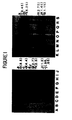
- Lanes A and K are purified pKRlB-LAC4-1
- lane B is uncleaned L1582/pKRlB-LAC4-1
- lane C corresponds to purified pKRlB-LAC4-1 cleaved with EcoRI
- lanes D-J are L1582/pKRIB-LAC4-1 cleaved with EcoRI
- lane L is uncleaned YNN27/pKRlB-LAC4-1
- lane M is purified pKRIB-LAC4-1 cleaved with BamHI and BglII
- lanes N-S correspond to YNN27/pKRIB-LAC4-1 cleaved with BamHI and BglII.
- Lac + YNN27 contained multiple tandem copies of pKRlB-LAC4-1 and, by contrast to Lac + L1582, integration had occurred at one chromosomal site. Based on densitometry scans of autoradiograms, three to five copies of the plasmid were present per cell. In control experiments, 32 p-pKRlB-LAC4-1 did not hybridize to DNA from untransformed L1582 or YNN27.
- pKRlB-LAC4-1 conferred the Lac + phenotype on its host.
- some Lac + transformants of both L1582 and YNN27 gave total DNA preparations which would transform E. coli for ampicillin and kanamycin resistance.
- Plasmid DNA prepared from such E. coli had the same EcoRI and BamHI/BglII restriction fragment patterns as authentic pKRlB-LAC4-l.
- this plasmid DNA conferred the G418 resistance and Lac + phenotypes on either L1582 or YNN27 to the same degree as the original pKRlB-LAC4 DNA preparation.
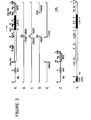
- L1582 was transformed with a set of deletion plasmids as shown in Figure 2.
- Figure 2 shows the construction of the pKRlB-LAC4-1 plasmids and the specific deletions thereof.
- the structure of the basic pKRlB has been described in Bhairi, S. M., 1984, Ph.D. thesis, University of Kentucky, Lexington, Kentucky, hereby incorporated by reference.
- the plasmid carries bacterial genes conferring resistance to ampicillin (Ap) and kanamycin (Km) from Tn90 ⁇ 3, plus the pBR322 origin of DNA replication that allows replication in E. coli, and a K.
- lactis autonomous replication sequence that allows replication in both K. lactis and S. cerevisiae.
- yeast the Km gene confers resistance to the antibiotic G418.
- plasmid A the direction of transcription of LAC4 is shown by an arrow above the diagram, and its ATG initiation codon is indicated.
- DNA sequences are diagrammed as follows.
- the solid thin line indicates E. coli plasmid pBR322, the circles represent Tn903 sequences, the open bars stand for K. lactis sequences, the solid bar 0 represents LAC4 of K. lactis, the diagonal hatched bars indicate K. lactis ARS1B.
- the vertical cross-hatched bars represent the TRP1 and ARS1 regions of S. cerevisiae.
- restriction endonuclease sites are as follows: R represents EcoRI, B stands for BamHI, C indicates ClaI, Sa represents SalI, Xh depicts XhoI, Xb refers to XbaI, Bg indicates BglII, S represents SstII, X identifies XmaIII.
- the restriction sites shown in.parentheses were inactivated during plasmid construction.
- Plasmids D-E represent deletions of, plasmid A as follows: B represents A 1500, C indicates ⁇ 1087, D indicates ⁇ S-X, and E represents ⁇ X.
- Plasmid G is pBN53.
- YNN27 lacks a beta-galactosidase gene, it can only be transformed to the Lac + phenotype by plasmids having a beta-galactosidase structural gene LAC4 in addition to an intact -2000 to -8000 region , plasmids A, B and C.
- Lactose transport mediated by a membrane-bound permease is demonstrated by saturation of the transport process at high concentrations of lactose. Alternatively, transport by simple diffusion across the membrane is demonstrated by a lack of saturation.
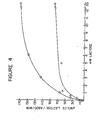
- Figure 4 indicates that lactose transport in Lac + S. cerevisiae is carrier mediated. The rate of lactose transport as a function of substrate concentration is shown for two experiments using Lac + L1582/pKRlB-LAC4-1 (o-o) and Lac + L1582/pKRlB-LAC4- ⁇ 10 ⁇ 87 ( ⁇ - ⁇ ). For each concentration of lactose, the rate of transport represented the average of samples taken at 30, 60, and 90 seconds.
- Figure 4 shows that lactose - transport in Lac + cells becomes saturated with increasing concentrations of lactose.
- the data disclosed in Figure 4 gave apparent Km values of 0.97 and 1.09 mM for lactose transport.
- K. lactis strain MS425 gave an apparent Km of 0.67+0.11 for lactose transport.
- Carrier-mediated membrane transport processes display a high degree of stereospecificity for substrate.
- the L1582/pKRlB-LAC4-1 will show the same stereospecificity for substrate as K. lactis if pK R 1B-LAC4-1 carries a K. lactis gene coding for a lactose permease.
- Stereospecificity is shown by measuring how well a compound inhabits lactose transport (See Table 1).
- Lactose is a 4-0-beta-D-galactosyl-D-glucose, a beta-galactoside, and thus lactose transport is inhibited only weakly by alpha- galactosides, melibiose, and 4-nitrophenyl-alpha-D-galactose.
- the lactose permease shows specificity for a disaccharide because the monosaccharide galactose gave only moderate inhibition.
- the permease also preferred an O-linkage to a thio-linkage since thio- galactoside gave only moderate inhibition. The strongest inhibition was shown by a disaccharide with a beta-0-linkage, 3-0-beta-D-galactosyl-D-arabinose.
- lactose transport in LAC + S. cerevisiae was determined to be an energy-dependent process, as it is in K. lactis.
- cells were pre-incubated for 20 minutes with lmM,2,4-dinitrophenol at ambient temperature. Lactose transport was inhibited almost completely both - in the Lac + strain of S. cerevisiae, L1582/pKRlB-LAC4-1, and in the K. lactis strain MS425/pKRlB.
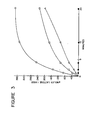
- the growth rate of Lac + S. cerevisiae was determined by measuring the doubling time of cells. Strains were pre-grown to logarithmic phase in MinLac medium, then diluted to fresh medium, and the absorbance was measured. Doubling times were as follows: K. lactis wild type strain Y1140 was 1.6 hours, S. cerevisiae strain L1582/pKRlB-LAC4-1 was 13.0 hours, L1582/pKRl B -LAC4-A1087 was 10.0 hours, and YNN27/pKRlB-LAC4-1 was 6.7 hours. These growth rates were reflected in the growth rate of colonies on MinLac plates.
- lactis defective in lactose transport was obtained by plating 10 5 to 10 7 cells of strain 13C476 on MinLac plates containing dextrose plus 40ug of 5-bromo-4-chloro-3-indolyl- ⁇ -D-galactoside (Xgal) per ml. Strain 13C476 will not grow on this medium because the lactose is hydrolysed to galactose which inhibits growth due to a mutation in the galactosyl epimerase (EC 5.1.3.2) structural gene, gall0 ⁇ .
- Revertants that become resistant to lactose and thus allow growth on these plating conditions can arise by mutation in one or more genes including reversion of the original gal0 ⁇ -1 mutation in strain 13C476, mutation in the galactokinase structural gene, GALl, mutation in a positive regulatory gene, and mutation in the lactose permease gene. After several days of incubation lactose-resistant revertant colonies appeared at a frequency of one in 10 ⁇ 6 cells. These were picked, colony purified, and backcrossed to a Lac + strain of K. lactis. In this manner the mutation that gave rise to the lactose-resistant phenotype could be separated from the original gall ⁇ -l and lacl0 ⁇ c mutations carried by K .
- lactis strain 13C476 Lactose-resistant mutants that showed a white or light blue colony color- on MinLac plates containing dextrose and Xgal were selected for further study.
- a defect in the lactose permease should produce a cell that would not grow on lactose and would not show induction of beta-galactosidase and the galactose catabolic enzymes. This lack of induction, which is due to exclusion of the inducer lactose, would yield white colonies on the Xgal indicator plates.
- Lactose-inducible enzymes were measured on cell-free extracts prepared from cells grown on double strength yeast nitrogen base (Difco) containing 2% sorbitol plus required nutrients either in the absence (uninduced) or presence of 2% galactose (induced). Under these conditions wildtype K. lactis strain Y1140 had uninduced beta-galactosidase and galactokinase specific activity levels of 100 and 5 units, respectively, and induced levels of 6500 and 100, respectively. A lactose-resistant mutant strain, called llD304, showed uninduced beta-galactosidase and galactokinase levels of 190 and 10 ⁇ , respectively, and induced levels of 4000 and 90, respectively.
- strain llD304 when grown under the same inducing conditions as for the enzyme activity assays, failed to show induction of transport activity. Lactose transport activity was measured as described in Example 10. Strains Y1140 and 11D30 ⁇ 4 had uninduced lactose transport activities of 40 and 1.3 picomoles of lactose/A 60 ⁇ 0 ⁇ /minute, respectively, and values of 800 - and 4.5, respectively, after induction for 24 hours by growing in medium containing 2% galactose.
- strain 11D30 ⁇ 4 has about 30-fold less basal transport activity than wild type strain Y1140 and the transport activity is only induced about 2 to 3-fold, which is much less than the 20-fold induction seen in strain Y1140.
- strain llD304 carries a mutation in the lactose permease structural gene, designated LAC12.
- LAC12 lactose permease structural gene
- a mutation which maps 1.6 centiMorgans from LAC4 could occur in the chromosomal region that is homologous to the -20 ⁇ 0 ⁇ 0 ⁇ to -8600 region of pKRlB-LAC4-1. If this were true then pKRlB-LAC4-1 or a derivative of it carrying the -2000 to -8600 region, plasmids B, C and D in Figure 2, should complement the 12-230 mutation in strain 11D30 ⁇ 4 and convert the strain from a permease minus (Lac - ) to a permease plus (Lac ) phenotype. This implies that the -2000 to -8600 region of pKRlB-LAC4-1 codes for a lactose permease.
- strain 11D30 ⁇ 4 was transformed with plasmids A,B,C,D,E and F ( Figure 2).
- Transformed cells were first selected for resistance to G418 and then screened for growth on MinLac plates by replica plating or streaking for single colonies. Plasmids A,B,C and D give rise to Lac + colonies and therefore complemented the mutation 12-230. Plasmids E and F did not give rise to Lac + colonies and therefore did not complement the mutation 12-230.
- the region of pKRlB-Lac4-1 between -2000 and -8600 codes for the K. lactis lactose permease.
- the present invention provides a microorganism which has the characteristics of a strain of S. cerevisiae which is capable of utilizing lactose as a sole carbon source.
- S. cerevisiae having this characteristic can thus utilize lactose directly, without a preliminary step of first hydrolyzing the lactose to form glucose and galactose, as is necessary with wild type S. cerevisiae.
- This characteristic provides an economical and efficient method of obtaining chemical products, such as ethanol, by conversion of the lactose in whey, a by-product of the cheese industry.
- E. coli Strain DG75 (hsdl leu6 aral4 galK2 mtll rgsL20 ⁇ thil supE44 lacAZ39 ⁇ -) was used for all bacterial transformations and plasmid propagations.
- K. lactis Wild type strain Y1140 (a lacl LAC2) and mutant strain MS425 ( ⁇ lac4-8 adel-1) and strains with the alleles lac4-14, lac4-23 and lac4-30 ⁇ have been described in Sheetz, R. M. and Dickson, R. C. (1981) Genetics 98, 729-745, hereby incorporated by reference.
- mutant strains of K. lactis include 13C476 (lac10 ⁇ c -1 ga110 ⁇ -1 his2-2 met2-2 trpl-1) and llD304 (lacl2-230 his2-2).
- the antibiotic G418 sulfate was obtained from Grand Island Biologicals (Grand Island, NY), and the antibiotics kanamycin and ampicillin were from Sigma (St. Louis, MO). Restriction enzymes, enzyme grade bovine serum albumin and DNA polymerase I (Klenow fragment) were products of BRL (Bethesda, MD). D-Glucose-[ 14 C]lactose was from Amersham (CFA 278; 58mCi/mM; Lexington, MA). Bromochloroindole galactoside (X gal) was purchased from Research Organic Inc., Cleveland, Ohio.
- YEPD contained 20g glucose, 20g peptone and 10g yeast extract per liter.
- Minimal lactose medium contained 3.4g yeast nitrogen base (Difco, without amino acids or ammonium sulfate), 10g ammonium sulfate, 20g lactose, 10 ⁇ mg uracil, 40mg leucine, 40mg tryptophan and 40mg histidine per liter.
- Petri plates of the above media contained 15g agar/liter.
- Plasmid pKRlB has been described herein above (See Figure 2)'. pKRlB has also been described in Sreekrishna, K., Webster, T.D. and Dickson, R.C. (1984) ' Gene 28:73-81. E. coli were transformed according to the method of Dagert, M. and Ehrlich, S.D. (1979) Gene 6:23-28. Small and large scale preparations of plasmid DNAs were obtained from E. coli by the method of Birnboin, H.C. and Doly, J. (1979) Nucl. Acids Res. 7:1513-1523. Purified supercoiled plasmid DNA was obtained by CsCl-EtBr density gradient centrifugation.
- Yeasts were transformed according to the procedure of Hinnen, A., Hicks, J. B. and Fink, G. R. (1978) Proc. Natl. Acad. Sci. USA 75:1929-1933 and transformants resistant to the antibiotic G418 were selected using the scheme of Webster, T. D. and Dickson, R. C. (1983) Gene 26:243-252.
- Total yeast DNA from both untransformed and transformed cells were prepared by the method of Struhl, K., Stinchcomb, D. T., Scherer, S. and Davis, R. W. (1979) Proc. Natl. Acad. Sci. USA 76:1035-1039. Southern hybridization has been described (Southern, E. M., 1975, J. Mol. Biol. 98:50 ⁇ 3-517). The other plasmids are described in Example 3 and were described in Bhairi, S. M., 1984, Ph.D. Thesis, University of Kentucky, Lexington, KY.
- K. lactis DNA was prepared as follows. K. lactis strain Y1140 ⁇ was grown to stationary phase in double strength yeast nitrogen base (Difco) containing 1% glucose and was diluted into fresh medium to give an initial density of 0.3 A 60 ⁇ 0 ⁇ units/ml. Growth at 30 ⁇ °C was continued until the density reached a value of 11 A 600 units/ml. Cells were harvested by centrifugation at 5000 X g for 5 minutes in a GS3 Sorvall rotor at room temperature. The cell pellet was resuspended in one-tenth volume of 1.2 M sorbitol, 50 mM NaP0 4 (pH 7.9), 20 mM dithiothreiotol.
- Zymolyase 60,000 (Miles Laboratories) was added to a final concentration of 40 ug/ml and the culture was incubated at 30°C with gentle shaking. Extent of conversion to spheroplasts was monitored by comparing the cell count following a ten-fold dilution into 1.5 M sorbitol with a ten-fold dilution into 5% sodium dodecyl sulfate. When greater than 80% of the cells were converted to spheroplasts, the sample was centrifuged for 5 minutes at 1000 X g at room temperature. The spheroplasts were suspended in 1/200 of their original volume using a 1.5 M sorbitol solution.
- PLBII 0.1 M NaCl, 0.02 M EDTA, pH 7.0
- DM solution 10 mM Tris-HCl, 20 mM EDTA, 2% sarcosyl, 3% deoxycholate, 5% sodium dodecyl sulfate, pH 8.0
- a mixture of 4 volumes of PLBII and 1 volume of DM was added to give a final A 260 ⁇ value of 10 units/ ml and the solution was extracted. with an equal volume of phenol:chloroform (1:1) saturated with PLBII.
- DNA was banded by equilibrium centrifugation at 55,000 rpm for 20 hours in a Ti70 Beckman rotor at 20°C. Fractions were collected from the bottom of the tube by punching a hole with an 18 gauge needle. Every fourth fraction was analyzed for the presence of DNA by electrophoresis of a 30 ul sample on a 0.8% agarose gel. The fractions containing DNA were pooled and precipitated overnight with 3 volumes of 70% ethanol at 4° and reprecipitated with 0.3 M sodium acetate and 3 volumes of 95% ethanol at -20°C. The DNA was dissolved in 10 mM Tris (pH 8.0), 1 mM EDTA.
- K. lactis DNA fragments of 10 ⁇ -25 kb were isolated as follows. Initially a small scale digestion of K. lactis DNA of Example 2 was set up to determine the optimal concentration of the Sau3A enzyme and the DNA, and to determine the period of incubation required to achieve a maximum yield of 10-25 kb DNA fragments. For large scale digestion these parameters were increased proportionately. For example, five reaction tubes each containing 200 ug of K. lactis DNA in 1 ml of medium salt buffer (Bethesda Research Laboratories) plus 10 ⁇ 0 ⁇ ug/ml BSA were equilibrated at 37 0 C.
- medium salt buffer Bethesda Research Laboratories
- the sample was centrifuged at 12,000 X g for 30 minutes at 4°C in an HB4 Sorvall rotor. The pellet was washed with 70% ethanol, dried, dissolved in 1 ml of 5 mM EDTA (pH 8.0) at a concentration of 1 mg/ml and loaded on a sucrose gradient prepared as follows. Sucrose solutions (40% (w/v) and 10% (w/v)) were made in 1 M NaCl, 20 mM Tris (8.0), 5 mM EDTA and sterilized by autoclaving for 15 minutes.
- the gradient apparatus (Buchler Instruments, Fort Lee, NJ) and the teflon tubing were thoroughly cleaned with distilled water,' 0.1% diethyl pyrocarbonate, 5 mM EDTA, and sterile deionized water in that order.
- Sau3A digested DNA 250 ug in 250 uls
- Fractions containing 10-25 kb DNA fragments were pooled and precipitated with an equal volume of isopropanol at -20° overnight.
- the sample was centrifuged in a Sorvall HB4 rotor at 12,000 X g for 30 minutes at 4 0 C.
- the DNA pellet was resuspended in water and reprecipitated with 0.3 M sodium acetate (pH 4.8) and 2 volumes of ethanol.
- the DNA pellet was dissolved in 1 mM EDTA (pH 8.0).
- the plasmid pKRlB-LAC4-1 was constructed as follows:
- Phosphatase-treated vector (0.5 ug) was mixed with 1 to 2.5 ug of 10-25 kb K. lactis Sau3A-generated DNA fragments (see Example 2)in 300 ul of T4 DNA ligase buffer supplemented with 100 ug/ml BSA and incubated with 2 units of T4 DNA ligase at 4°C for 16 hours.
- One-hundred microliters of competent E. coli DG75 were transformed by incubation with 30 ul portions of the ligated DNA at 0°C for 25 minutes and heated at 37°C for 3 minutes. The cells were allowed to grow at 37°C for 1 hour in 1 ml of LB medium to allow expression of plasmid encoded genes. The transformation mixture from several tubes was pooled, centrifuged and suspended in 1 ml of LB medium. One-hundred microliters of cells were spread on LB-ampicillin plates and incubated at 30 ⁇ °C for 20-24 hours. The transformants from several plates were pooled, centrifuged, and suspended in 5 ml of 50% glycerol, 5 mM MgCl 2 . They were stored in 500 ul portions at -20°C and will be referred to below as the Sau3A clone bank.
- the Sau3A clone bank produced in Example 3 was screened for the presence of a plasmid carrying LAC4 by in situ colony hybridization using the 32 P-labelled 2.4 kb EcoRI fragment of pKl6 (Dickson, R. C. and Markin, J. S. 1978. Cell 15:12-130) as a hybridization probe.
- This EcoRI fragment contains the ATG codon of LAC4 as shown on plasmid A in Figure 2.
- the Sau3A clone bank was spread on ten LB-Ampicillin plates (5,000 cells per plate) containing Xgal, the chromogenic substrate for beta-galactosidase.
- the substrate was included to screen for colonies that might fortuitously express LAC4 and could be recognized by their blue color. Several blue colonies (about 20 per plate) were observed after 16-20 hours of incubation at 30 ⁇ °C. Colonies from each plate were transferred to Whatman 541 filters, chloroamphenicol amplified and hybridized to the probe according to the procedures of Gergen, J.P., Stern, R.H. and Wensink, P.C. (1979) Nucl. Acids Res. 7:2115-2136. Autoradiography revealed that all the blue colonies hybridized to the probe as expected. Blue colonies were colony-purified by repeated streaking on ampicillin plates containing Xgal and screened for tetracycline sensitivity.
- Transformants were first selected for G418 resistance (75 ug of antibiotic/ml of agar medium) and then tested for growth on MinLac plates. Six G4 1 8 resistant colonies were also Lac + . suggesting that the Lac phenotype was conferred by the plasmid. These data show that pKRIB-LAC4-1 carries a DNA sequence that can complement the lac4 mutation in MS425.
- Plasmids B (Fig. 2) and C (Fig. 2) were constructed by linearizing pKRIB-LAC4-1 at its unique SstII site followed by limited Ba131 treatment and SalI linker insertion. The precise extent of deletion towards the LAC4 side was established by DNA sequencing (Bhairi 1 984) , while the deletion towards the other side was estimated by determining the size of the DNA fragment obtained after digestion of the plasmids with both SalI and XbaI. Plasmid E (Fig. 2) was generated by XmaIII digestion of pKRlB-LAC4-l followed by self ligation. Plasmid D (Fig. 1)
- strain YNN27 of S. cerevisiae was also transformed.
- YNN27 was transformed with pKRlB-LAC4-1 and the G418 resistant transformants were selected. Resistant colonies were pooled and 10 ⁇ 2 to 10 ⁇ 6 cells were plated on MinLac plates. Only one cell in 250 G418 resistant cells produced a Lac + colony, a frequence on the order of 1/50 that of strain L1582. Lac + colonies were also never observed when YNN27 was transformed with parent vector pKRIB.
- the G418 resistance phenotype was used to measure the presence or absence of the plasmid. This determination was based on the observation that vectors having ARS replicons are unstable and are lost from cells, particularly when no selective pressure is present. Lac + L1582 were grown in YEPD medium without G418 selection for 10 ⁇ generations. The frequency of G418 resistant cells decreased from 20% initially to 3%, indicating loss of the plasmid, and all 10 ⁇ 0 ⁇ G418 sensitive cells tested at the end of the growth period by replica plating were Lac - . These results indicate that the Lac + phenotype was mediated by the plasmid.
- lactose transport was measured using the following procedure.
- Saturated cultures of cells were obtained by growth at 30 ⁇ °C in medium A: 10g yeast extract, 20 ⁇ g peptone, 10 ⁇ 0 ⁇ ml of 20% lactic acid (titrated to pH 4.5 with solid sodium hydroxide) and 100 ml of 20% glycerol per liter, or medium B: 3.4g yeast nitrogen base (Difco, without amino acids or ammonium sulfate), 10g ammonium sulfate, 20 ⁇ g lactose, 20 mg adenine, 20 mg uracil, 20 ⁇ mg leucine, 20 mg histidine, 20 ⁇ mg tryptophan, 20 mg methionine and 20 ⁇ mg lysine per liter.
- lactis was grown on medium A containing 10 ug G418/ml, while S. cerevisiae strains L1582/pKRlB, and YNN27/pKRlB were grown on the same medium containing 200 ug G418/ml.
- the filter was washed twice with 5 ml of ice cold distilled water, dried and counted in 4 ml of a toluene-based cocktail containing 250 ml of triton X-100 and 6.5 g p-terphenyl per liter using a liquid scintillation counter.
- the specific activity, cpm/pmole of lactose, of each reaction was determined by counting a 10 ⁇ ul sample. Data are expressed as pmoles of intracellular lactose per A 60 ⁇ 0 ⁇ . Background transport was measured using cells that were heated for 3 min at 90 ⁇ °C. Typical background was 25 to 30 cpm.
- lactose transport in Lac + S. cerevisiae was determined to be an energy-dependent process, as it is in K. lactis.
- To measure energy dependence cells were pre-incubated with 1mM 2,4-dinitrophenyl for 20 minutes at ambient temperature and then the uptake of lmM 14 C-lactose was measured. Lactose transport was inhibited 91% both in the Lac + strain of S. cerevisiae, L1582/pKRlB-LAC4-1, and in the K. lactis strain MS425/pKRlB.
- Lac + S. cerevisiae was determined by measuring the doubling time of cells. Strains were pre-grown to logarithmic phase in MinLac medium, then diluted to fresh medium, and the A 60 ⁇ 0 ⁇ was measured from 0.2 to saturation.
Landscapes
- Life Sciences & Earth Sciences (AREA)
- Health & Medical Sciences (AREA)
- Engineering & Computer Science (AREA)
- Genetics & Genomics (AREA)
- Chemical & Material Sciences (AREA)
- Organic Chemistry (AREA)
- Wood Science & Technology (AREA)
- Zoology (AREA)
- Bioinformatics & Cheminformatics (AREA)
- Biotechnology (AREA)
- Biomedical Technology (AREA)
- General Engineering & Computer Science (AREA)
- Microbiology (AREA)
- General Health & Medical Sciences (AREA)
- Biochemistry (AREA)
- Mycology (AREA)
- Molecular Biology (AREA)
- Medicinal Chemistry (AREA)
- Biophysics (AREA)
- Physics & Mathematics (AREA)
- Plant Pathology (AREA)
- Chemical Kinetics & Catalysis (AREA)
- Botany (AREA)
- General Chemical & Material Sciences (AREA)
- Tropical Medicine & Parasitology (AREA)
- Virology (AREA)
- Micro-Organisms Or Cultivation Processes Thereof (AREA)
Applications Claiming Priority (2)
| Application Number | Priority Date | Filing Date | Title |
|---|---|---|---|
| US74121385A | 1985-06-05 | 1985-06-05 | |
| US741213 | 1985-06-05 |
Publications (2)
| Publication Number | Publication Date |
|---|---|
| EP0206571A2 true EP0206571A2 (de) | 1986-12-30 |
| EP0206571A3 EP0206571A3 (de) | 1988-08-31 |
Family
ID=24979817
Family Applications (1)
| Application Number | Title | Priority Date | Filing Date |
|---|---|---|---|
| EP86304193A Withdrawn EP0206571A3 (de) | 1985-06-05 | 1986-06-03 | LAC+ Saccharomyces cerevisiae, Plasmide, Herstellung und Anwendung |
Country Status (4)
| Country | Link |
|---|---|
| EP (1) | EP0206571A3 (de) |
| JP (1) | JPS62266A (de) |
| AU (1) | AU599913B2 (de) |
| NZ (1) | NZ216353A (de) |
Cited By (6)
| Publication number | Priority date | Publication date | Assignee | Title |
|---|---|---|---|---|
| GB2178431B (en) * | 1985-07-15 | 1989-11-22 | Bioteknika International | Genetically engineered yeast strains |
| WO1990010703A1 (en) * | 1989-03-13 | 1990-09-20 | Imperial College Of Science, Technology & Medicine | Dna construct and modified yeast |
| EP0431543A1 (de) * | 1989-12-08 | 1991-06-12 | BEHRINGWERKE Aktiengesellschaft | Verfahren zur Expression von Fremdgenen in Hefen |
| EP0306107A3 (de) * | 1987-09-03 | 1991-07-24 | Gist-Brocades N.V. | Hefestämme zur Erhöhung der Fermentationsrate von Zuckern, Verfahren zur Gewinnung solcher Hefen und Verwendung dieser Hefen |
| US5858764A (en) * | 1987-09-03 | 1999-01-12 | Gist-Brocades | Yeast strains for saccharide fermentation |
| ES2154995A1 (es) * | 1998-11-20 | 2001-04-16 | Consejo Superior Investigacion | Levadura panadera recombinante capaz de asimilar lactosa. |
Families Citing this family (2)
| Publication number | Priority date | Publication date | Assignee | Title |
|---|---|---|---|---|
| CA1335264C (en) * | 1987-09-03 | 1995-04-18 | Klaas Anne Osinga | Yeast strains providing for an enhanced rate of the fermentation of sugars, a process to obtain such yeasts and the use of these yeasts |
| JP2772908B2 (ja) * | 1994-03-17 | 1998-07-09 | 日新工業株式会社 | 防水シート |
Family Cites Families (4)
| Publication number | Priority date | Publication date | Assignee | Title |
|---|---|---|---|---|
| US4192918A (en) * | 1978-11-30 | 1980-03-11 | The Kroger Co. | Production of Baker's yeast from acid whey |
| DE3390215T1 (de) * | 1982-09-14 | 1985-01-24 | IGI Biotechnology, Inc., Columbia, Md. | Umwandlung von geklärten Molkenlactosepermeaten in Kulturmedien und andere kommerziell brauchbare Produkte |
| IL76190A0 (en) * | 1984-08-31 | 1985-12-31 | Smithkline Beckman Corp | Recombinant saccharomyces |
| GB2178431B (en) * | 1985-07-15 | 1989-11-22 | Bioteknika International | Genetically engineered yeast strains |
-
1986
- 1986-05-29 NZ NZ216353A patent/NZ216353A/en unknown
- 1986-06-03 EP EP86304193A patent/EP0206571A3/de not_active Withdrawn
- 1986-06-04 AU AU58341/86A patent/AU599913B2/en not_active Ceased
- 1986-06-05 JP JP61129332A patent/JPS62266A/ja active Pending
Cited By (6)
| Publication number | Priority date | Publication date | Assignee | Title |
|---|---|---|---|---|
| GB2178431B (en) * | 1985-07-15 | 1989-11-22 | Bioteknika International | Genetically engineered yeast strains |
| EP0306107A3 (de) * | 1987-09-03 | 1991-07-24 | Gist-Brocades N.V. | Hefestämme zur Erhöhung der Fermentationsrate von Zuckern, Verfahren zur Gewinnung solcher Hefen und Verwendung dieser Hefen |
| US5858764A (en) * | 1987-09-03 | 1999-01-12 | Gist-Brocades | Yeast strains for saccharide fermentation |
| WO1990010703A1 (en) * | 1989-03-13 | 1990-09-20 | Imperial College Of Science, Technology & Medicine | Dna construct and modified yeast |
| EP0431543A1 (de) * | 1989-12-08 | 1991-06-12 | BEHRINGWERKE Aktiengesellschaft | Verfahren zur Expression von Fremdgenen in Hefen |
| ES2154995A1 (es) * | 1998-11-20 | 2001-04-16 | Consejo Superior Investigacion | Levadura panadera recombinante capaz de asimilar lactosa. |
Also Published As
| Publication number | Publication date |
|---|---|
| AU599913B2 (en) | 1990-08-02 |
| NZ216353A (en) | 1988-05-30 |
| JPS62266A (ja) | 1987-01-06 |
| AU5834186A (en) | 1986-12-11 |
| EP0206571A3 (de) | 1988-08-31 |
Similar Documents
| Publication | Publication Date | Title |
|---|---|---|
| US4990446A (en) | Promoters for the expression of foreign genes in yeast, plasmids comprising them, and use thereof for the production of polypeptides | |
| EP0495208B1 (de) | Pichia pastoris Säure-Phosphatase-Gen | |
| Wilson et al. | Negative regulation of STE6 gene expression by the α2 product of Saccharomyces cerevisiae | |
| Broekhuijsen et al. | Secretion of heterologous proteins by Aspergillus niger: production of active human interleukin-6 in a protease-deficient mutant by KEX2-like processing of a glucoamylase-hIL6 fusion protein | |
| EP0184438B1 (de) | Transformation von Aspergillus niger und dabei zu verwendende Plasmide | |
| Kurjan | α-Factor structural gene mutations in Saccharomyces cerevisiae: effects on α-factor production and mating | |
| US5024941A (en) | Expression and secretion vector for yeast containing a glucoamylase signal sequence | |
| Percival-Smith et al. | Characterization and mutational analysis of a cluster of three genes expressed preferentially during sporulation of Saccharomyces cerevisiae | |
| US4797359A (en) | Heat shock regulated production of selected and fused proteins in yeast | |
| Ramos et al. | Control of enzyme synthesis in the lysine biosynthetic pathway of Saccharomyces cerevisiae: Evidence for a regulatory role of gene LYS14 | |
| US5212087A (en) | Ars sequence which is efficacious in yarrowia lipolytica | |
| AU618596B2 (en) | Expression of hepatisis b s and pres2proteins in methylotrophic yeasts | |
| EP0206571A2 (de) | LAC+ Saccharomyces cerevisiae, Plasmide, Herstellung und Anwendung | |
| US5047340A (en) | LAC+ saccharomyces cerevisiae | |
| US4613572A (en) | Yeast BAR1 gene plasmid | |
| EP0399455B1 (de) | Stabil transformierte Hefezellen und ihre Verwendung zur Herstellung von Albumin | |
| CA1313634C (en) | Strains of yeast for the expression of heterologous genes | |
| US5965444A (en) | Method for constructing transformant not having selective marker gene | |
| US5055401A (en) | Construction of new α-galactosidase producing yeast strains and the industrial application of these strains | |
| EP0128743A2 (de) | Expression von Fremdgenen in Hefe | |
| AU599574B2 (en) | Recombinant saccharomyces | |
| Dickson et al. | LAC+ Saccharomyces Cerevisiae | |
| CA1334511C (en) | Construction of new .alpha.-galactosidase producing yeast strains and the industrial application of these strains | |
| EP0248227A1 (de) | Herstellung von Streptokinase aus Hefezellen | |
| US4837147A (en) | PhO81 promotor of Saccharomyces cerevisiae and use thereof for heterologous gene expression |
Legal Events
| Date | Code | Title | Description |
|---|---|---|---|
| PUAI | Public reference made under article 153(3) epc to a published international application that has entered the european phase |
Free format text: ORIGINAL CODE: 0009012 |
|
| AK | Designated contracting states |
Kind code of ref document: A2 Designated state(s): AT BE CH DE FR GB IT LI LU NL SE |
|
| PUAL | Search report despatched |
Free format text: ORIGINAL CODE: 0009013 |
|
| AK | Designated contracting states |
Kind code of ref document: A3 Designated state(s): AT BE CH DE FR GB IT LI LU NL SE |
|
| 17P | Request for examination filed |
Effective date: 19881229 |
|
| 17Q | First examination report despatched |
Effective date: 19901227 |
|
| STAA | Information on the status of an ep patent application or granted ep patent |
Free format text: STATUS: THE APPLICATION IS DEEMED TO BE WITHDRAWN |
|
| 18D | Application deemed to be withdrawn |
Effective date: 19910507 |
|
| RIN1 | Information on inventor provided before grant (corrected) |
Inventor name: DICKSON, ROBERT C. Inventor name: SREEKRISHNA, KOTIKANYADANAM |