EP0240105B1 - Biotin-Synthetase kodierendes Gen und dessen Verwendung - Google Patents
Biotin-Synthetase kodierendes Gen und dessen Verwendung Download PDFInfo
- Publication number
- EP0240105B1 EP0240105B1 EP19870300716 EP87300716A EP0240105B1 EP 0240105 B1 EP0240105 B1 EP 0240105B1 EP 19870300716 EP19870300716 EP 19870300716 EP 87300716 A EP87300716 A EP 87300716A EP 0240105 B1 EP0240105 B1 EP 0240105B1
- Authority
- EP
- European Patent Office
- Prior art keywords
- biotin
- dna
- plasmid
- nucleotide sequence
- recombinant vector
- Prior art date
- Legal status (The legal status is an assumption and is not a legal conclusion. Google has not performed a legal analysis and makes no representation as to the accuracy of the status listed.)
- Expired - Lifetime
Links
- 108700040198 Biotin synthases Proteins 0.000 title description 26
- 108090000623 proteins and genes Proteins 0.000 title description 5
- YBJHBAHKTGYVGT-ZKWXMUAHSA-N (+)-Biotin Chemical compound N1C(=O)N[C@@H]2[C@H](CCCCC(=O)O)SC[C@@H]21 YBJHBAHKTGYVGT-ZKWXMUAHSA-N 0.000 claims description 168
- 239000013612 plasmid Substances 0.000 claims description 99
- 229960002685 biotin Drugs 0.000 claims description 84
- 235000020958 biotin Nutrition 0.000 claims description 84
- 239000011616 biotin Substances 0.000 claims description 84
- 238000000034 method Methods 0.000 claims description 54
- 241000894006 Bacteria Species 0.000 claims description 52
- 239000013598 vector Substances 0.000 claims description 43
- 241000193386 Lysinibacillus sphaericus Species 0.000 claims description 39
- 239000001963 growth medium Substances 0.000 claims description 36
- AUTOLBMXDDTRRT-JGVFFNPUSA-N (4R,5S)-dethiobiotin Chemical compound C[C@@H]1NC(=O)N[C@@H]1CCCCCC(O)=O AUTOLBMXDDTRRT-JGVFFNPUSA-N 0.000 claims description 27
- 241000193830 Bacillus <bacterium> Species 0.000 claims description 26
- 230000001851 biosynthetic effect Effects 0.000 claims description 14
- 239000002243 precursor Substances 0.000 claims description 13
- 125000003275 alpha amino acid group Chemical group 0.000 claims description 12
- 238000006243 chemical reaction Methods 0.000 claims description 12
- 230000014621 translational initiation Effects 0.000 claims description 11
- 108091081024 Start codon Proteins 0.000 claims description 10
- WLJVNTCWHIRURA-UHFFFAOYSA-N pimelic acid group Chemical group C(CCCCCC(=O)O)(=O)O WLJVNTCWHIRURA-UHFFFAOYSA-N 0.000 claims description 10
- 229920001184 polypeptide Polymers 0.000 claims description 10
- 108090000765 processed proteins & peptides Proteins 0.000 claims description 10
- 102000004196 processed proteins & peptides Human genes 0.000 claims description 10
- 241000588722 Escherichia Species 0.000 claims description 9
- 230000015572 biosynthetic process Effects 0.000 claims description 9
- 241000589516 Pseudomonas Species 0.000 claims description 7
- 238000012258 culturing Methods 0.000 claims description 7
- BDJRBEYXGGNYIS-UHFFFAOYSA-N nonanedioic acid Chemical compound OC(=O)CCCCCCCC(O)=O BDJRBEYXGGNYIS-UHFFFAOYSA-N 0.000 claims description 6
- OKTJSMMVPCPJKN-UHFFFAOYSA-N Carbon Chemical compound [C] OKTJSMMVPCPJKN-UHFFFAOYSA-N 0.000 claims description 5
- 229910052799 carbon Inorganic materials 0.000 claims description 5
- 238000013519 translation Methods 0.000 claims description 5
- 238000011144 upstream manufacturing Methods 0.000 claims description 5
- 108020005038 Terminator Codon Proteins 0.000 claims description 4
- 239000002773 nucleotide Substances 0.000 claims 8
- 125000003729 nucleotide group Chemical group 0.000 claims 8
- 108020004414 DNA Proteins 0.000 description 176
- 102000053602 DNA Human genes 0.000 description 152
- 239000012634 fragment Substances 0.000 description 76
- 241000588724 Escherichia coli Species 0.000 description 53
- 210000004027 cell Anatomy 0.000 description 44
- 230000001580 bacterial effect Effects 0.000 description 40
- 108091008146 restriction endonucleases Proteins 0.000 description 40
- 239000000203 mixture Substances 0.000 description 36
- PEDCQBHIVMGVHV-UHFFFAOYSA-N Glycerine Chemical compound OCC(O)CO PEDCQBHIVMGVHV-UHFFFAOYSA-N 0.000 description 27
- 229960000723 ampicillin Drugs 0.000 description 26
- AVKUERGKIZMTKX-NJBDSQKTSA-N ampicillin Chemical compound C1([C@@H](N)C(=O)N[C@H]2[C@H]3SC([C@@H](N3C2=O)C(O)=O)(C)C)=CC=CC=C1 AVKUERGKIZMTKX-NJBDSQKTSA-N 0.000 description 26
- 238000003776 cleavage reaction Methods 0.000 description 26
- 230000007017 scission Effects 0.000 description 26
- TWRXJAOTZQYOKJ-UHFFFAOYSA-L Magnesium chloride Chemical compound [Mg+2].[Cl-].[Cl-] TWRXJAOTZQYOKJ-UHFFFAOYSA-L 0.000 description 24
- 244000005700 microbiome Species 0.000 description 19
- 101000702488 Rattus norvegicus High affinity cationic amino acid transporter 1 Proteins 0.000 description 17
- 239000011541 reaction mixture Substances 0.000 description 17
- 238000005119 centrifugation Methods 0.000 description 16
- FAPWRFPIFSIZLT-UHFFFAOYSA-M Sodium chloride Chemical compound [Na+].[Cl-] FAPWRFPIFSIZLT-UHFFFAOYSA-M 0.000 description 14
- 239000000872 buffer Substances 0.000 description 13
- 230000002068 genetic effect Effects 0.000 description 13
- 229910001629 magnesium chloride Inorganic materials 0.000 description 12
- 102000012410 DNA Ligases Human genes 0.000 description 11
- 108010061982 DNA Ligases Proteins 0.000 description 11
- 239000000243 solution Substances 0.000 description 11
- QKNYBSVHEMOAJP-UHFFFAOYSA-N 2-amino-2-(hydroxymethyl)propane-1,3-diol;hydron;chloride Chemical compound Cl.OCC(N)(CO)CO QKNYBSVHEMOAJP-UHFFFAOYSA-N 0.000 description 10
- 238000000246 agarose gel electrophoresis Methods 0.000 description 10
- VHJLVAABSRFDPM-QWWZWVQMSA-N dithiothreitol Chemical compound SC[C@@H](O)[C@H](O)CS VHJLVAABSRFDPM-QWWZWVQMSA-N 0.000 description 10
- 108090000637 alpha-Amylases Proteins 0.000 description 9
- 230000009466 transformation Effects 0.000 description 9
- 241000194108 Bacillus licheniformis Species 0.000 description 7
- 239000002609 medium Substances 0.000 description 7
- 239000011780 sodium chloride Substances 0.000 description 7
- 235000002639 sodium chloride Nutrition 0.000 description 7
- CSOJYIADHHNGRM-UHFFFAOYSA-N 6-(4-oxo-1,3-thiazolidin-2-yl)hexanoic acid Chemical compound OC(=O)CCCCCC1NC(=O)CS1 CSOJYIADHHNGRM-UHFFFAOYSA-N 0.000 description 6
- IJGRMHOSHXDMSA-UHFFFAOYSA-N Atomic nitrogen Chemical compound N#N IJGRMHOSHXDMSA-UHFFFAOYSA-N 0.000 description 6
- 230000003698 anagen phase Effects 0.000 description 6
- 238000004458 analytical method Methods 0.000 description 6
- 238000010276 construction Methods 0.000 description 6
- 238000009396 hybridization Methods 0.000 description 6
- 229930027917 kanamycin Natural products 0.000 description 6
- 229960000318 kanamycin Drugs 0.000 description 6
- SBUJHOSQTJFQJX-NOAMYHISSA-N kanamycin Chemical compound O[C@@H]1[C@@H](O)[C@H](O)[C@@H](CN)O[C@@H]1O[C@H]1[C@H](O)[C@@H](O[C@@H]2[C@@H]([C@@H](N)[C@H](O)[C@@H](CO)O2)O)[C@H](N)C[C@@H]1N SBUJHOSQTJFQJX-NOAMYHISSA-N 0.000 description 6
- 229930182823 kanamycin A Natural products 0.000 description 6
- 239000006228 supernatant Substances 0.000 description 6
- 229920001817 Agar Polymers 0.000 description 5
- 244000144725 Amygdalus communis Species 0.000 description 5
- 108700039691 Genetic Promoter Regions Proteins 0.000 description 5
- 239000006142 Luria-Bertani Agar Substances 0.000 description 5
- 239000004098 Tetracycline Substances 0.000 description 5
- 239000008272 agar Substances 0.000 description 5
- ZPWVASYFFYYZEW-UHFFFAOYSA-L dipotassium hydrogen phosphate Chemical compound [K+].[K+].OP([O-])([O-])=O ZPWVASYFFYYZEW-UHFFFAOYSA-L 0.000 description 5
- 239000003550 marker Substances 0.000 description 5
- 239000000523 sample Substances 0.000 description 5
- 239000000725 suspension Substances 0.000 description 5
- 229960002180 tetracycline Drugs 0.000 description 5
- 229930101283 tetracycline Natural products 0.000 description 5
- 235000019364 tetracycline Nutrition 0.000 description 5
- 150000003522 tetracyclines Chemical class 0.000 description 5
- 230000001131 transforming effect Effects 0.000 description 5
- 244000063299 Bacillus subtilis Species 0.000 description 4
- 235000014469 Bacillus subtilis Nutrition 0.000 description 4
- UXVMQQNJUSDDNG-UHFFFAOYSA-L Calcium chloride Chemical compound [Cl-].[Cl-].[Ca+2] UXVMQQNJUSDDNG-UHFFFAOYSA-L 0.000 description 4
- CSNNHWWHGAXBCP-UHFFFAOYSA-L Magnesium sulfate Chemical compound [Mg+2].[O-][S+2]([O-])([O-])[O-] CSNNHWWHGAXBCP-UHFFFAOYSA-L 0.000 description 4
- 239000002253 acid Substances 0.000 description 4
- 102000004139 alpha-Amylases Human genes 0.000 description 4
- 229940024171 alpha-amylase Drugs 0.000 description 4
- 239000001110 calcium chloride Substances 0.000 description 4
- 229910001628 calcium chloride Inorganic materials 0.000 description 4
- 235000011148 calcium chloride Nutrition 0.000 description 4
- 229940041514 candida albicans extract Drugs 0.000 description 4
- 235000019797 dipotassium phosphate Nutrition 0.000 description 4
- 229910000396 dipotassium phosphate Inorganic materials 0.000 description 4
- 239000000284 extract Substances 0.000 description 4
- 239000013600 plasmid vector Substances 0.000 description 4
- 230000006798 recombination Effects 0.000 description 4
- FGDZQCVHDSGLHJ-UHFFFAOYSA-M rubidium chloride Chemical compound [Cl-].[Rb+] FGDZQCVHDSGLHJ-UHFFFAOYSA-M 0.000 description 4
- 239000012138 yeast extract Substances 0.000 description 4
- 102000002260 Alkaline Phosphatase Human genes 0.000 description 3
- 108020004774 Alkaline Phosphatase Proteins 0.000 description 3
- 102000004190 Enzymes Human genes 0.000 description 3
- 108090000790 Enzymes Proteins 0.000 description 3
- WQZGKKKJIJFFOK-GASJEMHNSA-N Glucose Natural products OC[C@H]1OC(O)[C@H](O)[C@@H](O)[C@@H]1O WQZGKKKJIJFFOK-GASJEMHNSA-N 0.000 description 3
- 240000006024 Lactobacillus plantarum Species 0.000 description 3
- 235000013965 Lactobacillus plantarum Nutrition 0.000 description 3
- VZUNGTLZRAYYDE-UHFFFAOYSA-N N-methyl-N'-nitro-N-nitrosoguanidine Chemical compound O=NN(C)C(=N)N[N+]([O-])=O VZUNGTLZRAYYDE-UHFFFAOYSA-N 0.000 description 3
- 108700026244 Open Reading Frames Proteins 0.000 description 3
- 108020005091 Replication Origin Proteins 0.000 description 3
- 150000001413 amino acids Chemical class 0.000 description 3
- 239000003242 anti bacterial agent Substances 0.000 description 3
- 238000003556 assay Methods 0.000 description 3
- 238000007796 conventional method Methods 0.000 description 3
- AUTOLBMXDDTRRT-UHFFFAOYSA-N dethiobiotin Chemical compound CC1NC(=O)NC1CCCCCC(O)=O AUTOLBMXDDTRRT-UHFFFAOYSA-N 0.000 description 3
- 230000000694 effects Effects 0.000 description 3
- 229940088598 enzyme Drugs 0.000 description 3
- 229910052564 epsomite Inorganic materials 0.000 description 3
- 238000010353 genetic engineering Methods 0.000 description 3
- 239000008103 glucose Substances 0.000 description 3
- 229940072205 lactobacillus plantarum Drugs 0.000 description 3
- 229910000357 manganese(II) sulfate Inorganic materials 0.000 description 3
- SQQMAOCOWKFBNP-UHFFFAOYSA-L manganese(II) sulfate Chemical compound [Mn+2].[O-]S([O-])(=O)=O SQQMAOCOWKFBNP-UHFFFAOYSA-L 0.000 description 3
- 238000004519 manufacturing process Methods 0.000 description 3
- 229910052603 melanterite Inorganic materials 0.000 description 3
- 230000002906 microbiologic effect Effects 0.000 description 3
- 229910000402 monopotassium phosphate Inorganic materials 0.000 description 3
- 235000019796 monopotassium phosphate Nutrition 0.000 description 3
- 229910052757 nitrogen Inorganic materials 0.000 description 3
- 239000000126 substance Substances 0.000 description 3
- 230000002463 transducing effect Effects 0.000 description 3
- SXOUIMVOMIGLHO-AATRIKPKSA-N (E)-3-(indol-2-yl)acrylic acid Chemical compound C1=CC=C2NC(/C=C/C(=O)O)=CC2=C1 SXOUIMVOMIGLHO-AATRIKPKSA-N 0.000 description 2
- OQFTZRHAQGXEQU-UHFFFAOYSA-N 5-thiophen-2-ylpentanoic acid Chemical compound OC(=O)CCCCC1=CC=CS1 OQFTZRHAQGXEQU-UHFFFAOYSA-N 0.000 description 2
- 244000153158 Ammi visnaga Species 0.000 description 2
- 235000010585 Ammi visnaga Nutrition 0.000 description 2
- QGZKDVFQNNGYKY-UHFFFAOYSA-N Ammonia Chemical compound N QGZKDVFQNNGYKY-UHFFFAOYSA-N 0.000 description 2
- NLXLAEXVIDQMFP-UHFFFAOYSA-N Ammonia chloride Chemical compound [NH4+].[Cl-] NLXLAEXVIDQMFP-UHFFFAOYSA-N 0.000 description 2
- 241000972773 Aulopiformes Species 0.000 description 2
- 108020004705 Codon Proteins 0.000 description 2
- 239000007836 KH2PO4 Substances 0.000 description 2
- 239000006137 Luria-Bertani broth Substances 0.000 description 2
- 229910021380 Manganese Chloride Inorganic materials 0.000 description 2
- GLFNIEUTAYBVOC-UHFFFAOYSA-L Manganese chloride Chemical compound Cl[Mn]Cl GLFNIEUTAYBVOC-UHFFFAOYSA-L 0.000 description 2
- 239000000020 Nitrocellulose Substances 0.000 description 2
- 101710163270 Nuclease Proteins 0.000 description 2
- 239000001888 Peptone Substances 0.000 description 2
- 108010080698 Peptones Proteins 0.000 description 2
- ISWSIDIOOBJBQZ-UHFFFAOYSA-N Phenol Chemical compound OC1=CC=CC=C1 ISWSIDIOOBJBQZ-UHFFFAOYSA-N 0.000 description 2
- 238000012300 Sequence Analysis Methods 0.000 description 2
- VMHLLURERBWHNL-UHFFFAOYSA-M Sodium acetate Chemical compound [Na+].CC([O-])=O VMHLLURERBWHNL-UHFFFAOYSA-M 0.000 description 2
- 238000002105 Southern blotting Methods 0.000 description 2
- 229920002472 Starch Polymers 0.000 description 2
- 229930006000 Sucrose Natural products 0.000 description 2
- CZMRCDWAGMRECN-UGDNZRGBSA-N Sucrose Chemical compound O[C@H]1[C@H](O)[C@@H](CO)O[C@@]1(CO)O[C@@H]1[C@H](O)[C@@H](O)[C@H](O)[C@@H](CO)O1 CZMRCDWAGMRECN-UGDNZRGBSA-N 0.000 description 2
- QAOWNCQODCNURD-UHFFFAOYSA-N Sulfuric acid Chemical compound OS(O)(=O)=O QAOWNCQODCNURD-UHFFFAOYSA-N 0.000 description 2
- 238000009825 accumulation Methods 0.000 description 2
- 238000000137 annealing Methods 0.000 description 2
- 239000006285 cell suspension Substances 0.000 description 2
- 210000004748 cultured cell Anatomy 0.000 description 2
- PLVPPLCLBIEYEA-UHFFFAOYSA-N indoleacrylic acid Natural products C1=CC=C2C(C=CC(=O)O)=CNC2=C1 PLVPPLCLBIEYEA-UHFFFAOYSA-N 0.000 description 2
- 230000001939 inductive effect Effects 0.000 description 2
- 230000000977 initiatory effect Effects 0.000 description 2
- 229910052943 magnesium sulfate Inorganic materials 0.000 description 2
- 235000019341 magnesium sulphate Nutrition 0.000 description 2
- 239000011565 manganese chloride Substances 0.000 description 2
- 235000002867 manganese chloride Nutrition 0.000 description 2
- 231100000219 mutagenic Toxicity 0.000 description 2
- 230000003505 mutagenic effect Effects 0.000 description 2
- 230000035772 mutation Effects 0.000 description 2
- 229920001220 nitrocellulos Polymers 0.000 description 2
- 125000001477 organic nitrogen group Chemical group 0.000 description 2
- 235000019319 peptone Nutrition 0.000 description 2
- SCVFZCLFOSHCOH-UHFFFAOYSA-M potassium acetate Chemical compound [K+].CC([O-])=O SCVFZCLFOSHCOH-UHFFFAOYSA-M 0.000 description 2
- GNSKLFRGEWLPPA-UHFFFAOYSA-M potassium dihydrogen phosphate Chemical compound [K+].OP(O)([O-])=O GNSKLFRGEWLPPA-UHFFFAOYSA-M 0.000 description 2
- 230000002265 prevention Effects 0.000 description 2
- 210000001938 protoplast Anatomy 0.000 description 2
- 235000019515 salmon Nutrition 0.000 description 2
- 239000001632 sodium acetate Substances 0.000 description 2
- 235000017281 sodium acetate Nutrition 0.000 description 2
- ATHGHQPFGPMSJY-UHFFFAOYSA-N spermidine Chemical compound NCCCCNCCCN ATHGHQPFGPMSJY-UHFFFAOYSA-N 0.000 description 2
- 235000019698 starch Nutrition 0.000 description 2
- 239000008107 starch Substances 0.000 description 2
- KDYFGRWQOYBRFD-UHFFFAOYSA-N succinic acid Chemical compound OC(=O)CCC(O)=O KDYFGRWQOYBRFD-UHFFFAOYSA-N 0.000 description 2
- 239000005720 sucrose Substances 0.000 description 2
- 238000012360 testing method Methods 0.000 description 2
- 229960000344 thiamine hydrochloride Drugs 0.000 description 2
- 235000019190 thiamine hydrochloride Nutrition 0.000 description 2
- 239000011747 thiamine hydrochloride Substances 0.000 description 2
- DPJRMOMPQZCRJU-UHFFFAOYSA-M thiamine hydrochloride Chemical compound Cl.[Cl-].CC1=C(CCO)SC=[N+]1CC1=CN=C(C)N=C1N DPJRMOMPQZCRJU-UHFFFAOYSA-M 0.000 description 2
- 238000010396 two-hybrid screening Methods 0.000 description 2
- JIAARYAFYJHUJI-UHFFFAOYSA-L zinc dichloride Chemical compound [Cl-].[Cl-].[Zn+2] JIAARYAFYJHUJI-UHFFFAOYSA-L 0.000 description 2
- 229910000368 zinc sulfate Inorganic materials 0.000 description 2
- NWONKYPBYAMBJT-UHFFFAOYSA-L zinc sulfate Chemical compound [Zn+2].[O-]S([O-])(=O)=O NWONKYPBYAMBJT-UHFFFAOYSA-L 0.000 description 2
- 239000011686 zinc sulphate Substances 0.000 description 2
- 235000009529 zinc sulphate Nutrition 0.000 description 2
- OWEGMIWEEQEYGQ-UHFFFAOYSA-N 100676-05-9 Natural products OC1C(O)C(O)C(CO)OC1OCC1C(O)C(O)C(O)C(OC2C(OC(O)C(O)C2O)CO)O1 OWEGMIWEEQEYGQ-UHFFFAOYSA-N 0.000 description 1
- 108020004465 16S ribosomal RNA Proteins 0.000 description 1
- USFZMSVCRYTOJT-UHFFFAOYSA-N Ammonium acetate Chemical compound N.CC(O)=O USFZMSVCRYTOJT-UHFFFAOYSA-N 0.000 description 1
- 239000005695 Ammonium acetate Substances 0.000 description 1
- ATRRKUHOCOJYRX-UHFFFAOYSA-N Ammonium bicarbonate Chemical compound [NH4+].OC([O-])=O ATRRKUHOCOJYRX-UHFFFAOYSA-N 0.000 description 1
- 239000004254 Ammonium phosphate Substances 0.000 description 1
- 108091003079 Bovine Serum Albumin Proteins 0.000 description 1
- WQZGKKKJIJFFOK-QTVWNMPRSA-N D-mannopyranose Chemical compound OC[C@H]1OC(O)[C@@H](O)[C@@H](O)[C@@H]1O WQZGKKKJIJFFOK-QTVWNMPRSA-N 0.000 description 1
- 241000196324 Embryophyta Species 0.000 description 1
- 108010042407 Endonucleases Proteins 0.000 description 1
- 102000004533 Endonucleases Human genes 0.000 description 1
- 241001524679 Escherichia virus M13 Species 0.000 description 1
- 229920001917 Ficoll Polymers 0.000 description 1
- 229930091371 Fructose Natural products 0.000 description 1
- 239000005715 Fructose Substances 0.000 description 1
- RFSUNEUAIZKAJO-ARQDHWQXSA-N Fructose Chemical compound OC[C@H]1O[C@](O)(CO)[C@@H](O)[C@@H]1O RFSUNEUAIZKAJO-ARQDHWQXSA-N 0.000 description 1
- 241000193385 Geobacillus stearothermophilus Species 0.000 description 1
- 244000068988 Glycine max Species 0.000 description 1
- 235000010469 Glycine max Nutrition 0.000 description 1
- 108020005350 Initiator Codon Proteins 0.000 description 1
- FFEARJCKVFRZRR-BYPYZUCNSA-N L-methionine Chemical compound CSCC[C@H](N)C(O)=O FFEARJCKVFRZRR-BYPYZUCNSA-N 0.000 description 1
- 239000007993 MOPS buffer Substances 0.000 description 1
- GUBGYTABKSRVRQ-PICCSMPSSA-N Maltose Natural products O[C@@H]1[C@@H](O)[C@H](O)[C@@H](CO)O[C@@H]1O[C@@H]1[C@@H](CO)OC(O)[C@H](O)[C@H]1O GUBGYTABKSRVRQ-PICCSMPSSA-N 0.000 description 1
- 241001465754 Metazoa Species 0.000 description 1
- 101500006448 Mycobacterium bovis (strain ATCC BAA-935 / AF2122/97) Endonuclease PI-MboI Proteins 0.000 description 1
- 108091028043 Nucleic acid sequence Proteins 0.000 description 1
- 108091034117 Oligonucleotide Proteins 0.000 description 1
- 239000008118 PEG 6000 Substances 0.000 description 1
- 108010087702 Penicillinase Proteins 0.000 description 1
- 108091005804 Peptidases Proteins 0.000 description 1
- 229920002584 Polyethylene Glycol 6000 Polymers 0.000 description 1
- 239000002202 Polyethylene glycol Substances 0.000 description 1
- 108010021757 Polynucleotide 5'-Hydroxyl-Kinase Proteins 0.000 description 1
- 102000008422 Polynucleotide 5'-hydroxyl-kinase Human genes 0.000 description 1
- 239000004365 Protease Substances 0.000 description 1
- 241000589517 Pseudomonas aeruginosa Species 0.000 description 1
- 241000589776 Pseudomonas putida Species 0.000 description 1
- 102100037486 Reverse transcriptase/ribonuclease H Human genes 0.000 description 1
- 108700009124 Transcription Initiation Site Proteins 0.000 description 1
- 240000008042 Zea mays Species 0.000 description 1
- 235000005824 Zea mays ssp. parviglumis Nutrition 0.000 description 1
- 235000002017 Zea mays subsp mays Nutrition 0.000 description 1
- JLCPHMBAVCMARE-UHFFFAOYSA-N [3-[[3-[[3-[[3-[[3-[[3-[[3-[[3-[[3-[[3-[[3-[[5-(2-amino-6-oxo-1H-purin-9-yl)-3-[[3-[[3-[[3-[[3-[[3-[[5-(2-amino-6-oxo-1H-purin-9-yl)-3-[[5-(2-amino-6-oxo-1H-purin-9-yl)-3-hydroxyoxolan-2-yl]methoxy-hydroxyphosphoryl]oxyoxolan-2-yl]methoxy-hydroxyphosphoryl]oxy-5-(5-methyl-2,4-dioxopyrimidin-1-yl)oxolan-2-yl]methoxy-hydroxyphosphoryl]oxy-5-(6-aminopurin-9-yl)oxolan-2-yl]methoxy-hydroxyphosphoryl]oxy-5-(6-aminopurin-9-yl)oxolan-2-yl]methoxy-hydroxyphosphoryl]oxy-5-(6-aminopurin-9-yl)oxolan-2-yl]methoxy-hydroxyphosphoryl]oxy-5-(6-aminopurin-9-yl)oxolan-2-yl]methoxy-hydroxyphosphoryl]oxyoxolan-2-yl]methoxy-hydroxyphosphoryl]oxy-5-(5-methyl-2,4-dioxopyrimidin-1-yl)oxolan-2-yl]methoxy-hydroxyphosphoryl]oxy-5-(4-amino-2-oxopyrimidin-1-yl)oxolan-2-yl]methoxy-hydroxyphosphoryl]oxy-5-(5-methyl-2,4-dioxopyrimidin-1-yl)oxolan-2-yl]methoxy-hydroxyphosphoryl]oxy-5-(5-methyl-2,4-dioxopyrimidin-1-yl)oxolan-2-yl]methoxy-hydroxyphosphoryl]oxy-5-(6-aminopurin-9-yl)oxolan-2-yl]methoxy-hydroxyphosphoryl]oxy-5-(6-aminopurin-9-yl)oxolan-2-yl]methoxy-hydroxyphosphoryl]oxy-5-(4-amino-2-oxopyrimidin-1-yl)oxolan-2-yl]methoxy-hydroxyphosphoryl]oxy-5-(4-amino-2-oxopyrimidin-1-yl)oxolan-2-yl]methoxy-hydroxyphosphoryl]oxy-5-(4-amino-2-oxopyrimidin-1-yl)oxolan-2-yl]methoxy-hydroxyphosphoryl]oxy-5-(6-aminopurin-9-yl)oxolan-2-yl]methoxy-hydroxyphosphoryl]oxy-5-(4-amino-2-oxopyrimidin-1-yl)oxolan-2-yl]methyl [5-(6-aminopurin-9-yl)-2-(hydroxymethyl)oxolan-3-yl] hydrogen phosphate Polymers Cc1cn(C2CC(OP(O)(=O)OCC3OC(CC3OP(O)(=O)OCC3OC(CC3O)n3cnc4c3nc(N)[nH]c4=O)n3cnc4c3nc(N)[nH]c4=O)C(COP(O)(=O)OC3CC(OC3COP(O)(=O)OC3CC(OC3COP(O)(=O)OC3CC(OC3COP(O)(=O)OC3CC(OC3COP(O)(=O)OC3CC(OC3COP(O)(=O)OC3CC(OC3COP(O)(=O)OC3CC(OC3COP(O)(=O)OC3CC(OC3COP(O)(=O)OC3CC(OC3COP(O)(=O)OC3CC(OC3COP(O)(=O)OC3CC(OC3COP(O)(=O)OC3CC(OC3COP(O)(=O)OC3CC(OC3COP(O)(=O)OC3CC(OC3COP(O)(=O)OC3CC(OC3COP(O)(=O)OC3CC(OC3COP(O)(=O)OC3CC(OC3CO)n3cnc4c(N)ncnc34)n3ccc(N)nc3=O)n3cnc4c(N)ncnc34)n3ccc(N)nc3=O)n3ccc(N)nc3=O)n3ccc(N)nc3=O)n3cnc4c(N)ncnc34)n3cnc4c(N)ncnc34)n3cc(C)c(=O)[nH]c3=O)n3cc(C)c(=O)[nH]c3=O)n3ccc(N)nc3=O)n3cc(C)c(=O)[nH]c3=O)n3cnc4c3nc(N)[nH]c4=O)n3cnc4c(N)ncnc34)n3cnc4c(N)ncnc34)n3cnc4c(N)ncnc34)n3cnc4c(N)ncnc34)O2)c(=O)[nH]c1=O JLCPHMBAVCMARE-UHFFFAOYSA-N 0.000 description 1
- 238000005273 aeration Methods 0.000 description 1
- 239000011543 agarose gel Substances 0.000 description 1
- 229910021529 ammonia Inorganic materials 0.000 description 1
- 229940043376 ammonium acetate Drugs 0.000 description 1
- 235000019257 ammonium acetate Nutrition 0.000 description 1
- 239000001099 ammonium carbonate Substances 0.000 description 1
- 235000012501 ammonium carbonate Nutrition 0.000 description 1
- 235000019270 ammonium chloride Nutrition 0.000 description 1
- APUPEJJSWDHEBO-UHFFFAOYSA-P ammonium molybdate Chemical compound [NH4+].[NH4+].[O-][Mo]([O-])(=O)=O APUPEJJSWDHEBO-UHFFFAOYSA-P 0.000 description 1
- 239000011609 ammonium molybdate Substances 0.000 description 1
- 235000018660 ammonium molybdate Nutrition 0.000 description 1
- 229940010552 ammonium molybdate Drugs 0.000 description 1
- 229910000148 ammonium phosphate Inorganic materials 0.000 description 1
- 235000019289 ammonium phosphates Nutrition 0.000 description 1
- 150000003863 ammonium salts Chemical class 0.000 description 1
- BFNBIHQBYMNNAN-UHFFFAOYSA-N ammonium sulfate Chemical compound N.N.OS(O)(=O)=O BFNBIHQBYMNNAN-UHFFFAOYSA-N 0.000 description 1
- 229910052921 ammonium sulfate Inorganic materials 0.000 description 1
- 235000011130 ammonium sulphate Nutrition 0.000 description 1
- 238000000376 autoradiography Methods 0.000 description 1
- WQZGKKKJIJFFOK-VFUOTHLCSA-N beta-D-glucose Chemical compound OC[C@H]1O[C@@H](O)[C@H](O)[C@@H](O)[C@@H]1O WQZGKKKJIJFFOK-VFUOTHLCSA-N 0.000 description 1
- GUBGYTABKSRVRQ-QUYVBRFLSA-N beta-maltose Chemical compound OC[C@H]1O[C@H](O[C@H]2[C@H](O)[C@@H](O)[C@H](O)O[C@@H]2CO)[C@H](O)[C@@H](O)[C@@H]1O GUBGYTABKSRVRQ-QUYVBRFLSA-N 0.000 description 1
- 101150029327 bioB gene Proteins 0.000 description 1
- 230000003115 biocidal effect Effects 0.000 description 1
- 229940098773 bovine serum albumin Drugs 0.000 description 1
- 239000007853 buffer solution Substances 0.000 description 1
- 150000001720 carbohydrates Chemical class 0.000 description 1
- 235000014633 carbohydrates Nutrition 0.000 description 1
- 239000005018 casein Substances 0.000 description 1
- BECPQYXYKAMYBN-UHFFFAOYSA-N casein, tech. Chemical compound NCCCCC(C(O)=O)N=C(O)C(CC(O)=O)N=C(O)C(CCC(O)=N)N=C(O)C(CC(C)C)N=C(O)C(CCC(O)=O)N=C(O)C(CC(O)=O)N=C(O)C(CCC(O)=O)N=C(O)C(C(C)O)N=C(O)C(CCC(O)=N)N=C(O)C(CCC(O)=N)N=C(O)C(CCC(O)=N)N=C(O)C(CCC(O)=O)N=C(O)C(CCC(O)=O)N=C(O)C(COP(O)(O)=O)N=C(O)C(CCC(O)=N)N=C(O)C(N)CC1=CC=CC=C1 BECPQYXYKAMYBN-UHFFFAOYSA-N 0.000 description 1
- 235000021240 caseins Nutrition 0.000 description 1
- 239000003795 chemical substances by application Substances 0.000 description 1
- GVPFVAHMJGGAJG-UHFFFAOYSA-L cobalt dichloride Chemical compound [Cl-].[Cl-].[Co+2] GVPFVAHMJGGAJG-UHFFFAOYSA-L 0.000 description 1
- 238000012790 confirmation Methods 0.000 description 1
- 239000000356 contaminant Substances 0.000 description 1
- 238000011109 contamination Methods 0.000 description 1
- 229910000365 copper sulfate Inorganic materials 0.000 description 1
- ARUVKPQLZAKDPS-UHFFFAOYSA-L copper(II) sulfate Chemical compound [Cu+2].[O-][S+2]([O-])([O-])[O-] ARUVKPQLZAKDPS-UHFFFAOYSA-L 0.000 description 1
- 235000005822 corn Nutrition 0.000 description 1
- 239000012228 culture supernatant Substances 0.000 description 1
- 230000007547 defect Effects 0.000 description 1
- 230000002950 deficient Effects 0.000 description 1
- MNNHAPBLZZVQHP-UHFFFAOYSA-N diammonium hydrogen phosphate Chemical compound [NH4+].[NH4+].OP([O-])([O-])=O MNNHAPBLZZVQHP-UHFFFAOYSA-N 0.000 description 1
- 230000029087 digestion Effects 0.000 description 1
- WPUMTJGUQUYPIV-JIZZDEOASA-L disodium (S)-malate Chemical compound [Na+].[Na+].[O-]C(=O)[C@@H](O)CC([O-])=O WPUMTJGUQUYPIV-JIZZDEOASA-L 0.000 description 1
- 239000012153 distilled water Substances 0.000 description 1
- 230000007613 environmental effect Effects 0.000 description 1
- 230000002255 enzymatic effect Effects 0.000 description 1
- 238000002474 experimental method Methods 0.000 description 1
- 238000000855 fermentation Methods 0.000 description 1
- 230000004151 fermentation Effects 0.000 description 1
- 239000011790 ferrous sulphate Substances 0.000 description 1
- 235000003891 ferrous sulphate Nutrition 0.000 description 1
- 230000005251 gamma ray Effects 0.000 description 1
- 125000002887 hydroxy group Chemical group [H]O* 0.000 description 1
- 238000011534 incubation Methods 0.000 description 1
- 238000009776 industrial production Methods 0.000 description 1
- 230000003834 intracellular effect Effects 0.000 description 1
- 238000011835 investigation Methods 0.000 description 1
- BAUYGSIQEAFULO-UHFFFAOYSA-L iron(2+) sulfate (anhydrous) Chemical compound [Fe+2].[O-]S([O-])(=O)=O BAUYGSIQEAFULO-UHFFFAOYSA-L 0.000 description 1
- 229910000359 iron(II) sulfate Inorganic materials 0.000 description 1
- 238000002955 isolation Methods 0.000 description 1
- 229940099607 manganese chloride Drugs 0.000 description 1
- 235000013372 meat Nutrition 0.000 description 1
- 229930182817 methionine Natural products 0.000 description 1
- 235000013379 molasses Nutrition 0.000 description 1
- 238000010369 molecular cloning Methods 0.000 description 1
- 102000039446 nucleic acids Human genes 0.000 description 1
- 108020004707 nucleic acids Proteins 0.000 description 1
- 150000007523 nucleic acids Chemical class 0.000 description 1
- 229950009506 penicillinase Drugs 0.000 description 1
- PJNZPQUBCPKICU-UHFFFAOYSA-N phosphoric acid;potassium Chemical compound [K].OP(O)(O)=O PJNZPQUBCPKICU-UHFFFAOYSA-N 0.000 description 1
- 229920001223 polyethylene glycol Polymers 0.000 description 1
- 229920000036 polyvinylpyrrolidone Polymers 0.000 description 1
- 239000001267 polyvinylpyrrolidone Substances 0.000 description 1
- 235000013855 polyvinylpyrrolidone Nutrition 0.000 description 1
- 235000011056 potassium acetate Nutrition 0.000 description 1
- 238000002360 preparation method Methods 0.000 description 1
- 238000005215 recombination Methods 0.000 description 1
- 238000011160 research Methods 0.000 description 1
- 238000007363 ring formation reaction Methods 0.000 description 1
- 238000012216 screening Methods 0.000 description 1
- 239000013605 shuttle vector Substances 0.000 description 1
- 235000019265 sodium DL-malate Nutrition 0.000 description 1
- 239000001509 sodium citrate Substances 0.000 description 1
- NLJMYIDDQXHKNR-UHFFFAOYSA-K sodium citrate Chemical compound O.O.[Na+].[Na+].[Na+].[O-]C(=O)CC(O)(CC([O-])=O)C([O-])=O NLJMYIDDQXHKNR-UHFFFAOYSA-K 0.000 description 1
- 239000001394 sodium malate Substances 0.000 description 1
- 229940063673 spermidine Drugs 0.000 description 1
- 238000003756 stirring Methods 0.000 description 1
- 239000001384 succinic acid Substances 0.000 description 1
- 230000002103 transcriptional effect Effects 0.000 description 1
- 238000010361 transduction Methods 0.000 description 1
- 230000026683 transduction Effects 0.000 description 1
- 238000011426 transformation method Methods 0.000 description 1
- 229940088594 vitamin Drugs 0.000 description 1
- 229930003231 vitamin Natural products 0.000 description 1
- 235000013343 vitamin Nutrition 0.000 description 1
- 239000011782 vitamin Substances 0.000 description 1
- 150000003722 vitamin derivatives Chemical class 0.000 description 1
- XLYOFNOQVPJJNP-UHFFFAOYSA-N water Chemical compound O XLYOFNOQVPJJNP-UHFFFAOYSA-N 0.000 description 1
- 239000011592 zinc chloride Substances 0.000 description 1
- 235000005074 zinc chloride Nutrition 0.000 description 1
Images



Classifications
-
- C—CHEMISTRY; METALLURGY
- C12—BIOCHEMISTRY; BEER; SPIRITS; WINE; VINEGAR; MICROBIOLOGY; ENZYMOLOGY; MUTATION OR GENETIC ENGINEERING
- C12P—FERMENTATION OR ENZYME-USING PROCESSES TO SYNTHESISE A DESIRED CHEMICAL COMPOUND OR COMPOSITION OR TO SEPARATE OPTICAL ISOMERS FROM A RACEMIC MIXTURE
- C12P17/00—Preparation of heterocyclic carbon compounds with only O, N, S, Se or Te as ring hetero atoms
- C12P17/18—Preparation of heterocyclic carbon compounds with only O, N, S, Se or Te as ring hetero atoms containing at least two hetero rings condensed among themselves or condensed with a common carbocyclic ring system, e.g. rifamycin
- C12P17/185—Heterocyclic compounds containing sulfur atoms as ring hetero atoms in the condensed system
- C12P17/186—Heterocyclic compounds containing sulfur atoms as ring hetero atoms in the condensed system containing a 2-oxo-thieno[3,4-d]imidazol nucleus, e.g. Biotin
-
- C—CHEMISTRY; METALLURGY
- C12—BIOCHEMISTRY; BEER; SPIRITS; WINE; VINEGAR; MICROBIOLOGY; ENZYMOLOGY; MUTATION OR GENETIC ENGINEERING
- C12N—MICROORGANISMS OR ENZYMES; COMPOSITIONS THEREOF; PROPAGATING, PRESERVING, OR MAINTAINING MICROORGANISMS; MUTATION OR GENETIC ENGINEERING; CULTURE MEDIA
- C12N15/00—Mutation or genetic engineering; DNA or RNA concerning genetic engineering, vectors, e.g. plasmids, or their isolation, preparation or purification; Use of hosts therefor
- C12N15/09—Recombinant DNA-technology
- C12N15/11—DNA or RNA fragments; Modified forms thereof; Non-coding nucleic acids having a biological activity
- C12N15/52—Genes encoding for enzymes or proenzymes
-
- C—CHEMISTRY; METALLURGY
- C12—BIOCHEMISTRY; BEER; SPIRITS; WINE; VINEGAR; MICROBIOLOGY; ENZYMOLOGY; MUTATION OR GENETIC ENGINEERING
- C12N—MICROORGANISMS OR ENZYMES; COMPOSITIONS THEREOF; PROPAGATING, PRESERVING, OR MAINTAINING MICROORGANISMS; MUTATION OR GENETIC ENGINEERING; CULTURE MEDIA
- C12N15/00—Mutation or genetic engineering; DNA or RNA concerning genetic engineering, vectors, e.g. plasmids, or their isolation, preparation or purification; Use of hosts therefor
- C12N15/09—Recombinant DNA-technology
- C12N15/63—Introduction of foreign genetic material using vectors; Vectors; Use of hosts therefor; Regulation of expression
- C12N15/74—Vectors or expression systems specially adapted for prokaryotic hosts other than E. coli, e.g. Lactobacillus, Micromonospora
- C12N15/75—Vectors or expression systems specially adapted for prokaryotic hosts other than E. coli, e.g. Lactobacillus, Micromonospora for Bacillus
Definitions
- This invention relates to a deoxyribonucleic acid (DNA) coding for genetic information which participates in the biosynthetic reaction of biotin from desthiobiotin and utilization thereof. More particularly, it relates to the above DNA, a recombinant vector to which the above DNA has been inserted, bacteria containing said recombinant vector, and a process for producing biotin by use thereof.
- DNA deoxyribonucleic acid
- Biotin is an essential vitamin for animals, plants, microorganisms, etc. and its industrial production using a genetic recombination technique is eagerly desired.
- the analysis of genetic information involved in the biosynthetic reaction in the biosynthetic reaction of biotin has been advanced in recent years on Escherichia coli (Journal of Bacteriology 94 , 2065 (1967), ibid. 112 , 830 (1972), Nature 276 , 689 (1978), etc.), and a biotin production technique using E. coli is investigated by application of a genetic recombination technique using the analysis results.
- such a method has the following defect.
- the amount of biotin produced is about 12 ⁇ g/ml
- glucose is used as a carbon source without using any precursor
- the amount of biotin produced is about 2 ⁇ g/ml.
- the amount of biotin produced is small in both cases.
- the first aspect of this invention is to provide DNA coding for genetic information involved in the biosynthetic reaction of biotin from desthiobiotin derived from bacteria of the genus Bacillus.
- the second aspect of this invention is to provide a recombinant vector to which the above DNA alone or both the above DNA and a promoter have been inserted.
- the third aspect of this invention is to provide bacteria transformed or transduced with said recombinant vector.
- the fourth aspect of this invention is to provide a process for producing biotin by culturing said bacteria.
- any one may be selected from the group consisting of strains newly isolated from the nature, known cultured strains, and strains obtained therefrom by treatment according to a conventional mutation inducing method (e.g., a method comprising physical treatment using ultraviolet ray, X-ray or ⁇ -ray irradiation, etc., or chemical treatment using agents such as nitrosoguanidine, etc.), so long as it is one of biotin-producing strains belonging to the genus Bacillus, especially, Bacillus sphaericus, that is, those containing the enzymatic systems for biosynthesis of biotin.
- a conventional mutation inducing method e.g., a method comprising physical treatment using ultraviolet ray, X-ray or ⁇ -ray irradiation, etc., or chemical treatment using agents such as nitrosoguanidine, etc.
- strains obtained from the above-mentioned strains by imparting thereto resistance to either or both of actithiazic acid (i.e., Acidomycin) and 5-(2-thienyl)valeric acid in order to increase the biotin productivity.
- actithiazic acid i.e., Acidomycin
- 5-(2-thienyl)valeric acid in order to increase the biotin productivity.
- specific examples of such strains include, for example, Bacillus sphaericus IFO 3525 and its mutant strains obtained by treatment with N-methyl-N′-nitro-N-nitrosoguanidine (FERM P-6422, FERM BP-1098 and FERM P-6143).
- a method for separating DNA coding for biotin synthetase from these bacterial strains is not critical. For example, it is sufficient that there is employed a method comprising isolating and purifying total DNAs from the bacterial strains described above by a conventional method, cleaving the same with restriction enzymes, ligating cleaved DNAs enzymatically with a vector cleaved by restriction enzymes which can produce in DNA the same cohesive end as in the case of the above restriction enzymes, transforming (or transducing) a biotin auxotrophic mutant strain which lacks the biosynthetic ability to produce biotin from desthiobiotin by use of the recombinant vector thus obtained, and selecting the bacterial strains having biotin productivity from the transformants thus obtained.
- the DNAs used in the above include modified DNAs having substantially the same function as that of the DNAs, namely, those in which a part of the base sequence is substituted, inserted or deleted but which have the same function of that of the DNAs.
- DNAs there are preferably used those containing Shine-Dalgarno sequence, a translation initiation codon and a translation termination codon.
- plasmid vectors In constructing the recombinant vector, plasmid vectors, ⁇ gt type vectors, etc. are used, and the biotin productivity of the transformed or transduced bacteria can be improved by, if necessary, inserting a promoter.
- any vector may be used so long as it can transform (or transduce) the above-mentioned biotin auxotrophic mutants.
- EK system plasmid vectors such as pSC101, pRK353, pRK646, pRK248, pDF41, etc.
- ⁇ gt system phage vectors such as ⁇ gt ⁇ C, ⁇ gt ⁇ B, ⁇ WES ⁇ C, ⁇ WES ⁇ B, ⁇ ZJvir ⁇ B′, ⁇ ALO ⁇ B, ⁇ WES ⁇ T5622, ⁇ Dam, etc.
- the plasmid vectors are particularly preferred.
- the DNA coding for biotin synthetase which is contained in the present recombinant vector should be inserted under the control of and downstream to DNA having a promoter sequence which functions in the above-mentioned transformant (the term "promoter” used in the present specification and Claims means DNA having a promoter sequence).
- the promoter usable in this invention either natural one or synthetic one may be used so long as a recombinant vector having the promoter inserted therein can function in host bacteria.
- a promoter it is considered to be possible to use lac promoter, lpp promoter, P L promoter, P R promoter, trp promoter, Tac promoter, etc. all functionable in Escherichia coli, in the case where bacteria of the genus Escherichia are used as a host; ⁇ -amylase promoter derived from bacteria of the genus Bacillus (see, for example, J. Biochem. 98 , 1147 (1985), J. Bacteriol.
- penicillinase promoter derived from Bacillus licheniformis penicillinase promoter derived from Bacillus licheniformis, trp promoter derived from Bacillus subtilis, 0.3 Kb promoter of phage SP02, etc. in the case where bacteria of the genus Bacillus are used as host; and catechol-2,3-oxygenase promoter derived from bacteria of the genus Pseudomonas, in the case where bacteria of the genus Pseudomonas are used as a host.
- a natural promoter one which is contained in a vector used in the form of a recombinant vector may be used as it is.
- any strain may be used so long as the expression of the DNA coding for genetic information derived from a bacterium of the genus Bacillus is possible in the cells of said strain, and such a mutant can be obtained with good reproducibility by a well-known method (for example, J. Bacteriol. 115 , 662 (1973), Proc. Natl. Acad. Sci. in USA 69 , 2219 (1972), and Virology 42 , 474 (1970)).
- Escherichia coli K3 a bacterial strain having no biosynthetic ability to produce biotin from desthiobiotin which is obtained by subjecting Escherichia coli C600 (Proc. Natl. Acad. Sci. in USA 71 , 4579 (1974)) to mutagenic treatment according to the method described in J. Bacteriol. 94 , 1930 (1967).
- a method for the transformation is also not critical.
- the transformation can be conducted according to a conventional method which comprises treating cells with calcium chloride (see, for example, Journal of Molecular Biology 53 , 154 (1970)).
- bacterial strains having biotin productivity newly imparted by a recombinant vector having, as an insert, DNA coding for biotin synthetase derived from a bacterium of the genus Bacillus is selected from the thus obtained transformants of biotin auxotrophic mutant strains, it is sufficient that there is employed, for example, a method comprising subjecting said transformants to screening by use of media having the same composition as that of media in which the parent biotin auxotrophic mutant strain can grow, except that biotin is substantially omitted, and then selecting bacterial strains which can grow in the biotin-deficient media.
- pSB01 Escherichia coli K3
- pSB01 a hybrid plasmid from cultured cells of Escherichia coli K3
- pSB01 a hybrid plasmid from cultured cells of Escherichia coli K3
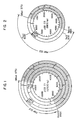
- This pSB01 corresponds, as shown in Example 1 hereinafter, to plasmid pBR322 having a DNA fragment from Bacillus sphaericus inserted therein, and its restriction endonuclease cleavage map is shown in Fig. 1. From Fig.
- the DNA coding for genetic information involved in the biosynthesis of biotin which is contained in pSB01 is present in the DNA fragment of 8.2 kb in length which starts from Mbo I site, followed by Hind III, Hind III, EcoR I, Sal I, Hind III, Pst I, EcoR I, and BamH I sites in this order (the shaded part in Fig. 1).
- the Mbo I site in this map shows the starting point, but Fig. 1 does not eliminate the possibility of presence of other Mbo I sites in the DNA.
- the recombinant vector having the DNA coding for biotin synthetase of this invention inserted therein is not limited to pSB01.
- pSB01 is completely digested, for example, with restriction enzyme EcoR I, and then enzymic re-ligation reaction is carried out, after which a bacterial strain having no biosynthetic ability to produce biotin from desthiobiotin is transformed using the plasmid mixture thus obtained, and a bacterial strain having biotin productivity and a smaller plasmid than that of pSB01 is selected from the transformed strains thus obtained.
- pSB03 Escherichia coli K3
- pSB03 a hydrid plasmid isolated from the cultured cells of Escherichia coli K3
- the restriction endonuclease cleavage map of pSB03 is as shown in Fig. 2. It can be understood from Fig. 2 that the DNA coding for biotin synthetase is present in the DNA fragment of about 4.5 kb in length which starts from Mbo I site, followed by Hind III, Hind III, EcoR I and BamH I sites in this order (the shaded part in Fig. 2). This approx.
- DNA fragment is a fragment formed by the ligation of the approx. 3.5 kb portion (i.e., the portion from Mbo I site to EcoR I site) and the approx. 3 kb portion (i.e., the portion from EcoR I site to BamH I site) in the approx. 8.2 kb parent DNA fragment.
- the approx. 1 kb DNA fragment was separately inserted into pBR322 and a biotin auxotrophic mutant was transformed with the thus formed recombinant vector, the transformant thus obtained had no biotin productivity. From these facts, it was confirmed that the portion coding for biotin synthetase was present in the approx. 3.5 kb fragment between Mbo I and EcoRI sites.
- a bacterial strain having a still smaller plasmid can be obtained similarly by digesting pSB03, for example, with restriction enzyme Hind III, ligating the resulting digest to another vector which has also been cleaved using Hind III, transforming a bacterial strain having no biosynthetic ability to produce biotin from desthiobiotin with the thus obtained plasmid mixture, and selecting a bacterial strain having biotin productivity from the transformed bacterial strains thus obtained.
- transformed strain obtained in the manner described above is Escherichia coli K3 (pSB16).
- the restriction endonuclease cleavage map of plasmid pSB16 present in this transformed bacterial strain is as shown in Fig. 3, and the restriction endonuclease cleavage map of the DNA fragment from a bacterium of the genus Bacillus inserted therein is as shown in Fig. 4. From these results, it can be understood that the DNA coding for biotin synthetase is present in the approx.
- the amino acid sequence coded for by said DNA fragment can be deduced as shown in Fig. 5 from its base sequence.
- the polypeptide having such an amino acid sequence is composed of 331 amino acids, and its molecular weight is calculated to be 36,888 dalton. In this case, it is conceivable that methionine coded for by the translation initiation codon GTG remains, so that the polypeptide is composed of 332 amino acids.
- the polypeptide functions as an enzyme which catalyzes the biosynthesis of biotin from desthiobiotin in bacteria.
- the amino acid sequence and the base sequence of this DNA fragment are artificially changed in some cases.
- initiation sequence GTG is converted into initiation sequence ATG.
- this invention includes polypeptides coded for by DNA fragments which polypeptides have been modified in such a range that they have a substantially unchanged function as biotin synthetase, namely, polypeptides in which a part of the amino acid sequence or the base sequence is substituted, inserted or deleted.
- the limit of the change are not always invariable, any polypeptide of which DNA sequence is hydridizable with the base sequence shown in Fig. 5 is expected to function as the biotin synthetase.
- bacteria belonging to the genus Escherichia such as Escherichia coli, etc.
- bacteria belonging to the genus Bacillus such as Bacillus subtilis, Bacillus sphaericus, etc.
- bacteria belonging to the genus Pseudomonas such as Pseudomonas putida, Pseudomonas aeruginosa, etc.
- the DNA coding for genetic information involved in the biosynthetic reaction of biotin from desthiobiotin should be replicable in the host bacteria and should be inserted in the form in which it is under the control of a promoter which can function in the host bacteria.
- the promoter is inserted upstream to the above DNA and is preferably located in the vicinity of the DNA. Concretely, it is inserted at a distance therefrom of 300 bases or less, more preferably 150 bases or less.
- the recombinant plasmid vector containing said DNA under the control of the promoter is prepared by the following procedure. For example, a region including said DNA is excised from a plasmid containing said DNA such as pSB01, pSB03, pSB16, pSB103, etc. with restriction enzymes, and for example, when trp promoter is used, the DNA obtained by the excision is inserted downstream to the promoter sequence of pDR720 (Gene 20 , 231 (1982)).
- bacteria belonging to the genus Escherichia there can be used bacteria often used in the field of genetic engineering such as Escherichia coli strains C 600, JM 103, MC 169, CAG 1138, JE 8476, GC 4670, AB 1899, JE 8475, GW 5229, etc., strains newly isolated from the nature, known cultured strains, and strains derived therefrom by the conventional mutation inducing methods, though Escherichia coli strains having a low intracellular protease activity such as MC 169, etc. are particularly preferred.
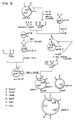
- recombinant vector thus obtained is pSB301 shown in Fig. 6. It can be understood that the DNA conding for biotin synthetase is inserted under the control of trp promoter, in the vicinity thereof.
- a promoter for example ⁇ -amylase promoters of Bacillus licheniformis and Bacillus stearothermophilus which are thought to function generally in bacteria belonging to the genus Bacillus.
- a synthetic linker or the like may be used as shown in Example 6, in order that the 5′-side sequence containing translation initiation codon GTG sequence of the DNA fragment shown in Fig. 5 is the same as the 3′-side sequence of the promoter.
- the recombinant vector completed should be replicable in the host, and for this purpose, a part of said vector should contain a replication origin of a plasmid which is thought to be replicable generally in bacteria belonging to the genus Bacillus, such as pUB110.
- biotin-producing bacteria belonging to Bacillus sphaericus usable for colleting genetic information involved in the biosynthetic reaction of biotin, for instance, DNA coding for biotin synthetase, etc.
- pBHB13 shown in Fig. 8. It can be understood that this vector has the DNA involved in biotin synthetase inserted under the control of ⁇ -amylase promoter derived from Bacillus licheniformis and contains the replication origin of pUB110.
- catechol-2,3-oxygenase promoter or the like is used as a promoter and the replication origin of plasmid RSF 1010 or its derivative (In Plasmids of Medical, Environmental and Commercial Importance, p. 411 (1979)) is incorporated into a part of a recombinant vector to be prepared.
- the suitably chosen host bacteria are transformed to obtain transformants.
- transformation methods employed in this case there may be employed conventional methods suitable for bacteria of the genus Escherichia, bacteria of the genus Bacillus and bacteria of the genus Pseudomonas, respectively.
- the transformation of Bacillus sphaericus, a microorganism of the genus Bacillus can be carried out according to the process described in Journal of General Microbiology, 130 , 203 (1984).
- This invention provides also a process for producing biotin which comprises culturing the thus obtained transformant to allow the same to produce biotin, and separating and purifying the biotin produced.
- a biotin precursor added to a culture medium used for the culture varies depending on whether or not the host cells to be transformed by use of the above-mentioned recombinant vector has desthiobiotin productivity.
- desthiobiotin should be added to the culture medium, as described in Example 7.
- a microorganism capable of producing desthiobiotin by utilizing desthiobiotin precursors such as pimelic acid and azelaic acid for example, Bacillus sphaericus IFO 3525 or Bacillus sphaericus NCIB 9370 is used as a host, it is not always necessary to add desthiobiotin, and mere addition of pimelic acid or azelaic acid as a desthiobiotin precursor to the culture medium is sufficient.
- the adding amount of desthiobiotin or its precursor is not critical and may properly be selected depending on the biotin productivity of the host cells.
- the culture medium used for culturing the microorganism of this invention there can be used either synthetic culture media containing carbon sources, nitrogen sources and inorganic substances, or natural media.
- carbon sources there can be used carbohydrates such as glucose, glycerol, fructose, sucrose, maltose, mannose, starch, starch hydrolyzate, molasses, etc.
- the nitrogen sources there can be used various inorganic and organic ammonium salts such as ammonia, ammonium chloride, ammonium phosphate, ammonium sulfate, ammonium carbonate, ammonium acetate, etc., and natural organic nitrogen sources such as meat extract, yeast extract, corn steep liquor, casein hydrolyzate, defatted soy bean cake, digests thereof, etc. Many of the natural organic nitrogen sources can serve both as nitrogen sources and carbon sources.
- various inorganic and organic ammonium salts such as ammonia, ammonium chloride, ammonium phosphate, ammonium sulfate, ammonium carbonate, ammonium acetate, etc.
- natural organic nitrogen sources such as meat extract, yeast extract, corn steep liquor, casein hydrolyzate, defatted soy bean cake, digests thereof, etc.
- Many of the natural organic nitrogen sources can serve both as nitrogen sources and carbon sources.
- potassium dihydrogen-phosphate dipotassium hydrogen phosphate
- magnesium sulfate sodium chloride
- ferrous sulfate calcium chloride
- zinc chloride copper sulfate
- manganese chloride cobalt chloride
- ammonium molybdate sulfuric acid, etc.
- the addition of the corresponding antibacterial agent to a culture medium permits both the prevention of falling-off of a plasmid DNA having antibacterial agent resistance as a marker which the microorganism possesses and the prevention of contamination by contaminants.
- the addition of a desthiobiotin precursor to the biotin-free medium is conducted preferably at the last stage of logarithmic growth phase of cells (see USP No. 4,563,624).
- the cultivation is conducted preferably under aerobic conditions, for example, shaking culture or cultivation with stirring and aeration and is carried out usually at 20 - 45°C for about 1 to 5 days.
- aerobic conditions for example, shaking culture or cultivation with stirring and aeration and is carried out usually at 20 - 45°C for about 1 to 5 days.
- trp promoter is used in bacteria of the genus Escherichia, the transcriptional activity of the promoter can be induced by adding indoleacrylic acid.
- a DNA fragment coding for biotin synthetase derived from a microorganism of the genus Bacillus having biotin productivity bacteria excellent in biotin productivity can be obtained by transforming (or transducing) bacteria with a recombinant vector having said DNA fragment inserted therein; and there is provided a process for producing biotin efficiently by culturing these bacteria.
- the resistant strain (FERM BP-1098) of Bacillus sphaericus IFO 3525 to both actithiazic acid and 5-(2-thienyl)-valeric acid was incubated with shaking in 1 liter of LB culture media (1% bactotryptone, 0.5% yeast extract, 1% NaCl, 0.1% glucose; pH 7.5) at 28°C for about 5 hours, and bacterial cells were harvested at the logarithmic growth phase by centrifugation. Total DNAs were extracted from the bacterials cells by the Phenol method (Biochem. Biophys. Acta, 72 , 619 - (1973)), and purified to obtain finally 3.0 mg of total DNAs.
- LB culture media 1% bactotryptone, 0.5% yeast extract, 1% NaCl, 0.1% glucose; pH 7.5
- Restriction endonuclease Mbo I was added to 500 ⁇ g of the total DNAs obtained, and the resulting mixture was subjected to reaction at 37°C for 30 minutes to cleave the DNAs partially, after which the reaction mixture was subjected to agarose gel electrophoresis and DNA fragments of about 4 to about 10 kb were recovered.
- the vector pBR322 (commercially available, Pharmacia Co.) having ampicillin resistance and tetracycline resistance as markers was completely digested with restriction endonuclease BamH I, and then treated with alkaline phosphatase.
- Escherichia coli DH I (see Molecular Cloning A Laboratory Manual, p. 505 (1982)) was incubated with shaking in 100 ml of ⁇ culture media (0.5% yeast extract, 2% bactotryptone, 0.5% MgSO4; pH 7.6) at 37°C for about 2.5 hours, and bacterial cells were harvested at the logarithmic growth phase by centrifugation.
- the bacterial cells were washed with 40 ml of tfb I solution (30 mM potassium acetate, 100 mM RbCl, 10 mM CaCl2, 50 mM MnCl2, 15% glycerol; pH 5.8), and the washed cells were suspended in 10 ml of tbf II solution (10 mM MOPS, 75 mM CaCl2, 10 mM RbCl, 15% glycerol; pH 6.5), after which the resulting suspension was allowed to stand at 0°C for 90 minutes to obtain competent cells.
- tfb I solution 30 mM potassium acetate, 100 mM RbCl, 10 mM CaCl2, 50 mM MnCl2, 15% glycerol; pH 5.8
- 10 ml of tbf II solution 10 mM MOPS, 75 mM CaCl2, 10 mM RbCl, 15% glycerol; pH 6.5
- the ampicillin-resistant, tetracycline-sensitive strains thus obtained were divided into 5 groups (each group contained about 200 different hybrid plasmids), after which each group was incubated overnight with shaking in 50 ml of LB culture media containing 50 ⁇ g of ampicillin at 37°C, and bacterial cells were harvested by centrifugation. Plasmid DNA was extracted from the bacterial cells by the method of Birnboim and Doly (Nucleic Acid Res., 7 , 1513 - (1979)).
- the plasmid DNAs thus obtained was composed of pBR322 as a vector and various DNA fragments from Bacillus sphaericus FERM BP-1098 inserted therein, and the average chain length of the inserted DNA fragments in this group of hybrid plasmid DNAs was about 6 kb.
- the mutant strain Escherichia coli K3 having no biosynthetic ability to produce biotin from desthiobiotin (DTB) was obtained from Escherichia coli C600 by mutagenic treatment according to the method of Pai and Lichstein (J. Bacteriol., 94 , 1930 (1967)) by use of N-methyl-N′-nitro-N-nitrosoguanidine.
- the mutant strain was subjected to shaking culture in 100 ml of LB culture media at 37°C for about 2.5 hours, and bacterial cells were harvested at the logarithmic growth phase by centrifugation.
- the bacterial cells were made into competent cells by the method of Kushuner (Genetic Engineering, p. 17 (1978)).
- 0.1 ⁇ g of each of the groups of hybrid plasmid DNAs obtained in (5) above was added to 0.2 ml of a suspension of the above-mentioned competent cells, and the resulting mixture was allowed to stand at 0°C for 30 minutes. After the mixture was maintained at 43.5°C for 30 seconds, 1.8 ml of LB culture media was added and the resulting mixture was incubated at 37°C for 1 hour, after which bacterial cells were harvested by centrifugation. The bacterial cells were washed twice with 0.85% NaCl and then suspended in 1 ml of 0.85% NaCl.
- Each of the two strains of transformants obtained in (6) above was incubated overnight with shaking in 5 ml of CA culture media containing 50 ⁇ g/ml of ampicillin, and bacterial cells were harvested by centrifugation, after which hybrid plasmid DNA was extracted by the method of Birnboim and Doly as described above.
- Both hybrid plasmid DNAs obtained from the individual strains had a total chain length of about 12.5 kb, and contained about 8.2 kb of DNA fragments inserted therein.
- Cleavage patterns of the two hybrid plasmid DNAs were prepared using various restriction endonucleases (BamH I, Hind III, Pst I, EcoR I and Sal I) and compared to find that the two hybrid plasmid DNAs had exactly the same cleavage patterns, indicating that they were identical. It was also confirmed that this hybrid plasmid did not have cleavage sites by Bgl II, Xho I and Kpn I.
- This hybrid plasmid DNA was named pSB01.
- the restriction endonuclease cleavage map is shown in Fig. 1 in which the number shows the approximate number of base pairs.
- the filter was treated with a mixture solution obtained by adding 20 ⁇ g/ml of heat-treated salmon sperm DNA to 20 ml of a prehybridization buffer comprising 6 ⁇ SSC solution (0.15 M NaCl, 0.015 M sodium citrate) and Denhardt Solution (0.02% bovine serum albumin, 0.02% polyvinyl pyrrolidone, 0.02% Ficoll), and prehybridization was performed at 65°C for 4 hours.
- a prehybridization buffer comprising 6 ⁇ SSC solution (0.15 M NaCl, 0.015 M sodium citrate) and Denhardt Solution (0.02% bovine serum albumin, 0.02% polyvinyl pyrrolidone, 0.02% Ficoll
- hybridization buffer consisting of 6 ⁇ SSC solution, Denhardt solution and 0.5% SDS was added heat-treated salmon sperm DNA so as to adjust its concentration to 50 ⁇ g/ml, followed by adding thereto 0.1 ⁇ g of heat-treated probe DNA, and hybridization was carried out overnight at 67°C. Subsequently, the filter was sufficiently washed with the hybridization buffer, with 6 ⁇ SSC solution at 65°C for 30 minutes, and then with 2 ⁇ SSC solution at 65°C for 30 minutes. This procedure was repeated twice, after which the washed filter was air-dried and then subjected to autoradiography. As a result, it was confirmed that fragments reactive to the probe DNA existed in the total DNAs. This proved that the approx. 8.2 kb inserted DNA fragments in pSB01 plasmid DNAs were DNA fragments from Bacillus sphaericus IFO 3525.
- Escherichia coli K3 containing this pSB01 plasmid DNA as plasmid was named Escherichia coli K3 (pSB01). This microorganism was deposited to Fermentation Research Institute as FERM BP-1099.
- a transformed strain by hybrid plasmid was obtained in the same manner as in Example 1 (6), except for using 0.1 ⁇ g of the above reaction mixture obtained by use of T4 DNA ligase.
- the transformed strain obtained in (2) above was incubated overnight with shaking in 5 ml of CA culture media containing 50 ⁇ g/ml ampicillin, and bacterial cells were harvested by centrifugation, after which hybrid plasmids DNA was extracted from the cells by the method of Birnboim and Doly described above.
- the smallest plasmid DNA in this extract had a total chain length of about 8.8 kb and corresponded to pSB01 plasmid DNA which had lost EcoR I cleavage fragment of about 3.7 kb.
- This hybrid plasmid was named pSB03. Its restriction endonuclease cleavage map is shown in Fig. 2.
- Escherichia coli K3 containing this pSB03 plasmid DNA was named Escherichia coli K3 (pSB03). (FERM P-8369).
- a transformed strain of hybrid plasmid was obtained in the same manner as in Example 1 (6), except that 1 ⁇ g of the above-mentioned reaction mixture was used.
- the transformed strain obtained in (2) above was incubated overnight with shaking in 5 ml of CA culture media containing 50 ⁇ g/ml of ampicillin, and bacterial cells were harvested by centrifugation, after which hybrid plasmid DNA was extracted by the method of Birnboim and Doly described above.
- the smallest plasmid DNA in the extract had a total chain length of about 6.2 kb.
- This plasmid had Hind III cleavage fragment of about 2.0 kb of pSB03 DNA inserted therein, and was named pSB16. Its restriction endonuclease cleavage map is as shown in Fig. 3.
- Escherichia coli containing pSB16 plasmid DNA was named Escherichia coli K3 (pSB16).
- Each of four bacterial strains i.e., Escherichia coli K3 (pSB01), Escherichia coli K3 (pSB03), Escherichia coli K3 (pSB16) and Escherichia coli C600 (pBR322) containing pBR322 as a plasmid was inoculated into 3 ml of GP culture media (2% glycerol, 3% proteose ⁇ peptone, 0.5% vitamin-free casamino acid, 0.1% K2HPO4, 0.05% KCl, 0.05% MgSO4 ⁇ 7H2O, 0.001% MnSO4 ⁇ 4 ⁇ 6H2O, 0.001% FeSO4 ⁇ 7H2O, 0.000002% thiamine hydrochloride; pH 7.0) containing 50 ⁇ g/ml of ampicillin and 10 ⁇ g/ml of DL-desthiobiotin, and the resulting mixture was incubated with shaking at 37°C for 4 days.
- biotin synthetase gene (bioB gene) directly to the promoter operator region of trp operon.
- pSB103 was completely digested with restriction endonuclease Mae I, after which 2.0 ⁇ g of the DNA fragments obtained by the digestion were mixed with 1 unit of Sl nuclease in a mixture of 30 mM sodium acetate (pH 4.5), 250 mM NaCl, 1 mM ZnSO4 and 5% glycerol, and the resulting mixture was incubated at 37°C for 30 minutes, whereby both ends of the DNA fragments were blunted. Subsequently, the reaction mixture was subjected to agarose gel electrophoresis and approx. 2.1 kb DNA fragments were recovered.
- pDR720 (commercially available, Pharmacia Co.) containing the promoter operator region of trp operon and ampicillin resistance as a marker was completely digested with restriction endonuclease Sma I, and then treated with alkaline phosphatase.
- T4 DNA ligase With 2 units of T4 DNA ligase were mixed 0.1 ⁇ g of the approx. 2.1 kb DNA fragment recovered from the agarose gel and 0.1 ⁇ g of the cleaved pDR720 in 50 mM tris-HCl buffer (pH 7.4) containing 10 mM MgCl2, 1 mM ATP and 10 mM dithiothreitol, and the resulting mixture was incubated at 15°C for 4 hours to obtain a reaction mixture containing a hybrid plasmid.
- a transformed strain by the hybrid plasmid was obtained in the same manner as in Example 1 (6) except for using 0.2 ⁇ g of this reaction mixture.
- the transformant thus obtained was subjected to shaking culture overnight in 3 ml of LB media containing 50 ⁇ g/ml of ampicillin, and bacterial cells were harvested by centrifugation, after which hybrid plasmid DNA was extracted from the cells by the method of Birnboim and Doly.
- the smallest plasmid DNA in this extract had a total chain length of about 6.1 kb.
- the translation initiation codon GTG of biotin synthetase gene derived from Bacillus sphaericus started from about 70 bases downstream to the transcription initiation site of trp promoter. This plasmid was named pSB301.
- Escherichia coli MC 169 (J. Bacteriol., 143 , 852 (1980)) was transformed with pSB301 according to the method of Mandel and Higa (J. Mol. Biol., 53 , 154, (1970)), and the transformant thus obtained was named Escherichia coli MC 169 (pSB301).
- pSB103 was completely digested with restriction endonuclease Hind III, after which the reaction mixture was subjected to agarose gel electrophoresis and approx. 2.0 kb DNA fragments were recovered. Restriction endonuclease Mae III was added to 2.0 ⁇ g of these DNA fragments, and the resulting mixture was incubated at 45°C for 10 minutes to cleave the DNA fragments partially. Then, the reaction mixture was subjected to agarose gel electrophoresis and approx. 1.2 kb DNA fragments were recovered.
- the oligonucleotides, fragments Bbgl-1 and Bbgl-2 shown in Fig. 7 were obtained by means of a full automatic synthesizer (Genet A-III, mfd. by Nippon Zeon Co., Ltd.).
- a full automatic synthesizer Genet A-III, mfd. by Nippon Zeon Co., Ltd.
- 1 ⁇ g of Bbgl-1 fragment was incubated with ATP and 1 unit of T4 polynucleotide kinase at 37°C for 30 minutes in a mixture of 50 mM tris-HCl buffer (pH 7.6), 10 mM MgCl2, 5 mM dithiothreitol and 0.1 mM spermidine, to phospholylate the hydroxyl group at the 5′-terminal.
- 1 ⁇ g of Bbgl-2 fragment was added to conduct annealing.
- pUC18 (commercially available, Pharmacia Co.) having ampicillin resistance as a marker was completely digested with endonuclease BamH I and Hind III, and then treated with alkaline phosphatase.
- T4 DNA ligase was mixed 1 ⁇ g of approx. 2.7 kb DNA fragments of the cleaved pUC18 and the synthetic fragments previously obtained by the annealing, in 50 mM tris-HCl buffer (pH 7.4) containing 10 mM MgCl2, 1 mM ATP and 10 mM dithiothreitol.
- the resulting mixture was incubated at 15°C for 2 hours, after which the reaction mixture was subjected to agarose gel electrophoresis and approx. 2.7 kb DNA fragments were recovered.
- 0.4 ⁇ g of the recovered DNA fragments and 0.015 ⁇ g of the previously prepared approx. 1.2 kb DNA fragments were mixed with 2 units of T4 DNA ligase in a buffer solution having the same composition as described above, and the resulting mixture was incubated at 15°C for 3 hours.
- Each of the transformants thus obtained was subjected to shaking culture overnight in 3 ml of LB media containing 50 ⁇ g/ml of ampicillin, and bacterial cells were harvested by centrifugation, after which hybrid plasmid DNA was extracted from the cells by the method of Birnboim and Doly.
- Each of the plasmid DNAs extracted was completely digested with restriction endonuclease BamH I and Hind III and then subjected to agarose gel electrophoresis to obtain approx. 4.0 kb plasmid DNA composes of approx. 1.3 kb fragment containing the synthetic DNA and the approx. 1.2 kb DNA fragment prepared from pSB103 derived from Bacillus sphaericus and the approx. 2.7 kb DNA fragment derived from pUC18.
- This plasmid DNA was named pBHB10.
- pUC18 was completely digested with restriction endonuclease Nde I, after which 2.0 ⁇ g of the DNA fragments obtained by this cleavage were mixed with 1 unit of Sl nuclease in a mixture of 30 mM sodium acetate (pH 4.5), 250 mM NaCl, 1 mM ZnSO4 and 5% glycerol, and the mixture thus obtained was incubated at 37°C for 30 minutes, whereby both ends of the DNA fragments were blunted.
- reaction mixture was mixed with 5 units of T4 DNA ligase in 50 mM tris-HCl buffer (pH 7.4) containing 10 mM MgCl2, 1 mM ATP and 10 mM dithiothreitol, and the mixture thus obtained was incubated overnight at 4°C to carry out re-cyclization.
- Escherichia coli C600 was transformed using the thus obtained reaction mixture according to the method of Mandel and Higa.
- the transformant thus obtained was grown on LB agar culture media containing 50 ⁇ g/ml ampicillin.
- Plasmid DNA extracted from the grown transformant was an approx. 2.7 kb plasmid corresponding to pUC18 which had lost Nde I cleavage site. This plasmid DNA was named pUC18-N.
- This pUC18-N was completely digested with restriction endonucleases EcoR I and Pst I, and the completed digested DNA fragments were mixed with 1 unit of T4 DNA ligase and approx. 1.1 kb DNA fragment containing ⁇ -amylase gene promoter region of Bacillus licheniformis obtained by EcoR I - Pst I cleavage in 50 mM tris-HCl buffer (pH 7.4) containing 10 mM MgCl2, 1 mM ATP and 10 mM dithiothreitol. The mixture thus obtained was incubated at 15°C for 2 hours.
- Escherichia coli C600 was transformed using the reaction mixture according to the method of Mandel and Higa.
- the transformed strain was grown on LB agar culture media containing 50 ⁇ g/ml of ampicillin, and then subjected to shaking culture overnight in 3 ml of LB culture media containing 50 ⁇ g/ml of ampicillin, and bacterial cells were harvested by centrifugation.
- plasmid DNA was extracted from the cells by the methods of Birnboim and Doly. Each extracted plasmid DNA was completely digested with restriction endonuclease EcoR I and Pst I, and then subjected to agarose gel electrophoresis to obtain approx. 3.8 kb plasmid DNA composed of approx. 1.1 kb DNA fragment derived from Bacillus licheniformis and approx. 2.7 kb DNA fragment derived from pUC18-N. This plasmid DNA was named pUC18-AP.
- pBHB10 was completely digested with restriction endonuclease Hind III, after which restriction endonuclease Nde I was added to 6.0 ⁇ g of the DNA fragments obtained by this cleavage, and the resulting mixture was incubated at 37°C for 5 minutes to cleave the DNA fragments partially. Subsequently, the reaction mixture was subjected to agarose gel electrophoresis and approx. 1.3 kb DNA fragments were recovered.
- T4 DNA ligase With 1 unit of T4 DNA ligase were mixed 0.1 ⁇ g of the recovered DNA fragments and DNA fragments obtained by completely digesting pUC18-AP with restriction endonucleases Nde I and Hind III, in 50 mM tris-HCl buffer (pH 7.4) containing 10 mM MgCl2, 1 mM ATP and 10 mM dithiothreitol, and the mixture thus obtained was incubated at 15°C for 2 hours.
- Escherichia coli C600 was transformed using the thus obtained reaction mixture according to the method of Mandel and Higa.
- the transformed strain was grown on LB agar culture media containing 50 ⁇ g/ml of ampicillin, and then subjected to shaking culture overnight in 3 ml of LB culture media containing 50 ⁇ g/ml of ampicillin, and bacterial cells were harvested by centrifugation.
- plasmid DNA was extracted from the cells by the method of Birnboim and Doly. Each extracted plasmid DNA was completely digested with restriction endonucleases EcoR I and Hind III, and then subjected to agarose gel electrophoresis to obtain approx. 5.0 kb plasmid DNA composed of approx.
- the sequence analysis of the DNA was carried out mainly for the binding site of the promoter region of ⁇ -amylase gene and the biotin synthetase gene by the method of Messing et al. using M13 phage.
- the base sequence was as shown in Fig. 9. It can be understood that the sequence of the open reading frame (O.R.F) coding for biotin synthetase of Bacillus sphaericus from which the translation initiation codon GTG has been removed is linked to the ⁇ -amylase gene promoter sequence Shine-Dalgarno (SD) sequence and translation initiation codon ATG of Bacillus licheniformis.
- OF open reading frame
- pBHB11 and pUB110 J. Bacteriol. 134 , p318 (1978) which was a plasmid replicable in bacteria of the genus Bacillus and had kanamycin resistance as a marker, were completely digested with restriction endonuclease EcoR I. Then, 0.2 ⁇ g of the cleaved pBHB10 and 0.2 ⁇ g of the cleaved pUB110 were mixed with 2 units of T4 DNA ligase in 50 mM tris-HCl buffer containing 10 mM MgCl2, 1 mM ATP and 10 mM dithiothreitol, and the mixture thus obtained was incubated at 15°C for 2 hours.
- Escherichia coli C600 was transformed using the reaction mixture according to the method of Mandel and Higa.
- the transformed strain was grown on LB agar culture media containing 50 ⁇ g/ml of ampicillin and about 400 colonies formed thereon were subjected to replica on LB agar culture media containing 10 ⁇ g/ml of kanamycin, to obtain 52 strains of transformants having ampicillin resistance and kanamycin resistance (km r ). Each of these transformants was subjected to shaking culture overnight in 3 ml of LB culture media containing 10 ⁇ g/ml of kanamycin, and bacterial cells were harvested by centrifugation. Then, plasmid DNA was extracted from the cell by the method of Birnboim and Doly.
- This plasmid was a hybrid plasmid composed of pBHB11 and pUB110 and was a shuttle vector which was replicable either in bacteria of the genus Escherichia or in bacteria of the genus Bacillus.
- This plasmid was named pBHB13 (see Fig. 8).
- Bacillus sphaericus NCIB 9370 was subjected to shaking culture in 50 ml of PB culture medium (Difco antibiotic medium No. 3, 1.75%) at 37°C until the intermediate stage of logarithmic growth phase, and bacterial cells were havested by centrifugation.
- the cells were suspended in 5 ml of a solution prepared by adding 1% of BSA to SMMP solution [a mixture of 2 ⁇ SMM (1 M sucrose, 40 mM sodium malate, 40 mM MgCl2 ⁇ 6H2O; pH 6.5) and an equal amount of 4 ⁇ PB (Difco abtibiotic medium No. 3, 7%)], and acetylmuramidase was added so as to adjust its concentration to 0.3 mg/ml. Then, the resulting mixture was incubated at 37°C for 45 minutes. Bacterial cells were harvested by centrifugation, washed twice with SMMP, and then suspended in 1 ml of SMMP to obtain a protoplast suspension.
- the cells were suspended in 1 ml of SMMP containing 1% of BSA and subjected to stationary culture at 30°C for 1.5 hours, after which 0.1 ml of the culture broth was streaked on DM 4 medium (0.8% agar, 0.5% casamino acid, 0.5% yeast extract, 0.33 M succinic acid (pH 7.3), 0.35% K2HPO4, 0.15% KH2PO4, 0.5% glycerol, 0.02 M MgCl2, 0.01% BSA) containing 150 ⁇ g/ml of kanamycin, and this medium was incubated at 37°C for 3 days to 1 week.
- DM 4 medium 0.8% agar, 0.5% casamino acid, 0.5% yeast extract, 0.33 M succinic acid (pH 7.3), 0.35% K2HPO4, 0.15% KH2PO4, 0.5% glycerol, 0.02 M MgCl2, 0.01% BSA
- Plasmid DNA was extracted from the cells by the method of Birnboim and Doly.
- the restriction endonuclease cleavage pattern of the plasmid DNA thus obtained was investigated and found to be same as that of pBHB 13 extracted from Escherichia coli. From this results, it was confirmed that pBHB 13 had been inserted into Bacillus sphaericus NCIB 9370.
- restriction endonuclease BamH I cleavage site present on this pBHB13 was not cleaved by restriction endonuclease BamH I because it had been modified by methylase in Bacillus sphaericus NCIB 9370 cells.
- the Bacillus sphaericus NCIB 9370 transformed by pBHB13 was named as Bacillus sphaericus NCIB 9370 (pBHB13).
- Bacillus sphaericus IFO 3525 was used in place of Bacillus sphaericus NCIB 9370 and transformed with pBHB13 extracted from Bacillus sphaericus NCIB 9370 (pBHB13), was named Bacillus sphaericus IFO 3525 (pBHB13).
- the accumulation amount of biotin of the microorganism according to this invention is larger than that of various biotin highly producing mutant strains (e.g., Japanese Patent Application Kokai (Laid-Open) Nos. '86-149091 and '86-202686). From this fact, it is possible to understand the valuability of the gene coding for biotin synthetase derived from a microorganism of the genus Bacillus.
- Bacillus sphaericus NCIB 9370 (pBHB13), Bacillus sphaericus NCIB 9370 (pUB110), Bacillus sphaericus IFO 3525 (pBHB13) and Bacillus sphaericus IFO 3525 (pUB110) was inoculated into 3 ml of GP culture media and subjected to shaking culture overnight at 28°C. Then, at the last stage of logarithmic growth phase, there was added either DL-DTB so as to adjust its concentration to 25 ⁇ g/ml or pimelic acid so as to adjust its concentration to 500 ⁇ g/ml, and shaking of the culture was carried out at 37°C for 2 days.
- microorganisms of this invention produce biotin by use of pimelic acid as a precursor, as in the case of using DL-desthiobiotin as a precursor.
Landscapes
- Genetics & Genomics (AREA)
- Health & Medical Sciences (AREA)
- Life Sciences & Earth Sciences (AREA)
- Engineering & Computer Science (AREA)
- Organic Chemistry (AREA)
- Chemical & Material Sciences (AREA)
- Wood Science & Technology (AREA)
- Zoology (AREA)
- Biomedical Technology (AREA)
- Biotechnology (AREA)
- General Engineering & Computer Science (AREA)
- Bioinformatics & Cheminformatics (AREA)
- Molecular Biology (AREA)
- Microbiology (AREA)
- Biochemistry (AREA)
- General Health & Medical Sciences (AREA)
- Plant Pathology (AREA)
- Biophysics (AREA)
- Physics & Mathematics (AREA)
- Chemical Kinetics & Catalysis (AREA)
- General Chemical & Material Sciences (AREA)
- Micro-Organisms Or Cultivation Processes Thereof (AREA)
- Preparation Of Compounds By Using Micro-Organisms (AREA)
Claims (18)
- Nucleotidsequenz, die ein Polypeptid codiert, welches einen Teil der oder die gesamte in Fig. 5 gezeigte Aminosäuresequenz umfaßt, oder ein Derivat davon, und die zur Katalyse der biosynthetischen Umwandlung von Disthiobiotin in Biotin fähig ist.
- Nucleotidsequenz nach Anspruch 1, die ein Polypeptid codiert, welches die Aminosäuresequenz von Position 285 bis Position 1277 in Fig. 5 umfaßt, oder ein funktionelles Derivat davon.
- Nucleotidsequenz nach Anspruch 1, die ein Polypeptid codiert, welches die Aminosäuresequenz von Position 265 bis Position 1280 in Fig. 5 umfaßt, oder ein funktionelles Derivat davon.
- Nucleotidsequenz nach Anspruch 1, 2 oder 3, die ein Translations-Initiationscodon stromaufwärts davon und ein Translations-Terminationscodon stromabwärts davon umfaßt.
- Nucleotidsequenz nach einem der Ansprüche 1 bis 4, die eine Shine-Dalgarno-Sequenz und ein Translations-Initiationscodon, die beide stromaufwärts davon liegen, und ein Translations-Terminationscodon stromabwärts davon umfaßt.
- Nucleotidsequenz nach Anspruch 5, wobei die Shine-Dalgarno-Sequenz GAAAAGGAGAATGT ist.
- Rekombinanter Vektor, der als ein Insert eine Nucleotidsequenz nach einem der Ansprüche 1 bis 6 umfaßt.
- Rekombinanter Vektor nach Anspruch 7, wobei die Nucleotidsequenz unter der Kontrolle eines Promotors eingebaut ist.
- Rekombinanter Vektor nach Anspruch 8, wobei der Promotor in Bakterien der Gattung Escherichia, Bacillus oder Pseudomonas wirksam ist.
- Rekombinanter Vektor nach einem der Ansprüche 7 bis 9, wobei der Vektor ein Plasmid ist.
- Rekombinanter Vektor nach einem der Ansprüche 7 bis 9, wobei der Vektor ein Hybridplasmid ist.
- Bakterium, das mit einem rekombinanten Vektor nach einem der Ansprüche 7 bis 11 transformiert oder transduziert ist.
- Bakterium nach Anspruch 12, das zu der Gattung Escherichia, Bacillus oder Pseudomonas gehört.
- Bakterium nach Anspruch 13, das vom Stamm Bacillus sphaericus ist.
- Bakterium nach einem der Ansprüche 12 bis 14, das eine Desthiobiotin-Produktivität aufweist.
- Verfahren zur Erzeugung von Biotin, umfassend die Züchtung eines Bakteriums nach einem der Ansprüche 12 bis 15 in einem Kulturmedium, das eine geeignete Kohlenstoffquelle enthält, in Gegenwart eines Vorläufers für die Biotinbiosynthese, so daß das Bakterium Biotin produzieren kann, und die Abtrennung und Isolierung des so produzierten Biotins.
- Verfahren nach Anspruch 16, wobei der Vorläufer Desthiobiotin ist.
- Verfahren nach Anspruch 16, wobei der Vorläufer Pimelinsäure oder Azelainsäure ist und das transformierte oder transduzierte Bakterium Desthiobiotin-Produktivität aufweist.
Applications Claiming Priority (6)
| Application Number | Priority Date | Filing Date | Title |
|---|---|---|---|
| JP66532/86 | 1986-03-25 | ||
| JP61066532A JPH0761267B2 (ja) | 1985-07-29 | 1986-03-25 | 組換えベクタ−及びそれを有する細菌 |
| JP9572486 | 1986-04-24 | ||
| JP95724/86 | 1986-04-24 | ||
| JP62004404A JPS6344889A (ja) | 1986-04-24 | 1987-01-12 | ビオチン合成酵素をコ−ドする遺伝子とその利用 |
| JP4404/87 | 1987-01-12 |
Publications (2)
| Publication Number | Publication Date |
|---|---|
| EP0240105A1 EP0240105A1 (de) | 1987-10-07 |
| EP0240105B1 true EP0240105B1 (de) | 1993-07-21 |
Family
ID=27276256
Family Applications (1)
| Application Number | Title | Priority Date | Filing Date |
|---|---|---|---|
| EP19870300716 Expired - Lifetime EP0240105B1 (de) | 1986-03-25 | 1987-01-28 | Biotin-Synthetase kodierendes Gen und dessen Verwendung |
Country Status (2)
| Country | Link |
|---|---|
| EP (1) | EP0240105B1 (de) |
| DE (1) | DE3786578T2 (de) |
Cited By (1)
| Publication number | Priority date | Publication date | Assignee | Title |
|---|---|---|---|---|
| US6303377B1 (en) * | 1993-06-25 | 2001-10-16 | Roche Vitamins Inc. | Biotin biosynthesis in bacillus subtilis |
Families Citing this family (3)
| Publication number | Priority date | Publication date | Assignee | Title |
|---|---|---|---|---|
| FR2640642B1 (fr) * | 1988-12-16 | 1993-08-27 | Transgene Sa | Nouvelle souche d'escherichia coli recombinante et procede pour la preparation de biotine utilisant ladite souche |
| US6277609B1 (en) | 1993-01-06 | 2001-08-21 | Basf Aktiengesellschaft | Method to produce biotin |
| JP4329129B2 (ja) * | 1997-03-03 | 2009-09-09 | 住友化学株式会社 | ビオチン生合成遺伝子を含むdna断片およびその利用 |
Family Cites Families (1)
| Publication number | Priority date | Publication date | Assignee | Title |
|---|---|---|---|---|
| NZ217336A (en) * | 1985-08-26 | 1988-06-30 | Amgen | Production of biotin from microorganisms |
-
1987
- 1987-01-28 EP EP19870300716 patent/EP0240105B1/de not_active Expired - Lifetime
- 1987-01-28 DE DE19873786578 patent/DE3786578T2/de not_active Expired - Fee Related
Cited By (1)
| Publication number | Priority date | Publication date | Assignee | Title |
|---|---|---|---|---|
| US6303377B1 (en) * | 1993-06-25 | 2001-10-16 | Roche Vitamins Inc. | Biotin biosynthesis in bacillus subtilis |
Also Published As
| Publication number | Publication date |
|---|---|
| DE3786578D1 (de) | 1993-08-26 |
| DE3786578T2 (de) | 1994-02-03 |
| EP0240105A1 (de) | 1987-10-07 |
Similar Documents
| Publication | Publication Date | Title |
|---|---|---|
| EP0082485B1 (de) | Vektor-Plasmide | |
| EP0143195B1 (de) | Rekombinante DNA mit einem darin insertierten Phosphoenol-Pyruvat-Carboxylase-Gen, Bakterien, die die genannte rekombinante DNA enthalten und ein Verfahren zur Herstellung von Aminosäuren unter Verwendung der genannten Bakterien | |
| EP0405370B2 (de) | Riboflavin überproduzierende Bakterienstämme | |
| US7091000B2 (en) | Bacterial strains which overproduce riboflavin and methods of use thereof | |
| GB2080825A (en) | L-arginine producing microorganisms | |
| EP0540074A1 (de) | Klonierung und Sequenzierung der chromosomalen DNS-Region aus Bacillus subtilis, die den für den Multienzym-Komplex Surfactin-Synthetase kodierenden SRFA Operon enthält | |
| Eberz et al. | Molecular cloning of structural and regulatory hydrogenase (hox) genes of Alcaligenes eutrophus H16 | |
| US5759824A (en) | Genes for butyrobetaine/crotonobetaine-l-carnitine metabolism and their use for the microbiological production of l-carnitine | |
| EP0286303B1 (de) | DNA und ihre Verwendung | |
| EP0354641B1 (de) | Für eine 4''-0-Isovalerylacylase kodierende rekombinante DNS | |
| EP0604060A1 (de) | Verfahren zur Herstellung von Riboflavin | |
| EP0240105A1 (de) | Biotin-Synthetase kodierendes Gen und dessen Verwendung | |
| JPS62155081A (ja) | 新規微生物およびそれを用いる醗酵法によるビオチンの製造法 | |
| EP0233019A2 (de) | Rekombinantes DNS-Plasmid zur Herstellung von Xanthangummi | |
| EP0213898B1 (de) | Wirt-Vektor-System | |
| JPH0740922B2 (ja) | ビオチン生産性微生物 | |
| EP0124076A2 (de) | Verfahren zur Herstellung von rekombinanten Plasmiden, Mikroorganismen transformiert mit diesen Plasmiden und thermostabile Alpha-Amylase | |
| US4824786A (en) | Methylotroph cloning vehicle | |
| US5591577A (en) | Mobile genetic element originated from brevibacterium strain | |
| EP0165002B1 (de) | Rekombinante DNS, diese enthaltende Mikroorganismen und deren Verwendung zur Herstellung von Amylasen | |
| EP0082637A2 (de) | L-Histidin produzierende Mikroorganismen | |
| US6410293B1 (en) | DNA fragments containing biotin biosynthetase gene and use of the same | |
| JP2527926B2 (ja) | ビオチンの製造方法 | |
| JPH0761267B2 (ja) | 組換えベクタ−及びそれを有する細菌 | |
| JPH04325086A (ja) | セラチア属に属する形質転換微生物及びそれを用いるビオチンの製造方法 |
Legal Events
| Date | Code | Title | Description |
|---|---|---|---|
| PUAI | Public reference made under article 153(3) epc to a published international application that has entered the european phase |
Free format text: ORIGINAL CODE: 0009012 |
|
| AK | Designated contracting states |
Kind code of ref document: A1 Designated state(s): CH DE FR GB IT LI |
|
| 17P | Request for examination filed |
Effective date: 19880216 |
|
| 17Q | First examination report despatched |
Effective date: 19910313 |
|
| GRAA | (expected) grant |
Free format text: ORIGINAL CODE: 0009210 |
|
| RBV | Designated contracting states (corrected) |
Designated state(s): CH DE FR GB LI |
|
| AK | Designated contracting states |
Kind code of ref document: B1 Designated state(s): CH DE FR GB LI |
|
| REF | Corresponds to: |
Ref document number: 3786578 Country of ref document: DE Date of ref document: 19930826 |
|
| ET | Fr: translation filed | ||
| PGFP | Annual fee paid to national office [announced via postgrant information from national office to epo] |
Ref country code: FR Payment date: 19931129 Year of fee payment: 8 |
|
| PGFP | Annual fee paid to national office [announced via postgrant information from national office to epo] |
Ref country code: CH Payment date: 19931130 Year of fee payment: 8 |
|
| PGFP | Annual fee paid to national office [announced via postgrant information from national office to epo] |
Ref country code: GB Payment date: 19940118 Year of fee payment: 8 |
|
| PGFP | Annual fee paid to national office [announced via postgrant information from national office to epo] |
Ref country code: DE Payment date: 19940330 Year of fee payment: 8 |
|
| PLBE | No opposition filed within time limit |
Free format text: ORIGINAL CODE: 0009261 |
|
| STAA | Information on the status of an ep patent application or granted ep patent |
Free format text: STATUS: NO OPPOSITION FILED WITHIN TIME LIMIT |
|
| 26N | No opposition filed | ||
| PG25 | Lapsed in a contracting state [announced via postgrant information from national office to epo] |
Ref country code: GB Effective date: 19950128 |
|
| PG25 | Lapsed in a contracting state [announced via postgrant information from national office to epo] |
Ref country code: LI Effective date: 19950131 Ref country code: CH Effective date: 19950131 |
|
| GBPC | Gb: european patent ceased through non-payment of renewal fee |
Effective date: 19950128 |
|
| PG25 | Lapsed in a contracting state [announced via postgrant information from national office to epo] |
Ref country code: FR Effective date: 19950929 |
|
| REG | Reference to a national code |
Ref country code: CH Ref legal event code: PL |
|
| PG25 | Lapsed in a contracting state [announced via postgrant information from national office to epo] |
Ref country code: DE Effective date: 19951003 |
|
| REG | Reference to a national code |
Ref country code: FR Ref legal event code: ST |