CN202085666U - Sectional type high-efficient energy-saving rice noodle dryer capable of automatically controlling temperature and humidity - Google Patents
Sectional type high-efficient energy-saving rice noodle dryer capable of automatically controlling temperature and humidity Download PDFInfo
- Publication number
- CN202085666U CN202085666U CN2011201114321U CN201120111432U CN202085666U CN 202085666 U CN202085666 U CN 202085666U CN 2011201114321 U CN2011201114321 U CN 2011201114321U CN 201120111432 U CN201120111432 U CN 201120111432U CN 202085666 U CN202085666 U CN 202085666U
- Authority
- CN
- China
- Prior art keywords
- drying unit
- unit structure
- drying
- hot blast
- temperature
- Prior art date
- Legal status (The legal status is an assumption and is not a legal conclusion. Google has not performed a legal analysis and makes no representation as to the accuracy of the status listed.)
- Expired - Lifetime
Links
Images


Abstract
The utility model discloses a sectional type high-efficient energy-saving rice noodle dryer capable of automatically controlling temperature and humidity, which adopts sectional multiple-layer transferring. A hot air concentrated supplying device can supply hot air for the dryer in a concentrated mode. The dryer is formed by more than three drying units, and a drying box body of each drying unit is provided with a dehumidifying device, a temperature and humidity automatic control device and at least two groups of external circulating air devices. The sectional type high-efficient energy-saving dryer solves the problem that smashing caused by checking, uneven drying and rice noodle containing moisture are easy to occur, and further has the advantages of being capable of lowering sticking rate of the rice noodles, energy-saving by utilizing waste heat, capable of automatically controlling wet drying conditions in low temperature and efficient in drying.
Description
Technical field
The utility model relates to the Cereals Processing Machines field, refers more particularly to a kind of segmented ground rice high-efficiency energy-saving drying machine of automatic control humiture.
Background technology
Ground rice is to be raw material with the rice, and is with a long history through the rice made products that operations such as immersion, boiling, press strip are made, and is subjected to liking of consumers in general (especially southern consumer) deeply.Ground rice, especially the thinner ground rice (as Xinghua ground rice) in bar footpath is very frangible, and easily adhesion in process of production, so oven dry should be used big air quantity, low temperature and the relative higher humidity of vertical effect ground rice.
Ground rice can adsorb certain moisture after immersion, boiling, what just begun to dry removal is the adsorption moisture on ground rice surface, it can be removed fast, and along with the carrying out of drying, the moisture of oven dry combines more and more tightr with the starch structure of ground rice, because of taking drying condition (high humidity easily causes the product quality safety problem) wet in the low temperature, chap during removal to prevent ground rice.For this reason, oven dry answers the segmentation alternating temperature to become wet to carry out, and the damp-heat air after the first module oven dry heat exchange is low and humidity is high because of temperature, should remove fast.The damp-heat air of back segment has certain temperature and relatively low relative temperature, and back segment needs drying condition wet in the low temperature, for this reason, to introduce after its centralized collection in the hot-air supplying equipment, when having utilized the damp-heat air waste heat, the moisture in the hot blast is increased, make lower temperature of back segment oven dry maintenance and higher relative humidity, avoid ground rice moisture because of evaporating too fast be full of cracks and the crisp problem such as broken of causing, saved humidifying equipment simultaneously.The relative humidity of dryer Unit second is higher relatively,, the damp-heat air of centralized collection is connected with hot-air at dryer the 3rd unit heating section start for this reason.
At present, the ground rice oven dry is many to be the boiler of thermal source, particularly some combusting rice hulls with the Boiler Steam, and unsettled phenomenon often appears in its vapor pressure, causes partially desiccated unit heating deficiency, causes occurring drying the bad phenomenon of inequality, wet-milling easily.
China Patent No. 200720090392.0, name are called in " drying unit and have the instant noodles dryer of this drying unit ", utilize and form " passage of high temperature, the mobile interior circulation of a hot blast at a high speed " flash baking, ground rice can cause broken because of the too fast evaporation of moisture, especially the thinner ground rice in bar footpath is as Xinghua ground rice.And the moisture discharge device of this kind dryer is too simple, be unfavorable for the quick removal of moisture, the interior circulated air that uses can not multilayer be carried oven dry, and (drying baker lower middle portion air quantity was little and temperature is low when multilayer was carried oven dry, can cause the baking of part ground rice not done), floor space is big, and along with the development of society, land resource is more and more nervous, and equipment requires to save and takes up an area of the space.
The utility model content
The purpose of this utility model is to overcome above-mentioned weak point of the prior art and provides a kind of simple in structure, efficient low-consume, production to stablize, keep in repair and check the segmented ground rice high-efficiency energy-saving drying machine of novel easily automatic control humiture.
The utility model is realized in the following way:
A kind of segmented ground rice high-efficiency energy-saving drying machine of automatic control humiture is characterized in that: include drying machine body 24, humidity-discharging device, humiture automatic control system, hot blast centralizedly supply device, outer circulation wind apparatus, wherein:
Be provided with the first drying unit structure 241, the second drying unit structure 242, the 3rd drying unit structure 243, the 4th drying unit structure 244 in the described drying machine body 24 from left to right, be equipped with the staged and layered structure for conveying in the described first drying unit structure 241, the second drying unit structure 242, the 3rd drying unit structure 243, the 4th drying unit structure 244; Be connected with ground rice box 28 by clip 27 on the described staged and layered structure for conveying;
Described humidity-discharging device comprises several dehumidifier blower fans 16, first electronic hydrofuge air door 15, the second electronic hydrofuge air door 151, the first hydrofuge pipeline 17, the second hydrofuge pipeline 20, and the described first electronic hydrofuge air door 15 is connected on the first drying unit structure 241 of drying machine body 24 by first inlet scoop 141 on the drying machine body 24; Dehumidifier blower fan 16 is connected with electronic hydrofuge air door 15, and hydrofuge pipeline 17 is connected with dehumidifier blower fan 16 with an end, and other end opening is connected with the external world, and the junction is positioned at outside the workshop; Described the 3rd drying unit structure 243 is provided with first inlet scoop 141, the second drying unit structure 242 and the 4th drying unit structure 244 are provided with second inlet scoop 19, described first inlet scoop 141 is connected with the second electronic hydrofuge air door 151 with second inlet scoop 19, the described second electronic hydrofuge air door 151 is connected with the second dehumidifier blower fan 161, the second hydrofuge pipeline, 20 1 ends are connected with the second dehumidifier motor 161, the other end is connected with hot blast trunk line 7, and junction 21 is positioned at drying machine body the 3rd unit heating section start; Described several dehumidifier blower fans 16 are uniformly distributed in each drying unit, and the quantity of dehumidifier blower fan 16 is along with drying course gradually reduces, and the power of dehumidifier blower fan 16 also can correspondingly reduce.
Described humiture automatic control system comprises several temperature and humidity intelligent control instruments 18, Temperature Humidity Sensor 13, and described temperature and humidity intelligent control instrument 18 is located at the lateral surface of drying machine body 24; Described Temperature Humidity Sensor 13 is located at the centre position in the drying machine body 24; Described Temperature Humidity Sensor 13 is connected with temperature and humidity intelligent control instrument 18; Temperature automatically control is that valve opening and closing angle by the electronic hot blast door 9 of automatic control realizes, humidity control automatically is that valve opening and closing angle by the electronic hydrofuge air door 15 of automatic control realizes.
Described hot blast centralizedly supply device comprises steam heating automatic control system, heat exchanger 4, boiler induced-draft fan 6, hot blast trunk line 7, electronic hot blast door 9, and described heat exchanger 4 is connected with the steam heating automatic control system; Boiler induced-draft fan 6 is connected with heat exchanger 4; Hot blast trunk line 7 is connected with boiler induced-draft fan 6; Hot blast trunk line 7 is provided with several branch pipe(tube)s 8, and described branch pipe(tube) 8 is connected with outer circulation wind apparatus airduct 12; Described outer circulation wind apparatus comprises centrifugal fan 10, airduct 12, and described airduct 12 is located on the oven dry body 24, and an end is connected with centrifugal fan 10, and the other end is connected with the top air outlet of oven dry body 24.
Described staged and layered structure for conveying comprises drive sprocket, driving chain 22; The first drying unit structure, 241 left ends are provided with several drive sprockets from top to bottom successively, and right-hand member is provided with several drive sprockets from top to bottom, and driving chain 22 is installed on the drive sprocket; Driving chain 22 is sent to the drive sprocket 231 of right-hand member from the drive sprocket 23 of left end, be resent to the drive sprocket 232 of left end, be resent to the drive sprocket 233 of right-hand member, so transmit " S " type of formation load mode, drive sprocket 234 until right-hand member, be transferred to the drive sprocket 235 of the second drying unit structure, 242 left ends top again, so be sent to the 3rd drying unit structure 243 and the 4th drying unit structure 244.
Be provided with electronic hot blast door 9 in the described branch pipe(tube) 8; The described hot-air branch pipe(tube) 8 that send provides hot blast by MOD 9 controls; Described hot blast trunk line 7 is provided with and detects hot blast temperature sensor 5.
Described steam heating automatic control system comprises electronics YE 1, electric control valve 2, temperature intelligent controller 3, and described electronics YE 1 one ends are connected with heat exchanger 4, and the other end is connected with control device; Described electric control valve 2, temperature intelligent controller 3 are located between the junction of electronics YE 1 and heat exchanger 4.Temperature intelligent controller 3 is by detecting the information that hot blast temperature sensor 5 provides; After detected temperature value and setting value contrast, send standard signal to electronics YE 1,1 of electronics YE is correspondingly controlled the keying angle of electric control valve 2, thereby realizes what steam heating was controlled automatically.
The inlet and outlet place of the airduct 12 of the described first drying unit structure 241 is provided with electrothermal heater 11; So that hot blast is heated.The centrifugal fan 10 of different rotary direction is installed, so that dry the different hot blast direction of each section maintenance, the first drying unit structure 241 is for from the bottom up, the second drying unit structure 242 from top to bottom, the 3rd drying unit structure 243 from the bottom up, the 4th drying unit structure 244 from top to bottom, every section of dryer all can be provided with circulated air heating plant more than two groups according to the oven dry production capacity.
Described driving chain 22 is provided with fixed mount 26.
The utility model can take up an area of space, the setting of oven dry production capacity flexible design according to equipment, and four above drying units can be set, and each drying unit can be provided with outer circulation wind apparatus and humidity-discharging device flexibly according to space and oven dry production capacity.
Superior part of the present utility model is:
1, conveyer belt adopts segmented, and with the segmentation of dryer body, the real segmentation alternating temperature of oven dry of realizing becomes wet oven dry.
2, adopt central heating, when having avoided thermal source (as Boiler Steam) fluctuation to occur, indivedual oven dry sections have also reduced the use of heat exchanger because of the heat supply deficiency causes the phenomenon that baking is not done, a large amount of wet-millings occurred, have reduced the loss of thermal source.
3, the array circulated air that utilizes big air quantity centrifugal fan to form, the oven dry hot blast is even, and heat exchange is fast, and moisture is removed fast, and the tool oven dry is efficient, characteristics uniformly.
4, utilize from top to bottom or from the hot blast of the different vertical direction of living in down, can be dispelled, and ground rice piece stress balance, avoid occurring out-of-flatness, crooked bad phenomenon at the ground rice piece of vertical wind action lower part stick.
5, the damp-heat air of comprehensive utilization oven dry back segment heat exchange, when having utilized its waste heat, make back segment oven dry keep lower temperature and higher relative humidity, avoid ground rice moisture, saved humidifying equipment simultaneously because of evaporating too fast be full of cracks and the crisp problem such as broken of causing.
Description of drawings
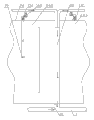
Fig. 1 the utility model structural representation;
Fig. 2 is an A place partial schematic diagram among Fig. 1;
Fig. 3 the utility model transmission chain structural representation;
One group of outer circulation wind apparatus structural representation of Fig. 4 the utility model first drying unit structure;
One group of outer circulation wind apparatus structural representation of Fig. 5 the utility model second drying unit structure;
Fig. 6 the utility model humidity-discharging device structural representation.
The specific embodiment
Now in conjunction with the accompanying drawings, the utility model specific embodiment is described in detail in detail:
As Fig. 1, Fig. 2, Fig. 3, Fig. 4, Fig. 5, shown in Figure 6, a kind of segmented ground rice high-efficiency energy-saving drying machine of automatic control humiture, it is characterized in that: include drying machine body 24, humidity-discharging device, humiture automatic control system, hot blast centralizedly supply device, outer circulation wind apparatus, wherein:
Be provided with the first drying unit structure 241, the second drying unit structure 242, the 3rd drying unit structure 243, the 4th drying unit structure 244 in the described drying machine body 24 from left to right, be equipped with the staged and layered structure for conveying in the described first drying unit structure 241, the second drying unit structure 242, the 3rd drying unit structure 243, the 4th drying unit structure 244; Be connected with ground rice box 28 by clip 27 on the described staged and layered structure for conveying;
Described humidity-discharging device comprises several dehumidifier blower fans 16, first electronic hydrofuge air door 15, the second electronic hydrofuge air door 151, the first hydrofuge pipeline 17, the second hydrofuge pipeline 20, and the described first electronic hydrofuge air door 15 is connected on the first drying unit structure 241 of drying machine body 24 by first inlet scoop 141 on the drying machine body 24; Dehumidifier blower fan 16 is connected with electronic hydrofuge air door 15, and hydrofuge pipeline 17 is connected with dehumidifier blower fan 16 with an end, and other end opening is connected with the external world, and the junction is positioned at outside the workshop; Described the 3rd drying unit structure 243 is provided with first inlet scoop 141, the second drying unit structure 242 and the 4th drying unit structure 244 are provided with second inlet scoop 19, described first inlet scoop 141 is connected with the second electronic hydrofuge air door 151 with second inlet scoop 19, the described second electronic hydrofuge air door 151 is connected with the second dehumidifier blower fan 161, the second hydrofuge pipeline, 20 1 ends are connected with the second dehumidifier motor 161, the other end is connected with hot blast trunk line 7, and junction 21 is positioned at drying machine body the 3rd unit heating section start; Described several dehumidifier blower fans 16 are uniformly distributed in each drying unit, and the quantity of dehumidifier blower fan 16 is along with drying course gradually reduces, and the power of dehumidifier blower fan 16 also can correspondingly reduce.
Described humiture automatic control system comprises several temperature and humidity intelligent control instruments 18, Temperature Humidity Sensor 13, and described temperature and humidity intelligent control instrument 18 is located at the lateral surface of drying machine body 24; Described Temperature Humidity Sensor 13 is located at the centre position in the drying machine body 24; Described Temperature Humidity Sensor 13 is connected with temperature and humidity intelligent control instrument 18; Temperature automatically control is that valve opening and closing angle by the electronic hot blast door 9 of automatic control realizes, humidity control automatically is that valve opening and closing angle by the electronic hydrofuge air door 15 of automatic control realizes.
Described hot blast centralizedly supply device comprises steam heating automatic control system, heat exchanger 4, boiler induced-draft fan 6, hot blast trunk line 7, electronic hot blast door 9, and described heat exchanger 4 is connected with the steam heating automatic control system; Boiler induced-draft fan 6 is connected with heat exchanger 4; Hot blast trunk line 7 is connected with boiler induced-draft fan 6; Hot blast trunk line 7 is provided with several branch pipe(tube)s 8, and described branch pipe(tube) 8 is connected with outer circulation wind apparatus airduct 12; Described outer circulation wind apparatus comprises centrifugal fan 10, airduct 12, and described airduct 12 is located on the oven dry body 24, and an end is connected with centrifugal fan 10, and the other end is connected with the top air outlet of oven dry body 24.
Described staged and layered structure for conveying comprises drive sprocket, driving chain 22; The first drying unit structure, 241 left ends are provided with several drive sprockets from top to bottom successively, and right-hand member is provided with several drive sprockets from top to bottom, and driving chain 22 is installed on the drive sprocket; Driving chain 22 is sent to the drive sprocket 231 of right-hand member from the drive sprocket 23 of left end, be resent to the drive sprocket 232 of left end, be resent to the drive sprocket 233 of right-hand member, so transmit " S " type of formation load mode, drive sprocket 234 until right-hand member, be transferred to the drive sprocket 235 of the second drying unit structure, 242 left ends top again, so be sent to the 3rd drying unit structure 243 and the 4th drying unit structure 244.
Be provided with electronic hot blast door 9 in the described branch pipe(tube) 8; The described hot-air branch pipe(tube) 8 that send provides hot blast by MOD 9 controls; Described hot blast trunk line 7 is provided with and detects hot blast temperature sensor 5.
Described steam heating automatic control system comprises electronics YE 1, electric control valve 2, temperature intelligent controller 3, and described electronics YE 1 one ends are connected with heat exchanger 4, and the other end is connected with control device; Described electric control valve 2, temperature intelligent controller 3 are located between the junction of electronics YE 1 and heat exchanger 4.Temperature intelligent controller 3 is by detecting the information that hot blast temperature sensor 5 provides; After detected temperature value and setting value contrast, send standard signal to electronics YE 1,1 of electronics YE is correspondingly controlled the keying angle of electric control valve 2, thereby realizes what steam heating was controlled automatically.
The airduct 12 inlet and outlet places of the described first drying unit structure 241 are provided with electrothermal heater 11; So that hot blast is heated.The centrifugal fan 10 of different rotary direction is installed, so that dry the different hot blast direction of each section maintenance, the first drying unit structure 241 is for from the bottom up, the second drying unit structure 242 from top to bottom, the 3rd drying unit structure 243 from the bottom up, the 4th drying unit structure 244 from top to bottom, every section of dryer all can be provided with circulated air heating plant more than two groups according to the oven dry production capacity.
Described driving chain 22 is provided with fixed mount 26.
In Fig. 1, temperature intelligent controller 3 is by detecting the information that hot blast temperature sensor 5 provides; After detected temperature value and setting value contrast, send standard signal to electronics YE 1,1 of electronics YE is correspondingly controlled the keying angle of electric control valve 2, controls steam heating automatically.Thermal source (as Boiler Steam) is controlled automatically in the steam heating automatic control system under the condition of heat supply and is exchanged into hot blast through heat exchanger 4, hot blast causes through boiler induced-draft fan 6 and send hot blast trunk line 7, again through sending hot blast manifold road 8 to open and close under the condition of angles at the electronic hot blast door 9 of temperature and humidity intelligent control instrument 18 and automatic control, under the effect of the big air quantity centrifugal fan 10 of different rotary direction, from top to bottom corresponding or through airduct 12 piecewises from down down carrying out heat exchange with ground rice is vertical circularly, moisture after the heat exchange is collected or is discharged under the condition of the keying angle of temperature and humidity intelligent control instrument 18 and the first electronic hydrofuge air door of controlling automatically 15 and the second electronic hydrofuge air door 151.Each drying unit in the dryer is provided with three groups of outer circulation wind apparatus; The centrifugal fan 10 of the first drying unit structure 241 and the 3rd drying unit structure 242 turns clockwise, hot blast vertically is blown into from the bottom up, the air inlet in outer circulation airduct road is located at the bottom and is sent hot trunk line 7, air outlet to be located at the centre position on dryer machine top.The first drying unit structure 241 is carried out heat temperature raising in the inlet scoop of each outer circulation wind apparatus and 11 pairs of hot blasts of electrothermal heater of air outlet, carry out heat exchange with ground rice, moisture after the heat exchange is under the effect of first wet-emitting blower 16, and the inlet scoop 14 through being arranged at dryer machine top is collected in hydrofuge pipeline 17 and arranges outside the oven dry workshop.The centrifugal fan 10 of the second drying unit structure 242 and the 4th drying unit structure 244 is rotated counterclockwise, hot blast vertically is blown into from top to bottom, moisture after the heat exchange is under the second dehumidifier blower fan, 161 effects that are installed on the top, second inlet scoop 19 in centre position outside being arranged at the dryer body, be collected in the energy-conservation second hydrofuge pipeline 20 that utilizes with the damp-heat air of the 3rd drying unit structure 243 through first inlet scoop 141, be connected in and send hot blast trunk line 7, tie point 21 is at oven dry the 3rd unit heating section start.The damp-heat air of collecting makes the 3rd drying unit structure hot blast humidity backward improve the drying condition that wets in the formation.In each drying unit, the Temperature Humidity Sensor 13 that is connected with temperature and humidity intelligent control instrument 18 is uniformly distributed in the place, centre position in each drying unit body, when the temperature of Temperature Humidity Sensor 13 detections is lower than the setting required value, then controlling electronic hot blast door 9 by the analog signal effect rotates to opening direction, otherwise, then rotate to closing direction, when humidity is lower than the setting required value, then controlling first electronic row's temperature air door 15 or second electronic row's temperature air door 151 by the analog signal effect rotates to closing direction, otherwise, then rotate to opening direction.
In Fig. 3, drive sprocket drives driving chain 22 motion under the driving of power, fixes a stainless steel fixed mount 26 every one meter on the driving chain 22, to prevent the chain sideslip.22 times clip 27 is set at driving chain, stainless steel ground rice box 28 is fixed on the clip 27, is used to place ground rice.At each drying unit the Synchronous Transmission sprocket wheel that a plurality of head and the tail are connected is set, has promptly realized the multilayer conveying.
In Fig. 4 and Fig. 5, the keying angle of the electronic hot blast door 9 of humiture automatic controlling system is with the size of control heat supply.Centrifugal fan 10 vertically is blown into hot blast in the oven dry body by airduct 12, carries out heat exchange circularly with ground rice.
In Fig. 6, the damp-heat air of the second drying unit structure 242 is under the vertical wind action of circulation from top to bottom, 19 places, the first electronic hydrofuge air door 15 is evacuated to the energy-conservation keying angle of the second hydrofuge pipeline, 20, the second electronic hydrofuge air doors 151 of utilizing by the first dehumidifier blower fan 16 and is controlled automatically by the humiture automatic control system in the inlet scoop.14 places are evacuated to the energy-conservation hydrofuge pipeline that utilizes through electronic hydrofuge air door by the dehumidifier blower fan to the damp-heat air of the 3rd drying unit structure 243 in the inlet scoop.The energy-conservation damp-heat air that utilizes the hydrofuge pipeline with send hot trunk line 7 to compile at tie point 21 places, the 3rd drying unit structure 234 hot blast temperature is backward reduced, moisture increases, thereby keeps drying condition wet in the low temperature.
Facts have proved through production application, the ground rice moisture of the utility model oven dry is even, flat appearance, do not have crooked, there are not bad phenomenon such as be full of cracks and wet-milling, the also more common dryer of production capacity of oven dry has improved about 20%, and one ton of dry rice flour of every output can save the steam about 0.5Mpa, possesses efficient, energy-conservation characteristics.
The dryer that the utility model provides both had been applicable to the oven dry of ground rice, also can be used for other frangible materials and carried out the wet oven dry of segmented alternating temperature change.
Claims (6)
1. automatic segmented ground rice high-efficiency energy-saving drying machine of control humiture is characterized in that: include drying machine body (24), humidity-discharging device, humiture automatic control system, hot blast centralizedly supply device, outer circulation wind apparatus, wherein:
Be provided with the first drying unit structure (241), the second drying unit structure (242), the 3rd drying unit structure (243), the 4th drying unit structure (244) in the described drying machine body (24) from left to right, be equipped with the staged and layered structure for conveying in the described first drying unit structure (241), the second drying unit structure (242), the 3rd drying unit structure (243), the 4th drying unit structure (244); Be connected with ground rice box (28) by clip (27) on the described staged and layered structure for conveying;
Described humidity-discharging device comprises several dehumidifier blower fans (16), the first electronic hydrofuge air door (15), the second electronic hydrofuge air door (151), the first hydrofuge pipeline (17), the second hydrofuge pipeline (20), and the described first electronic hydrofuge air door (15) is connected on the first drying unit structure (241) of drying machine body (24) by first inlet scoop (141) on the drying machine body (24); Dehumidifier blower fan (16) is connected with electronic hydrofuge air door (15), and an end of hydrofuge pipeline (17) is connected with dehumidifier blower fan (16), and other end opening is connected with the external world, and the junction is positioned at outside the workshop; Described the 3rd drying unit structure (243) is provided with first inlet scoop (141), the second drying unit structure (242) and the 4th drying unit structure (244) are provided with second inlet scoop (19), described first inlet scoop (141) is connected with the second electronic hydrofuge air door (151) with second inlet scoop (19), the described second electronic hydrofuge air door (151) is connected with the second dehumidifier blower fan (161), the second hydrofuge pipeline (20) one ends are connected with the second dehumidifier motor (161), the other end is connected with hot blast trunk line (7), and junction (21) are positioned at drying machine body the 3rd unit heating section start;
Described humiture automatic control system comprises several temperature and humidity intelligent control instruments (18), Temperature Humidity Sensor (13), and described temperature and humidity intelligent control instrument (18) is located at the lateral surface of drying machine body (24); Described Temperature Humidity Sensor (13) is located at the centre position in the drying machine body (24); Described Temperature Humidity Sensor (13) is connected with temperature and humidity intelligent control instrument (18);
Described hot blast centralizedly supply device comprises steam heating automatic control system, heat exchanger (4), boiler induced-draft fan (6), hot blast trunk line (7), electronic hot blast door (9), and described heat exchanger (4) is connected with the steam heating automatic control system; Boiler induced-draft fan (6) is connected with heat exchanger (4); Hot blast trunk line (7) is connected with boiler induced-draft fan (6); Hot blast trunk line (7) is provided with several branch pipe(tube)s (8), and described branch pipe(tube) (8) is connected with outer circulation wind apparatus airduct (12);
Described outer circulation wind apparatus comprises centrifugal fan (10), airduct (12), described airduct (12) is located on the oven dry body (24), one end is connected with centrifugal fan (10), and the other end is connected with the top air inlet or the air outlet of oven dry body (24).
2. the segmented ground rice high-efficiency energy-saving drying machine of a kind of automatic control humiture according to claim 1 is characterized in that: described staged and layered structure for conveying comprises drive sprocket, driving chain (22); First drying unit structure (241) left end is provided with several drive sprockets from top to bottom successively, and right-hand member is provided with several drive sprockets from top to bottom, and driving chain (22) is installed on the drive sprocket; Driving chain (22) is sent to the drive sprocket (231) of right-hand member from the drive sprocket (23) of left end, be resent to the drive sprocket (232) of left end, be resent to the drive sprocket (233) of right-hand member, so transmit " S " type of formation load mode, drive sprocket (234) until right-hand member, be transferred to the drive sprocket (235) of second drying unit structure (242) left end top again, so be sent to the 3rd drying unit structure (243) and the 4th drying unit structure (244).
3. the segmented ground rice high-efficiency energy-saving drying machine of a kind of automatic control humiture according to claim 1 is characterized in that: be provided with electronic hot blast door (9) in the described branch pipe(tube) (8); Described hot blast trunk line (7) is provided with and detects hot blast temperature sensor (5).
4. the segmented ground rice high-efficiency energy-saving drying machine of a kind of automatic control humiture according to claim 1, it is characterized in that: described steam heating automatic control system comprises electronics YE (1), electric control valve (2), temperature intelligent controller (3), described electronics YE (1) one end is connected with heat exchanger (4), and the other end is connected with control device; Described electric control valve (2), temperature intelligent controller (3) are located between the junction of electronics YE (1) and heat exchanger (4).
5. the segmented ground rice high-efficiency energy-saving drying machine of a kind of automatic control humiture according to claim 1 is characterized in that: the inlet and outlet place of the airduct (12) of the described first drying unit structure (241) is provided with electrothermal heater (11).
6. the segmented ground rice high-efficiency energy-saving drying machine of a kind of automatic control humiture according to claim 1 is characterized in that: described driving chain (22) is provided with fixed mount (26).
Priority Applications (1)
| Application Number | Priority Date | Filing Date | Title |
|---|---|---|---|
| CN2011201114321U CN202085666U (en) | 2011-04-14 | 2011-04-14 | Sectional type high-efficient energy-saving rice noodle dryer capable of automatically controlling temperature and humidity |
Applications Claiming Priority (1)
| Application Number | Priority Date | Filing Date | Title |
|---|---|---|---|
| CN2011201114321U CN202085666U (en) | 2011-04-14 | 2011-04-14 | Sectional type high-efficient energy-saving rice noodle dryer capable of automatically controlling temperature and humidity |
Publications (1)
| Publication Number | Publication Date |
|---|---|
| CN202085666U true CN202085666U (en) | 2011-12-28 |
Family
ID=45360771
Family Applications (1)
| Application Number | Title | Priority Date | Filing Date |
|---|---|---|---|
| CN2011201114321U Expired - Lifetime CN202085666U (en) | 2011-04-14 | 2011-04-14 | Sectional type high-efficient energy-saving rice noodle dryer capable of automatically controlling temperature and humidity |
Country Status (1)
| Country | Link |
|---|---|
| CN (1) | CN202085666U (en) |
Cited By (13)
| Publication number | Priority date | Publication date | Assignee | Title |
|---|---|---|---|---|
| CN103734258A (en) * | 2013-12-05 | 2014-04-23 | 颍上县天好食品有限公司 | Sweet potato powder drying process |
| CN104000284A (en) * | 2014-05-12 | 2014-08-27 | 江南大学 | Rice noodle drying apparatus |
| CN104082825A (en) * | 2014-07-13 | 2014-10-08 | 梧州市裕科机电设备制造有限公司 | Method for drying rice noodles |
| CN104146209A (en) * | 2014-08-19 | 2014-11-19 | 莆田市龙泉锅炉有限公司 | Energy-saving type automatic control multi-room rice flour dryer |
| CN104544481A (en) * | 2014-12-15 | 2015-04-29 | 李志根 | Rice vermicelli drying method and system |
| CN105010527A (en) * | 2014-04-29 | 2015-11-04 | 丽明国际机械有限公司 | Rice drying machine |
| CN105698502A (en) * | 2016-04-21 | 2016-06-22 | 河南佰衡节能科技股份有限公司 | Drying system for multi-temperature zone control |
| CN106879660A (en) * | 2017-03-23 | 2017-06-23 | 绥阳县张氏贡面食品有限公司 | Noodle drying room |
| CN107166892A (en) * | 2017-06-13 | 2017-09-15 | 徐州市海涛制冷设备有限公司 | The continuous bakery of pump ring type agricultural product |
| CN108548414A (en) * | 2018-05-07 | 2018-09-18 | 李宏江 | The chain of rings includes dryer, gulch machine for the Drying unit of hot gas |
| CN108955105A (en) * | 2017-05-17 | 2018-12-07 | 巨石集团有限公司 | A kind of waste heat recovering energy conserving baking oven and exhaust heat recovering method |
| CN109059494A (en) * | 2018-06-11 | 2018-12-21 | 上海京元食品有限公司 | A kind of noodle drying system |
| CN109222158A (en) * | 2018-09-30 | 2019-01-18 | 河南中联热科工业节能股份有限公司 | A kind of walnut kernel drying equipment |
-
2011
- 2011-04-14 CN CN2011201114321U patent/CN202085666U/en not_active Expired - Lifetime
Cited By (17)
| Publication number | Priority date | Publication date | Assignee | Title |
|---|---|---|---|---|
| CN103734258A (en) * | 2013-12-05 | 2014-04-23 | 颍上县天好食品有限公司 | Sweet potato powder drying process |
| CN105010527A (en) * | 2014-04-29 | 2015-11-04 | 丽明国际机械有限公司 | Rice drying machine |
| CN104000284A (en) * | 2014-05-12 | 2014-08-27 | 江南大学 | Rice noodle drying apparatus |
| CN104000284B (en) * | 2014-05-12 | 2016-03-30 | 江南大学 | A kind of squeezing face drying plant |
| CN104082825A (en) * | 2014-07-13 | 2014-10-08 | 梧州市裕科机电设备制造有限公司 | Method for drying rice noodles |
| CN104146209A (en) * | 2014-08-19 | 2014-11-19 | 莆田市龙泉锅炉有限公司 | Energy-saving type automatic control multi-room rice flour dryer |
| CN104544481A (en) * | 2014-12-15 | 2015-04-29 | 李志根 | Rice vermicelli drying method and system |
| CN105698502A (en) * | 2016-04-21 | 2016-06-22 | 河南佰衡节能科技股份有限公司 | Drying system for multi-temperature zone control |
| CN106879660A (en) * | 2017-03-23 | 2017-06-23 | 绥阳县张氏贡面食品有限公司 | Noodle drying room |
| CN108955105A (en) * | 2017-05-17 | 2018-12-07 | 巨石集团有限公司 | A kind of waste heat recovering energy conserving baking oven and exhaust heat recovering method |
| CN108955105B (en) * | 2017-05-17 | 2020-10-27 | 巨石集团有限公司 | Waste heat recovery energy-saving oven and waste heat recovery method |
| CN107166892A (en) * | 2017-06-13 | 2017-09-15 | 徐州市海涛制冷设备有限公司 | The continuous bakery of pump ring type agricultural product |
| CN108548414A (en) * | 2018-05-07 | 2018-09-18 | 李宏江 | The chain of rings includes dryer, gulch machine for the Drying unit of hot gas |
| CN109059494A (en) * | 2018-06-11 | 2018-12-21 | 上海京元食品有限公司 | A kind of noodle drying system |
| CN109059494B (en) * | 2018-06-11 | 2020-11-06 | 上海京元食品有限公司 | Fine dried noodle drying system |
| CN109222158A (en) * | 2018-09-30 | 2019-01-18 | 河南中联热科工业节能股份有限公司 | A kind of walnut kernel drying equipment |
| CN109222158B (en) * | 2018-09-30 | 2024-02-13 | 河南中联热科工业节能股份有限公司 | Walnut kernel drying equipment |
Similar Documents
| Publication | Publication Date | Title |
|---|---|---|
| CN202085666U (en) | Sectional type high-efficient energy-saving rice noodle dryer capable of automatically controlling temperature and humidity | |
| CN203327877U (en) | White tea withering constant temperature and humidity all-in-one machine | |
| CN102144802A (en) | Novel quick drying device for edible mushrooms and quick tremella drying technology of novel quick drying device | |
| CN203534106U (en) | Multi-layer chain conveying hot air circulation drying machine | |
| CN108317844A (en) | A kind of tunnel type composite drying device used for refractory material | |
| CN106720825A (en) | A kind of air energy heat cycle preserved fruit drying apparatus | |
| CN104279850A (en) | Automatic herb drying equipment | |
| CN202104186U (en) | Tea baking machine | |
| CN106595264A (en) | Vegetable drying device | |
| CN104180635A (en) | System and method for drying thick-layer traditional Chinese medicine by aid of variable-temperature alternate airflow | |
| CN107339877A (en) | A kind of novel foodstuff drying device | |
| CN102853641B (en) | Wooden board drying roller kiln system and special device thereof | |
| CN104286166A (en) | Solar heat pump grain drying and storage system | |
| CN202050875U (en) | Novel quick drying device for edible fungus | |
| CN205455922U (en) | A automatic high -efficient drying device for domestic fungus mushroom | |
| CN208124811U (en) | A kind of automatic temperature changing drying unit | |
| CN208901836U (en) | A kind of drying unit of rice | |
| CN105300071B (en) | A kind of dryer of high density fiberboard | |
| CN101053339B (en) | Composition heating type vegetable dewatering device | |
| CN206831988U (en) | Solar energy hot blast drying system | |
| CN201207888Y (en) | Micro food quality-ensuring drying machine | |
| CN206633157U (en) | A kind of curved process equipment of timber | |
| CN205561444U (en) | Wood drying machine | |
| CN204168980U (en) | With the tower-type grain drying machine of temperature control system | |
| CN203762169U (en) | High-yield low-temperature cycle grain drying equipment |
Legal Events
| Date | Code | Title | Description |
|---|---|---|---|
| C14 | Grant of patent or utility model | ||
| GR01 | Patent grant | ||
| PP01 | Preservation of patent right | ||
| PP01 | Preservation of patent right |
Effective date of registration: 20180507 Granted publication date: 20111228 |
|
| CX01 | Expiry of patent term | ||
| CX01 | Expiry of patent term |
Granted publication date: 20111228 |
|
| PD01 | Discharge of preservation of patent | ||
| PD01 | Discharge of preservation of patent |
Date of cancellation: 20210414 Granted publication date: 20111228 |