CN201326283Y - Multi-layer building structure to prompt environmental protection - Google Patents
Multi-layer building structure to prompt environmental protection Download PDFInfo
- Publication number
- CN201326283Y CN201326283Y CNU2008201176059U CN200820117605U CN201326283Y CN 201326283 Y CN201326283 Y CN 201326283Y CN U2008201176059 U CNU2008201176059 U CN U2008201176059U CN 200820117605 U CN200820117605 U CN 200820117605U CN 201326283 Y CN201326283 Y CN 201326283Y
- Authority
- CN
- China
- Prior art keywords
- floor
- platform
- building
- flower
- flower platform
- Prior art date
- Legal status (The legal status is an assumption and is not a legal conclusion. Google has not performed a legal analysis and makes no representation as to the accuracy of the status listed.)
- Expired - Fee Related
Links
Images




Landscapes
- Cultivation Receptacles Or Flower-Pots, Or Pots For Seedlings (AREA)
Abstract
The utility model provides a multi-layer building structure to prompt environmental protection, which aims to ensure that the effective open-air vegetation area of a land can not be reduced due to the construction of a building. The multi-layer building of the utility model is characterized in that a step-shaped structure is formed on at least a part of floors of at least one side, and an open-air long and narrow step (a flower stand) is formed on the floor, the flower stand can be formed on the step, the area of the flower stand on each floor can not be completely or mostly covered by the flower stand on the upper layer of floor so as to be completely or mostly open-air. The step-shaped flower stand can be arranged on a single side, on two sides, on three sides or on four sides of the buildings, and a roof balcony on the top floor can be utilized as a roof garden; therefore, the design structure of the multi-layer buildings is suitable for all the multi-layer buildings.
Description
Technical field
The utility model is about a kind of multiple field building, refers to a kind of open-air effective coverage area that makes a piece of land not therefore foundation of building and the multiple field building of the promoted environmental protection that reduces especially.
Background technology
Because all artificial improper speed develops, the vegetation on ground is fewer and feweri, and photosynthesis is significantly reduced the ability that carbon dioxide changes into oxygen in the world.And the human consumption fossil fuel that quickens, everything all impels, and carbon dioxide increases day by day in the atmosphere, the earth is on the rise because of " greenhouse effect " cause to warm up, and therefore, managing to increase the ground vegetation area is the approach of the only redemption earth to reduce Atmospheric Carbon Dioxide.
We know, prescribe a time limit when land area has, and " three-dimensional " or " undergroundization " are the best method that increases the area that can utilize the space.For example the soil on 30 level grounds just obtains the living space on 300 level grounds as building ten layers.But this method also is not suitable for the increase tree and grass coverage, because how many plants all needs sunlight.The soil on this 30 level ground, as build ten layers, then still have only balcony that 30 level ground in roof can be subjected to sunlight, a bit can be subjected to a little sunlight around other each layer has only, so can not increase tree and grass coverage, therefore followingly continue to increase, the space is day by day inadequately the time at population, in order to help planet Earth, all artificial facilities must be adopted three-dimensional in future as far as possible, can utilize the space, and the open-air area that can be subjected to sunlight is topmost kept to come kind of a plant to increase.Ground (as parking lot, the sports ground) limit design of will trying one's best that all cement cover is to underground or indoor, in order to avoid fight for open-air area with vegetation.Make the earth enough plants be arranged to carry out photosynthesis, in order to avoid " greenhouse effect " worsen day by day.
City for an inch of land is an inch of gold, if the building has been built in soil, 30 level ground, then the roof balcony still has " the open-air effective area " that the open-air area in 30 level grounds can be exposed to the sun and rain, as being used for doing the roof garden fully, the tree and grass coverage that 30 level grounds also can be arranged, certainly, if the building is not built in this soil, 30 level ground, directly plant tree, it may plant the trees of high big dark root, as built the building, based on various considerations, its roof balcony can only be planted the shallow rooted plant of shorter property because of depth of soil limited (generally being no more than a meter).But with regard to purifying air, because the suffered sunlight of equal area is the same, no matter therefore plant is how tall and big dense, photosynthesis still is only limited to the surface that illumination obtains.Therefore, the prince Robbie nipa palm of one 30 meters Alexandria coconut and one three meters, because the tree crown size is similar, so the photosynthesis amount is also similar, and the former carries out respiration than polyoxy for bigger body volume because of need consumption, the clean oxygen amount that produces may be less than the latter on the contrary, but because of the former must plant on ground, therefore the latter can plant at Hua Taishang,, only with regard to photosynthetic efficient, area factor is most important.Therefore only " effective coverage area " is discussed how much herein, and do not considered to plant the plant of tall and big or dark root.A kind of effective ways that promote environmental protection so can yet be regarded as in the popularization roof garden.
" roof garden " though a soil of having built the building still can be become " the open-air effective coverage area " of homalographic, it has some shortcomings, causes implementing actually difficulty:
1. the building roof area is big, and the relevant ownership of each resident family is difficult for clearly dividing, and the responsibility of maintenance in garden ownership also is difficult for determining;
2. the roof is remote from resident family, is not that a glance can be seen, so little to the contribution of beautifying, afforesting daily life.Get on to appreciate and arrangement all cumbersome, and by ground appreciate less than, make it except purifying air, other effect subtracts greatly;
3. the roof garden is subject to high wind even thunder and lightning damage;
4. the roof garden gross area is bigger, so the fallen leaves total amount is extremely many, and often cleaning, in order to avoid block drain hole, arrangement is got up not only time-consuming, and when raining heavily, the rain area is big, to accept rainfall many because of being subjected to, thus easy ponding, the cleaning of often must braving the rain up during following torrential rain at once;
The roof garden must keep equivalent area as pavement so that walk about, therefore open-air effective coverage area can reduce;
6. the roof garden is to be located immediately at the indoor top of attic, if any leaking, can cause very burden to attic is indoor.
The utility model content
Therefore main purpose of the present utility model is to provide a kind of building structure of three-dimensional, it can provide and roof garden as many " open-air effective coverage area ", the open-air effective coverage area that is just provided can equal the area in this shared soil of building, but does not have above-mentioned problem.
In order to achieve the above object, the utility model is that at least one part floor at least on one side of the three-dimensional buildings of a multilayer is made step-like configuration, along with floor is high more, floor area also reduces gradually, and form step (shoulder) one by one, therefore each layer will obtain the open-air area that do not covered above one, just so-called " balcony " (the abundant sunlight and the person of drenching with rain are arranged), " balcony " speech that " balcony " speech and top are covered is opposed, can establish the colored platform of homalographic on this balcony, this flower platform can be used for planting plant fully.So arrived one deck topmost, its roof partly also can be used to do " roof garden ", and " the effective coverage area " of therefore whole solitary building just equals its shared land area.In other words, this piece soil can't reduce its " effective coverage area " because having built this solitary building.
According to the alternative characteristic of the utility model, be inwardly to do a balcony corridor at this open-air area inner edge, make floor resident family can be easy to the plant of visiting hand and putting each layer weather part in order.
Though formerly technology early has " scalariform building " (terraced or step building), inside retraction forms " balcony " to its each floor along with the number of plies increases, and its purpose is mainly preferable based on daylighting.But the people is not used to kind of a plant person fully with the open-air area of this balcony, and the inboard balcony that forms a screening canopy day in the balcony of more having no talent is in order to finisher author.
Description of drawings
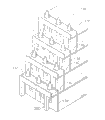
Fig. 1 is the stereogram of the utility model first embodiment.
Fig. 2 A is the sectional side view of the utility model first embodiment.
Fig. 2 B is the sectional side view of the utility model first embodiment, and wherein, the flower platform is a precast type.
Fig. 3 is the stereogram of the utility model second embodiment.
Fig. 4 A is the sectional side view of the utility model second embodiment.
Fig. 4 B is the sectional side view of the utility model second embodiment, and wherein, the flower platform is a precast type.
Fig. 5 is the stereogram of the utility model the 3rd embodiment.
Fig. 6 is the sectional side view of the utility model the 3rd embodiment.
Fig. 7 A is the sectional side view of the utility model the 3rd embodiment, wherein spends the outside projection of platform.
Fig. 7 B is the sectional side view of the utility model the 3rd embodiment, wherein spends the inside projection of platform.
Fig. 8 is another stereogram of the utility model the 3rd embodiment, between its pillar and exterior wall is to adopt the arched girder design.
Fig. 9 is the vertical view of the utility model first embodiment.
Figure 10 is the vertical view of the utility model second embodiment.
Figure 11 is the vertical view of the utility model the 3rd embodiment.
Figure 12 is the enforcement view of the utility model first embodiment, and it is to be provided with colored platform of the present utility model on the both sides of a building.
Figure 13 is the enforcement view of the utility model first embodiment, and it is to be provided with colored platform of the present utility model on three limits of building.
Figure 14 is the enforcement view of the utility model first embodiment, and it is to be provided with colored platform of the present utility model on four limits of building.
Figure 15 connects the vertical view in two adjacent corridors with ladder for the utility model.
Figure 16 connects the stereo appearance figure in two adjacent corridors with ladder for the utility model.
Figure 17 implements view for the utility model, and it is to be provided with colored platform of the present utility model at the center of building.
Figure 18 is the sectional side view of the utility model the 3rd embodiment, and wherein gutter is provided with along exterior wall external surface and corridor face.
Figure 19 is the sectional side view of the utility model the 3rd embodiment, and wherein gutter is provided with along pillar and flower platform bottom.
Figure 20 is provided with the schematic diagram of colored platform at the edge of roof balcony for the utility model.
Figure 21 is applied to the design of building part floor for the utility model.
Figure 22 is applied to another design of building part floor for the utility model.
[primary clustering symbol description]
(10A) (10B) (10C) building
(11A) (11B) (11C) spends platform (12A) window
(13A) (13B) (13C) roof balcony
(13W) exterior wall
(14B) (14C) (14C
1) (14C
2) (14C
3) (14C '
2) (14C '
1) corridor
(IW) spend platform inwall (16B) door
(17B) (17C) (17 ' C) supports (OW) flower platform outer wall
(18B) (19C) crossbeam of (18C) wall column (19B)
(20C) pillar (W) flower platform width
(H) spend platform height (W
1) extension width
(AS) pitch
(21C) beam column (22) corridor
(31) drain hole (32) gutter
(41) paulin frame
The specific embodiment
According to the utility model, the design of flower platform is decided according to the outer wall displacement of first floor under it, can be divided into three types:
(1) outer rim type: the exterior wall of lower floor is below the outer rim of flower platform.
(2) osculant: the exterior wall of lower floor is between the inside and outside edge of flower platform.
(3) inner edge type: the exterior wall of lower floor is positioned at the inner edge below of colored platform.
In (two), (three) type, can between the exterior wall of lower floor and flower platform, stay space, a corridor (balcony), walk about for putting Hua Taishi in order.
Now the embodiment in the conjunction with figs. describes the utility model in detail.
Referring to Fig. 1, shown in Fig. 2 A, be the simple embodiment (outer rim type) of the utility model, the building 10A of one four floor has one side to make step-like configuration, formed second floor, the 3rd buildings, the colored platform 11A in the 4th buildings, the width W of each flower platform 11A can be about one meter, (H) about tens centimeters highly, about eight minutes full soil of inner filling, each flower platform 11A can plant various than shallow root at interval, the trees that tree crown crosswise development is few, the native face trees under can with covering of the short life of crawling property of crawl formula plant such as strawberry, wedelia chinensis, Koryo grass etc. or short property herbage flower are with it lid full (figure does not show).When having window 12A on two, three, the four building walls, flower platform 11A even also can plant epiphyte such as climbing fig, Vegetarian gelatin, parthenocissus, volt stone fern, ivy etc. make it cover with wall between window.Perhaps can set up some simple shelfs on wall, trailing plant then is just can depend on shelf and upwards growth as grape, wooden rose, morning glory etc.; and then take wall between window; so more can give full play to the vegetation effect, avoid wall to generate heat, can reduce the electricity consumption of air-conditioning because of Exposure to Sunlight.In addition, roof balcony 13A can do the roof garden, and just design of roofing garden is not the utility model patent category, so do not give unnecessary details.In addition, the exterior wall 13W of each floor below constitutes flower platform inwall IW, and extension, exterior wall 13W upper end constitutes flower platform outer wall OW.
This colored platform 11A of Fig. 1, in the time will putting flowers and trees or fertilising, deinsectization, spray medicine in order, 12A can open the window, the people directly stretches out hand or upper body in window 12A and starts arrangement outside the window 12A, also can directly climb out of outer the going up to flower platform 11A of window 12A works, but this Collator Mode may be more uncomfortable and be dangerous, and therefore preferably plantation must be not often (or fully not must) prunes the plant of arrangement such as pawpaw, cassava, cypress, African prickly pear etc., with minimizing work number of times or need not work fully.
Shown in Fig. 3,4A, be another kind of embodiment of the present utility model (osculant), can more cosily carry out housekeeping, it is to be provided with a balcony or corridor 14B between the exterior wall 13W of the colored platform 11B of each layer and each layer, the operator can be walked out outside the room to corridor 14B by door 16B, walk about to put the vegetation of colored platform 11B in order along corridor 14B, under this design, exterior wall 13W goes up just should not have wall plant or climing rattan.As will planting climing rattan, can be at this uncompleted building platform inwall IW upper limb and spend the intermarginal frame of setting up outside platform 11B following upstairs.So can plant grape, sponge gourd, passionflower (passion fruit) and so on.Arrangement or gather and can be directly in the 14B of corridor, visit hand and to frame, carry out.
In the optimal design, corridor 14B width should be about half of colored platform 11B width W, and exterior wall 13W approximately withstands the central part of colored platform 11B upstairs.Therefore it is unsettled spending platform 11B that half width W is arranged.So, for the exterior wall 13W of flower platform 11B below, its both sides moment is balance roughly, and is structurally preferable.And flower platform 11B width W is open-air fully, is not subjected to spend platform 11B to cover upstairs, can fully accept light or rainwater.In addition, we can fill the weight of the unsettled part of native colored platform 11B at the inside and outside support 17B that does steel concrete between door 16B and each window 11B of exterior wall 13W with support.This support 17B can see clearlyer in Fig. 4 A.Support 17B should be located at outside the exterior wall 13W of the end of crossbeam 19B or wall column 18B.
The shortcoming of Fig. 1,3 embodiment be flower platform 11A, 11B all or part of above indoor, if there is the crack flower platform 11A, 11B below, then muddy water can infiltrate in the lower chambers from the crack, destroys indoor decoration (certainly as adopting precasting mode hereinafter described just can avoid this problem).In order to prevent this shortcoming, can take the inner edge type design of Fig. 5.Flower platform 11C is unsettled fully outside exterior wall 13W, respectively forms a corridor 14C or balcony below flower platform 11C.So,, also only can pollute the outdoor corridor 14C of below, can not undermine indoor decoration even flower platform 11C has the crack to cause seepage, and easily by outdoor repairing.
In order to support the weight of unsettled colored platform 11C, can establish pillar 20C every certain intervals, the post framework of the crossbeam 19C of pillar 20C and building 10C (figure does not show) is the person of being combined into one.Pillar 20C should be extended upward by the wall column 18C of below floor and constitute, and whole building framework like this is firmer.
The support 17B of Fig. 4 A is from the high inclination more than common people's the shoulder height upwards, therefore can not hinder walking about of people (aisle) 14B in the corridor.Corridor 14B top is not open-air fully, so even rainyly also can work, and can not be caught in the rain (unless wind head-on blows).And usually also more can not be subjected to Exposure to Sunlight, so work is lighter and much safe than the roof garden.
In the design of Fig. 3, flower platform 11B half unsettled be optimal, except the reason of equalising torque, if unsettled part too many (for example 3/4), though then but 14B broad in corridor is a little, the support that Hua Taixu is stronger must be done pillar in addition, as overhanging portion very little (for example 1/4) then can become narrow partially and make inconvenience of action in the corridor, the former capital is not good.In order to make colored platform 11B fully open-air and for neat appearance, the colored platform inwall IW of colored platform 11B downstairs should align with the colored platform outer wall OW of colored platform 13B upstairs (shown in Fig. 4 A).
That yes is optimal for the inner edge type of Fig. 5, but " usable floor area " in house can increase because of corridor (balcony) 14B broad, city at an inch of land is an inch of gold, Building Coverage Ratio is arranged, the restriction of floor, so reality of may must condescending to take this post sometimes, use the outer rim type of Fig. 1 or the osculant of Fig. 3, under this situation, flower platform 11A, 11B will do firmly in especially leakage proof in the below, preferably spend platform 11A, 11B is designed to precast type (prefabricated), help so not only that standard gauge is formatted and volume production, and the material of it and house wall is not to integrally combine, therefore spend platform 11A, 11B and wall cause stress to concentrate if any the crack and when fracture extension is propagated, flower platform 11A, the crack of 11B can its spread in china to the wall and the ceiling of its below, and the crack of room wall can not extend to colored platform 11A yet, 11B extends at most between the two interface and just stops, and so can effectively prevent flower platform 11A, the muddy water water clock of 11B gets off.And because flower platform 11A, 11B do not constitute the exterior wall of building 10A, 10B, do not bear the load of building 10A, 10B yet, therefore have only the advantage in precasting room, and do not have any shortcoming in precasting room.In the situation of precasting, flower bottom of platform and building structure except locating mutually with pin-and-hole, but the intersection interface tarring AS of the two infiltrate with waterproof, and increase sealing elasticity bonding (referring to Fig. 2 B, 4B) between the two.
In three kinds of embodiment types shown in Fig. 1-6, the upper strata floor is than the width W of lower floor's floor retraction, and is identical with colored platform 11A, the 11B, the 11C width (the not covered part in top) that produce.But we also can with this flower platform 11A, 11B, 11C laterally or to the inside (as if possible) extend a bit of distance (extension width W
1), to increase colored platform 11A, 11B, 11C area and soil volume, with more favourable plant growing.With inner edge type embodiment is example, and among Fig. 7 A and the 7B, flower platform 11C further stretches out a length (extension width W towards its outside or to its inboard
1), so spend platform 11C width to become W+W
1, but open-air width W is constant.In this design, inboard sub-fraction (the extension width W of flower platform 11C
1) top covered by the colored platform 11C of top, even so have wind and rain should blow side still can to drop among the colored platform 11C and unlikely its inboard corridor 14C that enters into, most of rainwater by building 10C, and when burning sun, the effect of sheltering from heat or light of corridor 14C is also better.In Fig. 7 A, flower platform 11C stretches out a width (extension width W towards the lateral process of pillar 20C
1), in order to support this overhanging portion, pillar 20C is provided with support 17C.At the embodiment of Fig. 7 B, the not retraction of lower end of inwall 15C of flower platform bends and forms a vertical section but tilt to extend upward one section, just stretches out an extension width W towards flower platform 11C inboard
1Even when so the diapire of flower platform 11C below had the crack, the muddy water in the flower platform 11C can not infiltrate indoor yet.In order to support the part of this section projection to the inside, the inclination of flower platform 11C inwall 15C is along establishing a support 17 ' C every a spacer segment (for example per 2 meters) under the section of stretching.Just like the support 17B of Fig. 4 A, support 17 ' C is particularly suitable for being located at the position of wall column 18B, 18C and crossbeam 19B, 19C.
In addition, a colored platform 10C can just with the embodiment combination of Fig. 7 A, 7B, so spend the platform width to become W+2W simultaneously to its outside and to its inboard projection
1, but open-air width still is W.
In Fig. 5,6 inner edge type embodiment, also can adopt the arched girder design, make holding strength reach maximum, and more attractive in appearance, cooperate referring to shown in Fig. 7 A, can make arched girder between pillar 20C and the exterior wall 13W.In addition, as shown in Figure 8, also can make the arched girder shape between the adjacent pillar 20C.
Fig. 9 is the vertical view of Fig. 1 outer rim type design, can find out that the tree and grass coverage [all spending platform 11A to add roof garden 13A] on it just in time equals the whole shared land area of solitary building.Figure 10,11 is the vertical view of Fig. 3,5 osculants and the design of inner edge type, can find out this point equally.In addition, Yi Bian the same building thing also can be in any design of the outer rim type in adopting Fig. 1,3 or 5, osculant or the design of inner edge type, and adopt another kind of design in another side.
Only do explanation among the figure with four layers building, but in fact the utility model applicable to the building of tens layers even tens layers.So, the area of roof balcony 13A, 13B, 13C part just becomes much smaller, and its ownership does not more have problem, because of there are oneself colored platform 11A, 11B, 11C in each building resident family, so more can not go to haggle over the thing of roof balcony 13A, 13B, 13C.Because each uncompleted building platform 11A, each position of 11B, 11C are all easily visited hand by window or corridor and are reached, must not do pavement, so can not reduce the effective coverage area,, make the situation of effective coverage area minimizing to avoid because of roof balcony 13A, 13B, 13C are provided with pavement therefore from whole building.And because tree and grass coverage is distributed to colored platform 11A, 11B, the 11C in each building, rainfall is not concentrated in roof balcony 13A, 13B, 13C when therefore raining, but is assigned to each building, thus easily get rid of rapidly, and can ponding.Relatively there are not fallen leaves to clog the problem in water hole yet.
In design of the present utility model, no matter stay in which building, this window limit that is provided with colored platform 11A, 11B, 11C all is that a slice is emerald green, needn't require great effort step on the building to roof balcony 13A, 13B, 13C go to watch or go the arrangement, and flower platform 11A, 11B, 11C have building to block on one side, the influence of wind-engaging is little far beyond roof balcony 13A, 13B, 13C, so much easier in arrangement and maintenance.Spend the trees on platform 11A, 11B, the 11C can also block strong sunlight, avoid causing curtain or indoor article exposure and deterioration, also avoid the wall heating and room temperature is raise.
This colored platform 11A of the utility model, 11B, 11C also can be made in building (Fig. 9 to Figure 11), both sides (Figure 12), three limits (Figure 13) or four limits (Figure 14) on one side, no matter which kind of design, whole open-air effective coverage areas all are the same (equaling the area on the shared ground of building).Generally speaking, on the Northern Hemisphere, it is full blast that flower platform 11A, 11B, 11C only build south in, because this mode can be accepted maximum sunshines most effectively.If but building is all established colored platform 11A, 11B, 11C on four limits, advantage is also arranged, because it is emerald green to be full of a slice all around, ornamental value is preferable.In the latter's situation, the less side of the sunlight that is exposed to the north can be planted the plant of avoiding strong sunshine, anti-shade as far as possible, as various ferns, tree fern, and many so-called " houseplants ".
When all there is colored platform 11C at building 10C four sides, the adjacent colored platform 11C at its four sides also can be on same horizontal plane, but each differs from 1/4th layer heights (for example every floor is high 4 meters, each 1 meter of then adjacent colored platform 11C drop), so can be by Stall along corridor (balcony) 14C in the flower platform 11C
1Detour corridor 14C successively through second floor, periphery, the 3rd building
1, 14C
2, get to the roof garden, help the gardening master worker and once put all flower platform 11C in order.Figure 15,16 shows the plan view and the part sectional axonometric drawing of this design, and wherein Figure 15 all omits flower platform 11C, only exposes the corridor 14C of below
1, 14C
2, 14C
3, 14C
4Ask for an interview shown in Figure 16ly, each flower platform 11C is contiguous to next flower platform 11C in the corner.The latter than the former height 1 meter, and its inboard corridor 14C
3Also than the corridor 14C of next section
2High 1 meter, corridor 14C
2Step on corridor 14C through four fan-shaped stepped (each is high 0.2 meter)
3This design is well suited for for the medical plants garden of visiting.The visitor can be by ground along corridor 14C
1, 14C
2, 14C
3Step on the roof garden, the one tunnel visits the plant of planting among the flower platform 11C of next door.Note, at four corridor 14C of Stall
1The section outside is flower platform 11C not, thus its second and third and four corridors to surround with dropproof with railing.And four corridor 14C in the 4th buildings
4Have only first that outside, the right that colored platform 11C (for the right border of roof garden), other corridor 14C are arranged
1The top does not then have.In addition, also can be as shown in figure 17, be formed centrally courtyard among the roof balcony 13C, with outer shroud corridor 14C
1, 14C
2(they are with outer shroud flower platform 11C) similar interior ring corridor 14C ' of structure
2, 14C '
1(certainly also with interior ring flower platform) along courtyard around arriving ground down.This situation, aisle, indoor four limit, each building height differs, their comparable floors that is surrounded are low 1 meter, equally high, high 1 meter or high 2 meters, therefore there is the exterior wall 13W on some limits to suit not do window or make the French window form in four limits, communicates with the corridor of outside differing heights (particularly exceeding 1 meter or low 1 meter) than it and can do a bit of ladder up or down on its interior floor.
According to the utility model, can make the city of forest of skyscrapers become full of green, and make and to cause the sunlight of heat island effect to be used in photosynthesis, not only eliminated the effect that the sunlight energy makes the air heating, more carbon dioxide can be converted into oxygen, improve air quality, and because carbon dioxide (greenhouse gases) minimizing, and heat island effect is eliminated fully.And plant during its breathe air, has filtration to suspending dust except disengaging the polyphenol powde, so can further improve air quality.Except above function,, then more make the vast area in urban have the effect in farmland if the plant of planting is industrial crops.Food shortage when war for example; then these flower platforms 11A, 11B, 11C can be used for replanting cereal crops; solve grain shortage, also can be used for maize planting (but preparing alcohol) and soybean (can make synthetic petroleum) or tung oil tree, green coral (system synthetic petroleum), to solve the energy crisis of non oil producing country.
Referring to shown in Figure 180, all Drainage Design to be arranged as all colored platforms, for amassing in flower platform 11C bottom, anti-sealing cause plant root to cause root-rot mashed because of not breathing, each the flower platform 11C thereunder outer surface of exterior wall 13W can be provided with drain hole 31, and gutter 32 wriggles along exterior wall 13W external surface and 14C ground, corridor one tunnel from the roof down to the gutter (seeing Figure 18) on ground.Arrive the turning point of this water pipe 32 at 31 openings of drain hole of each flower platform 11C.Entering water pipe 32 for fear of grogs results in blockage, can adopt the filtering layer design of filter on the drain hole 31, put earlier one deck orchid stone (Luwasa pebbles), again put one deck nacrite, put one deck letterwood bits again, put one deck coarse gravel again, can prevent that so grogs from infiltrating gutter 32 with water, gutter 32 suitable shallow-layer ground embed in exterior wall 13W metope and the 14C floor, corridor, and do camouflage and beautify, and sectional joins, so that change or eliminate and silt up.The water pipe system of this embedding exterior wall 13W external surface is suitable in outer rim type, osculant and three kinds of designs of inner edge type of Fig. 1, Fig. 3 and Fig. 5.And the inner edge type of Fig. 5 is designed, also can adopt the shown another kind of Drainage Design of Figure 19, wherein gutter 32 can be provided with along the bottom of wall column 18C and flower platform 11C, and all establishes drain hole 31 in each corner.The design of Figure 18 and Figure 19 can merge use, makes drainage effect better.This circuit design also can be used for the supply channel of this building, and the position is at exterior wall 13W external surface (exposed conduit) but not imbed (hidden pipe) in the wall because water pipe all try one's best, therefore leaks to pollute indoor problem and can reduce to minimum.
About the utilization of roof balcony 13A, 13B, 13C, the roof garden greatest problem is roof balcony 13A, 13B, 13C if any the crack, and it is indoor that then rainwater or flower platform muddy water can be gone into attic, and this problem can solve with four kinds of modes:
(1) do not do the roof garden, and do solar panels roof (still can utilize solar energy fully).
(2) make glasshouse, so rainwater can import colored platform 11A, 11B, the 11C of each layer of below, and the colored platform in the greenhouse is because there is the glass roof top, the rainwater that falls above directly not accepting is (when torrential rain, have up to a hundred centimetres amount of precipitation in short time), only accept limited irrigation water, the problem of therefore splitting leakage significantly reduces.Can not make the colored platform basin of only letting off fireworks fully yet, like this then do not have the problem of attic roof roof leaking fully.
(3) utilize the edge to do colored platform, take as the inner edge type of Fig. 8 and towards the design of the inboard projection of building 10C, for example shown in Figure 20, and central authorities can make the paulin frame 41 that the wayside pavilion formula does not have the open solar energy roof of wall as the greenhouse, following side space can store article, as garden tool set, fertilizer, compost, flowerpot etc.And the space of the oblique inwall IW below of flower platform 11C also can supply place tool, as hoe, scoop, besom etc.
(4) the colored platform of roof garden (in the utility model, its area reduces to the some that only accounts for the floor area of building) is made precast type or the bottom of flower platform and non-the integrating of bottom on roof, but 20~30 centimeters gap is arranged.
Each flower platform 11A, 11B, 11C can establish the water spraying pipeline with automatic control, according to the institute's floristics of planting setting watering amount, supply water according to temperature in advance in good time, and sky rain then stops or reducing water supply according to situation.This way is easy person in modern automatic control technology, is not the utility model main points, does not give unnecessary details now.
This design (the especially no aisle formula of Fig. 1 inner edge type design) also is fit to not have the periphery of open ventilated type building (as Outlook Channel, farm, poultry yard, the apiary of petrol filling station, sky parking, fruit and vegetable wholesale market, Tu Jicheng, national park, support dove field etc.) of exterior wall 13W as other multiple field and designs.In being located at the situation on farm, the excremental waste water that cleans fowl poultrys such as chicken, pig also can collect, and after treatment, irrigates colored platform 11A, 11B, 11C in right amount, plant grew well can be impelled on the one hand, also the problem that effluent discharge pollutes can be reduced on the other hand.Wastewater Treatment Plant also can be built into four, five layers constructing as tier building of the present utility model, can be after its activated sludge drying as the fertilizer of flower platform 11A, 11B, 11C, a part is removed the discharge water that depollutes or then be can be used for irrigating without the water of partly handling of denitrationization, dephosphorylation.Building of the present utility model also is a big Gospel to hobby pet feeding person, the high buildings and large mansions of today have many inconvenience to the pet feeding person: itself does not have activity space pet, its excreta is handled trouble, and often has pet to throw the situation that causes death or become the maimed person from the high building window.If adopt building of the present utility model, then colored platform 11A, 11B, the 11C of this species stage shape can provide the activity space of the splendid expansion of pet (particularly cat), pet excrement can directly be poured on colored platform 11A, 11B, 11C make fertilizer, or allow pet directly jump onto colored platform 11A, 11B, 11C urinate and defecate, kill two birds with one stone, no matter and pet or child are difficult for passing the vegetation of colored platform 11A, 11B, 11C and fall on high building, even can fall, also venerate the colored platform 11A that can fall down one deck, the vegetation on 11B, the 11C, do not have the situation of the casualties.In addition, this architectural design to the high building occupants of acrophobia is arranged, also provides psychological and the actual sense of security.
This building, even the building is on fire, the soil of flower platform 11A, 11B, 11C can stop propagation of flame, and the occupants easily jumps off escape (side that is provided with colored platform 11A, 11B, 11C will catch fire extremely difficulty) from level to level by stair-stepping colored platform 11A11B11C.Rescue people and fire extinguishing and the fire fighter also utilizes this terrace structure to enter the high building eminence easily, and do not need the aerial ladder of overlength.
In addition, compare with the rectangle building of pure roof garden, the center of gravity in this building is much lower, because when building is truncated cone shape, the center of gravity in building own is sentenced down (general building center of gravity is at 1/2 place highly, and is provided with the roof garden person, more than 1/2 height slightly) with regard to dropping to 1/4th height.And soil and plant be dispersed in each building, makes that the center of gravity of weight of soil and plant is also much lower than pure roof garden person, and therefore the stability and safety when earthquake is also much better.
The roof garden be can't see from ground, only see the full of green of edge at the most, therefore limited for the effect that improves ground view, but building of the present utility model, flowers and trees that its each layer is planted, can come into plain view on the ground,, make the urbanite just like in mountain forest so the utility model can make inanimate many towering " forests of skyscrapers " of modern metropolitan cities become the massif of many rich multicoloured decorations.
If the whole colored platform 11A in a building, 11B, 11C have the special messenger to be responsible for processing, movable convenient in order to make it, can do easy speeling stairway (figure does not show) between each adjacent building and make him can be about each colored platform 11A, 11B, 11C are direct.In this situation, above-mentioned common gutter 32 just can utilize the structure of these stair, and suitably camouflage is covered up, and is the current influence of externally seeing to reduce gutter 32 with exposed conduit.
The peripheral profile of architectural plane of the present utility model is not limited to rectangle or square, and other geometry also can be suitable for as circular, oval (as the sports palace), hexagon, octagon (as Zang Guta), U font, L font, T font, E font, H font etc.
Many this structures are arranged in the city, also have the advantage on the hydrology.We know, there are many fluid-tight stone matter to lay the not still arch-criminal of " heat island effect " of ground (as roof, parking lot, road) these vast areas in the city, and a large amount of rainwater collected when raining can not permeate the ground through soil, and discharge via sewer entirely, sewer moment load is very big when torrential rain, so easily cause sewer to sink beneath one's burden and the overflow waterflooding.According to the utility model, the area of owned building is all covered by soil, the dark soil of its vegetation and tens of centimetre its moisture reach saturated before, can absorb the above amount of precipitation of 100mm at least, so suitable benefiting arranged for preventing and cushion the waterflooding phenomenon.
If in the area of inch of land a thousand pieces of gold, build ground very little (for example venerate 30 level grounds are arranged), want to build very high building (for example 12 layers) again (in fact, after the floor regulation is implemented, this be cannot), then can be only do this step-like configuration (for example shown in Figure 21) which floor (for example the 8th layer is risen) topmost, its each floor of below still is as good as with general building, and is like this then can will reduce to minimum because of doing the influence that colored platform 11A retraction causes each floor level ground number to diminish.And these are provided with easier the selling of floor (the 8th~12 building) of colored platform 11A, and the price on every level ground also can be sold higherly.Another kind of mode can not adopted every layer of mode of being colored platform 11A, is a flower platform 11A (for example Figure 22) and adopt every two, three layers or four, five layers.Certainly the floor (the 4th, 7,10th building) that is provided with colored platform 11A also can more easily be sold, and it is higher that price is counted on the level ground by unit, by finding out among the figure, with regard to the number of total level ground, in the at interval some storey setting flowers of the design platform 11A of some storey setting flower platform 11A topmost be designed to good.
The utility model is in order to as the nurseries of trees below two, three meters (for example cypress nursery or be tea place, Gan Yuan) time, and is even better than the natural nursery on the mountain, because:
1. this sapling root stretches not dark, and tens centimeters colored platform soil is had a surplus fully, as long as fertilizer is suitably supplied, it is poor never to plant than land.
2. plant is non-is the plane and is three-dimensional and distributes, and does not block fully mutually or collides, and can fully accept more sunlight (one side especially to the south), and it is better to ventilate, so more can ill insect pest.And can fully develop the side branch.Especially when infecting nematode, only can spread at the most, can not extend to whole building, be easier to for the control and the control of disease and pest at colored platform with one deck.
3. for the grower, management becomes indoor or half indoor (non-open-air) with the work of looking after by outdoor, and very light and simple and easy, need not to expose to the weather drenches with rain, and also needn't shuttle back and forth between grove.
4. fertilising can be more effective and remain near the plant (at Hua Taizhong) muchly and do not run off, even and loss arranged, directly enter ground water regime and deliver to Wastewater Treatment Plant and handle owing to washing out water, do not have the problem (for doing tea place, orchard, vegetable garden, above each point is set up too) of pollution of waterhead water quality eutrophication.
Plant crop at this colored platform 11A, 11B, 11C, perhaps output and quality can't be compared with professional farmland, but city ethnic group crops, often the purposes of amusement and study is greater than the purposes of its crops results.In any case and greening environment can both reach with the main purpose that purifies air.Even cause plant death because of planting patterns is improper, as long as plant other plant again again.Be stressed that weedy even spend platform 11A, 11B, 11C to let alone fully to fall into disuse, these weeds still equally have purification earth air, reduce the effect that warms up.
In addition, this design of the utility model is not only applicable to the building of cuboid, can be used for the prismatic building of various profiles such as circle, ellipse, hexagonal, anise, U font, L font, T font, E font yet.In sum, the utility model is not only for environmental protection and economy, view has very big contribution, and the Nature is taken to people's inhabitation or working environment, can improve its delight of life and operating efficiency, promote the knowledge of its Nature, and its enforcement fully meets the important document of Patent Law utility model upward without any technical problem.
Claims (9)
1, a kind of tier building structure, its at least one part floor retraction at least one side is bedded structure, it is characterized in that:
The floor of the side of this retraction has formed an open-air long and narrow step, and a flower platform is set on each step, and this flower platform is not covered by its top flower platform fully and fully in the open.
2, the tier building of promotion environmental protection as claimed in claim 1 structure is characterized in that, the outer wall of this flower platform is above the exterior wall of its lower floor's floor.
3, the tier building of promotion environmental protection as claimed in claim 1 structure, it is characterized in that, the inwall of this flower platform is above the exterior wall of its lower floor's floor, form a corridor between the exterior wall of flower platform inwall and same floor, flower platform inwall is interval with many pillars, and this pillar extends up to the outer wall below of the colored platform of upper strata floor.
4, the tier building of promotion environmental protection as claimed in claim 1 structure, it is characterized in that, the exterior wall of this flower platform lower floor floor and should be interval with support in flower platform below below between the inwall of this flower platform and the outer wall, and this support is between outside the exterior wall of this Hua Tai bottom side and lower floor's floor.
5, the tier building of promotion environmental protection as claimed in claim 3 structure is characterized in that, flower platform outer wall has extended a bit of than the pillar of the Hua Taishang of its lower floor's floor towards the building outside more.
6, the tier building of promotion environmental protection as claimed in claim 3 structure is characterized in that, the exterior wall that flower platform inwall is located at its lower floor has more extended a bit of towards the building inboard.
7, as the described tier building structure of each claim in the claim 1 to 6, it is characterized in that, the adjacent Er Huatai of each floor and is provided with ladder in the junction in the corridor of these two flowers platform sides not on same horizontal plane, wriggled upwards to the roof balcony around this building in this corridor.
As the described tier building structure of each claim in the claim 1 to 6, it is characterized in that 8, each flower platform bottom is provided with drain hole, and is provided with the gutter that communicates with this drain hole along exterior wall, corridor and the Hua Tai bottom side of each floor.
As the described tier building structure of each claim in the claim 1 to 6, it is characterized in that 9, each flower platform bottom is provided with drain hole, and is provided with the gutter that communicates with this drain hole along the pillar and the Hua Tai bottom side of each floor.
Priority Applications (1)
| Application Number | Priority Date | Filing Date | Title |
|---|---|---|---|
| CNU2008201176059U CN201326283Y (en) | 2008-05-23 | 2008-05-23 | Multi-layer building structure to prompt environmental protection |
Applications Claiming Priority (1)
| Application Number | Priority Date | Filing Date | Title |
|---|---|---|---|
| CNU2008201176059U CN201326283Y (en) | 2008-05-23 | 2008-05-23 | Multi-layer building structure to prompt environmental protection |
Publications (1)
| Publication Number | Publication Date |
|---|---|
| CN201326283Y true CN201326283Y (en) | 2009-10-14 |
Family
ID=41178256
Family Applications (1)
| Application Number | Title | Priority Date | Filing Date |
|---|---|---|---|
| CNU2008201176059U Expired - Fee Related CN201326283Y (en) | 2008-05-23 | 2008-05-23 | Multi-layer building structure to prompt environmental protection |
Country Status (1)
| Country | Link |
|---|---|
| CN (1) | CN201326283Y (en) |
Cited By (3)
| Publication number | Priority date | Publication date | Assignee | Title |
|---|---|---|---|---|
| CN106760907A (en) * | 2016-12-28 | 2017-05-31 | 天津大学 | The urban three-dimensional green construction method of green percentage 100% and its greening system of structure |
| CN107630568A (en) * | 2016-07-15 | 2018-01-26 | 章锐 | Green building forest mansion |
| CN110158994A (en) * | 2018-04-02 | 2019-08-23 | 楼中平 | A kind of cleaning ecodevelopment system |
-
2008
- 2008-05-23 CN CNU2008201176059U patent/CN201326283Y/en not_active Expired - Fee Related
Cited By (3)
| Publication number | Priority date | Publication date | Assignee | Title |
|---|---|---|---|---|
| CN107630568A (en) * | 2016-07-15 | 2018-01-26 | 章锐 | Green building forest mansion |
| CN106760907A (en) * | 2016-12-28 | 2017-05-31 | 天津大学 | The urban three-dimensional green construction method of green percentage 100% and its greening system of structure |
| CN110158994A (en) * | 2018-04-02 | 2019-08-23 | 楼中平 | A kind of cleaning ecodevelopment system |
Similar Documents
| Publication | Publication Date | Title |
|---|---|---|
| Hopkins et al. | Living architecture: green roofs and walls | |
| JP2011506805A (en) | Building structure and construction method | |
| CN1844611A (en) | Pot type ecological yard and construction method thereof | |
| Dunnett et al. | Small green roofs: low-tech options for greener living | |
| Steen et al. | Built by hand: vernacular buildings around the world | |
| CN201326283Y (en) | Multi-layer building structure to prompt environmental protection | |
| Nowysz | URbaN veRTICal faRm–INTRODUCTION TO The sUbjeCT aND DIsCUssION Of seleCTeD examples | |
| Naqvi | Maximizing Green Space in a Building Complex through Alternative Landscape Design Elements | |
| Falkenberg | Interior gardens: designing and constructing green spaces in private and public buildings | |
| Williams | Creating the prairie xeriscape | |
| Green | A guide to using plants on roofs, walls and pavements | |
| CN113585815A (en) | Sustainable three-dimensional city building system that lives | |
| Khazraie | An Analytical Approach to Vertical Green Systems in High Rise Buildings | |
| Poropat | Family house courtyard in the context of sustainable arrangement | |
| Sawasdee et al. | Adaptation of Vernacular Houses to Coastal Basin Environments of Pak Phanang, Nakhon Si Thammarat, Thailand | |
| CN214740238U (en) | Ecological corridor frame with artificial bird nest | |
| Bull et al. | Elevating the botanical | |
| Cruz Martínez | Green Envelopes: Technological and Architectural Integration in a Mediterranean Area-Barcelona | |
| CN1068922C (en) | Multiple-story landscaping building in park | |
| Seruga | Zieleń i woda we współczesnych założeniach architektoniczno-urbanistycznych | |
| Kahn et al. | Shelter Ii | |
| Andreucci | Greening High-Density Buildings, Open Space, and Infrastructures: Circular and Regenerative Climate Actions Linking Environmental with Social Aspects | |
| Andreucci | Circular and Regenerative Climate Actions Linking Environmental with Social Aspects | |
| Mohammed | Green Roofs to Treat the Local Dwelling Environment Problems Within Egypt's Vision 2030 | |
| Rathwell | Greening: Designing Sustainable Urban Greenhouses in Ottawa |
Legal Events
| Date | Code | Title | Description |
|---|---|---|---|
| C14 | Grant of patent or utility model | ||
| GR01 | Patent grant | ||
| C17 | Cessation of patent right | ||
| CF01 | Termination of patent right due to non-payment of annual fee |
Granted publication date: 20091014 Termination date: 20100523 |