CN115784545A - Method and device for drying and sterilizing livestock excrement by utilizing fermentation thermal coupling intermittent negative pressure - Google Patents
Method and device for drying and sterilizing livestock excrement by utilizing fermentation thermal coupling intermittent negative pressure Download PDFInfo
- Publication number
- CN115784545A CN115784545A CN202211590691.6A CN202211590691A CN115784545A CN 115784545 A CN115784545 A CN 115784545A CN 202211590691 A CN202211590691 A CN 202211590691A CN 115784545 A CN115784545 A CN 115784545A
- Authority
- CN
- China
- Prior art keywords
- fermentation
- heat
- drying
- negative pressure
- temperature
- Prior art date
- Legal status (The legal status is an assumption and is not a legal conclusion. Google has not performed a legal analysis and makes no representation as to the accuracy of the status listed.)
- Granted
Links
Images

Landscapes
- Treatment Of Sludge (AREA)
- Fertilizers (AREA)
Abstract
本发明提出了利用发酵热耦合间歇式负压对禽畜粪便干化杀菌的方法及装置,属于禽畜粪污资源化利用技术领域。解决了在北方寒区,外界温度极低,由热传导造成的热量损失更多,对于发酵设备的保温要求极为苛刻,一般禽畜污粪干化杀菌的工艺和设备不足以抵抗外界低温的问题。本发明可以在确保添加物料和设备检修操作方便前提下,对物料好氧发酵过程中产生的热能进行高效利用。一方面利用禽畜污粪好氧发酵热能原位形成系统高温和蒸汽完成自身干化杀菌;另一方面通过外置的换热器使系统排出的热蒸汽对新通入系统的冷空气进行初步加温,避免了冷空气进入发酵罐内形成大量冷凝水,并避免了出现发酵物料局部低温现象,促进发酵产热。
The invention provides a method and device for drying and sterilizing poultry manure by using fermentation heat coupled with intermittent negative pressure, and belongs to the technical field of resource utilization of poultry manure. It solves the problem that in the northern cold area, the external temperature is extremely low, the heat loss caused by heat conduction is more, the insulation requirements for fermentation equipment are extremely strict, and the general livestock manure drying and sterilization process and equipment are not enough to resist the external low temperature. The invention can efficiently utilize the heat energy generated in the material aerobic fermentation process under the premise of ensuring convenient operation of material addition and equipment maintenance. On the one hand, the heat energy of aerobic fermentation of poultry and livestock manure is used in situ to form high temperature and steam in the system to complete self-drying and sterilization; Heating prevents cold air from entering the fermentation tank to form a large amount of condensed water, and avoids local low temperature phenomenon of fermentation materials, and promotes fermentation heat production.
Description
技术领域technical field
本发明属于禽畜粪污资源化利用技术领域,特别是涉及一种利用生物质好氧发酵热对禽畜粪便干化杀菌的方法及装置。The invention belongs to the technical field of resource utilization of poultry and livestock manure, and in particular relates to a method and a device for drying and sterilizing poultry and livestock manure by using biomass aerobic fermentation heat.
背景技术Background technique
随着我国经济的发展和人民生活水平的提高,人们对肉蛋奶等产品的需求不断增大,使得我国规模化、集约化养牛场不断兴起,与此同时产生了大量的粪污。但是很多禽畜粪便未经处理便直接排放,不仅加剧了水体、土壤以及空气的污染,还直接传播疾病,导致生态系统遭到严重破坏,故禽畜粪便处理成为限制养殖业发展的一大因素,因此禽畜污粪的“减量化”是必要的。With the development of my country's economy and the improvement of people's living standards, people's demand for meat, eggs, milk and other products continues to increase, which makes my country's large-scale and intensive cattle farms continue to rise, and at the same time produces a lot of manure. However, many poultry and livestock manures are discharged directly without treatment, which not only aggravates the pollution of water, soil and air, but also directly spreads diseases, resulting in serious damage to the ecosystem. Therefore, the treatment of poultry and livestock manure has become a major factor restricting the development of the breeding industry. , so the "reduction" of poultry manure is necessary.
我国禽畜粪便资源丰富(年产量高达30.5亿吨),将其通过好氧发酵热回收技术进行干化不仅可以实现养殖业废弃物的高效清洁处理、粪污零排放,而且禽畜粪便干化杀菌后产物制成的再生垫料代替沙子、橡胶、稻壳等传统垫料大大降低了养殖场场的养殖成本,促进了禽畜污粪的“资源化”利用。由于我国北方地区温度低,禽畜粪便发酵存在启动困难、发酵温度低、高温持续时间短等问题,导致牛粪等原料好氧发酵得到的垫料具有含水率过高、有害微生物超标等问题,因此禽畜污粪的“无害化”处理是必要的。my country is rich in poultry and livestock manure resources (the annual output is as high as 3.05 billion tons). Drying them through aerobic fermentation heat recovery technology can not only achieve efficient and clean treatment of aquaculture waste, zero discharge of manure, but also dry poultry and livestock manure. Recycled bedding made of sterilized products replaces traditional bedding such as sand, rubber, and rice husks, which greatly reduces the cost of breeding farms and promotes the "resourceful" utilization of poultry and livestock manure. Due to the low temperature in northern my country, the fermentation of poultry and livestock manure has problems such as difficulty in starting, low fermentation temperature, and short duration of high temperature. As a result, the litter obtained from aerobic fermentation of cow dung and other raw materials has problems such as high moisture content and excessive harmful microorganisms. Therefore, the "harmless" treatment of poultry and livestock manure is necessary.
生物质好氧发酵技术,是一种通过微生物在有氧条件下催化降解有机质产生水、CO2和固体发酵产物(有机肥、牛床垫料和饲料等),并将化学能以热能形式释放的技术。在好氧发酵过程中,生物质中大约有60%~70%的化学能转化成热能,而只有30%~40%的能量保留到固体产物中,其物料中心温度最高可达70℃以上,可以有效杀死物料中的有害细菌、病原菌及虫卵等。由此通过生物质好氧发酵技术可以有效促进实现禽畜污粪的“减量化”、“资源化”和“无害化”。Biomass aerobic fermentation technology is a method of catalyzing and degrading organic matter by microorganisms under aerobic conditions to produce water, CO 2 and solid fermentation products (organic fertilizer, cattle bedding and feed, etc.), and release chemical energy in the form of heat energy Technology. In the process of aerobic fermentation, about 60% to 70% of the chemical energy in the biomass is converted into heat energy, while only 30% to 40% of the energy is retained in the solid product, and the maximum temperature of the material center can reach above 70°C. It can effectively kill harmful bacteria, pathogenic bacteria and insect eggs in the material. Therefore, the biomass aerobic fermentation technology can effectively promote the realization of "reduction", "recycling" and "harmless" of poultry and livestock manure.
在我国北方寒区,利用反应器设备对禽畜粪便进行干化,需要对物料进行及时的通风、搅拌和去除水分,但是一般通风条件会大幅影响内部发酵适宜的热环境,影响干化速率,同时冷空气会导致在发酵设备内冷凝水残留,不能及时排出,因此开发具有加温冷空气和调控通气流速的干化设备,对实现禽畜污粪的干化处理具有重大意义。In the cold area of northern my country, the use of reactor equipment to dry poultry and livestock manure requires timely ventilation, stirring and removal of moisture from the material, but general ventilation conditions will greatly affect the thermal environment suitable for internal fermentation and affect the drying rate. At the same time, cold air will cause condensed water to remain in the fermentation equipment and cannot be discharged in time. Therefore, the development of drying equipment with heating cold air and regulating ventilation flow rate is of great significance to realize the drying treatment of poultry and livestock manure.
同时,一般干化设备对发酵热的利用较为忽视,禽畜粪便发酵产生的热量大部分被浪费掉,发酵热利用率不高,而发酵热作为物料自身产生的能源,若能将热能定向用于干化杀菌过程,可以大大减少干化过程中的能耗,实现禽畜污粪的低碳清洁处理。由此,在利用反应器进行禽畜粪便干化的过程中,若能一方面通过其自身发酵产生的热量进行加温干燥,另一方面利用发酵产生的湿热蒸汽对通气过程进行加温,防止冷空气进入反应器造成水蒸气的冷凝和物料发酵温度的降低,那将是“北方寒区禽畜粪便干化处理”的高效解决方案。At the same time, general drying equipment neglects the utilization of fermentation heat. Most of the heat generated by the fermentation of poultry and livestock manure is wasted, and the utilization rate of fermentation heat is not high. As the energy generated by the material itself, if the heat energy can be directed to In the drying and sterilization process, it can greatly reduce the energy consumption in the drying process, and realize the low-carbon cleaning treatment of poultry and livestock manure. Therefore, in the process of using the reactor to dry poultry manure, if the heat generated by its own fermentation can be used to heat and dry on the one hand, and the hot and humid steam generated by fermentation can be used to heat the aeration process on the other hand, it will prevent The cold air entering the reactor causes the condensation of water vapor and the reduction of the fermentation temperature of the material, which will be an efficient solution for "drying treatment of poultry manure in the northern cold region".
此外,一般禽畜粪便干化工艺是在常压下进行,在强制通风或自然通风条件下,对发酵产生的废气进行处理后自然排放。经试验表明,常压干化工艺的干燥速率远远不如负压干化。在反应器内部发酵过程中,若在抽气进行余热回收利用的同时,调控反应器内部的抽气量和通气量,使得反应器内部形成负压,即可以一定程度上提高物料的干化速率。但不间断、高流量的换气过程会严重影响物料的好氧发酵效果,导致物料干化过程受阻。因此,需要开发一种发酵热耦合间歇式负压干化的工艺,从而有效匹配系统发酵产能过程,保证干化杀菌装置稳定运行。In addition, the general poultry and livestock manure drying process is carried out under normal pressure, and the waste gas produced by fermentation is treated and discharged naturally under the condition of forced ventilation or natural ventilation. Tests have shown that the drying rate of the normal pressure drying process is far inferior to that of negative pressure drying. During the fermentation process inside the reactor, if the air extraction and ventilation inside the reactor are controlled while pumping for waste heat recovery, so that a negative pressure is formed inside the reactor, the drying rate of the material can be increased to a certain extent. However, the uninterrupted, high-flow ventilation process will seriously affect the aerobic fermentation effect of the material, resulting in the obstruction of the drying process of the material. Therefore, it is necessary to develop a process of fermentation heat coupled with intermittent negative pressure drying, so as to effectively match the fermentation production capacity of the system and ensure the stable operation of the drying and sterilization device.
在北方寒区,外界温度极低,由热传导造成的热量损失更多。由此,对于发酵设备的保温要求极为苛刻,一般禽畜污粪干化杀菌的工艺和设备不足以抵抗外界低温,因此需要开发设计全方面高效严格保温的禽畜粪便干化杀菌系统。In the northern cold region, the outside temperature is extremely low, and the heat loss caused by heat conduction is more. Therefore, the heat preservation requirements for fermentation equipment are extremely strict. Generally, the technology and equipment for drying and sterilizing poultry and livestock manure are not enough to resist the low temperature outside. Therefore, it is necessary to develop and design a system for drying and sterilizing poultry and livestock manure with high efficiency and strict heat preservation in all aspects.
发明内容Contents of the invention
有鉴于此,为了解决上述背景技术提出的技术问题,本发明旨在提出一种利用发酵热耦合间歇式负压对禽畜粪便干化杀菌的方法及装置,以物料自身发酵热为热能来源,耦合间歇式负压干燥的方式,促进北方寒区禽畜粪便的“减量化”、“资源化”和“无害化”,本发明适用于畜牧场和农户等具有禽畜粪便干化杀菌及资源化利用需求的场所。In view of this, in order to solve the technical problems raised by the above-mentioned background technology, the present invention aims to propose a method and device for drying and sterilizing poultry manure by using fermentation heat coupled with intermittent negative pressure, using the fermentation heat of the material itself as the heat energy source, Coupled with intermittent negative pressure drying, it promotes the "reduction", "recycling" and "harmless" of poultry manure in the northern cold region. The invention is suitable for livestock farms and farmers with drying and sterilization of poultry manure and resource utilization needs.
为实现上述目的,本发明采用以下技术方案:一种利用发酵热耦合间歇式负压对禽畜粪便干化杀菌的方法,具体包括以下步骤:包括预处理和间歇式负压干化杀菌过程。To achieve the above object, the present invention adopts the following technical solution: a method for drying and sterilizing poultry feces by using fermentation heat coupled with intermittent negative pressure, which specifically includes the following steps: including pretreatment and intermittent negative pressure drying and sterilizing process.
一、预处理,具体包括如下步骤:One, preprocessing, specifically include the following steps:
步骤一:通过干湿分离机将禽畜粪便中多余的水分分离,分离出的固体物质含水率在70%以下。Step 1: Separating excess water in poultry manure by a dry-wet separator, and the moisture content of the separated solid matter is below 70%.
步骤二:将初步分离干化后的禽畜粪便(牛粪、猪粪、鸡粪等)与秸秆或木屑或稻壳等纤维素类生物质按一定比例均匀混合,调节物料碳氮比在20~100范围。Step 2: Evenly mix the preliminarily separated and dried poultry manure (cow manure, pig manure, chicken manure, etc.) ~100 range.
步骤三:根据物料自身成分,按以下添料所占总物料的质量分数均匀添加辅料和菌剂,主要包括麸皮0~5%,氧化钙0~1.6%,过磷酸钙0~1%,EM发酵菌剂0~0.2%,完成预处理,即可得到预处理后的畜禽粪便。Step 3: According to the composition of the material itself, the auxiliary materials and bacterial agents are evenly added according to the mass fraction of the following additives in the total material, mainly including 0-5% of bran, 0-1.6% of calcium oxide, 0-1% of superphosphate, The EM fermentation agent is 0-0.2%, the pretreatment is completed, and the pretreated livestock and poultry manure can be obtained.
二、间歇式负压干化杀菌,具体包括如下步骤:2. Intermittent negative pressure drying and sterilization, including the following steps:
步骤一:将预处理后的物料通过传送带送入好氧发酵罐内,在罐内进行好氧发酵1~7天。发酵时常压通气,保证发酵供氧,待物料发酵温度达到60~70℃的高温段时,进行不同流量下的抽气和通气,实现罐内负压,促进物料的干化杀菌和余热利用。其中,余热利用过程为:将罐内流出的湿热空气通入换热器和通气过程中的新空气进行汽-气换热。Step 1: Send the pretreated material into an aerobic fermentation tank through a conveyor belt, and carry out aerobic fermentation in the tank for 1 to 7 days. Normal pressure ventilation during fermentation to ensure the oxygen supply for fermentation. When the fermentation temperature of the material reaches the high temperature range of 60-70°C, pumping and ventilation at different flow rates are carried out to realize the negative pressure in the tank and promote the drying and sterilization of the material and the utilization of waste heat. . Among them, the waste heat utilization process is: the hot and humid air flowing out of the tank is passed into the heat exchanger and the new air in the ventilation process for steam-gas heat exchange.
负压换气期间,根据罐内体积大小(30~90m3),管道式抽气机抽气流量调控为60~300m3/h,鼓风机通气流量调控为30~180m3/h,控制罐内真空度在0.02~0.08Mpa,罐内温度降至50-60℃停止负压通气。During the period of negative pressure ventilation, according to the volume inside the tank (30-90m 3 ), the suction flow rate of the pipeline type exhauster is adjusted to 60-300m 3 /h, and the ventilation flow rate of the blower is adjusted to 30-180m 3 /h. The vacuum degree is 0.02-0.08Mpa, and the temperature in the tank drops to 50-60°C to stop the negative pressure ventilation.
步骤二:负压换气结束后,停止大流量抽气过程,只进行强制通风,根据物料发酵情况,调控通气流量不高于80m3/h,若罐体温度较低或升温速率缓慢,通气流量不高于30m3/h。对罐内进行强制通风,真空度降低,直至恢复常压,罐体内温度上升至60~70℃再进行负压换气操作,以此进行循环,实现间歇式负压干化杀菌,期间对产生的湿热空气进行余热利用。Step 2: After the negative pressure ventilation is finished, stop the large-flow pumping process and only perform forced ventilation. According to the material fermentation situation, adjust the ventilation flow rate to not exceed 80m 3 /h. If the tank temperature is low or the heating rate is slow, ventilate The flow rate is not higher than 30m 3 /h. Forced ventilation is carried out in the tank, the vacuum degree is reduced until the normal pressure is restored, the temperature inside the tank rises to 60-70°C and then negative pressure ventilation operation is carried out, and the cycle is carried out to realize intermittent negative pressure drying and sterilization. hot and humid air for waste heat utilization.
步骤一和步骤二中涉及到的通气和余热利用过程在系统运行过程中不间断进行,抽气过程为间歇式,用以提供间歇式负压,抽气时长根据抽气流量和真空度大小进行调整,以上过程通过控制系统进行调控。The ventilation and waste heat utilization processes involved in step 1 and step 2 are carried out continuously during the operation of the system. The pumping process is intermittent to provide intermittent negative pressure. The pumping time is determined according to the pumping flow and vacuum degree. Adjustment, the above process is regulated by the control system.
一种利用发酵热耦合间歇式负压对禽畜粪便干化杀菌的装置,包括进料系统、出料系统、主体部分、智能控制系统和热回收系统,所述进料系统、主体部分、出料系统和热回收系统依次连接,智能控制系统主要控制各阀门和进出料口的开关,调控抽气机和鼓风机的流量,调节罐体和传送带的转速。A device for drying and sterilizing poultry manure using fermentation heat coupled with intermittent negative pressure, comprising a feed system, a discharge system, a main part, an intelligent control system and a heat recovery system, the feed system, the main part, the discharge The material system and the heat recovery system are connected in sequence. The intelligent control system mainly controls the switches of the valves and the material inlet and outlet, regulates the flow of the air extractor and blower, and adjusts the speed of the tank and the conveyor belt.
所述主体部分为发酵装置,所述出料系统包括出料仓6,所述热回收系统包括负压装置和热回收装置,所述负压装置一端与发酵装置连接,另一端与热回收装置连接。The main part is a fermentation device, the discharge system includes a
更进一步的,所述负压装置为管道式抽气机8。Further, the negative pressure device is a pipeline
更进一步的,所述热回收装置为换热器10,所述管道式抽气机8一端连接发酵装置的出料端,另一端连接换热器10,所述换热器10还与鼓风机12、发酵装置的进料端以及过滤装置16连接。Further, the heat recovery device is a
更进一步的,所述换热器10采用间壁式类的汽-气换热器,通过调节鼓风机12频率控制冷空气的换热速率。Further, the
更进一步的,所述换热器10的热气入口温度为60℃~70℃,经换热后热气出口温度降至50℃以下;冷空气入口温度-25~35℃(冬季温度-25~0℃,夏季温度15~35℃),经过换热其出口温度可升高20~55℃,外界温度越低,升温效果越明显,冬季换热后冷空气出口温度可达到25℃~35℃。所述发酵罐进气管道11上设置有管道止回阀20。Furthermore, the hot air inlet temperature of the
更进一步的,所述换热器10与过滤装置16间的管路上连接有冷凝液收集箱17。Furthermore, a
更进一步的,所述出料仓6内设置有多孔隔板7。Furthermore, a
更进一步的,所述发酵装置为卧旋式好氧发酵罐,所述好氧发酵罐外设置有转动带3,所述支座4上的转动结构驱动所述转动带3,以带动好氧发酵罐18转动。Furthermore, the fermentation device is a horizontal rotary aerobic fermentation tank, and a rotating belt 3 is arranged outside the aerobic fermentation tank, and the rotating structure on the support 4 drives the rotating belt 3 to drive the aerobic fermentation tank. The
更进一步的,所述发酵罐18及出料仓6四周外壳采用保温材料,总传热系数控制在0.25~0.35W/(m2·K)。Furthermore, the surrounding shells of the
与现有技术相比,本发明所述的一种利用发酵热耦合间歇式负压对禽畜粪便干化杀菌的方法和装置的有益效果是:Compared with the prior art, the beneficial effects of the method and device for drying and sterilizing poultry manure by using fermentation heat coupled with intermittent negative pressure according to the present invention are:
1、本发明采用好氧发酵热作为粪便干化杀菌的清洁热源,可以在确保添加物料和设备检修操作方便前提下,对物料好氧发酵过程中产生的热能进行高效利用。一方面利用禽畜污粪好氧发酵热能原位形成系统高温和蒸汽完成自身干化杀菌;另一方面通过外置的换热器使系统排出的热蒸汽对新通入系统的冷空气进行初步加温,避免了冷空气进入发酵罐内形成大量冷凝水,并避免了出现发酵物料局部低温现象,促进发酵产热。1. The present invention uses aerobic fermentation heat as a clean heat source for feces drying and sterilization, and can efficiently utilize the heat energy generated during the aerobic fermentation process of materials on the premise of ensuring convenient operation of adding materials and equipment maintenance. On the one hand, the heat energy of aerobic fermentation of poultry and livestock manure is used in situ to form high temperature and steam in the system to complete self-drying and sterilization; Heating prevents cold air from entering the fermentation tank to form a large amount of condensed water, and avoids local low temperature phenomenon of fermentation materials, and promotes fermentation heat production.
2、本发明所述干化杀菌系统具有全方面高效严格的保温设计,大幅降低因外界环境造成的热损失,确保系统内部正常运行,确保热能定向用于干化杀菌过程。所述干化杀菌系统主要应用于北方地区,冬夏均可应用,但北方冬季天气寒冷,系统通过全面保温设计,可有效解决一般禽畜粪便发酵启动困难、发酵温度低、高温持续时间短,热散失巨大的问题及难点。2. The drying and sterilization system of the present invention has an all-round high-efficiency and strict heat preservation design, which can greatly reduce the heat loss caused by the external environment, ensure the normal operation of the system, and ensure that the heat energy is oriented for the drying and sterilization process. The desiccation and sterilization system is mainly used in the northern region, both in winter and summer, but the weather in the north is cold in winter, and the system is designed through a comprehensive heat preservation system, which can effectively solve the difficulties in starting the fermentation of general poultry and livestock manure, low fermentation temperature, short duration of high temperature, and heat loss. Huge problems and difficulties are lost.
3、本发明采用了间歇式负压干燥的模式。本发明提供了一种间歇式负压干燥的工艺,通过调控进出口空气流量,使得好氧发酵罐内部形成间歇性负压,可有效提高物料的干化速率,也可有效匹配系统发酵产能过程。好氧发酵过程中,若发酵罐内空气为饱和状态,则物料蒸发速率会大大降低,通过快速抽气在发酵罐及出料仓内形成负压环境,即可加快蒸发的进行,同时可以及时快速的带走水分,避免冷凝水的滴落残留,强化了禽畜污粪的干化过程。同时,好氧发酵过程既是产能过程也是用能过程,过多的热量随湿热蒸汽排出系统,会使发酵系统温度过低影响杀菌、也影响产能发酵过程,通过间歇式快速抽气,可以控制系统随湿热蒸汽带走热量的速度,保证系统自身用能充足,使好氧发酵产能过程顺利进行,从而保证物料干化杀菌能量来源的稳定性。3. The present invention adopts the mode of intermittent negative pressure drying. The invention provides a process of intermittent negative pressure drying. By regulating the air flow at the inlet and outlet, intermittent negative pressure is formed inside the aerobic fermentation tank, which can effectively improve the drying rate of materials and can also effectively match the fermentation capacity process of the system. . During the aerobic fermentation process, if the air in the fermenter is saturated, the evaporation rate of the material will be greatly reduced. By quickly pumping air to form a negative pressure environment in the fermenter and the discharge bin, the evaporation can be accelerated and timely Quickly take away moisture, avoid dripping and residue of condensed water, and strengthen the drying process of poultry and livestock manure. At the same time, the aerobic fermentation process is not only a process of production capacity but also a process of energy consumption. Excessive heat will be discharged from the system with hot and humid steam, which will cause the temperature of the fermentation system to be too low, which will affect the sterilization and production capacity of the fermentation process. The system can be controlled by intermittent rapid air extraction. The speed at which the heat is taken away by the hot and humid steam ensures sufficient energy consumption of the system itself, so that the aerobic fermentation production process can proceed smoothly, thereby ensuring the stability of the energy source for material drying and sterilization.
4、本发明对禽畜粪便处理后产生的固体有机物,含水率可以从55~70%降低至30~42%,杀菌率符合垫料利用标准,可作为高品质的垫料使用,降低养殖场的生产成本,具有非常高的农业和商业价值。4. The present invention can reduce the moisture content of the solid organic matter produced after the treatment of poultry manure from 55 to 70% to 30 to 42%. production cost and has very high agricultural and commercial value.
5、本发明结构简单,操作简便,耗能小且产能大,可在北方地区进行大规模推广。5. The present invention is simple in structure, easy to operate, low in energy consumption and large in production capacity, and can be widely promoted in northern regions.
附图说明Description of drawings
构成本发明的一部分的附图用来提供对本发明的进一步理解,本发明的示意性实施例及其说明用于解释本发明,并不构成对本发明的不当限定。在附图中:The drawings constituting a part of the present invention are used to provide a further understanding of the present invention, and the schematic embodiments and descriptions of the present invention are used to explain the present invention, and do not constitute an improper limitation of the present invention. In the attached picture:
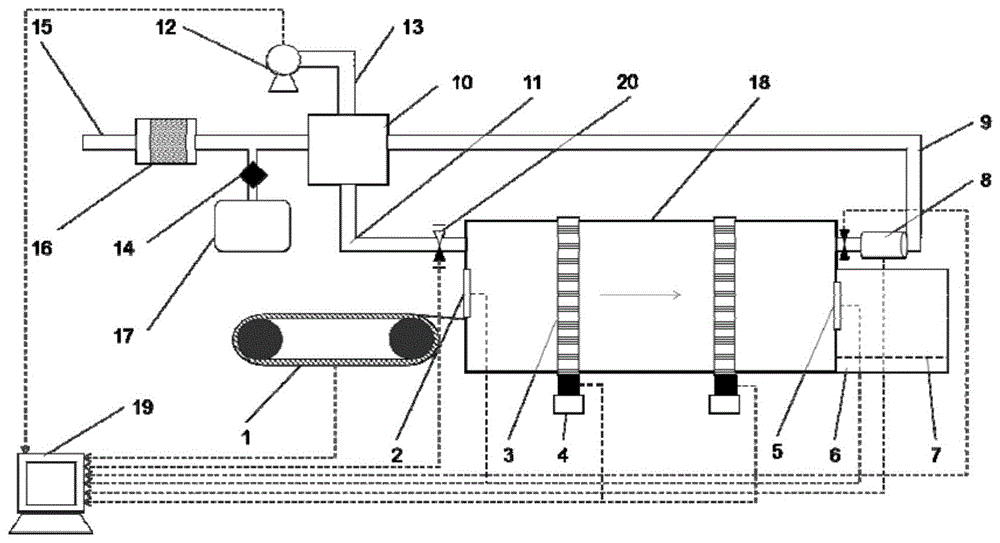
图1为本发明所述的一种利用发酵热耦合间歇式负压对禽畜粪便干化杀菌的装置结构示意图;Fig. 1 is a schematic diagram of the structure of a device for drying and sterilizing poultry feces by using fermentation heat coupled with intermittent negative pressure according to the present invention;
图中,1-传送带;2-入料口;3-转动带;4-支座;5-出料口;6-出料仓;7-多孔隔板;8-管道式抽气机;9-发酵罐出汽管道;10-换热器;11-发酵罐进气管道;12-鼓风机;13-新空气管道;14-疏水阀;15-排气管道;16-过滤装置;17-冷凝液收集箱;18-好氧发酵罐;19-智能控制系统;20-管道止回阀。In the figure, 1-conveyor belt; 2-feed inlet; 3-rotating belt; 4-support; 5-discharge port; 6-discharge bin; 7-porous partition; -Fermentation tank steam outlet pipe; 10-Heat exchanger; 11-Fermentation tank intake pipe; 12-Blower; 13-New air pipe; 14-Drain valve; 15-Exhaust pipe; 16-Filtration device; 17-Condensation liquid collection box; 18-aerobic fermentation tank; 19-intelligent control system; 20-pipeline check valve.
具体实施方式Detailed ways
下面将结合本发明实施例中的附图,对本发明实施例中的技术方案进行清楚、完整地阐述。需要说明的是,在不冲突的情况下,本发明中的实施例及实施例中的特征可以相互组合,所描述的实施例仅仅是本发明一部分实施例,而不是全部的实施例。The technical solutions in the embodiments of the present invention will be clearly and completely described below in conjunction with the drawings in the embodiments of the present invention. It should be noted that, in the case of no conflict, the embodiments and the features in the embodiments of the present invention can be combined with each other, and the described embodiments are only some of the embodiments of the present invention, but not all of the embodiments.
参见图1说明本实施方式,一种利用发酵热耦合间歇式负压对禽畜粪便干化杀菌的方法,包括预处理和间歇式负压干化杀菌过程,具体包括以下步骤:Referring to Fig. 1 to illustrate this embodiment, a method for drying and sterilizing poultry manure by using fermentation heat coupled with intermittent negative pressure, including pretreatment and intermittent negative pressure drying and sterilizing process, specifically includes the following steps:
一、预处理包括以下三个步骤:1. Preprocessing includes the following three steps:
步骤一:初步干化过程主要是通过干湿分离机将禽畜粪便中多余的水分分离,分离出的固体物质含水率在70%以下。Step 1: The primary drying process is mainly to separate excess water in poultry manure through a dry-wet separator, and the moisture content of the separated solid matter is below 70%.
步骤二:所述调节碳氮比过程为将初步分离干化后的禽畜粪便(牛粪、猪粪、鸡粪等)与秸秆或木屑或稻壳等纤维素类生物质按一定比例均匀混合,调节物料碳氮比在20~100范围。Step 2: The process of adjusting the carbon-nitrogen ratio is to uniformly mix the preliminarily separated and dried livestock manure (cow manure, pig manure, chicken manure, etc.) with cellulosic biomass such as straw, wood chips or rice husks in a certain proportion , adjust the carbon-nitrogen ratio of the material in the range of 20-100.
步骤三:所述添加辅料菌剂过程是按以下添料所占总物料的质量分数均匀添加辅料和菌剂,主要包括麸皮0~5%,氧化钙0~1.6%,过磷酸钙0~1%,EM发酵菌剂0~0.2%,完成预处理,即可得到预处理后的畜禽粪便。Step 3: The process of adding auxiliary materials and bacterial agents is to uniformly add auxiliary materials and bacterial agents according to the mass fraction of the total materials accounted for by the following materials, mainly including 0-5% bran, 0-1.6% calcium oxide, and 0-1.6% calcium superphosphate. 1%, EM fermentation agent 0-0.2%, pretreatment is completed, and the pretreated livestock and poultry manure can be obtained.
所述菌剂主要包含商用EM菌剂。EM菌剂在堆体快速起温后可以对堆体的后续产热起到一定的支撑作用,维持高温期的持续时长。The bacterial agents mainly include commercial EM bacterial agents. The EM microbial agent can play a certain supporting role in the subsequent heat generation of the pile after the pile is heated up quickly, and maintain the duration of the high temperature period.
二、间歇式负压干化杀菌,包括如下步骤:2. Intermittent negative pressure drying and sterilization, including the following steps:
步骤一:将预处理后的物料通过传送带送入好氧发酵罐内,在罐内进行好氧发酵1~7天;发酵时常压通气,保证发酵供氧,待物料发酵温度达到60~70℃的高温段时,进行不同流量下的抽气和通气,实现罐内间歇式负压,促进物料的干化杀菌和余热利用,其中,余热利用过程为:将罐内流出的湿热空气通入换热器和通气过程中的新空气进行汽-气换热;Step 1: Send the pretreated material into the aerobic fermentation tank through the conveyor belt, and carry out aerobic fermentation in the tank for 1-7 days; during the fermentation, the normal pressure is ventilated to ensure the oxygen supply for fermentation, and the fermentation temperature of the material reaches 60-70 In the high temperature section of ℃, pumping and ventilating under different flow rates are carried out to realize intermittent negative pressure in the tank, to promote the drying and sterilization of materials and the utilization of waste heat. The new air in the heat exchanger and the ventilation process performs steam-gas heat exchange;
负压换气期间,根据罐内体积大小(30~90m3),管道式抽气机抽气流量调控为60~300m3/h,鼓风机通气流量调控为30~180m3/h,控制罐内真空度在0.02~0.08Mpa,罐内温度降至55℃左右停止负压通气;During the period of negative pressure ventilation, according to the volume inside the tank (30-90m 3 ), the suction flow rate of the pipeline type exhauster is adjusted to 60-300m 3 /h, and the ventilation flow rate of the blower is adjusted to 30-180m 3 /h. When the vacuum degree is 0.02-0.08Mpa, the temperature in the tank drops to about 55°C and the negative pressure ventilation is stopped;
步骤二:负压换气结束后,停止大流量抽气过程,只进行强制通风,根据物料发酵情况,调控通气流量不高于80m3/h,若罐体温度较低或升温速率缓慢,通气流量不高于30m3/h,对罐内进行强制通风,真空度降低,直至恢复常压,罐体内温度上升至60~70℃再进行负压换气操作,以此进行循环,实现间歇式负压干化杀菌;期间对产生的湿热空气进行余热利用。Step 2: After the negative pressure ventilation is finished, stop the large-flow pumping process and only perform forced ventilation. According to the material fermentation situation, adjust the ventilation flow rate to not exceed 80m 3 /h. If the tank temperature is low or the heating rate is slow, ventilate The flow rate is not higher than 30m 3 /h, the tank is forced to ventilate, the vacuum degree is reduced, until the normal pressure is restored, the temperature inside the tank rises to 60-70°C, and then the negative pressure ventilation operation is carried out, so as to circulate and realize intermittent Negative pressure drying and sterilization; during this period, the waste heat of the generated hot and humid air is utilized.
所述通气和余热利用过程在系统运行过程中不间断进行,抽气过程为间歇式,用以提供间歇式负压,抽气时长根据抽气流量和真空度大小进行调整。所述出料仓6为密封设计,可以和发酵罐18内空间连通为一体,在抽气过程中,内部为负压环境。在出料仓6顶部可为三角设计,顶部冷凝形成的水滴延内壁流到底部废水层。对出料仓6进行保温设计,防止出现内部蒸汽大量冷凝现象,同时维持内部较高的发酵温度。The ventilation and waste heat utilization process are carried out continuously during the operation of the system, and the pumping process is intermittent to provide intermittent negative pressure, and the pumping time is adjusted according to the pumping flow rate and the degree of vacuum. The
一种利用发酵热耦合间歇式负压对禽畜粪便干化杀菌的装置,包括进料系统、出料系统、主体部分、智能控制系统和热回收系统,所述进料系统、主体部分、出料系统和热回收系统依次连接,所述智能控制系统主要控制各阀门和进出料口的开关,调控抽气机和鼓风机的流量,调节罐体和传送带的转速。A device for drying and sterilizing poultry manure using fermentation heat coupled with intermittent negative pressure, comprising a feed system, a discharge system, a main part, an intelligent control system and a heat recovery system, the feed system, the main part, the discharge The material system and the heat recovery system are connected in sequence. The intelligent control system mainly controls the switches of the valves and the material inlet and outlet, regulates the flow of the air extractor and the blower, and adjusts the speed of the tank and the conveyor belt.
所述主体部分为发酵装置,所述出料系统包括出料仓6,所述热回收系统包括负压装置和热回收装置,所述负压装置一端与发酵装置连接,另一端与热回收装置连接。The main part is a fermentation device, the discharge system includes a
所述负压装置为管道式抽气机8。所述热回收装置为换热器10,所述管道式抽气机8一端连接发酵装置的出料端,另一端连接换热器10,所述换热器10还与鼓风机12、发酵装置的进料端以及过滤装置16连接。The negative pressure device is a pipeline
所述换热器10与过滤装置16间的管路上连接有冷凝液收集箱17。A
所述发酵装置为卧旋式好氧发酵罐,所述好氧发酵罐外设置有转动带3。所述支座4上的转动结构驱动所述转动带3,以带动所述好氧发酵罐18转动。The fermentation device is a horizontal rotary aerobic fermentation tank, and a rotating belt 3 is arranged outside the aerobic fermentation tank. The rotating structure on the support 4 drives the rotating belt 3 to drive the
所述发酵罐18及出料仓6四周外壳采用保温材料,总传热系数控制在0.25~0.35W/(m2·K)。The shells around the
所述利用发酵热耦合间歇式负压对禽畜粪便干化杀菌的装置的工作原理如下:The working principle of the device for drying and sterilizing poultry manure by using fermentation heat coupled with intermittent negative pressure is as follows:
本系统采用卧旋式好氧发酵罐18作为主要设备进行禽畜粪便的干化和杀菌,其主要由进出料系统、主体部分、智能控制系统和热回收系统四部分组成。进料之前对需要处理的禽畜粪便进行初步干化、碳氮比调节和添加辅料菌剂等预处理,,进料时经传送带1将预处理后的禽畜粪便送入发酵罐18,在发酵罐18内通过其自身转动对物料进行混匀和不断向前传动,好氧发酵干化1~7天后物料送入出料仓6静置。发酵罐18进出料过程连续不断,同时进行。This system uses the horizontal rotary
其中,在发酵罐18进汽端设置鼓风机12,将新鲜空气通入其中来补充氧气并带走物料中的水分,在发酵罐出汽管道9上设置管道式抽气机8以调控出气流量,出汽管道9连通换热器10,换热器10利用罐内产生的湿热空气加热进口新鲜空气,提高发酵罐18进气口空气温度,加热完后的残余热蒸汽温度仍然较高,且体积大,仍具备回收潜力,换热过程产生的冷凝水通过疏水阀流到冷凝水收集箱,根据工艺需求可对残余湿热蒸汽和冷凝水进行二次利用。Wherein, a
物料在发酵罐18内除水后,经出料口5进入出料仓6,出料仓6设置有多孔隔板7,用于过滤和收集渗滤液。同样地,通过抽气在出料仓6处形成负压条件,物料通过静态堆肥产热,利用自身产生热量进一步去除水分。After the material is dewatered in the
该方案可以充分利用好氧发酵热大幅度提高能量利用率和物料干化速率。This scheme can make full use of the heat of aerobic fermentation to greatly improve the energy utilization rate and material drying rate.
所述换热器10可采用间壁式汽-气换热器,通过调节风机频率可以控制冷空气的换热速率。热气入口温度一般可以达到60℃~70℃,在换热器10换热效率较高的情况下,热气出口温度降至50℃以下;冷空气入口温度-25~35℃(冬季温度-25~0℃,夏季温度15~35℃),经过换热其出口温度可升高20~55℃,外界温度越低,升温效果越明显,冬季换热后冷空气出口温度可达到25℃~35℃,因此该干化系统具有较大意义。所述发酵罐进气管道11上设置有管道止回阀20。The
所述发酵罐18,内部空间密闭,承压材质可为玻璃钢、硅硼玻璃和镍铬铁合金等耐腐蚀高强度复合材料。发酵罐18自身可以进行转动,实现内部空气和物料的高效接触,同时通过所述智能控制系统调节罐体转速,控制物料在罐内停留时间。在通气供氧和热蒸汽利用过程中,可以通过控制系统调控进、出气体流量来实现内部间歇式负压干燥。The internal space of the
所述干化杀菌系统有严格的保温设计。在环境温度最低不低于-25℃的情况下,发酵罐18及出料仓6四周外壳可采用橡塑板、聚苯板等保温材料进行保温,总传热系数控制在0.25~0.35W/(m2·K);对管壳式换热器有一定的保温要求,换热器10需要热阻值应不小于4.0(m2·K)/W,可采用保温材料有二氧化硅气凝胶毡、聚氨酯和橡塑板等。对蒸汽及新鲜空气管道进行保温,管路管材可使用ppr聚氨酯发泡管等导热系数不大于0.03W/(m·K)的保温材料,厚度不小于30mm。The drying and sterilization system has a strict heat preservation design. When the ambient temperature is not lower than -25°C, the shells around the
实施例1:Example 1:
本发明公开了一种利用发酵热耦合间歇式负压对禽畜粪便干化杀菌的方法和装置。当本发明用于禽畜粪便干化时,可根据堆肥规模和原料性质,采用不同尺寸的发酵热回收系统。本系统可以对牛粪进行干化,即利用好氧菌剂对粪便进行发酵处理,发酵过程产生的热能进行干化,用于生产牛床垫料,可代替沙子、橡胶、稻壳等传统垫料降低养殖成本。The invention discloses a method and a device for drying and sterilizing poultry feces by using fermentation heat coupled with intermittent negative pressure. When the present invention is used for drying poultry manure, different sizes of fermentation heat recovery systems can be used according to the scale of composting and the properties of raw materials. This system can dry cow manure, that is, use aerobic bacteria to ferment the manure, and dry the heat energy generated during the fermentation process, which can be used to produce bedding materials for cattle bedding, which can replace traditional bedding such as sand, rubber, and rice husk. Feeds reduce the cost of farming.
用于牛粪干化的系统,包括进出料系统、主体发酵部分、控制系统和热回收系统四部分组成。The system for drying cow dung consists of four parts: the feeding and discharging system, the main fermentation part, the control system and the heat recovery system.
测得室外温度在-20~-8℃之间,需要干化的物料主要成分为牛粪,采用到的发酵罐容积为60m3。首先通过干湿分离机将粪便中多余的水分分离,测得分离出的固体物质含水率平均值在58.5%。物料自身碳氮比在合适范围,将牛粪、菌剂等按一定比例混合,通过传送带1运输到滚筒好氧发酵罐18中,在微生物的生命活动下,反应器内的有机物不断被氧化分解并放出热量。The measured outdoor temperature is between -20°C and -8°C, the main component of the material to be dried is cow dung, and the volume of the fermenter used is 60m 3 . Firstly, excess moisture in the feces was separated by a wet and dry separator, and the average moisture content of the separated solid matter was measured to be 58.5%. The carbon-to-nitrogen ratio of the material itself is within a suitable range. Cow dung, bacterial agents, etc. are mixed in a certain proportion, and transported to the roller
系统运行过程如下:牛粪等物料经传送带1进入发酵罐18,在发酵罐18内通过其自身旋转进行混匀和不断向前传动,好氧发酵48h左右后物料送入出料仓6静置。发酵罐18进出料过程连续不断,同时进行。The operation process of the system is as follows: cow dung and other materials enter the
其中,在发酵罐18进口设置鼓风机12,将新鲜空气引入其中来补充氧气和带走物料中多余的水分。在发酵罐18末端设置管道抽气机,通过调控进、出口气体流量,使得发酵罐18内部形成间歇式负压条件,加快热蒸汽的产生速率和物料的干化速率,测得抽出的热蒸汽温度可达65℃左右,流入管壳换热器10对新引入的空气进行换热加温,新空气初始温度为-10℃左右,经过一次换热,测得冷空气温度平均可达30.5℃,根据实际情况可以对空气流量进行调控来改变发酵罐18进口空气温度或通过循环多次加热的方式来显著提高发酵罐18进口空气温度。对空气的初步加温过程可以有效避免0℃以下的冷空气直接进入发酵罐18内形成大量冷凝水,并避免了出现发酵物料局部低温现象。Wherein, a
整个好氧发酵产热抽气过程即为物料除水的主要方式。一次换热利用后的热蒸汽温度依然很高,可达到48℃,具有很大的回收潜力,换热过程产生的冷凝水通过疏水阀14流到冷凝液收集箱17,根据工艺需求可对残余热蒸汽和冷凝水进行二次利用。物料在发酵罐内除水后,经出料口5进入出料仓6,出料仓6设置有多孔隔板7,用于过滤水分和收集冷凝水。在出料仓6,同样地,可以通过抽气形成负压条件,物料在出料仓6内进行静态堆肥产热,利用自身产生热量进一步去除水分。The whole aerobic fermentation heat production process is the main way to remove water from materials. The temperature of the hot steam after primary heat exchange utilization is still very high, up to 48°C, which has great recovery potential. The condensed water generated in the heat exchange process flows to the
最终经过本发明所述干化杀菌系统处理过后的禽畜粪便,它的含水率降至42%,同时,检测到产品中粪大肠杆菌数量≤4.5×10⁴个/kg,无霉菌、金黄色葡萄球菌和沙门氏菌检出,符合垫料利用标准。Finally, the water content of poultry manure after being treated by the drying and sterilization system of the present invention is reduced to 42%. At the same time, it is detected that the number of fecal coliform bacteria in the product is ≤4.5× 10⁴ /kg, no mold, golden yellow Staphylococcus and Salmonella were detected, meeting the standard for litter utilization.
实施例2:Example 2:
同样地,本发明也可以用于有机生活垃圾的干化和猪粪堆肥。在北方地区温度在-15~0℃的条件下用于猪粪堆肥时,采用到的发酵罐容积为40m3,可以通过该发明进行高温发酵腐熟及其热回收利用。Likewise, the present invention can also be used for drying of organic domestic waste and composting of pig manure. When the temperature in the northern region is used for pig manure composting under the condition of -15-0°C, the volume of the fermenter used is 40m 3 , and the invention can be used for high-temperature fermentation and decomposing and heat recovery and utilization.
首先通过干湿分离机将粪便中多余的水分分离,测得分离出的固体物质含水率在56.4%。接着通过添加秸秆、稻壳类生物质对物料碳氮比进行调节,使其达到30左右,将上述物料、菌剂等按一定比例混合,通过传送带1运输到好氧发酵罐18中,在微生物的生命活动下,反应器内的有机物不断被氧化分解并放出热量。经过36h自身发酵干化杀菌,物料送入出料仓静置,发酵罐18进出料过程连续不断,同时进行。Firstly, the excess water in the feces was separated by a wet and dry separator, and the water content of the separated solid matter was measured to be 56.4%. Then, the carbon-to-nitrogen ratio of the material is adjusted by adding straw and rice husk biomass to make it reach about 30. The above-mentioned materials, bacterial agents, etc. are mixed in a certain proportion, and transported to the
最终经过本发明所述干化杀菌系统处理过后的产品含水率大大降低,达到38.5%,检测到产品中粪大肠杆菌数量≤3×10⁴个/kg,无霉菌、金黄色葡萄球菌和沙门氏菌检出。Finally, the water content of the product after being treated by the drying and sterilization system of the present invention is greatly reduced, reaching 38.5%. It is detected that the number of fecal coliform bacteria in the product is ≤3× 10⁴ /kg, and no mold, Staphylococcus aureus and Salmonella are detected. out.
通过抽气得到的湿热空气温度可达68℃,首先用于对新鲜空气的加温,使新空气温度可达到35℃,加温后的新空气用于罐内供氧。另外,残余的热蒸汽温度仍有52℃,将这部分发酵过程回收的热量就近用于猪舍的供暖,通过板式换热器进行水-汽换热,蓄热水作为暖气水为室内供暖,最终,20天内,50㎡的房屋室内温度平均升高21.5℃。The temperature of hot and humid air obtained by pumping air can reach 68°C. It is firstly used to heat the fresh air so that the temperature of the fresh air can reach 35°C. The heated new air is used to supply oxygen in the tank. In addition, the temperature of the residual hot steam is still 52°C. The heat recovered from this part of the fermentation process is used for heating the piggery nearby, and the water-steam heat exchange is carried out through the plate heat exchanger, and the hot water is used as heating water for indoor heating. In the end, within 20 days, the average indoor temperature of a 50-square-meter house rose by 21.5°C.
以上公开的本发明实施例只是用于帮助阐述本发明。实施例并没有详尽叙述所有的细节,也不限制该发明仅为所述的具体实施方式。根据本说明书的内容,可作很多的修改和变化。本说明书选取并具体描述这些实施例,是为了更好地解释本发明的原理和实际应用,从而使所属技术领域技术人员能很好地理解和利用本发明。The embodiments of the present invention disclosed above are only used to help explain the present invention. The examples do not exhaust all details nor limit the invention to the specific embodiments described. Many modifications and variations can be made based on the contents of this specification. This description selects and specifically describes these embodiments in order to better explain the principle and practical application of the present invention, so that those skilled in the art can well understand and utilize the present invention.
Claims (10)
Priority Applications (1)
| Application Number | Priority Date | Filing Date | Title |
|---|---|---|---|
| CN202211590691.6A CN115784545B (en) | 2022-12-12 | 2022-12-12 | Method and device for drying and sterilizing livestock excrement by using fermentation heat-coupled intermittent negative pressure |
Applications Claiming Priority (1)
| Application Number | Priority Date | Filing Date | Title |
|---|---|---|---|
| CN202211590691.6A CN115784545B (en) | 2022-12-12 | 2022-12-12 | Method and device for drying and sterilizing livestock excrement by using fermentation heat-coupled intermittent negative pressure |
Publications (2)
| Publication Number | Publication Date |
|---|---|
| CN115784545A true CN115784545A (en) | 2023-03-14 |
| CN115784545B CN115784545B (en) | 2024-04-12 |
Family
ID=85418738
Family Applications (1)
| Application Number | Title | Priority Date | Filing Date |
|---|---|---|---|
| CN202211590691.6A Active CN115784545B (en) | 2022-12-12 | 2022-12-12 | Method and device for drying and sterilizing livestock excrement by using fermentation heat-coupled intermittent negative pressure |
Country Status (1)
| Country | Link |
|---|---|
| CN (1) | CN115784545B (en) |
Cited By (1)
| Publication number | Priority date | Publication date | Assignee | Title |
|---|---|---|---|---|
| CN116553796A (en) * | 2023-06-26 | 2023-08-08 | 定州轼沐环保科技有限公司 | Environment-friendly fermentation treatment device for livestock manure |
Citations (4)
| Publication number | Priority date | Publication date | Assignee | Title |
|---|---|---|---|---|
| CN102482686A (en) * | 2009-08-03 | 2012-05-30 | Dge京特博士工程有限公司 | Method for producing biogas or biogas |
| DE102011012446A1 (en) * | 2011-02-25 | 2012-08-30 | Maria Rogmans | Chronological treatment of biomass to biogas with final compost production, comprises loading a closed container with plant mass for dry fermentation, and taking off methane-containing biogas from the container |
| WO2018010196A1 (en) * | 2016-07-11 | 2018-01-18 | 湖南屎壳郎环境科技有限公司 | System and method for livestock and poultry farm odor and flue gas treatment |
| CN112608169A (en) * | 2021-02-02 | 2021-04-06 | 南平市鑫林环保机械科技有限公司 | Livestock and poultry manure aerobic fermentation process |
-
2022
- 2022-12-12 CN CN202211590691.6A patent/CN115784545B/en active Active
Patent Citations (4)
| Publication number | Priority date | Publication date | Assignee | Title |
|---|---|---|---|---|
| CN102482686A (en) * | 2009-08-03 | 2012-05-30 | Dge京特博士工程有限公司 | Method for producing biogas or biogas |
| DE102011012446A1 (en) * | 2011-02-25 | 2012-08-30 | Maria Rogmans | Chronological treatment of biomass to biogas with final compost production, comprises loading a closed container with plant mass for dry fermentation, and taking off methane-containing biogas from the container |
| WO2018010196A1 (en) * | 2016-07-11 | 2018-01-18 | 湖南屎壳郎环境科技有限公司 | System and method for livestock and poultry farm odor and flue gas treatment |
| CN112608169A (en) * | 2021-02-02 | 2021-04-06 | 南平市鑫林环保机械科技有限公司 | Livestock and poultry manure aerobic fermentation process |
Non-Patent Citations (1)
| Title |
|---|
| 吴淑杭, 姜震方, 俞清英: "禽畜粪堆肥化技术进展", 上海农业学报, no. 01, 25 February 2003 (2003-02-25) * |
Cited By (2)
| Publication number | Priority date | Publication date | Assignee | Title |
|---|---|---|---|---|
| CN116553796A (en) * | 2023-06-26 | 2023-08-08 | 定州轼沐环保科技有限公司 | Environment-friendly fermentation treatment device for livestock manure |
| CN116553796B (en) * | 2023-06-26 | 2023-12-12 | 定州轼沐环保科技有限公司 | Environment-friendly fermentation treatment device for livestock manure |
Also Published As
| Publication number | Publication date |
|---|---|
| CN115784545B (en) | 2024-04-12 |
Similar Documents
| Publication | Publication Date | Title |
|---|---|---|
| CN106824972B (en) | Comprehensive treatment system and method for breeding pollution of large-scale pig farm | |
| CN103242073B (en) | A kind of slot type aerobic compost foul smell reduces discharging, collects and treatment process | |
| CN109293407B (en) | A kind of kitchen waste quick fertilizer making device and method | |
| CN111393203B (en) | A static composting heat recovery and utilization system for agricultural and forestry organic solid waste | |
| CN103864275A (en) | Bio-drying and dehumidifying coupled heat-pump flap tower type sludge drying process and system thereof | |
| CN112827331B (en) | Multifunctional organic waste fermentation tower waste gas recycling and treating system | |
| CN101698559B (en) | Organic sludge resource recovery treatment method | |
| CN103922816A (en) | Bio-drying system and method for excrement in livestock farm | |
| CN108238821A (en) | A kind of energy saving Quick composting device of livestock and poultry feces and its application | |
| CN112568128B (en) | Zero-emission livestock house breeding ecological environment system | |
| CN108675844A (en) | A kind of solid fertilizer-liquid fertilizer processing unit and method based on Aerobic-anaerobic fermentation | |
| CN111454086A (en) | A rail car type anaerobic-aerobic combined fermentation and composting device | |
| CN115784545B (en) | Method and device for drying and sterilizing livestock excrement by using fermentation heat-coupled intermittent negative pressure | |
| CN215480618U (en) | A solar-powered kitchen waste aerobic composter | |
| CN207108840U (en) | A kind of biological organic fertilizer production system | |
| CN110550974A (en) | Harmless treatment equipment and method for treating livestock and poultry manure by using same | |
| CN102344232A (en) | Method for producing biogas and organic fertilizer by dry fermentation of livestock and poultry feces | |
| CN116608500B (en) | A device for indoor air circulation heating using waste heat from fermentation of agricultural and livestock waste. | |
| CN209872801U (en) | Medium-temperature solar aerobic fermentation tank for breeding excrement | |
| JP2004136262A (en) | House type organic matter fermentation treatment system | |
| CN204752498U (en) | Cow dung recycle system | |
| CN214015587U (en) | Energy-conserving nursery of heisui river horsefly | |
| CN116202127B (en) | Clean and low-carbon heating system for cold regions in winter that uses fermentation heat from agricultural and livestock waste as energy | |
| CN216472958U (en) | An integrated device for efficient treatment of kitchen waste | |
| CN116813399A (en) | Pulse alternating ventilation composting device and composting method |
Legal Events
| Date | Code | Title | Description |
|---|---|---|---|
| PB01 | Publication | ||
| PB01 | Publication | ||
| SE01 | Entry into force of request for substantive examination | ||
| SE01 | Entry into force of request for substantive examination | ||
| GR01 | Patent grant | ||
| GR01 | Patent grant |