WO2025105486A1 - 抗体-光感受性物質コンジュゲート - Google Patents
抗体-光感受性物質コンジュゲート Download PDFInfo
- Publication number
- WO2025105486A1 WO2025105486A1 PCT/JP2024/040709 JP2024040709W WO2025105486A1 WO 2025105486 A1 WO2025105486 A1 WO 2025105486A1 JP 2024040709 W JP2024040709 W JP 2024040709W WO 2025105486 A1 WO2025105486 A1 WO 2025105486A1
- Authority
- WO
- WIPO (PCT)
- Prior art keywords
- group
- antibody
- amino acid
- pharma
- metal complex
- Prior art date
- Legal status (The legal status is an assumption and is not a legal conclusion. Google has not performed a legal analysis and makes no representation as to the accuracy of the status listed.)
- Pending
Links
Images












Classifications
-
- A—HUMAN NECESSITIES
- A61—MEDICAL OR VETERINARY SCIENCE; HYGIENE
- A61K—PREPARATIONS FOR MEDICAL, DENTAL OR TOILETRY PURPOSES
- A61K31/00—Medicinal preparations containing organic active ingredients
- A61K31/33—Heterocyclic compounds
- A61K31/395—Heterocyclic compounds having nitrogen as a ring hetero atom, e.g. guanethidine or rifamycins
- A61K31/40—Heterocyclic compounds having nitrogen as a ring hetero atom, e.g. guanethidine or rifamycins having five-membered rings with one nitrogen as the only ring hetero atom, e.g. sulpiride, succinimide, tolmetin, buflomedil
- A61K31/409—Heterocyclic compounds having nitrogen as a ring hetero atom, e.g. guanethidine or rifamycins having five-membered rings with one nitrogen as the only ring hetero atom, e.g. sulpiride, succinimide, tolmetin, buflomedil having four such rings, e.g. porphine derivatives, bilirubin, biliverdine
-
- A—HUMAN NECESSITIES
- A61—MEDICAL OR VETERINARY SCIENCE; HYGIENE
- A61K—PREPARATIONS FOR MEDICAL, DENTAL OR TOILETRY PURPOSES
- A61K47/00—Medicinal preparations characterised by the non-active ingredients used, e.g. carriers or inert additives; Targeting or modifying agents chemically bound to the active ingredient
- A61K47/50—Medicinal preparations characterised by the non-active ingredients used, e.g. carriers or inert additives; Targeting or modifying agents chemically bound to the active ingredient the non-active ingredient being chemically bound to the active ingredient, e.g. polymer-drug conjugates
- A61K47/51—Medicinal preparations characterised by the non-active ingredients used, e.g. carriers or inert additives; Targeting or modifying agents chemically bound to the active ingredient the non-active ingredient being chemically bound to the active ingredient, e.g. polymer-drug conjugates the non-active ingredient being a modifying agent
- A61K47/68—Medicinal preparations characterised by the non-active ingredients used, e.g. carriers or inert additives; Targeting or modifying agents chemically bound to the active ingredient the non-active ingredient being chemically bound to the active ingredient, e.g. polymer-drug conjugates the non-active ingredient being a modifying agent the modifying agent being an antibody, an immunoglobulin or a fragment thereof, e.g. an Fc-fragment
-
- A—HUMAN NECESSITIES
- A61—MEDICAL OR VETERINARY SCIENCE; HYGIENE
- A61P—SPECIFIC THERAPEUTIC ACTIVITY OF CHEMICAL COMPOUNDS OR MEDICINAL PREPARATIONS
- A61P35/00—Antineoplastic agents
-
- A—HUMAN NECESSITIES
- A61—MEDICAL OR VETERINARY SCIENCE; HYGIENE
- A61P—SPECIFIC THERAPEUTIC ACTIVITY OF CHEMICAL COMPOUNDS OR MEDICINAL PREPARATIONS
- A61P35/00—Antineoplastic agents
- A61P35/02—Antineoplastic agents specific for leukemia
-
- C—CHEMISTRY; METALLURGY
- C07—ORGANIC CHEMISTRY
- C07D—HETEROCYCLIC COMPOUNDS
- C07D487/00—Heterocyclic compounds containing nitrogen atoms as the only ring hetero atoms in the condensed system, not provided for by groups C07D451/00 - C07D477/00
- C07D487/22—Heterocyclic compounds containing nitrogen atoms as the only ring hetero atoms in the condensed system, not provided for by groups C07D451/00 - C07D477/00 in which the condensed system contains four or more hetero rings
-
- C—CHEMISTRY; METALLURGY
- C07—ORGANIC CHEMISTRY
- C07K—PEPTIDES
- C07K16/00—Immunoglobulins [IG], e.g. monoclonal or polyclonal antibodies
-
- C—CHEMISTRY; METALLURGY
- C07—ORGANIC CHEMISTRY
- C07K—PEPTIDES
- C07K16/00—Immunoglobulins [IG], e.g. monoclonal or polyclonal antibodies
- C07K16/18—Immunoglobulins [IG], e.g. monoclonal or polyclonal antibodies against material from animals or humans
- C07K16/28—Immunoglobulins [IG], e.g. monoclonal or polyclonal antibodies against material from animals or humans against receptors, cell surface antigens or cell surface determinants
- C07K16/30—Immunoglobulins [IG], e.g. monoclonal or polyclonal antibodies against material from animals or humans against receptors, cell surface antigens or cell surface determinants from tumour cells
Definitions
- the present invention relates to a novel photosensitive substance, an antibody-photosensitive substance conjugate in which the photosensitive substance is bound to an antibody via a linker, and an antitumor agent containing the antibody-photosensitive substance conjugate.
- Photodynamic therapy is a localized cancer treatment that utilizes a photochemical reaction caused by photosensitive substances and light irradiation. Unlike conventional physical destructive actions such as photocoagulation and vaporization using lasers, PDT is capable of selectively treating cancer lesions with low energy, and is a minimally invasive treatment that causes minimal damage to normal tissue.
- photosensitive substances When photosensitive substances are exposed to light, they absorb light energy and transition to an excited state (singlet state), and it is thought that the active oxygen generated as a result of energy transfer when this returns to the ground state causes cell degeneration and necrosis.
- porfimer sodium was approved as a PDT treatment drug in Japan, and to date, several photosensitizers, such as talaporfin sodium (Non-Patent Document 2), temoporfin (Non-Patent Document 3), verteporfin paderiporfin (Non-Patent Document 4), and others, have been approved as PDT treatment drugs in countries around the world.
- photosensitizers such as talaporfin sodium (Non-Patent Document 2), temoporfin (Non-Patent Document 3), verteporfin paderiporfin (Non-Patent Document 4), and others, have been approved as PDT treatment drugs in countries around the world.
- photosensitizers for PDT are being considered, including those with chemical structures that show strong absorption in the visible light region, such as a porphyrin skeleton, a chlorin skeleton with one reduced pyrrole ring, a bacteriochlorin skeleton with two reduced pyrrole rings facing each other, and a phthalocyanine skeleton.
- Non-Patent Documents 1 and 5 A representative example is cetuximab saratarocan sodium (Patent Document 1), which is an anti-EGFR antibody cetuximab conjugated with an IR700 dye.
- IRDye (registered trademark) 700DX is a dye based on phthalocyanine, with silicon at the center of the phthalocyanine ring and two axial ligands with three sulfonic acid groups at the ends to maintain water solubility.
- the N-hydroxysuccinimide active ester (NHS ester) of IRDye (registered trademark) 700DX is used to form antibody-IR700 complexes
- the above-mentioned cetuximab saratarocan sodium is synthesized by lysine conjugation of the anti-EGFR antibody cetuximab with the same NHS ester. Cetuximab saratarocan sodium has been approved as a PDT treatment drug in Japan under the conditional early approval system.
- Patent Document 2 describes that a conjugate in which chlorin e6 having a specific structure is linked to the anti-HER2 antibody trastuzumab via a linker can be used to diagnose breast cancer, but the antitumor effect of the conjugate has not been confirmed at all.
- the problem that the present invention aims to solve is to provide a novel photosensitive substance, an antibody-photosensitive substance conjugate in which the photosensitive substance is linked to an antibody via a linker, and an antitumor agent containing the antibody-photosensitive substance conjugate.
- the inventors have conducted extensive research to achieve the above object, and have found that a novel photosensitizer characterized by having a chlorin skeleton exhibits singlet oxygen-mediated cytotoxicity when irradiated with light.
- the inventors have also found that an antibody-photosensitizer conjugate, in which the photosensitizer and an antibody are linked via a linker, is administered to a subject, and after a certain period of time, the site of accumulation is irradiated with light, thereby exhibiting an antitumor effect in tumors in which an antigen is expressed.
- the inventors have found a light irradiation schedule, light irradiation amount, light irradiation intensity, and light irradiation time suitable for the antibody-photosensitizer conjugate to exhibit an antitumor effect, and have completed the present invention.
- the present invention includes the following inventions.
- the following formula (1) (In the formula, Ab represents an antibody or an antigen-binding fragment of the antibody, L represents a linker connecting Ab and P, Ab binds to L directly through its amino acid residues or indirectly through its glycan, P represents a monovalent group derived from a photosensitizer that is linked to L; x represents a number ranging from 1 to 10,
- the photosensitive substance has the following formula (2): (where, R 1 , R 3 and R 4 each independently represents a hydrogen atom, a formyl group, a C1-C6 alkoxycarbonyl group, a C1-C6 alkanoyl group, an aminocarbonyl group, a mono-C1-C6 alkylaminocarbonyl group, a di-C1-C6 alkylaminocarbonyl group, a cyano group, a nitro group, a mono-C1-C6 alkylamino group, a di-
- R 5 teeth, -R 5a -R 5b (R 5a is a C1-C6 alkylene group, R 5b represents an optionally substituted amino group, a 5- or 6-membered aromatic heterocyclic group, -X-R (wherein X is -S-, -O-, -CH 2 - or -NH-, where R is a residue of a monosaccharide), -O-(CH 2 CH 2 O) m - (CH 2 ) n -OH or -O-(CH 2 CH 2 O) m - (CH 2 ) n -OCH 3 (which is -N(R 5c )-R 5d (R 5c is a hydrogen atom or a C1-C6 alkanoyl group, R 5d is a C1-C6 alkyl group, which is substituted with one or more optionally substituted amino groups; or -R 5f (R 5f is a C1-C6 alkoxy group,
- m is an integer from 0 to 10
- n is an integer from 1 to 6
- p is an integer from 1 to 3
- q is an integer from 1 to 6
- r is an integer from 0 to 6.
- R 1 The antibody-photosensitizer conjugate according to [1], or a metal complex thereof, or a pharma- ceutically acceptable salt thereof, wherein R represents a methyl group.
- R 3 The antibody-photosensitizer conjugate according to [1] or [2], or a metal complex thereof, or a pharma- ceutically acceptable salt thereof, wherein R represents a methyl group.
- R 4 The antibody-photosensitizer conjugate according to any one of [1] to [3], wherein represents an ethyl group, or a metal complex thereof, or a pharma- ceutically acceptable salt thereof.
- R 1 and R 3 represents a methyl group
- R 4 [5] The antibody-photosensitizer conjugate or a metal complex thereof, or a pharma- ceutically acceptable salt thereof, according to any one of [1] to [4], wherein represents an ethyl group.
- R 2 The functional group contained in R is bonded to L.
- R 2 The functional group contained in R is bonded to L.
- R 6a is a C1-C3 alkylene group
- R 6b is a C1-C3 alkoxy group, —O—(CH 2 CH 2 O) m - (CH 2 ) n -OH, -O-(CH 2 CH 2 O) m - (CH 2 ) n -OCH 3 , —O—(CH 2 CH 2 O) m - (CH 2 ) n -Optionally substituted amino group, -O-(CH 2 ) q -X-R (X is -S-, -O-, -CH 2 - or -NH-, where R is a residue of a monosaccharide) or -N(R 6c )-R 6d (R 6c is a hydrogen atom or a C1-C3 alkyl group, R 6d represents a C1-C3 alkyl group
- m is an integer from 0 to 10
- n is an integer from 1 to 6
- p is an integer from 1 to 3
- q is an integer from 1 to 6.
- R 2 The amino group or hydroxy group at the end of R 2 is expressed by the following formula: is a group selected from the group consisting of, and the amino group or hydroxy group indicated by the arrow is bonded to L, R 5 is expressed by the following formula: is a group selected from the group consisting of R 6 is expressed by the following formula: is a group selected from the group consisting of An antibody-photosensitizer conjugate or a metal complex thereof described in any one of [1] to [8], or a pharma- ceutical acceptable salt thereof.
- the photosensitive substance is an antibody-photosensitive substance conjugate or a metal complex thereof described in any one of [1] to [10], or a pharma- ceutically acceptable salt thereof, as shown below, in which the amino group indicated by the arrow is bonded to L.
- the photosensitive substance is an antibody-photosensitive substance conjugate or a metal complex thereof described in any one of [1] to [10], or a pharma- ceutically acceptable salt thereof, selected from the following, in which the amino group indicated by the arrow is bonded to L.
- R 6 The functional group contained in R is bonded to L. 6
- the antibody-photosensitizer conjugate or metal complex thereof according to any one of [1] to [5], wherein an amino group, a hydroxyl group, or a thiol group contained in [14]
- R 6 The functional group contained in R is bonded to L.
- R 5 indicates, R 5 but, -R 5a -R 5b (R 5a is a C1-C3 alkylene group, R 5b represents an optionally substituted amino group, a 6-membered aromatic heterocyclic group, -X-R (wherein X is -S-, -O-, -CH 2 - or -NH-, where R is a residue of a monosaccharide), -O-(CH 2 CH 2 O) m - (CH 2 ) n -OH or -O-(CH 2 CH 2 O) m - (CH 2 ) n -OCH 3 (which is -N(R 5c )-R 5d (R 5c is a hydrogen atom or a C1-C3 alkanoyl group, R 5d is a C1-C3 alkyl group, which is substituted with one or more optionally substituted amino groups; or -R 5f (R 5f is a C1-C3 alkoxy group
- R 6 The amino group or hydroxy group at the end of R 2 is expressed by the following formula: is a group selected from the group consisting of R 5 is expressed by the following formula: is a group selected from the group consisting of R 6 is expressed by the following formula: , and the amino group or hydroxy group indicated by the arrow is bonded to L.
- the photosensitive substance is an antibody-photosensitive substance conjugate or a metal complex thereof or a pharma- ceutically acceptable salt thereof described in any one of [1] to [5] and [13] to [17], wherein the photosensitive substance is selected from the following and the amino group indicated by the arrow is bonded to L.
- R 5 The functional group contained in R is bonded to L.
- R 5 The antibody-photosensitizer conjugate or metal complex thereof according to any one of [1] to [5] and [19], wherein an amino group contained in [21]
- R 5 indicates, R 5 but, -R 5g -R 5h (R 5g is a C1-C3 alkylene group, R 5h is a 6-membered nitrogen-containing saturated heterocyclic group substituted with an amino group or an amino C1-C3 alkyl group.
- R 6a is a C1-C3 alkylene group
- R 6b is a C1-C3 alkoxy group, —O—(CH 2 CH 2 O) m - (CH 2 ) n -OH, -O-(CH 2 CH 2 O) m - (CH 2 ) n -OCH 3 , —O—(CH 2 CH 2 O) m - (CH 2 ) n -Optionally substituted amino group, -O-(CH 2 ) q -X-R (X is -S-, -O-, -CH 2 - or -NH-, where R is a residue of a monosaccharide) or -N(R 6c )-R 6d (R 6c is hydrogen or a C1-C3 alkyl group; R 6d represents a C1-C3 alkyl group optionally substituted
- m is an integer from 0 to 10
- n is an integer from 1 to 6
- q is an integer from 1 to 6.
- the photosensitizer is an antibody-photosensitizer conjugate or a metal complex thereof or a pharma- ceutically acceptable salt thereof described in any one of [1] to [5] and [19] to [21], wherein the photosensitizer is selected from the following and the amino group indicated by the arrow is bonded to L.
- the optionally substituted amino group is a di-C1-C6 alkylamino group
- the di-C1-C6 alkyl of the di-C1-C6 alkylamino group may each independently be substituted with a hydroxy group, a C1-C6 alkoxy group, an oxo group, a C1-C6 alkylsulfonyl group, a sulfonyl group, or an amino C1-C3 alkyl group
- a 3-8 membered nitrogen-containing saturated heterocyclic group may be substituted with a hydroxy group, a C1-C6 alkoxy group, an oxo group, a C1-C6 alkylsulfonyl group, a sulfonyl group, or an amino C1-C3 alkyl group.
- the optionally substituted amino group is represented by the following formula: An antibody-photosensitizer conjugate or a metal complex thereof, or a pharma- ceutically acceptable salt thereof, described in any one of [1] to [35], wherein the antibody-photosensitizer conjugate or a metal complex thereof is a group selected from the group consisting of: [37]
- -X-R is the following formula: The antibody-photosensitizer conjugate or metal complex thereof according to any one of [1] to [36], or a pharma- ceutically acceptable salt thereof, wherein L is a group selected from the group consisting of: [38] -Lb-La-Lp-NH-(CH 2 ) n a -Lc-Ld-* or -Lb-La-
- L is -Lb-La-Lp-NH-(CH 2 ) n a
- * indicates a bond to P
- Lb represents a spacer that connects the glycans of La and Ab or a spacer that connects the cysteine residues of La and Ab
- the La-(CH 2 CH 2 O)- and -(CH 2 )- may be substituted with one or more substituents selected from the group consisting of halogen atoms, hydroxy
- R represents an integer of 1 to 3, or a pharma- ceutically acceptable salt thereof.
- the antibody-photosensitizer conjugate or a metal complex thereof according to any one of [38] to [44], wherein R represents an integer of 1 to 6,
- Lp represents an amino acid sequence consisting of at least one amino acid selected from phenylalanine, glycine, valine, lysine, citrulline, serine, glutamic acid, aspartic acid, glutamine, alanine, proline, isoleucine, methionine, leucine and asparagine.
- Lp is: *-GGVA (SEQ ID NO: 37)-, *-AA-, *-AAN-, *-VA-, *-GGFG (SEQ ID NO: 38)-, *-FG-, *-GGPI (SEQ ID NO: 39)-, *-PI-, *-GGVCit (SEQ ID NO: 40)-, *-VCit-, *-ACit-, *-GGVK (SEQ ID NO: 41)-, *-VK-, *-GGFCit (SEQ ID NO: 42)-, *-FCit-, *-GGFM (SEQ ID NO: 43)-, *-FM-, *-GGLM (SEQ ID NO: 44)-, *-LM-, *-GGICit (SEQ ID NO: 45)-, and *-ICit- (where * indicates binding to La) An antibody-photosensitizer conjugate or a metal complex thereof, or a pharma- ceutically acceptable salt thereof, described in any one of [38] to [51],
- Lb is -(succinimid-3-yl-N)-; wherein -(succinimid-3-yl-N)- has the following structural formula: indicates, Here, * indicates binding to La, and the wavy line indicates binding by forming a thioether with the side chain of a cysteine residue in the antibody, an antibody-photosensitizer conjugate or its metal complex or a pharma- ceutical acceptable salt thereof described in any one of [38] to [55].
- -L-P has the following formula: The wavy line represents a thioether bond with the side chain of a cysteine residue in the antibody, and the antibody-photosensitizer conjugate or its metal complex or a pharma- ceutical acceptable salt thereof described in [1].
- -L-P has the following formula: The wavy line represents a thioether bond with the side chain of a cysteine residue in the antibody, and the antibody-photosensitizer conjugate or its metal complex or a pharma- ceutical acceptable salt thereof described in [1] is bonded to the side chain of a cysteine residue in the antibody by forming a thioether.
- -L-P has the following formula:
- the wavy line represents a thioether bond with the side chain of a cysteine residue in the antibody, and the antibody-photosensitizer conjugate or its metal complex or a pharma- ceutical acceptable salt thereof described in [1] is bonded to the side chain of a cysteine residue in the antibody by forming a thioether.
- [61] -L-P has the following formula:
- the wavy line represents a thioether bond with the side chain of a cysteine residue in the antibody, and the antibody-photosensitizer conjugate or its metal complex or a pharma- ceutical acceptable salt thereof described in [1] is bonded to the side chain of a cysteine residue in the antibody by forming a thioether.
- [62] -L-P has the following formula:
- the wavy line represents a thioether bond with the side chain of a cysteine residue in the antibody, and the antibody-photosensitizer conjugate or its metal complex or a pharma- ceutical acceptable salt thereof described in [1] is bonded to the side chain of a cysteine residue in the antibody by forming a thioether.
- [63] -L-P has the following formula:
- the wavy line represents a thioether bond with the side chain of a cysteine residue in the antibody, and the antibody-photosensitizer conjugate or its metal complex or a pharma- ceutical acceptable salt thereof described in [1] is bonded to the side chain of a cysteine residue in the antibody by forming a thioether.
- [64] -L-P has the following formula: The wavy line represents a thioether bond with the side chain of a cysteine residue in the antibody, and the antibody-photosensitizer conjugate or its metal complex or a pharma- ceutical acceptable salt thereof described in [1] is bonded to the side chain of a cysteine residue in the antibody by forming a thioether.
- the antibody or antigen-binding fragment of the antibody is anti-EpCAM antibody, anti-TROP2 antibody, anti-HER3 antibody, anti-DLL3 antibody, anti-FAP antibody, anti-CDH11 antibody, anti-A33 antibody, anti-CanAg antibody, anti-CD19 antibody, anti- CD20 antibody, anti-CD22 antibody, anti-CD25 antibody, anti-CD30 antibody, anti-CD33 antibody, anti-CD56 antibody, anti-CD70 antibody, anti-CD98 antibody, anti-CEA antibody, anti-Cripto antibody, anti-EphA2 antibody, anti-G250 antibody, anti-
- the antibody-photosensitizer conjugate according to any one of [1] to [70], which is an MUC1 antibody, an anti-GPNMB antibody, an anti-integrin antibody, an anti-PSMA antibody, an anti-tenascin-C antibody, an anti-SLC44A4 antibody, an anti-mesothelin antibody, an anti-ENPP3 antibody, an anti-CD47 antibody, an anti
- an antibody-photosensitizer conjugate or a metal complex thereof or a pharma- ceutically acceptable salt thereof according to any one of [72A] to [76], wherein the anti-EpCAM antibody or the antigen-binding fragment of the antibody comprises the following heavy chain and light chain: A heavy chain consisting of the amino acid sequence described in amino acid numbers 20 to 465 in SEQ ID NO: 12 and a light chain consisting of the amino acid sequence described in amino acid numbers 21 to 239 in SEQ ID NO: 5.
- the antibody-photosensitizer conjugate according to [72] or [80], wherein the anti-CD25 antibody or the antigen-binding fragment of the antibody comprises the following heavy chain variable region and light chain variable region: A heavy chain variable region consisting of the amino acid sequence described in amino acid numbers 20 to 133 in SEQ ID NO: 23, and a light chain variable region consisting of the amino acid sequence described in amino acid numbers 21 to 133 in SEQ ID NO: 21.
- an antibody-photosensitizer conjugate or a metal complex thereof or a pharma- ceutical acceptable salt thereof according to any one of [72], [80] and [81], wherein the anti-CD25 antibody or the antigen-binding fragment of the antibody comprises the following heavy chain and light chain: A heavy chain consisting of the amino acid sequence described in amino acid numbers 20 to 463 in SEQ ID NO: 23 and a light chain consisting of the amino acid sequence described in amino acid numbers 21 to 239 in SEQ ID NO: 21.
- Ab refers to a humanized anti-EpCAM antibody represented by the following heavy and light chains, or an antibody in which the lysine residue at the carboxyl terminus of the heavy chain of the anti-EpCAM antibody is deleted:
- -L-P is the following formula: indicates, x is 7.5 to 8 or 4 to 5)
- Ab refers to a humanized anti-EpCAM antibody represented by the following heavy and light chains, or an antibody in which the lysine residue at the carboxyl terminus of the heavy chain of the anti-EpCAM antibody is deleted:
- -L-P is the following formula: indicates, x is 7.5 to 8 or 4 to 5)
- Ab refers to a humanized anti-EpCAM antibody represented by the following heavy and light chains, or an antibody in which the lysine residue at the carboxyl terminus of the heavy chain of the anti-EpCAM antibody is deleted:
- -L-P is the following formula: indicates, x is 7.5 to 8 or 4 to 5)
- Ab refers to a humanized anti-EpCAM antibody represented by the following heavy and light chains, or an antibody in which the lysine residue at the carboxyl terminus of the heavy chain of the anti-EpCAM antibody is deleted:
- -L-P is the following formula: indicates, x is 7.5 to 8 or 4 to 5)
- J represents a cyclic structure containing an alkyne structure that reacts with an azide group to form a 1,2,3-triazole ring, or a compound that bonds to the side chain of an amino acid residue of an antibody or an antigen-binding fragment of the antibody, or a halogen atom
- R 5 teeth, -R 5a -R 5b (R 5a is a C1-C6 alkylene group, R 5b represents an optionally substituted amino group, a 5- or 6-membered aromatic heterocyclic group, -X-R (wherein X is -S-, -O-, -CH 2 - or -NH-, where R is a residue of a monosaccharide), -O-(CH 2 CH 2 O) m - (CH 2 ) n -OH or -O-(CH 2 CH 2 O) m - (CH 2 ) n -OCH 3 (which is -N(R 5c )-R 5d (R 5c is a hydrogen atom or a C1-C6 alkanoyl group, R 5d is a C1-C6 alkyl group, which is substituted with one or more optionally substituted amino groups; or -R 5f (R 5f is a C1-C6 alkoxy group,
- R 5 teeth, -R 5g -R 5h indicates, R 5g is a C1-C6 alkylene group, R 5h is an optionally substituted amino group.
- m is an integer from 0 to 10
- n is an integer from 1 to 6
- p is an integer from 1 to 3
- q is an integer from 1 to 6
- r is an integer from 0 to 6.
- J is represented by the following formula (in each structural formula, * indicates that it is bonded to La): or a maleimidyl group represented by the following formula (* indicates bond to La)
- R 5 teeth, -R 5a -R 5b (R 5a is a C1-C6 alkylene group, R 5b represents an optionally substituted amino group, a 5- or 6-membered aromatic heterocyclic group, -X-R (wherein X is -S-, -O-, -CH 2 - or -NH-, where R is a residue of a monosaccharide), -O-(CH 2 CH 2 O) m - (CH 2 ) n -OH or -O-(CH 2 CH 2 O) m - (CH 2 ) n -OCH 3 (which is -N(R 5c )-R 5d (R 5c is a hydrogen atom or a C1-C6 alkanoyl group, R 5d is a C1-C6 alkyl group, which is substituted with one or more optionally substituted amino groups; or -R 5f (R 5f is a C1-C6 alkoxy group,
- m is an integer from 0 to 10
- n is an integer from 1 to 6
- p is an integer from 1 to 3
- q is an integer from 1 to 6
- r is an integer from 0 to 6.
- R 1 The compound according to [104], or a metal complex thereof, or a pharma- ceutically acceptable salt thereof, wherein R represents a methyl group.
- R 3 The compound according to [104] or [105], or a metal complex thereof, or a pharma- ceutically acceptable salt thereof, wherein R represents a methyl group.
- R 4 The compound according to any one of [104] to [106], wherein represents an ethyl group, or a metal complex thereof, or a pharma- ceutically acceptable salt thereof.
- R 1 and R 3 represents a methyl group
- R 4 [104] The compound according to any one of [104] to [107], wherein represents an ethyl group, or a metal complex thereof, or a pharma- ceutically acceptable salt thereof.
- R 6a is a C1-C3 alkylene group
- R 6b is a C1-C3 alkoxy group, —O—(CH 2 CH 2 O) m - (CH 2 ) n -OH, -O-(CH 2 CH 2 O) m - (CH 2 ) n -OCH 3 , —O—(CH 2 CH 2 O) m - (CH 2 ) n -Optionally substituted amino group, -O-(CH 2 ) q -X-R (X is -S-, -O-, -CH 2 - or -NH-, where R is a residue of a monosaccharide) or -N(R 6c )-R 6d (R 6c is a hydrogen atom or a C1-C3 alkyl group, R 6d represents a C1-C3 alkyl group
- m is an integer from 0 to 10
- n is an integer from 1 to 6
- p is an integer from 1 to 3
- q is an integer from 1 to 6.
- R 2 , R 5 and R 6 is selected from group (i), R 2 is expressed by the following formula: is a group selected from the group consisting of R 5 is expressed by the following formula: is a group selected from the group consisting of R 6 is expressed by the following formula: is a group selected from the group consisting of A compound or a metal complex thereof described in any one of [104] to [109], or a pharma- ceutically acceptable salt thereof.
- the compound represented by formula (Ia) is a compound or a metal complex thereof described in any one of [104] to [111] below, or a pharma- ceutically acceptable salt thereof.
- R 5 indicates, R 5 but, -R 5a -R 5b (R 5a is a C1-C3 alkylene group, R 5b represents an optionally substituted amino group, a 6-membered aromatic heterocyclic group, -X-R (wherein X is -S-, -O-, -CH 2 - or -NH-, where R is a residue of a monosaccharide), -O-(CH 2 CH 2 O) m - (CH 2 ) n -OH or -O-(CH 2 CH 2 O) m - (CH 2 ) n -OCH 3 (which is -N(R 5c )-R 5d (R 5c is a hydrogen atom or a C1-C3 alkanoyl group, R 5d is a C1-C3 alkyl group, which is substituted with one or more optionally substituted amino groups; or -R 5f (R 5f is a C1-C3 alkoxy group
- R 2 , R 5 and R 6 is selected from group (ii), R 2 is expressed by the following formula: is a group selected from the group consisting of R 5 is expressed by the following formula: is a group selected from the group consisting of R 6 is expressed by the following formula: is a group selected from the group consisting of A compound or a metal complex thereof described in any one of [104] to [108] and [114], or a pharma- ceutically acceptable salt thereof.
- R 5 indicates, R 5 but, -R 5g -R 5h (R 5g is a C1-C3 alkylene group, R 5h is a 6-membered nitrogen-containing saturated heterocyclic group substituted with an amino group or an amino C1-C3 alkyl group.
- R 6a is a C1-C3 alkylene group
- R 6b is a C1-C3 alkoxy group, —O—(CH 2 CH 2 O) m - (CH 2 ) n -OH, -O-(CH 2 CH 2 O) m - (CH 2 ) n -OCH 3 , —O—(CH 2 CH 2 O) m - (CH 2 ) n -Optionally substituted amino group, -O-(CH 2 ) q -X-R (X is -S-, -O-, -CH 2 - or -NH-, where R is a residue of a monosaccharide) or -N(R 6c )-R 6d (R 6c is hydrogen or a C1-C3 alkyl group; R 6d represents a C1-C3 alkyl group optionally substituted
- m is an integer from 0 to 10
- n is an integer from 1 to 6
- q is an integer from 1 to 6.
- [121] A compound or a metal complex thereof described in any one of [104] to [120], wherein m is an integer from 0 to 3, or a pharma- ceutically acceptable salt thereof.
- [122] A compound or a metal complex thereof according to any one of [104] to [121], wherein m is 1 or 2, or a pharma- ceutically acceptable salt thereof.
- [123] A compound or a metal complex thereof according to any one of [104] to [122], wherein m is 2, or a pharma- ceutically acceptable salt thereof.
- [129] A compound or a metal complex thereof described in any one of [104] to [128], wherein r is an integer from 0 to 5, or a pharma- ceutically acceptable salt thereof.
- [130] A compound or a metal complex thereof described in any one of [104] to [129], wherein r is an integer from 0 to 3, or a pharma- ceutically acceptable salt thereof.
- [131] A compound or a metal complex thereof according to any one of [104] to [130], wherein r is 0, or a pharma- ceutically acceptable salt thereof.
- the optionally substituted amino group is a di-C1-C6 alkylamino group
- the di-C1-C6 alkyl of the di-C1-C6 alkylamino group may each independently be substituted with a hydroxy group, a C1-C6 alkoxy group, an oxo group, a C1-C6 alkylsulfonyl group, a sulfonyl group, or an amino C1-C3 alkyl group
- a 3-8 membered nitrogen-containing saturated heterocyclic group may be substituted with a hydroxy group, a C1-C6 alkoxy group, an oxo group, a C1-C6 alkylsulfonyl group, a sulfonyl group, or an amino C1-C3 alkyl group.
- the optionally substituted amino group is represented by the following formula: A compound or a metal complex thereof described in any one of [104] to [132], or a pharma- ceutically acceptable salt thereof, wherein the compound or metal complex is a group selected from the group consisting of: [134]
- -X-R is the following formula: A compound or a metal complex thereof described in any one of [104] to [133], or a pharma- ceutically acceptable salt thereof, wherein the compound or metal complex is a group selected from the group consisting of: [135] A compound or a metal complex thereof described in any one of [104] to [134], or a pharma- ceutically acceptable salt thereof, having a maximum absorption wavelength in the Q band of 600 nm to 800 nm.
- a pharmaceutical composition comprising an antibody-photosensitive substance conjugate described in [1] to [93], and a compound or a metal complex thereof described in any one of [104] to [138], or a pharma- ceutical acceptable salt thereof.
- An antitumor agent comprising any one selected from the group consisting of an antibody-photosensitive substance conjugate described in any one of [1] to [93], a compound or a metal complex thereof described in any one of [104] to [138], or a pharma- ceutically acceptable salt thereof, and a pharmaceutical composition described in [139].
- An antitumor agent described in any one of [140] to [142], wherein the tumor to which the antitumor agent is applied is lung cancer, breast cancer, bladder cancer, gastric cancer, bile duct cancer, esophageal cancer, prostate cancer or head and neck cancer.
- An antitumor agent described in [144] which is applied to the target tumor site by light irradiation at a wavelength of 600 nm to 800 nm.
- the light irradiation dose per irradiation is 2-500 J/cm 2 , preferably 10 to 500 J/cm 2
- the light irradiation dose per irradiation is 50-450 J/cm 2
- the light irradiation dose per irradiation is 50-300 J/cm 2
- An antitumor agent described in any one of [173] to [175] wherein the administration interval of the antitumor agent is 5 to 10 days.
- the immune checkpoint inhibitor is one or more selected from the group consisting of anti-PD-1 antibody, anti-PD-L1 antibody, and anti-CTLA-4 antibody.
- the immune checkpoint inhibitor is one or more selected from the group consisting of nivolumab, pembrolizumab, pidilizumab, cemiplimab, toripalimab, dostallimab, atezolizumab, durvalumab, avelumab, ipilimumab, tremelimumab, tiragolumab, leratolimab, LAG525, MAB10, BTLA-8.2, and JNJ-61610588.
- the antitumor agent according to any one of [144] to [183], wherein the subject is a human.
- an antibody or an antigen-binding fragment of the antibody which specifically binds to EpCAM and comprises CDRH1, CDRH2, and CDRH3, and CDRL1, CDRL2, and CDRL3, each of which is represented by the following (a) or (b): (a) CDRH1 consisting of the amino acid sequence set forth in SEQ ID NO:26, CDRH2 consisting of the amino acid sequence set forth in SEQ ID NO:27, CDRH3 consisting of the amino acid sequence set forth in SEQ ID NO:28, CDRL1 consisting of the amino acid sequence set forth in SEQ ID NO:30, CDRL2 consisting of the amino acid sequence of QMS, and CDRL3 consisting of the amino acid sequence set forth in SEQ ID NO:31, and (b) CDRH1 consisting of the amino acid sequence set forth in SEQ ID NO:26, CDRH2 consisting of the amino acid sequence set forth in SEQ ID NO:27, CDRH3 consisting of the amino
- [viii] A host cell transformed with the expression vector of [vii].
- [ix] The host cell of [viii], wherein the host cell is a eukaryotic cell.
- [x] A method for producing an antibody or an antigen-binding fragment of the antibody, comprising: culturing the host cell of [viii] or [ix]; and collecting the antibody of interest from the culture obtained in the above step.
- [xi] An antibody or an antigen-binding fragment of the antibody, characterized in that it is obtained by the production method of [x].
- [xii] The antibody or antigen-binding fragment of [xi], which comprises one or more modifications selected from the group consisting of N-linked glycosylation, O-linked glycosylation, N-terminal processing, C-terminal processing, deamidation, isomerization of aspartic acid, oxidation of methionine, oxidation of tryptophan, addition of a methionine residue to the N-terminus, amidation of a proline residue, and a heavy chain having one or two amino acids deleted at the carboxyl terminus.
- [xiii] The antibody or antigen-binding fragment of [xii], wherein one or two amino acids are deleted at the carboxyl terminus of the heavy chain.
- [xiv] The antibody or antigen-binding fragment of [xii] or [xiii], wherein one amino acid is deleted at the carboxyl terminus of each of the two heavy chains.
- [xvii] A method for producing an antibody-photosensitizer conjugate, comprising the steps of: culturing the host cell of [viii] or [ix]; collecting an antibody of interest or an antigen-binding fragment of the antibody from the culture obtained in the step; and reacting the antibody or the antigen-binding fragment of the antibody obtained in the step with a photosensitizer linker intermediate compound.
- the present invention provides a novel photosensitizer.
- the photosensitizer exhibits cytotoxic activity mediated by singlet oxygen when irradiated with light. Furthermore, the photosensitizer is more water-soluble and less prone to aggregation than conventional photosensitizers, and thus provides a photosensitizer suitable for producing an antibody-photosensitizer conjugate.
- the present invention also provides a novel antibody-photosensitizer conjugate that exhibits an antitumor effect on tumors expressing an antigen.
- the antibody-photosensitizer conjugate of the present invention exhibits an antitumor effect mediated by singlet oxygen when irradiated with light.
- the antibody-photosensitizer conjugate of the present invention exhibits high selectivity against cancer, and therefore can suppress side effects. Furthermore, the antibody-photosensitizer conjugate of the present invention exhibits light absorption in the long wavelength region, and therefore can be applied not only to superficial cancers, but also to cancers that are located in or have infiltrated deep into the body.
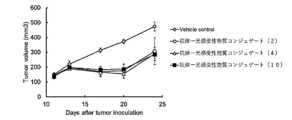
- This figure shows the in vivo antitumor effects of antibody-photosensitizer conjugates (2), (4) and (10) on BALB/c nude mice implanted with human pancreatic cancer cell line CFPAC-1 cells.
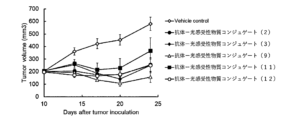
- This figure shows the in vivo antitumor effect of antibody-photosensitizer conjugates (2), (3), (9), (11) and (12) on BALB/c nude mice implanted with human pancreatic cancer cell line CFPAC-1 cells.
- This figure shows the in vivo antitumor effect of antibody-photosensitizer conjugate (13) on BALB/c nude mice implanted with human pancreatic cancer cell line CFPAC-1 cells.
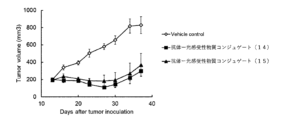
- This figure shows the in vivo antitumor effect of antibody-photosensitizer conjugates (14) and (15) on BALB/c nude mice implanted with human pancreatic cancer cell line CFPAC-1 cells.
- This figure shows the in vivo antitumor effect of antibody-photosensitizer conjugates (17) and (27) on BALB/c nude mice implanted with human pancreatic cancer cell line CFPAC-1 cells.
- This figure shows the in vivo antitumor effect of antibody-photosensitizer conjugate (28) on BALB/c nude mice implanted with human pancreatic cancer cell line CFPAC-1 cells.
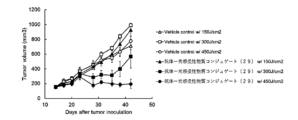
- FIG. 1 shows the in vivo antitumor effect of antibody-photosensitizer conjugate (29) when BALB/c nude mice implanted with human pancreatic cancer cell line CFPAC-1 cells were irradiated with light doses of 150 J/ cm2 (780 mW/ cm2 for 192 seconds), 300 J/ cm2 (780 mW/ cm2 for 384 seconds), and 450 J/ cm2 (780 mW/ cm2 for 576 seconds).
- FIG. 1 shows the in vivo antitumor effect of antibody-photosensitizer conjugate (29) when BALB/c nude mice implanted with human pancreatic cancer cell line CFPAC-1 cells were irradiated with light doses of 150 J/ cm2 (780 mW/ cm2 for 192 seconds), 300 J/ cm2 (780 mW/ cm2 for 384 seconds), and 450 J/ cm2 (780 mW/ cm2 for 576 seconds).
- FIG. 1 shows the in vivo antitumor effect
- FIG. 1 shows the in vivo antitumor effect of antibody-photosensitizer conjugate (29) on BALB/c nude mice implanted with human pancreatic cancer cell line CFPAC-1 cells, when the mice were irradiated with a light dose of 150 J/ cm2 (780 mW/ cm2 for 192 seconds, 156 mW/ cm2 for 960 seconds, and 78 mW/ cm2 for 1920 seconds).
- FIG. 1 shows the in vivo antitumor effect of antibody-photosensitizer conjugate (29) on BALB/c nude mice implanted with human pancreatic cancer cell line CFPAC-1 cells, when the mice were irradiated with a light dose of 150 J/ cm2 (780 mW/ cm2 for 192 seconds, 156 mW/ cm2 for 960 seconds, and 78 mW/ cm2 for 1920 seconds).
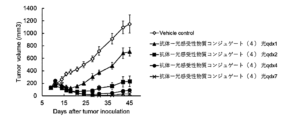
- FIG. 1 shows the in vivo antitumor effect of antibody-photosensitizer conjugate (4) on BALB/c nude mice implanted with human pancreatic cancer cell line CFPAC-1 cells, when the mice were irradiated once, twice, four times, or seven times with a light dose of 150 J/ cm2 (78 mW/ cm2 for 1,920 seconds).
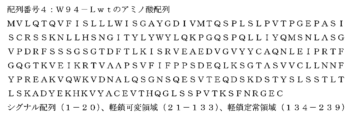
- FIG. 1 shows the amino acid sequence of W94-Lwt (SEQ ID NO:4).
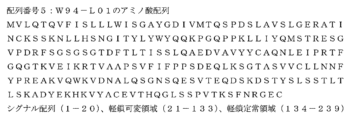
- FIG. 1 shows the amino acid sequence of W94-L01 (SEQ ID NO:5).
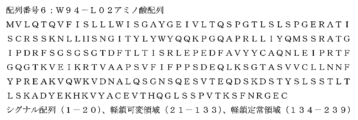
- FIG. 1 shows the W94-L02 amino acid sequence (SEQ ID NO:6).
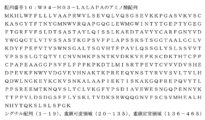
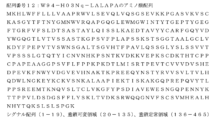
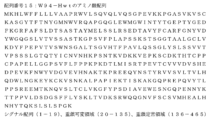
- FIG. 1 shows the amino acid sequence of W94-Hwt-LALAPA (SEQ ID NO:9).
- FIG. 1 shows the amino acid sequence of W94-H03-LALAPA (SEQ ID NO:10).
- FIG. 1 shows the amino acid sequence of W94-H03Nq-LALAPA (SEQ ID NO:12).
- FIG. 1 shows the amino acid sequence of W94-Hwt (SEQ ID NO: 15).
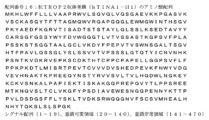
- FIG. 1 shows the amino acid sequence (SEQ ID NO: 16) of the anti-TROP2 antibody heavy chain (hTINA1-H1).
- FIG. 1 shows the amino acid sequence (SEQ ID NO: 17) of the anti-TROP2 antibody light chain (hTINA1-L1).
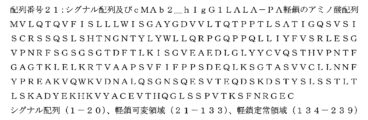
- FIG. 2 shows the signal sequence and amino acid sequence of cMAb2_hIgG1LALA-PA light chain (SEQ ID NO:21).
- FIG. 2 shows the signal sequence and amino acid sequence of cMAb2_hIgG1LALA-PA heavy chain (SEQ ID NO:23).
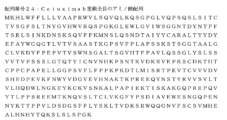
- FIG. 2 shows the amino acid sequence of the full-length heavy chain of Cetuximab (SEQ ID NO:24).
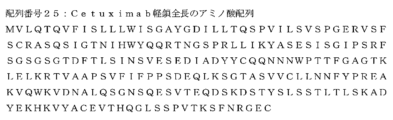
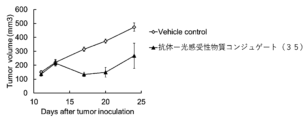
- FIG. 2 shows the amino acid sequence of the full-length light chain of Cetuximab (SEQ ID NO:25). This figure shows the in vivo antitumor effect of antibody-photosensitizer conjugate (35) on BALB/c nude mice implanted with human pancreatic cancer cell line CFPAC-1 cells.
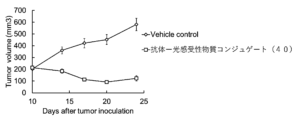
- This figure shows the in vivo antitumor effect of the antibody-photosensitizer conjugate (40) on BALB/c nude mice implanted with human pancreatic cancer cell line CFPAC-1 cells.
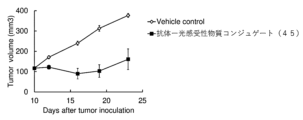
- This figure shows the in vivo antitumor effect of antibody-photosensitizer conjugate (45) on BALB/c nude mice implanted with human pancreatic cancer cell line CFPAC-1 cells.
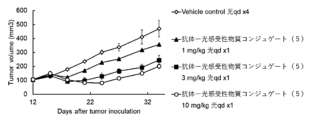
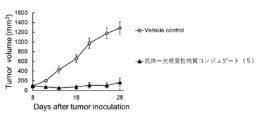
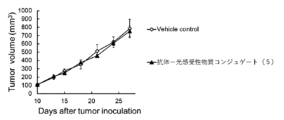
- This figure shows the in vivo antitumor effect of various doses of antibody-photosensitizer conjugate (5) on BALB/c nude mice implanted with human pancreatic cancer cell line CFPAC-1 cells under the condition of a single irradiation.
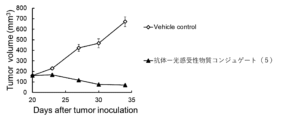
- This figure shows the in vivo antitumor effect of various doses of antibody-photosensitizer conjugate (5) on BALB/c nude mice implanted with human pancreatic cancer line CFPAC-1 cells under the condition of four irradiations.
- This figure shows the in vivo antitumor effect of antibody-photosensitizer conjugate (5) on BALB/c nude mice implanted with human pancreatic cancer cell line CFPAC-1 cells under conditions of irradiation with various irradiation intensities for the same irradiation time.
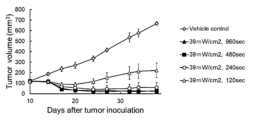
- This figure shows the in vivo antitumor effect of antibody-photosensitizer conjugate (5) on BALB/c nude mice transplanted with human pancreatic cancer cell line CFPAC-1 cells under conditions of irradiation with the same irradiation intensity for various irradiation times.
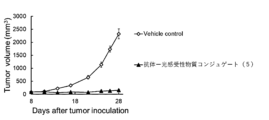
- This figure shows the in vivo antitumor effect of antibody-photosensitizer conjugate (5) on BALB/c nude mice implanted with human breast cancer cell line HCC1806 cells.
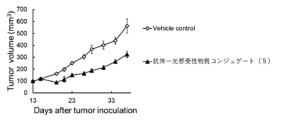
- This figure shows the in vivo antitumor effect of antibody-photosensitizer conjugate (5) on BALB/c nude mice implanted with human breast cancer cell line HCC70 cells.
- This figure shows the in vivo antitumor effect of antibody-photosensitizer conjugate (5) on BALB/c nude mice transplanted with human breast cancer line SUM149PT cells.
- This figure shows the in vivo antitumor effect of antibody-photosensitizer conjugate (5) on BALB/c nude mice implanted with the human lung cancer line NCI-H1975.
- This figure shows the in vivo antitumor effect of antibody-photosensitizer conjugate (5) on BALB/c nude mice implanted with the human lung cancer line NCI-H2081.
- This figure shows the in vivo antitumor effect of antibody-photosensitizer conjugate (5) on NOD-SCID mice implanted with the human lung cancer line NCI-H211.
- This figure shows the in vivo antitumor effect of antibody-photosensitizer conjugate (5) on BALB/c nude mice transplanted with EpCAM antigen-negative cancer cell lines.
- This figure shows the in vivo antitumor effects of single-agent administration of antibody-photosensitizer conjugate (5), single-agent administration of anti-PD-1 antibody, and combined administration of antibody-photosensitizer conjugate (5) and anti-PD-1 antibody against C57BL/6 mice transplanted with the human EpCAM antigen-expressing mouse lung cancer line 3LL.
- the present invention relates to a novel photosensitizer that can be used for photodynamic therapy (PDT), an antibody-photosensitizer conjugate in which the photosensitizer is bound to an antibody via a linker, and an antitumor agent containing the antibody-photosensitizer conjugate.
- PDT photodynamic therapy
- Photodynamic therapy is traditionally known as a treatment for malignant tumors such as esophageal cancer, lung cancer, and brain tumors.
- a photosensitive substance is administered to the subject as a drug that accumulates in tumor cells.
- the photosensitive substance is irradiated with light of a specific wavelength band that corresponds to the photosensitive substance, causing the photosensitive substance to undergo a photochemical reaction and generate active oxygen.
- the active oxygen generated by the photochemical reaction of this photosensitive substance exerts cytotoxic activity on the tumor cells in which the photosensitive substance has accumulated.
- photosensitive substance refers to a substance that exerts a pharmacological effect when irradiated with light, and is used to include precursors that produce photosensitive substances within cells.
- Photosensitive substances are not particularly limited, but examples include porphyrin, corrin, chlorin, bacteriochlorin, phthalocyanine, bacteriochlorophyll, corphin, corrole, porphycene, and derivatives thereof.
- derivative refers to a substance that is structurally related to the original substance and has the properties of a photosensitive substance.
- cancer in the present invention, "cancer,” “carcinoma,” and “tumor” are synonymous.
- antitumor effect refers to the direct or indirect effect of a drug on tumor cells, thereby suppressing tumor growth or inducing tumor regression.
- a drug may directly damage tumor cells, the drug may stimulate tumor cells to activate antitumor immunity, or a drug delivered to tumor cells may be released outside the cells, activating antitumor immunity around the tumor cells, thereby causing a decrease in the number of tumor cells or tumor regression.
- cytotoxic activity refers to causing pathological changes in cells in some form, including not only direct trauma but also any damage to the structure or function of cells, such as DNA breaks, formation of base dimers, chromosome breaks, damage to the cell division apparatus, and reduced activity of various enzymes.
- active oxygen refers to four types of oxygen: singlet oxygen, superoxide anion radical (also called superoxide ion), hydroxyl radical, and hydrogen peroxide (also called peroxide ion).
- stream oxygen refers to an excited state in which an electron on one of the molecular orbitals, the ⁇ * 2p orbital, in an oxygen molecule is occupied in a singlet state, i.e., the total spin quantum number is 0. It is expressed as 1 O 2.
- Singlet oxygen can be generated, for example, by the reaction of a photosensitizer with oxygen in the ground state.
- cells also include various cells derived from individual animals, subcultured cells, primary cultured cells, cell lines, recombinant cells, yeast, microorganisms, etc.
- tumor site refers to a site where pathological changes have occurred due to the presence of tumor cells, or a site where residual, re-grown, or metastatic tumor cells are located after treatment such as surgery, radiation therapy, or anticancer drug therapy.
- halogen atoms include fluorine atoms, chlorine atoms, bromine atoms, iodine atoms, etc.
- C1-C6 alkyl group refers to a straight-chain or branched-chain alkyl group having 1 to 6 carbon atoms.
- Examples of “C1-C6 alkyl group” include methyl group, ethyl group, n-propyl group, i-propyl group, n-butyl group, i-butyl group, s-butyl group, t-butyl group, n-pentyl group, and n-hexyl group.
- C1-C6 alkoxy group refers to an alkoxy group having a straight or branched alkyl group with 1 to 6 carbon atoms.
- Examples of the "C1-C6 alkoxy group” include a methoxy group, an ethoxy group, an n-propoxy group, an i-propoxy group, an n-butoxy group, an i-butoxy group, an s-butoxy group, an n-pentyloxy group, and an n-hexyloxy group.
- C1-C6 alkoxycarbonyl group refers to a carbonyl group to which an alkoxy group having a straight or branched alkyl group with 1 to 6 carbon atoms is bonded.
- Examples of the "C1-C6 alkoxycarbonyl group” include a methoxycarbonyl group, an ethoxycarbonyl group, an n-propoxycarbonyl group, an i-propoxycarbonyl group, an n-butoxycarbonyl group, an i-butoxycarbonyl group, an s-butoxycarbonyl group, an n-pentyloxycarbonyl group, and an n-hexyloxycarbonyl group.
- C1-C6 alkanoyl group refers to an alkanoyl group having a straight or branched alkyl group with 1 to 6 carbon atoms.
- Examples of the "C1-C6 alkanoyl group” include an acetyl group, a propanoyl group, a butanoyl group, a 2-methylpropanoyl group, a pentanoyl group, a 2-methylbutanoyl group, a 3-methylbutanoyl group, a 2,2-dimethylpropanoyl group, and a hexanoyl group.
- an "aminocarbonyl group” means a carbonyl group substituted with an amino group.
- a "mono-C1-C6 alkylaminocarbonyl group” means that one hydrogen atom of -NH2 bonded to the aminocarbonyl group is substituted with a C1-C6 alkyl group.
- a "di-C1-C6 alkylaminocarbonyl group” means that two hydrogen atoms of -NH2 bonded to the aminocarbonyl group are each independently substituted with a C1-C6 alkyl group.
- a "mono-C1-C6 alkylamino group” means that one hydrogen atom of an amino group (-NH 2 ) is substituted with a C1-C6 alkyl group.
- a "di-C1-C6 alkylamino group” means that two hydrogen atoms of an amino group (-NH 2 ) are each independently substituted with a C1-C6 alkyl group.
- C2-C6 alkenyl group refers to a straight-chain or branched-chain alkenyl group having 2 to 6 carbon atoms.
- Examples of the "C2-C6 alkenyl group” include a vinyl group, an allyl group, a 1-propenyl group, a 2-propenyl group, a 1-butenyl group, a 2-butenyl group (including cis and trans), a 3-butenyl group, a pentenyl group, and a hexenyl group.
- C2-C6 alkynyl group refers to a straight-chain or branched-chain alkynyl group having 2 to 6 carbon atoms.
- Examples of the "C2-C6 alkynyl group” include an ethynyl group, a 1-propynyl group, a propargyl group, a 3-butynyl group, a pentynyl group, and a hexynyl group.
- cyclic hydrocarbon group refers to a 3- to 8-membered cyclic hydrocarbon group that does not have aromaticity.
- cyclic hydrocarbon groups include cyclopropyl groups, cyclobutyl groups, cyclopentyl groups, cyclohexyl groups, cycloheptyl groups, cyclooctyl groups, and groups having an unsaturated bond at any position of these groups.
- aromatic hydrocarbon groups examples include phenyl groups, benzyl groups, indenyl groups, naphthyl groups, fluorenyl groups, anthranyl groups, and phenanthrenyl groups.
- examples of the "aromatic heterocyclic group” include a thienyl group, a pyrrolyl group, a pyrazolyl group, a triazolyl group, an oxazolyl group, an oxadiazolyl group, a thiazolyl group, a pyridyl group, a pyrimidyl group, a pyridazyl group, a pyrazinyl group, a quinolyl group, a quinoxalyl group, a benzothiophenyl group, a benzimidazolyl group, a benzotriazolyl group, and a benzofuranyl group.
- nitrogen-containing saturated heterocyclic group refers to a saturated heterocyclic group having one or more nitrogen atoms in the ring.
- the "nitrogen-containing saturated heterocyclic group” include a morpholino group, a thiomorpholino group, a thiomorpholin-1,1-dioxid-4-yl group, a 3-oxopiperazin-1-yl group, a 4-methylsulfonylpiperazin-1-yl group, a piperidino group, a pyrrolidino group, and a 1,4-oxazepan-4-yl group.
- C1-C6 alkylsulfonyl group refers to a sulfonyl group having a straight or branched alkyl group having 1 to 6 carbon atoms.
- Examples of the "C1-C6 alkylsulfonyl group” include a methanesulfonyl group, an ethanesulfonyl group, an n-propanesulfonyl group, an i-propanesulfonyl group, an n-butanesulfonyl group, an i-butanesulfonyl group, an s-butanesulfonyl group, a t-butanesulfonyl group, an n-pentanesulfonyl group, and an n-hexanesulfonyl group.
- monosaccharide refers to a monomeric sugar that is not further hydrolyzed, and examples of “monosaccharide” include glucose, galactose, mannose, rhamnose, and fucose.
- Residue of a monosaccharide refers to a monovalent group obtained by removing one hydroxyl group from a monosaccharide.
- optionally substituted means unsubstituted or substituted with 1 to 5 substituents.
- substituted means substituted with one or more substituents.
- Acceptable substituents for the words “optionally substituted” or “substituted” may be any substituent that is commonly used in the technical field as a substituent for each group.
- each group may have one or more identical or different substituents.
- optionally substituted amino group refers to an unsubstituted amino group or an amino group substituted with one or two substituents.
- optionally substituted amino group include amino group, methylamino group, ethylamino group, dimethylamino group, 2-methoxyethyl (methyl)amino group, bis(2-hydroxyethyl)amino group, morpholino group, thiomorpholino group, thiomorpholin-1,1-dioxid-4-yl group, 3-oxopiperazin-1-yl group, 4-methylsulfonylpiperazin-1-yl group, piperidino group, pyrrolidino group, 1,4-oxazepan-4-yl group, phenylamino group, benzoylamino group, and acetylamino group.
- a wavy line indicates a bond that does not specifically specify a geometric isomer.
- a wavy line of a hydroxy group bonded to the 1-position (anomeric position) indicates a bond that does not specifically specify ⁇ or ⁇ isomers.
- “several” means 1 to 10, 1 to 9, 1 to 8, 1 to 7, 1 to 6, 1 to 5, 1 to 4, 1 to 3, or 1 or 2.
- the photosensitizer of the present invention is a novel photosensitizer having a chlorin skeleton, that is, a compound represented by the following formula (Ia) or a metal complex thereof, or a pharma- ceutically acceptable salt thereof:
- R 1 , R 3 and R 4 in Formula (Ia)> each independently represent a hydrogen atom, a formyl group, a C1-C6 alkoxycarbonyl group, a C1-C6 alkanoyl group, an aminocarbonyl group, a mono-C1-C6 alkylaminocarbonyl group, a di-C1-C6 alkylaminocarbonyl group, a cyano group, a nitro group, a mono-C1-C6 alkylamino group, a di-C1-C6 alkylamino group, a C1-C6 alkyl group, a C2-C6 alkenyl group, a C2-C6 alkynyl group, a cyclic hydrocarbon group, an aromatic hydrocarbon group or an aromatic heterocyclic group;
- R 1 preferably represents a C1-C6 alkyl group, more preferably a C1-C3 alkyl group, and particularly preferably a methyl group. These groups may be substituted with one or more substituents selected from the group consisting of a halogen atom, a hydroxy group, a C1-C6 alkoxy group, an oxo group, a C1-C6 alkoxycarbonyl group, a C1-C6 alkanoyl group, an aminocarbonyl group, a mono-C1-C6 alkylaminocarbonyl group, a di-C1-C6 alkylaminocarbonyl group, a cyano group, a nitro group, an amino group, and an azide group.
- substituents selected from the group consisting of a halogen atom, a hydroxy group, a C1-C6 alkoxy group, an oxo group, a C1-C6 alkoxycarbonyl group, a
- R3 is preferably a C1-C6 alkyl group, more preferably a C1-C3 alkyl group, and particularly preferably a methyl group. These groups may be substituted with one or more substituents selected from the group consisting of a halogen atom, a hydroxy group, a C1-C6 alkoxy group, an oxo group, a C1-C6 alkoxycarbonyl group, a C1-C6 alkanoyl group, an aminocarbonyl group, a mono-C1-C6 alkylaminocarbonyl group, a di-C1-C6 alkylaminocarbonyl group, a cyano group, a nitro group, an amino group, and an azide group.
- substituents selected from the group consisting of a halogen atom, a hydroxy group, a C1-C6 alkoxy group, an oxo group, a C1-C6 alkoxycarbonyl group, a
- R 4 preferably represents a C1-C6 alkyl group, more preferably a C1-C3 alkyl group, particularly preferably an ethyl group. These groups may be substituted with one or more substituents selected from the group consisting of a halogen atom, a hydroxy group, a C1-C6 alkoxy group, an oxo group, a C1-C6 alkoxycarbonyl group, a C1-C6 alkanoyl group, an aminocarbonyl group, a mono-C1-C6 alkylaminocarbonyl group, a di-C1-C6 alkylaminocarbonyl group, a cyano group, a nitro group, an amino group, and an azido group.
- substituents selected from the group consisting of a halogen atom, a hydroxy group, a C1-C6 alkoxy group, an oxo group, a C1-C6 alkoxycarbonyl group,
- R 1 is a C1-C6 alkyl group
- R 3 is a C1-C6 alkyl group
- R 4 is a C1-C6 alkyl group. It is more preferable that R 1 is a C1-C3 alkyl group, R 3 is a C1-C3 alkyl group, and R 4 is a C1-C3 alkyl group. It is particularly preferable that R 1 and R 3 are methyl groups, and R 4 is an ethyl group.
- These groups may be substituted with one or more substituents selected from the group consisting of a halogen atom, a hydroxy group, a C1-C6 alkoxy group, an oxo group, a C1-C6 alkoxycarbonyl group, a C1-C6 alkanoyl group, an aminocarbonyl group, a mono-C1-C6 alkylaminocarbonyl group, a di-C1-C6 alkylaminocarbonyl group, a cyano group, a nitro group, an amino group, and an azide group.
- substituents selected from the group consisting of a halogen atom, a hydroxy group, a C1-C6 alkoxy group, an oxo group, a C1-C6 alkoxycarbonyl group, a C1-C6 alkanoyl group, an aminocarbonyl group, a mono-C1-C6 alkylaminocarbonyl group, a di-
- R 2 , R 5 and R 6 in formula (Ia)> The combination of R 2 , R 5 and R 6 is selected from the following groups (i) to (iii).
- R5 is -R5a -R5b (R 5a is a C1-C6 alkylene group, R 5b is an optionally substituted amino group, a 5- to 6-membered aromatic heterocyclic group, -X-R (X is -S-, -O-, -CH 2 - or -NH-, and R is a monosaccharide residue), -O-(CH 2 CH 2 O) m -(CH 2 ) n -OH or -O-(CH 2 CH 2 O) m -(CH 2 ) n -OCH 3 ), -N(R 5c )-R 5d (R 5c is a hydrogen atom or a C1-C6 alkanoyl group, R 5d is a C1-C6 alkyl group, and the C1-C6 alkyl group is substituted with one or more optionally substituted amino groups) or -R 5f (R 5f is a C1-C6 alkoxy
- m is an integer from 0 to 10
- n is an integer from 1 to 6
- p is an integer from 1 to 3
- q is an integer from 1 to 6.
- R 2a is -O-(CH 2 CH 2 O) m -(CH 2 ) n -NH 2
- R 2b is a hydrogen atom or a C1-C3 alkyl group) or an optionally substituted amino group substituted with an amino C1-C3 alkyl group
- -R2d -R2e R 2d is a C1-C3 alkylene group and R 2e is -O-(CH 2 CH 2 O) m -(CH 2 ) n -NH 2
- R5 is -R5a -R5b (R 5a is a C1-C3 alkylene group, R 5b is an optionally substituted amino group, a 6-membered aromatic heterocyclic group, -X-R (X is -S-, -O-, -CH 2 - or -NH-, and R is a monosaccharide residue), -O-(CH 2 CH 2 O) m -(CH 2 ) n -OH or -O-(CH 2 CH 2 O) m -(CH 2 ) n -OCH 3 ), -N(R 5c )-R 5d (R 5c is a hydrogen atom or a C1-C3 alkanoyl group, R 5d is a C1-C3 alkyl group, and the C1-C3 alkyl group is substituted with one or more optionally substituted amino groups) or -R 5f (R 5f is a C1-C3 alkoxy group,
- R 6a is a C1-C3 alkylene group
- R 6b is a C1-C3 alkoxy group, -O-(CH 2 CH 2 O) m -(CH 2 ) n -OH, -O-(CH 2 CH 2 O) m -(CH 2 ) n -OCH 3 , -O-(CH 2 CH 2 O) m -(CH 2 ) n -an amino group which may be substituted, -O-(CH 2 ) q -X-R (X is -S-, -O-, -CH 2 - or -NH-, and R is a residue of a monosaccharide), or -N(R 6c )-R 6d (R 6c is a hydrogen atom or a C1-C3 alkyl group, R 6d is a C1-C3 alkyl group which may be substitute
- R2 is of the following formula: is a group selected from the group consisting of R5 is of the following formula: is a group selected from the group consisting of R6 is of the following formula: is a group selected from the group consisting of:
- R 5 represents -R 5a -R 5b (R 5a is a C1-C3 alkylene group, and R 5b is a 6-membered nitrogen-containing saturated heterocyclic group);
- m is an integer from 0 to 10
- n is an integer from
- R5 is -R5a -R5b (R 5a is a C1-C6 alkylene group, R 5b is an optionally substituted amino group, a 5- to 6-membered aromatic heterocyclic group, -X-R (X is -S-, -O-, -CH 2 - or -NH-, and R is a monosaccharide residue), -O-(CH 2 CH 2 O) m -(CH 2 ) n -OH or -O-(CH 2 CH 2 O) m -(CH 2 ) n -OCH 3 ), -N(R 5c )-R 5d (R 5c is a hydrogen atom or a C1-C6 alkanoyl group, R 5d is a C1-C6 alkyl group, and the C1-C6 alkyl group is substituted with one or more optionally substituted amino groups) or -R 5f (R 5f is a C1-C6 alkoxy
- m is an integer from 0 to 10
- n is an integer from 1 to 6
- p is an integer from 1 to 3
- q is an integer from 1 to 6
- r is an integer from 0 to 6.
- R5 is -R5a -R5b (R 5a is a C1-C3 alkylene group, R 5b is an optionally substituted amino group, a 6-membered aromatic heterocyclic group, -X-R (X is -S-, -O-, -CH 2 - or -NH-, and R is a monosaccharide residue), -O-(CH 2 CH 2 O) m -(CH 2 ) n -OH or -O-(CH 2 CH 2 O) m -(CH 2 ) n -OCH 3 ), -N(R 5c )-R 5d (R 5c is a hydrogen atom or a C1-C3 alkanoyl group, R 5d is a C1-C3 alkyl group, and the C1-C3 alkyl group is substituted with one or more optionally substituted amino groups) or -R 5f (R 5f is a C1-C3 alkoxy group,
- R2 is of the following formula: is a group selected from the group consisting of R5 is of the following formula: is a group selected from the group consisting of R6 is of the following formula: is a group selected from the group consisting of:
- R5 is -R 5a -R 5b (R 5a is a C1-C3 alkylene group, and R 5b is a 6-membered nitrogen-containing saturated heterocyclic group)
- m is an integer from 0 to 10
- n is an integer from 1 to 6
- r is an integer from 0 to 6.
- m is an integer from 0 to 10
- n is an integer from 1 to 6
- q is an integer from 1 to 6.
- m is an integer from 0 to 10
- n is an integer from 1 to 6
- p is an integer from 1 to 3
- q is an integer from 1 to 6
- r is an integer from 0 to 6.
- n is preferably an integer of 1 to 3, and more preferably 2.
- p is preferably 1.
- q is preferably an integer of 1 to 4, and more preferably 3.
- r is preferably an integer of 0 to 5, more preferably an integer of 0 to 3, and even more preferably 0.
- the optionally substituted amino group is preferably a di-C1-C6 alkylamino group (the di-C1-C6 alkyl of the di-C1-C6 alkylamino group may each independently be substituted with a hydroxy group, a C1-C6 alkoxy group, an oxo group, a C1-C6 alkylsulfonyl group, a sulfonyl group, or an amino C1-C3 alkyl group) or a 3-8 membered nitrogen-containing saturated heterocyclic group (the 3-8 membered nitrogen-containing saturated heterocyclic group may be substituted with a hydroxy group, a C1-C6 alkoxy group, an oxo group, a C1-C6 alkylsulfonyl group, a sulfonyl group, or an amino C1-C3 alkyl group).
- the photosensitizer of the present invention includes a hydrate thereof.
- the photosensitizer or its metal complex of the present invention When the photosensitizer or its metal complex of the present invention has a basic functional group such as an amino group, it can form a pharma- ceutically acceptable acid addition salt, if desired.
- acid addition salts include hydrohalide salts such as hydrofluoride, hydrochloride, hydrobromide, and hydroiodide; inorganic acid salts such as nitrate, perchlorate, sulfate, and phosphate; lower alkane sulfonate salts such as methanesulfonate, trifluoromethanesulfonate, and ethanesulfonate; arylsulfonate salts such as benzenesulfonate and p-toluenesulfonate; organic acid salts such as formate, acetate, trifluoroacetate, malate, fumarate, succinate, citrate, tartrate, oxalate, and maleate
- the photosensitizer or its metal complex of the present invention When the photosensitizer or its metal complex of the present invention has an acidic group such as a carboxy group, it can form a pharma- ceutically acceptable base addition salt, if desired.
- base addition salts include alkali metal salts such as sodium salt, potassium salt, and lithium salt; alkaline earth metal salts such as calcium salt and magnesium salt; inorganic salts such as ammonium salt; and organic amine salts such as dibenzylamine salt, morpholine salt, phenylglycine alkyl ester salt, ethylenediamine salt, N-methylglucamine salt, diethylamine salt, triethylamine salt, cyclohexylamine salt, dicyclohexylamine salt, N,N'-dibenzylethylenediamine salt, diethanolamine salt, N-benzyl-N-(2-phenylethoxy)amine salt, piperazine salt, tetramethylammonium salt
- the scope of the present invention includes a complex formed by the photosensitizer of the present invention coordinating with a specific metal by the chelating effect, a complex formed by the photosensitizer of the present invention coordinating with phosphorus (P), and a pharma- ceutically acceptable salt thereof.
- the metal forming the complex is not particularly limited, but examples thereof include magnesium (Mg), aluminum (Al), silicon (Si), manganese (Mn), iron (Fe), cobalt (Co), nickel (Ni), copper (Cu), zinc (Zn), molybdenum (Mo), ruthenium (Ru), rhodium (Rh), palladium (Pd), silver (Ag), tin (Sn), etc.
- a preferred embodiment of the present invention is a complex formed by the chlorin skeleton contained in the photosensitizer of the present invention coordinating to a specific metal by a chelating effect, a complex formed by the chlorin skeleton coordinating to phosphorus (P), and a pharma- ceutical acceptable salt thereof.
- the photosensitizer or its metal complex or its pharma- ceutically acceptable salt of the present invention can be used for photodynamic therapy.
- the photosensitizer or its metal complex or its pharma- ceutically acceptable salt of the present invention is believed to act, for example, as follows. That is, the photosensitizer or its metal complex or its pharma- ceutically acceptable salt is administered to the target tumor site and then taken up into tumor cells. By irradiating the tumor site with light of a specific wavelength band corresponding to the photosensitizer or its metal complex or its pharma- ceutically acceptable salt, the photosensitizer or its metal complex or its pharma- ceutically acceptable salt undergoes a photochemical reaction to generate active oxygen.
- This active oxygen exhibits cytotoxicity against tumor cells in which the photosensitizer or its metal complex or its pharma- ceutically acceptable salt has accumulated.
- the photosensitizer or its metal complex or its pharma- ceutically acceptable salt of the present invention is believed to exert an antitumor effect through this cytotoxicity.
- the maximum absorption wavelength in the Q band of the photosensitizer or its metal complex or its pharma- ceutically acceptable salt of the present invention when measured as a methanol solution, is preferably 600 nm to 800 nm, more preferably 640 nm to 780 nm, even more preferably 670 nm to 750 nm, and particularly preferably 690 nm to 710 nm or 715 nm to 735 nm.
- the photosensitizer or its metal complex or its pharma-ceutically acceptable salt of the present invention exhibits light absorption in the longer wavelength region than photosensitizers having a phthalocyanine skeleton, and therefore can be applied not only to superficial cancers but also to cancers that are located in deep areas or that have infiltrated deep into the skin.
- the maximum absorption wavelength (nm) in the Q band of the photosensitizer of the present invention, its metal complex, or its pharma- ceutically acceptable salt can be measured by a method known to those skilled in the art. For example, it can be determined from the ultraviolet-visible absorption spectrum in the wavelength range of 220 to 800 nm measured by a spectrophotometer using a solution in which the photosensitizer of the present invention, its metal complex, or its pharma-ceutically acceptable salt is dissolved in a good solvent.
- porphyrin compounds including chlorin derivatives are known to have characteristic absorption bands called the Soret band (a region corresponding to wavelengths around 400 nm) and the Q band (a region corresponding to wavelengths of 600 to 800 nm).
- the photosensitizer or its metal complex or pharma- ceutical acceptable salt of the present invention is more water-soluble and less prone to aggregation than conventional photosensitizers, making it suitable for producing antibody-photosensitizer conjugates.
- the photosensitizer of the present invention or its metal complex, or a pharma- ceutically acceptable salt thereof may be administered directly to a target tissue (e.g., intratumorally), or may be administered as an antibody-photosensitizer conjugate linked via an optional linker to an antibody capable of recognizing and binding to a target cell (e.g., a tumor cell).
- a target tissue e.g., intratumorally
- an antibody-photosensitizer conjugate linked via an optional linker to an antibody capable of recognizing and binding to a target cell (e.g., a tumor cell).
- the antibody-photosensitizer conjugate of the present invention is represented by the following formula (1):
- Ab represents an antibody or an antigen-binding fragment of the antibody.
- L represents a linker connecting Ab and P;
- Ab is directly bound to L through its amino acid residue or indirectly bound to L through its glycan;
- P represents a monovalent group derived from a photosensitizer linked to L;
- x represents a number ranging from 1 to 10.
- a "monovalent group derived from a photosensitive substance” is, for example, a group obtained by removing one hydrogen atom from a photosensitive substance.
- a monovalent group derived from a photosensitive substance is, for example, a group obtained by removing one hydrogen atom from an amino group contained in a photosensitive substance, or a group obtained by removing one hydrogen atom from a hydroxyl group contained in a photosensitive substance.
- x indicates the average number of photosensitizers bound per antibody molecule.
- the number of photosensitizers bound to one antibody molecule is an important factor that affects its efficacy and safety.
- the production of antibody-photosensitizer conjugates is carried out by specifying reaction conditions such as the amount of reacting raw materials and reagents used so that the number of photosensitizers bound is a certain number, but unlike chemical reactions of low molecular weight compounds, it is usually obtained as a mixture in which different numbers of photosensitizers are bound.
- the number of photosensitizers bound to one antibody molecule can be specified as an average value, that is, the average number of photosensitizers bound.
- the number of photosensitizers bound to an antibody molecule can be controlled, and the average number of photosensitizers bound to one antibody can be in the range of 1 to 10, but is preferably 1 to 8, more preferably 3 to 8, even more preferably 3.5 to 5.5 or 7 to 8, and particularly preferably 4 to 5 or 7.5 to 8. Furthermore, a person skilled in the art would be able to design a reaction for binding the required number of photosensitizers to an antibody based on the description of the examples in this application, and obtain an antibody-photosensitizer conjugate in which the number of photosensitizers bound is controlled.
- the antibody-photosensitizer conjugate of the present invention may be a metal complex thereof or a pharma- ceutically acceptable salt thereof.
- the antibody-photosensitizer conjugate or metal complex thereof or pharma- ceutically acceptable salt thereof of the present invention also includes hydrates thereof.
- the antibody-photosensitizer conjugate or metal complex thereof or pharma- ceutically acceptable salt thereof of the present invention may become a hydrate by absorbing moisture or by adsorbed water adhering thereto when left in the air or when subjected to recrystallization or purification operations, and such water-containing antibody-photosensitizer conjugate or metal complex thereof or pharma- ceutically acceptable salt thereof is also included in the present invention.
- the antibody-photosensitizer conjugate of the present invention has a basic group such as an amino group, it can form a pharmacologically acceptable acid addition salt as desired.
- acid addition salts include hydrohalide salts such as hydrofluoride, hydrochloride, hydrobromide, and hydroiodide; inorganic acid salts such as nitrate, perchlorate, sulfate, and phosphate; lower alkane sulfonate salts such as methanesulfonate, trifluoromethanesulfonate, and ethanesulfonate; arylsulfonate salts such as benzenesulfonate and p-toluenesulfonate; organic acid salts such as formate, acetate, trifluoroacetate, malate, fumarate, succinate, citrate, tartrate, oxalate, and maleate; and amino acid salts such as ornithine, glutamate,
- the antibody-photosensitizer conjugate of the present invention When the antibody-photosensitizer conjugate of the present invention has an acidic group such as a carboxy group, it can form a pharma- ceutically acceptable base addition salt, if desired.
- base addition salts include alkali metal salts such as sodium salt, potassium salt, and lithium salt; alkaline earth metal salts such as calcium salt and magnesium salt; inorganic salts such as ammonium salt; and organic amine salts such as dibenzylamine salt, morpholine salt, phenylglycine alkyl ester salt, ethylenediamine salt, N-methylglucamine salt, diethylamine salt, triethylamine salt, cyclohexylamine salt, dicyclohexylamine salt, N,N'-dibenzylethylenediamine salt, diethanolamine salt, N-benzyl-N-(2-phenylethoxy)amine salt, piperazine salt, tetramethylammoni
- the scope of the present invention includes molecules in which the photosensitizer contained in the antibody-photosensitizer conjugate of the present invention is coordinated to a specific metal by a chelate effect to form a complex, and molecules in which the photosensitizer is coordinated to phosphorus (P) to form a complex.
- the metal that forms the complex is not particularly limited, and examples thereof include magnesium (Mg), aluminum (Al), silicon (Si), manganese (Mn), iron (Fe), cobalt (Co), nickel (Ni), copper (Cu), zinc (Zn), molybdenum (Mo), ruthenium (Ru), rhodium (Rh), palladium (Pd), silver (Ag), tin (Sn), etc.
- the chlorin skeleton of the photosensitizer contained in the antibody-photosensitizer conjugate of the present invention is a molecule in which the chlorin skeleton coordinates to a specific metal by a chelate effect to form a complex, and a molecule in which the chlorin skeleton coordinates to phosphorus (P) to form a complex.
- R 1 , R 3 and R 4 in formula (2)> each independently represent a hydrogen atom, a formyl group, a C1-C6 alkoxycarbonyl group, a C1-C6 alkanoyl group, an aminocarbonyl group (wherein the amino is -NH 2 , a mono-C1-C6 alkylamino or a di-C1-C6 alkylamino), a cyano group, a nitro group, a mono-C1-C6 alkylamino group, a di-C1-C6 alkylamino group, a C1-C6 alkyl group, a C2-C6 alkenyl group, a C2-C6 alkynyl group, a cyclic hydrocarbon group, an aromatic hydrocarbon group or an aromatic heterocyclic group;
- R 1 preferably represents a C1-C6 alkyl group, more preferably a C1-C3 alkyl group, and particularly preferably a methyl group. These groups may be substituted with one or more substituents selected from the group consisting of a halogen atom, a hydroxy group, a C1-C6 alkoxy group, an oxo group, a C1-C6 alkoxycarbonyl group, a C1-C6 alkanoyl group, an aminocarbonyl group, a mono-C1-C6 alkylaminocarbonyl group, a di-C1-C6 alkylaminocarbonyl group, a cyano group, a nitro group, an amino group, and an azide group.
- substituents selected from the group consisting of a halogen atom, a hydroxy group, a C1-C6 alkoxy group, an oxo group, a C1-C6 alkoxycarbonyl group, a
- R3 is preferably a C1-C6 alkyl group, more preferably a C1-C3 alkyl group, and particularly preferably a methyl group. These groups may be substituted with one or more substituents selected from the group consisting of a halogen atom, a hydroxy group, a C1-C6 alkoxy group, an oxo group, a C1-C6 alkoxycarbonyl group, a C1-C6 alkanoyl group, an aminocarbonyl group, a mono-C1-C6 alkylaminocarbonyl group, a di-C1-C6 alkylaminocarbonyl group, a cyano group, a nitro group, an amino group, and an azide group.
- substituents selected from the group consisting of a halogen atom, a hydroxy group, a C1-C6 alkoxy group, an oxo group, a C1-C6 alkoxycarbonyl group, a
- R 4 preferably represents a C1-C6 alkyl group, more preferably a C1-C3 alkyl group, particularly preferably an ethyl group. These groups may be substituted with one or more substituents selected from the group consisting of a halogen atom, a hydroxy group, a C1-C6 alkoxy group, an oxo group, a C1-C6 alkoxycarbonyl group, a C1-C6 alkanoyl group, an aminocarbonyl group, a mono-C1-C6 alkylaminocarbonyl group, a di-C1-C6 alkylaminocarbonyl group, a cyano group, a nitro group, an amino group, and an azide group.
- substituents selected from the group consisting of a halogen atom, a hydroxy group, a C1-C6 alkoxy group, an oxo group, a C1-C6 alkoxycarbonyl group,
- R 1 is a C1-C6 alkyl group
- R 3 is a C1-C6 alkyl group
- R 4 is a C1-C6 alkyl group. It is more preferable that R 1 is a C1-C3 alkyl group, R 3 is a C1-C3 alkyl group, and R 4 is a C1-C3 alkyl group. It is particularly preferable that R 1 and R 3 are methyl groups, and R 4 is an ethyl group.
- These groups may be substituted with one or more substituents selected from the group consisting of a halogen atom, a hydroxy group, a C1-C6 alkoxy group, an oxo group, a C1-C6 alkoxycarbonyl group, a C1-C6 alkanoyl group, an aminocarbonyl group, a mono-C1-C6 alkylaminocarbonyl group, a di-C1-C6 alkylaminocarbonyl group, a cyano group, a nitro group, an amino group, and an azide group.
- substituents selected from the group consisting of a halogen atom, a hydroxy group, a C1-C6 alkoxy group, an oxo group, a C1-C6 alkoxycarbonyl group, a C1-C6 alkanoyl group, an aminocarbonyl group, a mono-C1-C6 alkylaminocarbonyl group, a di-
- R 2 , R 5 and R 6 in formula (2)> A group selected from the group consisting of a functional group contained in R2 , a functional group contained in R5 , and a functional group contained in R6 is bonded to L.
- R5 is -R5a -R5b (R 5a is a C1-C6 alkylene group, R 5b is an optionally substituted amino group, a 5- to 6-membered aromatic heterocyclic group, -X-R (X is -S-, -O-, -CH 2 - or -NH-, and R is a monosaccharide residue), -O-(CH 2 CH 2 O) m -(CH 2 ) n -OH or -O-(CH 2 CH 2 O) m -(CH 2 ) n -OCH 3 ), -N(R 5c )-R 5d (R 5c is a hydrogen atom or a C1-C6 alkanoyl group, R 5d is a C1-C6 alkyl group, and the C1-C6 alkyl group is substituted with one or more optionally substituted amino groups) or -R 5f (R 5f is a C1-C6 alkoxy
- m is an integer from 0 to 10
- n is an integer from 1 to 6
- p is an integer from 1 to 3
- q is an integer from 1 to 6.
- a functional group contained in R2 is bonded to L, and an amino group, a hydroxyl group, or a thiol group contained in R2 is bonded to L.
- the amino group, the hydroxyl group, or the thiol group is bonded to L by forming, for example, -NH-, -O-, or -S-, respectively.
- a functional group contained in R2 is bonded to L, and an amino group or a hydroxy group contained in R2 is bonded to L.
- the amino group or the hydroxy group is bonded to L, for example, by forming -NH- or -O-, respectively.
- R5 is -R5a -R5b (R 5a is a C1-C3 alkylene group, R 5b is an optionally substituted amino group, a 6-membered aromatic heterocyclic group, -X-R (X is -S-, -O-, -CH 2 - or -NH-, and R is a monosaccharide residue), -O-(CH 2 CH 2 O) m -(CH 2 ) n -OH or -O-(CH 2 CH 2 O) m -(CH 2 ) n -OCH 3 ), -N(R 5c )-R 5d (R 5c is a hydrogen atom or a C1-C3 alkanoyl group, R 5d is a C1-C3 alkyl group, and the C1-C3 alkyl group is substituted with one or more optionally substituted amino groups) or -R 5f (R 5f is a C1-C3 alkoxy group,
- R 6a is a C1-C3 alkylene group
- R 6b is a C1-C3 alkoxy group, -O-(CH 2 CH 2 O) m -(CH 2 ) n -OH, -O-(CH 2 CH 2 O) m -(CH 2 ) n -OCH 3 , -O-(CH 2 CH 2 O) m -(CH 2 ) n -an amino group which may be substituted, -O-(CH 2 ) q -X-R (X is -S-, -O-, -CH 2 - or -NH-, and R is a residue of a monosaccharide), or -N(R 6c )-R 6d (R 6c is a hydrogen atom or a C1-C3 alkyl group, R 6d is a C1-C3 alkyl group which may be substitute
- the amino group or hydroxy group at the terminal of R2 is bonded to L (the amino group or hydroxy group is bonded to L, for example, by forming -NH- or -O-, respectively).
- R2 is of the following formula: and the amino or hydroxy group indicated by the arrow is bonded to L;
- R5 is of the following formula: is a group selected from the group consisting of
- R6 is of the following formula: is a group selected from the group consisting of:
- the amino group at the terminal of R2 is bonded to L (the amino group is bonded to L, for example, by forming -NH-).
- R 5 represents -R 5a -R 5b (R 5a is a C1-C3 alkylene group, and R 5b is a 6-membered nitrogen-containing saturated heterocyclic group);
- R 6c is a hydrogen atom
- photosensitizers in which the functional group contained in R2 is bonded to L include the compounds shown below.
- the amino group indicated by the arrow is bonded to L (the amino group is bonded to L, for example, by forming -NH-).
- photosensitizers in which the functional group contained in R2 is bonded to L include the compounds shown below: The amino group indicated by the arrow is bonded to L (the amino group is bonded to L, for example, by forming -NH-).
- R5 is -R5a -R5b (R 5a is a C1-C6 alkylene group, R 5b is an optionally substituted amino group, a 5- to 6-membered aromatic heterocyclic group, -X-R (X is -S-, -O-, -CH 2 - or -NH-, and R is a monosaccharide residue), -O-(CH 2 CH 2 O) m -(CH 2 ) n -OH or -O-(CH 2 CH 2 O) m -(CH 2 ) n -OCH 3 ), -N(R 5c )-R 5d (R 5c is a hydrogen atom or a C1-C6 alkanoyl group, R 5d is a C1-C6 alkyl group, and the C1-C6 alkyl group is substituted with one or more optionally substituted amino groups) or -R 5f (R 5f is a C1-C6 alkoxy
- m is an integer from 0 to 10
- n is an integer from 1 to 6
- p is an integer from 1 to 3
- q is an integer from 1 to 6
- r is an integer from 0 to 6.
- the functional group contained in R6 is bonded to L, and the amino group, hydroxy group, or thiol group contained in R6 is bonded to L.
- the amino group, hydroxy group, or thiol group is bonded to L by forming, for example, -NH-, -O-, or -S-, respectively.
- the functional group contained in R6 is bonded to L, and the amino group or hydroxy group contained in R6 is bonded to L.
- the amino group or hydroxy group is bonded to L, for example, by forming -NH- or -O-, respectively.
- the amino group or hydroxy group at the terminal of R6 is bonded to L (the amino group or hydroxy group is bonded to L, for example, by forming -NH- or -O-, respectively).
- R5 is -R5a -R5b (R 5a is a C1-C3 alkylene group, R 5b is an optionally substituted amino group, a 6-membered aromatic heterocyclic group, -X-R (X is -S-, -O-, -CH 2 - or -NH-, and R is a monosaccharide residue), -O-(CH 2 CH 2 O) m -(CH 2 ) n -OH or -O-(CH 2 CH 2 O) m -(CH 2 ) n -OCH 3 ), -N(R 5c )-R 5d (R 5c is a hydrogen atom or a C1-C3 alkanoyl group, R 5d is a C1-C3 alkyl group, and the C1-C3 alkyl group is substituted with one or more optionally substituted amino groups) or -R 5f (R 5f is a C1-C3 alkoxy group,
- the amino group or hydroxy group at the terminal of R6 is bonded to L (the amino group or hydroxy group is bonded to L, for example, by forming -NH- or -O-, respectively).
- R2 is of the following formula: is a group selected from the group consisting of R5 is of the following formula: is a group selected from the group consisting of R6 is of the following formula: and the amino group or hydroxy group indicated by the arrow is bonded to L.
- the amino group or hydroxy group at the terminal of R6 is bonded to L (the amino group or hydroxy group is bonded to L, for example, by forming -NH- or -O-, respectively).
- R5 is -R 5a -R 5b (R 5a is a C1-C3 alkylene group, and R 5b is a 6-membered nitrogen-containing saturated heterocyclic group)
- m is an integer from 0 to 10
- n is an integer from 1 to 6
- r is an integer from 0 to 6.
- photosensitizers in which the functional group contained in R6 is bonded to L include the compounds shown below.
- the amino group indicated by the arrow is bonded to L (the amino group is bonded to L, for example, by forming -NH-).
- m is an integer from 0 to 10
- n is an integer from 1 to 6
- q is an integer from 1 to 6.
- the functional group contained in R5 is bonded to L, and the amino group, hydroxy group, or thiol group contained in R5 is bonded to L.
- the amino group, hydroxy group, or thiol group is bonded to L by forming, for example, -NH-, -O-, or -S-, respectively.
- the functional group contained in R5 is bonded to L, and the amino group contained in R5 is bonded to L.
- the amino group is bonded to L, for example, by forming --NH--.
- the amino group at the terminal of R5 is bonded to L (the amino group is bonded to L, for example, by forming -NH-).
- photosensitizers in which the functional group contained in R5 is bonded to L include the compounds shown below.
- the amino group indicated by the arrow is bonded to L (the amino group is bonded to L, for example, by forming -NH-).
- m is an integer from 0 to 10
- n is an integer from 1 to 6
- p is an integer from 1 to 3
- q is an integer from 1 to 6
- r is an integer from 0 to 6.
- n is preferably an integer of 1 to 3, and more preferably 2.
- p is preferably 1.
- q is preferably an integer of 1 to 4, and more preferably 3.
- r is preferably an integer of 0 to 5, more preferably an integer of 0 to 3, and even more preferably 0.
- the optionally substituted amino group is preferably a di-C1-C6 alkylamino group (the di-C1-C6 alkyl of the di-C1-C6 alkylamino group may each be independently substituted with a hydroxy group, a C1-C6 alkoxy group, an oxo group, a C1-C6 alkylsulfonyl group, a sulfonyl group, or an amino C1-C3 alkyl group) or a 3-8 membered nitrogen-containing saturated heterocyclic group (the 3-8 membered nitrogen-containing saturated heterocyclic group may be substituted with a hydroxy group, a C1-C6 alkoxy group, an oxo group, a C1-C6 alkylsulfonyl group, a sulfonyl group, or an amino C1-C3 alkyl group).
- Linker in antibody-photosensitizer conjugate The linker structure for binding a photosensitizer to an antibody in the antibody-photosensitizer conjugate of the present invention is described below.
- the linker used in the antibody-photosensitizer conjugate of the present invention is not particularly limited as long as it is understood by those skilled in the art as a linker for connecting an antibody to a photosensitizer. Examples of the linker structure include linkers described in known literature (Pharmacol Rev 68:3-19, January 2016, Protein Cell DOI 10.1007/s13238-016-0323-0, etc.).
- linker examples include N-succinimidyl 4-(2-pyridyldithio)pentanoate (4-(2-pyridyldithio)pentanoate), SS (disulfide), N-succinimidyl 4-(2-pyridyldithio)butyrate (SPDB), SS/hydrazone, hydrazone, and carbonate.
- the linker may be either a linker that is cleaved in vivo or a linker that is not cleaved in vivo, but is preferably a linker that is cleaved in vivo.
- linkers used in the antibody-photosensitizer conjugate of the present invention include, but are not limited to, linkers that bind a photosensitizer to a glycan or remodeled glycan of the Fc portion of an antibody (sometimes referred to herein as a "glycan conjugation linker") (e.g., as described in WO2018/003983), or linkers that bind a photosensitizer to any amino acid residue of an antibody (e.g., a cysteine residue or a lysine residue) (e.g., as described in WO2014/057687).
- linkers that bind a photosensitizer to a glycan or remodeled glycan of the Fc portion of an antibody sometimes referred to herein as a "glycan conjugation linker”
- linkers that bind a photosensitizer to any amino acid residue of an antibody e.g., a cysteine residue or a lysine residue
- the linker that binds a photosensitizer to any amino acid residue of an antibody is preferably a linker that forms a thioether bond with a sulfhydryl group (-SH) of a cysteine of an Ab (sometimes referred to herein as a "cysteine conjugation linker”) or a linker that forms an amide bond with an amino group (-NH 2 ) of a lysine of an Ab, and more preferably a cysteine conjugation linker.
- Lp preferably consists of 1 to 8 amino acid residues, more preferably 1 to 6 amino acid residues, and even more preferably 2 to 4 amino acid residues.
- Lp preferably represents an amino acid sequence consisting of at least one amino acid selected from phenytine (F), glycine (G), valine (V), lysine (K), citrulline (Cit), serine (S), glutamic acid (E), aspartic acid (D), alanine (A), proline (P), isoleucine (I), methionine (M), leucine (L), glutamine (Q) and asparagine (N); More preferably, it represents any one selected from the group consisting of *-GGVA (SEQ ID NO: 37)-, *-AA-, *-AAN-, *-VA-, *-GGFG (SEQ ID NO: 38)-, *-FG-, *-GGPI (SEQ ID NO: 39)-, *-PI-, *-GGVCit (SEQ ID NO: 40)-, *-VCit-, *-ACit-, *-GGVK (SEQ ID NO: 41)-, *-VK-, *-GGFCit
- Lp is cleavable in the target cell.
- Lb represents a spacer that bonds the glycans or remodeled glycans of La and Ab (also referred to herein as the "spacer of the linker for glycan conjugation"), or a spacer that bonds the cysteine residues of La and Ab (also referred to herein as the "spacer of the linker for cysteine conjugation").
- Lb is a "linker spacer for sugar chain conjugation”
- Lb is not particularly limited, but examples thereof include spacers represented by the following formula:
- Lb is a "cysteine conjugation linker spacer”>
- Lb is a "spacer of a linker for cysteine conjugation”
- Lb is not particularly limited, and examples thereof include -(succinimid-3-yl-N)-.
- “-(succinimid-3-yl-N)-” refers to a group represented by the following formula:
- * indicates binding to La
- the wavy line indicates binding to the side chain of a cysteine residue of the antibody via thioether formation.
- a more preferred linker L of the present invention is shown below: -Lb-La-Lp-* (In the formula, * indicates a bond to P, Lp is -AA-; La represents *-(CH 2 CH 2 O) 8 -CH 2 CH 2 -C( ⁇ O)- (wherein * represents a bond to Lb); Lb is -(succinimid-3-yl-N)-; where -(succinimid-3-yl-N)- has the following structural formula: indicates, Here, * indicates that it is bound to La, and the wavy line indicates that it is bound to the side chain of the cysteine residue of the antibody by forming a thioether.
- -LP in formula (2) include the structure shown below: In the structure below, the wavy line forms a thioether bond with the side chain of a cysteine residue in the antibody.
- the antibody-photosensitizer conjugate of the present invention is prepared using a photosensitizer linker, which is a synthetic intermediate.
- the "photosensitizer linker” refers to a compound represented by J-La-Lp-NH-(CH 2 )n a -Lc-Ld-P, J-La-Lp-NH-(aromatic hydrocarbon group)-(CH 2 )n a -Lc-Ld-P, or J-La-Lp-P, or a pharma- ceutically acceptable salt thereof.
- La, Lc, Ld, and Lp in the photosensitizer linker are as described in ⁇ 2.2 Linker in antibody-photosensitizer conjugate>.
- P in the photosensitizer linker represents a monovalent group derived from a photosensitizer linked to Ld or Lp, and the photosensitizer is as described in ⁇ 2.1 Photosensitizer in antibody-photosensitizer conjugate>.
- the photosensitizer linker of the present invention or a pharma- ceutically acceptable salt thereof includes their hydrates.
- the scope of the present invention includes a complex formed by the photosensitizer linker of the present invention coordinating with a specific metal by the chelating effect, and a complex formed by coordinating with phosphorus (P), or a pharma- ceutically acceptable salt thereof.
- the metal forming the complex is not particularly limited, and examples thereof include magnesium (Mg), aluminum (Al), silicon (Si), manganese (Mn), iron (Fe), cobalt (Co), nickel (Ni), copper (Cu), zinc (Zn), molybdenum (Mo), ruthenium (Ru), rhodium (Rh), palladium (Pd), silver (Ag), tin (Sn), and the like.
- a preferred embodiment of the present invention is a complex formed by the chlorin skeleton contained in the photosensitizer linker of the present invention, or its metal complex, or a pharma- ceutically acceptable salt thereof, coordinating to a specific metal by a chelate effect, and a complex formed by coordinating to phosphorus (P).
- the maximum absorption wavelength in the Q band of the photosensitizer linker or its metal complex or a pharma- ceutically acceptable salt thereof of the present invention when measured as a methanol solution, is preferably 600 nm to 800 nm, more preferably 640 nm to 780 nm, even more preferably 670 nm to 750 nm, and particularly preferably 690 nm to 710 nm or 715 nm to 735 nm.
- the maximum absorption wavelength (nm) in the Q band of the photosensitizer linker of the present invention, its metal complex, or a pharma- ceutical acceptable salt thereof can be measured by a method known to those skilled in the art. For example, it can be determined from the ultraviolet-visible absorption spectrum in the wavelength range of 220 to 800 nm measured by a spectrophotometer using a solution in which the photosensitizer linker of the present invention is dissolved in a good solvent.
- porphyrin compounds including chlorin derivatives are known to have characteristic absorption bands called the Soret band (a region corresponding to wavelengths around 400 nm) and the Q band (a region corresponding to wavelengths of 600 to 800 nm).
- J is a cyclic structure containing an alkyne structure that reacts with an azide group to form a 1,2,3-triazole ring.
- Examples of J include compounds represented by the following formula: In each of the structural formulas of J shown above, * indicates a bond with La.
- J may be a compound that bonds to the side chain of an amino acid residue (e.g., cysteine, lysine, etc.) of the antibody Ab or a halogen atom, and examples thereof include a maleimidyl group represented by the following formula: In the maleimidyl group shown above, * indicates bonding to La.
- the photosensitizer linker of the present invention is preferably a compound selected from the following group, or a pharma- ceutically acceptable salt thereof:
- the term “gene” means a nucleotide or nucleotide sequence containing a nucleotide sequence encoding the amino acids of a protein, or a complementary strand thereof.
- the term “gene” includes a polynucleotide, oligonucleotide, DNA, mRNA, cDNA, RNA, etc., which is a nucleotide sequence containing a nucleotide sequence encoding the amino acids of a protein, or a complementary strand thereof.
- nucleotide is synonymous with “nucleic acid,” and for example, DNA, RNA, probes, oligonucleotides, polynucleotides, primers, etc. are also included in the meaning of “nucleotide” or “nucleotide sequence.”
- polypeptide In the present invention, the terms "polypeptide,” “peptide,” and “protein” may be used interchangeably.
- EpCAM Epithelial cell adhesion molecule
- EpCAM may be used synonymously with EpCAM protein.
- EpCAM is used synonymously with CD326, GA733-2, HEA125, KS1/4, MK-1, MH99, MOC31, 323/A3, 17-1A, CO-17A, ESA, EGP-2, EGP34, EGP40, KSA, KS1/4, TROP-1, and TACSTD-1.
- EpCAM examples include human EpCAM containing the amino acid sequence shown in Genbank Accession No. NP_002345; monkey EpCAM containing the amino acid sequence shown in Genbank Accession No. NP_001035118; or mouse EpCAM containing the amino acid sequence shown in Genbank Accession No. NP_032558.
- Examples of EpCAM include human EpCAM containing the amino acid sequence shown in Genbank Accession No. NP_002345, Genbank Accession No. NP_001035118, or Genbank Accession No. Examples include polypeptides that have an amino acid sequence in which one or more amino acids are deleted, substituted, or added in the amino acid sequence shown in NP_032558 and have the function of EpCAM.
- Trophoblast cell surface antigen 2 is a 323 amino acid transmembrane glycoprotein encoded by the Tacstd2 gene. It is an intracellular calcium signal transducer that is differentially expressed in many cancers (Ripani E et al., Int. J. Cancer, 76(5), 671-676 (1998) and El Sewedy T et al., Int. J. Cancer, 75(2), 324-330 (1998)). It signals cells for self-renewal, proliferation, invasion and survival. TROP2 has further been implicated in immune resistance common to human trophoblasts and cancer cells (Faulk WP et al., Proc. Natl. Acad. Sci.
- TROP2 The DNA and amino acid sequences of human TROP2 are available in public databases, e.g., under accession numbers NM_002353 and NP_002344 (NCBI).
- TROP2 has been found to be overexpressed in various epithelial cell carcinomas compared to low levels of expression in normal epithelial cells. TROP2 expression has also been reported to correlate with poor prognosis in colorectal cancer (Ohmachi T et al., Clin. Cancer Res., 12(10), 3057-3063 (2006)), gastric cancer (Muhlmann G et al., J. Clin. Pathol., 62(2), 152-158 (2009)), pancreatic cancer (Fong D et al., Br. J. Cancer, 99(8), 1290-1295 (2008)), oral cancer (Fong D et al., Mod.
- the fragments are not limited to these molecules as long as they have the ability to bind to an antigen.
- these antigen-binding fragments include not only those obtained by treating the full-length antibody protein molecule with an appropriate enzyme, but also proteins produced in appropriate host cells using genetically engineered antibody genes.
- the antibody used in the antibody-photosensitizer conjugate of the present invention means an immunoglobulin, and is a molecule containing an antigen-binding site that immunospecifically binds to an antigen.
- the antibody of the present invention may be of any class, IgG, IgE, IgM, IgD, IgA, or IgY, with IgG being preferred.
- the subclass may be any of IgG1, IgG2, IgG3, IgG4, IgA1, or IgA2, with IgG1, IgG2, or IgG4 being preferred, and IgG1 being more preferred (including antibodies with mutations in the Fc region of the IgG heavy chain that affect ADCC and ADCP activity).
- IgG1 or IgG4 it is possible to adjust the effector function by substituting some of the amino acid residues in the constant region (see WO88/07089, WO94/28027, and WO94/29351).
- IgG1 When IgG1 is used as the isotype of the antibody of the present invention, it is possible to adjust the effector function by substituting some of the amino acid residues in the constant region (see WO88/07089, WO94/28027, WO94/29351).
- IgG1 mutants include IgG1 LALA mutant (IgG1-L234A, L235A), IgG1 LALA-PA mutant (IgG1-L234A, L235A, P329A), etc.
- the L234A, L235A, and P329A indicate the substitution of leucine at positions 234 and 235 with alanine, and the substitution of proline at position 329 with alanine, respectively, as specified by the EU index (Proceedings of the National Academy of Sciences of the United States of America, Vol. 63, No. 1 (May 15, 1969), pp. 78-85).
- the antibody may be derived from any species, examples of which include antibodies derived from human, rat, mouse, rabbit, camel, alpaca or llama. If derived from a species other than human, it is preferred to chimerize or humanize it using well-known techniques.
- the antibody is a human antibody, a chimerized antibody or a humanized antibody, preferably a human antibody or a humanized antibody.
- the antibody of the invention may be a polyclonal antibody or a monoclonal antibody, with monoclonal antibodies being preferred.
- Monoclonal antibodies include monoclonal antibodies derived from non-human animals such as rat antibodies, mouse antibodies, and rabbit antibodies, chimeric antibodies, humanized antibodies, human antibodies, antigen-binding fragments thereof, and modified versions thereof.
- the antibody in the antibody-photosensitizer conjugate of the present invention is not particularly limited, but is preferably an antibody that targets tumor cells, stromal cells, or immune cells, and more preferably an antibody that targets tumor cells.
- the antibody has one or more of the following properties: the ability to recognize tumor cells, the ability to bind to tumor cells, the ability to be taken up and internalized within tumor cells, and the ability to damage tumor cells.
- Binding of antibodies to tumor cells can be confirmed using flow cytometry.
- Antibody uptake into tumor cells can be confirmed using (1) an assay in which antibodies taken up into cells are visualized under a fluorescent microscope using a secondary antibody (fluorescently labeled) that binds to the therapeutic antibody (Cell Death and Differentiation (2008) 15, 751-761), or (2) an assay in which the amount of fluorescence taken up into cells is measured using a secondary antibody (fluorescently labeled) that binds to the therapeutic antibody (Molecular Biology of the Cell Vol. 15, 5268).
- high internalization ability means that the viability (expressed as a relative rate with the cell viability in the absence of antibody being taken as 100%) of target antigen-expressing cells (e.g., EpCAM-expressing cells when anti-EpCAM antibody is used) to which the antibody and immunotoxin have been added is preferably 70% or less, more preferably 60% or less.
- target antigen-expressing cells e.g., EpCAM-expressing cells when anti-EpCAM antibody is used
- the antibody-photosensitizer conjugate of the present invention When an antibody targeting tumor cells is used in the antibody-photosensitizer conjugate of the present invention, it is preferable, but not essential, that the antibody itself has an antitumor effect. It is preferable that the antibody used in the antibody-photosensitizer conjugate of the present invention has the property of internalization, that is, migration into tumor cells.
- the antitumor activity of photosensitizers and antibody-photosensitizer conjugates refers to cytotoxicity to tumor cells and inhibition or reduction of tumor volume increase. Antitumor activity can be confirmed using known in vitro or in vivo evaluation systems.
- examples of the antibody or antigen-binding fragment of the antibody in the antibody-photosensitizer conjugate of the present invention include, for example, an anti-EpCAM antibody, an anti-TROP2 antibody, an anti-HER3 antibody, an anti-DLL3 antibody, an anti-FAP antibody, an anti-CDH11 antibody, an anti-A33 antibody, an anti-CanAg antibody, an anti-CD19 antibody, an anti-CD20 antibody, an anti-CD22 antibody, an anti-CD25 antibody, an anti-CD30 antibody, an anti-CD33 antibody, an anti-CD56 antibody, an anti-CD70 antibody, an anti- Examples of the antibody include, but are not limited to, CD98 antibody, anti-CEA antibody, anti-Cripto antibody, anti-EphA2 antibody, anti-G250 antibody, anti-MUC1 antibody, anti-GPNMB antibody, anti-Integrin antibody, anti-PSMA antibody, anti-Tenascin-C antibody, anti-SLC44A4 antibody
- anti-EpCAM antibody anti-TROP2 antibody
- anti-CD25 antibody anti-EGFR antibody
- antigen-binding fragment of said antibody used in the present invention. Note that the embodiment described below is an example of a typical embodiment of the present invention, and is not intended to narrow the scope of the present invention.
- the antibody or antigen-binding fragment of the antibody in the antibody-photosensitizer conjugate of the present invention comprises a CDRH1, a CDRH2, and a CDRH3, and a CDRL1, a CDRL2, and a CDRL3 selected from the group consisting of (a) to (c) below: (a) a CDRH1 consisting of the amino acid sequence set forth in SEQ ID NO: 26, a CDRH2 consisting of the amino acid sequence set forth in SEQ ID NO: 27, and a CDRH3 consisting of the amino acid sequence set forth in SEQ ID NO: 28, and a CDRL1 consisting of the amino acid sequence set forth in SEQ ID NO: 30, a CDRL2 consisting of the amino acid sequence of QMS, and a CDRL3 consisting of the amino acid sequence set forth in SEQ ID NO: 31; (b) a CDRH1 consisting of the amino acid sequence set forth in SEQ ID NO: 26, a CDRH2 consisting of the
- an antibody comprising CDR (b) or an antigen-binding fragment of the antibody not only has improved stability due to suppression of deamidation, but also has enhanced binding activity compared to the antibody before modification.
- CDR means a complementarity determining region (CDR). It is known that there are three CDRs in each of the heavy and light chains of an antibody molecule. CDRs are also called hypervariable regions, and are located in the variable regions of the heavy and light chains of an antibody, and are sites with particularly high variability in the primary structure, and are separated into three sites in the primary structure of the heavy and light chain polypeptide chains.
- the CDRs of the heavy chain are represented as CDRH1, CDRH2, and CDRH3 from the amino terminal side of the heavy chain amino acid sequence
- the CDRs of the light chain are represented as CDRL1, CDRL2, and CDRL3 from the amino terminal side of the light chain amino acid sequence.
- the CDR sequences are determined according to the IMGT definition.
- FR is the variable region other than the CDR residues.
- a variable region generally has four FRs: FR1, FR2, FR3, and FR4.
- the CDRs and FRs in the heavy chain are arranged in the following order from the amino terminus to the carboxyl terminus: FRH1-CDRH1-FRH2-CDRH2-FRH3-CDRH3-FRH4.
- the CDRs and FRs in the light chain are arranged in the following order: FRL1-CDRL1-FRL2-CDRL2-FRL3-CDRL3-FRL4.
- the antibody or antigen-binding fragment of the antibody in the antibody-photosensitizer conjugate of the present invention comprises a heavy chain variable region and a light chain variable region selected from the group consisting of the following (a) to (f): (a) a heavy chain variable region consisting of the amino acid sequence set forth in amino acid numbers 20 to 135 in SEQ ID NO:9, and a light chain variable region consisting of the amino acid sequence set forth in amino acid numbers 21 to 133 in SEQ ID NO:4; (b) a heavy chain variable region consisting of the amino acid sequence set forth in amino acid numbers 20 to 135 in SEQ ID NO: 10, and a light chain variable region consisting of the amino acid sequence set forth in amino acid numbers 21 to 133 in SEQ ID NO: 5; (c) a heavy chain variable region consisting of the amino acid sequence set forth in amino acid numbers 20 to 135 in SEQ ID NO: 10, and a light chain variable region consisting of the amino acid sequence set forth in amino acid numbers 21 to 133
- the antibody or the antigen-binding fragment of the antibody in the antibody-photosensitizer conjugate of the present invention comprises a heavy chain variable region and a light chain variable region selected from the group consisting of the following (a) to (f): (a) a heavy chain variable region consisting of an amino acid sequence having 100% sequence identity with the CDR sequence in the amino acid sequence set forth in amino acid numbers 20 to 135 of SEQ ID NO:9 and having at least 80% or more, preferably 85%, 86%, 87%, 88%, 89%, 90%, 91%, 92%, 93% or 94% or more, more preferably 95%, 96%, 97% or 98% or more, and most preferably 99% or more or 100% sequence identity with the sequence of the framework region of the same; and an amino acid sequence having 100% sequence identity with the CDR sequence in a light chain variable region consisting of the amino acid sequence set forth in amino acid numbers 21 to 133 in SEQ ID NO: 4, and having at least 80% or more, preferably 85%
- a heavy chain variable region having an amino acid sequence that has 100% sequence identity with the CDR sequence in the amino acid sequence set forth in amino acid numbers 20 to 135 of SEQ ID NO: 15 and has at least 80% or more, preferably 85%, 86%, 87%, 88%, 89%, 90%, 91%, 92%, 93% or 94% or more, more preferably 95%, 96%, 97% or 98% or more, and most preferably 99% or more or 100% sequence identity with the sequence of the framework region of the same; and a light chain variable region consisting of an amino acid sequence having 100% sequence identity with the CDR sequence in the amino acid sequence set forth in amino acid numbers 21 to 133 of SEQ ID NO: 4 and having at least 80% or more, preferably 85%, 86%, 87%, 88%, 89%, 90%, 91%, 92%, 93% or 94% or more, more preferably 95%, 96%, 97% or 98% or more, and most preferably 99% or more or 100% sequence identity with the sequence of the framework region of the same.
- a heavy chain variable region having an amino acid sequence that has 100% sequence identity with the CDR sequence in the amino acid sequence set forth in amino acid numbers 20 to 140 of SEQ ID NO: 16 and has at least 80% or more, preferably 85%, 86%, 87%, 88%, 89%, 90%, 91%, 92%, 93% or 94% or more, more preferably 95%, 96%, 97% or 98% or more, and most preferably 99% or more or 100% sequence identity with the sequence of the framework region.
- a light chain variable region having an amino acid sequence that has 100% sequence identity with the CDR sequence in the amino acid sequence set forth in amino acid numbers 21 to 129 of SEQ ID NO:17 and that has at least 80% or more, preferably 85%, 86%, 87%, 88%, 89%, 90%, 91%, 92%, 93% or 94% or more, more preferably 95%, 96%, 97% or 98% or more, and most preferably 99% or more or 100% sequence identity to the sequence of the framework region; and
- the identity between amino acid sequences can be evaluated based on any known method.
- the identity between two types of amino acid sequences can be evaluated, for example, using ClustalW version 2 (Larkin MA, Blackshields G, Brown NP, Chenna R, McGettigan PA, McWilliam H, Valentin F, Wallace IM, Wilm A, Lopez R, Thompson JD, Gibson TJ and Higgins DG (2007), "Clustal W and Clustal X version 2.0", Bioinformatics. 23(21):2947-2948) by aligning the sequences using the default parameters.
- the antibody or antigen-binding fragment of the antibody in the antibody-photosensitizer conjugate of the present invention comprises a heavy chain and a light chain selected from the group consisting of the following (a) to (h): (a) a heavy chain consisting of the amino acid sequence set forth in amino acid numbers 20 to 465 in SEQ ID NO:9 and a light chain consisting of the amino acid sequence set forth in amino acid numbers 21 to 239 in SEQ ID NO:4; (b) a heavy chain consisting of the amino acid sequence set forth in amino acid numbers 20 to 465 in SEQ ID NO: 10, and a light chain consisting of the amino acid sequence set forth in amino acid numbers 21 to 239 in SEQ ID NO: 5; (c) a heavy chain consisting of the amino acid sequence set forth in amino acid numbers 20 to 465 in SEQ ID NO: 10, and a light chain consisting of the amino acid sequence set forth in amino acid numbers 21 to 239 in SEQ ID NO: 6; (d) a heavy chain consisting
- it comprises a heavy chain and a light chain selected from the group consisting of (a) to (e) and (g) above, more preferably, it comprises a heavy chain and a light chain selected from the group consisting of (a) to (e) above, and even more preferably, it comprises a heavy chain and a light chain of (d) above.
- the amino acid sequence consisting of amino acid residues 1 to 20 is a signal sequence
- the amino acid sequence consisting of amino acid residues 21 to 133 is a variable region
- the amino acid sequence consisting of amino acid residues 134 to 239 is a constant region.
- the amino acid sequences of SEQ ID NO: 4, 5 or 6 are shown in Figures 10, 11 or 12, respectively.
- the amino acid sequence consisting of the amino acid sequence at positions 1 to 19 is a signal sequence
- the amino acid sequence consisting of amino acid residues at positions 20 to 135 is a variable region
- the amino acid sequence consisting of amino acid residues at positions 136 to 465 is a constant region.
- the amino acid sequences of SEQ ID NO: 9, 10, 12, or 15 are shown in Figures 13, 14, 15, or 16, respectively.
- the antibody of the present invention can be obtained by immunizing an animal with an antigenic polypeptide and collecting and purifying the antibody produced in the body using methods commonly used in this field.
- the origin of the antigen is not limited to humans, and animals can also be immunized with antigens derived from animals other than humans, such as mice and rats.
- antibodies applicable to human diseases can be selected by testing the cross-reactivity of the obtained antibodies that bind to heterologous antigens with human antigens.
- antibody-producing cells that produce antibodies against an antigen can be fused with myeloma cells to establish hybridomas, thereby obtaining monoclonal antibodies.
- Antigens can be obtained by known methods, for example, by genetically manipulating a gene encoding an antigen protein to produce it in a host cell.
- the humanized antibody of the present invention can be obtained according to known methods (e.g., Proc. Natl. Acad. Sci. U.S.A., 81, 6851-6855, (1984); Nature (1986) 321, p. 522-525; WO90/07861).
- anti-EpCAM antibodies see Example 48 below
- anti-TROP2 antibodies see Reference Example 1 below
- anti-CD25 antibodies see Example 88 below
- anti-EGFR antibodies WO1998/050433, WO2002/092771, WO2021/177438, etc.
- anti-HER2 antibodies US5821337, WO2004/008099, etc.
- anti-CD33 antibodies WO2014/057687, etc.
- anti-CD70 antibodies WO2004/073656, etc.
- anti-EphA2 antibodies WO2009/028639, etc.
- anti-CDH6 antibodies WO2018/212136, etc.
- an antibody gene When an antibody gene is isolated and then introduced into a suitable host to produce an antibody, a suitable combination of a host and an expression vector can be used.
- a specific example of an antibody gene is a combination of a gene encoding the heavy chain sequence and a gene encoding the light chain sequence of an antibody described herein.
- the heavy chain sequence gene and the light chain sequence gene When transforming a host cell, the heavy chain sequence gene and the light chain sequence gene can be inserted into the same expression vector, or can be inserted into separate expression vectors.
- animal cells When eukaryotic cells are used as hosts, animal cells, plant cells, and eukaryotic microorganisms can be used.
- animal cells include mammalian cells, such as monkey cells, COS cells (Gluzman, Y. Cell (1981) 23, p. 175-182, ATCC CRL-1650), mouse fibroblast cells NIH3T3 (ATCC No. CRL-1658), dihydrofolate reductase-deficient strains of Chinese hamster ovary cells (CHO cells, ATCC CCL-61) (Urlaub, G. and Chasin, L.A. Proc. Natl. Acad. Sci. U.S.A. (1980) 77, p. 4126-4220), and FreeStyle 293F cells (Invitrogen).
- prokaryotic cells examples include Escherichia coli and Bacillus subtilis.
- Antibodies can be obtained by introducing the desired antibody gene into these cells by transformation and culturing the transformed cells in vitro.
- the yield may vary depending on the antibody sequence, and it is possible to select antibodies that are easy to produce as a pharmaceutical from those with equivalent binding activity using the yield as an indicator. Therefore, the antibodies of the present invention also include antibodies obtained by a production method for the antibody, which is characterized by including a step of culturing the transformed host cells described above, and a step of collecting the desired antibody or an antigen-binding fragment of the antibody from the culture obtained in this step.
- the antibody of the present invention includes the modified antibody and the antigen-binding fragment of the antibody, and also includes a deletion in which one or two amino acids are deleted at the carboxyl terminus of the heavy chain, and an amidated deletion (for example, a heavy chain in which a proline residue at the carboxyl terminus is amidated).
- the deletion at the carboxyl terminus of the heavy chain of the antibody of the present invention is not limited to the above types.
- the two heavy chains constituting the antibody of the present invention may be any one of heavy chains selected from the group consisting of full-length and the above deletions, or a combination of two of them.
- the ratio of the amounts of each deletion may be affected by the type and culture conditions of the cultured mammalian cells that produce the antibody of the present invention, but the main component of the antibody of the present invention may be a case in which one amino acid residue at the carboxyl terminus is deleted in both of the two heavy chains.
- the isotype of the antibody of the present invention can be, for example, IgG (IgG1, IgG2, IgG3, IgG4), etc., preferably IgG1, IgG2 or IgG4, more preferably IgG1.
- the biological activities of an antibody generally include antigen-binding activity, activity of internalizing the antibody into cells expressing the antigen by binding to the antigen, activity of neutralizing antigen activity, activity of enhancing antigen activity, antibody-dependent cellular cytotoxicity (ADCC) activity, complement-dependent cytotoxicity (CDC) activity, and antibody-dependent cell-mediated phagocytosis (ADCP).
- the function of the antibody according to the present invention is binding activity to EpCAM, and preferably activity of internalizing the antibody into EpCAM-expressing cells by binding to EpCAM.
- the antibody according to the present invention may have ADCC activity, CDC activity, and/or ADCP activity in addition to the cell-internalizing activity.
- the obtained antibodies can be purified to homogeneity.
- the separation and purification of antibodies can be performed using the separation and purification methods used for normal proteins.
- the antibodies can be separated and purified by appropriately selecting and combining column chromatography, filter filtration, ultrafiltration, salting out, dialysis, preparative polyacrylamide gel electrophoresis, isoelectric focusing, etc.
- Strategies for Protein Purification and Characterization A Laboratory Course Manual, D Examples of such antibodies include, but are not limited to, Antibodies: A Laboratory Manual, Ed. Harlow and David Lane, Cold Spring Harbor Laboratory Press (1988), by Anneli R. Marshak et al. eds., Cold Spring Harbor Laboratory Press (1996); Antibodies: A Laboratory Manual, Ed. Harlow and David Lane, Cold Spring Harbor Laboratory (1988).
- chromatography examples include affinity chromatography, ion exchange chromatography, hydrophobic chromatography, gel filtration chromatography, reverse phase chromatography, and adsorption chromatography. These chromatographies can be carried out using liquid chromatography such as HPLC or FPLC.
- Columns used in affinity chromatography include protein A columns and protein G columns.
- columns using protein A columns include Hyper D, POROS, and Sepharose F. F. (Pharmacia).
- Antigens can be obtained by genetically engineering a gene encoding an antigen protein in a host cell to produce it. Specifically, a vector capable of expressing an antigen gene is prepared, introduced into a host cell to express the gene, and the expressed antigen is purified. Antibodies can also be obtained by immunizing an animal with the above-mentioned genetically engineered antigen-expressing cells or a cell line expressing the antigen.
- antibodies can be obtained without using an antigen protein by incorporating the cDNA of the antigen protein into an expression vector and administering it to an animal to be immunized, thereby expressing the antigen protein in the body of the animal to produce antibodies against the antigen protein.
- the anti-EpCAM antibody used in the present invention is not particularly limited, but for example, an antibody specified by the amino acid sequence shown in the sequence listing of the present application can be preferably used.
- the anti-EpCAM antibody used in the present invention preferably has the following characteristics: (I) an antibody characterized by having the following properties: (a) It specifically binds to EpCAM. (b) It has the activity of being internalized into EpCAM-expressing cells by binding to EpCAM. (II) The antibody according to (I) above, wherein EpCAM is human EpCAM. (III) The antibody according to (I) or (II) above, which recognizes the higher-order structure of EpCAM.
- the method for obtaining an antibody against EpCAM of the present invention is not particularly limited as long as an anti-EpCAM antibody can be obtained, but since EpCAM is a transmembrane protein, it is preferable to use EpCAM that retains its higher-order structure as an antigen.
- the DNA immunization method is a method in which an expression plasmid for an antigen is introduced into an individual animal such as a mouse or rat, and the antigen is expressed within the individual, thereby inducing immunity against the antigen.
- the DNA immunization method includes direct injection of the plasmid into the muscle, intravenous injection of an introduction reagent such as liposome or polyethyleneimine, a method using a viral vector, injection of gold particles with a plasmid attached using a gene gun, and a hydrodynamic method in which a large amount of plasmid solution is rapidly injected intravenously.
- a technique called in vivo electroporation is known as a method for improving the expression level, in which the plasmid is injected intramuscularly and then electroporation is performed at the same site (Aihara H, Miyazaki J. Nat Biotechnol. 1998 Sep; 16(9): 867-7 0 or Mir LM, Bureau MF, Gehl J, Rangara R, Rouy D, Caill aud JM, Delaere P, Branellec D, Schwartz B, Scherman D. Proc Natl Acad Sci U S A. 1999 Apr 13;96(8):4262-7. ).
- expression levels can be further improved by treating the muscle with hyaluronidase before intramuscular injection of the plasmid (McMahon JM1, Signori E, Wells KE, Fazio VM, Wells DJ. Gene Ther. 2001 Aug;8(16):1264-70).
- Hybridomas can be produced by known methods, for example, using the Hybridune Hybridoma Production System (Cyto Pulse Sciences).
- EpCAM cDNA is incorporated into an expression vector, and the vector is directly administered to an animal to be immunized by electroporation, a gene gun, or the like, thereby expressing EpCAM in the animal's body, thereby inducing an immune response.
- the administration of the vector by electroporation or the like may be performed once or multiple times, preferably multiple times, if necessary to increase the antibody titer.
- tissue e.g., lymph nodes
- myeloma preparation of myeloma cells
- cell fusion between antibody-producing cells and myelomas cell fusion between antibody-producing cells and myelomas
- screening for hybridomas producing the desired antibody e.g., division into single cell clones (cloning);
- the monoclonal antibody obtained has high antigen specificity for EpCAM.
- the monoclonal antibody is not particularly limited, but an example of the monoclonal antibody is the anti-EpCAM mouse monoclonal antibody 323/A3 (British Journal of Cancer (1998) 78(11), 1407-1416).
- steps (a) to (h) of the specific examples of obtaining a monoclonal antibody described in "(2) Production of an anti-EpCAM monoclonal antibody” are carried out again to obtain a separate and independent monoclonal antibody, or if a monoclonal antibody is obtained separately by another method, it is possible to obtain an antibody having the same cytotoxic activity as the anti-EpCAM antibody obtained in step (g).
- an antibody having the same cytotoxic activity as the anti-EpCAM antibody obtained in step (g).
- One example of such an antibody is an antibody that binds to the same epitope as the anti-EpCAM antibody obtained in step (g).
- a newly produced monoclonal antibody binds to a partial peptide or partial three-dimensional structure to which the anti-EpCAM antibody binds, it can be determined that the monoclonal antibody binds to the same epitope. Furthermore, by confirming that the monoclonal antibody competes with the binding of the anti-EpCAM antibody to EpCAM (i.e., the monoclonal antibody prevents the binding of the anti-EpCAM antibody to EpCAM), it can be determined that the monoclonal antibody binds to the same epitope as the anti-EpCAM, even if the specific epitope sequence or structure has not been determined. If it is confirmed that the epitopes are the same, it is strongly expected that the monoclonal antibody has the same antigen binding ability or biological activity as the anti-EpCAM antibody.
- the antibodies of the present invention also include genetically engineered antibodies that have been artificially modified for the purposes of reducing the xenoantigenicity against humans, improving the physical properties of an antibody-photosensitizer conjugate, etc., such as chimeric antibodies, humanized antibodies, and human antibodies. These antibodies can be produced using known methods.
- Chimeric antibodies include antibodies whose variable and constant regions are heterologous, such as chimeric antibodies in which the variable region of a mouse or rat antibody is joined to a constant region of human origin (see Proc. Natl. Acad. Sci. U.S.A., 81, 6851-6855, (1984)).
- Humanized antibodies include antibodies in which only the CDRs have been incorporated into a human-derived antibody (see Nature (1986) 321, pp. 522-525), antibodies in which not only the CDR sequences but also some framework amino acid residues have been grafted onto a human antibody by CDR grafting (WO 90/07861), and antibodies in which the amino acid sequences of some of the CDRs have been altered while still maintaining the antigen-binding ability.
- amino acid substitutions are substitutions that occur within amino acid groups that are related by their amino acid side chains.
- Antibodies of the present invention further include human antibodies that bind to EpCAM.
- An anti-EpCAM human antibody means a human antibody that has only the gene sequence of an antibody derived from a human chromosome.
- An anti-EpCAM human antibody can be produced by a method using a human antibody-producing mouse that has a human chromosome fragment that contains the heavy and light chain genes of a human antibody (Tomizuka, K. et al., Nature Genetics (1997) 16, pp. 133-143,; Kuroiwa, Y. et al., Nucl. Acids Res. (1998) 26, pp. 3447-3448; Yoshida, H. et al., Animal Cell Technol.
- such human antibody-producing mice can be produced by producing knockout animals and transgenic animals as genetically modified animals in which the endogenous immunoglobulin heavy and light chain loci have been destroyed and instead the human immunoglobulin heavy and light chain loci have been introduced via a yeast artificial chromosome (YAC) vector or the like, and by crossing these animals with each other.
- YAC yeast artificial chromosome
- eukaryotic cells can be transformed by recombinant gene technology with cDNA encoding each of the heavy and light chains of such a human antibody, preferably with a vector containing the cDNA, and the transformed cells that produce the recombinant human monoclonal antibody can be cultured to obtain the antibody from the culture supernatant.
- the host may be, for example, a eukaryotic cell, preferably a mammalian cell such as a CHO cell, lymphocyte, or myeloma cell.
- a mammalian cell such as a CHO cell, lymphocyte, or myeloma cell.
- a phage display method (Nature Biotechnology (2005), 23, (9), p. 1105-1116) can be used in which the variable region of a human antibody is expressed on the surface of a phage as a single chain antibody (scFv) and a phage that binds to an antigen is selected.
- scFv single chain antibody
- the DNA sequence encoding the variable region of the human antibody that binds to the antigen can be determined.
- an expression vector containing that sequence can be prepared and introduced into an appropriate host for expression to obtain a human antibody (WO 92/01047, WO 92/20791, WO 93/06213, WO 93/11236, WO 93/19172, WO 95/01438, WO 95/15388, Annu. Rev. Immunol (1994) 12, pp. 433-455, Nature Biotechnology (2005) 23(9), pp. 1105-1116).
- a newly created human antibody binds to a partial peptide or partial three-dimensional structure to which the EpCAM antibody described herein binds, it can be determined that the human antibody binds to the same epitope. Furthermore, by confirming that the human antibody competes with the binding of the EpCAM antibody described herein to EpCAM (i.e., the human antibody prevents the binding of the EpCAM antibody described herein to EpCAM), it can be determined that the human antibody binds to the same epitope as the EpCAM antibody described herein, even if the specific epitope sequence or structure has not been determined. If it is confirmed that the epitopes are the same, it is strongly expected that the human antibody has antigen-binding ability or biological activity equivalent to that of the EpCAM antibody described herein.
- the chimeric, humanized, or human antibodies obtained by the above methods can be evaluated for their binding to antigens by known methods, and suitable antibodies can be selected.
- DSC Differential scanning calorimetry
- Tm thermal denaturation midpoint
- the antibody of the present invention also includes modified antibodies.
- the modified antibody means an antibody of the present invention that has been chemically or biologically modified. Chemical modifications include those in which a chemical moiety is attached to the amino acid backbone, and those in which an N- or O-linked carbohydrate chain is chemically modified. Biological modifications include those that have been post-translationally modified (e.g., N- or O-linked glycosylation, N- or C-terminal processing, deamidation, isomerization of aspartic acid, oxidation of methionine), and those in which a methionine residue has been added to the N-terminus by expression using a prokaryotic host cell.
- Chemical modifications include those in which a chemical moiety is attached to the amino acid backbone, and those in which an N- or O-linked carbohydrate chain is chemically modified.
- Biological modifications include those that have been post-translationally modified (e.g., N- or O-linked glycosylation, N- or C-terminal processing, de
- modified antibodies are also included in the meaning of such modified antibodies.
- modified antibodies of the present invention are useful for improving the stability and blood retention of the antibody, reducing antigenicity, and detecting or isolating the antibody or antigen, and the like.
- the antibody or antigen-binding fragment of the antibody in the antibody-photosensitizer conjugate of the present invention contains a deletion or absence of one or two amino acids at the carboxyl terminus of the heavy chain, and in another aspect of the present invention, the antibody or antigen-binding fragment of the antibody in the antibody-photosensitizer conjugate of the present invention lacks a lysine residue at the carboxyl terminus of the heavy chain.
- antibody-dependent cellular cytotoxicity can be enhanced by regulating the sugar chain modification bound to the antibody of the present invention (glycosylation, defucosylation, etc.).
- Techniques for regulating the sugar chain modification of antibodies are known, including, but not limited to, WO1999/54342, WO2000/61739, WO2002/31140, etc.
- the antibody of the present invention also includes an antibody in which the sugar chain modification has been regulated. Such modifications may be made at any or desired position in the antibody or antigen-binding fragment thereof, and the same or two or more different modifications may be made at one or more positions.
- glycan remodeling In glycan remodeling, first, a hydrolase is used to remove the non-uniform glycans attached to the antibody, leaving only the terminal GlcNAc, to prepare a uniform antibody portion with GlcNAc added (hereinafter referred to as the "acceptor”). Next, a separately prepared glycan of choice is prepared (hereinafter referred to as the "donor"), and this acceptor and donor are linked using a glycosyltransferase. This allows the synthesis of a uniform antibody with an arbitrary glycan structure.
- the glycan of the antibody in the antibody-photosensitizer conjugate of the present invention may be a remodeled glycan.
- the antibody-photosensitizer conjugate of the present invention has the following formula:
- Ab antibody or antigen-binding fragment thereof, designated Ab, is either directly bound to L through its amino acid residues or indirectly bound to L through its carbohydrate chains.
- the antibody or antigen-binding fragment of the antibody is preferably bound to L directly through the side chain of an amino acid residue (e.g., cysteine, lysine, etc.).
- an amino acid residue e.g., cysteine, lysine, etc.
- a sulfhydryl group (-SH) of a cysteine of an antibody or an antigen-binding fragment of the antibody may be bound to L.
- the sulfhydryl group can form a thioether and bind to L.
- an amino group (—NH 2 ) of a lysine of an antibody or an antigen-binding fragment of the antibody may be bound to L.
- the amino group can bind to L via an amide bond.
- the glycan of the Ab in the present invention is an N-linked glycan or an O-linked glycan, preferably an N-linked glycan.
- N-linked glycans are bound to the amino acid side chains of antibodies via N-glycosidic bonds
- O-linked glycans are bound to the amino acid side chains of antibodies via O-glycosidic bonds.
- the Ab of the present invention is preferably IgG, more preferably IgG1, IgG2 or IgG4, and even more preferably IgG1.
- IgG has a well-conserved N-linked glycan at the 297th asparagine residue (hereinafter referred to as "Asn297 or N297") in the Fc region of its heavy chain, which is known to contribute to the activity and dynamics of antibody molecules (Eon-Duval, A. et al., Biotechnol. Prog. 2012, 28, 608-622; Sanglier-Cianferani, S., Anal. Chem. 2013, 85, 715-736).
- each amino acid is identified by an EU number (EU INDEX).
- EU INDEX EU number
- Asn297 to which N-linked glycans are added in the Fc region, corresponds to position 297 in the EU number, and amino acids can be uniquely identified by displaying them with the EU number even if the actual amino acid position has changed due to molecular fragmentation or region deletion.
- the antibody-photosensitizer conjugate of the present invention may be indirectly bound to L via a glycan that binds to Asn297 of the antibody or antigen-binding fragment thereof (N297 glycan).
- the N297 glycan may be a remodeled glycan.
- an antibody or an antigen-binding fragment of the antibody that specifically binds to EpCAM and includes a combination of CDRH1, CDRH2, and CDRH3, and CDRL1, CDRL2, and CDRL3 consisting of specific amino acid sequences, a combination of a heavy chain variable region and a light chain variable region consisting of specific amino acid sequences, or a combination of a heavy chain and a light chain consisting of specific amino acid sequences. All of the descriptions of the antibody or the antigen-binding fragment of the antibody presented in this chapter also apply to the antibody or the antigen-binding fragment of the antibody in one aspect of the present invention.
- a preferred embodiment of the antibody-photosensitizer conjugate of the present invention is an antibody-photosensitizer conjugate shown below.
- Ab refers to a humanized anti-EpCAM antibody represented by the following heavy and light chains, or an antibody in which the lysine residue at the carboxyl terminus of the heavy chain of the anti-EpCAM antibody has been deleted:
- -LP represents the following formula: indicates, x is 7.5 to 8 or 4 to 5.
- a preferred embodiment of the antibody-photosensitizer conjugate of the present invention is an antibody-photosensitizer conjugate shown below.
- Ab refers to a humanized anti-EpCAM antibody represented by the following heavy and light chains, or an antibody in which the lysine residue at the carboxyl terminus of the heavy chain of the anti-EpCAM antibody has been deleted: a heavy chain consisting of the amino acid sequence set forth in amino acid numbers 20 to 465 in SEQ ID NO: 12, and a light chain consisting of the amino acid sequence set forth in amino acid numbers 21 to 239 in SEQ ID NO: 5;
- -LP represents the following formula: indicates, x is 7.5 to 8 or 4 to 5.
- a preferred embodiment of the antibody-photosensitizer conjugate of the present invention is an antibody-photosensitizer conjugate shown below.
- Ab refers to a humanized anti-EpCAM antibody represented by the following heavy and light chains, or an antibody in which the lysine residue at the carboxyl terminus of the heavy chain of the anti-EpCAM antibody has been deleted:
- -LP represents the following formula: indicates, x is 7.5 to 8 or 4 to 5.
- the antibody-photosensitizer conjugate of the present invention can be used for photodynamic therapy.
- the antibody-photosensitizer conjugate of the present invention, or a metal complex thereof, or a pharma- ceutically acceptable salt thereof is considered to act, for example, as follows.
- the antibody-photosensitizer conjugate, or a metal complex thereof, or a pharma- ceutically acceptable salt thereof after being administered into the body, is delivered to the tumor site, is taken up into the tumor cells, and further, a part or all of the linker portion is cleaved by peptidase or the like to release the photosensitizer.
- the antibody-photosensitizer conjugate and the released photosensitizer undergo a photochemical reaction to generate active oxygen (singlet oxygen, etc.).
- This active oxygen exhibits cytotoxicity against tumor cells in which the photosensitizer has accumulated.
- the antibody-photosensitizer conjugate of the present invention, or a metal complex thereof, or a pharma- ceutically acceptable salt thereof, is considered to exert an antitumor effect via this cytotoxicity.
- the antibody-photosensitizer conjugate of the present invention exhibits stronger antitumor effects than compounds already reported for photodynamic therapy, and is therefore useful for photodynamic therapy of tumors.
- the antibody-photosensitizer conjugate of the present invention exhibits high selectivity against cancer, and therefore can suppress side effects.
- the maximum absorption wavelength in the Q band of the antibody-photosensitizer conjugate of the present invention, or its metal complex, or its pharma- ceutically acceptable salt, when measured in an alkylbenzenesulfonic acid (hereinafter sometimes referred to as "ABS") solution is preferably 600 nm to 800 nm, more preferably 640 nm to 780 nm, even more preferably 670 nm to 750 nm, and particularly preferably 705 nm to 720 nm or 730 nm to 745 nm.
- the antibody-photosensitizer conjugate of the present invention exhibits light absorption in the long wavelength region, and therefore can be applied not only to superficial cancers, but also to cancers that are located deep within the body or have infiltrated deep within the body.
- the maximum absorption wavelength (nm) in the Q band of the antibody-photosensitizer conjugate of the present invention, or its metal complex, or its pharma- ceutical acceptable salt can be measured by a method known to those skilled in the art. For example, it can be determined from the ultraviolet-visible absorption spectrum in the wavelength range of 220 to 800 nm measured by a spectrophotometer using a solution in which the antibody-photosensitizer conjugate of the present invention, or its metal complex, or its pharma- ceutical acceptable salt, is dissolved in a good solvent.
- porphyrin compounds including chlorin derivatives are known to have characteristic absorption bands called the Soret band (a region corresponding to wavelengths around 400 nm) and the Q band (a region corresponding to wavelengths of 600 to 800 nm).
- Methods A to E and H to S are methods for producing the chlorin derivatives and synthetic intermediates of the present invention.
- Methods F, G, and T are methods for producing the photosensitizer linkers of the present invention.
- the desired reactions can be carried out in each of the steps of Methods A to T below using known organic chemistry techniques.
- reaction temperature varies depending on the solvent, starting materials, reagents, etc.
- reaction time varies depending on the solvent, starting materials, reagents, reaction temperature, etc.
- each target compound is collected from the reaction mixture in a conventional manner.
- the reaction mixture is appropriately neutralized, and if any insoluble matter is present, it is removed by filtration, and then an immiscible organic solvent such as water and ethyl acetate or water and chloroform is added, and the organic layer containing the target compound is separated, washed with water or the like, dried over anhydrous magnesium sulfate, anhydrous sodium sulfate, or the like, filtered, and the solvent is distilled off to obtain the target compound.
- an immiscible organic solvent such as water and ethyl acetate or water and chloroform
- the obtained target compound can be separated and purified by a suitable combination of methods commonly used for separating and purifying organic compounds, such as recrystallization, reprecipitation, and chromatography (e.g., adsorption column chromatography using a carrier such as silica gel, alumina, magnesium-silica gel-based Florisil, and amino-silica (manufactured by Fuji Silysia Chemical); a method using a synthetic adsorbent such as partition column chromatography using a carrier such as Sephadex LH-20 (manufactured by Cytiva), Amberlite XAD-11 (manufactured by Dow Chemical), and Diaion HP-20 (manufactured by Mitsubishi Chemical); a method using ion exchange chromatography; a suitable combination of normal phase and reverse phase column chromatography (preferably high performance liquid chromatography) using silica gel or alkylated silica gel, and eluting with a suitable eluent).
- the obtained solid crude product can be purified by washing with a solvent.
- the target compound of each step can be used as it is in the next reaction without purification.
- Ab, L, P, R, R1 , R2 , R3 , R4 , R5 , R6 , X, m, n, p, q, r and x have the same meanings as defined above.
- PRO 1 represents a protecting group for an amino group, preferably a tert-butoxycarbonyl group, a benzyloxycarbonyl group, a 9-fluorenylmethyloxycarbonyl group, or the like.
- PRO2 represents a protecting group for a hydroxy group used in the field of organic synthetic chemistry, preferably an acetyl group, a benzyl group, a tert-butyldimethylsilyl group, a triisopropylsilyl group, a tert-butyl group, or the like.
- W represents a leaving group used in the field of organic synthetic chemistry. It is preferably a chlorine atom, a bromine atom, an iodine atom, a methanesulfonyloxy group, or a p-toluenesulfonyloxy group.
- M represents an alkali metal such as potassium, calcium, or sodium
- M + represents a monovalent metal cation
- -XH represents -SH, -OH, -CH3 , or -NH2
- -X- which represents an anion, can form a stable ionic bond with M + .
- R a represents a substituent bonded to a carboxyl group, and is preferably a methyl group, an ethyl group, a benzyl group, a tert-butyl group, or the like.
- amino groups and hydroxy groups not explicitly protected in Methods A to T may be protected using a protecting group as necessary.
- they may be deprotected as necessary, and after protection, deprotection may be performed and a different protecting group may be substituted.
- This production method is a method for producing compounds (7a), (8a), (10a), and (11a), which are compounds having an alkylalkoxy structure (for example, —(CH 2 CH 2 O) m —(CH 2 ) n —) in R 2 of compound (2), in which the functional group contained in R 2 is bonded to L.
- an alkylalkoxy structure for example, —(CH 2 CH 2 O) m —(CH 2 ) n —
- the reaction mixture is distilled under reduced pressure, and the resulting crude is dissolved by adding a solvent (dichloromethane, diethyl ether, acetonitrile, 1,4-dioxane, THF, DMF or a mixed solvent thereof), and the alcohol to be introduced (PRO 1 -NH-(CH 2 ) n -(OCH 2 CH 2 ) m -OH) is reacted. If necessary, a base (triethylamine, diisopropylethylamine, pyridine, sodium carbonate, potassium carbonate, sodium hydroxide, etc.) is added.
- a solvent dichloromethane, diethyl ether, acetonitrile, 1,4-dioxane, THF, DMF or a mixed solvent thereof
- the alcohol to be introduced PRO 1 -NH-(CH 2 ) n -(OCH 2 CH 2 ) m -OH
- a base triethylamine, diisopropy
- the alcohol (PRO 1 -NH-(CH 2 ) n -(OCH 2 CH 2 ) m -OH) is used in an amount of 1 to 20 moles, preferably 1 to 10 moles, and the base is used in an amount of 1 mole to an excess amount, preferably 1 to 10 moles.
- the reaction time is 10 minutes to 72 hours, preferably 30 minutes to 48 hours.
- the compound (2a) is dissolved in a solvent (dichloromethane, diethyl ether, toluene, 1,4-dioxane, DMF, tetrahydrofuran, acetonitrile, water or a mixture thereof), and then an alkaline reagent (lithium hydroxide, sodium hydroxide, potassium hydroxide, calcium hydroxide, etc.) and a solution of a base (pyridine, triethylamine, diisopropylethylamine, N-methylmorpholine, 4-dimethylaminopyridine, etc.) in an alcohol (methanol, ethanol, isopropyl alcohol, etc.) are added to carry out the reaction.
- a solvent dichloromethane, diethyl ether, toluene, 1,4-dioxane, DMF, tetrahydrofuran, ace
- the reaction is carried out while passing an oxygen-containing gas such as air through the reaction mixture.
- the alkaline reagent and the base are used in an amount of 1 to excess moles per mole of the compound (2a), and the reaction time is 5 minutes to 12 hours, preferably 30 minutes to 4 hours.
- Compound (3a) is reacted with (trimethylsilyl)diazomethane (0.6 mol/L hexane solution) in a mixed solvent of a solvent (dichloromethane, benzene, toluene, diethyl ether, acetonitrile, 1,4-dioxane, THF or a mixed solvent thereof) and methanol (5:1 to 1:1 (vol/vol)) at a temperature from ⁇ 30° C. to the boiling point of the solvent used in the reaction, preferably from ⁇ 10° C. to 50° C.
- (Trimethylsilyl)diazomethane is used in an amount of 1 to 15 moles, preferably 1 to 6 moles, per mole of compound (3a), and the reaction time is 3 minutes to 24 hours, preferably 10 minutes to 4 hours.
- the amine represented by R 5 -NH 2 is used in an amount of 1 to an excess mole, preferably from 1 to 10 moles, per mole of compound (4a).
- the reaction time is from 10 minutes to 72 hours, preferably from 30 minutes to 48 hours.
- the alkaline reagent is used in an amount of 1 mole to an excess mole per mole of compound (5a), and the reaction time is 30 minutes to 72 hours, preferably 1 hour to 24 hours.
- Deprotection Reaction PRO 1 can be deprotected by a known method depending on the protecting group used (tert-butoxycarbonyl group, benzyloxycarbonyl group, 9-fluorenylmethyloxycarbonyl group, etc.).
- the reaction is carried out using compound (5a) in a solvent (dichloromethane, chloroform, DMF, THF, 1,4-dioxane, water, etc. or a mixture thereof) at a temperature of from ⁇ 20° C. to the boiling point of the solvent used in the reaction, preferably at 0° C.
- reaction time 10 minutes to 72 hours, preferably 30 minutes to 24 hours.
- the acylating agent is used in an amount of 1 to 10 moles, preferably 1 to 5 moles, per mole of compound (5a), and the reaction time is 10 minutes to 24 hours, preferably 30 minutes to 12 hours.
- R 6b is a C1-C6 alkoxy group, —O—(CH 2 CH 2 O) m —(CH 2 ) n —OH, —O—(CH 2 CH 2 O) m —(CH 2 ) n —OCH 3 , —O—(CH 2 CH 2 O) m —(CH 2 ) n
- the reaction is carried out by reacting compound (6a) with an alcohol (R 6b -H) in a solvent (dichloromethane, acetonitrile, THF, 1,4-dioxane, DMF, water, etc., or a mixed solvent thereof) at a temperature from -30°C to the boiling point of the solvent used in the reaction, preferably from 0°C to 50°C, in the presence of a condensing agent such as N,N'-dicyclohexylcarbodi
- the alcohol (R 6b -H) is used in an amount of 1 to 10 moles, preferably 1 to 5 moles, 4-dimethylaminopyridine in an amount of 1 to 5 moles, preferably 1 to 3 moles, and the condensing agent in an amount of 1 to 10 moles, preferably 1 to 5 moles, are used.
- the reaction time is 10 minutes to 72 hours, preferably 30 minutes to 24 hours.
- R 6b is -N(R 6c )-R 6d
- compound (6a) is reacted with an amine (R 6d -N(R 6c )-R 6d) in a solvent (benzene, toluene, diethyl ether, dichloromethane, THF, 1,4-dioxane, DMF, water, or a mixture thereof) at a temperature ranging from -30°C to the boiling point of the solvent used in the reaction, preferably from 0°C to 50°C, in the presence of a condensing agent such as N,N'-dicyclohexylcarbodiimide, 1-ethyl-3-(3-dimethylaminopropyl)carbodiimide hydrochloride, O-(7-azabenzotriazol-1-yl)-N,N,N',N'-tetramethyluronium hexafluorophosphate, N-ethoxycarbonyl-2-ethoxy
- the amine (R 6d -N(R 6c )-H) is used in an amount of 1 to 10 moles, preferably 1 to 5 moles, and the condensing agent is used in an amount of 1 to 10 moles, preferably 1 to 5 moles, per mole of compound (6a ).
- a base triethylamine, diisopropylethylamine, N-methylmorpholine, 4-dimethylaminopyridine, etc.
- an additive (1-hydroxybenzotriazole, 1-hydroxy-7-azabenzotriazole, etc.) are added.
- the base is used in an amount of 1 to 10 moles, preferably 1 to 5 moles, per mole of compound (6a).
- the additive is used in an amount of from a catalytic amount to 5 moles, preferably 0.05 to 3 moles, per mole of compound (6a).
- the reaction time is from 10 minutes to 72 hours, preferably 30 minutes to 24 hours.
- This production method is a method for producing compound (7b) having an alkylalkoxy structure at R 2 of compound (2), in which a functional group contained in R 2 is bonded to L and R 6e has a sugar.
- a base triethylamine, diisopropylethylamine, N-methylmorpholine, 4-dimethylaminopyridine, etc.
- the base is used in an amount of 1 to 10 moles, preferably 1 to 5 moles, per mole of compound (1b).
- the reaction time is 10 minutes to 72 hours, preferably 30 minutes to 48 hours.
- Step B-2 (3b) ⁇ (4b): Deprotection Reaction Prepared according to Step A-6 of Method A.
- a solvent benzene, toluene, diethyl ether, dichloromethane, THF, 1,4-dioxane, DMF, water, etc., or a mixed solvent thereof
- a condensing agent such as N,N'-dicyclohexylcarbodiimide, 1-ethyl-3-(3-dimethylaminopropyl)carbodiimide hydrochloride, O-(7-azabenzotriazol-1-yl)-N,N,N',N'-tetramethyluronium hexafluorophosphate, N-ethoxycarbonyl-2-ethoxy-1,2-dihydroquinoline, 4-(4,6-dimethoxy-1,3,5-triazin-2-yl)-4-methylmorpholinium chloride, etc.
- a condensing agent such as N,N'-dicyclohexylcarbodiimide, 1-ethyl-3-(3-dimethylaminopropyl)carbodiimide hydrochloride, O-(7-azabenzotriazol-1-yl)-N,N,N',N'-tetramethyluronium hexa
- a base triethylamine, diisopropylethylamine, N-methylmorpholine, 4-dimethylaminopyridine, etc.
- an additive (1-hydroxybenzotriazole, 1-hydroxy-7-azabenzotriazole, etc.) are added.
- the base is used in an amount of 1 to 10 moles, preferably 1 to 5 moles, relative to 1 mole of compound (6a).
- the additive is used in a catalytic amount to an excess amount, preferably 0.05 to 3 moles, relative to 1 mole of compound (6a).
- the reaction time is 10 minutes to 72 hours, preferably 30 minutes to 24 hours.
- Deprotection Reaction PRO 2 can be deprotected by a known method depending on the protecting group used (acetyl group, benzyl group, or tert-butyldimethylsilyl group, triisopropylsilyl group, tert-butyl group, etc.).
- the reaction is carried out by reacting compound (5b) with an appropriate base (potassium carbonate, sodium methoxide, sodium hydroxide, etc.) in a solvent (methanol, ethanol, toluene, dichloromethane, THF, 1,4-dioxane, DMF, water, etc., or a mixed solvent thereof) at a temperature of from ⁇ 20° C. to the boiling point of the solvent used in the reaction, preferably from 0° C. to 50° C.
- the amount of the base used is from a catalytic amount to an excess molar amount, preferably from 0.1 to 10 moles.
- the reaction time is from 10 minutes to 72 hours, preferably from 30 minutes to 24 hours.
- Step B-5 (6b) ⁇ (7b): Deprotection Reaction Prepared according to Step A-6 of Method A.
- Method C This method is a method for producing a synthetic intermediate required for producing compound (2), as well as compounds (7c), (8c), and (10c) in which a functional group contained in R6 is bonded to L and R2 has acrylic acid.
- a solvent benzene, toluene, diethyl ether, dichloromethane, THF, 1,4-dioxane, DMF, water, or a mixture thereof
- condensation agent such as N,N′-dicyclohexylcarbodiimide, 1-ethyl-3-(3-dimethylaminopropyl)carbodiimide hydrochloride, O-(7-azabenzotriazol-1 - yl)-N,N,N′,N′-tetramethyluronium hexafluorophosphate, N-ethoxycarbonyl-2-ethoxy-1,2-dihydroquinoline, or 4-(4,6-dimethoxy-1,3,5-triazin- 2 -yl)-4-methylmorpholinium chloride.
- a condensation agent such as N,N′-dicyclohexylcarbodiimide, 1-ethyl-3-(3-dimethylaminopropyl)carbodiimide hydrochloride, O-(7-azabenzotriazol-1 - yl)-N,N,N′,N′-tetramethyluronium hexafluoro
- the condensation agent is an amine (PRO 1- NH-(CH 2 CH 2 O) r- (CH 2 ) n -N(R 6h )-H) used in an amount of 1 to 10 moles, preferably 1 to 5 moles, relative to 1 mole of compound (1c), and the condensation agent is used in an amount of 1 to an excess mole, preferably 1 to 5 moles.
- a solvent dichloromethane, toluene, 1,4-dioxane, DMF, tetrahydrofuran, water, or a mixture thereof
- olefin metathesis catalyst such as [1,3-bis(2,4,6-trimethylphenylimidazolidin-2-ylidene)]-(2-isopropoxy-5-nitrobenzylidene)ruthenium(II) dichloride or Hoveyda-Grubbs Catalyst® M720 (dichloro[1,3-bis(2,4,6-trimethylphenyl)-2-imidazolidinylidene](2-isopropoxyphenylmethylene)ruthenium(II)) using an acrylic acid ester (tert-butyl acrylate, etc.).
- an acrylic acid ester tert-butyl acrylate, etc.
- the olefin metathesis catalyst is used in an amount of 0.01 to 1 mole, preferably 0.01 to 0.5 moles, per mole of compound (2c).
- the acrylic acid ester is used in an amount of 1 mole to an excess mole, preferably 1 to 10 moles, per mole of compound (2c).
- the reaction time is 10 minutes to 72 hours, preferably 30 minutes to 24 hours.
- Step C-3 (3c) ⁇ (4c): Imide Cyclization Reaction Preparation is carried out according to Step A-4 of Method A using compound (3c).
- Deprotection reaction and reprotection reaction R a can be deprotected by a known method depending on the substituent (methyl group, ethyl group, benzyl group, tert-butyl group, etc.) bonded to the carboxyl group used.
- R a is tert-butyl
- the compound (4c) is reacted in a solvent (dichloromethane, chloroform, DMF, THF, etc. or a mixture thereof) at a temperature ranging from ⁇ 20° C. to the boiling point of the solvent used in the reaction, preferably at 0° C.
- reaction time is 1 minute to 24 hours, preferably 30 minutes to 2 hours.
- This reaction mixture is concentrated, and the crude product obtained under reduced pressure is dissolved in a solvent (dichloromethane, chloroform, DMF, 1,4-dioxane, THF, etc.
- reaction is carried out by reacting with an amino group protecting group (PRO 1 ) reagent (di-tert-butyl dicarbonate, benzyl chloroformate, 9-fluorenylmethyl chloroformate, etc.) in the presence of a base (triethylamine, diisopropylethylamine, N-methylmorpholine, 4-dimethylaminopyridine, etc.) at a temperature ranging from -20°C to the boiling point of the solvent used in the reaction, preferably from 0°C to 30°C.
- the base is used in an amount of 1 to an excess molar amount, preferably from 1 to 10 moles, relative to 1 mole of compound (4c).
- the protecting group (PRO 1 ) reagent is used in an amount of 1 to an excess molar amount, preferably from 1 to 10 moles, relative to 1 mole of compound (4c).
- the reaction time is 10 minutes to 72 hours, preferably 30 minutes to 24 hours.
- Step C-5 (c) ⁇ (6c): Condensation reaction
- R 2h is -O-(CH 2 CH 2 O) m -(CH 2 ) n -OH, -O-(CH 2 CH 2 O) m -(CH 2 ) n -OCH 3 , -O-(CH 2 CH 2 O) m -(CH 2 ) n -an optionally substituted amino group, -N(R 2i )-(CH 2 CH 2 O) m -(CH 2 ) n -OH or -N(R 2i )-(CH 2 CH 2 O) m -(CH 2 ) n -OCH 3 , production is carried out according to Step A-8 of Method A using compound (5c) and an alcohol (R 2h -H), or compound (5c) and an amine (R 2h -H).
- Step C-6 (6c) ⁇ (7c): Deprotection Reaction Prepared according to Step A-6 of Method A.
- Method D This method is a method for producing compounds (6d) and (7d) having a sugar at R2 in the compound ( 2 ) in which a functional group contained in R6 is bonded to L.
- Step D-1 (5c) ⁇ (1d) or (5c) ⁇ (2d): Condensation reaction Compound (5c) is reacted with an alcohol (W-(CH 2 ) n -(OCH 2 CH 2 ) m in a solvent (dichloromethane, acetonitrile, THF, 1,4-dioxane, DMF, water, or a mixture thereof) at a temperature ranging from ⁇ 30° C. to the boiling point of the solvent used in the reaction, preferably from 0° C.
- a solvent dime, acetonitrile, THF, 1,4-dioxane, DMF, water, or a mixture thereof
- a condensing agent such as N,N'-dicyclohexylcarbodiimide, 1-ethyl-3-(3-dimethylaminopropyl)carbodiimide hydrochloride, 1-[bis(dimethylamino)methylene]-1H-1,2,3-triazolo[4,5-b]pyridinium 3-oxide hexafluorophosphate, N-ethoxycarbonyl-2-ethoxy-1,2-dihydroquinoline, or 4-(4,6-dimethoxy-1,3,5-triazin - 2 -yl ) -4-methylmorpholinium chloride and 4 - dimethylaminopyridine .
- a condensing agent such as N,N'-dicyclohexylcarbodiimide, 1-ethyl-3-(3-dimethylaminopropyl)carbodiimide hydrochloride, 1-[bis(dimethylamino)methylene]-1H-1,2,
- the reaction is carried out by reacting with an alcohol (W-(CH 2 ) p -(OCH 2 CH 2 ) m -OH) or an alcohol (W-(CH 2 ) p -OH).
- the condensing agent is an alcohol (W-(CH 2 ) p -(OCH 2 CH 2 ) m -OH) or an alcohol (W-(CH 2 ) p -OH) used in an amount of 1 to 10 moles, preferably 1 to 5 moles, 4-dimethylaminopyridine used in an amount of 1 to an excess mole, preferably 1 to 3 moles, and the condensing agent used in an amount of 1 to an excess mole, preferably 1 to 5 moles, relative to 1 mole of compound (5c).
- the reaction time is 10 minutes to 72 hours, preferably 30 minutes to 24 hours.
- Step D-2 (1d) ⁇ (4d) or (2d) ⁇ (5d): Substitution Reaction Compound (1d) or compound (2d) having a leaving group W is reacted with compound (3d) in a solvent (acetonitrile, chloroform, dichloromethane, THF, 1,4-dioxane, DMF, water, etc., or a mixture thereof) at a temperature ranging from ⁇ 30° C. to the boiling point of the solvent used in the reaction, preferably from 0° C. to 50° C.
- Compound (3d) is used in an amount of 1 to 10 moles, preferably 1 to 5 moles, per mole of compound (1d) or compound (2d).
- the reaction time is 10 minutes to 12 hours, preferably 30 minutes to 6 hours.
- Step D-3 (4d) ⁇ (6d) or (5d) ⁇ (7d): Deprotection Reaction Prepared according to Step A-6 of Method A.
- Method E This is a method for producing compound (6e), which is a compound (2) having acrylic acid in R 2 , in which the functional group contained in R 6 is bonded to L and R 6g becomes -O-(CH 2 CH 2 O) m -(CH 2 ) n -NH 2 .
- Step E-1 (1c) ⁇ (1e): Condensation Reaction Using compound (1c) and alcohol (PRO 1 -NH-(CH 2 ) n -(OCH 2 CH 2 ) m -OH), the compound is produced according to Step D-1 of Method D.
- Step E-3 (2e) ⁇ (3e): Imide Cyclization Reaction Prepared according to Step A-4 of Method A.
- Step E-6 (5e) ⁇ (6e): Deprotection Reaction Prepared according to Step A-6 of Method A.
- Method F This method is for producing a photosensitizer linker (7f) for binding the photosensitizer PH to an antibody.
- the peptide residue represented by the general formula Lp can be prepared by a condensation reaction of amino acids, and PRO 1 protects the N-terminus of the peptide residue Lp.
- a base triethylamine, diisopropylethylamine, N-methylmorpholine, 4-dimethylaminopyridine, etc.
- the protecting group (PRO 1 ) reagent is used in an amount of 1 to 10 moles, preferably 1 to 3 moles, per mole of compound (1f).
- the base is used in an amount of 1 to 10 moles, preferably 1 to 5 moles, per mole of compound (1f).
- the reaction time is from 10 minutes to 72 hours, preferably from 30 minutes to 24 hours.
- Step F-2 (2f) ⁇ (3f): Condensation Reaction Using compound (2f) and N-hydroxysuccinimide, it is produced according to Step D-1 of Method D.
- the acylation reaction is carried out by reacting the photosensitive substance (P-H) with the compound (3f) in a solvent (dichloromethane, chloroform, DMF, THF, 1,4-dioxane, acetonitrile, water, etc. or a mixture thereof) at a temperature ranging from ⁇ 20° C. to the boiling point of the solvent used in the reaction, preferably from 0° C. to 30° C. If necessary, a base (triethylamine, diisopropylethylamine, N-methylmorpholine, 4-dimethylaminopyridine, etc.) is added.
- a base triethylamine, diisopropylethylamine, N-methylmorpholine, 4-dimethylaminopyridine, etc.
- the compound (3f) is used in an amount of 1 to 5 moles, preferably 1 to 3 moles, per mole of the photosensitive substance (P-H).
- the base is used in an amount of 1 to an excess amount, preferably 1 to 10 moles, per mole of the photosensitive substance (P-H).
- the reaction time is 10 minutes to 72 hours, preferably 30 minutes to 24 hours.
- the compound (4f) can also be produced by subjecting the compound (2f) to a condensation reaction with a photosensitizer (P-H), and is produced according to Step B-1 of Method B.
- Step F-6 (5f) ⁇ (7f): Acylation reaction or condensation reaction
- compound (7f) is produced by an acylation reaction
- it is produced according to Step F-3 of Method F using compound (5f) and an acylating agent such as an acid chloride or N-hydroxysuccinimidyl ester derived from a carboxylic acid ((maleimid-N-yl)-La-OH).
- an acylating agent such as an acid chloride or N-hydroxysuccinimidyl ester derived from a carboxylic acid ((maleimid-N-yl)-La-OH).
- compound (7f) is produced by a condensation reaction
- compound (5f) and a carboxylic acid ((maleimid-N-yl)-La-OH) according to step B-1 of method B.
- Step F-7 (1f) ⁇ (6f): Condensation Reaction Using compound (1f) and carboxylic acid ((maleimid-N-yl)-La-OH), it is produced according to Step B-1 of Method B.
- Step F-8 (6f) ⁇ (7f): Condensation Reaction Using the compound (6f) and a photosensitive substance (PH), production is carried out according to Step B-1 of Method B.
- Method G This is a method for producing a photosensitizer linker (7f) in which La is *-(CH 2 )n 3 -C( ⁇ O)-NH-(CH 2 CH 2 O)n 1 -(CH 2 )n 2 -C( ⁇ O)- (where * indicates bonding to Lb).
- Step G-1 (5f) ⁇ (1g): Acylation reaction or condensation reaction
- an acylation reaction is used, production is carried out according to Step F-6 of Method F using compound (5f) and an acylating agent such as an acid chloride or N-hydroxysuccinimidyl ester derived from a carboxylic acid (PRO 1 -NH-(CH 2 CH 2 O) n 1 -(CH 2 ) n 2 -CO 2 H).
- an acylating agent such as an acid chloride or N-hydroxysuccinimidyl ester derived from a carboxylic acid (PRO 1 -NH-(CH 2 CH 2 O) n 1 -(CH 2 ) n 2 -CO 2 H).
- an acylating agent such as an acid chloride or N-hydroxysuccinimidyl ester derived from a carboxylic acid (PRO 1 -NH-(CH 2 CH 2 O) n 1 -(CH 2 ) n 2 -CO 2 H).
- Step G-2 (1g) ⁇ (2g): Deprotection Reaction Prepared according to Step A-6 of Method A.
- Step G-3 (2g) ⁇ (7f): Acylation reaction or condensation reaction
- an acylation reaction is used, production is carried out according to Step F-3 of Method F using compound (2g) and an acylating agent such as an acid chloride or N- hydroxysuccinimidyl ester derived from a carboxylic acid ((maleimid-N-yl)-(CH 2 ) n 3 -CO 2 H).
- an acylating agent such as an acid chloride or N- hydroxysuccinimidyl ester derived from a carboxylic acid ((maleimid-N-yl)-(CH 2 ) n 3 -CO 2 H).
- the compound (2g) and a carboxylic acid ((maleimid-N-yl)-(CH 2 ) n 3 --CO 2 H) are used, and the compound is produced according to Step B-1 of Method B.
- This production method is a method for producing a compound (7h) in which the functional group contained in R2 is bonded to L, among compounds having acrylic acid at R2 of compound (2).
- Step H-2 (3h) ⁇ (4h): Metathesis Reaction Prepared according to Step C-2 of Method C using compound (2h) and compound (3h).
- Step H-3 (4h) ⁇ (5h): Imide Cyclization Reaction Prepared according to Step A-4 of Method A.
- Step H-4 (5h) ⁇ (6h): Condensation reaction Prepared according to Step A-8 of Method A.
- Step H-5 (6h) ⁇ (7h): Deprotection Reaction Prepared according to Step A-6 of Method A.
- Method I Compound (7h) prepared by Method H can be prepared according to Method I described below.
- Step I-1 (3h) ⁇ (1i): Condensation reaction Prepared according to Step A-8 of Method A.
- Step I-2 (1i) ⁇ (2i) Metathesis Reaction Prepared according to Step C-2 of Method C using compound (2h) and compound (1i).
- Step I-3 (2i) ⁇ (3i): Imide Cyclization Reaction Prepared according to Step A-4 of Method A.
- Method J Compound (7h) prepared by Method H can be prepared according to Method J described below.
- Step J-1 (1i) ⁇ (1j): Metathesis reaction Prepared according to Step C-2 of Method C.
- Step J-4 (3j) ⁇ (4j): Condensation Reaction Preparation is carried out according to Step D-1 of Method D using compound (3j) and alcohol (PRO 1 -NH-(CH 2 ) n -(OCH 2 CH 2 ) m -OH).
- Step J-5 (3j) ⁇ (5j): Condensation reaction Using compound (3j) and amine (PRO 1 -NH-(CH 2 ) n -(OCH 2 CH 2 ) m -N(R 2b )-H), production is carried out according to Step C-1 of Method C.
- Step J-6 (4j) ⁇ (7h): Deprotection Reaction Prepared according to Step A-6 of Method A.
- Step K-1 (3h) ⁇ (1k): Methyl esterification reaction Using compound (3h), it is produced according to Step A-3 of Method A.
- a solvent dichloromethane, diethyl ether, toluene, 1,4-dioxane, DMF, tetrahydrofuran, acetonitrile or a mixed solvent thereof
- potassium osmate (VI) dihydrate, 4-methylmorpholine N-oxide, and sodium periodate
- potassium osmate (VI) dihydrate is used in an amount of 0.005 to 1.5 moles, preferably 0.01 to 0.05 moles
- 4-methylmorpholine N-oxide is used in an amount of 1 to 5 moles, preferably 1 to 3 moles
- sodium periodate is used in an amount of 1 to 10 moles, preferably 3 to 7 moles.
- the reaction time is 30 minutes to 12 hours, preferably 1 to 5 hours.
- a solvent pyridine, dichloromethane, toluene, 1,4-dioxane, DMF, tetrahydrofuran, acetonitrile, triethylamine, water or a mixture thereof
- an amine N 3 -(CH 2 ) n -(OCH 2 CH 2 )
- the reaction is carried out in an amount of 1 to 10 moles, preferably 1.2 to 5 moles, of the amine (N 3 -(CH 2 ) n -(OCH 2 CH 2 ) m -NH 2 ) per mole of compound (3k).
- the reaction time is 30 minutes to 12 hours, preferably 1 to 5 hours.
- Step K-7 (6k) ⁇ (8k): Reduction Reaction Compound (6k) is dissolved in a mixed solvent of a solvent (dichloromethane, diethyl ether, toluene, 1,4-dioxane, DMF, tetrahydrofuran, acetonitrile or a mixed solvent thereof) and water, and triphenylphosphine is added thereto at a temperature ranging from 0° C. to the boiling point of the solvent used in the reaction, preferably from 0° C. to 50° C. The reduction reaction is carried out by adding triphenylphosphine.
- a solvent dichloromethane, diethyl ether, toluene, 1,4-dioxane, DMF, tetrahydrofuran, acetonitrile or a mixed solvent thereof
- triphenylphosphine is added thereto at a temperature ranging from 0° C. to the boiling point of the solvent used in the reaction
- This production method is a method for producing compound (4l) and compound (6l) having a hydrazinoimide ring, which are compounds having an alkylalkoxy structure in R2 of compound (2) and in which the functional group contained in R2 is bonded to L.
- an acylating agent such as acid chloride (R 5c -Cl) or acid anhydride (R 5c 2 O) in the presence of a base (pyridine, triethylamine, diisopropylethylamine, N-methylmorpholine, 4- dimethylaminopyridine , etc.) at from 0° C. to the boiling point of the solvent used in the reaction, preferably from 0° C. to 50 ° C.
- the base is used in an amount of 1 to an excess mole, preferably from 1 to 50 moles, relative to 1 mole of compound (1l), and the acylating agent is used in an amount of 1 to 10 moles, preferably from 1 to 5 moles, and the reaction time is from 15 minutes to 48 hours, preferably from 30 minutes to 12 hours.
- Step L-3 (2l) ⁇ (3l): Alkaline hydrolysis It is produced according to Step A-5 of Method A.
- Step L-4 (2l) ⁇ (4l): Deprotection Reaction Prepared according to Step A-6 of Method A.
- Step L-5 (3l) ⁇ (5l) Condensation reaction Prepared according to Step A-8 of Method A.
- Step L-6 (5l) ⁇ (6l) Deprotection Reaction Prepared according to Step A-6 of Method A.
- This production method is a method for producing compound (8m) having a triazole ring, which is a compound (2) having an aromatic heterocyclic structure in R2 and in which a functional group contained in R2 is bonded to L.
- a base pyridine, triethylamine, diisopropylethylamine, N-methylmorpholine, 4-dimethylaminopyridine, etc.
- the base is used in an amount of 1 to 30 moles, preferably 1 to 5 moles, relative to 1 mole of compound (1m), and methanesulfonyl chloride is used in an amount of 1 to 10 moles, preferably 1 to 5 moles, and the reaction time is 30 minutes to 24 hours, preferably 1 to 12 hours.
- the reaction mixture is concentrated, and the resulting residue is dissolved in a solvent (dichloromethane, chloroform, ethanol, methanol, DMF, THF, 1,4-dioxane, water, etc., or a mixture thereof), and reacted with sodium azide at a temperature ranging from -10°C to the boiling point of the solvent used in the reaction, preferably from room temperature to 100°C.
- Step M-2 (1i) ⁇ (3m): Imide Cyclization Reaction Prepared according to Step A-4 of Method A.
- Process M-3 (3m) ⁇ (4m): Oxidation reaction Produced according to Process K-3 of Method K.
- Step M-4 (4m) ⁇ (5m): 1,2 Addition Reaction Compound (4m) is dissolved in a solvent (dichloromethane, chloroform, DMF, THF, 1,4-dioxane, water, etc., or a mixture thereof) and reacted with ethynylmagnesium bromide at a temperature ranging from ⁇ 30° C. to the boiling point of the solvent used in the reaction, preferably ⁇ 10° C. to 50° C.
- Ethynylmagnesium bromide is used in an amount of 1 to 10 moles, preferably 1 to 5 moles, and the reaction time is 15 minutes to 12 hours, preferably 30 minutes to 6 hours.
- Step M-5 (5m) ⁇ (6m): Click Cyclization Reaction
- a solvent diichloromethane, chloroform, DMF, THF, 1,4-dioxane, water, etc., or a mixture thereof
- tetrakis(acetonitrile)copper(I) hexafluorophosphate and tris[(1-benzyl-1H-1,2,3-triazol-4-yl)methyl]amine are added at a temperature ranging from 0° C. to the boiling point of the solvent used in the reaction, preferably at room temperature to 100° C., to carry out the click cyclization reaction.
- the reaction time is 30 minutes to 12 hours, preferably 1 hour to 6 hours.
- Step M-6 (6m) ⁇ (7m): Oxidation Reaction Compound (6m) is dissolved in a solvent (dichloromethane, chloroform, DMF, THF, 1,4-dioxane, water, etc. or a mixture thereof) and reacted with an oxidizing agent (1,1,1-triacetoxy-1,1-dihydro-1,2-benzoiodoxol-3-(1H)-one, chromium oxide, sulfonyl ylide, tetrapropylammonium perruthenate, 2-azaadamantane-N-oxyl, etc.) at a temperature ranging from ⁇ 30° C.
- a solvent diichloromethane, chloroform, DMF, THF, 1,4-dioxane, water, etc. or a mixture thereof
- an oxidizing agent (1,1,1-triacetoxy-1,1-dihydro-1,2-benzoiodoxol-3-(
- Step M-7 (7m) ⁇ (8m): Deprotection Reaction Prepared according to Step A-6 of Method A.
- a solvent diichloromethane, chloroform, DMF, THF, 1,4-dioxane, water, etc., or a mixture thereof
- 2-methyl-2-butene and sulfamic acid are added at a temperature of from -30°C to the boiling point of the solvent used in the reaction, preferably from -10°C to 30°C, and the mixture is stirred for 5 seconds to 1 hour, preferably from 1 minute
- 2-Methyl-2-butene is used at 1 to 1000 moles, preferably 50 to 500 moles, and sulfamic acid is used at 1 to 30 moles, preferably 3 to 15 moles.
- This reaction mixture is reacted with an aqueous solution of sodium chlorite at a temperature of from -30°C to the boiling point of the solvent used in the reaction, preferably from -10°C to 30°C.
- Sodium chlorite is used at 0.5 to 5 moles, preferably 1 to 3 moles, and the reaction time is 15 minutes to 12 hours, preferably 30 minutes to 3 hours.
- Step N-2 (1n) ⁇ (2n): Condensation Reaction Using compound (1n) and alcohol (PRO 1 -NH-(CH 2 ) n -(OCH 2 CH 2 ) m -OH), it is produced according to Step D-1 of Method D.
- Step N-3 (1n) ⁇ (3n): Condensation Reaction Using compound (1n) and amine (PRO 1 -NH-(CH 2 ) n -(OCH 2 CH 2 ) m -N(R 2g )-H), production is carried out according to Step C-1 of Method C.
- Step N-4 (2n) ⁇ (4n): Deprotection Reaction Prepared according to Step A-6 of Method A.
- Step O-1 (2c) ⁇ (1o): Imide Cyclization Reaction Prepared according to Step A-4 of Method A.
- Step O-2 (1o) ⁇ (2o): Oxidation reaction Produced according to Step K-3 of Method K.
- Step O-3 (2o) ⁇ (3o): Oxidation reaction It is produced according to Step N-1 of Method N.
- This production method is a method for producing compound (6p) in which the functional group contained in R 6 is bonded to L, among compounds having an alkylalkoxy structure (for example, —(CH 2 CH 2 O) m —(CH 2 ) n —) in R 2 of compound (2).
- Step P-1 (1p) ⁇ (2p): Introduction of an Alkoxy Group Using compound (1p) and alcohol (R 2k -H), production is carried out according to Step A-1 of Method A.
- Step P-2 (2p) ⁇ (3p): Alkaline hydrolysis and oxidative cyclization reaction Prepared according to Step A-2 of Method A.
- Step P-3 (3p) ⁇ (4p): Condensation Reaction Using compound (3p) and amine (PRO 1 —(CH 2 ) n —(OCH 2 CH 2 ) r —N(R 6h )—H), production is carried out according to Step C-1 of Method C.
- Step P-4 (4p) ⁇ (5p): Imide Cyclization Reaction Prepared according to Step A-4 of Method A.
- Step P-5 (5p) ⁇ (6p): Deprotection Reaction Prepared according to Step A-6 of Method A.
- This production method is a method for producing compound (5q), which is a compound having an alkylalkoxy structure (for example, —(CH 2 CH 2 O) m —(CH 2 ) n —) in R 2 of compound (2) and in which a functional group contained in R 5 is bonded to L.
- compound (5q) is a compound having an alkylalkoxy structure (for example, —(CH 2 CH 2 O) m —(CH 2 ) n —) in R 2 of compound (2) and in which a functional group contained in R 5 is bonded to L.
- Step Q-1 (1a) ⁇ (1q): Introduction of an Alkoxy Group Prepared according to Step A-1 of Method A using compound (1a) and alcohol (R 2k -H).
- Step Q-2 (1q) ⁇ (2q): Alkaline hydrolysis It is produced according to Step A-5 of Method A.
- Step Q-3 (2q) ⁇ (3q): Condensation Reaction Prepared according to Step A-8 of Method A.
- Step Q-4 (3q) ⁇ (4q): Imide Cyclization Reaction Prepared according to Step A-4 of Method A.
- Step Q-5 (4q) ⁇ (5q) Deprotection Reaction Prepared according to Step A-6 of Method A.
- Method R This method is a method for producing a compound (4r) in which the functional group contained in R5 is bonded to L, among compounds having acrylic acid in R2 of compound (2).
- Step R-1 (1j) ⁇ (1r): Imide Cyclization Reaction Prepared according to Step A-4 of Method A.
- Step R-2 (1r) ⁇ (2r): Deprotection Reaction and Reprotection Reaction Preparation is carried out according to Step C-4 of Method C.
- Step R-3 (2r) ⁇ (3r): Condensation reaction Prepared according to Step A-8 of Method A.
- This production method is a method for producing a compound (2s) in which a metal M is coordinated to the center of the skeleton of compound (2).
- the metal acetate reagent is used in an amount of 1 to 10 moles, preferably 1 to 5 moles, and the reaction time is 15 minutes to 12 hours, preferably 30 minutes to 6 hours.
- This method is for producing a photosensitizer linker (2t) which does not have Lp and in which La and the photosensitizer (PH) are directly bonded.
- the photosensitizer linker of the present invention produced by the above-mentioned Method F, Method G, or Method T is more water-soluble and less prone to aggregation than conventional photosensitizer linkers, and is therefore suitable for producing antibody-photosensitizer conjugates.
- the antibody-photosensitizer conjugate (1') that does not have Lp can be produced by reacting an antibody (3) having a sulfhydryl group with a compound (2t).
- AB(3) represents an antibody having a sulfhydryl group and Lb is -(succinimid-3-yl-N)-, which has the following structural formula:
- * indicates binding to La
- the wavy line indicates binding via the formation of a thioether with the side chain of a cysteine residue of the antibody.
- the photosensitizer P-H is represented by the following formula (2): In this structure, one hydrogen atom of the amino group or hydroxy group contained in R 2 , R 5 or R 6 is removed and bonded to Lp.
- the compound of formula (1) can be interpreted as a structure in which one structural portion from the photosensitizer to the linker end is bound to one antibody, but this is a description for the sake of convenience, and in reality, multiple structural portions are often bound to one antibody molecule. This situation is also the same in the explanation of the manufacturing method below.
- Antibody (3) having a sulfhydryl group can be obtained by methods known to those skilled in the art (Hermanson, G.T., Bioconjugate Techniques, pp.56-136, pp.456-493, Academic Press (1996)).
- methods that can be used include, but are not limited to, reacting Traut's reagent with the amino groups of the antibody; reacting N-succinimidyl 3-acetylthioalkanoates with the amino groups of the antibody, followed by hydroxylamine; reacting N-succinimidyl 3-(pyridyldithio)propionate, followed by a reducing agent; reacting the antibody with a reducing agent such as dithiothreitol, 2-mercaptoethanol, or tris(2-carboxyethyl)phosphine hydrochloride (TCEP) to reduce the disulfide bonds in the hinge region of the antibody and generate sulfhydryl groups; etc.
- a reducing agent
- an antibody in which the intra-antibody hinge disulfides have been partially or completely reduced can be obtained by using TCEP as a reducing agent in an amount of 0.3 to 3 molar equivalents per intra-antibody hinge disulfide and reacting the antibody in a buffer solution containing a chelating agent.
- chelating agents include ethylenediaminetetraacetic acid (EDTA) and diethylenetriaminepentaacetic acid (DTPA). These can be used at a concentration of 1 mM to 20 mM.
- buffer solutions that can be used include sodium phosphate, sodium borate, and sodium acetate solutions.
- an antibody (3) having partially or completely reduced sulfhydryl groups can be obtained by reacting the antibody with TCEP at 4°C to 37°C for 1 to 24 hours.
- a reaction is carried out to add a sulfhydryl group to the photosensitizer linker portion, allowing the photosensitizer linker portion to be linked via a thioether bond.
- Antibody-photosensitizer conjugate (1) in which 2 to 8 photosensitizers are bound per antibody (3) can be produced by using 2 to 20 molar equivalents of compound (7f) or compound (2t) per antibody (3) having a sulfhydryl group. Specifically, a solution in which compound (7f) or compound (2t) is dissolved can be added to a buffer solution containing antibody (3) having a sulfhydryl group, and the reaction can be carried out.
- a buffer solution a sodium acetate solution, sodium phosphate, sodium borate, etc. can be used as the buffer solution.
- the pH during the reaction is 5 to 9, and more preferably around pH 7.
- an organic solvent such as dimethyl sulfoxide (DMSO), dimethylformamide (DMF), dimethylacetamide (DMA), N-methyl-2-pyridone (NMP), etc. can be used.
- DMSO dimethyl sulfoxide
- DMF dimethylformamide
- DMA dimethylacetamide
- NMP N-methyl-2-pyridone
- the organic solvent solution in which compound (7f) or compound (2t) is dissolved may be added to a buffer solution containing antibody (3) having a sulfhydryl group at 1 to 20% v/v to react.
- the reaction temperature is 0 to 37°C, more preferably 10 to 25°C, and the reaction time is 0.5 to 2 hours.
- the reaction can be terminated by deactivating the reactivity of unreacted compound (7f) or compound (2t) with a thiol-containing reagent.
- the thiol-containing reagent is, for example, cysteine or N-acetyl-L-cysteine (NAC). More specifically, the reaction can be terminated by adding 1 to 2 molar equivalents of NAC to the compound (7f) or compound (2t) used and incubating at room temperature for 10 to 30 minutes.
- the antibody-photosensitizer conjugate (1) produced can be concentrated, buffer exchanged, purified, and its antibody concentration measured, as well as the average number of photosensitizers bound per antibody molecule, by the following common procedures, allowing the antibody-photosensitizer conjugate (1) to be identified.
- Common Procedure C-2 Buffer Exchange of Antibody A NAP-25 column using a Sephadex G-25 carrier (NAP-5, NAP-10, NAP-25 (Cat. No. 17-0852-02, GE Healthcare Japan Corporation)) is equilibrated with an acetate buffer (10 mM, pH 5.7; referred to as AB5.7/EDTA in this specification) containing EDTA (5 mM) according to the method specified by the manufacturer.
- an acetate buffer (10 mM, pH 5.7; referred to as AB5.7/EDTA in this specification
- EDTA mM
- This gel filtration purification procedure is repeated two or three times in total to obtain an antibody-photosensitizer conjugate from which unbound photosensitizer linkers and low molecular weight compounds (tris(2-carboxyethyl)phosphine hydrochloride (TCEP), N-acetyl-L-cysteine (NAC), dimethyl sulfoxide) have been removed. If necessary, the concentration of the antibody-photosensitizer conjugate solution is adjusted by common procedures A and C.
- a 280 represents the absorbance of the antibody-photosensitizer conjugate aqueous solution at 280 nm
- a P,280 represents the absorbance of the photosensitizer linker at 280 nm
- a A,280 represents the absorbance of the antibody at 280 nm
- ⁇ P,280 represents the molar absorption coefficient of the photosensitizer linker at 280 nm
- C P represents the photosensitizer concentration in the antibody-photosensitizer conjugate
- ⁇ A,280 represents the molar absorption coefficient of the antibody at 280 nm
- C A represents the antibody concentration in the antibody-photosensitizer conjugate.
- AQ represents the absorbance of the aqueous solution of the antibody-photosensitizer conjugate at the maximum absorption wavelength observed in the Q band
- a P, Q represent the absorbance of the photosensitizer linker at the maximum absorption wavelength observed in the Q band
- a A, Q represent the absorbance of the antibody at the maximum absorption wavelength observed in the Q band
- ⁇ P, Q represent the molar absorption coefficient of the photosensitizer linker at the maximum absorption wavelength observed in the Q band
- C P represents the photosensitizer concentration in the antibody-photosensitizer conjugate
- ⁇ A, Q represent the molar absorption coefficient of the antibody at the maximum absorption wavelength observed in the Q band
- C A represents the antibody concentration in the antibody-photosensitizer conjugate.
- ⁇ A,280 , ⁇ A,Q , ⁇ P,280 , and ⁇ P,Q are values prepared in advance (calculated estimated values or measured values obtained from UV measurement of the compound).
- ⁇ A,280 can be estimated from the amino acid sequence of the antibody by a known calculation method (Protein Science, 1995, vol.4, 2411-2423).
- ⁇ A,280 223400 was used for anti-TROP2 antibody
- ⁇ A,280 217440 for anti-EGFR antibody
- ⁇ A,280 209420 for anti-CD25 antibody.
- ⁇ A,Q is expressed as ⁇ A,724
- ⁇ P,Q , A Q , A P,Q , and A A,Q are expressed as ⁇ P,724 , A 724 , A P,724 , and A A,724 .
- ⁇ A,Q is zero for all antibodies.
- CA and C P can be obtained by measuring A 280 and A Q of the antibody-photosensitizer conjugate aqueous solution, substituting these values into formulas (I) and (II) and solving the simultaneous equations.
- the average number of photosensitizers bound per antibody can be obtained by dividing C P by CA.
- HPLC analysis The HPLC analysis is carried out under the following measurement conditions.
- HPLC system Agilent 1290 Infinity II LC system or Agilent 1290 HPLC system (Agilent Technologies)
- Detector ultraviolet spectrophotometer (measurement wavelength: 280 nm)
- Column Acquity BEH Phenyl (2.1 x 50 mm, 1.7 ⁇ m, Waters) Column temperature: 75 ° C.
- the peak area value is corrected according to the number of photosensitizer linkers bonded, using the molar absorption coefficients of the L chain, H chain, and photosensitizer linker, according to the following formula.
- the molar absorption coefficients (280 nm) of the L and H chains of each antibody can be estimated from the amino acid sequences of the L and H chains of each antibody using a known calculation method (Protein Science, 1995, vol. 4, 2411-2423).
- the estimated values were 26212 for the molar absorption coefficient of the L chain and 79988 for the molar absorption coefficient of the H chain according to the amino acid sequence.
- the estimated values were 26212 for the molar absorption coefficient of the L chain and 81478 for the molar absorption coefficient of the H chain.
- the molar absorption coefficient of the L chain was estimated to be 27702, and the molar absorption coefficient of the H chain was estimated to be 83998.
- the molar absorption coefficient of the L chain was estimated to be 28732, and the molar absorption coefficient of the H chain was estimated to be 79988.
- the molar absorption coefficient (280 nm) of the photosensitizer linker was determined by reacting each photosensitizer linker with mercaptoethanol or N-acetylcysteine to convert the maleimide group to succinimide thioether.
- the photosensitizer or metal complex thereof, or a pharma- ceutical acceptable salt thereof, antibody-photosensitizer conjugate or metal complex thereof, or a pharma- ceutical acceptable salt thereof of the present invention exhibits cytotoxic activity or antitumor activity against cancer cells upon light irradiation, and can therefore be used as a medicine.
- the photosensitizer or metal complex thereof, or a pharma- ceutical acceptable salt thereof, antibody-photosensitizer conjugate or metal complex thereof, or a pharma- ceutical acceptable salt thereof of the present invention can be used as a therapeutic agent for cancer, a preventive agent for cancer, or an antitumor agent.
- the pharmaceutical composition of the present invention is characterized by containing the photosensitizer of the present invention, its metal complex, or a pharma- ceutical acceptable salt thereof, or an antibody-photosensitizer conjugate, its metal complex, or a pharma-ceutical acceptable salt thereof.
- the antitumor agent of the present invention is characterized by containing the photosensitizer or its metal complex or a pharma- ceutical acceptable salt thereof of the present invention, an antibody-photosensitizer conjugate or its metal complex or a pharma-ceutical acceptable salt thereof, or a pharmaceutical composition of the present invention.
- the cancers to which the antitumor agent of the present invention is applicable are not particularly limited, but are preferably lung cancer, kidney cancer, urothelial cancer, colon cancer, prostate cancer, glioblastoma multiforme, ovarian cancer, pancreatic cancer, breast cancer, melanoma, skin cancer, liver cancer, bladder cancer, stomach cancer, esophageal cancer, uterine cancer, testicular cancer, cervical cancer, placental choriocarcinoma, glioblastoma multiforme, brain tumor, head and neck cancer, thyroid cancer, mesothelioma, gastrointestinal stromal tumor (GIST), gallbladder cancer, bile duct cancer, adrenal cancer, squamous cell carcinoma, leukemia, malignant lymphoma, plasmacytoma, myeloma, or sarcoma, more preferably lung cancer, pancreatic cancer, breast cancer, stomach cancer, bile duct cancer, esophageal cancer, bladder cancer, prostate cancer, or
- the antitumor agent of the present invention can be used for photodynamic therapy.
- the action of the photosensitizer or antibody-photosensitizer conjugate contained in the antitumor agent of the present invention is as described above in ⁇ 1. Photosensitizer> and ⁇ 2. Antibody-photosensitizer conjugate>.
- the antitumor agent of the present invention is preferably used in such a way that after the antitumor agent is administered to a subject, the tumor site is irradiated with light.
- the antitumor agent of the present invention is preferably for use in a method for treating cancer in a subject.
- the method of treating cancer in a subject is preferably a method comprising: 1.
- a method of treating cancer in a subject comprising: The method comprises the steps of: a) administering the antitumor agent of the present invention to a subject; and b) irradiating the tumor site of the subject with light.
- the present invention also includes the photosensitizer of the present invention, its metal complex, or a pharma- ceutically acceptable salt thereof, or the antibody-photosensitizer conjugate of the present invention, its metal complex, or a pharma- ceutically acceptable salt thereof, which are labeled with various radioactive or non-radioactive isotopes.
- One or more atoms constituting the photosensitizer of the present invention, its metal complex, or a pharma- ceutically acceptable salt thereof, or the antibody-photosensitizer conjugate of the present invention, its metal complex, or a pharma- ceutically acceptable salt thereof may contain atomic isotopes in a non-natural ratio.
- atomic isotopes examples include deuterium ( 2H ), tritium ( 3H ), iodine-125 ( 125I ), carbon-14 ( 14C ), etc.
- the photosensitizer or metal complex thereof or a pharma- ceutically acceptable salt thereof of the present invention, or the antibody-photosensitizer conjugate or metal complex thereof or a pharma- ceutical acceptable salt thereof of the present invention may be radioactively labeled with a radioisotope such as tritium ( 3H ), iodine-125 ( 125I ) or carbon-14 ( 14C ).
- radioactively labeled photosensitizer or metal complex thereof or a pharma- ceutical acceptable salt thereof of the present invention are useful as therapeutic or prophylactic agents, research reagents, for example, assay reagents and diagnostic agents, for example, in vivo imaging diagnostic agents.
- isotopic variants of the photosensitizer or metal complex thereof or a pharma- ceutical acceptable salt thereof of the present invention, or the antibody-photosensitizer conjugate or metal complex thereof or a pharma- ceutical acceptable salt thereof of the present invention, whether radioactive or not, are included within the scope of the present invention.
- the isotope-labeled photosensitizer of the present invention, its metal complex, or a pharma- ceutically acceptable salt thereof, or the antibody-photosensitizer conjugate of the present invention, its metal complex, or a pharma- ceutically acceptable salt thereof can be produced by a method known in the art.
- In vitro cytocidal activity can be measured, for example, by cell proliferation inhibitory activity.
- EpCAM antigen-positive cancer cell lines are cultured, and the photosensitizer or anti-EpCAM antibody-photosensitizer conjugate of the present invention is added at various concentrations to the culture system, and light is irradiated to measure the inhibitory activity against focus formation, colony formation, and spheroid proliferation.
- cancer cell lines derived from lung cancer, pancreatic cancer, breast cancer, stomach cancer, bile duct cancer, esophageal cancer, prostate cancer, bladder cancer, or head and neck cancer the cell proliferation inhibitory activity against lung cancer, pancreatic cancer, breast cancer, stomach cancer, bile duct cancer, esophageal cancer, prostate cancer, bladder cancer, or head and neck cancer can be examined.
- the therapeutic effect against cancer using in vivo experimental animals can be measured, for example, by administering an anti-EpCAM antibody-photosensitizer conjugate to a nude mouse transplanted with an EpCAM antigen-positive tumor cell line, and observing changes in the cancer cells after light irradiation.
- an animal model in which cells derived from lung cancer, pancreatic cancer, breast cancer, stomach cancer, bile duct cancer, esophageal cancer, prostate cancer, bladder cancer, or head and neck cancer are transplanted into a nude mouse, the therapeutic effect against lung cancer, pancreatic cancer, breast cancer, stomach cancer, bile duct cancer, esophageal cancer, prostate cancer, bladder cancer, or head and neck cancer can be measured.
- the wavelength of the irradiated light in the in vitro or in vivo test can be appropriately selected depending on the properties of the absorption wavelength of the photosensitizer of the present invention or its metal complex or a pharma- ceutical acceptable salt thereof, or the antibody-photosensitizer conjugate of the present invention or its metal complex or a pharma- ceutical acceptable salt thereof, which is the subject of the measurement, and is preferably within ⁇ 30 (nm) of the maximum absorption wavelength in the Q band, more preferably ⁇ 20 (nm) of the maximum absorption wavelength in the Q band, and even more preferably ⁇ 10 (nm) of the maximum absorption wavelength in the Q band.
- light with a wavelength of 690 nm or 735 nm is used.
- the antitumor agent of the present invention can be suitably administered to mammals, more preferably humans.
- the substances contained in the antitumor agent of the present invention can be appropriately selected and applied in terms of dosage amount and administration concentration from pharmaceutical additives and other substances commonly used in this field.
- the antitumor agent of the present invention may be administered as a pharmaceutical composition containing one or more pharma- ceutical compatible components.
- the pharmaceutical composition typically contains one or more pharmaceutical carriers, such as sterile liquids, such as water and oils, including those of petroleum, animal, vegetable, or synthetic origin, such as peanut oil, soybean oil, mineral oil, sesame oil, and the like. Water is a more typical carrier when the pharmaceutical composition is administered intravenously. Saline solutions, and aqueous dextrose and glycerol solutions may also be used as liquid carriers, particularly for injectable solutions. Suitable pharmaceutical excipients are known in the art.
- the composition may also contain minor amounts of wetting or emulsifying agents, or pH buffering agents, if desired. Examples of suitable pharmaceutical carriers are described in "Remington's Pharmaceutical Sciences" by E. W. Martin. The formulation corresponds to the mode of administration.
- Various delivery systems are known and may be used to administer the antitumor agents of the present invention.
- Methods of introduction include, but are not limited to, intradermal, intramuscular, intraperitoneal, intravenous, and subcutaneous routes. Administration may be, for example, by infusion or bolus injection. In certain preferred embodiments, administration of the antitumor agents of the present invention is by infusion. Parenteral administration is the preferred route of administration.
- the antitumor agent of the present invention may be administered directly to the target tissue (e.g., intratumorally).
- the antitumor agent of the present invention may be administered once or multiple times.
- the antitumor agent of the present invention may be administered, for example, once or multiple times per day, or once every 2, 3, 4, 5, 6, 7, 8, 9, 10, 11, 12, 13, 14, 15, 16, 17, 18, 19, 20, or 21 days.
- the antitumor agent may be formulated in accordance with routine procedures as a pharmaceutical composition adapted for intravenous administration to humans.
- compositions for intravenous administration are solutions in sterile isotonic aqueous buffer.
- the medicament may also include a solubilizing agent and a local anesthetic (e.g., lignocaine) to ease pain at the site of injection.
- a local anesthetic e.g., lignocaine
- the ingredients are supplied either separately or mixed together in a unit dosage form, e.g., as a dry lyophilized powder or water-free concentrate in a hermetically sealed container such as an ampule or sachette indicating the quantity of active agent.
- the pharmaceutical composition When the pharmaceutical composition is to be administered by injection, it may be dispensed, for example, with an infusion bottle containing sterile pharmaceutical grade water or saline.
- an ampule of sterile water for injection or saline may be provided, for example, so that the ingredients may be mixed prior to administration.
- the pharmaceutical composition may also be provided as a solution.
- the antitumor agent of the present invention can be administered together with other cancer therapeutic agents, thereby enhancing the anticancer effect.
- Other anticancer agents used for such purposes may be administered to an individual simultaneously with the antitumor agent of the present invention, separately, or consecutively, or may be administered at different administration intervals.
- cancer therapeutic agents include platinum preparations including cisplatin, oxaliplatin, carboplatin, etc., taxane compounds including paclitaxel, docetaxel, etc., metabolic antagonists such as 5-fluorouracil and gemcitabine, antiestrogens such as tamoxifen, aromatase inhibitors such as letrozole, androgen receptor antagonists such as enzalutamide, tyrosine kinase inhibitors including imatinib, sunitinib, lenvatinib, etc., CDK4/6 inhibitors including palbociclib, etc., PARP inhibitors including olaparib, etc., HSP90 inhibitors including pimitespib, etc., MEK inhibitors including cabozantinib, etc., dabrafenib, etc.
- antitumor agent examples include BRAF inhibitors including adagrasib, KRAS inhibitors including adagrasib, FGFR inhibitors including futibatinib, EGFR inhibitors including gefitinib, erlotinib, osimertinib, afatinib, cytokines including IL-2, IFN- ⁇ , G-CSF, angiogenesis inhibitors including bevacizumab, monoclonal antibodies targeting tumor antigens or marker antigens including trastuzumab, rituximab, panitumumab, antibody-drug conjugates including trastuzumab deruxtecan, and immune checkpoint inhibitors (ICIs), but are not limited thereto as long as they have antitumor activity.
- the drugs administered in combination may be one or more of these.
- Immune checkpoint inhibitors are drugs that remove the suppression of immune cell activation by immune checkpoint molecules.
- Immune checkpoint molecules include PD-1, PD-L1, CTLA-4, TIM-3 (T-cell immunoglobulin domain and mucin domain-3), LAG-3 (lymphocyte activation gene 3), and TIGIT (T cell immunoreceptor receptor 1 (TIGIT)).
- immune checkpoint inhibitors include IL-1, IL-2, and IL-1 with Ig and ITIM domains, BTLA (B and T lymphocyte associated), and VISTA (V-type immunoglobulin domain-containing suppressor of T-cell activation).
- Immune checkpoint inhibitors can inhibit the function of immune checkpoints, for example, by binding to immune checkpoint molecules or their ligands and inhibiting immunosuppressive signals.
- PD-1 signals can be inhibited by inhibiting the binding of PD-1 to PD-L1 or PD-L2.
- CTLA-4 signaling can be inhibited by blocking the binding of CTLA-4 to CD80 or CD86 (Matthieu Collin, Expert Opinion on Therapeutic Patents, 2016, Vol. 26, p. 555-564).
- Immune checkpoint inhibitors include, but are not limited to, anti-PD-1 antibodies such as nivolumab, pembrolizumab, pidilizumab, cemiplimab, toripalimab, and dostarlimab; anti-PD-L1 antibodies such as atezolizumab, durvalumab, and avelumab; anti-CTLA-4 antibodies such as ipilimumab and tremelimumab; anti-TIM-3 antibodies such as TSR-022 (WO 2016/161270) and MBG453 (WO 2015/117002); leratolimab and LAG525 (U.S. Publication No.
- anti-PD-1 antibodies such as nivolumab, pembrolizumab, pidilizumab, cemiplimab, toripalimab, and dostarlimab
- anti-PD-L1 antibodies such as atezolizumab, durvalumab, and avelum
- anti-LAG-3 antibodies such as tiragolumab and MAB10 (International Publication No. 2017/059095), anti-TIGIT antibodies such as tiragolumab and MAB10 (International Publication No. 2017/059095), anti-BTLA antibodies such as BTLA-8.2 (The Journal of Clinical Investigation, 2010, Vol. 120, No. 1, pp. 157-167), and anti-VISTA antibodies such as JNJ-61610588 (International Publication No. 2016/207717), but are not limited thereto as long as they are drugs with antitumor activity.
- compositions may be formulated as lyophilized or liquid preparations with the selected composition and required purity.
- formulated as lyophilized preparations they may be preparations that contain appropriate formulation additives used in this field.
- liquid preparations can be formulated as liquid preparations that contain various formulation additives used in this field.
- composition and concentration of the pharmaceutical composition will vary depending on the method of administration, but for example, the antibody-photosensitizer conjugate contained in the pharmaceutical composition of the present invention can exert its medicinal effect even at a smaller dose, the higher the affinity (lower the Kd value) of the antibody-photosensitizer conjugate for the antigen. Therefore, when determining the dose of the antibody-photosensitizer conjugate, the dose can be set based on the affinity between the antibody-photosensitizer conjugate and the antigen.
- the photosensitizer or antibody-photosensitizer conjugate of the present invention is administered to a human, for example, about 0.001 to 100 mg/kg may be administered once or multiple times at intervals of once every 1 to 180 days.
- the photosensitizer of the present invention, a metal complex thereof, or a pharma- ceutically acceptable salt thereof, or the antibody-photosensitizer conjugate of the present invention, a metal complex thereof, or a pharma- ceutically acceptable salt thereof, and another cancer therapeutic agent may be contained as active ingredients in separate preparations, which are administered simultaneously or at different times; or the photosensitizer of the present invention, a metal complex thereof, or a pharma- ceutically acceptable salt thereof, or the antibody-photosensitizer conjugate of the present invention, a metal complex thereof, or a pharma- ceutically acceptable salt thereof, and another cancer therapeutic agent may be contained as active ingredients in a single preparation, which is administered.
- the photosensitizer of the present invention or a metal complex thereof, or a pharma- ceutically acceptable salt thereof, or the antibody-photosensitizer conjugate of the present invention or a metal complex thereof, or a pharma- ceutically acceptable salt thereof, and the other cancer therapeutic agent may each have a different administration route.
- the antibody or the antigen-binding fragment of the antibody in the antibody-photosensitizer conjugate of the present invention can be used as a medicine in its own right without being bound to a photosensitizer.
- the description of the "antibody-photosensitizer conjugate" in the above ⁇ 4. Medicine> can be appropriately read as a description of the "antibody or the antigen-binding fragment of the antibody”.
- the photosensitizer of the present invention can also be used as a medicine.
- the description of "antibody-photosensitizer conjugate” in ⁇ 4. Medicine> above can be appropriately read as a description of "photosensitizer (novel chlorin derivative compound) or its metal complex, or its pharma-ceutically acceptable salt.”
- the scope of the present invention includes a method for treating a disease, comprising administering to a subject in need of treatment the photosensitizer or its metal complex of the present invention, or a pharma- ceutical acceptable salt thereof, or a pharma- ceutical acceptable salt thereof, or the antibody-photosensitizer conjugate of the present invention, or its metal complex, or a pharma- ceutical acceptable salt thereof.
- the scope of the present invention includes the photosensitizer or its metal complex of the present invention, or a pharma- ceutical acceptable salt thereof, or the antibody-photosensitizer conjugate of the present invention, or its metal complex, or a pharma- ceutical acceptable salt thereof, for use in treating a disease.
- the scope of the present invention includes the use of the photosensitizer or its metal complex of the present invention, or a pharma- ceutical acceptable salt thereof, or the antibody-photosensitizer conjugate of the present invention, or its metal complex, or a pharma- ceutical acceptable salt thereof, for the manufacture of a medicament for treating a disease.
- the photosensitizer of the present invention or its metal complex or its pharma- ceutical acceptable salt or its pharma- ceutical acceptable salt, or the antibody-photosensitizer conjugate of the present invention or its metal complex or its pharma- ceutical acceptable salt can also be administered together with other cancer therapeutic agents, thereby enhancing the anticancer effect.
- the present inventors have surprisingly found an irradiation schedule, irradiation dose and irradiation time for light irradiation that are suitable for enabling the photosensitizer or antibody-photosensitizer conjugate of the present invention to exert an antitumor effect.
- the tumor site e.g., a site where pathological changes have occurred due to the presence of tumor cells, or a site where residual, re-grown, or metastasized tumor cells are located after treatment such as surgery, radiation therapy, or anticancer drug therapy
- the tumor site is irradiated with light.
- the light may be irradiated once or multiple times. After the antitumor agent is administered to the subject, the light may be irradiated, for example, once or multiple times a day, or once every few days (e.g., 2, 3, 4, 5, 6, 7, 10, 11, 12, 13, or 14 days).
- one irradiation refers to a series of light irradiations performed as one light irradiation act, and even if the light irradiation device is turned on and off during that act, it is counted as one irradiation.
- one irradiation includes cases where one light irradiation act is performed continuously over multiple days.
- the inventors have found that the more times the antitumor agent of the present invention is irradiated with light after administration, the stronger the antitumor effect tends to be.
- the number of times the antitumor agent is irradiated with light after administration to a subject is not particularly limited, as it can be appropriately selected to enhance the antitumor effect, but is preferably 1 to 21 times in total, more preferably 4 to 21 times in total, even more preferably 4 to 14 times in total, even more preferably 4 to 7 times in total, and particularly preferably 7 times in total or 4 times in total.
- the first irradiation may be performed 1 to 72 hours later, the first light irradiation may be performed 1 to 48 hours later, the first light irradiation may be performed 20 to 28 hours later, the first light irradiation may be performed 24 hours later, or the first light irradiation may be performed 48 hours later.
- the light irradiation dose per irradiation after the antitumor agent of the present invention is administered to a subject is not particularly limited, but is preferably 2 to 500 J/ cm2 , more preferably 10 to 500 J/ cm2 , even more preferably 50 to 450 J/ cm2 , and even more preferably 150 to 300 J/ cm2 .
- the light irradiation dose per irradiation can also be, for example, 5 to 450 J/ cm2 or 5 to 300 J/ cm2 .
- the inventors have found that when a specific amount of light is used for light irradiation after administration of the antitumor agent of the present invention, the drug's efficacy is maximized under conditions of long-term light irradiation with low irradiation intensity.
- the light intensity can be weakened by setting the irradiation time to a long time, thereby improving the drug's efficacy, and the irradiation time is preferably 100 seconds to 10 days, 300 seconds to 10 days, or 384 seconds to 10 days.
- the irradiation intensity per irradiation is, for example, 1000mW/cm2 or less , 950mW/cm2 or less , 900mW/cm2 or less , 850mW/cm2 or less , 800mW/cm2 or less , 750mW/cm2 or less , 700mW/cm2 or less , 650mW/cm2 or less , 600mW/cm2 or less , 550mW/cm2 or less , 500mW/cm2 or less , 450mW/cm2 or less , 400mW/cm2 or less , 350mW/cm2 or less , 300mW/cm2 or less , 250mW/cm2 or less , 200mW/cm2 or less , 150mW/cm2 or less , 100mW/cm2 or less , or 50m
- the irradiation intensity per irradiation is preferably 10 ⁇ W/cm 2 to 1000 mW/cm 2 , more preferably 60 ⁇ W/cm 2 to 800 mW/cm 2 , even more preferably 10 mW/cm 2 to 400 mW/cm 2 , and particularly preferably 10 mW/cm 2 to 200 mW/cm 2 .
- the irradiation intensity per irradiation after the antitumor agent of the present invention is administered to a subject is, for example, about 780 mW/cm 2 , about 156 mW/cm 2 , or about 78 mW/cm 2 .
- "About 780 mW/cm 2" is preferably 760 to 800 mW/cm 2 , more preferably 760 to 790 mW/cm 2 , and even more preferably 780 mW/cm 2 .
- “About 156 mW/cm 2” is preferably 136 to 176 mW/cm 2 , more preferably 146 to 166 mW/cm 2 , and even more preferably 156 mW/cm 2 .
- “About 78 mW/cm 2” preferably means 68 to 88 mW/cm 2 , more preferably 73 to 83 mW/cm 2 , and even more preferably 78 mW/cm 2 .
- Light sources include, for example, lasers, halogen lamps, LEDs, etc.
- the laser there are no particular limitations on the laser as long as it can produce light of the wavelength required for excitation, and examples of the laser include dye lasers, argon lasers, semiconductor lasers, etc.
- At least one treatment cycle including the administration and light irradiation as described above may be performed.
- the treatment cycle is not particularly limited, but may be performed at least once, three times, four or more times, or 1 to 50 times.
- the number of times the treatment cycle is repeated may be appropriately determined by a physician based on the therapeutic effect, the condition of the patient, and the like.
- the administration interval of the antitumor agent of the present invention is not particularly limited, but may be, for example, one day or more, for example, two days or more and three months or less.
- the lower limit of the administration interval of the antitumor agent of the present invention may be, for example, 1 day, 2 days, 3 days, 4 days, 5 days, 6 days, 7 days, 8 days, 9 days, 10 days, 11 days, 12 days, 13 days, 14 days, 15 days, 16 days, 17 days, 18 days, 19 days, 20 days, 21 days, 22 days, 23 days, 24 days, 25 days, 26 days, 27 days, 28 days, 29 days, or 30 days.
- the upper limit of the administration interval of the antitumor agent of the present invention may be, for example, 3 months or less, 2 months or less, about 1 month or less, 3 weeks or less, 2 weeks or less, or 1 week or less.
- the administration interval of the antitumor agent of the present invention may be, for example, 1 day to 2 months, 3 days to 1 month, or 5 days to 10 days. In some embodiments, the administration interval of the antitumor agent of the present invention may be, for example, about 1 week to about 3 weeks. In some embodiments, the administration interval of the antitumor agent of the present invention may be, for example, about 3 weeks to about 5 weeks.
- a treatment cycle includes one or more administrations of the anti-tumor agent of the present invention and one or more irradiations. In some embodiments, a treatment cycle includes one or more administrations of the anti-tumor agent of the present invention and one irradiation. In some embodiments, a treatment cycle includes one administration of the anti-tumor agent of the present invention and one or more irradiations. In some embodiments, a treatment cycle includes one administration of the anti-tumor agent of the present invention and one irradiation.
- the one or more administrations of the antitumor agent of the present invention can be one, two, or three administrations of the antitumor agent of the present invention.
- the one or more irradiations can be 1, 2, 3, 4, 5, 6, 7, 8, 9, 10 or more irradiations (e.g., 1, 2, 3, or 4).
- the treatment cycle may further include another anti-cancer treatment.
- the light irradiation dose per irradiation is not particularly limited, but is preferably 10 to 500 J/ cm2 , more preferably 50 to 450 J/ cm2 , and even more preferably 150 to 300 J/ cm2 .
- the timing of irradiation may be 1 to 72 hours after administration or 20 to 28 hours after administration of the antitumor agent of the present invention.
- the light irradiation dose per irradiation is 2 to 500 J/ cm2 , 10 to 500 J/ cm2 , 5 to 450 J/ cm2 , or 5 to 300 J/cm2, and the timing of irradiation may be 1 to 48 hours after administration of the antitumor agent of the present invention.
- Step 1 tert-Butyl ⁇ 2-[ ⁇ 3-[(1E,10Z,15Z,19Z,22S,23S)-17-ethenyl-12-ethyl-13,18,22,27-tetramethyl-3,5-dioxo-4-oxa-8,24,25,26-tetraazahexacyclo[19.2.1.1 6,9 . 1 11,14 . 1 16,19 .
- Step 2 tert-butyl (2E)-3-[(1E,10Z,15Z,19Z,22S,23S)-23- ⁇ 3-[ ⁇ 2-[(tert-butoxycarbonyl)amino]ethyl ⁇ (methyl)amino]-3-oxopropyl ⁇ -12-ethyl-13,18,22,27-tetramethyl-3,5-dioxo-4-oxa-8,24,25,26-tetraazahexacyclo[19.2.1.1 6,9 . 1 11,14 . 1 16,19 . 0 2,7 ]heptacosa-1,6,9(27),10,12,14(26),15,17,19,21(24)-decaen-17-yl]prop-2-enoate
- Step 3 tert-Butyl (2E)-3-[(1E,10Z,15Z,19Z,22S,23S)-23- ⁇ 3-[ ⁇ 2-[(tert-butoxycarbonyl)amino]ethyl ⁇ (methyl)amino]-3-oxopropyl ⁇ -12-ethyl-13,18,22,27-tetramethyl-4-[2-(morpholin-4-yl)ethyl]-3,5-dioxo-4,8,24,25,26-pentaazahexacyclo[19.2.1.1 6,9 . 1 11,14 . 1 16,19 . 0 2,7 ]heptacosa-1,6,9(27),10,12,14(26),15,17,19,21
- Step 4 (2E)-3-[(1E,10Z,15Z,19Z,22S,23S)-23- ⁇ 3-[ ⁇ 2-[(tert-butoxycarbonyl)amino]ethyl ⁇ (methyl)amino]-3-oxopropyl ⁇ -12-ethyl-13,18,22,27-tetramethyl-4-[2-(morpholin-4-yl)ethyl]-3,5-dioxo-4,8,24,25,26-pentaazahexacyclo[19.2.1.1 6,9 . 1 11,14 . 1 16,19 .
- Step 5 2-[2-(2-Methoxyethoxy)ethoxy]ethyl (2E)-3-[(1E,10Z,15Z,19Z,22S,23S)-23- ⁇ 3-[ ⁇ 2-[(tert-butoxycarbonyl)amino]ethyl ⁇ (methyl)amino]-3-oxopropyl ⁇ -12-ethyl-13,18,22,27-tetramethyl-4-[2-(morpholin-4-yl)ethyl]-3,5-dioxo-4,8,24,25,26-pentaazahexacyclo[19.2.1.1 6,9 . 1 11,14 . 1 16,19 . 0 2,7 ]heptacosa-1,6,9(27),10,12,14(26),15,17,19,21(24)-decaen-17-yl]prop-2-enoate
- Step 6 2-[2-(2-methoxyethoxy)ethoxy]ethyl (2E)-3-[(1E,10Z,15Z,19Z,22S,23S)-23- ⁇ 3-[(2-aminoethyl)(methyl)amino]-3-oxopropyl ⁇ -12-ethyl-13,18,22,27-tetramethyl-4-[2-(morpholin-4-yl)ethyl]-3,5-dioxo-4,8,24,25,26-pentaazahexacyclo[19.2.1.1 6,9 . 1 11,14 . 1 16,19 .
- Trifluoroacetic acid (5 mL) was added to a dichloromethane solution (10 mL) of the compound (223.0 mg) obtained in step 5 above, and the reaction mixture was stirred at room temperature for 1.5 hours. The reaction solution was concentrated under reduced pressure, and then toluene was added and concentrated twice. The residue was purified by silica gel column chromatography [amino silica gel, ethyl acetate/methanol] to obtain the title compound (117.5 mg).
- Step 1 2-(2-hydroxyethoxy)ethyl (2E)-3-[(1E,10Z,15Z,19Z,22S,23S)-23- ⁇ 3-[ ⁇ 2-[(tert-butoxycarbonyl)amino]ethyl ⁇ (methyl)amino]-3-oxopropyl ⁇ -12-ethyl-13,18,22,27-tetramethyl-4-[2-(morpholin-4-yl)ethyl]-3,5-dioxo-4,8,24,25,26-pentaazahexacyclo[19.2.1.1 6,9 . 1 11,14 . 1 16,19 .
- Step 2 2-(2-hydroxyethoxy)ethyl (2E)-3-[(1E,10Z,15Z,19Z,22S,23S)-23- ⁇ 3-[(2-aminoethyl)(methyl)amino]-3-oxopropyl ⁇ -12-ethyl-13,18,22,27-tetramethyl-4-[2-(morpholin-4-yl)ethyl]-3,5-dioxo-4,8,24,25,26-pentaazahexacyclo[19.2.1.1 6,9 . 1 11,14 . 1 16,19 .
- Step 2 2-[2-(morpholin-4-yl)ethoxy]ethyl (2E)-3-[(1E,10Z,15Z,19Z,22S,23S)-23- ⁇ 3-[(2-aminoethyl)(methyl)amino]-3-oxopropyl ⁇ -12-ethyl-13,18,22,27-tetramethyl-4-[2-(morpholin-4-yl)ethyl]-3,5-dioxo-4,8,24,25,26-pentaazahexacyclo[19.2.1.1 6,9 . 1 11,14 . 1 16,19 . 0 2,7 ]heptacosa-1,6,9(27),10,12,14(26),15,17,19,21(24)-decaen-17-yl]prop-2-enoate
- Trifluoroacetic acid (2 mL) was added to a dichloromethane solution (2 mL) of the compound (42.2 mg) obtained in the above step 1, and the reaction mixture was stirred at room temperature for 1.5 hours.
- the reaction solution was concentrated under reduced pressure, and then toluene was added and concentrated twice.
- the residue was purified by silica gel column chromatography [amino silica gel, ethyl acetate/methanol] to obtain the title compound (30.4 mg).
- MS(ESI)m/z:934(M+H) + MS(ESI)m/z:934(M+H) + .
- Step 1 2-[2-(2-hydroxyethoxy)ethoxy]ethyl (2E)-3-[(1E,10Z,15Z,19Z,22S,23S)-23- ⁇ 3-[ ⁇ 2-[(tert-butoxycarbonyl)amino]ethyl ⁇ (methyl)amino]-3-oxopropyl ⁇ -12-ethyl-13,18,22,27-tetramethyl-4-[2-(morpholin-4-yl)ethyl]-3,5-dioxo-4,8,24,25,26-pentaazahexacyclo[19.2.1.1 6,9 . 1 11,14 . 1 16,19 .
- Step 2 2-[2-(2-hydroxyethoxy)ethoxy]ethyl (2E)-3-[(1E,10Z,15Z,19Z,22S,23S)-23- ⁇ 3-[(2-aminoethyl)(methyl)amino]-3-oxopropyl ⁇ -12-ethyl-13,18,22,27-tetramethyl-4-[2-(morpholin-4-yl)ethyl]-3,5-dioxo-4,8,24,25,26-pentaazahexacyclo[19.2.1.1 6,9 . 1 11,14 . 1 16,19 . 0 2,7 ]heptacosa-1,6,9(27),10,12,14(26),15,17,19,21(24)-decaen-17-yl]prop-2-enoate
- Step 1 2-Hydroxyethyl (2E)-3-[(1E,10Z,15Z,19Z,22S,23S)-23- ⁇ 3-[ ⁇ 2-[(tert-butoxycarbonyl)amino]ethyl ⁇ (methyl)amino]-3-oxopropyl ⁇ -12-ethyl-13,18,22,27-tetramethyl-4-[2-(morpholin-4-yl)ethyl]-3,5-dioxo-4,8,24,25,26-pentaazahexacyclo[19.2.1.1 6,9 . 1 11,14 . 1 16,19 . 0 2,7 ]heptacosa-1,6,9(27),10,12,14(26),15,17,19,21(24)-decaen-17-yl]prop-2-enoate
- Step 2 2-Hydroxyethyl (2E)-3-[(1E,10Z,15Z,19Z,22S,23S)-23- ⁇ 3-[(2-aminoethyl)(methyl)amino]-3-oxopropyl ⁇ -12-ethyl-13,18,22,27-tetramethyl-4-[2-(morpholin-4-yl)ethyl]-3,5-dioxo-4,8,24,25,26-pentaazahexacyclo[19.2.1.1 6,9 . 1 11,14 . 1 16,19 .
- Trifluoroacetic acid (2 mL) was added to a dichloromethane solution (2 mL) of the compound obtained in the above step 1 (25.2 mg), and the reaction mixture was stirred at room temperature for 1.5 hours. The reaction solution was concentrated under reduced pressure, and then toluene was added and concentrated twice. The residue was purified by silica gel column chromatography [amino silica gel, ethyl acetate/methanol] to obtain the title compound (15.6 mg).
- Step 1 3-Bromopropyl (2E)-3-[(1E,10Z,15Z,19Z,22S,23S)-23- ⁇ 3-[ ⁇ 2-[(tert-butoxycarbonyl)amino]ethyl ⁇ (methyl)amino]-3-oxopropyl ⁇ -12-ethyl-13,18,22,27-tetramethyl-4-[2-(morpholin-4-yl)ethyl]-3,5-dioxo-4,8,24,25,26-pentaazahexacyclo[19.2.1.1 6,9 . 1 11,14 . 1 16,19 .
- Step 2 3- ⁇ [(2S,3R,4S,5S,6R)-3,4,5-trihydroxy-6-(hydroxymethyl)oxan-2-yl]sulfanyl ⁇ propyl (2E)-3-[(1E,10Z,15Z,19Z,22S,23S)-23- ⁇ 3-[ ⁇ 2-[(tert-butoxycarbonyl)amino]ethyl ⁇ (methyl)amino]-3-oxopropyl ⁇ -12-ethyl-13,18,22,27-tetramethyl-4-[2-(morpholin-4-yl)ethyl]-3,5-dioxo-4,8,24,25,26-pentaazahexacyclo[19.2.1.1 6,9 . 1 11,14 . 1 16,19 . 0 2,7 ]heptacosa-1,6,9(27),10,12,14(26),15,17,19,21(24)-decaen-17-yl]prop-2-enoate
- Step 3 3- ⁇ [(2S,3R,4S,5S,6R)-3,4,5-trihydroxy-6-(hydroxymethyl)oxan-2-yl]sulfanyl ⁇ propyl (2E)-3-[(1E,10Z,15Z,19Z,22S,23S)-23- ⁇ 3-[(2-aminoethyl)(methyl)amino]-3-oxopropyl ⁇ -12-ethyl-13,18,22,27-tetramethyl-4-[2-(morpholin-4-yl)ethyl]-3,5-dioxo-4,8,24,25,26-pentaazahexacyclo[19.2.1.1 6,9 . 1 11,14 . 1 16,19 . 0 2,7 ]heptacosa-1,6,9(27),10,12,14(26),15,17,19,21(24)-decaen-17-yl]prop-2-enoate
- Trifluoroacetic acid (2 mL) was added to a dichloromethane solution (4 mL) of the compound (28.4 mg) obtained in the above step 2, and the reaction mixture was stirred at room temperature for 1 hour. The reaction solution was concentrated under reduced pressure, and then toluene was added and concentrated twice. The residue was purified by silica gel column chromatography [amino silica gel, ethyl acetate/methanol] to obtain the title compound (22.5 mg). MS(ESI)m/z:1013(M+H) + . ⁇ max: 724 nm (MeOH).
- Step 1 2-(2-Bromoethoxy)ethyl (2E)-3-[(1E,10Z,15Z,19Z,22S,23S)-23- ⁇ 3-[ ⁇ 2-[(tert-butoxycarbonyl)amino]ethyl ⁇ (methyl)amino]-3-oxopropyl ⁇ -12-ethyl-13,18,22,27-tetramethyl-4-[2-(morpholin-4-yl)ethyl]-3,5-dioxo-4,8,24,25,26-pentaazahexacyclo[19.2.1.1 6,9 . 1 11,14 . 1 16,19 .
- Step 2 2-(2- ⁇ [(2S,3R,4S,5S,6R)-3,4,5-trihydroxy-6-(hydroxymethyl)oxan-2-yl]sulfanyl ⁇ ethoxy)ethyl (2E)-3-[(1E,10Z,15Z,19Z,22S,23S)-23- ⁇ 3-[ ⁇ 2-[(tert-butoxycarbonyl)amino]ethyl ⁇ (methyl)amino]-3-oxopropyl ⁇ -12-ethyl-13,18,22,27-tetramethyl-4-[2-(morpholin-4-yl)ethyl]-3,5-dioxo-4,8,24,25,26-pentaazahexacyclo[19.2.1.1 6,9 .
- Step 3 2-(2- ⁇ [(2S,3R,4S,5S,6R)-3,4,5-trihydroxy-6-(hydroxymethyl)oxan-2-yl]sulfanyl ⁇ ethoxy)ethyl (2E)-3-[(1E,10Z,15Z,19Z,22S,23S)-23- ⁇ 3-[(2-aminoethyl)(methyl)amino]-3-oxopropyl ⁇ -12-ethyl-13,18,22,27-tetramethyl-4-[2-(morpholin-4-yl)ethyl]-3,5-dioxo-4,8,24,25,26-pentaazahexacyclo[19.2.1.1 6,9 . 1 11,14 .
- Trifluoroacetic acid (1 mL) was added to a dichloromethane solution (1 mL) of the compound (9.2 mg) obtained in step 2 above, and the reaction mixture was stirred at room temperature for 1 hour. The reaction solution was concentrated under reduced pressure, and then toluene was added and concentrated twice. The residue was purified by silica gel column chromatography [amino silica gel, ethyl acetate/methanol] to obtain the title compound (5.8 mg).
- Step 1 tert-butyl (2- ⁇ 3-[(1E,10Z,15Z,19Z,22S,23S)-17-ethenyl-12-ethyl-13,18,22,27-tetramethyl-3,5-dioxo-4-oxa-8,24,25,26-tetraazahexacyclo[19.2.1.1 6,9 .1 11,14 .1 16,19 .0 2,7 ]heptacosa-1,6,9(27),10,12,14(26),15,17,19,21(24)-decaen-23-yl]propanamido ⁇ ethyl)carbamate
- 1-Ethyl-3-(3-dimethylaminopropyl)carbodiimide hydrochloride (1.53 g) was added to a solution of commercially available (Amadis Chemical) Purpurin 18 (3.0 g) and 1-hydroxybenzotriazole hydrate (0.98 g) in dichloromethane
- Step 2 tert-Butyl (2E)-3-[(1E,10Z,15Z,19Z,22S,23S)-23-[3-( ⁇ 2-[(tert-butoxycarbonyl)amino]ethyl ⁇ amino)-3-oxopropyl]-12-ethyl-13,18,22,27-tetramethyl-3,5-dioxo-4-oxa-8,24,25,26-tetraazahexacyclo[19.2.1.1 6,9 . 1 11,14 . 1 16,19 . 0 2,7 ]heptacosa-1,6,9(27),10,12,14(26),15,17,19,21(24)-decaen-17-yl]prop-2-enoate
- Step 3 tert-Butyl (2E)-3-[(1E,10Z,15Z,19Z,22S,23S)-23-[3-( ⁇ 2-[(tert-butoxycarbonyl)amino]ethyl ⁇ amino)-3-oxopropyl]-12-ethyl-13,18,22,27-tetramethyl-4-[2-(morpholin-4-yl)ethyl]-3,5-dioxo-4,8,24,25,26-pentaazahexacyclo[19.2.1.1 6,9 . 1 11,14 . 1 16,19 .
- Step 4 (2E)-3-[(1E,10Z,15Z,19Z,22S,23S)-23-[3-( ⁇ 2-[(tert-butoxycarbonyl)amino]ethyl ⁇ amino)-3-oxopropyl]-12-ethyl-13,18,22,27-tetramethyl-4-[2-(morpholin-4-yl)ethyl]-3,5-dioxo-4,8,24,25,26-pentaazahexacyclo[19.2.1.1 6,9 . 1 11,14 . 1 16,19 .
- Step 5 2-[2-(2-hydroxyethoxy)ethoxy]ethyl (2E)-3-[(1E,10Z,15Z,19Z,22S,23S)-23- ⁇ 3-[ ⁇ 2-[(tert-butoxycarbonyl)amino]ethyl ⁇ (methyl)amino]-3-oxopropyl ⁇ -12-ethyl-13,18,22,27-tetramethyl-4-[2-(morpholin-4-yl)ethyl]-3,5-dioxo-4,8,24,25,26-pentaazahexacyclo[19.2.1.1 6,9 . 1 11,14 . 1 16,19 . 0 2,7 ]heptacosa-1,6,9(27),10,12,14(26),15,17,19,21(24)-decaen-17-yl]prop-2-enoate
- Step 6 2-[2-(2-hydroxyethoxy)ethoxy]ethyl (2E)-3-[(1E,10Z,15Z,19Z,22S,23S)-23- ⁇ 3-[(2-aminoethyl)amino]-3-oxopropyl ⁇ -12-ethyl-13,18,22,27-tetramethyl-4-[2-(morpholin-4-yl)ethyl]-3,5-dioxo-4,8,24,25,26-pentaazahexacyclo[19.2.1.1 6,9 . 1 11,14 . 1 16,19 .
- Trifluoroacetic acid (2 mL) was slowly added dropwise to a dichloromethane (0.5 mL) solution of the compound (12.5 mg) obtained in the above step 5. After the addition, the reaction mixture was stirred at room temperature. After the raw materials disappeared, the reaction mixture was concentrated under reduced pressure. Chloroform and toluene were added to the residue, and the mixture was concentrated under reduced pressure. This operation was repeated three times, and the solvent was distilled off under reduced pressure.
- Step 1 2- ⁇ 2-[(tert-butoxycarbonyl)amino]ethoxy ⁇ ethyl 3-[(1E,10Z,15Z,19Z,22S,23S)-17-ethenyl-12-ethyl-13,18,22,27-tetramethyl-3,5-dioxo-4-oxa-8,24,25,26-tetraazahexacyclo[19.2.1.1 6,9 . 1 11,14 . 1 16,19 .
- Step 2 tert-Butyl (2E)-3-[(1E,10Z,15Z,19Z,22S,23S)-23-(2,2-dimethyl-4,12-dioxo-3,8,11-trioxa-5-azatetradecane-14-yl)-12-ethyl-13,18,22,27-tetramethyl-3,5-dioxo-4-oxa-8,24,25,26-tetraazahexacyclo[19.2.1.1 6,9 . 1 11,14 . 1 16,19 .
- Step 3 tert-Butyl (2E)-3-[(1E,10Z,15Z,19Z,22S,23S)-23-(2,2-dimethyl-4,12-dioxo-3,8,11-trioxa-5-azatetradecane-14-yl)-12-ethyl-13,18,22,27-tetramethyl-4-[2-(morpholin-4-yl)ethyl]-3,5-dioxo-4,8,24,25,26-pentaazahexacyclo[19.2.1.1 6,9 . 1 11,14 . 1 16,19 .
- Step 4 (2E)-3-[(1E,10Z,15Z,19Z,22S,23S)-23-(2,2-dimethyl-4,12-dioxo-3,8,11-trioxa-5-azatetradecan-14-yl)-12-ethyl-13,18,22,27-tetramethyl-4-[2-(morpholin-4-yl)ethyl]-3,5-dioxo-4,8,24,25,26-pentaazahexacyclo[19.2.1.1 6,9 . 1 11,14 . 1 16,19 .
- Trifluoroacetic acid (3 mL) was added to a dichloromethane solution (3 mL) of the compound (226.7 mg) obtained in the above step 3, and the reaction mixture was stirred at room temperature for 1.5 hours. The reaction solution was concentrated under reduced pressure, and then toluene was added and concentrated twice.
- Step 5 2-[2-(2-hydroxyethoxy)ethoxy]ethyl (2E)-3-[(1E,10Z,15Z,19Z,22S,23S)-23-(2,2-dimethyl-4,12-dioxo-3,8,11-trioxa-5-azatetradecane-14-yl)-12-ethyl-13,18,22,27-tetramethyl-4-[2-(morpholin-4-yl)ethyl]-3,5-dioxo-4,8,24,25,26-pentaazahexacyclo[19.2.1.1 6,9 . 1 11,14 . 1 16,19 . 0 2,7 ]heptacosa-1,6,9(27),10,12,14(26),15,17,19,21(24)-decaen-17-yl]prop-2-enoate
- Step 6 2-[2-(2-hydroxyethoxy)ethoxy]ethyl (2E)-3-[(1E,10Z,15Z,19Z,22S,23S)-23- ⁇ 3-[2-(2-aminoethoxy)ethoxy]-3-oxopropyl ⁇ -12-ethyl-13,18,22,27-tetramethyl-4-[2-(morpholin-4-yl)ethyl]-3,5-dioxo-4,8,24,25,26-pentaazahexacyclo[19.2.1.1 6,9 . 1 11,14 . 1 16,19 . 0 2,7 ]heptacosa-1,6,9(27),10,12,14(26),15,17,19,21(24)-decaen-17-yl]prop-2-enoate
- Trifluoroacetic acid (2 mL) was added to a dichloromethane solution (2 mL) of the compound (7.2 mg) obtained in the above step 5, and the reaction mixture was stirred at room temperature for 1.5 hours.
- the reaction solution was concentrated under reduced pressure, and then toluene was added and concentrated twice.
- the residue was purified by silica gel column chromatography [amino silica gel, ethyl acetate/methanol] to obtain the title compound (4.1 mg).
- Step 1 2-Hydroxyethyl (2E)-3-[(1E,10Z,15Z,19Z,22S,23S)-23-(2,2-dimethyl-4,12-dioxo-3,8,11-trioxa-5-azatetradecane-14-yl)-12-ethyl-13,18,22,27-tetramethyl-4-[2-(morpholin-4-yl)ethyl]-3,5-dioxo-4,8,24,25,26-pentaazahexacyclo[19.2.1.1 6,9 . 1 11,14 . 1 16,19 .
- Step 2 2-Hydroxyethyl (2E)-3-[(1E,10Z,15Z,19Z,22S,23S)-23- ⁇ 3-[2-(2-aminoethoxy)ethoxy]-3-oxopropyl ⁇ -12-ethyl-13,18,22,27-tetramethyl-4-[2-(morpholin-4-yl)ethyl]-3,5-dioxo- 4,8,24,25,26 -pentaazahexacyclo[ 19.2.1.16,9.111,14.116,19.02,7 ]heptacosa- 1,6,9 (27),10,12,14(26) , 15,17,19,21(24)-decaen-17-yl]prop-2-enoate
- Trifluoroacetic acid (2 mL) was added to a dichloromethane solution (2 mL) of the compound (38.0 mg) obtained in the above step 1, and the reaction mixture was stirred at room temperature for 1.5 hours.
- the reaction solution was concentrated under reduced pressure, and then toluene was added and concentrated twice.
- the residue was purified by silica gel column chromatography [amino silica gel, ethyl acetate/methanol] to obtain the title compound (27.7 mg).
- Step 1 2-[2-(2-hydroxyethoxy)ethoxy]ethyl (2E)-3-[(1E,10Z,15Z,19Z,22S,23S)-12-ethyl-23-(3- ⁇ [2-(2-hydroxyacetamido)ethyl](methyl)amino ⁇ -3-oxopropyl)-13,18,22,27-tetramethyl-4-[2-(morpholin-4-yl)ethyl]-3,5-dioxo-4,8,24,25,26-pentaazahexacyclo[19.2.1.1 6,9 . 1 11,14 . 1 16,19 . 0 2,7 ]heptacosa-1,6,9(27),10,12,14(26),15,17,19,21(24)-decaen-17-yl]prop-2-enoate
- Step 1 2-[2-(2-hydroxyethoxy)ethoxy]ethyl (2E)-3-[(1E,10Z,15Z,19Z,22S,23S)-12-ethyl-13,18,22,27-tetramethyl-4-[2-(morpholin-4-yl)ethyl]-3,5-dioxo-23-(2,2,11-trimethyl-4,7,12-trioxo-3-oxa-5,8,11-triazatetradecan-14-yl)-4,8,24,25,26-pentaazahexacyclo[19.2.1.1 6,9 . 1 11,14 . 1 16,19 . 0 2,7 ]heptacosa-1,6,9(27),10,12,14(26),15,17,19,21(24)-decaen-17-yl]prop-2-enoate
- Step 2 2-[2-(2-hydroxyethoxy)ethoxy]ethyl (2E)-3-[(1E,10Z,15Z,19Z,22S,23S)-23-(3- ⁇ [2-(2-aminoacetamido)ethyl](methyl)amino ⁇ -3-oxopropyl)-12-ethyl-13,18,22,27-tetramethyl-4-[2-(morpholin-4-yl)ethyl]-3,5-dioxo-4,8,24,25,26-pentaazahexacyclo[19.2.1.1 6,9 . 1 11,14 . 1 16,19 .
- Trifluoroacetic acid (2 mL) was added to a dichloromethane solution (1 mL) of the compound (13.6 mg) obtained in the above step 1, and the reaction mixture was stirred at room temperature for 1 hour. The reaction solution was concentrated under reduced pressure, and then toluene was added and concentrated twice. The residue was purified by silica gel column chromatography [amino silica gel, ethyl acetate/methanol] to obtain the title compound (7.8 mg).
- Step 1 tert-Butyl (2E)-3-[(1E,10Z,15Z,19Z,22S,23S)-23- ⁇ 3-[ ⁇ 2-[(tert-butoxycarbonyl)amino]ethyl ⁇ (methyl)amino]-3-oxopropyl ⁇ -12-ethyl-4- ⁇ 2-[2-(2-hydroxyethoxy)ethoxy]ethyl ⁇ -13,18,22,27-tetramethyl-3,5-dioxo-4,8,24,25,26-pentaazahexacyclo[19.2.1.1 6,9 . 1 11,14 . 1 16,19 .
- Triethylene glycolamine (210.3 mg) was added to a toluene solution (15 mL) of the compound (231.5 mg) obtained in Example 1, Step 2, and the reaction mixture was heated to reflux at 120° C. for 3 hours. After the reaction mixture was cooled to room temperature, the solvent was distilled off under reduced pressure, and the resulting residue was purified by silica gel column chromatography [ethyl acetate/methanol] to obtain the title compound (142.3 mg). MS(ESI)m/z:952(M+H) + .
- Step 2 (2E)-3-[(1E,10Z,15Z,19Z,22S,23S)-23- ⁇ 3-[ ⁇ 2-[(tert-butoxycarbonyl)amino]ethyl ⁇ (methyl)amino]-3-oxopropyl ⁇ -12-ethyl-4- ⁇ 2-[2-(2-hydroxyethoxy)ethoxy]ethyl ⁇ -13,18,22,27-tetramethyl-3,5-dioxo-4,8,24,25,26-pentaazahexacyclo[19.2.1.1 6,9 . 1 11,14 . 1 16,19 .
- Trifluoroacetic acid (3 mL) was added to a dichloromethane solution (6 mL) of the compound (138.9 mg) obtained in the above step 1, and the reaction mixture was stirred at room temperature for 30 minutes. The reaction solution was concentrated under reduced pressure, and toluene was added to concentrate twice.
- Step 3 2-[2-(2-methoxyethoxy)ethoxy]ethyl (2E)-3-[(1E,10Z,15Z,19Z,22S,23S)-23- ⁇ 3-[ ⁇ 2-[(tert-butoxycarbonyl)amino]ethyl ⁇ (methyl)amino]-3-oxopropyl ⁇ -12-ethyl-4- ⁇ 2-[2-(2-hydroxyethoxy)ethoxy]ethyl ⁇ -13,18,22,27-tetramethyl-3,5-dioxo-4,8,24,25,26-pentaazahexacyclo[19.2.1.1 6,9 . 1 11,14 . 1 16,19 .
- Step 4 2-[2-(2-methoxyethoxy)ethoxy]ethyl (2E)-3-[(1E,10Z,15Z,19Z,22S,23S)-23- ⁇ 3-[(2-aminoethyl)(methyl)amino]-3-oxopropyl ⁇ -12-ethyl-4- ⁇ 2-[2-(2-hydroxyethoxy)ethoxy]ethyl ⁇ -13,18,22,27-tetramethyl-3,5-dioxo-4,8,24,25,26-pentaazahexacyclo[19.2.1.1 6,9 . 1 11,14 . 1 16,19 .
- Step 1 tert-Butyl (2E)-3-[(1E,10Z,15Z,19Z,22S,23S)-23- ⁇ 3-[ ⁇ 2-[(tert-butoxycarbonyl)amino]ethyl ⁇ (methyl)amino]-3-oxopropyl ⁇ -12-ethyl-13,18,22,27-tetramethyl-3,5-dioxo-4-[2-(pyridin-4-yl)ethyl]-4,8,24,25,26-pentaazahexacyclo[19.2.1.1 6,9 . 1 11,14 . 1 16,19 .
- Step 2 (2E)-3-[(1E,10Z,15Z,19Z,22S,23S)-23- ⁇ 3-[ ⁇ 2-[(tert-butoxycarbonyl)amino]ethyl ⁇ (methyl)amino]-3-oxopropyl ⁇ -12-ethyl-13,18,22,27-tetramethyl-3,5-dioxo-4-[2-(pyridin-4-yl)ethyl]-4,8,24,25,26-pentaazahexacyclo[19.2.1.1 6,9 . 1 11,14 . 1 16,19 .
- Trifluoroacetic acid (10 mL) was added to a dichloromethane solution (20 mL) of the compound (290.4 mg) obtained in the above step 1, and the reaction mixture was stirred at room temperature for 30 minutes. The reaction mixture was concentrated under reduced pressure, and then toluene was added and concentrated twice.
- Step 3 2-[2-(2-hydroxyethoxy)ethoxy]ethyl (2E)-3-[(1E,10Z,15Z,19Z,22S,23S)-23- ⁇ 3-[ ⁇ 2-[(tert-butoxycarbonyl)amino]ethyl ⁇ (methyl)amino]-3-oxopropyl ⁇ -12-ethyl-13,18,22,27-tetramethyl-3,5-dioxo-4-[2-(pyridin-4-yl)ethyl]-4,8,24,25,26-pentaazahexacyclo[19.2.1.1 6,9 . 1 11,14 . 1 16,19 .
- Step 4 2-[2-(2-hydroxyethoxy)ethoxy]ethyl (2E)-3-[(1E,10Z,15Z,19Z,22S,23S)-23- ⁇ 3-[(2-aminoethyl)(methyl)amino]-3-oxopropyl ⁇ -12-ethyl-13,18,22,27-tetramethyl-3,5-dioxo-4-[2-(pyridin-4-yl)ethyl]-4,8,24,25,26-pentaazahexacyclo[19.2.1.1 6,9 . 1 11,14 . 1 16,19 .
- Step 2 (2E)-3-[(1E,10Z,15Z,19Z,22S,23S)-23- ⁇ 3-[ ⁇ 2-[(tert-butoxycarbonyl)amino]ethyl ⁇ (methyl)amino]-3-oxopropyl ⁇ -4-[2-(1,1-dioxo-1 ⁇ 6 -thiomorpholin-4-yl)ethyl]-12-ethyl-13,18,22,27-tetramethyl-3,5-dioxo-4,8,24,25,26-pentaazahexacyclo[19.2.1.1 6,9 . 1 11,14 . 1 16,19 .
- Trifluoroacetic acid (10 mL) was added to a dichloromethane solution (20 mL) of the compound (526.5 mg) obtained in the above step 1, and the reaction mixture was stirred at room temperature for 30 minutes. The reaction solution was concentrated under reduced pressure, and then toluene was added and concentrated twice.
- Step 3 2-[2-(2-hydroxyethoxy)ethoxy]ethyl (2E)-3-[(1E,10Z,15Z,19Z,22S,23S)-23- ⁇ 3-[ ⁇ 2-[(tert-butoxycarbonyl)amino]ethyl ⁇ (methyl)amino]-3-oxopropyl ⁇ -4-[2-(1,1-dioxo-1 ⁇ 6 -thiomorpholin-4-yl)ethyl]-12-ethyl-13,18,22,27-tetramethyl-3,5-dioxo-4,8,24,25,26-pentaazahexacyclo[19.2.1.1 6,9 . 1 11,14 . 1 16,19 .
- Step 4 2-[2-(2-hydroxyethoxy)ethoxy]ethyl (2E)-3-[(1E,10Z,15Z,19Z,22S,23S)-23- ⁇ 3-[(2-aminoethyl)(methyl)amino]-3-oxopropyl ⁇ -4-[2-(1,1-dioxo-1 ⁇ 6 -thiomorpholin-4-yl)ethyl]-12-ethyl-13,18,22,27-tetramethyl-3,5-dioxo-4,8,24,25,26-pentaazahexacyclo[19.2.1.1 6,9 . 1 11,14 . 1 16,19 .
- Step 1 tert-Butyl ⁇ 2-[ ⁇ 3-[(1E,10Z,15Z,19Z,22S,23S)-12-ethyl-13,18,22,27-tetramethyl-4-[2-(morpholin-4-yl)ethyl]-3,5-dioxo-17-[(13E)-12-oxo-2,5,8-trioxa-11-azatetradec-13-en-14-yl]-4,8,24,25,26-pentaazahexacyclo[19.2.1.1 6,9 . 1 11,14 . 1 16,19 .
- Step 2 (2E)-3-[(1E,10Z,15Z,19Z,22S,23S)-23- ⁇ 3-[(2-aminoethyl)(methyl)amino]-3-oxopropyl ⁇ -12-ethyl-13,18,22,27-tetramethyl-4-[2-(morpholin-4-yl)ethyl]-3,5-dioxo-4,8,24,25,26-pentaazahexacyclo[19.2.1.1 6,9 . 1 11,14 . 1 16,19 .
- Step 1 tert-Butyl ⁇ 2-[ ⁇ 3-[(1E,10Z,15Z,19Z,22S,23S)-12-ethyl-13,18,22,27-tetramethyl-17-[(13E)-11-methyl-12-oxo-2,5,8-trioxa-11-azatetradec-13-en-14-yl]-4-[2-(morpholin-4-yl)ethyl]-3,5-dioxo-4,8,24,25,26-pentaazahexacyclo[19.2.1.1 6,9 . 1 11,14 . 1 16,19 .
- Step 2 (2E)-3-[(1E,10Z,15Z,19Z,22S,23S)-23- ⁇ 3-[(2-aminoethyl)(methyl)amino]-3-oxopropyl ⁇ -12-ethyl-13,18,22,27-tetramethyl-4-[2-(morpholin-4-yl)ethyl]-3,5-dioxo-4,8,24,25,26-pentaazahexacyclo[19.2.1.1 6,9 . 1 11,14 . 1 16,19 .
- Step 1 tert-Butyl ⁇ 2-[ ⁇ 3-[(1E,10Z,15Z,19Z,22S,23S)-12-ethyl-17- ⁇ (1E)-3-[ ⁇ 2-[2-(2-hydroxyethoxy)ethoxy]ethyl ⁇ (methyl)amino]-3-oxoprop-1-en-1-yl ⁇ -13,18,22,27-tetramethyl-4-[2-(morpholin-4-yl)ethyl]-3,5-dioxo-4,8,24,25,26-pentaazahexacyclo[19.2.1.1 6,9 . 1 11,14 . 1 16,19 .
- Step 2 (2E)-3-[(1E,10Z,15Z,19Z,22S,23S)-23- ⁇ 3-[(2-aminoethyl)(methyl)amino]-3-oxopropyl ⁇ -12-ethyl-13,18,22,27-tetramethyl-4-[2-(morpholin-4-yl)ethyl]-3,5-dioxo-4,8,24,25,26-pentaazahexacyclo[19.2.1.1 6,9 . 1 11,14 . 1 16,19 .
- Step 1 tert-Butyl ⁇ 2-[ ⁇ 3-[(1E,10Z,15Z,19Z,22S,23S)-12-ethyl-17-[(1E)-3-( ⁇ 2-[2-(2-hydroxyethoxy)ethoxy]ethyl ⁇ amino)-3-oxoprop-1-en-1-yl]-13,18,22,27-tetramethyl-4-[2-(morpholin-4-yl)ethyl]-3,5-dioxo-4,8,24,25,26-pentaazahexacyclo[19.2.1.1 6,9 . 1 11,14 . 1 16,19 .
- Step 2 (2E)-3-[(1E,10Z,15Z,19Z,22S,23S)-23- ⁇ 3-[(2-aminoethyl)(methyl)amino]-3-oxopropyl ⁇ -12-ethyl-13,18,22,27-tetramethyl-4-[2-(morpholin-4-yl)ethyl]-3,5-dioxo-4,8,24,25,26-pentaazahexacyclo[19.2.1.1 6,9 . 1 11,14 . 1 16,19 .
- Step 1 tert-Butyl ⁇ 2-[ ⁇ 3-[(1E,10Z,15Z,19Z,22S,23S)-12-ethyl-17-[(1E)-3- ⁇ [2-(2-hydroxyethoxy)ethyl](methyl)amino ⁇ -3-oxoprop-1-en-1-yl]-13,18,22,27-tetramethyl-4-[2-(morpholin-4-yl)ethyl]-3,5-dioxo-4,8,24,25,26-pentaazahexacyclo[19.2.1.1 6,9 . 1 11,14 . 1 16,19 .
- Step 2 (2E)-3-[(1E,10Z,15Z,19Z,22S,23S)-23- ⁇ 3-[(2-aminoethyl)(methyl)amino]-3-oxopropyl ⁇ -12-ethyl-13,18,22,27-tetramethyl-4-[2-(morpholin-4-yl)ethyl]-3,5-dioxo-4,8,24,25,26-pentaazahexacyclo[19.2.1.1 6,9 . 1 11,14 . 1 16,19 .
- Trifluoroacetic acid (2 mL) was added to a dichloromethane solution (2 mL) of the compound (8.3 mg) obtained in the above step 1, and the reaction mixture was stirred at room temperature for 1 hour. The reaction solution was concentrated under reduced pressure, and then toluene was added and concentrated twice.
- Step 1 2-[ ⁇ (2E)-3-[(1E,10Z,15Z,19Z,22S,23S)-23- ⁇ 3-[ ⁇ 2-[(tert-butoxycarbonyl)amino]ethyl ⁇ (methyl)amino]-3-oxopropyl ⁇ -12-ethyl-13,18,22,27-tetramethyl-4-[2-(morpholin-4-yl)ethyl]-3,5-dioxo-4,8,24,25,26-pentaazahexacyclo[19.2.1.1 6,9 . 1 11,14 . 1 16,19 .
- Step 2 2-[ ⁇ (2E)-3-[(1E,10Z,15Z,19Z,22S,23S)-23- ⁇ 3-[(2-aminoethyl)(methyl)amino]-3-oxopropyl ⁇ -12-ethyl-13,18,22,27-tetramethyl-4-[2-(morpholin-4-yl)ethyl]-3,5-dioxo-4,8,24,25,26-pentaazahexacyclo[19.2.1.1 6,9 . 1 11,14 . 1 16,19 .
- Step 1 tert-Butyl ⁇ 2-[ ⁇ 3-[(1E,10Z,15Z,19Z,22S,23S)-12-ethyl-17- ⁇ (1E)-3-[ ⁇ 2-[2-(2-hydroxyethoxy)ethoxy]ethyl ⁇ (methyl)amino]-3-oxoprop-1-en-1-yl ⁇ -13,18,22,27-tetramethyl-3,5-dioxo-4-[2-(pyridin-4-yl)ethyl]-4,8,24,25,26-pentaazahexacyclo[19.2.1.1 6,9 . 1 11,14 . 1 16,19 .
- step 2 compound (47.1 mg) obtained in step 2 and 2- ⁇ 2-[2-(methylamino)ethoxy]ethoxy ⁇ ethan-1-ol (10.6 mg) in N,N-dimethylformamide solution (3 mL) were added with 1-[bis(dimethylamino)methylene]-1H-1,2,3-triazolo[4,5-b]pyridinium 3-oxide hexafluorophosphate (HATU) (28.9 mg) and N,N-diisopropylethylamine (0.046 mL), and the reaction mixture was stirred at room temperature for 1.5 hours.
- HATU 1-[bis(dimethylamino)methylene]-1H-1,2,3-triazolo[4,5-b]pyridinium 3-oxide hexafluorophosphate
- Step 2 (2E)-3-[(1E,10Z,15Z,19Z,22S,23S)-23- ⁇ 3-[(2-aminoethyl)(methyl)amino]-3-oxopropyl ⁇ -12-ethyl-13,18,22,27-tetramethyl-3,5-dioxo-4-[2-(pyridin-4-yl)ethyl]-4,8,24,25,26-pentaazahexacyclo[19.2.1.1 6,9 . 1 11,14 . 1 16,19 .
- Step 1 tert-Butyl ⁇ 2-[ ⁇ 3-[(1E,10Z,15Z,19Z,22S,23S)-4-[2-(1,1-dioxo-1 ⁇ 6 -thiomorpholin-4-yl)ethyl]-12-ethyl-17-[(1E)-3-( ⁇ 2-[2-(2-hydroxyethoxy)ethoxy]ethyl ⁇ amino)-3-oxoprop-1-en-1-yl]-13,18,22,27-tetramethyl-3,5-dioxo-4,8,24,25,26-pentaazahexacyclo[19.2.1.1 6,9 . 1 11,14 . 1 16,19 .
- Step 2 (2E)-3-[(1E,10Z,15Z,19Z,22S,23S)-23- ⁇ 3-[(2-aminoethyl)(methyl)amino]-3-oxopropyl ⁇ -4-[2-(1,1-dioxo-1 ⁇ 6 -thiomorpholin-4-yl)ethyl]-12-ethyl-13,18,22,27-tetramethyl-3,5-dioxo-4,8,24,25,26-pentaazahexacyclo[19.2.1.1 6,9 . 1 11,14 . 1 16,19 .
- Step 1 tert-Butyl ⁇ 2-[ ⁇ 3-[(1E,10Z,15Z,19Z,22S,23S)-4-[2-(1,1-dioxo-1 ⁇ 6 -thiomorpholin-4-yl)ethyl]-12-ethyl-17- ⁇ (1E)-3-[ ⁇ 2-[2-(2-hydroxyethoxy)ethoxy]ethyl ⁇ (methyl)amino]-3-oxoprop-1-en-1-yl ⁇ -13,18,22,27-tetramethyl-3,5-dioxo-4,8,24,25,26-pentaazahexacyclo[19.2.1.1 6,9 . 1 11,14 . 1 16,19 .
- Step 2 (2E)-3-[(1E,10Z,15Z,19Z,22S,23S)-23- ⁇ 3-[(2-aminoethyl)(methyl)amino]-3-oxopropyl ⁇ -4-[2-(1,1-dioxo-1 ⁇ 6 -thiomorpholin-4-yl)ethyl]-12-ethyl-13,18,22,27-tetramethyl-3,5-dioxo-4,8,24,25,26-pentaazahexacyclo[19.2.1.1 6,9 . 1 11,14 . 1 16,19 .
- Step 1 (2E)-3-[(1E,10Z,15Z,19Z,22S,23S)-4-[2-(1,1-dioxo-1 ⁇ 6 -thiomorpholin-4-yl)ethyl]-12-ethyl-23-(3- ⁇ [2-(2-hydroxyacetamido)ethyl](methyl)amino ⁇ -3-oxopropyl)-13,18,22,27-tetramethyl-3,5-dioxo-4,8,24,25,26-pentaazahexacyclo[19.2.1.1 6,9 . 1 11,14 . 1 16,19 .
- Step 1 Methyl (3S,4S)-9-(2,2-dimethyl-4-oxo-3,8,11-trioxa-5-azatridecan-12-yl)-14-ethyl-3-(3-methoxy-3-oxopropyl)-4,8,13,18-tetramethyl-20-oxophorbain-21-carboxylate
- Methyl pheophorbide A (PorphyChem) (6.00 g) was dissolved in hydrobromic acid (30% acetic acid solution) (160 mL) and stirred at room temperature for 3 hours. The reaction mixture was evaporated under reduced pressure, toluene was added to the residue, and evaporated under reduced pressure.
- Step 2 3-[(1E,10Z,15Z,19Z,22S,23S)-17-(2,2-dimethyl-4-oxo-3,8,11-trioxa-5-azatridecan-12-yl)-12-ethyl-13,18,22,27-tetramethyl-3,5-dioxo-4-oxa-8,24,25,26-tetraazahexacyclo[19.2.1.1 6,9 . 1 11,14 . 1 16,19 .
- the aqueous layer was adjusted to about pH 4 with 5M hydrochloric acid, and then extracted with dichloromethane.
- the combined organic layer was washed with saturated saline, and then the organic layer was dried over anhydrous sodium sulfate and left overnight. After filtration, the solvent was distilled off under reduced pressure, and the resulting residue was purified by silica gel column chromatography [chloroform/methanol] to obtain the title compound (0.890 g).
- Step 3 Methyl 3-[(1E,10Z,15Z,19Z,22S,23S)-17-(2,2-dimethyl-4-oxo-3,8,11-trioxa-5-azatridecan-12-yl)-12-ethyl-13,18,22,27-tetramethyl-3,5-dioxo-4-oxa-8,24,25,26-tetraazahexacyclo[19.2.1.1 6,9 . 1 11,14 . 1 16,19 .
- Trimethylsilyldiazomethane (0.600 mol/L hexane solution, 3.72 mL) and methanol (10 mL) were added to a dichloromethane (50 mL) solution of the compound (0.860 g) obtained in step 2, and the mixture was stirred at room temperature. After completion of the reaction, acetic acid (0.064 mL) was added to the reaction mixture, and the mixture was stirred at room temperature for 30 minutes.
- Step 4 Methyl 3-[(1E,10Z,15Z,19Z,22S,23S)-17-(2,2-dimethyl-4-oxo-3,8,11-trioxa-5-azatridecan-12-yl)-12-ethyl-13,18,22,27-tetramethyl-4-[2-(morpholin-4-yl)ethyl]-3,5-dioxo-4,8,24,25,26-pentaazahexacyclo[19.2.1.1 6,9 . 1 11,14 . 1 16,19 .
- Step 5 Methyl 3-[(1E,10Z,15Z,19Z,22S,23S)-17- ⁇ 1-[2-(2-aminoethoxy)ethoxy]ethyl ⁇ -12-ethyl-13,18,22,27-tetramethyl-4-[2-(morpholin-4-yl)ethyl]-3,5-dioxo-4,8,24,25,26-pentaazahexacyclo[19.2.1.1 6,9 . 1 11,14 . 1 16,19 .
- Step 1 tert-butyl methyl ⁇ 3-[(2,3,4,6-tetra-O-acetyl- ⁇ -D-glycerohexopyranosyl)thio]propyl ⁇ carbamate
- CHEM-IMPEX 1-thio- ⁇ -D-glucose tetraacetate
- triethylamine 0.424 mL
- a chloroform solution 0.5 mL
- tert-butyl (3-bromopropyl)methylcarbamate 500 mg
- Step 2 3-[(1E,10Z,15Z,19Z,22S,23S)-17-(2,2-dimethyl-4-oxo-3,8,11-trioxa-5-azatridecan-12-yl)-12-ethyl-13,18,22,27-tetramethyl-4-[2-(morpholin-4-yl)ethyl]-3,5-dioxo-4,8,24,25,26-pentaazahexacyclo[19.2.1.1 6,9 . 1 11,14 . 1 16,19 .
Landscapes
- Health & Medical Sciences (AREA)
- Chemical & Material Sciences (AREA)
- Organic Chemistry (AREA)
- Life Sciences & Earth Sciences (AREA)
- General Health & Medical Sciences (AREA)
- Medicinal Chemistry (AREA)
- Veterinary Medicine (AREA)
- Immunology (AREA)
- Public Health (AREA)
- Animal Behavior & Ethology (AREA)
- Pharmacology & Pharmacy (AREA)
- Nuclear Medicine, Radiotherapy & Molecular Imaging (AREA)
- Genetics & Genomics (AREA)
- Epidemiology (AREA)
- Proteomics, Peptides & Aminoacids (AREA)
- Chemical Kinetics & Catalysis (AREA)
- General Chemical & Material Sciences (AREA)
- Biophysics (AREA)
- Molecular Biology (AREA)
- Biochemistry (AREA)
- Oncology (AREA)
- Cell Biology (AREA)
- Engineering & Computer Science (AREA)
- Bioinformatics & Cheminformatics (AREA)
- Hematology (AREA)
- Gastroenterology & Hepatology (AREA)
- Peptides Or Proteins (AREA)
- Medicines Containing Antibodies Or Antigens For Use As Internal Diagnostic Agents (AREA)
Priority Applications (1)
| Application Number | Priority Date | Filing Date | Title |
|---|---|---|---|
| JP2025557935A JPWO2025105486A1 (cg-RX-API-DMAC7.html) | 2023-11-17 | 2024-11-15 |
Applications Claiming Priority (2)
| Application Number | Priority Date | Filing Date | Title |
|---|---|---|---|
| JP2023-196281 | 2023-11-17 | ||
| JP2023196281 | 2023-11-17 |
Publications (1)
| Publication Number | Publication Date |
|---|---|
| WO2025105486A1 true WO2025105486A1 (ja) | 2025-05-22 |
Family
ID=95742828
Family Applications (1)
| Application Number | Title | Priority Date | Filing Date |
|---|---|---|---|
| PCT/JP2024/040709 Pending WO2025105486A1 (ja) | 2023-11-17 | 2024-11-15 | 抗体-光感受性物質コンジュゲート |
Country Status (3)
| Country | Link |
|---|---|
| JP (1) | JPWO2025105486A1 (cg-RX-API-DMAC7.html) |
| TW (1) | TW202540181A (cg-RX-API-DMAC7.html) |
| WO (1) | WO2025105486A1 (cg-RX-API-DMAC7.html) |
Citations (32)
| Publication number | Priority date | Publication date | Assignee | Title |
|---|---|---|---|---|
| WO1988007089A1 (en) | 1987-03-18 | 1988-09-22 | Medical Research Council | Altered antibodies |
| WO1990007861A1 (en) | 1988-12-28 | 1990-07-26 | Protein Design Labs, Inc. | CHIMERIC IMMUNOGLOBULINS SPECIFIC FOR p55 TAC PROTEIN OF THE IL-2 RECEPTOR |
| WO1992001047A1 (en) | 1990-07-10 | 1992-01-23 | Cambridge Antibody Technology Limited | Methods for producing members of specific binding pairs |
| WO1992020791A1 (en) | 1990-07-10 | 1992-11-26 | Cambridge Antibody Technology Limited | Methods for producing members of specific binding pairs |
| WO1993006213A1 (en) | 1991-09-23 | 1993-04-01 | Medical Research Council | Production of chimeric antibodies - a combinatorial approach |
| WO1993011236A1 (en) | 1991-12-02 | 1993-06-10 | Medical Research Council | Production of anti-self antibodies from antibody segment repertoires and displayed on phage |
| WO1993019172A1 (en) | 1992-03-24 | 1993-09-30 | Cambridge Antibody Technology Limited | Methods for producing members of specific binding pairs |
| WO1994028027A1 (en) | 1993-06-01 | 1994-12-08 | Arch Development Corporation | Methods and materials for modulation of the immunosuppressive activity and toxicity of monoclonal antibodies |
| WO1994029351A2 (en) | 1993-06-16 | 1994-12-22 | Celltech Limited | Antibodies |
| WO1995001438A1 (en) | 1993-06-30 | 1995-01-12 | Medical Research Council | Sbp members with a chemical moiety covalently bound within the binding site; production and selection thereof |
| WO1995015388A1 (en) | 1993-12-03 | 1995-06-08 | Medical Research Council | Recombinant binding proteins and peptides |
| US5821337A (en) | 1991-06-14 | 1998-10-13 | Genentech, Inc. | Immunoglobulin variants |
| WO1998050433A2 (en) | 1997-05-05 | 1998-11-12 | Abgenix, Inc. | Human monoclonal antibodies to epidermal growth factor receptor |
| WO1999054342A1 (en) | 1998-04-20 | 1999-10-28 | Pablo Umana | Glycosylation engineering of antibodies for improving antibody-dependent cellular cytotoxicity |
| WO2000061739A1 (fr) | 1999-04-09 | 2000-10-19 | Kyowa Hakko Kogyo Co., Ltd. | Methode de regulation de l'activite d'une molecule immunologiquement fonctionnelle |
| WO2002031140A1 (en) | 2000-10-06 | 2002-04-18 | Kyowa Hakko Kogyo Co., Ltd. | Cells producing antibody compositions |
| WO2002092771A2 (en) | 2001-05-11 | 2002-11-21 | Ludwig Institute For Cancer Research | Specific binding proteins and uses thereof |
| WO2004008099A2 (en) | 2002-07-15 | 2004-01-22 | Genentech, Inc. | METHODS FOR IDENTIFYING TUMORS THAT ARE RESPONSIVE TO TREATMENT WITH ANTI-ErbB2 ANTIBODIES |
| WO2004073656A2 (en) | 2003-02-20 | 2004-09-02 | Seattle Genetics, Inc. | Anti-cd70 antibody-drug conjugates and their use for the treatment of cancer and immune disorders |
| WO2004110255A2 (en) * | 2003-06-09 | 2004-12-23 | Gang Zheng | Antineoplastic agents targeted via glut transporters |
| CN101143866A (zh) * | 2007-10-23 | 2008-03-19 | 东华大学 | 一种叶绿素衍生物、其制备方法及在医农药领域的应用 |
| WO2009028639A1 (ja) | 2007-08-30 | 2009-03-05 | Daiichi Sankyo Company, Limited | 抗epha2抗体 |
| JP2010502574A (ja) * | 2006-08-23 | 2010-01-28 | イエダ リサーチ アンド デベロップメント カンパニー リミテッド | Rgdペプチドとポルフィリン又は(バクテリオ)クロロフィル光合成剤とのコンジュゲート及びその使用 |
| JP2011516415A (ja) * | 2008-03-10 | 2011-05-26 | ミフェニオン ゲゼルシャフト ミット ベシュレンクテル ハフツング | 生物標的用のエフェクター分子を伴うポリエーテルポリオールデンドロン複合体 |
| WO2014057687A1 (ja) | 2012-10-11 | 2014-04-17 | 第一三共株式会社 | 抗体-薬物コンジュゲート |
| WO2016052971A1 (ko) | 2014-09-30 | 2016-04-07 | 가톨릭대학교 산학협력단 | 유방암 진단용 허셉틴-광감각제 접합체 및 이의 제조 방법 |
| KR20160066773A (ko) * | 2014-12-03 | 2016-06-13 | 인제대학교 산학협력단 | 광역학 치료용 광민감제로 유용한 양이온성 클로린계 및 퍼퓨린이마이드계 화합물과 이들의 클로린계- 및 퍼퓨린이마이드계-다중금속산화물의 착화합물 |
| US20160361436A1 (en) | 2015-01-09 | 2016-12-15 | Isis Innovation Limited | Antibody conjugates and methods of making the antibody conjugates |
| WO2017031367A1 (en) | 2015-08-18 | 2017-02-23 | Aspyrian Therapeutics, Inc. | Compositions, combinations and related methods for photoimmunotherapy |
| WO2018003983A1 (ja) | 2016-07-01 | 2018-01-04 | 第一三共株式会社 | hANP-Fc含有分子コンジュゲート |
| WO2018212136A1 (ja) | 2017-05-15 | 2018-11-22 | 第一三共株式会社 | 抗cdh6抗体及び抗cdh6抗体-薬物コンジュゲート |
| WO2021177438A1 (ja) | 2020-03-06 | 2021-09-10 | 第一三共株式会社 | 新規環状ジヌクレオチド誘導体を含む抗体薬物コンジュゲート |
-
2024
- 2024-11-15 JP JP2025557935A patent/JPWO2025105486A1/ja active Pending
- 2024-11-15 TW TW113144051A patent/TW202540181A/zh unknown
- 2024-11-15 WO PCT/JP2024/040709 patent/WO2025105486A1/ja active Pending
Patent Citations (32)
| Publication number | Priority date | Publication date | Assignee | Title |
|---|---|---|---|---|
| WO1988007089A1 (en) | 1987-03-18 | 1988-09-22 | Medical Research Council | Altered antibodies |
| WO1990007861A1 (en) | 1988-12-28 | 1990-07-26 | Protein Design Labs, Inc. | CHIMERIC IMMUNOGLOBULINS SPECIFIC FOR p55 TAC PROTEIN OF THE IL-2 RECEPTOR |
| WO1992001047A1 (en) | 1990-07-10 | 1992-01-23 | Cambridge Antibody Technology Limited | Methods for producing members of specific binding pairs |
| WO1992020791A1 (en) | 1990-07-10 | 1992-11-26 | Cambridge Antibody Technology Limited | Methods for producing members of specific binding pairs |
| US5821337A (en) | 1991-06-14 | 1998-10-13 | Genentech, Inc. | Immunoglobulin variants |
| WO1993006213A1 (en) | 1991-09-23 | 1993-04-01 | Medical Research Council | Production of chimeric antibodies - a combinatorial approach |
| WO1993011236A1 (en) | 1991-12-02 | 1993-06-10 | Medical Research Council | Production of anti-self antibodies from antibody segment repertoires and displayed on phage |
| WO1993019172A1 (en) | 1992-03-24 | 1993-09-30 | Cambridge Antibody Technology Limited | Methods for producing members of specific binding pairs |
| WO1994028027A1 (en) | 1993-06-01 | 1994-12-08 | Arch Development Corporation | Methods and materials for modulation of the immunosuppressive activity and toxicity of monoclonal antibodies |
| WO1994029351A2 (en) | 1993-06-16 | 1994-12-22 | Celltech Limited | Antibodies |
| WO1995001438A1 (en) | 1993-06-30 | 1995-01-12 | Medical Research Council | Sbp members with a chemical moiety covalently bound within the binding site; production and selection thereof |
| WO1995015388A1 (en) | 1993-12-03 | 1995-06-08 | Medical Research Council | Recombinant binding proteins and peptides |
| WO1998050433A2 (en) | 1997-05-05 | 1998-11-12 | Abgenix, Inc. | Human monoclonal antibodies to epidermal growth factor receptor |
| WO1999054342A1 (en) | 1998-04-20 | 1999-10-28 | Pablo Umana | Glycosylation engineering of antibodies for improving antibody-dependent cellular cytotoxicity |
| WO2000061739A1 (fr) | 1999-04-09 | 2000-10-19 | Kyowa Hakko Kogyo Co., Ltd. | Methode de regulation de l'activite d'une molecule immunologiquement fonctionnelle |
| WO2002031140A1 (en) | 2000-10-06 | 2002-04-18 | Kyowa Hakko Kogyo Co., Ltd. | Cells producing antibody compositions |
| WO2002092771A2 (en) | 2001-05-11 | 2002-11-21 | Ludwig Institute For Cancer Research | Specific binding proteins and uses thereof |
| WO2004008099A2 (en) | 2002-07-15 | 2004-01-22 | Genentech, Inc. | METHODS FOR IDENTIFYING TUMORS THAT ARE RESPONSIVE TO TREATMENT WITH ANTI-ErbB2 ANTIBODIES |
| WO2004073656A2 (en) | 2003-02-20 | 2004-09-02 | Seattle Genetics, Inc. | Anti-cd70 antibody-drug conjugates and their use for the treatment of cancer and immune disorders |
| WO2004110255A2 (en) * | 2003-06-09 | 2004-12-23 | Gang Zheng | Antineoplastic agents targeted via glut transporters |
| JP2010502574A (ja) * | 2006-08-23 | 2010-01-28 | イエダ リサーチ アンド デベロップメント カンパニー リミテッド | Rgdペプチドとポルフィリン又は(バクテリオ)クロロフィル光合成剤とのコンジュゲート及びその使用 |
| WO2009028639A1 (ja) | 2007-08-30 | 2009-03-05 | Daiichi Sankyo Company, Limited | 抗epha2抗体 |
| CN101143866A (zh) * | 2007-10-23 | 2008-03-19 | 东华大学 | 一种叶绿素衍生物、其制备方法及在医农药领域的应用 |
| JP2011516415A (ja) * | 2008-03-10 | 2011-05-26 | ミフェニオン ゲゼルシャフト ミット ベシュレンクテル ハフツング | 生物標的用のエフェクター分子を伴うポリエーテルポリオールデンドロン複合体 |
| WO2014057687A1 (ja) | 2012-10-11 | 2014-04-17 | 第一三共株式会社 | 抗体-薬物コンジュゲート |
| WO2016052971A1 (ko) | 2014-09-30 | 2016-04-07 | 가톨릭대학교 산학협력단 | 유방암 진단용 허셉틴-광감각제 접합체 및 이의 제조 방법 |
| KR20160066773A (ko) * | 2014-12-03 | 2016-06-13 | 인제대학교 산학협력단 | 광역학 치료용 광민감제로 유용한 양이온성 클로린계 및 퍼퓨린이마이드계 화합물과 이들의 클로린계- 및 퍼퓨린이마이드계-다중금속산화물의 착화합물 |
| US20160361436A1 (en) | 2015-01-09 | 2016-12-15 | Isis Innovation Limited | Antibody conjugates and methods of making the antibody conjugates |
| WO2017031367A1 (en) | 2015-08-18 | 2017-02-23 | Aspyrian Therapeutics, Inc. | Compositions, combinations and related methods for photoimmunotherapy |
| WO2018003983A1 (ja) | 2016-07-01 | 2018-01-04 | 第一三共株式会社 | hANP-Fc含有分子コンジュゲート |
| WO2018212136A1 (ja) | 2017-05-15 | 2018-11-22 | 第一三共株式会社 | 抗cdh6抗体及び抗cdh6抗体-薬物コンジュゲート |
| WO2021177438A1 (ja) | 2020-03-06 | 2021-09-10 | 第一三共株式会社 | 新規環状ジヌクレオチド誘導体を含む抗体薬物コンジュゲート |
Non-Patent Citations (59)
| Title |
|---|
| "Antibodies: A Laboratory Manual", 1988, COLD SPRING HARBOR LABORATORY |
| "GenBank", Database accession no. NP_001035118 |
| "NCBI", Database accession no. NP_002344 |
| "Strategies for Protein Purification and Characterization: A Laboratory Course Manual", 1996, COLD SPRING HARBOR LABORATORY PRESS |
| ABDEL-RAHMENE A. ET AL., LANCET ONCOL, vol. 18, no. 2, 2017, pages 181 - 191 |
| ACS CHEM. BIOL., vol. 7, 2012, pages 110 - 122 |
| ACS MED. CHEM. LETT., vol. 7, 2016, pages 1005 - 1008 |
| AIHARA HMIYAZAKI J, NAT BIOTECHNOL, vol. 16, no. 9, September 1998 (1998-09-01), pages 867 - 70 |
| AL-LAZIKANI ET AL., J. MOL. BIOL, vol. 273, 1997, pages 927 - 948 |
| ANALYTICAL BIOCHEMISTRY, vol. 360, 2007, pages 75 - 83 |
| ANGEW. CHEM. INT. ED., vol. 55, 2016, pages 2361 - 2367 |
| ANNU. REV. IMMUNOL, vol. 12, 1994, pages 433 - 455 |
| ARNO W. ET AL., PHOTOCHEM PHOTOBIOL, vol. 99, no. 2, 2023, pages 356 - 419 |
| BIOCONJUGATE CHEM, vol. 26, 2015, pages 2233 - 2242 |
| BRITISH JOURNAL OF CANCER, vol. 78, no. 11, 1998, pages 1407 - 1416 |
| CARMEN, S. ET AL., BRIEFINGS IN FUNCTIONAL GENOMICS AND PROTEOMICS, vol. 1, no. 2, 2002, pages 189 - 203 |
| CELL DEATH AND DIFFERENTIATION, vol. 15, 2008, pages 751 - 761 |
| CHAUDRY MA, BR J CANCER, vol. 96, no. 7, 10 April 2007 (2007-04-10), pages 1013 - 9 |
| EDELMAN ET AL., PROC. NATL. ACAD. SCI. U.S.A., vol. 63, 1969, pages 78 - 85 |
| EL SEWEDY T ET AL., INT. J. CANCER, vol. 75, no. 2, 1998, pages 324 - 330 |
| EON-DUVAL, A. ET AL., BIOTECHNOL. PROG., vol. 28, 2012, pages 608 - 622 |
| FAULK WP ET AL., PROC. NATL. ACAD. SCI., vol. 75, no. 4, 1978, pages 1947 - 1951 |
| FONG D ET AL., BR. J. CANCER, vol. 99, no. 8, 2008, pages 1290 - 1295 |
| FONG D ET AL., MOD. PATHOL., vol. 21, no. 2, 2008, pages 186 - 191 |
| FUNAKOSHI CO., LTD., SAPORIN-LABELED SECONDARY ANTIBODY THAT INDUCES CELL DEATH SELECTIVE FOR TARGET CELLS, 19 March 2021 (2021-03-19), Retrieved from the Internet <URL:https://www.funakoshi.co.jp/contents/5113> |
| GLUZMAN, Y., CELL, vol. 23, 1981, pages 175 - 182 |
| JOURNAL OF CHROMATOGRAPHY A, vol. 705, 1995, pages 129 - 134 |
| KABAT ET AL.: "Sequences of Proteins of Immunological Interest", 1991, NATIONAL INSTITUTES OF HEALTH |
| KOHLERMILSTEIN, NATURE, vol. 256, 1975, pages 495 - 497 |
| KUROIWA, Y. ET AL., NUCL. ACIDS RES., vol. 26, 1998, pages 3447 - 3448 |
| LARKIN MABLACKSHIELDS GBROWN NPCHENNA RMCGETTIGAN PAMCWILLIAM HVALENTIN FWALLACE IMWILM ALOPEZ R: "Clustal W and Clustal X version 2.0", BIOINFORMATICS, vol. 23, no. 21, 2007, pages 2947 - 2948 |
| LEFRANC ET AL., DEV COMPARAT IMMUNOL, vol. 27, 2003, pages 55 - 77 |
| LIPINSKI M ET AL., PROC. NATL. ACAD. SCI., vol. 78, no. 8, 1981, pages 5147 - 5150 |
| LORI BURTON, PHARMACEUTICAL DEVELOPMENT AND TECHNOLOGY, vol. 12, 2007, pages 265 - 273 |
| MCMAHON JM1SIGNORI EWELLS KEFAZIO VMWELLS DJ, GENE THER, vol. 8, no. 16, August 2001 (2001-08-01), pages 1264 - 70 |
| MIR LMBUREAU MFGEHL JRANGARA RROUY DCAILLAUD JMDELAERE PBRANELLEC DSCHWARTZ BSCHERMAN D, PROC NATL ACAD SCI U S A., vol. 96, no. 8, 13 April 1999 (1999-04-13), pages 4262 - 7 |
| MOLECULAR BIOLOGY OF THE CELL, vol. 15, December 2004 (2004-12-01), pages 5268 - 5282 |
| MUHLMANN G ET AL., J. CLIN. PATHOL., vol. 62, no. 2, 2009, pages 152 - 158 |
| NAOTO S. ET AL., ANTICANCER RES, vol. 33, no. 7, 2013, pages 2823 - 2832 |
| NATURE BIOTECHNOLOGY, vol. 23, no. 9, 2005, pages 1105 - 1116 |
| NATURE, vol. 321, 1986, pages 522 - 525 |
| NING S ET AL., NEUROL. SCI., vol. 34, no. 10, 2013, pages 1745 - 1750 |
| OHMACHI T ET AL., CLIN. CANCER RES., vol. 12, no. 10, 2006, pages 3057 - 3063 |
| PHARMACOL REV, vol. 68, 3 January 2016 (2016-01-03) |
| PROC. NATL. ACAD. SCI. U.S.A., vol. 81, 1984, pages 6851 - 6855 |
| PROCEEDINGS OF THE NATIONAL ACADEMY OF SCIENCES OF THE UNITED STATES OF AMERICA, vol. 63, no. 1, 15 May 1969 (1969-05-15), pages 78 - 85 |
| PROTEIN CELL |
| S WANG ET AL., EXPERT OPIN. PHARMACOTHER., vol. 11, no. 1, 2010, pages 133 - 140 |
| SANGLIER-CIANFERANI, S., ANAL. CHEM., vol. 85, 2013, pages 715 - 736 |
| SERGY V. ET AL.: "Ep-CAM: A Human Epithelial Antigen Is a Homophilic Cell-Cell Adhesion Molecule", J. CELL BIOL., vol. 125, no. 2, 1994, pages 437 - 446 |
| SIRIWARDENA, D. ET AL., OPHTHALMOLOGY, vol. 109, no. 3, 2002, pages 427 - 431 |
| TOMIZUKA, K. ET AL., NATURE GENETICS, vol. 16, 1997, pages 133 - 143 |
| TOMIZUKA, K. ET AL., PROC. NATL. ACAD. SCI. USA, vol. 97, 2000, pages 722 - 727 |
| URLAUB, G.CHASIN, L. A., PROC. NATL. ACAD. SCI. U.S.A., vol. 77, 1980, pages 4126 - 4220 |
| VAN DER GUN BT, BR J CANCER, vol. 105, no. 2, 12 July 2011 (2011-07-12), pages 312 - 9 |
| WANG J ET AL., MOL. CANCER THER., vol. 7, no. 2, 2008, pages 280 - 285 |
| WORMSTONE, I.M. ET AL., INVESTIGATIVE OPHTHALMOLOGY & VISUAL SCIENCE, vol. 43, no. 7, 2002, pages 2301 - 2308 |
| XINGSHU L. ET AL., NAT. REV. CLIN. ONCOL., vol. 17, no. 11, 2020, pages 657 - 674 |
| YOSHIDA, H. ET AL.: "Animal Cell Technology: Basic and Applied Aspects", vol. 10, 1999, KLUWER ACADEMIC PUBLISHERS, pages: 69 - 73 |
Also Published As
| Publication number | Publication date |
|---|---|
| TW202540181A (zh) | 2025-10-16 |
| JPWO2025105486A1 (cg-RX-API-DMAC7.html) | 2025-05-22 |
Similar Documents
| Publication | Publication Date | Title |
|---|---|---|
| US12606634B2 (en) | Antibody-pyrrolobenzodiazepine derivative conjugate which binds caludin-6 and claudin-9 | |
| JP7627655B2 (ja) | 抗体-ピロロベンゾジアゼピン誘導体コンジュゲート | |
| US11185594B2 (en) | (Anti-HER2 antibody)-drug conjugate | |
| CN113166764B (zh) | 抗cdh6抗体-吡咯并苯并二氮杂环庚三烯衍生物缀合物 | |
| JP6105183B1 (ja) | 抗her2抗体−薬物コンジュゲート | |
| JP2024509099A (ja) | 抗her2抗体‐薬物コンジュゲートおよびその使用 | |
| TW202540181A (zh) | 抗體-光敏感性物質複合體 | |
| HK40054688A (en) | (anti-cdh6 antibody)-(pyrrolobenzodiazepine derivative) conjugate |
Legal Events
| Date | Code | Title | Description |
|---|---|---|---|
| 121 | Ep: the epo has been informed by wipo that ep was designated in this application |
Ref document number: 24891521 Country of ref document: EP Kind code of ref document: A1 |
|
| ENP | Entry into the national phase |
Ref document number: 2025557935 Country of ref document: JP Kind code of ref document: A |
|
| NENP | Non-entry into the national phase |
Ref country code: DE |
|
| 122 | Ep: pct application non-entry in european phase |
Ref document number: 24891521 Country of ref document: EP Kind code of ref document: A1 |