WO2025041284A1 - Personnel rating system, personnel rating method, personnel rating device, and personnel rating program - Google Patents
Personnel rating system, personnel rating method, personnel rating device, and personnel rating program Download PDFInfo
- Publication number
- WO2025041284A1 WO2025041284A1 PCT/JP2023/030235 JP2023030235W WO2025041284A1 WO 2025041284 A1 WO2025041284 A1 WO 2025041284A1 JP 2023030235 W JP2023030235 W JP 2023030235W WO 2025041284 A1 WO2025041284 A1 WO 2025041284A1
- Authority
- WO
- WIPO (PCT)
- Prior art keywords
- subject
- rating
- information
- talent
- terminal device
- Prior art date
- Legal status (The legal status is an assumption and is not a legal conclusion. Google has not performed a legal analysis and makes no representation as to the accuracy of the status listed.)
- Pending
Links
Images




Classifications
-
- G—PHYSICS
- G06—COMPUTING OR CALCULATING; COUNTING
- G06Q—INFORMATION AND COMMUNICATION TECHNOLOGY [ICT] SPECIALLY ADAPTED FOR ADMINISTRATIVE, COMMERCIAL, FINANCIAL, MANAGERIAL OR SUPERVISORY PURPOSES; SYSTEMS OR METHODS SPECIALLY ADAPTED FOR ADMINISTRATIVE, COMMERCIAL, FINANCIAL, MANAGERIAL OR SUPERVISORY PURPOSES, NOT OTHERWISE PROVIDED FOR
- G06Q10/00—Administration; Management
- G06Q10/06—Resources, workflows, human or project management; Enterprise or organisation planning; Enterprise or organisation modelling
- G06Q10/063—Operations research, analysis or management
- G06Q10/0639—Performance analysis of employees; Performance analysis of enterprise or organisation operations
- G06Q10/06398—Performance of employee with respect to a job function
-
- G—PHYSICS
- G06—COMPUTING OR CALCULATING; COUNTING
- G06Q—INFORMATION AND COMMUNICATION TECHNOLOGY [ICT] SPECIALLY ADAPTED FOR ADMINISTRATIVE, COMMERCIAL, FINANCIAL, MANAGERIAL OR SUPERVISORY PURPOSES; SYSTEMS OR METHODS SPECIALLY ADAPTED FOR ADMINISTRATIVE, COMMERCIAL, FINANCIAL, MANAGERIAL OR SUPERVISORY PURPOSES, NOT OTHERWISE PROVIDED FOR
- G06Q10/00—Administration; Management
- G06Q10/06—Resources, workflows, human or project management; Enterprise or organisation planning; Enterprise or organisation modelling
- G06Q10/063—Operations research, analysis or management
- G06Q10/0631—Resource planning, allocation, distributing or scheduling for enterprises or organisations
- G06Q10/06311—Scheduling, planning or task assignment for a person or group
- G06Q10/063112—Skill-based matching of a person or a group to a task
-
- G—PHYSICS
- G06—COMPUTING OR CALCULATING; COUNTING
- G06Q—INFORMATION AND COMMUNICATION TECHNOLOGY [ICT] SPECIALLY ADAPTED FOR ADMINISTRATIVE, COMMERCIAL, FINANCIAL, MANAGERIAL OR SUPERVISORY PURPOSES; SYSTEMS OR METHODS SPECIALLY ADAPTED FOR ADMINISTRATIVE, COMMERCIAL, FINANCIAL, MANAGERIAL OR SUPERVISORY PURPOSES, NOT OTHERWISE PROVIDED FOR
- G06Q10/00—Administration; Management
- G06Q10/06—Resources, workflows, human or project management; Enterprise or organisation planning; Enterprise or organisation modelling
- G06Q10/063—Operations research, analysis or management
- G06Q10/0639—Performance analysis of employees; Performance analysis of enterprise or organisation operations
-
- G—PHYSICS
- G06—COMPUTING OR CALCULATING; COUNTING
- G06Q—INFORMATION AND COMMUNICATION TECHNOLOGY [ICT] SPECIALLY ADAPTED FOR ADMINISTRATIVE, COMMERCIAL, FINANCIAL, MANAGERIAL OR SUPERVISORY PURPOSES; SYSTEMS OR METHODS SPECIALLY ADAPTED FOR ADMINISTRATIVE, COMMERCIAL, FINANCIAL, MANAGERIAL OR SUPERVISORY PURPOSES, NOT OTHERWISE PROVIDED FOR
- G06Q10/00—Administration; Management
- G06Q10/10—Office automation; Time management
- G06Q10/105—Human resources
- G06Q10/1053—Employment or hiring
-
- G—PHYSICS
- G06—COMPUTING OR CALCULATING; COUNTING
- G06Q—INFORMATION AND COMMUNICATION TECHNOLOGY [ICT] SPECIALLY ADAPTED FOR ADMINISTRATIVE, COMMERCIAL, FINANCIAL, MANAGERIAL OR SUPERVISORY PURPOSES; SYSTEMS OR METHODS SPECIALLY ADAPTED FOR ADMINISTRATIVE, COMMERCIAL, FINANCIAL, MANAGERIAL OR SUPERVISORY PURPOSES, NOT OTHERWISE PROVIDED FOR
- G06Q30/00—Commerce
- G06Q30/06—Buying, selling or leasing transactions
- G06Q30/08—Auctions
-
- G—PHYSICS
- G06—COMPUTING OR CALCULATING; COUNTING
- G06Q—INFORMATION AND COMMUNICATION TECHNOLOGY [ICT] SPECIALLY ADAPTED FOR ADMINISTRATIVE, COMMERCIAL, FINANCIAL, MANAGERIAL OR SUPERVISORY PURPOSES; SYSTEMS OR METHODS SPECIALLY ADAPTED FOR ADMINISTRATIVE, COMMERCIAL, FINANCIAL, MANAGERIAL OR SUPERVISORY PURPOSES, NOT OTHERWISE PROVIDED FOR
- G06Q50/00—Information and communication technology [ICT] specially adapted for implementation of business processes of specific business sectors, e.g. utilities or tourism
- G06Q50/10—Services
Definitions
- This disclosure relates to a talent rating system, a talent rating method, a talent rating device, and a talent rating program.
- Patent Document 1 one known technology for human resource auctions is the human resource auction system described in Patent Document 1.
- the human resource auction system described in Patent Document 1 matches the needs of both job seekers and companies hiring by using qualification certificates provided by qualification agencies as objective information on the abilities of job seekers.
- This disclosure has been made in light of these circumstances, and aims to provide a talent rating system, a talent rating method, a talent rating device, and a talent rating program that can comprehensively evaluate talent.
- a talent rating system comprising a subject terminal device used by a subject, an external device that evaluates the subject, and a talent rating device to which the subject terminal device and the external device are connected via a communication network, the talent rating device comprising a calculation unit that inputs talent information of the subject obtained from the subject terminal device and the evaluation results of the subject obtained from the external device, and outputs characteristic information of the subject based on the talent information and the evaluation results, and a rating determination unit that determines a rating for the subject based on the characteristic information output from the calculation unit.
- a talent rating method for a talent rating system comprising a subject terminal device used by a subject, an external device for evaluating the subject, and a talent rating device to which the subject terminal device and the external device are connected via a communication network
- the talent rating method including the steps of: the subject terminal device transmitting talent information of the subject to the talent rating device; the external device transmitting the evaluation result of the subject to the talent rating device; the talent rating device acquiring the talent information of the subject and the evaluation result of the subject; the talent rating device calculating characteristic information of the subject based on the talent information and the evaluation result; and the talent rating device determining a rating for the subject based on the characteristic information.
- a talent rating device in which a subject terminal device used by a subject and an external device that evaluates the subject are connected via a communication network, the talent rating device comprising: a calculation unit that inputs talent information about the subject obtained from the subject terminal device and an evaluation result about the subject obtained from the external device, and outputs characteristic information about the subject based on the talent information and the evaluation result, and a rating determination unit that determines a rating for the subject based on the characteristic information output from the calculation unit.
- Another aspect of the present disclosure is a talent rating program that causes a computer of a talent rating device to which a subject terminal device used by a subject and an external device that evaluates the subject are connected via a communication network to function as a calculation unit that inputs talent information about the subject obtained from the subject terminal device and evaluation results about the subject obtained from the external device, and outputs characteristic information about the subject based on the talent information and the evaluation results, and a rating determination unit that determines a rating for the subject based on the characteristic information output from the calculation unit.
- This disclosure makes it possible to comprehensively evaluate human resources.
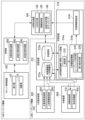
- FIG. 1 is a block diagram showing an example of a talent rating system according to an embodiment.
- 1 is a block diagram showing an example of a configuration of a talent bidding device and a talent rating device according to an embodiment
- 1 is a block diagram showing an example of a specific configuration of a talent rating system according to an embodiment.
- FIG. 4 is a diagram illustrating an example of a multivariate analysis unit in the embodiment.
- FIG. 11 is a diagram illustrating an example of a mapping process of a feature vector according to an embodiment.
- FIG. 11 is a diagram showing an example of a subject extraction process using a feature vector in the embodiment.
- FIG. 11 is a diagram showing an example of a calculation process of a bid price in the embodiment.
- 4 is a sequence diagram showing an example of an operation procedure of the talent rating system in the embodiment.
- FIG. 1 is a block diagram showing an example of a talent rating system 1 in an embodiment.
- the talent rating system 1 includes, for example, a talent bidding device 100, a talent rating device 200, a target person terminal device 300, a dispatching source terminal device 400, a dispatching destination terminal device 500, an external device 600, and a training content providing device 700.
- the talent bidding device 100, the talent rating device 200, the target person terminal device 300, the dispatching source terminal device 400, the dispatching destination terminal device 500, the external device 600, and the training content providing device 700 are connected via a communication network NW and have a communication interface (not shown) such as a NIC (Network Interface Card) or a wireless communication module for connecting to a network such as the Internet.
- the network may include, for example, a general-purpose network such as the Internet, and a private network such as local 5G or WiFi (registered trademark).
- the subject terminal device 300 is an information processing device such as a smartphone or personal computer used by the subject.
- the dispatching source terminal device 400 is an information processing device such as a smartphone or personal computer used by the dispatching company.
- the dispatched destination terminal device 500 is an information processing device such as a smartphone or personal computer used by the dispatched destination company.
- the external device 600 is an information processing device such as a server device that receives requests from the subject terminal device 300, information from the dispatching source terminal device 400, and information from the dispatched destination terminal device 500, and performs processing to evaluate the subject from the outside.
- the training content providing device 700 is an information processing device such as a server device that receives requests from the subject terminal device 300, and performs processing to transmit content for training and education to the subject terminal device 300.
- the talent bidding device 100 is an information processing device that provides a service of registering talent information, evaluation results, dispatching agency information, and dispatching destination agency information, and determining the dispatch destination of the target based on the bid of the dispatching destination agency.
- the target as talent is, for example, a professional with professional qualifications and skills such as a pharmacist.
- Talent information is information declared by the target.
- Talent information may be information including the target's age, possible work locations, working style, work history, or possessed skills.
- Evaluation results include evaluation information such as test results taken by the target using an external device that evaluates the target.
- Evaluation results may be information including the target's training attendance history, work history at the dispatching destination, or evaluation of the target obtained from the dispatching destination terminal device 500.
- Dispatch agency information is information that identifies the target's dispatching agency.
- Dispatch destination agency information is information that identifies the dispatching destination agency.
- the human resources bidding device 100 includes, for example, an issuing unit 110, an information providing unit 120, a bid receiving unit 130, and a dispatch destination determination unit 140.
- the issuing unit 110, the information providing unit 120, the bid receiving unit 130, and the dispatch destination determination unit 140 are realized by a processor, such as a CPU (Central Processing Unit), executing a program stored in a program memory.
- a processor such as a CPU (Central Processing Unit), executing a program stored in a program memory.
- the issuing unit 110 issues bidding points to the temporary employment agency.
- the issuing unit 110 may issue bidding points to the temporary employment agency and the dispatching agency.
- Bidding points are information that functions as virtual currency that is virtually traded for bidding among the human resource bidding device 100, the dispatching agency, and the temporary employment agency.
- the issuing unit 110 may perform at least one of the following processes: a process of periodically issuing bidding points based on the temporary employment agency information being registered; a process of periodically issuing bidding points based on the dispatching agency information being registered; and a process of issuing bidding points based on the browsing history of specific content.
- the specific content is, for example, content that includes information on the target person, the dispatching agency, and the dispatching agency provided by the human resource bidding device 100.
- the specific content may be content that is displayed when the temporary employment agency inputs the recruitment conditions, may be content that is displayed when the temporary employment agency makes a bid, or may be content that is displayed when the dispatching agency registers the target person.
- the temporary employment agency holds the issued bidding points and can make a bid using the held bidding points.
- the information providing unit 120 transmits the human resources information acquired from the target terminal device 300 and the evaluation results acquired from the external device 600 to the destination terminal device 500.
- the information providing unit 120 accepts a request including recruitment conditions from the destination terminal device 500, and responds to the destination terminal device 500 with the human resources information and evaluation results of the target extracted based on the recruitment conditions.
- the recruitment conditions are, for example, the human resources conditions desired by the destination company from the human resources information and evaluation results.
- the bid receiving unit 130 receives a bid request including target person information and bid point number information from the destination terminal device 500.
- Target person information is information that identifies the target person.
- Bid point number information is information that indicates the number of bid points that will be used for the target person's bid from the bid points held by the destination company.
- the dispatch destination determination unit 140 determines the dispatch destination of the target person based on the bid request. When the dispatch destination determination unit 140 receives one bid request from one target person, it determines the dispatch destination company of the dispatch destination terminal device 500 that sent the bid request as the successful bidder. When the dispatch destination determination unit 140 receives multiple bid requests from one target person, it determines the dispatch destination company with the highest number of bid points as the successful bidder.
- the talent rating device 200 includes, for example, a calculation unit 210, a rating determination unit 220, and a bid price determination unit 230.
- the calculation unit 210, the rating determination unit 220, and the bid price determination unit 230 are realized by a processor such as a CPU executing a program stored in a program memory.
- the calculation unit 210 inputs the subject's human resource information acquired from the subject terminal device 300 and the subject's evaluation results acquired from the external device 600 acting as a human resource evaluation device, and outputs the subject's characteristic information.
- the characteristic information is, for example, a high-dimensional feature vector including the subject's human resource information and the evaluation results.
- the rating determination unit 220 determines the subject's rating based on the characteristic information output from the calculation unit 210.
- the subject's rating is information indicating the value of the subject, such as the subject's demand level, recommendation level, and rank among many subjects.
- the bid price determination unit 230 determines the initial bid price of the target based on the rating determined by the rating determination unit 220.
- the bid price of the target indicates the number of bidding points required for the dispatch destination company to bid on the target. The higher the rating, the higher the initial bid price of the target is set.
- the bid price determination unit 230 corrects the bid price to increase as there are more bid requests.
- the bid price determination unit 230 may correct the bid price to decrease when there are few bid requests.
- the information provision unit 120 transmits the target information and the bid price determined by the bid price determination unit 230 to the dispatch destination terminal device 500 in response to a request from the dispatch destination terminal device 500.
- the destination determination unit 140 determines the destination company that has won the bid for the target person based on the bid price and bid request determined by the bid price determination unit 230.
- FIG. 3 is a block diagram showing an example of a specific configuration of the talent rating system 1 according to the embodiment.
- the talent rating system 1 has a talent matching function and a talent rating function.
- the talent matching function is realized, for example, by a point management device 102, a target terminal device 300, a dispatching source terminal device 400, and a dispatching destination terminal device 500 as terminal devices operated by users of the talent rating system 1, and a talent matching device 104.
- the point management device 102 and the talent matching device 104 are functional parts realized by the talent bidding device 100.
- the talent rating function includes, for example, an external device 600, a talent registration device 202, a storage device 212, and a learning device 214.
- the learning device 214 includes, for example, a talent characteristic evaluation unit 214a, a talent value evaluation unit 214b, and a learning information update unit 214c.
- the talent registration device 202, the storage device 212, and the learning device 214 are functional units realized by the talent rating device 200.
- the talent matching device 104 is, for example, a functional unit realized by the talent bidding device 100.
- the talent matching device 104 includes, for example, an information providing unit 120, a bid receiving unit 130, and a dispatch destination determining unit 140.
- the points management device 102 includes an issuing unit 110 and a consuming unit 112.
- the consuming unit 112 consumes the bidding points by subtracting the number of bidding points held by the successful bidder.
- the consuming unit 112 does not subtract the number of bidding points of dispatching companies other than the successful bidder.
- the human resources registration device 202 includes, for example, a company demand registration unit 204 and a human resources information registration unit 206.
- the company demand registration unit 204 acquires target information of targets who can be dispatched from the dispatch source terminal device 400.
- the company demand registration unit 204 acquires information indicating job requirements from the dispatch destination terminal device 500.
- the company demand registration unit 204 registers information indicating the demand of the dispatch source company and the dispatch destination company by storing the information acquired from the dispatch source terminal device 400 and the dispatch destination terminal device 500 in the storage device 212.
- the human resources information registration unit 206 stores the human resources information acquired from the target terminal device 300 in the storage device 212.
- the external device 600 is an information processing device that performs processing to evaluate the subject.
- the external device 600 includes, for example, a test implementation unit 710 and a comprehensive evaluation unit 410.
- the test implementation unit 710 transmits test content to the subject terminal device 300 and calculates test results based on the answers obtained from the subject terminal device 300.
- the test implementation unit 710 stores the test results in the member information database 212a.
- the comprehensive evaluation unit 410 obtains, for example, the subject's evaluation information from the dispatching terminal device 400 and the viewing (attending) history of the training content provided to the subject from the training content providing device 700, and stores this in the member information database 212a as information to comprehensively evaluate the subject.
- the storage device 212 is an information processing device that stores various types of information.
- the storage device 212 includes, for example, a member information database 212a and a learning database 212b.
- the member information database 212a accumulates information on the dispatching agency, the dispatching destination agency, and the target person as members. Specifically, the member information database 212a accumulates information on the target person belonging to the dispatching agency, information indicating the recruitment conditions of the dispatching destination agency, and information indicating the human resources information and evaluation results of the target person.
- the learning database 212b acquires the feature vector of the target person and the feature vector indicating the recruitment conditions, and stores the feature vector as learning data.
- the human resource characteristic evaluation unit 214a includes, for example, a calculation unit 210.
- the calculation unit 210 acquires the human resource information and evaluation results of the subject from the member information database 212a, and converts the acquired information into a high-dimensional feature vector.
- the subject's feature vector is information that expresses the subject in a high-dimensional space.
- the calculation unit 210 stores the subject's feature vector in the learning database 212b.
- the human resource characteristic evaluation unit 214a converts the recruitment conditions acquired from the temporary staffing agency into a feature vector of recruitment conditions having values corresponding to the personnel, working hours, location, and other requirements of the temporary staffing agency.
- the feature vector of recruitment conditions is information that expresses the recruitment conditions in a high-dimensional space.
- the calculation unit 210 stores the feature vector of the recruitment conditions in the learning database 212b.
- the human resource value assessment unit 214b includes, for example, a rating determination unit 220 and a bid price determination unit 230.
- the rating determination unit 220 changes the rating of the subject according to the feature vector of the subject acquired from the human resource characteristic assessment unit 214a.
- the bid price determination unit 230 determines the bid price of the subject based on the changed rating.
- the human resource value assessment unit 214b outputs an instruction to the test implementation unit 710 to change the test content, updates the feature vector by the calculation unit 210 based on the test results of the subject who took the changed test, and updates the rating information indicating the subject's rating and the bid price information indicating the bid price.
- the human resource value assessment unit 214b assesses the value of the subject by updating the feature vector based on the test results and information that comprehensively assesses the subject.
- the learning information update unit 214c acquires the feature vector from the human resource value assessment unit 214b and outputs it to the human resource matching device 104.
- the human resource matching device 104 updates the feature vector of the subject stored in the learning database 212b with the feature vector acquired from the learning information update unit 214c.
- FIG. 4 is a diagram showing an example of the multivariate analysis unit 200A in the embodiment.
- the multivariate analysis unit 200A calculates the feature vectors, ratings, and bid prices in the talent characteristic assessment unit 214a (calculation unit 210) and the talent value assessment unit 214b (rating determination unit 220, bid price determination unit 230).
- the multivariate analysis unit 200A inputs, for example, self-reported information and external evaluation information, and outputs feature vectors by performing multivariate analysis.
- the self-reported information is information reported by the subject, such as national qualification information, work history information, university major information, specialty and specialty information, available working area information, available working time information, work style information such as commuting or remote work, available languages information, and home information.
- the external evaluation information is information evaluated by an external organization, such as online exam information, comprehensive evaluation information of the dispatched organization, and information on the professional industry to which the subject belongs (e.g., the Pharmaceutical Association).
- External organizations include persons other than the subject, such as dispatching companies, exam organizers, training organizers, and educational content providers.
- the multivariate analysis unit 200A performs processing using any of logistic regression analysis, comparative hazard analysis, analysis of variance, multiple regression analysis, discriminant analysis, principal component analysis, factor analysis, or cluster analysis as the multivariate analysis.
- the multivariate analysis may include, for example, summary processing such as principal component analysis and factor analysis, classification processing such as cluster analysis and discriminant analysis, and prediction processing such as regression analysis.
- FIG. 5 is a diagram illustrating an example of a mapping process of a feature vector according to the embodiment.
- the calculation unit 210 may compress the number of dimensions of the feature vector of the subject and the feature vector of the recruitment conditions, and extract subjects having feature vectors close to the feature vector of the recruitment conditions based on the distance between the feature vector of the subject and the feature vector of the recruitment conditions in the compressed number of dimensions.
- t-SNE t-distributed Stochastic Neighbor Embedding
- the multivariate analysis unit 200A needs to process the feature vectors in real time, but when comparing feature vectors in a high-dimensional feature vector space, the more input variables there are, the longer the calculation time required. Therefore, the multivariate analysis unit 200A can speed up the comparison process of feature vectors by compressing the dimensions of the feature vectors using t-SNE or RP (Random Projection) and calculating the distance in the 2D space. For example, the high-dimensional feature vector of the subject is normalized to a 2D space, and the feature vector of the human resources required by the dispatching agency is also normalized to a 2D space. This enables the multivariate analysis unit 200A to quickly narrow down candidates who are similar to the personnel desired by the dispatching agency.
- FIG. 6 is a diagram showing an example of a target person extraction process using a feature vector according to the embodiment.
- the multivariate analysis unit 200A performs multivariate analysis on information including the recruitment conditions, thereby mapping the feature vector of the recruitment conditions into a high-dimensional feature vector space.
- the multivariate analysis unit 200A uses k-nearest neighbors to extract k candidates in the order of subjects having feature vectors that are closest to the arbitrary point.
- the human resource characteristic evaluation unit 214a extracts all candidates included in the feature vector space including the recruitment conditions.
- the multivariate analysis unit 200A may perform t-SNE or RP to reduce the number of dimensions of the feature vector space, and extract candidates in the reduced feature vector space.
- the multivariate analysis unit 200A performs multivariate analysis on the self-reported information and external evaluation information as multiple input explanatory variables, and calculates the match rate (similarity and correlation) between the subject and the job requirements in the feature vector space. This enables the multivariate analysis unit 200A to propose potential dispatch destinations that take into account non-trivial correlations and similarities in a high-dimensional feature space, rather than determining the correlation and similarity between the subject and the dispatch destination by focusing only on certain explanatory variables.
- FIG. 7 is a diagram showing an example of a process for calculating a bid price according to the embodiment.
- the bid price determination unit 230 may change the bid price based on the bid request received by the bid reception unit 130, and may change the fluctuation range of the bid price based on the distance between the target's feature vector and the feature vector of the job requirements.
- the fluctuation range of the bid price indicates, for example, the change in the bid price updated in response to an increase in the number of bids for a certain target.
- FIG. 8 is a sequence diagram showing an example of an operation procedure of the talent rating system 1 according to the embodiment.
- the target person terminal device 300 transmits registration information S10 including the talent information to the talent bidding device 100.
- the talent information is transmitted to the talent rating device 200 and stored in the storage device 212.
- the dispatching source terminal device 400 transmits registration information S12 including the dispatching source information and the target person information to the talent bidding device 100.
- the dispatching source information and the target person information are transmitted to the talent rating device 200 and stored in the storage device 212.
- the dispatching source terminal device 400 may include fee information paid by the dispatching source company to the administrator of the talent bidding device 100 to register the target person in the registration information S12.
- the dispatching destination terminal device 500 transmits registration information S14 including the dispatching destination information and the job offer information to the talent bidding device 100.
- the dispatching destination information and the job offer information are transmitted to the talent rating device 200 and stored in the storage device 212.
- the destination terminal device 500 may include fee information that the destination company pays periodically to the administrator of the personnel bidding device 100, and may include fee information for obtaining bidding points, in the registration information S14.
- the personnel bidding device 100 transmits fee information S16, which requests the destination company to pay a brokerage fee, to the destination terminal device 500.
- the personnel bidding device 100 transmits fee information S18, which requests the dispatching company to pay a brokerage fee, to the dispatching terminal device 400. This allows the operator of the personnel bidding device 100 to obtain the brokerage fee from the destination company and the dispatching company.
- the human resource bidding device 100 transmits point issuance information S20 indicating the bidding points issued to the temporary staffing company by the issuing unit 110 to the temporary staffing company terminal device 500.
- the human resource bidding device 100 transmits point issuance information S22 indicating the bidding points issued to the temporary staffing company by the issuing unit 110 to the temporary staffing company terminal device 400.
- the dispatching source terminal device 400 transmits dispatch registration information S24, which includes information on the targets to be dispatched from among the registered targets, to the talent bidding device 100.
- the talent rating device 200 determines a rating based on the feature vector of the targets included in the dispatch registration information S24, and transmits bidding price information S26a indicating the bidding price based on the rating information to the talent bidding device 100.
- the talent bidding device 100 transmits the rating information and bidding price information S26a to the target terminal device 300, the dispatching source terminal device 400, and the dispatch destination terminal device 500. This allows the targets, the dispatching source company, and the dispatch destination company to view the targets' ratings and bidding prices.
- the talent rating device 200 uses the feature vector of the recruitment conditions and the feature vector of the target person to extract targets who have a feature vector close to the feature vector of the recruitment conditions, and transmits matching information S26b including target information of the extracted targets to the talent bidding device 100.
- the information providing unit 120 transmits the matching information S26b to the dispatch destination terminal device 500. This allows the dispatch destination company to view targets who match the recruitment conditions.
- Multiple destination terminal devices 500 transmit bid request information S28a, 28b, ..., including target information and bid point number information of a certain target person, to the human resource bidding device 100.
- the bid price determination unit 230 varies the bid price according to the received bid request.
- the destination determination unit 140 determines the destination company with the highest number of bid points from the multiple bid request information S28a, 28b, ..., as the successful bidder, and transmits successful bid information S30 indicating the successful bidder to the destination terminal device 500, the dispatching source terminal device 400, and the target person terminal device 300.
- the human resource bidding device 100 transmits point information S32a, which is the result of subtracting the number of bidding points from the bidding points held by the successful bidder, to the destination terminal device 500 of the successful bidder, and transmits point information S32b, ..., which returns the number of bidding points to the unsuccessful dispatching destination companies to the destination terminal devices 500 of the dispatching destination companies other than the successful bidder.
- the issuing unit 110 of the human resource bidding device 100 transmits point information S34, which issues bidding points as a success fee, to the dispatching source terminal device 400 corresponding to the dispatching source company of the successful target.
- the issuing unit 110 transmits fee information S36a indicating a portion of the employment fee (hourly wage) as compensation for the target person's labor to the dispatch source terminal device 400 of the dispatching company of the successful bidder.
- Fee information S36a may be information indicating the number of bid points. This allows the dispatching company to receive compensation for dispatching the target person.
- the human resources bidding device 100 transmits fee information S36b indicating a portion of the employment fee (hourly wage) to the dispatch destination terminal device 500 of the dispatching destination company. This allows the dispatching destination company to receive compensation for employing the target person.
- the human resources matching device 104 may perform collaborative filtering processing to recommend targets to the temporary staffing destination agency.
- the human resources matching device 104 may search for temporary staffing destination agencies with similar targets based on the search history or bidding history of the temporary staffing destination agency, and recommend targets similar to the targets bid by the searched temporary staffing destination agency.
- the human resources matching device 104 may recommend targets having feature vectors similar to the feature vectors of targets viewed by the temporary staffing destination agency by performing content-based filtering processing.
- the human resources matching device 104 may estimate the feature vectors of the recruitment conditions of the temporary staffing destination agency by collaborative filtering processing, and recommend targets having feature vectors similar to the feature vectors of the estimated recruitment conditions by content filtering processing.
- the learning device 214 may train a prediction model using, as learning data, for example, the feature vector of the recruitment conditions of the temporary staffing agency, the feature vector of the target bidder won by the temporary staffing agency, and the successful bid price (number of bid points) updated by the learning information update unit 214c, input the feature vector of the recruitment conditions to the prediction model as an explanatory variable, and recommend a target having a feature vector similar to the target's feature vector output from the prediction model and an initial value of the bid price (inference result).
- the prediction model may use statistical models such as normal distribution and binomial distribution, and has parameters for identifying the statistical model. The parameters are set to optimal values for outputting the inference result by the learning process.
- the predictive model may be trained using either unsupervised learning or supervised learning.
- Unsupervised learning includes, for example, dimensionality reduction processing and clustering processing.
- Dimensionality reduction methods include, for example, principal component analysis, multidimensional scaling, t-SNE, etc.
- Clustering processing includes, for example, k-means, hierarchical clustering, etc.
- Supervised learning includes, for example, classification processing or regression processing.
- Classification processing includes, for example, decision trees, support vector machines, random forests, logistics regression, etc.
- Regression processing includes, for example, partial least squares regression (PLS), lasso regression (least absolute shrinkage and selection operator, LASSO), ridge regression, support vector machines, random forests, logistics regression, etc.
- the learning device 214 uses these learning methods to construct a prediction model, and uses the constructed prediction model to perform processing of the multivariate analysis unit 200A (the calculation unit 210, the rating determination unit 220, and the bid price determination unit 230).
- a talent rating system 1 can be realized that includes a subject terminal device 300, an external device 600 that evaluates the subject, and a talent rating device 200 to which the subject terminal device 300 and the external device 600 are connected via a communication network NW, the talent rating device including a calculation unit 210 that inputs the subject's talent information acquired from the subject terminal device 300 and the subject's evaluation results acquired from the external device 600 and outputs the subject's characteristic information based on the talent information and the evaluation results, and a rating determination unit 220 that determines the subject's rating based on the characteristic information output from the calculation unit 210.
- the human resource rating system 1 allows the rating of a target person based on the information reported by the target person as the target person's human resource information and the results of the target person's evaluation by an external organization as the evaluation result, so that the human resources can be evaluated comprehensively and the rating can be made visible to the target person and the dispatching company.
- the human resource rating system 1 determines the bid price of the target based on the rating determined by the rating determination unit 220, transmits bid price information indicating the bid price determined by the bid price determination unit 230 to the dispatch destination terminal device 500, and accepts a bid request including the target information and bid point number information from the dispatch destination terminal device 500, and determines the dispatch destination of the target based on the bid request. In this way, the human resource rating system 1 can support bidding for the target based on the rating.
- the human resources rating system 1 For example, assuming that the target is a pharmacist, by winning the bid for a pharmacist who can work in a holiday outpatient clinic or at a drugstore in an area where there is a shortage of pharmacists, it is possible to reduce situations where there is a shortage of pharmacists and provide medicines to patients.
- companies and pharmacies can dispatch pharmacists to workplaces with different industries or work styles as part of their education, which has the advantage of allowing the dispatching company to improve the skills of their pharmacists and increase the bidding price for the pharmacists.
- training content can be provided free of charge in response to the registration of target information, and the bidding price of the pharmacist can be increased according to the training attendance history.
- the bidding price according to one's own skills can be made visible to the pharmacist, and the value seen by the dispatching company can be increased.
- the talent rating system 1 can calculate a feature vector based on the talent information and the evaluation results, change the rating according to the calculated feature vector, and change the initial bid price based on the determined rating. This allows the talent rating system 1 to set a bid price that appropriately evaluates the candidate according to the candidate's qualifications and evaluation.
- the human resource rating system 1 can calculate a feature vector based on the job requirements received from the destination terminal device 500, and transmit matching information to the destination terminal device 500, including information on targets who have feature vectors similar to the target target's feature vector and the feature vector of the job requirements. This allows the human resource rating system 1 to eliminate the need to manually search for targets who meet the job requirements.
- the human resources ranking system 1 can compress the number of dimensions of the target person's feature vector and the feature vector of the job requirements, and extract targets who have feature vectors close to the feature vector of the job requirements in the compressed number of dimensions, thereby speeding up the process of extracting targets who are close to the job requirements.
- the human resources rating system 1 can change the bid price based on the bid request, and can change the range of bid price fluctuation based on the distance between the target person's feature vector and the feature vector of the job requirements.
- 1...Human resource bidding support system 100...Human resource bidding device, 102...Point management device, 104...Human resource matching device, 110...Issuing unit, 112...Consumption unit, 120...Information provision unit, 130...Bid reception unit, 140...Dispatch destination determination unit, 200...Human resource rating device, 200A...Multivariate analysis unit, 202...Human resource registration device, 204...Corporate demand registration unit, 206...Human resource information registration unit, 210...Calculation unit, 212...Storage device, 212a...Member information database, 212b...Learning database, 214...Learning device, 214...Human resource characteristic evaluation unit, 214a...Human resource characteristic evaluation unit, 214b...Human resource value evaluation unit, 214c...Learning information update unit, 220...Rating determination unit, 230: Bid price determination unit, 300: Target person terminal device, 400: Dispatch source terminal device, 410: Overall evaluation unit, 500: Dispatch destination terminal device, 600: External device, 700
Landscapes
- Business, Economics & Management (AREA)
- Human Resources & Organizations (AREA)
- Engineering & Computer Science (AREA)
- Strategic Management (AREA)
- Entrepreneurship & Innovation (AREA)
- Economics (AREA)
- Theoretical Computer Science (AREA)
- Marketing (AREA)
- Physics & Mathematics (AREA)
- General Business, Economics & Management (AREA)
- General Physics & Mathematics (AREA)
- Tourism & Hospitality (AREA)
- Development Economics (AREA)
- Educational Administration (AREA)
- Operations Research (AREA)
- Quality & Reliability (AREA)
- Game Theory and Decision Science (AREA)
- Accounting & Taxation (AREA)
- Finance (AREA)
- Data Mining & Analysis (AREA)
- Health & Medical Sciences (AREA)
- General Health & Medical Sciences (AREA)
- Primary Health Care (AREA)
- Management, Administration, Business Operations System, And Electronic Commerce (AREA)
Abstract
Description
本開示は、人材レーディングシステム、人材レーディング方法、人材レーディング装置、および人材レーディングプログラムに関する。 This disclosure relates to a talent rating system, a talent rating method, a talent rating device, and a talent rating program.
従来、人材オークションについての技術として、例えば、特許文献1に記載された人材オークションシステムが知られている。特許文献1に記載された人材オークションシステムは、資格機関の提供する資格証明書を求職者の客観的な能力情報として利用することによって、求職者と求人企業の双方のニーズのマッチングを行っている。
Conventionally, one known technology for human resource auctions is the human resource auction system described in
しかしながら、特許文献1に記載された人材オークションにおいては求職者の資格以外にも職歴や職場からの評価などの他の要素を含む総合的な評価を考慮することが望ましい。
However, in the talent auction described in
本開示は、このような事情に鑑みてなされたものであり、人材を総合的に評価することができる人材レーディングシステム、人材レーディング方法、人材レーディング装置、および人材レーディングプログラムを提供することを目的としている。 This disclosure has been made in light of these circumstances, and aims to provide a talent rating system, a talent rating method, a talent rating device, and a talent rating program that can comprehensively evaluate talent.
本開示は上述した課題を解決するためになされたもので、本開示の一態様は、対象者が使用する対象者端末装置と、前記対象者を評価する外部装置と、前記対象者端末装置および前記外部装置が通信ネットワークを介して接続された人材レーディング装置とを備え、前記人材レーディング装置は、前記対象者端末装置から取得した前記対象者の人材情報、および前記外部装置から取得した前記対象者の評価結果を入力し、前記人材情報および前記評価結果に基づいて前記対象者の特徴情報を出力する演算部と、前記演算部から出力された前記特徴情報に基づいて前記対象者のレーディングを決定するレーディング決定部と、を備える、人材レーディングシステムである。 The present disclosure has been made to solve the above-mentioned problems, and one aspect of the present disclosure is a talent rating system comprising a subject terminal device used by a subject, an external device that evaluates the subject, and a talent rating device to which the subject terminal device and the external device are connected via a communication network, the talent rating device comprising a calculation unit that inputs talent information of the subject obtained from the subject terminal device and the evaluation results of the subject obtained from the external device, and outputs characteristic information of the subject based on the talent information and the evaluation results, and a rating determination unit that determines a rating for the subject based on the characteristic information output from the calculation unit.
本開示の他の態様は、対象者が使用する対象者端末装置と、前記対象者を評価する外部装置と、前記対象者端末装置および前記外部装置が通信ネットワークを介して接続された人材レーディング装置と、を備える人材レーディングシステムの人材レーディング方法であって、前記対象者端末装置が、対象者の人材情報を前記人材レーディング装置に送信するステップと、前記外部装置が、対象者の評価結果を前記人材レーディング装置に送信するステップと、前記人材レーディング装置が、前記対象者の人材情報および前記対象者の評価結果を取得するステップと、前記人材レーディング装置が、前記人材情報および前記評価結果に基づいて前記対象者の特徴情報を演算するステップと、前記人材レーディング装置が、前記特徴情報に基づいて前記対象者のレーディングを決定するステップと、を含む、人材レーディング方法である。 Another aspect of the present disclosure is a talent rating method for a talent rating system comprising a subject terminal device used by a subject, an external device for evaluating the subject, and a talent rating device to which the subject terminal device and the external device are connected via a communication network, the talent rating method including the steps of: the subject terminal device transmitting talent information of the subject to the talent rating device; the external device transmitting the evaluation result of the subject to the talent rating device; the talent rating device acquiring the talent information of the subject and the evaluation result of the subject; the talent rating device calculating characteristic information of the subject based on the talent information and the evaluation result; and the talent rating device determining a rating for the subject based on the characteristic information.
本開示の他の態様は、対象者が使用する対象者端末装置、および前記対象者を評価する外部装置が通信ネットワークを介して接続された人材レーディング装置において、前記対象者端末装置から取得した前記対象者の人材情報、および前記外部装置から取得した前記対象者の評価結果を入力し、前記人材情報および前記評価結果に基づいて前記対象者の特徴情報を出力する演算部と、前記演算部から出力された前記特徴情報に基づいて前記対象者のレーディングを決定するレーディング決定部と、を備える、人材レーディング装置である。 Another aspect of the present disclosure is a talent rating device in which a subject terminal device used by a subject and an external device that evaluates the subject are connected via a communication network, the talent rating device comprising: a calculation unit that inputs talent information about the subject obtained from the subject terminal device and an evaluation result about the subject obtained from the external device, and outputs characteristic information about the subject based on the talent information and the evaluation result, and a rating determination unit that determines a rating for the subject based on the characteristic information output from the calculation unit.
本開示の他の態様は、対象者が使用する対象者端末装置、および前記対象者を評価する外部装置が通信ネットワークを介して接続された人材レーディング装置のコンピュータを、前記対象者端末装置から取得した前記対象者の人材情報、および前記外部装置から取得した前記対象者の評価結果を入力し、前記人材情報および前記評価結果に基づいて前記対象者の特徴情報を出力する演算部、および前記演算部から出力された前記特徴情報に基づいて前記対象者のレーディングを決定するレーディング決定部、として機能させる、人材レーディングプログラムである。 Another aspect of the present disclosure is a talent rating program that causes a computer of a talent rating device to which a subject terminal device used by a subject and an external device that evaluates the subject are connected via a communication network to function as a calculation unit that inputs talent information about the subject obtained from the subject terminal device and evaluation results about the subject obtained from the external device, and outputs characteristic information about the subject based on the talent information and the evaluation results, and a rating determination unit that determines a rating for the subject based on the characteristic information output from the calculation unit.
本開示によれば、人材を総合的に評価することができる。 This disclosure makes it possible to comprehensively evaluate human resources.
以下、本発明を適用した人材レーディングシステム、人材レーディング方法、人材レーディング装置、および人材レーディングプログラムを、図面を参照して説明する。 Below, the talent trading system, talent trading method, talent trading device, and talent trading program to which the present invention is applied will be described with reference to the drawings.
図1は、実施の形態における人材レーディングシステム1の一例を示すブロック図である。人材レーディングシステム1は、例えば、人材入札装置100と、人材レーディング装置200と、対象者端末装置300と、派遣元端末装置400と、派遣先端末装置500と、外部装置600と、研修コンテンツ提供装置700とを備える。人材入札装置100、人材レーディング装置200、対象者端末装置300、派遣元端末装置400、派遣先端末装置500、外部装置600、および、研修コンテンツ提供装置700は、通信ネットワークNWを介して接続され、インターネット等のネットワークに接続するためのNIC(Network Interface Card)または無線通信モジュールなどの通信インターフェース(不図示)を有する。ネットワークは、例えばインターネット等の汎用ネットワーク、およびローカル5GまたはWiFi(登録商標)などのプライベートなネットワークを含んでよい。
FIG. 1 is a block diagram showing an example of a
対象者端末装置300は、対象者に使用されるスマートフォンやパーソナルコンピュータなどの情報処理装置である。派遣元端末装置400は、派遣元業者に使用されるスマートフォンやパーソナルコンピュータなどの情報処理装置である。派遣先端末装置500は、派遣先業者に使用されるスマートフォンやパーソナルコンピュータなどの情報処理装置である。外部装置600は、対象者端末装置300からの要求、派遣元端末装置400からの情報、および派遣先端末装置500からの情報を受け付け、対象者を外部から評価する処理を行うサーバ装置などの情報処理装置である。研修コンテンツ提供装置700は、対象者端末装置300からの要求を受け付け、対象者端末装置300に研修や教育のためのコンテンツを送信する処理を行うサーバ装置などの情報処理装置である。
The
図2は、実施の形態における人材入札装置100および人材レーディング装置200の構成の一例を示すブロック図である。人材入札装置100は、例えば、人材情報、評価結果、派遣元業者情報および派遣先業者情報を登録し、派遣先業者の入札に基づいて対象者の派遣先を決定するサービスを提供する情報処理装置である。人材としての対象者は、例えば、薬剤師などの専門的な資格や技能を持つ専門職者である。人材情報は、対象者が申告した情報である。人材情報は、対象者の年齢、勤務可能地、勤務形態、職歴、または保有スキルを含む情報であってよい。評価結果は、対象者を評価する外部装置を利用して対象者が受けた試験結果などの評価情報を含む。評価結果は、対象者の研修受講履歴、派遣先における労働履歴、または派遣先端末装置500から取得した対象者の評価を含む情報であってよい。派遣元業者情報は、対象者の派遣元業者を特定する情報である。派遣先業者情報は、派遣先業者を特定する情報である。
2 is a block diagram showing an example of the configuration of the
人材入札装置100は、例えば、発行部110と、情報提供部120と、入札受付部130と、派遣先決定部140とを備える。発行部110、情報提供部120、入札受付部130、および派遣先決定部140は、例えばCPU(Central Processing Unit)等のプロセッサがプログラムメモリに格納されたプログラムを実行することにより実現される。
The human
発行部110は、派遣先業者に入札ポイントを発行する。発行部110は、派遣先業者および派遣元業者に入札ポイントを発行してよい。入札ポイントは、人材入札装置100、派遣元業者、および派遣先業者において入札のために仮想的に取引される仮想通貨として機能する情報である。発行部110は、派遣先業者情報が登録されていることに基づいて入札ポイントを定期的に発行する処理、派遣元業者情報が登録されていることに基づいて入札ポイントを定期的に発行する処理、特定コンテンツの閲覧履歴に基づいて入札ポイントを発行する処理、の少なくとも一つを行ってよい。特定コンテンツは、例えば、人材入札装置100が提供する対象者、派遣元業者、派遣元業者に関する情報を含むコンテンツである。特定コンテンツは、派遣先業者が求人条件を入力するときに表示させるコンテンツであってよく、派遣先業者が入札するときに表示させるコンテンツであってよく、派遣元業者が対象者を登録するときに表示させるコンテンツであってよい。派遣先業者は、発行された入札ポイントを保有し、保有している入札ポイントを用いて入札を行うことができる。
The issuing
情報提供部120は、対象者端末装置300から取得した人材情報、および外部装置600から取得した評価結果を派遣先端末装置500に送信する。情報提供部120は、例えば、派遣先端末装置500からの求人条件を含む要求を受け付け、求人条件に基づいて抽出された対象者の人材情報および評価結果を派遣先端末装置500に応答する。求人条件は、例えば、人材情報および評価結果のうち派遣先業者が希望する人材の条件である。
The
入札受付部130は、派遣先端末装置500から対象者情報および入札ポイント数情報を含む入札要求を受け付ける。対象者情報は、対象者を特定する情報である。入札ポイント数情報は、派遣先業者が保有する入札ポイントのうち対象者の入札に用いる入札ポイント数を示す情報である。
The
派遣先決定部140は、入札要求に基づいて対象者の派遣先を決定する。派遣先決定部140は、一人の対象者に一つの入札要求を受けつけた場合、入札要求を送信した派遣先端末装置500の派遣先業者を落札者として決定する。派遣先決定部140は、一人の対象者に複数の入札要求を受けつけた場合、入札要求を送信した派遣先端末装置500の派遣先業者のうち最も入札ポイント数が多い派遣先業者を落札者として決定する。
The dispatch
人材レーディング装置200は、例えば、演算部210と、レーディング決定部220と、競り値決定部230とを備える。演算部210、レーディング決定部220、および競り値決定部230は、例えばCPU等のプロセッサがプログラムメモリに格納されたプログラムを実行することにより実現される。
The
演算部210は、対象者端末装置300から取得した対象者の人材情報、および人材の評価装置としての外部装置600から取得した対象者の評価結果を入力し、対象者の特徴情報を出力する。特徴情報は、例えば、対象者の人材情報および評価結果を含む高次元の特徴ベクトルである。レーディング決定部220は、演算部210から出力された特徴情報に基づいて対象者のレーディングを決定する。対象者のレーディングは、対象者の価値を示す情報であり、例えば、対象者の需要度、おすすめ度、多数の対象者中のランクなどの情報である。
The
競り値決定部230は、レーディング決定部220により決定されたレーディングに基づいて対象者の競り値の初期値を決定する。対象者の競り値は、派遣先業者が対象者に入札するために必要な入札ポイント数を示す。対象者の競り値の初期値は、レーディングが高いほど高い値に設定される。競り値決定部230は、入札要求が多いほど競り値を上昇させるよう補正する。競り値決定部230は、入札要求が少ない場合には競り値を下降させるよう補正してよい。情報提供部120は、派遣先端末装置500からの要求に応じて対象者情報、競り値決定部230により決定された競り値を、派遣先端末装置500に送信する。
The bid
派遣先決定部140は、競り値決定部230により決定された競り値および入札要求に基づいて対象者を落札した派遣先業者を決定する。
The
図3は、実施の形態における人材レーディングシステム1の具体的な構成の一例を示すブロック図である。
人材レーディングシステム1は、人材マッチング機能と、人材レーディング機能とを有する。人材マッチング機能は、例えば、ポイント管理装置102と、人材レーディングシステム1の利用者が操作する端末装置としての対象者端末装置300、派遣元端末装置400、および派遣先端末装置500と、人材照合装置104により実現される。ポイント管理装置102および人材照合装置104は、人材入札装置100により実現される機能部である。
FIG. 3 is a block diagram showing an example of a specific configuration of the
The
人材レーディング機能は、例えば、外部装置600と、人材登録装置202と、記憶装置212と、学習装置214とを備える。学習装置214は、例えば、人材特徴評価部214aと、人材価値評価部214bと、学習情報更新部214cとを備える。人材登録装置202、記憶装置212、学習装置214は、人材レーディング装置200により実現される機能部である。
The talent rating function includes, for example, an
人材照合装置104は、例えば、人材入札装置100により実現される機能部である。人材照合装置104は、例えば、情報提供部120と、入札受付部130と、派遣先決定部140とを備える。
The
ポイント管理装置102は、発行部110と、消費部112とを備える。消費部112は、派遣先決定部140により派遣先が決定された場合に、落札者が保有する入札ポイントから入札ポイント数を減算することで、入札ポイントを消費させる。消費部112は、落札者以外の派遣元業者の入札ポイント数を減算させない。
The
人材登録装置202は、例えば、企業需要登録部204と、人材情報登録部206とを備える。企業需要登録部204は、派遣元端末装置400から派遣可能な対象者の対象者情報を取得する。企業需要登録部204は、派遣先端末装置500から求人条件を示す情報を取得する。企業需要登録部204は、派遣元端末装置400および派遣先端末装置500から取得した情報を記憶装置212に記憶させることによって、派遣元業者および派遣先業者の需要を示す情報を登録する。人材情報登録部206は、対象者端末装置300から取得した人材情報を記憶装置212に記憶させる。
The human resources registration device 202 includes, for example, a company
外部装置600は、対象者を評価する処理を行う情報処理装置である。外部装置600は、例えば、試験実施部710と、総合評価部410とを備える。試験実施部710は、対象者端末装置300に試験用コンテンツを送信し、対象者端末装置300から取得した解答に基づく試験結果を演算する。試験実施部710は、試験結果を会員情報データベース212aに記憶させる。総合評価部410は、例えば派遣元端末装置400における対象者の評価情報、および研修コンテンツ提供装置700から対象者に提供した研修コンテンツの視聴(受講)履歴などを取得し、対象者を総合的に評価する情報として会員情報データベース212aに記憶させる。
The
記憶装置212は、各種の情報の記憶する情報処理装置である。記憶装置212は、例えば、会員情報データベース212aと、学習用データベース212bとを備える。会員情報データベース212aは、会員としての派遣元業者、派遣先業者、および対象者に関する情報を蓄積する。具体的に、会員情報データベース212aは、派遣元業者に所属する対象者情報、派遣先業者の求人条件を示す情報、および対象者の人材情報および評価結果を示す情報を蓄積する。学習用データベース212bは、対象者の特徴ベクトルおよび求人条件を示す特徴ベクトルを取得し、特徴ベクトルを学習データとして記憶する。
The
人材特徴評価部214aは、例えば、演算部210を含む。演算部210は、会員情報データベース212aから対象者の人材情報および評価結果を取得し、取得した情報を高次元の特徴ベクトルに変換する。対象者の特徴ベクトルは、対象者を高次元空間で表現する情報である。演算部210は、対象者の特徴ベクトルを学習用データベース212bに記憶させる。また、人材特徴評価部214aは、派遣先業者から取得した求人条件に基づいて、派遣先業者の求める人材、勤務時間、場所などの要望に対応した値を持つ求人条件の特徴ベクトルに変換する。求人条件の特徴ベクトルは、求人条件を高次元空間で表現する情報である。演算部210は、求人条件の特徴ベクトルを学習用データベース212bに記憶させる。
The human resource
人材価値評価部214bは、例えば、レーディング決定部220と、競り値決定部230とを含む。レーディング決定部220は、人材特徴評価部214aから取得した対象者の特徴ベクトルに応じて対象者のレーディングを変化させる。競り値決定部230は、変化させたレーディングに基づいて対象者の競り値を決定する。人材価値評価部214bは、試験実施部710に対して試験内容を変更させる指示を出力し、変更された試験を受けた対象者の試験結果に基づいて演算部210によって特徴ベクトルを更新させ、対象者のレーディングを示すレーディング情報および競り値を示す競り値情報を更新する。人材価値評価部214bは、試験結果および対象者を総合的に評価する情報に基づいて特徴ベクトルを更新することで対象者の価値を評価する。
The human resource
学習情報更新部214cは、人材価値評価部214bから特徴ベクトル取得し、人材照合装置104に出力する。人材照合装置104は、学習情報更新部214cから取得した特徴ベクトルによって学習用データベース212bに記憶された対象者の特徴ベクトルを更新する。
The learning
図4は、実施の形態における多変量解析部200Aの一例を示す図である。多変量解析部200Aは、人材特徴評価部214a(演算部210)および人材価値評価部214b(レーディング決定部220、競り値決定部230)における特徴ベクトル、レーディング、および競り値の演算を行う。多変量解析部200Aは、例えば、自己申告情報および外部評価情報を入力し、多変量解析を行うことによって特徴ベクトルを出力する。
FIG. 4 is a diagram showing an example of the
自己申告情報は、例えば、国家資格情報、職歴情報、大学専攻情報、専門領域および得意分野情報、勤務可能地域情報、勤務可能時間情報、通勤またはリモートワークなどのワークスタイル情報、対応可能言語情報、および自宅情報などの対象者が申告した情報である。外部評価情報は、例えば、オンライン試験情報、派遣先の総合評価情報、所属する専門職業界(例えば薬剤師会)に関する情報などの外部機関が対象者を評価した情報である。外部機関とは、派遣元業者、試験開催者、研修開催者、教育コンテンツ提供者などの対象者以外の者を含む。多変量解析部200Aは、多変量解析として、ロジスティック回帰分析、比較ハザード分析、分散分析、重回帰分析、判別分析、主成分分析、因子分析、またはクラスター分析のいずれかを使用する処理を行う。多変量解析は、例えば、主成分分析や因子分析などの要約処理、クラスター分析や判別分析などの分類処理、および回帰分析などの予測処理を含んでいてよい。
The self-reported information is information reported by the subject, such as national qualification information, work history information, university major information, specialty and specialty information, available working area information, available working time information, work style information such as commuting or remote work, available languages information, and home information. The external evaluation information is information evaluated by an external organization, such as online exam information, comprehensive evaluation information of the dispatched organization, and information on the professional industry to which the subject belongs (e.g., the Pharmaceutical Association). External organizations include persons other than the subject, such as dispatching companies, exam organizers, training organizers, and educational content providers. The
図5は、実施の形態における特徴ベクトルのマッピング処理の一例を示す図である。
演算部210は、対象者の特徴ベクトルおよび求人条件の特徴ベクトルの次元数を圧縮し、圧縮した次元数において対象者の特徴ベクトルと求人条件の特徴ベクトルとの距離に基づいて、求人条件の特徴ベクトルに近い特徴ベクトルを持つ対象者を抽出してよい。高次元の特徴ベクトル(図5の左図)を蒸留(distillation)して2D空間(図5の右図)にマッピングする方法として、t-SNE(t-distributed Stochastic Neighbor Embedding)が知られている。多変量解析部200Aは、特徴ベクトルをリアルタイムで処理する必要があるが、t-SNEは高次元の特徴ベクトル空間で特徴ベクトルの比較を行うと入力変数が多いほど計算時間を要する。そこで、多変量解析部200Aは、t-SNEやRP(Random Projection)を用いて特徴ベクトルの次元を圧縮し、2D空間上の距離を求めることで特徴ベクトルの比較処理の高速化を図ることができる。例えば、対象者の高次元の特徴ベクトルを2D空間に正規化し、派遣元業者が求める人材の特徴ベクトルも2D空間に正規化する。これにより多変量解析部200Aは、派遣元業者が求める人材に類似する対象者を短時間で絞り込むことができる。
FIG. 5 is a diagram illustrating an example of a mapping process of a feature vector according to the embodiment.
The
図6は、実施の形態における特徴ベクトルを用いた対象者の抽出処理の一例を示す図である。
多変量解析部200Aは、求人条件を含む情報に対して多変量解析を行うことによって、求人条件の特徴ベクトルを高次元の特徴ベクトル空間にマッピングする。多変量解析部200Aは、求人条件の特徴ベクトルが特徴ベクトル空間における任意の1点(図中の×)に収束した場合には、k近傍法(k-nearest neighbors)を使用して、任意の1点からの距離の近い特徴ベクトルを持つ対象者の順に、k人の候補者を抽出する。人材特徴評価部214aは、図6中の楕円のように求人条件の特徴ベクトルが特徴ベクトル空間の任意の領域に点在した場合、求人条件が含まれる特徴ベクトル空間内に含まれるすべての候補者を抽出する。多変量解析部200Aは、演算の高速化のために、t-SNEやRPを行って特徴ベクトル空間の次元数を削減し、削減した特徴ベクトル空間において候補者の抽出を行ってよい。
FIG. 6 is a diagram showing an example of a target person extraction process using a feature vector according to the embodiment.
The
多変量解析部200Aは、入力された複数の説明変数としての自己申告情報および外部評価情報に対して多変量解析を行い、特徴ベクトル空間における対象者と求人条件とのマッチ率(類似度および相関)を算出する。これにより多変量解析部200Aは、ある説明変数のみに着目して対象者と派遣先の相関や類似度を求めるのではなく、高次元の特徴空間における自明でない相関および類似度を考慮した派遣先候補を提案することが可能となる。
The
図7は、実施の形態における競り値の演算処理の一例を示す図である。
競り値決定部230は、入札受付部130により受け付けた入札要求に基づいて競り値を変化させ、対象者の特徴ベクトルと求人条件の特徴ベクトルとの距離に基づいて競り値の変動幅を変化させてよい。競り値の変動幅は、例えば、ある対象者に対して入札数が増加することに応じて更新される競り値の変化を示す。人材価値評価部214bの競り値決定部230は、対象者の特徴ベクトルと求人条件の特徴ベクトルとの距離d(図7中のx、x=1/d)が近いほど競り値(図中のy)を増加させてよい。競り値決定部230は、例えば、下記の式のように、対象者の特徴ベクトルと求人条件の特徴ベクトルとの距離dの逆数に対してlogxをかけることによって初期の競り値gに対する補正幅yを増加させる。
y=g・xlogx(x≧1)またはg(x<1)
これにより競り値決定部230は、派遣先業者の求人条件に近い対象者ほど、競り値が上昇する幅を大きく変動させることができる。一方、競り値決定部230は、派遣先業者の求人条件に近い対象者がいない場合、競り値が上昇する幅を小さく変動させることができる。
FIG. 7 is a diagram showing an example of a process for calculating a bid price according to the embodiment.
The bid
y = g x log x (x ≥ 1) or g (x < 1)
In this way, the bid
図8は、実施の形態における人材レーディングシステム1の動作手順の一例を示すシーケンス図である。
まず対象者端末装置300は、人材入札装置100に人材情報を含む登録情報S10を送信する。人材情報は、人材レーディング装置200に送信され、記憶装置212に記憶される。派遣元端末装置400は、派遣元情報および対象者情報を含む登録情報S12を人材入札装置100に送信する。派遣元情報および対象者情報は、人材レーディング装置200に送信され、記憶装置212に記憶される。派遣元端末装置400は、登録情報S12に対象者を登録するために派遣元業者が人材入札装置100の管理者に支払う料金情報を含めてよい。派遣先端末装置500は、派遣先情報および求人情報を含む登録情報S14を人材入札装置100に送信する。派遣先情報および求人情報は、人材レーディング装置200に送信され、記憶装置212に記憶される。派遣先端末装置500は、登録情報S14に、派遣先業者が人材入札装置100の管理者に定期的に支払う料金情報を含めてよく、入札ポイントを取得するための料金情報を含めてよい。人材入札装置100は、派遣先業者に仲介手数料の支払いを要求する料金情報S16を派遣先端末装置500に送信する。人材入札装置100は、派遣元業者に仲介手数料の支払いを要求する料金情報S18を派遣元端末装置400に送信する。これにより人材入札装置100の運営者は派遣先業者および派遣元業者から仲介手数料を取得することができる。
FIG. 8 is a sequence diagram showing an example of an operation procedure of the
First, the target person
人材入札装置100は、発行部110により派遣先業者に発行した入札ポイントを示すポイント発行情報S20を派遣先端末装置500に送信する。人材入札装置100は、発行部110により派遣元業者に発行した入札ポイントを示すポイント発行情報S22を派遣元端末装置400に送信する。
The human
派遣元端末装置400は、登録した対象者のうち派遣する対象者の対象者情報を含む派遣登録情報S24を人材入札装置100に送信する。人材レーディング装置200は、派遣登録情報S24に含まれる対象者の特徴ベクトルに基づいてレーディングを決定し、レーディング情報に基づいて競り値を示す競り値情報S26aを人材入札装置100に送信する。人材入札装置100は、レーディング情報および競り値情報S26aを対象者端末装置300、派遣元端末装置400、および派遣先端末装置500に送信する。これにより対象者、派遣元業者、および派遣先業者は、対象者のレーディングおよび競り値を閲覧することができる。
The dispatching source
人材レーディング装置200は、求人条件の特徴ベクトルと対象者の特徴ベクトルとを用いて、求人条件の特徴ベクトルに近い特徴ベクトルをもつ対象者を抽出し、抽出した対象者の対象者情報を含むマッチング情報S26bを人材入札装置100に送信する。情報提供部120は、マッチング情報S26bを派遣先端末装置500に送信する。これにより派遣先業者は、求人条件にマッチングする対象者を閲覧することができる。
The
複数の派遣先端末装置500が、ある対象者の対象者情報および入札ポイント数情報を含む入札要求情報S28a、28b、・・・を人材入札装置100に送信する。競り値決定部230は、受信した入札要求に応じて競り値を変動させる。派遣先決定部140は、複数の入札要求情報S28a、28b、・・・のうち入札ポイント数が最も多い派遣先業者を落札者として決定し、落札者を示す落札情報S30を派遣先端末装置500、派遣元端末装置400、および対象者端末装置300に送信する。
Multiple
人材入札装置100は、落札者としての派遣先業者が保有する入札ポイントから入札ポイント数を減算したポイント情報S32aを落札者の派遣先端末装置500に送信し、落札できなかった派遣先業者に入札ポイント数を返還するポイント情報S32b、・・・を落札者以外の派遣先業者の派遣先端末装置500に送信する。人材入札装置100の発行部110は、落札された対象者の派遣元業者に対応した派遣元端末装置400に、成功報酬としての入札ポイントを発行するポイント情報S34を送信する。
The human
対象者が派遣先に勤務すると、発行部110は、落札された対象者の派遣元業者の派遣元端末装置400に、対象者の労働対価としての雇用料金(時給)の一部を示す料金情報S36aを送信する。料金情報S36aは、入札ポイント数を示す情報であってよい。これにより派遣元業者は、対象者を派遣したことによって報酬を得ることができる。また、人材入札装置100は、派遣先業者の派遣先端末装置500に、雇用料金(時給)の一部を示す料金情報S36bを送信する。これにより派遣先業者は、対象者を雇用したことによって報酬を得ることができる。
When the target person begins working at the dispatch destination, the
人材照合装置104は、派遣先業者に対象者をレコメンドするために協調フィルタリング処理を行ってよい。人材照合装置104は、派遣先業者の検索履歴または入札履歴に基づいて、要望している対象者が似ている派遣先業者を探索し、探索された派遣先業者が落札した対象者に似ている対象者をレコメンドしてよい。人材照合装置104は、コンテンツベースフィルタリング処理を行うことで、派遣先業者が閲覧している対象者の特徴ベクトルに似ている特徴ベクトルを持つ対象者をレコメンドしてよい。人材照合装置104は、協調フィルタリング処理により派遣先業者の求人条件の特徴ベクトルを推定し、コンテンツフィルタリング処理により、推定した求人条件の特徴ベクトルに似た特徴ベクトルを持つ対象者をレコメンドしてよい。
The human
さらに学習装置214は、学習情報更新部214cによって更新された、例えば、派遣先業者の求人条件の特徴ベクトル、派遣先業者が落札した対象者の特徴ベクトル、落札した競り値(入札ポイント数)を学習データとして予測モデルを学習させ、説明変数として求人条件の特徴ベクトルを予測モデルに入力し、予測モデルから出力された対象者の特徴ベクトルに似た特徴ベクトルを持つ対象者および競り値の初期値(推論結果)をレコメンドしてよい。予測モデルは、正規分布、二項分布などの統計モデルが利用可能であり、統計モデルを特定するためのパラメータを持つ。パラメータは、学習処理によって推論結果を出力するための最適な値が設定される。
Furthermore, the
また、予測モデルは、教師なし学習、教師あり学習のいずれの手法で学習させてよい。教師なし学習は、例えば、次元圧縮法処理やクラスタリング処理を含む。次元圧縮法は、例えば主成分分析、多次元尺度構成法、t-SNE法などを含む。クラスタリング処理は、k-meanms法、階層的クラスタリングなどを含む。教師あり学習は、例えば、分類処理または回帰処理などを含む。分類処理は、例えば、決定木、サポートベクターマシン、ランダムフォレスト、ロジスティクス回帰などを含む。回帰処理は、例えば、部分的最小二乗法(Partial Least Squares Regression、PLS)、ラッソ回帰(least absolute shrinkage and selection operator、LASSO)、Ridge回帰、サポートベクターマシン、ランダムフォレスト、ロジスティクス回帰などを含む。学習装置214は、これらの学習手法を用いて予測モデルを構築し、構築した予測モデルを用いて多変量解析部200A(演算部210、レーディング決定部220、および競り値決定部230)の処理を行う。
In addition, the predictive model may be trained using either unsupervised learning or supervised learning. Unsupervised learning includes, for example, dimensionality reduction processing and clustering processing. Dimensionality reduction methods include, for example, principal component analysis, multidimensional scaling, t-SNE, etc. Clustering processing includes, for example, k-means, hierarchical clustering, etc. Supervised learning includes, for example, classification processing or regression processing. Classification processing includes, for example, decision trees, support vector machines, random forests, logistics regression, etc. Regression processing includes, for example, partial least squares regression (PLS), lasso regression (least absolute shrinkage and selection operator, LASSO), ridge regression, support vector machines, random forests, logistics regression, etc. The
以上のように、実施の形態によれば、対象者端末装置300と、対象者を評価する外部装置600と、対象者端末装置300および外部装置600が通信ネットワークNWを介して接続された人材レーディング装置200とを備え、人材レーディング装置が、対象者端末装置300から取得した対象者の人材情報、および外部装置600から取得した対象者の評価結果を入力し、人材情報および評価結果に基づいて対象者の特徴情報を出力する演算部210と、演算部210から出力された特徴情報に基づいて対象者のレーディングを決定するレーディング決定部220と、を備える、人材レーディングシステム1を実現することができる。
As described above, according to the embodiment, a
人材レーディングシステム1によれば、対象者の人材情報としての対象者が申告した情報、評価結果としての対象者を外部機関が評価した結果に基づいて対象者をレーディングすることができるので、人材を総合的に評価して、対象者や派遣先業者にレーディングを見える化することができる。
The human
人材レーディングシステム1によれば、レーディング決定部220により決定されたレーディングに基づいて対象者の競り値を決定し、競り値決定部230により決定された競り値を示す競り値情報を派遣先端末装置500に送信し、派遣先端末装置500から対象者情報および入札ポイント数情報を含む入札要求を受け付けて、入札要求に基づいて対象者の派遣先を決定することができる。これにより人材レーディングシステム1によれば、レーディングに基づいて対象者への入札を支援することができる。
The human
人材レーディングシステム1によれば、例えば、対象者として薬剤師を想定した場合、休日外来や薬剤師の不足する地域のドラックストアに勤務可能な薬剤師を落札することによって、薬剤師が不足する場面を抑制して患者に薬剤を提供することができる。また、人材レーディングシステム1によれば、薬剤師の技量を高めるため、企業や薬局が教育の一環として異なる業種または勤務形態の職場に薬剤師を派遣することができ、派遣元業者にとって保有する薬剤師のスキルアップを図り、薬剤師の競り値を上昇させることができるメリットがある。さらに、人材レーディングシステム1によれば、対象者情報を登録することに応じて無料で研修コンテンツを提供し、研修の受講履歴に応じて薬剤師の競り値を向上させることができる。これにより人材レーディングシステム1によれば、薬剤師から自身のスキルに応じた競り値を見える化し、さらに、派遣先業者からみた価値を高くすることができる。
With the human
人材レーディングシステム1によれば、人材情報および前記評価結果に基づく特徴ベクトルを演算し、演算された特徴ベクトルに応じてレーディングを変化させ、決定されたレーディングに基づいて競り値の初期値を変化させることができる。これにより人材レーディングシステム1は、対象者が持つ資格や評価に応じて対象者を適正に評価する競り値を設定することができる。
The
人材レーディングシステム1によれば、派遣先端末装置500から受け付けた求人条件に基づいて特徴ベクトルを演算し、対象者の特徴ベクトルと求人条件の特徴ベクトルに近い特徴ベクトルを持つ対象者の情報を含むマッチング情報を派遣先端末装置500に送信することができる。これにより人材レーディングシステム1は、人手によって求人条件に近い対象者を探索する手間を省くことができる。
The human
人材レーディングシステム1によれば、対象者の特徴ベクトルおよび求人条件の特徴ベクトルの次元数を圧縮し、圧縮した次元数において求人条件の特徴ベクトルに近い特徴ベクトルを持つ対象者を抽出することができるので、求人条件に近い対象者を抽出する処理を高速化することができる。
The human
人材レーディングシステム1によれば、入札要求に基づいて競り値を変化させ、対象者の特徴ベクトルと求人条件の特徴ベクトルとの距離に基づいて競り値の変動幅を変化させることができる。
The human
なお、各実施形態および変形例について説明したが、一例であってこれらに限られず、例えば、各実施形態や各変形例のうちのいずれかや、各実施形態の一部や各変形例の一部を、他の1または複数の実施形態や他の1または複数の変形例と組み合わせて本発明の一態様を実現させてもよい。 Note that although each embodiment and each modified example have been described, these are merely examples and are not intended to be limiting. For example, any of the embodiments and modified examples, or a part of each embodiment or a part of each modified example, may be combined with one or more other embodiments or one or more other modified examples to realize one aspect of the present invention.
1…人材入札支援システム、100…人材入札装置、102…ポイント管理装置、104…人材照合装置、110…発行部、112…消費部、120…情報提供部、130…入札受付部、140…派遣先決定部、200…人材レーディング装置、200A…多変量解析部、202…人材登録装置、204…企業需要登録部、206…人材情報登録部、210…演算部、212…記憶装置、212a…会員情報データベース、212b…学習用データベース、214…学習装置、214…人材特徴評価部、214a…人材特徴評価部、214b…人材価値評価部、214c…学習情報更新部、220…レーディング決定部、
230…競り値決定部、300…対象者端末装置、400…派遣元端末装置、410…総合評価部、500…派遣先端末装置、600…外部装置、700…研修コンテンツ提供装置、710…試験実施部
1...Human resource bidding support system, 100...Human resource bidding device, 102...Point management device, 104...Human resource matching device, 110...Issuing unit, 112...Consumption unit, 120...Information provision unit, 130...Bid reception unit, 140...Dispatch destination determination unit, 200...Human resource rating device, 200A...Multivariate analysis unit, 202...Human resource registration device, 204...Corporate demand registration unit, 206...Human resource information registration unit, 210...Calculation unit, 212...Storage device, 212a...Member information database, 212b...Learning database, 214...Learning device, 214...Human resource characteristic evaluation unit, 214a...Human resource characteristic evaluation unit, 214b...Human resource value evaluation unit, 214c...Learning information update unit, 220...Rating determination unit,
230: Bid price determination unit, 300: Target person terminal device, 400: Dispatch source terminal device, 410: Overall evaluation unit, 500: Dispatch destination terminal device, 600: External device, 700: Training content providing device, 710: Test implementation unit
Claims (10)
前記人材レーディング装置は、
前記対象者端末装置から取得した前記対象者の人材情報、および前記外部装置から取得した前記対象者の評価結果を入力し、前記人材情報および前記評価結果に基づいて前記対象者の特徴情報を出力する演算部と、
前記演算部から出力された前記特徴情報に基づいて前記対象者のレーディングを決定するレーディング決定部と、を備える、
人材レーディングシステム。 The system includes a subject terminal device used by a subject, an external device for evaluating the subject, and a talent rating device to which the subject terminal device and the external device are connected via a communication network,
The talent rating device comprises:
a calculation unit that receives the human resource information of the subject acquired from the subject terminal device and the evaluation result of the subject acquired from the external device, and outputs characteristic information of the subject based on the human resource information and the evaluation result;
and a rating determination unit that determines a rating of the subject based on the feature information output from the calculation unit.
Talent rating system.
前記人材レーディング装置は、前記レーディング決定部により決定されたレーディングに基づいて対象者の競り値を決定する競り値決定部を備え、
前記人材入札装置は、
前記競り値決定部により決定された前記競り値を示す競り値情報を前記派遣先端末装置に送信する情報提供部と、
前記派遣先端末装置から対象者情報および入札ポイント数情報を含む入札要求を受け付ける入札受付部と、
前記入札要求に基づいて前記対象者の派遣先を決定する派遣先決定部と、を備える、
請求項1に記載の人材レーディングシステム。 A dispatch destination terminal device used by a dispatch destination company of a human resource, the target terminal device, and a human resource bidding device connected to the dispatch destination terminal device via a communication network,
The talent rating device includes a bid price determination unit that determines a bid price for a candidate based on the rating determined by the rating determination unit,
The talent bidding device includes:
an information providing unit that transmits bid information indicating the bid determined by the bid determination unit to the dispatch destination terminal device;
a bid receiving unit that receives a bid request including target person information and bid point number information from the dispatch destination terminal device;
A dispatch destination determination unit that determines a dispatch destination of the target person based on the bid request.
2. The talent rating system according to claim 1.
前記レーディング決定部は、前記演算部により演算された特徴ベクトルに応じてレーディングを変化させ、
前記競り値決定部は、前記レーディング決定部により決定されたレーディングに基づいて前記競り値の初期値を変化させる、
請求項3に記載の人材レーディングシステム。 The calculation unit calculates a feature vector based on the human resources information and the evaluation result,
The rating determination unit changes a rating in response to the feature vector calculated by the calculation unit,
The bid price determination unit changes an initial value of the bid price based on the rating determined by the rating determination unit.
4. The talent rating system according to claim 3.
前記情報提供部は、前記演算部により演算された前記対象者の特徴ベクトルと前記演算部により演算された前記求人条件の特徴ベクトルに近い特徴ベクトルを持つ対象者の情報を含むマッチング情報を前記派遣先端末装置に送信する、
請求項4に記載の人材レーディングシステム。 The calculation unit calculates a feature vector based on the job offer conditions received from the dispatch destination terminal device,
The information providing unit transmits matching information to the dispatch destination terminal device, the matching information including information on a target person having a feature vector close to the feature vector of the job offer condition calculated by the calculation unit and the target person having a feature vector close to the feature vector of the job offer condition calculated by the calculation unit.
5. The talent rating system according to claim 4.
前記対象者端末装置が、対象者の人材情報を前記人材レーディング装置に送信するステップと、
前記外部装置が、対象者の評価結果を前記人材レーディング装置に送信するステップと、
前記人材レーディング装置が、前記対象者の人材情報および前記対象者の評価結果を取得するステップと、
前記人材レーディング装置が、前記人材情報および前記評価結果に基づいて前記対象者の特徴情報を演算するステップと、
前記人材レーディング装置が、前記特徴情報に基づいて前記対象者のレーディングを決定するステップと、
を含む、人材レーディング方法。 A talent rating method for a talent rating system including a subject terminal device used by a subject, an external device for evaluating the subject, and a talent rating device to which the subject terminal device and the external device are connected via a communication network, comprising:
The subject terminal device transmits the subject's talent information to the talent rating device;
The external device transmits the evaluation result of the subject to the talent rating device;
The talent rating device acquires talent information of the subject and an evaluation result of the subject;
the talent rating device calculating characteristic information of the subject based on the talent information and the evaluation result;
The talent rating device determines a rating of the subject based on the characteristic information;
A talent rating method, comprising:
前記対象者端末装置から取得した前記対象者の人材情報、および前記外部装置から取得した前記対象者の評価結果を入力し、前記人材情報および前記評価結果に基づいて前記対象者の特徴情報を出力する演算部と、
前記演算部から出力された前記特徴情報に基づいて前記対象者のレーディングを決定するレーディング決定部と、
を備える、人材レーディング装置。 A talent rating device in which a subject terminal device used by a subject and an external device for evaluating the subject are connected via a communication network,
a calculation unit that receives the human resource information of the subject acquired from the subject terminal device and the evaluation result of the subject acquired from the external device, and outputs characteristic information of the subject based on the human resource information and the evaluation result;
a rating determination unit that determines a rating of the subject based on the characteristic information output from the calculation unit;
A talent rating device comprising:
前記対象者端末装置から取得した前記対象者の人材情報、および前記外部装置から取得した前記対象者の評価結果を入力し、前記人材情報および前記評価結果に基づいて前記対象者の特徴情報を出力する演算部、および
前記演算部から出力された前記特徴情報に基づいて前記対象者のレーディングを決定するレーディング決定部、として機能させる、人材レーディングプログラム。 A computer of a talent rating device to which a subject terminal device used by a subject and an external device for evaluating the subject are connected via a communication network,
A talent rating program which functions as a calculation unit which inputs the talent information of the subject obtained from the subject terminal device and the evaluation results of the subject obtained from the external device, and outputs characteristic information of the subject based on the talent information and the evaluation results, and a rating determination unit which determines the rating of the subject based on the characteristic information output from the calculation unit.
Priority Applications (6)
| Application Number | Priority Date | Filing Date | Title |
|---|---|---|---|
| JP2024518122A JP7607831B1 (en) | 2023-08-23 | 2023-08-23 | Talent rating system and talent rating method |
| EP23913874.6A EP4538947A1 (en) | 2023-08-23 | 2023-08-23 | Personnel rating system, personnel rating method, personnel rating device, and personnel rating program |
| KR1020247022843A KR20250030435A (en) | 2023-08-23 | 2023-08-23 | Talent rating system, talent rating method, talent rating device, and non-transitory computer-readable storage medium |
| CA3239836A CA3239836A1 (en) | 2023-08-23 | 2023-08-23 | Personnel rating system, personnel rating method, personnel rating device, and non-transitory computer-readable storage medium |
| CN202380017012.2A CN119895451A (en) | 2023-08-23 | 2023-08-23 | Talent rating system, talent rating method, talent rating device, and talent rating program |
| PCT/JP2023/030235 WO2025041284A1 (en) | 2023-08-23 | 2023-08-23 | Personnel rating system, personnel rating method, personnel rating device, and personnel rating program |
Applications Claiming Priority (1)
| Application Number | Priority Date | Filing Date | Title |
|---|---|---|---|
| PCT/JP2023/030235 WO2025041284A1 (en) | 2023-08-23 | 2023-08-23 | Personnel rating system, personnel rating method, personnel rating device, and personnel rating program |
Publications (1)
| Publication Number | Publication Date |
|---|---|
| WO2025041284A1 true WO2025041284A1 (en) | 2025-02-27 |
Family
ID=94015251
Family Applications (1)
| Application Number | Title | Priority Date | Filing Date |
|---|---|---|---|
| PCT/JP2023/030235 Pending WO2025041284A1 (en) | 2023-08-23 | 2023-08-23 | Personnel rating system, personnel rating method, personnel rating device, and personnel rating program |
Country Status (6)
| Country | Link |
|---|---|
| EP (1) | EP4538947A1 (en) |
| JP (1) | JP7607831B1 (en) |
| KR (1) | KR20250030435A (en) |
| CN (1) | CN119895451A (en) |
| CA (1) | CA3239836A1 (en) |
| WO (1) | WO2025041284A1 (en) |
Citations (4)
| Publication number | Priority date | Publication date | Assignee | Title |
|---|---|---|---|---|
| JP2004038485A (en) * | 2002-07-02 | 2004-02-05 | Matsushita Electric Ind Co Ltd | Job recruiting method, job recruiting system, service providing device, program for the system, medium carrying the program |
| JP2015069507A (en) | 2013-09-30 | 2015-04-13 | Mrt株式会社 | Information processor, information processing method, and program |
| JP2015164022A (en) * | 2014-02-28 | 2015-09-10 | 日本電気株式会社 | Matching device, matching method, and program |
| JP2019016152A (en) * | 2017-07-06 | 2019-01-31 | 富士ゼロックス株式会社 | Information processing device and program |
Family Cites Families (2)
| Publication number | Priority date | Publication date | Assignee | Title |
|---|---|---|---|---|
| US7080057B2 (en) * | 2000-08-03 | 2006-07-18 | Unicru, Inc. | Electronic employee selection systems and methods |
| US20150294271A1 (en) * | 2014-04-09 | 2015-10-15 | Mark D. Lythgoe | Gotguru system |
-
2023
- 2023-08-23 WO PCT/JP2023/030235 patent/WO2025041284A1/en active Pending
- 2023-08-23 EP EP23913874.6A patent/EP4538947A1/en active Pending
- 2023-08-23 KR KR1020247022843A patent/KR20250030435A/en active Pending
- 2023-08-23 JP JP2024518122A patent/JP7607831B1/en active Active
- 2023-08-23 CA CA3239836A patent/CA3239836A1/en active Pending
- 2023-08-23 CN CN202380017012.2A patent/CN119895451A/en active Pending
Patent Citations (4)
| Publication number | Priority date | Publication date | Assignee | Title |
|---|---|---|---|---|
| JP2004038485A (en) * | 2002-07-02 | 2004-02-05 | Matsushita Electric Ind Co Ltd | Job recruiting method, job recruiting system, service providing device, program for the system, medium carrying the program |
| JP2015069507A (en) | 2013-09-30 | 2015-04-13 | Mrt株式会社 | Information processor, information processing method, and program |
| JP2015164022A (en) * | 2014-02-28 | 2015-09-10 | 日本電気株式会社 | Matching device, matching method, and program |
| JP2019016152A (en) * | 2017-07-06 | 2019-01-31 | 富士ゼロックス株式会社 | Information processing device and program |
Non-Patent Citations (1)
| Title |
|---|
| See also references of EP4538947A4 |
Also Published As
| Publication number | Publication date |
|---|---|
| CN119895451A (en) | 2025-04-25 |
| KR20250030435A (en) | 2025-03-05 |
| CA3239836A1 (en) | 2025-04-09 |
| JP7607831B1 (en) | 2024-12-27 |
| EP4538947A4 (en) | 2025-04-16 |
| EP4538947A1 (en) | 2025-04-16 |
| JPWO2025041284A1 (en) | 2025-02-27 |
Similar Documents
| Publication | Publication Date | Title |
|---|---|---|
| US11704682B2 (en) | Pre-processing financial market data prior to machine learning training | |
| CN114266443A (en) | Data evaluation method and device, electronic equipment and storage medium | |
| KR102551227B1 (en) | Buyer matching system based on artificial intelligence | |
| JP6918328B2 (en) | Information input device and matching system | |
| CN113254542A (en) | Data visualization processing method and device and electronic equipment | |
| KR102009902B1 (en) | Apparatus and method for analyzing investment tastes of customer using data mining technique based on a multitude add points of the plural index | |
| CN112860878B (en) | Business data recommendation method, storage medium and device | |
| Kumar et al. | A novel influence quantification model on Instagram using data science approach for targeted business advertising and better digital marketing outcomes | |
| JP7607831B1 (en) | Talent rating system and talent rating method | |
| KR20210030839A (en) | Method for providing customized loan brokerage services | |
| JP7738750B2 (en) | Human Resources Bidding Support System, Human Resources Bidding Support Method, Human Resources Bidding Support Device, and Human Resources Bidding Support Program | |
| KR20200104015A (en) | Commodity Recommending Method of Wealth Management Service System | |
| KR20230032801A (en) | System for providing tangible and intangible goods recommendation service based on artificial intelligence | |
| KR102809697B1 (en) | Occupational accident prevention activity online bidding system and method | |
| CN119338189A (en) | Personnel allocation method, device, computer-readable storage medium and electronic device | |
| KR102946882B1 (en) | Matching method for new products and providing servitization, and system using the same | |
| JP2025134503A (en) | Server and computer program | |
| HK40119543A (en) | Personnel rating system, personnel rating method, personnel rating device, and personnel rating program | |
| HK40119865A (en) | Human resource bidding assistance system, human resource bidding assistance method, human resource bidding assistance device, and human resource bidding assistance program | |
| JPWO2025041284A5 (en) | Talent rating system, talent rating method, talent rating device, and talent rating program | |
| JPWO2025041290A5 (en) | ||
| KR20230098484A (en) | 3-Party B2B OVERSEAS EXPORT MAKETING SERVICE PLATFORM SYSTEM | |
| KR20010085285A (en) | Method For Providing A Brand Valuation Service | |
| JP7827342B1 (en) | Program, computer and information processing method | |
| JP7822503B1 (en) | Information processing system, information processing method and program |
Legal Events
| Date | Code | Title | Description |
|---|---|---|---|
| ENP | Entry into the national phase |
Ref document number: 2024518122 Country of ref document: JP Kind code of ref document: A |
|
| WWE | Wipo information: entry into national phase |
Ref document number: 2024518122 Country of ref document: JP |
|
| WWE | Wipo information: entry into national phase |
Ref document number: 18718335 Country of ref document: US |
|
| WWE | Wipo information: entry into national phase |
Ref document number: 202380017012.2 Country of ref document: CN |
|
| ENP | Entry into the national phase |
Ref document number: 2023913874 Country of ref document: EP Effective date: 20240712 |
|
| WWP | Wipo information: published in national office |
Ref document number: 1020247022843 Country of ref document: KR |
|
| WWE | Wipo information: entry into national phase |
Ref document number: 11202404832Q Country of ref document: SG |
|
| WWP | Wipo information: published in national office |
Ref document number: 11202404832Q Country of ref document: SG |
|
| WWP | Wipo information: published in national office |
Ref document number: 2023913874 Country of ref document: EP |
|
| WWP | Wipo information: published in national office |
Ref document number: 202380017012.2 Country of ref document: CN |
|
| NENP | Non-entry into the national phase |
Ref country code: DE |