WO2025028294A1 - 細菌に環境ストレスに対する耐性を付与するための組成物 - Google Patents
細菌に環境ストレスに対する耐性を付与するための組成物 Download PDFInfo
- Publication number
- WO2025028294A1 WO2025028294A1 PCT/JP2024/025886 JP2024025886W WO2025028294A1 WO 2025028294 A1 WO2025028294 A1 WO 2025028294A1 JP 2024025886 W JP2024025886 W JP 2024025886W WO 2025028294 A1 WO2025028294 A1 WO 2025028294A1
- Authority
- WO
- WIPO (PCT)
- Prior art keywords
- gene
- seq
- homology
- strain
- amino acid
- Prior art date
- Legal status (The legal status is an assumption and is not a legal conclusion. Google has not performed a legal analysis and makes no representation as to the accuracy of the status listed.)
- Pending
Links
Images

Classifications
-
- C—CHEMISTRY; METALLURGY
- C07—ORGANIC CHEMISTRY
- C07K—PEPTIDES
- C07K14/00—Peptides having more than 20 amino acids; Gastrins; Somatostatins; Melanotropins; Derivatives thereof
- C07K14/195—Peptides having more than 20 amino acids; Gastrins; Somatostatins; Melanotropins; Derivatives thereof from bacteria
-
- C—CHEMISTRY; METALLURGY
- C12—BIOCHEMISTRY; BEER; SPIRITS; WINE; VINEGAR; MICROBIOLOGY; ENZYMOLOGY; MUTATION OR GENETIC ENGINEERING
- C12N—MICROORGANISMS OR ENZYMES; COMPOSITIONS THEREOF; PROPAGATING, PRESERVING, OR MAINTAINING MICROORGANISMS; MUTATION OR GENETIC ENGINEERING; CULTURE MEDIA
- C12N1/00—Microorganisms; Compositions thereof; Processes of propagating, maintaining or preserving microorganisms or compositions thereof; Processes of preparing or isolating a composition containing a microorganism; Culture media therefor
- C12N1/20—Bacteria; Culture media therefor
-
- C—CHEMISTRY; METALLURGY
- C12—BIOCHEMISTRY; BEER; SPIRITS; WINE; VINEGAR; MICROBIOLOGY; ENZYMOLOGY; MUTATION OR GENETIC ENGINEERING
- C12N—MICROORGANISMS OR ENZYMES; COMPOSITIONS THEREOF; PROPAGATING, PRESERVING, OR MAINTAINING MICROORGANISMS; MUTATION OR GENETIC ENGINEERING; CULTURE MEDIA
- C12N15/00—Mutation or genetic engineering; DNA or RNA concerning genetic engineering, vectors, e.g. plasmids, or their isolation, preparation or purification; Use of hosts therefor
- C12N15/09—Recombinant DNA-technology
- C12N15/63—Introduction of foreign genetic material using vectors; Vectors; Use of hosts therefor; Regulation of expression
-
- C—CHEMISTRY; METALLURGY
- C12—BIOCHEMISTRY; BEER; SPIRITS; WINE; VINEGAR; MICROBIOLOGY; ENZYMOLOGY; MUTATION OR GENETIC ENGINEERING
- C12N—MICROORGANISMS OR ENZYMES; COMPOSITIONS THEREOF; PROPAGATING, PRESERVING, OR MAINTAINING MICROORGANISMS; MUTATION OR GENETIC ENGINEERING; CULTURE MEDIA
- C12N15/00—Mutation or genetic engineering; DNA or RNA concerning genetic engineering, vectors, e.g. plasmids, or their isolation, preparation or purification; Use of hosts therefor
- C12N15/09—Recombinant DNA-technology
- C12N15/63—Introduction of foreign genetic material using vectors; Vectors; Use of hosts therefor; Regulation of expression
- C12N15/74—Vectors or expression systems specially adapted for prokaryotic hosts other than E. coli, e.g. Lactobacillus, Micromonospora
Definitions
- Non-Patent Documents 1 and 2 Probiotics, which aim to promote health through the ingestion of live lactic acid bacteria, have been proposed. It has also been reported that probiotics can reduce cold-like symptoms through the action of ingested lactic acid bacteria.
- Patent Documents 1 and 2 state that the cell wall-derived polysaccharides present in the cell walls of lactic acid bacteria have the functionality of regulating the production levels of cytokines such as IL6 and IL12 produced by immune regulatory cells.
- cytokines such as IL6 and IL12 produced by immune regulatory cells.
- Non-Patent Documents 3 to 6 it is becoming clear that the molecular entity of lactic acid bacteria cells with such functionality and cell wall polysaccharides derived from them are high molecular weight polysaccharides with a molecular weight of more than 100,000.
- the problem with probiotics is that environmental stresses, such as exposure to low pH during growth or consumption, can impair the activity and integrity of the lactic acid bacteria.
- the object of the present invention is to provide a technology that imparts resistance to environmental stress to bacteria such as lactic acid bacteria.
- the present invention provides a composition that contains the cps1 gene cluster derived from Lacticaseibacillus paracasei and is used to confer resistance to environmental stress to bacteria.
- the cps1 gene group may include the cps1A gene, the cps1B gene, the cps1C gene, the cps1D gene, the cps1E gene, the cps1F gene, the cps1G gene, the cps1H gene, the cps1I gene, and the cps1J gene.
- the cps1A gene has a polynucleotide sequence shown in SEQ ID NO: 1 or a polynucleotide sequence having 90% or more homology thereto;
- the cps1B gene has a polynucleotide sequence shown in SEQ ID NO:2 or a polynucleotide sequence having 90% or more homology thereto;
- the cps1C gene has a polynucleotide sequence shown in SEQ ID NO:3 or a polynucleotide sequence having 90% or more homology thereto;
- the cps1D gene has a polynucleotide sequence shown in SEQ ID NO: 4 or a polynucleotide sequence having 90% or more homology thereto;
- the cps1E gene has a polynucleotide sequence shown in SEQ ID NO:5 or a polynucleotide sequence having 90% or more homology thereto;
- the cps1F has
- the cps1A gene encodes the amino acid sequence shown in SEQ ID NO:11 or an amino acid sequence having 90% or more homology thereto;
- the cps1B gene encodes the amino acid sequence shown in SEQ ID NO: 12 or an amino acid sequence having 90% or more homology thereto,
- the cps1C gene encodes the amino acid sequence shown in SEQ ID NO: 13 or an amino acid sequence having 90% or more homology thereto,
- the cps1D gene encodes the amino acid sequence shown in SEQ ID NO: 14 or an amino acid sequence having 90% or more homology thereto;
- the cps1E gene encodes the amino acid sequence shown in SEQ ID NO: 15 or an amino acid sequence having 90% or more homology thereto,
- the cps1F gene encodes the amino acid sequence shown in SEQ ID NO: 16 or an amino acid sequence having 90% or more homology thereto,
- the cps1G gene encodes the amino acid sequence shown in SEQ ID NO: 17 or an amino acid
- the cps1 gene group may be used in a form incorporated into a vector.
- the environmental stress to which resistance is to be imparted may be environmental stress caused by at least one selected from the group consisting of acids, bile components, alcohols, metal ions, hydrophobic substances, and surfactants.
- the present invention provides a method for imparting environmental stress resistance to bacteria, the method comprising the step of introducing the cps1 gene cluster into a target bacterium using the above-mentioned composition.
- the method according to the second aspect of the present invention may confer resistance to environmental stress by at least one substance selected from the group consisting of acids, bile components, alcohols, metal ions, hydrophobic substances, and surfactants.
- the present invention provides a composition and method that can confer resistance to environmental stress to bacteria by using a group of genes involved in the formation of cell wall polysaccharides in lactic acid bacteria.
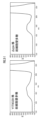
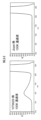
- 1 is a graph showing the results of separation and analysis by gel filtration column chromatography of the total cell wall polysaccharide solution before ultrafiltration, and the retentate and permeate after ultrafiltration in Test Example 3.
- a low pH buffer solution pH 3.0
- PBS pH 7.0
- bovine bile powder at a concentration of 0.2% (w/v).
- composition of the present invention is intended to confer resistance to environmental stress to bacteria.
- resistance to environmental stress refers to the ability of bacteria to withstand environmental stress without decreasing biological activity related to viability, proliferation, gene expression, protein expression, enzyme activity, etc., when exposed to environmental stress, or to suppress the degree of decrease in biological activity, if any.
- Consferring refers to the bacteria having such an ability, and more specifically, refers to the biological activity of the bacteria being improved as described above when the bacteria are treated with the composition of the present invention compared to when the bacteria are not treated.
- whether or not the composition of the present invention has conferred resistance to environmental stress to the bacteria can be evaluated by subjecting bacteria treated with the composition of the present invention and control bacteria not treated to a specified stress environment and testing the biological activity of the bacteria.
- the environmental stresses to which the composition of the present invention should confer resistance to include digestive fluids such as gastric acid and bile, metabolites produced during bacterial fermentation, bactericides, bacteriostatic agents, etc.
- digestive fluids such as gastric acid and bile
- metabolites produced during bacterial fermentation bactericides
- bacteriostatic agents etc.
- material entities that cause environmental stress for bacteria include acids, bile components, alcohols, metal ions, hydrophobic substances, and surfactants.
- the acids that cause environmental stress mentioned here are not limited to, but include, for example, inorganic acids such as hydrochloric acid, sulfuric acid, nitric acid, boric acid, and phosphoric acid, and organic acids such as lactic acid, acetic acid, formic acid, citric acid, and oxalic acid.
- inorganic acids such as hydrochloric acid, sulfuric acid, nitric acid, boric acid, and phosphoric acid
- organic acids such as lactic acid, acetic acid, formic acid, citric acid, and oxalic acid.
- Bile components that cause environmental stress include, but are not limited to, cholic acid, glycocholic acid, taurocholic acid, chenodeoxycholic acid, glycochenodeoxycholic acid, taurochenodeoxycholic acid, deoxycholic acid, glycodeoxycholic acid, taurodeoxycholic acid, bile, etc.
- Alcohols that cause environmental stress include, but are not limited to, lower alcohols such as methanol, ethanol, 1-propanol, isopropanol (2-propanol), 1-butanol, 2-butanol, and glycerol, as well as higher alcohols with six or more carbon atoms.
- metal ions that cause environmental stress include, but are not limited to, copper ions, silver ions, zinc ions, cobalt ions, nickel ions, etc.
- Hydrophobic substances that cause environmental stress include, but are not limited to, hexane, octane, decane, dodecane, tetradecane, hexadecane, benzene, phenol, toluene, benzoic acid, nitrobenzene, styrene, xylene, cresol, hydroquinone, acetone, chloroform, diethyl ether, etc. It is more preferable that the hydrophobic substances have low polarity.
- examples of surfactants that cause environmental stress include, but are not limited to, hexadecyltrimethylammonium bromide (CTAB), benzalkonium chloride, benzethonium chloride, cetylpyridinium chloride, sodium lauryl sulfate (SDS), alkyldiaminoethylglycine hydrochloride, bile acids, fatty acids, etc. It is more preferable that the above surfactants are cationic.
- CAB hexadecyltrimethylammonium bromide
- SDS sodium lauryl sulfate
- alkyldiaminoethylglycine hydrochloride bile acids, fatty acids, etc. It is more preferable that the above surfactants are cationic.
- the composition of the present invention contains the cps1 gene group derived from Lacticaseibacillus paracasei. This composition is introduced into a target bacterium to confer resistance to environmental stress to the bacterium. From another perspective, the present invention provides a method for conferring environmental stress resistance to a bacterium, comprising the step of introducing the cps1 gene group into a target bacterium using the composition.
- the cps1 gene group is a gene group including the cps1A gene, the cps1B gene, the cps1C gene, the cps1D gene, the cps1E gene, the cps1F gene, the cps1G gene, the cps1H gene, the cps1I gene, and the cps1J gene.
- the DNA sequence of the cps1 gene group is registered in the GenBank of the National Center for Biotechnology Information (NCBI) under the accession number AB470649.1 and is available to those skilled in the art.
- NCBI National Center for Biotechnology Information
- the cps1A gene may have the polynucleotide sequence shown in SEQ ID NO:1 or a polynucleotide sequence having 90% or more homology thereto. It may also encode the amino acid sequence shown in SEQ ID NO:11 or an amino acid sequence having 90% or more homology thereto. The homology may be 90% or more, 96% or more, 97% or more, 98% or more, 99% or more, etc. This is because if there is a certain level of homology, the functionality of the cps1A gene can be expressed.
- the cps1B gene may have the polynucleotide sequence shown in SEQ ID NO:2 or a polynucleotide sequence having 90% or more homology thereto. It may also encode the amino acid sequence shown in SEQ ID NO:12 or an amino acid sequence having 90% or more homology thereto. The homology may be 90% or more, 96% or more, 97% or more, 98% or more, 99% or more, etc. This is because if there is a certain level of homology, the functionality of the cps1B gene can be expressed.
- the cps1C gene may have the polynucleotide sequence shown in SEQ ID NO:3 or a polynucleotide sequence having 90% or more homology thereto. It may also encode the amino acid sequence shown in SEQ ID NO:13 or an amino acid sequence having 90% or more homology thereto. The homology may be 90% or more, 96% or more, 97% or more, 98% or more, 99% or more, etc. This is because if there is a certain level of homology, the functionality of the cps1C gene can be expressed.
- the cps1D gene may have the polynucleotide sequence shown in SEQ ID NO:4 or a polynucleotide sequence having 90% or more homology thereto. It may also encode the amino acid sequence shown in SEQ ID NO:14 or an amino acid sequence having 90% or more homology thereto. The homology may be 90% or more, 96% or more, 97% or more, 98% or more, 99% or more, etc. This is because if there is a certain level of homology, the functionality of the cps1D gene can be expressed.
- the cps1E gene may have the polynucleotide sequence shown in SEQ ID NO:5 or a polynucleotide sequence having 90% or more homology thereto. It may also encode the amino acid sequence shown in SEQ ID NO:15 or an amino acid sequence having 90% or more homology thereto. The homology may be 90% or more, 96% or more, 97% or more, 98% or more, 99% or more, etc. This is because if there is a certain level of homology, the functionality of the cps1E gene can be expressed.
- the cps1F gene may have the polynucleotide sequence shown in SEQ ID NO:6 or a polynucleotide sequence having 90% or more homology thereto. It may also encode the amino acid sequence shown in SEQ ID NO:16 or an amino acid sequence having 90% or more homology thereto. The homology may be 90% or more, 96% or more, 97% or more, 98% or more, 99% or more, etc. This is because if there is a certain level of homology, the functionality of the cps1F gene can be expressed.
- the cps1G gene may have the polynucleotide sequence shown in SEQ ID NO:7 or a polynucleotide sequence having 90% or more homology thereto. It may also encode the amino acid sequence shown in SEQ ID NO:17 or an amino acid sequence having 90% or more homology thereto. The homology may be 90% or more, 96% or more, 97% or more, 98% or more, 99% or more, etc. This is because if there is a certain level of homology, the functionality of the cps1G gene can be expressed.
- the cps1H gene may have the polynucleotide sequence shown in SEQ ID NO:8 or a polynucleotide sequence having 90% or more homology thereto. It may also encode the amino acid sequence shown in SEQ ID NO:18 or an amino acid sequence having 90% or more homology thereto. The homology may be 90% or more, 96% or more, 97% or more, 98% or more, 99% or more, etc. This is because if there is a certain level of homology, the functionality of the cps1H gene can be expressed.
- the cps1I gene may have the polynucleotide sequence shown in SEQ ID NO:9 or a polynucleotide sequence having 90% or more homology thereto. It may also encode the amino acid sequence shown in SEQ ID NO:19 or an amino acid sequence having 90% or more homology thereto. The homology may be 90% or more, 96% or more, 97% or more, 98% or more, 99% or more, etc. This is because the functionality of the cps1I gene can be expressed as long as there is a certain level of homology.
- the cps1J gene may have the polynucleotide sequence shown in SEQ ID NO: 10 or a polynucleotide sequence having 90% or more homology thereto. It may also encode the amino acid sequence shown in SEQ ID NO: 20 or an amino acid sequence having 90% or more homology thereto. The homology may be 90% or more, 96% or more, 97% or more, 98% or more, 99% or more, etc. This is because the functionality of the cps1J gene can be expressed as long as there is a certain level of homology.
- DNA having the polynucleotide sequence can be synthesized using means well known to those skilled in the art, such as PCR or DNA synthesis.
- cloning, amplification, sequence confirmation, etc. can be performed using a conventional cloning vector. Examples of cloning vectors include pUC18, pUC19, pBluescript II, T-Vector pMD20, and pYSSE3.
- cps1 gene group and the cps1A gene, cps1B gene, cps1C gene, cps1D gene, cps1E gene, cps1F gene, cps1G gene, cps1H gene, cps1I gene, and cps1J gene contained therein can be introduced into bacterial cells by gene introduction means well known to those skilled in the art. Examples of such means include chemical transformation, electroporation, viral vectors, and Crispr/Cas9.
- a vector for introducing a foreign gene suitable for a specific bacterium is known, and DNA containing the gene sequence may be inserted into such a vector and then the vector may be introduced into bacterial cells. Introduction into bacterial cells can be performed, for example, by electroporation.
- vectors for introducing a foreign gene include, but are not limited to, pLP10, pYAP300, and pYAP310.
- composition of the present invention may be any composition that contains the above-mentioned cps1 gene group or the cps1A gene, cps1B gene, cps1C gene, cps1D gene, cps1E gene, cps1F gene, cps1G gene, cps1H gene, cps1I gene, and cps1J gene contained therein, for example, in the form of a vector incorporated into a vector for introducing foreign genes as described above, and there is no particular limitation on the form of the composition itself. For example, it may be in a solid or liquid form, or in some other form.
- the bacteria to which resistance to environmental stress is to be imparted are not particularly limited, and examples thereof include lactic acid bacteria.
- Lactic acid bacteria are not particularly limited, and examples thereof include Lacticaseibacillus bacteria such as Lacticaseibacillus paracasei and Lacticaseibacillus casei, Lactobacillus gasseri, Lactobacillus acidophilus, Lactobacillus cremoris, Lactobacillus helveticus, and Lactobacillus delbrueckii subsp. bulgaricus (Lactobacillus delbrueckii subsp. bulgaricus), Lactobacillus delbrueckii subsp.
- Lactobacillus bacteria such as Lactobacillus delbrueckii subsp. delbrueckii and Lactobacillus johnsonii, Ligilactobacillus bacteria such as Ligilactobacillus salivarius, Limosilactobacillus bacteria such as Limosilactobacillus fermentum, Liquorilactobacillus bacteria such as Liquorilactobacillus mali, Lactiplantibacillus bacteria such as Lactiplantibacillus plantarum, Streptococcus bacteria such as Streptococcus thermophilus, and Lactococcus lactis subsp. Lactococcus bacteria such as Lactococcus lactis subsp.
- lactis Lactococcus lactis subsp. cremoris, Lactococcus plantarum, and Lactococcus raffinolactis
- Enterococcus bacteria such as Enterococcus faecalis and Enterococcus faecium
- Bifidobacterium breve Bifidobacterium bifidum, Bifidobacterium longum, Bifidobacterium animalis, and Bifidobacterium spp.
- lactic acid bacteria examples include Bifidobacterium species such as Bifidobacterium animalis, Bifidobacterium suis, Bifidobacterium infantis, Bifidobacterium adolescentis, Bifidobacterium catenulatum, Bifidobacterium pseudocatenulatum, Bifidobacterium lactis, and Bifidobacterium globosum.
- Bifidobacterium species such as Bifidobacterium animalis, Bifidobacterium suis, Bifidobacterium infantis, Bifidobacterium adolescentis, Bifidobacterium catenulatum, Bifidobacterium pseudocatenulatum, Bifidobacterium lactis, and Bifidobacterium globosum.
- the term "lactic acid bacteria” also includes the type of bacteria generally known as bifidobacteria.
- lactic acid bacteria of the Lactobacillus genus have been reclassified.
- the genus of lactic acid bacteria that previously belonged to the Lactobacillus genus has been subdivided, and the genus names of some of the species have been changed.
- the lactic acid bacteria will be indicated by the new classification after the reclassification. Also, for example, among the lactic acid bacteria classified as Lactobacillus casei or Lactobacillus paracasei in the old classification, those that can be newly classified as Lacticaseibacillus paracasei are included in Lacticaseibacillus paracasei in this application.
- cps1 gene group For bacteria into which the above-mentioned cps1 gene group and the cps1A gene, cps1B gene, cps1C gene, cps1D gene, cps1E gene, cps1F gene, cps1G gene, cps1H gene, cps1I gene, and cps1J gene contained therein have been introduced, appropriate culture media, culture methods, storage methods, etc., each of which are known depending on the type of bacteria, and therefore bacteria into which genes have been introduced (transformants) can be grown and maintained according to such known methods suitable for the bacteria.
- a preferred culture medium is Rogosa medium (Rogosa et al., A Selective Medium for the Isolation and Enumeration of Oral Lactobacilli. Journal of Dental Research, 1951 Oct; 30(5): 682-689. doi:10.11 77/00220345510300051201), de Man Rogosa Sharpe (MRS) medium (de Man et al., A Medium for the Cultivation of Lactobacilli. Journal of Applied Bacteriology. 1960 Apr; 23(1): 130-135.
- Rogosa medium Rosa et al., A Selective Medium for the Isolation and Enumeration of Oral Lactobacilli. Journal of Dental Research, 1951 Oct; 30(5): 682-689. doi:10.11 77/00220345510300051201
- MRS de Man Rogosa Sharpe
- Cultivation can be performed by inoculating the bacteria into a liquid medium and culturing it under conditions of 30 to 42°C with stirring or by static culture, or by spreading the bacteria on a plate medium and culturing it statically under similar temperature conditions.
- the bacteria After culturing in a liquid medium, the bacteria can be collected by removing the culture supernatant by centrifugation or the like. The collected bacteria can also be washed by adding fresh water or an aqueous buffer solution to suspend the bacteria, and then removing the supernatant by centrifugation or the like.
- the bacteria (transformants) into which genes have been introduced according to the present invention can be used as food and beverage products, medicines, supplements, etc., together with various food ingredients and formulation materials, depending on various desired needs. Preparation into such forms can be carried out by known means for the manufacture of food and beverage products, or known means for the formulation of medicines or supplements.
- cps1 gene cluster The genome of Lacticaseibacillus paracasei YIT 9029 strain contains a region of about 11 kb in total length, known as the cell wall-associated polysaccharide synthesis (cps) gene cluster (hereinafter sometimes referred to as the "cps1 gene cluster") (Appl. Environ. Microbiol. (2008), 74 (15), p4746-4755.).
- Table 1 shows the 10 genes contained in the cps1 gene cluster, the length of the amino acid sequence of the gene product, and the functions predicted from the amino acid sequence.
- ⁇ cps strain Using the YIT 9029 strain as a host, a strain was created in which the cell wall polysaccharide synthesis-related genes (cps1 gene cluster) of approximately 11 kb in total length were completely deleted by double crossover.
- this strain may be referred to as the " ⁇ cps strain.”
- primers were designed (SEQ ID NO: 22 and 23) so that a sequence equivalent to the 18 bases at both ends generated when the plasmid vector pYSSE3 described below was linearized was added to one end of the two types of amplification products obtained, and at the same time, primers designed to add an overlap region of 16 to 23 bases at the end of each of the sequences were used (SEQ ID NO: 21 and 24) to the other end of the two types of amplification products obtained.
- both sequences were linked by PCR using this overlap region (using the primers shown in SEQ ID NO: 23 and 22), and an insertion fragment of approximately 2 k bases in total was obtained.
- the complete ligation was confirmed by PCR using primers shown in SEQ ID NOs: 25 and 26, which amplify a 250 bp region before and after the ligation site.
- pYSSE3 is a plasmid vector for gene cloning that has an erythromycin resistance gene that functions in both E. coli and lactic acid bacteria as a growth selection marker and a replication region in E. coli.
- the PCR amplification product was ligated to this pYSSE3 linearized by PCR by seamless cloning using "In-Fusion HD Cloning Kit” (Takara Bio Inc.).
- the inserted fragment was confirmed by colony PCR using the primers shown in SEQ ID NOs: 27 and 28 derived from the pYSSE3 vector sequence.
- the base sequence of the inserted fragment was sequenced using the primers shown in SEQ ID NOs: 25 to 28 as sequence primers to confirm that there were no errors in the sequence.
- the cells were washed with 10 mL of 10% (v/v) glycerol. After centrifugation again, the cells were suspended in 200 ⁇ L of 10% (v/v) glycerol, transferred to a 1.5 mL tube, and centrifuged at 15,000 rpm for 5 minutes. After suspending in 100 ⁇ L of 10% (v/v) glycerol, 1 ⁇ L of the prepared plasmid was added to 40 ⁇ L of the mixture and mixed by pipetting.
- the mixture was added to a 2 mm wide cuvette for electroporation, and a pulse was applied under the conditions of 25 ⁇ F, 200 ⁇ , and 1.5 KV using an electroporation device "Gene Pulser II" (Bio Rad Laboratories, Inc.).
- the mixture after the pulse application was suspended in 1 mL of MRS liquid medium, cultured at 37 ° C for 1 hour, and then 200 ⁇ L / plate was applied to the surface of MRS agar medium containing 20 ⁇ g / mL erythromycin with a conlarge stick. It was cultured at 37 ° C for 3 days, and some of the colonies that were generated were subjected to colony PCR to confirm whether it was inserted into the genome at the target site. Colonies in which the insertion of the plasmid was confirmed were picked up and cultured at 37 ° C for 24 hours in MRS liquid medium containing 20 ⁇ g / mL erythromycin.
- Colonies with distorted shapes compared to the wild type strain were selected on the modified Rogosa plate medium inoculated with the culture liquid, and colony PCR was performed using the primers shown in SEQ ID NOs: 29 and 30 to confirm the deletion of the entire cps1 gene group and the absence of any further deletions at the same site.
- a polysaccharide extract obtained by extracting cell wall polysaccharides from lactic acid bacteria was prepared as follows. First, L-arabinose (FUJIFILM Wako Pure Chemical Industries, Ltd.) was dissolved in 5 mM Tris-maleate buffer (pH 7.0) to a concentration of 1.5 M. The above-mentioned washed cells were suspended in this and treated with a cell wall lytic enzyme.
- the obtained lysate was added to a centrifugal ultrafiltration filter unit "Amicon Ultra-15 10 kDa MWCO" (Merck KGaA) (nominal molecular weight cutoff: 10,000) and centrifuged at 5,000 x g for 30 minutes. 11 mL of sterile water was added to the retentate, and centrifuged at 5,000 x g for 30 minutes, and this was repeated twice. Approximately 1 mL of the obtained retentate was collected, and 9 mL of 5.5 mM Tris-maleate buffer pH 7.0 (sugar-free) was added, followed by treatment with protease and nuclease.
- protease preparation "Pronase Protease, Streptomyces griseus” (Merck KGaA) and 20 ⁇ g of trypsin (Sigma-Aldrich Co.) were added per mL of solution, and the solution was treated at 37 ° C. for 24 hours.
- the reaction solution was treated at 100°C for 10 minutes to inactivate the enzyme, and then 1 ⁇ L of "Benzonase Nuclease” (Merck KGaA) was added per 1 mL of solution, and the solution was treated at 37°C for 24 hours.
- Tests and Results [Test Example 1] (Microscopic Observation) The culture solution of the YIT 9029 strain and the ⁇ cps strain in MRS liquid medium was diluted 10-fold with pure water, and 1 ⁇ L was applied to a peel-resistant slide "MAS-coated slide glass" (Matsunami Glass Industry Co., Ltd.). After air drying, the specimens were flame-fixed with a Bunsen burner and Gram stained. The specimens were observed in bright field using an optical microscope "Leica DM5500 B" (Leica Biosystems, Inc.).
- the pellet was suspended in PBS and centrifuged again at 10,000 ⁇ g for 5 minutes, and the pellet was suspended in PBS containing 2% (w/v) BSA and a secondary antibody "Alexa Fluor 555 goat anti-mouse IgM" (Thermo Fisher Scientific, Inc.) diluted 500-fold, and reacted at 37°C for 30 minutes.
- the pellet was suspended in PBS twice, and 1 ⁇ L of the suspension was applied to each square of a 1 cm ⁇ 1 cm MAS-coated slide glass (Matsunami Glass Industry Co., Ltd.).
- Fluorescence images were captured in monochrome using the fluorescent dye molecule "Alexa Fluor 555” (excitation light 555 nm, emission fluorescence 585 nm), then converted to green for ease of viewing, and overlaid with phase contrast or bright field images on the imaging system "Leica MMAF system.”
- Alexa Fluor 555 excitation light 555 nm, emission fluorescence 585 nm
- centrifugal filtration was repeated until the volume became about 1 mL at 5,000 x g using a centrifugal ultrafiltration filter unit "Amicon Ultra-15 10 kDa MWCO" (nominal molecular weight cutoff: 10,000), and the retentate was designated as "100K permeate".
- Figure 3 shows the results of separation and analysis by gel filtration column chromatography of the total cell wall polysaccharide solution before ultrafiltration, and the 100K retentate and 100K permeate after ultrafiltration.
- the elution time of 16 minutes corresponded to the elution time of a molecular weight of approximately 1.8 million
- the elution time of 17 minutes corresponded to the elution time of a molecular weight of approximately 1 million.
- test was performed as follows. Culture solutions of the YIT 9029 strain or the ⁇ cps strain in MRS liquid medium were prepared, and 90.9 ⁇ L of each was added to 9 mL of 0.2 M glycine-HCl buffer (37°C) adjusted to various pH levels, mixed using a vortex mixer, and then allowed to stand at 37°C. After the passage of various prescribed times, 1 mL of the treatment solution was taken and added to 0.01 M PBS (pH 7.2-7.4), and then samples were prepared by diluting appropriately with PBS and spreading on MRS plate medium.
- the agar medium on which the sample was spread was cultured at 37°C under aerobic conditions for at least 2 days, the number of colonies that emerged was counted, and the number of colony forming units (CFU) per mL of the bacterial solution was calculated from the dilution ratio.
- the CFU number was taken as the viable cell count, and the survival rate was calculated from the viable cell count in the culture solution before treatment and the viable cell count after each treatment time had elapsed.
- the pH fluctuations after the start of treatment for the treatment solutions adjusted to various pH levels were all less than 0.1.
- Figure 4 shows the average survival rate results from five independent tests, along with their standard deviations.
- the test was carried out as follows. That is, the YIT 9029 strain or ⁇ cps strain in the stationary phase, which had been separately cultured in MRS liquid medium for 24 hours, was inoculated into MRS liquid medium whose pH had been adjusted to 4.5-4.7 with hydrochloric acid, lactic acid, or acetic acid, or into unadjusted MRS (pH 6.2-6.3), and cultured at 37°C for 3-24 hours. After the various specified times had elapsed, a portion of the culture medium was sampled and the viable cell count was measured in the same manner as in Test Example 4, and the growth rate was calculated using the inoculated viable cell count as the denominator.
- Figure 5 shows the results when cultured in a low pH medium with added hydrochloric acid. Figure 5 also shows the growth curve results, averaged over five independent culture tests, along with their standard deviations.
- Figures 6 and 7 show the results when cultured in a low pH medium with added lactic acid.
- Figure 7 shows the average results of five independent culture tests, together with the standard deviation.
- Figure 8 shows the results when cultured in a low pH medium with added acetic acid. Note that Figure 8 shows the average results of five independent culture tests, along with the standard deviation.
- test was performed as follows: First, a specified amount of sodium deoxycholate (Sigma Aldrich) or powdered bovine bile (Difco Oxgall, Becton, Dickinson and Company) was added to phosphate-buffered saline (pH approximately 7.3) and sterilized using a 0.22 ⁇ m filter.
- sodium deoxycholate Sigma Aldrich
- powdered bovine bile Difco Oxgall, Becton, Dickinson and Company
- the component concentrations and pH of each treatment solution are as follows: Deoxycholic acid: 0.1% (w/v), pH 7.0 Bovine bile (equivalent to 10% (w/v) powder): 0.02-0.8% (w/v), pH 7.0
- culture solutions of the YIT 9029 strain or the ⁇ cps strain were prepared in MRS liquid medium, and 100 ⁇ L of each was added to 9.9 mL of each treatment solution kept at 37°C, mixed using a vortex mixer, and then allowed to stand at 37°C. After each specified time had elapsed, a portion of the treatment solution was sampled and the viable cell count was measured in the same manner as in Test Example 4, and the survival rate was calculated from the viable cell count in the culture solution before treatment and the viable cell count determined after each treatment time had elapsed.
- Figure 9 shows the results of investigating the effects of treatment with deoxycholic acid for 5 minutes.
- Figure 9 also shows the average survival rate results from 5 independent tests, along with the standard deviation.
- the survival rate of the ⁇ cps strain was significantly lower than that of the YIT 9029 strain. Specifically, the average survival rate of the YIT 9029 strain was approximately 8 times higher than that of the ⁇ cps strain.
- Figure 10 shows the results of investigating the effects of treatment with bovine bile for 60 minutes.
- Figure 10 also shows the average survival rate results from five independent tests, along with the standard deviation.
- the survival rate of the ⁇ cps strain tended to be lower than that of the YIT 9029 strain. In particular, it was significantly lower at a bovine bile concentration of 0.2% (w/v).
- test was performed as follows. First, 0.2 M glycine-HCl buffer solution with a pH of 3.0 prepared in Test Example 4, or phosphate-buffered saline with a bovine bile concentration of 0.2% (w/v) (pH 7.0) prepared in Test Example 6 was prepared. Separately, culture solutions of the YIT 9029 strain or the ⁇ cps strain in MRS liquid medium were prepared, and 1 mL of each was added to 9 mL of 0.2 M glycine-HCl buffer solution (pH 3.0) kept at 37°C, mixed with a vortex mixer, and then allowed to stand at 37°C.
- the survival rate of only the ⁇ cps strain decreased after 60 minutes of treatment with 0.2 M glycine-HCl buffer (pH 3.0) prepared with hydrochloric acid. Furthermore, after subsequent treatment with 0.2% (w/v) bovine bile for 60 minutes, the survival rate of the YIT 9029 strain was 73%, while that of the ⁇ cps strain decreased to 19%.
- the lower limit of the measurement of the number of live bacteria was 200 CFU/mL (survival rate was approximately 0.002%). Data below the lower limit of the measurement was shown on the graph as a survival rate of 0.001%, but was not included in the calculation of the average value.
- the culture solution was appropriately diluted with physiological saline, and the diluted cell solution was applied to a previously prepared MRS plate medium using a spiral plater EDDY JET 2 (IUL Instruments GmbH).
- the colonies grown on the medium cultured at 37°C for 2 days or more were counted using an automatic colony counter ProtoCOL 3 (Synoptics Ltd.), and the obtained CFU number was taken as the viable cell count.
- Measurement of viable cell count Measurement was performed in the same manner as in Test Example 8.
- the proliferation rate of the ⁇ cps strain had caught up to within two-fold of the YIT 9029 strain, even at CuO addition concentrations of 0.0025% (w/v) and 0.005% (w/v); however, at a CuO addition concentration of 0.01%v, there was a significant difference from the YIT 9029 strain from 8 hours onwards up to 24 hours, and the proliferation rate ratio of the YIT 9029 strain was approximately 2-fold, 23-fold, and 6-fold that of the ⁇ cps strain at the respective times.
- the average MIC value of the YIT 9029 strain was 2.0 to 2.5 times that of the ⁇ cps strain, revealing that the ⁇ cps strain has weaker resistance to cationic surfactants than the YIT 9029 strain.
- the average MIC value of the YIT 9029 strain was 1.3 times that of the ⁇ cps strain, showing a tendency for the ⁇ cps strain to have weaker resistance to anionic surfactants than the YIT 9029 strain.
- the suspension was diluted with PUM buffer so that the turbidity (OD615) at 615 nm (maximum absorption wavelength; measurement wavelength range 575-660 nm) was approximately 0.5.
- 1.2 mL of the suspension was dispensed into a 15 mL sample tube, and 0.2 to 4.8 mL of hexadecane was added from the top. After stirring for 30 seconds with a vortex mixer, the mixture was allowed to stand for 30 minutes. After observing the appearance, the aqueous layer was separated and the OD615 and total cell count were measured.
- the culture solution from MRS liquid medium or the aqueous layer containing bacteria was diluted 50-fold with phosphate-buffered saline, and 2.7 ⁇ L of the diluted solution was added to one frame of a 1 cm ⁇ 1 cm slide glass with a water-repellent printed frame (Matsunami Glass Industry Co., Ltd.). A cover glass was placed over the slide, and images were taken of 100 or more fields of view at 400x magnification using a digital microscope VHX-8000 (Keyence Corporation). The fields of view were linked, and the bacteria within 1/6 (16.65 mm 2 ) of the area of the entire frame (100 mm 2 ) were automatically extracted and counted.
- both strains showed a decrease in OD615 in the aqueous layer as the ratio of hexadecane increased, but a significant decrease was observed in the ⁇ cps strain compared to the YIT 9029 strain.
- the ⁇ cps strain has a higher affinity for hexadecane than the YIT 9029 strain. This is thought to be because cell wall polysaccharides are not formed in the ⁇ cps strain, resulting in increased hydrophobicity of the bacterial surface.
- 0.2 mL of the bacterial suspension was added to 1.8 mL of 5 mM potassium phosphate buffer (pH 7.0, pH 4.8, or pH 4.0), and 1 mL of this was filled into a capillary cell DTS1070 (Malvern Instruments Ltd.).
- the cells were treated with ultrasound for 15 seconds, and the zeta potential was measured three times per sample using a Zetasizer Nano (Malvern Instruments Ltd.) to calculate the average value.
- the ⁇ cps strain exhibited a larger negative shift in zeta potential than the YIT 9029 strain. This was thought to be because the ⁇ cps strain did not form cell wall polysaccharides and the characteristics of the bacterial cell surface increased the amount of H + ion attraction (decreased pH around the bacterial cell).
- Table 4 shows the primer set used.
- the primer shown in SEQ ID NO: 31 is a primer having a sequence of a region including a ribosome binding site sequence upstream of the cps1A gene and a sequence including a SmaI cleavage site on its 5'-end side
- the primer shown in SEQ ID NO: 32 is a primer having a sequence of the complementary strand of a region downstream of the cps1J gene and a sequence including a PstI cleavage site on its 5'-end side.
- the above primer set was used to carry out a PCR reaction using KOD Plus DNA polymerase (Toyobo Co., Ltd.) according to the instructions included with the product.
- the amplified DNA was purified by phenol/chloroform extraction and ethanol precipitation.
- This DNA was cleaved with the restriction enzymes SmaI and PstI (Takara Bio Inc.) (20 hours at 37°C), and then again subjected to phenol/chloroform extraction and ethanol precipitation to purify a DNA fragment consisting of the cps1 gene cluster.
- pYAP300 was prepared as a plasmid vector.
- This plasmid vector has an attP site and an int gene derived from phage FSW, and is designed to be site-specifically integrated into the attB site on the genome of Lacticaseibacillus casei.
- This plasmid DNA was linearized by cleavage with restriction enzymes SmaI and PstI (Takara Bio) (at 37°C for 20 hours). After the reaction, the linearized plasmid DNA was purified by phenol-chloroform extraction and ethanol precipitation.
- the DNA fragment consisting of the cps1 gene group was ligated with pYAP300 as follows. Approximately 0.01-0.1 ⁇ g of each of the DNA fragment consisting of the cps1 gene group and the linearized pYAP300 plasmid DNA were mixed, and an equal volume of DNA Ligation Kit Ver. 2.1 (Takara Bio) Solution I was added to this, incubated at 16°C for 30 minutes, and then placed on ice. In this way, the genes from the cps1A gene to the cps1J gene were inserted downstream of the transcription promoter in the pYAP300 vector, ligated, and added to E.
- Plasmids were extracted from the resulting colonies, and it was confirmed that the desired recombinant plasmid had been obtained based on its size and the size of the fragments obtained by restriction enzyme cleavage.
- Preparation Example 2 (Construction of a strain incorporating cps1 gene cluster) Using the vector for introducing the cps1 gene group obtained in Preparation Example 1, the cps1 gene group was introduced into Lacticaseibacillus casei ATCC334.
- Lacticaseibacillus casei ATCC334 was grown in MRS liquid medium, and the culture in the logarithmic growth phase was centrifuged at 5,000 x g for 5 minutes at 4°C to collect the bacteria.
- the bacteria were washed once each with ice-cold 20 mM HEPES (pH 7.0) and 10% glycerol, and the washed bacteria were suspended in (Klett value of the initial culture) x 2 ⁇ L of 10% glycerol.
- MRS liquid medium After electroporation, 1 mL of MRS liquid medium was added and cultured at 37°C for 2 hours, after which the mixture was spread onto MRS agar medium containing erythromycin at a concentration of 20 ⁇ g/mL and incubated at 37°C for 2-3 days to obtain erythromycin-resistant colonies. A portion of the resulting colonies was taken, and it was confirmed by colony PCR that the desired plasmid had been inserted at the desired position using a primer having a sequence selected from a region near the attB site on the genome of Lacticaceae Bacillus casei ATCC334 and a primer having a sequence selected from a region relatively close to the end of the DNA prepared in Preparation Example 1.
- the strain derived from Lacticaceae Bacillus casei ATCC334 obtained in the above manner was a strain with the cps1 gene group introduced therein, containing 10 genes obtained from the YIT 9029 strain, namely the cps1A gene (SEQ ID NO: 1), cps1B gene (SEQ ID NO: 2), cps1C gene (SEQ ID NO: 3), cps1D gene (SEQ ID NO: 4), cps1E gene (SEQ ID NO: 5), cps1F gene (SEQ ID NO: 6), cps1G gene (SEQ ID NO: 7), cps1H gene (SEQ ID NO: 8), cps1I gene (SEQ ID NO: 9), and cps1J gene (SEQ ID NO: 10), at the attB site on the genome.
- the cps1A gene SEQ ID NO: 1
- cps1B gene SEQ ID NO: 2
Landscapes
- Health & Medical Sciences (AREA)
- Genetics & Genomics (AREA)
- Life Sciences & Earth Sciences (AREA)
- Chemical & Material Sciences (AREA)
- Engineering & Computer Science (AREA)
- Organic Chemistry (AREA)
- Zoology (AREA)
- Biotechnology (AREA)
- Bioinformatics & Cheminformatics (AREA)
- Wood Science & Technology (AREA)
- Biomedical Technology (AREA)
- General Engineering & Computer Science (AREA)
- General Health & Medical Sciences (AREA)
- Biochemistry (AREA)
- Biophysics (AREA)
- Molecular Biology (AREA)
- Microbiology (AREA)
- Plant Pathology (AREA)
- Physics & Mathematics (AREA)
- Medicinal Chemistry (AREA)
- Gastroenterology & Hepatology (AREA)
- Proteomics, Peptides & Aminoacids (AREA)
- Tropical Medicine & Parasitology (AREA)
- Virology (AREA)
- Micro-Organisms Or Cultivation Processes Thereof (AREA)
Priority Applications (4)
| Application Number | Priority Date | Filing Date | Title |
|---|---|---|---|
| CN202480048751.2A CN121569039A (zh) | 2023-07-28 | 2024-07-19 | 用于赋予细菌对环境压力的耐受性的组合物 |
| JP2025537841A JPWO2025028294A1 (https=) | 2023-07-28 | 2024-07-19 | |
| KR1020267005873A KR20260046166A (ko) | 2023-07-28 | 2024-07-19 | 세균에 환경 스트레스에 대한 내성을 부여하기 위한 조성물 |
| MX2026000992A MX2026000992A (es) | 2023-07-28 | 2026-01-26 | Composicion para impartir tolerancia al estres ambiental a bacterias |
Applications Claiming Priority (2)
| Application Number | Priority Date | Filing Date | Title |
|---|---|---|---|
| JP2023-123842 | 2023-07-28 | ||
| JP2023123842 | 2023-07-28 |
Publications (1)
| Publication Number | Publication Date |
|---|---|
| WO2025028294A1 true WO2025028294A1 (ja) | 2025-02-06 |
Family
ID=94395102
Family Applications (1)
| Application Number | Title | Priority Date | Filing Date |
|---|---|---|---|
| PCT/JP2024/025886 Pending WO2025028294A1 (ja) | 2023-07-28 | 2024-07-19 | 細菌に環境ストレスに対する耐性を付与するための組成物 |
Country Status (5)
| Country | Link |
|---|---|
| JP (1) | JPWO2025028294A1 (https=) |
| KR (1) | KR20260046166A (https=) |
| CN (1) | CN121569039A (https=) |
| MX (1) | MX2026000992A (https=) |
| WO (1) | WO2025028294A1 (https=) |
Citations (4)
| Publication number | Priority date | Publication date | Assignee | Title |
|---|---|---|---|---|
| JP2920818B2 (ja) | 1994-10-19 | 1999-07-19 | 日本航空電子工業株式会社 | 光コネクタ用フェルール |
| JP2003073286A (ja) | 2001-09-04 | 2003-03-12 | Yakult Honsha Co Ltd | 炎症性腸疾患予防治療剤 |
| JP2014003969A (ja) * | 2012-05-29 | 2014-01-16 | National Agriculture & Food Research Organization | カロテノイド生合成遺伝子発現による乳酸菌の環境ストレス耐性向上技術 |
| JP2015129114A (ja) | 2013-12-04 | 2015-07-16 | 株式会社ヤクルト本社 | 多糖−ペプチドグリカン複合体含有粒子 |
-
2024
- 2024-07-19 KR KR1020267005873A patent/KR20260046166A/ko active Pending
- 2024-07-19 CN CN202480048751.2A patent/CN121569039A/zh active Pending
- 2024-07-19 JP JP2025537841A patent/JPWO2025028294A1/ja active Pending
- 2024-07-19 WO PCT/JP2024/025886 patent/WO2025028294A1/ja active Pending
-
2026
- 2026-01-26 MX MX2026000992A patent/MX2026000992A/es unknown
Patent Citations (4)
| Publication number | Priority date | Publication date | Assignee | Title |
|---|---|---|---|---|
| JP2920818B2 (ja) | 1994-10-19 | 1999-07-19 | 日本航空電子工業株式会社 | 光コネクタ用フェルール |
| JP2003073286A (ja) | 2001-09-04 | 2003-03-12 | Yakult Honsha Co Ltd | 炎症性腸疾患予防治療剤 |
| JP2014003969A (ja) * | 2012-05-29 | 2014-01-16 | National Agriculture & Food Research Organization | カロテノイド生合成遺伝子発現による乳酸菌の環境ストレス耐性向上技術 |
| JP2015129114A (ja) | 2013-12-04 | 2015-07-16 | 株式会社ヤクルト本社 | 多糖−ペプチドグリカン複合体含有粒子 |
Non-Patent Citations (14)
| Title |
|---|
| AN JIERAN, ZHANG YUCHEN, ZHAO ZHAOER, HUAN RAN, YI HUAXI, WANG HUI, LUAN CHUNGUANG, FENG SHENGBAO, HUANG HEQIANG, LI SHANWEN, WANG: "Molecular Organization and Functional Analysis of a Novel Plasmid-Borne cps Gene Cluster from Lactiplantibacillus plantarum YC41", MICROBIOLOGY SPECTRUM, AMERICAN SOCIETY FOR MICROBIOLOGY, US, vol. 11, no. 2, 13 April 2023 (2023-04-13), US , XP093271529, ISSN: 2165-0497, DOI: 10.1128/spectrum.04150-22 * |
| APPL. ENVIRON. MICROBIOL., vol. 74, no. 15, 2008, pages 4746 - 4755 |
| DE MAN ET AL.: "A Medium for the Cultivation of Lactobacilli", JOURNAL OF APPLIED BACTERIOLOGY, vol. 23, no. 1, April 1960 (1960-04-01), pages 130 - 135 |
| EMI YASUDAMASAKI SERATATOMOYUKI SAKO: "Suppressive Effect on Activation of Macrophages by Lactobacillus casei Strain Shirota Genes Determining the Synthesis of Cell-Wall-Associated Polysaccharides", APPL. ENVIRON. MICROBIOL., vol. 74, no. 15, 2008, pages 4746 - 4755 |
| KAN SHIDATADASHI SATORYOKO IIZUKARYOTARO HOSHIOSAMU WATANABETOMOKI IGARASHIKOUJI MIYAZAKIMASANOBU NANNOUMIYASU ISHIKAWA: "Daily intake of fermented milk with Lactobacillus casei strain Shirota reduces the incidence and duration of upper respiratory tract infections in healthy middle-aged office workers", EUR. J. NUTR., vol. 56, 2017, pages 45 - 53 |
| MASATO NAGAOKAMASAMI MUTOKOJI NOMOTOTAKESI MATUZAKITUNEKAZU WATANABETERUO YOKOKURA: "Structure of Polysaccharide-Peptidoglycan Complex from the Cell Wall of Lactobacillus casei YIT9018", J. BIOCHEMISTRY, vol. 108, no. 4, 1990, pages 568 - 571 |
| MENG FANQIANG, LYU YUNBIN, ZHAO HONGYUAN, LYU FENGXIA, BIE XIAOMEI, LU YINGJIAN, ZHAO MINGWEN, CHEN YIHUA, LU ZHAOXIN: "LsrR-like protein responds to stress tolerance by regulating polysaccharide biosynthesis in Lactiplantibacillus plantarum", INTERNATIONAL JOURNAL OF BIOLOGICAL MACROMOLECULES, ELSEVIER BV, NL, vol. 225, 1 January 2023 (2023-01-01), NL , pages 1193 - 1203, XP093271527, ISSN: 0141-8130, DOI: 10.1016/j.ijbiomac.2022.11.180 * |
| MICHAEL GLEESONNICOLETTE C. BISHOPMARTA OLIVEIRAPEDRO TAULER: "Daily Probiotic's (Lactobacillus casei Shirota) Reduction of Infection Incidence in Athletes", INTERNATIONAL JOURNAL OF SPORT NUTRITION AND EXERCISE METABOLISM, 2010, pages 1 - 10 |
| MIZUKOSHI HARUMI, KIMURA KAZUMASA, IKEMURA HARUO, MORI YOKO, NAGAOKA MASATO: "Structural determination of the cell wall polysaccharide LCPS-1 in Lacticaseibacillus paracasei strain Shirota YIT 9029", CARBOHYDRATE RESEARCH, PERGAMON, GB, vol. 521, 1 November 2022 (2022-11-01), GB , pages 108670, XP093271526, ISSN: 0008-6215, DOI: 10.1016/j.carres.2022.108670 * |
| ROGOSA ET AL.: "A Selective Medium for the Isolation and Enumeration of Oral Lactobacilli", JOURNAL OF DENTAL RESEARCH, vol. 30, no. 5, October 1951 (1951-10-01), pages 682 - 689 |
| S. MATSUMOTOT. HARAM. NAGAOKAA. MIKEK. MITSUYAMAT. SAKOM. YAMAMOTOS. KADOT. TAKADA: "A component of polysaccharide peptidoglycan complex on Lactobacillus induced an improvement of murine model of inflammatory bowel disease and colitis-associated cancer", IMMUNOLOGY, vol. 128, 2008, pages 170 - 180 |
| S. MATSUMOTOT. HARAT. HORIK. MITSUYAMAM. NAGAOKAN. TOMIYASUA. SUZUKIM. SATA: "Probiotic Lactobacillus-induced improvement in murine chronic inflammatory bowel disease is associated with the down-regulation of pro-inflammatory cytokines in lamina propria mononuclear cells", CLIN. EXP. IMMUNOL., vol. 140, no. 3, 2005, pages 417 - 426 |
| YASUDA EMI, SERATA M, SAKO T: "Suppressive effect on activation of macrophages by Lactobacillus casei strain Shirota genes determining the synthesis of cell wall-associated polysaccharides.", APPLIED AND ENVIRONMENTAL MICROBIOLOGY, AMERICAN SOCIETY FOR MICROBIOLOGY, US, vol. 74, no. 15, 1 August 2008 (2008-08-01), US , pages 4746 - 4755, XP002607013, ISSN: 0099-2240, DOI: 10.1128/AEM.00412-08 * |
| ZHENG ET AL.: "A taxonomic note on the genus Lactobacillus: Description of 23 novel genera, emended description of the genus Lactobacillus Beijerinck 1901, and union of Lactobacillus and Leuconostocaceae", INT. J. SYST. EVOL. MICROBIOL., vol. 70, no. 4, April 2020 (2020-04-01), pages 2782 - 2858 |
Also Published As
| Publication number | Publication date |
|---|---|
| CN121569039A (zh) | 2026-02-24 |
| KR20260046166A (ko) | 2026-04-06 |
| MX2026000992A (es) | 2026-03-02 |
| JPWO2025028294A1 (https=) | 2025-02-06 |
Similar Documents
| Publication | Publication Date | Title |
|---|---|---|
| Hojjati et al. | Aggregation, adherence, anti-adhesion and antagonistic activity properties relating to surface charge of probiotic Lactobacillus brevis gp104 against Staphylococcus aureus | |
| Vasiee et al. | Antagonistic activity of recombinant Lactococcus lactis NZ1330 on the adhesion properties of Escherichia coli causing urinary tract infection | |
| RU2501850C2 (ru) | Штамм lactobacillus paracasei subspecies paracasei, обладающий антимикробными и иммуномодулирующими свойствами, и пищевой продукт на его основе | |
| Ruas-Madiedo et al. | Exopolysaccharides produced by probiotic strains modify the adhesion of probiotics and enteropathogens to human intestinal mucus | |
| JP4253439B2 (ja) | アポトーシスを誘発しおよび/または炎症反応を低下するためのアルギニン・デイミナーゼに富む細菌の使用、および該細菌を含有する医薬組成物または健康食組成物 | |
| Margolles et al. | Characterisation of a Bifidobacterium strain with acquired resistance to cholate—a preliminary study | |
| EP2545160B1 (en) | Lactic acid bacteria for coeliac disease | |
| JP5643285B2 (ja) | 新規ビフィドバクテリウム属細菌の作出方法 | |
| CN105357979B (zh) | 乳杆菌菌株和其用途 | |
| El-Sayed et al. | Identification of Lactobacillus strains from human mother milk and cottage cheese revealed potential probiotic properties with enzymatic activity | |
| Tsuda et al. | Binding of mutagens to exopolysaccharide produced by Lactobacillus plantarum mutant strain 301102S | |
| JP5875975B2 (ja) | ロバの乳から分離されたプロバイオティクス微生物 | |
| Tavakoli et al. | Characterization of probiotic abilities of Lactobacilli isolated from Iranian Koozeh traditional cheese | |
| Zárate et al. | Adhesion of dairy propionibacteria to intestinal epithelial tissue in vitro and in vivo | |
| CN103796660A (zh) | 具有健康益处的多细菌制备物:抗氧化效果、胆固醇浓度降低、抗炎免疫调节效果和抑制血管紧张肽转变酶的生物活性肽的释放 | |
| CN120310696A (zh) | 一种调节免疫的长双歧杆菌婴儿亚种bin31及其应用、产品和方法 | |
| Rodrigues da Cunha et al. | Characterization of Lactobacillus gasseri isolates from a breast-fed infant | |
| CN101918537B (zh) | 胁迫耐性双歧杆菌 | |
| Jovanović et al. | Characterization of some potentially probiotic Lactobacillus strains of human origin | |
| EP2947142A1 (en) | Method for screening lactobacillus having immunomodulatory action | |
| WO2025028294A1 (ja) | 細菌に環境ストレスに対する耐性を付与するための組成物 | |
| Tareb et al. | Rough and smooth morphotypes isolated from Lactobacillus farciminis CNCM I-3699 are two closely-related variants | |
| CN118240724B (zh) | 一株动物双歧杆菌乳亚种ProSci-246及由其制备的产品和应用 | |
| JP2004519236A (ja) | ビフィドバクテリウム由来の新規なプラスミド、これを利用した組換え発現ベクターおよび形質転換方法 | |
| JP2025019929A (ja) | 細胞壁多糖含有調製物の製造方法及び細胞壁多糖含有調製物 |
Legal Events
| Date | Code | Title | Description |
|---|---|---|---|
| 121 | Ep: the epo has been informed by wipo that ep was designated in this application |
Ref document number: 24848949 Country of ref document: EP Kind code of ref document: A1 |
|
| WWE | Wipo information: entry into national phase |
Ref document number: 2601000392 Country of ref document: TH |
|
| ENP | Entry into the national phase |
Ref document number: 2025537841 Country of ref document: JP Kind code of ref document: A |
|
| WWE | Wipo information: entry into national phase |
Ref document number: 2025537841 Country of ref document: JP |
|
| WWE | Wipo information: entry into national phase |
Ref document number: MX/A/2026/000992 Country of ref document: MX |
|
| REG | Reference to national code |
Ref country code: BR Ref legal event code: B01A Ref document number: 112026001208 Country of ref document: BR |
|
| WWE | Wipo information: entry into national phase |
Ref document number: 2024848949 Country of ref document: EP |
|
| ENP | Entry into the national phase |
Ref document number: 1020267005873 Country of ref document: KR Free format text: ST27 STATUS EVENT CODE: A-0-1-A10-A15-NAP-PA0105 (AS PROVIDED BY THE NATIONAL OFFICE) |
|
| WWP | Wipo information: published in national office |
Ref document number: MX/A/2026/000992 Country of ref document: MX |
|
| NENP | Non-entry into the national phase |
Ref country code: DE |