WO2025009136A1 - 充電システム - Google Patents
充電システム Download PDFInfo
- Publication number
- WO2025009136A1 WO2025009136A1 PCT/JP2023/025038 JP2023025038W WO2025009136A1 WO 2025009136 A1 WO2025009136 A1 WO 2025009136A1 JP 2023025038 W JP2023025038 W JP 2023025038W WO 2025009136 A1 WO2025009136 A1 WO 2025009136A1
- Authority
- WO
- WIPO (PCT)
- Prior art keywords
- vehicle
- reservation
- charging
- check
- time
- Prior art date
- Legal status (The legal status is an assumption and is not a legal conclusion. Google has not performed a legal analysis and makes no representation as to the accuracy of the status listed.)
- Ceased
Links
Images



Classifications
-
- G—PHYSICS
- G06—COMPUTING OR CALCULATING; COUNTING
- G06Q—INFORMATION AND COMMUNICATION TECHNOLOGY [ICT] SPECIALLY ADAPTED FOR ADMINISTRATIVE, COMMERCIAL, FINANCIAL, MANAGERIAL OR SUPERVISORY PURPOSES; SYSTEMS OR METHODS SPECIALLY ADAPTED FOR ADMINISTRATIVE, COMMERCIAL, FINANCIAL, MANAGERIAL OR SUPERVISORY PURPOSES, NOT OTHERWISE PROVIDED FOR
- G06Q50/00—Information and communication technology [ICT] specially adapted for implementation of business processes of specific business sectors, e.g. utilities or tourism
- G06Q50/06—Energy or water supply
-
- B—PERFORMING OPERATIONS; TRANSPORTING
- B60—VEHICLES IN GENERAL
- B60L—PROPULSION OF ELECTRICALLY-PROPELLED VEHICLES; SUPPLYING ELECTRIC POWER FOR AUXILIARY EQUIPMENT OF ELECTRICALLY-PROPELLED VEHICLES; ELECTRODYNAMIC BRAKE SYSTEMS FOR VEHICLES IN GENERAL; MAGNETIC SUSPENSION OR LEVITATION FOR VEHICLES; MONITORING OPERATING VARIABLES OF ELECTRICALLY-PROPELLED VEHICLES; ELECTRIC SAFETY DEVICES FOR ELECTRICALLY-PROPELLED VEHICLES
- B60L53/00—Methods of charging batteries, specially adapted for electric vehicles; Charging stations or on-board charging equipment therefor; Exchange of energy storage elements in electric vehicles
- B60L53/60—Monitoring or controlling charging stations
- B60L53/66—Data transfer between charging stations and vehicles
-
- B—PERFORMING OPERATIONS; TRANSPORTING
- B60—VEHICLES IN GENERAL
- B60L—PROPULSION OF ELECTRICALLY-PROPELLED VEHICLES; SUPPLYING ELECTRIC POWER FOR AUXILIARY EQUIPMENT OF ELECTRICALLY-PROPELLED VEHICLES; ELECTRODYNAMIC BRAKE SYSTEMS FOR VEHICLES IN GENERAL; MAGNETIC SUSPENSION OR LEVITATION FOR VEHICLES; MONITORING OPERATING VARIABLES OF ELECTRICALLY-PROPELLED VEHICLES; ELECTRIC SAFETY DEVICES FOR ELECTRICALLY-PROPELLED VEHICLES
- B60L53/00—Methods of charging batteries, specially adapted for electric vehicles; Charging stations or on-board charging equipment therefor; Exchange of energy storage elements in electric vehicles
- B60L53/60—Monitoring or controlling charging stations
- B60L53/66—Data transfer between charging stations and vehicles
- B60L53/665—Methods related to measuring, billing or payment
-
- G—PHYSICS
- G06—COMPUTING OR CALCULATING; COUNTING
- G06F—ELECTRIC DIGITAL DATA PROCESSING
- G06F11/00—Error detection; Error correction; Monitoring
- G06F11/07—Responding to the occurrence of a fault, e.g. fault tolerance
- G06F11/0703—Error or fault processing not based on redundancy, i.e. by taking additional measures to deal with the error or fault not making use of redundancy in operation, in hardware, or in data representation
- G06F11/0706—Error or fault processing not based on redundancy, i.e. by taking additional measures to deal with the error or fault not making use of redundancy in operation, in hardware, or in data representation the processing taking place on a specific hardware platform or in a specific software environment
- G06F11/0736—Error or fault processing not based on redundancy, i.e. by taking additional measures to deal with the error or fault not making use of redundancy in operation, in hardware, or in data representation the processing taking place on a specific hardware platform or in a specific software environment in functional embedded systems, i.e. in a data processing system designed as a combination of hardware and software dedicated to performing a certain function
- G06F11/0739—Error or fault processing not based on redundancy, i.e. by taking additional measures to deal with the error or fault not making use of redundancy in operation, in hardware, or in data representation the processing taking place on a specific hardware platform or in a specific software environment in functional embedded systems, i.e. in a data processing system designed as a combination of hardware and software dedicated to performing a certain function in a data processing system embedded in automotive or aircraft systems
-
- G—PHYSICS
- G06—COMPUTING OR CALCULATING; COUNTING
- G06F—ELECTRIC DIGITAL DATA PROCESSING
- G06F11/00—Error detection; Error correction; Monitoring
- G06F11/07—Responding to the occurrence of a fault, e.g. fault tolerance
- G06F11/0703—Error or fault processing not based on redundancy, i.e. by taking additional measures to deal with the error or fault not making use of redundancy in operation, in hardware, or in data representation
- G06F11/0766—Error or fault reporting or storing
- G06F11/0787—Storage of error reports, e.g. persistent data storage, storage using memory protection
-
- G—PHYSICS
- G06—COMPUTING OR CALCULATING; COUNTING
- G06Q—INFORMATION AND COMMUNICATION TECHNOLOGY [ICT] SPECIALLY ADAPTED FOR ADMINISTRATIVE, COMMERCIAL, FINANCIAL, MANAGERIAL OR SUPERVISORY PURPOSES; SYSTEMS OR METHODS SPECIALLY ADAPTED FOR ADMINISTRATIVE, COMMERCIAL, FINANCIAL, MANAGERIAL OR SUPERVISORY PURPOSES, NOT OTHERWISE PROVIDED FOR
- G06Q10/00—Administration; Management
- G06Q10/02—Reservations, e.g. for tickets, services or events
-
- B—PERFORMING OPERATIONS; TRANSPORTING
- B60—VEHICLES IN GENERAL
- B60L—PROPULSION OF ELECTRICALLY-PROPELLED VEHICLES; SUPPLYING ELECTRIC POWER FOR AUXILIARY EQUIPMENT OF ELECTRICALLY-PROPELLED VEHICLES; ELECTRODYNAMIC BRAKE SYSTEMS FOR VEHICLES IN GENERAL; MAGNETIC SUSPENSION OR LEVITATION FOR VEHICLES; MONITORING OPERATING VARIABLES OF ELECTRICALLY-PROPELLED VEHICLES; ELECTRIC SAFETY DEVICES FOR ELECTRICALLY-PROPELLED VEHICLES
- B60L53/00—Methods of charging batteries, specially adapted for electric vehicles; Charging stations or on-board charging equipment therefor; Exchange of energy storage elements in electric vehicles
- B60L53/60—Monitoring or controlling charging stations
- B60L53/65—Monitoring or controlling charging stations involving identification of vehicles or their battery types
-
- Y—GENERAL TAGGING OF NEW TECHNOLOGICAL DEVELOPMENTS; GENERAL TAGGING OF CROSS-SECTIONAL TECHNOLOGIES SPANNING OVER SEVERAL SECTIONS OF THE IPC; TECHNICAL SUBJECTS COVERED BY FORMER USPC CROSS-REFERENCE ART COLLECTIONS [XRACs] AND DIGESTS
- Y02—TECHNOLOGIES OR APPLICATIONS FOR MITIGATION OR ADAPTATION AGAINST CLIMATE CHANGE
- Y02T—CLIMATE CHANGE MITIGATION TECHNOLOGIES RELATED TO TRANSPORTATION
- Y02T10/00—Road transport of goods or passengers
- Y02T10/60—Other road transportation technologies with climate change mitigation effect
- Y02T10/70—Energy storage systems for electromobility, e.g. batteries
-
- Y—GENERAL TAGGING OF NEW TECHNOLOGICAL DEVELOPMENTS; GENERAL TAGGING OF CROSS-SECTIONAL TECHNOLOGIES SPANNING OVER SEVERAL SECTIONS OF THE IPC; TECHNICAL SUBJECTS COVERED BY FORMER USPC CROSS-REFERENCE ART COLLECTIONS [XRACs] AND DIGESTS
- Y02—TECHNOLOGIES OR APPLICATIONS FOR MITIGATION OR ADAPTATION AGAINST CLIMATE CHANGE
- Y02T—CLIMATE CHANGE MITIGATION TECHNOLOGIES RELATED TO TRANSPORTATION
- Y02T10/00—Road transport of goods or passengers
- Y02T10/60—Other road transportation technologies with climate change mitigation effect
- Y02T10/7072—Electromobility specific charging systems or methods for batteries, ultracapacitors, supercapacitors or double-layer capacitors
-
- Y—GENERAL TAGGING OF NEW TECHNOLOGICAL DEVELOPMENTS; GENERAL TAGGING OF CROSS-SECTIONAL TECHNOLOGIES SPANNING OVER SEVERAL SECTIONS OF THE IPC; TECHNICAL SUBJECTS COVERED BY FORMER USPC CROSS-REFERENCE ART COLLECTIONS [XRACs] AND DIGESTS
- Y02—TECHNOLOGIES OR APPLICATIONS FOR MITIGATION OR ADAPTATION AGAINST CLIMATE CHANGE
- Y02T—CLIMATE CHANGE MITIGATION TECHNOLOGIES RELATED TO TRANSPORTATION
- Y02T90/00—Enabling technologies or technologies with a potential or indirect contribution to GHG emissions mitigation
- Y02T90/10—Technologies relating to charging of electric vehicles
- Y02T90/12—Electric charging stations
-
- Y—GENERAL TAGGING OF NEW TECHNOLOGICAL DEVELOPMENTS; GENERAL TAGGING OF CROSS-SECTIONAL TECHNOLOGIES SPANNING OVER SEVERAL SECTIONS OF THE IPC; TECHNICAL SUBJECTS COVERED BY FORMER USPC CROSS-REFERENCE ART COLLECTIONS [XRACs] AND DIGESTS
- Y02—TECHNOLOGIES OR APPLICATIONS FOR MITIGATION OR ADAPTATION AGAINST CLIMATE CHANGE
- Y02T—CLIMATE CHANGE MITIGATION TECHNOLOGIES RELATED TO TRANSPORTATION
- Y02T90/00—Enabling technologies or technologies with a potential or indirect contribution to GHG emissions mitigation
- Y02T90/10—Technologies relating to charging of electric vehicles
- Y02T90/16—Information or communication technologies improving the operation of electric vehicles
- Y02T90/167—Systems integrating technologies related to power network operation and communication or information technologies for supporting the interoperability of electric or hybrid vehicles, i.e. smartgrids as interface for battery charging of electric vehicles [EV] or hybrid vehicles [HEV]
Definitions
- the present invention relates to a charging system for charging.
- Patent Document 1 discloses a technology for predicting the possibility that a vehicle will be charged at a charging station.
- the lower the remaining battery charge of the vehicle the higher the predicted possibility of charging, and the higher the remaining battery charge, the lower the predicted possibility of charging.
- Vehicles such as electric vehicles that have an electric motor as a drive source may attempt to charge their onboard batteries at a charging station. However, when the vehicle arrives at the charging station, the station may be in use and charging may not be possible. It is desirable to be able to charge smoothly when the vehicle arrives at the charging station.
- the present invention aims to provide a charging system that enables smooth charging.
- a charging system includes: A charging station capable of charging the vehicle; A control device; Equipped with The control device includes: one or more processors; one or more memories coupled to the processor; having The processor, accepting a check-in which is a procedure for starting charging of the vehicle at the charging station; Accepting a reservation for charging the vehicle at the charging station before the check-in; At the time of the reservation, vehicle identification information is acquired from the vehicle making the reservation, the vehicle identification information being information identifying the vehicle; At the time of the check-in, acquiring the vehicle identification information from the vehicle that performs the check-in; verifying whether the vehicle identification information acquired at the time of reservation matches the vehicle identification information acquired at the time of check-in; permitting the check-in so that the vehicle can be charged at the charging station when it is determined that the vehicle identification information at the time of the reservation matches the vehicle identification information at the time of the check-in through the comparison; Perform the process including:
- the present invention allows for smooth charging.
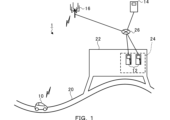
- FIG. 1 is a diagram illustrating an overview of a charging system according to this embodiment.
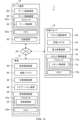
- FIG. 2 is a block diagram showing an example of the configuration of a vehicle, a charging station, and a server device that constitute the charging system.
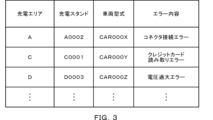
- FIG. 3 is a diagram illustrating an example of the charging error database.
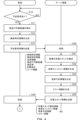
- FIG. 4 is a sequence chart illustrating the flow of processing in the vehicle and the server device when a reservation for charging is made.
- FIG. 5 is a sequence chart illustrating the flow of processing in the vehicle and the server device when a reservation for charging is made.
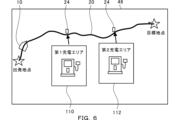
- FIG. 6 is a diagram showing an example of the display on the navigation device when making a reservation.
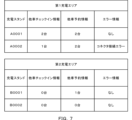
- FIG. 7 is a diagram showing another example of the display on the navigation device during prediction.
- FIG. 8 is a sequence chart illustrating the flow of processing at the charging station and the vehicle at check-in.
- FIG. 9 is a sequence chart illustrating the flow of processing in the vehicle and the server device at check-in.
- FIG. 1 is a diagram illustrating an overview of a charging system 1 according to this embodiment.
- the charging system 1 includes a vehicle 10, a charging station 12, a server device 14, and a base station 16.
- the vehicle 10 is an electric vehicle having an on-board battery that supplies power to a drive source. Note that the vehicle 10 may also be a hybrid electric vehicle.
- the charging station 12 which will be described in more detail later, is configured to be capable of charging the on-board battery of the vehicle 10.
- charging the on-board battery may be referred to simply as “charging.” Therefore, expressions such as “charging the vehicle 10" refer to charging the on-board battery of the vehicle 10.
- the charging station 12 is installed, for example, in correspondence with a predetermined position on the travel path 20.
- FIG. 1 an example is given in which the charging station 12 is installed in a service area 22 on a highway, which is the travel path 20.
- a highway is given as the travel path 20, but this is not limited to this case, and the present invention can be applied to various roads on which the vehicle 10 can travel.
- the number of charging stands 12 is not limited to two, and may be one, or three or more. Note that, here, the area in which the charging stands 12 are installed and in which vehicles 10 are permitted to enter for the purpose of charging is defined as the charging area 24.
- the server device 14 is, for example, a cloud server, and can manage multiple charging stations 12.
- the base station 16 communicates with the vehicle 10 through a mobile communication system such as 4G or 5G. However, it is sufficient for the base station 16 to be able to connect to the vehicle 10 via wireless communication. Therefore, as a wireless communication method, for example, a communication method such as ITS (Intelligent Transport Systems), ETC (Electronic Toll Collection System), or VICS (Vehicle Information and Communication System) (registered trademark) can be adopted.
- ITS Intelligent Transport Systems
- ETC Electronic Toll Collection System
- VICS Vehicle Information and Communication System
- FIG. 2 is a block diagram showing an example of the configuration of the vehicle 10, charging stand 12, and server device 14 that make up the charging system 1.
- the vehicle 10, charging stand 12, and server device 14 are configured to be able to communicate with each other, for example, via a communication network 26.
- the vehicle 10 includes a vehicle communication device 40, an on-board battery 42, a charging connection device 44, a navigation device 46, and a vehicle control device 50.
- the vehicle communication device 40 can establish communication with the charging station 12 and the server device 14 via the communication network 26.
- the vehicle battery 42 is a secondary battery that can be charged and discharged, such as a lithium-ion battery.
- the charging connection device 44 has a charging port exposed to the outside, and is configured to be connectable to a charging connector 62 of the charging stand 12, which will be described later.
- the charging connection device 44 functions as a connection part that electrically connects the charging stand 12 and the vehicle battery 42.
- the navigation device 46 can identify the position of the vehicle 10 using the Global Positioning System (GPS).
- GPS Global Positioning System
- the navigation device 46 has a display device capable of displaying various information such as map information, the driving route, and the position of the vehicle 10.
- the map information may include information on the driving route 20 and information on the installation location of the charging station 12.
- the navigation device 46 also functions as a notification unit that notifies the occupant of information related to the vehicle 10, and as an operation unit that accepts operations by the occupant.
- the navigation device 46 can display information related to charging the vehicle 10 on a display device in addition to or in place of the various information described above.
- the navigation device 46 can also accept operation input by the occupant in response to options related to charging the vehicle 10, for example, via a touch panel or the like provided on the navigation device 46.
- the vehicle control device 50 includes one or more processors 52a and one or more memories 52b connected to the processor 52a.
- the memory 52b includes a ROM in which programs and the like are stored and a RAM as a work area.
- the processor 52a controls the entire vehicle 10 in cooperation with the programs contained in the memory 52b.
- the processor 52a also functions as a vehicle control unit 54 by executing the programs.
- the vehicle control unit 54 executes various processes related to charging the vehicle 10.
- the charging stand 12 includes a stand communication device 60, a charging connector 62, a power conversion device 64, and a stand control device 70.
- the stand communication device 60 can establish communication with the server device 14 and the vehicle 10 via the communication network 26.
- the charging connector 62 is configured to be connectable to the charging connection device 44 of the vehicle 10.
- the power conversion device 64 converts, for example, power from a commercial power source and supplies the power to the vehicle 10 via the charging connector 62 and the charging connection device 44. In this way, the on-board battery 42 can be charged.
- the station control device 70 comprises one or more processors 72a and one or more memories 72b connected to the processor 72a.
- the memory 72b includes a ROM in which programs and the like are stored and a RAM as a work area.
- the processor 72a controls the entire charging station 12 in cooperation with the programs contained in the memory 72b.
- the processor 72a also functions as a station control unit 74 by executing the programs.
- the station control unit 74 executes various processes related to charging the vehicle 10.
- the server device 14 includes a server communication device 80, a storage device 82, and a server control device 90.
- the server communication device 80 can establish communication with the charging station 12 and the vehicle 10 via the communication network 26.
- the storage device 82 is composed of non-volatile storage elements.
- the non-volatile storage elements may include electrically readable and writable non-volatile storage elements such as flash memory.
- the server control device 90 includes one or more processors 92a and one or more memories 92b connected to the processor 92a.
- the memory 92b includes a ROM in which programs and the like are stored and a RAM as a work area.
- the processor 92a controls the entire server device 14 in cooperation with the programs contained in the memory 92b.
- the processor 92a also functions as a server control unit 94 by executing the programs.
- the server control unit 94 executes various processes related to charging the vehicle 10.
- Any vehicle 10 having an electric motor as a drive source will attempt to charge the on-board battery 42 at a charging station 12 as the SOC (State of Charge) of the on-board battery 42 decreases.
- SOC State of Charge
- the vehicle 10 may stop at a service area 22 and charge the on-board battery 42 at the charging station 12 within the service area 22.
- the charging system 1 performs check-in, which is a procedure for starting charging of the vehicle 10 at the charging stand 12. In the charging system 1, after check-in is permitted, charging of the vehicle 10 at the charging stand 12 is possible. Check-in is performed near the charging stand 12. More specifically, it is performed when the vehicle 10 enters the charging area 24 in which the charging stand 12 is installed.
- a gate is provided at the entrance and exit of the charging area 24 in which the charging stand 12 is installed. Check-in is performed at the gate at the entrance and exit of the charging area 24. If check-in is permitted, the gate opens and the vehicle 10 can enter the charging area 24. On the other hand, if check-in is not permitted, the gate is kept closed and the vehicle 10 cannot enter the charging area 24.
- a check-out may be performed, which is a procedure for terminating charging of the vehicle 10 at the charging station 12.
- Check-out is performed at the charging station 12 or at the gate at the entrance/exit of the charging area 24. For example, when the payment for charging the vehicle 10 has been completed, check-out is automatically completed.
- the charging system 1 is configured to enable a reservation for charging the vehicle 10 at the charging station 12 before checking in. Any vehicle 10 predicts its arrival time at the charging station 12 while it is traveling on the road 20, for example, and before it has arrived at the service area 22, and reserves the desired charging time from the arrival time. Note that the start time of the reserved charging may be referred to as the reserved start time, and the end time of the reserved charging may be referred to as the reserved end time. In this way, when any vehicle 10 arrives at the charging station 12, it becomes possible to charge the on-board battery 42 from the reserved start time without having to wait for charging.
- the server device 14 can perform a process to accept check-ins of the vehicle 10 at the charging station 12.
- the server device 14 can also perform a process to accept reservations for charging the vehicle 10 at the charging station 12.
- the vehicle 10 for which a reservation is made may be referred to as the first vehicle.
- any vehicle 10 different from the first vehicle may be referred to as the second vehicle.
- the storage device 82 of the server device 14 may store a check-in permission table, a reservation permission table, and a charging error database.
- the check-in permission table is a table in which the vehicles 10 currently permitted to check in and the charging stations 12 are associated and managed.
- the server control unit 94 permits check-in of a vehicle 10, it adds the permitted vehicle 10 to the check-in permission table.
- the server control unit 94 deletes the checked-out vehicle 10 from the check-in permission table. In this manner, the check-in permission table is updated.
- the reservation permission table is a table in which the vehicles 10 and charging stations 12 currently permitted to be reserved are associated and managed.
- the server control unit 94 permits a reservation for charging of the vehicle 10, it adds the permitted vehicle 10 to the reservation permission table.
- the server control unit 94 permits check-in for the reserved vehicle 10, it deletes the vehicle 10 permitted to check-in from the reservation permission table. In this manner, the reservation permission table is updated. Note that the reservation permission table is also updated if a reservation is canceled or if check-in is not performed even after the end time of the reserved charging time has passed.
- FIG 3 shows an example of a charging error database.
- the charging error database accumulates a history of errors that occur when charging the vehicle 10 at the charging station 12.
- the charging error database associates the charging area 24, the charging station 12, the model of the vehicle 10, and the content of the error.
- the stand control unit 74 transmits to the server device 14 the charging stand 12 where the error occurred, the model of the vehicle 10, and the details of the error that occurred.
- the server device 14 receives information such as the details of the error, it stores the received information such as the details of the error in the storage device 82 and updates the charging error database. In this way, the history of errors that occurred when charging the vehicle 10 at the charging stand 12 is accumulated in the charging error database.
- a connector connection error indicates that the charging connection device 44 of the vehicle 10 and the charging connector 62 of the charging stand 12 could not be mechanically connected.
- a credit card reading error indicates that the credit card of the occupant of the vehicle 10 could not be read by the charging stand 12.
- An excessive voltage error indicates that the voltage applied from the charging stand 12 to the vehicle 10 is excessively high compared to the receiving voltage of the vehicle 10.
- the types of errors registered in the charging error database are not limited to the types of errors shown as examples, and various types of errors that may occur during charging may be registered in the charging error database.
- FIGS. 4 and 5 are sequence charts that explain the processing flow of the vehicle 10 and the server device 14 when reserving charging.
- "A" in FIG. 4 connects to "A” in FIG. 5.
- an occupant of the vehicle 10 can input a request to reserve charging through the navigation device 46.
- the vehicle control unit 54 waits until a reservation request is made.
- the vehicle control unit 54 detects a request for a charging reservation (YES in S10), it derives the current remaining drivable distance (S11).
- the remaining drivable distance indicates how far the vehicle can be driven with the current SOC.
- the vehicle control unit 54 derives the remaining charge amount of the in-vehicle battery 42 at the present time based on the current SOC.
- the vehicle control unit 54 multiplies the drivable distance per unit charge amount by the current remaining charge amount to derive the remaining drivable distance.
- the vehicle control unit generates occupant identification information that identifies at least one of the occupants of the vehicle 10 (S12).
- the vehicle 10 is provided with a camera capable of capturing images of occupants in the vehicle cabin.
- the vehicle control unit 54 generates image information of the faces of occupants in the vehicle cabin captured by the camera as occupant identification information.
- the occupant identified by the occupant identification information is not limited to the driver, but may be a passenger who is not driving.
- the occupant identification information is not limited to being generated from an image of the occupant captured by a camera.
- an image of the driver's license of the occupant of the vehicle 10 may be registered in advance in the vehicle 10, and the image information of the registered driver's license may be used as the occupant identification information.
- the occupant identification information is not limited to image information, and may be, for example, text information such as the occupant's address.
- the vehicle control unit 54 transmits reservation request information requesting a reservation to the server device 14 via the vehicle communication device 40 (S13).
- the reservation request information includes vehicle identification information, which is information that identifies the vehicle 10, occupant identification information, payment information that specifies that payment for charging the vehicle 10 is possible, remaining driving distance, the current position of the vehicle 10, the target point, and route information.
- a credit card number can be used as the payment information.
- the credit card numbers of the occupants of the vehicle 10 can be registered in advance in the vehicle 10, and the registered credit card numbers can be used as the payment information.
- the current position of the vehicle 10 detected by the navigation device 46 can be used as the current position.
- the destination point and route information may be omitted from the reservation request information.
- the server control unit 94 receives reservation request information from the vehicle 10 through the server communication device 80 (S20). This allows the server control unit 94 to acquire vehicle identification information, occupant identification information, payment information, etc. for the vehicle 10 requesting the reservation. As will be described later, the vehicle identification information, occupant identification information, and payment information acquired in this manner at the time of reservation are collated at the time of check-in after the reservation is made, and are used to determine whether or not to permit check-in.
- the server control unit 94 extracts charging stations 12 that are within the remaining driving distance from the current position as candidate charging stations 12 for reservation based on the acquired remaining driving distance and the current position of the vehicle 10 (S21).
- the server control unit 94 may extract charging stations 12 that are within the remaining driving distance from the current position and that are located on the route from the current position to the target point as candidate charging stations 12 for reservation based on the acquired destination point and route information.
- the server control unit 94 generates other vehicle check-in information for all charging stations 12 extracted as reservation candidates based on the check-in permission table stored in the storage device 82 (S22).
- the other vehicle check-in information indicates whether a second vehicle, which is a different vehicle from the first vehicle, has already checked in at the charging station 12 that is the target of the reservation.
- the other vehicle check-in information may include not only whether a second vehicle has checked in, but also information on the number of second vehicles that have already checked in.
- the server control unit 94 generates other vehicle reservation information for all charging stations 12 extracted as reservation candidates based on the reservation permission table stored in the storage device 82 (S23).
- the other vehicle reservation information indicates whether a reservation has already been made for a second vehicle, which is a different vehicle from the first vehicle, at the charging station 12 that is the subject of the reservation.
- the other vehicle reservation information may include not only whether a reservation has been made for the second vehicle, but also information on the number of second vehicles that have already been reserved.
- the server control unit 94 generates error information for all charging stations 12 extracted as reservation candidates based on the error database stored in the storage device 82 (S24).
- the error information indicates the content of errors that have occurred in the past for the combination of the vehicle 10 making the reservation and the charging station 12 that is a reservation candidate.
- the server control unit 94 transmits charging station information regarding the charging stations 12 that are candidates for reservation to the vehicle 10 that sent the reservation request information via the server communication device 80 (S25).
- the transmitted charging station information includes charging station identification information that identifies the charging station 12 that is a candidate for reservation, other vehicle check-in information, other vehicle reservation information, and error information.
- the vehicle control unit 54 receives the charging station information transmitted from the server device 14 via the vehicle communication device 40 (S30). This allows the vehicle 10 to recognize the charging stations 12 that are candidates for reservation. The vehicle 10 can then obtain other vehicle check-in information, other vehicle reservation information, and error information for each charging station 12 that is a candidate for reservation.
- the vehicle control unit 54 presents the charging stations 12 that are candidates for reservation to the occupant of the vehicle 10, for example, by displaying them on the display device of the navigation device 46 (S31). At this time, the vehicle control unit 54 also presents other vehicle check-in information, other vehicle reservation information, and error information to the occupant of the vehicle 10, for example, by displaying them on the display device of the navigation device 46.
- FIG. 6 shows an example of the display on the navigation device 46 when making a reservation. As shown in FIG. 6, the current position of the vehicle 10, the destination point, and the travel route are displayed on the navigation device 46.
- the navigation device 46 displays a first charging area 110 and a second charging area 112 as charging areas 24 where charging stations 12 that are candidates for reservation are installed.
- the first charging area 110 and the second charging area 112 are located roughly along the driving route.
- the first charging area 110 is located closer to the current position of the vehicle 10 than the second charging area 112.
- FIG. 7 is a diagram showing another example of the display of the navigation device 46 during prediction. An occupant of the vehicle 10 can switch from the display screen of FIG. 6 to the display screen of FIG. 7 by, for example, touching the screen of the navigation device 46.
- the navigation device 46 displays the charging stations 12 that belong to the charging area 24 for each of the first charging area 110 and the second charging area 112.
- the navigation device 46 also displays other vehicle check-in information, other vehicle reservation information, and error information in association with the charging stations 12.
- the occupant of the vehicle 10 can select the charging station 12 that he/she wishes to reserve from among the charging stations 12 that are candidates for reservation and are presented through the navigation device 46.
- vehicle check-in information other vehicle reservation information, and error information are displayed on the navigation device 46, allowing the occupant of the vehicle 10 to carefully select the charging station 12 at which they would like to make a reservation.
- the vehicle control unit 54 only needs to present at least the charging stations 12 that are candidates for reservation, and may omit the generation and presentation of one or more of the other vehicle check-in information, other vehicle reservation information, and error information.
- the vehicle control unit 54 accepts the selection of the charging station 12 for which a reservation is to be made through the navigation device 46 (S32).
- the vehicle control unit 54 transmits selection information indicating the charging station 12 selected as the charging station 12 for which a reservation is to be made to the server device 14 via the vehicle communication device 40 (S33).
- the server control unit 94 receives the selection information sent from the vehicle 10 via the server communication device 80 (S40).
- the server control unit 94 identifies the charging station 12 indicated by the received selection information as the charging station to be reserved (S41).
- the server control unit 94 derives the travel distance from the current position of the vehicle 10 to the charging station for which the reservation is made based on map information and route information. Then, the server control unit 94 determines whether the derived travel distance is within a predetermined distance (S42).
- the server control unit 94 derives the travel time required for the vehicle 10 to travel from its current position to the charging station for which the reservation is made. For example, the server control unit 94 may derive the travel time from traffic congestion information or speed limits on the route from the current position of the vehicle 10 to the charging station for which the reservation is made. The server control unit 94 then determines whether the derived travel time is within the predetermined time (S43). That is, in step S43, it is determined whether the vehicle 10 can arrive at the charging station for which the reservation is made within the predetermined time from the current time.
- step S42 If it is determined that the distance judgment in step S42 is satisfied (YES in S42) and that the time judgment in step S43 is satisfied (YES in S43), the server control unit 94 permits a reservation for charging at the reservation target charging station (S44). In response to permitting the reservation, the server control unit 94 stores the contents of the permitted reservation in the storage device 82, thereby finalizing the reservation. Note that in step S20 of FIG. 4, the vehicle identification information of the vehicle 10 has already been acquired.
- step S42 if it is determined that the distance judgment in step S42 is not met (NO in S42), or if it is determined that the time judgment in step S43 is not met (NO in S43), the server control unit 94 disallows the reservation (S45).
- the server control unit 94 is not limited to a mode in which it performs both the distance determination in step S42 and the time determination in step S43.
- the server control unit 94 may perform only one of the distance determination and the time determination, and omit the other.
- the server control unit 94 may obtain vehicle identification information and permit the reservation if the distance determination is satisfied.
- the server control unit 94 may obtain vehicle identification information and permit the reservation if the time determination is satisfied.
- the server control unit 94 transmits reservation result information indicating whether the reservation is permitted or not to the vehicle 10 that transmitted the selection information via the server communication device 80 (S46). Note that if the server control unit 94 permits the reservation, it may update the reservation permission table.
- the vehicle control unit 54 receives the reservation result information sent from the server device 14 via the vehicle communication device 40 (S50).
- the vehicle control unit 54 causes the navigation device 46 to display the reservation result information on the display device. This allows the occupant of the vehicle 10 to know whether or not the reservation for the selected charging station 12 has been approved.
- the vehicle control unit 54 may cause the navigation device 46 to display again the charging stations 12 that are candidates for reservation, and prompt the user to select another charging station 12.
- the server control unit 94 may ask the vehicle 10 to confirm whether the reservation should be confirmed. In this case, after receiving an instruction to confirm the reservation from the vehicle 10, the server control unit 94 may store the contents of the reservation in the storage device 82 and confirm the reservation.
- FIG. 8 is a sequence chart that explains the processing flow of the charging station 12 and the vehicle 10 at check-in.
- the charging station 12 detects that a check-in request has been made for the vehicle 10 that has arrived at the gate.
- the stand control unit 74 waits until there is a check-in request.
- the stand control unit 74 detects that a check-in request has occurred (YES in S60)
- it transmits information requesting the transmission of authentication information for check-in to the vehicle 10 that has arrived at the gate (S61).
- the vehicle control unit 54 receives information requesting the transmission of authentication information through the vehicle communication device 40 (S70).
- the vehicle control unit 54 generates occupant identification information at the time of check-in (S71). Note that the occupant identification information is generated in the same manner as when making a reservation.
- the vehicle control unit 54 transmits the authentication information at the time of check-in to the charging station 12 (S72).
- the authentication information includes vehicle identification information, occupant identification information, and payment information.
- the stand control unit 74 receives authentication information from the vehicle 10 (S80). The stand control unit 74 transmits the received authentication information to the server device 14 (S81).
- Figure 9 is a sequence chart that explains the processing flow of the vehicle 10 and the server device 14 at check-in.
- the server control unit 94 receives the authentication information for the vehicle 10 transferred from the charging station 12 (S90). As a result, the server control unit 94 obtains the vehicle identification information, occupant identification information, and payment information at the time of check-in at the vehicle 10.
- the server control unit 94 checks whether the vehicle identification information, occupant identification information, and payment information at the time of reservation for the vehicle 10 that sent the authentication information match the vehicle identification information, occupant identification information, and payment information at the time of check-in (S91).
- the server control unit 94 determines through the comparison that all of the vehicle identification information, occupant identification information, and payment information match at the time of reservation and payment (YES in S92), it allows check-in (S93). Note that if the occupant identification information includes information on multiple occupants, if there is at least one occupant that is the same at the time of reservation and at the time of payment, it may be determined that the occupant identification information matches at the time of reservation and payment.
- the server control unit 94 determines through the comparison that any one of the vehicle identification information, occupant identification information, and payment information does not match between the time of reservation and the time of payment (NO in S92), it denies check-in (S94).
- the server control unit 94 authenticates whether the vehicle identification information, occupant identification information, and payment information are proper information, and may deny check-in if it determines that the information is not proper. For example, the server control unit 94 may deny check-in if the expiration date of the credit card number included in the payment information has passed. This can improve the security of the charging area 24.
- the server control unit 94 transmits check-in result information indicating whether the check-in is permitted or not to the charging station 12 via the server communication device 80 (S95). Note that if the server control unit 94 permits the check-in, it may update the check-in permission table.
- the station control unit 74 opens the gate of the charging area 24. This allows the vehicle 10 that has arrived at the gate to enter the charging area 24 and charge the vehicle at the charging station 12.
- the station control unit 74 keeps the gate of the charging area 24 closed.
- the vehicle 10 that arrives at the gate is assumed to be an unauthorized vehicle that has made a reservation, and is not allowed to enter the charging area 24, and is therefore not allowed to charge at the charging station 12.
- the server control unit also transmits check-in result information indicating whether the check-in is permitted or not to the vehicle 10 that transmitted the authentication information (S96).
- the vehicle control unit 54 receives the check-in result information from the server device 14 (S100). As a result, the vehicle control unit 54 causes the check-in result information to be displayed on the display device of the navigation device 46. This allows the occupants of the vehicle 10 to know whether or not check-in has been permitted.
- the server control unit 94 may obtain at least the vehicle identification information at the time of reservation and omit obtaining the occupant identification information and payment information. In that case, the server control unit 94 may obtain at least the vehicle identification information at the time of check-in and omit obtaining the occupant identification information and payment information. The server control unit 94 may compare whether the vehicle identification information obtained at the time of reservation matches the vehicle identification information obtained at check-in. Then, if the server control unit 94 determines through the comparison that the vehicle identification information at the time of reservation matches the vehicle identification information at check-in, it may permit check-in so that charging of the vehicle 10 is possible at the charging station 12.
- the server control unit 94 may acquire, at the time of reservation, in addition to the vehicle identification information, either or both of the occupant identification information and the payment information from the vehicle 10 making the reservation.
- the server control unit 94 may acquire, at the time of check-in, in addition to the vehicle identification information, the same type of occupant identification information and payment information acquired at the time of reservation from the vehicle 10 making the check-in.
- the server control unit 94 may determine whether the information acquired at the time of reservation among the vehicle identification information, occupant identification information, and payment information matches the information acquired at the time of check-in among the vehicle identification information, occupant identification information, and payment information.
- the server control unit 94 may permit check-in so that the vehicle 10 can be charged at the charging station 12.
- the server control unit 94 may also acquire at least vehicle identification information at the time of reservation, and omit acquiring occupant identification information and payment information. In this situation, the server control unit 94 may acquire either or both of occupant identification information and payment information from the vehicle 10 being checked in, in addition to acquiring vehicle identification information at the time of check-in. The server control unit 94 may compare whether the vehicle identification information acquired at the time of reservation matches the vehicle identification information acquired at the time of check-in. The server control unit 94 may authenticate whether the type of information acquired at the time of check-in, among the vehicle identification information, occupant identification information, and payment information, is appropriate. The server control unit 94 may permit check-in if both comparison and authentication are satisfied. This can improve the security of the charging area 24.
- the server control unit 94 of the charging system 1 of this embodiment acquires vehicle identification information from the vehicle 10 making the reservation at the time of reservation, and acquires vehicle identification information from the vehicle 10 checking in at the time of check-in.
- the server control unit 94 verifies whether the vehicle identification information acquired at the time of reservation matches the vehicle identification information acquired at the time of check-in. If the server control unit 94 determines through the comparison that the vehicle identification information at the time of reservation matches the vehicle identification information at the time of check-in, it permits check-in so that charging of the vehicle 10 is possible at the charging station 12.
- charging at the charging station 12 can be reserved before arriving at the charging station 12, making it possible to smoothly carry out charging after arriving at the charging station 12.
- vehicle identification information at the time of reservation is compared with vehicle identification information at the time of check-in, so that only vehicles 10 that have been properly reserved can be charged. This improves the management of charging at the charging station 12.
- each device e.g., vehicle 10, server device 14
- the series of processes performed by each device may be realized using software, hardware, or a combination of software and hardware.
- the programs constituting the software are stored in advance, for example, in a non-transitory storage medium (non-transitory media) provided inside or outside each device.
- the programs are then read, for example, from the non-transitory storage medium (e.g., ROM) to a transitory storage medium (e.g., RAM) and executed by a processor such as a CPU.
- a program for implementing each function of each of the above devices can be created and installed in the computer of each of the above devices. Processing of each of the above functions is carried out by a processor executing the program stored in memory. At this time, the program may be shared and executed by multiple processors, or the program may be executed by a single processor.
- each of the above functions of each of the above devices may be implemented by cloud computing using multiple computers interconnected by a communications network. The program may be provided to the computer of each device by distribution from an external device via a communications network and installed.
- Charging system 10 Vehicle 12 Charging station 82 Storage device 90 Server control device 92a Processor 92b Memory
Landscapes
- Engineering & Computer Science (AREA)
- Business, Economics & Management (AREA)
- Theoretical Computer Science (AREA)
- General Physics & Mathematics (AREA)
- Physics & Mathematics (AREA)
- Economics (AREA)
- Tourism & Hospitality (AREA)
- Quality & Reliability (AREA)
- General Business, Economics & Management (AREA)
- Human Resources & Organizations (AREA)
- Marketing (AREA)
- Health & Medical Sciences (AREA)
- Strategic Management (AREA)
- General Engineering & Computer Science (AREA)
- Water Supply & Treatment (AREA)
- Development Economics (AREA)
- Public Health (AREA)
- Entrepreneurship & Innovation (AREA)
- General Health & Medical Sciences (AREA)
- Primary Health Care (AREA)
- Operations Research (AREA)
- Mechanical Engineering (AREA)
- Transportation (AREA)
- Power Engineering (AREA)
- Charge And Discharge Circuits For Batteries Or The Like (AREA)
- Electric Propulsion And Braking For Vehicles (AREA)
Abstract
Description
車両への充電が可能な充電スタンドと、
制御装置と、
を備え、
前記制御装置は、
1つまたは複数のプロセッサと、
前記プロセッサに接続される1つまたは複数のメモリと、
を有し、
前記プロセッサは、
前記充電スタンドにおける前記車両の充電を開始する手続きであるチェックインを受け付けることと、
前記チェックインの前に、前記充電スタンドにおける前記車両の充電の予約を受け付けることと、
前記予約時に、前記予約を行う前記車両から、前記車両を特定する情報である車両特定情報を取得することと、
前記チェックイン時に、前記チェックインを行う前記車両から、前記車両特定情報を取得することと、
前記予約時に取得した前記車両特定情報と、前記チェックイン時に取得した前記車両特定情報とが一致するかの照合を行うことと、
前記照合により、前記予約時の前記車両特定情報と前記チェックイン時の前記車両特定情報とが一致したと判定した場合、前記充電スタンドでの前記車両の充電が可能となるように前記チェックインを許可することと、
を含む処理を実行する。
10 車両
12 充電スタンド
82 記憶装置
90 サーバ制御装置
92a プロセッサ
92b メモリ
Claims (7)
- 車両への充電が可能な充電スタンドと、
制御装置と、
を備え、
前記制御装置は、
1つまたは複数のプロセッサと、
前記プロセッサに接続される1つまたは複数のメモリと、
を有し、
前記プロセッサは、
前記充電スタンドにおける前記車両の充電を開始する手続きであるチェックインを受け付けることと、
前記チェックインの前に、前記充電スタンドにおける前記車両の充電の予約を受け付けることと、
前記予約時に、前記予約を行う前記車両から、前記車両を特定する情報である車両特定情報を取得することと、
前記チェックイン時に、前記チェックインを行う前記車両から、前記車両特定情報を取得することと、
前記予約時に取得した前記車両特定情報と、前記チェックイン時に取得した前記車両特定情報とが一致するかの照合を行うことと、
前記照合により、前記予約時の前記車両特定情報と前記チェックイン時の前記車両特定情報とが一致したと判定した場合、前記充電スタンドでの前記車両の充電が可能となるように前記チェックインを許可することと、
を含む処理を実行する、充電システム。 - 前記プロセッサは、
前記チェックイン時に、前記車両特定情報に加え、前記車両の乗員のうち少なくとも1人を特定する乗員特定情報、および、前記車両の充電を行うことに対する対価の決済が可能であることを特定する決済情報のいずれか一方または双方を、前記チェックインを行う前記車両から取得することと、
前記照合により、前記予約時の前記車両特定情報と前記チェックイン時の前記車両特定情報とが一致したと判定したことに加え、前記車両特定情報、前記乗員特定情報および前記決済情報のうち前記チェックイン時に取得した情報が適正である場合に、前記チェックインを許可することと、
を含む処理を実行する、請求項1に記載の充電システム。 - 前記プロセッサは、
前記予約時に、前記車両特定情報に加え、前記乗員特定情報および前記決済情報のいずれか一方または双方を、前記予約を行う前記車両から取得することと、
前記チェックイン時に、前記車両特定情報に加え、前記乗員特定情報および前記決済情報のうち前記予約時に取得した情報と同じ種類の情報を、前記チェックインを行う前記車両から取得することと、
前記照合を行う処理において、前記予約時における前記車両特定情報、前記乗員特定情報および前記決済情報のうち取得した情報と、前記チェックイン時における前記車両特定情報、前記乗員特定情報および前記決済情報のうち取得した情報とが一致するかを判定することと、
前記照合により、前記車両特定情報、前記乗員特定情報および前記決済情報のうち取得した種類の情報が、前記予約時と前記チェックイン時とで一致したと判定した場合、前記充電スタンドでの前記車両の充電が可能となるように前記チェックインを許可することと、
を含む処理を実行する、請求項2に記載の充電システム。 - 前記車両は、第1車両と、前記第1車両とは異なる第2車両とを含み、
前記プロセッサは、
前記第1車両の前記予約時に、前記予約の対象となる前記充電スタンドにおける前記第2車両の前記チェックインがあるかを示す他車チェックイン情報、および、前記予約の対象となる前記充電スタンドにおける前記第2車両の前記予約があるかを示す他車予約情報のいずれか一方または双方を生成すること、
を含む処理を実行し、
前記第1車両は、生成された前記他車チェックイン情報および前記他車予約情報のいずれか一方または双方を、前記予約時に乗員に提示する、
請求項1に記載の充電システム。 - 前記充電スタンドにおける前記車両の充電時のエラーの履歴を、前記充電スタンドと、前記車両と、前記エラーの内容とを関連付けて蓄積した充電エラーデータベースを記憶する記憶装置をさらに備え、
前記プロセッサは、
前記予約時に、前記充電エラーデータベースに基づいて、前記予約を行う前記車両と前記予約の候補となる前記充電スタンドとの組み合わせに対して過去に発生したことがある前記エラーの内容を示すエラー情報を生成すること、
を含む処理を実行し、
前記車両は、生成された前記エラー情報を前記予約時に乗員に提示する、
請求項1に記載の充電システム。 - 前記プロセッサは、
前記予約時に、前記車両の現時点の位置から前記予約の対象となる前記充電スタンドまでの距離が所定距離以内であるかの距離判定を行うことと、
前記車両特定情報を取得し、かつ、前記距離判定を満たした場合、前記予約を許可することと、
を含む処理を実行する、請求項1に記載の充電システム。 - 前記プロセッサは、
前記予約時に、前記車両が現時点から所定時間以内に前記予約の対象となる前記充電スタンドに到着可能であるかの時間判定を行うことと、
前記車両特定情報を取得し、かつ、前記時間判定を満たした場合、前記予約を許可することと、
を含む処理を実行する、請求項1に記載の充電システム。
Priority Applications (4)
| Application Number | Priority Date | Filing Date | Title |
|---|---|---|---|
| JP2025530917A JPWO2025009136A1 (ja) | 2023-07-05 | 2023-07-05 | |
| PCT/JP2023/025038 WO2025009136A1 (ja) | 2023-07-05 | 2023-07-05 | 充電システム |
| CN202380051092.3A CN119585146A (zh) | 2023-07-05 | 2023-07-05 | 充电系统 |
| US19/015,480 US12586138B2 (en) | 2023-07-05 | 2025-01-09 | Charging system |
Applications Claiming Priority (1)
| Application Number | Priority Date | Filing Date | Title |
|---|---|---|---|
| PCT/JP2023/025038 WO2025009136A1 (ja) | 2023-07-05 | 2023-07-05 | 充電システム |
Related Child Applications (1)
| Application Number | Title | Priority Date | Filing Date |
|---|---|---|---|
| US19/015,480 Continuation US12586138B2 (en) | 2023-07-05 | 2025-01-09 | Charging system |
Publications (1)
| Publication Number | Publication Date |
|---|---|
| WO2025009136A1 true WO2025009136A1 (ja) | 2025-01-09 |
Family
ID=94171321
Family Applications (1)
| Application Number | Title | Priority Date | Filing Date |
|---|---|---|---|
| PCT/JP2023/025038 Ceased WO2025009136A1 (ja) | 2023-07-05 | 2023-07-05 | 充電システム |
Country Status (4)
| Country | Link |
|---|---|
| US (1) | US12586138B2 (ja) |
| JP (1) | JPWO2025009136A1 (ja) |
| CN (1) | CN119585146A (ja) |
| WO (1) | WO2025009136A1 (ja) |
Citations (4)
| Publication number | Priority date | Publication date | Assignee | Title |
|---|---|---|---|---|
| JP2011163812A (ja) * | 2010-02-05 | 2011-08-25 | Enegate:Kk | 電気自動車の給電情報配信システム |
| JP2014102695A (ja) * | 2012-11-20 | 2014-06-05 | Toshiba Corp | 料金収受システムおよび料金収受方法 |
| JP2014225167A (ja) * | 2013-05-16 | 2014-12-04 | 昭和シェル石油株式会社 | 電気自動車用充電スタンド案内システム |
| JP2021064117A (ja) * | 2019-10-11 | 2021-04-22 | トヨタ自動車株式会社 | 自動駐車システム及びサーバ |
Family Cites Families (5)
| Publication number | Priority date | Publication date | Assignee | Title |
|---|---|---|---|---|
| JP5493510B2 (ja) | 2009-07-01 | 2014-05-14 | 日産自動車株式会社 | 情報提供システム、情報センタ、車載装置及び情報提供方法 |
| WO2018043270A1 (ja) | 2016-09-01 | 2018-03-08 | 東レ・ダウコーニング株式会社 | 硬化性オルガノポリシロキサン組成物および電気・電子部品の保護剤または接着剤組成物 |
| US12083920B2 (en) * | 2021-03-23 | 2024-09-10 | Honda Motor Co., Ltd. | System and method for scheduling electric charging for vehicles |
| US12165224B2 (en) * | 2021-12-10 | 2024-12-10 | Kyndryl, Inc. | Electric vehicle charging reservation timeslot reallocation |
| WO2023157516A1 (ja) * | 2022-02-21 | 2023-08-24 | 株式会社プラゴ | 予約管理装置および予約管理方法 |
-
2023
- 2023-07-05 WO PCT/JP2023/025038 patent/WO2025009136A1/ja not_active Ceased
- 2023-07-05 JP JP2025530917A patent/JPWO2025009136A1/ja active Pending
- 2023-07-05 CN CN202380051092.3A patent/CN119585146A/zh active Pending
-
2025
- 2025-01-09 US US19/015,480 patent/US12586138B2/en active Active
Patent Citations (4)
| Publication number | Priority date | Publication date | Assignee | Title |
|---|---|---|---|---|
| JP2011163812A (ja) * | 2010-02-05 | 2011-08-25 | Enegate:Kk | 電気自動車の給電情報配信システム |
| JP2014102695A (ja) * | 2012-11-20 | 2014-06-05 | Toshiba Corp | 料金収受システムおよび料金収受方法 |
| JP2014225167A (ja) * | 2013-05-16 | 2014-12-04 | 昭和シェル石油株式会社 | 電気自動車用充電スタンド案内システム |
| JP2021064117A (ja) * | 2019-10-11 | 2021-04-22 | トヨタ自動車株式会社 | 自動駐車システム及びサーバ |
Also Published As
| Publication number | Publication date |
|---|---|
| US12586138B2 (en) | 2026-03-24 |
| US20250148551A1 (en) | 2025-05-08 |
| JPWO2025009136A1 (ja) | 2025-01-09 |
| CN119585146A (zh) | 2025-03-07 |
Similar Documents
| Publication | Publication Date | Title |
|---|---|---|
| US11180116B2 (en) | Vehicle dispatch management system and vehicle dispatch management server | |
| US11535115B2 (en) | Electric vehicle capable of providing power to another vehicle, method for controlling the same, and system | |
| US11505069B2 (en) | Information processing device | |
| CN107351694A (zh) | 用于车辆的移动充电方法、装置及系统 | |
| CN110998616B (zh) | 信息提供方法及信息提供装置 | |
| US11835966B2 (en) | Service system using autonomous driving | |
| CN113284279A (zh) | 一种智慧园区车辆管理方法、系统以及存储介质 | |
| JP2020046724A (ja) | 駐車場サービス提供システム、駐車場サービス提供方法およびコンピュータプログラム | |
| US20250245771A1 (en) | Server device, information processing method, program, and storage medium | |
| KR20220025651A (ko) | 플릿 시스템을 위한 이동체 반납 방법 및 장치 | |
| CN116032957B (zh) | 服务器、信息处理系统以及信息处理方法 | |
| KR102537891B1 (ko) | 전기 자동차의 충전 예약 제어시스템 및 방법 | |
| CN115809911A (zh) | 一种充电订单的处理方法及装置 | |
| US12586138B2 (en) | Charging system | |
| KR20230003860A (ko) | 내비게이션을 이용한 전기차 충전소 검색방법 | |
| JP7558289B2 (ja) | 配車装置、配車システム、車載装置、配車方法、および配車プログラム | |
| CN119585132A (zh) | 充电系统及车辆 | |
| JP7283925B2 (ja) | 輸送情報処理装置、および、輸送情報処理方法 | |
| JP2019175185A (ja) | データ構造、車載端末機、情報通信方法、プログラム及び記憶媒体 | |
| US20250200563A1 (en) | Method of acquiring electronic certificate and billing setting method | |
| JP7803253B2 (ja) | 情報管理システムおよび情報管理方法 | |
| JP2020149379A (ja) | 駐車管理装置およびコンピュータプログラム | |
| US12562064B2 (en) | Server apparatus | |
| US20250220429A1 (en) | Access control device and access control method | |
| JP2020126287A (ja) | 車両用認証システム及び車両認証方法 |
Legal Events
| Date | Code | Title | Description |
|---|---|---|---|
| WWE | Wipo information: entry into national phase |
Ref document number: 202380051092.3 Country of ref document: CN |
|
| 121 | Ep: the epo has been informed by wipo that ep was designated in this application |
Ref document number: 23944384 Country of ref document: EP Kind code of ref document: A1 |
|
| WWP | Wipo information: published in national office |
Ref document number: 202380051092.3 Country of ref document: CN |
|
| ENP | Entry into the national phase |
Ref document number: 2025530917 Country of ref document: JP Kind code of ref document: A |
|
| WWE | Wipo information: entry into national phase |
Ref document number: 2025530917 Country of ref document: JP |
|
| NENP | Non-entry into the national phase |
Ref country code: DE |