WO2024257613A1 - 情報処理方法、コンピュータプログラム、情報処理装置、情報処理システム - Google Patents
情報処理方法、コンピュータプログラム、情報処理装置、情報処理システム Download PDFInfo
- Publication number
- WO2024257613A1 WO2024257613A1 PCT/JP2024/019713 JP2024019713W WO2024257613A1 WO 2024257613 A1 WO2024257613 A1 WO 2024257613A1 JP 2024019713 W JP2024019713 W JP 2024019713W WO 2024257613 A1 WO2024257613 A1 WO 2024257613A1
- Authority
- WO
- WIPO (PCT)
- Prior art keywords
- battery
- collection
- information processing
- data
- identification data
- Prior art date
- Legal status (The legal status is an assumption and is not a legal conclusion. Google has not performed a legal analysis and makes no representation as to the accuracy of the status listed.)
- Ceased
Links
Images





Classifications
-
- G—PHYSICS
- G06—COMPUTING OR CALCULATING; COUNTING
- G06Q—INFORMATION AND COMMUNICATION TECHNOLOGY [ICT] SPECIALLY ADAPTED FOR ADMINISTRATIVE, COMMERCIAL, FINANCIAL, MANAGERIAL OR SUPERVISORY PURPOSES; SYSTEMS OR METHODS SPECIALLY ADAPTED FOR ADMINISTRATIVE, COMMERCIAL, FINANCIAL, MANAGERIAL OR SUPERVISORY PURPOSES, NOT OTHERWISE PROVIDED FOR
- G06Q10/00—Administration; Management
- G06Q10/30—Administration of product recycling or disposal
-
- G—PHYSICS
- G06—COMPUTING OR CALCULATING; COUNTING
- G06Q—INFORMATION AND COMMUNICATION TECHNOLOGY [ICT] SPECIALLY ADAPTED FOR ADMINISTRATIVE, COMMERCIAL, FINANCIAL, MANAGERIAL OR SUPERVISORY PURPOSES; SYSTEMS OR METHODS SPECIALLY ADAPTED FOR ADMINISTRATIVE, COMMERCIAL, FINANCIAL, MANAGERIAL OR SUPERVISORY PURPOSES, NOT OTHERWISE PROVIDED FOR
- G06Q30/00—Commerce
- G06Q30/06—Buying, selling or leasing transactions
- G06Q30/0601—Electronic shopping [e-shopping]
-
- G—PHYSICS
- G06—COMPUTING OR CALCULATING; COUNTING
- G06Q—INFORMATION AND COMMUNICATION TECHNOLOGY [ICT] SPECIALLY ADAPTED FOR ADMINISTRATIVE, COMMERCIAL, FINANCIAL, MANAGERIAL OR SUPERVISORY PURPOSES; SYSTEMS OR METHODS SPECIALLY ADAPTED FOR ADMINISTRATIVE, COMMERCIAL, FINANCIAL, MANAGERIAL OR SUPERVISORY PURPOSES, NOT OTHERWISE PROVIDED FOR
- G06Q50/00—Information and communication technology [ICT] specially adapted for implementation of business processes of specific business sectors, e.g. utilities or tourism
- G06Q50/10—Services
-
- H—ELECTRICITY
- H01—ELECTRIC ELEMENTS
- H01M—PROCESSES OR MEANS, e.g. BATTERIES, FOR THE DIRECT CONVERSION OF CHEMICAL ENERGY INTO ELECTRICAL ENERGY
- H01M10/00—Secondary cells; Manufacture thereof
- H01M10/42—Methods or arrangements for servicing or maintenance of secondary cells or secondary half-cells
Definitions
- the present invention relates to an information processing method, computer program, information processing device, and information processing system that promote the collection of parts such as batteries purchased through electronic commerce and contribute to the sustainability of energy storage elements.
- Patent Document 1 describes a method for determining the degradation state of a secondary battery in an electronic device (portable personal computer) that is equipped with a communication device and a secondary battery online, and for realizing replacement and recovery of the secondary battery in the electronic device.
- the present invention was made in consideration of the above circumstances, and aims to provide an information processing method, computer program, information processing device, and information processing system that promote the collection of parts such as batteries purchased through electronic commerce.
- a first computer receives identification data relating to the purchase of a new battery sold through electronic commerce and a request for collection of an old battery to be exchanged for the new battery, and outputs an instruction to collect the old battery based on the data in the collection request.
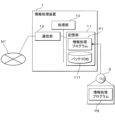
- FIG. 1 is a schematic diagram of a battery information processing system.
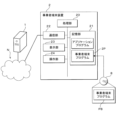
- 1 is a block diagram showing an internal configuration of an information processing device
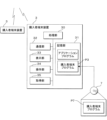
- 2 is a block diagram showing an internal configuration of a carrier terminal device
- FIG. 3 is a block diagram showing an internal configuration of a purchaser terminal device
- FIG. An example of information that can be obtained from the medium is shown below.
- 4 is a flowchart showing an example of a processing procedure in the battery information processing system.
- FIG. 13 is a diagram showing an example of a collection application screen.
- FIG. 4 is a diagram showing an example of the contents of a battery DB.
- 10 is a flowchart showing an example of a collection process procedure in the battery information processing system.
- 11 is a flowchart showing an example of a collection process procedure in the battery information processing system.
- 11 is a flowchart illustrating an example of a checking process of the information processing device.
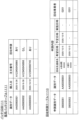
- FIG. 13 is a diagram showing an example of the content of a sales list compilation result.
- a first computer receives identification data relating to the purchase of a new battery sold through electronic commerce and a request for collection of an old battery to be exchanged for the new battery, and outputs an instruction to collect the old battery based on the data in the collection request.
- the battery in this embodiment may be a lithium ion battery or a lead battery, but is not limited to this and may be another secondary battery, a primary battery, or a capacitor.
- the above configuration allows users to easily apply for the collection of old batteries to be replaced with new batteries sold through electronic commerce, making it easier for users to participate in the battery collection cycle and expected to improve the collection rate.
- Applications for collection can be made not only by users, but also by manufacturers and retailers.
- the collection instruction is output to a collection business, a manufacturer of the new battery, or a seller in the electronic commerce.
- the instruction to collect the old battery may be output directly to the collection company, or may be output once to the manufacturer and then sent to the collection company or delivery company.
- the instruction to collect the old battery may be output once to the seller of the new battery purchased in place of the old battery to be collected, and then sent to the collection company or delivery company.
- the first computer may receive a collection notification specifying identification data from a collection business operator, and store data indicating that the item has been collected in association with the identification data.
- the identification data for the purchase of a new battery can store information about whether the old battery corresponding to the new battery has been collected, and can be used later.
- the first computer may extract, from among the multiple identification data, identification data to which the data indicating that the battery has been collected is not associated even though a collection request has been accepted, and re-output a battery collection instruction based on the extracted identification data.
- the first computer compiles and outputs data indicating that the item has been collected and data indicating that the item has not been collected, which are associated with each of the multiple identification data.
- the first computer may output a notification encouraging a buyer to apply for collection of the old battery to a buyer terminal device of a buyer or a business terminal device of another business based on the purchase date of the new battery.
- the above configuration associates data on the purchase date of a new battery with data on whether the old battery corresponding to that new battery has been collected. If it is stored that the old battery has not been collected even though some time has passed since the purchase, a request for collection is again made, and collection is promoted.
- the identification data may be attached to a packaging material in which the battery is packed, or may be contained within the packaging material.
- the identification data attached to or contained within the packaging material of the battery is easy for the purchaser to recognize and can be easily operated.
- the identification data may be attached to a second packaging material in which the battery, which has already been packed in a first packaging material by the manufacturer, is packed together with the first packaging material, or may be contained within the second packaging material.
- the identification data attached to or contained within the second packaging material that further packs the battery packaging material is easy for the purchaser to recognize and can be easily operated.
- the second packaging material can also be used when collecting the battery, eliminating the need for the user to prepare new packaging material for collection, simplifying the collection procedure.
- the computer program When the computer program reads identification data attached to or contained in a packaging material in which a new battery sold through electronic commerce is packed, the computer program causes the second computer to display a reception screen for a collection application for the old battery to be replaced with the new battery, and executes a process for transmitting a collection application that includes the data required for the collection application received on the reception screen and the identification data.
- the reception screen may display contact information for the collection destination required for the collection request.
- the data required for the collection request may include the user's address or location data of the computer.
- the information processing device includes a processing unit that receives identification data identifying the purchase of a new battery sold through electronic commerce, receives a request for collection of an old battery to be exchanged for the new battery, stores the received collection request data in association with the identification data, and outputs an instruction to collect the old battery based on the collection request data.
- the battery 4 manufactured by the manufacturer is packed in a first packaging material 41 and shipped to a sales company (retailer). At this time, the manufacturer ships to the sales company a second packaging material 42 for further packaging the new battery 4 packed in the first packaging material 41, and a medium 43 to be included.
- the sales company packs the battery 4 still packed in the first packaging material 41 together with a medium 43 containing the identification data (serial number) in the second packaging material 42 and ships it to the user who placed the order.
- the user receives the second packaging material 42 containing the new battery 4 delivered by the delivery company.
- the second packaging material 42 contains the first packaging material 41 in which the new battery 4 is packed, and a medium 43 on which the identification data is printed or stored.
- the user removes the new battery 4 and the medium 43 from the first packaging material 41, and installs the new battery 4 in the vehicle.
- the user is left with the old battery 4 that was used in the vehicle. It is impossible to dispose of the old battery 4 as municipal waste, and users who purchase the battery 4 through electronic commerce are often confused about what to do with the old battery 4.
- the user receives the battery 4 purchased through electronic commerce from the delivery company, it is very difficult for the user to have the delivery company take the old battery 4 as is. This creates a problem in that while the number of batteries 4 sold through electronic commerce is increasing, the collection of old batteries 4 is not progressing. Users who install and replace the battery 4 themselves must separately request collection from the delivery company after performing the replacement work, and it is desirable to simplify this work.
- the battery information processing system 100 disclosed herein executes information processing to promote the collection of batteries 4 sold through electronic commerce via collection businesses.
- the battery information processing system 100 enables users to apply for collection to collection businesses with simple operations through information processing.
- the system increases the motivation of businesses, including sales businesses and collection businesses, and users to collect batteries, and promotes collection.
- the network N includes a network N1, which is a local network or a dedicated line of a manufacturer.
- the network N may further include a public communication network N2, which is the so-called Internet, and a carrier network N3.
- a sales business that sells batteries 4 manufactured by a manufacturer in a legitimate electronic commerce transaction acquires the above-mentioned medium 43 from the manufacturer and attaches it to the second packaging material 42 when shipping to the user, or simply includes it and hands the medium 43 to the user.
- the medium 43 has instructions, messages, advertisements, etc. printed thereon that promote the collection of old batteries 4, or stores access data to web-based data that provides such information.
- the user refers to the instructions, packs the old battery 4 in the first packaging material 41 that contained the new battery 4, marks it as an old battery, and packs the first packaging material 41 and the first packaging material 41 in the second packaging material 42.
- the user can call the manufacturer to request collection, or can request collection on a web-based basis, based on the access data printed or stored on the medium.
- FIG. 2 is a block diagram showing the internal configuration of the information processing device 1.
- the information processing device 1 is a server device capable of sending and receiving data to and from the business terminal device 2 and the purchaser terminal device 3 via a network N.
- the information processing device 1 is a server computer, or a laptop or desktop personal computer. In the following explanation, the information processing device 1 is described as being composed of one server computer, but it may also be configured such that multiple server computers are connected to each other via a network for distributed processing.
- the information processing device 1 includes a processing unit 10, a memory unit 11, and a communication unit 12.
- the processing unit 10 is a processor that uses a CPU (Central Processing Unit) and/or a GPU (Graphics Processing Unit). Based on an information processing program P1 stored in the memory unit 11, the processing unit 10 collects purchase information and recycling information of the battery 4, and performs information provision processing based on the collected information.
- CPU Central Processing Unit
- GPU Graphics Processing Unit
- the storage unit 11 uses a non-volatile memory such as a hard disk, flash memory, or SSD (Solid State Drive).
- the storage unit 11 stores data referenced by the processing unit 10.
- the storage unit 11 stores an information processing program P1.
- the information processing program P1 may be an information processing program P9 stored in the storage medium 9 that is read by the processing unit 10 and copied to the storage unit 11.
- the information processing program P1 may be downloaded from another program server device via the communication unit 12 and stored.
- the communication unit 12 realizes communication with the business operator terminal device 2 and the purchaser terminal device 3 via the network N.
- the communication unit 12 is a network card.
- the communication unit 12 may be a wireless communication module that connects to a carrier network, or a wireless communication module for Wi-Fi.
- the processing unit 10 can send and receive data between the business operator terminal device 2 and the purchaser terminal device 3 via the communication unit 12.
- FIG. 3 is a block diagram showing the internal configuration of the operator terminal device 2.
- the operator terminal device 2 has a communication unit and a user interface.
- the operator terminal device 2 is, for example, a laptop or desktop personal computer.
- the operator terminal device 2 may also be a smartphone or a tablet terminal.
- the business operator terminal device 2 includes a processing unit 20, a memory unit 21, a communication unit 22, a display unit 23, and an operation unit 24.
- the processing unit 20 is a processor that uses a CPU and/or a GPU.
- the processing unit 20 executes various application programs stored in the storage unit 21.
- the various application programs include an operator terminal program P2.
- the processing unit 20 transmits and receives data to and from the information processing device 1 based on the operator terminal program P2.
- the operator terminal program P2 may be a web browser program.
- the storage unit 21 uses a non-volatile memory such as a hard disk, flash memory, or SSD.
- the storage unit 21 stores data referenced by the processing unit 20.
- the storage unit 21 stores various application programs including the operator terminal program P2.
- the operator terminal program P2 may be the operator terminal program P8 stored in the storage medium 8 that is read by the processing unit 10 and copied to the storage unit 21.
- the operator terminal program P2 may be downloaded from a program server device via the communication unit 22 and stored.
- the communication unit 22 realizes communication with the information processing device 1 via the network N.
- the communication unit 22 is, for example, a network card.
- the communication unit 22 may be a wireless communication device that connects to a carrier network, or may be a wireless communication device for Wi-Fi.
- the processing unit 20 can transmit and receive data between the information processing device 1 and the communication unit 22.
- the display unit 23 is a display such as a liquid crystal display or an organic EL (Electro Luminescence) display.
- the display unit 23 displays the GUI (Graphical User Interface) of various application programs.
- the processing unit 20 displays data provided from the information processing device 1 on the display unit 23 based on the operator terminal program P2.
- the operation unit 24 is a user interface such as a keyboard and mouse that can input and output between the processing unit 20.
- the operation unit 24 may be a voice input unit.
- the processing unit 20 accepts input from the user via the operation unit 24.
- FIG. 4 is a block diagram showing the internal configuration of the purchaser terminal device 3.
- the purchaser terminal device 3 has a communication unit and a user interface.
- the purchaser terminal device 3 is a smartphone or a tablet terminal.
- the purchaser terminal device 3 may be a laptop or desktop personal computer.
- the purchaser terminal device 3 has a processing unit 30, a memory unit 31, a communication unit 32, a display unit 33, an operation unit 34, and an acquisition unit 35.
- the processing unit 30 is a processor that uses a CPU and/or a GPU.
- the processing unit 30 executes various application programs stored in the storage unit 31.
- the various application programs include a purchaser terminal program P3. Based on the purchaser terminal program P3, the processing unit 30 transmits and receives data to and from the information processing device 1.
- the memory unit 31 uses a non-volatile memory such as a flash memory or SSD.
- the memory unit 31 stores data referenced by the processing unit 30.
- the memory unit 31 stores various application programs including the purchaser terminal program P3.
- the purchaser terminal program P3 may be a purchaser terminal program P7 stored in the storage medium 7 that is read by the processing unit 10 and copied to the memory unit 31.
- the purchaser terminal program P3 may be a program downloaded from a program server device via the communication unit 32 and stored.
- the communication unit 32 realizes communication with the information processing device 1 via a network N including the Internet or a carrier network.
- the communication unit 32 may be a wireless communication device that connects to a carrier network, or may be a wireless communication device for Wi-Fi.
- the processing unit 30 can transmit and receive data between the information processing device 1 and the communication unit 32.
- the display unit 33 is a display such as a liquid crystal display or an organic EL display.
- the display unit 33 displays the GUI of various application programs.
- the display unit 33 is a display with a built-in touch panel.
- the processing unit 30 displays on the display unit 33 a screen related to how to deal with problems with the battery 4, which is provided from the information processing device 1 based on the purchaser terminal program P3.
- the operation unit 34 is a user interface capable of inputting and outputting data to and from the processing unit 30, and is a touch panel built into the display unit 33.
- the operation unit 34 may be a physical button.
- the operation unit 34 may be a voice input unit.
- the acquisition unit 35 is a device for acquiring identification data of the battery 4 from a medium 43 packed in the second packaging material 42.
- the acquisition unit 35 is, for example, a camera, and captures and acquires characters, images, or two-dimensional codes of the identification data printed on a medium 43 such as a sticker, paper, or card that is affixed to or packed in the second packaging material 42.
- the acquisition unit 35 may be, for example, a short-range wireless communication device, and acquires the identification data by communication from the medium 43, which is a storage medium packed in the second packaging material 42.
- Figure 5 shows an example of information obtained from the medium 43.
- Figure 5 shows the contents of information printed on the card-like medium 43 that is included when a new battery 4 is purchased.
- Printed on the medium 43 is the identification data (serial number) assigned to the medium 43 and a two-dimensional code converted from the URL of a web page for receiving services when the battery is purchased from a legitimate sales business authorized by the manufacturer.
- a telephone number for contacting the business that receives the above-mentioned services is also printed on the medium 43.
- the medium 43 also includes information for requesting a collection company to collect the old battery 4 that was used before the new battery 4 that was included in the package.
- information for requesting the collection company is included on a web page for receiving the above-mentioned service.
- a dedicated telephone number for requesting collection is printed.
- the medium 43 is a wireless tag such as an NFC sticker
- the information shown in FIG. 5 is read from the medium 43 by the purchaser terminal device 3 using the acquisition unit 35 and included in the screen displayed on the display unit 33.
- the two-dimensional code is replaced with linked text or a button.
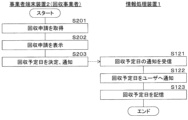
- FIG. 6 is a flowchart showing an example of a processing procedure in the battery information processing system 100.
- the processing unit 30 of the purchaser terminal device 3 acquires the URL of the web page provided by the information processing device 1 from the medium 43 using the acquisition unit 35 (step S301).
- the processing unit 30 displays the web page on the display unit 33 based on the acquired URL (step S302).
- the processing unit 30 accepts input of the identification data (serial number) printed or stored on the medium 43 and data on the new battery 4 purchased in place of the battery 4 to be collected on the displayed web page (step S303).
- the processing unit 30 accepts purchase data such as the purchase date of the new battery 4, the battery identification data unique to the battery 4 attached to the battery 4 itself, and the order number (transaction identification data) issued by the sales company or sales platform, along with the identification data.
- the processing unit 30 transmits the received identification data and data related to the new battery 4 to the information processing device 1 (step S304). In step S304, the processing unit 30 may also transmit the identification data of the purchaser terminal device 3 (user identification data).
- the processing unit 10 of the information processing device 1 receives the identification data and the data related to the battery 4 transmitted from the purchaser terminal device 3 (step S101), and stores the received data in the battery DB 111 (step S102).
- the data related to the new battery 4 is stored in the battery sales table of the battery DB 111 in association with the identification data given for each sale of the new battery 4.
- the data related to the new battery 4 is the data accepted in step S304, and is, for example, the purchase date and the order number.
- the record in the battery sales table for the new battery 4 sold includes the order number.
- the order number is stored in the electronic commerce platform so that it is possible to identify which user made the purchase request, when, from which sales company, via which delivery company, and by which delivery vehicle the battery was delivered. By registering the order number, it is possible to identify the purchaser of the new battery 4, the purchase date, the sales company of the new battery 4, and the delivery company of the battery 4.
- the record in the battery sales table may include the battery identification data of the battery 4 itself.
- the processing unit 10 notifies the completion of storing the above-mentioned data in the battery DB 111, and transmits screen data including an interface for requesting the return of the old battery 4 from the communication unit 12 to the purchaser terminal device 3 (step S103).
- the new battery 4 that was packed in the second packaging material 42 with the target identification data (serial number) attached becomes eligible for other services such as leakage compensation and inspection services provided by the battery information processing system 100.
- the processing unit 30 of the purchaser terminal device 3 receives the screen data (step S305) and displays the screen on the display unit 33 based on the received data (step S306).
- the processing unit 30 accepts the collection application for the old battery 4 on the screen (step S307), and accepts data such as the collection destination and collection date and time (step S308). In step S308, the processing unit 30 may accept data such as the unique serial number and product number of the old battery 4. In step S308, the processing unit 30 may accept location data of the current location detected by a location detection device built into the purchaser terminal device 3. Specifically, it may accept a designation of the service store closest to the location where the collection application procedure is being performed.
- the processing unit 30 sends a collection request including the data received in step S308 to the information processing device 1 (step S309).
- the processing unit 10 of the information processing device 1 receives the recycling request (step S104) and stores data indicating "recycling request received" in the recycling request table in association with the identification data stored in step S102 (step S105).
- the processing unit 10 stores the records of the recycling request table in the battery DB 111 (step S106).
- the processing unit 10 provides application identification data for each recycling request and creates a record including identification data of the medium 43 that was packed in the second packaging material 42 of the corresponding new battery 4, the address and name of the recycling destination, the planned recycling date, the recycling implementation date, etc., in association with the application identification data.
- the processing unit 10 Based on the collection application received in step S104, the processing unit 10 outputs a collection instruction to the business terminal device 2 of the collection business (step S107), and notifies the purchaser terminal device 3 of the completion of the application (step S108).
- the output destination of the collection instruction is not limited to the business terminal device 2 of the collection business, but may be the manufacturing business or the selling business. If there are multiple collection businesses as the output destination of the collection instruction, the processing unit 10 may automatically determine the output destination based on the address and date and time of the collection application, or the output destination may be selected by the manufacturing business or the selling business.
- the output format of the collection application in step S107 is an email to the output destination, a message to an account of the battery information processing system 100, a correspondence between the collection business account and the collection identification data of the record in the collection application table, etc.
- the collection business account may be stored in the collection application table.
- the processing unit 30 of the purchaser terminal device 3 receives the notification of application completion (step S310), displays it on the display unit (step S311), and ends the process.
- step S306 the processing unit 30 may accept input of the reason for not applying for collection. In cases where collection has already been carried out via another route, it is possible to avoid a notification to encourage the collection application, which will be described later.
- the screen 331 includes an input screen 332 for identification data (serial number).
- the input screen 332 may automatically input identification data read from the medium 43 shown in FIG. 5.
- a read button may be provided on the input screen 332, and when the read button is selected, the acquisition unit 35 (camera) may be started and the identification data may be automatically read from the medium 43.
- the screen 331 includes an input screen 333 for inputting data (contact information) of the collection destination and an input screen 334 for the desired collection date and time.
- the input screen 333 includes input fields and selection buttons for the name, address, telephone number, email address, etc.
- the input screen 334 also includes an input field and selection list for the desired date and time.
- the screen 331 includes an application button 335. When the application button 335 is selected and operated by the operation unit 34, the processing unit 30 accepts the application (S307).
- FIG. 8 is a diagram showing an example of the contents of the battery DB 111.
- the information processing device 1 adds information about the recycling application to the information associated with the identification data.
- FIG. 8 shows a battery sales table 1111 and a recycling application table 1110 stored in the battery DB 111.
- the battery sales table 1111 shown in the upper part of FIG. 8 shows that for a new battery 4, related data such as the purchase date and data on whether a recycling application has been made are stored in association with the identification data in step S102.
- a recycling application is made from the purchaser terminal device 3 (S307), the "Recycling application made” item becomes "Yes", and a record of the recycling application table 1110 shown in the lower part of FIG. 8 is stored.
- FIG 8 shows an example of a recycling application table 1110.
- the recycling application table 1110 includes identification data of the medium 43, the address and name of the recycling destination, the planned recycling date, the recycling date, and the business identification data of the recycling business, in association with the application identification data.
- the processing unit 10 can cross-reference, within the battery DB 111, the records of the recycling application table 1110 and the records of the sales battery table 1111 for the new battery 4 purchased as a replacement.
- the recycling date is blank for all records.
- the processing unit 10 of the information processing device 1 can refer to the recycling application table 1110 to determine whether a recycling application has been made, and if a recycling application has been made, whether recycling has been implemented thereafter.
- Figure 9 is a flowchart showing an example of a collection processing procedure in the battery information processing system 100.
- the information processing device 1 executes the following processing.
- the processing unit 20 of the business operator terminal device 2 acquires a collection application addressed to itself from the information processing device 1 (step S201).
- the processing unit 20 may acquire the application by receiving an email from the information processing device 1 or a message to an account, or may acquire a record associated with its own account from the collection application table.
- the processing unit 20 displays the collection request on the display unit 23 (step S202).
- the processing unit 20 may print out the contents of the collection request (collection destination, date and time, etc.).
- the collection company arranges collection based on the collection application, determines the planned collection date, and notifies the information processing device 1 (step S203).
- the processing unit 10 of the information processing device 1 receives the notification of the planned collection date (step S121), notifies the user (step S122), stores and updates the planned collection date in the collection application table 1110 (step S123), and temporarily ends the process.
- steps S203 and S123 may be executed multiple times between the business operator terminal device 2 and the purchaser terminal device 3 via the information processing device 1. Then, when the collection business implements collection on the determined scheduled collection date, the following processing is executed.
- FIG. 10 is a flowchart showing an example of a collection processing procedure in the battery information processing system 100.
- the information processing device 1 executes the following processing.
- the processing unit 20 of the business operator terminal device 2 acquires records of incomplete collection applications of the corresponding collection business operators from the collection application table 1110 from the information processing device 1 (step S221). Records of incomplete collection applications are, for example, records with the collection implementation date blank.
- the processing unit 20 displays a list of the acquired records (step S222) and accepts the selection of records for which collection has been implemented (step S223).
- the processing unit 20 accepts input of data indicating that collection has been implemented for the selected records (step S224).
- the processing unit 20 accepts input of the collection implementation date and collection confirmation data from the user (signature, etc.) on the collection implementation registration screen.
- the processing unit 20 specifies the key identification data included in the record and transmits data indicating that collection has been completed to the information processing device 1 (step S225).
- the data indicating that collection has been implemented includes the collection implementation date and collection confirmation data.
- the processing unit 10 of the information processing device 1 receives the data indicating that the battery has been collected (step S131), and stores and updates the collection date in the battery DB 111 including the collection application table 1110 based on the received data (step S132), and ends the process.
- the processing unit 10 may perform a process of storing the collection date only after verifying that the battery has actually been collected based on data such as a signature or electronic certificate included in the data indicating that the battery has been collected.
- the processing unit 10 may provide an incentive for services related to the new battery 4 that is replaced. Specifically, a user who purchases a new battery 4, uses the first packaging material 41 and second packaging material 42 used at the time, and submits a recycling application from the medium 43 may be given points that can be used at the electronic commerce platform where the new battery 4 was purchased. In addition, an incentive may be provided for warranty services for the new battery 4.
- This type of processing simplifies collection applications and records that collection has been carried out, preventing illegal dumping of batteries and helping to promote recycling.
- the information processing device 1 can check whether recycling has been carried out, and for batteries 4 for which no recycling request has been made, whether a recycling request has been made thereafter, thereby facilitating recycling.
- FIG. 11 is a flowchart showing an example of a confirmation process of the information processing device 1.
- the information processing device 1 executes the following process periodically or when an inquiry is received from each business operator.
- the processing unit 10 of the information processing device 1 compiles a sales list of new batteries 4 for each seller, along with the implementation status of the collection, based on the sold battery table 1111 and the collection request table 1110 in the battery DB 111 (step S141).
- the processing unit 10 identifies the seller from the order number associated with the identification data stored in the battery DB 111, and sorts the records by seller. For the sorted records with a collection request "Yes", the processing unit 10 references the collection request table 1110 by the identification data to associate data on whether collection has been implemented or not.
- the processing unit 10 outputs the compiled sales list to each sales business (step S142).
- the processing unit 10 extracts records for which there is no recall application from the compiled sales list (step S143). In step S143, if a reason for "no" is registered, the processing unit 10 excludes the record from the extraction target. The processing unit 10 extracts records for which a predetermined period of time has passed since the purchase date included in the extracted records (step S144). The predetermined period of time is, for example, three days, one week, two weeks, etc. from the purchase date.
- the processing unit 10 identifies the user who made the order from the order number of the record extracted in step S144 (step S145).
- the processing unit 10 sends a notification to the identified user's purchaser terminal device 3, urging the user to apply for collection (step S146).
- the notification may be sent by email or by outputting a message that can be used by the purchaser terminal program P3.
- the notification may be sent to the user's account on the e-commerce platform via the sales company based on the order number.
- the notification may include a link to screen data that executes the processing from step S305 onwards shown in the flowchart of Figure 6, so that the user can apply.
- the processing unit 10 extracts from the collected sales list, among the records for which a recycling application has been made, records for which the recycling implementation date is blank (step S147).
- the processing unit 10 extracts records from the recycling application table 1110 that correspond to the extracted records (step S148), re-outputs a recycling instruction to the corresponding recycling business operator (step S149), and ends the process.
- step S142 the sales list including the implementation status of collection is output to each sales company, and the collection instruction is output again in step S149, so that the collection company can proceed with the collection of old batteries 4 that have not yet been collected.
- the notification in step S146 multiple predetermined periods can be prepared, and the frequency can be changed to notifying once a week until one month has passed, and then once a month until six months have passed.
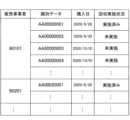
- FIG. 12 is a diagram showing an example of the contents of the sales list compilation results.
- the sales list is a list of purchase dates (registration dates) and collection statuses stored for each sales company in association with the identification data attached to the medium 43.
- the information processing device 1 may calculate a collection rate from the collection status for the list and output it as a report.
- the information processing device 1 may also calculate and output the collection rate for each delivery destination region of new batteries 4 that can be referenced by order number. It is expected that the compilation results will be useful for manufacturers, sales companies, collection companies, or delivery companies in considering measures to improve collection rates and formulating collection promotion plans.
- the battery information processing system 100 shown in this embodiment allows a user to apply for collection by selecting an application button based on identification data that is automatically input online using the medium 43 and the purchaser terminal device 3. This reduces the possibility of users having difficulty in handling old batteries 4.
- the battery information processing system 100 makes it easy to incorporate a system that provides incentives when a collection application is made and collection is carried out, thereby encouraging collection.
- the object for which the information processing device 1 supports the application for recall is a lead-acid battery used as an auxiliary power source for a vehicle.
- the object for recall may be a storage element other than a lead-acid battery, such as a lithium-ion battery, or may be another vehicle part.
- Information processing device 10 Processing section 11 Memory section 2 Business operator terminal device 20 Processing section 23 Display section 3 Purchaser terminal device (second computer) 30 Processing section 31 Memory section 33 Display section 4 Battery 41 First packaging material 42 Second packaging material 43 Medium 7, 8, 9 Storage media P1, P9 Information processing program P2, P8 Business terminal program P3, P7 Purchaser terminal program
Landscapes
- Business, Economics & Management (AREA)
- Engineering & Computer Science (AREA)
- Strategic Management (AREA)
- Human Resources & Organizations (AREA)
- Physics & Mathematics (AREA)
- General Business, Economics & Management (AREA)
- Theoretical Computer Science (AREA)
- Tourism & Hospitality (AREA)
- General Physics & Mathematics (AREA)
- Economics (AREA)
- Marketing (AREA)
- Accounting & Taxation (AREA)
- Finance (AREA)
- General Chemical & Material Sciences (AREA)
- Quality & Reliability (AREA)
- Manufacturing & Machinery (AREA)
- Sustainable Development (AREA)
- Health & Medical Sciences (AREA)
- Chemical & Material Sciences (AREA)
- Chemical Kinetics & Catalysis (AREA)
- Entrepreneurship & Innovation (AREA)
- Life Sciences & Earth Sciences (AREA)
- Operations Research (AREA)
- General Health & Medical Sciences (AREA)
- Electrochemistry (AREA)
- Primary Health Care (AREA)
- Development Economics (AREA)
- Management, Administration, Business Operations System, And Electronic Commerce (AREA)
Abstract
情報処理方法は、第1のコンピュータが、電子商取引を通じて販売される新品バッテリの購入に関する識別データ及び前記新品バッテリと交換される旧品バッテリの回収申請を受け付け、前記回収申請のデータに基づき、前記旧品バッテリの回収指示を出力する。
Description
本発明は、電子商取引で購入されたバッテリ等の部品の回収を促進し、蓄電素子のサスティナビリティに貢献する情報処理方法、コンピュータプログラム、情報処理装置、情報処理システムに関する。
車両に搭載されるバッテリ、タイヤ等の車両部品について、ユーザは電子商取引を介して購入可能である。電子商取引で購入される車両部品は、メンテナンス工場棟で交換される場合と比較して、その回収率が低い現状がある。
特許文献1には、通信デバイス及び二次電池を備える電子機器(携帯型パソコン)の二次電池の劣化状態をオンラインで判定し、電子機器の二次電池の交換及び回収を実現することが記載されている。
車両に搭載されるバッテリについては、車両側から常にオンラインで状態を通知できる構成を採用しなければ、自動的に交換や回収を促進することは困難である。定期的な点検を実施するメンテナンス工場での交換に限れば回収も容易であるが、電子商取引で販売されるバッテリを購入者自身が交換する場合、交換したバッテリの回収方法が不明であることが多い。したがって、電子商取引で販売されるバッテリの回収率を向上させることが求められる。
本発明は、斯かる事情を鑑みてなされたものであり、電子商取引で購入されるバッテリ等の部品の回収を促進する情報処理方法、コンピュータプログラム、情報処理装置、情報処理システムを提供することを目的とする。
本開示の一実施形態の情報処理方法は、第1のコンピュータが、電子商取引を通じて販売される新品バッテリの購入に関する識別データ及び前記新品バッテリと交換される旧品バッテリの回収申請を受け付け、前記回収申請のデータに基づき、前記旧品バッテリの回収指示を出力する。
(1)情報処理方法は、第1のコンピュータが、電子商取引を通じて販売される新品バッテリの購入に関する識別データ及び前記新品バッテリと交換される旧品バッテリの回収申請を受け付け、前記回収申請のデータに基づき、前記旧品バッテリの回収指示を出力する。
本実施形態に係るバッテリは、リチウムイオン電池であっても鉛電池でもよいが、これに限定されず、他の二次電池や、一次電池、キャパシタであってもよい。
電子商取引を通じてバッテリ等の車両部品が販売される場合、メンテナンス工場等で交換される場合と比較して、旧品のバッテリの回収率が低い。電子商取引で販売される車両部品の回収にはコストを要し、製造事業者、販売事業者、配送事業者、回収事業者等の複数の事業者と、購入者であるユーザが連携して達成できるものである。
上記構成により、電子商取引を通じて販売された新品のバッテリと交換される旧品のバッテリの回収申請が簡易な操作で実行可能となり、ユーザがバッテリの回収サイクルに参画しやすくなり、回収率の向上が見込まれる。回収申請は、ユーザに限らず、製造事業者や販売事業者によって行なわれてもよい。
(2)上記(1)の情報処理方法において、前記回収指示の出力先は回収事業者、前記新品バッテリの製造事業者又は前記電子商取引における販売事業者である。
上記構成により、旧品バッテリの回収指示は、直接的に回収事業者へ出力されてもよいし、製造事業者へ一旦出力されて、回収事業者や配送事業者へ送達されてもよい。回収指示は、回収対象の旧品バッテリの代わりに購入された新品のバッテリの販売事業者へ一旦出力されて、回収事業者や配送事業者へ送達されてもよい。
(3)上記(1)又は(2)の情報処理方法において、前記第1のコンピュータは、回収事業者から識別データを指定した回収済み通知を受信し、前記識別データと対応付けて、回収済みを示すデータを記憶してもよい。
上記構成により、新品バッテリの購入に関する識別データに、その新品バッテリに対応する旧品バッテリが回収されたか否かを記憶しておき、後に使用できる。
(4)上記(1)から(3)のいずれか1つの情報処理方法において、前記第1のコンピュータは、複数の識別データのうち、回収申請が受け付けられているにも関わらず前記回収済みを示すデータが対応付けられていない識別データを抽出し、抽出した識別データに基づいてバッテリの回収指示を再出力してもよい。
上記構成により、新品バッテリに対応する旧品バッテリについて回収指示が出力されているにも拘らず、回収が未実施である場合に、再度回収が催促され、回収が促進される。
(5)上記(1)から(4)のいずれか1つの情報処理方法において、前記第1のコンピュータは、複数の識別データそれぞれに対応付けられる回収済みを示すデータ及び未回収を示すデータを集計して出力する。
上記構成により、新品バッテリの購入に関する識別データに、その新品バッテリに対応する旧品バッテリが回収されか否かのデータが集計される。回収されたか否かを統計処理することで、回収への貢献の評価が可能である。
(6)上記(1)から(5)のいずれか1つの情報処理方法において、前記第1のコンピュータは、前記新品バッテリの購入日に基づき、前記旧品バッテリの回収申請を促す通知を購入者の購入者端末装置、又は他の事業者の事業者端末装置へ出力してもよい。
上記構成により、新品バッテリの購入に関する購入日のデータと、その新品バッテリに対応する旧品バッテリが回収されたか否かのデータとが対応付けられる。購入してから時間が経過しているにも拘らず、回収がされていないことが記憶されている場合、再度回収が催促され、回収が促進される。
(7)上記(1)から(6)のいずれか1つの情報処理方法において、前記識別データは、バッテリを梱包した梱包材に付されているか、又は前記梱包材に内包されていてもよい。
上記構成により、バッテリの梱包材に付されているか、内包されている識別データは、購入者であるユーザにとって認識しやすく、手軽に操作が可能になる。
(8)上記(1)から(6)の情報処理方法において、前記識別データは、製造事業者によって第1梱包材で梱包済みのバッテリを、前記第1梱包材ごと梱包した第2梱包材に付されているか、又は前記第2梱包材に内包されていてもよい。
上記構成により、バッテリの梱包材を更に梱包する第2梱包材に付されているか、内包されている識別データは、購入者であるユーザにとって認識しやすく、手軽に操作が可能になる。第2梱包材は、回収する際に利用することも可能であり、ユーザは回収のために新たな梱包材を用意する必要がなく、回収手続きが簡素化される。
(9)コンピュータプログラムは、第2のコンピュータに、電子商取引を通じて販売される新品バッテリが梱包された梱包材に付されているか、又は前記梱包材に内包されている識別データを読み取った場合に、前記新品バッテリと交換される旧品バッテリの回収申請の受付画面を表示させ、前記受付画面にて受け付けた回収申請に必要なデータと前記識別データとを含む回収申請を送信する処理を実行させる。
(10)上記(9)のコンピュータプログラムにおいて、前記受付画面には、前記回収申請に必要な回収先の連絡先情報が表示されてもよい。
(11)上記(9)又は(10)のコンピュータプログラムにおいて、前記回収申請に必要なデータは、ユーザの住所又は前記コンピュータの位置データを含んでもよい。
(12)情報処理装置は、電子商取引を通じて販売される新品バッテリの購入を識別する識別データを受け付け、前記新品バッテリと交換される旧品バッテリの回収申請を受け付け、受け付けた回収申請のデータを、前記識別データに対応付けて記憶し、前記回収申請のデータに基づき、前記旧品バッテリの回収指示を出力する処理部を備える。
(13)情報処理システムは、電子商取引を通じて販売される新品バッテリの購入者の購入者端末装置と、前記購入者端末装置と通信接続される情報処理装置とを含み、前記情報処理装置は、前記購入者端末装置から、購入された新品バッテリに対応する識別データを受け付け、前記新品バッテリと交換される旧品バッテリの回収申請を受け付け、受け付けた回収申請のデータを、前記識別データに対応付けて記憶し、前記回収申請のデータに基づき、前記旧品バッテリの回収を実施する事業者に向けて前記旧品バッテリの回収指示を出力する。
本発明をその実施形態を示す図面を参照して具体的に説明する。
図1は、バッテリ情報処理システム100の概要図である。バッテリ情報処理システム100は、電子商取引を介して新品のバッテリ4を販売するシステムにて、旧品のバッテリ4の適切な回収を促進、支援するシステムである。以下の説明においてバッテリ4は、車両の補助電源として用いられる鉛蓄電池とする。
製造事業者で製造されたバッテリ4は、第1梱包材41に梱包されて販売事業者(小売事業者)へ出荷される。この際に製造事業者から、第1梱包材41に梱包された新品のバッテリ4をさらに梱包するための第2梱包材42及び同梱される媒体43が、販売事業者へ出荷される。
販売事業者は、電子商取引システムでの注文に応じて第1梱包材41に梱包されたままのバッテリ4と、識別データ(シリアルナンバー)の媒体43とを第2梱包材42内に同梱し、注文者のユーザへ発送する。
ユーザは、配送事業者によって配送された新品のバッテリ4を収容した第2梱包材42を受け取る。第2梱包材42には、新品のバッテリ4が梱包された第1梱包材41と、識別データを印字したか、又は記憶した媒体43とが同梱されている。ユーザは、第1梱包材41から新品のバッテリ4と、その媒体43とを取り出し、新品のバッテリ4を車両へ取り付ける。
ここで、車両でそれまで使用していた旧品のバッテリ4がユーザの手元に残る。旧品のバッテリ4を、自治体のゴミとして廃棄することは不可能であり、電子商取引でバッテリ4を購入するユーザにとって、旧品のバッテリ4の取り扱いに困惑することが多い。ユーザは、電子商取引によって購入したバッテリ4を配送事業者から受け取った時点で、そのまま旧品のバッテリ4をその配送事業者に引き取ってもらうことは非常に困難である。これにより、電子商取引によるバッテリ4の販売数が増加している一方で、旧品のバッテリ4の回収が進まないという問題がある。自身でバッテリ4を取り付け交換するユーザは、交換作業を行なった後に、配送事業者に別途引き取りを依頼する作業を行なわなければならず、この作業をより簡易化することが望まれる。
本開示のバッテリ情報処理システム100では、第1に、使用済みの旧品のバッテリ4は、新品のバッテリ4が収容されていた第1梱包材41及び第2梱包材42に収容することで回収事業者により回収可能とする。回収事業者によって回収された旧品のバッテリ4は、回収倉庫に収容され、その後、再利用のための精錬事業者へ配送される。旧品のバテリ4は、新品のバッテリ4の材料へ精錬事業者にて精錬され、リサイクルが実現する。
本開示のバッテリ情報処理システム100は、第2に、電子商取引で販売されるバッテリ4の回収事業者を経た回収を促進するための情報処理を実行する。バッテリ情報処理システム100は、ユーザによる回収事業者への回収申請を、情報処理によって簡易な操作で達成できるようにする。回収されたことを記録したデータベースを活用することにより、販売事業者及び回収事業者を含む事業者並びにユーザに対する回収のモチベーションを向上させ、回収を促進させる。
以下、回収申請を簡易化して旧品のバッテリ4の回収を円滑に実現するバッテリ情報処理システム100の構成及び処理について、以下に詳細に説明する。バッテリ情報処理システム100は、情報処理装置1(第1のコンピュータ)と、事業者端末装置2と、購入者端末装置3とを含む。情報処理装置1、事業者端末装置2、及び購入者端末装置3(第2のコンピュータ)は相互に、ネットワークNを介してデータの送受信が可能である。
情報処理装置1は、バッテリ4の製造事業者によって管理される。情報処理装置1は、各事業者が管理する事業者端末装置2それぞれとの間でデータを送受信する。事業者は、新品のバッテリ4の製造事業者、新品のバッテリ4の販売事業者、販売事業者からユーザへバッテリ4を配送する配送事業者、及び、旧品のバッテリ4を回収する回収事業者を含む。各事業者端末装置2は、各事業者に対して付与されているアカウントによって区別される。事業者端末装置2は、各事業者に発行されるアカウントに基づくアクセス権限によって、情報処理装置1からデータを参照できる。購入者端末装置3は、バッテリ4の購入者であるユーザが用いる端末である。
ネットワークNは、製造事業者のローカルネットワーク又は専用線であるネットワークN1を含む。ネットワークNは、所謂インターネットである公衆通信網N2、及びキャリアネットワークN3を更に含んでよい。
製造事業者が製造したバッテリ4を正規に電子商取引で販売する販売事業者は、上述した媒体43を製造事業者から取得し、ユーザへの出荷時に第2梱包材42に貼付するか、単純に同梱してユーザへ媒体43を渡す。本開示のバッテリ4の回収を促進するバッテリ情報処理システム100では、媒体43には旧品のバッテリ4の回収を促進する説明書、メッセージ、広告等が印字されているか、それらの情報を提供するWebベースのデータへのアクセスデータが記憶されている。ユーザは、説明書を参照して、旧品のバッテリ4を、新品のバッテリ4が入っていた第1梱包材41に梱包し、旧品である旨の印を施し、第1梱包材41ごと第2梱包材42に梱包する。ユーザは、媒体に印字又は記憶されているアクセスデータに基づいて、回収の申請を電話にて連絡するか、Webベースで回収を申請できる。
図2は、情報処理装置1の内部構成を示すブロック図である。情報処理装置1は、事業者端末装置2及び購入者端末装置3に対し、ネットワークNを介してデータの送受信が可能なサーバ装置である。情報処理装置1は、サーバコンピュータ、又は、ラップトップ型若しくはデスクトップ型のパーソナルコンピュータである。情報処理装置1は、以下の説明においては1台のサーバコンピュータによって構成されるものとして説明するが、複数台のサーバコンピュータをネットワークで通信接続して分散処理させる態様であってもよい。
情報処理装置1は、処理部10、記憶部11、及び通信部12を備える。処理部10は、CPU(Central Processing Unit )及び/又はGPU(Graphics Processing Uni t)を用いたプロセッサである。処理部10は、記憶部11に記憶されている情報処理プログラムP1に基づき、バッテリ4の購入情報及び回収情報の収集、並びにそれらに基づく情報提供処理を実行する。
記憶部11は、例えばハードディスク、フラッシュメモリ、SSD(Solid State Drive)等の不揮発性メモリを用いる。記憶部11は、処理部10が参照するデータを記憶する。記憶部11は、情報処理プログラムP1を記憶する。情報処理プログラムP1は、記憶媒体9に記憶されている情報処理プログラムP9を処理部10が読み出して記憶部11に複製したものであってもよい。情報処理プログラムP1は、通信部12を介して他のプログラムサーバ装置からダウンロードして記憶したものであってもよい。
記憶部11は、バッテリ4の識別データに対応付けて、各バッテリ4の購入情報、回収状況を含むバッテリデータをバッテリDB111に記憶する。バッテリDB111は、外部記憶装置に記憶され、処理部10が読み書き可能であってもよい。
通信部12は、ネットワークNを介した事業者端末装置2及び購入者端末装置3との通信を実現する。通信部12は具体的には、ネットワークカードである。通信部12は、キャリアネットワークと接続する無線通信モジュールであってもよいし、WiFi用の無線通信モジュールであってもよい。処理部10は、通信部12によって事業者端末装置2及び購入者端末装置3との間でデータを送受信できる。
図3は、事業者端末装置2の内部構成を示すブロック図である。事業者端末装置2は通信部及びユーザインタフェースを備える。事業者端末装置2は、例えば、ラップトップ型又はデスクトップ型のパーソナルコンピュータである。事業者端末装置2は、スマートフォン、又はタブレット端末であってもよい。
事業者端末装置2は、処理部20、記憶部21、通信部22、表示部23、及び操作部24を備える。
処理部20は、CPU及び/又はGPUを用いたプロセッサである。処理部20は、記憶部21に記憶されている各種アプリケーションプログラムを実行する。各種アプリケーションプログラムは、事業者端末プログラムP2を含む。処理部20は、事業者端末プログラムP2に基づき、情報処理装置1との間でデータを送受信する。事業者端末プログラムP2はWebブラウザプログラムであってもよい。
記憶部21は、ハードディスク、フラッシュメモリ、SSD等の不揮発性メモリを用いる。記憶部21は、処理部20が参照するデータを記憶する。記憶部21は、事業者端末プログラムP2を含む各種アプリケーションプログラムを記憶する。事業者端末プログラムP2は、記憶媒体8に記憶されている事業者端末プログラムP8を処理部10が読み出して記憶部21に複製したものであってもよい。事業者端末プログラムP2は、通信部22を介してプログラムサーバ装置からダウンロードして記憶したものであってもよい。
通信部22は、ネットワークNを介した情報処理装置1との通信を実現する。通信部22は例えば、ネットワークカードである。通信部22は、キャリアネットワークと接続する無線通信デバイスであってもよいし、WiFi用の無線通信デバイスであってもよい。処理部20は、通信部22によって情報処理装置1との間でデータを送受信できる。
表示部23は、液晶ディスプレイ、有機EL(Electro Luminescence)ディスプレイ等のディスプレイである。表示部23は、各種アプリケーションプログラムのGUI(Graphical User Interface)を表示する。処理部20は表示部23に、事業者端末プログラムP2に基づき情報処理装置1から提供されるデータを表示する。
操作部24は、処理部20との間で入出力が可能なキーボード及びマウス等のユーザインタフェースである。操作部24は、音声入力部であってもよい。処理部20は、操作部24にて、ユーザからの入力を受け付ける。
図4は、購入者端末装置3の内部構成を示すブロック図である。購入者端末装置3は、通信部及びユーザインタフェースを備える。購入者端末装置3は、スマートフォン、又はタブレット端末である。購入者端末装置3は、ラップトップ型又はデスクトップ型のパーソナルコンピュータであってもよい。購入者端末装置3は、処理部30、記憶部31、通信部32、表示部33、操作部34及び取得部35を備える。
処理部30は、CPU及び/又はGPUを用いたプロセッサである。処理部30は、記憶部31に記憶されている各種アプリケーションプログラムを実行する。各種アプリケーションプログラムは、購入者端末プログラムP3を含む。購入者端末プログラムP3に基づき処理部30は、情報処理装置1との間でデータを送受信する。
記憶部31は、ラッシュメモリ、SSD等の不揮発性メモリを用いる。記憶部31は、処理部30が参照するデータを記憶する。記憶部31は、購入者端末プログラムP3を含む各種アプリケーションプログラムを記憶する。購入者端末プログラムP3は、記憶媒体7に記憶されている購入者端末プログラムP7を処理部10が読み出して記憶部31に複製したものであってもよい。購入者端末プログラムP3は、通信部32を介してプログラムサーバ装置からダウンロードして記憶したものであってもよい。
通信部32は、インターネット又はキャリアネットワークを含むネットワークNを介した情報処理装置1との通信を実現する。通信部32は具体的には、キャリアネットワークと接続する無線通信デバイスであってもよいし、WiFi用の無線通信デバイスであってもよい。処理部30は、通信部32によって情報処理装置1との間でデータを送受信できる。
表示部33は、液晶ディスプレイ、有機ELディスプレイ等のディスプレイである。表示部33は、各種アプリケーションプログラムのGUIを表示する。表示部33は、タッチパネル内蔵型ディスプレイである。処理部30は表示部33に、購入者端末プログラムP3に基づき情報処理装置1から提供されるバッテリ4のトラブル対応に関する画面を表示する。
操作部34は、処理部30との間で入出力が可能なユーザインタフェースであって、表示部33内蔵のタッチパネルである。操作部34は、物理ボタンであってもよい。操作部34は、音声入力部であってもよい。
取得部35は、第2梱包材42に同梱される媒体43からバッテリ4の識別データを取得するためのデバイスである。取得部35は、例えばカメラであって、第2梱包材42に貼付又は同梱されるシール、紙、カード等の媒体43に印字されている識別データの文字もしくは画像、二次元コードを撮像して取得する。取得部35は、例えば近距離無線通信デバイスであって、第2梱包材42に同梱される記憶媒体である媒体43から識別データを通信によって取得してもよい。
このように構成されるバッテリ情報処理システム100によって旧品のバッテリ4が回収されるまでの処理について説明する。図5は、媒体43から得られる情報の一例を示す。図5は、新品のバッテリ4を購入した際に同梱されているカード状の媒体43に印字されている情報の内容を示す。媒体43には、媒体43に付与されてる識別データ(シリアルナンバー)と、製造事業者によって認可された正規の販売事業者からの購入である場合のサービスを受けるためのWebページのURLを二次元コードに変換したものとが印字されている。媒体43には、上述のサービスを受ける事業者へ連絡するための電話番号も印字されている。
媒体43には、同梱されていた新品のバッテリ4の前に使用していた旧品のバッテリ4の回収を、回収事業者に申請するための事項も含まれている。図5の例においては、回収事業者に申請するための事項は、上述のサービスを受けるためのWebページ上に含まれると記載されている。図5の例では、回収を申請するための専用の電話番号が印字されている。
媒体43が、NFCシール等の無線タグである場合、図5に示す情報は、購入者端末装置3が取得部35によって媒体43から読み取り、表示部33に表示する画面に含まれる。二次元コードは、リンクが貼られたテキストやボタンに代替される。
ユーザが購入者端末装置3を用いて、媒体43から取得部35で二次元コードを読み取るか、画面上でリンクを選択すると、購入者端末装置3から情報処理装置1によって提供されるWebページへのアクセスが開始され、情報処理装置1による情報処理が開始される。図6は、バッテリ情報処理システム100における処理手順の一例を示すフローチャートである。
購入者端末装置3の処理部30は、媒体43から、情報処理装置1が提供するWebページのURLを取得部35により取得する(ステップS301)。処理部30は、取得したURLに基づき表示部33にWebページを表示する(ステップS302)。
処理部30は、表示されたWebページ上で、媒体43に印字又は記憶されている識別データ(シリアルナンバー)と、回収対象のバッテリ4の代わりに購入された新品のバッテリ4に関するデータとの入力を受け付ける(ステップS303)。処理部30は、ステップS303において、識別データと共に、新品のバッテリ4の購入日、バッテリ4の本体に付されたバッテリ固有のバッテリ識別データ、販売事業者又は販売プラットフォームで発行される注文番号(取引識別データ)等の購入データを受け付ける。
処理部30は、受け付けた識別データと、新品のバッテリ4に関するデータとを、情報処理装置1へ送信する(ステップS304)。ステップS304において処理部30は、購入者端末装置3の識別データ(ユーザの識別データ)を共に送信してもよい。
情報処理装置1の処理部10は、購入者端末装置3から送信された識別データと、バッテリ4に関するデータとを受信し(ステップS101)、受信したデータをバッテリDB111に記憶する(ステップS102)。ステップS102により、新品のバッテリ4の販売毎に、付与されている識別データに対応付けて、新品のバッテリ4に関するデータがバッテリDB111の販売バッテリテーブルに記憶される。新品のバッテリ4に関するデータは、ステップS304で受け付けられたデータであり、例えば購入日と注文番号とである。新品の販売されたバッテリ4についての販売バッテリテーブルのレコードは、注文番号を含む。注文番号は、どのユーザから、いつ購入リクエストがされ、どの販売事業者からどの配送事業者を介していずれの配送車両で配送されたか等を識別することができるように電子商取引プラットフォームで記憶されている。注文番号が登録されることにより、新品のバッテリ4の購入者、購入日、新品のバッテリ4の販売事業者、バッテリ4の
配送事業者を特定可能である。販売バッテリテーブルのレコードは、バッテリ4本体のバッテリ識別データを含んでもよい。
配送事業者を特定可能である。販売バッテリテーブルのレコードは、バッテリ4本体のバッテリ識別データを含んでもよい。
処理部10は、上述のデータのバッテリDB111への記憶の完了を通知し、且つ、旧品のバッテリ4の回収申請のためのインタフェースを含む画面のデータを購入者端末装置3へ向けて通信部12から送信する(ステップS103)。
以後、対象の識別データ(シリアルナンバー)を付された第2梱包材42に梱包されていた新品のバッテリ4は、バッテリ情報処理システム100によって提供される液漏れ補償や点検サービス等の他のサービスの対象になる。
購入者端末装置3の処理部30は、画面のデータを受信し(ステップS305)、受信したデータに基づいて表示部33に画面を表示する(ステップS306)。
処理部30は、画面にて旧品のバッテリ4の回収申請を受け付け(ステップS307)、回収先のデータ、回収日時等のデータを受け付ける(ステップS308)。ステップS308において処理部30は、旧品のバッテリ4の固有のシリアルナンバーや、品番等のデータを受け付けてもよい。ステップS308において処理部30は、購入者端末装置3が内蔵する位置検出デバイスにより検出される現在地の位置データを受け付けてもよい。具体的には、回収申請の手続きの操作を行なっている場所から最も近いサービス店などの指定を受け付けるようにしてもよい。
処理部30は、ステップS308で受け付けたデータを含む回収申請を情報処理装置1へ送信する(ステップS309)。
情報処理装置1の処理部10は、回収申請を受信し(ステップS104)、ステップS102で記憶した識別データに対応付けて、「回収申請あり」を示すデータを回収申請テーブルに記憶する(ステップS105)。処理部10は、回収申請テーブルのレコードをバッテリDB111に記憶する(ステップS106)。ステップS106において、処理部10は、回収申請それぞれに対して申請識別データを与え、申請識別データに対応付けて、対応する新品のバッテリ4の第2梱包材42に同梱されていた媒体43の識別データと、回収先の住所氏名等、回収予定日、回収実施日等を含むレコードを作成する。
処理部10は、ステップS104にて受信した回収申請に基づき、回収事業者の事業者端末装置2宛てに回収指示を出力し(ステップS107)、申請完了を購入者端末装置3へ通知する(ステップS108)。ステップS107において回収指示の出力先は、回収事業者の事業者端末装置2に限らず、製造事業者又は販売事業者であってもよい。回収指示の出力先として回収事業者が複数存在する場合、回収申請の住所や日時等に基づき、処理部10が自動的に決定してもよいし、製造事業者又は販売事業者によって選定されてもよい。ステップS107において回収申請の出力形式は、出力先への電子メール、バッテリ情報処理システム100のアカウントに対するメッセージ、回収事業者のアカウントと回収申請テーブルのレコードの回収識別データとの対応付け等である。回収申請テーブルに、回収事業者のアカウントを記憶してもよい。
購入者端末装置3の処理部30は、申請完了の通知を受信し(ステップS310)、表示部に表示させて(ステップS311)、処理を終了する。
ステップS306で表示される画面にて、購入者端末装置3を使用するユーザが、旧品のバッテリ4の回収申請を行なわなかった場合、ステップS307以降の処理は実行されない。ステップS306において処理部30は、回収申請を行なわない理由の入力を受け付けてもよい。既に他のルートで回収がされている場合など、後述する回収申請の促進のための通知がされることを回避できる。
図7は、回収申請の画面331の例を示す図である。画面331は、識別データ(シリアルナンバー)の入力画面332を含む。入力画面332には、図5に示した媒体43から読み取られて自動的に識別データが入力されてもよい。入力画面332に読み取りボタンを設け、読み取りボタンが選択されると取得部35(カメラ)が起動し、媒体43から自動的に識別データを読み取るようにしてもよい。画面331は、回収先のデータ(連絡先)の入力画面333と、回収日時の希望日の入力画面334とを含む。入力画面333は、氏名、住所、電話番号、メールアドレス等の入力欄や選択ボタンを含む。入力画面334も、希望日時の入力欄や選択リスト等を含む。画面331は、申請ボタン335を含む。申請ボタン335が操作部34により選択操作された場合、処理部30は、申請を受け付ける(S307)。
図8は、バッテリDB111の内容例を示す図である。図7に示した画面331にて申請がされると、情報処理装置1では、識別データに対応付けた情報に、回収申請の情報を追加する。図8は、バッテリDB111に記憶される販売バッテリテーブル1111及び回収申請テーブル1110を示す。図8の上部に示される販売バッテリテーブル1111は、新品のバッテリ4についてステップS102により、識別データに対応付けて、購入日等の関連データと、回収申請の有無のデータとが記憶されていることを示す。回収申請が購入者端末装置3から行なわれた場合(S307)、「回収申請あり」の項目が「あり」となり、図8の下部に示す回収申請テーブル1110のレコードが記憶される。
図8には回収申請テーブル1110の例が示されている。回収申請テーブル1110は、申請識別データに対応付けて、媒体43の識別データ、回収先の住所氏名等、回収予定日、回収実施日、回収事業者の事業者識別データを含む。媒体43の識別データをキーとして、処理部10は、回収申請テーブル1110のレコードと、代替として購入された新品のバッテリ4についての販売バッテリテーブル1111のレコードとをバッテリDB111内で相互参照できる。図8の例の回収申請テーブル1110は、いずれのレコードについても、回収実施日が空欄である。情報処理装置1の処理部10は、識別データをキーとして、回収申請の有無、回収申請があった場合、以後、回収が実施されたか否かについて回収申請テーブル1110を参照して把握できる。
回収申請が回収事業者の事業者端末装置2宛てに出力された後の処理について説明する。図9は、バッテリ情報処理システム100における回収処理手順の一例を示すフローチャートである。回収事業者が事業者端末装置2を起動し、バッテリ情報処理システム100に対して自身用のアカウントでログインすると、情報処理装置1は以下の処理を実行する。
事業者端末装置2の処理部20は、自身宛の回収申請を情報処理装置1から取得する(ステップS201)。ステップS201において処理部20は、情報処理装置1からの電子メール、アカウントへのメッセージを受信することで申請を取得してもよいし、回収申請テーブルから、自身のアカウントが対応付けられたレコードを取得してもよい。
処理部20は、回収申請を表示部23に表示する(ステップS202)。ステップS202において処理部20は、回収申請の内容(回収先、日時等)を印刷出力するものとしてもよい。
回収事業者は、回収申請に基づいて回収を手配し、回収予定日を決定し、情報処理装置1へ通知する(ステップS203)。
情報処理装置1の処理部10は、回収予定日の通知を受信し(ステップS121)、ユーザへ通知し(ステップS122)、回収申請テーブル1110における回収予定日を記憶して更新し(ステップS123)、処理を一旦終了する。
ステップS203、S123の処理は、情報処理装置1を介して事業者端末装置2と購入者端末装置3との間で複数回実行されてもよい。そして回収事業者が、決定した回収予定日に、回収を実施すると、以下の処理が実行される。図10は、バッテリ情報処理システム100における回収処理手順の一例を示すフローチャートである。ユーザから旧品のバッテリ4の回収を実施した回収事業者が事業者端末装置2を起動し、バッテリ情報処理システム100に対して自身用のアカウントでログインすると、情報処理装置1は以下の処理を実行する。
事業者端末装置2の処理部20は、情報処理装置1から、回収申請テーブル1110のうち、対応する回収事業者の未完了の回収申請のレコードを取得する(ステップS221)。未完了の回収申請のレコードは例えば、回収実施日が空欄のレコードである。処理部20は、取得したレコードのリストを表示し(ステップS222)、回収を実施したレコードの選択を受け付ける(ステップS223)。処理部20は、選択したレコードに対し、回収を実施したことを示すデータの入力を受け付ける(ステップS224)。ステップS224において処理部20は、回収実施登録画面にて回収実施日、ユーザからの回収確認のデータ(サイン等)の入力を受け付ける。処理部20は、レコードに含まれるキーとなる識別データを指定して回収済みを示すデータを情報処理装置1へ送信する(ステップS225)。ステップS225において回収の実施を示すデータは、回収実施日や回収確認のデータを含む。
情報処理装置1の処理部10は、回収済みを示すデータを受信し(ステップS131)、受信したデータに基づいて回収申請テーブル1110を含むバッテリDB111に、回収実施日を記憶して更新し(ステップS132)、処理を終了する。ステップS132において処理部10は、回収の実施を示すデータに含まれるサインや、電子証明書等のデータに基づき、実際に回収がされたことを検証して初めて回収実施日を記憶する処理を行なってもよい。
これにより、図8に示した回収申請テーブル1110の実施日時の欄が埋まり、実施済みが確定する。実施済みが確定し、バッテリ4の回収が終了した場合、処理部10は、交換される新品のバッテリ4に関するサービスに対し、インセンティブを付与してもよい。具体的には、新品のバッテリ4を購入し、その際に使用されていた第1梱包材41及び第2梱包材42を使用し、媒体43から回収申請を行なったユーザに対し、新品のバッテリ4を購入した電子商取引プラットフォームで使用できるポイントを還元させてもよい。その他、新品のバッテリ4の保証サービスに対するインセンティブを付与してもよい。
このような処理によって、回収申請が簡易化され、回収が確実に実施されたことを記憶することで、バッテリの不法投棄等を防止し、リサイクルの促進を支援できる。
媒体43からの新品のバッテリ4についてのデータの記憶や、回収申請のありなしの記憶により、情報処理装置1は、回収が実施されたか否かや、回収申請がなかったバッテリ4について、その後も回収申請がされたか否かについて確認でき、回収を促進できる。
図11は、情報処理装置1の確認処理の一例を示すフローチャートである。情報処理装置1は、定期的に、又は、各事業者から問い合わせを受けた場合に以下の処理を実行する。
情報処理装置1の処理部10は、バッテリDB111の販売バッテリテーブル1111及び回収申請テーブル1110に基づき、販売事業者毎に新品のバッテリ4の販売リストを、回収の実施状況と合わせて集計する(ステップS141)。ステップS141において処理部10は、バッテリDB111に格納している識別データに対応付けられた注文番号から、販売事業者を特定し、販売事業者でレコードをソートする。処理部10は、ソートしたレコードに対し、回収申請が「あり」のレコードについては回収申請テーブル1110を識別データで参照して回収実施済み/未実施のデータを対応付ける。
処理部10は、集計した販売リストを各販売事業者宛に出力する(ステップS142)。
処理部10は、集計した販売リストから、回収申請が「なし」のレコードを抽出する(ステップS143)。ステップS143において処理部10は、「なし」の理由が登録されている場合は抽出対象から除外する。処理部10は、抽出したレコードに含まれる購入日から、所定期間が経過しているレコードを抽出する(ステップS144)。所定期間は例えば、購入日から3日間、1週間、2週間等である。
処理部10は、ステップS144で抽出したレコードの注文番号から、注文者のユーザを特定する(ステップS145)。処理部10は、特定したユーザの購入者端末装置3へ向けて、回収申請を促す通知を送信する(ステップS146)。通知の方法は、電子メールや、購入者端末プログラムP3で使用可能なメッセージの出力である。通知は、注文番号を基に販売事業者を経由してユーザの電子商取引プラットフォームにおけるアカウントへ通知するようにしてもよい。ステップS146における通知に呼応するように、ユーザが申請できるように、通知には図6のフローチャートに示したステップS305以降の処理を実行させるように画面データへのリンクを含めるとよい。
処理部10は、集計した販売リストから、回収申請が「あり」のレコードのうち、回収実施日が空欄のレコードを抽出する(ステップS147)。処理部10は、抽出したレコードに対応する回収申請テーブル1110のレコードを抽出し(ステップS148)、対応する回収事業者へ、回収の指示を再出力し(ステップS149)、処理を終了する。
ステップS142にて回収の実施状況を含む販売リストの集計が各販売事業者へ出力されることや、ステップS149による回収指示の再出力により、回収事業者は、未回収の旧品のバッテリ4について回収の実施を進めることができる。ステップS146のユーザへの通知により、ユーザの手元に旧品のバッテリ4が残り続けることを防止することが期待できる。ステップS146の通知に関し、所定期間を複数段階用意しておき、1か月経過するまでは1週間毎に通知し、それ以降半年経過までは1か月に1度通知などと頻度を変えるなどしてもよい。
図12は、販売リストの集計結果の内容例を示す図である。図12に示すように、販売リストは、販売事業者毎に、媒体43に付されていた識別データに対応付けて記憶されている購入日(登録日)、回収実施状況の一覧である。情報処理装置1は、一覧に対し、回収実施状況から回収率を算出してレポートとして出力してもよい。情報処理装置1は、注文番号によって参照可能な新品のバッテリ4の配送先の地域毎の回収率を算出して出力してもよい。集計結果は、製造事業者、販売事業者、回収事業者あるいは配送事業者は回収率を向上させるための施策の検討、回収促進案の立案に役立てられることが期待できる。
本実施の形態に示したバッテリ情報処理システム100により、ユーザは媒体43と購入者端末装置3を用いてオンラインで自動的に入力される識別データを元に申請ボタンを選択するという操作で回収を申請可能となる。これにより、旧品のバッテリ4の取り扱いに困る状況となる可能性を低減できる。バッテリ情報処理システム100では、回収申請をして回収が実施された場合にインセンティブを付与することを組み込むことが容易であり、これにより、回収を促進することができる。
上述のバッテリ情報処理システム100では、情報処理装置1にて回収申請を支援する対象は、車両の補助電源として用いられる鉛蓄電池であった。しかしながら、回収対象は鉛蓄電池以外のリチウムイオン電池等の蓄電素子であってもよいし、その他の車両部品であってもよい。
上述のように開示された実施の形態は全ての点で例示であって、制限的なものではない。本発明の範囲は、特許請求の範囲によって示され、特許請求の範囲と均等の意味及び範囲内での全ての変更が含まれる。
1情報処理装置(第1のコンピュータ)
10処理部
11記憶部
2事業者端末装置
20処理部
23表示部
3購入者端末装置(第2のコンピュータ)
30処理部
31記憶部
33表示部
4バッテリ
41第1梱包材
42第2梱包材
43媒体
7,8,9記憶媒体
P1,P9情報処理プログラム
P2,P8事業者端末プログラム
P3,P7購入者端末プログラム
10処理部
11記憶部
2事業者端末装置
20処理部
23表示部
3購入者端末装置(第2のコンピュータ)
30処理部
31記憶部
33表示部
4バッテリ
41第1梱包材
42第2梱包材
43媒体
7,8,9記憶媒体
P1,P9情報処理プログラム
P2,P8事業者端末プログラム
P3,P7購入者端末プログラム
Claims (13)
- 第1のコンピュータが、
電子商取引を通じて販売される新品バッテリの購入に関する識別データ及び前記新品バッテリと交換される旧品バッテリの回収申請を受け付け、
前記回収申請のデータに基づき、前記旧品バッテリの回収指示を出力する
情報処理方法。 - 前記回収指示の出力先は回収事業者、前記新品バッテリの製造事業者又は前記電子商取引における販売事業者である
請求項1の情報処理方法。 - 前記第1のコンピュータは、
回収事業者から識別データを指定した回収済み通知を受信し、
前記識別データと対応付けて、回収済みを示すデータを記憶する
請求項1に記載の情報処理方法。 - 前記第1のコンピュータは、
複数の識別データのうち、回収申請が受け付けられているにも関わらず前記回収済みを示すデータが対応付けられていない識別データを抽出し、
抽出した識別データに基づいてバッテリの回収指示を再出力する
請求項3に記載の情報処理方法。 - 前記第1のコンピュータは、複数の識別データそれぞれに対応付けられる回収済みを示すデータ及び未回収を示すデータを集計して出力する
請求項3に記載の情報処理方法。 - 前記第1のコンピュータは、前記新品バッテリの購入日に基づき、前記旧品バッテリの回収申請を促す通知を購入者の購入者端末装置、又は他の事業者の事業者端末装置へ出力する
請求項1に記載の情報処理方法。 - 前記識別データは、バッテリを梱包した梱包材に付されているか、又は前記梱包材に内包されている
請求項1から6のいずれか1項に記載の情報処理方法。 - 前記識別データは、製造事業者によって第1梱包材で梱包済みのバッテリを、前記第1梱包材ごと梱包した第2梱包材に付されているか、又は前記第2梱包材に内包されている
請求項1から6のいずれか1項に記載の情報処理方法。 - 第2のコンピュータに、
電子商取引を通じて販売される新品バッテリが梱包された梱包材に付されているか、又は前記梱包材に内包されている識別データを読み取った場合に、
前記新品バッテリと交換される旧品バッテリの回収申請の受付画面を表示させ、
前記受付画面にて受け付けた回収申請に必要なデータと前記識別データとを含む回収申請を送信する
処理を実行させるコンピュータプログラム。 - 前記受付画面には、前記回収申請に必要な回収先の連絡先情報が表示されている
請求項9に記載のコンピュータプログラム。 - 前記回収申請に必要なデータは、ユーザの住所又は前記コンピュータの位置データを含む
請求項9又は10に記載のコンピュータプログラム。 - 電子商取引を通じて販売される新品バッテリの購入を識別する識別データを受け付け、
前記新品バッテリと交換される旧品バッテリの回収申請を受け付け、
受け付けた回収申請のデータを、前記識別データに対応付けて記憶し、
前記回収申請のデータに基づき、前記旧品バッテリの回収指示を出力する
処理部を備える情報処理装置。 - 電子商取引を通じて販売される新品バッテリの購入者の購入者端末装置と、
前記購入者端末装置と通信接続される情報処理装置と
を含み、
前記情報処理装置は、
前記購入者端末装置から、購入された新品バッテリに対応する識別データを受け付け、
前記新品バッテリと交換される旧品バッテリの回収申請を受け付け、
受け付けた回収申請のデータを、前記識別データに対応付けて記憶し、
前記回収申請のデータに基づき、前記旧品バッテリの回収を実施する事業者に向けて前記旧品バッテリの回収指示を出力する
情報処理システム。
Priority Applications (1)
| Application Number | Priority Date | Filing Date | Title |
|---|---|---|---|
| JP2025527639A JPWO2024257613A1 (ja) | 2023-06-16 | 2024-05-29 |
Applications Claiming Priority (2)
| Application Number | Priority Date | Filing Date | Title |
|---|---|---|---|
| JP2023099572 | 2023-06-16 | ||
| JP2023-099572 | 2023-06-16 |
Publications (1)
| Publication Number | Publication Date |
|---|---|
| WO2024257613A1 true WO2024257613A1 (ja) | 2024-12-19 |
Family
ID=93851745
Family Applications (1)
| Application Number | Title | Priority Date | Filing Date |
|---|---|---|---|
| PCT/JP2024/019713 Ceased WO2024257613A1 (ja) | 2023-06-16 | 2024-05-29 | 情報処理方法、コンピュータプログラム、情報処理装置、情報処理システム |
Country Status (2)
| Country | Link |
|---|---|
| JP (1) | JPWO2024257613A1 (ja) |
| WO (1) | WO2024257613A1 (ja) |
Citations (3)
| Publication number | Priority date | Publication date | Assignee | Title |
|---|---|---|---|---|
| JP2009128992A (ja) * | 2007-11-20 | 2009-06-11 | Nec Corp | 管理システム、管理方法、管理サーバ、店舗端末、およびそのコンピュータプログラム |
| JP2022062961A (ja) * | 2020-10-09 | 2022-04-21 | 株式会社セガトイズ | 情報処理サーバ及びシステム |
| JP2022187841A (ja) * | 2021-06-08 | 2022-12-20 | 株式会社Gsユアサ | 情報処理方法、情報処理装置、コンピュータプログラム、情報処理システム及び梱包材 |
-
2024
- 2024-05-29 JP JP2025527639A patent/JPWO2024257613A1/ja active Pending
- 2024-05-29 WO PCT/JP2024/019713 patent/WO2024257613A1/ja not_active Ceased
Patent Citations (3)
| Publication number | Priority date | Publication date | Assignee | Title |
|---|---|---|---|---|
| JP2009128992A (ja) * | 2007-11-20 | 2009-06-11 | Nec Corp | 管理システム、管理方法、管理サーバ、店舗端末、およびそのコンピュータプログラム |
| JP2022062961A (ja) * | 2020-10-09 | 2022-04-21 | 株式会社セガトイズ | 情報処理サーバ及びシステム |
| JP2022187841A (ja) * | 2021-06-08 | 2022-12-20 | 株式会社Gsユアサ | 情報処理方法、情報処理装置、コンピュータプログラム、情報処理システム及び梱包材 |
Also Published As
| Publication number | Publication date |
|---|---|
| JPWO2024257613A1 (ja) | 2024-12-19 |
Similar Documents
| Publication | Publication Date | Title |
|---|---|---|
| JP4171453B2 (ja) | 携帯端末の買取システム | |
| KR102181941B1 (ko) | 상품 안전성 이력관리 시스템 및 방법 | |
| US20080281691A1 (en) | Rebate offers for recycling electronic devices | |
| JP5062567B2 (ja) | 活動評価システムおよび環境活動評価方法 | |
| JP4742698B2 (ja) | クーポンを利用した店舗の販売促進システム | |
| TWI614704B (zh) | 用於管理保固與其他產品資訊的雲端服務及產品管理系統 | |
| JP2003242243A (ja) | リサイクル対象の電子機器に対するポイント管理方法及びプログラム | |
| WO2016112099A1 (en) | System and method for differentiating commodities based on environmental impact | |
| JP2002203153A (ja) | オーダーメイド商品の販売システム、オーダーメイド商品の販売方法、オーダーメイド商品の販売に用いられるサーバ、および、記録媒体 | |
| US12373981B2 (en) | System and methods for automatically registering and distributing modular computer component information and services through a network | |
| JP2018181362A (ja) | 電子レシートシステムおよび電子レシート表示方法 | |
| CN101715582A (zh) | 在广告中使用元数据的系统和方法 | |
| JP2025175185A (ja) | 情報処理方法、情報処理装置、及びコンピュータプログラム | |
| JP4880046B2 (ja) | 遊技機製品の情報管理システム | |
| JP2004280374A (ja) | マーケティング情報収集システム | |
| JP4522792B2 (ja) | 商品宣伝方法、及び商品情提供装置 | |
| JP2018014004A (ja) | 販売促進支援装置 | |
| JP2003067608A (ja) | 補給品受注管理方法、補給品受注管理システム及びプログラム | |
| JPWO2010067716A1 (ja) | 排出量取引システム及び排出量取引方法 | |
| JP7200538B2 (ja) | 商品トレースシステム、商品情報管理サーバ、情報端末、商品トレース方法、及びプログラム | |
| WO2019163708A1 (ja) | リユース商品流通管理システムおよびリユース商品流通管理方法 | |
| KR101765759B1 (ko) | 과다한 수리비 청구를 방지하기 위한 애프터 서비스 제공 방법 및 시스템 | |
| JP2022181663A (ja) | 情報処理方法、情報処理装置、情報処理システム及びコンピュータプログラム | |
| WO2015029581A1 (ja) | アフターサービス管理システム、サーバー、方法、及び、プログラム | |
| JP4871685B2 (ja) | 決済システム |
Legal Events
| Date | Code | Title | Description |
|---|---|---|---|
| 121 | Ep: the epo has been informed by wipo that ep was designated in this application |
Ref document number: 24823233 Country of ref document: EP Kind code of ref document: A1 |
|
| ENP | Entry into the national phase |
Ref document number: 2025527639 Country of ref document: JP Kind code of ref document: A |
|
| WWE | Wipo information: entry into national phase |
Ref document number: 2025527639 Country of ref document: JP |
|
| NENP | Non-entry into the national phase |
Ref country code: DE |