WO2024257590A1 - 情報処理装置、情報処理方法、およびプログラム - Google Patents
情報処理装置、情報処理方法、およびプログラム Download PDFInfo
- Publication number
- WO2024257590A1 WO2024257590A1 PCT/JP2024/019385 JP2024019385W WO2024257590A1 WO 2024257590 A1 WO2024257590 A1 WO 2024257590A1 JP 2024019385 W JP2024019385 W JP 2024019385W WO 2024257590 A1 WO2024257590 A1 WO 2024257590A1
- Authority
- WO
- WIPO (PCT)
- Prior art keywords
- information
- payment
- identification information
- user
- information processing
- Prior art date
- Legal status (The legal status is an assumption and is not a legal conclusion. Google has not performed a legal analysis and makes no representation as to the accuracy of the status listed.)
- Ceased
Links
Images






Classifications
-
- G—PHYSICS
- G06—COMPUTING OR CALCULATING; COUNTING
- G06Q—INFORMATION AND COMMUNICATION TECHNOLOGY [ICT] SPECIALLY ADAPTED FOR ADMINISTRATIVE, COMMERCIAL, FINANCIAL, MANAGERIAL OR SUPERVISORY PURPOSES; SYSTEMS OR METHODS SPECIALLY ADAPTED FOR ADMINISTRATIVE, COMMERCIAL, FINANCIAL, MANAGERIAL OR SUPERVISORY PURPOSES, NOT OTHERWISE PROVIDED FOR
- G06Q20/00—Payment architectures, schemes or protocols
- G06Q20/30—Payment architectures, schemes or protocols characterised by the use of specific devices or networks
- G06Q20/32—Payment architectures, schemes or protocols characterised by the use of specific devices or networks using wireless devices
-
- G—PHYSICS
- G06—COMPUTING OR CALCULATING; COUNTING
- G06Q—INFORMATION AND COMMUNICATION TECHNOLOGY [ICT] SPECIALLY ADAPTED FOR ADMINISTRATIVE, COMMERCIAL, FINANCIAL, MANAGERIAL OR SUPERVISORY PURPOSES; SYSTEMS OR METHODS SPECIALLY ADAPTED FOR ADMINISTRATIVE, COMMERCIAL, FINANCIAL, MANAGERIAL OR SUPERVISORY PURPOSES, NOT OTHERWISE PROVIDED FOR
- G06Q30/00—Commerce
- G06Q30/02—Marketing; Price estimation or determination; Fundraising
- G06Q30/0207—Discounts or incentives, e.g. coupons or rebates
Definitions
- This technology relates to an information processing device, an information processing method, and a program, and in particular to an information processing device, an information processing method, and a program that allow users to change the payment amount without changing the existing SE blocks or R/W specifications.
- NFC Near Field Communication
- an information processing device includes an information acquisition unit that acquires, when a user-specific identification information is acquired from a payment device, information on fluctuation factors indicating factors that cause fluctuations in the payment amount from a management device that manages the identification information in association with the information on fluctuation factors, and a calculation unit that calculates the payment amount based on the information on fluctuation factors.
- the information processing device when an information processing device acquires identification information unique to a user from a payment device, the information processing device acquires the fluctuation factor information from a management device that associates the identification information with fluctuation factor information indicating factors that cause fluctuations in the payment amount and manages the identification information, and calculates the payment amount based on the fluctuation factor information.
- a program causes a computer to execute a process of, when acquiring identification information unique to a user from a payment device, acquiring fluctuation factor information indicating factors that cause fluctuations in the payment amount from a management device that manages the identification information in association with the fluctuation factor information, and calculating the payment amount based on the fluctuation factor information.
- the fluctuation factor information which indicates factors that cause fluctuations in the payment amount
- a management device that manages the identification information in association with fluctuation factor information, and the payment amount is calculated based on the fluctuation factor information.
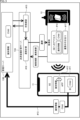
- FIG. 1 is a diagram illustrating a configuration example of an information processing system according to an embodiment of the present technology.
- 11 is a diagram illustrating the process flow when a function for deducting fares for multiple people in a single procedure is applied to an existing information processing system.
- 13 is a diagram illustrating a process flow for deducting fares for multiple people in a single procedure in the information processing system of the present technology.
- FIG. FIG. 1 is a block diagram showing a configuration example of a smartphone.
- 2 is a block diagram showing a configuration example of a payment amount calculation server.
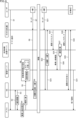
- FIG. 11 is a sequence diagram illustrating a payment process for train or bus fares performed by the information processing system.
- FIG. 11 is a sequence diagram illustrating a settlement process related to a product transaction carried out by the information processing system.
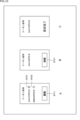
- FIG. FIG. 13 is a diagram showing an example of an app screen for setting the number of passengers.
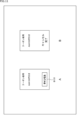
- FIG. 13 is a diagram showing an example of an app screen when canceling the number of passengers that has already been set.
- FIG. 13 is a diagram showing an example of an app screen for using a coupon.
- FIG. 13 is a diagram showing an example of an app screen when canceling the use of a coupon.
- FIG. 2 is a block diagram showing an example of the hardware configuration of a computer.
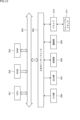
- FIG. 1 is a diagram illustrating an example of a configuration of an information processing system 1 according to an embodiment of the present technology.
- an information processing system 1 is composed of a smartphone 11, a R/W 12, a server 13, and a network 14.
- the smartphone 11, the R/W 12, and the server 13 are each connected to the network 14.
- the network 14 may include the Internet, but the type of the network 14 is not limited.
- the smartphone 11 is a user terminal that supports NFC, which enables short-range wireless communication.
- a user can make a payment by holding (touching) the smartphone 11 over the R/W 12.
- the user can use coupons, participate in campaigns, set the number of passengers on a train or bus, etc., and thereby change the payment amount.
- a smartphone 11 is used as an example of a user terminal.
- other devices may be used instead of the smartphone 11.
- a mobile phone, a tablet terminal, etc. may be used as a user terminal.
- R/W12 is installed in payment devices such as payment terminals installed in stores, ticket gates (entrance/exit gates) installed in stations and event facilities, and fare boxes installed inside buses.
- smartphone 11 is held up to R/W12, near-field wireless communication is performed between smartphone 11 and R/W12, and a specified amount of SF or electronic money is withdrawn from smartphone 11.
- the server 13 is composed of an information processing device such as a computer, and calculates the amount of SF or electronic money (payment amount) to be withdrawn from the smartphone 11 by the R/W 12.
- existing ticket gates can only deduct the fare for one person with one payment procedure (touching R/W 12). To make it possible to deduct the fare for both the person carrying smartphone 11 and their companion with one payment procedure, it will be necessary to change the specifications of the SE block and modify R/W 12.
- Figure 2 is a diagram explaining the process flow when the function for deducting fares for multiple passengers in one procedure is applied to an existing information processing system.
- Figure 2 explains an example in which R/W 12 is installed in a ticket gate at a station.
- the smartphone 11 has user-specific identification information for the service that performs the payment.
- the identification information is managed by the SE installed in the smartphone 11, and can also be considered information specific to the SE for the service.
- the user sets up an app (application) installed on the smartphone 11 to pay fares for two people, for example, the user and a child.
- the smartphone 11 writes information about the number of passengers on the train (one adult and one child) into the SE block.
- the smartphone 11 When the user and the child get off, the smartphone 11 is held up to the R/W 12, and the R/W 12 accesses the SE and obtains the identification information, the number of passengers, and the station information indicating the boarding and alighting stations, as shown in #3 in Figure 2.
- the R/W 12 sends the station information and number of passengers information to the payment amount calculation server 13A.
- the payment amount calculation server 13A calculates the fare as the payment amount based on the boarding/alighting stations and the number of passengers, as shown in #4 in Figure 2.
- the payment amount calculation server 13A sends information indicating the fare to the R/W 12.
- the R/W 12 subtracts the SF or electronic money of the amount calculated by the payment amount calculation server 13A from the SE, as shown in #5 in Figure 2.
- Figure 3 is a diagram explaining the process flow for deducting fares for multiple people in a single procedure in the information processing system of this technology.
- the user sets up the app installed on the smartphone 11 to pay fares for two people, for example, the user and a child.
- the smartphone 11 acquires the identification information managed by the SE, as shown by arrow #12 in FIG. 3, and transmits the identification information and the number of passengers information to the management server 13B, as shown by arrow #13 in FIG. 3.
- the management server 13B functions as a management device that associates and records the identification information and the number of passengers information transmitted from the smartphone 11. It is also possible for the number of passengers information to indicate the number of passengers other than the user himself/herself.
- the smartphone 11 When the user and the child get off the train, the smartphone 11 is held up to the R/W 12, and the R/W 12 accesses the SE and obtains the identification information and station information, as shown in #14 in Figure 3.
- R/W12 sends the station information and identification information to payment amount calculation server 13A.
- payment amount calculation server 13A queries management server 13B for number of passengers information associated with the identification information sent from R/W12, and acquires the number of passengers information from management server 13B.
- payment amount calculation server 13A calculates the fare based on the boarding and alighting stations and the number of passengers.
- the payment amount calculation server 13A sends information indicating the fare to the R/W 12.
- the R/W 12 subtracts the SF or electronic money of the amount calculated by the payment amount calculation server 13A from the SE, as shown in #17 in FIG. 3.
- the payment amount calculation server 13A and the management server 13B can be configured as a single server, or they can be configured as separate servers.
- FIG. 4 is a block diagram showing an example of the configuration of the smartphone 11.
- the smartphone 11 is composed of an application execution unit 31 and an SE 32.
- the application execution unit 31 executes an application for setting factors that cause fluctuations in the payment amount, thereby realizing an identification information acquisition unit 41, a fluctuation factor information setting unit 42, and a communication unit 43.
- the identification information acquisition unit 41 acquires the identification information from the SE 32 and supplies it to the communication unit 43.
- the variable factor information setting unit 42 displays the screen of the app executed by the app execution unit 31 on the display of the smartphone 11.
- the user operates the app screen (app operation) to use coupons, participate in campaigns, set the number of passengers on trains, buses, etc.
- the variable factor information setting unit 42 generates variable factor information based on the user's app operations and supplies it to the communication unit 43.
- the variable factor information is information that indicates factors that cause the payment amount to fluctuate, and factors that cause the payment amount to fluctuate include the number of passengers on a train (the number of people passing through a ticket gate at a station), the number of passengers on a bus, the number of people passing through the entrance and exit gates of an event venue, coupon usage status, and campaign participation status.
- the communication unit 43 transmits the identification information provided by the identification information acquisition unit 41 and the fluctuation factor information provided by the fluctuation factor information setting unit 42 to the management server 13B.
- the management server 13B the identification information and the fluctuation factor information are associated and recorded.
- SE32 has an identification information management unit 51 and an SF/electronic money management unit 52.
- the identification information management unit 51 manages the identification information.
- the SF/electronic money management unit 52 manages the SF or electronic money recorded in the SE 32.
- the SF or electronic money may be withdrawn from an SE provided in an IC card, rather than from the SE 32 of the smartphone 11.
- the identification information acquisition unit 41 of the smartphone 11 is configured, for example, as a R/W, and acquires identification information from the SE of the IC card by performing near-field wireless communication with the SE.
- FIG. 5 is a block diagram showing an example of the configuration of the payment amount calculation server 13A.
- the payment amount calculation server 13A is composed of an R/W communication unit 61, a server communication unit 62, and a payment amount calculation unit 63.
- the R/W communication unit 61 communicates with the R/W 12. For example, the R/W communication unit 61 receives identification information sent from the R/W 12 and information used to calculate the payment amount. When the train fare is calculated as the payment amount, the information used to calculate the payment amount indicates, for example, the boarding and disembarking stations, and when the payment amount when purchasing a product is calculated as the payment amount, the information used to calculate the payment amount indicates, for example, the price of the product.
- the R/W communication unit 61 supplies the identification information to the server communication unit 62, and supplies the information used to calculate the payment amount to the payment amount calculation unit 63.
- the R/W communication unit 61 transmits information indicating the payment amount calculated by the payment amount calculation unit 63 to the R/W 12.
- the server communication unit 62 queries the management server 13B about the fluctuation factor information associated with the identification information supplied from the R/W communication unit 61, and acquires the fluctuation factor information from the management server 13B.
- the server communication unit 62 supplies the fluctuation factor information to the payment amount calculation unit 63.
- the R/W communication unit 61 and the server communication unit 62 acquire the user-specific identification information from the payment device, they function as an information acquisition unit that acquires the fluctuation factor information from the management server 13B.
- the payment amount calculation unit 63 calculates the payment amount based on the information supplied from the R/W communication unit 61 and the fluctuation factor information supplied from the server communication unit 62, and supplies information indicating the payment amount to the R/W communication unit 61.
- step S1 the user operates the app to set factors that will affect the fare. Specifically, the user sets the number of people who will be traveling with the user on the train or bus. In the following, an example will be described in which the user is an adult traveling on a train with two children.
- step S2 the application execution unit 31 (application) outputs a request for identification information to the SE 32.
- step S3 the SE32 supplies the identification information to the application execution unit 31 in response to the request supplied from the application execution unit 31.
- step S4 the application execution unit 31 sets the number of passengers based on the user's application operation, and generates variable factor information indicating the number of passengers. In this way, the variable factor information is set by the user via the smartphone 11 as the user terminal.
- step S5 the application execution unit 31 sends the variable factor information together with the identification information to the management server 13B.
- step S6 the management server 13B receives and acquires the identification information and the variable factor information sent from the application execution unit 31, and records the identification information and the variable factor information in association with each other.
- the identification information is associated with, for example, one adult and two children riding in the vehicle.
- step S7 the user touches the smartphone 11 to the ticket gate (R/W 12) at Station A to enter Station A.
- step S8 R/W12 transmits information indicating the entrance station to SE32.
- step S9 the SE 32 records the information indicating the entrance station sent from the R/W 12.
- Station A is recorded as the entrance station.
- the user and their companion board a train at Station A and travel to Station B.
- step S21 the user touches the smartphone 11 to the ticket gate (R/W 12) at Station B.
- step S22 R/W12 sends a request to SE32 requesting information indicating the entrance station and identification information.
- step S23 SE32 transmits information indicating the entry station and identification information to R/W12 in response to the request sent from R/W12.
- step S24 R/W 12 sends a request for fare calculation to the payment amount calculation server 13A along with the identification information and station information (entrance station: Station A, exit station: Station B).
- step S25 the payment amount calculation server 13A queries the management server 13B for variable factor information associated with the identification information and confirms the number of passengers.
- step S26 the management server 13B transmits the fluctuation factor information to the payment amount calculation server 13A in response to an inquiry from the payment amount calculation server 13A.
- step S27 the payment amount calculation server 13A calculates the fare based on the entry station, exit station, and number of passengers.
- step S28 the payment amount calculation server 13A sends information indicating the fare to the R/W 12 as a response to the request.
- step S29 R/W12 performs the fare deduction process.
- step S30 SE32 pays SF or electronic money to R/W12 in response to the withdrawal process by R/W12. At this point, the user's exit from Station B is complete.
- management server 13B notifies application execution unit 31 of the completion of payment. For example, after R/W 12 deducts the fare, it notifies management server 13B of the completion of payment, and management server 13B notifies application execution unit 31 of the completion of payment in response to receiving the notification. Note that management server 13B may consider the payment to be completed when it sends the fluctuation factor information to payment amount calculation server 13A, and notify application execution unit 31 of the completion of payment.
- the number of passengers is set before entering Station A.
- the number of passengers may be set after entering Station A and before touching the smartphone 11 to the ticket gate at Station B.
- step S51 the user operates the app to set factors that will affect the payment amount (settlement amount) when purchasing a product.
- the user may use a coupon or participate in a campaign. Below, an example is described in which a coupon that provides a discount of AA yen on the payment amount is used.
- step S52 the application execution unit 31 outputs a request for identification information to the SE32.
- step S53 the SE32 supplies the identification information to the application execution unit 31 in response to the request supplied from the application execution unit 31.
- step S54 the app execution unit 31 sets the coupon based on the user's app operations and generates fluctuation factor information indicating the coupon usage status.
- step S55 the application execution unit 31 sends the variable factor information together with the identification information to the management server 13B.
- step S56 the management server 13B receives and acquires the identification information and the fluctuation factor information sent from the application execution unit 31, and records the identification information and the fluctuation factor information in association with each other.
- the identification information is associated with, for example, the use of a coupon that provides a discount of AA yen on the payment amount.
- the user takes the product to the cash register at a store and, in step S101, touches the smartphone 11 to the payment terminal (R/W 12).
- step S102 R/W 12 sends a request for identification information to SE 32.
- step S103 SE32 transmits the identification information to R/W12 in response to the request sent from R/W12.
- step S104 R/W 12 sends a request to calculate the payment amount to payment amount calculation server 13A along with the identification information and information indicating the product price.
- step S105 the payment amount calculation server 13A queries the management server 13B for the fluctuation factor information associated with the identification information, and checks the coupon usage status.
- step S106 the management server 13B transmits the fluctuation factor information to the payment amount calculation server 13A in response to an inquiry from the payment amount calculation server 13A.
- step S107 the payment amount calculation server 13A calculates the purchase amount based on the price of the product and the usage status of the coupon. Specifically, the payment amount calculation server 13A determines the payment amount to be the amount obtained by subtracting AA yen from the price of the product.
- step S108 the payment amount calculation server 13A sends information indicating the payment amount to the R/W 12 as a response to the request.
- step S109 R/W12 performs the process of deducting the payment amount.
- step S110 SE32 pays SF or electronic money to R/W12 in response to the withdrawal process by R/W12. At this point, the settlement for the product transaction is completed.
- management server 13B notifies application execution unit 31 of the completion of payment. For example, after R/W 12 withdraws SF or electronic money, it notifies management server 13B of the completion of payment, and management server 13B notifies application execution unit 31 of the completion of payment in response to receiving the notification. Note that management server 13B may consider the payment to be completed when it sends fluctuation factor information to payment amount calculation server 13A, and notify application execution unit 31 of the completion of payment.
- variable factor information is obtained from the management server 13B as a management device, and the payment amount is calculated based on the variable factor information. This makes it possible to apply the function that allows users to vary the payment amount to existing information processing systems without changing the SE blocks or R/W specifications.
- FIG. 8 is a diagram showing an example of an application screen for setting the number of passengers.
- a box B1 in which the number of adults riding on the train or bus is entered and a box B2 in which the number of children riding on the train or bus is entered are located near the center of the app screen, as shown in FIG. 8A, for example.
- Buttons B11 and B12 for changing the number of adults and children are located to the right of boxes B1 and B2, respectively.
- a setting button B21 for setting the number of passengers is located at the bottom of the app screen. The user presses buttons B11 and B12 to input the number of passengers and their companions, and then presses the setting button B21.
- a decision button BB31 for deciding the number of passengers is located at the bottom of the app screen.
- Figure 9 shows an example of the app screen when canceling the number of passengers that has already been set.
- a cancel button B41 for canceling the number of passengers that has already been set is located at the bottom of the app screen.
- Figure 10 shows an example of an app screen for using coupons.
- candidate coupons that the user can use are listed near the center of the app screen, as shown in, for example, A in FIG. 10.
- a coupon for a 100 yen discount on the price of an AAA product and a coupon for a 200 yen discount on the price of a BBB product are listed.
- Check boxes B101, B102 are located to the right of each candidate coupon for selecting the coupon to be used.
- the user selects the desired coupon from the list of coupon candidates displayed on the app screen and checks the check box located to the right of the desired coupon.
- the check box B101 corresponding to the coupon for a 100 yen discount is checked.
- a settings button B111 for setting coupons is located at the bottom of the app screen. After checking the checkbox, the user presses the settings button B111.
- the setting button B111 When the setting button B111 is pressed, the coupon selected by the user is displayed near the center of the app screen, as shown in FIG. 10B.
- a decision button B121 for deciding which coupon to use is located at the bottom of the app screen.
- Figure 11 shows an example of the app screen when canceling the use of a coupon.
- the currently used coupon will be displayed near the center of the app screen, as shown in FIG. 11A, for example.
- a cancel button B131 for canceling the use of the coupon will be located at the bottom of the app screen.
- the above-mentioned series of processes can be executed by hardware or software.
- the program constituting the software is installed from a program recording medium into a computer incorporated in dedicated hardware, or into a general-purpose personal computer, etc.
- FIG. 12 is a block diagram showing an example of the hardware configuration of a computer that executes the above-mentioned series of processes by a program.
- the user terminal, the payment device, the payment amount calculation server 13A, and the management server 13B are each configured, for example, by a PC having a configuration similar to that shown in FIG. 12.
- CPU Central Processing Unit
- ROM Read Only Memory
- RAM Random Access Memory
- an input/output interface 505 Connected to the input/output interface 505 are an input unit 506 consisting of a keyboard, mouse, etc., and an output unit 507 consisting of a display, speakers, etc. Also connected to the input/output interface 505 are a storage unit 508 consisting of a hard disk or non-volatile memory, a communication unit 509 consisting of a network interface, etc., and a drive 510 that drives removable media 511.
- the CPU 501 for example, loads a program stored in the storage unit 508 into the RAM 503 via the input/output interface 505 and the bus 504 and executes the program, thereby performing the above-mentioned series of processes.
- the programs executed by the CPU 501 are provided, for example, by being recorded on removable media 511, or via a wired or wireless transmission medium such as a local area network, the Internet, or digital broadcasting, and are installed in the storage unit 508.
- the program executed by the computer may be a program in which processing is performed chronologically in the order described in this specification, or a program in which processing is performed in parallel or at the required timing, such as when called.
- a system refers to a collection of multiple components (devices, modules (parts), etc.), regardless of whether all the components are in the same housing. Therefore, multiple devices housed in separate housings and connected via a network, and a single device in which multiple modules are housed in a single housing, are both systems.
- this technology can be configured as cloud computing, in which a single function is shared and processed collaboratively by multiple devices over a network.
- each step described in the above flowchart can be executed by a single device, or can be shared and executed by multiple devices.
- one step includes multiple processes
- the multiple processes included in that one step can be executed by one device, or can be shared and executed by multiple devices.
- an information acquisition unit that acquires, when identification information unique to a user is acquired from a payment device, fluctuation factor information indicating factors that cause a payment amount to fluctuate from a management device that manages the identification information in association with the fluctuation factor information; and a calculation unit that calculates the settlement amount based on the fluctuation factor information.
- the information acquisition unit acquires, from the management device, the variation factor information acquired from the user terminal including an SE that manages the identification information.
- the information acquisition unit acquires the variable factor information from the management device which manages the identification information acquired from the IC card by the user terminal performing near-field wireless communication with the IC card which manages the identification information in association with the variable factor information.
- the information acquisition unit acquires the variable factor information from the management device when the payment device performs near-field wireless communication with an SE held by the user and acquires the identification information acquired from the SE from the payment device.
- the information processing device includes information indicating the number of people passing through an entrance/exit gate serving as the payment device in one payment.
- the fluctuation factor information includes information indicating a coupon usage status or information indicating a participation status in a campaign.
- An information processing device When the identification information unique to the user is acquired from the payment device, the fluctuation factor information indicating the factors that cause the payment amount to fluctuate is acquired from a management device that manages the identification information in association with the fluctuation factor information; calculating the settlement amount based on the fluctuation factor information.
- the fluctuation factor information indicating the factors that cause the payment amount to fluctuate is acquired from a management device that manages the identification information in association with the fluctuation factor information;
- an information acquisition unit that acquires identification information unique to a user from an SE; a setting unit for setting fluctuation factor information indicating factors that cause fluctuations in a settlement amount; a user terminal including a communication unit that transmits the identification information and the variation factor information to a management device that manages the identification information and the variation factor information in association with each other; an information acquisition unit that acquires the fluctuation factor information from the management device when the identification information is acquired from the payment device; and an information processing device including a calculation unit that calculates the settlement amount based on the fluctuation factor information.
Landscapes
- Business, Economics & Management (AREA)
- Engineering & Computer Science (AREA)
- Strategic Management (AREA)
- Accounting & Taxation (AREA)
- Theoretical Computer Science (AREA)
- Physics & Mathematics (AREA)
- General Business, Economics & Management (AREA)
- General Physics & Mathematics (AREA)
- Development Economics (AREA)
- Finance (AREA)
- Computer Networks & Wireless Communication (AREA)
- Entrepreneurship & Innovation (AREA)
- Game Theory and Decision Science (AREA)
- Economics (AREA)
- Marketing (AREA)
- Management, Administration, Business Operations System, And Electronic Commerce (AREA)
Abstract
本技術は、既存のSEのブロックやR/Wの仕様を変えることなく、ユーザが決済金額を変動させることができるようにする情報処理装置、情報処理方法、およびプログラムに関する。 本技術の情報処理装置は、ユーザに固有の識別情報を決済装置から取得した場合、決済金額を変動させる要因を示す変動要因情報と識別情報とを対応付けて管理する管理装置から、変動要因情報を取得する情報取得部と、変動要因情報に基づいて決済金額を計算する計算部とを備える。本技術は、例えば、決済を行う情報処理システムに適用することができる。
Description
本技術は、情報処理装置、情報処理方法、およびプログラムに関し、特に、既存のSEのブロックやR/Wの仕様を変えることなく、ユーザが決済金額を変動させることができるようにした情報処理装置、情報処理方法、およびプログラムに関する。
従来、近距離で無線通信を行うNFC(Near Field Communication)に対応した携帯端末やICカードを用いた決済が店舗や駅の改札などで一般的に行われている。ユーザは、自身の携帯端末やICカードをR/W(Reader/Writer)にかざす(タッチさせる動作を行う)ことによって決済を行う。
一般的に、1度の決済手続き(R/Wへのタッチ)で複数人が改札機を通過することはできない。そこで、携帯端末やICカードを所持する本人とその同伴者の運賃を一括で収受する運賃収受システムが開発されている(例えば特許文献1を参照)。
既存の決済端末や駅の改札機は、R/W、決済金額の計算ロジック、および、決済手続きに対応したSE(Secure Element)の仕様によって固定の方式で定められた金額のSF(Stored Fare)や電子マネーしか引き去ることができない。
したがって、例えば、ユーザが、クーポンを使用したり、キャンペーンに参加したり、複数人で改札機を通過したりすることによる決済金額の変動に対応するためには、SEのブロックの仕様の変更、決済端末や改札機の改修が必要になる。
本技術はこのような状況に鑑みてなされたものであり、既存のSEのブロックやR/Wの仕様を変えることなく、ユーザが決済金額を変動させることができるようにするものである。
本技術の一側面の情報処理装置は、ユーザに固有の識別情報を決済装置から取得した場合、決済金額を変動させる要因を示す変動要因情報と前記識別情報とを対応付けて管理する管理装置から、前記変動要因情報を取得する情報取得部と、前記変動要因情報に基づいて前記決済金額を計算する計算部とを備える。
本技術の一側面の情報処理方法は、情報処理装置が、ユーザに固有の識別情報を決済装置から取得した場合、決済金額を変動させる要因を示す変動要因情報と前記識別情報とを対応付けて管理する管理装置から、前記変動要因情報を取得し、前記変動要因情報に基づいて前記決済金額を計算する。
本技術の一側面のプログラムは、コンピュータに、ユーザに固有の識別情報を決済装置から取得した場合、決済金額を変動させる要因を示す変動要因情報と前記識別情報とを対応付けて管理する管理装置から、前記変動要因情報を取得し、前記変動要因情報に基づいて前記決済金額を計算する処理を実行させるためのプログラム。
本技術の一側面においては、ユーザに固有の識別情報を決済装置から取得した場合、決済金額を変動させる要因を示す変動要因情報と前記識別情報とを対応付けて管理する管理装置から、前記変動要因情報が取得され、前記変動要因情報に基づいて前記決済金額が計算される。
以下、本技術を実施するための形態について説明する。説明は以下の順序で行う。
1.本技術の概要
2.機器の構成と動作
3.アプリの画面の例
1.本技術の概要
2.機器の構成と動作
3.アプリの画面の例
<1.本技術の概要>
図1は、本技術の実施形態に係る情報処理システム1の構成例を示す図である。
図1は、本技術の実施形態に係る情報処理システム1の構成例を示す図である。
図1に示したように、本技術の実施形態に係る情報処理システム1は、スマートフォン11、R/W12、サーバ13およびネットワーク14により構成される。スマートフォン11、R/W12、およびサーバ13は、それぞれネットワーク14に接続されている。例えば、ネットワーク14は、インターネットを含んでよいが、ネットワーク14の種類は限定されない。
スマートフォン11は、近距離で無線通信を行うNFCに対応したユーザ端末である。ユーザは、スマートフォン11をR/W12にかざす(タッチさせる動作を行う)ことによって決済を行うことができる。また、ユーザは、スマートフォン11を操作することで、クーポンを使用したり、キャンペーンに参加したり、列車やバスなどの乗車人数を設定したりして、決済金額を変動させることができる。
本技術の実施形態においては、ユーザ端末の例としてスマートフォン11が用いられる場合が主に想定される。しかし、スマートフォン11の代わりに他のデバイスが用いられるようにしてもよい。携帯電話、タブレット端末などがユーザ端末として用いられる。
R/W12は、店舗に設置された決済端末、駅やイベント施設に設置された改札機(入退場ゲート)、バスの車内に設置された運賃箱などの決済装置に設けられる。スマートフォン11がR/W12にかざされた場合、スマートフォン11とR/W12の間では近接無線通信が行われ、所定の金額のSFや電子マネーがスマートフォン11から引き去られる。
サーバ13は、コンピュータなどの情報処理装置によって構成され、R/W12によりスマートフォン11から引き去られるSFや電子マネーの金額(決済金額)を計算する。
既存の決済端末や改札機は、R/W12、決済金額の計算ロジック、および、決済手続きに対応したSEの仕様によって固定の方式で定められている金額のSFや電子マネーしか引き去ることができない。
例えば、既存の改札機は、一度の決済手続き(R/W12へのタッチ)で、1人分の運賃しか引き去ることができない。一度の決済手続きで、スマートフォン11を所持する本人とその同伴者の運賃を引き去ることができるようにするためには、SEのブロックの仕様の変更、R/W12の改修が必要になる。
図2は、一度の手続きで複数人分の運賃を引き去る機能を既存の情報処理システムに適用する場合の処理の流れを説明する図である。図2では、R/W12が駅の改札機に設けられる例について説明する。
スマートフォン11は、決済を行うサービスにおけるユーザ固有の識別情報を有している。識別情報は、スマートフォン11に設けられたSEによって管理され、サービスにおけるSE固有の情報とも言える。
ユーザは、図2の#1に示すように、スマートフォン11にインストールされたアプリ(アプリケーション)上で、例えば本人と子供の2人分の運賃を支払うことを設定する。スマートフォン11は、図2の矢印#2に示すように、列車への乗車人数(大人1人、子供1人)を示す人数情報をSEのブロックに書き込む。
ユーザと子供が降車する際、スマートフォン11がR/W12にかざされると、R/W12は、図2の#3に示すように、SEにアクセスし、識別情報、人数情報、および乗降車駅を示す駅情報を取得する。
R/W12は、駅情報と人数情報を決済金額計算サーバ13Aに送信する。決済金額計算サーバ13Aは、図2の#4に示すように、乗降車駅および乗車人数に基づいて、決済金額としての運賃を計算する。
決済金額計算サーバ13Aは、運賃を示す情報をR/W12に送信する。R/W12は、図2の#5に示すように、決済金額計算サーバ13Aにより計算された金額のSFや電子マネーをSEから引き去る。
このように、一度の手続きで1人分の運賃しか引き去れない既存の情報処理システムに、一度の手続きで複数人の運賃を引き去る機能を適用する場合、人数情報を書き込むことができるように、SEのブロック構成(鍵/権限管理)を変更する必要がある。また、人数情報がSEから取得されるように、R/W12によるSEへのアクセス方法(認証ロジックやRead/Write処理)を変更する必要がある。一度の手続きで複数人の運賃を引き去る機能を導入するために、既に使用されているSEの仕様やR/W12のロジックを変更するのはコストがかかる。
図3は、本技術の情報処理システムにおいて、一度の手続きでの複数人分の運賃を引き去る処理の流れを説明する図である。
ユーザは、図3の#11に示すように、スマートフォン11にインストールされたアプリ上で、例えば本人と子供の2人分の運賃を支払うことを設定する。
スマートフォン11は、図3の矢印#12に示すように、SEにより管理されている識別情報を取得し、図3の矢印#13に示すように、識別情報と人数情報を管理サーバ13Bに送信する。管理サーバ13Bは、スマートフォン11から送信されてきた識別情報と人数情報を対応付けて記録する管理装置として機能する。なお、人数情報が、ユーザ本人以外の乗車人数を示すようにすることも可能である。
ユーザと子供が列車から降車する際、スマートフォン11がR/W12にかざされると、R/W12は、図3の#14に示すように、SEにアクセスし、識別情報と駅情報とを取得する。
R/W12は、駅情報と識別情報を決済金額計算サーバ13Aに送信する。決済金額計算サーバ13Aは、図3の#15に示すように、R/W12から送信されてきた識別情報に対応付けられた人数情報を管理サーバ13Bに問い合わせ、当該人数情報を管理サーバ13Bから取得する。決済金額計算サーバ13Aは、図3の#16に示すように、乗降車駅および乗車人数に基づいて、運賃を計算する。
決済金額計算サーバ13Aは、運賃を示す情報をR/W12に送信する。R/W12は、図3の#17に示すように、決済金額計算サーバ13Aにより計算された金額のSFや電子マネーをSEから引き去る。
このように、本技術の情報処理システムにおいては、SEに人数情報を書き込んだり、R/W12が人数情報をSEから取得したりする必要がないため、SEのブロック構成やR/W12によるSEへのアクセス方法を変更することなく、一度の手続きで複数人分の運賃を引き去ることが可能となる。識別情報と人数情報を管理する管理サーバ13Bを設けるだけで、一度の手続きで複数人分の運賃を引き去る機能を導入することができ、当該機能を導入するためのコストを抑えることが可能となる。
なお、決済金額計算サーバ13Aと管理サーバ13Bを、1つのサーバとして構成することも可能であり、それぞれ別のサーバとして構成することも可能である。
既存の決済端末を用いて商品の取引が行われる際に、ユーザが、例えばクーポンを使用したりキャンペーンへ参加したりして決済金額を変動させようとした場合、クーポンの使用状況やキャンペーンへの参加状況を決済端末側で読み込む必要がある。したがって、ユーザが、アプリを操作することでクーポンを使用するなどして、決済金額を変動させる機能を既存のシステムに適用するためには、上述した例と同様に、SEのブロックの仕様の変更や、R/W12の改修が必要になり、機能の導入にコストがかかる。
本技術の情報処理システムにおいては、クーポンの使用状況やキャンペーンへの参加状況と識別情報とを管理する管理サーバ13Bを設けるだけで、SEのブロック構成の変更やR/W12の改修をしなくても、ユーザがアプリを操作して決済金額を変動させる機能を導入することが可能となる。したがって、当該機能を導入するためのコストを抑えることができる。
<2.機器の構成と動作>
図4は、スマートフォン11の構成例を示すブロック図である。
図4は、スマートフォン11の構成例を示すブロック図である。
図4に示すように、スマートフォン11は、アプリ実行部31とSE32により構成される。
アプリ実行部31は、決済金額を変動させる要因を設定するためのアプリを実行することにより、識別情報取得部41、変動要因情報設定部42、および通信部43を実現する。
識別情報取得部41は、SE32から識別情報を取得し、通信部43に供給する。
変動要因情報設定部42は、アプリ実行部31により実行されるアプリの画面を、スマートフォン11のディスプレイに表示する。ユーザは、アプリの画面を操作(アプリ操作)することで、クーポンを使用したり、キャンペーンに参加したり、列車やバスなどの乗車人数を設定したりする。変動要因情報設定部42は、ユーザによるアプリ操作に基づいて、変動要因情報を生成し、通信部43に供給する。変動要因情報は、決済金額を変動させる要因を示す情報であり、決済金額を変動させる要因は、列車の乗車人数(駅の改札の通過人数)、バスの乗車人数、イベント会場の入退場ゲートを通過する人数、クーポンの使用状況、キャンペーンへの参加状況などを含む。
通信部43は、識別情報取得部41から供給された識別情報と、変動要因情報設定部42から供給された変動要因情報を管理サーバ13Bに送信する。管理サーバ13Bにおいては、識別情報と変動要因情報が対応付けられて記録される。
SE32は、識別情報管理部51とSF/電子マネー管理部52を備える。
識別情報管理部51は、識別情報を管理する。
SF/電子マネー管理部52は、SE32に記録されたSFまたは電子マネーを管理する。
なお、本技術の情報処理システム1において、スマートフォン11のSE32からSFまたは電子マネーが引き去られるのではなく、ICカードに設けられたSEからSFまたは電子マネーが引き去られるようにしてもよい。この場合、スマートフォン11の識別情報取得部41は、例えばR/Wにより構成され、ICカードのSEと近接無線通信を行って当該SEから識別情報を取得する。
図5は、決済金額計算サーバ13Aの構成例を示すブロック図である。
図5に示すように、決済金額計算サーバ13Aは、R/W通信部61、サーバ通信部62、および決済金額計算部63により構成される。
R/W通信部61は、R/W12と通信を行う。例えば、R/W通信部61は、R/W12から送信されてくる識別情報や、決済金額の計算に用いられる情報を受信する。列車の運賃が決済金額として計算される場合、決済金額の計算に用いられる情報は、例えば乗降車駅を示し、商品を購入する際の支払い金額が決済金額として計算される場合、決済金額の計算に用いられる情報は、例えば商品の値段を示す。R/W通信部61は、識別情報をサーバ通信部62に供給し、決済金額の計算に用いられる情報を決済金額計算部63に供給する。
また、R/W通信部61は、決済金額計算部63により計算された決済金額を示す情報をR/W12に送信する。
サーバ通信部62は、R/W通信部61から供給された識別情報に対応付けられた変動要因情報を管理サーバ13Bに問い合わせ、当該変動要因情報を管理サーバ13Bから取得する。サーバ通信部62は、変動要因情報を決済金額計算部63に供給する。R/W通信部61とサーバ通信部62は、ユーザに固有の識別情報を決済装置から取得した場合、変動要因情報を管理サーバ13Bから取得する情報取得部として機能する。
決済金額計算部63は、R/W通信部61から供給された情報と、サーバ通信部62から供給された変動要因情報とに基づいて、決済金額を計算し、決済金額を示す情報をR/W通信部61に供給する。
次に、図6のシーケンス図を参照して、情報処理システム1が行う列車やバスの運賃の決済処理について説明する。
ステップS1において、ユーザは、アプリ操作を行い、運賃を変動させる要因を設定する。具体的には、ユーザは、自身とともに列車やバスに乗車する同行者の人数を設定する。以下では、ユーザは大人であり、2人の子供とともに列車に乗車する例について説明する。
ステップS2において、アプリ実行部31(アプリ)は、識別情報を要求するリクエストをSE32に出力する。
ステップS3において、SE32は、アプリ実行部31から供給されたリクエストに応じて、識別情報をアプリ実行部31に供給する。
ステップS4において、アプリ実行部31は、ユーザによるアプリ操作に基づいて、乗車人数の設定を行い、乗車人数を示す変動要因情報を生成する。このように、変動要因情報は、ユーザ端末としてのスマートフォン11を介してユーザにより設定される。
ステップS5において、アプリ実行部31は、識別情報とともに、変動要因情報を管理サーバ13Bに送信する。
ステップS6において、管理サーバ13Bは、アプリ実行部31から送信されてきた識別情報と変動要因情報を受信して取得し、識別情報と変動要因情報を対応付けて記録する。ここでは、識別情報に対して、例えば1人の大人と2人の子供が乗車することが対応付けられる。
ステップS7において、ユーザは、A駅の改札機(R/W12)にスマートフォン11をタッチさせる動作を行い、A駅に入場する。
ステップS8において、R/W12は、入場駅を示す情報をSE32に送信する。
ステップS9において、SE32は、R/W12から送信されてきた入場駅を示す情報を記録する。ここでは、入場駅としてA駅が記録される。
ユーザと同行者は、A駅において列車に乗車し、B駅に移動する。
ステップS21において、ユーザは、B駅の改札機(R/W12)にスマートフォン11をタッチさせる動作を行う。
ステップS22において、R/W12は、入場駅を示す情報と識別情報を要求するリクエストをSE32に送信する。
ステップS23において、SE32は、R/W12から送信されてきたリクエストに応じて、入場駅を示す情報と識別情報をR/W12に送信する。
ステップS24において、R/W12は、運賃の計算を要求するリクエストを、識別情報および駅情報(入場駅:A駅、退場駅:B駅)とともに決済金額計算サーバ13Aに送信する。
ステップS25において、決済金額計算サーバ13Aは、識別情報に対応付けられた変動要因情報を管理サーバ13Bに問い合わせ、乗車人数を確認する。
ステップS26において、管理サーバ13Bは、決済金額計算サーバ13Aによる問い合わせに応じて、変動要因情報を決済金額計算サーバ13Aに送信する。
ステップS27において、決済金額計算サーバ13Aは、入場駅、出場駅、および乗車人数に基づいて、運賃を計算する。
ステップS28において、決済金額計算サーバ13Aは、運賃を示す情報を、リクエストに対するレスポンスとしてR/W12に送信する。
ステップS29において、R/W12は、運賃の引き去り処理を行う。
ステップS30において、SE32は、R/W12による引き去り処理に応じてSFまたは電子マネーをR/W12に支払う。ここで、ユーザのB駅からの出場は完了となる。
ステップS31において、管理サーバ13Bは、決済の完了をアプリ実行部31に通知する。例えば、R/W12が、運賃を引き去った後に、決済の完了を管理サーバ13Bに通知し、管理サーバ13Bが、当該通知を受信したことに応じて、決済の完了をアプリ実行部31に通知する。なお、管理サーバ13Bは、変動要因情報を決済金額計算サーバ13Aに送信した際に、決済が完了したとみなし、決済の完了をアプリ実行部31に通知するようにしてもよい。
図6の例では、A駅に入場する前に乗車人数の設定が行われるとして説明したが、A駅に入場した後で、B駅の改札機にスマートフォン11をタッチさせる動作を行う前に、乗車人数の設定が行われるようにしてもよい。
次に、図7のシーケンス図を参照して、情報処理システム1が行う商品の取引に係る決済処理について説明する。
ステップS51において、ユーザは、アプリ操作を行い、商品を購入する際の支払い金額(決済金額)を変動させる要因を設定する。具体的には、ユーザは、クーポンを使用したり、キャンペーンに参加したりする。以下では、支払い金額をAA円値引きするクーポンが使用される例について説明する。
ステップS52において、アプリ実行部31は、識別情報を要求するリクエストをSE32に出力する。
ステップS53において、SE32は、アプリ実行部31から供給されたリクエストに応じて、識別情報をアプリ実行部31に供給する。
ステップS54において、アプリ実行部31は、ユーザによるアプリ操作に基づいて、クーポンの設定を行い、クーポンの使用状況を示す変動要因情報を生成する。
ステップS55において、アプリ実行部31は、識別情報とともに、変動要因情報を管理サーバ13Bに送信する。
ステップS56において、管理サーバ13Bは、アプリ実行部31から送信されてきた識別情報と変動要因情報を受信して取得し、識別情報と変動要因情報を対応付けて記録する。ここでは、識別情報に対して、例えば支払い金額をAA円値引きするクーポンが使用されていることが対応付けられる。
ユーザは、例えば店舗において精算レジに商品を持っていき、ステップS101において、決済端末(R/W12)にスマートフォン11をタッチさせる動作を行う。
ステップS102において、R/W12は、識別情報を要求するリクエストをSE32に送信する。
ステップS103において、SE32は、R/W12から送信されてきたリクエストに応じて、識別情報をR/W12に送信する。
ステップS104において、R/W12は、支払い金額の計算を要求するリクエストを、識別情報および商品の値段を示す情報とともに決済金額計算サーバ13Aに送信する。
ステップS105において、決済金額計算サーバ13Aは、識別情報に対応付けられた変動要因情報を管理サーバ13Bに問い合わせ、クーポンの使用状況を確認する。
ステップS106において、管理サーバ13Bは、決済金額計算サーバ13Aによる問い合わせに応じて、変動要因情報を決済金額計算サーバ13Aに送信する。
ステップS107において、決済金額計算サーバ13Aは、商品の値段とクーポンの使用状況に基づいて、購入金額を計算する。具体的には、決済金額計算サーバ13Aは、商品の値段からAA円だけ減算した金額を支払い金額とする。
ステップS108において、決済金額計算サーバ13Aは、支払い金額を示す情報を、リクエストに対するレスポンスとしてR/W12に送信する。
ステップS109において、R/W12は、支払い金額の引き去り処理を行う。
ステップS110において、SE32は、R/W12による引き去り処理に応じて、SFまたは電子マネーをR/W12に支払う。ここで、商品の取引に係る決済が完了となる。
ステップS111において、管理サーバ13Bは、決済の完了をアプリ実行部31に通知する。例えば、R/W12が、SFまたは電子マネーを引き去った後に、決済の完了を管理サーバ13Bに通知し、管理サーバ13Bが、当該通知を受信したことに応じて、決済の完了をアプリ実行部31に通知する。なお、管理サーバ13Bは、変動要因情報を決済金額計算サーバ13Aに送信した際に、決済が完了したとみなし、決済の完了をアプリ実行部31に通知するようにしてもよい。
以上のように、本技術の決済金額計算サーバ13Aにおいては、ユーザに固有の識別情報が、R/W12を備える決済装置から取得された場合、変動要因情報が管理装置としての管理サーバ13Bから取得され、変動要因情報に基づいて決済金額が計算される。これにより、SEのブロックやR/Wの仕様を変えることなく、ユーザが決済金額を変動させる機能を既存の情報処理システムに適用することが可能となる。
<3.アプリの画面の例>
図8は、乗車人数を設定するためのアプリの画面の例を示す図である。
図8は、乗車人数を設定するためのアプリの画面の例を示す図である。
乗車人数が設定される場合、アプリの画面の中央近傍には、例えば図8のAに示すように、列車やバスに乗車する大人の人数が入力されるボックスB1と、列車やバスに乗車する子供の人数が入力されるボックスB2とが配置される。ボックスB1,B2それぞれの右側には、大人と子供の人数を変更するためのボタンB11,B12が配置される。
アプリの画面の下側には、乗車人数を設定するための設定ボタンB21が配置される。ユーザは、ボタンB11,12を押下して自身と同行者の人数を入力した後、設定ボタンB21を押下する。
設定ボタンB21が押下された場合、図8のBに示すように、アプリの画面の中央近傍には、ユーザが入力した大人の人数と子供の人数が表示される。アプリの画面の下側には、乗車人数を決定するための決定ボタンBB31が配置される。
ユーザは、アプリの画面の中央近傍に表示された大人と子供の人数を確認し、間違いがなければ、決定ボタンB31を押下する。
決定ボタンB31が押下された場合、図8のCに示すように、アプリの画面の下側には、決定ボタンB31の代わりに、「設定完了」のテキストが表示され、乗車人数の設定が完了したことがユーザに提示される。
図9は、設定済みの乗車人数をキャンセルする場合のアプリの画面の例を示す図である。
設定済みの乗車人数をキャンセルする場合、アプリの画面の中央近傍には、例えば図9のAに示すように、乗車人数として現在設定されている大人の人数と子供の人数が表示される。アプリの画面の下側には、設定済みの乗車人数をキャンセルするためのキャンセルボタンB41が配置される。
キャンセルボタンB41が押下されると、図9のBに示すように、アプリの画面の下側には、キャンセルボタンB41の代わりに、「キャンセル完了」のテキストが表示され、設定済みの乗車人数がキャンセルされたことがユーザに提示される。
図10は、クーポンを使用するためのアプリの画面の例を示す図である。
クーポンが使用される場合、アプリの画面の中央近傍には、例えば図10のAに示すように、ユーザが使用可能なクーポンの候補が列挙される。図10のAの例では、AAAの商品の値段が100円値引きされるクーポンと、BBBの商品の値段が200円値引きされるクーポンが挙げられている。クーポンの候補それぞれの右側には、使用するクーポンを選択するためのチェックボックスB101,B102が配置される。
ユーザは、アプリの画面において列挙されたクーポンの候補の中から所望のクーポンを選び、所望のクーポンの右側に配置されたチェックボックスにチェックを入れる。図10のAの例では、100円値引きのクーポンに対応するチェックボックスB101にチェックが入れられている。
アプリの画面の下側には、クーポンを設定するための設定ボタンB111が配置される。ユーザは、チェックボックスにチェックを入れた後、設定ボタンB111を押下する。
設定ボタンB111が押下された場合、図10のBに示すように、アプリの画面の中央近傍には、ユーザが選んだクーポンが表示される。アプリの画面の下側には、使用するクーポンを決定するための決定ボタンB121が配置される。
ユーザは、アプリの画面の中央近傍に表示されたクーポンを確認し、間違いがなければ、決定ボタンB121を押下する。
決定ボタンB121が押下された場合、図10のCに示すように、アプリの画面の下側には、決定ボタンB121の代わりに、「設定完了」のテキストが表示され、クーポンが使用されたことがユーザに提示される。
図11は、クーポンの使用をキャンセルする場合のアプリの画面の例を示す図である。
決済が完了する前に、クーポンの使用をキャンセルする場合、アプリの画面の中央近傍には、例えば図11のAに示すように、現在使用されているクーポンが表示される。アプリの画面の下側には、クーポンの使用をキャンセルするためのキャンセルボタンB131が配置される。
キャンセルボタンB131が押下されると、図11のBに示すように、アプリの画面の下側には、キャンセルボタンB131の代わりに、「キャンセル完了」のテキストが表示され、クーポンの使用がキャンセルされたことがユーザに提示される。
<コンピュータについて>
上述した一連の処理は、ハードウェアにより実行することもできるし、ソフトウェアにより実行することもできる。一連の処理をソフトウェアにより実行する場合には、そのソフトウェアを構成するプログラムが、専用のハードウェアに組み込まれているコンピュータ、または汎用のパーソナルコンピュータなどに、プログラム記録媒体からインストールされる。
上述した一連の処理は、ハードウェアにより実行することもできるし、ソフトウェアにより実行することもできる。一連の処理をソフトウェアにより実行する場合には、そのソフトウェアを構成するプログラムが、専用のハードウェアに組み込まれているコンピュータ、または汎用のパーソナルコンピュータなどに、プログラム記録媒体からインストールされる。
図12は、上述した一連の処理をプログラムにより実行するコンピュータのハードウェアの構成例を示すブロック図である。ユーザ端末や、決済装置、決済金額計算サーバ13A、管理サーバ13Bは、例えば、図12に示す構成と同様の構成を有するPCにより構成される。
CPU(Central Processing Unit)501、ROM(Read Only Memory)502、RAM(Random Access Memory)503は、バス504により相互に接続されている。
バス504には、さらに、入出力インタフェース505が接続される。入出力インタフェース505には、キーボード、マウスなどよりなる入力部506、ディスプレイ、スピーカなどよりなる出力部507が接続される。また、入出力インタフェース505には、ハードディスクや不揮発性のメモリなどよりなる記憶部508、ネットワークインタフェースなどよりなる通信部509、リムーバブルメディア511を駆動するドライブ510が接続される。
以上のように構成されるコンピュータでは、CPU501が、例えば、記憶部508に記憶されているプログラムを入出力インタフェース505及びバス504を介してRAM503にロードして実行することにより、上述した一連の処理が行われる。
CPU501が実行するプログラムは、例えばリムーバブルメディア511に記録して、あるいは、ローカルエリアネットワーク、インターネット、デジタル放送といった、有線または無線の伝送媒体を介して提供され、記憶部508にインストールされる。
なお、コンピュータが実行するプログラムは、本明細書で説明する順序に沿って時系列に処理が行われるプログラムであっても良いし、並列に、あるいは呼び出しが行われたとき等の必要なタイミングで処理が行われるプログラムであっても良い。
本明細書において、システムとは、複数の構成要素(装置、モジュール(部品)等)の集合を意味し、すべての構成要素が同一筐体中にあるか否かは問わない。したがって、別個の筐体に収納され、ネットワークを介して接続されている複数の装置、及び、1つの筐体の中に複数のモジュールが収納されている1つの装置は、いずれも、システムである。
本明細書に記載された効果はあくまで例示であって限定されるものでは無く、また他の効果があってもよい。
本技術の実施の形態は、上述した実施の形態に限定されるものではなく、本技術の要旨を逸脱しない範囲において種々の変更が可能である。
例えば、本技術は、1つの機能をネットワークを介して複数の装置で分担、共同して処理するクラウドコンピューティングの構成をとることができる。
また、上述のフローチャートで説明した各ステップは、1つの装置で実行する他、複数の装置で分担して実行することができる。
さらに、1つのステップに複数の処理が含まれる場合には、その1つのステップに含まれる複数の処理は、1つの装置で実行する他、複数の装置で分担して実行することができる。
<構成の組み合わせ例>
本技術は、以下のような構成をとることもできる。
本技術は、以下のような構成をとることもできる。
(1)
ユーザに固有の識別情報を決済装置から取得した場合、決済金額を変動させる要因を示す変動要因情報と前記識別情報とを対応付けて管理する管理装置から、前記変動要因情報を取得する情報取得部と、
前記変動要因情報に基づいて前記決済金額を計算する計算部と
を備える情報処理装置。
(2)
前記変動要因情報は、ユーザ端末を介して前記ユーザにより設定される
前記(1)に記載の情報処理装置。
(3)
前記情報取得部は、前記ユーザ端末と通信を行って前記変動要因情報および前記識別情報を前記ユーザ端末から取得する前記管理装置から、前記変動要因情報を取得する
前記(2)に記載の情報処理装置。
(4)
前記情報取得部は、前記識別情報を管理するSEを備える前記ユーザ端末から取得された前記変動要因情報を前記管理装置から取得する
前記(3)に記載の情報処理装置。
(5)
前記情報取得部は、前記ユーザ端末により、前記識別情報を管理するICカードとの近接無線通信が行われて前記ICカードから取得された前記識別情報を前記変動要因情報と対応付けて管理する前記管理装置から、前記変動要因情報を取得する
前記(3)に記載の情報処理装置。
(6)
前記情報取得部は、前記決済装置により、前記ユーザが所持するSEとの近接無線通信が行われて前記SEから取得された前記識別情報を前記決済装置から取得した場合、前記変動要因情報を前記管理装置から取得する
前記(1)乃至(5)のいずれかに記載の情報処理装置。
(7)
前記変動要因情報は、一度の決済で前記決済装置としての入退場ゲートを通過する人数を示す情報を含む
前記(1)乃至(6)のいずれかに記載の情報処理装置。
(8)
前記変動要因情報は、クーポンの使用状況を示す情報、または、キャンペーンへの参加状況を示す情報を含む
前記(1)乃至(6)のいずれかに記載の情報処理装置。
(9)
情報処理装置が、
ユーザに固有の識別情報を決済装置から取得した場合、決済金額を変動させる要因を示す変動要因情報と前記識別情報とを対応付けて管理する管理装置から、前記変動要因情報を取得し、
前記変動要因情報に基づいて前記決済金額を計算する
情報処理方法。
(10)
コンピュータに、
ユーザに固有の識別情報を決済装置から取得した場合、決済金額を変動させる要因を示す変動要因情報と前記識別情報とを対応付けて管理する管理装置から、前記変動要因情報を取得し、
前記変動要因情報に基づいて前記決済金額を計算する
処理を実行させるためのプログラム。
(11)
ユーザに固有の識別情報をSEから取得する情報取得部と、
決済金額を変動させる要因を示す変動要因情報を設定する設定部と、
前記識別情報と前記変動要因情報を対応付けて管理する管理装置に、前記識別情報と前記変動要因情報を送信する通信部と
を備えるユーザ端末と、
前記識別情報を決済装置から取得した場合、前記変動要因情報を前記管理装置から取得する情報取得部と、
前記変動要因情報に基づいて前記決済金額を計算する計算部と
を備える情報処理装置と
を有する情報処理システム。
ユーザに固有の識別情報を決済装置から取得した場合、決済金額を変動させる要因を示す変動要因情報と前記識別情報とを対応付けて管理する管理装置から、前記変動要因情報を取得する情報取得部と、
前記変動要因情報に基づいて前記決済金額を計算する計算部と
を備える情報処理装置。
(2)
前記変動要因情報は、ユーザ端末を介して前記ユーザにより設定される
前記(1)に記載の情報処理装置。
(3)
前記情報取得部は、前記ユーザ端末と通信を行って前記変動要因情報および前記識別情報を前記ユーザ端末から取得する前記管理装置から、前記変動要因情報を取得する
前記(2)に記載の情報処理装置。
(4)
前記情報取得部は、前記識別情報を管理するSEを備える前記ユーザ端末から取得された前記変動要因情報を前記管理装置から取得する
前記(3)に記載の情報処理装置。
(5)
前記情報取得部は、前記ユーザ端末により、前記識別情報を管理するICカードとの近接無線通信が行われて前記ICカードから取得された前記識別情報を前記変動要因情報と対応付けて管理する前記管理装置から、前記変動要因情報を取得する
前記(3)に記載の情報処理装置。
(6)
前記情報取得部は、前記決済装置により、前記ユーザが所持するSEとの近接無線通信が行われて前記SEから取得された前記識別情報を前記決済装置から取得した場合、前記変動要因情報を前記管理装置から取得する
前記(1)乃至(5)のいずれかに記載の情報処理装置。
(7)
前記変動要因情報は、一度の決済で前記決済装置としての入退場ゲートを通過する人数を示す情報を含む
前記(1)乃至(6)のいずれかに記載の情報処理装置。
(8)
前記変動要因情報は、クーポンの使用状況を示す情報、または、キャンペーンへの参加状況を示す情報を含む
前記(1)乃至(6)のいずれかに記載の情報処理装置。
(9)
情報処理装置が、
ユーザに固有の識別情報を決済装置から取得した場合、決済金額を変動させる要因を示す変動要因情報と前記識別情報とを対応付けて管理する管理装置から、前記変動要因情報を取得し、
前記変動要因情報に基づいて前記決済金額を計算する
情報処理方法。
(10)
コンピュータに、
ユーザに固有の識別情報を決済装置から取得した場合、決済金額を変動させる要因を示す変動要因情報と前記識別情報とを対応付けて管理する管理装置から、前記変動要因情報を取得し、
前記変動要因情報に基づいて前記決済金額を計算する
処理を実行させるためのプログラム。
(11)
ユーザに固有の識別情報をSEから取得する情報取得部と、
決済金額を変動させる要因を示す変動要因情報を設定する設定部と、
前記識別情報と前記変動要因情報を対応付けて管理する管理装置に、前記識別情報と前記変動要因情報を送信する通信部と
を備えるユーザ端末と、
前記識別情報を決済装置から取得した場合、前記変動要因情報を前記管理装置から取得する情報取得部と、
前記変動要因情報に基づいて前記決済金額を計算する計算部と
を備える情報処理装置と
を有する情報処理システム。
1 情報処理システム, 11 スマートフォン, 12 R/W, 13A 決済金額計算サーバ, 13B 管理サーバ, 31 アプリ実行部, 32 SE, 41 識別情報取得部, 42 変動要因情報設定部, 43 通信部, 51 識別情報管理部, 52 SF/電子マネー管理部, 61 R/W通信部, 62 サーバ通信部, 63 決済金額計算部
Claims (10)
- ユーザに固有の識別情報を決済装置から取得した場合、決済金額を変動させる要因を示す変動要因情報と前記識別情報とを対応付けて管理する管理装置から、前記変動要因情報を取得する情報取得部と、
前記変動要因情報に基づいて前記決済金額を計算する計算部と
を備える情報処理装置。 - 前記変動要因情報は、ユーザ端末を介して前記ユーザにより設定される
請求項1に記載の情報処理装置。 - 前記情報取得部は、前記ユーザ端末と通信を行って前記変動要因情報および前記識別情報を前記ユーザ端末から取得する前記管理装置から、前記変動要因情報を取得する
請求項2に記載の情報処理装置。 - 前記情報取得部は、前記識別情報を管理するSEを備える前記ユーザ端末から取得された前記変動要因情報を前記管理装置から取得する
請求項3に記載の情報処理装置。 - 前記情報取得部は、前記ユーザ端末により、前記識別情報を管理するICカードとの近接無線通信が行われて前記ICカードから取得された前記識別情報を前記変動要因情報と対応付けて管理する前記管理装置から、前記変動要因情報を取得する
請求項3に記載の情報処理装置。 - 前記情報取得部は、前記決済装置により、前記ユーザが所持するSEとの近接無線通信が行われて前記SEから取得された前記識別情報を前記決済装置から取得した場合、前記変動要因情報を前記管理装置から取得する
請求項1に記載の情報処理装置。 - 前記変動要因情報は、一度の決済で前記決済装置としての入退場ゲートを通過する人数を示す情報を含む
請求項1に記載の情報処理装置。 - 前記変動要因情報は、クーポンの使用状況を示す情報、または、キャンペーンへの参加状況を示す情報を含む
請求項1に記載の情報処理装置。 - 情報処理装置が、
ユーザに固有の識別情報を決済装置から取得した場合、決済金額を変動させる要因を示す変動要因情報と前記識別情報とを対応付けて管理する管理装置から、前記変動要因情報を取得し、
前記変動要因情報に基づいて前記決済金額を計算する
情報処理方法。 - コンピュータに、
ユーザに固有の識別情報を決済装置から取得した場合、決済金額を変動させる要因を示す変動要因情報と前記識別情報とを対応付けて管理する管理装置から、前記変動要因情報を取得し、
前記変動要因情報に基づいて前記決済金額を計算する
処理を実行させるためのプログラム。
Priority Applications (1)
| Application Number | Priority Date | Filing Date | Title |
|---|---|---|---|
| JP2025527622A JPWO2024257590A1 (ja) | 2023-06-13 | 2024-05-27 |
Applications Claiming Priority (2)
| Application Number | Priority Date | Filing Date | Title |
|---|---|---|---|
| JP2023096680 | 2023-06-13 | ||
| JP2023-096680 | 2023-06-13 |
Publications (1)
| Publication Number | Publication Date |
|---|---|
| WO2024257590A1 true WO2024257590A1 (ja) | 2024-12-19 |
Family
ID=93851768
Family Applications (1)
| Application Number | Title | Priority Date | Filing Date |
|---|---|---|---|
| PCT/JP2024/019385 Ceased WO2024257590A1 (ja) | 2023-06-13 | 2024-05-27 | 情報処理装置、情報処理方法、およびプログラム |
Country Status (2)
| Country | Link |
|---|---|
| JP (1) | JPWO2024257590A1 (ja) |
| WO (1) | WO2024257590A1 (ja) |
Citations (3)
| Publication number | Priority date | Publication date | Assignee | Title |
|---|---|---|---|---|
| WO2019123851A1 (ja) * | 2017-12-20 | 2019-06-27 | フェリカネットワークス株式会社 | 情報処理装置および情報処理方法 |
| JP2020004122A (ja) * | 2018-06-28 | 2020-01-09 | Zホールディングス株式会社 | 情報処理装置、情報処理方法および情報処理プログラム |
| WO2022070627A1 (ja) * | 2020-10-02 | 2022-04-07 | フェリカネットワークス株式会社 | 情報処理装置、情報処理システム、および情報処理方法、並びにプログラム |
-
2024
- 2024-05-27 WO PCT/JP2024/019385 patent/WO2024257590A1/ja not_active Ceased
- 2024-05-27 JP JP2025527622A patent/JPWO2024257590A1/ja active Pending
Patent Citations (3)
| Publication number | Priority date | Publication date | Assignee | Title |
|---|---|---|---|---|
| WO2019123851A1 (ja) * | 2017-12-20 | 2019-06-27 | フェリカネットワークス株式会社 | 情報処理装置および情報処理方法 |
| JP2020004122A (ja) * | 2018-06-28 | 2020-01-09 | Zホールディングス株式会社 | 情報処理装置、情報処理方法および情報処理プログラム |
| WO2022070627A1 (ja) * | 2020-10-02 | 2022-04-07 | フェリカネットワークス株式会社 | 情報処理装置、情報処理システム、および情報処理方法、並びにプログラム |
Also Published As
| Publication number | Publication date |
|---|---|
| JPWO2024257590A1 (ja) | 2024-12-19 |
Similar Documents
| Publication | Publication Date | Title |
|---|---|---|
| US20140188643A1 (en) | Transaction cost recovery for funds transfer | |
| TW200537342A (en) | Methods and systems for integration of multiple rewards programs | |
| US20070260509A1 (en) | System and method for express redemption of accrued rewards | |
| US20150235207A1 (en) | Risk mitigating transaction authorization | |
| KR101755858B1 (ko) | 앱카드 연동 대표카드, 그 결제시스템 및 결제방법 | |
| JP2002140516A (ja) | 資産証券化を行う方法およびシステム | |
| JP2011138344A (ja) | ポイント・スタンプ管理システム及びポイント決済方法 | |
| CN111915439A (zh) | 电子钱币管理系统以及电子钱币管理方法 | |
| JP7483516B2 (ja) | 情報処理装置及びその制御プログラム | |
| JP6464302B2 (ja) | 購買支援装置、購買支援システム、購買支援方法、購買支援プログラム | |
| JP2020144787A (ja) | 処理装置、処理方法、決済システム及びプログラム | |
| KR20120087215A (ko) | 신용카드 쿠폰 서비스 제공 시스템 및 그 방법 | |
| JP2023138756A (ja) | 情報処理装置、端末装置、情報処理方法およびプログラム | |
| JP6592170B1 (ja) | 情報処理方法、情報処理装置、及びプログラム | |
| JP7855855B2 (ja) | プログラム、情報処理方法及び情報処理装置 | |
| JP7332176B2 (ja) | 情報処理システム | |
| US20150235219A1 (en) | Item/value based risk mitigating transaction authorization | |
| KR20120008229A (ko) | 청구금액 분할 결제 방법 | |
| JP6282171B2 (ja) | 交通システム利用者へのサービス提供システム、交通システム利用者へのサービス提供方法、及び交通システム利用者へのサービス提供プログラム | |
| US20160148323A1 (en) | System and method for crediting users respective of a value-added tax reclaim | |
| JP6531149B2 (ja) | 電子チケットを取り扱う配車アプリを制御するシステム、方法およびプログラム | |
| KR102157860B1 (ko) | 원인 프로모션 분석 정보 서비스 제공 방법 및 그 장치 | |
| JP7662058B2 (ja) | サービス管理装置、サービス管理方法、およびプログラム | |
| JP6627091B2 (ja) | 外国人旅行者のための電子マネーカード、電子マネーカード発行装置、電子マネーカード管理サーバ及び電子マネーカードの決済方法 | |
| KR102667911B1 (ko) | 여행 데이터 기반 사후 정산 서비스 방법 및 시스템 |
Legal Events
| Date | Code | Title | Description |
|---|---|---|---|
| 121 | Ep: the epo has been informed by wipo that ep was designated in this application |
Ref document number: 24823210 Country of ref document: EP Kind code of ref document: A1 |
|
| ENP | Entry into the national phase |
Ref document number: 2025527622 Country of ref document: JP Kind code of ref document: A |
|
| NENP | Non-entry into the national phase |
Ref country code: DE |