WO2024214771A1 - デキストランとtlr7アゴニストのコンジュゲート体 - Google Patents
デキストランとtlr7アゴニストのコンジュゲート体 Download PDFInfo
- Publication number
- WO2024214771A1 WO2024214771A1 PCT/JP2024/014657 JP2024014657W WO2024214771A1 WO 2024214771 A1 WO2024214771 A1 WO 2024214771A1 JP 2024014657 W JP2024014657 W JP 2024014657W WO 2024214771 A1 WO2024214771 A1 WO 2024214771A1
- Authority
- WO
- WIPO (PCT)
- Prior art keywords
- formula
- integer
- alkyl
- dextran
- bonded
- Prior art date
- Legal status (The legal status is an assumption and is not a legal conclusion. Google has not performed a legal analysis and makes no representation as to the accuracy of the status listed.)
- Ceased
Links
Images











Classifications
-
- A—HUMAN NECESSITIES
- A61—MEDICAL OR VETERINARY SCIENCE; HYGIENE
- A61K—PREPARATIONS FOR MEDICAL, DENTAL OR TOILETRY PURPOSES
- A61K31/00—Medicinal preparations containing organic active ingredients
- A61K31/33—Heterocyclic compounds
- A61K31/395—Heterocyclic compounds having nitrogen as a ring hetero atom, e.g. guanethidine or rifamycins
- A61K31/495—Heterocyclic compounds having nitrogen as a ring hetero atom, e.g. guanethidine or rifamycins having six-membered rings with two or more nitrogen atoms as the only ring heteroatoms, e.g. piperazine or tetrazines
- A61K31/505—Pyrimidines; Hydrogenated pyrimidines, e.g. trimethoprim
-
- A—HUMAN NECESSITIES
- A61—MEDICAL OR VETERINARY SCIENCE; HYGIENE
- A61K—PREPARATIONS FOR MEDICAL, DENTAL OR TOILETRY PURPOSES
- A61K47/00—Medicinal preparations characterised by the non-active ingredients used, e.g. carriers or inert additives; Targeting or modifying agents chemically bound to the active ingredient
- A61K47/50—Medicinal preparations characterised by the non-active ingredients used, e.g. carriers or inert additives; Targeting or modifying agents chemically bound to the active ingredient the non-active ingredient being chemically bound to the active ingredient, e.g. polymer-drug conjugates
- A61K47/51—Medicinal preparations characterised by the non-active ingredients used, e.g. carriers or inert additives; Targeting or modifying agents chemically bound to the active ingredient the non-active ingredient being chemically bound to the active ingredient, e.g. polymer-drug conjugates the non-active ingredient being a modifying agent
- A61K47/56—Medicinal preparations characterised by the non-active ingredients used, e.g. carriers or inert additives; Targeting or modifying agents chemically bound to the active ingredient the non-active ingredient being chemically bound to the active ingredient, e.g. polymer-drug conjugates the non-active ingredient being a modifying agent the modifying agent being an organic macromolecular compound, e.g. an oligomeric, polymeric or dendrimeric molecule
- A61K47/61—Medicinal preparations characterised by the non-active ingredients used, e.g. carriers or inert additives; Targeting or modifying agents chemically bound to the active ingredient the non-active ingredient being chemically bound to the active ingredient, e.g. polymer-drug conjugates the non-active ingredient being a modifying agent the modifying agent being an organic macromolecular compound, e.g. an oligomeric, polymeric or dendrimeric molecule the organic macromolecular compound being a polysaccharide or a derivative thereof
-
- A—HUMAN NECESSITIES
- A61—MEDICAL OR VETERINARY SCIENCE; HYGIENE
- A61P—SPECIFIC THERAPEUTIC ACTIVITY OF CHEMICAL COMPOUNDS OR MEDICINAL PREPARATIONS
- A61P35/00—Antineoplastic agents
-
- A—HUMAN NECESSITIES
- A61—MEDICAL OR VETERINARY SCIENCE; HYGIENE
- A61P—SPECIFIC THERAPEUTIC ACTIVITY OF CHEMICAL COMPOUNDS OR MEDICINAL PREPARATIONS
- A61P35/00—Antineoplastic agents
- A61P35/02—Antineoplastic agents specific for leukemia
-
- C—CHEMISTRY; METALLURGY
- C07—ORGANIC CHEMISTRY
- C07D—HETEROCYCLIC COMPOUNDS
- C07D239/00—Heterocyclic compounds containing 1,3-diazine or hydrogenated 1,3-diazine rings
- C07D239/02—Heterocyclic compounds containing 1,3-diazine or hydrogenated 1,3-diazine rings not condensed with other rings
- C07D239/24—Heterocyclic compounds containing 1,3-diazine or hydrogenated 1,3-diazine rings not condensed with other rings having three or more double bonds between ring members or between ring members and non-ring members
- C07D239/28—Heterocyclic compounds containing 1,3-diazine or hydrogenated 1,3-diazine rings not condensed with other rings having three or more double bonds between ring members or between ring members and non-ring members with hetero atoms or with carbon atoms having three bonds to hetero atoms with at the most one bond to halogen, directly attached to ring carbon atoms
- C07D239/46—Two or more oxygen, sulphur or nitrogen atoms
- C07D239/48—Two nitrogen atoms
- C07D239/49—Two nitrogen atoms with an aralkyl radical, or substituted aralkyl radical, attached in position 5, e.g. trimethoprim
-
- C—CHEMISTRY; METALLURGY
- C08—ORGANIC MACROMOLECULAR COMPOUNDS; THEIR PREPARATION OR CHEMICAL WORKING-UP; COMPOSITIONS BASED THEREON
- C08B—POLYSACCHARIDES; DERIVATIVES THEREOF
- C08B37/00—Preparation of polysaccharides not provided for in groups C08B1/00 - C08B35/00; Derivatives thereof
- C08B37/0006—Homoglycans, i.e. polysaccharides having a main chain consisting of one single sugar, e.g. colominic acid
- C08B37/0009—Homoglycans, i.e. polysaccharides having a main chain consisting of one single sugar, e.g. colominic acid alpha-D-Glucans, e.g. polydextrose, alternan, glycogen; (alpha-1,4)(alpha-1,6)-D-Glucans; (alpha-1,3)(alpha-1,4)-D-Glucans, e.g. isolichenan or nigeran; (alpha-1,4)-D-Glucans; (alpha-1,3)-D-Glucans, e.g. pseudonigeran; Derivatives thereof
- C08B37/0021—Dextran, i.e. (alpha-1,4)-D-glucan; Derivatives thereof, e.g. Sephadex, i.e. crosslinked dextran
Definitions
- the present invention relates to TLR7 agonists and pharma- ceutical acceptable salts thereof that are useful as pharmaceuticals, as well as pharmaceutical compositions or cancer treatment agents that contain them as active ingredients.
- Dextran is a glucose polymer that is mainly composed of ⁇ 1,6 bonds, and is used in medicines as a perfusion fluid for improving blood flow and extracorporeal circulation (Non-Patent Document 1). Since dextran is highly water-soluble, it is sometimes used as a carrier for adjusting physical properties, and conjugates of chemotherapeutic agents and dextran have been reported. Specifically, conjugates with doxorubicin (Non-Patent Document 2), paclitaxel (Non-Patent Document 3), and topoisomerase inhibitors (Non-Patent Documents 4 and 5) have been reported.
- TLR 7 Toll-like receptor 7 activate Th1 cells and enhance the cellular immunity required for antitumor action
- Patent Document 1 It is known that low molecular weight compounds that are easy to manufacture act as ligands for TLR7, and in addition to the commercially available drug imiquimod (Non-Patent Document 6), compounds with a pyrimidine skeleton (Patent Document 1) have been reported to act as TLR7 agonists.
- TLR7 agonists are sometimes used as vaccine adjuvants. Some adjuvants have a TLR7 agonist attached to a carrier, and there have been reports of using dextran or Ficoll as the carrier (Non-Patent Document 7).
- the objective of the present invention is to provide a compound that is useful as an anticancer drug that has strong medicinal effects and is highly safe. It is also to provide a compound that is useful for treating metastatic cancer, cancer resistant to immune checkpoint inhibitors, and recurrent cancer.
- the present inventors have found that a conjugate of a TLR7 agonist and dextran has an antitumor effect.
- a group of compounds among the conjugates of a TLR7 agonist and dextran has an effect of inducing anaphylactic shock.
- a group of compounds among the conjugates of a TLR7 agonist and dextran that do not cause anaphylactic shock has been found.
- the present inventors have found that the conjugates of a TLR7 agonist and dextran are also effective in treating metastatic cancer, cancer resistant to immune checkpoint inhibitors, and recurrent cancer. Based on the above findings, the present invention was completed.
- X represents dextran (the molecular weight of the dextran is 20 KDa or less); L 1 is each independently *-(CH 2 ) p C(O)O(CH 2 ) q O-, *-(CH 2 ) p C(O)NR 6 (CH 2 ) q O-, *-(CH 2 ) p C(O)O(CH 2 ) q NR 6 -, *-(CH 2 ) p C(O)NR 6 (CH 2 ) q NR 7 -, *-C(O)NR 6 (CH 2 ) q NR 7 -, *-NR 6 (CH 2 ) p NR 7 -, *-NR 6 (CH 2 ) p O-, *-O(CH 2 ) p NR 7 -, *-O(CH 2 ) p O-, *-(CH 2 ) p represents C(O)O- or
- R 1 is C 1-3 alkyl; R 2 and R 3 are each independently hydrogen or C 1-6 alkyl (which may be substituted with hydroxy); R 4 is hydrogen, hydroxy, or C 1-6 alkoxy; L 2 is -(CH 2 ) r NR 5 CH 2 C(O)-** (wherein R 5 is hydrogen or C 1-2 alkyl (which may be substituted with 1 to 5 halogens), r is an integer of 1 to 6, and is bonded to L 1 at **); Item 2.
- R 1 is C 1-3 alkyl;
- R 2 is hydrogen or C 1-6 alkyl (which may be substituted with hydroxy);
- R 3 is C 1-6 alkyl;
- R4 is methoxy or ethoxy;
- L 2 is -(CH 2 ) r NR 5 CH 2 C(O)-** (wherein R 5 is hydrogen, methyl, ethyl, CH 2 CF 3 , or CH 2 CHF 2 , r is an integer from 1 to 3, and is bonded to L 1 at **);
- Item 3 The compound according to item 1 or 2, or a pharma- ceutically acceptable salt thereof.
- each L 1 is independently *-(CH 2 ) p C(O)NR 6 (CH 2 ) q NR 7 -, *-C(O)NR 6 (CH 2 ) q NR 7 -, *-(CH 2 ) p C(O)O-, or *-C(O)O- (wherein R 6 and R 7 are each independently hydrogen or C 1-6 alkyl, p and q are each independently an integer of 1 to 6, and are bonded to X at *), or a pharma- ceutical acceptable salt thereof.
- Item 7 The compound or a pharma- ceutically acceptable salt thereof according to any one of Items 1 to 6, wherein the molecular weight of the dextran is from 3 KDa to 15 KDa.
- Item 7 The compound or a pharma- ceutically acceptable salt thereof according to any one of Items 1 to 6, wherein the molecular weight of the dextran is from 4 KDa to 7 KDa.
- Item 10 The compound according to any one of items 1 to 9, wherein L 1 is bonded to the reducing end of dextran, or a pharma- ceutically acceptable salt thereof.
- [Item 12] A is represented by formula (3): Or formula (4): In the formulas (3) and (4), ** is bonded to L 1 .
- Item 12. The compound according to any one of Items 1 to 11, or a pharma- ceutically acceptable salt thereof.
- Formula (1) [In formula (1), X is dextran, the molecular weight of which is between 4 KDa and 7 KDa; each L 1 is independently *-(CH 2 ) p C(O)NR 6 (CH 2 ) q NR 7 -, *-C(O)NR 6 (CH 2 ) q NR 7 -, *-(CH 2 ) p C(O)O-, or *-C(O)O- (wherein R 6 and R 7 are each independently hydrogen or C 1-6 alkyl, p and q are each independently an integer from 1 to 6, and are bonded to X at *), wherein L 1 is bonded to a hydroxy group of dextran;
- A is represented by formula (2): [In formula (2), R 1 is C 1-3 alkyl; R2 is hydrogen or C1-6 alkyl (which may be substituted with one hydroxyl); R3 is C1-6 alkyl; R4 is methoxy or ethoxy; L2 is -( CH2 )
- A is represented by formula (3):
- Item 2 The compound according to item 1, wherein: Figure US08229633-20120323-C00002 or a pharma- ceutically acceptable salt thereof.
- Formula (5) [In formula (5), a is an integer from 3 to 42; L 1 is *-(CH 2 )C(O)NR 6 (CH 2 ) 2 NR 7 -, or *-C(O)NR 6 (CH 2 ) 2 NR 7 -, where R 6 and R 7 are each independently hydrogen or methyl, where L 1 is attached to a hydroxy group of the dextran at the * position; A is represented by formula (3): Or formula (4): In the formulas (3) and (4), ** is bonded to L 1 ; m is an integer from 0 to 9, and n is an integer from 1 to 5, where the sum of m and n does not exceed 10.
- Item 2 The compound according to item 1, wherein: Figure US08229633-20120323-C00002 or a pharma- ceutically acceptable salt thereof.
- Formula (5) [In formula (5), a is an integer from 3 to 42; L 1 is *-CH 2 C(O)NH(CH 2 ) 2 NH-, or *-C(O)NH(CH 2 ) 2 NH-, where L 1 is attached to the hydroxy group of dextran at the * position; A is represented by formula (3): Or formula (4): In the formulas (3) and (4), ** is bonded to L 1 ; m is an integer from 0 to 9, and n is an integer from 1 to 5 (wherein the sum of m and n is 10 or less). Item 3. The compound according to item 1, represented by the following formula: Figure US081203333-20120323-C00002 or a pharma- ceutically acceptable salt thereof.
- Formula (6) [In formula (6), X is dextran, the molecular weight of which is between 1 KDa and 20 KDa; L 1 is *-NR 6 (CH 2 ) p NR 7 - (wherein R 6 and R 7 are each independently hydrogen, C 1-6 alkyl or C 1-6 alkylcarbonyl, and p is an integer from 1 to 6), in which L 1 is bonded to the reducing end of dextran at the position of *; A is represented by formula (2): [In formula (2), R 1 is C 1-3 alkyl; R2 is hydrogen or C1-6 alkyl (which may be substituted with one hydroxyl); R3 is C1-6 alkyl; R4 is methoxy or ethoxy; L2 is -( CH2 ) rNR5CH2C (O)-, where R5 is hydrogen, methyl, ethyl, CH2CF3 or CH2CHF2 , and r is an integer from 1 to 3 ; ** is bonded to L
- Formula (8) [In formula (8), a′ is an integer from 2 to 121; A is represented by formula (3): Or formula (4): In the formula (3) or (4), ** is bonded to the terminal amino group in the formula (8). Item 2.
- a pharmaceutical composition comprising the compound according to any one of items 1 to 24 or a pharma- ceutically acceptable salt thereof.
- Item 25 A cancer treatment and/or prevention agent comprising the compound according to any one of Items 1 to 24 or a pharma- ceutically acceptable salt thereof.
- Item 27 The therapeutic and/or prophylactic agent according to Item 26, wherein the cancer is non-small cell lung cancer, head and neck cancer, pancreatic cancer, malignant melanoma, renal cell carcinoma, gastric cancer, colon cancer, lung cancer, breast cancer, germ cell cancer, liver cancer, skin cancer, bladder cancer, prostate cancer, uterine cancer, cervical cancer, ovarian cancer, glioblastoma multiforme, sarcoma, brain tumor, leukemia, myelodysplastic syndrome, multiple myeloma, or malignant lymphoma.
- the cancer is non-small cell lung cancer, head and neck cancer, pancreatic cancer, malignant melanoma, renal cell carcinoma, gastric cancer, colon cancer, lung cancer, breast cancer, germ cell cancer, liver cancer, skin cancer, bladder cancer, prostate cancer, uterine cancer, cervical cancer, ovarian cancer, glioblastoma multiforme, sarcoma, brain tumor, leukemia, myelodysplastic syndrome, multiple myelo
- Item 27 The therapeutic and/or prophylactic agent according to Item 26, wherein the cancer is head and neck cancer, pancreatic cancer, malignant melanoma, renal cell carcinoma, bladder cancer, prostate cancer, liver cancer, colon cancer, breast cancer, lung cancer, brain tumor, malignant lymphoma, or sarcoma.
- Item 27 The therapeutic and/or prophylactic agent according to Item 26, wherein the cancer is a metastatic cancer.
- Item 27 The therapeutic and/or prophylactic agent according to Item 26, wherein the cancer is a cancer resistant to an immune checkpoint inhibitor.
- Item 27 The therapeutic and/or prophylactic agent according to Item 26, wherein the cancer is a recurrent cancer.
- a method for treating and/or preventing cancer comprising administering to a patient in need of such treatment a therapeutically effective amount of the compound according to any one of items 1 to 24, or a pharma- ceutically acceptable salt thereof.
- Item 25 Use of the compound according to any one of Items 1 to 24, or a pharma- ceutically acceptable salt thereof, for the manufacture of an agent for treating and/or preventing cancer.
- Item 25 The compound according to any one of items 1 to 24, or a pharma- ceutically acceptable salt thereof, for use in treating and/or preventing cancer.
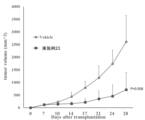
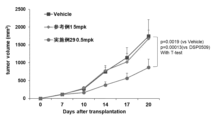
- FIG. 1 shows the antitumor effects of Example 5, Reference Example 1, and the anti-mouse PD-1 antibody administered once a week using mouse breast cancer cells EMT6 in Test Example 4.
- “tumor volume” means “tumor volume”
- “Days after transplantation” means “number of days after transplantation”
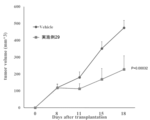
- “Vehicle” means "PBS-administered group” (the same applies to Figures 2 to 6).
- FIG. 2 is a graph showing the antitumor effect of Example 23 administered once a week in Test Example 5 using mouse breast cancer cells, EMT6.
- FIG. 3 is a graph showing the antitumor effect of Example 29 administered once a week in Test Example 6 using mouse breast cancer cells, EMT6.
- FIG. 4 is a graph showing the antitumor effect of Example 26 when administered once a week in Test Example 7 using mouse breast cancer cells, EMT6.
- FIG. 5 is a graph showing the change in antitumor effect of Examples 2, 9, 10 and 18 administered once a week in Test Example 8 using mouse breast cancer cells, EMT6.
- FIG. 6 is a graph showing the metastasis-inhibitory effect of Example 29 administered once a week on lung metastasis of EMT6 mouse breast cancer cells in Test Example 9.
- FIG. 7 shows the NMR spectrum of the compound obtained in Example 3 in deuterium oxide.
- FIG. 8 shows NMR of the compound obtained in Example 37 in deuterium oxide.
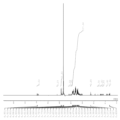
- FIG. 9 shows NMR of the compound obtained in Example 29 in deuterium oxide.
- FIG. 7 shows the NMR spectrum of the compound obtained in Example 3 in deuterium oxide.
- FIG. 8 shows NMR of the compound obtained in Example 37 in deuterium oxide.
- FIG. 9 shows NMR of the compound obtained in Example 29 in deuter
- FIG. 10 shows the NMR spectrum of the compound obtained in Example 5 in deuterium oxide.
- FIG. 11 is a diagram showing NMR of the compound obtained in Example 23 in deuterium oxide.
- FIG. 12 is a diagram showing NMR of the compound obtained in Example 2 in heavy water.
- FIG. 13 shows NMR of the compound obtained in Example 9 in deuterium oxide.
- FIG. 14 shows NMR of the compound obtained in Example 10 in deuterium oxide.
- FIG. 15 shows NMR of the compound obtained in Example 18 in deuterium oxide.
- FIG. 16 shows NMR of the compound obtained in Example 26 in deuterium oxide.
- FIG. 17 shows the distribution of AF750-labeled dextran in mice in Test Example 12.
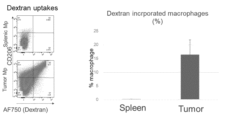
- FIG. 18 shows the uptake of AF750-labeled dextran into splenic macrophages and tumor macrophages in Test Example 13.
- FIG. 19 is a diagram showing the correlation between TGI and the estimated amounts of macrophages and CD8 + T cells using RNA sequencing data of tumor tissues in a mouse tumor model in Test Example 14.
- Figure 20 shows the transformation of tumor macrophages upon administration of Example 29 in Test Example 15, as determined by single cell RNA sequencing analysis.
- FIG. 21 is a graph showing the antitumor effect of Example 29 in a colon 26 model using nude mice in Test Example 17.
- FIG. 22 is a graph showing the antitumor effect of Example 29 in an MV4;11 model using SCID/beige mice in Test Example 18.
- FIG. 23 is a graph showing the change in antitumor effect of Example 29 depending on the administration interval in a tumor model using Colon 26 in Test Example 19.
- FIG. 24 is a graph showing the antitumor effect of combined use of Example 29 and oxaliplatin in a tumor model using CT26 in Test Example 20.
- FIG. 25 shows the CD206 expression in tumor macrophages in a tumor model using EMT6 and E0771 in Test Example 21, the effect of Example 29, and the antitumor effect of combined use with PD-1.
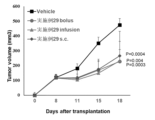
- FIG. 26 shows changes in antitumor effect due to the administration method of Example 29 in a tumor model using EMT6 in Test Example 22.
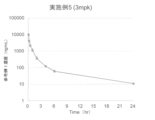
- FIG. 27 is a graph showing blood PK in mice using Example 5 in Test Example 23.
- FIG. 28 shows blood PK in mice using Example 29 in Test Example 24.
- FIG. 29 shows changes in blood cytokines in mice treated with Example 29 in Test Example 25.
- FIG. 30 shows TNFa secretion in the supernatant of human PBMCs stimulated with Reference Example 1 and Example 29 and CD206 expression in monocytes in Test Example 26.
- FIG. 31 shows TNFa secretion and CD206 expression in the supernatant of human monocyte-derived M2 macrophages stimulated with Reference Example 1 and Example 29 in Test Example 27.
- FIG. 32 is a graph showing the antitumor effects and body weight changes of Example 29 and R848 in a tumor model using CT26 in Test Example 28.
- FIG. 33 shows changes in blood cytokines in mice treated with Example 29 and MBS-8, and the antitumor effects of Example 29 and MBS-8 in a tumor model using EMT6 in Test Example 29.
- FIG. 34 is a graph showing the antitumor effects of Example 29 and MBS-8 in a mouse tumor model using LLC in Test Example 30.
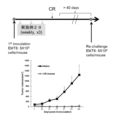
- FIG. 35 shows the tumor elimination due to long-term immune memory in mice in which the tumor was completely cured by administration of Example 29 in a mouse tumor model using EMT6 in Test Example 31.
- Halogen includes, for example, fluorine, chlorine, bromine, or iodine. Fluorine or chlorine is preferred. Fluorine is even more preferred.
- C 1-6 alkyl means alkyl having 1 to 6 carbon atoms
- C 6 alkyl means alkyl having 6 carbon atoms, and similarly for other numbers.
- C 1-6 alkyl means a linear or branched saturated hydrocarbon group having 1 to 6 carbon atoms.
- Preferable examples of “C 1-6 alkyl” include “C 1-3 alkyl”, and more preferably “C 1-2 alkyl”.
- Specific examples of “C 1-2 alkyl” include methyl and ethyl
- specific examples of “C 1-3 alkyl” include methyl, ethyl, propyl, 1-methylethyl, etc.
- Specific examples of “C 1-6 alkyl” include, in addition to the specific examples of "C 1-3 alkyl” mentioned above, butyl, 1,1-dimethylethyl, 1-methylpropyl, 2-methylpropyl, etc.
- C 1-6 alkoxy means an oxy group substituted by the above “C 1-6 alkyl”.
- C 1-6 alkoxy preferably, "C 1-4 alkoxy” is mentioned.
- Specific examples of “C 1-4 alkoxy” include, for example, methoxy, ethoxy, propoxy, 1-methylethoxy, butoxy, 1,1-dimethylethoxy, 1-methylpropoxy, and 2-methylpropoxy.
- C 1-6 alkoxy include, in addition to the specific examples of “C 1-4 alkoxy” mentioned above, pentyloxy, 3-methylbutoxy, 2-methylbutoxy, 2,2-dimethylpropoxy, 1-ethylpropoxy, 1,1-dimethylpropoxy, hexyloxy, 4-methylpentyloxy, 3-methylpentyloxy, 2-methylpentyloxy, 1-methylpentyloxy, 3,3-dimethylbutoxy, 2,2-dimethylbutoxy, 1,1-dimethylbutoxy, 1,2-dimethylbutoxy, etc.
- C 1-6 alkylcarbonyl means a carbonyl group substituted by the above “C 1-6 alkyl”.
- Preferred examples of “C 1-6 alkylcarbonyl” include “C 1-4 alkylcarbonyl”.
- Specific examples of “C 1-4 alkylcarbonyl” include acetyl, ethanoyl, propanoyl, butanoyl, 2-methylpropanoyl, etc.
- Specific examples of “C 1-6 alkylcarbonyl include, in addition to the specific examples of "C 1-4 alkylcarbonyl", pentanoyl, hexanoyl, etc.
- Dextran represented by the formula X or dextran is a polymer composed of glucose mainly composed of ⁇ 1,6 bonds. The molecular weight varies depending on the number of glucose components, and since it is a polymer, there is a molecular weight distribution.
- 5KDa dextran refers to dextran with a molecular weight distribution with a maximum value of 5KDa.
- Dextran can also be represented by the following formula: Equation (9) (In the formula, a′ represents an integer of 2 or more.)
- the value of a' is preferably 2 ⁇ a' ⁇ 307 (corresponding to dextran of 50 KDa or less), more preferably 2 ⁇ a' ⁇ 121 (corresponding to dextran of 20 KDa or less), even more preferably 2 ⁇ a' ⁇ 60 (corresponding to dextran of 10 KDa or less), and most preferably 2 ⁇ a' ⁇ 41 (corresponding to dextran of 7 KDa or less).
- “Dextran” represented by the formula X or dextran is derived into the example compounds of the present invention by the manufacturing method described in this specification. In the process of being derived into the example compounds, a portion of the linker remains unreacted. Among the compounds represented by dextran, there may be some that still have the unreacted linkers listed here remaining.
- the reducing end refers to a glucose in which the hydroxyl group of the anomeric carbon is not bound to any other atom.
- Dextran is a polymer consisting of ⁇ 1,6 glycosyl bonds, and the anomeric carbon of the glucose at the reducing end has a hydroxyl group, but the other glucoses form glycosyl bonds with the hydroxyl group at the 6th position of another glucose.
- the reducing end is tautomerized between the hydroxyl group and the aldehyde group.
- the "molecular weight" of a dextran molecule has a distribution within a range where its properties do not change, since it is a polymer.
- 5KDa dextran refers to dextran with an average molecular weight of 5KDa.
- the average molecular weight can be measured by size exclusion chromatography or dynamic light scattering.
- R 1 , R 2 , R 3 , R 4 , R 5 , R 6 , R 7 , m, n, p, q, r, a, a', A, X, L 1 and L 2 are as follows, but the technical scope of the present invention is not limited to the range of the compounds listed below.
- linker refers to a divalent group having two bonds in a functional group.
- L1 and L2 are linkers, and the following examples of L1 and L2 can be appropriately combined and used as a divalent group.
- L 1 More preferred examples of L 1 include, each independently, *-(CH 2 ) p C(O)NR 6 (CH 2 ) q NR 7 -, *-C(O)NR 6 (CH 2 ) q NR 7 -, *-NR 6 (CH 2 ) p NR 7 -, *-NR 6 (CH 2 ) p O-, *-O(CH 2 ) p O-, *-(CH 2 ) p C(O)O-, and *-C(O)O- (wherein R 6 and R 7 each independently represent hydrogen, C 1-6 alkyl, or C 1-6 alkylcarbonyl, p and q each independently represent an integer of 1 to 6, and are bonded to X at *).
- L 1 When L 1 is bonded to a hydroxy group of dextran, preferred examples of L 1 are each independently *-(CH 2 ) p C(O)NR 6 (CH 2 ) q NR 7 -, *-C(O)NR 6 (CH 2 ) q NR 7 -, *-(CH 2 ) p C(O)O-, or *-C(O)O- (wherein R 6 and R 7 are each independently hydrogen or C 1-6 alkyl, p and q are each independently an integer of 1 to 6, and are bonded to X at *).
- L 1 is each independently *-(CH 2 )C(O)NR 6 (CH 2 ) 2 NR 7 -, *-C(O)NR 6 (CH 2 ) 2 NR 7 -, *-(CH 2 ) p C(O)O-, or *-C(O)O- (wherein R 6 and R 7 are each independently hydrogen or methyl), still more preferably *-(CH 2 )C(O)NH(CH 2 ) 2 NH-, or *-C(O)NH(CH 2 ) 2 NH-, and even more preferably *-CH 2 C(O)NH(CH 2 ) 2 NH-.
- L 1 When L 1 is bonded to the reducing end of dextran, preferred examples of L 1 are each independently *-NR 6 (CH 2 ) p NR 7 -, *-NR 6 (CH 2 ) p O-, *-O(CH 2 ) p O-, *-(CH 2 ) p C(O)O-, or *-C(O)O- (wherein R 6 and R 7 are each independently hydrogen, C 1-6 alkyl or C 1-6 alkylcarbonyl, p is an integer of 1 to 6, and bonded to X at *).
- L 2 examples include -(CH 2 ) r -**, -O(CH 2 ) r -**, and -(CH 2 ) r NR 5 CH 2 C(O)-** (wherein R 5 is hydrogen or C 1-6 alkyl (which may be substituted with 1 to 5 halogens), r is an integer of 1 to 6, and is bonded to L 1 at **). More preferred examples of L 2 include -(CH 2 ) r NR 5 CH 2 C(O)-** (wherein R 5 is hydrogen or C 1-2 alkyl (which may be substituted with 1 to 5 halogens), and is bonded to L 1 at **).
- R 1 is preferably C 1-6 alkyl, more preferably C 1-3 alkyl, and even more preferably methyl.
- R3 is preferably hydrogen or C 1-6 alkyl (which may be substituted with 1 to 5 substituents independently selected from the group consisting of halogen, hydroxy, and C 1-6 alkoxy), more preferably hydrogen or C 1-6 alkyl (which may be substituted with hydroxy), even more preferably C 1-6 alkyl, even more preferably methyl, ethyl, n-propyl, n-butyl, or n-pentyl, and most preferably n-propyl.
- R 4 is preferably hydrogen, hydroxy, halogen, C 1-6 alkyl, C 1-6 alkoxy, or cyano , more preferably hydrogen, hydroxy, or C 1-6 alkoxy, even more preferably hydrogen or C 1-3 alkoxy, even more preferably methoxy or ethoxy, and most preferably methoxy.
- R5 is preferably hydrogen or C1-6 alkyl (which may be substituted with 1 to 5 halogens), more preferably hydrogen or C1-2 alkyl (which may be substituted with 1 to 5 halogens), still more preferably hydrogen, methyl, ethyl , CH2CF3 , or CH2CHF2 , still more preferably ethyl , CH2CF3 , or CH2CHF2 , and most preferably CH2CF3 or CH2CHF2 .
- R 6 is preferably hydrogen, C 1-6 alkyl or C 1-6 alkylcarbonyl, more preferably hydrogen, C 1-3 alkyl or C 1-3 alkylcarbonyl.
- R6 is preferably hydrogen, C1-6 alkyl or C1-6 alkylcarbonyl, more preferably hydrogen or C1-3 alkyl, even more preferably hydrogen or methyl, and even more preferably hydrogen.
- R6 is preferably hydrogen, C1-6 alkyl or C1-6 alkylcarbonyl, more preferably hydrogen, C1-3 alkyl or C1-3 alkylcarbonyl, even more preferably hydrogen, methyl or acetyl, and even more preferably hydrogen.
- R 7 is preferably hydrogen, C 1-6 alkyl or C 1-6 alkylcarbonyl, more preferably hydrogen, C 1-3 alkyl or C 1-3 alkylcarbonyl.
- R7 is preferably hydrogen, C1-6 alkyl or C1-6 alkylcarbonyl, more preferably hydrogen or C1-3 alkyl, even more preferably hydrogen or methyl, and even more preferably hydrogen.
- R7 is preferably hydrogen, C1-6 alkyl or C1-6 alkylcarbonyl, more preferably hydrogen, C1-3 alkyl or C1-3 alkylcarbonyl, even more preferably hydrogen, methyl or acetyl, and even more preferably hydrogen.
- m is an integer of 0 to 19, more preferably an integer of 0 to 10, even more preferably an integer of 0 to 8, and even more preferably an integer of 0 to 3.
- n is an integer from 1 to 20, more preferably an integer from 1 to 10, even more preferably an integer from 1 to 5, and even more preferably an integer from 1 to 3.
- the sum of m and n is 20 or less.
- an integer of 1 to 6 is preferred, and an integer of 1 to 3 is more preferred.
- p is preferably an integer of 1 to 6, more preferably an integer of 1 to 3, even more preferably 1 or 2, and most preferably 1.
- p is preferably an integer of 2 to 6, more preferably an integer of 2 to 3, and even more preferably 2.
- q is preferably an integer from 1 to 6, more preferably an integer from 2 to 4, even more preferably 2 or 3, and most preferably 2.
- r is preferably an integer from 1 to 6, more preferably an integer from 1 to 3, even more preferably 1 or 2, and most preferably 1.
- a is an integer of 3 or more, preferably 3 to 308 (corresponding to dextran of 50 KDa or less), more preferably 3 to 122 (corresponding to dextran of 20 KDa or less), even more preferably 3 to 61 (corresponding to dextran of 10 KDa or less), and most preferably 3 to 42 (corresponding to dextran of 7 KDa or less).
- One embodiment of the compound represented by formula (1) is the following (Aspect A).
- (Aspect A) is dextran, the molecular weight of which is 20 KDa or less;
- L 1 is each independently *-(CH 2 ) p C(O)O(CH 2 ) q O-, *-(CH 2 ) p C(O)NR 6 (CH 2 ) q O-, *-(CH 2 ) p C(O)O(CH 2 ) q NR 6 -, *-(CH 2 ) p C(O)NR 6 (CH 2 ) q NR 7 -, *-C(O)NR 6 (CH 2 ) q NR 7 -, *-NR 6 (CH 2 ) p NR 7 -, *-NR 6 (CH 2 ) p O-, *-O(CH 2 ) p NR 7 -, *-O(CH 2 ) p O-, *-(CH 2 ) p C(O)O-, or *
- X is dextran (the molecular weight of the dextran is ⁇ 1 KDa and ⁇ 20 KDa); each L 1 is independently *-NR 6 (CH 2 ) p NR 7 -, *-(CH 2 ) p C(O)NR 6 (CH 2 ) q NR 7 -, *-C(O)NR 6 (CH 2 ) q NR 7 -, *-(CH 2 ) p C(O)O-, or *-C(O)O- (wherein * is the bond to X); R 6 and R 7 are each independently hydrogen, C 1-6 alkyl, or C 1-6 alkylcarbonyl; p and q are each independently an integer from 1 to 6; A is represented by formula (2): [In formula (2), R 1 is C 1-3 alkyl; R 2 is hydrogen or C 1-6 alkyl, which may be substituted with one hydroxyl; R3 is
- One embodiment of the compound represented by formula (1) is the following (Aspect C).
- (Aspect C) is dextran (the molecular weight of the dextran is 4 KDa or more and 7 KDa or less);
- L 1 is each independently *-(CH 2 ) p C(O)NR 6 (CH 2 ) q NR 7 -, *-C(O)NR 6 (CH 2 ) q NR 7 -, *-(CH 2 ) p C(O)O-, or *-C(O)O- (wherein * is attached to the hydroxy group of X);
- R 6 and R 7 are each independently hydrogen or methyl;
- A is represented by formula (3): Or formula (4): wherein in formulas (3) and (4), ** is bonded to L 1 ;
- m is an integer of 0 to 9;
- n is an integer of 1 to 5; wherein the sum of m and n is 10 or less, or a pharma
- Formula (1) is converted to Formula (5): [In formula (5), a is an integer from 3 to 42; L 1 is *-(CH 2 ) p C(O)NR 6 (CH 2 ) q NR 7 -, or *-C(O)NR 6 (CH 2 ) q NR 7 - (wherein * is attached to the hydroxyl group of X); R 6 and R 7 are each independently hydrogen or methyl; A is represented by formula (3): Or formula (4): wherein in formulas (3) and (4), ** is bonded to L 1 ; m is an integer between 0 and 9; n is an integer of 1 to 5; wherein the sum of m and n is 10 or less, or a pharma- ceutically acceptable salt thereof.
- One embodiment of the compound represented by formula (1) is the following (Aspect F).
- (Aspect F) Formula (1) is converted to formula (8): [In formula (8), a' is an integer from 2 to 41; A is represented by formula (3): Or formula (4): wherein in formula (3) and (4), ** bonds to the terminal NH in formula (8), or a pharma- ceutically acceptable salt thereof.
- “Pharmaceutically acceptable salts” include acid addition salts and base addition salts.
- acid addition salts include inorganic acid salts such as hydrochloride, hydrobromide, sulfate, hydroiodide, nitrate, and phosphate, and organic acid salts such as citrate, oxalate, phthalate, fumarate, maleate, succinate, malate, acetate, formate, propionate, benzoate, trifluoroacetate, methanesulfonate, benzenesulfonate, para-toluenesulfonate, and camphorsulfonate.
- base addition salts include inorganic base salts such as sodium salts, potassium salts, calcium salts, magnesium salts, barium salts, and aluminum salts, and organic base salts such as trimethylamine, triethylamine, pyridine, picoline, 2,6-lutidine, ethanolamine, diethanolamine, triethanolamine, tromethamine [tris(hydroxymethyl)methylamine], tert-butylamine, cyclohexylamine, dicyclohexylamine, and N,N-dibenzylethylamine.
- pharmaceutical acceptable salts include amino acid salts with basic or acidic amino acids such as arginine, lysine, ornithine, aspartic acid, and glutamic acid.
- the compound of the present invention when it is desired to obtain a salt of the compound of the present invention, if the compound of the present invention is obtained in the form of a salt, it can be purified as is, or if it is obtained in the free form, it can be dissolved or suspended in a suitable organic solvent, and an acid or base can be added to form a salt by a conventional method.
- deuterium converters in which one or more 1 H in the compound represented by formula (1) are converted to 2 H (D) are also included in the compound represented by formula (1).
- the present invention includes a compound represented by formula (1) or a pharma- ceutically acceptable salt thereof.
- the compound of the present invention may also exist in the form of a hydrate and/or a solvate with various solvents (such as an ethanolate), and these hydrates and/or solvates are also included in the compound of the present invention.
- the present invention includes all tautomers of formula (1) of the present invention, all existing stereoisomers, and all forms of crystal forms, as well as mixtures thereof.
- optical isomers and atropisomers can be obtained as racemates, or as optically active forms when optically active starting materials or intermediates are used.
- the racemates of the corresponding starting materials, intermediates, or final products can be physically or chemically separated into their optical antipodes by known separation methods such as a method using an optically active column or fractional crystallization.
- separation methods such as a method using an optically active column or fractional crystallization.
- two diastereomers are formed from a racemate by a reaction using an optically active resolving agent.
- These different diastereomers generally have different physical properties, and can be separated by known methods such as fractional crystallization.
- the compound of the present invention represented by formula (1) can be produced, for example, by the following Production Methods 1 to 5.
- the compound represented by A1 below can be produced, for example, by the following production method.
- R 1 , R 2 , R 3 , R 4 , R 5 , R 6 , R 7 , p, q, and r are the same as defined in item 1, a′ represents an integer of 2 or more, X 1 is a halogen, M 1 is hydrogen or an alkali metal, Y 1 is oxygen or NR 6 , Y 2 is oxygen, NR 6 or NR 7 , and P 1 is a protecting group for a hydroxyl group or an amino group.)
- the protecting group of the amino group represented by P 1 can be a protecting group described in Protective Groups in Organic Synthesis (Theodora W. Greene, Peter G. M. Wuts, published by John Wiley & Sons, Inc., 1999).
- Examples of the protecting group of the hydroxyl group include a tert-butyl group, an acetyl group, a tert-butyldimethylsilyl group, a methoxymethyl group, a 2-tetrahydropyranyl group, a benzyl group, and a 4-methoxyphenylbenzyl group.
- Examples of the protecting group of the amino group include a 9-fluorenylmethyloxycarbonyl group, a triphenylmethyl group, a tert-butoxycarbonyl group, and a benzyloxycarbonyl group.
- Compound a1, compound a2, and compound a4 can be purchased, for example, as commercially available products.
- Compound a7 can be produced, for example, according to the method described in International Publication No. WO 2013/172479.
- Step A-1 Compound a3 is produced by reacting dextran a1 with compound a2 in a suitable solvent in the presence of various bases.
- bases used in this step inorganic bases are preferred, and among them, inorganic bases such as sodium hydroxide, lithium hydroxide, and potassium hydroxide are preferred, and sodium hydroxide is more preferred.
- the solvent used in this step is appropriately selected from the solvents exemplified below, and preferably water, DMSO, and the like.
- the reaction time is usually 5 minutes to 48 hours, and preferably 10 minutes to 6 hours.
- the reaction temperature is usually 4°C to 100°C, and preferably 25°C to 80°C. This reaction can be carried out in a similar manner to the method described in Chem. Eng. Res. Des. 2019, 146, 211-220.
- Compound a5 is produced by condensing compound a3 and compound a4 in a suitable solvent in the presence or absence of various condensing agents and/or bases.
- the condensing agent include 1-ethyl-3-(3-dimethylaminopropyl)carbodiimide (including hydrochloride), 1-[bis(dimethylamino)methylene]-1H-1,2,3-triazolo[4,5-b]pyridinium 3-oxide hexafluorophosphate (HATU), or N,N,N',N'-tetramethyl-O-(N-succinimidyl)uronium tetrafluoroborate (TSTU).
- HATU 1-ethyl-3-(3-dimethylaminopropyl)carbodiimide
- HATU 1-[bis(dimethylamino)methylene]-1H-1,2,3-triazolo[4,5-b]pyridinium 3-oxide hexa
- Step A-3 Compound a6 is produced by deprotecting the protecting group P1 of Y2 of compound a5. This step can be carried out in accordance with the method described in Protective Groups in Organic Synthesis (Theodora W. Greene, Peter G. M. Wuts, John Wiley & Sons, Inc., 1999), or the like.
- Step A-4 Compound A1 can be produced by condensing compound a6 and compound a7 according to the method described in step A-2.
- the compound represented by B1 below can be produced, for example, by the following production method.
- R 1 , R 2 , R 3 , R 4 , R 6 , R 7 , L 2 , p, and q are the same as defined in item 1, a′ represents an integer of 2 or more, M 1 represents hydrogen or an alkali metal, Y 1 represents oxygen or NR 6 , and Y 2 represents oxygen, NR 6 , or NR 7.
- Compound a3 can be produced, for example, in accordance with the method described in step A-1 of production method A. Alternatively, it can be purchased as a commercial product.
- Compound b1 can be produced, for example, in accordance with the method described in the production methods of WO 2013/172479, WO 2012/066335, or WO 2010/133885.
- Steps C-1a, C-1b Compound C3 is produced by reacting dextran A1 with carbodiimidazole C1 in a suitable solvent to produce intermediate C1a, and then adding compound C2.
- the solvent used in this step is as described below.
- the solvent is appropriately selected from the solvents exemplified above, and preferably DMSO.
- the reaction time is usually 5 minutes to 48 hours, and preferably 10 minutes to 6 hours.
- the reaction temperature is usually The temperature is from 4°C to 100°C, preferably from 25°C to 80°C.
- Step C-2 Compound c4 can be prepared by deprotection according to the method described in step A-3 of production method A.
- Step C-3 Compound C1 can be produced by condensing compound c4 and compound a7 according to the method described in step A-2 of production method A.
- Step D-1 Compound D1 is produced by reacting compound a3 with compound d1 in a suitable solvent with a suitable acid and reducing agent.
- the solvent used in this step is appropriately selected from the solvents exemplified below, and preferably includes water or DMSO.
- the acid include hydrochloric acid, acetic acid, phosphoric acid, and the like.
- the reducing agent include sodium cyanoborohydride, sodium triacetoxyborohydride, and 2-picoline borane.
- the reaction time is usually 5 minutes to 96 hours, preferably 4 to 72 hours.
- the reaction temperature is usually 4°C to 100°C, preferably 25°C to 80°C.
- the compound represented by E1 below can be produced, for example, by the following production method.
- R 1 , R 2 , R 3 , R 4 , R 7 , L 2 and p are the same as defined in item 1, a′ represents an integer of 2 or more, M 1 represents hydrogen or an alkali metal, Y 3 represents oxygen or NR 7 , and Y 4 represents a hydroxyl group or a leaving group.
- Compound a3 can be produced, for example, in accordance with the method described in step A-1 of production method A. Alternatively, it can be purchased as a commercial product.
- Compound e1 can be produced, for example, in accordance with the method described in the production methods of WO 2013/172479, WO 2012/066335, or WO 2010/133885.
- the base used in each step of the above manufacturing methods should be selected appropriately depending on the type of reaction and raw material compound, but examples include alkali bicarbonates such as sodium bicarbonate and potassium bicarbonate, alkali carbonates such as sodium carbonate and potassium carbonate, metal hydrides such as sodium hydride and potassium hydride, alkali metal hydroxides such as sodium hydroxide and potassium hydroxide, alkali metal alkoxides such as sodium methoxide and sodium t-butoxide, organometallic bases such as butyllithium and lithium diisopropylamide, and organic bases such as triethylamine, diisopropylethylamine, pyridine, 4-dimethylaminopyridine (DMAP), and 1,8-diazabicyclo[5.4.0]-7-undecene (DBU).
- alkali bicarbonates such as sodium bicarbonate and potassium bicarbonate
- alkali carbonates such as sodium carbonate and potassium carbonate
- metal hydrides such as sodium
- the solvents used in each step of the above manufacturing methods should be selected appropriately depending on the reaction and the type of raw material compound, and examples of the solvents include alcohols such as methanol, ethanol, and isopropanol, ketones such as acetone and methyl ketone, halogenated hydrocarbons such as methylene chloride and chloroform, ethers such as tetrahydrofuran (THF) and dioxane, aromatic hydrocarbons such as toluene and benzene, aliphatic hydrocarbons such as hexane and heptane, esters such as ethyl acetate and propyl acetate, amides such as N,N-dimethylformamide (DMF) and N-methyl-2-pyrrolidone, sulfoxides such as dimethyl sulfoxide (DMSO), nitriles such as acetonitrile, and aqueous solutions such as water and buffer solutions.
- these solvents can be used alone or
- the compound of the present invention represented by formula (1) or an intermediate thereof can be separated and purified by a method known to those skilled in the art, such as extraction, distribution, reprecipitation, column chromatography (e.g., silica gel column chromatography, ion exchange column chromatography, size exclusion chromatography, or preparative liquid chromatography), or recrystallization.
- column chromatography e.g., silica gel column chromatography, ion exchange column chromatography, size exclusion chromatography, or preparative liquid chromatography
- recrystallization e.g., silica gel column chromatography, ion exchange column chromatography, size exclusion chromatography, or preparative liquid chromatography
- recrystallization solvent examples include alcohol solvents such as methanol, ethanol, or 2-propanol, ether solvents such as diethyl ether, ester solvents such as ethyl acetate, aromatic hydrocarbon solvents such as benzene or toluene, ketone solvents such as acetone, halogen solvents such as dichloromethane or chloroform, hydrocarbon solvents such as hexane, aprotic solvents such as dimethylformamide or acetonitrile, water, or a mixture of these solvents.
- alcohol solvents such as methanol, ethanol, or 2-propanol
- ether solvents such as diethyl ether
- ester solvents such as ethyl acetate
- aromatic hydrocarbon solvents such as benzene or toluene
- ketone solvents such as acetone
- halogen solvents such as dichloromethane or chloroform
- hydrocarbon solvents such as hexan
- the molecular structure of the compound of the present invention can be easily determined by spectroscopic techniques such as nuclear magnetic resonance, infrared absorption, and circular dichroism spectroscopy, and mass spectrometry, with reference to the structures derived from the respective raw materials.
- the intermediates or final products in the above-mentioned production methods can be converted into other compounds included in the present invention by appropriately converting their functional groups, particularly by extending various side chains from amino, hydroxyl, carbonyl, halogen, etc., and, if necessary, by carrying out the above-mentioned protection and deprotection.
- the conversion of functional groups and the extension of side chains can be carried out by general methods that are usually used (see, for example, Comprehensive Organic Transformations, R. C. Larock, John Wiley & Sons Inc. (1999)).
- the compound of the present invention represented by formula (1) or a pharma- ceutical acceptable salt thereof may have asymmetry or a substituent with an asymmetric carbon, and such a compound has optical isomers.
- the compounds of the present invention include mixtures of these isomers or isolated isomers, and can be produced according to conventional methods. Examples of production methods include a method using a raw material having an asymmetric center, or a method introducing asymmetry at an intermediate stage.
- optical isomers can be obtained by using optically active raw materials or by performing optical resolution at an appropriate stage in the production process.
- the optical resolution method includes a diastereomeric method in which a salt is formed using an optically active acid (e.g., monocarboxylic acid such as mandelic acid, N-benzyloxyalanine, lactic acid, etc., dicarboxylic acid such as tartaric acid, o-diisopropylidenetartaric acid, malic acid, etc., sulfonic acid such as camphorsulfonic acid, bromocamphorsulfonic acid, etc.) in an inert solvent (e.g., alcoholic solvents such as methanol, ethanol, 2-propanol, etc., ether solvents such as diethyl ether, ester solvents such as ethyl acetate, hydrocarbon solvents such as toluene, aprotic solvents such as acetonitrile, or a mixed solvent of two or more of the above solvents).
- an optically active acid e.g., monocarboxylic acid such as
- optical resolution can also be performed by forming a salt using an optically active amine (e.g., organic amines such as 1-phenylethylamine, quinine, quinidine, cinchonidine, cinchonine, strychnine, etc.).
- an optically active amine e.g., organic amines such as 1-phenylethylamine, quinine, quinidine, cinchonidine, cinchonine, strychnine, etc.
- the temperature at which the salt is formed is selected from the range of -50°C to the boiling point of the solvent, preferably from 0°C to the boiling point, and more preferably from room temperature to the boiling point of the solvent. In order to improve the optical purity, it is desirable to once raise the temperature to near the boiling point of the solvent. When filtering out the precipitated salt, it is possible to cool it as necessary to improve the yield.
- the amount of the optically active acid or amine used is appropriately in the range of about 0.5 to about 2.0 equivalents relative to the substrate, preferably about 1 equivalent.
- the crystals can be recrystallized in an inert solvent (e.g., alcoholic solvents such as methanol, ethanol, and 2-propanol; etheric solvents such as diethyl ether; esteric solvents such as ethyl acetate; hydrocarbon solvents such as toluene; aprotic solvents such as acetonitrile; or a mixed solvent of two or more of the above solvents) to obtain a high-purity optically active salt.
- an inert solvent e.g., alcoholic solvents such as methanol, ethanol, and 2-propanol
- etheric solvents such as diethyl ether
- esteric solvents such as ethyl acetate
- hydrocarbon solvents such as toluene
- aprotic solvents such as acetonitrile
- the compound of the present invention may be administered orally or parenterally, with the daily dosage varying depending on the type of compound, the method of administration, and the patient's symptoms and age.
- parenteral administration typically involves administering approximately 0.01 to 1000 mg, more preferably approximately 0.1 to 500 mg, per kg of body weight to a human or mammal, once or in divided doses.
- parenteral administration such as intravenous injection, typically involves administering approximately 0.01 to 300 mg, more preferably approximately 1 to 30 mg, per kg of body weight to a human or mammal.
- the compound of the present invention can be administered orally or parenterally, either directly or after preparation in an appropriate dosage form.
- dosage forms include, but are not limited to, tablets, capsules, powders, granules, liquids, suspensions, injections, patches, and poultices.
- the preparations are manufactured by known methods using pharma- ceutically acceptable additives.
- additives that can be used include excipients, disintegrants, binders, flow agents, lubricants, coating agents, solubilizers, solubilizers, thickeners, dispersants, stabilizers, sweeteners, and flavors.
- additives include lactose, mannitol, crystalline cellulose, low-substituted hydroxypropyl cellulose, corn starch, partially pregelatinized starch, carmellose calcium, croscarmellose sodium, hydroxypropyl cellulose, hydroxypropyl methyl cellulose, polyvinyl alcohol, magnesium stearate, sodium stearyl fumarate, polyethylene glycol, propylene glycol, titanium oxide, and talc.
- the compounds of the present invention can be administered orally or parenterally.
- Parenteral administration can be by subcutaneous injection, rapid injection, or intravenous infusion, preferably intravenous infusion.
- anticancer drugs include chemotherapeutic agents (e.g., ifosfamide, cyclophosphamide, dacarbazine, temozolomide, nimustine, busulfan, melphalan, enocitabine, capecitabine, carmofur, gemcitabine, cytarabine, tegafur, nelarabine, fluorouracil, fludarabine, pemetrexed, pentostatin, methotrexate, irinotecan, etoposide, sobuzoxane, docetaxel, paclitaxel, vinorelbine, vincristine, vindesine, vinblastine, actinomycin D, aclarubicin, idarubicin, epirubicin, daunorubicin, doxorubicin, pirarubicin, bleomycin, peplomycin, mit
- chemotherapeutic agents e.g., ifosfamide
- the above-mentioned immune checkpoint inhibitors preferably include drugs against PD-1, PD-L1, CTLA4, LAG-3, TIM-3, VISTA, HVEM, BTLA, CD160, TIGIT, CD47, CCR8, or PVR, and more preferably include drugs against PD-1 or PD-L1.
- the immune checkpoint inhibitor is preferably an antibody, and examples thereof include antibodies against PD-1, PD-L1, CTLA4, LAG-3, TIM-3, VISTA, HVEM, BTLA, CD160, TIGIT, CD47, CCR8, or PVR.
- antibodies that are immune checkpoint inhibitors include antibodies against PD-1 (nivolumab, pembrolizumab, AMP-224, AMP-514 (MEDI0680), pidilizumab (CT-011), etc.), antibodies against PD-L1 (durvalumab (MEDI4736), atezolizumab (MPDL3280A), BMS-936559, avelumab (MSB0010718C), etc.), antibodies against LAG-3 (IMP-321, BMS-986016, etc.), antibodies against TIM-3, antibodies against VISTA, antibodies against HVEM, antibodies against BTLA, antibodies against CD160, antibodies against TIGIT, antibodies against CD47, antibodies against CCR8, and antibodies against PVR.
- PD-1 nivolumab, pembrolizumab, AMP-224, AMP-514 (MEDI0680), pidilizumab (CT-011), etc.
- antibodies against PD-L1 durvalumab (MEDI4736),
- Measurement condition B Detection device: SPD-20A
- Solvent A liquid: 0.05% TFA/H 2 O, B liquid: 0.05% TFA/CH 3 CN
- Gradient Condition: 0.0-10.0 minutes; A/B 10:90-90:10 (linear gradient)
- Measurement condition C Detection equipment: Shimadzu LCMS-2020 Column: Phenomenex Kinetex (1.7 ⁇ m C18, 50 mm ⁇ 2.10 mm) Solvent: Solution A: 0.05% TFA/H 2 O, Solution B: acetonitrile Gradient Condition: 0.0-1.7 min (linear gradient from B 10% to 99%) 1.7-1.9 min (B 99%) 1.9-3.0 minutes (B 10%) Flow rate: 0.5mL/min UV: 254nm Column temperature: 40°C
- DAR drug API ratio, where API stands for Active Pharmaceutical Ingredient
- Calculation method 1 The method for calculating the average valence of the linker on dextran is described in Biomatter. 2014, 4, e28805.
- the proton NMR of the dextran compound that underwent a chemical reaction was measured, and the average valence of the functional group was calculated by the following formula.
- the area ratio of the proton of the target functional group is ⁇
- the area ratio of the anomeric proton (1H, 4.86 ppm) of the 2'-unsubstituted dextran is H1
- the area ratio of the anomeric proton (1H, 5.04 ppm) of the 2'-substituted dextran is H1'.
- ⁇ is as shown in Table 1.
- the average valence of amino groups on dextran can be calculated by the TNBS method described in Methods Enzymol. 1972, 25:464-468. or by a method using ThermoFisher's TNBSA solution (product number: 28997).
- the freeze-dried dextran compound powder was dissolved in ultrapure water and further diluted to a range of 0.1 mg/mL to 1 mg/mL using 0.1 M aqueous sodium bicarbonate solution, and 100 ⁇ L was added to a 96-well plate.
- TNBS 2,4,6-trinitrobenzenesulfonate sodium dihydrate
- a glycine solution of known concentration was treated in the same manner. After completion of the reaction, the reaction was quenched with 1 M aqueous hydrochloric acid solution (20 ⁇ L) and the absorbance at 335 nm was measured.
- a calibration curve was prepared from the absorbance of glycine solutions of known concentrations, and the amine concentration in the dextran compound solution was quantified from the absorbance in the dextran compound solution. The average valence of amino groups on dextran was calculated by dividing the amine concentration in the dextran compound solution by the concentration of the dextran compound.
- Reference Example 33 (400 mg) was treated in the same manner as in the preparation of Reference Example 6 to give Reference Example 33 (400 mg). According to calculation method 2, the average valence of the amino group in Reference Example 33 was 2.1.
- Aminodextran produced by the method described in Reference Example 6, etc. can also be a commercially available product (e.g., Fina biosolutions LLC).
- Example 25 A DMSO suspension (0.59 mL) of dextran (Pharmacosmos, 5 KDa, pharmaceutical grade, 50 mg) was heated at 60° C. for 5 minutes to obtain a solution. 1,1'-carbonyldiimidazole (11.4 mg) was added thereto, and the mixture was stirred at 60° C. for 30 minutes. Reference Example 3 (38.9 mg) was then added, and the mixture was stirred at 60° C. for 5 hours. Water (0.1 mL) and acetone (10 mL) were added to the reaction solution to precipitate. The precipitate obtained was further washed twice with acetone and dried.
- Example 25 (4 mg).
- Measurement under measurement condition B revealed that the DAR was 0.8. Rt: 4.52 min (measurement condition B), peak area: 2,071,781 (2 mg/mL)
- Example 29 Acetic acid (2 ⁇ L), sodium cyanoborohydride (254 mg), and 5KDa dextran (202 mg) were added to an aqueous solution (5 mL) of Reference Example 3 (22 mg), and the mixture was stirred at 60° C. for 24 hours.
- the reaction solution was purified by reverse phase HPLC (mobile phase: 0.1% TFA water: acetonitrile) to obtain Example 29 (106 mg).
- the DAR was 1.3 when measured under measurement condition B. Rt: 4.79 min (measurement condition B), peak area: 2,885,831 (2 mg / mL)
- Example 38 To a DMSO suspension (13.9 mL) of dextran (Pharmacosmos, 5 KDa, pharmaceutical grade, 728 mg), Reference Example 3 (77 mg) and acetic acid (16 ⁇ L) were added and stirred at 60° C. for 30 minutes. Sodium triacetoxyborohydride (59 mg) was then added and stirred at 60° C. for 8 hours. The reaction solution was purified by reversed-phase HPLC (mobile phase; 0.1% TFA water:acetonitrile) to obtain Example 38 (354 mg). Measurement under measurement condition B showed a DAR of 1.3. HPLC measurement: Rt: 4.81 min (measurement condition B), peak area: 3,201,988 (2 mg/mL)
- Suitable solvents include, for example, distilled water, PBS, phosphate buffer with a pH of 2 to 8, and DMSO. Distilled water or PBS is preferably used.
- the dissolved solution may be used as is, but may also be used after passing through a sterilizing filter.
- TLR7/NF- ⁇ B/SEAPorter TM HEK293 cell line (Imgenex Corporation) is a stable co-transfected cell line expressing full-length human TLR7 and the secreted alkaline phosphatase (SEAP) reporter gene under the transcriptional control of the NF- ⁇ B response element. TLR7 expression in this cell line has been tested by flow cytometry. Stable expressing transformants were selected using the antibiotics blasticidin and geneticin. TLR signaling leads to the translocation of NF- ⁇ B, and promoter activation results in the expression of the SEAP gene.
- SEAP alkaline phosphatase
- TLR7-specific activation was assessed by measuring the level of SEAP produced after overnight incubation of the cells with example compounds at 37° C. in the presence of 0.1% (v/v) dimethyl sulfoxide (DMSO).
- DMSO dimethyl sulfoxide
- the extent of human TLR7 activation of the compounds of the present invention was assessed using a human TLR7 reporter gene assay and is shown in Table 9 as the concentration of compound that produces half-maximal levels of SEAP (EC 50 ).
- Test Example 1 The results of Test Example 1 suggest that the example compounds described in this specification act as human TLR7 agonists.
- Test Example 2 Confirmation of TNFa production using human PBMCs Cryopreserved human PBMCs were pre-cultured in AIM-V medium (Invitrogen) containing 5% human serum at 37° C. for 4 hours, and then incubated with the compounds of the Examples and Reference Examples for 2 hours. The TNFa concentration in the culture supernatant was measured and shown in Table 10.
- Test Example 2 reveal that the example compounds described in this specification act on human PBMCs and promote the production of cytokines.
- Test Example 3 Confirmation of TNFa production in mice Compounds were administered to Balb/c mice (7 weeks old) via the tail vein, and blood was collected 2 hours after administration, and serum was recovered. TNFa in the serum was measured using Luminex (Millipore) and the results are shown in Table 11.
- Test Example 3 demonstrated that the example compounds described in this specification have the effect of promoting cytokine production in in vivo tests using mice.
- Test Example 4 In vivo tumor growth suppression effect in mice EMT6 cells (ATCC) were subcutaneously transplanted (1 ⁇ 10 6 /mouse) into Balb/c mice (7 weeks old at the time of transplantation), and 7 days later, PBS as a control, Reference Example 1 (diluted with PBS, 1 mg/kg once a week), Example 5 (10 mg/mL PBS solution, 0.2 mg/kg converted to the weight of Reference Example 1 once a week), and anti-mouse PD-1 antibody (purchased from Biolegend, diluted with PBS, 10 mg/kg twice a week) were administered.
- the tumor diameter was measured over time from day 0 to day 26 of tumor transplantation, and the drug efficacy was evaluated.
- the tumor volume was calculated by measuring the short and long diameters of the tumor, respectively, and using the formula short diameter x short diameter x long diameter x 0.5.
- the dose of Example 5 was 0.2 mg/kg in terms of weight, which is one-fifth the dose of Reference Example 1, but it showed a stronger tumor proliferation inhibitory effect than Reference Example 1, indicating that Example 5 has a strong anti-tumor effect.
- Example 5 significantly suppressed tumor cell proliferation compared to the group administered with anti-mouse PD-1 antibody, an immune checkpoint inhibitor, indicating that it is also effective against cancers resistant to immune checkpoint inhibitors.
- Test Example 8 In Vivo Tumor Growth Inhibitory Effect in Mice Using the same EMT6 mouse tumor model as in Test Example 4, PBS as a control and Examples 2, 9, 10 and 18 (10 mg/mL PBS solution, 0.2 mg/kg converted to the weight of Reference Example 1, once a week) were administered in the same manner as in Test Example 4. The tumor diameter was measured over time from day 0 to day 28 of tumor implantation, and the efficacy was evaluated. The tumor volume was calculated by measuring the short and long diameters of the tumor, respectively, and using the formula: short diameter x short diameter x long diameter x 0.5. The time course of the average tumor volume of five mice in each group is shown in Figure 5.
- Test Examples 4 to 9 demonstrated that the example compounds described herein exhibited antitumor effects. In addition, preferred compounds inhibited tumor metastasis to the lungs. This suggests that the example compounds described herein exert antitumor effects as well as tumor metastasis inhibitory effects when used as anticancer agents.
- the degree of body temperature drop was used as a method for measuring anaphylactic shock, based on publicly known literature information (Journal of Leukocyte Biology 91 (3), 485-494). Body temperature was measured for up to one hour after the second administration of the compound, and compared to the body temperature immediately after administration, a drop of 1-5°C was marked as "+”, a drop of 10°C was marked as "++”, and a drop of less than 1°C was marked as "-”. The data are shown in the tables of Test Example 10 and Comparative Example 1 below.
- Test Example 10 Confirmation of in vivo body temperature decrease in mice Dextran conjugate was administered to Balb/c mice (7-8 weeks old) implanted with tumors, and a second administration was similarly performed one week later. Rectal temperature was measured every 10 minutes from the start of the second administration. If a decrease in body temperature was observed 30 minutes after administration, it was measured up to 60 minutes, and the results are shown in Table 12.
- Test Example 10 make it clear that the example compounds described in this specification do not cause a decrease in body temperature. In particular, no decrease in body temperature was observed for Example 29, even when the dosage was increased. This suggests that the example compounds described in this specification do not cause anaphylactic shock and can be administered safely.
- Test Example 11 In vivo tumor growth suppression effect in mice Each tumor cell shown in Table 13 was subcutaneously transplanted into mice (6-7 weeks old at the time of transplantation) (1 ⁇ 10 5 - 1 ⁇ 10 7 /mouse), and after growth to about 100 mm 3 , PBS and Example 29 (0.5-1 mg/kg converted to the weight of Reference Example 1, once a week) were administered as a vehicle. The tumor diameter after tumor transplantation was measured over time, and the drug efficacy was evaluated. The tumor volume was calculated by measuring the short and long diameters of the tumor, respectively, and calculating the short diameter x short diameter x long diameter x 0.5.
- Example 29 significantly inhibited tumor cell proliferation compared to vehicle in all cancer types shown in Table 13 (p ⁇ 0.05 by Student's t test), demonstrating that Example 29 has a tumor proliferation inhibitory effect.
- Example 29 has a strong tumor-suppressing effect on various cancers.
- Test Example 12 Analysis of mouse tissue dynamics using fluorescent dextran EMT6 cells (ATCC) were subcutaneously transplanted (1 x 10⁶ /mouse) into Balb/c mice (7 weeks old at the time of transplantation), and dextran labeled with a fluorescent dye (AF750) was administered intravenously at 1 mg/kg (equivalent amount of the fluorescent dye). After 4 hours, 24 hours, 48 hours, and 120 hours, each tissue was collected and the tissue accumulation by IVIS was analyzed. The results are shown in Figure 17.
- ATC fluorescent dextran EMT6 cells
- Test Example 13 Analysis of mouse tumor macrophage uptake of fluorescent dextran EMT6 cells (ATCC) were subcutaneously transplanted (1 x 10⁶ /mouse) into Balb/c mice (7 weeks old at the time of transplantation), and dextran labeled with a fluorescent dye (AF750) was administered intravenously at 1 mg/kg (equivalent amount of the fluorescent dye). Tumor and splenic macrophages were isolated, and the uptake of the fluorescent dextran was analyzed by flow cytometry, and the results are shown in Figure 18.
- ATC fluorescent dextran EMT6 cells
- Test Examples 12 and 13 showed that 5 kDa dextran molecules accumulate in tumor tissue and are taken up by tumor macrophages in correlation with the expression of CD206.
- Test Example 14 Correlation analysis between tumor tissue environment and TGI Tumors before administration from Test Example 11 and mouse tumor models (H22, MC38, B6F10, CT26) were collected, and mRNA expression was compiled into an RNA sequencing database (Crown Bio). From the correlation between TGI and expressed genes, the cell types correlated with TGI were estimated using mCP-counter ( Figure 19). Macrophages showed a high correlation, and CD8 T cells showed a tendency to correlate.
- Test Example 14 suggest that the efficacy of the compounds described in the present application may be predicted based on the tumor environment before administration, particularly the amount of macrophages and CD8 + T cells.
- Test Example 15 Analysis of intratumoral macrophage transformation by single cell RNA sequencing EMT6 cells (ATCC) were subcutaneously transplanted into Balb/c mice (1 ⁇ 10 6 /mouse) in the same manner as in Test Example 4, and 7 days later, PBS and Example 29 (10 mg/mL PBS solution, 0.5 mg/kg converted to the weight of Reference Example 1) were administered intravenously as a control. Two and seven days after administration, tumor-infiltrating lymphocytes were isolated from the tumor tissue and analyzed by single cell RNA sequencing. From the gene expression patterns, M1 and M2 cell populations were identified, and the changes in their proportions were analyzed and shown in FIG. 20.
- the number of tumor-infiltrating lymphocytes was significantly reduced or disappeared by administration of Example 29 until day 7 compared to the vehicle, and in the M1 type, which promotes antitumor immunity, the number of tumor-infiltrating lymphocytes was significantly increased on day 7 compared to the vehicle.
- Test Example 16 Analysis of intratumoral immune cells by tissue RNA sequencing EMT6 cells (ATCC) were subcutaneously transplanted into Balb/c mice ( 1x10⁶ /mouse) in the same manner as in Test Example 4, and 9 days later, PBS as a control and Example 29 (10 mg/mL PBS solution, 0.5 mg/kg converted to the weight of Reference Example 1) were intravenously administered. RNA was extracted from the tumor tissue 4 hours, 2 days, 5 days, and 7 days after administration, and analyzed by RNA sequencing (Table 14). Tumor macrophages, CD8 T cells, and B cells were significantly increased after administration of Example 29 (p value by Student's t-test (multiple comparison correction by Benjamini-Hochberg method).
- Test Examples 14-16 showed that administration of Example 29 caused qualitative changes in tumor macrophages, promoting tumor immunity while activating T cells and B cells to induce antitumor effects.
- Test Example 17 Analysis of antitumor effect in T cell-deficient mice
- Colon26 cells were transplanted (1x10 6 /mouse) into nude mice, which are T cell-deficient mice, in the same manner as in Test Example 4, and 7 days later, PBS (vehicle), Reference Example 1 (diluted with PBS, 5 mg/kg once a week), and Example 29 (10 mg/mL PBS solution, 0.5 mg/kg converted to the weight of Reference Example 1 once a week) were administered.
- the tumor diameter was measured over time from day 0 to day 28 after tumor transplantation, and the efficacy was evaluated. The measured tumor diameter is shown in Figure 21. The significant difference was calculated by Student's t test.
- the Example 29 administration group showed a significant antitumor effect compared to the PBS administration group (vehicle) and the Reference Example 1 administration group.
- Test Example 18 Analysis of AML antitumor effect in severely immunodeficient mice MV4;11 cells were transplanted into SCID-Beige mice ( 1x10⁷ /mouse) in the same manner as in Test Example 4, and 16 days later, PBS (vehicle) and Example 29 (10 mg/mL PBS solution, 0.5 mg/kg converted to the weight of Reference Example 1, once a week) were administered. The tumor diameter was measured over time from day 0 to day 35 of tumor transplantation, and the efficacy was evaluated. The measured tumor diameters are shown in Figure 22. The significant difference was calculated by Student's t test. The Example 29 administration group showed a significant antitumor effect compared to the PBS administration group (vehicle).
- Example 29 exhibited antitumor effects independent of T cells.
- Test Example 19 Study of administration interval Colon 26 cells were transplanted into nude mice (1 x 10⁶ /mouse) in the same manner as in Test Example 17, and 10 days later, PBS (vehicle), Example 29 (10 mg/mL PBS solution, 0.5 mg/kg converted to the weight of Reference Example 1, administered once every two weeks or once a week), or dextran alone (same amount as the dextran content in Example 29, administered once a week) were administered. The tumor diameter was measured over time from day 0 to day 31 after tumor transplantation, and the efficacy was evaluated. The measured tumor diameters are shown in Figure 23.
- Example 29 showed the same strong antitumor effect when administered once every two weeks as when administered once a week.
- Test Example 20 Combination with Oxaliplatin CT26 cells were transplanted into nude mice (1 ⁇ 10 6 /mouse) in the same manner as in Test Example 17, and 8 days later, PBS (vehicle), Example 29 (10 mg/mL PBS solution, 0.2 mg/kg in terms of the weight of Reference Example 1, once a week), oxaliplatin (6 mg/kg, intraperitoneal administration twice a week), and a combination of Example 29 (10 mg/mL PBS solution, 0.2 mg/kg in terms of the weight of Reference Example 1, once a week) and oxaliplatin (6 mg/kg, intraperitoneal administration twice a week) were administered.
- the tumor diameter was measured over time from day 0 to day 22 of tumor transplantation, and the efficacy was evaluated. The measured tumor diameters are shown in FIG. 24. Significant differences were calculated using Student's t test.
- Example 29 exhibits a strong antitumor effect when used in combination with the chemotherapy drug oxaliplatin.
- Test Example 21 Differences in macrophage CD206 expression in mouse breast cancer models and their influence on antitumor effects In the breast cancer model EMT6 mouse tumor model (high CD206 expression model in tumor macrophages) and E0771 mouse tumor model (low CD206 expression model), PBS (vehicle) and Example 29 (10 mg/mL PBS solution, 1 mg/kg converted to the weight of Reference Example 1, once a week) were administered.
- anti-mouse PD-1 antibody purchased from Biolegend, diluted with PBS, 10 mg/kg twice a week
- Example 29 (10 mg/mL PBS solution, 1 mg/kg converted to the weight of Reference Example 1, once a week) and Example 29 (10 mg/mL PBS solution, 1 mg/kg converted to the weight of Reference Example 1, once a week) were administered in combination.
- tumor diameter was measured over time from day 0 to day 18 after tumor implantation
- tumor diameter was measured over time from day 0 to day 24 after tumor implantation, and efficacy was evaluated. The measured tumor diameters are shown in FIG. 25.
- Example 29 alone showed very strong efficacy
- Example 29 alone showed very weak efficacy
- the combined use of Example 29 and anti-PD-1 antibody showed a significant antitumor effect (calculated by Student's t test).
- Example 29 requires macrophage CD206 expression to exert a strong therapeutic effect, but when used in combination with PD-1, it exerts a significant antitumor effect even in a model with low CD206 expression.
- Test Example 22 Study of the influence of administration method on antitumor effect EMT6 cells (ATCC) were subcutaneously implanted into Balb/c mice in the same manner as in Test Example 4, and 8 days later, PBS (vehicle, bolus administration) and Example 29 (10 mg/mL PBS solution, 0.2 mg/kg converted to the weight of Reference Example 1, once a week, bolus, drip, and subcutaneous (sc) administration, respectively) were administered. The tumor diameter was measured over time from day 0 to day 18 after tumor implantation, and the efficacy was evaluated. The measured tumor diameters are shown in Figure 26. Significant differences were calculated using Student's t test.
- Example 29 exhibited a significant antitumor effect regardless of the administration method.
- Test Example 23 Blood PK analysis in tumor-bearing mice CT26 cells were transplanted (1 ⁇ 10 6 /mouse) in the same manner as in Test Example 20, and after growth to approximately 100 mm 3 , Example 5 was administered intravenously (10 mg/mL PBS solution, 3 mg/kg converted into the weight of Reference Example 1). Blood was collected at 5 minutes, 15 minutes, 30 minutes, 1 hour, 2 hours, 4 hours, 6 hours, and 24 hours after administration, and the plasma concentration of Reference Example 1 bound to dextran was measured by liquid chromatography/tandem mass spectrometry, and the results are shown in FIG. 27.
- Test Example 24 Blood PK analysis in tumor-bearing mice EMT6 cells were transplanted ( 1x10⁶ /mouse) in the same manner as in Test Example 4, and after proliferation to approximately 100 mm3 , Example 29 was administered intravenously (10 mg/mL PBS solution, 1 mg/kg converted to the weight of Reference Example 1). Blood was collected at 5 minutes, 20 minutes, 1 hour, 2 hours, 4 hours, 24 hours, 48 hours, and 120 hours after administration, and the plasma concentration of Reference Example 1 bound to dextran was measured by liquid chromatography/tandem mass spectrometry, and the results are shown in Figure 28. Data up to 4 hours, when the plasma concentration was detectable, is shown.
- Test Examples 23 and 24 show that both Examples 5 and 29 show rapid clearance from the blood, but Example 5 has a binding mode of formula (5) type, and Example 29 has a binding mode of formula (8) type, and it has become clear that the clearance changes depending on the binding mode.
- Test Example 25 Measurement of cytokines in mouse blood Using the plasma collected in Test Example 24, blood cytokines were measured by Luminex. The results are shown in FIG.
- Example 29 temporarily increased the blood concentration of inflammatory cytokines, which then rapidly decreased. It was also shown to increase IFNg, which is important for anti-tumor immunity, 5 days after administration.
- Test Example 26 Induction of TNFa from human PBMC Cryopreserved human PBMC was pre-cultured in AIM-V medium (Invitrogen) containing 5% human serum at 37°C for 4 hours, and then incubated with Example 29 and Reference Example 1 (each at 1 ⁇ M) for 2 hours. The concentration of TNFa in the culture supernatant was measured by ELISA (R&D) and the results are shown in Figure 30.
- Test Example 27 TNFa induction from human monocyte-derived M2 macrophages Monocytes were isolated from human PBMCs and induced to differentiate by in vitro cytokine stimulation (M-CSF, IL4, IL10) into macrophages with high CD206 expression. After that, the cells were stimulated with Reference Example 1 and Example 29 (each at 1 ⁇ M) for 6 hours, and TNFa in the culture supernatant was measured by ELISA, and the results are shown in FIG.
- M-CSF in vitro cytokine stimulation
- Example 29 activated macrophages with high CD206 expression more than human blood cells, compared to Reference Example 1.
- Test Example 28 In vivo antitumor effect in mice CT26 cells were transplanted (1 ⁇ 10 6 /mouse) as in Test Example 20, and 8 days later, PBS (vehicle), Example 29 (10 mg/mL PBS solution, 0.3 mg/kg converted to the weight of Reference Example 1, once a week), R848 (0.25 mg/kg, once a week), and R848 (5 mg/kg, once a week) were administered.
- the tumor diameter was measured over time from day 0 to day 28 of tumor transplantation, and the efficacy was evaluated. The tumor diameter and body weight change are shown in FIG. 32. The significant difference was calculated by Student's t test.
- the dose of R848 was roughly calculated from the maximum human dose of 0.75 mg/m 2 described in WO 2022/047083 Al, and the dose in mice was set to 0.25 mg/kg and 5 mg/kg, which is 20 times that amount.
- Example 29 showed that Example 29 exerted a stronger antitumor effect without causing weight loss compared to R848.
- Test Example 29 Measurement of in vivo blood cytokines in mice EMT6 cells were transplanted (1 ⁇ 10 6 /mouse) in the same manner as in Test Example 25, and after proliferation to about 100 mm 3 , Example 29 (10 mg/mL PBS solution, 0.1 mg/kg converted to the weight of Reference Example 1) and MBS-8 (100 nmol/mouse, once a week) were administered intravenously, and plasma cytokines 1 hour, 2 hours, 4 hours, and 6 hours after administration were measured by Luminex and shown in FIG. 33.
- MBS-8 was synthesized according to the method described in WO 2021/053163 Al.
- Test Example 30 In vivo antitumor effect in mice LLC was transplanted into C57BL/6 mice (1 x 10⁶ /mouse) in the same manner as in Test Example 11, and PBS (vehicle), MBS-8 synthesized in the same manner as in Comparative Example 5 (100 nmol/mouse, once a week), and Example 29 (10 mg/mL PBS solution, 0.1 mg/kg converted to the weight of Reference Example 1, once a week) were administered. The tumor diameter was measured over time from day 0 to day 26 after tumor transplantation, and the efficacy was evaluated. The measured tumor diameters are shown in Figure 34.
- Example 29 exhibited short-term and low blood cytokine secretion ability at a dose that showed the same efficacy as MBS-8.
- Test Examples 28 to 30 demonstrate that the compounds described herein, including Example 29, exhibit high safety and efficacy compared to compounds currently undergoing clinical trials.
- Test Example 31 Tumor Elimination Effect by Long-Term Antitumor Immunity in Mice
- Example 29 50-300 mg/mL PBS solution, 0.5-3 mg/kg converted to the weight of Reference Example 1, once a week, three times in total
- mice in which CR of the tumor was observed were bred for 40 days or more, and EMT6 was transplanted again (0.5 ⁇ 10 6 /mouse).
- the measured tumor diameter is shown in Figure 35.
- Test Example 31 demonstrated that mice in which tumors were completely cured by Example 29 acquired long-term tumor immunity and could potentially prevent tumor recurrence.
- Comparative Example 1 Confirmation of in vivo body temperature decrease in mice Dextran conjugate was administered to Balb/c mice (7-8 weeks old) implanted with a tumor, and a second administration was performed in the same manner one week later. Rectal temperature was measured every 10 minutes from the start of the second administration. If a decrease in body temperature was observed 30 minutes after administration, it was measured up to 60 minutes, and the results are shown in Table 15.
- Comparative Example 1 revealed that the reference example compound conjugated with the TLR7 agonist described in this specification exhibited a decrease in body temperature. This suggests that the anaphylactic shock occurs depending on the structure of the dextran. It was also revealed that the decrease in body temperature is affected by both the structure of the linker and the molecular weight of the dextran.
- Example 2 Human TLR7 Reporter Gene Assay Test As in Example 1, the degree of human TLR7 activation for the reference compounds described herein was evaluated using a human TLR7 reporter gene assay, and is shown in Table 16 as the concentration of the compound that produces half the maximum level of SEAP (EC 50 ).
- Comparative Example 2 The results of Comparative Example 2 suggest that Reference Examples 33, 38, and 39 act as human TLR7 agonists.
- Comparative Example 3 revealed that Reference Example 33 has the effect of promoting cytokine production in in vivo tests using mice.
- Comparative Examples 1 to 3 suggest that the compounds shown in Reference Examples 32 to 40 described herein have TLR7 agonist activity and induce cytokine production in vivo. Furthermore, as shown in Comparative Example 1, the group of compounds shown in Reference Examples 32 to 40 showed a strong decrease in body temperature. This suggests that the group of compounds represented by Reference Examples 32 to 40, which are conjugated dextran and a TLR7 agonist, cause a decrease in body temperature and have safety issues. On the other hand, the example compounds of this specification function as TLR7 agonists, exhibit strong antitumor activity, and do not cause a decrease in body temperature, suggesting that they are a group of compounds that can be administered safely.
- the compounds of the present invention show strong antitumor effects in multiple model animals, are highly safe, and are useful as anticancer agents. Furthermore, a preferred group of compounds among the compounds of the present invention inhibits tumor metastasis, and are therefore expected to have a tumor metastasis inhibitory effect not seen in conventional anticancer agents. Furthermore, a preferred group of compounds among the compounds of the present invention are expected to be effective in treating cancers resistant to immune checkpoint inhibitors and recurrent cancers.
Landscapes
- Health & Medical Sciences (AREA)
- Chemical & Material Sciences (AREA)
- Life Sciences & Earth Sciences (AREA)
- Organic Chemistry (AREA)
- Medicinal Chemistry (AREA)
- General Health & Medical Sciences (AREA)
- Veterinary Medicine (AREA)
- Public Health (AREA)
- Animal Behavior & Ethology (AREA)
- Pharmacology & Pharmacy (AREA)
- Chemical Kinetics & Catalysis (AREA)
- Engineering & Computer Science (AREA)
- Epidemiology (AREA)
- Nuclear Medicine, Radiotherapy & Molecular Imaging (AREA)
- General Chemical & Material Sciences (AREA)
- Biochemistry (AREA)
- Oncology (AREA)
- Hematology (AREA)
- Polymers & Plastics (AREA)
- Materials Engineering (AREA)
- Bioinformatics & Cheminformatics (AREA)
- Molecular Biology (AREA)
- Medicines That Contain Protein Lipid Enzymes And Other Medicines (AREA)
- Medicinal Preparation (AREA)
- Polysaccharides And Polysaccharide Derivatives (AREA)
- Pharmaceuticals Containing Other Organic And Inorganic Compounds (AREA)
Priority Applications (2)
| Application Number | Priority Date | Filing Date | Title |
|---|---|---|---|
| CN202480039214.1A CN121311513A (zh) | 2023-04-12 | 2024-04-11 | 葡聚糖与tlr7激动剂的缀合物 |
| JP2025514006A JPWO2024214771A1 (https=) | 2023-04-12 | 2024-04-11 |
Applications Claiming Priority (2)
| Application Number | Priority Date | Filing Date | Title |
|---|---|---|---|
| JP2023-065007 | 2023-04-12 | ||
| JP2023065007 | 2023-04-12 |
Publications (1)
| Publication Number | Publication Date |
|---|---|
| WO2024214771A1 true WO2024214771A1 (ja) | 2024-10-17 |
Family
ID=93059496
Family Applications (1)
| Application Number | Title | Priority Date | Filing Date |
|---|---|---|---|
| PCT/JP2024/014657 Ceased WO2024214771A1 (ja) | 2023-04-12 | 2024-04-11 | デキストランとtlr7アゴニストのコンジュゲート体 |
Country Status (4)
| Country | Link |
|---|---|
| JP (1) | JPWO2024214771A1 (https=) |
| CN (1) | CN121311513A (https=) |
| TW (1) | TW202506187A (https=) |
| WO (1) | WO2024214771A1 (https=) |
Citations (4)
| Publication number | Priority date | Publication date | Assignee | Title |
|---|---|---|---|---|
| US6011008A (en) * | 1997-01-08 | 2000-01-04 | Yissum Research Developement Company Of The Hebrew University Of Jerusalem | Conjugates of biologically active substances |
| WO2017061532A1 (ja) * | 2015-10-07 | 2017-04-13 | 大日本住友製薬株式会社 | ピリミジン化合物 |
| CN107304232A (zh) * | 2017-05-20 | 2017-10-31 | 杭州师范大学 | 一种葡聚糖/吲哚美辛接枝物的合成方法与应用 |
| JP2021503005A (ja) * | 2017-11-14 | 2021-02-04 | ダイナバックス テクノロジーズ コーポレイション | Tlr7/8アゴニスト化合物の切断可能なコンジュゲート、その調製方法および使用 |
-
2024
- 2024-04-11 CN CN202480039214.1A patent/CN121311513A/zh active Pending
- 2024-04-11 WO PCT/JP2024/014657 patent/WO2024214771A1/ja not_active Ceased
- 2024-04-11 JP JP2025514006A patent/JPWO2024214771A1/ja active Pending
- 2024-04-11 TW TW113113616A patent/TW202506187A/zh unknown
Patent Citations (4)
| Publication number | Priority date | Publication date | Assignee | Title |
|---|---|---|---|---|
| US6011008A (en) * | 1997-01-08 | 2000-01-04 | Yissum Research Developement Company Of The Hebrew University Of Jerusalem | Conjugates of biologically active substances |
| WO2017061532A1 (ja) * | 2015-10-07 | 2017-04-13 | 大日本住友製薬株式会社 | ピリミジン化合物 |
| CN107304232A (zh) * | 2017-05-20 | 2017-10-31 | 杭州师范大学 | 一种葡聚糖/吲哚美辛接枝物的合成方法与应用 |
| JP2021503005A (ja) * | 2017-11-14 | 2021-02-04 | ダイナバックス テクノロジーズ コーポレイション | Tlr7/8アゴニスト化合物の切断可能なコンジュゲート、その調製方法および使用 |
Non-Patent Citations (1)
| Title |
|---|
| SHINCHI HIROYUKI, CRAIN BRIAN, YAO SHIYIN, CHAN MICHAEL, ZHANG SHANNON S., AHMADIIVELI ALAST, SUDA YASUO, HAYASHI TOMOKO, COTTAM H: "Enhancement of the Immunostimulatory Activity of a TLR7 Ligand by Conjugation to Polysaccharides", BIOCONJUGATE CHEMISTRY, AMERICAN CHEMICAL SOCIETY, US, vol. 26, no. 8, 19 August 2015 (2015-08-19), US , pages 1713 - 1723, XP093221566, ISSN: 1043-1802, DOI: 10.1021/acs.bioconjchem.5b00285 * |
Also Published As
| Publication number | Publication date |
|---|---|
| CN121311513A (zh) | 2026-01-09 |
| JPWO2024214771A1 (https=) | 2024-10-17 |
| TW202506187A (zh) | 2025-02-16 |
Similar Documents
| Publication | Publication Date | Title |
|---|---|---|
| KR102793563B1 (ko) | 악성 종양 치료용 제제 및 조성물 | |
| JP6692798B2 (ja) | mTORC1阻害剤 | |
| WO2019192454A1 (zh) | 新型小分子免疫激动剂和免疫靶向化合物及其应用 | |
| US11708391B2 (en) | Rapaglutins, novel inhibitors of GLUT and use thereof | |
| WO2022262516A1 (zh) | 连接子及其缀合物 | |
| US20240009321A1 (en) | Immunogenic nanovesicles for cancer immunotherapy | |
| WO2019241536A1 (en) | Oxabicycloheptanes for enhancing car t cell function | |
| CN101302199B (zh) | 桂德霉素及其在制备抗肿瘤药物中的应用 | |
| WO2024017229A1 (zh) | 一种吡咯并三嗪类化合物在制备抗肿瘤药物中的应用 | |
| CN116396229A (zh) | 一种喹唑啉类化合物的制备及其抗肿瘤应用 | |
| CA3111062A1 (en) | Crystalline forms of a quinazole compound and its hydrochloride salts | |
| WO2024214771A1 (ja) | デキストランとtlr7アゴニストのコンジュゲート体 | |
| JP6461088B2 (ja) | 高分子化カンプトテシン誘導体及び高分子化hsp90阻害剤誘導体を含む医薬組成物 | |
| JP6580030B2 (ja) | カンプトテシン誘導体とhsp90阻害剤の結合した高分子化合物及びその用途 | |
| CN119053607B (zh) | 喜树碱类化合物及其偶联物、其制备方法和用途 | |
| WO2020204173A1 (ja) | 水溶性アジュバントおよびそれを含有する組成物 | |
| RU2697551C2 (ru) | Новые производные peg | |
| CN117534725A (zh) | 连接子、连接子-药物缀合物、配体-药物偶联物及其应用 | |
| WO2021216757A1 (en) | Rna-binding protein multimerization inhibitors and methods of use thereof | |
| WO2025263617A1 (ja) | コレステロールとtlr7アゴニストのコンジュゲート体およびそれを含む医薬組成物 | |
| JP2025529237A (ja) | カンプトセシン系薬物が抗原結合親和性の低い抗体にリンカーを介して連結された抗体薬物複合体 | |
| RU2777595C2 (ru) | Препарат и композиция для лечения злокачественных опухолей | |
| WO2026054677A1 (en) | Trastuzumab-drug conjugate | |
| KR20250010563A (ko) | 다기능성 메타크릴레이트 글라이콜 키토산 하이드로젤 및 이의 용도 | |
| WO2025094035A1 (en) | Toll-like receptor agonists and conjugates thereof |
Legal Events
| Date | Code | Title | Description |
|---|---|---|---|
| 121 | Ep: the epo has been informed by wipo that ep was designated in this application |
Ref document number: 24788793 Country of ref document: EP Kind code of ref document: A1 |
|
| ENP | Entry into the national phase |
Ref document number: 2025514006 Country of ref document: JP Kind code of ref document: A |
|
| WWE | Wipo information: entry into national phase |
Ref document number: 2025514006 Country of ref document: JP |
|
| NENP | Non-entry into the national phase |
Ref country code: DE |
|
| 122 | Ep: pct application non-entry in european phase |
Ref document number: 24788793 Country of ref document: EP Kind code of ref document: A1 |