WO2024127538A1 - 車両制御装置 - Google Patents
車両制御装置 Download PDFInfo
- Publication number
- WO2024127538A1 WO2024127538A1 PCT/JP2022/045957 JP2022045957W WO2024127538A1 WO 2024127538 A1 WO2024127538 A1 WO 2024127538A1 JP 2022045957 W JP2022045957 W JP 2022045957W WO 2024127538 A1 WO2024127538 A1 WO 2024127538A1
- Authority
- WO
- WIPO (PCT)
- Prior art keywords
- information
- driver
- vehicle
- driving assistance
- recording
- Prior art date
- Legal status (The legal status is an assumption and is not a legal conclusion. Google has not performed a legal analysis and makes no representation as to the accuracy of the status listed.)
- Ceased
Links
Images


Classifications
-
- B—PERFORMING OPERATIONS; TRANSPORTING
- B60—VEHICLES IN GENERAL
- B60W—CONJOINT CONTROL OF VEHICLE SUB-UNITS OF DIFFERENT TYPE OR DIFFERENT FUNCTION; CONTROL SYSTEMS SPECIALLY ADAPTED FOR HYBRID VEHICLES; ROAD VEHICLE DRIVE CONTROL SYSTEMS FOR PURPOSES NOT RELATED TO THE CONTROL OF A PARTICULAR SUB-UNIT
- B60W50/00—Details of control systems for road vehicle drive control not related to the control of a particular sub-unit, e.g. process diagnostic or vehicle driver interfaces
- B60W50/08—Interaction between the driver and the control system
Definitions
- the present invention relates to a vehicle control device.
- Patent Document 1 is known as a technology in which a vehicle control device obtains vehicle information and driver information.
- Patent Document 1 discloses a driving control device equipped with a control unit that operates onboard equipment installed in a vehicle to perform the control required for driving.
- the driving control device disclosed in Patent Document 1 is equipped with road information acquisition means for acquiring road information related to the environment and conditions of the road on which the vehicle is traveling, vehicle information acquisition means for acquiring vehicle information related to the characteristics and state of the vehicle, and driver information acquisition means for acquiring driver information related to the characteristics and state of the driver, and the control unit calculates the basic conditions required for controlled driving based on the road information and vehicle information, and learns and calculates driver conditions that match the characteristics and state of the driver based on the driver information, thereby determining overall control conditions and controlling the operation of the onboard equipment.
- the driving control device disclosed in Patent Document 1 merely acquires vehicle information and driver information so that the driving control device mounted on one vehicle can perform driving control that matches the individual sense of the driver of that vehicle.
- the driving control device disclosed in Patent Document 1 does not take into consideration the need to share the acquired vehicle information and driver information with the outside in order to improve the driving assistance function so that the above-mentioned event does not occur. For example, suppose that the above-mentioned event occurs in a vehicle operating in the market. Even if the event is seen by many drivers as an event that should be improved, unless the vehicle information and driver information at the time of the event occurrence are shared with the outside, it will not lead to improvement in other vehicles equipped with the same driving assistance function.
- the present invention has been made in consideration of the above, and aims to provide a vehicle control device that can share with external parties information that is useful for improving driving assistance functions that perform operations different from those expected by the driver.
- the vehicle control device of the present invention is a vehicle control device having a driving assistance function for a vehicle, and is characterized by having an information recording device that records driving assistance operation information, which is information regarding the operation of the driving assistance function, and driver response information, which is information regarding the driver's response to the operation of the driving assistance function, in association with each other, and transmits the driving assistance operation information and the driver response information recorded at the time of the driver's response to an external device.
- driving assistance operation information which is information regarding the operation of the driving assistance function
- driver response information which is information regarding the driver's response to the operation of the driving assistance function
- a vehicle control device that is capable of sharing with an external party information that is useful for improving a driving assistance function that performs an operation different from that expected by the driver.
- FIG. 1 is a diagram showing the configuration of a vehicle equipped with a vehicle control device according to an embodiment of the present invention
- FIG. 2 is a diagram showing a detailed configuration of the vehicle control device shown in FIG. 1
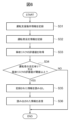
- 3 is a flowchart showing an example of the operation of the information recording apparatus shown in FIG. 2
- 10 is a flowchart showing another example of the operation of the information recording apparatus shown in FIG. 2
- 10 is a flowchart showing another example of the operation of the information recording apparatus shown in FIG. 2
- 10 is a flowchart showing another example of the operation of the information recording apparatus shown in FIG. 2 .
- FIG. 1 is a diagram showing the configuration of a vehicle 1 equipped with a vehicle control device 10 according to this embodiment.
- the vehicle control device 10 is configured with an ECU equipped with a microcomputer and the like inside.
- the vehicle control device 10 is configured with an ECU (ADAS-ECU) that has a driving assistance function for the vehicle 1.
- the vehicle control device 10 is connected to a camera 11, a radar 12, a positioning device 13, a vehicle sensor 14, a driver sensor 15, an engine 16, brakes 17, a steering wheel 18, a meter 19, a buzzer 20, headlights 21, a communication device 22, and the like.
- the camera 11 is a sensor mounted on the vehicle 1 and captures images (including still images and moving images) of the area in front of the vehicle 1.
- the camera 11 may be a monocular camera or a stereo camera.
- the camera 11 transmits the captured images of the area in front of the vehicle 1 to the vehicle control device 10.
- the radar 12 is mounted on the vehicle 1 and is a sensor that detects targets in front of or to the side of the vehicle 1.
- a plurality of radars 12 may be mounted on the vehicle 1. Specifically, the radar 12 acquires information on the position and speed of targets and transmits the information to the vehicle control device 10.
- the radar 12 may be any external recognition sensor capable of acquiring information on the position and speed of targets, and may be, for example, a LiDAR.
- the positioning device 13 is a device that acquires the current position of the vehicle 1.
- the positioning device 13 is, for example, a global navigation satellite system (GNSS) receiver.
- GNSS global navigation satellite system
- the positioning device 13 transmits the acquired position information of the vehicle 1 to the vehicle control device 10.
- the vehicle sensors 14 acquire vehicle information, which is information relating to the state of the vehicle 1.
- the vehicle sensors 14 acquire various vehicle information obtained from the vehicle 1.
- the vehicle sensors 14 include an accelerator sensor that acquires the amount of depression of the accelerator pedal (accelerator opening) operated by the driver, a brake sensor that acquires the amount of depression of the brake pedal, a steering angle sensor that acquires the steering angle of the steering wheel, and operation switches such as a steering switch. These sensors acquire operation information of the driver.
- the vehicle sensors 14 include a wheel speed sensor that acquires the speed of the vehicle 1, an acceleration sensor that acquires the acceleration of the vehicle 1, a yaw rate sensor that acquires the yaw rate of the vehicle 1, a gyro sensor that acquires the angular velocity generated in the vehicle 1, an illuminance sensor that acquires the brightness around the vehicle 1, an air pressure sensor that acquires the air pressure of the tires of the vehicle 1, a seating sensor that detects whether a person is sitting in a seat inside the passenger compartment of the vehicle 1, a load sensor that acquires the load of the vehicle 1, and a vehicle height sensor that acquires the vertical height of the vehicle 1 and the inclination of the vehicle 1.
- the vehicle sensor 14 also acquires information on each component installed in the vehicle, such as the engine 16, brakes 17, steering wheel 18, shift lever, parking brake, headlights 21, turn signals, doors, seat belts, VDC (vehicle dynamics control), and tires.
- the vehicle sensor 14 transmits the acquired information to the vehicle control device 10.
- the driver sensor 15 is a sensor that acquires information related to the driver's behavior and facial expressions, as well as biometric information of the driver.
- the driver sensor 15 may be, for example, a camera installed in the vehicle cabin to acquire images of the driver and passengers.
- the driver sensor 15 may include a sensor that acquires biometric information of the driver in order to record driver response information, which is information related to the driver's response to the operation of the driving assistance function of the vehicle 1. Examples of the driver's biometric information include heart rate variability, skin conductivity, and grip pressure of the steering wheel. If the vehicle 1 is equipped with a DMS (driver monitoring system), the sensor used therefor may also serve as the driver sensor 15.
- the driver sensor 15 transmits the acquired information to the vehicle control device 10.
- the engine 16 is mounted on the vehicle 1 and accelerates the vehicle 1 in response to a control command from the vehicle control device 10.
- the vehicle 1 may be an electric vehicle equipped with a motor instead of or in addition to the engine 16.
- the brake 17 is mounted on the vehicle 1 and decelerates the vehicle 1 in response to a control command from the vehicle control device 10.
- the steering wheel 18 is mounted on the vehicle 1 and turns the vehicle 1 in response to a control command from the vehicle control device 10.
- the meter 19 is mounted on the vehicle 1, and turns on a warning light or displays the operating status of the driving assistance function in response to a control command from the vehicle control device 10.
- the buzzer 20 is mounted on the vehicle 1, and emits a warning sound or an operating sound of the driving assistance function in response to a control command from the vehicle control device 10.
- the headlights 21 are mounted on the vehicle 1, and turn on, switch between high beam and low beam, or change the illumination area of the headlights 21 in response to a control command from the vehicle control device 10.
- the communication device 22 wirelessly communicates with the outside of the vehicle 1.
- the outside of the vehicle 1 is, for example, a server device connected to multiple vehicles 1 via a wireless communication network.
- FIG. 2 is a diagram showing the detailed configuration of the vehicle control device 10 shown in FIG. 1.
- the vehicle control device 10 includes a recognition unit 101, a sensor fusion unit 102, a vehicle position estimation unit 103, a driver monitoring unit 104, a vehicle control unit 105, and an information recording device 110.
- the recognition unit 101 extracts target information, which is information about targets around the vehicle 1, and environmental information, which is information about the environment around the vehicle 1, from the image transmitted from the camera 11.
- Target information is information such as the position and speed of the target, the type of target, and the shape of the target.
- Target information includes the state of the taillights of the preceding vehicle, the presence or absence of a cutting-in vehicle, the presence or absence of objects on the side of the road, etc.
- Environmental information is information such as division line and road edge information, sign information, lane width, road surface condition, and road curvature.
- the recognition unit 101 determines whether there are any abnormalities, such as dirt on the lens of the camera 11 or dirt on the windshield of the vehicle 1, from the image transmitted from the camera 11.
- the sensor fusion unit 102 integrates the target information extracted by the recognition unit 101 with the target position and speed information transmitted from the radar 12.
- the sensor fusion unit 102 outputs the integrated target information to the vehicle control unit 105.
- the vehicle position estimation unit 103 estimates the vehicle position of the vehicle 1 from the position information of the vehicle 1 transmitted from the positioning device 13, the acceleration and angular velocity of the vehicle 1 acquired by the acceleration sensor and gyro sensor included in the vehicle sensor 14, and the map information stored in the vehicle 1.
- the vehicle position estimation unit 103 is able to determine detailed information about the vehicle position (e.g., information about the location where the vehicle 1 is located, such as a general road, interchange, service area, parking area, junction, toll gate, or overpass) by combining the map information, it adds this detailed information to the estimated vehicle position.
- the vehicle position estimation unit 103 outputs the estimated vehicle position to the vehicle control unit 105.
- the driver monitoring unit 104 recognizes the image of the driver transmitted from the driver sensor 15 and monitors the driver. For example, if the driver closes his/her eyes for a certain period of time while the vehicle 1 is traveling, the driver monitoring unit 104 considers the driver to be dozing off. If the driver turns his/her gaze away from the front for a certain period of time while the vehicle 1 is traveling, the driver monitoring unit 104 considers the driver to be looking away. In this case, the driver monitoring unit 104 may obtain information about the object on which the driver turns his/her gaze for a certain period of time (the position of the object). If the driver is considered to be dozing off or looking away, the driver monitoring unit 104 requests the vehicle control unit 105 to alert the driver using the meter 19 and buzzer 20, or requests the vehicle control unit 105 to stop the operation of the driving assistance function.
- the vehicle control unit 105 generates control commands to realize the driving assistance functions of the vehicle 1 from the target information output from the sensor fusion unit 102, the environmental information output from the recognition unit 101, the information on the vehicle's own position output from the vehicle position estimation unit 103, etc.
- the vehicle control unit 105 transmits the generated control commands to the engine 16, the brakes 17, the steering wheel 18, the meter 19, the buzzer 20, the headlights 21, etc.
- the driving assistance functions include adaptive cruise control (ACC), forward vehicle warning (FCW), automatic emergency braking (AEB), traffic sign recognition (TSR), lane departure warning (LDW), lane keeping assist (LKAS), blind spot monitoring (BSM), rear cross traffic alert (RCTA), auto high beam, adaptive high beam, exit assist (SEA), pedal misapplication acceleration suppression system, etc.
- the information recording device 110 records driving assistance operation information, which is information related to the operation of the driving assistance function, and driver response information, which is information related to the driver's response to the operation of the driving assistance function, in association with each other.
- the information recording device 110 transmits to the outside the driving assistance operation information and driver response information recorded when the driver responds to the operation of the driving assistance function.
- the information recording device 110 includes a driving assistance operation recording unit 111 that records driving assistance operation information in association with time information, a driver response recording unit 112 that records driver response information in association with the time information, and a recording control unit 113 that controls the driving assistance operation recording unit 111 and the driver response recording unit 112.
- the time information is, for example, information about the current time obtained from a real-time clock built into the vehicle control device 10.
- the driving assistance operation recording unit 111 and the driver response recording unit 112 associate the common time information with the driving assistance operation information and the driver response information, respectively, and record the driving assistance operation information and the driver response information.
- the driving assistance operation recording unit 111 records the environmental information output from the recognition unit 101, the target information output from the sensor fusion unit 102, the vehicle position information of the vehicle 1 output from the vehicle position estimation unit 103, the vehicle information transmitted from the vehicle sensor 14, and the image transmitted from the camera 11 as driving assistance operation information. Furthermore, the driving assistance operation recording unit 111 records the control information of the driving assistance function output from the vehicle control unit 105 as driving assistance operation information.
- the control information of the driving assistance function is an internal value (parameter) of the vehicle control unit 105.
- the control information of the driving assistance function is a value indicating the operation state of the driving assistance function (in the case of adaptive cruise control (ACC), a value indicating a following driving state, a value indicating a stopped state, a value indicating a temporary stop state of the adaptive cruise control, etc.), or a value calculated when the driving assistance function is operating (road surface gradient, collision prediction time).
- the driving assistance operation information includes not only information indicating the operation content of the driving assistance function, but also information indicating the state of the vehicle 1 when the driving assistance function is operating, and information indicating the surrounding conditions of the vehicle 1 when the driving assistance function is operating.
- the driving assistance operation recording unit 111 When the driving assistance operation recording unit 111 receives environmental information from the recognition unit 101, target information from the sensor fusion unit 102, vehicle position information from the vehicle position estimation unit 103, vehicle information from the vehicle sensor 14, images from the camera 11, and control information for the driving assistance function from the vehicle control unit 105, it may record each piece of input information as is as driving assistance operation information, or it may process each piece of input information and record it as driving assistance operation information. For example, the driving assistance operation recording unit 111 may determine the degree of visibility and weather from the images sent from the camera 11, or determine whether the vehicle 1 is being towed, and record these determination results.
- the driving support operation recording unit 111 records not only driving support operation information at the current time, but also driving support operation information prior to the current time.
- the driving support operation recording unit 111 sequentially updates the recorded driving support operation information by discarding the oldest driving support operation information and adding the latest driving support operation information.
- the driving support operation recording unit 111 records driving support operation information acquired from the current time up to a predetermined time (a few seconds to a few minutes) back, within the amount of information that can fit into the capacity of the storage area of the vehicle control device 10.
- the driver response recording unit 112 records the driver's operation information included in the vehicle information transmitted from the vehicle sensor 14, and the driver's image and biometric information transmitted from the driver sensor 15, as driver response information.
- the driver response recording unit 112 may record, as driver operation information, the driver's operation information when the driver performs an operation that contradicts the operation of the driving assistance function, and the driver's operation information when the driver ignores the operation of the driving assistance function.
- the driver response recording unit 112 may record, instead of the image of the driver itself, information on the driver's facial expression and behavior output from the driver monitoring unit 104, as well as information on the object on which the driver directs his or her gaze for a certain period of time.
- the driver response recording unit 112 records not only the driver response information at the current time, but also driver response information prior to the current time.
- the driver response recording unit 112 sequentially updates the recorded driver response information by discarding the oldest driver response information and adding the latest driver response information.
- the driver response recording unit 112 records driver response information acquired from the current time up to a predetermined time (a few seconds to a few minutes) back, within the data volume that can fit into the capacity of the storage area of the vehicle control device 10.
- the recording control unit 113 reads out the driving support operation information and the driver's reaction information from the driving support operation recording unit 111 and the driver's reaction recording unit 112, respectively, based on the time information of when the driver reacted in some way to the operation of the driving support function (i.e., "when the driver reacted"). At this time, the recording control unit 113 reads out the driving support operation information and the driver's reaction information recorded from the time of the driver's reaction to a point going back a predetermined time. The recording control unit 113 then associates the read driving support operation information and the driver's reaction information with each other and transmits them to the communication device 22.
- the driving assistance operation recording unit 111 and the driver response recording unit 112 record the driving assistance operation information and the driver response information by associating the common time information with each other and the driving assistance operation information and the driver response information, respectively.
- the recording control unit 113 can associate the driving assistance operation information and the driver response information with each other and transmit them to the communication device 22 by reading out the driving assistance operation information and the driver response information associated with the same time information.
- the driving assistance operation information and the driver response information transmitted to the communication device 22 are transmitted to the outside of the vehicle 1 (e.g., a server device) and stored as information useful for improving the driving assistance function.
- the recording control unit 113 determines whether the driver has responded in some way to the operation of the driving assistance function based on the driver's biometric information sent from the driver sensor 15 and the information on the driver's facial expression and behavior output from the driver monitoring unit 104. Specifically, the recording control unit 113 determines that the driver has responded in some way to the operation of the driving assistance function when there is a change in the driver's facial expression, heart rate variability, or grip pressure on the steering wheel.
- the recording control unit 113 also determines whether the driver has responded in some way to the operation of the driving assistance function based on the driver's operation information included in the vehicle information transmitted from the vehicle sensor 14. Specifically, the recording control unit 113 determines that the driver has responded in some way to the operation of the driving assistance function when the driver performs an operation that is contradictory to the operation of the driving assistance function or when the driver ignores the operation of the driving assistance function. For example, when the driver operates the accelerator pedal while the adaptive cruise control (ACC) is decelerating the vehicle 1, the recording control unit 113 determines that the driver has responded in some way to the operation of the driving assistance function.
- ACC adaptive cruise control
- the recording control unit 113 determines that the driver has responded in some way to the operation of the driving assistance function. For example, when the driver operates the cancel switch while the adaptive cruise control (ACC) is in operation, the recording control unit 113 determines that the driver has responded in some way to the operation of the driving assistance function.
- FCW forward vehicle warning
- ACC adaptive cruise control
- the recording control unit 113 also changes the type of information read out as driving support operation information depending on the driving support function in operation. For example, when a driving support function is in operation that only notifies the driver of an alarm or the like through the meter 19 and buzzer 20 of the vehicle 1 and does not control the engine 16, brakes 17, or steering 18, such as a forward vehicle warning (FCW), lane departure warning (LDW), or traffic sign recognition (TSR), the recording control unit 113 does not read out control commands to the engine 16, brakes 17, and steering 18 as driving support operation information. This allows the information recording device 110 to reduce the amount of information that it reads and transmits to the communication device 22.
- FCW forward vehicle warning
- LW lane departure warning
- TSR traffic sign recognition
- the recording control unit 113 also reads out the driving assistance operation information and driver response information recorded from the time of the driver's reaction up to a point a predetermined time back, but changes the predetermined time going back from the time of the driver's reaction depending on the driving assistance function. For example, in the case of a driving assistance function that starts to operate when the distance to the target is long, such as adaptive cruise control (ACC), the recording control unit 113 lengthens the predetermined time going back from the time of the driver's reaction. For example, in the case of a driving assistance function that starts to operate when the distance to the target is short, such as a pedal misapplication acceleration suppression system, the recording control unit 113 shortens the predetermined time going back from the time of the driver's reaction. This allows the information recording device 110 to reduce the amount of information that is read and transmitted to the communication device 22.
- ACC adaptive cruise control
- the recording control unit 113 also changes the predetermined time going back from the time of the driver's reaction depending on the vehicle speed range of the vehicle 1. For example, when the vehicle speed range of the vehicle 1 is high in adaptive cruise control (ACC), the recording control unit 113 lengthens the predetermined time going back from the time of the driver's reaction. For example, when the vehicle speed range of the vehicle 1 is low in adaptive cruise control (ACC), the recording control unit 113 shortens the predetermined time going back from the time of the driver's reaction. This allows the information recording device 110 to reduce the amount of information that is read and transmitted to the communication device 22.
- ACC adaptive cruise control
- the recording control unit 113 may transmit the read driving assistance operation information and driver response information to the communication device 22 at each predetermined control period, or may temporarily hold the information in the recording control unit 113 until a transmission instruction is received from the destination.
- FIG. 3 is a flowchart showing an example of the operation of the information recording device 110 shown in FIG. 2.
- step S1 the driving assistance operation recording unit 111 records the driving assistance operation information.
- step S2 the driver response recording unit 112 records the driver response information.
- step S3 the recording control unit 113 determines whether or not the driver has responded to the operation of the driving assistance function. If the driver has responded, the recording control unit 113 proceeds to step S4. If the driver has not responded, the recording control unit 113 ends the process shown in FIG. 3.
- step S4 the recording control unit 113 reads out the driving assistance operation information and the driver response information from the driving assistance operation recording unit 111 and the driver response recording unit 112.
- step S5 the recording control unit 113 transmits the read driving assistance operation information and driver response information to the communication device 22.
- the communication device 22 transmits the driving assistance operation information and driver response information to the outside of the vehicle 1.
- step S5 the recording control unit 113 ends the process shown in FIG. 3.
- the vehicle control device 10 of this embodiment is a vehicle control device that has a driving assistance function for the vehicle 1.
- the vehicle control device 10 includes an information recording device 110 that records driving assistance operation information, which is information related to the operation of the driving assistance function, and driver response information, which is information related to the driver's response to the operation of the driving assistance function, in association with each other, and transmits the driving assistance operation information and driver response information recorded when the driver responds to the outside.
- the vehicle control device 10 of this embodiment can transmit driving assistance operation information at that time to the outside in association with driver reaction information. Therefore, for example, the designer of the driving assistance function can obtain driving assistance operation information when the driving assistance function performs an operation that is undesirable for the driver, and can use this driving assistance operation information to design an improvement to the driving assistance function. Therefore, the vehicle control device 10 of this embodiment can share with the outside information that is useful for improving a driving assistance function that performs an operation different from that expected by the driver.
- the vehicle control device 10 of this embodiment is connected to a communication device 22 that communicates with the outside of the vehicle 1.
- the information recording device 110 includes a driving support operation recording unit 111 that records driving support operation information in association with time information, a driver response recording unit 112 that records driver response information in association with the time information, and a recording control unit 113 that controls the driving support operation recording unit 111 and the driver response recording unit 112.
- the recording control unit 113 reads out the driving support operation information and the driver response information from the driving support operation recording unit 111 and the driver response recording unit 112, respectively, based on the time information at the time of the driver's response, and transmits the read driving support operation information and driver response information to the communication device 22 in association with each other.
- the vehicle control device 10 of this embodiment while having a relatively simple configuration, can read driving assistance operation information and driver reaction information recorded when the driving assistance function operates differently from what the driver expected, and transmit them from the communication device 22 to the outside of the vehicle 1. Therefore, the vehicle control device 10 of this embodiment can easily share with the outside information that is useful for improving the driving assistance function that operates differently from what the driver expected.
- the recording control unit 113 changes the type of information read as driving assistance operation information depending on the driving assistance function.
- the vehicle control device 10 of this embodiment can read out only the information useful for improving the driving assistance function and transmit it from the communication device 22 to the outside of the vehicle 1. Therefore, the vehicle control device 10 of this embodiment can reduce the amount of information transmitted while reliably transmitting information useful for improving the driving assistance function to the outside of the vehicle 1.
- the vehicle control device 10 of this embodiment can reduce the communication load in the in-vehicle network and the wireless communication network outside the vehicle while reliably sharing information useful for improving the driving assistance function with the outside of the vehicle 1. Therefore, the vehicle control device 10 of this embodiment can reliably and easily share information useful for improving driving assistance functions that perform operations different from those expected by the driver with the outside.
- the recording control unit 113 reads out the driving assistance operation information and the driver's reaction information recorded from the time of the driver's reaction to a point going back a predetermined time, and transmits them to the communication device 22.
- the recording control unit 113 changes the predetermined time going back from the time of the driver's reaction according to the driving assistance function.
- the vehicle control device 10 of this embodiment can read out only the information useful for improving the driving assistance function and transmit it from the communication device 22 to the outside of the vehicle 1. Therefore, the vehicle control device 10 of this embodiment can reduce the amount of information transmitted while reliably transmitting information useful for improving the driving assistance function to the outside of the vehicle 1. Therefore, the vehicle control device 10 of this embodiment can reliably and easily share with the outside information useful for improving driving assistance functions that perform operations different from those expected by the driver.
- the recording control unit 113 reads out the driving support operation information and the driver's reaction information recorded from the time of the driver's reaction to a point going back a predetermined time, and transmits them to the communication device 22.
- the recording control unit 113 changes the predetermined time going back from the time of the driver's reaction depending on the vehicle speed range of the vehicle 1.
- the vehicle control device 10 of this embodiment can reduce the amount of information transmitted while reliably transmitting information useful for improving the driving assistance function to the outside of the vehicle 1. Therefore, the vehicle control device 10 of this embodiment can reliably and easily share with the outside information useful for improving the driving assistance function, which performs operations different from those expected by the driver.
- the driver response recording unit 112 records at least one of the following as driver response information: information on the driver's facial expression and behavior, the driver's biometric information, and information on an object on which the driver directs his or her gaze for a certain period of time.
- the vehicle control device 10 of this embodiment can accurately grasp when the driving assistance function operates differently from what the driver expected, and can read out the driving assistance operation information and driver response information recorded at that time and transmit them from the communication device 22 to the outside of the vehicle 1. Therefore, the vehicle control device 10 of this embodiment can share accurate information with the outside that is useful for improving driving assistance functions that operate differently from what the driver expected.
- the driver response recording unit 112 records at least one of the driver's operation information that contradicts the operation of the driving assistance function and the driver's operation information that ignores the operation of the driving assistance function as driver response information.
- the vehicle control device 10 of this embodiment can record driver operation information when the driving assistance function operates differently from what the driver expected, and transmit this information from the communication device 22 to the outside of the vehicle 1. Therefore, the vehicle control device 10 of this embodiment can share with the outside information that is very useful for improving driving assistance functions that operate differently from what the driver expected.
- the driving assistance operation recording unit 111 records at least one of the following as driving assistance operation information: environmental information, which is information about the surrounding environment of the vehicle 1; target information, which is information about targets around the vehicle 1; vehicle information, which is information about the state of the vehicle 1; and control information for the driving assistance function.
- the vehicle control device 10 of this embodiment can record not only information indicating the operation content of the driving assistance function, but also information indicating the state of the vehicle 1 when the driving assistance function is operating, and information indicating the surrounding conditions of the vehicle 1 when the driving assistance function is operating, and transmit this information from the communication device 22 to the outside of the vehicle 1. Therefore, the vehicle control device 10 of this embodiment can share with the outside a variety of information that is very useful for improving driving assistance functions that perform operations different from those expected by the driver.
- FIG. 4 is a flowchart showing another example of the operation of the information recording device 110 shown in FIG. 2.
- steps S11 to S13 the information recording device 110 performs the same processing as steps S1 to S3 shown in FIG. 3. If there is a response from the driver in step S13, the recording control unit 113 proceeds to step S14. If there is no response from the driver in step S13, the recording control unit 113 ends the processing shown in FIG. 4.
- step S14 the recording control unit 113 reads out the driving support operation information and the driver response information from the driving support operation recording unit 111 and the driver response recording unit 112, and stores them in a specified memory area.
- step S15 the recording control unit 113 transmits a notification to the communication device 22 indicating that the read driving assistance operation information and driver response information are waiting to be transmitted.
- the communication device 22 transmits the notification to the outside of the vehicle 1, which is the destination of the driving assistance operation information and driver response information.
- step S16 the recording control unit 113 determines whether or not a transmission instruction from the destination has been received by the communication device 22. If a transmission instruction from the destination has not been received, the recording control unit 113 proceeds to step S15. If a transmission instruction from the destination has been received, the recording control unit 113 proceeds to step S17.
- step S17 the recording control unit 113 transmits the driving assistance operation information and driver response information that are stored in a specified storage area and waiting to be transmitted to the communication device 22.
- the communication device 22 transmits the driving assistance operation information and driver response information to the outside of the vehicle 1.
- step S17 the recording control unit 113 ends the process shown in FIG. 4.
- the recording control unit 113 sends a notification to the communication device 22 indicating that the read driving assistance operation information and driver response information are waiting to be transmitted, and after receiving a transmission instruction from outside the vehicle 1 in response to the notification, transmits the driving assistance operation information and driver response information waiting to be transmitted to the communication device 22.
- the vehicle control device 10 of this embodiment can reliably transmit the read driving assistance operation information and driver response information from the communication device 22 to the outside of the vehicle 1 even if a communication interruption occurs between the vehicle 1 and the outside of the vehicle 1. Therefore, the vehicle control device 10 of this embodiment can reliably share with the outside information that is useful for improving driving assistance functions that perform operations different from those expected by the driver.
- FIG. 5 is a flowchart showing another example of the operation of the information recording device 110 shown in FIG. 2.
- steps S21 and S22 the information recording device 110 performs the same processing as steps S1 and S2 shown in FIG. 3.
- step S23 the recording control unit 113 determines whether or not the driver has responded in any way to the operation of the driving assistance function, or whether or not the driving assistance function is operating. If the driver has responded, or if the driving assistance function is operating, the recording control unit 113 proceeds to step S24. If the driver has not responded and the driving assistance function is not operating, the recording control unit 113 ends the process shown in FIG. 5.
- step S24 and S25 the information recording device 110 performs the same processes as steps S4 and S5 shown in FIG. 3. After step S25, the information recording device 110 ends the process shown in FIG. 5.
- the recording control unit 113 not only reads out the driving assistance operation information and driver reaction information recorded when the driver reacts to the operation of the driving assistance function, but also reads out the driving assistance operation information and driver reaction information recorded when the driving assistance function is operating, and transmits them to the communication device 22.
- the vehicle control device 10 of this embodiment can transmit, from the communication device 22 to the outside of the vehicle 1, not only driving assistance operation information and driver response information when the driver responds, but also driving assistance operation information and driver response information when the driver does not respond. Therefore, for example, the designer of the driving assistance function can obtain not only driving assistance operation information when the driving assistance function performs an operation that is undesirable for the driver, but also driving assistance operation information when the driving assistance function performs an operation that is desirable for the driver. Therefore, the vehicle control device 10 of this embodiment can share with the outside a variety of information that is useful for improving driving assistance functions that perform operations different from those expected by the driver.
- FIG. 6 is a flowchart showing another example of the operation of the information recording device 110 shown in FIG. 2.
- steps S31 and S32 the information recording device 110 performs the same processing as steps S1 and S2 shown in FIG. 3.
- the recording control unit 113 acquires an evaluation value of the accident risk when the driving assistance function is operating based on the driving assistance operation information. For example, the recording control unit 113 acquires the collision prediction time calculated based on the target information output from the sensor fusion unit 102 as the evaluation value of the accident risk. For example, the recording control unit 113 acquires the acceleration of the vehicle 1 included in the vehicle information transmitted from the vehicle sensor 14 as the evaluation value of the accident risk. The recording control unit 113 acquires the operation information of the driver's accelerator pedal, brake pedal, or steering wheel included in the vehicle information transmitted from the vehicle sensor 14 as the evaluation value of the accident risk. The recording control unit 113 may also acquire an evaluation value of the accident risk from a driving assistance function of the vehicle control unit 105, such as a forward vehicle warning (FCW) or an automatic emergency braking system (AEB).
- FCW forward vehicle warning
- AEB automatic emergency braking system
- step S34 the recording control unit 113 determines whether the driver has responded in any way to the operation of the driving assistance function, or whether the assessment value of the accident risk is equal to or greater than a threshold. If the driver has responded, or if the assessment value of the accident risk is equal to or greater than a threshold, the recording control unit 113 proceeds to step S35. If the driver has not responded and the assessment value of the accident risk is less than the threshold, the recording control unit 113 ends the process shown in FIG. 6.
- steps S35 and S36 the information recording device 110 performs the same processes as steps S4 and S5 shown in FIG. 3. After step S36, the information recording device 110 ends the process shown in FIG. 6.
- the recording control unit 113 obtains an evaluation value of the accident risk when the driving assistance function is operating based on the driving assistance operation information, and when the evaluation value reaches or exceeds a threshold value, reads out the recorded driving assistance operation information and driver response information and transmits them to the communication device 22.
- the vehicle control device 10 of this embodiment can transmit not only driving assistance operation information when the driver responds, but also driving assistance operation information and driver response information when an accident risk occurs, to the outside of the vehicle 1 from the communication device 22. Therefore, for example, the designer of the driving assistance function can obtain not only driving assistance operation information when the driving assistance function performs an operation that is undesirable for the driver, but also driving assistance operation information when an accident risk occurs. Therefore, the vehicle control device 10 of this embodiment can share with the outside a variety of information that is useful for improving driving assistance functions that perform operations different from those expected by the driver.
- the present invention is not limited to the above-described embodiments, and includes various modified examples.
- the above-described embodiments have been described in detail to clearly explain the present invention, and are not necessarily limited to those having all of the configurations described. It is also possible to replace part of the configuration of one embodiment with the configuration of another embodiment, and it is also possible to add the configuration of another embodiment to the configuration of one embodiment. It is also possible to add, delete, or replace part of the configuration of each embodiment with other configurations.
- the above-mentioned configurations, functions, processing units, processing means, etc. may be realized in part or in whole by hardware, for example by designing them as integrated circuits.
- the above-mentioned configurations, functions, etc. may also be realized by software, in which a processor interprets and executes a program that realizes each function.
- Information on the programs, tapes, files, etc. that realize each function can be stored in a memory, a recording device such as a hard disk or SSD (solid state drive), or a recording medium such as an IC card, SD card, or DVD.
- control lines and information lines shown are those considered necessary for the explanation, and do not necessarily show all control lines and information lines on the product. In reality, it can be assumed that almost all components are interconnected.
Landscapes
- Engineering & Computer Science (AREA)
- Automation & Control Theory (AREA)
- Human Computer Interaction (AREA)
- Transportation (AREA)
- Mechanical Engineering (AREA)
- Traffic Control Systems (AREA)
Priority Applications (2)
| Application Number | Priority Date | Filing Date | Title |
|---|---|---|---|
| PCT/JP2022/045957 WO2024127538A1 (ja) | 2022-12-14 | 2022-12-14 | 車両制御装置 |
| JP2024564029A JPWO2024127538A1 (https=) | 2022-12-14 | 2022-12-14 |
Applications Claiming Priority (1)
| Application Number | Priority Date | Filing Date | Title |
|---|---|---|---|
| PCT/JP2022/045957 WO2024127538A1 (ja) | 2022-12-14 | 2022-12-14 | 車両制御装置 |
Publications (1)
| Publication Number | Publication Date |
|---|---|
| WO2024127538A1 true WO2024127538A1 (ja) | 2024-06-20 |
Family
ID=91484548
Family Applications (1)
| Application Number | Title | Priority Date | Filing Date |
|---|---|---|---|
| PCT/JP2022/045957 Ceased WO2024127538A1 (ja) | 2022-12-14 | 2022-12-14 | 車両制御装置 |
Country Status (2)
| Country | Link |
|---|---|
| JP (1) | JPWO2024127538A1 (https=) |
| WO (1) | WO2024127538A1 (https=) |
Citations (3)
| Publication number | Priority date | Publication date | Assignee | Title |
|---|---|---|---|---|
| JP2007047914A (ja) * | 2005-08-08 | 2007-02-22 | Denso Corp | 危険反応地点記録システム及び運転支援システム |
| JP2009169912A (ja) * | 2008-01-21 | 2009-07-30 | Toyota Central R&D Labs Inc | 交通流シミュレーションシステム |
| JP2018101199A (ja) * | 2016-12-19 | 2018-06-28 | 株式会社デンソー | 運転支援装置 |
-
2022
- 2022-12-14 WO PCT/JP2022/045957 patent/WO2024127538A1/ja not_active Ceased
- 2022-12-14 JP JP2024564029A patent/JPWO2024127538A1/ja active Pending
Patent Citations (3)
| Publication number | Priority date | Publication date | Assignee | Title |
|---|---|---|---|---|
| JP2007047914A (ja) * | 2005-08-08 | 2007-02-22 | Denso Corp | 危険反応地点記録システム及び運転支援システム |
| JP2009169912A (ja) * | 2008-01-21 | 2009-07-30 | Toyota Central R&D Labs Inc | 交通流シミュレーションシステム |
| JP2018101199A (ja) * | 2016-12-19 | 2018-06-28 | 株式会社デンソー | 運転支援装置 |
Also Published As
| Publication number | Publication date |
|---|---|
| JPWO2024127538A1 (https=) | 2024-06-20 |
Similar Documents
| Publication | Publication Date | Title |
|---|---|---|
| CN111361552B (zh) | 自动驾驶系统 | |
| US11873007B2 (en) | Information processing apparatus, information processing method, and program | |
| US10093320B2 (en) | Drive support device for controlling drive support functions and evaluating driver performance | |
| CN111791889B (zh) | 用于驾驶机动车的控制系统和控制方法 | |
| US11318963B2 (en) | Vehicle control apparatus, vehicle, and vehicle control method | |
| US11433888B2 (en) | Driving support system | |
| CN111443708A (zh) | 自动驾驶系统 | |
| US20150094928A1 (en) | Driving assistance device | |
| US20050143895A1 (en) | Active drive assist system | |
| CN115891981B (zh) | 基于视觉识别的驾驶辅助系统及方法 | |
| JP3890996B2 (ja) | 運転支援装置 | |
| JP7666549B2 (ja) | 画像処理装置 | |
| US20200307598A1 (en) | Traveling control apparatus, traveling control method, and non-transitory computer-readable storage medium storing program | |
| US20190018409A1 (en) | Systems and methods for providing an intelligent override for a driving automation system | |
| JP6898388B2 (ja) | 車両の制御システム、車両の制御方法、およびプログラム | |
| US20190283772A1 (en) | Driving support system and vehicle control method | |
| WO2024127538A1 (ja) | 車両制御装置 | |
| US20240132064A1 (en) | Method and system for a longitudinal control of a motor vehicle | |
| CN115195744B (zh) | 车辆控制系统和车辆控制方法 | |
| CN115210122B (zh) | 车辆控制装置、车辆、车辆控制方法以及存储介质 | |
| JP2025023709A (ja) | 運転支援装置 | |
| US20210284157A1 (en) | Vehicle following traveling system, vehicle control apparatus, vehicle, and control method | |
| CN111216631B (zh) | 行驶控制装置、控制方法以及存储程序的存储介质 | |
| US20250296587A1 (en) | Vehicle control device and vehicle control method | |
| JP7683447B2 (ja) | 車両の制御方法及び車両の制御装置 |
Legal Events
| Date | Code | Title | Description |
|---|---|---|---|
| 121 | Ep: the epo has been informed by wipo that ep was designated in this application |
Ref document number: 22968450 Country of ref document: EP Kind code of ref document: A1 |
|
| WWE | Wipo information: entry into national phase |
Ref document number: 2024564029 Country of ref document: JP |
|
| NENP | Non-entry into the national phase |
Ref country code: DE |
|
| 122 | Ep: pct application non-entry in european phase |
Ref document number: 22968450 Country of ref document: EP Kind code of ref document: A1 |