WO2023223471A1 - 加工結果評価装置、加工結果評価方法、加工条件決定装置、および加工条件決定方法 - Google Patents
加工結果評価装置、加工結果評価方法、加工条件決定装置、および加工条件決定方法 Download PDFInfo
- Publication number
- WO2023223471A1 WO2023223471A1 PCT/JP2022/020704 JP2022020704W WO2023223471A1 WO 2023223471 A1 WO2023223471 A1 WO 2023223471A1 JP 2022020704 W JP2022020704 W JP 2022020704W WO 2023223471 A1 WO2023223471 A1 WO 2023223471A1
- Authority
- WO
- WIPO (PCT)
- Prior art keywords
- machining
- drive shaft
- servo control
- result evaluation
- unit
- Prior art date
- Legal status (The legal status is an assumption and is not a legal conclusion. Google has not performed a legal analysis and makes no representation as to the accuracy of the status listed.)
- Ceased
Links
Images




Classifications
-
- G—PHYSICS
- G05—CONTROLLING; REGULATING
- G05B—CONTROL OR REGULATING SYSTEMS IN GENERAL; FUNCTIONAL ELEMENTS OF SUCH SYSTEMS; MONITORING OR TESTING ARRANGEMENTS FOR SUCH SYSTEMS OR ELEMENTS
- G05B19/00—Program-control systems
- G05B19/02—Program-control systems electric
- G05B19/18—Numerical control [NC], i.e. automatically operating machines, in particular machine tools, e.g. in a manufacturing environment, so as to execute positioning, movement or co-ordinated operations by means of program data in numerical form
- G05B19/19—Numerical control [NC], i.e. automatically operating machines, in particular machine tools, e.g. in a manufacturing environment, so as to execute positioning, movement or co-ordinated operations by means of program data in numerical form characterised by positioning or contouring control systems, e.g. to control position from one programmed point to another or to control movement along a programmed continuous path
-
- B—PERFORMING OPERATIONS; TRANSPORTING
- B23—MACHINE TOOLS; METAL-WORKING NOT OTHERWISE PROVIDED FOR
- B23Q—DETAILS, COMPONENTS, OR ACCESSORIES FOR MACHINE TOOLS, e.g. ARRANGEMENTS FOR COPYING OR CONTROLLING; MACHINE TOOLS IN GENERAL CHARACTERISED BY THE CONSTRUCTION OF PARTICULAR DETAILS OR COMPONENTS; COMBINATIONS OR ASSOCIATIONS OF METAL-WORKING MACHINES, NOT DIRECTED TO A PARTICULAR RESULT
- B23Q15/00—Automatic control or regulation of feed movement, cutting velocity or position of tool or work
-
- G—PHYSICS
- G05—CONTROLLING; REGULATING
- G05B—CONTROL OR REGULATING SYSTEMS IN GENERAL; FUNCTIONAL ELEMENTS OF SUCH SYSTEMS; MONITORING OR TESTING ARRANGEMENTS FOR SUCH SYSTEMS OR ELEMENTS
- G05B19/00—Program-control systems
- G05B19/02—Program-control systems electric
- G05B19/18—Numerical control [NC], i.e. automatically operating machines, in particular machine tools, e.g. in a manufacturing environment, so as to execute positioning, movement or co-ordinated operations by means of program data in numerical form
- G05B19/406—Numerical control [NC], i.e. automatically operating machines, in particular machine tools, e.g. in a manufacturing environment, so as to execute positioning, movement or co-ordinated operations by means of program data in numerical form characterised by monitoring or safety
- G05B19/4069—Simulating machining process on screen
-
- G—PHYSICS
- G05—CONTROLLING; REGULATING
- G05B—CONTROL OR REGULATING SYSTEMS IN GENERAL; FUNCTIONAL ELEMENTS OF SUCH SYSTEMS; MONITORING OR TESTING ARRANGEMENTS FOR SUCH SYSTEMS OR ELEMENTS
- G05B19/00—Program-control systems
- G05B19/02—Program-control systems electric
- G05B19/18—Numerical control [NC], i.e. automatically operating machines, in particular machine tools, e.g. in a manufacturing environment, so as to execute positioning, movement or co-ordinated operations by means of program data in numerical form
- G05B19/4155—Numerical control [NC], i.e. automatically operating machines, in particular machine tools, e.g. in a manufacturing environment, so as to execute positioning, movement or co-ordinated operations by means of program data in numerical form characterised by program execution, i.e. part program or machine function execution, e.g. selection of a program
-
- G—PHYSICS
- G05—CONTROLLING; REGULATING
- G05B—CONTROL OR REGULATING SYSTEMS IN GENERAL; FUNCTIONAL ELEMENTS OF SUCH SYSTEMS; MONITORING OR TESTING ARRANGEMENTS FOR SUCH SYSTEMS OR ELEMENTS
- G05B2219/00—Program-control systems
- G05B2219/30—Nc systems
- G05B2219/33—Director till display
- G05B2219/33301—Simulation during machining
-
- G—PHYSICS
- G05—CONTROLLING; REGULATING
- G05B—CONTROL OR REGULATING SYSTEMS IN GENERAL; FUNCTIONAL ELEMENTS OF SUCH SYSTEMS; MONITORING OR TESTING ARRANGEMENTS FOR SUCH SYSTEMS OR ELEMENTS
- G05B2219/00—Program-control systems
- G05B2219/30—Nc systems
- G05B2219/34—Director, elements to supervisory
- G05B2219/34013—Servocontroller
Definitions
- the present disclosure relates to a machining result evaluation device, a machining result evaluation method, a machining condition determining device, and a machining condition determining method that evaluate machining results of a machine tool.
- machining simulation technology in which a machining simulation device evaluates the shape of a workpiece after machining before a machine tool actually performs machining.
- This machining simulation device evaluates the shape of the workpiece after machining by moving the tool in virtual space according to the machining program and removing the region through which the tool passes from the workpiece.
- the machining simulation device described in Patent Document 1 evaluates the shape of the workpiece after machining by simulating the operation of the machine tool based on the position command output by the numerical control device and the transfer characteristics of the machine tool. There is.
- the present disclosure has been made in view of the above, and aims to provide a machining result evaluation device that can accurately evaluate machining results.
- a machining result evaluation device of the present disclosure is a machining result evaluation device that evaluates machining results of machining by a machine tool driven by a servo control device.
- a numerical control simulation section that simulates the operation of the numerical control device that controls the equipment and outputs position commands to the drive shaft of the machine tool, and a numerical control simulation section that simulates the operation of the servo control device based on the position command and outputs the position command to the drive shaft of the machine tool.
- a servo control simulation section that outputs a torque command, a drive shaft simulation section that simulates the operation of the drive shaft based on the torque command, and a machining result evaluation section that evaluates the machining result based on information corresponding to the operation of the drive shaft.
- the drive shaft simulation section outputs position information indicating the position of the drive shaft to the servo control simulation section
- the servo control simulation section simulates feedback control to the drive shaft simulation section using the position information
- the machining result evaluation section evaluates the machining result when feedback control to the drive shaft simulating section is simulated.
- the processing result evaluation device has the effect of being able to accurately evaluate processing results.
- Flowchart showing the processing procedure of processing executed by the processing result evaluation device according to the first embodiment A diagram showing an example of the configuration of a processing circuit when the processing circuit included in the processing result evaluation device according to the first embodiment is implemented by an arithmetic unit and a memory.
- Block diagram showing the configuration of a processing condition determining device according to a second embodiment A block diagram showing the configuration of a machining condition determination unit when the machining condition determination device according to the second embodiment calculates machining conditions corresponding to machining results using an inference model.
- Block diagram showing the configuration of a machine learning device according to Embodiment 2 Diagram for explaining an example of a neural network used by the machine learning device according to Embodiment 2 Flowchart showing the processing procedure of processing executed by the processing condition determining device according to the second embodiment
- machining result evaluation device a machining result evaluation method, a machining condition determining device, and a machining condition determining method according to embodiments of the present disclosure will be described in detail based on the drawings.
- FIG. 1 is a block diagram showing the configuration of a machining result evaluation system including a machining result evaluation apparatus according to the first embodiment.
- the machining result evaluation system 101 includes a machining result evaluation device 1 , a numerical control device 2 , a servo control device 3 , and a machine tool 4 .
- the numerical control device 2 outputs a position command, and the servo control device 3 controls the drive shaft of the machine tool 4 so as to follow the position command, thereby performing cutting. .
- the drive shaft of the machine tool 4 operates, so that the tool attached to the main shaft of the machine tool 4 and the work (workpiece) fixed to the table or turning main shaft of the machine tool 4 are connected.
- a tool or a workpiece rotates as the main spindle or a turning main spindle rotates, and when the tool comes into contact with the workpiece, the tool scrapes a part of the workpiece.
- the numerical control device 2 analyzes the command code written in the machining program and outputs a position command to the servo control device 3 based on the command code.
- the servo control device 3 controls the drive shaft connected via the motor of the machine tool 4 based on the position command received from the numerical control device 2. Further, the servo control device 3 performs feedback control. Specifically, the servo control device 3 performs feedback control to reduce the error between the detected position detected from the drive shaft by a detector (not shown) and the position command received from the numerical control device 2, and controls the motor. A current is applied to the drive shaft to control the drive shaft.
- the machining result evaluation device 1 is a computer that evaluates the machining results of machining performed by the machine tool 4. An example of processing performed by the machine tool 4 is cutting.
- the machining result evaluation device 1 includes a numerical control simulating section 12 , a servo control simulating section 13 , a drive shaft simulating section 14 , a machining result evaluation section 15 , and a display section 16 .
- the numerical control simulation unit 12 simulates the processing executed by the numerical control device 2. Specifically, the numerical control simulation unit 12 analyzes the command code written in the machining program, and outputs a position command to the servo control simulation unit 13.
- the servo control simulation unit 13 simulates the processing executed by the servo control device 3. Specifically, the servo control simulator 13 performs feedback control so that the error between the position command received from the numerical control simulator 12 and the detected position received from the drive shaft simulator 14 is small, and Outputs a torque command to the servo control device 3.
- the drive shaft simulation unit 14 simulates the operation of the drive shaft based on a drive shaft model that models the operation of the drive shaft that the machine tool 4 has. Specifically, the drive shaft simulation unit 14 simulates the movement of the drive shaft of the machine tool 4 based on the torque command received from the servo control simulation unit 13 and the response characteristics (for example, transfer function) to the torque command. do. Further, the drive shaft simulator 14 calculates and outputs position information indicating the detected position of the drive shaft to the servo control simulator 13. Since the tool is driven by a drive shaft, the position of the drive shaft corresponds to the position of the tool.
- the numerical control simulation unit 12 simulates the operation of the numerical control device 2 that controls the servo control device 3, calculates and outputs a position command to the drive shaft of the machine tool 4.
- the servo control simulation unit 13 simulates the operation of the servo control device 3 based on the position command, calculates and outputs a torque command to the drive shaft.
- the drive shaft simulation unit 14 simulates the operation of the drive shaft based on the torque command, and calculates position information of the drive shaft corresponding to the operation of the drive shaft.
- the drive shaft simulation unit 14 outputs the calculated position information to the servo control simulation unit 13 and the machining result evaluation unit 15.
- the drive shaft simulator 14 When the detector that detects the position of the drive shaft is a scale, the drive shaft simulator 14 outputs the position information of the drive shaft as it is to the servo control simulator 13 and the machining result evaluation unit 15. Further, when the detector is an encoder that detects the rotation angle of the motor, the drive shaft simulator 14 outputs position information obtained by converting the position of the drive shaft into a rotation angle to the servo control simulator 13 and the machining result evaluation unit 15. do. For example, if the drive shaft is a feed screw mechanism, the drive shaft simulator 14 can obtain the rotation angle by dividing the position of the drive shaft by the pitch of the feed screw.
- the servo control simulator 13 simulates feedback control for the drive shaft simulator 14 using position information from the drive shaft simulator 14.
- the servo control simulator 13 uses the position information received from the drive shaft simulator 14 to simulate feedback control, and outputs the position information to the numerical control simulator 12 as a feedback position.
- the numerical control simulator 12 simulates feedback control for the servo control simulator 13 using the position information from the servo control simulator 13. That is, the numerical control simulator 12 simulates a process that functions based on the feedback position (position information) received from the servo control simulator 13.
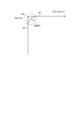
- FIG. 2 is a diagram for explaining an example of a process simulated by the processing result evaluation device according to the first embodiment.
- the machine tool 4 moves the tool along the straight line 62 of block n (n is a natural number) and then moves the tool along the straight line 63 of the next block, block (n+1). do.
- the two straight lines 62 and 63 are orthogonal.
- a path 61 indicates the path in which the tool rotates inward.
- the numerical control device 2 confirms that the remaining distance in the previous block n when starting the next block (n+1) is within a specific range (in-position check). Inward rotation can be suppressed by using an exact stop function that does not start moving the next block (n+1) until the next block (n+1).
- the numerical control device 2 executes an in-position check based on the position information (feedback position) received from the servo control device 3. Therefore, the numerical control simulator 12 of this embodiment simulates the exact stop function by receiving position information from the servo control simulator 13.
- the numerical control simulator 12 can accurately evaluate the machining result (machining accuracy) at the corner portion 60 by simulating the in-position check.
- a machining result evaluation device that cannot simulate an in-position check cannot accurately evaluate the machining result of the corner portion 60.
- the numerical control simulation unit 12 simulates the in-position check, it can simulate the same route 61 as the actual machining, and thereby it is possible to estimate the same machining time as the actual machining.
- a machining result evaluation device that cannot simulate the in-position check simulates the tool turning inwardly compared to the actual machining, so there is a possibility that the machining time will be estimated to be shorter than the actual machining.
- a function called synchronous tapping in which tapping is performed by synchronizing the rotation of the spindle and the feed of the drive shaft, allows the numerical control device 2 to receive information on the rotation angle of the spindle and the position of the drive shaft from the servo control device 3. It works by doing this. Therefore, the numerical control simulation section 12 receives the rotation angle of the main shaft and the position information of the drive shaft from the servo control simulation section 13, and simulates the synchronous tap based on the rotation angle of the main shaft and the position information of the drive shaft. Thereby, the numerical control simulation unit 12 can accurately evaluate whether or not the tapped hole has been accurately machined. On the other hand, a machining result evaluation device that does not receive the rotation angle of the main spindle and the position information of the drive shaft cannot simulate synchronous tapping, and therefore cannot accurately evaluate whether or not the tapped hole has been accurately machined.
- the processing of the numerical control simulator 12, which functions based on the position information received from the servo control simulator 13, may affect machining results such as machining accuracy and machining time. Therefore, in order to accurately evaluate the machining results, it is necessary to accurately simulate the process functioning in actual machining, like the numerical control simulator 12.
- the drive shaft simulator 14 simulates the operation of the drive shaft and outputs operation information indicating the operation of the drive shaft to the machining result evaluation section 15.
- This motion information corresponds to the motion (movement path) of the tool. That is, the operation information includes position information of the drive shaft.
- the machining result evaluation unit 15 evaluates the machining result based on the operation information sent from the drive shaft simulating unit 14.
- the operation information sent from the drive shaft simulation section 14 is operation information according to the response of the servo control simulation section 13 and the response of the drive shaft simulation section 14. That is, the operation information sent from the drive shaft simulation section 14 includes position information sent from the servo control simulation section 13 to the numerical control simulation section 12, and position information sent from the drive shaft simulation section 14 to the servo control simulation section 13. This is information that reflects the following. Therefore, the machining result evaluation section 15 evaluates the machining result according to the response of the servo control simulating section 13 and the response of the drive shaft simulating section 14.
- the machining result evaluation section 15 evaluates the machining result based on the operation information when the feedback control for the servo control simulating section 13 and the feedback control for the drive shaft simulating section 14 are simulated. Note that the machining result evaluation unit 15 may evaluate the machining result based on information sent from the numerical control simulating unit 12 or the servo control simulating unit 13.
- the operation information sent from the drive shaft simulator 14 may be operation information according to the response of the drive shaft simulator 14. That is, the motion information sent from the drive shaft simulator 14 may be information that does not reflect the position information sent from the servo control simulator 13 to the numerical control simulator 12.
- the machining result evaluation unit 15 evaluates the machining result according to the response of the drive shaft simulating unit 14.
- the machining result evaluation unit 15 performs evaluation based on at least one of the data output from the numerical control simulation unit 12 to the servo control simulation unit 13 and the data output from the servo control simulation unit 13 to the drive shaft simulation unit 14. , the processing results may be evaluated.
- the machining results evaluated by the machining result evaluation unit 15 include at least one of machining time, machining accuracy, machined surface quality, and power consumption of the machining performed by the machine tool 4. Power consumption is the power consumed when the tool is driven.
- the machining result evaluation unit 15 uses the data (position command) output from the numerical control simulator 12, the response (detected position) of the servo control simulator 13, and the response (detected position) of the drive shaft simulator 14.
- the machining time can be estimated based on at least one data (response result) of the detection position).
- the machining result evaluation unit 15 can estimate the machining time by calculating the sum of cycles (times) between position commands or detected position data. That is, the machining result evaluation unit 15 can estimate the machining time by integrating the number of data points at the position indicated by the position command or the detected position and the data output cycle.
- the machining result evaluation section 15 uses the data (position command) output from the numerical control simulating section 12, the response (detected position) of the servo control simulating section 13, and the drive shaft simulating section.
- the tool is moved in the virtual space along at least one data (response result) of the 14 responses (detected positions).
- the machining result evaluation unit 15 can estimate the shape of the workpiece after machining by performing a machining simulation in which a region through which a tool passes is removed from the workpiece. That is, the machining result evaluation unit 15 calculates the shape of the workpiece after machining by removing the area through which the workpiece passes from the area where the workpiece is placed.
- the machining result evaluation unit 15 uses the data (position command) output from the numerical control simulation unit 12, the response (detected position) of the servo control simulation unit 13, and the response (detected position) of the drive shaft simulation unit 14.
- the speed of the drive shaft is calculated based on at least one data (response result) of the detected position.
- the machining result evaluation section 15 can estimate the power consumption of the motor by integrating the torque command output by the servo control simulation section 13 to the drive shaft simulation section 14 and the speed of the drive shaft.
- the machining result evaluation unit 15 sends the estimated machining result (at least one of machining time, machining accuracy, machined surface quality, and power consumption) to the display unit 16.
- the display unit 16 displays the machining results evaluated by the machining result evaluation unit 15.
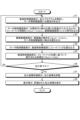
- FIG. 3 is a flowchart showing the processing procedure of the processing executed by the processing result evaluation device according to the first embodiment.
- the numerical control simulation section 12 analyzes the command code written in the machining program, calculates a position command corresponding to the command code, and outputs it to the servo control simulation section 13 (step S1).
- the servo control simulation unit 13 simulates feedback control so that the error between the position command received from the numerical control simulation unit 12 and the detected position received from the drive shaft simulation unit 14 is small, and calculates a torque command corresponding to the feedback control. and outputs it to the drive shaft simulator 14 (step S2).
- the drive shaft simulator 14 simulates the movement of the drive shaft based on the torque command received from the servo control simulator 13 and the response characteristics to the torque command, and instructs the servo control simulator 13 to respond to the movement of the drive shaft.
- Position information indicating the position of the drive shaft is calculated and output as the detected position (step S3). Further, the drive shaft simulator 14 outputs operation information corresponding to the position information of the drive shaft to the machining result evaluation section 15.
- the servo control simulator 13 calculates a feedback position (position information) corresponding to the detected position received from the drive shaft simulator 14 and outputs it to the numerical control simulator 12 (step S4).
- the numerical control simulator 12 simulates the process executed by the numerical control device 2 based on the feedback position received from the servo control simulator 13 (step S5). In other words, the numerical control simulator 12 simulates a process that functions based on the feedback position received from the servo control simulator 13.
- the machining result evaluation device 1 simulates feedback control based on the feedback position.
- the machining result evaluation device 1 determines whether the machining in the machining simulation has been completed (step S6). If the machining is not completed (step S6, No), the machining result evaluation device 1 returns to the process of step S1 and repeats the simulation (processing of steps S1 to S6) until the machining is completed.
- the machining result evaluation unit 15 evaluates the machining result based on the operation information sent from the drive shaft simulating unit 14 (Step S7).
- the machining result evaluation unit 15 includes data output from the numerical control simulation unit 12 to the servo control simulation unit 13, data output from the servo control simulation unit 13 to the drive shaft simulation unit 14, and data output from the servo control simulation unit 13 to the drive shaft simulation unit 14.
- the machining result is evaluated based on at least one of the data (motion information) output from the servo control simulator 13 to the machining result evaluation unit 15, the response of the servo control simulator 13, and the response of the drive shaft simulator 14.
- the machining result evaluation device 1 may simulate the machining while the machining result evaluation unit 15 evaluates the machining results. That is, the machining result evaluation unit 15 may evaluate the machining result every time data is output from the numerical control simulating unit 12, the servo control simulating unit 13, or the drive shaft simulating unit 14. The machining result evaluation section 15 sends the evaluated machining results to the display section 16.
- the display unit 16 displays the machining results evaluated by the machining result evaluation unit 15 (step S8). This allows the operator to refer to the machining results. The operator changes the settings (processing parameters, etc.) of the numerical control device 2 based on the machining results, and operates the numerical control device 2 with the changed settings.
- the servo control simulating unit 13 is functioning in actual machining by returning a response from the drive shaft simulating unit 14 to the servo control simulating unit 13. Processing can be accurately simulated.
- the numerical control simulating unit 12 can accurately simulate the processing that is functioning in actual machining. can. Therefore, the machining result evaluation device 1 according to the first embodiment can accurately evaluate the machining results.
- the numerical control simulating section 12, the servo control simulating section 13, the drive shaft simulating section 14, the machining result evaluation section 15, and the display section 16 are realized by a processing circuit.
- This processing circuit may be a processor and memory that executes a program stored in memory, or may be dedicated hardware.
- the processing circuit is also called a control circuit.
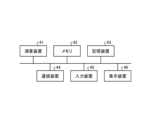
- FIG. 4 is a diagram illustrating a configuration example of a processing circuit in the case where the processing circuit included in the processing result evaluation device according to the first embodiment is implemented by an arithmetic unit and memory.
- FIG. 4 shows a hardware configuration that implements the processing result evaluation device 1 according to the first embodiment.
- the machining result evaluation device 1 includes an arithmetic device 41 that is a processor that performs arithmetic processing, a memory 42 that the arithmetic device 41 uses as a work area, a storage device 43 that stores programs and data, and a communication device that communicates with the outside. 44, an input device 45 for receiving input from an operator, and a display device 46.
- An example of the arithmetic device 41 is a CPU (Central Processing Unit), a processing device, a microprocessor, or a DSP (Digital Signal Processor).
- An example of memory 42 is a semiconductor memory.
- the storage device 43 is, for example, RAM (Random Access Memory), ROM (Read Only Memory), flash memory, EPROM (Erasable Programmable Read Only Memory), or EEPROM (registered trademark) (Electrically Erasable Programmable Read Only Memory).
- Non-volatile (Memory) etc.
- it may be a volatile semiconductor memory, a magnetic disk, a flexible disk, an optical disk, a compact disk, a mini disk, a DVD (Digital Versatile Disk), or the like.
- the machining result evaluation program stored in the storage device 43 causes the arithmetic unit 41 to execute the procedure or method executed by the numerical control simulation unit 12, the servo control simulation unit 13, the drive shaft simulation unit 14, and the machining result evaluation unit 15. It is a program. That is, the functions of the numerical control simulation section 12, servo control simulation section 13, drive shaft simulation section 14, and machining result evaluation section 15 are performed by the arithmetic unit 41 executing the machining result evaluation program stored in the storage device 43. Realized.
- the storage device 43 is also a device for storing a display program for realizing some of the functions of the display section 16. That is, the storage device 43 also stores a display program that causes the arithmetic device 41 to execute a part of the procedure or method that the display unit 16 executes.
- Examples of the input device 45 are a keyboard, a pointing device, and some or all of a mouse.
- the display device 46 is means for realizing the display unit 16.
- An example of display device 46 is a liquid crystal display device.
- the input device 45 and the display device 46 may be integrated. Specifically, the input device 45 and the display device 46 may be realized by a touch panel.
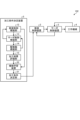
- FIG. 5 is a diagram illustrating an example of a processing circuit in a case where the processing circuit included in the processing result evaluation device according to the first embodiment is configured with dedicated hardware.
- FIG. 5 some or A processing circuit 51 is shown when the entire processing circuit is realized by a processing circuit.
- the processing circuit 51 is dedicated hardware.
- the processing circuit 51 is, for example, a single circuit, a composite circuit, a programmed processor, a parallel programmed processor, an ASIC (Application Specific Integrated Circuit), an FPGA (Field Programmable Gate Array), or a combination thereof. be.
- servo control simulation section 13, drive shaft simulation section 14, machining result evaluation section 15, and display section 16 some of the functions are realized by software or firmware, and the corresponding The remainder of the functions may be implemented with dedicated hardware. In this way, multiple functions of the numerical control simulation section 12, servo control simulation section 13, drive shaft simulation section 14, machining result evaluation section 15, and display section 16 are performed by hardware, software, firmware, or a combination thereof. It can be realized. Note that a portion of the servo control simulation section 13, the drive shaft simulation section 14, the machining result evaluation section 15, and the display section 16 may be realized by separate processing circuits.
- the processing result evaluation device 1 may be built into the numerical control device 2, or may be connected to the numerical control device 2 via a communication network. Alternatively, the processing result evaluation device 1 may be implemented on a server or cloud.
- the drive shaft simulator 14 outputs position information indicating the position of the drive shaft to the servo control simulator 13, and the servo control simulator 13 outputs position information indicating the position of the drive shaft.
- the feedback control for the drive shaft simulator 14 is simulated using
- the machining result evaluation unit 15 evaluates the machining result based on operation information when feedback control for the drive shaft simulating unit 14 is simulated.
- the machining result evaluation device 1 can accurately simulate the processing that is functioning in actual machining, and therefore can accurately evaluate the machining results such as machining accuracy and machining time.
- the servo control simulation unit 13 outputs position information to the numerical control simulation unit 12, and the numerical control simulation unit 12 simulates feedback control for the servo control simulation unit 13 using the position information. are doing.
- the machining result evaluation section 15 evaluates the machining result based on operation information when the feedback control for the servo control simulating section 13 and the feedback control for the drive shaft simulating section 14 are simulated.
- the machining result evaluation device 1 can more accurately simulate the processing that is functioning in actual machining, and therefore can evaluate machining results such as machining accuracy and machining time more accurately.
- Embodiment 2 Next, Embodiment 2 will be described using FIGS. 6 to 9.
- the correspondence between machining results and machining conditions is learned in advance, and machining conditions corresponding to the machining results are determined.
- FIG. 6 is a block diagram showing the configuration of a processing condition determining device according to the second embodiment.
- the machining condition determining system 102 includes a machining condition determining device 5, a numerical control device 2, a servo control device 3, and a machine tool 4.
- the machining condition determining device 5 according to the second embodiment includes a numerical control simulating section 12, a servo control simulating section 13, a drive shaft simulating section 14, and a machining result evaluation device 1, which are included in the machining result evaluation device 1 according to the first embodiment. and an evaluation section 15. Furthermore, the machining condition determination device 5 according to the second embodiment does not have the display section 16 that the machining result evaluation device 1 according to the first embodiment has.
- the machining condition determining device 5 according to the second embodiment has a machine learning device 22 and a machining condition determining unit 21, which the machining result evaluation device 1 according to the first embodiment does not have.
- the machining condition determining device 5 has a machine learning device 22 and a machining condition determining unit 21 instead of the display unit 16, as compared with the machining result evaluation device 1 according to the first embodiment.
- the processing condition determining device 5 may include a display section 16.
- the machine learning device 22 receives the machining results output from the machining result evaluation section 15. Furthermore, the machine learning device 22 receives processing conditions used for simulation by the numerical control simulation unit 12. The machine learning device 22 generates an inference model (learned model) by performing machine learning to calculate the correspondence between machining conditions and machining results. The machine learning device 22 sends the generated inference model to the processing condition determining unit 21.
- the machining condition determining unit 21 calculates appropriate machining conditions for the machining results input by the operator.
- the machining condition determining unit 21 uses the inference model generated by the machine learning device 22 to calculate machining conditions corresponding to the machining result.
- the machining condition determining unit 21 outputs machining parameters included in the determined machining conditions to the numerical control device 2. Thereby, the numerical control device 2 controls the servo control device 3 using the machining parameters sent from the machining condition determining section 21.
- FIG. 7 is a block diagram showing the configuration of a machining condition determination unit when the machining condition determination device according to the second embodiment calculates machining conditions corresponding to machining results using an inference model.
- the processing condition determining section 21 includes an inference section 200.
- the inference unit 200 has a trained inference model that has been machine learned to output machining conditions when machining results are input from the machining result evaluation unit 15. Specifically, the inference unit 200 outputs machining conditions corresponding to the machining results by inputting the machining results into an inference model that has been subjected to machine learning in advance to output machining conditions.
- the machining conditions corresponding to the machining results are machining conditions that can reduce the difference between the desired machining results and the simulated machining results. That is, the machining condition determination unit 21 calculates machining conditions that can obtain a desired machining result based on the simulated machining result.
- FIG. 8 is a block diagram showing the configuration of a machine learning device according to the second embodiment.
- the machine learning device 22 is a device that performs learning on an inference model, and learns the correspondence between machining conditions and machining results.
- the machine learning device 22 includes a data acquisition section 201 and a learning section 202.
- the data acquisition unit 201 acquires a combination of processing conditions and processing results. Specifically, the data acquisition unit 201 acquires a combination of machining conditions and at least one of machining time, machining accuracy, machined surface quality, and power consumption.
- the data acquisition unit 201 acquires processing conditions from the numerical control simulation unit 12, for example. Note that the data acquisition unit 201 may acquire the machining conditions from the servo control simulation unit 13 or the drive shaft simulation unit 14. Further, the data acquisition unit 201 acquires a machining result corresponding to the machining condition from the machining result evaluation unit 15, for example.
- the data acquisition unit 201 may acquire processing conditions from the numerical control device 2. Further, the data acquisition unit 201 may acquire the machining results of the workpiece actually machined by the machine tool 4. The data acquisition unit 201 outputs a combination of processing conditions and processing results to the learning unit 202.
- the learning unit 202 learns the correspondence between machining conditions and machining results according to a data set created based on a combination of machining conditions and machining results. Specifically, the learning unit 202 uses a data set created based on a combination of machining conditions, machining time, machining accuracy, machined surface quality, and power consumption output from the data acquisition unit 201 to determine the machining conditions. learn the correspondence between and the machining results.
- a data set is data in which state variables and processing conditions are associated with each other.
- the state variable is at least one of machining time, machining accuracy, machined surface quality, and power consumption.
- the learning unit 202 adjusts the inference model so that processing conditions are output from the inference model when the state variable is input to the inference model.
- the learning unit 202 generates a learned inference model by learning the correspondence between processing conditions and processing results.
- the machine learning device 22 generates a learned inference model used by the processing condition determining device 5. That is, the machine learning device 22 is used to learn the machining conditions corresponding to the machining time, machining accuracy, machined surface quality, and power consumption calculated by the machining condition determining device 5.
- the machine learning device 22 may be a separate device from the machining condition determining device 5, or may be built into the machining condition determining device 5.
- the machine learning device 22 is connected to the machining condition determining device 5 via a communication network, for example.
- the machine learning device 22 may exist on a server or cloud.
- the machining condition determining unit 21 may be a separate device from the machining condition determining device 5, or may be built into the machining condition determining device 5.
- the machining condition determining unit 21 is connected to the machining condition determining device 5 via, for example, a communication network.
- the processing condition determining unit 21 may exist on a server or a cloud.
- the learning unit 202 learns the correspondence between machining conditions and machining results, for example, by so-called supervised learning according to a neural network model.
- Supervised learning refers to a model that learns the features in the data set by giving a large amount of data sets of a certain input and result (label) to a learning device, and estimates the result from the input.
- a neural network is composed of an input layer consisting of multiple neurons, an intermediate layer (hidden layer) consisting of multiple neurons, and an output layer consisting of multiple neurons.
- the intermediate layer may be one layer or two or more layers.
- FIG. 9 is a diagram for explaining an example of a neural network used by the machine learning device according to the second embodiment.
- the values given are input to the intermediate layer (Y1-Y2).
- a value obtained by multiplying the value input to the intermediate layer (Y1-Y2) by weight W2 (w21-w26) is output from the output layer (Z1-Z3).
- the output result changes depending on the values of weight W1 and weight W2.
- the neural network performs machining through so-called supervised learning according to a data set created based on a combination of machining conditions, machining time, machining accuracy, machined surface quality, and power consumption acquired by the data acquisition unit 201. Learn the correspondence between conditions and processing results. That is, the neural network inputs machining time, machining accuracy, machined surface quality, and power consumption into the input layer and adjusts weights W1 and W2 so that the results output from the output layer approach the machining conditions. Learn by doing things.
- the neural network may learn the correspondence between machining conditions and machining results by so-called unsupervised learning.
- Unsupervised learning refers to providing only a large amount of input data to the machine learning device 22, which learns the distribution of the input data, and learns the distribution of the input data without providing the corresponding supervised output data.
- This is a method of learning a device that performs some or all of compression, classification, and formatting, for example.
- neural networks can cluster similar features in a dataset.
- a neural network can achieve output prediction by using the obtained results, setting some criteria, and allocating outputs to optimize the results.
- Semi-supervised learning is learning in which only part of the data is a set of input and output data, and the rest is only input data.
- the learning unit 202 may learn the correspondence between machining conditions and machining results according to data sets created for a plurality of machining condition determination devices 5.
- the learning unit 202 may acquire data sets from multiple machining condition determining devices 5 used at the same site, or may acquire data sets from multiple machining condition determining devices 5 that operate independently at different sites.
- the set may be used to learn the correspondence between machining conditions and machining results.
- the machining condition determining device 5 that collects the data set may be added to the target during the process, or the machining condition determining device 5 may be removed from the target.
- the machine learning device 22 that has learned the correspondence between machining conditions and machining results is attached to a machining condition determining device 5 that is separate from the machine learning device 22, and learns the machining conditions and machining results for the other machining condition determining device 5. You may re-learn and update the correspondence relationship.
- the learning unit 202 may perform machine learning according to other known methods, such as genetic programming, functional logic programming, or support vector machines.
- FIG. 10 is a flowchart showing the processing procedure of the processing executed by the processing condition determining device according to the second embodiment.
- the machining condition determining device 5 executes the same processing as steps S1 to S7 executed by the machining result evaluation device 1 described with reference to FIG.
- the machining result evaluation unit 15 outputs the evaluated machining results to the machine learning device 22.
- the machine learning device 22 generates an inference model (inference unit 200) for calculating the correspondence between processing conditions and processing results (step S9).
- the machining condition determining unit 21 calculates machining conditions corresponding to the machining result using the inference model (step S10).
- the machining condition determining unit 21 outputs machining parameters included in the determined machining conditions to the numerical control device 2. Thereby, the numerical control device 2 controls the servo control device 3 using the machining parameters sent from the machining condition determining section 21.
- the machining condition determination device 5 according to the second embodiment accurately simulates the process functioning in actual machining by returning a response from the servo control simulation unit 13 to the numerical control simulation unit 12. Can be done. Therefore, the machining condition determination device 5 according to the second embodiment can accurately evaluate the machining results.
- the machining condition determining device 5 calculates machining conditions corresponding to the machining results using an inference model that has learned the correspondence between machining conditions and accurately evaluated machining results.
- the machining condition determining device 5 calculates machining conditions corresponding to the machining result specified by the operator.
- the machining condition determination device 5 can determine the machining conditions that satisfy the machining result desired by the operator. Therefore, the machining condition determination device 5 according to the second embodiment can determine machining conditions that satisfy the machining result desired by the operator simply by having the operator input information indicating the desired machining result.
- At least part of the functions of the machining condition determination unit 21 in the second embodiment may be realized by an arithmetic device that executes a program stored in a storage device.
- the storage device is a storage device for storing a program that results in at least some of the steps executed by the processing condition determination unit 21, and is similar to the storage device 43. It is a device.
- the arithmetic device in this case is the same arithmetic device as the arithmetic device 41.
- at least a part of the functions of the processing condition determining section 21 may be realized by a processing circuit.
- the processing circuit is similar to the processing circuit explained in FIG. 4 or the processing circuit 51 explained in FIG. 5.
- At least some of the functions of the inference section 200 included in the processing condition determination section 21 in the second embodiment may be realized by an arithmetic device that executes a program stored in a storage device.
- the storage device is a storage device for storing a program that results in at least some of the steps executed by the inference unit 200, and is a storage device similar to the storage device 43. be.
- the arithmetic device in this case is the same arithmetic device as the arithmetic device 41.
- At least some of the functions of the inference unit 200 may be realized by a processing circuit.
- the processing circuit is similar to the processing circuit explained in FIG. 4 or the processing circuit 51 explained in FIG. 5.
- At least some of the functions of the data acquisition unit 201 and the learning unit 202 included in the machine learning device 22 according to the second embodiment may be realized by an arithmetic device that executes a program stored in a storage device.
- the storage device is a storage device for storing a program that results in at least some of the steps executed by the data acquisition unit 201 and the learning unit 202, and is connected to the storage device 43. It is a similar storage device.
- the arithmetic device in this case is the same arithmetic device as the arithmetic device 41.
- At least some of the functions of the data acquisition section 201 and the learning section 202 may be realized by a processing circuit.
- the processing circuit is similar to the processing circuit explained in FIG. 4 or the processing circuit 51 explained in FIG. 5.
- machining condition determining device 5 may be realized by a processing circuit similar to the processing circuit described in FIG. 4 or the processing circuit 51 described in FIG. 5.
- the drive shaft simulator 14 outputs position information indicating the position of the drive shaft to the servo control simulator 13, and the servo control simulator 13 outputs position information indicating the position of the drive shaft.
- the feedback control for the drive shaft simulator 14 is simulated using
- the machining result evaluation unit 15 evaluates the machining result based on operation information when feedback control for the drive shaft simulating unit 14 is simulated.
- the machine learning device 22 generates an inference model for inferring machining conditions from the machining results, and the machining condition determining unit 21 uses the inference model to determine machining conditions corresponding to the machining results. This makes it possible for the machining condition determination device 5 to determine machining conditions that correspond to machining results that accurately simulate the processing that is functioning in actual machining.
- the servo control simulating section 13 outputs position information to the numerical control simulating section 12, and the numerical control simulating section 12 simulates feedback control for the servo control simulating section 13 using the position information. are doing.
- the machining result evaluation unit 15 evaluates the machining result based on operation information when the feedback control for the servo control simulating unit 13 and the feedback control for the drive shaft simulating unit 14 are simulated.
- the machining condition determination device 5 can more accurately simulate the processing that is functioning in actual machining, and therefore can determine machining conditions that correspond to the simulated machining results even more accurately. .
- Machining result evaluation device 2. Numerical control device, 3. Servo control device, 4. Machine tool, 5. Machining condition determination device, 12. Numerical control simulation section, 13. Servo control simulation section, 14. Drive shaft simulation section, 15. Machining result evaluation section.
Landscapes
- Engineering & Computer Science (AREA)
- Human Computer Interaction (AREA)
- Manufacturing & Machinery (AREA)
- Physics & Mathematics (AREA)
- General Physics & Mathematics (AREA)
- Automation & Control Theory (AREA)
- Mechanical Engineering (AREA)
- Numerical Control (AREA)
Priority Applications (5)
| Application Number | Priority Date | Filing Date | Title |
|---|---|---|---|
| PCT/JP2022/020704 WO2023223471A1 (ja) | 2022-05-18 | 2022-05-18 | 加工結果評価装置、加工結果評価方法、加工条件決定装置、および加工条件決定方法 |
| JP2022560076A JP7199616B1 (ja) | 2022-05-18 | 2022-05-18 | 加工結果評価装置、加工結果評価方法、加工条件決定装置、および加工条件決定方法 |
| US18/719,265 US20250068138A1 (en) | 2022-05-18 | 2022-05-18 | Machining result evaluation device, machining result evaluation method, machining condition determination device, and machining condition determination method |
| DE112022007241.5T DE112022007241T5 (de) | 2022-05-18 | 2022-05-18 | Bearbeitungsergebnisevaluierungsvorrichtung, Bearbeitungsergebnisevaluierungsverfahren, Bearbeitungsbedingungsbestimmungsvorrichtung und Bearbeitungsbedingungsbestimmungsverfahren |
| CN202280078772.XA CN119137551A (zh) | 2022-05-18 | 2022-05-18 | 加工结果评价装置、加工结果评价方法、加工条件决定装置及加工条件决定方法 |
Applications Claiming Priority (1)
| Application Number | Priority Date | Filing Date | Title |
|---|---|---|---|
| PCT/JP2022/020704 WO2023223471A1 (ja) | 2022-05-18 | 2022-05-18 | 加工結果評価装置、加工結果評価方法、加工条件決定装置、および加工条件決定方法 |
Publications (1)
| Publication Number | Publication Date |
|---|---|
| WO2023223471A1 true WO2023223471A1 (ja) | 2023-11-23 |
Family
ID=84784195
Family Applications (1)
| Application Number | Title | Priority Date | Filing Date |
|---|---|---|---|
| PCT/JP2022/020704 Ceased WO2023223471A1 (ja) | 2022-05-18 | 2022-05-18 | 加工結果評価装置、加工結果評価方法、加工条件決定装置、および加工条件決定方法 |
Country Status (5)
| Country | Link |
|---|---|
| US (1) | US20250068138A1 (https=) |
| JP (1) | JP7199616B1 (https=) |
| CN (1) | CN119137551A (https=) |
| DE (1) | DE112022007241T5 (https=) |
| WO (1) | WO2023223471A1 (https=) |
Cited By (1)
| Publication number | Priority date | Publication date | Assignee | Title |
|---|---|---|---|---|
| JP7560703B1 (ja) * | 2024-03-22 | 2024-10-02 | ファナック株式会社 | シミュレーション装置及びコンピュータプログラム |
Citations (3)
| Publication number | Priority date | Publication date | Assignee | Title |
|---|---|---|---|---|
| WO2014122822A1 (ja) * | 2013-02-07 | 2014-08-14 | 三菱電機株式会社 | サーボ制御装置 |
| JP2020071734A (ja) * | 2018-10-31 | 2020-05-07 | ファナック株式会社 | 数値制御装置 |
| WO2020217614A1 (ja) * | 2019-04-26 | 2020-10-29 | 三菱電機株式会社 | 加工条件決定支援装置及び機械学習装置 |
Family Cites Families (9)
| Publication number | Priority date | Publication date | Assignee | Title |
|---|---|---|---|---|
| JP2003140715A (ja) * | 2001-10-30 | 2003-05-16 | Toshiba Mach Co Ltd | 数値制御装置 |
| JP5149421B2 (ja) * | 2011-05-20 | 2013-02-20 | ファナック株式会社 | 加工時間予測部および加工誤差予測部を有する数値制御装置 |
| JP6169655B2 (ja) * | 2015-07-30 | 2017-07-26 | ファナック株式会社 | 工作機械、シミュレーション装置、及び機械学習器 |
| JP6219897B2 (ja) * | 2015-09-28 | 2017-10-25 | ファナック株式会社 | 最適な加減速を生成する工作機械 |
| CN107272661A (zh) * | 2017-07-26 | 2017-10-20 | 华中科技大学 | 一种基于机床仿真模型的数控装置运动控制性能测试系统 |
| WO2019043852A1 (ja) * | 2017-08-30 | 2019-03-07 | 三菱電機株式会社 | 数値制御システムおよびモータ制御装置 |
| JP2019152936A (ja) * | 2018-02-28 | 2019-09-12 | ファナック株式会社 | 工作機械の加工シミュレーション装置 |
| JP6734318B2 (ja) * | 2018-03-23 | 2020-08-05 | ファナック株式会社 | 駆動装置及び機械学習装置 |
| JP7525259B2 (ja) * | 2019-12-26 | 2024-07-30 | ファナック株式会社 | シミュレーション装置、数値制御装置、及びシミュレーション方法 |
-
2022
- 2022-05-18 DE DE112022007241.5T patent/DE112022007241T5/de active Pending
- 2022-05-18 CN CN202280078772.XA patent/CN119137551A/zh active Pending
- 2022-05-18 WO PCT/JP2022/020704 patent/WO2023223471A1/ja not_active Ceased
- 2022-05-18 US US18/719,265 patent/US20250068138A1/en active Pending
- 2022-05-18 JP JP2022560076A patent/JP7199616B1/ja active Active
Patent Citations (3)
| Publication number | Priority date | Publication date | Assignee | Title |
|---|---|---|---|---|
| WO2014122822A1 (ja) * | 2013-02-07 | 2014-08-14 | 三菱電機株式会社 | サーボ制御装置 |
| JP2020071734A (ja) * | 2018-10-31 | 2020-05-07 | ファナック株式会社 | 数値制御装置 |
| WO2020217614A1 (ja) * | 2019-04-26 | 2020-10-29 | 三菱電機株式会社 | 加工条件決定支援装置及び機械学習装置 |
Cited By (5)
| Publication number | Priority date | Publication date | Assignee | Title |
|---|---|---|---|---|
| JP7560703B1 (ja) * | 2024-03-22 | 2024-10-02 | ファナック株式会社 | シミュレーション装置及びコンピュータプログラム |
| JP7623542B1 (ja) | 2024-03-22 | 2025-01-28 | ファナック株式会社 | シミュレーション装置及びコンピュータプログラム |
| CN120019340A (zh) * | 2024-03-22 | 2025-05-16 | 发那科株式会社 | 模拟装置以及计算机程序 |
| WO2025197116A1 (ja) * | 2024-03-22 | 2025-09-25 | ファナック株式会社 | シミュレーション装置及びコンピュータプログラム |
| JP2025146599A (ja) * | 2024-03-22 | 2025-10-03 | ファナック株式会社 | シミュレーション装置及びコンピュータプログラム |
Also Published As
| Publication number | Publication date |
|---|---|
| CN119137551A (zh) | 2024-12-13 |
| JP7199616B1 (ja) | 2023-01-05 |
| DE112022007241T5 (de) | 2025-03-13 |
| JPWO2023223471A1 (https=) | 2023-11-23 |
| US20250068138A1 (en) | 2025-02-27 |
Similar Documents
| Publication | Publication Date | Title |
|---|---|---|
| JP7096288B2 (ja) | ロボットを制御する方法 | |
| JP6836577B2 (ja) | 研磨工具摩耗量予測装置、機械学習装置及びシステム | |
| US11822308B2 (en) | Polishing tool wear amount prediction device, machine learning device, and system | |
| CN110355751B (zh) | 控制装置和机器学习装置 | |
| JP6469065B2 (ja) | 機械学習装置及び加工時間予測装置 | |
| JP6669715B2 (ja) | 振動抑制装置 | |
| JP6781242B2 (ja) | 制御装置、機械学習装置及びシステム | |
| US20210325838A1 (en) | Prediction control development device, prediction control development method, and computer readable storage medium | |
| JP2019162712A (ja) | 制御装置、機械学習装置及びシステム | |
| CN110174871B (zh) | 控制装置、机器学习装置以及系统 | |
| JP2019188558A (ja) | 工具選定装置及び機械学習装置 | |
| CN110231803B (zh) | 碰撞位置推定装置以及机器学习装置 | |
| EP3885848A1 (en) | Controller with neural network and improved stability | |
| US11322147B2 (en) | Voice control system for operating machinery | |
| JP2021505990A (ja) | ツールパス仮想化および最適化システム、方法および装置 | |
| CN110340884B (zh) | 测定动作参数调整装置、机器学习装置以及系统 | |
| US20120187889A1 (en) | Method and Device for Generating a Variable Motion Profile for a Drive Unit of a Machine | |
| JP7199616B1 (ja) | 加工結果評価装置、加工結果評価方法、加工条件決定装置、および加工条件決定方法 | |
| CN111077769B (zh) | 用于控制或调节技术系统的方法 | |
| CN109507879B (zh) | 控制装置以及机器学习装置 | |
| JP7479571B2 (ja) | パラメータ調整装置、工作機械システムおよびパラメータ調整方法 | |
| WO2023012964A1 (ja) | 機械学習装置、加工面品位を評価するシステム、及び機械学習用プログラム | |
| CN107305364B (zh) | 数值控制装置以及原因解析方法 | |
| JP6829271B2 (ja) | 測定動作パラメータ調整装置、機械学習装置及びシステム | |
| US20230065800A1 (en) | Method and test assembly for testing an autonomous behavior controller for a technical system |
Legal Events
| Date | Code | Title | Description |
|---|---|---|---|
| ENP | Entry into the national phase |
Ref document number: 2022560076 Country of ref document: JP Kind code of ref document: A |
|
| 121 | Ep: the epo has been informed by wipo that ep was designated in this application |
Ref document number: 22942676 Country of ref document: EP Kind code of ref document: A1 |
|
| WWE | Wipo information: entry into national phase |
Ref document number: 202280078772.X Country of ref document: CN |
|
| WWE | Wipo information: entry into national phase |
Ref document number: 18719265 Country of ref document: US |
|
| WWE | Wipo information: entry into national phase |
Ref document number: 112022007241 Country of ref document: DE |
|
| WWP | Wipo information: published in national office |
Ref document number: 18719265 Country of ref document: US |
|
| WWP | Wipo information: published in national office |
Ref document number: 112022007241 Country of ref document: DE |
|
| 122 | Ep: pct application non-entry in european phase |
Ref document number: 22942676 Country of ref document: EP Kind code of ref document: A1 |