WO2023218541A1 - 情報記録装置及び情報記録方法 - Google Patents
情報記録装置及び情報記録方法 Download PDFInfo
- Publication number
- WO2023218541A1 WO2023218541A1 PCT/JP2022/019865 JP2022019865W WO2023218541A1 WO 2023218541 A1 WO2023218541 A1 WO 2023218541A1 JP 2022019865 W JP2022019865 W JP 2022019865W WO 2023218541 A1 WO2023218541 A1 WO 2023218541A1
- Authority
- WO
- WIPO (PCT)
- Prior art keywords
- storage
- backup
- information
- information recording
- data
- Prior art date
- Legal status (The legal status is an assumption and is not a legal conclusion. Google has not performed a legal analysis and makes no representation as to the accuracy of the status listed.)
- Ceased
Links
Images

Classifications
-
- G—PHYSICS
- G06—COMPUTING OR CALCULATING; COUNTING
- G06F—ELECTRIC DIGITAL DATA PROCESSING
- G06F11/00—Error detection; Error correction; Monitoring
- G06F11/07—Responding to the occurrence of a fault, e.g. fault tolerance
- G06F11/14—Error detection or correction of the data by redundancy in operations
-
- G—PHYSICS
- G06—COMPUTING OR CALCULATING; COUNTING
- G06F—ELECTRIC DIGITAL DATA PROCESSING
- G06F11/00—Error detection; Error correction; Monitoring
- G06F11/07—Responding to the occurrence of a fault, e.g. fault tolerance
- G06F11/14—Error detection or correction of the data by redundancy in operations
- G06F11/1446—Point-in-time backing up or restoration of persistent data
- G06F11/1456—Hardware arrangements for backup
-
- G—PHYSICS
- G06—COMPUTING OR CALCULATING; COUNTING
- G06F—ELECTRIC DIGITAL DATA PROCESSING
- G06F11/00—Error detection; Error correction; Monitoring
- G06F11/07—Responding to the occurrence of a fault, e.g. fault tolerance
- G06F11/14—Error detection or correction of the data by redundancy in operations
- G06F11/1402—Saving, restoring, recovering or retrying
- G06F11/1415—Saving, restoring, recovering or retrying at system level
- G06F11/1438—Restarting or rejuvenating
Definitions
- the present invention relates to an information recording apparatus and an information recording method that create a primary backup on a high-speed storage device and then copy the primary backup to a backup storage.
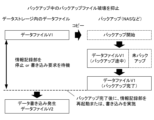
- FIG. 5A is a diagram illustrating an overview of a case in which writing to a data file occurs during backup of a data file in a data storage.
- FIG. 5A when data is written to data file V2 during backup (copying) of data file V1, the state of data file V1 is copied until the middle of the backup, and from the middle, data file V2 becomes data file V2. data files that are neither V1 nor V2 will be copied.
- FIG. 5B is a diagram illustrating an overview of a case in which writing to a data file is stopped while the data file in the data storage is being backed up. As shown in FIG. 5B, by writing to the data file after the backup of the data file is completed, destruction of the backup file during backup can be prevented.
- Patent Document 1 describes, as a prior art, stopping data updates, data additions, etc. to a database that is being backed up.
- the present invention has been made in view of such problems, and when backing up a data file in a data storage, it shortens the backup time of the data file, thereby making it easier to update the data file, add data, etc. It is an object of the present invention to provide an information recording device that can shorten the stop time and reduce the influence of a data write request source being unable to execute the next operation.
- One aspect of the information recording device of the present disclosure is an information recording device communicatively connected to a backup storage, the data storage storing information from a device, and the information recorded in the data storage being backed up.
- primary backup storage an information recording unit that records the information in the data storage in response to a write request;
- the information recording unit is stopped or the write request is waited for, and while the information recording unit is stopped or the write request is waited for, the primary backup is performed.
- a primary backup creation unit that backs up information recorded in the data storage to a storage, and when the backup is completed, restarts the information recording unit or resumes writing to the data storage;
- a backup copy unit for backing up information recorded in the primary backup storage to the backup storage;
- the backup copy unit is further an information recording device that deletes the information recorded in the primary backup storage when the backup of the information recorded in the primary backup storage to the backup storage is completed.
- One aspect of the information recording method of the present disclosure includes a data storage that stores information from a device, and a primary backup storage that backs up information recorded in the data storage, and is communicably connected to the backup storage.
- An information recording method using an information recording device comprising: an information recording step of recording the information in the data storage in response to a write request; upon receiving an instruction to start backing up the information recorded in the data storage, a stop instruction step for stopping the information recording step or waiting for a write request; In the stop instruction step, while the information recording step is waiting for a stop or write request, a primary backup creation step of backing up the information recorded in the data storage to the primary backup storage; a restart instruction step for restarting the information recording step or restarting writing to the data storage when a backup completion is received in the primary backup creation step; a backup copying step of backing up information recorded in the primary backup storage to the backup storage; The backup copying step further includes the step of deleting the information recorded in the primary backup storage when the backup of the information recorded in the primary backup storage to the backup
- the stop time for updating the data file, adding data, etc. is shortened, and the data write request source
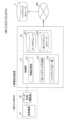
- FIG. 1 is a schematic diagram showing a system configuration of a backup system according to an embodiment.
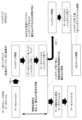
- FIG. 2 is a conceptual diagram illustrating an aspect of creating backup data in an information recording device according to an embodiment.
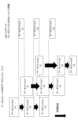
- FIG. 2 is a conceptual diagram illustrating an aspect of creating backup data when the data storage has a plurality of data files in the information recording device according to the embodiment.
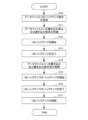
- 3 is a flowchart showing the operation of the information recording device according to one embodiment.
- FIG. 3 is a diagram illustrating an overview of a case in which writing to a data file occurs during backup of a data file in a data storage.
- FIG. 2 is a diagram illustrating an overview of a case in which writing to a data file is stopped during backup of a data file in a data storage.
- FIG. 1 is a schematic diagram showing the system configuration of a backup system 100 according to an embodiment of the present invention.
- the backup system 100 includes a write request source 1, an information recording device 2, and a backup storage 3, and the write request source 1 and the information recording device 2 can communicate with each other.
- the write request source 1 and the information recording device 2 may be communicably connected via a network 300 such as a LAN (Local Area Network) or the Internet. Further, they may be directly connected to each other via a connection interface (not shown).
- the information recording device 2 and the backup storage 3 may be communicably connected via a network 300 such as a LAN (Local Area Network) or the Internet.
- the write request source 1 is, for example, an industrial equipment 1A including a machine tool, an industrial robot, etc., and information from the industrial equipment 1A is recorded by directly communicating with the information recording device 2.
- a configuration including a data processing function unit 1B that requests writing to the device 2 is illustrated. That is, the data processing function unit 1B functions as an input/output interface with the information recording device 2 in the write request source 1.
- the industrial equipment 1A may include the data processing function section 1B.
- the industrial equipment is well known to those skilled in the art and will not be described in detail.
- the data processing function unit 1B may be provided, for example, as a database system, between the industrial equipment 1A and the information recording device 2, independently of the industrial equipment 1A and the information recording device 2.
- the industrial equipment 1A may be replaced with an information processing equipment or an information processing system having the functions of any equipment or server.
- the data processing function unit 1B may request the information recording device 2 to write information from an information processing device or an information processing system.
- the information from the industrial equipment 1A includes information related to each of three processes including, for example, a drilling process X, an assembly process Y, and an inspection process Z.
- the information from the industrial equipment 1A includes, for example, the work ID, machining time, program number, tool model number, worker name, etc. in the drilling process X, and information including, for example, the serial number of the part, in the assembly process Y Information including module number, operator, etc.
- the inspection process Z for example, information including module serial number, inspection equipment management number, room temperature, etc. is exemplified.
- the information recording device 2 will be explained.
- the information recording device 2 includes a control section 21 and a storage section 22.
- the control unit 21 stores a program for executing functions specific to the present invention, for example, from a storage unit 22, and reads out the program, and also stores data temporarily required for executing the program.
- a main storage device such as a RAM
- the control unit 21, as shown in FIG. and the functions of the backup copy unit 215.
- the storage unit 22 includes a data storage 221 and a primary backup storage 222.
- the data storage 221 is a recording medium including, for example, a hard disk drive, which includes a data file that stores information from the industrial equipment 1A that is recorded in response to a write request.
- the data storage 221 may be divided and managed (partitioned) into a plurality of storage areas. By doing so, for example, a plurality of data files can be set in the data storage, and primary backup and backup can be performed independently for each data file. As a result, the time required for primary backup of each data file can be shortened, and the time required to stop the information recording unit 211 or wait for a write request in response to a write request to the data file can be shortened. can. Details will be described later.
- the primary backup storage 222 is a high-speed storage device, such as an all-flash storage. By doing so, as will be described later, data files can be primarily backed up to the primary backup storage 222 at a higher speed than, for example, a low-speed device such as a NAS. Thereby, it is possible to shorten the time for stopping the information recording unit 211 or waiting for a write request.
- the backup storage 3 may be included in a file server (not shown) and configured as a so-called NAS (Network Attached Storage), but is not limited thereto.
- the backup storage 3 may be, for example, a low-speed storage device that is communicatively connected to the information recording device 2.
- FIG. 2 is a conceptual diagram showing one aspect of creating backup data.
- the data files are first backed up to the primary backup storage 222, which is a high-speed device. While the primary backup is being executed, writing to the data file is stopped or put on standby, and after the backup of the data file is completed, writing to the data file is restarted.
- the primary backup storage 222 is a high-speed device, the time when writing to the data file is not possible is the time when writing to the data file stops while backup is being performed by a low-speed device such as a conventional NAS, or The waiting time can be significantly reduced.
- the backup storage 3 such as a NAS, which is communicably connected to the information recording device 2
- the data can be backed up as before. Can be backed up to storage 3.
- the control unit 21 includes the information recording unit 211, the primary backup creation unit 213, and the backup copying unit 215.
- the information recording unit 211 records information in a data file (not shown) in the data storage 221 that is requested to be written in response to the write request.
- the information recording unit 211 can independently record information for each write destination data file.
- the information write request specifies the name of a data file in which the information is to be recorded, and the information recording unit 211 records information based on the write request to the specified data file.
- the information recording unit 211 may perform write processing independently and in parallel for write requests for different data files.
- the primary The backup creation unit 213 instructs the information recording unit 211 to stop writing to data file X or to wait for a write request. By doing so, the information recording unit 211 stops writing to the data file X or waits. However, in response to a request to write information to a data file other than data file X, the information recording unit 211 can record the information in the data file that is the write request destination.
- the primary backup creation unit 213 When receiving an instruction to start backing up information recorded in the data storage 221, the primary backup creation unit 213 causes the information recording unit 211 to stop or wait for a write request. As mentioned above, if multiple data files are set in the data storage 221, the backup start instruction specifies the data file to be backed up from the multiple data files set in the data storage 221. It will be done.
- the primary backup creation unit 213 causes the information recording unit 211 to stop writing to the data file to be backed up or to wait for a write request.
- the information recording unit 211 stops writing to the data file to be backed up or waits for a write request, but regarding a write request to a data file other than the data file to be backed up, based on the write request, Information can be recorded.
- the primary backup creation unit 213 causes the information recording unit 211 to stop writing to the data file to be backed up or to wait for a write request, and then causes the information recording unit 211 to stop writing to the data file to be backed up or to wait for a write request, and then causes the information recording unit 211 to stop writing to the data file to be backed up or to wait for a write request. Back up the data files to be backed up. As mentioned above, when multiple data files are set in the data storage 221, only one data file to be backed up from the multiple data files set in the data storage 221 is independently A next backup is performed, and primary backup data of the data file is created in the primary backup storage 222.
- the information recording device 2 can further shorten the stop time for updating data, adding data, etc. for each of the plurality of data files included in the data storage 221. In this way, the influence that the industrial equipment 1A cannot perform the next operation can be further reduced. Further, as described above, the information recording unit 211 can record information based on a write request without waiting for a write request for a data file that is not a backup target. Note that the primary backup creation unit 213 independently performs a primary backup of a certain data file 1 (not shown) and a primary backup of another data file 2 (not shown) different from the data file 1. The primary backup process may be performed in parallel.
- FIG. 3 is a conceptual diagram showing an aspect of creating backup data in an information recording apparatus in which the data storage is configured with a plurality of data files.
- three data files X, Y, and Z are set in the data storage 221, and write requests can be made to each of the data files X, Y, and Z independently.
- a mode in which a primary backup of data file X is performed is shown. Referring to FIG.
- the information recording device 2 writes to the data file X in a predetermined cycle, and creates primary backup data of the data file X in the primary backup storage 222 between the cycles. There is. While the primary backup data of data file X is being created, writing to data file X is stopped. On the other hand, data file Y and data file Z are writable, as shown in FIG. In this way, when a plurality of data files are set in the data storage 221, the information recording unit 211 records information based on a write request to data files other than the data file to be backed up. I can do it.
- the device 1A is an industrial device, and information is recorded for each of three manufacturing processes including the drilling process X, the assembly process Y, and the inspection process Z.
- the apparatus 2 records information related to each manufacturing process in three data files X, Y, and Z set in the data storage 221.
- the information recording device 2 records, for example, the workpiece ID, machining time, program number, tool model number, worker name, etc. in the data file
- the inspection process Z for example, the serial number of the module, the inspection equipment management number, the room temperature, etc. are recorded in the data file Z.
- An effective treatment cycle can be realized.
- the data recorded with information related to the manufacturing process can be stored between the cycles of each manufacturing process.
- Information recorded for each data file in the storage 221 can be backed up to the primary backup storage 222. By doing so, it is possible to eliminate the need to wait for information write requests during each manufacturing process cycle.
- the primary backup creation unit 213 After completing the primary backup of the data file to the primary backup storage 222, the primary backup creation unit 213 restarts the information recording unit 211 or restarts information recording to the data storage 221 based on a write request. Note that, as described above, when a plurality of data files are set in the data storage 221, the primary backup creation unit 213 selects one of the plurality of data files set in the data storage 221 to be backed up. When the primary backup of the data file to the primary backup storage 222 is completed, the information recording unit 211 restarts writing to the data file or restarts information recording to the data file based on a write request.
- the backup copy unit 215 backs up the primary backup data recorded in the primary backup storage 222 by the primary backup creation unit 213 to the backup storage 3, and also backs up the primary backup data recorded in the primary backup storage 222.
- the backup copying unit 215 selects one of the plurality of data files set in the data storage 221 that has been primarily backed up in the primary backup storage 222.
- the data file recorded in the primary backup storage 222 is Delete the primary backup data.
- the backup storage 3 records backup data of all data files in chronological order, whereas the primary backup storage 222 is a kind of temporary buffer area, and the primary After copying the backup data to the backup storage 3, the area where the primary backup data was recorded can be recovered.
- the backup copy unit 215 performs backup processing of primary backup data of a certain data file 1 (not shown) to the backup storage 3, and 1 of another data file 2 (not shown) different from the data file 1.
- the backup process of the next backup data to the backup storage 3 may be performed independently and in parallel.
- the functional units included in the information recording device 2 have been described above.
- FIG. 4 is a flowchart showing the operation of the information recording device 2.
- data file X a data file (referred to as "data file X") (not shown) set in the data storage 221 to the backup storage 3
- data file X a data file set in the data storage 221 to the backup storage 3
- the information recording device 2 can back up each data file to the backup storage 3, as described above.
- step S10 the primary backup creation unit 213 receives a backup instruction for data file X.
- step S11 the information recording unit 211 stops writing to the data file X or waits for a write request.
- step S12 the primary backup creation unit 213 starts backing up the information recorded in the data file X in the primary backup storage 222.
- step S13 the primary backup creation unit 213 completes the backup of the information recorded in the data file X in the primary backup storage 222.
- step S14 the primary backup creation unit 213 restarts the information recording unit 211 or restarts recording of data file information to the data file X based on the write request.
- step S15 the backup copy unit 215 starts backing up the primary backup data of the data file X recorded in the primary backup storage 222 to the backup storage 3.
- step S16 the backup copy unit 215 completes the backup of the primary backup data of the data file X recorded in the primary backup storage 222 to the backup storage 3.
- step S17 the backup copy unit 215 deletes the primary backup data of the data file X recorded in the primary backup storage 222.
- the processing flow related to the backup of the data file X by the information recording device 2 has been described above.
- the information recording device 2 shortens the backup time of the data file when backing up the data file in the data storage 221, thereby shortening the stop time for updating the data file, adding data, etc. For example, it is possible to reduce the influence of the industrial equipment 1A being unable to perform the next operation.
- All or part of the functions of the backup system 100 of the embodiment described above can be realized by hardware, software, or a combination thereof.
- being realized by software means being realized by a processor reading and executing a program.
- some or all of the functions of the automatic backup system 1 can be implemented using, for example, an ASIC (Application Specific Integrated Circuit), a gate array, an FPGA (Field Programmable Gate Array), or a CPL. D (Complex Programmable Logic Device) etc. It can be configured with an integrated circuit (IC).
- ASIC Application Specific Integrated Circuit
- FPGA Field Programmable Gate Array
- CPL Compact Programmable Logic Device
- a storage unit such as a hard disk or ROM that stores a program that describes all or part of the operation of the backup system 100, and stores data necessary for calculations.
- a computer configured with a DRAM, a CPU, and a bus that connects various parts, information necessary for calculations can be stored in the DRAM, and the program can be executed by the CPU.
- Computer-readable media includes various types of tangible storage media. Examples of computer-readable media include magnetic recording media (e.g., flexible disks, magnetic tapes, hard disk drives), magneto-optical recording media (e.g., magneto-optical disks), CD-ROMs (Read Only Memory), CD-Rs, and CD-ROMs. R/W, semiconductor memory (for example, mask ROM, PROM (Programmable ROM), EPROM (Erasable PROM), flash memory, RAM (Random Access Memory)). Additionally, these programs may be distributed by being downloaded to users' computers via a network.
- magnetic recording media e.g., flexible disks, magnetic tapes, hard disk drives
- magneto-optical recording media e.g., magneto-optical disks
- CD-ROMs Read Only Memory
- CD-Rs Compact Only Memory
- CD-ROMs Read Only Memory
- CD-ROMs Read Only Memory
- CD-ROMs Read Only Memory
- CD-ROMs Read Only Memory
- CD-ROMs Read Only Memory
- the backup storage 3 has been described by exemplifying a remote storage device (NAS: Network Attached Storage) via a network, but the backup storage 3 is not limited to this.
- the backup storage 3 may be connected to a LAN. Further, the backup storage 3 may be directly connected to the information recording device 2 via a communication line or the like.
- the primary backup storage 222 is included in the information recording device 2, but the configuration is not limited thereto.
- the primary backup storage 222 may be connected to the information recording device 2 as an external storage device.
- the file system in the primary backup storage 222 has a copy-on-write function (copying only the management information of a file, including a pointer to the data, for example, and copying only the change-related part when the data is actually changed). It may also be provided with a function for copying . By doing so, it becomes possible to further shorten the time required for primary backup.
- the information recording device 2 receives the write request transmitted from the write request source 1, but the write request source 1 may transmit the write request.
- the information recording device 2 sends a write request to the information recording device 2, and the information recording device 2 informs the write request source 1 whether or not there is a write request, for example, at regular intervals.
- the write request source 1 sends a write request to the information recording device 2 in response to the inquiry from the information recording device 2 (for example, polling).
- the information recording device 2 receives (obtains) a write request from the write request source 1.
- the information recording device 2 in order to poll a plurality of preset write request sources 1, the information recording device 2 as a functional unit checks whether or not there is a write request for the write request source 1. For example, it may be provided with a functional unit (not shown) that inquires of the write request source 1 at regular intervals (for example, polling). Further, the write request source 1 may also include a functional unit (not shown) that transmits a write request or the like in response to an inquiry from the information recording device 2 as a functional unit.
- a step of making an inquiry to the write request source 1 at regular intervals is added, and when there is a write request, It may also operate to receive a write request and, if there is a backup instruction, a backup instruction.
- the information recording device and information recording method of the present disclosure can take various embodiments having the following configurations.
- the information recording device 2 of the present disclosure is an information recording device 2 that is communicably connected to the backup storage 3, and includes a data storage 221 that stores information from the device 1A; a primary backup storage 222 to which information recorded in the data storage 221 is backed up; an information recording unit 211 that records information in the data storage 221 in response to a write request;
- the primary backup storage a primary backup creation unit 213 that backs up information recorded in the data storage 221 in 222 and, when the backup is completed, restarts the information recording unit 211 or resumes writing to the data storage 221;
- the backup storage 3 includes a backup copy unit 215 for backing up information recorded in the primary backup storage 222, The backup copy unit 215 further deletes the information recorded in the primary backup storage 222 when the backup of the information recorded
- this information recording device 2 when backing up the data storage 221, by shortening the backup time of the data storage 221, the stop time for updating the data storage 221, adding data, etc. is shortened, and the data writing It is possible to reduce the impact such as the request source being unable to execute the next operation.
- the data storage 221 is set to be divided and managed into a plurality of storage areas, and the information recording unit 211 writes information to the plurality of storage areas in response to a write request.
- the primary backup creation unit 213 may back up information recorded in each of a plurality of storage areas included in the data storage 221. By doing so, the information recording device 2 can reduce the time required for backup by backing up the information recorded in each of the plurality of storage areas to the primary backup storage 222. It is possible to shorten the stop time for updating data, adding data, etc. in each of the plurality of storage areas, and to reduce the influence of the device 1A not being able to perform the next operation.
- the device 1A may be an industrial device. By doing so, the information recording device 2 can achieve the same effect as (1) or (2).
- the information recording unit 211 associates each of the plurality of storage areas in the data storage 221 with a manufacturing process using the industrial equipment 1A, and corresponds to each manufacturing process.
- the information is recorded in the attached storage area in response to a write request for information related to the manufacturing process.
- the information recorded in the storage area associated with the manufacturing process may be backed up to the primary backup storage 222 between manufacturing process cycles. By doing so, it is possible to back up the information recorded in each of the multiple areas of the data storage 221 where information related to the manufacturing process is recorded to the primary backup storage 222 between the cycles of each manufacturing process.
- By setting the cycle or selecting the primary backup storage 222 it is possible to eliminate the need to wait for an information write request during each manufacturing process cycle.
- the primary backup creation unit 212 converts the information recorded at the time of creation of the primary backup data into the primary backup based on the copy-on-write function. It may also be recorded in the storage 222. As a result, by further shortening the time required to create a primary backup, the stop time for updating, adding data, etc. to the data storage 221 is further shortened, and the data write request source can perform the next operation. This makes it possible to further reduce the effects of not being able to do so.
- the information recording method of the present disclosure includes a data storage 221 that stores information from the device 1, a primary backup storage 222 that backs up information recorded in the data storage 221, and a backup storage 3.
- An information recording method using an information recording device 2 communicably connected comprising: an information recording step of recording information in the data storage 221 in response to a write request; Upon receiving an instruction to start backing up the information recorded in the data storage 221, a stop instruction step for stopping the information recording step or waiting for a write request; In the stop instruction step, while the information recording step is waiting for a stop or write request, a primary backup creation step of backing up the information recorded in the data storage 221 to the primary backup storage 222; a restart instruction step for restarting the information recording step or restarting writing to the data storage 221 when the backup completion is received in the primary backup creation step; a backup copying step of backing up information recorded in the primary backup storage 222 to the backup storage 3; The backup copying step further includes a step of deleting the information recorded in the primary backup storage
Landscapes
- Engineering & Computer Science (AREA)
- Theoretical Computer Science (AREA)
- Quality & Reliability (AREA)
- Physics & Mathematics (AREA)
- General Engineering & Computer Science (AREA)
- General Physics & Mathematics (AREA)
- Information Retrieval, Db Structures And Fs Structures Therefor (AREA)
Abstract
Description
図5Aは、データストレージ内のデータファイルのバックアップ中にデータファイルへの書き込みが発生したケースの概要を示す図である。図5Aに示すように、データファイルV1のバックアップ(コピー)中に、データが書き込まれ、データファイルV2になったとすると、バックアップ途中までは、データファイルV1の状態がコピーされ、途中からデータファイルV2の状態がコピーされる、V1でもV2でもないデータファイルがコピーされることになる。このため、データストレージ内のデータファイルのバックアップ(コピー)している場合、バックアップが完了するまでバックアップ中のデータファイルに対して、データ更新・データの追加等を停止することが必要となる。
図5Bは、データストレージ内のデータファイルのバックアップ中に、データファイルへの書き込みを停止するケースの概要を示す図である。図5Bに示すように、データファイルのバックアップ完了後に、データファイルへの書き込みを行うことで、バックアップ中のバックアップファイル破壊を抑止することができる。
特許文献1には、従来技術として、バックアップ中のデータベースに対して、データ更新・データの追加等を停止することが記載されている。
このため、データファイルのバックアップに際して、当該データファイルのデータ更新等を禁止する時間を短くすることで、当該データファイルの更新、データの追加等の停止時間を短くして、データの書き込み要求元が、次の動作を実行できない等の影響を小さくすることが望まれている。
書き込み要求に応じて前記データストレージに前記情報を記録する情報記録部と、
前記データストレージに記録された情報のバックアップ開始指示を受信すると、前記情報記録部の停止又は書き込み要求を待機させ、前記情報記録部を停止又は書き込み要求を待機させている間に、前記1次バックアップストレージに前記データストレージに記録された情報のバックアップを行い、前記バックアップを完了すると、前記情報記録部を再起動又は前記データストレージへの書き込みを再開させる1次バックアップ作成部と、
前記バックアップストレージに前記1次バックアップストレージに記録された情報をバックアップするバックアップコピー部と、を備え、
前記バックアップコピー部は、さらに、前記1次バックアップストレージに記録された情報の前記バックアップストレージへのバックアップが完了すると、前記1次バックアップストレージに記録された情報を削除する、情報記録装置である。
書き込み要求に応じて前記データストレージに前記情報を記録する情報記録ステップと、
前記データストレージに記録された情報のバックアップ開始指示を受信すると、前記情報記録ステップの停止又は書き込み要求を待機させる停止指示ステップと、
前記停止指示ステップにおいて、前記情報記録ステップが停止又は書き込み要求を待機している間に、前記1次バックアップストレージに前記データストレージに記録された情報のバックアップを行う1次バックアップ作成ステップと、
前記1次バックアップ作成ステップにおいてバックアップ完了を受信すると、前記情報記録ステップを再起動又は前記データストレージへの書き込みを再開させる再起動指示ステップと、
前記バックアップストレージに前記1次バックアップストレージに記録された情報をバックアップするバックアップコピーステップと、を備え、
前記バックアップコピーステップは、さらに、前記1次バックアップストレージに記録された情報の前記バックアップストレージへのバックアップが完了すると、前記1次バックアップストレージに記録された情報を削除するステップを備える。
[構成]
図1は、本発明の一実施形態に係るバックアップシステム100のシステム構成を示す模式図である。
図1に示すように、バックアップシステム100は、書き込み要求元1と、情報記録装置2と、バックアップストレージ3と、を含んで構成され、書き込み要求元1と、情報記録装置2と、は通信可能に構成されている。ここで、書き込み要求元1と、情報記録装置2と、は例えばLAN(Local Area Network)やインターネット等のネットワーク300を介して通信可能に接続されてもよい。また、図示しない接続インタフェースを介して、互いに直接接続されてもよい。同様に、情報記録装置2と、バックアップストレージ3と、は、LAN(Local Area Network)やインターネット等のネットワーク300を介して通信可能に接続されてもよい。
データ処理機能部1Bは、例えば、データベースシステムとして、産業機器1Aと情報記録装置2との間に、産業機器1Aと情報記録装置2とは独立して存在するようにしてもよい。また、産業機器1Aに換えて、任意の機器又はサーバの機能を備える情報処理機器又は情報処理システムとしてもよい。データ処理機能部1Bは、情報処理機器又は情報処理システムからの情報を情報記録装置2に対して書き込み要求するようにしてもよい。
本実施形態においては、後述するように、産業機器1Aからの情報として、例えば、穴あけ工程X、組み立て工程Y、及び検査工程Zを含む3つの工程毎に、それぞれの工程に係る情報を例示する。
その場合、産業機器1Aからの情報は、穴あけ工程Xにおいては、例えばワークID、加工時間、プログラム番号、ツール型番、作業者名等を含む情報、組み立て工程Yにおいては、例えば部品のシリアル番号、モジュール番号、作業者等を含む情報、検査工程Zにおいては、例えばモジュールのシリアル番号、検査機器管理番号、室温等を含む情報が例示される。
制御部21は、本願発明特有の機能を実行するためのプログラムを格納した、例えば記憶部22から当該プログラムを読み出すとともに、当該プログラムを実行する上で一時的に必要とされるデータを格納するためのRAM等の主記憶装置(図示せず)に格納されるデータを用いて当該プログラムを実行することにより、図1に示すように制御部21が、情報記録部211、1次バックアップ作成部213、及びバックアップコピー部215の機能を実現するように構成される。これら機能部については、後述する。
データストレージ221は、複数の記憶領域に分割管理(パーティショニング)されるようにしてもよい。こうすることで、例えば、データストレージ内に複数のデータファイルを設定し、データファイル毎に、独立して、1次バックアップ及びバックアップを行うことができる。それにより、各データファイルの1次バックアップに要する時間を短縮することができ、当該データファイルへの書き込み要求に対して、情報記録部211を停止、又は書き込み要求を待機する時間を短縮することができる。詳細については、後述する。
バックアップストレージ3としては、例えば、情報記録装置2に通信可能に接続される低速ストレージデバイスでもよい。
図2を参照すると、データストレージ221内のデータファイルをバックアップする場合、データファイルのバックアップは、先ず高速なデバイスである1次バックアップストレージ222に1次バックアップされる。1次バックアップの実行中は、当該データファイルへの書き込みが停止又は待機され、当該データファイルのバックアップ完了後に、当該データファイルへの書き込みが再起動される。ここで、1次バックアップストレージ222は高速デバイスであることから、当該データファイルへの書き込み不可となる時間は、従来のNAS等の低速デバイスによるバックアップの実行中に当該データファイルへの書き込みが停止又は待機される時間に比べて、大幅に減少することが可能となる。
次に、1次バックアップストレージ222に1次バックアップされたデータを、情報記録装置2と通信可能に接続された、例えばNAS等のバックアップストレージ3にコピーすることで、これまでどおり、NAS等のバックアップストレージ3にバックアップすることができる。なお、1次バックアップストレージ222のデータをバックアップストレージ3にコピーする時間は、当該データファイルへの書き込みが停止又は待機されないことから、本願発明の目的である、当該データファイルの更新、データの追加等の停止時間を短くし、産業機器1Aが、次の動作を実行することができない等の影響を小さくすることができる。
なお、バックアップストレージ3へのバックアップが完了すると、1次バックアップストレージ222に記録された、当該データファイルの1次バックアップデータを削除することで、1次バックアップストレージ222の容量を回復することができる。
以上、情報記録装置2のバックアップ処理概要について説明した。
次に、情報記録装置2の備える機能部について説明する。
前述したように、制御部21は、情報記録部211と、1次バックアップ作成部213と、バックアップコピー部215と、を備える。
データストレージ221内に複数のデータファイルが設定されている場合、情報記録部211は、書き込み先となるデータファイル毎に独立して情報を記録することができる。
具体的には、情報の書き込み要求には、当該情報の記録先となるデータファイル名が指定され、情報記録部211は、指定されたデータファイルに対する書き込み要求に基いて、情報を記録する。情報記録部211は、異なるデータファイルに対する書き込み要求に対して、それぞれ独立して、並行して、書き込み処理を行うようにしてもよい。
データストレージ221内に複数のデータファイルが設定されている場合、データストレージ221に含まれる、例えば、あるデータファイルX(図示せず)1次データバックアップを作成する際に、後述するように1次バックアップ作成部213はデータファイルXへの書き込みの停止、又は書き込み要求の待機を情報記録部211に対して指示をする。そうすることで、情報記録部211は、データファイルXへの書き込み等を停止又は待機する。ただし、情報記録部211は、データファイルX以外の他のデータファイルへの情報の書き込み要求に対しては、書き込み要求先となる当該データファイルに情報を記録することができる。
1次バックアップ作成部213は、情報記録部211に対してバックアップ対象となるデータファイルへの書き込みの停止又は書き込み要求を待機させる。
情報記録部211は、バックアップ対象となるデータファイルへの書き込みの停止又は書き込み要求を待機させるが、バックアップ対象となるデータファイル以外の他のデータファイルへの書き込み要求については、書き込み要求に基づいて、情報を記録することができる。
データストレージ221内に複数のデータファイルを設定することで、情報記録装置2は、当該データストレージ221に含まれる複数のデータファイル毎におけるデータの更新、データの追加等の停止時間をさらに短くすることで、産業機器1Aが、次の動作を実行できない等の影響をさらに小さくすることができる。また、前述したように、情報記録部211は、バックアップ対象でないデータファイルに対しては、書き込み要求を待機させることなく、書き込み要求に基づいて、情報を記録することができる。なお、1次バックアップ作成部213は、あるデータファイル1(図示せず)の1次バックアップと、データファイル1とは異なる別のデータファイル2(図示せず)の1次バックアップと、を独立して、並行して1次バックアップ処理を行うようにしてもよい。
図3に示すように、データストレージ221内に3つのデータファイルX、Y、Zが設定され、データファイルX、Y、Zそれぞれに独立して書き込み要求を行うことができる。ここでは、データファイルXの1次バックアップを行う態様を示している。
図3を参照すると、情報記録装置2は、所定のサイクルで、データファイルXに書き込みを行うとともに、当該サイクルの合間に、データファイルXの1次バックアップデータを1次バックアップストレージ222に作成している。
そして、データファイルXの1次バックアップデータ作成中は、データファイルXへの書き込みは停止している。他方、データファイルY、及びデータファイルZについては、図3に示すように、書き込み可能となっている。
このように、データストレージ221内に複数のデータファイルが設定されている場合、情報記録部211は、バックアップ対象となるデータファイル以外の他のデータファイルへの書き込み要求に基づいて情報を記録することができる。
この場合、情報記録装置2は、穴あけ工程Xにおいては、データファイルXに、例えばワークID、加工時間、プログラム番号、ツール型番、作業者名等を記録し、組み立て工程Yにおいては、データファイルYに、例えば部品のシリアル番号、モジュール番号、作業者等を記録し、検査工程Zにおいては、データファイルZに、例えばモジュールのシリアル番号、検査機器管理番号、室温等を記録することで、工場での効果的な処理サイクルを実現することができる。
そうすることで、それぞれの製造工程のサイクルの設定、及び1次バックアップストレージ222の必要容量をカスタマイズすることで、それぞれの製造工程のサイクルの合間に、当該製造工程に係る情報の記録されたデータストレージ221のデータファイル毎に記録される情報を1次バックアップストレージ222にバックアップすることができる。そうすることでそれぞれの製造工程のサイクルで情報の書き込み要求を待機させることを無くすようにすることができる。
なお、前述したように、データストレージ221内に複数のデータファイルが設定されている場合、1次バックアップ作成部213は、データストレージ221内に設定されている複数のデータファイルのうち、バックアップ対象とするデータファイルの1次バックアップストレージ222への1次バックアップを完了すると、情報記録部211の当該データファイルへの書き込みの再起動又は書き込み要求に基づく、当該データファイルへの情報記録を再開させる。
なお、データストレージ221内に複数のデータファイルが設定されている場合、バックアップコピー部215は、データストレージ221内に設定されている複数のデータファイルのうち、1次バックアップストレージ222に1次バックアップされたデータファイルに係る情報をバックアップストレージ3にバックアップするとともに、1次バックアップストレージ222に記録された当該データファイルのバックアップストレージ3へのバックアップが完了すると、1次バックアップストレージ222に記録された当該データファイルの1次バックアップデータを削除する。
これにより、1次バックアップストレージ222の容量を回復することができる。具体的には、バックアップストレージ3には、全てのデータファイルのバックアップデータを時系列的に記録するのに対して、1次バックアップストレージ222は、一種の一時的なバッファ領域であって、1次バックアップデータをバックアップストレージ3にコピーした後は、1次バックアップデータを記録した領域を回復することができる。
なお、バックアップコピー部215は、あるデータファイル1(図示せず)の1次バックアップデータのバックアップストレージ3へのバックアップ処理と、データファイル1とは異なる別のデータファイル2(図示せず)の1次バックアップデータのバックアップストレージ3へのバックアップ処理と、を独立して、並行してバックアップ処理を行うようにしてもよい。
以上、情報記録装置2の備える機能部について説明した。
以上、情報記録装置2の、データファイルXのバックアップに係る処理フローを説明した。
また、これらのプログラムは、ネットワークを介してユーザのコンピュータにダウンロードされることにより配布されてもよい。
上述の実施形態において、バックアップストレージ3を、ネットワークを経由した遠隔地のストレージデバイス(NAS:Network Attached Storage)を例示して説明したが、これに限られない。例えば、LAN上にバックアップストレージ3を、接続するようにしてもよい。また、バックアップストレージ3を、通信線等を介して情報記録装置2に直接接続するようにしてもよい。
上述の実施形態において、1次バックアップストレージ222を情報記録装置2に含まれる構成を例示したが、これに限られない。1次バックアップストレージ222を情報記録装置2の外部記憶装置として接続してもよい。
上述の実施形態において、1次バックアップストレージ222におけるファイルシステムとして、コピーオンライト機能(ファイルの、例えばデータへのポインタを含む管理情報のみをコピーして、データの実際の変更時に、変更関連部分のみをコピーする機能)を備えるようにしてもよい。そうすることで、1次バックアップに要する時間をさらに短縮することが可能となる。
上述の実施形態においては、情報記録装置2は、書き込み要求元1から送信される書き込み要求を受信する態様を例示したが、書き込み要求元1が書き込み要求を送信する形態として、書き込み要求元1が主体となり、書き込み要求がある場合に、情報記録装置2に対して書き込み要求を送信する形態と、情報記録装置2が、書き込み要求元1に対して、書き込み要求があるかどうかを、例えば一定間隔(例えば、ポーリング)で、書き込み要求元1に対して問い合わせ、書き込み要求元1は、書き込み要求がある場合に、情報記録装置2からの問い合わせに対して書き込み要求を情報記録装置2に対して送信する形態と、が例示される。いずれの形態においても、情報記録装置2は、書き込み要求元1からの書き込み要求を受信(取得)する。
なお、後者の形態の場合、情報記録装置2は、予め設定された複数の書き込み要求元1に対してポーリングするために、機能部として書き込み要求元1に対して、書き込み要求があるかどうかを、例えば一定間隔(例えば、ポーリング)で、書き込み要求元1に対して問い合わせする機能部(図示せず)を備えるようにしてもよい。
また、書き込み要求元1についても、機能部として、情報記録装置2からの問い合わせに対して、書き込み要求等を送信する機能部(図示せず)を備えるようにしてもよい。
また、後者の形態の場合、情報記録装置2の動作を示すフローチャートとして、例えば一定間隔で、書き込み要求元1に対して問い合わせをするステップを追加する(図示せず)とともに、書き込み要求がある場合に書き込み要求を、またバックアップ指示がある場合に、バックアップ指示を受信するように動作するようにしてもよい。
データストレージ221に記録された情報がバックアップされる1次バックアップストレージ222と、
書き込み要求に応じてデータストレージ221に情報を記録する情報記録部211と、
データストレージ221に記録された情報のバックアップ開始指示を受信すると、情報記録部211の停止又は書き込み要求を待機させ、情報記録部211を停止又は書き込み要求を待機させている間に、1次バックアップストレージ222にデータストレージ221に記録された情報のバックアップを行い、バックアップを完了すると、情報記録部211を再起動又はデータストレージ221への書き込みを再開させる1次バックアップ作成部213と、
バックアップストレージ3に1次バックアップストレージ222に記録された情報をバックアップするバックアップコピー部215と、を備え、
バックアップコピー部215は、さらに、1次バックアップストレージ222に記録された情報のバックアップストレージ3へのバックアップが完了すると、1次バックアップストレージ222に記録された情報を削除する。
この情報記録装置2によれば、データストレージ221のバックアップに際して、当該データストレージ221のバックアップ時間を短くすることで、当該データストレージ221の更新、データの追加等の停止時間を短くし、データの書き込み要求元が、次の動作を実行することができない等の影響を小さくすることを可能とすることができる。
そうすることで、情報記録装置2は、複数の記憶領域毎に記録された情報を1次バックアップストレージ222にバックアップすることで、バックアップに要する時間を短縮させることができ、当該データストレージ221に含まれる複数の記憶領域毎におけるデータの更新、データの追加等の停止時間を短くし、機器1Aが、次の動作を実行できない等の影響を小さくすることを可能とすることができる。
そうすることで、情報記録装置2は、(1)又は(2)と同様の効果を奏することができる。
そうすることで、それぞれの製造工程のサイクルの合間に、当該製造工程に係る情報の記録されたデータストレージ221の複数領域毎に記録される情報を1次バックアップストレージ222にバックアップすることができるように、サイクルの設定、又は1次バックアップストレージ222を選択することで、それぞれの製造工程のサイクルで情報の書き込み要求を待機させることを無くすることができる。
それにより、1次バックアップ作成に要する時間をさらに短くすることで、当該データストレージ221の更新、データの追加等の停止時間をさらに短くし、データの書き込み要求元が、次の動作を実行することができない等の影響をさらに小さくすることを可能とすることができる。
書き込み要求に応じてデータストレージ221に情報を記録する情報記録ステップと、
データストレージ221に記録された情報のバックアップ開始指示を受信すると、情報記録ステップの停止又は書き込み要求を待機させる停止指示ステップと、
停止指示ステップにおいて、情報記録ステップが停止又は書き込み要求を待機している間に、1次バックアップストレージ222にデータストレージ221に記録された情報のバックアップを行う1次バックアップ作成ステップと、
1次バックアップ作成ステップにおいてバックアップ完了を受信すると、情報記録ステップを再起動又はデータストレージ221への書き込みを再開させる再起動指示ステップと、
バックアップストレージ3に1次バックアップストレージ222に記録された情報をバックアップするバックアップコピーステップと、を備え、
バックアップコピーステップは、さらに、1次バックアップストレージ222に記録された情報のバックアップストレージ3へのバックアップが完了すると、1次バックアップストレージ222に記録された情報を削除するステップを備える。
この情報記録方法によれば、(1)と同様の効果を奏することができる。
1 書き込み要求元
1A 産業機器
1B データ処理機能部
2 情報記録装置
21 制御部
211 情報記録部
213 1次バックアップ作成部
215 バックアップコピー部
22 記憶部
221 データストレージ
222 1次バックアップストレージ
3 バックアップストレージ
300 ネットワーク
Claims (6)
- バックアップストレージと通信可能に接続された情報記録装置であって、
機器からの情報を記憶するデータストレージと、
前記データストレージに記録された情報がバックアップされる1次バックアップストレージと、
書き込み要求に応じて前記データストレージに前記情報を記録する情報記録部と、
前記データストレージに記録された情報のバックアップ開始指示を受信すると、前記情報記録部の停止又は書き込み要求を待機させ、
前記情報記録部を停止又は書き込み要求を待機させている間に、前記1次バックアップストレージに前記データストレージに記録された情報のバックアップを行い、
前記バックアップを完了すると、前記情報記録部を再起動又は前記データストレージへの書き込みを再開させる1次バックアップ作成部と、
前記バックアップストレージに前記1次バックアップストレージに記録された情報をバックアップするバックアップコピー部と、を備え、
前記バックアップコピー部は、さらに、
前記1次バックアップストレージに記録された情報の前記バックアップストレージへのバックアップが完了すると、前記1次バックアップストレージに記録された情報を削除する、情報記録装置。 - 前記データストレージは、
複数の記憶領域に分割管理するように設定され、
前記情報記録部は、
前記情報を前記書き込み要求に応じて前記複数の記憶領域毎に記録し、
前記1次バックアップ作成部は、
前記データストレージに含まれる前記複数の記憶領域毎に記録された前記情報をバックアップする、請求項1に記載の情報記録装置。 - 前記機器は産業機器である、請求項1又は請求項2に記載の情報記録装置。
- 前記情報記録部は、前記データストレージにおける複数の記憶領域のそれぞれに、前記産業機器を使用する製造工程を対応づけ、製造工程毎に対応づけた記憶領域に、前記製造工程に係る情報の書き込み要求に応じて前記情報を記録し、
前記1次バックアップ作成部は、前記情報記録部により前記書き込み要求に応じて情報の記録をしている前記製造工程のサイクルの合間に、前記製造工程に対応づけた記憶領域に記録された情報を1次バックアップストレージにバックアップする、請求項3に記載の情報記録装置。 - 前記1次バックアップ作成部は、
前記1次バックアップデータ作成時に記録されていた情報を、コピーオンライト機能に基づいて、前記1次バックアップストレージに記録する、請求項1又は請求項2に記載の情報記録装置。 - 機器からの情報を記憶するデータストレージと、前記データストレージに記録された情報がバックアップされる1次バックアップストレージと、を備え、バックアップストレージと通信可能に接続された情報記録装置による、情報記録方法であって、
書き込み要求に応じて前記データストレージに前記情報を記録する情報記録ステップと、
前記データストレージに記録された情報のバックアップ開始指示を受信すると、前記情報記録ステップの停止又は書き込み要求を待機させる停止指示ステップと、
前記停止指示ステップにおいて、前記情報記録ステップが停止又は書き込み要求を待機している間に、前記1次バックアップストレージに前記データストレージに記録された情報のバックアップを行う1次バックアップ作成ステップと、
前記1次バックアップ作成ステップにおいてバックアップ完了を受信すると、前記情報記録ステップを再起動又は前記データストレージへの書き込みを再開させる再起動指示ステップと、
前記バックアップストレージに前記1次バックアップストレージに記録された情報をバックアップするバックアップコピーステップと、を備え、
前記バックアップコピーステップは、さらに、
前記1次バックアップストレージに記録された情報の前記バックアップストレージへのバックアップが完了すると、前記1次バックアップストレージに記録された情報を削除するステップを備える、情報記録方法。
Priority Applications (5)
| Application Number | Priority Date | Filing Date | Title |
|---|---|---|---|
| DE112022006387.4T DE112022006387T5 (de) | 2022-05-10 | 2022-05-10 | Informationsaufzeichnungsvorrichtung und Informationsaufzeichnungsverfahren |
| JP2024520129A JPWO2023218541A1 (ja) | 2022-05-10 | 2022-05-10 | |
| PCT/JP2022/019865 WO2023218541A1 (ja) | 2022-05-10 | 2022-05-10 | 情報記録装置及び情報記録方法 |
| CN202280094646.3A CN118984991A (zh) | 2022-05-10 | 2022-05-10 | 信息记录装置以及信息记录方法 |
| US18/843,792 US20250173226A1 (en) | 2022-05-10 | 2022-05-10 | Information recording device and information recording method |
Applications Claiming Priority (1)
| Application Number | Priority Date | Filing Date | Title |
|---|---|---|---|
| PCT/JP2022/019865 WO2023218541A1 (ja) | 2022-05-10 | 2022-05-10 | 情報記録装置及び情報記録方法 |
Publications (1)
| Publication Number | Publication Date |
|---|---|
| WO2023218541A1 true WO2023218541A1 (ja) | 2023-11-16 |
Family
ID=88729921
Family Applications (1)
| Application Number | Title | Priority Date | Filing Date |
|---|---|---|---|
| PCT/JP2022/019865 Ceased WO2023218541A1 (ja) | 2022-05-10 | 2022-05-10 | 情報記録装置及び情報記録方法 |
Country Status (5)
| Country | Link |
|---|---|
| US (1) | US20250173226A1 (ja) |
| JP (1) | JPWO2023218541A1 (ja) |
| CN (1) | CN118984991A (ja) |
| DE (1) | DE112022006387T5 (ja) |
| WO (1) | WO2023218541A1 (ja) |
Citations (1)
| Publication number | Priority date | Publication date | Assignee | Title |
|---|---|---|---|---|
| JP2010039819A (ja) * | 2008-08-06 | 2010-02-18 | Hitachi Ltd | データベース管理方法、データベース管理装置及びデータベース管理プログラム |
Family Cites Families (1)
| Publication number | Priority date | Publication date | Assignee | Title |
|---|---|---|---|---|
| JP3868708B2 (ja) | 2000-04-19 | 2007-01-17 | 株式会社日立製作所 | スナップショット管理方法及び計算機システム |
-
2022
- 2022-05-10 WO PCT/JP2022/019865 patent/WO2023218541A1/ja not_active Ceased
- 2022-05-10 JP JP2024520129A patent/JPWO2023218541A1/ja active Pending
- 2022-05-10 US US18/843,792 patent/US20250173226A1/en active Pending
- 2022-05-10 CN CN202280094646.3A patent/CN118984991A/zh active Pending
- 2022-05-10 DE DE112022006387.4T patent/DE112022006387T5/de active Pending
Patent Citations (1)
| Publication number | Priority date | Publication date | Assignee | Title |
|---|---|---|---|---|
| JP2010039819A (ja) * | 2008-08-06 | 2010-02-18 | Hitachi Ltd | データベース管理方法、データベース管理装置及びデータベース管理プログラム |
Also Published As
| Publication number | Publication date |
|---|---|
| CN118984991A (zh) | 2024-11-19 |
| US20250173226A1 (en) | 2025-05-29 |
| DE112022006387T5 (de) | 2024-11-28 |
| JPWO2023218541A1 (ja) | 2023-11-16 |
Similar Documents
| Publication | Publication Date | Title |
|---|---|---|
| US6694413B1 (en) | Computer system and snapshot data management method thereof | |
| JP4439960B2 (ja) | ストレージ装置 | |
| US7962712B2 (en) | Method for controlling storage device controller, storage device controller, and program | |
| JPH0743676B2 (ja) | バツクアツプデータダンプ制御方法及び装置 | |
| US20100131728A1 (en) | Computer-readable recording medium storing data migration program, data migration method, and data migration apparatus | |
| US7330947B2 (en) | Method and apparatus for backing up data in virtual storage medium | |
| JP2008502060A (ja) | ソース・データをターゲット・データに移行する方法、システム及びプログラム | |
| JP3246146B2 (ja) | 外部記憶装置のデータ移行方法 | |
| JP2005050143A (ja) | スナップショットの取得を制御するための装置及び記憶システム | |
| JP4681247B2 (ja) | ディスクアレイ装置及びディスクアレイ装置の制御方法 | |
| JP2014137711A (ja) | ストレージ装置、バックアッププログラム、およびバックアップ方法 | |
| US20090237828A1 (en) | Tape device data transferring method and tape management system | |
| JP3904894B2 (ja) | バックアップ管理方法およびこの方法に用いる記憶制御装置 | |
| JPH0830398A (ja) | 光ディスクシステム | |
| JP2834399B2 (ja) | 二重化ディスク装置 | |
| WO2023218541A1 (ja) | 情報記録装置及び情報記録方法 | |
| CN117112311B (zh) | I/o驱动的数据恢复方法、系统及装置 | |
| WO2015075803A1 (ja) | 情報処理装置、方法、プログラム及び記録媒体 | |
| CN106484587A (zh) | 一种命名空间管理方法、装置及计算机系统 | |
| CN114253474B (zh) | 基于中转机进行磁带转储的方法、系统、设备及可读存储介质 | |
| JP2017068668A (ja) | データベースシステム、レプリケーション制御装置、レプリケーション方法、及びプログラム | |
| JP3138575B2 (ja) | フアイル複写移行方式 | |
| JP4790283B2 (ja) | ストレージサブシステム及びストレージシステム | |
| JP2008084327A (ja) | データのバックアップのための方法、装置、システム、プログラム及び記憶媒体 | |
| JPH0430220A (ja) | ソフトウエアメンテナンス方式 |
Legal Events
| Date | Code | Title | Description |
|---|---|---|---|
| 121 | Ep: the epo has been informed by wipo that ep was designated in this application |
Ref document number: 22941623 Country of ref document: EP Kind code of ref document: A1 |
|
| ENP | Entry into the national phase |
Ref document number: 2024520129 Country of ref document: JP Kind code of ref document: A |
|
| WWE | Wipo information: entry into national phase |
Ref document number: 18843792 Country of ref document: US |
|
| WWE | Wipo information: entry into national phase |
Ref document number: 112022006387 Country of ref document: DE |
|
| WWE | Wipo information: entry into national phase |
Ref document number: 202280094646.3 Country of ref document: CN |
|
| 122 | Ep: pct application non-entry in european phase |
Ref document number: 22941623 Country of ref document: EP Kind code of ref document: A1 |
|
| WWP | Wipo information: published in national office |
Ref document number: 18843792 Country of ref document: US |