WO2023112912A1 - コンジュゲート化合物およびコンジュゲート化合物の製造方法 - Google Patents
コンジュゲート化合物およびコンジュゲート化合物の製造方法 Download PDFInfo
- Publication number
- WO2023112912A1 WO2023112912A1 PCT/JP2022/045820 JP2022045820W WO2023112912A1 WO 2023112912 A1 WO2023112912 A1 WO 2023112912A1 JP 2022045820 W JP2022045820 W JP 2022045820W WO 2023112912 A1 WO2023112912 A1 WO 2023112912A1
- Authority
- WO
- WIPO (PCT)
- Prior art keywords
- group
- polymer
- monomer
- conjugate compound
- acid
- Prior art date
- Legal status (The legal status is an assumption and is not a legal conclusion. Google has not performed a legal analysis and makes no representation as to the accuracy of the status listed.)
- Ceased
Links
Images



Classifications
-
- A—HUMAN NECESSITIES
- A61—MEDICAL OR VETERINARY SCIENCE; HYGIENE
- A61K—PREPARATIONS FOR MEDICAL, DENTAL OR TOILETRY PURPOSES
- A61K47/00—Medicinal preparations characterised by the non-active ingredients used, e.g. carriers or inert additives; Targeting or modifying agents chemically bound to the active ingredient
- A61K47/50—Medicinal preparations characterised by the non-active ingredients used, e.g. carriers or inert additives; Targeting or modifying agents chemically bound to the active ingredient the non-active ingredient being chemically bound to the active ingredient, e.g. polymer-drug conjugates
- A61K47/51—Medicinal preparations characterised by the non-active ingredients used, e.g. carriers or inert additives; Targeting or modifying agents chemically bound to the active ingredient the non-active ingredient being chemically bound to the active ingredient, e.g. polymer-drug conjugates the non-active ingredient being a modifying agent
- A61K47/56—Medicinal preparations characterised by the non-active ingredients used, e.g. carriers or inert additives; Targeting or modifying agents chemically bound to the active ingredient the non-active ingredient being chemically bound to the active ingredient, e.g. polymer-drug conjugates the non-active ingredient being a modifying agent the modifying agent being an organic macromolecular compound, e.g. an oligomeric, polymeric or dendrimeric molecule
- A61K47/58—Medicinal preparations characterised by the non-active ingredients used, e.g. carriers or inert additives; Targeting or modifying agents chemically bound to the active ingredient the non-active ingredient being chemically bound to the active ingredient, e.g. polymer-drug conjugates the non-active ingredient being a modifying agent the modifying agent being an organic macromolecular compound, e.g. an oligomeric, polymeric or dendrimeric molecule obtained by reactions only involving carbon-to-carbon unsaturated bonds, e.g. poly[meth]acrylate, polyacrylamide, polystyrene, polyvinylpyrrolidone, polyvinylalcohol or polystyrene sulfonic acid resin
-
- A—HUMAN NECESSITIES
- A61—MEDICAL OR VETERINARY SCIENCE; HYGIENE
- A61K—PREPARATIONS FOR MEDICAL, DENTAL OR TOILETRY PURPOSES
- A61K47/00—Medicinal preparations characterised by the non-active ingredients used, e.g. carriers or inert additives; Targeting or modifying agents chemically bound to the active ingredient
- A61K47/50—Medicinal preparations characterised by the non-active ingredients used, e.g. carriers or inert additives; Targeting or modifying agents chemically bound to the active ingredient the non-active ingredient being chemically bound to the active ingredient, e.g. polymer-drug conjugates
- A61K47/69—Medicinal preparations characterised by the non-active ingredients used, e.g. carriers or inert additives; Targeting or modifying agents chemically bound to the active ingredient the non-active ingredient being chemically bound to the active ingredient, e.g. polymer-drug conjugates the conjugate being characterised by physical or galenical forms, e.g. emulsion, particle, inclusion complex, stent or kit
- A61K47/6903—Medicinal preparations characterised by the non-active ingredients used, e.g. carriers or inert additives; Targeting or modifying agents chemically bound to the active ingredient the non-active ingredient being chemically bound to the active ingredient, e.g. polymer-drug conjugates the conjugate being characterised by physical or galenical forms, e.g. emulsion, particle, inclusion complex, stent or kit the form being semi-solid, e.g. an ointment, a gel, a hydrogel or a solidifying gel
-
- A—HUMAN NECESSITIES
- A61—MEDICAL OR VETERINARY SCIENCE; HYGIENE
- A61K—PREPARATIONS FOR MEDICAL, DENTAL OR TOILETRY PURPOSES
- A61K31/00—Medicinal preparations containing organic active ingredients
- A61K31/70—Carbohydrates; Sugars; Derivatives thereof
- A61K31/7088—Compounds having three or more nucleosides or nucleotides
-
- A—HUMAN NECESSITIES
- A61—MEDICAL OR VETERINARY SCIENCE; HYGIENE
- A61K—PREPARATIONS FOR MEDICAL, DENTAL OR TOILETRY PURPOSES
- A61K38/00—Medicinal preparations containing peptides
- A61K38/16—Peptides having more than 20 amino acids; Gastrins; Somatostatins; Melanotropins; Derivatives thereof
- A61K38/17—Peptides having more than 20 amino acids; Gastrins; Somatostatins; Melanotropins; Derivatives thereof from animals; from humans
- A61K38/38—Albumins
-
- A—HUMAN NECESSITIES
- A61—MEDICAL OR VETERINARY SCIENCE; HYGIENE
- A61K—PREPARATIONS FOR MEDICAL, DENTAL OR TOILETRY PURPOSES
- A61K39/00—Medicinal preparations containing antigens or antibodies
- A61K39/395—Antibodies; Immunoglobulins; Immune serum, e.g. antilymphocytic serum
-
- A—HUMAN NECESSITIES
- A61—MEDICAL OR VETERINARY SCIENCE; HYGIENE
- A61K—PREPARATIONS FOR MEDICAL, DENTAL OR TOILETRY PURPOSES
- A61K47/00—Medicinal preparations characterised by the non-active ingredients used, e.g. carriers or inert additives; Targeting or modifying agents chemically bound to the active ingredient
- A61K47/50—Medicinal preparations characterised by the non-active ingredients used, e.g. carriers or inert additives; Targeting or modifying agents chemically bound to the active ingredient the non-active ingredient being chemically bound to the active ingredient, e.g. polymer-drug conjugates
- A61K47/69—Medicinal preparations characterised by the non-active ingredients used, e.g. carriers or inert additives; Targeting or modifying agents chemically bound to the active ingredient the non-active ingredient being chemically bound to the active ingredient, e.g. polymer-drug conjugates the conjugate being characterised by physical or galenical forms, e.g. emulsion, particle, inclusion complex, stent or kit
- A61K47/6921—Medicinal preparations characterised by the non-active ingredients used, e.g. carriers or inert additives; Targeting or modifying agents chemically bound to the active ingredient the non-active ingredient being chemically bound to the active ingredient, e.g. polymer-drug conjugates the conjugate being characterised by physical or galenical forms, e.g. emulsion, particle, inclusion complex, stent or kit the form being a particulate, a powder, an adsorbate, a bead or a sphere
- A61K47/6927—Medicinal preparations characterised by the non-active ingredients used, e.g. carriers or inert additives; Targeting or modifying agents chemically bound to the active ingredient the non-active ingredient being chemically bound to the active ingredient, e.g. polymer-drug conjugates the conjugate being characterised by physical or galenical forms, e.g. emulsion, particle, inclusion complex, stent or kit the form being a particulate, a powder, an adsorbate, a bead or a sphere the form being a solid microparticle having no hollow or gas-filled cores
- A61K47/6929—Medicinal preparations characterised by the non-active ingredients used, e.g. carriers or inert additives; Targeting or modifying agents chemically bound to the active ingredient the non-active ingredient being chemically bound to the active ingredient, e.g. polymer-drug conjugates the conjugate being characterised by physical or galenical forms, e.g. emulsion, particle, inclusion complex, stent or kit the form being a particulate, a powder, an adsorbate, a bead or a sphere the form being a solid microparticle having no hollow or gas-filled cores the form being a nanoparticle, e.g. an immuno-nanoparticle
- A61K47/6931—Medicinal preparations characterised by the non-active ingredients used, e.g. carriers or inert additives; Targeting or modifying agents chemically bound to the active ingredient the non-active ingredient being chemically bound to the active ingredient, e.g. polymer-drug conjugates the conjugate being characterised by physical or galenical forms, e.g. emulsion, particle, inclusion complex, stent or kit the form being a particulate, a powder, an adsorbate, a bead or a sphere the form being a solid microparticle having no hollow or gas-filled cores the form being a nanoparticle, e.g. an immuno-nanoparticle the material constituting the nanoparticle being a polymer
- A61K47/6933—Medicinal preparations characterised by the non-active ingredients used, e.g. carriers or inert additives; Targeting or modifying agents chemically bound to the active ingredient the non-active ingredient being chemically bound to the active ingredient, e.g. polymer-drug conjugates the conjugate being characterised by physical or galenical forms, e.g. emulsion, particle, inclusion complex, stent or kit the form being a particulate, a powder, an adsorbate, a bead or a sphere the form being a solid microparticle having no hollow or gas-filled cores the form being a nanoparticle, e.g. an immuno-nanoparticle the material constituting the nanoparticle being a polymer the polymer being obtained by reactions only involving carbon to carbon, e.g. poly(meth)acrylate, polystyrene, polyvinylpyrrolidone or polyvinylalcohol
-
- A—HUMAN NECESSITIES
- A61—MEDICAL OR VETERINARY SCIENCE; HYGIENE
- A61K—PREPARATIONS FOR MEDICAL, DENTAL OR TOILETRY PURPOSES
- A61K48/00—Medicinal preparations containing genetic material which is inserted into cells of the living body to treat genetic diseases; Gene therapy
-
- A—HUMAN NECESSITIES
- A61—MEDICAL OR VETERINARY SCIENCE; HYGIENE
- A61P—SPECIFIC THERAPEUTIC ACTIVITY OF CHEMICAL COMPOUNDS OR MEDICINAL PREPARATIONS
- A61P43/00—Drugs for specific purposes, not provided for in groups A61P1/00-A61P41/00
-
- C—CHEMISTRY; METALLURGY
- C12—BIOCHEMISTRY; BEER; SPIRITS; WINE; VINEGAR; MICROBIOLOGY; ENZYMOLOGY; MUTATION OR GENETIC ENGINEERING
- C12N—MICROORGANISMS OR ENZYMES; COMPOSITIONS THEREOF; PROPAGATING, PRESERVING, OR MAINTAINING MICROORGANISMS; MUTATION OR GENETIC ENGINEERING; CULTURE MEDIA
- C12N15/00—Mutation or genetic engineering; DNA or RNA concerning genetic engineering, vectors, e.g. plasmids, or their isolation, preparation or purification; Use of hosts therefor
- C12N15/09—Recombinant DNA-technology
- C12N15/11—DNA or RNA fragments; Modified forms thereof; Non-coding nucleic acids having a biological activity
Definitions
- the present invention relates to a conjugate compound and a method for producing a conjugate compound.
- the conjugated compounds of the present invention can be suitably used as pharmaceutical excipients or pharmaceuticals.
- DDS formulations based on drug delivery systems (that is, drug delivery systems (DDS))
- DDS drug delivery systems
- PEG Polyethylene glycol
- PEG-modified liposomes obtained by modifying liposomes or polymer micelles with PEG are used as drug carriers for long-term blood retention, and doxorubicin is encapsulated in these drug carriers (Doxil (registered trademark)).
- Doxil registered trademark
- Patent Document 1 discloses a method for producing a PEGylated lactoferrin conjugate in which a linear polyethylene glycol (PEG) or a modified product thereof and lactoferrin are covalently bonded via an amide bond, wherein lactoferrin and a paranitrophenyl group are A reaction solution containing a linear PEG derivative having iron-binding ability by a method characterized by comprising a step of reacting under conditions in which an amide group is formed between the para-nitrophenyl group and lactoferrin.
- the important biological activity of lactoferrin is retained, and the linear PEG derivative has resistance to proteases such as pepsin, so it has a long lifespan in the body and exhibits biological activity for a long time in the body. It states that you can
- polyethylene-glycolized human interferon ⁇ 2b having the following structure obtained by linking polyethylene glycol (YPEG) having a Y-shaped branched structure to human interferon ⁇ 2b (IFN- ⁇ 2b) is effective against hepatitis C and the like. It is described for use in the manufacture of pharmaceutical compositions for use in treating viral infections.
- YPEG polyethylene glycol
- IFN- ⁇ 2b human interferon ⁇ 2b
- Pa and Pb are the same or different polyethylene glycols, j is an integer of 1 to 12
- Ri is hydrogen, a substituted or unsubstituted C1 to 12 alkyl group, a substituted aralkyl group, an aryl group or a heteroalkyl group
- X 1 and X 2 are each independently a linking group
- X 1 is (CH 2 ) n
- X 2 is (CH 2 ) n
- (CH 2 ) n OCO ( CH 2 ) n NHCO
- (CH 2 ) n CO n is an integer from 1 to 10
- YPEG is the lysine of hIFN- ⁇ 2b corresponding to position 134 of SEQ ID NO: 1 linked to IFN- ⁇ 2b via an amide bond with the ⁇ -amino group on the side chain of ).
- the inventors have studied in view of the above problems, and have two or more hydroxyl groups as a compound to replace PEGylated drugs, and the number of carbon atoms constituting the side chain among the carbon atoms of the structural unit is A polymer (A) having 2 to 10 structural units derived from the monomer (a), and a component (B ) to complete the present invention.
- FIG. 1 is a diagram of a gel photographed after subjecting conjugate 1 described in Example 1 to polyacrylamide electrophoresis (SDS-PAGE), staining, etc.
- FIG. 1 shows the evaluation results of complement activation of conjugates 1 to 4 described in Example 1, a conjugate using maleimide PEG instead of polymer 1 in Example 1, and BSA.
- 1 shows the results of analyzing conjugate 2 described in Example 1 by size exclusion chromatography.
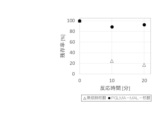
- Fig. 2 shows the results of a nucleolytic test of conjugate 5 described in Example 2 and unmodified oligonucleic acid.
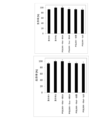
- 2 shows the evaluation results of complement activation of conjugates 5 and 6 described in Example 2 and conjugates using maleimide PEG instead of polymer 1 in Example 1.
- FIG. 1 shows the results of a cytotoxicity test using polymer 1, polymer 2, conjugates 1 and 4 described in Example 1, conjugate 5 described in Example 2, and conjugate 7 described in Example 3.
- the conjugate compound of the present disclosure has a structural unit derived from a monomer (a) having two or more hydroxyl groups and having 2 to 10 carbon atoms forming a side chain among the carbon atoms of the structural unit. and a component (B) containing at least one selected from the group consisting of amino acids, polypeptides, proteins, nucleosides, nucleotides and nucleic acids.
- the conjugate compounds of the present disclosure provide novel conjugate compounds modified with compounds other than PEG.
- the conjugate compound of the present disclosure is prepared by synthesizing a polymer (A) with functional groups introduced at the ends, and selecting the polymer (A) from the group consisting of amino acids, polypeptides, proteins, nucleosides, nucleotides, and nucleic acids. obtained by acting a component (B) containing at least one of The functional group of the polymer (A) having a functional group introduced at its terminal may be introduced by a polymerization reaction, or may be introduced by further reacting with a compound having a functional group after polymerization.
- the conjugate compound of the present disclosure is chemoselective between polymer (A) and component (B) comprising at least one selected from the group consisting of amino acids, polypeptides, proteins, nucleosides, nucleotides and nucleic acids. It is also one of the characteristics that they are bound by a similar reaction.
- the structural unit derived from the monomer (a) having 2 or more hydroxyl groups of the present disclosure and having 2 to 10 carbon atoms constituting the side chain among the carbon atoms of the structural unit is 2 hydroxyl groups.
- one of the polymerizable unsaturated double bonds of the monomer (a) having 2 to 10 carbon atoms constituting the side chain among the carbon atoms of the structural unit is opened by polymerization, It means a unit that constitutes a part of a polymer.
- the structural unit derived from the monomer (a) may be a structural unit formed by a different production method as long as it has the same structure as the structural unit formed by polymerizing the monomer (a) as described above.
- the structural unit derived from the monomer (a) refers to a structural unit derived from one molecule of the monomer (a), unless otherwise specified, and is contained in the polymer. It does not refer to the constituent unit as a whole. Further, structural units derived from the monomer (b) described below are interpreted in the same manner as the structural units derived from the monomer (a) described above.
- the monomer (a) of the present disclosure having two or more hydroxyl groups and having 2 to 10 carbon atoms forming the side chain among the carbon atoms of the constituent units is a vinyl monomer. is preferred, and a (meth)acrylic monomer is more preferred. Further, the monomer (a) may be a monofunctional monomer or a polyfunctional monomer, but preferably contains a monofunctional monomer, more preferably a monofunctional monomer. consists of quanta.
- the number of hydroxyl groups contained in the molecule of the monomer (a) is 2 or more.
- the number of hydroxyl groups is 2 to 8, 2 to 6, and 2 to 4.
- Monomer (a) of the present disclosure includes glycerin mono(meth)acrylate (also known as 2,3-dihydroxypropyl(meth)acrylate), 1,2-dihydroxyethyl (meth)acrylate, 2,2-dihydroxyethyl ( (Meth)acrylates such as meth)acrylate, dihydroxybutyl (meth)acrylate, trimethylolpropane mono(meth)acrylate, pentaerythritol mono(meth)acrylate, and dipentaerythritol mono(meth)acrylate are preferably used.
- glycerin mono(meth)acrylate also known as 2,3-dihydroxypropyl(meth)acrylate
- 1,2-dihydroxyethyl (meth)acrylate 1,2-dihydroxyethyl (meth)acrylate
- 2,2-dihydroxyethyl ( (Meth)acrylates such as meth)acrylate, dihydroxybutyl (meth)acrylate, trimethylol
- the monomer (a) is preferred because of its industrial availability, high reactivity, high binding property between the obtained polymer and the component (B), complement activity inhibitory effect, etc. It preferably contains glycerin monoacrylate (GLMA) and/or glycerin monomethacrylate (GLMMA).
- the content of glycerin monoacrylate (GLMA) and/or glycerin monomethacrylate (GLMMA) in the monomer (a) is preferably 20 parts by mass or more (upper limit of 100 parts by mass), 40 parts by mass or more, and 60 parts by mass. parts or more, 80 parts by mass or more, 90 parts by mass or more, and 95 parts by mass or more.
- a monomer (a) only 1 type may be used independently and 2 or more types may be used together.
- the number of carbon atoms constituting the side chain among the carbon atoms of the structural unit derived from the monomer (a) is 2 to 10.
- the number of carbon atoms constituting the side chain is 2 to 10 means the number of carbon atoms (total) of the entire side chain (the entire group bonded to the carbon atoms of the main chain (4 groups)) Point.
- the term "main chain” means the chain having the largest number of carbon atoms among the chains of continuously bonded carbon atoms in the polymer constituted by connecting structural units.
- the number of carbon atoms constituting the side chain among the carbon atoms of the structural unit derived from the monomer (a) is 2 to 10, and the number of carbon atoms is preferably 3 to 10.
- the side chain of the structural unit derived from the monomer (a) may be an unsubstituted or substituted alkyl group having 2 to 10 carbon atoms, and the substituent may be a hydroxyl group. Two or more hydroxyl groups may be included as substituents.
- a structural unit derived from the monomer (a) of the present disclosure preferably includes a structural unit represented by the following general formula (5).
- R 1 represents a hydrogen atom or a methyl group
- the content of the structural unit represented by the general formula (5) is, for example, 20 parts by mass or more (upper limit 100 parts by mass), 40 parts by mass or more, 60 parts by mass in the order of preference. Above, 80 parts by mass or more, 90 parts by mass or more, and 95 parts by mass or more.
- the content of the structural unit derived from the monomer (a) in 100 parts by mass of the polymer (A) of the present disclosure is preferably 5 parts by mass or more (upper limit of 100 parts by mass), more preferably 20 parts by mass or more, and 40 parts by mass. It is more preferably 60, 80, 90, 95 parts by mass or more, and may be 100 parts by mass.
- the structural units other than the monomer (a) are any radically polymerizable monomer (hereinafter referred to as a monomer by copolymerization
- a monomer that is a structural unit other than the monomer (a) is also referred to as "monomer (b)").
- the proportion of the structural unit derived from the monomer (b) in 100 parts by mass of the polymer (A) is, for example, 99 parts by mass or less. , preferably 80 parts by mass or less, more preferably 50 parts by mass or less, still more preferably 40 parts by mass or less, still more preferably 20 parts by mass or less, and particularly preferably 10 parts by mass or less .
- Examples of the monomer (b) include, other than the monomer (a), hydroxyl group-containing (meth)acrylates, polyoxyalkylene group-containing monomers, alkoxyalkyl (meth)acrylates, vinyl monomers, cyclic compounds, and the like. is mentioned. These monomers (b) may also be used alone or in combination of two or more.
- hydroxyl group-containing (meth)acrylates examples include hydroxyalkyl (meth)acrylates having a hydroxyalkyl group with 2 to 4 carbon atoms, such as 2-hydroxyethyl acrylate and 2-hydroxyethyl methacrylate.
- Examples of the polyoxyalkylene group-containing unsaturated monomer include monomers represented by the following general formula (6).
- R 2 , R 3 and R 4 each independently represent a hydrogen atom or a methyl group
- R 5 represents an alkylene group having 2 to 18 carbon atoms
- R 6 represents a hydrogen atom. or represents a hydrocarbon group having 1 to 20 carbon atoms
- m is the average number of added moles of —(R 5 O)— group and represents a number of 1-300.
- (R 5 O) m is composed of two or more types of R 5 O, the two or more types of R 5 O are randomly, block, or alternately bonded. There may be.
- R 6 is a hydrogen atom or a hydrocarbon group having 1 to 20 carbon atoms.
- a hydrogen atom or a hydrocarbon group having 1 to 10 carbon atoms is more preferable, a hydrogen atom or a hydrocarbon group having 1 to 3 carbon atoms is even more preferable, and a hydrogen atom or a hydrocarbon group having 1 or 2 carbon atoms is more preferable.
- groups are more preferred.
- an alkyl group or an alkenyl group is preferable, an alkyl group having 1 to 20 carbon atoms is more preferable, an alkyl group having 1 to 10 carbon atoms is more preferable, and an alkyl group having 1 to 3 carbon atoms is even more preferable. preferable.
- the oxyalkylene group represented by the formula: -R 5 O- is an oxyalkylene group having 2 to 18 carbon atoms.
- the oxyalkylene group include oxyethylene group, oxypropylene group, oxybutylene group, oxyisobutylene group, oxy-1-butene group, oxy-2-butene group and the like.
- an oxyalkylene group having 2 to 8 carbon atoms is preferable, and an oxyalkylene group having 2 to 4 carbon atoms such as an oxyethylene group, an oxypropylene group, an oxybutylene group is more preferable, and an oxyethylene group. is more preferred.
- m is the average number of added moles of the oxyalkylene group represented by the formula: -R 5 O-.
- the average number of added moles means the average number of moles of oxyalkylene groups in 1 mole of polyoxyalkylene group-containing unsaturated monomers.
- the lower limit of m is preferably 2 or more, more preferably 4 or more, and even more preferably 8 or more.
- the upper limit of m is preferably 100 or less, more preferably 50 or less.
- polyoxyalkylene group-containing unsaturated monomers include unsaturated alcohol polyalkylene glycol adducts, polyalkylene glycol ester-based monomers, and (alkoxy) polyalkylene glycol monomaleates.
- the unsaturated alcohol-polyalkylene glycol adduct is a compound in which a polyalkylene glycol chain is added to an alcohol having an unsaturated group.
- unsaturated alcohol polyalkylene glycol adducts include polyethylene glycol monovinyl ether, polyethylene glycol monoallyl ether, polyethylene glycol mono(2-methyl-2-propenyl) ether, polyethylene glycol mono(2-butenyl) ether, and polyethylene glycol.
- the above polyalkylene glycol ester-based monomer is a monomer in which an unsaturated group and a polyalkylene glycol chain are bonded via an ester bond.
- polyalkylene glycol ester-based monomer for example, an ester of an alkoxypolyalkylene glycol obtained by adding 1 to 300 moles of an oxyalkylene group having 2 to 18 carbon atoms to an alcohol and (meth)acrylic acid is preferable.
- alkoxypolyalkylene glycols those containing oxyethylene groups as a main component are preferred.
- Examples of the alcohol include methanol, ethanol, 1-propanol, 2-propanol, 1-butanol, 2-butanol, 1-pentanol, 2-pentanol, 3-pentanol, 1-hexanol, 2-hexanol, Alicyclic alcohols with 1 to 30 carbon atoms such as 3-hexanol, octanol, 2-ethyl-1-hexanol, nonyl alcohol, lauryl alcohol, cetyl alcohol and stearyl alcohol, and alicyclic groups with 3 to 30 carbon atoms such as cyclohexanol Alcohols, unsaturated alcohols having 3 to 30 carbon atoms such as (meth)allyl alcohol, 3-buten-1-ol, 3-methyl-3-buten-1-ol, and the like can be mentioned.
- esterified product examples include methoxy polyethylene glycol mono (meth) acrylate, methoxy (polyethylene glycol polypropylene glycol) mono (meth) acrylate, methoxy (polyethylene glycol polybutylene glycol) mono (meth) acrylate, and methoxy (polyethylene glycol polypropylene glycol). polybutylene glycol) mono(meth)acrylate and the like.
- polyalkylene glycol ester-based monomers for example, (alkoxy) polyalkylene glycol mono(meth)acrylates such as methoxypolyethylene glycol monomethacrylate are preferred.
- alkoxyalkyl (meth)acrylates examples include methoxymethyl (meth)acrylate, methoxyethyl (meth)acrylate, methoxypropyl (meth)acrylate, ethoxymethyl (meth)acrylate, ethoxyethyl (meth)acrylate, ethoxypropyl ( Examples thereof include alkoxyalkyl (meth)acrylates such as meth)acrylates in which the alkoxy group has 1 to 4 carbon atoms and the alkyl group has 1 to 4 carbon atoms. These alkoxyalkyl (meth)acrylates may be used alone or in combination of two or more.
- vinyl monomer examples include (meth)acrylic acid, methyl (meth)acrylate, ethyl (meth)acrylate, propyl (meth)acrylate, n-butyl (meth)acrylate, isobutyl (meth)acrylate, tert-butyl ( meth)acrylate, 2-ethylhexyl (meth)acrylate, n-lauryl (meth)acrylate, n-stearyl (meth)acrylate, diaminomethyl (meth)acrylate, diaminoethyl (meth)acrylate, dimethylamino (meth)acrylate, diethylamino (meth)acrylate, glycidyl (meth)acrylate, styrene, aziridines, 2-(meth)acryloyloxymethylphosphorylcholine, 2-(meth)acryloyloxyethylphosphorylcholine, tetrahydrofurfuryl (meth)acrylate,
- alkylene oxide examples include alkylene oxides having 2 to 4 carbon atoms such as ethylene oxide and propylene oxide.
- alkoxypolyoxyalkylene glycol examples include polyethylene glycol, polypropylene glycol, methoxypolyethylene glycol, ethoxypolyethylene glycol, methoxypolypropylene glycol, ethoxypolypropylene glycol, and other alkoxy groups having 1 to 4 carbon atoms and oxy
- alkoxypolyoxyalkylene glycols having an alkylene group and having 2 to 30 moles of oxyalkylene groups.
- cyclic compounds examples include lactides such as L-lactide, lactones such as ⁇ -caprolactone, trimethyl carbonate, cyclic amino acids, and morpholine-2,5-dione.
- the polymer (A) is composed of a polymer containing a structural unit derived from the monomer (a)
- the polymer constituting the polymer is formed by bonding polymers of the same type or different types. It may have the structure of the resulting block copolymer.
- the number average molecular weight (Mn) of the polymer (A) of the present disclosure is preferably 1000 or more, more preferably 2000 or more, still more preferably 3000, from the viewpoint of improving the enzyme resistance of the conjugate compound. or more, and may be, for example, 6000 or more.
- the number average molecular weight (Mn) of the polymer is preferably 50,000 or less, more preferably 30,000 or less, and still more preferably 15,000 or less from the viewpoint of excretion.
- the value of the number average molecular weight (Mn) of the polymer means the value when measured based on the method for measuring Mn for the polymers obtained in Production Examples 1 to 4 in Examples described later. .
- the number average molecular weight (Mn) of the polymer (A) of the present disclosure is preferably 1,000 to 50,000, more preferably 3,000 to 30,000.
- the polydispersity (value of [polymerization average molecular weight (Mw)/number average molecular weight (Mn)]) of the polymer (A) of the present disclosure is preferably 1.5 from the viewpoint of the uniformity of the molecular weight of the conjugate compound. 00 to 5.00, more preferably 1.00 to 3.00, still more preferably 1.00 to 2.00, still more preferably 1.00 to 1.50, still more preferably 1.00 to 1.30.
- the value of the polymerization average molecular weight (Mw) means the value when measured based on the above-mentioned measuring method and measuring conditions of Mn.
- Polymer (A) of the present disclosure preferably forms a conjugate compound with component (B) containing at least one selected from the group consisting of amino acids, peptides, proteins, nucleosides, nucleotides, and nucleic acids.
- Amino acids of the present disclosure include organic compounds containing both an amino group and a carboxyl group and salts thereof, and include naturally occurring amino acids (L-amino acids) as well as unnatural amino acids (D-amino acids, modified amino acids and amino acid derivatives, etc.).
- Specific amino acids include alanine, arginine, asparagine, aspartic acid, cysteine, glutamic acid, glutamine, glycine, histidine, isoleucine, leucine, lysine, methionine, phenylalanine, serine, threonine, tyrosine, tyrosine, tryptophan, proline, and valine. are listed, but are not limited to these.
- amino acids include arginosuccinic acid, citrulline, cysteine sulfonic acid, 3,4-dihydroxyphenylalanine, homocysteine, homoserine, ornithine, carnitine, selenocysteine, selenomethionine, 3-monoiodotyrosine, 3,5-diiodotyrosine. , 3,5,5′-triiodothyronine, and 3,3′,5,5′-tetraiodothyronine.
- a modified amino acid means an amino acid modified by the addition, deletion, substitution, or combination thereof of at least one atom (eg, N-alkyl amino acid, N-acyl amino acid, or N-methyl amino acid).
- modified amino acids include, but are not limited to, amino acid derivatives such as trimethylglycine, N-methyl-glycine and N-methyl-alanine.
- unnatural amino acids include D-amino acids, hydroxylysine, dehydroalanine, pyrrolidine, 2-aminoisobutyric acid, ⁇ -aminobutyric acid, 5-hydroxytryptophan, S-adenosylmethionine, S-adenosylhomocysteine, 4 -hydroxyproline, N-Cbz-protected amino acids, 2,4-diaminobutyric acid, homoarginine, norleucine, N-methylaminobutyric acid, naphthylalanine, phenylglycine, beta-phenylproline, tert-leucine, 4-aminocyclohexylalanine, N-methyl-norleucine, 3,4-dehydroproline, N,N-dimethylaminoglycine, N-methylaminoglycine, 4-aminopiperidine-4-carboxylic acid, 6-aminocaproic acid, trans-4-(a
- a peptide of the present disclosure refers to a peptide-bonded amino acid, and includes, for example, a compound in which 2 to 50 amino acids are peptide-bonded.
- Antibodies such as immunoglobulins; antibody fragments, antibody derivatives, peptide-nucleic acids (PNAs); hormones such as interleukins, lymphokines, and cytokines; enzymes, growth factors, and the like. exemplified.
- a protein of the present disclosure refers to a peptide bond of amino acids, and includes compounds having 50 or more amino acids bonded. Specific examples include enzymes, hormones, cytokines, antibodies and the like. Amino acids that make up the peptides or proteins of the present disclosure include not only natural amino acids but also unnatural amino acids.
- the primary structure of a peptide or protein of the present disclosure may be a linear or cyclic structure, may contain two structures simultaneously, and may form a secondary structure, either helical or sheet-like. Furthermore, it may form a three-dimensional structure such as a tertiary structure or a quaternary structure.
- peptide or protein derivatives include peptides and proteins containing amino acid derivatives, protein hydrolysates obtained by partially hydrolyzing peptides and proteins with acids, alkalis or enzymes, and these.
- Derivatives such as cationized products, acylated products, alkyl esterified products, and siliconized products are included.
- the molecular weight of the protein of the present disclosure is preferably 1,000 or more, more preferably 3,000 or more, even more preferably 5,000 or more, preferably 4,000,000 or less, more preferably 1,000,000 or less, and 500 ,000 or less is more preferable.
- the molecular weight of protein can be measured by a known method, for example, SDS-PAGE or mass spectrometry (MALDI TOF MS).
- nucleosides of the present disclosure include, but are not limited to, ribonucleosides and deoxyribonucleosides. It may be an artificially modified nucleoside.
- nucleotides of the present disclosure include, but are not limited to, compounds in which 1 to 3 phosphates are bound to the above nucleoside. It may be an artificially modified nucleotide.
- nucleic acids of the present disclosure include, but are not limited to, DNA and RNA.
- Nucleic acids of the present disclosure include oligonucleotides (eg, 2-100 bases long), gapmers, ribozymes, aptamers, artificial nucleic acids, and the like. Said oligonucleotides may be siRNA, miRNA, aptamers, CpG oligos or antisense DNA/RNA.
- nucleoside of the present disclosure is not particularly limited, it is preferably a compound in which a base such as a purine base, a pyrimidine base, nicotinamide, or dimethylisoalloxazine is linked to a sugar.
- Nucleosides of the present disclosure include, for example, adenosine, deoxyadenosine, guanosine, deoxyguanosine, 5-methyluridine, thymidine, uridine, methylpseudouridine, pseudouridine, deoxyuridine, cytidine, deoxycytidine and the like. is not limited to
- the nucleotides of the present disclosure include natural or non-natural nucleotides.
- Natural nucleotides include deoxyribonucleotides having adenine, guanine, cytosine, and thymine bases and ribonucleotides having adenine, guanine, cytosine, and uracil bases.
- Non-natural nucleotides are artificial nucleotides having properties and / or structures similar to those of natural nucleotides, or non-natural nucleotides having properties and / or structures similar to those of natural nucleosides or natural bases that are components of natural nucleotides. It includes natural nucleosides or artificial nucleotides containing non-natural bases.
- non-natural nucleosides include abasic nucleosides, arabinonucleosides, 2'-deoxyuridine, ⁇ -deoxyribonucleosides, ⁇ -L-deoxyribonucleosides, and nucleosides having other sugar modifications.
- substituted pentasaccharides (2′-O-methylribose, 2′-deoxy-2′-fluororibose, 3′-O-methylribose, 1′,2′-deoxyribose
- arabinose substituted arabinose sugars
- Included are nucleosides with substituted hexoses and alpha-anomeric sugar modifications.
- Non-natural nucleotides also include nucleotides containing artificially constructed base analogues or artificially chemically modified bases (modified bases).
- base analogues include 2-oxo(1H)-pyridin-3-yl group, 5-substituted-2-oxo(1H)-pyridin-3-yl group, 2-amino-6-(2 -thiazolyl)purin-9-yl group, 2-amino-6-(2-oxazolyl)purin-9-yl group and the like.
- Modified bases include, for example, modified pyrimidines (eg, 5-hydroxycytosine, 5-fluorouracil, 4-thiouracil), modified purines (eg, 6-methyladenine, 6-thioguanosine) and other heterocyclic bases. is mentioned.
- Chemically modified nucleic acids such as methylphosphonate-type DNA/RNA, phosphorothioate-type DNA/RNA, phosphoramidate-type DNA/RNA, 2'-O-methyl-type DNA/RNA, and nucleic acid analogues can also be included.
- Nucleic acid analogues are artificially constructed compounds having structures and/or properties similar to those of naturally occurring nucleic acids. , bridged nucleic acids (BNA/LNA: Bridged Nucleic Acid/Locked Nucleic Acid), morpholino nucleic acids, and the like.
- the nucleotides are phosphodiester, methylphosphonate, methylthiophosphonate, phosphoromorpholite, phosphoropiperazidate, phosphoramidate, phosphorothioate or phosphorodithioate linkages. and the like.
- Examples of the DNA of the present disclosure include embodiments in which bases selected from adenine, guanine, cytosine, and thymine are bound to deoxyribose rings connected via phosphodiester bonds, and they may have substituents. good.
- the DNA of the present disclosure may be single-stranded DNA, double-stranded DNA, DNA-RNA hybrids, specifically genomic DNA, coding DNA, DNA primers, DNA probes, immunostimulatory DNA, DNA oligonucleotides. , DNA polynucleotides, aDNA, plasmids, antisense DNA oligonucleotides, aptamers, decoys, viral DNA, and the like.
- RNA of the present disclosure examples include embodiments in which bases selected from adenine, guanine, cytosine, and uracil are bound to ribose rings connected via phosphodiester bonds, and they may have a substituent. .
- RNA of the present disclosure may be single-stranded RNA, double-stranded RNA, DNA-RNA hybrids, specifically RNA oligonucleotides, messenger RNA (mRNA), immunostimulatory RNA, small interfering RNA ( siRNA), antisense RNA, microRNA (miRNA), small nuclear RNA (snRNA), small hairpin (sh)RNA, ribosomal RNA (rRNA), transfer RNA (tRNA), messenger RNA (mRNA), viral RNA ( vRNA), aptamers, or ribozymes.
- messenger RNA messenger RNA
- immunostimulatory RNA small interfering RNA
- siRNA small interfering RNA
- antisense RNA small interfering RNA
- miRNA microRNA
- snRNA small nuclear RNA
- sh small hairpin
- rRNA ribosomal RNA
- tRNA transfer RNA
- mRNA messenger RNA
- vRNA viral RNA
- aptamers or rib
- RNA As the mRNA of the present disclosure, artificial mRNA using modified nucleic acids such as pseudouridine, N 1 -methylpseudouridine and other derivatives instead of uridine having uracil bound to the ribose ring may be used.
- the RNA is preferably an oligonucleotide having 15 to 50 nucleotide units, more preferably an oligonucleotide with 20 to 30 linked nucleotide units.
- miRNA miRNA in which 17 to 25 nucleotide units are linked can be used.
- the siRNA can contain, for example, 16-30 nucleotide units and have a double-stranded region.
- the nucleic acid is an immunostimulatory oligonucleotide, decoy oligonucleotide, supermir, miRNA mimic, or miRNA inhibitor.
- Supermirs are single-stranded, double-stranded, or partially double-stranded oligomers or polymers of RNA or deoxyribonucleic acid DNA, or both, or variants thereof, which are substantially similar to miRNAs. It refers to an oligomer or polymer that has the same nucleotide sequence as the target and is antisense to its target.
- miRNA mimics represent a group of molecules that can be used to mimic the gene silencing ability of one or more miRNAs.
- miRNA mimic refers to synthetic non-coding RNAs that can enter the RNAi pathway and regulate gene expression (i.e., miRNAs are obtained by purifying them from sources of endogenous miRNAs). cannot be used).
- a gapmer in the present disclosure means an antisense nucleic acid with artificial nucleic acids arranged at both ends, and is expected to have the effect of enhancing the activity of the antisense nucleic acid.
- Aptamers of the present disclosure are nucleic acid molecules that bind to target proteins, and are single-stranded DNA or single-stranded RNA.
- the molecular weight of the nucleic acid of the present disclosure is preferably 300 or more, more preferably 1,000 or more, even more preferably 2,000 or more, preferably 4,000,000 or less, more preferably 3,000,000 or less, and 2,000 ,000 or less, and may be 1,500,000 or less.
- the molecular weight of nucleic acids can be measured by known methods such as agarose electrophoresis, SDS-PAGE, HPLC-MS, MALDI-TOFMS, and the like.
- the mass ratio of the polymer (A) and the component (B) in the conjugate compound of the present disclosure depends on the type, molecular weight, balance between hydrophilicity and hydrophobicity of the polymer (A) and the component (B), the delivery site, and the desired blood flow. It may be set as appropriate according to the medium residence time, etc., and is not particularly limited. /499 to 150/1 is more preferred, 1/499 to 99/1 is even more preferred, and 1/199 to 49/1 is even more preferred.
- polymer (A) and component (B) are preferably bonded via a divalent linking group from the viewpoint of improving the heat resistance of the conjugate compound.
- Ra is a hydrogen atom or a hydrocarbon group having 1 to 30 carbon atoms.
- Rb is a hydrocarbon group having 1 to 30 carbon atoms.
- a residue obtained by removing one hydrogen atom and one hydrocarbon group having 8 or more carbon atoms from a lipid (including modified lipids) is also one of the preferred forms of the divalent linking group.
- the divalent linking group preferably has a molecular weight of 5,000 or less, more preferably 2,000 or less, and even more preferably 1,000 or less.
- the conjugate compound of the present disclosure preferably has at least one bond represented by general formulas (1) to (4), and general formula (1), general formula It is more preferable to have at least one bond represented by (2).
- the bond of general formula (1) is, for example, a bond formed by a combination of thiol group-maleimide group
- the bond of general formula (2) is, for example, a combination of —NH 2 group (amino group)-maleimide group.
- the bond of general formula (3) is, for example, a bond generated by a combination of —NH 2 group (amino group)-succinimide group (N-hydroxysuccinimide (NHS) ester group; hereinafter the same) and the bond of general formula (4) is, for example, a bond formed by a combination of a thiol group and a succinimide group.
- the terminal functional groups of the polymer (A) and/or the component (B) include an azide group, a thiol group, an amino group, an alkynyl group, a maleimide group, a succinimide group, and a leaving group. (halogen, etc.), and disulfide groups, and the conjugate compounds of the present disclosure include an azide group-alkynyl group, a thiol group-disulfide group, a thiol group, or an amino group.
- a maleimide group, a succinimide group or a leaving group more preferably a bond that occurs in combination with a thiol group-disulfide group, a thiol group or an amino group and a maleimide group or a succinimide group, Even more preferred are bonds resulting from combinations of thiol group-maleimide group and amino group-succinimide group.
- the conjugate compound of the present disclosure may be powder, dispersion, solution, or paste, but is preferably powder from the viewpoint of ease of storage.
- Polymer (A) of the present disclosure can be obtained by polymerizing a monomer composition containing monomer (a) and optionally monomer (b).
- Methods for polymerizing the monomer composition include, for example, radical polymerization, atom transfer radical polymerization, reversible addition-fragmentation chain transfer (RAFT) polymerization, living radical polymerization, ionic polymerization, A ring-opening polymerization method, a coordination polymerization method, a polycondensation method, and the like can be mentioned, but the present invention is not limited to these examples.
- a solvent may be used when polymerizing the monomer composition.
- the solvent include aromatic solvents such as benzene, toluene and xylene; alcoholic solvents such as methanol, ethanol, isopropanol, n-butanol and tert-butanol; halogen atom-containing solvents such as dichloroethane and dichloromethane; Ether solvents such as propylene glycol methyl ether, dipropylene glycol methyl ether, ethyl cellosolve, and butyl cellosolve; ester solvents such as ethyl acetate, butyl acetate, and cellosolve acetate; ketone solvents such as acetone, methyl ethyl ketone, methyl isobutyl ketone, and diacetone alcohol.
- Solvent Organic solvents such as amide solvents such as dimethylformamide, and water can be mentioned. Among them, it is preferable to use an alcohol-based solvent from the viewpoint of reactivity. These solvents may be used alone or in combination of two or more. The amount of the solvent may be appropriately determined in consideration of the polymerization conditions, the composition of the monomer composition, the concentration of the resulting polymer, and the like.
- a chain transfer agent can be used to adjust the molecular weight of the polymer or to introduce functional groups such as hydrocarbon groups and amino groups.
- Chain transfer agents include, for example, sodium thioacetate, alkali metal thioacetate such as potassium thioacetate, cysteine, cysteamine, mercaptoethanol, thioglycerol, thioglycolic acid, mercaptopropionic acid, 2-mercaptopropionic acid, 3-mercapto Propionic acid, thioacetic acid, thiomalic acid, 2-mercaptoethanesulfonic acid, their sodium salts, hydrophilic thiol-based chain transfer agents such as potassium salts; primary alcohols such as 2-aminopropan-1-ol, such as isopropanol Secondary alcohols, phosphorous acid, hypophosphorous acid and their salts (e.g.
- sodium hypophosphite, potassium hypophosphite, etc. sulfurous acid, hydrogen sulfite, dithionous acid, metabisulfite and their salts non-thiol chain transfer agents such as (e.g., sodium sulfite, sodium bisulfite, sodium dithionite, sodium metabisulfite, potassium sulfite, potassium bisulfite, potassium dithionite, potassium metabisulfite, etc.); butanethiol, octanethiol, decanethiol, dodecanethiol, hexadecanethiol, octadecanethiol, thiocholesterol, cyclohexylmercaptan, thiophenol, octyl thioglycolate, octyl 2-mercaptopropionate, octyl 3-mercaptopropionate, mercaptopropionate 2 -ethylhexyl
- RAFT reversible addition-fragmentation chain transfer
- RAFT agents include 4-cyano-4-(phenylcarbonothioylthio)pentanoic acid, 2-cyano-2-propylbenzothioate, 2-cyano-2-propyldodecyltrithiocarbonate, 4- cyano-4-[(dodecylsulfanylthiocarbonyl)sulfanyl]pentanoic acid, 2-(dodecylthiocarbonothioylthio)-2-methylpropanoic acid, cyanomethyldodecylthiocarbonate, cyanomethylmethyl (phenyl) carbamothioate, bis(thiobenzoyl)disulfide, bis(dodecylsulfanylthiocarbonyl)disulf
- chain transfer agents may be used alone or in combination of two or more.
- the amount of the chain transfer agent is not particularly limited, and may be appropriately set according to the type of monomers contained in the monomer composition, polymerization conditions such as polymerization temperature, and the target molecular weight of the polymer. However, when obtaining a polymer having a number average molecular weight of several thousand to several ten thousand, the amount of the chain transfer agent is preferably 0.1 to 20 parts by mass per 100 parts by mass of the monomer, and 0.5 More preferably, it is up to 15 parts by mass.
- a polymerization initiator can be used when polymerizing the monomer composition.
- polymerization initiators include azoisobutyronitrile, 2,2′-azobis(4-dimethoxy-2,4-dimethylvaleronitrile), 4,4′-azobis(4-cyanopentanoic acid), 2, 2'-azobis[2-methyl-N-[1,1-bis(hydroxymethyl)-2-hydroxyethyl]propionamide], 2,2'-azobis[N-(2-hydroxyethyl)-2-methoxy propanamide], 2,2′-azobis(2-methyl-2-propenylpropanamide), 2,2′-bis(2-imidazolin-2-yl)[2,2′-azobispropane] dihydrochloride , 2,2′-azobis(propane-2-carbamidine) dihydrochloride, 2,2′-azobis[N-(2-carboxyethyl)-2-methylpropionamidine], 2,2′-azobis[2 -[1
- Radical polymerization initiator of examples include living radical polymerization initiators such as disulfide, 10-undecenyl 2-bromoisobutyrate, and 4-(1-bromoethyl)benzoic acid. These polymerization initiators may be used alone or in combination of two or more.
- the amount of the polymerization initiator may be appropriately set according to the desired physical properties of the polymer to be obtained. parts by mass, more preferably 0.005 to 10 parts by mass.
- the polymerization conditions for polymerizing the monomer composition may be appropriately set according to the polymerization method, and are not particularly limited.
- the polymerization temperature is preferably room temperature to 200°C, more preferably 40 to 140°C.
- the atmosphere in which the monomer composition is polymerized is preferably an inert gas such as nitrogen gas or argon gas.
- the reaction time may be appropriately set so that the polymerization reaction of the monomers is completed.
- a polymer can be obtained by preferably polymerizing the monomer composition as described above.
- the obtained polymer may be used as it is as the polymer (A), but it preferably has a functional group at its terminal when forming a conjugate with the component (B). By having a functional group at the end, it can be easily linked to the component (B) via the functional group.
- the functional group is preferably a reactive functional group.
- Suitable reactive functional groups include -SH groups, groups represented by the formula: -COOM (M represents a hydrogen atom or an alkali metal atom), hydroxyl groups, allyl groups, epoxy groups, aldehyde groups, -NH2 groups (amino group), CONH- group and the like.
- M include alkali metal atoms such as a sodium atom and a potassium atom.
- the preferred reactive functional group is the -NH2 group (amino group).
- the number of functional groups is not particularly limited, but is preferably 1 to 6, more preferably 1 to 4, and still more preferably 1 to 2. is.
- a functional group-containing compound for introducing a functional group into the polymer can be used.
- the functional group-containing compound for introducing a functional group to the end of the polymer include alkali metal thioacetate salts such as sodium thioacetate and potassium thioacetate, cysteine, cysteamine, mercaptoethanol, thioglycerol, and thioglycolic acid.
- mercaptopropionic acid 2-mercaptopropionic acid
- 3-mercaptopropionic acid thioacetic acid, thiomalic acid, 2-mercaptoethanesulfonic acid, their sodium salts, potassium salts, 16-amino-1-hexadecanethiol hydroxy chloride, etc.
- the functional group-containing compounds may be used alone or in combination of two or more.
- the functional group-containing compounds described above include those corresponding to the chain transfer agents and polymerization initiators described above. It may be used for only one purpose of the initiator and the functional group-containing compound, or may be used for both purposes.
- a functional group-containing compound is reacted with a halogen atom present at the end of the polymer prepared using the living polymerization initiator to form the polymer.
- a functional group may be introduced at the end.
- the functional group-containing compound capable of reacting with a halogen atom to introduce a functional group at the end of the polymer include amine compounds such as ethylenediamine and propyldiamine, and dithiols such as ethanedithiol, propanedithiol, and hexadecanedithiol.
- the amount of the functional group-containing compound for introducing a functional group to the terminal of the polymer (A) of the present disclosure may be appropriately set according to the molecular weight of the polymer to be used, and is not particularly limited.
- the amount of the chain transfer agent is preferably 0.1 to 20 parts by weight, preferably 0.5 to 15 parts by weight, per 100 parts by weight of the monomer. Parts by mass are more preferred.
- a method for introducing a functional group to the terminal of the polymer (A) for example, (1) a method of obtaining a polymer by polymerizing a monomer composition in the presence of a polymerization initiator into which the functional group has been introduced as a polymerization initiator; (2) a method of obtaining a polymer by polymerizing a monomer composition in the presence of a chain transfer agent into which the functional group has been introduced as a chain transfer agent; (3) A method of reacting a halogen atom present at the end of a polymer with a functional group-containing compound, etc., but the present invention is not limited to such examples.
- the polymer (A) of the present disclosure includes, in addition to or instead of the above functional groups, a functional group derived from a maleimide structure or a succinimide structure (a maleimide group or a succinimide group) at the terminal.
- the structure can serve as a linker structure for polymer (A) and component (B). Having the functional group facilitates chemoselective bonding with the component (B).
- the maleimide structure reacts with a thiol group and the succinimide structure reacts with an amino group, the binding property to a protein such as an antibody or a compound having a thiol group introduced at its end is improved.
- a functional group derived from a maleimide structure or a succinimide structure to the terminal of the polymer, (1) polymerizing the monomer composition in the presence of a chain transfer agent having a maleimide group or a succinimide group or a RAFT agent such as 4-cyano-4-(phenylcarbonothioylthio)pentanoic acid N-succinimidyl ester; to obtain a polymer, (2) a functional group (e.g., amino group) present at the end of a polymer and a succinimide group (N-hydroxysuccinimide (NHS) ester group) in a maleimide group-containing compound (e.g., N-succinimidyl 4-maleimidobutyrate); and the like, but the present invention is not limited only to such examples.
- a chain transfer agent having a maleimide group or a succinimide group or a RAFT agent such as 4-cyano-4-(phenylcarbonothi
- the conjugate compound of the present disclosure has a structural unit derived from a monomer (a) having two or more hydroxyl groups and having 2 to 10 carbon atoms forming a side chain among the carbon atoms of the structural unit.
- the polymer (A) and the component (B) containing any one selected from the group consisting of amino acids, polypeptides, proteins, nucleosides, nucleotides and nucleic acids, preferably at a mass ratio of polymer (A)/component ( B) is preferably obtained by having a step of reacting at 1/999 to 499/1.
- the monomers and physical properties used in the polymer (A) and the compounds used in the component (B) are as described above.
- the polymer (A) of the present disclosure preferably has terminal functional groups, and more preferably has a maleimide structure or a succinimide structure.
- Component (B) of the present disclosure preferably has a functional group in the molecule for forming a conjugate compound. Such functional groups are inherent to component (B), such as when component (B) has an amino group or thiol group (e.g., cysteine residue in protein) in the molecule such as an amino acid or protein.
- a functional group may be used, or the functional group may be introduced into an amino acid, polypeptide, protein, nucleoside, nucleotide, or nucleic acid.
- introduction of a thiol group into a nucleic acid can be achieved by introducing a disulfide bond into the nucleic acid and then using a reducing agent such as dithiothreitol, 2-mercaptoethanol, tris(2-carboxyethyl)phosphine hydrochloride (TCEP), etc.
- TCEP tris(2-carboxyethyl)phosphine hydrochloride
- a thiol group may be introduced (or generated) by reducing the introduced disulfide bond.
- the disulfide bond in the protein is reduced to introduce a thiol group.
- a reducing agent such as dithiothreitol, 2-mercaptoethanol, tris(2-carboxyethyl)phosphine hydrochloride (TCEP)
- the disulfide bond in the protein is reduced to introduce a thiol group. may be (may be generated).
- Terminal functional groups of component (B) include azide group, thiol group, amino group, alkynyl group, maleimide group, succinimide group, leaving group (halogen etc.), disulfide group and the like.
- the component (B) is an amino acid, a polypeptide, a protein, a thiol group-introduced protein, a thiol group-introduced nucleoside, a thiol group-introduced nucleotide, or a thiol group-introduced nucleic acid. At least one selected from the group.
- the conjugate compounds of the present disclosure are selected from the group consisting of terminal functional groups of polymer (A) and azide groups, thiol groups, amino groups, alkynyl groups, maleimide groups, succinimide groups, and leaving groups of component (B). It is preferably obtained by reacting with at least one selected.
- the polymer (A) has a terminal maleimide structure or succinimide structure
- the component (B) contains an azide group, a thiol group, an amino group, an alkynyl group, a maleimide group, a succinimide group, and a succinimide group.
- polymer (A) has a terminal maleimide structure, component (B) has a thiol group, and the maleimide structure and the thiol group are reacted, or (2) The polymer (A) has a succinimide structure at its terminal, the component (B) has an amino group, and the succinimide structure and the amino group are reacted.
- the above reaction may be performed in a buffer solution.
- the reaction is preferably carried out at around room temperature in order to maintain the activity of the component (B), and may be, for example, 5-40°C or 20-30°C.
- the reaction time is appropriately set in consideration of the reactivity of the polymer (A) and the component (B), and is, for example, 30 minutes to 10 days.
- a medicament comprising a conjugate compound according to the present disclosure.
- the medicament may consist of the conjugate compound according to the present disclosure, or may be a composition further comprising other ingredients.
- Other components include, for example, water, physiological saline, pharmaceutically acceptable organic solvents, collagen, polyvinyl alcohol, polyvinylpyrrolidone, carboxyvinyl polymer, carboxymethylcellulose sodium salt, sodium polyacrylate, sodium alginate, water-soluble Dextran, sodium carboxymethyl starch, pectin, methylcellulose, ethylcellulose, xanthan gum, gum arabic, casein, gelatin, agar, diglycerin, propylene glycol, polyethylene glycol, petrolatum, paraffin, stearyl alcohol, stearic acid, human serum albumin, mannitol, sorbitol , lactose, phosphate-buffered saline, biodegradable polymers, serum-free media, surfactants acceptable as pharmaceutical additives, physiological pH buffers acceptable in vivo, and the like.
- additives may be used alone, or two or more of them may be used in combination.
- the conjugated compounds or compositions comprising the conjugated compounds of the present disclosure are preferably used as liquid formulations, solid formulations, or gel formulations.
- the liquid formulations of the present disclosure preferably contain water, saline, phosphate-buffered saline, citrate-phosphate buffer, and the like, in addition to the conjugated compounds of the present disclosure.
- Solid formulations of the present disclosure preferably contain excipients such as mannitol, xylitol, maltodextrin, sodium carboxymethylcellulose, polyethylene glycol, agar, lactose, etc., in addition to the conjugated compounds of the present disclosure.
- Gel formulations of the present disclosure include, in addition to the conjugated compounds of the present disclosure, neutralized anionic polymers such as polyacrylic acid, carboxypolymethylene and carboxymethylcellulose, Pemulen, polymeric emulsifiers, thickeners such as polycarbophil. or a lower alcohol such as ethanol or isopropanol, and water.
- the conjugated compound of the present disclosure or a composition containing the conjugated compound can be suitably used as a pharmaceutical excipient if it does not contain a medicinal ingredient in its composition.
- Pharmaceutical excipients include, for example, carriers for holding pharmaceuticals and the like.
- a component (B) of the present disclosure that is itself an active pharmaceutical ingredient.
- the conjugated compounds or pharmaceutical compositions comprising the conjugated compounds can be utilized for either in vitro or in vivo testing.
- parenteral administration ie, intraarticular administration, intravenous administration, intraperitoneal administration, subcutaneous administration, or intramuscular administration, is preferably adopted as the method of administering the conjugate compound and the like to the living body.
- Intravenous or intraperitoneal administration of the (pharmaceutical) composition may also be performed by bolus injection. Since the conjugated compound of the present disclosure or a pharmaceutical containing the conjugated compound suppresses complement activation, it does not induce unintended adverse immune reactions, and is a pharmaceutical with good blood retention. Be expected.
- the compound (polymer) obtained had a number average molecular weight of 8,000. Then, in a branched test tube, 0.640 g of polyglycerin monoacrylate containing terminal amino groups (ammonium groups) obtained above, 0.643 g of N-succinimidyl 4-maleimidobutyrate, 9 mL of dimethylsulfoxide, and acetic acid were added. 1 mL of triethylamine solution (2 mol/L, pH 7.0) was charged. Then, the inside of the tube was replaced with nitrogen, and the mixture was stirred at room temperature for 23 hours.
- the resulting reaction solution was diluted 5-fold with water and purified by gel filtration (PD-MidiTrap TM G-25 manufactured by Cytiva) to obtain polyglycerin monomethacrylate (polymer 3) having a maleimide structure introduced at the end. got The obtained compound (polymer 3) had a number average molecular weight of 10,500 and a polydispersity Mw/Mn of 1.98.
- Example 1 Preparation of a polymer-protein conjugate A conjugate buffer A (pH 7.2) was prepared by dissolving 3.73 g of EDTA ⁇ 2Na in 1 L of ultrapure water. In 1 mL of this conjugate buffer A, 41.5 mg of bovine serum albumin (Fujifilm Wako Pure Chemical Industries, Ltd.) and 66 mg of the polymer 1 prepared in Production Example 1 were each dissolved, and after dissolution, each 0.1 mL was placed in a test tube and mixed. and incubated at 25° C. for 1 hour to obtain a reaction product.
- bovine serum albumin Flujifilm Wako Pure Chemical Industries, Ltd.
- conjugates were also prepared for polymers 2, 3 and 4 prepared in Production Examples 2, 3 and 4, respectively, and the succinimide group of polymer 2 and the amino group of BSA were Linked conjugate 2 (PGLMMA-Suc-BSA), conjugate 3 (PGLMMA-Mal-BSA) linking the maleimide group of polymer 3 with the thiol group of BSA, and the succinimide group of polymer 4 with BSA A conjugate 4 (PGLMA-Suc-BSA) bound with the amino group of was prepared.
- the ultrafiltered conjugate 1 (PGLMA-Mal-BSA) was diluted with an appropriate amount of ultrapure water. 20 ⁇ L of the diluted solution is mixed with 20 ⁇ L of sample processing buffer (sample buffer (containing 3-mercapto-1,2-propanediol) ( ⁇ 2), FUJIFILM Wako Pure Chemical Industries, Ltd.) and mixed at 95° C. for 10 minutes. heated. The heated sample was applied to a precast gel (ehr-T10L e-pagel HR 10%, Atto Corporation) and subjected to SDS-PAGE.
- sample processing buffer sample buffer (containing 3-mercapto-1,2-propanediol) ( ⁇ 2), FUJIFILM Wako Pure Chemical Industries, Ltd.
- Multicolor Protein Ladder (10-315 kDa, Nippon Gene Co., Ltd.) was used as a molecular weight marker. After electrophoresis, the gel was stained with Quick CBB Plus (Fuji Film Wako Pure Chemical Industries, Ltd.), destained as appropriate, and photographed with a gel imaging device (GEL Doc Go, Bio-Rad Laboratory Co., Ltd.). As a result, as shown in FIG. 1, one band was visible with BSA alone, whereas with PGLMA-Mal-BSA, the band spread toward the top of the gel, indicating that the terminal functional group-introduced PGLMA and BSA were bonded. It was confirmed that the conjugate was formed.
- Quick CBB Plus Fluji Film Wako Pure Chemical Industries, Ltd.
- each of the ultrafiltered conjugates 1 to 4 was diluted with PBS so that the value at a wavelength of 280 nm was 100.
- the conjugate (PEG-BSA ), and 100 mg of BSA each dissolved in 1 mL of PBS were prepared as controls.
- 40 ⁇ L of each solution and 160 ⁇ L of human serum (purchased from Tennessee Blood Service) were mixed and incubated at 37° C. for 1 hour.
- 5 ⁇ L of 50 mM EDTA solution was added to 50 ⁇ L of the mixed solution after incubation to stop the reaction.
- conjugate 2 conjugate 2 (PGLMMA-Suc-BSA) under the above analysis conditions
- the peak of PGLMMA-Suc-BSA appeared earlier than the peak of BSA alone, as shown in FIG. This indicates that BSA was polymerized, and it became clear that a conjugate was formed.
- Example 2 Preparation of a conjugate of a polymer and an oligonucleic acid Nucleic acids are known articles (PS Eder, RJ DeVine, JM Dagle, JA Walder (1991) Antisense Research) and Development, 1(2), 141-51) with reference to the base sequence (5'-d(TAGCACCATGGTTT)-3') oligonucleotide (obtained by requesting synthesis from Hokkaido System Science Co., Ltd.), and its An oligonucleic acid having 3-(propyldisulfanyl)propan-1-ol introduced at the 3' end (obtained by requesting synthesis from Hokkaido System Science Co., Ltd.) was used.
- a terminal 3-(propyldisulfanyl)propan-1-ol nucleic acid was dissolved in ultrapure water, and 0.1 M DTT was added to 320 ⁇ L (14.3 nmol) of an oligonucleic acid solution prepared at a concentration of 44.8 ⁇ M.
- 160 ⁇ L (16.0 ⁇ mol) of a solution (( ⁇ )-dithiothreitol) 15.5 mg dissolved in 1.0 mL of ultrapure water leave at room temperature (about 25° C.) for 30 minutes, A reaction solution containing an oligonucleic acid having a thiol group was obtained.
- the obtained solution containing PGLMA-Mal-nucleic acid was desalted using illustra TM Nap TM -10 Columns Sephadex TM G-25 DNA Grade (Cytiva), freeze-dried, and dissolved in 300 ⁇ L of ultrapure water. A PGLMA-Mal-nucleic acid solution (23.5 ⁇ M) was obtained.
- a conjugate with an oligonucleic acid was prepared in the same manner as for polymer 1 above, except that the weight and liquid volume were reduced to 1/10. and the reactant was obtained.
- Each reaction product obtained was purified using an ion-exchange spin column (Vivapure (registered trademark) Q Mini H, SARTORIUS). The purification method followed the manufacturer's protocol to obtain 40 ⁇ L of ultrapure aqueous solution containing conjugate 6 (PGLMMA-Mal-nucleic acid).
- the unmodified nucleic acid (5′-d(TAGCACCATGGTTT)-3′) used in the section [Preparation of conjugate of polymer 1 and nucleic acid] was placed in a test tube and added to 100 ⁇ M in ultrapure water. 10 ⁇ L (1.00 nmol) of a solution prepared by dissolving in 0.05 Unit/ ⁇ L) was added, mixed, and allowed to stand at room temperature (about 25° C.). After 0, 10, and 20 minutes from the start of the reaction, the reaction solution is collected, and the analysis described in the section [Conditions for analysis of conjugate of polymer 1 and oligonucleic acid] or [Conditions for analysis of unmodified oligonucleic acid] is performed.
- conjugate activation evaluation (2) Using a microvolume spectrophotometer (NanoDrop ND-1000, Thermo Fisher Scientific Co., Ltd.), the obtained conjugates 5 and 6 were each diluted with PBS so that the value at a wavelength of 260 nm was 100.
- Example 3 Preparation of conjugate with antibody After dissolving 0.4 g of ammonium bicarbonate in 80 mL of ultrapure water, formic acid was appropriately added until the pH reached 7.1, and then ultrapure water was added. The volume was made up to 100 mL, and conjugate buffer C was prepared. After dissolving 10 mg of IgG antibody (derived from normal human, Fujifilm Wako Pure Chemical Industries, Ltd.) in 1 mL of conjugate buffer C, TCEP (tris(2-carboxyethyl)phosphine) hydrochloride was added to a final concentration of 5 mM, A reduced antibody having a thiol group was prepared by reacting at room temperature for 30 minutes.
- IgG antibody derived from normal human, Fujifilm Wako Pure Chemical Industries, Ltd.
- TCEP tris(2-carboxyethyl)phosphine
- L929 cells cultured in a 100 mm cell culture dish to a state of 70% confluence were treated with a 0.25 w/v% trypsin/50 mM EDTA solution, and the serum-supplemented DMEM medium described above was added to stop the trypsin reaction to obtain L929 cells.
- a cell suspension was obtained.
- a 0.4 w/v % trypan blue solution (Fuji Film Wako Pure Chemical Industries, Ltd.) was used to measure the number of cells in the L929 cell suspension.
- the cell suspension was seeded in a 96-well plate (Thermo Fisher Scientific Co., Ltd.) so that the number of cells per well was 2.5 ⁇ 10 3 cells, and incubated at 37° C., 5% CO 2 for 24 hours.
- the absorbance was measured with a plate reader SH-9000 (Corona Denki Co., Ltd.).
- the measurement protocol conformed to the manual attached to the kit.
- the survival rate of L929 cells was calculated from the following formula based on the measured values of wells tested by adding PBS instead of the polymer solution and the measured values of wells added with each sample.
Landscapes
- Health & Medical Sciences (AREA)
- Life Sciences & Earth Sciences (AREA)
- Chemical & Material Sciences (AREA)
- Engineering & Computer Science (AREA)
- Medicinal Chemistry (AREA)
- General Health & Medical Sciences (AREA)
- Bioinformatics & Cheminformatics (AREA)
- Pharmacology & Pharmacy (AREA)
- Veterinary Medicine (AREA)
- Animal Behavior & Ethology (AREA)
- Public Health (AREA)
- Epidemiology (AREA)
- Genetics & Genomics (AREA)
- Molecular Biology (AREA)
- Zoology (AREA)
- Immunology (AREA)
- Biomedical Technology (AREA)
- Organic Chemistry (AREA)
- Biotechnology (AREA)
- Microbiology (AREA)
- General Engineering & Computer Science (AREA)
- Nanotechnology (AREA)
- Wood Science & Technology (AREA)
- Chemical Kinetics & Catalysis (AREA)
- Biophysics (AREA)
- Physics & Mathematics (AREA)
- Plant Pathology (AREA)
- Biochemistry (AREA)
- General Chemical & Material Sciences (AREA)
- Nuclear Medicine, Radiotherapy & Molecular Imaging (AREA)
- Mycology (AREA)
- Gastroenterology & Hepatology (AREA)
- Proteomics, Peptides & Aminoacids (AREA)
- Addition Polymer Or Copolymer, Post-Treatments, Or Chemical Modifications (AREA)
Priority Applications (2)
| Application Number | Priority Date | Filing Date | Title |
|---|---|---|---|
| JP2023567786A JP7778816B2 (ja) | 2021-12-15 | 2022-12-13 | コンジュゲート化合物およびコンジュゲート化合物の製造方法 |
| US18/716,339 US20250041430A1 (en) | 2021-12-15 | 2022-12-13 | Conjugate compound and method for producing conjugate compound |
Applications Claiming Priority (2)
| Application Number | Priority Date | Filing Date | Title |
|---|---|---|---|
| JP2021-202991 | 2021-12-15 | ||
| JP2021202991 | 2021-12-15 |
Publications (1)
| Publication Number | Publication Date |
|---|---|
| WO2023112912A1 true WO2023112912A1 (ja) | 2023-06-22 |
Family
ID=86774763
Family Applications (1)
| Application Number | Title | Priority Date | Filing Date |
|---|---|---|---|
| PCT/JP2022/045820 Ceased WO2023112912A1 (ja) | 2021-12-15 | 2022-12-13 | コンジュゲート化合物およびコンジュゲート化合物の製造方法 |
Country Status (3)
| Country | Link |
|---|---|
| US (1) | US20250041430A1 (https=) |
| JP (1) | JP7778816B2 (https=) |
| WO (1) | WO2023112912A1 (https=) |
Citations (2)
| Publication number | Priority date | Publication date | Assignee | Title |
|---|---|---|---|---|
| JP2018178072A (ja) * | 2017-04-13 | 2018-11-15 | 株式会社日本触媒 | 生体適合性医療用材料 |
| WO2020203998A1 (ja) * | 2019-03-29 | 2020-10-08 | 株式会社日本触媒 | 両親媒性化合物、並びにこれを用いた医療用樹脂組成物および医薬品添加剤 |
-
2022
- 2022-12-13 JP JP2023567786A patent/JP7778816B2/ja active Active
- 2022-12-13 US US18/716,339 patent/US20250041430A1/en active Pending
- 2022-12-13 WO PCT/JP2022/045820 patent/WO2023112912A1/ja not_active Ceased
Patent Citations (2)
| Publication number | Priority date | Publication date | Assignee | Title |
|---|---|---|---|---|
| JP2018178072A (ja) * | 2017-04-13 | 2018-11-15 | 株式会社日本触媒 | 生体適合性医療用材料 |
| WO2020203998A1 (ja) * | 2019-03-29 | 2020-10-08 | 株式会社日本触媒 | 両親媒性化合物、並びにこれを用いた医療用樹脂組成物および医薬品添加剤 |
Non-Patent Citations (2)
| Title |
|---|
| AMADO ELKIN, SCHÖPS REGINA, BRANDT WOLFGANG, KRESSLER JÖRG: "Spontaneous Formation of Giant Bioactive Protein-Block Copolymer Vesicles in Water", ACS MACRO LETTERS, vol. 1, no. 8, 21 August 2012 (2012-08-21), pages 1016 - 1019, XP093071065, ISSN: 2161-1653, DOI: 10.1021/mz300304u * |
| GIACOMELLI CRISTIANO, SCHMIDT VANESSA, BORSALI REDOUANE: "Nanocontainers Formed by Self-Assembly of Poly(ethylene oxide)- b -poly(glycerol monomethacrylate)−Drug Conjugates", MACROMOLECULES, AMERICAN CHEMICAL SOCIETY, US, vol. 40, no. 6, 1 March 2007 (2007-03-01), US , pages 2148 - 2157, XP093071068, ISSN: 0024-9297, DOI: 10.1021/ma062562u * |
Also Published As
| Publication number | Publication date |
|---|---|
| JPWO2023112912A1 (https=) | 2023-06-22 |
| JP7778816B2 (ja) | 2025-12-02 |
| US20250041430A1 (en) | 2025-02-06 |
Similar Documents
| Publication | Publication Date | Title |
|---|---|---|
| CN102083878B (zh) | 用于向细胞内递送的二嵌段共聚物和其多核苷酸复合物 | |
| KR101764427B1 (ko) | 미셀성 어셈블리 | |
| JP3957084B2 (ja) | カチオン性の、アクリル酸エステルポリマー、アルキル置換アクリル酸エステルポリマー及びこれ等に対応するアクリルアミドポリマーを用いた合成トランスフェクション又はブロッキングシステム | |
| EP2781536B1 (en) | Block copolymer having phenylboronic acid group introduced therein, and use thereof | |
| JP2010503707A (ja) | オリゴヌクレオチドの送達を目的としたヒンダードエステル系生体分解性リンカー | |
| TW200948384A (en) | Copolymer comprising non-charged hydrophilic block and cationic polyamino acid block in which hydrophobic group is introduced into a part of its side chains, use thereof | |
| CA2734917A1 (en) | Heterogeneous polymeric micelles for intracellular delivery | |
| WO2011062965A2 (en) | Targeting monomers and polymers having targeting blocks | |
| WO2013162041A1 (ja) | 核酸デリバリー用ユニット構造型医薬組成物 | |
| JP2010503705A (ja) | ヒンダードエステル系の生分解性リンカーを有するポリアルキレンオキサイド | |
| IL293589A (en) | Peptide docking vehicle for targeted nucleic acid delivery and uses thereof | |
| WO2025072751A1 (en) | Polymer nanoparticle compositions for in vivo expression of polypeptides | |
| US20080064863A1 (en) | Conjugate of Peo and Double Stranded Nucleic Acid | |
| JP7778816B2 (ja) | コンジュゲート化合物およびコンジュゲート化合物の製造方法 | |
| CN101960009A (zh) | 阳离子siRNA、合成以及用于RNA干扰的用途 | |
| EP4365279A1 (en) | Cell dissociating agent and cell separation method | |
| US20220041778A9 (en) | Cationic cyclic amine and amphipathic transfection reagents | |
| US20200188520A1 (en) | Modulated guanidine-containing polymers or nanoparticles | |
| CN119823393A (zh) | 一种可降解的刷状聚合物药物载体及其应用 | |
| JP6777390B2 (ja) | 生体適合性医療用材料 | |
| CN115626984A (zh) | 一种氟化聚合物及其合成方法和在基因递送中的应用 | |
| CN113121826B (zh) | 聚二硫化物偶联物的冷冻合成及应用 | |
| US8110559B2 (en) | Hindered ester-based biodegradable linkers for oligonucleotide delivery | |
| CN104829786A (zh) | 侧挂天然半乳糖和赖氨酸的阳离子大分子、制备方法及其用途 | |
| Lu | Merging Nucleic Acids with Synthetic Polymers via Ring-Opening Metathesis Polymerization |
Legal Events
| Date | Code | Title | Description |
|---|---|---|---|
| 121 | Ep: the epo has been informed by wipo that ep was designated in this application |
Ref document number: 22907436 Country of ref document: EP Kind code of ref document: A1 |
|
| ENP | Entry into the national phase |
Ref document number: 2023567786 Country of ref document: JP Kind code of ref document: A |
|
| WWE | Wipo information: entry into national phase |
Ref document number: 18716339 Country of ref document: US |
|
| NENP | Non-entry into the national phase |
Ref country code: DE |
|
| 122 | Ep: pct application non-entry in european phase |
Ref document number: 22907436 Country of ref document: EP Kind code of ref document: A1 |