WO2023100745A1 - 免疫賦活化組成物 - Google Patents
免疫賦活化組成物 Download PDFInfo
- Publication number
- WO2023100745A1 WO2023100745A1 PCT/JP2022/043424 JP2022043424W WO2023100745A1 WO 2023100745 A1 WO2023100745 A1 WO 2023100745A1 JP 2022043424 W JP2022043424 W JP 2022043424W WO 2023100745 A1 WO2023100745 A1 WO 2023100745A1
- Authority
- WO
- WIPO (PCT)
- Prior art keywords
- cells
- cd11b
- expression
- iga
- composition
- Prior art date
- Legal status (The legal status is an assumption and is not a legal conclusion. Google has not performed a legal analysis and makes no representation as to the accuracy of the status listed.)
- Ceased
Links
Images





Classifications
-
- A—HUMAN NECESSITIES
- A61—MEDICAL OR VETERINARY SCIENCE; HYGIENE
- A61K—PREPARATIONS FOR MEDICAL, DENTAL OR TOILETRY PURPOSES
- A61K39/00—Medicinal preparations containing antigens or antibodies
- A61K39/39—Medicinal preparations containing antigens or antibodies characterised by the immunostimulating additives, e.g. chemical adjuvants
-
- A—HUMAN NECESSITIES
- A61—MEDICAL OR VETERINARY SCIENCE; HYGIENE
- A61P—SPECIFIC THERAPEUTIC ACTIVITY OF CHEMICAL COMPOUNDS OR MEDICINAL PREPARATIONS
- A61P1/00—Drugs for disorders of the alimentary tract or the digestive system
-
- A—HUMAN NECESSITIES
- A23—FOODS OR FOODSTUFFS; TREATMENT THEREOF, NOT COVERED BY OTHER CLASSES
- A23L—FOODS, FOODSTUFFS OR NON-ALCOHOLIC BEVERAGES, NOT OTHERWISE PROVIDED FOR; PREPARATION OR TREATMENT THEREOF
- A23L33/00—Modifying nutritive qualities of foods; Dietetic products; Preparation or treatment thereof
- A23L33/10—Modifying nutritive qualities of foods; Dietetic products; Preparation or treatment thereof using additives
- A23L33/135—Bacteria or derivatives thereof, e.g. probiotics
-
- A—HUMAN NECESSITIES
- A61—MEDICAL OR VETERINARY SCIENCE; HYGIENE
- A61K—PREPARATIONS FOR MEDICAL, DENTAL OR TOILETRY PURPOSES
- A61K35/00—Medicinal preparations containing materials or reaction products thereof with undetermined constitution
- A61K35/66—Microorganisms or materials therefrom
- A61K35/74—Bacteria
-
- A—HUMAN NECESSITIES
- A61—MEDICAL OR VETERINARY SCIENCE; HYGIENE
- A61K—PREPARATIONS FOR MEDICAL, DENTAL OR TOILETRY PURPOSES
- A61K39/00—Medicinal preparations containing antigens or antibodies
- A61K39/02—Bacterial antigens
- A61K39/0216—Bacteriodetes, e.g. Bacteroides, Ornithobacter, Porphyromonas
-
- A—HUMAN NECESSITIES
- A61—MEDICAL OR VETERINARY SCIENCE; HYGIENE
- A61K—PREPARATIONS FOR MEDICAL, DENTAL OR TOILETRY PURPOSES
- A61K39/00—Medicinal preparations containing antigens or antibodies
- A61K39/02—Bacterial antigens
- A61K39/025—Enterobacteriales, e.g. Enterobacter
- A61K39/0258—Escherichia
-
- A—HUMAN NECESSITIES
- A61—MEDICAL OR VETERINARY SCIENCE; HYGIENE
- A61K—PREPARATIONS FOR MEDICAL, DENTAL OR TOILETRY PURPOSES
- A61K39/00—Medicinal preparations containing antigens or antibodies
- A61K39/02—Bacterial antigens
- A61K39/025—Enterobacteriales, e.g. Enterobacter
- A61K39/0266—Klebsiella
-
- A—HUMAN NECESSITIES
- A61—MEDICAL OR VETERINARY SCIENCE; HYGIENE
- A61K—PREPARATIONS FOR MEDICAL, DENTAL OR TOILETRY PURPOSES
- A61K39/00—Medicinal preparations containing antigens or antibodies
- A61K39/02—Bacterial antigens
- A61K39/025—Enterobacteriales, e.g. Enterobacter
- A61K39/0275—Salmonella
-
- A—HUMAN NECESSITIES
- A61—MEDICAL OR VETERINARY SCIENCE; HYGIENE
- A61P—SPECIFIC THERAPEUTIC ACTIVITY OF CHEMICAL COMPOUNDS OR MEDICINAL PREPARATIONS
- A61P37/00—Drugs for immunological or allergic disorders
- A61P37/02—Immunomodulators
- A61P37/04—Immunostimulants
-
- A—HUMAN NECESSITIES
- A61—MEDICAL OR VETERINARY SCIENCE; HYGIENE
- A61K—PREPARATIONS FOR MEDICAL, DENTAL OR TOILETRY PURPOSES
- A61K39/00—Medicinal preparations containing antigens or antibodies
- A61K2039/51—Medicinal preparations containing antigens or antibodies comprising whole cells, viruses or DNA/RNA
- A61K2039/52—Bacterial cells; Fungal cells; Protozoal cells
- A61K2039/521—Bacterial cells; Fungal cells; Protozoal cells inactivated (killed)
-
- A—HUMAN NECESSITIES
- A61—MEDICAL OR VETERINARY SCIENCE; HYGIENE
- A61K—PREPARATIONS FOR MEDICAL, DENTAL OR TOILETRY PURPOSES
- A61K39/00—Medicinal preparations containing antigens or antibodies
- A61K2039/54—Medicinal preparations containing antigens or antibodies characterised by the route of administration
- A61K2039/541—Mucosal route
- A61K2039/542—Mucosal route oral/gastrointestinal
-
- A—HUMAN NECESSITIES
- A61—MEDICAL OR VETERINARY SCIENCE; HYGIENE
- A61K—PREPARATIONS FOR MEDICAL, DENTAL OR TOILETRY PURPOSES
- A61K39/00—Medicinal preparations containing antigens or antibodies
- A61K2039/555—Medicinal preparations containing antigens or antibodies characterised by a specific combination antigen/adjuvant
- A61K2039/55588—Adjuvants of undefined constitution
- A61K2039/55594—Adjuvants of undefined constitution from bacteria
-
- Y—GENERAL TAGGING OF NEW TECHNOLOGICAL DEVELOPMENTS; GENERAL TAGGING OF CROSS-SECTIONAL TECHNOLOGIES SPANNING OVER SEVERAL SECTIONS OF THE IPC; TECHNICAL SUBJECTS COVERED BY FORMER USPC CROSS-REFERENCE ART COLLECTIONS [XRACs] AND DIGESTS
- Y02—TECHNOLOGIES OR APPLICATIONS FOR MITIGATION OR ADAPTATION AGAINST CLIMATE CHANGE
- Y02A—TECHNOLOGIES FOR ADAPTATION TO CLIMATE CHANGE
- Y02A50/00—TECHNOLOGIES FOR ADAPTATION TO CLIMATE CHANGE in human health protection, e.g. against extreme weather
- Y02A50/30—Against vector-borne diseases, e.g. mosquito-borne, fly-borne, tick-borne or waterborne diseases whose impact is exacerbated by climate change
Definitions
- the present disclosure relates to a composition, a method for producing the same, or its use for inducing transgerminal center transition of activated B cells, which contains a substance that induces the expression of CD11b in B cells.
- the present disclosure relates to immunostimulatory, maintenance or improvement of mucosal flora using agents that induce expression of CD11b in B cells.
- Non-Patent Documents 1 and 2 B cells go through three stages: pre-GC, GC and post-GC (3-5). Upon antigen stimulation, newly activated na ⁇ ve B cells and activated memory B cells differentiate directly into extrafollicular short-lived PCs or into interfollicular (IF) regions.
- IF interfollicular
- B cells migrate and establish stable interactions with activated T cells (3-8). After interaction between TB cells, some B cells differentiate into low-affinity PCs, while others (pre-GC B cells) migrate to the GC (3, 4). These pre-GC B cells first migrate to the dark zone (DZ) of the GC and develop into GC B cells. B cells proliferate rapidly and undergo somatic hypermutation (SHM) to alter the affinity of the B cell receptor (BCR) and bind to its specific antigen (3, 4). B cells with mutated immunoglobulin (Ig) genes then migrate from the DZ to the light zone (LZ), where affinity selection is performed with the help of T follicular helper (T FH ) cells.
- SHM somatic hypermutation
- Ig immunoglobulin
- B cells with high affinity BCR for antigen are selected as post-GC B cells, exit the GC and ultimately differentiate into long-lived PCs and memory-B cells, but unselected B cells can return to the DZ of the GC and further accumulate SHM for the higher affinity BCR (7).
- Non-Patent Document 3 It has been reported that efficient activation of dendritic cells (DC) is essential for GC reactions (Non-Patent Document 3). Therefore, previous studies have focused on selecting the optimal adjuvant for stimulating DCs. However, Lycke et al. have shown that in DC-depleted mice, B cells pick up antigens from microfold (M) cells and then transfer to GC (Non-Patent Document 9). activation of is not required for GC entry. Even if DCs are properly primed, only a small fraction of the activated B cells can develop into pre-GC B cells and enter the GC (Non-Patent Documents 4, 6).
- Non-Patent Documents 10, 11 Recent studies have reported that irf4, a transcription factor essential for GC formation, is highly expressed in pre-GC B cells (Non-Patent Documents 10, 11). However, specific surface markers for pre-GC B cells are unknown. Therefore, the criteria for pre-GC B cells and what types of activated B cells enter the GC and produce high-affinity BCRs for specific antigens were poorly understood.
- Activated B cells can enter germinal centers (GCs) and undergo affinity maturation to produce high-affinity antibodies.
- GCs germinal centers
- CD11b + IgA + B cells located outside the GC.
- CD11b + IgA + B cells were injected into mice, they entered the GC after 40 hours.
- CD11b is a new surface marker for pre-GC IgA + B cells.
- CD11b expression on B cells was found to be induced in vitro by bacterial antigens such as pam3CSK4 and heat-killed E. coli.
- Oral administration of pam3CSK4 or heat-killed E. coli increased the number of GC B cells within 2 days and enhanced the mucosal antigen-specific IgA response.
- the results presented in this disclosure indicate that B cell CD11b induction is a promising marker for selecting an effective mucosal vaccine adjuvant.
- the inventors of the present disclosure believe that a substance that induces the expression of CD11b in B cells can act as an effective adjuvant for mucosal vaccines and induce the production of high-affinity mucosal IgA antibodies.
- the action activates the immunity of the mucous membrane, etc., and can induce immunity to various antigens derived from outside the body, and the effect brings about maintenance of appropriate mucosal flora or improvement of mucosal flora.
- the present disclosure provides a composition for inducing germinal center migration of activated B cells, comprising a substance that induces expression of CD11b in B cells.
- the present disclosure induces CD11b expression in a B cell, comprising providing a composition comprising a substance that induces CD11b expression in a B cell, contacting the B cell with the substance, and Methods are provided for inducing contact between T cells and dendritic cells and for inducing germinal center migration of activated B cells.
- compositions for inducing germinal center migration of activated B cells comprising a substance that induces expression of CD11b in B cells.
- composition according to item 1 A composition for inducing germinal center migration of activated B cells, comprising a substance that induces expression of CD11b in B cells.
- item 2 The composition according to item 1, wherein the substance that induces CD11b expression in B cells is a bacterium.
- composition according to item 3 3. The composition according to item 2, wherein the substance that induces expression of CD11b in B cells is a bacterium of the class ⁇ proteobacteria or Bacteroidetes.
- the substance that induces the expression of CD11b in B cells is Escherichia coli, Salmonella enterica, Klebsiella pneumoniae, Bacteroides vulgatus, or a combination thereof; A composition according to item 3.
- [Item 10] A composition according to item 1, for administration with an antigen.
- [Item 11] 11 Composition according to item 10, characterized in that it is administered simultaneously with the antigen.
- [Item 12] 11 A composition according to item 10, characterized in that it is administered separately from administration of the antigen.
- [Item 13] A composition according to item 1, which is a vaccine composition comprising an antigen.
- the present disclosure also provides the following.
- [Item 16] A method for treating a subject having a disease, disorder or condition treated by activation of germinal center translocation of activated B cells, said composition comprising an agent that induces expression of CD11b on B cells in said subject A method comprising administering [Item 17] 17.
- the method of item 16, wherein the substance that induces expression of CD11b in B cells is a bacterium.
- the substance that induces expression of CD11b in B cells is a bacterium of the class ⁇ proteobacteria or Bacteroidetes.
- the substance that induces the expression of CD11b in B cells is Escherichia coli, Salmonella enterica, Klebsiella pneumoniae, Bacteroides vulgatus, or a combination thereof; 17.
- the method of item 16. [Item 20] in item 16, wherein the treatment of the disease, disorder or condition treated by activation of germinal center migration of activated B cells is immunostimulatory, health maintenance or promotion, maintenance or improvement of mucosal flora, or infection treatment. described method. [Item 21] 17. The method of item 16, wherein said composition is formulated as a vaccine adjuvant. [Item 22] 17. The method of item 16, wherein said composition is administered mucosally. [Item 23] 17.
- a method according to item 16, wherein the composition is in a form selected from the group consisting of pharmaceuticals, foods, feeds, food additives, feed additives, and raw material compositions thereof.
- Method according to item 16 characterized in that said composition is administered together with an antigen.
- Method according to item 16 characterized in that said composition is administered simultaneously with the antigen.
- Method according to item 16 characterized in that said composition is administered separately from the administration of the antigen.
- said composition is a vaccine composition comprising an antigen.
- said antigen is a viral, bacterial, fungal, parasitic antigen.
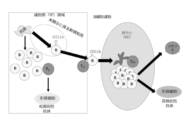
- FIG. 1 is a schematic diagram showing that only a fraction of B cells invade germinal centers.
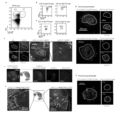
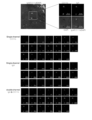
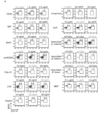
- FIG. 2 shows that CD11b + IgA + PP B cells are located outside the GC and migrate toward the GC.
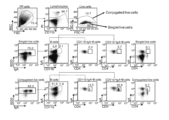
- a Representative flow cytometry data showing IgA and CD11b expression in PP B220 + B cells from WT mice.
- b, c Flow cytometry of GC B cells in CD11b + IgA + PP B cells stained with B220 and PNA (b) or B220 and Fas (c).
- ac numbers indicate the percentage of cells.
- d Photomicrographs of cross-sections of PP stained with PNA, CD11b, IgA and DAPI.
- CD11b + IgA + double-positive cells were seen outside the GC (dashed circle).
- Scale bar 500 ⁇ m.
- Image shows CD11b + IgA + B cells (arrows, marked 1 to 7) in the indicated area.
- the GC and IF regions are indicated by dashed lines.
- CD11b ⁇ IgA + B cells and CD11b + IgA + B cells were directly injected into the PP of IgA ⁇ Cre/YC3.60 flox mice, respectively.
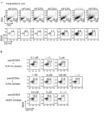
- FIG. 3 shows that CD11b + IgA + B cells are pre-GC B cells that interact with CD4 + T cells.
- a Heat map showing the log-fold change in expression of the indicated genes (CD11b + IgA + B cells/CD11b ⁇ IgA + B cells) by microarray analysis.
- b Expression levels of the indicated GC-specific, non-GC-specific and pre-GC genes were analyzed by qPCR and normalized to the ⁇ -actin gene expression levels. The average relative expression level of CD11b ⁇ IgA + B cells was set to 1. Each spot represents the average of three technical replicates. Bar graphs show mean values ( ⁇ SD) of 3-4 independent measurements.
- c Flow cytometry histograms showing the expression of CXCR4 and CD86 surface markers on CD11b + IgA + B cells and CD11b ⁇ IgA + B cells.
- d Flow cytometry data of CD4 + IgA + cells conjugated with singlet IgA + B cells.
- e Flow cytometry data of CD4 + T cells conjugated with CD11b ⁇ IgA + and CD11b + IgA + PP B cells.
- f Percentage of CD4 + T cells conjugated with CD11b + IgA + and CD11b ⁇ IgA + PP B cells. Bar graphs show mean values ( ⁇ SD) of 6 independent measurements.
- g Photograph of CD11b + IgA + PP B cells conjugating with CD4 + T cells. Scale bar, 20 ⁇ m.
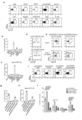
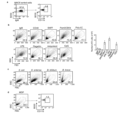
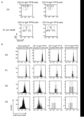
- FIG. 4-1 shows that bacterial antigens induce B cell CD11b expression.
- a, f Flow cytometric analysis of CD11b expression in splenic naive B cells subjected to the indicated stimulation for 3 days.
- b g, Percentage of CD11b + B cells in each stimulation.
- c,h qPCR analysis of itgam in B cells isolated after the indicated stimuli.
- d Flow cytometry data of CD11b + IgA + and CD11b ⁇ IgA + PP B cells isolated after 1 day culture on 40LB cells.
- e CD11b expression by Pam3CSK4 was abolished by culturing on 40LB cells.
- i Percentage of CD11b + B cells for each stimulation with the indicated inhibitors.
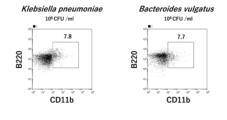
- FIG. 4-2 shows that heat-sterilized Proteobacterial class bacterium Klebsiella pneumoniae and Bacteroidetes class bacterium Bacteroides vulgatus induce CD11b expression in B cells. is.
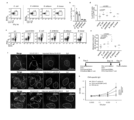
- FIG. 5. CD11b-inducible bacterial antigen enhances pre-existing GC responses in PP.
- a Flow cytometry data of CD11b expression in splenic na ⁇ ve B cells stimulated for 3 days with the indicated stimuli.
- b Percentage of CD11b + B cells in each stimulation.
- ce Balb/c mice were orally dosed with the indicated heat-killed bacteria, pam3CSK4 or PBS (control). After 2 days, flow cytometry data (c), percentage (d) and absolute numbers (e) of PNA high B220 + PP GC B cells of PNA hi B220 + GC B cells in each mouse were calculated.
- f Indicated iGB cells were isolated, labeled and then injected intravenously into mice independently. Scale bar, 500 ⁇ m.
- g Immunization schedule.
- h OVA-specific IgA after immunization.
- FIG. 6 shows the presence of CD11b + IgA + B cells in mouse PP.
- a Flow cytometry analysis was performed using 8-12 week old WT Balb/c mice. Doublet cells were identified with the FSC-H/FSC-W gate. Dead cells were excluded by propidium iodide (PI) staining. Expression of IgA and CD11b in B220+ B cells was analyzed.
- a fluorescence minus one (FMO) sample was prepared as a negative control.
- FMO fluorescence minus one
- GC B cells represent PNA high B220 + cells and non-GC B cells represent PNA low B220 + cells.
- Representative data are from at least 20 experiments.
- b Purity of sorting was confirmed to be at least 90%.
- c Representative mean fluorescence intensity (MFI) analysis of CD86 and CXCR4 expression in CD11b + IgA + PP B cells and CD11b ⁇ IgA + PP B cells. Bar graphs show the mean ( ⁇ SD) of 5 independent measurements with WT mice. Data were compared by Student's two-tailed t-test.
- FIG. 7 shows immunohistochemical confocal images confirming the expression of CD11b and IgA. Selected PP sections were stained with DAPI, CD11b, IgA. The indicated portion (dashed square) was amplified to analyze the overlap of CD11b and IgA. In addition, Z-stack analysis was performed to confirm that the CD11b and IgA signals overlapped. Scale bar, 20 ⁇ m.
- FIG. 8 shows that ICAM-1 is expressed in HEV. Sections of PP were stained with anti-ICAM-1, anti-CD4 (T cell marker), anti-CD11c (DC marker) and anti-MAdCAM-1 (HEV marker). SEDs were identified in CD11c + DC-rich regions.
- FIG. 9 shows the results of conjugate analysis of CD11b + IgA + B cells and CD4 + T.
- Flow cytometric analysis was performed using 8-12 week old WT Balb/c mice. Dead cells were excluded by PI staining.
- Single cells and conjugated cells were selected with FSC-H/FSC-W gates.
- IgA + cells were used to analyze conjugation with CD4 + T cells.
- the B cell gate was selected on B220 + cells.
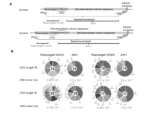
- FIG. 10 shows that SHM-bearing CD11b + IgA + B cells are derived from newly born, activated memory-B cells. a, The SHM frequency of the rearranged VDJ region amplified by PCR and the downstream intron sequence was analyzed.
- FIG. 11-1 shows B cell proliferation and CD11b expression by in vitro stimulation.
- FIG. 11-2 shows B cell proliferation and CD11b expression by in vitro stimulation.
- e CD11b expression of splenic B cells stimulated at the indicated concentrations for each stimulation. The conditions selected for the experiments in Figures 4-1 and 4 are shown in light gray.
- FIG. 11-3 shows B cell proliferation and CD11b expression by in vitro stimulation.
- FIG. 12-1 shows that isolated CD11b + B cells lost CD11b expression in the iGB culture system.
- a CellTrace Violet-labeled CD11b + IgA + and CD11b ⁇ IgA + PP B cells were cultured in the iGB culture system with IL-21. CD11b expression was analyzed by flow cytometry on days 0 and 1.
- b As a positive control, approximately 50,000 na ⁇ ve splenic B cells and 5,000 sorted CD11b ⁇ IgA + B cells labeled with CellTrace Violet were prepared. 800 isolated CD11b + IgA + PP B cells and CD11b ⁇ IgA + PP B cells were prepared to monitor their proliferation. Representative data are from three independent experiments. Figure 12-2 shows that isolated CD11b + B cells lost CD11b expression in the iGB culture system. c, Splenic naive B cells were cultured with pam3CSK4 for 3 days to induce CD11b + B cells. The pam3CSK4-induced CD11b + and CD11b ⁇ B cells were then isolated.
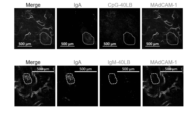
- FIG. 13 shows that B cells stimulated with IgM-40LB or CpG-40LB do not enter PP GC after intravenous injection into mice.
- Anti-MAdCAM-1 antibody was injected intravenously along with labeled iGB cells to identify HEV.
- Anti-IgA antibodies were injected directly into the PPs to stain IgA + cells and identify GCs (dashed circles). Scale bar, 500 ⁇ m.
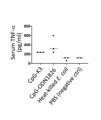
- FIG. 14 shows that the adjuvant composition of the present disclosure did not raise serum TNF ⁇ levels at all.
- FIG. 15 is a schematic diagram showing that B cells can sense bacterial antigens and determine their own cell fate to pre-GC cells independently of DCs and T cells.
- pre-GC B cells To identify pre-GC B cells, we focused on mucosal immunity-related immune-inducing tissues. This is because GCs in mucosal immunity-related immune-inducing tissues are constitutively activated, so pre-GC B cells that have entered existing GCs can be found at any point in time 7 .
- integrin CD11b could be a marker candidate for pre-GC IgA+ B cells in mucosal immunity-related immune-inducing tissues.
- the 165 kDa integrin ⁇ M, CD11b associates with CD18 to form a heterodimeric integrin known as macrophage-1 antigen (Mac-1) 12 .
- CD11b is widely known as a marker for myeloid cells and is known to be involved in cell migration and adhesion 12 . Moreover, previous studies have shown a complex function of CD11b in B cells 13,14 . Ding et al. showed that CD11b negatively regulates BCR signaling and maintains the tolerance of autoreactive B cells 13 . Kunisawa et al. showed that CD11b is an early-stage marker of IgA + PC in the mouse intestinal lamina basement (LP), and that the structure of PP is essential for the production of CD11b + IgA + PC15 . . These studies motivated us to investigate the expression of CD11b on B cells of mucosal immune-related immune-inducing tissues.
- IgA + B cells expressing integrin CD11b were identified as pre-GC B cells. These cells were located outside the GC and highly expressed irf4. When these CD11b + IgA + B cells were injected into the mucosal immunity-related immune-inducing tissues of IgA ⁇ Cre/YC3.60 flox reporter mice, the injected cells did not directly enter the existing GC, but spread around the GC. It was found to be pre-GC IgA + B cells in murine mucosal immunity-related immune-inducing tissues, since they were located and entered the GC after 40 hours.
- bacterial antigens including pam3CSK4, lipopolysaccharide (LPS), heat-killed Escherichia coli (E. coli) and Salmonella enterica (S. enterica), but not Bifidobacterium, were non-toxic in vitro. found that it induces the expression of CD11b in non-specific B cells.
- CD11b expression on B cells prior to interaction with TB or DC-B allowed intravenously injected B cells to enter pre-existing GCs of mucosal immune-associated immune-inducing tissues.
- B cells control their own cell fate to become pre-GC B cells, independent of DC activation.
- oral administration of pam3CSK4 or heat-killed E were non-toxic in vitro. found that it induces the expression of CD11b in non-specific B cells.
- CD11b expression on B cells prior to interaction with TB or DC-B allowed intravenously injected B cells to enter pre-existing GCs of mucosal immune-associated immune-in
- coli to mice increased the number of B cells entering the GC of mucosal immune-inducing tissues within 2 days and enhanced mucosal antigen-specific IgA responses.
- Induction of CD11b on activated B cells is considered to be a promising marker for pre-GC B cells as well as a useful criterion for selecting effective mucosal vaccine adjuvants. be done.
- composition of the present invention contains a substance that induces expression of CD11b in B cells, and has the effect of inducing migration of activated B cells to germinal centers.
- the composition of the present disclosure can be suitably used in the fields of pharmaceuticals, foods, feeds, etc., in anticipation of exhibiting the above effects. Accordingly, the composition of the present disclosure can be a pharmaceutical, food composition, food ingredient composition, feed composition or feed ingredient composition.
- a substance that induces the expression of CD11b in B cells used in the composition of the present disclosure can be obtained based on known methods by those skilled in the art with reference to the examples shown in the present specification. For example, after culturing na ⁇ ve splenic B cells isolated from an animal and a candidate substance, a candidate compound that increases the ratio of CD11b + B cells in B cells is used as a substance that induces the expression of CD11b in B cells. be able to.
- non-limiting examples of substances that induce CD11b expression in the B cells are bacteria.
- bacteria from the phylum Proteobacteria or Bacteroidetes it is preferred to use bacteria of the class ⁇ Proteobacteria as bacteria of the phylum Proteobacteria.
- bacteria of the order Enterobacter In one embodiment, it is more preferred to use Escherichia coli, Salmonella enterica or Klebsiella pneumoniae.
- bacteria of the class Bacteroidetes as bacteria of the phylum Bacteroidetes.
- bacteria of the order Bacteroidetes In one embodiment it is preferred to use bacteria of the order Bacteroidetes. In one embodiment it is preferred to use bacteria of the order Bacteroidetes. In one embodiment it is preferred to use Bacteroides vulgatus. As bacteria of the phylum Proteobacteria or Bacteroidetes, various serotypes of specific species can be used.
- bacteria used as substances that induce the expression of CD11b in the B cells include Escherichia coli, Salmonella enterica, Klebsiella pneumoniae, and Bacteroides vulgatus. vulgatus) and 90% or more, 91% or more, 92% or more, 93% or more, 94% or more, 95% or more, 96% or more, 98% or more, 99% or more Or a bacterium having a 16S rDNA sequence with a base sequence identity of 99.5% or more.
- the bacterium used as a substance that induces the expression of CD11b in the B cells contains the following 16S rDNA sequence and 90% or more, 91% or more, 92% or more, 93% or more, 94% or more, 95% or more , bacteria with 16S rDNA sequences with greater than 96%, greater than 98%, greater than 99% or greater than 99.5% sequence identity.
- Escherichia coli 16S rDNA sequence DNA sequence (positions 225107-226662) encoding the 16S ribosomal RNA of GenBank Accession No. CP003278.1 (https://www.ncbi.nlm.nih.gov/nuccore/CP017100) sequence consisting of bases of ).
- Salmonella enterica 16S rDNA sequence DNA sequence encoding 16S ribosomal RNA (position 287486) of GenBank Accession No. CP003278.1 (https://www.ncbi.nlm.nih.gov/nuccore/CP003278.1) 289015 bases, or the complementary strand of the sequence containing bases from position 3396200 to 3397729).
- Klebsiella pneumoniae 16S rDNA sequence DNA sequence encoding the 16S ribosomal RNA of GenBank Accession No.
- the composition of the present disclosure has the effect of inducing migration of activated B cells to germinal centers.
- the composition of the present disclosure has the effect of inducing migration of activated B cells to germinal centers of mucosal immunity-related immune-inducing tissues.
- the mucosal immunity-related immunity-inducing tissue is not particularly limited, and includes mucosal immunity-related immunity-inducing tissue that induces affinity maturation of activated B cells.
- mucosal immunity-related immunity-inducing tissue includes mucosal immunity-related immunity-inducing tissue in the gastrointestinal tract (intestinal, oral cavity, etc.), intranasal cavity, and the like.
- the mucosal immunity-related immunity-inducing tissue is Peyer's patches, and the composition of the present disclosure has the effect of inducing migration of activated B cells to the germinal centers of Peyer's patches.
- bacteria When using bacteria as a substance that induces the expression of CD11b in B cells, heat-sterilized bacteria or viable bacteria can be used.
- the amount of the substance that induces the expression of CD11b in B cells is not particularly limited as long as it can exhibit the effect of inducing migration of activated B cells to the germinal center.
- the substance that induces the expression of CD11b in B cells is blended in the composition in a range of 0.001 to 99.99% by weight.
- compositions comprising substances that induce expression of CD11b in B cells of the present disclosure are provided as pharmaceutical compositions.
- the pharmaceutical compositions of this disclosure are typically used to enhance immunity.
- the pharmaceutical composition of the present disclosure induces germinal center translocation activation and affinity maturation of IgA-producing B cells and high-affinity antibody production, and induces antigen-specific used to provide protective protection.
- the pharmaceutical composition of the present disclosure is used to activate germinal center migration of mucosal immunity-related immunity-inducing tissue of IgA-producing B cells.
- the mucosal immunity-related immunity-inducing tissue is not particularly limited, and includes a mucosal immunity-related immunity-inducing tissue that induces affinity maturation of activated B cells.
- mucosal immunity-related immunity-inducing tissue includes mucosal immunity-related immunity-inducing tissue in the digestive tract (intestinal, oral cavity, etc.), intranasal cavity, and the like.
- the mucosal immunity-related immune-inducing tissue is Peyer's patches, and the compositions of the present disclosure are used to induce translocation of activated B cells to the germinal centers of Peyer's patches.
- Antigens targeted for immunity stimulated by the pharmaceutical composition of the present disclosure may already exist in mucosal tissue in vivo, and may be administered together with the pharmaceutical composition of the present disclosure. may be In one aspect, the pharmaceutical compositions of this disclosure are used to stimulate immunity. In one aspect, the pharmaceutical composition of the present disclosure is preferably used for stimulating mucosal immunity, and in one aspect is used for stimulating immunity in the gastrointestinal tract (intestinal, buccal, etc.) or intranasal cavity. .
- the pharmaceutical composition of the present disclosure is provided as an antigen-free adjuvant composition.
- the pharmaceutical compositions of this disclosure are administered with an antigen.
- the pharmaceutical compositions of this disclosure are administered simultaneously with the antigen.
- the pharmaceutical compositions of this disclosure are administered separately from the antigen.
- the respective administration intervals can be selected as appropriate, for example, 5 minutes, 10 minutes, 20 minutes, 30 minutes, 1 hour, 2 hours between administrations.
- the frequency of administration of the pharmaceutical composition of this disclosure and the antigen may be the same or different.
- the forms of the pharmaceutical composition of the present disclosure and the composition containing the antigen may be the same or different, for example, the pharmaceutical composition of the present disclosure and the composition containing the antigen in food form may be combined.
- the pharmaceutical composition of the disclosure is provided as a vaccine composition comprising the antigen.
- the antigen is not particularly limited, for example, virus, bacteria, fungi, and parasite antigens are selected.
- compositions of the present disclosure are used to treat a subject with a disease, disorder or condition that is treated by activation of germinal center migration of activated B cells.
- the compositions of the present disclosure are used to maintain or promote health with immunostimulation, mucosal flora (e.g., intestinal flora) through immunostimulation (e.g., mucosal immunostimulation, intestinal immunostimulation). Used for maintenance or amelioration, or infection control (eg control of viral, bacterial, fungal or parasitic infections).
- the present disclosure provides a pharmaceutical composition for inducing germinal center transition of activated B cells, comprising a substance that induces expression of CD11b in B cells.
- the present disclosure also provides, in one aspect, a method for treating a subject having a disease, disorder or condition treated by activation of germinal center migration of activated B cells, comprising an agent that induces expression of CD11b in B cells.
- a pharmaceutical composition is provided.
- the present disclosure also provides a pharmaceutical composition for immunostimulation, comprising a substance that induces CD11b expression in B cells.
- the stimulation of mucosal immunity includes, but is not limited to, stimulation of gut immunity (eg, intestinal immunity and oral immunity) and intranasal immunity.
- the present disclosure provides a pharmaceutical composition for stimulation of antigen-specific immunity in mucous membranes, containing a substance that induces CD11b expression in B cells.
- Said mucosa includes, but is not limited to, the gastrointestinal (eg, intestinal and oral mucosa) and intranasal mucosa.
- the immunostimulation is associated with health maintenance or promotion effect accompanied by immunostimulation (e.g., mucosal immunostimulation, intestinal immunostimulation), maintenance or improvement of mucosal flora (e.g., intestinal flora) Including, but not limited to, health maintenance or enhancement effects, or treatment of infections (eg, treatment of viral, bacterial, fungal or parasitic infections).
- immunostimulation e.g., mucosal immunostimulation, intestinal immunostimulation
- mucosal flora e.g., intestinal flora
- infections e.g, treatment of viral, bacterial, fungal or parasitic infections.
- the subject in need of stimulating antigen-specific immunity in the mucous membrane is a subject in need of immunostimulation (e.g., mucosal immunostimulation, intestinal immunostimulation).
- immunostimulation e.g., mucosal immunostimulation, intestinal immunostimulation.
- Subjects requiring maintenance or improvement of health accompanied by subjects requiring maintenance or improvement of mucosal flora (e.g., intestinal flora), subjects requiring maintenance or enhancement of health accompanied by mucosal flora, treatment of infectious diseases (eg, treatment of viral, bacterial, fungal or parasitic infections).
- the present disclosure also provides a composition for maintaining or promoting health through immunostimulation, comprising a substance that induces CD11b expression in B cells.
- the present disclosure also provides a composition for maintaining or improving mucosal flora (eg, gut flora) through immunostimulation, comprising a substance that induces CD11b expression in B cells.
- a composition for maintaining or improving mucosal flora eg, gut flora
- immunostimulation comprising a substance that induces CD11b expression in B cells.
- the present disclosure also, in one aspect, treats infections (e.g., treats viral, bacterial, fungal or parasitic infections) comprising agents that induce expression of CD11b in B cells.
- infections e.g., treats viral, bacterial, fungal or parasitic infections
- agents that induce expression of CD11b in B cells comprising agents that induce expression of CD11b in B cells.
- treatment has its general meaning in the art, for the purpose of ameliorating, eradicating, curing any disorder or disease state, obviating the occurrence of such disorder or disease state; or administering the compositions of this disclosure to a subject to delay its onset (prevention) or to prevent recurrence or reduce the likelihood of recurrence (prevention) of these disorders or disease states.
- the pharmaceutical composition of the present disclosure is a pharmaceutical composition for stimulating mucosal immunity.
- the pharmaceutical composition of the present disclosure is a composition for use as a mucosally administered vaccine adjuvant.
- the pharmaceutical composition of the present disclosure is a composition used to promote expression of high-affinity mucosal IgA antibodies.
- the pharmaceutical composition of the present disclosure should contain a substance that induces the expression of CD11b in B cells.
- the content of the substance that induces the expression of CD11b in B cells according to the present invention in 100% by weight of the pharmaceutical composition is in the range of 0.001 to 99.99% by weight.
- the dosage form, the administration method, the subject of administration, the degree of symptoms of the subject of administration, the degree of the effect exhibited by the administration, etc. can be appropriately set.
- the content of the substance that induces the expression of CD11b in B cells according to the present invention in 100% by weight of the pharmaceutical composition is 0.001 to 99.99% by weight, 0.01 to 99.99% by weight.
- the content of the substance that induces the expression of CD11b in B cells according to the present invention in 100% by weight of the pharmaceutical composition is 0.001 to 90% by weight, 0.001 to 80% by weight, 0.001 ⁇ 70% by weight, 0.001-60% by weight, 0.001-50% by weight, 0.001-40% by weight, 0.001-30% by weight, 0.001-20% by weight, 0.001-10% by weight % by weight, 0.001-9.0% by weight, 0.001-8.0% by weight, 0.001-7.0% by weight, 0.001-6.0% by weight, 0.001-5.0% by weight % by weight, 0.001-4.0% by weight, 0.001-3.0% by weight, 0.001-2.0% by weight, 0.001-1.0% by weight.
- the content of the substance that induces the expression of CD11b in B cells according to the present invention in 100% by weight of the pharmaceutical composition is 1.0 to 80% by weight, 5.0 to 70% by weight, 10 to 60% by weight. % by weight, 20-50% by weight, 30-40% by weight are preferred, but not limited thereto.
- the term "effective amount” refers to an amount in which a substance that induces the expression of CD11b in B cells can induce migration of activated B cells to germinal centers in vivo.
- the pharmaceutical composition according to the present disclosure may contain a pharmaceutically acceptable carrier or additive together with a substance that induces the expression of CD11b in B cells.
- Pharmaceutically acceptable carriers or additives include any carrier, diluent, excipient, suspending agent, lubricant, adjuvant, vehicle, delivery system, emulsifier, disintegrant, absorbent, preservative, It means a surfactant, coloring agent, flavoring agent, or sweetener, and known ones may be adopted.
- Subjects for administration are not particularly limited, but non-limiting examples include humans, mice, rats, guinea pigs, rabbits, hamsters, dogs, cats, weasels, cows, pigs, horses, deer, wild boars, sheep, goats, and the like.
- mammals birds such as poultry such as chickens, ducks, turkeys, and quails, reptiles such as snakes and turtles, amphibians such as frogs, salmonid fish, yellowtails and cedars, freshwater trout, sweetfish, sea bass, sea bream, and croaker , flounder, pufferfish, yellowtail, amberjack, bluefin tuna, horse mackerel, striped jack, tiger pufferfish, amberjack, parrot fish, filefish, rockfish, scorpion fish, black porgy, black sea bream, sea bass, little sea bream, grunt, blackeye, chub mackerel, grouper, longtooth grouper, eel, catfish, loach , sturgeon, tropical fish, tilapia, pangasius, bluefish, big man, silver carp, grass carp, carp, bivalves (oysters, scallops, clams, mussels, pearl oysters), abalone, shrimp
- the dosage and administration method of the pharmaceutical composition of the present disclosure are determined according to the type of disease, sex, species, age, general condition, severity of the disease, degree of desired effect, etc. of the individual to be administered. Selected as appropriate.
- the dosage may usually be appropriately set within the range of 0.001 to 100 mg/kg/day.
- bacteria when using bacteria as a substance that induces the expression of CD11b in B cells, based on the amount of bacteria, for example, for a mouse weighing 20 g, 10 6 CFU/time or more, 10 7 CFU/time or more, 10 8 CFU 3 ⁇ 10 9 CFU/time or more, 3 ⁇ 10 10 CFU/time or more, 3 ⁇ 10 11 CFU/time or more for a human weighing 60 kg , 3 ⁇ 10 12 CFU/time or more, or 3 ⁇ 10 13 CFU/time or more, but not limited thereto.
- the dose per dose described above it can be administered, for example, once to three times a day.
- the dose range is preferably, but not limited to, 3 ⁇ 10 10 CFU/day to 3 ⁇ 10 13 CFU/day, 3 ⁇ 10 11 CFU/day to 3 ⁇ 10 12 CFU/day, and the like.
- the above amount may be administered once a day, or may be administered in several divided doses.
- the administration interval may be daily, every other day, every week, every other week, every 2-3 weeks, every month, every other month, or every 2-3 months, as long as the drug has therapeutic effect on the above diseases.
- the method of administration of the pharmaceutical composition of the present disclosure is not particularly limited, but direct administration to mucosal tissues such as the digestive tract is preferred.
- transmucosal administration include oral administration, nasal administration, vaginal administration, Enteral administration and the like can be used.
- the composition of the present disclosure administered through the mucosa of these various organs induces affinity maturation of IgA-secreting B cells and production of high-affinity IgA antibodies in mucosal immunity-related immunity-inducing tissues, and the administered mucosal tissues and provide antigen-specific protection in tissues such as distal mucosal tissue.
- enteral administration is not limited to administration through the anus, but also includes administration through a tube or the like inserted into the digestive tract from outside the individual, such as a gastrostomy.
- the position where the digestive tract is inserted is not limited to the intestine, and includes the esophagus, stomach, small intestine (including duodenum, jejunum, ileum, etc.), large intestine (including cecum, colon, rectum, etc.).
- the composition of the present disclosure can be used as an intestinal cleansing solution by blending it with known ingredients.
- the pharmaceutical composition of the present disclosure can be used in combination with other therapeutic agents, such as vaccines containing antigens, to the extent that their functions are not impaired.
- the pharmaceutical compositions of this disclosure When the pharmaceutical compositions of this disclosure are used in combination, or when used in combination with other therapeutic agents, those agents may be contained in a single formulation or may be contained in separate formulations. may When these are provided by separate formulations, they may be provided in the form of a kit containing the combination of the formulations, or each may be provided as a single agent for combination with other formulations. These formulations may be administered simultaneously or sequentially.
- the pharmaceutical composition of the present disclosure is provided in the form of a raw material composition of the final pharmaceutical product.
- compositions comprising agents that induce expression of CD11b in B cells of the present disclosure are provided as food compositions.
- a food composition is a composition in which the immunostimulatory composition of the present disclosure is preferably used exclusively in the field of foods.
- the form of the food composition of the present disclosure is not particularly limited, and can be provided as food and drink such as supplements, solid foods, liquid foods, and beverages, for example.
- the food composition of the present disclosure can be provided as a food for special use such as a food for specified health use, a food with functional claims, or a food with nutrient function claims.
- the food composition of the present disclosure is a food with health claims, food for the sick, dairy products, fermented milk, infant formula, lactic acid beverage, acid beverage, yogurt, cheese, bread, biscuit, cracker, pizza crust, preparation. It can be provided as powdered milk, liquid food, food for the sick, nutritional food, frozen food, food composition, processed food, other commercially available food, and the like.
- the food composition of the present disclosure includes, in addition to general foods, food for specified health use including food for specified health use under certain conditions, dietary supplement, functional food, food for the sick, and the like.
- the food composition of the present disclosure is for immunostimulation, mucosal immunostimulation, intestinal immunostimulation, health maintenance or promotion, maintenance or improvement of mucosal flora, maintenance of intestinal flora, or It can be provided as a food composition for improvement, for measures against viral infections, for measures against bacterial infections, for measures against fungal infections, or labeled with similar labeling, or as a food composition for use in these applications. .
- the food composition of the present disclosure is administered with an antigen. In one aspect, the food composition of the present disclosure is administered concurrently with the antigen. In one aspect, the food compositions of this disclosure are administered separately from the antigen. When the food composition of the present disclosure and the antigen are administered separately, the respective administration intervals can be selected as appropriate. , 3 hours, 4 hours, 5 hours, 6 hours, 7 hours, 8 hours, 9 hours, 10 hours, 11 hours, 12 hours, 24 hours, 1 day, 2 days, 3 days, 4 days, 5 days, 6 days days, 7 days, etc., but is not limited to these. The frequency of administration of the food composition of the present disclosure and the antigen may be the same or different.
- the form of the food composition of the present disclosure and the composition containing the antigen may be the same or different, for example, the food composition of the present disclosure and the pharmaceutical composition containing the antigen may be combined.
- the food composition of the disclosure is provided as a composition comprising an antigen.
- the antigen is not particularly limited, for example, virus, bacteria, fungi, and parasite antigens are selected.
- the specific form of the food composition of the present disclosure is not particularly limited, for example, beverages such as soft drinks, carbonated drinks, nutritional drinks, fruit drinks, lactic acid drinks, milk drinks; ice cream, ice sherbet, shaved ice Frozen desserts such as candy, candy, gum, chocolate, tablets, snacks, biscuits, jellies, jams, creams, and baked goods; Buckwheat noodles, udon noodles, vermicelli, Chinese noodles, instant noodles, etc.
- Noodles Processed marine and livestock foods such as kamaboko, ham, sausage; Dairy products such as processed milk and fermented milk; Salad oil, tempura oil, margarine, mayonnaise, shortening, whipped cream oils and fats such as hams and dressings; seasonings such as sauces and sauces;
- foods for specified health uses, nutritional supplements, functional foods, etc. they can be provided in the form of powders, granules, capsules, troches, tablets, syrups, and the like.
- the composition of the present disclosure is provided as a food material.
- the shape of the food material of the present disclosure is not particularly limited, and may be set appropriately according to the type of food to be used, such as liquid, paste, powder, or solid.
- the food material of the present disclosure may be further molded into a desired shape by crushing, pulverizing, sizing, or the like, if necessary.
- the food composition of the present disclosure should contain a substance that induces the expression of CD11b in the B cells of the present disclosure.
- the content ratio of the antibody according to the present invention in 100% by weight of the composition may be appropriately set in the range of 0.001 to 99.99% by weight, taking into consideration the extent of the effect exhibited. can be done.
- the content of the substance that induces the expression of CD11b in B cells according to the present invention in 100% by weight of the food composition is 0.001 to 99.99% by weight, 0.01 to 99.99% by weight.
- the content of the substance that induces the expression of CD11b in B cells according to the present invention in 100% by weight of the food composition is 0.001 to 90% by weight, 0.001 to 80% by weight, 0.001 ⁇ 70% by weight, 0.001-60% by weight, 0.001-50% by weight, 0.001-40% by weight, 0.001-30% by weight, 0.001-20% by weight, 0.001-10% by weight % by weight, 0.001-9.0% by weight, 0.001-8.0% by weight, 0.001-7.0% by weight, 0.001-6.0% by weight, 0.001-5.0% by weight % by weight, 0.001-4.0% by weight, 0.001-3.0% by weight, 0.001-2.0% by weight, 0.001-1.0% by weight.
- the content of the substance that induces the expression of CD11b in B cells according to the present invention in 100% by weight of the food composition is 1.0 to 80% by weight, 5.0 to 70% by weight, 10 to 60% by weight. % by weight, 20-50% by weight, 30-40% by weight are preferred, but not limited thereto.
- the composition of the present disclosure is provided as a food additive to be added when ingesting the above food, or as a raw material composition for producing the above food or food additive.
- compositions comprising agents that induce expression of CD11b in B cells of the present disclosure are provided as feed compositions.
- a feed composition is a composition for which the feed composition of the present disclosure is used exclusively in the field of feed.
- a feed composition may be prepared by mixing with other ingredients that can be incorporated into a feed, or the feed composition itself may be used as a feed.
- the feed composition of the present disclosure can be used, for example, for immunostimulation, mucosal immunostimulation, intestinal immunostimulation, maintenance or improvement of mucosal flora, maintenance or improvement of intestinal flora, maintenance or promotion of health, intestinal Feed compositions for maintenance or improvement of internal flora, measures against viral infections, measures against bacterial infections, measures against fungal infections, or labeled similarly, or feed compositions used for these purposes can be provided as
- the feed composition of the present disclosure is administered with an antigen. In one aspect, the feed composition of the present disclosure is administered concurrently with the antigen. In one aspect, the feed composition of the present disclosure is administered separately from the antigen.
- the respective administration intervals can be selected as appropriate. , 3 hours, 4 hours, 5 hours, 6 hours, 7 hours, 8 hours, 9 hours, 10 hours, 11 hours, 12 hours, 24 hours, 1 day, 2 days, 3 days, 4 days, 5 days, 6 days days, 7 days, etc., but is not limited to these.
- the frequency of administration of the feed composition of the present disclosure and the antigen may be the same or different.
- the form of the feed composition of the present disclosure and the composition comprising the antigen may be the same or different, for example, the feed composition of the present disclosure and the pharmaceutical composition comprising the antigen may be combined.
- a feed composition of the present disclosure is provided as a composition comprising an antigen.
- the antigen is not particularly limited, for example, virus, bacteria, fungi, and parasite antigens are selected.
- the feed composition of the present disclosure should contain a substance that induces the expression of CD11b in the B cells of the present disclosure.
- the content ratio of the antibody according to the present invention in 100% by weight of the composition may be appropriately set in the range of 0.001 to 99.99% by weight, taking into consideration the extent of the effect exhibited. can be done.
- the content of the substance that induces the expression of CD11b in B cells according to the present invention in 100% by weight of the feed composition is 0.001 to 99.99% by weight, 0.01 to 99.99% by weight.
- the content of the substance that induces the expression of CD11b in B cells according to the present invention in 100% by weight of the feed composition is 0.001 to 90% by weight, 0.001 to 80% by weight, 0.001 ⁇ 70% by weight, 0.001-60% by weight, 0.001-50% by weight, 0.001-40% by weight, 0.001-30% by weight, 0.001-20% by weight, 0.001-10% by weight % by weight, 0.001-9.0% by weight, 0.001-8.0% by weight, 0.001-7.0% by weight, 0.001-6.0% by weight, 0.001-5.0% by weight % by weight, 0.001-4.0% by weight, 0.001-3.0% by weight, 0.001-2.0% by weight, 0.001-1.0% by weight.
- the content of the substance that induces the expression of CD11b in B cells according to the present invention in 100% by weight of the feed composition is 1.0 to 80% by weight, 5.0 to 70% by weight, 10 to 60% by weight. % by weight, preferably 20-50% by weight, 30-40% by weight, but not limited thereto.
- composition of the present disclosure is provided as a feed additive added when ingesting the feed, or as a raw material composition for producing the feed or feed additive.
- the subject of administration of the food composition or feed composition of the present disclosure is not particularly limited, but non-limiting examples include humans, mice, rats, guinea pigs, rabbits, hamsters, dogs, cats, weasels, cows, pigs.
- Mammals such as horses, deer, wild boars, sheep and goats; Birds such as poultry such as chickens, ducks, turkeys and quails; Reptiles such as snakes and turtles; Amphibians such as frogs; Trout, sweetfish, sea bass, sea bream, croaker, flounder, blowfish, yellowtail, amberjack, bluefin tuna, mackerel, striped trevally, tiger pufferfish, amberjack, parrotfish, filefish, rockfish, scorpion fish, black porgy, black sea bream, sea bass, plover, grunt, porgies , Pacific mackerel, grouper, longtooth grouper, eel, catfish, loach, sturgeon, tropical fish, tilapia, pangasius, bluefish, big-headed carp, white carp, grass carp, carp, bivalves (oysters, scallops, short-necked clams, mussels, pearl
- the present disclosure includes methods of treatment or methods of maintaining or promoting health using substances that induce expression of CD11b in B cells, pharmaceutical compositions, food compositions, or feed compositions containing the same.
- the treatment or health maintenance or promotion method in the present disclosure is a substance that induces the expression of CD11b in B cells of the present disclosure, or the "composition", “pharmaceutical composition”, “food composition”, or “feed composition” of the present disclosure. including administering a "thing" to a subject.
- Specific disorders or diseases targeted for prevention or treatment, administration subjects, administration methods, dosages, etc. are also described in the above "composition", “pharmaceutical composition", “food composition", or “feed composition”. It should be as described.
- the health maintenance or promotion effect obtained by the method of the present disclosure is not particularly limited as long as it results from migration of activated B cells to germinal centers.
- the present disclosure provides a method for effecting germinal center transfer of activated B cells in a subject in need of activation of germinal center transfer of activated B cells, comprising: A method is provided comprising administering a composition comprising a substance that induces
- the disclosure is a method for treating a subject having a disease, disorder or condition treated by activation of germinal center translocation of activated B cells, comprising A method is provided comprising administering a composition comprising a substance that induces expression.
- the present disclosure is a method for immunostimulation in a subject in need thereof, comprising administering to the subject a composition comprising an agent that induces expression of CD11b in B cells. provide a way.
- the immunostimulation is preferably activation of mucosal immunity.
- the present disclosure provides a method for stimulating mucosal immunity in a subject comprising administering to the subject a composition comprising an agent that induces expression of CD11b on B cells.
- the stimulation of mucosal immunity includes, but is not limited to, stimulation of gut immunity (eg, intestinal immunity and oral immunity) and intranasal immunity.
- the immunostimulation is stimulation of antigen-specific immunity in the mucosa.
- the present disclosure provides a method for stimulating antigen-specific immunity in the mucosa in a subject in need of stimulation of antigen-specific immunity in the mucosa, comprising: A method is provided comprising administering a composition comprising a substance that Said mucosa includes, but is not limited to, the gastrointestinal (eg, intestinal and oral mucosa) and intranasal mucosa.
- the immunostimulation is associated with health maintenance or promotion effect accompanied by immunostimulation (e.g., mucosal immunostimulation, intestinal immunostimulation), maintenance or improvement of mucosal flora (e.g., intestinal flora) Including, but not limited to, health maintenance or enhancement effects, or treatment of infections (eg, treatment of viral, bacterial, fungal or parasitic infections).
- immunostimulation e.g., mucosal immunostimulation, intestinal immunostimulation
- mucosal flora e.g., intestinal flora
- infections e.g, treatment of viral, bacterial, fungal or parasitic infections.
- the subject in need of stimulating antigen-specific immunity in the mucous membrane is a subject in need of immunostimulation (e.g., mucosal immunostimulation, intestinal immunostimulation).
- immunostimulation e.g., mucosal immunostimulation, intestinal immunostimulation.
- Subjects requiring maintenance or improvement of health accompanied by subjects requiring maintenance or improvement of mucosal flora (e.g., intestinal flora), subjects requiring maintenance or enhancement of health accompanied by mucosal flora, treatment of infectious diseases (eg, treatment of viral, bacterial, fungal or parasitic infections).
- the present disclosure is a method of immunostimulatory in a subject in need of immunostimulation (e.g., mucosal immunostimulation, intestinal immunostimulation), comprising administering CD11b in B cells to the subject
- immunostimulation e.g., mucosal immunostimulation, intestinal immunostimulation
- a method comprising administering a composition comprising a substance that induces the expression of
- the present disclosure provides a method for maintaining or promoting health promotion through immunostimulation in a subject in need of health maintenance or promotion, comprising administering to the subject a substance that induces expression of CD11b in B cells.
- a method comprising administering a composition comprising:
- the present disclosure provides a method for maintaining or improving mucosal flora (e.g., intestinal flora) in a subject in need of maintenance or improvement through immunostimulation, comprising: A method is provided comprising administering a composition comprising a substance that induces expression of CD11b in B cells.
- mucosal flora e.g., intestinal flora
- the disclosure is a method of treating an infectious disease in a subject in need thereof (e.g., treating a viral, bacterial, fungal or parasitic infection). and administering to the subject a composition comprising an agent that induces expression of CD11b in B cells.
- the treatment or health maintenance or promotion method of the present disclosure comprises preparing a composition comprising a substance that induces expression of CD11b in B cells, and treating a subject in need or desire of treatment or health maintenance or promotion, A method of inducing germinal center migration of activated B cells comprising administering the composition is encompassed.
- the treatment or health maintenance or promotion method of the present disclosure comprises preparing a composition comprising a substance that induces expression of CD11b in B cells, and treating a subject in need or desire of treatment or health maintenance or promotion, A method of stimulating immunity comprising administering the composition is included.
- the immunostimulation is preferably activation of mucosal immunity, including activation of intestinal immunity.
- the treatment or health maintenance or promotion method of the present disclosure comprises preparing a composition comprising a substance that induces expression of CD11b in B cells, and treating a subject in need or desire of treatment or health maintenance or promotion, Methods of maintaining or improving mucosal flora comprising administering the composition are included.
- the method for maintaining or improving the mucosal flora is preferably a method for maintaining or improving the intestinal flora.
- the treatment or health maintenance or promotion method of the present disclosure comprises preparing a composition comprising a substance that induces expression of CD11b in B cells, and treating a subject in need or desire of treatment or health maintenance or promotion, A method of promoting high affinity IgA antibody expression comprising administering the composition is included.
- the treatment or health maintenance or promotion method of the present disclosure comprises preparing a composition comprising a substance that induces expression of CD11b in B cells, and treating a subject in need or desire of treatment or health maintenance or promotion, A method of obtaining vaccine adjuvant activity comprising administering the composition is included.
- any substance described in can be used. can.
- a composition containing a substance that induces CD11b expression in B cells and used in the treatment or health maintenance or promotion method of the present disclosure can be prepared by methods known to those skilled in the art.
- a substance that induces the expression of CD11b in B cells can be prepared by mixing it with an excipient, carrier, etc.
- a substance that induces the expression of CD11b in B cells is mixed with an excipient, carrier, etc. in advance. It can be prepared by obtaining the composition.
- mice Balb/c mice (8-12 weeks old) were obtained from Japan CLEA. Mice were bred under specific pathogen-free conditions in the animal laboratory facility of the Institute for Quantitative Biology (IQB), University of Tokyo. All experiments were conducted in accordance with the guidelines of the Animal Care and Use Committee of the University of Tokyo IQB.
- IgA-Cre/YC3.60 flox mice (8-12 weeks old) provided by Dr. Takahiro Adachi of Tokyo Medical and Dental University were used. IgA-Cre mice were designed based on Cris Allen, ref. After mating with YC3.60 flox mice 39,40 IgA + cells are identified as YC3.60 + cells.
- PP Flow Cytometry Analysis and Cell Sorting
- PE-cy7 Phyacoerythrin-Cy7 (PE-cy7) anti-mouse/human B220 (eBioscience mAb RA3-6B2), PE anti-mouse/human B220 (Biolegend mAb RA3-6B2), FITC anti-mouse/human B220 ( Biolegend mAb RA3-6B2), PE Anti-mouse IgA ( ⁇ -chain specific) (Southern Biotech), Alexa Fluor (AF) 647 anti-mouse IgA (Southern Biotech), FITC anti-mouse CD11b (Biolegend mAb M1/70), PE anti-mouse CD11b (Biolegend mAb M1 /70).
- PE-cy7 anti-mouse CD11b eBioscience mAb M1/70
- biotinylated PNA Vector Laboratories
- APC-R700 hamster-anti-mouse CD95 Fras
- BD Biosciences mAb Jo2 BD Biosciences mAb Jo2
- AF488 anti-mouse CD86 (Biolegend mAb GL-1), APC anti-mouse CD184 (CXCR4) (Biolegend mAb L236F12), PE anti-mouse IgM (eBiosciences mAb eB121-15F9), AF647 anti-mouse CD4 (Biolegend mAb GK1.5), strep Avidin PE (Biolegend), Streptavidin APC (Biolegend), Streptavidin AF488 (Lifetechnologies).
- FSC-H/FSC-W gates were used for single cell selection. Propidium iodide (PI) (Nacalai) was used to exclude dead cells.
- PI Propidium iodide
- Flow-cytometric analysis was performed with a Spectral Cell Analyzer SA3800 (SONY). Cell sorting was performed with Cell Sorter SH800 (SONY).
- AF488 anti-mouse/human CD11b Biolegend mAb M1/70
- PE anti-mouse/human CD11b Biolegend mAb M1/70
- AF488 anti-mouse CD4 Biolegend mAb GK1.5
- AF647 anti-mouse CD4 Biolegend mAb GK1.5
- DAPI solution BD Bioscience
- AF488 anti-mouse CD54 ICM-1 (Biolegend mAb YN1/1.7.4)
- AF647 anti-mouse CD54 ICM-1 mAb YN1/1.7.4 (Biolegend)
- biotin anti-mouse CD11c eBioscience mAb N418)
- AF488 anti-mouse MAdCAM-1 Biolegend mAb MECA-367
- PE anti-mouse MAdCAM-1 Biolegend mAb MECA-367
- Biotinylated PNA AF647 anti-mouse IgA (alpha chain specific) (Southern Biotech), PE anti-mouse IgA (alpha chain specific) (Southern Biotech), streptavidin AF488 (Lifetechnologies). Observations were made with a microscope LSM880 (Carl Zeiss). Images were analyzed with ZEN2009 (Carl Zeiss) software.
- RNA purification and real-time PCR About 1 ⁇ 10 4 PP GC B cells (PNA hi B220 + cells) and about 1 ⁇ 10 4 non-GC PP B cells (PNA lo B220 + ) were sorted respectively. RNA was extracted from the isolated cells using NucleoSpin RNA XS (Takara), and cDNA was synthesized using GoScript (registered trademark) Reverse Transcriptase (Promega). Real-time PCR was performed in triplicate on a 384-well optical PCR plate (Roche) using the KAPA SYBR® FAST qPCR Master Mix (2X) Kit (KAPA Biosystems) using a LightCycler 480 (Roche). rice field.
- IgA-Cre/YC3.60 flox mice 8-12 weeks old were anesthetized with a mixture of three anesthetics as described in ref. A careful incision was made in the abdominal wall to expose the small intestine. PP was identified with the naked eye. Approximately 8,000 isolated CD11b + IgA + PP B cells and approximately 30,000 CD11b ⁇ IgA + PP B cells were labeled with CellTracker Orange CTMMR fluorescent dye (Invitrogen), followed by a 25 ⁇ L syringe (Trajan Scientific and Medical) was used to inject directly into the PP of IgA-Cre/YC3.60 flox transgenic mice.
- CellTracker Orange CTMMR fluorescent dye Invitrogen
- the cell-implanted PP was observed with an LSM880 microscope (Carl Zeiss). Images were analyzed with ZEN2009 software (Carl Zeiss). After observing the PP under a microscope for 1 hour, the abdominal incision was carefully closed with an ELP skin stapler (Akiyama Co., Ltd.). Forty hours after transplantation, under anesthesia, the PP containing the transplanted cells was again observed under an LSM880 microscope (Carl Zeiss) to confirm the localization of the transplanted CD11b + IgA + PP B cells and analyzed using the ZEN2009 software ( Carl Zeiss).
- Conjugation analysis Conjugates between CD11b + IgA + PP B cells and CD4 + PP T cells were analyzed by flow cytometry using a Cell Sorter SH800 (SONY). Singlet cells were selected with the FSCH/FSC-W gate. Singlet cells were selected with the FSCH/FSC-W gate and conjugated cells were negatively selected with the singlet cell gate discrimination. For imaging, conjugated cells were isolated from CD11b + IgA + CD4 + of the PP conjugate and observed under a microscope LSM880 (Carl Zeiss) and analysis software of ZEN2009 (Carl Zeiss).
- CD11b + IgA + PP B cells IgA + PP B cells in iGB culture system Approximately 800 sorted CD11b + IgA + PP B cells and 800 sorted CD11b ⁇ IgA + PP B cells were subjected to CellTrace Violet Proliferation. Stained with Kit (Invitrogen). Due to the very low number of CD11b + IgA + PP B cells isolated, 5,000 CD11b ⁇ IgA + PP B cells and 5 ⁇ 10 4 na ⁇ ve splenic B cells (B cell isolation kit ( Miltenyi Biotec) was isolated negatively) served as a positive control.
- Kit Invitrogen
- CD11b ⁇ IgA + PP B cells CD11b + IgA + PP B cells and naive splenic B cells were pretreated with mitomycin C to inhibit growth.
- 40 LB cells were seeded in 6-well tissue culture dishes. Cells were incubated with RPMI-1640 medium (Wako) (containing 10% FCS, 5.5 ⁇ 10 ⁇ 5 M 2-mercaptoethanol (ME) (Nacalai), 10 mM HEPES (Nacalai)) at 37° C. Cultured for 3 days at 5% CO2.
- Isolated CD11b + IgA + PP B cells and CD11b ⁇ IgA + PP B cells were cultured with rIL-21 (10 ng/ml; PeproTech), na ⁇ ve splenic B cells were cultured with rIL-4 (1 ng/ml; Biolegend company).
- Flow cytometric analysis was performed to detect CellTrace Violet from day 0 to day 3 using the iGB culture system.
- CD11b expression in cultured cells was analyzed by flow cytometry on days 0 and 1 using Cell Sorter SH800 (SONY) and Spectral Cell Analyzer SA3800 (SONY).
- Splenic CD11b + B cells were cultured in the iGB culture system by culturing splenic na ⁇ ve B cells with pam3CSK4 (Invivogen) for 3 days to induce CD11b expression. Then, 1.5 ⁇ 10 5 CD11b + splenic B cells and 1.5 ⁇ 10 5 CD11b ⁇ splenic B cells were isolated by flow cytometry, stained with CellTrace Violet (Invitrogen), and then 40 LB. The system was cultured with IL-4 (1 ng/ml; Biolegend) for 4 days. Then, the expression of CD11b was analyzed by flow cytometry using Cell Sorter SH800 (SONY) and Spectral Cell Analyzer SA3800 (SONY).
- SONY Cell Sorter SH800
- SONY Spectral Cell Analyzer SA3800
- E. coli (DH5 ⁇ ) and S. C. enterica was inoculated from a glycerol stock into 5 ml of LB medium and cultured overnight at 37° C. with shaking at 180 rpm. On day 2, 0.5 ml of cell suspension was resuspended in 10 ml of LB medium. This culture solution was cultured with shaking at 37° C. for 3 hours, and the growth curve of the culture solution was observed with optical density (OD) (OD600) at a wavelength of 600 nm detected every 30 minutes. 100 ⁇ l of serial dilutions of the cell suspension were plated on LB plates and the CFU was calculated. Based on growth curves, E. coli and S. C. enterica were cultured, harvested, and heat-killed in an autoclave (121° C., 15 minutes).
- B. bifidum and B. The breve was anaerobically cultured at 37°C in Difico Lactobacilli MRS broth (Becton, Dickinson and Company) medium and heat sterilized in an autoclave.
- Splenic B cells were negatively sorted from spleens of 8-week-old Balb/c mice using a B cell isolation kit (Miltenyi Biotec). Splenic B cells (concentration: 5 ⁇ 10 5 /ml) were cultured in RPMI1640 medium and given 13 independent stimulations. The results of titrating each stimulus to select the appropriate concentration of each stimulus are shown in Figures 11e-g.
- Anti-mouse IgM (15 ⁇ g/ml; Jackson Immuno-Research Laboratories) 2. Anti-mouse-CD40 (HM40-3,500 ng/ml; Biolegend) 3. BAFF (50 ng/ml; Biolegend) 4. Pam3CSK4 (1 ⁇ g/ml, Invivogen) 5. Poly I:C (25 ng/ml, Invivogen) 6. LPS (50 ng/ml, Sigma Aldrich) 7. Flagellin (20 ng/ml, Sigma Aldrich) 8. Imiquimod (R837, 5 ng/ml; Invivogen) 9. CpG (20 ⁇ g/ml, GeneDesign Inc.) 10. Heat-sterilized E. coli (10 7 CFU/ml) 11.
- Cell Sorter SH800 SONY
- SONY Spectral Cell Analyzer SA3800
- purified splenic B cells (5 ⁇ 10 5 /ml) were cultured in RPMI1640 medium supplemented with N-acetylmuramyl-L-alanyl-D-isoglutamine hydrate (1 ⁇ g/ml; Sigma-Aldrich). .
- TLR and NOD2 inhibitors For analysis of TLR and NOD2 inhibitors, purified splenic B cells (5 ⁇ 10 5 /ml) were spiked with pam3CSK4 (1 ⁇ g/ml, Invivogen), LPS (50 ng/ml; Sigma-Aldrich), CpG (20 ⁇ g/ml, GeneDesign Inc), heat-killed E. E. coli (10 7 CFU/ml), TLR1/2 antagonist, CU-CPT (1 ⁇ M; Sigma-Aldrich), TLR4 inhibitor, TAK-242 (1 ⁇ M; Sigma-Aldrich) or NOD2 signal inhibitor II, Cultured in RPMI1640 medium containing GSK717 (30 ⁇ M; Sigma-Aldrich).
- mice were dosed orally with OVA (1 mg), OVA (1 mg) plus pam3CSK4 (10 ⁇ g, Invivogen) or OVA (1 mg) plus heat-killed E. coli (10 9 CFU in 100 ⁇ l). Feces were collected on the 21st day, and OVA-specific antibodies were measured by enzyme-linked immunosorbent assay (ELISA).
- OVA enzyme-linked immunosorbent assay
- OVA-specific IgA ELISA Stool was suspended in 10 times weight/volume (w/v) of PBS. After centrifugation (8,000 g, 15 minutes), the supernatant was recovered as a fecal extract. Plates were precoated with 1 mg/ml OVA overnight and then blocked with PBS containing 1% (w/v) bovine serum albumin for 1 hour at room temperature. Serially diluted stool extracts were then added and incubated for 1 hour at room temperature. Relative avidity of IgA was detected with alkaline phosphatase-labeled goat anti-mouse IgA (Southern Biotech). After overnight incubation at 4° C., optical density (OD) values at 405 nm were measured using TriStar Multimode Reader LB 942 (manufactured by BERTHOLD).
- mice Balb/c mice (8-12 weeks old) were injected with heat-killed E. coli (10 9 CFU diluted in 100 ⁇ l PBS), S. enterica (10 9 CFU diluted in 100 ⁇ l PBS), B. bifidum (10 9 CFU diluted in 100 ⁇ l PBS), B. Breve (10 9 CFU diluted in 100 ⁇ l PBS) and pam3CSK4 (10 ⁇ g diluted in 100 ⁇ l PBS) were orally administered.
- mice orally administered with 100 ⁇ l of PBS were prepared. Two days later, the PP of these mice was excised, and GC B cells were analyzed using the Spectral Cell Analyzer SA3800 (SONY) as described above.
- OVA Oral Adjuvant Administration Using OVA as an Antigen 1 mg of OVA was used as an antigen, and 10 ⁇ g of each adjuvant (CpG-K3 (GeneDsign Inc.), 10 ⁇ g of CpG-ODN1826 (Invirogen tlrl-1826), or heat-sterilized E. coli 10 9 c. f.u.) were mixed and orally immunized to C57BL/6 mice three times every two weeks, and blood was collected two days after the third immunization. Serum TNF- ⁇ levels were measured according to the protocol of mouse TNF- ⁇ ELISA kit (Invitrogen, BMS607-3).
- unstimulated splenic naive B cells were seeded on 40 LB feeder cells supplemented with rIL-4 (1 ng/ml; Biolegend). After 4 days of culture, 3 ⁇ 10 5 iGB cells (B220 + ) of na ⁇ ve B-40LB cells, pam3CSK4-40LB cells, E. E. coli-40LB, IgM-40LB and CpG-40LB cells were isolated and labeled with CellTracker Orange CMTMR fluorescent dye (Invitrogen) followed by 10 ⁇ g of AF488 anti-mouse MAdCAM-1 (Biolegend mAb MECA-367) for HEV discrimination.
- mice (Balb/c, 8-12 weeks old) were injected intravenously with Under anesthesia, 1 ⁇ g of AF647 anti-mouse IgA (Southern Biotech) was injected directly into the PP of the same mice transfected with iGB cells to stain IgA + cells for GC identification. Localization of intravenously injected labeled iGB cells was observed with a microscope LSM880 (Carl Zeiss) and analysis software of ZEN2009 (Carl Zeiss).
- rearranged VDJ sequence with the downstream intronic sequence was generated using several different upstream primers (where 'S' is C or G, 'R' is A or G, 'N' is A , G, C or T, 'M' being A or C, and 'W' being A or T).
- a second round of PCR used the same upstream primer with the JH4R-2 primer (5'-CAGGTGGTGTTTTGCTCA-3') complementary to the upstream sequence of the JH4R primer.
- Amplification was performed using PrimeSTAR Max DNA Polymerase (manufactured by TaKaRa) for 20 cycles of first round PCR and 30 cycles of second round PCR (95°C 15 seconds, 58°C 10 seconds, 72°C 30 seconds). .
- DNA sequencing and SHM analysis After isolating the plasmid DNA, DNA sequence analysis was performed using T7 and SP6 primers. The consensus intronic DNA sequence for IgH is Accession No. Obtained from AJ 851868.3. Reconstituted VDJs were analyzed by IgBLAST.
- Example 1 Small Population of IgA + B Cells Expressing CD11b in Mouse PP
- PP contains a small population of CD11b + IgA + B cells (approximately 0.1% of PP B cells). ⁇ 0.2%) was confirmed to be present (Figs. 2a, 6a).
- Both CD11b + IgA + and CD11b ⁇ IgA + PP B cells exhibited typical GC B cell phenotypes such as Peanut Agglutinin (PNA) high and Fas +16 (Fig. 2b, c).
- PNA Peanut Agglutinin
- Fas +16 Fig. 2b, c
- GC B cells in the IF region and high endothelial veins express ICAM-1, as previously reported8,18 .
- HEV also expresses mucosal address cell adhesion molecule-1 (MAdCAM-1) 19 (Fig. 2e, Fig. 8).
- MAdCAM-1 mucosal address cell adhesion molecule-1
- CD11b + IgA + PP B cells subsequently migrate into the GC from outside the GC.
- CD11b + IgA + and CD11b ⁇ IgA + PP B cells were isolated, labeled, and injected separately into the PP of different IgA-Cre/YC3.60 flox reporter mice. Since PP GCs can be identified in areas enriched for IgA + B cells (Fig. 2d), these reporter mice with YC3.60 fluorescence in IgA + cells readily identify PP GCs. can do.
- the infused CD11b ⁇ IgA + B cells were located inside the GC (Fig.
- CD11b + IgA + B cells were the B cells of the GC.
- the infused CD11b + IgA + B cells did not enter the GC and surrounded it (Fig. 2g). Forty hours after injection, the infused CD11b + IgA + B cells also entered the GC (Fig. 2h). Thus, CD11b + IgA + B cells originally in the IF region migrate to the GC.
- Example 2 Gene expression of CD11b + IgA + PP B cells
- CD11b + IgA + and CD11b ⁇ IgA + PP B cells were isolated and gene expression was compared by microarray analysis (FIGS. 3a and 6b).
- CD11b + IgA + B cells expressed relatively low GC genes and relatively high non-GC genes compared to CD11b ⁇ IgA + B cells
- CD11b + IgA + B cells expressed CD11b ⁇ IgA + It was shown to be a distinct population from B cells.
- further quantitative PCR qPCR
- the genes gpr183 (receptor that controls the location of B cells outside the follicle) and bcl2 (a transcription factor highly expressed in B cells other than GC) 10,23,24 were selected.
- the expression levels of these genes in CD11b + IgA + and CD11b ⁇ IgA + PP B cells differed from that in non-GC B cells (FIG. 3b), suggesting that both populations are likely GC B cells. is shown. Since pre-GC B cells have increased expression of the transcription factor irf4, which has been demonstrated to be required for initiation of the GC reaction, 10,11,25 irf4 expression was also analyzed.
- CD11b + IgA + PP B cells expressed higher irf4 than CD11b ⁇ IgA + PP B cells (FIG. 3b) and were found to be pre-GC B cells.
- some GC light zone (LZ) B cells also highly express irf4,8,25 we subsequently determined the expression of CXCR4 and CD86 in CD11b + IgA + PP B cells by flow cytometry. - was analyzed.
- GC LZ B cells have been identified as CD86 high CXCR4 low B cells 3,8 due to their lower expression of CD86 and higher expression of CXCR4 compared to CD11b ⁇ IgA + B cells (Fig. 3c, Fig. 6c), CD11b + IgA + B cells were shown to be pre-GC B cells rather than GC LZ B cells.
- Example 3 CD11b + IgA + PP B cells interact with T cells prior to entering the GC Entry into the GC requires pre-GC B cells to interact with T cells and DCs, as previously reported 3,26 .
- CD11b + IgA + PP B cells interact with CD4 + T cells before entering the GC.
- IgA + PP B cells were not CD4 + positive in single B cell gates by flow cytometry (Fig. 3d, Fig. 9). However, there was a distinct population of IgA + CD4 + double-positive PP cells in the conjugated B cells (Fig. 3d, Fig. 9), indicating that these IgA + PP B cells interacted with CD4 + T cells.
- CD11b + IgA + B cells are pre-GC PP B cells.
- Example 4 CD11b + IgA + PP B cells accumulate SHM in Ig genes
- CD11b + IgA + B cells accumulate SHM in Ig genes
- FIG. 10a,b More than 80% of the sequences of CD11b + IgA + PP B cells (21 out of 25 clones) and CD11b - IgA + PP B cells (32 out of 39 clones) were mutated ( Figure 10b). This suggests that CD11b + IgA + PP B cells are derived not only from newly activated na ⁇ ve B cells, but also from memory-B cells that reenter the GC, as previously reported. 6,7 .
- Example 5 Bacterial Antigens Induce CD11b Expression in Na ⁇ ve Splenic B Cells
- CD11b + IgA + PP B cells provide additional insight into what drives CD11b expression in pre-GC B cells. raises the question of B cells are transformed into pre-GC B cells not only by antigen stimulation, but also by interacting with DCs and T cells 3,4,26 .
- To investigate what signals induce CD11b expression we isolated na ⁇ ve splenic B cells from unimmunized mice, anti-IgM for BCR cross-linking, and anti-IgM for interaction with DC. were cultured in vitro with B-cell activating factor (BAFF) and anti-CD40 for interaction with T cells.
- BAFF B-cell activating factor
- TLR Toll-like receptor
- pam3CSK4 for TLR2
- poly I:C for TLR3
- lipopolysaccharide (LPS) for TLR4
- flagellin for TLR5
- imiquimod for TLR7
- CpG for TLR9.
- CD11b + IgA + PP B cells lost CD11b expression after 1 day of culture in the iGB system (FIGS. 4-1d, 12a).
- CD11b + splenic B cells induced by pam3CSK4 lost CD11b expression when cultured in the iGB system for 4 days (FIGS. 4-1e, 12c).
- Splenic naive B cells treated with anti-CD40 Ab and anti-IgM Ab significantly suppressed CD11b expression even in the presence of pam3CSK4 (Fig. 4-1f-h). This indicates that interactions between TB cells and BCR cross-linking downregulate B cell CD11b expression. Therefore, it is reasonable to find very few CD11b + IgA + PP B cells in vivo (FIG. 2).
- TLR2 and TLR4 are involved in the induction of CD11b expression in splenic B cells.
- pam3CSK4, LPS, CpG, and heat were tested in the presence of TLR1/2 inhibitors, TLR4 inhibitors, NOD2 inhibitors.
- Splenic B cells were stimulated with killed E. coli.
- NOD2 is known to be involved in signaling downstream of TLR2 29 .
- pam3CSK4 and heat-killed E. coli increased the percentage of CD11b + B cells with TLR1/2 inhibitors, but not with TLR4 inhibitors (FIG. 4-1i).
- Example 6 Stimulation of GC response by oral administration of heat-treated CD11b-inducible bacteria
- E. coli and S. Enterica is classified into Bifidobacterium bifidum (B. bifidum) and B. enterica as representative beneficial bacteria. I chose breve.
- B. enterica induced expression of CD11b
- B. enterica induced expression of CD11b. bifidum and B. breve was not induced (Fig. 5a,b).
- Oral administration of pam3CSK4 or heat-killed bacteria to mice increased the number and percentage of PP GC B cells over 2 days (Fig. 5c-e). This suggested that only harmful bacteria could enhance the ongoing GC reaction in vivo.
- Example 7 Transient expression of CD11b allows entry of cultured B cells into the GC.
- splenic naive B cells were stimulated in vitro with pam3CSK4 or heat-killed E. coli to induce CD11b and then cultured on 40 LB cells for 4 days.
- iGB cells prestimulated with pam3CSK4 a stimulus that induces CD11b, or heat-treated E. coli, most entered the GC when injected intravenously into mice, but did not express CD11b when prestimulated with CpG or anti-IgM.
- Example 8 CD11b-Inducible Heat-Killed Bacteria Serve as Potent Mucosal Adjuvants and Induce Antigen-Specific Mucosal IgA Adjuvants Based on TLR2 or TLR9 Ligands Efficiently Stimulate DCs Therefore, it is already widely used for vaccination 31,32 .
- B cells can commit their own cell fate to pre-GC B cells before receiving DC or T cell help. Therefore, we thought that pam3CSK4 and heat-treated E. coli might function as an adjuvant for mucosal vaccines.
- OVA ovalbumin
- CD11b a pre-GC surface marker on B cells, is a promising marker for selecting effective mucosal vaccine adjuvants, especially the GC-derived high It was found to enhance affinity mucosal IgA.
- the adjuvant composition of the present disclosure did not raise serum TNF ⁇ levels at all.
- CpG-K3 and CpG-ODN1826 known as known vaccine adjuvants, were thought to cause an increase in serum TNF ⁇ concentration and induce an inflammatory response (Fig. 14). From the results, it was confirmed that the adjuvant composition of the present disclosure has extremely beneficial properties in that it has a high ability to induce antigen-specific binding IgA without inducing an inflammatory response.
- CD11b is a new surface marker for pre-GC IgA + B cells. Induction of CD11b to B cells is dependent on noxious bacterial antigen stimulation but is independent of activated DCs. Oral administration of these CD11b-inducible bacterial antigens to mice enhanced mucosal antigen-specific IgA responses in vivo. These results indicate that transient CD11b expression in activated B cells prior to entry into the GC is an important step for selecting suitable activated B cells for GC responses.
- CD11b expression was identified as a marker for B cells prior to GC entry. Presumably, transient expression of CD11b is sufficient but not necessary for entry into the GC.
- B cells When B cells are activated by bacterial stimulation, they express CD11b and prevent them from proliferating and producing autoreactive antibodies. B cells then initiate interactions with T cells at the IF region. After TB interaction, activated B cells lose CD11b expression, enter the GC DZ, proliferate rapidly, and undergo SHM for high affinity. CD11b plays an important role in regulating activated B cells to initiate beneficial GC responses, but it is also thought to control avoidance of harmful autoreactions.
- NOD2 acts as a negative regulator of TLR235 .
- NOD2 contributes to the maintenance of immune tolerance and homeostasis by suppressing TLR2/4-mediated induction of inflammatory cytokine production that is strongly associated with Crohn's disease (CD) 36 .
- CD Crohn's disease
- the TLR2-NOD2 pathway may regulate not only inflammatory responses but also GC responses via CD11b.
- the TLR1/2 signaling pathway is independent of NOD237 . Further studies are expected to shed light on the enhancement of CD11b induction by TLR2 inhibitors.
- CD11b-induced bacterial stimulation as an example of harmful bacteria, S. enterica, E. E. coli induces CD11b expression in vitro and enhances the GC response in vivo, and Klebsiella pneumoniae and Bacteroides vulgatus of the class Bacteroides have been shown to Although shown to induce CD11b expression in vitro, the Bifidobacterium genus does not.
- CD11b + IgA + B cells express PNA and FAS, surface markers for GC B cells.
- CD11b + IgA + B cells highly express GC B-specific genes, but not non-GC genes.
- CD11b + IgA + B cells highly express the pre-GC gene irf4.
- CD11b + IgA + B cells are located outside the GC and are about to enter the GC.
- CD11b + IgA + B cells interact with CD4 + T cells outside the GC. 5.
- In vitro stimulation with bacterial antigen induces expression of CD11b in splenic B cells.
- Orally administered bacterial antigens stimulate GC reactions within two days in vivo.
- the use of heat-treated E. coli as an adjuvant in oral vaccines can enhance antigen-specific responses by inducing pre-GC B cells.
- CD11b + IgA + B cells are pre-GC B cells
- CD11b induction in B cells is a promising marker for selecting effective mucosal immune vaccine adjuvants matter. It was also suggested that B cells can sense bacterial antigens and determine their own cell fate to pre-GC cells independently of DCs and T cells (Fig. 15).
- Mucosal immunity-related immune-inducing tissue performs affinity maturation of IgA+ B cells that recognize antigen molecules taken in from the mucosal epithelium, etc., and secretes high-affinity antibodies from the mucosal epithelium to generate antigens on the mucosal tissue. It has important functions in providing specific protection. Mucosal immunity-related immune-inducing tissues exist in various mucous membranes such as intestinal mucosa (Peyer's patches) and nasal mucosa, and immune cells activated in these mucosa or tissues in the distant mucosa perform antigen-specific defense. (For example, Nihon Otana 114:843-850, 2011, Vaccine Vol. 30, pp.
- CD11b + IgA + B cells enter the germinal center (GC) and undergo affinity maturation to produce high-affinity antibodies. It has been shown to produce They also found that heat-sterilized bacteria that induce CD11b expression in IgA + B cells can be used as a very useful mucosal immune vaccine adjuvant that suppresses the induction of inflammatory responses.
- the present disclosure provides that an adjuvant that induces CD11b + IgA + B cells is extremely useful in affinity maturation of B cells in germinal centers of various mucosal immunity-related immune-inducing tissues and induction of high-affinity IgA antibody production. It also shows that heat-sterilized bacteria can be used as the adjuvant. Mucosa-secreted IgA antibodies are known to exhibit polyreactive reactivity against bacteria, and have antigen specificity for a wide range of antigens compared to IgG antibodies, which are induced by general vaccines. It can provide immune protection (eg, Enterobacteriology 31:151-157, 2017, Science.
- the adjuvant of the present disclosure is extremely useful in that it can provide polyreactive antigen-specific immune defense while suppressing inflammatory responses, and is widely used in the fields of medicine, food, feed, and the like. It makes a contribution.
- T follicular helper cell-germinal center B cell interaction strength regulates entry into plasma cell or recycling germinal center cell fate. Immunity. 48.4, 702-715 (2016). 9. Komban, RJ et al. Activated Peyer's patch B cells sample antigen directly from M cells in the subepithelial dome. Nat Commun. 10, 2423 (2019). 10. Song, S. & Matthias, P. D. The Transcriptional Regulation of Germinal Center Formation. Front Immunol. 10.3389 (2016). 11. Willis, SN. et al. Transcription factor IRF4 regulates germinal center cell formation through a B cell-intrinsic mechanism. J Immunol. 192(7), 3200-6 (2014). 12. Ahn, G. O. et al.
- ICAM1 expression is induced by proinflammatory cytokines and associated with TLS formation in aggressive breast cancer subtypes. Scientific Reports. 8, 11720 (2018). 19. Miyasaka, M., Tanaka, T. Lymphocyte trafficking across high endothelial venules: dogmas and enigmas. Nat Rev Immunol 4, 360-370 (2004). 20. Robinson, M. J. et al. The amount of BCL6 in B cells shortly after antigen engagement determines their representation in subsequent germinal centers. Cell reports. 30.5, 1530-1541 (2020). 21. Green, J. A. & Cyster, J. G. S1PR2 links germinal center confinement and growth regulation. Immunological reviews. 247.1, 36-51 (2012). 22. Shinkura, S.
- a new synthetic toll-like receptor 1/2 ligand is an efficient adjuvant for peptide vaccination in a human volunteer. j. immunotherapy cancer. 7, 307 (2019).
Landscapes
- Health & Medical Sciences (AREA)
- Life Sciences & Earth Sciences (AREA)
- Chemical & Material Sciences (AREA)
- Immunology (AREA)
- Public Health (AREA)
- Veterinary Medicine (AREA)
- General Health & Medical Sciences (AREA)
- Medicinal Chemistry (AREA)
- Animal Behavior & Ethology (AREA)
- Pharmacology & Pharmacy (AREA)
- Mycology (AREA)
- Epidemiology (AREA)
- Microbiology (AREA)
- Chemical Kinetics & Catalysis (AREA)
- General Chemical & Material Sciences (AREA)
- Engineering & Computer Science (AREA)
- Organic Chemistry (AREA)
- Nuclear Medicine, Radiotherapy & Molecular Imaging (AREA)
- Bioinformatics & Cheminformatics (AREA)
- Molecular Biology (AREA)
- Nutrition Science (AREA)
- Food Science & Technology (AREA)
- Polymers & Plastics (AREA)
- Medicines Containing Antibodies Or Antigens For Use As Internal Diagnostic Agents (AREA)
- Medicines Containing Material From Animals Or Micro-Organisms (AREA)
- Medicines Containing Plant Substances (AREA)
- Medicinal Preparation (AREA)
- Medicines That Contain Protein Lipid Enzymes And Other Medicines (AREA)
Priority Applications (5)
| Application Number | Priority Date | Filing Date | Title |
|---|---|---|---|
| EP22901178.8A EP4442279A4 (en) | 2021-12-02 | 2022-11-24 | IMMUNOSTIMULATORY COMPOSITION |
| JP2023564923A JP7665047B2 (ja) | 2021-12-02 | 2022-11-24 | 免疫賦活化組成物 |
| CA3239834A CA3239834A1 (en) | 2021-12-02 | 2022-11-24 | Immunostimulatory composition |
| CN202280090108.7A CN118613283A (zh) | 2021-12-02 | 2022-11-24 | 免疫刺激组合物 |
| US18/715,570 US20250127889A1 (en) | 2021-12-02 | 2022-11-24 | Immunostimulatory composition |
Applications Claiming Priority (2)
| Application Number | Priority Date | Filing Date | Title |
|---|---|---|---|
| JP2021-196561 | 2021-12-02 | ||
| JP2021196561 | 2021-12-02 |
Publications (1)
| Publication Number | Publication Date |
|---|---|
| WO2023100745A1 true WO2023100745A1 (ja) | 2023-06-08 |
Family
ID=86612110
Family Applications (1)
| Application Number | Title | Priority Date | Filing Date |
|---|---|---|---|
| PCT/JP2022/043424 Ceased WO2023100745A1 (ja) | 2021-12-02 | 2022-11-24 | 免疫賦活化組成物 |
Country Status (7)
| Country | Link |
|---|---|
| US (1) | US20250127889A1 (cg-RX-API-DMAC7.html) |
| EP (1) | EP4442279A4 (cg-RX-API-DMAC7.html) |
| JP (1) | JP7665047B2 (cg-RX-API-DMAC7.html) |
| CN (1) | CN118613283A (cg-RX-API-DMAC7.html) |
| CA (1) | CA3239834A1 (cg-RX-API-DMAC7.html) |
| TW (1) | TW202330902A (cg-RX-API-DMAC7.html) |
| WO (1) | WO2023100745A1 (cg-RX-API-DMAC7.html) |
Citations (2)
| Publication number | Priority date | Publication date | Assignee | Title |
|---|---|---|---|---|
| WO2018034318A1 (ja) * | 2016-08-18 | 2018-02-22 | 国立大学法人 奈良先端科学技術大学院大学 | 免疫調節剤 |
| WO2019156251A1 (ja) * | 2018-02-09 | 2019-08-15 | 日東薬品工業株式会社 | リポ多糖制御性腸内細菌及びその用途 |
Family Cites Families (3)
| Publication number | Priority date | Publication date | Assignee | Title |
|---|---|---|---|---|
| JP5650780B2 (ja) * | 2012-04-04 | 2015-01-07 | 日東電工株式会社 | ワクチン組成物 |
| CN103961700A (zh) * | 2013-02-05 | 2014-08-06 | 日东电工株式会社 | 粘膜给予用疫苗组合物 |
| JP6977206B2 (ja) * | 2016-03-31 | 2021-12-08 | 富山県 | 自然免疫を活性化する粘膜ワクチン用アジュバント |
-
2022
- 2022-11-24 US US18/715,570 patent/US20250127889A1/en active Pending
- 2022-11-24 CA CA3239834A patent/CA3239834A1/en active Pending
- 2022-11-24 EP EP22901178.8A patent/EP4442279A4/en active Pending
- 2022-11-24 TW TW111145092A patent/TW202330902A/zh unknown
- 2022-11-24 WO PCT/JP2022/043424 patent/WO2023100745A1/ja not_active Ceased
- 2022-11-24 CN CN202280090108.7A patent/CN118613283A/zh active Pending
- 2022-11-24 JP JP2023564923A patent/JP7665047B2/ja active Active
Patent Citations (2)
| Publication number | Priority date | Publication date | Assignee | Title |
|---|---|---|---|---|
| WO2018034318A1 (ja) * | 2016-08-18 | 2018-02-22 | 国立大学法人 奈良先端科学技術大学院大学 | 免疫調節剤 |
| WO2019156251A1 (ja) * | 2018-02-09 | 2019-08-15 | 日東薬品工業株式会社 | リポ多糖制御性腸内細菌及びその用途 |
Non-Patent Citations (56)
| Title |
|---|
| "GenBank", Database accession no. AP025232.1 |
| AHN, G. O. ET AL.: "Inhibition of Mac-1 (CD11b/CD18) enhances tumor response to radiation by reducing myeloid cell recruitment", PROC NATL ACAD SCI., vol. 107, 2010, pages 8363 - 8368, XP093174748, DOI: 10.1073/pnas.0911378107 |
| ANDERSEN, T. K. ET AL.: "Enhanced germinal center reaction by targeting vaccine antigen to major histocompatibility complex class II molecules", NPJ VACCINES., vol. 4, 2019, pages 9 |
| BORM, M.VAN BODEGRAVEN, A.MULDER, C. ET AL.: "The effect of NOD2 activation on TLR2-mediated cytokine responses is dependent on activation dose and NOD2 genotype", GENES IMMUN., vol. 9, 2008, pages 274 - 278, XP037768352, DOI: 10.1038/gene.2008.9 |
| CARUSO, R. ET AL.: "NOD1 and NOD2:signaling, host defense, and inflammatory disease", IMMUNITY, vol. 41, no. 6, 2014, pages 898 - 908 |
| CELL REPORTS, vol. 36, 2021, pages 109655 |
| CHEN, H. ET AL.: "BCR selection and affinity maturation in Peyer's patch germinal centres", NATURE, vol. 582, 2020, pages 421 - 425, XP037168414, DOI: 10.1038/s41586-020-2262-4 |
| CHEN, K., MAGRI, G., GRASSET, E. K.CERUTTI, A.: "Rethinking mucosal antibody responses: IgM, IgG and IgD join IgA.", NATURE REVIEWS IMMUNOLOGY., vol. 20, 2020, pages 427 - 441, XP037179937, DOI: 10.1038/s41577-019-0261-1 |
| CHEN, K.MAGRI, G.GRASSET, E. K.CERUTTI, A.: "Rethinking mucosal antibody responses:IgM, IgG and IgD join IgA", NATURE REVIEWS IMMUNOLOGY., vol. 20, 2020, pages 427 - 441, XP037179937, DOI: 10.1038/s41577-019-0261-1 |
| DIAMOND, M. S. ET AL.: "ICAM-654 1 (CD54):a counter-receptor for Mac-1 (CD11b/CD18", THE JOURNAL OF CELL BIOLOGY, vol. 111, no. 6, 1990, pages 3129 - 3139 |
| DING, C. ET AL.: "Integrin CD11b negatively regulates BCR signalling to maintain autoreactive B cell tolerance", NAT COMMUN., vol. 4, 2013, pages 2813 |
| FARIDI, M. H. ET AL.: "CD11b activation suppresses TLR-dependent inflammation and autoimmunity in systemic lupus erythematosus", THE JOURNAL OF CLINICAL INVESTIGATION, vol. 127, no. 4, 2017, pages 1271 - 1283 |
| FIGENSCHAU, S. L. ET AL.: "ICAM1 expression is induced by proinflammatory cytokines and associated with TLS formation in aggressive breast cancer subtypes", SCIENTIFIC REPORTS., vol. 8, 2018, pages 11720 |
| FRONTIERS IN IMMUNOLOGY, vol. 12, 2021 |
| GAO PENG, ADACHI TAKAHIRO, OKAI SHINSAKU, MORITA NAOKI, KITAMURA DAISUKE, SHINKURA REIKO: "Integrin CD11b provides a new marker of pre-germinal center IgA+ B cells in murine Peyer’s patches", COLLABORATIVE RESEARCH INSTITUTE FOR INNOVATIVE MICROBIOLOGY, UNIVERSITY OF TOKYO , BUNKYO-KU, TOKYO 113-0032 , JAPAN, vol. 34, no. 5, 20 April 2022 (2022-04-20), pages 249 - 262, XP093069165, DOI: 10.1093/intimm/dxab113 * |
| GAO, P. ET AL.: "2-B-W16-5-P: IgA+ B cells express CD11b in murine Peyer’s patches", PROCEEDINGS OF THE JAPANESE SOCIETY FOR IMMUNOLOGY, NIHON MEN'EKI GAKKAI // JAPANESE SOCIETY FOR IMMUNOLOGY (JSI), JP, vol. 45, 1 January 2016 (2016-01-01) - 7 December 2016 (2016-12-07), JP , pages 97, XP009547009, ISSN: 0919-1984 * |
| GREEN, J. A.CYSTER, J. G.: "S1PR2 links germinal center confinement and growth regulation", IMMUNOLOGICAL REVIEWS, vol. 247, no. 1, 2012, pages 36 - 51 |
| ISE, W. ET AL.: "T follicular helper cell-germinal center B cell interaction strength regulates entry into plasma cell or recycling germinal center cell fate", IMMUNITY, vol. 48, no. 4, 2018, pages 702 - 715, XP085382267, DOI: 10.1016/j.immuni.2018.03.027 |
| JOLLY, C. J.KLIX, N.NEUBERGER, M. S.: "Rapid methods for the analysis of immunoglobulin gene hypermutation:application to transgenic and gene targeted mice", NUCLEIC ACIDS RESEARCH, vol. 25, no. 10, 1997, pages 1913 - 1919, XP002130744, DOI: 10.1093/nar/25.10.1913 |
| JOURNAL OF INTESTINAL MICROBIOLOGY, vol. 31, 2017, pages 151 - 157 |
| KOMBAN, R.J. ET AL.: "Activated Peyer's patch B cells sample antigen directly from M cells in the subepithelial dome", NAT COMMUN., vol. 10, 2019, pages 2423 |
| KUNISAWA, J. ET AL.: "Microbe-dependent CD11b+ IgA+ plasma cells mediate robust early-phase intestinal IgA responses in mice", NAT COMMUN, vol. 4, 2013, pages 1772 |
| KUROSAKI, T.KOMETANI, K.ISE, W.: "Memory B cells", NATURE REVIEWS IMMUNOLOGY, vol. 15, no. 3, 2015, pages 149 - 159 |
| LACHMANDAS, T. ET AL.: "Microbial stimulation of different Toll-like receptor signalling pathways induces diverse metabolic programmes in human monocytes", NAT MICROBIOL., vol. 2, 2017, pages 16246 |
| LEE, H. K.LEE, J.TOBIAS, P. S.: "Two lipoproteins extracted from Escherichia coli K-12 LCD25 lipopolysaccharide are the major components responsible for Toll-like receptor 2-mediated signaling", THE JOURNAL OF IMMUNOLOGY, vol. 168, no. 8, 2002, pages 4012 - 4017, XP055154730, DOI: 10.4049/jimmunol.168.8.4012 |
| LIST, C. ET AL.: "Toll-Like Receptor Ligand Based Adjuvant, PorB, Increases Antigen Deposition on Germinal Center Follicular Dendritic Cells While Enhancing the Follicular Dendritic Cells Network", FRONTIERS IN IMMUNOLOGY., vol. 11, 2020, pages 1254 |
| MESIN, L. ET AL.: "Restricted clonality and limited germinal center reentry characterize memory B cell reactivation by boosting", CELL, vol. 180, no. 1, 2020, pages 92 - 106 |
| MESIN, L.ERSCHING, J.VICTORA, G. D.: "Germinal center B cell dynamics", IMMUNITY, vol. 45, no. 3, 2016, pages 471 - 482, XP029755888, DOI: 10.1016/j.immuni.2016.09.001 |
| MIWA, Y.TSUBOTA, K.KURIHARA, T.: "Effect of midazolam, medetomidine, and butorphanol tartrate combination anesthetic on electroretinograms of mice", MOLECULAR VISION., vol. 25, 2019, pages 645 |
| MIYASAKA, M.TANAKA, T.: "Lymphocyte trafficking across high endothelial venules:dogmas and enigmas", NAT REV IMMUNOL, vol. 4, 2004, pages 360 - 370 |
| NAGAI, T. ET AL.: "Expanded dynamic range of fluorescent indicators for Ca2+ by circularly permuted yellow fluorescent proteins", PROCEEDINGS OF THE NATIONAL ACADEMY OF SCIENCES, vol. 101, no. 29, 2004, pages 10554 - 10559, XP002904547, DOI: 10.1073/pnas.0400417101 |
| NAOKI MORITA, REIKO SHINKURA: "Role of immunoglobin A for regulation of intestinal commensal bacteria", JOURNAL OF CLINICAL AND EXPERIMENTAL MEDICINE, BIOMEDICAL DRUGS PUBLICATION, JP, vol. 278, no. 9, 28 August 2021 (2021-08-28), JP , pages 757 - 760, XP009546689, ISSN: 0039-2359 * |
| NOJIMA, T. ET AL.: "In-vitro derived germinal centre B cells differentially generate memory B or plasma cells in vivo", NATURE COMMUNICATIONS., vol. 2, 2011, pages 465, XP055416496, DOI: 10.1038/ncomms1475 |
| OCHIAI, K. ET AL.: "Transcriptional regulation of germinal center B and plasma cell fates by dynamical control of IRF4", IMMUNITY, vol. 38, no. 5, 2013, pages 918 - 929 |
| PARK SEOHYUN; SIM HYUNSUB; KIM HYE-IN; JEONG DAECHEOL; WU GUANG; CHO SOO YOUNG; LEE YOUNG SEEK; KWON HYUNG-JOO; LEE KEUNWOOK: "CD11b regulates antibody class switching via induction of AID", MOLECULAR IMMUNOLOGY, PERGAMON, GB, vol. 87, 11 April 2017 (2017-04-11), GB , pages 47 - 59, XP085043071, ISSN: 0161-5890, DOI: 10.1016/j.molimm.2017.04.005 * |
| PASSOS, L. S. A. ET AL.: "Activation of human CD11b+ B1 B-cells by Trypanosoma cruzi-derived proteins is associated with protective immune response in human Chagas disease", FRONTIERS IN IMMUNOLOGY, vol. 9, 2019, pages 3015 |
| PEREIRA, J. P., KELLY, L. M., XU, Y.CYSTER,J. G.: "EBI2 mediates B cell segregation between the outer and centre follicle", NATURE, vol. 460, 2009, pages 1122 - 1126 |
| RAMMENSEE, H. G.WIESMULLER, K. H.LOFFLER, M. W.: "A new synthetic toll-like receptor 1/2 ligand is an efficient adjuvant for peptide vaccination in a human volunteer", J. IMMUNOTHERAPY CANCER., vol. 7, 2019, pages 307, XP055949867, DOI: 10.1186/s40425-019-0796-5 |
| ROBINSON, M. J. ET AL.: "The amount of BCL6 in B cells shortly after antigen engagement determines their representation in subsequent germinal centers", CELL REPORTS., vol. 30, no. 5, 2020, pages 1530 - 1541 |
| SAITO, M. ET AL.: "BCL6 suppression of BCL2 via Miz1 and its disruption in diffuse large B cell lymphoma", PROCEEDINGS OF THE NATIONAL ACADEMY OF SCIENCES, vol. 106, no. 27, 2009, pages 11294 - 11299 |
| SCHWICKERT, T. A. ET AL.: "A dynamic T cell-limited checkpoint regulates affinity dependent B cell entry into the germinal center", J EXP MED., vol. 208, no. 6, 2011, pages 1243 - 1252 |
| SCIENCE, vol. 358, no. 6361, 20 October 2017 (2017-10-20), pages eaan6619 |
| See also references of EP4442279A4 |
| SHINKURA, REIKO: "Specificity of immune response in the intestinal tract and its factors, Importance of somatic immunoglobulin gene mutations in intestinal immune homeostasis [Critical roles of Ig somatic hypermutation in gut homeostasis]", RINSHO MENEKI ARERUGIKA = CLINICAL IMMUNOLOGY & ALLERGOLOGY, JP, vol. 58, no. 4, 1 January 2012 (2012-01-01), JP , pages 361 - 367, XP009546692, ISSN: 1881-1930 * |
| SHINKURA, S. ET AL.: "Separate domains of AID are required for somatic hypermutation and class-switch recombination", NATURE IMMUNOLOGY., vol. 5, 2004, pages 707 - 712 |
| SONG, S.MATTHIAS, P. D.: "The Transcriptional Regulation of Germinal Center Formation", FRONT IMMUNOL., vol. 10, 2018, pages 3389 |
| TAKEDA, K.AKIRA, S.: "Toll-like receptors in innate immunity", INTERNATIONAL IMMUNOLOGY, vol. 17, no. 1, 2005, pages 1 - 14 |
| THE JAPANESE JOURNAL OF OTO-RHINO-LARYNGOLOGY, vol. 114, 2011, pages 843 - 850 |
| TURNER, J. S. ET AL.: "Human germinal centres engage memory and naive B cells after influenza vaccination", NATURE, vol. 586, 2020, pages 127 - 132, XP037258309, DOI: 10.1038/s41586-020-2711-0 |
| VACCINE, vol. 30, 2012, pages 180 - 188 |
| WATANABE, T. ET AL.: "NOD2 is a negative regulator of Toll-like receptor 2-mediated T helper type 1 responses", NAT IMMUNOL, vol. 5, 2004, pages 800 - 808 |
| WEI, M. ET AL.: "Mice carrying a knock-in mutation of Aicda resulting in a defect in somatic hypermutation have impaired gut homeostasis and compromised mucosal defense", NATURE IMMUNOLOGY., vol. 12, no. 3, 2011, pages 264 - 270, XP055290921, DOI: 10.1038/ni.1991 |
| WILLIS, SN. ET AL.: "Transcription factor IRF4 regulates germinal center cell formation through a B cell-intrinsic mechanism", J IMMUNOL., vol. 192, no. 7, 2014, pages 3200 - 6 |
| YANG, Z.SULLIVAN, B. M.ALLEN, C. D. C.: "Fluorescent in vivo detection reveals that IgE+ B cells are restrained by an intrinsic cell fate predisposition", IMMUNITY, vol. 36, no. 5, 2012, pages 857 - 872 |
| YOSHIKAWA, S. ET AL.: "Intravital imaging of Ca2+ signals in lymphocytes of Ca2+ biosensor transgenic mice:indication of autoimmune diseases before the pathological onset", SCI REP., vol. 6, 2016, pages 18738 |
| ZHOU, M. ET AL.: "Integrin CD11b Negatively Regulates B Cell Receptor Signaling to Shape Humoral Response during Immunization and Autoimmunity", THE JOURNAL OF IMMUNOLOGY., vol. 207, no. 7, 2021, pages 1785 - 1797 |
Also Published As
| Publication number | Publication date |
|---|---|
| CN118613283A (zh) | 2024-09-06 |
| TW202330902A (zh) | 2023-08-01 |
| EP4442279A4 (en) | 2025-12-31 |
| JP7665047B2 (ja) | 2025-04-18 |
| JPWO2023100745A1 (cg-RX-API-DMAC7.html) | 2023-06-08 |
| CA3239834A1 (en) | 2023-06-08 |
| US20250127889A1 (en) | 2025-04-24 |
| EP4442279A1 (en) | 2024-10-09 |
Similar Documents
| Publication | Publication Date | Title |
|---|---|---|
| JP6551944B2 (ja) | 制御性t細胞の増殖または集積を誘導する作用を有する組成物 | |
| Hill et al. | Intestinal bacteria and the regulation of immune cell homeostasis | |
| Akao et al. | Enhancement of antitumor natural killer cell activation by orally administered Spirulina extract in mice | |
| JP2022524951A (ja) | 腫瘍、腫瘍常在免疫細胞および腫瘍微小環境にコロニー形成するよう操作した免疫刺激性細菌 | |
| CN105229142A (zh) | 免疫刺激剂 | |
| Rahman et al. | Fecal microbiota transplantation in pigs: current status and future perspective | |
| JP7665047B2 (ja) | 免疫賦活化組成物 | |
| US11602551B2 (en) | Use of inosine for the treatment of t-reg deficiency | |
| Shah et al. | Increased susceptibility to Yersinia enterocolitica Infection of Tff2 deficient mice | |
| JP2021510688A (ja) | がんを処置または予防するための併用療法 | |
| JP2014095570A (ja) | セリアック病に関連する、CD300a遺伝子欠損マウスおよびCD300a発現細胞の活性調節剤の使用、ならびにCD300a発現細胞の活性調節剤を含有する医薬品 | |
| Watts | The effect of early microbiome modification on immune development and function in broiler chickens | |
| Pietrasanta | PRENATAL ANTIBIOTIC THERAPY PREDISPOSES TO NEONATAL SEPSIS INDUCED BY E. COLI: A ROLE FOR BREAST MILK IGA? | |
| Brisbin et al. | Regulation of the intestinal immune system by commensal microbiota in avian and ruminant species. | |
| Pitmon | IL-17 and Glucose: Mechanisms of Immunomodulation in the Gut During Intestinal Inflammation and Cancer | |
| JP5403457B2 (ja) | Atオリゴヌクレオチドを有効成分とする免疫応答増強性薬剤及び食品組成物 | |
| WO2025134928A1 (ja) | 結腸直腸がんを治療するための組成物 | |
| Xu et al. | B, Li N and Xu Z (2020) Mediation of Mucosal Immunoglobulins in Buccal Cavity of Teleost in Antibacterial Immunity | |
| Cedeno | Defining the role of the pore-forming apolipoprotein L APOL7C in a Leishmania infection | |
| JP2024075031A (ja) | ケトン供与体を含む組成物 | |
| Russell | Intestinal responses to Clostridium perfringens in broilers | |
| Maslowski | The role of GPR43 in the immune system: a novel connection between diet, gut microbiota and immune function | |
| Liu | Effect of bovine lactoferrin on T cell and NK cell populations and NK cell cytotoxicity in neonatal piglets | |
| US20180243390A1 (en) | Inflammasome activators and methods of use to treat tumors | |
| Paynich | Mechanism by Which Commensal Bacteria Limit Inflammation |
Legal Events
| Date | Code | Title | Description |
|---|---|---|---|
| 121 | Ep: the epo has been informed by wipo that ep was designated in this application |
Ref document number: 22901178 Country of ref document: EP Kind code of ref document: A1 |
|
| WWE | Wipo information: entry into national phase |
Ref document number: 2023564923 Country of ref document: JP |
|
| ENP | Entry into the national phase |
Ref document number: 3239834 Country of ref document: CA |
|
| NENP | Non-entry into the national phase |
Ref country code: DE |
|
| ENP | Entry into the national phase |
Ref document number: 2022901178 Country of ref document: EP Effective date: 20240702 |
|
| WWE | Wipo information: entry into national phase |
Ref document number: 202280090108.7 Country of ref document: CN |
|
| WWP | Wipo information: published in national office |
Ref document number: 18715570 Country of ref document: US |