WO2022239288A1 - クロマトグラフ装置及び試料導入量設定方法 - Google Patents
クロマトグラフ装置及び試料導入量設定方法 Download PDFInfo
- Publication number
- WO2022239288A1 WO2022239288A1 PCT/JP2021/046181 JP2021046181W WO2022239288A1 WO 2022239288 A1 WO2022239288 A1 WO 2022239288A1 JP 2021046181 W JP2021046181 W JP 2021046181W WO 2022239288 A1 WO2022239288 A1 WO 2022239288A1
- Authority
- WO
- WIPO (PCT)
- Prior art keywords
- test
- introduction
- processing unit
- sample
- test analysis
- Prior art date
- Legal status (The legal status is an assumption and is not a legal conclusion. Google has not performed a legal analysis and makes no representation as to the accuracy of the status listed.)
- Ceased
Links
Images

Classifications
-
- G—PHYSICS
- G01—MEASURING; TESTING
- G01N—INVESTIGATING OR ANALYSING MATERIALS BY DETERMINING THEIR CHEMICAL OR PHYSICAL PROPERTIES
- G01N30/00—Investigating or analysing materials by separation into components using adsorption, absorption or similar phenomena or using ion-exchange, e.g. chromatography or field flow fractionation
- G01N30/02—Column chromatography
- G01N30/04—Preparation or injection of sample to be analysed
- G01N30/24—Automatic injection systems
-
- G—PHYSICS
- G01—MEASURING; TESTING
- G01N—INVESTIGATING OR ANALYSING MATERIALS BY DETERMINING THEIR CHEMICAL OR PHYSICAL PROPERTIES
- G01N30/00—Investigating or analysing materials by separation into components using adsorption, absorption or similar phenomena or using ion-exchange, e.g. chromatography or field flow fractionation
- G01N30/02—Column chromatography
- G01N30/86—Signal analysis
Definitions
- the present invention relates to a chromatograph apparatus and a sample introduction amount setting method.
- a mobile phase is introduced into a column together with a sample, and components in the sample separated in the column are detected by a detection unit.
- a sample is introduced into a column together with a liquid mobile phase.
- the amount of the sample introduced into the column is set according to the concentration of the components in the sample, the responsiveness of the detection section, and the like.
- the amount of sample introduced into the column is set according to the amount of purification required.
- the amount of sample introduced into the column is excessive, the retention sites in the column may be depleted by exceeding the amount of components in the sample that can be retained in the column. In this case, there is a possibility that the peak shape and resolution of the components in the sample detected by the detection unit will be deteriorated, and good analysis or fractionation will not be possible. In addition, when a large amount of sample is introduced, the sample solvent behaves like a mobile phase. may worsen. On the other hand, if the amount of sample introduced is not sufficient, there is no problem with the peak shape and resolution, but the detection sensitivity is insufficient, and there is a possibility that quantitative analysis such as concentration cannot be performed accurately. These problems are not limited to the case where the mobile phase is liquid, but are problems that may arise even when the mobile phase is gas.
- a first aspect of the present invention is a chromatographic apparatus in which a mobile phase is introduced into a column together with a sample, and components in the sample separated in the column are detected by a detection unit, comprising: a test processing unit; A processing unit, an introduction amount setting processing unit, and a repeat introduction processing unit are provided.
- the test processing unit performs a plurality of test analyzes with different introduction amounts of the sample into the column in a predetermined order according to the introduction amount.
- the determination processing unit determines whether or not the test processing unit is to perform the next test analysis in accordance with the predetermined order based on the detection result of the detection unit during test analysis.
- the introduction amount setting processing unit sets the repeated introduction amount based on the sample introduction amount at the time of the executed test analysis. .
- the repeated introduction processing unit repeats the introduction processing of introducing the sample into the column at the repeated introduction amount a plurality of times.
- a second aspect of the present invention is a sample introduction amount setting method in a chromatographic apparatus in which a mobile phase is introduced into a column together with a sample, and components in the sample separated in the column are detected by a detection unit, It includes a test step, a determination step, and an introduction amount setting step.
- a test step a plurality of test analyzes with different introduction amounts of the sample into the column are performed in a predetermined order according to the introduction amount.
- the determination step it is determined whether or not the next test analysis is to be performed in the test step according to the predetermined order, based on the detection result by the detection unit during the test analysis.
- the introduction amount setting step when it is determined by the determination step that the next test analysis is not to be performed, the amount of sample introduced in the performed test analysis is determined as Set the repeated introduction amount when the introduction process for introducing the sample is repeated multiple times.
- the amount of sample introduced into the column can be set to an appropriate value. Also, according to the present invention, the analyst does not need to consider the amount of sample introduced into the column. Furthermore, according to the present invention, it is possible to prevent the introduction amount of the sample into the column from differing depending on the analyst.
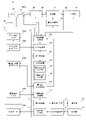
- FIG. 1 is a block diagram showing an example of the overall configuration of a chromatograph apparatus according to a first embodiment
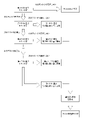
- FIG. FIG. 7 is a diagram for explaining an example of automatic setting processing according to the first embodiment
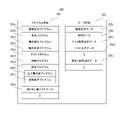
- FIG. It is an illustration figure which shows an example of the memory map of RAM of 1st Embodiment.
- 2 is a block diagram showing an example of the functional configuration of the chromatograph device of the first embodiment
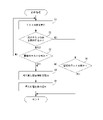
- FIG. 4 is a flowchart showing an example of operation processing of the CPU of the chromatograph apparatus of the first embodiment
- FIG. 1 is a block diagram showing an example of the overall configuration of a chromatograph apparatus 10 according to the first embodiment.
- a liquid chromatograph will be described as an example of the chromatograph 10.
- FIG. 1 is a block diagram showing an example of the overall configuration of a chromatograph apparatus 10 according to the first embodiment.
- a liquid chromatograph will be described as an example of the chromatograph 10.
- the chromatograph 10 includes a control unit 20, a mobile phase container 28, a liquid pump 30, a sample introduction unit 32, a column oven 34, a separation column 36, a detection unit 38, a signal processing circuit 40, a switching unit 42, and a fractionation unit 44. , a display unit 46 , a display control circuit 48 , an operation unit 50 and an operation detection circuit 52 .
- the control unit 20 also includes a CPU (Central Processing Unit) 22 .
- the control unit 20 also includes a RAM (Random Access Memory) 24 and a storage unit 26 that can be directly accessed by the CPU 22 .
- the control unit 20 includes a liquid feeding pump 30, a sample introduction unit 32, a column oven 34, a signal processing circuit 40, a switching unit 42, a fractionation unit 44, a display control circuit 48, an operation detection circuit 40, and a control circuit 54 such as a bus. It is electrically connected with each of the circuits 52 .
- the signal processing circuit 40 is electrically connected to the detection section 38
- the display control circuit 48 is electrically connected to the display section 46
- the operation detection circuit 52 is electrically connected to the operation section 50. .
- the control unit 20 is responsible for overall control of the chromatograph device 10.
- the CPU 22 controls each component of the chromatograph 10 .
- the RAM 24 is used as a work area and a buffer area for the CPU 22 .
- the storage unit 26 is a non-volatile memory, and for example, an HDD (Hard Disc Drive) or SSD (Solid State Drive) is used as the storage unit 26 .
- the storage unit 26 stores a control program for controlling each component of the chromatograph 10 and data required for executing the control program (execution data). Note that the storage unit 26 may be configured to include the RAM 24 .
- the mobile phase container 28 is a container that stores the mobile phase
- the liquid transfer pump 30 is a pump that transfers the mobile phase.
- the liquid feed pump 30 continuously feeds the mobile phase at a constant speed.
- the sample introduction unit 32 is a general-purpose sample introduction device such as an autosampler
- the column oven 34 is a general-purpose heating device that heats the separation column 36 inside.
- the detection unit 38 is a general-purpose detection device that detects components in the sample separated by the separation column 36 .
- the signal processing circuit 40 amplifies the signal output from the detection section 38 , A/D (analog/digital) converts it, and outputs it to the control section 20 .
- the switching unit 42 is provided to switch the introduction destination of the sample after being introduced into the detection unit 38 between the fractionation unit 44 and an unillustrated discharge port.
- Switching unit 42 includes, for example, a general-purpose three-way valve.
- the sample introduction destination is set to the sorting unit 44 by the switching unit 42
- the sample is introduced to the sorting unit 44 .
- the introduction destination of the sample is set to the discharge port, the sample is discharged from the discharge port.
- the configuration may be such that only fractionation can be performed by omitting the switching unit 42 .
- the fractionation unit 44 includes, for example, a general-purpose fractionator that fractionates components separated by the separation column 36 .
- the sample after various components have been collected by the collection unit 44 is discharged from a discharge port (not shown).
- the configuration may be such that only analysis can be performed by omitting the sorting section 44 .
- the display unit 46 is a general-purpose display device such as an LCD (Liquid crystal display) or an EL (Electro-Luminescence) display.
- the display control circuit 48 includes a GPU, a VRAM, etc.
- the GPU under the direction of the CPU 22, uses the image generation data stored in the RAM 24 to transfer display images to the VRAM for displaying various screens on the display unit 46.
- a display image corresponding to the display image data is generated and output to the display unit 46 .
- the operation unit 50 includes hardware keys (operation keys) of the chromatograph device 10 .
- the operation keys include, for example, a power key.
- the operation unit 50 includes an input device.
- Input devices include, for example, a keyboard and a mouse.
- the input device may include a touch panel.
- the touch panel is provided on the display surface of the display section 46 .
- a touch panel display in which a touch panel and a display are integrally formed may be used.
- the operation detection circuit 52 outputs a signal or operation data corresponding to the operation of the operation section 50 to the control section 20 .
- the control unit 20 various components are controlled by the control unit 20 , and the mobile phase is delivered from the mobile phase container 28 by the operation of the liquid delivery pump 30 . Further, when the mobile phase is delivered from the mobile phase container 28 , the sample is introduced into the mobile phase by the sample introduction section 32 . Also, along with the introduction of the sample, the components in the sample are separated by the separation column 36 and then introduced into the detection section 38 . Then, the sample components separated for each component are detected in the detection unit 38 . In addition, if necessary, the components separated by the separation column 36 are introduced into the fractionation section 44, and various components are fractionated in the fractionation section 44.
- a process (introduction process) of introducing a sample into the separation column 36 can be executed.
- the introduction process can be executed, for example, in an analysis process for analyzing the components contained in the sample, or a fractionation process for collecting the components contained in the sample.
- automatic setting processing is executed when a predetermined operation is detected. Further, when the automatic setting process is executed, the introduction process is repeatedly executed according to the setting items set along with the execution of the automatic setting process.
- the automatic setting process in the first embodiment is a process for setting setting items (repeated setting items) related to repeated introduction processes after the automatic setting process.
- the repetition setting items include the introduction amount of the sample introduced into the separation column 36 in the repeated introduction process (repeated introduction amount), the number of times the introduction process is repeated (repetition number), and the like.
- sample analysis is performed multiple times as a test.
- amount of the sample introduced into the separation column 36 is different in multiple test analyses.
- the setting items are repeatedly set by performing test analyzes a plurality of times with different introduction amounts of the sample into the separation column 36 .
- test amount the amount of sample introduced in each test analysis is simply referred to as "test amount”.
- setting items (test setting items) related to multiple test analyzes are appropriately set by operating icons provided on the execution screen.
- the test setting items include, for example, test amount, test order, etc.
- a plurality of test amounts are set according to the number of times test analysis is repeatedly performed.
- multiple test quantities may be preset as default values.
- test order the order for multiple test analysis is set.
- the test analysis order is set in ascending order in which the test amount is gradually increased or in descending order in which the test amount is gradually decreased. If the test analysis order is set in ascending order, multiple test analyzes will be performed in ascending order of test volume, and if set in descending order, multiple test analyzes will be performed in descending order of test volume. are executed in order according to However, the test analysis order may be automatically selected according to the type of introduction process that is repeatedly executed after the automatic setting process.
- the types of introduction processes that are repeatedly executed after the automatic setting process include a large amount introduction that is set so that the amount of sample introduced into the separation column 36 in one introduction process is as large as possible, and Small volume introduction is set so that the amount of sample introduced into the separation column 36 is as small as possible.
- a large introduction In order to efficiently fractionate the components in the sample by reducing the number of introduction processes that are repeatedly executed until a predetermined amount of sample components are fractionated when the fractionation is performed by the fractionation unit 44 . , it is preferred to select a large introduction.
- a component contained in a small amount of sample is to be detected by the detection unit 38 (high-sensitivity analysis)
- the upper limit of the introduction amount to be set is determined based on the performance of the components constituting the chromatograph apparatus 10, even if it is a large amount introduction.
- the test analysis performed in advance is performed in ascending order, so that the repeated introduction amount during repeated introduction processing is set to the largest possible value.
- the test analysis executed in advance is executed in descending order, so that the repeated introduction amount during the repeated introduction process is set to a value as small as possible.
- whether or not the next test analysis is executed based on whether the index (peak index) related to the peak of the chromatogram is equal to or greater than the threshold or whether the peak index is less than the threshold is judged.
- the peak index includes an index based on the degree of peak separation, an index based on the intensity of the peak, and the like.
- the index based on the degree of peak separation is an index that indicates the state of separation between peaks, and is calculated based on the number of theoretical plates that indicates the performance of the separation column 36 .
- Indices based on peak intensity include peak height, peak area, SN (Signal Noise) ratio, and the like.
- the automatic setting processing is started.
- the method of setting the test setting items and the method of executing the automatic setting process are merely examples, and are not particularly limited.
- test setting items are referenced, and multiple test analyzes with different test amounts are performed in ascending or descending order of test amounts as described above. are executed in order.
- FIG. 2 is a diagram for explaining an example of automatic setting processing according to the first embodiment.
- the first test amount to the n-th test amount are set in advance.
- n is a variable, and in the example shown in FIG. 2, n is a value of 4 or more.
- the automatic setting process will be specifically described below with reference to FIG.
- each time a test analysis is performed it is determined whether the next test analysis should be performed based on the detection results of the test analysis. Specifically, whether or not to perform the next test analysis is determined by referring to the chromatogram in the test analysis and comparing the peak index with the threshold.
- test analyzes are performed in ascending order and an index based on the degree of peak resolution is compared with a threshold as a peak index, if the peak index is greater than or equal to the threshold in the analysis results of the test analysis, the next test analysis is performed and the peak index is below the threshold, the next test analysis is not performed.
- the test analysis is performed in descending order and the index based on the intensity of the peak is compared with the threshold as the peak index, if the peak index is less than the threshold in the analysis result of the test analysis, the next test analysis is performed. If executed and the peak index is greater than or equal to the threshold, the next test analysis is not executed. Note that if it is determined not to execute the next test analysis, the rest of the test analysis will not be executed.
- the repeated introduction amount is set based on the test amount at the time of the executed test analysis.
- one of the test amounts at the time of the executed test analysis is set as the repeated introduction amount.
- the test amount at the time of the previous test analysis when it is determined not to execute the next test analysis is set as the repetitive introduction amount.
- the second test amount is It is set as a repeated introduction amount.
- the repeated introduction amount will not be set. Also, in this case, the rest of the test analysis is not performed, nor is the subsequent iteration of the installation process performed.
- a notification may be sent to prompt resetting of the test amount.
- a message prompting resetting of the test amount may be displayed on the display unit 46 .
- the execution screen may be displayed again on the display unit 46 .
- the test amount at the time of the executed test analysis is Based on, the repeated introduction amount is set.
- the test amount at the time of the last test analysis is set as the repeated introduction amount.
- the nth test amount is set as the iterative introduction amount.
- the number of times of repetition is set based on the amount of repeated introduction. Specifically, when the number of repetitions is set, the remaining amount of sample to be used is calculated. When the remaining amount of sample is calculated, the remaining amount is divided by the amount of sample used in one sample introduction corresponding to the repeated introduction amount, and the quotient value is set as the number of repetitions.
- Equation 1 the remaining amount of the sample to be used is expressed by Equation 1 below.
- Equation 2 the remaining amount of sample used is expressed by Equation 1 and 2 below.
- the left side indicates the remaining amount of the sample immediately after the automatic setting process is executed. That is, the right hand side shows the total amount of sample before the auto-setup process was run minus the amount of sample used by the test analysis.
- the total amount of sample may be pre-stored in the storage unit 26 .
- Equation 3 the number of repetitions is represented by Equation 3 below.
- the left side indicates the number of iterations. That is, the right-hand side indicates that the remaining amount of sample immediately after the automatic setting process is executed is divided by the amount of sample used in one sample introduction corresponding to the repeated introduction amount.
- the remaining amount of sample immediately after the automatic setting process is executed is less than the amount of sample used in one sample introduction corresponding to the amount of repeated introduction, the lack of sample may be notified.
- the above calculation sets the number of introduction processes that are repeated multiple times. A process of introducing this sample is additionally performed. In this case, the number of introduction processes to be executed is one more than the number calculated by Equation (3).
- the components separated in the separation column 36 during the test analysis may be fractionated by the fractionation unit 44 .
- the components in the sample can be fractionated even during test analysis, and wasteful consumption of the sample can be suppressed.
- FIG. 3 is an illustrative view showing one example of a memory map 200 of the RAM 24 of the first embodiment.
- RAM 24 includes program area 201 and data area 202 .
- a program area 201 stores a control program read in advance from the storage unit 26 .
- the control programs include an image generation program 201a, a display program 201b, an operation detection program 201c, an operation control program 201d, a test program 201e, a determination program 201f, a setting program 201g, a repeat introduction program 201k, and the like.
- the setting program 201g also includes an introduction amount setting program 201h and a number of times setting program 201i.
- the image generation program 201a is a program for generating display image data using image generation data 202a, which will be described later.
- the display program 201b is a program for displaying on the display unit 46 a display image corresponding to the display image data generated according to the image generation program 201a.
- the operation detection program 201c is a program for detecting an operation to the operation unit 50.
- the CPU 22 stores later-described operation data 202b in the RAM 24 in chronological order according to the operation detection program 201c.
- the operation control program 201d is a program for controlling various components of the chromatograph 10.
- the operation control program 201d includes a program for controlling the liquid-sending pump 30, a program for controlling the sample introduction section 32, a program for controlling the column oven 34, a program for controlling the detection section 38 and controlling components in the sample. , a program for controlling the switching unit 42, and a program for controlling the fractionating unit 44 to fractionate components in the sample.
- the test program 201e refers to the test setting items and causes the operation control program 201d to perform multiple test analyzes with different test amounts in a predetermined order according to the test amounts.
- the judgment program 201f is a program for judging whether or not the test program 201e should perform the next test analysis based on the detection result of the detection unit 38 during the test analysis.
- the setting program 201g is a program for repeatedly setting setting items when the determination program 201f determines not to perform the next test analysis during test analysis other than the first test analysis.
- the setting program 201g causes the test program 201e to perform the next test analysis when the determination program 201f determines that the next test analysis is to be performed at the time of the last test analysis among the multiple test analyses. It is also a program for repeatedly setting the setting items instead of doing it.
- the introduction amount setting program 201h is a program for repeatedly setting the introduction amount based on the test amount at the time of the executed test analysis.
- the number-of-times setting program 201i is a program for setting the number of times of repetition based on the amount of repeated introduction by referring to the remaining amount of the sample when the amount of repeated introduction is set by the amount-of-introduction setting program 201h.
- the repeat introduction program 201k is a program for repeatedly executing the introduction process multiple times using the operation control program 201d when the repeat setting item is set by the setting program 201g.
- the program area 201 also stores other control programs.
- the program area 201 stores a notification program and the like.
- the notification program is a program for notifying the shortage of the sample and prompting resetting of the test amount.
- Data read from the storage unit 26 in advance is stored in the data area 202 .
- the data area 202 stores image generation data 202a, operation data 202b, test setting item data 202c, test analysis data 202d, repetition setting item data 202e, and the like.
- the image generation data 202a is data such as polygon data or texture data for generating display image data corresponding to various screens to be displayed on the display unit 46 .
- the operation data 202b is data acquired according to the operation detection program 201c and stored in the data area 202 in chronological order.
- the test setting item data 202c is data corresponding to the test setting item.
- the test setting item data includes data indicating the amount of testing, data indicating the order of testing, and the like.
- the test analysis data 202d is data indicating the results of test analysis. That is, the test analysis result data 202d is data corresponding to the chromatogram showing the result of test analysis. Note that the data area 202 may store a plurality of test analysis result data 202d.
- the repeat setting item data 202e is data corresponding to repeat setting items.
- the repetition setting item data 202f includes data indicating the amount of repeated introduction, data indicating the number of repetitions, and the like.
- the data area 202 other execution data and data corresponding to the signal output from the detection unit 38 are temporarily stored. Further, the data area 202 is provided with timers (counters) and registers necessary for executing the control program.
- FIG. 4 is a block diagram showing an example of the functional configuration of the chromatograph apparatus 10 of the first embodiment.
- the control section 20 functions as an operation control processing section 100 that controls various components of the chromatograph 10 .
- control unit 20 uses the operation control processing unit 100 to perform a plurality of test analyzes with different test amounts in a predetermined order according to the test amount. function as
- the control unit 20 determines whether or not the test processing unit 102 executes the next test analysis based on the detection result of the detection unit 38 during the test analysis. 104.
- the control unit 20 repeatedly It functions as a setting processing unit 106 that sets setting items.
- the determination processing unit 104 determines that the next test analysis is to be performed during the last test analysis of the multiple test analyses, when the CPU 22 executes the setting program 201g, the control unit 20 , and functions as a setting processing unit 106 for repeatedly setting setting items.
- the control unit 20 uses the operation control processing unit 100 to function as a repeat introduction processing unit 108 that repeatedly executes the introduction process multiple times.
- the CPU 22 executes the image generation program 201a to function as an image generation processing unit 110 that generates display image data using the image generation data 202a.
- the CPU 22 executes the display program 201b, and the display image data generated by the image generation processing unit 110 is used as the display processing unit 112 that displays the display image corresponding to the display image data on the display unit 46. Function.
- the CPU 22 functions as an operation detection processing unit 114 that detects an operation to the operation unit 50 by executing the operation detection program 201c.
- the setting processing unit 106 includes an introduction amount setting processing unit 116 that repeatedly sets the introduction amount based on the test amount in the executed test analysis. corresponds to
- the number setting processing unit 106 when the repeated introduction amount is set by the introduction amount setting processing unit 116, the number setting processing unit refers to the remaining amount of the sample and sets the number of repetitions based on the repeated introduction amount. 118, and this number setting processing unit 118 corresponds to the number setting program 201i.
- the determination processing unit 104 determines the following based on the detection result by the detection unit 38 during the test analysis. It is determined whether or not to execute the test analysis of
- setting items are repeatedly set by the setting processing unit 106 as necessary. Further, when a repeat setting item is set, the repeat introduction processing unit 108 repeats the introduction process a plurality of times.
- FIG. 5 is a flow chart showing an example of operation processing of the CPU 22 of the chromatograph 10 of the first embodiment.
- the CPU 22 starts operation processing, for example, upon detecting a predetermined operation.
- step S1 test analysis is performed, and in step S2, it is determined whether to perform the next test analysis. If “No” in step S2, that is, if the next test analysis is not to be executed, the process proceeds to step S6. On the other hand, if "Yes” in step S2, that is, if the next test analysis is to be executed, the process proceeds to step S3.
- step S3 it is determined whether or not the last test analysis was performed immediately before. If “No” in step S3, that is, if the last test analysis has not been executed immediately before, the process returns to step S1. On the other hand, if "Yes” in step S3, that is, if the last test analysis was performed immediately before, the process proceeds to step S4.
- step S4 repeat setting items are set, and in step S5, the introduction process is repeated multiple times. Further, in step S5, after repeatedly executing the introduction process, the operation process is terminated.
- step S6 it is determined whether or not the first test analysis was performed immediately before. If “No” in step S6, that is, if the first test analysis has not been performed immediately before, the process proceeds to step S4. On the other hand, if "Yes” in step S6, that is, if the first test analysis was executed immediately before, the operation process is terminated.
- the analyst simply sets the test setting items, and the repeated introduction amount of the sample is automatically set to an appropriate value. Therefore, the analyst does not need to consider the amount of sample to be repeatedly introduced, and can shorten the time required to execute repeated introduction processing.
- a liquid chromatograph was used as an example of the chromatograph 10, but the same applies to a gas chromatograph.
- a gas cylinder corresponds to the mobile phase container 28, and the gas in the gas cylinder corresponds to the mobile phase.
- the sample components separated by the separation column 36 are gases.
- a chromatographic apparatus for introducing a mobile phase into a column together with a sample and detecting components in the sample separated in the column with a detection unit, a test processing unit that performs a plurality of test analyzes with different introduction amounts of the sample into the column in a predetermined order according to the introduction amount; a determination processing unit that determines whether or not to cause the test processing unit to perform the next test analysis in accordance with the predetermined order based on the detection result of the detection unit during test analysis; an introduction amount setting processing unit that, when it is determined by the determination processing unit that the next test analysis is not to be executed, sets the repeated introduction amount based on the introduction amount of the sample at the time of the executed test analysis;
- a repeat introduction processing unit may be provided for repeating the introduction process of introducing the sample into the column at the repeated introduction amount a plurality of times.
- the chromatograph apparatus described in item 1 by performing test analysis, it is possible to appropriately set the amount of sample to be introduced into the column, and repeat the introduction process multiple times with that amount. can.
- the amount of sample to be introduced into the column can be set automatically, there is no need for the analyst to examine the amount of sample to be introduced into the column. Also, it is possible to prevent the result of examination from being different depending on the analyst.
- the test processing unit instead of performing the next test analysis
- the repeated introduction amount may be set based on the introduction amount of the sample at the time of the executed test analysis.
- the amount of sample introduced into the column can be set as the upper limit value, and the introduction process can be repeated multiple times with that introduction amount.
- the test processing unit may perform the test analysis multiple times in ascending order of the amount of introduction.
- the amount of sample introduced into the column in one introduction process is as large as possible. can be set to be Therefore, in the case of a configuration for fractionating components in a sample, fractionation can be efficiently performed.
- the determination processing unit may determine whether or not to perform the next test analysis based on the degree of separation of peaks in the detection result of the detection unit during test analysis.
- the test processing unit may perform the test analysis multiple times in descending order of the amount of introduction.
- the amount of sample introduced into the column in one introduction process is as small as possible. can be set to be Therefore, in the case of a configuration for performing high-sensitivity analysis for detecting components contained in a small amount of sample, the amount of sample used can be reduced as much as possible.
- the determination processing unit may determine whether or not to perform the next test analysis based on the peak intensity in the detection result of the detection unit during test analysis.
- the number of times of the introduction process is appropriately set based on the repeated introduction amount set by the introduction amount setting processing unit, and the introduction process is repeated multiple times with the number of repetitions. can be executed.
- a sample introduction amount setting method includes: A sample introduction amount setting method in a chromatographic apparatus for introducing a mobile phase into a column together with a sample and detecting a component in the sample separated in the column with a detection unit, a test step of performing a plurality of test analyzes with different introduction amounts of the sample into the column in a predetermined order according to the introduction amount; a judgment step of judging whether or not the next test analysis is to be executed in the test step according to the predetermined order based on the detection result by the detection unit during the test analysis; an introduction process for introducing a sample into the column in the chromatographic device based on the amount of the sample introduced during the test analysis that has already been performed when it is determined by the determination step that the next test analysis is not to be performed; and an introduction amount setting step of setting an introduction amount to be repeated when repeating a plurality of times.
- the sample introduction amount setting method described in item 9 by executing test analysis, the amount of sample to be introduced into the column is appropriately set, and the introduction process is repeatedly performed multiple times with the introduction amount. be able to.
- the amount of sample to be introduced into the column can be set automatically, there is no need for the analyst to examine the amount of sample to be introduced into the column. Also, it is possible to prevent the result of examination from being different depending on the analyst.
Landscapes
- Physics & Mathematics (AREA)
- Health & Medical Sciences (AREA)
- Life Sciences & Earth Sciences (AREA)
- Chemical & Material Sciences (AREA)
- Analytical Chemistry (AREA)
- Biochemistry (AREA)
- General Health & Medical Sciences (AREA)
- General Physics & Mathematics (AREA)
- Immunology (AREA)
- Pathology (AREA)
- Automatic Analysis And Handling Materials Therefor (AREA)
- Treatment Of Liquids With Adsorbents In General (AREA)
Abstract
テスト処理部102が、分離カラム36内への試料の導入量が異なる複数回のテスト分析を、導入量に応じた所定の順序で実行する。判断処理部104が、テスト分析時の検出部38による検出結果に基づいて、所定の順序に従ってテスト処理部102で次のテスト分析を実行するか否かを判断する。導入量設定処理部116が、判断処理部104により、次のテスト分析を実行しないと判断される場合に、実行済みのテスト分析時における試料の導入量に基づいて、繰り返しの導入量を設定する。繰り返し導入処理部108が、繰り返しの導入量で分離カラム36内に試料を導入する導入処理を複数回繰り返す。
Description
本発明は、クロマトグラフ装置及び試料導入量設定方法に関するものである。
例えば、下記特許文献1で開示されるような、従来のクロマトグラフ装置では、試料とともに移動相がカラム内に導入され、カラム内で分離された試料中の成分が検出部で検出される。
クロマトグラフ装置の一例である液体クロマトグラフにおいては、液体からなる移動相とともに試料がカラム内に導入される。カラム内への試料の導入量は、試料中の成分の濃度及び検出部の応答性などに応じて設定される。また、分取精製を行う場合には、必要とされる精製量に応じて、カラム内への試料の導入量が設定される。
しかしながら、カラム内への試料の導入量が過剰な場合には、カラム内で保持可能な試料中の成分の量を超えることにより、カラム内の保持サイトが枯渇する場合がある。この場合、検出部において検出される試料中の成分のピーク形状や分離度が悪化し、分析又は分取を良好に行うことができない可能性がある。また、試料が多量に導入される場合、試料溶媒が移動相のように振る舞うため、試料溶媒の溶出力が強い場合には、試料中の成分のバンド幅が広がることにより、ピーク形状や分離度が悪化する可能性もある。一方、導入試料量が十分ではない場合、ピーク形状や分離度は問題ないが検出感度が足りず、濃度などの定量分析を正確に行えない可能性がある。これらの課題は、移動相が液体の場合に限らず、気体の場合にも生じ得る課題である。
本発明は、上記実情に鑑みてなされたものであり、カラム内への試料の導入量を適切な値に設定することができるクロマトグラフ装置及び試料導入量設定方法を提供することを目的とする。また、本発明は、カラム内への試料の導入量を分析者が検討する必要がないクロマトグラフ装置及び試料導入量設定方法を提供することを目的とする。さらに、本発明は、カラム内への試料の導入量の検討時間及び検討結果が分析者によって異なることを防止できるクロマトグラフ装置及び試料導入量設定方法を提供することを目的とする。
本発明の第1の態様は、試料とともに移動相をカラム内に導入し、前記カラム内で分離された試料中の成分を検出部で検出するクロマトグラフ装置であって、テスト処理部と、判断処理部と、導入量設定処理部と、繰り返し導入処理部とを備える。前記テスト処理部は、前記カラム内への試料の導入量が異なる複数回のテスト分析を、前記導入量に応じた所定の順序で実行する。前記判断処理部は、テスト分析時の前記検出部による検出結果に基づいて、前記所定の順序に従って前記テスト処理部で次のテスト分析を実行するか否かを判断する。前記導入量設定処理部は、前記判断処理部により、次のテスト分析を実行しないと判断される場合に、実行済みのテスト分析時における試料の導入量に基づいて、繰り返しの導入量を設定する。前記繰り返し導入処理部は、前記繰り返しの導入量で前記カラム内に試料を導入する導入処理を複数回繰り返す。
本発明の第2の態様は、試料とともに移動相をカラム内に導入し、前記カラム内で分離された試料中の成分を検出部で検出するクロマトグラフ装置における試料導入量設定方法であって、テストステップと、判断ステップと、導入量設定ステップとを含む。前記テストステップでは、前記カラム内への試料の導入量が異なる複数回のテスト分析を、前記導入量に応じた所定の順序で実行する。前記判断ステップでは、テスト分析時の前記検出部による検出結果に基づいて、前記所定の順序に従って前記テストステップで次のテスト分析を実行するか否かを判断する。前記導入量設定ステップでは、前記判断ステップにより、次のテスト分析を実行しないと判断される場合に、実行済みのテスト分析時における試料の導入量に基づいて、前記クロマトグラフ装置において前記カラム内に試料を導入する導入処理を複数回繰り返す際の繰り返しの導入量を設定する。
本発明によれば、カラム内への試料の導入量を適切な値に設定することができる。また、本発明によれば、カラム内への試料の導入量を分析者が検討する必要がない。さらに、本発明によれば、カラム内への試料の導入量が分析者によって異なることを防止できる。
1.クロマトグラフ装置の全体構成
図1は、第1実施形態のクロマトグラフ装置10の全体の構成の一例を示すブロック図である。なお、第1実施形態では、クロマトグラフ装置10として、液体クロマトグラフ装置を例に挙げて説明する。
クロマトグラフ装置10は、制御部20、移動相容器28、送液ポンプ30、試料導入部32、カラムオーブン34、分離カラム36、検出部38、信号処理回路40、切替部42、分取部44、表示部46、表示制御回路48、操作部50、操作検出回路52を含む。また、制御部20は、CPU(Central Processing Unit)22を含む。また、制御部20は、CPU22が直接的にアクセス可能なRAM(Random Access Memory)24及び記憶部26を含む。
制御部20は、バス等の接続回路54を介して、送液ポンプ30、試料導入部32、カラムオーブン34、信号処理回路40、切替部42、分取部44、表示制御回路48、操作検出回路52の各々と電気的に接続される。また、信号処理回路40は、検出部38に電気的に接続され、表示制御回路48は、表示部46に電気的に接続され、操作検出回路52は、操作部50に電気的に接続される。
制御部20は、クロマトグラフ装置10の全体的な制御を担う。CPU22は、クロマトグラフ装置10の各コンポーネントを制御する。RAM24は、CPU22のワーク領域およびバッファ領域として用いられる。記憶部26は、不揮発性メモリであり、たとえば、記憶部26としてHDD(Hard Disc Drive)またはSSD(Solid State Drive)等が用いられる。
記憶部26には、クロマトグラフ装置10の各コンポーネントを制御するための制御プログラム及び制御プログラムの実行に必要とされるデータ(実行用データ)等が記憶される。なお、記憶部26がRAM24を含むように構成されてもよい。
移動相容器28は、移動相を貯蔵する容器であり、送液ポンプ30は、移動相を送液するポンプである。分析中、送液ポンプ30は、一定の速度で移動相を連続的に送液する。試料導入部32は、オートサンプラなどの汎用の試料導入装置であり、カラムオーブン34は、内部にて分離カラム36を加熱する汎用の加熱装置である。
検出部38は、分離カラム36によって分離される試料中の成分を検出する汎用の検出装置である。信号処理回路40は、検出部38から出力される信号を増幅してからA/D(アナログ/デジタル)変換し、制御部20に出力する。
切替部42は、検出部38に導入された後の試料の導入先を分取部44と図示しない排出口との間で切り替えるために設けられる。切替部42は、たとえば汎用の三方弁を含む。切替部42によって、試料の導入先が分取部44に設定される場合、試料が分取部44に導入される。また、試料の導入先が排出口に設定される場合、試料がその排出口から排出される。ただし、切替部42が省略されることにより、分取のみを行うことができるような構成であってもよい。
分取部44は、たとえば分離カラム36によって分離される成分を分取する汎用の分画装置を含む。なお、分取部44によって各種成分が分取された後の試料は、図示しない排出口から排出される。ただし、分取部44が省略されることにより、分析のみを行うことができるような構成であってもよい。
表示部46は、LCD(Liquid crystal display)又はEL(Electro-Luminescence)ディスプレイなどの汎用の表示装置である。表示制御回路48は、GPUおよびVRAMなどを含み、GPUは、CPU22の指示の下、RAM24に記憶された画像生成データを用いて表示部46に種々の画面を表示するための表示画像をVRAMに生成し、その表示画像データに対応する表示画像を表示部46に出力する。
操作部50は、クロマトグラフ装置10のハードウェアキー(操作キー)を含む。操作キーとしては、たとえば、電源キー等が挙げられる。また、操作部50は、入力装置を含む。入力装置としては、たとえば、キーボード及びマウス等が挙げられる。さらに、入力装置には、タッチパネルが含まれても良い。なお、この場合、タッチパネルは、表示部46の表示面上に設けられる。また、タッチパネルとディスプレイとが一体的に形成されたタッチパネルディスプレイが用いられてもよい。操作検出回路52は、操作部50の操作に応じた信号ないし操作データを制御部20に出力する。
このような、クロマトグラフ装置10では、制御部20によって各種コンポーネントが制御されることで、送液ポンプ30の動作により、移動相容器28から移動相が送出される。また、移動相容器28から移動相が送出されると、試料導入部32によって、試料が移動相に導入される。また、試料の導入にともなって、分離カラム36で試料中の成分が分離された後、検出部38に導入される。そして、検出部38において、成分ごとに分離された試料成分が検出される。また、必要に応じて、分離カラム36によって分離される成分が分取部44に導入され、その分取部44で、各種成分が分取される。
したがって、このようなクロマトグラフ装置10では、試料を分離カラム36へ導入する処理(導入処理)を実行することができる。導入処理は、たとえば、試料に含まれる成分を分析する分析処理、又は、試料に含まれる成分を分取する分取処理等において実行することができる。
2.自動設定処理の概要
第1実施形態のクロマトグラフ装置10では、所定の操作が検出されると、自動設定処理が実行される。また、自動設定処理が実行されると、その自動設定処理の実行に伴って設定される設定項目にしたがって、導入処理が繰り返し実行される。
つまり、第1実施形態における自動設定処理は、その自動設定処理の後の繰り返しの導入処理に係る設定項目(繰り返し設定項目)を設定するための処理である。
繰り返し設定項目には、繰り返しの導入処理において分離カラム36に導入される試料の導入量(繰り返し導入量)及び導入処理を繰り返す回数(繰り返し回数)等が含まれる。
詳細は後述するが、自動設定処理では、試料の分析がテスト的に複数回実行される。また、複数回のテスト分析において、分離カラム36内への試料の導入量がそれぞれ異なる。
つまり、自動設定処理では、分離カラム36内への試料の導入量がそれぞれ異なる複数回のテスト分析が実行されることで、繰り返し設定項目が設定される。
なお、以下において、各テスト分析における試料の導入量を単に「テスト量」と記述する。初めに、自動設定処理が実行されるまでの一連の処理について説明する。
図示は省略するが、第1実施形態では、たとえば、クロマトグラフ装置10のメインメニュー画面が表示部46に表示された状態で、所定のアイコンが操作されると、自動設定処理を実行するための画面(実行画面)が表示部46に表示される。
実行画面では、その実行画面に設けられるアイコンが操作されることで、複数回のテスト分析に係る設定項目(テスト設定項目)が適宜に設定される。
テスト設定項目には、たとえば、テスト量、テスト順序等が含まれる。テスト量は、繰り返し実行されるテスト分析の回数に応じて、複数設定される。ただし、複数のテスト量は、既定の値として予め設定されていてもよい。
テスト順序では、複数回のテスト分析を行う際の順序が設定される。テスト分析順序は、テスト量を徐々に増加させる昇順、又は、テスト量を徐々に減少させる降順に設定される。テスト分析順序が昇順に設定される場合は、複数回のテスト分析は、テスト量の昇順に沿った順序で実行され、降順に設定される場合は、複数回のテスト分析は、テスト量の降順に沿った順序で実行される。ただし、テスト分析順序は、自動設定処理後に繰り返し実行される導入処理の種類に応じて自動的に選択されてもよい。
自動設定処理後に繰り返し実行される導入処理の種類としては、1回の導入処理における分離カラム36内への試料の導入量ができるだけ多くなるように設定される多量導入と、1回の導入処理における分離カラム36内への試料の導入量ができるだけ少なくなるように設定される少量導入とが挙げられる。分取部44で分取を行う場合には、所定量の試料成分が分取されるまでに繰り返し実行される導入処理の回数を少なくして、効率よく試料中の成分を分取するために、多量導入を選択することが好ましい。一方、少量の試料に含まれる成分を検出部38で検出する場合(高感度分析)には、試料の使用量をできるだけ少なくするために、少量導入を選択することが好ましい。なお、詳細な説明は省略するが、多量導入と言えども、クロマトグラフ装置10を構成するコンポーネントの性能に基づいて、設定される導入量には上限が決められている。
多量導入を行う場合には、事前に実行されるテスト分析が昇順で実行されることにより、繰り返し導入処理時の繰り返し導入量ができるだけ大きい値に設定される。一方、少量導入を行う場合には、事前に実行されるテスト分析が降順で実行されることにより、繰り返し導入処理時の繰り返し導入量ができるだけ小さい値に設定される。各テスト分析では、クロマトグラムのピークに関する指標(ピーク指標)が閾値以上となるか否か、又は、ピーク指標が閾値未満となるか否かに基づいて、次のテスト分析を実行するか否かが判断される。
ピーク指標としては、ピークの分離度に基づく指標、又は、ピークの強度に基づく指標等が挙げられる。ピークの分離度に基づく指標は、ピーク間の分離状態を示す指標であり、分離カラム36の性能を示す理論段数に基づいて算出される。また、ピークの強度に基づく指標としては、ピークの高さ、ピークの面積又はSN(Signal Noise)比等が挙げられる。
第1実施形態では、たとえば、実行画面が表示部46に表示された状態で、自動設定処理を実行する機能が割り当てられるアイコンが操作されると、その自動設定処理が開始される。なお、テスト設定項目の設定方法、自動設定処理を実行する方法は、あくまで一例であって、特に限定されない。
3.自動設定処理の詳細
第1実施形態では、自動設定処理が実行されると、テスト設定項目が参照され、上述したようにテスト量がそれぞれ異なる複数回のテスト分析がテスト量の昇順又は降順に沿った順序で実行される。
図2は、第1実施形態の自動設定処理の一例を説明するための図である。図2に示す例では、第1テスト量から第nテスト量まで予め設定されている。なお、nは変数であって、図2に示す例では、nは、4以上の値である。以下、図2を参照し、自動設定処理について具体的に説明する。
自動設定処理では、テスト分析が実行される毎に、テスト分析による検出結果に基づいて、次のテスト分析を実行するかどうか判断される。具体的に、次のテスト分析を実行するか否かは、テスト分析におけるクロマトグラムが参照されたうえで、ピーク指標が閾値と比較されることにより判断される。
たとえば、テスト分析が昇順で実行され、ピークの分離度に基づく指標をピーク指標として閾値と比較する場合には、テスト分析での分析結果において、ピーク指標が閾値以上であれば、次のテスト分析が実行され、ピーク指標が閾値未満であれば、次のテスト分析は実行されない。また、テスト分析が降順で実行され、ピークの強度に基づく指標をピーク指標として閾値と比較する場合には、テスト分析での分析結果において、ピーク指標が閾値未満であれば、次のテスト分析が実行され、ピーク指標が閾値以上であれば、次のテスト分析は実行されない。なお、次のテスト分析を実行しないと判断される場合、残りのテスト分析は実行されない。
さらに、自動設定処理では、次のテスト分析を実行しないと判断される場合、実行済みのテスト分析時におけるテスト量に基づいて、繰り返し導入量が設定される。
たとえば、実行済みのテスト分析時におけるテスト量のうちのいずれか一つが繰り返し導入量として設定される。なお、図2に示すように、次のテスト分析を実行しないと判断されたときの1つ前のテスト分析時におけるテスト量が繰り返し導入量として設定されるのが好ましい。
図2に示す例では、第1テスト量、第2テスト量、第3テスト量の順でテスト分析が実行された後に、次のテスト分析を実行しないと判断されると、第2テスト量が繰り返し導入量として設定される。
ただし、複数のテスト分析のうちの最初のテスト分析時(第1テスト量でのテスト分析)において、次のテスト分析を実行しないと判断される場合、繰り返し導入量は設定されない。また、この場合、残りのテスト分析は実行されず、その後の繰り返しの導入処理も実行されない。
図示は省略するが、複数のテスト分析のうちの最初のテスト分析時において、次のテスト分析を実行しないと判断される場合、テスト量の再設定を促すための通知が行われてもよい。たとえば、表示部46にテスト量の再設定を促すメッセージを表示されてもよい。また、この場合、たとえば、表示部46に再度、実行画面が表示されてもよい。
さらに、複数のテスト分析のうちの最後のテスト分析時では、次のテスト分析を実行すると判断される場合、テスト分析を実行する代わりに、上述したように、実行済みのテスト分析時におけるテスト量に基づいて、繰り返し導入量が設定される。
最後のテスト分析が実行され、次のテスト分析を実行すると判断される場合は、最後のテスト分析時におけるテスト量が繰り返し導入量として設定されるのが好ましい。図2に示す例では、第nテスト量でのテスト分析が実行され、次のテスト分析を実行すると判断される場合、第nテスト量が繰り返し導入量として設定される。
また、第1実施形態では、繰り返し導入量が設定されると、その繰り返し導入量に基づいて、繰り返し回数が設定される。具体的には、繰り返し回数が設定される場合、使用される試料の残量が算出される。試料の残量が算出されると、その残量が、繰り返し導入量に対応する1回の試料の導入時に使用される試料の量で除算され、商の値が、繰り返し回数として設定される。
たとえば、次のテスト分析を実行しないと判断され、1つ前のテスト分析時におけるテスト量が繰り返し導入量として設定される場合、使用される試料の残量は下記数式1で表される。一方、最後のテスト分析において次のテスト分析を実行すると判断され、最後のテスト量が繰り返し導入量として設定される場合、使用される試料の残量は下記数式2で表される。なお、数式1及び数式2において、左辺は、自動設定処理が実行された直後の試料の残量を示す。すなわち、右辺は、自動設定処理が実行される前の試料の全量からテスト分析によって使用された試料の量を引くことを示す。試料の全量は、記憶部26に予め記憶されていてもよい。


また、繰り返し回数は、下記数式3で表される。数式3において、左辺は、繰り返し回数を示す。すなわち、右辺は、自動設定処理が実行された直後の試料の残量が、繰り返し導入量に対応する1回の試料の導入時に使用される試料の量で除算されることを示す。

ただし、自動設定処理が実行された直後の試料の残量が、繰り返し導入量に対応する1回の試料の導入時に使用される試料の量より少ない場合、試料の不足が通知されてもよい。
上記のような演算により、複数回繰り返される導入処理の回数が設定されるが、数式3の演算が行われた結果、余りが算出された場合には、1回分に満たない試料が残るため、この試料を導入する処理が追加的に行われる。この場合、実行される導入処理の回数は、数式3で算出される回数よりも1回多い回数となる。
これらのことから、第1実施形態では、最初のテスト分析を除くテスト分析において、次のテスト分析を実行しないと判断される場合、及び、最後のテスト分析において、次のテスト分析を実行すると判断される場合、繰り返し設定項目が設定され、その繰り返し設定項目に従って、導入処理が繰り返し実行される。
さらに、テスト分析において、次のテスト分析を実行すると判断される場合、テスト分析時に分離カラム36内で分離された成分を分取部44で分取してもよい。この場合、テスト分析時においても試料中の成分の分取が可能とされ、試料の無駄な消費を抑制することができる。
4.プログラムとデータ
図3は、第1実施形態のRAM24のメモリマップ200の一例を示す図解図である。図に示すようにRAM24は、プログラム領域201およびデータ領域202を含む。プログラム領域201には、記憶部26から予め読み出された制御プログラムが記憶される。
制御プログラムは、画像生成プログラム201a、表示プログラム201b、操作検出プログラム201c、動作制御プログラム201d、テストプログラム201e、判断プログラム201f、設定プログラム201g及び繰り返し導入プログラム201k等を含む。
また、設定プログラム201gは、導入量設定プログラム201h及び回数設定プログラム201i等を含む。
画像生成プログラム201aは、後述する画像生成データ202aを用いて、表示画像データを生成するためのプログラムである。
表示プログラム201bは、画像生成プログラム201aに従って生成される表示画像データを用いて、その表示画像データに対応する表示画像を表示部46に表示するためのプログラムである。
操作検出プログラム201cは、操作部50への操作を検出するためのプログラムである。CPU22は、操作検出プログラム201cに従って後述する操作データ202bを時系列に従ってRAM24に記憶する。
動作制御プログラム201dは、クロマトグラフ装置10の各種コンポーネントを制御するためのプログラムである。動作制御プログラム201dには、送液ポンプ30を制御するためのプログラム、試料導入部32を制御するためのプログラム、カラムオーブン34を制御するためのプログラム、検出部38を制御して試料中の成分を検出するためのプログラム、切替部42を制御するためのプログラム、及び、分取部44を制御して試料中の成分を分取するためのプログラム等を含む。
テストプログラム201eは、テスト設定項目を参照し、テスト量が異なる複数回のテスト分析を、テスト量に応じた所定の順序で動作制御プログラム201dに実行させるためのプログラムである。
判断プログラム201fは、テスト分析時の検出部38による検出結果に基づいて、テストプログラム201eで次のテスト分析を実行するか否かを判断するためのプログラムである。
設定プログラム201gは、最初のテスト分析を除くテスト分析時おいて、判断プログラム201fにより、次のテスト分析を実行しないと判断される場合に、繰り返し設定項目を設定するためのプログラムである。
また、設定プログラム201gは、複数回のテスト分析のうちの最後のテスト分析時において、判断プログラム201fにより、次のテスト分析を実行すると判断される場合に、テストプログラム201eで、次のテスト分析を行う代わりに、繰り返し設定項目を設定するためのプログラムでもある。
導入量設定プログラム201hは、実行済みのテスト分析時におけるテスト量に基づいて、繰り返し導入量を設定するためのプログラムである。
回数設定プログラム201iは、導入量設定プログラム201hによって繰り返し導入量が設定されると、試料の残量を参照し、繰り返し導入量に基づく繰り返し回数を設定するためのプログラムである。
繰り返し導入プログラム201kは、設定プログラム201gによって、繰り返し設定項目が設定されると、動作制御プログラム201dを用いて、導入処理を複数回繰り返して実行するためのプログラムである。
なお、図示は省略するが、プログラム領域201には、他の制御プログラムも記憶される。たとえば、プログラム領域201には、通知プログラム等が記憶される。通知プログラムは、試料の不足及びテスト量の再設定等を促すための通知を行うためのプログラムである。
データ領域202には、予め記憶部26から読み出されたデータが記憶される。図3に示す例では、データ領域202には、画像生成データ202a、操作データ202b、テスト設定項目データ202c、テスト分析データ202d及び繰り返し設定項目データ202e等が記憶される。
画像生成データ202aは、表示部46に表示する各種の画面に対応する表示画像データを生成するためのポリゴンデータまたはテクスチャデータ等のデータである。
操作データ202bは、操作検出プログラム201cに従って取得されたデータであって、時系列に従ってデータ領域202に記憶される。
テスト設定項目データ202cは、テスト設定項目に対応するデータである。テスト設定項目データは、テスト量を示すデータ及びテスト順序を示すデータ等を含む。
テスト分析データ202dは、テスト分析の結果を示すデータである。すなわち、テスト分析結果データ202dは、テスト分析の結果を示すクロマトグラムに対応するデータである。なお、データ領域202には、複数のテスト分析結果データ202dが記憶されることがある。
繰り返し設定項目データ202eは、繰り返し設定項目に対応するデータである。繰り返し設定項目データ202fは、繰り返し導入量を示すデータ及び繰り返し回数を示すデータ等を含む。
また、データ領域202には、他の実行用データ、及び、検出部38から出力される信号に対応するデータが一時的に記憶される。さらに、データ領域202には、制御プログラムの実行に必要なタイマ(カウンタ)およびレジスタが設けられる。
5.クロマトグラフ装置の機能的構成
図4は、第1実施形態のクロマトグラフ装置10の機能的構成の一例を示すブロック図である。CPU22が動作制御プログラム201dを実行すると、制御部20がクロマトグラフ装置10の各種コンポーネントを制御する動作制御処理部100として機能する。
また、CPU22がテストプログラム201eを実行すると、制御部20が動作制御処理部100を用いて、テスト量が異なる複数回のテスト分析を、テスト量に応じた所定の順序で実行するテスト処理部102として機能する。
さらに、CPU22が判断プログラム201fを実行すると、制御部20がテスト分析時の検出部38による検出結果に基づいて、テスト処理部102で次のテスト分析を実行させるか否かを判断する判断処理部104として機能する。
さらにまた、最初のテスト分析を除くテスト分析時おいて、判断処理部104により、次のテスト分析を実行しないと判断される場合に、CPU22が設定プログラム201gを実行すると、制御部20は、繰り返し設定項目を設定する設定処理部106として機能する。
また、複数回のテスト分析のうちの最後のテスト分析時において、判断処理部104により、次のテスト分析を実行すると判断される場合にも、CPU22が設定プログラム201gを実行すると、制御部20は、繰り返し設定項目を設定する設定処理部106として機能する。
さらに、CPU22が繰り返し導入プログラム201kを実行することで、制御部20が動作制御処理部100を用いて、導入処理を複数回繰り返して実行する繰り返し導入処理部108として機能する。
さらにまた、CPU22が画像生成プログラム201aを実行することで、画像生成データ202aを用いて、表示画像データを生成する画像生成処理部110として機能する。
さらに、CPU22が表示プログラム201bを実行することで、画像生成処理部110によって生成される表示画像データを用いて、その表示画像データに対応する表示画像を表示部46に表示する表示処理部112として機能する。
また、CPU22が操作検出プログラム201cを実行することで、操作部50への操作を検出する操作検出処理部114として機能する。
設定処理部106には、実行済みのテスト分析時におけるテスト量に基づいて、繰り返し導入量を設定する導入量設定処理部116が含まれ、この導入量設定処理部116は、導入量設定プログラム201hに対応する。
さらに、設定処理部106には、導入量設定処理部116により繰り返し導入量が設定されると、試料の残量を参照し、その繰り返し導入量に基づいて、繰り返し回数を設定する回数設定処理部118が含まれ、この回数設定処理部118は、回数設定プログラム201iに対応する。
図4に示す例では、たとえば、テスト処理部102によって、テスト量が異なる複数回のテスト分析が実行されるとき、判断処理部104によってテスト分析時の検出部38による検出結果に基づいて、次のテスト分析を実行させるか否かを判断される。
また、複数回のテスト分析が実行されると、必要に応じて、設定処理部106により繰り返し設定項目が設定される。さらに、繰り返し設定項目が設定されると、繰り返し導入処理部108により、導入処理が複数回繰り返して実行される。
6.フロー
図5は、第1実施形態のクロマトグラフ装置10のCPU22の動作処理の一例を示すフロー図である。CPU22は、たとえば、所定の操作を検出すると、動作処理を開始する。
ステップS1では、テスト分析を実行し、ステップS2で、次のテスト分析を実行するかどうかを判断する。ステップS2で“No”であれば、つまり、次のテスト分析を実行しないのであれば、ステップS6に進む。一方、ステップS2で“Yes”であれば、つまり、次のテスト分析を実行するのであれば、ステップS3に進む。
ステップS3では、直前に最後のテスト分析を実行したかどうかを判断する。ステップS3で“No”であれば、つまり、直前に最後のテスト分析を実行してないのであれば、ステップS1に戻る。一方、ステップS3で“Yes”であれば、つまり、直前に最後のテスト分析を実行したのであれば、ステップS4に進む。
ステップS4では、繰り返し設定項目を設定し、ステップS5で、導入処理を複数回繰り返して実行する。また、ステップS5で、導入処理を繰り返して実行した後、動作処理を終了する。
ステップS6では、直前に最初のテスト分析を実行したかどうかを判断する。ステップS6で“No”であれば、つまり、直前に最初のテスト分析を実行してないのであれば、ステップS4に進む。一方、ステップS6で“Yes”であれば、つまり、直前に最初のテスト分析を実行したのであれば、動作処理を終了する。
このように、第1実施形態によれば、分析者は、テスト設定項目を設定するだけで、試料の繰り返しの導入量が自動的に適切な値に設定される。したがって、分析者は、試料の繰り返しの導入量を検討する必要がなく、繰り返しの導入処理を実行するまでに要する時間を短縮することができる。
さらに、テスト設定項目を設定するだけで、繰り返し設定項目が適切に設定されることから、分析者が変わったとしても、前回と同じようにテスト設定項目を設定するだけで、前回と同じように繰り返し設定項目が設定される。したがって、分析者にかかわらず、容易に同じ結果を得ることができる。
7.変形例
以上の実施形態では、クロマトグラフ装置10として、液体クロマトグラフを例に挙げて説明したが、ガスクロマトグラフ装置にも同様のことが言える。ガスクロマトグラフ装置の場合、たとえば、ガスボンベが移動相容器28に相当し、そのガスボンベ内のガスが移動相に相当する。また、この場合、分離カラム36で分離される試料成分は気体である。
さらに、上述の実施形態等で挙げた具体的な構成等は一例であり、実際の製品に応じて適宜変更することが可能である。また、上述の実施形等で示したフロー図の各ステップは、同じ結果が得られるのであれば、処理される順番は適宜変更することが可能である。
7.態様
上述した複数の例示的な実施形態は、以下の態様の具体例であることが当業者により理解される。
(第1項)一態様に係るクロマトグラフ装置は、
試料とともに移動相をカラム内に導入し、前記カラム内で分離された試料中の成分を検出部で検出するクロマトグラフ装置であって、
前記カラム内への試料の導入量が異なる複数回のテスト分析を、前記導入量に応じた所定の順序で実行するテスト処理部と、
テスト分析時の前記検出部による検出結果に基づいて、前記所定の順序に従って前記テスト処理部に次のテスト分析を実行させるか否かを判断する判断処理部と、
前記判断処理部により、次のテスト分析を実行させないと判断される場合に、実行済みのテスト分析時における試料の導入量に基づいて、繰り返しの導入量を設定する導入量設定処理部と、
前記繰り返しの導入量で前記カラム内に試料を導入する導入処理を複数回繰り返す繰り返し導入処理部とを備えてもよい。
第1項に記載のクロマトグラフ装置によれば、テスト分析を実行することにより、カラム内への試料の導入量を適切に設定し、その導入量で導入処理を複数回繰り返して実行することができる。また、カラム内への試料の導入量を自動的に設定することができるため、カラム内への試料の導入量を分析者が検討する必要がなく、カラム内への試料の導入量の検討時間及び検討結果が分析者によって異なることを防止できる。
(第2項)第1項に記載のクロマトグラフ装置において、
前記複数回のテスト分析のうちの最後のテスト分析時において、前記判断処理部により、次のテスト分析を実行させると判断される場合に、前記テスト処理部で、次のテスト分析を行う代わりに、前記導入量設定処理部で、実行済みのテスト分析時における試料の導入量に基づいて、繰り返しの導入量を設定してもよい。
第2項に記載のクロマトグラフ装置によれば、複数回のテスト分析のうちの最後のテスト分析時において、次のテスト分析を実行させると判断される場合に、カラム内への試料の導入量を上限値に設定し、その導入量で導入処理を複数回繰り返して実行することができる。
(第3項)第1項又は第2項に記載のクロマトグラフ装置において、
前記複数回のテスト分析のうちの最初のテスト分析時において、前記判断処理部により、次のテスト分析を実行させないと判断された場合に、前記導入量設定処理部で、繰り返しの導入量を設定しなくてもよい。
第3項に記載のクロマトグラフ装置によれば、複数回のテスト分析のうちの最初のテスト分析時において、次のテスト分析を実行させないと判断される場合に、カラム内への試料の導入量を設定せず、導入処理の実行を中断させることができる。
(第4項)第1項から第3項のいずれかに記載のクロマトグラフ装置において、
前記テスト処理部は、前記複数回のテスト分析を前記導入量の昇順に沿った順序で実行してもよい。
第4項に記載のクロマトグラフ装置によれば、複数回のテスト分析が導入量の昇順に沿った順序で実行されるため、1回の導入処理におけるカラム内への試料の導入量ができるだけ多くなるように設定することができる。したがって、試料中の成分を分取するような構成の場合には、効率よく分取を行うことができる。
(第5項)第4項に記載のクロマトグラフ装置において、
前記判断処理部は、テスト分析時の前記検出部による検出結果におけるピークの分離度に基づいて、次のテスト分析を実行するか否かを判断してもよい。
第5項に記載のクロマトグラフ装置によれば、テスト分析時のカラム内への試料の導入量の増加に伴い悪化するピークの分離度に基づいて、次のテスト分析を実行するか否かを適切に判断することができる。
(第6項)第1項から第3項のいずれかに記載のクロマトグラフ装置において、
前記テスト処理部は、前記複数回のテスト分析を前記導入量の降順に沿った順序で実行してもよい。
第6項に記載のクロマトグラフ装置によれば、複数回のテスト分析が導入量の降順に沿った順序で実行されるため、1回の導入処理におけるカラム内への試料の導入量ができるだけ少なくなるように設定することができる。したがって、少量の試料に含まれる成分を検出する高感度分析を行うような構成の場合には、試料の使用量をできるだけ少なくすることができる。
(第7項)第6項に記載のクロマトグラフ装置において、
前記判断処理部は、テスト分析時の前記検出部による検出結果におけるピークの強度に基づいて、次のテスト分析を実行するか否かを判断してもよい。
第7項に記載のクロマトグラフ装置によれば、テスト分析時のカラム内への試料の導入量の減少に伴い低くなるピークの強度に基づいて、次のテスト分析を実行するか否かを適切に判断することができる。
(第8項)第1項から第7項のいずれかに記載のクロマトグラフ装置は、
前記導入量設定処理部で設定される繰り返しの導入量に基づいて、前記導入処理の回数を設定する回数設定処理部をさらに備え、
前記繰り返し導入処理部は、前記導入処理を前記回数設定処理部で設定される回数行ってもよい。
第8項に記載のクロマトグラフ装置によれば、導入量設定処理部で設定される繰り返し導入量に基づいて、導入処理の回数を適切に設定し、その繰り返し回数で導入処理を複数回繰り返して実行することができる。
(第9項)一態様に係る試料導入量設定方法は、
試料とともに移動相をカラム内に導入し、前記カラム内で分離された試料中の成分を検出部で検出するクロマトグラフ装置における試料導入量設定方法であって、
前記カラム内への試料の導入量が異なる複数回のテスト分析を、前記導入量に応じた所定の順序で実行するテストステップと、
テスト分析時の前記検出部による検出結果に基づいて、前記所定の順序に従って前記テストステップで次のテスト分析を実行するか否かを判断する判断ステップと、
前記判断ステップにより、次のテスト分析を実行しないと判断される場合に、実行済みのテスト分析時における試料の導入量に基づいて、前記クロマトグラフ装置において前記カラム内に試料を導入する導入処理を複数回繰り返す際の繰り返しの導入量を設定する導入量設定ステップとを含んでいてもよい。
第9項に記載の試料導入量設定方法によれば、テスト分析を実行することにより、カラム内への試料の導入量を適切に設定し、その導入量で導入処理を複数回繰り返して実行することができる。また、カラム内への試料の導入量を自動的に設定することができるため、カラム内への試料の導入量を分析者が検討する必要がなく、カラム内への試料の導入量の検討時間及び検討結果が分析者によって異なることを防止できる。
10 クロマトグラフ装置
36 分離カラム
38 検出部
102 テスト処理部
104 判断処理部
106 設定処理部
108 繰り返し導入処理部
116 導入量設定処理部
118 回数設定処理部
Claims (9)
- 試料とともに移動相をカラム内に導入し、前記カラム内で分離された試料中の成分を検出部で検出するクロマトグラフ装置であって、
前記カラム内への試料の導入量が異なる複数回のテスト分析を、前記導入量に応じた所定の順序で実行するテスト処理部と、
テスト分析時の前記検出部による検出結果に基づいて、前記所定の順序に従って前記テスト処理部で次のテスト分析を実行するか否かを判断する判断処理部と、
前記判断処理部により、次のテスト分析を実行しないと判断される場合に、実行済みのテスト分析時における試料の導入量に基づいて、繰り返しの導入量を設定する導入量設定処理部と、
前記繰り返しの導入量で前記カラム内に試料を導入する導入処理を複数回繰り返す繰り返し導入処理部とを備える、クロマトグラフ装置。 - 前記複数回のテスト分析のうちの最後のテスト分析時において、前記判断処理部により、次のテスト分析を実行すると判断される場合に、前記テスト処理部で、次のテスト分析を行う代わりに、前記導入量設定処理部で、実行済みのテスト分析時における試料の導入量に基づいて、繰り返しの導入量を設定する、請求項1記載のクロマトグラフ装置。
- 前記複数回のテスト分析のうちの最初のテスト分析時において、前記判断処理部により、次のテスト分析を実行しないと判断される場合に、前記導入量設定処理部で、繰り返しの導入量を設定しない、請求項1又は2記載のクロマトグラフ装置。
- 前記テスト処理部は、前記複数回のテスト分析を前記導入量の昇順に沿った順序で実行する、請求項1から3のいずれかに記載のクロマトグラフ装置。
- 前記判断処理部は、テスト分析時の前記検出部による検出結果におけるピークの分離度に基づいて、次のテスト分析を実行するか否かを判断する、請求項4に記載のクロマトグラフ装置。
- 前記テスト処理部は、前記複数回のテスト分析を前記導入量の降順に沿った順序で実行する、請求項1から3のいずれかに記載のクロマトグラフ装置。
- 前記判断処理部は、テスト分析時の前記検出部による検出結果におけるピークの強度に基づいて、次のテスト分析を実行するか否かを判断する、請求項6に記載のクロマトグラフ装置。
- 前記導入量設定処理部で設定される繰り返しの導入量に基づいて、前記導入処理の回数を設定する回数設定処理部をさらに備え、
前記繰り返し導入処理部は、前記導入処理を前記回数設定処理部で設定される回数行う、請求項1から7のいずれかに記載のクロマトグラフ装置。 - 試料とともに移動相をカラム内に導入し、前記カラム内で分離された試料中の成分を検出部で検出するクロマトグラフ装置における試料導入量設定方法であって、
前記カラム内への試料の導入量が異なる複数回のテスト分析を、前記導入量に応じた所定の順序で実行するテストステップと、
テスト分析時の前記検出部による検出結果に基づいて、前記所定の順序に従って前記テストステップで次のテスト分析を実行するか否かを判断する判断ステップと、
前記判断ステップにより、次のテスト分析を実行しないと判断される場合に、実行済みのテスト分析時における試料の導入量に基づいて、前記クロマトグラフ装置において前記カラム内に試料を導入する導入処理を複数回繰り返す際の繰り返しの導入量を設定する導入量設定ステップとを含む、試料導入量設定方法。
Priority Applications (1)
| Application Number | Priority Date | Filing Date | Title |
|---|---|---|---|
| JP2023520759A JP7666591B2 (ja) | 2021-05-12 | 2021-12-15 | クロマトグラフ装置及び試料導入量設定方法 |
Applications Claiming Priority (2)
| Application Number | Priority Date | Filing Date | Title |
|---|---|---|---|
| JP2021-081082 | 2021-05-12 | ||
| JP2021081082 | 2021-05-12 |
Publications (1)
| Publication Number | Publication Date |
|---|---|
| WO2022239288A1 true WO2022239288A1 (ja) | 2022-11-17 |
Family
ID=84028101
Family Applications (1)
| Application Number | Title | Priority Date | Filing Date |
|---|---|---|---|
| PCT/JP2021/046181 Ceased WO2022239288A1 (ja) | 2021-05-12 | 2021-12-15 | クロマトグラフ装置及び試料導入量設定方法 |
Country Status (2)
| Country | Link |
|---|---|
| JP (1) | JP7666591B2 (ja) |
| WO (1) | WO2022239288A1 (ja) |
Citations (2)
| Publication number | Priority date | Publication date | Assignee | Title |
|---|---|---|---|---|
| JPH0385449A (ja) * | 1989-08-29 | 1991-04-10 | Shimadzu Corp | クロマトグラフ |
| JP2009175156A (ja) * | 2009-05-07 | 2009-08-06 | Arkray Inc | 特定成分の分析装置 |
-
2021
- 2021-12-15 JP JP2023520759A patent/JP7666591B2/ja active Active
- 2021-12-15 WO PCT/JP2021/046181 patent/WO2022239288A1/ja not_active Ceased
Patent Citations (2)
| Publication number | Priority date | Publication date | Assignee | Title |
|---|---|---|---|---|
| JPH0385449A (ja) * | 1989-08-29 | 1991-04-10 | Shimadzu Corp | クロマトグラフ |
| JP2009175156A (ja) * | 2009-05-07 | 2009-08-06 | Arkray Inc | 特定成分の分析装置 |
Also Published As
| Publication number | Publication date |
|---|---|
| JP7666591B2 (ja) | 2025-04-22 |
| JPWO2022239288A1 (ja) | 2022-11-17 |
Similar Documents
| Publication | Publication Date | Title |
|---|---|---|
| US8502785B2 (en) | Generating gestures tailored to a hand resting on a surface | |
| JP5008156B2 (ja) | 多接触式センサ装置および方法 | |
| US7917558B2 (en) | Easily graspable numerical expression display apparatus | |
| US20100283753A1 (en) | Input processing device | |
| JP2015114327A (ja) | イオン移動度/質量分析法の多次元データを表示するためのユーザインターフェース、システム及び方法 | |
| JPH11203044A (ja) | 情報処理システム | |
| JP7192958B2 (ja) | 液体クロマトグラフ | |
| CN103221820A (zh) | 分析装置的操作菜单显示控制方法以及装置 | |
| EP3132330B1 (en) | Determining touch locations and forces thereto on a touch and force sensing surface | |
| JP5587875B2 (ja) | 電子メディアのブラウジング方法 | |
| US20190025253A1 (en) | Mass spectrometer | |
| CN107273374B (zh) | 一种下拉窗口的显示方法及装置 | |
| CN1623134A (zh) | 用于提供在电子装置上显示的应用程序的表示的方法和装置 | |
| Pieler et al. | ArrayNorm: comprehensive normalization and analysis of microarray data | |
| JP7666591B2 (ja) | クロマトグラフ装置及び試料導入量設定方法 | |
| JP2022075478A (ja) | 分析システムおよび分析方法 | |
| CN106453778B (zh) | 一种联系人头像设置方法及移动终端 | |
| CN1908657A (zh) | 色谱数据处理装置 | |
| US10528191B2 (en) | Mutual capacitance sensing using magnitude noise sensing with trigonometric multipliers | |
| Yuan et al. | High-resolution spatial normalization for microarrays containing embedded technical replicates | |
| US12306148B2 (en) | Analysis system and analysis execution method | |
| CN115792065A (zh) | 数据分析系统、数据分析方法及其程序的记录媒体 | |
| JP2013142581A (ja) | クロマトグラフタンデム四重極型質量分析装置 | |
| JP3140975B2 (ja) | 分析装置 | |
| CN116660394A (zh) | 制备液相色谱装置及制备条件决定支援方法 |
Legal Events
| Date | Code | Title | Description |
|---|---|---|---|
| 121 | Ep: the epo has been informed by wipo that ep was designated in this application |
Ref document number: 21942016 Country of ref document: EP Kind code of ref document: A1 |
|
| WWE | Wipo information: entry into national phase |
Ref document number: 2023520759 Country of ref document: JP |
|
| NENP | Non-entry into the national phase |
Ref country code: DE |
|
| 122 | Ep: pct application non-entry in european phase |
Ref document number: 21942016 Country of ref document: EP Kind code of ref document: A1 |